
The EXPLORE issue!
EXPLORE WHAT’S NEXT
AN UNMATCHED GLOBAL REFERRAL NETWORK

Real estate is about more than where you live, it’s about how you want to live. Whether you’re seeking a waterfront retreat, a city pied-à-terre, a legacy property, or a lifestyle-driven move, RE-VESTA Group offers trusted guidance wherever life leads next.
Through our curated network, market expertise, and the global reach of Sotheby’s International Realty, we connect clients to exceptional opportunities both locally and beyond the Pacific Northwest. From Mercer Island to destination markets across the country, we help you explore every possibility with confidence.
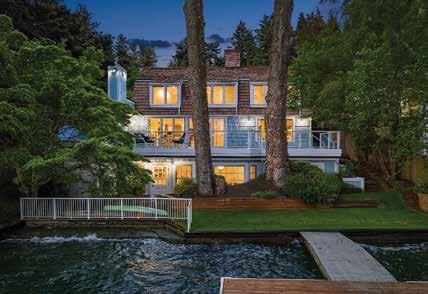
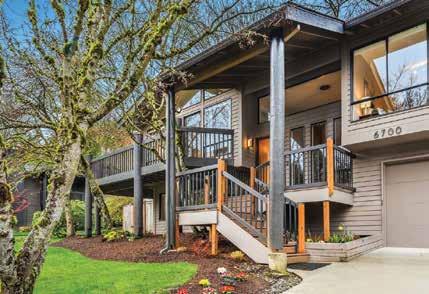

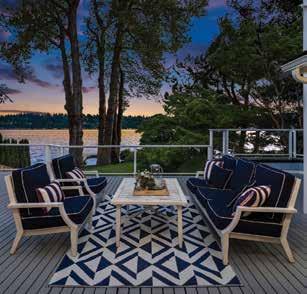



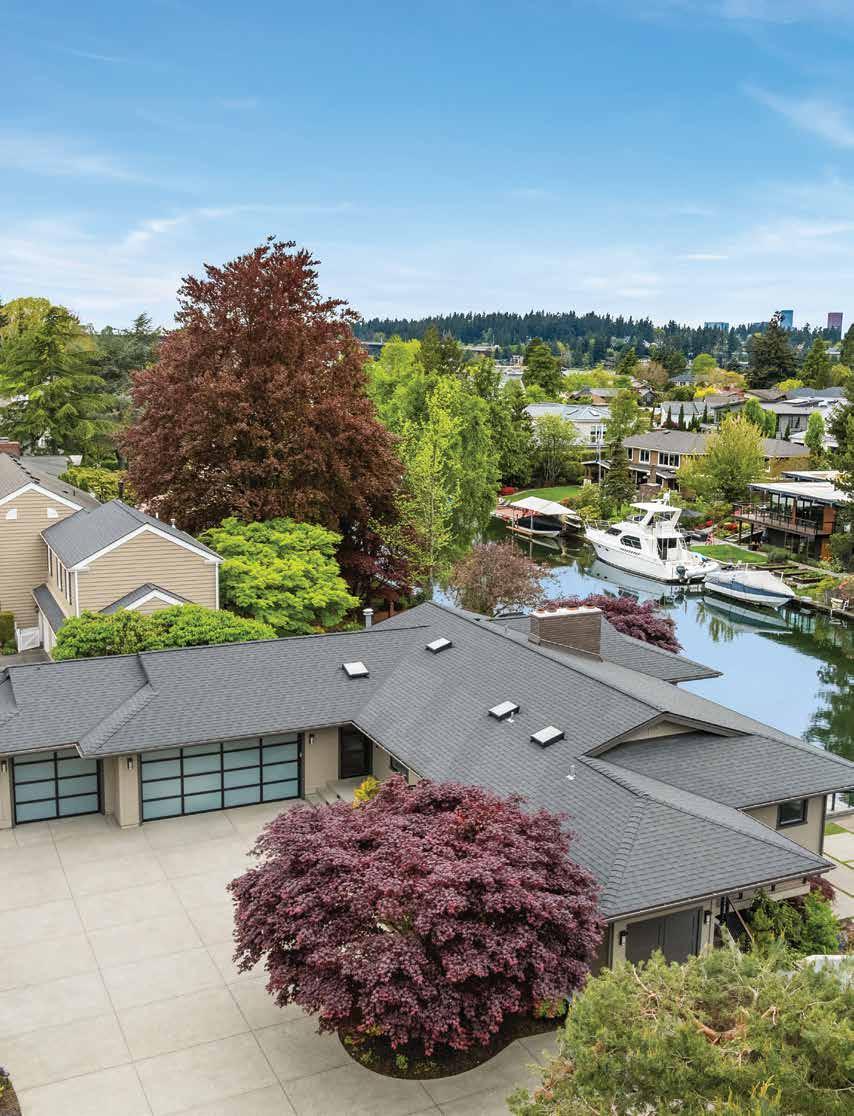
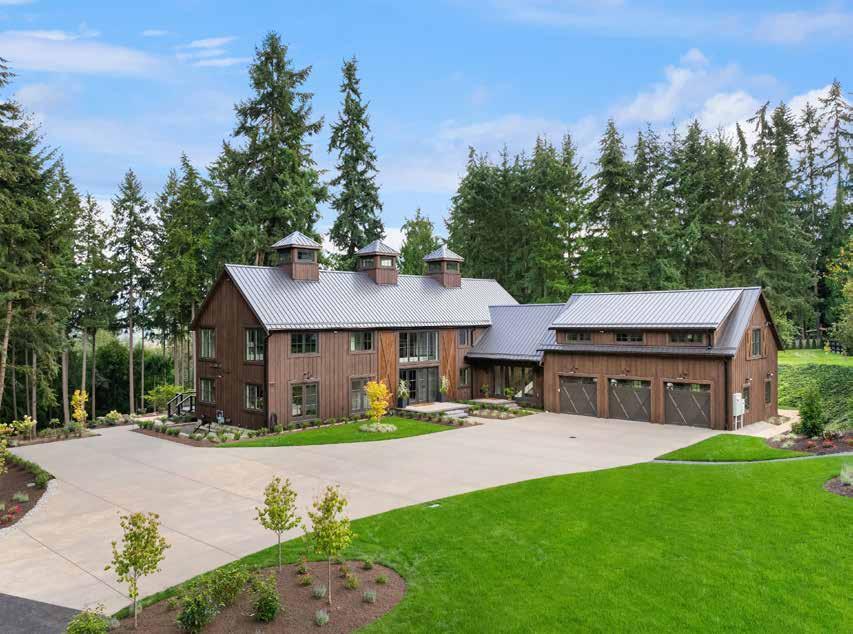
61 CASCADE KEY, BELLEVUE LISTED FOR $5,200,000
7268


2131
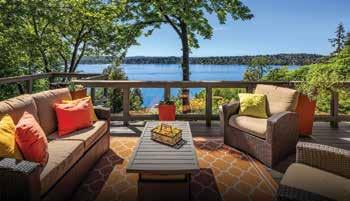

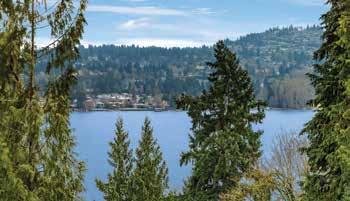
“I wish 10 stars were an option! Michele Schuler was exceptional to work with. Our home was truly unique and required a thoughtful, targeted approach to reach the right buyer—she executed flawlessly. Her pricing, positioning, and marketing led to a swift and successful sale. From start to finish, communication was seamless, and every detail was handled with professionalism and care. A truly elevated experience from a standout agent. Highly recommend.”
- Seller Testimonial


Rediscovering What Matters
Explore
Summer has always carried a different rhythm on Mercer Island.
The pace softens slightly. Conversations linger longer. Windows stay open later into the evening. Children move between parks, ballfields, beaches, trails, and neighborhoods with the kind of freedom that quietly becomes memory before anyone realizes it. Morning walks turn into conversations. Coffee becomes an hour instead of fifteen minutes. The lake, trees, and open spaces somehow remind us to breathe a little deeper again.

As we began shaping this year’s Explore issue for Mercer Island City Lifestyle, we initially imagined a traditional summer issue focused on destinations, travel, and discovery. But over time, the issue itself began revealing something much more meaningful.
Exploration is not always about distance.
Sometimes exploration means rediscovering the life already around us.
Throughout these pages, you will find stories connected by a shared idea: how people reconnect — with nature, creativity, family, rhythm, culture, and one another. Whether exploring Mercer Island’s trails and parks, the emotional architecture of multigenerational homes, the discipline and beauty found through orchestra and rowing, or reflections from two remarkably different islands separated by an ocean, this issue ultimately became less about “going somewhere” and more about paying attention.
One of the quiet themes that emerged again and again while creating this issue was care.
Care reflected in thoughtfully designed homes where generations gather naturally.
Care reflected in teachers, coaches, volunteers, and parents helping shape young lives.
Care reflected in parks, trails, and open spaces preserved for future generations.
Care reflected in craftsmanship, hospitality, and the small details that quietly shape how daily life feels.
In many ways, quality of life is often built not through grand moments, but through smaller experiences we may not fully appreciate until much later: conversations around kitchen islands, evenings spent with grandparents, walks through familiar parks, summer gatherings with friends, and simple moments where we feel connected to one another without distraction.
Perhaps that is the true spirit of exploration.
Not simply discovering new places, but rediscovering what matters most.
As always, thank you for welcoming us into your homes and lives each month. We hope this issue encourages you to slow down a little, explore thoughtfully, and perhaps notice something beautiful that was already there waiting for you.
Warmly,
SHARON PEREZ AND CHRIS ISHII
@MERCERISLANDCITYLIFESTYLE
July 2026
PUBLISHER
Chris Ishii | chris.ishii@citylifestyle.com
EDITOR
Sharon Perez | sharon.perez@citylifestyle.com
CONTRIBUTING WRITER
Marlo Lopez
CONTRIBUTING PHOTOGRAPHERS
Jay Greer, Hillary Ethe, Enrico Pozzo, Mike Jensen, Benjamin Benschneider, Phillip Clayton Thomas, Sarah Hart, Arthur Hitchcock, Jessica Keaveny,
Corporate Team
CEO Steven Schowengerdt
President Matthew Perry
COO David Stetler
CRO Jamie Pentz
CoS Janeane Thompson
AD DESIGNER Evan Deuvall
LAYOUT DESIGNER Kelsey Ragain
QUALITY CONTROL SPECIALIST Hannah Leimkuhler


Learn
Proverbs 3:5-6





city scene







1: Islanders rush the field! 2: MIHS 2026 KingCo 3A Crest Division Champions 3: Brady Dolence closes the ship, 2026 KingCo Conference 3A Crest MVP and First Team selection. 4: First Team 2026 All-KingCo 3A Senior Kalden Short Winning Pitcher shows his fire! 5: Tino Pozzo, First Team 2026 All-KingCo 3A between innings 6: Liam Sirianni, First Team 2026 All-KingCo 3A, scores in “Ship” 7: Ewan Shea celebrates on 2B after hitting GWRBI Double! Photography by Enrico Pozzo




business monthly
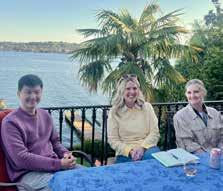

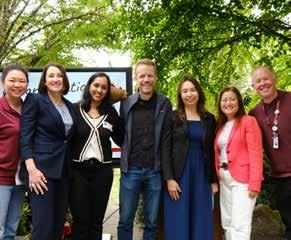
Mercer Island Community Fund Welcomes New Board Members
The Mercer Island Community Fund recently welcomed three new members to its Board of Directors: Dr. Ronald Yeh, Emily Ferrari, and Laurie Givan. Bringing diverse experience and a shared commitment to community impact, each will help guide the organization’s work supporting local nonprofit partners and strengthening connections across Mercer Island. Their leadership reflects MICF’s continued investment in building a vibrant, caring, and resilient community.
Scan to read more
The Crawlspace Launches New Brunch Menu
The Crawlspace is giving weekends a delicious upgrade with a new brunch menu, now available Saturdays and Sundays 10 a.m.–2 p.m. The refreshed lineup blends comfort food with bold flavors—from Wagyu Loco Moco and Steak & Eggs to Korean Fried Chicken & Waffles and house-made brunch cocktails, including a Kimchi Bloody Mary and Mimosa Flight. Equal parts elevated and approachable, the new menu invites Mercer Island locals to gather, linger, and make brunch a destination.
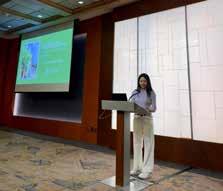
Mirelle Education Hosts Seminar for Local Families at Bellevue Club
Mirelle Education recently welcomed approximately 30 attendees to an educational seminar at the Bellevue Club, bringing together local families for an evening of conversation, insight, and strategy around student growth and future planning. Known for its personalized mentorship approach, Mirelle Education supports students in discovering their interests, building confidence, and navigating academic and college pathways with intention. The gathering created space for thoughtful discussion and connection among Eastside families invested in helping students thrive. Scan to read more
Photography by Mirelle Eduction
Photography by The Crawlspace Gastropub
Photography by Mercer Island City Lifestyle

Classical Music In the Wild
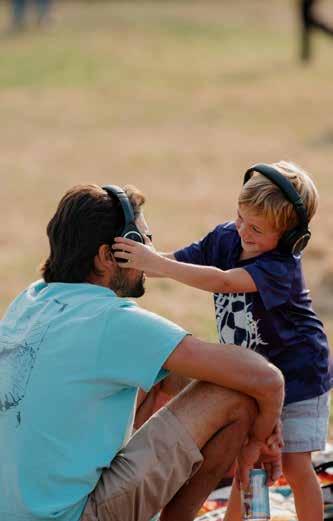
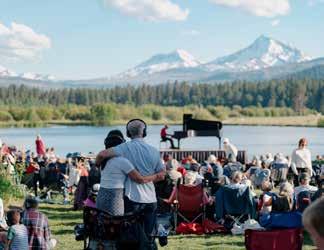
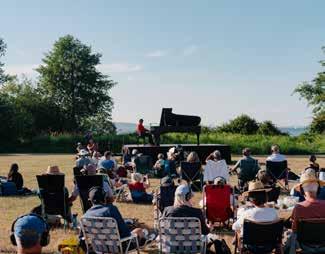
IN A LANDSCAPE BRINGS A ONE NIGHT LIVE MUSIC EXPERIENCE TO MERCER ISLAND
ARTICLE
SHARON
BY
PEREZ | PHOTOGRAPHY BY IN A LANDSCAPE
Music Meets Landscape:
This summer, one of the most distinctive live music experiences in the West arrives on Mercer Island for the very first time.
On Tuesday, July 21, acclaimed pianist and naturalist Hunter Noack brings his celebrated outdoor concert series, IN A LANDSCAPE: Classical Music in the Wild™, to the shores of Luther Burbank Park.
Forget velvet seats and concert halls. Imagine a 9-foot Steinway grand piano set against the backdrop of Lake Washington, with audiences listening through wireless headphones while
wandering, picnicking, or simply taking in the landscape. The result is something immersive and deeply personal—part concert, part nature experience, part summer evening magic.
Founded in 2016, IN A LANDSCAPE was created to make live classical music more accessible while building stronger connections between people and place. Over the past decade, the series has become known for transforming extraordinary outdoor settings into performance spaces—from national parks and historic sites to cultural landscapes across the American West and Canada.
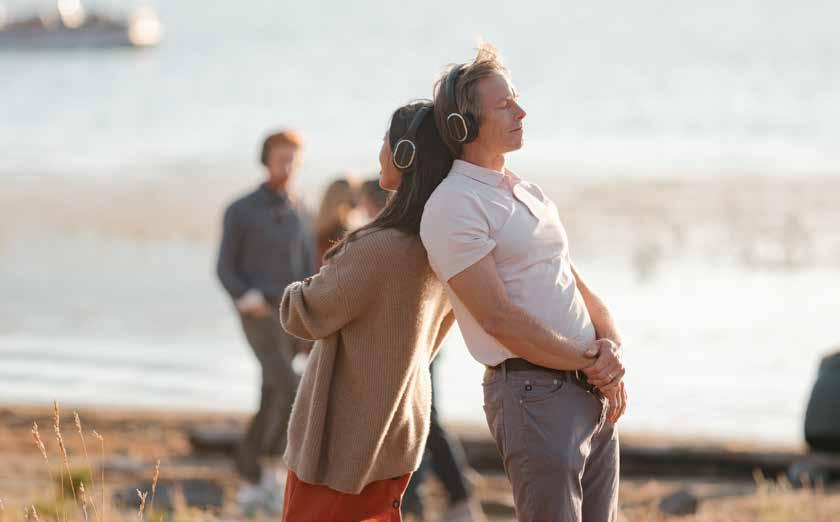
“Hunter Noack has reached the mountain top.” The New York Times
“A rare musical experience.” Forbes
“Transforming the classical concert experience.” CBS Mornings
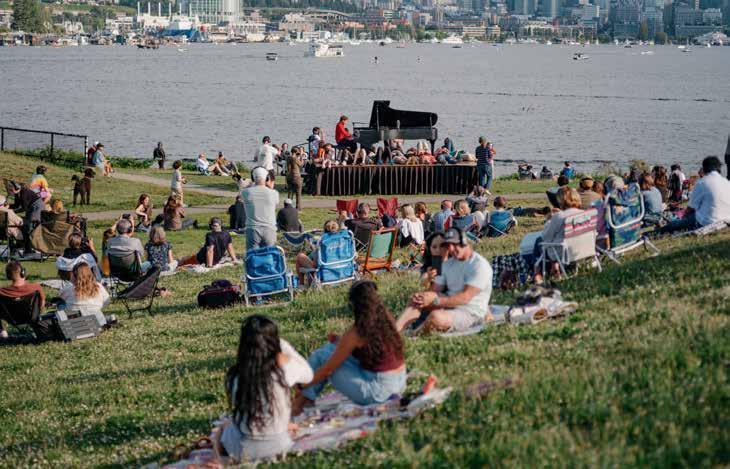
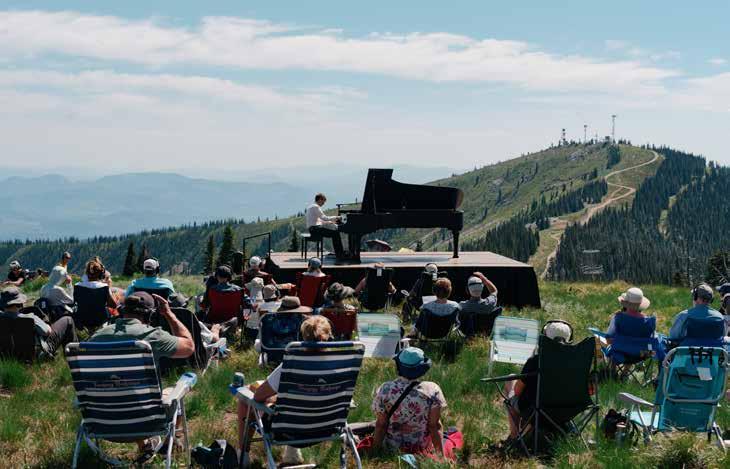
Mercer Island joins an impressive 2026 tour that includes performances at Golden Gardens Park, Skamania Lodge, Sleeping Lady Mountain Resort and destinations stretching from Griffith Park to Banff Centre for Arts and Creativity.
Named after In a Landscape by John Cage, the series embraces the idea that listening changes depending on where we are. As Noack explains, “No two concerts are ever the same—the music is shaped by the light, the weather, and the stories of the landscape itself.”
Tickets are $45 and available @ Pack a blanket, gather friends, and experience classical music in an entirely new way.

IN A LANDSCAPE:
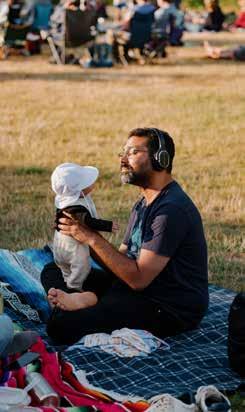
Classical pianist and naturalist Hunter Noack returns for the 11th season of IN A LANDSCAPE, the outdoor concert series pairing live classical music with iconic landscapes across the American West. Audiences listen through wireless headphones while exploring forests, coastlines, ranchlands, and desert settings as Noack performs on a concert grand piano. The 2026 season features 50 concerts at sites including San Francisco Botanical Garden, Sea Ranch, Banff, Black Butte Ranch, and Oregon’s Dark Sky Sanctuary at Summer Lake Hot Springs. Tickets @ inalandscape.org
Classical Music in the Wild™
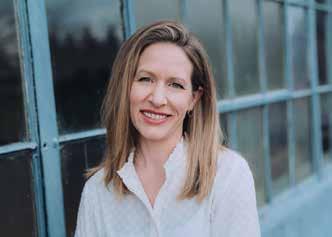
Hunter Noack



Places Stay With Us
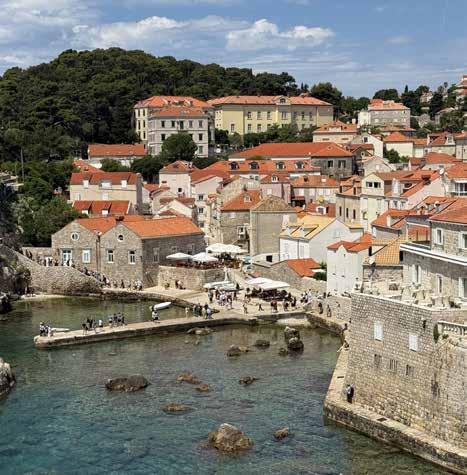
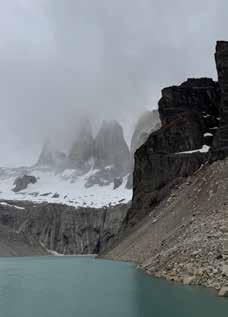
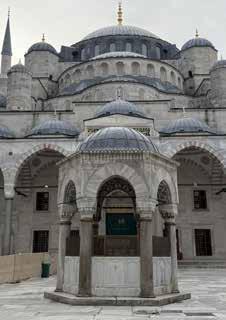
How meaningful travel shapes perspective, connection, and the way we experience the world
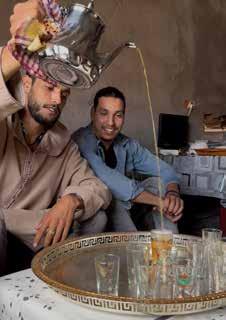
The more we travel, the more we realize how connected we really are. Even across different cultures, languages, and histories, there’s a shared humanity that reminds us we’re often more alike than different.
Travel expands our understanding of beauty, hospitality, community, and what truly matters. Some of the most meaningful moments are not found in luxury hotels or famous landmarks, but in simple human connection. Experiences that challenge us physically often stay with us emotionally. Hiking through Torres del Paine reminded me that some of the most meaningful moments in travel are those that require effort, patience, and perseverance to fully appreciate the beauty at the top.
ARTICLE AND PHOTOGRAPHY BY
BRENDA EL-GHAZZAWY
TORRES DEL PAINE NATIONAL PARK: Patagonia, Chile
WALKING THE WALLS OF OLD TOWN: Dubrovnik, Croatia
BLUE MOSQUE: Istanbul, Turkey
TEA WITH BERBER FAMILY: Atlas Mountains Morocco




MI on
ARTICLE BY SHARON PEREZ PHOTOGRAPHY BY MERCER ISLAND CITY LIFESTYLE
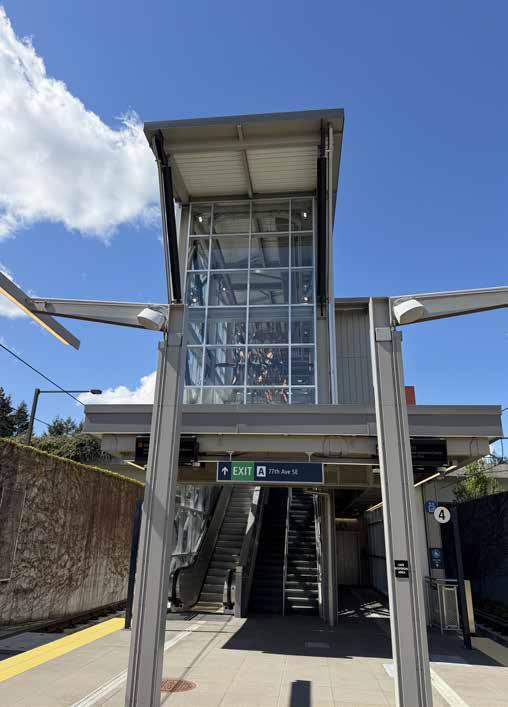
How the I-90 light rail is reshaping the way Mercer Island connects, explores, and experiences the region
the Move
Mercer Island has always existed in an interesting tension between connection and separation.
We are physically connected to the region through Interstate 90, yet emotionally and culturally we have long experienced ourselves as an island community — close to Seattle and Bellevue, but still distinctly our own.
The arrival of light rail quietly changes that relationship.
Not simply through transportation.
But through possibility.
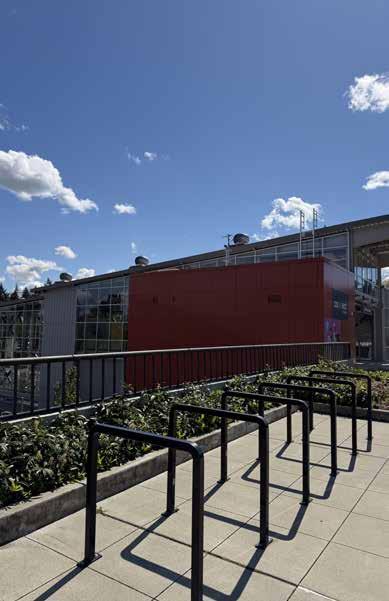
For decades, movement across the region revolved around cars, schedules, parking, traffic, and the friction that naturally limits spontaneity. Today, the light rail system is beginning to reshape how Mercer Islanders think about access, opportunity, and community itself.
Seattle suddenly feels closer.
Bellevue feels more integrated.
Lynnwood and Federal Way no longer feel psychologically distant in the same way they once did.
And for younger generations especially, regional exploration begins to feel less dependent on parents driving, parking logistics, or rigid planning. That subtle shift may prove more meaningful than many initially realize.
How does geographic connection reshape community?
What happens when students can more easily access internships, arts experiences, concerts, museums, sporting events, and educational opportunities throughout the region? What happens when families begin attending performances, philanthropy events, or athletic competitions without the stress traditionally attached to cross-city travel?
Perhaps most importantly, what happens to the passions of Mercer Islanders themselves?
Do they become diluted?
Or expanded?
My sense is that they become amplified.
Mercer Island has always possessed unusually strong cultural DNA — education, athletics, volunteerism, arts, philanthropy, entrepreneurship, and community engagement all run deeply through the island. Increased regional access may not weaken those values at all. It may allow them to travel farther, connect more broadly, and influence the larger region in new ways.
Students pursuing orchestra, theater, athletics, debate, robotics, or academic programs now experience a region that feels more interconnected and accessible. Families supporting nonprofit causes may engage more frequently throughout Seattle and Bellevue while still returning home to the quieter rhythm of island life.
The train itself may simply be infrastructure.
But the deeper story may ultimately be about access, perspective, and the quiet expansion of possibility.
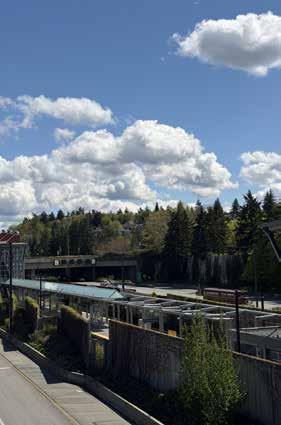








Photo by Abode Interior Design
Two Islands
Two islands. Two cultures. One shared language of care
ARTICLE BY CHRIS ISHII
PHOTOGRAPHY BY MERCER ISLAND CITY LIFESTYLE
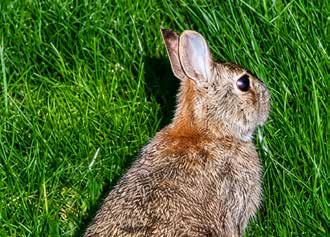
On the lawn waiting for attention (and food)
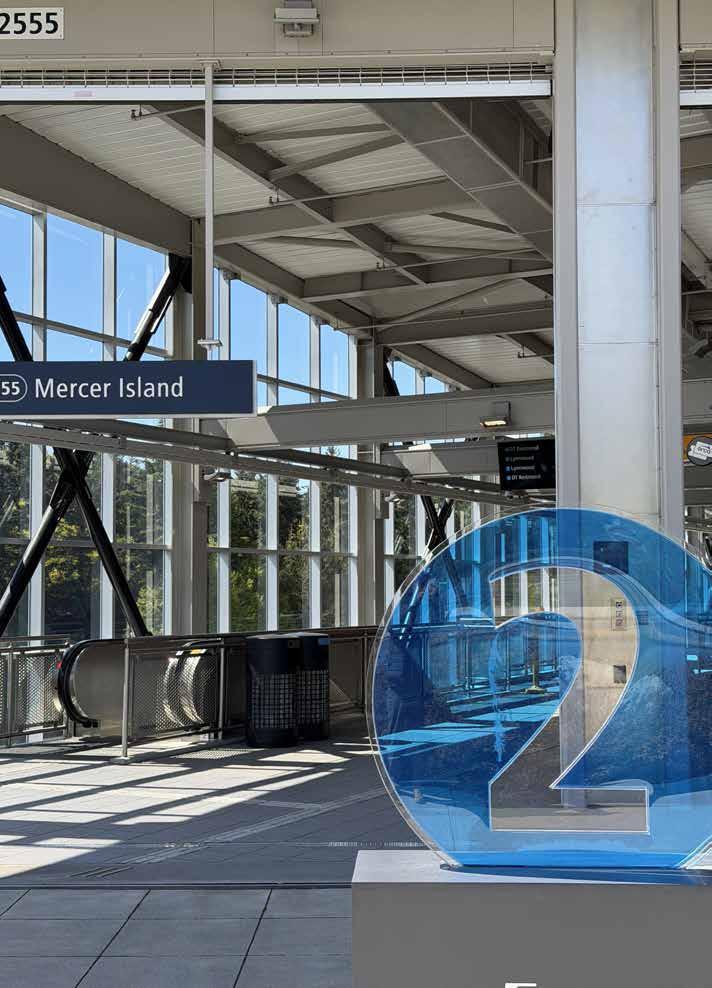
Light Rail Mercer Island Stop
Over the past two years, I have found myself deepening my relationship with two islands.
Mercer Island.
And the island of Honshu.
At first glance, they seem so different.
Yet over time, both islands began revealing a surprisingly similar spirit.
One is quiet and residential, surrounded by freshwater and evergreens in the Pacific Northwest. The other contains Tokyo — the largest city in the world — where millions of people move through stations, streets, and neighborhoods with astonishing speed and precision every day.
And yet, strangely, both islands have slowly taught me many of the same things.
Not about travel.
Not even really about place.
But about attention.
And how the act of truly noticing may be one of the purest forms of care.
In Japan, I began noticing how much care can exist inside ordinary life. The train from Shibuya to Ebisu arrives exactly when expected. Omiyage purchased in the depachika beneath a department store is packaged with thoughtfulness and quiet pride. Chefs adjust presentation carefully before a dish ever reaches the table. Store clerks, servers, station attendants, and strangers move through crowded spaces with an awareness of the people around them that feels increasingly rare in modern life.
Even small acts reflect that awareness. In Tokyo, the polite thing to do is often to make yourself smaller for the comfort of others — turning your backpack around on crowded trains, carrying an umbrella carefully, moving thoughtfully through shared spaces. Quiet consideration becomes part of daily life.
At Shibuya Crossing, thousands of people move through one another with astonishing precision and almost no friction at all. In one of the busiest places on earth, life somehow feels less abrasive.
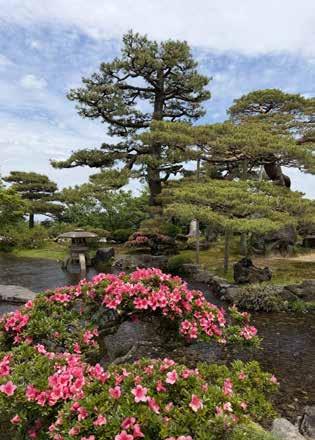
Yet what deepened my understanding of Japan most was not Tokyo alone, but the contrast surrounding it. Visits to Fukuoka, Osaka, and Kyoto helped anchor the scale and rhythm of the larger city experience, while places like Shirakawa-go, Kanazawa, Hakone, Gifu, and Atami seemed to pull life backward into something slower, older, and more grounded. In many of those places, the culture surrounding onsen revealed
something deeper than relaxation itself — a holistic relationship with wellness, restoration, stillness, and the rhythm of daily life.
Some of my favorite moments have happened inside small neighborhood experiences. Sitting quietly at the counter in Ebisu with one of my favorite sushi chefs, Chef Kumakura, I began appreciating the intimacy of repetition and familiarity. Preferences are remembered. The pacing of the meal unfolds naturally. Conversation moves slowly and comfortably without performance. Hospitality begins to feel less transactional and more relational.
None of it is dramatic on its own.
That may be why it becomes so powerful collectively.
Over time, I realized the thing I was responding to most was not efficiency or luxury.
It was care.
And perhaps more importantly, consistency of care.
Japan’s care exists at the societal level. It is woven into the fabric of daily life itself. A shared understanding that individual actions affect the collective experience of everyone. Small courtesies are repeated day after day until they become part of the emotional atmosphere itself.
That consistency changes how people move through their day.
It lowers tension.
It creates trust.
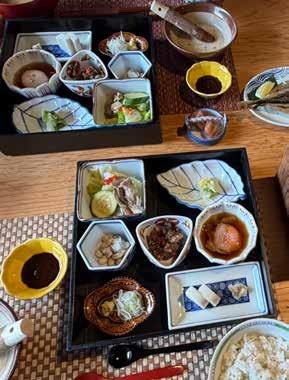
Ryokan Breakfast: Matsuzakaya Honten Hakone
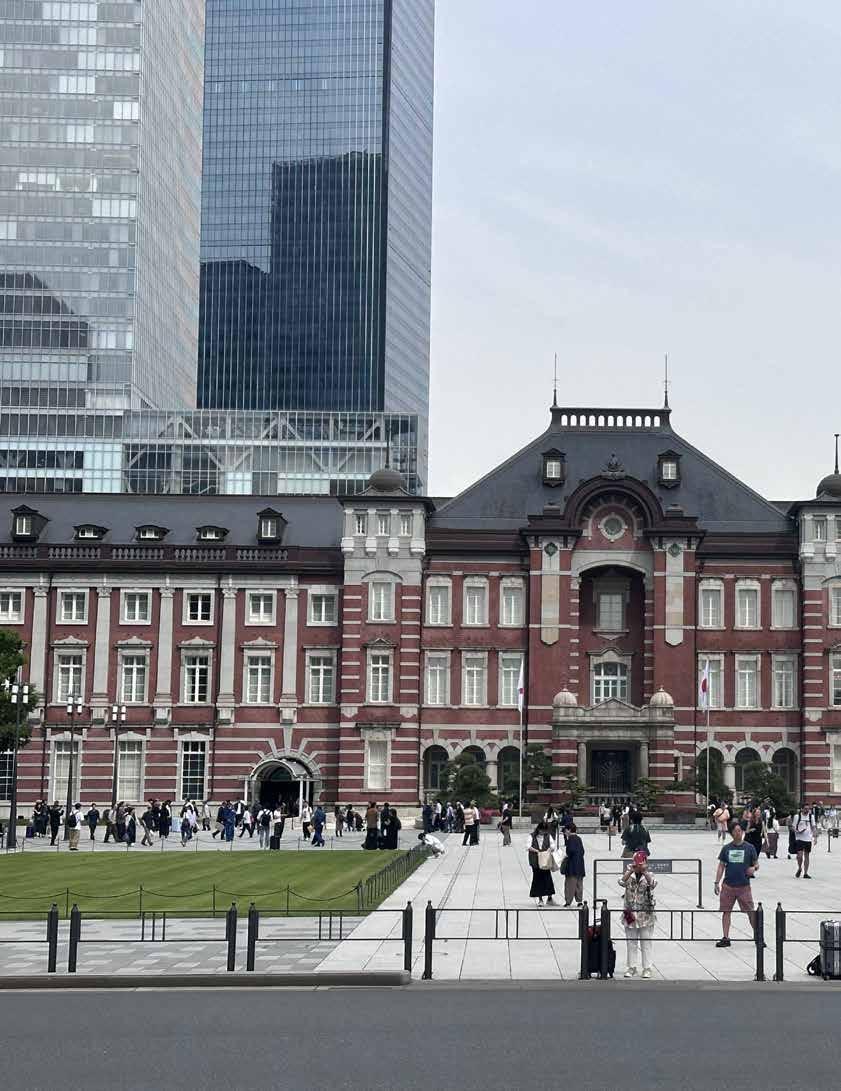
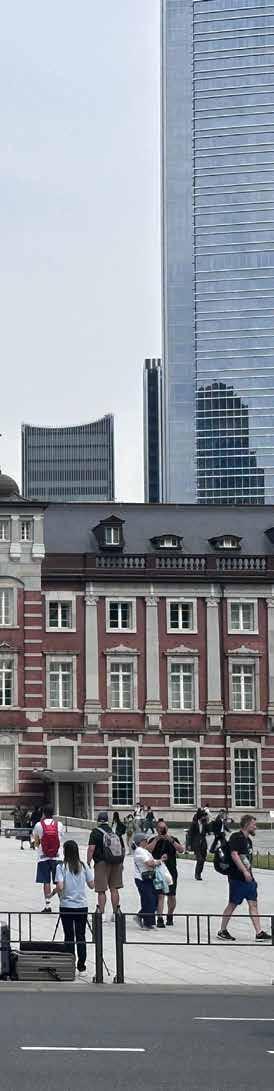
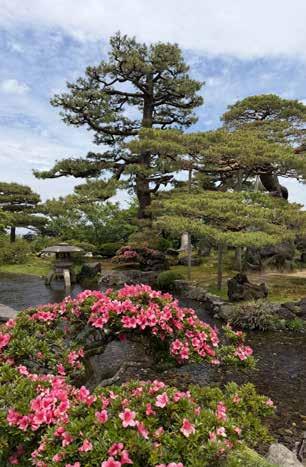
Kenrokuen, Kanazawa, Ishikawa Prefecture
“The act of truly noticing another person may be one of the purest forms of care, felt most deeply through the smallest moments of consideration.”
And eventually, whether consciously or not, it allows people to become more present.
Meanwhile, back on Mercer Island, I found myself noticing a different but equally meaningful form of care.
More intimate.
More personal.
Conversations linger longer over coffee. Familiar faces reappear on trails, near the shoreline, and at ballgames at Island Crest Park. Water, trees, and open space quietly soften the pace of everyday life. Even our local cafés and restaurants carry a neighborhood familiarity that feels increasingly valuable — places where owners, staff, families, and regular customers slowly become part of one another’s lives.
This community has also enhanced the way I think about connection itself.
Through this magazine, I have come to realize that stories matter most when they emerge from genuine community.
Perhaps that is what defines Mercer Island most.
Care revealed through community life itself.
Through schools that families rally around. Through orchestra, arts, athletics, and mentorship. Through volunteerism, philanthropy, and neighbors supporting one another in visible and invisible ways. Through volunteers coaching teams, residents preserving parks and open space, and generations investing not simply in success, but in one another.
Countless breakfasts, fundraisers, performances, games, and community gatherings quietly reveal the DNA of Mercer Island. Beneath the surface exists a culture grounded in care, pride, participation, and belonging.
Children may not fully understand it while growing up. But later in life, they often remember the feeling of being supported, encouraged, known, and surrounded by people who genuinely cared about the community and each other.
In many ways, that may be the quiet gift both islands share — the understanding that quality of life is ultimately shaped through human connection, consistency, and care repeated day after day over time.
In Japan, that care often exists societally — woven into the fabric of daily life. On Mercer Island, it feels more intimate and personal.
What I’ve come to realize is that the most meaningful forms of exploration do not simply show us new places.
They return us to our own lives with greater awareness of what deserves our attention in the first place.








Mercer Island REDISCOVERING
The island changes depending on where you are in life
ARTICLE BY CHRIS ISHII | PHOTOGRAPHY BY HILLARY ETHE
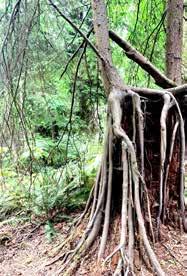
Western Hemlocks Growing on Cedar Stump Ravine Trail
Pioneer Park
On Mercer Island, it’s surprisingly easy to miss the island itself.
Between school drop-offs, meetings, practices, workouts, and errands, many residents pass trails, shoreline paths, forests, and quiet outdoor spaces without fully stepping into them. Familiarity has a way of softening awareness. The places we see every day can slowly become invisible.
But spend even one afternoon exploring again — slowly — and Mercer Island begins to feel different.
Near the sculpture park by the light rail station, surrounded by trails, public art, and sunlight, a conversation about parks and open space quickly became something larger: a reminder that Mercer Island offers far more than convenience and beautiful homes. It offers places to reconnect — with nature, family, movement, and sometimes even ourselves.
“Exploration doesn’t always mean traveling somewhere far away,” says Hillary Ethe. “Sometimes it means rediscovering the parks and trails already around you.”
Hillary Ethe sees Mercer Island differently than most people. As Chair of the Mercer Island Open Space Conservancy Trust, she spends much of her time exploring and helping preserve the island’s interconnected network of parks, trails, wetlands, and open spaces. That sense of connectivity may be one of the island’s quietest luxuries.
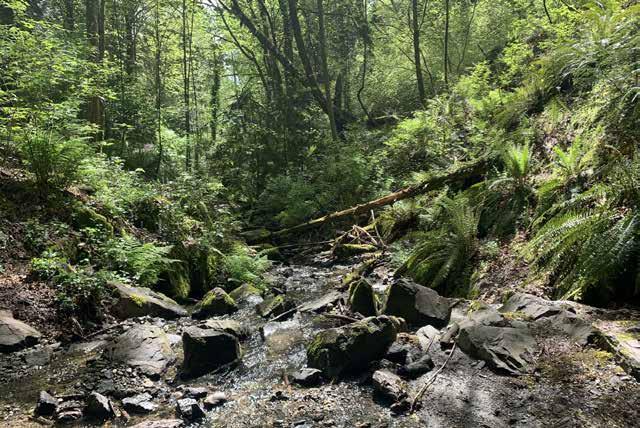
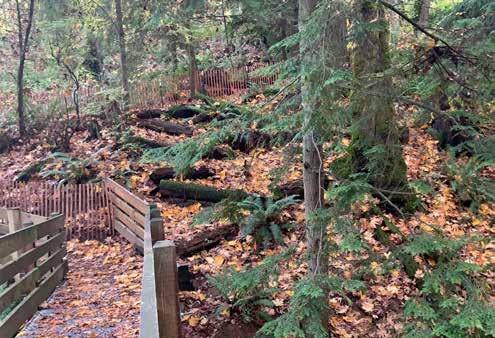
At Pioneer Park, trails weave through towering evergreens and peaceful forest corridors that feel worlds away from the surrounding city. Families wander paths with young children searching for birds and frogs. Trail runners move silently beneath the trees. Couples walk side-by-side without needing much conversation at all.
The island’s network of trails and open spaces allows residents to create their own rhythm of exploration — long loops through forests, short evening walks after dinner, or restorative solo mornings before work.
For younger families, the outdoors often become a child’s first true sense of discovery. Mercer Island’s parks provide something increasingly rare in modern life: unstructured wonder. A puddle becomes an ecosystem. A trail becomes an adventure. A bald eagle sighting becomes a story repeated at the dinner table later that night.
And hidden within the island are places many residents may not fully know.
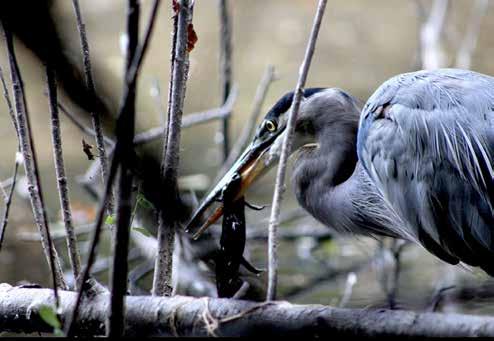
Ellis Pond Park, tucked quietly into the center of the island, has become known among nature enthusiasts as a bird biodiversity hotspot. During summer months, residents can even participate in
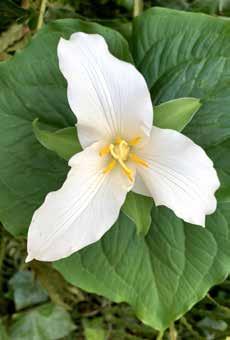
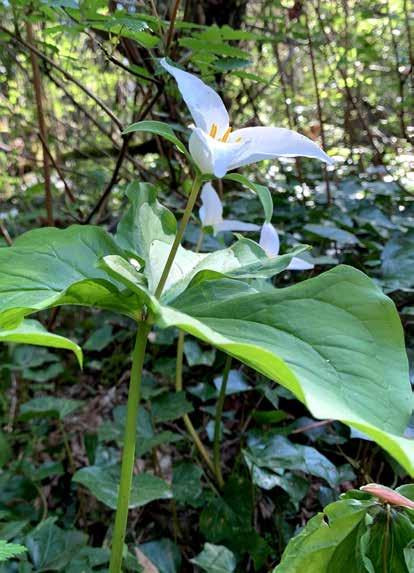
Trillium in bloom
Signs of Spring Trillium and Salmonberry
community “bat nights,” helping survey local bat populations alongside Mercer Island’s Parks and Natural Resources teams.
“People are often surprised by the biodiversity they can find here,” Hillary says. “Ellis Pond is one of Mercer Island’s hidden ecological gems.”
The island’s outdoor culture is also rooted in stewardship. Residents gather for forest work parties, helping remove invasive ivy and blackberry while planting native species that strengthen local habitat.
“The stewardship work is rewarding because residents learn not only what to remove, but what belongs,” Hillary explains. “Native plants, habitat, and the balance of the ecosystem all matter.”
For some residents, these volunteer efforts become more than environmental work. They become community. Conversation. Wellness. A meaningful way to spend a Saturday morning outdoors alongside neighbors who care deeply about preserving the island’s natural character.
Mercer Island also offers something increasingly valuable in modern life: places to slow down.
Monthly mindfulness walks through Pioneer Park invite residents to experience nature at a different pace. No rushing. No destination. Just movement, breathing, and awareness.
“For many residents, these parks become part of their daily wellness,” Hillary says. “Walking, birdwatching, mindfulness, movement, and simply slowing down.”
For longtime Islanders and seniors, exploration often becomes less about distance and more about presence. A peaceful walk. Morning birdwatching. Watching
Exploration doesn’t always mean traveling somewhere far away. Sometimes it means rediscovering the parks and trails already around you. Once people start exploring, they often realize there’s much more here than they expected - hidden trails, bird watching, native plants, and quiet beauty.— Hillary Ethe
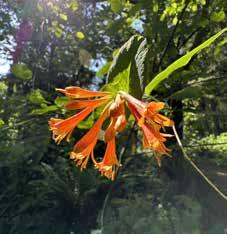
Native Orange Honeysuckle
Raveen Restoration at Pioneer Park
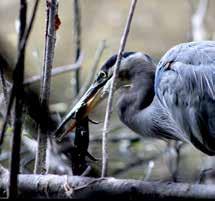
Heron at Ellis Pond
“There are so many beautiful places on Mercer Island that people drive past every day without realizing how connected they really are.”
Hillary Ethe
grandchildren discover trails for the first time. Sitting quietly near the water at Luther Burbank Park.
In summer, the swim beach fills with families, paddleboards, laughter, and the timeless tradition of jumping into the lake on a warm afternoon.
For couples, Mercer Island’s beauty often reveals itself in smaller moments — evening walks through the Mercerdale Hillside Sculpture Park, coffee followed by a trail walk, sunlight filtering through the trees near sunset.
And for teenagers and young adults, the island offers freedom: bike rides, photography walks, trail loops, pickup games, spontaneous swims, and the feeling that adventure might exist just beyond the next turn.
For residents interested in exploring further, Hillary encourages Islanders to pay attention to the programming already happening around them. The Mercer Island Parks & Recreation calendar regularly highlights guided walks, stewardship opportunities, educational events, and seasonal outdoor activities. Residents can also stay informed through the Parks & Recreation newsletter, which shares upcoming programs, volunteer opportunities, and community events connected to the island’s parks and open spaces.
“Once people start exploring,” Hillary says, “they often realize there’s much more here than they expected.”
Mercer Island has always been known for its schools, neighborhoods, and strong sense of community. But its outdoor spaces may be among its greatest gifts — not simply because they are beautiful, but because they create opportunities for people at every stage of life to reconnect with wonder, movement, health, and each other.
Sometimes exploration doesn’t require a passport, a flight, or even a plan.
Sometimes it simply begins by taking a different trail home.
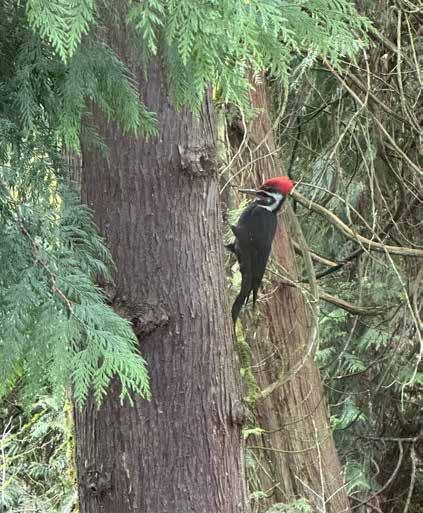
Pileated Woodpecker at Ellis Pond








EXPLORING HOW INTENTIONAL SPACES FOSTER WARMTH, RHYTHM, AND MULTIGENERATIONAL
LIVING
DESIGNED FOR CONNECTION
In an era shaped by digital overload, fractured attention spans, and increasingly isolated daily routines, architect Mark Elster believes the home has become more important than ever — not simply as shelter, but as a place that helps families reconnect with one another in meaningful and lasting ways.
“In a world grappling with the isolating effects of social media and digital overload, we believe the home should serve as a powerful antidote,” says Elster, principal of AOME Architects. “The families we work with seek a true refuge from the helter-skelter pace of modern life — a place where they, their children, and their friends can reconnect meaningfully across generations.”
ARTICLE BY CHRIS ISHII | PHOTOGRAPHY
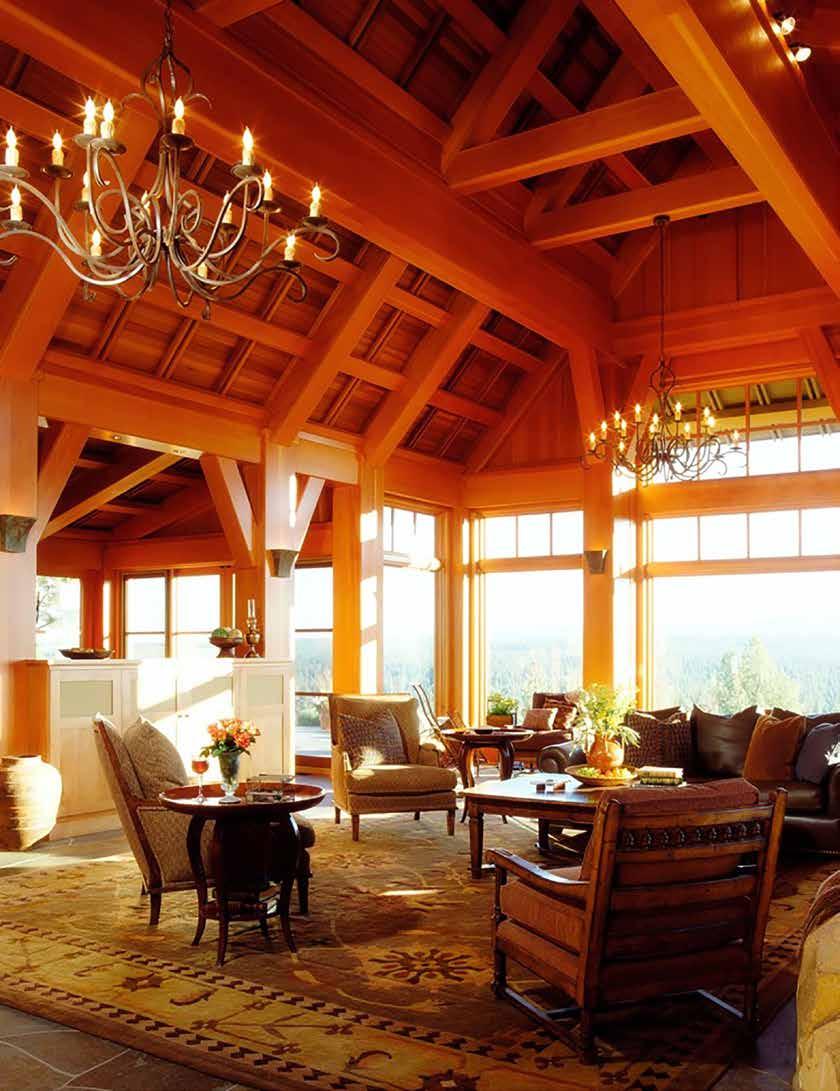
High Desert LodgePhillip Clayton Thomas
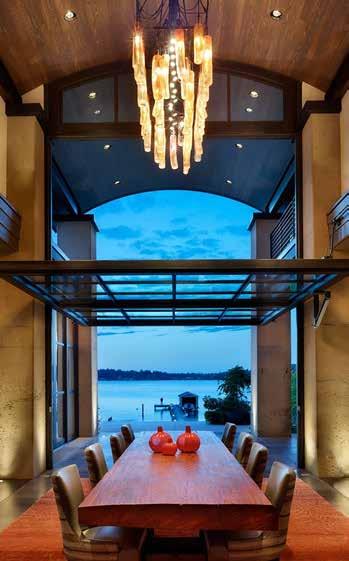
That philosophy increasingly resonates in a culture often focused on immediacy, productivity, and constant acceleration. Many families are quietly searching for something increasingly rare: spaces that slow the pace of life enough for meaningful moments to happen naturally again.
Not simply larger homes.
Not trend-driven luxury.
But environments where conversations linger, generations gather naturally, and people feel emotionally connected to one another.
“Whether designing primary residences, second homes, or legacy retreats, we craft intentional gathering spaces that foster the genuine social interactions we all crave,” Elster explains.
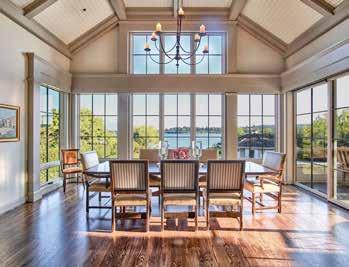
Throughout the firm’s work, gathering spaces are intentionally designed to feel emotionally connected even within generously scaled homes. Kitchens flow naturally into living spaces. Rooms feel expansive while still maintaining warmth and intimacy. Natural materials soften sound, shape atmosphere, and encourage a deeper sense of comfort and belonging.
“Even in generously scaled homes, we ensure your living areas, great rooms, and kitchens maintain a distinctly human scale and an enduring sense of intimacy,” says Elster. “These spaces are
carefully proportioned so that large groups feel warmly connected rather than lost in volume.”
That understanding comes not simply from architectural expertise, but from years of observing how families evolve over time. Children grow up. Parents age. Traditions deepen. Homes quietly become repositories for memory, identity, and emotional continuity across generations.
We spend time together for many reasons. Sometimes out of need. Sometimes out of convenience. Sometimes simply because we belong to one another. Yet what many families only fully understand later is how deeply those ordinary moments become cherished over time.
The conversations around kitchen islands.
Stories shared during holidays.
Quiet mornings with grandparents.
Summer evenings stretching a little longer than expected.
Without fully realizing it in the moment, children absorb these experiences deeply. As they grow older, those memories often become some of the most meaningful emotional anchors in their lives.
Throughout the design process, Elster believes homes must evolve alongside the families living within them.
“We thoughtfully consider how your home must evolve with your family over time,” he says. “Today’s playroom may become tomorrow’s study or quiet retreat, guest suites may comfortably support aging parents, and flexible areas can accommodate both lively multigenerational gatherings and peaceful everyday living.”
In many ways, the most successful homes today are not the ones that impress most loudly, but the ones that quietly improve the quality of life over decades.
Homes where people linger and memories of the future are made.
Where multiple generations naturally gather.
And where architecture itself becomes less about performance and more about belonging.
In the end, perhaps the true luxury of modern living is not simply space.
It is feeling deeply connected within it.
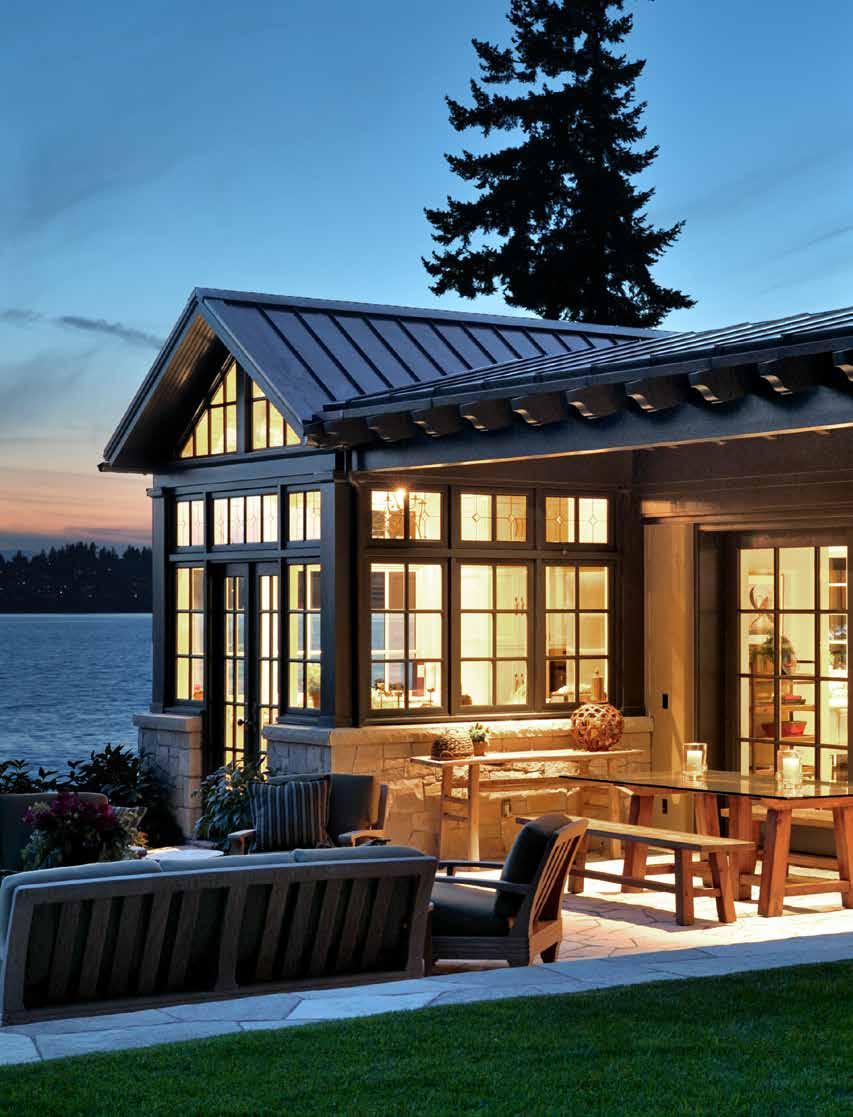
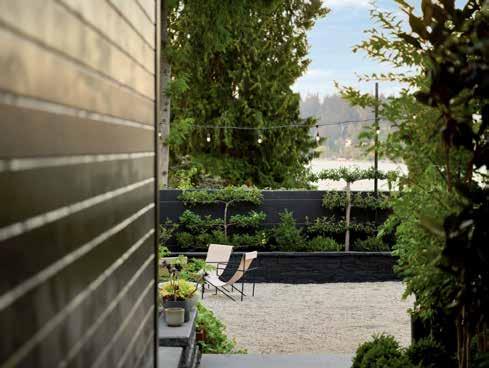
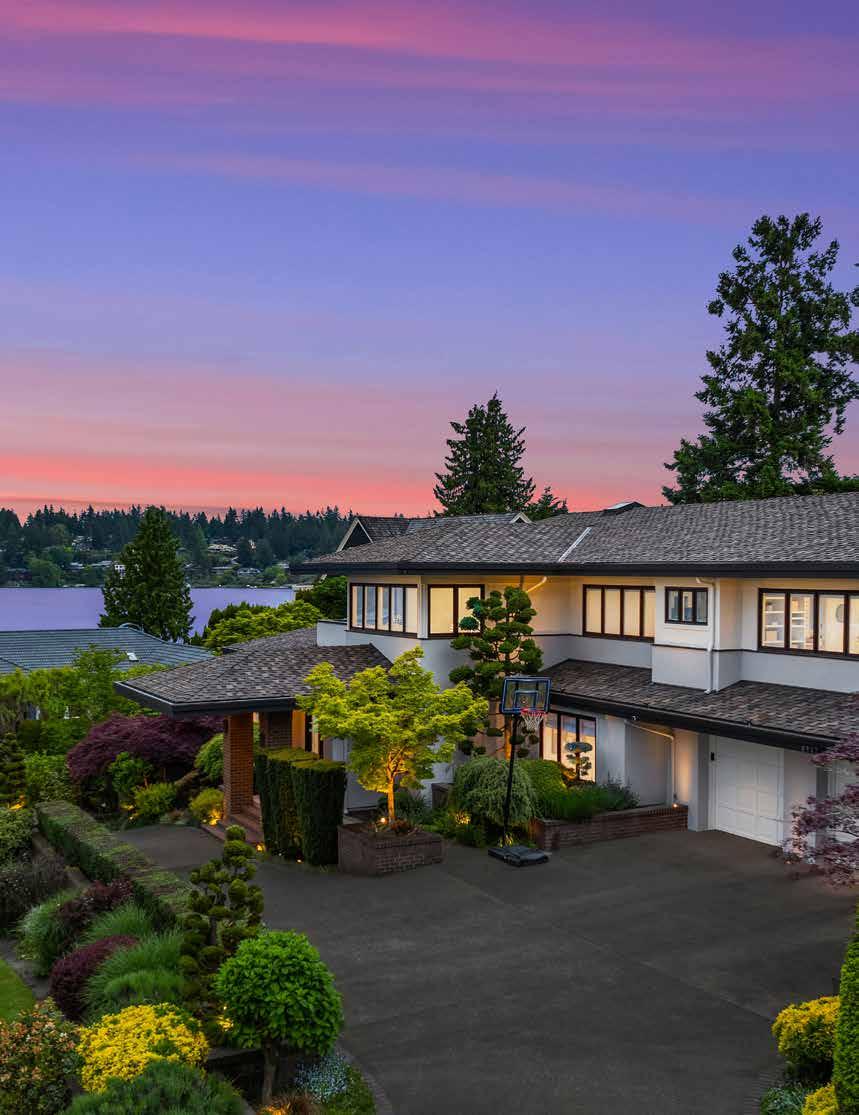
Lakefront Revival - Mike Jensen
Bon Appetit - Benjamin Benschneider


















EXPLORING CONNECTION THROUGH ORCHESTRA
THE
PAUSE AFTER THE FINAL NOTE
ARTICLE BY CHRIS ISHII
PHOTOGRAPHY BY VARIOUS
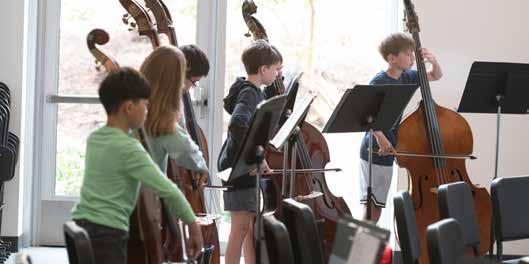
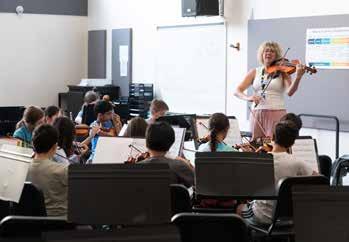
For Sarah Hart, music education has never been solely about performance. It is about cultivating attentiveness, empathy, discipline, vulnerability, and connection — qualities that shape students far beyond the orchestra room.
In her essay The Arts: Safeguarding Our Humanity, Hart reflects on a quiet moment following a rehearsal of Scarborough Fair with her sixth-grade orchestra students. After the final note faded, one student paused and softly asked, “Ms. Hart — that was really beautiful — wasn’t it?”
For Hart, moments like that reveal the deeper purpose of arts education. In a world increasingly driven by measurable outcomes, she believes the arts
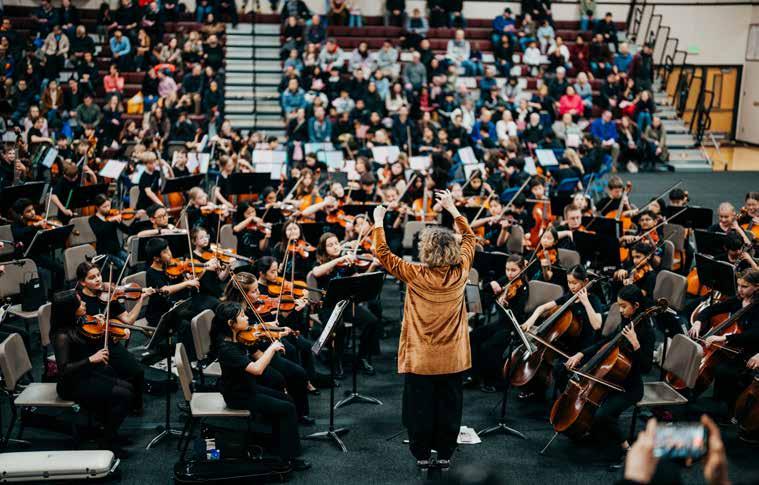
teach students something equally important: how to listen, feel, reflect, and care for one another.
That philosophy is clearly reflected in the voices of her students.
One student shared that orchestra helped them understand there is not always one “right” solution to a problem. By learning the viola, the student discovered different ways of thinking and approaching challenges — much like finding multiple paths through a math problem.
Others spoke about the profound sense of community created through music.
“Being a part of orchestra has taught me not only how to create beautiful music, but also how to be a part of something bigger than me,” one student reflected.
Another described the orchestra program as “almost like a huge extended family,” while others repeatedly used words such as welcoming, supportive, connected, and meaningful.
Many students connected music directly to emotional growth and human understanding.
“Through orchestra, I’ve learned to listen more to others and to truly understand how meaningful music is,” one student wrote.
Another student reflected, “You aren’t just playing your own part; you are entirely focused on contributing to something bigger than yourself.”
Several students emphasized that orchestra teaches resilience and vulnerability alongside technical skill. One student explained that performing music helps young musicians push past self-doubt and understand that mistakes are opportunities for growth supported by teammates and section members.
Others reflected on the broader life lessons gained through rehearsals and performances: accountability, focus, teamwork, leadership, perseverance, and confidence. “Music gives players a sense of enrichment and fulfillment seldom
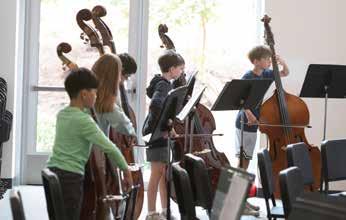
found anywhere else,” one student wrote. “When I play music, I feel complete.”
Together, the students’ reflections reveal something powerful about Hart’s approach to teaching. The program’s success is not rooted solely in technical excellence, but in creating an environment where students feel seen, connected, challenged, and inspired. The music becomes both the vehicle and the outcome — a way for students to develop musicianship, empathy, trust, self-expression, and belonging.
Hart believes these moments of attentiveness and beauty are essential in modern education because they help students remain deeply human in an increasingly hurried world. Judging from the students’ words, those lessons are resonating far beyond the classroom.
Recently, students from Islander Middle School received an invitation to perform at the prestigious American String Teachers Association National Orchestra Festival 2027, taking place February 24–27 in Chicago. The invitation recognizes not only the orchestra program’s musical excellence, but also the culture of connection, purpose, and shared humanity being cultivated inside the classroom every day.
Perhaps that is the true meaning behind the pause after the final note — the moment when students stop long enough to hear not only the music, but each other.
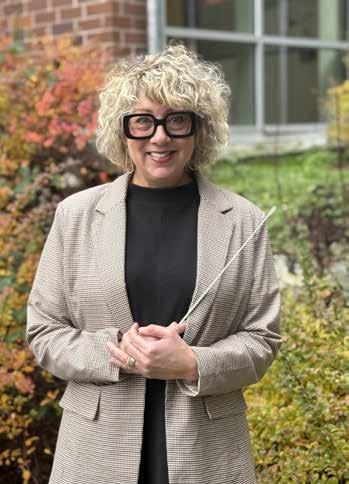
Sarah teaching
Sarah Hart
Bass section awaits...
Birdwatching Made Simple
EXPERT TIPS TO MAKE BACKYARD BIRDING A FASCINATING AND PEACEFUL PART OF YOUR LIFE.
ARTICLE BY MARSHALL ZWEIG | PHOTOGRAPHY PROVIDED
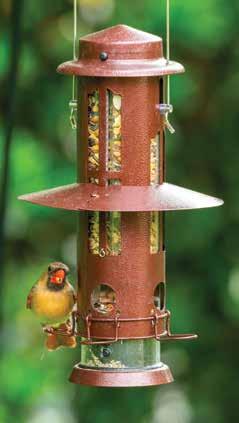
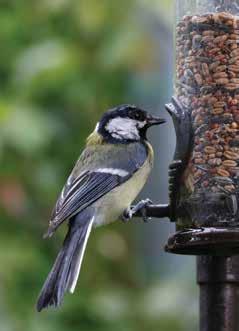
Thinking of putting up a bird feeder? You’re not alone. Backyard birding is the second most popular hobby in the U.S.—right behind gardening. Bob Gors of Wild Birds Unlimited in Macomb, MI, shares expert tips to help you get started—and get results.
START WITH THE RIGHT SETUP
If you’re new to bird feeding, don’t overcomplicate it. Bob recommends starting with a tray feeder, either pole-mounted or hung. “It’s accessible to the widest range of birds,” he says, “and it lets you experiment with different seed blends.”
Before setting up, take a look at your yard. Birds prefer to feed near trees or shrubs where they can perch and scan for predators. “If your yard is wide open, it’s going to be harder to attract them,” Bob notes.
Quick Tip: Place your feeder about 15 feet from trees or shrubs to give birds a safe place to wait their turn.
CHOOSE THE RIGHT SEED—AND SKIP THE FILLERS
Not all bird seed is created equal. Bob advises avoiding blends with fillers like milo, wheat, or oats. “Those are agricultural leftovers. Most birds won’t eat them.”
Each Wild Birds Unlimited store owner customizes their seed blends, based on the birds in each store’s specific area. Their blends contain no fillers—just high-quality ingredients birds actually eat. They’re available in no-mess varieties—no shells, no waste. “With standard seed, up to 40% of the weight of the bag is shells,” Bob says. “No-mess is 100 percent pure bird food.”
Quick Tip: Choose fresh, unscented, unflavored seed. Birds don’t need additives—just what they’d eat in nature. Check the ingredients on the bag: sunflower should be the first ingredient—since it’s the seed most birds love.
KEEP UNWANTED GUESTS AWAY
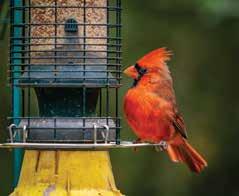
Squirrels causing trouble? Try safflower seed. “It tastes bitter to squirrels but attracts cardinals, grosbeaks, titmice, nuthatches and chickadees,” Bob says. Hot pepper blends also work— birds can’t taste the heat, but mammals can.
To deter large birds like starlings, Bob recommends using a cage around tube feeders to limit access. Tube feeders with small perches help discourage bigger birds. For tidier feeding, seed cylinders—compressed seed—are a great low-mess option.
Quick Tip: “Start simple,” Bob advises. “Watch what’s happening in your yard, then adjust as needed.” Unlike loose seed, cylinders make the birds work harder—and give you longer-lasting views of the birds.
WHY BIRD WATCHING STICKS
Bob says many customers started birding during the pandemic—and never stopped. “They looked out the window and realized something was there,” he says. It’s remained part of their lives: one couple told Bob they still start every morning on the porch with coffee and birdsong. “It became a ritual that many people now cherish,” Bob says.
For expert help making bird watching your ritual, stop by Wild Birds Unlimited in your area or visit wbu.com.







Resonance in Harmony
Celebrating the leadership and community spirit behind MIHS orchestra’s remarkable culture of excellence
For many Mercer Island families, the orchestra program at Mercer Island High School is far more than music education. It is a culture of discipline, teamwork, mentorship, and artistic excellence that has become one of the quiet cornerstones of student life on the Island.
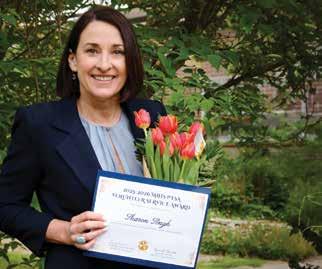
This spring, that impact was recognized in a meaningful way as longtime Orchestra Booster President Sharon Singh and MIHS Orchestra Director Bryan Kolk were honored by the MIHS PTSA for their extraordinary contributions to the program and broader school community.
Singh, who recently stepped down after serving six years as Orchestra Booster President, received the volunteer award for her years of leadership, advocacy, and tireless support of students, families, performances, fundraising efforts, and program growth. Her leadership helped cultivate a deeply connected orchestra community that extends well beyond the classroom.
At the same ceremony, Bryan Kolk — regarded by many families as a true “conductor extraordinaire” — was also recognized for the remarkable standard of musicianship and culture he continues to build within the MIHS orchestra program. Under his direction, students have developed not only as musicians, but as collaborative, disciplined, and emotionally expressive young adults.
ARTICLE BY CHRIS ISHII
PHOTOGRAPHY BY JAY GREER
Together, Singh and Kolk represent something uniquely Mercer Island: the powerful intersection of parent leadership, educational excellence, artistic commitment, and community support.
The orchestra program’s success is not built on performances alone, but on years of mentorship, volunteerism, encouragement, and the shared belief that music can profoundly shape young people’s lives. In many ways, orchestra also becomes a form of exploration — encouraging students to discover creativity, confidence, emotional expression, teamwork, and perspectives that extend far beyond the concert hall itself.
Mercer Island is fortunate to have passionate leaders like Sharon Singh and Bryan Kolk helping shape not only exceptional musicians, but an enduring culture of exploration, creativity, discipline, and community for future generations.
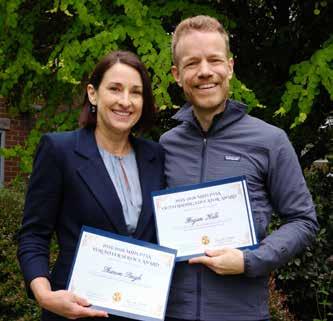
Sharon Singh and Bryan Kolk



ARTICLE BY KALI KASPRZYK
PHOTOGRAPHY BY JANIE JONES
MAKEUP BY MIKAYLA CRANE
The 10% Target Mindset
Jen Cohen ON THE PRACTICE OF ASKING FOR WHAT YOU WANT
Winnipeg in the winter, and a 17-year-old waits 45 minutes in the cold for Keanu Reeves. Her fingers are numb. She is not there for an autograph. She is there to ask him to appear in her audition tape for MuchMusic, Canada’s MTV. When he finally agrees, she writes her number on a gum wrapper with a borrowed lip liner.
He calls days later.
That 17-year-old was Jen Cohen — fitness expert, host of the Habits & Hustle podcast, and best-selling author. She has built a career on the premise her frostbitten afternoon proved. She calls the practice the 10% Target: 10 attempts at whatever you want most in life.
The premise is simple. Most people never make one attempt. Almost nobody makes two. The math works in favor of the person who keeps going.
The top-rated Habits & Hustle podcast has logged hundreds of conversations with high performers and the people who study what the body does to the mind. Her TEDx talk, The Secret to Getting Anything You Want in Life, has traveled widely inside Fortune 500 sales-training rooms. On the Share the Lifestyle podcast, Cohen sits down to share the working rules that are the foundation of her latest book, Bigger, Better, Bolder.
“You have to be the CEO of your own life.”
FEATURING JEN COHEN
Discover the full 10% Target Mindset framework.


1 2
MAKE TEN ATTEMPTS
The door opens, or another door does. The unmade attempt and the refused one leave you in the same place — except one of them teaches you something.
STACK THE DECK
Cohen frames her habits as a wager: How do I stack the deck so I win more than I lose? The workout happens first, and the food decisions follow. The email follow-up gets sent, and the answer arrives. The choices compound in a single direction.
3
DISCIPLINE IS A PRACTICED SKILL, NOT AN INHERITANCE
No one is born with it. The people who look disciplined are running a routine they have rehearsed long enough that it no longer feels like effort. The reps are the skill. Miss them, and the skill fades, the same as any other.
4
SELF-TALK ONLY WORKS WHEN THE BODY BACKS IT UP
Confidence does not arrive by repeating the word. It arrives after the body has done the thing — the workout finished, the cold walk endured, the email sent. The mind takes its cues from what the body proves it can do. Talk follows action, not the other way around.
5
NEVER MISS A MONDAY
The first decision sets the slope of the rest. Skip the Monday workout, and the rest of the week tends to follow. Hold the line on Monday, and the slope tilts the other way.

JULY 2026
events
A SELECTION OF UPCOMING LOCAL EVENTS
JULY 3RD
Mercer
Island First Friday Art Walk
Mercer Island Town Center | 5:00 PM
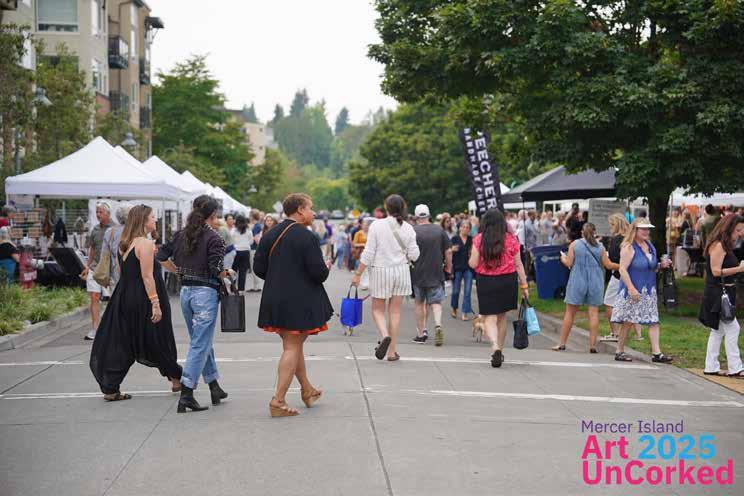
Summer evenings are made for strolling, connecting, and discovering something new. Mercer Island’s First Friday Art Walk invites neighbors to gather in Town Center to enjoy local artists, explore businesses, and experience the creativity that makes our community unique. Grab a friend, wander the shops, meet makers, and celebrate the season through art, conversation, and community.
JULY 5TH
Mercer Island Farmers Market
Mercerdale Park | 10:00 AM
Nothing says summer like the Mercer Island Farmers Market - connecting growers, consumers, and the Island business community to create a valued community asset. Every Sunday next to Mercerdale Park 10am-2pm. Fresh produce, flowers, locally prepared foods, live music and community booths. More information @ mifarmersmarket.org
JULY 9TH
Shakespeare in the Park - Macbeth
Luther Burbank Park Amphitheatre, 2040 84th Ave SE, Mercer Island
Three witches. One prophecy. A couple who will stop at nothing to seize the throne. Shakespeare’s most electrifying thriller: dark magic, ruthless ambition, spectacular downfalls, and some of the most famous scenes in all of theatre. Join Union Arts Center for a spectacular evening of FREE Shakespeare! Grab a picnic, bring your family and join us‘ Schedule @ unionartscenter.org/macbeth
JULY 11TH
Mercer Island Summer Celebration
Mercerdale Park and Luther Burbank Park | 10:00 AM
Celebrate summer island-style at the Mercer Island Summer Celebration, a family-friendly festival featuring a parade, art and community booths, live music, food trucks, and evening fireworks. Join neighbors for a day of activities in Mercerdale Park and an evening of music and fireworks at Luther Burbank Park. Schedule and more information @ mercerisland.gov/parksrec/page/summer-celebration-schedule-events
JULY 16TH
Mostly Music in the Park Concert Series
Mercerdale Park | 6:30 PM
Mercer Island's summer concert series, "Mostly Music in the Park” starts July 16, every Thursday through the summer. Bring blankets, low-back chairs, and picnic dinner for an evening of music and entertainment. Food trucks and hands-on arts and crafts on-site.
July 16 - The Harmony of Rock, 70’s
July 23 - 90s Rewind
July 30 - ABBAgraphs - Tribute
JULY 21ST
In A Landscape Concert
Luther Burbank Park, Calkins Point Sand Beach
For the 11th season, IN A LANDSCAPE: Classical Music in the Wild tours the American West. Mountain tops, old-growth forests, and sunny meadows replace the traditional concert hall, featuring pianist Hunter Noack on a 9-foot Steinway concert grand piano. Listen through wireless headphones and wander afield with the music as a soundtrack to your experience in the wild.
Creating homes with beauty and meaning since 1986