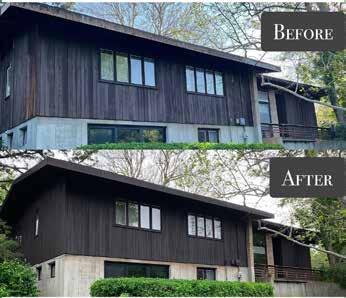

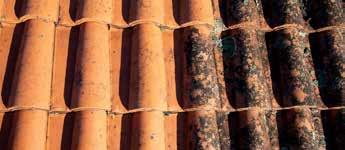
Refresh your home this Spring with new tile, carpet, wood, laminate or LVP! In stock LVP on sale through the end of July! Before After







Refresh your home this Spring with new tile, carpet, wood, laminate or LVP! In stock LVP on sale through the end of July! Before After
When we hear the word investment, our minds usually jump to the financial stuff: money, markets, interest rates, retirement accounts. Those things matter, sure, but while stocks rise and fall, the most valuable investments we’ll ever make are in people. Unlike the volatility of Wall Street, the downside here is limited, the long-term outlook is robust, and the dividends far outperform anything you’ll find on a balance sheet.
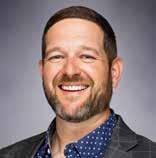
The very first investment must begin with ourselves. We often treat self-care like a luxury, but it is vital maintenance. Returning to basics like eating well, staying hydrated, and getting proper sleep gives our bodies the building blocks to function at our best physically, mentally, and spiritually. When we take care of ourselves at a foundational level, and then make a commitment to never stop learning and growing, we create the capacity to show up fully for everyone else.
Equally as powerful is the investment we make in the people around us. Encouraging a friend, supporting a loved one’s dream, volunteering a few hours, or simply showing up when a stranger needs help is the social capital that strengthens the fabric of our communities. Right here in Manhattan, I see this principle at work every day. I see it when local businesses pour their hearts into downtown and Aggieville storefronts, or when volunteers give their Saturday to a youth program. We all love a good Cats game, but it’s that shared civic life that makes the Little Apple shine. Every hour volunteered is a deposit into a future we all get to enjoy.
Then, in our hyper-connected world, our investments shouldn’t stop at the city limits. Thinking globally isn’t just a nice idea; it’s honestly common sense these days. When we take the time to understand different cultures throughout the world, we are essentially diversifying our human portfolio. At the end of the day, the prosperity of our own little Little Apple orchard really does depend on the health of the whole world.
This April Investment issue is an invitation to look at your life as a portfolio of possibilities. Where are you placing your energy? What kind of legacy are you sketching out? Whether you’re diversifying your social capital or simply looking for a way to give back, remember that a life of real value isn’t the result of luck. It’s built, one intentional investment at a time.
Happy April!
Warm Regards,

April 2026
PUBLISHER
Tyler Jackson | tyler.jackson@citylifestyle.com
EDITOR
Heather Hoffman | heather.hoffman@citylifestyle.com
STAFF PHOTOGRAPHER
Tim Sigle | siglephoto@gmail.com
CONTRIBUTING WRITER
Kenny Whitis
TYLER JACKSON, PUBLISHER @MANHATTANCITYLIFESTYLE
CEO Steven Schowengerdt
President Matthew Perry
COO David Stetler
CRO Jamie Pentz
CoS Janeane Thompson
AD DESIGNER Andrew Sapad
LAYOUT DESIGNER Adam Finley
QUALITY CONTROL SPECIALIST Marina Campbell


Learn













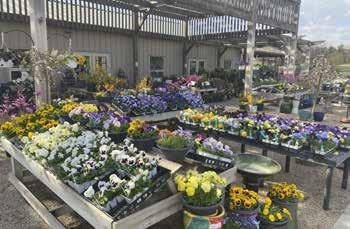
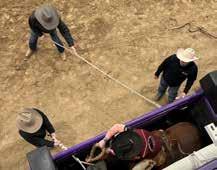
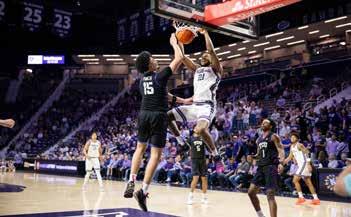
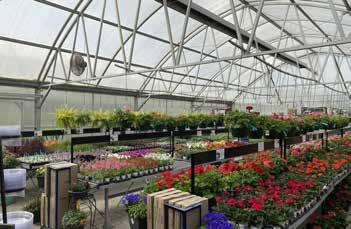


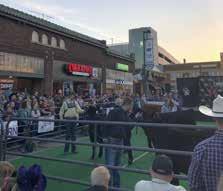
Head to the Riley County Fairgrounds and Aggieville April 10-11 for one of Manhattan’s most distinctive events. Enjoy a cattle show, western fashion showcase, and a beer and distillery garden. Exhibitors aged 8 to 25 will present their finest market and breeding cattle. The highlight of the show will feature six of the top cattle entering the ring to vie for prizes totaling over $7,500. aggievilleshowdown.com
On Wednesday, April 22, the Greater Manhattan Community Foundation is hosting the 14th annual Grow Green Match Day! On this day, your donation to any participating non-profit organizations made through Grow Green Match Day will be matched at 50%. There will be a live event 11am-2pm at Prairie Star Restaurant (2121 Meadowlark Rd). Donate via the website or by check (must be received by 4/22) to GMCF, P.O. Box 1127, Manhattan, KS 66505. For a list of participating organizations and more information, visit growgreenmanhattan.com.
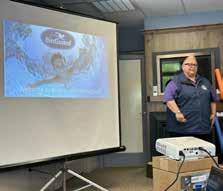
Join Energy Center–Manhattan Pool for Pool School on Wednesday, April 22, The commercial pool session begins at 3 p.m., followed by the residential session at 6 p.m. This free event is open to the public and offers a fun, informative look at pool care, water balance, equipment basics, and seasonal maintenance. Come gain helpful tips to keep your pool in top shape. Attendees will also enjoy special discounts on BioGuard pool supplies. 528 Pillsbury Dr.

Enhances
Provides
71%
Covered




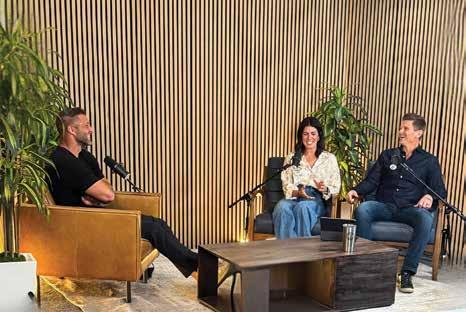
An exclusive Q&A with City Lifestyle
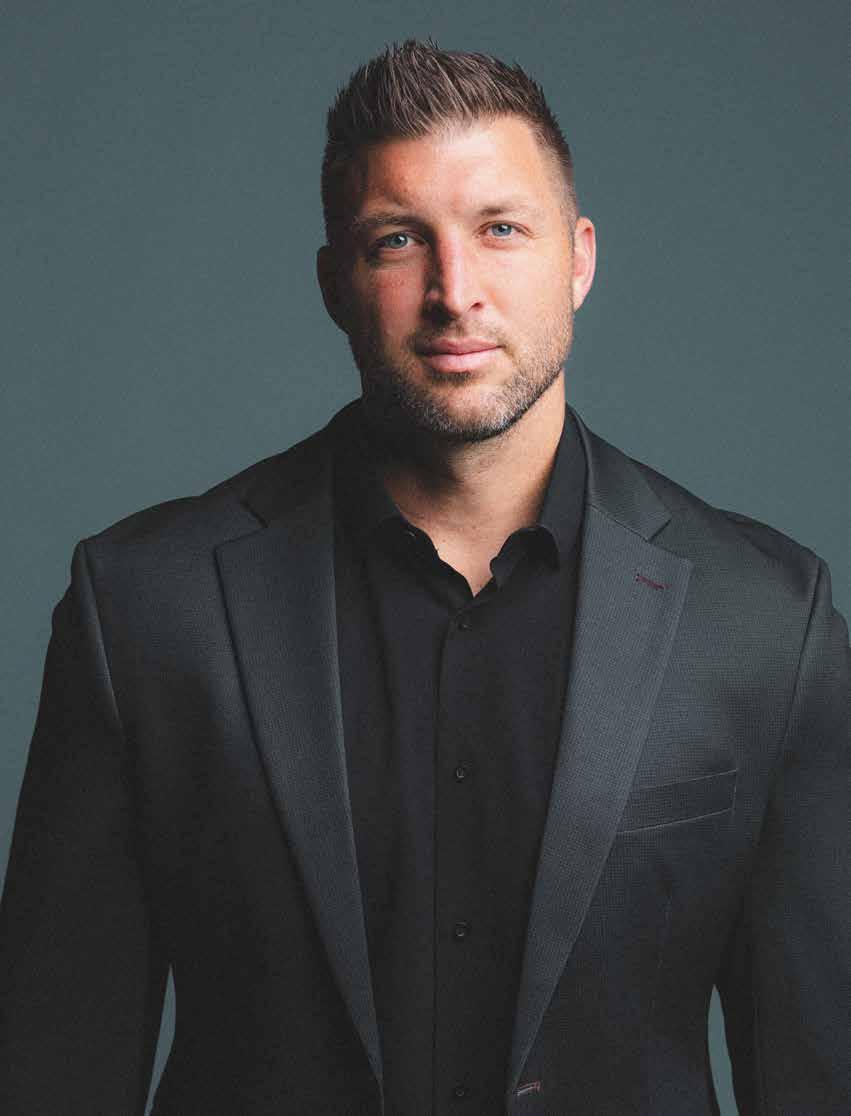
ARTICLE BY ANGELA BROOCKERD
PHOTOGRAPHY PROVIDED
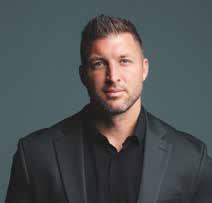
From championship trophies to global humanitarian impact, Tim Tebow’s journey has defied every standard playbook. In an exclusive conversation for the Share the Lifestyle podcast, Tebow pulls back the curtain on the moments that truly defined him, from a humbling middle school church retreat to the life-altering shift of fatherhood. This isn’t just a look back at a career; it’s an invitation into the heart of a man driven by purpose. Read the highlights below, then join us for the full, unfiltered experience by scanning the QR code at the end.
Q: WE ALL KNOW YOUR ACCOMPLISHMENTS ON THE FOOTBALL FIELD, BUT TELL US ABOUT THE CURL CONTEST.
A: I was competing for my future high school team (my brother’s team), and I pushed myself way past what was smart. I ended up collapsing and needing medical attention. But what stayed with me wasn’t the pain, it was the lesson. Would I be willing to do something that others aren’t? For much of my life, I strived to bring my best for a game, but I hope that I can say at the end of my life I was willing to do that for things that actually matter.
Q: YOU’VE ACHIEVED SO MUCH IN SPORTS. WHAT WOULD YOU SAY IS YOUR GREATEST ACCOMPLISHMENT NOW?
A: Becoming a dad. Nothing compares. From the moment I knew my wife was pregnant, I felt a new depth of love for our child, but when you bring your baby home, the responsibility hits you like nothing else. Suddenly, everything you see, every decision you make, you’re asking, “Is this corner too sharp? What happens if she reaches that drawer?” It changes how you see the world and how you see other people.
Q: YOU’VE SPOKEN OPENLY ABOUT DISAPPOINTMENT, ESPECIALLY AROUND FOOTBALL. HOW DID THAT SEASON OF LIFE SHAPE YOU?
A: I talked a lot about that very thing in my book Shaken . We all go through moments where our faith in our abilities and purpose feels rattled, but I believe it’s often in those storms when God can show us who we could become.
Q: YOU TALK A LOT ABOUT COMPARISON CULTURE. WHY DO YOU BELIEVE COMPARISON HAS BECOME SUCH A TRAP TODAY?
A: Because we’re comparing our real, everyday lives to someone else’s highlight reel. Social media shows people’s “best day,” often filtered and staged, and then we measure our reality against that. There’s a reason filters are so popular—it’s not real. We end up scrolling through images that don’t tell the full story, and without realizing it, comparison starts to steal our joy and our gratitude.
“We’re comparing our real, everyday lives to someone else’s highlight reel... comparison starts to steal our joy.”
Q: YOUR FOUNDATION FOCUSES ON THE “MOST VULNERABLE.” WHERE DID THAT CALLING BEGIN?
A: When I was 15, I met a boy in the Philippines who was treated as a throwaway because he was born with physical differences. That moment changed me. I realized God was calling me to pursue a different kind of MVP, not “Most Valuable Player,” but “Most Vulnerable People.”
Q: FINALLY, WHAT’S ONE THING PEOPLE MIGHT BE SURPRISED TO KNOW ABOUT YOU?
A: I have some weird coffee habits, which include protein powder, collagen, and cream all mixed together. I love golf dates with my wife. And every night, I bring snacks to bed to share with our dogs. It brings me more joy than it probably should.
This conversation barely scratches the surface. Tim goes deeper into the moments that rattled him, the joys of fatherhood, and one story he has never shared publicly until now. Scan the QR code for the full, exclusive City Lifestyle interview on Share the Lifestyle Podcast.

It is your time to get back to what you love. At OSMC, we specialize in helping you recover stronger, move better, and reclaim your active lifestyle. Whether you’re returning to sports, outdoor activities, or simply pain-free movement, our expert orthopaedic team is here to guide your comeback—every step of the way.
Your Comeback Starts Here: Why Choose OSMC?
Joint Pain & Arthritis Relief
Sports Injuries & Overuse Conditions
Fracture Care & Injury Treatment
Personalized Rehabilitation Programs
On-Site X-ray, MRI & Advanced Imaging

TEXT US AT:
785-384-9315
www.kansasortho.com
785-537-4200
SCAN TO SCHEDULE YOUR APPOINTMENT!
Industry-leading orthopaedic surgeons
Timely appointments and efficient care
Compassionate, patient-focused treatment plans
Comprehensive orthopaedic services—all in one place



ARTICLE BY TYLER JACKSON | PHOTOGRAPHY BY SIGLE PHOTOGRAPHY & PROVIDED
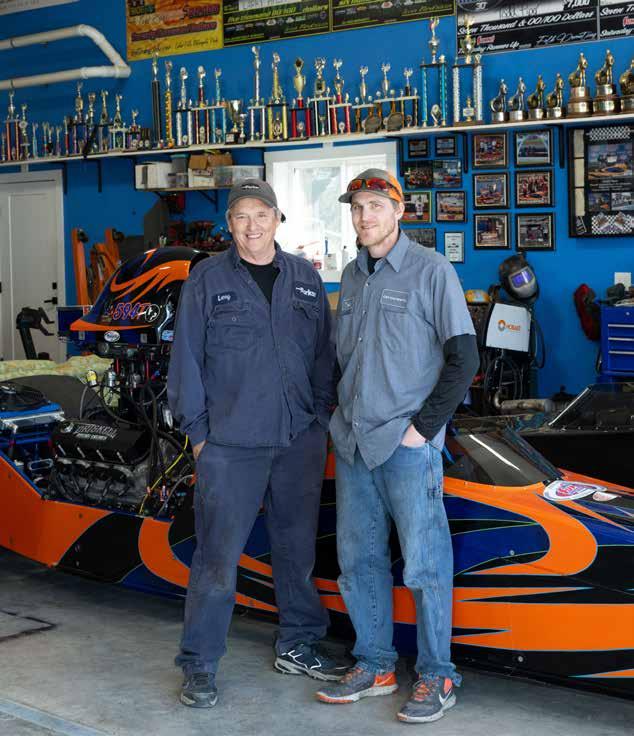
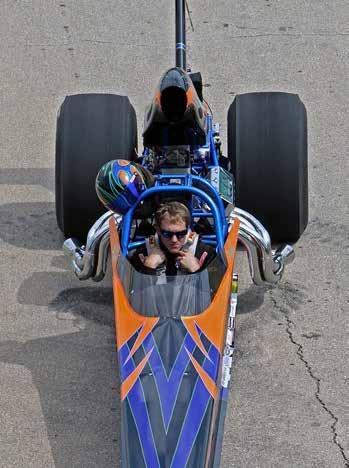
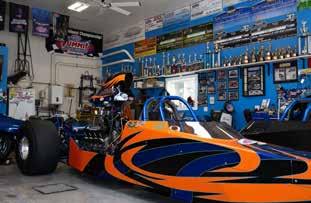
In an unsuspecting residential shop just outside Manhattan sits a pair of slender, 24-foot-long aerodynamic racing machines that look like space rockets waiting for launch.
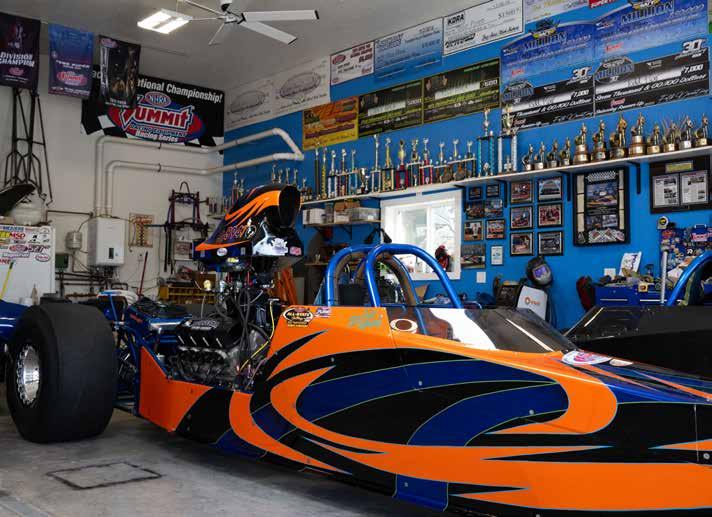
A bold orange and blue paint scheme wraps around an intimidating big-block racing engine crowned by a prominent intake scoop. This exposed power plant alone looks capable of shaking the walls. Surrounded by championship banners, plaques, and dozens of trophies, the setting tells as much of the story as the cars themselves.
When these rockets on wheels do launch, they cover an eighthmile of asphalt in just over four seconds, reaching roughly 160 miles per hour in a blur.
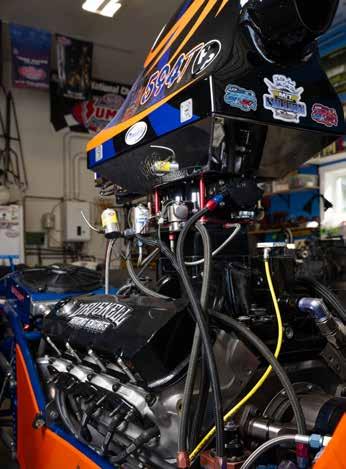
To achieve this, every line, fitting, and system on the cars must work perfectly. And in a fitting twist for a Manhattan story, nearly every hose running through the engines came from the same place: the Parker-Hannifin Hose Products plant on Hayes Drive. For Larry Piper, that connection is the result of nearly four decades of investment.
Larry started at Parker in July 1989, beginning his career in production before eventually moving into maintenance. Today he works as a maintenance technician, responsible for keeping major plant systems running, including the steam boilers that help power the facility’s manufacturing operations.
“I’ve been there 37 years,” Larry says. “It’s afforded me the opportunity to do all this.”
In Larry’s case, “this” happens to include championship drag racing.
Originally from Formoso, Kansas, Larry built his life in this region alongside his wife Renee, whom he married in 1988. Around the same time he began working at Parker, he also began racing seriously. Over the years, that passion evolved into a family tradition. Larry now races alongside his son Todd Piper, who grew up watching his father compete at tracks across the country.
Before long, Todd was behind the wheel. At just ten years old, he climbed into a junior dragster at the old Manhattan Raceway. Within a few runs, it was obvious the racing instinct had passed from one generation to the next. Since then, the father-and-son duo has
“EVERY HOSE ON THESE CARS COMES OUT OF MANHATTAN. SOME OF THEM I EVEN HELPED BUILD YEARS AGO AT PARKER, SO IT’S PRETTY SPECIAL SEEING THEM POWER OUR RACE CARS.”
— LARRY PIPER
built one of the most successful grassroots drag racing programs in the nation. Their garage shelves are lined with trophies, including coveted National Hot Rod Association (NHRA) Wally trophies that many racers chase for decades without ever winning.
“We’ve been very fortunate,” Larry says. “This is really hard to win at.”
Their success has taken them to tracks across the country, from Pomona, California and Las Vegas, Nevada to the historic
Heartland Park in Topeka, where Larry captured the NHRA Top Dragster title at the Nationals there in 2013.
But perhaps the most dramatic chapter of their racing story came recently at one of the sport’s biggest independent events: the Mickey Thompson Million Dollar Drag Race in St. Louis.
In 2024, during the event’s 29th running, 746 racers entered the competition. Through seven rounds of elimination, Larry delivered nearly perfect reaction times. By the end of the week, he had won the race’s combined $100,000 final round, one of the largest payouts in sportsman drag racing. The following year, Todd nearly repeated the feat. In the event’s 30th running, which drew 792 racers, he battled all the way to the final round before finishing runner-up.
Both Larry and Todd are deeply involved in building and maintaining their own equipment. Todd works professionally as a machinist at E&R Machine in Wamego, giving the team another layer of mechanical expertise.
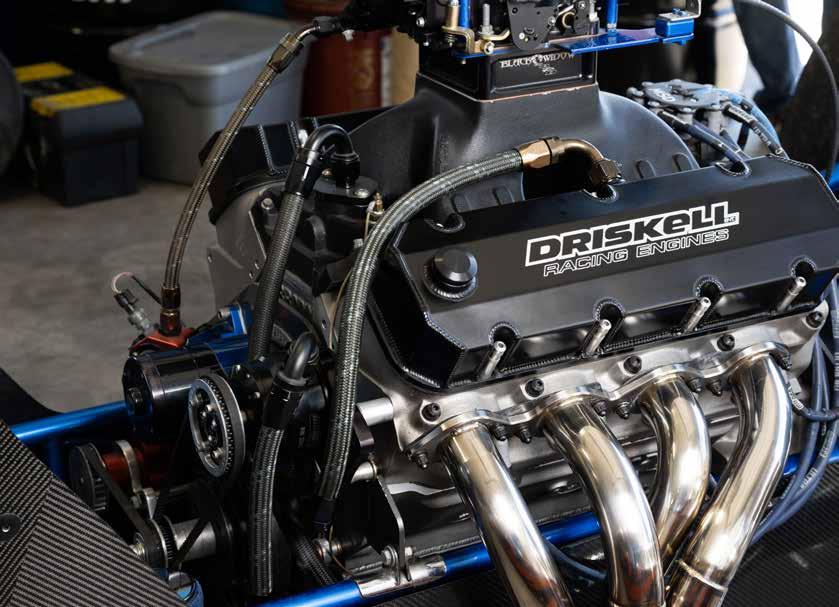
Their current dragster engines are serious pieces of equipment. Larry’s car runs a naturally aspirated big-block engine measuring 632 cubic inches and producing roughly 1,300 horsepower. It burns about half a gallon of fuel during a single, eighth-mile run. Another car in their stable, a modified 1972 Chevrolet Nova, runs a 565-cubic-inch engine producing about 950 horsepower. The cars themselves sit on lightweight chromoly chassis that are designed specifically for drag racing.

But look closely under the hood and you will see a different kind of engineering story. Fuel lines. Water lines. Transmission pressure lines. Even ignition components.
“All the hoses on these cars come right out of Manhattan,” Larry says. In a few cases, he personally helped build the same components that now power his race cars.
In the late 1990s, when Parker hosted an open house, the plant manager invited Larry to bring his dragster to display. There was just one problem: the car was built with hoses from a competitor. Soon afterward, the car was refitted by the manager entirely with Parker components. For Larry, it was another example of how his career and his passion had become intertwined.
For nearly half a century, Parker-Hannifin has invested in Manhattan, operating one of the city’s largest manufacturing
facilities since 1979. For employees like Larry, that investment has created careers, opportunities, and livelihoods. And in Larry’s case, it also helped fuel a racing legacy.
Today, the Piper family includes not only Larry and Renee, but their children and grandchildren: Todd and his wife Lindsay, Larry’s other son Bryan and wife Melinda, and a growing generation of young fans including Brayden, Hayley, Madelyn, and Makenzie.
Back in the garage, the cars wait patiently for their next race weekend. Soon enough they will fire to life again. Engines will roar, tires will smoke, and the cars will rocket down the track in just a few seconds at nearly 200 miles per hour.
And powering those engines will be a small—but mighty— piece of Manhattan engineering.
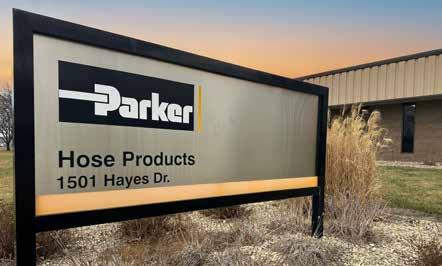
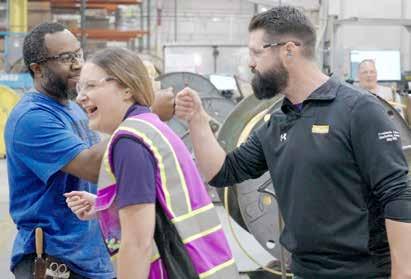
For nearly 50 years, Parker-Hannifin’s Hose Products facility has been part of Manhattan’s manufacturing landscape. The company first opened its doors in the Little Apple on December 30th, 1979, expanding the reach of a motion and control technology company that traces its roots back to 1917. Today, the Manhattan plant produces hydraulic and industrial hoses used in agriculture, construction, transportation, and other heavy industries around the world. Parker has grown into a steady local employer of around 165 people, while supplying precision-engineered products to industries that keep the modern world moving.











WEDNESDAY, APRIL 22nd




Danielle Prockish-Huston

Affordability for first time home buyers: Kansas is ranked the 9th most affordable state for home buyers, with an affordability ratio of 4.7. This means it takes 4.7 years of the median household income ($61,091) to afford the median home sale price of $288,200

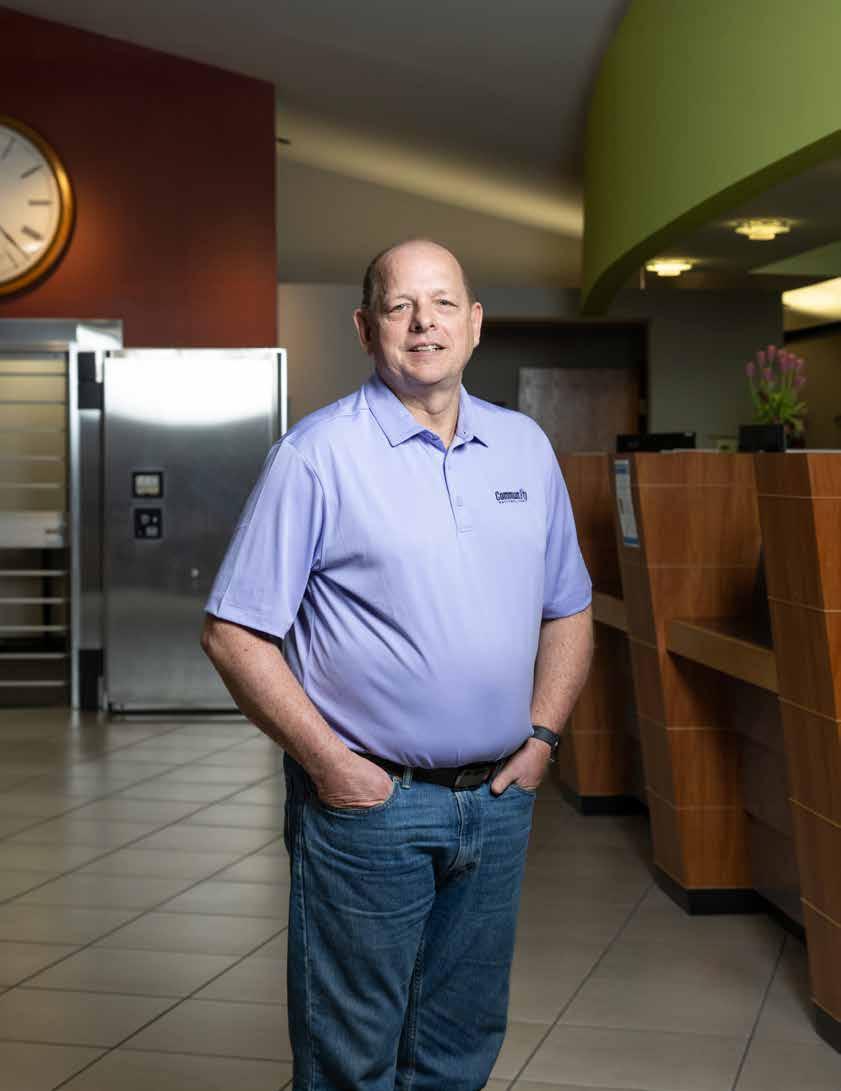
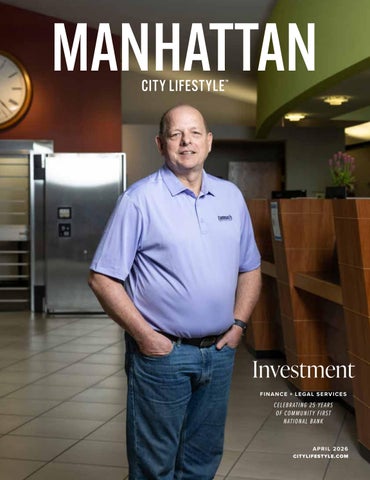
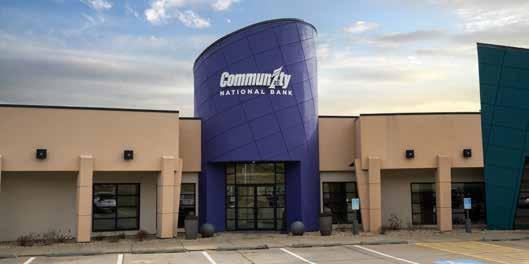
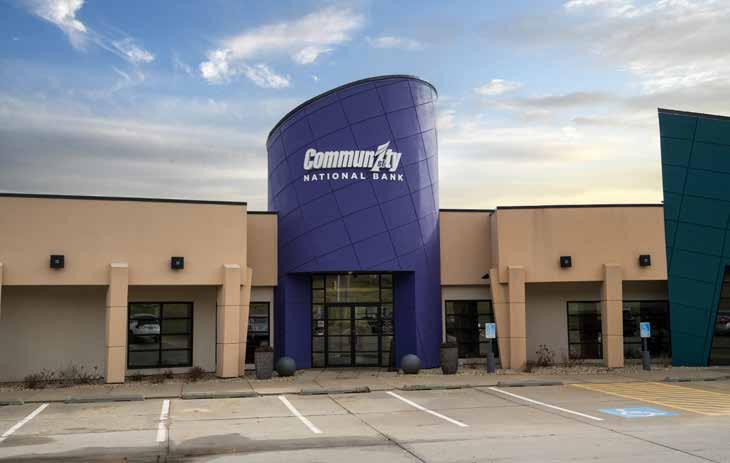
Community First National Bank celebrates 25 years of hometown banking in Manhattan
ARTICLE BY TYLER JACKSON | PHOTOGRAPHY BY SIGLE PHOTOGRAPHY & PROVIDED
A visit here almost always begins with the same simple moment. The door opens, someone waves, another person smiles, and several greetings come your way before you even reach the front desk. The space feels warm, open, and easy to navigate. Conversations move freely across the room,
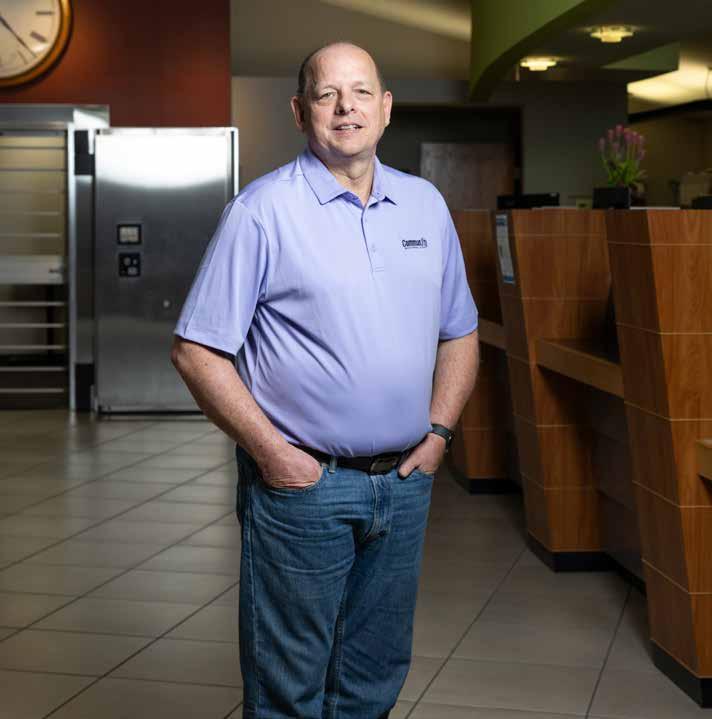
“We hire more for personality than skill set. You can teach banking, but you cannot teach personality to someone.” — Rob Stitt
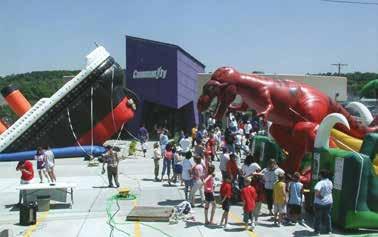
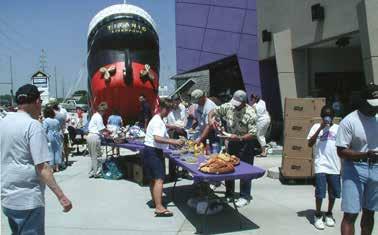
and the faint smell of popcorn fills the air. Within seconds, it becomes clear this is not meant to feel like a distant financial institution, but a place built around people. For a quarter-century now, this atmosphere has defined Community First National Bank in Manhattan.
Founder and President Rob Stitt always wanted the bank to feel approachable. Customers should be able to walk in, see the people who work there, and know they are welcome. In many ways, it reflects both the personality of the man who built it and the spirit of the town itself, because Rob Stitt is Manhattan through and through.
A native of the Little Apple, Rob graduated from Manhattan High School in 1982 before enrolling at Kansas State University. At K-State, he studied management and pre-law, but after an internship
with the county attorney’s office, he changed direction. Banking, however, was something that had already begun to capture his interest.
While attending college, Rob worked several jobs that helped shape his outlook on people and service. He spent four years at Sirloin Stockade, where he met his future wife Kathy. He later worked at Mini Mart, the convenience store that once stood where Casey’s on Highway 24 is today. There, he met Kevin Wagner, who would later become a co-founder and investor who helped launch the bank.
Rob’s banking career began while he was still in school when he started working at Citizens Bank in the mid-1980s. After graduating from Kansas State in 1988, he joined Union National Bank under Bill Stolzer. He began as a credit analyst reviewing financial statements before moving into a loan
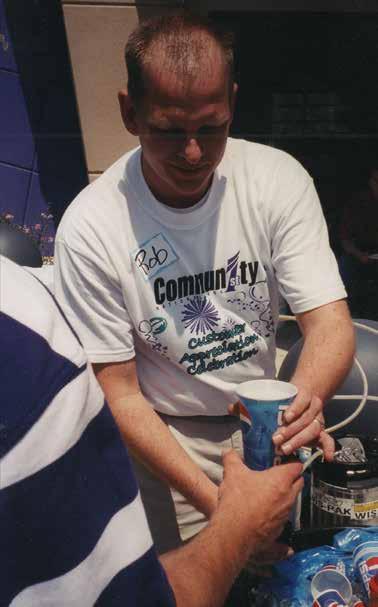
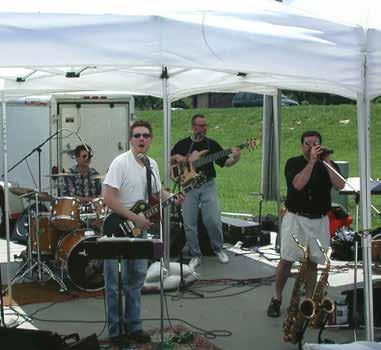
officer role. When Union National eventually became Commerce Bank, Rob stayed on and continued building his experience.
Around 2000 he was approached by a banker named Kent McKinney, who suggested Rob take over a bank in Topeka. When Rob declined that offer, Kenny had another idea: since Manhattan had not seen a new bank charter in roughly thirty years, perhaps the community was ready for one.
So began the kind of undertaking few people ever see from the inside. Starting a bank requires a deep knowledge of banking, regulatory approval, capital, investors, and patience. The process required submitting three separate applications at the same time: one was to the Office of the Comptroller of the Currency, because Community First would be a national bank; one to the FDIC, because all deposits would be insured; and then, of course, an application to the Federal Reserve.
The charter application itself became a blueprint for the future. It included the business plan, the people involved, resumes, financial statements, and the experience behind the proposed bank. Before the process was complete, Rob and his team had gathered roughly one million dollars in commitments just to confirm there was real local interest. Then, came the actual capital raise. In January 2000, Rob left his job, took a leap of faith, and began the journey full time.
Community First launched with about forty shareholders. Investments ranged from $5,000 to $300,000, raising roughly $3.5 million to get the bank off the ground. Today, starting a bank would likely require $10 million or more, one reason so few traditional community banks are created anymore.
Even then, there was no guarantee of quick success. Community First lost money for its first eighteen months, as many young banks do. But the timing, structure, and local need all aligned as Community First National Bank officially opened on February 1, 2001.
On opening day, the bank was not yet in its current space. While renovations were being completed, operations ran from the basement of the neighboring building with just six employees, no drivethrough, and not even an ATM. Customers had to come inside to conduct their business. The move to the current location at 215 Seth Child Road came later that spring, in April 2001.
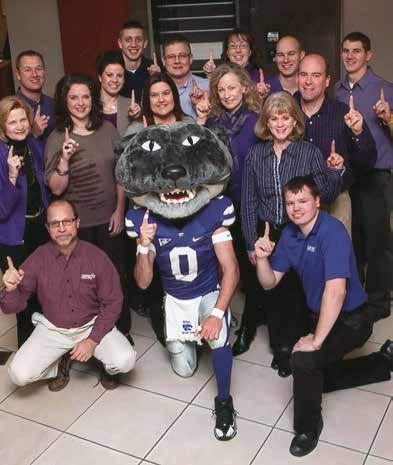
“Part of our job is to be financial counselors, not just to make money. A community bank should help people make responsible decisions for their future and families.”
— Rob Stitt
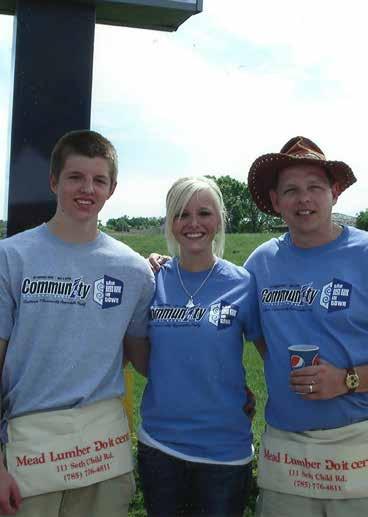
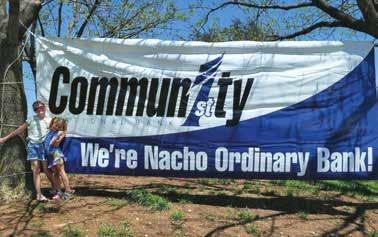
Before it became a bank, the building was the final home of Raoul’s Taco Real, one of Manhattan’s most beloved Mexican restaurants since 1964. When the restaurant closed, Community First stepped into the space and leaned into the history with a bit of humor. The first sign placed on the building read “Nacho Ordinary Bank.” It was playful, memorable, and unmistakably local, exactly the tone a hometown bank should strike.
As Community First grew, so did the footprint. The single space gradually expanded into more. The bank eventually purchased and joined neighboring portions of the property, creating what is now roughly twenty thousand square feet in total.
A few years after opening, Community First expanded again, this time to the east side of Manhattan. The bank had outperformed its original projections, and Rob recognized the need to better serve customers across the city. In 2003 the bank purchased property on the east side at 210 Tuttle Creek Boulevard that had previously housed a Sonic restaurant and later an Eastside Bait shop. The building was demolished and replaced with a new Community First branch, extending the bank’s reach while reinforcing its commitment to serving the entire Manhattan community.
The bank also grew alongside Rob’s own family. Rob and Kathy married in 1988, and she began her career in education in Junction City before
coming back to Manhattan and joining USD 383. She taught at Marlatt and Amanda Arnold elementary schools, later serving as the principal who reopened Bluemont Elementary. Today, she is currently the principal at Amanda Arnold.
The couple raised three children in Manhattan— Abby, AJ, and Alex—who have since started families of their own, adding four grandchildren. Abby works at the bank as teller supervisor and Retail Banking Manager, while her husband Paul and her brother AJ both serve as mortgage lenders. Rob’s younger brother Randy joined the bank in its early years and has spent more than two decades as a loan officer.
That sense of family extends to the broader culture of the bank. Rob has long believed personality matters just as much as technical skill when hiring employees. Banking knowledge can be taught, but genuine customer service cannot.
That philosophy has guided Community First through several historic moments. The bank opened only months before the attacks of September 11, 2001. It weathered the financial crisis of 2008, and later played a key role in helping local businesses during the pandemic by processing many Paycheck Protection Program (PPP) loans.
Through each challenge, Community First remained focused on the same mission it began with. Rob believes a community bank should do more than process transactions. It should help people make responsible financial decisions and support the growth of the community around it.
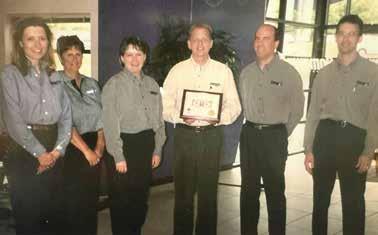
A quarter century after opening, Community First still feels like Manhattan: welcoming, hardworking, and community proud. In a world increasingly shaped by apps and algorithms, here, everything remains personal. Just as important, its future will remain local. Rob has made it clear that he has no interest in selling the bank at this time, and the bank is committed to continuing to serve this community well into the future.
Because they’re not just another bank in Manhattan, but one that truly puts the Community First.
Individuals





Dealing
Dealing


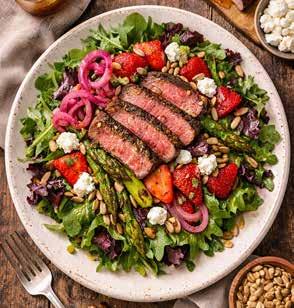
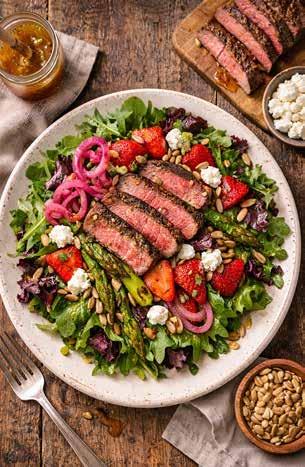
Fresh prairie flavors meet local Kansas ingredients in this vibrant Flint Hills spring salad
This hearty salad highlights ingredients found around Kansas farms, farmers markets, and prairies. It’s bright, seasonal, and a little unexpected.
Ingredients:
Salad
• 4 cups mixed spring greens (spinach, arugula, baby lettuce)
• 1 cup grilled asparagus
• ½ cup pickled red onions
• ½ cup roasted sunflower seeds or toasted pecans
• ½ cup crumbled local goat cheese from Manhattan’s Holy
Goat Creamery
• 1 cup sliced strawberries or dried tart cherries
• ½ cup grilled 1800 Beef sirloin steak, thinly sliced
Prairie Honey Vinaigrette
• 2 tbsp Kansas wildflower honey
• 1 tbsp Dijon mustard
• 3 tbsp apple cider vinegar
• ¼ cup sunflower oil or olive oil
• Salt and cracked black pepper
Directions:
1. Whisk dressing ingredients together and set off to the side.
2. Grill asparagus until lightly charred, then cut into bitesized pieces.
ARTICLE BY KENNY WHITIS
PHOTOGRAPHY PROVIDED
Inspired by the rolling tallgrass prairie of the Flint Hills, this Flint Hills Spring Salad captures the fresh flavors of the Kansas landscape. A bed of tender spring greens is layered with lightly grilled asparagus, sweet strawberries, and tangy pickled red onions, creating a balance of bright and earthy flavors. Roasted sunflower seeds add a satisfying crunch and a nod to the state flower, while creamy local goat cheese from Manhattan’s Holy Goat Creamery brings richness to the dish. For a delectable taste of the region, thin slices of Riley County–raised 1880 beef steak adds protein, while reflecting the ranching heritage that defines much of the Flint Hills. The salad is finished with a simple vinaigrette made with wildflower honey, Dijon mustard, and apple cider vinegar. Light yet hearty, this colorful dish celebrates the short but vibrant prairie spring and the ingredients that make Kansas unique.
3. While the grill is still hot, cook sirloin steak to desired doneness. Let rest while preparing other ingredients. Slice against the grain.
4. To toast sunflower seeds, cook raw kernels in a dry skillet over medium heat for 5–10 minutes, stirring frequently until fragrant and golden.
5. Arrange greens on a platter and layer with asparagus, strawberries, onions, and rested beef
6. Sprinkle sunflower seeds and goat cheese over the top.
7. Drizzle desired dressing amount over the top before serving.
Find Holy Goat Creamery goat cheese at your Manhattan Hy-Vee, and locally raised 1880 Beef at 900 Poyntz Ave, bringing authentic Flint Hills flavor from nearby producers straight to your table.













APRIL 10TH
Prairie Paws Fundraising Gala: A Night to Remember
Colbert Hills Golf Course, 5200 Colbert Hills Dr, Manhattan | 5:00 PM
Join Prairie Paws Animal Shelter for an elegant evening celebrating second chances. Enjoy a delicious dinner, a live auction, and inspiring stories of animals whose lives have been transformed through your support. Every dollar raised directly benefits providing vital medical care and loving homes. Final sales end April 3.
APRIL 11TH
Art + Fashion Runway Experience
The Museum of Art + Light, 316 Pierre St, Manhattan | 6:00 PM
Experience the intersection of art and design through student work from K-State University’s Fashion Studies Program, inspired by the art of Dean Mitchell and Des Lucréce. Enjoy a cocktail reception followed by an immersive runway presentation at 7 p.m. Exhibition access and socializing continue throughout the evening. Cash bar available; snacks and non-alcoholic beverages provided. $25 admission.
APRIL 11TH – 12TH
Tulip Festival
Wamego City Park, Wamego, KS
Each spring, the City of Wamego comes alive with thousands of tulips from Holland and more than 200 craft vendors. The vibrant tulips are the backdrop for this vernal art and craft fair in Wamego City Park.
APRIL 16TH
Hungry Heartland: Exploring
Marianna Kistler Beach Museum of Art, 701 Beach Ln, Manhattan | 5:30 PM
The loss of grocery stores in rural Kansas has pushed many communities into “food desert” status, where residents must travel ten miles or more for fresh food. K-State’s Hungry Heartland project examines food accessibility across the state. Join K-State faculty and students for presentations on their research. Free and open to all.
APRIL 17TH – 18TH
K-State Ed Chartrand Memorial Soccer Tournament
Memorial Stadium, Kansas State University, Manhattan
Join the Chartrand Charitable Foundation in celebrating one of the finest sports traditions at Kansas State University. For 47 years, the foundation has expanded opportunities for both female and male soccer players to compete at a high level while earning scholarships to attend K-State.
APRIL 23RD
Downtown Manhattan, 101 N 4th St, Manhattan | 6:00 PM
Stroll down Poyntz Avenue to sample curated food and drink pairings at local businesses. Each location will offer a selected red or white wine, beer, or signature cocktail paired with complementary appetizers. Promenade on Poyntz is an annual fundraiser supporting the Good Shepherd Foundation, sponsored by Standard Beverage Corporation.