


• Check for Hazardous Trees: Winter storms can bring down weak trees or limbs. Inspect for dead branches, leaning trunks, or decay. Call an arborist if unsure.
• Prune for Safety & Health: Late winter pruning strengthens trees and prevents disease. Remove weak or overgrown branches to promote healthy spring growth.
• Mulch & Protect Roots: Add mulch around the base (but not against the trunk) to insulate roots, retain moisture, and prevent soil erosion.
• Plan for Spring Planting: Now is the time to choose native trees and schedule early spring planting for the best start.
• Watch for Pests & Disease: Even in winter, pests and fungal infections can threaten trees. Look for holes, sap oozing, or discolored leaves. Early action can save a tree!


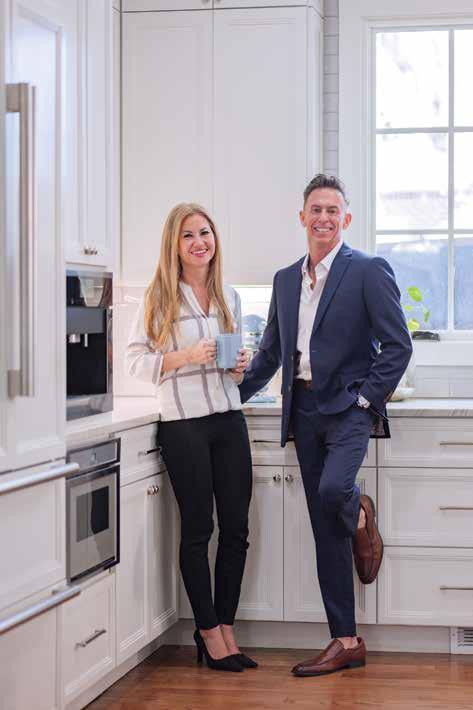

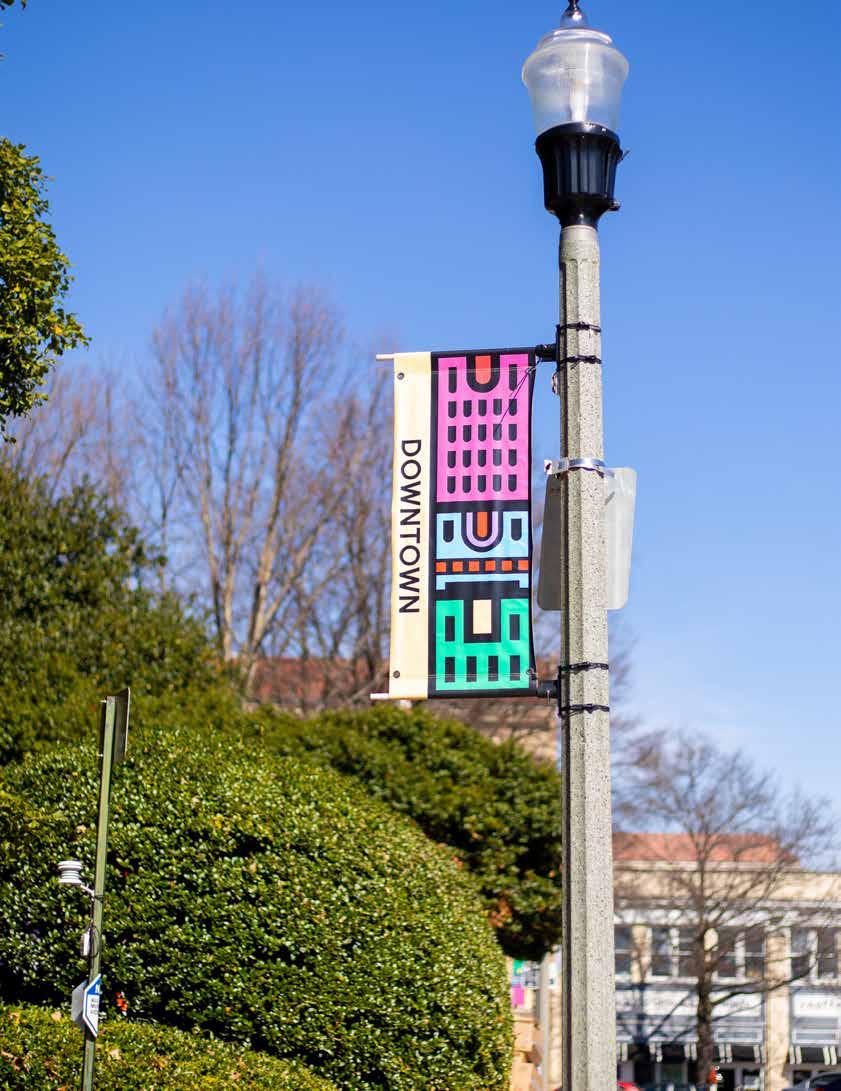
Investment. By definition, it's the act of dedicating time, energy, or resources toward something with the hope of a worthwhile return. But in practice, it’s so much more. Whether it’s our community, relationships, finances, or personal growth, the things we invest in shape our futures and the lives of those around us. We can invest in our community by supporting local businesses, schools, and organizations. Volunteering and mentoring are powerful ways to contribute to future generations. On a broader scale, participating in public surveys and staying informed about city planning are investments in the places we call home. Financial investments help us build security and achieve long-term goals and you can read on page 24 about how James Herdon III can help you gain insight into planning for your future. While personal investments like spending quality time with loved ones or fostering deeper connections bring immeasurable rewards to both ourselves and the people we care about. While the ways we choose to invest may look different for everyone, the common thread is the hope of making a positive impact. This month’s issue explores various ways we can invest in our lives—whether by nurturing our community, planning for our financial future, or prioritizing the relationships that matter most. Keeping Downtown Decatur clean and beautiful and protecting it is a big way we can give back or get involved. Read more on page 12. Every investment we make is an act of hope and commitment. As you read this issue, we hope you’ll feel inspired to invest in the people, places, and dreams that matter most to you. Here’s to a month full of growth, connection, and meaningful returns. Happy April!
PUBLISHER
Lisa Thibault | lisa.thibault@citylifestyle.com
CO-PUBLISHER
Lan Pham | lan.pham@citylifestyle.com
EDITORIAL COORDINATOR
Caroline Ficken | caroline.ficken@citylifestyle.com
MARKET SUPPORT ASSISTANT
Kelly Lobuglio | kelly.lobuglio@citylifestyle.com
SOCIAL MEDIA COORDINATOR
Mike Thomas | mike@thethomasgroup.com
CONTRIBUTING WRITERS
Caroline Ficken, Tran Bui, Renee Rayles
CONTRIBUTING PHOTOGRAPHERS
Caroline Ficken, Luis Contreras
CEO Steven Schowengerdt
President Matthew Perry
COO David Stetler
CRO Jamie Pentz
CoS Janeane Thompson
AD DESIGNER Mary Albers
LAYOUT DESIGNER Jamie Housh
QUALITY CONTROL SPECIALIST Hannah Leimkuhler






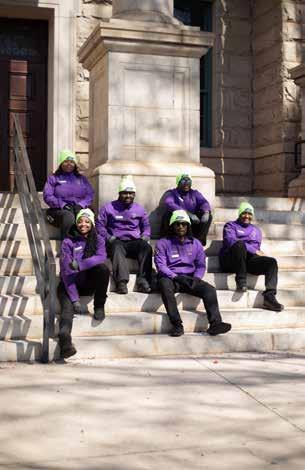



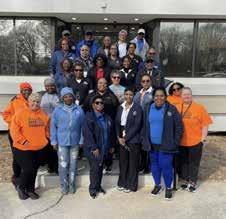
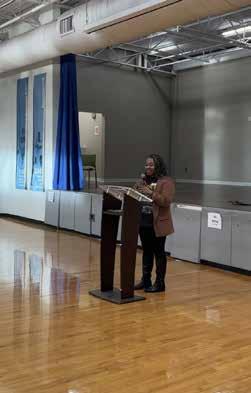

1: The Reading Room celebrates two years of delicious drinks, delectable bites, and good vibes. 2: CoD Equity & Engagement Director, Renae Jackson, opens the city’s annual Black History Month program in February. 3: Decatur Performs closes Alice By Heart. 4: Decatur recognizes crossing guards and members of the Safe Routes to School Committee during Love My Bus Month. 5: The Intown Retreat celebrates one year of yoga, pilates, massages, sauna, cold plunge, and community!






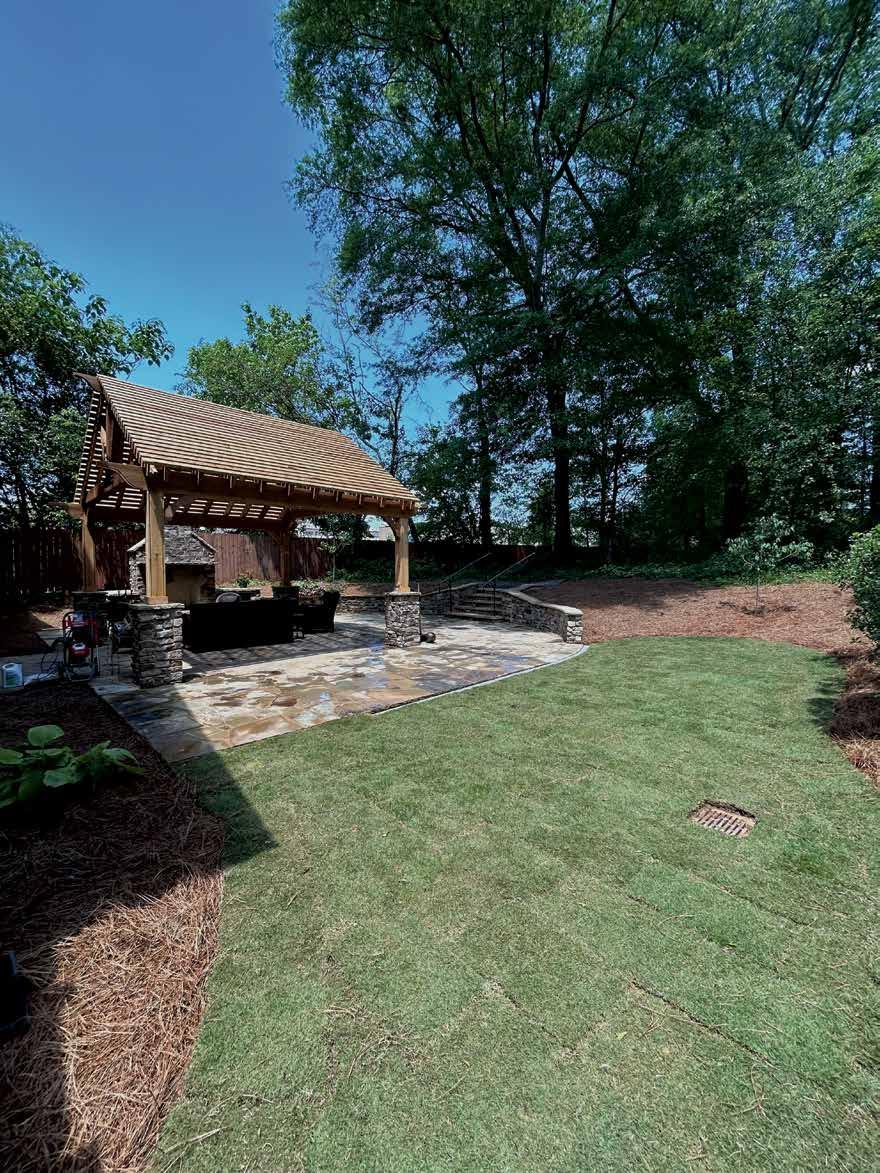

The Historic Druid Hills Home & Garden Tour returns April 17–19, 2026, celebrating Atlanta’s longest-running home tour. Presented by the Druid Hills Civic Association and powered by dedicated volunteers, the tour showcases remarkable homes and landscapes throughout the neighborhood. Tour hours are Friday, 1–5 p.m.; Saturday, 10 a.m.–5 p.m.; and Sunday, 1–5 p.m.

Furnish with Love invites you to shop their 10th Pop-Up Sale this spring. This bi-annual fundraiser offers designer samples of furniture, home decor and more at amazing discounts. 100% of the proceeds support helping families transitioning out of homelessness. Friday, April 24, Saturday, April 25, and Sunday, April 26, 9am-3pm. 508 E. Howard Ave. Decatur, GA. For more information, please visit furnishwithlove.org or @furnishwithlove on Instagram.
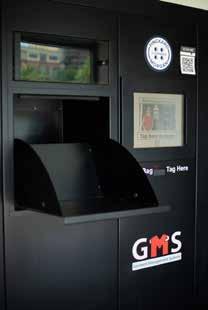
For Decatur Parents, Professionals, and People on the Go!

Our self-serve Dry Cleaning Kiosk in Downtown Decatur is open daily from 6:30am to 10:00pm, including holidays, so you can drop off or pick up on your time Need help? Our friendly attendant is available 11am – 5pm Monday through Friday and 1pm – 4pm on Saturdays
Mention Decatur City Lifestyle Magazine for 25% off your first order!
235 W Ponce de Leon Pl ptmdrycleaners com (404) 892-1997




ARTICLE AND PHOTOGRAPHY BY
CAROLINE FICKEN
Inside the Downtown Decatur Ambassador Program and the philosophy of hospitality guiding its work.
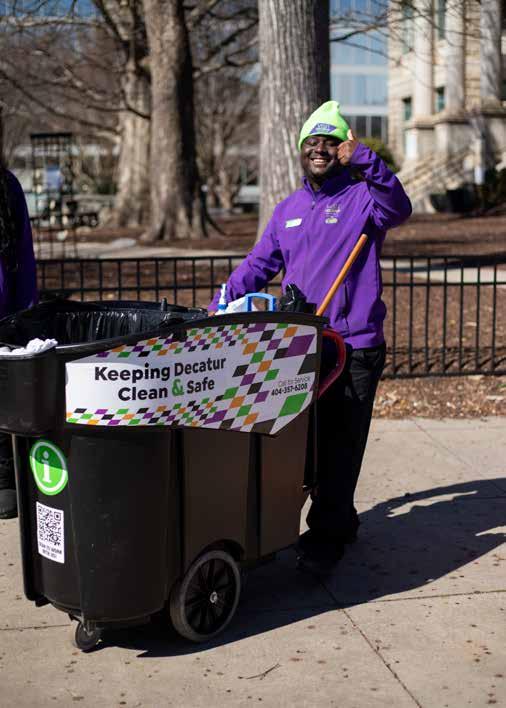
On any given day in downtown Decatur, ambassadors in purple uniforms are seen polishing public spaces, assisting visitors, and keeping a watchful and approachable eye on the square. Many residents recognize the uniforms or perhaps the purple “Visit Decatur” truck, but fewer know the philosophy guiding the work, a philosophy that places hospitality at the center of everything they do.
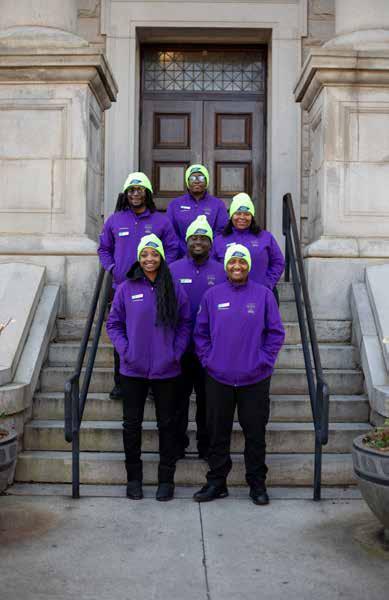
Behind those purple shirts is Block by Block, the organization that powers the Downtown Decatur Ambassador Program. While their work is often associated with cleaning and safety, their role in the community runs deeper, shaped by a philosophy that begins not with tasks, but with people.
Jason Stewart,Regional Vice President of Block by Block , says the ambassador model is designed to go far beyond maintenance. “The fundamental aspect of what we do is providing hospitality in all of our services,” he explains. The word “hospitality” surfaces again and again when describing their mission. It’s a deliberate choice, reframing what might otherwise be seen as maintenance or security into something more relational.
Decatur represents exactly the kind of downtown environment the ambassador model was built for — vibrant, social, and deeply community-driven. The city’s blend of creativity, walkability, and civic pride stood
out immediately. “Decatur is a beautiful, fun, and caring city. This is not only an ideal place to work and visit, but it’s also a great place to live,” says Stewart. Anyone who has attended a concert on the square or wandered through a local festival might recognize that sentiment. The downtown hums with a sense of ownership that extends well beyond business hours.
For those unfamiliar with the ambassador model, the day-to-day responsibilities are surprisingly expansive. In Decatur, teams provide both manual and mechanical cleaning, tackling everything from litter and sidewalk debris to stickers, spills, stains, and even seasonal challenges like leaf collection. The goal isn’t simply aesthetic; it’s experiential. A clean sidewalk, after all, subtly shapes how a place feels.
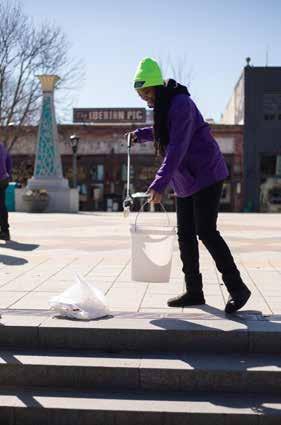
“IF YOU ARE WALKING IN DECATUR AND SEE AN AMBASSADOR CLEANING THE SIDEWALK OF DEBRIS, THEY STOP AND GREET YOU; IT’S A WELCOMING EXPERIENCE.”
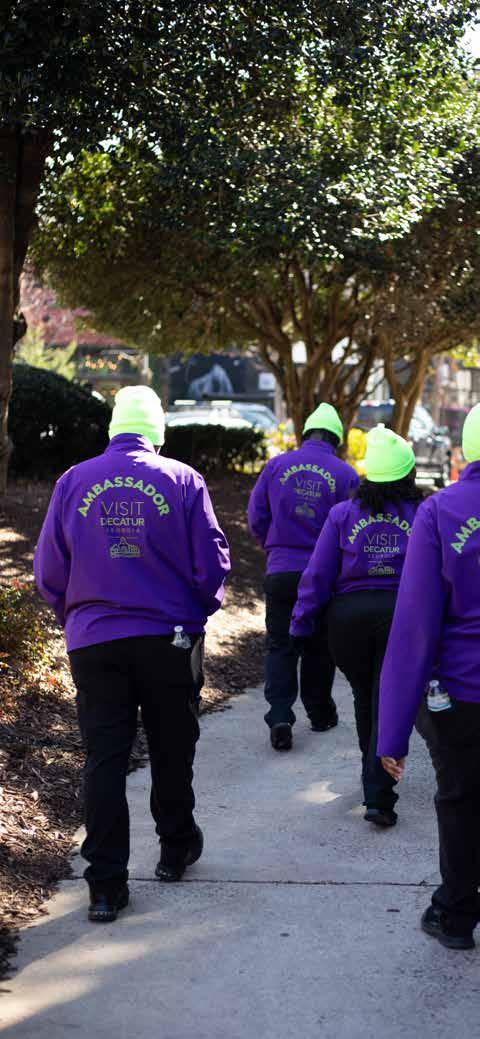

Alongside the cleaning crews, the safety team operates with what they call an “observe and report” mindset. Rather than acting as traditional security, ambassadors focus on awareness, communication, and coordination. When issues arise, they connect with local first responders and city partners to help ensure that downtown remains welcoming and accessible to everyone.
At launch, the priorities were straightforward yet ambitious: make Decatur friendlier, cleaner, and feel safer. Achieving that vision required more than schedules and equipment. It demanded relationships; relationships with city departments, business owners, community organizations, and the broader “downtown family.” Ambassadors analyzed the district, identified areas needing attention, and applied national best practices, all while adapting to Decatur’s distinct rhythm.
That adaptability is central to why the ambassador model works, particularly in a place as socially dynamic as a downtown district. Ambassadors stop to offer directions, share information about local events, and check in with merchants. Over time, familiarity breeds trust, and trust breeds a stronger sense of community. “If you are walking in Decatur and see an ambassador cleaning the sidewalk of debris, they stop and greet you; it’s a welcoming experience.”
The intersection between hospitality, cleanliness, and safety is intentional. Research and urban theory have long suggested that well-maintained environments influence behavior and perception. A tidy, friendly space can subtly deter problems before they escalate, but ambassadors are quick to emphasize that their work is not about enforcement; it’s about presence.
That presence becomes especially important in the complex social environments that define public spaces. Downtowns are crossroads of residents, visitors, workers, and individuals facing a wide range of
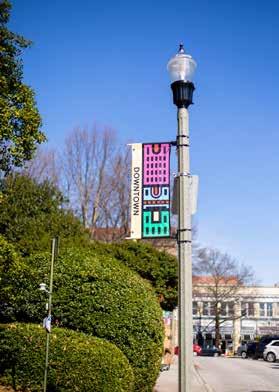
circumstances. Balancing a welcoming atmosphere with compassion requires training, situational awareness, and, above all, respect. “We treat everyone with compassion and respect because we all deserve it,” ambassadors say. “We keep the mindset that we are addressing the behavior and situation, not the individual.”
It’s a philosophy that mirrors Decatur’s own identity. Public spaces here are more than thoroughfares. Sidewalks, plazas, and the square itself become stages for daily life — for conversation, commerce, protest, celebration, and simple coexistence.
Looking ahead, ambassadors see their success intertwined with the city’s ongoing evolution. A calendar dotted with community traditions and new initiatives: from local 5ks to Decatur Watchfest26 watch parties and beloved festivals. Decatur’s downtown is anything but static.
For the ambassador teams, that constant change is not a challenge but a defining feature of the work. Programs are designed to evolve alongside the communities they serve, adjusting strategies and services as conditions shift. In Decatur, that means embracing each day with a simple, guiding perspective: every morning is another chance to say, in action rather than words, “Welcome to Decatur.”
HOW TRELLIS HORTICULTURAL THERAPY ALLIANCE CULTIVATES COMMUNITY AND HEALING
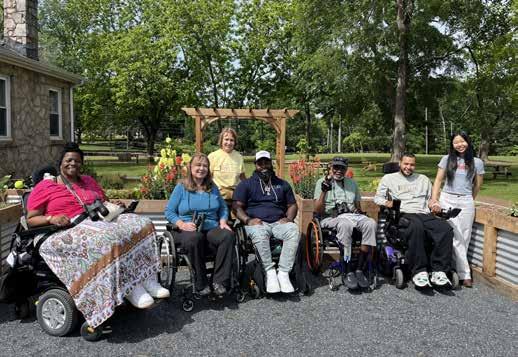
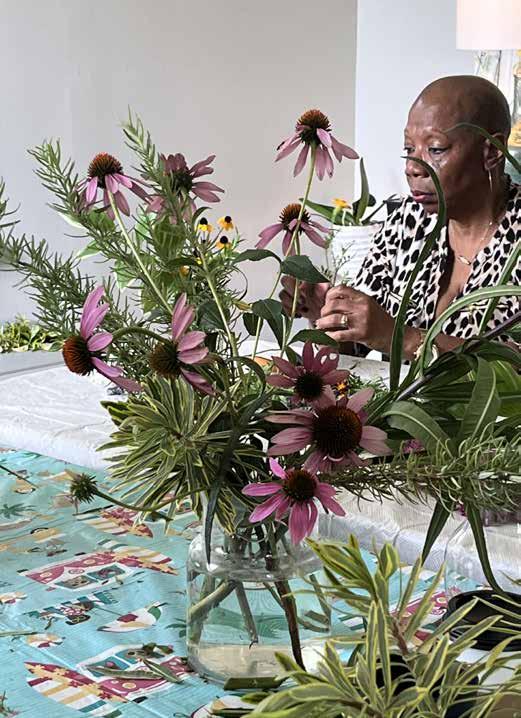
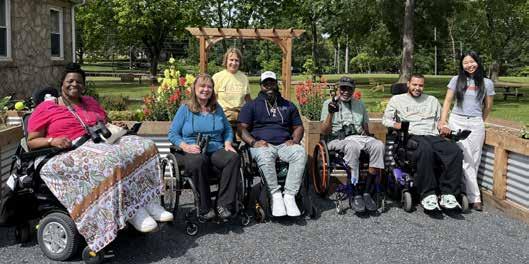
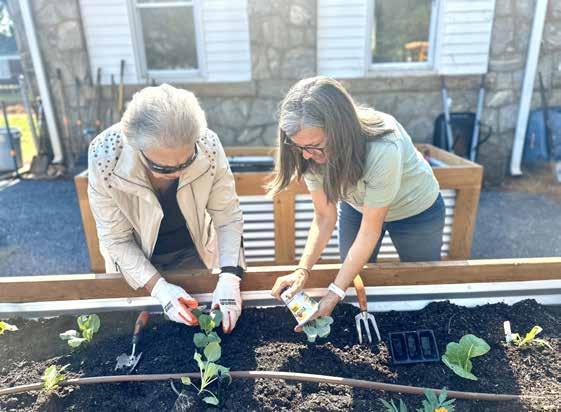
In Decatur’s largest greenspace, something remarkable is taking root. At Trellis Horticultural Therapy Alliance’s Ability Garden at Legacy Park, veterans coping with PTSD, stroke survivors, and gardeners using wheelchairs work side by side. Therapy happens not in clinical offices, but in the soil, under open sky, hands busy in raised beds, among friends.
The story of Trellis began with a vision and deepened through lived experience. Co-founders Rachel Cochran and Wendy Battaglia met at a horticultural therapy training program, united by a dream of bringing therapeutic gardening to Atlanta. Two years later, a life-altering event gave that vision sharper focus. When Rachel’s daughter survived a serious car accident resulting in life-altering injuries, Rachel gained an intimate understanding of the hardship and isolation people with disabilities face every day.
The experience revealed something both simple and startling: most spaces, especially outdoor ones, are not built with accessibility in mind. Many outdoor spaces have uneven paths, steep ramps, and fragmented layouts that quietly and continuously limit participation. When Rachel and Wendy reconnected, their mission solidified: create a fully accessible garden where people with physical challenges could engage with nature without first navigating obstacles.
For its first two years, Trellis operated as a mobile program, bringing soil, seeds, and supplies to assisted living facilities and special education classes. In 2019, a partnership with Callanwolde Fine Arts Center offered valuable space, including a greenhouse, but the setting presented challenges. Garden space was limited, and classrooms were spread across the campus. Workable, yet far from ideal for individuals using wheelchairs or walkers.
When Decatur Legacy Park offered space, everything changed.
The transformation has been profound. Where some participants once felt “tucked away” at the Callanwolde garden, many now describe feeling part of a vibrant, visible community. The garden’s design reflects intentional accessibility: raised beds at wheelchair height, smooth pathways for mobility devices, shaded outdoor classrooms, and a cottage that

provides a comfortable indoor space year-round. These details, easy for many to overlook, determine whether participation feels exhausting or empowering. For individuals whose transportation challenges make every outing complex, the ability to access multiple resources in a single visit is nothing short of revolutionary.
Yet Trellis is not solely about accessible design. The organization’s deeper work centers on social and emotional wellness.
As Program Director Shelly Roberts explains, horticultural therapy involves achieving therapeutic goals through gardening. Instead of repetitive clinical exercises, participants engage in meaningful, productive activity. The same hand motion used to drop marbles into a cup during occupational therapy becomes the act of planting seeds. Strength and coordination develop almost incidentally, woven into tasks that feel purposeful and alive.
For stroke recovery groups, picking up and placing seeds builds fine motor skills, but with a far more satisfying outcome. The work is joyful and tangible, yielding tomatoes and herbs instead of simply completed repetitions. For veterans coping with PTSD, gardening offers a calming, structured environment and a safe, supportive social space.
The impact of Trellis becomes most visible in its stories.
One memory lingers from a middle school program serving neurodivergent students. A nonverbal girl, initially hesitant and withdrawn, found unexpected joy in planting. One plant became many, and curiosity became confidence. By the time she left, she was skipping toward the bus, visibly transformed by the simple act of being trusted with meaningful work.
Another story comes from a veteran who reflected on the difference a year can make. The previous birthday had passed in isolation and despair. The next birthday was spent seated on the ground with fellow group members, sharing cake, laughter, and belonging. Trellis had restored hope and meaning in life for this veteran.
Equally significant is what Trellis offers the broader community. Disability often exists at the margins of public life; not through intention, but through the accumulation of small exclusions. Trellis disrupts this separation. At plant sales, festivals, and workshops, gardeners living with disabilities share space with neighborhood families, and volunteers learn alongside participants.
The organization’s emerging ethos — Connect, Learn, Thrive — reflects this widening vision. Trellis serves individuals living with physical challenges while inviting the wider Decatur community into shared space. Gardening classes, volunteer opportunities, and seasonal events transform the Ability Garden into a communal asset rather than a specialized enclave. The annual spring festival and plant sale on April 18th not only helps sustain Trellis’s programs but also embodies its mission, bringing together individuals of all abilities in a shared, welcoming space.
Trellis Horticultural Therapy Alliance’s programs are offered free of charge, acknowledging the financial realities many clients face. Funding depends on donors and grants, an increasingly uncertain landscape. Sustainability, like gardening itself, requires ongoing cultivation.
Trellis Horticultural Therapy Alliance is rooted in the simple, radical belief that people flourish when given access to nature, to community, to purposeful activity, and to one another. As Shelly Roberts notes, volunteers and staff often find themselves receiving as much as they give. In a world frequently defined by division and difficulty, Trellis offers something profoundly restorative: an accessible space where community grows.
To learn more about Trellis Horticultural Therapy, volunteer opportunities, upcoming classes, or ways to support its work, visit the organization’s website, trellishta.org, or stop by the Ability Garden at Legacy Park in Decatur.
Sati Yoga & Wellness is Atlanta’s home for non-heated mindful movement. Located in the heart of Kirkwood, our mission is to provide deep, trauma-informed practices aimed to restore and rejuvenate your mind, body, and spirit. With inclusive staff and a wide variety of rest and meditation practices, we are home for people that are interested in turning inward.

$30 for 30 Days of Unlimited Yoga for New Customers
www.satiyogawellness.com V @satiyogaatl | (404) 907-4279 1996 Hosea L Williams Dr, NE 30317









Let Us Take Meal Stress Off Your Plate!
Reclaim your time by reducing daily meal prep, cooking, and clean-up. We make it easy . . . Order from our vegetarian and meat & seafood weekly menus by Thursday.

Receive ready to heat-and-eat meals at your door on Monday. Reduce the evening bottleneck of "what's for dinner" with healthy, locally made meals. Join us today!
www.radianthealthkitchen.com

ARTICLE BY TRAN BUI
Every swipe, click, and stream traces back to a defining moment. A prototype. A pitch. A breakthrough. The Mimms Museum of Technology and Art stands as a living archive of those moments, preserving the technology and the bold thinking that transformed the way we live.
As a nonprofit organization, the museum exists for a purpose far greater than display. Its mission is rooted in preservation, education, and community impact, ensuring the history of computing and innovation remains accessible to future generations.
What began as a personal collection has grown into one of the most significant archives of computing history in the country.
“The idea grew out of my lifelong passion for collecting and preserving historic computers and technology,” says Board Chairman and Founder Lonnie Mimms. “Over time, I realized many of these artifacts and their stories were disappearing. I did not want those milestones to be lost.”
That curiosity transformed into a mission. Machines that once filled offices, laboratories, and garages were quietly vanishing. Prototypes were discarded. Launch materials were overlooked. Entire chapters of innovation risked being forgotten.
“Technology shapes nearly every part of modern life, yet its history is surprisingly fragile,” says Co-Founder Karin Mimms. “Preserving these machines honors the people behind them and reminds us that innovation happens step by step.”
For decades, the collection expanded steadily. It eventually required storage spaces and larger facilities as its significance became undeniable.
“When we opened to the public in 2019, it marked a new chapter,” says Executive Director Rena Youngblood. “We were no longer simply preserving artifacts. We were creating a place where people could experience this history firsthand.”
Since opening its doors, attendance, exhibits, programming, and partnerships have grown. Collectors across the country now entrust their technological legacies to the museum, confident their artifacts will be preserved with care and long term stewardship.
The institution has evolved from a remarkable collection into a dynamic cultural resource.
As leadership reflected on how best to tell the story of innovation, one truth became clear. Technology cannot be separated from creativity.
“Technology and art have always been intertwined,” shares Elaine Pelaia, Director of Museum Operations. “From industrial design to digital graphics, innovation is as much about creativity as it is about engineering. We want visitors to see that great technology is not just functional. It is expressive and human.”
By incorporating art, advertising, typography, product design, and cultural storytelling, the museum broadens the narrative.
Lonnie notes that early personal computers from companies like Apple Inc. and IBM are especially meaningful because they represent the moment computing moved from institutions into homes and small businesses. Original advertising materials and launch memorabilia are equally powerful. They capture the excitement of those breakthrough moments. Each artifact tells a story about possibility and risk.
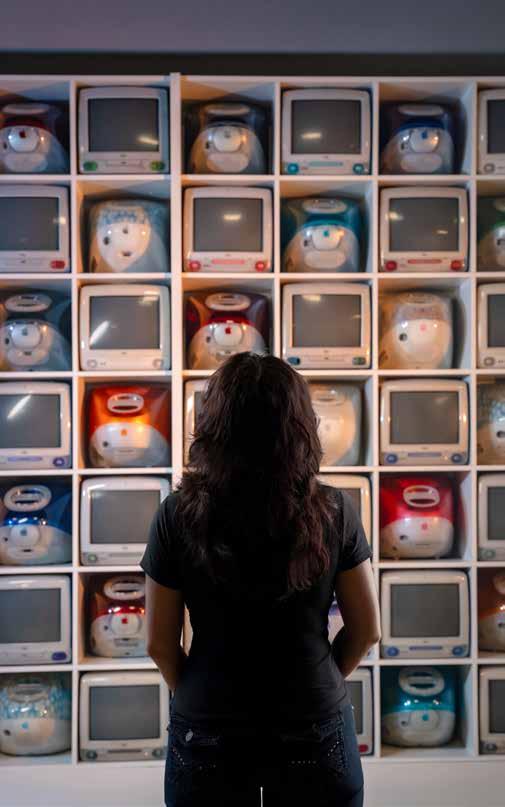
“Those early systems changed everything,” Lonnie explains. “They made technology personal.”
That story continues with the museum’s newest exhibition. In March, the museum unveiled iNSPIRE : 50 Years of Innovation from Apple, an immersive exploration of Apple’s evolution from startup to global cultural force. The exhibition highlights breakthrough products, iconic marketing campaigns, design philosophy, and the bold thinking that helped redefine personal technology.
“It allows visitors to see how one company influenced not just computing, but culture,” says Rena. “It shows how innovation, design, and storytelling work together.”
The museum is also home to the largest collection of Cray supercomputers in the world. These systems pushed the boundaries of high performance computing and demonstrated what bold engineering could accomplish at the highest level. Complementing this legacy of high performance innovation, the space exploration exhibit showcases the groundbreaking computing and engineering technologies that enabled humanity’s earliest journeys beyond Earth.
Together, the collection tells a much bigger story. It shows how technology became personal and how innovators kept pushing the limits of what was possible. Standing in front of these machines, visitors see more than hardware. They see big ideas brought to life.
For many guests, the experience is deeply personal.
“Visitors often feel nostalgia, surprise, and inspiration,” says Karin. “Some recognize the computer they first learned on. Younger visitors are often amazed by how quickly technology has evolved.”
Parents point out systems they once used at work. Grandparents share stories of early office transitions. Students encounter floppy disks and processors with curiosity.
The exhibits are immersive yet accessible, designed to spark conversation across generations.
Community engagement remains central to the museum’s mission.
“A museum should be more than a destination. It should be a community asset,” Rena says. “When we invest locally, we strengthen families, schools, tourism, and economic vitality.”
Through partnerships with educators and organizations, innovation is not simply displayed. It is cultivated.
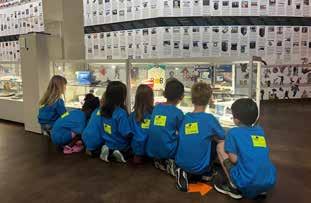
“Through field trips, lectures, special exhibits, and hands on engagement, we connect past innovation to future possibility,” says Karin. “Students begin to see that many groundbreaking technologies were created by people who were once young and curious.”
That realization shifts perspective. Innovation feels accessible.
“We want visitors to leave with a deeper appreciation for the human side of technology,” Elaine says. “Behind every device is vision, design, experimentation and collaboration.”
For Lonnie, the mission remains clear.
“This was never just about collecting,” he admits. “It is about making sure the defining moments that shaped our digital world are not forgotten.”
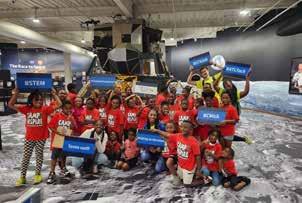
Explore where innovation and creativity meet. From early personal computers and iconic supercomputers to art, design, and the new iNSPIRE exhibit, the museum brings big ideas to life for every generation.
5000 Commerce Parkway Roswell, Georgia 30076 mimmsmuseum.org






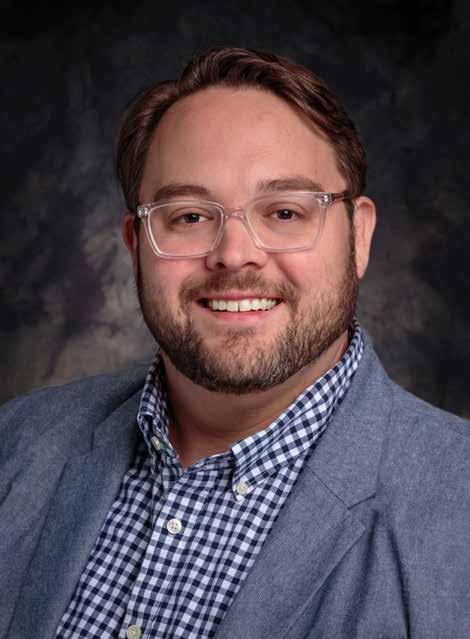
Inside the practice of James Herndon III, who puts people first.
ARTICLE
BY CAROLINE FICKEN
Designing a life you love starts with getting clear on what actually matters to you, what brings you joy, and what kind of future you're trying to build. For James Herndon III, a fiduciary financial advisor with Edward Jones, that belief sits at the very center of his work. He understands that money is the tool that supports a life thoughtfully designed.
James didn't always see himself doing this work. For a while, the financial industry felt too transactional to him, too focused on numbers instead of people. "For a long time, it was about how many accounts you had," he says. "That never felt right to me." What pulled him in was seeing the industry start to shift toward something deeper: real relationships, not just transactions. Serving whole families, not just portfolios.
Today, James is a fiduciary, which means he's legally required to put his clients' interests first. But for him, it goes beyond the technicalities. It's about trust. It's about being transparent. It's about building a financial plan that actually supports the life someone wants — whether that's traveling more, giving back, planning for retirement, or just having the peace of mind that they're on the right track.
That mindset was shaped early. James grew up in Macon, Georgia, and one of his most formative lessons came from his grandfather. Immediately after borrowing a boat for a fishing trip one day, James watched his
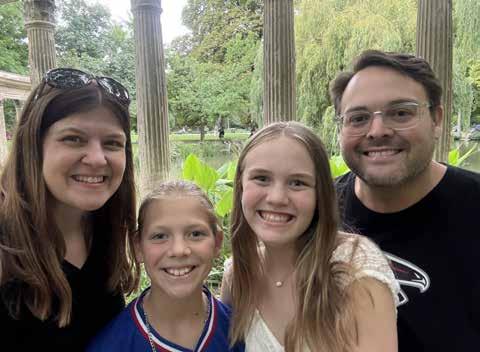
grandfather clean it thoroughly, fill it with gas, and return it in better shape than it had been lent to them. When James asked why he went to all that trouble, his grandfather said simply: Leave things better than you found them.
James has carried that with him ever since. Stewardship, to him, means caring for what people trust you with. It means listening, offering thoughtful guidance, and treating someone's financial life with the same care you'd give your own.
His clients learn quickly that he shows up—not just at scheduled meetings, and with prompt email responses, but consistently, over time. He sees himself as a partner who's there as life inevitably changes. Careers shift, families grow, priorities change, and a good financial plan has to be flexible enough to adapt, while still keeping you anchored to your long-term goals.
James is also a family man invested in this community. He believes financial success and community wellbeing go hand in hand. Giving back and being present are part of that “leaving the world better than you found it” philosophy.
Maybe what sets him apart most is his openness. He genuinely wants the best for people, whether they work with him or not. "Second opinions are free," he says. In an industry that can feel numerical, that kind of generosity stands out. He thinks everyone deserves access to thoughtful guidance and clarity around their money.
At its best, financial planning is about possibility and aligning your resources with your values so you can spend your time on what matters most. With someone like James in your corner, the conversation becomes less about money itself and more about what money makes possible: building memories, securing your future, giving back, and living intentionally.
This fiduciary doesn't just help people plan for the future. James helps them design a life they're actually ready to live.
https://www.edwardjones.com/us-en/financial-advisor/james-herndon
Simple, sustainable steps to create calm, functional spaces that last.
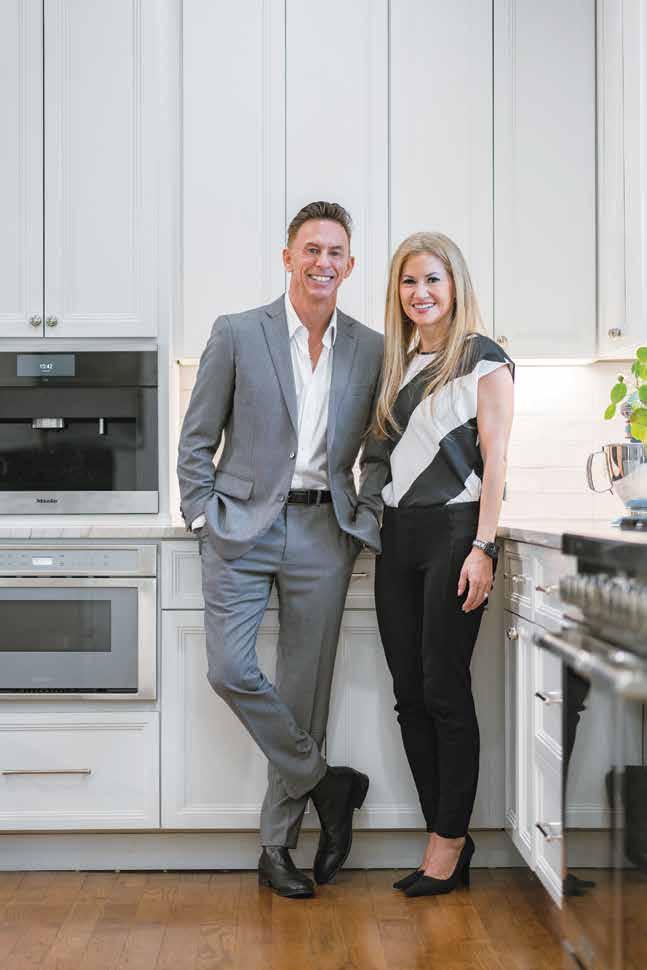
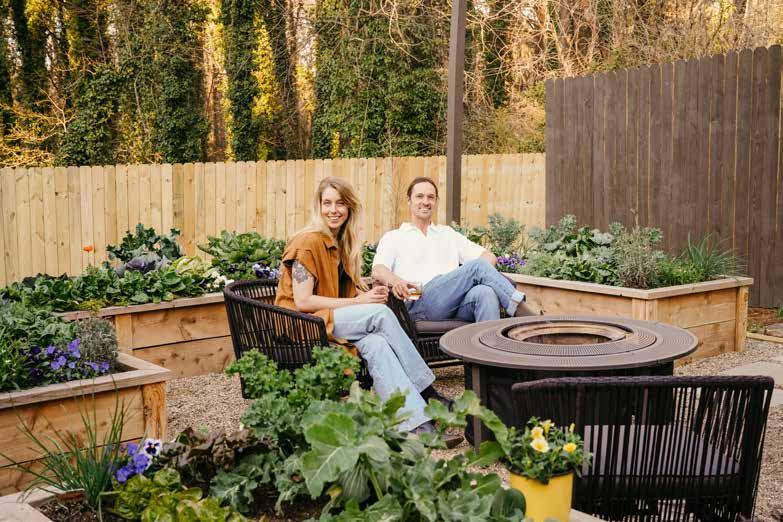
Spring brings longer days, open windows, and the familiar urge to refresh our homes. But when you’re staring at years of accumulated belongings, “spring cleaning” can feel overwhelming. Disorganization isn’t a personal failing. Many of the picture-perfect systems we see online are styled for the camera — not built for real life. What photographs beautifully may not align with how you actually move through your day.
True organization isn’t about perfection. It’s about creating systems that support your routines, reduce stress, and make everyday life easier. When storage solutions don’t reflect your habits, clutter creeps back in, frustration builds, and your home starts to feel like another demand on your time.
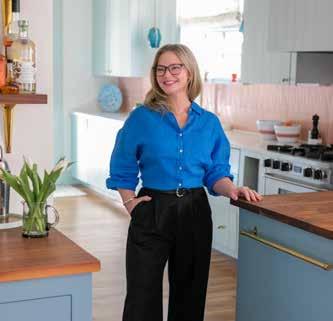
“A spring reset shouldn’t feel overwhelming,” says Laura Dengler, founder of Decaturbased Short Order Edit + Organize . “The goal isn’t perfection. It’s creating systems that truly work for how you live, so your home supports you instead of draining you.”
Dengler encourages clients to begin with high-impact spaces like entryways, kitchens, and primary closets — areas where small improvements can immediately enhance daily flow. Rather than tackling the entire house at once, she breaks projects into manageable steps, making progress feel motivating instead of exhausting. Because visual clutter can heighten stress and anxiety, even one calm, functional room can meaningfully shift how you feel at home.
Editing is essential. “You can’t organize your way out of too much stuff,” Dengler notes. Often, the most effective solution
ARTICLE BY CAROLINE FICKEN
PHOTOGRAPHY BY HEIDI HARRIS
is simply owning less. A neutral professional can make the decision-making process clearer and less emotional.
For home sellers, this step is especially valuable. Pre-packing seasonal items and personal collections helps create a lighter, more spacious environment where buyers can imagine themselves living.
Letting go feels easier when you know items will be responsibly rehomed. In Decatur, sustainable options abound. Consign quality clothing at Finder’s Keepers Consignment Clothing or furniture at Finder’s Keepers Furniture. Donate thoughtfully to Second Life Upscale Thrift or Value Village. Recycle hard-to-process items at Live Thrive CHaRM DeKalb.
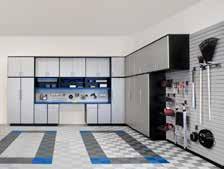
Dengler designs systems rooted in function: zoning by activity, improving flow, and maximizing awkward spaces. Intentional landing zones for keys, mail, and chargers prevent surface clutter, while strategic labeling keeps systems intuitive for the whole household.
The goal isn’t a picture-perfect home — it’s one that works for you. With thoughtful systems and ongoing habits, organization becomes less about appearance and more about ease, clarity, and peace of mind.










An exclusive Q&A with City Lifestyle
ARTICLE BY ANGELA BROOCKERD
PHOTOGRAPHY PROVIDED
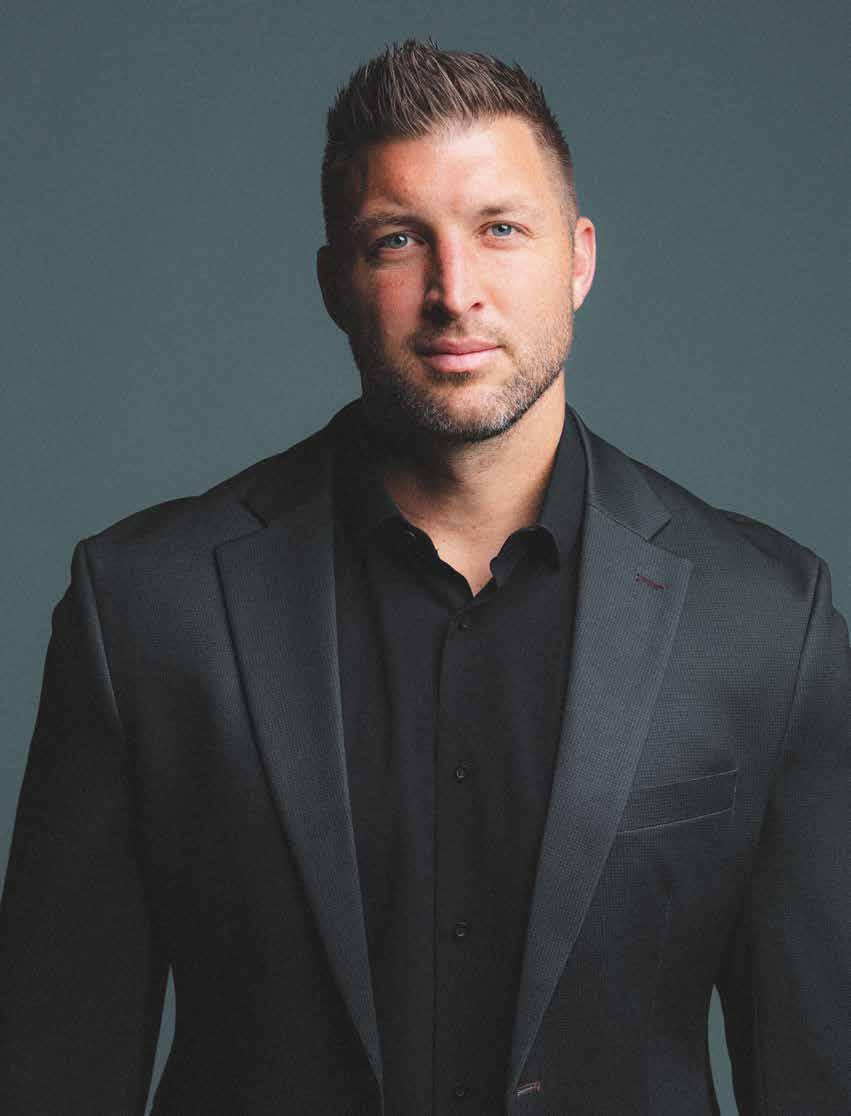
From championship trophies to global humanitarian impact, Tim Tebow’s journey has defied every standard playbook. In an exclusive conversation for the Share the Lifestyle podcast, Tebow pulls back the curtain on the moments that truly defined him, from a humbling middle school church retreat to the life-altering shift of fatherhood. This isn’t just a look back at a career; it’s an invitation into the heart of a man driven by purpose. Read the highlights below, then join us for the full, unfiltered experience by scanning the QR code at the end.
Q: WE ALL KNOW YOUR ACCOMPLISHMENTS ON THE FOOTBALL FIELD, BUT TELL US ABOUT THE CURL CONTEST.
A: I was competing for my future high school team (my brother’s team), and I pushed myself way past what was smart. I ended up collapsing and needing medical attention. But what stayed with me wasn’t the pain, it was the lesson. Would I be willing to do something that others aren’t? For much of my life, I strived to bring my best for a game, but I hope that I can say at the end of my life I was willing to do that for things that actually matter.
Q: YOU’VE ACHIEVED SO MUCH IN SPORTS. WHAT WOULD YOU SAY IS YOUR GREATEST ACCOMPLISHMENT NOW?
A: Becoming a dad. Nothing compares. From the moment I knew my wife was pregnant, I felt a new depth of love for our child, but when you bring your baby home, the responsibility hits you like nothing else. Suddenly, everything you see, every decision you make, you’re asking, “Is this corner too sharp? What happens if she reaches that drawer?” It changes how you see the world and how you see other people.
Q: YOU’VE SPOKEN OPENLY ABOUT DISAPPOINTMENT, ESPECIALLY AROUND FOOTBALL. HOW DID THAT SEASON OF LIFE SHAPE YOU?
A: I talked a lot about that very thing in my book Shaken . We all go through moments where our faith in our abilities and purpose feels rattled, but I believe it’s often in those storms when God can show us who we could become.
Q: YOU TALK A LOT ABOUT COMPARISON CULTURE. WHY DO YOU BELIEVE COMPARISON HAS BECOME SUCH A TRAP TODAY?
A: Because we’re comparing our real, everyday lives to someone else’s highlight reel. Social media shows people’s “best day,” often filtered and staged, and then we measure our reality against that. There’s a reason filters are so popular—it’s not real. We end up scrolling through images that don’t tell the full story, and without realizing it, comparison starts to steal our joy and our gratitude.
“We’re comparing our real, everyday lives to someone else’s highlight reel... comparison starts to steal our joy.”
Q: YOUR FOUNDATION FOCUSES ON THE “MOST VULNERABLE.” WHERE DID THAT CALLING BEGIN?
A: When I was 15, I met a boy in the Philippines who was treated as a throwaway because he was born with physical differences. That moment changed me. I realized God was calling me to pursue a different kind of MVP, not “Most Valuable Player,” but “Most Vulnerable People.”
Q: FINALLY, WHAT’S ONE THING PEOPLE MIGHT BE SURPRISED TO KNOW ABOUT YOU?
A: I have some weird coffee habits, which include protein powder, collagen, and cream all mixed together. I love golf dates with my wife. And every night, I bring snacks to bed to share with our dogs. It brings me more joy than it probably should.
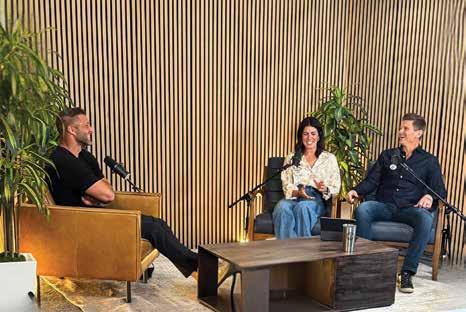
This conversation barely scratches the surface. Tim goes deeper into the moments that rattled him, the joys of fatherhood, and one story he has never shared publicly until now. Scan the QR code for the full, exclusive City Lifestyle interview on Share the Lifestyle Podcast.



Looking to do more for the environment? Join us at Legacy Decatur’s 2026 Community Day to learn, browse organic and handmade products, connect with local green organizations, and find kindred spirits to turn good intentions into action.
It takes a village to save a planet. Join us!









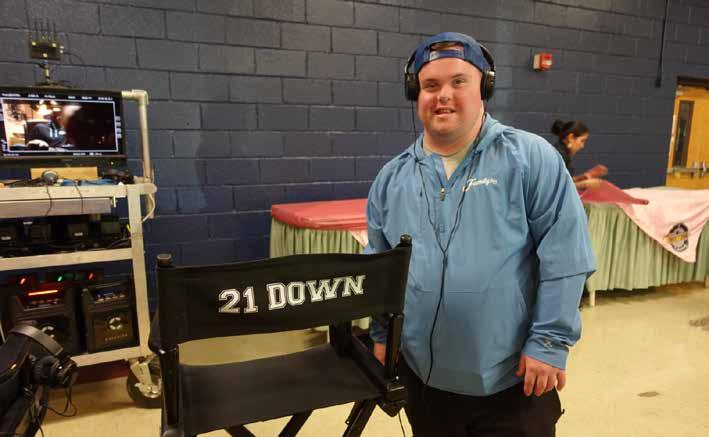
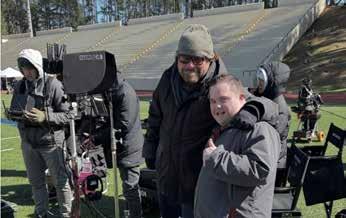
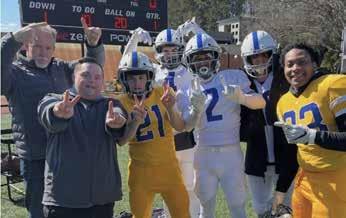
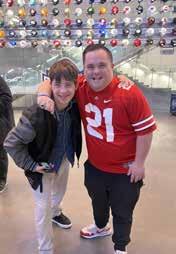
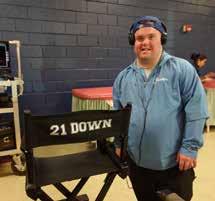
Breaking records and defying expectations, Caden Cox became the first person with Down syndrome to play and score in a collegiate football game. His story is now being brought to the big screen, starring Ashley Judd, Nia Vardalos, Dashiell Meier, and Richard T. Jones. We got a behind-the-scenes look at 21 Down and met Caden himself.
On set in Covington, Georgia, Caden’s story came alive as the production recreated his Midwest football journey. Producer Melissa Bickerton said filming in Georgia made sense: the state offered a great tax credit, and the location could convincingly stand in for the Midwest, warm enough to represent both autumn and spring. And California just wasn’t a fit.
ARTICLE BY RENEE RAYLES
Caden stayed tuned into filming—watching cameras, listening to playback, and meeting cast, crew, and extras. When asked how it felt to have a movie made about him, he said, “It’s part of my life and it’s awesome.” Bickerton described the moment Caden met the actor portraying him, Dashiell Meier, as “very emotional… It just made it very real for Caden and broke my heart open.”
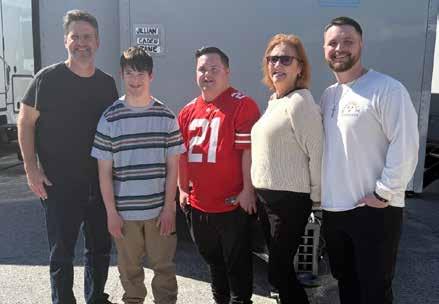
The Cox family was present for two weeks of filming. Mari Cox reflected on her son’s journey: “It is a story about Caden’s life, which has been a journey for us ever since the doctor gave us the diagnosis that he would be born without his corpus callosum and septum as well as Down syndrome. He always wanted to do everything his brother did. He wanted to do all the things people told him he couldn’t do—and he proved them wrong.” Ashley Judd plays Caden’s mother and is a producer in the movie.
The family’s commitment to inclusion came with challenges. “There were times the football team would all say, ‘Hey, that’s our friend,’ but they’d never invite him to the parties… it wasn’t all glory. We had our challenges,” Mari says.
Caden’s brother, Zane Cox, says the film reflects years of perseverance. Football became a defining part of Caden’s life and still is, with his current role working with the Ohio State Buckeyes football program. About his skills on the field, Caden said, “It’s really part of my life to kick.”
The film is supported by Best Buddies International, which creates opportunities for people with intellectual and developmental disabilities through friendship, employment, and leadership programs. As Bickerton explains, “they came on board as investors, partners and endorsed our movie, and we are thrilled to have them.”
21 Down is more than a movie—it’s a story of resilience, determination, and family. Between takes, Caden had a simple request: “Please watch this movie.” His brother Zane adds, “Today’s society, it’s all about me — a me, me, me thing — but there’s a Buddhist term called mudita, and it’s vicarious joy through other success, and that’s what I want people to see. Start looking at other people’s success and letting that fuel you and push you in your life, too.” Watch for 21 Down in theatres late 2026.