
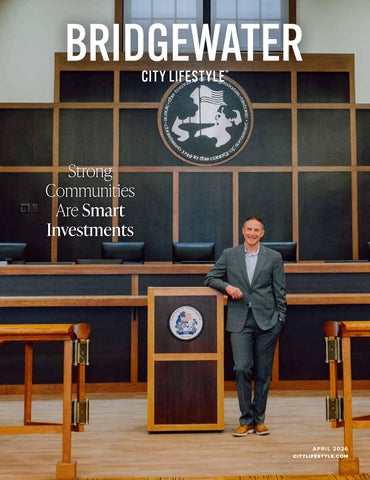
Strong Communities Are Smart Investments


Creating a will or trust isn’t just a legal formality, it’s one of the most important steps you can take to protect your family, your future, and your investments. At Lyons & Associates, we’re here to help you plan wisely, confidently, and with compassion.
Whether you’re preparing for the future, navigating a complex estate, or caring for a loved one with special needs, the choices you make today will shape the security of tomorrow. Our team is here to help you make those decisions with clarity and care, so that your legacy is protected.
Wills, Trusts & Powers of Attorney
We take the time to understand your goals and build a personalized plan that reflects what matters most, your family, your values, and your peace of mind.

Happy April, Bridgewater! After a winter like that, we’ve earned this spring.
The longer days and warmer afternoons feel like a reset. Windows open. Calendars fill. Energy shifts. And with that shift comes reflection—what are we building, what are we nurturing and where are we choosing to invest our time and energy?

That question anchors our April Invest issue. Strong communities are smart investments, and this month we explore what that looks like right here at home. Turn to page 34 for Building a Brighter Bridgewater, our cover story examining how thoughtful planning, thriving local businesses and strategic infrastructure improvements shape daily life. Mayor Matthew Moench shares how Bridgewater continues to focus on responsible growth—protecting the character residents love while planning intentionally for what comes next.
But investment is not only financial. It is personal. It is generational. It shows up in how we care for our health, how we support the next generation and how we advocate for ethical autism care and overall wellness. The returns may not always be immediate, but they are lasting—stronger families, healthier communities and a future built with intention.
Spring also leaves room for creativity—and a little Easter fun. Turn to page 22 for Good Bunny Energy, a fresh seasonal cocktail—and its equally festive mocktail companion—that celebrates renewal with a playful nod to the holiday. Whether you’re hosting Easter brunch or simply enjoying a warmer evening on the porch, it’s a reminder that investing in connection matters just as much as anything else.
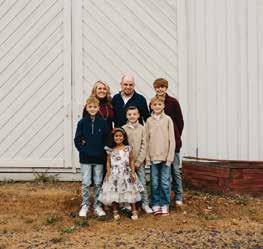
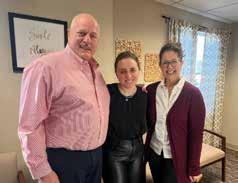
Turn to page 38 for Redefining MVP: Tim Tebow’s Life Beyond Football. As you’ll see in our publisher photo above, we met Tebow at our City Lifestyle National Conference, and two lessons stayed with me: choose the one person you believe in, and never let success replace growth. After the best game of his college career, Tebow's coach reviewed the few plays he could have executed better. That mindset—growth over glory—defines excellence. With our daughters watching how we define success, Jake and I are reminded that the greatest returns rarely show up on a scoreboard.
Finally, turn to page 42 for our April 2026 Readers’ Choice: Investment Edition winners, and follow @bridgewater_somerset_hills to vote in upcoming categories.
Here’s to longer days and smarter investments.

April 2026
PUBLISHER
Jake Slowinski | jake.slowinski@citylifestyle.com
CO-PUBLISHER
Tiffany Slowinski | tiffany.slowinski@citylifestyle.com
SALES DIRECTOR
Emily Labdon | emily.labdon@citylifestyle.com
PUBLICATION DIRECTOR
Carly Mac Manus | carly.macmanus@citylifestyle.com
PUBLISHER ASSISTANT
Kristin Kowalewski | Kristin.Kowalewski@citylifestyle.com
ACCOUNT MANAGERS
Jessie Fernandez | jessie.fernandez@citylifestyle.com
Rose Balisi | rose.balisi@citylifestyle.com
INTERNS
Ashwin Bidani, Sadie Brown Riley Burns | riley.burns@citylifestyle.com
CONTRIBUTING WRITER
Cara Zamorski
CONTRIBUTING PHOTOGRAPHERS
Liz Polo - Havana Photography, Raquel Brennan, Cedar Hill Preparatory School, Stretch Zone, Cara Zamorski
CEO Steven Schowengerdt
President Matthew Perry
COO David Stetler
CRO Jamie Pentz
CoS Janeane Thompson
AD DESIGNER Andrew Sapad
LAYOUT DESIGNER Jamie Housh
QUALITY CONTROL SPECIALIST Hannah Leimkuhler



















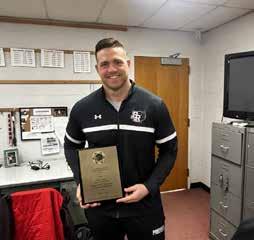
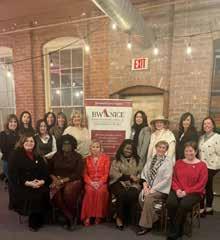
1: Anhelina Rozghon and Artur Solomovych, local residents are pictured after earning top honors at the Constitution State Dancesport Championships. 2: Coach DJ Catalano earns distinguished New Jersey Suburban Youth Football League award for leadership excellence. 3: BW NICE Somerset County donates $8,000 to Women Aware following
Voices of Hope Gala.








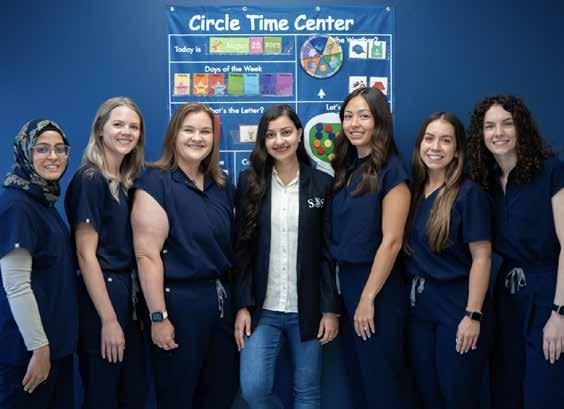
AS SOS BRIDGEWATER EXPANDS, ITS MISSION REMAINS ROOTED IN INDIVIDUALIZED, RESPONSIBLE SUPPORT

When Mahvish Gilani opened SOS Bridgewater, her goal was simple but bold: create an autism services clinic centered on ethical care, individualized support and meaningful outcomes for children and their families. Today, that vision has grown into a model that continues to expand—most recently with a new 9,000-square-foot facility coming to East Brunswick.
Gilani’s personal experiences inspired the opening of her first location, but it was the unmet needs of families that shaped SOS’s larger mission. Unlike many clinics that accept every child who walks through the door, SOS prioritizes determining whether the center is the right fit—sometimes recommending alternative programs better suited to the child’s needs. For one parent, being turned away proved “life-changing,” as it helped guide them to more appropriate support. That honesty, Gilani says, is rare in the industry.
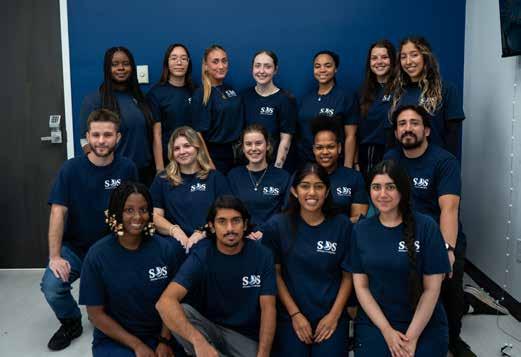
From its early days, SOS has focused on maintaining small caseloads and high-quality staffing. The Bridgewater location now employs 41 team members, including four Board Certified Behavior Analysts (BCBAs)—double what most clinics its size staff. Gilani herself recently earned her BCBA license, becoming the fifth provider on site.
That emphasis on expertise is shaping the next generation of providers, too. Four technicians are currently pursuing their master’s degrees to become BCBAs, inspired by the clinic’s culture and mentorship. “We’ve created an environment where people not only enjoy being here but become passionate about the field,” Gilani says. Once licensed, these team members will help support SOS’s continued expansion.
The investment in staff reflects a larger priority: ensuring each child receives focused, ethical and developmentally appropriate care. Ratios remain oneto-one, and children benefit from an interdisciplinary team that includes speech and occupational therapists.
Summer demand highlighted a challenge—SOS simply didn’t have enough room. In response, Gilani signed a lease to expand the Bridgewater clinic from 5,000 to nearly 12,000 square feet. The goal is not just to serve more families but to serve them more thoughtfully.
With a larger footprint comes a wider community presence. Gilani hopes to build stronger pathways between early intervention programs, clinics and schools— areas where families often experience confusion or gaps after receiving a diagnosis.
The industry’s ethics code, she explains, is strict for a reason: children with autism are vulnerable, and history has shown how easily systems can fail them. Having this license has heightened her awareness of unethical practices elsewhere—and increased her sense of obligation to advocate for change. “I feel more responsible now to say something or do something,” she says.
“Each transition— early intervention, ABA, and then school—is daunting. We want to make it easier.”
“There’s no manual of what to do next,” she says. “Each transition—early intervention, ABA, and then school—is daunting. We want to make it easier.”
— Mahvish Gilani
Gilani’s newly earned BCBA license brings additional perspective—and responsibility. She now sees both parent and clinician viewpoints and has a deeper understanding of the ethical commitments required in her field.
In the next five years, Gilani hopes to expand SOS’s footprint into additional communities and eventually into other states. But her long-term goal reaches beyond opening new clinics. She wants to use her platform, experience and credentials to influence policy, improve cooperation with school districts and help shape a more inclusive and informed approach to autism services throughout the region.
As SOS grows, Gilani hopes to leverage her presence in multiple municipalities to highlight what’s working—and what needs to change. “Ultimately, it’s about having the ability to advocate for what these kids need and enact real change,” she says.
For more information visit successonthespectrum.com/location/bridgewater.

In Somerset County, where conversations around wellness and mental health continue to evolve, a new recovery center is bringing accessible, structured care closer to home. Nirvana Recovery Center, now open in Bound Brook, is designed to meet individuals where they are—offering flexible, evidence-based treatment programs that support long-term recovery while allowing clients to remain connected to their daily lives.
Located at 2121 U.S. Highway 22, Suite B1, Nirvana Recovery Center specializes in outpatient levels of care for individuals navigating substance use disorders and co-occurring mental health challenges. The center’s model reflects a growing shift in health care: investing in recovery as an essential foundation for individuals, families and communities alike.
“At Nirvana Recovery, we recognize that no two recovery journeys are the same,” the team shares. “Our goal is to provide structured support that fits into real life, not the other way around.”
Nirvana Recovery Center offers a range of programs designed to bridge the gap between inpatient treatment and traditional outpatient therapy. These include partial care, intensive outpatient programming (IOP), outpatient services and aftercare planning. For individuals requiring detoxification, the center also coordinates placement with trusted detox facilities across New Jersey, ensuring continuity of care from the earliest stages of recovery.
The Intensive Outpatient Program is a cornerstone of Nirvana’s offerings. Designed for individuals who need
consistent clinical support without 24-hour supervision, the program allows clients to attend therapy sessions several times a week while maintaining responsibilities such as work, school or family life. Most participants engage in IOP for six to eight weeks, depending on individual needs and progress.
Partial care provides a higher level of structure during the day while allowing clients to return home in the evenings, offering the benefits of intensive treatment without residential stay. Outpatient services and aftercare planning support clients as they transition into sustained recovery, reinforcing skills and accountability long after formal treatment concludes.
At the heart of Nirvana Recovery Center’s approach is personalization. Treatment plans are tailored to each client’s history, goals and circumstances, recognizing addiction as a complex condition that affects both mental and physical health.
Therapeutic modalities include cognitive behavioral therapy, dialectical behavior therapy, group therapy, family therapy and holistic practices that address emotional regulation, coping strategies and relapse prevention. Life skills development is also emphasized, helping clients rebuild routines, relationships and confidence beyond sobriety.
Family involvement is encouraged throughout the process, acknowledging the role loved ones play in both healing and long-term accountability. By incorporating family therapy and education, the center aims to strengthen support systems that extend well beyond the treatment setting.
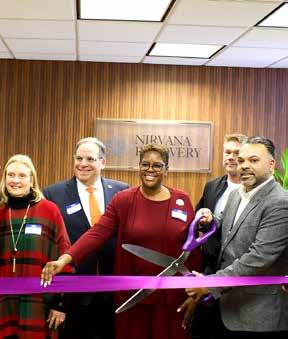
As communities across New Jersey continue to prioritize wellness infrastructure, facilities like Nirvana Recovery Center represent an investment not only in individuals but in the broader social and economic fabric of the region. Accessible outpatient treatment helps reduce barriers to care, supports workforce stability and fosters healthier families and neighborhoods.
Nirvana Recovery Center works with most major insurance providers, helping clients access care that may be covered up to 100 percent, depending on benefits. This focus on affordability and accessibility reflects a commitment to making recovery attainable, not aspirational.
The center’s Bound Brook location places it within reach for residents throughout Somerset County and surrounding areas, offering local access to programs that historically required long commutes or residential placement.
Beyond clinical programming, Nirvana Recovery Center emphasizes confidentiality, comfort and respect. The facility is designed as a safe environment where clients can focus on healing without stigma, judgment or unnecessary disruption to their lives.
Testimonials from clients highlight themes of connection, trust and renewed hope—markers of a recovery model that prioritizes dignity alongside treatment outcomes.
As conversations around addiction continue to shift toward compassion and prevention, Nirvana Recovery Center enters the local health landscape with a clear mission: to empower individuals to reclaim control of their lives through professional, client-centered care.
For more information visit nirvanarecoverycenters.com







Denise Favor Bayles, MA, CCC-SLP
Speech-Language Pathologist
ASHA Certified | NJ Licensed #41YS00282300
Articulation | Language | Oral Motor Feeding | Swallowing Evaluations | Therapy
Denise has been honored by New Jersey Family readers as a Favorite Kid’s Doc™ since 2010.
191 Church Road, Bridgewater, NJ 08807 email: bfsc05@verizon.net Now offering Kidnection: Caregiver-and-me classes for infants and toddlers focused on foundational communication skills through a structured speech-language curriculum.


ARTICLE BY CARLY MAC MANUS | PHOTOGRAPHY BY CEDAR HILL PREPARATORY SCHOOL
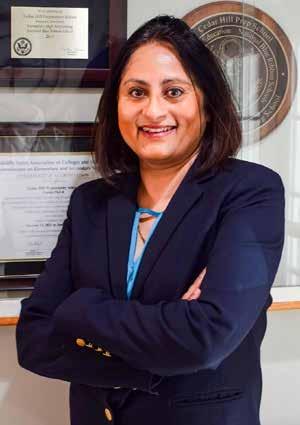
At Cedar Hill Prep School, education is designed as more than a sequence of grade levels—it is a long-term investment in how children think, learn and see themselves. Founded more than two decades ago, the Somerset County private school was built with a specific mission: deliver rigorous academics, personal mentorship and practical life skills in a setting where every student is known.
Founder Dr.Nandini “Nan” Menon says the school grew from both professional experience and personal conviction.
An immigrant who came to the United States for graduate school, Menon built a successful career in textile engineering and design, working with major manufacturers and retailers. After becoming a parent, she began closely studying early education models and saw a gap between cost and outcomes in many private options.
“We wanted to create a school with strong academic rigor and individual attention—but at a tuition level more families could realistically manage,” Dr.Menon says. “Education is the best investment you can make in a child’s future.”
Cedar Hill Prep was intentionally designed as a small preschoolthrough-eighth-grade school. Dr.Menon says that structure allows educators to build academic habits early and reinforce them consistently year after year.
A key focus is executive function—the organizational and study skills that help students manage workload and time. Starting in the earliest grades, students learn how to use planners, structure notes and prepare for cumulative assessments. The approach emphasizes retention and application rather than short-term memorization.
“We teach students how to learn,” Menon says. “Time management, organization, note-taking—those skills change outcomes across every subject.”



Unlike many schools where teachers build separate classroom materials, Cedar Hill Prep uses a unified, research-based curriculum that runs consistently across grades. That alignment ensures students at the same level receive the same academic foundation and skill progression. Language instruction is integrated across subjects. Dr.Menon says vocabulary and concept development are taught not only in English class but also in math and science, helping students—many of whom are multilingual—better understand technical material.
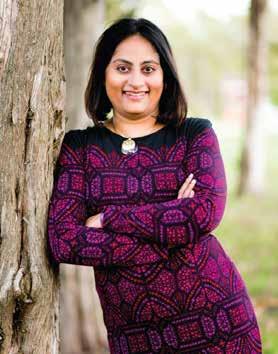

“In most schools, only the English teacher teaches language,” she says. “We break down vocabulary in math and science, too. When students understand the words, the concepts become much easier.”
Real-world application is another cornerstone. Math lessons often connect to everyday scenarios, such as pricing comparisons or scale models, so students see how abstract formulas translate into practical decisions. Teachers introduce problem-solving first, then formal equations—reinforcing both intuition and structure.
Technology is embedded into the learning model. The school uses a learning management platform where lessons, presentations and recorded explanations are stored for student review. An AI-supported tutor feature helps students practice and refine understanding outside class hours.
“Students are going to use AI,” she says. “We teach them how to use it responsibly and effectively. Prompt quality matters—garbage in, garbage out.”
Cedar Hill Prep also emphasizes public speaking, debate and entrepreneurship. Menon, who teaches high school entrepreneurship certificate programs through Babson College, brings business frameworks into the classroom and encourages students to develop and present original ideas. Debate training begins early, helping students build confidence and persuasive communication skills.
“We want them to believe in themselves,” she says. “Confidence grows when students can express ideas clearly and defend their thinking.”
The school’s small size is intentional. Dr.Menon says close relationships between faculty and students create accountability and belonging—two factors she considers essential to growth.
“Relevance makes students want to succeed,” she says. “When a teacher knows you and checks on you, it changes your motivation.”
High school placement is a major outcome metric. Graduates are regularly accepted to competitive independent and boarding schools, often placing into advanced coursework immediately. Many complete Algebra I, geometry and structured research projects before leaving eighth grade.
“They go in prepared,” she says. “They are not overwhelmed because the systems are familiar.”
Affordability remains central to the school’s identity. Cedar Hill Prep operates as a for-profit institution with an endowment-style financial model, reducing reliance on fundraising and directing tuition primarily toward instruction and student development rather than large campus overhead.
“Parents should see the return on their investment in their child,” Dr.Menon says. “Skills, growth, confidence—those should be visible.”
For families evaluating where to invest in their child’s education, Dr.Menon believes the most important measure is not size or brand name but whether a school actively builds skills, confidence and opportunity.
“Every child is smart,” she says. “Our job is to help them build the tools to prove it.”
152 Cedar Grove Lane, Somerset, NJ cedarhillprep.com
Upcoming Event: Spring Handmade & Handcrafted Showcase
Local artisans and crafters are invited to participate in Cedar Hill Prep’s Spring Handmade & Handcrafted Showcase on Saturday, April 25, from 10 a.m. to 4 p.m. at 152 Cedar Grove Lane in Somerset. Hosted by the Cedar Hill Prep PTO, the event will feature vendors offering handmade gifts, home décor, artisan crafts and one-of-akind creations. Only handmade items crafted by the vendor will be accepted; resale and mass-produced items are not permitted. The event will be held outdoors in the parking lot, with indoor space available in the gymnasium in case of rain. Vendor spots are limited. For more information or to reserve a space, contact pto@cedarhillprep.com.







A fresh spring cocktail—and its equally festive mocktail companion—celebrating renewal, flavor and a little seasonal fun.
ARTICLE AND PHOTOGRAPHY
BY CHEF DAVID BURKE
For this April issue, I started with spring. That led to Easter, then bunnies—and with all the Grammy and Super Bowl buzz—inevitably to Bad Bunny. And just like that, the Good Bunny Cocktail was born: a bright, invigorating drink that captures the freshness and renewal of the season.
To embrace the growing interest in mocktails, I created an alcohol-free companion, the Cottontail. More people are alternating cocktails with mocktails when socializing—and this one stands confidently on its own.
Both cocktails and mocktails are considered American inventions. The term “cocktail” first appeared in print in 1806, defined as a stimulating liquor composed of spirits, sugar, water and bitters— what we now call an Old Fashioned. Long before that, people were mixing fermented beverages with honey, herbs and spices to improve flavor.
In the 17th and 18th centuries, widely available spirits like rum, gin and brandy were often harsh, so they were blended with citrus and sugar. These early versions—punches, toddies and slings—were the direct
ancestors of today’s cocktails. American bartenders refined the craft in the 19th century, and Prohibition (1920–1933) ironically accelerated innovation as bootleg spirits required creative mixing.
Mocktails trace back to the 19th-century Temperance Movement. During Prohibition, nonalcoholic drinks became more inventive, incorporating syrups, citrus and carbonation. The Shirley Temple became one of the first widely recognized examples.
Today’s craft cocktail revival reflects both tradition and wellness culture. Bartenders apply the same precision to mocktails as they do to spirit-forward drinks—elevating them into a category of their own.
Below are two spring-ready recipes.
• 1.5 oz gin
• 0.5 oz Campari
• 0.25 oz vanilla paste
• 0.75 oz lime juice
• 0.5 oz simple syrup
• 1 strawberry
Muddle strawberry in a shaker. Add remaining ingredients and ice. Shake well and double strain into a chilled coupe glass. Garnish with a marshmallow peep or strawberry.
• 3 oz house-made fruit punch
• 0.25 oz vanilla paste
• 0.75 oz lime juice
• 0.5 oz simple syrup
• 1 strawberry
Muddle strawberry. Add ingredients and ice. Shake and double strain into a highball glass over fresh ice. Garnish with an orange wedge or marshmallow peep.
Ingredients:
• 32 oz cranberry juice
• 8 oz fresh lime juice
• 8 oz fresh watermelon juice
• 8 oz fresh orange juice
• 8 oz fresh pineapple juice
Combine all juices, whisk thoroughly, strain and refrigerate. Stir before using.









Industry-first study shows practitioner-assisted stretching improves pain, sleep and range of motion
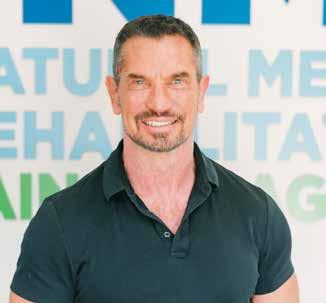
In a wellness landscape filled with trends, Stretch Zone is leaning into something measurable. As conversations around investing often focus on portfolios and property, this story highlights another asset—your own mobility. Structured recovery is an investment in how you move today and how you live tomorrow.
The practitioner-assisted stretching brand, with more than 420 locations across the United States and Canada, recently released what it calls an industry-first research study examining the impact of its standardized stretching program. The findings were published in the Journal of Musculoskeletal Disorders and Treatment and outline measurable improvements in mobility, energy, sleep and overall quality of life.
For residents across the Somerset Hills area—including Bernardsville, Basking Ridge, Bedminster and Bridgewater—where busy professionals, commuters and active families balance packed schedules, the data offers insight into how structured recovery may support everyday movement.
The study, titled “The Stretch Zone Effect,” evaluated 32 adults over a 30-day period. Participants were new to the Stretch Zone method and did not engage in additional stretching outside of the program. Researchers analyzed outcomes based on frequency—once versus two to three times per week—and session length of 30 minutes versus 60 minutes.
ARTICLE BY CARLY MAC MANUS PHOTOGRAPHY BY STRETCH ZONE
According to the company, 78% of participants reported a reduction in pain, tension and discomfort. Sixty-six percent say they experienced higher energy levels and reduced fatigue, while 58% report improved sleep. Eighty-five percent demonstrated improved range of motion, and 61% noted greater ease in daily activities such as bending, lifting and walking.
Participants who attended two to three sessions per week saw 25% greater gains in flexibility, reinforcing what researchers describe as a “dose effect.” Those completing two 60-minute sessions weekly experienced the most significant improvements in trunk, hip and shoulder mobility. On average, participants improved back flexion by 8 to 11 degrees.
“These numbers translate into bending to tie a shoe, turning to check a blind spot or walking up stairs without discomfort,” says Tony Zaccario, president and CEO of Stretch Zone, in a statement announcing the findings. “It reflects not just improved movement but restored ability to fully participate in life.”

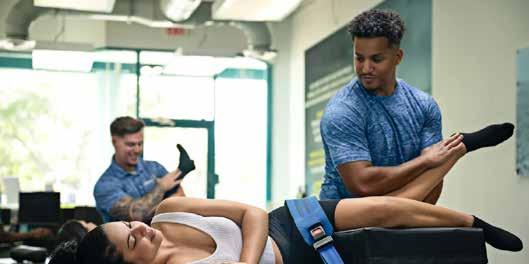
Stretch Zone’s model differs from traditional stretching classes or self-guided routines. During sessions, trained practitioners guide clients through a series of targeted stretches using a patented strapping system designed to stabilize and isolate muscle groups.
The method is rooted in principles of neuromuscular behavior, with practitioners positioning and manipulating muscles to increase range of motion while minimizing strain. Sessions are tailored to the individual, whether the goal is athletic performance, injury recovery support or general mobility.
While anecdotal feedback has long fueled the brand’s growth, company leaders say the study provides independent validation.
“We’ve always known anecdotally that we were changing lives at Stretch Zone from the abundance of feedback we’ve received from our members over the years,” Zaccario says. “Now this new research proves just how powerful our approach is.”
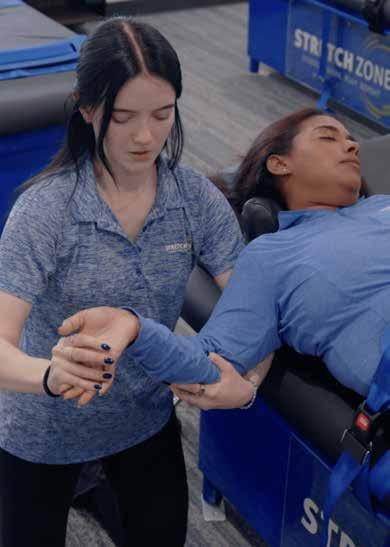
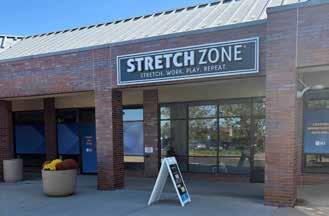

The Somerset Hills studio is led by Managing Principal and Owner Ray Kalustyan, who says his own recovery journey following an injury introduced him to practitioner-assisted stretching and changed his long-term approach to mobility and wellness. Studio manager Idalis Alicea and the practitioner team work with clients across age groups and activity levels, providing customized stretch programs designed to support flexibility, recovery and daily function.
To celebrate the research release, Stretch Zone studios nationwide—including the Somerset Hills area location—will host a grand reopening-style community event from 10 a.m. to 1 p.m. Feb. 21. Residents are invited to visit their local studio, learn about the Stretch Zone method and experience practitioner-assisted stretching firsthand.
Founded in 2004 by Jorden Gold, Stretch Zone has expanded rapidly, earning spots on the Inc. 5000 and Franchise Times Top 400 lists. The brand’s continued growth reflects increasing consumer interest in recovery, preventative wellness and functional mobility.
For Somerset Hills area residents navigating long workdays, golf rounds, youth sports sidelines and weekend hikes, mobility often becomes the foundation that supports everything else.
If the findings from “The Stretch Zone Effect” are any indication, structured stretching may offer more than temporary relief. It may provide measurable gains in how people move— and how they live.
Learn more at stretchzone.com/locations/bedminster-nj




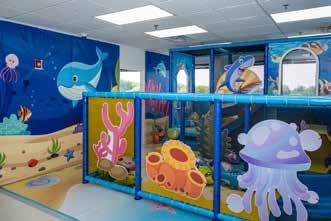
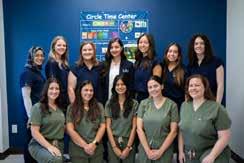





























A boutique indoor playground in central New Jersey puts safety, creativity and family experience first
ARTICLE AND PHOTOGRAPHY BY SADIE BROWN
For our Investment Issue, we chose to feature Space Play Academy as a reminder that some of the most meaningful investments happen close to home—investing in our children, our families and the environments where they grow. While many indoor playgrounds prioritize capacity, Space Play Academy prioritizes experience, safety and long-term value for families across central New Jersey.
Owned and operated by Luis and Andrea Pazmiño, Space Play Academy takes a boutique approach to indoor play. Rather than adopting a high-volume model, the owners focus on thoughtful design and meaningful family experiences. Their philosophy centers on the belief that well-designed play environments foster growth, connection and community.
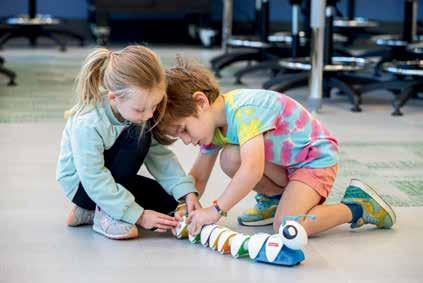
The facility serves children ages 2 to 12, solving a common challenge for families seeking one space that accommodates multiple developmental stages. The layout allows younger children to explore safely while older children have room to run, climb and engage more actively.
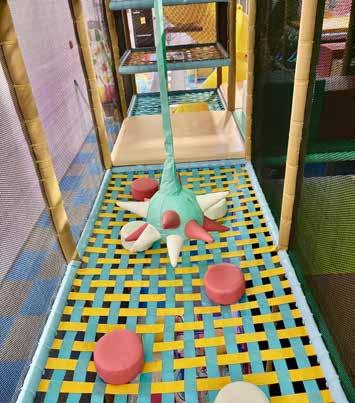
Features support both movement and imagination. A large ball pit and tube slides encourage physical activity, while obstacle courses and pretend-play zones promote creativity, coordination and social interaction. The open floor plan provides clear sightlines and wide pathways so caregivers can comfortably supervise children at varying activity levels.
Capacity is intentionally limited to reduce crowding and maintain a calm, orderly environment. Floors and structures are fully padded to support early walkers and energetic older children alike. All equipment meets ASTM safety standards, and the layout ensures strong visibility throughout the space.
Accessibility is also central to the business model. Families may bring their own snacks and drinks, a policy informed by the owners’ personal experience navigating dietary needs. While the facility hosts private parties and events, the focus remains on consistency and repeat visits rather than complex add-ons.
Communal seating areas encourage conversation among families, reinforcing the community-driven atmosphere. Recent additions, including chair massage stations, provide parents and grandparents an opportunity to relax while staying close to the play area.
Future plans include parent-focused gatherings such as book clubs, game nights and small community events, allowing adults to connect while children play under supervision.
Space Play Academy was created in response to a regional need for high-quality indoor play. More than a playground, it is a purpose-built environment designed for safe, intentional play and lasting family connections.




Your Health—Here’s Where to Start
When most people think about investing, they picture retirement accounts, real estate or long term financial planning. But one of the highest return investments does not sit in a bank account. It shows up in daily habits.
In Somerset County, where schedules are often packed with work, family and community commitments, health is frequently postponed for a later date. In reality, health functions much like compound interest. Small, consistent actions repeated daily can produce meaningful long term results.
Instead of chasing quick fixes or the latest wellness trend, experts say the most effective strategy is building a steady foundation that supports energy, clarity, resilience and longevity.
In finance, consistency often outperforms intensity. The same principle applies to wellness. One workout does not change overall health, but regular movement can. One good night of sleep helps, but consistent sleep supports immune function, mood and cognitive performance over time.
These habits tend to reinforce one another. Better sleep supports stronger energy. Stronger energy supports better food choices. Better choices support improved health outcomes.
Over time, the cumulative effect may include fewer sick days, steadier focus and improved day to day performance.
Like a sound portfolio, long term health is built on core fundamentals.
Sleep. Adequate sleep supports hormonal balance, immune response, metabolism and emotional regulation. Maintaining consistent bedtimes, limiting late night screen use and creating a calm sleep environment can improve sleep quality.
Hydration. Even mild dehydration can affect energy, digestion and concentration. Drinking water regularly throughout the day supports overall body function.


Nutrition. A balanced eating pattern focused on whole foods, fiber, protein and healthy fats supports stable blood sugar and sustained energy. Consistency matters more than perfection.
Movement. Daily movement is a strong predictor of long term health. Walking, strength training and staying active throughout the day all contribute to physical function and mobility. Local options such as Duke Island Park and area trail systems make routine movement more accessible.
Chronic stress affects both physical health and cognitive performance. Elevated stress levels can interfere with sleep, concentration and decision making.
Stress management is increasingly viewed as a performance tool rather than a luxury. Practices such as brief walking breaks, controlled breathing, time boundaries and regular downtime can improve resilience and focus.
In financial planning, small ignored problems can grow into larger costs. Health follows a similar pattern. Addressing persistent fatigue, poor sleep or digestive issues early may help reduce the risk of more serious complications.
Regular checkups, preventive screenings and lifestyle adjustments can reduce long term health and financial costs.
There is no universal formula for health. Like investing, a wellness plan should reflect individual goals, lifestyle and life stage.
A balanced approach often includes physical habits such as sleep, nutrition and movement, along with mental and emotional supports such as stress management, rest and social connection.
Sustainability remains the key factor. Smaller changes that can be maintained typically produce better long term outcomes than extreme programs that are difficult to continue.
Health trends change, but foundational habits remain consistent drivers of long term results. Investing in well being supports energy, presence and independence over time.
In a region where busy schedules are common, treating health as something to build, not simply repair, may be one of the most practical investments available. The earlier the effort begins, the greater the long term return.






























How thoughtful growth and community collaboration continue to move Bridgewater forward
Community value is not built overnight. It grows through well-kept parks, responsive local services, thriving small businesses and long-term planning that supports both residents and employers. In Bridgewater, that investment shows up in everyday ways—from infrastructure and open space to business growth and neighborhood quality of life.
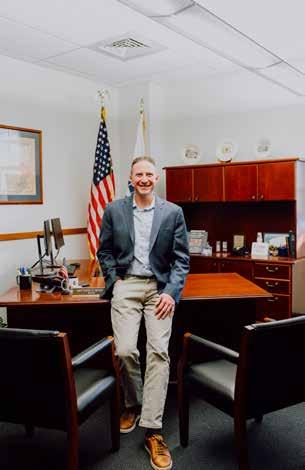
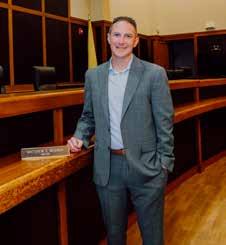
Mayor Matthew Moench serves as Bridgewater’s chief elected official and brings a lifelong connection to the township. He grew up in town, attended local schools and now raises his own family just blocks from his childhood home. His path into public service began during law school, when he volunteered on the Recreation Advisory Board and Board of Adjustment. That early involvement sparked a deeper commitment to community stewardship. He later served 12 years on the Township Council before becoming mayor in 2019.
“The most rewarding aspect is working directly with residents to make tangible improvements in our community,” Moench says. “Whether it's enhancing our parks, paving our roads, supporting local
businesses or ensuring transparent governance, seeing the positive impact on daily life is incredibly fulfilling.”
Bridgewater stands out for its blend of suburban character and economic energy. Distinct neighborhoods, strong schools, active parks and a major commercial corridor create an environment that supports both families and employers. The township’s location and transportation access position it as a regional hub for shopping, dining and business activity, while neighborhoods retain a connected, community feel.
Recent township initiatives focus on both service and strategy. The Office of Constituent Relations provides residents with a clear point of contact when questions or concerns arise. In 2025, the township reexamined its Master Plan, refreshing guidance around redevelopment, infrastructure and open space within a long-term framework designed to protect community character while encouraging responsible growth.
“We’ve remained focused on thoughtful, responsible growth,” Moench says. “The goal is to move Bridgewater forward
in a way that protects what people already love about this community while making everyday life even better.”
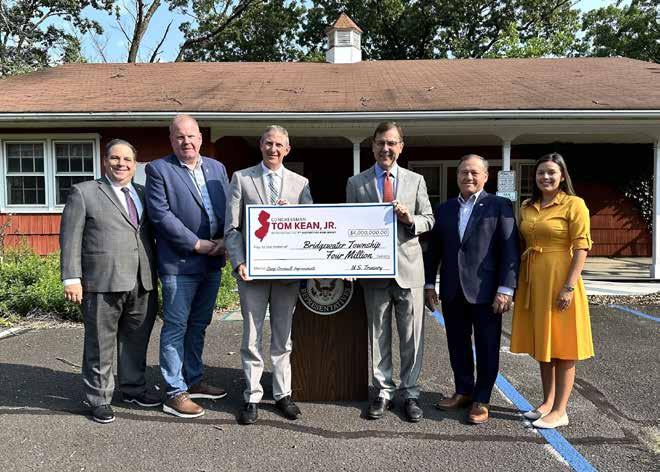
Several forward-looking projects are underway. Township leaders evaluate the future of Camp Cromwell, a property with long-term recreational and environmental potential. Plans move forward for improvements at Alfred Brown Park through outside grant funding, helping reduce taxpayer impact while upgrading public space. A township-wide drainage assessment also launches to better map infrastructure conditions and prioritize repairs before small issues become costly problems.
“Good infrastructure planning isn’t always the most visible work, but it’s some of the most important,” Moench says.
Local businesses remain central to Bridgewater’s community investment story. The township includes multigenerational small businesses, national retailers, restaurants and major corporate and pharmaceutical employers. That diversity supports job creation, local spending and long-term economic stability.
“Small businesses give Bridgewater its local flavor and personal touch, while larger employers strengthen our economic foundation and provide high-quality jobs,” Moench says. “Together, they help make Bridgewater not just a place where people live, but a place where people want to work, dine, shop and invest.”
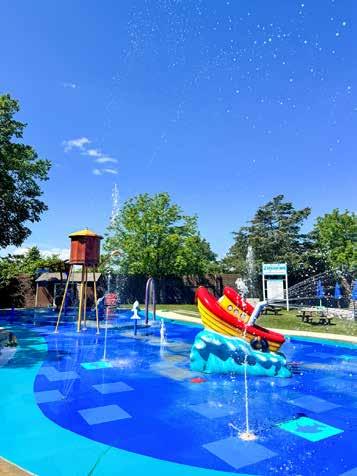
Community identity is reinforced through shared spaces and traditions. Parks and recreation areas such as KidStreet and the Township’s turf fields draw families year-round. Annual events, including holiday tree and menorah lightings and Fourth of July ceremonies at Washington Campground, bring residents together and connect present-day life with local history.
Resilience and collaboration continue to define the township. After navigating significant challenges in recent years, cooperation among residents, businesses and municipal departments remains a steady strength.
Looking ahead, Mayor Moench frames growth as stewardship—balancing progress with preservation and planning improvements that serve residents for decades. The updated Master Plan acts as a roadmap for that next chapter, focusing on infrastructure, open space, economic vitality and responsible redevelopment.
The story of Bridgewater is ultimately about shared investment in its future. Through planning, partnership and continued community engagement, Mayor Moench aim to ensure that progress strengthens the qualities residents value most.
“Small businesses give Bridgewater its local flavor and personal touch, while larger employers strengthen our economic foundation and provide high-quality jobs,”
- Mayor Matthew Moench










An exclusive Q&A with City Lifestyle

ARTICLE BY ANGELA BROOCKERD
PHOTOGRAPHY PROVIDED
From championship trophies to global humanitarian impact, Tim Tebow’s journey has defied every standard playbook. In an exclusive conversation for the Share the Lifestyle podcast, Tebow pulls back the curtain on the moments that truly defined him, from a humbling middle school church retreat to the life-altering shift of fatherhood. This isn’t just a look back at a career; it’s an invitation into the heart of a man driven by purpose. Read the highlights below, then join us for the full, unfiltered experience by scanning the QR code at the end.
Q: WE ALL KNOW YOUR ACCOMPLISHMENTS ON THE FOOTBALL FIELD, BUT TELL US ABOUT THE CURL CONTEST.
A: I was competing for my future high school team (my brother’s team), and I pushed myself way past what was smart. I ended up collapsing and needing medical attention. But what stayed with me wasn’t the pain, it was the lesson. Would I be willing to do something that others aren’t? For much of my life, I strived to bring my best for a game, but I hope that I can say at the end of my life I was willing to do that for things that actually matter.
Q: YOU’VE ACHIEVED SO MUCH IN SPORTS. WHAT WOULD YOU SAY IS YOUR GREATEST ACCOMPLISHMENT NOW?
A: Becoming a dad. Nothing compares. From the moment I knew my wife was pregnant, I felt a new depth of love for our child, but when you bring your baby home, the responsibility hits you like nothing else. Suddenly, everything you see, every decision you make, you’re asking, “Is this corner too sharp? What happens if she reaches that drawer?” It changes how you see the world and how you see other people.
Q: YOU’VE SPOKEN OPENLY ABOUT DISAPPOINTMENT, ESPECIALLY AROUND FOOTBALL. HOW DID THAT SEASON OF LIFE SHAPE YOU?
A: I talked a lot about that very thing in my book Shaken . We all go through moments where our faith in our abilities and purpose feels rattled, but I believe it’s often in those storms when God can show us who we could become.
Q: YOU TALK A LOT ABOUT COMPARISON CULTURE. WHY DO YOU BELIEVE COMPARISON HAS BECOME SUCH A TRAP TODAY?
A: Because we’re comparing our real, everyday lives to someone else’s highlight reel. Social media shows people’s “best day,” often filtered and staged, and then we measure our reality against that. There’s a reason filters are so popular—it’s not real. We end up scrolling through images that don’t tell the full story, and without realizing it, comparison starts to steal our joy and our gratitude.
“We’re comparing our real, everyday lives to someone else’s highlight reel... comparison starts to steal our joy.”
Q: YOUR FOUNDATION FOCUSES ON THE “MOST VULNERABLE.” WHERE DID THAT CALLING BEGIN?
A: When I was 15, I met a boy in the Philippines who was treated as a throwaway because he was born with physical differences. That moment changed me. I realized God was calling me to pursue a different kind of MVP, not “Most Valuable Player,” but “Most Vulnerable People.”
Q: FINALLY, WHAT’S ONE THING PEOPLE MIGHT BE SURPRISED TO KNOW ABOUT YOU?
A: I have some weird coffee habits, which include protein powder, collagen, and cream all mixed together. I love golf dates with my wife. And every night, I bring snacks to bed to share with our dogs. It brings me more joy than it probably should.
This conversation barely scratches the surface. Tim goes deeper into the moments that rattled him, the joys of fatherhood, and one story he has never shared publicly until now. Scan the QR code for the full, exclusive City Lifestyle interview on Share the Lifestyle Podcast.



















INVESTMENT EDITION—APRIL 2026
Building wealth requires trusted expertise and smart financial decisions. From banking and advisory services to business resources and major purchases, Bridgewater voters recognized the professionals and institutions helping shape their financial future.
Our Readers’ Choice: Investment Edition reflects the voices of locals who value strategic guidance and long-term growth.
With that, we’re proud to announce the March 2026 Readers’ Choice winners for Bridgewater.
BEST BANK/CREDIT UNION
Provident Bank
Readers cited dependable service, competitive financial products and a strong community presence as reasons for their vote. provident.bank | (732) 590-9407
BEST COWORKING SPACE
Office Evolution Somerville
Readers recognized the professional environment and flexible office solutions designed to support entrepreneurs and growing teams. officeevolution.com/locations/somerville (908) 628-0942
BEST CAR DEALERSHIP
Audi Bridgewater
Readers pointed to a seamless purchasing experience and knowledgeable sales team. audibridgewater.com | (908) 493-6680
BEST FINANCIAL ADVISOR
Jarrett Dewelde, CFP
Readers recognized strategic financial planning and goal-focused investment guidance. richplanninggroup.com | (732) 384-9192
BEST ACCOUNTANT
Owen & Kwiecinski
Readers cited thorough tax preparation and proactive financial planning. okcpas.net | (732) 968-0898
AND LOCAL EXPERTISE
Readers’ Choice winners represent more than a title—they reflect the trust, guidance and experience shaping Bridgewater. These professionals help residents make key financial decisions, from banking and investing to accounting and planning. Follow us for upcoming categories and voting at @Bridgewater_Somerset_Hills.

ARTICLE AND PHOTOGRAPHY BY BRIDGEWATER CITY LIFESTYLE