




ONE UNFORGETTABLE SUMMER ONE UNFORGETTABLE SUMMER


In this April “Invest” issue, we take a closer look at what investment really means — beyond markets and quarterly returns. At its core, investing is about allocation: where we place our time, capital, and conviction.
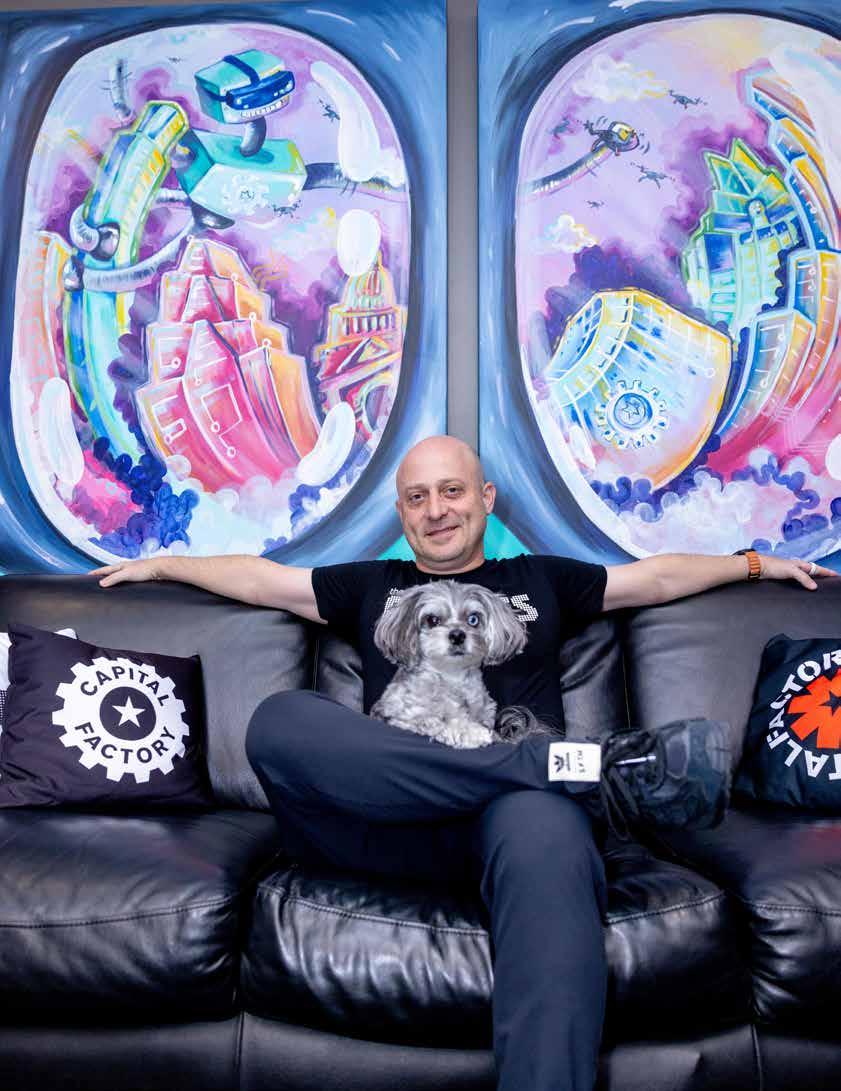
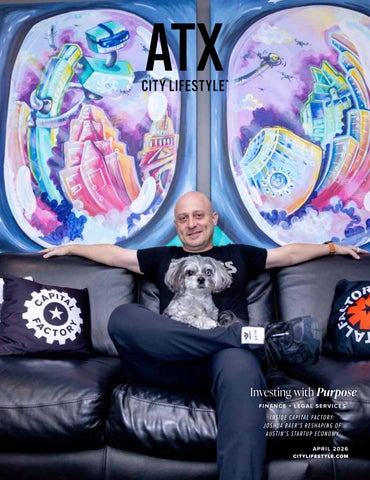
We sit down with Joshua Baer, the founder of Capital Factory, to explore how Austin continues to shape the next generation of founders and funders, and why Texas is increasingly central to the national investment conversation. In “Investing With Intention,” Griffin Financial Group shares a disciplined approach to long-term planning, reminding us that strategy and optionality matter just as much as performance.
Investment also shows up closer to home. UB Kitchens reframes custom cabinetry as enduring value — craftsmanship that enhances daily life while strengthening resale potential. The experts at Goosehead Insurance walk through the importance of securing the right coverage to protect what you own.
We also highlight the Muny Cup, where community stewardship becomes an investment in public green space. And for collectors, we examine the risks and rewards of acquiring fine art — where passion and capital intersect.
However you define wealth, I hope this issue challenges you to define it intentionally.

JULIE ROYCE, MANAGING EDITOR @ATXCITYLIFESTYLE
April 2026
PUBLISHER
Zack Fogelman | zack.fogelman@citylifestyle.com
MANAGING EDITOR
Julie Royce | julie.royce@citylifestyle.com
CONTRIBUTING WRITER
Angela Broockerd
CONTRIBUTING PHOTOGRAPHER
Stacy Berg
CEO Steven Schowengerdt
President Matthew Perry
COO David Stetler
CRO Jamie Pentz
CoS Janeane Thompson
AD DESIGNER Evan Deuvall
LAYOUT DESIGNER Amanda Schilling
QUALITY CONTROL SPECIALIST Megan Cagle



















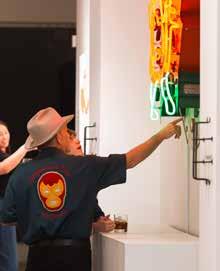
1: Attendees find one-of-a-kind gems at the Marburger Farm antique show in Round Top. 2: Thompson Austin teamed up with the non-alcoholic beer brand, BERO, to host a rooftop party. 3: Local realtor Barbara Shallue is all smiles while supporting the We Are Blood blood drive. 4: The highly-anticipated Longhorn Dam Wishbone Bridge officially opened on February 7th. 5: Team Chili Nelson at Jo's 19th Annual Chili Cookoff. 6: Members of the Austin Get Vibey chapter in attendance at the Comfy Gala. 7: Goodnight Loving Vodka quenched the thirst of art lovers at West Chelsea Contemporary's Beyond the West exhibit.
Want to be seen in the magazine?









Peoples Rx has officially opened People's Wellness in Westlake, relocating its longtime Westbank Drive store into a modern space focused on personalized, holistic care. Founded in 1980, the iconic Austin brand continues its mission of “Keeping Austin Well” with premium wellness products, individualized consultations, and a full-service pharmacy. The new Shops at Mira Vista location complements Peoples Rx’s offerings, while the beloved Rosedale location remains open and serving the community.
Scan to read more
Under new, locally owned ownership, Austin Pup Culture has refreshed its space to elevate the experience for your four-legged family members. Offering overnight boarding and doggy daycare, guests enjoy tail-wagging days filled with play, friends, and attentive care in safe, supervised groups. Every dog — or dog family — relaxes in a private suite for rest breaks and overnights. APC strives to be your dog’s home-away-from-home! Visit www.austinpupculture.com to book a stay.
Scan to read more
Now open, MilkMade is a small-batch ice cream trailer serving North Central Austin. Founded by mother-daughter duo Jacalyn Helms and Erin Mindell Cannon, MilkMade crafts vegan and dairy-based ice creams and shakes in-house using high-quality, locally sourced ingredients. The rotating menu features creative, seasonal flavors designed to match every mood. Mention ATX City Lifestyle for 10% off your first order. Follow along on Instagram @milkmadeatx.


The story of Tarrytown Roofing started in the saddle. Founder James Wolfgang Kuntz began as a cowboy where long days and unpredictable challenges taught resilience, discipline, and integrity. Those same values shape Tarrytown Roofing’s forward-thinking, relationship-driven culture.
The result: a better kind of roofing company that blends rugged work ethic with a community-first mindset, bringing Texans reliable roofs built with pride and personal accountability. Tarrytown Roofing offers a neighborly approach, where every roof is a promise, every handshake a guarantee.


ARTICLE BY JULIE ROYCE
BY STACY BERG
Insurance should evolve alongside renovations, market shifts and regional weather risks, ensuring homeowners safeguard long-term wealth rather than simply chasing lower premiums
surance owners, Kyle and
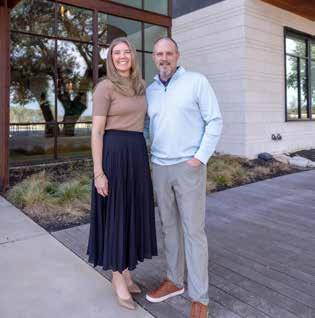
For many Central Austin homeowners, insurance is often purchased once and rarely revisited. Kyle and Brooke Jones of Goosehead Insurance believe that mindset can leave significant gaps in protection. Below, the experts share what homeowners should understand before selecting, or renewing, a policy.
Q: WHY SHOULD HOMEOWNERS THINK OF INSURANCE AS PART OF THEIR OVERALL INVESTMENT STRATEGY RATHER THAN A SET-IT-AND-FORGET-IT EXPENSE?
A: Every situation changes. You may renovate, update finishes, add square footage, or simply see construction costs rise. Reconstruction expenses fluctuate, deductibles change, and even a carrier’s risk appetite can shift. We want to ensure the policy remains the best fit. Sometimes that means adjusting coverage limits. Other times, it means changing carriers entirely.
Q: WHEN COMPARING POLICIES, WHAT MATTERS MORE THAN PRICE?
A: In today’s home insurance environment, no two policies are created the same. You need to understand what is covered — and what isn’t — what
endorsements are available, how claims are settled, deductible structures, and what discounts apply. If someone only focuses on premium, they often discover after a claim that something critical was excluded.
Q: REPLACEMENT COST VERSUS ACTUAL CASH VALUE CONFUSES MANY HOMEOWNERS. WHY DOES THAT DISTINCTION MATTER?
A: Replacement cost pays what it takes to rebuild or replace with materials at today’s prices. Actual cash value factors in depreciation and can result in settling for far less than rebuild costs. In many ways, choosing ACV is like partially self-insuring while still paying for coverage. Given labor and material costs in Texas, replacement cost is usually essential.
Q: CENTRAL AUSTIN RESIDENTS NEAR SHOAL CREEK WORRY ABOUT FLOODING. WHAT DO HOMEOWNERS MISUNDERSTAND ABOUT FLOOD COVERAGE?
A: Many believe if they’re not in a designated high-risk flood zone, they don’t need flood
insurance. Technically, every home sits in a flood zone — risk just varies. With changing weather patterns, new construction, and increasing impermeable surfaces, even low-risk areas can flood. A significant portion of flood claims comes from properties outside high-risk zones.
Q: WHEN SHOULD SOMEONE SERIOUSLY CONSIDER ADDING A FLOOD POLICY?
A: If you’re near a creek, low-lying area, or anywhere water rises during catastrophic rains, you should evaluate it. Flood insurance is separate from a standard homeowners policy, and you cannot add it once a storm is imminent. Planning ahead is critical.
Q: WHAT ARE THE MOST COMMON GAPS YOU UNCOVER WHEN REVIEWING EXISTING POLICIES?
A: We immediately look at claims settlement options — whether it’s replacement cost, actual cash value, or payment schedules. We examine deductibles closely and review optional endorsements, particularly those related to
CONTINUED >
With proper insurance coverage comes peace of mind.

water damage. That’s often where we find exposures homeowners didn’t realize they had.
Q: TEXAS WEATHER VARIES DRAMATICALLY FROM AUSTIN TO HOUSTON. HOW DOES REGIONAL RISK FACTOR INTO SELECTING A CARRIER?
A: That’s where working with a broker matters. We have access to carriers that specialize
“IF YOU NEVER HAVE A CLAIM, INSURANCE CAN FEEL LIKE AN ADDED COST. BUT WHEN CLAIMS EXCEED $50,000, YOU REALIZE YOU’RE PROTECTING LONG-TERM WEALTH BY HAVING THE RIGHT COVERAGE IN PLACE.”
in certain parts of Texas and understand unique exposures — freeze events, hail, hurricanes, and wildfire risk. Even within Central Texas, some areas require more specialized products. Matching the right carrier to the right risk profile is essential.
Q: INSURANCE IS OFTEN VIEWED AS A COST. HOW DO YOU HELP HOMEOWNERS BALANCE AFFORDABILITY WITH LONG-TERM PROTECTION?
A: If you never have a claim, it can feel like an added expense. But we regularly see claims exceed $50,000. That’s a significant financial burden without proper protection. Insurance should safeguard long-term wealth, not just satisfy a mortgage requirement.
Q: BEYOND HOMEOWNERS COVERAGE, HOW SHOULD FAMILIES THINK ABOUT PROTECTING THEIR OVERALL FINANCIAL PICTURE?
A: It’s important to look at the full portfolio — home, auto, umbrella, and life coverage. If someone has strong home coverage but carries minimum liability limits on their vehicles, their wealth is still exposed. Proper protection is coordinated and comprehensive.
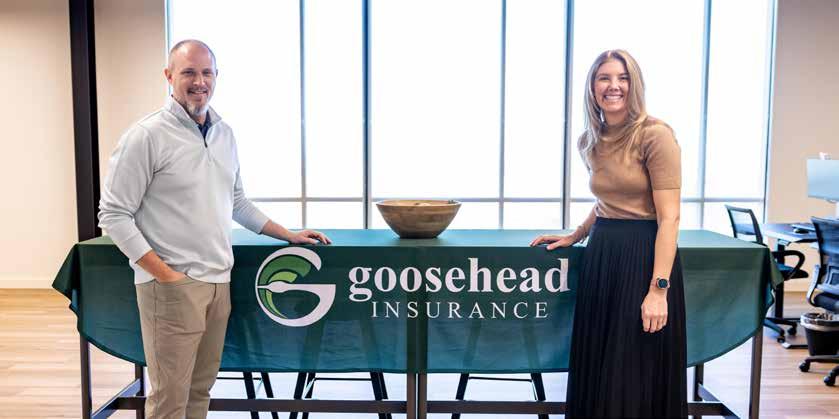

Why aligning financial planning with real-life goals helps investors build confidence, clarity and long-term peace of mind in any market
For many people, investing is often reduced to one question: How did the market do? But for financial planners like Jet Carter, partner at Griffin Financial Group, that narrow view misses the bigger picture and can lead investors to make decisions that don’t truly support their lives.
“Investing isn’t about chasing what’s hot,” Carter said. “It’s about planning for the future you want and putting money in the right places to support that.”
That mindset is becoming increasingly relevant as many Texans remain underprepared for retirement. According to a recent statewide survey, more than 30 percent of Texas voters report having no retirement savings at all, and many more say they are unsure whether what they’ve saved will be enough. Against that backdrop, Carter emphasizes that investing should start with clarity, not performance.
At Griffin Financial Group, planning begins by identifying priorities — what Carter calls “must-haves” and “nice-tohaves.” Housing, food, and basic cash flow come first. From there, planners help clients map out longer-term goals such as retirement, caring for aging parents, funding education, starting a business, or building generational wealth.
“Different goals require different strategies and different timelines,” Carter said. “Money you need next year shouldn’t be invested the same way as money you won’t touch for 20 years.”
That distinction, he said, is where many people get tripped up. Short-term needs often belong in safer, more liquid places, while long-term investments can afford to take on more growth-oriented risk. By segmenting assets into purpose-driven “buckets,” clients gain flexibility and options when life inevitably changes.
Optionality is especially important during periods of market volatility. Carter said a well-built plan allows investors to avoid emotional decisions by explaining why each dollar is invested where it is.
“When markets are down, we’re not scrambling,” he said. “We already know which assets are meant for spending now and which are meant to grow over time.”
For client Kelsey Duska, that clarity changed everything. Before working with Griffin, she said her investment strategy felt one-dimensional. Planning helped her and her husband see how investments, cash flow, and future goals worked together, and how today’s decisions could support decades-long outcomes.
“Most people don’t need hotter invest -
ments.
They need a better plan and the discipline to stick with it.”

“One of the biggest benefits is seeing how the life you want to build connects to the financial choices you’re making now,” Duska said.
For newer investors like Lady Espindola, planning has turned uncertainty into confidence. Instead of feeling intimidated by investing, she said having a clear plan made her goals feel achievable and supported.
Carter said that transformation is the real value of intentional investing. Growth matters, but confidence matters more.
“A good plan lets you sleep at night,” he said. “Whether markets are up or down, you know you’re still moving toward your goals.”
In a financial landscape filled with noise, Carter believes intention is what separates reaction from strategy — and uncertainty from peace of mind.
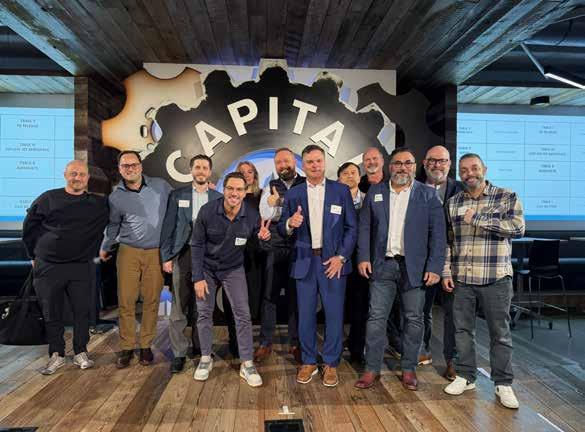
February's "First Look" participants.
When Joshua Baer launched his first company from his Carnegie Mellon dorm room, it was an early email hosting service — years before “software as a service” became a common phrase.
ARTICLE BY JULIE ROYCE | PHOTOGRAPHY COURTESY OF CAPITAL FACTORY

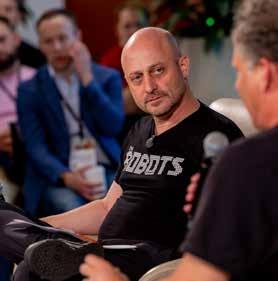
“I started my first company in college, and I had no idea what I was doing,” Baer said during a recent interview at Capital Factory’s downtown headquarters. “I didn’t raise any money, because I didn’t know there was any such thing as raising money.”
Initially, consulting for businesses struggling to manage their email servers, Baer shifted to a subscription model after one client proposed paying him $50 a month rather than per emergency repair.
“That sounded like a good idea,” he recalled. Within months, the business was generating recurring revenue while he was still in school.
That accidental start shaped his long-term philosophy. In 2009, he founded Capital Factory, which has since become one of the most active early-stage investors in Texas.
“For me, the why … it’s really kind of a way of life and a set of values,” Baer said. “Helping somebody become an entrepreneur is an incredible gift.”
Baer has also taught entrepreneurship at the University of Texas since 2011. He views that connection to students as both personally grounding and strategically important.
“Every week, I’m hanging out and talking with college kids and listening to what they’re talking about,” he said.
He believes innovation thrives at the intersection of deep expertise and fresh perspective. Students, unburdened by industry assumptions, often see opportunities
CONTINUED >
“Austin is no longer just a software town. It’s becoming the place to build hard, physical things that shape the future.”
others miss. One former student, Pamela Valdez, enrolled in UT Austin as an exchange student, slipped into a Capital Factory session, and later founded Beek, a Spanish-language audiobook and podcast platform that Amazon acquired.
What began as mentorship has become a pipeline. Many former students now work within Austin’s startup ecosystem — some even at Capital Factory itself.
Capital Factory has evolved beyond the traditional accelerator model.
“We don’t call ourselves an accelerator,” Baer said. “We’re not that.”
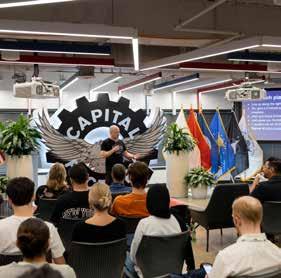
Instead, it operates as a connector at scale, working with more than 100 new companies each year. Central to that model is “First Look,” a monthly private event where founders present to investors, mentors, and ecosystem leaders.
“First Look is named because it’s actually my first look at what is being offered,” Baer said.
Unlike demo days that cap a program, First Look happens at the beginning. Founders pitch immediately and are paired with someone in the room who can help them advance.
“The goal is to get people help right away,” he said. Baer advises founders to tell a story, simplify their language, and practice relentlessly. “You want to use fourth-grade language,” he said. “And always leave the room with a memorable final line.”
Baer believes Austin’s advantage is cultural and structural.
“Austin is this aspirational city,” he noted. “It’s a place people come to build something, to join something, to be part of something.”
The numbers support the narrative. The Austin metro area has ranked among the fastest-growing large metros in the U.S. for much of the past decade. Texas consistently leads the nation in business formations, according to U.S. Census Bureau data. In 2024, Texas entrepreneurs filed nearly 500,000 new business applications, while the state continues to attract corporate relocations and expansions.
But Baer argues the biggest shift is not population growth — it’s what is being built here.
“There’s been a massive change over the past five years in the importance of hardware and physical things versus software,” he said. “Come to Texas to build things.”
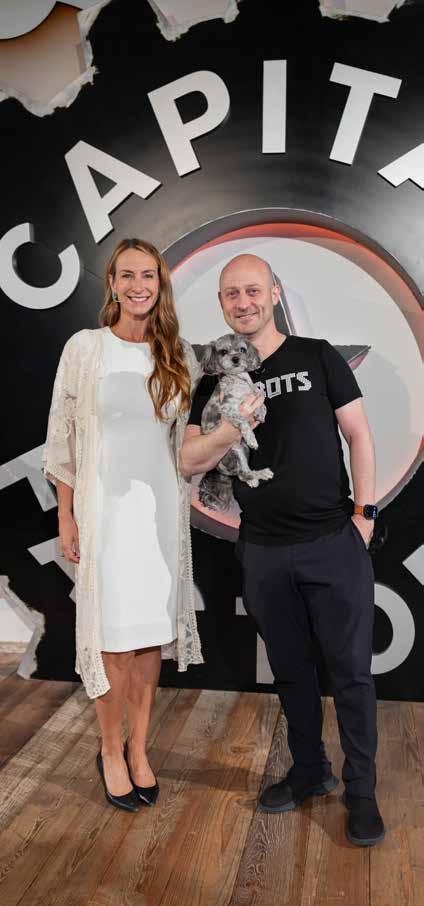
Advanced robotics companies such as Apptronik, energy startups such as Base Power, and aerospace firms such as Firefly Aerospace are part of that transformation.
“Firefly landed on the moon last year,” Baer said. “That’s a Texas company, an Austin company.”
He also points to the presence of the U.S. Army Transformation and Training Command, formerly known as Futures Command, in Austin as a catalyst for advanced technology and dual-use innovation. Federal investment has fueled growth in sectors ranging from defense tech to energy infrastructure.
“Geography, regulatory, tax — all of it is super attractive and makes it one of the best places to go build stuff,” Baer said.
Unlike cities known for a single dominant industry, Austin’s diversity stands out.
“Austin has everything,” he said. “If it’s interesting, it’s happening in Austin.”
Artificial intelligence is reshaping both startups and investing. Baer sees AI as an equalizer rather than a threat.
“AI is giving the best of everything to everyone,” he said. “Everybody has an expert in their pocket.”
He believes AI will reduce barriers to entry, enabling founders to move faster and operate leaner. At the same time, he expects Austin’s current wave of advanced hardware, robotics, and energy companies to create a new generation of entrepreneurs and reinvested capital over the next decade, further strengthening the city’s global standing.
For Baer, investing in Austin is no longer a regional bet. It is participation in a globally relevant innovation cycle rooted in Texas.



Spring isn’t about dramatic transformation. It’s about gentle movement returning after a slower season.
Feel your energy lift, circulation renew, and your body softly awaken.
Step into the season feeling lighter, restored, and reconnected.
Experience our Spring Facial or Spring Massage - seasonal treatments designed to lift, boost circulation, and renew energy.
Enjoy a complimentary Body Cream No. 16 to continue the glow at home.
available through April 30, 2026

visit us at The Loren 2 Street nd Arboretum Hill Country South Lamar

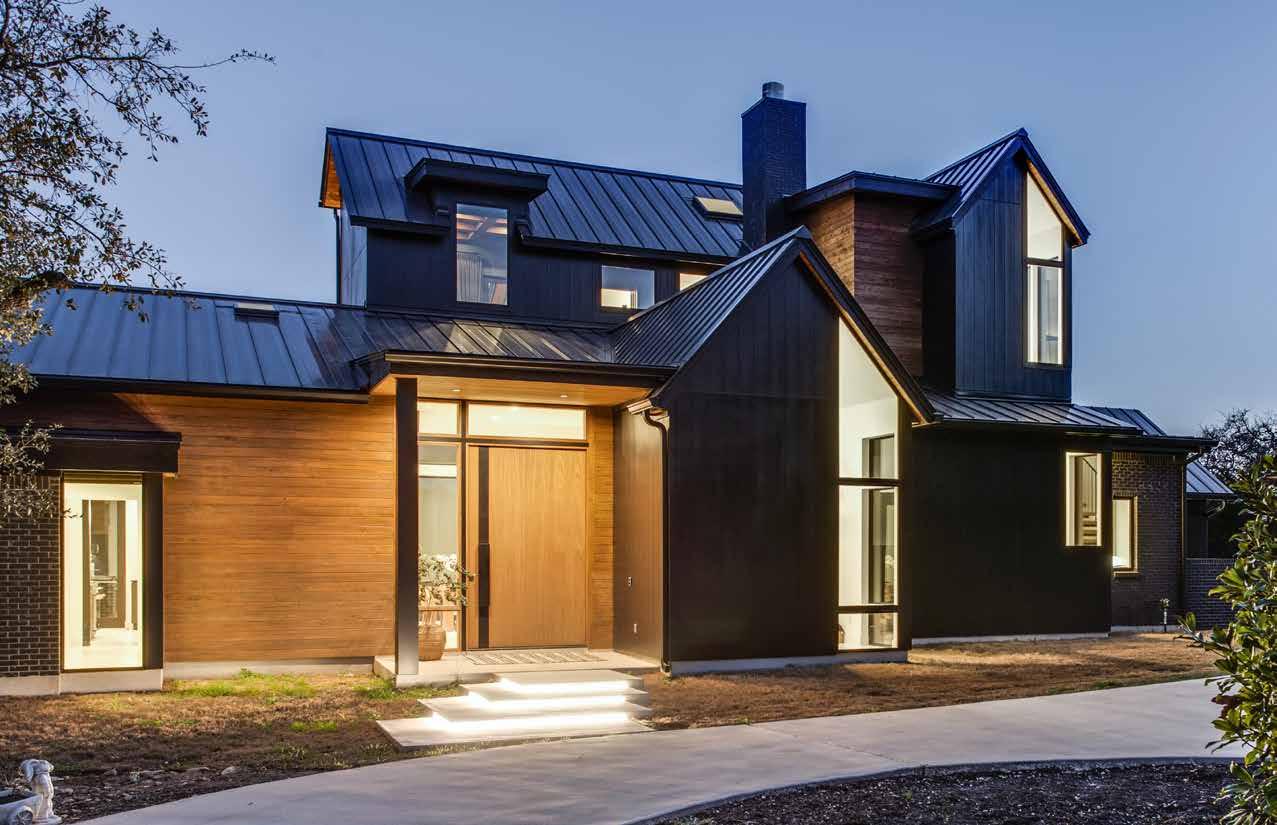
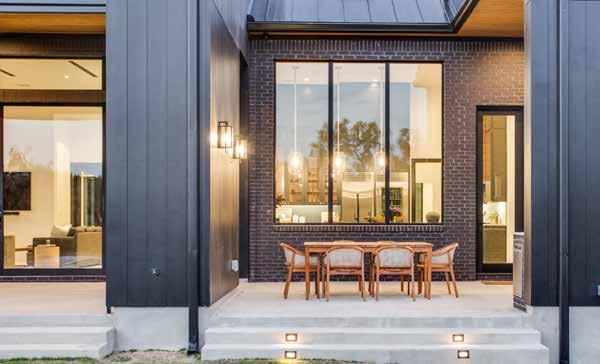
In a housing market where homeowners are staying put longer and scrutinizing every dollar spent on renovations, cabinetry has emerged as one of the most consequential investments in a home.
“Cabinetry is typically the largest line item in a kitchen remodel,” said Adam Johnston, founder and CEO of UB Kitchens. “You’re talking anywhere from $30,000 to $100,000. So the real question becomes: what are you getting for that?”
ARTICLE BY JULIE ROYCE PHOTOGRAPHY BY UB KITCHENS
After completing nearly 4,000 kitchens in Austin since 2008, Johnston has seen firsthand how homeowners often underestimate the long-term impact of their cabinet choices. While finishes and colors draw immediate

attention, construction quality, warranty backing, and installation standards determine how that investment performs over time.
“There’s a perception that all cabinetry is equal, and it’s not,” Johnston said. “Where are the cabinets made? What materials are being used? What’s the warranty — and who stands behind it?”
Those questions matter more in today’s market. With higher interest rates and many homeowners locked into favorable mortgages, remodeling has replaced moving. Kitchens and primary bathrooms remain the rooms most likely to influence resale value, but buyers have become more discerning.
With 24 years of industry experience under his belt, lead designer Craig Kamdar said the difference often lies beneath the surface.
“Box construction is huge,” Kamdar said. “Three-quarter-inch plywood versus particle board, quality drawer boxes, higher-grade materials — those things affect longevity.”
Finish is another differentiator. Large manufacturers apply paint and stain in controlled environments with industrial finish lines that heat-bake coatings into the wood. Site-finished cabinetry, sprayed inside a home or small shop, cannot replicate that consistency, Johnston said.
While lower-cost imports may appear comparable on day one, performance gaps tend to emerge years later. Peeling finishes, shifting construction, and hardware failures often surface after warranties expire.
UB Kitchens carries brands that offer lifetime warranties, allowing homeowners to call years later for replacement hinges or doors at no cost. That back-end service, Johnston argues, is part of the investment equation.
“It’s not just the physical cabinet,” he said. “It’s the expertise, the installation, and knowing you can call someone 10 years from now.”


Installation can also influence long-term value. Rather than subcontracting by the piece, UB Kitchens employs full-time installers paid hourly, allowing for greater attention to detail and problem-solving in homes, where no wall is perfectly straight.
Design ultimately anchors the return.
“Great design trumps everything,” Johnston said. “It’s not always about how much you spend. It’s about balance, proportion, and how the space feels.”
Frameless European-style cabinetry, for example, offers tighter reveals and up to 20% more usable interior space, Kamdar said. Drawers, rollouts, and agingin-place features such as pull-down shelving and accessible sinks extend usability well beyond aesthetics.
As homeowners think long-term, whether planning to age in place or eventually sell, cabinetry straddles both worlds.
“It’s cosmetic and infrastructure,” Johnston said. “It has to look beautiful. But it also has to function every single day.”
For homeowners weighing where to allocate renovation dollars, cabinetry sits at the intersection of design and durability. Done thoughtfully, it doesn’t just photograph well — it holds up, performs, and quietly supports daily life long after trends fade.

An exclusive Q&A with City Lifestyle
ARTICLE BY ANGELA BROOCKERD
PHOTOGRAPHY PROVIDED
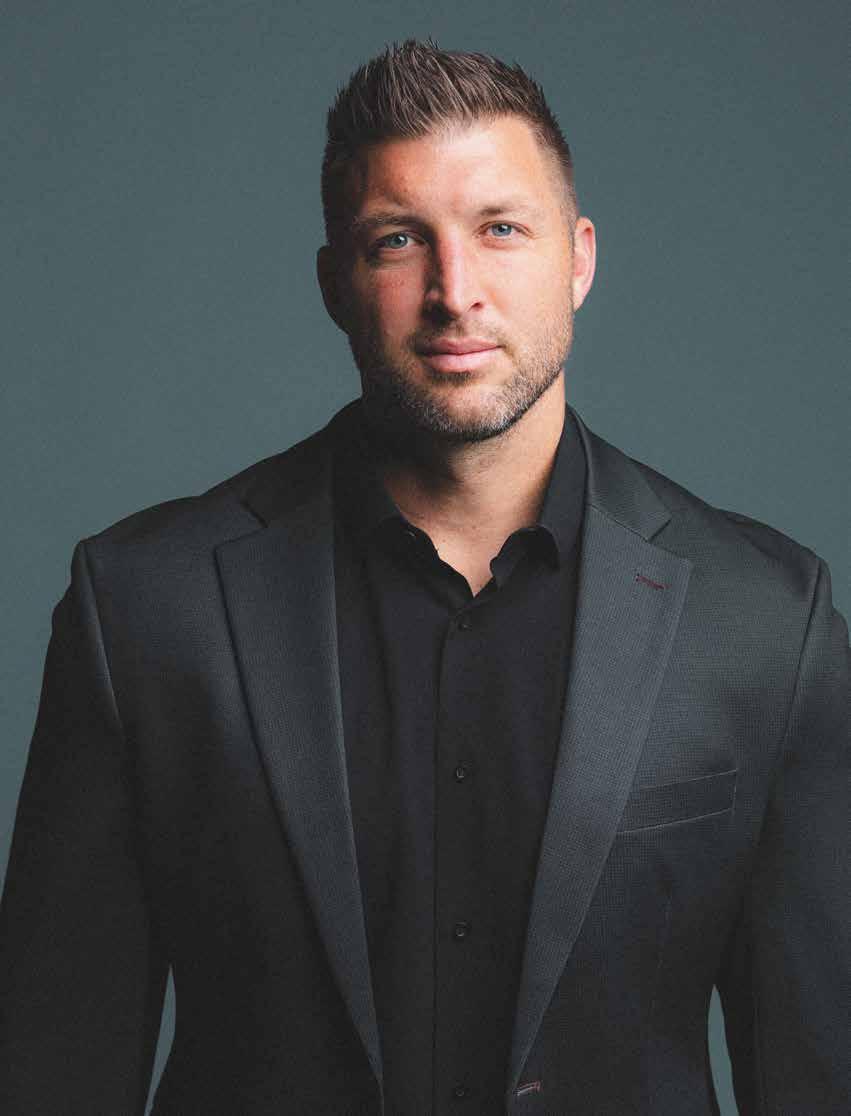
From championship trophies to global humanitarian impact, Tim Tebow’s journey has defied every standard playbook. In an exclusive conversation for the Share the Lifestyle podcast, Tebow pulls back the curtain on the moments that truly defined him, from a humbling middle school church retreat to the life-altering shift of fatherhood. This isn’t just a look back at a career; it’s an invitation into the heart of a man driven by purpose. Read the highlights below, then join us for the full, unfiltered experience by scanning the QR code at the end.
Q: WE ALL KNOW YOUR ACCOMPLISHMENTS ON THE FOOTBALL FIELD, BUT TELL US ABOUT THE CURL CONTEST.
A: I was competing for my future high school team (my brother’s team), and I pushed myself way past what was smart. I ended up collapsing and needing medical attention. But what stayed with me wasn’t the pain, it was the lesson. Would I be willing to do something that others aren’t? For much of my life, I strived to bring my best for a game, but I hope that I can say at the end of my life I was willing to do that for things that actually matter.
Q: YOU’VE ACHIEVED SO MUCH IN SPORTS. WHAT WOULD YOU SAY IS YOUR GREATEST ACCOMPLISHMENT NOW?
A: Becoming a dad. Nothing compares. From the moment I knew my wife was pregnant, I felt a new depth of love for our child, but when you bring your baby home, the responsibility hits you like nothing else. Suddenly, everything you see, every decision you make, you’re asking, “Is this corner too sharp? What happens if she reaches that drawer?” It changes how you see the world and how you see other people.
Q: YOU’VE SPOKEN OPENLY ABOUT DISAPPOINTMENT, ESPECIALLY AROUND FOOTBALL. HOW DID THAT SEASON OF LIFE SHAPE YOU?
A: I talked a lot about that very thing in my book Shaken . We all go through moments where our faith in our abilities and purpose feels rattled, but I believe it’s often in those storms when God can show us who we could become.
Q: YOU TALK A LOT ABOUT COMPARISON CULTURE. WHY DO YOU BELIEVE COMPARISON HAS BECOME SUCH A TRAP TODAY?
A: Because we’re comparing our real, everyday lives to someone else’s highlight reel. Social media shows people’s “best day,” often filtered and staged, and then we measure our reality against that. There’s a reason filters are so popular—it’s not real. We end up scrolling through images that don’t tell the full story, and without realizing it, comparison starts to steal our joy and our gratitude.
“We’re comparing our real, everyday lives to someone else’s highlight reel... comparison starts to steal our joy.”
Q: YOUR FOUNDATION FOCUSES ON THE “MOST VULNERABLE.” WHERE DID THAT CALLING BEGIN?
A: When I was 15, I met a boy in the Philippines who was treated as a throwaway because he was born with physical differences. That moment changed me. I realized God was calling me to pursue a different kind of MVP, not “Most Valuable Player,” but “Most Vulnerable People.”
Q: FINALLY, WHAT’S ONE THING PEOPLE MIGHT BE SURPRISED TO KNOW ABOUT YOU?
A: I have some weird coffee habits, which include protein powder, collagen, and cream all mixed together. I love golf dates with my wife. And every night, I bring snacks to bed to share with our dogs. It brings me more joy than it probably should.
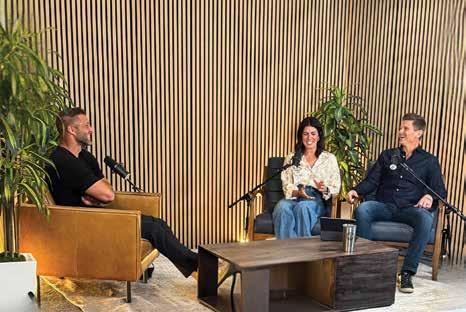
This conversation barely scratches the surface. Tim goes deeper into the moments that rattled him, the joys of fatherhood, and one story he has never shared publicly until now. Scan the QR code for the full, exclusive City Lifestyle interview on Share the Lifestyle Podcast.




















Investing in fine art appeals to collectors seeking diversification and personal fulfillment, but the market carries risks that require education, expertise, and patience. Unlike stocks and bonds, art lacks standardized performance metrics, making professional guidance essential.
Aviva Lehmann, senior vice president and director of American Art at Heritage Auctions, brings more than 25 years of auction industry experience to that conversation. She has spent over a decade at Heritage, where she helped establish dozens of auction records across nearly every category of American Art.
“Working in the auction industry for over 25 years, I have seen trends come and go,” Lehmann said. “Certain blue-chip artists in the American Art arena, such as Georgia O'Keeffe and Norman Rockwell, remain strong and consistent. Other areas fluctuate in cycles.”
One of the most significant shifts she sees centers on diversity in collecting.
“Early American Modernism remains strong,” Lehmann said. “But I will say that the hottest trend in collecting revolves around diversity: Women artists and artists of color are HOT HOT HOT!”
Weighing risk and reward in fine art investing as collectors navigate trends, expertise, and market cycles
ARTICLE BY JULIE ROYCE | PHOTOGRAPHY PROVIDED

Paintings that once sold for modest sums have since achieved six-figure prices at auction. Similar momentum surrounds contemporary Native American artist Jaune Quickto-See Smith, whose auction records have climbed from under $100,000 to more than $600,000 amid growing museum recognition and collector demand.
Despite strong market performance in select categories, Lehmann stresses that risk, particularly fraud, remains a constant concern.
“I have seen it all, and nothing shocks me,” she said. “We must always do our due diligence and research every work we sell, even if it has a COA.”
Certificates of authenticity, she noted, vary widely in credibility. “There are recognized authorities in the art world, and there are also appraisers, galleries, and even cruise ships that provide a COA that really means nothing,” she said, emphasizing that works should always be examined and vetted in person.

For new collectors, Lehmann advises slowing down and learning before buying.
“I always tell new collectors that they should buy with their heart — buy what they love. But buy with an educated heart,” she said, encouraging attendance at auction previews, lectures, and sales.
Art can also serve as a legitimate investment vehicle. “In my opinion, art collecting is less volatile, and you get to live with our investment and enjoy it on a daily basis,” Lehmann said.
When it comes time to sell, careful planning matters. “Always get multiple opinions from at least two reputable dealers or auction houses,” she said. “Don’t make a rash decision. Always do your homework and find the ideal selling venue.”
Ultimately, Lehmann said, quality endures. “The art market is cyclical… But quality material will sell well in any climate.”

May 8 tournament and 19th Hole Party support the Save Muny mission
ARTICLE BY JULIE ROYCE
PHOTOGRAPHY PROVIDED
The Muny Cup & 19th Hole Party returns May 8 at Lions Municipal Golf Course, blending friendly competition with a larger purpose: protecting one of Austin’s most historic public spaces.
Hosted by The Muny Conservancy, the sold-out tournament — formerly the Forever Green event — has been reimagined with a permanent trophy and putting competition designed to create a lasting tradition.
“We decided to create a permanent trophy and something that will become a legacy tournament,” co-chair Scotty Sayers said
The evening 19th Hole Party, now held at Muny itself, draws 800 to 1,000 supporters each year.

“We’re combining these two really popular events,” Sayers said, noting the party welcomes both golfers and community members.
Beyond fundraising, which has totaled “several hundred thousand dollars” over the years, the event amplifies awareness of Muny’s future. Opened in 1924 and older than Zilker Park, the course remains under negotiation between the city and the University of Texas.
“It’s such a legacy piece of property,” Sayers said, “We’ve got to remind people about it and save this place for future generations.”
To learn more, visit www.themunyconservancy.com


“Several hundred people come out for an evening of friendship and fun and to support the cause to save Muny.”



At Griffin Financial Group, we believe true wealth is about more than just investments— it’s about having a CFP® professional who can simplify complexity, bring clarity, and guide your entire financial picture with confidence.
WHO WE SERVE:
Families, professionals, and business owners with $250,000+ in investable assets who want a personalized, relationship-driven approach to their financial future.




APRIL 4TH
The Bloody Mary Festival returns to Fair Market on April 4, 2026, for its eighth year, featuring Austin’s top bars and restaurants. Two tasting sessions (10:30 a.m.–1:30 p.m.; 3–6 p.m.) include 15 Bloody Marys, food tastings, live music. Tickets: thebloodymaryfest.com
APRIL 25TH
18th Annual Texas Autism Walk
Lakeline Park | 9:30 AM
The Autism Society of Texas hosts the 18th Annual Texas Autism Walk on Saturday, April 25, from 9:30 a.m. to 12:30 p.m. at Lakeline Park, located at 1510 Alexis Dr, 78613. Enjoy a resource fair, music, and family-friendly activities while raising funds for free community support services.




ABERCROMBIE & FITCH AWAY BLUE NILE BOSS BREITLING BRILLIANT EARTH CB2
CHANEL CULINARY DROPOUT DIPTYQUE DOLCE VITA DR. MARTENS DRYBAR EMA FAHERTY
FLOWER CHILD GORJANA HAYWIRE J.CREW JO MALONE JOYBIRD KIEHL’S
LORO ASIAN SMOKEHOUSE & BAR MEJURI NORDSTROM OMEGA PAIGE RAILS REFORMATION
RH THE GALLERY SEPHORA SKIMS TAG HEUER TECOVAS THE NORTH FACE VUORI WARBY PARKER
OVER 130 STORES AND RESTAURANTS, WITH MANY EXCLUSIVE TO AUSTIN.