

It is with great pleasure to announce Joselyn Reno as the Outstanding Student-Athlete of the Month, as selected by the Anna Independent School District Athletic Coaching Team.
As a senior balancing academics, athletics, and leadership, Joselyn is making a mark both in the classroom and on the field. Her favorite subjects, anatomy and philosophy, reflect her curiosity about the human body and the deeper questions of life, a combination that hints at her future aspirations in healthcare.
Bright and energetic, her favorite color is orange, a fitting reflection of her vibrant personality. She is also a devoted LSU football fan, drawing inspiration from the determination and teamwork that characterize the program.
Athletics has always been a central part of her life. Off the track, many might be surprised to learn that she spent a decade as a competitive cheerleader, a testament to her dedication and versatility. Today, she is a varsity track athlete and team captain,


motivating her teammates to push themselves both on and off the track. Her leadership extends beyond track: she also serves as an athletic trainer for varsity football and men’s basketball, further displaying her commitment to her school community.
This year, she has set ambitious goals for herself: maintaining a 3.5 GPA while striving to qualify for state in track. After high school, her plans are equally driven. She hopes to continue running track in college for two years before pursuing a nursing degree, intending to work in the NICU, a field that combines her love of science with her passion for helping others.
Whether in the classroom, on the track, or supporting her peers as an athletic trainer, this student exemplifies dedication, leadership, and resilience. Her story is a reminder that success comes from balancing passion, hard work, and heart.
Congratulations to Joselyn and her selection as the March Outstanding Student-Athlete of the Month!

8:00am - 5:00pm

Home is more than a structure. It is where our days begin and end, where memories are made, and where comfort meets creativity. It is a sanctuary, a canvas, and a reflection of who we are, our values, and the way we live. In this issue, we celebrate all the ways a home can inspire, nurture, and evolve alongside the people who inhabit it.
Inside, you will find stories to spark your imagination and inspire every corner of your life at home.

“The Designer’s Rule of Three” offers simple principles for creating harmonious and functional spaces, whether updating a single room or reimagining an entire home. “House vs. Home” explores the difference between a structure and a sanctuary, inspiring ways to make your space a true reflection of your personality and lifestyle. And for modern living, “Spaces That Shift” shows how flexible, multifunctional areas can adapt seamlessly from work to relaxation without major renovations.
Whether you are redecorating, rethinking, or simply reflecting on what makes your space uniquely yours, these stories provide practical ideas, guidance, and inspiration to make your home work for your life, your family, and your well-being.
We hope this issue encourages you to see your home not just as a building, but as a space that grows, adapts, and truly supports the way you live. Welcome in, make yourself comfortable, and enjoy exploring the many dimensions of home.

ANGIE TERRY, PUBLISHER @ANNACITYLIFESTYLE
March 2026
PUBLISHER
Angie Terry | angie.terry@citylifestyle.com
EDITOR
Shannon Roberts | shannon.roberts@citylifestyle.com
CEO Steven Schowengerdt
President Matthew Perry
COO David Stetler
CRO Jamie Pentz
CoS Janeane Thompson
AD DESIGNER Rachel Chrisman
LAYOUT DESIGNER Meredith Wilson
QUALITY CONTROL SPECIALIST Anna Minnick











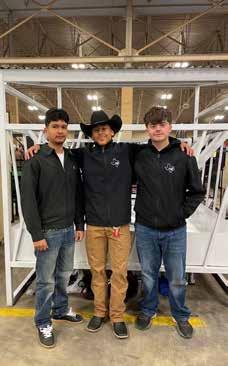






health care, and thorough preparation for shows. Audrey carefully balances animal care with detailed recordkeeping and time management, demonstrating not only responsibility but also a deep understanding of what it means to manage a successful agricultural project. Her ability to juggle these responsibilities while remaining actively involved in FFA leadership and events speaks volumes about her character and dedication.
Despite her busy schedule, Audrey remains dependable and consistent, always ensuring her livestock responsibilities are met. Her commitment to both her animals and her chapter demonstrates exceptional accountability and time management.
Stewardship is more than a responsibility; it is a commitment to care, leadership, and integrity. Audrey Monk exemplifies this ideal through her dedication to her Supervised Agricultural Experience (SAE), her livestock, and her role within the FFA program. Through hard work, accountability, and a genuine passion for agriculture, Audrey stands out as a true model of “Stewardship in Action.”
Audrey’s SAE project centers on showing goats, a responsibility she approaches with maturity and pride. She takes full ownership of the daily care, training, and management of her animals, ensuring they receive consistent feeding, proper

Stewardship is evident in every aspect of Audrey’s livestock care. She prioritizes the health, nutrition, and overall well-being of her goats, treating them with respect and attentiveness. Audrey understands that livestock stewardship is not just about competition; it is about providing consistent, quality care every single day. Her thoughtful approach reflects a strong sense of responsibility and a genuine respect for agriculture and animal welfare.
While managing her SAE project, she also serves as chapter vice president and actively participates in Leadership Development Events (LDEs) and Career Development Events (CDEs).
Audrey’s work ethic, attention to detail, and desire to continuously improve distinguish her from her peers. She is widely recognized as one of the most selfless and caring individuals in the program, frequently going out of her way to help classmates. Her involvement in leadership and competitive events highlights her commitment to teamwork and personal growth and represents her FFA chapter with pride.
Audrey Monk is a strong example of “Stewardship in Action” because she embodies responsibility both in and out of the barn. Through her goat SAE, leadership role, and dedication to FFA activities, she consistently demonstrates care, accountability, and leadership, making her an outstanding representative of her FFA program and the values it upholds.
At Maverick Water Group, stewardship is more than a value - it's our purpose. We're honored to recognize Audrey Monk for her leadership, work ethic, and commitment to responsible agriculture. Her story inspires us, and we’re proud to support FFA students like Audrey shaping the future of Texas communities. Learn more about Maverick by visiting maverickwater.com
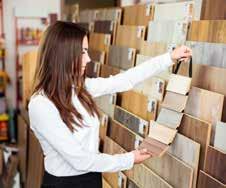


Anna Flooring & Design is a locally owned and operated flooring store serving the communities of Anna and Denison, TX. With 35 years of combined experience in flooring and remodeling, the company delivers superior customer service and expert guidance, helping clients transform their houses into beautiful, functional, and personalized homes. Scan to read more
Casa Bella Décor in Melissa offers a curated collection of home décor, furniture, gifts, and artwork, blending classic style with personalized touches. Known for award-winning service and affordable prices, the boutique provides both in-store and online shopping experiences, helping customers create functional, comfortable, and stylish homes tailored to their tastes.
Luby Construction Group, based in Van Alstyne, provides expert construction and storm restoration services in our communities. Specializing in roofing, gutters, fencing, and interior improvements, the Texas-owned company combines skilled craftsmanship, clear communication, and customer care to protect, enhance, and maintain homes and businesses with dependable results.

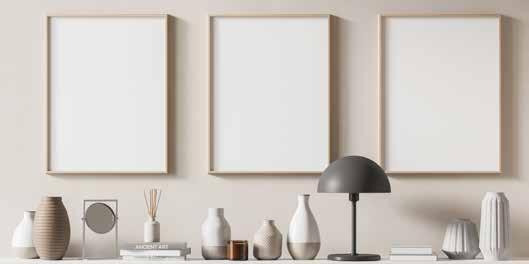
The Rule of 3 is a classic interior design principle that says objects arranged in groups of three (or other odd numbers) are more visually appealing, dynamic, and natural to the eye than even-numbered groupings.
WHY IT WORKS
• Creates movement: Odd numbers prevent symmetry from feeling stiff or predictable.
• Feels balanced, not staged: The eye naturally moves across the arrangement instead of stopping in the middle.
• Adds depth and interest: Three items allow variation in height, texture, and shape.
HOW DESIGNERS USE IT
• Vignettes: A tall object + medium object + small object (e.g., vase, book stack, decorative bowl).
• Color: One dominant color, one secondary color, and one accent color.
• Textures: Mix smooth, rough, and soft elements (glass, wood, fabric).
• Furniture styling: Three pillows on a sofa, three accessories on a coffee table, three frames leaning on a console.
ARTICLE BY SHANNON ROBERTS
Keep the items connected but not identical; vary in height and shape while maintaining a common thread, such as color, material, or theme.
In interior design, the most powerful tools are often the simplest. One of the most enduring and surprisingly effective principles designers rely on is the Rule of Three. This classic guideline suggests that objects arranged in groups of three (or other odd numbers) are more visually appealing, engaging, and natural to the human eye than even-numbered groupings. While it may sound almost too simple, the Rule of 3 quietly shapes some of the most polished and inviting interiors you admire.
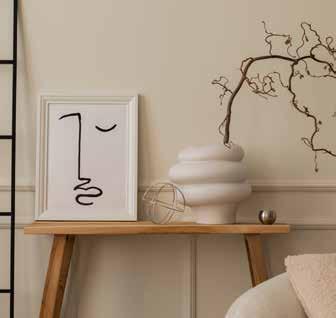
At its core, the Rule of 3 works because it creates movement and balance without symmetry. When we look at a pair of objects, our eyes tend to divide the space evenly, which can feel static or overly formal. Add a third element, and suddenly the arrangement gains energy. The eye moves from item to item, taking in the composition as a whole rather than stopping in the center. This subtle visual journey is what makes a room feel layered, intentional, and alive.
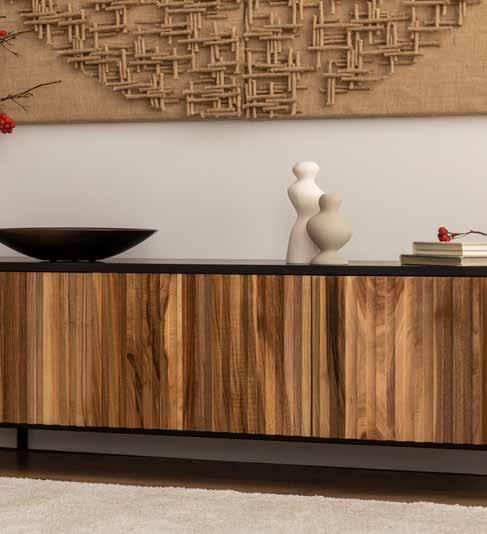

Designers frequently apply the Rule of 3 when creating vignettes, those small moments throughout a home that feel styled but not staged. Think of a console table topped with a tall vase, a medium-height lamp, and a low decorative bowl. Each piece plays a role: one anchors the arrangement, one supports it, and one softens it. Together, they create harmony through contrast, height, scale, and shape, working together rather than competing.
The rule also extends beyond objects to color and texture, two elements that define the mood of a space. A well-designed room often features three primary colors: a dominant hue that sets the tone, a secondary color that supports it, and an accent
“Varying height, shape, or finish while maintaining a unifying element, like color, material, or theme, keeps the arrangement cohesive yet dynamic.”
that adds personality. The same idea applies to texture. Mixing something smooth, something rough, and something soft, such as glass, wood, and fabric, adds depth and warmth while keeping the room visually balanced.
Furniture styling is another place where the Rule of 3 quietly shines. Designers often arrange three pillows on a sofa instead of two, or style a coffee table with three elements rather than crowding it with many small accessories. On open shelving, groups of three objects, perhaps a framed photo, a sculptural piece, and a small plant, help shelves feel curated without becoming cluttered. The odd-number grouping keeps the eye moving while allowing each item to stand on its own.
What makes the Rule of 3 especially appealing is its flexibility. While three is the most common number, the principle applies to other odd numbers as well, such as five or seven, especially in larger spaces. The key is avoiding perfect symmetry and repetition. Items should feel connected, but not identical. Varying height, shape, or finish while maintaining a unifying element, like color, material, or theme, keeps the arrangement cohesive yet dynamic.
For homeowners, the Rule of 3 offers an easy entry point into professional-level styling. It removes the guesswork from decorating and replaces it with a simple framework that works in nearly every room.
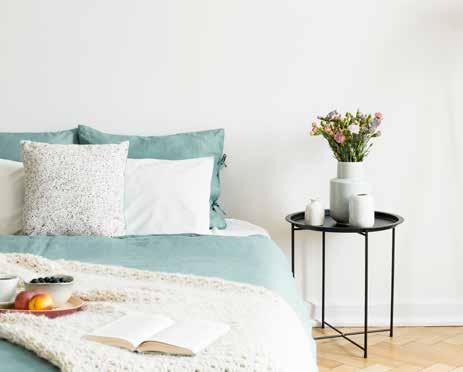
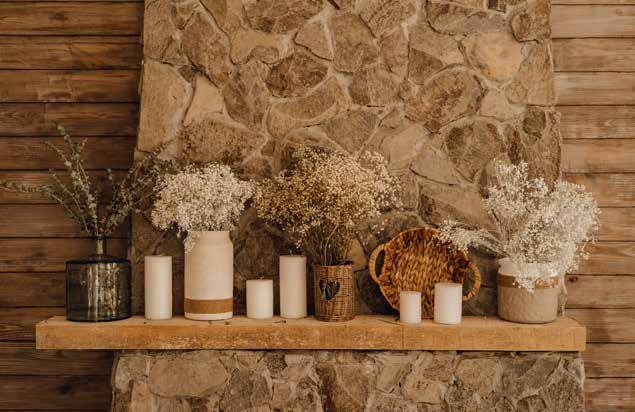
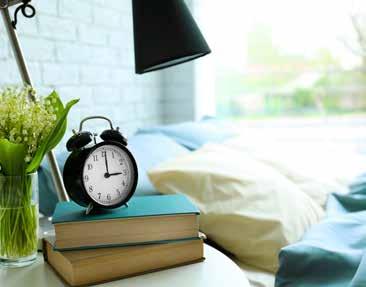
Whether you’re refreshing a mantel, styling a nightstand, or pulling together a dining table centerpiece, thinking in threes encourages restraint and intention.
Ultimately, the Rule of 3 isn’t about strict rules or rigid formulas. It’s about creating visual rhythm and allowing a space to breathe. When used thoughtfully, it transforms everyday objects into moments of quiet sophistication. Simple, timeless, and endlessly adaptable, the Rule of 3 proves that great design doesn’t have to be complicated; it just has to be considered.
You too can become your own designer when applying The Rule of 3 of odd-number groupings to create balance, movement, and visual interest, helping interiors feel intentional, layered, and effortlessly styled rather than symmetrical or staged.

F R O M L A N D
T O L E G A C Y
Let’s talk



Built for the people who keep our communities running.
Located in: Prosper, Texas and Fort Worth, Texas
Our teams partner with municipalities to deliver facilities that make an impactfunctionally and financially. From service centers to maintenance hubs, we build with intention, maximizing value for the people who rely on them. With dozens of successful projects over the past five years, we’re proud to help communities thrive - one facility at a time. Check


This dish is from Chef Evon Profitt, the director of culinary operations for all of Westside Concepts in Arizona. This flatbread with grilled peaches, house-made rosemary paneer cheese, soppressata, fresh mint, and pistachios with a balsamic drizzle is to die for.
Yield: 4 flatbreads
INGREDIENTS:
• 2 peaches cut into 8 pieces each
• 12 slices soppressata or any salami
• Fresh mint
• 1 tbsp. olive oil
• ¼ cup pistachios, chopped
• Balsamic reduction
• 4 baked naan bread
FOR THE PANEER CHEESE:
• 6 cups whole milk
• 2 tbsp. rice wine vinegar
• ½ tbsp. fresh rosemary, chopped
• 1 tsp. kosher salt
HOW TO MAKE PANEER CHEESE:
Paneer cheese is made by curdling milk using an acidic additive such as lemon juice or vinegar. Paneer cheese does not use any kind of rennet, nor fermentation or aging.
In a pot, bring 6 cups of whole milk to 200 degrees. Once milk has reached temp., stir in the 2 tbsp. of vinegar and turn off heat; milk will begin to separate. Allow milk to curd for 5 minutes, strain whey and curds into a cheesecloth-lined colander. Transfer curds to a mixing bowl and add chopped rosemary and 1 tsp. kosher salt, mix ingredients together, reserve the cheesecloth for the next step. Place the curds back into the cheesecloth, pull the corners of the cloth together, ring out excess whey from the curds, and hang for 30 minutes to continue draining. Once the curds have drained, place cheesecloth-wrapped curds back into the colander and place a heavy item on top, in order to press the curds into shape and press more of the whey from the cheese, for 3-4 hours. Use cheese fresh or keep refrigerated up to 4 days.
FLATBREAD:
Brush olive oil onto both sides of naan flatbread, and place in oven on rack for 10 minutes at 400 degrees, or grill for 2 minutes each side. Grill peach slices for 2 minutes each side, or place in oiled sauté pan till each side begins to caramelize. On a cutting board, lay flatbread down, and place grilled peach slices around flatbread. Take small pieces of Paneer cheese and place throughout over the peaches. Be creative and find place for the soppressata or salami of your choice. Garnish with crushed pistachios and torn fresh mint. Cut flatbread, transfer to serving plates, and drizzle with balsamic reduction.
“I love the use of fresh, locally sourced peaches, and giving people the chance to make an easy, versatile cheese at home with ingredients that many already have in their refrigerators and pantries.”
10am-1pm 10am-1pm ATTRACTIONS



Eggstravaganza Eggstravaganza







Spring has sprung in Anna, and with it comes a season of connection, celebration, and community spirit. As one of North Texas’ fastest growing cities, we are proud to offer events and activities that bring neighbors together and highlight the vibrancy of our community.
Mark your calendars for Saturday, Mar. 28th, and join us for this year’s Easter Eggstravaganza. This festive, family favorite event will feature egg hunts, photos with the Easter Bunny, bounce houses, food vendors, and more. It’s a springtime celebration designed for all ages. Full event details will be available on the City’s website and social media channels. You won’t want to miss it!
Our Spring Activity Guide is now available. Inside, you’ll find a full lineup of programs, classes, and events for everyone this season. Stop by the Municipal Complex to pick up your copy or browse it online at www.annatexas.gov/activityguide.
As we look ahead, there is even more to be excited about. Two anticipated events, Earth Day and Touch A Truck, are right around the corner! We encourage neighbors to keep an eye on our website and the Neighbor Notes E-newsletter for dates, details, and ways to get involved. If you are not currently subscribed to the E-newsletter, you may sign up through the City’s website.
Thank you for being a supportive part of our growing community. We look forward to celebrating spring with you and continuing to build a city where every neighbor feels connected and every family feels at home.

ARTICLE BY SHANNON ROBERTS
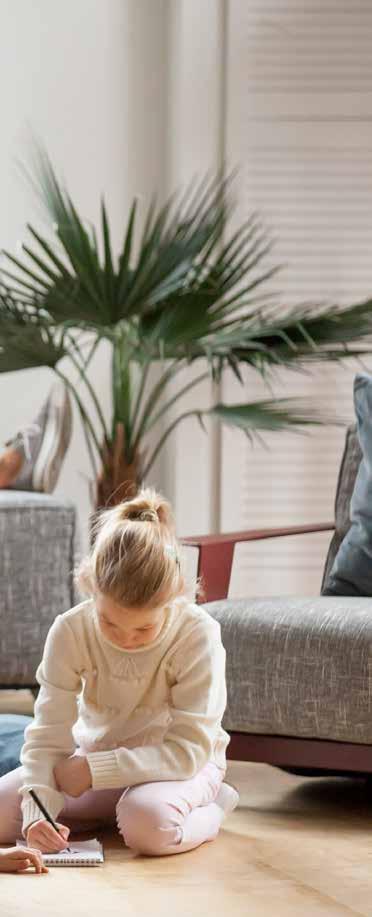
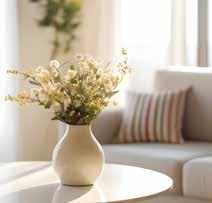
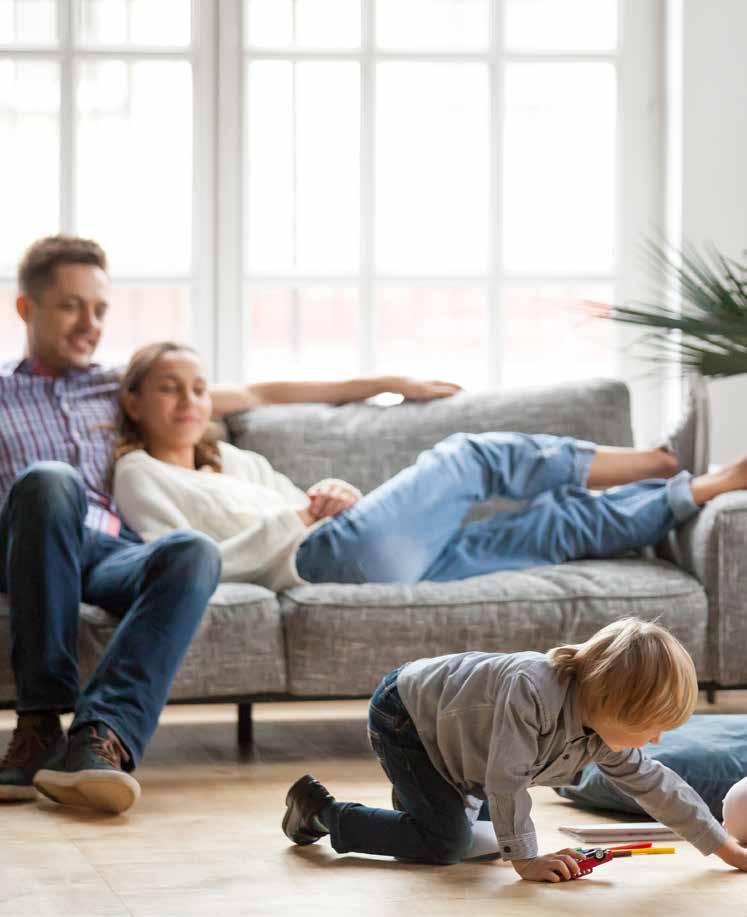
There’s a subtle but unmistakable difference between a house and a home. A house is walls, windows, and square footage. A home is how it makes you feel when you step inside: welcomed, grounded, and at ease. It’s where memories collect quietly in corners and where life unfolds in both ordinary and meaningful ways. Making a house feel like a home isn’t about perfection or following trends; it’s about intention, warmth, and authenticity.
At its core, a home should support the life you’re living now, not the one you think you should be living. That begins with comfort. Comfort doesn’t mean sacrificing style; it means choosing pieces that invite you to sit, stay, and settle in. Soft furnishings like throw blankets, layered rugs, and well-loved pillows instantly soften a space. These elements absorb sound, add visual warmth, and create an environment that feels lived in rather than staged. When comfort comes first, everything else falls into place.
One of the most powerful ways to create a sense of home is to tell your story through your space. Homes that feel deeply personal often feature meaningful objects rather than generic décor. Family photographs, travel souvenirs, heirlooms, or even children’s artwork anchor a space emotionally. These items don’t need to be perfectly curated; their value lies in the memories they hold. A gallery wall that evolves or a shelf filled with personal mementos gives a home its soul. When someone walks in and says, “This feels like you,” you’ve succeeded.
Lighting plays a quiet but transformative role in how a home feels. Bright overhead lighting has its place, but warmth comes from layers. Table lamps, floor lamps, sconces, and candles create a glow that feels inviting rather than clinical. Warm-toned bulbs mimic natural light and are easier on the eyes, especially in the evening. Dimmers allow rooms to shift with the rhythm of the day, energizing in the morning, calming at night. Good lighting doesn’t just illuminate a room; it sets the emotional tone of your home.
Bringing life indoors is another essential element. Plants and fresh flowers add movement, color, and a sense of care to a space. Even one potted plant can soften a room and make it feel nurtured. Beyond aesthetics, greenery has a calming effect, subtly improving mood and well-being. A home with living elements feels attended to, as though someone is always tending to it with intention.
Homes also become warmer when they are designed for connection. Furniture placement matters more than we often realize. Seating that faces one another encourages conversation, while open pathways make a space feel accessible and welcoming. Creating small, purposeful zones, a reading nook, a breakfast corner, and a coffee station, invites people to slow down and enjoy simple rituals. These spaces don’t have to be large; they just need to feel intentional. A home that supports connection becomes a place people naturally want to gather.
Beyond what you see, the senses play a powerful role in how a home feels. Scent is deeply tied to memory. The smell of fresh linens, a softly burning candle, or a favorite essential oil can instantly create familiarity and comfort. Sound matters too. Gentle background music, the hum of a fan, or even open windows letting in outdoor sounds can make a space feel alive. These subtle sensory details often go unnoticed, yet they are what make a home feel emotionally grounding.
One of the most important elements of a welcoming home is the acceptance of imperfection. A home is not a showroom. It doesn’t need to be spotless or finished at all times. In fact, signs of life are what make it inviting: a stack of books on the coffee table, shoes by the door, a blanket draped casually over a chair. These details signal that the space is being used and loved. When a home feels too perfect, it can feel unapproachable. When it feels honest, it feels human.
Ultimately, making a house feel like a home is less about what you buy and more about how you live within it. It’s about creating a space that reflects your values, supports your routines, and adapts as your life changes. Homes evolve, just as people do. What matters most is that your space feels safe, personal, and welcoming both to those who enter and to you at the end of a long day.
A true home doesn’t announce itself loudly. It reveals itself in quiet comforts, familiar scents, shared moments, and the deep sense of belonging you feel when you close the door behind you. When your home supports your life and tells your story, it becomes more than a place to live; it becomes where you truly belong.


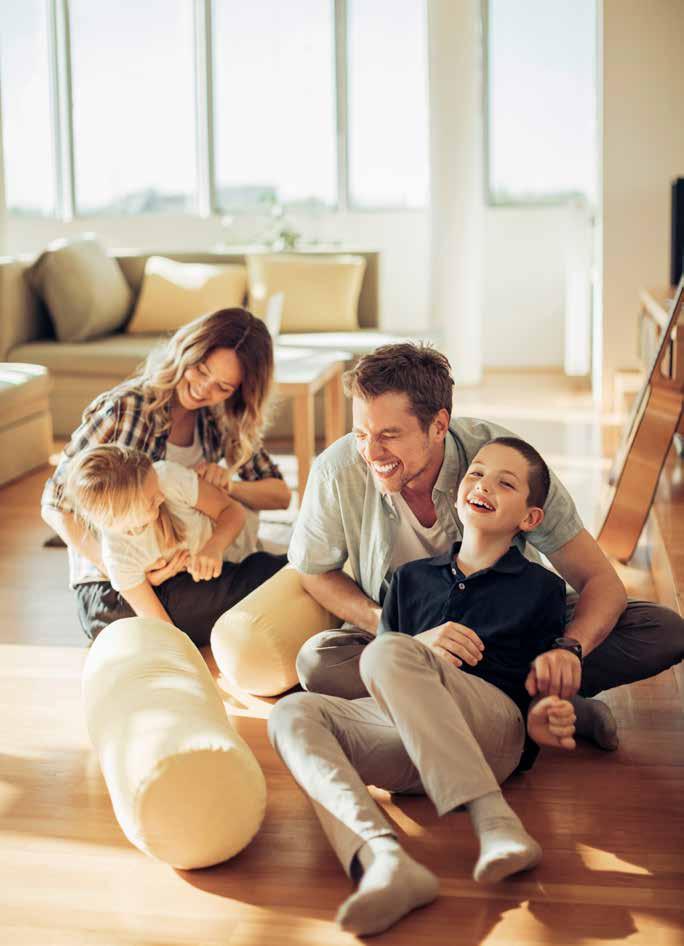
“A HOME SHOULD TELL THE STORY OF WHO LIVES THERE THROUGH MEANINGFUL DETAILS AND BEAUTY.”
INGREDIENTS
• 1 1/2 oz- Cucumber & dragon fruit gin
• 3/4oz- Toasted black sesame Velvet Falernum
• 1/2oz- Lime juice
• Topped with ginger beer
• Hawaiian black lava salt & black sesame
GARNISH
• Small paint brush
• Simple syrup
• Hawaiian black lava salt mixed with a pinch of black sesame
INSTRUCTIONS
Infused Gin: Infuse 1 whole peeled and cut cucumber in gin for a week. Strain the cucumbers out. Add 1 tablespoon of organic dragonfruit powder and mix very well with a whisk. To make the syrup, toast 1/2 cup of black sesame at 350 for 10 minutes. Take it out and let it cool. In a mortar and pestle, grind the toasted black sesame, but not too fine. Add the sesame into one bottle of John D. Taylor’s Velvet Falernum. Let that set for about 2 to 3 days and use cheese cloth to strain out the fine bits of sesame. Juice one fresh lime and strain to remove the pulp.
Cocktail: Paint a strip of simple syrup down a Collins glass. Take a spoon full of Hawaiian black lava salt mixed with black sesame and layer that down where the painted simple syrup was placed. In a shaker tin combine: 1 1/2oz cucumber dragon fruit gin, 3/4oz toasted black sesame Velvet Falernum, and 1/2oz lime juice and shake that up! Fill the painted glass with ice (I use crushed ice) and strain over the ice. Top with your favorite ginger beer (my choice is Fever Tree ginger beer).

ARTICLE BY MATSUMOTO MARI PHOTOGRAPHY BY JANIE JONES
Make a Statement With This Stylish Cocktail

ARTICLE BY ANGIE TERRY
At 8:30 a.m., the dining table is a command center with a laptop open, coffee steaming, and sunlight pouring in. By noon, it becomes a creative workspace filled with notes, calendars, and video calls. By evening, it is cleared once again for dinner and conversation. This daily transformation is no accident. It is the new reality of the flexible home office, a shift that is quietly redefining how we live and work.
As hybrid schedules become the norm rather than the exception, the idea of a traditional home office, a spare room with a desk and a door, is fading fast. Today’s homes must do more. They must support productivity without sacrificing comfort and structure without rigidity. The result is a new way of thinking about work-from-home spaces, one that favors adaptability over permanence and intention over square footage.
Rather than carving out a single room dedicated solely to work, homeowners are learning to create environments that change with the day. A home office is no longer a place. It is a system. It might live in a corner of the living room, along a hallway wall, or at the end of a bedroom. What matters most is not where it is, but how easily it can shift from focus to rest.
The foundation of this approach lies in zoning, defining areas by function instead of walls. A compact desk with proper lighting signals work mode in the morning. Nearby storage keeps essentials within reach but out of sight. When the workday ends, a
chair is pushed in, a laptop is closed, and the space subtly resets. Without moving rooms, the energy of the home changes.
Furniture plays a starring role in this evolution. Pieces are expected to multitask, blending seamlessly into daily life. Folddown desks disappear into cabinetry. Console tables open into workstations. Ottomans hide files and tech accessories. Dining tables double as meeting spaces, while bookshelves help absorb sound and create visual boundaries. The goal is not to erase work, but to prevent it from taking over the home once the day is done.
Mobility is another defining feature. Lightweight desks, rolling chairs, and portable screens allow spaces to be reconfigured quickly. This flexibility empowers households to adapt to demand, whether that means carving out a quiet corner for a meeting or opening the space again for family time.
One of the most powerful tools in a flexible home office is also the most overlooked. Visual cues. Lighting alone can dramatically alter how space feels. Bright, focused light helps maintain energy and concentration during the workday, while warmer, softer lighting encourages relaxation in the evening. A simple change of lights can function as a mental signal that the workday has ended.
Color and texture contribute just as much. Clean lines and neutral tones reduce visual noise and support focus, while layered textiles, natural materials, and softer finishes restore comfort after hours. Even small rituals such as closing a drawer, placing
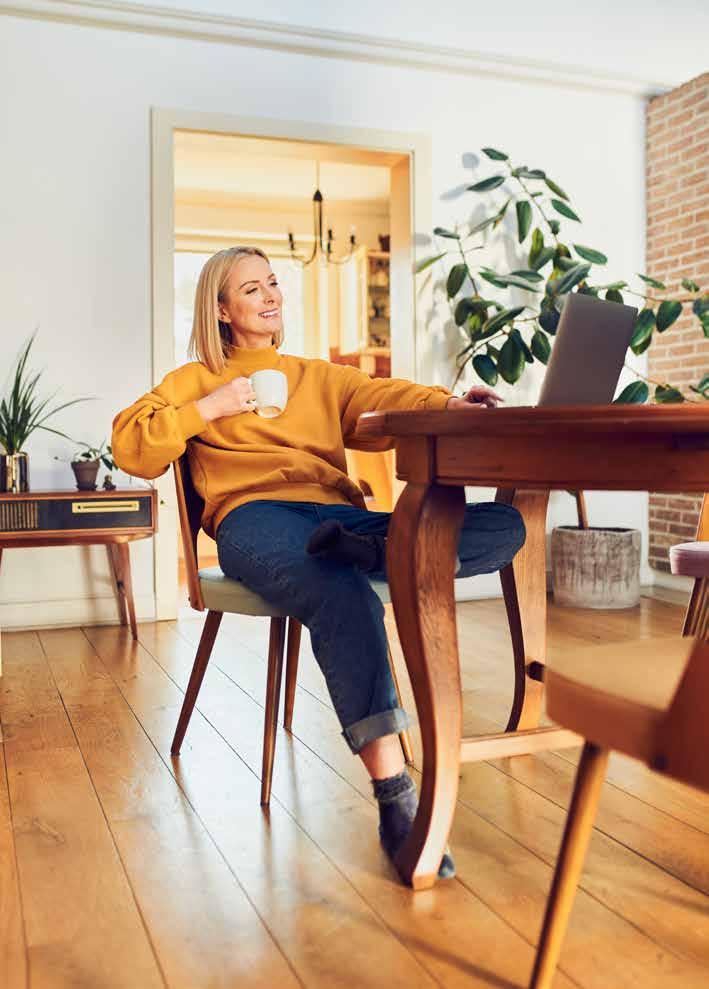
“Comfort and productivity no longer compete. They coexist at home.”
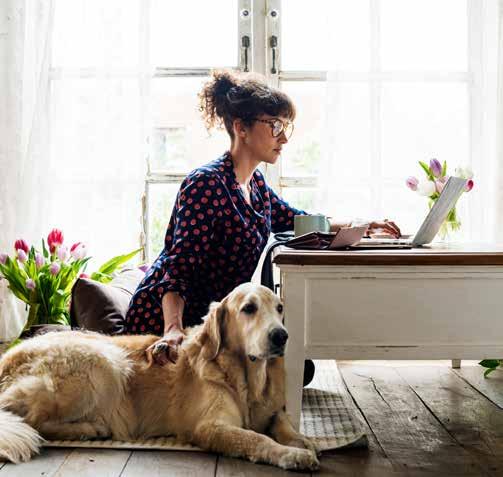
a decorative tray over work materials, or rotating a chair away from the desk help reinforce the boundary between work and life.
Technology has also evolved to support this new balance. Smart lighting, climate control, and sound management allow homeowners to fine-tune their environment throughout the day. Acoustic solutions now double as décor, with panels disguised as art and textiles designed to soften noise. The most sought-after tech is subtle, almost invisible, working quietly in the background instead of demanding attention.
What makes this shift especially compelling is that it is not reserved for large homes. Smaller spaces are often leading the way, proving that flexibility is about design choices, not square footage. A wall-mounted desk beneath a window, a shelf that folds down for work hours, or a narrow console that transforms into a workstation can turn even the smallest apartment into a functional hybrid space. In these homes, every element earns its place.
Beyond aesthetics and efficiency, the flexible home office speaks to something deeper. When work bleeds endlessly into personal time, burnout follows. Spaces that can adapt help create natural pauses and transitions, supporting mental well-being as much as productivity. Instead of feeling constantly on, homeowners regain control over how and when work shows up in their lives.
This innovative approach does not ask people to work more. It asks them to work smarter and live better. By allowing spaces to evolve throughout the day, the home becomes a partner rather than a constraint. Comfort and productivity no longer compete. They coexist.
This evolution is also influencing how people shop for and invest in their homes. Buyers are prioritizing layouts that allow flexibility, while renters are looking for
“Flexible home offices are not about working more, but living better, allowing spaces to evolve and support every part of life.”
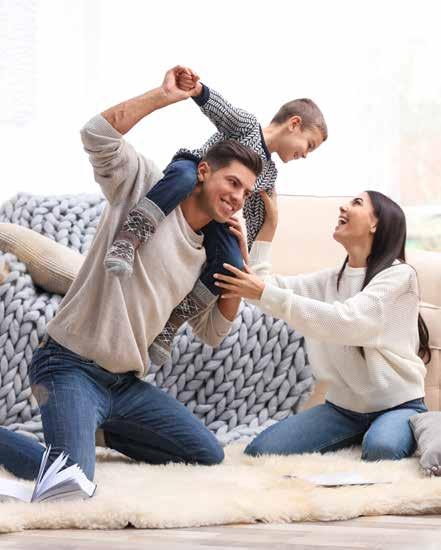
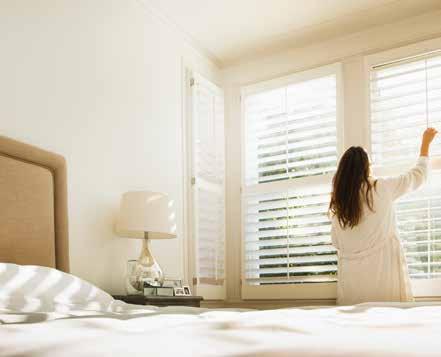

creative, non-permanent solutions that adapt to changing schedules. Retailers are responding with furniture and décor designed specifically for hybrid living, emphasizing versatility, durability, and ease of transition. Even real estate listings now highlight flexible work zones as a key feature. As the lines between professional and personal life continue to shift, the home is becoming more responsive, more intuitive, and more aligned with how people truly live. The flexible home office is no longer a trend. It is a lasting reflection of a lifestyle built on balance, intention, and adaptability.
The flexible home office revolution is not about expensive renovations or dramatic redesigns. It is about seeing the home differently and recognizing its potential to support every part of modern life. With a few intentional choices, any space can shift from focus to relaxation, proving that the future of work does not require more room, just more thought.
MARCH 5TH
1st Thursday Coffee & Connections - Greater Anna Chamber
AISD Administration Building 151 W Rosamond Parkway Anna, TX 75409 | 7:45 AM
in-person event from 7:45am-9am at the new AISD Administration Building at 151 W Rosamond Parkway Anna, TX 75409. All Greater Anna Chamber members are welcome to attend. Remember to bring your business cards, $1 and a 30 second elevator speech (i.e. self-introduction.) Someone will walk away with half the money collected that morning.
MARCH 12TH
Van Alstyne Education Foundation 14th Annual Gala
Primrose Hill Event Venue, 5015 FM 121 in Van Alstyne | 6:00 PM
The night will include dinner, open bar, entertainment, silent and live auctions and so much more!
MARCH 21ST
The Melissa Big Dill 5K & Fun Run
3411 Barker Ave., Melissa, TX | 8:00 AM
This vibrant event promises a fantastic day filled with fitness, fun, and community spirit. Participants can challenge themselves in the competitive 5K race or choose to enjoy the laid-back atmosphere of the Fun Run, making it perfect for runners of all ages and skill levels.











ARTICLE BY SHANNON ROBERTS

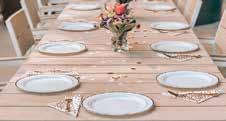
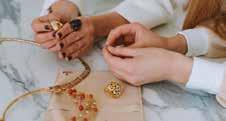
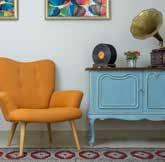
Homes are moving away from showroom perfection and toward deeply personal design. Curated collections, family heirlooms, vintage finds, and meaningful art pieces create interiors that feel lived-in, layered, and authentic.

2. Warm, Mood-Driven Color Palettes
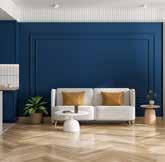
Cool grays are giving way to warmer, richer hues. Expect to see clay, caramel, olive, aubergine, and deep blues used to add depth, comfort, and emotional warmth throughout the home.
4. Comfort-First Furniture
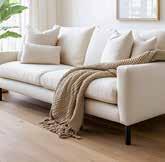
Plush seating, curved silhouettes, and soft upholstery dominate. Homes are designed for relaxation, with furniture that invites lingering, lounging, and everyday comfort without sacrificing style.
3. Natural Materials with Character
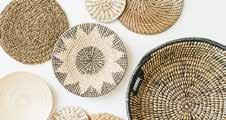
Designers are embracing materials that age beautifully. Stone, wood, linen, leather, and unlacquered metals bring texture and a sense of craftsmanship, grounding spaces in nature and sustainability.
5. Statement Walls & Bold Pattern
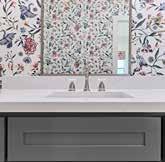
Wallpaper, textured finishes, and expressive patterns are back in a big way. Used thoughtfully, statement walls add personality, drama, and visual interest to even the simplest rooms. In 2026, great design feels personal, warm, and intentionally inviting.