9 Role Model Check: What Type of Man Are You? Pages 10–11
Siggi – The Interview With The German Singer and Songwriter Pages 12–13
Eberhard Schrempf on Design: When Roles Fade
14
True or False?
15
The Scent of Men, an Interview with Aik Sargsian Pages 16–17 Sacred Silence
Fashion as a State of Mind
zur Wiener Staatsoper
Das Graseck
SANDnature & SANDglow
05
06
Seegut Zeppelin
10
11
The New Order of Men
In the past, people (supposedly) knew what it meant to be a man: strong, taciturn, unshakeable. And today? Today, he wears sneakers with a suit, cries at song lyrics, and negotiates his feelings like stock prices. Welcome to the 21st century, where masculinity no longer comes with a blueprint.
In this issue, we don’t just ask, “When is a man a man?” – we show that the answer is as individual as a fragrance, an outfit, or a song lyric. Take German musician Siggi, for example, who sings about vulnerability and strength at the same time. His lyrics are little lessons in modern masculinity. In our essay, we break down old stereotypes and explore the ambivalence that accompanies today’s men: being sensitive, appearing confident, standing strong, and yet staying human.
And because men today want to be not only visible but also palpable, we met with Aik from Osmotheca. He explains how fragrance stages masculinity: subtle, yet unmistakable.
What we all need, however – regardless of how we “define” ourselves – is quiet and stillness, to listen to ourselves. Only then can we discover who we are and how we want to live. In our feature from South Tyrol, we tell the story of an experience that allows you to find inner peace, away from yoga and other trends.
The core message is simple: masculinity is not a template. It is reimagined, worn, and lived every day. Anyone asking, “When is a man a man?” really only needs to ask themselves: “What kind of man do I want to be?” And then start showing it.
Natives
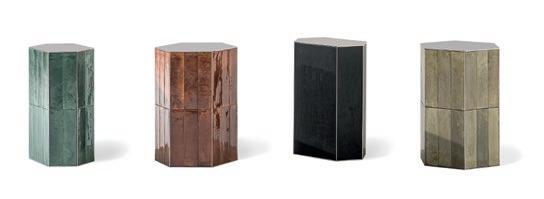
Andrée side table by Minotti, minotti.com
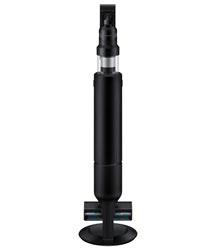
Bespoke AI Jet Ultra by Samsung, samsung.com, available in Austria from April 22, approx. €1,349 Cleaning clears the mind. And it becomes a lifestyle when your vacuum starts thinking for you.
The Bespoke AI Jet Ultra is Samsung’s most powerful cordless vacuum cleaner to date, turning spring cleaning into a surprisingly controlled experience. With up to 400 watts of suction power, a newly developed HexaJet motor and AI Cleaning Mode 2.0, the device automatically adapts to floor type, dust levels and surroundings. Less thinking for us, more precision in the result. Carpet, parquet, corners? It recognises them all, adjusting suction power and brush speed accordingly. Up to 100 minutes of runtime included. Add a HEPA filtration system that removes almost all fine dust particles from the air, and cleanliness becomes something you don’t just see – but feel. High-tech without the drama, function without the fuss. The Bespoke AI Jet Ultra is a statement in smart order.
SMART CLEANING
The Andrée collection of rectangular and square side tables by Hannes Peer for Minotti draws inspiration from Milan’s 1970s façade architecture, adding a confident decorative accent to both indoor and outdoor spaces. Its strict geometry is offset by the shimmering surface of glazed ceramic tiles, giving each table a distinct, lively texture. Chrome-plated aluminium edges sharpen the lines, while recessed wooden feet lend the design a light, almost floating appearance. Available in signature 1970s colourways, the multifunctional prism-shaped version also comes with a chrome-plated brass top.
MILANESE SEVENTIES, REVISITED
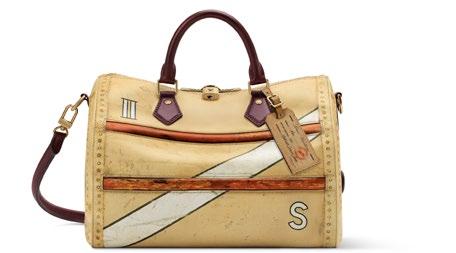
Speedy Soft 30 by Louis Vuitton, louisvuitton.com, approx. €3,700
The Speedy Soft 30 celebrates 130 years of the Louis Vuitton Monogram with a wink. The iconic design is reimagined through trompe-l’œil motifs depicting the House’s legendary archival trunks. Canvas meets leather handles, while the initial “S” adds a personal touch. Despite its heritage appeal, the bag remains thoroughly practical, with room for a tablet, a book and daily essentials. A modern homage to a timeless icon, balancing tradition and functionality.
TRADITION WITH A TWIST
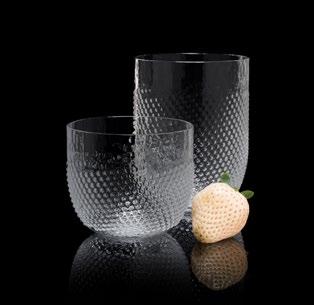
ICHIGO.Coupette No. 1 Champagne, ichigovienna.com, duo Coupette €149
The Cruise Collection by ICHIGO.Vienna pairs precise craftsmanship with understated elegance. Mouth-blown, lead-free crystal glasses in Crystal, Citrine, Rosalin and Light Blue catch the light beautifully, while the distinctive dimpled surface keeps fingerprints at bay. In collaboration with MennYacht Group, the award-winning glassware – recipient of the Red Dot Award, among others – has found its way aboard iconic Riva yachts, turning every drink into a quiet moment of luxury. Whether at sea or at home, the glasses feel light, clear and thoughtfully designed. Perfect for those who value both form and function.
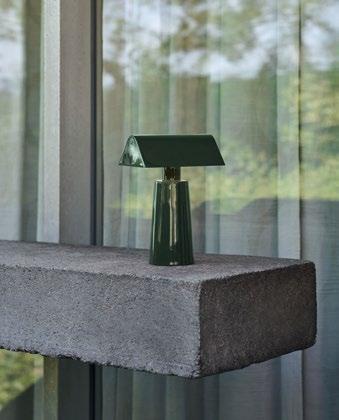
Caret lamp by Matteo Fogale for &Tradition, andtradition.com
Matteo Fogale’s portable Caret lamp for &Tradition is introduced in two new shades: Anthracite and Forest. Inspired by the classic banker’s lamps found in historic libraries, Caret combines an iconic silhouette with modern portability – perfect for bookshelves, desks or shared workspaces. Made from cast zinc and lacquered steel, the pyramid-shaped shade emits soft, diffused light that is dimmable in three stages. With four colour options – Dark Burgundy, Silk Grey, Anthracite and Forest –Caret fits effortlessly into contemporary living and working environments while remaining timeless.
LIGHT WITH LITERARY FLAIR
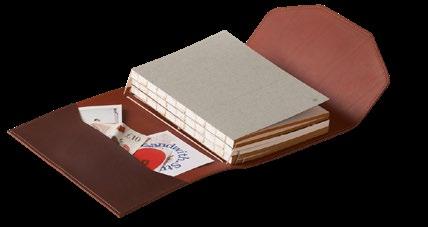
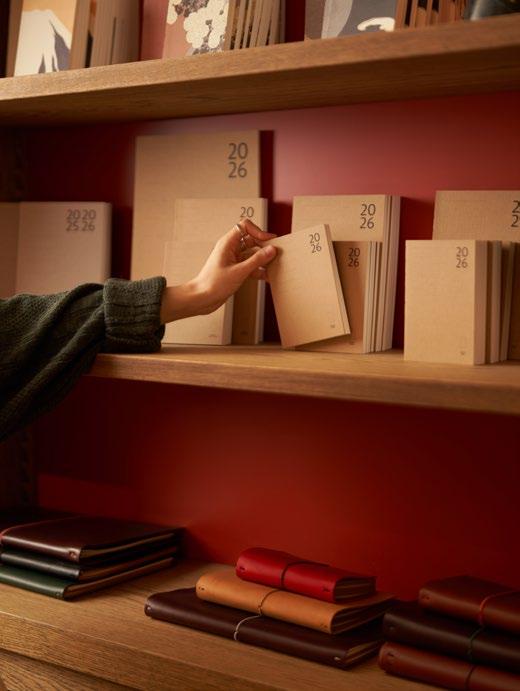
Le Trifold by Paper Republic, paper-republic.com, €200
Le Trifold by Paper Republic is designed for those who have a lot to say. A robust leather cover protects the pages, while the soft interior lining with an integrated leather pocket keeps notes, cards and small essentials secure. Three elastic bands hold up to six book refills, offering more space than any standard notebook – ideal for organising ideas, sketches and projects.
Handcrafted in Vienna, Le Trifold is built to last and gains character over time. Its trifold construction keeps everything safely contained yet instantly accessible – perfect for life on the move, at the office or at home. A smart notebook that effortlessly bridges everyday life, work and creativity.
NOTES, ORGANISED
WHAT MAKES
Text: Nina Prehofer
“MASCULINITY IS NOT A STATE OF BEING – IT IS A PROCESS. AND THIS PROCESS IS CURRENTLY MORE VISIBLE, CONTESTED, AND CONTRADICTORY THAN EVER BEFORE.”
"MEN ARE EXPECTED TO BE SENSITIVE AND ASSERTIVE, REFLECTIVE AND RESILIENT, EMOTIONALLY PRESENT AND PERFORMANCE-ORIENTED.”
MEN HAVE IT TOUGH, YET TAKE IT LIGHTLY HARD ON THE OUTSIDE, SOFT WITHIN TRAINED FROM CHILDHOOD TO “BE A MAN”
WHEN IS A MAN A MAN?
WHEN IS A MAN A MAN?
WHEN IS A MAN A MAN?
When Herbert Grönemeyer asked in his 1984 song “Männer”: “When is a man a man?” it was less a rhetorical flourish than a cultural seismograph. The question struck a nerve – not because it was new, but because it revealed something rarely spoken aloud: that masculinity needs explanation. That it is not self-evident, but a construct of expectations, projections, and demands. Grönemeyer’s song was ironic, tentative, almost tender, and ahead of its time. It offered no answers, leaving the question hanging. That was its explosive power. Four decades later, the question remains just as relevant. If anything, it has grown more complex. What once swung between machismo and quiet self-irony is now a societal discourse encompassing biology, culture, power, and emotion. Masculinity is no longer assumed – it is negotiated. And it is no longer a monolithic ideal, but a field of possibilities and tensions. Over the past fifty years, what we commonly call masculinity has shifted radically, yet retained surprising stability. What was once considered a natural ideal is now treated as a historical construction: not a biological fate, but a social arrangement that changes with time, culture, and power dynamics. Masculinity is not a state of being – it is a process. And this process is currently more visible, contested, and contradictory than ever before.
FROM ROLE TO CONSTRUCT
Well into the mid-20th century, masculinity was seen as self-evident: biologically grounded, socially confirmed, rarely questioned. Strength, authority, and emotional restraint were considered natural, not learned. Only with the second wave of feminism did this perspective begin to shift. Sociological and cultural theory demonstrated that gender roles do not arise from nature but are socially produced. Masculinity lost its status as essence and became readable for what it is: a set of expectations, practices, and norms, historically constructed and therefore changeable. This insight marked a rupture. It stripped traditional roles of their supposed immutability and made masculinity negotiable for the first time.
MEN WAGE WARS
MEN ARE BLUE FROM BIRTH
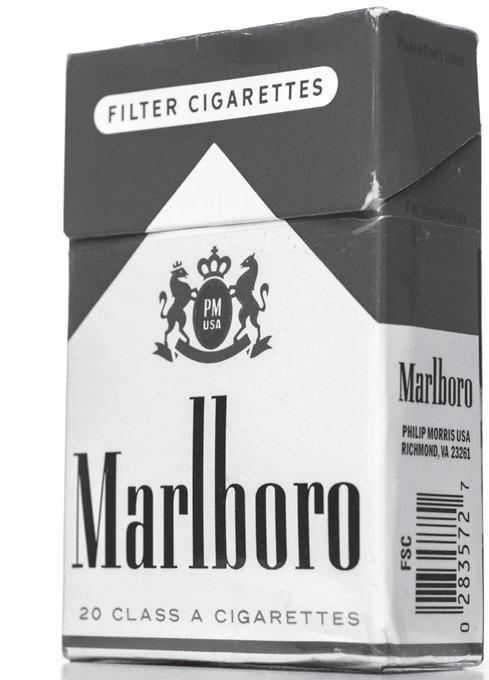
MEN SMOKE PIPES
MEN ARE TERRIBLY CLEVER
MEN BUILD ROCKETS
MEN DO EVERYTHING METICULOUSLY
THE ERA OF UNSHAKABILITY
Yet in 1980s pop culture, little of this seemed to have landed. The dominant image was of the tough, controlled man: physically present, emotionally reserved, invulnerable. Hollywood heroes embodied a hegemonic masculinity in which strength was staged as the absence of vulnerability. Advertising amplified this narrative globally: men as decision-makers, doers, anchors of order, reproducing male dominance as a given. This ideal was never neutral. It was tightly interwoven with patriarchal power structures that privileged certain forms of masculinity while marginalizing others. Deviations – sensitivity, dependency, doubt – were not seen as variants but as deficits.
SCIENCE OFFERS DIVERSITY, NOT UNITY
Meanwhile, a counter-narrative emerged in academia. In the 1980s and 1990s, masculinity studies developed as a distinct field. Building on feminist theory, it became increasingly clear: there is no singular masculinity. Instead, multiple masculinities exist, shaped by class, ethnicity, sexual orientation, culture, and social context. The concept of “hegemonic masculinity” describes a dominant norm that overshadows, devalues, or erases other forms, while constantly struggling to maintain its dominance. This perspective fundamentally shifted the discourse: emotional restraint, performance pressure, and dominance were no longer seen as personal traits but as social requirements with measurable effects on mental health, relationships, and societal violence.
BIOLOGY AS AN EXCUSE? NOT ANYMORE
Recent neuroscience adds another crucial dimension. Stanford neuroscientist Andrew Huberman studies neuroplasticity – the brain’s ability to change through experience and behavior. His research shows that emotional patterns, stress responses, and attachment behaviors are not fixed traits, much less “typically male.” They are learnable, trainable, and changeable. What long served as a biological justification for male toughness or emotional distance has lost its legitimacy. If emotional regulation, empathy, and social bonding
MEN HAVE MUSCLES
MEN ARE TERRIBLY STRONG MEN CAN DO ANYTHING
MEN GET HEART ATTACKS
OH, MEN ARE LONE WARRIORS THEY MUST GO THROUGH EVERY WALL, KEEP PUSHING FORWARD
are neurologically malleable processes, the classical argument of immutability becomes obsolete. Masculinity is not only socially constructed – it is biologically flexible.
SELF-REFLECTION AS CULTURAL PRACTICE
On a less academic but socially influential level, Jay Shetty, former monk and now author and podcaster, emphasizes self-reflection, emotional responsibility, and relationship competence – qualities long deemed “unmanly.” Shetty’s approach is existential rather than theoretical: he highlights how men are cut off from their own emotional needs by inherited role expectations, and how self-awareness and vulnerability are not weaknesses but prerequisites for stable relationships.
In this sense, self-reflection becomes a quiet form of resistance to outdated norms – not as a moral imperative, but as a necessary skill in a world where emotional intelligence is increasingly recognized as social competence
MEDIA, COUNTER-MOVEMENTS, AND CULTURAL RUPTURES
Since the turn of the millennium, these tensions have intensified. Traditional images of masculinity remain visible – in sports, politics, and pop culture – but alternative portrayals have gained ground: men as nurturing fathers, as emotional partners, as questioning, reflective individuals. Advertising, fashion, and television contribute to this pluralization.
Yet every shift provokes resistance. Campaigns addressing toxic aspects of masculinity often trigger backlash – not revealing a “crisis of masculinity,” but the fragility of an identity model long taken for granted.
MEN EMBRACE
MEN PROVIDE COMFORT
MEN CRY IN SECRET
MEN NEED TENDERNESS
OH, MEN ARE SO VULNERABLE
MEN ARE SIMPLY IRREPLACEABLE IN THIS WORLD
AMBIVALENCE AS THE NEW NORMAL
Today, masculinity is no clear script, but a field of tension. Men are expected to be sensitive and assertive, reflective and resilient, emotionally present and performanceoriented. This simultaneity brings freedom – and uncertainty. The discourse on toxic masculinity shows that traditional norms have harmed not only women but also men, pushing them into emotional isolation, stress, and violence.
NO END, ONLY MOVEMENT
Historically, this transformation is not an endpoint. Masculinity is not abolished but renegotiated – between tradition and innovation, biology and culture, selfimage and societal expectation. It remains an open field, full of contradictions and possibilities.
Perhaps the greatest misunderstanding in today’s debate is the assumption that masculinity must be saved, reinvented, or overcome. In fact, it must primarily be understood: as a historical narrative constantly being rewritten. The goal is not the absence of masculinity, but its openness – a masculinity that no longer needs to prove strength, but endures the complexity of being.
Where
Mornings are quiet. Perhaps a few footsteps in the courtyard, coffee in hand, children’s laughter somewhere in the background. The world feels manageable. It is in moments like these that one begins to understand what the hotels of the ALTO Hotel Group are really about: the interplay between everyday life and escape, movement and stillness, arriving and staying.
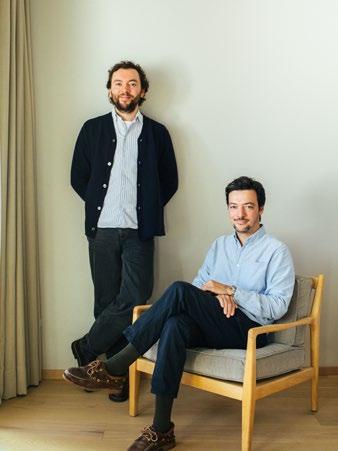
Klaus and Moritz Dissertori have created places that adapt to this rhythm. The brothers run their hotels – Parkhotel Mondschein in Bolzano, Hotel Schwarzschmied, 1477 Reichhalter and Villa Arnica in Lana –with a natural ease that is felt rather than explained. Both are fathers, both live between responsibility and freedom. Family, work and personal time do not
ON TRAVEL, SPACES AND A NEW UNDERSTANDING OF BALANCE. VISITING THE DISSERTORI BROTHERS AND THEIR HOTELS.
COMES TOGETHER
compete with one another; they flow together.
PLACES
ROOTED IN PAST AND PRESENT
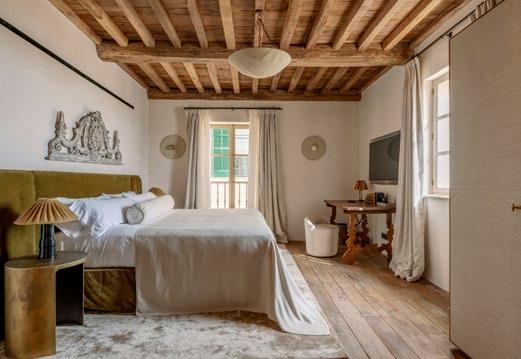
Each ALTO hotel has grown out of what was already there. Existing buildings have been carefully evolved, allowing history to remain visible. Rooms tell stories of the past without standing still. Antique furniture, natural materials and carefully selected details create an atmosphere that feels immediately familiar. Nothing appears staged; everything seems to have found its place.
The hotels open themselves to the outside world and invite guests to become part of local life. Conversations arise organically at concerts, over a glass of wine, during shared workshops or culinary evenings. Guests and locals mingle naturally, encounters remain unforced.
everything
In Bolzano and Lana, this sense of connection is complemented by the arise Body & Mind Studio. It is a space for yoga, movement and conscious pauses that goes far beyond the scope of conventional hotel offerings.
TIME WELL TAKEN
This closeness to the surroundings is also reflected in the kitchen. Much of what is served grows on the hotel’s own Arnica field, which supplies a large share of the fruit and vegetables. The rest comes from regional partners who are known and trusted. The cuisine is clear, seasonal and honest. It tastes of landscape, of seasonality and of time taken.
Mindfulness runs like a quiet thread through all the houses. Yoga, mindfulness practices and physical movement
are part of everyday life, not as scheduled programmes, but as an open invitation. An invitation to slow down and rediscover one’s own rhythm. Perhaps this is the contemporary definition of luxury: spaces that demand nothing and yet give so much. The ALTO hotels are made for people who love to travel and still wish to remain connected, with themselves, with others and with the place. They are retreats without isolation, meeting points without noise. Places where one can work, laugh, find stillness and move on or simply stay. What Klaus and Moritz Dissertori have created does not feel like a concept, but like life itself. And perhaps that is precisely why one does not simply check in here. One arrives and takes something with them.
MEN ARE NO LONGER JUST ABOUT MUSCLES AND ASSERTIVENESS. SORRY, JAMES BOND. TODAY, EMOTIONS, STYLE, RESPONSIBILITY – AND A LITTLE CHAOS – ARE PART OF THE PACKAGE.
QUESTIONS (MULTIPLE CHOICE, 1 ANSWER PER QUESTION)
1. HOW DO YOU DEAL WITH EMOTIONS?
a) I share them openly–tears are not a weakness.
b) I talk about them only with close friends.
c) I tend to hold back; emotions are private.
d) I analyze them first before showing them.
2. WHAT DOES A “STRONG MAN” LOOK LIKE TO YOU?
a) Someone who is there for others, no matter what.
b) Someone who is independent and self-confident.
c) Someone who takes responsibility for family, work, and friends.
d) Someone who clearly lives by their own identity and beliefs.
6. HOW DO YOU DEAL WITH CRITICISM?
a) I accept it and reflect on my feelings.
b) I listen, but I don’t let it distract me from my path.
c) I act pragmatically and look for solutions.
d) I question the norms behind the criticism.
3. YOUR PERFECT SUNDAY?
a) Spending time with friends and family.
b) Being alone reading a book or listening to music.
c) Exercising or being active outdoors.
d) Being creative: writing, painting, making music.
What Type of Man Are You?
4. HOW DO YOU DEAL WITH SOCIETY’S EXPECTATIONS??
a) I question them and decide for myself what I want to do.
b) I try to find a middle ground.
c) I adapt when it’s easier.
d) I actively push back where they limit me.
5. IF YOU WANT TO INSPIRE SOMEONE, YOU DO IT THROUGH …
a) Empathy and compassion.
b) Confidence and competence.
c) Responsibility and action.
d) Creativity and new perspectives.
7. WHICH TRAIT DESCRIBES YOU BEST?
a) Sensitive
b) Independent
c) Responsible
d) Creative 8. WHAT DOES SUCCESS MEAN TO YOU?
a) Positively influencing people and nurturing relationships.
b) Having the freedom to define my own goals.
c) Taking action and being there for others.
d) Turning ideas into reality and exploring new paths.
9. YOUR ROLE MODEL IS …
a) Someone who combines emotional strength with empathy.
b) Someone who bravely follows their own path.
c) Someone who takes responsibility and protects others.
d) Someone who breaks boundaries and lives creativity.
ARE
YOU A SENSITIVE LEADER, A FREE SPIRIT, OR MORE OF A TRADITIONAL HERO? THIS ISN’T A TEST OF PERFECTION, BUT A TEST OF HONESTY.
RESULTS
YOUR TYPE OF MAN & CELEBRITY REFERENCE
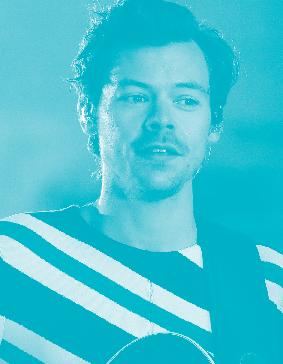
MOSTLY a )
THE SENSITIVE LEADER
DESCRIPTION : You combine emotional openness with responsibility. For you, strength means being vulnerable and being there for others.
CELEBRITY EXAMPLE: Harry Styles –sensitive, reflective, socially engaged.
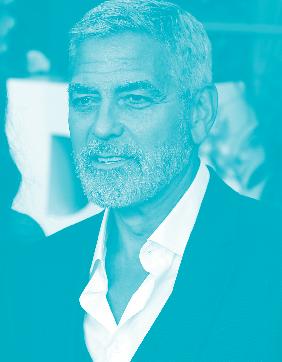
MOSTLY b )
THE INDEPENDENT FREE SPIRIT
DESCRIPTION : You go your own way, independent of expectations. Confident, sometimes introverted, but clear in your values.
Practical, responsible, action-oriented. For you, masculinity means being there for others and taking responsibility.
CELEBRITY EXAMPLE: George Clooney –charming, engaged, family-oriented, proactive.
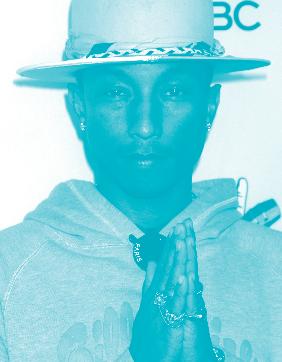
MOSTLY d ) THE CREATIVE VISIONARY
DESCRIPTION : You question traditional role models and live your individuality. Masculinity is an expression of creativity, ideas, and a willingness to experiment.
CELEBRITY EXAMPLE: Pharrell Williams –innovative, unconventional, a pioneer in music and fashion.
Statement:
“ STRENGTH ALSO SHOWS IN ALLOWING YOURSELF TO FEEL.
“
Statement:
MASCULINITY MEANS BEING AUTHENTIC, NO MATTER WHAT OTHERS THINK.
Statement:
“ I MEASURE MYSELF BY WHAT I CAN DO FOR OTHERS.
“
Statement:
MASCULINITY MEANS BREAKING BOUNDARIES AND SHOWING NEW PERSPECTIVES.
GERMAN ARTIST SIGGI BELONGS TO
GENERATION
MUSICIANS WHO
TRY
Interview: Nina Prehofer
“IT’S EASIER TO RAISE STRONG CHILDREN THAN TO REPAIR BROKEN MEN.”
Many of your songs explore doubt, closeness, and inner emotional states. Has vulnerability always been part of your artistic approach, or did it become intentional over time?
I’ve never consciously used vulnerability as a stylistic device. For me, music has always been a tool to access my emotions. Writing about it is more like a release – a way to get everything out. There’s something really therapeutic about putting things into words. And, in my case, it rhymes. Showing vulnerability is also, in a way, a political act against the old “toughen up” mentality.
Masculinity has long been defined by strength, control, and silence. Today, which qualities do you consider truly masculine, and which have you deliberately unlearned? For me, masculinity now means not hitting the emotional brakes the moment feelings hit you. Talking about them, listening, and taking responsibility for your emotions – that’s masculine. There are many qualities we need to rethink and relearn. I’m still practicing, but I’m learning to allow weakness, to show it, and to talk about my insecurities, especially with other men. Men who hug each other, cry together, and support each other emotionally aren’t less masculine –they’re just less exhausting.
Your songs are emotionally open without being sentimental. Do men today need to learn to express feelings differently –not louder, but more precisely? Absolutely. Many of us grew up learning not to talk about feelings at all, which leads to emotional explosions, anger, depression, anxiety, and more. We need to learn to communicate more clearly. Saying “I’m overwhelmed” doesn’t hurt anyone – no one will judge that.
Historically, art has given men a space to express feelings that were taboo in daily life. Do you think this space has changed, or is art still an exceptional zone?
I think art is a key that opens the door to emotions, even for tough guys. The space is definitely expanding, and I also feel the representation of men is slowly changing.
Many young men today face contradictory expectations: be sensitive, but confident; reflective, but successful. Does this ambivalence appear in your music?
Definitely. I see myself in that tension. That’s exactly what preoccupies me, and that’s what I write about. And if it helps others reflect or question things, that’s even better.
Language is central in your lyrics. Are there words or images that help you describe new forms of masculinity beyond traditional labels?
In my song “Keine Panik” (Don’t Panic), I describe depression as a black dog. It’s a well-known clinical metaphor. I like using dogs as a metaphor for men – they can appear loyal and tough, but if you know them, they’re often just anxious barkers.
The term “toxic masculinity” is common in pop culture. Do you find it helpful, or too simplistic?
I think it’s useful because it highlights that this isn’t an individual problem – it’s structural. It’s not individual men who are the issue, but an entire system that tells us how we should be. We don’t need to “fix” men individually – we need to challenge the system that teaches us to suppress our feelings.
Many of your songs feel like inner reflections rather than statements. Is that your way of challenging the traditional
expectation that men must always take a clear position?
Yes, I think that comes naturally from processing my own experiences in music. I don’t always want – or even know –where the “way forward” lies.
Has your view of yourself as a man changed through your art? Have you learned things about masculinity through music that would have been harder outside of art? I’ve realized I don’t have to define once and for all who I am. I can grow, and that growth is exciting, important, and fun.
What role does intimacy play in your work – musically, lyrically, personally? Why is it still such a sensitive area for men? Putting your feelings into a song and sharing it is already a form of baring yourself. I think it’s crucial for helping others access their own emotions. For men, intimacy is tricky because it’s often seen as a threat to strength and authority. But closeness is anything but weak.
Masculinity is being rethought today, but rarely felt in new ways. Can music help open this emotional access, especially for men?
Yes. Music is a space where men can openly show their emotions – and in a socially acceptable way. We need more spaces like this where emotions are normal and not automatically labeled “therapy.”
Are there male role models – artists, musicians, thinkers – who showed you masculinity can be quiet, searching, and contradictory?
Funny enough, I have to mention Herbert Grönemeyer – not just because I’m signed to his label, haha. Back in the 1980s, he sang about fear, loss, and closeness at a
time when expressing emotions was a career risk for men. Rio Reiser is another role model – always political, always emotional, without being loud or aggressive. And there are many young male artists today showing it’s a great moment to break old molds.
Looking back at your younger self: which ideas of “being a man” have you left behind, and which surprised you? Do you see masculinity as dissolving or expanding? And is this liberating or overwhelming? Old images are dissolving, and masculinity is expanding in a positive way. Taking dusty old ideals off the wall and throwing them away is liberating. But it’s also a lot of work, and I think that overwhelms many of us. I’d rather deal with the overwhelm than return to rigid narrowness.
Finally, if you had to sum up your current understanding of masculinity in one sentence, what would it be?
I believe we need to challenge the patriarchal system that tries to force men into predefined roles. So I’ll quote Frederick Douglass: “It’s easier to raise strong children than to repair broken men.”
ABOUT SIGGI
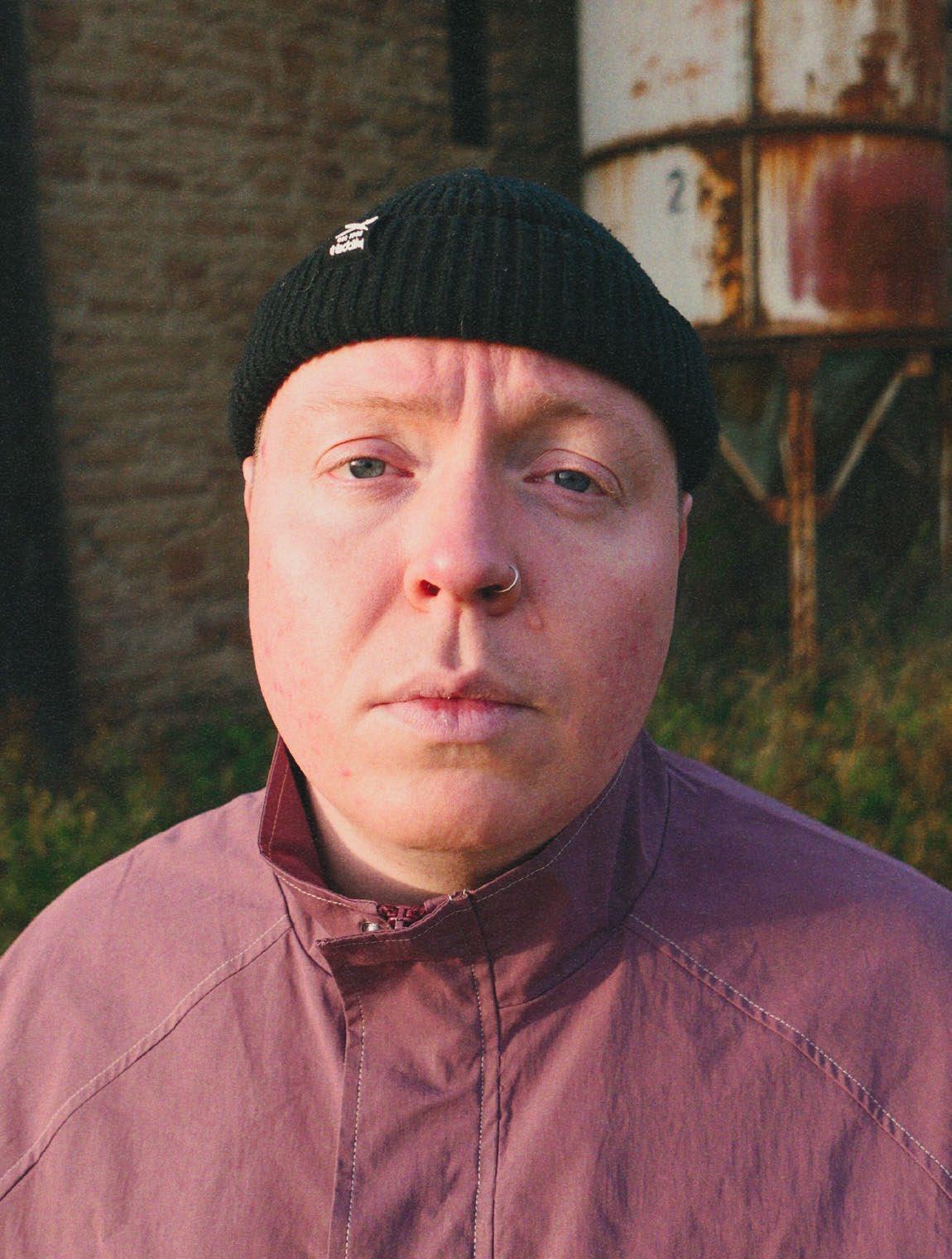
Siggi, born Simon Günther, makes music about topics men have long avoided: feeling overwhelmed, insecure, and emotionally close. He lives in Beierstedt near Braunschweig and works as a psychiatric nurse while pursuing his solo career. Writing in German, he blends indie rap with punk influences. In 2023, his EP blum and the single Alles darfst du lieben, released via Grönland Records, marked a strong entry into the German indie-pop scene. Siggi’s songs are not slogans – they’re inner perspectives: personal, reflective, and intentionally free of pathos. He doesn’t tell it louder, he tells it more precisely, resonating in a time when masculinity is being redefined. bta.com
EBERHARD SCHREMPF
DESIGN’S REAL RESPONSIBILITY BEGINS WHERE THE MASCULINE STANDARD DISAPPEARS.
When Roles Fade.
Does the designer still exist? That single, clearly defined figure, confident in their authority, culturally validated? Today, that image is losing its grip. Gender roles are shifting, identities are multiplying, and certainties are fading. New masculinity isn’t about a single ideal – it’s an open field of attitudes, choices, and self-definitions. For design, this signals more than a style shift; it marks the end of an era. For decades, design was tied to patriarchal thinking. Products needed to signal strength, control, technical superiority. Clean lines, heavy materials, dominant colors. Design spoke with authority and knew exactly who it was for – and who it wasn’t. That clarity is fading – not because of fashion, but because its societal foundation no longer makes sense. As traditional roles dissolve, the design process itself changes. Empathy becomes essential – not as a buzzword, but as a professional skill: understanding multiple perspectives, genders, and life experiences. Design no longer grows from a single viewpoint; it emerges from consciously shifting perspectives. The designer becomes less an author and more a translator. Responsibility grows alongside this shift.
Modern design doesn’t exist in a vacuum. It shapes consumption, impacts resources, and influences social participation. It connects to society, the environment, clients – and above all, to the people who use its products. Embracing new masculinity in design means taking responsibility visibly, not passing it off. Many brands react to this complexity by playing it safe. They neutralize, flatten, smooth out friction. The result? A bland uniformity: tepid, contextless, universally forgettable. Products lose character, becoming interchangeable. Diversity in ambition, uniformity in outcome. This is the real challenge of contemporary design. When patriarchal confidence fades, the outcome must not be arbitrary. Responsibility isn’t neutrality – it’s having a stance. It shows in accepting differences, embracing ambivalence, and treating design as an invitation. Not one designer, not one man, not one ideal – but many perspectives. Design becomes a space where a society in transition can resonate. And in that resonance lies its renewed relevance.
ABOUT EBERHARD SCHREMPF
Eberhard Schrempf is a designer, cultural manager, and independent consultant. After studying sculpture, stage design, and film architecture, he spent over 20 years working in cultural management and design, including roles as Technical Director and Organisational Manager of the avant-garde festival “steirischer herbst.” He founded the companies “The Organisation” and “Culture Industries Austria” and executed international projects for culture, business, and politics, including Expo 2000 in Hannover and Graz – European Capital of Culture 2003. From 2007 to 2026, he served as Managing Director of Creative Industries Styria, a networking platform for the creative economy in Styria. Today, Schrempf works as an independent consultant, advising companies and institutions on design, culture, and creative strategies.
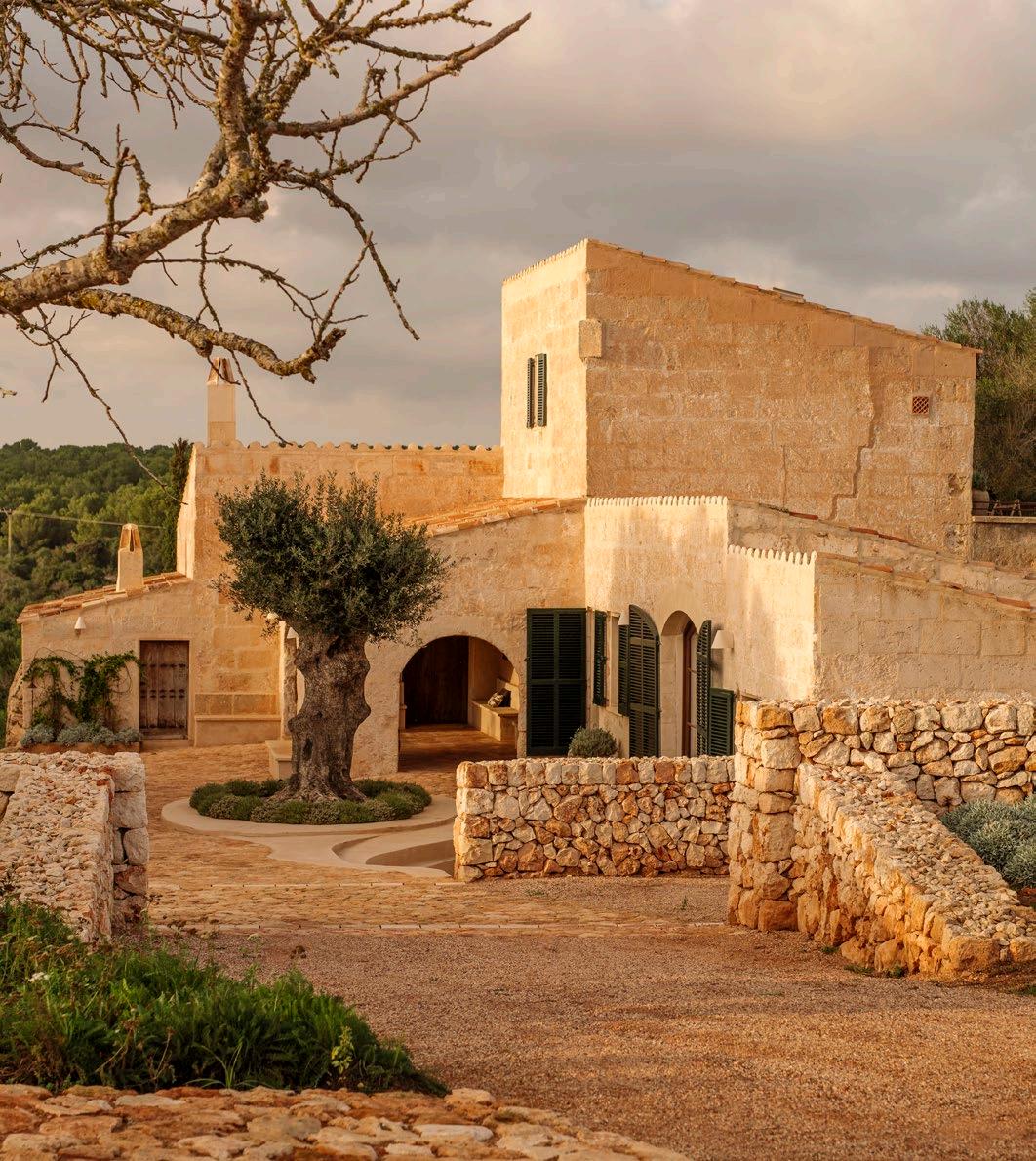
Hidden within the untouched landscape of southwest Menorca, Vestige Santa Ana is
VESTIGE SANTA ANA Spain / Menorca / Santa Ana vestigecollection.com/santa-ana
SANTO STEFANO DI SESSANIO Sextantio Albergo Diffuso
SICILY Monaci delle Terre Nere
SOUTH TYROL OLM Nature Escape
ST. LEONHARD Apfelhotel Torgglerhof
VENICE Hotel Heureka
JAPAN
TOKYO Hotel K5 KYOTO Genji
ROO Boca de Agua
PORTUGAL
ALENTEJO Sublime Comporta Country Retreat & Spa
ALGARVE Vila Valverde
AZORES Santa Bárbara Eco-Beach Resort
AZORES White Exclusive Suites & Villas
LISBON Torel Palace Lisbon
PORTO Torel Avantgarde
PORTO Torel Palace Porto
PORTO Torel 1884 Suites & Apartments
SPAIN
FIGUERAS Vestige Palacio de Figueras
MALLORCA Es Racó d’Artà
MALLORCA Hotel Can Simoneta
MALLORCA Pleta de Mar
MALLORCA Vestige Miramar
MENORCA Vestige Santa Ana
MENORCA Vestige Son Vel
MENORCA Son Ermita & Binidufá
TENERIFE Ecohotel El Agua
SWEDEN
LAPLAND Treehotel
SWITZERLAND
LUCERNE Hotel des Balances
VALLÉE DE JOUX Hotel des Horlogers
ZERMATT Hotel Matterhorn Focus
USA
ARIZONA AmbienteTM Sedona
QUINTANA
MEXICO
Hostess, grande dame, fairy godmother…
If you had to give your role as hotel director a name, which would it be?
I would say Hostess fits best. Especially in a house like this, which feels more like a temporary home. With just 14 rooms, you know every guest. Hospitality then unfolds naturally – through conversation and small, thoughtful gestures.
When you were still in tourism school, how did you imagine the role of a hotel director and how much of that vision reflects your daily work today?
Back then, I imagined constant presence in the lobby, flawless processes, and fast decision-making. Today I realize that being a hotel director primarily means caring for people, sensing moods, and supporting the team.
You’ve worked in Germany, Switzerland, Austria, England, Canada, and the United Arab Emirates. How have these countries shaped you?
Each in its own way. At the Hotel Sacher in Vienna, I worked through every department and learned the basics I still rely on today. You can’t expect a perfectly made bed if you don’t know how to make one yourself.
Which guest encounters have stayed with you most vividly?
So many. Yes, I’ve hosted professional athletes and Hollywood film stars, and that can be impressive. But often, it’s the down-to-earth encounters that stay with me the longest.
For example, Henry, a seven-year-old boy from the United States who stayed with his family at our hotel. He wanted to know everything about hotel processes and operations and was allowed to write down five questions for me every evening. They were incredibly smart questions that made me think as well. We’re still in touch today. Recently, he was in Japan and asked me what I thought about the fact that only hotel guests are allowed in the lobby there.
Are there, conversely, hotel experiences that have stayed with you as a guest?
Absolutely. During a short stay at the Four Seasons New York, when I was in my early twenties and simply an employee like any other, my fiancé and I experienced the hotel as guests. The hotel’s general manager took time for us and showed genuine interest in our story. When he heard that we were planning to attend a New York Knicks game later that day, he offered us the chance to try out the new private lounge at Madison Square Garden beforehand – a small gesture, but one that felt incredibly appreciative.
Has being a woman ever played a particular role in your position as hotel director?
Yes, and also the fact that I’m young. As a young woman, you are sometimes questioned more closely. It’s a challenge you can take seriously without letting it define you.
Shining in Style
In London, at Four Seasons, I worked for a hotel group for the first time and became part of a multicultural team made up of Europe’s best professionals. If you don’t perform there, you’re out. In Canada, union structures play a major role and leadership is more participatory. In the UAE, on the other hand, possibilities seem limitless. Once, for example, a guest complained that he couldn’t see his children from his beach lounger because of a sand mound – so we organized an excavator overnight and leveled the sand.
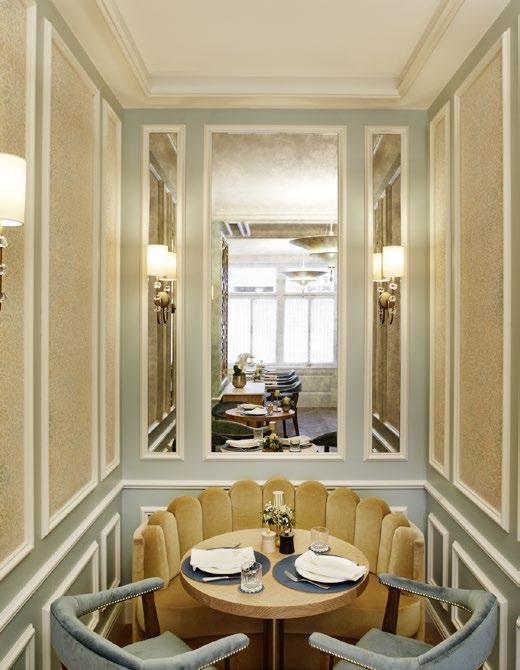
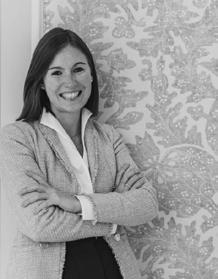
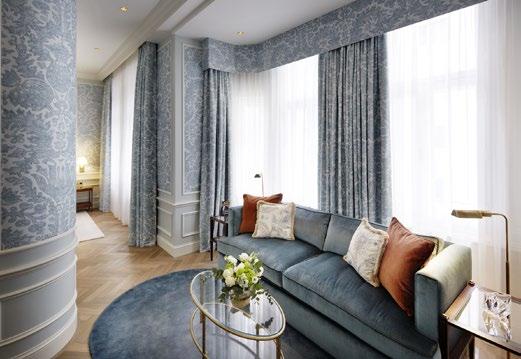
On her very first day as hotel director, Victoria Klinkhammer sat on a rustic Heurigen bench right in the middle of the construction site at Krugerstraße 11 – exactly the place where we meet her today for this interview. Only now, the sparse setting of the hotel’s small breakfast room has long since been replaced by stylish velvet-upholstered chairs and banquettes, and everything else gleams anew thanks to British interior designer Nina Campbell. This central hideaway is an 18th-century gem that has matured into a true jewel, an evolution that mirrors Victoria Klinkhammer’s own journey. Just a few years ago, she was attending a tourism school. Today, with sensitivity and vision, she leads one of the most charming hotels in Vienna’s historic city center.
Does it still make a difference today whether a hotel is run by a woman or a man?
How does the role of hotel management differ across these countries?
In some hotels, management is highly visible; in others, deliberately in the background. This has less to do with the country than one might expect and more with personal background. Whether someone comes from the kitchen, service, front office, or finance shapes their leadership style – just as much as their personality.
You now lead a small but refined hotel in Vienna. How does the level of care change with the number of guests?
A small house allows for closeness and genuine relationships. The personal exchange with our team makes us unique. Of course, many hotels strive to cater to each guest individually – but with 14 rooms, this happens in a particularly authentic way.
I believe it makes a difference how someone leads, not who they are. Leadership is about attitude, clarity, and empathy, qualities that transcend gender. That said, I do see that women in the industry often pay particular attention to team dynamics, communication, and the small details that shape everyday hotel life.
Are there moments in your daily life as a hotel director that sum up everything you love about this profession?
When I see team members truly understand the vision of the house, work proactively, and grow. And of course, when guests share their appreciation.
HOTEL ZUR WIENER STAATSOPER Austria / Vienna / Inner City hotel-staatsoper.at
A charming boutique hotel with 14 rooms, tucked away on a quiet side street in Vienna’s city center, just steps from the State Opera.
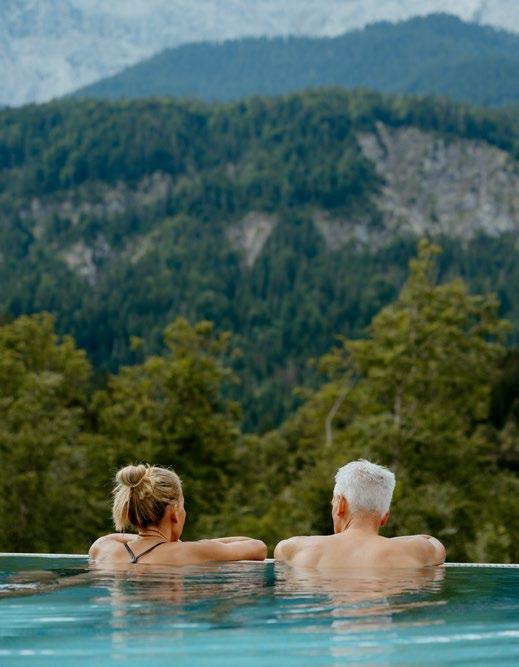
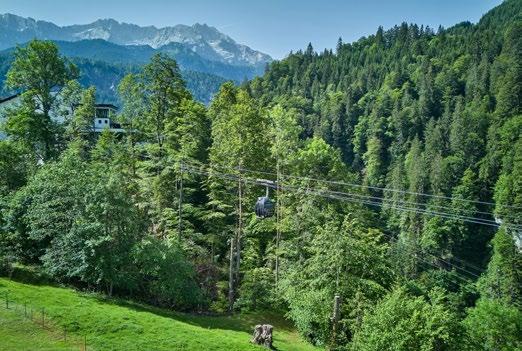
Men are world champions when it comes to endurance. Many pride themselves on simply functioning – and often on postponing. Personal health frequently slips down the priority list, because preventive care sounds like logistics, waiting rooms and an effort that hardly fits into an already packed life. At Hotel Graseck, high above Garmisch-Partenkirchen, things work differently.
GRASECK
Germany / Bavaria / Garmisch-Partenkirchen
das-graseck.de
Accessible only by cable car, this mountain hideaway with a healthcare mission offers an exclusive boutique hotel experience overlooking the Upper Bavarian Alps. ( + )
Checking in
Graseck is not a classic medical retreat –and that is precisely what makes it compelling. It is a place that combines preventive medicine with a setting that feels more like a retreat than an examination. Clear mountain air, expansive views, silence. And a medical offering designed for people with little time but high expectations.
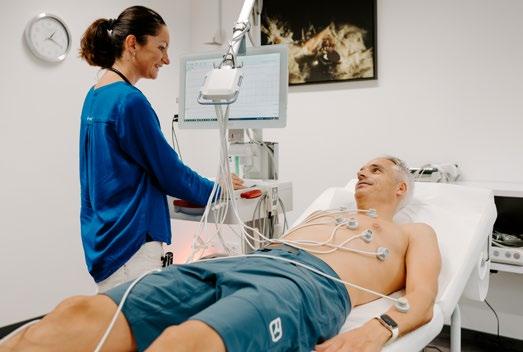
The key difference lies in its structure. Preventive check-ups are bundled, intelligently coordinated and seamlessly integrated into a stay. What would normally require several appointments with different specialists can be completed in one place at Graseck. Without rush, without unnecessary detours. This approach is particularly relevant for people in leadership positions. Those accustomed to thinking efficiently value processes that actually work.
A TOPIC THAT CONCERNS MEN, TOO
In terms of content, Graseck focuses on areas where men are especially affected –and often react too late. Cancer prevention plays a central role, as many cancers could be avoided altogether or treated with far less effort if screenings took place earlier. At Graseck, comprehensive cardiological and oncological check-ups are possible. Discreet, medically precise, carried out hand in hand by specialists and far removed from conventional clinical routines. Colorectal cancer screening in particular is integrated into the stay through an optimised preparation process, so it is not perceived as a burden – and does not require skipping a single exquisite four-course dinner.
WHERE MEDICINE MEETS LIFESTYLE
What makes the stay truly distinctive is the interplay between medicine and recovery. After examinations, guests do not return to everyday life but head to the spa, panoramic trails and a place that creates space – mentally and physically. Movement happens outdoors, meals are mindful yet never ascetic. Health is not treated as an isolated topic, but understood as part of a lifestyle.
This creates a different relationship to preventive care. Less obligation, more motivation to change unhealthy habits. No prohibitions, but greater awareness –without having to completely forgo pleasure. It is a contemporary form of wellness that, of course, is not aimed exclusively at men: taking care of one’s health without having to put everything else on hold. And doing so with the feeling of not sitting in a waiting room, but being in a place that genuinely does you good. That, after all, is something we all want.
on Health
Between Two Seas
Spring on the coast has its own rhythm. Days grow brighter, the air warmer, and the sea remains a refreshing thrill for the brave. Just perfect for long walks, clear thoughts, and the feeling of reconnecting with yourself.
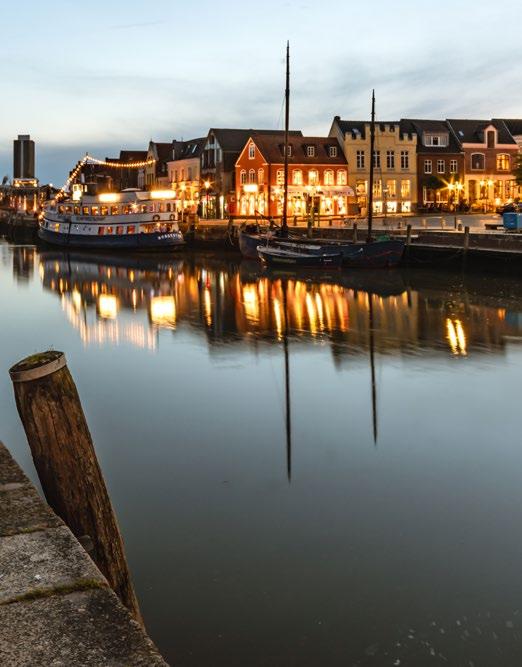
Two boutique hotels, two coasts, two moods. SANDnature in Timmendorfer Strand and SANDglow in Husum stand for mindful travel without fuss, for design that radiates calm, and for a sustainable lifestyle that doesn’t need to be explained. SAND isn’t a loud promise – it’s a place where everything simply fits.
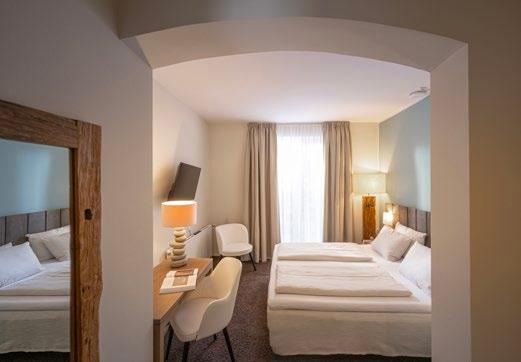
On the Baltic Sea, spring begins gently. The light softens, the beach slowly comes back to life, and the days grow longer. At SANDnature, this mood is reflected in natural materials, warm tones, and a design that leaves space for thought, pauses, and your own horizon. The rooms are retreats without unnecessary staging. Walk barefoot to the beach in the morning, enjoy a rooftop sauna later, and let the time in between belong to both nothing and everything. Here, slowing down feels entirely natural. A few hours northwest, the coast shows a different side. Husum is Nordic, urban, and constantly in motion. SANDglow captures this character perfectly: clear, minimal, with a subtle radiance. Stylish rooms, a relaxed bar, a day spa offering a haven of calm in the midst of the city. Here, guests effortlessly move between harbor charm and quiet retreat – ideal for those who love open spaces and colorful façades.
( + )
THE “SPIRIT OF SOFI”
SOFI isn’t a person – it’s a feeling you s ense at both SANDnature and SANDglow. Stylish, open-minded, fair, inspiring. Sustainability isn’t showcased – it’s lived: local products, mindful resource use, and design with purpose. Luxury reveals itself quietly: in quality, in the freedom to do things more slowly. The “Spirit of SOFI” is accompanied by SANDus, the team’s way of describing the sense of community that emerges through interaction – with each other, with fellow guests, and in shared moments. You can feel it: the energy of spring, the spirit, and the inspiration that a coastal retreat brings. When nature hasn’t yet fully entered summer mode, but already hums with vitality. When travel doesn’t feel like a schedule, but like space to breathe. And like relaxation. With the SANDsignature – a massage inspired by warm sand and maritime rituals – you can reset body and mind. Simple, soothing, just right after a day by the sea. In the end, you realize: at SAND, you were in the right place at exactly the right time.
SAND nature
SAND glow Germany / North Sea / Husum
Those who see nature not merely as a backdrop, but with attentive eyes, recognize that it consists of countless cycles, interwoven, so long as humanity does not disrupt their balance.
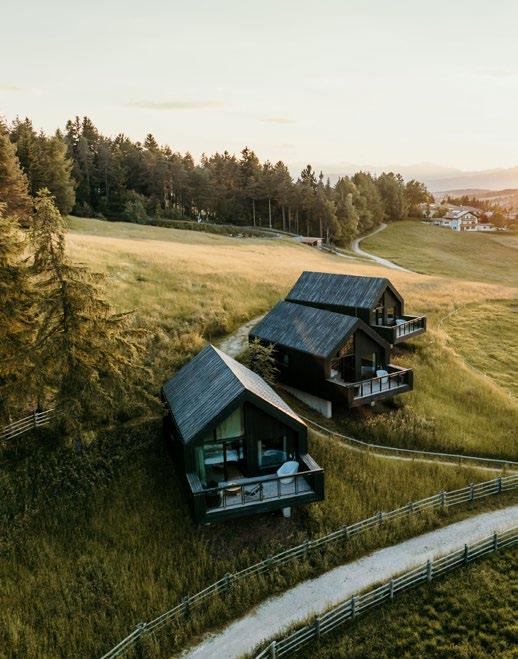
At the Green Luxury Hotel Pfösl, where sunlight, coniferous forests, lush meadows, the Dolomites, and the occasional deer or Haflinger shape the South Tyrolean landscape, this awareness is ever-present.
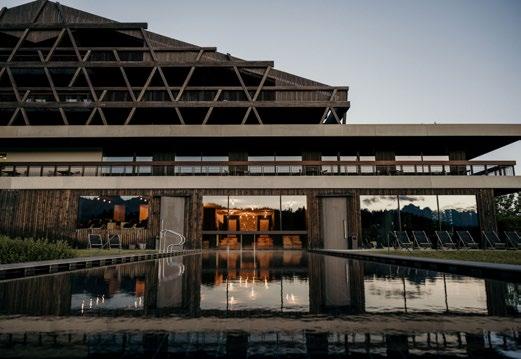
The hotel itself hums in harmony with its surroundings. A peakshaped wooden façade, buildings melting into the lawn, reflect a philosophy carried through every detail inside. Hosts Brigitte and Eva Zelger, together with Daniel Mahlknecht, have built a sanctuary around four guiding principles: ways to return something to the world, to honor the balance of nature. Mindfulness is one of them.
Of Herbs
and Journeys
Breathing deeply and letting go almost happens on its own here, yet the hosts know how to guide guests gently so that body and soul can fully regenerate.
Across 2,000 square meters, with panoramic views over alpine meadows, herb gardens, and soaring peaks, the naturaspa offers ample space for self-renewal, inside and out. Guests find their perfect sauna climate among eight unique saunas. They experience the boundless expanse of the landscape from the infinity pool. They immerse themselves in the biopool, walking barefoot along streams and Kneipp pools, past alpine plants and fragrant herbs. The serene calm of nature deepens through attentive yoga practice.
Treatments here feel as though they were written by nature itself: the local Urstein Ritual with resins, silver quartzite, and wild herb essences, for example. More recently, Ayurveda has been added – perhaps at first seeming far from South Tyrol –but within this holistic philosophy, it fits seamlessly alongside yoga. Sometimes the herbs smell just a little more spicy, a gentle reminder of their exotic origin.
Yet such subtleties are only noticed by those who look at nature with awareness, not as mere scenery.
/ Deutschnofen
Purity
( + )
Even the journey up feels like a path toward freedom. Once at the top, you set down your luggage. And with it, all that weight from daily life: performance, optimization, self-presentation. At Puradies, it’s not about being someone or playing a role. It’s about being yourself in all your purity.
The old Pinzgau farmhouse rests quietly and serenely above the valley, as does the chalet village around it. Modern touches bring freshness and openness to the houses. You feel grounded, yet closer to the sky than ever. Puradies offers both stability and freedom: the freedom to do whatever your heart desires.
Perhaps the day begins on a yoga mat in the studio, framed by a breathtaking mountain panorama or, when the weather is warmer, on the platform by the lake or at the edge of the forest. With a sun salutation and the quiet realization that today, you only want to bend into Trikonasana – Triangle Pose – and other yoga postures.
Or perhaps the day begins by swapping slippers for ski boots and gliding straight from the hotel door to the Steinbergbahn, savoring 270 kilometers of slopes, and returning to Puradies at day’s end without a single detour. In summer, maybe it’s strapping into clipless pedals and diving straight into a mountain bike adventure.
PURADIES Austria / Salzburg / Leogang puradies.com
A vast natural retreat with an organic farm and Chalet Village, set in serene seclusion between heaven and earth.
Perhaps the day starts with the indulgence of staying a little longer in the warm bed before heading to the Heaven Spa. You drift leisurely between the cozy pool, the refreshing natural swimming pond, and the adults-only sauna, all while the breathtaking mountain panorama continually captivates your gaze.
The day might also begin in the breakfast room, accompanied by the aroma of freshly brewed coffee, eggs from the farm, and other local delicacies. Your mind may already wander to the multi-course dinner or the upcoming experience at the gourmet restaurant Ess:enz. And perhaps the day ends with a perfectly crafted alpine cocktail, enhanced with herbs from the garden, in the striking atmosphere of the Freiraum Bar.
And by this point, it becomes clear: purity means discovering your own personal space. Sometimes, all it takes is leaving the familiar path and taking a turn to truly meet yourself.
Everyday life can sometimes feel like driving down a busy main road. All the more refreshing, then, is to take a turn toward a place that feels like an island, shielded from the hustle and bustle. Nestled in nature, surrounded by mountains, meadows, and forests, bathed in sunlight. Just like Puradies, perched on a high plateau in Leogang between the Asitzbahn and Steinbergbahn – slightly hidden, yet easily accessible.
PURADIES Austria / Salzburg / Leogang
What began as the wish for a family home quietly evolved into something far greater for a Spanish entrepreneurial family: a gradual attunement to the needs of an extraordinary place and to their own. It also became a remarkable journey, one that begins in Spain and now continues in Namibia. This is how the Vestige Collection came into being – a series of unique hospitality projects, a selection of which is presented here.
A long-abandoned 16th-century palace in Asturias, dramatically set on a hill overlooking the harbour of Figueras, was to become the private residence of the Madera Fernández family. It took eleven years for the ancient walls to regain their former splendour. Eleven years devoted to careful restoration, to valuing close collaboration with local artists and architects – and to the realisation that the countless square metres offered far more space than they truly required
And so, the future of the 500-year-old Palacio de Figueras, once the seat of the noble Pardo de Donlebún family, had to be reimagined. At the same time, other owners of historic properties began to take notice, impressed by the family’s respectful and thoughtful approach to architectural heritage.
From this grew the idea of transforming remarkable remnants – vestiges, as they are also called in English – into exceptional destinations of hospitality. Private villas available for exclusive stays, alongside boutique hotels with distinctive rooms. Places created to be shared with the world, while also giving something back to it. Each restoration, whether of manor houses, palaces or historic residences, is carried out in harmony with its surroundings, drawing identity from the landscape itself, while never losing sight of contemporary comfort and design.
Was it fate that the first property after Palacio de Figueras should be located on the island of the family’s childhood holidays? Quite possibly.
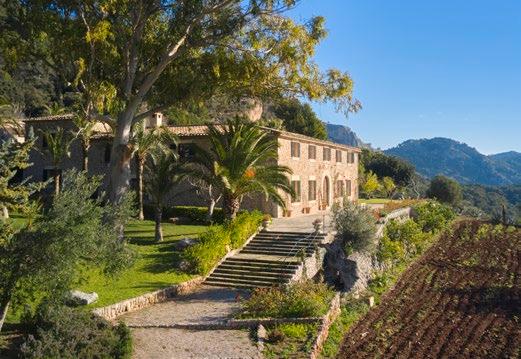
Son Vell is an 18th-century Palladian manor house on Menorca, close to the coast, surrounded by 200 hectares of land and historic farm buildings. Using local materials such as traditional marés stone, handcrafted clay, linen and natural pigments, the estate was gently revitalised and complemented with new structures. Today, the elegant boutique hotel offers 33 individually designed rooms and suites.
The surrounding land was equally thoughtfully shaped: two pools, a kitchen garden, 1,400 newly planted trees and a wealth of
colourful, fragrant native plants. The result is a warm and welcoming refuge: one that offers deep rest and relaxation while carefully preserving and nurturing Menorca’s natural biodiversity.
Photos: Vestige Collection
SON VELL, MENORCA
BINIDUFÀ, MENORCA
Just a few kilometres away, on the island’s untouched northern coast, two boutique hotels of the Vestige Collection share an address whose history dates back to the 13th century, spread across 800 hectares of land. While Son Ermità sits elevated, surveying green hills, red Menorcan soil and peacefully grazing cattle, the newly opened Binidufà lies nestled within a valley, more deeply entwined with the island’s lush and rugged landscape. It is an intimate hideaway defined by rustic elegance and an open invitation to reconnect with nature.
Also on Mallorca, yet a world apart, lies Son Veri, a privately bookable 19th-century country house. Just 20 minutes from Palma, it rests in seclusion on a hill in the Tramuntana mountains, offering sweeping views over the valley, the bay and a former Carthusian monastery.
Once a place of olive groves, grain fields and almond trees, Son Veri is now a sanctuary for families and friends seeking a slower, more mindful way of living. Traces of its agricultural past remain tangible throughout the house: The historic olive press in the living room bears witness to the estate’s deep connection to its past, inviting guests to pause, reflect and embrace the stillness.
VESTIGE COLLECTION Spain / Namibia vestigecollection.com Unique historic homes and exceptional places in Spain and Namibia, lovingly designed and restored by an in-house design team, thoughtfully integrated into their surroundings, and transformed into refined hospitality destinations. ( + )
The name speaks for itself. This estate offers breathtaking views of the sea. Located on the neighbouring island of Mallorca, Miramar is one of the Vestige Collection’s fully exclusive private residences. The 18th-century manor house stands in a front-row position beside the Gothic cathedral La Seu and offers 1,700 square metres of generous living space for families or groups of friends, complete with an indoor pool and home cinema. Though set in the vibrant heart of Palma, Miramar reveals itself as a quiet retreat where the charm of bygone eras gently comes back to life.
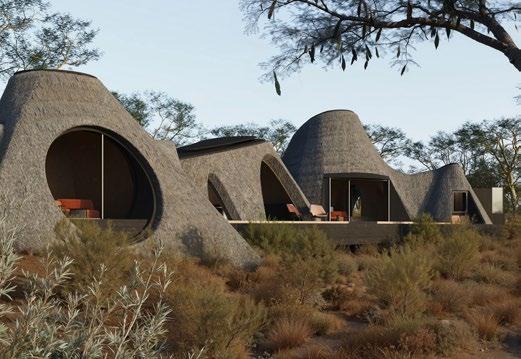
And soon, the Vestige Collection will reach a new continent. From Spain, the journey continues to Namibia, where four lodges will open this autumn in four extraordinary locations each shaped by the raw power of its surroundings: among prehistoric dunes, at the country’s highest mountain, or close to the wilderness and ancestral lands of the Ovambo people.
Today, it is thousands of hectares of land and countless historic buildings to which the Vestige Collection lends new prestige. From remnants, something new emerges, carefully grown, vividly interpreted, and always in harmony with the history, geography and spirit of each place. Much remains undiscovered, yet ready to tell its story with Vestige.
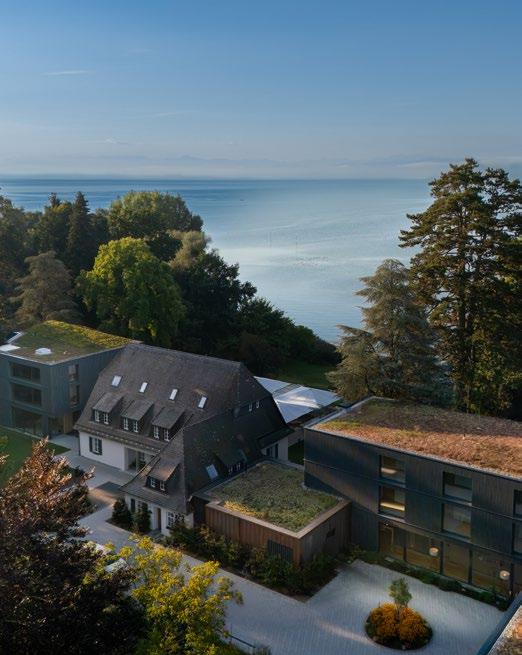
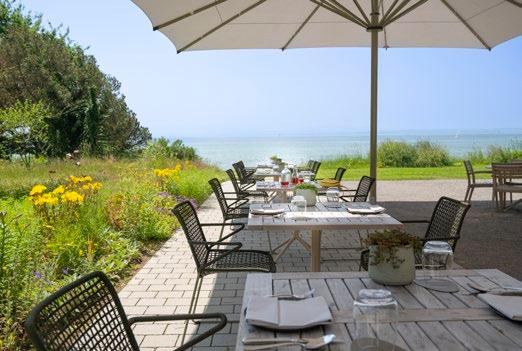
Perhaps it is the vastness of Lake Constance that sparks visions. Perhaps it is the lake’s depth that keeps everything grounded, never superficial. Or perhaps it is Friedrichshafen’s history itself, quietly reminding us that great ideas need time to unfold. Here, where Count Zeppelin once built and tested his airships, the spirit of bold imagination still lingers in the air. From a single idea, he spent years shaping a dream until the “LZ,” the prototype of the Zeppelin, finally took flight. Setbacks, like the crash of a model in 1908, might have stopped many. Yet the people of the region stood by him, raising funds and giving him the wings to continue. Today, the Zeppelins that drift over the lake are living symbols: dreams are worth pursuing.
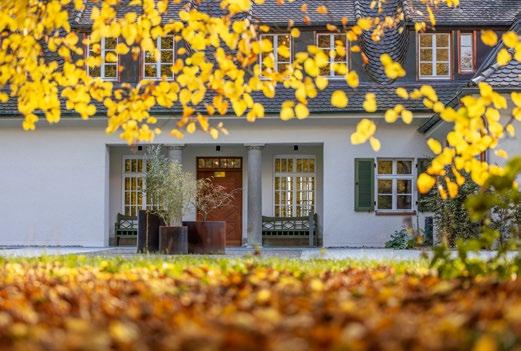
A kindred spirit emerged in 2016 with Sandra and Hendrik Fennel. With a business plan for the “Haus am Bodensee,” they nurtured a vision that anticipated much of what Seegut Zeppelin represents today. It required patience, passion, and care: the historic villa was lovingly restored, new buildings thoughtfully added, and the landscape park carefully shaped. Challenges arose, but they were embraced as lessons, not failures.
Today, this vision lives on: sustainable, deeply rooted in the region, and open to the local community. Just as citizens once supported Zeppelin, Seegut Zeppelin supports its neighbors: suppliers, musicians, and locals are invited in, special opportunities offered and the estate becomes a living, breathing part of the region.
Sandra and Hendrik Fennel form a partnership of heart and vision: she, the strategic thinker from Friedrichshafen, and he, the seasoned hotelier with an eye for dreams. Together, they guide the Haus am Bodensee with calm, perspective, and the occasional flight of imagination, reminding us that great ideas always begin with a vision.
But Hofergut is also a house with a good fairy. One who fulfils wishes in German, English, Italian or South Tyrolean – often before guests have even crossed the threshold.
She knows what a privilege it is to work within such venerable walls, in her homeland, the Puster Valley. And yet it hardly feels as though Gudrun Huber is working at all. With her warm and open nature, she wins guests’ hearts from the moment they arrive. There are probably few people who take such genuine joy in being a host – even if this attitude and love for hospitality were, in a way, placed in her shoes early on, growing up with parents who ran their own small guesthouse.
A colourful bouquet on the table, an exceptional restaurant recommendation for the evening, an extra blanket, a lesson in South Tyrolean dialect, a local anecdote – Gudrun fulfils wishes from A to Z, enriching her guests’ stay in countless, thoughtful ways. All without a magic wand or a cloak.
Only as much as desired, of course. Some guests prefer their peace and quiet, others enjoy a good conversation. When it’s the latter, a shared aperitivo in the cosy parlour is not uncommon – and often lingers a little longer.
Gudrun is as uncomplicated as her name and genuinely intent on making everyone feel at home, as if staying with friends. Sometimes, real friendships grow from this.
And if you ask the guests, or browse through the reviews, the magical six letters G U D R U N appear time and again. With a sparkle in the eyes – almost as if a little fairy dust really were at play.
HOFERGUT Italy / South Tyrol /Risconehofergut.com
The Hofergut is a house steeped in history, its origins reaching back to the Middle Ages. Full of character and atmosphere, it has been carefully carried into the present without erasing the traces of the past. The old parlour, the traditional smoke kitchen and the vaulted stone walls all bear witness to this – as does the stone-framed doorway with its time-honoured carvings.
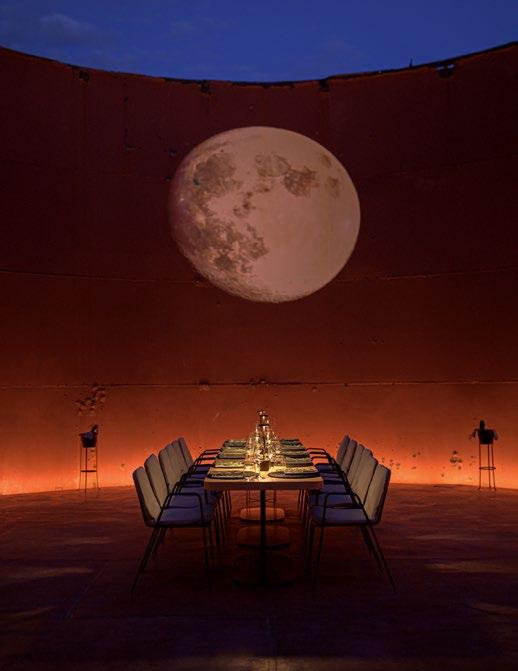
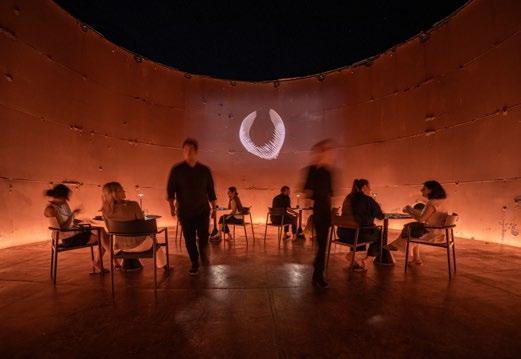
Where once grape must fermented, today the culinary and artistic visions of Nikos Karaflos undergo their own metamorphosis – inside a silo of a former winery. But calling it “just a dining space” would be an understatement. The self-proclaimed Imagineer has transformed the circular, open-top steel structure into a realm that fuses fine dining, immersive performance, and conceptual art. It is a space where history, architecture, and gastronomy converse in perfect harmony.
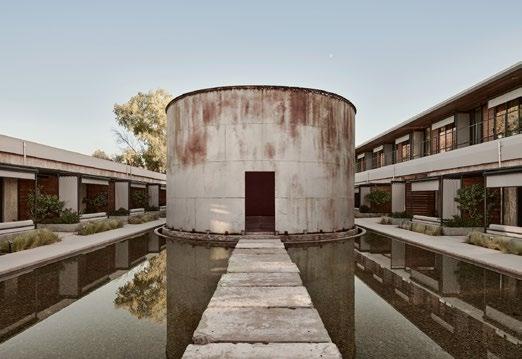
The abandoned 1920s winery on the western Peloponnese coast, with its raw, brutal beauty, captivated Karaflos immediately. And what does an engineer do with such a relic? In his hands, it becomes a canvas of limitless possibilities.
The Dexamenes Seaside Hotel now stands as a singular destination in hospitality, balancing raw industrial elegance with refined sophistication. At the heart of the complex, two towering steel tanks remain almost untouched. Their weathered surfaces reflect in the surrounding water, creating an otherworldly atmosphere. Visitors approach the silo over reclaimed concrete slabs, each step immersing them in a space defined by its own acoustic identity, where Karaflos’ curated experiences unfold.
One of these tanks, under the name dex. Silo.01, is regularly transformed into entirely new worlds. Some experiences are open to guests; others exist solely as performance art – ritualistic, ephemeral, and unforgettable.
The Zymosis Experience celebrates fine dining through the art of fermentation, a process intimately connected to the history of the site. Winemakers, brewers, and bakers contribute their expertise to a menu that mirrors the season and the Peloponnesian terroir: crisp vegetables, handmade pasta, rich olive oil… and naturally, local wines. Meanwhile, Full Moon, No Moon draws inspiration from the lunar cycle. Stunning visual productions paired with an original soundtrack create the setting for a dining ritual that feels both cosmic and intimate. It feels like a moonlit ceremony, showcasing the skills of Karaflos in a uniquely theatrical way.
Then there is Traditional, Illegal, a series of performances that push beyond culinary delight. These events spotlight cultural, social, and environmental issues: from restrictions on open-fire baking to pasteurization mandates and the neglect of heritage seeds. Here, Karaflos turns protest into art, connecting activism and sensory experience.
Where grape must once fermented, ideas now take flight. Nikos Karaflos, the Imagineer, builds frameworks that give visions space to grow. He connects people with places, past ways of thinking with contemporary vision – and a 5,000-hectare silo with love.
SILO LOVE
DEXAMENES SEASIDE HOTEL Greece / Peloponnese / Kourouta
“Fashions fade, style is eternal and so should a man’s curiosity.”
“A man who dares to wear color is already halfway to courage.”
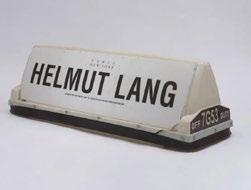
HELMUT LANG
“Clothes are not about showing off, but about what they allow a man to do.”
ALAIN DE BOTTON
JEAN-PAUL SARTRE
“Man is condemned to be free.”
“A man who does not think for himself is a man who is easily impressed.”
FALSE OR TRUE
ALBERT EINSTEIN
“Maturity is the capacity to endure ambiguity –the same is true of modern masculinity.”
“Try not to become a man of success, but rather try to become a man of value.”
STEVE MCQUEEN
DAVID HOCKNEY
“The only thing a man should never be is predictable.”
“A man’s worth is in the detail he notices.”
Text: Nina Prehofer
CONSIDERED VIENNA’S MOST DISCERNING NOSE, AIK SARGSIAN – FOUNDER OF OSMOTHECA – DOES NOT READ MASCULINITY THROUGH ROLES OR ARCHETYPES, BUT THROUGH SCENT. A CONVERSATION ABOUT PERFUME AS LANGUAGE, MEMORY AS IDENTITY, AND THE QUIET POWER OF OLFACTORY RESTRAINT.
What does a man’s scent reveal about him –before he speaks or even moves?
The fragrance a man wears is a silent entrance into a room. Long before a word is spoken, it communicates mood and character on a subconscious level.
Our sense of smell is directly wired to association: fresh citrus notes may suggest vitality and openness, while dense leather or spice accords evoke strength and depth. Studies show that we routinely attribute personality traits to people based
on scent alone. In this sense, fragrance significantly shapes first impressions.
A consciously chosen perfume can offer subtle clues – about a man’s attentiveness to care, his aesthetic sensibility, his state of mind. Scent is, in many ways, profoundly intimate. It reveals how much importance someone places on their personal presence, and which invisible signature they wish to leave behind in memory.
SARGSIAN
In Osmotheca, you collect and curate olfactory worlds. Do you encounter something like an archetypal “masculine scent,” or is that notion obsolete?
Working in Osmotheca, I’m reminded daily just how diverse and multifaceted fragrance has become beyond outdated categories. Historically, an archetypal “masculine” profile might have been defined by austere lavender, oakmoss, leather or tobacco. Today, these boundaries have largely dissolved. Among the fragrances I curate, there is no single note that monopolises masculinity. Ingredients themselves have no gender –where, after all, would one draw the line between a “masculine” and a “feminine” wood? This is precisely why gender-fluid compositions are becoming increasingly prevalent. Instead of a fixed archetype, we now encounter a spectrum of olfactory identities. A man today may wear smoky vetiver just as naturally as a whisper of white florals. What matters is not conformity to a role model, but resonance with one’s own personality.
Historically, perfume has symbolised power, status and seduction. What role does scent play for men today – performance or self-affirmation?
The emphasis has clearly shifted. While some men still use fragrance as a form of staging – to make an impression or underscore attractiveness – many now wear perfume primarily as an expression of self. For a new generation of wearers, fragrance is less a status symbol than a personal statement.
Industry analyses reflect this change: men’s fragrances are moving away from archetypes of dominance and seduction, towards a more nuanced, individual understanding of masculinity. In other words, scent is no longer merely grooming or a tool of allure – it has become a means of articulating identity. This grants men a quiet sense of self-assurance. Fragrance is worn increasingly for oneself, for personal pleasure and affirmation, rather than in pursuit of an external ideal.
Many classic men’s fragrances rely on heaviness – leather, smoke, wood. Are you observing a shift towards more fragile, transparent olfactory languages? Absolutely. The olfactory vocabulary of men’s fragrance is expanding significantly. Alongside traditional heavy notes, lighter and more transparent compositions are gaining prominence. We speak, for instance, of “skin scents” – intimate, understated fragrances that sit close to the body. They whisper rather than shout. These scents avoid overt projection,
creating instead a private aura perceptible only at close range. At the same time, men are increasingly open to fragile nuances: floral accents such as iris or rose appear in contemporary men’s fragrances, often reframed through metallic or woody undertones that render them both translucent and distinctive. This does not mean that leather-and-smoke classics are disappearing – but the spectrum has widened. Today, a fragrance may be airy, gentle, even deliberately “incomplete,” articulating a compelling new form of masculinity.
Scent acts directly on the limbic system, bypassing rationality. Is perfume perhaps one of the last spaces where men allow themselves emotion without having to name it?
Indeed, perfume offers a protected emotional space – particularly for men who may otherwise approach feelings with caution. Scent bypasses the intellect and speaks directly to the emotional centre, where memory and feeling reside. A man can experience tenderness, comfort or joy through fragrance without needing to analyse or verbalise it.
We are currently witnessing a growing use of fragrance as emotional selfcare. Aromatherapeutic compositions designed to soothe, energise or ground are increasingly sought after. Choosing a particular scent in the morning or evening becomes a quiet ritual – an intimate way of engaging with one’s inner life. In this sense, perfume grants men access to emotional expression that is subtle, private and socially accepted. Sensitivity can be lived through scent, without a single word being spoken.
In a time when masculinity is being renegotiated, can a fragrance express conviction without being loud?
Very much so. Often, it is the quietest gestures that convey the strongest sense of conviction. A finely composed, restrained fragrance sends a clear message: the wearer does not need volume to assert himself –taste and composure suffice.
In contemporary fragrance culture, “less is more” has become a guiding principle. Restraint and nuance are read as markers of style and refinement. A discreet vetiver perceived only within close proximity can communicate presence without demanding attention. This form of olfactory understatement often radiates more confidence than an aggressive scent ever could. It speaks of inner calm, clarity and class – qualities that resonate strongly as masculinity continues to be redefined.
The Scent of Men
You work with memory, archiving and time. Are there scents you associate clearly with specific models of masculinity – and others that consciously subvert them?
Certain fragrance families function like olfactory time capsules of masculinity. Take, for instance, Fougère Royale by Houbigant Paris, with its lavender, oakmoss and coumarin: it immediately conjures the image of the impeccably groomed gentleman of a bygone era. These scents embody a traditional, almost ceremonial masculinity. Similarly, the assertive leather and oakmoss fragrances of the 1970s and 80s reflect an era of power dressing and corporate authority. They belong unmistakably to their time.
Conversely, many contemporary niche fragrances deliberately subvert such clichés. Floral notes are paired with abrasive or smoky elements; sweetness – once deemed “unmasculine” – is reintroduced with intention, as seen in The Artist Collection by House of Thomas de Monaco. Some of today’s most compelling compositions resist categorisation altogether, prioritising narrative and emotion over gendered labels. A fragrance like Rose Mécanique by Parisian atelier Parfumerie Particulière – blending rose, incense and metallic facets – actively dismantles inherited imagery. These scents suggest that masculinity can be layered, vulnerable, playful, without losing depth or strength. As a curator, I am especially drawn to fragrances that question and re-narrate these fixed images.
Many men wear fragrance like armour. What happens when scent no longer protects, but opens? When fragrance ceases to function as a shield, it becomes a bridge rather than a barrier. Dominant, intimidating scents may create distance, but they also obscure much of the wearer’s true character.
Choosing a fragrance that reveals rather than conceals introduces vulnerability –yet a constructive one. An open scent invites closeness. It sparks curiosity, conversation, connection. Fragrance, then, becomes a means of authenticity rather than defence. Perfumery, after all, is as varied as cinema: it can be documentary, avant-garde, introspective – not merely action or romance. A scent that opens allows memories and emotions to resonate, fostering genuine human proximity.
The market still speaks of “men’s” and “women’s” fragrances. Is this categorisation olfactorily meaningful – or purely cultural?
From my perspective, this division is largely cultural and historical, not olfactory. Molecules have no gender.
The classification of fragrance as “for men” or “for women” emerged primarily as a marketing construct of the 20th century.
Today, these boundaries are visibly eroding. The most innovative fragrances refuse to fit into predefined boxes. Many houses now intentionally create genderfree compositions – what I prefer to call “all-sex” perfumes – acknowledging that a woody accord or a floral note can be worn by anyone who connects with it. Younger consumers, in particular, select fragrances as extensions of personality rather than gender identity. Ultimately, what we perceive as “masculine” or “feminine” is shaped by cultural expectation. Olfactorily, only the composition matters – and whether it moves the wearer.
If perfume is a language, which words are missing to describe new forms of masculinity?
We are only beginning to develop a vocabulary beyond traditional gender binaries. Much of our current terminology remains bound to cliché – “sharp,” “sporty,” “assertive.” What we lack are words that positively articulate softness, vulnerability and complexity in men’s fragrances.
Why not describe a scent as “poetic,” “gently luminous,” or “introspective”?
Emotional descriptors could also become part of our olfactory lexicon: a fragrance might feel “hopeful” or “melancholic.”
We lack language for tenderness without weakness, for silence without emptiness, for depth without heaviness. As perfumery moves beyond rigid classifications, language must follow – towards freer, more imaginative descriptions that foreground mood and character over gender.
Is there such a thing as a “scent of the future” for men – and if so, what will it no longer smell like?
There will not be a single scent of the future, but rather a shared direction.
The future of men’s fragrance smells like openness and authenticity – and no longer like outdated cliché. What will fade are the overstimulated tropes of past trends: the excess of heavy oud-leather accords, for instance, whose once-exotic appeal has become overused and deafening. The scent of the future will not be about dominance or performative machismo. It will not rely on brute sweetness or aggressive spice. Instead, it will shed olfactory ballast – notes designed solely to uphold traditionalist ideals – and make room for creativity, sustainability and individuality. Above all, it will no longer smell like the fear of having to prove something.
In short: the fragrance of the future smells of authenticity rather than prescribed roles. The ingredients may be new, or familiar in unexpected forms – but the liberation from old constraints will be unmistakable. That, I believe, is something we will quite literally be able to sense.
RITUAL, ORDER, BARBERSHOP
Masculinity understood as daily discipline, grooming, and form.
Houbigant Fougère Royale
The archetypal fougère. Lavender, herbs, structure. A historical cornerstone of masculine fragrance culture.
• Santa Maria Novella Acqua di Colonia Crisp, citrus-driven, functional. Scent as a system of order and a morning ritual.
BODY, POWER, PRESENCE
Fragrance as an extension of the body – volume, weight, physicality.
• Jeroboam Ambra Dense, skin-close, enduring. Presence without classical dramaturgy.
• Etat Libre d’Orange Rien Leather, mass, gravity. A masculinity that occupies space unapologetically.
DOUBT, INTERIOR LIFE, SPIRITUALITY
Masculinity turned inward.
Meo Fusciuni Notturno
Smoke, resins, night. A fragrance of contemplation and memory. Filippo Sorcinelli Reliqvia Sacral, dark, restrained. Scent as spiritual space rather than statement.
Fragrance as an open system, not a closed form. (Here, fragmented language takes precedence over the individual scent.)
QUIET PRESENCE / QUIET STRENGTH
Skin-close density instead of volume.
• Wienerblut Freudian Wood Warm, intimate, non-projective. Presence within close proximity.
• Pierre Guillaume 14.2 Costume Liquide Inner strength. Fragrances without a loud opening, yet with depth and longevity.
FREEDOM BEYOND ATTRIBUTION
Not ideology, but olfactory reality.
Etat Libre d’Orange Hermann à mes côtés me paraissait une ombre Poetic, ambiguous, resistant to definition. Histoires de Parfums This Is Not A Blue Bottle Pure abstraction and sensuality.
AIK SARGSIAN’S OSMOTHECA OF MASCULINITY
The future of men’s fragrances is defined by openness and authenticity rather than outdated clichés.” (
AIK SARGSIAN
Aik Sargsian brings over 30 years of experience in the cosmetics and perfumery industry. He has held senior management positions in luxury distribution and retail across the Eurasian Economic Union (EAEU) and Austria.
As founder of Cosmotheca and Osmotheca, he has developed pioneering independent retail concepts focused on curated cosmetics and artistic fragrance. He has served as a jury member for the Beauty Challenge Awards at Cosmeeting Paris and is an honorary member of leading international beauty fairs including Cosmoprof, Beyond Beauty, Pitti Fragranze and Esxence.
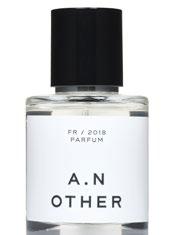
an-other.com
Contemporary, cosmopolitan, consciously restrained. FR/2018 feels like a stroll through a European metropolis: elegant, relaxed, and intuitively worn.
A.N OTHER FR/2018 PARFUM
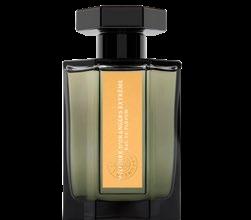
artisanparfumeur.com
Mediterranean warmth meets oriental depth. This orange blossom is rich, sun-drenched, and luxuriously interpreted.
A scent with history and a strikingly present aura.
L’ARTISAN PARFUMEUR HISTOIRE D’ORANGERS EXTRÊME
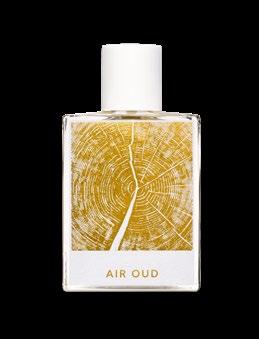
ohtop.paris
Oud, but with lightness. Air Oud translates the classic luxury ingredient into a modern, airy form. Elegant, transparent, and surprisingly wearable – day or night.
OHTOP AIR OUD
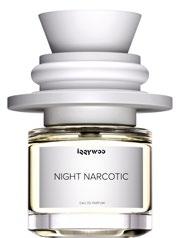
iggywoo.com
A fragrance for the night, when rules blur. Lush florals, dark nuances, pure sensuality. Night Narcotic is emotional, expressive, and made for standout moments.
IGGYWOO NIGHT NARCOTIC
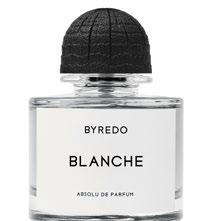
byredo.com
Purity as a matter of style. Blanche Absolut stays true to its iconic character while gaining depth and presence. Clean, soft, and modern, like a minimalist look that never goes out of fashion.
BYREDO
BLANCHE ABSOLU
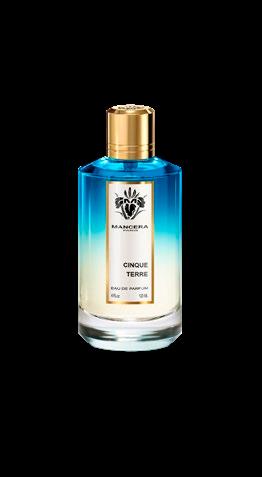
manceraparfums.com
A scent that instantly evokes holiday vibes. Cinque Terre combines zesty citrus notes with a hint of sea breeze and sunny warmth, like a stroll along the colorful houses of Italy’s coastline. Light, elegant, and unobtrusive, it lingers in memory without being loud.
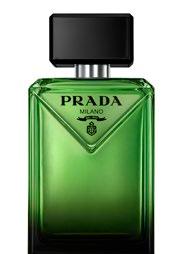
pradabeauty.com
A fragrance as an expression of change. Paradigme plays with contrasts and perspectives, while remaining unmistakably Prada: intelligent, modern, and stylistically open. For those with a sense of fashion and vision
PRADA PARADIGME
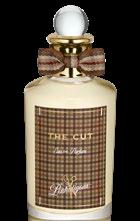
penhaligons.com
Sharp, refined, self-assured. The Cut embodies British elegance with a contemporary confidence. Cleanly structured, stylish, and always appropriate, like a perfectly coordinated outfit.
PENHALIGON’S THE CUT
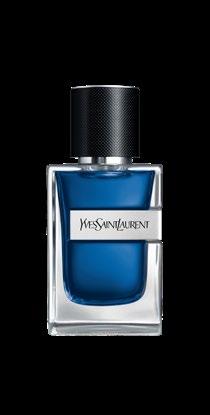
yslbeauty.com
Sharp, refined, self-assured. The Cut embodies British elegance with a contemporary confidence. Cleanly structured, stylish, and always appropriate, like a perfectly coordinated outfit.
YVES SAINT LAURENT
ICED COLOGNE EAU DE TOILETTE
SOMETIMES, LIFE GETS LOUD. LOUDER THAN THE HEART CAN COMFORTABLY BEAR. AND THEN, IT BECOMES NECESSARY TO PAUSE AND LISTEN INWARDLY.
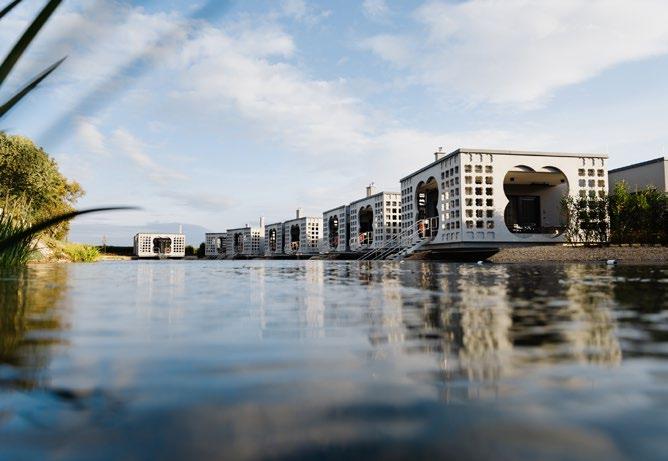
At a special place where monastic calm is ever-present, silence takes on a new dimension – just like at the Silent Villas in the Thermenresort Laa an der Thaya. Here, ten villas line up like modern chapels around a serene bathing pond, each offering a sanctuary of meditation.
Designed by architect Wolfgang Vanek of Holzbauer & Partner, the ensemble is a quiet homage to Lower Austria’s rich monastic tradition.
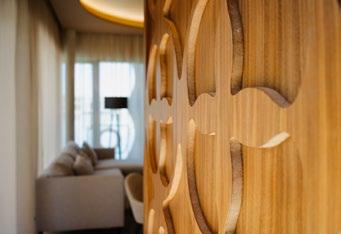
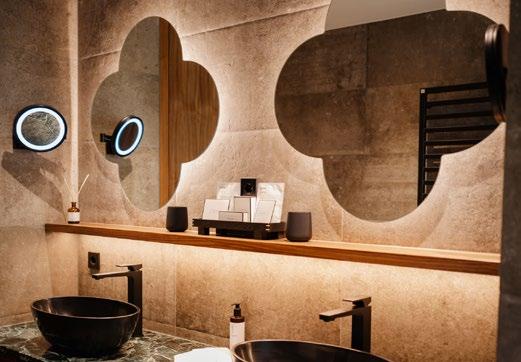
The sacred architectural motif of the four-leaf clover, which appears subtly throughout the resort, reaches its pinnacle in these villas. Each villa emerges as a perfectly defined cube, punctuated by carefully placed openings in exposed concrete that echo the clover motif. A large, serene portal frames the water, serving as a magical threshold and inviting guests to step softly into a space of calm.
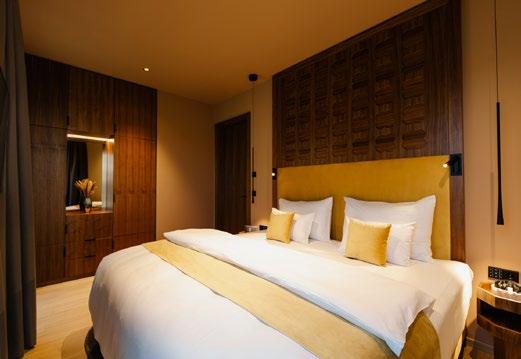
A threshold meant for moving quietly, whether alone or in the company of another. Across a generous 70 square meters, sleeping, living, and relaxation areas unfold in a harmonious blend of wood, stone, and cutting-edge technology, with a fireplace corner adding warmth and intimacy. Each villa features a private spa with sauna, experiential shower, and freestanding bathtub. On the terraces, direct access to the bathing pond is complemented by a whirlpool and infrared heaters, perfect for outdoor relaxation.
This is an exclusive retreat offering extraordinary services. In-room dining, bespoke massage rituals, yoga sessions, and curated spa treatments, designed specifically for the villas, elevate the experience.
The sense of serenity is almost speechless, yet within this stillness there is no emptiness. It is a space for what is often overlooked, for the subtle details that nourish the heart.
And that is precisely what fills it.
Sacred Silence
STATE
CLOTHING DESCRIBES A CONDITION. IT RESPONDS TO THE MALE BODY, TO TIME, TO INNER TENSION. SPRING/SUMMER 2026 SHOWS HOW IT EXISTS, HOW IT OPERATES –WITHOUT EXPLANATION. IT DOES NOT SPEAK, IT DEMANDS NO CONSENSUS. IT IS PRESENT, AND THAT IS ENOUGH.
The season begins with the body, not the look. Sleeves extend, trousers slow down, fabrics react to movement. Silhouettes tilt and shift without a clear destination. Acne and MM6 demonstrate this with an almost casual elegance, as if clothing emerged from pure observation. Rick Owens, by contrast, is radical in his relationship between body and fabric: volumes, shadows, draping that nearly turn the body into sculpture. Owens’ designs function like stage sets – A$AP Rocky and Kanye West wear them as extensions of themselves, as an aura that settles around the body.
Emotion reveals itself through texture and materiality, not through narrative gesture. Antonio Marras layers fabrics like memories, paints prints as if onto an invisible canvas. Timothée Chalamet and Harry Styles act as contemporary curators of these forms: they do not wear clothes, they interpret them, allowing patterns and silhouettes to become accents of personality. Clothing becomes a space of resonance – not a stage, not a costume. The wearer alters the room, subtly shaping it, while remaining part of it. Black remains central, but it is no uniform. Enfants Riches Déprimés uses it to create distance, to provoke stance and attitude. Comfort is redefined here – not as ease, but as a dimension of experience. Those who wear these clothes – whether FKA twigs, Playboi Carti, or Ezra Miller –demonstrate presence without uttering a word. The body speaks, the clothing responds, the environment registers. Tradition is deconstructed. Burberry loosens the trench coat legacy, shifts silhouettes, frees elegance from perfection and makes it fluid, almost incidental.
Text: Nina Prehofer
Top left At Rick Owens, men wear long, loose sequined gowns with plunging necklines that leave little to the imagination.
Top center
The eyewear on the Lacoste runway looks like a hybrid of swim goggles and protective gear.
Top right
At Gabe Gordon, footwear channels full-on Stormtrooper energy.
Bottom right Acne suggests men should ride small scooters – and look like schoolboys while doing it.
SPRING / SUMMER 2026
HAS NO INTEREST IN FASHION DIPLOMACY. THE DRAMATIC, PUNK-INFLECTED DESIGNS OF ENFANTS RICHES STAND ALONGSIDE THE QUIET PRECISION OF GABE GORDON.
TOGETHER THEY
PROVE THAT CLOTHING
DOESN’T HAVE TO PLEASE – IT HAS TO BE FELT.
Comme des Garçons experiments with familiar forms; Rei Kawakubo designs spaces for bodies that do not obey rules. Classical codes are neutralized, reinterpreted, reassembled – always anchored in the present. Clothing becomes reference, experiment, mirror, operating in the tension between expectation and interpretation.
Irony, provocation, intensity – all are permitted, but never overt. Spring / Summer 2026 has little interest in fashion diplomacy. The dramatic, punk-inflected designs of Enfants Riches stand alongside the quiet precision of Gabe Gordon. Together they demonstrate that clothing does not have to please; it has to be felt. And within this tension, something else emerges: a form of poetic radicalism. Clothing becomes a filter through which men see the world – and through which the world sees them. It is memory, suggestion, friction. At Vivienne Westwood, Antonio Marras, Rick Owens: clothing writes stories without narrating them; it reflects the zeitgeist without enforcing it. It is moment. It is state.
Fashion once again becomes a spatial experience. It shapes men without defining them. It exists before interpretation and remains perceptible long after the room has been left. This is a summer that demands presence, rewards intuition, and presupposes self-assurance. Clothing is no longer an accessory; it is a filter, a mirror, a field that permeates body and mind. Clothing as a state – and state as fashion.
Top left
With the goggles at Jean Paul Gaultier, you could practically dive straight in and go for a quick swim.
Top center
At Burberry, silhouettes slither in quietly; at Comme des Garçons, the riot of color might at least lift your mood – or recall your last LSD trip.
Bottom left
At Enfants Riches Déprimés, wealth weighs heavily on the soul –but at least you look cool carrying it.
NOTED
You used to work as a management consultant before starting to produce notebooks. How did that happen?
I felt lost somehow and no longer wanted to work as a consultant. I simply quit, without knowing what I would do next. I had always enjoyed writing, but I never found a notebook I truly loved. So I started making one myself. Today, everything is produced in Vienna, and our raw materials come from Europe. My ambition is to create the best notebook in the world.
How many notebooks do you use at the same time?
Several. I always use at least three. In addition to my business notebook, a trifold that helps me organise my week and write down goals, I carry one for notes on the go. At home, there’s a large A4 notebook for personal thoughts. I own them in every colour, but I always find myself returning to my first colour: Cognac.
“Paper is more patient than people,” as they say – has writing changed you?
Completely. Writing has shaped my life. Reading, too. Writing itself, and reflecting, are incredibly important parts of personal development. There’s a beautiful quote by Albert Camus: “Il y a un temps pour vivre et un temps pour témoigner de vivre” – There is a time to live and a time to bear witness to living. That’s exactly it. You have to take the time to live, but also to write about it and process what you’ve experienced.
Has the role of notebooks changed over time?
Has it changed? People have been using notebooks for around 500 years. I recently read a biography of Benjamin Franklin. He used his notebook to reflect on himself and improve. There’s a clear sense of continuity there. At the same time, over the past ten years or so, there has been a distinct counter-movement to the digital world. It’s about disconnecting in order to reconnect with yourself. And for that, you need a medium. A safe place.
“Show me your notebook and I’ll tell you who you are.” What does a notebook reveal about its owner?
On our social media channels, we love to show people and their notebooks. And every single one is completely different. A notebook is like a mirror of the person who uses it. But I believe the most important question comes first: do you have a notebook at all?
Diary, planner, sketchbook – do people use notebooks in surprising ways?
Absolutely. Every system is unique. Some people fold every single page, turning the interior into three-dimensional artworks. Others fill their pages with artistic collages. There are also those who don’t leave a single line empty. Recently, we discovered a community that decorates notebook covers with cross-stitch embroidery.
We’re now even hosting a workshop together with a German influencer. We also have a colleague who is a tattoo artist. Together, we tested whether leather covers could be tattooed and it worked beautifully. Skin is skin, after all.
With so many apps that allow us to take notes or manage calendars digitally, how can a notebook possibly compete?
The real question is the other way around: how can apps compete? A notebook never runs out of battery. It’s not just about taking notes, it’s about organizing your life with an object that accompanies you every day. It’s about having a relationship with something physical, something personal. It’s about consciously taking time. There’s a certain intimacy you have with a notebook. I believe the more digital our lives become, the more important notebooks will be.
You’re French, live in Vienna and export worldwide – you truly are a grand voyageur. How international is a notebook?
Does it work everywhere? I believe so. We export 95% of our products. We sell to South America, Japan, Africa, Alaska. Writing is a fundamental human need, I think. That said, there are differences when it comes to preferred page layouts: some countries favour grid paper, others lined pages.
THE FACT THAT MY PRINTER REFUSED TO WORK THAT DAY WAS PROBABLY FATE. INSTEAD, I HAD TO WRITE THE INTERVIEW QUESTIONS FOR JÉRÔME BACQUIAS, FOUNDER OF PAPER REPUBLIC, BY HAND, IN MY ORANGE GRAND VOYAGEUR NOTEBOOK. YES, IT TOOK LONGER THAN USUAL. BUT AT THE SAME TIME, THE ACT OF WRITING BY HAND TRIGGERED SOMETHING IN ME. THE QUESTIONS SHIFTED, BECAME DEEPER, MORE THOUGHTFUL. AND YET, IN THE END, IT’S JUST PAPER BOUND IN LEATHER, ISN’T IT?
A REFLECTIVE CONVERSATION ABOUT WRITING, TRANSIENCE, AND A FAITHFUL COMPANION AS A MIRROR OF A LIFE, INFUSED WITH A TOUCH OF FRENCH FLAIR, A HINT OF POETRY, AND COUNTLESS ROUNDS OF HANGMAN.
And how masculine is the use of notebooks?
So many male writers have written in notebooks. The desire to express oneself is universal. I don’t see a difference between men and women. There may be different ways of using notebooks, but our customer base is wonderfully diverse. There’s no such thing as a masculine or feminine colour, either.
With la maison, you’ve given your notebooks a physical home. How important is it to create a space for the community?
La maison is a place where you feel safe and comfortable. You don’t have to be or become part of a community to be there. It’s open to everyone. You should be able to come in, feel at ease, discover beautiful things, drink coffee, read – and if you like, stay for hours without buying anything. It’s also a place to meet nice people and learn interesting things: we host workshops here. And of course, you can see, touch and smell the notebooks.
Vegetable-tanned leather develops a patina over time. Do you see that as a metaphor for life?
Yes, absolutely. It’s a direct reflection of what you’ve experienced. It’s like a second skin. People really appreciate that it isn’t perfect. The leather bears marks, scratches. It’s deeply personal. In la maison, we have entire stacks of notebooks with patina. People love them.
What will the next blank page in your life be filled with?
There are many blank pages yet to be filled. The notebooks are like an ecosystem that constantly needs to grow. There are covers and inserts, like hardware and software.
What I always look forward to, in the truest sense of the word, is spending time with my daughters and filling blank pages together. Notebooks are places where we meet, sketch, draw, or play Pendu –hangman. We’ve already filled countless notebooks with hangman games.
WHEN LIFE FEELS LIKE IT’S TICKING TOWARD OVERLOAD, SOUTH TYROL OFFERS
AN ANNUAL SPECTACLE THAT GROUNDS THE SOUL AND SLOWS TIME: THE LEGENDARY SHEEP DRIVE, PART OF THE ANCIENT TRANSHUMANCE. A SERENE JOURNEY OF SELF-DISCOVERY UNFOLDS HERE, BEGINNING ON A NATURAL RUNWAY AND CLIMBING TO 2,300 METERS.
IN SILENCE AND STILLNESS
WITH THE RUNWAY NATIVES
It begins on a different kind of runway.
A prestigious Viennese fashion house hosts an evening of elegance. Guests exchange greetings and kisses, sip Prosecco, sample canapés, and admire paintings and sketches.
A jazz band hums in the background as exquisitely dressed models glide past, their movements as fluid and cool as a fall breeze settling over joints, faces, and spirits. Attitude, draped in the finest fabrics, staged to perfection.
Two days later, the mountains of South Tyrol unveil a runway of another kind.
From the village of Vernagt, a steep, stony path winds through the Tisen Valley.
Larch forests and alpine meadows flank the trail, while streams whisper through lush greenery. The models here are a different breed. By morning, they have likely descended from 3,000 meters –nudging, bleating, keeping their shepherds on alert. At 1,700 meters, this ancient ritual remains invisible and silent. Except for the distant jingle of cowbells, the world is hushed. Step by step, one follows the transhumance – the annual return of sheep from Austria’s Ötztal to the Schnalstal. “Hushed” hardly captures it.
Text & Photo: René Wentzel
WHEN SILENCE BECOMES
Thoughts flutter like pigeons in a loft. Fragments of inner dialogue escape into the open. “Damn!” The forest is still.
“If only I had…” A jackdaw watches. “Where is all this stress leading?” The brook murmurs on. Work, health, social media triumphs, secret passions – each concern swirls. Yet in the crisp South Tyrolean air, with measured steps and breath, the climb itself becomes the meditation. Elevation is required to reach insight, but a quiet, purposeful hike is a good beginning.
The larch forest thins. A plateau of moss, grasses, and lichens stretches in late-summer hues of green and gold toward the rugged southern Ötztal Alps. Clouds hang low, capping peaks and casting a mysterious, serene shadow over rock-strewn slopes. The wind cools; the air thins. Even the most cerebral minds begin to tire from the ascent more than from thought. Heartbeats strengthen, breath deepens, sweat traces paths down shoulders. Self-awareness continues its ascent. At 2,300 meters, a plateau opens the view, scattered with boulders for climbing or resting, inviting reflection amid grandeur.
SPECTACLE
Here, even simple tea and sandwiches become a sensory revelation amid wild surroundings. The quiet itself is an event. No manufactured excitement is needed –just let the eyes wander, absorb the light and landscape, take in the panorama. Be present. Calm. Inward. The restless pace of modern life recedes, if only for a while. After an hour, the runway natives announce themselves. First, faint silhouettes: sheep winding down the steep slope. Their bleats and the ring of bells grow closer, spreading across the plateau, grazing and resting.
Over a dozen shepherds guide 1,300 sheep from Austria’s Ötztal, crossing the Niederjoch and Hochjoch back to South Tyrol. The journey is formidable, perilous at times – over rocky gullies, snowfields, ridges, and uniquely, across a glacier bridging two nations. The transhumance carries centuries of history: grazing rights from the 14th century, traditions and social bonds crossing borders and generations, and the stewardship of Manuel Götsch, head shepherd, championing biodiversity, sustainable agriculture, and traditional wool and dairy production. The next generation carries this legacy forward.
Reclining on moss and observing this spectacle is a joy in itself. Sheep are marked with red, yellow, purple, or blue dots, identifying owners and breeding associations. Pride shines in the eyes of shepherds, especially for the healthiest, most beautiful animals. No declarations of “I’m proud to be part of the team” are necessary – just luminous eyes and laughter expansive enough to circle the globe. As the sun peeks through clouds, the ceremonial adornment begins: colorful fabric flowers, arranged by the venerable Sauter Sepp, affixed to the sheep’s coats. The stubborn animals require extra hands, but the ritual unfolds with calm diligence and playful camaraderie. Watching, observing, gently stroking a Border Collie that lies at your side – it is quiet, intimate bliss.
By afternoon: the march begins. Down to Vernagt, where thousands await the festively adorned natural models. A pristine runway, shaped by millennia, framed by mountains like monumental paintings. The show begins. Bleating, bells clanging – the herd moves. Shepherds guide with whistles, calls, and dogs, navigating difficult terrain with astonishing speed and agility. Unprepared visitors must tread carefully not to lose their composure – or their footing.
The transhumance is a deeply grounding, sublime self-experience. If this ancient ritual is UNESCO intangible world heritage, what of the treasure we inherit daily – our own character? Can we navigate thoughts and emotions without losing ourselves to the rush of life, but instead cushion them for inner balance? No need to wrap ourselves in cotton. Lying on moss, watching shepherds enact their age-old rites, offers a different, profound kind of renewal. In mid-June, the sheep drive to Austria offers another chance to partake.