Taking Care of Biz: A Grateful Patient Shares His Story
At 77 years old, Connie Elvis Bizzle is still the kind of guy who likes to keep busy, engage in playful ribbing, and lend a hand when he can. A proud U.S. Navy veteran, “Biz,” as he’s known to friends and family, has spent a lot of his time in retirement helping others. Most recently, volunteering at his local church.
But when even setting up chairs for Sunday service left him exhausted and gasping for air, Biz knew something was wrong. “I couldn’t catch my breath,” he recalls, “and I was falling asleep all the time at home, too.”
He visited his primary care physician to look into his chronic fatigue, and on what Biz describes as “a hunch” his PCP ordered a specialized test to measure the level of carcinoembryonic antigen (CEA) in his blood. Although CEA tests are not used to screen for or diagnose cancer, they can be useful because they measure a protein which, when present at elevated levels, can indicate certain malignancies.
Concerning test results
Biz’s test results were very high and very concerning. His PCP quickly referred him to the Brown University Health Cancer Institute for more extensive screening and evaluation. What followed there was life changing. Bloodwork, scans, and an endoscopy revealed that Biz had stage 4 esophageal cancer, which had spread to his stomach, liver, and lungs.
“When they showed me the PET scan, it looked like fireworks went off,” Biz says. “The bright, glowing hotspots were everywhere.”
The diagnosis was scary and the outlook was grim. Surgery was not an option because the disease had metastasized. But Biz wasn’t ready to give up—and neither was his care team at The Miriam Hospital.
Howard Safran, MD, Division Director of Hematology/Oncology at the Brown University Cancer Institute, led Biz’s care team at The Miriam.
Creating the ‘best’ plan
“We had his tumor worked up pathologically and conducted precise, specialized testing to understand Biz’s cancer,” Dr. Safran explains. “This detailed, comprehensive analysis helped us identify what therapies would work best and guided our treatment plan.”
Dr. Safran determined that a combination of chemotherapy, immunotherapy, and a targeted drug called trastuzumab, which blocks the HER2 gene pathway that promotes his cancer cells, was the best course of action for Biz.
“I want The Miriam to get a much bigger bell to ring. One you could hear all over the neighborhood so everyone would hear about the good work they do and the lives they save.”
(continued on page 2)
—Connie Elvis Bizzle, patient
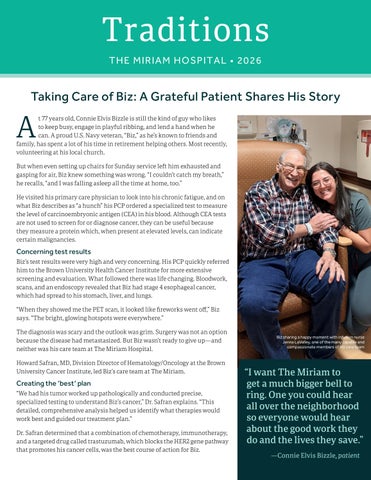
Biz sharing a happy moment with infusion nurse Jenna LaValley, one of the many capable and compassionate members of his care team
Taking Care of Biz: A Grateful Patient Shares His Story
It was an aggressive regimen. In fact, Biz admits the first 12 chemo sessions were grueling—six hours at a time, every other week. “Those were the toughest days,” he says.
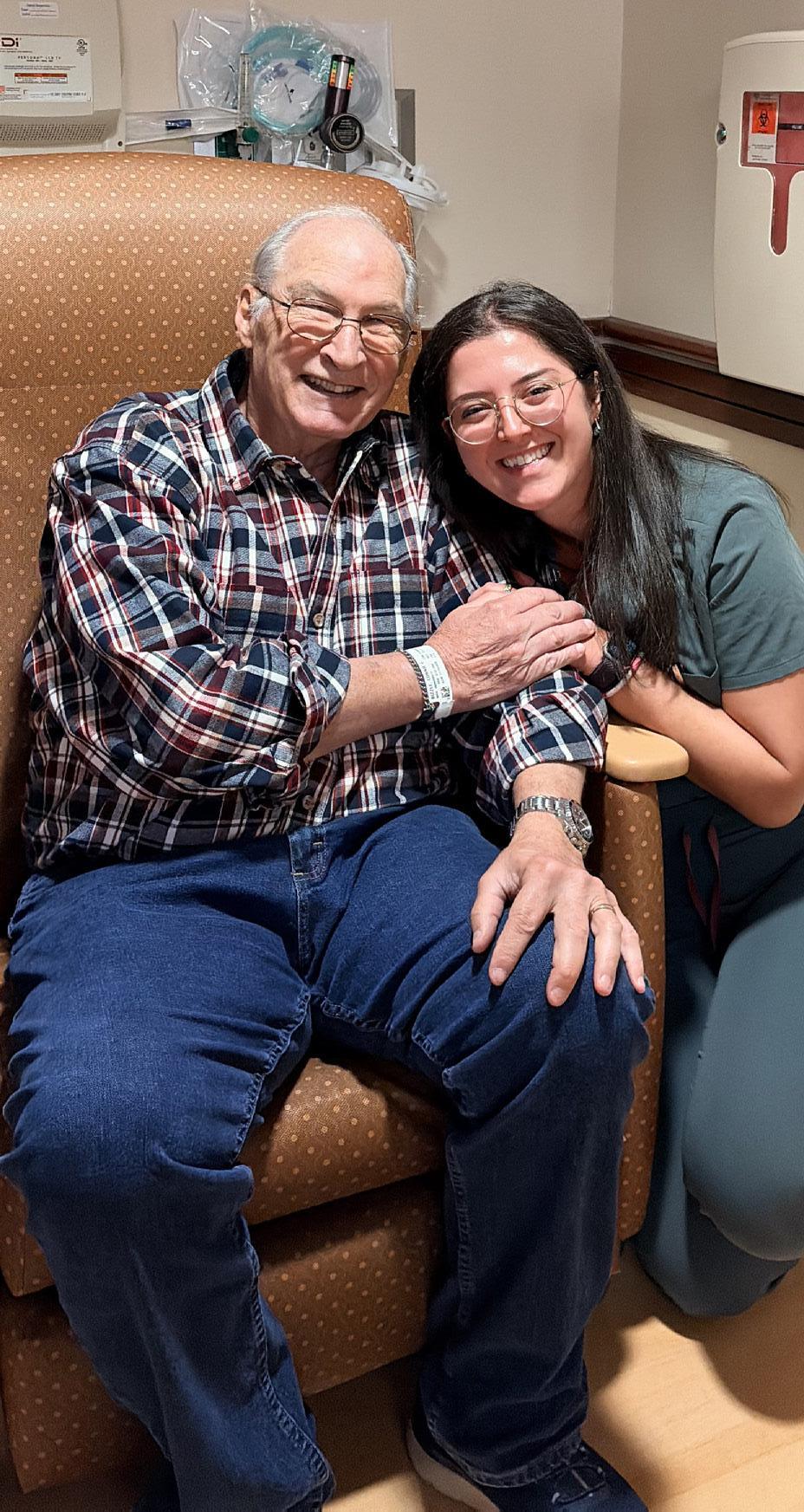
But he kept going. For two years, The Miriam team stood by him, adjusting treatments, managing complications, and offering reassurance every step of the way. Finally, on November 13, 2025, Biz rang the bell at The Miriam signifying his disease was in remission.
“When someone presents with cancer that has metastasized like Biz’s had, their prospects for longterm survival are not very bright,” Dr. Safran concedes. “Only 1 in 200 go into remission. So, I think Biz is a mini miracle. We had good medicine and good luck.”
Today, Biz’s health continues to improve, although he still faces challenges— neuropathy, hearing loss, and some lingering fatigue. But he’s alive and that’s the most important thing.
A new lease on life
“I’m blessed, just blessed,” he reiterates. “To come out on the other side and hear your scans are clean . . . you can’t ask for more than that. I’m so grateful to The Miriam for saving my life.”
His wife Sharron agrees: “We always left The Miriam thinking, ‘Whatever they could do for us, they did.’ We felt safe. Everyone treated us like family.”
From the valet to the volunteers, from the nurses to the doctors, Biz says he’ll never forget the people who gave him hope when hope seemed impossible.
“I want The Miriam to get a much bigger bell to ring,” Biz jokes, reflecting back on everything. “One you could hear all over the neighborhood so everyone would hear about the good work they do and the lives they save.”
TWhen it Comes to Gratitude, Sharing is Caring
he Miriam Hospital often hears from patients, like Biz, who express their gratitude for the care they’ve received. Some send letters and share their stories, others make donations. No matter how it arrives, sharing appreciation creates the positive power to heal, to inspire, and to connect people in deeply profound ways.
Our “with Gratitude” program aims to keep this energy going and make it easier for people to express their feelings about The Miriam Hospital.
To read some of The Miriam’s grateful patient stories—and share your own or show support—please visit: brownhealth.org/TMH-gratitude
Leave a Lasting Legacy
Abequest to The Miriam Hospital is a powerful way to help future generations of patients. Your gift will ensure that our caregivers can continue providing exceptional care for years to come.
You can plan for a future gift to The Miriam Hospital by including a bequest provision in your will or trust. You can also name us as a beneficiary of a 401(k), IRA, life insurance policy, or donor-advised fund—often in just minutes by contacting your financial institution. Every gift, of any size, makes a difference and can be directed to the hospital’s greatest needs or a program close to your heart.
Learn more at brownhealth.org/TMHLegacy or contact Chris Josephson, Senior Philanthropy Officer, at 401-444-6412 or chris.josephson@brownhealth.org.
Bizz celebrating his end of treatment
Nurse Scientist: Building Bridges, Elevating Care
The Miriam’s reputation for nursing excellence is well-deserved and often recognized. Last year, the hospital earned its seventh consecutive Magnet designation from the American Nurses Credentialing Center, joining only five other hospitals worldwide to achieve this feat. Magnet is the highest honor in professional nursing and a gold standard for quality care.
To maintain its lofty status, The Miriam is always seeking innovative ways to improve patient experience and outcomes. One recent example is adding a nurse scientist to its already award-winning staff. Unlike a nurse, who provides direct patient care, a nurse scientist is an advanced scholar who supports nurse-driven clinical inquiry.
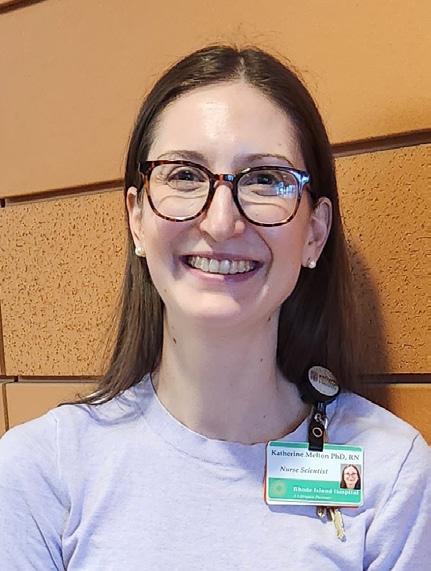
“I like to think of the role as bridging the gap between bedside care and research, evidence-based practice, and quality improvement,” explains Katherine Melton, PhD, RN, who became Brown University Health’s System Nurse Scientist a year ago.

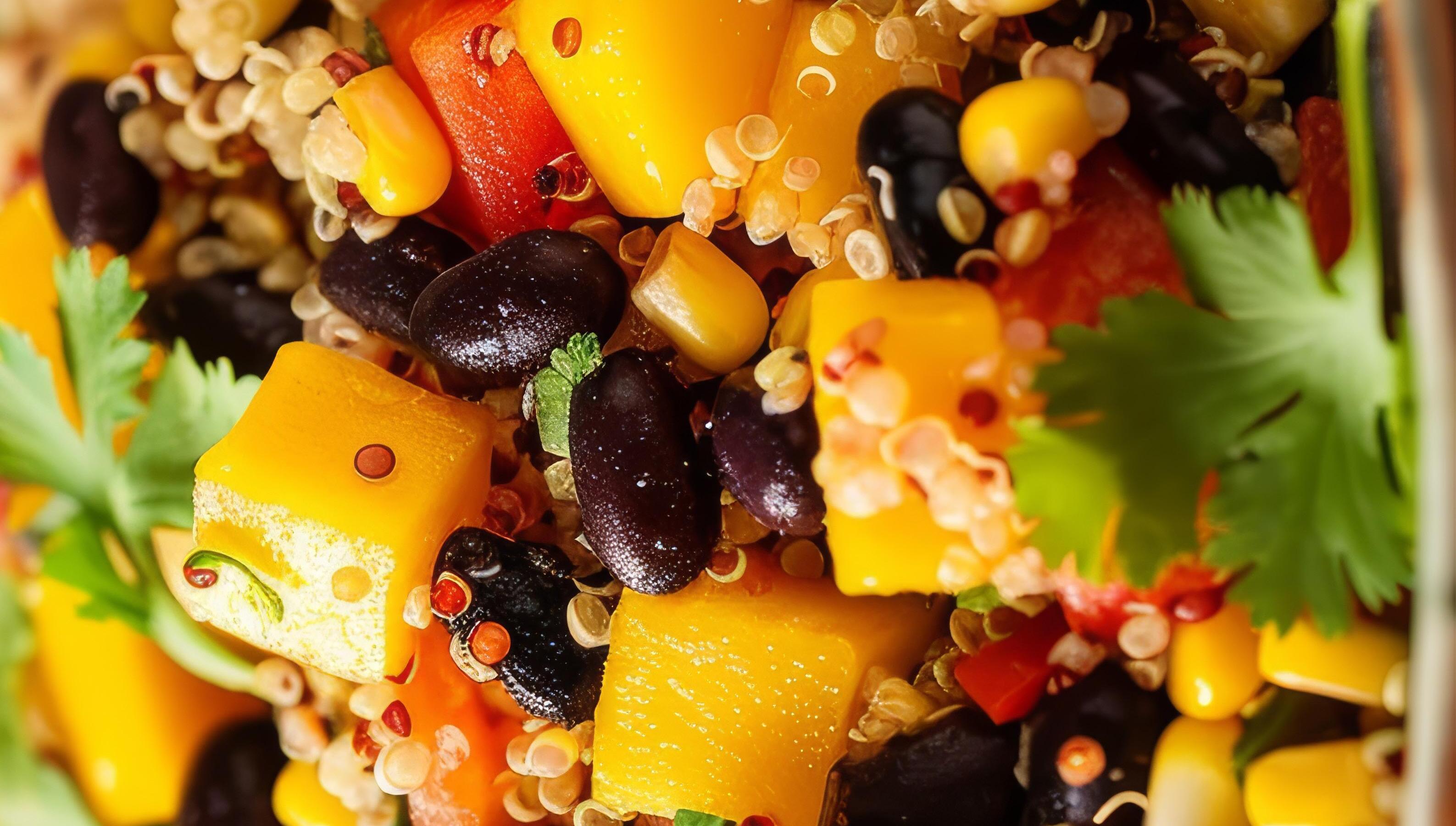
A healthy, yummy springtime favorite, this quinoa salad with black beans and mango is a dietary dynamo, offering complete plant-based protein, high fiber, and essential vitamins and minerals. Plus, it’s easy to make and works great as a side dish or main meal. Moreover, this nutrient-rich salad can last in the fridge for days and is versatile enough to pair with grilled steak, chicken, or seafood. As prepared here, the recipe—which comes from Jeanette Nessett, RDN, LDN, a community outreach specialist at the Brown University Health Community Health Institute—will yield six side salad servings.
Through mentoring and specialized training, Katherine helps nurses expand their scientific foundation and bring their ideas for improving care to life. This work begins early. New nurses in the residency program learn critical thinking from day one: how to ask good questions, appraise evidence, and understand the “why” behind every intervention.
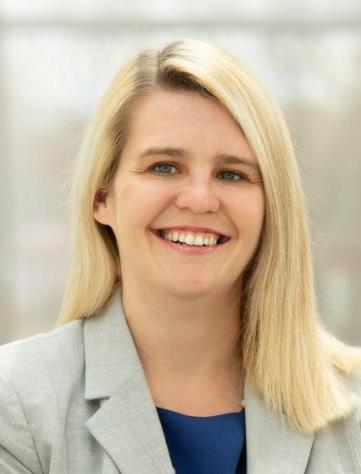
The benefits of employing a nurse scientist extend beyond patient care, too. “Having the role is also vital for retention and professional growth, offering nurses new pathways in research and leadership,” explains Katherine’s supervisor, Karri Davis, System Director of Professional Practice for Brown University Health.
“Enhancing our nurses’ professional experience and offering them a meaningful outlet to change practice beyond individual care at the bedside really sets The Miriam and other hospitals in our system apart from hospitals that don’t have this position,” Karri adds, “because it elevates the nursing role in a unique and special way.”
INGREDIENTS FOR SALAD:
• ½ cup uncooked quinoa (makes 1½ cups cooked)
• 1 (15 ounce) can black beans, rinsed and drained
• 1 cup frozen or fresh corn kernels
• 1 cup frozen or fresh mango cubes
• ¼ cup diced red onion
• ½ cup chopped fresh cilantro
(Note: celery, red peppers, scallions, and avocado are additional ingredients you can add to the mix.)
INGREDIENTS FOR VINAIGRETTE:
• Juice from 1 lime (2 tablespoons)
• 3 tablespoons olive oil
• 1 teaspoon minced garlic (2 cloves) or ¼ garlic powder
• ¼ teaspoon salt, pepper to taste
• ½ teaspoon ground cumin
• ½ teaspoon chili powder
DIRECTIONS:
• Prepare quinoa according to package directions.
• Mix together quinoa, beans, corn, mango, onion, and cilantro in a large bowl.
• In a small bowl, whisk together lime juice, olive oil, garlic, salt, cumin, and chili powder.
• Drizzle vinaigrette over the salad and toss.
• Refrigerate until ready to serve.
SERVING SIZE:
1 side salad (about 1 cup)
Servings Per Recipe: 6
Quinoa Salad with Bl a c k B e a n s a n d Mango
Karri Davis
Katherine Melton, PhD, RN
Building on a Legacy: The Miriam Hospital’s Campus Transformation Project
is Officially Underway!
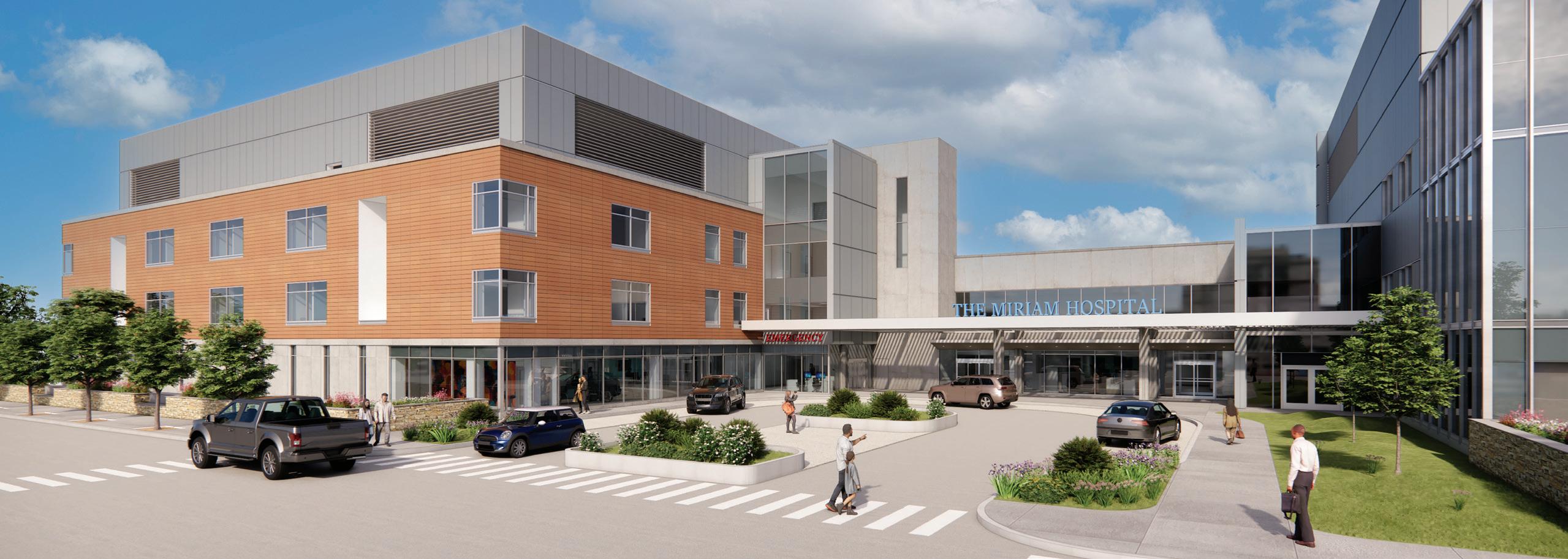
The Miriam Hospital’s long-anticipated campus transformation project is officially underway!
The $125 million modernization effort—kicked off symbolically last June with an historic time capsule reveal event, and physically with a groundbreaking in October—marks a bold new chapter in the hospital’s century-long legacy of care.
Broadly speaking, the project centers around the demolition of The Miriam’s administrative building and the construction of a new facility on the same site. Located on the corner of Summit Avenue and Fifth Street, the outdated wood-framed structure, now removed, was the oldest on the hospital’s campus. Built in 1926 as an orphanage, the building did not serve clinical purposes or provide The Miriam with the space it required to meet its patients’ current and future needs. New construction will begin soon and continue through late 2027. By spring 2028, The Miriam will welcome patients into its state-ofthe-art facility.
Other than being in the same spot, the new building will share little else in common with the one it is replacing.
Among the largest changes is an expanded emergency department that will occupy the new building’s first
Traditions , a publication of The Miriam Hospital Foundation, is published for the friends and supporters of The Miriam Hospital. For more information, please contact the Development Office at 401-793-2004.
floor. At nearly double the previous space, the new ED’s reconfigured layout will streamline patient movement and improve accessibility. Key upgrades include a larger main entrance, dedicated walk-in entrance, additional ambulance bay, and a specialized area for behavioral health patients.
The second and third floors of the new building will house 49 single-patient rooms, increasing the hospital’s private bed count from 99 to 148 out of 247 licensed beds—enhancing privacy, infection control, and comfort.
Additionally, the current inpatient oncology unit will be relocated to a newly upgraded and modernized space. Beyond these enhancements, the project includes campus - wide improvements designed to support caregivers and strengthen The Miriam’s commitment to delivering exceptional emergency care for older adults.
As The Miriam celebrates its centennial anniversary in 2026, the hospital remains focused on its future—and that future is bright. Upon completion, their once-ina-century, meticulously mapped-out construction and renovation project will position The Miriam as a leader in advanced, patient-centered care for decades to come.