
HOW EVOLVE PROTECTS PIPELINE, UNLOCKS REVENUE & DRIVES REAL ADOPTION IN THE AGE OF AI







After the celebrations and reflections surrounding our landmark 500th issue, there’s something quite exciting about turning the page and beginning the next chapter. Because while milestones give us a moment to pause and reflect… the real magic is always in what comes next.
And this issue feels like a perfect example of that.
Across these pages, you’ll find stories of innovation, resilience, leadership and transformation from businesses and individuals across Sussex who continue to push forward, adapt and evolve in an ever-changing world.

A strong theme running throughout this edition is AI, technology and the future of business, but importantly, many of the conversations featured here remind us that whilst technology may accelerate progress, it is still people, relationships and human connection that sit at the heart of meaningful business growth.
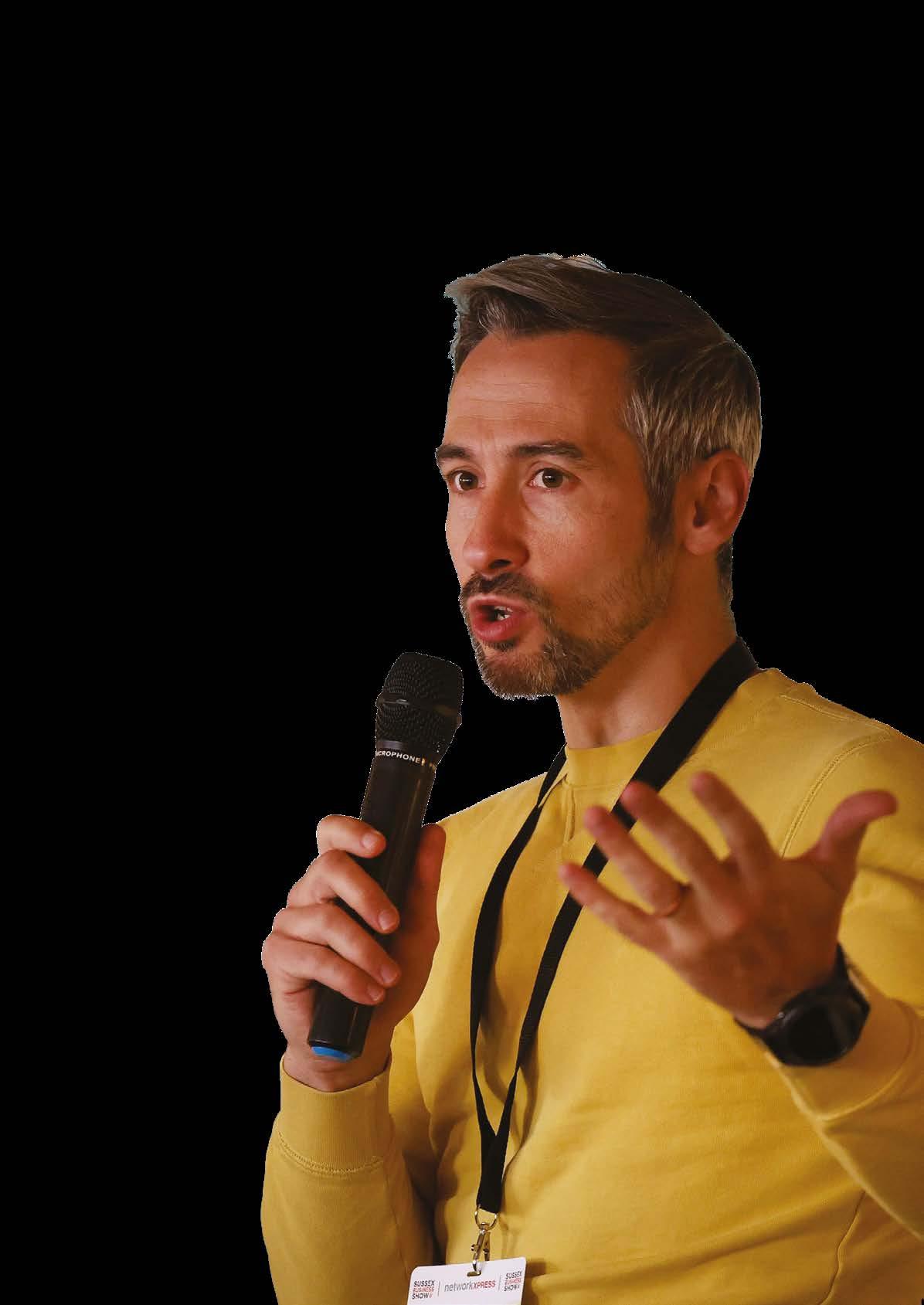
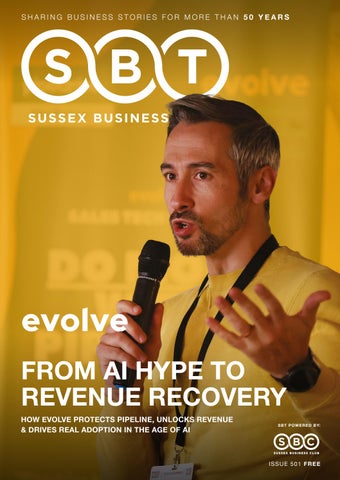
Our cover story with Bruce Bignell and Evolve explores this brilliantly, looking beyond the hype of AI and focusing instead on systems, adoption and “revenue recovery” helping businesses unlock value already sitting within their pipeline and customer relationships.
Elsewhere, we explore leadership in the age of AI, neurodiversity in the workplace, founder transitions, trust in modern marketing, commercial property, tax changes and the evolving landscape of business support across Sussex.
There are also some fantastic community and celebration stories in this issue, including highlights from the Acumen Business Convention, the continuing impact of the Starr Trust, and reflections from our very special 500th Issue celebration evening at Soho House Brighton.
As always, what makes Sussex Business Times special is not simply the businesses featured, but the people behind them.
The founders navigating uncertainty.
The leaders trying to build healthier cultures. The organisations creating impact beyond profit. And the individuals brave enough to share their stories honestly.
Thank you, as always, to our readers, contributors, partners and supporters for continuing to be part of this journey.
Here’s to Issue 501, and the exciting road ahead.
Jackie Irving Managing Director & Publisher Sussex Business Times



Managing Director/Publisher
Jackie Irving jackie@countybusinessclubs.co.uk 07727 243202

Chairman/Chief Storyteller
Sam Thomas sam.thomas@countybusinessclubs.co.uk 07894 762304
Production & Design
Kim Butler kim@lifemediagroup.co.uk
All material in this publication is strictly copyright and all rights reserved. Reproduction without permission is prohibited. The views expressed in Sussex Business Times Magazine do not necessarily represent the view of The Business Group Sussex Ltd. Every care is taken in compiling the contents but the publishers of Sussex Business Times Magazine assume no responsibility for any damage, loss or injury arising from the participation in any offers, competitions or advertisement contained within Sussex Business Times Magazine. All prices featured in Sussex Business Times Magazine are correct at the time of going to press.
Copyright The Business Group Sussex Ltd. 2024 ©
06 — A Hospice Garden in West Sussex for Bereaved Parents Has Re-Opened
08 — The AI Shift: A Leadership Test for Every Business
10 — Commercial Property Transactions: What Businesses Should Look Out For
12 — Honouring Piers Street: A Lifetime in Surveying
14 — Your Teams Are Already Neurodiverse. The Question is How to Harness It
16 — Devil’s Dyke Distillery Celebrates Double Gold Win at The Gin Guide Awards 2026 18 — Thank You to the Amazing Businesses Rallying Behind the Starr Trust 20 — Brighton & Hove’s Next Economy Needs More Confidence VALUE ADDED PARTNER
22 — Lemon Drizzle: Making Social Media a Piece of Cake 24 — London Women’s Clinic: Supporting Every Path to Parenthood FOUNDER
26 — Would You Take £15 Million if it Meant Missing Every Bedtime Story?
28 — Making Tax Digital: Are You Prepared?
30 — What Happens When Business Partners Retire at Different Times?
32 — Could Your Mortgage Be Costing You More Than It Should? LEGAL
34 — AI, Ambition and the Future of Legal Services COVER STORY
36 — From AI Hype to Revenue Recovery How Evolve is Helping Businesses Protect Pipeline, Unlock Revenue & Drive Real Adoption in the Age of AI
42 — Rivervale Van Leasing: From Single Vans to Full Fleet Solutions TECH & AI
44 — What Today’s Buyers Need to See Before They Commit Online
46 — Alignment Over Automation: The Real Competitive Advantage in an AI-Driven World DIRECTORS & FOUNDERS
48 — Why The Directors’ Hub Exists
NETWORKING & EVENTS
50 — Acumen Business Convention 2026
54 — 500 Issues. Thousands of Stories. One Powerful Reminder.
58 — A More Elevated Way to Position Your Business RECRUITMENT
60 — Placr Recruitment: Tailored Recruitment Solutions
WINE OF THE MONTH
62 — Digby Fine English Leander Pink NV Brut

A hospice garden in West Sussex for bereaved parents has re-opened with new facilities, thanks to a £20,000 donation from Bupa Foundation.

Stars bereavement suite is at the heart of Chestnut Tree House, the children’s hospice for Sussex and South East Hampshire. Its private garden – Stars garden – now has added family-friendly features including a beautiful chrome water sphere, raised planters and a snug area for families to be together.
Any local family can use Stars – their baby, child, or young person does not need to have been cared for by the hospice prior to their death. In this way, Chestnut Tree House supports families

affected by a sudden bereavement, too. The refurbishment includes a new patio which parents may use to be able to push a pram for the first time.
Associate Director of Children’s Services at Southern Hospice Group Sharon Wheeler was at a special opening ceremony in March with representatives from Bupa. She said: “For those experiencing the death of a child, the suite and garden are vital to help create lasting memories of their child, however long they may have had together. It provides a safe, calm, dignified and private space much more like a family home than a hospital. A huge thank you
to our grounds and facilities teams, who oversaw the refurbishment with such care and sensitivity, ensuring every detail of the garden was created thoughtfully and gently for the families who need it most.”
Angela used the Stars bereavement suite when her daughter Charlie died at eight years old and said that having the garden meant so much to her. “Being able to step outside while still having privacy gave me the space to breathe when everything inside felt overwhelming. In those moments, it helped to have somewhere quiet where I could gather myself before going back in.”

She added: “What made it even more special was the care and attention that has clearly been given to the whole space. Every part of the garden feels thoughtful and gentle, created with families in mind who are going through the hardest moments of their lives. It became a small place of calm in the middle of so much heartbreak, and I’m so grateful it was there.”
Bupa Foundation helps to create healthier communities and donated £20,000 to support the Stars Garden refurbishment. Sue Chambers is Chair of the Bupa Foundation Brighton Community Committee which has been supporting Southern Hospice Group since June 2024. Through their engagement, Bupa colleagues have volunteered, fundraised and the Group has received grants for specific projects. She said: “We knew that the space was important for all the families – parents and siblings alike. We wanted to help make the


garden even more child-friendly with additional areas of privacy for the parents, with areas to rest, play and reflect. The work we have supported also means the garden will be low maintenance and sustainable whilst promoting wildlife, too.”
Chestnut Tree House – which is part of Southern Hospice Group – has cared for more than 1,400 children and young people since it opened in 2003. But hospices across the UK are facing a funding crisis with Hospice UK reporting that two in five are planning cuts to services.
CEO of Southern Hospice Group Stuart Palma (pictured) said support from Bupa Foundation and other partners was vital in maintaining a holistic service for families’ needing hospice care as government funding had not kept pace with rising costs. “It costs almost £9 million to run Chestnut Tree House, with the NHS grant only funding
less than a tenth of these costs. Our palliative and end-of-life care is essential for so many families, and spaces like Stars allow us to deliver that specialist care in a setting more appropriate to children and families. We know it means the world to so many, so a huge thank you to everyone at Bupa Foundation for helping us improve this precious place.”
The garden even inspired one family to create their own special memorial garden at home following the death of their daughter Lottie unexpectedly at two years old. Mum Leanne said: “Chestnut Tree House holds a very special place in our hearts. The garden brought us together at a difficult time, from seeing the wildlife, including some resident pigeons in their nest, and spotting ladybirds, too. We found the water feature so relaxing to listen to whilst we were there, we decided to create our very own garden area in memory of Lottie and bought our own version of the feature before we left Chestnut.”

By David Harding
Artificial Intelligence is no longer a future consideration for business leaders, it is already reshaping the way organisations operate across every sector.
Monthly News
From professional services and manufacturing to retail, hospitality and finance, businesses across Sussex are actively exploring how AI can improve efficiency, strengthen
decision-making and create competitive advantage. Yet while leadership teams are understandably focused on opportunity, there is another side to the conversation that many organisations are still struggling to addressuncertainty among employees.
Working closely with leadership teams across the region, I continue to see one clear pattern emerge. The organisations making the greatest progress with AI are not necessarily
those investing the most in technology, but those investing the most in communication and leadership.
For many employees, AI raises difficult questions:
• Will my role change?
• Will my skills still matter?
• How do I keep up with this pace of change?

These are not unreasonable concerns. They are human reactions to significant change.
The challenge for leaders is recognising that AI adoption is not simply a technology project, it is a people project. When organisations fail to communicate clearly, uncertainty quickly fills the gap, often leading to resistance, disengagement and falling morale.
In several businesses I have worked with, the introduction of AI initially created concern among teams because the purpose behind the technology had not been properly explained. Employees assumed automation meant replacement. Productivity dipped and confidence suffered.

However, once leadership opened up communication, explained the strategy and demonstrated how AI would support rather than replace employees, attitudes began to shift positively.
One of the biggest mistakes organisations can make is assuming employees will simply “adapt” to AI without guidance.
Introducing AI requires clear, consistent and ongoing communication. Leaders must explain:
• Why AI is being introduced
• What the intended outcomes are
• How roles may evolve
• What support and training will be available
Importantly, leaders must also acknowledge that not all the answers are known yet. Transparency builds trust, even during periods of uncertainty.
Employees are far more likely to embrace change when they feel included in the journey rather than having change imposed upon them.
Another common challenge is that AI often feels too abstract for employees to engage with confidently.
The businesses succeeding with AI are those making it practical and relevant to everyday work. When employees can see how AI reduces repetitive administration, improves customer service, speeds up processes or supports better outcomes, the narrative changes.
AI becomes a tool to enhance productivity rather than a threat to job security.
That shift in perception is essential.
Leadership in a Changing Landscape
The rise of AI represents more than a technological development, it marks a significant cultural shift in how businesses operate.
For leaders, the real test is not whether AI will impact their organisation. That is already happening. The real question is whether they can lead through this transition in a way that builds confidence, trust and engagement among their people.
The organisations that will thrive in the years ahead are unlikely to be those with access to the most tools alone. They will be the ones with leaders who communicate clearly, listen carefully and bring their teams with them through change.
Across Sussex, businesses are navigating one of the most significant workplace transformations in decades. AI will continue to evolve rapidly, but successful adoption will depend less on the technology itself and more on the quality of leadership behind it.
For business leaders, now is the time to start the conversation, not just about what AI can do for your business, but what kind of culture and leadership will be needed to make that change successful.
To find out more about leadership support and peer advisory opportunities through Vistage Sussex, contact David Harding.
vistage.co.uk


For many businesses, premises are far more than simply a place to operate. Whether it is an office, retail unit, warehouse, or hospitality venue, commercial property often represents a significant financial commitment and plays an important role in long-term growth. Buying, selling, or leasing business premises can therefore involve complex legal and commercial considerations.
Understanding the key issues involved can help businesses make informed decisions and avoid costly complications later.
Commercial property transactions generally fall into several categories, including buying or selling premises, entering into a commercial lease, refinancing existing property assets, or undertaking development projects.
Each type of transaction brings different legal considerations. For example, purchasing a property will involve investigating the title, reviewing property searches, and ensuring that finance arrangements are properly secured. Leasing premises, by contrast, focuses heavily on the terms
of the lease and the responsibilities placed on both landlord and tenant.
Businesses should ensure the structure of the transaction aligns with their longterm plans. A lease can provide flexibility for companies that may wish to relocate or expand in the future, while ownership can offer stability and potential investment value.
One of the most important stages of any commercial property transaction is due diligence. This involves investigating the legal and practical aspects of a property before the deal is finalised.

Typical checks include confirming ownership, identifying any restrictions or rights affecting the land, and reviewing planning permissions to ensure the intended use of the property is permitted. Environmental considerations may also arise, particularly where land has previously been used for industrial purposes.
Restrictions such as covenants or rights of way can limit how a property can be used or developed. Identifying these issues early allows businesses to assess whether the premises truly meets their operational needs before committing to the transaction.
For businesses leasing their premises, the lease agreement is one of the most important documents they will
sign. Commercial leases set out the terms under which a tenant occupies a property and outline the rights and responsibilities of both parties.
Important provisions to review carefully include the length of the lease, rent review clauses, service charge arrangements, repairing obligations, and any break clauses that allow either party to terminate the lease early. In many commercial leases, tenants may be responsible for maintaining the property, which can lead to significant costs if the building’s condition has not been fully assessed beforehand.
Businesses should also consider whether the lease allows assignment or subletting in the future, as this can provide useful flexibility if the business expands or relocates.
Although each deal is unique, most commercial property transactions follow a similar structure. Negotiations often begin with “heads of terms”, which outline the key commercial points agreed between the parties. Solicitors are then instructed to draft and review the legal documentation, conduct searches, and raise enquiries regarding the property.
Once both parties are satisfied with the results of these investigations and the terms of the agreement, contracts are exchanged and the transaction becomes legally binding. Completion follows, when ownership or the leasehold interest is formally transferred.
Timescales can vary depending on the complexity of the transaction and whether issues arise during the investigation or negotiation stages.
As James Pitcairn explains: “Commercial property transactions can

appear straightforward at first, but they often involve complex legal and practical considerations. Careful investigation and clear advice at an early stage can help businesses avoid unexpected risks and ensure the property arrangement works for them in the long term.”
James has over 25 years’ experience advising individuals, businesses, charities, and pension companies on a wide range of commercial property matters, including leasehold transactions, development projects, and commercial property acquisitions.
Ultimately, whether a business is leasing or purchasing premises, preparation and professional advice are essential. Careful negotiation of lease terms, thorough due diligence, and a clear understanding of legal obligations can help ensure the transaction supports the organisation’s long-term objectives.
Commercial property decisions often shape the future direction of a business. Taking the time to understand the legal framework behind those decisions can help companies move forward with confidence.
If you are considering buying, selling, or leasing commercial premises, taking early legal advice can make a significant difference to the success of the transaction. The Commercial Property team at Bennett Oakley Solicitors regularly supports businesses across a wide range of sectors, helping them navigate the legal process and identify potential risks before they arise.
To learn more about commercial property services, visit www. bennettoakley.co.uk or speak to a member of the team for guidance tailored to your business needs.


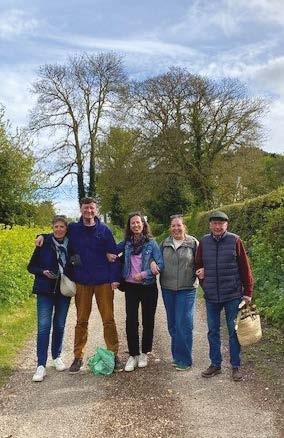
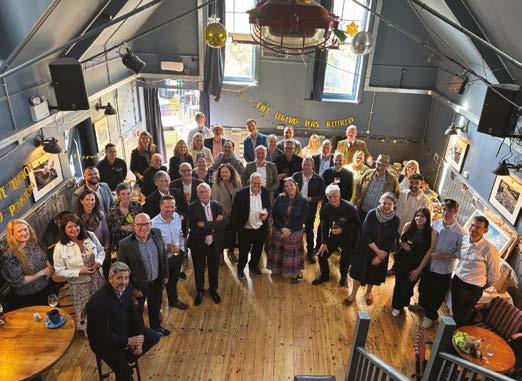
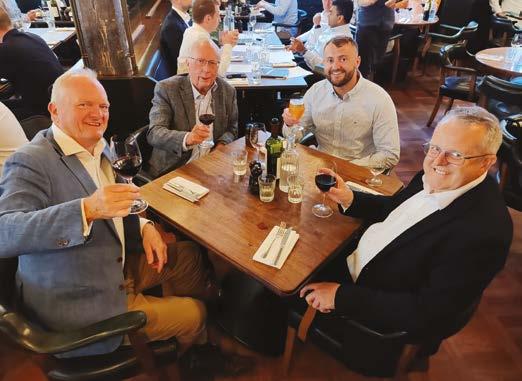
At the end of March, Sussex Surveyors marked the retirement of Partner Piers Street, who concluded an exceptional career spanning nearly six decades in the surveying profession.
Beginning his career in 1967 with his first valuation report, Piers has since advised on an extraordinary range of properties and client matters. While the precise number of surveys he has undertaken is impossible to quantify, his depth of experience and contribution to the profession are beyond question. Aptly named, Piers Street has spent a lifetime quite literally looking down streets of properties across Brighton and the South Coast.
A third-generation surveyor, Piers started his professional life in his family’s London office, developing an early and enduring understanding of property. He went on to build extensive experience across London, North Norfolk and Sussex, working across both residential and commercial sectors. Qualifying as a Valuer in 1978, he earned a reputation for delivering clear, balanced and dependable advice.
Clients valued not only his technical expertise but also his approach.
Piers embodied a traditional sense of professionalism, courtesy and integrity. Testimonials frequently highlight his calm, patient manner, particularly when supporting clients navigating complex or distressing property matters. He took the time to explain issues clearly and thoughtfully, never losing sight of the human side of his work.
Piers joined Sussex Surveyors in 1997, based in the firm’s Hove office, and became a Partner, playing a significant role in shaping its growth and reputation.
The firm has long been recognised as a trusted independent practice across the South East, and Piers’ contribution has been central to maintaining its high standards of professional advice.
His work encompassed a wide range of instructions, including RICS HomeBuyer Reports, residential and commercial valuations for probate and taxation purposes, as well as commercial rent reviews. Across all areas, he was known for his thorough, methodical approach and attention to detail, qualities that provided reassurance to clients making important decisions.
Within the firm, Piers was a valued colleague and mentor. His experience, sound judgement and willingness to support others made him a trusted presence during both routine work
and more challenging periods. Over the years, the business successfully navigated significant events including financial crises, Brexit and the global pandemic, times during which his steady counsel proved invaluable.
Yet, as colleagues will attest, it is Piers’ character that leaves the greatest impression. He brought energy and enthusiasm to his work, coupled with a sharp sense of humour that could lift spirits even in the most testing situations. This sense of enthusiasm was infectious, drawing colleagues into the office not just for work, but for the enjoyment of his company.
Outside of surveying, Piers is a passionate cricket enthusiast and has shared this interest generously with colleagues, clients and friends. Many will fondly remember
summer days spent at Arundel Castle cricket ground, enjoying both the game and his hospitality, occasions that reflect his ability to bring people together.
As Sussex Surveyors looks to the future, it does so with gratitude for Piers Street’s remarkable contribution. His professionalism, wisdom and character have left a lasting legacy within the firm and across the wider property community.
He retires with the sincere thanks of colleagues and clients alike, and with very best wishes for a long, healthy and well-earned retirement.
sussexsurveyors.com

By Jess Rad, Founder, The WomenHood
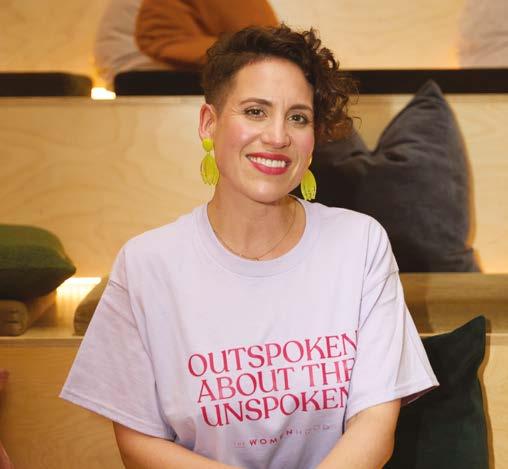
This year, at the age of 43, I found out I was neurodivergent. I spent decades masking, misunderstanding, being misunderstood, burning out, and wondering why I had to work so much harder than it looked like everyone else did. It wasn't until my late diagnosis of AuDHD that things began to make sense. Not just for me, but for the teams I'd led, the relationships I'd navigated, the moments I'd got wrong! So much of it wasn't failure. It was a communication gap that nobody had named.
That personal journey is what drives much of what I do through The WomenHood. And it's what brought me to a growing conviction: Brighton and Hove is not just a city with a high
neurodivergent population. It is the neurodivergent capital of the UK. And we are sitting on an extraordinary and largely untapped opportunity.
The data is hard to ignore.
Our city has the highest LGBTQ+ population in the country, and the overlap between LGBTQ+ and neurodivergent identity sits between 30 and 70 percent. Our EHCP rate runs 9% above the national average. Our SEN support rate is 27% above the national average. NHS Sussex has described demand for neurodivergent support as "unprecedented." Brighton and Hove has more ND charities per capita than anywhere comparable in the UK. And the City Council itself acknowledges that our autistic population is "significantly
higher" than national norms. We are a city with a thriving neurodivergent arts ecosystem and a cultural infrastructure being built in real time.
We are not anomalous. We are leading! The question for our business community is whether we are ready to lead with intention.
Your teams are already neurodivergent. The question is whether you know it.
Conservatively, one in five people is neurodivergent. In Brighton and Hove, that figure is almost certainly higher. Which means in any business with more than five people, ND talent is already in your organisation. They may not have told you. They may not know themselves yet. But they are there.
And here is what many business leaders don't realise: the cost of not understanding them is significant. Burnout from masking, the exhausting performance of passing as neurotypical, is one of the leading causes of sick leave, attrition, and underperformance in neurodivergent employees. Conflict rooted in communication differences that were never named. Misunderstandings that calcify into reputations. People not fulfilling their potential because the environment was designed for a neurotype that doesn't reflect theirs.
These are not edge cases. They are happening in businesses across this city right now.
In challenging economic times, this matters more, not less.
We are operating in a difficult economic climate. Business leaders are under pressure to do more with less, to retain their best people, to stay competitive in an uncertain landscape. In that context, culture, communication, and wellbeing are not soft priorities. They are commercial ones.
ADHD brains frequently think in ways that disrupt the status quo, making
connections others miss, challenging assumptions that have gone unquestioned, and generating the kind of ideas that move businesses forward. Autistic thinkers often bring unmatched precision, systems thinking, and the kind of deep expertise that others simply can't replicate. Dyslexic leaders are significantly overrepresented in entrepreneurship, bringing big-picture thinking and an instinct for opportunity. It is in moments of economic challenge that we need this kind of thinking more than ever. And it already exists within your teams.
Small cultural and environmental adjustments, clearer communication norms, psychological safety, flexibility in how work gets done, can unlock performance across an entire team. This is not charity. It is strategy.
We have a chance to unite this city around something that matters.
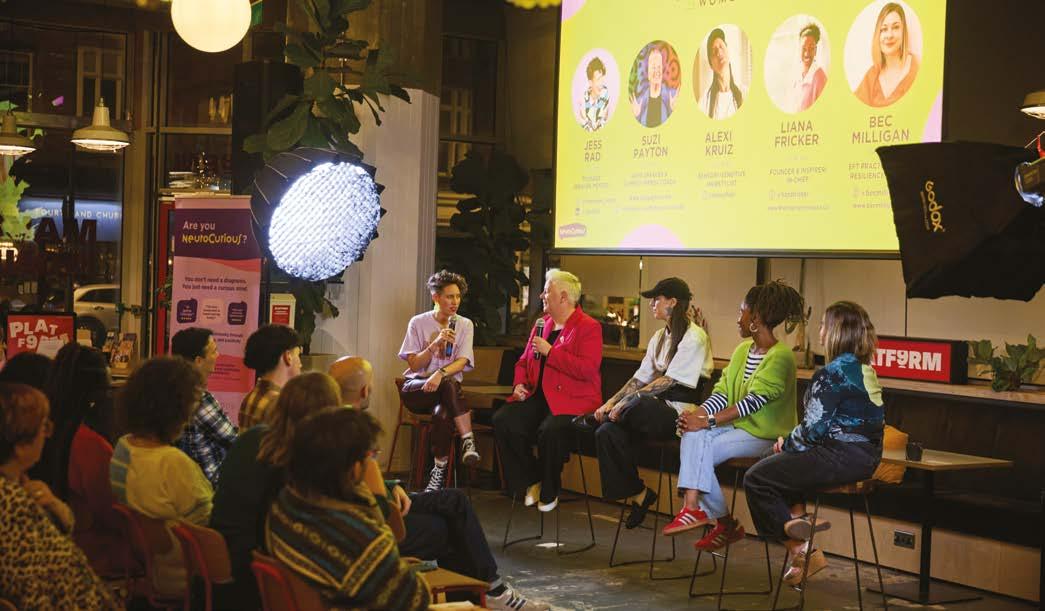
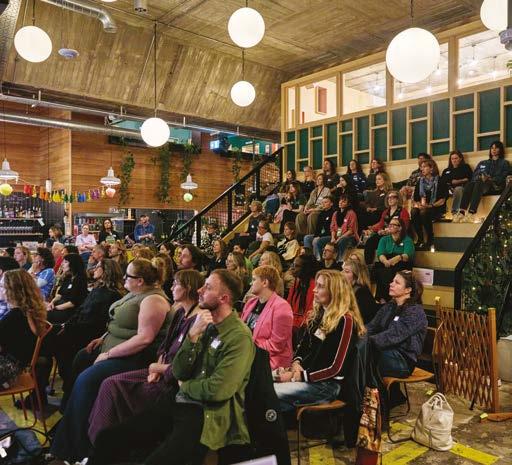
This is why I created NeuroCurious, a not-for-profit events series on a mission to normalise, diversify, and celebrate neurodiversity. After two sold-out events, the third, NeuroCurious: Unlocking Communication, takes place on 18 June at PLATF9RM Hove. This session goes
deep into how neurodivergent minds communicate, the differences that so often go unspoken, and the practical tools that make connection easier for everyone. It is an invitation for business leaders, managers, and teams to learn together in a safe, welcoming environment as an act of collective leadership. Bring your team. Show up curious.
I am a national award-winning social entrepreneur, a proud parent carer, and an ambassador for Amaze, the Sussex-based SEND charity supporting families of disabled children. I founded The WomenHood because I believe this city has everything it needs to become a national model for neuro-inclusion. What we need now is for the business community to step in.
The demand is only growing. The opportunity is here.
NeuroCurious: Unlocking Communication, 18 June, PLATF9RM Hove. Find out more at thewomenhood.com Use code SBT10 for 10% off tickets.
Proudly sponsored by PLATF9RM, Freedom Works and Plus Accounting, with thanks to Joyfully Different and Lucky Saint for their partnership and support.
Southwick, West Sussex. Devil’s Dyke Distillery is celebrating a major international success after winning two Gold Awards at The Gin Guide Awards 2026, one of the world’s largest and most respected dedicated gin competitions.
The independent Sussex distillery, founded by local distiller Faye CollyerRolls, received Gold for both its Devil’s Dyke Limoncello Gin and Devil’s Dyke Chilli & Lime Gin in the Flavoured Gin category.
Hundreds of gins from 36 countries entered The Gin Guide Awards 2026, with entries judged through a rigorous blind tasting process by a panel of gin experts, including distillers, spirits buyers, authors and mixologists. Each gin was assessed on appearance, aroma, flavour, mouthfeel, finish and overall quality, with no influence from branding, marketing or country of origin.
According to The Gin Guide, the Gold Award means the gins were among the very highest scoring in their category during blind tastings, requiring consistently high scores from judges across the key characteristics of each gin. The awards also limit the number of Golds presented, helping to maintain their credibility, value and recognition among both the trade and consumers.
For Devil’s Dyke Distillery, the double Gold win marks a huge moment for a small Sussex business built on local inspiration, hands-on production and a love of flavour-led spirits.
Faye said:
“I still can’t quite believe it. One Gold Award would have been incredible, but to win two for both of our flavoured gins is just amazing. These products
are so personal to me. The Limoncello Gin is made with hand-zested Amalfi lemons, and the Chilli & Lime Gin uses cayenne chillies grown right here at the distillery garden. There is so much work, testing, tweaking and love behind every bottle, so to have them recognised on an international stage is a really emotional moment.”

Devil’s Dyke Distillery is based in Southwick and takes its name and inspiration from the famous Devil’s Dyke landmark in the South Downs. The distillery’s signature style is rooted in Sussex, nature, storytelling and small-batch production, with botanicals and flavour combinations designed to capture a sense of place as well as a sense of fun.
The award-winning Limoncello Gin combines Devil’s Dyke’s gin with homemade limoncello, made using the zest of Sfusato Amalfitano lemons. Bright, zesty and sunshine-filled, it has become a favourite in spritz-style serves and summer cocktails.
The Chilli & Lime Gin brings together the distillery’s gin with fresh lime zest and cayenne chillies grown at the distillery garden. It delivers citrus brightness with a warm chilli finish, making it a popular choice for bold cocktails and spicy serves.
Faye added: “We are small, but we are mighty,
and this award shows that small local producers can stand alongside the very best in the world. I’m unbelievably proud, and so grateful to everyone who has bought a bottle, come to a cocktail class, visited us at events or supported the distillery in any way.”
The win comes during a busy period for Faye and Devil’s Dyke Distillery, with sold-out cocktail masterclasses, local collaborations, festival appearances and the continued growth of the Sussex Distillers Festival, which Faye co-founded to champion independent drinks producers across the county. Devil’s Dyke Limoncello Gin and Devil’s Dyke Chilli & Lime Gin are available from Devil’s Dyke Distillery online and at selected local events and stockists.
www.devilsdykedistillery.com


This month, we have been overwhelmed by the generosity of some truly remarkable businesses and individuals across Sussex.
A very special thank you goes to Acumen Business Law, whose outstanding support has earned them our Business of the Month award, alongside Sussex Business Times Magazine and DoubleTree by Hilton Brighton, all of whom have gone above and beyond to help the Starr Trust continue its life-changing work with young people across our region.
Business of the Month: Acumen Business Law
Acumen Law was founded in 2007 by
Penina Shepherd, who built the firm from the ground up with a clear vision: to change the way legal services are delivered.
The firm has been recognised among the Financial Times' Top 50 Groundbreaking & Innovative Law Firms in the UK and Europe, was voted by the Observer as a "Rising Star" and won many local accolades too.
Now celebrating their 18th year, the firm has chosen to mark this milestone by giving back, and their support of the Starr Trust has been nothing short of exceptional.
Through their recent Acumen Business Convention, the team raised nearly £3,000 for the Trust through an exciting heads and tails fundraiser on the day, whilst Penina personally took the time to mentor one of the young people supported by the charity, offering guidance on how to pursue a career in law.
Penina Shepherd, Founder and CEO of Acumen Business Law, said: Penina Shepherd, Founder & CEO of Acumen Law, said: "I'm delighted to have been able to support the Starr Trust through our recent Acumen Business Convention and I hope the funds raised on the day help to continue that

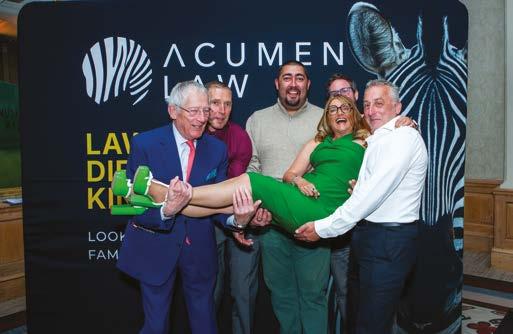
incredible impact. In addition, we were so pleased to be able to guide one of the young people the Starr Trust have been supporting by giving advice and guidance on how to pursue their dream of becoming a Lawyer."
Sussex Business Times Magazine500th Issue Celebration
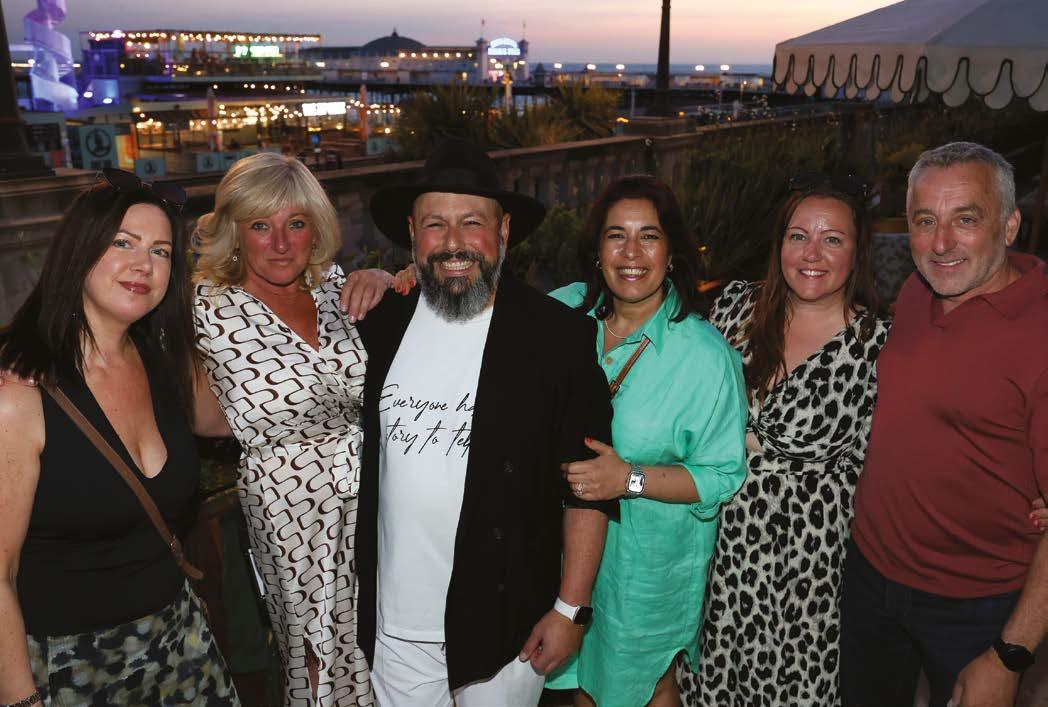
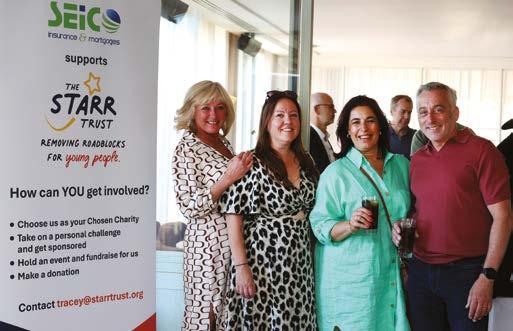
Sussex Business Times Magazine marked a landmark 500th edition at a special VIP celebration evening at Soho House, where generous guests helped raise funds for the Starr Trust through a charity raffle, raising an impressive £1,464.70 on the night.
Jackie Irving-Wilkinson, Managing Director of Sussex Business Times Magazine, said: "Our 500th edition is a milestone that celebrates not just our journey, but the strength of our community. Choosing to support the Starr Trust reflects our commitment to supporting local families and creating a lasting impact across Sussex."
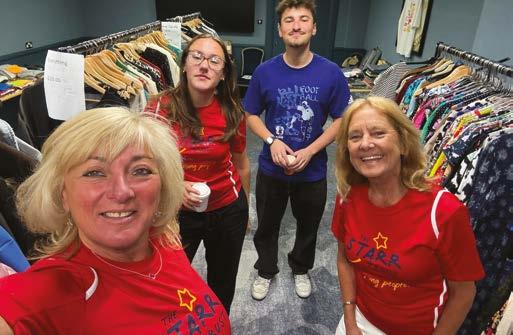
DoubleTree by Hilton Brighton - PreLoved Clothing Sale
DoubleTree by Hilton Brighton threw open their doors to host a fantastic Pre-Loved Clothing Sale, bringing together the local community in a wonderful celebration of sustainable fashion and charitable giving. The event was a tremendous success, raising £560 through Vinted, with every penny going towards supporting young people through the Starr Trust. The warm and welcoming atmosphere made it a truly special occasion, reflecting the hotel's genuine commitment to making a positive difference in the local community.
Rekha Sohun, General Manager of DoubleTree by Hilton Brighton, said: "At DoubleTree by Hilton Brighton Metropole, we believe that businesses have a responsibility to positively impact the communities they are part of. So it was a privilege to host the Pre-Loved Clothing Sale for the Starr Trust, and we were delighted to see so many people
come together for such a worthy cause. We look forward to continuing our support and hope the funds raised make a real difference to the young people the Starr Trust works with."
Tracey Starr of the Starr Trust said: "We are so grateful to Acumen, with special thanks to Penina, Rekha of DoubleTree by Hilton Brighton, and Sam and Jackie of Sussex Business Times Magazine. Through this generous support, we were able to raise an incredible amount, making life-changing differences to many young people."
Could your business help us support even more young people?
Please visit starrtrust.org for upcoming events, or contact Tracey directly at tracey@starrtrust.org to explore how you could get involved.
www.starrtrust.org
Brighton and Hove has always had a complicated relationship with itself.

Depending on who is talking, it is either one of the most creative, entrepreneurial and culturally alive places in the country, or a city sliding into decline, with empty shops, high rents, visible poverty and public frustration doing the rounds as evidence.
As ever, the truth is more interesting than either version.
In a recent Sussex And The City podcast, Gavin Stewart, Chief Executive of Brilliant Brighton and Executive
Director of the Brighton Economic Growth Board, offered a grounded view of the city’s economy. His is neither complacent or gloomy, but alert to the gap between perception and reality.
Brighton city centre often feels, to residents and visitors alike, as if it is under pressure. Some muchloved independent businesses have disappeared, costs are rising and footfall patterns are changing.
Yet the Business Improvement District area has a vacancy rate of around 3.6%, with the wider city centre at
around 8.5%, compared with a national average of roughly 14%.
That doesn’t mean everything is fine, but it means that Brighton’s problem is not simple decline, but the harder challenge of managing success, fragility and expectation at the same time.
Brighton’s independent business culture remains one of its greatest assets. The North Laine and Lanes still give the city a texture many comparable places have lost. Planning decisions dating back decades, which protected smaller units from being knocked through into
larger chains, have helped preserve that character. The result is a city centre that can still feel distinctive, human and surprising.
But this distinctiveness is not guaranteed. As Gavin Stewart points out, landlords are one of the most powerful forces shaping the future of the high street. When national or international brands pay over the odds for smaller units, this can reset rental expectations across a street and landlords will take this over a new independent. Small, solo shops then face higher costs because the property market around them has shifted.

Brighton’s city centre economy is obviously a mix of shops, restaurants, visitor economy, cultural life, housing market, universities, public realm, nightlife and transport – which all form part of the same ecosystem.
That is also why Brighton has often struggled to sell itself economically as well as it might. It has strong lifestyle appeal, a serious creative and digital base, access to the South Downs and coast, good cultural infrastructure and international recognition. Yet it has lacked a clear inward investment proposition: the landing page, pitch, evidence and coordinated story that other places use to attract employers, investors and talent.
Could Sussex devolution help change this?
A future Sussex mayor will not be able to magic away high rents, antisocial behaviour, homelessness or weak transport connections. But they could
help set a more coherent economic story for the region, with Brighton & Hove playing a central role without behaving as if the rest of Sussex is merely its hinterland.
Brighton & Hove, as the biggest city in the South East outside of London, is an economic engine, a visitor magnet and a cultural shop window. But its success has not always translated into visible benefit for Hastings, Chichester, Crawley, Worthing, Lewes or rural Sussex. A stronger regional economy needs more than Brighton doing well. It needs the ripple effects to be designed, visible, communicated and celebrated. The emerging Local Visitor Economy Partnership points in that direction. The message is come to Brighton, but also explore the South Downs, the wine economy, the coastal towns, the independent food scene and the wider cultural offer. But campaigns need to become investment and communications infrastructure.
The bigger question is what growth should mean. Brighton contains
businesses generating serious revenue with small teams. It has cultural and social value that does not show up neatly in Treasury metrics, and retail areas that may need to become even more experiential, circular, cultural and locally rooted.
The next decade should not be about preserving Brighton in amber, or pretending its problems are charming quirks. It should be about confidence to protect what makes the city different, to challenge the property dynamics that weaken independence, to invest in public experience, and to position Brighton as a net benefit to the wider Sussex economy.



Tell us your Story?
Lemon Drizzle was born out of a genuine love for creativity and a belief that every brand deserves to be seen. Growing up, I was always encouraged by my Mum to think differently, to stand out rather than blend in, and that mindset shaped everything I went on to do professionally. I am myself a social media manager, strategist, and content creator based in Brighton. After years of developing my skills across design, marketing, and content creation, I founded Lemon Drizzle off of the back of 2 redundancies to give small and growing businesses access to the kind of bold, strategic social media presence that actually moves the needle. What sets us apart is the combination of creative thinking and clear strategy. We don't just make things look good, we make sure they connect with the right people, tell the right story, and deliver real results. From follower growth to client sign-ups, our work speaks for itself.
What has been your biggest business challenge to date?
Honestly? My biggest challenge has

been myself. Building a business while navigating challenging personal circumstances has tested my resilience in ways I didn't anticipate. As a woman backing her own judgement every single day, self-doubt and the glass ceiling are very real. Pushing through both has made me a stronger founder and a better version of myself.
What has been your greatest or proudest business achievement to date?
This one is easy. The Brighton Girl Awards. I led the social media strategy this year and grew impressions from 50k to over 200k in just four months. Standing on that stage in front of 300 people and seeing that result celebrated was my "HURRAH" moment. It was the proof of concept I had always believed in.
What type of clients do you currently work with and who are you looking to meet?
Our client base is deliberately varied. Social media strategy can be adapted to almost any industry with the right research and understanding, and that variety is something we genuinely thrive
on. We are small and mighty, and we work best with businesses that share that same spirit. Our sweet spot is the 1-5 person team that is ambitious, pushing forward, and ready to grow.
Tell us a story/fact about yourself that people might not know?
I used to dance and act professionally. I danced so much that I ended up dancing on Her Majesty's Theatre in the West End! Can't do the splits any more though.
Success, to me, is synonymous with strength. It is something most people don't recognise in themselves, not physically, but emotionally. I know because I was one of them. What I have learned is that strength shows up in the smallest moments, in showing up on a hard day, in pushing forward when it would be easier not to. Everyone has that capacity, which means everyone has the ability to succeed.
www.lemondrizzlesocial.co.uk


We bring a unique blend of strategic expertise and creative flair, helping businesses thrive online & get visibility.

SOCIAL MEDIA STRATEGY
Social media strategy that turns your platforms into powerful tools for growth and connection.
CONTENT CREATION & DESIGN
Content creation, Instagram Reel editing, and social media design that helps brands stand out online.
SOCIAL MEDIA MANAGEMENT
Hands-on, results-focused social media management designed to make your online presence effortless and effective.
CONSULTANCY & TRAINING
Social media consultancy and training tailored to help businesses confidently manage and grow their online presence.
WORKSHOPS & EVENTS
Workshops and events designed to help businesses and creatives level up their social media and brand presence
Tell us your Story?
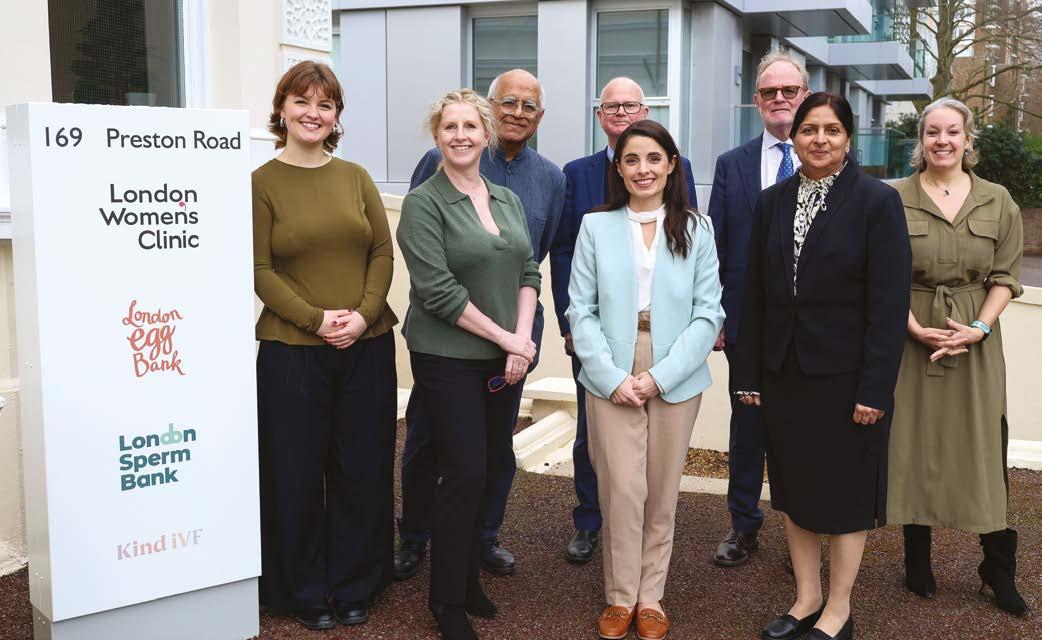
Established in 1985, London Women’s Clinic (LWC) is a UK fertility provider with over four decades of experience and over 40,000 families created. Our flagship Harley Street centre in London provides treatment procedures and laboratory services supported by experienced clinical teams. LWC’s network of strategically placed satellite clinics, including Brighton, Bromley, Guildford, Tunbridge Wells and Canterbury in the South, provide access to consultations, investigations and monitoring closer to home. Our partners Kind iVF, London Egg Bank and London Sperm Bank allow us to provide an integrated network offering every possible pathway to parenthood. Our LWC Brighton clinic
opened in February 2026 in Preston Park. Located in a Victorian property at 169 Preston Road, LWC Brighton has been thoughtfully designed to be warmer, and more spacioussomewhere that feels welcoming and safe, rather than clinical or sterile.
What has been your biggest business challenge to date?
Working on the renovation of the new LWC Brighton clinic was a real challenge. Being a fragile, older building came with nuances. We had to be creative with our problem solving. As a company, we offer such cutting-edge technology but at the same time the core fundamentals of IVF have stayed the same. The building feels like a metaphor for this – an old building at its core but restored for a modern purpose.
What has been your greatest or proudest business achievement to date?
On 2nd February 2026 it was a proud moment to open the doors to our brandnew Brighton clinic. Our focus now is providing the same quality of care as the top professionals in Harley Street but that feels local to Sussex. We want the clinic to work for the people of Brighton and Sussex and that means letting the community shape the way we provide treatment whilst giving them the best outcome that we possibly can.
What type of clients do you currently work with and who are you looking to meet?
LWC has been a consistent advocate for equitable access to fertility treatment,
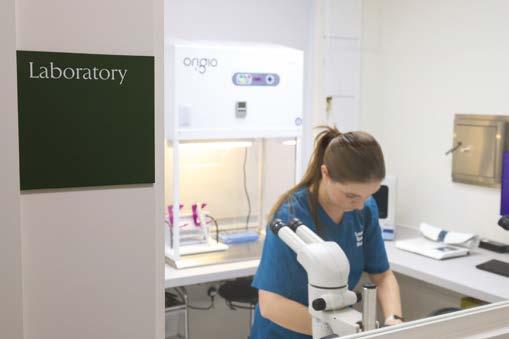

supporting LGBTQIA+ individuals, single women and others historically underrepresented in reproductive healthcare. This welcoming and inclusive attitude has been fundamental to the development of LWC’s new Brighton clinic. Known as the fertility clinic of choice for the LGBTQ community across the country, a large part of our client base are same sex couples and single women. Having forged a reputation in the IVF treatment of same-sex female couples, LWC published the first study of its kind on shared motherhood also known as reciprocal IVF. Our partner, London Sperm Bank, is now after fifteen years recognised to be the sole provider of UK donor sperm supplying over 85% of UK licensed centres. This has driven our treatment of solo mothers and samesex couples. In our research and clinical programmes in egg freezing, LWC has established ourselves as Britain’s largest and leading IVF centre making a growing proportion of our patients women wishing


to preserve their fertility for the future. Our egg freezing programme also includes the opening of London Egg Bank as part of the JDH network which has seen the company grow to be the UK’s largest and only source of home-based donor eggs for the donation treatment of women unable to produce their own eggs.
Tell us a story/fact about yourself that people might not know?
In 1977, LWC’s Scientific and Managing Director, Dr Kamal Ahuja, arrived in Cambridge to begin his doctoral studies in reproductive physiology under Professor Robert Edwards, the Nobel Prize–winning scientist behind the world’s first IVF birth. The Marshall Laboratory was then at the centre of global excitement, with the imminent arrival of Louise Brown, the first IVF baby, signalling a revolution in reproductive medicine. Professor Edwards remained the single greatest influence on Dr Ahuja’s scientific
and professional trajectory over the next three decades. It was a defining moment in Dr Ahuja and LWC’s history to open a clinic in Cambridge in 2024 back where it all began.
How do you define Success?
Success at LWC Brighton is defined by our patients leaving our care with a happy, healthy baby. We understand that this may not be an easy journey for all our patients, so our aim is to provide an expert and empathetic experience. For us this means a specialist service delivered with understanding and the best quality of care for everyone whatever their background and circumstances.
www.londonwomensclinic.com


By Joel Lawton – Founder Transition Expert
Would you take £15 million in 10 years if it meant missing every bedtime story, every birthday, every sports day, every ordinary Tuesday evening with the people you love?
Founder Transitions
It's an uncomfortable question. Not because it's realistic, because it forces us to name the trade-off we're already making.
Founders are providers
We provide for our clients. We provide for our teams. We provide for our families.
Who gets the best of us?
In 2020, my kids were 3 and 6. I was commuting to London, running a £3 million business.
I was contributing. Financially. Building security. Growing the business. But missing the emotional side completely.
I was waking at 3am, mind racing. Snapping at the kids. Barely speaking to my partner. Masking it with drinking.
The business got my energy, my focus, my presence. My family got what was left over.
I'd arrive home exhausted. My kids would want to play. I'd be checking emails, half-listening.
Without meaning to, I was showing my kids that being busy mattered more than being present.
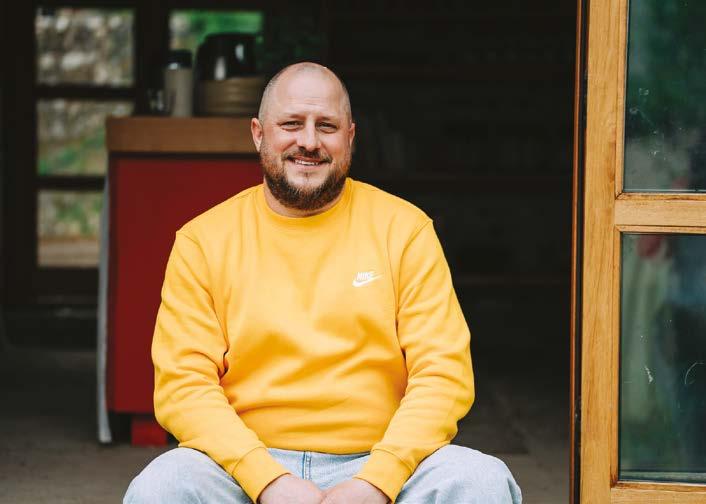
I didn't see it at the time. But looking back, the pattern was clear. I was missing what life was about.
A moment of realisation
This pattern, missing what matters, going numb to protect ourselves, isn't unique to me.
I sat opposite a founder recently. End of our coaching session. We'd been through the business plan, the team structure, what needed to happen next.
Then came the pause. The silence. The thing they'd been holding back.
"I'm worried I won't be able to feel the success by the time I get there."
It landed hard. Not because it was dramatic. Because it was true.
They were building something
remarkable. Growing fast. Hitting milestones. But they couldn't feel any of it. Going numb. The wins weren't registering anymore.
This is what can happen when we keep moving forward without pausing.
When fear and uncertainty drive us to keep achieving, hoping the next milestone will finally bring peace.
We disconnect from the present because it's safer than facing what we're sacrificing.
The business keeps growing. The metrics keep climbing.
But the human version of us is not there in any of it.
The reality that arrives
You've built something. It's done. It's working.
So what is enough?
That question terrifies most founders. Because answering it means looking at what you've been missing.
This isn't about blame. The societal structures we operate within, the identity we formed around being a founder, the building phase where everything depended on us, all of it led us here.
You were told: work hard, build something, provide for your family.
No one mentioned the cost. That the person you're becoming might not be the person you want to be. That the moments you're missing don't come back. That you might reach the goal and feel nothing.
This doesn't happen to everyone. But it happens to enough of us that it's worth asking: is this happening to me?
Bronnie Ware worked in palliative care. She sat with people in their final weeks and recorded what they wished they'd done differently. The fourth most common regret: "I wish I hadn't worked so hard."
These people missed their children growing up. They missed their partner's companionship. They spent decades telling themselves, "Once I hit this target, then I'll slow down."
The target kept moving. The people they loved learned to live without them. By the time they realised what they'd traded, it was too late.
The question that matters
What's the point of building something remarkable if you're too numb to feel it? When we're in the room but not really there, physically present but mentally somewhere else, our family feels the gap.
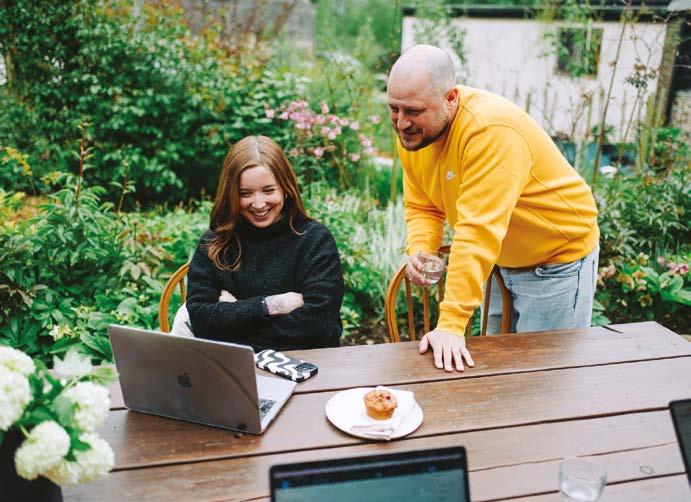
When we're securing our family's financial future but our they barely sees us, we have to ask what we're actually building for.
This isn't about choosing between business success and family. It's not either/or.
But if they're learning to live without you, that's worth stopping for.
In 2020, I faced this question. My kids were young enough that I could still change course. So I did.
I restructured the business to fit my life. Worked three days a week. Changed my relationship with alcohol. Built practices that helped me be present.
It wasn't easy. The inner critic was loud: "Other people would kill to be in your position."
But I knew the truth. The business was successful. I wasn't.
Three years later, I exited. And because I'd done the work, I didn't fall
apart when the identity dissolved.
The founder I mentioned? They're doing the work now too. Building better systems for the business, yes. But also building their human road map, rebuilding their capacity to be present. To feel. To connect.
It's not quick. It's not comfortable. But it's the work that actually matters. Because you can build a £15 million business and still lose everything that made it worth building in the first place.
If something's been sitting with you, this might be where it shifts.
The Clearing: half a day, one to one, in nature. A carefully held space to get honest about where you are, where you want to be, and what's actually in the way.
Book a free conversation: www.inyourcorner.co/coaching


David Crowter, Partner and Head of Private Client Services, Carpenter Box

With the new tax year now underway, many businesses and individuals are adapting to the changes introduced by Making Tax Digital (MTD). From April 2026, sole traders and landlords with income over £50,000 are required to comply with the new rules, including submitting quarterly updates to HM Revenue & Customs (HMRC).
It is estimated that around 900,000 individuals have now been brought into MTD. For those affected, this represents a significant shift in how tax affairs are managed, and early preparation has been key to ensuring a smooth transition.
Making Tax Digital is a UK government
initiative designed to modernise the tax system. Its aim is to improve the accuracy of tax reporting by encouraging better, more timely recordkeeping and reducing the risk of errors.
MTD introduces a more advanced digital platform within HMRC, enabling features such as improved security, pre-population of data and prompts to help taxpayers stay compliant. It forms part of the Government’s wider effort to reduce the tax gap.
In simple terms, MTD introduces three key requirements:
• Maintaining digital records of your income and expenses
• Submitting quarterly updates to HMRC
• Completing a year-end declaration to finalise your tax position
Importantly, while the reporting process has changed, the payment deadlines for tax remain the same as under the SelfAssessment system.
One of the most significant changes under MTD is the requirement to use software to maintain records and submit information to HMRC.
Whether you already use accounting software or are new to digital bookkeeping, it is essential to ensure that your chosen system is compatible with MTD requirements. HMRC does not provide its own software, but most major providers offer compliant solutions.
Digital records can be maintained using dedicated accounting software or spreadsheets, provided they are digitally linked to submission tools.
Beyond compliance, using software brings wider benefits. These include improved efficiency, fewer errors, better visibility over your financial position and enhanced cash flow forecasting. For many businesses, MTD acts as a catalyst to modernise systems and gain better financial insight.
Who will be affected?
MTD is being given a phased introduction, applying to sole traders and landlords based on the following income thresholds:
• From 6 April 2026 – individuals with income over £50,000
• From 6 April 2027 – individuals with income over £30,000
• From 6 April 2028 – individuals with income over £20,000
The threshold is based on your most recent submitted tax return. For example, your 2024/25 tax return determines whether you are required to comply from April 2026. Voluntary signup is also available for those who prefer to adopt the system earlier.
If you jointly own property, only your share of the rental income is taken into account.
Are there any exemptions?
There are some automatic exemptions from MTD. For instance, if you are submitting a tax return as a trustee or as a personal representative of a taxpayer who has died, there is no need to sign up for MTD. Generally, HMRC will tell you if you are automatically exempt.
In addition to automatic exemptions, there are situations where an exemption can be applied for. So, it pays to check whether your situation might mean you can apply.
A key feature of MTD is the requirement to submit quarterly updates summarising income and expenses. These updates are not full tax returns. They provide HMRC with a snapshot of financial activity throughout the year, without requiring detailed tax adjustments at each stage.

By default, quarterly reporting periods align with the tax year, with submissions due shortly after each quarter ends. Alternatively, businesses can elect to use calendar quarters, which may better align with internal accounting processes.
Where there are multiple income sources, such as both self-employment and property income, separate quarterly updates are required for each. This can result in multiple submissions throughout the year.
Despite the move to quarterly reporting, a year-end declaration is still required. This replaces the traditional Self-Assessment tax return and confirms your final tax position for the year.
MTD requires all data transfers between systems to be made digitally. This includes submitting quarterly updates, making corrections and filing the yearend declaration.
Permitted methods include importing data, emailing files and system integrations. Manual processes such as copying and pasting or retyping figures are not allowed.
Making Tax Digital represents a significant shift in how tax is reported and managed. While the changes are substantial, they also provide an opportunity to improve processes, gain better financial visibility and reduce errors.
Understanding your obligations, using the right software and maintaining accurate digital records are key to ensuring compliance.
For further information or guidance on Making Tax Digital, contact a member of our Private Client team on 01903 234094 or visit www. carpenterbox.com


The idea sounds simple in theory.

You and your business partner (or partners) work hard to build a successful company, sell it at the right time, and then retire together. It sounds straightforward and rewarding for everyone.
But in reality, things rarely go that smoothly.
In so many owner-managed businesses, retirement timelines drift apart. Sometimes the gap is decades, but often it is just a few years. When this happens, it can create tension right when clarity and alignment are most important.
Why timelines drift apart
In some cases, the difference is obvious. A significant age gap between shareholders, a family business spanning generations, or a new partner joining the ownership structure can all lead to different outlooks on the future.
But more often, the gap is harder to see.
Even a three- to five-year age difference between shareholders can create a real divide. One partner may feel ready to leave, while the other still wants to focus on growth.
One shareholder may have spent years building up their pension, reducing
debts, and saving money outside the business. The other might still be supporting children, paying school fees, or may not have had the same chance to invest extra income.
For many owners, selling the business is how they plan to fund retirement. This gap in readiness can quickly become a problem.
Start with the numbers
Before looking at solutions, both shareholders need to be clear about one thing: their ‘financial freedom figure’. This is the amount of money needed to leave the business and still keep the lifestyle they want.
Without knowing this number, talks about leaving the business can get confusing. One partner might think a sale will work for both, only to find out it suits them but not the other.
It is important to understand both positions, not just your own. When each shareholder knows exactly what they need, discussions become more practical and less about opinions.
The importance of an honest conversation
For many business owners, this is where things can get uncomfortable.
It is common for partners to work together for years without really talking about their long-term personal plans. Most decisions are made for the good of the business, like hiring, investing, and growing, rather than for individual goals.
When retirement becomes a priority, those differences start to show.
Avoiding the conversation rarely helps. Unspoken expectations can lead to frustration, affect decision-making and, over time, damage what may have been a strong working relationship.
Having an early, open, and honest discussion based on facts, not assumptions, is much more likely to lead to a good outcome.
Once both parties understand their financial position and preferred timeline, a range of options can be considered.
The right approach will depend on the individuals involved, the structure of the business and the strength of the management team, but there are several well-established routes.
exits and internal buyouts
In many cases, one shareholder may be
willing to buy out the other, either right away or over time.
This can work well if key employees are brought into the ownership structure too. For example, the remaining shareholder might take a bigger stake and offer minority shares to future leaders.
This approach can:
• provide an exit route for the retiring partner
• give the remaining shareholder greater control
• create a clear progression path for senior team members
Over time, this can help create a setup where ownership passes smoothly to the next generation of leaders.
If there is a strong management team, a management buyout is another option.
This lets one shareholder leave while others stay invested, or sometimes, it gives all shareholders a way to exit together.
However, this option takes planning. Senior managers need time to show they can lead, secure funding, and build trust in their ability to run the business well.
Depending on the business, bringing in outside investors or selling to another company may be a solution.
In some cases, this can allow one shareholder to exit earlier, while the other remains involved for a period before stepping away.
For some partnerships, a close look at the finances may show that both shareholders can leave sooner than they thought. For others, it may show that more growth is needed before selling together makes sense.
Alternative ownership structures
In some cases, alternative models like employee ownership can offer a balanced solution. These setups let founders step back gradually while keeping the business culture and legacy intact.
Start earlier, keep options open
Timing may be the most important factor in all of this.
Transitions do not happen overnight. Building a management team, preparing people for ownership, or getting the business ready to sell all take time. Starting early lets you make decisions carefully instead of reacting at the last minute.
A common challenge, but a manageable one
Misaligned retirement timelines are common. They are a natural result of building a business with others over many years.
The key is to face the issue early, not avoid it.
With a clear understanding of financial needs, open communication, and a willingness to look at different options, it is often possible to find a solution that works for both the people involved and the business they have built together.
www.southoverwealth.co.uk
Southover Wealth is an Appointed Representative of and represents only St. James’s Place Wealth Management plc (which is authorised and regulated by the Financial Conduct Authority) for the purpose of advising solely on the Group’s wealth management products and services, more details of which are set out on the Group’s website www.sjp.co.uk/products. The ‘St. James’s Place Partnership’ and the titles ‘Partner’ and ‘Partner Practice’ are marketing terms used to describe St. James’s Place representatives.

By Rob Starr MBE, CEO at Seico Mortgages
Whether you're a homeowner with a fixed rate deal coming to an end, or simply wondering whether you're on the best rate available, now is the time to take stock. With the right advice, there could be substantial savings to be made on your monthly outgoings.
Finance
Interest rates have been on a bumpy road. The Bank of England has made successive base rate cuts, bringing it down to 3.75%, and whilst further reductions remain possible, rates appear to be on hold for now. For anyone with a fixed rate deal ending in the next year, the time to act is now.
When your fixed rate ends, your lender automatically moves you onto their Standard Variable Rate (SVR). The average SVR currently sits at around 7% - far higher than the best fixed rates on the market. For most homeowners, that difference adds up to a substantial amount more every single month, for no reason other than not acting in time.
The advice from Seico Mortgages is simple: speak to a broker up to 12 months before your current deal expires. The first six months are about planning - reviewing options, understanding the market and getting finances in order. Then, once inside the six-month window, a formal application

can be submitted to lock in today's rate and protect against further increases.
Locking in a rate doesn't mean you're stuck with it. Seico's team actively monitors the whole market right up to the day your deal expires. If rates fall, they'll move you onto a better dealhandling all the paperwork throughout. No broker processing fees are charged until after your case completes.
Seico Mortgages works with all homeowners - whether employed, self-employed, contracting or running a limited company. Their whole-ofmarket access covers specialist lenders who understand complex income structures such as day rates, dividends and retained profits, as well as straightforward employed income. Whoever you are, their brokers will only submit an application when confident it will be approved - protecting your time and your credit file.
Seico also offers a free mortgage monitoring service, tracking rates from thousands of lenders around the clock and alerting clients whenever a better deal is available, alongside a monthly property valuation and equity update. This service is already trusted by over 400,000 homeowners across the UK, and the monitoring is free, forever.
Scan here to sign up for FREE mortgage monitoring service:

To book an initial chat with a broker and find out your options, please email: mortgages@seicogroup.com
www.seicogroup.com 01273 778888




For years, the legal profession has been warned that artificial intelligence would replace junior lawyers, shrink teams, and reduce opportunities for young people entering the industry.
At Jonathan Lea Network (JLN), the reality has been very different. AI has not reduced junior recruitment; it has increased it - on one condition: they must be AI-literate, curious, adaptable, and enthusiastic about using technology intelligently to improve outcomes for clients.
According to founder Jonathan Lea, the rise of AI is fundamentally reshaping how legal services are delivered, how law firms operate internally, and how young lawyers develop professionally.
“Contrary to popular perception, we’ve actually found that bright, inquisitive junior lawyers who fully embrace AI are often significantly more effective than some experienced lawyers who refuse to use it properly,” he explains.
“That is not because experience no longer matters - it absolutely does - but because experience alone is no longer enough. If you are not using AI intelligently and consistently throughout your work, you are inevitably going to miss things, overlook possible strategies, take longer to complete tasks, and ultimately become too expensive for many clients.”
“AI isn’t optional for us anymore,” says Lea. “It’s a prerequisite.”
AI
Within 15 minutes of one client enquiry, the firm produced a detailed indicative fee estimate, arranged a discovery video call and drafted a lengthy guidance note setting out alternative legal and commercial strategies.
“All of that was completed in roughly the same amount of time it would traditionally take to send a simple follow-up email,” he says.
Yet AI has not rewritten law-firm economics.
“AI allows us to get far more done, to a much higher standard, in far less time,” he says. “But legal work still requires careful review, strategic thinking, supervision, accountability and ongoing client communication.”
“As a result, we still largely charge on a time incurred basis and, unless a matter is particularly straightforward, we continue to work from fee estimates rather than fixed fees - broadly in the same way as before AI.”
In corporate work, AI supports transaction structuring, due diligence, drafting, risk analysis and negotiation strategy. When dealing with a share sale or acquisition, for example, AI tools may instantly analyse documents, highlight inconsistencies, identify missing protections, suggest negotiation points and summarise key risks - all before a lawyer applies their own commercial judgment and experience.
“The AI email assistant will often predraft detailed, commercially sensible and professionally worded responses for fee earners which with a few minor tweaks are largely ready to send.”
The Firms Embracing AI - And The Firms Resisting It
Lea believes the legal sector is now splitting.
“Some firms are still trying to market themselves by arguing that solicitors are somehow ‘better than AI’ and encouraging clients to fear relying on AI tools,” he says.
“You still see messaging suggesting that AI is something risky or inferior compared to a traditional lawyer.”
“But that misses the point entirely. The best outcomes are not coming from lawyers competing against AI. They are
coming from lawyers who are integrating AI into everything they do.”
The market, he argues, is not choosing between “AI or lawyers”, but between lawyers who use AI effectively and those who are slower to adapt.
“No serious AIenabled firm is saying clients should blindly rely on ChatGPT instead of obtaining legal advice,” he explains.

“Of course legal judgment, accountability, commercial understanding and human strategy remain critically important. The issue is that lawyers who refuse to use AI are increasingly at risk of becoming slower, less thorough and less costeffective than lawyers who embrace it.”
Jonathan emphasises that AI is not being used recklessly or without oversight. JLN uses secure enterprise-level AI systems, with solicitors remaining fully accountable for advice given to clients.
The firm also uses several AI platforms, having found that different tools perform better in different areas. In some cases, one AI platform is used to critique or cross-check work generated with the assistance of another.
AI is accelerating the development of junior lawyers too.
“A capable junior using AI well can sometimes communicate in a more sophisticated and commercially effective way than a lawyer with many years of experience who does not embrace the technology,” says Lea.
“Historically, experience was partly built through years of repetitive drafting and document review. AI accelerates learning dramatically because junior lawyers can interrogate information dynamically rather than simply reading documents passively for hours.”
But oversight remains essential. “AI still requires a deep-thinking, clever and assiduous person to use it properly,” he says. “The quality of the output will never be good enough unless the lawyer or junior fee earner has real underlying ability in the first place, together with good supervision and direction from experienced solicitors and other team members.”
He warns that firms resisting change risk falling behind.
“The uncomfortable reality is that clients increasingly expect faster turnaround times, better strategic thinking, and more cost-efficient delivery,” he says.
“Firms trying to persuade clients to fear AI rather than learning how to harness it effectively may find themselves left behind.”

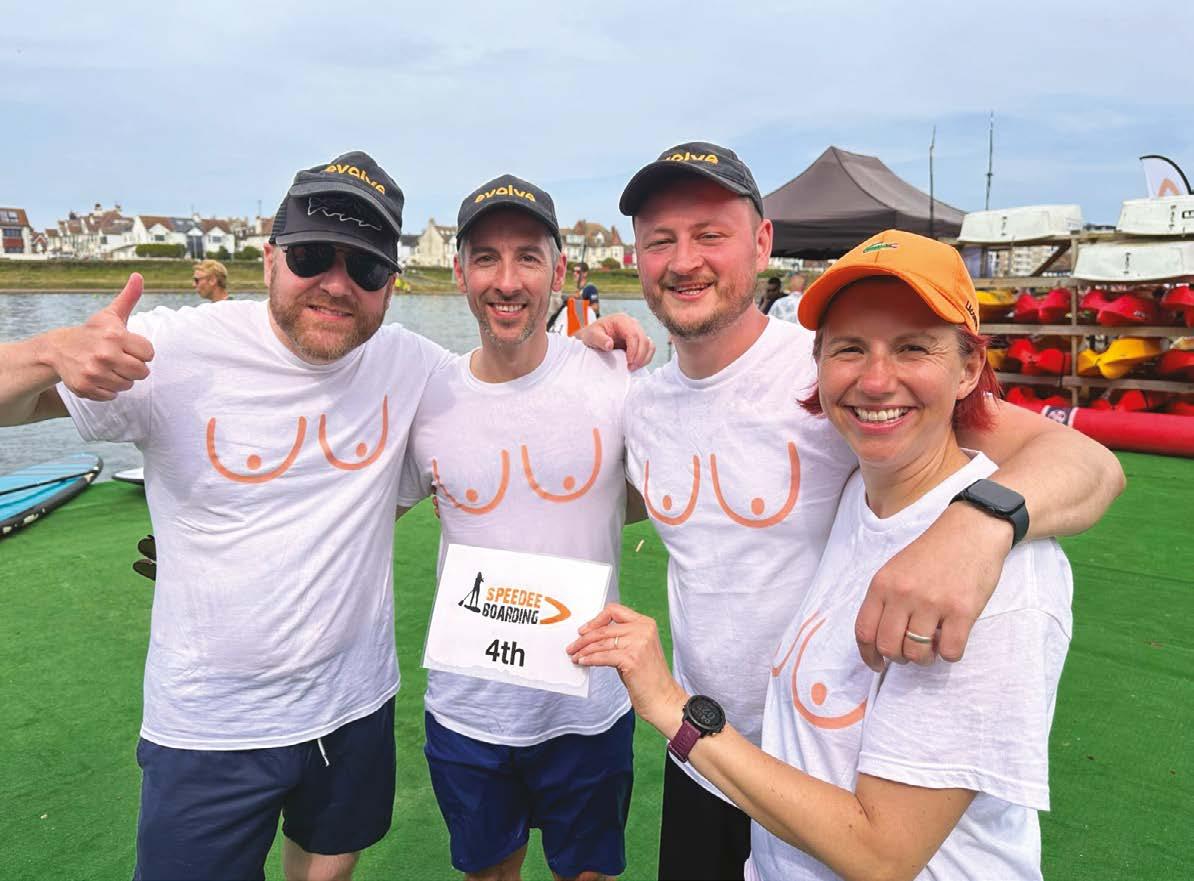
How Evolve is helping businesses protect pipeline, unlock revenue from dormant data and drive real adoption in the age of AI.
By Bruce Bignell | Founder, Evolve Your Business
It is good to be back on the front cover of Sussex Business Times, although I have to admit this month did not quite go to plan.
The photo you see on the cover is not from a fresh photoshoot. It is an image from the Sussex Business Show in 2025 (where I hosted a pre-event breakfast), because I was not able to make the planned photo shoot this time around. I had broken my jaw, my face was
swollen, and I looked a little too much like Tom Cruise in Vanilla Sky, or Kanye West, (watch the Thru the Wire video, and you’ll get an idea what I looked like), for anyone’s comfort.
It has been one of those months where the diary keeps moving, the business keeps demanding your attention, but life has a funny way of throwing surprising and sometimes painful things into your path. So how do you respond?
Well, it got me thinking about systems a
lot. My team have really stepped up in my absence, and I've had a lot of patient customers and prospects that I've been dealing with. I've valued all their time. And, oddly enough, that has made me think even more about the theme I always wanted to write about this month: recovery.
Not personal recovery, I mean business recovery. More specifically, revenue recovery.
Because most businesses are leaking revenue somewhere.


They may not call it that. They may not even see it. It is rarely one dramatic failure. It is usually a series of small gaps. A proposal that was sent and never properly followed up. A lead that went cold but was never reactivated. A client account that had more potential but was not nurtured. A CRM full of useful information that nobody quite trusts. A pipeline that looks healthy on paper but is quietly leaking value at every stage.
Over the last few years, Evolve has worked with businesses across different sectors that all face a version of the same problem. They are not short of ambition. They are not short of activity. In many cases, they are not even short of leads. What they are missing is a system.
That is why the work we are doing now is increasingly focused on
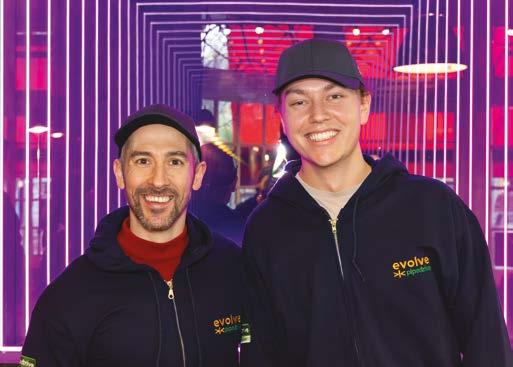
helping businesses build revenue recovery systems: practical, usable, commercially focused systems that help them recover the value already sitting inside their pipeline, their customer base and their data.
And that is also why Evolve [26] feels so important.
Evolve [26] and the new role of sales
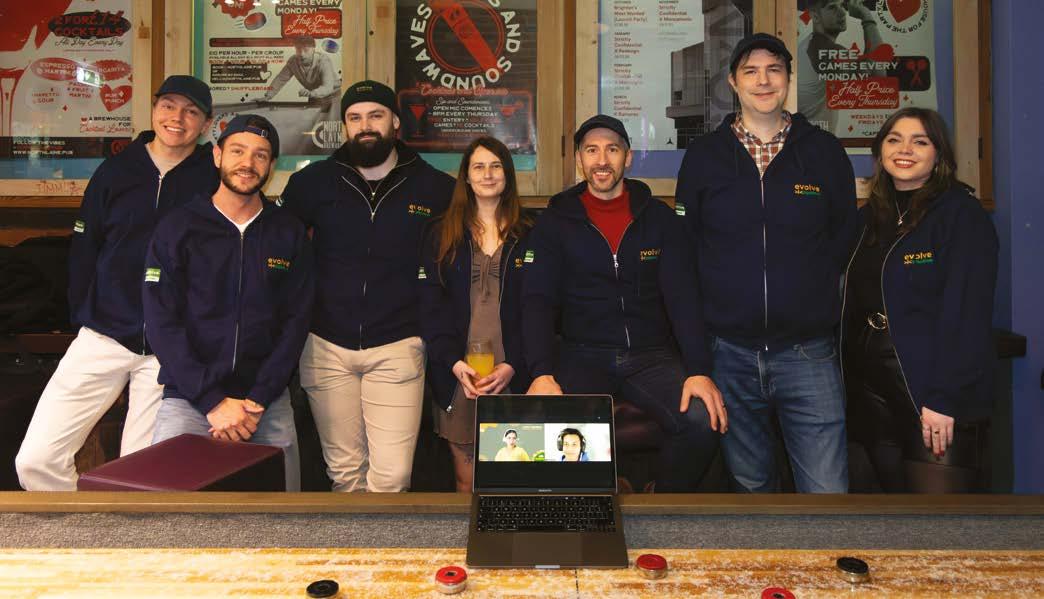
We're proud to sponsor and exhibit again at Silicon Brighton's, Evolve [26] event, where we will be talking about AI, automation, sales, CRM & data… not as separate subjects, but bringing those conversations together and asking a more useful question: how do we build businesses that can actually capture, protect and grow revenue in the world we are now operating in?
Because the world has changed. The role of sales has changed. The expectations of customers have changed. The tools available to businesses have changed. And, whether we like it or not, AI is forcing every company to rethink how work gets done.
But I do not believe the answer is to rush towards AI for the sake of it. The businesses that win will not be the ones who simply add more tools. They will be the ones who define processes and understand what should be done by people, what can be done by machines, and how to connect the two in a way that makes the business stronger.
This is what our keynote session at Evolve [26], taking place at the Brighton Centre on Friday 26th June, tackles this head-on. Sean Evers, VP Sales at Pipedrive, will be presenting a session
called “Regain Control of Sales in the Age of AI.” His core argument is simple but powerful: AI is not just replacing tasks; it is unbundling them.
For years, the role of a salesperson has been bundled together into one broad job description. A salesperson researches prospects. They update the CRM. They write follow-up emails. They make calls. They prepare proposals. They chase decisions. They manage relationships. They forecast revenue. They report activity. They try to understand customer needs. They keep opportunities alive.
Some of that work is deeply human. Some of it is repetitive, administrative and process-led. The rise of AI forces us to separate the two. Sean’s framework asks a practical question of every task in the sales role: should you automate it, augment it, or leave it alone?
“AI is not removing the need for great salespeople. It is exposing what great salespeople should really be spending their time on.”
• Machine tasks: Data enrichment, call summaries, CRM prompts, research, workflow automation, follow-up reminders, pipeline analysis, reporting support
• Human tasks: Trust, empathy, judgement, negotiation, creativity, commercial context, relationship building, strategic conversations
AI gives us the opportunity to redesign work. It allows us to take a salesperson’s role and ask: which parts require human skill, and which parts are slowing that human down?
If a salesperson is spending hours updating records, searching for information, trying to remember who to follow up with, writing the same email repeatedly or manually pulling reports together, then we should not be surprised when their best energy is not going into the customer conversation. That is not a people problem. That is a system problem.
The businesses that embrace this properly will not just become more efficient. They will become more human where it matters most. They will give their teams better information, better prompts, better structure and better visibility, so that their people can do the work only people can do.
This is also where the technology is genuinely catching up. Pipedrive’s Nova and our own Evolve Pipedrive Sidekick (EPS) are both examples of how AI agents and adoption tools are starting to appear inside the platforms salespeople actually use, rather than sitting as another disconnected layer on top.
We want to move the conversation beyond “Should we use AI?” and towards “Where does AI genuinely improve the way our business captures and protects revenue?”
Because AI on its own does not fix a broken pipeline. It does not create a clear sales process. It does not automatically improve adoption. It does not make bad data good. It does not replace leadership.
But when AI is applied to the right system, with the right process and the right human behaviour around it, it can unlock a significant advantage.
Revenue recovery: finding the money already inside the business
One of the biggest mistakes businesses make is assuming growth always has to come from more. More leads. More campaigns. More outreach. More activity. More noise.
Of course, new business matters. But before a business spends more money trying to create new opportunities, it should ask a more uncomfortable question: how much revenue are we already losing from the opportunities we have?
This is the heart of revenue recovery.
“Most businesses do not need more leads before they fix the revenue they are already leaking.”
At Evolve, we are increasingly helping businesses look at the hidden leakage inside their revenue operation. For many companies, that leakage sits
somewhere between the marketing team, the sales team, the CRM, the account management function and the leadership reporting. Nobody intends for it to happen. But it happens.
A lead comes in and is not followed up quickly enough. A deal progresses but then stalls. A proposal is sent, but the next step is unclear. A salesperson leaves, and their knowledge leaves with them. A customer buys once, but nobody maps the wider opportunity.
A database contains years of dormant contacts, but no one knows which ones are worth reactivating.
Where pipeline leakage happens
• Leads not followed up quickly enough
• Proposals sent without clear next steps
• Deals stuck in the wrong stage
• Dormant contacts ignored
• Customer accounts underdeveloped
• Poor CRM data quality
• Weak handovers between teams
• No reactivation process in place
Our revenue recovery work is built around the idea that businesses can often recover between 3 - 8% of pipeline leakage by improving the systems
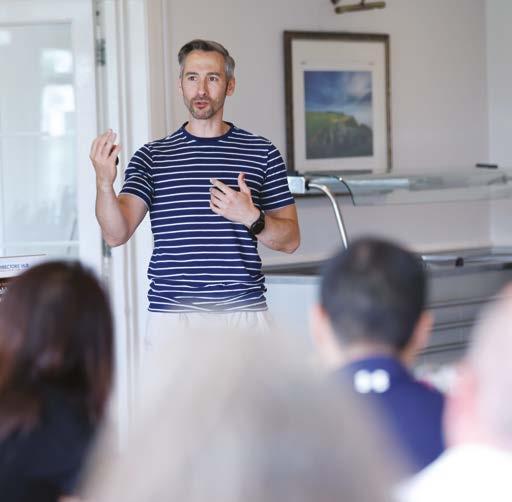
around their existing opportunities, data and customer relationships. For some businesses, that is hundreds of thousands of pounds left of the table. For others, it is the difference between a flat year and a growth year.
The important point is that this is not about squeezing more out of already stretched teams. It is the opposite. It is about building systems that make the right actions clearer.
“Revenue recovery is not a CRM exercise. It is a commercial recovery exercise.”
This is where our work with one of the UK’s leading commercial drainage, plumbing and pump engineering firms, has become an important proof point. They are a growing business backed by private equity, with acquisitions accelerating. Their planned works process was losing significant value because of missing purchase orders. Without a PO number, work could not proceed and invoices could not be raised. The previous process for chasing those POs involved printing A3 tracking sheets, exporting lists into Excel and literally chasing line-by-line
with rulers and pens. They knew and we knew, this was not scalable.
We built a repeatable, measurable POchasing system inside Pipedrive, with automated email cadences, escalation logic, client-specific exception rules and reporting dashboards that gave the leadership team full visibility. The strategic impact: if 10% of the roughly £500,000 of monthly PO leakage is recovered, that is £50,000 a month…. £600,000 a year. No new salespeople. No new tools.
Just a system built around the data and behaviour that was already there.
What a Revenue Recovery system should do
• Identify stalled opportunities
• Recover dormant leads and accounts
• Improve follow-up discipline
• Create better pipeline visibility
• Support salespeople with clearer next actions
• Improve leadership reporting
• Drive more revenue from existing data
Revenue Recovery is not just about chasing every possible opportunity. It is about knowing which opportunities are worth recovering. Focus creates better recovery.
The same applies to partnerships with start ups, like Regen AI around dormant data. Most established businesses are sitting on years of customer, prospect and account data. Some of it is messy. Some of it is out of date. But within that dormant data there may be real commercial value: old conversations worth reopening, former customers ready to return, prospects who were not ready then but may be ready now.
“A lost opportunity is not always lost. Sometimes it was just badly timed, poorly followed up, or left without a proper next step.”

The opportunity is not just to generate new leads from scratch. It is to intelligently identify the revenue that already has some history with the business. It is more efficient, more strategic and, when done well, more respectful of the customer journey.
In the current economic climate, that matters. Budgets are being scrutinised. Buying decisions are taking longer. Sales cycles are less predictable. Teams are being asked to do more without necessarily being given more resources. The businesses that thrive will be the ones that look after the revenue they have already worked hard to create.
Adoption: where systems become behaviour
In this section, I want to touch upon something that, as a CRM and sales systems business, might be the most important thing we talk about internally. Businesses do not fail to adopt new systems because people are lazy. They fail because the system is not embedded into how people actually work.
Most companies have experienced this in some form. A new platform is launched. There is a training session. Everyone agrees it is important. The leadership team is excited. The implementation goes live. Then reality
hits. People are busy. Old habits return. The CRM becomes inconsistent. The process gets followed by some people and ignored by others. Managers ask for reports, but the data is incomplete.
At Evolve, one of our major areas of focus is driving better user adoption through the Evolve Pipedrive Sidekick, or EPS. The idea behind EPS is simple: people need support in the flow of work, not just in a training session that happens once and is forgotten.
Good adoption is not created by telling people to use a system. It is created by helping them understand how the system helps them do their job better.
“If your system only works for the people who already like systems, it is not good enough.”
For a salesperson, that might mean knowing exactly what to update after a call, which opportunity needs attention next, how to follow the sales process, or where to find the information they need. For a manager, it might mean having better visibility of team activity, pipeline quality, stuck opportunities and forecast confidence. For a new starter, it might mean getting up to speed faster because the guidance is built into the way the platform works.
Every business has that person who is experienced, commercially valuable, knows their customers, but does not love systems. They see CRM as admin. They may update things late, inconsistently or only when chased. The mistake is to treat that person as the problem. Often, they are actually the test.
Here is the truth most people will not say out loud: reps abandon CRMs for one reason. The system was designed for management, not for selling. When the platform feels like a reporting tool rather than a selling tool, adoption will always be a battle. EPS is designed to flip that. It gives users clearer guidance, supports better habits and helps teams understand not just what to do, but why it matters.
This is especially important as AI becomes more embedded in business platforms. The more powerful the technology becomes, the more important adoption becomes. If people do not trust the system, understand the process or believe the data, the technology will never deliver its potential.
“The future is not just AI. The future is AI plus adoption.”
For us, Evolve [26] at the Brighton Centre, on June 26th is about helping businesses understand the new world of AI, sales, revenue operations, with practical and easy-to-use systems like Pipedrive CRM. Our Revenue Recovery systems are about helping businesses capture the value they are currently losing. The Evolve Pipedrive Sidekick (EPS) is about making sure those systems are actually adopted by the people who need to use them.
Together, these three ideas form a practical answer to one of the biggest
challenges facing businesses right now: how do we grow without wasting the opportunities, data and talent we already have?
For me, that is the real conversation. Not AI for the sake of AI. Not CRM for the sake of CRM. Not training for the sake of ticking a box. But building commercial systems that help businesses recover lost revenue, strengthen relationships and give their people the confidence to perform.
This month, I have had my own reminder that recovery is not always glamorous. Sometimes it is uncomfortable. Sometimes it is slower than you want. Sometimes you have to use an old photo because a new one would simply scare off the faint hearted.
But recovery matters.
And in business, the companies that recover best are the ones that have the right systems around them. That is what we are building at Evolve. And that is what I believe more Sussex businesses will need in 20[26] and beyond.
Most businesses we speak to don't have a lead generation problem. They have a conversion problem, and they can't see it because it's buried in their CRM data. The 3-8% of revenue sitting in stalled deals, missing POs and dormant accounts isn't dramatic enough to make anyone's board report, but it adds up to tens or hundreds of thousands a year.
If anything in this article made you think "that sounds like us," here are three ways to reach us.
1. Come to Evolve [26] Hear from Sean Evers (VP Sales, Pipedrive) & the Evolve team on what sales actually
looks like when AI is in the room. Get your tickets now with a 50% discount - code PIPEDRIVEGUEST
Friday June 26th, at the Brighton Centre: https://evolve.siliconbrighton. com/#sign-up
2. Book a Revenue Recovery Assessment We'll map your pipeline, identify where value is leaking and show you what a repeatable recovery system could look like inside your business. No obligation, no jargon, just the numbers.
3. Try the Evolve Pipedrive Sidekick (EPS) If your team is already on Pipedrive but adoption is patchy, the EPS puts Evolve's expertise inside the app, right where your people are working. Available with all AfterCare plans.
How to Contact Evolve
Visit www.weevolvebusiness.com , or reach us at hello@weevolvebusiness. com & (0)1273 011187
You can also find us on the Pipedrive Partner Marketplace
Scan to book a call

Bruce Bignell Founder, Evolve Your Business www.weevolvebusiness.com


At Rivervale, we offer both car and van leasing to suit whatever you need. Whether you’re looking for a single van or managing a full fleet, we’re here to help make things easy.

Choosing the right commercial vehicle matters. The right setup can save you money, improve how your business runs, and keep you on the road without the hassle.
Motoring News
That’s why our van offering is built to be flexible and straightforward. We give you access to a wide range of vans, great deals from our nationwide dealer network, and different funding options so you can choose what works best for your business.
Not every business needs a fleet manager. For sole traders, start-ups, or companies requiring just one vehicle, we offer a straightforward and guided approach to finding the right van.
Our dedicated LCV specialist is available to support you through the entire process. This includes understanding how the vehicle will be used, recommending suitable makes and models, and helping you balance specification with budget. Instead of navigating a complex market alone, you
get clear advice and tailored options that make the decision simple and efficient.
We aim to remove the uncertainty from the process, ensuring you get a van that is practical, reliable, and aligned with your operational needs from day one.
For organisations that require multiple vehicles, our Fleet Services department provides a more comprehensive solution. Whether you are building a new fleet or managing an existing one,
our team of experienced fleet specialists is on hand to support you at every stage.
At Rivervale, we make fleet management simple, cost-effective, and scalable. With over 20 years’ experience, 8,000 vehicles under Fleet Management and 10,000+ vehicles on our fixedcost maintenance plan. We support businesses of all sizes with end-toend solutions that reduce costs, improve efficiency, and keep you compliant.
From vehicle sourcing to disposal, our fully managed service is backed by smart tools like the My Vehicle Manager app, giving you complete control over your fleet and drivers in one place.
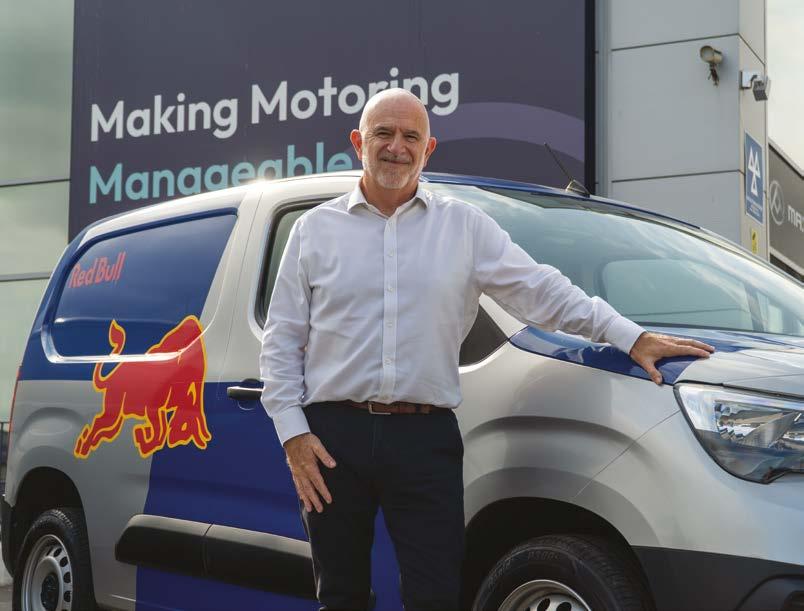
One of the key strengths of our offering is our extensive nationwide dealer partner network. This allows us to source vehicles from across the UK, giving you access to a wide selection of LCV options and competitive supply opportunities.
Working with multiple manufacturers and dealer partners means we can compare availability, pricing, and lead times to ensure you receive the best possible deal. This breadth of access helps us remain flexible and responsive.
Alongside this, our in-house pricing team plays a critical role in ensuring value. Refining our pricing structures to keep our offers competitive. This dual approach - combining external relationships with internal expertise - ensures customers benefit from both choice and value.
We understand that businesses have different financial strategies and work environments. That’s why we don’t just offer contract hire; we provide a range of funding options designed to give you greater control over how you acquire and manage your vehicles.
Alongside contract hire, we offer:
Hire Purchase: Ideal for businesses looking to eventually own the vehicle outright, spreading the cost over an agreed term.
Finance Lease: A flexible option that allows businesses to retain use of the vehicle while benefiting from structured payments and potential resale value advantages.
These funding solutions allow you to choose an approach that aligns with your financial planning, whether you prioritise ownership, flexibility, or predictable monthly budgeting.
Our LCV Specialist and Fleet Management team is in place to support businesses at every stage of their journey, from a single van requirement to a fully managed fleet operation. By combining specialist knowledge, strong supplier relationships, and flexible funding options, we provide a complete end-to-end solution.
Whether you’re just starting out or scaling an established fleet, our goal is to make the process as simple, efficient, and cost-effective as possible. With dedicated specialists and nationwide reach, we ensure you always have the support you need to keep your business moving forward.
To find out more, or to speak to one of our commercial or fleet specialists, visit rivervale.co.uk


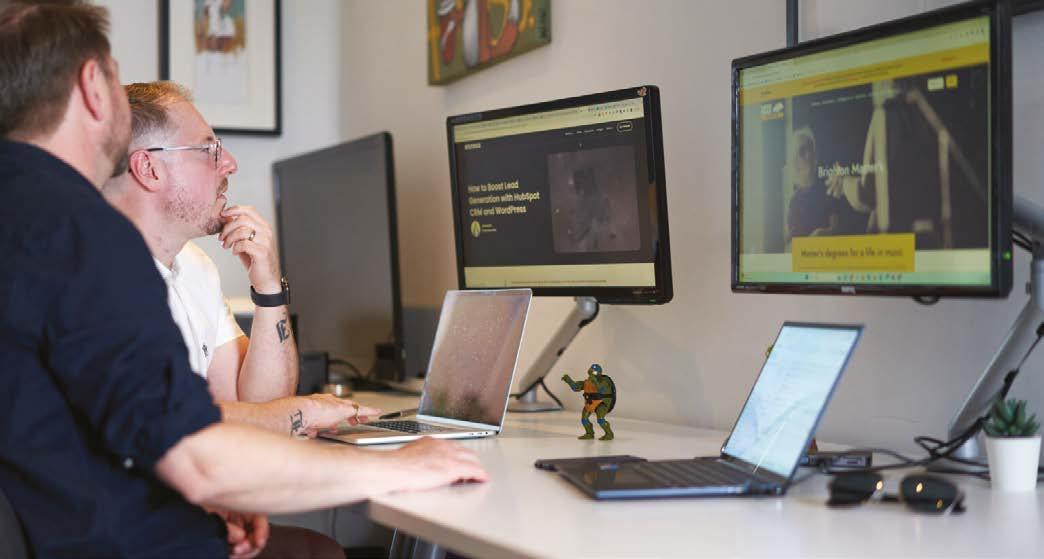
When people buy today, they have more choice than ever and less patience for getting it wrong. - By Jon Kennett
Whether you're comparing software providers, choosing a local service business or buying trainers online, the process often looks the same. Search. Compare. Open six tabs. Ask ChatGPT. Read a few reviews. Narrow the list. Then make a judgement call.
That last bit matters more than people think.
AI tools like ChatGPT and Gemini have changed how people research. Buyers can now compress hours of comparison into minutes. They arrive on websites more informed, with stronger expectations and often a shortlist already in mind.
But there’s a catch.
The easier it becomes to compare options, the harder it becomes to stand out. Buyers can understand features and pricing quickly. What’s harder to judge is whether they actually trust you.
That trust influences commercial decisions more than many brands realise. People aren’t always choosing the cheapest option or the one with the most features. Often they’re choosing the option that feels lowest risk, easiest to work with or most likely to deliver.
Your website plays a bigger role in that decision than ever.
What trust looks like on a modern website
When someone lands on your website,
they start forming opinions immediately, usually before reading very much at all. Most trust signals sit in three areas: proof, clarity and reliability.
Proof is showing evidence that you’ve done this before and done it well.
For consumer brands that might mean reviews with useful detail, customer photography or signs that real people are buying and enjoying the product.
For B2B businesses, it tends to mean case studies that explain the situation, what changed and the outcome. Buyers want to understand whether you’ve solved problems like theirs before, not just see a wall of logos.
Clarity is making it obvious who you are,

what you do and who you’re for.
Too many websites still hide behind broad positioning statements and generic “solutions” language.
If visitors have to interpret your message, you’ve created work at the exact point they’re trying to reduce it.
Personality matters. Clear communication matters more.
Reliability is often overlooked because it feels operational.
Pages that load properly. Forms that submit. Content that feels current. Journeys that work on mobile.
People make assumptions from those details. If using the website feels difficult, confidence drops quickly.
Answering the questions people rarely ask directly
Visitors usually won’t tell you why they left.
They’ll compare you with someone else and move on.
Under the surface, there are normally four questions being asked.

Am I in the right place?
People want fast confirmation that you understand their world. Relevant examples, clear audience signals and honesty about where you fit all help.
Can I afford this?
Not every business needs public pricing, but buyers appreciate context. Example packages, starting points or indicative investment levels help people qualify themselves.
What happens if something goes wrong?
Returns, support, delays, warranties, service expectations. Buyers think about downside before they buy. Explaining this clearly reduces friction.
One of the biggest causes of hesitation is uncertainty. Explain the next steps. Tell people what happens after an enquiry, purchase or booking. Set realistic expectations.
The human bit still matters
AI is becoming part of the buying journey whether people realise it or not. At the same time, people are looking harder for signs there’s a real business behind the website.
Named authors. Team pages. Clear ways to get hold of someone. Honest response expectations.
Not everyone wants a sales call. Not everyone wants self-service either. Good websites recognise both.
Take a look at your homepage and key landing pages:
• Can someone tell within five seconds who you help and what you do?
• Is proof visible early?
• Are pricing, delivery or next steps easy to understand?
• Is the route after clicking clear?
• When did you last review any of this with actual customer feedback?
If those questions feel uncomfortable, that’s usually a useful signal.
Trust rarely comes from one redesign or a shiny new feature. More often it comes from dozens of small decisions that make people feel informed, reassured and confident enough to move forward.
www.bozboz.co.uk

By Alessandro Calzolari
Artificial Intelligence is transforming how businesses operate. Content can be generated instantly, workflows automated, and campaigns optimised in ways that were unimaginable just a few years ago. For many SME owners, the focus has understandably shifted toward adoption — which tools to use, how quickly to implement them, and how to stay competitive in an increasingly automated marketplace.
Yet beneath that urgency lies a quieter issue.
Many businesses are not underperforming because they lack technology. They are underperforming because something deeper is misaligned. Conversions feel slower. Buyers seem more cautious. Marketing requires more effort to achieve the same results. The instinct is to refine tactics or add more automation. The more difficult question is rarely asked: are we truly aligned with how our buyers are thinking and deciding?
I learned this lesson early in my career. At twenty-one, I entered a competitive Italian market as a sales agent representing thirteen electrical supply companies. My competitors had decades of experience; I had none. I believed that mastering product knowledge and presenting confidently would compensate for my inexperience.
It did not.
A potential client once explained that while other suppliers were knowledgeable, they were too slow in
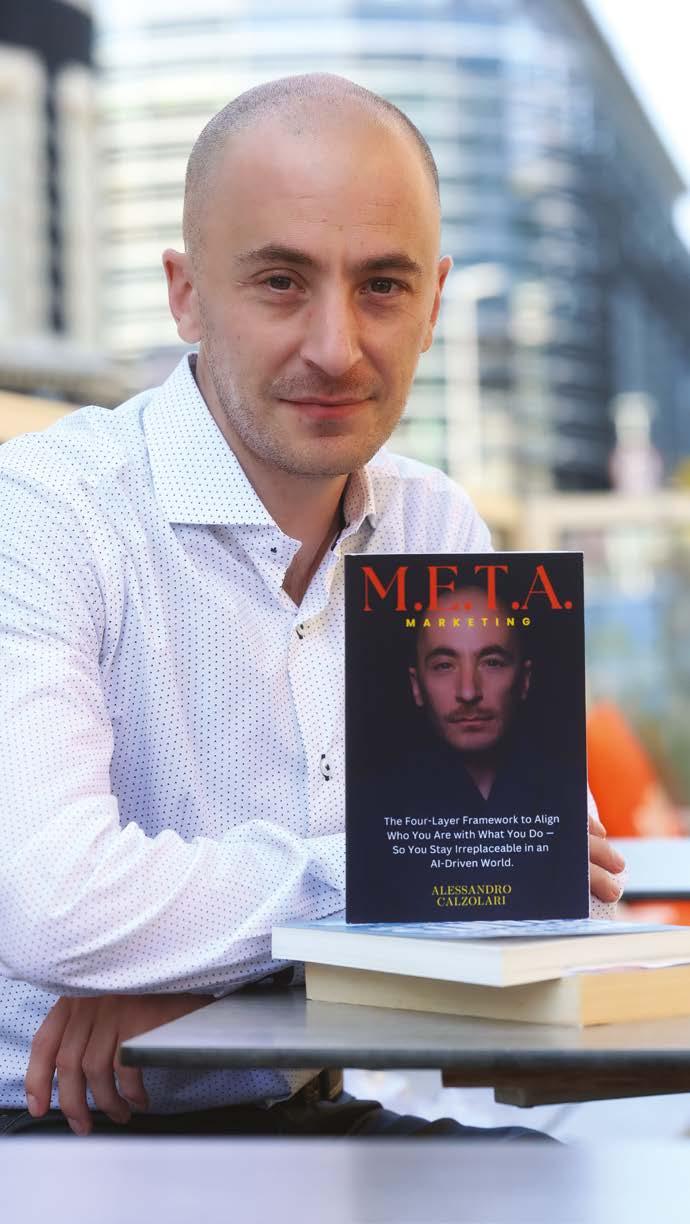
sending quotes — delays that cost her contracts. The issue was not product quality or pricing. It was responsiveness.
The sales representatives believed they were selling materials. She was buying reliability and speed. That subtle gap between perception and priority was costing them trust.
When I adjusted my focus from persuasion to alignment, my position in the market changed. The advantage was not superior tools, but clearer understanding.
Today, I see the same pattern amplified by AI.
Technology has raised the baseline of competence. Polished messaging and proposals are no longer scarce. Output is abundant. Attention and trust are not.
Many SMEs communicate as though their audience is ready to decide. In reality, buyers are often still evaluating risk, clarifying needs, or hesitating under
uncertainty. When messaging arrives at the wrong psychological moment, it feels premature. When automation replaces understanding, it feels impersonal.
AI does not make businesses replaceable. Misalignment does. AI simply reveals it faster.
In my work with founder-led businesses, underperformance rarely stems from a lack of tactics. It stems from structural gaps: diluted meaning, weakened differentiation, projected confidence without internal coherence, and short-term acceleration without strategic calibration.
In an AI-driven world, efficiency alone will not differentiate you. Automation will standardise execution and level technical advantage.
The real advantage will belong to those who understand human readiness more deeply than any machine ever could. Buyers are not algorithms. They are individuals navigating uncertainty,

timing, and trust. Businesses that remain irreplaceable will not necessarily be those that automate fastest, but those that are most aligned — with who they are, with how buyers actually decide, and with the stage of readiness in the room.
The question is no longer, “How do we compete with AI?”
It is, “Do we understand humans better than the machine does?”
That question sits at the heart of my latest book, M.E.T.A Marketing, where I explore how businesses can realign from within and remain not just visible, but irreplaceable in an AI-driven world.
In contrast with networking groups, the Hub provides an opportunity for sincere dialogue, trusted relationships, and true peer to peer support among entrepreneurs who know what it is like to run a business. Unlike networking events which just tell everyone else how wonderful life is, and how busy you’re. The hub tells the real story!
The community functions based on a growing number of local Hub groups around Sussex, meeting on a monthly basis during lunch and selected supper clubs that take place in
Brighton, Hove, Worthing, Eastbourne, Chichester, Haywards Heath, Horsham, Crawley and Hurstpierpoint. The number of participants at each meeting of any particular Hub does not exceed twelve people in order to ensure that high-quality conversations can take place, which would foster mutual respect and trust.
Besides regular Hub gatherings, members of the community also have an opportunity to attend Spice Club, a business curry networking lunch meeting organised by the Directors’ Hub
team once a month in Hurstpierpoint. And soon, in Brighton.
Spice Club offers members and their guests a space where they can socialise and develop business. Additional benefits of membership include participation in private WhatsApp groups, quarterly socials, Hubbub podcast, collaboration opportunities and access to more than 100 annual business events.
Reach out to its founder, Sonny Cutting to discuss membership.
Hello there, and welcome to The Directors’ Hub, Founders Support Club.

The Directors’ Hub started for a very simple reason. I needed a safe place to talk honestly about business. The wins, the worries, the sleepless nights, and the decisions you can’t always share with your team or family.
It began with a conversation down the pub with Pippa Crouch of Global OHS. Then I met Paul Dallibar of Gordian Solutions at a networking event, followed by Jayna Shah of JPS Wealth Management. One conversation led to another, and the groups grew naturally from there.
Fast forward to today, and the Directors’ Hub supports 60+ directors with 9 active groups, and more launching across Sussex, and a few will be in Surrey and Kent.
I’m Sonny Cutting, an entrepreneur based in Sussex, and founder of Network Express Limited. Under that umbrella sit The Directors’ Hub, The Sussex Business Show, The Tigers’ Pen, and The Entrepreneurs’ Blog, all built to do one thing well: support founders and directors without ego, fluff, or sales pitches.
Sonny has decided to run The Directors’ Hub full time from October and is currently exiting from the other brands to focus entirely on the support of Directors & Founders.
“Peer-to-peer mentoring, where every leader’s insight fuels the next success.”
Sonny Cutting, Founder directorshub.uk


It can sometimes be difficult to celebrate one’s own business successes and to ask for help when needed.
Being a member and a hub leader of the Directors’ Hub helps to address this. During our meetings I can engage with like-minded business leaders where we can all collectively and confidentially share our wins and gather support from other members.
"I wouldn’t want to be without the benefits it can bring to me and my business."
Gary Smith is a director of Simply Business Finance, a finance broker firm that helps businesses in any sphere find financial resources from many sources. Thanks to more than 40 years of combined experience of the company and over 250 available lenders, Simply Business Finance helps customers in obtaining financing including loans, invoice, and asset finance, equipment finance, bridging loans, commercial mortgages, among others. Moreover, the main focus of the firm is giving understandable advice without using professional jargon and helping businesses obtain funding in the most transparent manner.
Join Gary at Haywards Heath Hub and discover why peer-to-peer support has such a powerful impact.

Being a solopreneur can sometimes be a frustrating role. Having a group of peers such as The Directors’ Hub provides me with an opportunity to receive advice, support, and even a sounding board when I need it from people on a similar journey to my own.
Having a chance to conduct each meeting in the Hub and being able to add to its success in any way possible gives me a good feeling since I am one of the people responsible for creating the right atmosphere during each session. What I like the most about being in the Directors' Hub is the openness in the room. In some cases, working independently can become quite a lonely job, so it is important to have some people around me with whom I can discuss certain issues.
Paul is the founder of Gordian Solutions, which is a consulting firm and business coaching organisation aimed at serving firms in the UK. As an independent consultant with over two decades of experience, he has had more than 800 startups among the businesses he has advised, enabling owners of such enterprises to become more successful and effective in their operations.
Join Paul at Hurst Hub and get real peer-to-peer support which makes so much difference.

"I
The 2026 Acumen Business Convention welcomed 300 delegates from across Sussex and beyond. From the moment guests arrived, the atmosphere was electric with conversations flowing while 'zebra waiters' and 'zebra dancers' brought Acumen’s signature flair to this business community gathering for a day unlike any other.
Sixteen years on, the convention continues to break the mould, bringing together entrepreneurs, founders and decisionmakers for a day filled with inspiration, entertainment and authentic connection.
Held at the Grand hotel in Brighton, the Acumen Business Convention was organised entirely in-house by the Acumen team and planned by a core team of five: Daniel Richards the driving force behind the event, Alvin Ittoo who also served as compère, Ben Rose and Gabi Devlin who each ran a Speakers Arena while ensuring the day ran seamlessly and Penina Shepherd who also opened the event on the day.

unfolding AI revolution as falling into three camps — the ‘tsunami group’, the ‘hype group’ and the ‘zen group’.
One of the highlights of the 2026 convention was its exceptional line-up of speakers, each bringing insight, humour and valuable business experience to the audience.
Opening the event, Penina Shepherd, CEO & Founder of Acumen Law, reflected on the ‘AI tsunami’ facing both the business community and society more widely, describing reactions to the
The Convention Keynote Nick Hewer, Lord Sugar’s right-hand man on The Apprentice and a successful entrepreneur, took the stage with the first comment being “This convention is extraordinary, I’ve never seen anything like it!” Much the extra compliment, coming from someone who has more than four decades in business and television!
Nick captivated the audience with stories from combining dry humour with sharp commercial insight and honest reflections on leadership and entrepreneurship.
“The Convention Keynote Nick Hewer, Lord Sugar’s right-hand man on The Apprentice and a successful entrepreneur, took the stage with the first comment being “This convention is extraordinary, I’ve never seen anything like it!”
Much the extra compliment, coming from someone who has more than four decades in business and television!”
Matt Turner MBE, CEO of Creative Pod, delivered a thought-provoking talk on branding, innovation and authenticity in an increasingly crowded digital
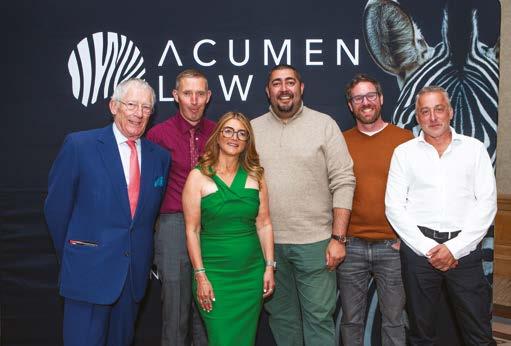

landscape. In an unscripted moment during his presentation, he invited Penina onto the stage to taste what appeared to be a tin of dog food, only later revealing it was actually crushed marshmallow and Mars bar.
Rob Starr MBE shared the inspiring story behind the Star Trust, described as “an accidental charity”, supporting young people by helping them take important first steps towards their

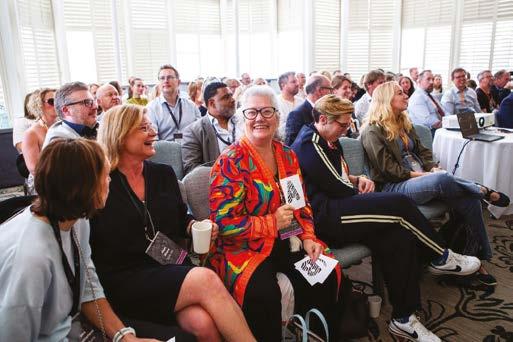
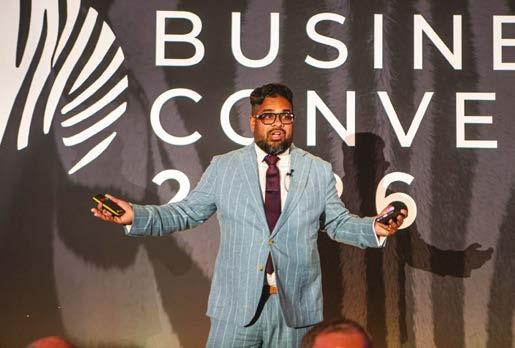
ambitions. His message centred on perseverance, positivity and believing in people, values that have become synonymous with both his business, SEICO Insurance & Mortgages, and his extensive charitable work.
Mike Lawrence, MD of Global WealthMap, explored the relationship between wealth and wellbeing, speaking about what happiness truly means and how success should be measured
beyond financial achievement alone.
Mike Turner, co-founder of Bird & Blend Tea Co., shares the honest story behind building a thriving retail and e-commerce business with a fiercely loyal community. From packing tea in a spare bedroom, to having 30 retail stores (and counting!) across the UK, he reflects on the pivotal moments that shaped the brand you see today, and lessons learned along the way
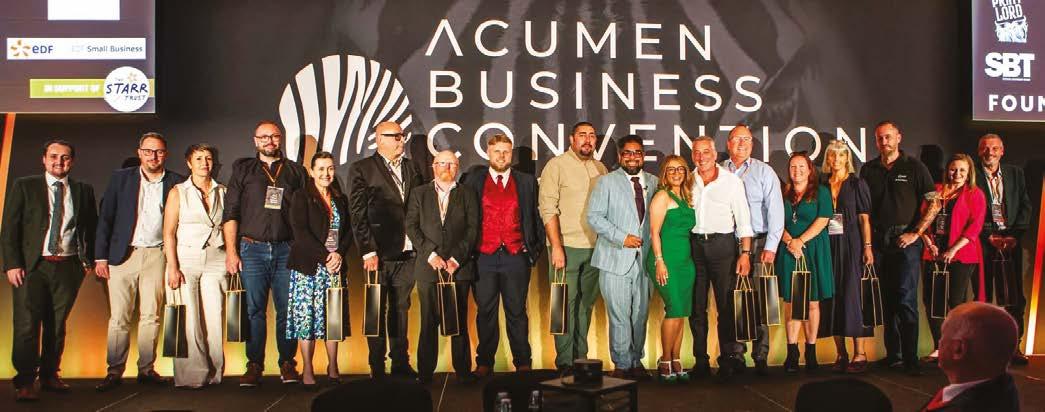
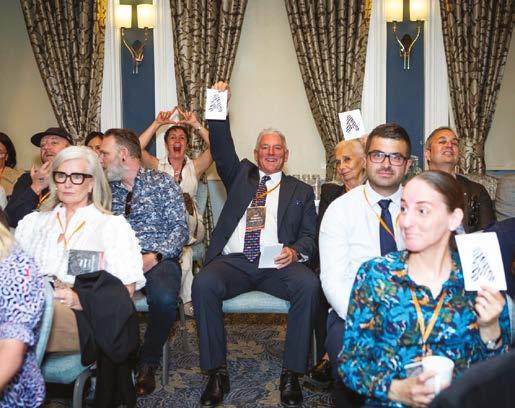

“Sixteen years since its launch, the Acumen Business Convention continues to redefine what a business event can be. As the curtains closed on another unforgettable convention, the biggest takeaway was simple: genuine human connection remains one of the most powerful drivers of business success.”
The audience was also moved by Marcos Jarvis, who spoke powerfully about overcoming Stage 4 cancer. Now cancer-free, Marcos runs Warrior’s Breath, helping others build resilience, reconnect with themselves, and find strength through challenge.
The breakout sessions featured local heroes such as Deborah Worley of Ark Movies production, Andy Clements of EDF Small Business Team and Garry James of the Foundry. They all shared their extraordinary journey, alongside a Legal Pub Quiz run by the Acumen heroes Ben Rose (Partner & Head of Litigation), Fiona Wheeler (Employment Solicitor) and Gabi Devlin (Corporate & Commercial lawyer).
Throughout the venue, the atmosphere reflected the spirit of Acumen itself: vibrant, welcoming and unapologetically different. Delegates connected over coffee, continued conversations during lunch and over scrumptious Greek food from Nostos Catering celebrated new
partnerships long into the evening.
Live entertainment included an unexpected ‘singing waiters’ and, of course, some zebra dancers, ensuring the day felt engaging, energetic and memorable from beginning to end.
Sixteen years since its launch, the Acumen Business Convention continues to redefine what a business event can be. As the curtains closed on another unforgettable convention, the biggest takeaway was simple: genuine human connection remains one of the most powerful drivers of business success.
www.acumenlaw.co.uk

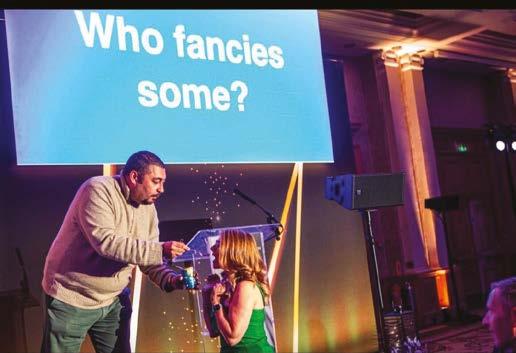
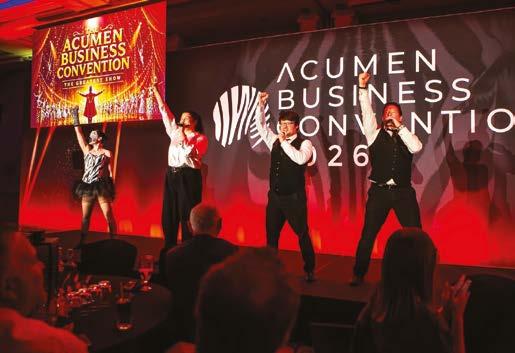

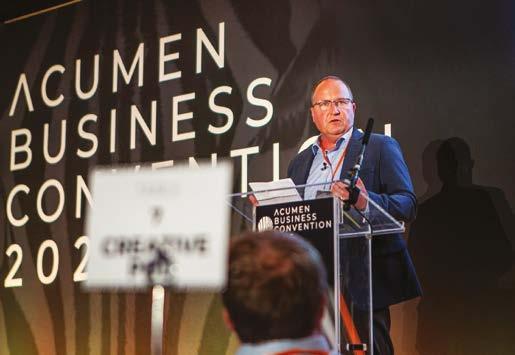
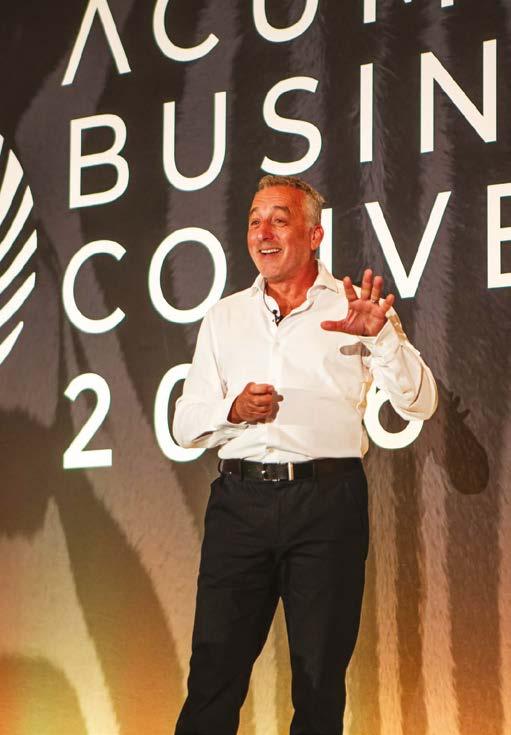
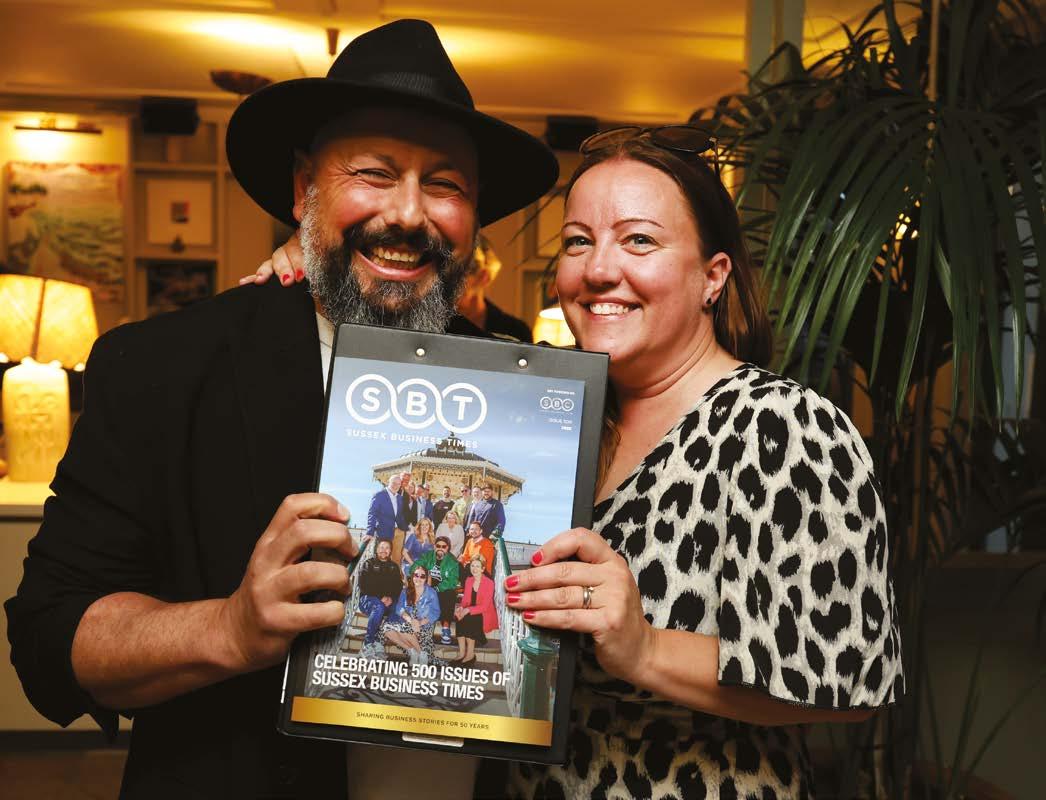
By Sam Thomas, Chief Storyteller
Networking & Events
On 30th April at Soho House Brighton, something very special happened.
We gathered to celebrate the 500th issue of Sussex Business Times, a milestone marking five decades of storytelling, community and connection across Sussex business.
For me personally, it also marked 82 issues since taking stewardship of the magazine back in 2017.
But as I stood in that room looking around at familiar faces, friends, partners and people who have supported this journey over the years, I realised this celebration was about far more than a magazine.
It was about people. It was about relationships. About stories.
About what happens when we create spaces where people feel seen, heard and connected.
Over the past decade, one of my biggest learnings has been this:
In business, people don’t just want networking. They want genuine connection. They don’t crave more polished content or highlight reels. They crave honesty. Authenticity.
Humanity. And Thursday night reminded me just how powerful that can be.
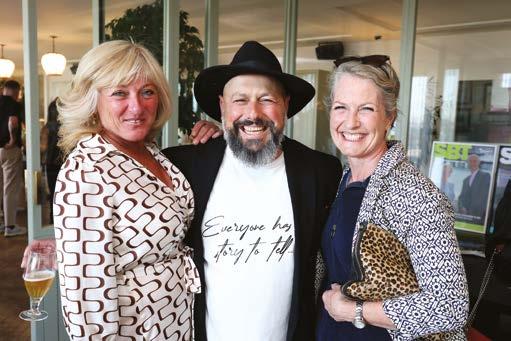
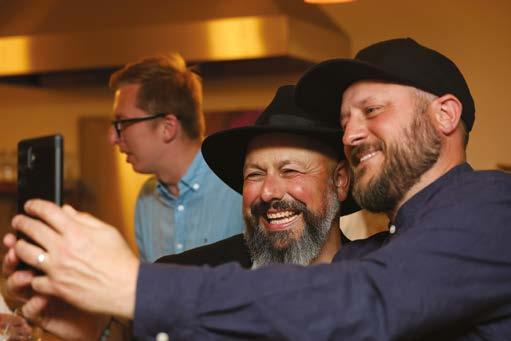
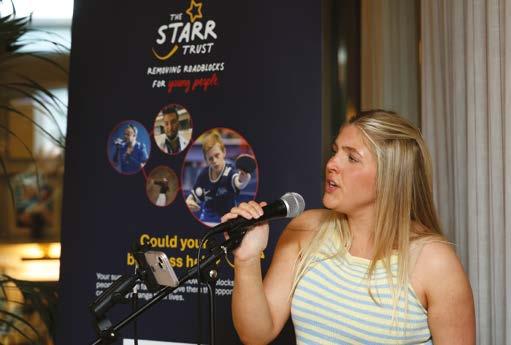

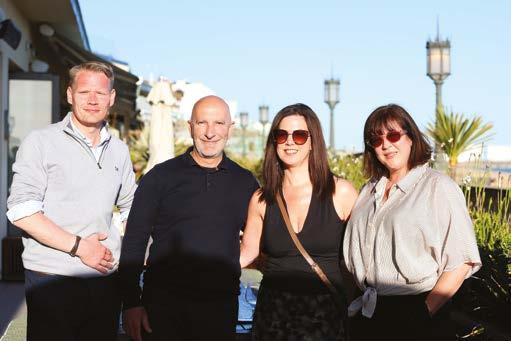


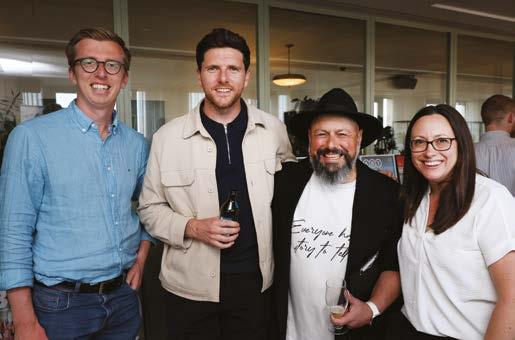
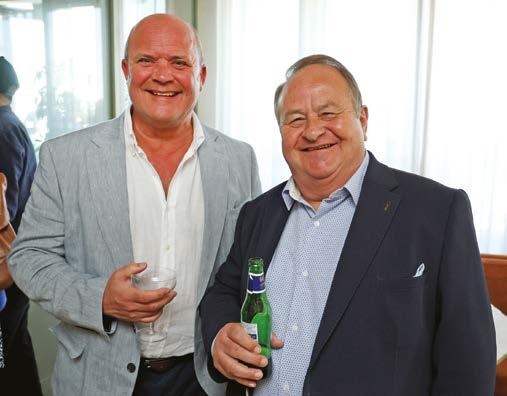

As part of the evening, I shared a poem I had written especially for the occasion. Many people know I love writing little verses for milestone moments, but this one felt particularly emotional to deliver.
At times my voice caught slightly. Not because of nerves.
But because of the weight of what this journey has meant.
For years I thought I was simply helping produce a business publication. But somewhere along the way, I realised Sussex Business Times had become something deeper.
A bridge between business and humanity. Between success and struggle. Between achievement and authenticity. Because behind every business story is a human story.
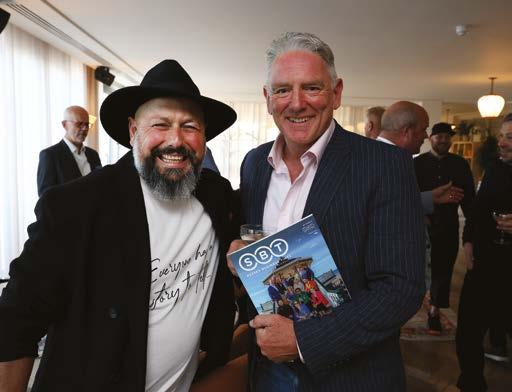

And perhaps that’s why SBT has endured for 500 issues.
Not because of headlines or advertisements.
But because stories matter.
Stories help people feel less alone. They challenge perspectives. They inspire action.
And sometimes, they simply make someone say: “Thank God it’s not just me.”
The evening was also an opportunity to support our incredible charity partner, the Starr Trust, with guests generously helping raise over £1,500 through the raffle on the night. Special thanks to Robert Starr MBE and Tracey Starr for the extraordinary work
they continue to do supporting young people across Sussex.
Five hundred issues feels like a huge milestone.
But somehow, it also feels like the beginning of something new. Here’s to the next chapter.
And here’s to keeping business human.
Scan the QR code to read the full poem from the evening.


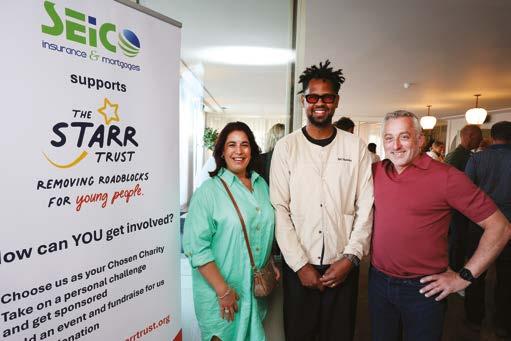
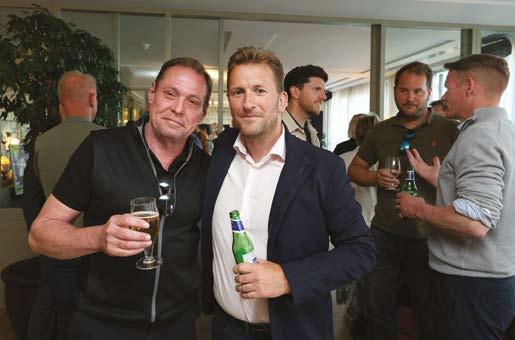
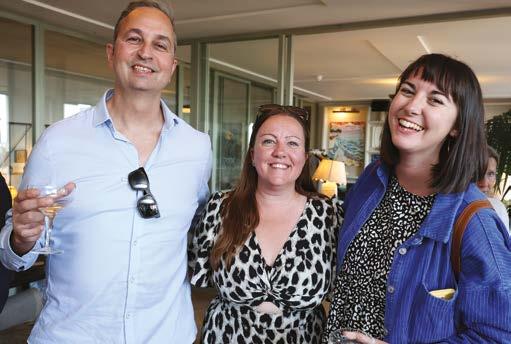


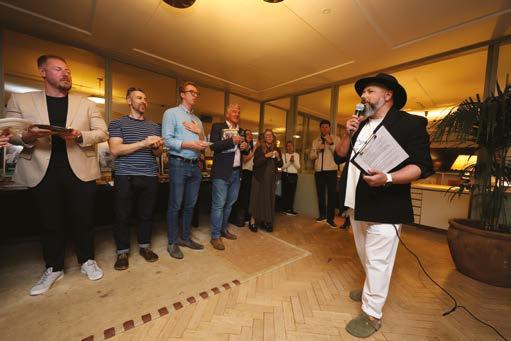
The Brighton and Hove Business Show will bring together local businesses, professionals, entrepreneurs and decision-makers for a packed day of networking, learning and opportunity on Thursday 4th June 2026.
Networking & Events
Held at the Amex Stadium, the show gives visitors the chance to meet a wide range of exhibitors, and build valuable face-toface relationships.
The exhibition floor will feature businesses from a variety of sectors, with exhibitors offering expertise in areas such as finance, marketing, HR, wellbeing, professional services, technology, business support and more. It is an ideal opportunity to explore fresh ideas, find trusted suppliers and have useful conversations all in one place.
The day will begin with the popular networking breakfast, where speaker Mia Neupauerova Shepherd will present Unresolved Conflict: The Silent Killer of Organisational Success. Her session will explore why difficult conversations are often avoided, how unresolved conflict can damage wellbeing and performance, and why conflict resolution skills should be part of every employee wellbeing programme.
A major highlight of the event will be the keynote speaker session, taking place from 10.40am to 11.10am in the Gap Solutions Lounge. This year’s keynote speaker is Peter Godfrey, Chairman and Founder of Godfrey Investment Group.
With a career spanning senior roles at American Express, HSBC and MasterCard, as well as board experience

with Brighton & Hove Albion Football Club, Peter brings a valuable mix of corporate leadership and entrepreneurial insight. He is also the author of PG Tips: A Journey in Life and Business.
Visitors will also benefit from a varied speaker programme throughout the day. Camille Pierson, Naturopathic Health Coach and Founder of Float Spa, will present The Serious Business of Having Fun, exploring how fun, laughter and wellbeing can improve energy, connection and workplace performance.
Lynda Goncalves MCIPD, Managing Director of Sussex Human Resources Limited, will deliver a practical session on employment law changes in 2026
and how businesses can prepare.
Jenny Legg, Founder of Bra Off, Defib On and Director of Training Legs First Aid, will lead an engaging session on confidence, awareness and inclusive first aid in the workplace.
Whether you are attending to generate leads, build partnerships, find suppliers, learn from experts or increase your visibility, the Brighton and Hove Business Show offers a productive and inspiring day for the local business community.
Visitor registration is now open, and early booking is strongly encouraged.
brightonandhovebusinessshow.uk
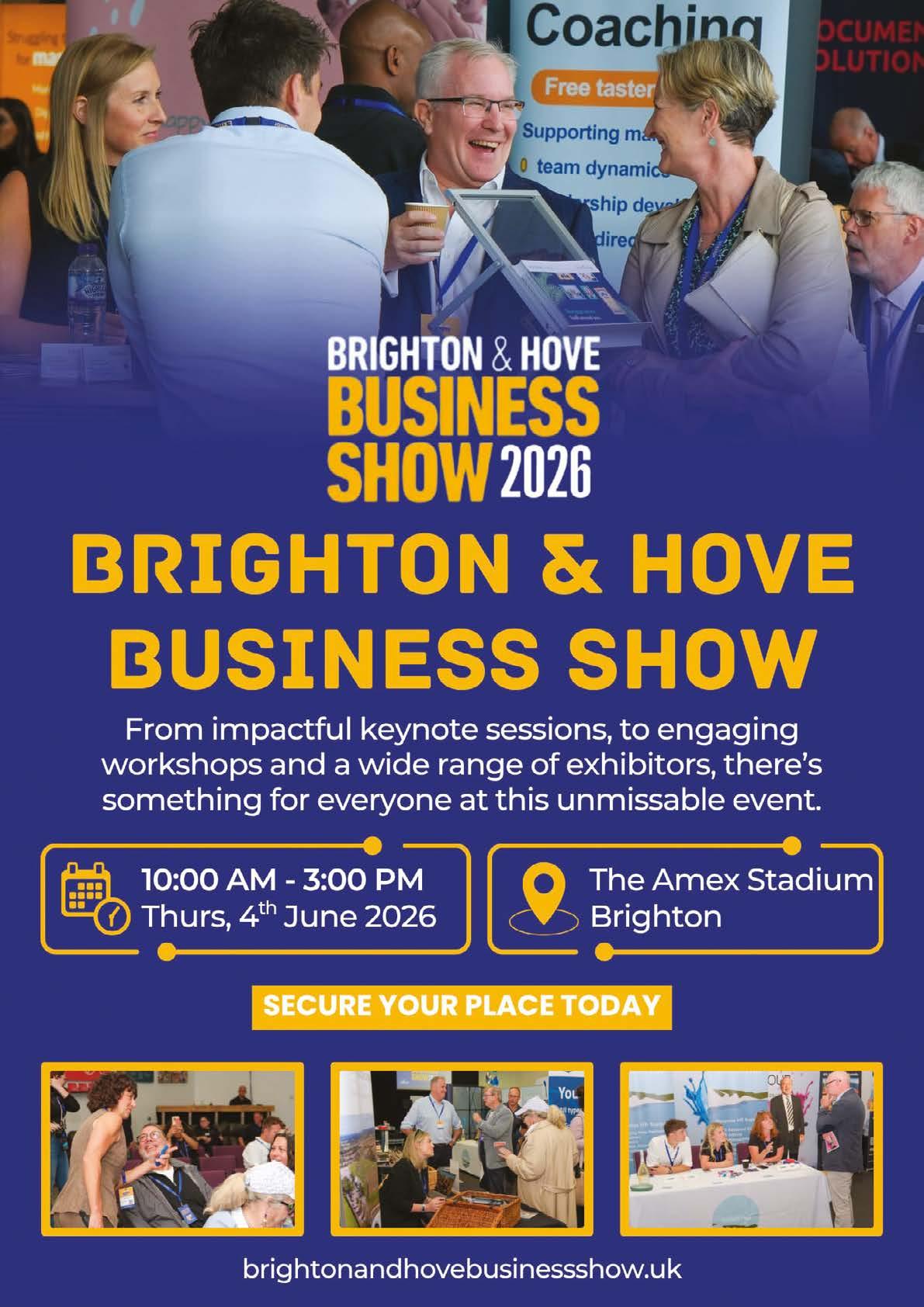

Sussex Chamber membership offers more than access, support and connections.
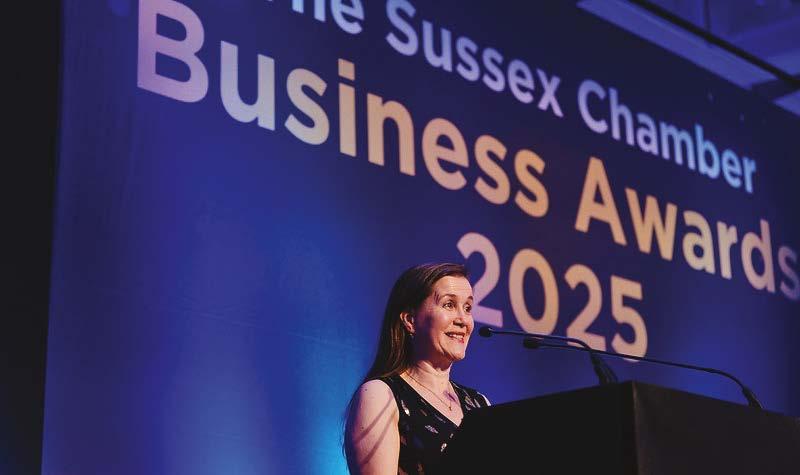
It provides a carefully considered platform through which businesses can strengthen reputation, extend reach and build a more visible presence within one of the region’s most respected business communities. For organisations seeking growth with substance, it is a membership designed to be used, not simply held.
Share your story with confidence. At the heart of that visibility is the opportunity to share news stories with clarity and confidence. Member news blogs offer an elegant way to showcase launches, achievements, insight and momentum while keeping the business visible across the Sussex Chamber network.
Lead the conversation. Editorial in the Chamber’s business magazine, Business Edge, offers a more substantial platform to present business expertise with authority and depth.
Together, they help shape perception and position your organisation as a credible and active voice in Sussex.
Extend your digital presence. Reveela, https://reveela.com/register/?ref_ code=1243 helps you amplify content, strengthen your online presence and take a more strategic approach to PR, media and publishing.
Sussex Chamber Business Expo –connect, showcase and grow
The Sussex Chamber Business Expo
brings together ambitious businesses, key decision-makers, and fresh opportunities from across the region. It is a powerful platform to raise your profile, build valuable connections, and open the door to new business. Whether you exhibit or attend, the expo puts your organisation at the heart of the Sussex business community.
Sussex Chamber Business Awards –recognise success and raise your profile
The Sussex Chamber Business Awards celebrate the businesses and individuals driving excellence across the region. Entering offers the chance to showcase achievement, strengthen credibility, and recognise your team. Attending and sponsoring place your brand alongside success, ambition, and leadership in the Sussex business community.
For businesses looking to enhance their profile further, sponsorship opportunities and the Promoter package offer added promotional value. From e-newsletter visibility and website page sponsorship to video, podcasts, case studies and thought leadership through Chamber channels, these options provide a more deliberate and consistent way to remain front of mind. They are particularly suited to organisations that want their marketing activity to feel more visible, more professional and more intentional.
For organisations seeking the most comprehensive level of visibility,
Strategic Partner membership offers a distinctly elevated proposition. This is the premium membership for established businesses enhancing brand, influence and impact, it includes enhanced promotional benefits such as prominent homepage logo placement, a dedicated webpage, extended editorial in Business Edge, complimentary premium Reveela access, quarterly e-newsletter features, a complimentary exhibitor stand at the Sussex Chamber Business Expo and complimentary event sponsorship, as well as complimentary places at the annual Sussex Chamber Business
Introducing our Celebrity Speaker - Sally Gunnell OBE
Awards and other national events. It is a membership designed for businesses that want to lead from the front and be recognised accordingly.
Whether you choose membership to build visibility, strengthen reputation or create more meaningful opportunities, Sussex Chamber offers a pathway that can be shaped around your ambitions. From core promotional tools to the enhanced presence of its membership packages, it is a membership portfolio created to help businesses present themselves with confidence, distinction and impact.
We are thrilled to welcome Sally Gunnell OBE as our celebrity host for this year’s Sussex Chamber Business Awards. Her remarkable journey, outstanding achievements, and natural warmth promise to create an unforgettable evening filled with celebration, inspiration, and fun. Sally remains the only woman ever to hold four major track titles concurrently - Olympic, World, European and Commonwealth. Since retiring from international athletics, Sally has developed a successful career path as a motivational and keynote speaker, TV presenter and ambassador for charities, brands and campaigns.
Join us for an unforgettable evening as we recognise and celebrate the achievements of outstanding businesses, leaders, and innovators from across Sussex.
Book your tickets and join us!
Friday 10th July 2026
18:00 - 00:00
DoubleTree by Hilton Brighton Metropole

Becoming a partner at the Sussex Chamber Business Awards is a great way to raise your profile within Sussex and align your brand with excellence, innovation and community impact.
Key benefits for your business:
• Brand Visibility: Feature your business in front of a highly engaged audience of local leaders and influencers.
• Targeted Exposure: Reach decision makers across multiple sectors, from startups to established enterprises.
• Networking Opportunities: Build lasting connections with clients, partners and collaborators.
• Community Impact: Showcase your commitment to supporting local businesses and economic growth in Sussex.
Visit www.sussexchamberofcommerce.co.uk or contact one of the team on 01444 259259.
With over two decades of recruitment experience, Placr Recruitment is dedicated to delivering a personalised, high-quality service to both employers and candidates.
Based in Sussex, our reach extends nationwide, and our mission is simple: we place the best candidates into the best companies, fostering growth and success for both
Our Services
Permanent Recruitment
We specialise in permanent recruitment, ensuring long-term
Location: Brighton and Hove Salary: £30-35k per annum Contract: Full-time
Our property management client is seeking a highly motivated and experienced Property Manager to join our team on a full-time basis. The ideal candidate will have a strong background in property management and a proven track record of success in managing multiple residential properties.
Key Responsibilities:
• Oversee the day-to-day operations of assigned properties, including leasing, maintenance, and tenant relations
• Conduct regular property inspections to ensure properties are well-maintained and in compliance
• Manage and coordinate all aspects of the leasing process, including marketing, showing units, and screening potential tenants
• Prepare and manage property budgets, ensuring expenses are within budget
success for both businesses and candidates. Our team is committed to understanding your specific needs and finding the perfect fit.
Though we’re based in Sussex, our recruitment services extend across the UK. Whether you’re looking for talent locally or across the country, we’ve got you covered.
Industry Expertise
Our expertise spans multiple sectors, allowing us to match toptier candidates with leading companies in various industries.
Property Manager (residential)
• Negotiate and execute contracts with vendors and service providers for property maintenance and repairs
• Monitor rental rates and market trends to make recommendations for rent increases or decreases
• Develop and implement property-specific policies and procedures to ensure efficient and effective operations
Qualifications:
• Bachelor's degree in business, real estate, or a related field
• Minimum of 3 years of experience in property management, preferably in a supervisory role
• Strong knowledge of property management principles, practices, and procedures
• Excellent communication and interpersonal skills
• Ability to multitask and prioritize in a fast-paced environment
• Proficient in Microsoft Office and property management software
• Knowledge of local and state laws and regulations related to property management
• Valid driver's license and reliable transportation
JOB PURPOSE:
You will be responsible for the assembly of UHV Manipulation & sample handling sub-assemblies including pre-test data recording and QC evaluation working in our UHV Cleanroom.
• Assembling mechanical and electrical components to build complex systems
• Carry out specialist UHV compatible instrument wiring & electrical testing
• Maintain 'UHV clean' process standards with all 'in vacuum' component parts and sub-assemblies.
• Support transition of new hardware from NPI through to routine production
• Maintain and updating existing manufacturing instructions
Tig Welder / Fabricator
The main purpose of this role will be:
• To ensure all TIG Welding projects are completed in conformance with specifications and set time scales.
• Fabrication and welding of vacuum chambers, components and subassemblies as required in line with planned manufacturing operations to defined quality standards and timescales.
• Complete projects in accordance with planned schedules aligning fabrication and welding workload with machine shop operations.
• Quality Control evaluations. Set up and running of leak checking operations using mass spectrometry equipment, (helium leak detectors) on all chamber vessels.
ESSENTIAL SKILLS & EXPERIENCE
• Manages personal workload, meeting all targets set.
• Works well within the team, maintaining effective relationships with colleagues in welding department.
• Demonstrates a flexible attitude coping with changing priorities in a fast paced environment.
Location: Lower Dicker, UK • Hours: Full time
• Familiarity with the production of UHV compatible devices & instrumentation
• Previous experience in a low volume customised product manufacturing environment is preferred.
• Resilient under pressure, able to adhere to the predetermined timescales and deadlines.
• Basic IT skills.
• Ideally a relevant engineering degree/HND/HNC e.g., Mechanical Engineering, Electromechanical Engineering, QBE or time served apprenticeship candidates can be considered
• Mechanical engineering Level 3
• Previous experience in a high technology manufacturing environment or clean room.
Hours: Full time
• Understands the importance of quality, time frames and customer requirements.
• Looks for continuous improvement in quality and time saving solutions.
• Completes work in a effective and safe manner, following guidelines.
• Ability to prioritise projects throughout team to achieve targets incorporating CIT, (call in time / Overtime).
• Understands and works to the 5s program.
• Follow all health and safety regulations and seek to maintain and improve these standards.
• Minimum 3 years' experience in TIG welding
• Good constructive communicator.
• Flexible and able to adapt to short term changes.
• Supports project completion through problem solving
Founded following the 2009 harvest, Digby Fine English has established itself as one of England’s leading sparkling wine houses. Rather than relying on a single estate, Digby sources fruit from carefully selected vineyards across Kent, Sussex, Hampshire and Dorset, allowing its winemaking team to create complex blends that express the best of English terroir. The company has built a reputation for producing elegant, traditionally made sparkling wines that combine freshness, finesse and ageing potential.
Leander Pink NV Brut was first released in 2015 as a collaboration with the renowned rowing institution Leander Club. The wine celebrates the club’s iconic cerise colours, and a portion of sales is donated to support the development of future rowing talent.
Digby Fine English Leander Pink NV Brut presents a delicate salmon-pink hue with a fine, persistent mousse. The nose offers ripe strawberries, raspberries and peach, together with subtle notes of cream, brioche and freshly baked pastry from extended lees ageing in the cellar.
On the palate, there is juicy red berry fruit with crisp citrus freshness, it has a creamy texture and elegant acidity. The mousse is refined and persistent, creating a luxurious mouthfeel. A lingering finish of citrus zest, red fruits
and delicate spice leaves a lasting impression. Overall, this is a beautifully balanced sparkling rosé that delivers both immediate charm and underlying complexity.
The wine’s bright acidity and red-fruit character make it very versatile. It works wonderfully as an aperitif but truly shines alongside seafood dishes such as prawn cocktail, lobster, langoustines and smoked salmon. Its creamy texture also complements soft cheeses.
For more substantial dishes, Leander Pink pairs beautifully with charcuterie, roast chicken and summer salads featuring berries or goat’s cheese. The wine’s combination of freshness and richness allows it to bridge both delicate and savoury flavours with ease.
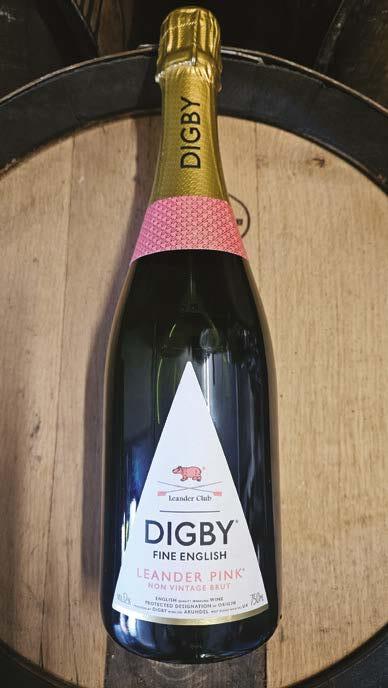
The wine is available to purchase directly from Digby and we stock this wine at Spirit of the Downs Distillery by the bottle for £35 or £9 by the glass at the monthly Sounds at the Distillery.
Leander Pink NV Brut has been awarded Gold and Best in Class honours at the Championships of Sparkling Wine, while also earning recognition at the International Wine Challenge.
The wine has achieved impressive scores from leading critics, including 92 points from Decanter, 92 points from Wine & Spirits and 91 points from Wine Enthusiast.
Written for County Business Club by Michael Yeoman, English Wine Specialist and producer of Spirit of the Downs, award winning local artisan Sussex Brandies, Grape Vodkas and Liqueurs.