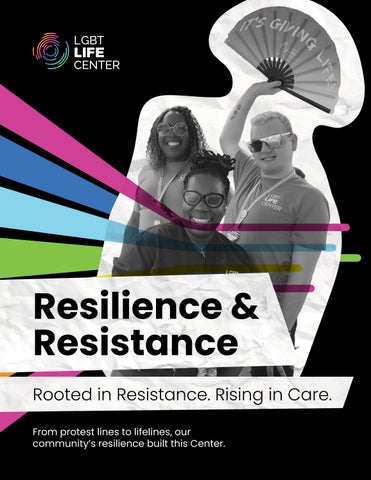
Resilience & Resistance

Rooted in Resistance. Rising in Care.
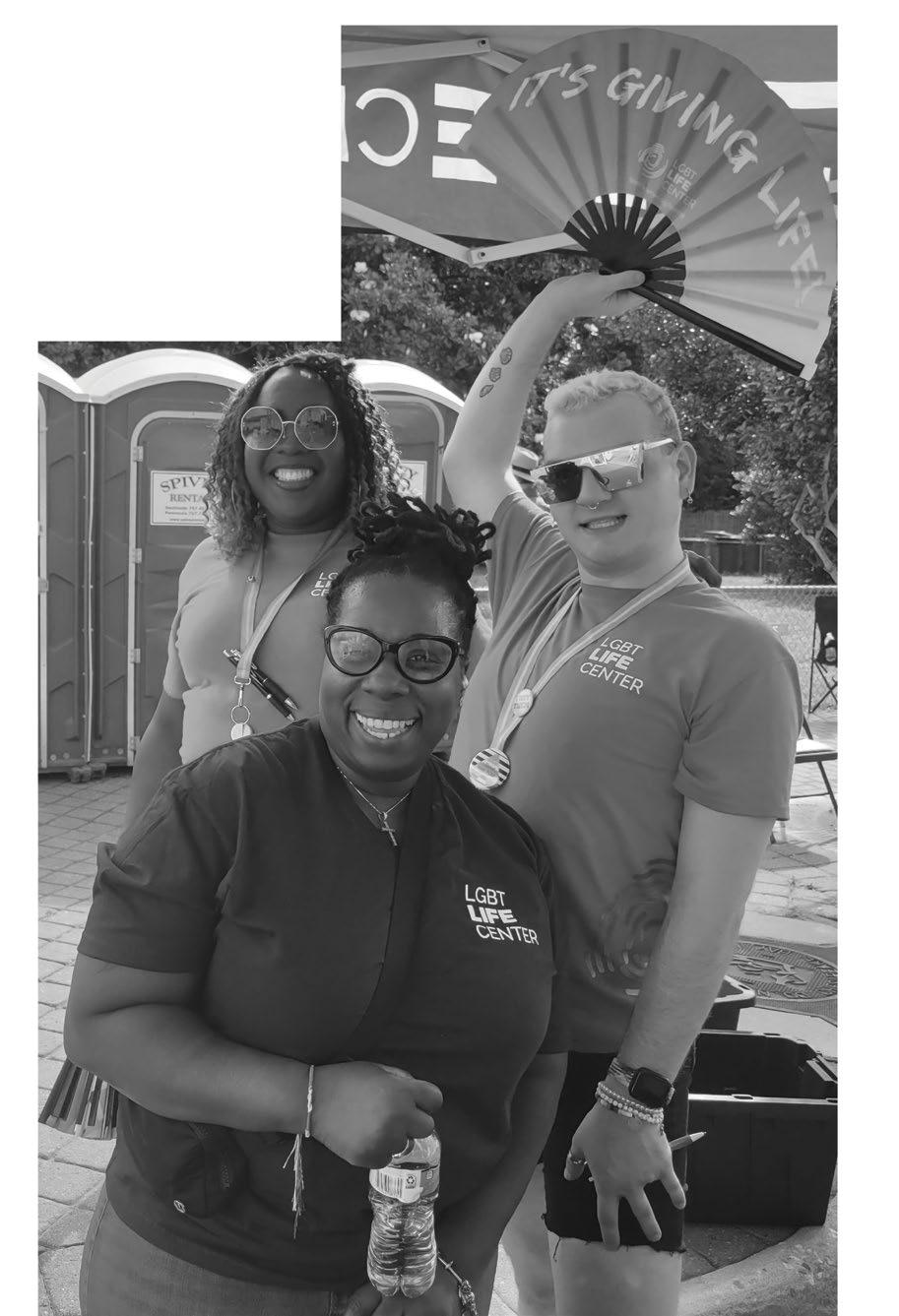

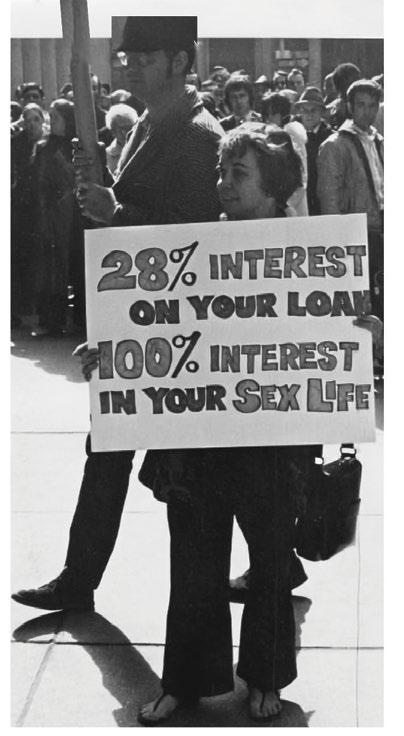
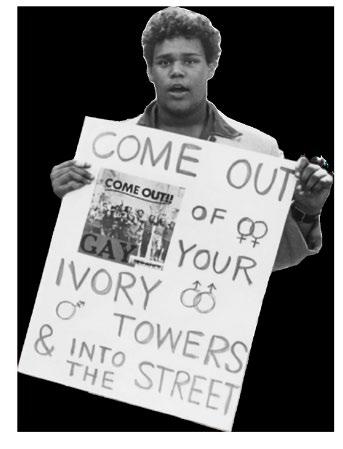
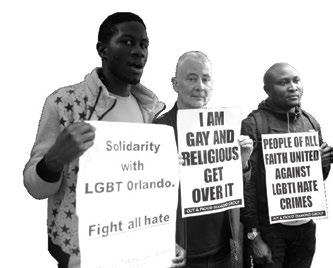
From protest lines to lifelines, our community’s resilience built this Center.


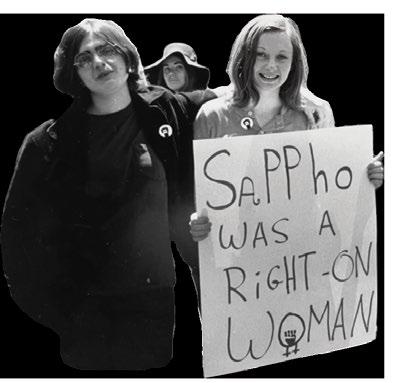


From protest lines to lifelines, our community’s resilience built this Center.
LGBT Life Center was born out of crisis and built on care.
More than 35 years ago, at the height of the HIV/AIDS epidemic, fear and misinformation were everywhere. Too many were turned away from healthcare, isolated from family, and left to navigate illness and loss alone. LGBTQ+ communities, especially gay men, bore the brunt of a public health emergency with little support and even less compassion. Black women, navigating what often felt like a death sentence, suffered in silence without access to advocacy, care, or resources.
In response, the community came together to care for women and children affected by HIV in Hampton Roads. This grassroots effort became the Children’s AIDS Network Designed for Interfaith Involvement — CANDII House — laying the foundation 36 years ago for what would become LGBT Life Center.
What began as lifesaving work, sharing information, supporting those living with HIV, and fighting stigma, grew into a community-centered organization rooted in dignity, trust, and belonging. From the beginning, our message was clear: you matter, your life matters, and you deserve care. Over time, the work evolved. HIV treatment improved. Prevention tools expanded. But one truth never changed: health does not exist in the shadows. You can’t stay healthy without stable housing. You can’t focus on care when you’re hungry. You can’t thrive in systems that don’t see, respect, or protect you. So we grew. Not to chase growth, but to meet real needs as they emerged.
Housing became healthcare. Food access became prevention. Affirming spaces became lifesaving.
As stigma shifted, new challenges emerged. Political attacks on LGBTQ+ people intensified. Trans and queer communities were again targeted — through legislation, disinformation, and barriers to care. Funding became uncertain. Systems grew more complex. Yet the need for dignity-centered care only strengthened.

Through it all, LGBT Life Center adapted without losing its heart. We expanded services. We built partnerships. We opened clinics and pharmacies. We strengthened housing programs. We showed up; at Pride festivals, community meetings, classrooms, and kitchen tables, listening especially when answers weren’t simple.
Today, we serve tens of thousands of neighbors across Hampton Roads. But our purpose remains deeply personal.
• We are still here for the person newly diagnosed and scared.
• Still here for the young person seeking safety and belonging.
• Still here for the elder aging with HIV.
• Still here for families navigating housing instability.
• Still here when systems fail and when hope feels distant.
• Our history is not just about longevity. It’s about persistence. Choosing compassion when it was not the popular choice. Believing care should be affirming, accessible, and rooted in respect — not politics or profit.
From crisis to community, our journey has taught us this: dignity isn’t an outcome; it’s a practice. One we recommit to every day.
And as the world continues to change, one thing remains certain: we will keep showing up; with clarity, courage, and an unwavering belief that everyone deserves health, support, and to have a life that demands dignity.

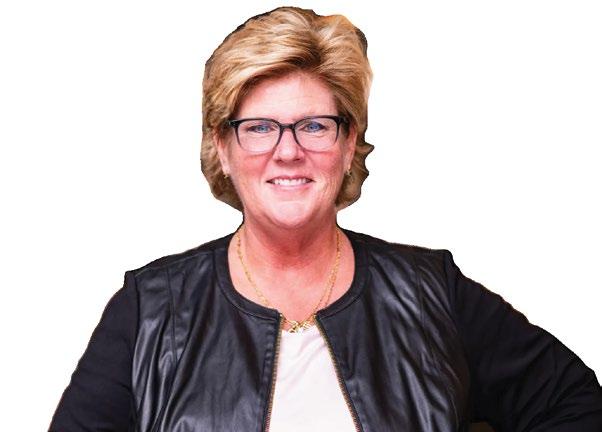
Stacie Walls Chief Executive Officer
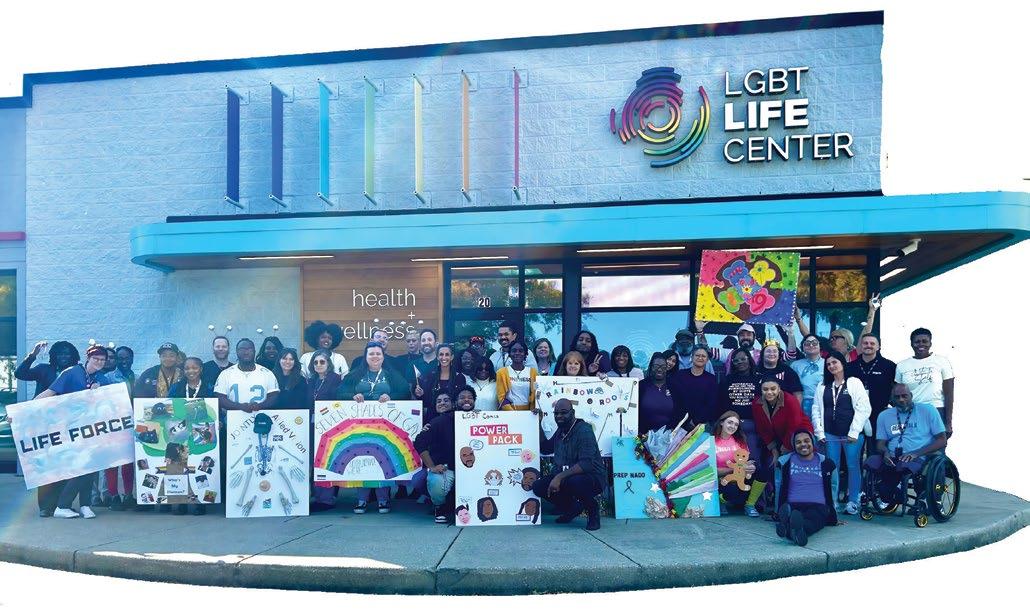

LGBT Life Center began as a grassroots response to the HIV/ AIDS epidemic, just two years after the U.S. Department of Health and Human Services declared AIDS a public health crisis.
At a time when fear, misinformation, and stigma left many without care, a local nun brought the community together to support women and children affected by HIV in Hampton Roads. This effort became CANDII House — the foundation of today’s LGBT Life Center.
As HIV treatment improved, a new reality emerged: people could survive HIV, but many were still losing housing, income, and stability.
In 2002, the Center became directly funded through HUD to provide housing for people living with HIV. This marked a pivotal shift — recognizing that housing is healthcare, and stability is essential to treatment adherence and long-term wellbeing.
By 2011, prevention tools like PrEP were emerging, and the need for affirming healthcare — especially for transgender and queer people — was growing.
The Center became directly funded through the CDC and expanded programs beyond HIV services, launching trans-inclusive programming and bilingual case management to meet unmet care gaps in the region.
This was the moment when it became clear: healthcare must be affirming, accessible, and culturally responsive.

As Hampton Roads’ Latinx and immigrant communities grew, so did the need for linguistically accessible services.
The Center introduced bilingual case management, ensuring care could be navigated with dignity — not language barriers.
With growing community trust and expanded services, ACCESS AIDS Care formally rebranded as LGBT Life Center.
This shift reflected a new model: status-neutral, fullspectrum care — serving the whole community, not only those living with HIV.
Prevention, primary care, housing, food access, and mental health services became integrated under one mission: LIFE Demands Dignity.
As political attacks on LGBTQ+ healthcare intensified nationwide, the Center expanded again — opening clinics and pharmacy partnerships to ensure uninterrupted access to affirming medical care, medication, and prevention services.
Care became not only a service — but a safeguard.
Today, LGBT Life Center serves tens of thousands of neighbors across Hampton Roads.
From HIV care to primary healthcare, housing to food access, youth programs to racial equity work — every program is built on a simple belief: Dignity isn’t an outcome. It’s a practice.



Behind every number in this report is a neighbor, someone seeking care, stability, connection, or simply a place where they can be themselves without fear or judgment. In our 2024-25 fiscal year (July 1, 2024 — June 30, 2025), LGBT Life Center worked with 16,380 neighbors across Hampton Roads through healthcare, housing, food access, prevention, counseling, community programs, and volunteer engagement.
This snapshot offers a clear look at who we serve.
HIV SERVICES
PHARMACY AND CLINICAL
HOUSING & HOMELESSNESS PREVENTION
COUNSELING & DENTAL VISITS
PRIDE PANTRY & FOOD ACCESS
LGBT LIFE HEALTH SERVICES
COMMUNITY TRAININGS, GROUPS & VOLUNTEERS
16,380 neighbors served
This number reflects the full ecosystem of care at LGBT Life Center — because LIFE isn’t experienced in silos.

Our work reaches people at every stage of life; from youth just beginning to navigate identity and care, to older adults aging with isolation, HIV, chronic conditions, or limited resources.
We meet people where they are, whether they’re starting out, starting over, or simply trying to stay healthy and housed.
Identify as BIPOC
Health inequities don’t affect all communities equally, and neither does access to care. Our data reflects a continued commitment to serving those most impacted by structural racism, stigma, and economic barriers.
Equity isn’t accidental. These numbers reflect intentional outreach, trust-building, and culturally responsive care.
Between age 18–34


Gender-affirming care is essential, not optional. Among clients whose gender identity we were able to collect.
We are committed to creating spaces where gender diversity is respected, affirmed, and protected.
Identify as women, trans, or non binary 54%
When sexual orientation data was collected:
This reflects an important truth: while we are an LGBTQ+ organization, our doors are open to everyone, especially those facing stigma, barriers, or gaps in care. LIFE belongs to all of us.
Identify as a LGBTQ+
LGBT Life Center is committed to serving communities most impacted by stigma, structural racism, and barriers to care. We build trust through culturally responsive services, equitable policies, and spaces where every person is respected, affirmed, and treated with dignity. 49%

and inclusion are not separate from our mission — it’s our life.



At LGBT Life Center, we believe housing is healthcare. Without a safe place to sleep, store medication, prepare food, or rest, everything else becomes impossible. That’s why housing remains one of the most powerful tools we have to support long-term health and stability.
In FY24/25, despite ongoing federal funding uncertainty and shifting housing policy, our housing team continued to deliver results, keeping people housed, supported, and moving forward.
• 476 people housed this year
• Rapid re-housing and supportive housing across multiple programs
• Ongoing recertification to ensure assistance reaches those who need it most
• Stability isn’t temporary. It’s foundational.



The Housing Trust Fund for LGBTQ+ People is our primary funding source for housing support serving LGBTQ+ individuals across Hampton Roads. While HOPWA and CHAP programs provide housing assistance specifically for people living with HIV, the Housing Trust Fund ensures that any LGBTQ+ person experiencing housing instability can access support — because housing insecurity doesn’t discriminate, and care shouldn’t either.
• Short-term rental assistance (typically 9 months to one year)
• Supportive services alongside housing placement
• Ongoing recertification to confirm continued need
• A pathway to long-term stability — not just a temporary fix
This shift reflects what we’ve learned over decades of service: early intervention prevents crisis, and stable housing reduces strain on emergency systems while improving health outcomes.
Housing first isn’t radical. It’s necessary.
When Shay first connected with LGBT Life Center, housing instability was shaping nearly every part of her life. Like many people living with HIV, Shay was navigating more than just health care, she was managing uncertainty around where to sleep, how she would store medication, and what tomorrow might bring.
Through LGBT Life Center’s housing program, Shay was able to access stable housing and the supportive services that come with it. That stability made an immediate difference. With a safe place to live, Shay could focus on staying healthy, keeping medical appointments, and planning beyond the next few days.
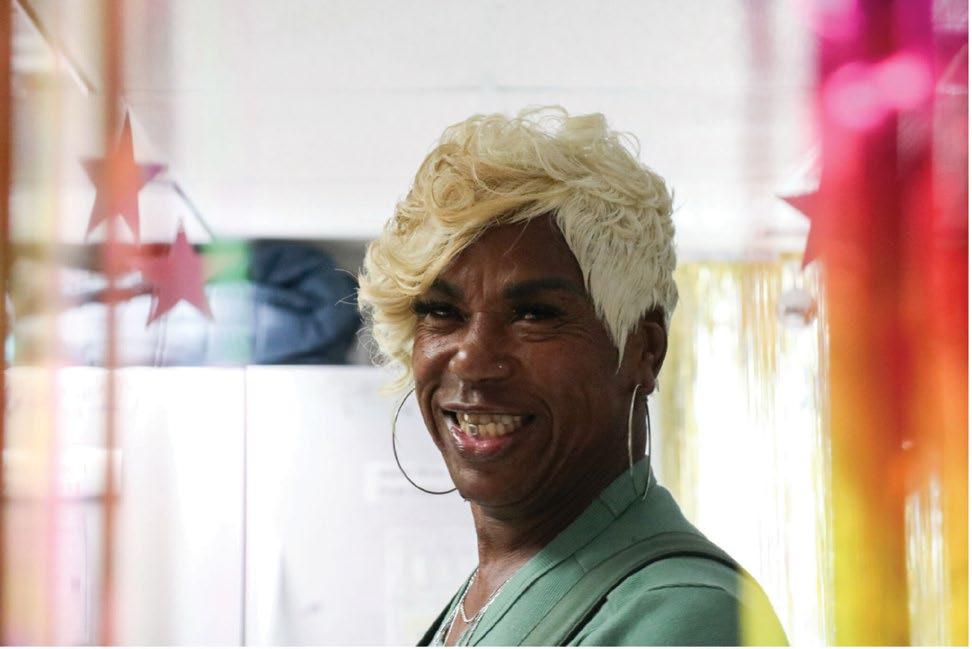
Housing didn’t just provide shelter, it created space to breathe.
As federal funding for HIV services has become increasingly uncertain, Shay’s story reflects what’s at stake when housing support is treated as optional instead of essential. Programs like ours don’t just prevent homelessness; they protect health, preserve dignity, and reduce the risk of care interruption for people who rely on consistency to stay well.
Today, Shay is housed, connected to care, and focused on maintaining stability. Her story is no longer about crisis; it’s about what becomes possible when people are given the support they need, when they need it.
Housing didn’t just provide shelter, it created space to breathe.
We believe housing is healthcare. Shay’s experience reminds us why that belief matters, and why sustaining these programs is critical to the health of our community.
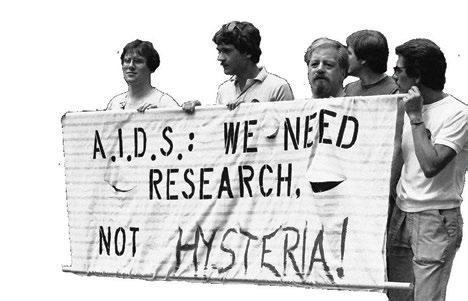

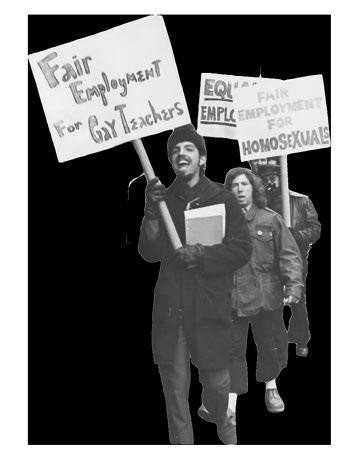
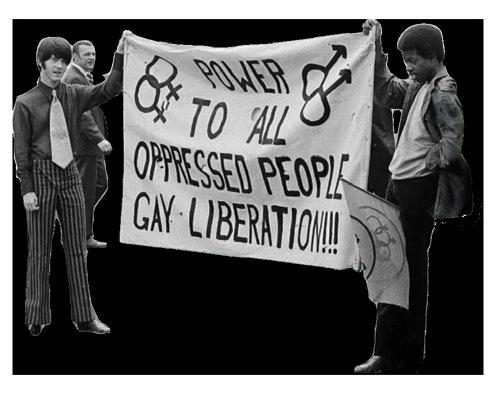
14TH ANNUAL LESBIAN AND GAY PRIDE PARADE IN NEW YORK, JUNE 27, 1983. PHOTO BY MARIO SURIANI, ASSOCIATED PRESS.
Healthcare should feel affirming, accessible, and human. Through our primary and sexual health clinics, LGBT Life Center delivers care that meets people where they are, without judgment, stigma, or unnecessary barriers.

• 216 PrEP medical referrals provided
• 68% completed PrEP medical visits
• Continued year-over-year growth in PrEP engagement
2,445 patients served
• 459 clients served
• 3,188 patients served
• 41,513 units of service provided
• Integrated care across physical health, sexual health, and HIV services
• 2,696 HIV tests conducted
• 0.74% overall seropositive rate
• 0.55% newly diagnosed rate
• 95% linked to HIV care
• 5,031 STI/HCV tests conducted
• 6.2% positive/reactive rate

Testing is prevention. Treatment is care. Both require trust.
• Of 343 active clients, 80% virally suppressed
• Of 312 clients with current labs, 87% virally suppressed
Viral suppression isn’t just a statistic, it’s proof that access works.
87% viral suppression among clients with current labs
• 310 dental visits provided
Oral health is often overlooked, yet deeply tied to overall health, confidence, and quality of life. Restoring a smile restores dignity.


Medication only works if people can afford it, access it, and adhere to it. Through our pharmacy partnerships and the 340B program, LGBT Life Center helps remove cost barriers that interrupt care.
Pharmacy proceeds don’t stop at the counter. They directly support:
• Emergency housing for LGBTQ+ people


6,313 prescriptions filled
• 6,313 prescriptions filled
• 4,727 prescriptions filled via partner pharmacies
• 4,255 co-pays covered
• $38,039.55 in co-pay assistance provided
• 63% of prescription co-pays covered using 340B savings
• Pride Pantry food access
• Youth and senior programs
• Prevention and testing services
• Medical and lab visits for uninsured clients
• Facilities and operations that keep doors open
This model allows one act of care, filling a prescription, to ripple outward across the entire community.
When care is accessible, affirming, and rooted in dignity, people thrive. These programs don’t just treat symptoms — they build stability, restore trust, and create pathways forward.

63% of prescription co-pays covered using 340B savings

Food is more than fuel. It’s stability, dignity, and the ability to focus on everything else; health, housing, school, work, and family. At LGBT Life Center, the Pantry exists to meet a basic need with respect and consistency, especially for neighbors navigating economic hardship, health challenges, or systemic barriers.
This fiscal year our Pantry experienced significant growth — both in reach and in the community support that makes it possible. We also reimaged what our pantry is, turning it into a market complete with shopping carts, allowing community members to shop for what they need, not whatever we give them.
• 283,466 pounds of food distributed
• Nearly 650 families served each month
• 1,643 people served monthly
These numbers reflect more than demand, they reflect trust. Families return month after month because they know they’ll be met with warm smiles and helpful hearts.

283k lbs of food distributed
No one should be denied food when they need it.
As food insecurity increased across Hampton Roads, the Pantry expanded to keep pace.
This year, we:
• Expanded Pantry space to improve access and flow, and opened a second location in Hampton
• Increased volunteer support to meet rising demand
• Strengthened partnerships to ensure consistent, high-quality food
The result is a Pantry that can serve more people, more often, without sacrificing dignity or choice. No one should be denied food when they need it. That’s why our pantry provides food for everyone.
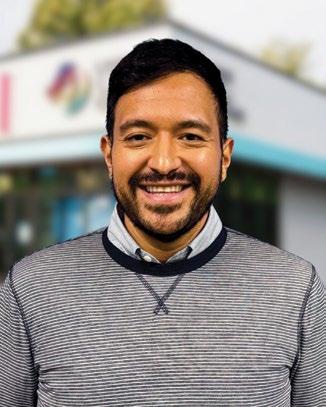

For many people, coming out is not a single moment but a long and evolving process. For Luis Estrada, that process began during college, as he started to better understand his identity while also navigating significant mental and emotional strain. Like many LGBTQ+ people, Luis was carrying anxiety, self-doubt, and stress responses shaped by trauma and the pressure of trying to belong in environments that didn’t always feel safe.
What made the difference for Luis was not just the decision to seek help, but having a place where help actually existed.
Through counseling at the Center, Luis began to better understand his nervous system, his mental health, and the long-term impact of trauma. Therapy helped him rebuild a sense of safety and stability — without judgment and without needing to explain or defend who he was.
That experience supported a longer journey of integration and leadership rather than a single moment of change. Today, Luis proudly serves on the board of LGBT Life Center; a journey that started with searching for community and navigating mental health to one empowering others through leadership and education.
Racial equity is not a side initiative at LGBT Life Center — it’s a responsibility we carry across our work, our policies, and our people. We know that health inequities, housing instability, and economic barriers disproportionately impact Black, Brown, and marginalized communities. Addressing that reality requires more than good intentions; it requires structure, accountability, and ongoing effort.
This work was made possible in part through generous support from the Hampton Roads Community Foundation, whose investment helped launch and sustain our Racial Equity initiatives.
Guided by our Racial Equity Committee, the Center continued advancing equity-focused practices across departments in FY24/25.
These included:
• Equity-informed staffing practices that prioritize fairness, transparency, and access
• Staff trainings focused on racial equity, inclusion, and culturally responsive care
• Policy and procedure reviews to identify gaps and opportunities for growth
• Participation in Racial Equity Committee from LGBT Life Center Board
This work is iterative by design. Some changes are already in place; others are actively in progress as we continue aligning our internal systems with our values.
Equity isn’t a destination — it’s a discipline.
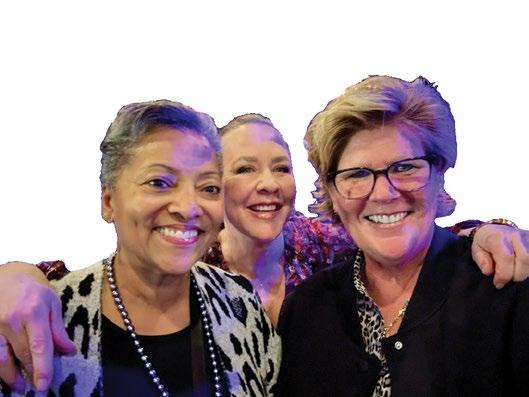

LGBT LIFE CENTER REPRESENTATIVES RECEIVING AN AWARD FROM THE HAMPTON ROADS ASSOCIATION FOR COMMERCIAL REAL ESTATE (HRACRE), 2025.

Behind every service, program, and outcome in this report is a team of dedicated people who show up, every day, with skill, compassion, and resolve. Our staff and board are the backbone of the Center’s resilience, growth, and impact.
Our Board of Directors brings together diverse perspectives, lived experiences, and professional expertise that strengthen governance and accountability.
• Provided strategic oversight during a period of rapid growth and funding uncertainty
• Supported major milestones across housing, healthcare, and community engagement
• Welcomed new board members, expanding representation and expertise
This year marked continued expansion across departments as services grew to meet community need.
• New roles and expanded teams strengthened housing, health, prevention, and operations, including the addition of two new deputy directors, two new directors, and many new support staff
• Leadership guided the Center through growth while maintaining mission focus
• Staff adapted, innovated, and supported one another through change, and even with a 1-million-dollar operating loss from VDH, LGBT Life Center did to not lay off a single employee.
Through it all, our team remained grounded in dignity; serving with care, professionalism, and heart.
Programs don’t build trust. Our people do.

Diverse leadership matters. It ensures decisions reflect the communities we serve and helps guide the Center toward sustainable, equitable growth.
Leadership
• Chair — Lisa Stafford — Services Delivery Manager, Microsoft
• Vice Chair — Drew Moszkowicz — CETRA Language Solutions
• Treasurer — Luis Estrada — Director of Finance, Community Hospitals, Riverside Health
• Secretary — Justin Fulton, SVP, Human Resources, Sentara Health
LGBT Life Center’s impact is powered by people — staff, board members, volunteers, and partners — who believe in a future where care is affirming, access is equitable, and dignity is non-negotiable.
• Edward “Sandy” Lawrence — IES Commercial Inc.
• Ken Nelms — Retired Firefighter, City of Suffolk
• Devon Trotter — Program Administrator, City of Newport News
• Johnny Benjamin — Private Client Senior Accountant, Brown Advisory
• David Cacace — RW Towne Realty


The work we do at LGBT Life Center is rooted in care, dignity, and accountability — not awards. Still, when our efforts are recognized, it’s a meaningful reminder that values-driven work matters and that community-centered impact gets noticed.
In FY24/25, that recognition showed up in powerful ways.
Our Hampton location received two architecture awards, honoring the thoughtful design of a space built to feel welcoming, affirming, and accessible. These awards recognize more than aesthetics — they reflect our belief that space matters, and that dignity begins the moment someone walks through our doors.
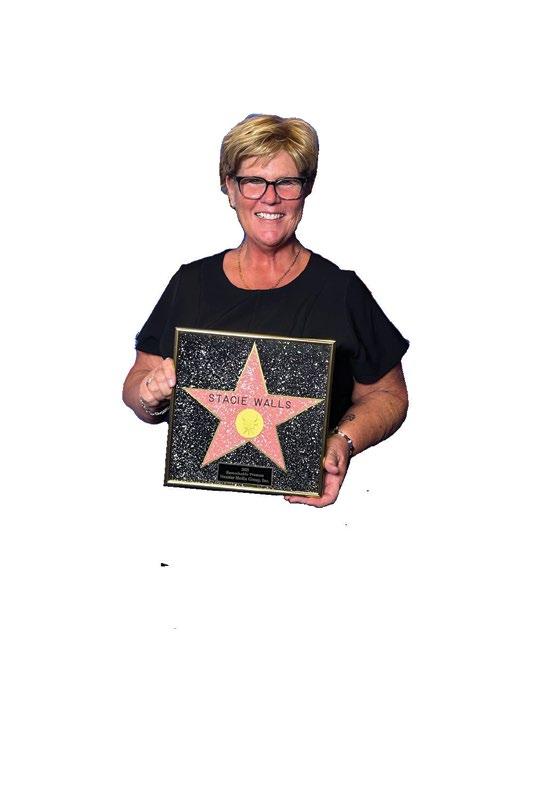
Stacie Walls was honored with the “Remarkable Women” award, recognizing her visionary leadership, advocacy, and commitment to equity across Hampton Roads.
Remarkable Women Award — NextStar Media
Stacie Walls was honored with the Remarkable Women Award from NextStar Media, celebrating her bold, values-driven leadership. Under her guidance, LGBT Life Center has expanded services, deepened community trust, and centered dignity in every aspect

of care. This award recognizes Stacie’s unwavering commitment to equity, advocacy, and building systems that allow people — and communities — to thrive.

Top Forty Under 40 — Inside Business
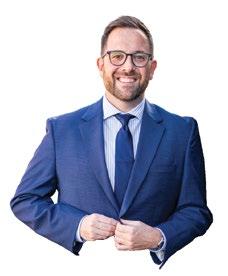
Chris Reybrouck was named a Top Forty Under 40 honoree by Inside Business, recognizing his leadership, vision, and commitment to community impact. Through his work, Chris has helped strengthen organizational sustainability while advancing care, equity, and access for LGBTQ+ communities. This recognition reflects not just professional achievement, but a deep dedication to service and long-term change in Hampton Roads.
Irma was honored with the Unsung Hero Award from The Reunion Project, recognizing her quiet leadership, deep compassion, and unwavering commitment to supporting people living with HIV
These honors reflect leadership grounded in collaboration, courage, and care.
LGBT Life Center was recognized by Gay HRVA with multiple community-voted awards, including:
• Best LGBTQ+ Affirming Employer
• Best LGBTQ+ Nonprofit
These wins are especially meaningful because they come directly from the community we serve.
Every award listed here represents the collective work of our staff, board, volunteers, partners, and supporters. Together, we continue to prove that when dignity leads, excellence follows.


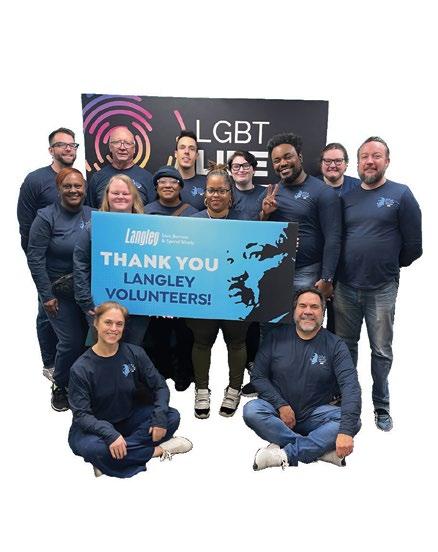
Volunteers are the heartbeat of LGBT Life Center. They show up in moments of celebration and moments of need; offering time, care, and presence that expand what’s possible for our community.


In 2024/25, our volunteer program grew in both size and impact, reflecting a broader truth: when dignity is under threat, people step up.
• 651 volunteers gave their time and talent
• 3,607 volunteer hours contributed across programs and events
• A 32% increase in volunteer engagement since Trump took office
• $72,681.05 in total value of service contributed
These hours powered everything from food distribution and community outreach to Pride events, youth programming, and behind-the-scenes support that keeps the Center running.
When systems fall short, this community stands tall.
As political and social pressures intensified nationwide, volunteer engagement surged. That growth wasn’t accidental — it was a response. People showed up because they believe in affirming care, food access, housing stability, and LGBTQ+ dignity.
Volunteers supported:
• The Pride Pantry, helping distribute food to hundreds of families each month
• Community outreach and Pride events, ensuring visibility and connection
• Youth and group programming, creating safe, affirming spaces
• Facilities, operations, and administrative support, strengthening daily care
Every hour volunteered helped extend services, reduce strain on staff, and deepen our connection to the community.
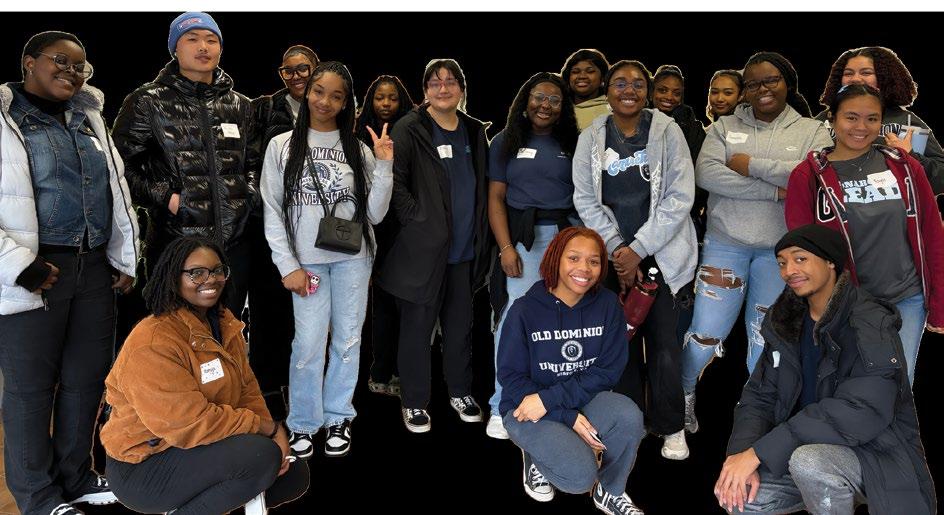


Youth Matters is more than a program, it’s a space where LGBTQ+ youth are seen, supported, and empowered to lead.
In 2024/25, Youth Matters participants didn’t just show up, they shaped what community looks like for the next generation. Through regular meetings, peer support, and leadership development, young people built confidence, connection, and a sense of belonging.
This year also marked a major milestone: Youth Matters hosted the first-ever Youth Pride event.
Planned with youth, for youth, this inaugural celebration created a joyful, affirming space centered on safety, visibility, and self-expression. For many attendees, it was their first Pride experience, one rooted not in crowds or commercialization, but in care.
When young people are trusted with leadership, they rise to the moment.
When young people are trusted with leadership, they rise to the moment.


$2,201,136