2026
In this issue:
PrEP Awareness: An Interview with Keith Floyd by Alex Rainbow Prom by Sarah The Faery Godmother Project
Dining Out for Life Moves to 2026 by Corey Hampton Roads Reproductive Justice League Fundraiser
Brewing Liquid Courage: The History of the Prohibition Paradox by Rayah
Gayming Section by Shay Meet the Staff

LGBT Life Center Events:
1st - Money & LIFE Skills: Basics of Banking Workshop (In-Person)
2nd - Trans Feminine Social Support Group
3rd - Ace & Aro Affirming Space Support Group
6th - Men's LIFE - HIV-positive Men's Group
13th - Volunteer training for new volunteers
14th - YOUth Matter: LGBTQ+ Youth Group
15th - Money & LIFE Skills: Basics of Banking Workshop (Virtual)
16th - Trans Feminine Social Support Group Common Threads Screening*
23rd - Volunteer training for new volunteers
28th - YOUth Matter: LGBTQ+ Youth Group
Important dates:
April 6: International Asexuality Day
April 10- National Youth HIV/AIDS Awareness Day
April 14- Nonbinary Parents Day
April 17- Day of Silence
April 18- National Transgender HIV Testing Day
April 22- Phill Wilson’s Birthday
April 26- Lesbian Visibility Day
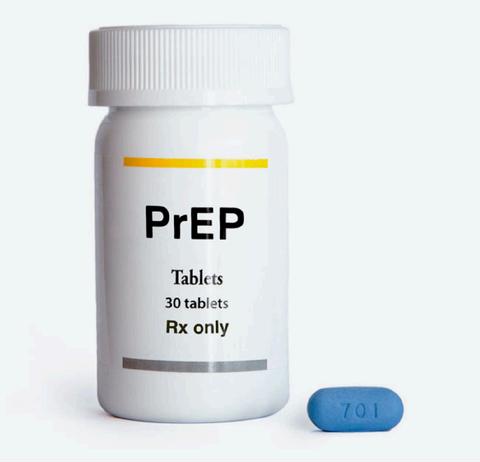
In April, we have opportunities to bring awareness to HIV/AIDS in our community, such as National Youth HIV/AIDS Awareness Day (April 10) and National Transgender HIV Testing Day (April 18). A key part of this awareness is prevention, which has grown exponentially with the use of PrEP. I sat down with Patient Intake Coordinator, Keith Floyd, to find out what the LGBT Life Center was doing in this important area of work and its impact.
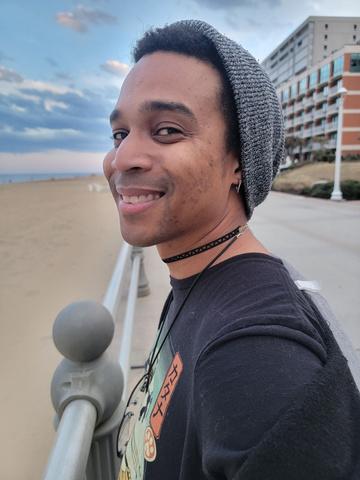
Keith is the Patient Intake Coordinator at the LGBT Life Center. He is in charge of getting folks connected to healthcare, including PrEP services. He is the main liaison between patients and the healthcare team for those seeking healthcare services. He also connects folks tp a medical
PrEPAwareness: AnInterview withKeithFloyd
By Alex Olive
case management team or housing team based on their needs. He is the first point of contact on the medical side of the LGBT Life Center as his desk is just inside the clinic doors.
AO: What is PrEP?
KF: PrEP, or Pre-Exposure
Prophylaxis, is a drug you take that helps to prevent the contraction of HIV, which is up to 99% effective with proper use. It comes in pill form for daily care and injectable prep, which offers less frequent doses such as every 2 or 6 months.
AO: Why is it important for our community in Hampton Roads?
KF: According to the Virginia Department of Health, our region has the highest rate of new and existing HIV cases in the state. So, the more we can get people on PrEP, the more we can prevent the spread of HIV. One way in which it does this is by lowering stigma in relationships: if one person in a relationship has HIV, a partner without HIV can use this medication to make sure someone’s status is not a barrier for the relationship. It helps bring people together.
AO: How does PrEP services impact the Life Center?
KF: We get grants to help get people on PrEP. The more success we have, the more we are likely to use and continue these grants that help our community.
AO: What services does the Life Center offer for PrEP?
KF: We offer free rapid HIV tests and STI tests, new patient intake for Primary Care and Infectious Disease Care, connections to a provider, and medication fulfillment.
AO: How can folks get PrEP?
KF: First, we will conduct a free rapid HIV test, which is a finger prick. After that, a client will fill out new patient intake forms for the clinic with which we are partnered. After that, the client’s intake packet will be sent to the clinic on the same day. From there, the client has 7 days to walk in the clinic and initiate the PrEP appointment. The PrEP appointments for the clinic are walk-in. After that, it is in the clinic’s hands to help the client determine what works for them. The client can then pick up your medication at any pharmacy of their choice, including the on-site pharmacy at the LGBT Life Center. Using this pharmacy has discount benefits due to the partnership they have with the Life Center.
AO: Is there anything you would like to tell LGBT Life Center Volunteers?
KF: Spread the word! Our testing services are a boon to any and everyone. Keeping up-to-date on your health is always going to benefit you. Sexual health education is important and we do our very best to make our testing process comfortable and informative to keep our clients healthy.
RAINBOW PROM
BY SARAH
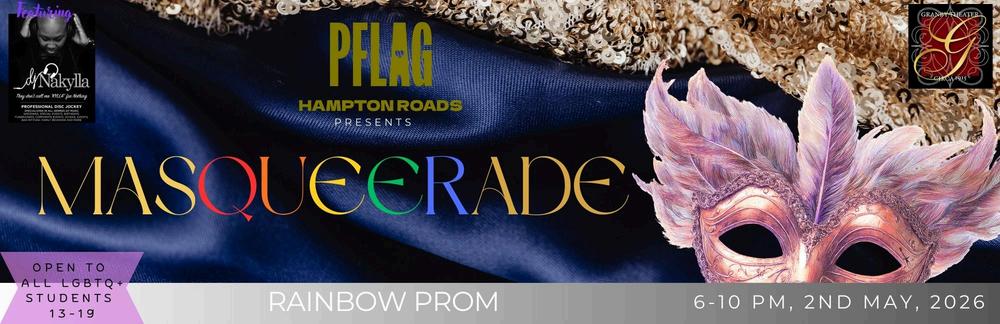
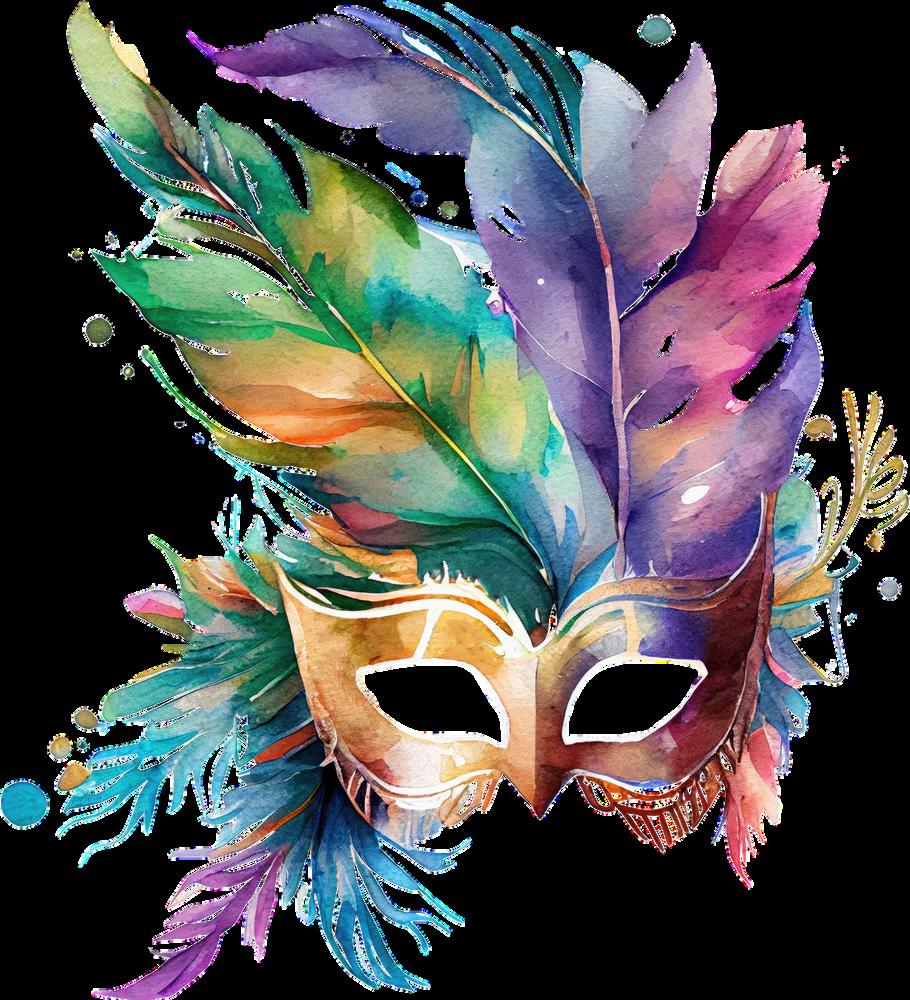
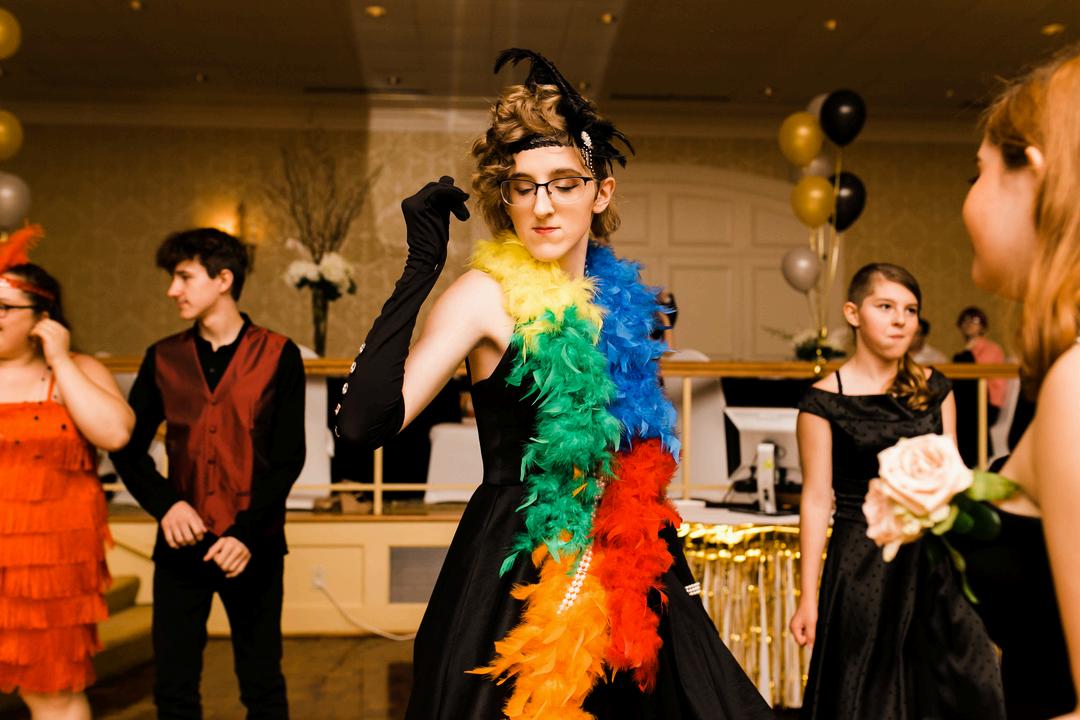
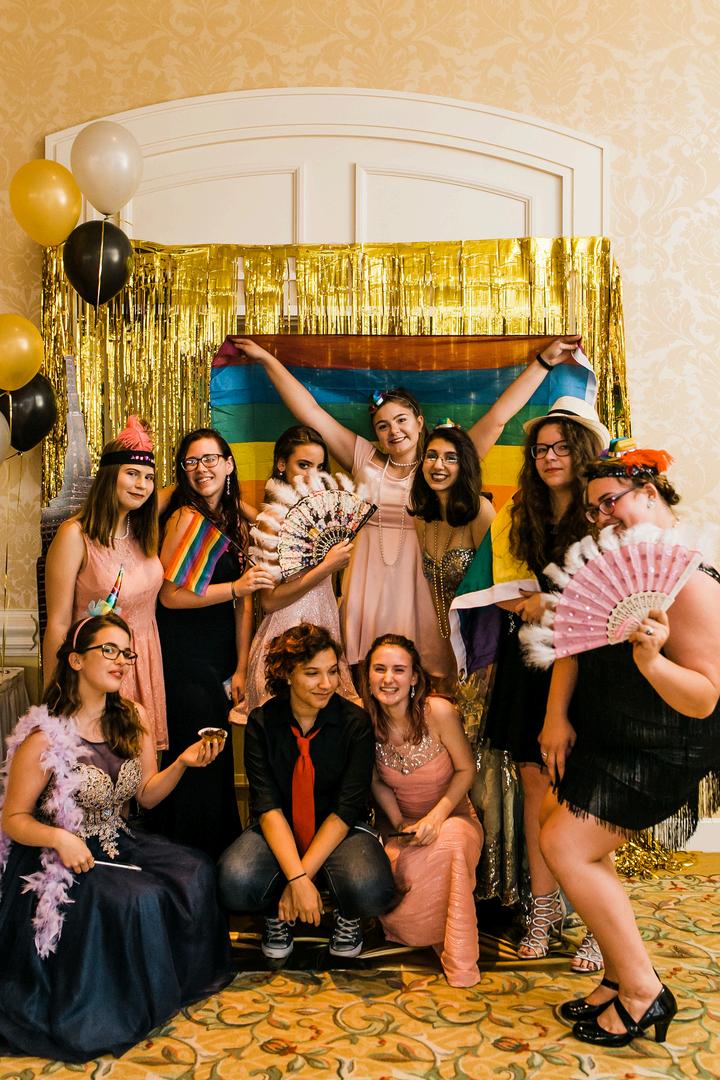
PFLAG Hampton Roads is hosting Rainbow Prom on May 2nd, 2026, from 610pm at the Granby Theatre in Downtown Norfolk, with support from the LGBT Life Center and local high school GSAs. This event is designed as an inclusive prom celebration for LGBTQIA2S+ youth and their allies. High school age students, 13-19 years old, are welcome to attend. The theme of this year's prom is "MasQUEERade", a queer take on a masquerade, and attendees are encouraged, but not required, to dress to match the theme. There will be contests for Most Classy, Most Fabulous, Best Dancer, Most Colorful, and Best Runway Walk. Entertainment for the evening will be provided by DJ Nakylla. Tickets cost $30 each and can be found here: https://www zeffy com/enUS/ticketing/masqueerade-rainbow-prom

In order to keep this event accessible and inclusive, donations can be made to sponsor youth who cannot afford the full cost of a ticket. If you'd like to sponsor a youth to attend Rainbow Prom, please make a donation on the PFLAG website: https://www.pflaghr.com/ and select their "donation" link at the top right-hand corner of the page. Indicate that the donation is for “Rainbow Prom” in the name field. Donations of any amount are welcome and most appreciated.

Rainbow Prom was started by youth for youth in 2016, as a senior project to give people a place to exist safely, and it was successful thanks to the support of parents, friends, and community members. Your support of events like Rainbow Prom allows the current generation of LGBTQIA2S+ youth the ability to enjoy inclusive experiences they’ll remember for life Even though this event has been happening for a decade, there are still youth who might not know it's available to them, so feel free to share about Rainbow Prom with your community, high school GSAs, and other organizations you interact with.

Finally, if you'd like more information, are interested in volunteering, etc., please email pflaghr@gmail com or visit the PFLAG Hampton Roads website pflaghr.com. All inquiries and support are appreciated. See the next pages for more options on how to support with donations!
PHOTO BY LINDSAY COLLETTE
PHOTO BY LINDSAY COLLETTE
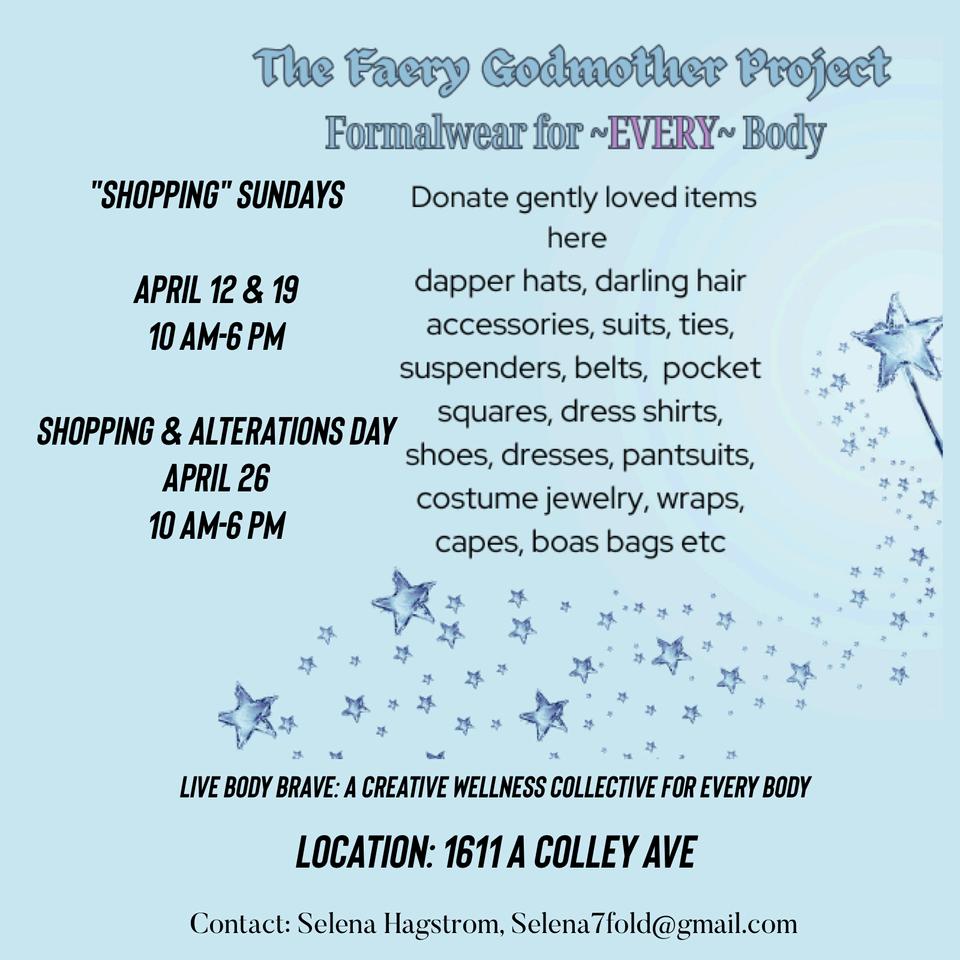




Another way you can support Rainbow Prom and the youth who are attending is by donating formal wear to “The Faery Godmother Project" closet. Items can be dropped off at Live Body Brave: A Creative Wellness Collective for Every Body at 1611 Colley Ave. If you're doing a little spring cleaning and happen across any cute fits that might be enjoyed by youth at Rainbow Prom, considering making a donation to help the youth look and feel their best.
Youth are allowed to shop for free items and receive a free alternation as well. See the information on the side of the flyer detailing the open hours for shopping and alterations.
For both donations and getting items, feel free to reach out to the organizer, Selena Hagstrom at Selena7Fold@gmail.com


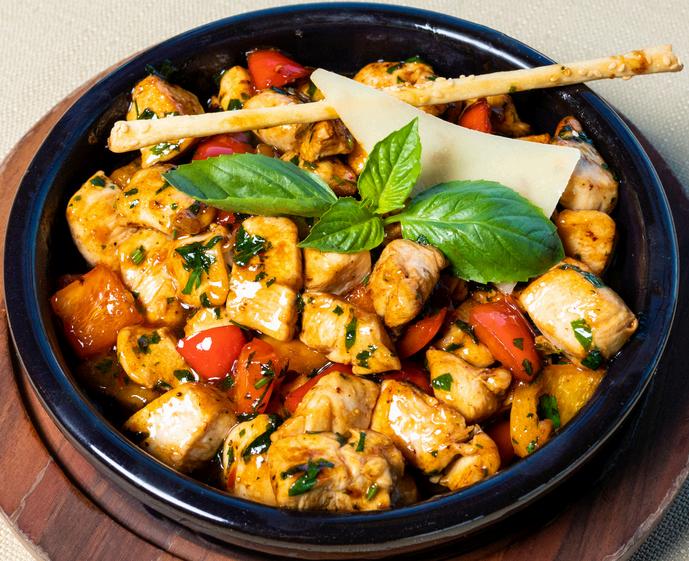
DINING OUT FOR LIFE MOVES TO FALL 2026
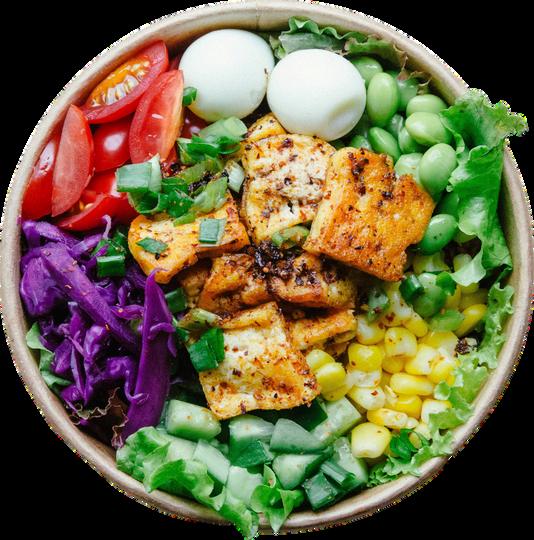
ByCorey
After23yearsasaspringtradition,DiningOutForLife HamptonRoadsisgettingarefresh.
Thisyear,theeventwilltakeplaceonTuesday, September29,2026,ashiftthatcomesdirectlyfrom conversationswithourrestaurantpartnersandacloser lookathowpeoplearediningtoday.Movingtothefall andhostingonaTuesday,traditionallyaslowernight forrestaurants,createsmoreopportunityfor participationandimpactacrossourcommunity.

Thischangealsocomesatanimportantmoment.
Overthepastyear,we’vehadtoadaptquickly,bothin HIVpreventionandacrosstheLGBTQ+community.In thelast18months,LGBTLifeCenterhaslostmorethan $1millioninHIVpreventionfunding,whiletheneedfor servicescontinuestogrow.Thatrealityisshapinghow wethinkaboutsustainability,partnerships,andthe futureofeventslikeDiningOutForLife.
Butourapproachhasn’tchanged.
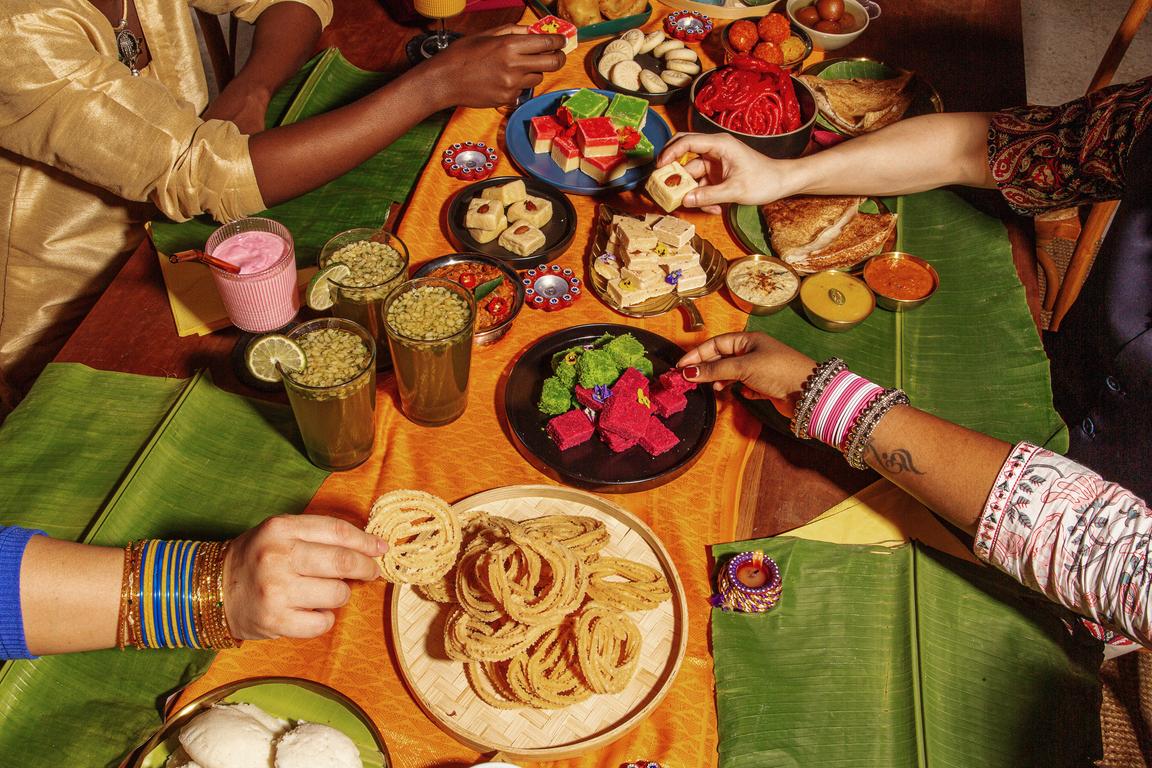
Since1989,ourcommunityhassteppeduptomeetourown needs,building,adapting,andshowingupforoneanother whenitmattersmost.DiningOutForLifeisoneofthewayswe continuethattradition,bringingtogetherrestaurants,diners, andvolunteerstosupportcare,prevention,housing,and essentialservicesacrossHamptonRoads.
AswelookaheadtoSeptember,we’rebuildingtoward somethingstronger,andwe’llneedourcommunitywithus.
Volunteerambassadorswillonceagainplayakeyrolein makingthiseventasuccess,helpingtospreadtheword,fill tables,andbringenergytoparticipatingrestaurantsacrossthe region.Youcanbecomeacriticalpartofthisevent’ssuccess bybeingaDOFLAmbassador.Learnmoreandapplyat: https://lgbtlifecenter.org/help/doflvolunteer/
We’reexcitedforwhat’sahead,andgratefultobepartofa communitythatcontinuestoshowup.
MORE INFO
ABOUT HRRJL
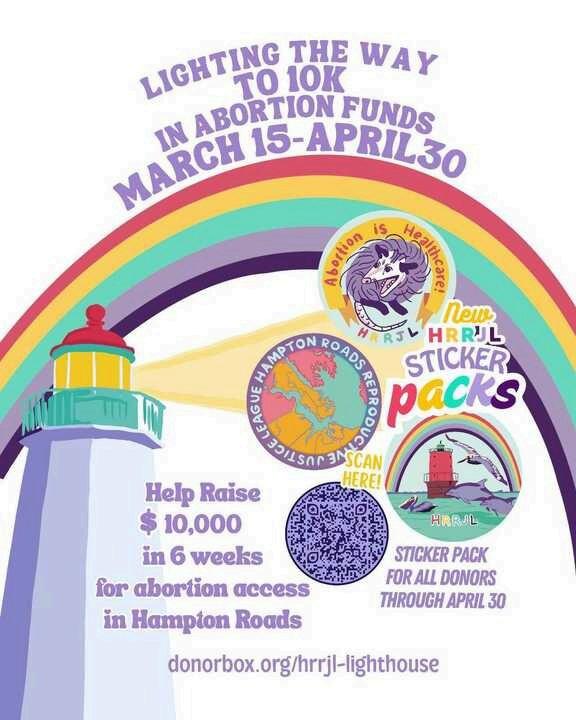
Hampton Roads Reproductive Justice League (HRRJL) is
a local abortion fund created and run entirely by
volunteers Most of the proceeds donated go directly to
funding abortions for folks in Virginia, with only a small
portion of funds being used for administrative costs
HRRJL’s focus is to fund abortions for folks who reside in
the Hampton Roads area, or those traveling to the area to
receive care, but HRRJL also funds procedures
happening all over Virginia
FUNDRAISING GOAL
The goal of the Lighthouse Fund raiser is to raise
$10,000 to fund abortions in Virginia! All donors will
receive a sticker packet designed by local artists
The fundraiser will be happening from March 15-
April 30th You can donate here→
https://donorbox.org/hrrjl-lighthouse
LEARN MORE
For more information on HRRJL or learn about
volunteer opportunities, please check out their website at https://hrrjl com/

Brewing Liquid Courage: The History of The Prohibition Paradox
BY RAYAH SORIANO
Alcoholism, also known as alcohol use disorder (AUD), is an acknowledged complex disease that affects a user ’ s ability to stop drinking. According to the National Center for Drug Abuse Statistics (NCDAS), 27.9 million people are currently diagnosed with alcohol use disorder in the United States For the month of April, we observe and recognize Alcohol Awareness Month to raise awareness about alcohol use disorder and the undeniable interconnected history of drug prohibition policy
When we look back at history, we can trace the pattern of excessive drinking in the United States back to European colonists first introducing alcohol to the Native Americans Before colonization, the Natives had never consumed alcohol, and with deliberate manipulation and control tactics, the colonists’ influence had made alcohol consumption become an alcohol dependency This introduction of alcohol had completely devastated the native population and economy, and its repercussions still affect their community to this very day
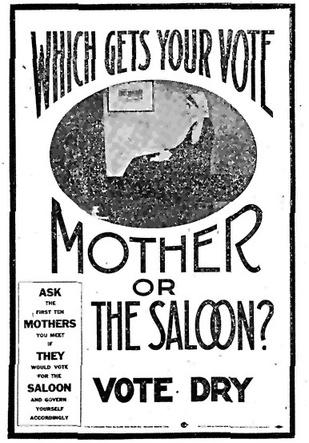

In the 19th century, the annual consumption of alcohol was approximately seven gallons per person, which is three times the amount of what we currently drink. At the time, there was no legal drinking age or any societal rules to uphold when it came to alcohol use With the increase of drinking came other social disruptions like domestic violence, crime, and poverty As a reaction to the constant intoxication and heavy drinking, The Temperance movement was created in the early 1800s as a reactionary group, composed of mostly women The Temperance movement advocated for complete abstinence from alcohol and would often protest and lobby outside of bars or saloons by wearing all-black and praying on their knees in silence During the Progressive Era, pressure politics fueled the rise of prohibition by influencing others to stop drinking through media campaigns and public demonstrations American attorney, Wayne Wheeler led the Anti-Saloon League (ASL) which strongly endorsed the prohibition of alcohol With Wheeler’s support, manufacturing, selling, and transporting alcohol became prohibited On January 17, 1920, prohibition was signed into law as the 18th constitutional amendment
After prohibition was signed into effect, many citizens began seeking alcohol illegally through various loopholes: alcohol prescriptions from doctors, drinking sacramental wine during church services, and even making their own wine and moonshine at home. As alcohol became a hot commodity amongst American citizens looking for their next drink, bootleggers were eager to supply the illegal, yet, increasing demand Famous bootleggers include Roy Olmstead, Al Capone, and George Remus
Likewise, mobsters and mafia members are attributed to bootlegging and the increase of gang violence and murder Mass corruption between law enforcement and bootleggers included methods of bribery, smuggling, and underground networks/systems During the Roaring 20s, secret drinking establishments called speakeasies skyrocketed into popularity
A leading figure that advocated for the repeal of the 18th amendment, was a woman named Pauline Sabin Sabin led the Women’s Organization for National Prohibition Reform (WONPR) and became treasurer for the Association Against the Prohibition Amendment (AAPA) By 1933, prohibition had finally ended its 13 years, 10 months, and 19 days of reign Soon followed the Great Depression, where prohibition was now considered a time in the past
Since alcohol was considered illegal, there were no ways to regulate alcohol consumption
However, if alcohol was deemed legal, safety regulations and precautions would be mandatory to keep the public safe As a matter of fact, we see the same exact restrictive prohibition rhetoric used in current drug policy (e g the scheduling and criminalization of drugs) Prohibition teaches us about the dangers of an unregulated market and what it can do to society, but the society we have now isn’t that much different than before With all things considered, if prohibition didn’t work with alcohol, what makes us think that it’ll work with drugs?
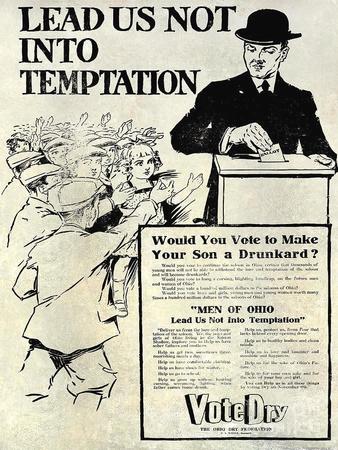

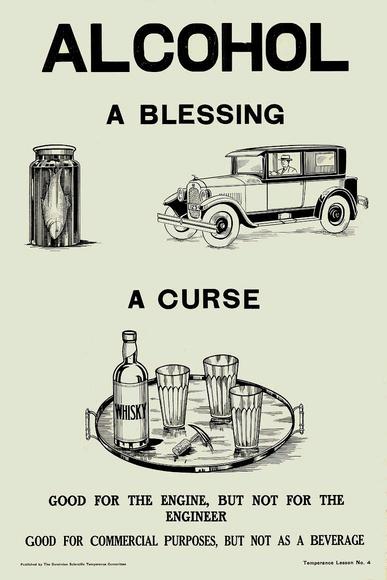
QUICK STATISTICS ON ALCOHOLISM IN THE QUEER COMMUNITY
Rates of binge drinking, alcoholism, and alcohol abuse are all higher when compared to heterosexuals 20 to 25% of the LGBTQ community have a moderate to a severe drinking problem, compared to 12 7% of the general population
A recent study revealed 25% of bisexual women were heavy drinkers in 2009 compared to other members of the LGBTQ community In this study, heavy drinking was defined as 4 or 5 more drinks in 2 hours for women and 5 to 8 drinks for men
Lesbian women have a three times greater likelihood of alcohol consumption compared to heterosexual men and women
Experiencing “conversion therapy,” or efforts to change a youth’s LGBTQ identity to straight and/or cisgender, was associated with greater odds of reporting regular alcohol use, regular marijuana use, and regular prescription drug misuse
RESOURCES
Brown Tarnell A Brief Look at Why Prohibition Laws Don t Work Econlib 26 Aug 2020 www econlib org/a-brief-look-at-why-prohibition-laws-dont-work/
Finan Christopher Drunks Beacon Press 27 June 2017
Matamonasa-Bennett, Arieahn ““The Poison That Ruined the Nation”: Native American Men Alcohol, Identity, and Traditional Healing ” American Journal of Men’s Health, vol 11, no 4, 26 Mar 2015, pp 1142–1154, https://doi org/10 1177/1557988315576937
National Institute on Alcohol Abuse and Alcoholism “Alcohol Use Disorder (AUD) in the United States: Age Groups and Demographic Characteristics ” Www niaaa nih gov National Institute on Alcohol Abuse and Alcoholism Sept 2024 www niaaa nih gov/alcohols-effects-health/alcohol-topics/alcohol-factsandstatistics/alcohol-use-disorder-aud-united-states-age-groups-and-demographiccharacteristics
Nolan Anaya “Why Prohibition Failed: Understanding Public Defiance of the Law | LawShun ” Lawshun com 14 Nov 2025 lawshun com/article/why-did-peopleignore-prohibitionlaws
“The History of Alcohol’s Social Acceptance ” Www thenakedscientists com, 17 Jan 2023, www thenakedscientists com/articles/interviews/history-alcohols-socialacceptance
Thornton, Mark “Alcohol Prohibition Was a Failure ” Cato Institute, 17 July 1991, www cato org/policy-analysis/alcohol-prohibition-was-failure https://www rehabspot com/alcohol/who-alcoholism-affects/lgbtq-community/ https://www thetrevorproject org/research-briefs/substance-use-and-suicide-risk-among-lgbtq-youth-jan-2022/

MEET OUR STAFF
Editor
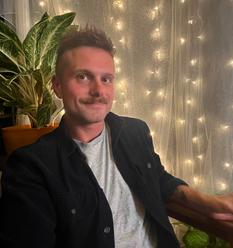
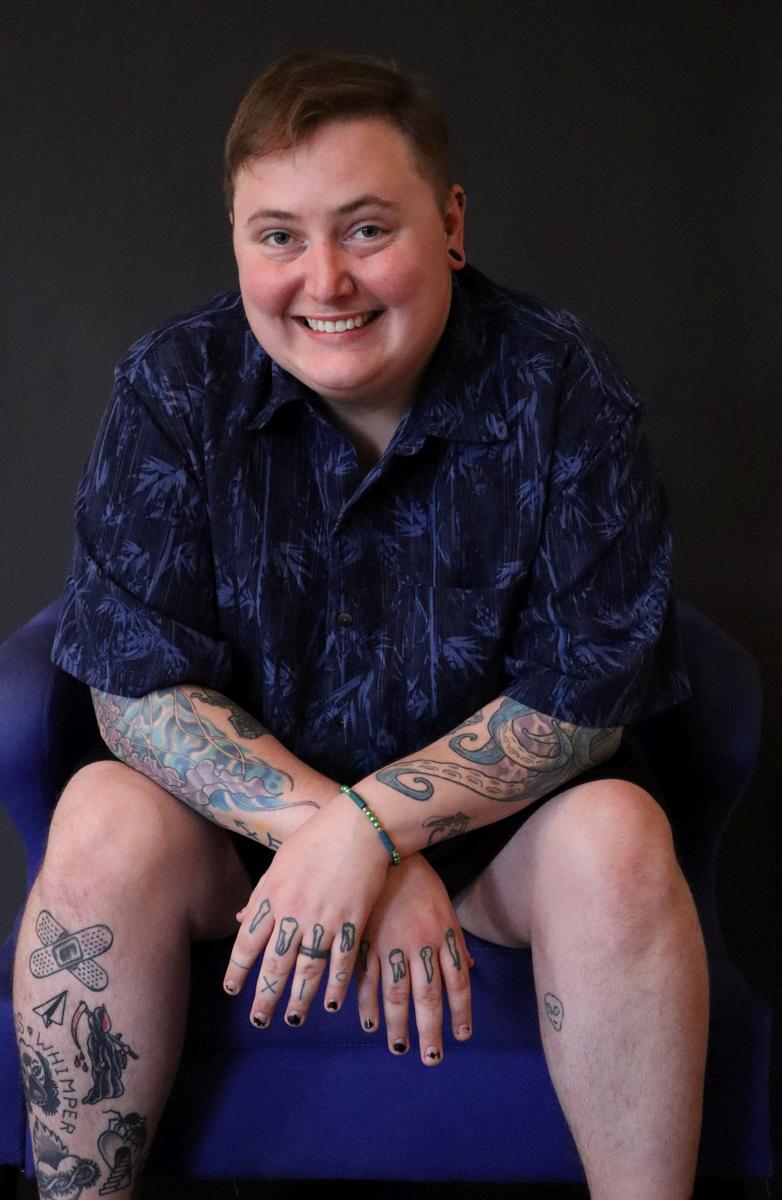
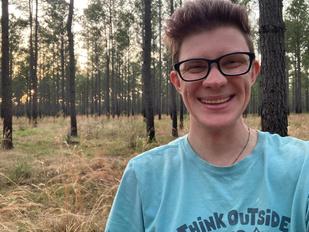
Kyle Fillhart (He/Him)
is a local 757 trans man and volunteer editor for the LGBT Life Center volunteer newsletter He is also involved with the Hampton Roads Reproductive Justice League and trans advocacy group Men in Transition You can usually find Kyle running between Norfolk's queer bars and spaces, or hanging out at home making collage art with his husband and two cat babies.
Writer
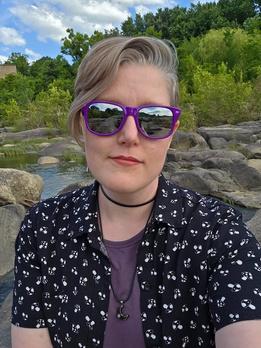
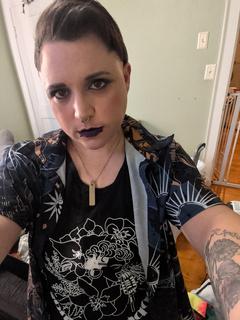
Alex (They/Them)
is a professional writer from Atlanta, GA, where they started their LGBTQIA+ community work in 2016. Moving to be near their chosen family, they moved to the 757 hoping to make it home. They earned their PhD researching how people tell stories using technology and learning obscure grammar and tech lore. In their free time, Alex is learning to play roller derby and making playlists for every occasion.
Writer/ Game Creator
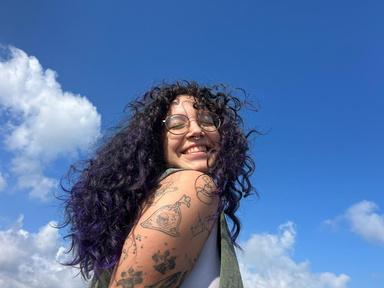
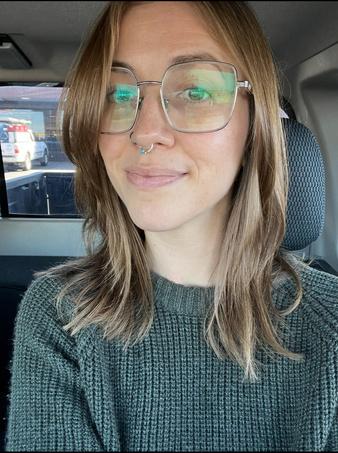
Shay Wilson (They/Them)
is a proud parent of two cats, a grant writer at a local nonprofit, and an amateur harmonica player After graduating last spring with degrees in Gender Studies and Writing & Rhetoric, they moved across the country from Utah to the South Hampton Roads area. Here, Shay continues to nurture their passions for writing, advocacy, video games, bad jokes, and spending time with their cats.
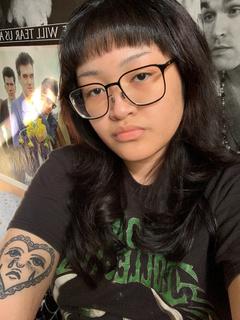
Writer Rayah Soriano (She/They)
is a freelance writer for the LGBT Life Center volunteer newsletter and works on her independent Substack blog in her free time. Coming from a background of teaching early childhood education and being trained as a pharmacy technician, she’s passionate about giving back to those in marginalized communities. Her work focuses on the advocacy of public health issues such as harm reduction and drug policy reform Beyond writing, she is passionate about educating on drug safety and supporting complete bodily autonomy.
Writer Rowen (They/Them)
is a wetland scientist and aspiring juggler. They spend most of their time trying to paint while their cat spends most of her time trying to drink out of the paint water cup They are happy to be writing again and sharing space with queer community
Writer Ari (Xe/Xem/Xyr)
is from Hampton Virginia and a parent of two. Xe is passionate about xyr fiancé, community, and everyone having equality and equity to ensure a stable quality of life. Ari loves Hampton Roads so much and spends a great amount of time riding buses, visiting libraries, and learning about every resource offered within the community.
Designer/Writer
Sarah (They/She)
is a photographer, artist, and writer who enjoys getting out of their academic work and into creative ventures for local orgs Coming from the Mexican borderlands to the 757, they bring with them their passion for disability justice, harm reduction, abolition, and land back movements. They keep grounded (and busy) thanks to their partner, four amazing human children, and four feline fur babies.


OUR MISSION
LGBT LIFE CENTER IS A TRUSTED LEADER THAT STRENGTHENS THE LGBTQ+ COMMUNITIES AND ALL INDIVIDUALS LIVING WITH HIV THROUGH IMPROVING HEALTH AND WELLNESS, SUPPORTING FAMILIES AND COMMUNITY, AND PROVIDING TRANSFORMATIVE EDUCATION AND ADVOCACY.
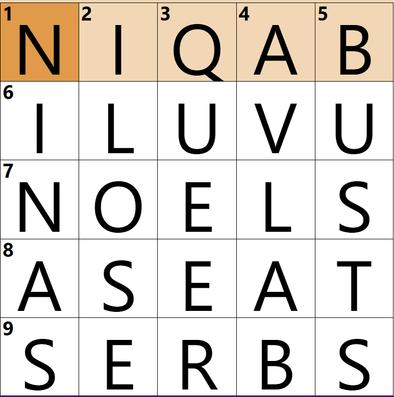
Crossword
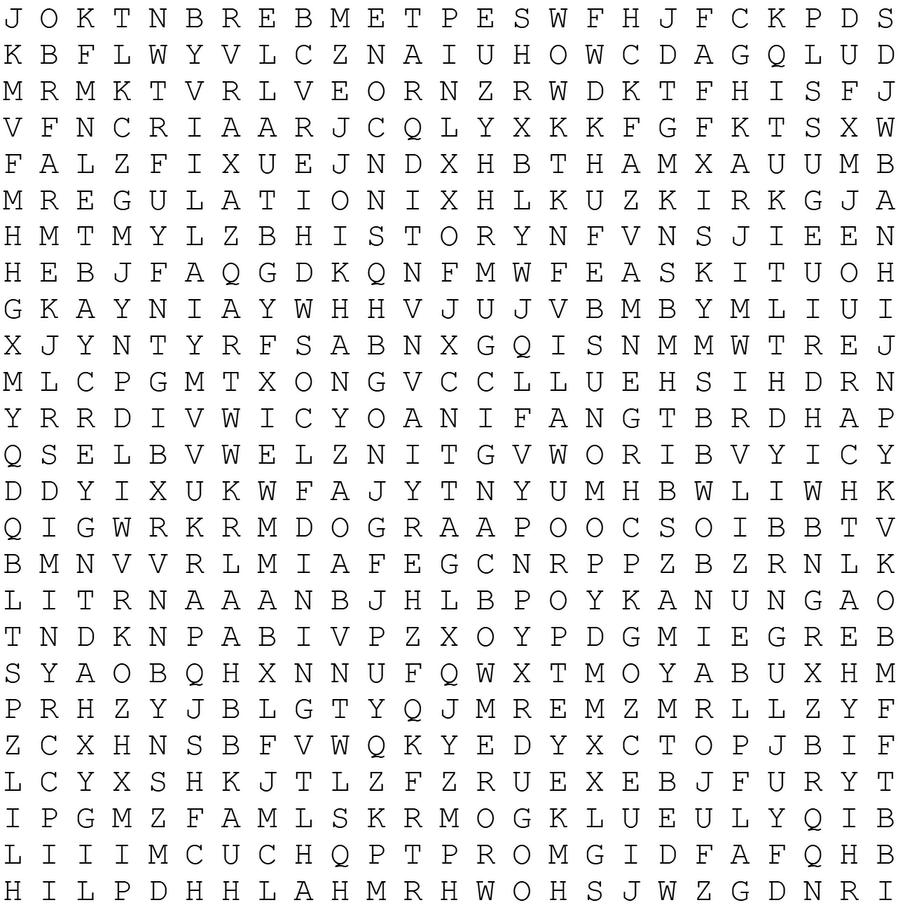
Word Search