TABLE OF CONTENTS

Message from the Editor
By Dr. Monica Greene-Smalls Editor-in-Chief
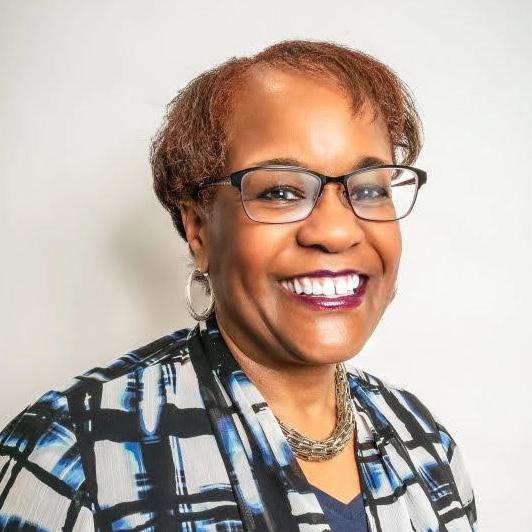
Happy New Year! We are excited to bring you this Winter 2026 edition of Loving Life Magazine as LFCC transitions into its 20th Anniversary Year, The Year to THRIVE: Thriving through Transition As we remember both the blessings and the challenges of 2025, LFCC’s 19th Anniversary Year, The Year of Ascension we look forward the miracles, signs, and wonders that God has in store for us throughout our Year to THRIVE!
We celebrated Overseer Apostle Dr. T. Anthony Thompson’s 19th Pastoral Anniversary in March 2025, followed by his Ascension to Bishop-Elect T. Anthony Thompson! We continued to celebrate Bishop-Elect Thompson throughout the year and we eagerly await his ordination to the office of Bishop in the fall of 2026! We marked LFCC’s 19th Church Anniversary in October 2025 with inspiring messages from our very own Bishop-Elect, followed by three phenomenal female guest speakers. LFCC also celebrated the 18th anniversary of the Overflow Prayer Call in the fall of 2025. The daily, global, intercessory Prayer Call meets 6 days a week to pray for LFCC family and friends, as well as strangers and events throughout the world; to share praise reports and testimonies; and to support each other with tears and laughter.
As we transition into this new year, The Year to THRIVE: Thriving through Transition we bring you articles to provide you with insights, inspiration, and information. In The Pastor's Corner our Bishop-Elect T. Anthony Thompson reflects on the theme and encourages us to rise above surviving and step into Thriving! Sister Tekia Lampkin follows with the theme of Thriving with important reminders on Living an Abundant Life. In Words of Inspiration, Sister Jackie Meadows also provides insights on Thriving in Words of Inspiration – The Closed Door: Was it Rejection or Redirection? Deacon Jason Good and Sister Kim Floyd provide us with information to help us Thrive financially, mentally, and physically with their respective articles, Dollars & Sense: One Big Beautiful Bill Provides Bonus to Maryland Taxpayers and The Health Corner: I’m So Stressed Out! As we focus on helping our youth continue to Thrive in 2026, Dr. Monica Greene-Smalls brings us the Spotlight on Youth Mental Health: A Recap of LFCC’s 2025 Youth Mental Health Summits. Lastly, we are happy to bring you a list of Upcoming Events to help you plan ahead for this exciting 20th Anniversary Year!
As we celebrate this upcoming year of miracles, signs, and wonders, The Loving Life Newsletter Ministry thanks you for your ongoing support. We pray that God will bless you abundantly with Grace, Mercy, and Favor as you THRIVE in 2026!

The Year to THRIVE: Thriving Through Transition
By Bishop-Elect Dr. T. Anthony Thompson

LFCC…We BOLDLY DECLARE with great conviction and enthusiasm that 2026 is our year to THRIVE and We are THRIVING THROUGH TRANSITION!!! The word THRIVE means: to progress toward or realize a goal despite or because of circumstances!
IF YOU’RE GOING TO THRIVE, YOU MUST:
T - Trust in God’s promise
H - Hope in His faithfulness
R - Rest in His work within you
I - Invest in spiritual growth
V - Victory through Christ
E - Endure with confidence
This is the year to rise above surviving, and step into thriving! God is calling us to more—more faith, more power, and more of His presence in our lives and in our church. It’s time to let go of the past and grab hold of the abundant life Jesus promised us.
No matter what 2025 looked like, 2026 is a new chapter. Let’s thrive in our faith, thrive in our families, thrive in our calling, thrive in our worship, thrive in our service, thrive in our giving, and thrive in our LOVE. As a church and ministry, we are transitioning to a Greater Dimension and Determination to serve God and Love his people.
The bible declares "The thief does not come except to steal, and to kill, and to destroy. I have come that they may have life, and that they may have it more abundantly...” (John 10:10)
No more just surviving, this year we are growing, living, winning and THRIVING THROUGH TRANSITION!!!
Declare it over your life: 2026 Is my year to THRIVE THROUGH TRANSITION!!! Let’s run after all God has for us together. #ThriveThroughTransition2026
I DARE you to develop the “iTHRIVE” Mindset right now!
Pastor T
Dr. T. Anthony Thompson Bishop-Elect

Living an Abundant Life
By Sister Tekia Lampkin


What does an abundant life look like? It’s what Jesus wants for us, yet many don’t know what an abundant life looks like or how to achieve it.
The thing is, we could be living abundantly and not even know it.
Much of the time, we take for granted the daily blessings that make for an abundant life. We overlook the “small things” because we are used to them. We don’t realize what a privilege it is to safely take a walk outside and delight in God’s creation. Having the freedom to make choices, pursue passions and build relationships are all signs that you are living an abundant life.
A home, running water, and the clothes on our back are signs that we are living abundantly. The ability to receive a good education and financial freedom to pay for the things we want and experiences we enjoy are signs that we are living abundantly. Having more than what we need is an absolute sign of living abundantly.
Taking stock of our lives, it’s easy to point out all that we have been blessed with at some time or another. Even in a desert season, God always gives us a sign to remind us that He is still with us, even if it may not feel like it. Even if success doesn’t come when we expect it to. Even if we are nowhere close to where we want to be, we are where God wants us to be.
Living a truly abundant life shows up in mostly intangible ways. Studybible.org provides a breakdown of the top three principles of living an abundant life.
JOHN 10:10 (NKJ)
The thief does not come except to steal, and to kill and to destroy. I have come that they may have life, and that they may have it more abundant.

Spiritual Fulfillment
Do you have a relationship with God? One where you pray and wait for His answer? One where you are in constant conversation with God throughout the day?
A strong relationship with God provides a sense of purpose and a strong foundation of faith to stand on to weather any storms.

Emotional & Mental Wellbeing
It is important to have a faith-based mindset to get through the tough times. Going into your prayer closet or seeking therapy are good ways to receive support and encouragement. Remaining positive and focusing your faith on what is possible with God is extremely important. There will always be trials and tribulations, but a healthy mindset can help you soldier through life’s challenges.

Community & Relationships
Creating and maintaining relationships with others is what God put us here for. He loved us so much that He gave us each other. We are all made in His image, to live together, no matter our differences. He wants us to fellowship together and lean on each other as we go through life. Building friendships and joining small groups in church help develop us into better people.
Whether we follow these principles or are simply more intentional about noticing the “small things,” we are well on our way to living an abundant life.
The Closed Door: Was it Rejection or Redirection?
By Sister Jackqueline Meadows

PSALM 119:71 (NIV)
It was good for me to be afflicted so that I might learn your decrees.
ROMANS 8:28 (NIV)
And we know that in all things God works for the good of those who love him, who have called according to his purpose.
ALEXANDER GRAHAM BELL
When one door closes, another opens; but we often look so long and so regretfully upon the closed door that we do not see the one which has opened for us.
Why did that door close? So many times, we fight when a door closes: we get mad when people walk away or even bitter when our dream doesn’t work out. The phrase I love is “God’s rejection is His protection!” I truly believe this phrase with my whole heart.
Over 11 years ago I applied for a job and didn’t get it. I was so hurt and disappointed. I just knew I could do the job and I had the experience, education, and mindset for this job. I never forget someone saying to me that, “God has a different plan for you.” She went on to say that sometimes “God’s rejection is His protection.” Later that same year, I was diagnosed with breast cancer. The job that I did not get would have never worked with me during my journey. However, the job that I had allowed me to work from home, and it blessed me in that season. Praise God!!!
My point is that what may feel like a rejection is often a form of divine guidance, protecting you from harm or redirecting you towards something better. When a door closes or you face rejection, it may be painful in the moment, but it can be part of God’s larger plan to keep you from bad circumstances and guide you to a more suitable path. This situation encourages us to trust God. We must believe that His plan is ultimately for our good.
It took me a long time to understand this and to understand that redirection is not a bad thing. It is God’s provision over our lives, which is a beautiful thing! It’s hard to understand why God allows certain things to happen for us and withholds other things from us. But we know we serve an all-knowing and all-powerful God and it is not for us to understand. We must trust Him. So, the next time a door closes let your “why” instead be “Thank you, God.” When God withholds things from us, it is Him loving and protecting us.
“Father God, thank You for being the Doorkeeper of our lives. Thank You that disappointments and trouble cannot keep us from what You have purposed for us. Thank You that we can trust our lives in Your care and rest in the fact that You have our best interests at heart. I pray that each one of us would keep our eyes focused on You first and foremost, and that we would surrender our control and our plans to You. I pray that we would be reminded that Your way is better and that when You withhold things from us, You are loving and protecting us. May everything we do be done in love and to bring You glory. In Jesus’ Name, Amen.”
Peace and Blessings Always, Sister Cancer-Free Jackqueline Meadows


One Big Beautiful Bill Provides Bonus To Maryland Taxpayers
By Deacon Jason Goods

Based on the October 20, 2025 poll conducted by The Economist, 61% of individuals polled provided either an unfavorable (56%) or undecided (5%) rating nine months into the President’s second term. With approximately 60% of the country struggling to see how his campaign promise to “Make America Great Again” turns out, Maryland taxpayers could be receiving an unexpected “financial bonus” when they file their 2025 Federal and Maryland tax returns.
The most significant second term achievement to date has been the been the passing of the One Big Beautiful Bill Act (OBBA). OBBA essentially extends the 2018 Tax Cuts and Jobs Act, which was the President’s previous overhaul of the income tax system that was set to expire in 2025.
The 2018 overhaul was vast; however, the changes that impacted the most taxpayers were the removal of personal exemptions for dependents, doubling the standard deduction and limiting the state and local tax (SALT) deduction to $10,000. These last two changes forced many taxpayers who typically itemized deductions into now taking the standard deduction instead.
While the impact on your federal tax return was minimal, many Maryland taxpayers saw their Maryland refunds decrease! This is due to the significant variance between the Federal standard deduction and Maryland’s standard deduction. When it comes to tax deductions, Maryland tax law requires taxpayers to use the same method on both the Federal and Maryland tax returns.
Without factoring in the deduction for personal exemptions (which Maryland still allows), Maryland taxpayers taking the standard deduction on their federal tax return results in more of their income being subject to tax on their Maryland tax return. The following tables demonstrate the impact of this disparity:
With Maryland being included in the top 10 states with high income and real estate taxes, Maryland taxpayers will benefit from the increase in the SALT deduction from $10,000 to $40,000. This change alone may allow Maryland taxpayers who had been taking the standard deduction to begin itemizing their deductions again. As an added bonus, your charitable contributions may actually become deductible again!

Resources for Managing Stress
By Sister Kim-Floyd


I’M SO STRESSED OUT!
From the NATIONAL INSTITUTE of MENTAL HEALTH
Feeling overwhelmed? Read this fact sheet to learn whether it’s stress or anxiety, and what you can do to cope.
Is it stress or anxiety?
Life can be stressful—you may feel stressed about performance at school, traumatic events (such as a pandemic, a natural disaster, or an act of violence), or a life change. Everyone feels stress from time to time.
What is stress? Stress is the physical or mental response to an external cause, such as having a lot of homework or having an illness. A stressor may be a one-time or short-term occurrence, or it can happen repeatedly over a long time.
What is anxiety? Anxiety is your body’s reaction to stress and can occur even if there is no current threat.
Stress vs. Anxiety
If that anxiety doesn’t go away and begins to interfere with your life, it could affect your health. You could experience problems with sleeping, or with your immune, digestive, cardiovascular, and reproductive systems. You also may be at higher risk for developing a mental illness such as an anxiety disorder or depression. More information about anxiety disorders is available at www.nimh.nih.gov/anxietydisorders
So, how do you know when to seek help?
Stress Both Stress and Anxiety Anxiety
• Generally is a response to an external cause, such as taking a big test or arguing with a friend..
• Goes away once the situation is resolved.
• Can be positive or negative. For example, it may inspire you to meet a deadline, or it may cause you to lose sleep.
Both stress and anxiety can affect your mind and body. You may experience symptoms such as:
• Excessive worry
• Uneasiness
• Tension
• Headaches or body pain
• High blood pressure
• Loss of sleep
• Generally is internal, meaning it’s your reaction to stress.
• Usually involves a persistent feeling of apprehension or dread that doesn’t go away, and that interferes with how you live your life. Is constant, even if there is no immediate threat.
Everyone experiences stress, and sometimes that stress can feel overwhelming. You may be at risk for an anxiety disorder if it feels like you can’t manage the stress and if the symptoms of your stress:
• Interfere with your everyday life.
• Cause you to avoid doing things.
• Seem to be always present.
Coping With Stress and Anxiety
Learning what causes or triggers your stress and what coping techniques work for you can help reduce your anxiety and improve your daily life. It may take trial and error to discover what works best for you. Here are some activities you can try when you start to feel overwhelmed:
• Keep a journal.
• Download an app that provides relaxation exercises (such as deep breathing or visualization) or tips for practicing mindfulness, which is a psychological process of actively paying attention to the present moment.
• Exercise, and make sure you are eating healthy, regular meals.
• Stick to a sleep routine, and make sure you are getting enough sleep.
• Avoid drinking excess caffeine such as soft drinks or coffee.
• Identify and challenge your negative and unhelpful thoughts.
• Reach out to your friends or family members who help you cope in a positive way.
More Resources
• NIMH: Anxiety Disorders (www.nimh.nih.gov/anxietydisorders)
• NIMH: Caring for Your Mental Health (www.nimh.nih.gov/mymentalhealth
• NIMH: Child and Adolescent Mental Health (www.nimh.nih.gov/children

Recognize When You Need More Help
If you are struggling to cope, or the symptoms of your stress or anxiety won’t go away, it may be time to talk to a professional. Psychotherapy (also called talk therapy) and medication are the two main treatments for anxiety, and many people benefit from a combination of the two.
If you or someone you know has a mental illness, is struggling emotionally, or has concerns about their mental health, there are ways to get help. Find more information on the National Institute of Mental Health (NIMH) website at www.nimh.nih.gov/findhelp
If you are in immediate distress or are thinking about hurting yourself, call or text the 988 Suicide & Crisis Lifeline at 988 or chat at 988lifeline.org
• NIMH: Tips for Talking With a Health Care Provider About Your Mental Health www.nimh.nih.gov/talkingtips)
• Centers for Disease Control and Prevention: Anxiety and Depression in Children www.cdc.gov/childrensmentalhealth/depression.html
A Recap of LFCC’s 2025 Youth Mental Health Summits
By Dr. Monica Greene-Smalls

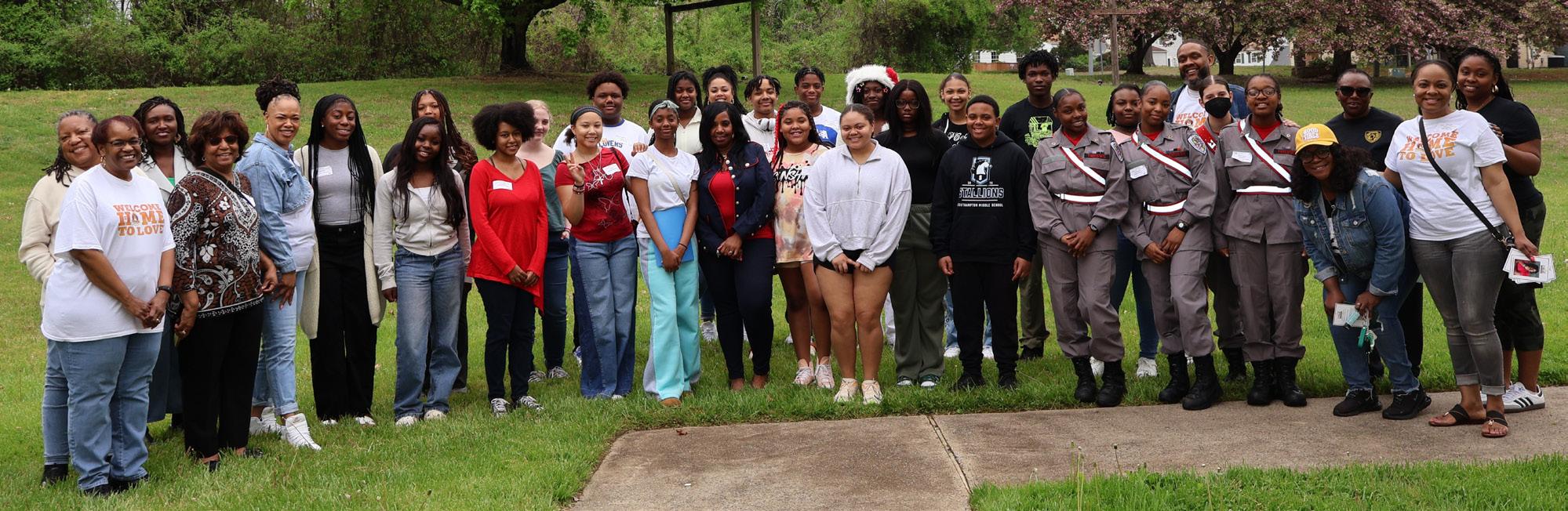
LFCC’s Youth Mental Health In & Outreach Team, in conjunction with the Next Movement Community Development Corporation (CDC), sponsored two Youth Mental Health Summits (YHMS) in 2025. Both summits were free and open to youth and young adults, ages 10 and older, as well as their parents and guardians at LFCC and the surrounding community.
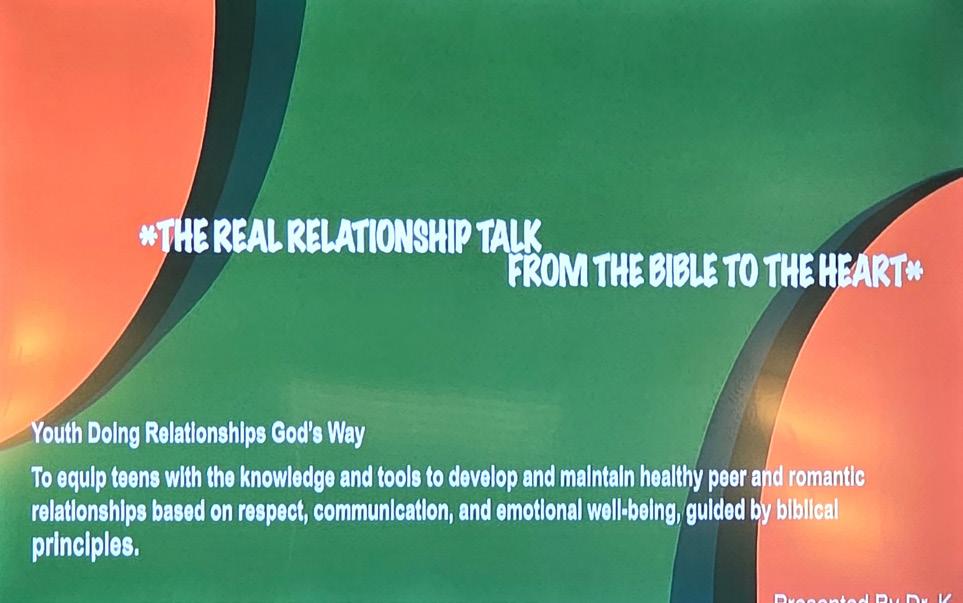
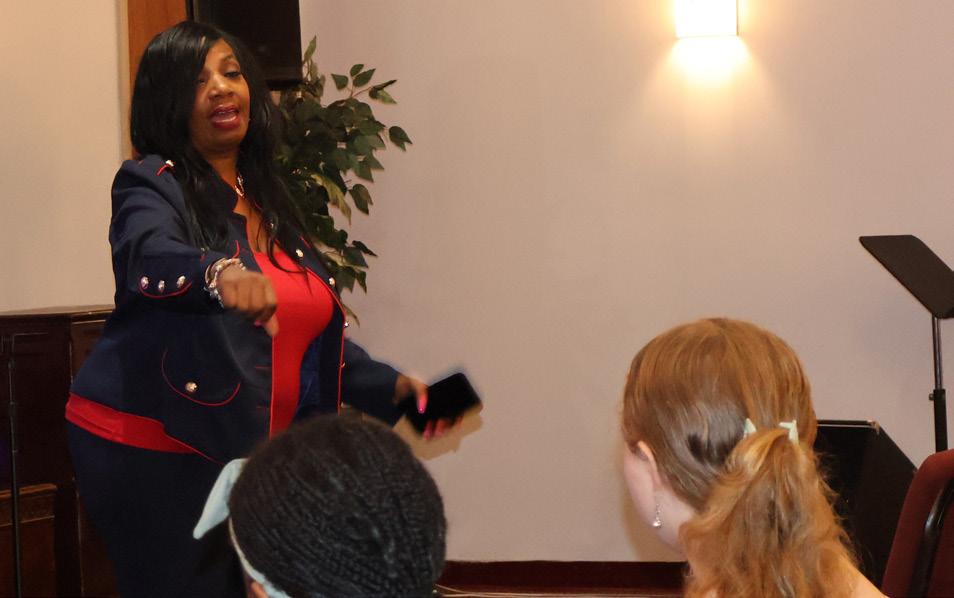
The April 26th YMHS focused on Healthy Peer and Romantic Relationships, including parasocial relationships, and aimed to help youth learn how to navigate their ongoing and future relationship challenges. The day started with an impactful and interactive session, for both youth and parents, led by Dr. Karen Stallings, DA, LSW, who is a Clinical Social Worker, Therapist, and Life Coach. Dr. Stallings, who goes by “Dr. K.,” stated that her goal for the day was “to equip teens with the knowledge and tools to develop and maintain healthy peer and romantic relationships based on respect, communication, and emotional well-being.” Dr. K also incorporated spirituality throughout her discussion, as an important, foundational component in understanding and navigating relationships.
Dr. K engaged the participants in an interactive “red flag - green flag” exercise to generate discussion about “green flags,” which represented the positive qualities and traits that they value in friendships and relationships, compared to “red flags” that reflected unhealthy, negative, and destructive behaviors in friendships and relationships. Further, Dr. K explored the importance of understanding one’s identity and how that relates to developing and maintaining boundaries in both friendships and romantic relationships. She also spent time discussing pitfalls of which we should all be aware, and incorporated both the positive and negative impact of social media on peer and romantic relationships. Dr. K highlighted the importance of seeking help and shared important information about mental health resources available in the community.
Before breaking for lunch, Dr. K asked the youth and young adults to answer the following questions on index cards: “What is the hardest thing you are facing right now as a young person?” and “If you could anonymously ask a therapist, counselor, or adult any question, what would it be?” Dr. K then met with the youth and young adults after lunch to review their questions and address their specific concerns in a safe space. While the youth met separately with Dr. K, the parents engaged in an informal discussion regarding their children and openly shared some of their past and current experiences in a supportive environment.
The October 4th YMHS focused on Healthy Family Relationships, with a specific focus on how to navigate common challenges impacting family relationships, such as: miscommunication and misunderstandings between youth and their parents/guardians; establishing and maintain healthy boundaries; and increasing healthy parent/ guardian – youth communication. The morning session was led by Charles Robinson-Snead, LPC, LPCMH, NCC, who is a Licensed Professional Counselor, a Licensed Professional Counselor of Mental Health, and a National Certified Counselor. He is a practicing Psychotherapist and serves as Clinical Director for Minds in Motion Therapeutic Services, LLC. Mr. Robinson-Snead’s presentation was entitled, “Family Matters; An interactive workshop addressing family dynamics, barriers to unity, and solutions towards security.”
Mr. Robinson-Snead actively engaged the youth and young adults, as well as the parents/grandparents/ guardians, throughout the session, as they explored the many ways in which family structure can be conceptualized and how structure informs family dynamics. He also focused on how communication can make or break healthy family systems, as well as how generational differences can lead to miscommunication within families. Throughout his presentation, Mr. Robinson-Snead explained how faith and spirituality inform our understanding of family dynamics and healthy family relationships.
Spring Youth Mental Health Summit
A Recap of LFCC’s 2025 Youth Mental Health Summits (cont'd)
By Dr. Monica Greene-Smalls
Fall Youth Mental Health Summit
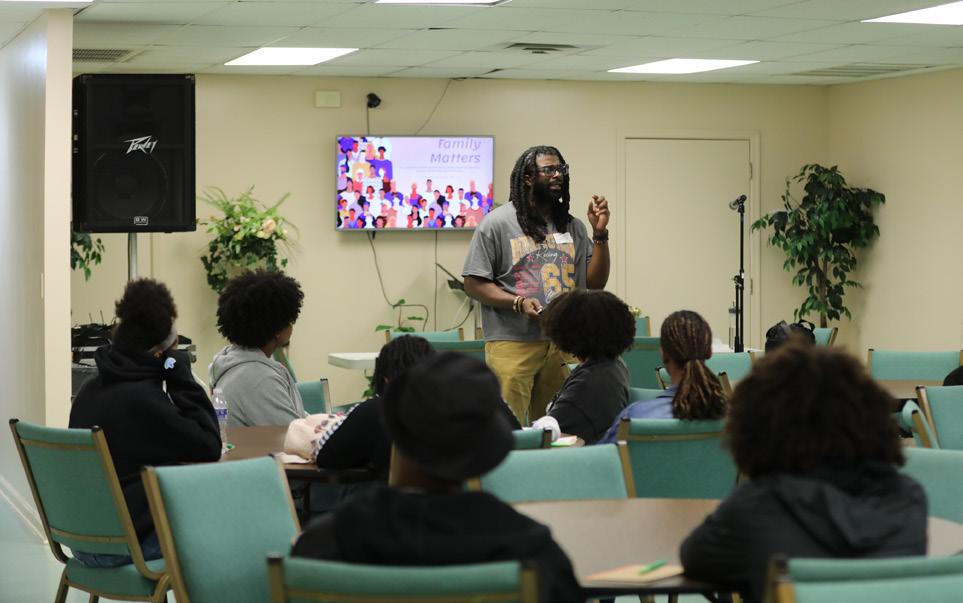
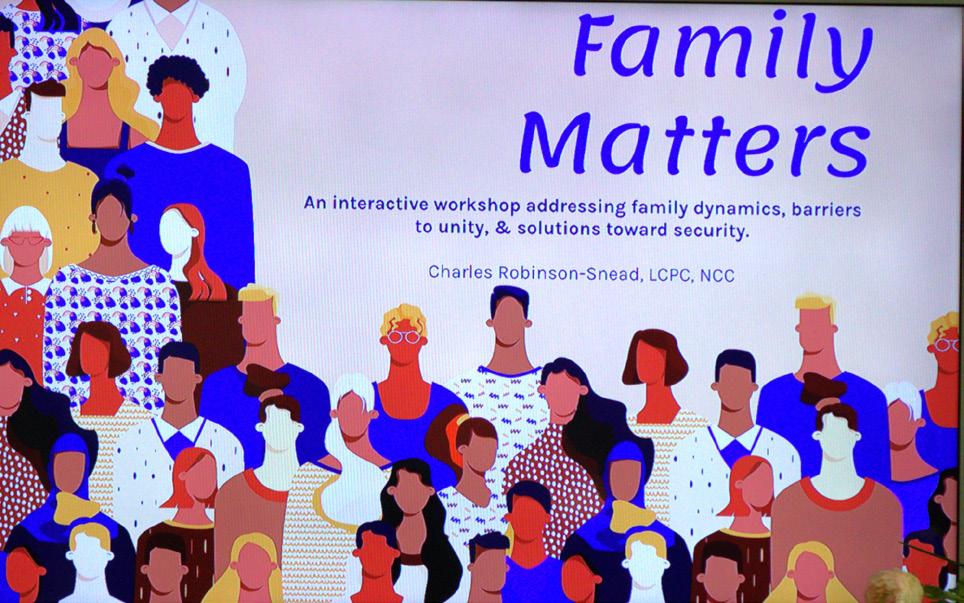
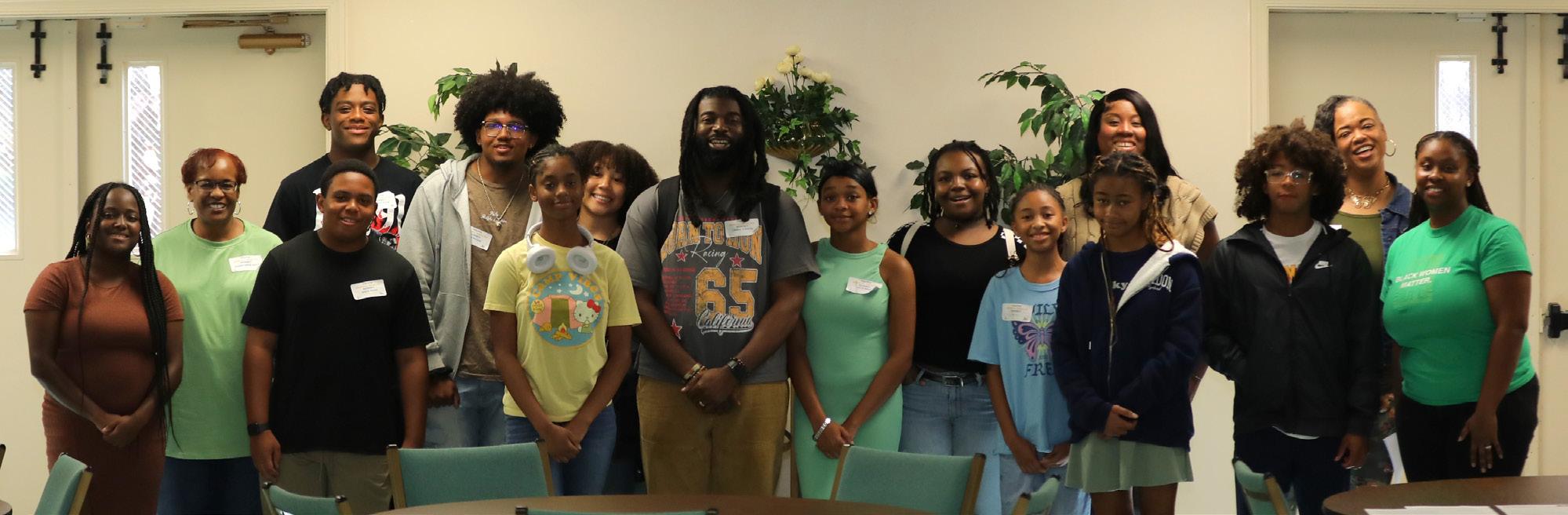
Mr. Robinson-Snead drew not only upon his own experiences, but from the examples provided by the participants, to present the definitions and concepts in an authentic and relatable manner. Further, he provided the participants with practical strategies that could be applied to their day-to-day interactions with family members to help improve communication and promote healthier functioning within their relationships.
Following a short lunch break, the youth attended genderspecific breakout sessions to provide an opportunity for follow-up discussions on family issues, as well as other mental health concerns. The session for the male youth/ young adults was led by Mr. Robinson-Snead and a male Educator who also serves as a Leader in LFCC’s Youth Ministry. The girls and young women met with one of the YMHS Leaders who is a Licensed Professional Counselor, and a YMHS Committee member who serves as a Community School Facilitator for Baltimore County. The parents/grandparents/guardians were simultaneously engaged in a breakout session with the other YMHS Leader, a Licensed Clinical Psychologist, who facilitated a conversation of common challenges and best practices in navigating relationships with youth in their lives.
The feedback collected from participants at the spring and fall summits was overwhelmingly positive and both the youth and the parents/guardians reported that they learned information and strategies to help them better navigate challenges and engage in healthier relationships. The youth and young adults also recommended several topics that they are interested in learning about in the future, which underscores the importance of providing a safe space to continue to learn about and discuss important topics such as: suicide prevention; abusive relationships; self-love/self-esteem; and managing/coping with stress, anxiety, and anger. LFCC’s Youth Mental Health In & Outreach Team and the Next Movement CDC are committed to sponsoring LFCC’s future Youth Mental Health Summits and related events in order to meet the needs of today’s youth and young adults. Look out for announcements regarding the 2026 Youth Mental Health Summits and we look forward to seeing you there!
Upcoming Events for 2026









feat. Hezekiah Walker and Love Fellowship Choir, Jazz artist Kayla Waters, Gospel singer Kymberli Joye and local artists