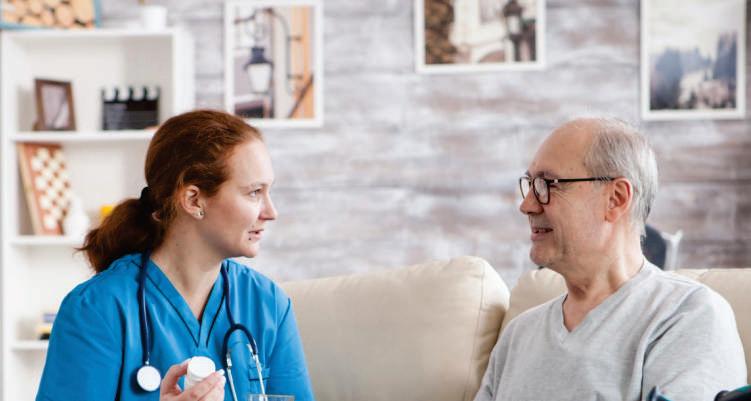
Foxdale Village, a Life Plan community, is known for its vibrant and innovative approaches to enhancing the quality of life for older adults.
For 35 years, Foxdale Village has embodied a blend of community, care, and culture, as well as the peace of Quaker values. Our philosophy of person-centered care is based on these ideals, which makes Foxdale a place where you can feel respected, appreciated, and at home.
Our 23-acre campus o ers:
• Independent Living
• Personal Care
• Skilled Nursing
• Memory Support
• Short-term Rehabilitation
• Respite Stays
in 148 cottages, 57 apartments and 101 private healthcare rooms - all in a neighborhood setting.
Foxdale is an inclusive community that welcomes a diversity of residents and sta , fostering a supportive place to live and work. e ful llment and wellbeing of both residents and sta through engaging programs and opportunities for growth are of utmost importance. Foxdale Village is committed to the satisfaction and success of each individual.
To learn more about living or working at Foxdale Village, please get in touch with us at 814-238-3322 or scan this QR code:
Age Gracefully
By Karen Jensen, ND
For thousands of years, people have been interested in how to achieve healthy aging based on preventing diseases of aging and maintaining a youthful appearance, a quest that continues today. Many different factors can interfere with the process of healthy aging, including infammation, prolonged stress, lack of nutrients in our diet, chronic stress, the increasing number of toxins in our foods, and more.
Recent research, however, has shown that biological changes, particularly a lack of microbial diversity in the microbiome, are also closely connected to the aging process. The skin, for example, has its own microbiome. Although it doesn’t directly “cause” wrinkles, these changes are linked to the breakdown of collagen and loss of skin moisture, suggesting the microbiome’s role in maintaining youthful-looking skin.
GUT HEALTH AND LIFELONG VITALITY
The gut microbiome continues to fuctuate during different stages of life. The most prominent deviations occur during infancy and later in life. Inter-
estingly, our immune health is also at its weakest and most unstable state during these two critical stages of life. Older adults who have more gut microbial diversity tend to be healthier and live longer than peers with less microbiome diversity.
Microbiome diversity refers to the variety of microbial species (bacteria, fungi, viruses, etc.) present in a human gut, skin, or other body sites. A diverse microbiome produces anti-infammatory metabolites, such as short-chain fatty acids (SCFAs), associated with healthy aging and protection against age-related disease by modulating immune cells, strengthening the gut barrier, and activating anti-infammatory pathways. Conversely, microbial imbalance, called gut dysbiosis, can lead to increased gut permeability resulting in immune-driven systemic infammation and oxidative stress, which in turn contribute to the shortening of telomeres, a hallmark of cellular aging.
Chronic, low-grade infammation that contributes to age-related diseases and declines in health in older adults is commonly referred to as in-
See Age/ Page 4
Index of Advertisers
Age
Continued from Page 3
fammaging. These age-related diseases include heart disease, diabetes, kidney and lung disorders, skin issues, cognitive decline, and immune system changes, making infammaging a signifcant risk factor for frailty and mortality in older adults.
THE IMPORTANCE OF CULTIVATING A HEALTHY MICROBIOME – DIVERSITY IS THE KEY
Everyone’s microbiome is unique, determined by a complex interplay of genetic, dietary, lifestyle, and environmental factors, as well as the use of medications. There is a consensus that a diet rich in wholefoods, prebiotics, probiotics, and postbiotics, along with a minimal intake of sugars and ultra-processed foods, as well as regular exercise, helps promote a healthy microbiome.
DEFINING THE “BIOTICS”
Prebiotics are indigestible dietary fbres that provide food for benefcial bacteria that promote a healthy microbiome. While all prebiotics are fbre, not all dietary fbre is prebiotic. Prebiotics are well-studied and have been shown to improve gut integrity.
Probiotic foods contain live bacteria or yeast that are benefcial for digestive health; they include fermented foods such as kefr, sauerkraut, kimchi, kombucha, and yogurt. Probiotic supplements contain different strains of common bacteria found in the gut, such as Lactobacillus acidophilus, Bifdobacterium, and Bacillus subtilis, a soil bacterium, which are all excellent probiotics that support gut health and diversity.
Postbiotics are the by-products of the metabolism of probiotic and prebiotic compounds by the gut microbiota. Several postbiotic compounds have been identifed, including SCFAs, vitamins, polysaccharides, polyphe-
nols, proteins, and lipids, all providing health benefts. Butyric acid, an SCFA, is a well-studied postbiotic known for its wide range of benefcial effects in the body and the gut.
DIET AND MICROBIAL DIVERSITY
Diets high in processed foods, heated oils, and sugars are recognized as a cause for infammation, one of the most common causes of chronic disease. Older adults generally tend to have diets lower in nutrients and fbre, which can decrease benefcial bacteria and lower diversity, often leading to systemic infammation.
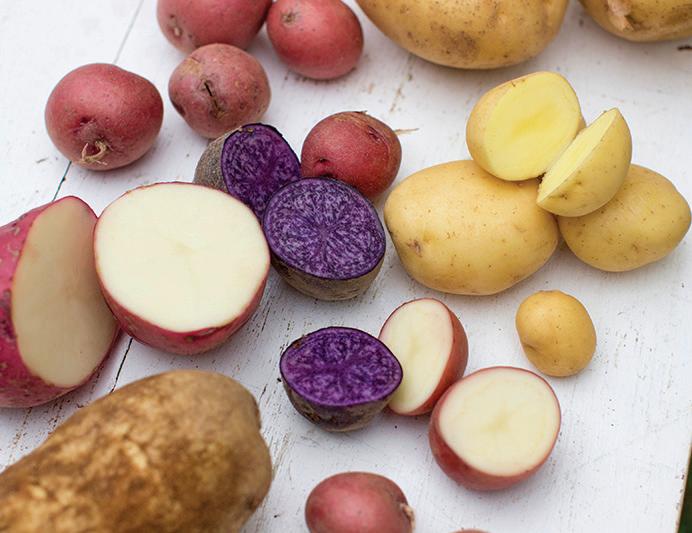
The more fbre consumed, the more SCFAs and other benefcial metabolites the body naturally produces. Focus on foods rich in resistant starches, such as legumes, rice, beans, oats, and potatoes.
Gut bacteria thrive on resistant starches that the body can’t digest. Dairy products like butter, ghee, milk,
See Age/ Page 5
Age
Continued from Page 4
and Parmesan cheese, as well as red meat, olive or fax oils, and fermented foods like sauerkraut, promote healthy bacteria. Butter is one of the richest sources of butyric acid.
Various phytochemicals in fruits, vegetables, nuts, chocolate, and green tea, as well as supplements, including omega-3 fatty acids, L-glutamine, curcumin, ginger, quercetin, vitamin D, and the three “biotics,” are metabolized by the gut microbiomes into compounds that provide greater bacterial diversity.
Gut microbiome diversity represents a dimension of the aging process in combination with immune function, organ system health, genetics, and more. A combined approach that includes a healthy diet, exercise, and additional supplemental support for gut health is an essential part of healthy
aging.
To learn more about the evolving research on the gut-brain axis, look for my second edition of the Three Brains series, Three Brains Plus, set for release in 2026. This new edition features insights into the gut-brain and gut-heart axes, along with the latest research on the gut-lung and gut-skin axes. Research suggests that harmonizing the brain, heart, and gut improves decision-making, cognition, and emotional regulation, reducing anxiety and stress.
Karen Jensen, ND
Karen Jensen was in clinical practice for 25 years and although she is retired, she continues to write books and educate on the naturopathic approach to wellness. She is author or co-author of seven books, her most recent is Women’s Health Matters: The Infuence of Gender on Disease.
Electrolyte supplements are everywhere. Who benefits from them and when?
By TRAVIS LOLLER Associated Press
NASHVILLE, Tenn. (AP) — Social media is flled with infuencers rating electrolyte supplements or even telling followers how to make their own. But experts say many of the claims about the health benefts of these drinks need to be taken with a grain of salt.
Electrolytes are electrically charged substances that help regulate chemical reactions in the body. In the context of hydration, they balance fuid levels inside and outside of cells, said Julia Zumpano, a registered dietitian at the Cleveland Clinic.
We lose some electrolytes through sweat, primarily sodium chloride —
• Fabrics • Sewing Supplies • Toys • Clocks • Books • Cards • Glassware • Quality Essential Oils • CBD & More! 1.5 miles west of Belleville on Rt. 305
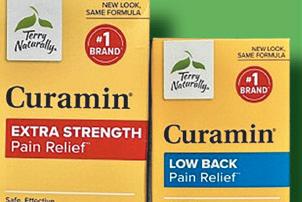
Wengerd Lane, Belleville, PA Curamin Pain Relief
which is what is in table salt. Drinking too much plain water when sweating very heavily can dilute the salt in your body even further, throwing things out of balance. Electrolyte drinks and powders are meant to hydrate and replace the lost salt. They often contain other electrolytes like potassium and magnesium. Many also contain some form of sugar.
In general, the kidneys in a healthy person do an excellent job of keeping our electrolytes in balance. Extras simply come out in your urine, said Vanderbilt University nephrologist Hunter Huston, who also consults for a UK-based company that provides electrolyte replacement plans for en-
See Electrolyte/ Page 7
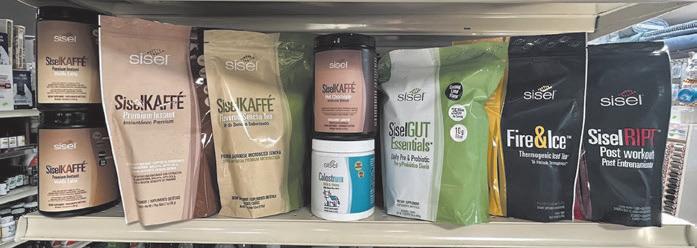
THE SISEL DIFFERENCE
The Mower family’s mission to create alternatives to unnecessary or harsh ingredients in personal care and home products began nearly 40 years ago. Today, Sisel continues that mission. Guided by our Sisel Safe® promise, each formula is developed in a state-of-the-art facility that meets the highest quality standards — giving you products you can trust for everyday use.
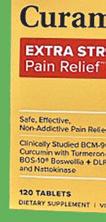
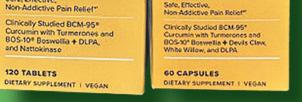
• BCM Curamin - Safe and effective pain relief
• BOS-10 Curcumin - enhanced absorption curcumin
• BOZ-10 Boswellia - clinically studied extract to provide safe and effective pain relief
• DLPA - supports the Brain’s “feel good” chemicals Important role in Healthy mood support and pain relief
• Nattokinase: enzyme that supports microcirculation working with ingredients to get Curamin where is needed
Electrolyte
Continued from Page 6
Taking “an electrolyte-enriched drink, just for health purposes, probably isn’t doing much,” he said.
Today “rapid hydration” and “advanced hydration” drinks are taking off, but who actually benefts from them and when?
It all started with Gatorade
It was 1965 at the University of Florida and then-assistant Gators football Coach Dwayne Douglas had something on his mind. As Robert Cade, the school’s frst kidney researcher, later explained, Douglas asked him, “Doctor, why don’t football players wee-wee after a game?”
“That question changed our lives,” Cade said.
The obvious answer was that the football players couldn’t urinate be-
cause they were losing so much fuid through sweat. Cade’s research team determined a player could lose as much as 18 pounds (8.16 kilograms) during a game. But it wasn’t just water the players were losing. They were sweating away sodium and chloride and losing both plasma volume and blood volume. The losses were sapping their strength and stamina.
Cade mixed up a briny solution to replace the water and salt players were losing. Sugar would help the gut absorb the sodium. The frst batch made him vomit. Some lemon juice made it taste a little better. It still wasn’t delicious, but soon the team’s performance improvement could not be ignored — especially in the second half of games when the opposite team’s players were starting to wilt in the Florida heat and humidity.
Cade, who died in 2007, said he
See Electrolyte/ Page 8
Dr. Dane Spriggle
Electrolyte
Continued from Page 7
never dreamed Gatorade would be purchased by regular consumers. No one-size-fits-all
While it seems that everyone is drinking electrolyte supplements these days, not everyone actually needs them.
A good rule of thumb is that if you are exercising for less than two hours, plain water is probably fne, said Vanderbilt’s Huston. The average healthy person can tolerate losing around 2% of their body weight in sweat before they really start to feel it, he said. “That’s increased thirst, it’s fatigue, it cramping.”
Everyone is different, though. Some people sweat very heavily or have sweat that is especially salty.
In the world of extreme sports like ultramarathons, athletes often get
professional help to test how much they sweat and get a tailored nutrition plan.
“Most folks that are exercising, that are, say, doing a marathon, are gonna be way past that two hours, and it does then make sense to be thinking about, ‘What’s going to be my fuid and electrolyte replacement plan?’” Huston said.
Aspirational athletes
Darren Rovell has followed the rise of sports drinks from a niche market to the mainstream. He is the author of “First in Thirst: How Gatorade Turned the Science of Sweat Into a Cultural Phenomenon” and was an investor in the sports drink Bodyarmor.
When he was a runner in high school, he said, they were given Gatorade to drink and told the reason it tasted bad was because it was good for you. “And then at some point in
See Electrolyte/ Page 9
Electrolyte
Continued from Page 8
the nineties, it got to be sugary.” After PepsiCo purchased the brand in 2001, “that really became the frst time where you see Gatorade everywhere in front of your face including in a pizza place, and it starts to be, ‘OK. Is this just a different type of soda?’”
Rovell says electrolyte brands market the idea that drinking their products will either make you an athlete or, if you already are an athlete, give you a performance edge.
“It all starts in the aspiration of being better, but you know we do have to check ourselves,” he said.
A flood of newer options
The supplements out today have an incredibly wide variety of electrolyte concentrations, said Patrick Burns, who practices emergency medicine at Stanford Health Care and occasionally runs in ultramarathons. With some having fve times the sodium of others, consumers should not assume all supplements are the same.
Burns also warned that people should be careful about supplementing potassium, because it can be dangerous in large amounts.
He noted that many brands now offer zero sugar varieties, even though the glucose in sugar is what allows for rapid absorption of the sodium.
“They’re not internally consistent, at all, with what they’re trying to sell you,” he said. “For optimal absorption, you need some sugar in with your salt.”
The bottom line
“Electrolytes can help, especially with heavy sweating or exercise, but for most people, they’re not something you need every single day, and you defnitely don’t need large
amounts of it,” the Cleveland Clinic’s Zumpano said.
For a healthy person who is not sweating intensely, the beverages probably won’t hurt you, but they won’t help you either.
“You’re getting extra sugar, and there’s no reason (for) rapid absorption of sodium because you’re not sodium depleted,” said Mark Segal, a professor of nephrology at the University of Florida College of Medicine. Most people get all the salt and potassium they need from food, he said.
As far as making your own electrolyte powders, the experts said it can be done, but you have to know what you are doing. They advised against using a recipe from an infuencer.
“How do you know how much you need?” Zumpano asked. “There’s a large margin of error there. I’d probably just avoid it.”
If you’re struggling to lose weight, could chilling your carbs help?
By J.M. HIRSCH Associated Press
Can chilling carbohydrates help you lose weight? It’s complicated. Some wellness infuencers have promoted a process called retrogradation. That’s cooking, chilling, and then reheating carbohydrate-rich foods like rice, pasta and potatoes. They say that can cut the calories. Not quite. A small yet solid body of science does suggest that chilling these foods can make them a bit healthier by changing some starch back into a form that digests more slowly. Dr. David Ludwig says the calorie content barely changes but blood sugar will remain steadier, reducing cravings and insulin surges. You’d need to follow this procedure consistently, however, and it varies by grain. Experts say it’s simpler to substitute minimally processed whole grains and cook them as normal.
Online infuencers claim the secret to low-calorie rice, pasta and potatoes may be as simple as chilling out.
Are they right? Not quite. But a small yet solid body of science does suggest that chilling these carbohydrate-rich foods after cooking them still could help people slim down.
For several years, wellness and nutrition infuencers have promoted a process called retrogradation, urging people to cook, chill, then reheat carbohydrate-rich foods. They say doing so can cut the calories.
Retrogradation is real, but it isn’t quite that simple.
Two kinds of starch
Most of the carbohydrates in these foods — as well as most of the calories — come from starch, of which there are two types: hard-todigest amylose and easily digested amylopectin. The latter is processed quickly and spikes blood sugar. The former is processed slowly and moderates blood sugar.
Most raw carbohydrates (think uncooked potatoes) are made mostly of the hard-to-digest starch (also called resistant starch), but cooking converts it into the easily digested one. This is why diabetics need to be mindful when eating starchy foods.
Here’s where the infuencers get excited. Chilling those cooked foods triggers “retrogradation,” a process that converts easily digested starch back into resistant starch, making it harder to digest even if the food is then reheated.
What does that mean for calories and blood sugar? Here’s what we know:
Studies of how retrogradation infuences diet mostly have been small and focused on how consumption of resistant starches infuences blood sugar, particularly for diabetics.
Multiple studies since 2015 have found that people who ate rice that was cooked and then cooled had sometimes signifcantly lower blood glucose levels after eating
See Struggling/ Page 11
Struggling
Continued from Page 10
compared to people who ate freshly cooked rice. Those fndings are generally well-accepted.
Less studied is whether retrogradation also reduces the calories available from these foods.
Kind of, says Dr. David Ludwig, an endocrinologist and researcher at Boston Children’s Hospital. “It doesn’t appreciably change the calorie content of that food,” he explained. “(But) it may well affect your hormones and metabolism in a way that makes controlling calories a lot easier.”
Though retrogradation’s effects on calories is neither as direct nor as dramatic as some suggest, it nonetheless has promise as part of healthier eating, Ludwig said.
Reducing blood sugar spikes and cravings
Eating foods high in resistant starch reduces the surge in blood sugar typically seen after consuming cooked carbohydrates, he explained. And that’s key not only for diabetics.
Studies have shown that those sugar spikes activate the brain’s reward mechanism and trigger cravings, making overeating at snacks and later meals more likely.
Also, those blood sugar surges increase the body’s production of insulin, which not only makes us feel hungry, but prompts the body’s metabolism to store more calories as fat, Ludwig said.
“When the food retrogrades, it digests more slowly,” he said. “It’s go-
See Struggling/ Page 12
Struggling
Continued from Page 11
ing to keep your blood sugar more stable. You’ll have less insulin to drive fat storage and likely have an easier time avoiding overeating.”
So is chilling your pasta, rice and potatoes worth it?
If you eat a diet high in refned starches, chilling can technically mitigate some of their negative impacts. But Dr. Walter Willett, professor of epidemiology and nutrition at Harvard T.H. Chan School of Public Health, says that to be effective, it would have to be done consistently, and he questions whether that’s practical for most people. It also isn’t plug-and-play simple. Retrogradation works better with some grain varieties than others.
varieties of rice, for example, that are naturally low in resistant starch because they cook more quickly. But this information rarely is available to the consumer, so it’s hard to know when chilling makes a difference.
Willett also noted that retrogradation only helps with blood-sugar effects.
“Chilling does not restore the losses of fber, minerals and vitamins that have been removed in the refning process,” he said.
Better, he said, would be to keep it simple: Substitute minimally processed whole grains cooked as one normally would.
J.M. Hirsch is a food and travel journalist, and the former food editor for The Associated Press.
Comforting Foods When You Are Sick
By Karlene Karst
When you’re under the weather, your body craves rest, hydration, and most importantly, comfort. During these vulnerable moments, food becomes more than just nourishment; it transforms into care, warmth, and healing. Choosing the right foods when sick can ease symptoms, soothe your spirit, and support your immune system’s recovery process.
Here are my favourite comforting foods to turn to when illness strikes – each chosen for its nutritional value and ability to wrap you in comfort like a cozy blanket.
START WITH EASY-TO-DIGEST FOODS
When your stomach is unsettled or your appetite is low, begin with gentle, easy-to-digest foods. These nourishing staples don’t overwhelm your digestive system and provide slow, steady energy.
OATMEAL is one of my top picks. It’s warm, soft, and endlessly customizable. You can stir in a little grated apple or mashed banana, add a spoonful of almond butter, and drizzle with honey for an immune-friendly, comforting bowl that feels like a hug from the inside out.
RICE PORRIDGE, OR CONGEE, is another soothing option. Made with white rice slowly simmered in broth or water until creamy, it’s simple, hydrating, and incredibly calming to the gut. Add ginger or a soft-boiled egg for a nutritional boost.
BANANAS deserve a spot on this list, too. They’re soft, naturally sweet, and full of potassium, which helps replenish electrolytes when you’re dehydrated from a fever or upset
stomach. Plus, they pair beautifully with oatmeal or can be enjoyed independently when little else sounds appealing.
HYDRATE WITH NOURISHING BROTHS AND SOUPS
When you’re sick, hydration is essential – but so is warmth. Broths and soups are ideal ways to deliver both fuids and nutrients in a gentle, soothing format.
My ultimate go-to is homemade vegetable or bone broth. Rich in minerals and gelatin, it helps restore electrolytes, supports digestion, and keeps you hydrated. You can sip it straight or use it as a base for more substantial soups.
A CLASSIC
CHICKEN
SOUP –whether homemade or clean storebought – offers protein, warmth, and comfort.
Its steam can help ease congestion, and its savoury favour makes it one of the most satisfying sick-day meals.
Feeling adventurous? Try a GINGER-MISO BROTH with soba noodles or soft tofu. Miso is rich in probiotics and gut-friendly enzymes, while ginger supports digestion and helps calm nausea.
EAT SOFT FRUITS AND STEWED VEGETABLES
When chewing or swallowing feels like a chore, go for soft, stewed produce that’s easy to enjoy and packed with antioxidants.
STEWED APPLES OR PEARS with cinnamon are gentle on the stomach and naturally sweet. They offer fbre and immune-boosting polyphenols. Serve them warm for a soothing treat.
See Comforting / Page 15
Comforting
Continued from Page 13
MASHED SWEET POTATOES OR BUTTERNUT SQUASH PURÉE are also excellent choices. They’re packed with beta-carotene to support immune function, and their creamy texture feels comforting and grounding.
STEAMED CARROTS OR ZUCCHINI, seasoned with a pinch of sea salt and olive oil, can be a great way to sneak in micronutrients without overwhelming your system.
INCLUDE IMMUNE-SUPPORTIVE EXTRAS
Beyond comfort, let’s not forget foods that actively support your immune system during recovery.
RAW HONEY is soothing for sore throats and boasts antibacterial properties. Stir it into warm tea or drizzle it over oatmeal.
GINGER TEA or warm LEMON WATER with a pinch of cayenne and honey can ease a scratchy throat, boost circulation, and support digestion.
GREEK YOGURT with live cultures (if your digestion is up for it) can help restore gut balance after illness or antibiotics, thanks to its probiotics
and protein content.
LISTEN TO YOUR BODY
Perhaps the most important thing to remember when you’re sick is to LISTEN TO YOUR BODY. Some days, you may crave warmth and softness, while on other days, you may crave cold water and toast. Don’t force yourself to eat out of routine; honour what feels right, nourishing, and comforting.
Healing takes time. With rest, hydration, and the right foods, you’ll fnd your way back to health – one comforting bite at a time.
PRO WELLNESS TIP: When appetite is low, focus on mini meals every 2–3 hours rather than large portions. This supports your energy needs without burdening your digestion and helps you stay nourished as your body works hard to recover.
Karlene Karst holds a BSc in Nutrition and is an expert in natural health and wellness. Karlene is the author of several books, and is an upbeat, knowledgeable TV personality and spokesperson appearing on the cover of magazines and TV shows including The Marilyn Denis Show, CTV Morning Live, Global Morning News, and Breakfast TV.
Community Stabilization and Reintegration Unit at Beacon Light Adult Residential Services
McCLURE, Pa-- For adults and families grappling with the challenges of co-occurring intellectual developmental disabilities and mental health conditions, navigating the healthcare landscape can often feel isolating and overwhelming. Recognizing this critical need, Beacon Light Adult Residential Services (BLARS) provides compassionate, comprehensive care through its Community Stabilization and Reintegration Unit (CSRU) in Snyder County, Pennsylvania. Pennsylvania currently faces a signifcant mental health crisis, with over 20 percent of adults— nearly 2 million residents—experiencing mental illness. Alarmingly, over half of these adults remain untreated, leaving more than 1 million people without necessary support. This gap highlights the urgent need for specialized programs that address both mental health and developmental disabilities with trauma-informed, individualized approaches.
BLARS, an affliate of Journey Health System, stands out as a provider of choice across Pennsylvania by offering targeted residential services for adults aged 18 and older, with co-occurring conditions. The CSRU embodies a commitment to holistic care, focusing on empowering clients to regain
control over their lives by enhancing personal, home, community and social skills. By fostering independence and resilience, the program facilitates smoother reintegration into their communities.
At the heart of BLARS’ success is a dedicated team of mental health direct care staff, master’s-level therapists, prescribers—including physician assistants, psychiatrists, and certifed registered nurse practitioners—and nurses. This multidisciplinary group operates within a trauma-informed care framework, understanding each client’s unique history and challenges to deliver empathetic, evidence-based interventions. Their unwavering dedication not only transforms individual lives but also inspires families and community partners.
By addressing the complex needs of a traditionally underserved population, the CSRU at BLARS exemplifes how specialized care can shift perspectives, spark hope and improve lives. Programs like the CSRU provide essential pathways toward healing and independence for adults with co-occurring disabilities—offering a true beacon of light in diffcult times.
For information, program referrals or careers at BLARS, visit www.beacon-light.org .