

State College, Pa., – Mount Nittany Health is proud to announce that it has received Press Ganey’s Guardian of Excellence Award® for Patient Experience in Inpatient Behavioral Health for the second consecutive year. This prestigious national honor recognizes Mount Nittany Health’s commitment to providing exceptional, patient-centered care.
“At Mount Nittany Health, our commitment to patient care is at the heart of everything we do,” said Tina Kephart, RN, PMHBC, Manager, Behavioral Health at Mount Nittany Health. “Receiving the Guardian of Excellence Award for the second year in a row is a true refection of our exceptional team’s dedication to providing the highest standard of care for our behavioral health patients. We are honored to be recognized for our efforts in creating a healing environment where patients feel supported and respected.”
The inpatient Behavioral Health Unit at Mount Nittany Medical Center provides short-term, inpatient care for adults in acute behavioral health crises. By prioritizing a ho-
listic, evidence-based approach that strives to provide safe, comfortable, and confdential care, the team has once again achieved this remarkable distinction.
“This recognition affrms the incredible work of our behavioral health staff,” said Kephart. “Their dedication to improving patient experiences and outcomes is evident every day, and this award validates their commitment to compassionate, high-quality care.”
Mount Nittany Health remains dedicated to advancing behavioral health services and enhancing patient experiences through continuous improvement, staff development, and a steadfast focus on delivering care that meets the highest standards of excellence.
Press Ganey, the leading provider of pa-
See Nittany / Page 4
On the Cover:
Some Juniata County residents enjoy a warmer-than average-March day by hitting a softball at Walker Park in Miffintown.
Top: Tyler Foose. From bottom, L-R: Chase Bowsman, Renee Marshall and Chipper Marshall. Sentinel photo by S. Wolfe.
Continued from Page 3
tient experience measurement and performance improvement solutions for healthcare organizations, presents the Guardian of Excellence Award to institutions that rank in the top fve percent nationwide for patient experience, employee engagement, or clinical quality. The award is a testament to Mount
Nittany Health’s ongoing dedication to delivering high-quality behavioral health services and ensuring that patients receive compassionate, individualized care in a supportive environment.
For more information about Mount Nittany Health and its in-patient behavioral health services, please visit mountnittany.org/services/behavioral-health-services.
Article submitted by The Miffin-Juniata Area Agency on Aging
Regular physical activity, social interaction, and nutrition are some of the most important factors in maintaining health as we age. The Miffin-Juniata Area Agency on Aging, an affliate of MJRSC-The Care Network, receives state and federal funding through the Older Americans Act to provide health promotion and prevention services. These programs are free of cost to seniors 60 years of age and older.
According to Beth Harlan, Senior Community Services Supervisor, getting started with health-centered programming can quickly become a long-term lifestyle change: “We see repeat participants who return to these programs and keep going with their ftness journey. They say they feel better and notice a big difference after completing a unit of classes.”
MJRSC-The Care Network’s Health & Wellness programs offer a variety of exercise choices designed to help seniors maintain or improve their physical strength, balance, and mobility. These classes are tailored to meet the specifc needs of older adults. Healthy Steps in Motion is a comprehensive exercise program that includes warm-up, balance exercises, weight resistance/strength training, and cool-down segments, helping seniors improve strength and stability. Walk With
Ease, developed by the Arthritis Foundation, is an evidence-based program designed to encourage physical activity while educating participants on how to manage arthritis and improve overall health. Additionally, Health Education & Blood Pressure Screenings are offered at Senior Community Centers, providing seniors with free screenings and important health information. For those looking for a fun and interactive way to stay active, Bingocize combines the traditional game of bingo with exercise and health education, making ftness both enjoyable and accessible. These programs are just a few of the many ways The Care Network supports the health and well-being of seniors in the community.
Harlan went on to say that “When participants join evidence-based programming through Health and Wellness initiatives, they meet new people and engage in an overall better lifestyle.”
One of the most powerful aspects of the MJAAA’s Health & Wellness programs is the belief that it’s never too late to make lifestyle changes that can improve health and quality of life. Whether it’s adopting a new exercise routine, socializing with other older adults in the community, or taking advantage of nutritionist-approved meals offered daily at each of our Senior Centers, these programs are de-
See Programs / Page 6
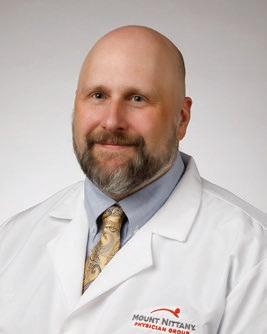
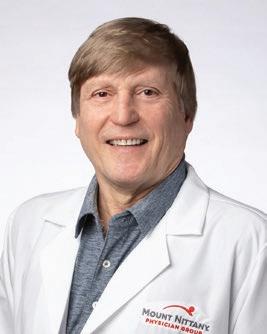
At Mount Nittany Health, we believe that healthier people build a stronger community. Eric Emanski, MD and Ron Lakatos, MD share that mission, bringing expert spine care and personalized attention to every patient they see. From advanced robotic procedures to compassionate care, we’re here to support you every step of the way.


Continued from Page 4
signed to help seniors at every stage of life. The goal is to provide the tools, resources, and support needed to age well and enjoy a fulflling life.
To learn more about the available programs and see the current class offerings, visit the agency’s online events page at www. mymjrsc.com or follow MJRSC-The Care
Network on Facebook. From exercise classes to educational workshops, there’s something for everyone. As is true in every piece of The Care Network’s mission, these programs are also made possible thanks to the selfess contributions of our dedicated volunteers.
For more information on MJRSC-The Care Network, call 717-242-0315 or stop in to see us at 25 Rothermel Drive in Yeagertown.
Submitted by Valley View Retirement Community
Maintaining brain health as you age is essential for cognitive function and overall well-being. Scientifc research highlights several lifestyle choices that can help preserve mental clarity and reduce the risk of neurodegenerative diseases.
According to Dementia Friends Pennsylvania, a movement that aims to make a positive difference in the lives of people living with dementia, there are fve key ways to keep your brain healthy and active.
Sleep allows our bodies and minds to heal and organize themselves in preparation for another day. Quality is just as important as quantity!
Sleep supports memory consolidation and brain detoxifcation. Poor sleep has been associated with the accumulation of beta-amyloid plaques, a marker of Alzheimer’s disease. The National Sleep Foundation recommends 7-9 hours of quality sleep per night for optimal brain function.
We need to eat well. All of our organs, including our brains, can be easily damaged by poor diet.
Consider the MIND diet (Mediterranean-Intervention for Neurodegenerative Delay), which is specifcally designed to reduce the risk of cognitive diseases. It emphasizes fruits and vegetables, whole
See Thrive/ Page 8
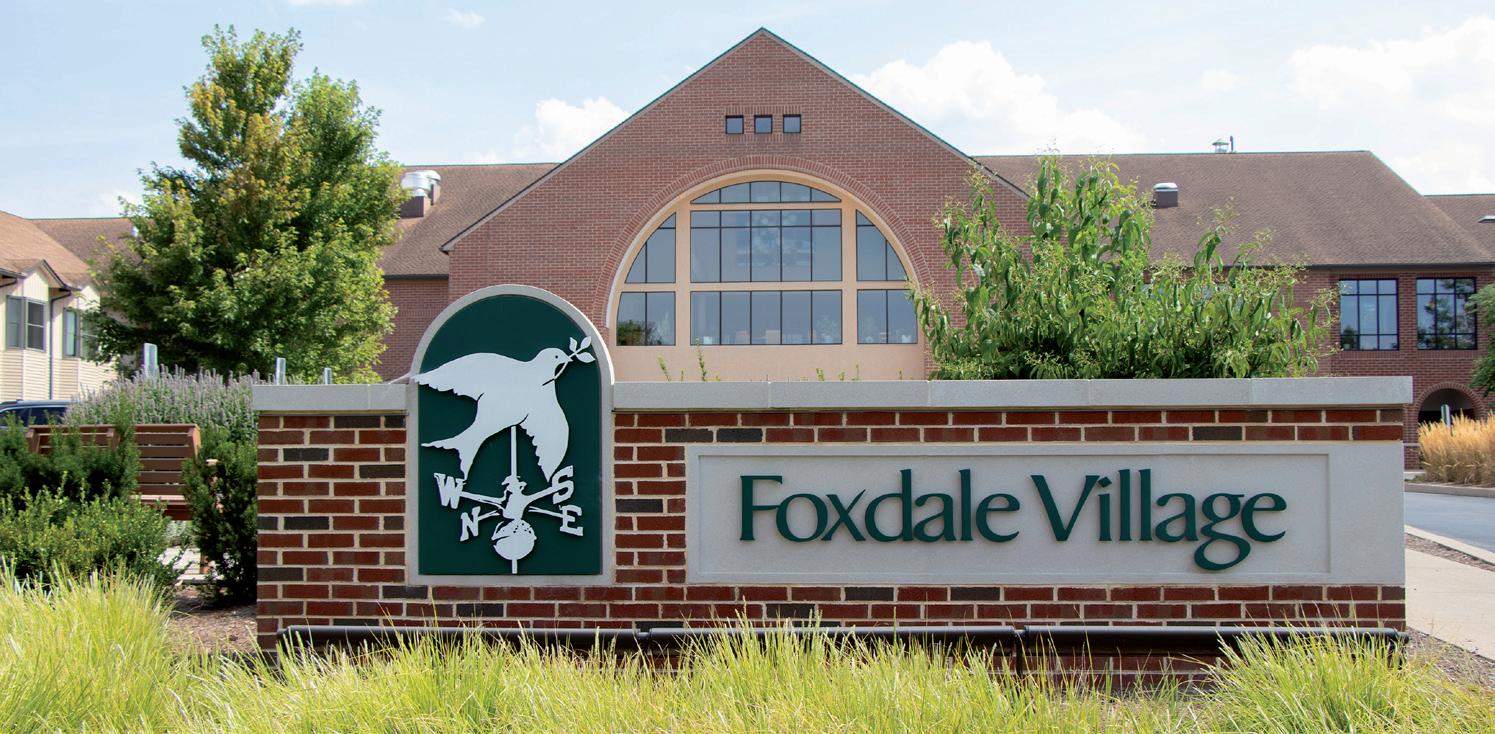
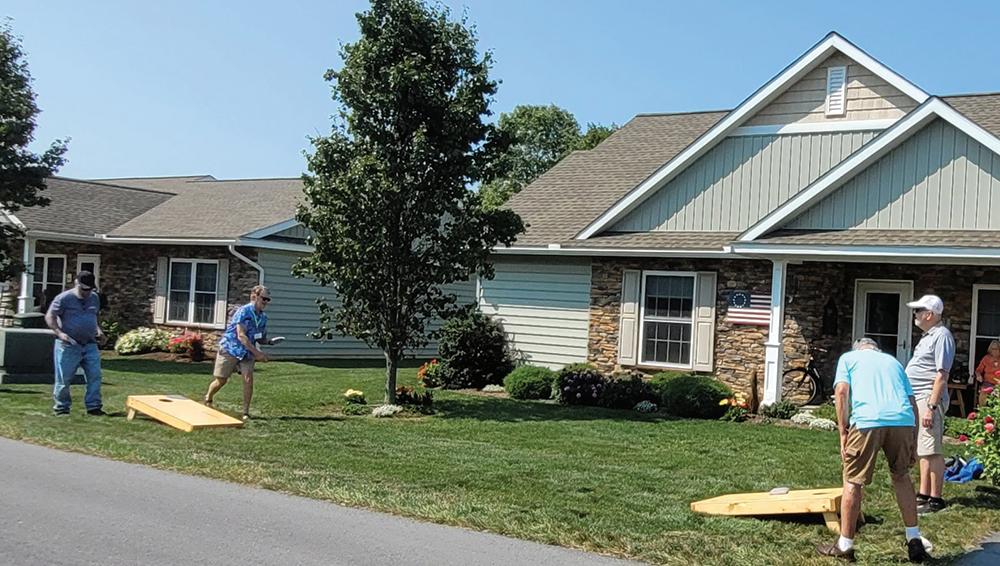
Foxdale Village, a Life Plan community, is known for its vibrant and innovative approaches to enhancing the quality of life for older adults.
For 35 years, Foxdale Village has embodied a blend of community, care, and culture, as well as the peace of Quaker values. Our philosophy of person-centered care is based on these ideals, which makes Foxdale a place where you can feel respected, appreciated, and at home.
Our 23-acre campus o ers:
• Independent Living
• Personal Care
• Skilled Nursing
• Memory Support
• Short-term Rehabilitation
• Respite Stays
in 148 cottages, 57 apartments and 101 private healthcare rooms - all in a neighborhood setting.

Foxdale is an inclusive community that welcomes a diversity of residents and sta , fostering a supportive place to live and work. e ful llment and wellbeing of both residents and sta through engaging programs and opportunities for growth are of utmost importance. Foxdale Village is committed to the satisfaction and success of each individual.
To learn more about living or working at Foxdale Village, please get in touch with us at 814-238-3322 or scan this QR code:




































Continued from Page 6
grains, olive oil, fsh and poultry while limiting processed foods and red meat.
Stress and isolation are bad for us! The U.S. Surgeon General Dr. Vivek Murthy released a report on the national epidemic of loneliness and isolation. It said that people who do not have social connections face the same risk of death as people who smoke 15 cigarettes daily. According to the report, loneliness is associated with a 29% higher risk of heart attack, a 32% higher risk of stroke, and a 50% increased risk of developing dementia for older adults.
Geli Losch, Senior Director of Resident Services at Valley View Retirement Community and recognized Dementia Friends PA Champion, said that there is a treatment plan that any of us can follow. “Our relationships with each other and our commu-
nity are a powerful source of healing and well-being for brain health, enriching our lives with health, fulfllment, and productivity.”
Exercise is great for your brain. The key to creating and sticking to an exercise plan is fnding what works for you.
Exercise enhances blood fow to the brain and reduces infammation. The Journal of Alzheimer’s Disease reports that older adults who engage in at least 150 minutes of moderate aerobic activity per week show improvements in memory and executive function.
Active learning improves memory, creativity, mood, and self-esteem. Incorporating learning into your daily routine, such as reading, taking courses, or trying new hobbies, keeps your brain active and engaged.
See Thrive/ Page 9


By: Dr. Daniel Rodriquez Bauza, M.D., Primary Care, Geisinger Medical Clinic Lewistown
Signs of heart disease may show up unexpectedly. But these clues should lead you to your doctor’s offce. Bleeding gums may not seem like a serious issue. But if it becomes chronic, you might be surprised to hear that it can be a clear warning your heart isn’t working as it should.
While pressure or tightness in the chest and a rapid, irregular heartbeat are primary signs of heart disease, there are other symptoms that can be less obvious — yet just as dangerous.
And ignoring these subtle signs of heart disease can lead to serious heart trouble, like a heart attack or stroke.
Identifying all signs of heart trouble
and then responding to them is key to help prevent heart disease, which is the leading cause of death for both men and women. Even if you’re unsure, don’t hesitate to get a symptom checked out — especially if you have risk factors for heart disease. Preventing heart disease is an important step in living a long, healthy life.
Chest pain that may radiate to the neck, jar or arms, shortness of breath, heart palpitations and numbness set off alarm bells that will send most of us straight to the doctor’s offce. But not all heart problems come with clear warning signs.
If you have some of these lesser-known signs of heart disease, don’t wait to contact your provider. Waiting puts you at higher
See Heart/ Page 11
Continued from Page 10
risk for a serious heart event to occur.
Exhaustion and weakness
While exhaustion alone isn’t a sign of heart disease, chronic exhaustion and weakness can be, especially if you’re getting suffcient rest.
Your energy levels are directly related to blood fow and oxygen levels. A healthy heart constantly pumps oxygen-carrying blood through your body. But if there are underlying problems with your heart, it might not work as effciently.
As a result, you may begin to feel tired after routine activities — or even confused. Because oxygen isn’t reaching your muscles and brain as it normally does, weakness and fatigue become obvious.
If you’re often feeling exhausted and weak, even with suffcient rest, consult with your healthcare provider to fnd a cause.
Swollen feet are a more subtle sign of potential heart concerns. In fact, your socks and shoes can make it diffcult to notice your feet are swollen in the frst place.
But why would your feet swell if you have heart problems? Because your heart regulates blood fow, and slow blood fow can cause pressure to build up in your legs, leading to edema.
Edema is the buildup of fuid in the body’s tissues. Typically, edema related to heart problems can be seen in the legs and feet. Any sign of heart failure or reduced function is serious, so talk to your doctor if you notice swelling in your feet.
Dizziness, light-headedness and shortness of breath
Slow blood fow and low oxygen levels in the brain and lungs can lead to feeling dizzy, light-headed and short of breath. And it’s especially important to notice if you have these symptoms without rigorous
See Heart/ Page 12


Continued from Page 11
activity.
If activities, like going up the stairs or going about your daily life, consistently make you dizzy or out of breath, don’t ignore them. Dizziness and being out of breath are both examples of your body telling you that you need more oxygen.
Migraines
Migraines are intense headaches that are bad enough on their own. Some research suggests migraines with auras may be linked to heart problems, but more studies are needed on the connection between these health issues.
If you have migraines with auras, take note of any new changes in symptoms of your headache. Newly developed weakness in your arms during a migraine could be a sign of heart disease.
Swollen and bleeding gums
Swollen or bleeding gums may not be the biggest indicator of heart health, but studies show a possible correlation.
Recent research has revealed that your mouth can show your heart health. In fact, some of the same bacteria found in your mouth can be found in your heart. So, if you have high levels of bacteria and swelling in your mouth, it’s wise to get your heart checked, too.
While the relationship between heart health and oral health isn’t clearly understood, consistent swollen and bleeding gums could be a sign of heart issues.
Sweating
Sweating while exercising is normal. Breaking out in a sweat while watching TV is not. We sweat to keep our body temperature at a regular level. So, why would you sweat when you aren’t active or it’s not hot outside?
Heart failure makes pumping blood more diffcult, so your heart must work harder. When your heart struggles to pump blood consistently, it generates heat. To compensate, your body starts sweating to keep
your body temperature normal. If you’re having serious episodes of sweating when you shouldn’t be, talk to your doctor.
Many of these symptoms alone aren’t signs of heart disease, but chronic issues can be or at least a sign of an underlying condition. It’s a good idea to get regular checkups — and live a heart-healthy lifestyle — to take the pressure off.
Heart disease risk factors
All these subtle signs are even more important to report if they’re combined with other heart disease risk factors, such as if you:
• Are overweight or obese
• Smoke, use drugs and alcohol
• Have a high level of stress
• Eat a diet high in sodium and saturated fat
• Don’t exercise regularly
• Have a family history of heart disease
• Have high blood pressure or high cholesterol
See Heart/ Page 13


Continued from Page 12
• Have diabetes
If any of these heart disease risk factors apply to you, talk to your doctor to create a heart health plan. Awareness is the frst step in managing your heart health. While genetics do play a role in heart disease, there are risk factors that can be reversed by taking the proper steps and precautions.
Left untreated, heart disease can cause a heart attack — when blood fow is severe ly reduced to the heart. Watch for the sub tler symptoms that can indicate a possible heart condition. If you have them, be sure to tell your healthcare provider.
When you bring these issues to their attention earlier, they can screen you for heart disease — and plan to keep your tick er going strong for the long haul.
For the latest health and wellness tips and advice, visit geisinger.org/balance.



BY LIV SUYDAM Sentinel reporter osuydam@lewistownsentinel.com
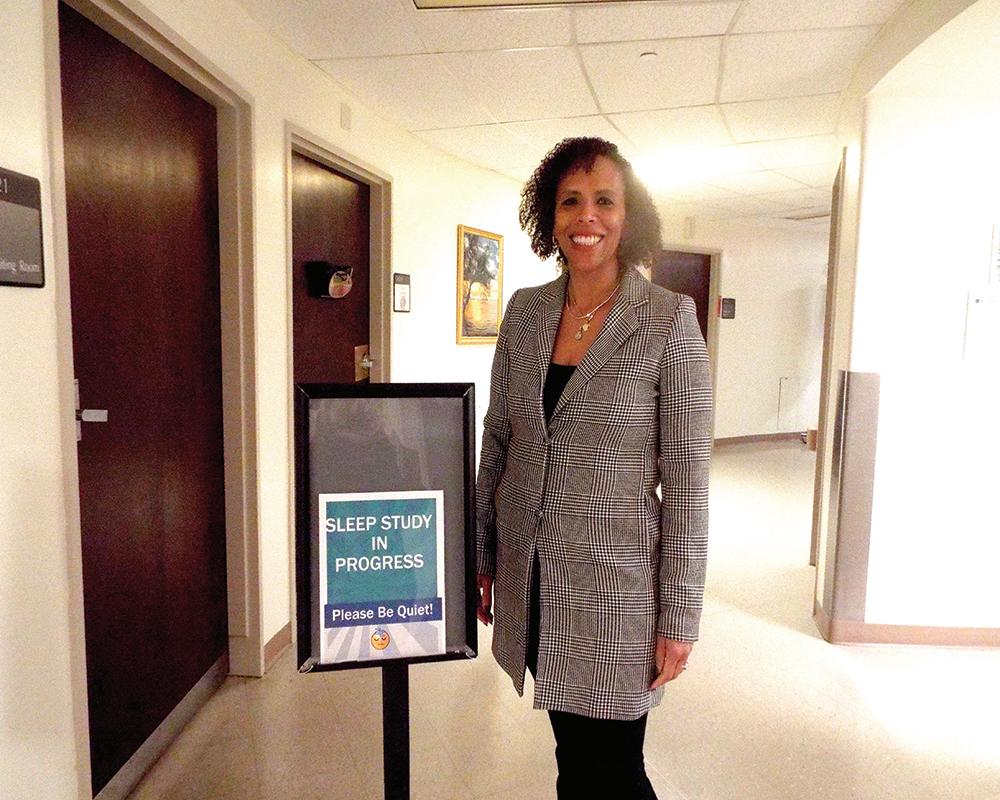
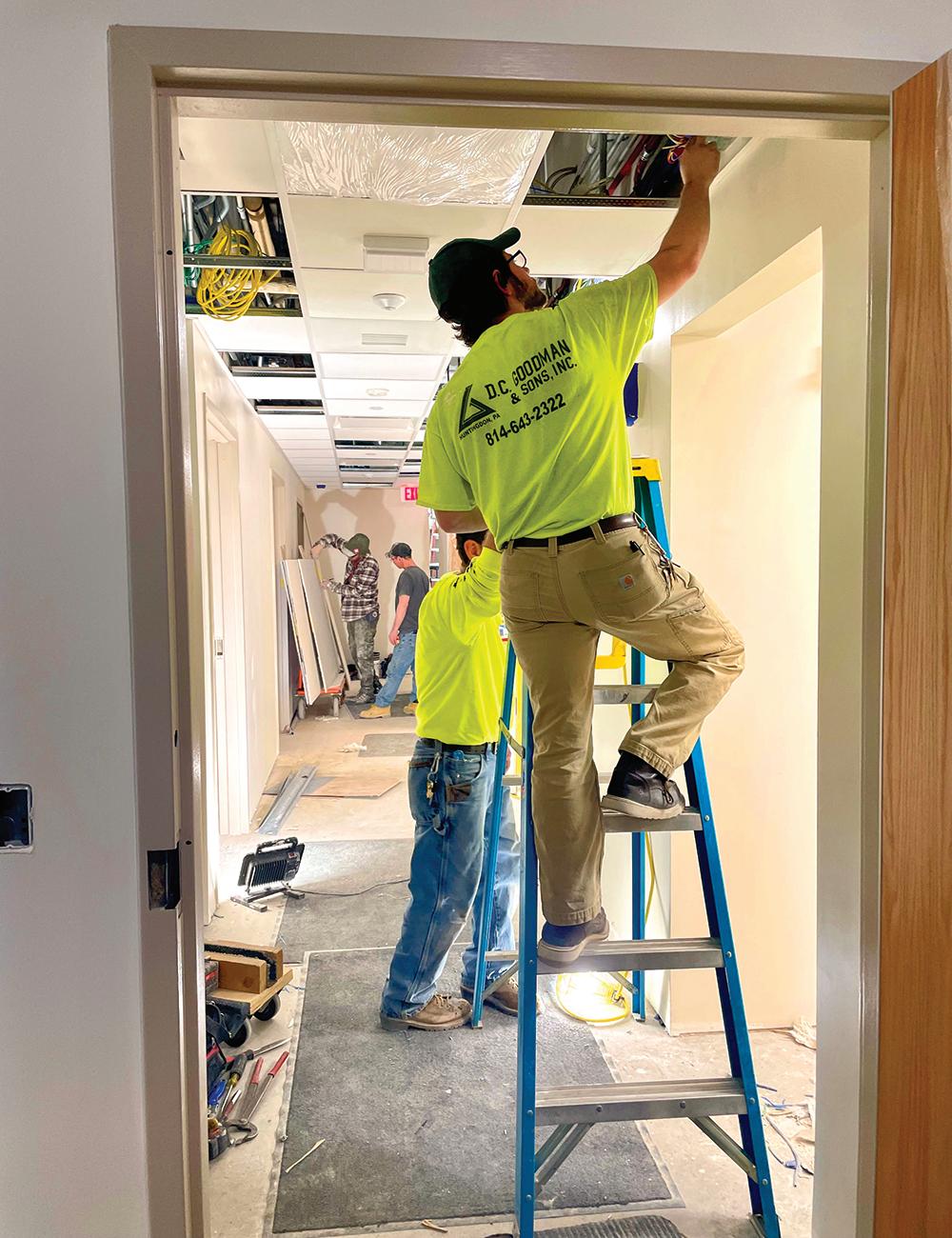
LEWISTOWN – The Geisinger- Lewistown Hospital is nearing the completion of the newly renovated sleep lab.
The hospital currently has a four bed sleep lab. Upon the completion of construction, Geisinger will open the sleep lab into a renovated space on the second foor, with the addition of a ffth bed.
“We’re looking forward to providing more capacity for our patients,”said Senior Marketing Strategist Valerie Reed. “With that capacity comes a facelift and more effcient use of the hospital space.”
Sleep Lab Operations Manager Ron
Work on the sleep lab began in October 2024 and is projected to be fnished and occupied by early March 2025.
As the end of the construction is in sight, it is important to note the service a state-of-the-art sleep lab will provide to the community of Miffin County.
“We’ve been at this (the sleep lab) for more than 30 years. So we’ve been doing this for quite a long time,” explained Napikoski.
According to the American Medical Association, it is estimated that at least 9% of the US population has sleep apnea.
See Sleep / Page 15
Continued from Page 14
Sleep Medicine Doctor Karina Henriquez said that Geisinger sees and treats many patients for various sleep disorders.
“We have a lot of patients, but still, there are a lot of people that don’t know that they have a problem, or they don’t want to come to the sleep clinic because they’re afraid,” explained Henriquez.
There are a number of sleep disorders, some of which do not need to be treated in a sleep lab, such as restless leg syndrome and insomnia- these disorders can be treated at the sleep clinic located on Logan Boulevard.
“We would love to treat everybody, but unfortunately the insurance companies have a lot of regulations and a lot of things we have to jump through,” said Napikoski.
Patients must have a certain diagnosis to even be eligible for the sleep study, after the sleep study, patients have to have a certain number of breathing events or meet a certain criteria before the hospital can treat them, according to Napikoski
“There are some insurances you have to do a home sleep test frst, and then if they fail, they may approve for the patient to come to the in-lab” explained Henriguez. “And some insurances won’t pay for the home sleep lab, only the in-lab”
Patients can get a referral from their primary care physician to be seen in the sleep clinic, there, patients will be evaluated to see if they need a sleep study.
“Typically people are sleepy during the day, they call that daytime hypersomnolence, and they typically snore, they can be overweight, they can have hypertension, there are a lot of things that sleep
See Sleep / Page 16
Continued from Page 15
be a major factor in sleep issues.
The sleep lab is mainly for treating sleep apnea and narcolepsy.
All these things: pauses in breathing, moving your legs around, and snoring interrupt deep sleep which causes people to be more tired throughout the day, because they “never really get into a deep sleep,” according to Napikoski.
“Just because you came to see Dr. Henriquez doesn’t necessarily mean you’re going to get a sleep study,” explained Napikoski.
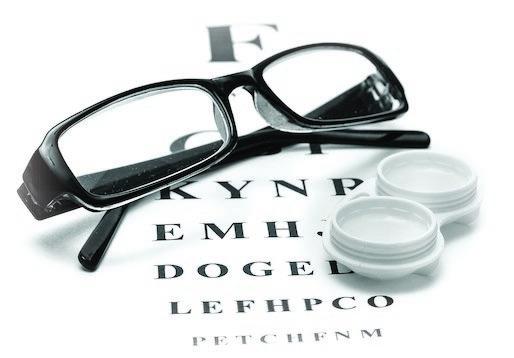
There are some disorders that can be treated in the sleep clinic; there is also a level of behavioral modifcation that comes before anything else. According to Henriquez, poor sleep hygiene such as staying up late and being on devices or watching television right before bed, can
Dr. Dane Spriggle affects, and that is where Dr. Henriquez comes in,” said Napikoski.
Once it is determined that a patient needs a sleep study done, they will be sent to the Sleep Lab at the hospital.
The sleep lab is “frst come, frst serve” but patients who may be at greater risk are pushed to the top of the waiting list if there is a cancellation.
“We have two different studies we do, we do a diagnostic study where we actually try to make a diagnosis and then we do a therapeutic study where we actually try to fx you,” shared Napikoski.
Diagnostic sleep labs are done during the patients normal sleep time, so those who sleep overnight would come in around 7 p.m. to get settled in before be-
See Sleep / Page 17


Continued from Page 16
ing hooked up to a number of machines to monitor sleep overnight.
According to Napikoski, there are about ten electrodes that are connected to the patients head to monitor the brain waves, letting the doctors know what level of sleep the patient is in; electrodes are also put by the eyes, because during REM (rapid eye movement) sleep or dream sleep, the eyes “do funny thing,” chin to pick up snoring, and on the legs to watch for restless leg syndrome.
Additionally, patches go on the patients chest to watch their heart rate, a belt goes on their chest and abdomen to watch breathing, and something will be placed up their nose to measure airfow- to see whether they are breathing or not, a lot of the time you make abdominal efforts with apnea your upper airway actually collaps-
es, and a clip goes on the patients fnger to watch oxygen level.
“Believe it or not, after we put all those things in you’d think you wouldn’t really be able to sleep, but many of our patients are so sleepy they’ll even fall asleep while we’re putting the electrodes on or as soon as they lay down,” shared Napikoski.
The sleep lab also treats patients who come in during the day- those struggling with narcolepsy, for example. These studies are conducted similarly, minus a few wires, according to Henriquez.
“Once we discover if you have sleep disordered breathing, then we try to fx you, and there’s a lot of different ways that we can fx you these days,” shared Napikoski.
CPAP (continuous positive airway pressure) is the frst line of defense, if patients
See Sleep / Page 18
This delicious hot cocoa is packed with immune-boosting, anti-inflammatory and antioxidant ingredients, high-fiber plant creamer, and dark cacao.
The Only Alkaline Coffee on the Market, 3 – 5 Servings of Green Vegetables in Each Cup, 100% Organic, Plant Based & No Processed or Refined Sugars.













Continued from Page 17
are a “train wreck” during their sleep study, the doctors will wake them up and put a CPAP on them and fnish the study that way to see if the CPAP method will help.study them that way.
“The whole idea is to try and splint your airway open so that instead of it collaps ing, we get rid of that splinting and keep the airway open and typically that will ac tually keep you from snoring,” explained Napikoski.
He added, “We fnd that a lot of our pa tients, once we get them on a CPAP and get them on a level, they go into REM sleep, they dream like they haven’t dreamt in a long time, and they wake up the next morning feeling like a new person.”
There are people who get claustropho bic in the masks, or just do not care for that method, there are other tactics to fx sleeping disorders.
One of the newer mask-free methods is the Inspire device which stimulates the tongue, which is usually what collapses in the back of the throat when people are sleeping- it’s like a pacemaker and is placed near the chest in a surgery.
The nervous stimulator Inspire is not offered by Geisinger Lewistown, but they do refer people to Danville for the surgery.
The Geisinger-Lewistown Hospital Sleep Lab treats numerous patients. To help keep up with the infux of people needing help, Geisinger also offers home studies.
This is done by Geisinger giving prospective patients a device that is to be taken home and worn when sleeping for a day or two. Patients then return to the hospital and the doctors will look at the collected data
Submitted Photo
Workers from DC Goodman and Sons, Inc. out of Huntingdon, work to fnalize the newly renovated Sleep Lab in Geisinger-Lewistown Hospital












Continued from Page 18
One of these home study devices
Geisinger-Lewistown actually uses is called WatchPad- patients wear it like a watch and there is a clip for a fnger and a chest connection that get connected to the watch. After a night of rest, patients upload the data onto the Cloud and Dr.
Henriquez has access to the information.
The sleep lab is typically booked eight to ten weeks out, but there is hope that with the addition of a ffth bed, as well as the hiring of additional staff, eventually the Sleep Lab will be able to cut the wait time down to two to three weeks from the time a patient have a sleep study ordered to when they can get in.
April 2
Gym Night
Pine Glen Alliance Church
Lewistown 6:00 to 8:00 pm
April 4
Community Blood Drive
Port Royal Community Building 12:00 to 5:00 pm
April 8
PA Health Talk: Deep Brain Stimulation for Movement Disorders
The Montour Room at Pine Barn Inn Danville 12:00 pm
Register at geisinger. org/events
April 10
Community Blood Drive
Middlecreek Area
Community YMCA Beaver Springs 1:00 to 6:00 pm
April 10
Community Blood Drive
Pine Glen Alliance Church Lewistown 12:30 to 6:00 pm
April 26
Camp K Trail Run (5k/10k)
Spruce Creek 9:00 am mycampk.com
April 27
2025 Paterno Family Beaver Stadium Run for Special Olympics Pennsylvania 5k or 2-mile family fun walk
-Begins near Bryce Jordan Center State College
7:30 to 10:15 am registration, run/walk begins at 11:00 am specialolympicspa.org/ beaver-stadium-run
May 3
Fighting Against Cancer as a Community Vendor Event
Rec Park Lewistown 9:00 am to 3:00 pm
May 8
Community Blood Drive
Ellen Chapel Church Lewistown 12:00 to 6:00 pm
May 9-11
DirtFest Mountain
Biking Festival
Susquehannock Campground Hesston
May 14
Community Blood Drive
Reedsville Fire Company
12:30 to 6:00 pm
May 17
Special Needs
Community Day in Juniata County Walker Park Miffintown
10:00 am to 2:00 pm May 22
Blair Go Red for Women Event
Blair County Convention Center Altoona 6:00 pm