The Easy Way to Clean Your Gas Grill Without Damaging It
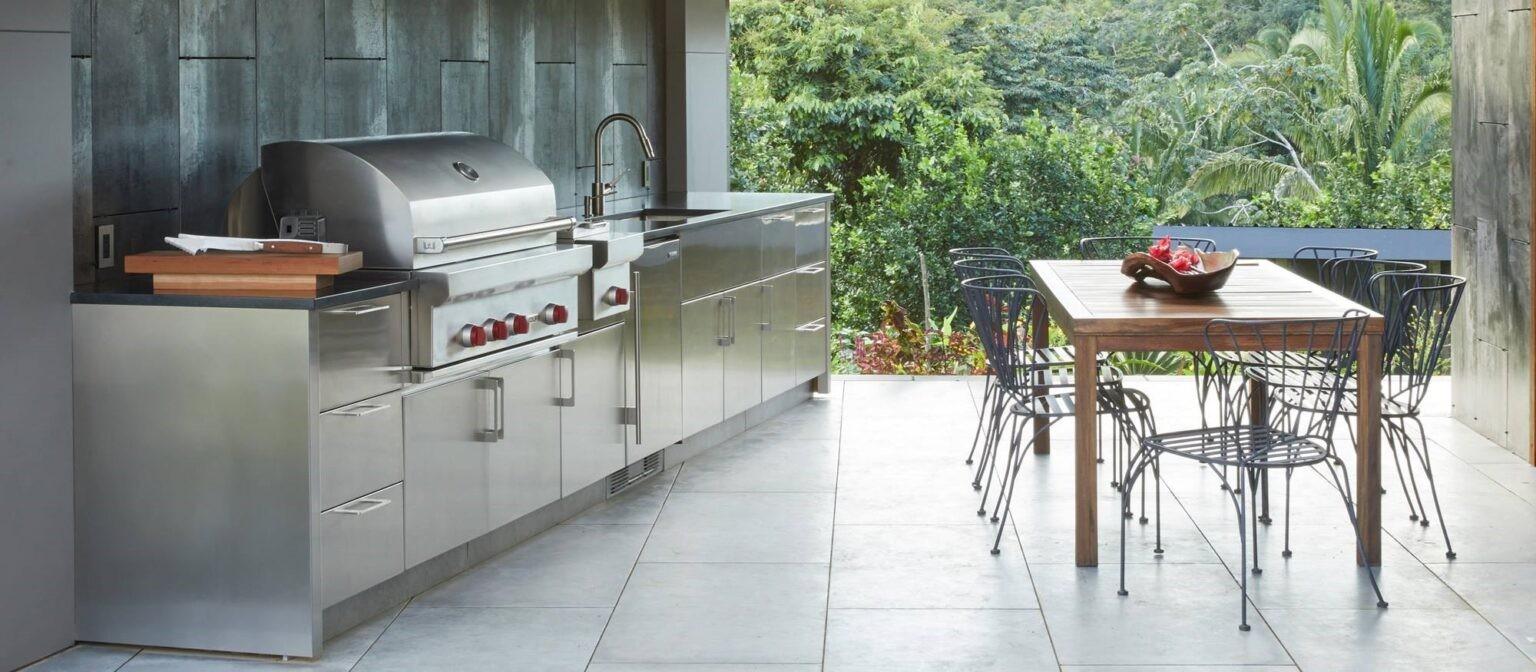
Learning how to clean a gas grill properly changes the way food tastes and how the machine performs. Grease buildup and clogged burners do more than ruin a meal. These issues lead to flare-ups, uneven heat, and wear on expensive parts. A steady cleaning routine keeps temperatures stable and lowers fire risks. This matters quite a bit for high-end equipment like a Wolf grill, where maintenance protects both the internal mechanics and the polished look. Whether the goal is learning how to clean grill grates or figuring out how to deep clean the entire unit, starting with the basics keeps every cookout stress-free.
Why You Should Clean Your Gas Grill Regularly
A gas grill runs best when heat and airflow move freely, making regular maintenance essential for predictable cooking results and avoiding frustrating hot spots. When old residue sits on grates or inside the firebox, it burns during every use, creating a bitter, greasy smoke that ruins the flavor of fresh food. This buildup also blocks heat distribution, often causing meat to sear on one side while staying raw on the other. Beyond performance, grease acts as a dangerous fuel source.
Thick layers at the bottom of the unit or an overflowing drip tray can ignite, turning a small flame into a serious grease fire in seconds. Even without a fire, excess grime causes constant flareups that scorch food and put unnecessary stress on the burners. Keeping a clean interior and a clear drip system ensures safer cooking and explains why so many people search for how to clean gas grill parts when a unit starts acting up.
Benefits of a Consistent Cleaning Routine
Keeping up with maintenance saves time and makes every meal better.
● Even heat: Clean burners and diffusers hold steady temperatures.
● Better flavor: Removing old residue results in a cleaner sear.
● Fewer flare-ups: Getting rid of grease prevents sudden, uncontrolled flames.
● Longer lifespan: Parts like igniters and flavorizer bars last longer without corrosion.
● Quick cleanup: Frequent touch-ups prevent the need for a grueling deep clean.
● Looks: A grill stays in top shape when grime is not allowed to sit on the stainless surfaces.
What You'll Need to Clean a Gas Grill
A good cleaning kit is simple. These basics handle the mess without ruining the finish.
Essential Tools and Supplies
● Nylon or stainless grill brush: Nylon is great for warm grates.
● Grill scraper: Good for lifting thick buildup inside the firebox.
● Warm, soapy water: Dish soap cuts through grease safely.
● Non-scratch scrub pad: Safe for grates and walls.
● Microfiber cloths: These wipe down surfaces and dry parts without leaving lint.
● Rubber gloves: Protects hands from sharp edges and grease.
● Vacuum or hand broom: Clears out dry ash once the unit is cool.
● Small detail brush: Perfect for burner tubes and tight spots.
How to Clean a Gas Grill: Step-by-Step Instructions
A thorough cleaning does not have to take all day. Following a specific order ensures the greasy spots that cause flare-ups aren't missed.
1. Turn off the gas: Shut off the control knobs and close the valve on the propane tank or gas line. Disconnect the tank once the unit is cool.
2. Remove the parts: Lift out the grates, warming racks, and burner covers. Place them on a tarp or cardboard.
3. Soak the grates: Let the grates sit in warm, soapy water for about 20 minutes. This makes scrubbing much easier.
4. Scrub the interior: Use a brush or scraper to clear debris from the firebox walls. Focus on the areas where grease usually bakes on.
5. Clear the burner tubes: Use a soft brush to clean the small holes along the burner tubes. This fixes most issues with uneven flames.
6. Wipe the drip tray: Empty the grease tray and wash it with soap. Wipe the bottom of the grill to remove any remaining residue.
7. Rinse and dry: Wash all parts with clean water and dry them immediately. Water left on metal leads to rust and spots.
8. Reassemble: Put everything back in place and reconnect the gas. Run the grill for 10 minutes to burn off any moisture.
How to Clean a Wolf Grill Specifically
These machines are built for performance, but the stainless surfaces need specific care.
Tips for Wolf Owners
Wolf components are high-end. Scratches show up easily on the exterior. Using microfiber cloths and non-scratch pads is essential. Fingerprints and grease can dull the look over time, so a quick wipe after the metal cools helps maintain the shine.
Parts That Need Extra Care
Check the burner ports and heat shields often. These areas collect carbon quickly. If a burner port is clogged, the heat will be uneven. The exterior control panel also needs a soft touch to avoid removing the markings or scratching the finish.
Using Stainless Steel Cleaner
Only use these cleaners on the exterior. Apply the product to a cloth first, then wipe with the grain of the metal. Keep these chemicals away from the grates and burners. A dry microfiber cloth can remove any oily residue left behind.
Quick Cleaning vs. Deep Cleaning
Not every session requires a full teardown. Knowing the difference saves effort.
When Is a Quick Wipe-Down Enough?
A quick clean is perfect after a standard cookout. Brush the grates while they are slightly warm and empty the drip tray. This keeps today's grease from affecting the next meal. It also prevents layers of grime from building up, making the next deep clean much faster.
Signs It’s Time for a Deep Clean
● Heat is stronger on one side than the other.
● Flare-ups happen even with lean meats.
● The firebox has a thick, sticky layer of soot.
● The flames are orange or yellow instead of blue.
● The grill smokes excessively before food is added.
Common Mistakes to Avoid
Most damage happens during maintenance. Choosing the wrong tools can ruin the metal.
Why Harsh Abrasives are Dangerous
Steel wool and gritty cleaners strip the protective coatings from grates. They also leave deep scratches in stainless steel. These scratches trap grease, making the grill even harder to clean next time. Stick to soft brushes to keep the surfaces smooth.
Can You Pressure Wash a Gas Grill?
Pressure washing is risky. High-pressure water gets into the valves and igniters. This leads to rust and electrical failure. It is much safer to use a bucket of soap and a sponge. Shortcuts like pressure washing often lead to expensive repairs.
The Importance of Drying
Leaving the grill wet invites corrosion. Rust can form on the grates overnight if they aren't dried. Stainless steel will also develop ugly water spots. Always dry every part by hand, then use a brief preheat to evaporate any hidden moisture.
Keep Your Grill Ready
Regular care keeps a grill running as it should. Steady heat and clean flavor make every cookout better. A simple routine protects the burners and the grease system, ensuring the machine lasts for years. This is especially true for a Wolf grill. Keeping the process simple and staying ahead of the grime turns maintenance into a quick task rather than a chore.