
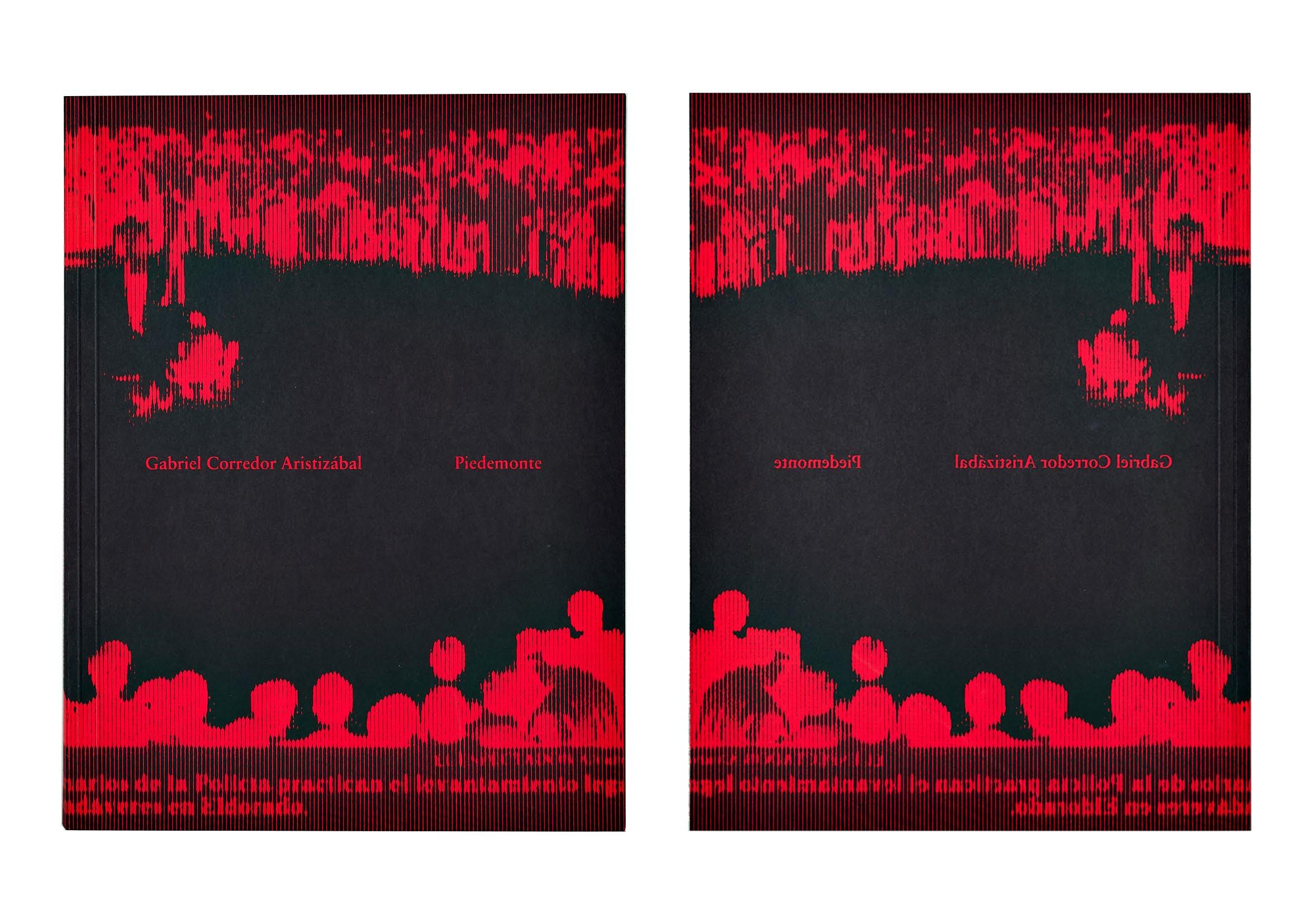
“Piedemonte” examines how intergenerational trauma and collective memories of political violence in Colombia shape the artist’s thought, memory and perception.
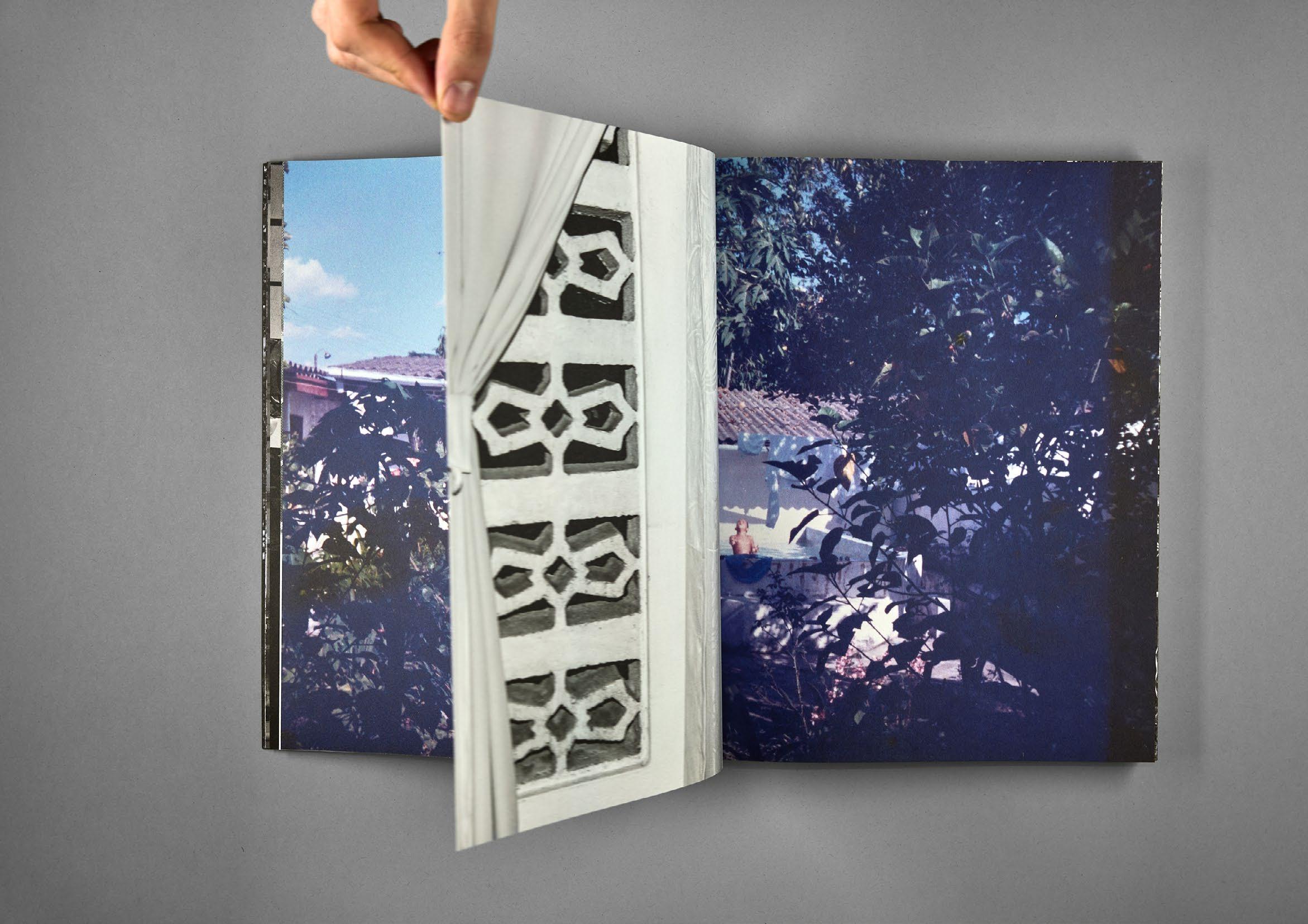
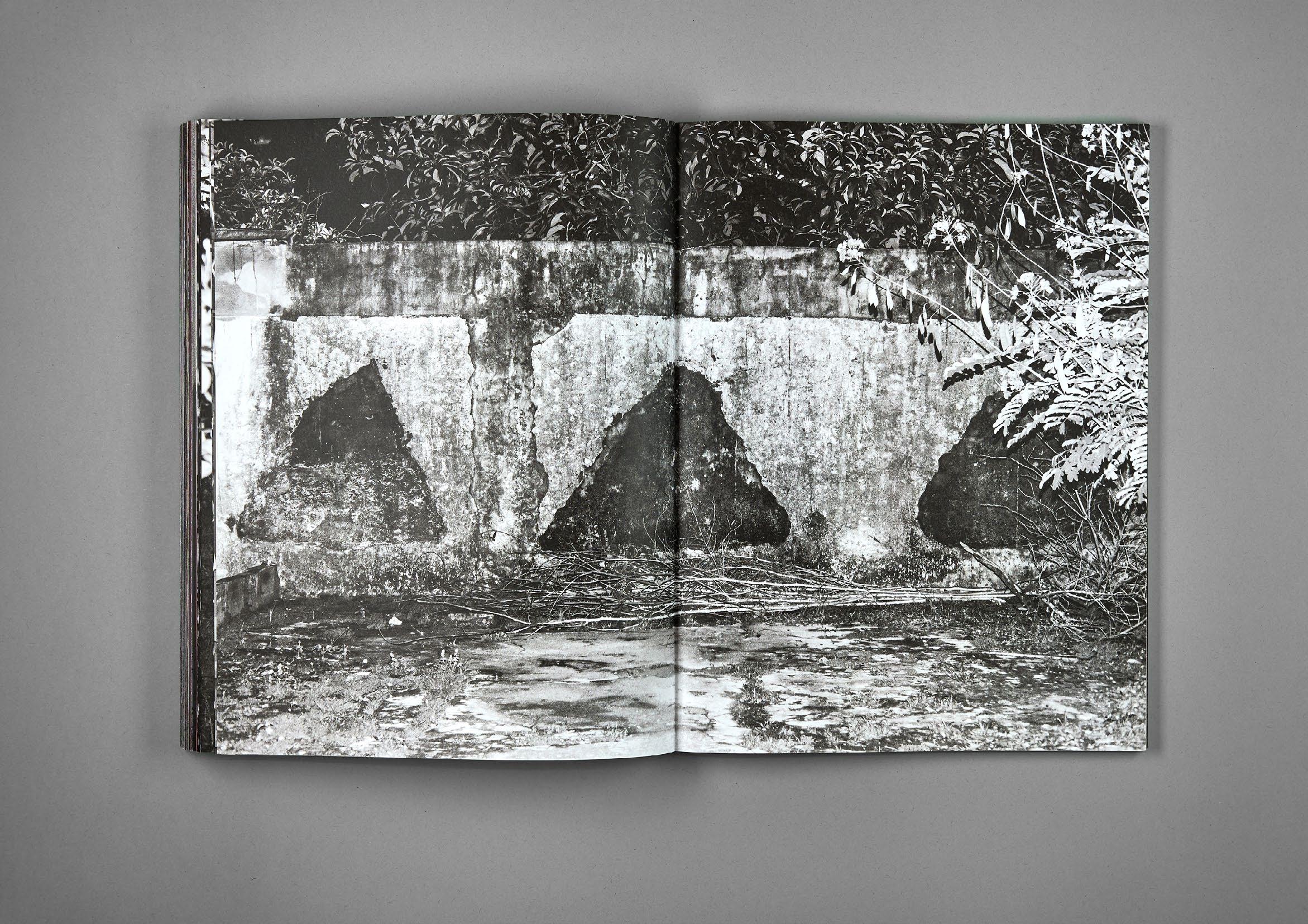
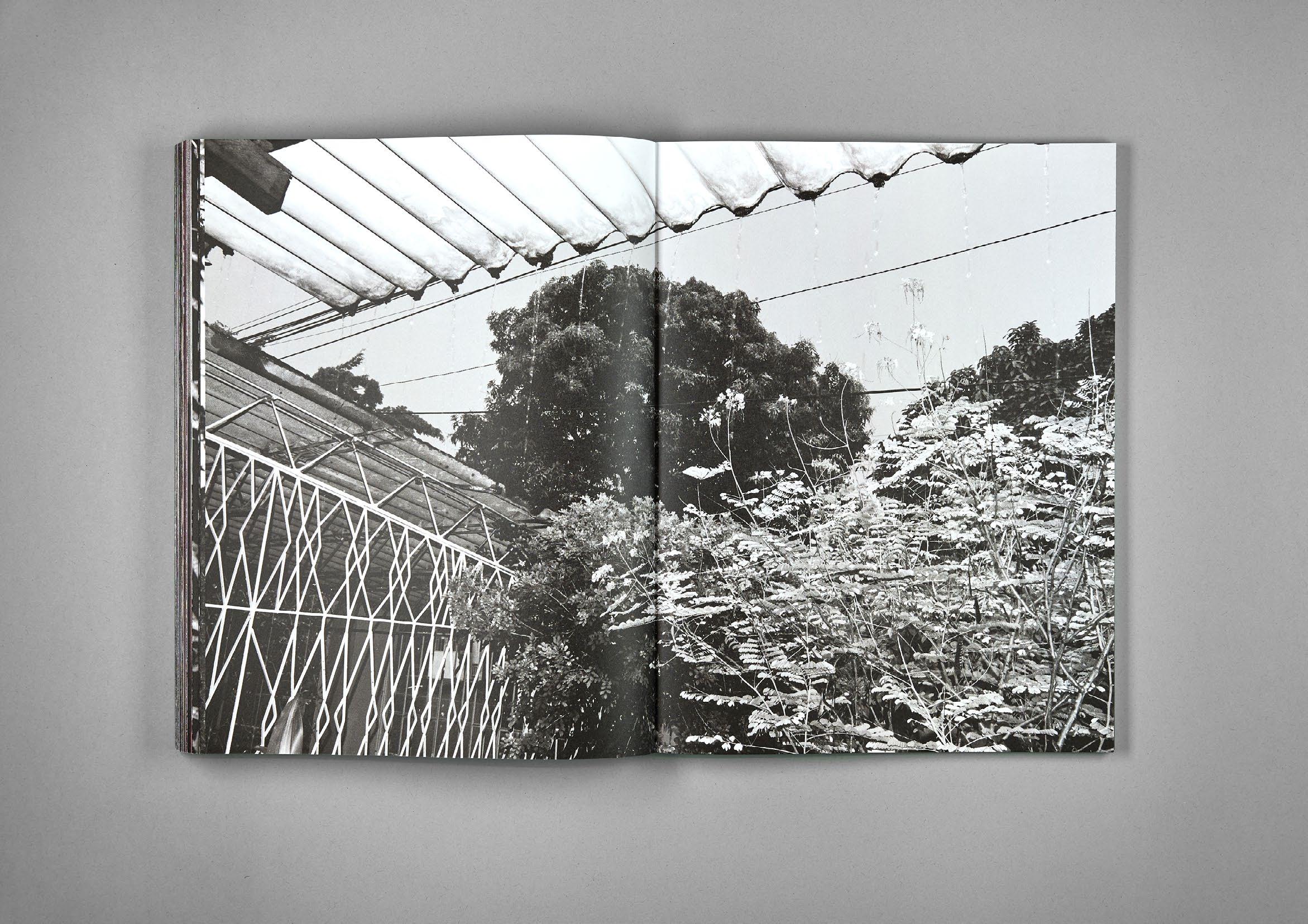
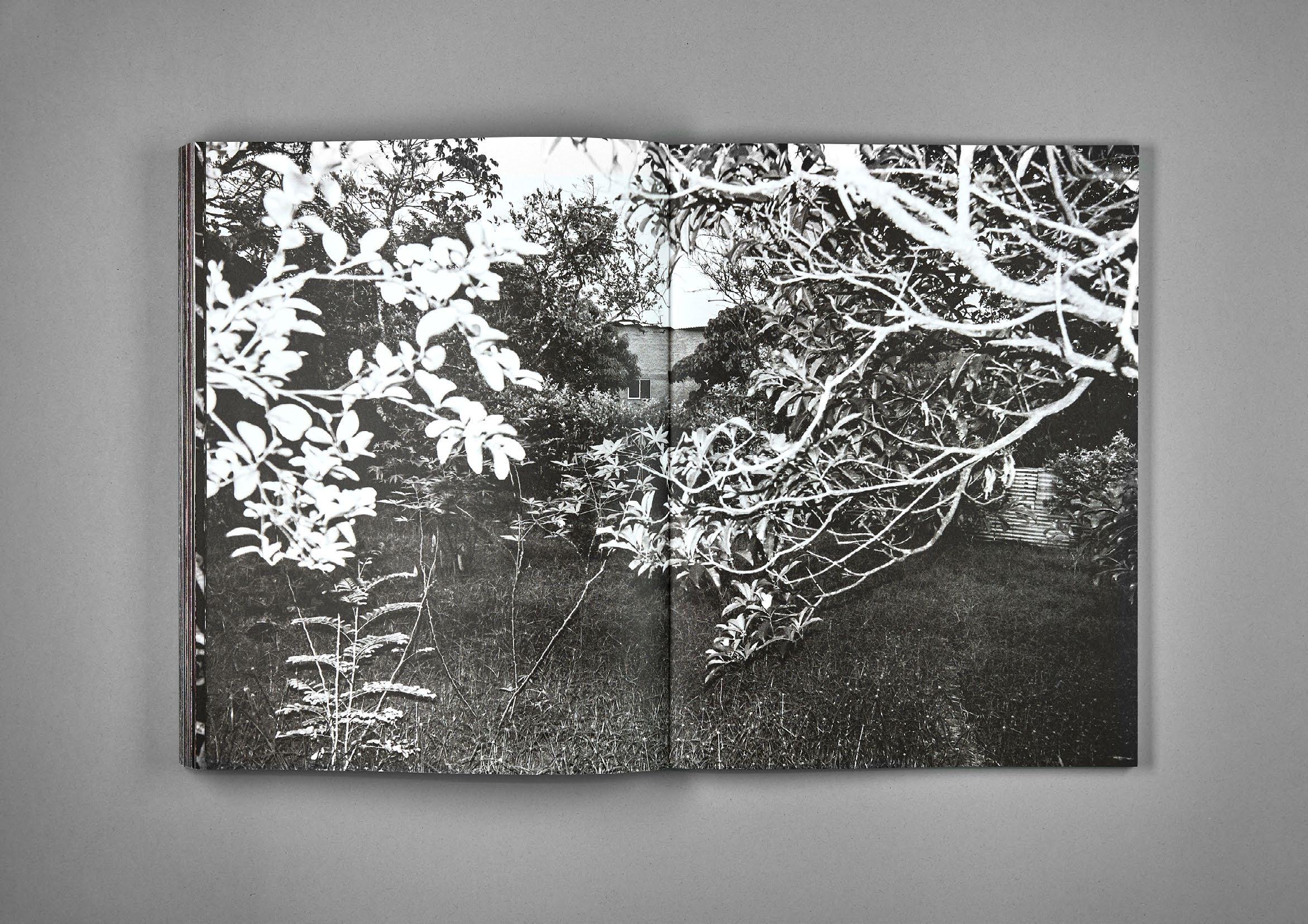
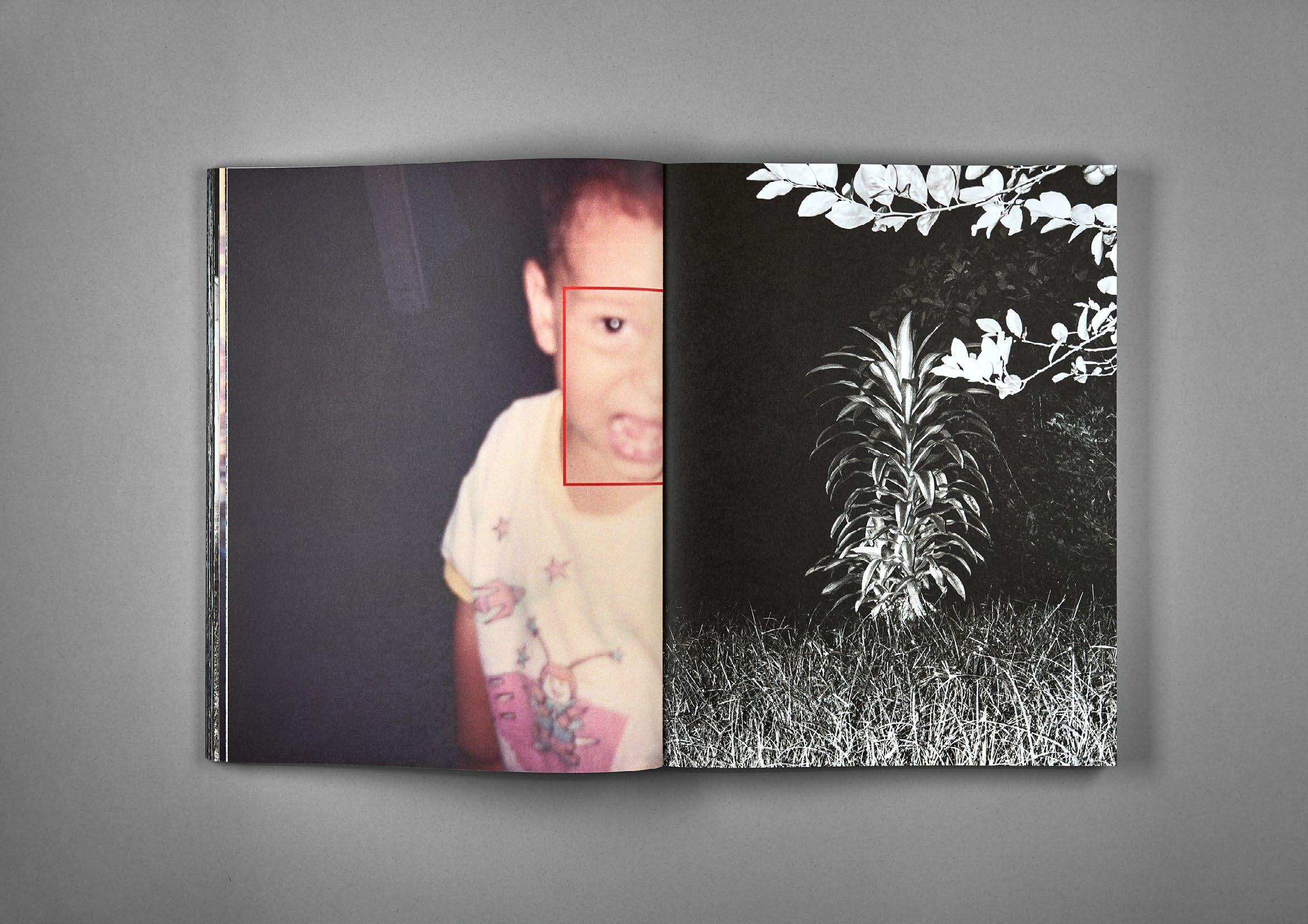
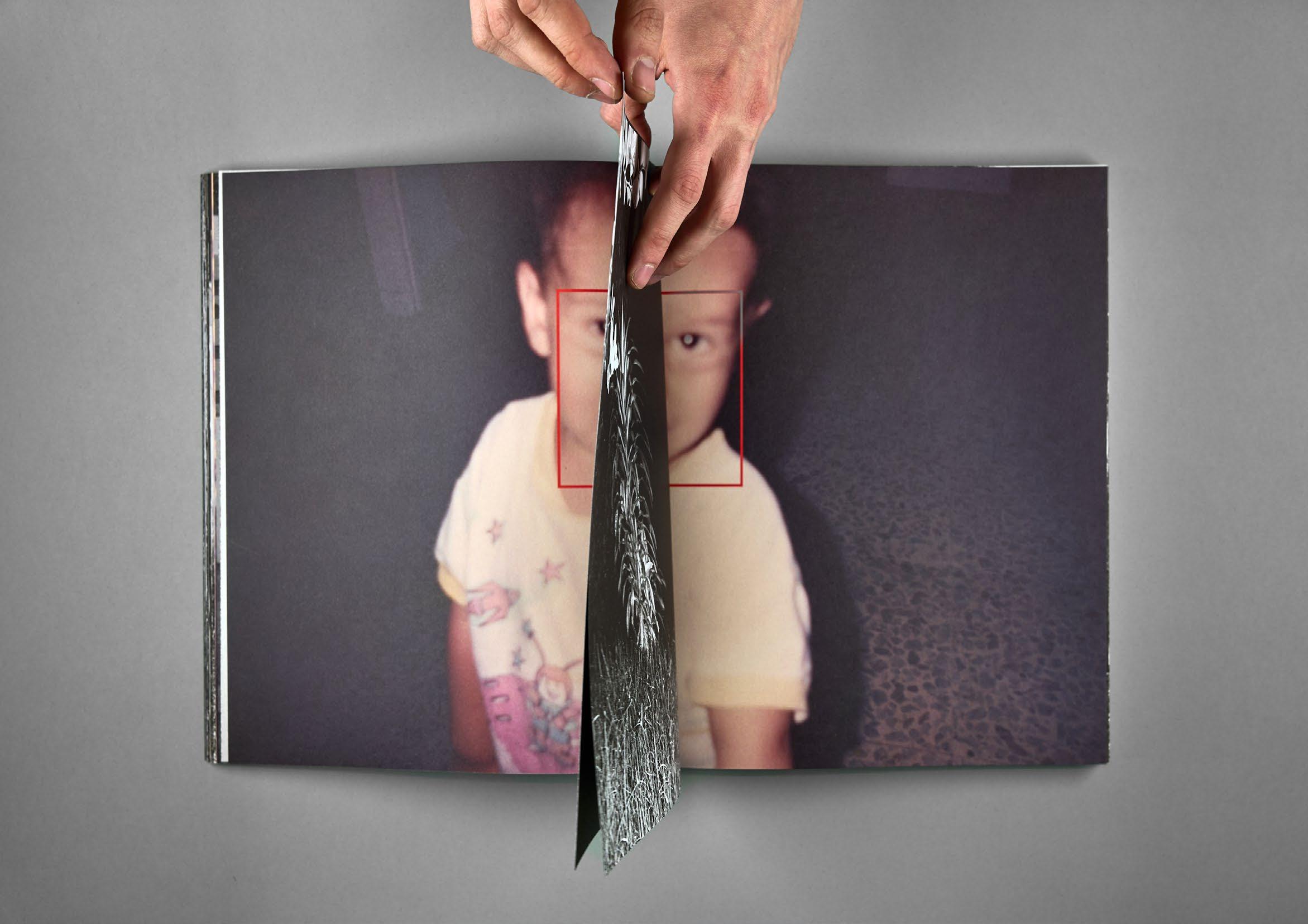
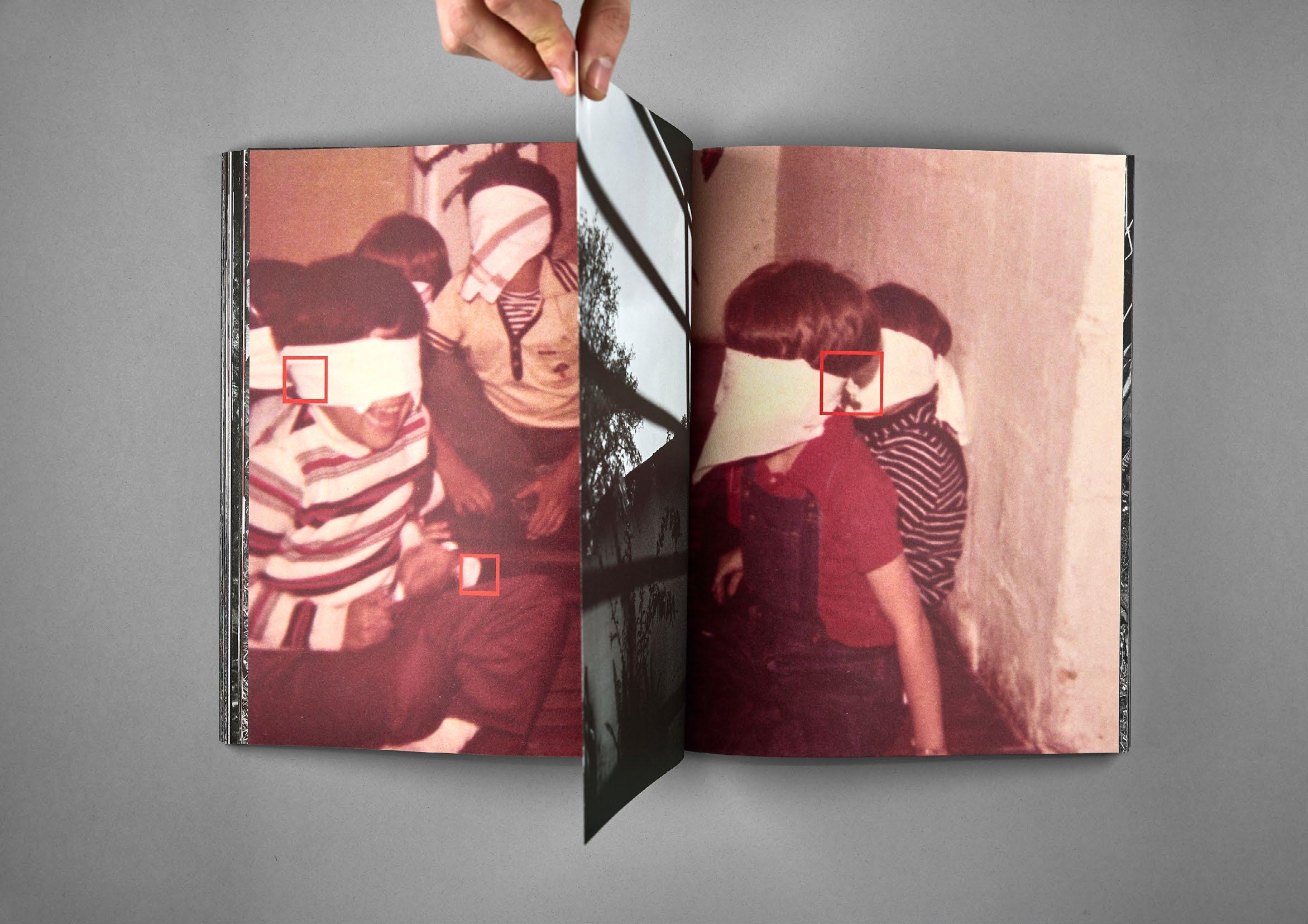
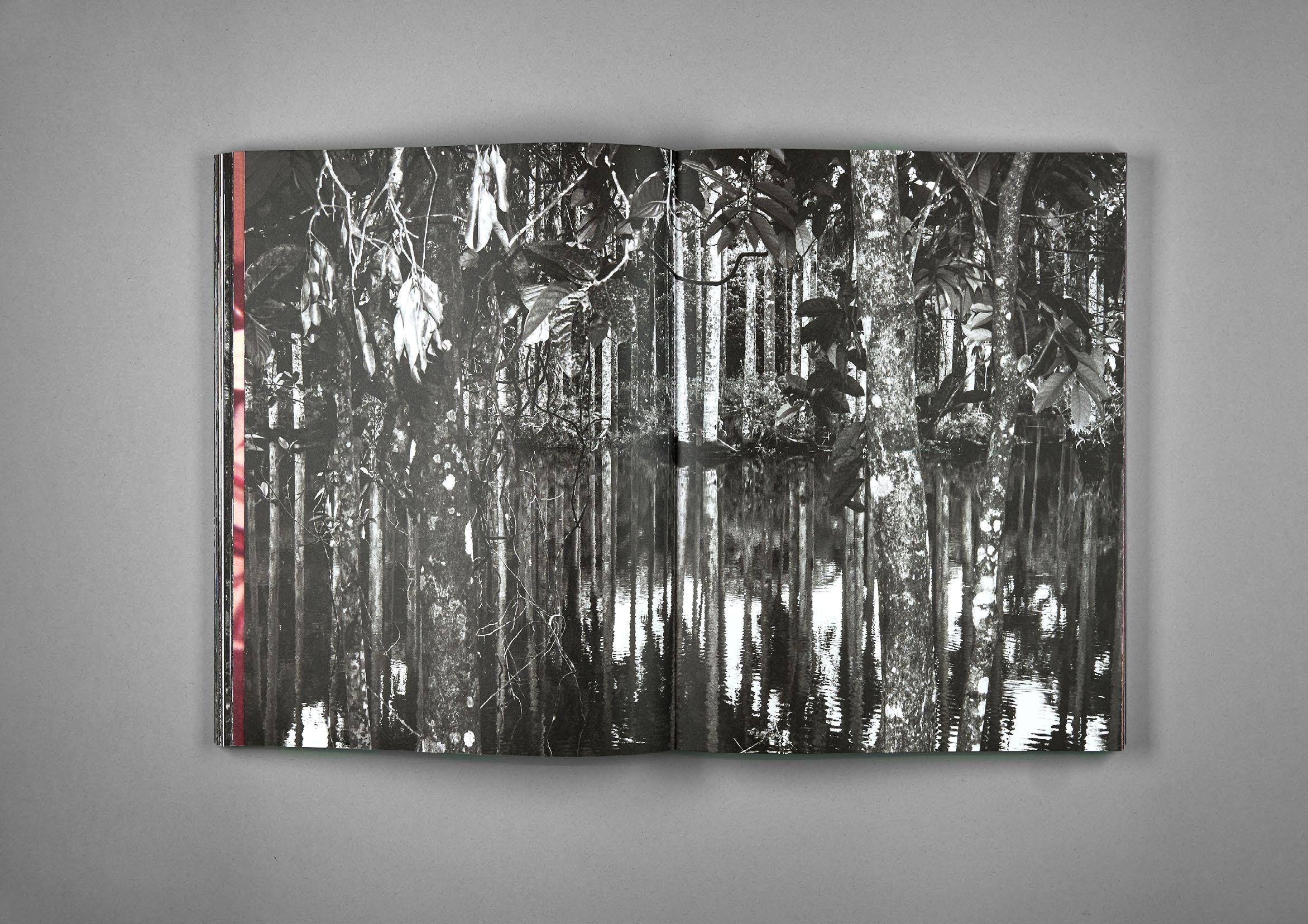
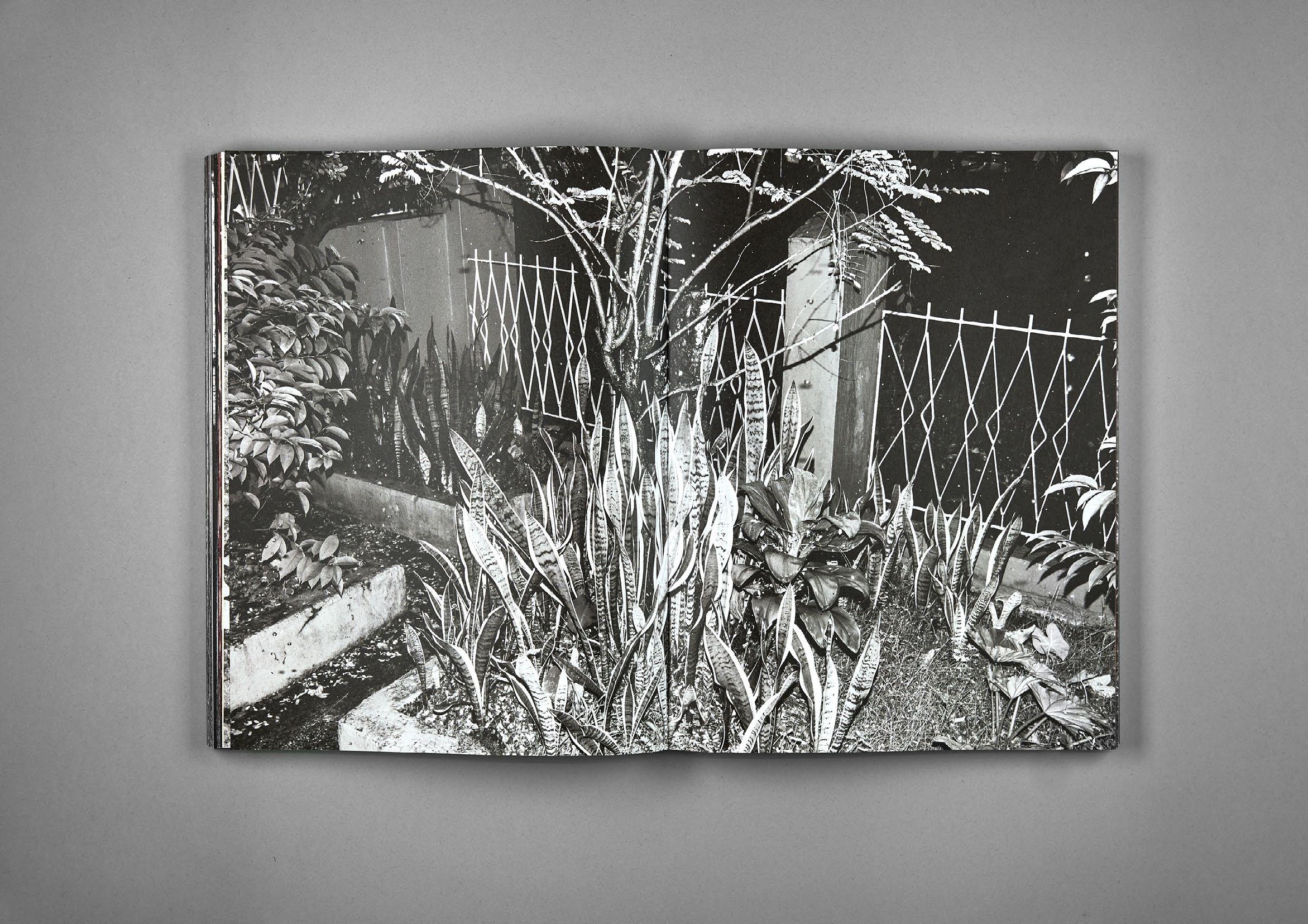
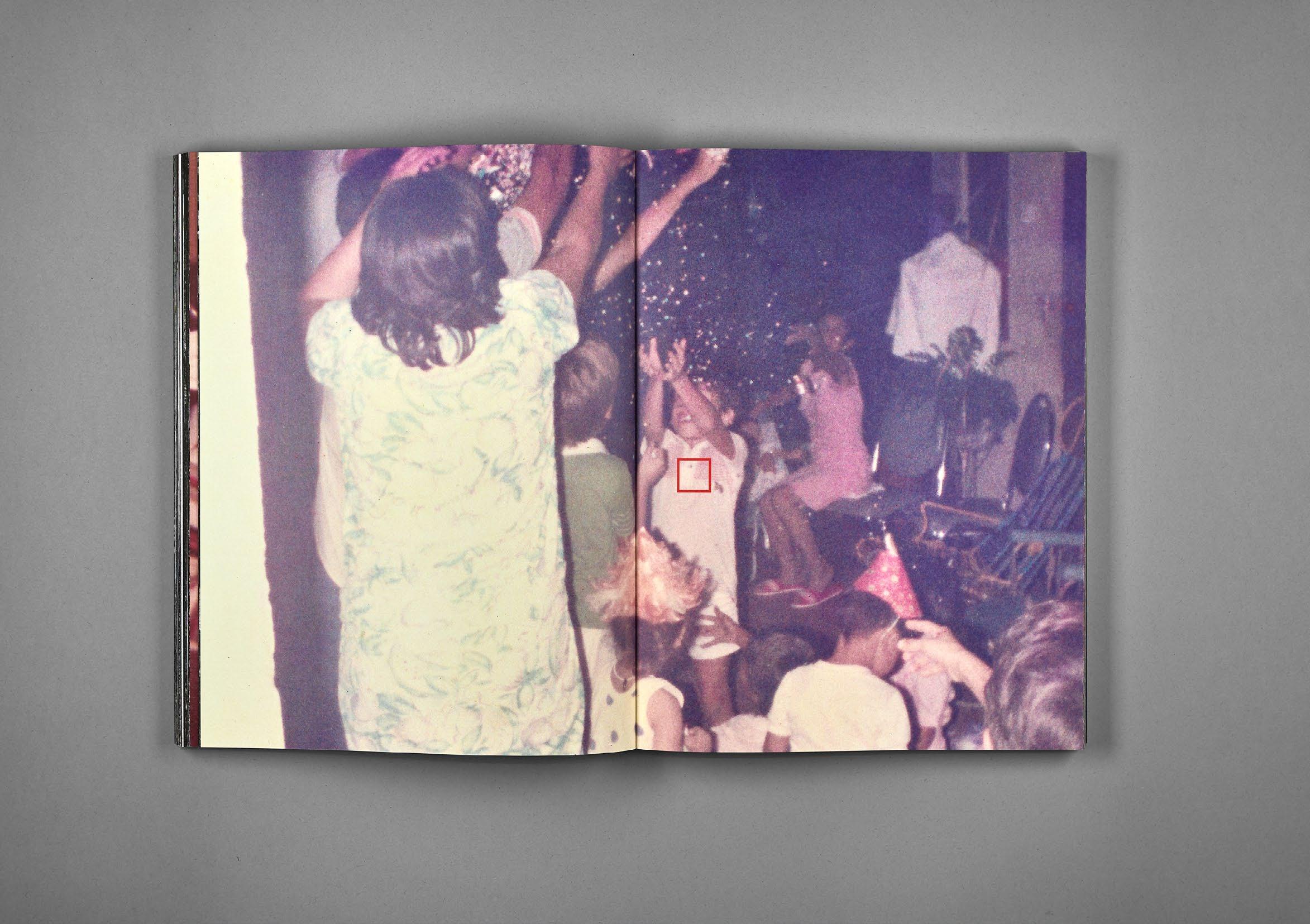
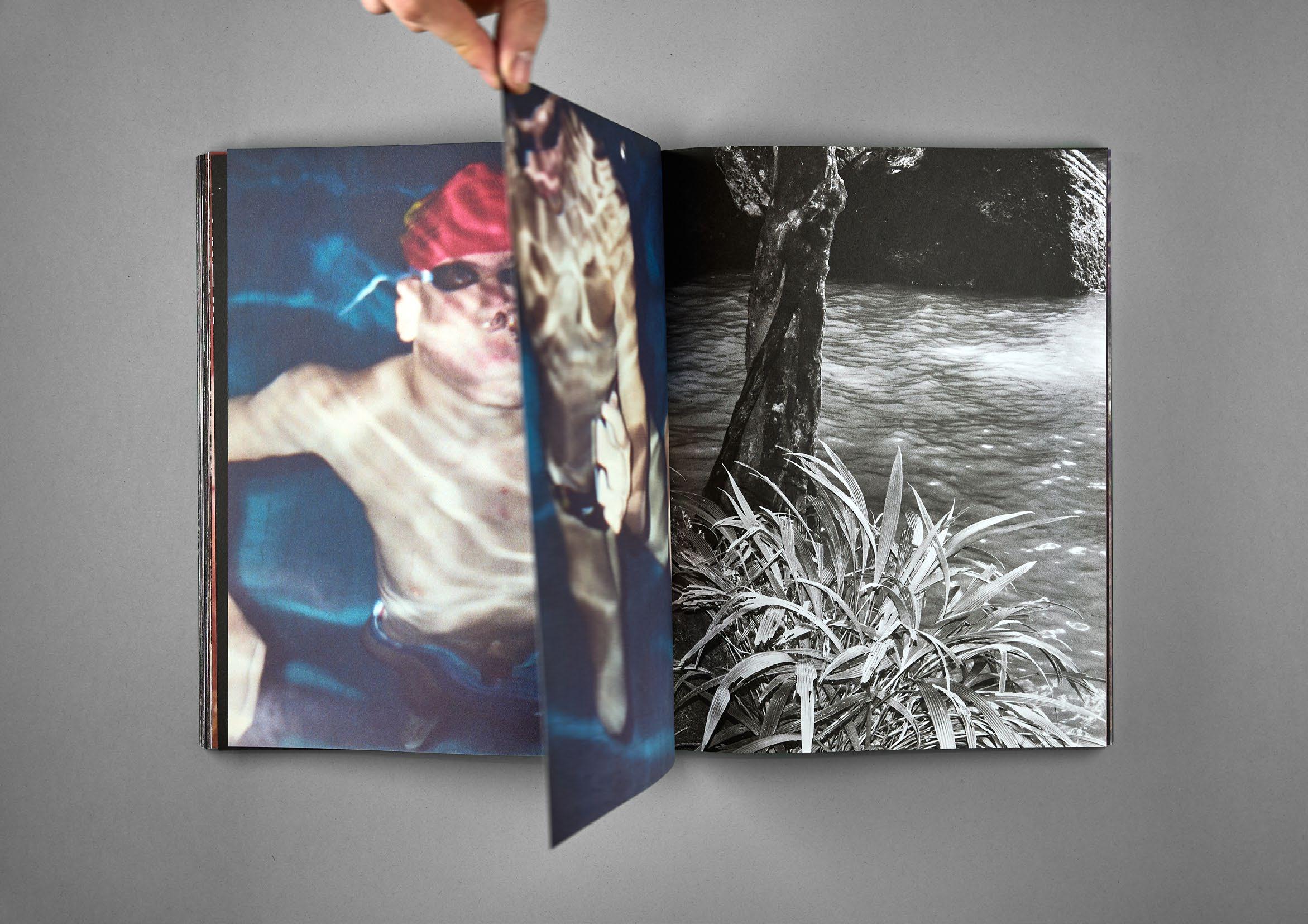
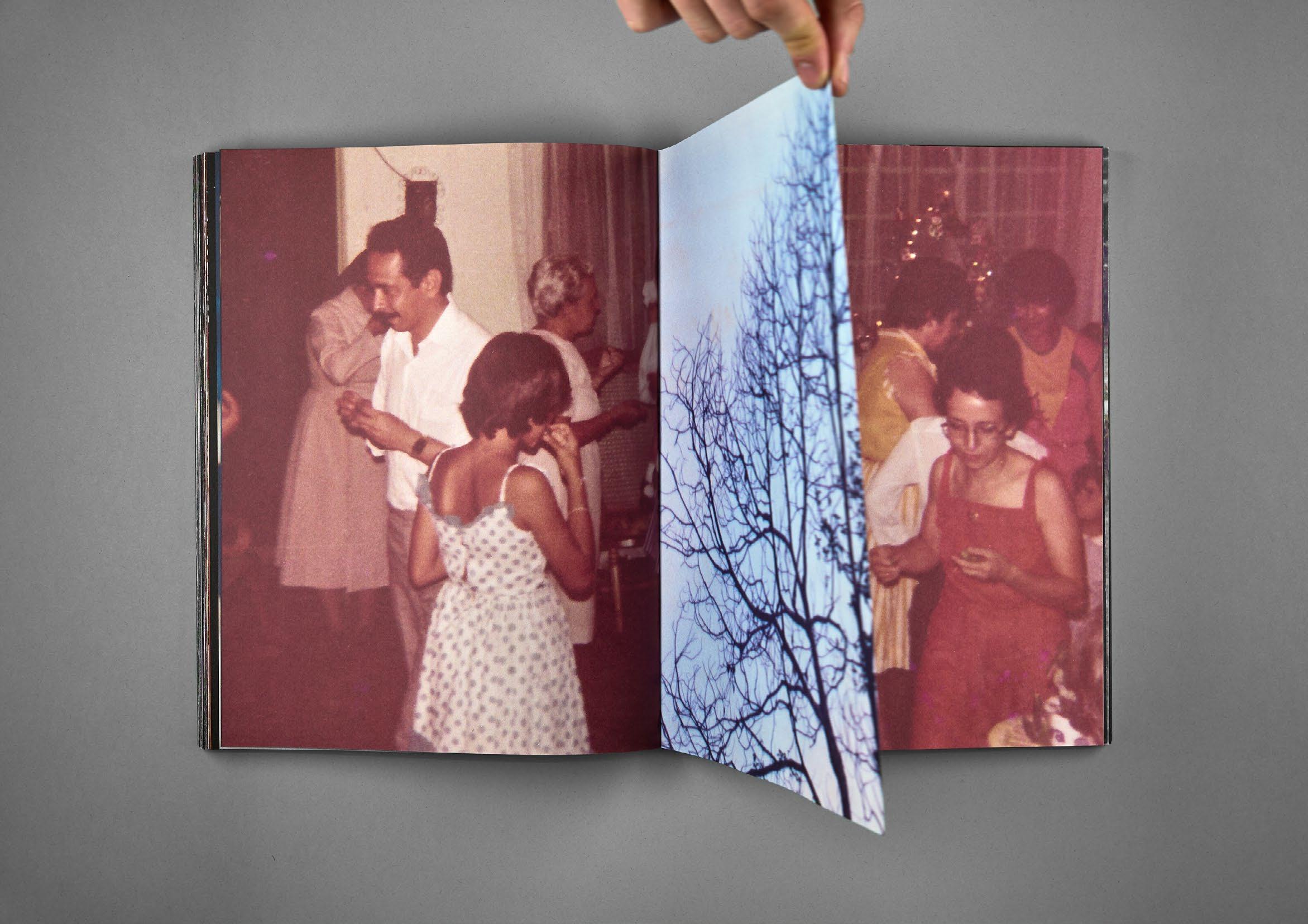
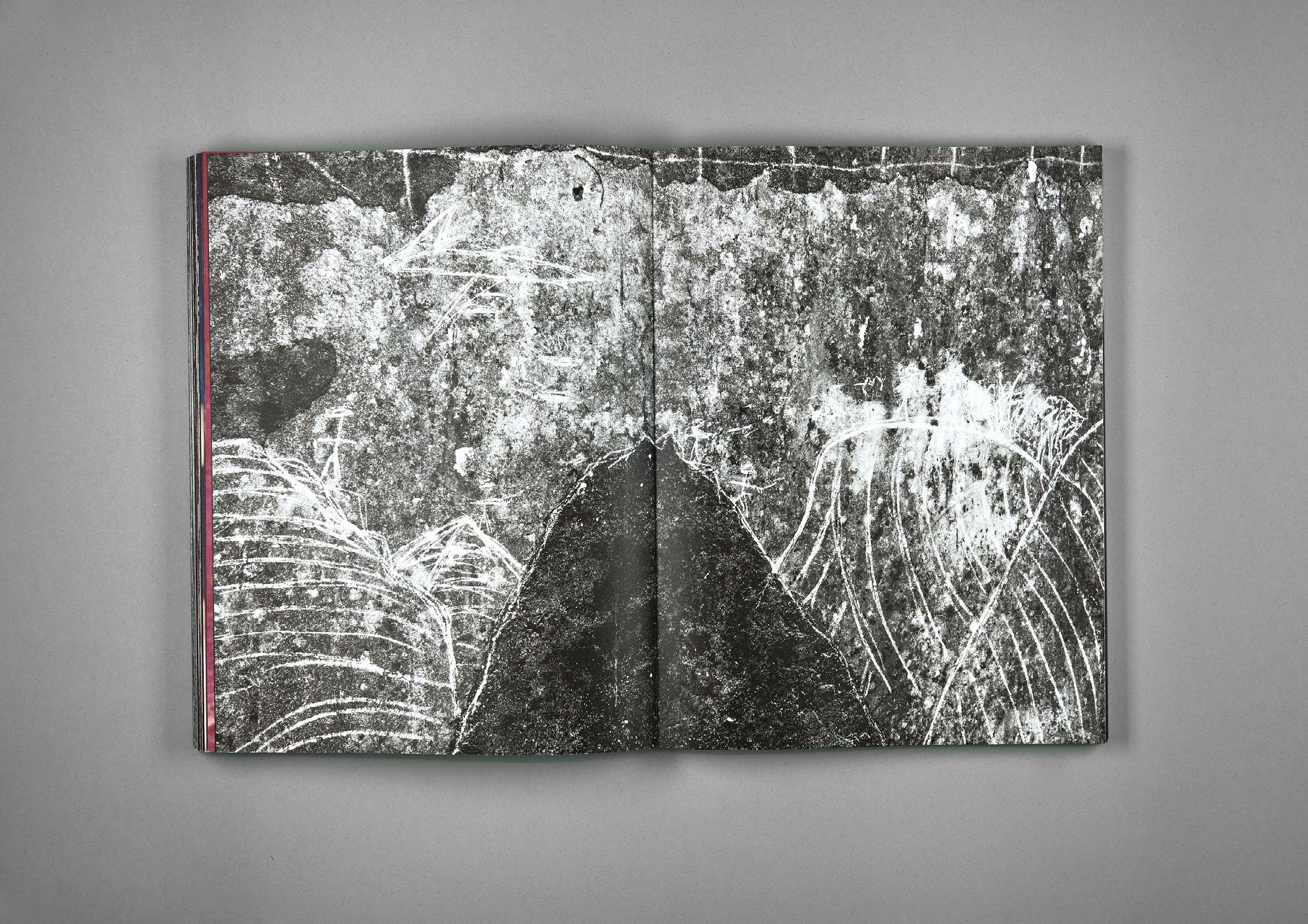
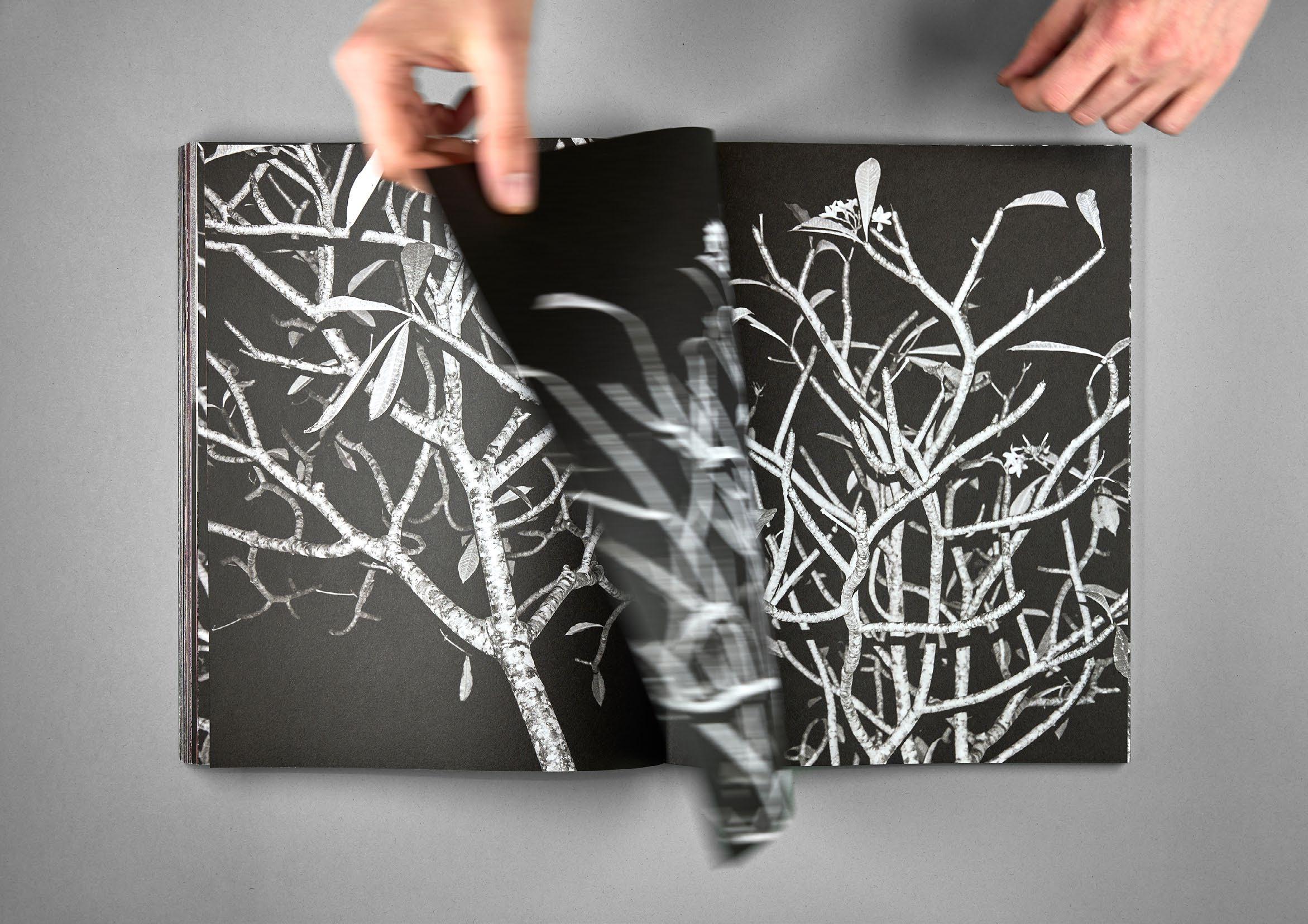
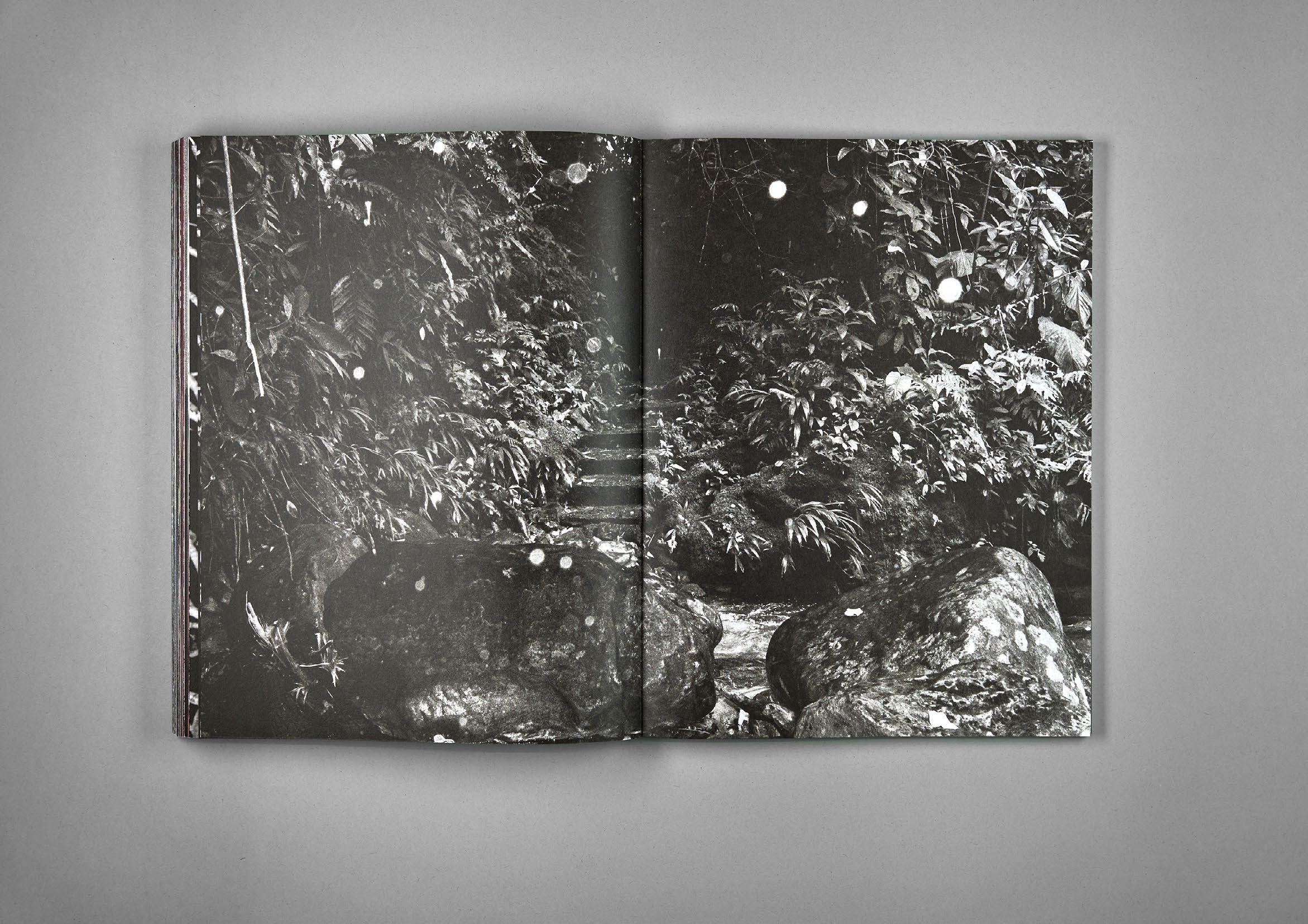
Intrusive thoughts, the obsession with recollection, and questions about the fragmentation of memory are central concerns. The book’s design mirrors these topics through patterns of repetition, overlap and fragmentation. Images of past and present converge across pages without margins or white space, underscoring the impossibility of stepping outside ingrained psychological patterns. The layout is circular — ending with the same images that open the book — so it embodies the project’s psychological motifs and alludes to Colombia’s repeating cycles of violence, in which the end of one seems to be the beginning of another.
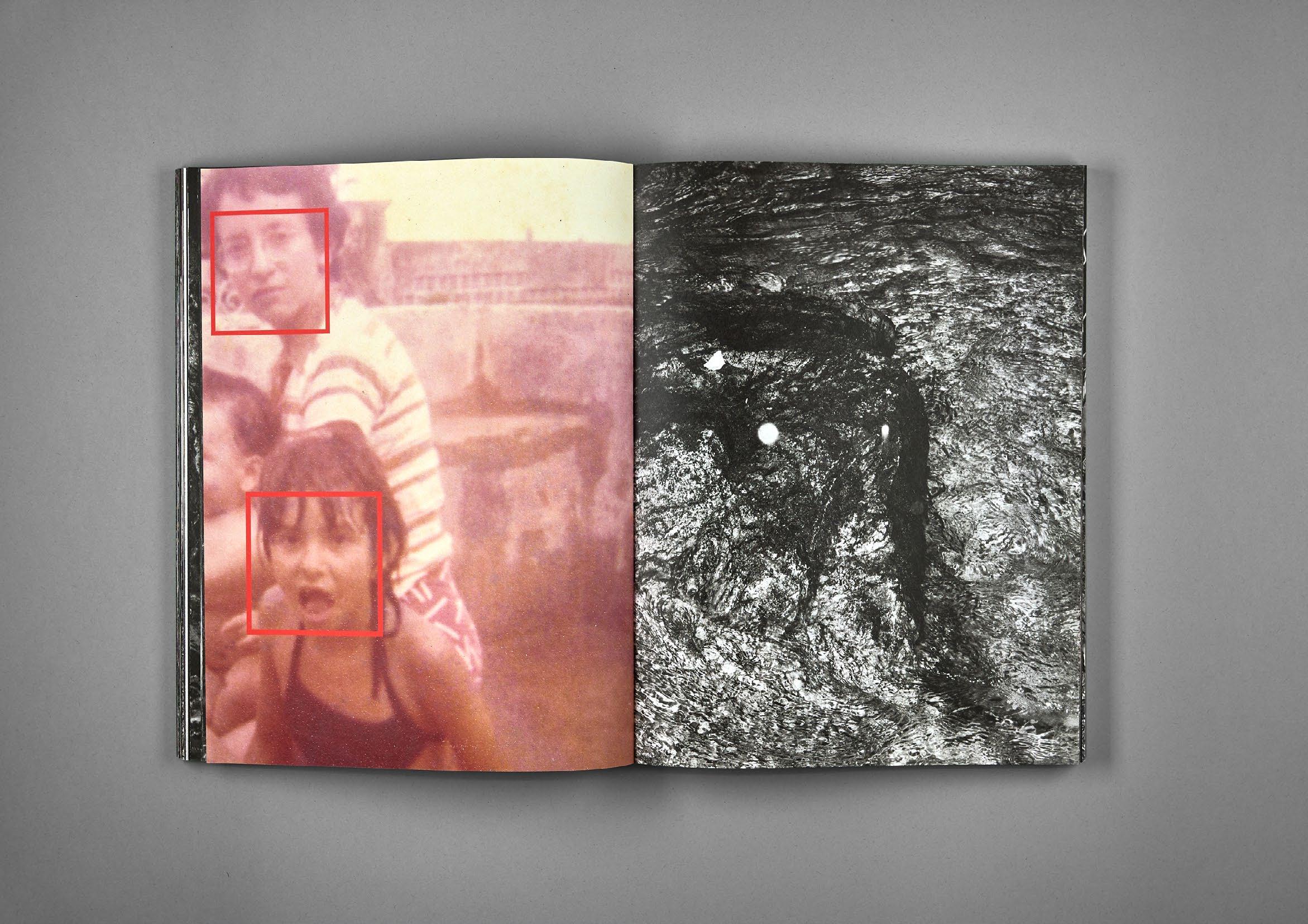
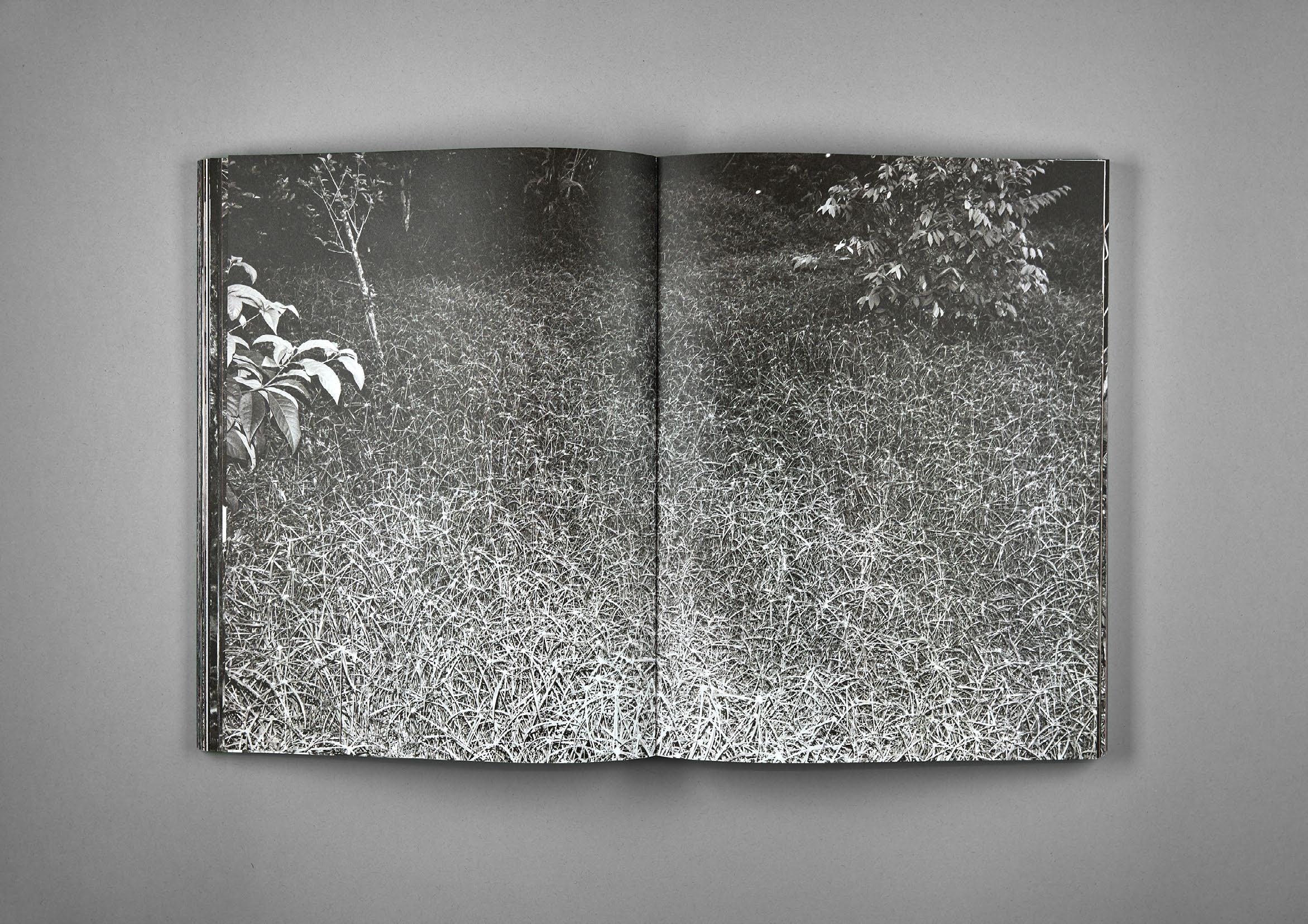
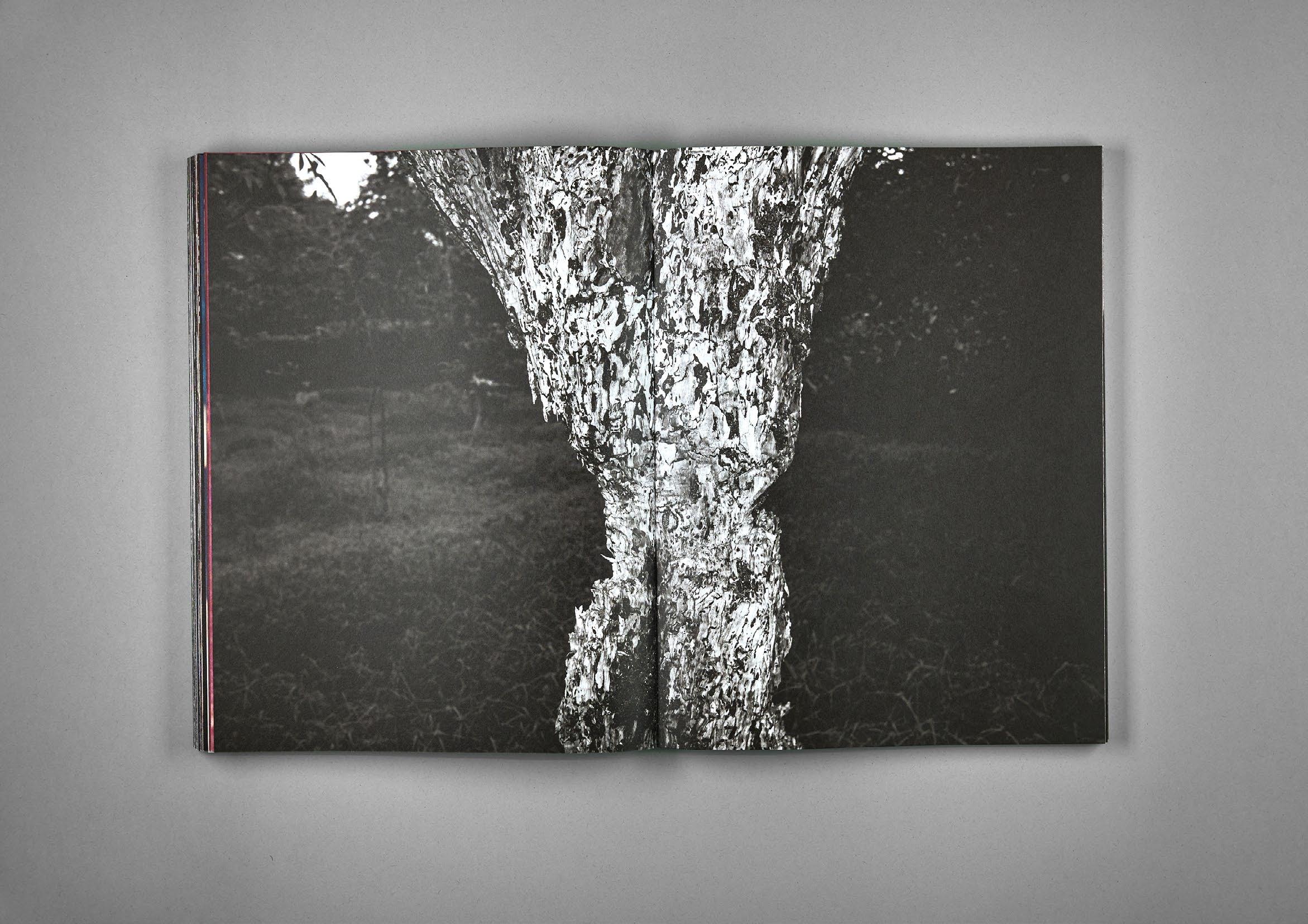
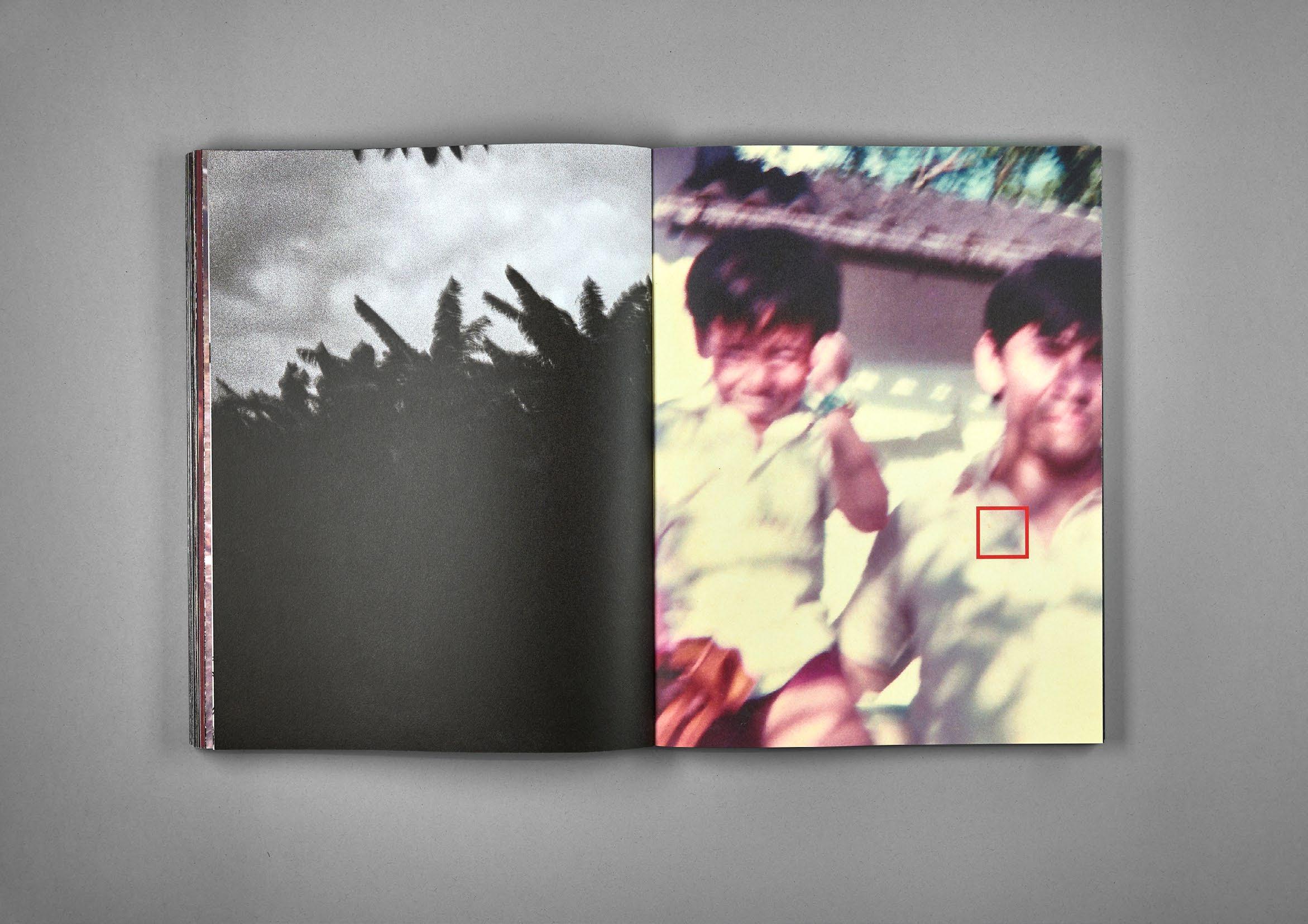
This book pairs a selection of the black and white photographs of the project “Piedemonte” with other images from the project “happy/sad/neutral/unknown”.
Between the mid-1980s and the late-1990s, some 5,700 members of leftist political parties were systematically murdered by agents of the Colombian State and paramilitary forces. The
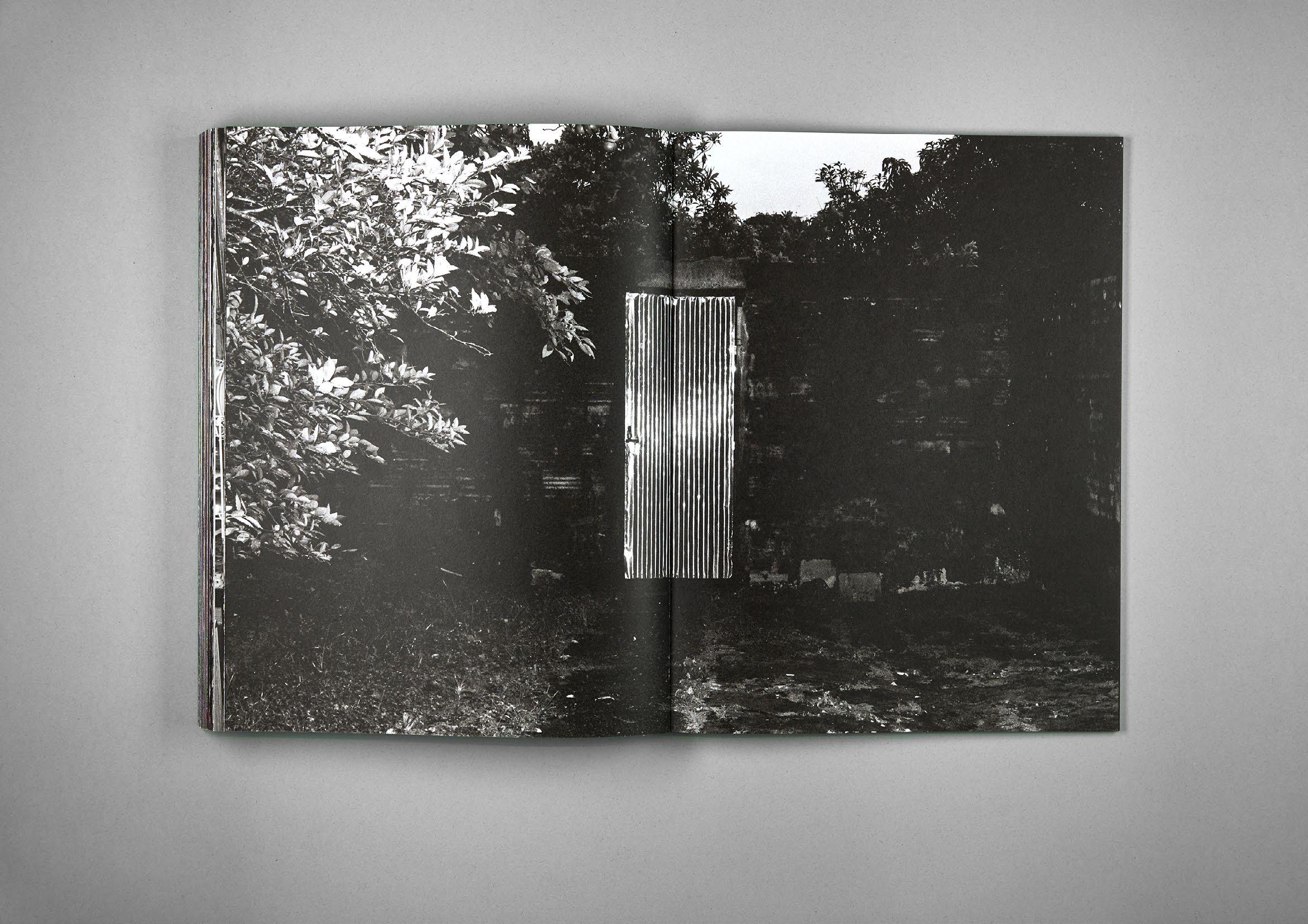
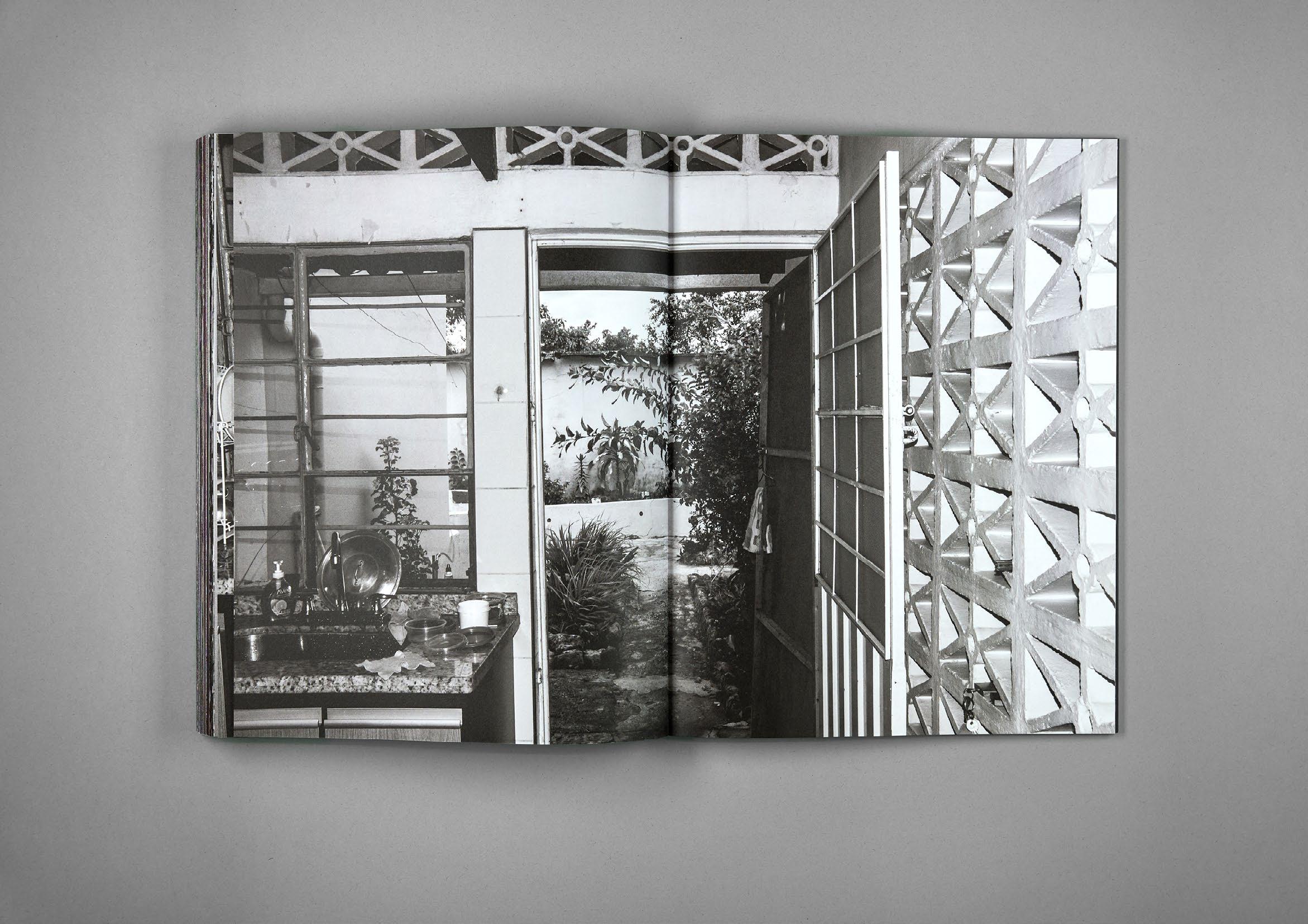
black and white photographs do not deal with the events themselves, but with the obsessive ways they were (and continue to be) recalled in the author’s family, and the resulting (or underlying) anxiety. This images depict familiar places — such as his parents’ house, where the author grew up — as well as newly visited places he only knew before through family stories and photographs: nearby towns and landscapes where part of his family never returned to after fleeing decades ago.
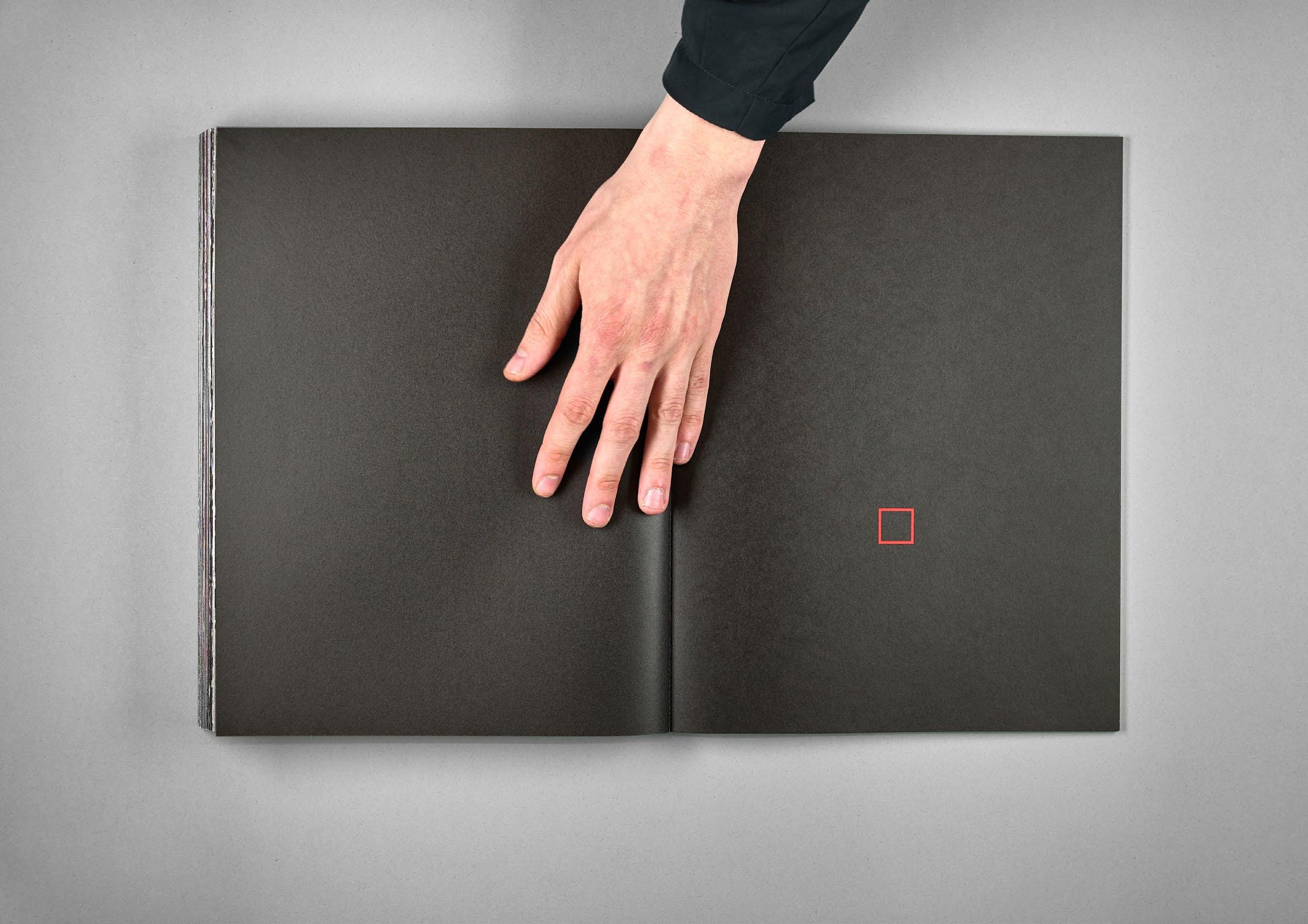
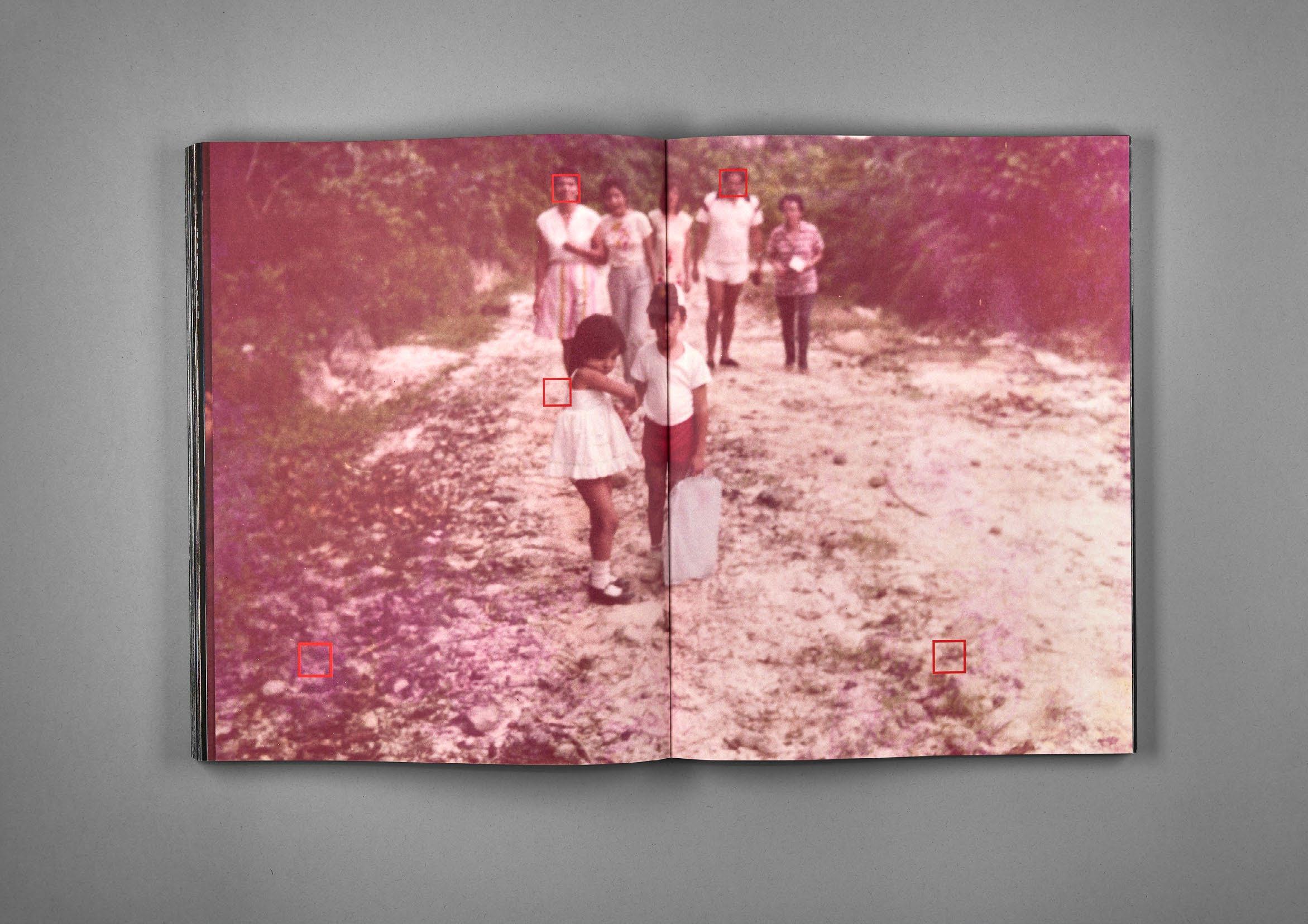
In “happy/sad/neutral/unknown”, the author probes gaps in memory by linking photographs from the family-archive with the aesthetics of contemporary surveillance. Applying an AI facial-recognition process to these personal images reveals what the images themselves omit: emotional nuances, hidden stories, and the distance between lived experience and the pictures that remain. This algorithm first detects faces and then attempts to classify emotion, but it struggles with the materiality of age-worn photographs. The red squares and the many inaccuracies of the AI open an ambiguous interpretive space between past and present, analogue and digital.



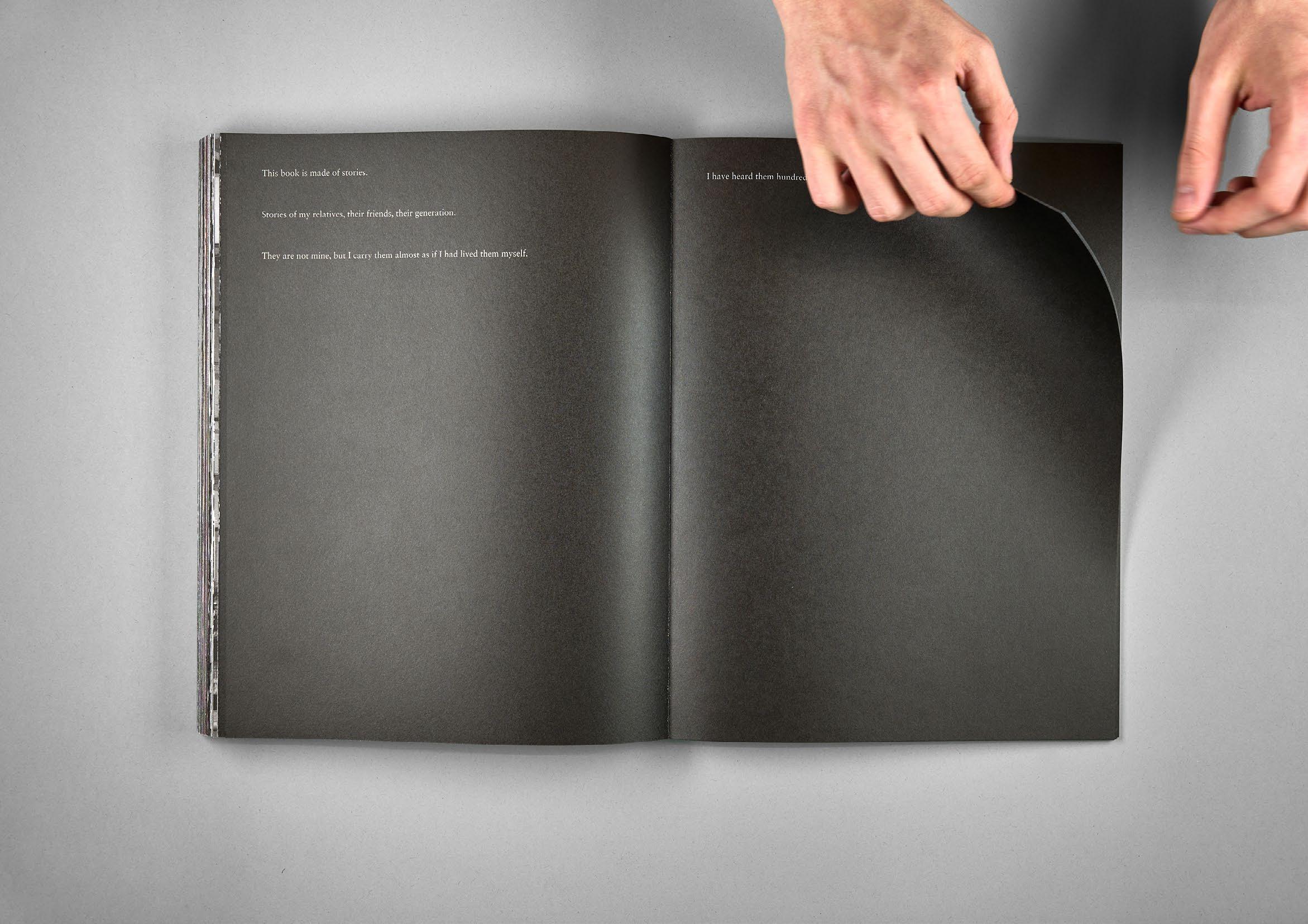
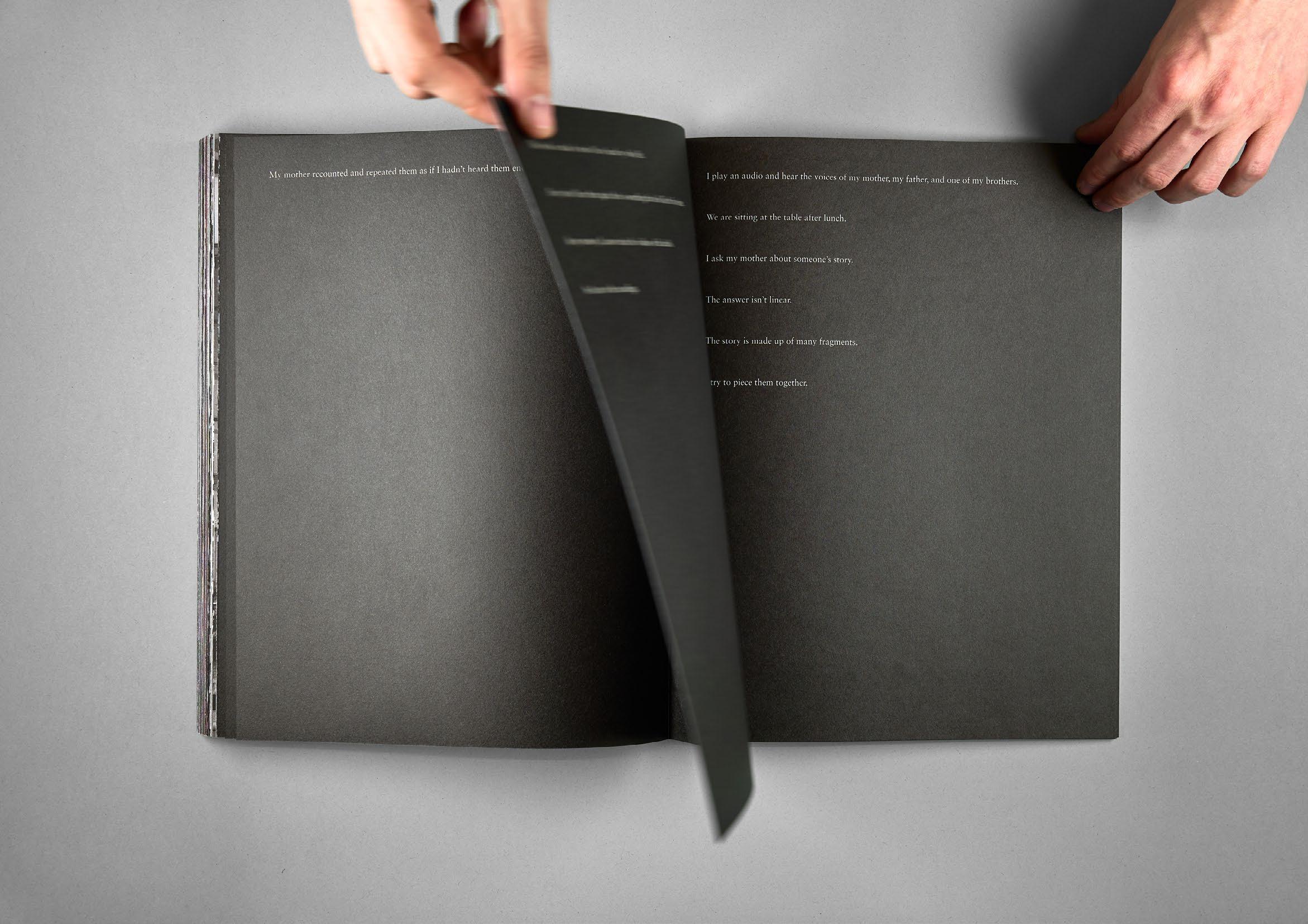
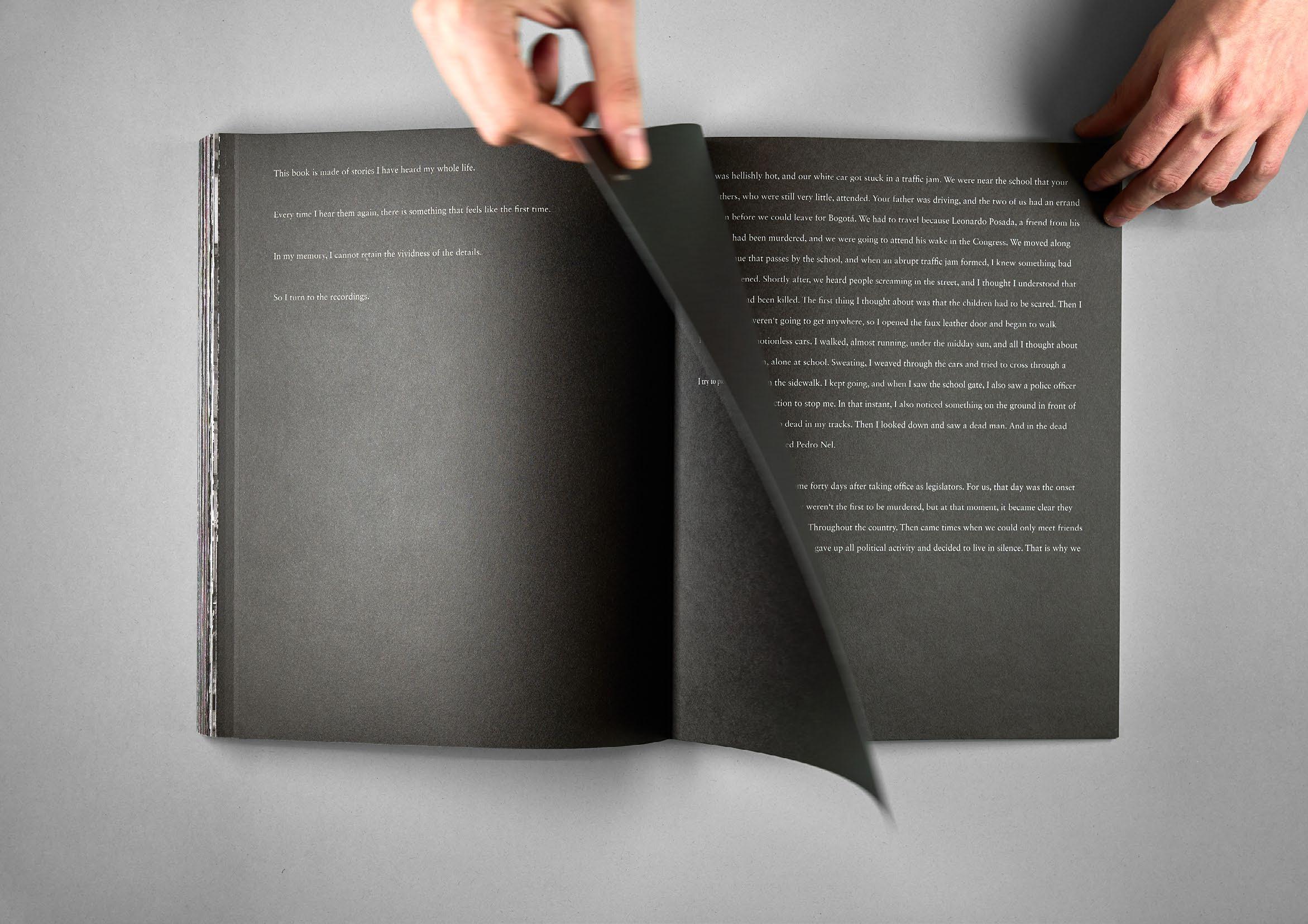
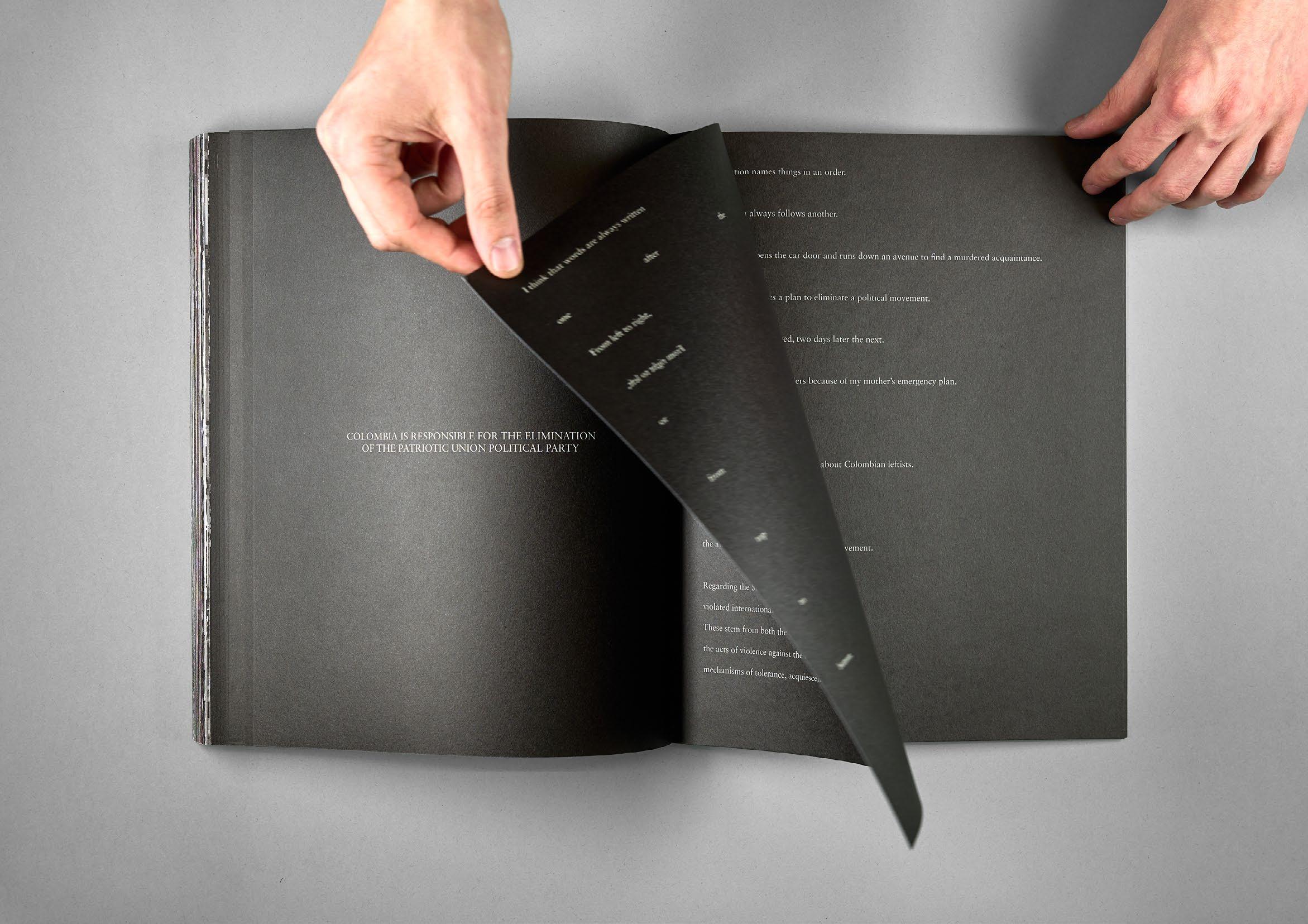
23,5 cm x 31 cm
210 pages
Edition: 40
Adhesive and japanese binding at Grafische Werkstätten HGB Leipzig
Cover: Silkscreen on 350g Caribic cardboard
Paper: Metapaper Air 90/120
Print: Thomasdruck Leipzig
Photography: Gabriel Corredor Aristizábal
Archival Research: Gabriel Corredor Aristizábal
Editing: Gabriel Corredor Aristizábal & Lion Mayer
Concept: Gabriel Corredor Aristizábal & Lion Mayer
Text: Gabriel Corredor Aristizábal
Design: Lion Mayer