Beyond Relaxation
The New Era of Intelligent Wellness
Beyond relaxation lies a more intelligent, integrated approach to wellbeing one that combines touch with technology, nourishment with neuroscience, and signature experience with measurable outcomes.
The New Era of Intelligent Wellness explores how spas are evolving into structured environments of restoration and long-term impact. From functional spa cuisine and therapist sustainability to immersive wellness tourism and evidence-informed innovation, this conference will unpack the strategies shaping the next generation of spa leadership.

Join industry leaders, educators, operators, and innovators as we examine how smarter systems, deeper restoration, and sustainable growth are redefining what modern wellness truly means.
Spa Conference
21st & 22nd June 2026
The President Hotel, Bantry Bay, Cape Town
Top 10 Wellness Trends for 2026 2
The Future-Proof Spa: Where Trends Become Timeless 4
Spa Industry Insights: Dr Nadine de Freitas 6
Ingredients With Intelligence 8
Where Spa Trends Meet the Sea 10
The Evolving Science of Spa Therapies:
Elevating Treatment Room Excellences 12
Technology in Modern Spa Practice 14
Mitochondrial Wellness 16
The Spa at Morea House 18
From Technique to Intention: Why Therapists Are the Future of Spa Excellence 20
Touchless Wellness 22
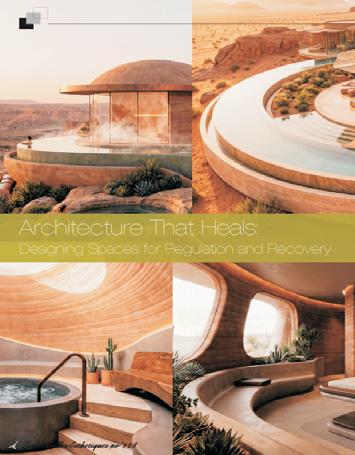
Architecture That Heals: Designing Spaces for Regulation and Recovery 24
ORLY: Professional Nail Care, Elevated 28
Nouveautés 30
Lilian Terry International Celebrating 30 Years!! 32
The Emotional Shift Reshaping Spa Brand Strategy in 2026 34
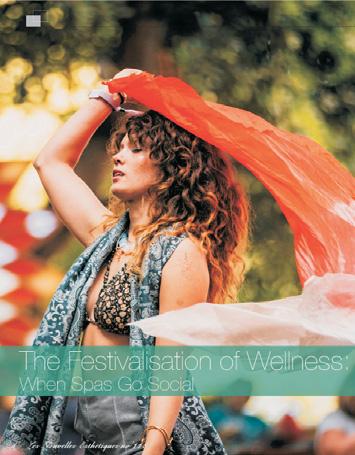
The Festivalisation of Wellness 36
Alpha Lipoic Complex 38
Retreat-Led Wellness: Where Spas Become Destinations 40
How Wellness Weekends Are Reshaping Spa Tourism 42

Editors Welcome
This issue reflects a moment of quiet but significant shift within the spa and wellness industry. Across these pages, familiar concepts are being reconsidered - from the evolving role of the therapist, to the intelligence behind ingredients, to the way brands communicate, design, and deliver experience. What emerges is not a collection of trends, but a deeper repositioning of what spa truly represents today.
Wellness is becoming more intentional, more informed, and more integrated. Guests are asking different questions. They seek experiences that feel meaningful, credible, and aligned with how they live, recover, and reconnect. In response, spas are being called to refine not only what they offer, but how and why they offer it.
These themes extend naturally into our upcoming conference, Beyond Relaxation: Think Differently, where many of these ideas will be explored further through discussion, perspective, and shared industry insight.
This issue, in many ways, is the beginning of that conversation - one we look forward to continuing together.
Enjoy the read !
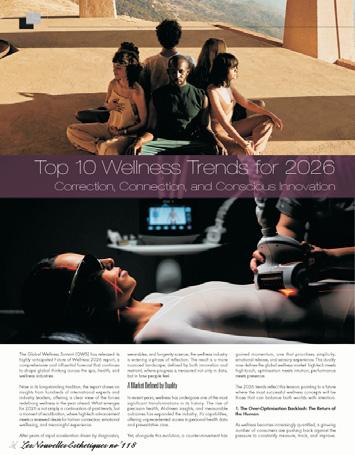
Top 10 Wellness Trends for 2026
Correction, Connection, and Conscious Innovation

The Global Wellness Summit (GWS) has released its highly anticipated Future of Wellness 2026 report‚ a comprehensive and influential forecast that continues to shape global thinking across the spa, health, and wellness industries.
Now in its long-standing tradition, the report draws on insights from hundreds of international experts and industry leaders, offering a clear view of the forces redefining wellness in the year ahead. What emerges for 2026 is not simply a continuation of past trends, but a moment of recalibration‚ where high-tech advancement meets a renewed desire for human connection, emotional wellbeing, and meaningful experience.
After years of rapid acceleration driven by diagnostics,
wearables, and longevity science, the wellness industry is entering a phase of reflection. The result is a more nuanced landscape, defined by both innovation and restraint, where progress is measured not only in data, but in how people feel.
A Market Defined by Duality
In recent years, wellness has undergone one of the most significant transformations in its history. The rise of precision health, AI-driven insights, and measurable outcomes has expanded the industry‚ it’s capabilities, offering unprecedented access to personal health data and preventative care.
Yet, alongside this evolution, a counter-movement has
gained momentum, one that prioritises simplicity, emotional release, and sensory experience. This duality now defines the global wellness market: high-tech meets high-touch; optimisation meets intuition; performance meets presence.
The 2026 trends reflect this tension, pointing to a future where the most successful wellness concepts will be those that can balance both worlds with intention.
1. The Over-Optimisation Backlash: The Return of the Human
As wellness becomes increasingly quantified, a growing number of consumers are pushing back against the pressure to constantly measure, track, and improve.
What began as empowerment through data has, for many, evolved into a source of stress and fatigue.
The ”over-optimisation backlash” signals a cultural shift away from performance-driven wellness toward experiences that prioritise emotional safety, pleasure, and authenticity. Rather than striving for perfection, individuals are seeking spaces where they can simply feel, without judgement or metrics.
This shift is influencing spa and wellness environments globally. Social saunas, sensory rituals, and low-tech retreats are gaining traction, while brands are reframing their messaging around joy, softness, and human connection. Wellness is becoming less about “doing it right” and more about feeling whole.
2. The Rise of Neurowellness
As awareness of stress and burnout deepens, the nervous system is emerging as a central focus of modern health. Neurowellness, once a niche concept, is rapidly moving into the mainstream, driven by the recognition that chronic stress underpins many physical and mental health challenges.
New technologies, including wearable neuro-regulation devices and neurofeedback systems, are making it easier to monitor and support nervous system health. At the same time, established practices such as breathwork, massage therapy, and mindful movement are being redefined through a scientific lens, validated for their role in regulating the autonomic nervous system.
For spas, this represents a powerful opportunity. Treatments that support relaxation are no longer seen as indulgent, they are increasingly positioned as essential interventions for restoring balance, improving sleep, and enhancing resilience.
3. Women Get Their Own Lane in Longevity
Emerging research highlights that women age differently, with hormonal shifts, particularly those linked to ovarian function, playing a central role in long-term health. As a result, the longevity sector is beginning to develop more targeted approaches that address women’s unique physiological needs across every life stage.
This evolution is expected to reshape multiple sectors, from diagnostics and medical wellness to fitness and spa programming. The focus is moving beyond managing menopause symptoms to supporting lifelong healthspan - positioning women at the centre of the longevity conversation.
4. Women and Sports: A Cultural Shift
Parallel to developments in health science, women’s participation in sport is experiencing unprecedented growth. New leagues, increased media visibility, and rising consumer interest are driving a global movement that extends far beyond athletics.
This trend reflects a broader cultural shift in how strength, performance, and wellbeing are defined. Women are increasingly embracing physical training not just for aesthetics, but for empowerment, resilience, and longevity.
For the wellness industry, this creates opportunities to design more inclusive, strength-focused offerings that
support women’s physical and mental wellbeing in meaningful ways.
5. Longevity Residences: Wellness Comes Home
Longevity is no longer confined to clinics and retreats, it’s moving into the home. The emergence of ”longevity residences” marks a new category within wellness real estate, where living environments are designed to actively support long-term health.
These spaces integrate advanced diagnostics, preventative care, and personalised wellness systems into daily life, transforming the home into a continuous health ecosystem. From circadian lighting to embedded health monitoring, the built environment is becoming a key player in the pursuit of longevity.
This trend signals a shift from episodic wellness experiences to continuous, lifestyle-based care.
6. Skin Longevity Redefines Beauty
The beauty industry is undergoing a profound transformation, moving away from the concept of “antiageing” toward a more holistic understanding of skin health.
Skin longevity focuses on maintaining the function, resilience, and vitality of the skin over time, rather than attempting to reverse visible signs of ageing. Advances in biotechnology, diagnostics, and regenerative treatments are supporting this shift, offering more personalised and preventative approaches to skincare.
For spas and aesthetic practices, this represents an opportunity to reposition treatments as part of a longterm health strategy, rather than short-term cosmetic solutions.
7. The Festivalisation of Wellness
Wellness is becoming more social, expressive, and experiential. The rise of wellness festivals, sober gatherings, and immersive group experiences reflects a growing desire for connection, community, and emotional release.
These events combine movement, music, education, and ritual, creating spaces where individuals can engage with wellness in a more dynamic and accessible way. The emphasis is on participation rather than perfection, and on shared experience rather than individual achievement.
This trend highlights the importance of designing wellness offerings that foster connection and joy - key drivers of long-term wellbeing.
8. Fragrance Layering: A New Language of Expression
Fragrance is evolving from a product into an experience. The practice of layering scents, combining multiple fragrances to create a personalised signature, is gaining popularity as a form of self-expression and emotional regulation.
Rooted in ancient traditions, this approach is being reinterpreted for a modern audience, particularly among younger consumers who value individuality and creativity. Technology is further enhancing this trend, with scent
spa trends
experiences becoming more dynamic and responsive.
For spas, fragrance offers a powerful tool for shaping atmosphere, enhancing treatments, and creating memorable sensory journeys.
9. Ready Is the New Well
In an era defined by climate change and global uncertainty, preparedness is emerging as a new dimension of wellness. The concept of “Ready is the New Well” reflects a shift toward resilience - both physical and psychological.
Wellness spaces are beginning to incorporate elements of disaster readiness, from infrastructure design to educational programming. At the same time, there is a growing recognition of the emotional impact of living in a state of uncertainty, highlighting the need for support systems that address both immediate and long-term wellbeing.
10. Tackling Microplastics as a Health Priority
Microplastics have moved from being an environmental concern to a pressing human health issue. Increasingly detected within the body, these particles are now being linked to a range of health challenges.
The wellness industry is beginning to respond, with innovations aimed at reducing exposure and supporting detoxification. However, the real shift lies in prevention, addressing the sources of microplastic pollution across industries.
This trend underscores the expanding role of wellness in addressing global challenges, positioning the industry as a key player in public health.
A Defining Moment for Wellness
The 2026 trends reveal an industry at a crossroads, one that is both advancing technologically and reconnecting with its human roots. The future of wellness is not defined by extremes, but by balance: between science and sensation, innovation and intuition, performance and presence.
For spa and wellness professionals, this presents both a challenge and an opportunity. Success will depend on the ability to integrate these shifts thoughtfully, creating experiences that are not only effective, but meaningful.
As the industry continues to evolve, one principle remains clear: wellness is no longer just about living longer, it’s about living better, with greater awareness, connection, and intention.
About the Global Wellness Institute: The Global Wellness Institute (GWI), a nonprofit 501(c)(3), is considered the leading global research and educational resource for the global wellness industry and is known for introducing major industry initiatives and regional events that bring together leaders to chart the future. GWI positively impacts global health and wellness by educating public institutions, businesses and individuals on how they can work to prevent disease, reduce stress and enhance overall quality of life. Its mission is to empower wellness worldwide.
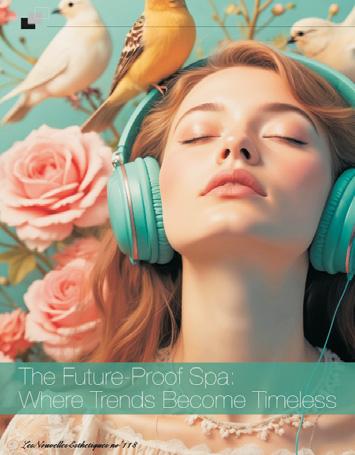
The Future-Proof Spa: Where Trends Become Timeless

In a rapidly evolving wellness landscape, spa operators are faced with a critical challenge: how to remain relevant and compelling amid shifting guest expectations, emerging wellness trends, and technological innovation - without losing the timeless essence that defines a truly restorative spa experience. The answer lies in building a spa that is future-proof: one that integrates science, intention, and human expertise into every touchpoint, ensuring treatments, spaces, and experiences remain meaningful, adaptable, and deeply resonant.
Anchoring in Purpose
A future-proof spa begins with clarity of purpose. Spas that succeed over time are those that understand their core ethos - whether it's therapeutic excellence, holistic wellness, luxury escape, or local authenticity - and ensure that every design choice, treatment, and guest interaction aligns with that mission. This alignment extends beyond aesthetics or branding; it shapes operational protocols, treatment philosophies, and staff training programs.
For example, a spa that prioritizes nervous system regulation will select treatments, lighting, soundscapes, and even product ingredients that collectively support parasympathetic activation. Research consistently demonstrates that carefully curated environments can reduce cortisol, improve heart rate variability, and enhance overall treatment efficacy. Spas that embed these principles into their daily operations cultivate experiences that feel purposeful, coherent, and grounded in evidencebased wellness.
Designing Resilience Into Experiences
The future-proof spa understands that guest needs are evolving. No longer are spas seen as occasional indulgences; they are spaces of recalibration, recovery, and mindful self-care. This shift requires that spa offerings be both flexible and enduring.
Treatment menus should balance signature rituals with modular services that adapt to individual energy levels, stress profiles, and therapeutic goals. While bespoke personalization remains important, future-proofing also relies on repeatable excellence: staff must be trained to deliver core signature treatments consistently, ensuring reliability, measurable outcomes, and brand integrity.
Spaces themselves must embody adaptability. Multifunctional treatment rooms, modular furniture, and adaptable lighting and sound systems allow spas to respond to changing client expectations, accommodate new modalities, and integrate innovative technologies without requiring full-scale renovation. Research in environmental psychology highlights that well-designed spaces enhance cognitive restoration and perceived satisfaction, reinforcing the therapeutic impact of treatments.
Integrating Science and Innovation
Science is no longer optional; it is central to futureproof spa strategy. Operators who understand skin physiology, stress biology, circadian rhythms, and recovery processes can craft treatments that resonate on a biological as well as emotional level.
Biotech actives, functional botanicals, and purposedriven product formulations allow therapists to deliver measurable outcomes. Similarly, technology serves as an enabler rather than a replacement: cryotherapy, infrared systems, hydrotherapy devices, and recovery tools can complement hands-on care without overshadowing the therapist's expertise. Studies consistently show that technology enhances treatment efficacy when integrated thoughtfully, supporting circulation, reducing inflammation, and accelerating recovery.
Yet, the human element remains paramount. Therapists are increasingly the differentiating factor between spas that thrive and those that stagnate. Emotional intelligence, technical proficiency, and intentional presence elevate every treatment, ensuring that even as trends shift, the guest's experience remains deeply restorative.
The Holistic Arc: Beyond the Treatment Room
Future-proofing also requires considering the guest journey from arrival to departure. Spa treatments no longer operate in isolation; they are part of a broader wellness ecosystem. From wellness cuisine and functional beverages to mindfulness spaces and recovery lounges, every element contributes to a cohesive therapeutic arc.
Functional spa foods - nutrient-dense snacks, herbal infusions, and bioactive-rich meals - support detoxification, cellular repair, and energy restoration, reinforcing what is achieved in the treatment room. Similarly, environments designed to promote reflection, calm, and connection to natureincorporating natural light, airflow, acoustic design, and biophilic materials - extend therapeutic benefit beyond scheduled treatments.
Research into integrated wellness experiences shows that multi-sensory engagement, when aligned with treatment objectives, significantly amplifies perceived outcomes. Spas that leverage this understanding create holistic, enduring impressions that drive repeat visitation and cultivate loyalty.
Sustainability and Authenticity
Sustainability is no longer a niche consideration; it is a fundamental expectation. Future-proof spas embed environmental stewardship into operations, from responsible sourcing of ingredients to energyefficient design and waste-conscious protocols. Beyond ecological responsibility, sustainability contributes to authenticity - today's guests are drawn
spa trends
to brands whose values resonate with their own, and whose offerings reflect integrity, transparency, and respect for people and planet.
Measuring Success in a Future-Proof Spa
Success metrics are evolving alongside the industry. While revenue and occupancy remain important, spa operators increasingly evaluate guest satisfaction, treatment efficacy, wellness outcomes, and staff wellbeing as key indicators. Repeat visitation, client retention, and social proof through testimonials and referrals often outweigh transient trends, reflecting the deep connection between meaningful spa experiences and long-term business resilience.
Educating for Longevity
Education is the backbone of the future-proof spa. Continuous professional development for therapists, spa managers, and operational teams ensures that knowledge of new techniques, ingredients, recovery modalities, and wellness research informs daily practice. Spas that invest in their human capital cultivate expertise, confidence, and adaptabilityessential qualities for maintaining relevance in a fast-changing industry.
Timeless, Not Trend-Dependent
In essence, a future-proof spa harmonizes science, intention, environment, and human expertise. It does not chase every trend but evaluates innovations through the lens of purpose, therapeutic value, and guest impact. It balances technology with touch, innovation with ritual, and efficiency with empathy.
The future of spa is calmer, smarter, and more intentional. It is defined not by novelty alone, but by timeless principles: creating spaces that heal, treatments that transform, and experiences that resonate long after the guest leaves. By focusing on authenticity, adaptability, and meaningful human connection, spa operators can ensure their offerings remain relevant, restorative, and revered for decades to come.
spa trends
Spa Industry Insights: The Power of Presence in a High-Tech Spa World
Monthly Opinion Piece: Dr Nadine de Freitas
“The most advanced spa technology in the world still cannot replace presence.”
That line has been circulating quietly through industry conversations, and it continues to resonate because it captures a truth the spa world is returning to: no matter how sophisticated wellness becomes, it remains anchored in something fundamentally human. We are in a defining era of spa evolution where diagnostics are sharper, therapies more targeted, and technology more intelligent than ever before. Neuro-regulation tools, robotic systems, cellular therapies, and data-led wellness platforms are now seamlessly integrated into spa environments, reshaping both what can be delivered and what can be measured. Yet beneath this acceleration, a quieter understanding is emerging across the industry, that the therapist has not been displaced by innovation, but elevated by it.
In this new landscape, technical skill has become the baseline rather than the distinction. What defines excellence now is interpretation: the ability to read a body not as a set of symptoms to be corrected, but as a living dialogue of tension, memory, adaptation, and response. A release is no longer simply a manoeuvre, a pause is no longer just a break in rhythm, and a slower stroke is no longer merely a stylistic choice. Each becomes an informed, responsive action guided by awareness and sensitivity. This shift marks a deeper evolution in the profession, from execution to intention, where the quality of attention becomes as important as the quality of technique itself.
Technology, for all its precision, plays a critical supporting role in this evolution. Neuro-wellness platforms, infrared systems, diagnostic tools, and touchless modalities have expanded the vocabulary of modern treatment, offering data, consistency, and measurable outcomes. They map what was once invisible and provide insight into physiological states that were previously inferred. However, while technology can identify patterns and optimise inputs, it does not interpret meaning. It does not sense the moment when a nervous system transitions from protection into surrender, nor does it recognise the emotional holding patterns behind physical tension. It cannot decide when stillness becomes the most therapeutic intervention of all. That remains the domain of the therapist.
Increasingly, it is this human layer that defines contemporary luxury wellness. Not abundance or complexity, but attunement. Today’s guest arrives more informed than ever before, often fluent in the language of recovery, sleep cycles, cortisol regulation, and nervous system balance. They are no longer seeking relaxation alone, but recalibration. Yet what they remember is rarely technical. It is experiential: the feeling of being understood without explanation, the subtle safety of being held without urgency, the quiet intelligence of a treatment that adapts without instruction. These are not outcomes that can be engineered or standardised; they are felt, and they are becoming the true markers of spa excellence.
Within this context, education has become central to the evolution of the profession. The modern therapist is defined not only by mastery of technique, but by
depth of understanding. Anatomy, fascia, lymphatic function, and neurological awareness now sit alongside emotional intelligence and presence as core competencies. The work is no longer purely manual; it is perceptual. A therapist who understands the nervous system does not simply treat muscle tension, she reads the story beneath it. A therapist who understands fascia does not apply pressure mechanically, she listens through the tissue. A therapist who understands breath does not impose correction, but works with rhythm as a diagnostic and therapeutic guide. This refinement is what creates depth in modern wellness.
At the same time, the demands placed on therapists are significant. Physical endurance, emotional availability, and sustained attentiveness form the daily architecture of their work. As the industry advances, so too must its commitment to supporting those who carry it. A well-supported therapist does not simply perform better; she works with greater clarity, steadiness, and presence. And it is presence, more than any modality or technology, that guests ultimately remember.
This is where the future of spa quietly resolves itself, not in opposition between human and machine, but in alignment. Technology enhances precision but does not replace perception. Systems inform but do not lead. Innovation expands possibility but does not displace presence. The spa of the future is not less human; it is more consciously, more deliberately human. The therapist not a person who delivers the treatment, but the person who transforms it.

spa trends
Ingredients With Intelligence: What Spas Are Using - and Why
The modern spa guest is no longer impressed by long ingredient lists or exotic names without context. In 2026, spa product development is being shaped by a more informed professional landscape and a more discerning consumer-one that asks not only what is in a product, but why it is there, how it works, and what role it plays within a therapeutic outcome. This shift has given rise to ingredient intelligence: a more purposeful, science-aligned, and outcome-driven approach to formulation.
For spa professionals, this evolution is significant. Ingredients are no longer passive elements applied during treatments; they are active participants in nervous system regulation, tissue repair, inflammation control, and recovery. The treatment room has become a space where ingredient choice directly supports therapeutic intention.
From Claims to Mechanisms of Action
One of the most notable shifts in spa formulations is the move away from vague marketing language toward mechanism-based ingredient selection. Therapists and spa managers increasingly want to understand how ingredients interact with the skin barrier, inflammatory pathways, lymphatic flow, and recovery processes.
This reflects a broader professionalisation of the spa sector. As therapists deepen their understanding of anatomy and physiology, products are expected to align with that knowledge. Ingredients are now assessed for bioavailability, absorption pathways, and evidence of efficacy, rather than trend appeal alone. Importantly, this does not make spas clinical spaces. Instead, science works quietly beneath the surface, supporting treatments that remain sensorial, nurturing, and deeply human.
Functional Botanicals With Purpose
Botanicals remain central to spa identity, but their role has matured. Instead of broad, all-purpose plant extracts, formulations increasingly rely on functional botanicals selected for specific therapeutic actionsanti-inflammatory, adaptogenic, circulatory, or calming.
Advances in research around plant polyphenols, flavonoids, and terpenes have helped bridge traditional herbal wisdom with modern biochemistry. Medicinal mushrooms, marine algae, and stress-
modulating herbs are now used not simply for storytelling, but for their documented effects on oxidative stress, skin immunity, and barrier repair.
In body treatments and massage therapies, oils and balms are chosen for how they support slip, absorption, muscle recovery, and lymphatic flow-allowing therapists to work more efficiently while delivering consistent outcomes.
Indigenous Ingredients and Sense of Place
A defining direction in spa formulation is the thoughtful use of indigenous and regionally sourced ingredients. In destination spas and retreats, actives are increasingly expected to reflect a sense of place-connecting guests to local ecology, climate, and cultural knowledge.
This enhances authenticity while also offering therapeutic relevance. Indigenous plants are often well-adapted to environmental stressors such as heat, UV exposure, or dryness, making them particularly suitable for skin and body care. Importantly, this movement is becoming more research-driven and ethically grounded, with emphasis on validated efficacy and responsible sourcing.
Biotech Actives in Balance
While spas traditionally distanced themselves from laboratory-driven ingredients, 2026 sees a more balanced integration of biotechnology-derived actives. Fermented extracts, peptides, bio-identical lipids, and enzymatic complexes are increasingly used in professional spa ranges, particularly in advanced facial and recovery-focused treatments.
What has changed is positioning. These ingredients are no longer the headline; they quietly support the skin's natural processes such as barrier repair, collagen signalling, and microbiome balance. This aligns with the spa philosophy of working with the body rather than overriding it.
Minimalism and Skin Respect
Ingredient intelligence is also driving formulation restraint. Many spa brands are simplifying ingredient decks, reducing unnecessary fillers, fragrance overload, and potential irritants. This reflects growing awareness of barrier dysfunction, inflammageing, and nervous-system-linked sensitivity.
Fewer, well-chosen ingredients reduce reaction risk and allow therapists to better understand product behaviour during prolonged treatments. Minimalist formulations also support versatility, enabling products to be used across multiple protocols without compromising therapeutic integrity.
Supporting the Nervous System
One of the most important shifts in spa ingredient strategy is recognition that treatments influence the nervous system as much as the skin or muscles. Ingredients with calming, grounding, or adaptogenic properties are increasingly valued for their ability to support parasympathetic activation.
When aromatherapeutic elements and botanicals are used intentionally-not decoratively-they become part of the therapeutic dialogue between therapist and guest, enhancing both experience and outcome.
The Therapist as Interpreter
As formulations become more intelligent, the therapist's role becomes more central. Products do not deliver results in isolation; outcomes depend on how ingredients are selected, layered, and applied with intention.
Ingredient literacy is now emerging as a professional skill. Therapists are expected to understand why a product is used, how it supports treatment goals, and how to adapt protocols to individual needs. This elevates spa therapy from routine to considered clinical-sensory practice.
Intelligence Over Excess
The future of spa ingredients is not about having moreit is about choosing better. Intelligent formulations respect the skin, support the nervous system, and align with how therapists work and how guests heal. They combine science with sensorial care, tradition with evidence, and innovation with restraint.
In a crowded wellness marketplace, ingredient intelligence offers clarity. It allows spas to deliver treatments that are not only memorable, but grounded, effective, and deeply relevant-reinforcing the spa as a space where thoughtful choices support meaningful wellbeing.
Where Spa Trends Meet the Sea
By Debbie Merdjan, Founder and CEO Camelot Group

There is a certain elegance to wellness and a quiet understanding that beauty begins with the sea. As global spa culture evolves, one thing is clear: the future of wellbeing is immersive, sensory, and inspired by nature. The newest spa trends echo this philosophy, drawing deeply from marine science, holistic rituals, and results-driven body treatments. Fittingly, this movement feels less like a trend and more like a return to origins.
Marine Biotech:
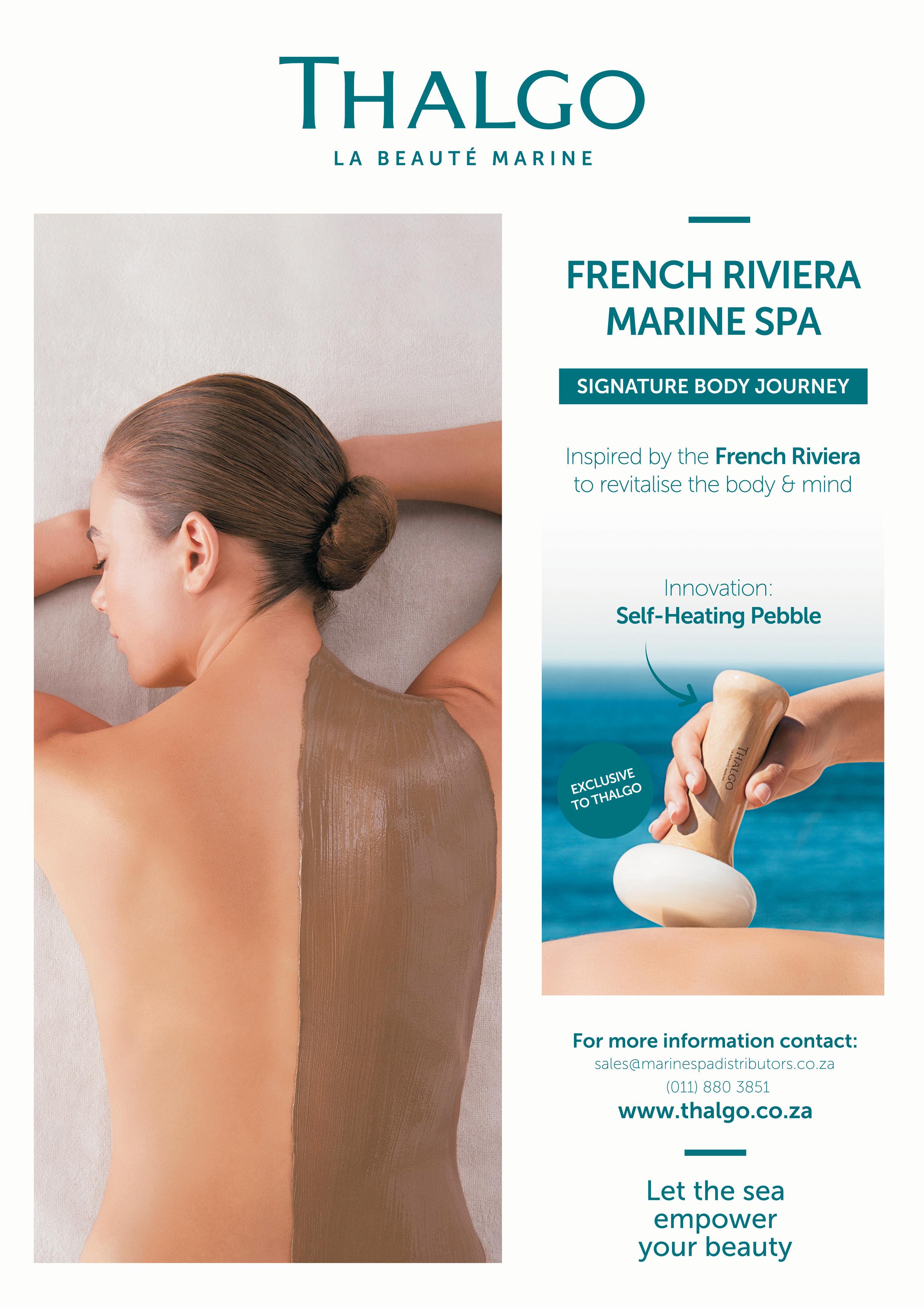
The rise of Ocean-Infused Skin care, one of the most powerful currents in spa innovation is marine biotechnology. Sea minerals, algae extracts, and micronised marine actives are now celebrated for their detoxifying, firming, and revitalizing benefits. Few brands embody this movement as authentically as Thalgo. Born on the French Riviera, Thalgo has long championed the therapeutic power of the sea, pioneering micronised marine algae technology that mirrors the mineral composition of human plasma. In today's climate of conscious beauty and sciencebacked skincare, this approach feels more relevant than ever. Spa clients are increasingly seeking treatments that offer both sensory indulgence and measurable results and marine-based body rituals deliver precisely that.
Ocean Cold Therapy: The Return of Elemental Immersion
Another powerful wave shaping the spa landscape is ocean cold therapy bathing. From Nordic plunges to guided sea immersions along Mediterranean coastlines, cold-water rituals are moving from fringe wellness practice into luxury spa programming. Cold ocean bathing stimulates circulation, strengthens the
immune response, enhances lymphatic drainage, and supports mental clarity through controlled exposure to natural elements. More than a physical reset, it offers a profound reconnection to nature an awakening of the senses that modern life often dulls.
Forward-thinking spas are now pairing cold immersion with warming marine wraps, algae-infused treatments, and mineral-rich hydrotherapy circuits to create contrast experiences that invigorate and restore simultaneously. When combined with advanced marine formulations, such as those pioneered by Thalgo, the benefits extend beyond the immediate exhilaration supporting detoxification, toning, and skin vitality at a cellular level.
This return to elemental bathing reflects a broader cultural shift: luxury is no longer about excess, but about authenticity.
Body Rituals Become Signature Experiences
While facial treatments remain a staple, body-focused therapies are having a renaissance moment. The modern spa guest is looking for sculpting, detoxifying, and firming treatments that address the body holistically. Signature body journeys such as the French Riviera Body Signature answer this demand beautifully. Inspired by Mediterranean vitality, the ritual combines exfoliation, marine-infused wraps, and expert massage techniques to tone and refine the silhouette while restoring energy. The result is both aesthetic and emotional: visibly smoother skin paired with a deep sense of renewal. In a world increasingly focused on longevity and vitality, body treatments are no longer an afterthought but are central to the wellness narrative.
Thalassotherapy Reimagined
The ancient practice of thalassotherapy harnessing seawater and marine elements for healing is enjoying a sophisticated revival. Hydrotherapy circuits, mineralrich soaks, and algae-based wraps are being reinterpreted for modern luxury environments. This renewed appreciation for sea-powered wellbeing places marine specialists at the heart of contemporary spa menus. With decades of marine research and professional expertise, brands such as Thalgo allow spas to deliver authentic thalassotherapy-inspired experiences anywhere in the world bringing the Riviera lifestyle to life far beyond the coastline.
Results-Driven Relaxation
Today's spa-goer wants more than relaxation alone. They want visible firming, contouring, detoxification and radiant skin without sacrificing sensory pleasure. The most successful spa programs now combine advanced massage techniques, active marine ingredients and curated environments to create treatments that are both indulgent and transformational. The future of spa is sensorial yet scientific, indulgent yet intentional. Marine actives, cold ocean immersion, holistic body rituals, and heritage-driven expertise are shaping a new era of wellbeing one that feels deeply connected to nature and unmistakably luxurious.
For spas seeking to align with today's most compelling trends, the message is clear: the trend has turned towards the ocean.
For further information, visit our website www.thalgo.co.za
The
Evolving Science of Spa Therapies: Elevating Treatment Room Excellences
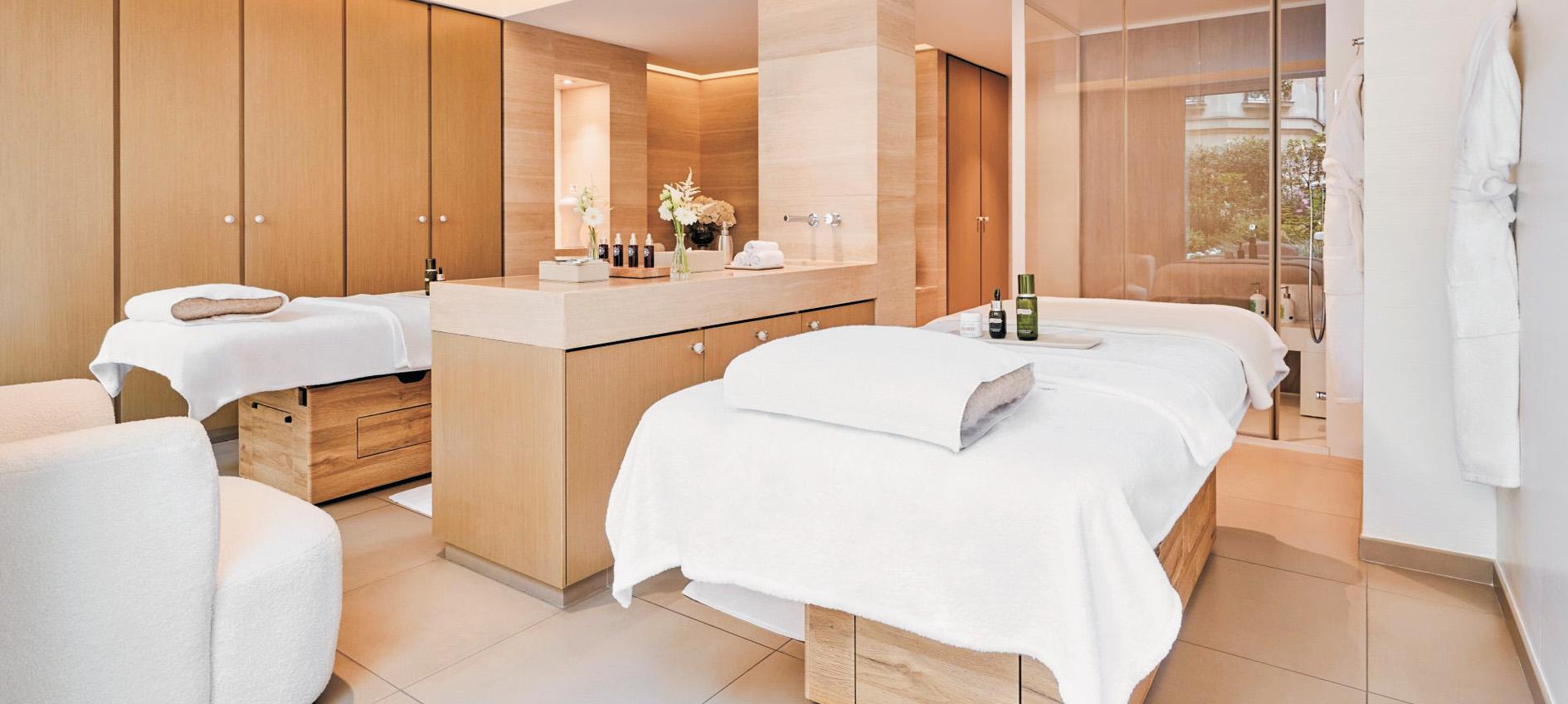
While wellness trends capture headlines, the core of spa experiences remains firmly rooted in the treatment room. In South Africa and globally, guests return to spas not for the facilities alone, but for the tangible benefits of skilled therapies. Massage, facials, body treatments, and wellness rituals continue to anchor spa visits, yet the way these therapies are delivered is evolving - increasingly informed by science, physiology, and holistic design. Today, therapists are not just practitioners; they are clinicians, educators, and guides, shaping experiences that are both restorative and measurable.
Therapist as Clinical Practitioner
The therapist's role is pivotal. Research consistently shows that skilled touch can influence both physical and psychological health. Massage therapy, for example, has been demonstrated to reduce cortisol levels by up to 31%, while simultaneously increasing serotonin and dopamine, improving mood and reducing perceived stress (Field, T., International Journal of Neuroscience, 2016). These effects extend beyond relaxation: massage stimulates lymphatic drainage, improves circulation, and can accelerate recovery from musculoskeletal tension and delayed-onset muscle soreness (DOMS) (Lehmann et al., Sports Medicine, 2018).
Therapist expertise is also crucial in multi-step treatments, where each modality complements the next. Studies indicate that treatments integrating massage with thermal or vibrational modalities significantly enhance physiological outcomes compared to single interventions (Bernardi et al., Frontiers in Psychology, 2017). In essence, the therapist acts as both guide and clinician, orchestrating interventions that maximize benefit for the client.
Facial Science: From Skin Biology to Results
Facial therapies are no longer evaluated by immediate glow alone; long-term skin health is now a key metric. Treatments increasingly rely on biologically active ingredients that support cellular function. For example:
• Peptides stimulate collagen synthesis, improving skin elasticity and reducing fine lines
• NAD+ therapies support mitochondrial function, cellular repair, and overall barrier health
• Antioxidant botanicals and microbiomefriendly formulations reduce inflammation and maintain natural skin flora, enhancing both resilience and appearance.
Combining these ingredients with manual techniques such as lymphatic drainage, Gua Sha, and pressure-point therapies enhances absorption and stimulates circulation, creating measurable outcomes that extend beyond immediate aesthetic results.
Integrative Multi-Sensory Experiences
Therapies that integrate thermal cycling, sound, and touch amplify physiological effects. Alternating heat and cold exposure - such as sauna followed by a cold plunge - has been shown to increase circulation and reduce
spa trends
localized inflammation, while supporting nervous system regulation. Sound therapy and vibrational modalities improve heart rate variability (HRV), an established marker of autonomic nervous system balance and stress resilience.
These elements are not simply trends; they are rooted in neuroscience and physiology, demonstrating measurable benefits for stress, immune function, and overall recovery.
Signature Treatments and Ingredient Innovation
South African spas are embracing locally inspired, results-driven treatments. Therapists combine international methodologies with indigenous elements such as Fynbos extracts, rooibos antioxidants, and mineral-rich marine botanicals. This approach aligns with a growing global interest in functional spa ingredients - formulations that not only feel indulgent but actively support wellness at a cellular level.
Across the globe, spas are developing signature rituals that blend multiple evidence-based modalities: massage, hydrotherapy, aromatherapy, and nutrient-rich topical applications. This integrative approach ensures that each session addresses both the visible and underlying needs of the client, from relaxation and recovery to cellular health and emotional balance.
Measuring Impact and Client Engagement
Scientific rigour is extending into spa measurement. Simple tools such as client selfassessments, HRV monitoring, and skin hydration analysis are now being used to validate outcomes. Therapists can demonstrate improvements in stress, circulation, and skin health - reinforcing the value of professional, consistent intervention. Studies confirm that therapist skill and consistency directly impact both client satisfaction and physiological benefit, emphasizing training and clinical understanding as essential components of spa excellence.
The Treatment Room as the Core of Spa Excellence
While global wellness trends may shift from mindfulness apps to wearable tech, the heart of spa experiences remains the treatment room. Here, skilled therapists combine science, sensory engagement, and tailored approaches to deliver experiences that are restorative, measurable, and profoundly human.
By integrating new ingredients, signature protocols, and evidence-based modalities, South African spas are demonstrating that innovation in the treatment room is not only possible but essential. Therapists are empowered as clinicians, researchers, and custodians of wellbeing, ensuring that each visit leaves a lasting impact - physically, emotionally, and neurologically.
In 2026, spa excellence is no longer defined by novelty alone; it is rooted in knowledge, precision, and thoughtful execution, affirming the treatment room as the enduring centerpiece of the modern spa experience.
The Invisible Advantage: Technology in Modern Spa Practice spa trends
In an industry defined by human connection, touch, and presence, the role of technology in spa environments continues to evolve with careful restraint. While innovation is accelerating across wellness, the most successful spas in 2026 are those that use technology not as a headline act, but as a quiet support system, enhancing recovery, improving outcomes, and protecting therapist wellbeing without compromising the intimacy of the treatment room.
The shift is subtle but significant. Early waves of spa technology often leaned toward visibility and complexity, sometimes at the expense of the guest experience. Today’s approach is more considered. Technology is increasingly designed to sit in the background, amplifying what therapists already do best rather than attempting to replace them.
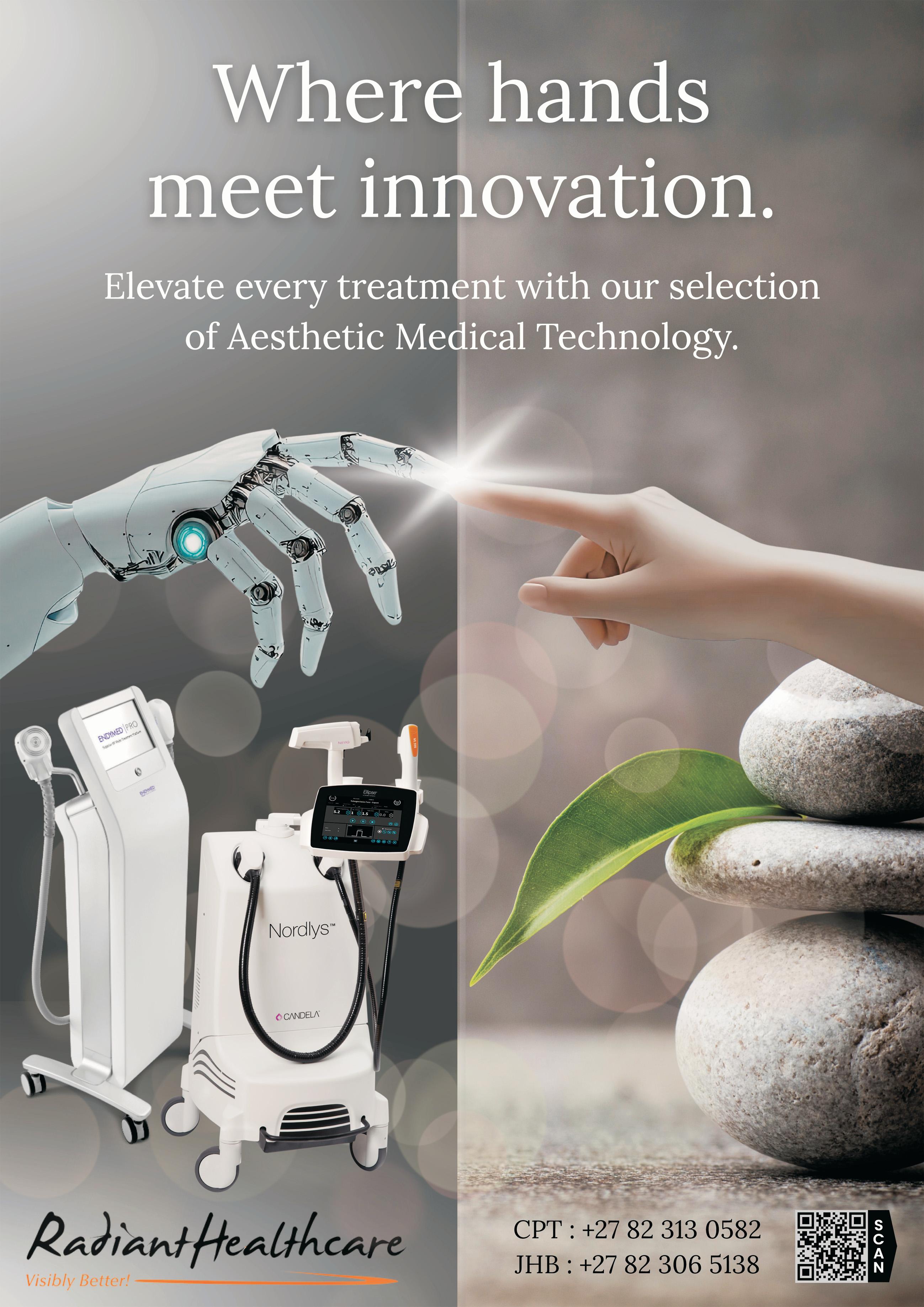
This philosophy is echoed within advanced aesthetic environments, where the role of technology is clearly defined as supportive rather than dominant.
When a spa or clinic introduces technology, what practical role do you believe it should play alongside hands-on treatments and where do you see it adding the most value?
“Technology in a medical aesthetic setting should act as a precision tool that amplifies the practitioner’s skill. It adds the most value when it enhances safety, consistency, and personalization, while hands-on treatments continue to provide the human touch, care, and artistry that technology alone can’t replicate.”
- Rohan Pretorius, Radiant Healthcare
At the heart of this evolution is a deeper understanding of regulation. Many of the tools gaining traction are those that support the nervous system before, during, or after hands-on therapies. Infrared beds, PEMF mats, compression systems, and gentle neurostimulation devices are being integrated as preparatory or recovery elements rather than standalone experiences. Used thoughtfully, they help clients arrive more receptive, calm, and physiologically primed for touch.
At the same time, spas are re-evaluating how technology supports therapists themselves. Physical strain, repetitive movement, and emotional fatigue remain real challenges within the profession. Tools that reduce strain, improve ergonomics, or support recovery between treatments are increasingly viewed as essential to therapist longevity.
From what you’ve seen in practice, how can the
right technology reduce physical strain on therapists while still improving client outcomes?
“The right technology reduces physical strain by automating the most demanding aspects of treatment while delivering consistent energy or coverage, so therapists don’t have to rely on repetitive force or awkward positioning. At the same time, it improves outcomes by ensuring precision, safety, and consistency, while freeing therapists to focus on the human touch and artistry that clients value most.”
In this context, technology becomes part of a more sustainable spa mode, that values practitioner wellbeing as much as guest experience.
Another area of growth is diagnostic and feedbackbased technology. Skin analysis, hydration assessments, and non-invasive measurements are increasingly used to inform treatment planning rather than to impress. When applied with discretion, these tools support clearer communication, more personalised protocols, and greater credibility.
However, as technology becomes more sophisticated, the importance of training becomes critical. Without the necessary understanding, even the most advanced systems can fall short.
What challenges do you see when technology is introduced without proper training, and how does education change the success of an investment?
“Without proper training, technology can become a liability, leading to inconsistent results, safety risks, and wasted investment. Education transforms that risk into success by giving therapists the confidence and skill to maximize outcomes, ensure safety, and unlock the full value of the equipment.”
As a result, success is no longer defined by access to technology, but by how effectively it is integrated into practice. This is reflected in how suppliers and operators now evaluate equipment. Selection is becoming more rigorous, with greater emphasis on safety, reliability, and long-term relevance rather than novelty.
When selecting brands for the Radiant Healthcare portfolio, what are your nonnegotiables in terms of safety, results, and longterm relevance for spas and clinics?
“For Radiant Healthcare, our non-negotiables are
clear: every system must carry Medical CE/MDR certification, FDA alone is not sufficient under SAHPRA. Beyond compliance, we only select technology that delivers improved, evidence-based results, is reliable in daily practice, and represents genuine innovation rather than a passing trend. That way, spas and clinics can invest with confidence in both safety and long-term relevance.”
This level of discernment reflects a more accountable approach to innovation,one that aligns with the growing professionalism of the spa industry.
At the same time, restraint remains essential. Many guests come to spas seeking relief from digital overload and constant stimulation. Overuse of technology risks disrupting the sense of sanctuary that defines the spa experience. The most successful operators recognise that not every innovation belongs in every space. Technology must enhance the journey, not distract from it.
This has led to a renewed emphasis on simplicity. Devices are chosen for intuitive use and minimal disruption to treatment flow. Therapists are trained not only in how to use technology, but when not to — an equally important skill that reflects confidence and experience.
There is also a shift away from standardised solutions. Spas are curating technology in alignment with their identity and client needs. A results-driven urban spa may prioritise recovery systems, while a retreat environment may favour subtle tools that complement slower, more restorative therapies.
Looking ahead, what should spas and clinics prioritise when considering technology investments over the next five years?
“Looking ahead, spas and clinics should prioritize technology that is medically certified under CE/MDR, ensuring compliance with SAHPRA. Beyond safety, the focus must be on evidence-based innovation that delivers improved results, reliability, and long-term relevance, not short-lived fads, so every investment strengthens both client outcomes and the clinic”
As the industry moves forward, one truth is becoming increasingly clear: the future of spa technology is quieter, more intentional, and deeply respectful of the human experience. The most advanced spas are not those filled with machines, but those where every tool serves a clear purpose, to support regulation, recovery, and meaningful connection.
Mitochondrial Wellness: Unlocking Energy, Regulation, and Resilience spa trends
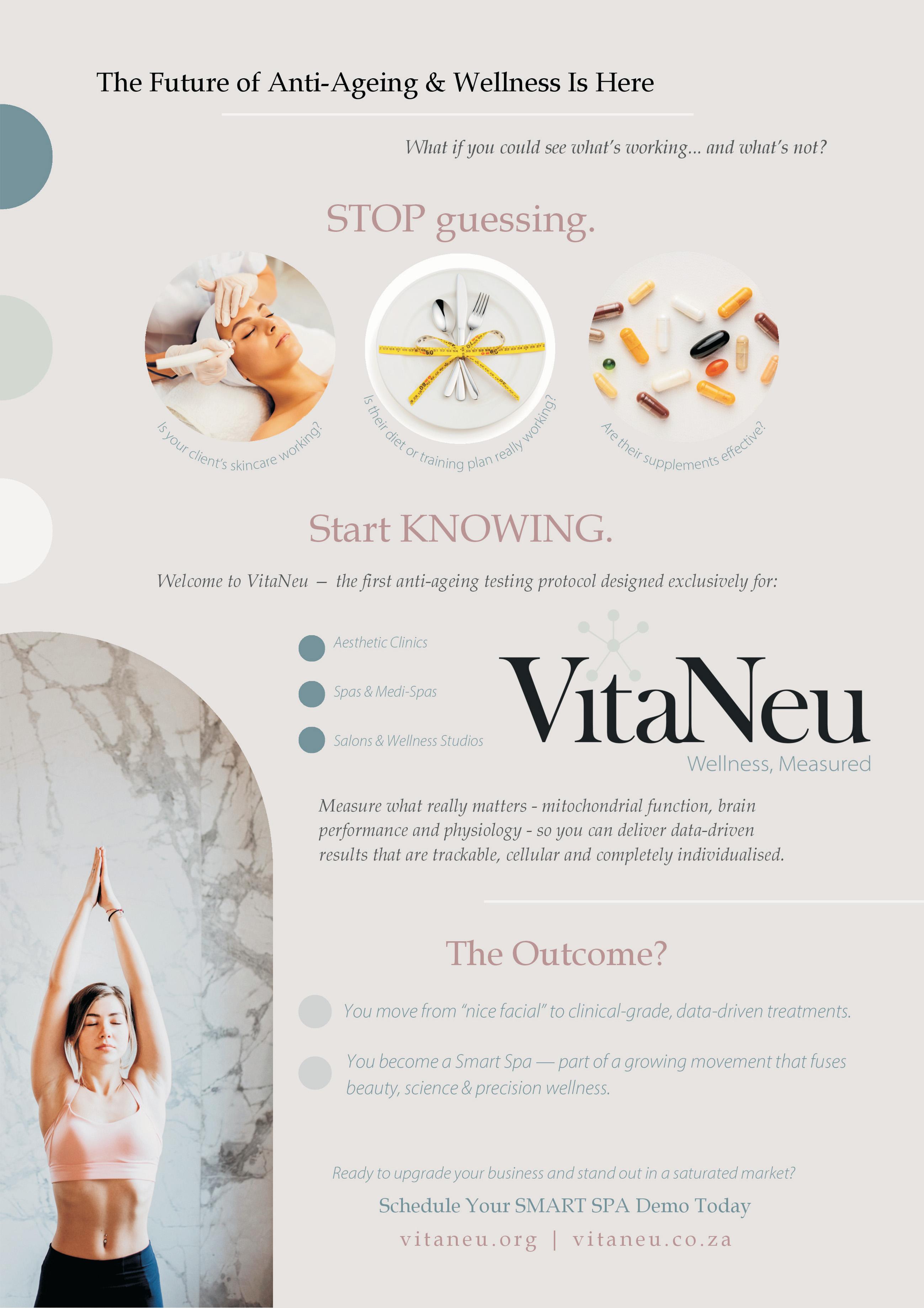
Mitochondria, often referred to as the body’s ‚”powerhouses”, have long been associated with energy production. Found in nearly every cell, they generate the ATP required for cellular function, influencing metabolism, recovery, hormone balance, and overall vitality. However, emerging research is reframing their role more broadly: mitochondria are not only energy producers, but key regulators of stress, inflammation, and nervous system function.
This expanded understanding is positioning mitochondrial wellness at the intersection of two of the most important trends shaping the spa industry in 2026 - precision health and neuro-wellness.
Beyond Energy: Mitochondria and the Nervous System
Recent scientific insights highlight a powerful connection between mitochondrial function and the nervous system. When mitochondria are functioning optimally, cells are better equipped to regulate stress, maintain resilience, and recover efficiently. Conversely, mitochondrial dysfunction is increasingly linked to fatigue, burnout, chronic inflammation, and nervous system dysregulation.
This is particularly relevant in today’s environment, where many individuals exist in a prolonged state of low-grade stress. The nervous system remains in a constant “alert” mode, depleting cellular energy reserves and impairing recovery. In this context, mitochondrial health becomes foundationall, not only for physical energy, but for emotional and neurological balance.
For spas, this creates an opportunity to move beyond surface-level relaxation and position treatments as supportive interventions for deeper physiological regulation.
From Diagnostics to Personalisation
What distinguishes mitochondrial wellness within the spa environment is its alignment with measurable, personalised care. Advances in functional diagnostics now allow practitioners to assess aspects of cellular performance, including energy production, oxidative stress, and stress-response markers.
Technologies such as bioenergetic scanning and
systems like VitaNeu are increasingly being introduced into forward-thinking spa environments. These tools provide insight into how efficiently the body is producing energy, where imbalances may exist, and how lifestyle factors are impacting cellular health.
Rather than offering generic wellness packages, spas can use this data to guide targeted interventions. Guests are no longer passive recipients of treatments ‚they’re become active participants in understanding their own biology, making the experience more engaging, credible, and results-oriented.
Supporting Mitochondrial Function Through Treatment
Once imbalances are identified, a range of therapies can be integrated to support mitochondrial function and overall regulation.
Light-based therapies, particularly red and nearinfrared wavelengths, are widely recognised for their ability to stimulate mitochondrial activity, supporting cellular repair and energy production. These modalities are increasingly used not only for skin health, but for muscle recovery, inflammation reduction, and systemic vitality.
Infrared sauna therapy continues to gain traction for its role in enhancing circulation, supporting detoxification pathways, and reducing oxidative stress, all of which influence mitochondrial efficiency. Similarly, oxygen-based therapies, including hyperbaric treatments, are being explored for their ability to optimise cellular respiration and recovery.
Microcurrent and bioenergetic modalities further support cellular communication, helping to restore balance within the body’s electrical systems. These technologies, when used appropriately, complement hands-on therapies rather than replace them, enhancing outcomes while maintaining the human element of care.
The Role of Lifestyle and Behaviour
While technology plays a role, mitochondrial wellness is equally shaped by daily habits. Sleep quality, nutrition, movement, and stress management all directly influence cellular performance.
From a spa perspective, this reinforces the importance of education and continuity of care. Simple, practical guidance, such as improving sleep hygiene, increasing hydration, incorporating nutrient-dense foods, and managing stress through breathwork or mindfulness can significantly enhance treatment outcomes.
Nutrition, in particular, is gaining attention as a critical factor. Mitochondria rely on specific nutrients, including B vitamins, magnesium, and antioxidants, to function effectively. This has led to a growing integration of functional nutrition and spa cuisine into wellness programming, ensuring that internal support aligns with external therapies.
Mitochondrial Wellness Meets Neuro-Wellness
Perhaps the most significant evolution in this space is the convergence of mitochondrial health with neuro-wellness. As the industry increasingly focuses on nervous system regulation, it is becoming clear that cellular energy and neurological balance are deeply interconnected.
Rather than viewing energy and relaxation as separate goals, the new approach integrates them. Treatments are designed not only to restore physical vitality, but to create a sense of safety within the body are a key requirement for true healing.
The Future of Cellular Wellness in Spas
As we move deeper into 2026, mitochondrial wellness is set to play a defining role in how spas position themselves within the broader wellness landscape. It bridges the gap between medical insight and holistic care, offering a framework that is both scientifically grounded and experientially rich.
For spa operators, the integration of mitochondrialfocused approaches signals a move toward deeper, more intentional wellness. It allows for differentiation in an increasingly competitive market, while aligning with consumer demand for personalised, resultsdriven care.
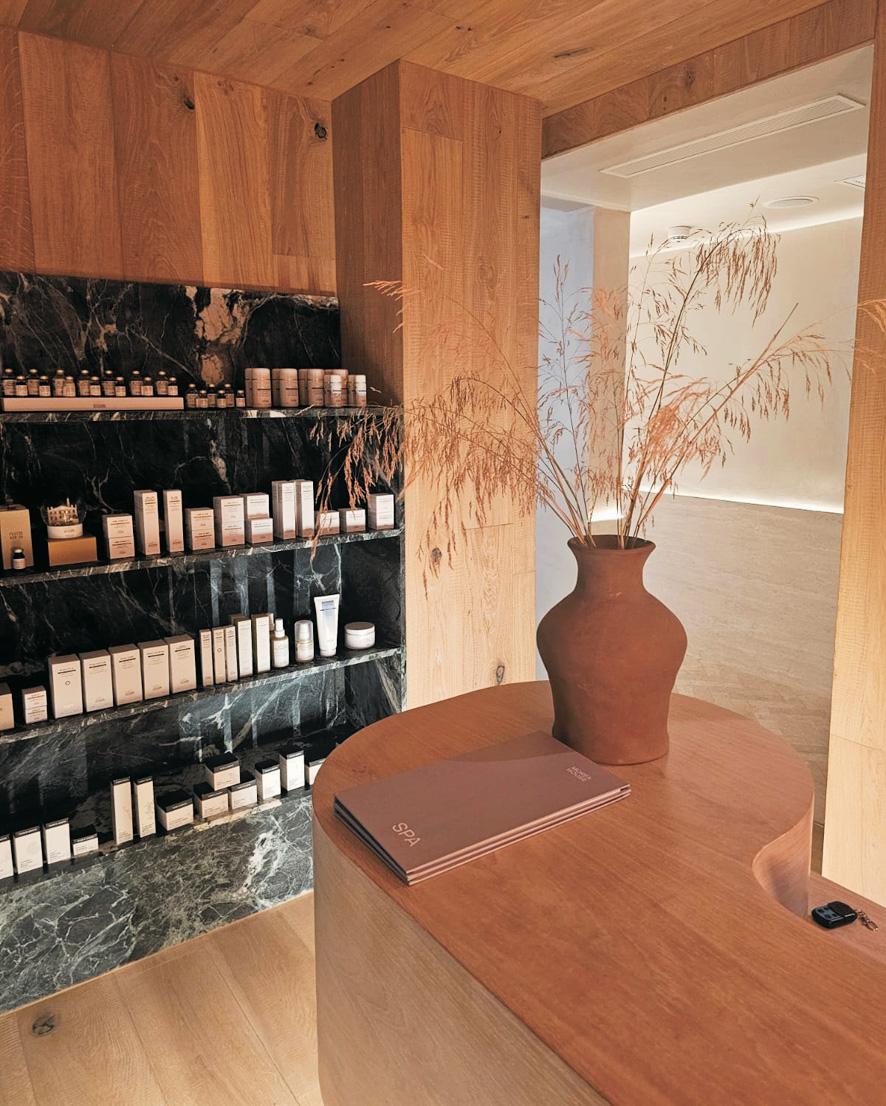
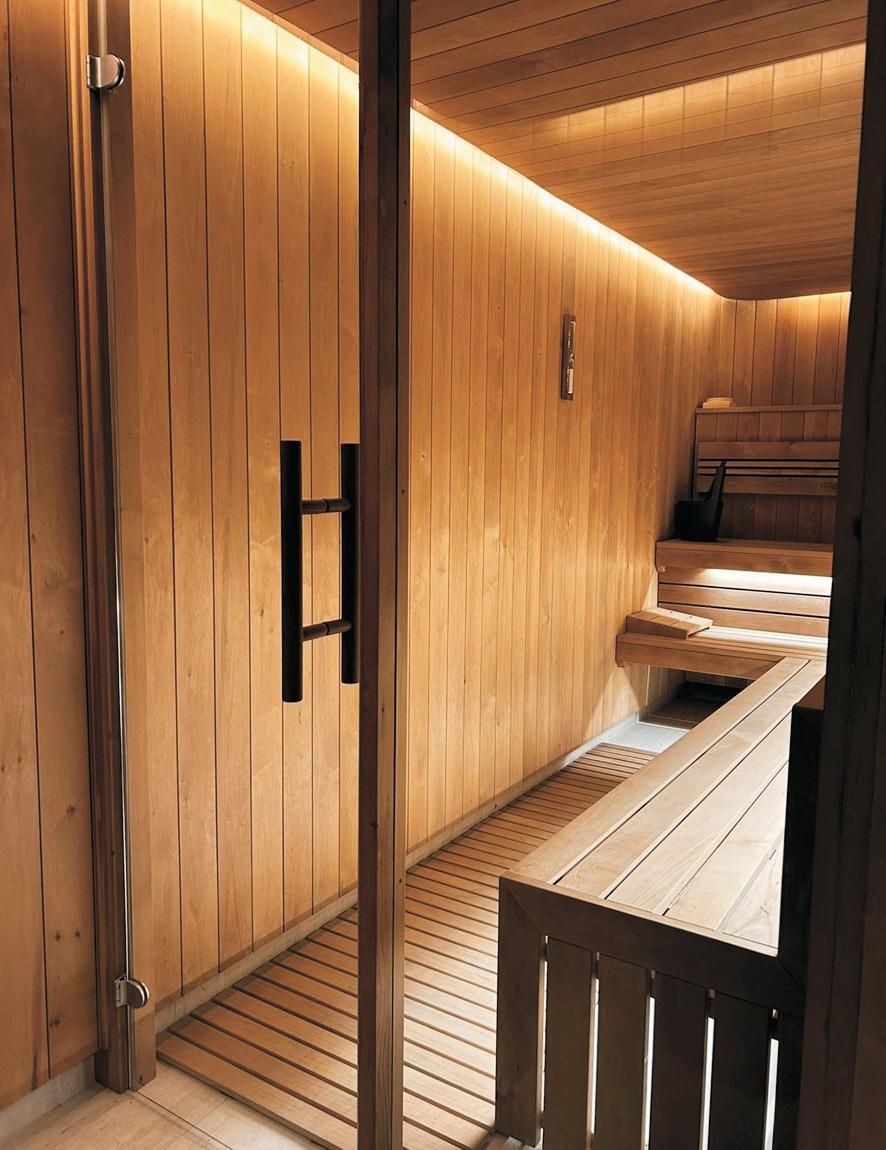
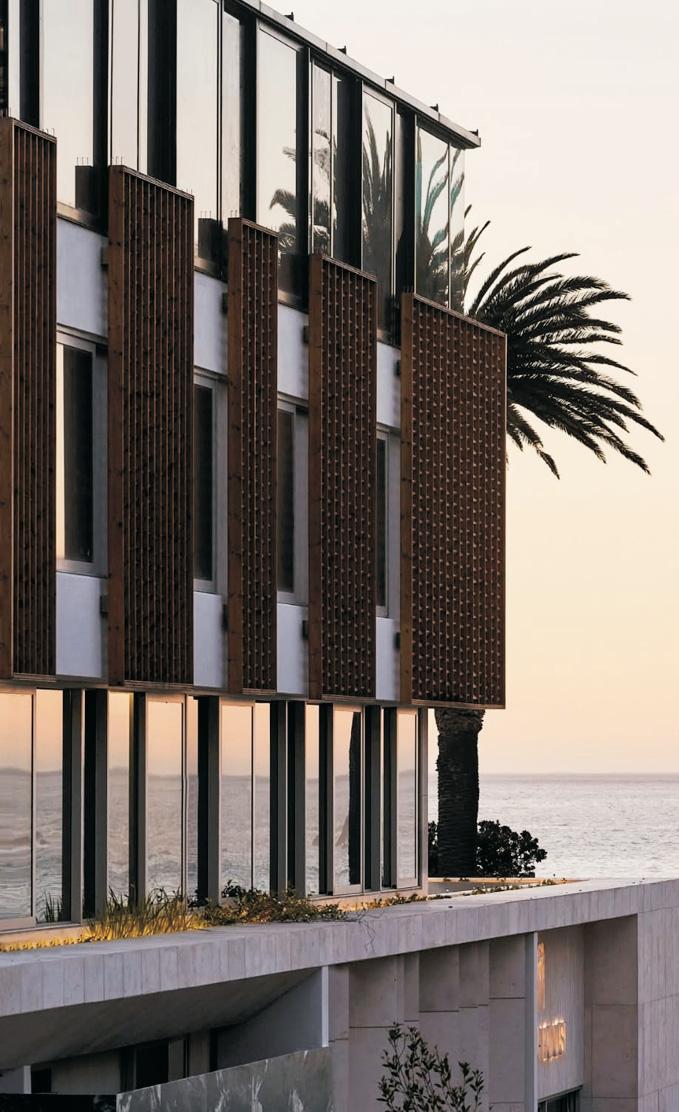
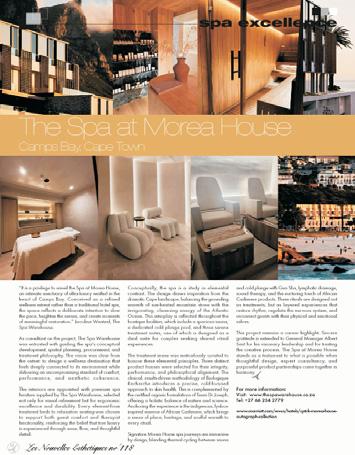
The Spa at Morea House
Camps Bay, Cape Town
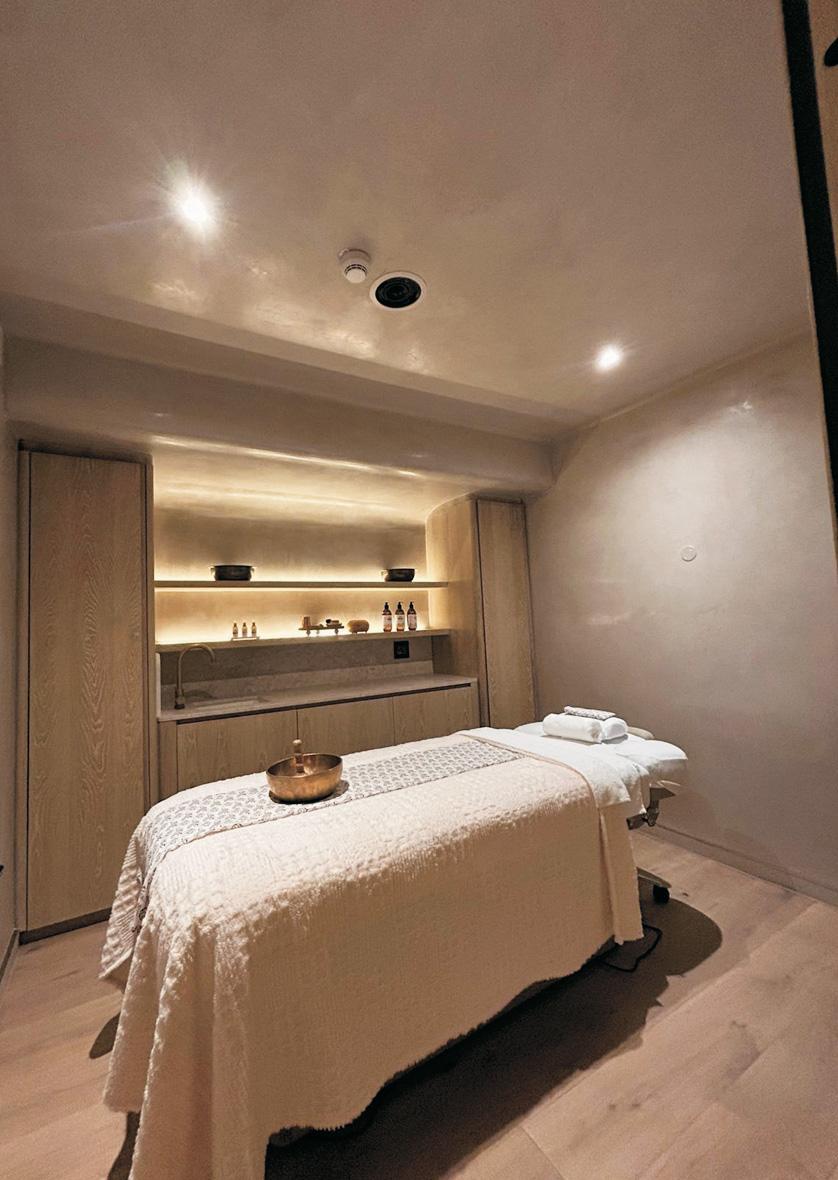
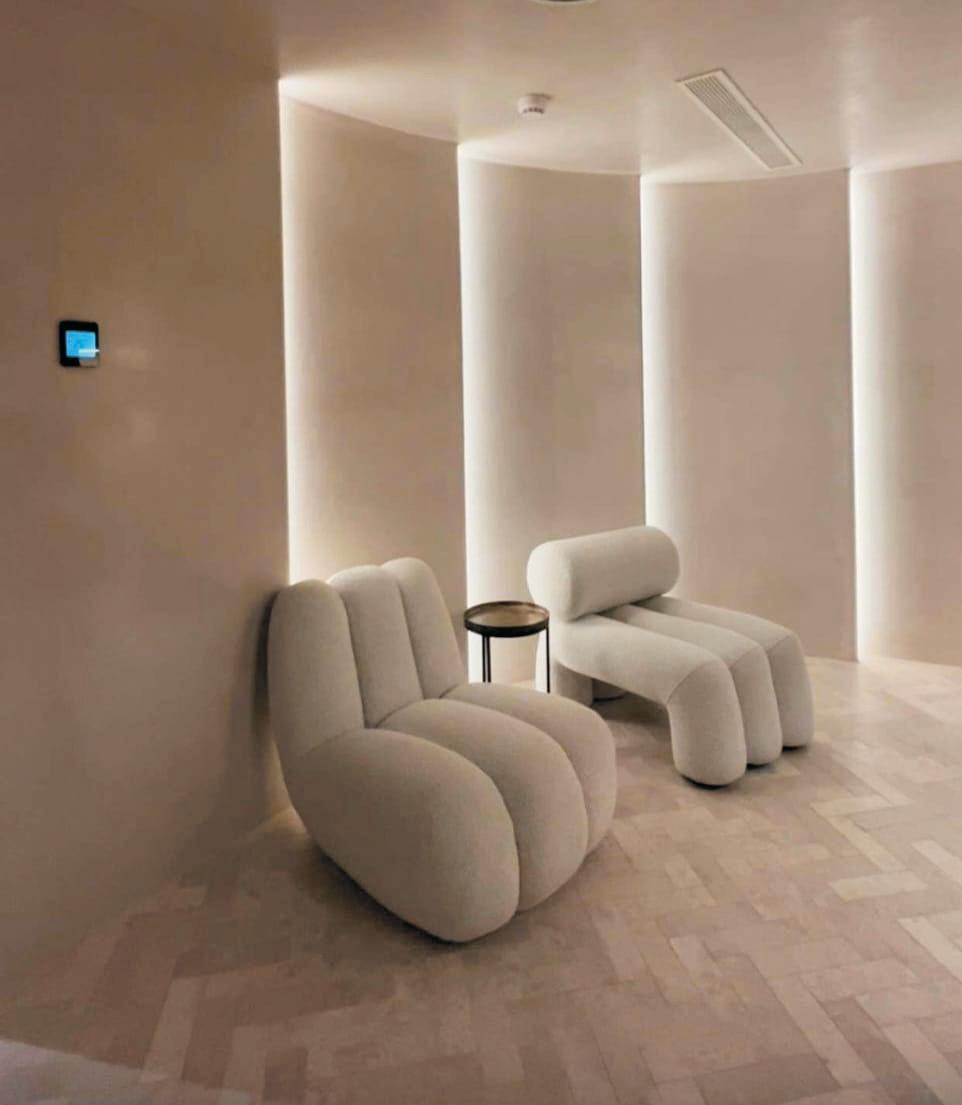
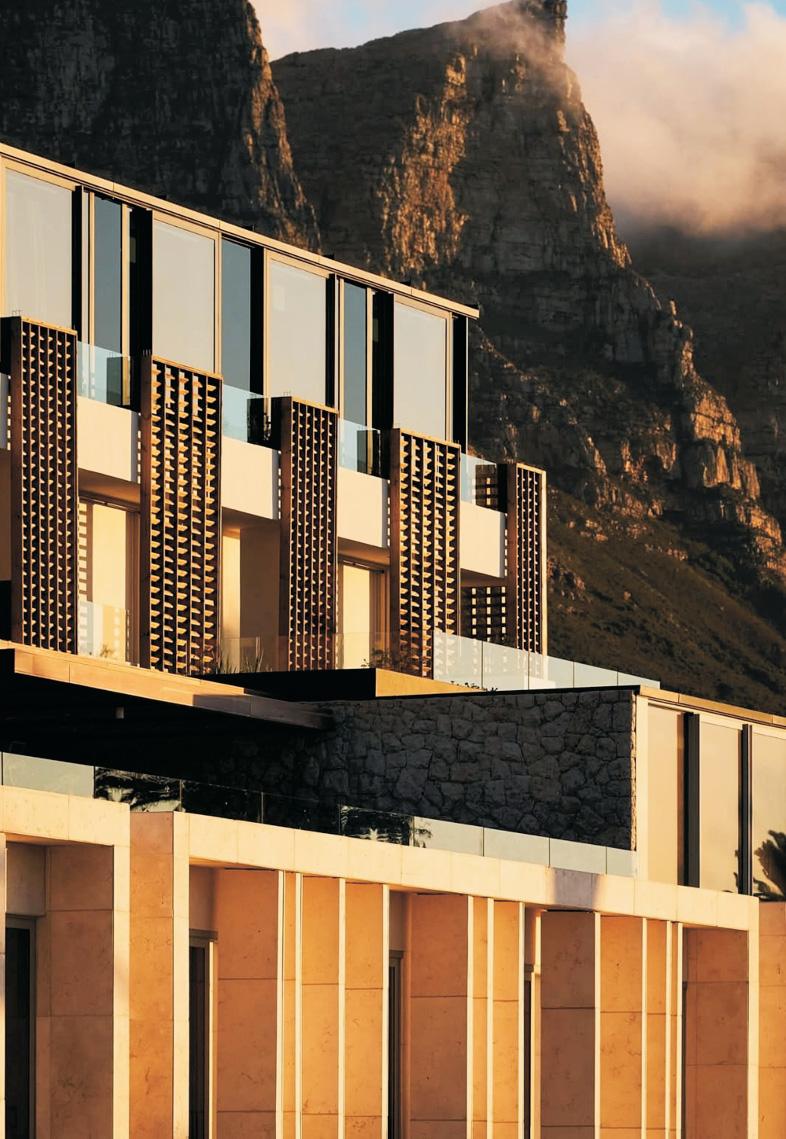
“It is a privilege to unveil the Spa at Morea House, an intimate sanctuary of ultra-luxury nestled in the heart of Camps Bay. Conceived as a refined wellness retreat rather than a traditional hotel spa, the space reflects a deliberate intention to slow the pace, heighten the senses, and create moments of meaningful restoration.” Jacoline Wentzel, The Spa Warehouse.
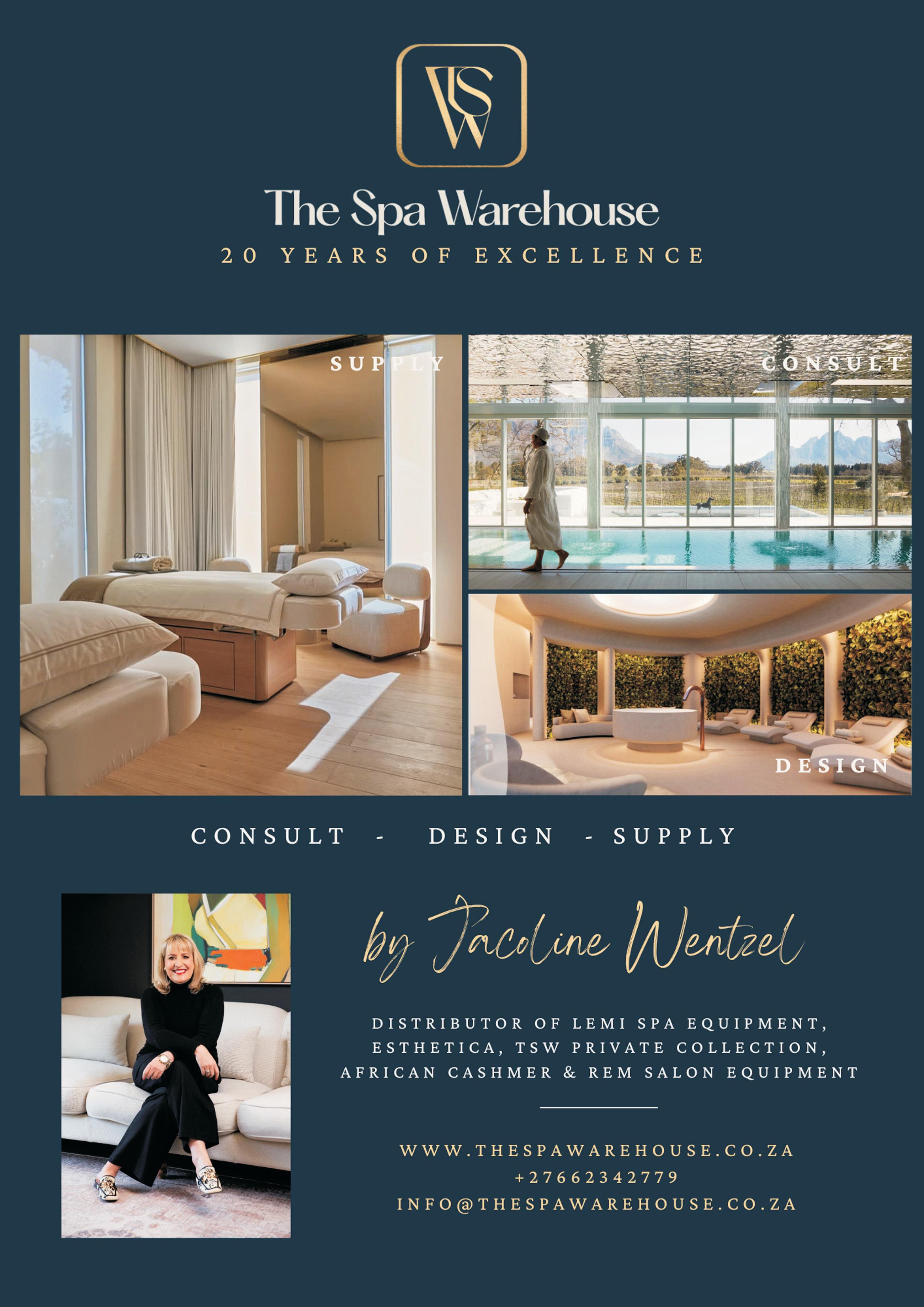
As consultant on the project, The Spa Warehouse was entrusted with guiding the spa's conceptual development, spatial planning, procurement, and treatment philosophy. The vision was clear from the outset: to design a wellness destination that feels deeply connected to its environment while delivering an uncompromising standard of comfort, performance, and aesthetic coherence.
The interiors are appointed with premium spa furniture supplied by The Spa Warehouse, selected not only for visual refinement but for ergonomic excellence and durability. Every element-from treatment beds to relaxation seating-was chosen to support both guest comfort and therapist functionality, reinforcing the belief that true luxury is experienced through ease, flow, and thoughtful detail.
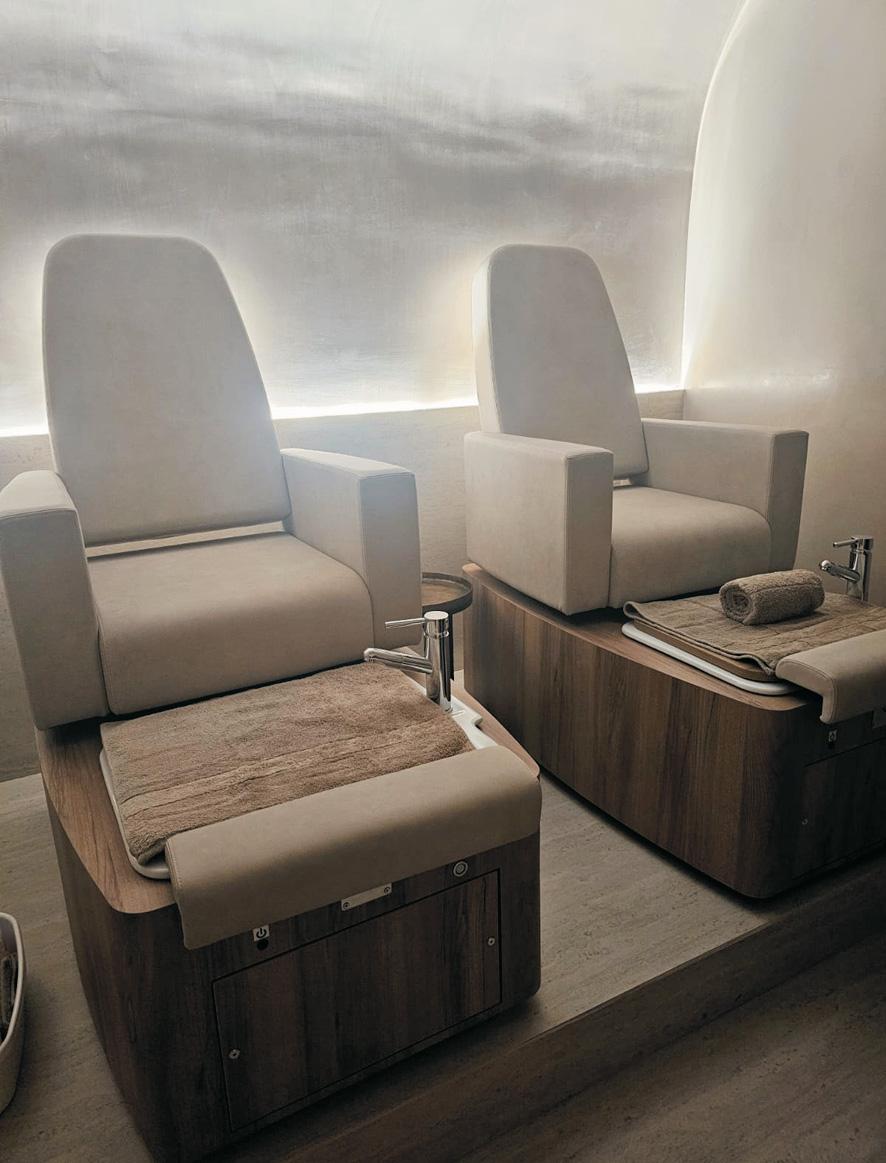
Conceptually, the spa is a study in elemental contrast. The design draws inspiration from the dramatic Cape landscape, balancing the grounding warmth of sun-heated mountain stone with the invigorating, cleansing energy of the Atlantic Ocean. This interplay is reflected throughout the boutique facilities, which include a spacious sauna, a dedicated cold plunge pool, and three serene treatment suites, one of which is designed as a dual suite for couples seeking shared ritual experiences.
The treatment menu was meticulously curated to honour these elemental principles. Three distinct product houses were selected for their integrity, performance, and philosophical alignment. The clinical, results-driven methodology of Biologique Recherche introduces a precise, cold-focused approach to skin health. This is complemented by the certified organic formulations of Team Dr Joseph, offering a holistic balance of nature and science. Anchoring the experience is the indigenous, fynbosinspired essence of African Cashmere, which brings a sense of place, heritage, and soulful warmth to every ritual.

and cold plunge with Gua Sha, lymphatic drainage, sound therapy, and the nurturing touch of African Cashmere products. These rituals are designed not as treatments, but as layered experiences that restore rhythm, regulate the nervous system, and reconnect guests with their physical and emotional selves.
This project remains a career highlight. Sincere gratitude is extended to General Manager Albert Smit for his visionary leadership and for trusting the creative process. The Spa at Morea House stands as a testament to what is possible when thoughtful design, expert consultancy, and purposeful product partnerships come together in harmony.
For more information: Visit: www.thespawarehouse.co.za
Tel: +27 66 234 2779
www.marriott.com/en-us/hotels/cptck-morea-houseautograph-collection
Signature Morea House spa journeys are immersive by design, blending thermal cycling between sauna
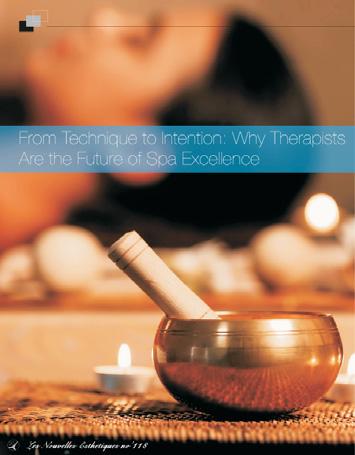
From Technique to Intention: Why Therapists Are the Future of Spa Excellence

In a rapidly evolving wellness landscape, spa operators are faced with a critical challenge: how to remain relevant and compelling amid shifting guest expectations, emerging wellness trends, and technological innovation - without losing the timeless essence that defines a truly restorative spa experience. The answer lies in building a spa that is future-proof: one that integrates science, intention, and human expertise into every touchpoint, ensuring treatments, spaces, and experiences remain meaningful, adaptable, and deeply resonant.
Anchoring in Purpose
A future-proof spa begins with clarity of purpose. Spas that succeed over time are those that understand their core ethos - whether it's therapeutic excellence, holistic wellness, luxury escape, or local authenticity - and ensure that every design choice, treatment, and guest interaction aligns with that mission. This alignment extends beyond aesthetics or branding; it shapes operational protocols, treatment philosophies, and staff training programs.
For example, a spa that prioritizes nervous system regulation will select treatments, lighting, soundscapes, and even product ingredients that collectively support parasympathetic activation. Research consistently demonstrates that carefully curated environments can reduce cortisol, improve heart rate variability, and enhance overall treatment efficacy. Spas that embed these principles into their daily operations cultivate experiences that feel purposeful, coherent, and grounded in evidencebased wellness.
Designing Resilience Into Experiences
The future-proof spa understands that guest needs are evolving. No longer are spas seen as occasional indulgences; they are spaces of recalibration, recovery, and mindful self-care. This shift requires that spa offerings be both flexible and enduring.
Treatment menus should balance signature rituals with modular services that adapt to individual energy levels, stress profiles, and therapeutic goals. While bespoke personalization remains important, future-proofing also relies on repeatable excellence: staff must be trained to deliver core signature treatments consistently, ensuring reliability, measurable outcomes, and brand integrity.
Spaces themselves must embody adaptability. Multifunctional treatment rooms, modular furniture, and adaptable lighting and sound systems allow spas to respond to changing client expectations, accommodate new modalities, and integrate innovative technologies without requiring full-scale renovation. Research in environmental psychology highlights that well-designed spaces enhance cognitive restoration and perceived satisfaction, reinforcing the therapeutic impact of treatments.
Integrating Science and Innovation
Science is no longer optional; it is central to futureproof spa strategy. Operators who understand skin physiology, stress biology, circadian rhythms, and recovery processes can craft treatments that resonate on a biological as well as emotional level.
Biotech actives, functional botanicals, and purposedriven product formulations allow therapists to deliver measurable outcomes. Similarly, technology serves as an enabler rather than a replacement: cryotherapy, infrared systems, hydrotherapy devices, and recovery tools can complement hands-on care without overshadowing the therapist's expertise. Studies consistently show that technology enhances treatment efficacy when integrated thoughtfully, supporting circulation, reducing inflammation, and accelerating recovery.
Yet, the human element remains paramount. Therapists are increasingly the differentiating factor between spas that thrive and those that stagnate. Emotional intelligence, technical proficiency, and intentional presence elevate every treatment, ensuring that even as trends shift, the guest's experience remains deeply restorative.
The Holistic Arc: Beyond the Treatment Room
Future-proofing also requires considering the guest journey from arrival to departure. Spa treatments no longer operate in isolation; they are part of a broader wellness ecosystem. From wellness cuisine and functional beverages to mindfulness spaces and recovery lounges, every element contributes to a cohesive therapeutic arc.
Functional spa foods - nutrient-dense snacks, herbal infusions, and bioactive-rich meals - support detoxification, cellular repair, and energy restoration, reinforcing what is achieved in the treatment room. Similarly, environments designed to promote reflection, calm, and connection to natureincorporating natural light, airflow, acoustic design, and biophilic materials - extend therapeutic benefit beyond scheduled treatments.
Research into integrated wellness experiences shows that multi-sensory engagement, when aligned with treatment objectives, significantly amplifies perceived outcomes. Spas that leverage this understanding create holistic, enduring impressions that drive repeat visitation and cultivate loyalty.
Sustainability and Authenticity
Sustainability is no longer a niche consideration; it is a fundamental expectation. Future-proof spas embed environmental stewardship into operations, from responsible sourcing of ingredients to energyefficient design and waste-conscious protocols. Beyond ecological responsibility, sustainability contributes to authenticity - today's guests are drawn
spa trends
to brands whose values resonate with their own, and whose offerings reflect integrity, transparency, and respect for people and planet.
Measuring Success in a Future-Proof Spa
Success metrics are evolving alongside the industry. While revenue and occupancy remain important, spa operators increasingly evaluate guest satisfaction, treatment efficacy, wellness outcomes, and staff wellbeing as key indicators. Repeat visitation, client retention, and social proof through testimonials and referrals often outweigh transient trends, reflecting the deep connection between meaningful spa experiences and long-term business resilience.
Educating for Longevity
Education is the backbone of the future-proof spa. Continuous professional development for therapists, spa managers, and operational teams ensures that knowledge of new techniques, ingredients, recovery modalities, and wellness research informs daily practice. Spas that invest in their human capital cultivate expertise, confidence, and adaptabilityessential qualities for maintaining relevance in a fast-changing industry.
Timeless, Not Trend-Dependent
In essence, a future-proof spa harmonizes science, intention, environment, and human expertise. It does not chase every trend but evaluates innovations through the lens of purpose, therapeutic value, and guest impact. It balances technology with touch, innovation with ritual, and efficiency with empathy.
The future of spa is calmer, smarter, and more intentional. It is defined not by novelty alone, but by timeless principles: creating spaces that heal, treatments that transform, and experiences that resonate long after the guest leaves. By focusing on authenticity, adaptability, and meaningful human connection, spa operators can ensure their offerings remain relevant, restorative, and revered for decades to come.
Touchless Wellness: The Rise of Intelligent, Hands-Free Therapy spa trends
Touchless wellness may once have felt like a futuristic concept, but in 2026 it has firmly established itself as one of the most compelling developments within the global spa and wellness landscape. What began as a niche innovation is now evolving into a sophisticated, results-driven modality, aligning seamlessly with broader trends around personalisation, neuro-wellness, and intelligent technology.
At its core, the purpose remains simple: to soothe, restore, and deliver highly personalised care with precision and consistency. What has changed is the depth of understanding behind how and why these treatments work.
From Novelty to Preferred Modality
Only a short time ago, robotic massage was largely viewed as an interesting addition. Innovative, but not essential. Today, that perception is shifting rapidly. Across international wellness markets, touchless therapies are moving from curiosity to preferred modality for a growing segment of spa-goers.
This evolution is being driven by increasingly informed clients who are seeking more than relaxation. Modern wellness consumers want treatments that are measurable, repeatable, and tailored to their individual physiology.
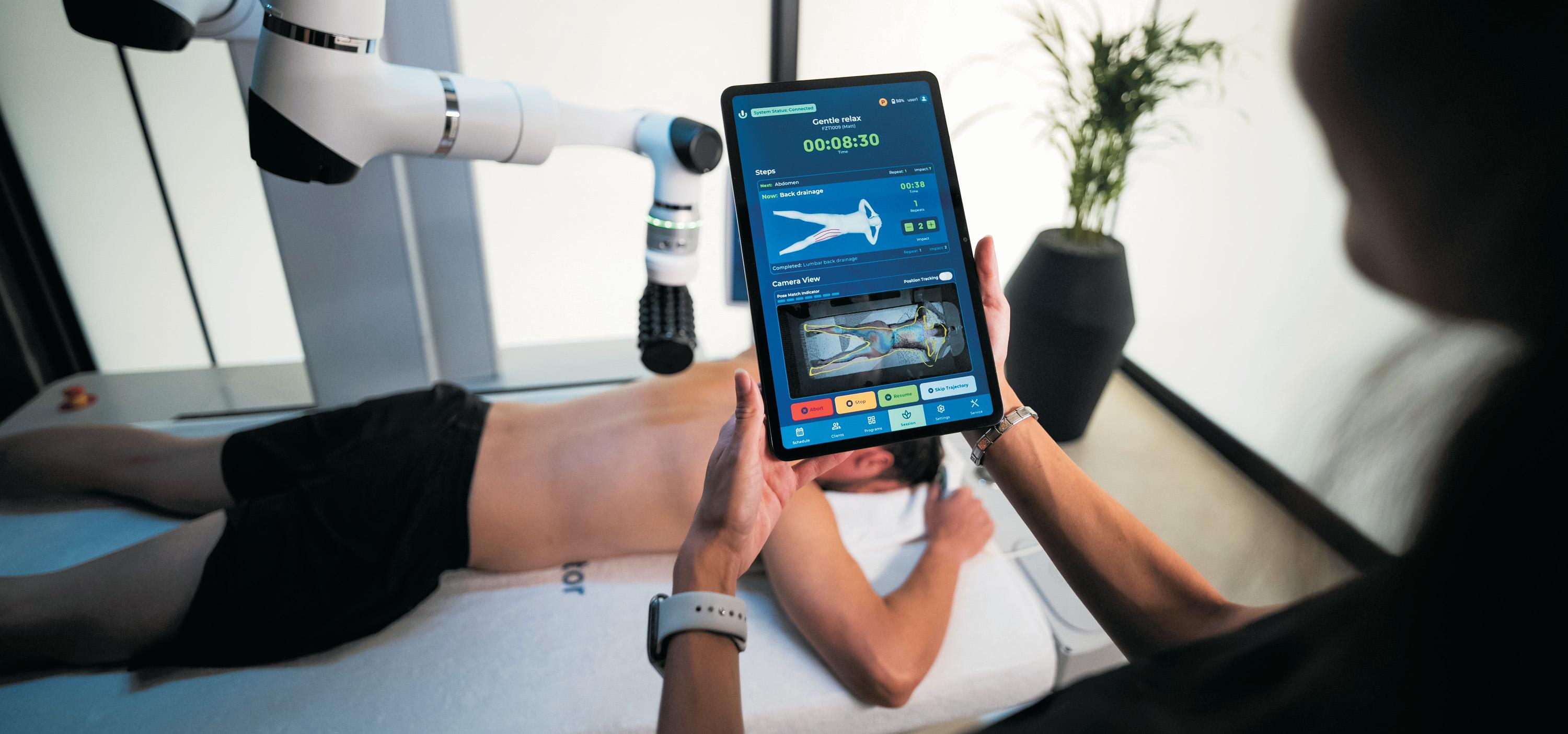
Robotic massage systems respond directly to this demand. Using advanced AI-driven technology, these systems scan and map the body in real time, adjusting pressure, rhythm, depth, and technique continuously throughout the session. The result is a treatment that feels highly personalised - not fixed or mechanical, but fluid and responsive.
Perhaps most surprising is how intuitive and comforting the experience feels. What many expect to be clinical becomes rhythmic, calming, and deeply restorative.
Aligning with Neuro-Wellness
One of the most significant developments shaping touchless therapy is its alignment with the rapidly emerging field of neuro-wellness, now recognised as a defining direction of the global wellness industry.
As modern lifestyles become increasingly fast-paced, digitally saturated, and cognitively demanding, many individuals operate in a prolonged state of low-grade
stress. This chronic activation of the sympathetic nervous system, the body’s “fight or flight” response
In response, spas are evolving into spaces that actively support nervous system regulation, helping the body shift into the parasympathetic state, where recovery and repair occur.
Touchless therapies are uniquely positioned within this movement. Unlike traditional hands-on treatments, which may vary in pressure, pace, and technique, robotic systems deliver predictable, rhythmic, and controlled stimulation. This consistency is neurologically significant. The nervous system responds positively to patterns it can anticipate. The repetition and rhythm create a sense of safety, allowing the body to gradually release tension.
The concept of sensory safety is becoming increasingly important in wellness design. The body must feel safe before it can relax. Touchless therapy provides a pathway into this state, particularly for individuals who prefer minimal physical contact due to personal, cultural, or emotional reasons.
In addition, the wave-like, flowing movements can support vagal tone stimulation, influencing the vagus nerve, a key regulator of the parasympathetic nervous system. Improved vagal tone is associated with enhanced stress resilience, emotional balance, and overall physiological stability.
The Evolution of RoboSculptor
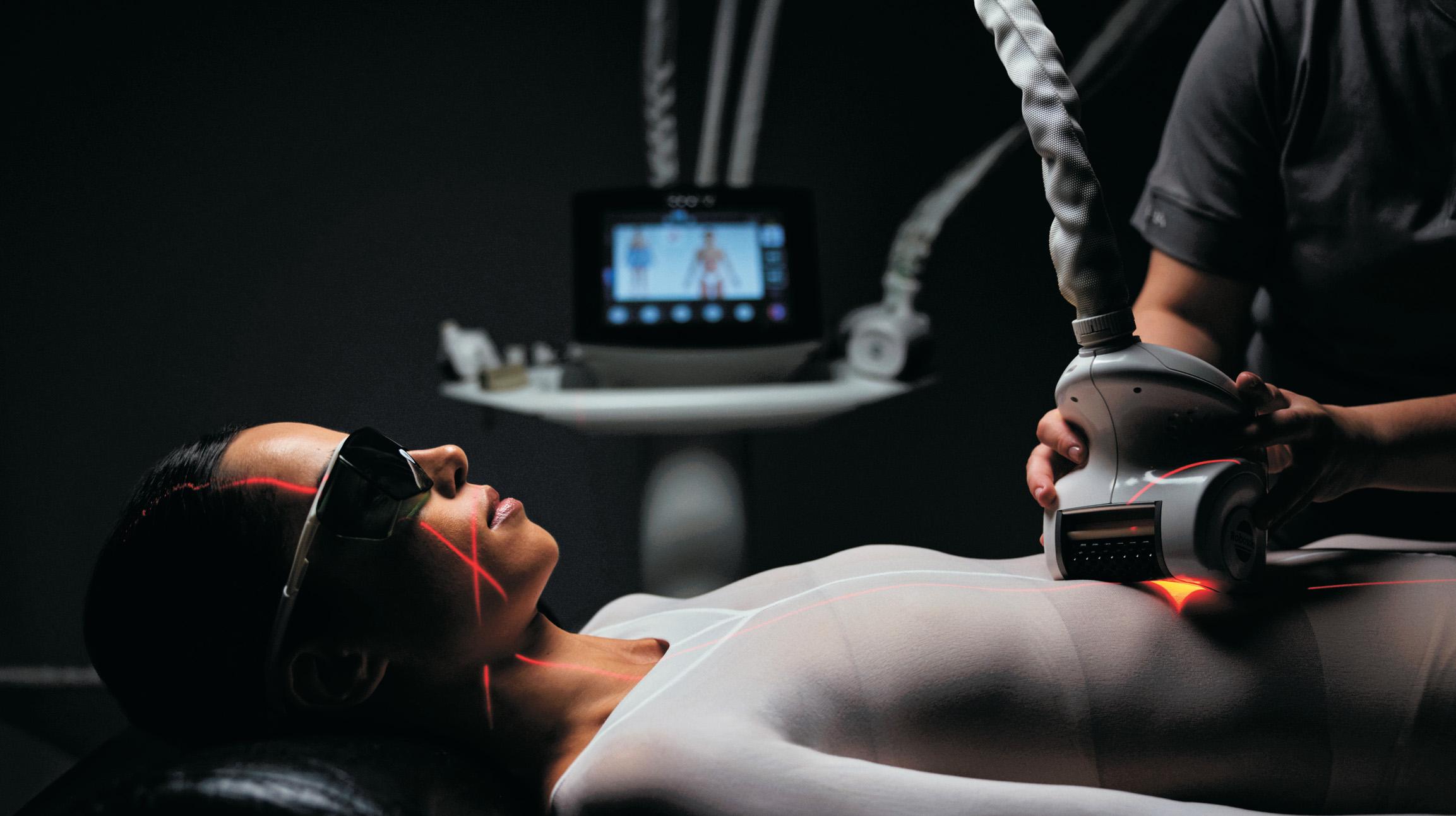
Within the South African market, RoboSculptor reflects this global shift. Positioned as a hands-off, non-invasive therapy, it is designed to support lymphatic drainage, muscle relaxation, and body contouring.
What has evolved is how the technology is being used. Increasingly, RoboSculptor is integrated into structured treatment journeys, rather than positioned as a standalone experience. Using advanced sensors and adaptive intelligence, the system applies measured, rhythmic pressure that responds continuously to the body. Guests often report that initial curiosity quickly transitions into a sense of calm, as the treatment proves both gentle and reassuring.
As awareness grows, so too does confidence. Many clients are incorporating touchless therapy into regular wellness routines, valuing its consistency and its results.
Supporting, Not Replacing, the Therapist
Despite these advancements, the role of the therapist remains central. Technology is not replacing human expertise, it is supporting and extending it.
Robotic massage can be used as a preparatory tool, softening tissue and stimulating circulation before hands-on treatments. It can support recovery between sessions or serve as a standalone option for clients seeking a private, technology-led experience.
Importantly, it also supports therapist wellbeing. By reducing the physical demands of repetitive, highpressure treatments, these systems contribute to longevity within the profession - an increasingly important consideration for the industry.
Partnering with WellTech
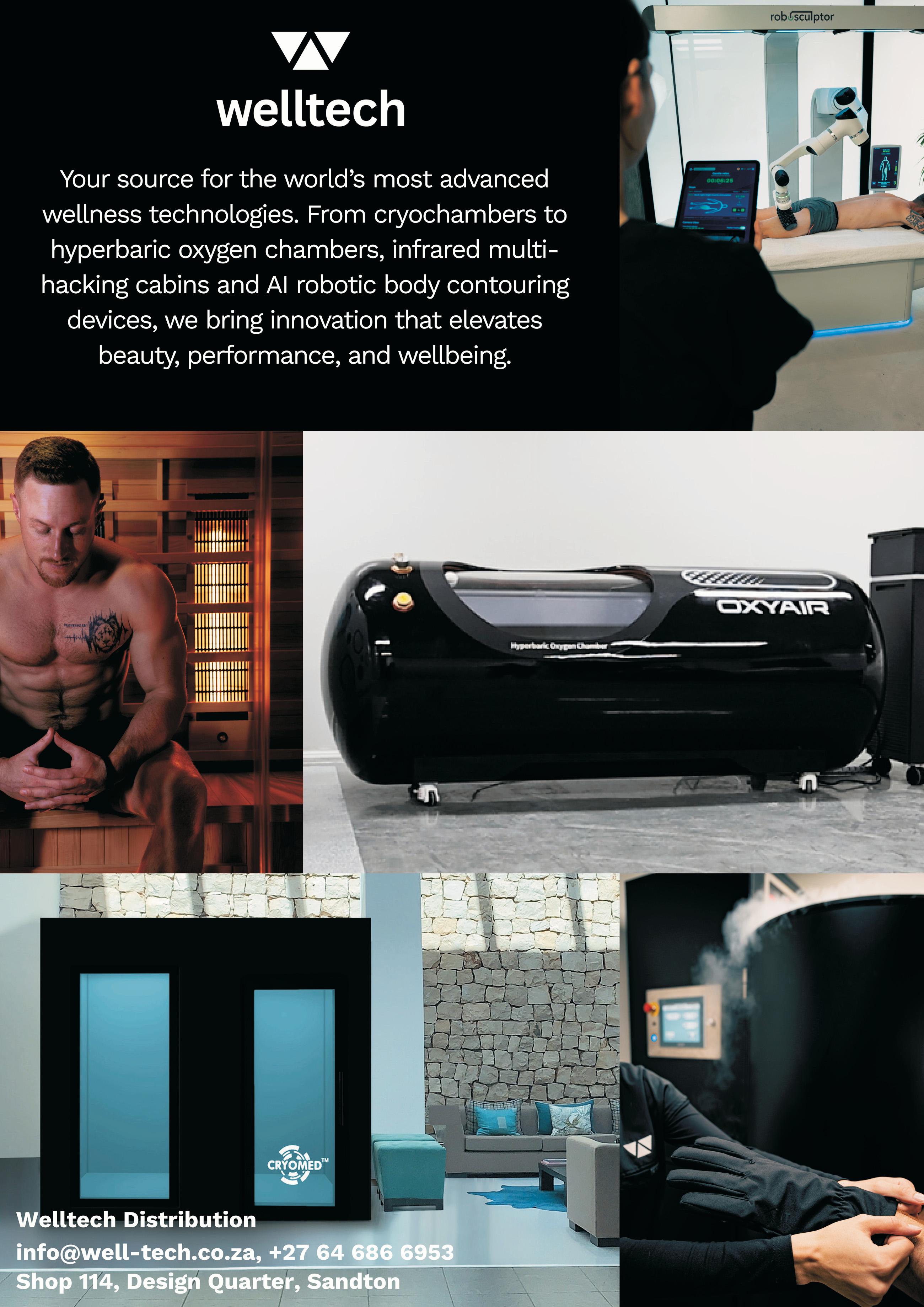
In South Africa, WellTech (Pty) Ltd plays a leading role in bringing these advanced technologies to market. As the exclusive distributor of the globally recognised RoboSculptor system, as well as a comprehensive range of cryotherapy chambers, infrared multi-hacking systems, advanced flow systems, and hyperbaric oxygen solutions, WellTech supports spas and wellness centres in building future-ready treatment offerings.
WellTech provides hands-on training, installation, and reliable after-sales support, ensuring that each investment is both practical and sustainable within the South African market.
The RoboSculptor system is available as a smart entrylevel model, designed to integrate seamlessly into existing spa environments. The system includes vibrocompression rollers, an intuitive operating control tablet, proprietary treatment protocols, and a starter set of specially designed garments. Installation and professional training form part of the onboarding process, supported by a comprehensive two-year service plan. This includes software updates, new protocol releases, remote technical support, and scheduled on-site servicing‚ ensuring ongoing performance and peace of mind.
Flexible partnership, investment, and rent-to-buy finance solutions are also available, making it easier for businesses to adopt advanced wellness technology without compromising cash flow.

Architecture That Heals:


Designing Spaces for Regulation and Recovery
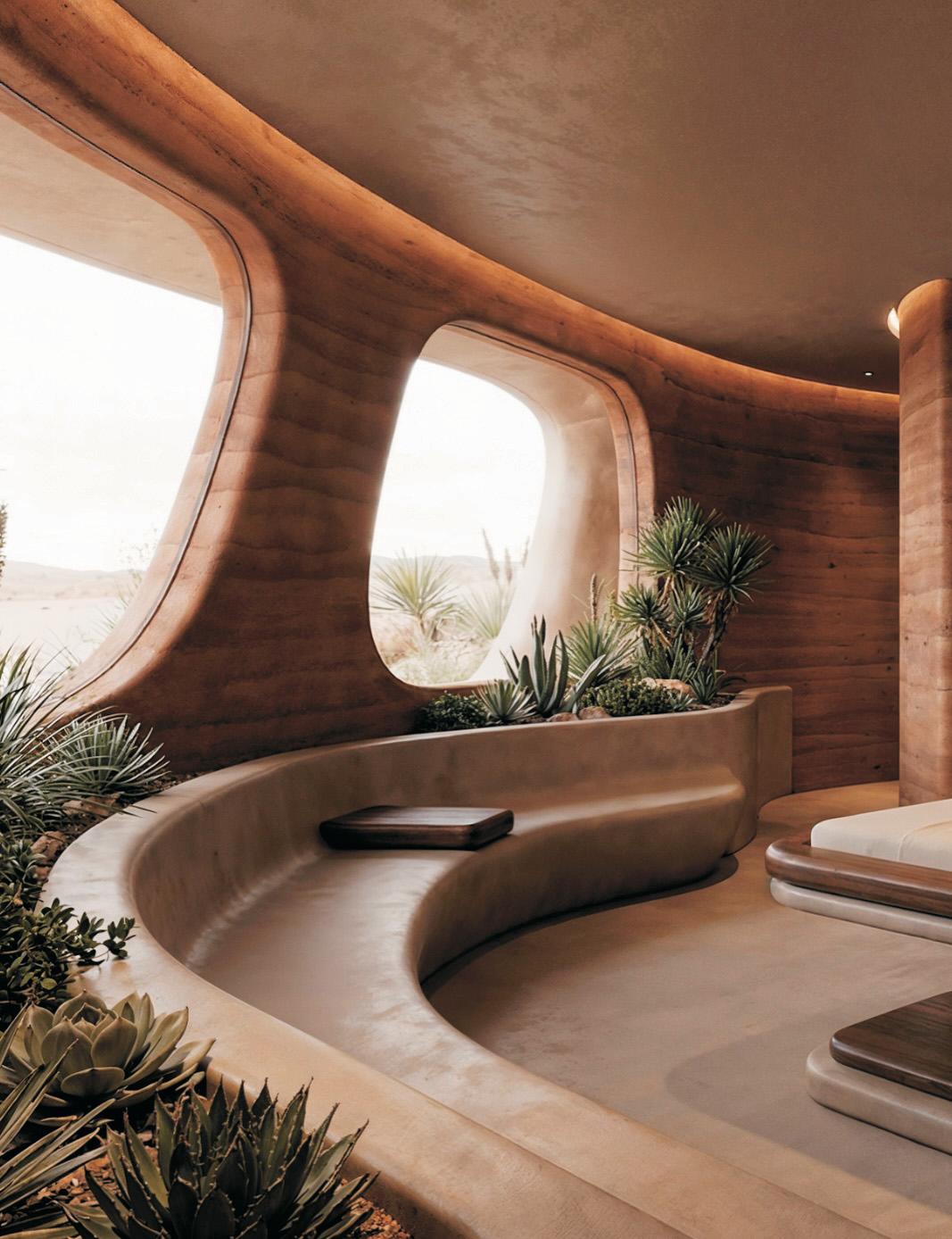

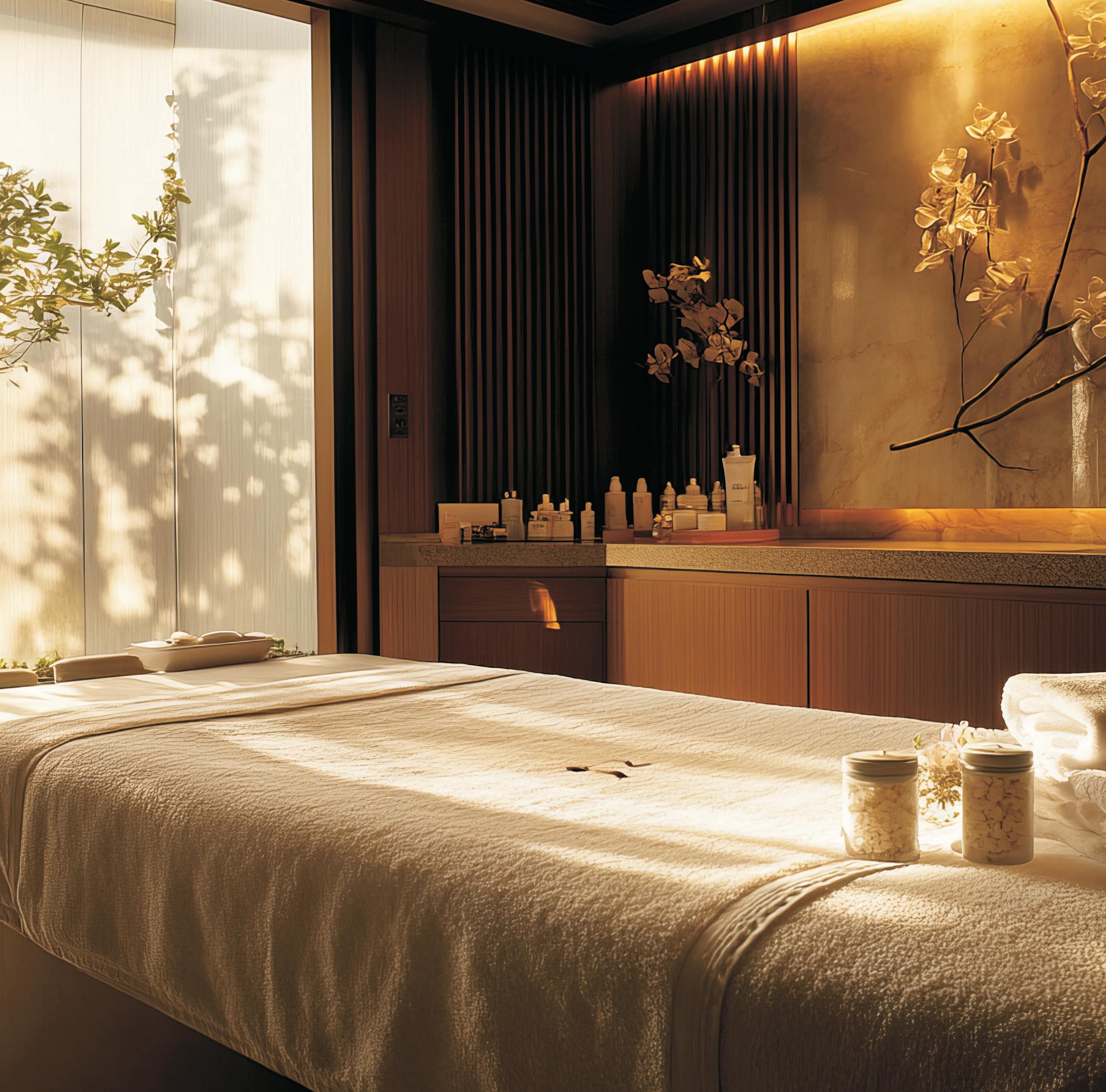
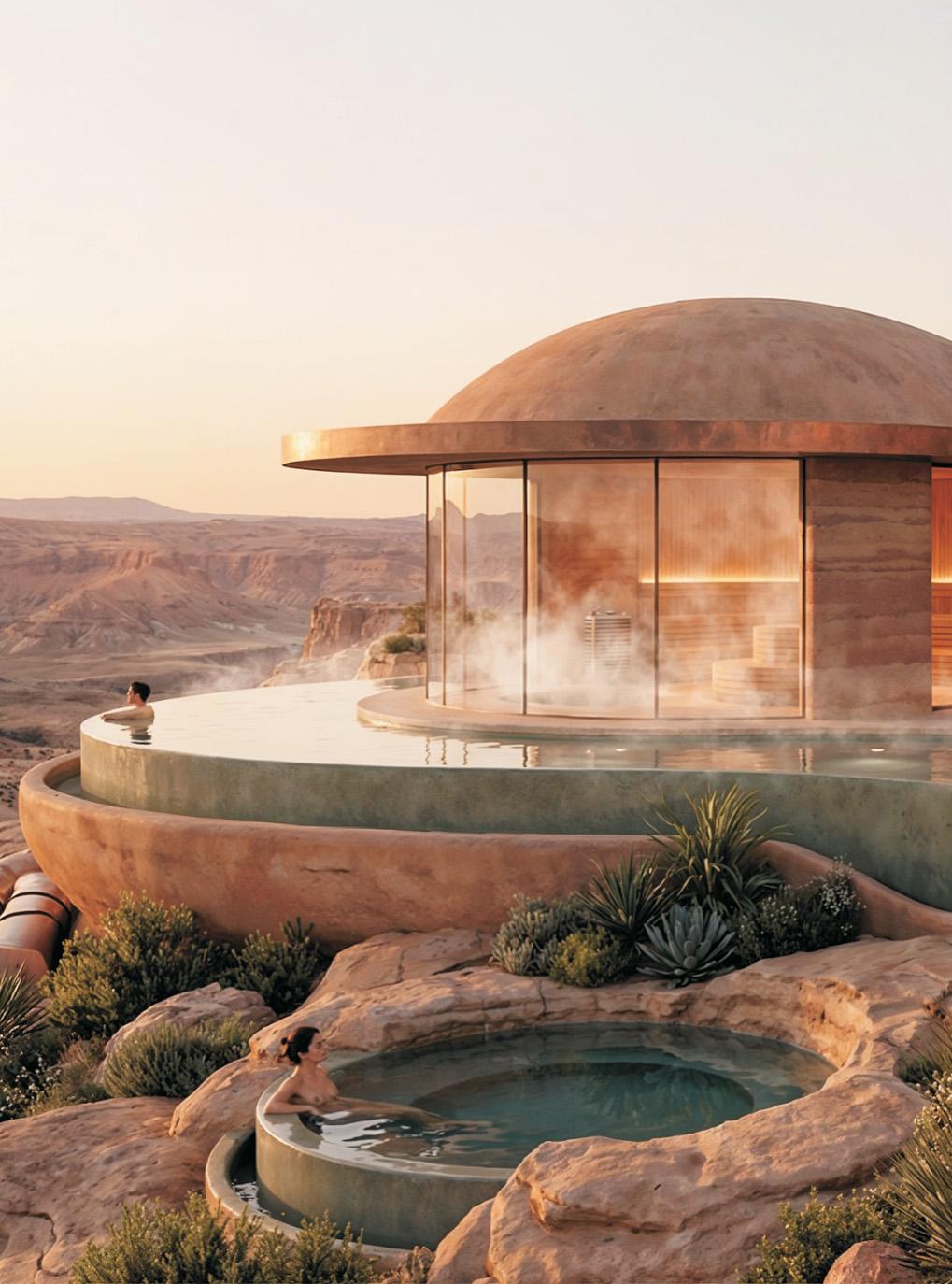
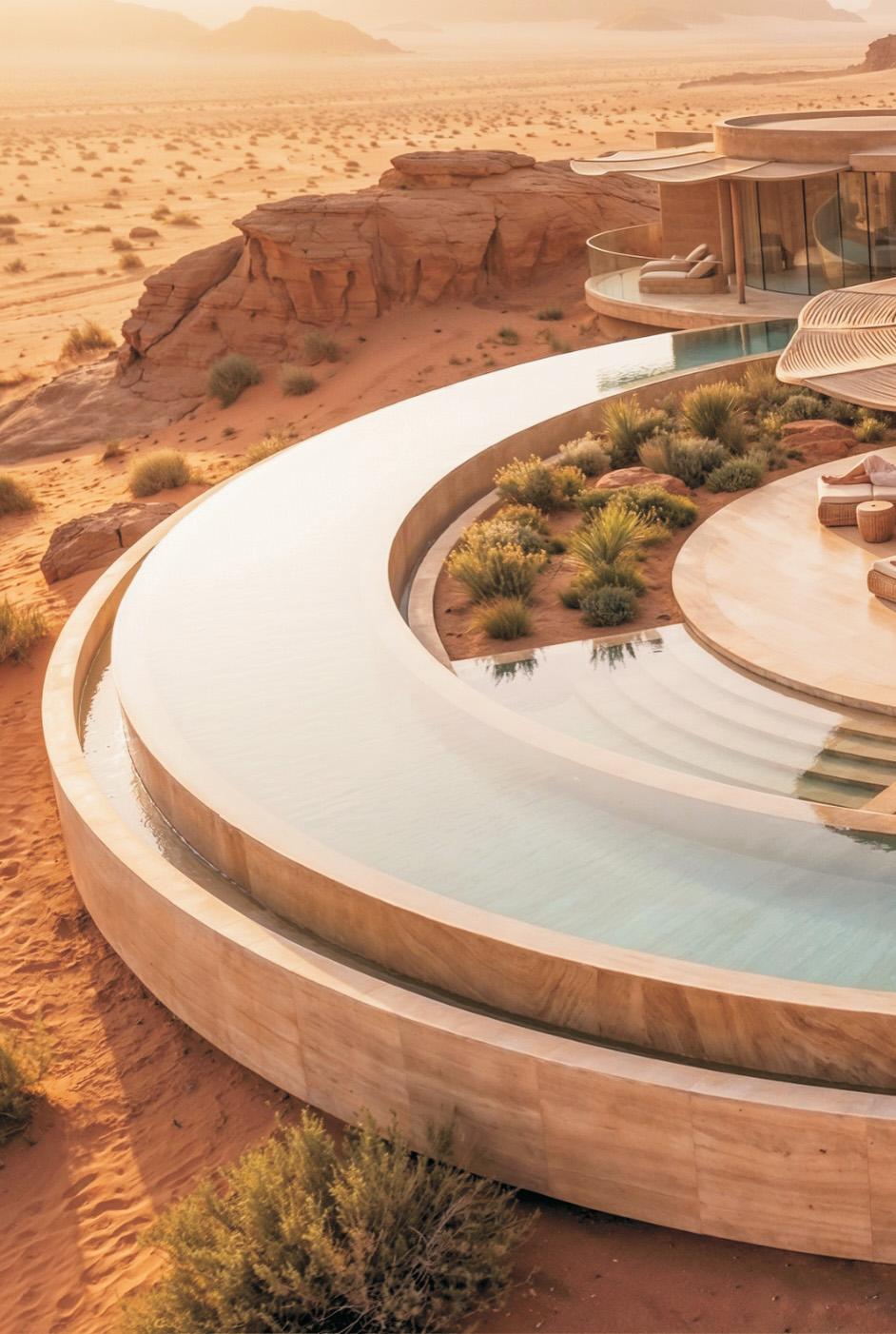
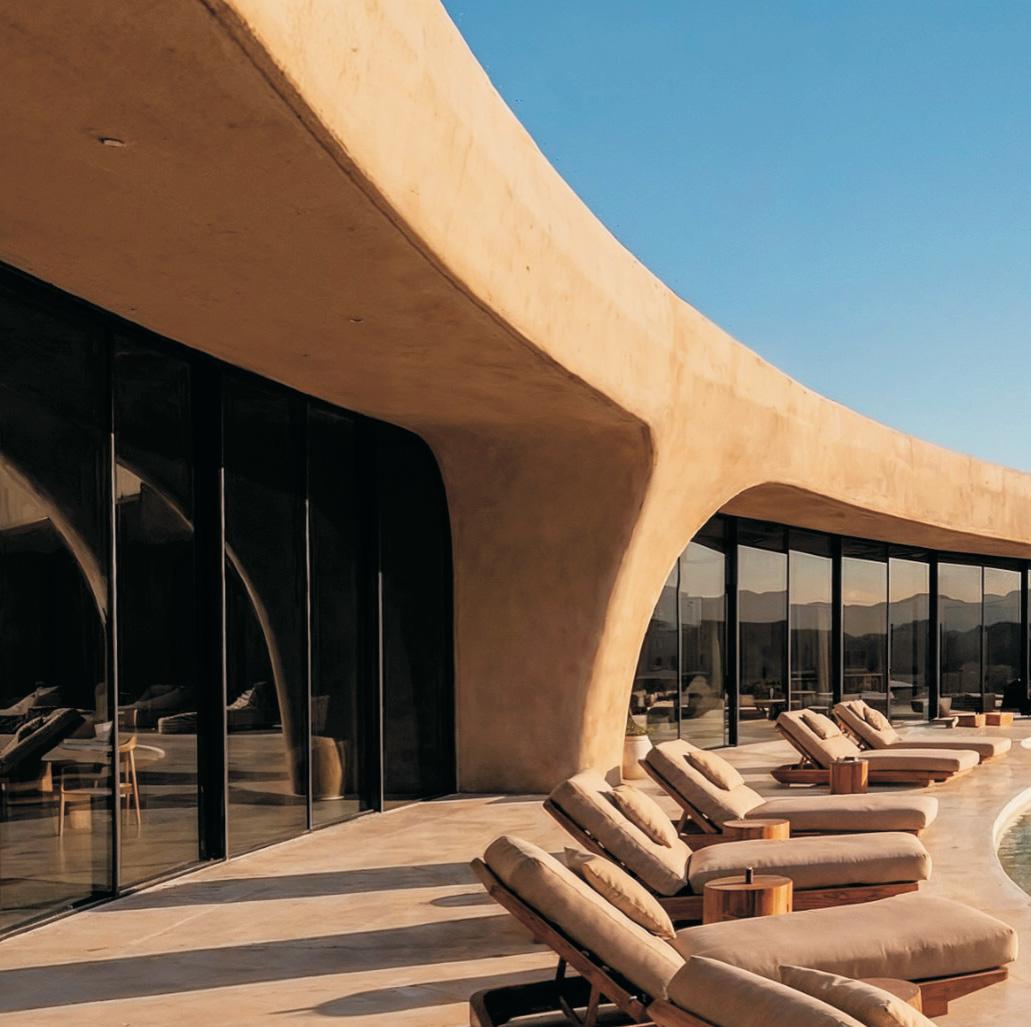
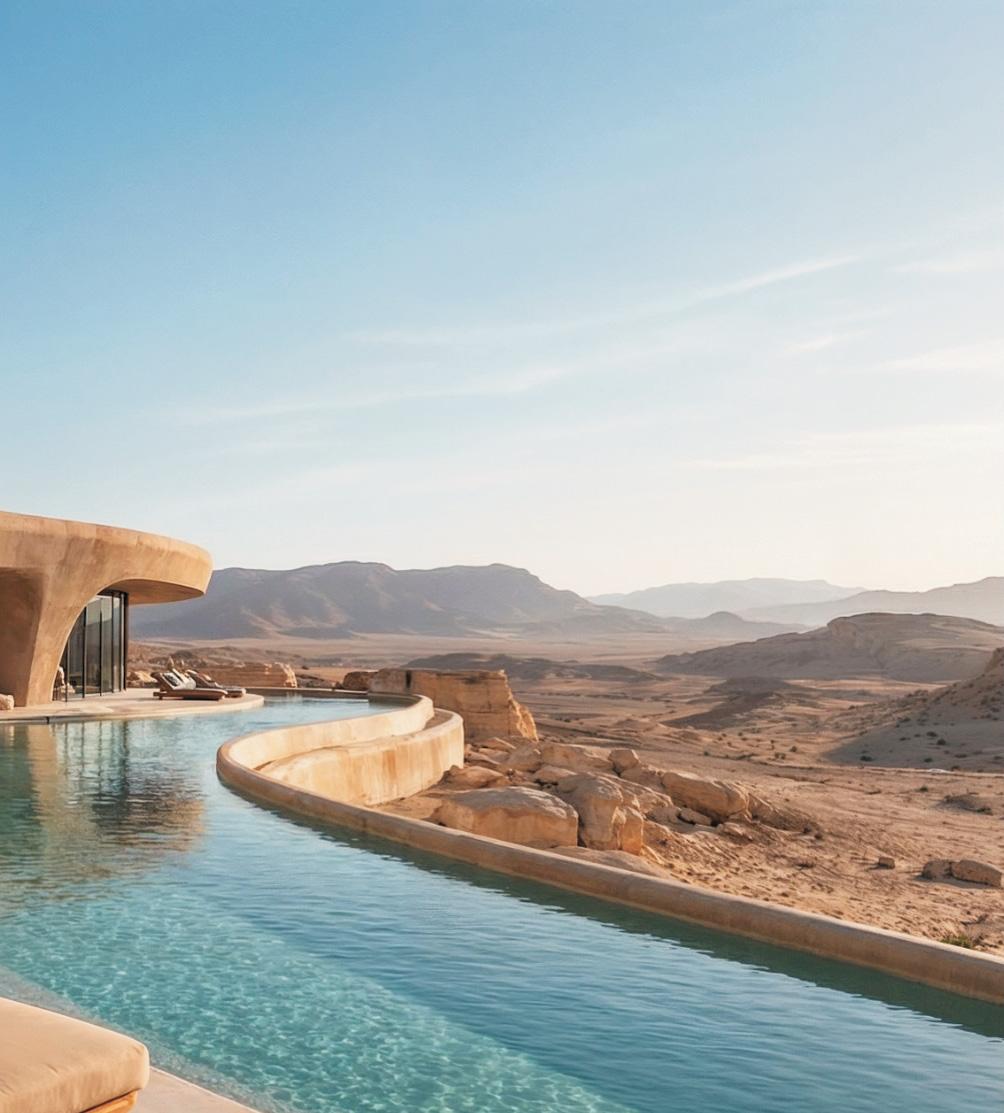
In 2026, spa and wellness architecture is entering a new era-one where design is intentionally therapeutic, evidence-informed, and deeply human-centered. No longer merely about aesthetic appeal, spa architecture now serves as a tool for physiological regulation, emotional recalibration, and enhanced therapeutic outcomes. The layout, lighting, materials, acoustics, and spatial flow are all being crafted to directly support the nervous system, cognitive clarity, and overall wellbeing.
Recent research in environmental psychology and neuroarchitecture demonstrates that thoughtfully designed spaces can lower cortisol levels, reduce stress, and accelerate recovery. In spa contexts, these effects are amplified when the environment complements hands-on therapies, offering a synergistic relationship between space and treatment.
The Nervous System as a Design Framework
Central to healing-focused design is an understanding of the autonomic nervous system (ANS). The parasympathetic branch, responsible for rest and restoration, can be activated by soothing materials, natural light, controlled acoustics, and visual harmony. Conversely, poorly considered layouts, harsh lighting, or jarring color contrasts may inadvertently trigger sympathetic responses-stress, alertness, or tension-undermining treatment benefits.
Designers are increasingly using zoning strategies to guide guests from high- to lowstimulation areas. For example, arrival and transition spaces may offer gentle movement cues, calming textures, and soft lighting, leading into treatment rooms specifically calibrated for relaxation and therapeutic engagement. Even the position of massage tables or treatment chairs is chosen to optimize comfort, privacy, and visual serenity, ensuring that every physical interaction contributes to regulation.
Materials, Light, and Texture
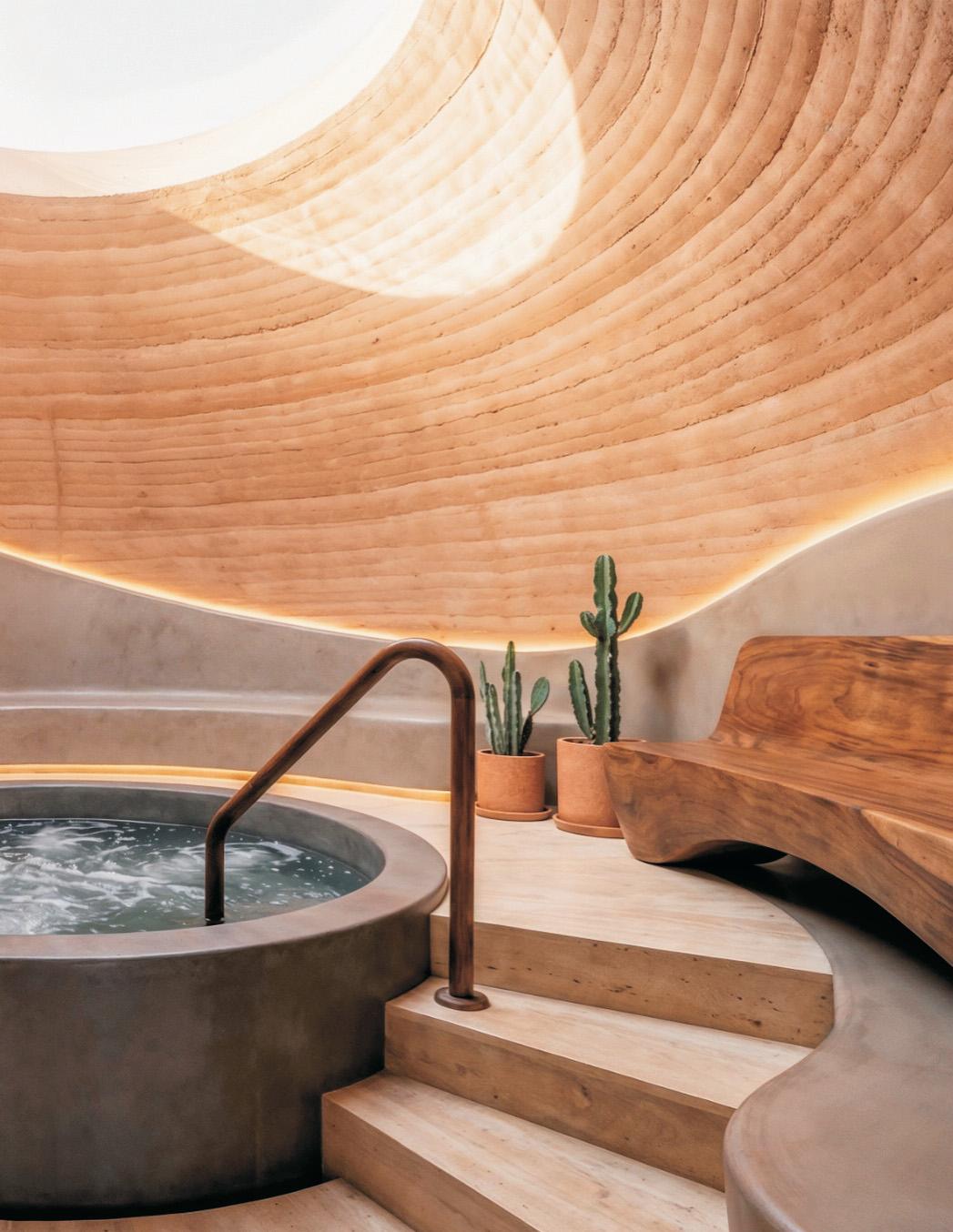
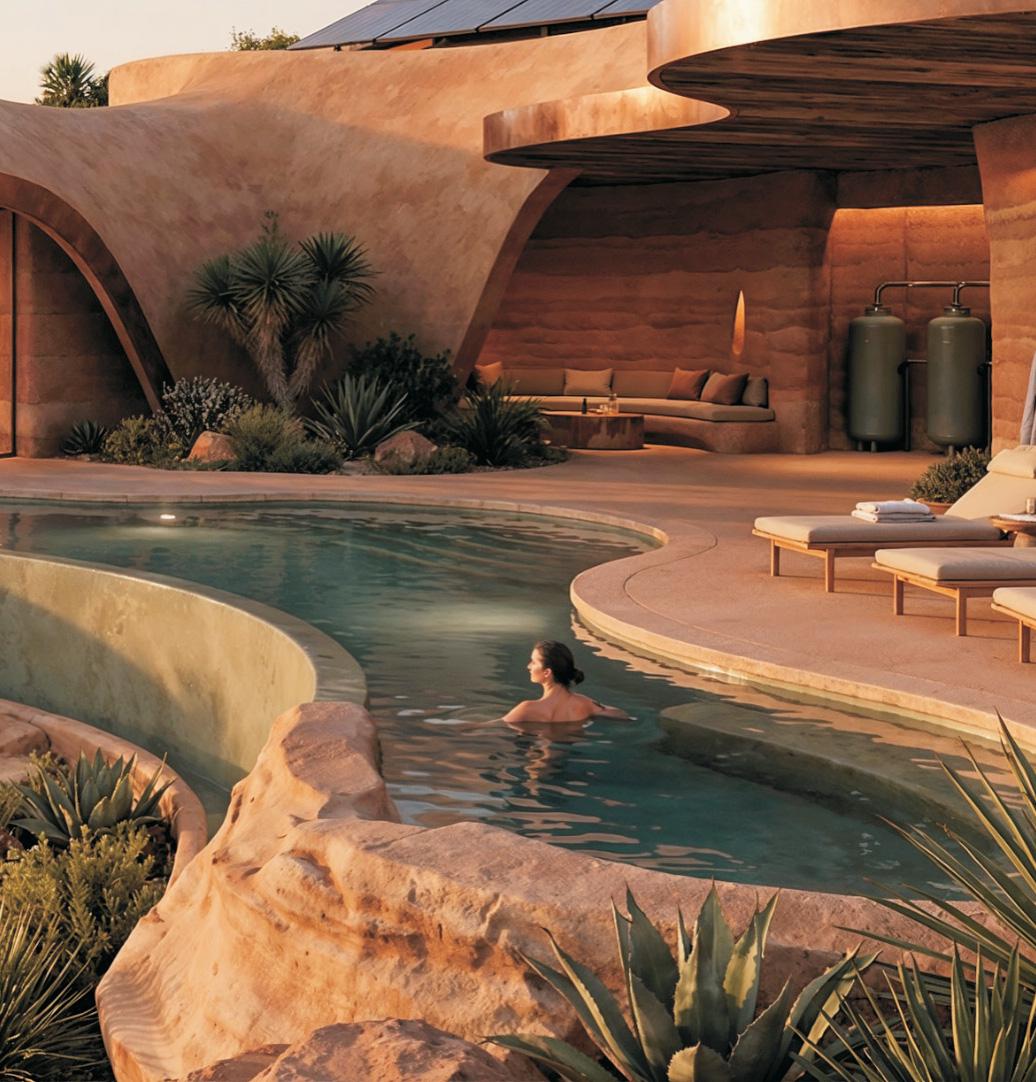
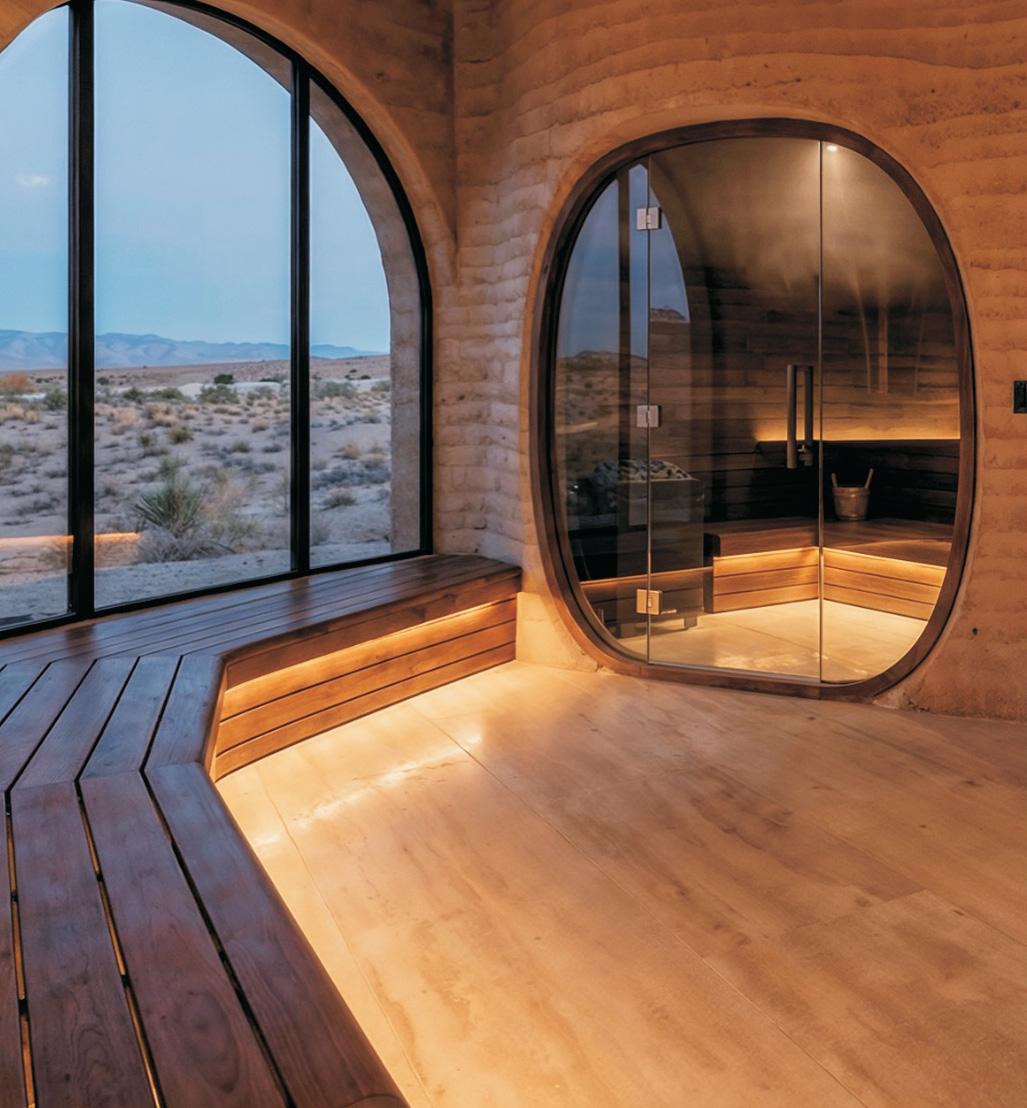
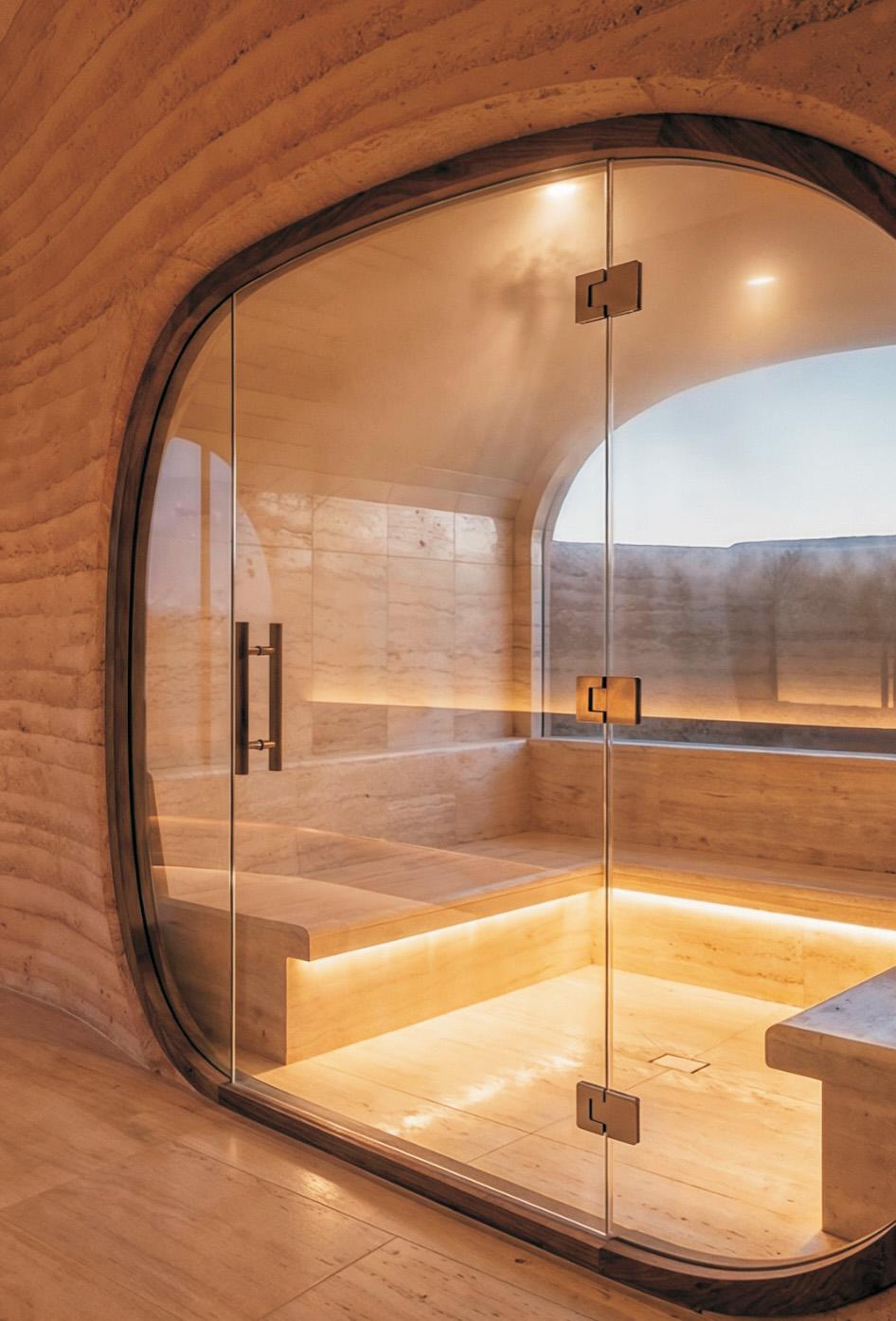
Natural and tactile materials remain foundational in healing architecture. Wood, stone, cork, and textiles with organic textures create sensory grounding, which studies suggest can reduce stress markers and enhance mood. Incorporating elements like hemp or bamboo flooring, thermal stone surfaces, and tactile wall panels encourages subconscious sensory engagement that supports the parasympathetic nervous system.
Lighting design plays a dual role: functional for therapists, yet restorative for guests. Circadian lighting, adjustable dimmers, and indirect sources promote melatonin regulation, mood stability, and sleep quality, which in turn enhance recovery and amplify treatment outcomes. In facial or massage therapy rooms, soft, directional lighting allows therapists to work efficiently while maintaining a calming ambiance for the guest.
Texture layering-from soft linens and ergonomic furniture to smooth stone and wooden finishes-engages multiple senses and reinforces safety and comfort, critical for deep relaxation and recovery.
Flow and Spatial Sequencing
Flow-the movement through space-is increasingly recognized as a therapeutic variable. Retreat spas, in particular, are using spatial sequencing to support physiological and psychological journeys. Pre-treatment areas may include meditation nooks or sensory gardens, cueing guests for relaxation before touch-based therapies. Transition spaces with gentle soundscapes, aromatic elements, or warm colors can guide clients from a treatment session into post-therapy recovery lounges, optimizing the longevity of physiological benefits.
Open yet intimate layouts allow therapists to work effectively while maintaining visual privacy and comfort for guests. Dual-purpose spaces, where recovery lounges, juice bars, or thermal circuits intersect with treatment zones, create continuity without disrupting the restorative environment. These design decisions also improve therapist efficiency and satisfaction, as thoughtfully arranged treatment rooms reduce physical strain and cognitive fatigue during back-to-back sessions.
Acoustics and Sound Therapy
Acoustic design is now a cornerstone of healing architecture. Soft furnishings, absorbent wall panels, and strategic spatial barriers minimize disruptive noise, allowing the subtle sounds of therapy, water features, or curated soundtracks to emerge. Evidence supports the impact of sound on the nervous system, including reductions in heart rate,
spa excellence
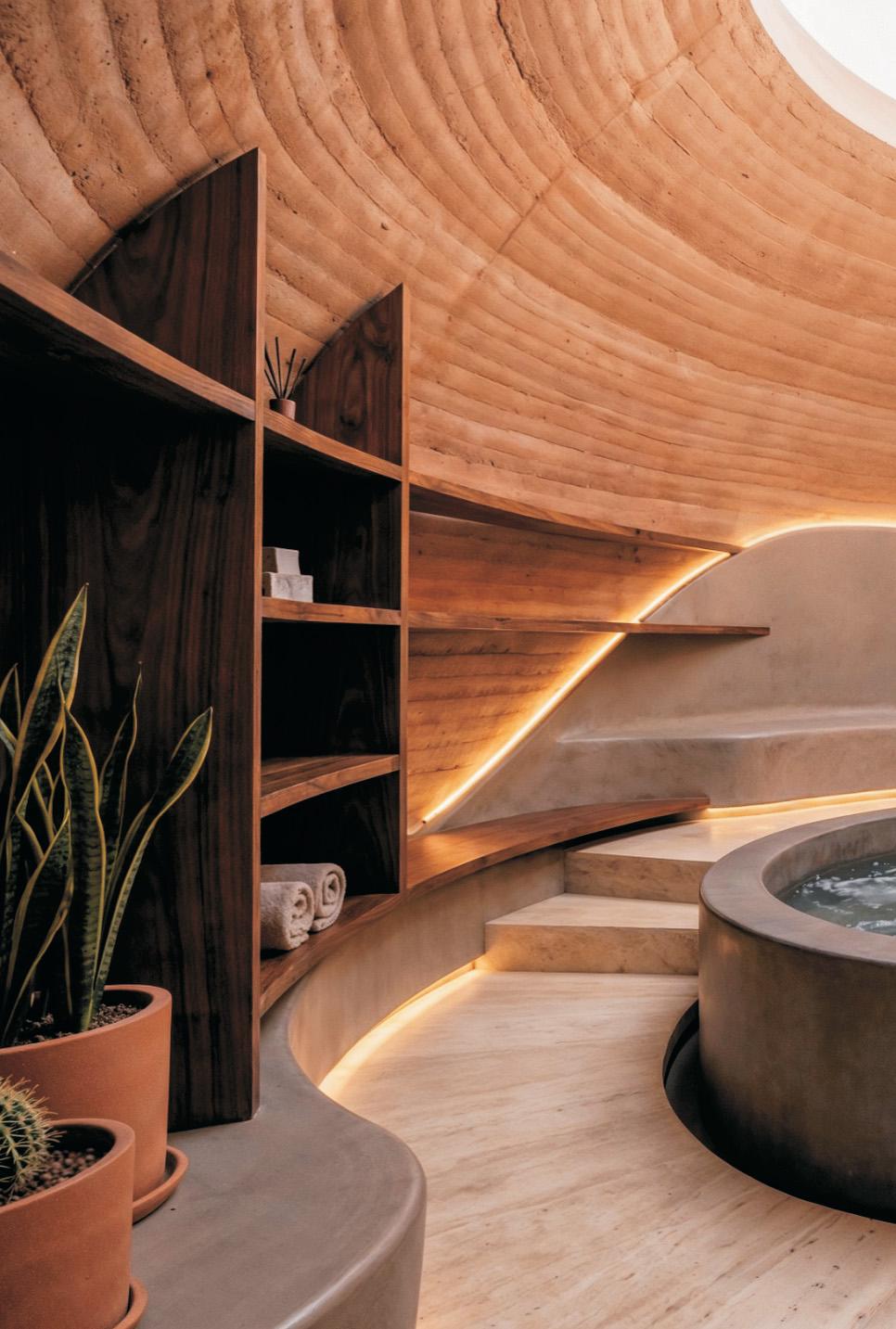
improvements in heart rate variability, and increased parasympathetic activity during massage and bodywork sessions. Some spas are integrating resonant sound technologies into room design, creating multisensory experiences that enhance the efficacy of treatments.
The Role of Spa Cuisine and Environmental Wellness
An often-overlooked extension of architectural impact is onsite nutrition. Many modern spa spaces incorporate functional wellness kitchens, café areas, and hydration stations designed to complement treatments. Nutrition-focused design considers not only function but also sensory engagement: natural materials, open kitchens, and visual cues reinforce the therapeutic arc of the guest experience. Consuming nutrient-dense, functional foods in a calming environment further supports the nervous system, tissue recovery, and mental clarity. These spaces are intentionally positioned to reinforce pre- and post-treatment benefits, ensuring that architecture and nutrition work in tandem.
spa excellence
Signature and Treatment Room Considerations
Treatment rooms are the epicenter of therapeutic design. Beyond aesthetic appeal, ergonomic layouts, adjustable tables, and carefully chosen materials enhance therapist delivery and client comfort. Integrating technological support-such as smart lighting, thermal regulation, and environmental controls-allows therapists to tailor the room to each guest's needs.
This meticulous attention to detail ensures that signature treatments are consistently delivered with precision, allowing each therapist to replicate the spa's ethos and achieve measurable guest outcomes. Rooms are designed not just for therapy, but for the holistic alignment of body, mind, and environment, making every treatment a restorative journey.
Sustainability and Biophilic Principles
Sustainable design is increasingly synonymous with therapeutic design. Energy-efficient systems, low-emission finishes, and water-conscious layouts not only reduce environmental impact but also
enhance indoor air quality and guest comfort. Biophilic design elements-views of nature, indoor greenery, natural textures-create subconscious connection to the outdoors, which studies link to lower stress levels, faster recovery, and improved cognitive function.
In Summary:
In 2026, spa architecture is more than a backdropit is a critical, intentional partner in wellness delivery. Thoughtful spatial design, sensory modulation, lighting, acoustics, and materiality all contribute to the regulation of the nervous system, optimizing treatment efficacy and guest experience. When combined with functional wellness cuisine and informed hospitality, architecture transforms spas into holistic environments for recovery, recalibration, and measurable wellbeing.
Design that heals ensures that every treatment, every interaction, and every corner of the space reinforces relaxation, recovery, and lasting transformation, solidifying the spa as a sanctuary where science, sensory experience, and human touch converge.
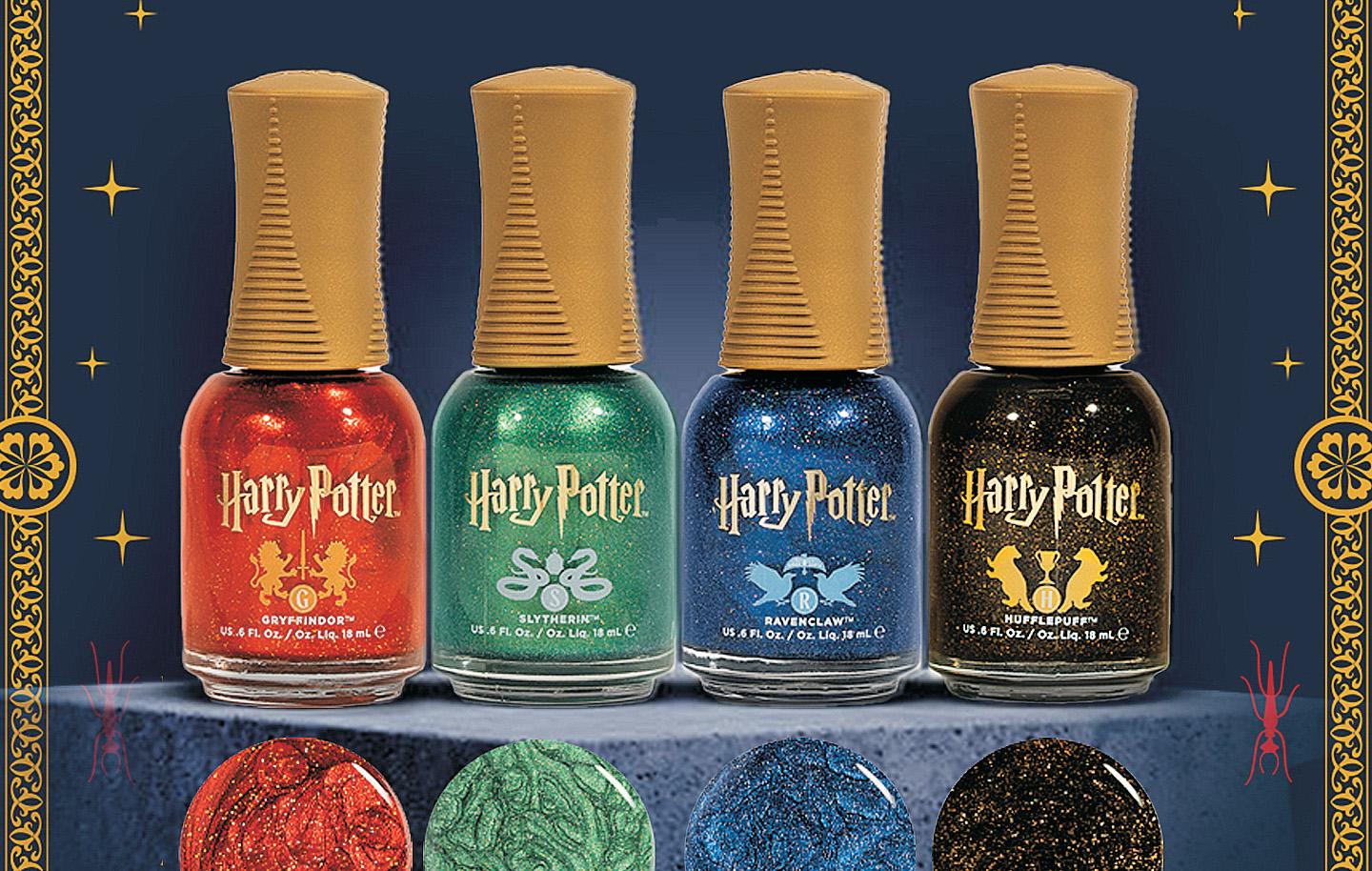
ORLY: Professional Nail Care, Elevated Exclusively Distributed by i-Spa spa trends
In an increasingly sophisticated beauty landscape, nail care is no longer viewed as an auxiliary service. For modern salons and spas, it has become a powerful touchpoint for brand expression, client loyalty, and visible professionalism. This evolution demands product partners that offer more than colour trends‚ they must deliver performance, education, and credibility.
This is where ORLY continues to distinguish itself as a global leader in professional nail care, now expertly represented in South Africa by i-Spa.
A Brand Built on Professional Science
Founded by nail expert Jeff Pink, ORLY has long been recognised for innovation rooted in nail health, performance, and practicality. While the brand is globally associated with trend-forward colour, its true strength lies in its formulation science and professional-first philosophy.
ORLY’s product portfolio is designed to support the natural nail strengthening, protecting, and enhancing nail integrity rather than masking damage. From breathable treatments to advanced gel systems, each range reflects an understanding of the physiological structure of the nail and the daily realities faced by nail technicians.
For spas, this translates into reliable service outcomes, reduced service breakdowns, and healthier longterm results for clients’.
Clean, Conscious, and Credible
Clients are asking more questions about ingredients, safety, and sustainability. ORLY responds with clarity and transparency. The brand’s formulations are vegan, cruelty-free, and developed without harmful
additives commonly associated with nail damage. This conscious approach allows spas to confidently align nail services with broader wellness, clean beauty, and ethical positioning, particularly relevant for spas where treatments are expected to support overall wellbeing.
Designed for the Professional Workflow
Beyond formulation, ORLY is engineered for efficiency in the treatment room. Product performance supports faster service times, consistent application, and predictable results‚ are critical factors in highperforming salons and spas.
From long-lasting finishes to systems that reduce unnecessary removal and reapplication, ORLY understands the economics of professional services. This makes it especially valuable for spas seeking to integrate nail care seamlessly into wellness journeys, without compromising on time, quality, or brand standards.
Retail That Extends the Experience
Retail has become a vital extension of the professional service. ORLY’s take-home treatments and colour ranges allow clients to maintain results between visits, reinforcing treatment longevity and strengthening client relationships.
Adding excitement to the retail offering, ORLY has recently introduced its ORLY x Harry Potter Collection, a limited-edition range inspired by the beloved wizarding world created by J. K. Rowling. Featuring richly pigmented shades, enchanting shimmer finishes, and playful design details, the collection brings a sense of nostalgia and creativity to professional nail services.
The i-Spa Difference
A premium brand requires an equally professional distributor. i-Spa brings ORLY to the South African market with the level of expertise, infrastructure, and industry understanding that modern professionals expect.
Known for representing world-class beauty and wellness brands, i-Spa’s approach extends far beyond distribution. The company supports salons and spas through education, technical training, business insight, and ongoing professional engagement.
This partnership ensures that ORLY is not simply available, but correctly positioned, professionally supported, and consistently represented within the market.
Education as a Foundation
In a rapidly evolving industry, education is nonnegotiable. i-Spa’s commitment to professional training ensures that nail technicians and therapists are equipped to use ORLY systems correctly, safely, and to their full potential.
This focus on education elevates service quality, builds technician confidence, and protects both the brand and the business using it. For spa environments in particular where multidisciplinary treatments intersect, this level of training is essential to maintaining consistent standards.
By empowering professionals with knowledge and practical expertise, i-Spa helps salons and spas deliver nail services that reflect the same level of care and professionalism expected across the broader wellness industry.
NOUVEAUTÉS
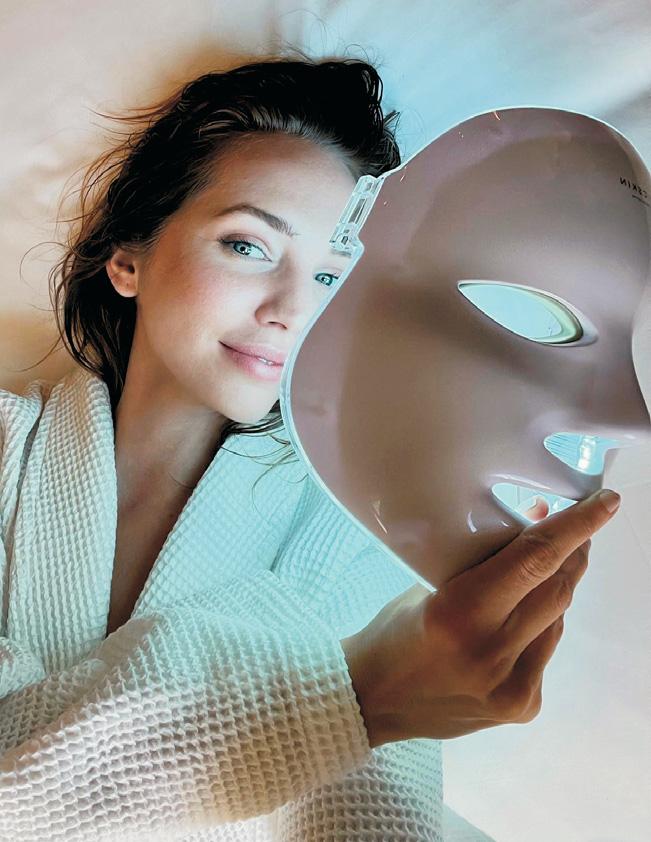
UNICLED 5.0 Centurion Korean Mask
The UNICLED 5.0 Centurion Korean Mask represents the next generation of advanced LED skincare technology. This groundbreaking facial mask combines LED therapy with NearInfrared Light (NIR) to deliver visible skin transformation in just 20 minutes.
Equipped with 528 optimised LED lights emitting eight specific wavelengths across seven therapeutic colours, the mask simultaneously targets key facial areas including the forehead, cheeks, nose, lip area, and nasolabial folds. This multi-wavelength system helps address a range of concerns, from wrinkles and blemishes to dark spots, while improving firmness, elasticity, and overall skin radiance.
Inspired by Korean beauty innovation and LED therapy originally developed by NASA, the technology works deep within the skin to stimulate cellular regeneration and support collagen and elastin production.
Crafted from ultra-lightweight, medical-grade antibacterial silicone, the wireless ergonomic design ensures comfort, a secure fit, and built-in silicone eye protection for a safe and relaxing treatment experience.
For more information: https://unicskinsa.co.za
Spa Therapy’s Matt Massage Balm
Experience precision with Spa Therapy’s luxurious Matt Massage Balm, expertly formulated with nourishing Mafuta butter for exceptional glide and therapist control. Its unique grip allows therapists to work deeply into tension ‚Äî particularly in the neck and shoulders ‚Äî using less pressure while achieving powerful results.
Simply dampen fingertips during treatment to create a light emulsion for smoother flow. The balm removes effortlessly with a warm towel compress, leaving skin comfortable and restored. Ideal for neck and shoulders, back treatments, and indulgent foot and lower leg massages.
For more info: www.spatherapy.co.za
Skin Creamery Honey Infusion Mask- Limited Edition
A slow, intentional skincare ritual designed to nourish both skin and senses. The Honey Infusion Mask is presented as four perfectly measured vials, each freshly mixed with half a teaspoon of water in a handcrafted ceramic bowl and applied with the included brush. Subtle flecks of gold shimmer through the mask as it transforms into a smooth, honeyed paste that gently softens and replenishes the skin. Suitable for all skin types.
For more info: skincreamery.co.za
LITCHI & TITCHTHE SerumBotanical Infusion
A light-weight lotion, rich in locally sourced African botanicals to fight fine lines and wrinkles, improve texture and enhance skin glow. This everyday serum, which melts effortlessly into your skin, also boasts an extremely potent Pinot Noir Grape complex (GSP-T Viticulture Complex), containing skin rejuvenating and anti-ageing actives, to fight free radical damage caused daily to our skin. With HERO ingredients of Bakuchiol (a natural Retinol alternative), Rosehip, Baobab, Squalane, Hyaluronic Acid, Aloe Ferox, naturally derived Vit B3, B5, E as well as C, THE serum is nature derived and perfectly balanced to enhance every skin type it is used on.
For more info: www.litchiandtitchnaturals .com
spa trends

SOUTH Skincare: Proudly South African, Naturally Effective
In a beauty landscape increasingly focused on conscious choices and authenticity, SOUTH Skincare emerges as a brand that is both proudly local and purposefully formulated. Certified Proudly South African, the range reflects a commitment to quality, sustainability, and skin health, while celebrating the richness of South Africa’s natural resources.
SOUTH Skincare combines carefully selected botanical ingredients with modern formulation techniques to create products that support the skin’s natural balance. Designed to nourish, protect, and restore, the range works in harmony with the skin rather than overwhelming it — an approach that resonates strongly with today’s ingredient-conscious consumer.
At the heart of the brand is a belief in simplicity and effectiveness. Formulations focus on supporting hydration, strengthening the skin barrier, and promoting a healthy, radiant complexion. This makes the range suitable for a wide variety of skin types and concerns, offering gentle yet effective daily care.
For salons and spas, SOUTH Skincare presents an opportunity to align with a homegrown brand that embodies both authenticity and performance. Supporting locally produced skincare not only strengthens the South African beauty industry but also allows professionals to offer clients products that are connected to the region’s natural heritage.
With a clean, contemporary aesthetic and a philosophy grounded in balance and transparency, SOUTH Skincare appeals to a broad market — from younger consumers beginning their skincare journey to more mature clients seeking consistent, supportive care.
In a market often led by international brands, SOUTH Skincare stands as a confident reminder that innovation, quality, and integrity can be found right here at home.
For more info: www.southskincare.co.za
Sel:pH: Science-Led Skincare Focused on Balance
Modern skincare is increasingly moving away from complex routines toward a more intelligent understanding of how the skin functions. At the centre of this shift is Sel:pH, a science-led skincare brand built on a simple but powerful principle: maintaining the skin’s natural pH balance to support long-term skin health.
The skin’s protective barrier functions best in a slightly acidic environment, typically between pH 4.5 and 5.5. When this balance is disrupted by harsh cleansers, environmental stress, or overly aggressive active ingredients, the skin barrier can weaken — leading to dehydration, sensitivity, congestion, and premature ageing. Sel:pH formulations are carefully calibrated to respect and restore this natural balance, helping the skin perform optimally while supporting its natural defence mechanisms.
The range combines clinically respected ingredients such as ceramides, hyaluronic acid, niacinamide, and carefully selected actives to strengthen the skin barrier, improve hydration, regulate oil production, and promote a clearer, healthier complexion. A key feature of the brand is its flexible, personalised approach to skincare, allowing users to combine foundational products with targeted treatments designed to address individual skin concerns
Sel:pH appeals particularly to modern, ingredient-conscious consumers seeking effective skincare that is both results-driven and barrier-friendly. The brand resonates with professionals and clients who prefer simplified routines that prioritise skin health rather than over-treatment.
For spas, salons, and skincare professionals, Sel:pH offers a contemporary solution that aligns with growing demand for science-backed, accessible skincare. The range is suitable for a wide spectrum of skin types and concerns, from younger clients managing congestion and oil control to mature clients seeking improved hydration, barrier support, and overall skin vitality
In a crowded skincare market, Sel:pH stands out for its commitment to balance, transparency, and intelligent formulation — offering a modern approach to healthy, resilient skin.
For more information: www.rtsc.co.za
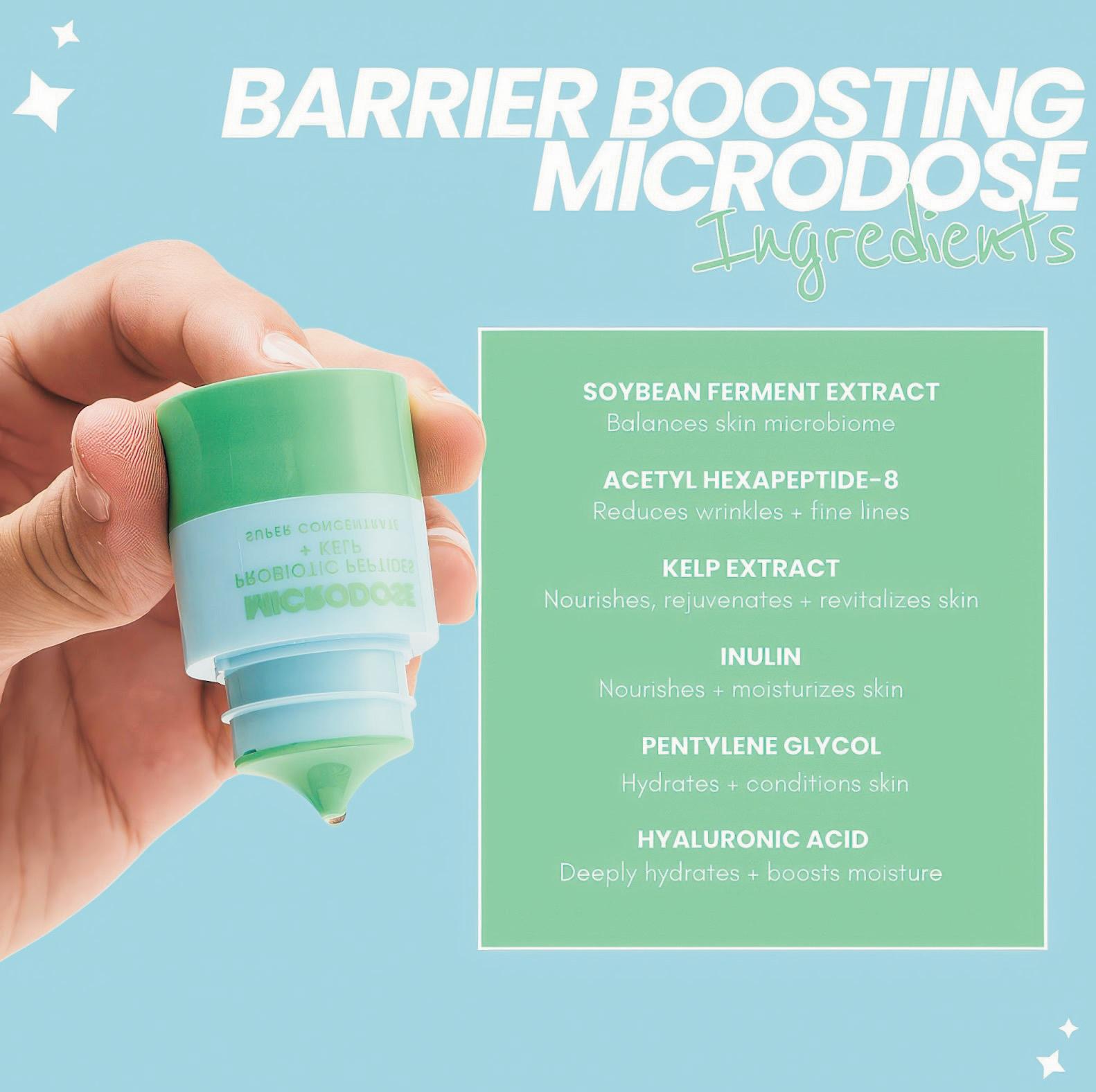
spa innovation
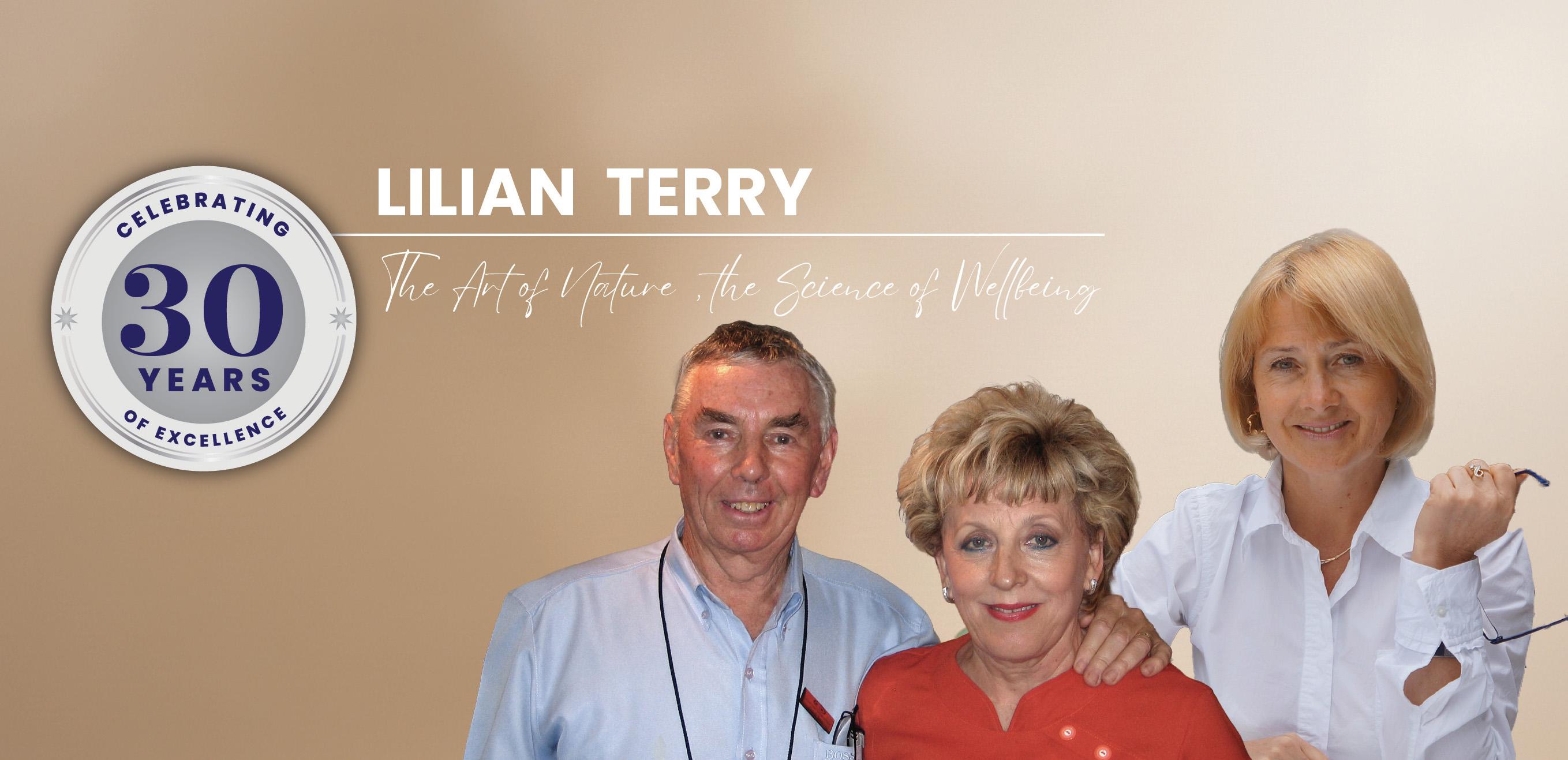
Lilian Terry International Celebrating 30 Years!! Where
Nature and Science Meet
For nearly three decades, Lilian Terry International has stood at the forefront of natural healing, wellness, and beauty pioneering a unique therapeutic system that continues to shape the industry today.
The story begins with inspiration drawn from the writings of Dr. Samuel Hahnemann, the founder of homeopathy. He once imagined the possibility of combining homeopathy with aromatherapy to enhance therapeutic results. It was this vision that deeply intrigued Dr. Kateryna (Katya) Tsvyetkova, a Ukrainian-born medical doctor, homeopath, pulmonologist, and paediatric specialist.
While temporarily living in South Africa, where her husband was stationed, Dr. Katya met Lilian Terry, a respected clinical aromatherapist who had relocated from the United Kingdom with her husband, Derek Terry, after he joined the Council for Scientific and Industrial Research (CSIR) as an engineer.
In 1996, two remarkable women united by knowledge, passion, and vision joined forces. Inspired by Hahnemann's early ideas, they successfully combined homeopathy and aromatherapy into a world-first therapeutic concept. With Derek Terry's guidance and support, Lilian Terry International was born.
A Revolutionary Synergy
Lilian was a force of nature, admired for her wealth of knowledge, charisma, and strength of character. Dr. Katya brought medical expertise, warmth, and an engaging personality to the partnership. Together, they created what they called Homeopathic Aromeopathy , a unique synergy between homeopathy and aromatherapy.
Initially, only a small range of treatment complexes were blended in-house in Pretoria, South Africa, addressing concerns such as stress, circulation, muscle aches, and cellulite. Lilian's established treatment and training centre became the foundation
for testing, manufacturing, and marketing these innovative complexes.
The philosophy was simple yet powerful: beauty should never be separated from health. When the body functions optimally, it reflects in the skin, energy, and confidence of the individual.
Growth, Legacy, and Strength
The company expanded steadily, developing over 50 treatment complexes complemented by body polishes, wraps, and cupping treatments, all rooted in natural, non-toxic formulations using high-quality essential oils and carefully selected homeopathic remedies.
Tragedy struck in 2008 when Lilian passed away suddenly during a business trip to the United States. She left behind not only a growing and successful company but a legacy of knowledge, mentorship, and inspiration that continues to resonate throughout the industry.
Derek Terry, who had already been involved parttime, stepped fully into leadership alongside Dr. Katya. With the loyal support of the Lilian Terry International team, the company continued to flourish.
Recognizing that the brand had outgrown its original premises, Derek and Dr. Katya sought a partnership that aligned with their values of integrity and excellence. In 2016, Lilian Terry International relocated to the premises of well-known South African brand Zinplex, providing the space and opportunity to grow into the dynamic company it is today.
In June 2022, the company experienced another profound loss with the passing of Derek Terry. His generosity, people-centred approach, and dedication left an indelible mark on the company and the broader wellness industry.
The Uniqueness of Homeopathic Aromatherapy
What distinguishes Lilian Terry International is its pioneering approach. Traditional aromatherapy works primarily on relaxation and cosmetic enhancement, while homeopathy stimulates the body's natural healing processes. By merging these disciplines, the company created a system that works both externally and internally, delivering immediate soothing effects while supporting long-term balance and wellbeing.
Rather than masking symptoms, these formulations aim to correct underlying imbalances, encouraging the body to restore harmony naturally.
A Company With Heart
Thanks to the diverse and passionate individuals who have shaped Lilian Terry International over more than a quarter of a century, the company is far more than a supplier to the beauty and wellness industry. It is a brand built on values, integrity, and a genuine commitment to natural healing.
Each product is crafted with precision and clinical insight, trusted by therapists, wellness practitioners, and individuals seeking safe, effective, and natural alternatives.
From its humble beginnings in Pretoria to its established presence today, the mission remains unchanged: to enhance lives through the intelligent combination of homeopathy and aromatherapy.
Lilian Terry International is more than a brand. It is a philosophy, a science, and a promise. a Promise to provide natural solutions that care for the body, uplift the spirit, and restore true wellbeing.
Welcome to Lilian Terry International, where nature and science create harmony, beauty, and health.
www.lilianterry.co.za
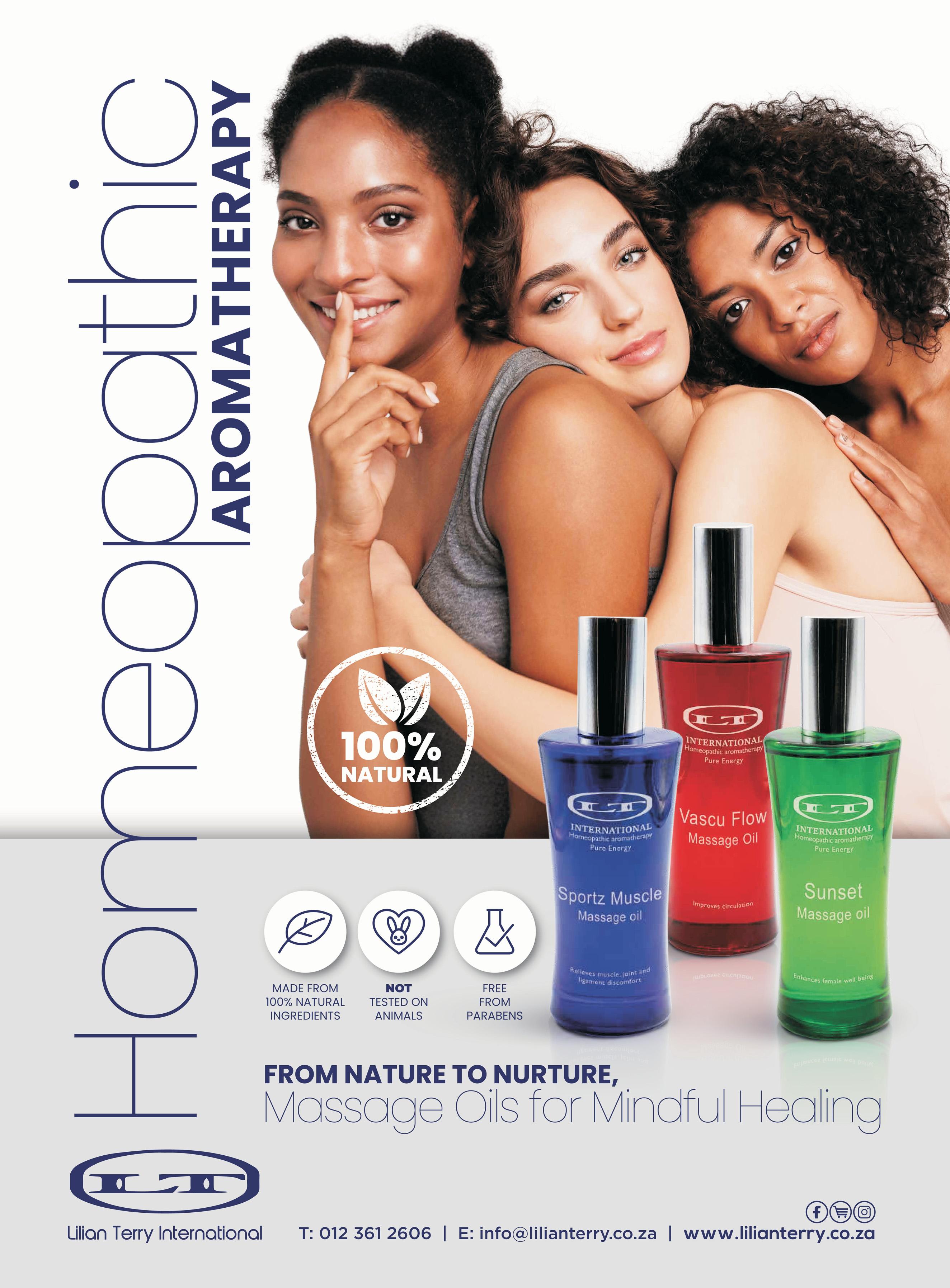
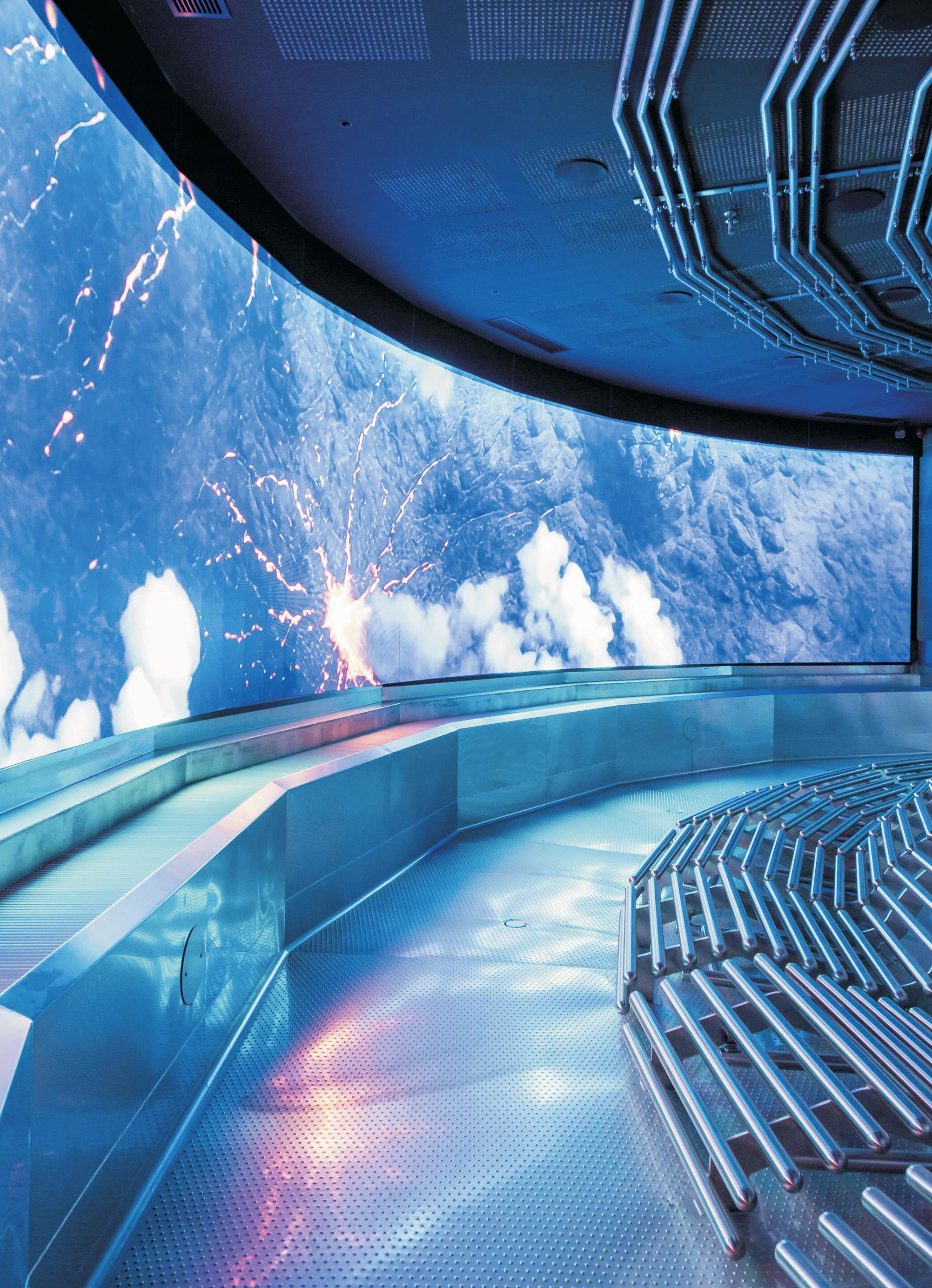

In 2026, the spa industry faces a transformative marketing challenge: the marketplace is noisier than ever. Social media feeds, wellness apps, and hotel newsletters bombard audiences with an endless stream of offers, yet visibility alone no longer drives engagement. Guests are no longer moved by polished campaigns or clever slogans-they are seeking connection, meaning, and alignment with brands that reflect their values.
The new benchmark for spa marketing is emotional resonance. Consumers increasingly choose wellness experiences not merely for treatments, but for the ethos behind the spa-the intention, integrity, and authenticity that infuse every element of the guest journey. Simply promoting services without purpose risks blending into the noise.
“Purpose is the internal compass of a brand,” notes Nadia Hearn, global brand strategist. “Without it, marketing becomes performance. With it, strategy becomes a relationship.” For spas, purpose is not just a tagline; it is how teams interact with guests, how treatments are designed, and how wellness offerings are curated.
1. Shift from Features to Meaning
Historically, spa marketing has led with services: massages, facials, retreats. But 2026 calls for a deeper approach. Guests are no longer content with “what we do”; they want to understand “why it matters.” Why should this massage or facial make a meaningful difference? How does this retreat support balance, recovery, and transformation in ways that resonate with their lifestyle?
Purpose-led storytelling shifts the conversation from transactional to transformational. Marketing campaigns now articulate the human problem being solved-stress, burnout, sleep deprivation, or skin health-while weaving in the spa's values and approach. This makes messaging more consistent, coherent, and emotionally compelling. A spa that demonstrates its ethos through storytelling fosters loyalty beyond any single treatment.
2. Authenticity Through Behaviour, Not Just Messaging
In today's landscape, words alone are insufficient. Emotional connection is created through behaviour-the lived expression of a spa's values. Every touchpoint matters:
• How guests are welcomed and treated on arrival
• The responsiveness and empathy of therapists
• Transparent pricing and ethical sourcing of products
• Commitment to sustainability and local communities
• Consistency in delivering high-quality experiences across visits
When behaviour aligns with brand purpose, credibility grows. When it does not, trust erodes rapidly. Guests are discerning; they can sense when a spa's actions reflect genuine values versus marketing rhetoric.
“Consistency builds trust,” Hearn emphasises. “Guests invest not just in treatments, but in the integrity and reliability of the entire experience.”
3. Purpose Integrated Across Strategy
Purpose cannot sit in a brochure or on a website page-it must inform every aspect of the spa's strategic engine. Leading spas in 2026 are embedding purpose into:
• Treatment and service development
• Guest journey design, from arrival to posttreatment
• Staff training, engagement, and culture
• Partnerships with wellness brands or local artisans
• Communication, both digital and physical
• Sustainability and community initiatives
This integration ensures coherence. Guests instinctively recognise quality when every touchpoint reflects the spa's intent. Purpose becomes the filter through which new opportunities, treatments, and campaigns are evaluated.
4. Aligning Marketing With Guest Values
The modern wellness consumer is increasingly values-driven. Research indicates that guests select spas based on authenticity, ethical practices, and meaningful outcomes as much as they choose based on luxury or price. Communicating these values-through curated experiences, transparent sourcing, or evidence-based results-strengthens emotional connection and fosters long-term loyalty.
Spas that clearly articulate their “why” create clarity for both staff and guests. When the purpose behind each treatment, each menu, and each design choice is explicit, marketing becomes a natural extension of the brand rather than a separate effort.
5. Purpose-Led Digital Engagement
Social media and digital platforms remain essential, but their role is evolving. In 2026, it's not about the volume of posts or flashy visuals; it's about meaningful content that reflects the spa's philosophy.
spa trends
Examples include:
• Sharing educational insights about holistic wellness and treatment benefits
• Behind-the-scenes glimpses of therapist training or sustainable sourcing
• Stories of guest transformation or wellness journeys
• Expert commentary from in-house therapists or nutritionists
These touchpoints reinforce expertise, deepen trust, and create authentic engagement.
6. Measuring Emotional Impact
Traditional ROI metrics-bookings, occupancy, and revenue-remain critical, but they are no longer the sole indicators of success. Emotional engagement, guest satisfaction, and perceived value are increasingly central. Feedback mechanisms, post-treatment surveys, and loyalty interactions offer insights into how well a spa's purpose resonates.
“Marketing becomes a reflection of what guests actually feel,” Hearn notes. “It is less about selling and more about facilitating experiences that align with their needs and values.”
7. Future-Proofing Spa Brands
In an environment of rapid change, spas that succeed in 2026 will be those that integrate purpose, clarity, and emotional resonance into every aspect of their operations. This strategic alignment reduces noise, differentiates the brand, and builds loyalty. Ultimately, guests invest in experiences that feel intentional, authentic, and deeply human.
Marketing is no longer about visibility-it is about creating meaningful, lasting relationships. By embedding purpose into strategy, behaviour, and communication, spas can transform themselves from providers of luxury services into trusted partners in guests' wellness journeys.

The Festivalisation of Wellness: When
Spas Go Social
Wellness is getting a social life. Gone are the days when spa time meant a solitary soak, hushed whispers, and a suspiciously judgmental cucumber slice. Today, wellness is bold, playful, and, yes, a little loud. Enter the festivalisation of wellness‚ a global movement turning spas, saunas, and cold plunge pools into hubs of community, connection, and fun.
For a new generation of wellness seekers, particularly Millennials and Gen Z, self-care isn’t just about kneeling in front of a facial mirror and pretending you’re serene. It’s about movement, music, ritual, and shared experiences that leave you laughing, sweating, shivering, and feeling alive. Wellness is no longer a solo pursuit‚ it’s a party you actually want to attend.
From Private Retreats to Playgrounds
Traditional spas focused on quiet reflection, perfect for those who love a good silent moment. But social wellness flips the script. Cold plunge pools are no longer intimidating; they’re a badge of bravery and a group bonding exercise. Saunas aren’t just heat chambers, there’re social lounges where stories are swapped between sweats, laughter echoes off the walls.
Contrast therapy circuits, where moving from a hot sauna to freezing plunge to a restorative lounge are gaining a cult following. The twist? It’s no longer about silent suffering. It’s about cheering for your friends, high-fiving strangers, and maybe even doing a little victory dance in your robe.
Wellness Festivals: More Than Just a Trend
Across the globe, wellness festivals and sober gatherings are springing up like kombucha on tap. Think morning dance raves, multi-day retreats, or pop-up yoga and meditation sessions. These experiences combine movement, music, education, and ritual in ways that feel less like a class and more like a celebration of life, energy, and community.
It’s experiential, not prescriptive. Participation trumps perfection. You don’t need to nail every pose or hold your plank for eternity, all you just need is to show up, breathe, move, and enjoy the vibe. Wellness is becoming less about counting calories or steps, and more about feeling joy, connection, and catharsis.
The Science of Fun
You might think all this sounds like playtime, but science backs it up. Humans are hardwired for social connection, and these shared wellness experiences tick all the right boxes: they lower stress, boost endorphins, regulate the nervous system, and even enhance recovery. Cold plunges trigger a rush of energy and resilience; saunas promote circulation and detoxification; communal rituals strengthen bonds and reduce loneliness. In short, your health improves while you’re having the time of your life.
spa trends
Designing Social Spa Spaces
For spa operators, this trend is a game-changer. Spaces need to be designed to encourage interaction, movement, and surprise, while still offering a retreat for those moments of peace. Open thermal zones, splash-friendly plunge areas, flexible event spaces, curated soundscapes, and thoughtfully placed refreshments are now part of the toolkit.
Successful social spas embrace multi-sensory engagement: the scent of eucalyptus in the sauna, curated playlists, seasonal rituals, and playful experiences that spark joy. It’s about creating memories that guests can share, snap, and talk about so making wellness social currency.
A Playground for the Next Generation
The beauty of social wellness is its inclusivity. You don’t need to be an elite athlete, a meditation master, or a cold plunge aficionado to enjoy it. Wellness is now fun, messy, not expressive, and entirely human. It’s a splash of ice water, a laugh in the sauna, a deep exhale in a drum circle, and maybe a high-five for good measure.
Spas that embrace this trend aren‚aren’t just offering treatments, they are creating playgrounds for adults, blending ritual, performance, and connection into something magical. Guests leave feeling rejuvenated, socially nourished, and delighted that self-care finally got a sense of humour.
The Future: Joy as Wellness
Wellness has grown up, and it’s realizing that human connection is as crucial as cold plunges and infrared heat. The festivalisation of wellness shows that health can be social, fun, and immersive, without losing its benefits.
The takeaway for spa owners: embrace the energy, the rituals, and the shared experiences. Curate moments that make your guests laugh, connect, and celebrate themselves and others. Because in a world that’s often serious, stress-laden, and screen-focused, the best wellness of all might just be a little fun with friends in a sauna, a cold plunge, or a dance circle.
And that, quite literally, is the future of spas: where joy, laughter, and wellbeing collide.
spa innovation
In an industry often driven by trends and singleingredient hype, truly intelligent skincare is defined by formulation integrity. Alpha Lipoic Complex stands out not because it relies on novelty, but because it reflects a deep understanding of skin physiology, antioxidant science, and ingredient synergy.
At the heart of this formulation is Alpha Lipoic Acid (ALA) , widely recognised as a “universal antioxidant.” Unlike most antioxidants, which are either water-soluble or oil-soluble, ALA is both. This dual solubility allows it to function across multiple layers of the skin, supporting antioxidant protection where oxidative stress actually occurs, rather than remaining confined to the surface.
Alpha Lipoic Acid also plays a regenerative role within the skin. It helps neutralise free radicals while supporting the activity of other antioxidants, extending their effectiveness and strengthening the skin’s overall defence network. This makes it particularly valuable for skin exposed to environmental stressors, inflammation, and premature ageing.
Effective delivery, however, is just as important as the ingredient itself. Alpha Lipoic Complex is
formulated to respect the skin barrier while ensuring meaningful penetration. Lipid-compatible carriers such as squalane and octyldodecanol allow actives to move through the stratum corneum smoothly, without disrupting barrier integrity. Humectants including glycerin, panthenol, and butylene glycol create an optimal hydration environment, enabling actives to perform more efficiently and comfortably.
Ethoxydiglycol enhances penetration in a controlled manner, ensuring that Alpha Lipoic Acid and supporting antioxidants reach deeper target zones without causing irritation. The result is a formulation that is powerful yet gentle — a hallmark of advanced skincare.
What truly defines this formulation is synergy. Alpha Lipoic Acid is supported by a carefully constructed antioxidant network, including ferulic acid, vitamin E, stable vitamin C, astaxanthin, and ubiquinone (CoQ10). These ingredients do not compete; they regenerate one another, creating long-lasting protection while supporting cellular energy, collagen integrity, and skin resilience.
Botanical extracts further reinforce this intelligence. Resurrection Plant extract supports hydration memory and skin resilience, while rosemary, hops, pine,
horsetail, and lemon extracts assist detoxification, microcirculation, and clarity. Panthenol and allantoin calm inflammation and support repair, while retinyl palmitate encourages gentle renewal without overstimulation.
With consistent use, Alpha Lipoic Complex supports improved tone and luminosity, smoother texture, refined pores, and a stronger skin barrier. It is particularly beneficial for prematurely ageing skin, environmentally stressed complexions, sensitive or inflamed skin, and post-treatment recovery.
Alpha Lipoic Complex exemplifies what modern professional skincare should be: not aggressive, not trend-driven, but thoughtfully formulated to work in harmony with the skin — delivering visible, sustainable results through intelligence rather than force.
For more information: Website: www.franckglobal.com
By Carina Franck, Founder and CEO Franck Global
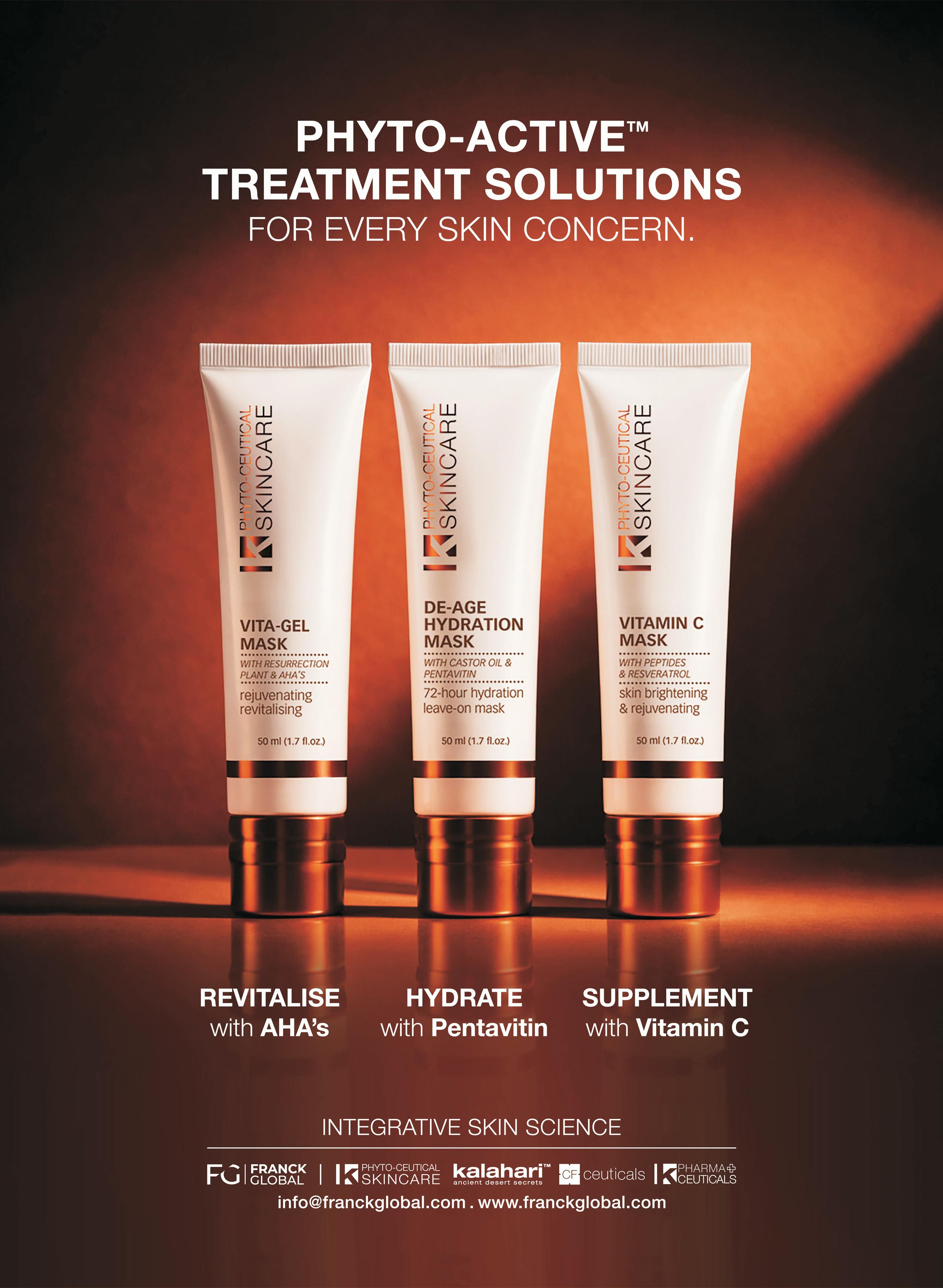
Retreat-Led Wellness: Where Spas Become Destinations

In recent years, the wellness industry has witnessed a notable shift: spas are no longer confined to short, transactional visits. Instead, retreats are emerging as immersive wellness experiences, designed to nurture the mind, body, and spirit over extended stays. These destinations integrate treatments, environment, nutrition, and lifestyle practices, creating a holistic journey that extends well beyond the treatment room.
At the heart of this evolution is a recognition that meaningful wellbeing cannot be compressed into a single hour-long session. Guests now seek experiences that allow for deep recovery, reflection, and transformation. Retreats offer the opportunity for repeated treatment cycles, educational workshops, movement practices, and wellness consultations, ensuring that interventions are cumulative rather than fleeting. Evidence from integrative wellness studies suggests that extended exposure to supportive environments, combined with consistent therapeutic interventions, leads to more measurable improvements in stress regulation, sleep quality, and overall wellbeing.
Designing the Retreat Experience
Successful retreat spas blend hospitality, environment, and therapeutic purpose into every detail. From architecture and interiors to scheduling and amenities, every element is considered in terms of how it affects a guest's physiological and emotional state. Natural materials, thoughtfully positioned windows, and optimal airflow contribute to a sense of grounding and tranquility. Acoustics, lighting, and scent are curated to support the nervous system, encouraging parasympathetic activation and relaxation.
Flow within the retreat is equally important. The journey from arrival to the treatment room, through relaxation lounges, meditation spaces, and outdoor areas, is carefully choreographed. Thoughtful sequencing allows guests to move seamlessly between high- and low-stimulation experiences, such as dynamic movement sessions followed by restorative therapies. These intentional transitions reinforce the therapeutic impact of treatments, improving outcomes and guest satisfaction.
The Role of Environment, Hospitality, and Nutrition in Healing
A retreat's physical and sensory environment is as important as its treatment offerings. Designers are curating spaces that encourage reflection, quietude, and connection to nature. From mountain lodges to oceanfront sanctuaries, retreat spas leverage natural light, airflow, and locally inspired materials to enhance recovery and wellbeing. Even seemingly small elements-such
as the flow between relaxation areas and treatment rooms, or the careful integration of scent, sound, and texture-profoundly influence guests' experiences.
Hospitality plays a critical role in the retreat model. Every interaction with staff, from therapists to reception teams, is a touchpoint that reinforces care and intention. Retreat staff are trained not just in service, but in wellness literacy, enabling them to guide guests in alignment with their personal health and lifestyle goals. Therapists become interpreters of individual needs, adapting sessions to each guest's physical and emotional state, while maintaining the integrity of the retreat's signature offerings.
Nutrition, often overlooked in traditional spa settings, is central to the retreat experience. Functional spa cuisine-nutrient-dense meals, herbal infusions, and targeted supplementation-supports the therapeutic objectives of treatments. For example, antioxidant-rich plant-based dishes enhance recovery from bodywork therapies, while protein-focused meals support muscle repair following movement classes. Hydration protocols, detoxifying beverages, and restorative snacks are intentionally designed to synergize with spa treatments, ensuring that each meal reinforces cellular repair, energy restoration, and metabolic balance. This integration aligns with research demonstrating the impact of nutrition on inflammation, stress response, and skin health, creating a measurable enhancement of retreat outcomes.
Treatments That Resonate
While retreats extend the duration of wellness interventions, the treatment room remains central. Signature therapies, ranging from massage and hydrotherapy to mindful facials, are adapted for repeated, cumulative impact. Therapists are trained to observe and respond to each guest's evolving needs, employing fascia-informed techniques, breath integration, and nervoussystem-led approaches that maximize the efficacy of longer stays. Retreats often combine modalities in a journey-based approach, layering relaxation, stimulation, and recovery across multiple sessions to reinforce physical and emotional recalibration.
Emerging trends highlight ritualized treatments that blend local and indigenous ingredients with evidence-backed techniques. For instance, Fynbosinfused oils in South African retreats or marinederived products in coastal locations not only celebrate regional biodiversity but also deliver measurable antioxidant and anti-inflammatory benefits. Each ritual reinforces the retreat's ethos, ensuring guests leave with a sense of continuity between the environment, their treatments, and their daily lives.
spa trends
Mind-Body Integration and Education
Modern retreats increasingly incorporate educational and experiential components, such as wellness workshops, mindfulness sessions, and fitness programming. These elements allow guests to translate insights gained during treatments into sustainable lifestyle habits. Evidence from behavioral health studies supports the effectiveness of immersive education combined with hands-on practice in promoting long-term adherence to wellness routines. Retreats act as laboratories for holistic health, enabling guests to experiment with practices they can integrate into their lives after returning home.
Extending Impact Beyond the Retreat
The transformative power of retreats is amplified by careful follow-up. Some establishments provide digital resources, ongoing consultations, and tailored recommendations to help guests maintain the benefits achieved during their stay. This continuum emphasizes the retreat's role as both a temporary sanctuary and a catalyst for lasting change, ensuring that investments in wellness extend beyond the final treatment session.
Retreat-led wellness represents the next frontier in spa evolution. By merging extended treatments, sensory design, nutrition, and expert guidance, these destinations offer more than temporary escape-they deliver holistic, measurable, and sustainable transformation. In doing so, retreats reaffirm the value of therapists, treatment rooms, and thoughtfully curated environments, positioning spas not just as service providers, but as destinations where wellness is fully realized.

How Wellness Weekends Are Reshaping Spa Tourism spa trends
In a world where digital fatigue and burnout have become near-universal experiences, travelers are no longer satisfied with traditional rest-and-relaxation holidays. They want something deeper. Enter the rise of wellness weekends—short, focused retreats offering far more than pampering. These 2–3 day experiences blend spa rituals, healing foods, movement, and expert-led workshops to deliver true emotional and physical renewal.
Across the globe—and especially in South Africa— these weekends are reshaping what spa tourism looks like. They’re about purpose, presence, and personal growth. And as the wellness economy surpasses the $5 trillion mark globally, South Africa is uniquely positioned to lead this next wave of transformational travel.
A Shift in Travel Intentions
The holiday of the past—long-haul, indulgent, and largely passive—is being replaced by short, highimpact wellness escapes. Travelers today aren’t just looking for comfort. They’re seeking connection—to themselves, nature, and meaning.
Several forces are fueling this shift:
• Time pressure: With limited vacation days, guests are opting for shorter, intentional breaks.
• Preventative wellness: Guests want to maintain well-being, not just recover after burnout.
• Desire for transformation: Travelers want takeaways they can apply to their lives—not just treatments.
• Digital detoxing: As screen fatigue rises, offline immersion is seen as essential, not indulgent.
Why South Africa Is Poised to Lead
South Africa offers a rare blend of natural beauty, diverse cultures, and established spa infrastructure— making it an ideal stage for the evolution of spa tourism.
From the Cape winelands to the Limpopo safaris, the country’s landscapes evoke both calm and awe. But it’s not just about setting. South Africa’s spa culture draws from indigenous healing traditions, locally sourced botanicals, and a deep respect for nature. Treatments often go beyond the skin to touch emotional and energetic wellness.
The country also benefits from:
• A growing network of boutique wellness lodges and eco-resorts
• World-class wellness practitioners, from therapists to traditional healers
• A competitive pricing advantage over European or U.S. destinations
This intersection of authenticity, access, and affordability makes South Africa uniquely compelling for wellness travelers.
What Makes a Retreat Truly Transformative
The most impactful retreats share several core elements:
• Clear Intention: Programming should be centered around a theme—be it stress relief, hormonal balance, or creativity—to guide the entire experience.
• Mind-Body Integration: Combining physical modalities like yoga and hiking with reflective practices such as journaling or coaching ensures holistic support.
• Expert Facilitation: Guest specialists—nutritionists, therapists, herbalists—add credibility and offer practical, take-home insights.
• Immersive Environments: Design, sound, scent, and food all contribute to a full sensory experience that supports healing.
• Intimacy and Connection: Small group sizes (10–20) allow for deep personal connection and community building—key components of emotional wellness.
The Business of Wellness Weekends
For hospitality professionals, the model offers commercial value. These retreats can:
• Fill midweek or off-peak bookings.
• Create premium packages from existing spa offerings.
• Foster partnerships with wellness professionals.
• Build guest loyalty through meaningful engagement
Wellness weekends demands clear positioning, expert facilitation, thoughtful pricing, and seamless logistics. The experience must be curated without feeling artificial—and healing must feel effortless.
Authenticity Is the Differentiator
In a crowded wellness market, authenticity is what truly sets a retreat apart. Guests are increasingly able to spot surface-level “wellness”.The most successful retreats are rooted in real stories, real environments, and real care.
That means aligning offerings with the spirit of the location, the facilitator’s lived experience, and the participant’s needs. There is no formula—only thoughtful, responsive design and genuine human connection.
The Future of Spa Tourism
Wellness weekends are not a fleeting trend. They’re a response to a global craving for renewal, purpose, and inner alignment. In South Africa—and beyond— they are redefining spa tourism not around indulgence, but around intentionality.
As the wellness world continues to grow, the winners will be those who embrace depth over luxury, experience over excess, and authenticity over aesthetics. Because in the end, the most powerful retreats are not escapes from life—but returns to it, fully present and profoundly renewed.