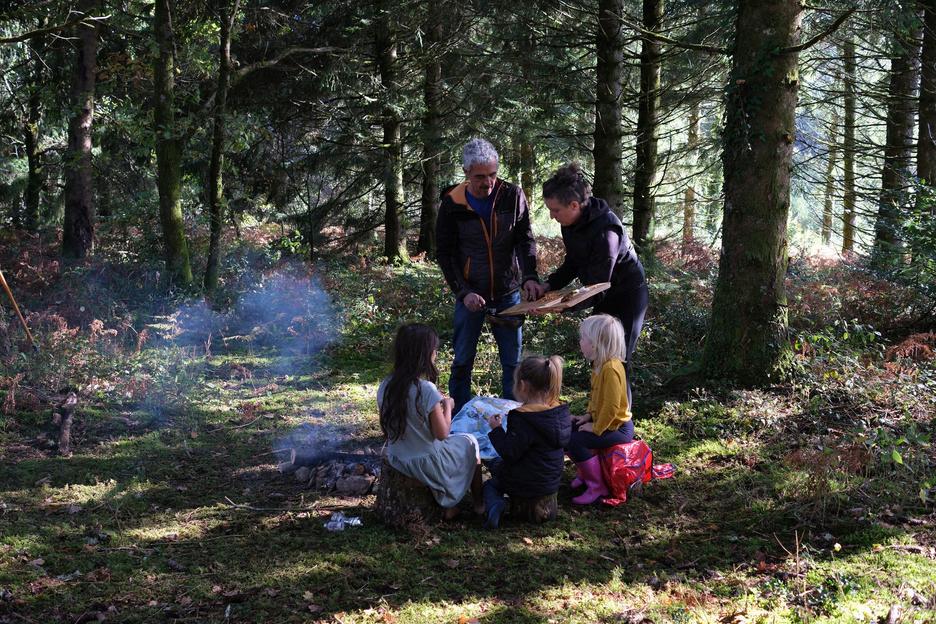
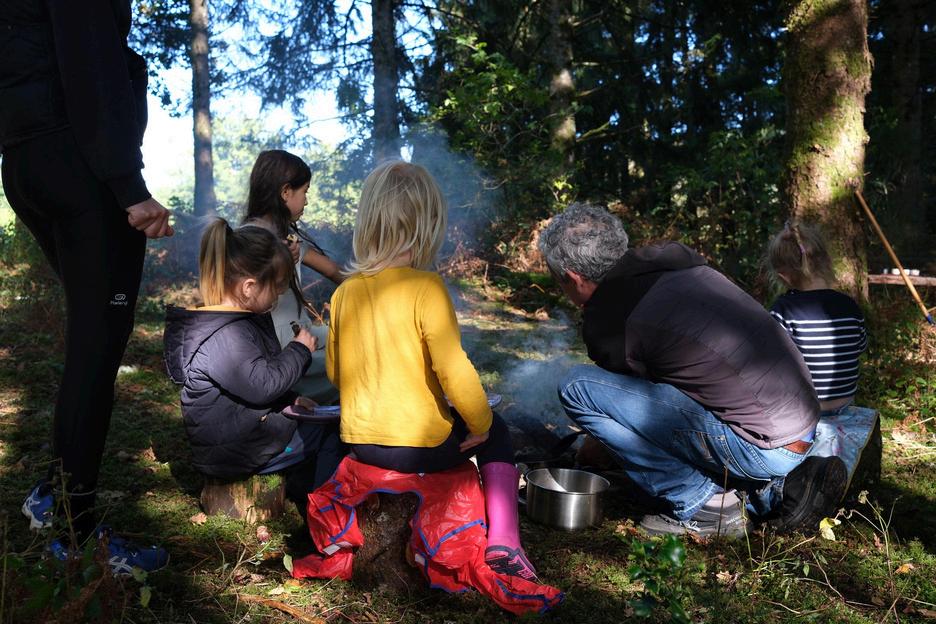
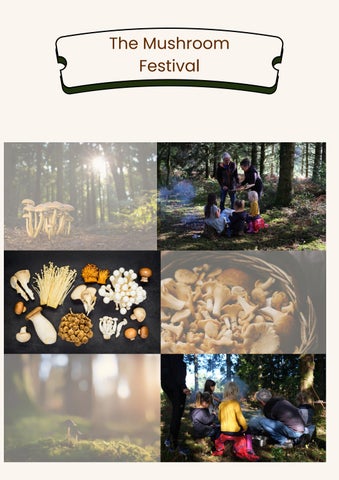
The Mushroom Festival is an activity centered around mushrooms, offering a journey from the earth to the plate. It’s a highlight of the autumn season, as these woodland treasures are so iconic of this time of year! They represent the heart of autumn and evoke magic and enchantment. This activity is comprehensive: mushroom foraging, a campfire, and cooking
An identification guide or a knowledgeable person For the Fire:
Stones for the fire pit
Dry wood (collected that day or in advance, depending on conditions)
Matches
A bucket of water
For Cooking:
Water and a basin to clean the mushrooms
Cutting boards, mixing bowl, pan, spatula, plates, and forks
Knives (children can use a rounded-tip knife one at a time, with proper supervision—see the "Knife Use" guide)
Ingredients: high-quality eggs from free-range hens, oil, garlic, parsley, salt, and pepper.
To ensure a successful activity, it’s best to be familiar with the area and explore it a few days in advance or go with someone who knows the best spots It would be disappointing to return empty-handed and miss out on the cooking step! The world of mushrooms is vast, with many species that often look alike, some edible and others toxic. Caution is key when foraging!
How to Begin? Here are some ideas:
Read a story about mushrooms and then ask children questions to connect the story to real-life nature. Hide a mushroom in your hand or a box (a freshly picked mushroom, a figurine, or even an image) and have children guess what it is, with riddles like:
“I have a stem but cannot walk. I wear a hat even though I live in the shade.”
“What season is it right now? This is when I love to sprout from the ground and live in the woods ”
“I grow in the forest and am like an iceberg: a small part visible to the eye and a large hidden part (this represents mushrooms, where the visible part is actually for reproduction) ”
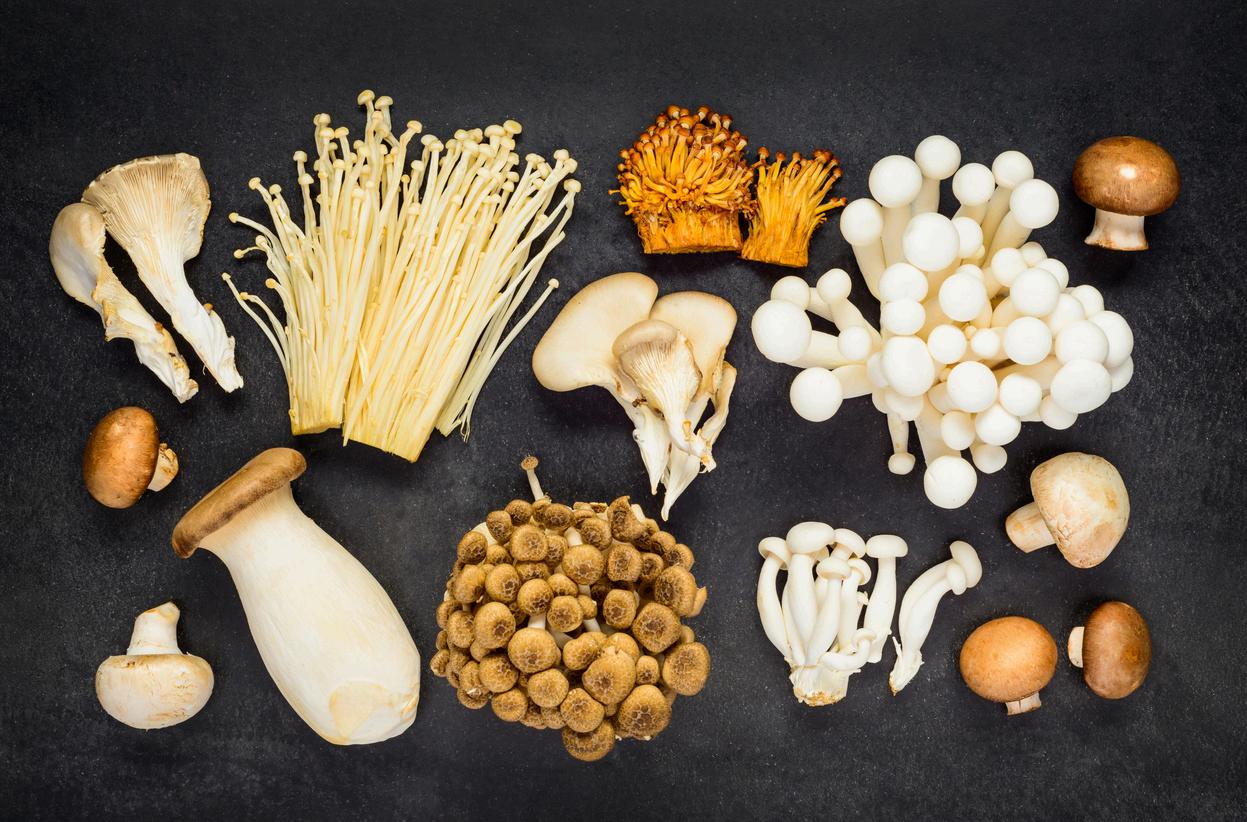
Show a few mushroom images
Young children benefit from discovering mushrooms through their senses. Focus on shapes, colors, environments, and even the insects or nibble marks on the mushrooms rather than scientific names. Use simple terms like “stem,” “cap,” or “mycelium” to add a bit of vocabulary.
For young children, keep the introduction short, hands-on, and simple. Or start directly by giving them baskets and a few necessary instructions.
Important Reminder: Before foraging, remind children never to eat anything without first getting adult permission. To keep things safe and enjoyable, focus only on collecting known edible mushrooms and leave unfamiliar, inedible, or toxic ones in their natural habitat.
Children love mushroom picking and will be enthusiastic with every find A walk of 1–2 hours will allow for a nice forest immersion and likely the discovery of several different species Give each child a small basket or bag and let them explore! Describe the colors and shapes of the mushrooms you encounter, and naturally name the edible ones you collect.
The perfect time to find mushrooms is right after it rains about two days later! Just make sure it's not too cold outside
This is a simple, delicious recipe perfect for young children: Clean the mushrooms: use minimal water to preserve flavor.
Cut them into small pieces and sauté them in olive oil
In the meantime, whisk eggs with garlic, parsley, salt, and pepper
Pour the mixture over the mushrooms It’s ready in just a few minutes enjoy!
Did you know?
After an aquatic plant from Australia, a fungus called Armillaria Solidipes is the largest living organism on Earth. Located in the state of Oregon (USA), it spans an area of nearly 10 km²!
This activity, from mushroom foraging to cooking, offers a wealth of experiences and learning opportunities for young children. You can easily dedicate a full day or at least a half day to it. Take your time and have fun!