

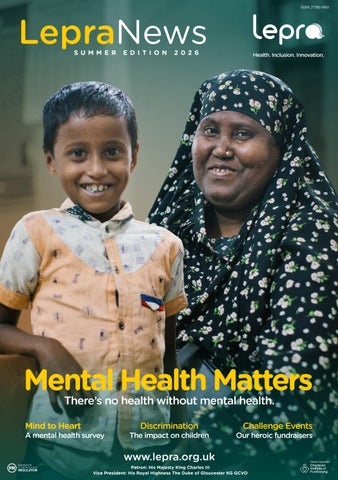
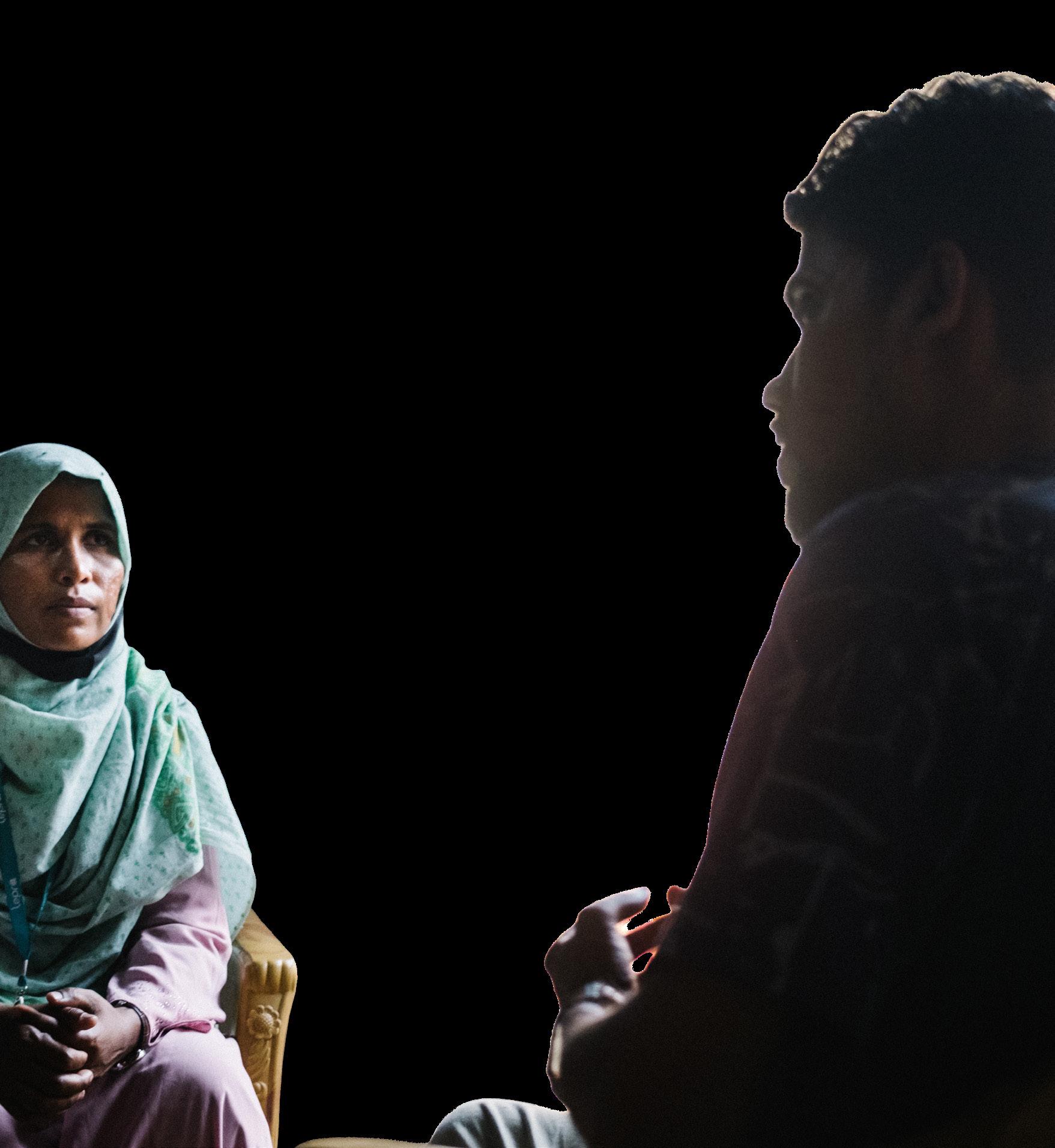
Khadiza Tul Kobra, professional counsellor from Lepra’s Mind to Heart project, introduces our special emotional health edition of Lepra News.
It is my pleasure to introduce the Summer edition of Lepra News, as the organisation marks Mental Health Awareness Week, from 11-17 May.
As the counsellor working at Lepra’s Mind to Heart project in Bangladesh, I have seen first hand the devastating emotional impact that a diagnosis can have, and understand the importance of giving people the time, space and empathy they need to overcome this difficult period and regain their confidence, recover and thrive.
Mind to Heart is a community-led research project, funded by the Sasakawa Health Foundation, and working in partnership with the Bogura Federation, which brings together a network of 101 community ‘self-support groups’ throughout Bangladesh’s Bogura District.
I decided to train as a counsellor after recognising a deep connection between physical health and psychological issues. I observed that many vulnerable people were silently suffering with stigma, isolation and emotional distress, especially people affected by leprosy and lymphatic filariasis (LF) which is why I decided to join the project in August 2025.

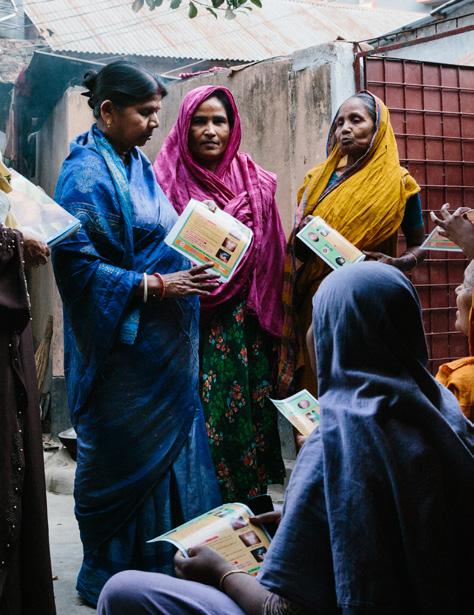
“My primary role is to provide one-toone counselling with people affected by leprosy and LF, and to their families. I also train volunteer Mental Motivators to provide basic mental health support in the community. Alongside this, I work with the health team in the psychiatry department of the government hospital.
Many people experiencing mental health issues delay seeking help due to stigma and discrimination. Due to cultural beliefs, Bangladeshi people often believe that a person in distress has ‘gone mad’ or has been ‘possessed by the devil’ in which case they remain untreated which causes prolonged distress.
Financial constraint and transportation are also key barriers, especially for people living in rural areas. Often the distance to professional service providers is lengthy and costly and is especially difficult for people with a disability to access.
To be able to support people through such a difficult point in their life and to see them start their journey

As a counsellor, I prioritise my self-care first to maintain my own wellbeing. I practise mindfulness and some hobbies I love. Whenever I have time, I like to garden, I nurture my plants to calm my mind. When I see the flowers in the morning, my mind quickly lightens and it makes me start a new day with happiness.
- Khadiza Tul Kobra
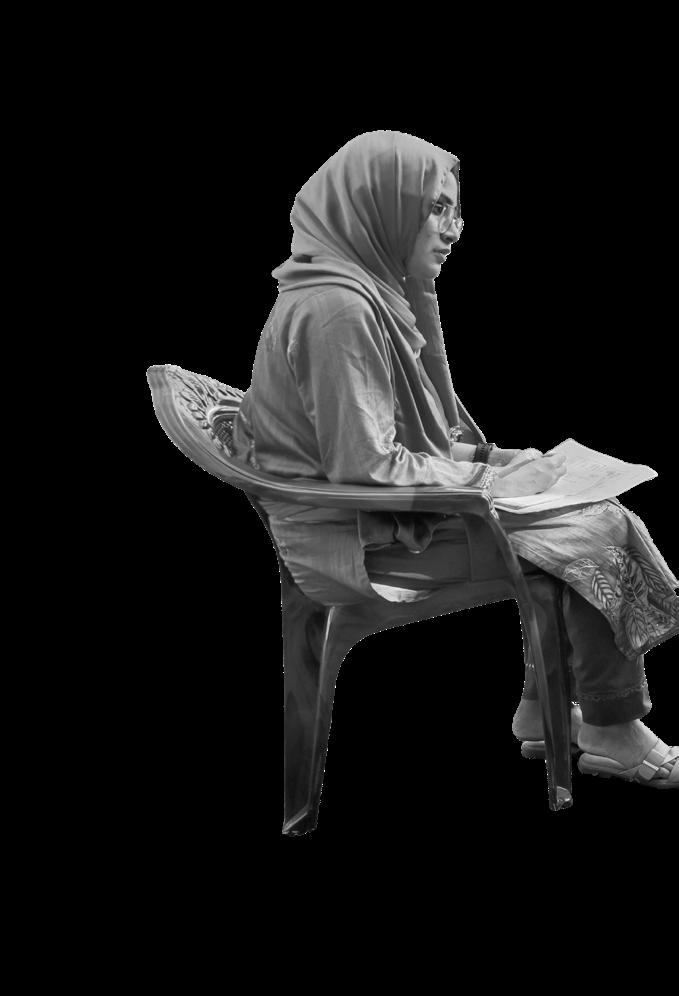



is a privilege for me. For example, I recently supported a woman affected by leprosy who was experiencing depression, social rejection and selfstigma. Withdrawn from society and social activities, she felt extremely isolated.
Through her counselling sessions, we worked together to explore and overcome the emotional issues she faces. Over time, she managed to regain her self-confidence and re-engaged in social activity. She now provides peer support to other people in the community experiencing similar mental health issues, which is a really wonderful outcome.
I wanted to express my gratitude to Lepra’s supporters that have helped
Your mental health is just as important as your physical health! Khadiza shares her top tips to help maintain positive mental health:

Maintain a regular routine. Try to get enough sleep and eat regularly and healthily.
Take regular simple exercise. 30 minutes of moderate exercise a day can help lift your mood.
Practise relaxation techniques like deep breathing or mindfulness.
Talking about your feelings to a trusted person can be very beneficial.
Divide up difficult tasks into smaller steps to stop you feeling overwhelmed.
Journalling your thoughts and emotions can be very therapeutic.
Remain in the present by focusing on five senses: Something you see, hear, smell, taste and touch.
If you are concerned about your mental health (or someone else’s), please contact your GP or call 111. If an emergency, please call 999.
Programme Officer Sanjana Jayashankar, explores how stigma against mental health can disproportionately impact people affected’s willingness to seek support.

In March 2026, our colleagues from Lepra Bangladesh carried out a community survey assessing 400 respondents on their attitudes and practices to mental health. A staggering 80% said they felt that people with mental health problems are not treated fairly by society.
According to the Mental Health Foundation, in the UK, 9 out of 10 people with mental health problems say that stigma and discrimination have negatively affected their lives. Many find it harder to find employment, participate in society, find decent housing or maintain a long-term relationship. Issues such as isolation, unemployment and homelessness can often further deteriorate people’s mental health. As such, millions of people find themselves stuck in a cycle of poor mental health because of the fear and shame associated with speaking up.
Stigma from the community can often manifest in attitudes that ostracise people who need help. The community survey conducted by our team in Bangladesh showcases this. While 90% of the respondents said that they would encourage a family member or friend to seek help for mental health

problems, only 60% said they would

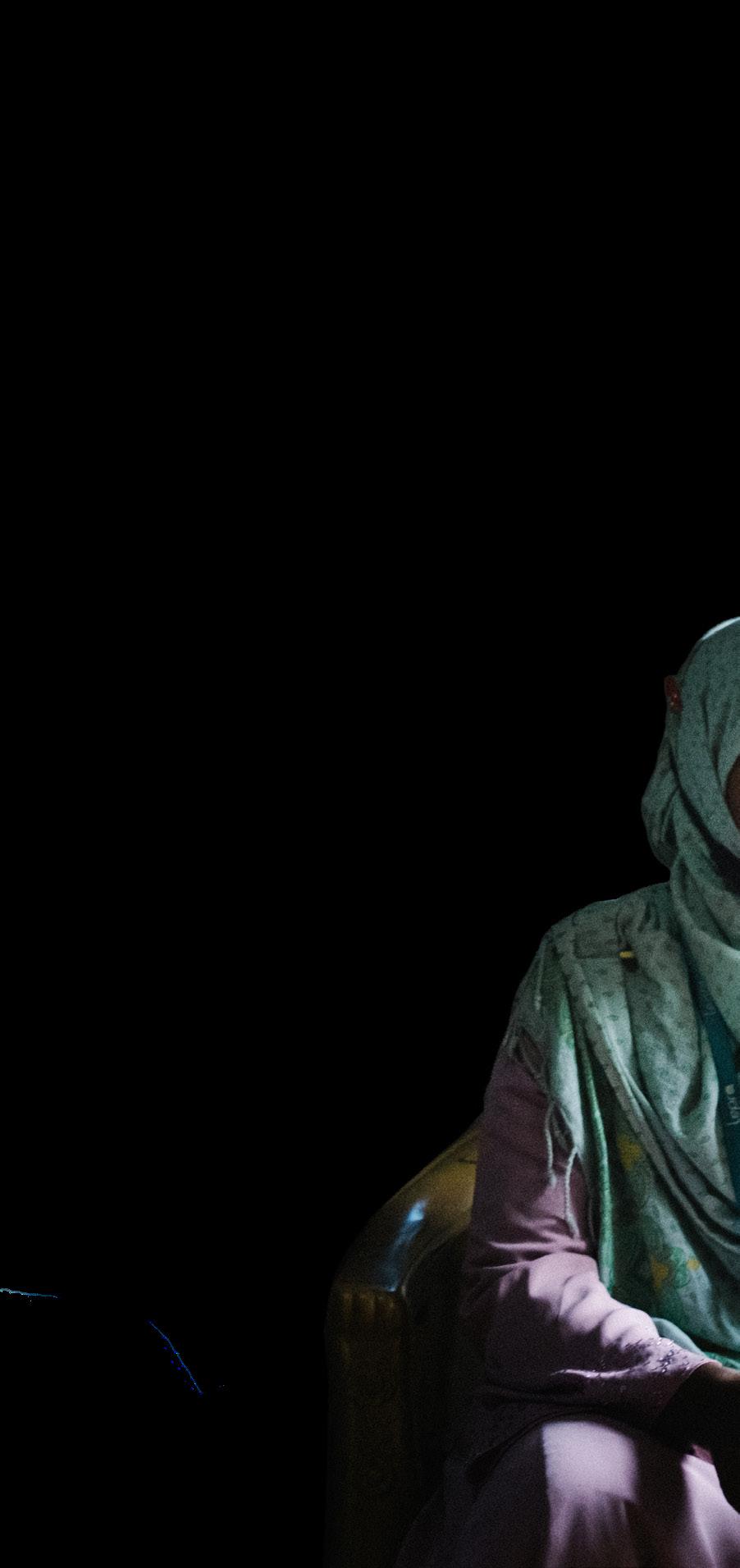


“90% of the respondents said that they would encourage a family member or friend to seek help.”
Sanjana Jayashankar is a political science graduate from LSE and Programme Officer at Lepra UK, with interests in gender, development, and South Asian
In the third quarter of 2024-25, 1.66

The project’s aims include lowering
Supported by Lepra’s Mind to Heart project in Bangladesh, Morjina’s reallife story represents the emotional upheaval that so many people face following their diagnosis.
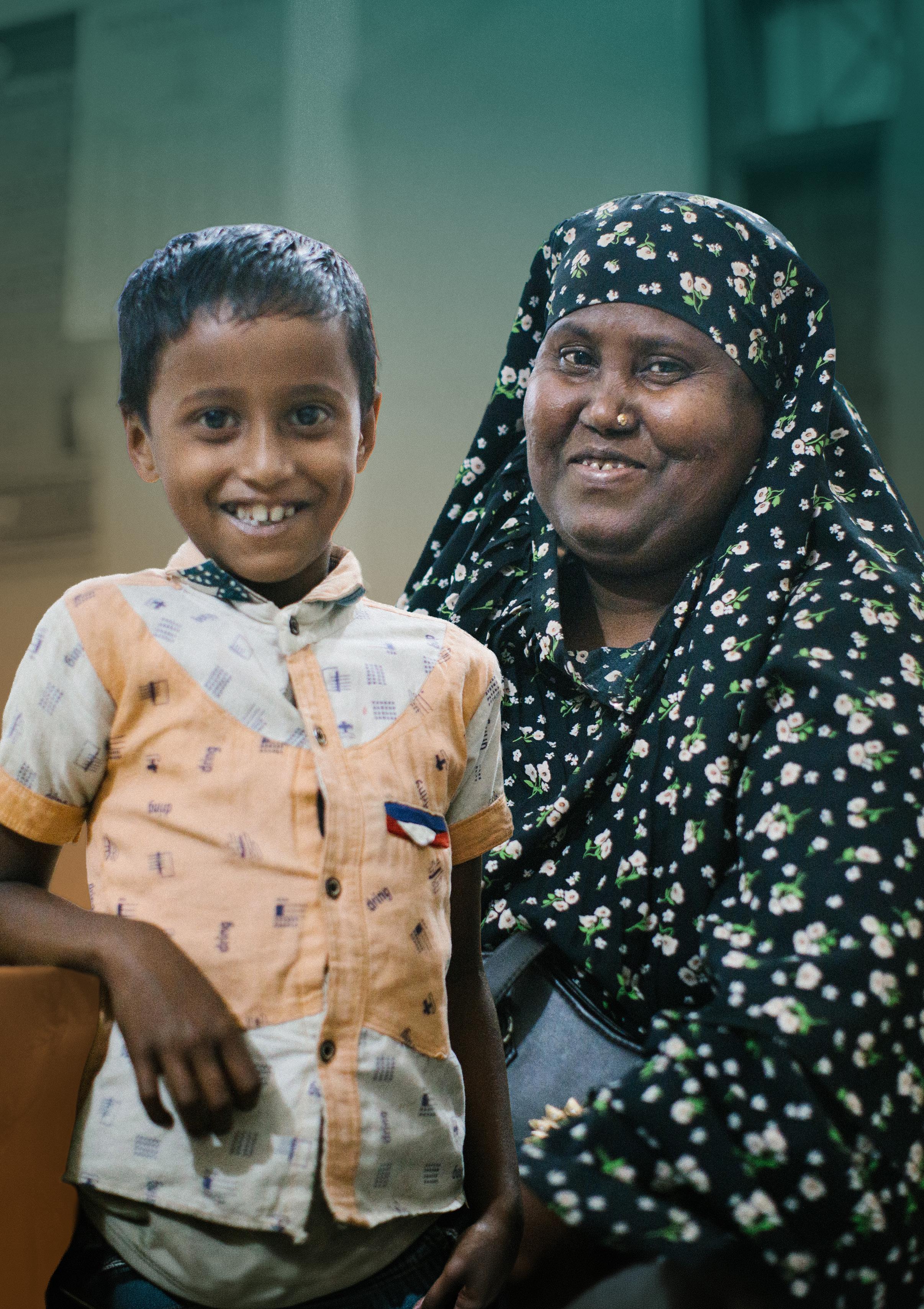
33-year-old Morjina lives with her husband and their two sons, aged seven and 12. She first developed symptoms of leprosy when she was a teenager.
“I had what looked like a scar on my skin with a painful lump underneath. Over time, I developed a frequent fever, and my hands and legs became bent and swollen. My symptoms became so bad that I needed help to feed myself and to go to the bathroom.”
At school, the stigma and discrimination Morjina faced greatly affected her mental health,
“I was ashamed of how I looked. My disabilities meant that I could no longer run around and play. Other children no longer talked to me or sat beside me. I felt very alone, it was unbearable!”
Morjina’s parents took her to many local clinics and pharmacists, but sadly her condition only worsened and she was no longer well enough to attend school.
When Morjina married at 16, her husband’s family were unaware of her symptoms but as they worsened, he too sought treatment for her.
Working from home, Morjina assembled metal rings for construction but due to the lack of sensation in her hands, the task caused her to develop painful blisters.

It wasn’t until two years ago that Morjina was finally diagnosed at a Lepra referral centre. Her youngest son, Zihad was also confirmed as having leprosy.
Due to stigma surrounding the disease, Morjina’s husband told her he wanted a divorce.
“I felt so bad…valueless… worthless and didn’t want to live anymore. The local community rallied against him and told him it was not right and that he should be looking after me.”
Thanks to family counselling from Lepra, Morjina has been able to overcome the physical and emotional impact of her diagnosis, and her husband is more understanding of the disease.
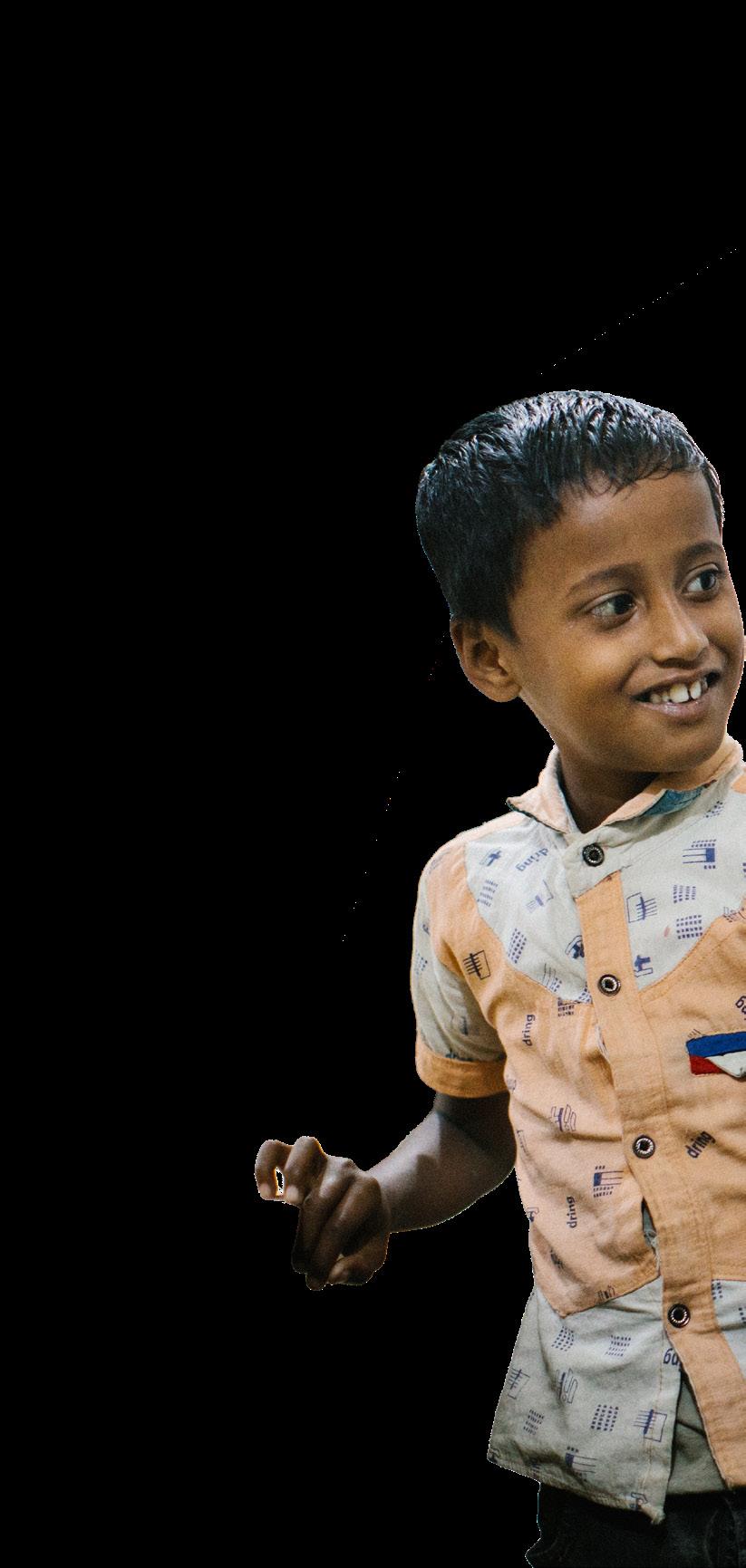
“Everyone loves Zihad at school, and his friends come over to play every day.”

“It feels good to talk about these things, it’s been really helpful for me.”

The family receives ongoing emotional support from a ‘Mental Motivator’, a community volunteer trained in basic mental health.

“I used to feel ashamed of my appearance, but I am feeling better about it now. It feels good to talk about these things…It’s been really helpful to
With self-care, Morjina’s blisters healed and she was able to continue working and providing for her family. She now also rears goats, as an additional source
As Mojina’s son, Zihad was diagnosed and treated early, he fortunately has not developed any lasting disabilities.
Morjina makes sure that he takes his medication regularly as she is aware that if treatment is not followed symptoms can return. Thanks to community awareness, Zihad has not experienced stigma or discrimination like his mother did.
“Everyone loves Zihad at school, and his friends come over to play every day. He loves to make and fly kites.”
To boost her wellbeing, Morjina enjoys growing vegetables, which not only support her family’s nutrition but also gives her a sense of achievement.

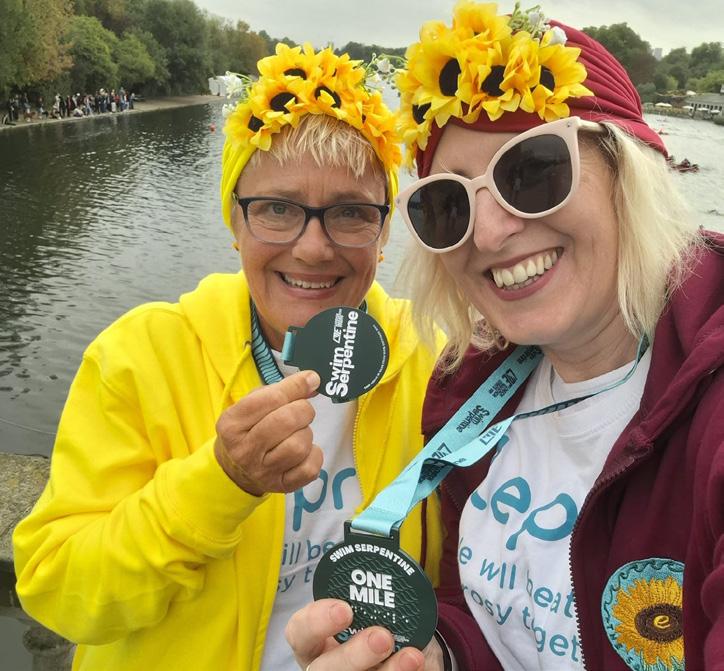
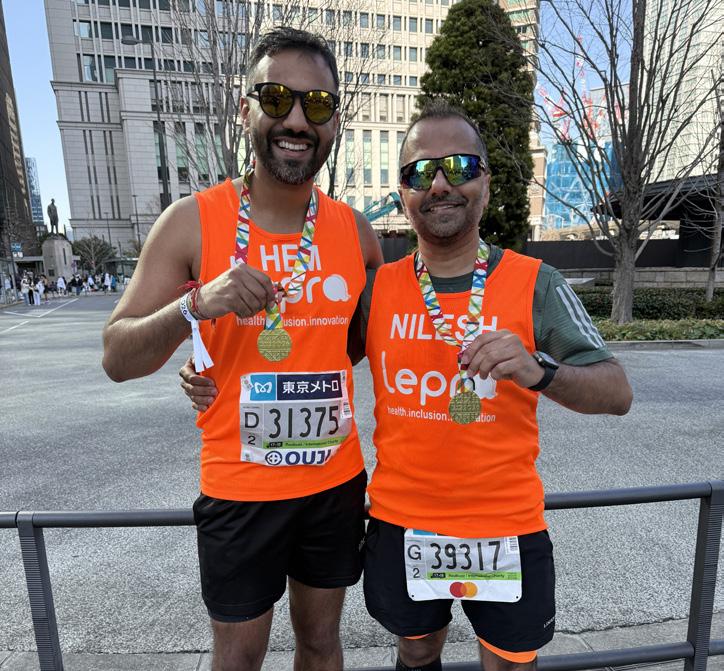
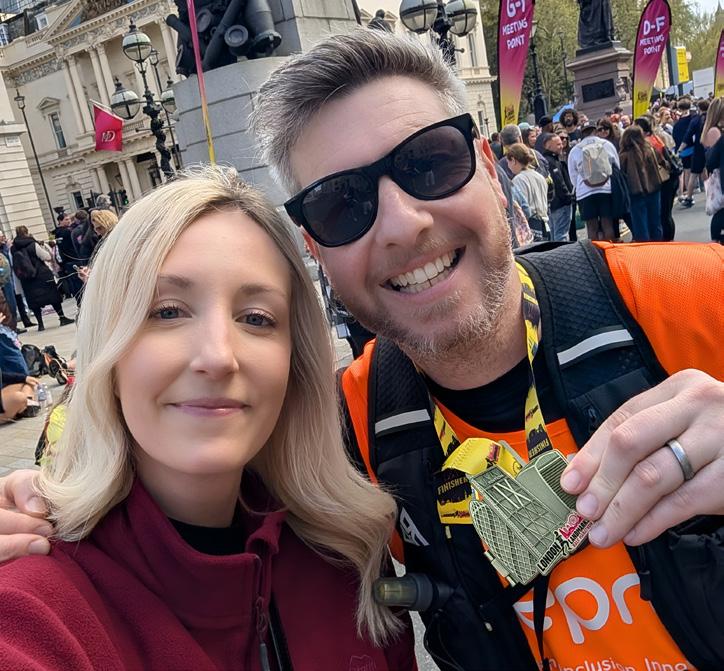
Challenge events are a great way for people to raise vital funds for Lepra! ...and with Tom Barton on your team, you will never be running alone!




2026 saw the iconic Tokyo Marathon as a new option to choose with the possibility of Sydney also joining the list.
Lepra offer five of the Abbott Global Major events together with hundreds of half and full marathons, 5k and 10k events, swim challenges, walking treks and ultra challenges. Is this something you’re tempted by? Why not give it a try! Our fundraising team offer full fundraising support with lots of tips to help you along the way www.lepra.org.uk/events



Writing a will is a simple way to look after the people you love. As a thank you for your kind support, Lepra offers a free will-writing service through the National Free Wills Network for our UK supporters. This service connects you with a local solicitor to ensure your wishes are respected.
There is no obligation to leave a gift to Lepra. However, these gifts are vital to our work, helping one in three people we reach. A legacy ensures your compassion lives on, providing care and dignity for years to come.
To receive your free information pack, please email Glyn at glyna@lepra.org.uk.
Help us support some of
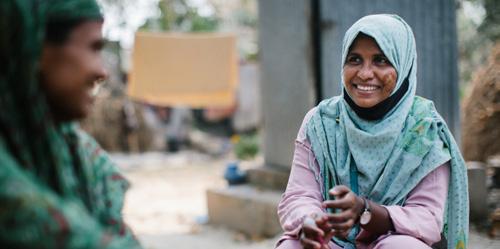
£25 keeps a field specialist on the road for a week. By reaching isolated communities, they bring comfort to those feeling alone, providing the medical and emotional support that lifts a heavy heart.
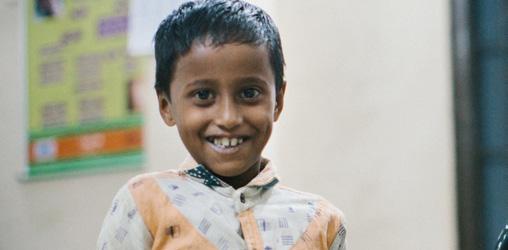
£50 funds a school screening for 1,000 students. This ensures children are diagnosed early, protecting their health and their happiness, so they can continue to play and learn alongside their friends.


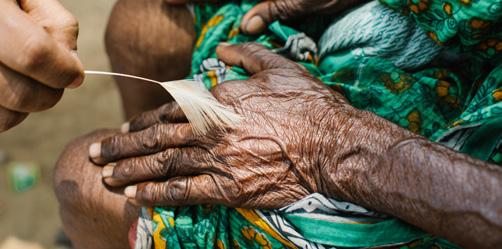
£175 pays a nurse for two weeks to provide expert care. Beyond treating the body, your gift ensures a patient has a trusted person to talk to, providing the steady encouragement needed for a full recovery.
Help people and their families affected by leprosy and LF to receive the right care, at the right time and in the right place.
Help us plan future projects in the areas which need it most.
Spread your giving across the year, and change or stop payments at any time.
Help keep our administration costs low.
Stay informed through regular newsletters and progress updates.