In this issue, we delve into the guild system of 18th-century Parisian furniture, trace some of history’s most daring jewellery heists, and explore the lives and work of artists Mary Fedden and Thea Proctor. We uncover the niche world of early doll automatons, examine the allure and challenges of exotic leathers in fashion, and celebrate the enduring charm of floral motifs in jewellery, among other stories.
We also speak with conservator Andrew Dewhurst, master weaver Angelo Rusak, and designers Frances Normoyle and Madeleine Murdoch, gaining insight into their craft, process, and practice.
We hope you enjoy.
cover left to right:
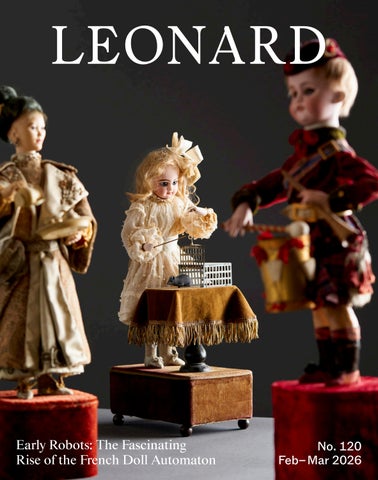
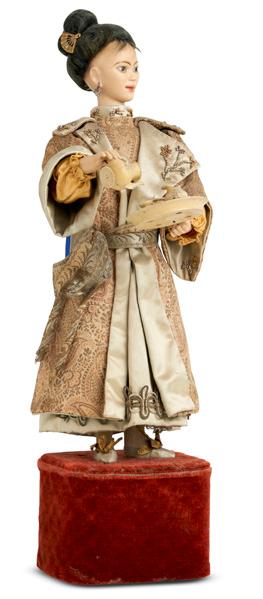
A French musical automaton ‘The Chinese Tea Server’ by Leopold Lambert, circa 1880s
$4,000-6,000
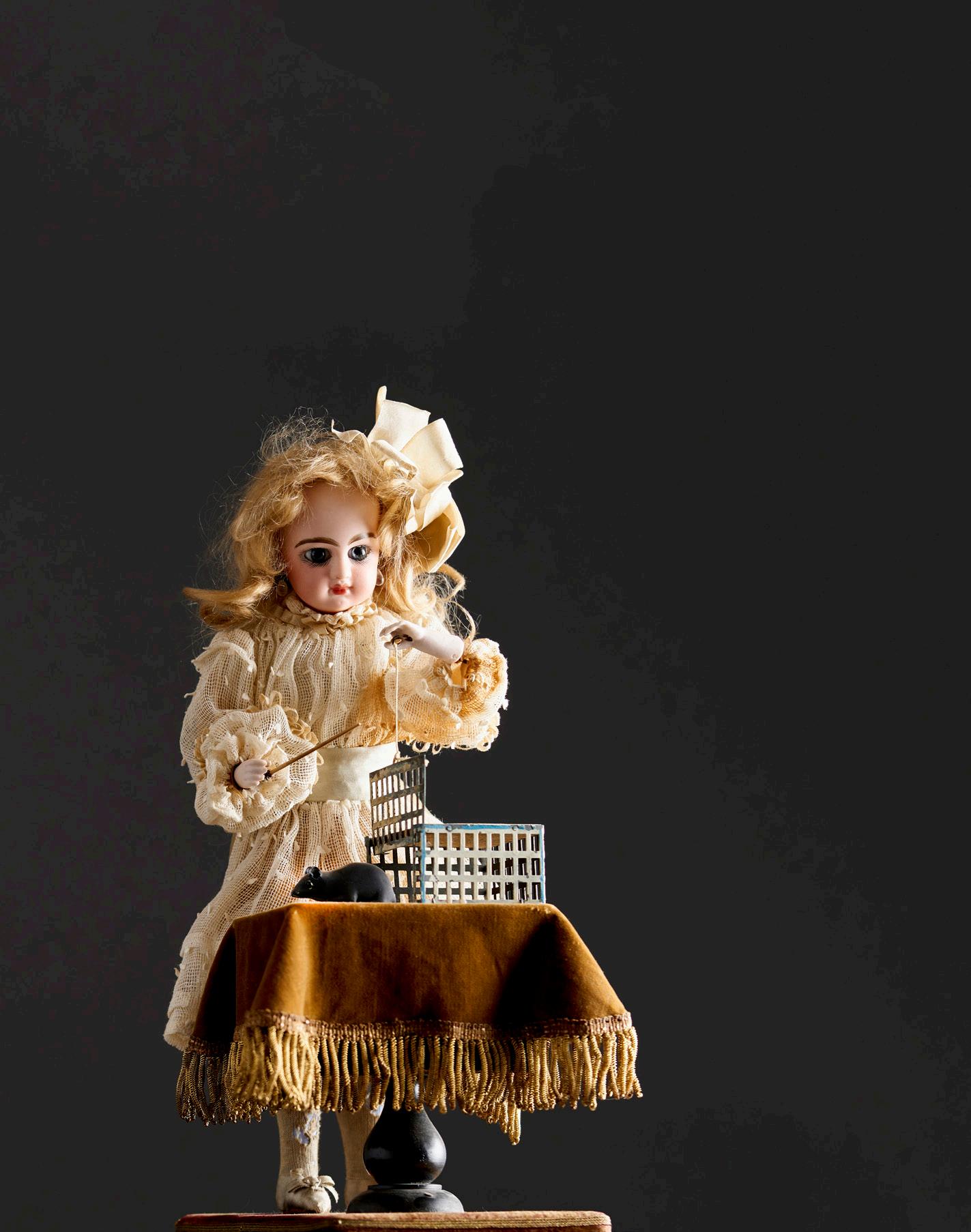
A French musical automaton ‘Girl With Pet Mouse’ by Charles Rambour, circa 1895
$2,000-3,000
A French musical automaton ‘Scottish Boy With Drums’ by Leopold Lambert, circa 1890
$1,800-2,400
Decorative Arts Auction
30 March, 6pm, Melbourne
below:
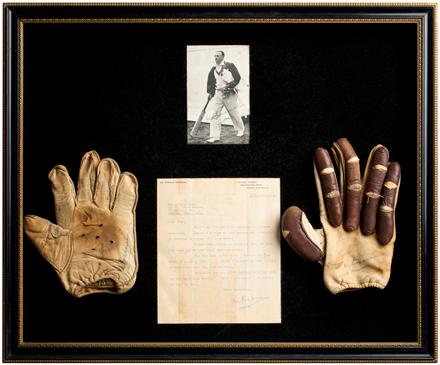
An extremely rare and important pair of Donald Bradman’s 1948 Ashes Test match batting gloves. Worn by Bradman as captain of ‘The Invincibles’ in his last century-making Test, Headingley, July 1948
$15,000-25,000
Decorative Arts Auction
30 March, 6pm, Melbourne
February – March 2026
features
PVC & Wood
Making Masterpieces: How Regulation and Patronage Shaped
18th Century French Furniture
Artist Profile: Mary Fedden (1915–2012)
Everlasting Florals to Adorn
Dangerously Modern: Thea Proctor & the Art of Style
Stolen Splendour: The World’s Most Daring Jewellery Heists
Celebrating Women Artists & Designers
Early Robots: The Fascinating Rise of the French Doll Automaton
A. Lange & Söhne: The Lazarus of the Watchmaking Industry
In Conversation: On Sentimentality in Design with Madeleine
Murdoch and Frances Normoyle
Wild Luxury: Exotic Skins and the Art of Precision
in focus
How to… Understand Art Conservation, with Andrew Dewhurst
From the Workshop: The Art of Weaving, with Angelo Rusak
Five Minutes with Annie Soust
22nd Report: Remembering Craig: Iconic Super Tusker and Symbol of Elephant Conservation
A Last Look join us Connect Value, Sell & Buy
FEBRUARY –
MARCH 2026
Bridging Cultures:
The Collection of Christine & James Liao
Mon 23 Feb, 10am
Melbourne
Asian Art Summer Edit Tue 24 Feb, 10am
Melbourne
The Sydney Jewellery Edit Thu 26 Feb, 10am Sydney
Modern Design
Mon 2 Mar, 10am
Melbourne
The Collector's Auction Tue 3 Mar, 2pm Sydney
Luxury Wed 4 Mar, 10am
Melbourne
Specialist Rugs Thu 12 Mar, 10am
Melbourne
Timepieces Mon 16 Mar, 4pm
Melbourne
Fine Jewels Mon 16 Mar, 6pm
Melbourne
Fine Art Tue 17 Mar, 6pm
Melbourne
Decorative Arts Mon 30 Mar, 6pm
Melbourne
The Auction Salon
Furniture & Interiors
Objects & Collectables
Jewellery
Art
Every Thu from 10am
Cultures:
Collection of Christine & James Liao
Auction 23 February, 10am, Melbourne
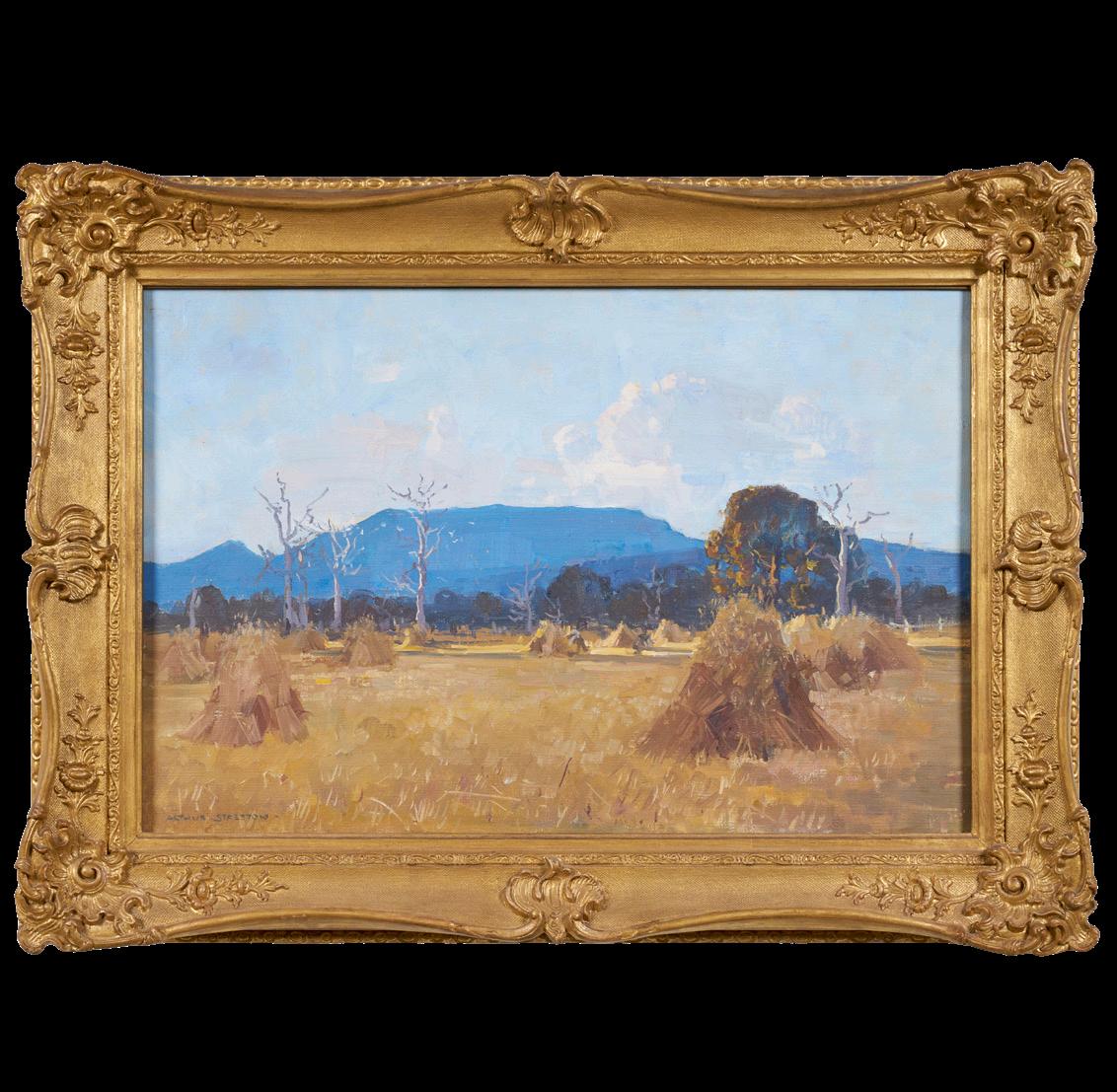
Arthur Streeton (1867-1943)
Harvest and Mt. William 1926 oil on canvas
signed lower left: Arthur Streeton 50 x 75cm
$200,000-300,000
PVC & Wood
by john albrecht, managing director & head of important collections
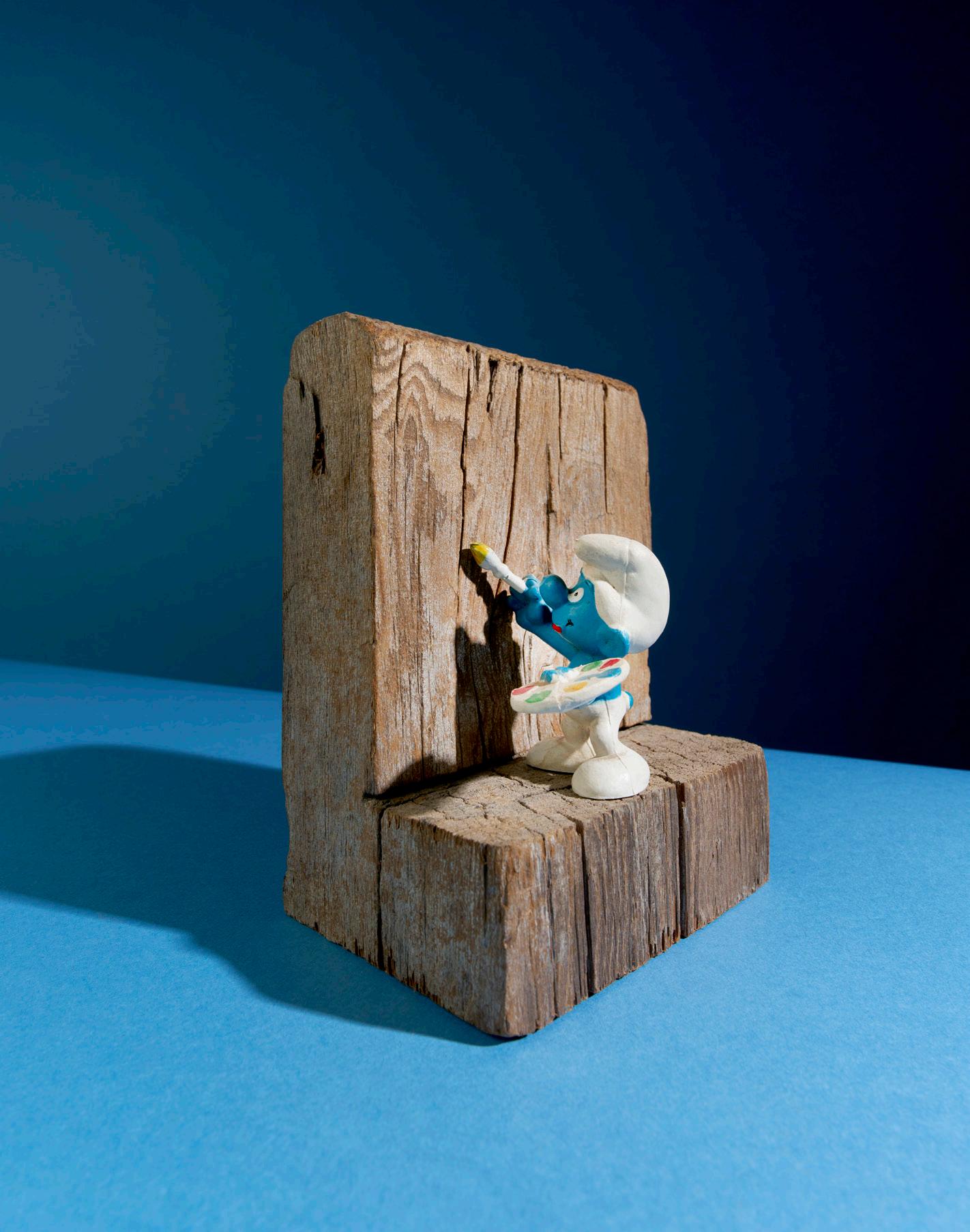
ever since i first came across this playful and slightly enchanting mixed media piece, it has lived in my office at work. It’s by an artist and if properly catalogued its official listing would never quite capture its charm: Colin Lanceley (1938 - 2015), Untitled, mixed media, PVC and wood, height 14cm, provenance: The Artist’s Collection. All very correct, all very dry.
The real story is different. It was gifted to me by Colin Lanceley’s widow Kay, after the auction we conducted for their family. I’d admired it during the viewing period, but it had been considered too silly, too flippant to include in the auction itself. And so, it ended up with me, a vendor’s gift to the auctioneer. I was touched.
Like any work of art, it speaks differently to whoever looks at it. For me, the wooden block feels nostalgic. I can’t prove this, but I’ve always imagined it might have been Colin’s momentary nod to Rosalie Gascoigne. Or perhaps I’m overthinking it, and it was just two ordinary objects from his extraordinary studio - things that might one day have found their way into one of his monumental, complex constructions. But these ones didn’t. These stayed as I found them. Loose and playful.
And what it is, is simple: a 1970s Smurf. The Artist Smurf, in fact, perched loosely on a block of wood as though preparing to paint it. It also reminds me of my earliest encounters with miniature worlds; when BP in the 1970s collaborated with European and Asian manufacturers to produce tiny collectible toys, no doubt in hopes of luring more families and more children into their petrol stations. It worked.
For many kids, collecting them became an obsession. I remember my younger brother Ben earning enough money from retrieving and reselling lost golf balls to methodically purchase and complete the full set. He was the only person I knew who had the whole collection at one point.
Telling that story again and having our photographer Paolo shoot this little Lanceley sculpture, I realise I’m not just reminiscing, I’m working towards a broader reflection on the deep and sprawling world of miniature collecting.
We’re all familiar with the obvious categories: miniature portraits, dollhouses, tiny books. But what intrigues me most now is why humans are so captivated by smallness, why we’re drawn to the tiny, the delicate, the ridiculously detailed. In my 17 years now with Leonard Joel, I can think of numerous examples of miniature renderings that enchanted not just me but collectors alike.
By chance, a recent issue of The World of Interiors, December 2025, devoted itself entirely to the miniature. There were some wonderful reads, especially on the Rijksmuseum’s restoration of a historically significant dollhouse and the challenge of recreating microscopic porcelain and glass pieces that, after centuries, had cracked, absorbed moisture, and had begun to ever so slowly, crumble. The skill required to restore or recreate such things in 2026 is astonishing in itself.
Yet beyond the crafts and the ingenuity, I keep returning to the human impulse behind it all. Why are we compelled to construct, display, and marvel at these tiny worlds?
I’m drawn to the cute, the small, the intricate; and the more complex the miniature, the more beguiling it becomes for me. Some say the appeal lies in making the inexplicable feel explicable, the incomprehensible suddenly comprehensible, the expansive containable. A miniature allows us to control something fully, to see the whole world at once, and in doing so we experience a kind of intellectual dominion that real scale mostly denies us.
This is probably where I risk drifting into territory I don’t truly understand, so I’ll stop before I dig myself any deeper. Instead, I’ll simply point to a few interesting pieces on miniatures in the decorative arts, referenced below, and keep enjoying this odd little Smurf on his block of wood, who started all this thinking in the first place.
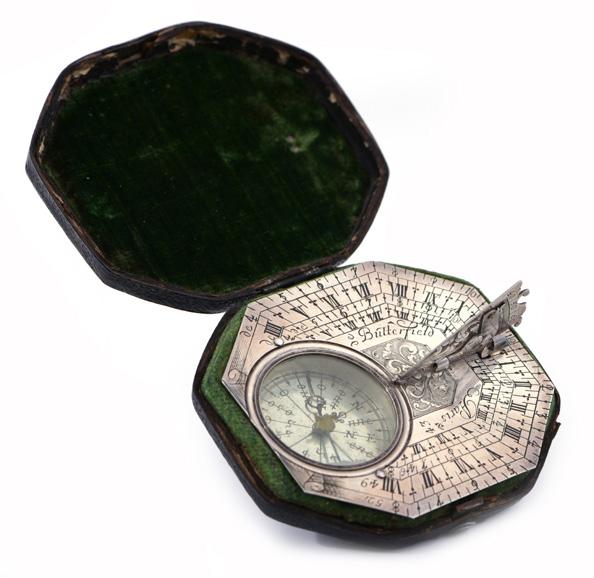
Oh, and what remains on my miniature wish list? A cased globe of the world, a Butterfield silver pocket sundial and yes, a complete and still boxed GI JOE French resistance fighter costume from the 1970s.
References: Black, H.E. (Dec 2025) ‘Kraak Job’, The World of Interiors, pp. 68–71. Small world: Why we love tiny things (2018) The Guardian. Available at: https://www.theguardian.com/global/2018/nov/04/small-world-whywe-love-tiny-things
Walkley, S. (2018) The world of miniatures: From simple cabins to ornate palaces. Lewes, East Sussex: Guild of Master Craftsmen.
opposite:
Colin Lanceley (1938 - 2015)
Untitled, mixed media, PVC and wood.
right:
A silver horizontal sundial-compass
Michael Butterfield, early 18th century Sold for $6,200
How Regulation and Patronage Shaped
18th Century French Furniture
by ronan sulich, senior adviser, sydney
Making Masterpieces
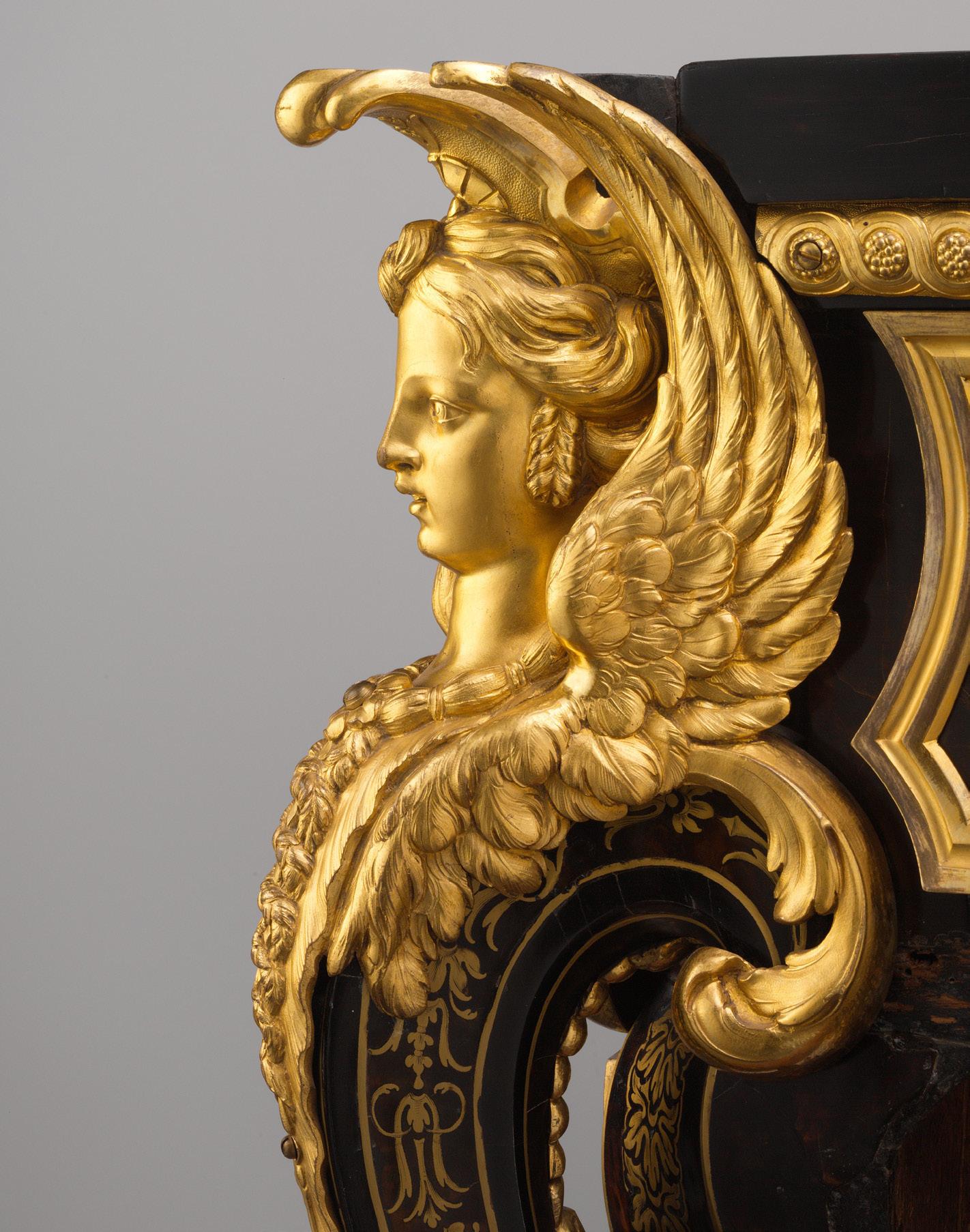
Commode (detail), André Charles Boulle (French, Paris 1642–1732), ca. 1710–20 / The Metropolitan Museum of Art, The Jack and Belle Linsky Collection, 1982
considered one of the supreme examples of western civilisation, furniture made in the 18th century in Paris has always been regarded as the ultimate in cabinet and chair making; desired and collected for hundreds of years. How did these craftspeople reach such a zenith in quality, luxury and design? The patronage and influence of the court and nobility provided the milieu and the money to commission the interior schemes that these decorative arts formed a part of, and the guild system, which had been in operation since the middle ages, regulated the quality and provided the framework of training and control which maintained the very high standard. French furniture of this period was the collaborative effort of various artists and craftsmen who worked according to strictly enforced guild regulations.
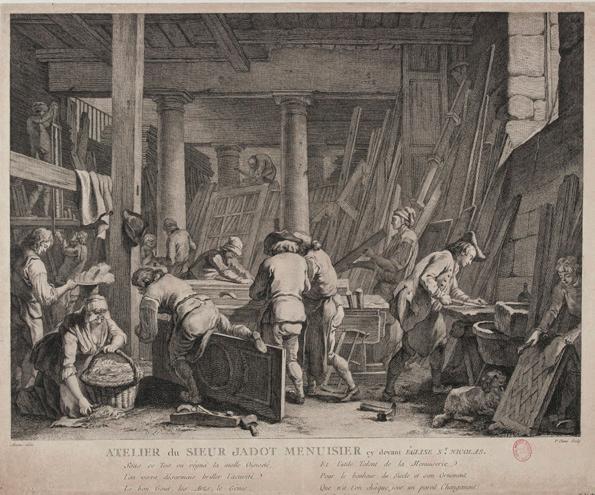
The Parisian guild to which the furniture makers belonged was called the Corporation des Menuisiers. It required apprentices to undergo at least six years of training that resulted in an incredible degree of technical specialisation and ensured a high standard of work. On commencement, a novice spent three years or more in the workshop of a master furniture maker, followed by at least three more years as a journeyman. In order to become a master, a journeyman had to prove his competence by making a chef-d’oeuvre, or masterpiece. Once that was successfully completed, he could open his own workshop only if a vacancy existed (the number of masters allowed to practice at one time was strictly controlled by the guild, as was the size of their workshops) and he had paid the necessary fees. From 1743 onward, it became the rule to stamp every piece of furniture that was offered for sale with the maker’s name. An additional stamp, JME (for jurande des menuisiers-ébénistes), would be added once a committee, made up of elected guild members who inspected the workshops four times a year, had approved the quality.
This Corporation des Menuisiers was divided into two distinct trades comprising the woodworkers, who made architectural paneling (boiserie), and that of the actual furniture makers. These makers were then divided into two categories; menuisiers (joiners) who exclusively made solid wood
furniture such as console tables and chairs, and the ébénistes (from the French word for ebony, ébène) who specialised in the making of veneered case furniture such as commodes, cabinets and bureaux plats. Most of the menuisiers were French born, often members of well-known families of chair makers, and mainly had their workshops in or near the rue de Cléry in Paris. By contrast, many of the Parisian ébénistes were foreign born, and the many German and Flemish names such as Vandercruse, Gengenbach, and Holthausen, attest to the large numbers of foreigners attracted to Paris and the Faubourg Saint-Antoine where they had their workshops.
The guilds also controlled the myriad of processes involved in the creation of a piece of furniture at the time. From the gilding and decoration of a fauteuil to its upholstery and passementerie, a specific tradesman under guild conditions was employed for each step of its creation. The ormolu mounts used on a piece of case furniture had a bronzier who designed the mount in wax, then cast it in metal, which was then handed on to the gilder who would work with a gold and mercury amalgam usually at the cost of his health. Each one of these specialised workers had his own guild.
The relatively informal way of life in Paris during the 18th century, in contrast to the strictness of the court of Louis XIV at Versailles, led to the creation of smaller, more portable pieces of furniture, such as writing tables, occasional tables with small drawers and even the chairs were lighter and ambulante. It was these systems of patronage, regulation, and craftsmanship that resulted in the level of excellence found in 18th century French furniture, a legacy that makes the pieces still highly sought after today.
The Collector's Auction will take place on Tuesday 3 March in Sydney. For viewing times and to see the full catalogue please visit our website.
left: Workshop of Sieur Jadot, carpenter, Around 1776, Pierre Chenu, Musée Carnavalet, History of Paris
right:
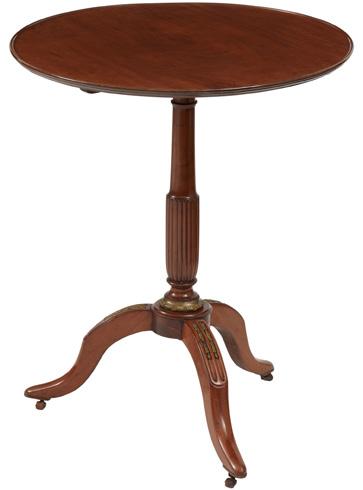
A Louis XVI mahogany gueridon by Canabas
$2,000-4,000
very similar
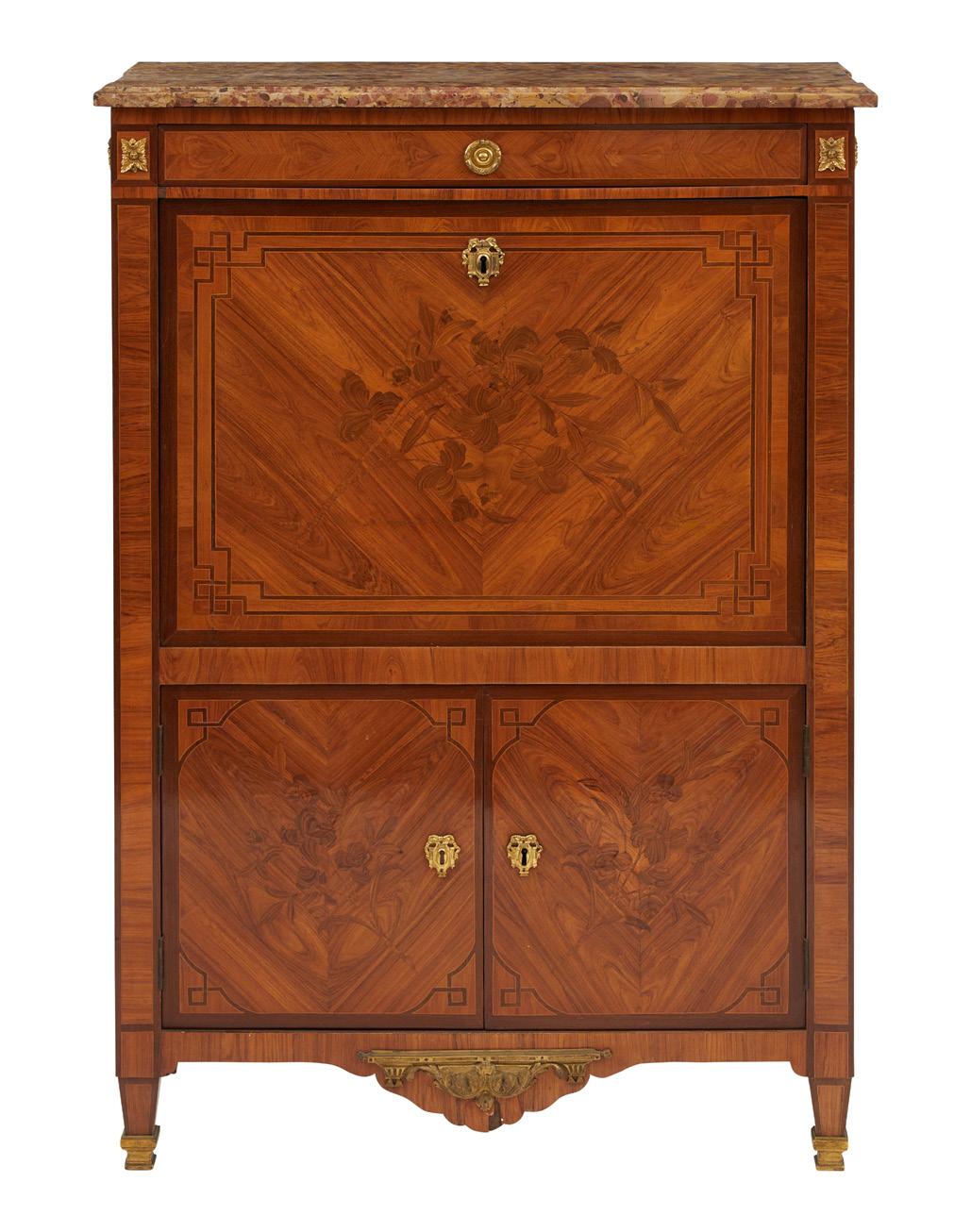
A Louis XVI tulipwood secretaire à abbatant by Roger Vandercruse Lacroix
$15,000-20,000
A
example also by Lacroix can be found in the collection of the Louvre, Paris, OA 8171.
Artist Profile: Mary Fedden (1915–2012)
by amanda hayward (née north), senior art specialist
mary fedden remains one of Britain’s most beloved modern painters, celebrated for her lyrical still life paintings, bold use of colour, and visual language with elements of the surreal, merging whimsy with sophistication. Throughout a career spanning more than seven decades, Fedden carved a distinctive artistic voice, one that is instantly recognisable. Fedden’s still life paintings, which often place everyday objects within landscape scenes, departed from traditional still life conventions. This subject matter combined with her use of vivid colour and a bold, expressive style, proved innovative and ahead of its time.
Though she worked across subject matter, from landscapes to imaginative compositions, it is her still life paintings that have become synonymous with her name. These works draw inspiration from artists she admired, such as Matisse and Braque, yet they remain resolutely individual. Fedden’s compositions, featuring everyday domestic objects, flowers, fruit, and patterned textiles, are assembled with a poetic sense of balance. Her palette is bright and serene, conveying a sense of joy to viewers, which has contributed to her lasting popularity. Rather than striving for realism, she created scenes that feel familiar yet are imbued with dreamlike elements, inviting viewers into intimate moments that exist somewhere between observation and imagination.
Born in Bristol in 1915, Fedden studied at the Slade School of Fine Art from 1932 to 1936 under the theatre designer Vladimir Polunin, whose experience with the Ballets Russes left a lasting impression. Fedden went on to paint sets for productions at Sadler’s Wells, and although she did not pursue stage design professionally, its influence is evident in her art. Everyday objects are often arranged prominently in the foreground, set against landscape backdrops, that recall theatrical props on stage.
During World War II, Fedden served in the Land Army and the Woman’s Voluntary Service and was commissioned to produce murals for the war effort. Despite the adversity of this period, Fedden’s artistic career was influenced by these challenges which led her to focus on capturing the pleasures of life which are often taken for granted. Later in her career, Fedden established herself as a prolific painter and teacher at the Royal College of Art from 1958 to 1964. Remarkably, she was the first woman tutor in the Painting School and some of her pupils included David Hockey, Allen Jones and Patrick Caulfield. Fedden’s artistic influence, particularly her bold colour palette, is evident in Hockney’s use of colour.
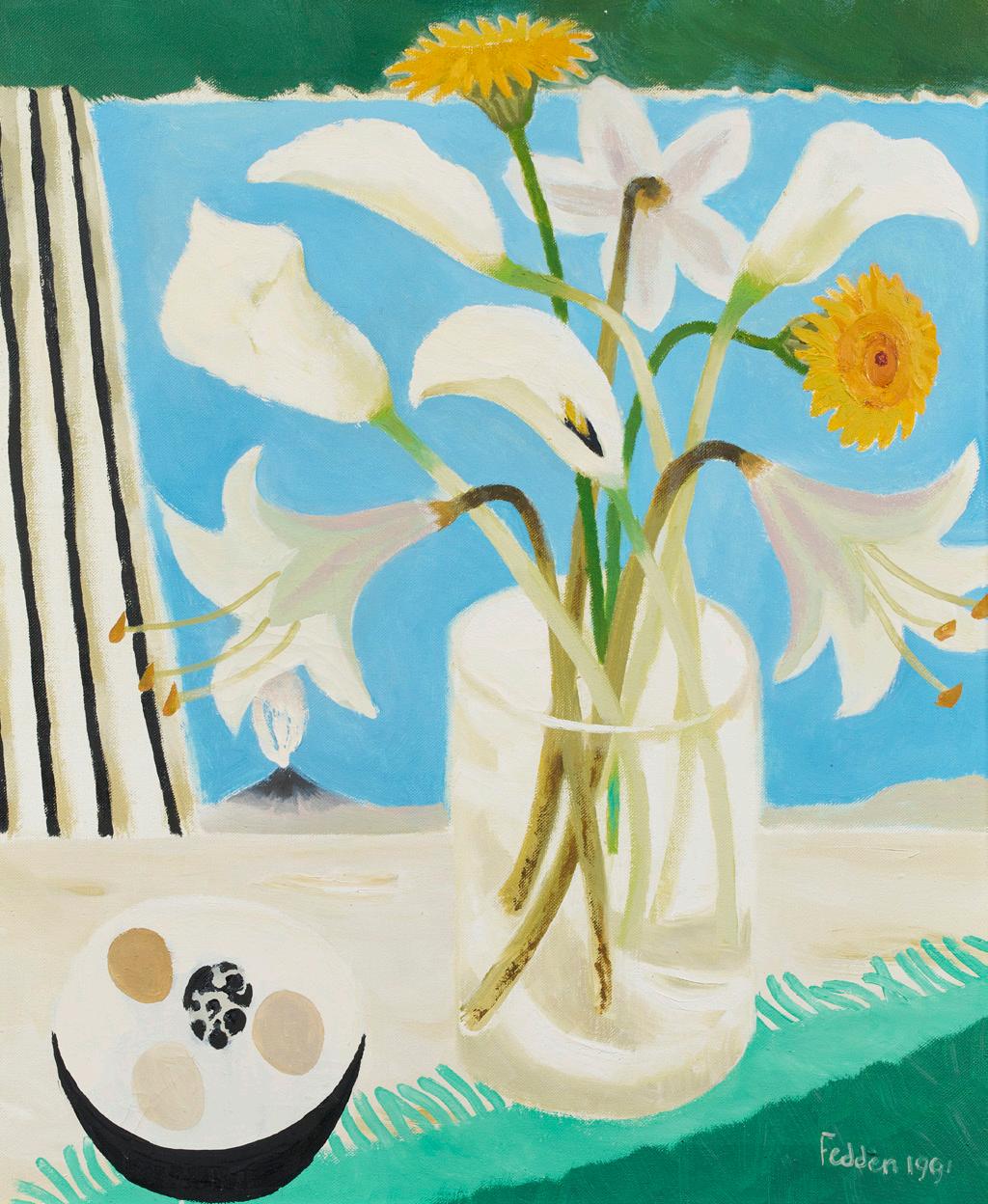
The artwork (Still Life with Lilies) 1991, beautifully embodies the artist’s hallmark traits. A glass vase holding white lilies and bright yellow flowers sits against a vibrant sky-blue background and is accompanied by a curious bowl of rounded egg or pebble-like objects in the foreground. In the distance, a small, stylised volcano appears through the curtained window. The volcano is a peculiar and unexpected motif that gently nudges the composition into the realm of the surreal. The interplay of simplified shapes, crisp outlines, and bright, luminous colour, showcases Fedden’s mastery of still life arrangement. The artwork’s sense of tranquillity paired with its subtle eccentricities makes it a particularly compelling example of Fedden’s work during the early 1990s, a period admired for its confidence and refinement.
Mary Fedden’s appeal lies not only in her technical skill but also in the emotional warmth radiating from her canvases. Her art celebrates beauty in the everyday. The flowers on a table, bowls of fruit and cherished objects assembled in the canvas are transformed through her unique visual language into timeless compositions, that remain relevant and interesting. We look forward to presenting this remarkable work in our upcoming auction and sharing Fedden’s artistic legacy with the Australian art market.
The Fine Art Auction will take place on Tuesday 17 March in Melbourne. For viewing times and to see the full catalogue please visit our website.
by annie soust, head of fine jewels & timepieces, melbourne
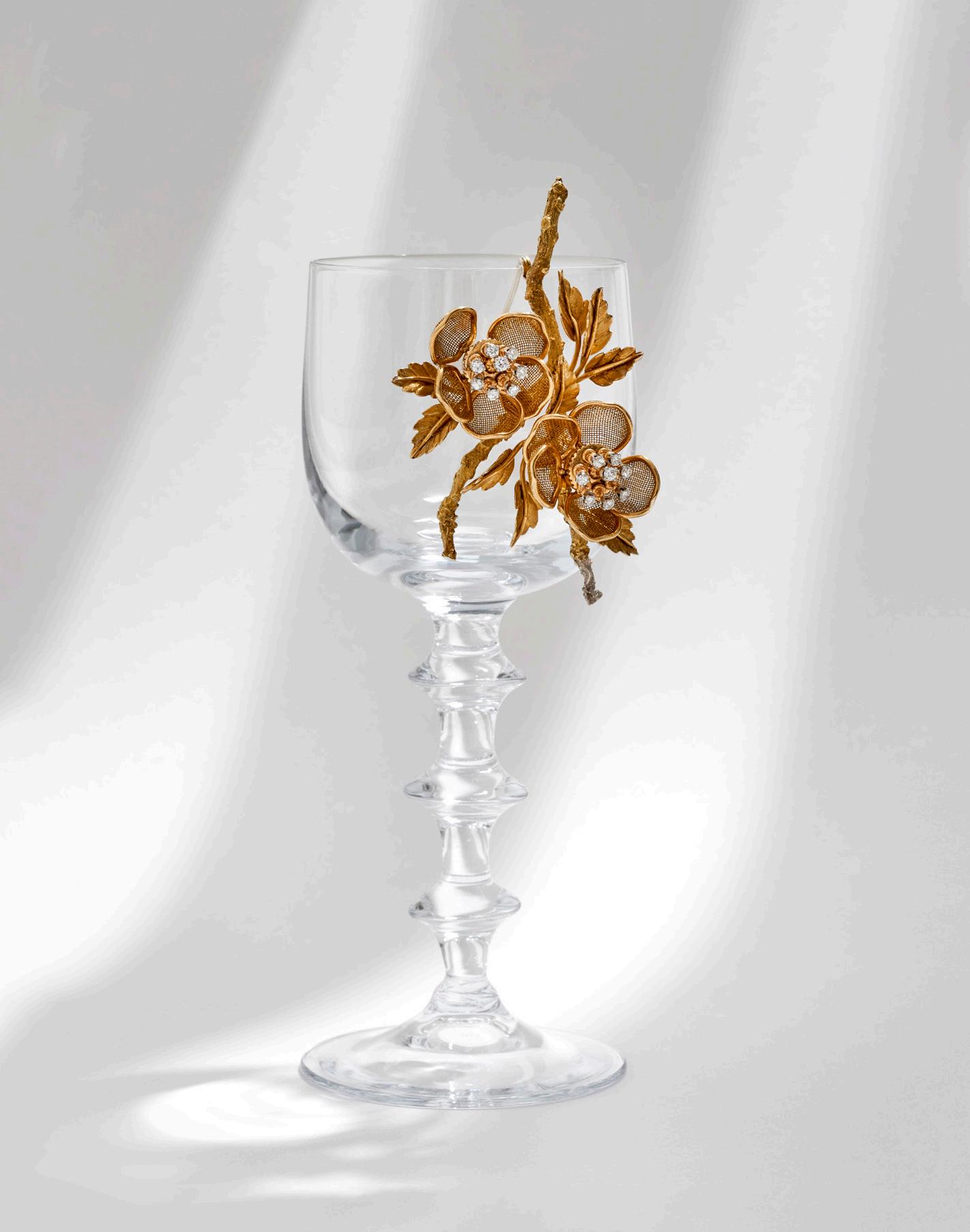
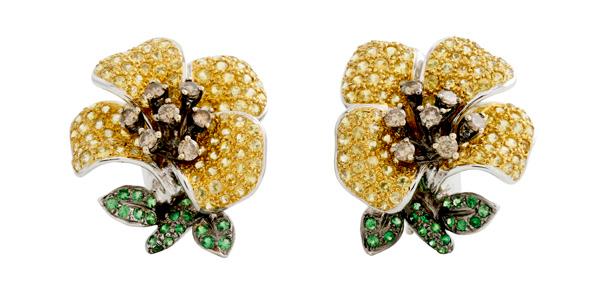
one year, when sending a stunning bouquet of flowers to someone close living abroad, I immediately imagined how I could capture its beauty in time as a cocktail ring. I have always loved how florals can be interpreted and made into wearable pieces. When you look at a flower, it is easy to imagine it rendered in gemstones and gold or silver as a piece of jewellery to adorn, such as an orchid, rose, camellia, pansy, tulip, or twisted vines of foliage.
My floral bombé would last forever, it could be worn always and not wilt or fade. Floral jewellery captures the loveliness of nature through craftsmanship, enabling us to wear geological wonders in gemstones formed over millennia, slowly growing in mineral environments with chemical trace elements determining their variety and colour. Imagine a corsage spray of diamonds, a colourful explosion of flowers of magnificence, or a perfectly styled single petal. Since ancient civilisations, jewellery designers and artisans have appreciated how flowers and gemstones complement each other, and the history of these motifs in jewellery has evolved along with design techniques.
Ancient Greeks and Romans commissioned gemstone carvings of garlands, and in ancient Egypt, collars and necklaces were adorned with lotus and papyrus flowers using carving and inlay techniques in turquoise, carnelian and lapis lazuli, symbolising rebirth. In the Middle Ages, just as floral motifs were used in art, literature, and music, they also appeared in jewellery. Pilgrims wore simple brooches or rings of carved metal garlands or wreaths and by the late Middle Ages, flowers became symbolic as filigree techniques were developed depicting blooms, ‘tussie mussies’, and posies, showing courtly love and chivalry. The fleur-de-lis, an iris, was adopted by early French and Italian monarchs in brooches and rings representing the church at first but spreading to central Europe depicted in the crown jewels of Prague and beyond. The Tudor Rose, a symbol created by Henry VII to represent the combining of the houses of Lancaster and York, was a common motif in the jewellery worn by the royal court.
In the 18th and 19th centuries, during the Rococo and Romantic eras, floriography – conveying messages through the symbolic meaning of flowers – was popular in jewellery in the form of roses (love), daisies (innocence), and lilies (purity). Marie Antoinette favoured rose motifs woven into her jewellery, as seen in her floral diadem, a glittering spray of graduating diamond flowers elegantly arranged. The creation of the French ‘en-tremblant’ technique, where moving parts are attached by miniature springs and hinges, enabled elements of leaves, petals, flower heads, or branches to quiver as one moved.
Art Nouveau jewellery depicted stylised delicate floral sprays, often featuring orchids, blossoms, and foliage in coloured gems enhanced by diamonds to capture and reflect light.
Famous jewellery Maisons often use specific floral varieties in their signature designs, such as Cartier’s carved orchidé or tutti frutti, Chaumet’s hydrangea, Dior’s rose, Georg Jensen’s daisy, and Chanel’s camellia.
My ‘bombé de fleur’ ring is still in the early stage of gathering gemstones, but designers and collectors today, as throughout history, continue to prize the beauty of the natural world through adornment.
Our Fine Jewels auction will take place on Monday 16 March in Melbourne. For viewing times and to see the full catalogue please visit our website.
Dangerously Modern: Thea Proctor & the
Art of Style
left: Thea Proctor (1879-1966) Bonnets, Shawls, Gay Parasols c. 1928 Woodcut 28 x 24.5cm (image)
$3,000-4,000
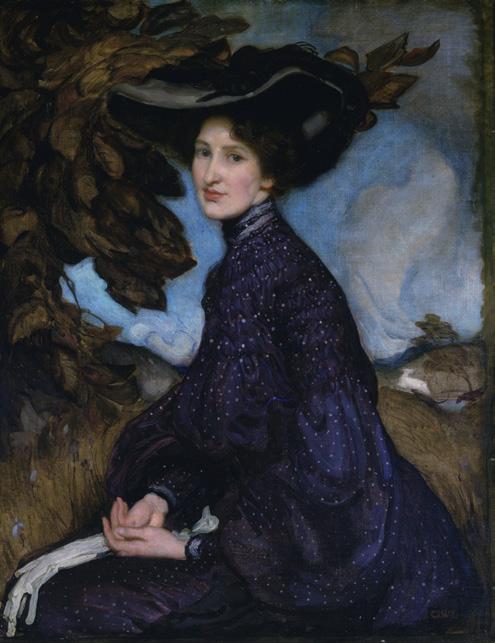
opposite left: George W Lambert (1873–1930) Miss Thea Proctor, 1903 Art Gallery of NSW Collection, purchased under the terms of the Florence Turner Blake Bequest 1961
by hannah ryan, senior art specialist, manager of speciality auctions
when australian artist Thea Proctor returned to Sydney after nearly two decades in London, she was surprised to find her work described as “dangerously modern”. Intended as a warning, the phrase now sounds like a compliment. In Australia in the early 1920s, Proctor’s confident line, bold colour, and universal awareness marked her out as something new.
Born in Armidale, New South Wales, in 1879, Proctor left Australia in 1903, drawn to London by the possibility of a broader artistic life. She would remain there for 18 formative years, immersed in a city that was visually rich, culturally active, and open to new ideas. Proctor became part of the bohemian Chelsea arts scene, where fashion, theatre, design, and fine art were closely intertwined. Exhibiting widely, including at the Royal Academy, she absorbed a way of thinking in which art was not separate from daily life, but part of it.
That sense of integration became central to Proctor’s practice. When she returned to Sydney in 1921, she quickly emerged as a tastemaker and advocate for modern design, becoming a visible and influential presence in the city’s cultural circles. Admired not only for her work but also for her taste and discernment, Proctor maintained a wide-ranging practice that moved fluidly between painting, drawing, printmaking and design, never treating one as more serious or important than the other.
Despite this breadth, Proctor’s reputation today rests on a remarkably small body of prints. She is known to have produced only around 13 woodcuts, all produced during the 1920s and 1930s. Their rarity sets them apart, but it is the clarity of her vision that gives them lasting appeal. Encouraged by her close friend, Margaret Preston, who supplied her with timber blocks, Proctor began exploring the medium. The two artists shared an instinctive understanding of composition and held joint exhibitions in Sydney and Melbourne in 1925, a collaboration that helped shape the direction of Australian modernism.
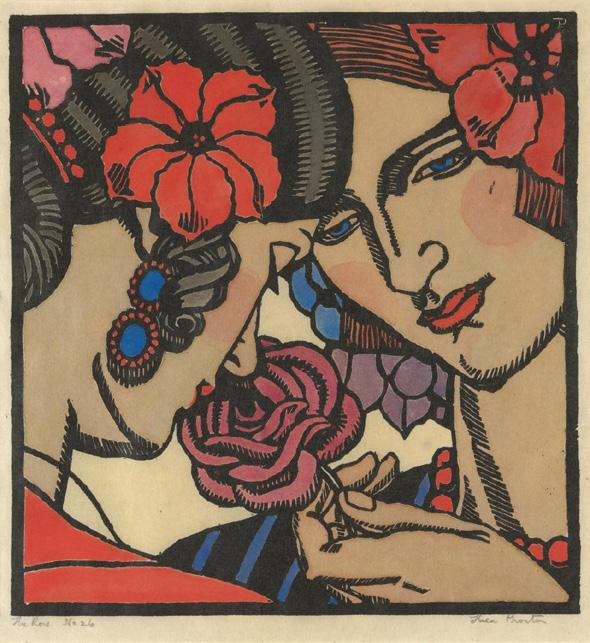
Among these prints, The Rose 1927 stands as one of Proctor’s most recognised works. Two women lean towards a single bloom, their faces drawn close in an intimate moment. The composition is tightly cropped and flattened, the colour direct and deliberate. While the rose gives the work its name, the real subject is intimacy, captured in a fleeting moment handled with confidence.
Elsewhere, works such as Bonnets, Shawls, Gay Parasols c.1928 reflect Proctor’s interest in costume and leisure. Drawing on an imagined Victorian world, the black ink composition relies on line and balance rather than colour. Her figures inhabit moments of elegance, realised through bold outlines and a carefully considered use of line.
By the 1930s, Proctor epitomised modern life in Sydney. She taught, exhibited, and mentored younger artists, and helped establish the Contemporary Group, shaping a generation of forward-thinking artists. Although she did not regard her woodcuts as central to her practice, their rarity and confidence have ensured their lasting influence. Elegant, assured and quietly modern, Proctor’s work still carries the charge that once made it feel dangerous.
Our Prints & Multiples auction will take place on Wednesday 22 April in Melbourne. For viewing times and to see the full catalogue please visit our website.
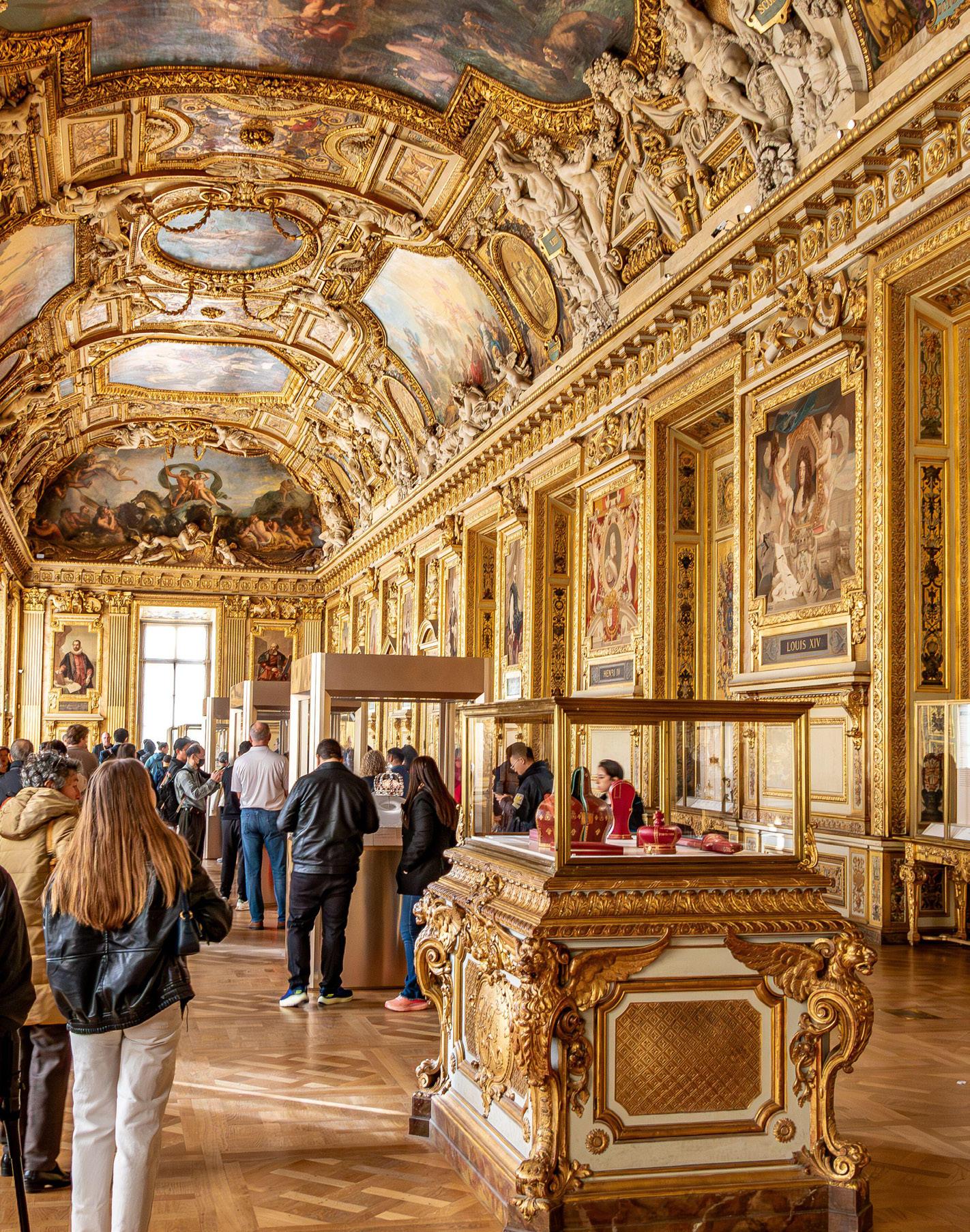
In October 2025, the world was horrified by news of a brazen daylight robbery at one of the most famous museums on earth, the Louvre in Paris.
by lauren boustridge, head of fine jewels & timepieces, sydney
Stolen Splendour: The World’s Most Daring
Jewellery Heists
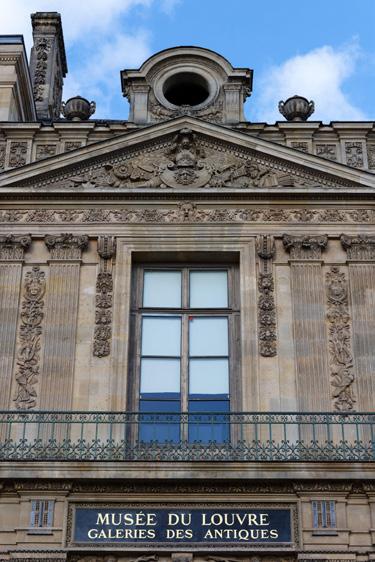
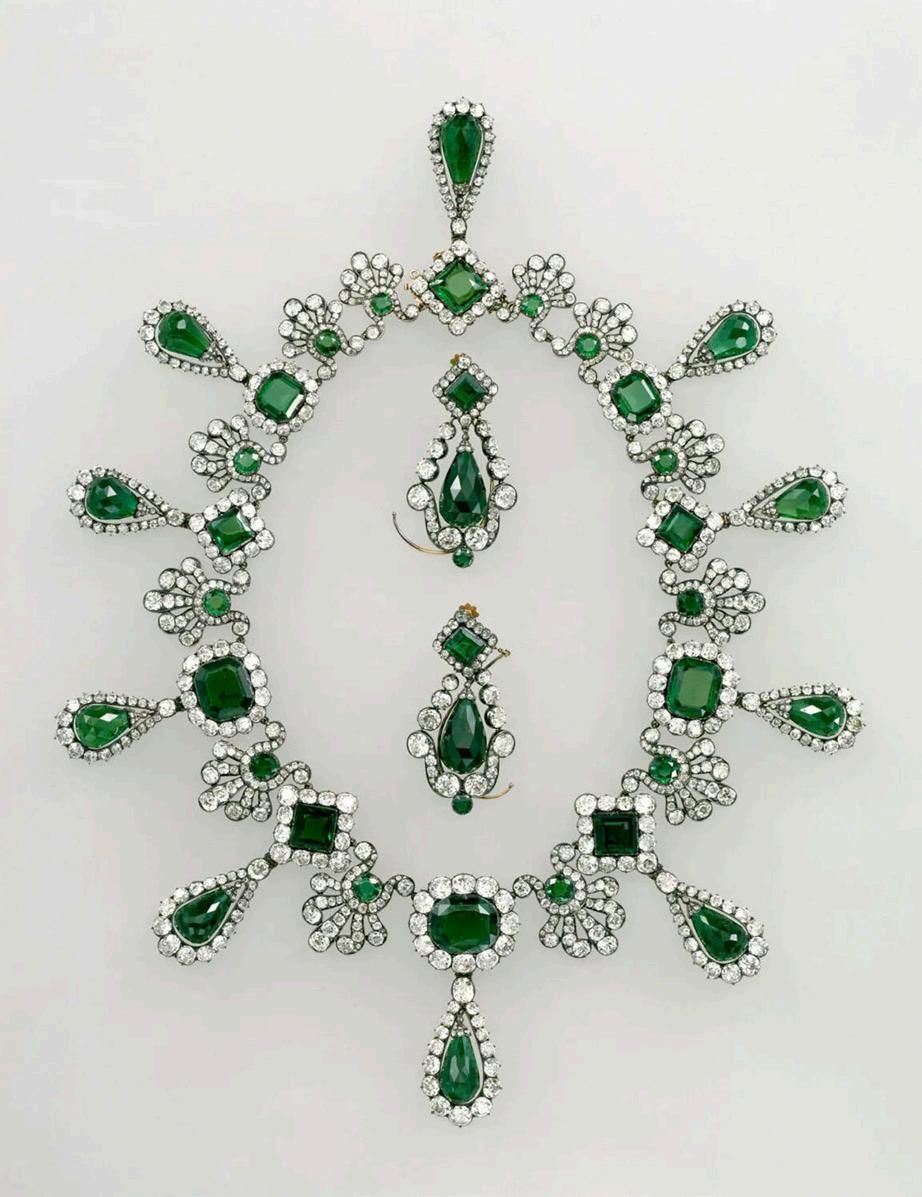
in a meticulously executed theft carried out in full view of visitors, criminals made off with important pieces of jewellery once belonging to members of the French royal family. The audacity of the crime within an institution synonymous with cultural preservation sent shockwaves through the international art and jewellery worlds.
While the events at the Louvre remain fresh in our collective memory, this extraordinary theft is far from an isolated incident. History is rich with equally daring and in some cases even more valuable jewellery heists, where priceless gems have vanished from vaults, museums, and private collections under seemingly impossible circumstances. These crimes continue to fascinate, a reminder that where exceptional jewels exist, so too does the allure of the perfect crime.
Dresden Green Vault
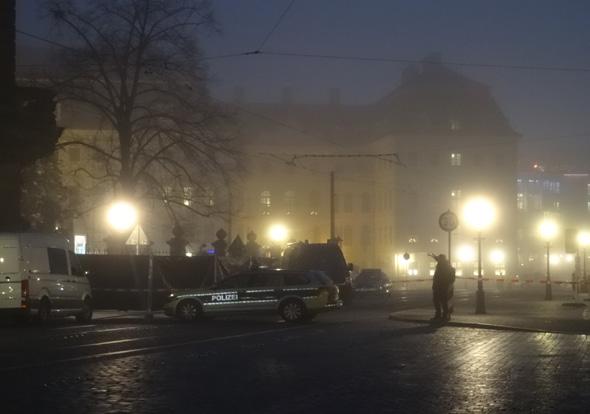
One of the most striking recent examples occurred on 25 November 2019, when thieves targeted the Green Vault in Dresden Castle, one of Europe’s oldest and most treasured royal collections. In the early hours before dawn, burglars exploited a power outage caused by a small fire to disable external alarms, cut through iron bars, and smash display cases, making off with historic 18th century royal jewellery. Among the stolen treasures were the 62-carat Dresden White Diamond, a diamond-laden breast star of the Polish Order of the White Eagle, and a diamond epaulette. The missing items originally estimated by some sources to be worth up to €1 billion were of immense cultural as well as material value to the State of Saxony, though official insured losses were placed around €113 million. German authorities later recovered many of the stolen objects, and several individuals linked to the crime were convicted, underscoring both the boldness and the high stakes involved.
Antwerp Diamond Heist
An earlier example of audacious planning took place in Antwerp, Belgium, on the weekend of 15–16 February 2003, in what has often been called the “heist of the century.” The gang, led by Italian criminal Leonardo Notarbartolo, spent over two years meticulously plotting the robbery of the Antwerp Diamond Centre. They bypassed an extraordinary array
of security systems including infrared heat detectors, doppler radar, and magnetic field alarms to access a vault two floors below the building. Once inside, the thieves used a custom-made, hand-cranked device to open more than 100 safe deposit boxes, each secured with both a unique key lock and a three-letter combination lock. They made off with loose diamonds, gold, silver, and other jewellery valued at over $100 million, most of which has never been recovered. Notarbartolo and several accomplices were eventually arrested, with Notarbartolo sentenced to 10 years imprisonment for the crime.
Graff Diamonds, London
Equally dramatic, though executed on a smaller scale, was the 2009 Graff Diamonds robbery in London. On 6 August, two men posing as customers walked into the prestigious boutique on New Bond Street and escaped with a haul valued at nearly £40 million. The robbers threatened staff at gunpoint and made off with 43 items, including rings, bracelets, necklaces, and watches, one of which was worth more than £3.5 million. In preparation for the heist, they employed a professional make-up artist to alter their appearances with latex prosthetics and wigs, allowing them to enter the store without concealing their faces from CCTV. Despite arrests and convictions, none of the stolen jewellery has been recovered, cementing the heist in Britain’s criminal lore.
From Dresden to Antwerp to London, and now Paris, these remarkable crimes share a common thread: the irresistible allure of jewellery, where history, wealth, and craftsmanship converge, becoming a siren call for those willing to take extreme risks. Each heist not only showcases the audacity of the thieves but also the enduring fascination of the public with the drama, risk, and notoriety of stealing some of the world’s most precious treasures.
previous page:
Galerie d'Apollon inside the Musée du Louvre, Paris, where the French crown jewels were stolen in October 2025 / Alamy
left: The window of the Musée du Louvre through which thieves entered during the daring jewellery robbery / Alamy
right:
Crime scene at the Green Vault, Dresden, 2019
opposite: Necklace and earrings from the emerald parure of Empress Marie Louise, Musée du Louvre, stolen in the October 2025 robbery.
CELEBRATING WOMEN ARTISTS &
DESIGNERS
For International Women’s Day, our specialists reflect on standout works by women artists that may have passed through our doors, but left a lasting impression.
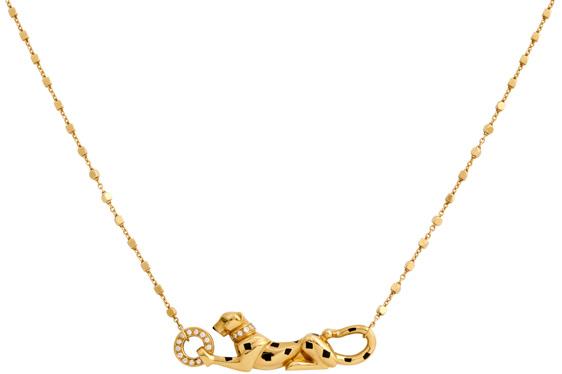
In 1933, Jeanne Toussaint became the first female director of fine jewellery at Cartier and was the visionary behind the maison’s iconic Panthère collection. Her championing of the Panthère elevated it from a decorative motif to a powerful emblem, defining both the modern Cartier Panthère collections and cementing the panther as a symbol of the brand itself.
Cartier, 18ct gold and diamond
'Panthère' necklace
$8,000-12,000
Fine Jewels, Auction 16 March 2026
Marguerite Mahood (1901–1989) was an Australian painter, printmaker, illustrator, author, and historian but is most well known for her pottery. Working in the 1930s, '40s and '50s, Mahood was a trailblazer of the period. Dissatisfied with commercial pottery techniques, she chose instead to use her own home-built kiln with clay from her backyard as the basis of her pieces, giving her full control of the pottery process, from creation to glazing and firing. Her pieces are most recognisable by their artisanal quality, with her most sought-after works featuring intricate reticulation done by hand and often incorporating mythical creatures such as dragons and goblins as well as animals.
Within our March Decorative Arts offering we are including selected ceramic works and part of her artistic archive including drawn and printed cards, most of which are directly descending from Mahood's relatives, coming to the public for the first time.
Chiara Curcio, Head of Decorative Arts, Design & Interiors
A glazed earthenware 'Gargoyle' two handled pot and cover, by Marguerite Mahood, model number Q2230
$6,000-9,000
Decorative Arts Auction 30 March 2026
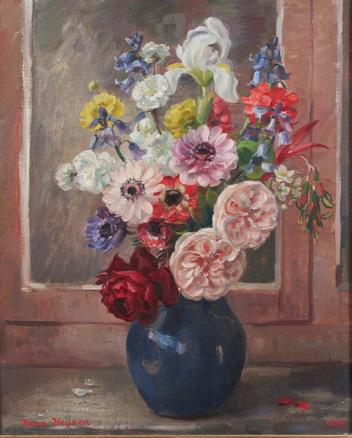
I adore this beautiful still life by Nora Heysen for its vibrant colouring and beautiful detail. Heysen was the first woman to win the Archibald Prize and Australia’s first female official war artist. She broke through many barriers in a male-dominated art world and for that, she certainly deserves a spot in this feature.
Wiebke Brix, Head of Art
Nora Heysen (1911-2003)
Spring Flowers 1960
$20,000-25,000 Fine Art Auction Tuesday 17 March 2026
Annie Soust, Head of Fine Jewels & Timepieces
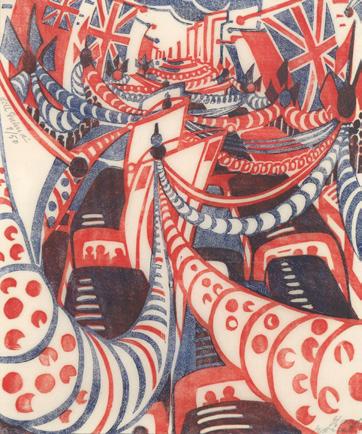
Street Decoration 1937 by Lill Tschudi is full of movement, with sweeping flags and repeating forms creating a sense of energy and flow. Lill Tschudi was drawn to the rush of public events and the modern world unfolding around her, embracing subject matter that few women artists were exploring at the time.
Hannah Ryan, Senior Art Specialist, Manager of Specialty Auctions
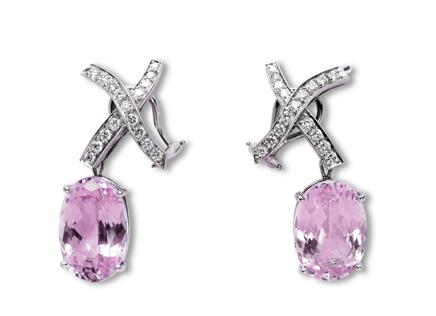
Paloma Picasso brought a bold, graphic sensibility to Tiffany & Co., redefining modern jewellery with her fearless use of colour, sculptural forms, and expressive motifs. Her designs, most notably the Graffit collection, captured a spirit of artistic individuality that continues to influence the house’s contemporary identity today.
Lauren Boustridge, Head of Fine Jewels & Timepieces, Sydney
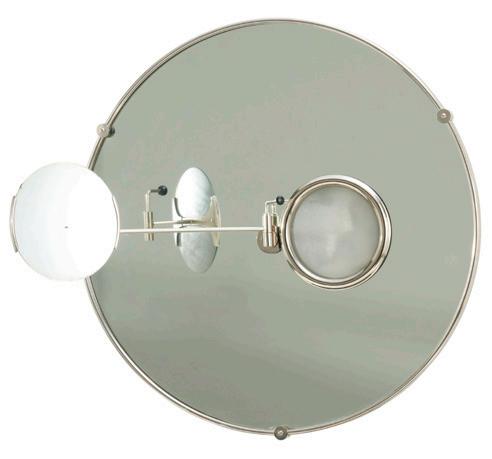
Eileen Gray (1878–1976), the pioneering Irish modernist architect, designed the Satellite Mirror in 1927 for the guest bedroom of her iconic Côte d’Azur villa, E-1027. Gray lived a boldly unconventional life, famously known to drive through Paris in a convertible with one of her lovers, the nightclub singer Damia, while Damia’s pet panther lounged in the back seat. Her work faded into obscurity post-war but she has since been recognised as a leading figure in the modernist movement. In 2009 her Fauteuil aux Dragons set a world record at Christie’s in Paris, selling for €21.9 million, the highest price ever achieved for a chair at auction.
Rebecca Stormont, Modern Design Specialist
Eileen Gray
Satellite Mirror 1927
$5,000 - 6,000 Modern Design
Auction 2 March 2026
Picasso for Tiffany & Co.
diamond
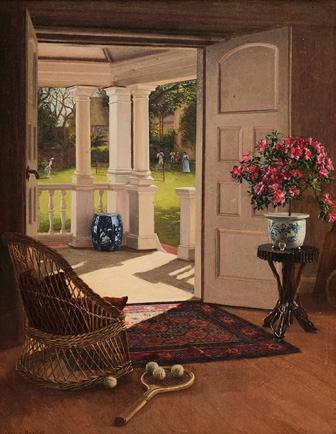
I love the intimate and finely painted interior of Jessica Hayllar’s Sunshine (1884) which offers us a glimpse into everyday Victorian life. It showcases the quiet power and talent of an artist who was creating beautifully detailed domestic scenes at a time when female painters were often overlooked.
Madeleine Mackenzie, Head of Decorative Arts & Art, Sydney
Paloma
Kunzite and
convertible earrings, circa 1985 Sold for $10,000 Important Jewels, August 2023
Jessica Hayllar (British, 1858 - 1940) Sunshine 1884 Sold for $87,500 The Collector's Auction, March 2024
Lill Tschudi (Swiss, 1911-2004)
Street Decoration 1937 Sold for $21,250 Women Artists, October 2020
Early Robots: The Fascinating Rise of the French Doll Automaton
by chiara curcio, head of decorative arts, design & interiors
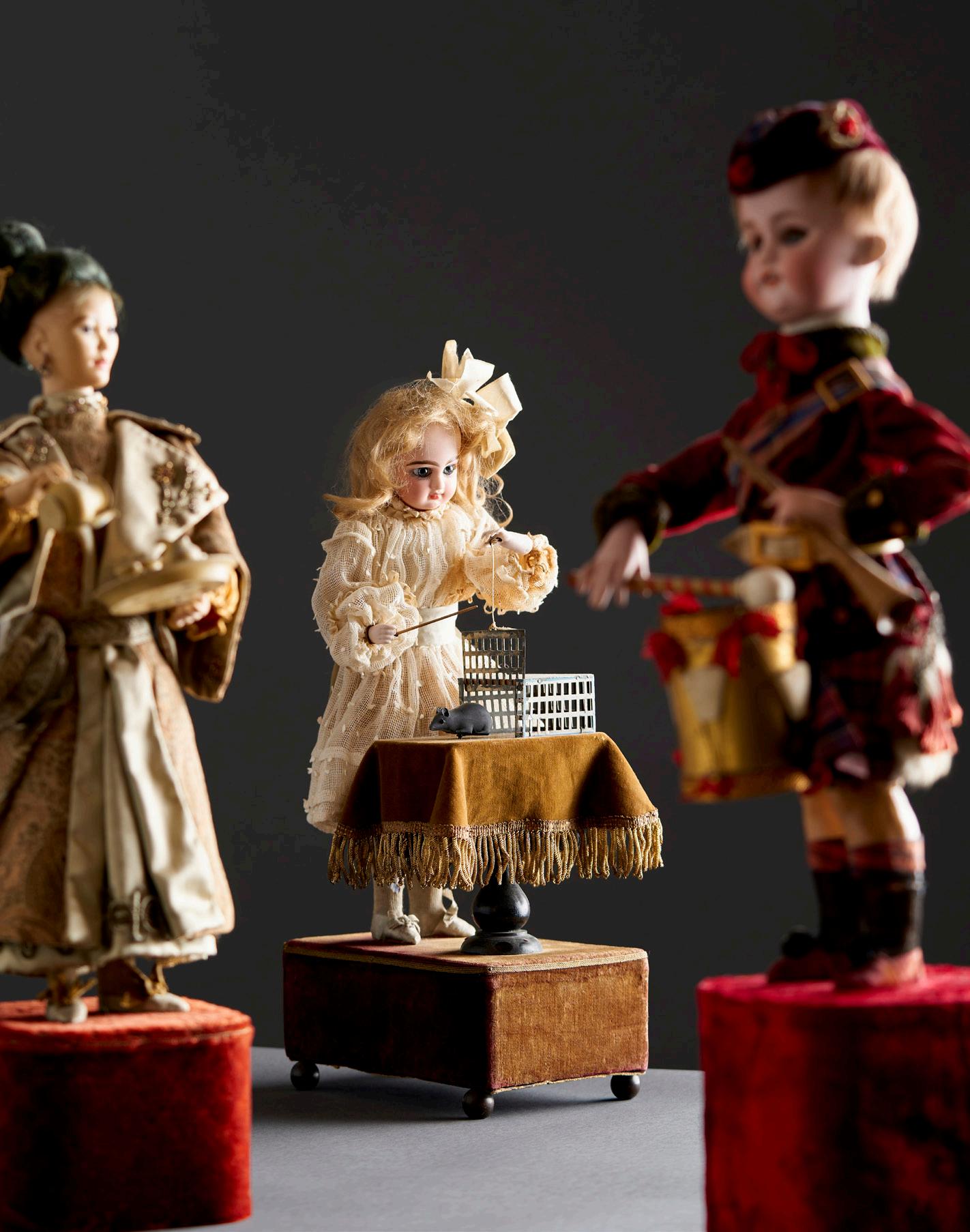
the doll automaton is a relic of a world past, both fascinating and disconcerting; often no larger than a coffee table book, modelled with childlike bisque or composite countenance, with expressive large glass eyes and rounded cheeks. Like the development of humanoid robotics we are navigating in the current day, they were animated to realistically simulate human movement, often powered by key-driven clockwork and later electronic mechanics, varying from two to four movements per piece, some synchronic, depending on the complexity of the movement.
With their beginnings in the 17th century, French doll automata saw their commercialisation during the industrial revolution of the 19th century. Their popularity was affected by the industrial shifts, and subsequent commercial changes of the period, resulting in what is known as the golden age of automata, which recorded an increase in annual turnover ten times over in France broadly between 1850 to 1900.
The industrial revolution saw a dramatic shift from artisanal and agrarian industry to machine dominated manufacturing. France embraced the effects of the industrial revolution by the mid-19th century, simplifying manufacturing processes across all industries including the doll and automaton industry. The use of machines to facilitate the construction of the internal mechanism greatly reduced production time and therefore the costs, allowing makers to produce larger numbers to market at a lower price, compared with their earlier examples which required long and patient labour, with a necessity to make each component separately, a process which often would take years to complete.
At the same time, the Universal Exhibitions had given importance to the appreciation of the craftsmanship associated with toy and automaton makers, affording them greater exposure to the emerging middle class, who favoured automata as luxury items; novelties that could be placed in their homes as a representation of their interest in the arts.
Although they present as toys, these wonderful creations were by nature too sophisticated to be intended for children - in addition to their fragility and complex construction, their price tag remained high. The aesthetic aspect was of great importance, like any work of art, there was consideration to the subject, particular movements including the number of movements and how complicated they were, together with the richness of costume and details of the subject’s features; it was the automaton maker’s responsibility to ensure all components were harmonious.
Automata were a true insight into 19th century French society, often modelled on new interests and fashions of the time, such as oriental subjects referencing Japonisme. Some were more flamboyant with examples of magicians, acrobats, and performers, whereas other examples mimicked 19th century middle class life, showing common tasks such as a lady knitting or a child playing with toys.
By the 1890s, in response to commercial demands, automata were introduced to advertising displays to draw the eyes of passersby, and in time became large enough to fill the entire window display. By this point, clockwork movements had become outdated and electrical movements were becoming preferred, for their convenience of a continuous stream of power once plugged in versus its predecessor which required frequent re-winding.
During the early 20th century, production eventually slowed due to multiple factors including restrictive exportation laws for French toys, which was a large portion of the market, and the profound changes in the industry following the end of the First World War.
These fascinating dolls, although produced in large numbers in the 19th century, remain rare in the modern market, often coveted by collectors in multiple quantities and sold privately within niche collecting communities. It is often not until a single collection presents to the public market that we can admire these prized artworks.
I am delighted to present The Parry collection as a feature within our forthcoming Decorative Arts auction on 30 March, which includes approximately twenty examples, varying in maker and theme. Doll automata are all so unique in their creation, so I am sharing three examples here to provide scope on their movement.
The first example is a musical tea server by Leopold Lambert. When wound, the lady elegantly turns her head then lifts the teapot and ‘pours’ the tea and extends the tray as though serving with music playing throughout.
Another example is a musical girl with a pet mouse by Rambou. The little girl holds a baton in one hand and the string to a cage in her other hand. When wound, two mechanisms operate in synchronism; the girl lifts her head and then lifts her left hand to open the door of the cage allowing the mouse to timidly emerge, the girl then taps the mouse with her baton and the mouse returns to the cage, with music playing throughout.
The last example is a musical Scottish boy with drums by Leopold Lambert, when wound the doll turns its head from side to side and nods, the eyes blink, and he brings the horn up as though to play and beats the drum, this example also musical with two tunes.
Our Decorative Arts auction will take place on Monday 30 March in Melbourne. For viewing times and to see the full catalogue please visit our website.
A. Lange & Söhne: The Lazarus of the Watchmaking Industry
by patricia kontos, senior timepieces & jewels specialist
when i read the story of A. Lange & Söhne’s dramatic decline and remarkable rebirth, I couldn’t help but think of the biblical miracle of Lazarus of Bethany. Raised from the dead by Jesus after four days, the Lazarus story seems an apt analogy for a company that returned from total obliteration to become one of the most highly regarded manufacturers of luxury mechanical watches in the world.
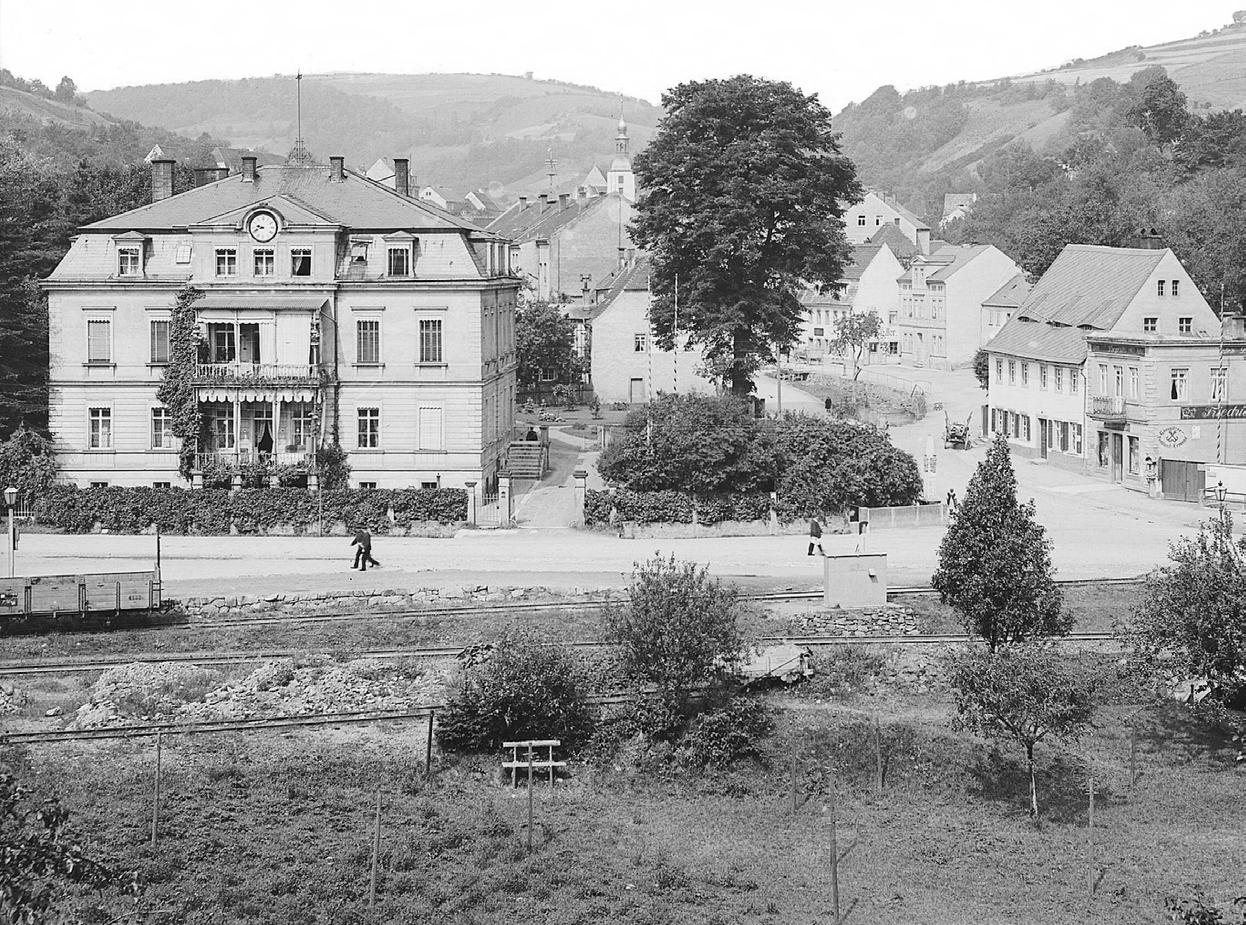
The ‘miracle’ of A. Lange & Söhne unfolds in two chapters in two vastly different periods of world history. The first begins with the birth of Ferdinand Adolph Lange, a visionary credited with transforming his town of Glashütte in the Eastern German state of Saxony into the centre of precision watchmaking in Germany.
Born in Dresden in 1815 to a gunsmith, Lange’s early life gave little hint that he would one day trade firearms for timepieces, however as a watchmaker-cum-entrepreneur, he shaped future horological practices and traditions. Lange initially headed to Switzerland, and then to Paris, where he trained under Joseph Thaddeus Winnerl, a former student of Breguet and the inventor of the split-seconds chronograph. Back in Dresden in 1840, Lange studied at the Technical College and apprenticed with court watchmaker Johann Christian Friedrich Gutkaes.
It quickly became apparent that Lange was good with his hands, but he was better still with ideas. Restless and ambitious, Lange returned to Paris, then the epicentre of precision watchmaking. By day, Lange ran Winnerl’s workshop, but by night his horizons would truly broaden through his study of astronomy and physics at the Sorbonne. It was this invaluable learning that would elevate and shape his innovations in timekeeping in years to come.
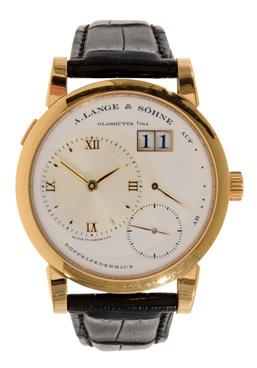
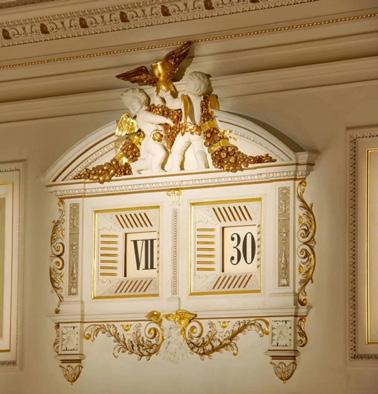
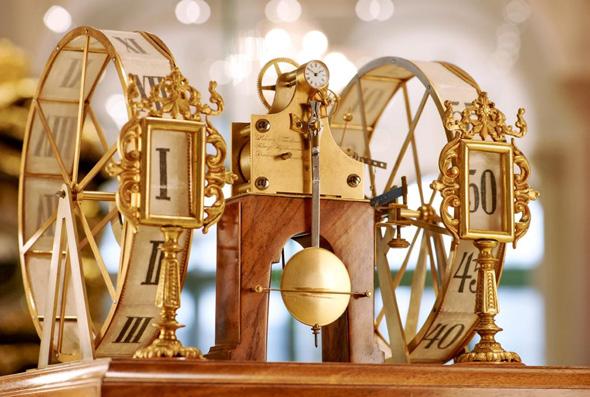
Lange replaced the traditional Parisian “lignes” measurement system with the more precise metric system, a decision that would improve consistency and accuracy in watchmaking. He also contributed to the construction of the famous five-minute clock in the Semper Opera House in Dresden. Displaying time through rotating numeral barrels, this clock later inspired the oversized date window that would become a signature characteristic of A. Lange & Söhne watches.
In 1854, with the support of the local government, Ferdinand Adolph Lange founded A. Lange & Cie in Glashütte. Truly a civic minded ideas man, Lange’s goal was to revitalise the town, which by the mid-19th century had fallen from its former silver mining prosperity into economic hardship, the depleted mines leaving behind a legacy of social and financial struggle. In this very town, over the following decades, Lange revolutionised fine watchmaking by introducing the division of labour, refining tools, and developing the iconic three-quarter plate, which would become a hallmark of Glashütte craftsmanship.
In the late 1860s, Lange’s sons Emil and Richard joined the firm, renaming it A. Lange & Söhne. After their father’s death in 1875, the brothers expanded on his legacy, crafting exquisitely decorated pocket watches, scientific chronometers, and the legendary Grand Complication no. 42500, considered one of the most technically complex timepieces ever produced. Leadership remained within the family for generations, yet this hard-won achievement and progress was about to grind to a halt.
The devastation of World War II would prove catastrophic for the watchmaker. Tragically, on the very last day of WWII in Europe, May 8, 1945, just hours before Germany’s unconditional surrender, the Soviet Air Force launched its bombs on the town of Glashütte. To further pour water on any embers of hope, in 1948, through Soviet nationalisation policies, the name A. Lange & Söhne too would be extinguished along with the factory. For over four decades, the brand was erased in both practice and in name.
The second chapter of the A. Lange & Söhne story begins with Walter Lange, born in 1924 and the great-grandson of Ferdinand Adolph Lange. Trained as a watchmaker and forced to flee from Glashütte in the Soviet-occupied zone, German Democratic Republic (East Germany), he took with him the dream of restoring his family’s incredible legacy. The fall of the Berlin Wall in 1989 presented the turning point he was waiting for. Now that Germany began reunification, Walter Lange could legally reclaim the brand and rebuild the manufacturing. On December 7, 1990, after 45 years, A. Lange & Söhne was officially ticking again. Reduced to rubble and erased from history, surviving a Quartz Crisis would have seemed a cakewalk compared to the phoenix-like resurrection of A. Lange & Söhne. A narrative of resilience, masterful craftsmanship, visionary thinking, and an unbroken family legacy evokes the image of a Lazarus awakened, in this case to become the Teutonic timekeeper titan it is today.
Our Timepieces auction will take place on Monday 16 March in Melbourne. For viewing times and to see the full catalogue please visit our website.
opposite:
A. Lange & Söhne, (seen to the left) in Glashütte, 1905 / Alamy
right:
The Five-Minute Clock in the Semper Opera House, Dresden / Image courtesy A. Lange & Söhne
far top right: An A. Lange & Söhne wristwatch
Sold for $26,040
far right:
Model of the Five-Minute Clock by Ludwig Teubner, dated 1896, executed as a bracket clock / Image courtesy A. Lange & Söhne
In Conversation: On Sentimentality in Design with Madeleine Murdoch and Frances Normoyle
by rebecca stormont, modern design specialist
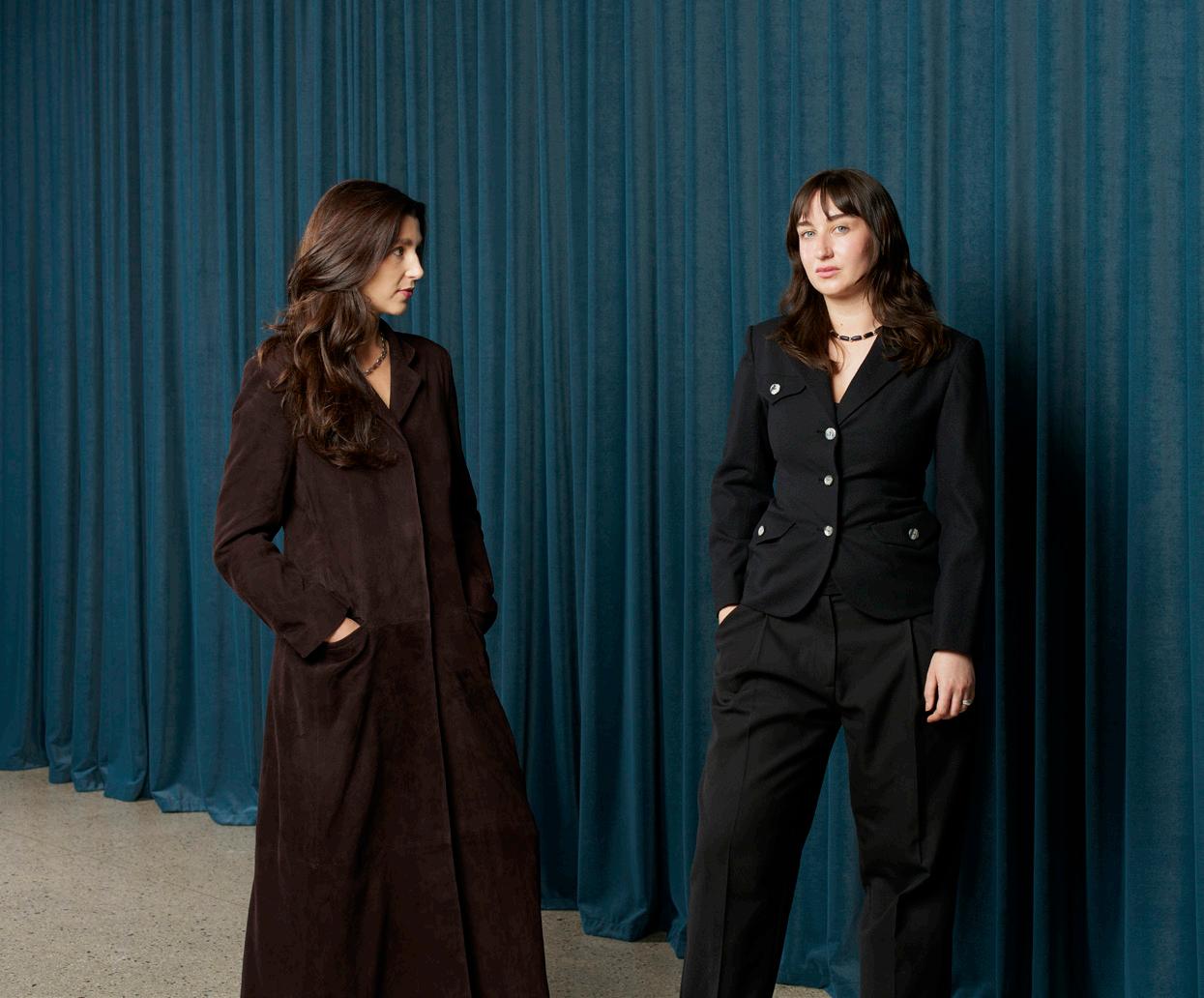
in the lead up to Sentimental Pull, a collaborative exhibition between Melbourne design studio, Streifen, and Leonard Joel, our Modern Design Specialist, Rebecca Stormont, chats with designers Madeleine Murdoch and Frances Normoyle about their process, inspirations, and new collection.
I would love to know more about Streifen and the pieces in this collection - where do you draw inspiration? Was there a particular story, theme, or material that led the design process?
Streifen always begins with feeling. We are both deeply sensitive people, and our practice is led from that place; instinctive, intuitive, and emotionally driven. Having been close friends for over ten years, we’ve built a shared internal language and a private world of references. We trust ideas that might feel too emotional, too personal, or too indulgent elsewhere. When we begin a design process, we often arrive with an uncanny parity in our sources and inspirations. Our inspirations span a wide range of sources; a piece of writing or music, a remnant of fabric found at an antique market, or the permanence of wrought iron furniture from Frances’ father’s blacksmithing archive. These references are not prescriptive to the visualisation of our work, but they form an emotional scaffolding. From there, everything is built around how we want someone to feel in the presence of the object. Sentimental Pull brings together our body of work to date, spanning four collections produced over a three-year period, complemented and contextualised by antique and vintage pieces carefully selected from Leonard Joel. While each of our collections carries its own distinct identity, they are united by a shared preoccupation with emotional resonance. At the core, we want the work to do something quietly powerful: to sit in a room and subtly alter how you feel in your body. If someone senses something before they can name it, then the piece has done its job.
Is there a design period or particular designer you feel a connection to?
We’re drawn to people with conviction. Work that feels decided, not negotiated. Charlotte Perriand, Eileen Gray, and Aino Aalto all sit in that space for us. Their work feels clear and grounded. You can sense the confidence in the decisions, even when the work is quiet. Nothing feels overworked or softened to be more palatable. Outside of design, Madeleine is deeply influenced by David Lynch. His worlds feel fully formed and uncompromising. Frances shares a similar infatuation with artists like Rosalía and Alexander McQueen. What draws us to them is the same thing: relentlessness. An unadulterated commitment to a vision, pursued so fully it becomes overwhelming.
What materials did you choose for this collection and why?
Patinated metals, woven leather, horsehair, chainmaille. Each material was chosen for its tactility, its weight, its ability to age and soften. Nothing is decorative for the sake of it. It all needs to contribute to the feeling.
Incorporating antique and vintage items into an exhibition alongside your new collection feels intuitive. These pieces carry historical narratives and evoke emotional connections. I think, and perhaps our readers will agree, that the process of acquiring an item through auction has the potential to further deepen an object’s personal significance. With that in mind, what would each of you be most likely to get carried away bidding on if you spotted it in an auction catalogue?
Frances - I have a real affection for antique Korean jewellery boxes. Just when I’m convinced I’ve found one so extraordinary it couldn’t possibly be surpassed, I come across another that feels even more exquisite. The intricacy of the hinges, the sleek black lacquer, the extravagant tassels, everything is delicate, but also perfectly uniform and sharp.
I’m always drawn to that tension: ornate detail held against something hard-edged and architectural. It feels like an appetite I can’t quite satiate. And there’s something about encountering a piece like that unexpectedly, the instant sense of recognition, of excitement, where you feel certain it must belong to you.
Madeleine - I think about the Transat Lounge by Eileen Gray often. Precise and restrained, it distils the logic of a deck chair into something architectural. Low-slung, a little severe, and undeniably sexy. I’d take two, most likely in black with metal hardware. And I love textiles, so I’m always drawn to rugs. Anything aged, worn in, or storied usually ends up speaking to me most.
Sentimental Pull by Streifen x Leonard Joel is showing upstairs at the St. Agni Armadale boutique, 1037 High St, Armadale VIC, from 12 – 22 March.
Learn more at streifen.co and follow on Instagram @streifen._
Wild Luxury: Exotic Skins and the Art of Precision
by julia gueller, luxury specialist
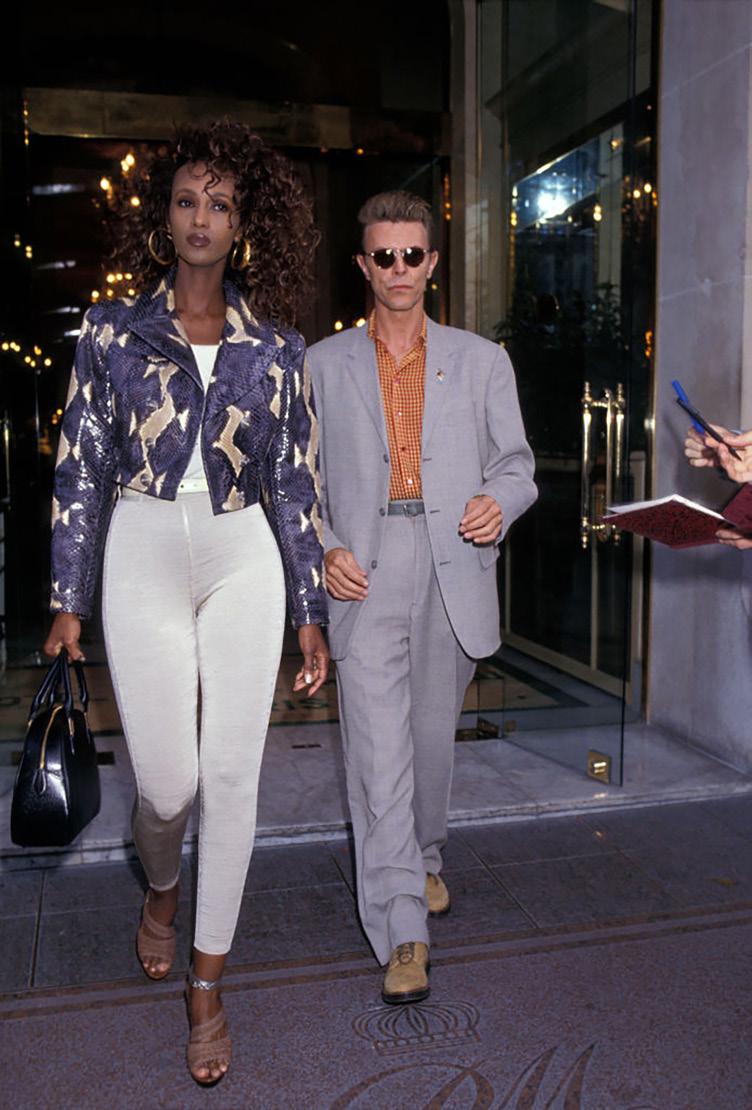
left: Iman and David Bowie in Paris, 1991. Iman wears a python skin biker jacket by Azzedine Alaïa / Getty Images
exotic skins sit at the intersection of beauty, power, and restraint in luxury. They are tactile, symbolic, technically unforgiving, and culturally loaded, holding both the allure of the natural world and the reality of human intervention. Crocodile, alligator, python, stingray, lizard, and even more mainstream eel have appeared in fashion for decades, but what separates a true house piece from a generic exotic is never the animal itself, it is the execution. The hide is only the beginning.
Historically, these materials entered fashion through function rather than fantasy. Crocodile and alligator were prized in travel goods and footwear for their durability and resistance to wear. As luxury leatherwork evolved, rare skins became markers of technical ability - the capacity to tame irregularity, to cut with restraint, to align scale and grain, and to finish without erasing the hide’s natural character. This is why two pieces can both be described as crocodile and yet exist in entirely different universes. One is material. The other is mastery.
Over time, luxury houses developed distinct philosophies around exotic skins, shaped as much by identity as by technique. For some, exotics became a measure of absolute control and hierarchy. For others, a means of expressing the body, reinforcing mythology, or amplifying attitude. These materials have never carried a single meaning in luxury. Instead, they act as a lens through which each house reveals what it values most.
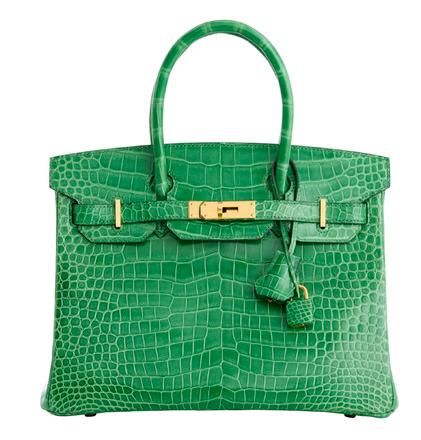
No house embodies hierarchy and mastery more rigorously than Hermès. Within its ecosystem, exotic leathers operate on a clearly defined ladder of rarity, difficulty, and status. Selection and grading are obsessive. Tanning and dyeing are calibrated to the point where colour itself becomes a test of craftsmanship rather than a styling choice. In crocodile, the challenge lies in achieving scale symmetry across panels and maintaining perfect stitch tension through a material that resists the needle at every pass. A saturated green crocodile Birkin reads instantly as a statement because the colour must sit evenly across every scale, with no patchiness and no visual disruption.
Hermès’ approach to crocodile is particularly instructive because it extends beyond craft into regulation and stewardship. Crocodilians used by the house are farmed under strict regulation and fall under CITES, the Convention on International Trade in Endangered Species. Farms are audited and traceable, and in regulated ranching programs a portion of hatchlings is released back into the wild to support population sustainability. This balance between conservation and craftsmanship defines the contemporary framework within which exotic materials are now produced. At the apex of this system sits the Himalaya Birkin. Hermès does not publish prices for its most exceptional exotic pieces, nor does it disclose production volumes. Within the collector market, the Himalayan
Birkin with diamond hardware is widely speculated to be produced at an extraordinarily limited scale, often cited as just two pieces per year. Values are commonly estimated at approximately AUD $500,000 per bag, driven not only by material rarity but by the near impossibility of flawless execution. The appeal lies as much in technical difficulty as in scarcity.
Where Hermès represents hierarchy and restraint, Alaïa approaches exotic skin through form, body, and structure. In python, the material becomes a second skin, less about surface display and more about the body itself. Alaïa transforms python into an architectural piece, cutting it into a cropped, sharply tailored jacket layered over a bra-like bustier and a high-waisted mini skirt. Treated in matte, camouflage-like finishes, the scales read as texture rather than spectacle. Seaming is deliberate and exact. These are museum-worthy works where technique becomes the narrative.
Chanel occupies a quieter, more historically specific position within the exotic conversation. In December 2018, the house announced it would stop using exotic skins in future collections. That decision reframed earlier python and crocodile pieces as a closed chapter. A matte python clutch from circa 2007 to 2009, produced during Karl Lagerfeld’s tenure, now carries a rarity that is structural rather than trend driven. These pieces function as artefacts of a moment that can no longer be recreated.
Under Tom Ford, Gucci embraced exotic skins as an expression of desire, excess, and deliberate provocation. In the late 1990s and early 2000s, the house moved away from restraint and into spectacle, where exotic leathers became tools of seduction rather than markers of quiet mastery. Crocodile, python, and fantasy skins were exaggerated, polished, and often paired with overtly sensual silhouettes. The dragon bag associated with the 2004 runway era encapsulates this philosophy. It is theatrical, unapologetic, and indulgent, less concerned with longevity than with impact. In this context, exotic skin becomes part of a larger narrative of power dressing and visual excess, capturing a moment when fashion was unafraid to be overt.
In the hands of the great houses, exotic skins cease to be provocative materials and become tests of discipline. They demand restraint, technical mastery, and an understanding of when to intervene and when to step back.
At its highest level, wild luxury becomes appreciation: of the beast, and of the rare craftsmanship capable of transforming it without diminishing its power.
Our Luxury auction will take place on Wednesday 4 March in Melbourne. For viewing times and to see the full catalogue please visit our website.
left:
exotic Birkin
how to… Understand Art Conservation, with Andrew Dewhurst
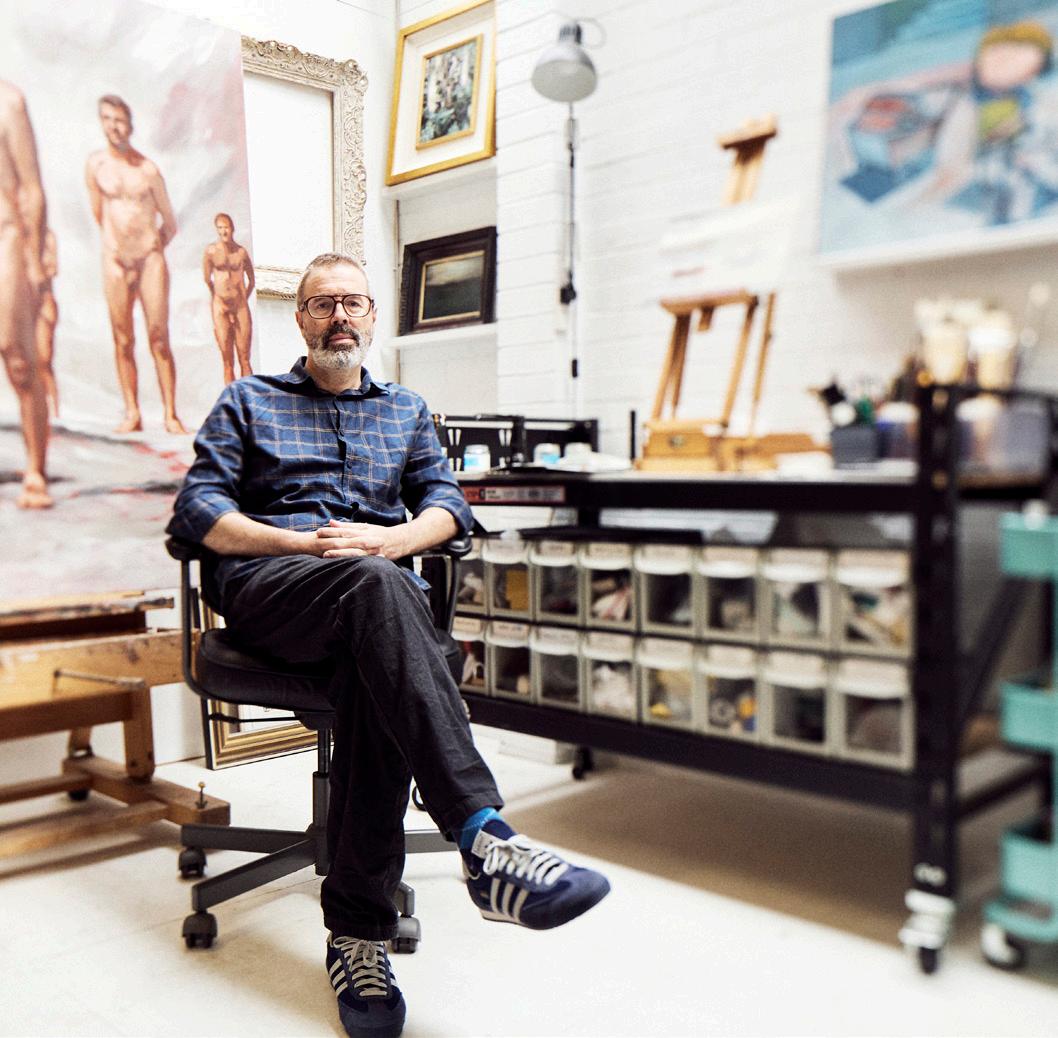
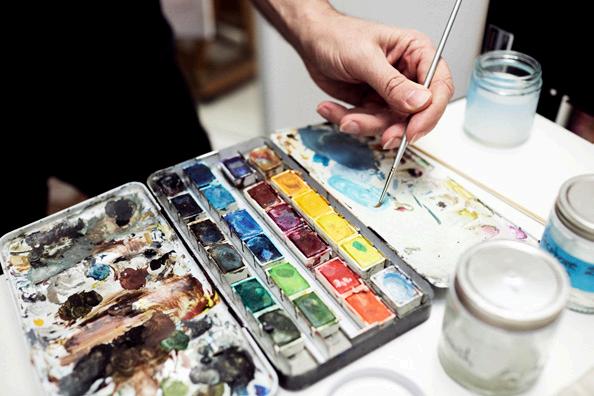
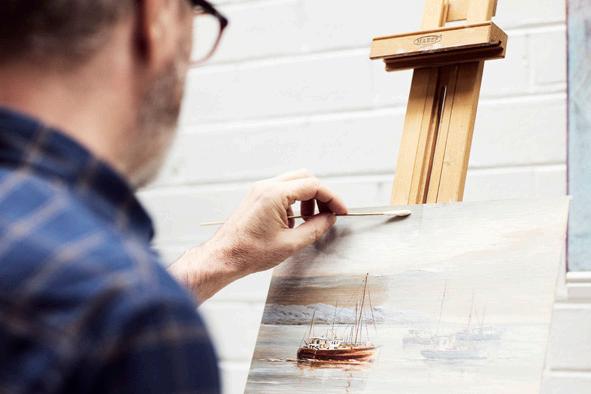
images: Andrew Dewhurst in his studio
Andrew Dewhurst is a highly skilled art conservator based in Melbourne. Specialising in paintings and painted objects, Andrew has a comprehensive understanding of materials and techniques employed by contemporary and historical artists, having for many years worked in private practice, Sotheby’s Australia, and other institutions with clients including art galleries, auction houses and private collectors. Here, Andrew shares expert advice on ethical conservation, caring for your artwork, and understanding the best approach to restoration.
Many people imagine conservation as simply “repairing” artworks. How would you describe what conservation really involves, and where its ethical boundaries lie?
Obviously, repairing artworks is an integral part of conservation, however in reality it is also equally about caring for artworks, guided by ethics and one’s judgment rather than just manual skill. As a conservator, I spend a great deal of time looking, researching, and making decisions before ever touching a painting. A key role of conservation is reducing the deterioration of cultural materials and preventing further damage, allowing an artwork to be understood and appreciated without falsifying it. Furthermore, conservation recognises that wear and tear can carry meaning, for example, paint cracks over time and faded pigments are evidence of an artwork’s life, not a flaw. I suppose ethical boundaries are what distinguish conservation principles from the idea of repairing or restoration, as conservators adhere to minimum intervention, reversibility of treatments and materials, and respecting the historical honesty of the artwork and the artist’s intent.
How do you balance preserving an artwork’s original intent with the practical need to stabilise or intervene, particularly in older works?
Conservators need to act with informed restraint regarding intent vs practical intervention. Older works have a particular set of issues, for example they have often passed through multiple collectors, environments, and restoration interventions for better or worse… this is an integral part of its history. As a conservator you need to study the materials and technique of the artist, written evidence, and comparable works. Interventions, such as stabilisation of flaking paint or other structural failures within the materials, is justified when deterioration threatens the survival of the artwork.
From your perspective, what is the biggest misconception collectors have about restoration and its impact on value?
Probably that restoration to make an artwork look flawless increases its value. Perhaps some collectors equate restoration with improvement, however I think the market rewards authenticity and integrity over visual perfection.
Are there certain materials or techniques that present particular conservation challenges today?
Yes, I’d say the most difficult challenges come from materials that are unstable and were never intended to last, as well as the application by the artist as some techniques resist conservation intervention. Modern materials are often industrial synthetic products and can be ephemeral, and unlike say historical oil paintings, these new materials are without long term testing. I suppose such problems arise from navigating material reality vs artistic intent… that is all materials age, react, and fail to their own chemistry and physics, and the intent informs decisions made by the conservator but does not override material realities.
How has conservation science evolved over the past decade, and are there new technologies that are changing how you approach your work?
Over recent decades, conservation science has become more technical and evidence driven with advancements in non-invasive analysis and newer imaging technologies. For me, on a more personal and practical level, I’m always looking at material innovations such as cleaning gels and synthetic resins that improve on older materials, thus making treatments safer and more accurate.
When examining an artwork prior to sale, what are the key condition issues you look for that buyers should also be aware of?
Identifying condition issues that affect stability, authenticity, and long-term value. Many issues are not just visible on the surface but may be more subtle and overlooked, for example, structural integrity of the canvas support, past restorations, paint and varnish stability, insect damage, and other environmental damage. Ultimately, an artwork with visible age but that is stable and with minimal intervention is often a safer acquisition than one that is pristine after aggressive restoration.
What practical advice would you give collectors to ensure their artworks age well, particularly in Australian environmental conditions? There are some basic practical things collectors can do in such a challenging environment. Firstly, try to aim for environmental stability as much as possible over fluctuations. Ideally display artworks within a room temperature of 18-24 degrees Celsius and a relative humidity between 4555%. Furthermore, avoid hanging above fireplaces or below air-conditioning units and in direct UV sunlight. I’d also advise to be cautious of dusting artworks and above all to inspect artworks regularly for early signs of problems before they escalate.
With thanks to Andrew for his time.
From the workshop The Art of Weaving, with Angelo Rusak
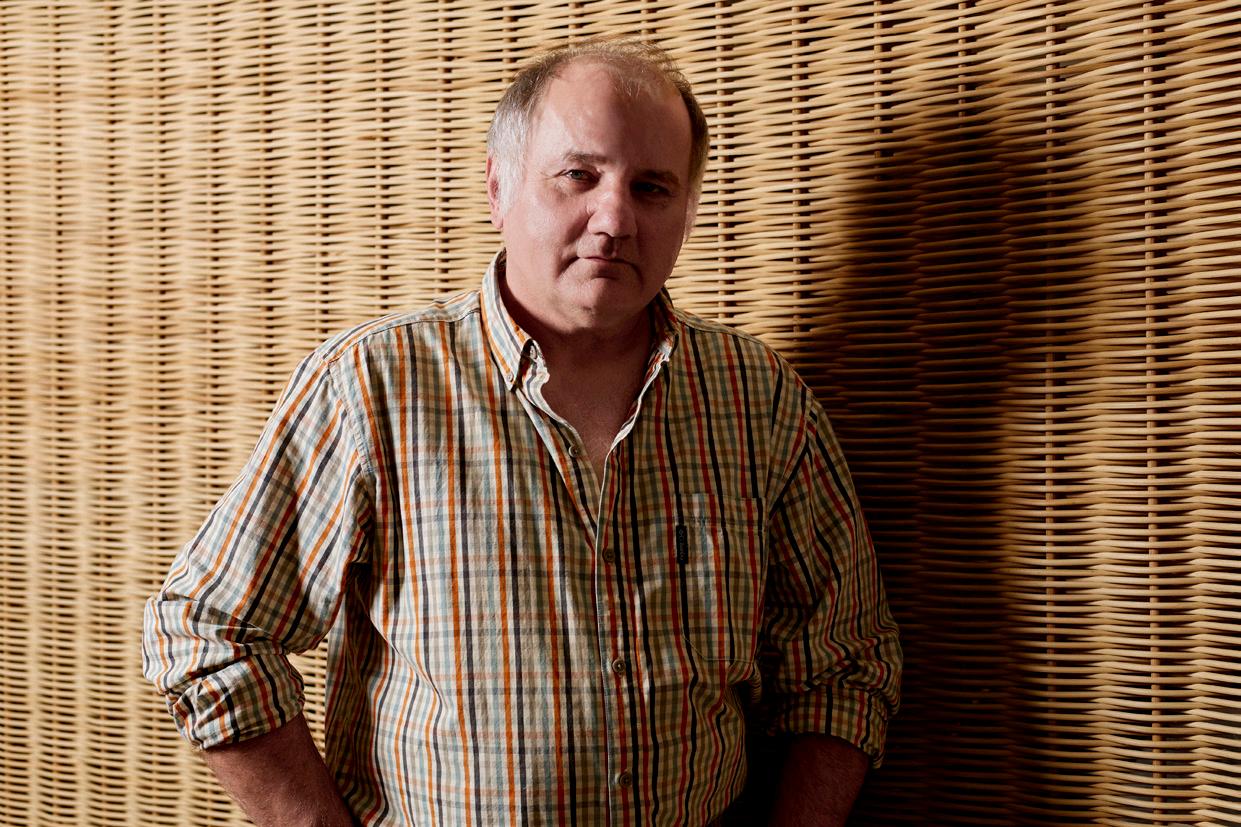
below: Angelo Rusak stands in front of a hand-woven panel
opposite left:
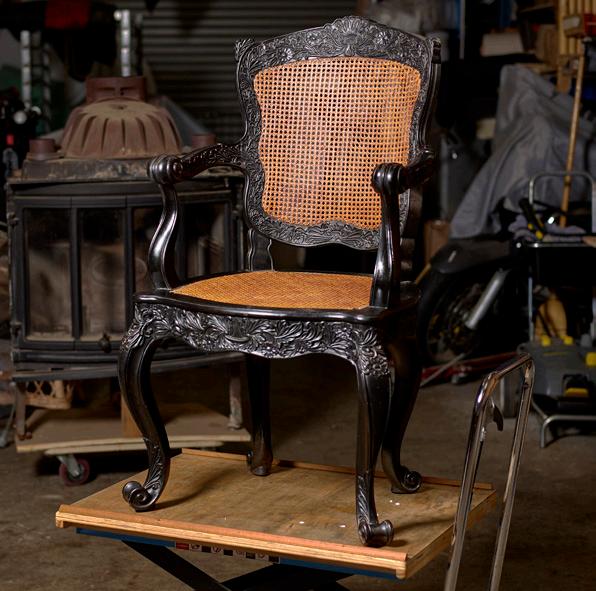
An antique ebony and rattan chair at the Camberwell Cane workshop from Angelo's private collection
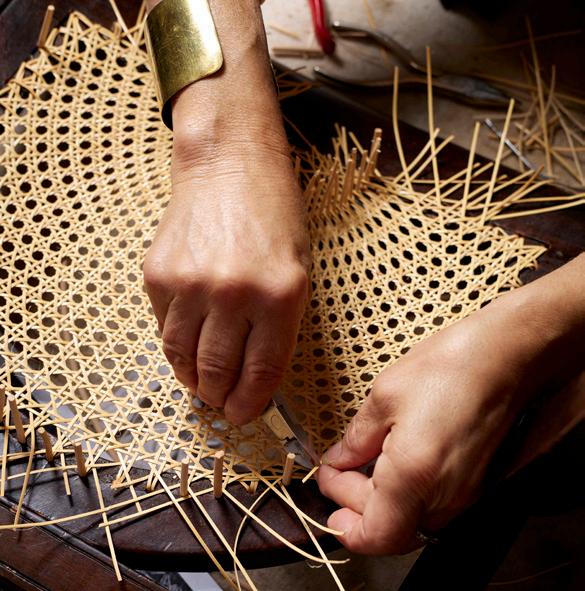
opposite right: Fernanda weaves a new rattan panel for an antique chair in the studio, approximately 14 hours of work.
In this new series of conversations, we visit the ateliers of skilled artisans to learn more about interesting, rare trades and crafts. This issue, we visited Angelo Rusak, master weaver at Camberwell Cane, for a tour of the studio behind the well-known store. With his two samoyeds in tow, Angelo guides us past chairs, baskets, cane sofas, and screens, all woven by hand, to the back where several antique pieces are mid-restoration.
How did you learn the traditional techniques of weaving, frame construction, and restoration of cane and rattan furniture, and have these processes changed over time?
I was born in Kotoriba, Croatia, where the skill of weaving flourished after an artisan won a gold medal at the World’s Fair in 1900. I was taught weaving, frame construction, and restoration of wicker and rattan furniture by my grandfather and father who were both weavers. The process has not really changed through time, but some of the machines available have vastly improved in performance.
Can you give a short history of rattan and its application in furniture and interiors?
Rattan is a tropical vine of many different species and its use dates back to Egyptian times. It was favoured in seats and porch furniture during the Victorian era, with designers influenced by colonial trade and a fascination with nature. By the 1950s and ‘60s, rattan was popularised by soldiers returning from the war in the Pacific; they loved the lightweight look and its practicality. Now, we have seen a huge resurgence with interior designers specifying the mesh material in cabinetry inlays throughout homes.
There are many grades of rattan mesh available, what sets the premium materials apart?
Yes, there are seven different grades of rattan mesh, from raw C grade to Platinum A+++ grade. The material is sorted based on species of
rattan, density, moisture content, and skin blemishes to name a few. It is the reason some rattans go brittle and others last generations. Some of the highest quality rattan will come from the Philippines, however the market is diverse and premium rattan can come from all parts of the world.
What does a typical day in your workshop look like?
The day actually begins the day before, with the canes being soaked and prepared for the following day’s work. All days vary depending on the current job, which could be anything from a simple repair to weaving an entire wall.
What do you wish more people knew about your craft?
I would like people to know more about its history and the quality of what can be achieved, instead of filling their houses with glorified landfill, without the knowledge of how it’s made. Rattan is very versatile and I have always challenged the weaving form, pushing the boundaries of the medium. I have woven everything from hot air balloon baskets, motorcycle sidecars, and custom sofas to commercial and architectural weaves for the likes of John Wardle, some up to three storeys in height. We also specialise in all forms of restorations for antique chairs, from 320 years old to a Marcel Breuer Cesca seat.
What advice would you give to clients to ensure the longevity of their cane and rattan pieces?
Purchase quality pieces and take care of them. Keep rattan away from wet environments and direct sunlight. A dry side of the veranda is perfect for traditional seagrass.
With thanks to Angelo for his time. Learn more at camberwellcane.com.au and follow along on Instagram at @camberwellcane.com.au
FIVE MINUTES WITH ANNIE SOUST
This issue, we chat to our recently appointed Head of Fine Jewels & Timepieces
in Melbourne, Annie Soust.
favourite auction purchase
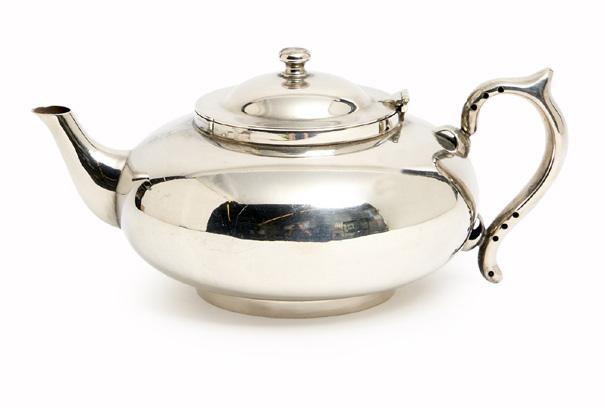
My Robur teapot that I bought a few years ago from Leonard Joel. It makes the perfect afternoon pot of tea.
favourite cocktail / wine
A Paloma for a cocktail - white rum and pink grapefruit or blood orange with soda and a mint leaf. Very refreshing. For wine, I'd choose a Petit Chablis.
favourite artist / designer
Gustav Klimt for art and Suzanne Belperron for jewels.
your ideal day in melbourne
25 degrees, sunny, a very good coffee from Sonny Rae or Ministry of Coffee, then 18 holes of golf at my favourite course followed by some refreshments at the 19th.
favourite movie
Casino Royale has it all - charm, villains, thrilling chases, twists and turns, and glamour.
by ifaw
Remembering Craig: Iconic super tusker and symbol of elephant conservation 22ND REPORT
It is with immense sadness that the International Fund for Animal Welfare (IFAW) and the global conservation community mark the passing of Craig, Kenya’s beloved super tusker.
He was both a symbol of elephant conservation and a living embodiment of nature’s majesty. Today, the plains of Amboseli National Park sit quieter without him—beneath the gaze of Mount Kilimanjaro, across a landscape he graced for more than five decades.
Born in January 1972 into the well-studied “CB” elephant family, Craig was known not only for his extraordinary tusks—each weighing over 45 kg and estimated at 2.1 metres (more than 6.9 feet) in length—but also for his composed, unhurried presence.
Gentle and dignified, he became a favourite among researchers, filmmakers, visitors, and the Maasai communities who shared his range. Encountering Craig in the wild was, for many, a transformative experience.
As one of the last remaining super tuskers—elephants whose tusks exceed 100lbs (45kgs)—Craig represented a vanishing lineage of giants. In a world where elephants with such extraordinary tusks have become increasingly rare, his long life was a testament to the fruits that unwavering protection, consistent community stewardship, and decades of relentless conservation can secure. He played a critical role as a breeding bull, passing on his unforgettable genetics and tranquil temperament to future generations.
Perhaps better than any other known elephant, Craig embodied the long-term commitment that is fundamental in conservation—a marathon rather than a sprint. His image, captured by countless photographers, helped shine a global spotlight on both the awe-inspiring beauty and the vulnerability of elephants. His survival into old age was a genuine victory for long-term, community-driven conservation. In Kenya, sustained protection efforts have contributed effectively to growing elephant numbers, proving what is possible when communities, habitats, and wildlife thrive together. Yet, the continued decline in super tuskers across Africa underscores the urgency of preserving connected landscapes and safe migration routes—goals at the heart of IFAW’s transformative Room to Roam initiative.
Backed by 20 years of science and engagement with local communities, Room to Roam is securing and connecting habitats, creating safe passages for wildlife to travel freely through their home ranges in East and southern Africa. The positive outcomes of this far-reaching initiative will be greater biodiversity, natural resilience to climate change, and a future where animals and people can coexist and thrive.
The year began on a sombre note, with news of Craig’s death from natural causes on New Year’s Day, at the age of 54. His passing leaves an unmistakable absence on the savannah, and an enduring mark on the hearts of all who were moved by his presence.
His legacy lives on in the rhythms of elephant families, in the young bulls who follow in his path, and in the many people worldwide who feel more deeply connected to elephants because they knew of Craig. IFAW extends its heartfelt condolences to the people of Kenya, to the Amboseli Trust for Elephants, to the rangers of Kenya Wildlife Service, and to all the scientists, guides, and community members who helped Craig thrive throughout his magnificent life.
Lala salama, Craig. Rest in peace.
Top: Craig, a large elephant, walking with two egrets nearby in Amboseli National Park, Kenya.
On 22 March 2017, the first industry briefing between IFAW (International Fund for Animal Welfare) and auctioneers and antique dealers from Australia took place, with the view to ending the auction and antiques trade in rhinoceros horn and ivory. That same year, Leonard Joel introduced a voluntary cessation policy and we are proud to no longer sell these materials. In the 22nd Report, IFAW share the latest news about their conservation projects.
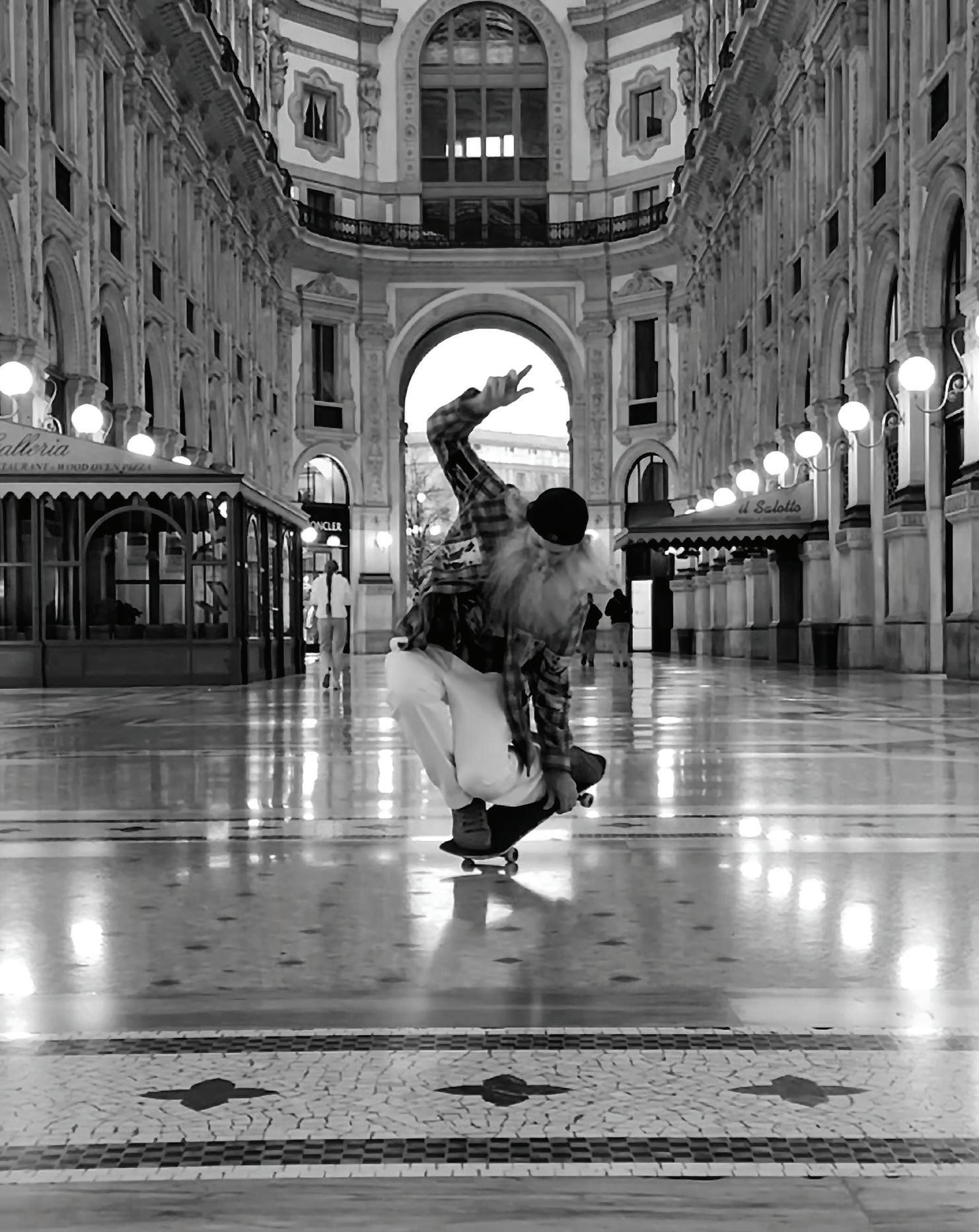
SHAUN GLADWELL Spazio Tarocchi (Galleria Vittorio Emanuele II, Milano) (detail), 2025 Production Still
Cinematography: David Clark Commissioner: Rinaldo Di Stasio
HANY ARMANIOUS, LOTTIE CONSALVO, SIS COWIE, ASHLEY CRAWFORD, SHAUN GLADWELL, PAT HOFFIE, AMY LAWRANCE, JESSICA MURTAGH, FIONA PARDINGTON, LORO PIANA, JOHN PRINCE SIDDON, JACKY REDGATE, EMA SHIN, DRIES VAN NOTEN, JEMIMA WYMAN & MORE
In this feature, we revisit a handful of beautiful and extraordinary pieces that have passed through our doors since the last issue.
Sold
Fine
A large Antique Swiss Interchangable cylinder orchestra music box on stand
D. Allard & Jaquet, Geneva, circa 1890, serial number 4795
Sold for $225,000 Decorative Arts, November 2025
A
a Table
Sold for $100,000 Contents of a Toorak Property, November 2025
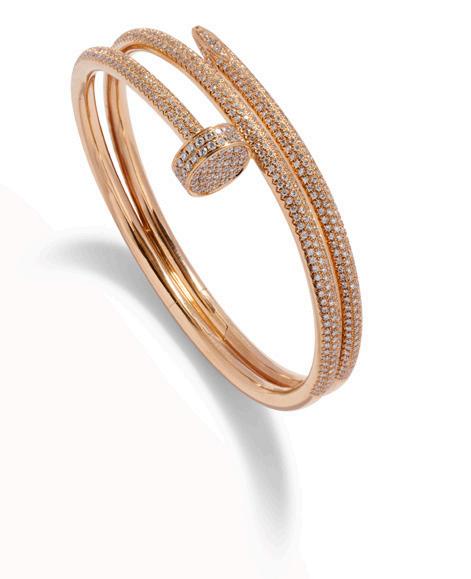
Cartier 18ct rose gold 'Juste Un Clou' diamond bangle
for $81,250
Jewels & Timepieces, Sydney, December 2025
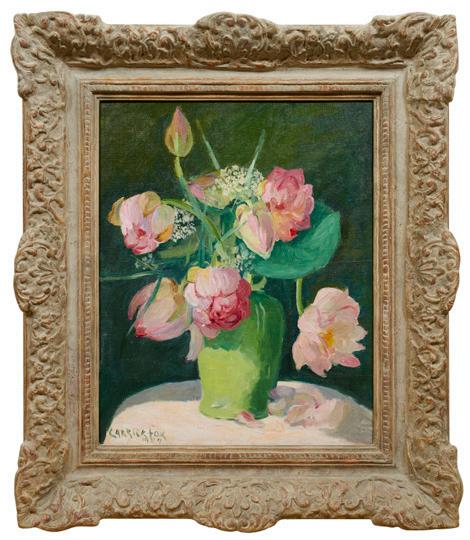
Ethel Carrick Fox (1872–1952)
Still-Life of Peony Roses and Other Flowers in a Vase on
Exceptional Results for Rare Old Masters in Sydney
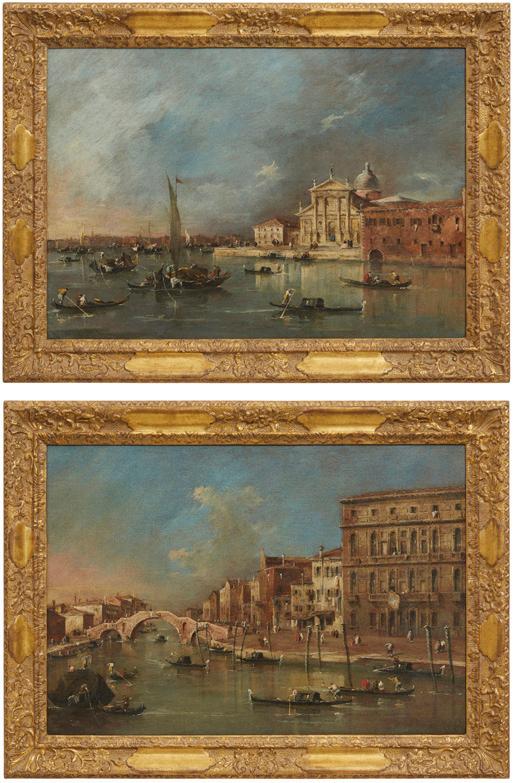
In December, collectors from around the world gathered for a rare chance to acquire a piece of art history. The landmark auction at Leonard Joel Sydney, Old Master Paintings from the Robert Compton Jones Collection, was a resounding success, exceeding expectations at $3,532,500 IBP with 173% sold by value. Enthusiastic bidding found new homes for Venetian vistas, gold-ground panels traced back to 14th century Florentine altars, and early works by Renaissance greats, assembled over decades by the distinguished dealer-collector. Among many highlights, two Venetian scenes by Francesco Guardi shone brightest, soaring past their estimates to sell for $1,062,500 IBP. These works were once part of the esteemed collection of Harold Sidney Harmsworth, 1st Viscount Rothermere (1868-1940), housed at Warwick House, St. James’s, London.
Francesco Guardi (Venice, 1712-1793)
The Island of San Giorgio Maggiore From the West; and View of the Cannaregio, with the Ponte Dei Tre Archi and the Palazzo Surian-bellotto Sold for $1,062,500 Old Master Paintings from the Robert Compton Jones Collection, December 2025
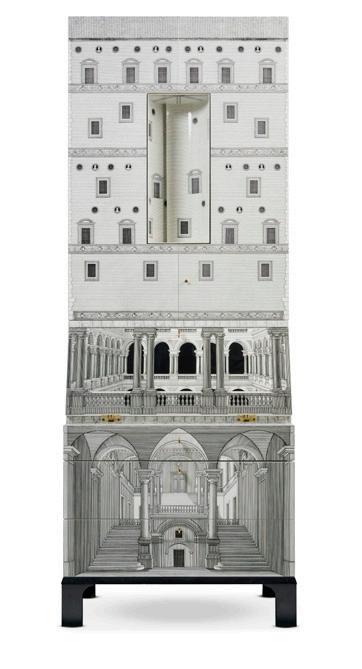
Piero Fornasetti and Gio Ponti ‘Architettura’ Trumeau for Fornasetti
Sold for $30,000 Modern Design, November 2025
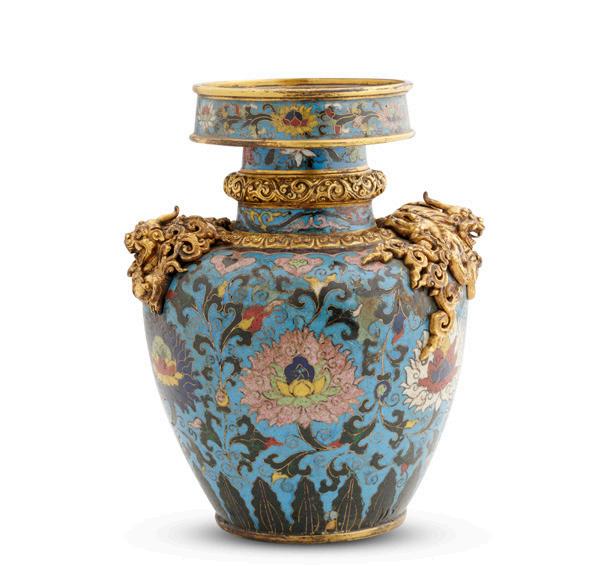
A Fine Chinese Cloisonne Dragon handled vase Zun, late Ming/early Qing Dynasty, 17th century Sold for $68,750 Important Chinese and Asian Art, November 2025
With regular auctions in Fine Art, Jewels & Watches, Decorative Arts, Modern Design, Luxury and more, there’s something to suit every
taste at Leonard Joel.
browse
Browse our online auction catalogues or view in person at one of our salerooms.
bid
Create an account online and use it whenever you bid. You can also receive Lot alerts tailored to your interests.
Bidding is simple and you can do so in person, online, by phone or by leaving an absentee bid. Our team is always on hand to guide you.
now delivering
Get your auction purchases delivered straight to your door with Leonard Home Delivery (Melbourne only), our convenient, fast, reliable delivery service managed by our in-house team. Please visit our website for more information or contact delivery@leonardjoel.com.au
connect
Subscribe to our email newsletter through our website to stay up to date with news on upcoming auctions, special events, and industry insights. website leonardjoel.com.au instagram @leonardjoelauctions facebook facebook.com/leonardjoelauctions youtube youtube.com/user/leonardjoel1919
VALUE, SELL & BUY
Contact a Leonard Joel Specialist
managing director & head of important collections
John Albrecht 03 8825 5619 john.albrecht@leonardjoel.com.au
Auction Specialists
fine jewels & timepieces
Annie Soust
Head of Department, Melbourne 03 8825 5645 annie.soust@leonardjoel.com.au
Lauren Boustridge
Head of Department, Sydney 02 9362 9045 lauren.boustridge@leonardjoel.com.au
fine art
Wiebke Brix
Head of Department 03 8825 5624 wiebke.brix@leonardjoel.com.au
Amanda Hayward (née North) Senior Fine Art Specialist 03 8825 5644 amanda.north@leonardjoel.com.au
decorative arts
Chiara Curcio
Head of Department 03 8825 5635 chiara.curcio@leonardjoel.com.au
asian art
Luke Guan Head of Department 0455 891 888 luke.guan@leonardjoel.com.au