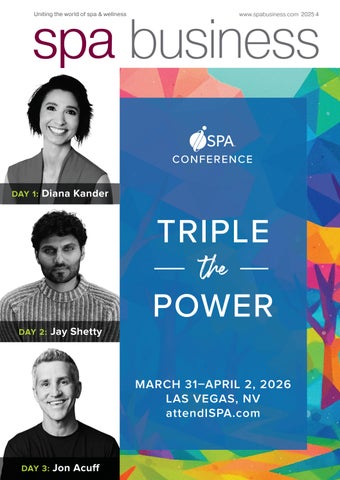
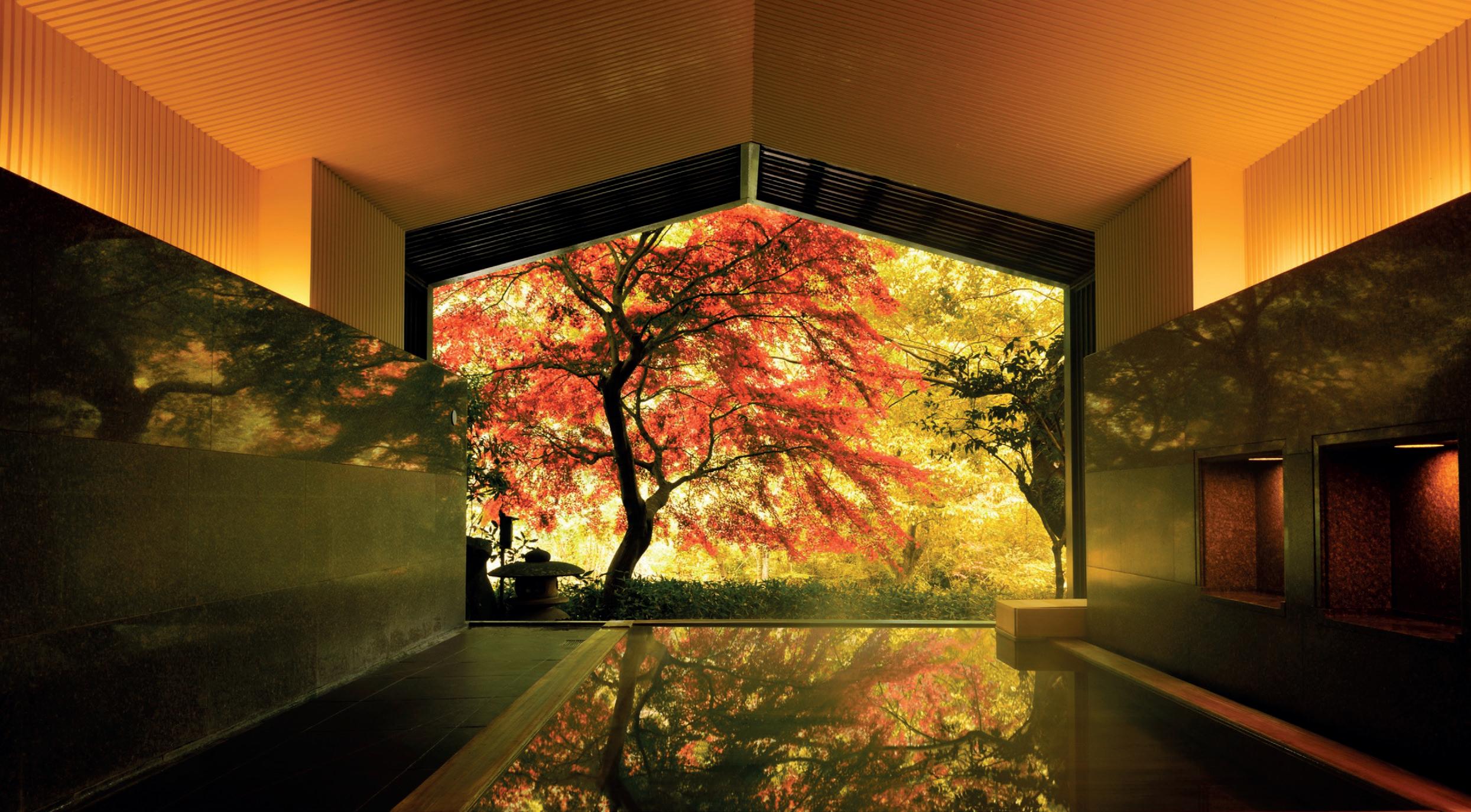
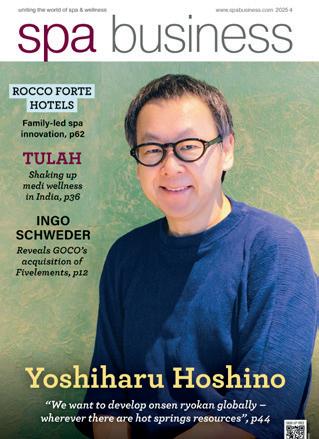
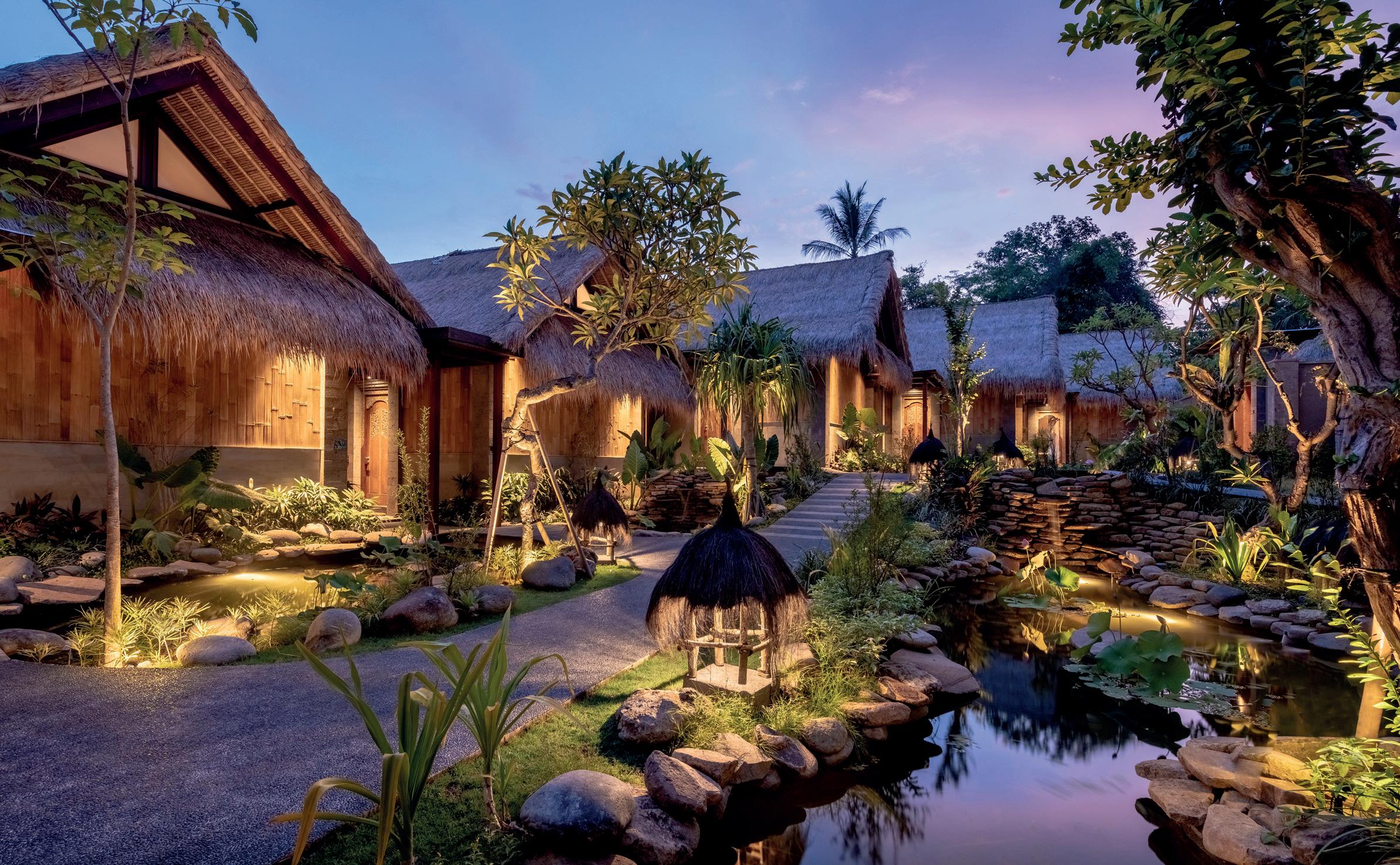
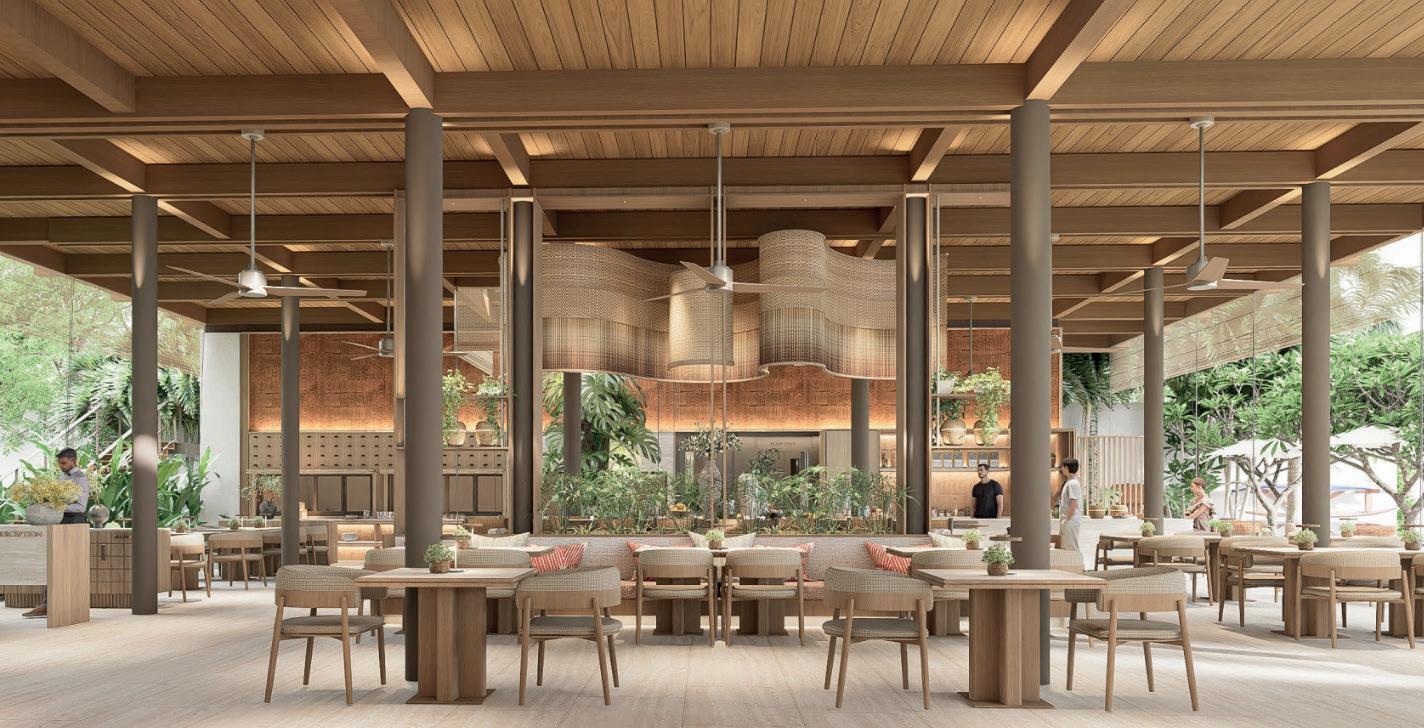
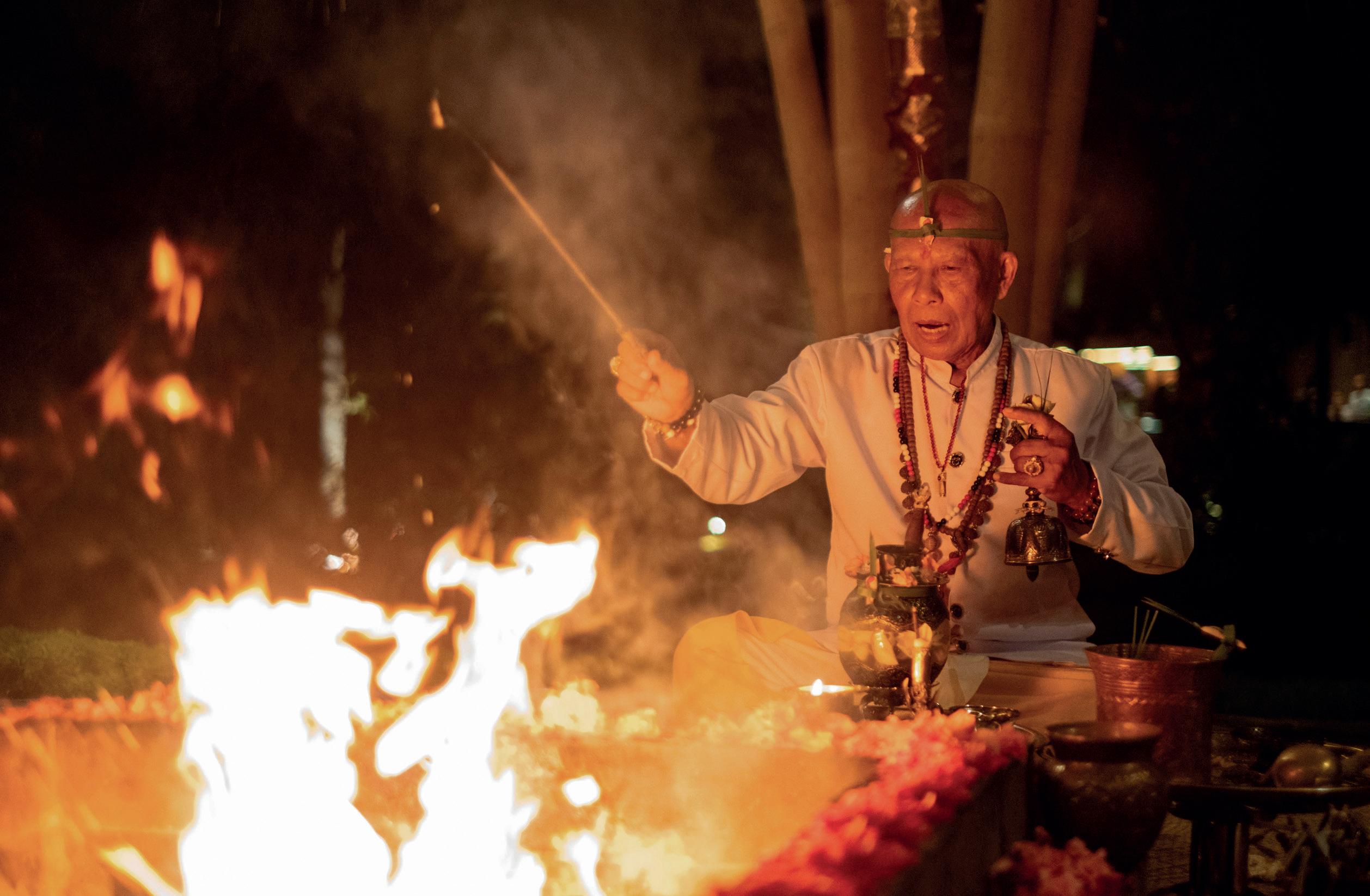
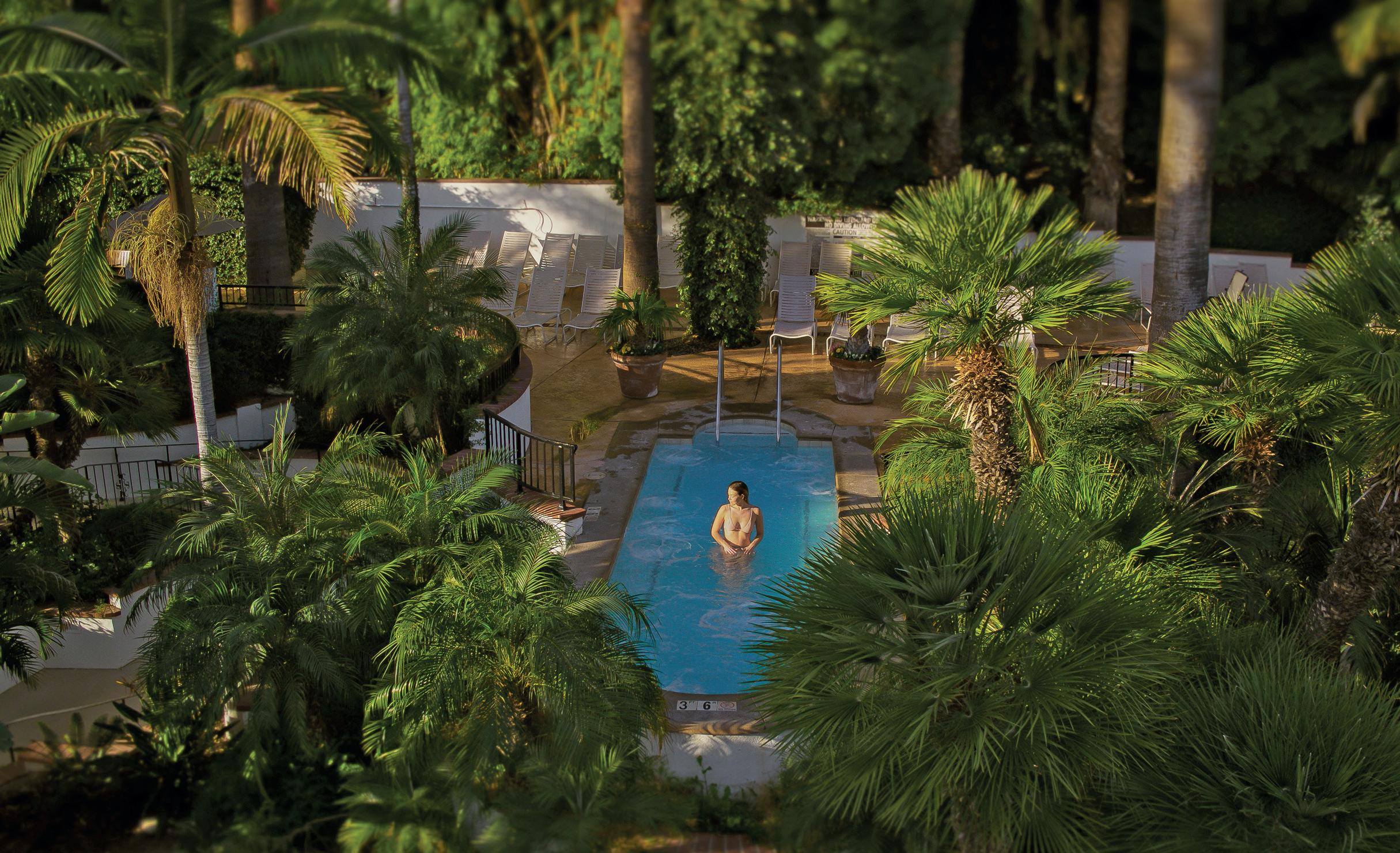
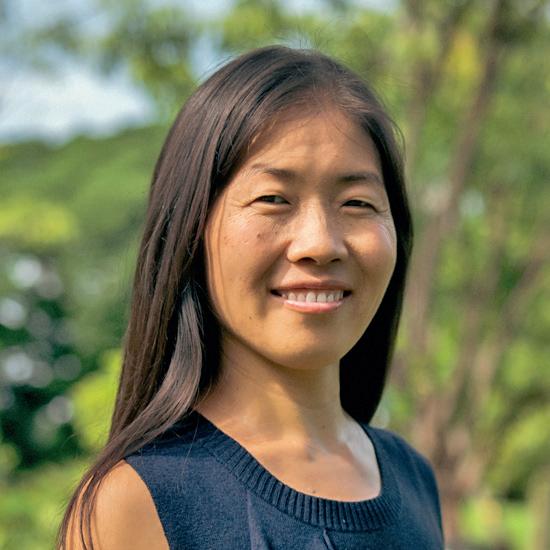
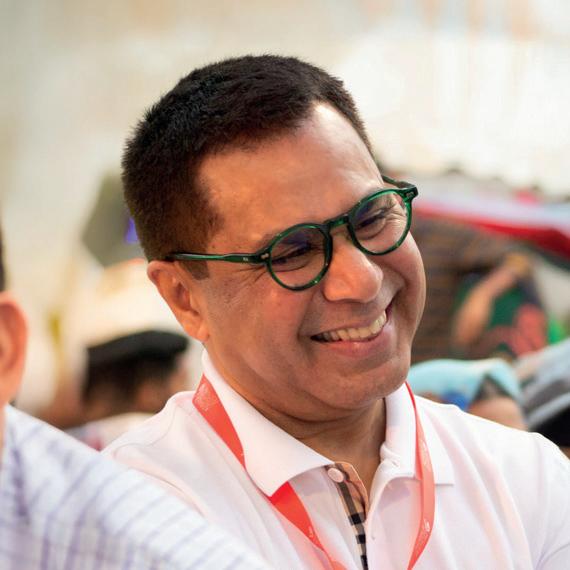
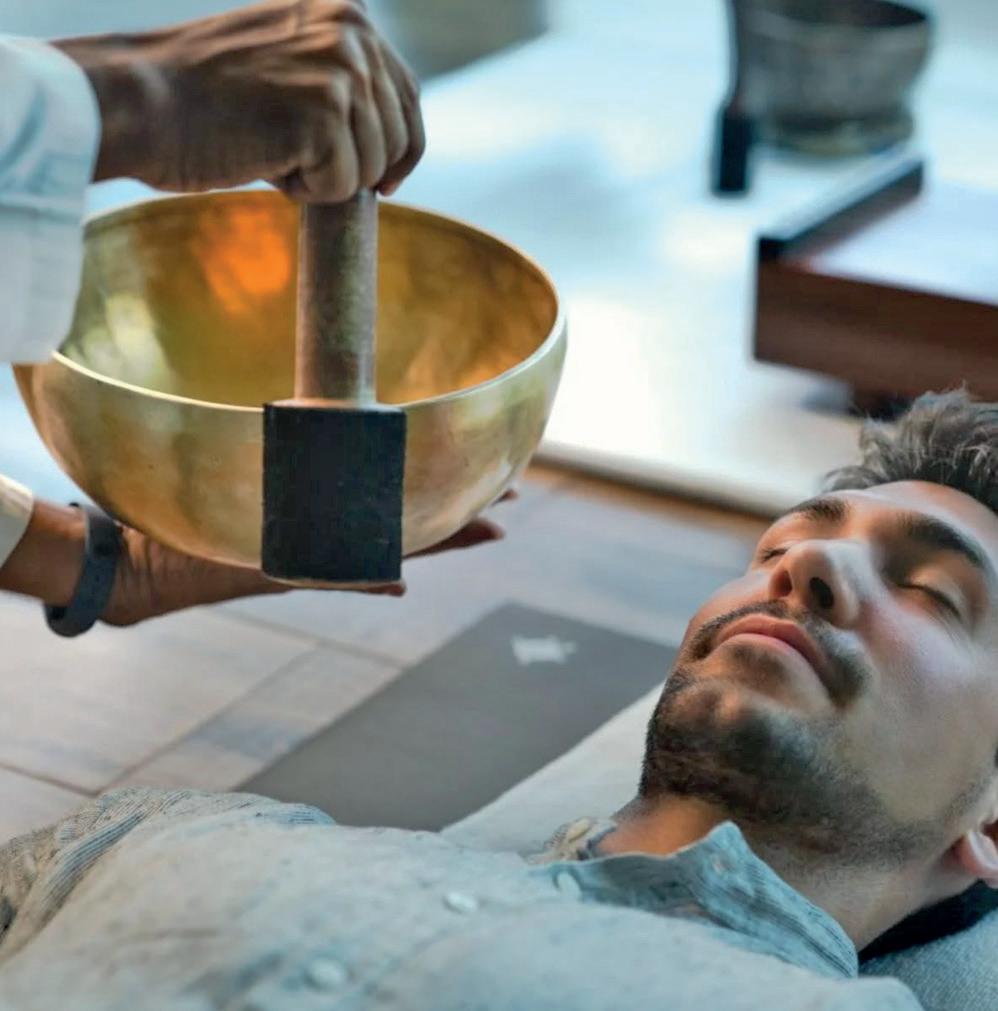
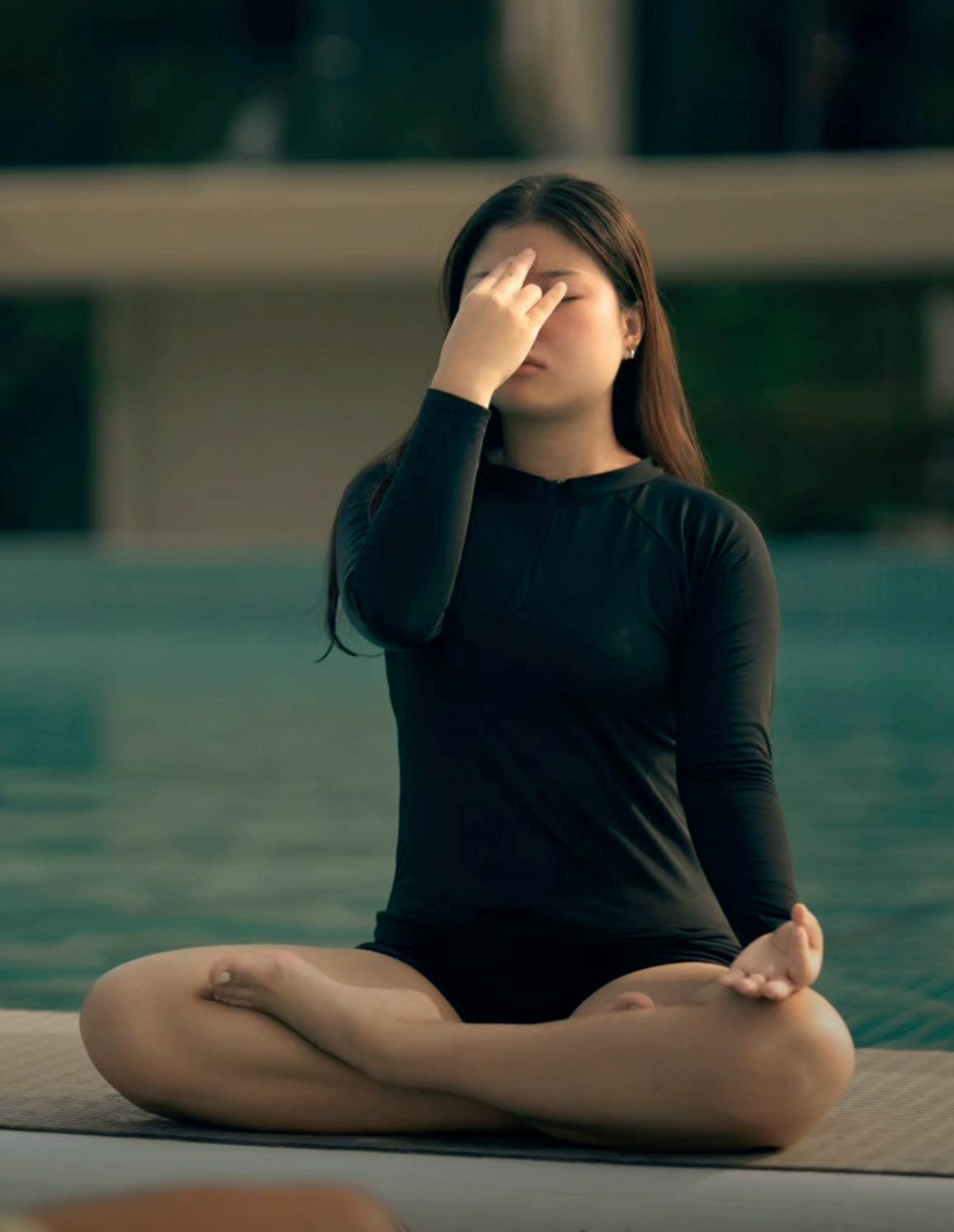
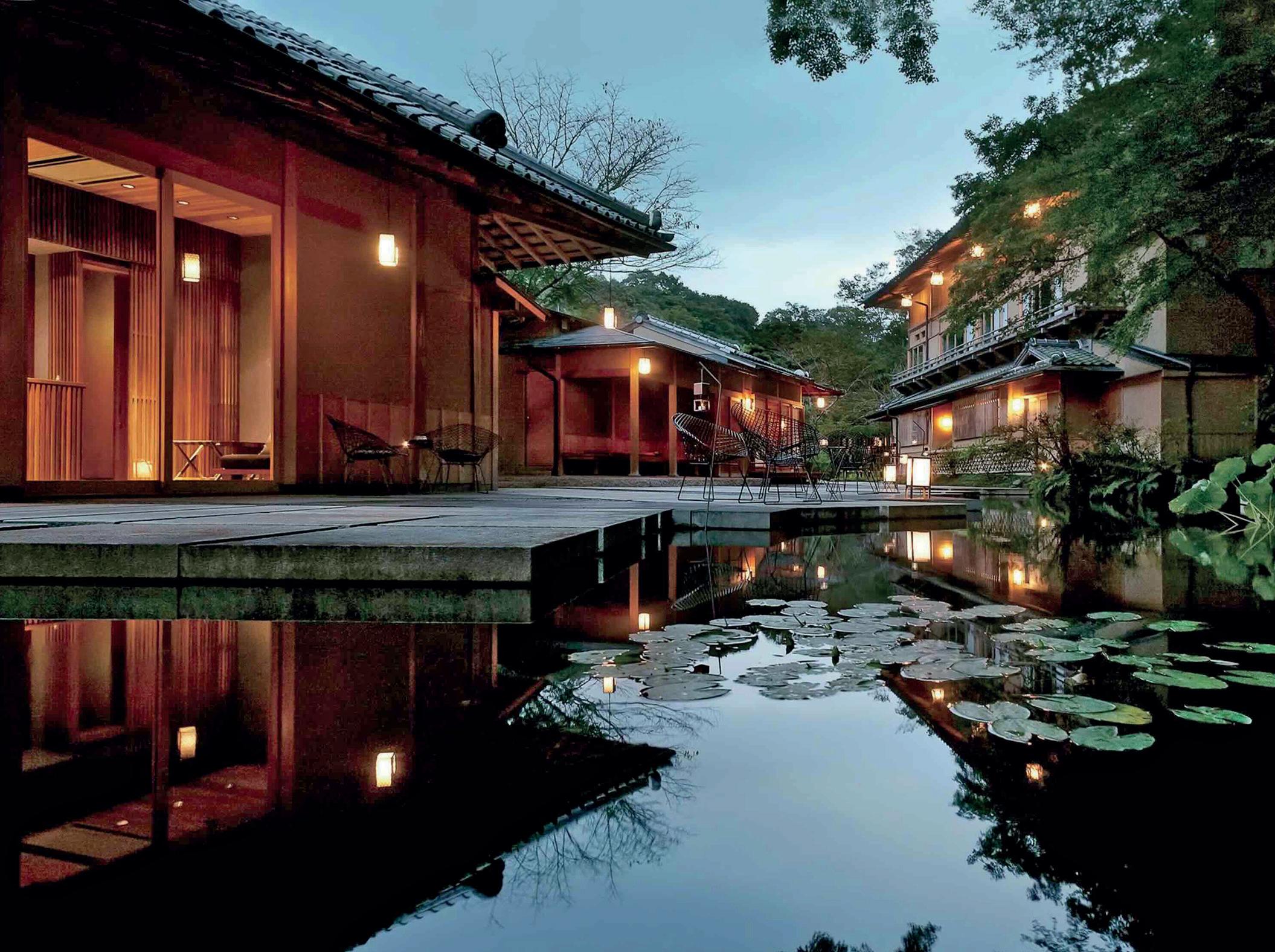
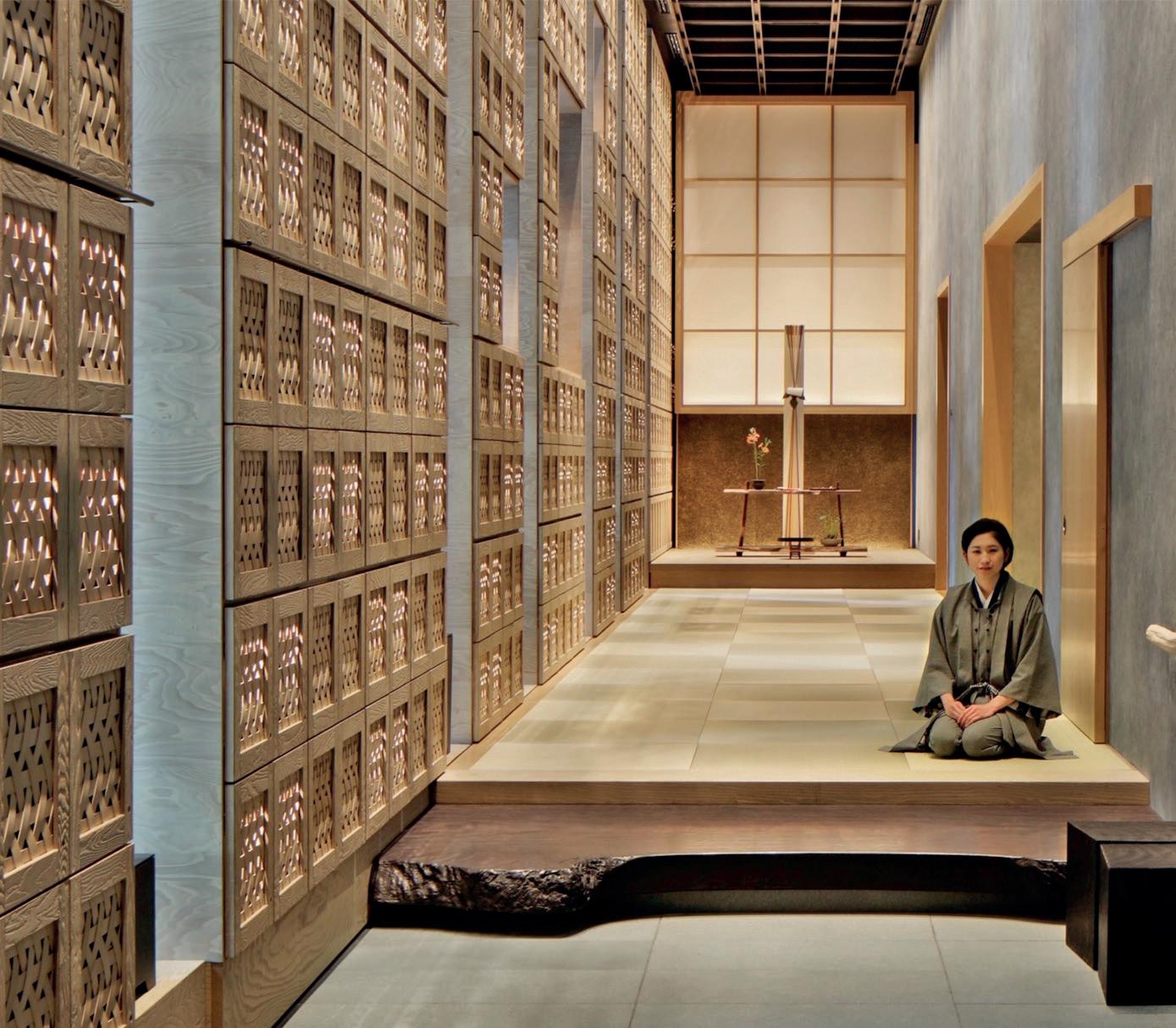
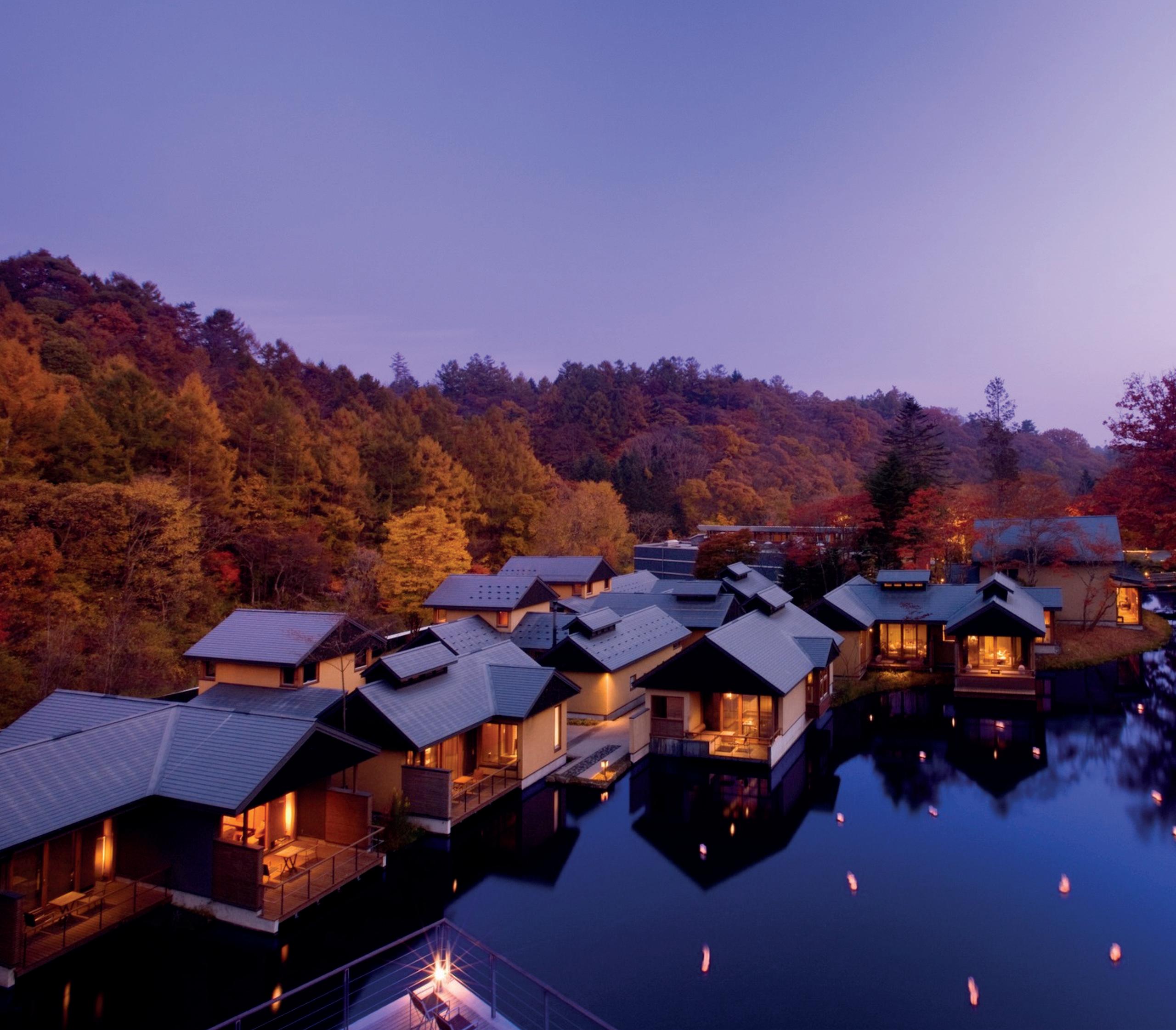
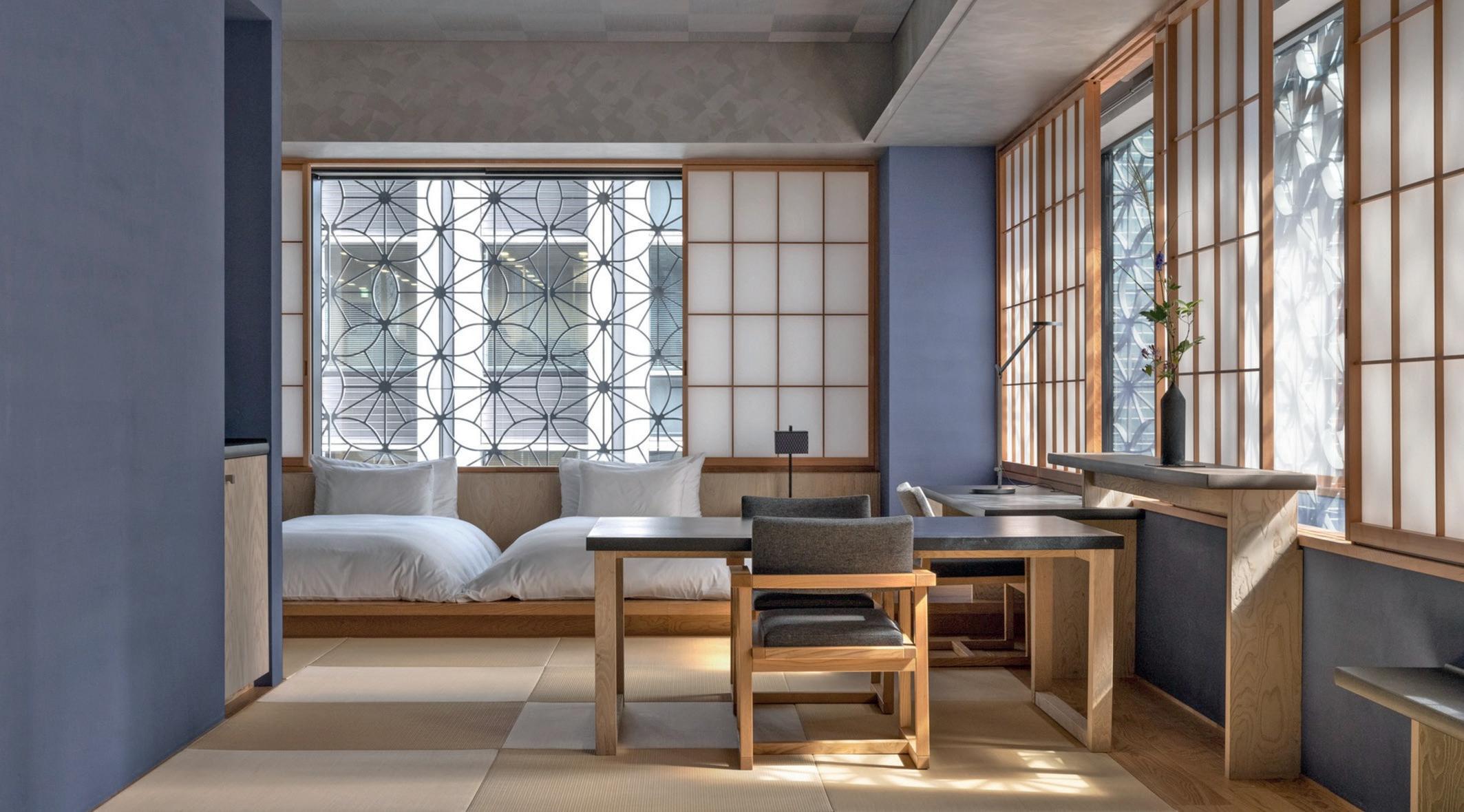
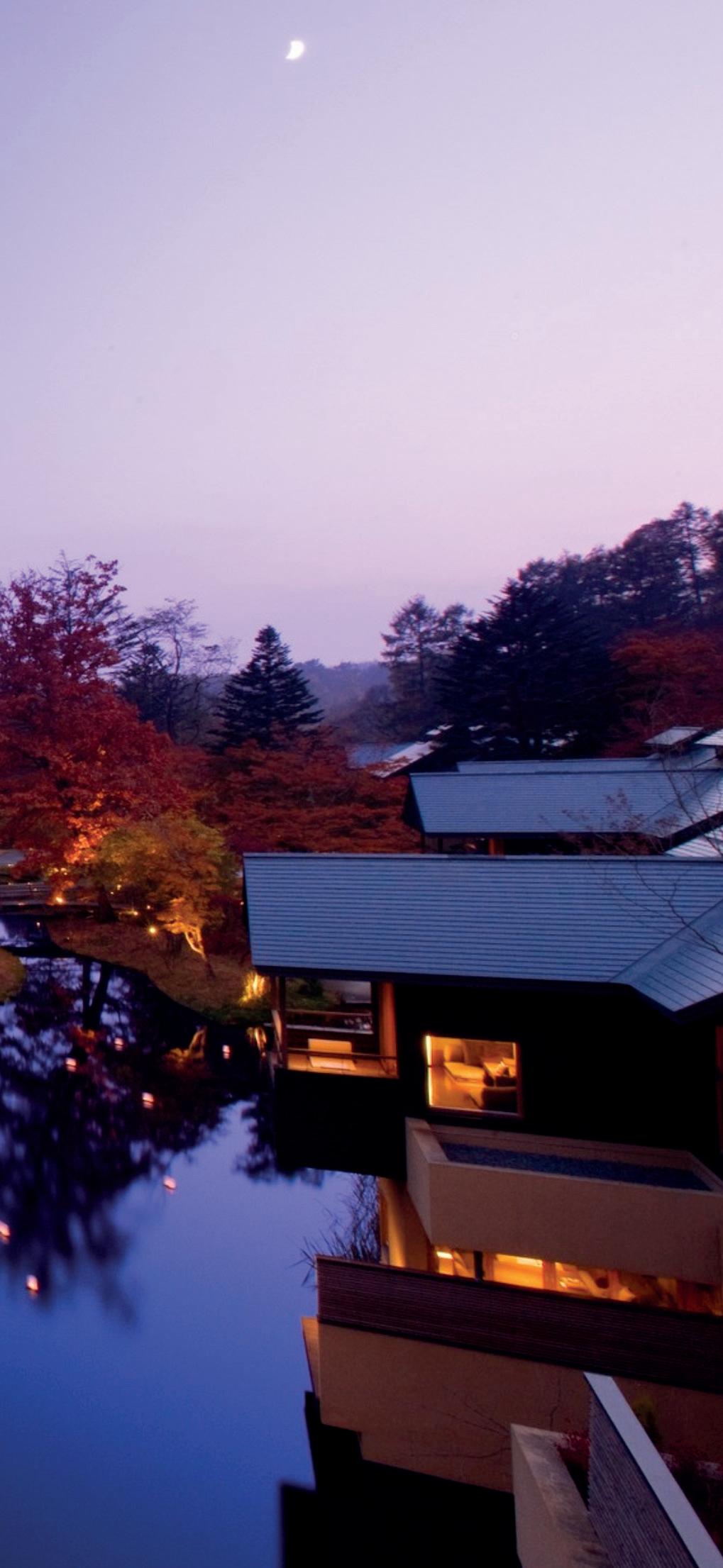
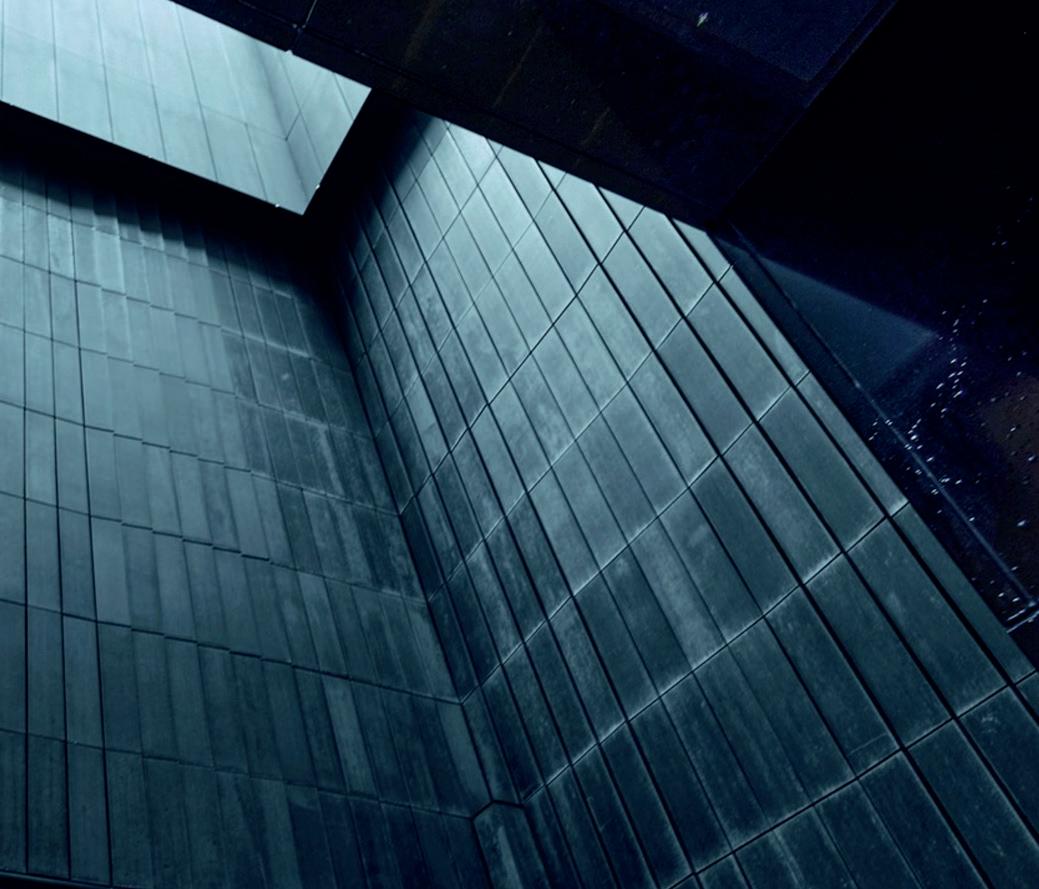
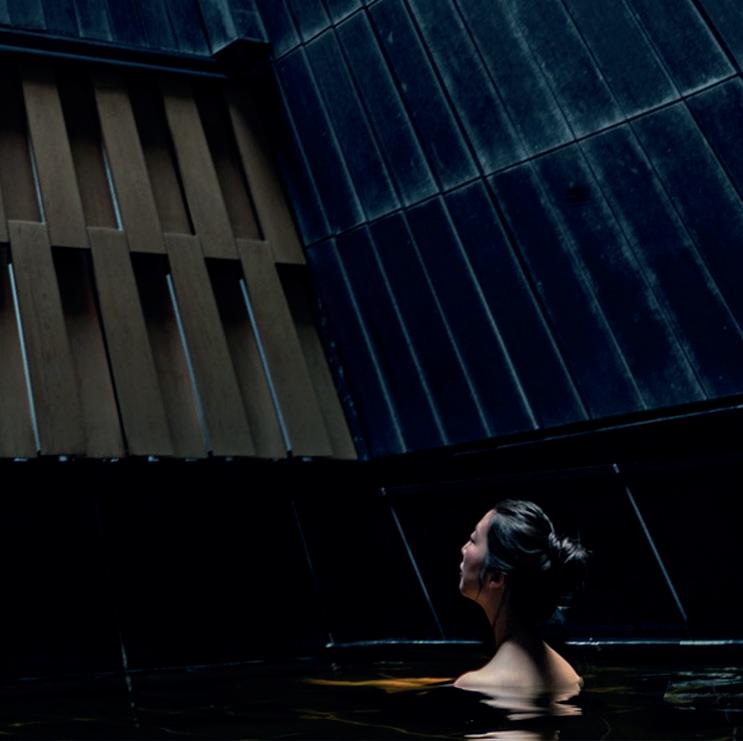
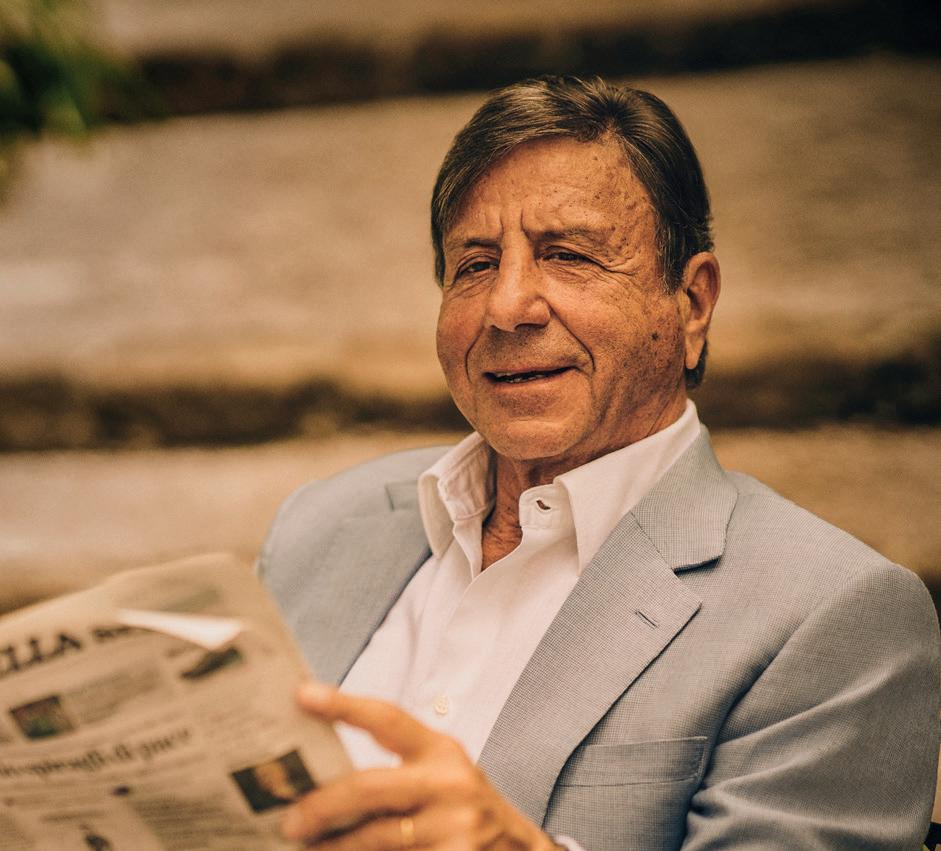
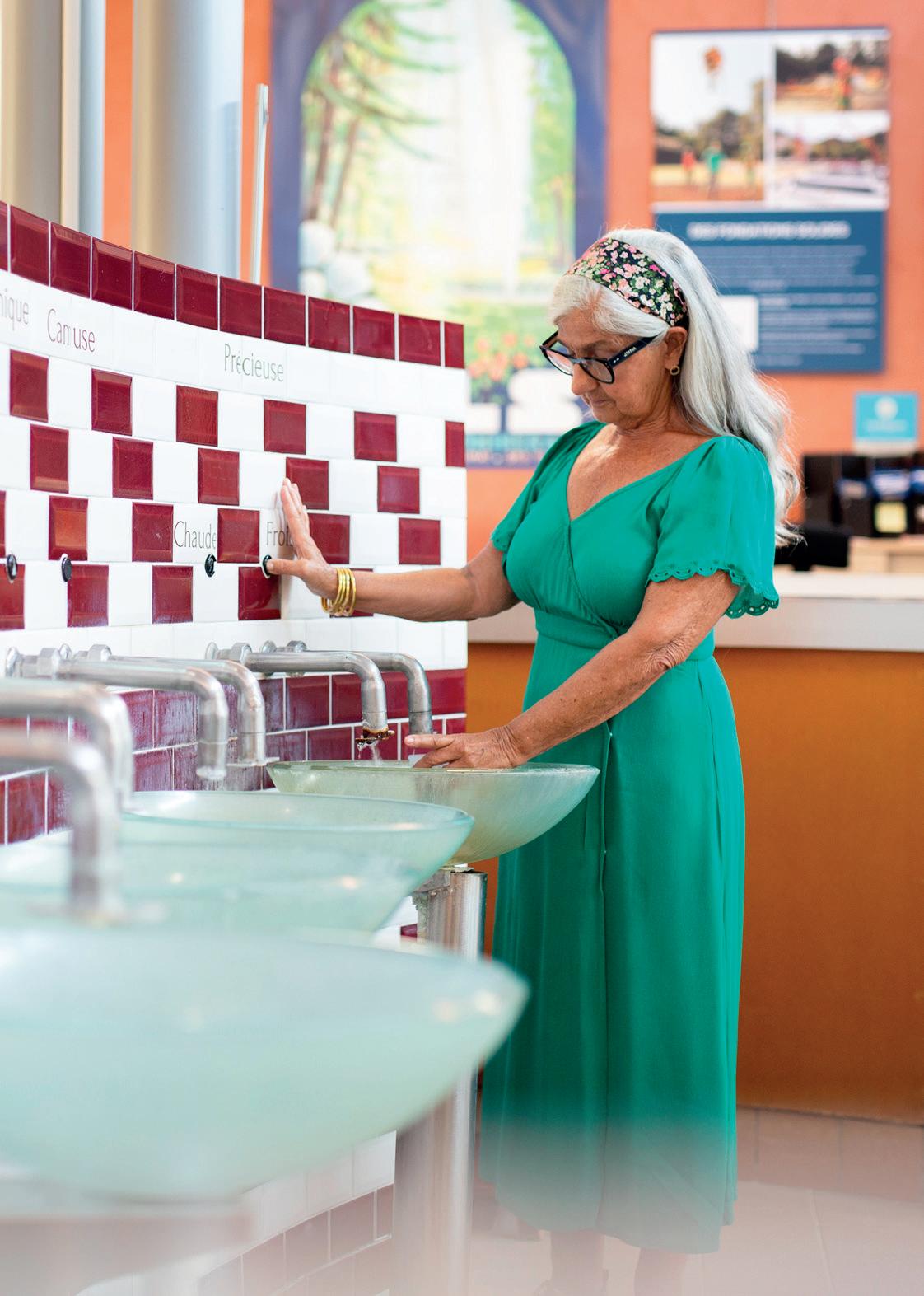
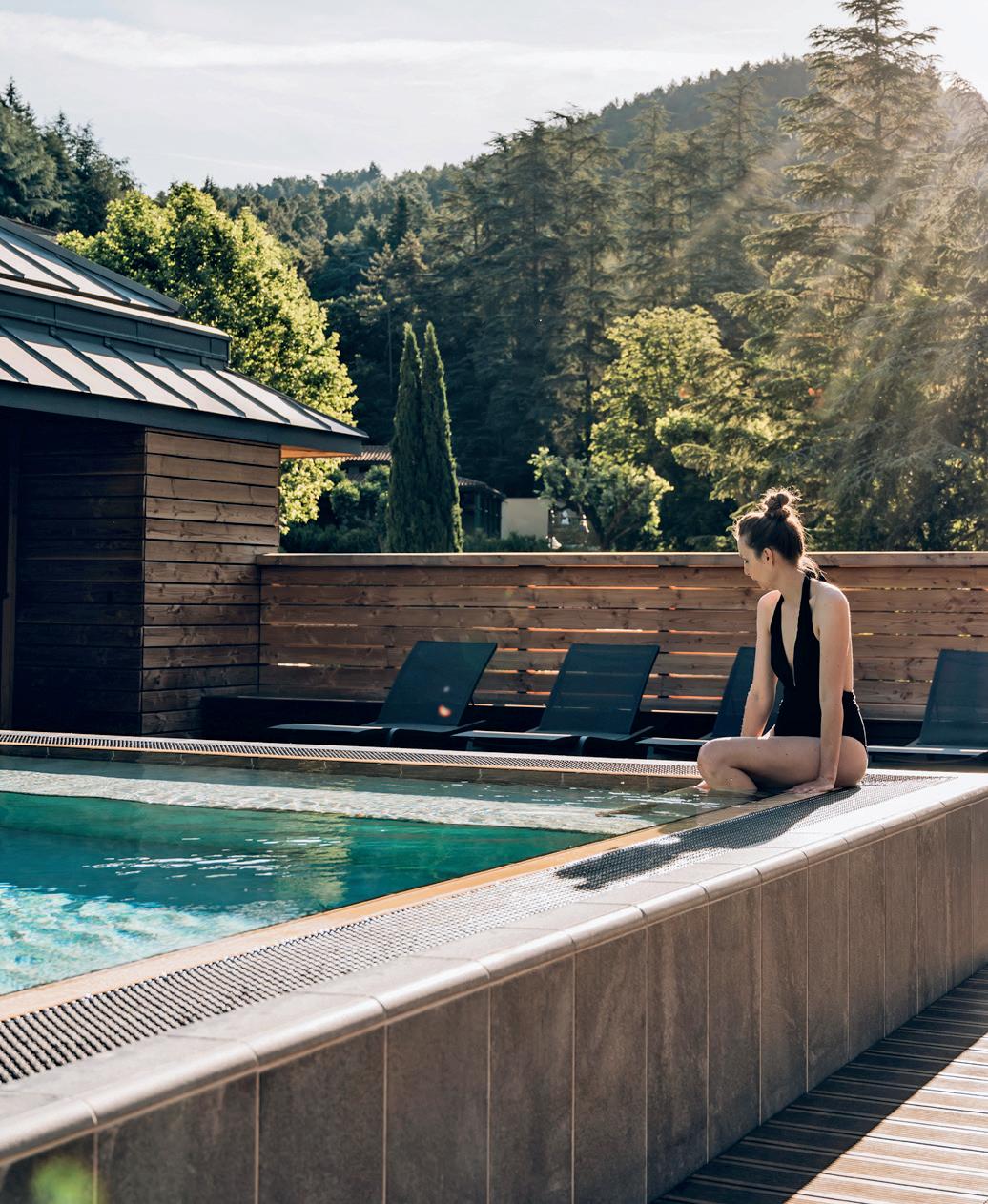
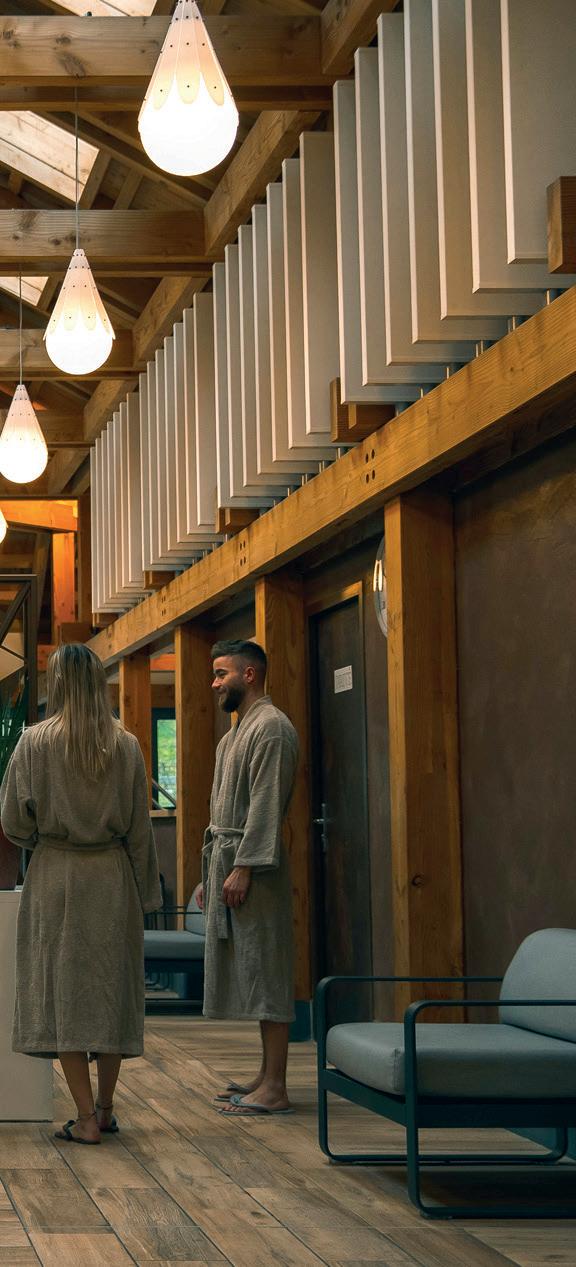
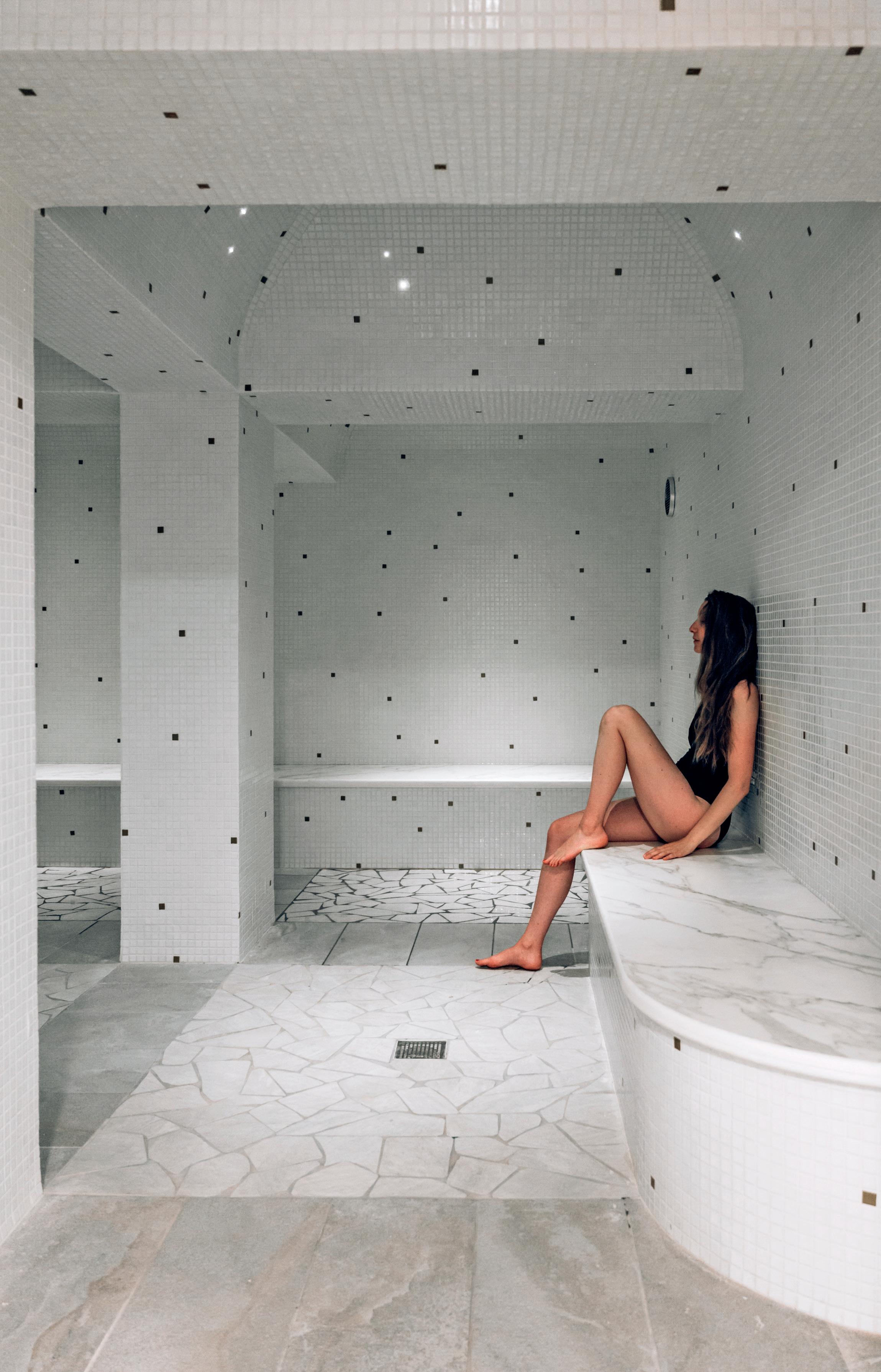
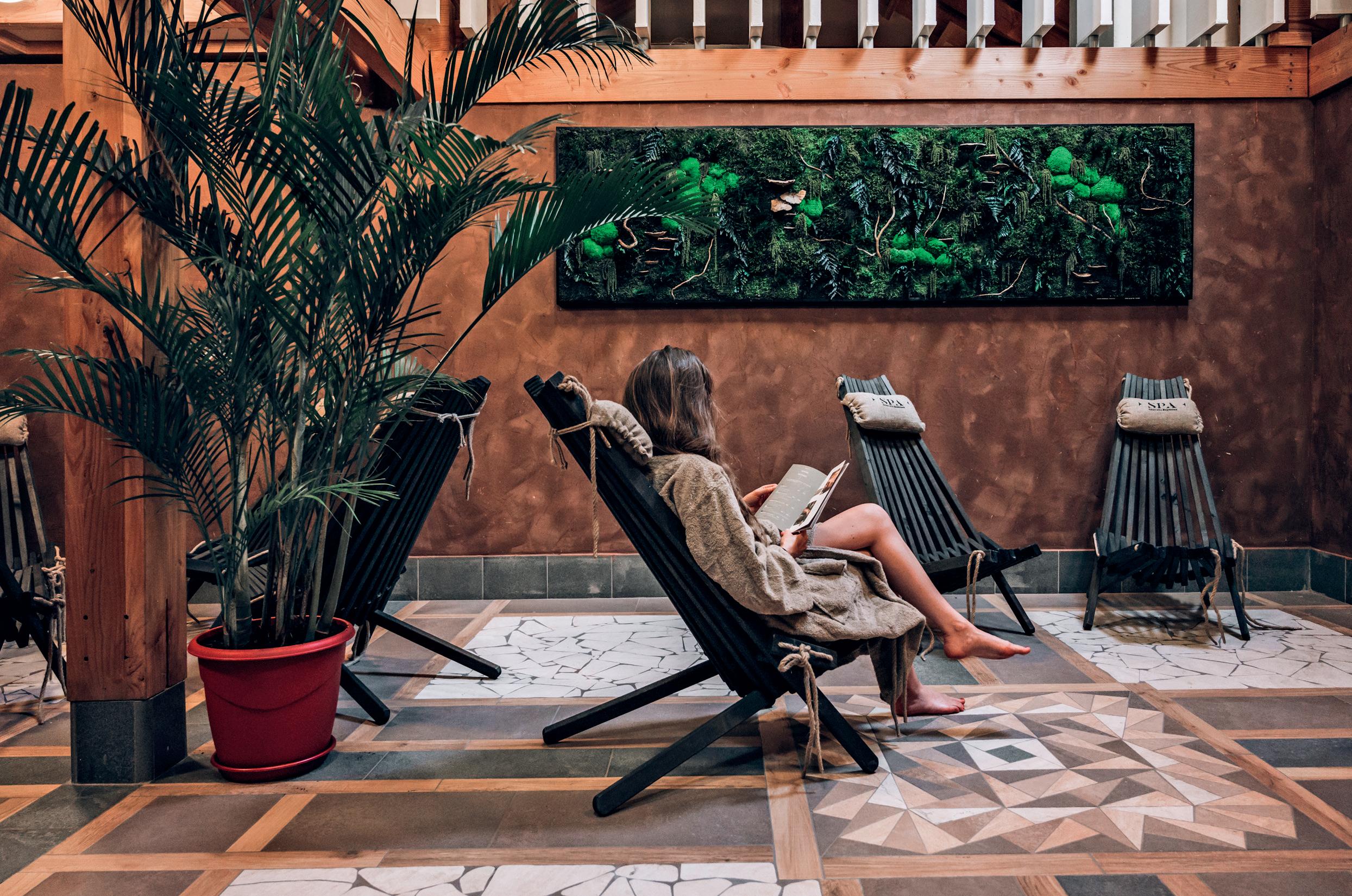
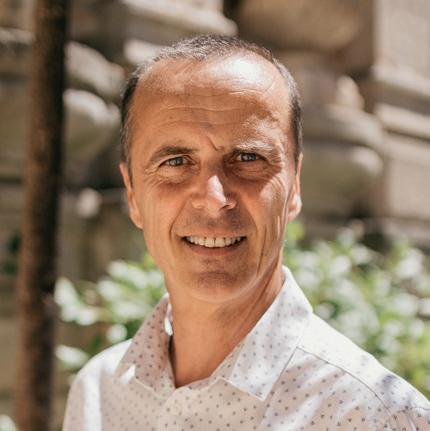
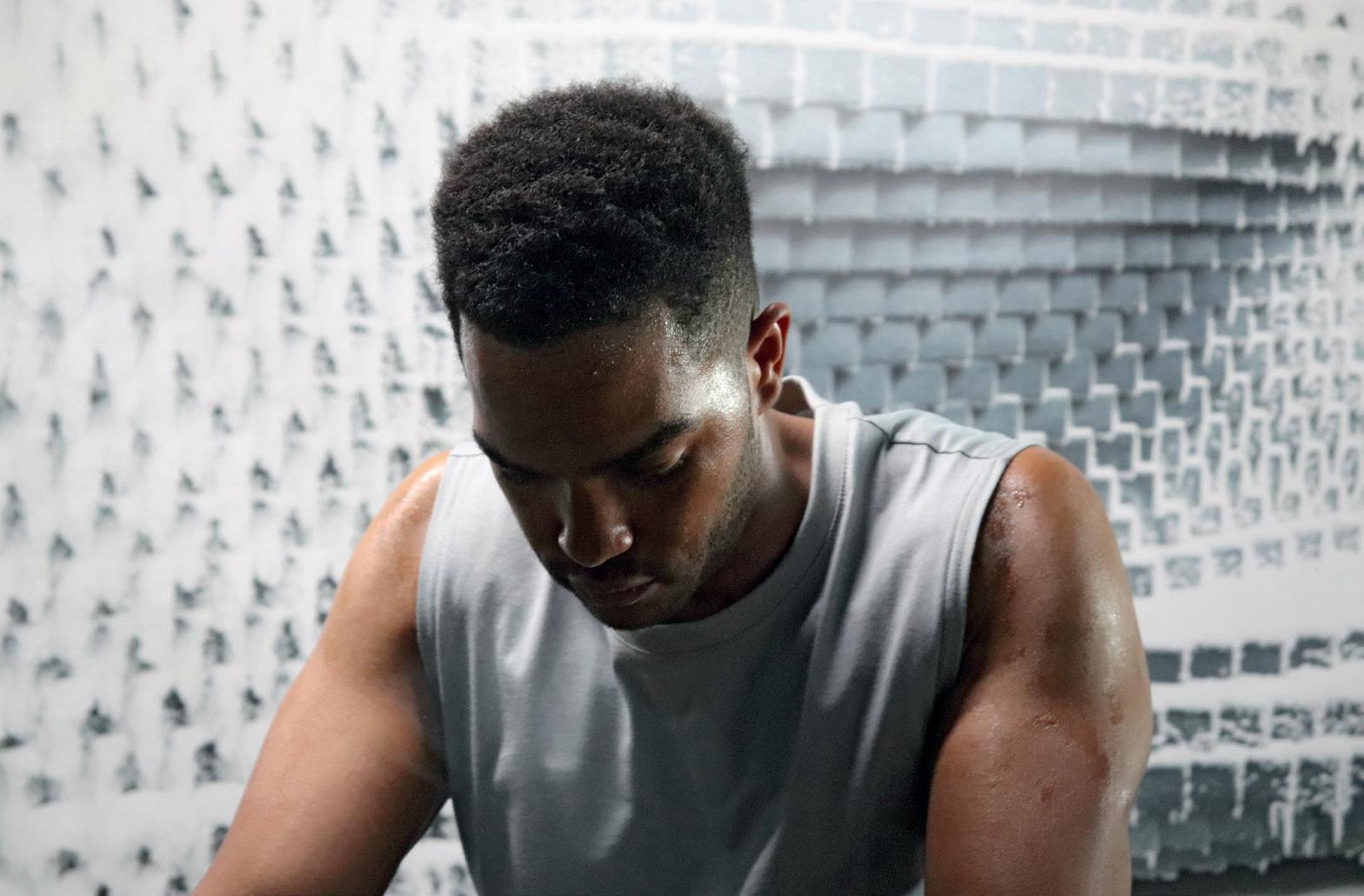
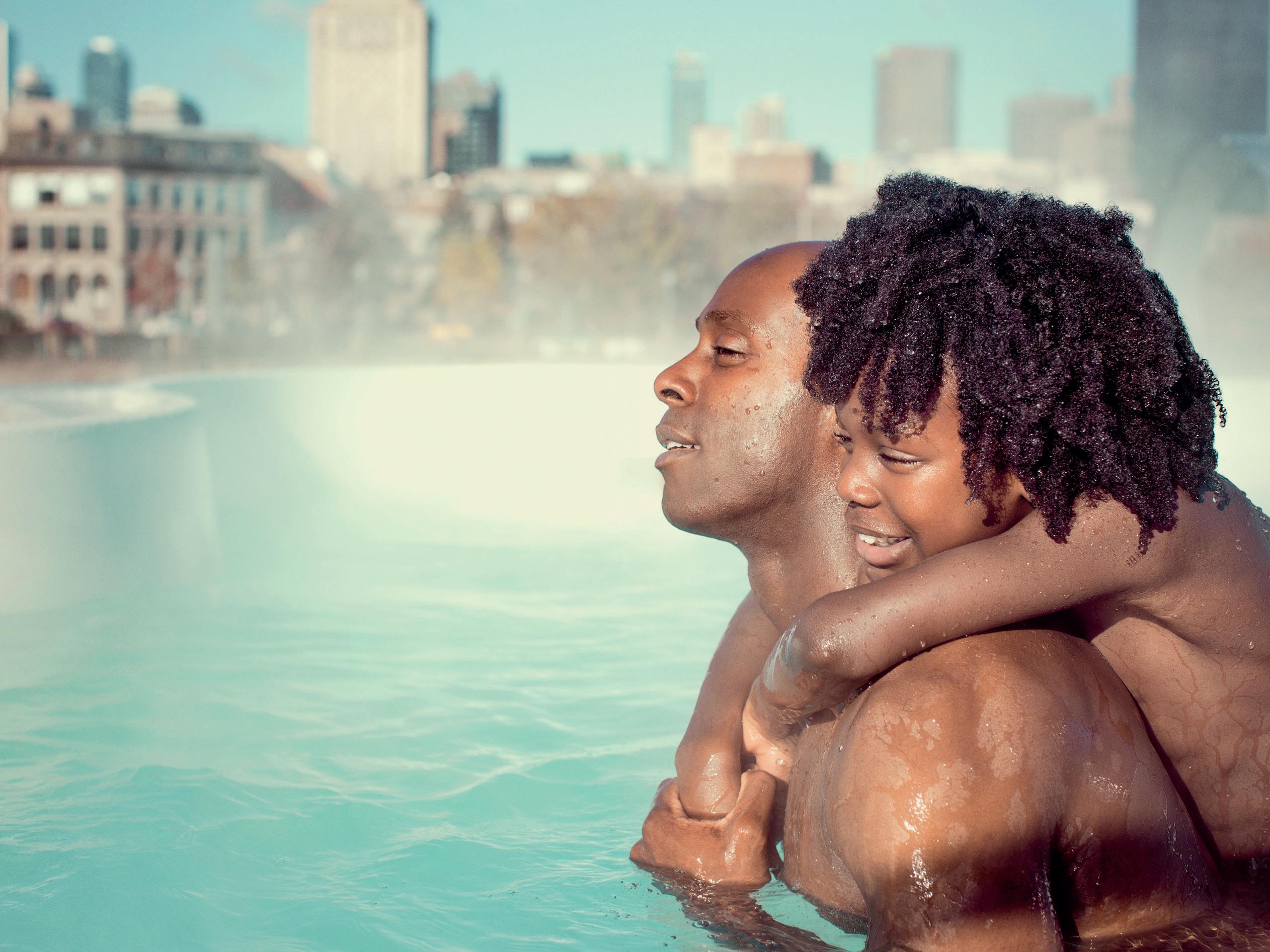
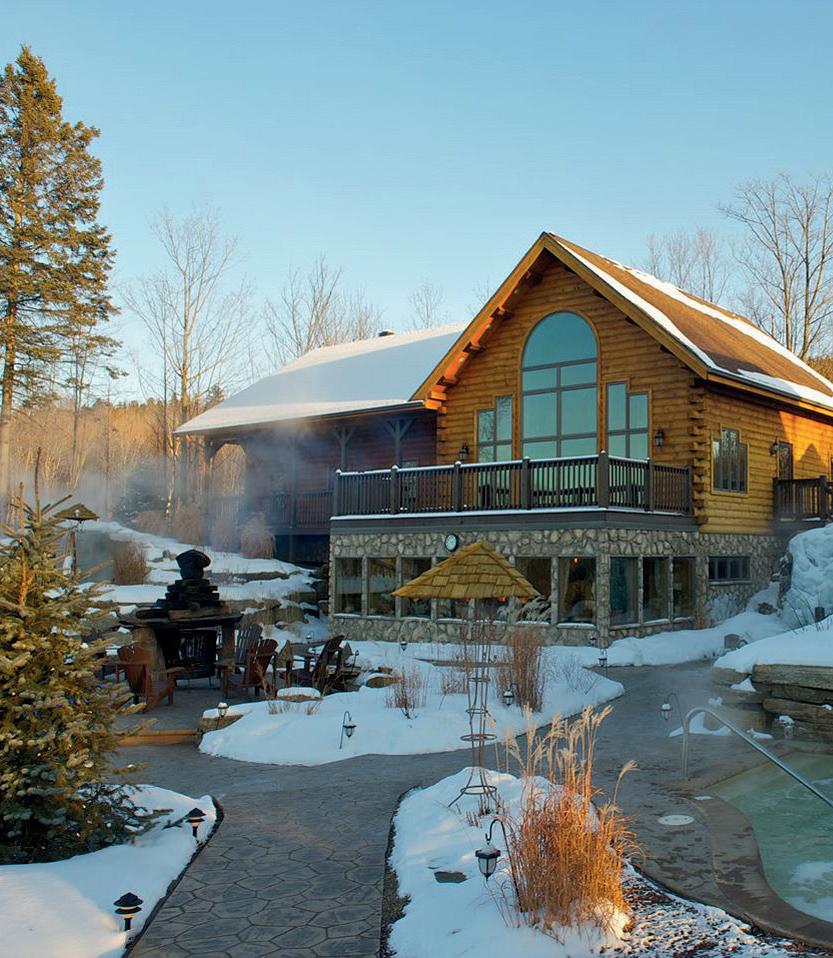
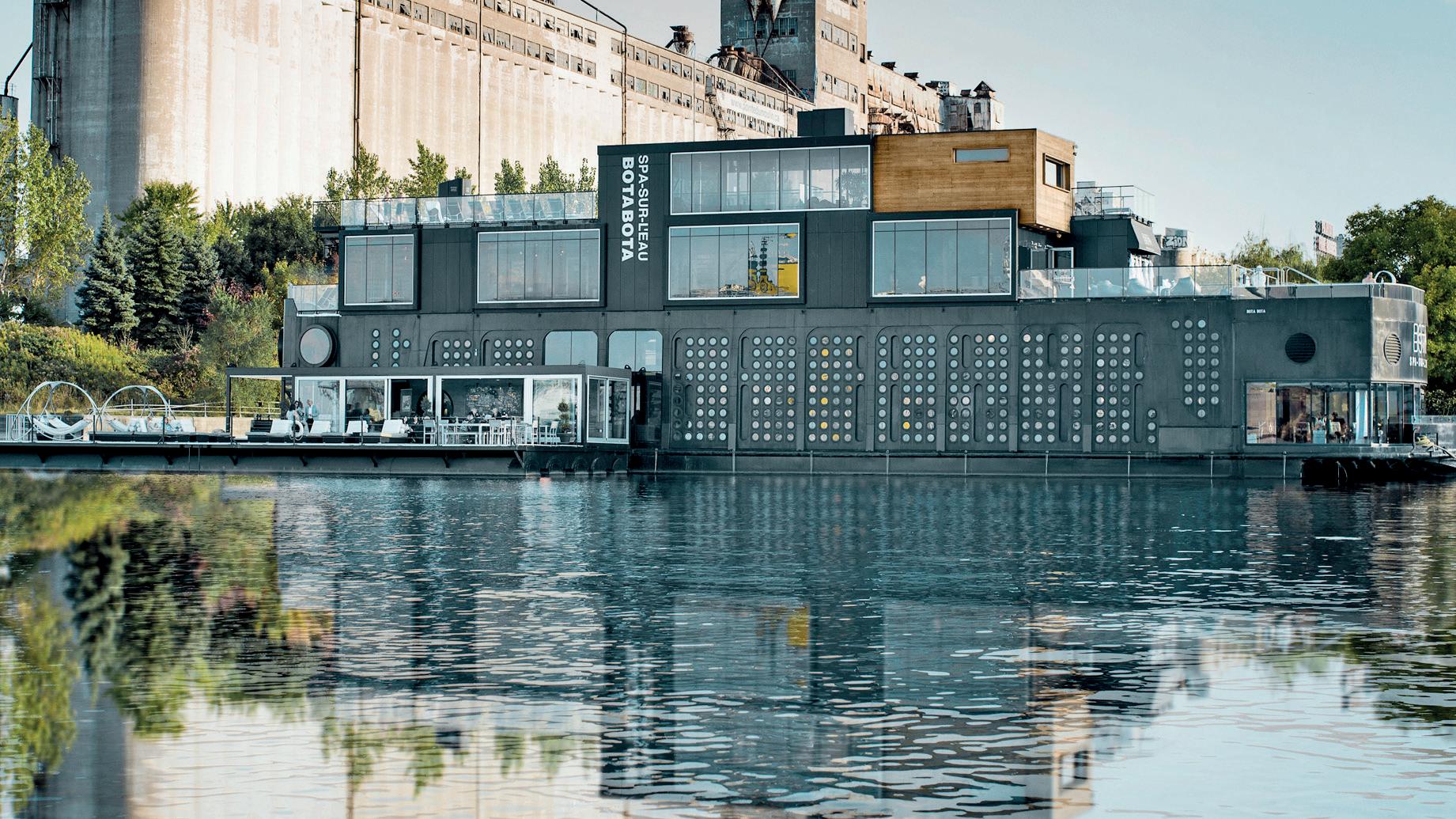
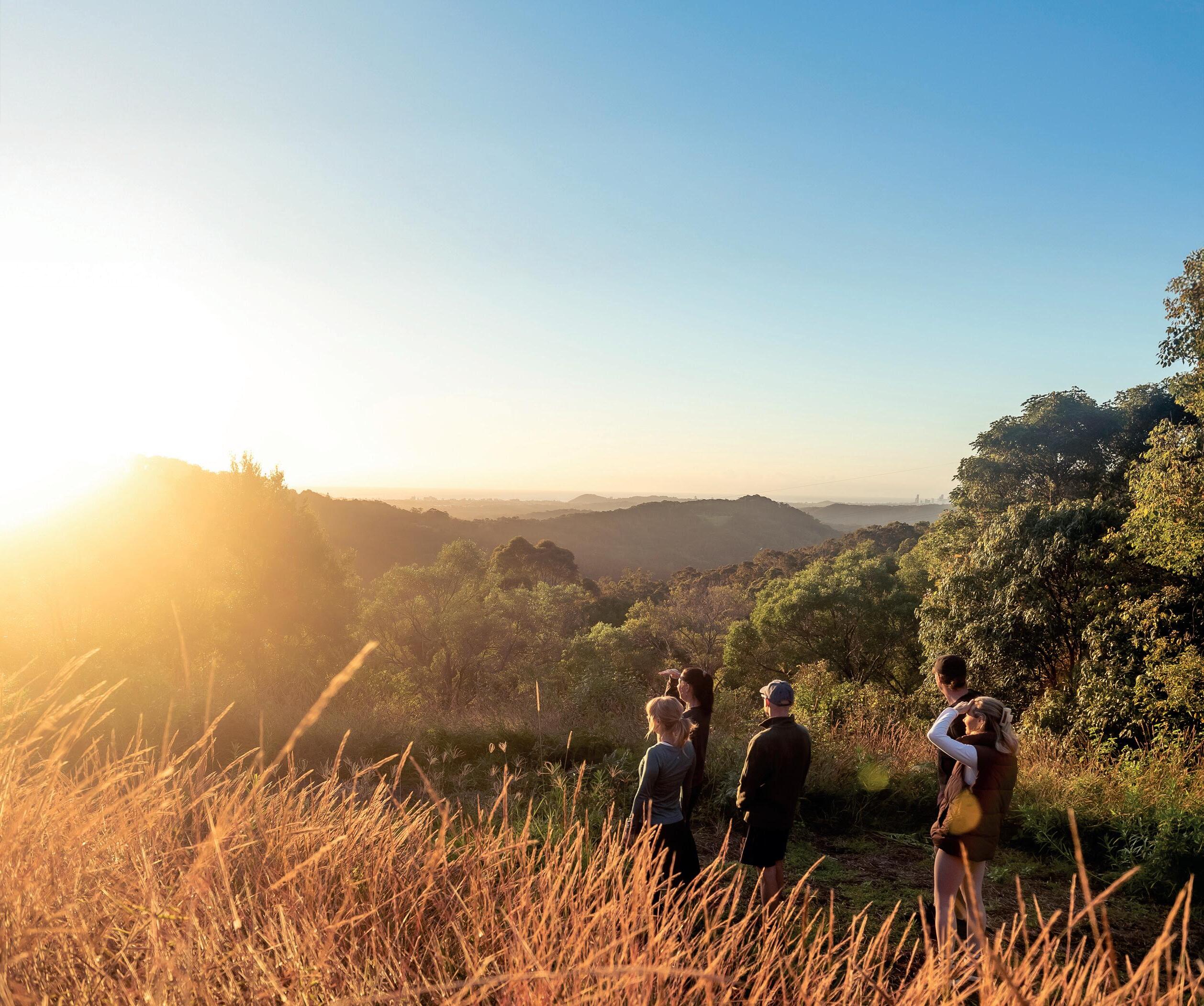
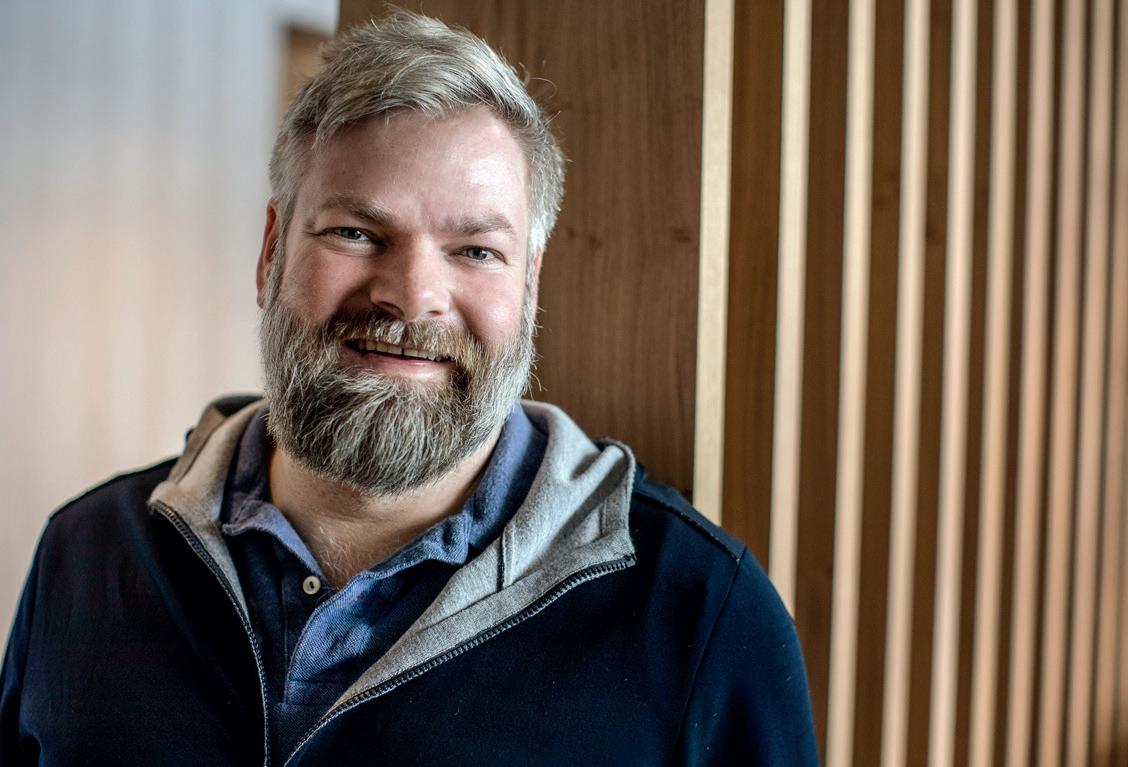
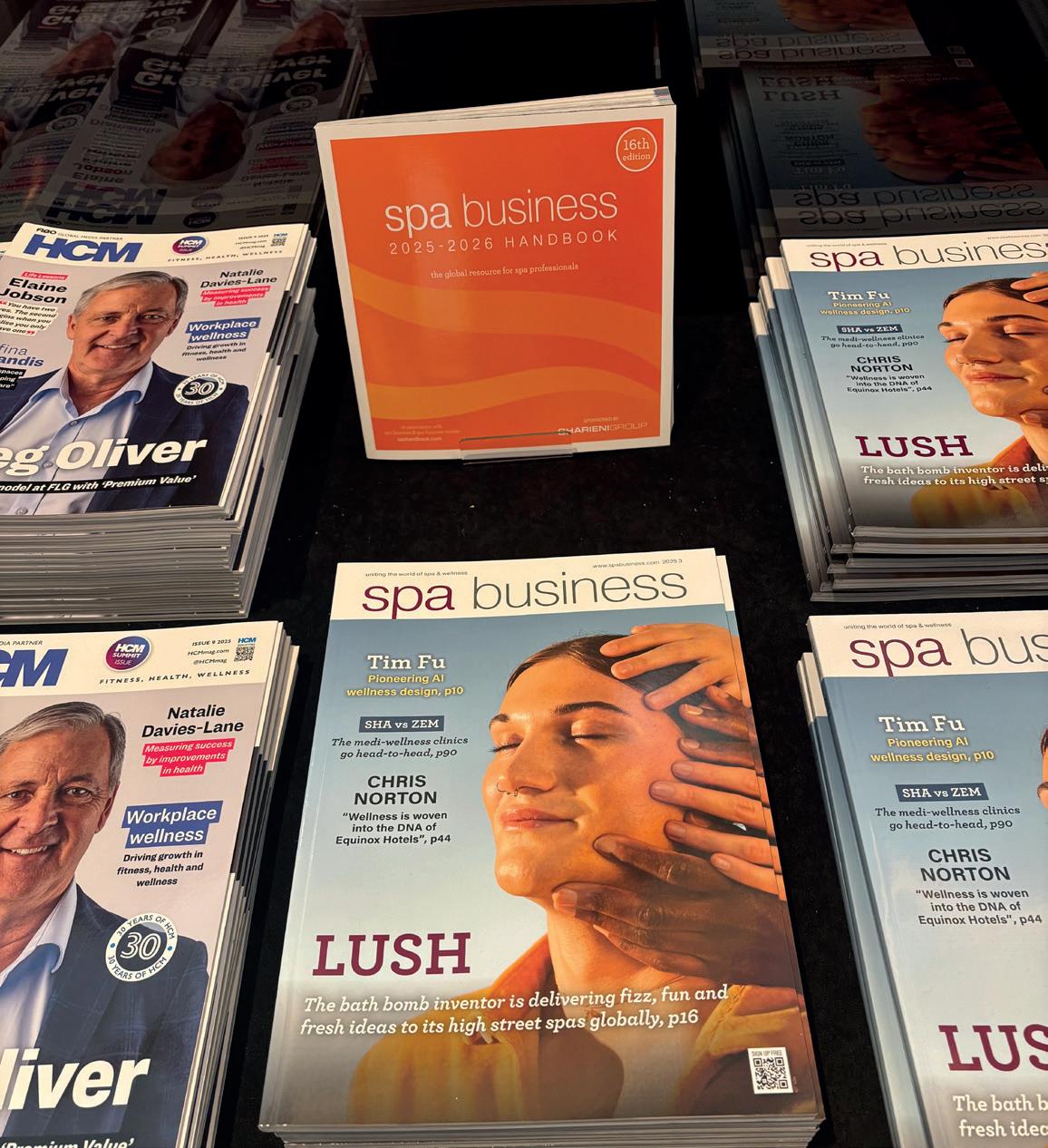
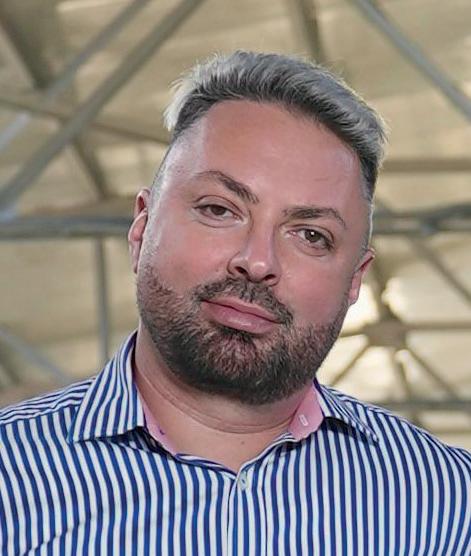
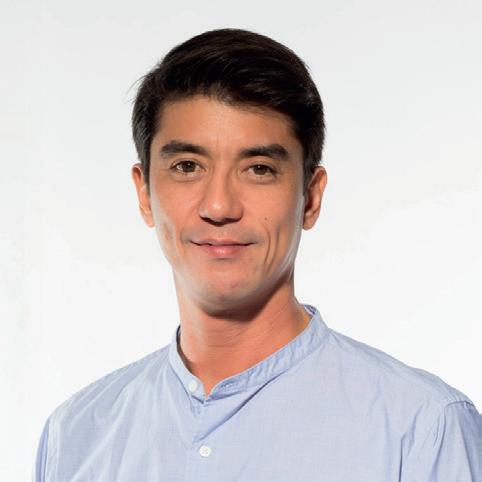
“We want to develop onsen ryokan globally –wherever there are hot springs resources”, p44
OVER 35 YEARS OF SPA EXCELLENCE
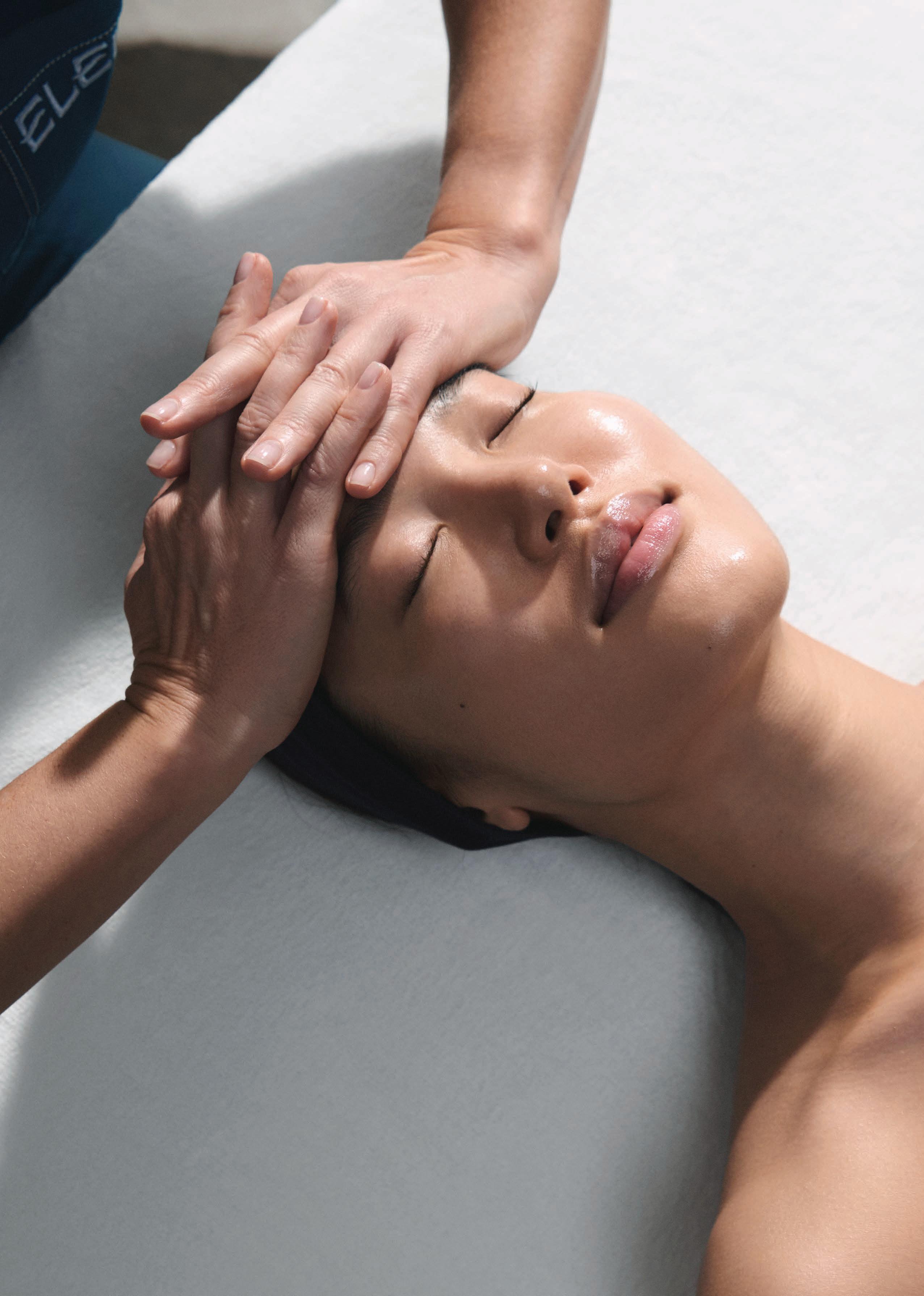
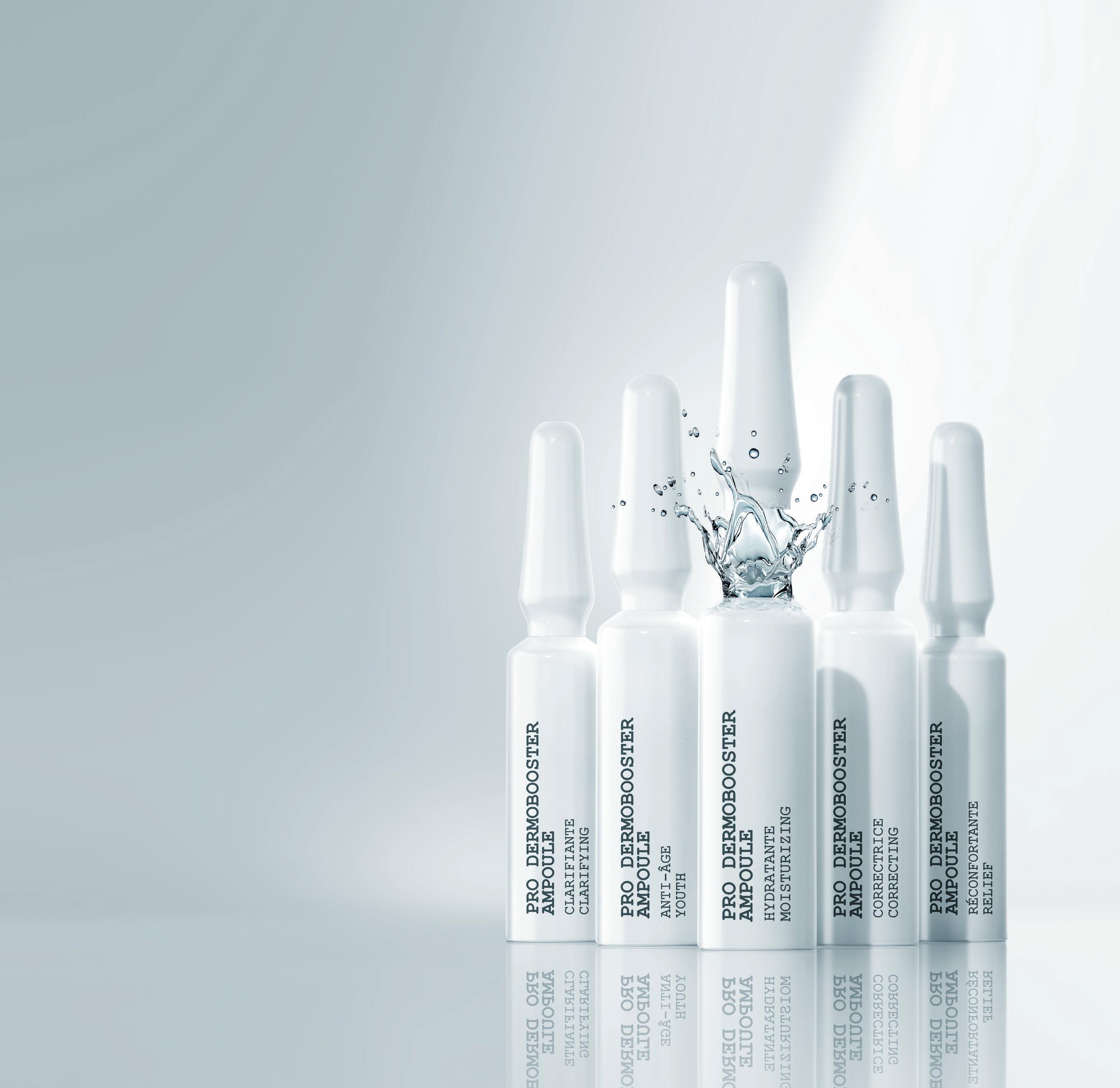
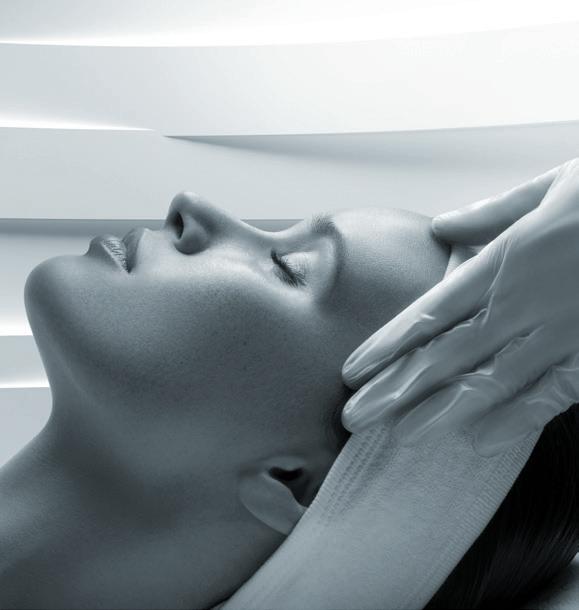
Cutting-edge science meets indulgent sensoriality with our skincare, bodycare and professional treatments. Unlock unparalleled efficacy, targeted skin solutions and powerful results that you can see and feel.
FThe long game
Longevity may be the newest buzzword, but its foundations are firmly rooted in wellness and it offers a rare opportunity – to build credibility, future-proof offerings and shape how people live longer, healthier lives
or investors, owners and operators, longevity has fast become the new currency of wellness. Its rise may feel sudden, but it’s the natural next chapter in an evolution this industry knows well. During the global downturn of 2008/09, wellness replaced indulgence. In the pandemic, health moved from aspiration to necessity. Now, longevity builds on both.
At its core, longevity is deeply positive. It empowers people to make better, evidence-based decisions for their health, supporting not just lifespan but healthspan. Those principles are not new to spa and wellness – in fact, they play directly to the sector’s strengths. For operators, it offers the chance to reimagine the guest journey: moving beyond single treatments to high-frequency, personalised experiences that extend well beyond checkout.
Encouragingly, the industry already has shining examples. Forward-thinking brands are integrating hospitality, residential living and clinicalgrade longevity services, using data to deliver tangible outcomes and differentiated value.
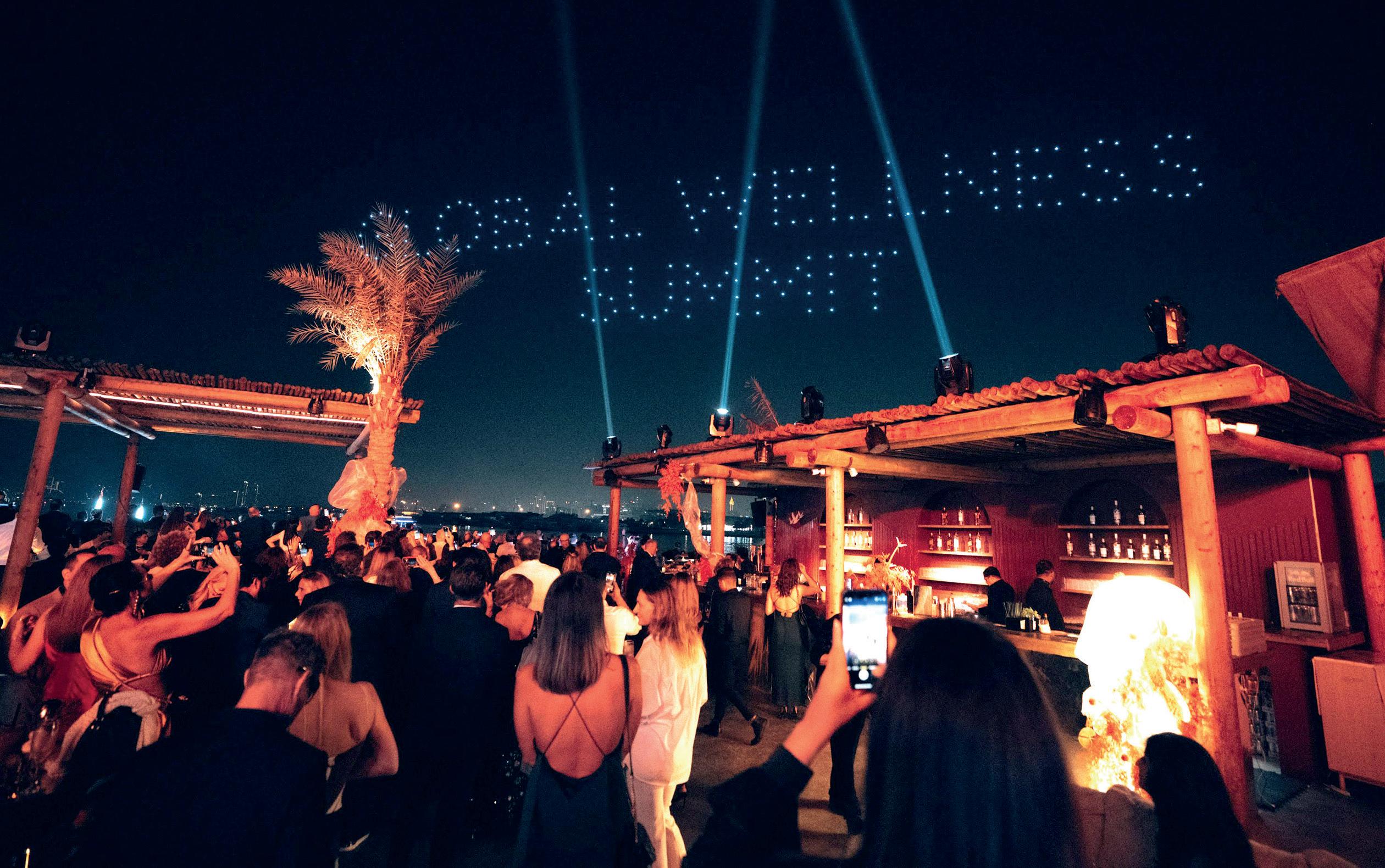
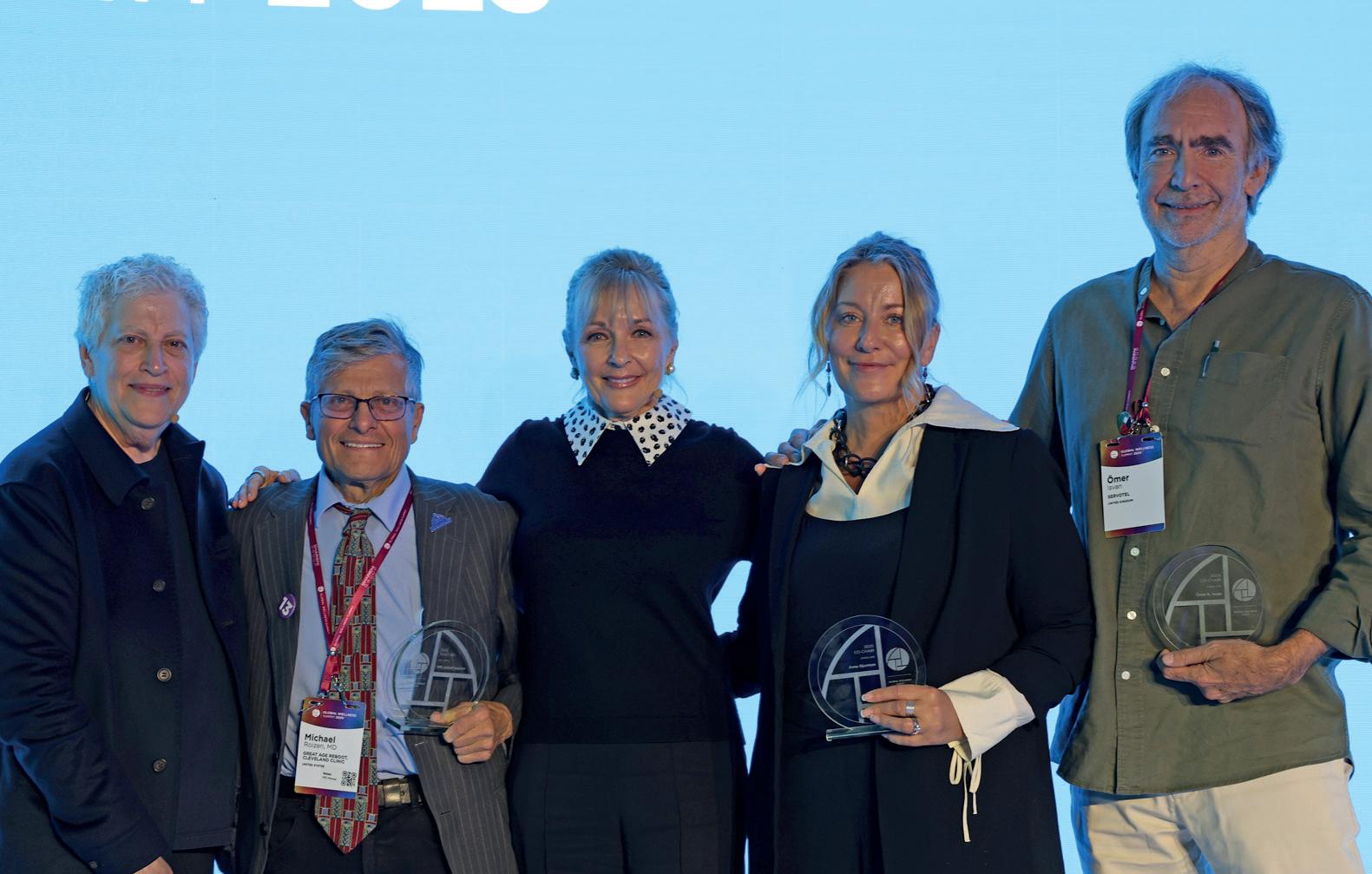
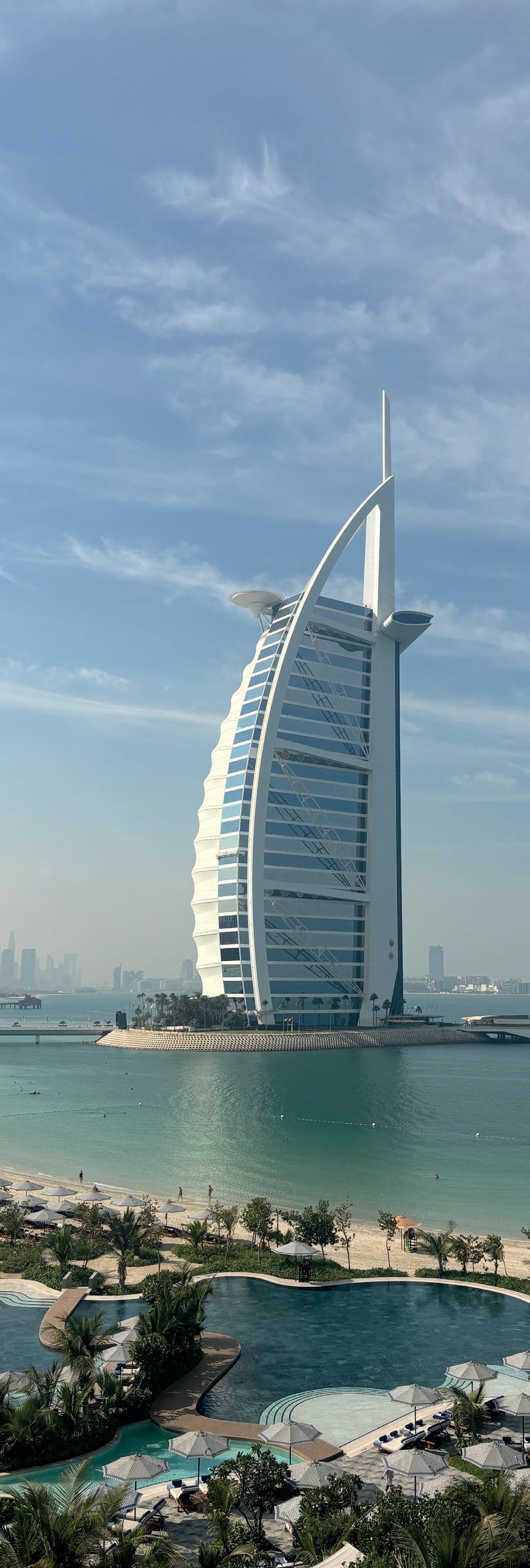
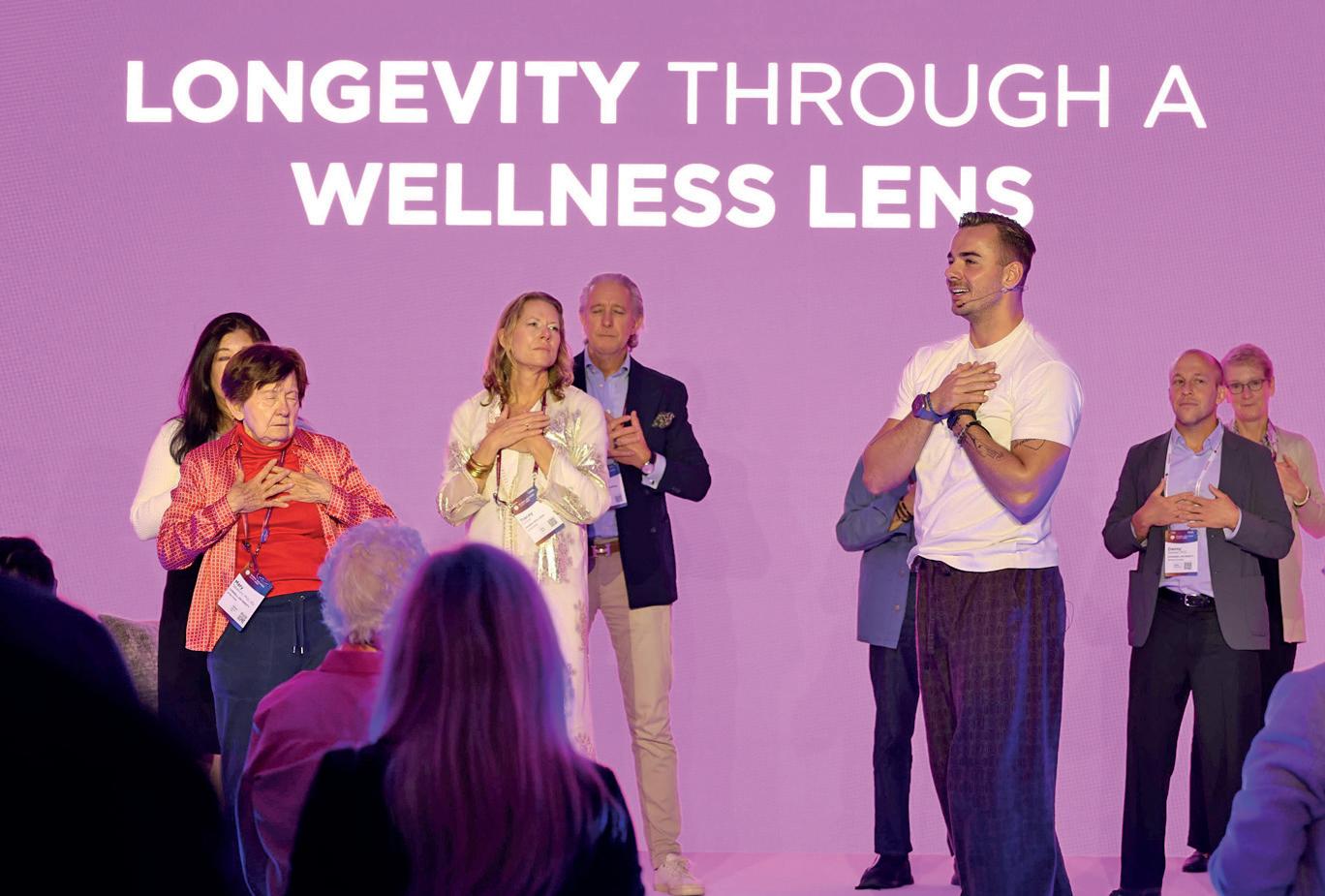
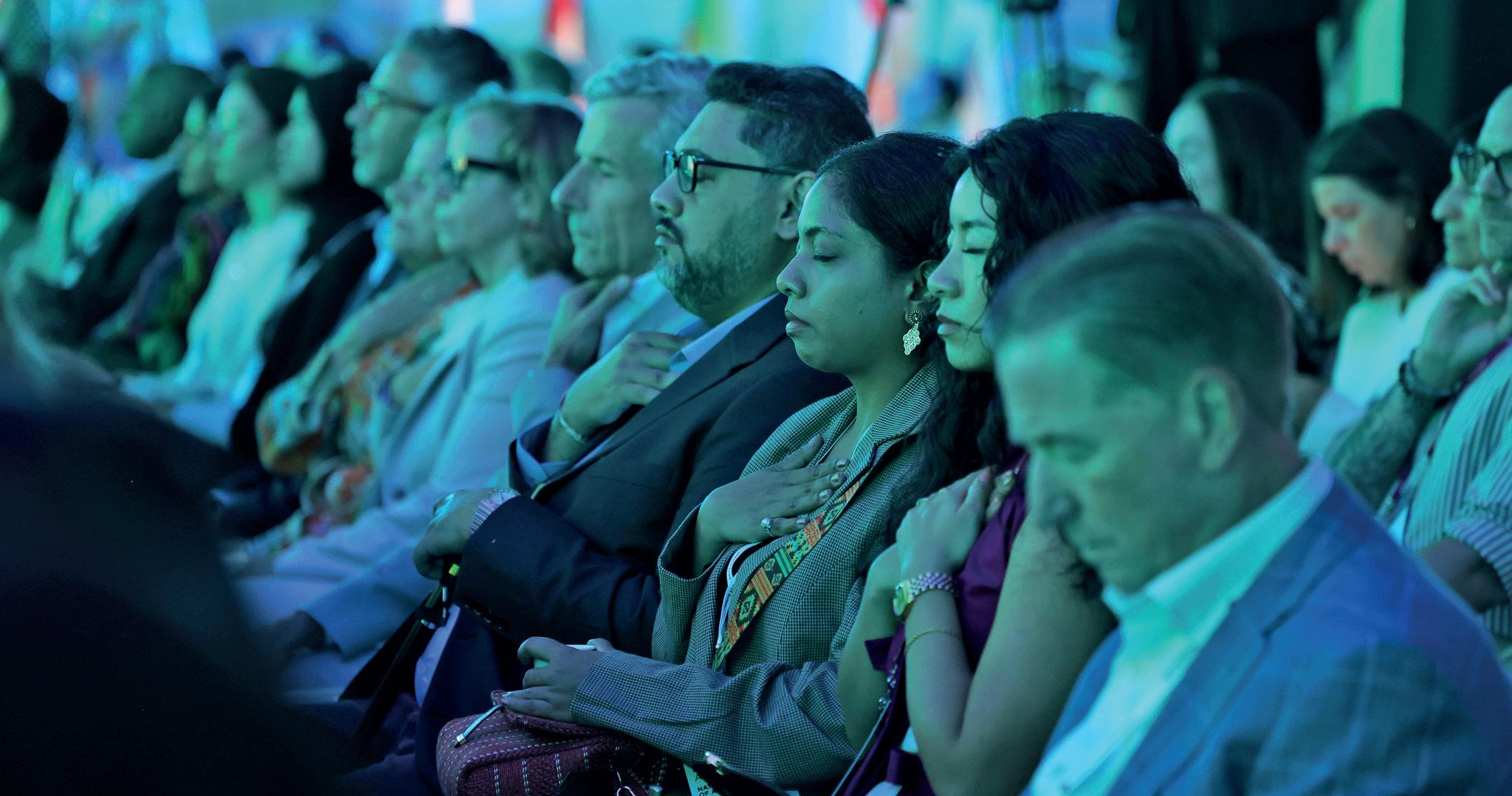
The recent Global Wellness Summit in Dubai explored “wellness through a longevity lens” and we share our highlights on p98. The one clear message from the three days was that wellness must be the foundation of longevity. Without daily habits that support health, even the most advanced interventions fall short. For the sector, this presents a clear opportunity: to lead with sciencebacked modalities, communicate outcomes clearly and align offerings with long-term guest expectations.
Longevity is not a short-term trend, but a structural shift in how wellness creates value. The most
Longevity principles are not new to spa and wellness – they play directly to the sector’s strengths
compelling models focus on ongoing engagement, higher lifetime guest value and adaptable, evidence-led business models that evolve as the science matures.
The rapid rise of longevity presents both a challenge and an unprecedented opportunity. Hospitality has seen similar journeys with wellness and spa concepts. Ideas once debated are now embedded pillars. Approached thoughtfully, longevity allows operators to future-proof offerings, enhance relevance and deepen guest trust – it isn’t a trend to chase, it’s a long game worth playing. l
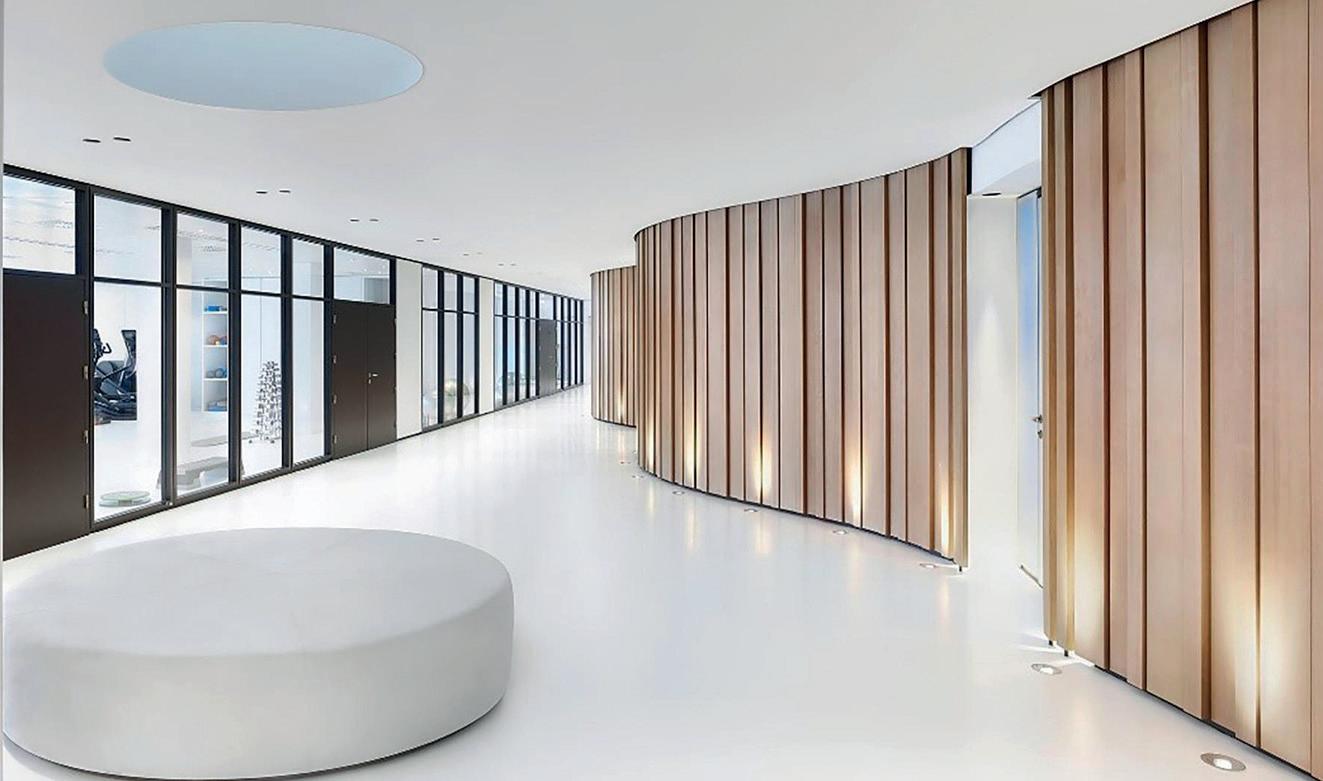
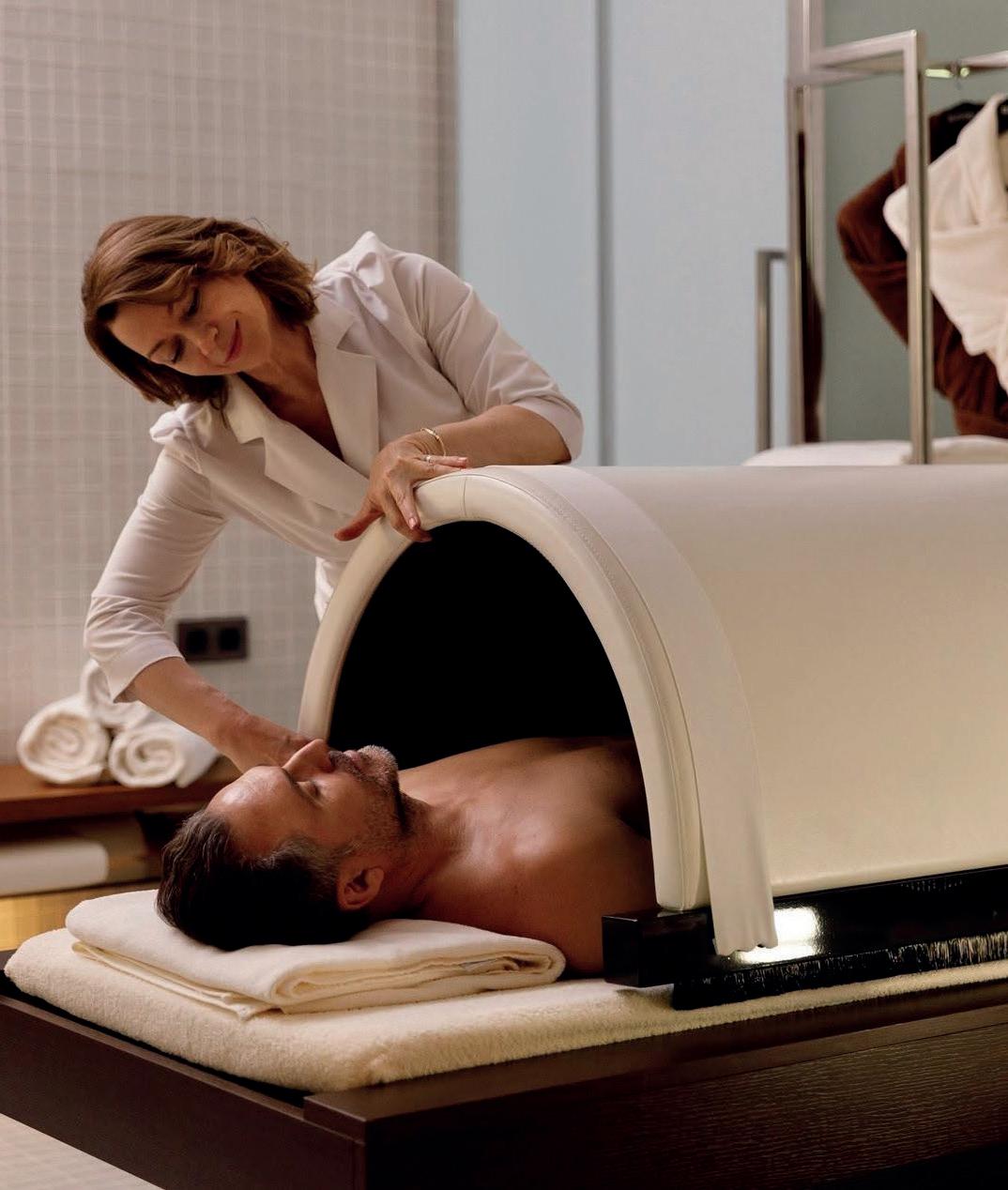
Health tests form the basis of programming at Lanserhof
JACK EMMERSON
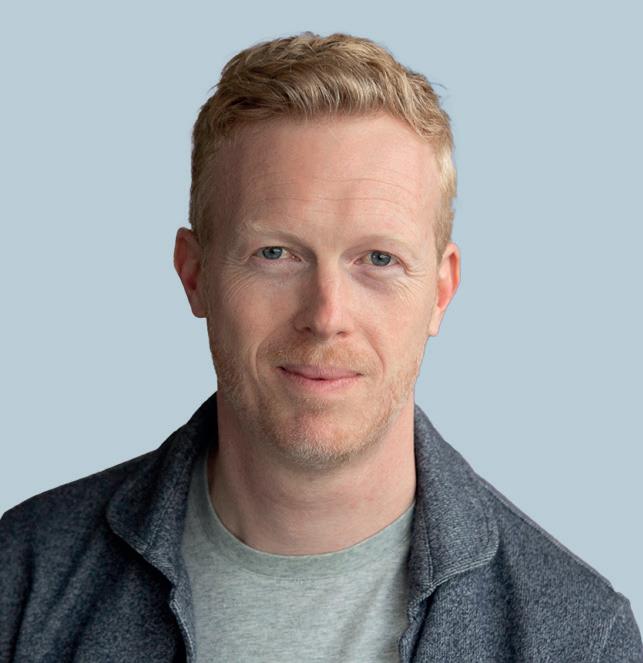
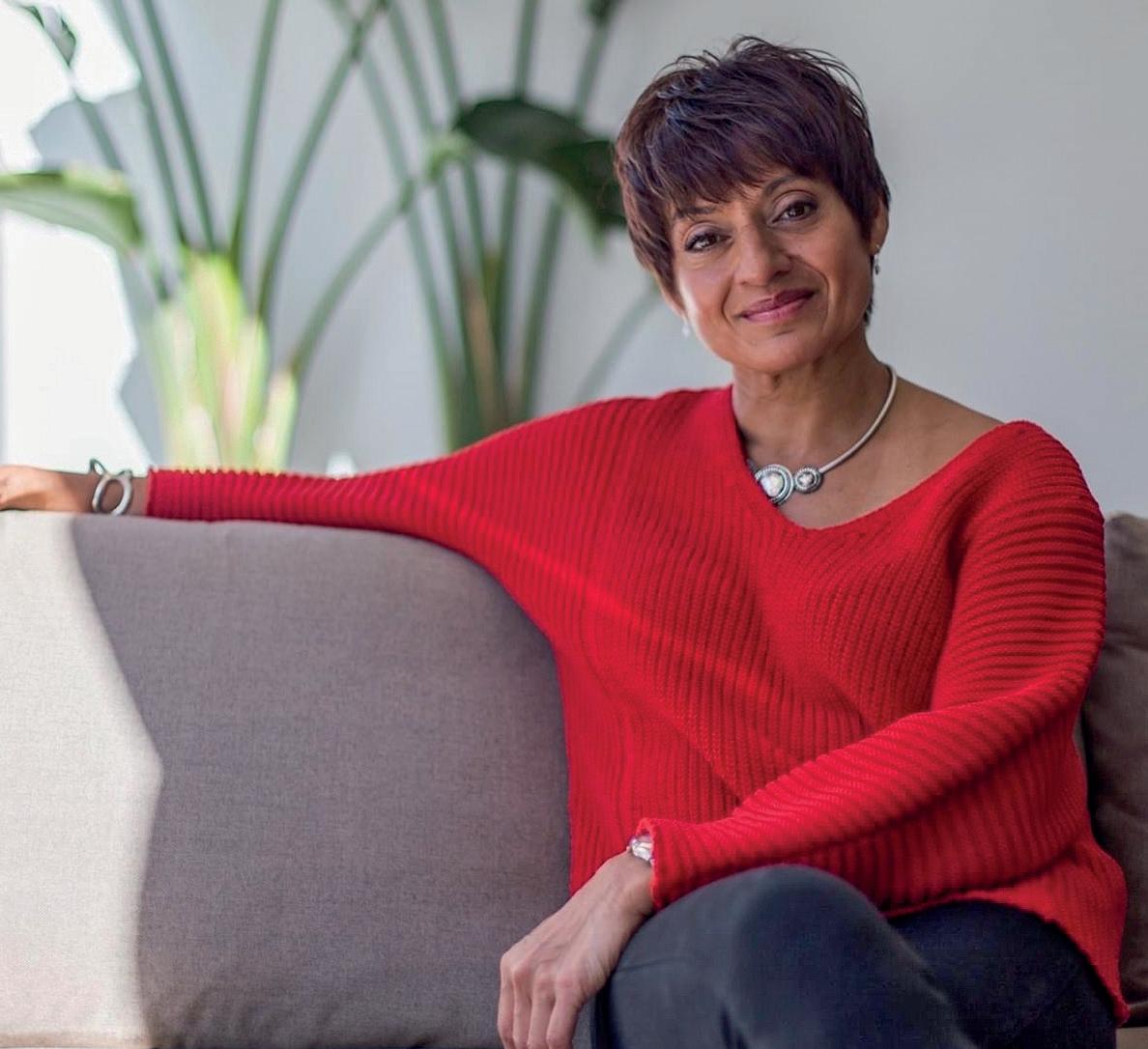
7 Editor’s letter The long game Longevity is powering the next evolution of wellness, says Katie Barnes
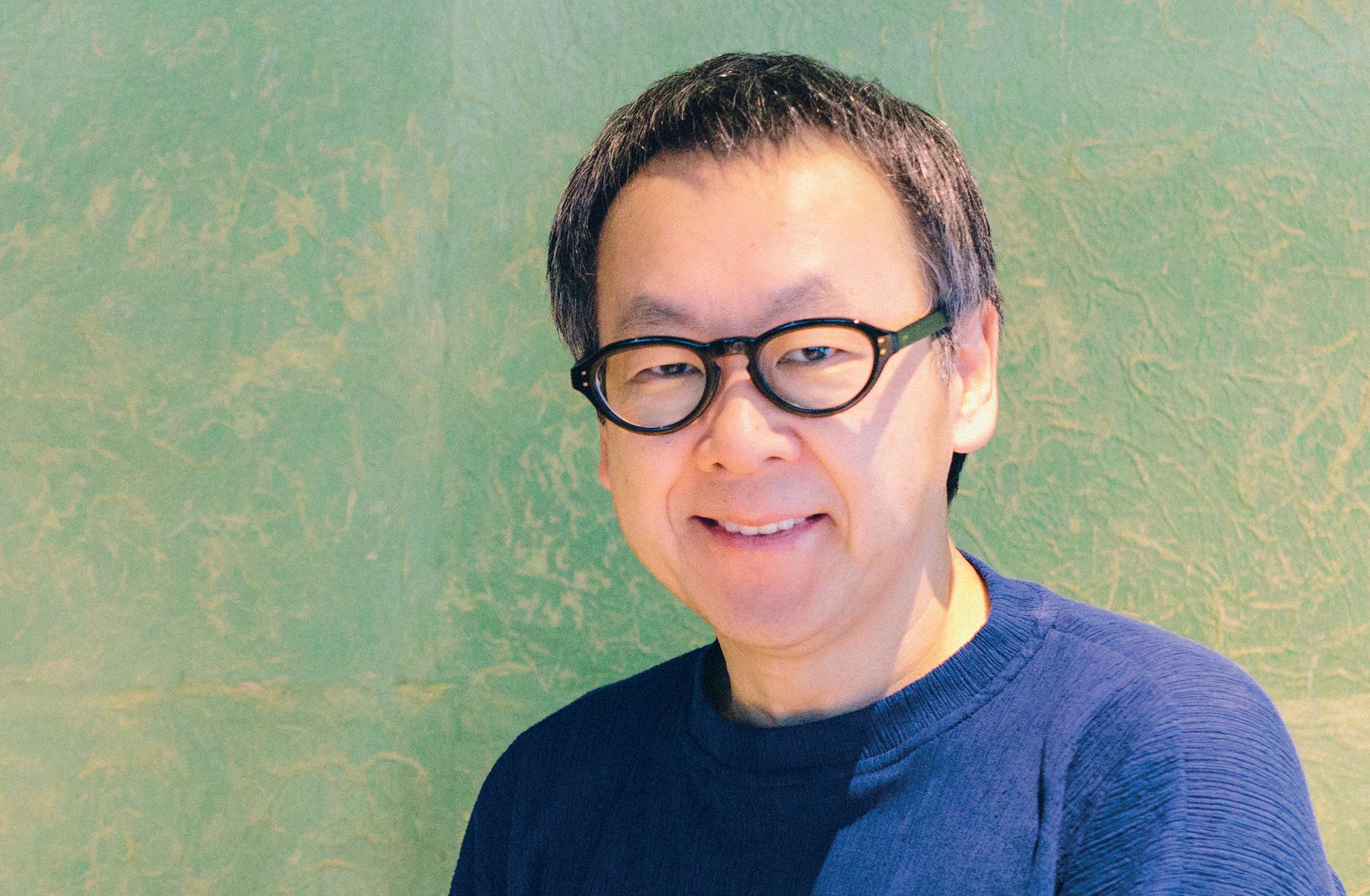
12 Spa people Ingo Schweder
Reveals GOCO’s acquisition of Fivelements and its brand relaunch
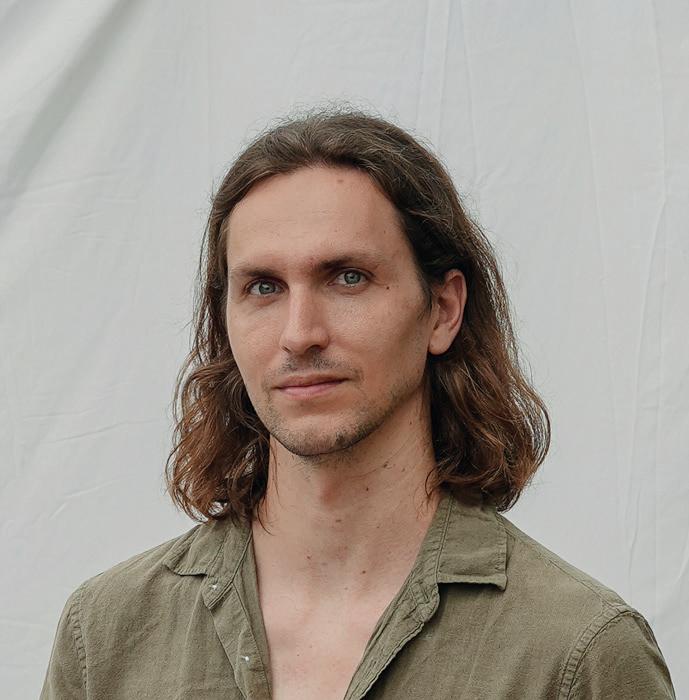
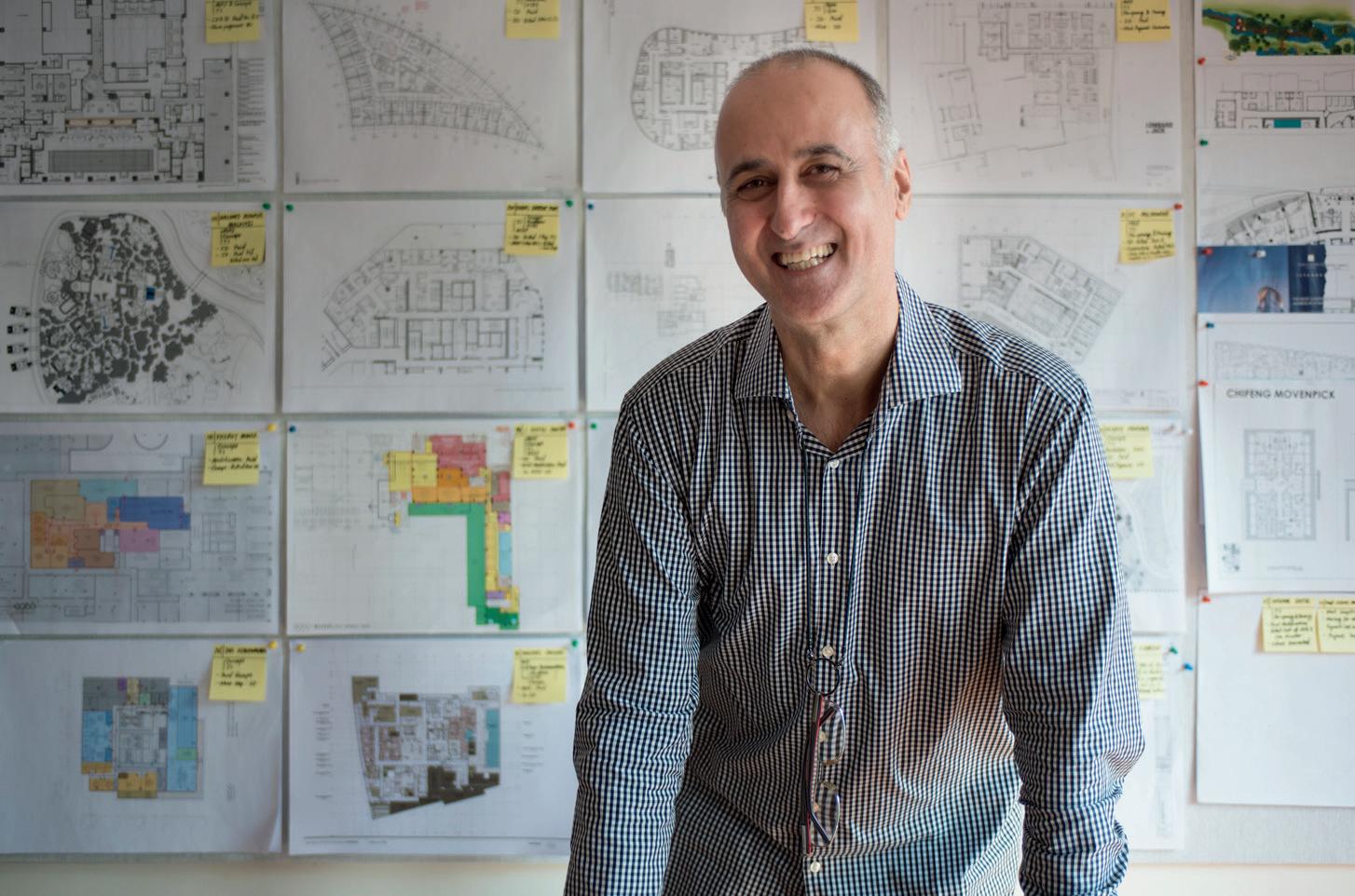
18 Spa people Lucas Schlüter
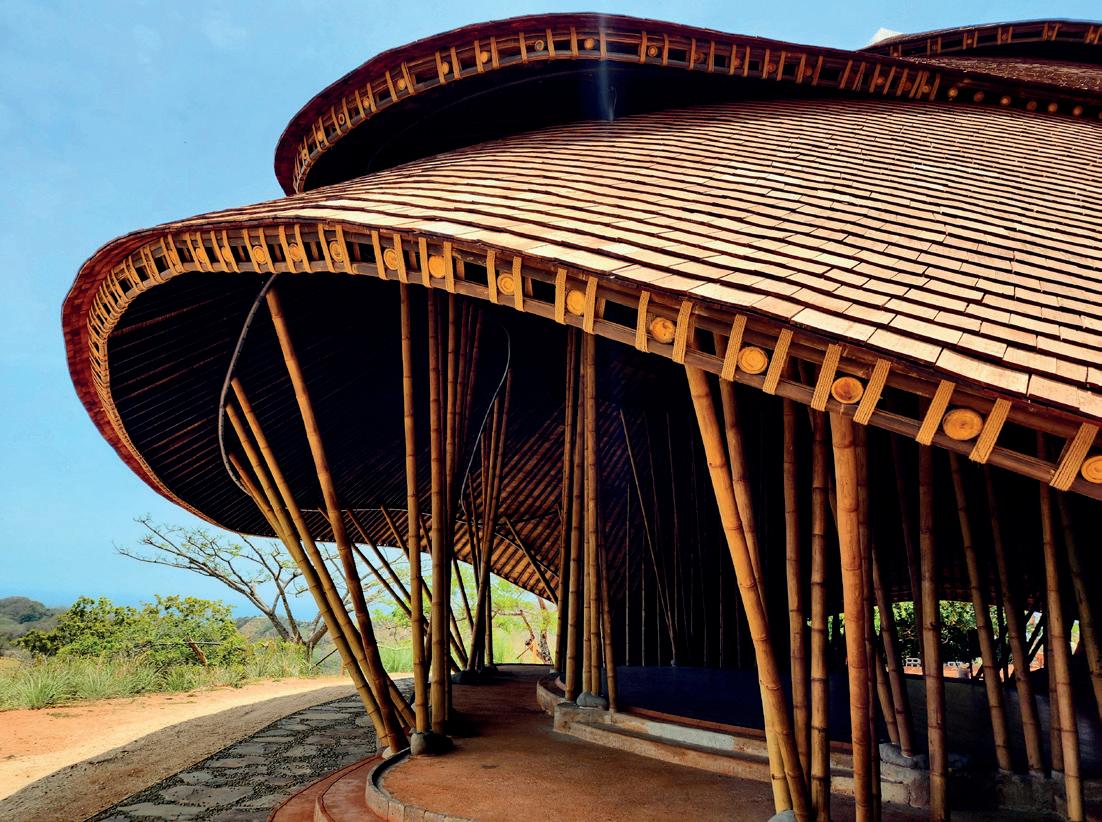
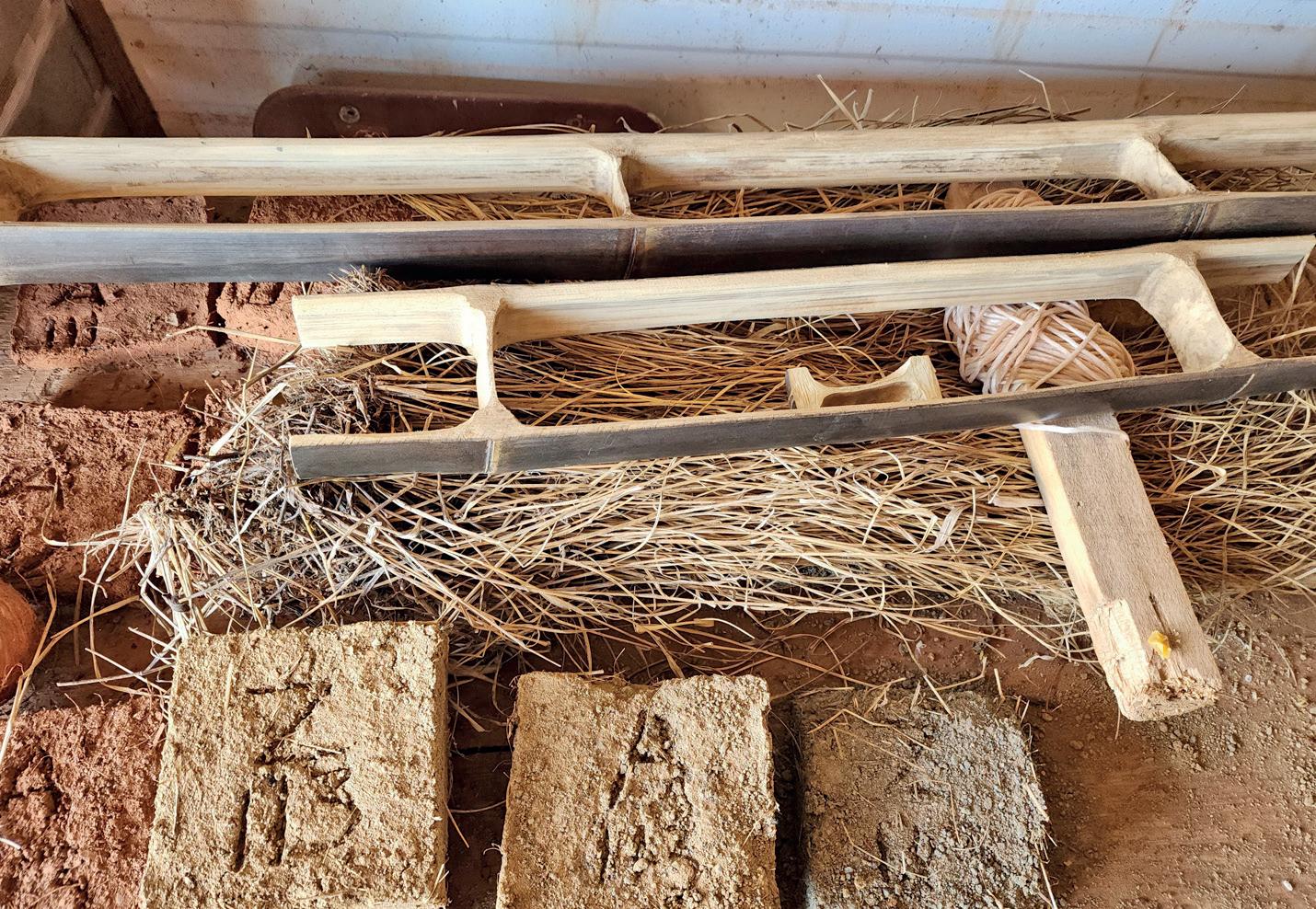
The Ibuku architect on building a bamboo wellness centre in Costa Rica
24 Spa people Hattie David-Wilkinson Poised to take Maybourne’s cuttingedge wellness brand, Surrenne, global and launch a retreats proposition
28 Spa Business news
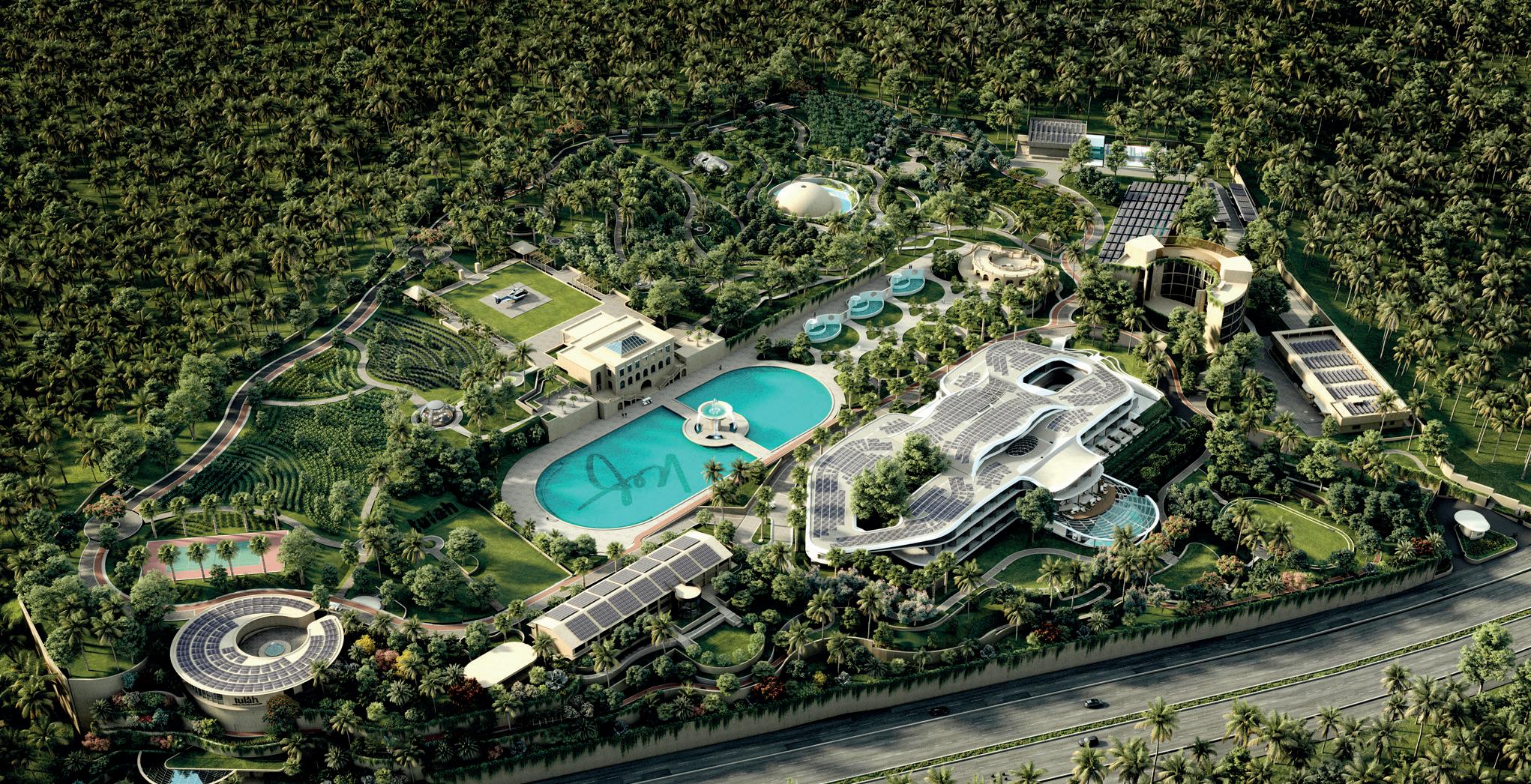
36 New opening Tulah, India
A US$90 million clinical healing sanctuary in Kerala is shaking up medi-wellness in India
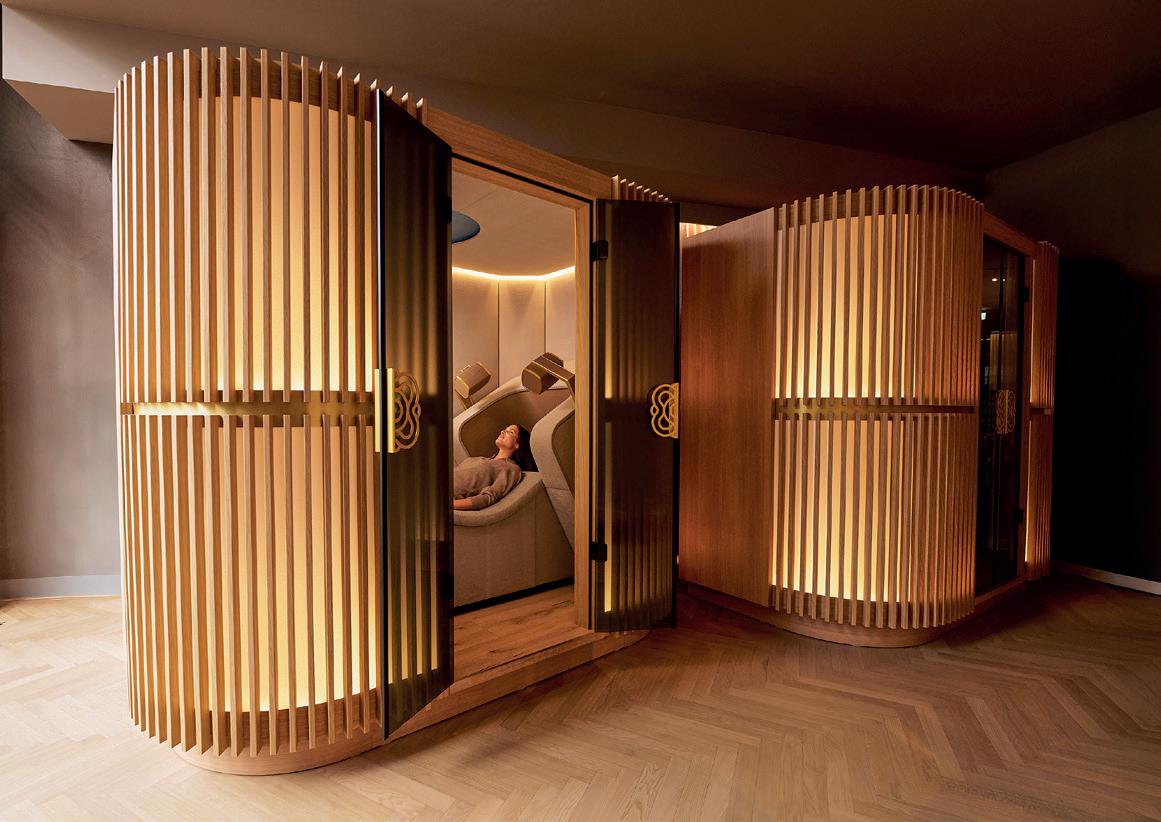
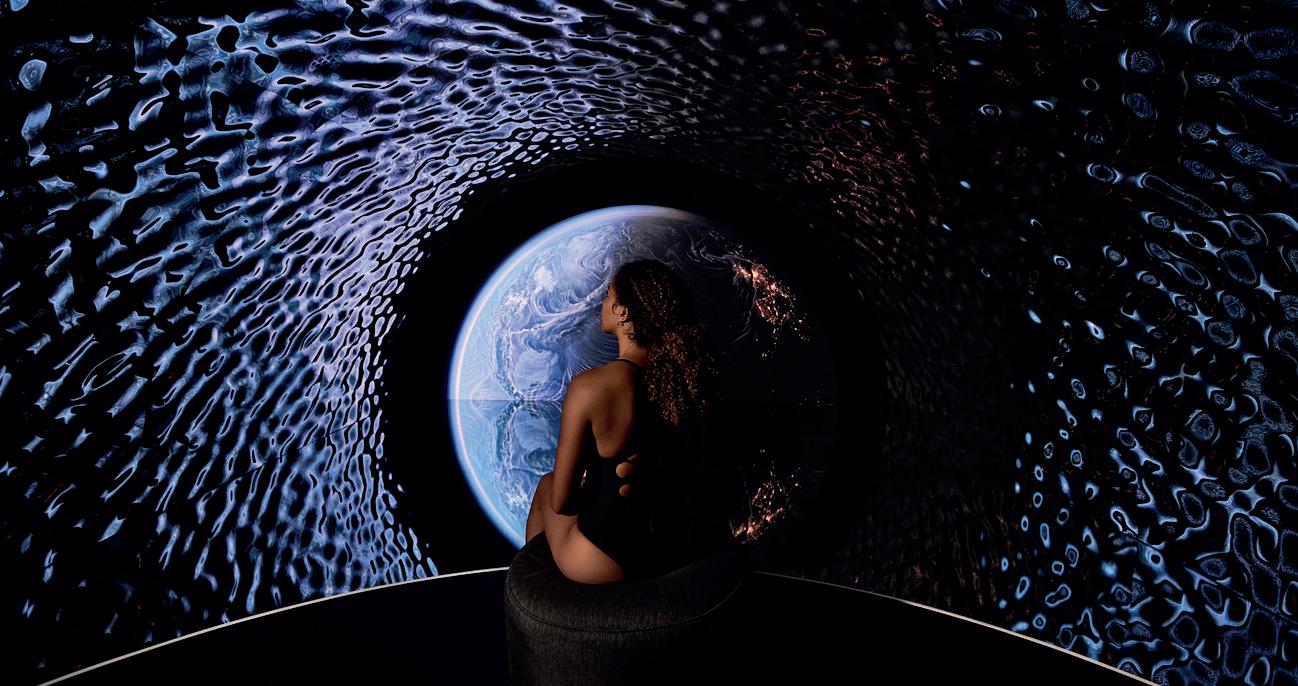
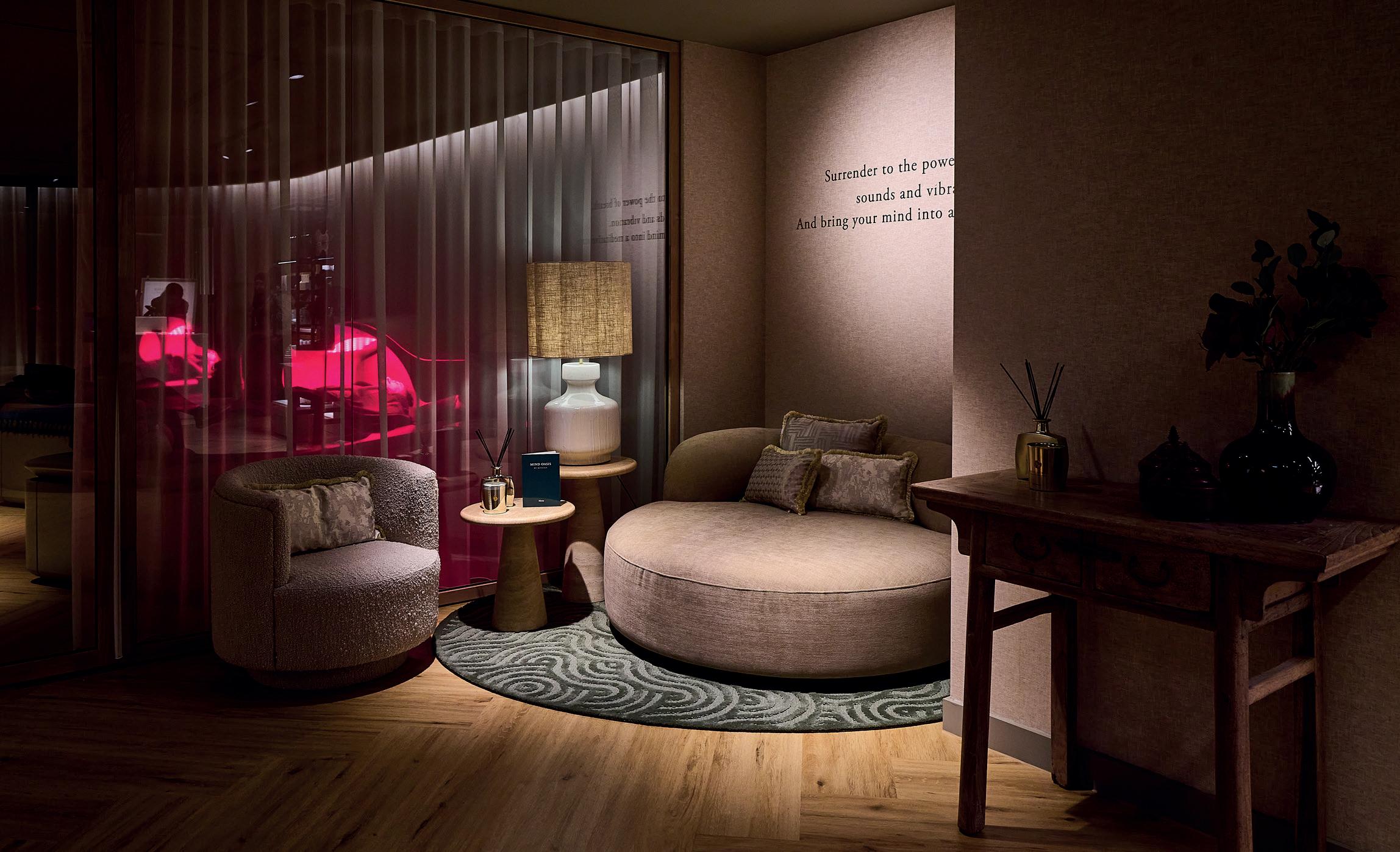
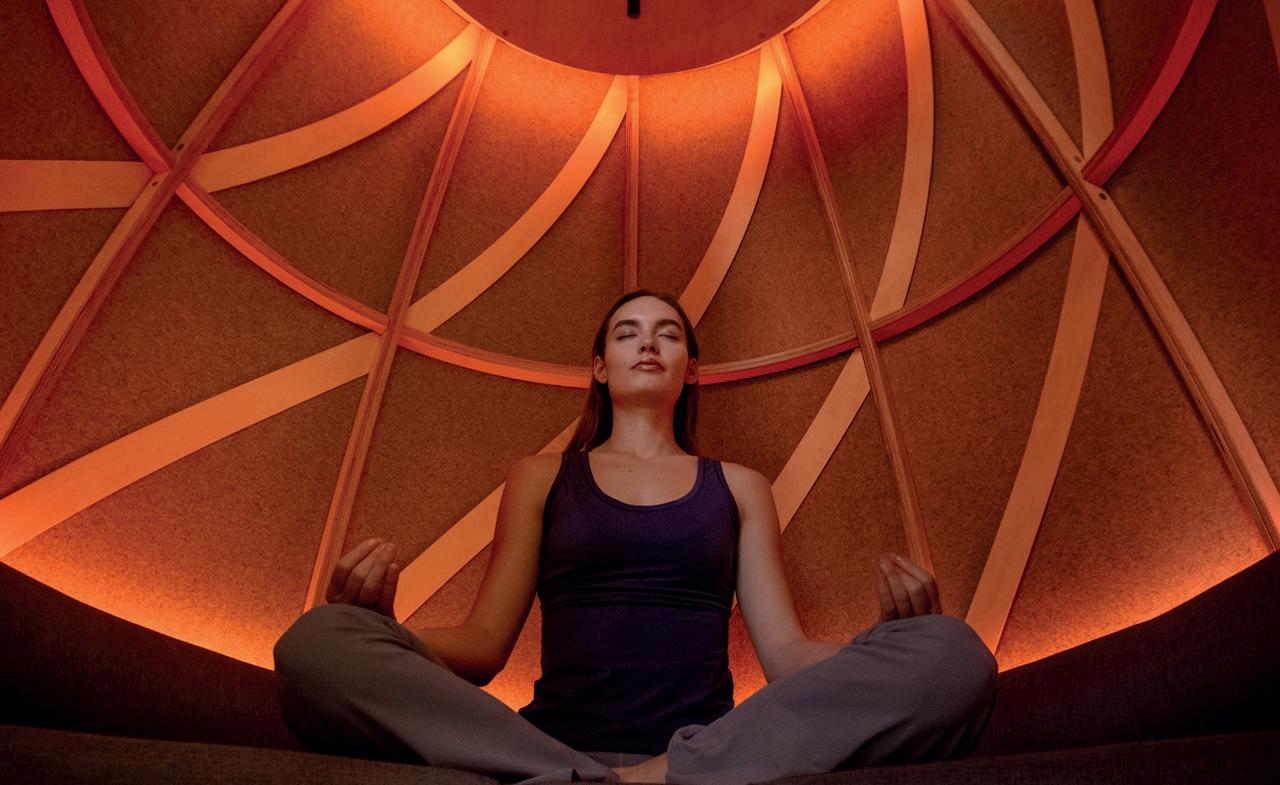
40 New opening Mind Oasis, UK Rituals cosmetics rolls out brain massage concept on the high street
44 Interview Yoshiharu Hoshino
Backed by US$1.6 billion in assets, the CEO of Hoshino Resorts talks to Katie Barnes about growth strategy and onsen innovation in Japan and beyond
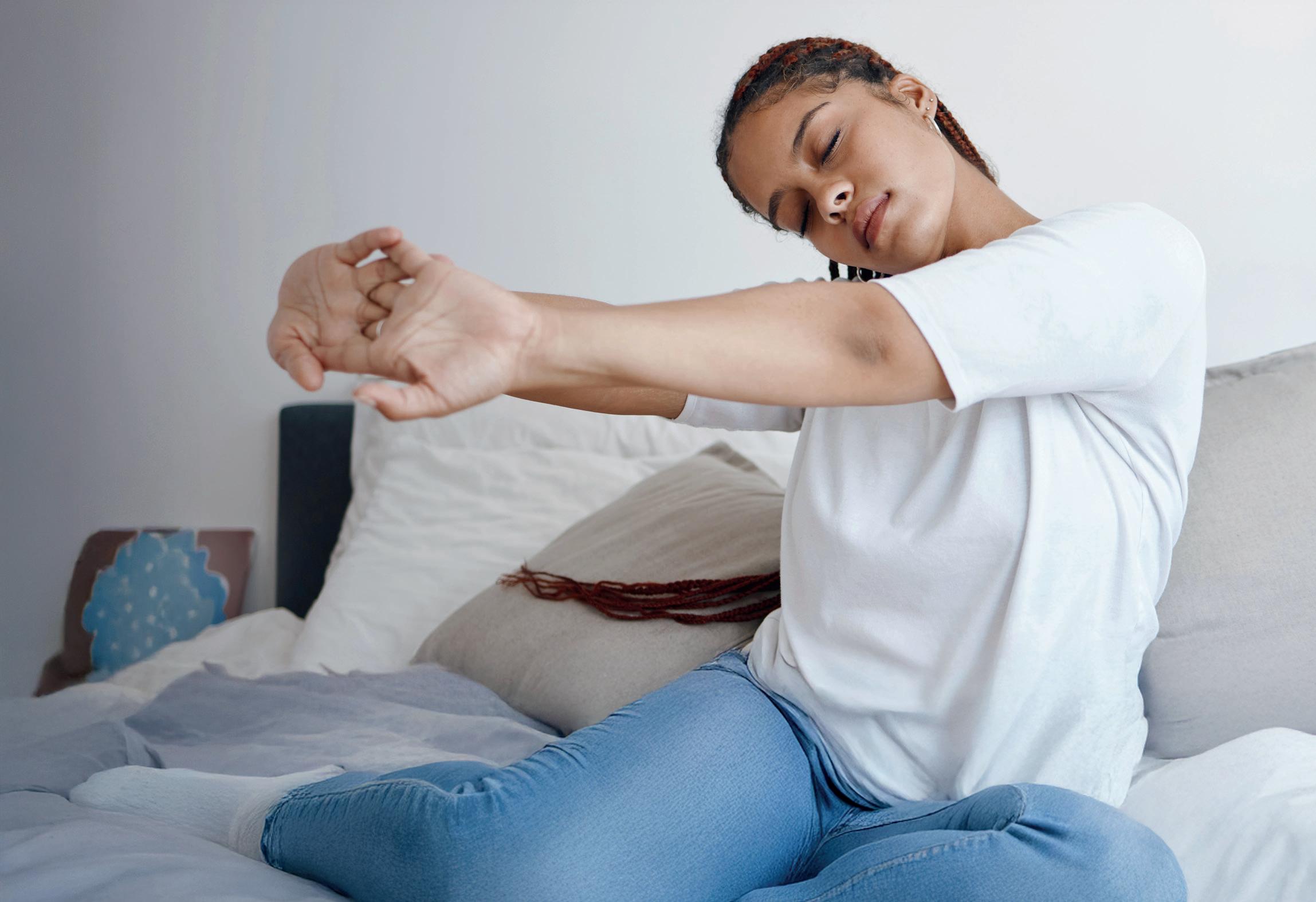
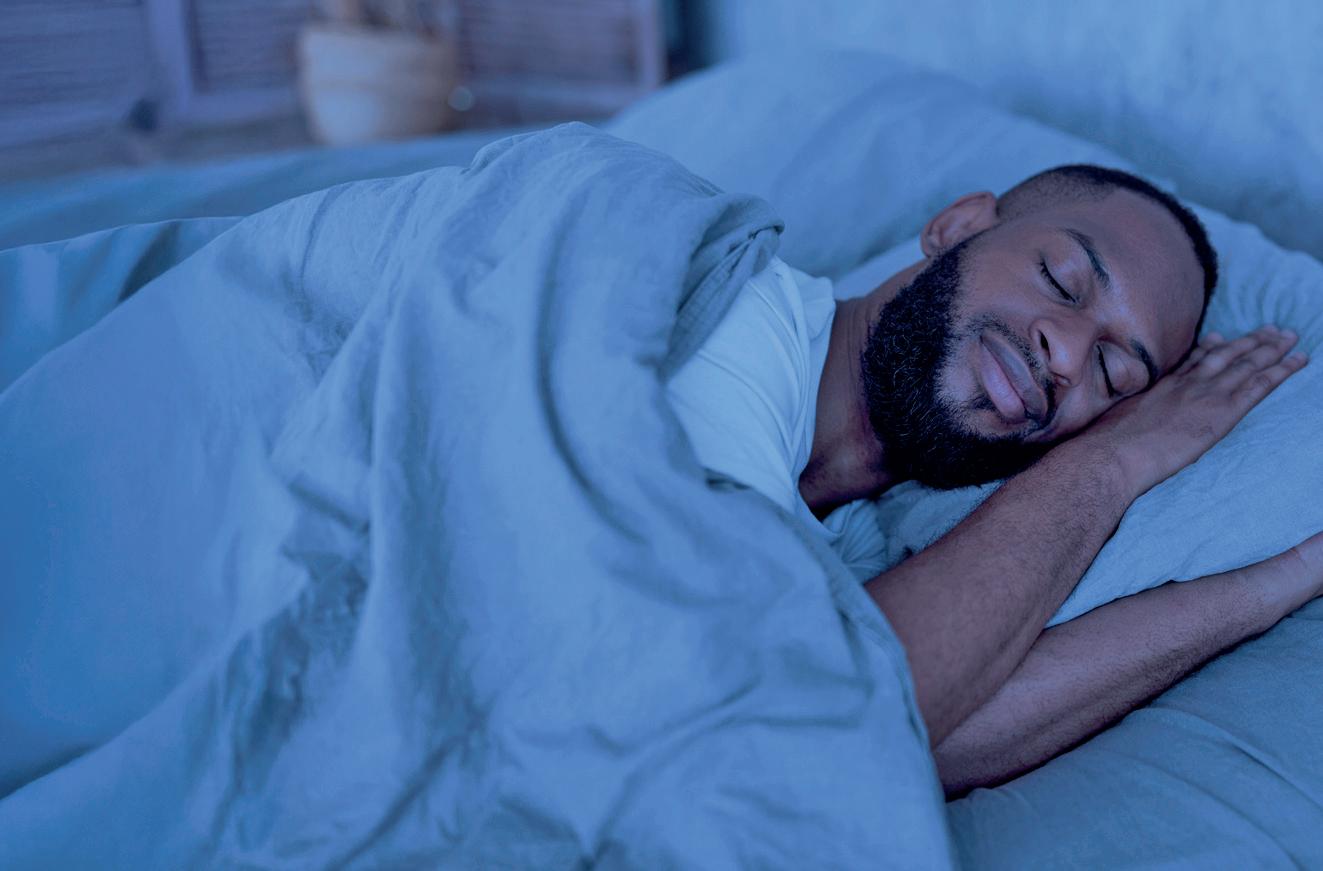
52 Everyone’s talking about Sleep Momentum is building behind wellness strategies that support better rest. Kath Hudson investigates
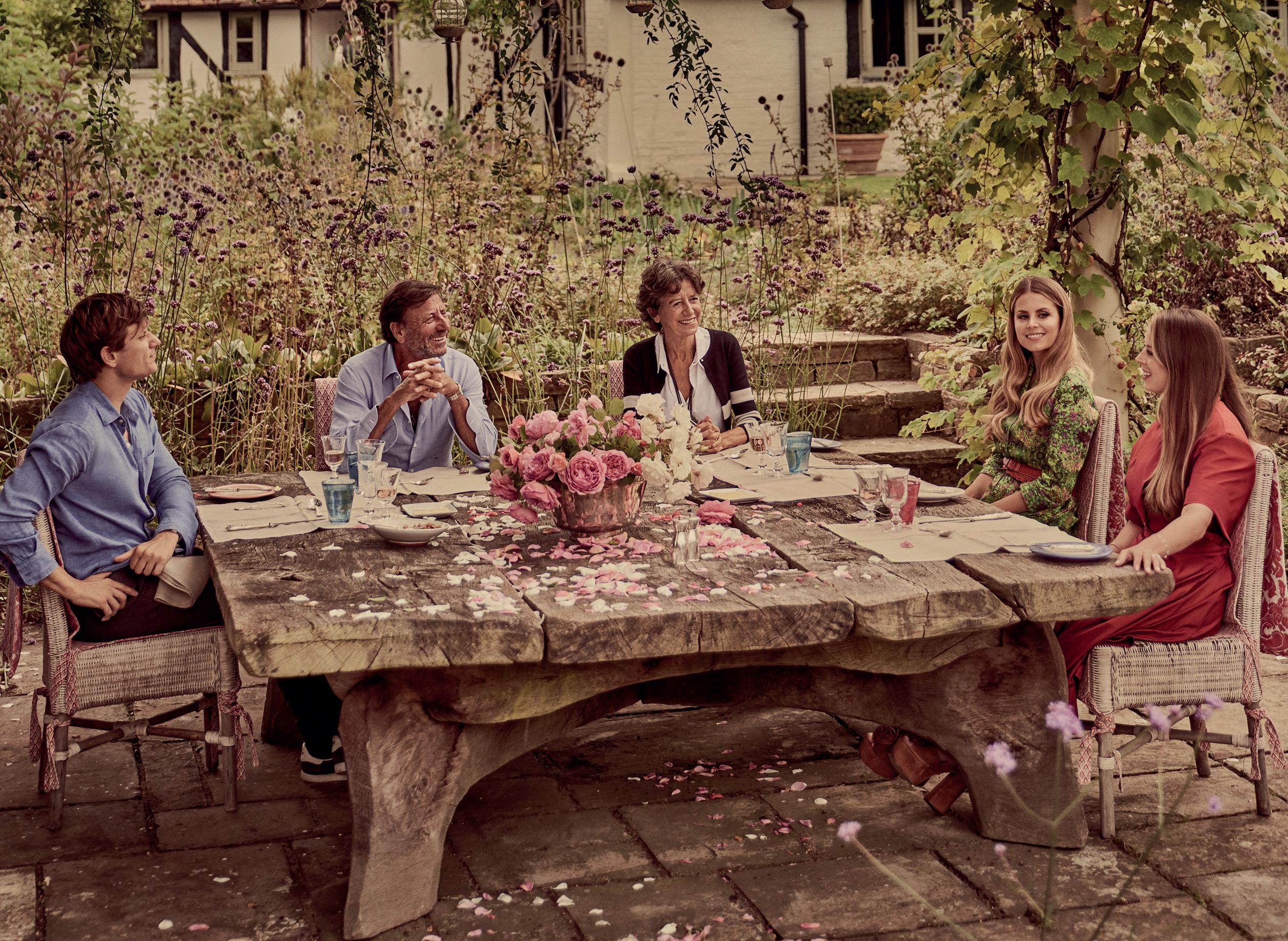
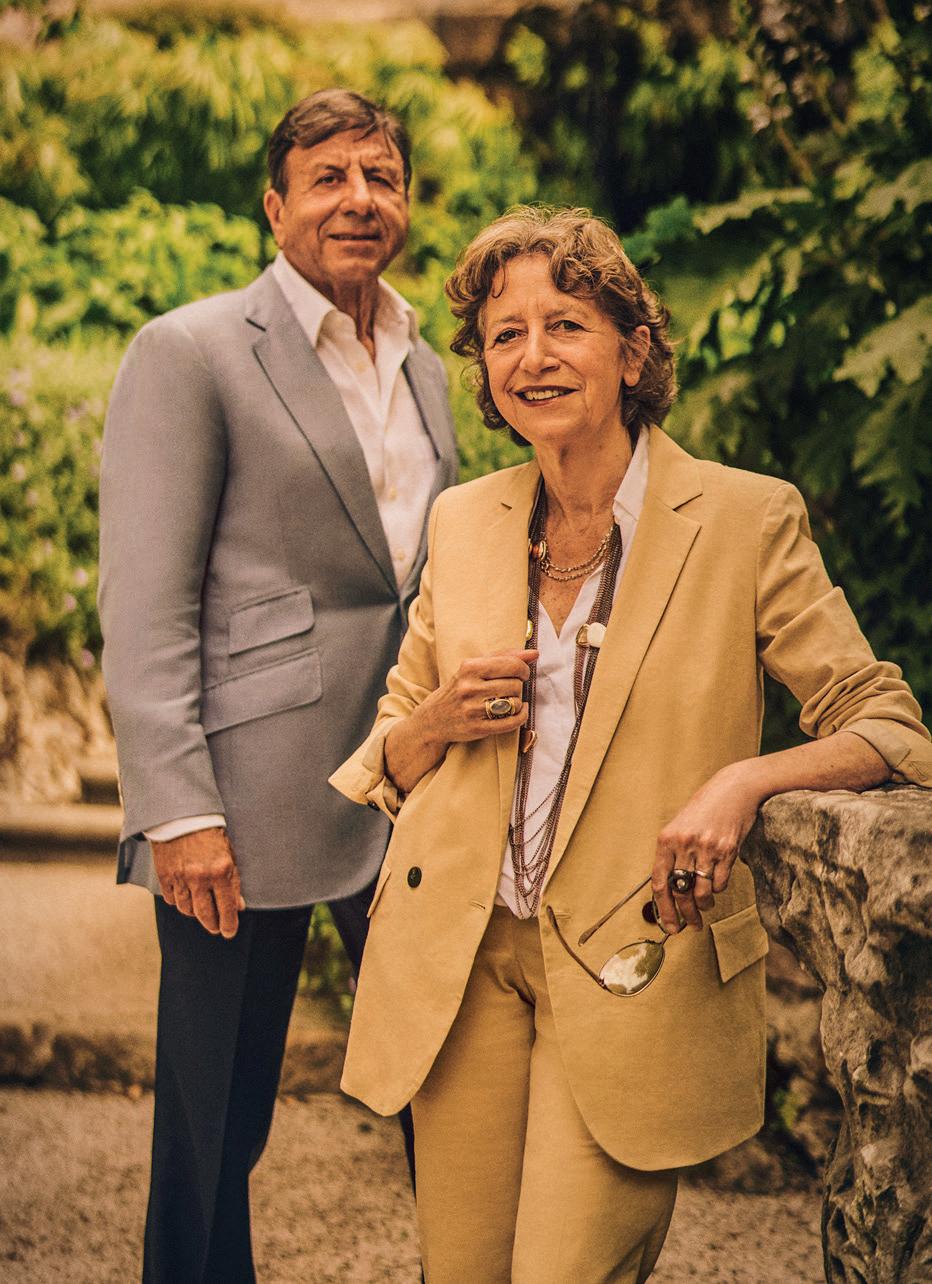
62 Family matters The Fortes
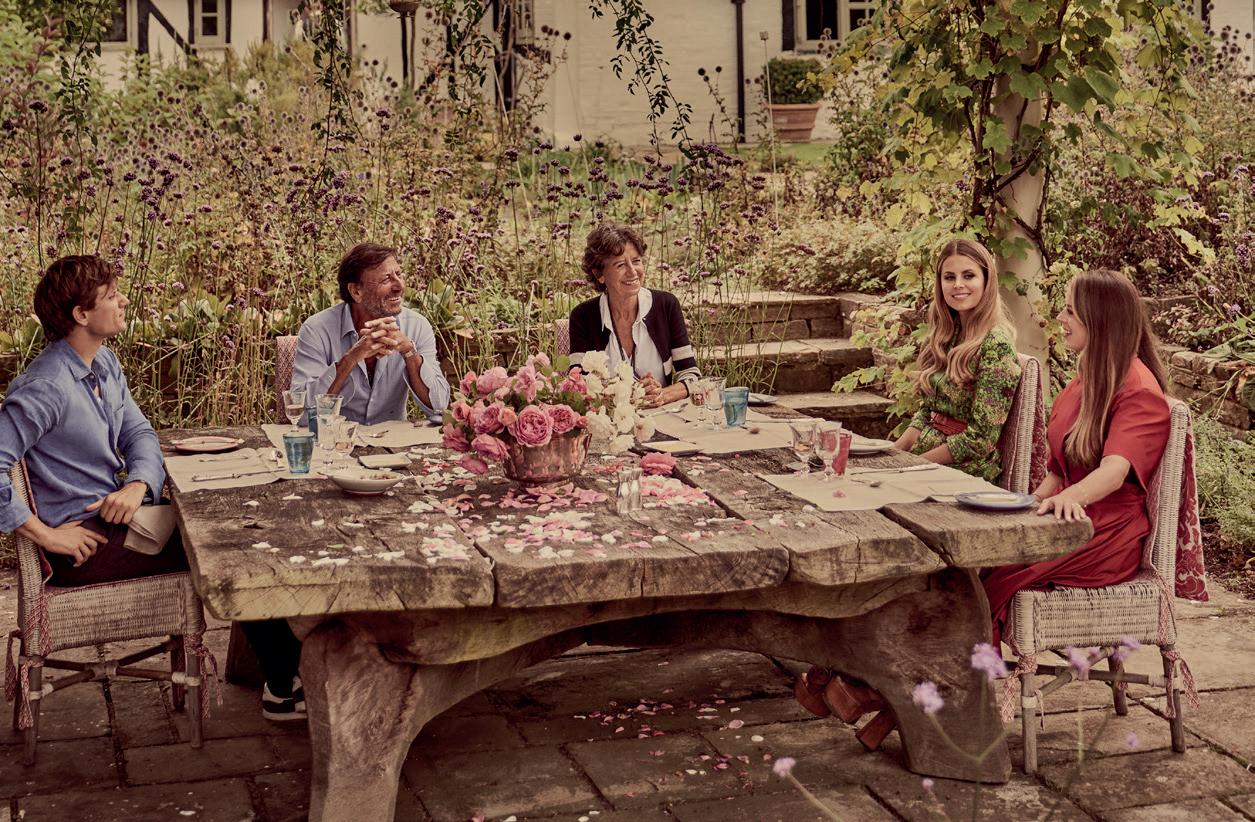
The family behind Rocco Forte Hotels open up to Julie Cramer about elevating its spa concepts and next-gen leadership
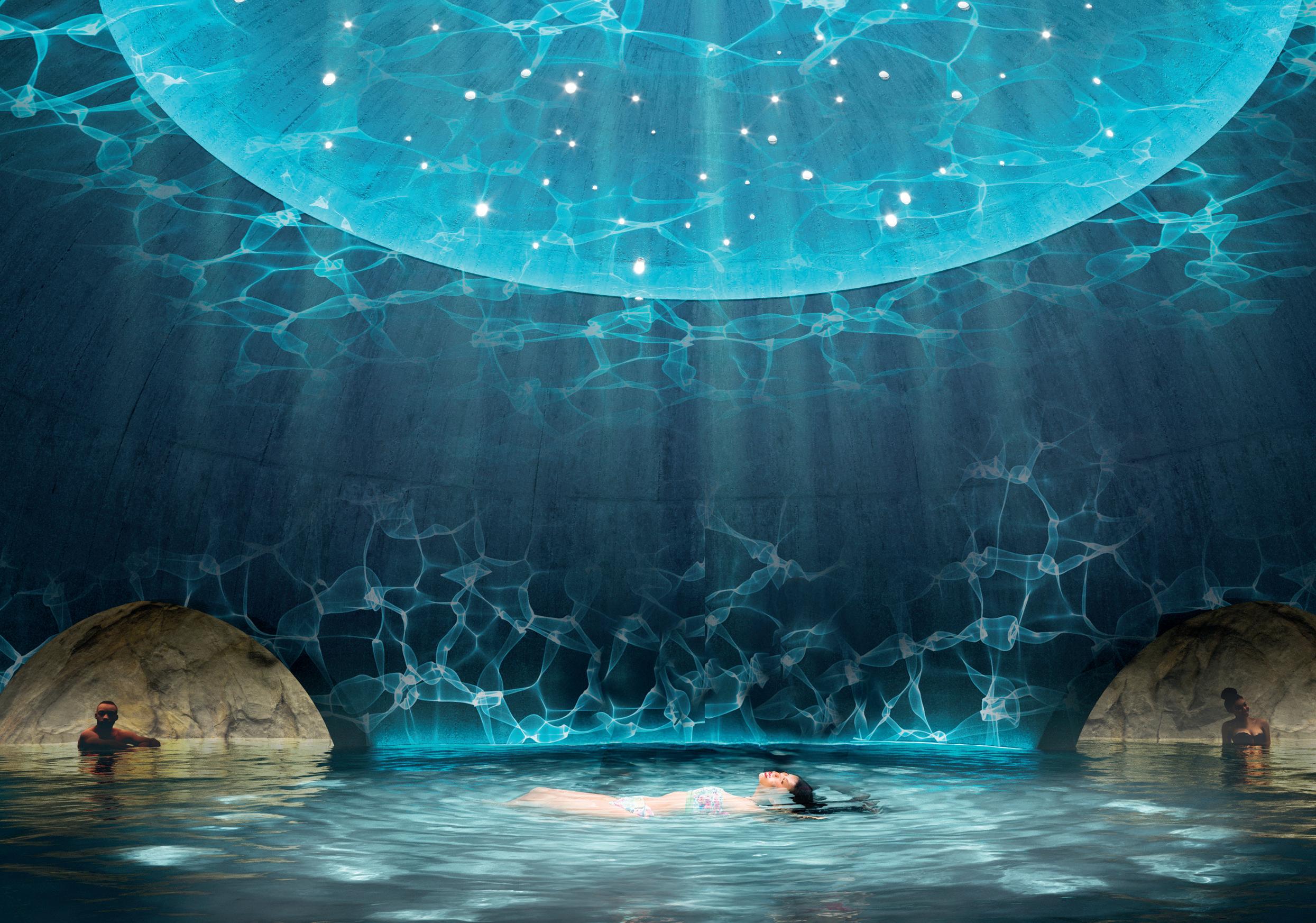
70 Thermal spa
Ancient waters, renewed wellness
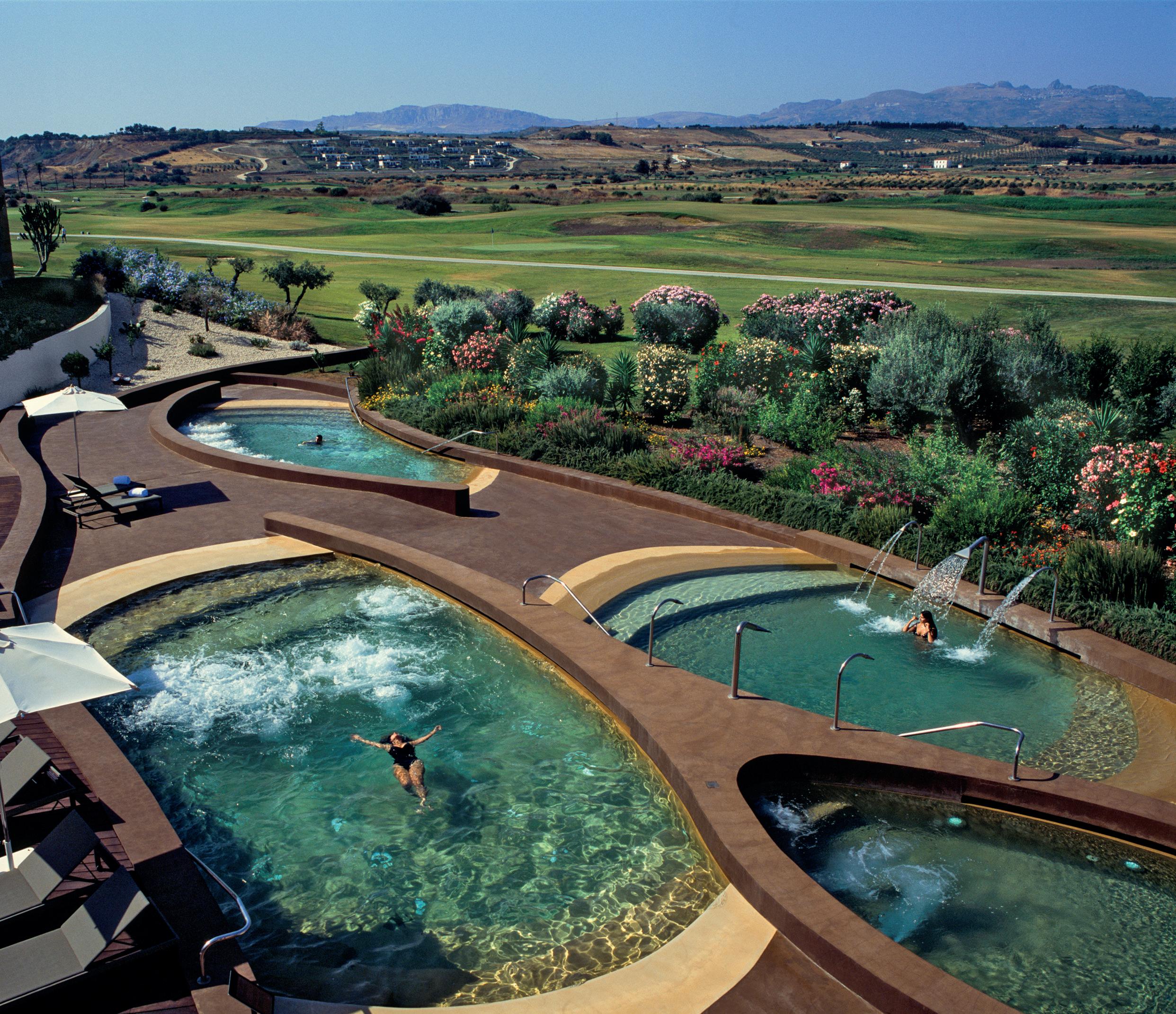
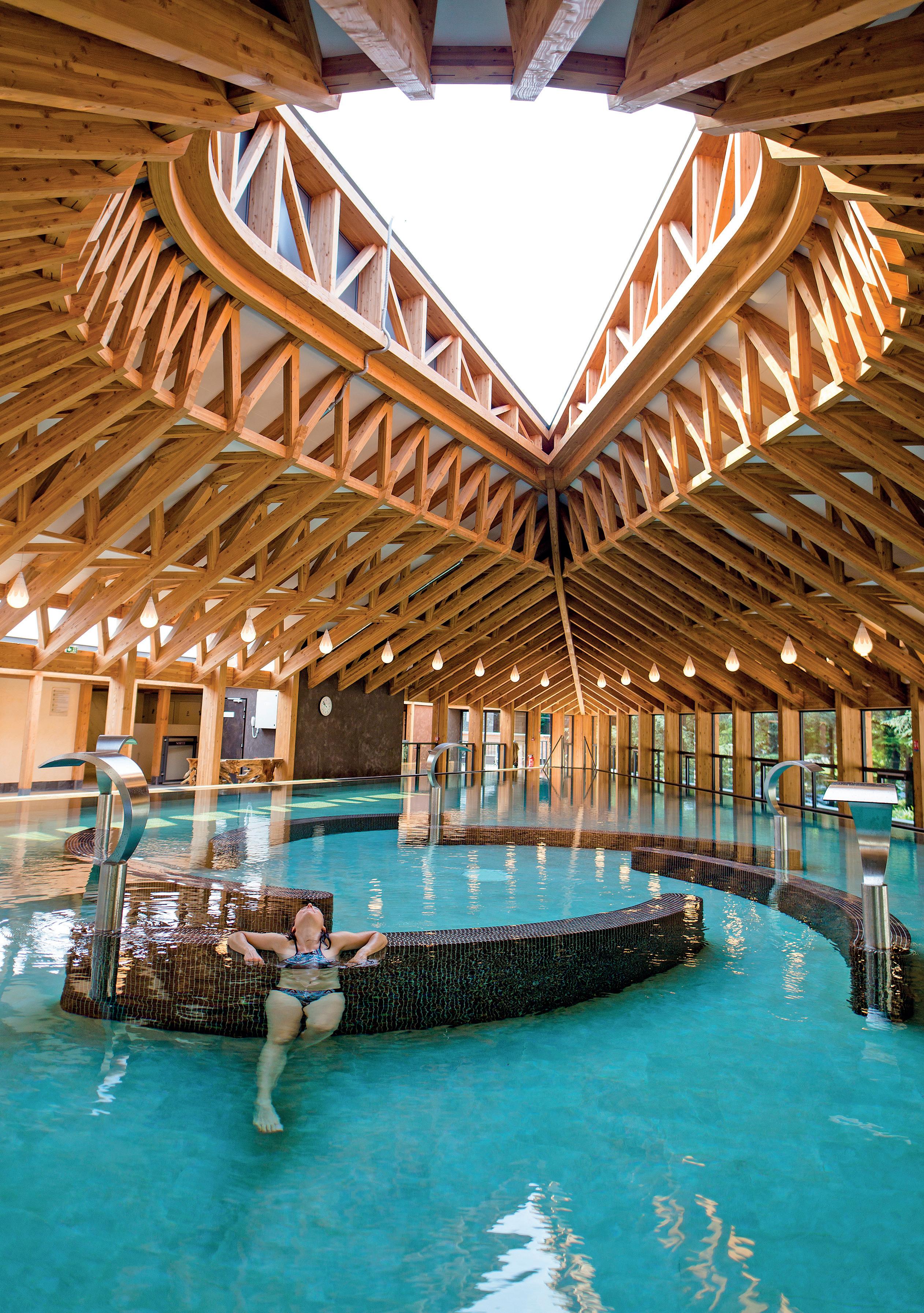
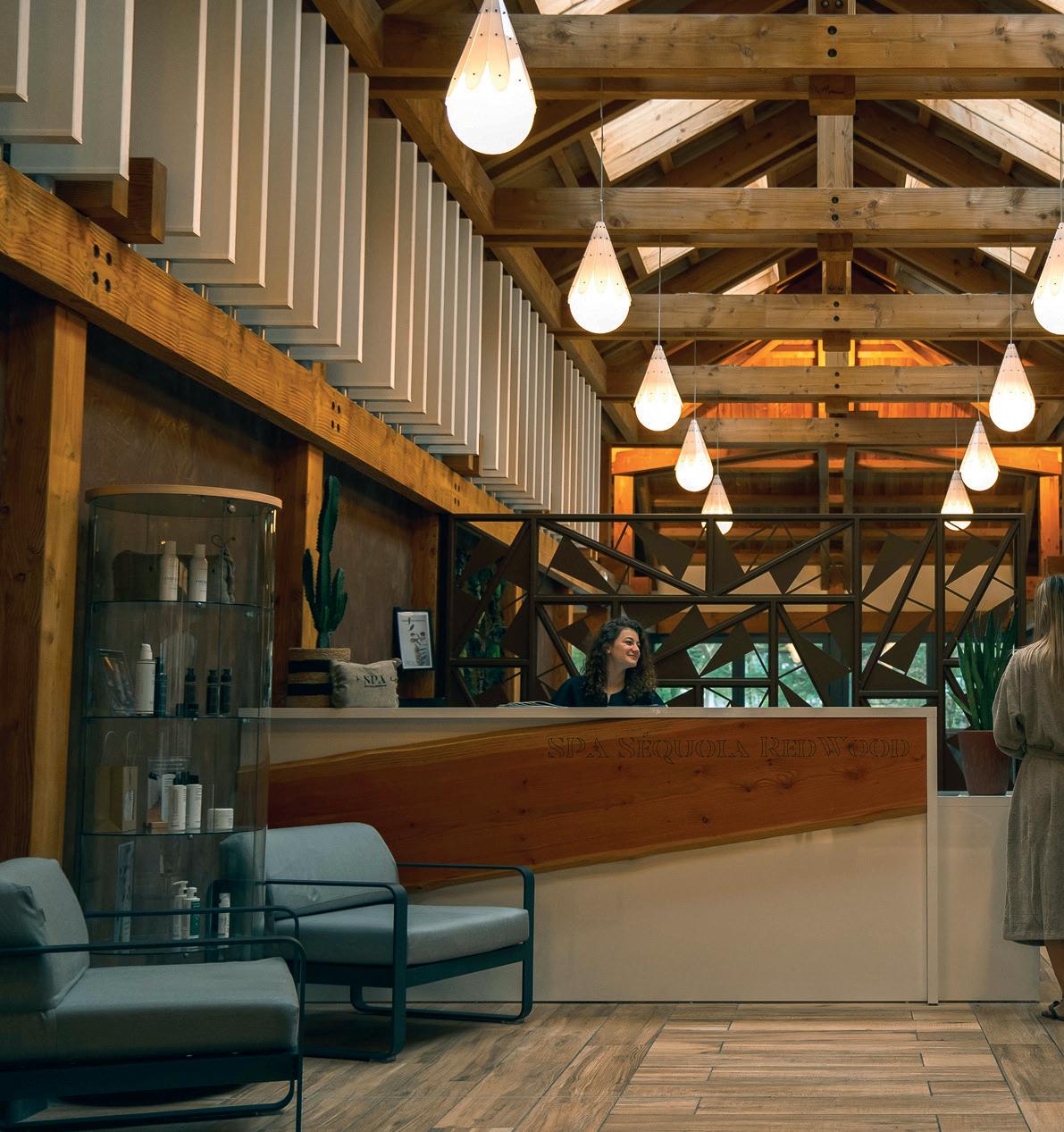
A complex in Vals-les-Bains, France, has seen visits grow by 80 per cent since renovation. Jenny Eagle finds out more
Ibuku in Costa Rica, p18
Mind Oasis, UK, p40
Ingo Schweder, p12
The Rocco Forte family, p62
Lucas Schlüter
78 Research Curious minds
Spa-goers in Québec, Canada, are less loyal and more inquisitive according to new Ipsos research
82 Event report
Asia Pacific Wellness Summit
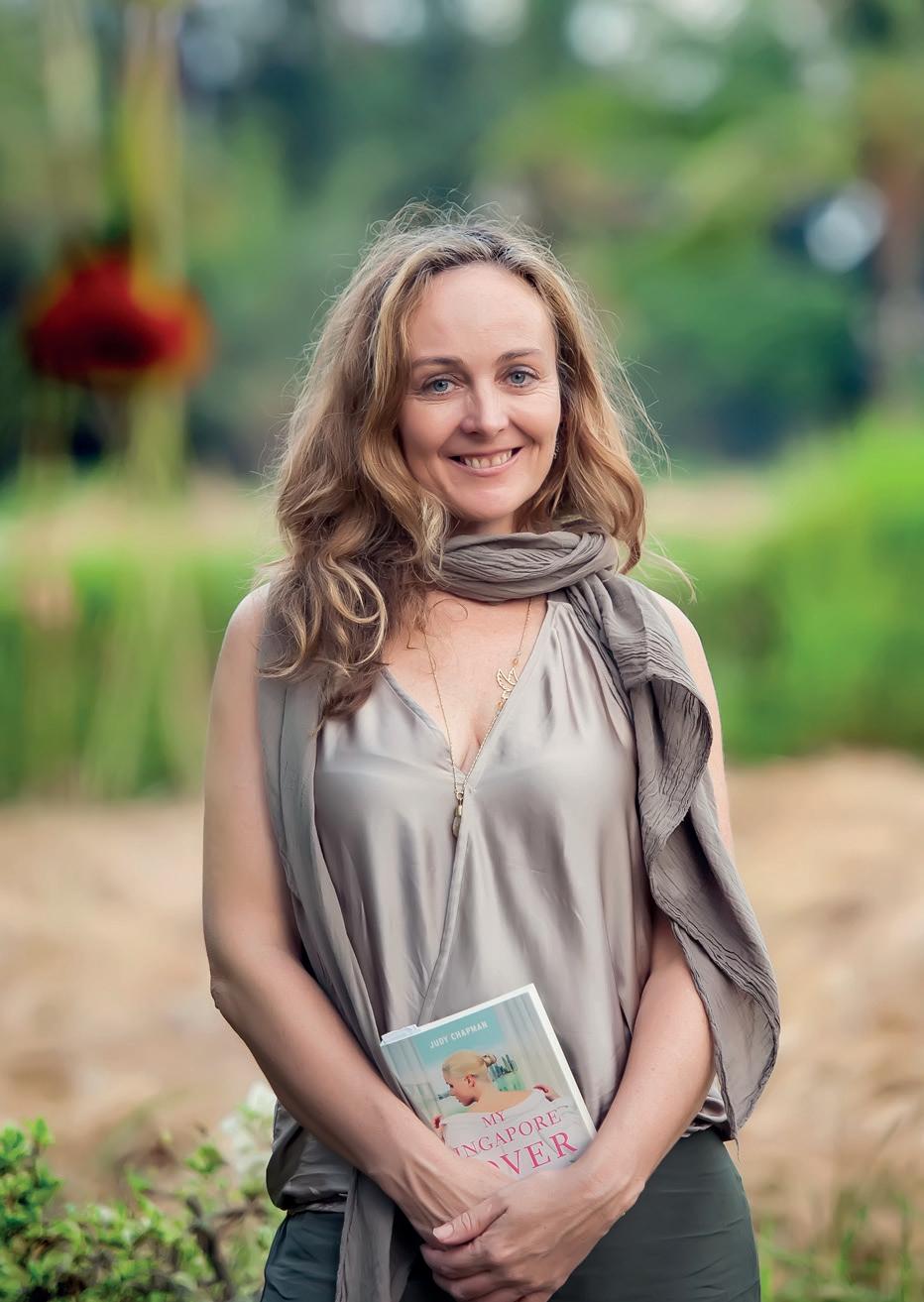
Judy Chapman shares her top takeaways from this industry gathering in Australia
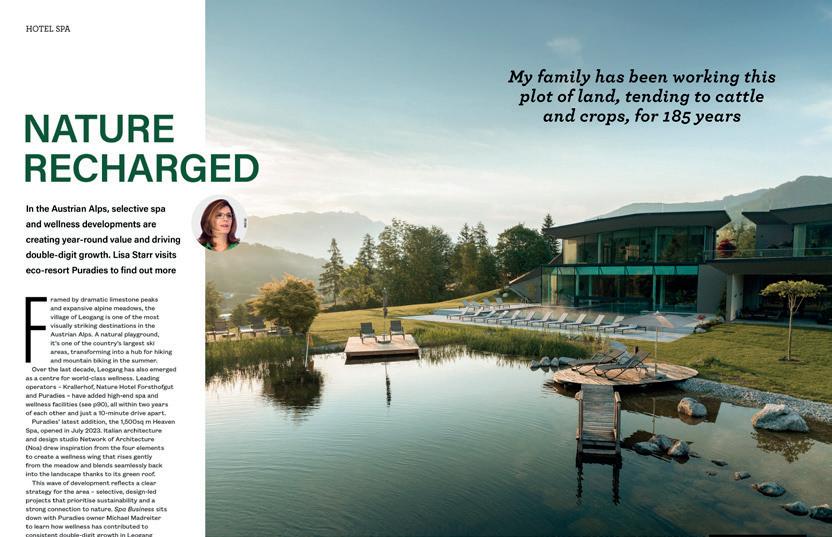
88 Hotel spa Nature recharged
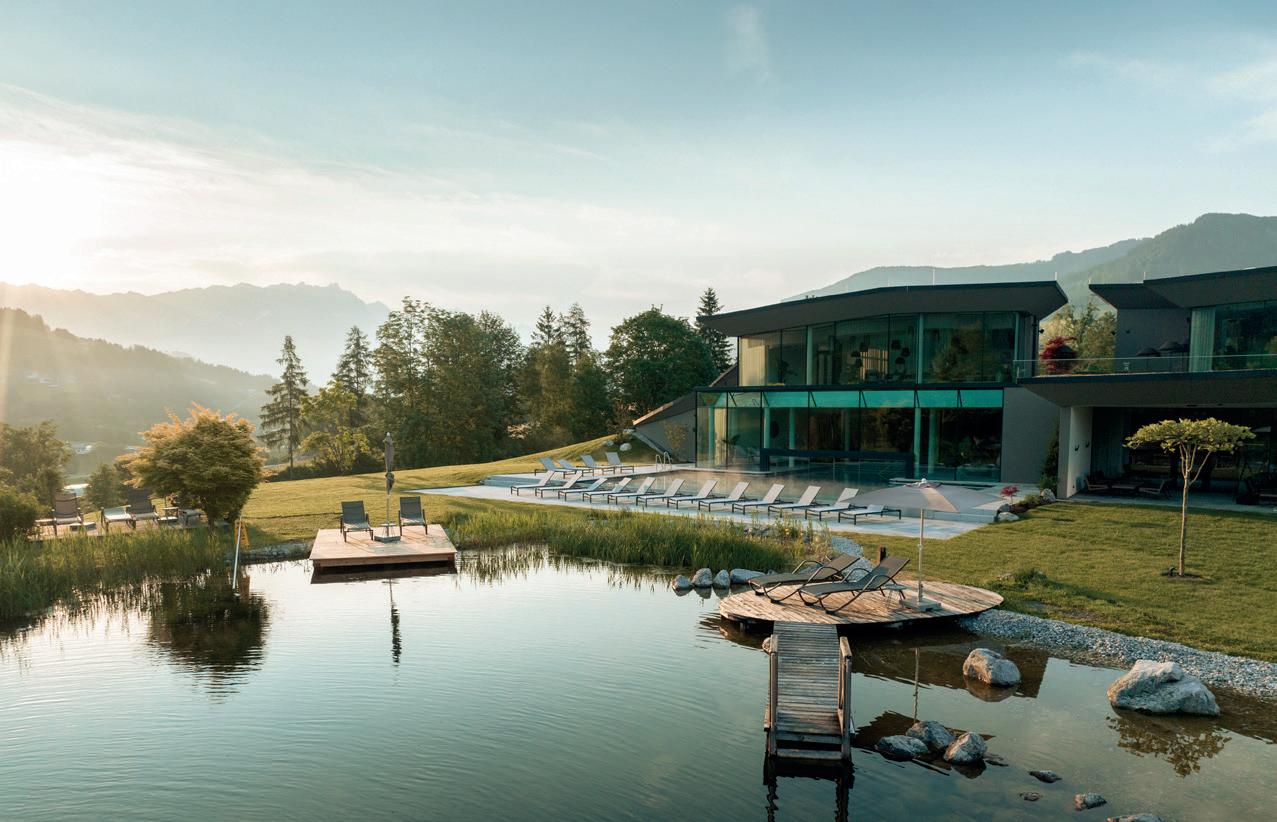
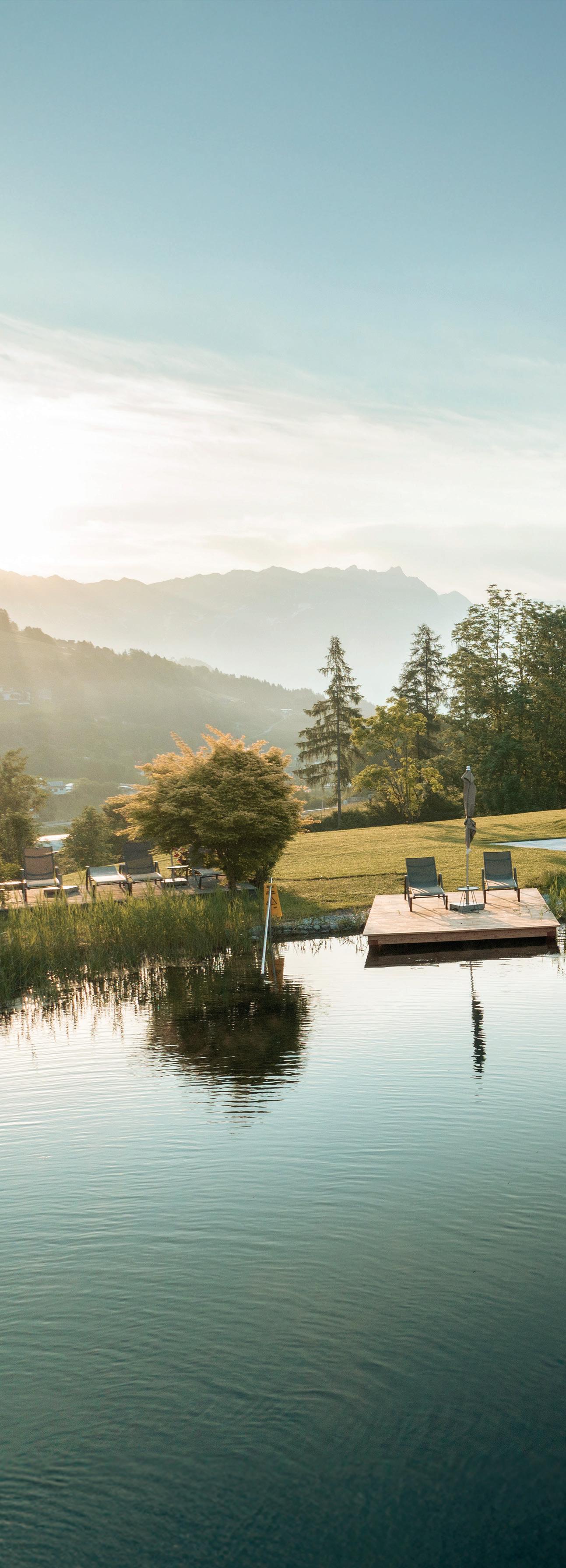
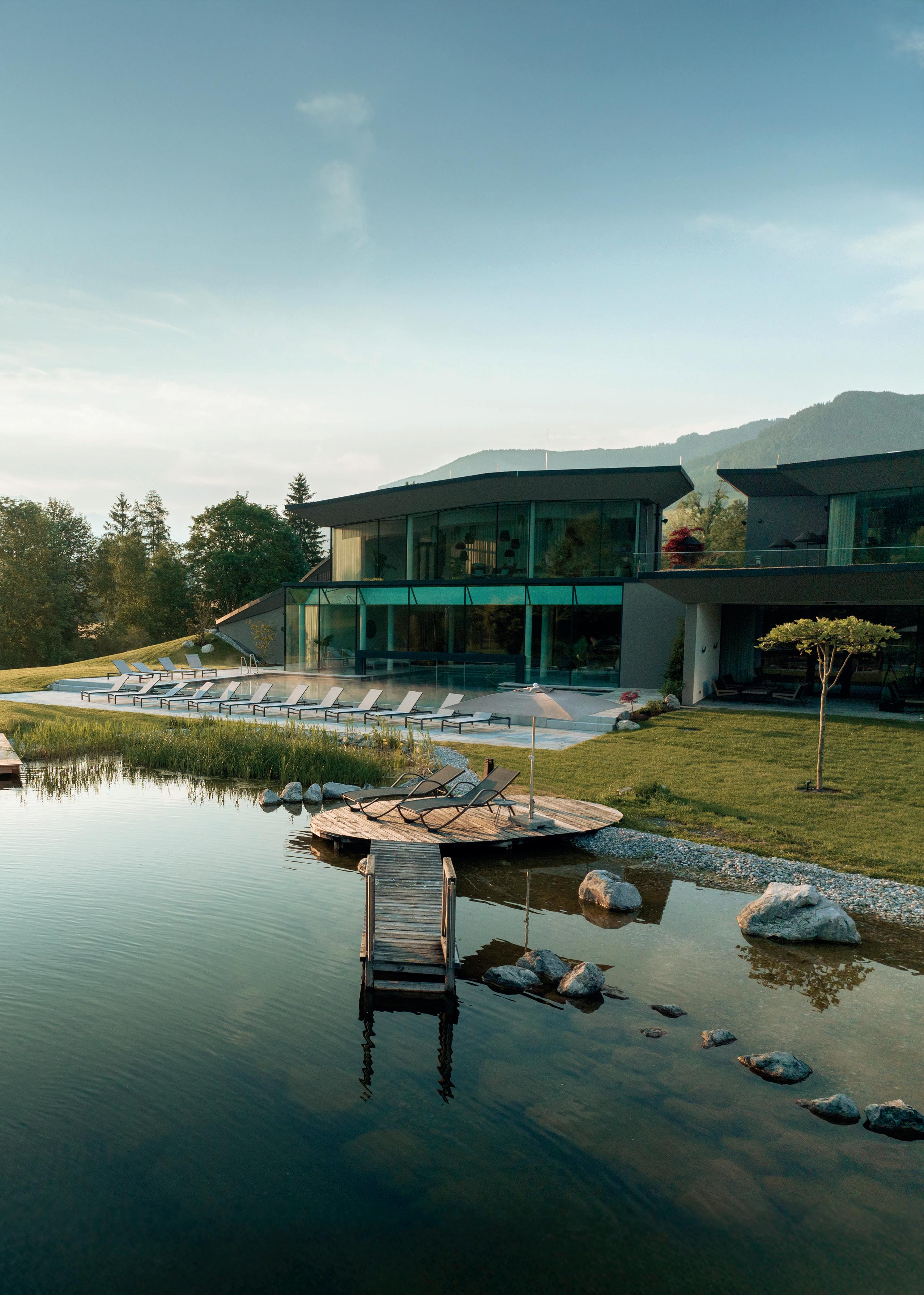
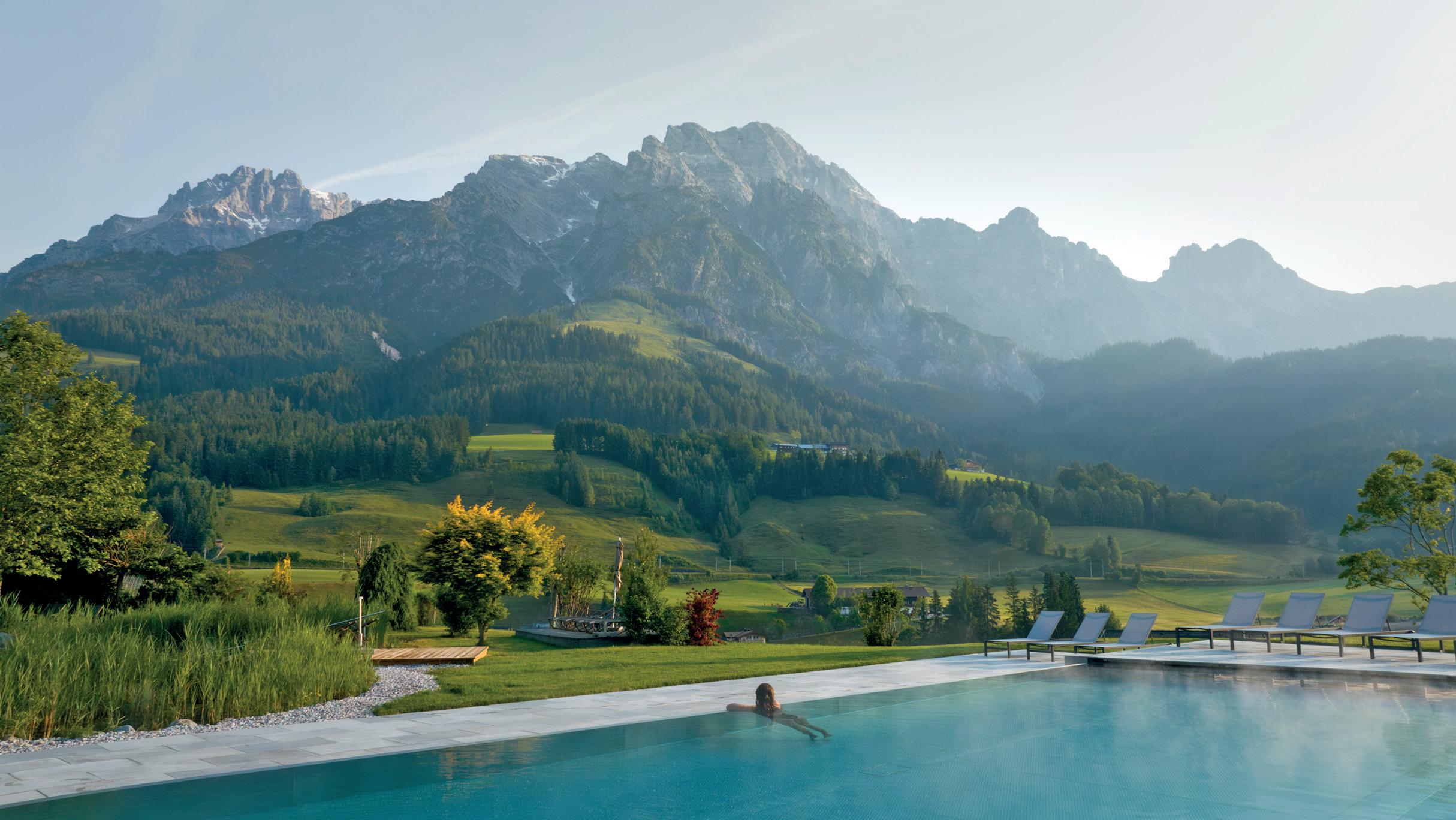
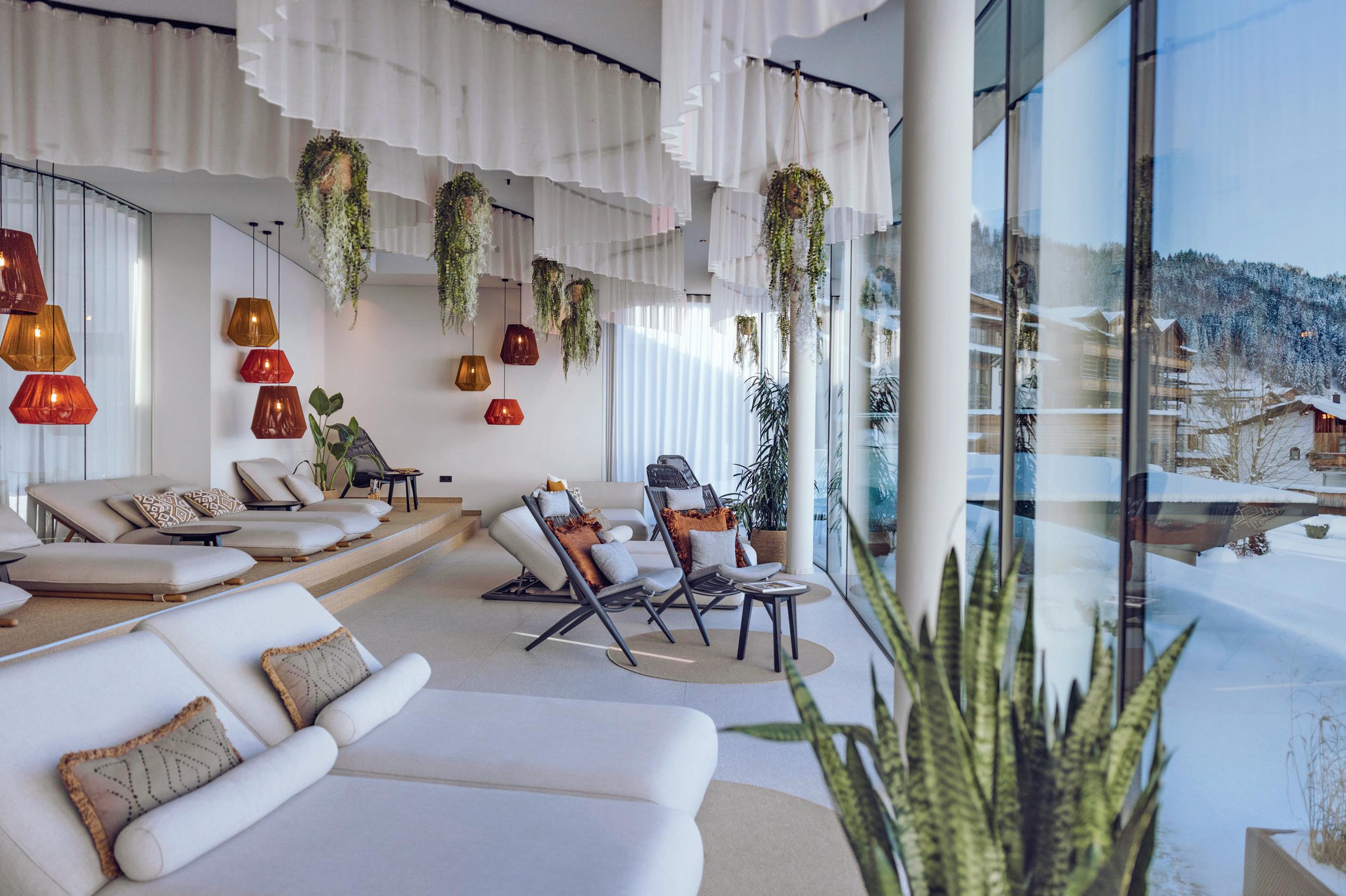
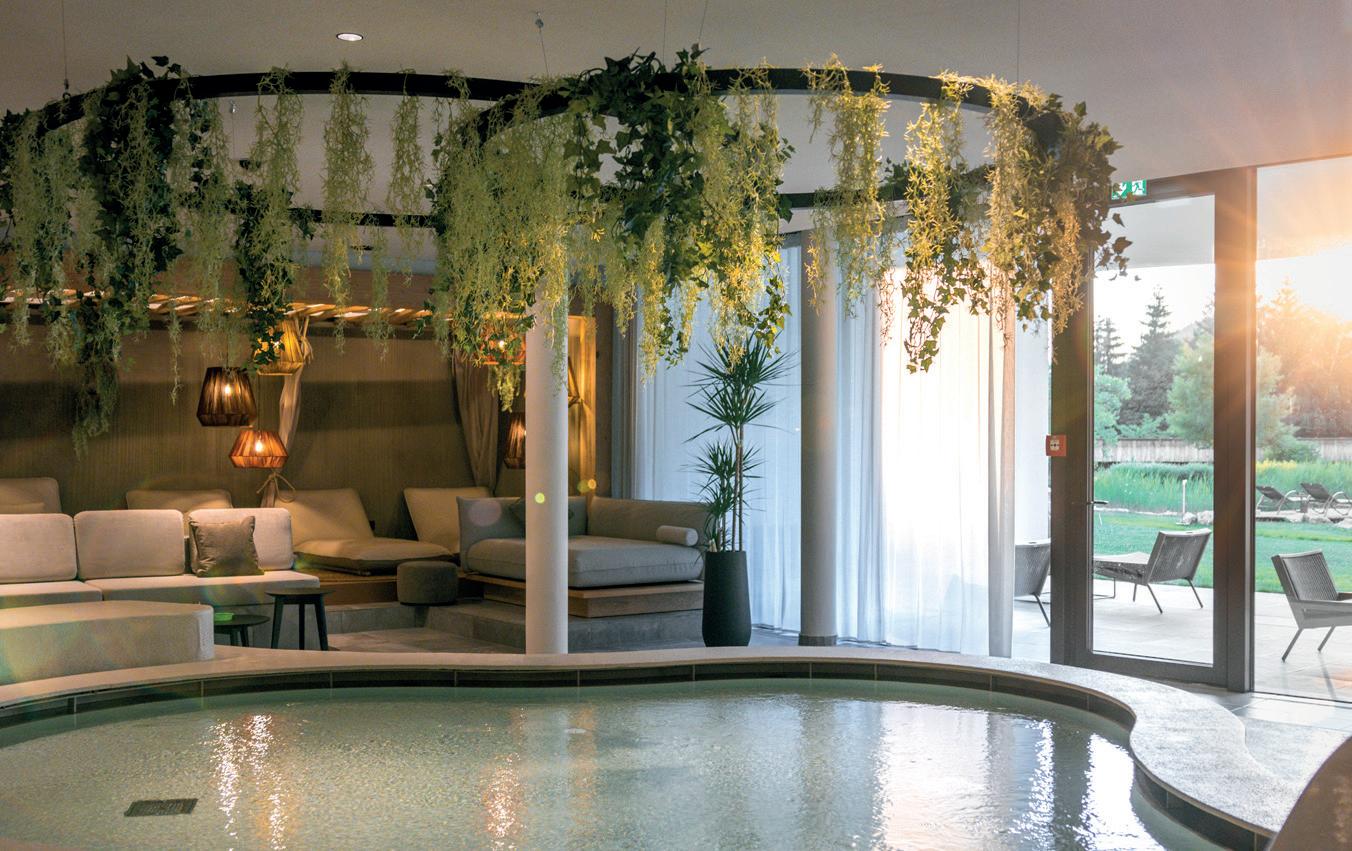
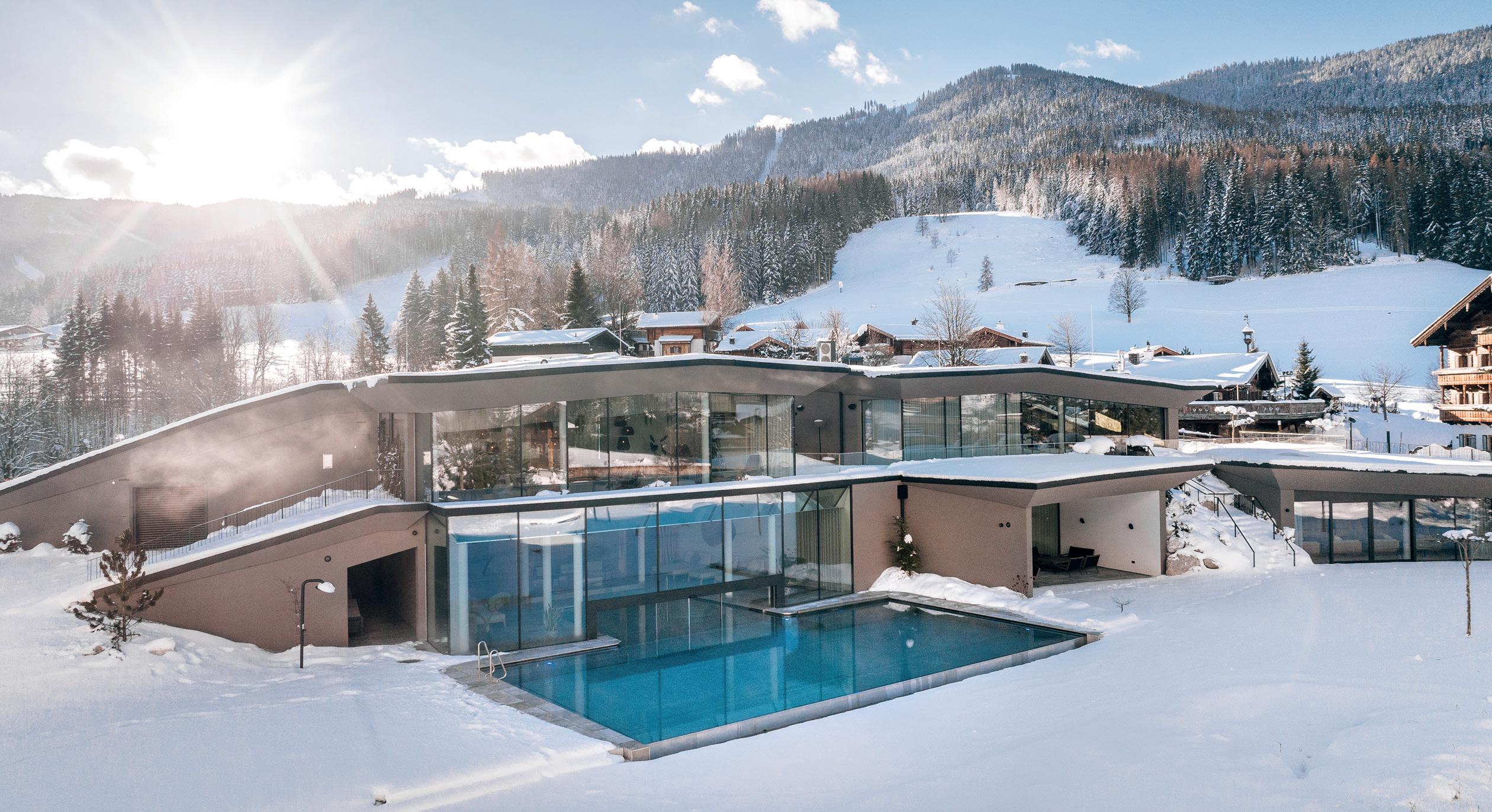
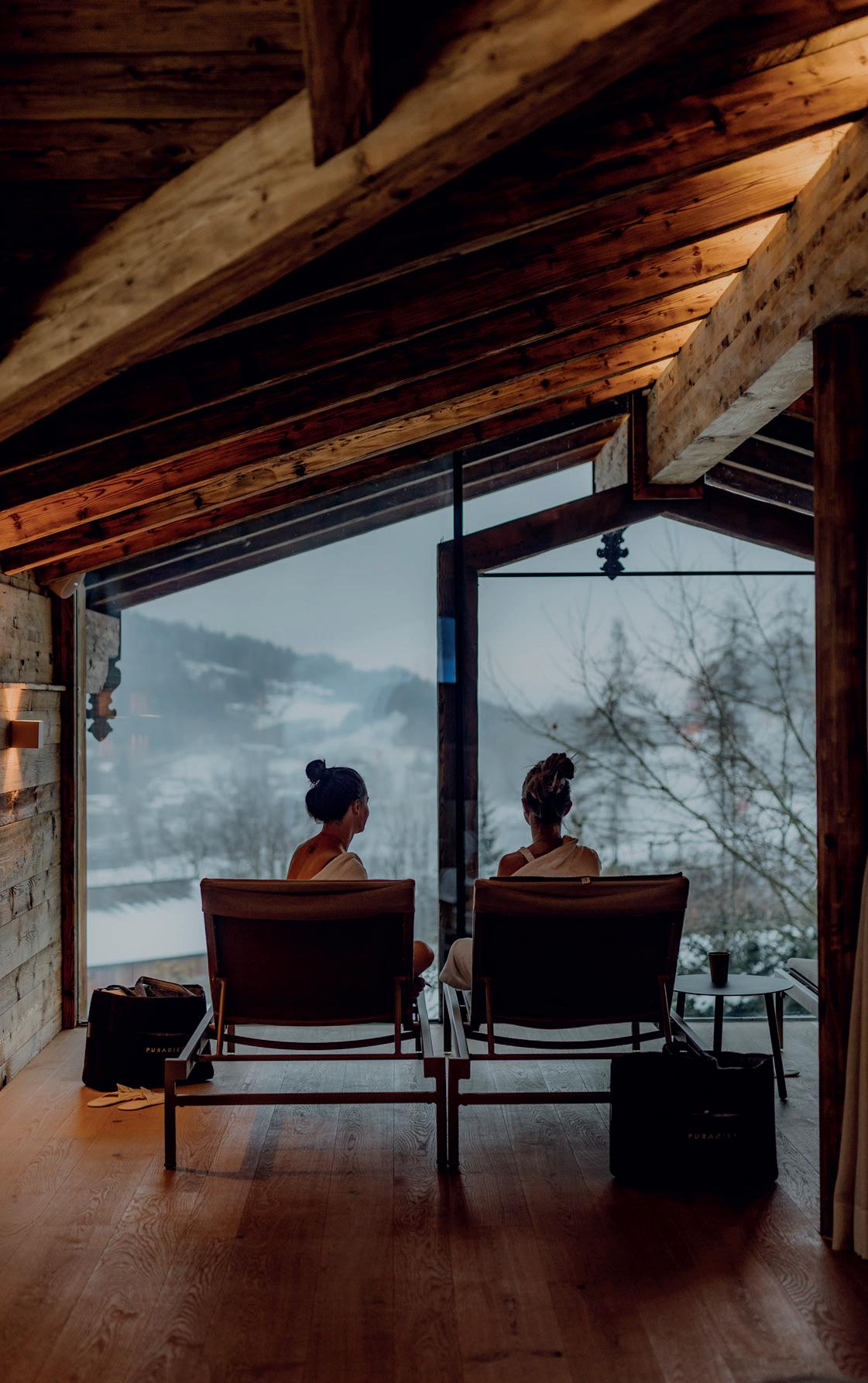
Lisa Starr visits Puradies in the Austrian Alps, where thoughtful design and eco spas are having a profound impact on businesses
98 Event report
Global Wellness Summit 2025
The fast-moving longevity landscape was the focus of the GWS in Dubai. Megan Whitby reveals the highlights
106 Research High achiever
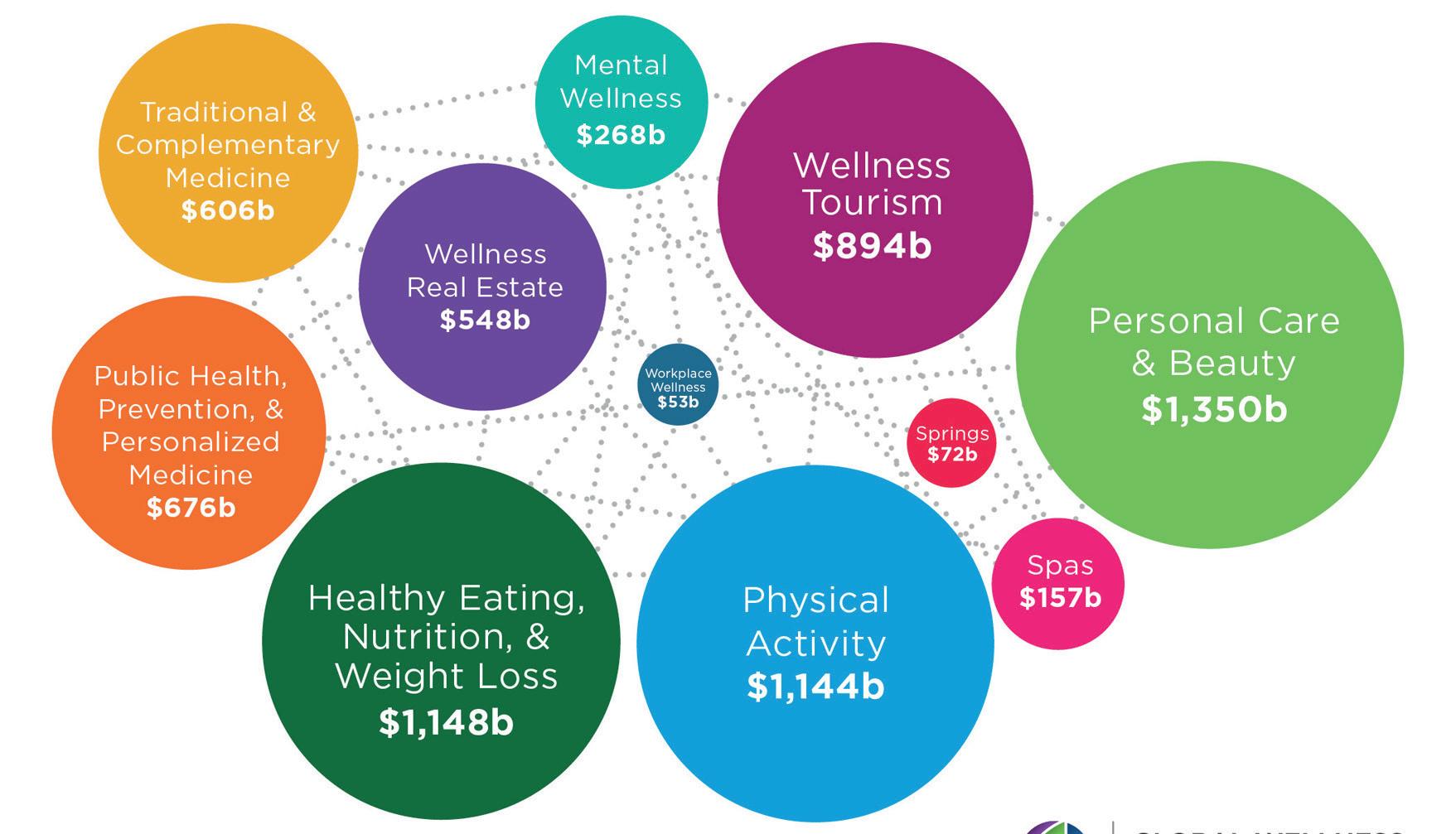
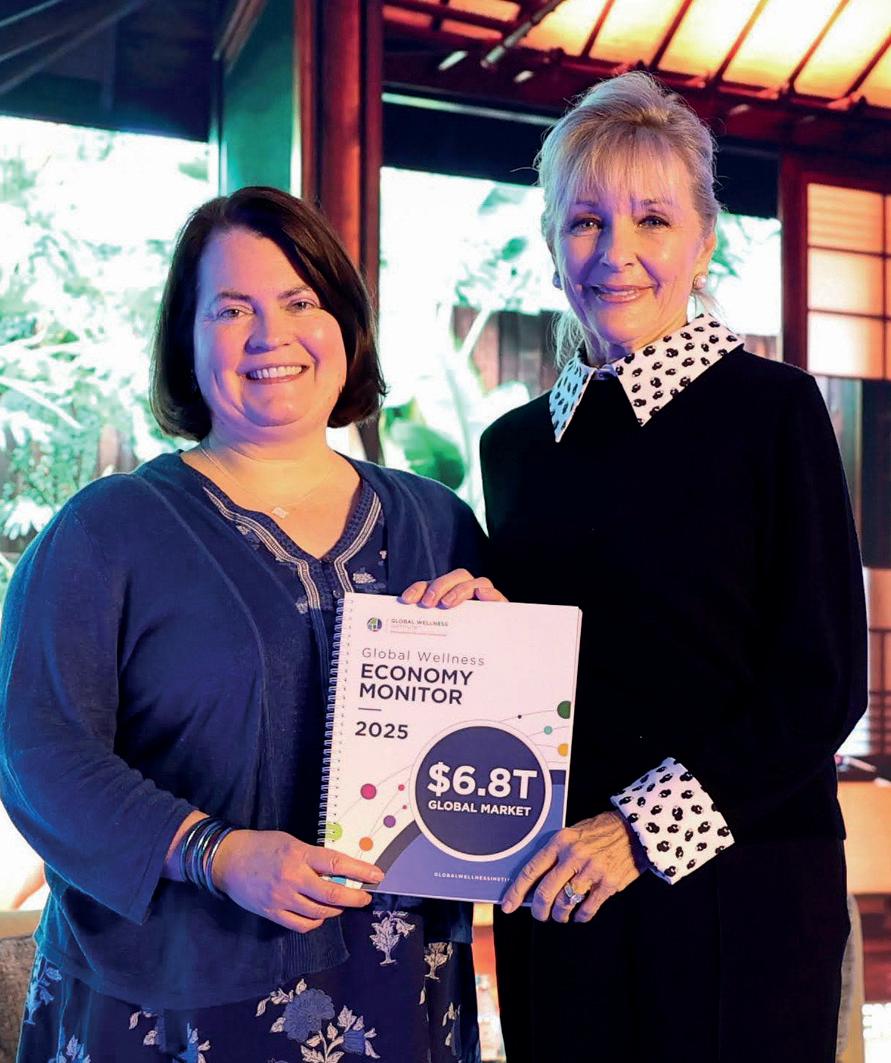
The latest figures from the GWI show the global wellness economy is now worth US$6.8 trillion
112 Product focus
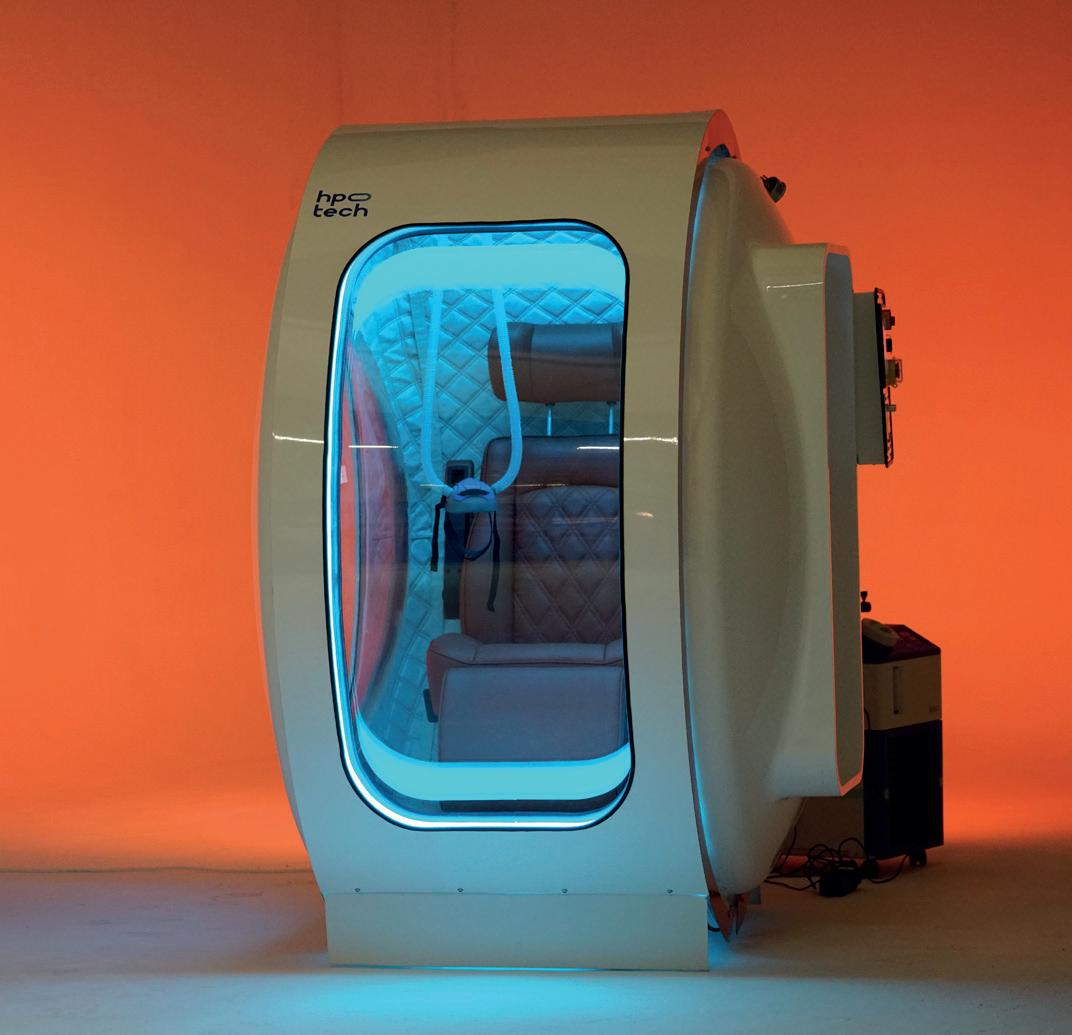
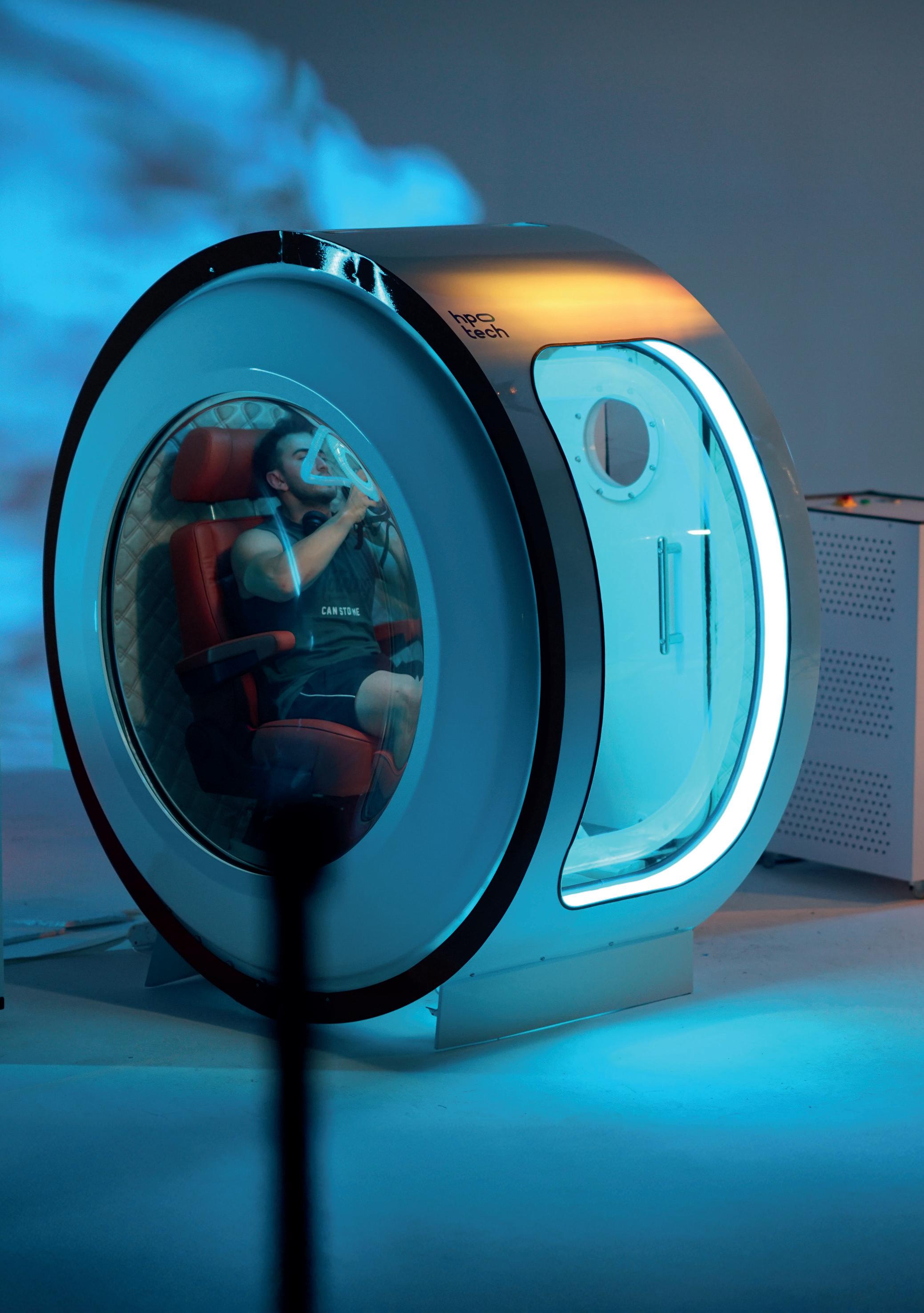
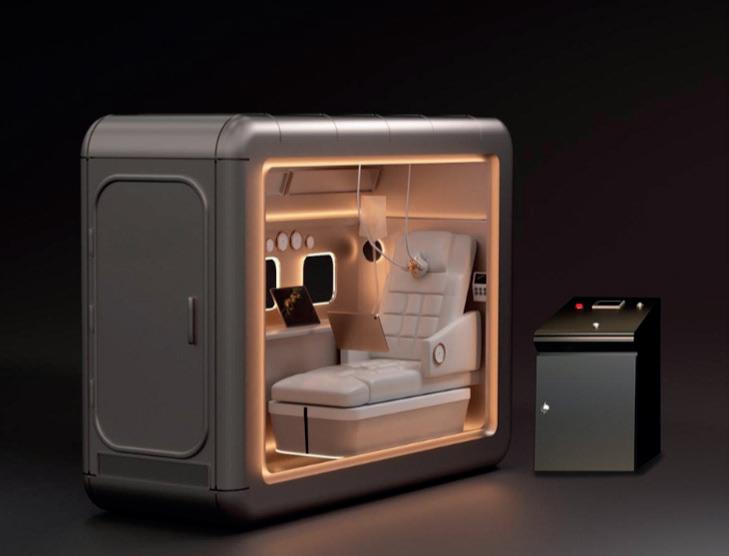
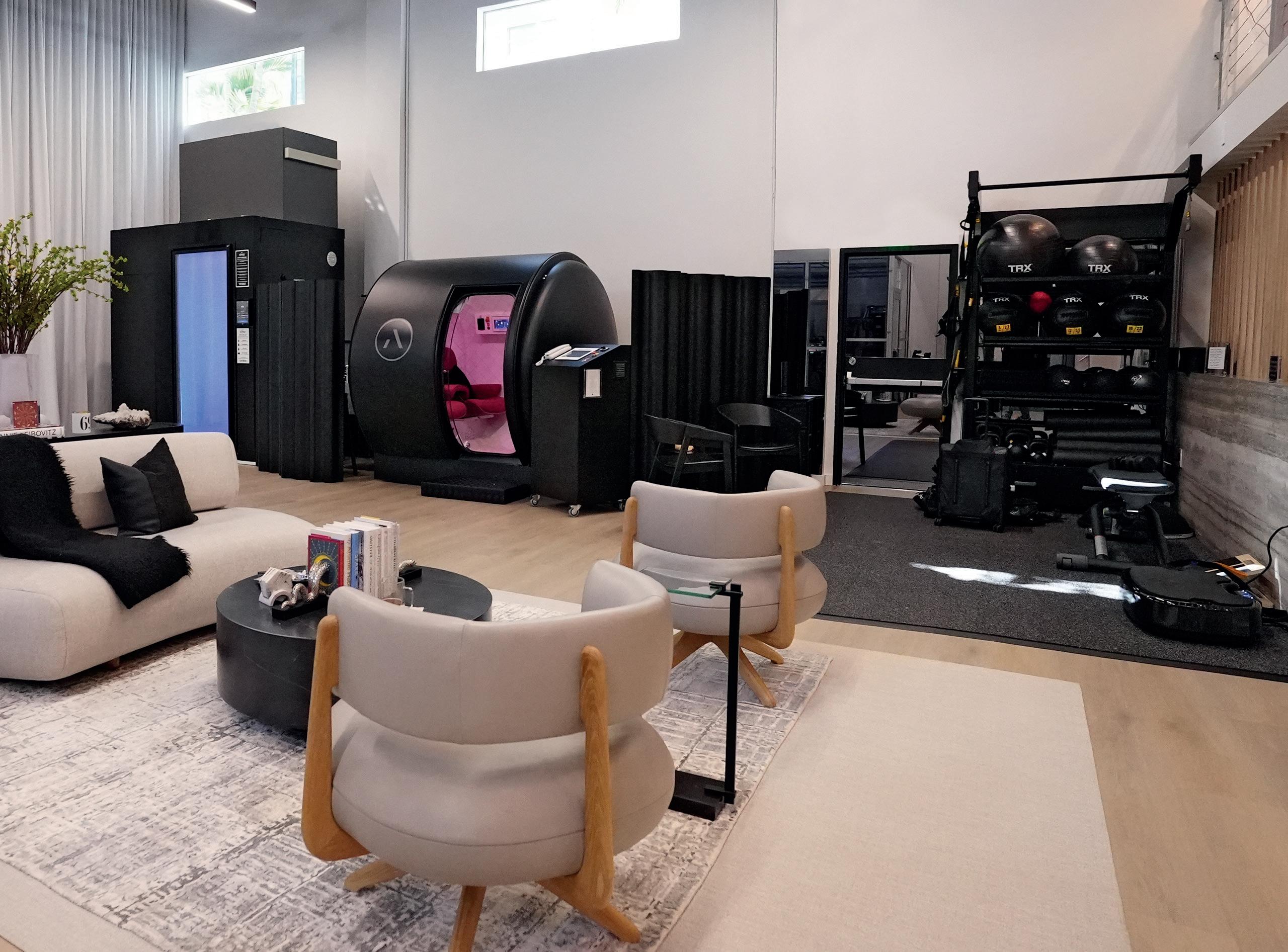
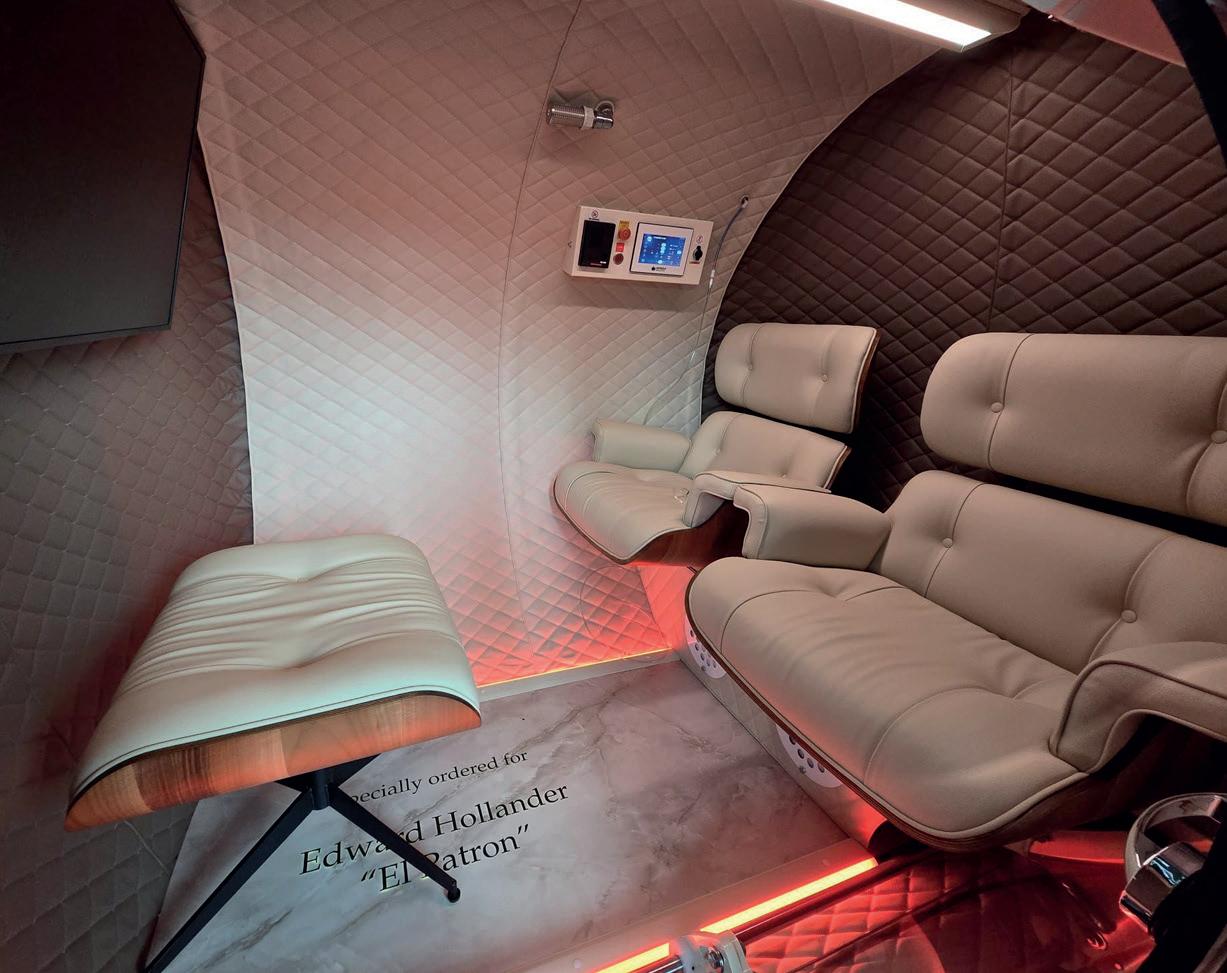
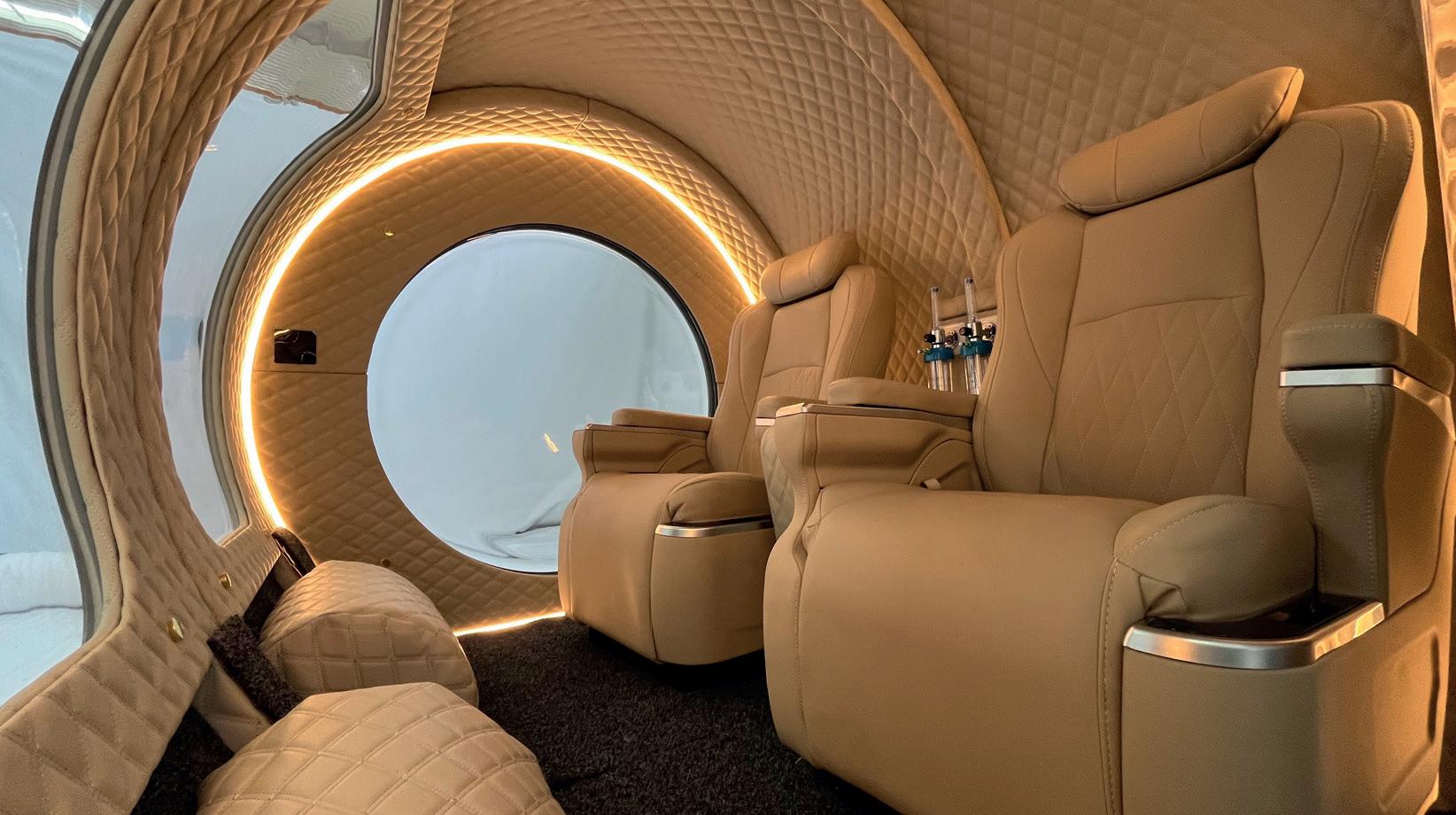
Hyperbaric oxygen therapy
Spa Business takes a look at the financial returns and business case for hyperbaric chambers
124 Product innovation
We uncover some of the most exciting spa product and equipment launches
132 Menu engineering At your service
Auberge pivots to joy, Oberoi reveals lifestyle framework concept and a gamified therapist training platform launches
138 Spa Business directory
140 Finishing touch Hot issue
Revised guidelines outline when heat is safe – and when it’s not – for those undergoing cancer treatment
Puradies, Austria, p88
Hoshino Resorts, Japan, p44
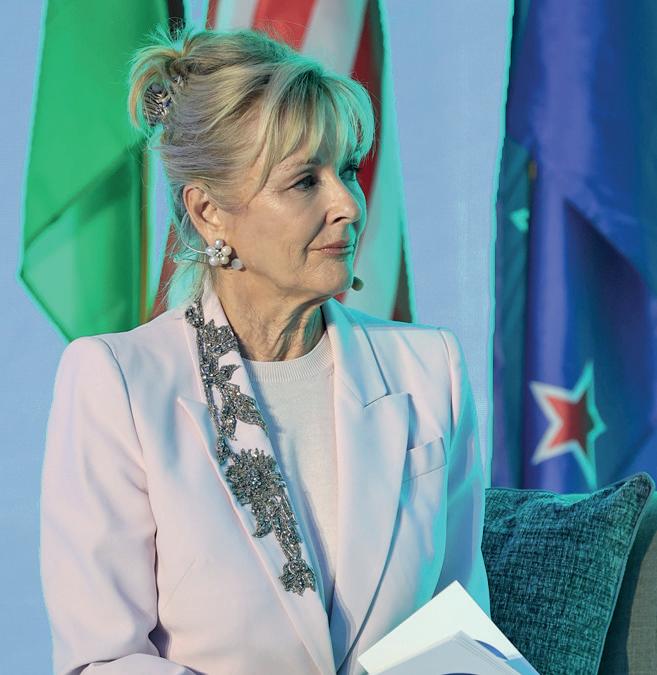
Global Wellness Summit 2025, p98
PURADIES
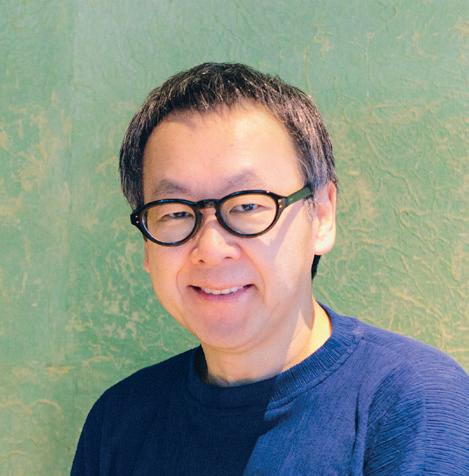
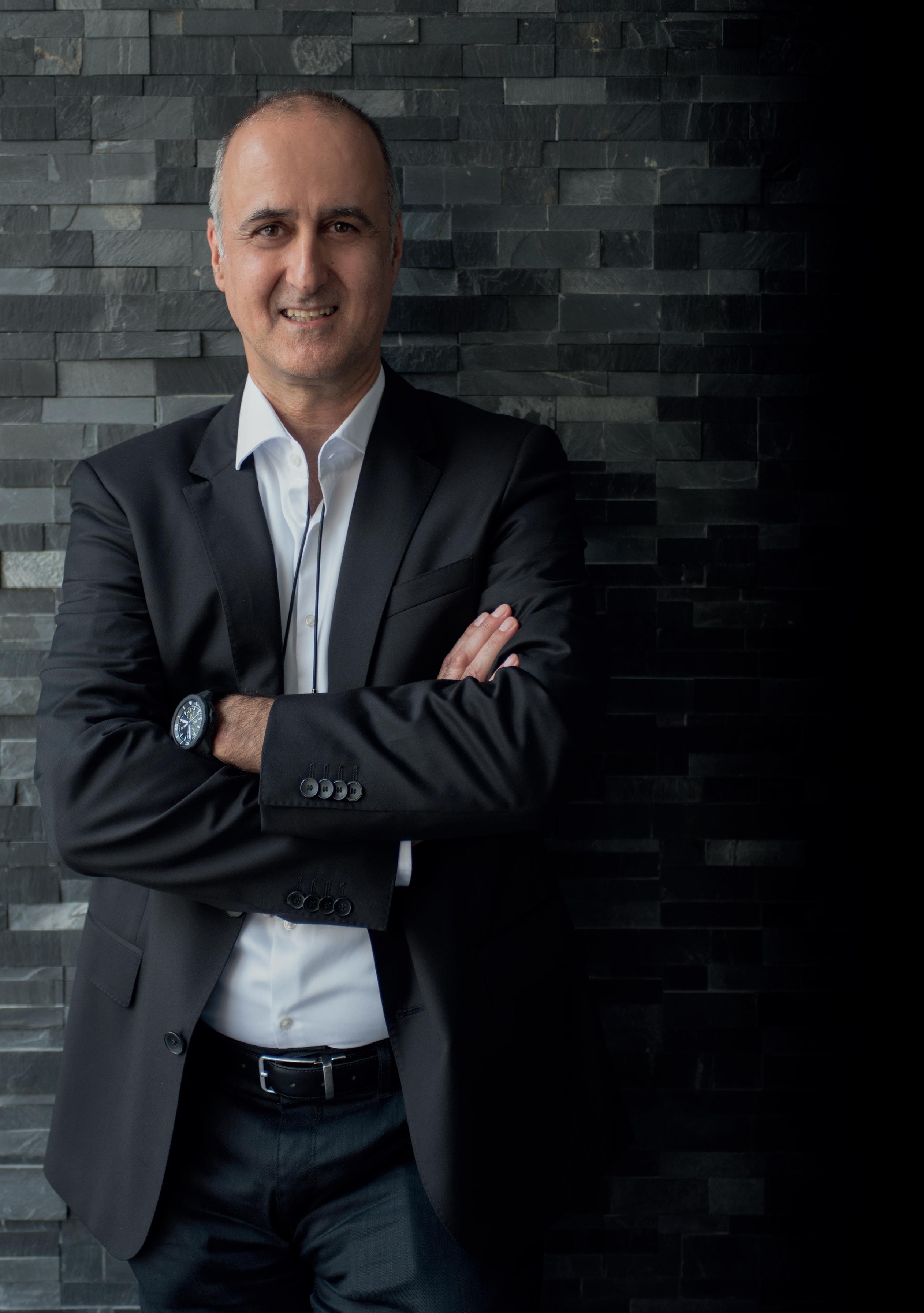
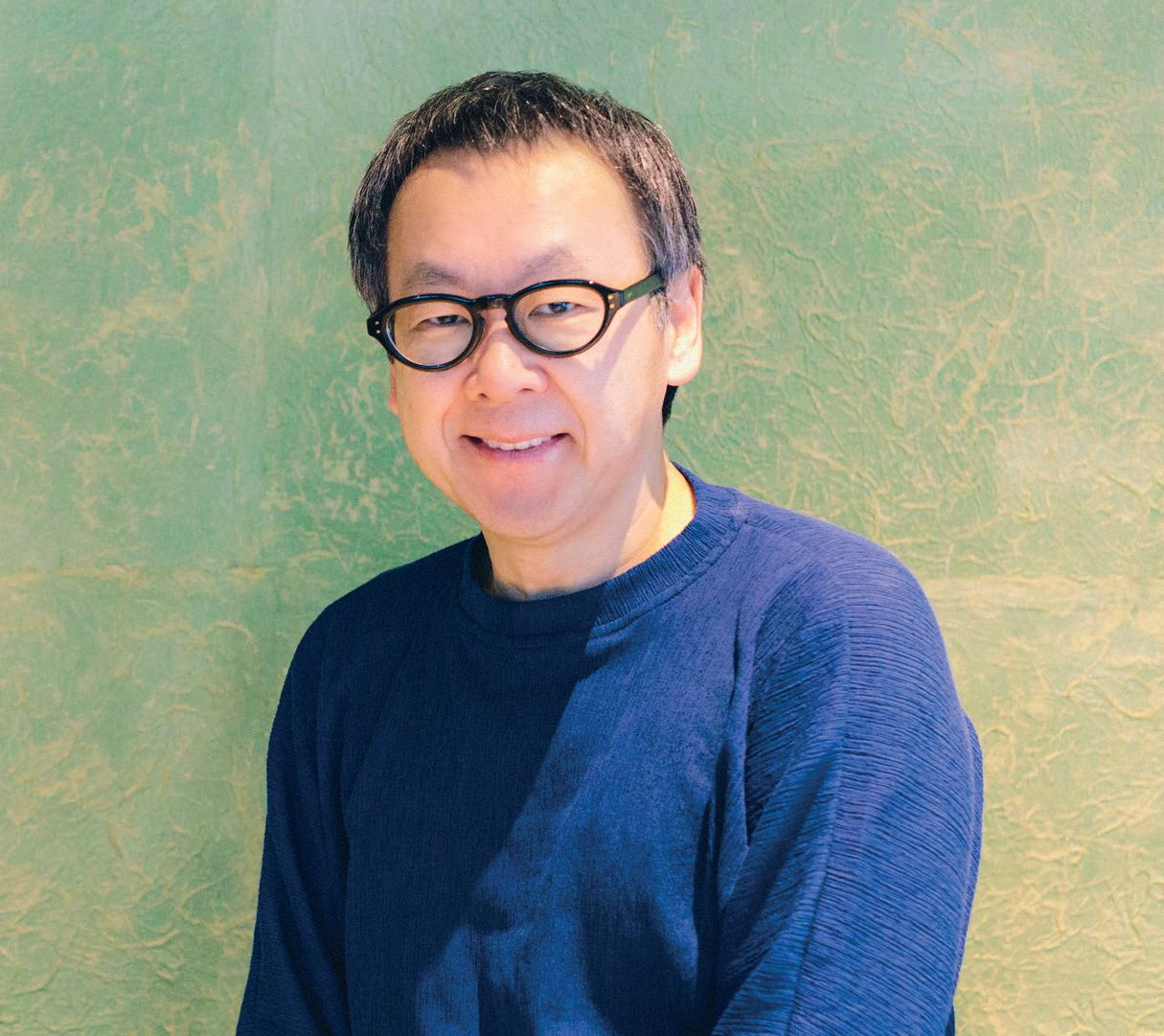
Yoshiharu Hoshino HOSHINO RESORTS
GWS 2025
www.spabusiness.com
THE SPA BUSINESS TEAM
For email, use contact’s fullname@spabusiness.com
Editorial director
Liz Terry
+44 (0)1462 431385
Editor-at-large
Jane Kitchen
+44 (0)1462 431385
Journalist
Jenny Eagle
+44 (0)1462 431385
Publisher Astrid Ros
+44 (0)1462 471911
Head of news
Helen Andrews +44 (0)1462 471900
Contributor
Lisa Starr
+44 (0)1462 431385
Choose how you read Spa Business
Print
Spa Business magazine is available in print from www.leisuresubs.com
Spa Business digital
Read free online and enjoy extra links and searchability www.spabusiness.com/digital
Spa Business PDF
A PDF edition is available to read offline at: www.spabusiness.com/pdf
Editor Katie Barnes +44 (0)1462 471925
Contributor
Judy Chapman +44 (0)1462 431385
Journalist
Megan Whitby
+44 (0)1462 431385
More resources
Sign up for free digital
www.spabusiness.com/signup
Spa Business insider
www.spabusiness.com/insider
Spa Business Handbook
www.spahandbook.com
Spa Business Library
www.spabusiness.com/archive
Buyer Search Engine
www.spa-kit.net
HCM magazine
www.HCMmag.com
Fit Tech magazine
www.fittechglobal.com
Customer service
+44 (0)1462 431385
Advertising
+44 (0)1462 471911
Subscriptions
+44 (0)1462 431385
Circulation
+44 (0)1462 471932
Finance
+44 (0)1462 471901
Credit control
+44 (0)1462 471901
Get Spa Business in print
Sign up for Spa Business at www.leisuresubs.com or email subs@leisuremedia.com
Annual subscription rates are UK £48, Europe £65 , rest of world £94, students (UK) £25.
Copyright Spa Business is published four times a year by Leisure Media Global, PO Box 424, Hitchin, SG5 9GF, UK. The views expressed are those of the authors and do not necessarily represent those of the publisher. All rights reserved. No part of this publication may be reproduced, stored in a retrieval system or transmitted in any form or by means, electronic, mechanical, photocopying, recorded or otherwise, without the prior permission of the copyright holder, Cybertrek Ltd.
Print and distribution Printed by The Manson Group Ltd. Distributed by Royal Mail Group Ltd and Whistl Ltd in the UK and Total Mail Ltd globally.
I’m proud to share our acquisition of Fivelements Retreats publicly for the first time
Ingo Schweder, founder and CEO, GOCO Hospitality
“
I’m genuinely thrilled to say out loud for the first time that Fivelements Retreats is now part of the GOCO family,” Ingo Schweder exclusively tells Spa Business
The founder and CEO of GOCO Hospitality proudly reveals that the group acquired the Bali wellness and healing sanctuary last year and is preparing it for a relaunch and global scaleability.
With a career spanning four decades, Schweder has contributed to 400-plus projects with a global portfolio valued at US$4.3 billion (€3.69 billion, £3.22 billion). He’s one of the most influential voices in the spa, wellness and hospitality industry, having developed one of the first-ever hotel spa concepts for Mandarin Oriental and playing a pivotal role in other brands such as Oberoi and Ananda in the Himalayas.
Glen Ivy Hot Springs, an iconic thermal resort in California, USA, is another key property for the group. Schweder bought the site in 2016 and brought in GOCO
Our
top priority is to evolve Fivelements into a scalable global wellness hospitality brand
as the management company to transform it with European standards of hospitality and sustainability.
GOCO also owns Horwath HTL Health & Wellness, the wellness division of one of the world’s largest and oldest hospitality consulting firms.
In 2023, GOCO entered into a joint venture with Fullerton Fund Management – a wholly-owned subsidiary of Singapore’s sovereign wealth fund – to accelerate its expansion into wellness real estate and longevity hospitality segments across the globe.
Here, Schweder shares the values, experiences and insights that have shaped his leadership journey.
What drew you to Fivelements?
With its deep respect for local traditions and soul-driven approach to wellness, Fivelements is a brand we’ve long looked up to. What started as admiration from afar has now evolved into something far greater and I’m proud to share our acquisition publicly for the first time.
What are your plans for the brand?
To evolve Fivelements from a curated boutique portfolio into a scalable global wellness hospitality brand with a presence in iconic destinations such as Bali, Koh Samui, Montenegro and Spain
We’ll relaunch the brand in late 2026 and the next two to three years
will be pivotal. The plan is to launch in multiple locations from the start, bringing a brand ecosystem to life across continents, cultures and communities with a unified vision and deep operational alignment.
What’s the rollout strategy?
We’re building the platforms with a cross-cultural team of around 1,500 people. But the approach is not formulaic; every new opening will have extraordinary architecture, advanced healing modalities and precision-based, tech-integrated wellness programmes.
Sustainability will also be central, from energy optimisation
The original Fivelements is based in Bali. Sites in Koh Samui, Montenegro and Spain are in the pipeline
A sneak peek at the newlook Fivelements brand ahead of its relaunch
Each Fivelements will have extraordinary architecture and advanced healing modalities
and wastewater reduction to community upliftment.
For me personally, this journey is deeply meaningful. I do this work because I’ve experienced first-hand the power of wellness. The upcoming retreats and wellness communities will be living expressions of that, spaces that help people heal.
How did your wellness journey start?
From a very personal place. Over 30 years ago, I was diagnosed with stage
4 cancer and given weeks to live. That experience transformed my perspective on health, empathy and purpose. During recovery, I realised hotels needed a stronger wellness platform and hospitals needed a better hospitality platform. That was the seed for GOCO Hospitality – to build a company that could bridge these worlds.
What’s the ethos of GOCO?
It’s a one-stop platform for wellness hospitality, offering end-to-end
services from strategy and concept through to development, management and operations.
Every project begins with research and authenticity, looking at history and best practices. Whether that’s revitalising the heritage of a property such as Glen Ivy Hot Springs, which dates back to 1860 or introducing longevity and regenerative wellness, driven by authenticity, accessibility and cultural relevance. Wellness should not only be for the affluent. It should be experiential, sustainable and inclusive across cultures and continents.
GOCO was recently recognised as the Best Global Spa Development Group by the World Luxury Spa Awards. But this recognition did not happen overnight and it’s the result of hundreds of people doing exceptional work across multiple countries, cultures and projects. The award validates our work and opens doors to attract top talent, trusted collaborators and long-term investors. Most importantly, it pushes us to raise the bar even further.
How are you leveraging technology in your offerings?
We will embrace tools such as wearables, biohacking, telomere and genetic testing and precision medicine, all of which may be integrated into the wellness programmes we design and manage globally.
We’ve developed regenerative sustainability guidelines, benchmarked against leading brands
However, for us, technology is a powerful enabler, not the headline act. It can support diagnostics, personalise guest journeys and improve operational efficiency, but the essence of great hospitality still lies in genuine human interactions.
How crucial is sustainability to you? It’s always been a core value for GOCO, but we’re now going beyond the basics. Over the past two and a half years, we’ve developed our own regenerative sustainability guidelines benchmarked against the biggest and most renowned ESG-supportive hospitality brands. There’s also a comprehensive manual that
touches every area of design, development and daily operations.
Personally, I’ve taken these principles into my own life. My holiday home, constructed from natural materials, is fully off-grid, powered by solar energy batteries, with its own water harvesting and purification systems. I even built in EMF-reduction technology so I can shut off all wireless signals with a single touch. These are not luxuries; they’re necessities
for a healthier way of living and they inform the blueprint of what we bring into our commercial projects as well.
How do you manage such a diverse and global portfolio?
Although GOCO Hospitality, Glen Ivy Hot Springs, Horwath HTL Health & Wellness and Fivelements operate in different sectors across different regions, they’re actually highly complementary.
Authenticity and sustainability are key in every project
A cancer diagnosis sparked Schweder’s mission to build stronger wellness and hospitality platforms
What unites them is a shared commitment to wellness, quality and transformative guest experiences.
The key is creating cross-functional teams that are empowered to take ownership and drive innovation. Hiring the right talent is paramount to this and I deliberately surround myself with people who have unique skills and perspectives and who can do things I cannot do.
To stay aligned across the organisation, we host daily learning time sessions. These last 15 to 30 minutes and bring together team members across our companies to reflect on a wide range of topics, from design principles and wellness trends to hospitality service, teamwork and quality management. It’s a small but powerful ritual that reinforces our values and keeps us sharp.
What’s shaped your leadership style? For me, authenticity is everything. For example, in Thailand, most people would typically go out for street food at lunch. Instead, a private chef in our Bangkok office prepares fresh, organic meals for our team every day. We also organise regular spa days in
Legacy is not about being remembered, it’s about leaving something that continues to serve others
the office. This is all complimentary and a way of showing we care.
I believe in walking the talk. My colleagues do, too. People who work with us do so because they care deeply about wellbeing, not just professionally but personally.
Leadership is also about empowering people. I take pride in guiding and supporting employees, but I don’t micromanage. I’ve been micromanaged in the past and I hated it. I want to create an environment where people feel free to express ideas, challenge me and contribute to something meaningful.
What’s been your most significant achievement?
It’s not one resort or figure; it’s how we’ve evolved. Our name, GOCO, stands for goal, community, co-creation. That philosophy now
defines everything we do: creating living ecosystems that combine wellness, hospitality, real estate, education and human connection.
We want to shape destinations that truly uplift people’s lives through better health, better food, deeper creativity and shared values. A recent, humbling affirmation was Fivelements being ranked as one of the Top 10 Destination Spas in the World by Conde Nast Traveller
I’m fortunate because I don’t feel like I’ve ever worked a day in my life. I do what I love and that’s what drives me.
What legacy do you want to leave?
Legacy to me is not about being remembered, it’s about leaving something that continues to serve others. I believe we’re doing that already, but there’s always room to learn, to refine and to give more. l
Schweder bought the iconic Glen Ivy Hot Springs in California in 2016
noticed an improvement in the radiance of their complexion 2 90%
showed improvement in skin texture 1 89%
improvement in skin hydration 1 82% Up to
We design with nature, for nature
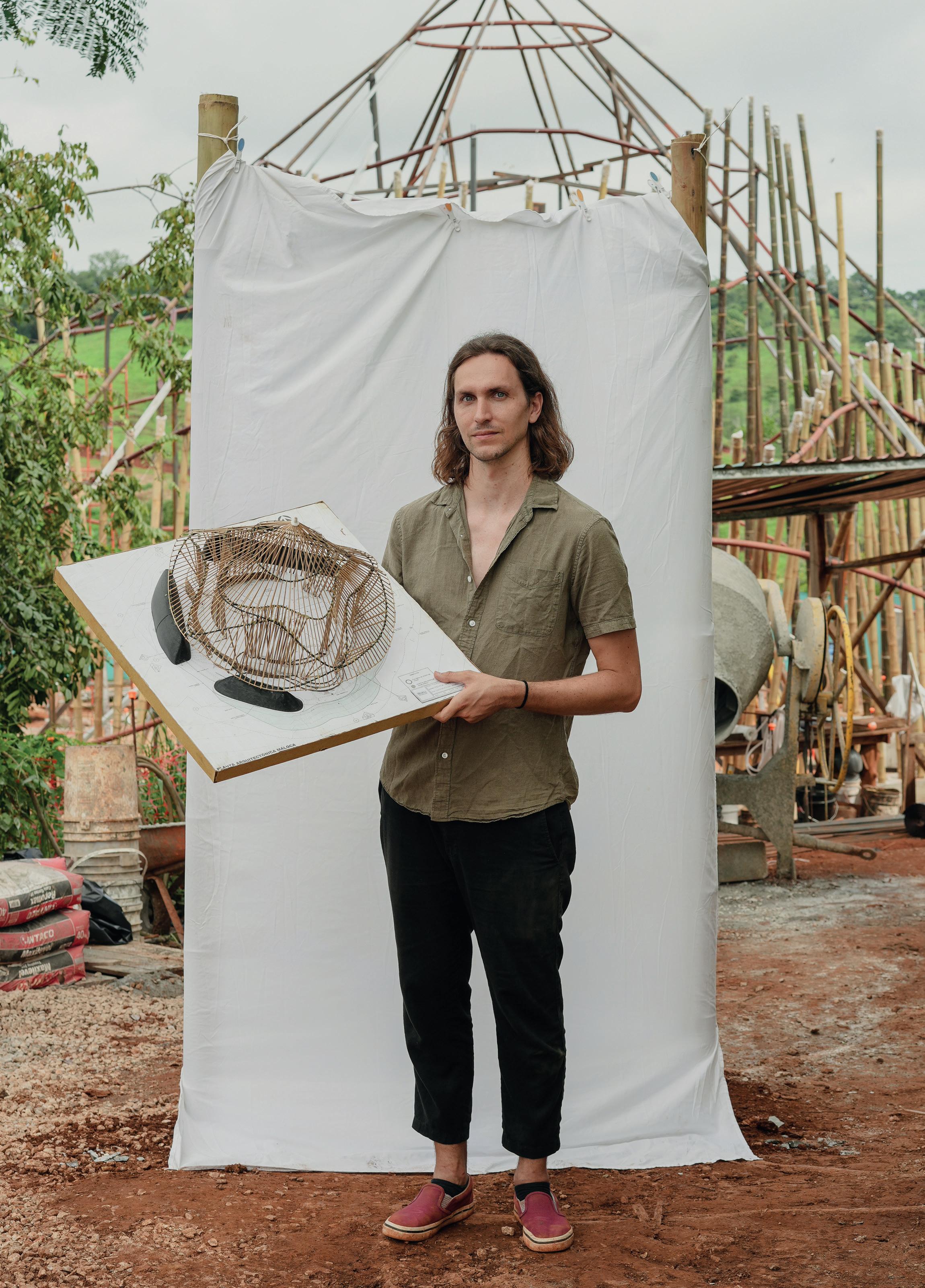
Lucas Schlüter, architect, Ibuku
When the creators of Costa Rican retreat
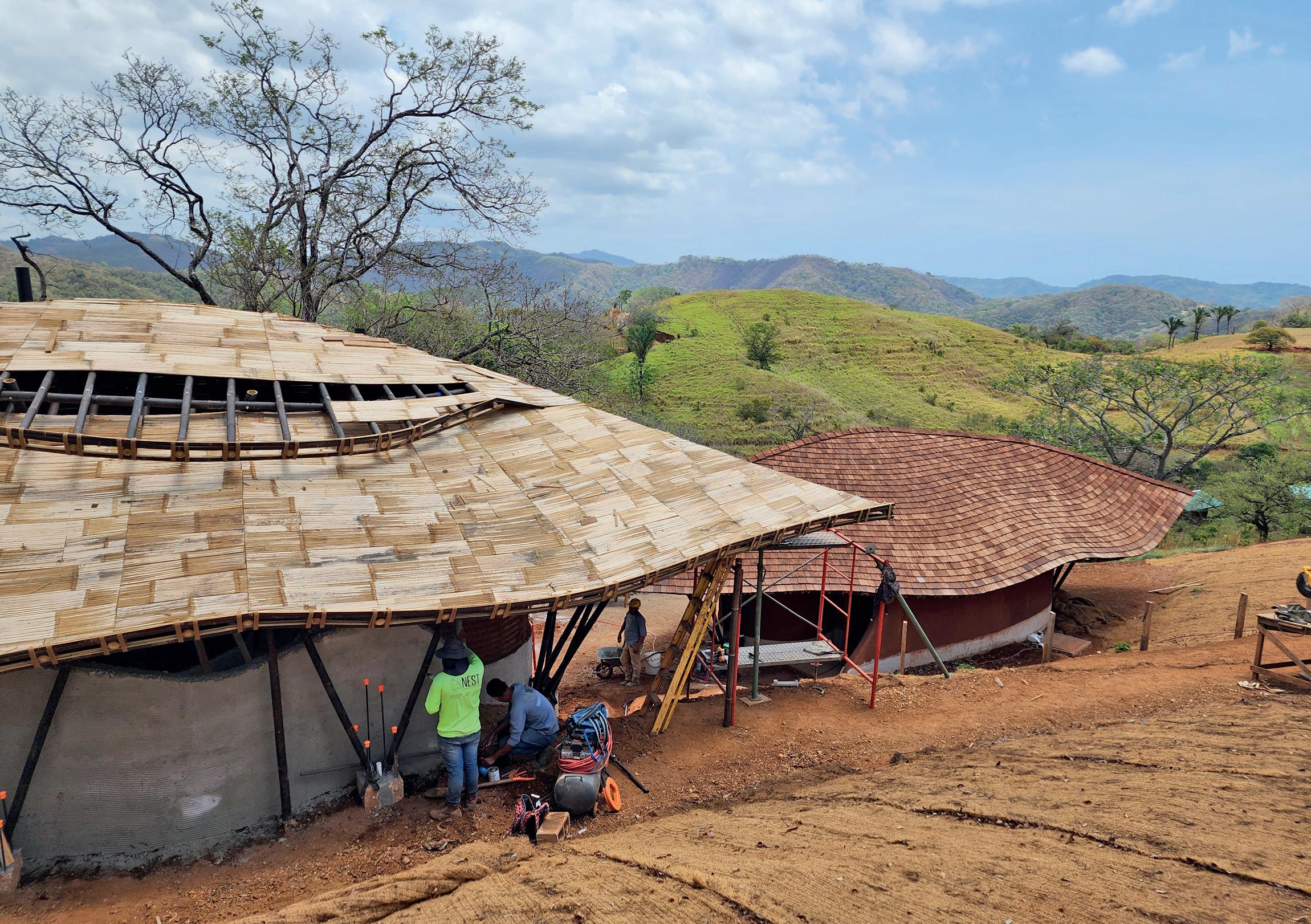
Tierramor wanted to build a wellness space that would harmonise with the natural surroundings, they turned to Bali-based architects and engineers
Ibuku, known for their beautiful, solid and sustainable bamboo structures. Ibuku was founded in 2010 by Elora Hardy – daughter of John and Cynthia Hardy, founders of the Green School in Bali, Indonesia. Since then, the firm has designed and built bamboo hotels, event spaces, schools and homes in Bali, the Philippines and the US.
Tierramor, its latest endeavour, is a research and retreat centre with 20 guest casitas set amongst 800 acres of reforested land in the mountains of Nosara, a yoga hub in northwest Costa Rica. It’s 2025 addition, the Maloca wellness space, will host retreats, wellness classes and gatherings.
Here, architect Lucas Schlüter talks Spa Business through the unique project.
How would you sum up the Maloca project?
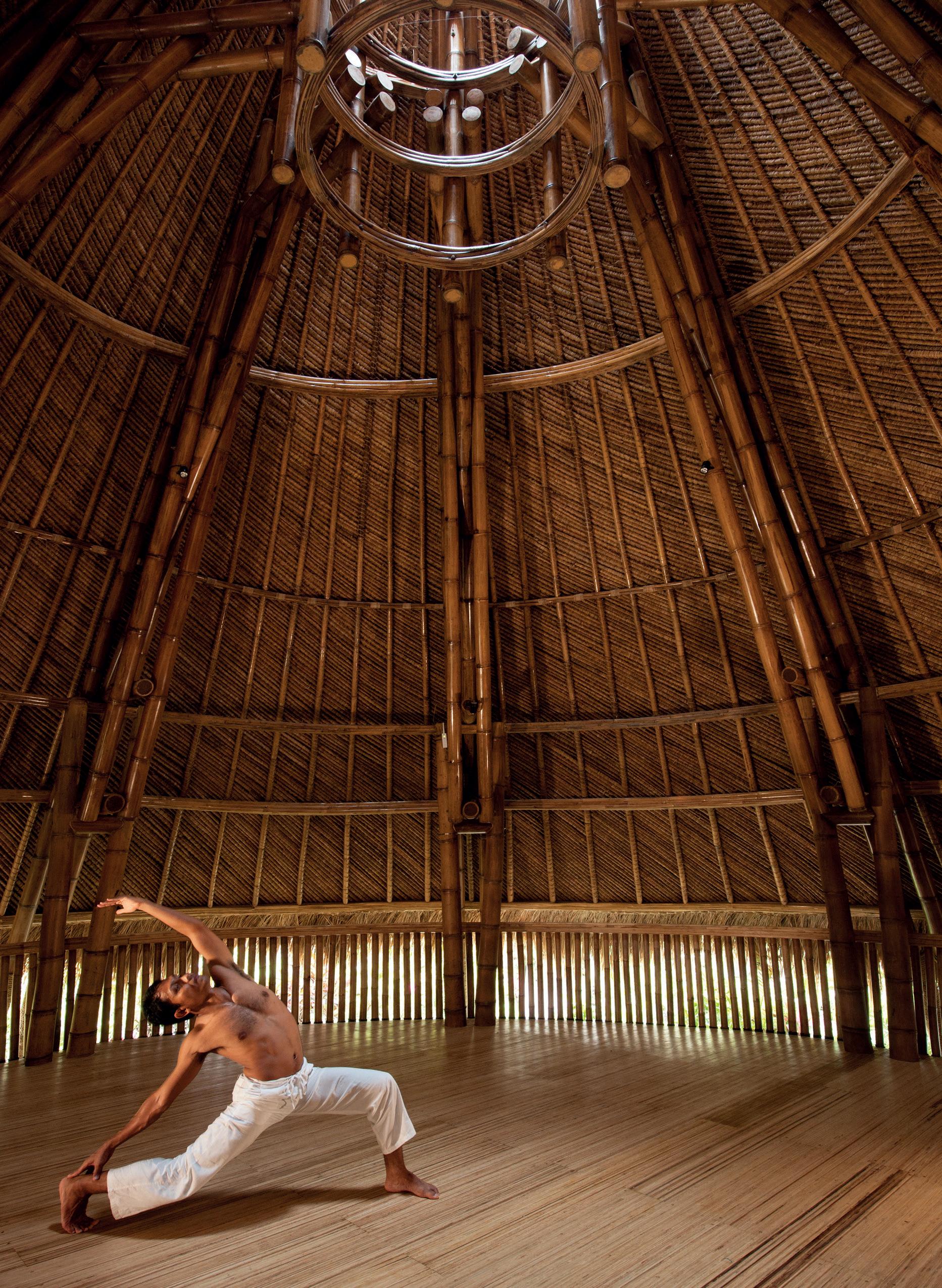
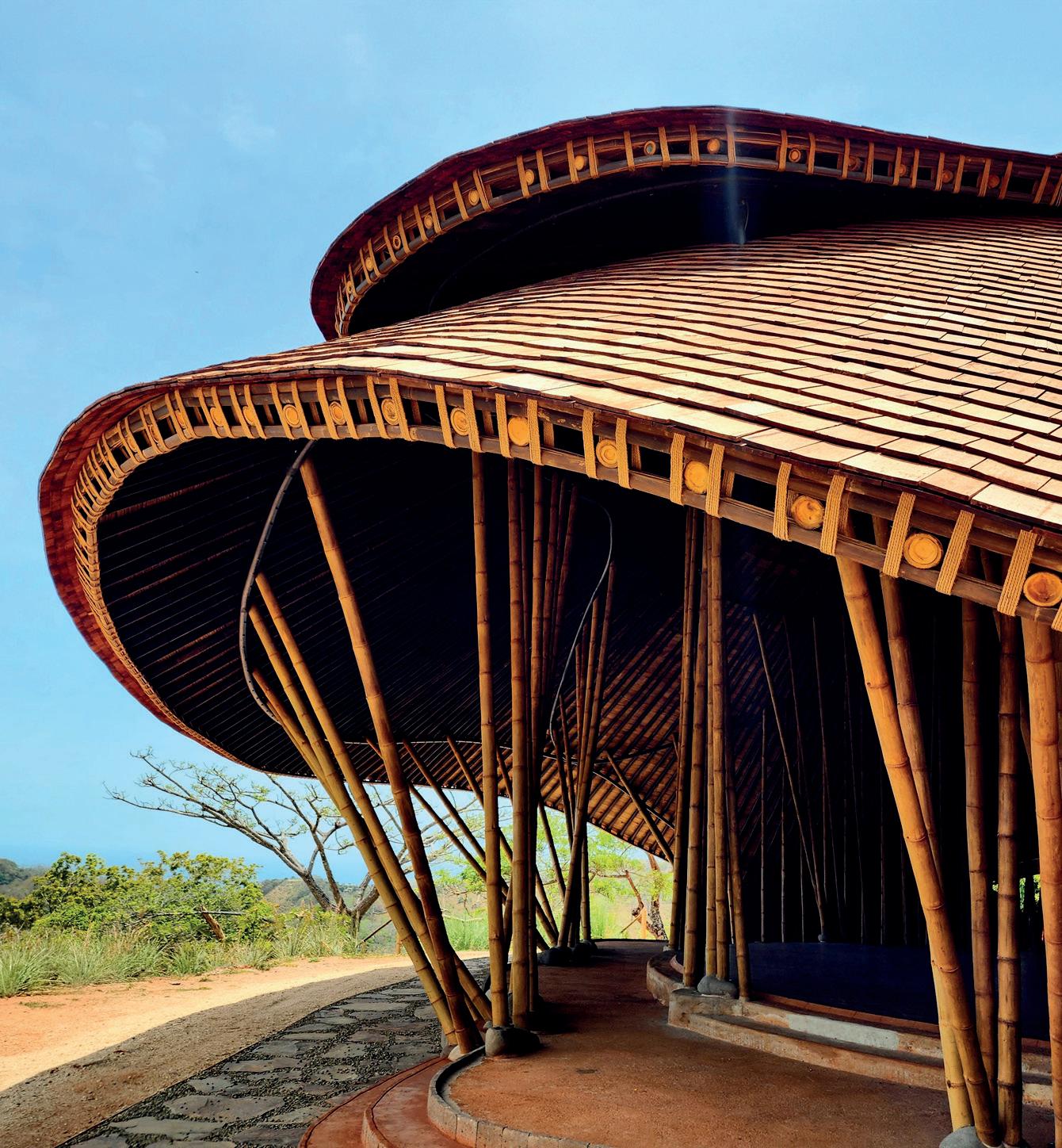
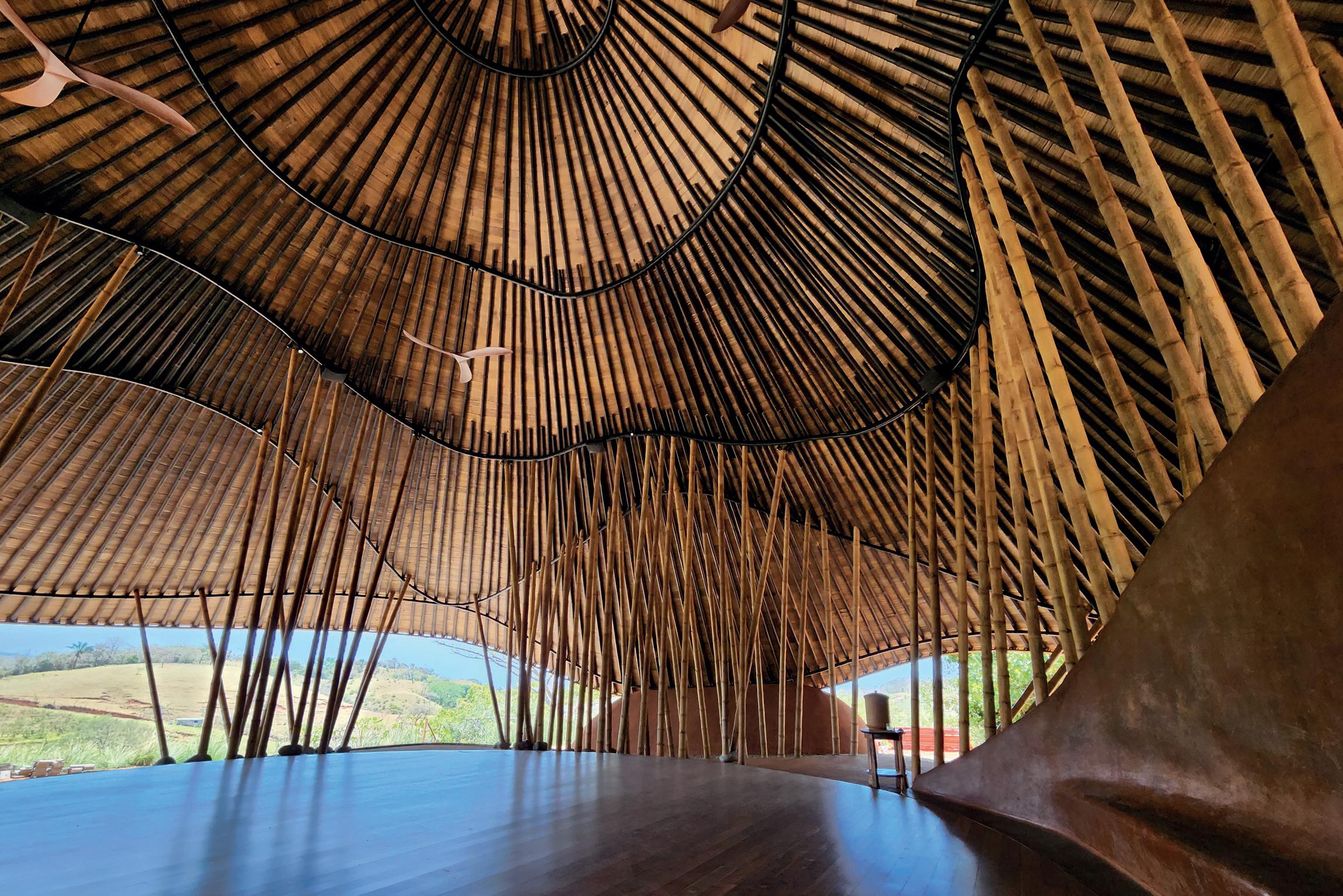
It’s a multi-functional dome-shaped space for yoga, meditation and ceremonial gatherings.
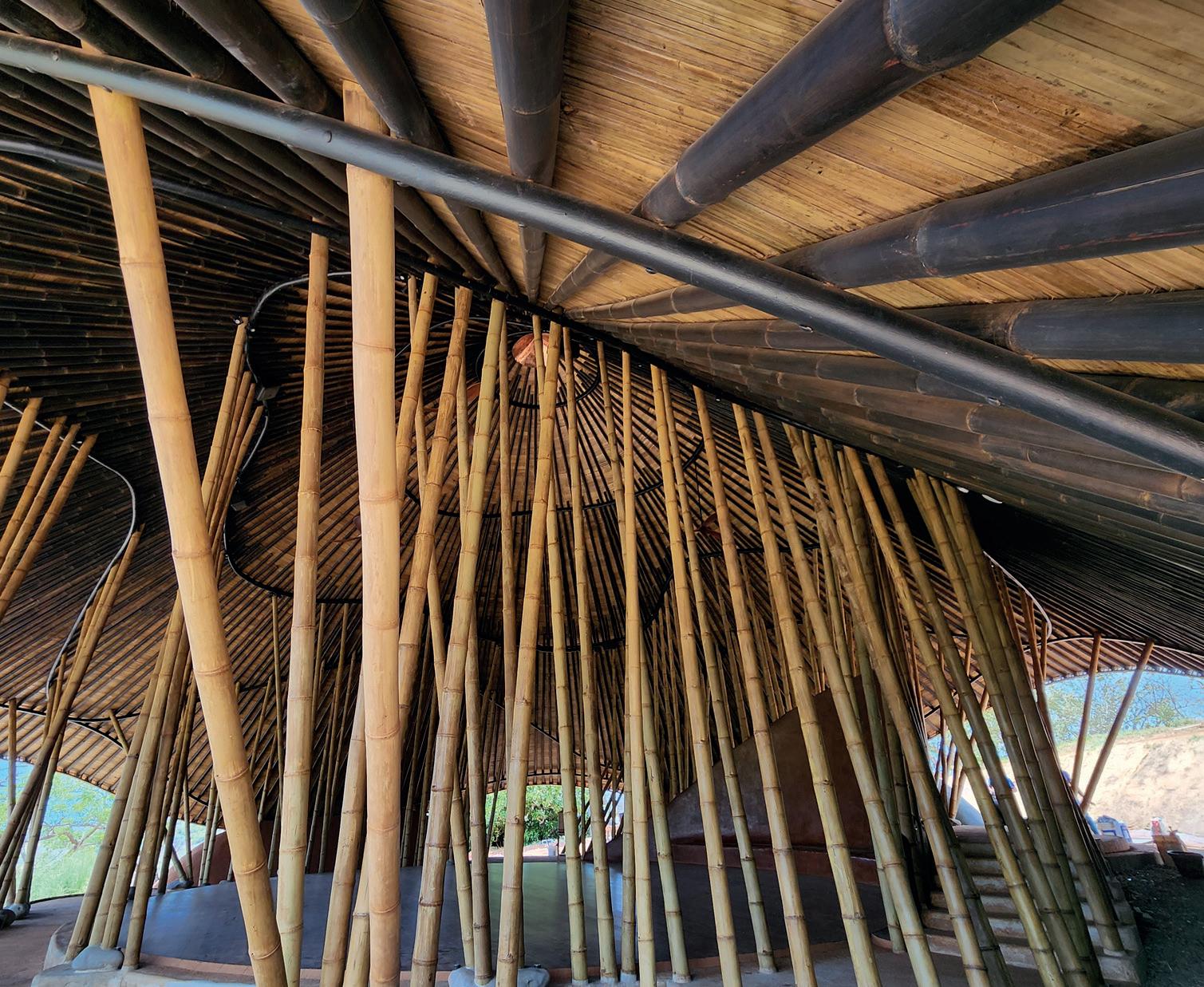
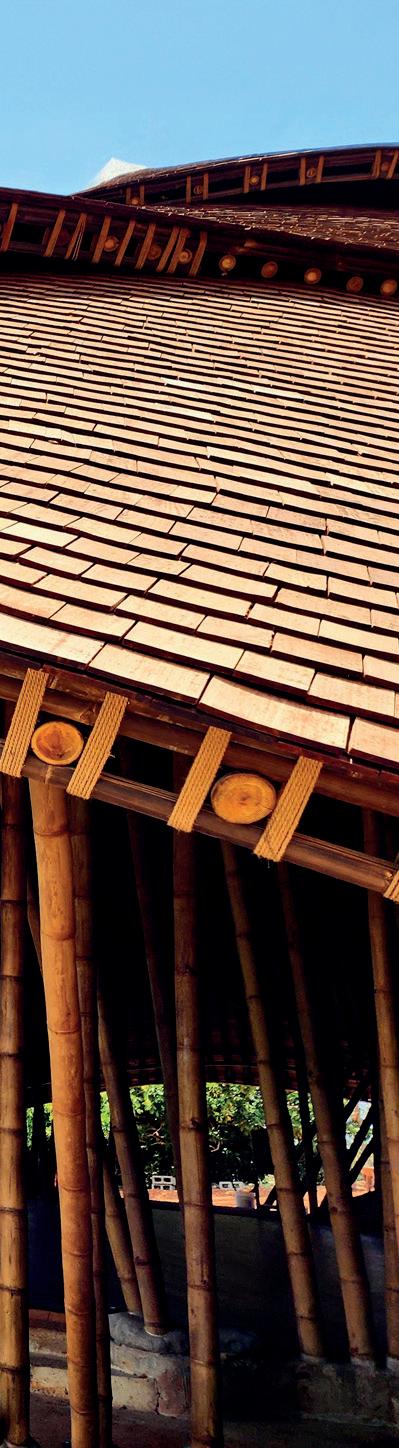
Its unique bamboo structure seamlessly integrates traditional craftsmanship and cutting-edge bamboo engineering, resulting in a design that’s both structurally innovative and deeply rooted in local building traditions.
At the heart of this project lies a strong commitment to sustainability. Bamboo is not only the primary structural component but also a symbol of resilience and ecological harmony. The construction process emphasises low-impact techniques, ensuring minimal disturbance to the surrounding environment while maximising durability and natural beauty.
What makes it a fitting wellness space?
Maloca Dome is envisioned as an organic extension of the landscape, acting in perfect symbiosis with the natural world and the human body.
It’s been placed at the top of a hill as a monolithic shape that blends
The new structure features cutting-edge bamboo engineering
JAMES WOLF
Tierramor is a research and retreat centre set in 800 acres of reforested land in Costa Rica
JAMES WOLF
into its surroundings, highlighting the beautiful tree behind it as the main focal point of the site.
The interior features an open, adaptable floorplan allowing for dynamic spatial transformations –accommodating intimate gatherings of 10 as effortlessly as vibrant, ecstatic dance sessions with 100 participants. Thoughtfully positioned openings and architectural elements interact with views, showcasing the natural beauty of the surrounding landscape.
It’s a reinterpretation of Costa Rica’s traditional religious structures
How did you approach this project?
We first focused on the views, the vegetation, the airflow and the atmosphere created by the light at different times of the day. From there, we drew inspiration from Costa Rica’s traditional ‘cosmic house’ cone-shaped
buildings, reinterpreting the religious structures for a modern wellness space.
What challenges did you face?
The site is exposed to high wind speeds that we’re not used to in Indonesia, meaning it was important to cross-brace the building while maintaining an open, flexible space. A calm, round yoga floor was designed free of columns, allowing uninterrupted views over the hillside and creating a serene space for practice.
Working with local carpenters presented another challenge. Initially unfamiliar with bamboo, they quickly adapted, transferring their woodworking expertise to master and gain confidence in its possibilities.
Can you talk about the materials used?
We design for nature with nature. This means that our material
Maloca is a dome-shaped wellness space for yoga, meditation and ceremonies
JAMES WOLF
JAMES WOLF
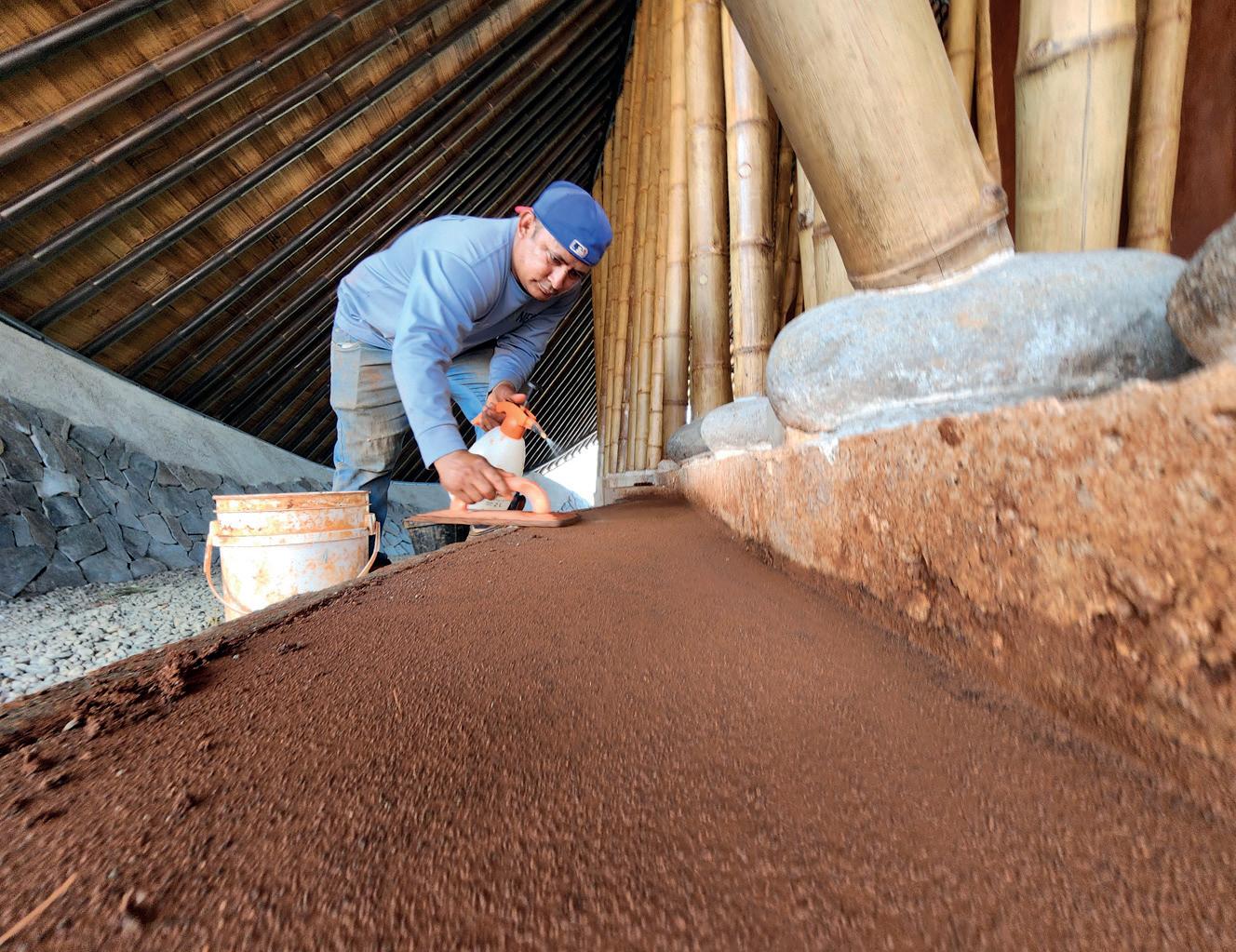
Iconic local red soil was used in the flooring and walls
choices directly affect the building’s shape and vice versa.
Local guadua angustifolia bamboo was the primary material, chosen for its sustainability, structural strength and lightness.
We also incorporated the iconic red soil from Tierramor’s hills into the flooring and walls, which helps guests to feel grounded and creates a deep connection to the site’s natural surroundings.
To strengthen the monolithic shape of the roof with its undulating edge, we choose to use local wood shingles that visually blend into the surrounding nature and give the building a calm, gentle appearance.
Why is bamboo suited to this project?
It was the perfect choice for Maloca since it balances the lightness of the building’s appearance with the strength required to put it in place. Bamboo also aligns with
Tierramor’s vision of creating a sustainable community closely connected to nature and its heritage.
What did you learn from working on this project?
Adaptability was key. Understanding the design principles we use in Indonesia and translating them into a very different cultural context led to the creation of new forms and inspirations. l
We focused on the views, vegetation, airflow and light
Local wood shingles were used on the undulating roof to blend into the surroundings
JAMES WOLF
JAMES WOLF TALITSOUR
Connect with Nature. Reconnect with Yourself.
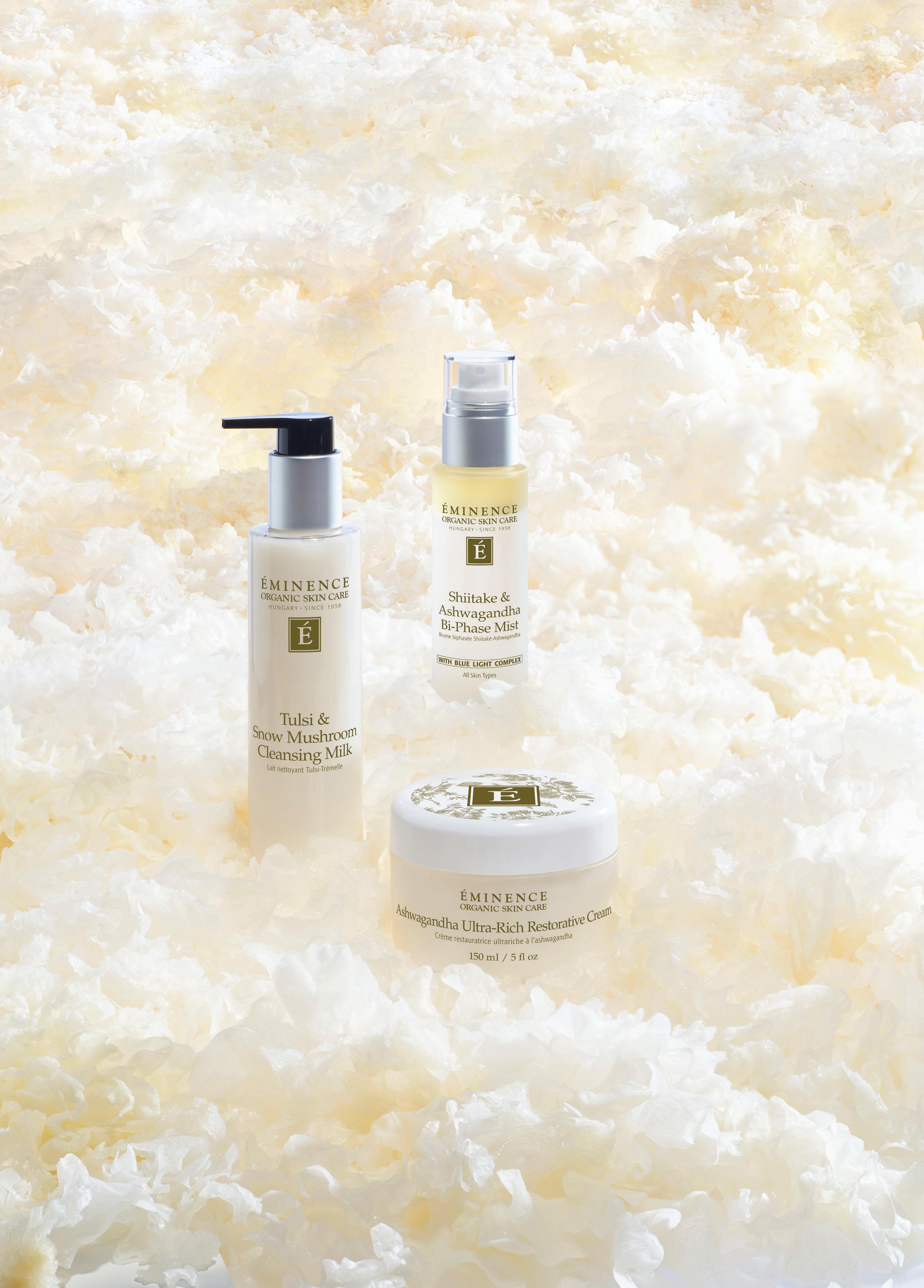
WITH THE PURE FOREST COLLECTION
of users agreed they felt relaxed immediately after using*
Ready to partner with Éminence Organics? Apply here.
noted moisture in their skin was restored^
Recovery services create layered wellness programmes that can drive both transformation and revenue
Hattie David-Wilkinson, global head of wellness and longevity, Maybourne
Maybourne’s portfolio includes some of London’s most iconic hotels: Claridge’s, The Connaught, The Berkeley and The Emory, but it also has a location in Beverly Hills and the south of France. Plans are underway for six more hotels around the globe – including an upcoming location in Paris, The Maybourne Saint-Germain – all with cutting-edge wellness facilities at their core.
As part of its expansion, Maybourne has appointed Hattie David-Wilkinson as the company’s global head of
wellness and longevity – a title that reflects the changing landscape of spa and wellness and Maybourne’s focus on holistic health, including testing, technology and medical care.
David-Wilkinson will spearhead the direction of Maybourne’s new wellness and longevity concept, Surrenne. The brand, which made its debut at The Emory in Belgravia, London last year (see www.spabusiness.com/surrenne_ inge), will rollout across all future Maybourne properties and is also set to launch a retreats proposition.
Spa Business sat down with her to discuss all things wellness.
Our members are already doing the right things, but are concerned about cognitive performance
What makes Surrenne different? Today’s guests want more than massages. They’re seeking transformation, inspiration and personalisation. They want experiences that reveal something about themselves and help them feel better – physically, emotionally and spiritually.
To meet those needs, Surrenne goes beyond a traditional spa to also focus on recovery and stress management, movement and physical resilience, nutrition and supplementation and medical-grade interventions including IV therapy, diagnostics and hormonal balancing. Our members are all so wellinformed. They’re doing the right things – they don’t eat processed food, they’re all very active. But what they’re really concerned with is cognitive performance and decline, so we’re also increasingly interested in brain optimisation, through treatments, sensory design and detailed programmes.
Wellness is a decision driver for affluent, healthconscious travellers
SURRENNE
SURRENNE
What can you tell me about the importance of technology and science at Surrenne?
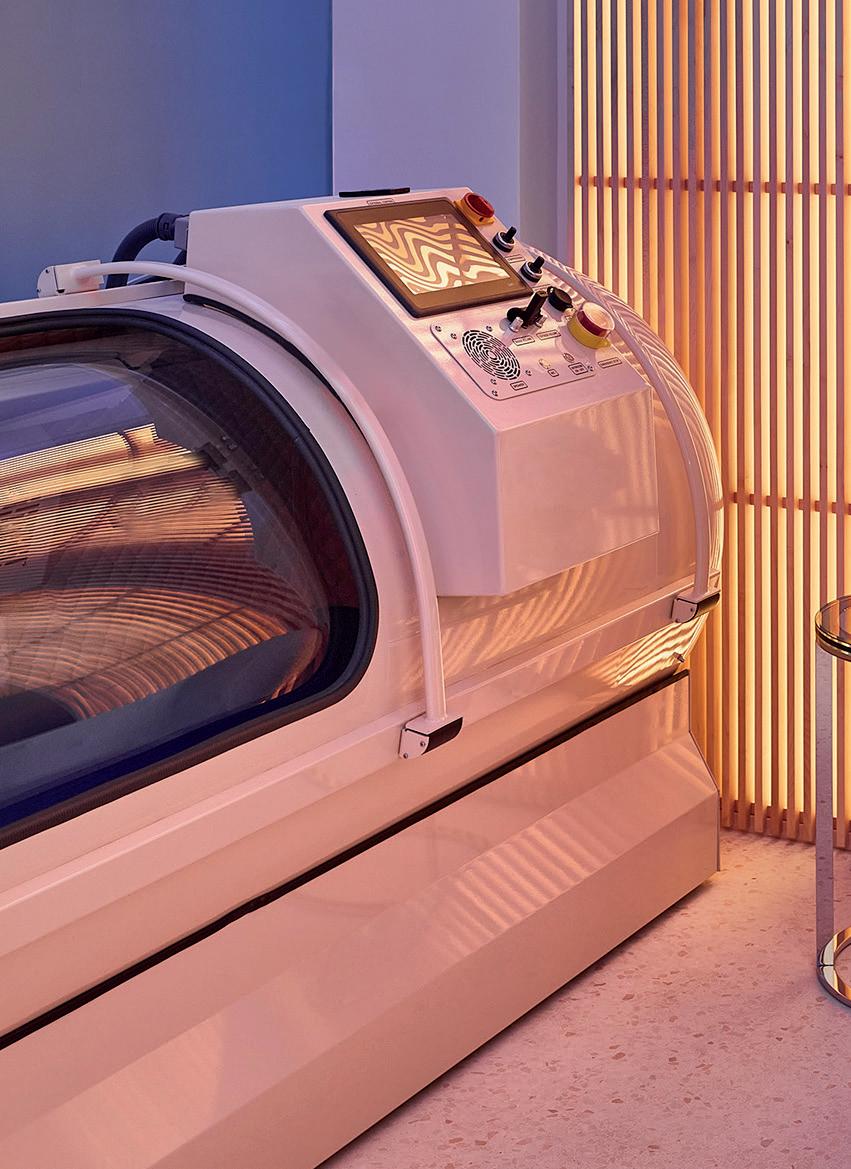
Our model is: Test – Train – Track – Re-test. Membership, which costs £10k (US$12.7k, €11.8k) annually, begins with a full set of diagnostics – bloodwork, hormone panels, VO2 max testing, metabolic analysis, flexibility, mobility and imbalances. Then you spend a good 90 minutes with the medical director going through that information and that’s when we put together your personalised plan or programme. We adjust seasonally, tracking progress quarterly and evolving each member’s journey. Technologies like cryotherapy, red light therapy, PEMF and hyperbaric oxygen therapy aren’t gimmicks –they’re becoming expected. These services create layered wellness programmes that can drive both transformation and revenue.
We’ve also created a global Scientific Advisory Board to guide every initiative. This board not only shapes our services but participates in events, consultations and programming across our properties.
What else makes Surrenne stand out?
The concept of neuroaesthetics tells us that space impacts our biology. We design for healing, using circadian lighting, natural textures, biophilic elements and curated
Technologies like hyperbaric chambers are becoming expected, says David-Wilkinson
David-Wilkinson will lead the rollout of Surrenne at all future Maybourne properties SURRENNE
We adjust seasonally, tracking progress quarterly and evolving each member’s journey
soundscapes. This is environment as medicine – spaces designed to reduce stress, promote neuroplasticity and support cellular repair.
Our Belgravia location features circadian lighting, AI-generated soundscapes, a neuroscience-designed fragrance called Magma and plenty of natural textures. This isn’t about flashy tech – it’s about creating environments that feel otherworldly and uplifting.
Our spa robes are an extension of that. Created by British fashion designer Alice Temperley, they feature a dreamlike pattern of stars, birds, ribbons and leaves. And as we move forward, the idea is to work with different local designers, so you’ll have the same shape of the robe, but a different design that makes sense for each location.
The music that you hear at Surrenne has been created by neuroscientists at White Mirror and recorded live, but then we put it through an AI generator, so it never repeats itself. That also means it changes with the day, so in the morning, there’s a lot more bird song and as the day goes on, it gets a little bit more sultry and you start to see the lights change. It’s a whole thing, but it’s done in a very subtle way, so you wouldn’t notice unless you knew, but the idea is that you’d feel it in your body.
Even our treatment menu uses intuitive, human-centric language. Rather than a ‘60-minute deep tissue massage’, we offer ‘I Need It All’, ‘Downtime’, or ‘Ballet Bodywork’. We meet guests where they are, emotionally and physically.
What are your growth plans?
Surrenne is a core part of Maybourne’s future; at Maybourne, we’re committed to ensuring wellness is holistically integrated into the whole experience, from pre-arrival to aftercare. Next year, we’ll launch Surrenne products as well as our retreats proposition at The Maybourne Riviera in France, integrating Surrenne’s philosophy of science, nature and connection.
How do you think the wellness landscape is changing?
We’re seeing a cultural pivot. Wellness is no longer considered merely a luxury, but is now a decision driver, especially among affluent, health-conscious travellers. We’re seeing a shift in language – from ‘pampering’ to ‘resilience’, ‘regeneration’ and ‘longevity’.
Five years ago, I hosted an event in London with a leading health technology company. Out of 7,000 invites, only one person RSVP’d. Today, topics like biohacking, Blue Zones and Bryan Johnson are part of daily conversation. This echoes scientific developments. Lifestyle and habits are now recognised as critical determinants of health. The World Health Organization defines health as “a state of complete physical, mental and social wellbeing – not merely the absence of disease”. The future isn’t just about living longer –it’s about living better. That’s what we call healthspan. And I truly believe that the future of hospitality is health. l
Read www.spabusiness.com/recovery to find out how other leading global resorts and spas are integrating recovery into their programmes.
Next year, Surrenne will launch its retreats proposition in France
The new retreats will focus on connection, science and nature
DEFINING SPA. SINCE 1928.
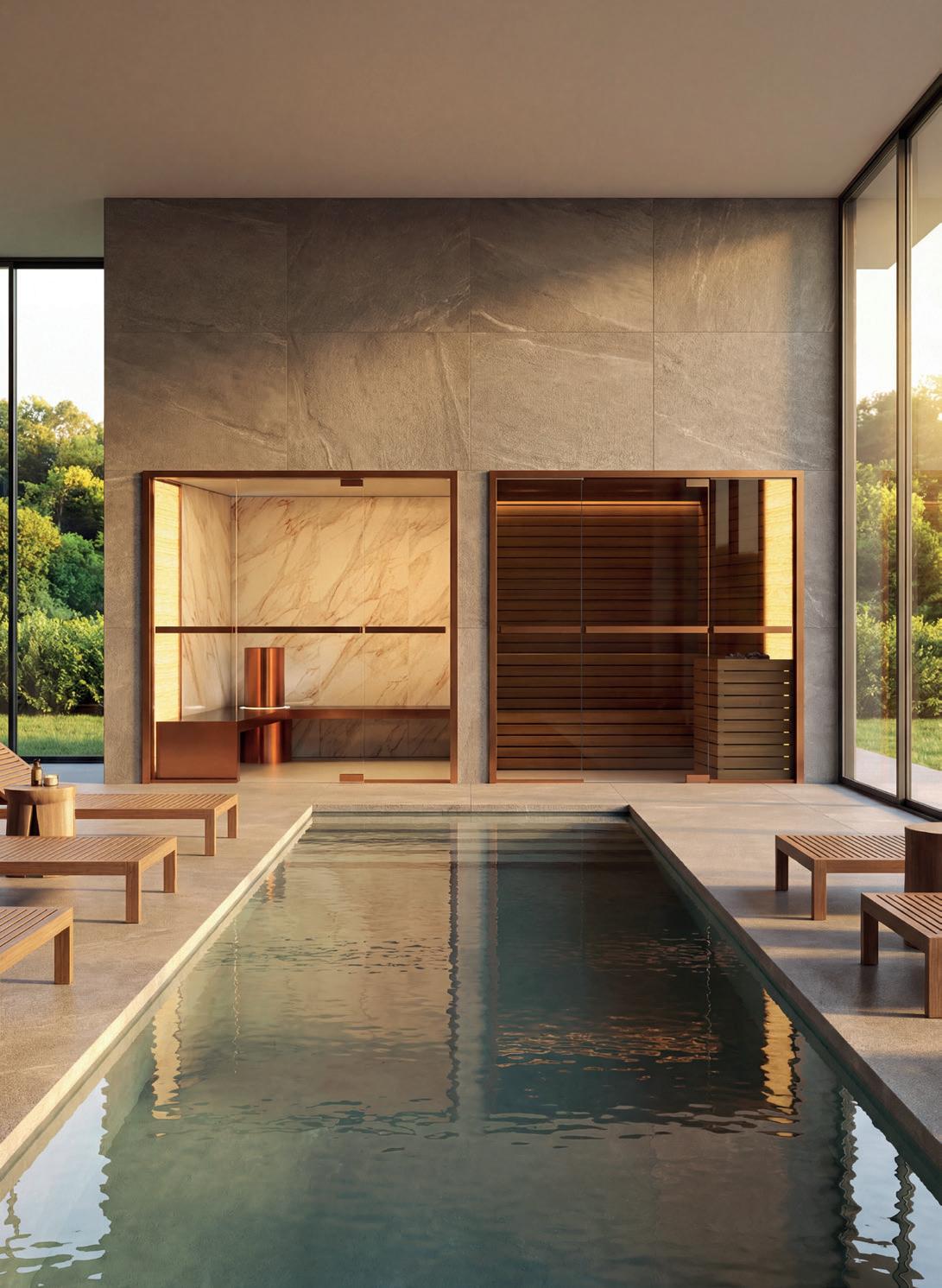
As a global manufacturer of exclusive saunas and bespoke spa experiences, we understand that true relaxation is an art, a harmony of exceptional comfort, uncompromising quality, and timeless design. Guided by passion and precision, we craft sanctuaries of wellbeing that awaken the senses, restore balance, and rejuvenate the body and the mind – offering your guests unforgettable moments of pure indulgence.
Discover Collection, a hospitality membership brand for consumers looking to travel with purpose and mindful luxury, has launched – with a pipeline of wellness-infused properties.
The collection will feature small properties (with 50 keys maximum) designed to celebrate the spirit of their locations.
All the properties will either be new-builds or restored. The Discover Collection will manage them in equal partnership with its capital partners.
The properties will be global and varied, from tented camps to historic chateaux and some will also offer residential properties for purchase.
Chunxia Gao, global director of development and wellbeing, Discover Collection, told Spa Business about the wellness concept. “Every property
will be bespoke,” said Gao. “The wellbeing centre will be called The Sanctuary and it will not be a spa. There will be no standardised menu and the journey will be personalised.”
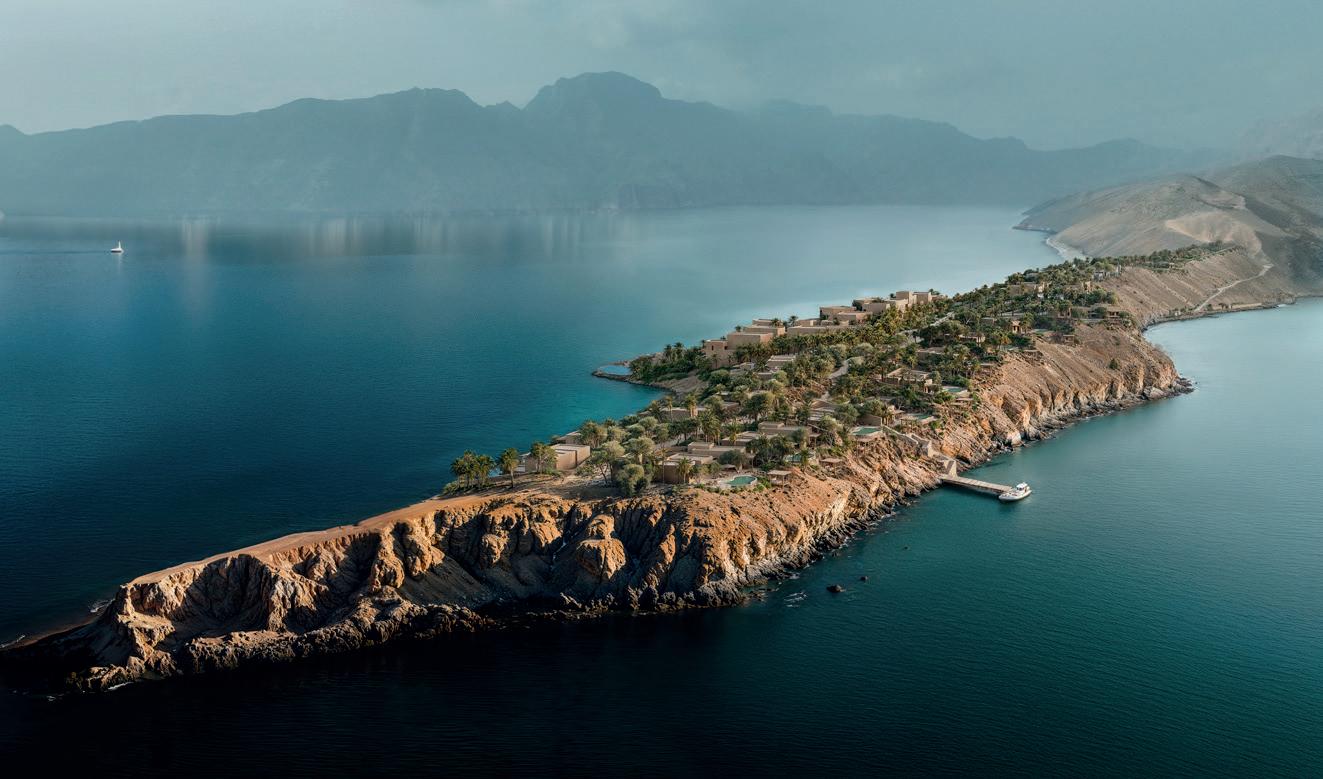
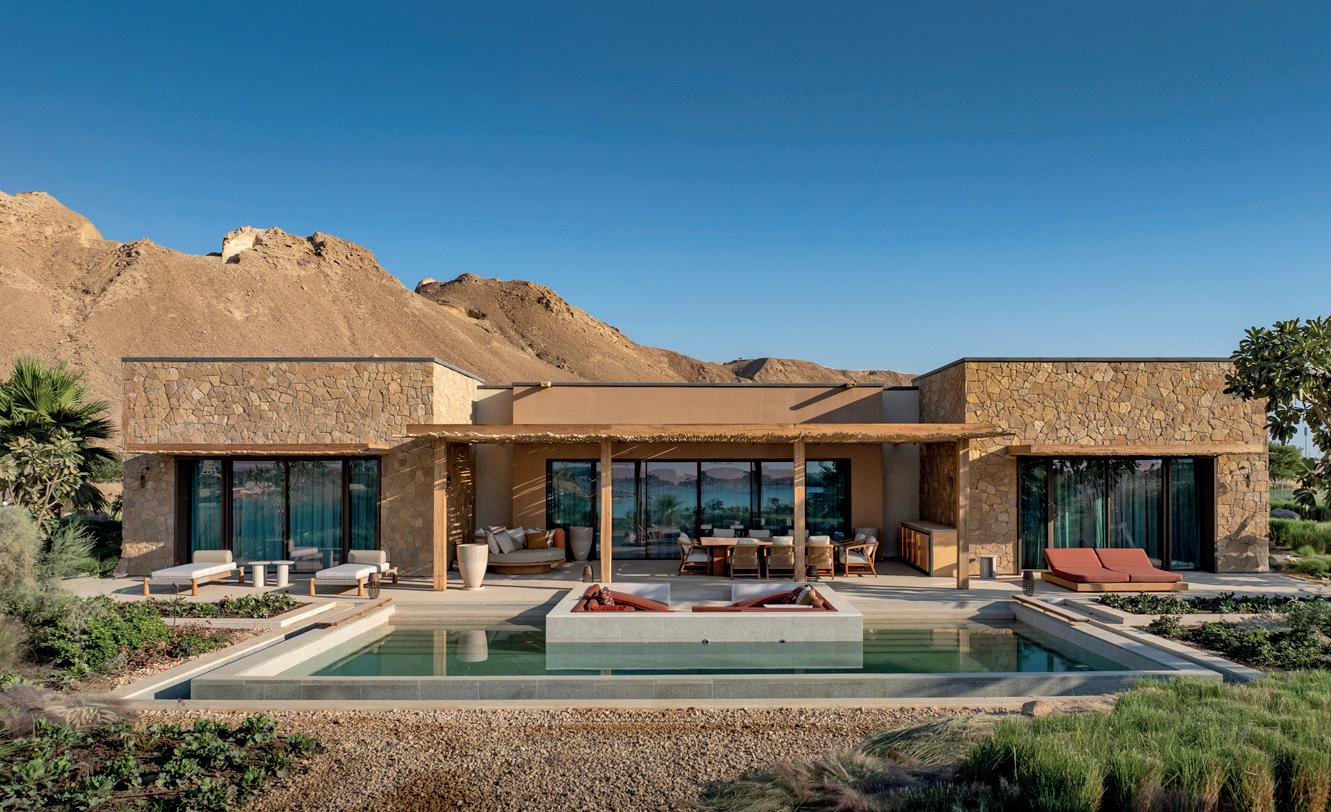
The Sanctuary at the first of 12 planned retreats – Discover Collection Ras Amud in Oman – will have five private treatment villas when it opens in September 2026.
More: http://lei.sr/j3n6T_B
Therme Group acquires final three Josef Wund Foundation spas
In the last quarter, Therme Group has announced a series of wellbeing oasis developments and acquisitions as part of its ambition to democratise social bathing around the world.
The group has acquired the three remaining German thermal spas in Euskirchen, Sinsheim and
Titisee-Neustadt from the Josef Wund Foundation. This brings the total number of sites in the Therme Group portfolio originally built by Josef Wund to four. Therme Erding, also in Germany, was acquired by the group in 2024. Therme Group now owns Wund’s entire spa portfolio.
Therme Group will also develop a wellness attraction project in Singapore worth S$1 billion (US$768 million, €664 million, £507 million). The project at the Marina South Coastal site will range across a four-hectare waterfront site near the botanical attraction Gardens by the Bay.
A separate project in the South Korean city of Incheon, Therme Korea-Incheon, has taken a step forward too. Construction will begin after a review of the land lease contract by local authorities is completed.
Robert Hanea, founder and CEO of Therme Group, told delegates at the recent Global Wellness Summit in Dubai, UAE (see p98), that he wants to replace lost infrastructure, such as Roman baths, that offer accessible bathing experiences to whole cities.
More: http://lei.sr/E5X6j_B
Therme Group now owns the spa in Sinsheim and its Immersive Horizon experience
Only members will stay at Discover Collection sites such as Ras Amud in Oman
Chunxia Gao
Red Sea Global to deliver first luxury lifestyle resorts at Amaala
Real estate developer Red Sea Global will hand over the first set of hotels to operators at Saudi Arabian ultra-luxury giga-project Amaala in Q1 of 2026.
Spanning 4,155sq m of the Saudi Arabian coastline, Amaala will be spread across three locations (Triple Bay, The Island and The Coastal Development).
Triple Bay is where the first six resorts will open. They include resorts and residences by Equinox, Four Seasons, Rosewood, Six Senses, a social and solo wellness resort concept called Nammos and a hotel in the staff village.
The three remaining resorts due to open shortly after the first six as part of phase one of the development include Clinique La Prairie Health Resort, Jayasom Wellness Resort and The Ritz-Carlton Resort.
Lindsay Madden-Nadeau, senior director of wellness strategy for Red Sea Global, said during the Global Wellness Summit in Dubai: “Amaala will be the most comprehensive
wellness destination in the world. Amaala has equestrian experiences, community areas, residential components, the 5km park for walking and hiking, contemplation spaces, fitness offerings, lavender fields and much more – making the most of nature as an asset.”
More: http://lei.sr/2q2F4_B
Equinox Hotels expands into Caribbean with marina resort
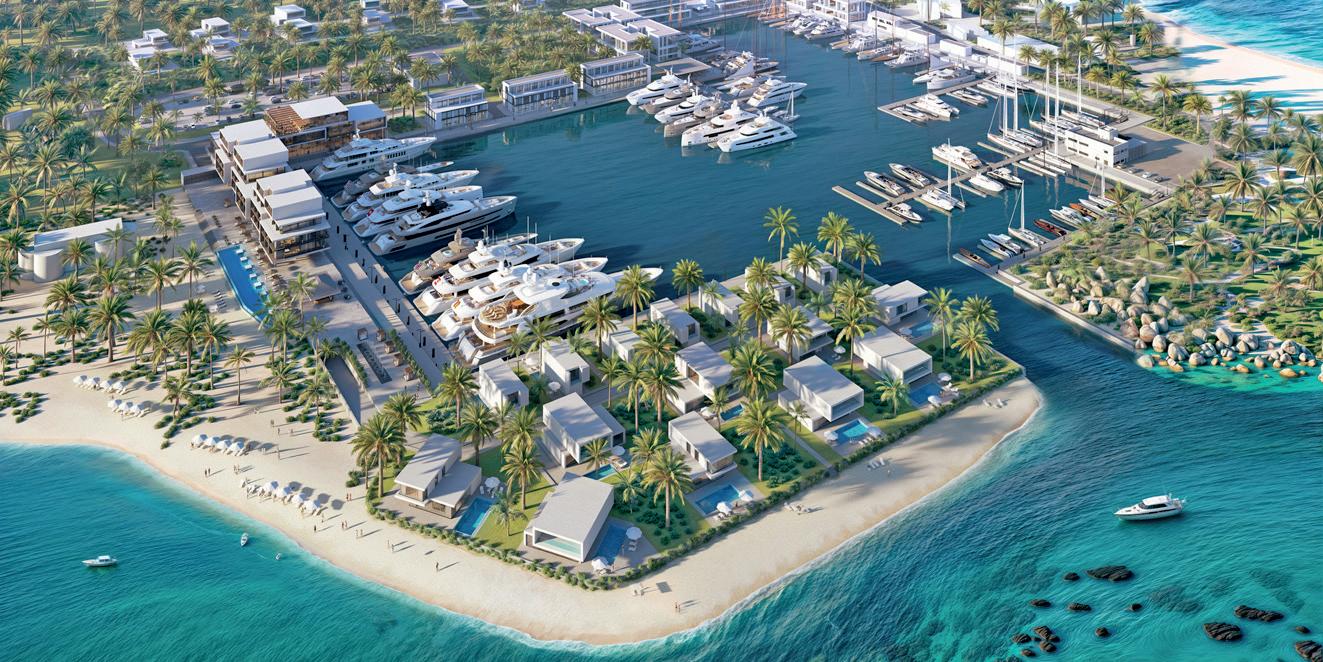
Equinox Hotels, which has a focus on fitness, health and wellness, has announced it will operate a marina lifestyle destination called Equinox Resort Anguilla Port Nimara, the first Caribbean site for the brand.
Located at the south west end of the island in a privately-owned location, the Port Nimara Resort has beachfront views and a 118-berth marina for vessels measuring up to 240 feet.
The port is expected to receive its first vessels in 2027 and the Equinox Resort is scheduled to open in 2029.
The resort amenities will feature The Spa by Equinox Hotels, an Equinox health club, an all-day dining venue for healthy food, luxury shopping and access to a promenade for further restaurants and access to the beach.
There will be 62 guestrooms and a range of branded residence
options, including 18 oceanfront villas, 18 upland villas and 35 Equinox residences.
The property is being developed by South West Harbour Inc, a joint venture of SF Investments Ltd, Time Equities Inc and Antillean More: http://lei.sr/h9N9V_B
Developments Inc. SF Investments is the investment arm of the SF Group, which is the umbrella company that grew out of marina design and manufacturing firm SF Marina Project Developments.
Lindsay Madden-Nadeau
Six Senses Amaala will be one of the first resorts to open in Q1 2026
Equinox’s Anguilla resort will have 62 guestrooms, 36 villas and 35 residences
spa business news
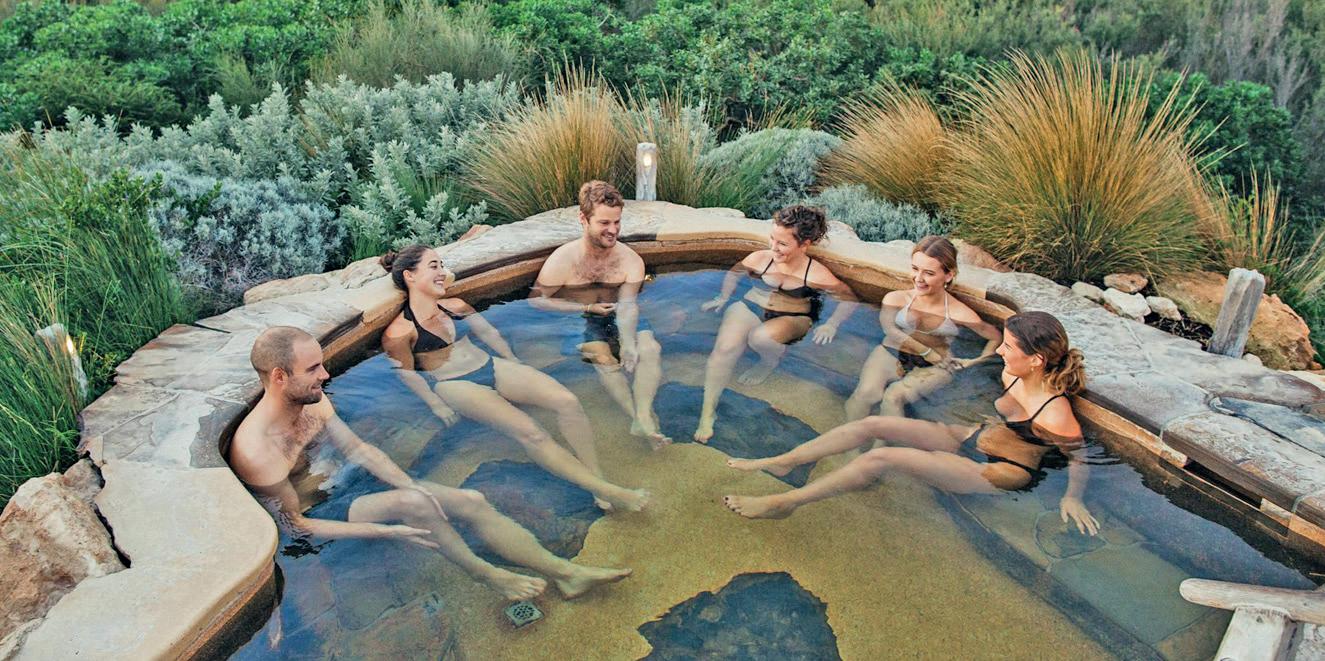
Peninsula Hot Springs is up for sale, with permit for expansion
The Peninsula Hot Springs destination spa in Fingal, Australia, is up for sale after more than 20 years of operation.
The 42-acre site of landscaped grounds and hot springs on the Mornington Peninsula in Victoria is being listed for sale by hospitality and commercial real estate company JLL Hotels and Hospitality Group.
The estate agency describes the property as presenting “significant potential for continued growth and success.”
JLL says the property represents a “one of a kind investment opportunity in the rapidly growing wellness industry,” offering “robust financial performance with a proven 20-year track record”.
The property comes with an approved development permit for expansion.
Lanserhof Group receives €95m investment to expand globally
European holistic wellbeing and health resort operator Lanserhof Group has received an investment worth €95 million (US$105.2 million, £80.7 million) to fuel its global expansion.
The capital injection comes from a consortium of investors, including global investment firm King Street Capital Management and investor Manuel Puig – whose expertise will be used to broaden Lanserhof’s longevityfocused treatments and products.
The investment will be managed by global private markets specialist AltamarCam.
Lanserhof’s existing shareholders will continue to own a majority stake in the group. The investment means the decades-long family-led enterprise will develop into an institution with a co-ownership structure.
Peninsula Hot Springs was created by brothers Charles and Richard Davidson, who purchased the cleared bushland in Fingal and found hot springs 637 metres underground after 18 months of drilling.
The property has undergone a series of renovations and enhancements
over the years. It now offers more than 70 geothermal bathing experiences, a range of accommodation options, spa treatments and dining venues.
Peninsula Hot Springs continues to operate sites in Victoria and Queensland.
More: http://lei.sr/f3y9Q_B
Lanserhof fully owns and operates three luxury health resorts in Lans, Austria, plus Tegernsee and Sylt in Germany. It has an additional location under development at the Finca Cortesin resort near Marbella, Spain. This site is expected to open in 2027, and several other new locations outside Europe will be completed by 2030.
More: http://lei.sr/Q3C9w_B
Peninsula Hot Springs offers more than 70 geothermal bathing experiences
Lanserhof is developing a resort near Marbella in Spain, which will open in 2027
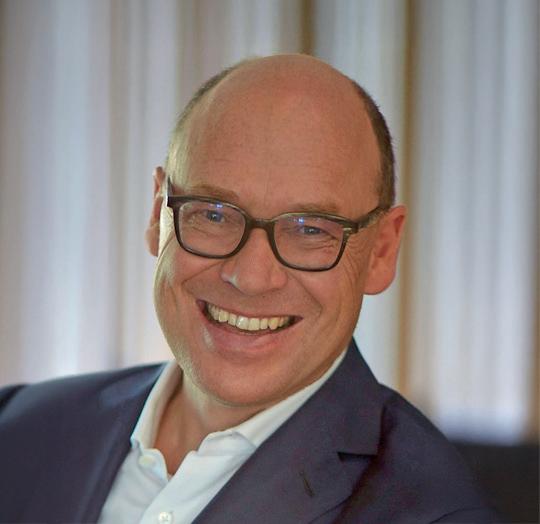
Dr Christian Harisch, CEO, Lanserhof Group
spa business news
RLA Global mid-year report shines light on UAE operations
RLA Global finds wellness hotels are demonstrating unexpected stability amid economic pressure, according to the latest edition of its Mid-Year Wellness Real Estate Report Treatment Revenue Per Available Room (TRevPAR) and Average Daily Rate (ADR) are holding strong across Major, Minor and No Wellness properties.
Major wellness properties have wellness and leisure revenue annually exceeding US$1 million (€932,700, £785,200). Minor wellness relates to sites achieving less than US$1 million (€932,700, £785,200) in annual wellness revenue. No Wellness properties have no wellness-related income.
Membership models were also highlighted as driving growth in wellness hotels.
The report also features a new Market Spotlight chapter, with a focus on the UAE. It found that Luxury asset class properties that fit into the
category of No Wellness outperform those of Major Minor categories.
These results seem counterintuitive, but Nicolas Bellaton, head of hospitality for developer EMAAR, said luxury properties in the UAE tend to lease More: http://lei.sr/M4x9r_B
their wellness spaces to operators and thus their revenue sits outside hotel operations: “Outsourcing wellness can be a strategic move for guest experience without compromising overall performance.”
BodyHoliday confirms details of roll out, including Portuguese project
BodyHoliday has confirmed it’s expanding the brand and developing its first European property in Portugal’s Eastern Algarve, which is set to open in 2029.
BodyHoliday Algarve will be a sister destination to the operator’s flagship 155-key resort in St Lucia. The new property marks the first step in a programme to create a collection of BodyHoliday resorts.
The 175-key Portuguese site will be located next to the protected coastal lagoon and nature reserve called Ria Formosa, with direct access to the beach, Praia da Lota.
The resort is being designed by architects Gensler, with interior design by Clodagh and the Clodagh Design Team. The 26-acre project will have a spa and wellness centre
that measures 40,000sq ft, with more than 40 treatment rooms.
There will also be a fitness complex, multiple pools, a lush garden, a FIFA-standard football field, a racquet sport centre and the BodyHoliday signature fitness programmes.
More: http://lei.sr/A8e7k_B
The interior design for BodyHoliday Algarve will be by Clodagh Design Team
The report has a new Market Spotlight chapter that focused on the UAE
Andrew Barnard BODY HOLIDAY
Wellness Lit From Within, with ESPA
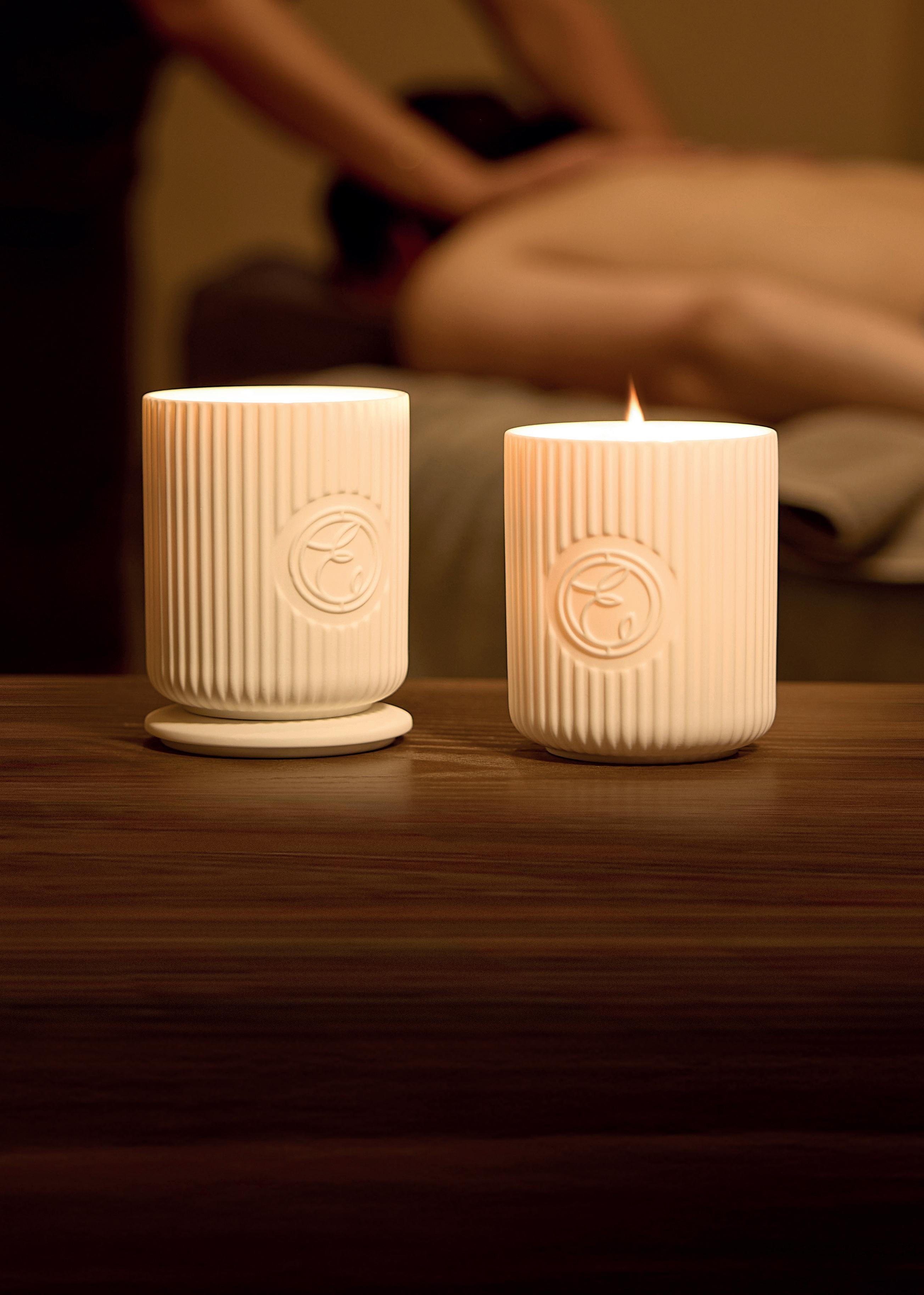
At the heart of every ESPA treatment is a sensory ritual designed to ignite the senses, calm the mind and restore balance. With our new, recrafted collection of aromatherapy candles, the spa experience can be recreated to continue your journey at home.
spa business news
DIARY DATES
22-25 January 2026
Les Thermalies
Carrousel du Louvre, Paris, France
A water and wellness exhibition with a focus on the business of thermal spas and thalassotherapy. www.thermalies.com
30 Jan – 4 Feb 2026
Spa Peeps Virgin Cruise Miami, US
An intimate gathering and education event for spa leaders and industry suppliers to discuss opportunities for collaboration.
www.thespapeeps.com
10-11 February 2026
Beyond Activ World Fairmont Riyadh, Saudi Arabia
A trade show for networking between investors, owners and managers in health, wellness, fitness, hospitality and sports sectors – particularly those within Europe, the Middle East and African markets. www.beyondactiv.com
26-29 March 2026
Cosmoprof Worldwide
Bologna Fair District, Bologna, Italy
The beauty industry event with three different trade fair salons: Cosmopack (supply chain); Cosmo Hair & Hail & Beauty; and Cosmo Perfumery & Cosmetics. www.cosmoprof.com
30 March – 2 April 2026
ISPA Conference & Expo
The Venetian Las Vegas, Nevada, US
A non-profit three-day conference and expo for decisionmakers across all spa and wellness market sectors. www.attendispa.com
Ennismore reveals new Delano projects
Lifestyle operator Ennismore has announced two new Delano-branded hotel deals following the company’s partnership with capital investment company Cain International.
Cain acquired a minority stake in Delano in 2024, enabling strategic growth for the brand.
The two new properties are Delano SoHo New York, US, and Delano London, UK.
The New York property and the renovation of the Delano Miami Beach hotel in the US are both in partnership with Cain.
The 390-key Delano SoHo New York hotel will be created in the building currently known as The
Dominick, which is on the doorstep of the city’s SoHo neighbourhood.
Delano London will have 67 guest rooms, various restaurants, bars and live music areas when it opens in late 2026 near Kensington Gardens.
The Art Deco 171-key property Delano Miami Beach, US, will re-open following extensive renovation at the start of 2026.
More: http://lei.sr/F3g7C_B
Ensana to double portfolio by 2030
One of Europe’s largest operators of health spa hotels, Ensana, has announced its plans to double its international portfolio by 2030.
Founded in 2019, the company operates 28 health spa hotels in the Czech Republic, Hungary, Slovakia, Bulgaria, Romania and the UK.
The expansion will focus on historic spa towns and regions with natural resources in Germany, Austria and Switzerland.
Ensana will take over the management of its first German
property in Q2 of 2026, the Fürstenhof Hotel in the spa town of Bad Griesbach, Bavaria.
The rooms and wellness areas of the property are currently undergoing extensive renovations.
The Fürstenhof Hotel is surrounded by areas with thermal springs, forests and an 18-hole golf course.
Ensana has also announced it will open wellness resorts in Montegrotto Terme, Italy, as well as in Ain Najm, Saudi Arabia. ●
More: http://lei.sr/P3B6z_B
Delano SoHo New York will be a redevelopment
Ensana will operate the Fürstenhof Hotel in the spa town of Bad Griesbach, Bavaria
ENSANA
DELANO
by
by
by
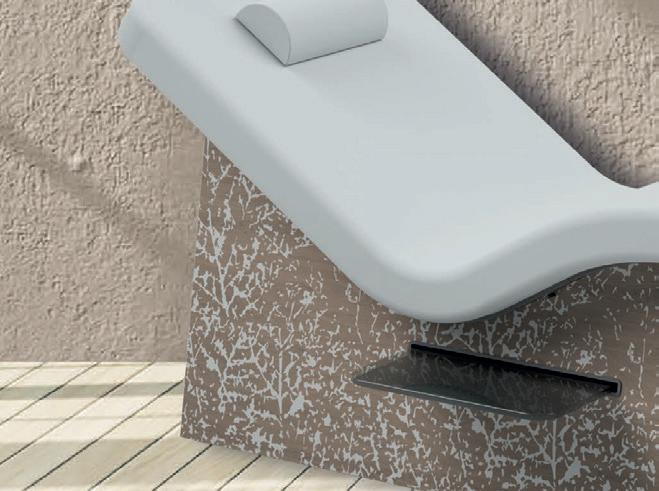
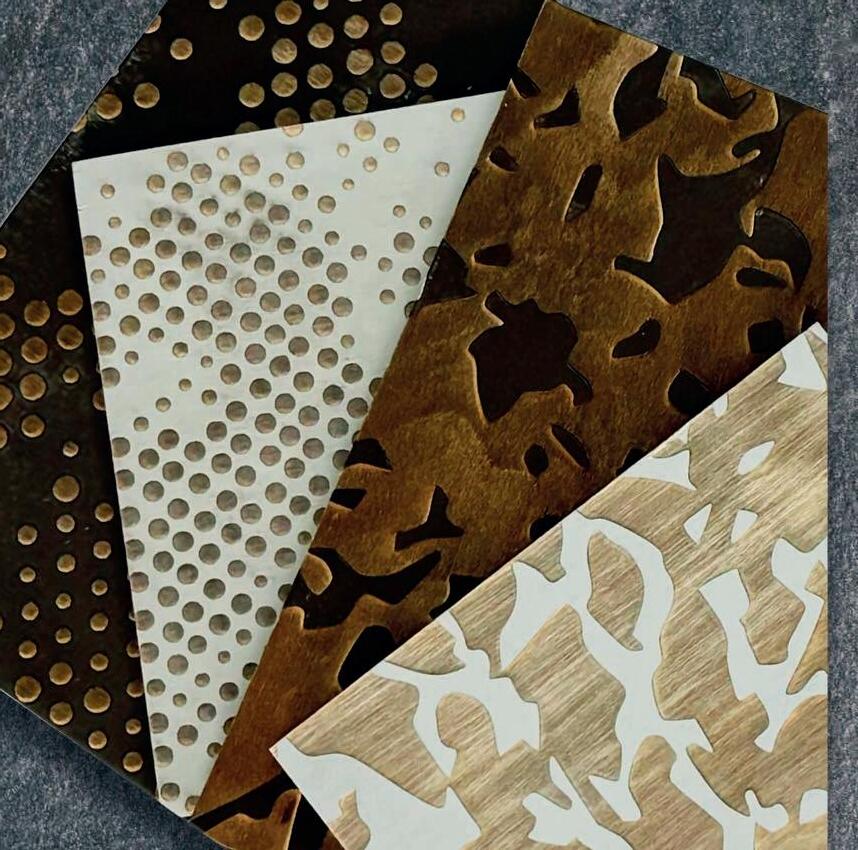
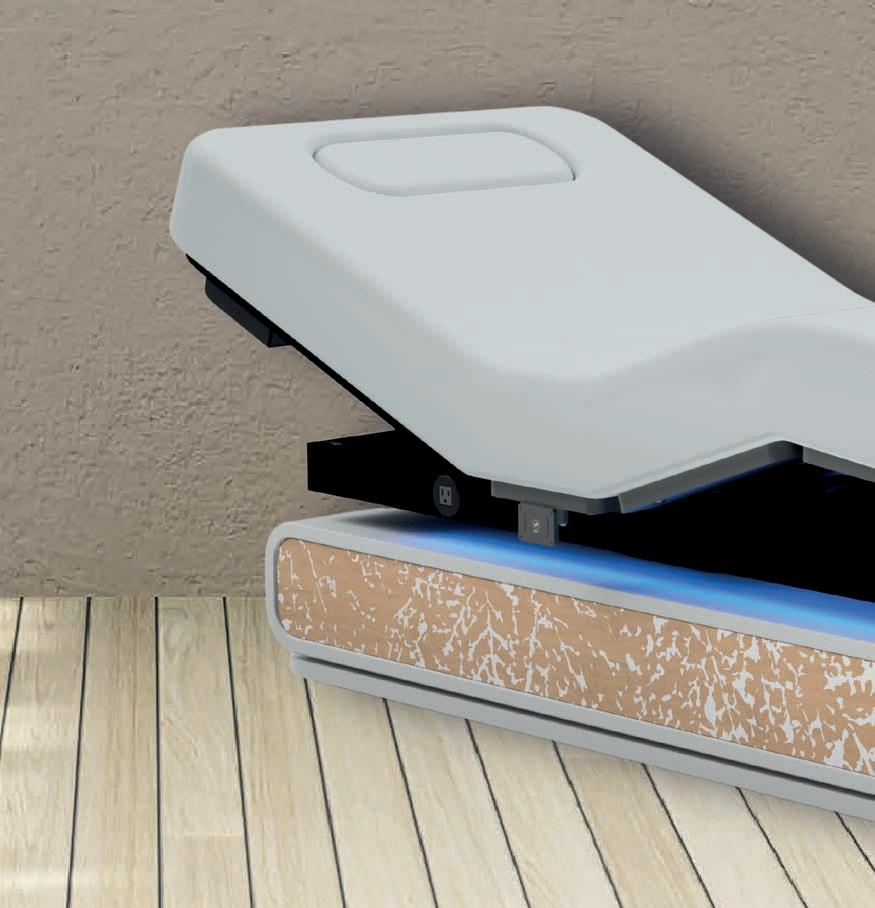
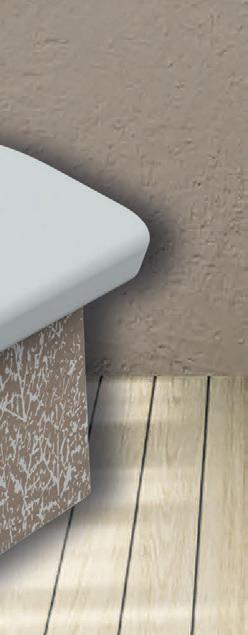
Experience the perfect blend of luxury and design with Oakworks spa tables featuring exclusive patterns by renowned designer Clodagh. Engineered for comfort and performance, these tables showcase nature-inspired engravings that elevate any spa setting with Clodagh’s signature style and Oakworks’ superior design.
Experience the perfect blend of luxury and design with Oakworks spa tables featuring exclusive patterns by renowned designer Clodagh. Engineered for comfort and performance, these tables showcase nature-inspired engravings that elevate any spa setting with Clodagh’s signature style and Oakworks’ superior design.
Experience the perfect blend of luxury and design with Oakworks spa tables featuring exclusive patterns by renowned designer Clodagh. Engineered for comfort and performance, these tables showcase nature-inspired engravings that elevate any spa setting with Clodagh’s signature style and Oakworks’ superior design.
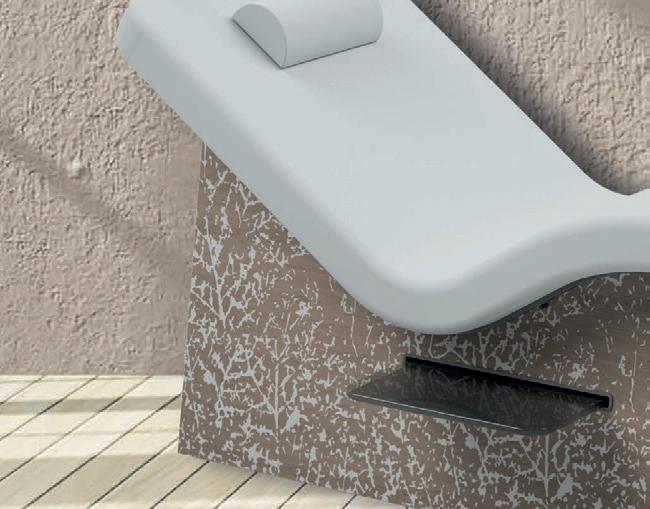
Clodagh’s new collection by Oakworks features two biophilic patterns Leaf & Shade and Canopy, designed to elevate the spa’s calming, relaxing atmosphere.
Wellness Rooted in Biophilic Design
Clodagh’s new collection by Oakworks features two biophilic patterns Leaf & Shade and Canopy, designed to elevate the spa’s calming, relaxing atmosphere.
Clodagh’s new collection by Oakworks features two biophilic patterns Leaf & Shade and Canopy, designed to elevate the spa’s calming, relaxing atmosphere.
Wellness Rooted in Biophilic Design
Wellness Rooted in Biophilic Design
Jessica Wadley
Jessica Wadley
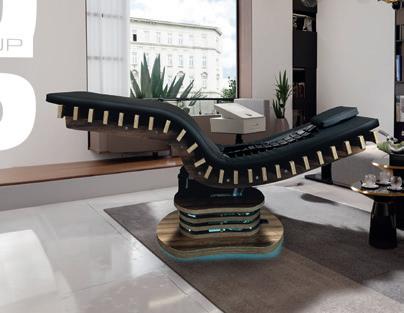
Curva Lounger
Jessica Wadley
Britta
Curva Lounger
by Helen Andrews, head of
Tulah brand launches to bridge the spiritual and scientific
UAE-based KEF Holdings, a private family-owned investment firm, has backed one of India’s first medical wellness destinations with a reported INR8 billion (US$90.4 million, €78.1 million, £68.9 million).
Tulah Clinical Wellness will officially open in Kerala in February. The 30-acre resort combines clinical medicine, longevity science and Eastern healing traditions, offering treatments ranging from ayurveda and Tibetan medicine to hyperbaric oxygen therapy, photobiomodulation and cryotherapy.
“Tulah is my opportunity to create a legacy of clinical healing that bridges the scientific and the spiritual,” says KEF founder Faizal Kottikollon. “The beauty of clinical wellness is that you heal people – and that’s the biggest blessing you can get in life.”
HEALTHCARE VISION
Kottikollon is an engineer, entrepreneur and philanthropist whose social impact projects include the development of Tulah’s sister institution, Meitra Hospital, realised with doctors from the Cleveland Clinic.
Set on 9 acres, the hospital opened in 2017 and was India’s first prefab hospital. It marked the beginning of Kottikollon’s mission to make premium healthcare more widely available.
Tulah Clinical Wellness extends this vision. The aim is for the Kerala flagship to strengthen state tourism by attracting visitors from the GCC, Europe and South Asia. It also sits at the centre of a broader wellbeing ecosystem.
Nutrition, movement and cognitive therapies will be tailored using genomic and dosha profi ling
The 30-acre resort is one of the fi rst mediwellness facilities in India
TULAH CLINICAL
A
broader wellbeing ecosystem presents a new model that’s locally rooted yet globally connected
Up to 100 Tulah urban hubs are also planned worldwide
Healing people is the biggest blessing you can get in life
Urban Tulah, a city-based clinical wellness hub, will debut in Dubai next year, providing continuity of care. Additional hubs are planned for Singapore, London, Berlin and New York City and the long-term vision is to establish 100 globally. Meanwhile, Tulah at Home, a new at-home programme, is set to deliver personalised data-led support into daily life. Together, they represent a new model of integrative healing that’s locally rooted yet globally connected.
DATA-LED PERSONALISATION
Tulah Clinical Wellness in Kerala will open with 65 suites and scope to expand to more rooms once the full phased build is complete. It features 14 treatment spaces and one of the world’s largest sound healing domes. Programming at Tulah starts with an extensive pre-arrival assessment to evaluate physical, mental and emotional health. Additional tests can be conducted onsite if needed.
Tulah will open with 14 treatment rooms and one of the world’s largest sound healing domes
There are two pathways, one focusing on prevention and the other on chronic conditions
Metrics on muscle density, cardio function, immune and gut health, stress and quality of life are captured through the Tulah Life Index, a proprietary tool that informs deeply personalised plans ranging from four-day health discoveries to 21-day oncology recovery stays.
Each guest follows one of two pathways: The Wellness Journey, focused on prevention or The Clinical Journey, supporting chronic conditions and recovery.
GENOMIC AND DOSHA INSIGHTS
Programmes draw from a broad range of therapeutic systems including ayurveda, TCM, sowa-rigpa, cupping, moxibustion and lymphatic drainage. Movement, nutrition and cognitive therapies are tailored using both genomic insights and dosha profiling, an uncommon dual approach that blends modern science with traditional wisdom.
For those requiring deeper clinical support, the facility offers comprehensive lab panels, genetic testing, x-rays, CT and MRI scans, as well as an operating theatre, ICU and medical suites. Guests with complex needs can access more than 200 specialists at Meitra Hospital, located 20 minutes away.
“Each aspect of the space serves another,” says Kottikollon. “By integrating multidisciplinary approaches, we bring traditional healing practices and medical science together in a way that feels whole.”
Faizal Kottikollon
DESIGNED FOR EVERY BODY EVERY EXPERIENCE
SPA FUSION FLOW
Multi-functional for manicures, pedicures, massages and facials
Premium Comfort & Ergonomic Design
Heated foot-rest
Ultra-low access & ADA compliant
G-Vac
Libra Edge
by Karen Maxwell,
Rituals rolls out Mind Oasis brain massage concept on the high street
Rituals, the consumer-facing home and body cosmetics company, has merged retail, mindfulness and self-care with the unveiling of its Mind Oasis concept.
The brand, which was founded in Amsterdam in 2000 and has more than 1,400 stores and 4,176 shop-inshops globally, revealed the approach at its flagship store in London in November.
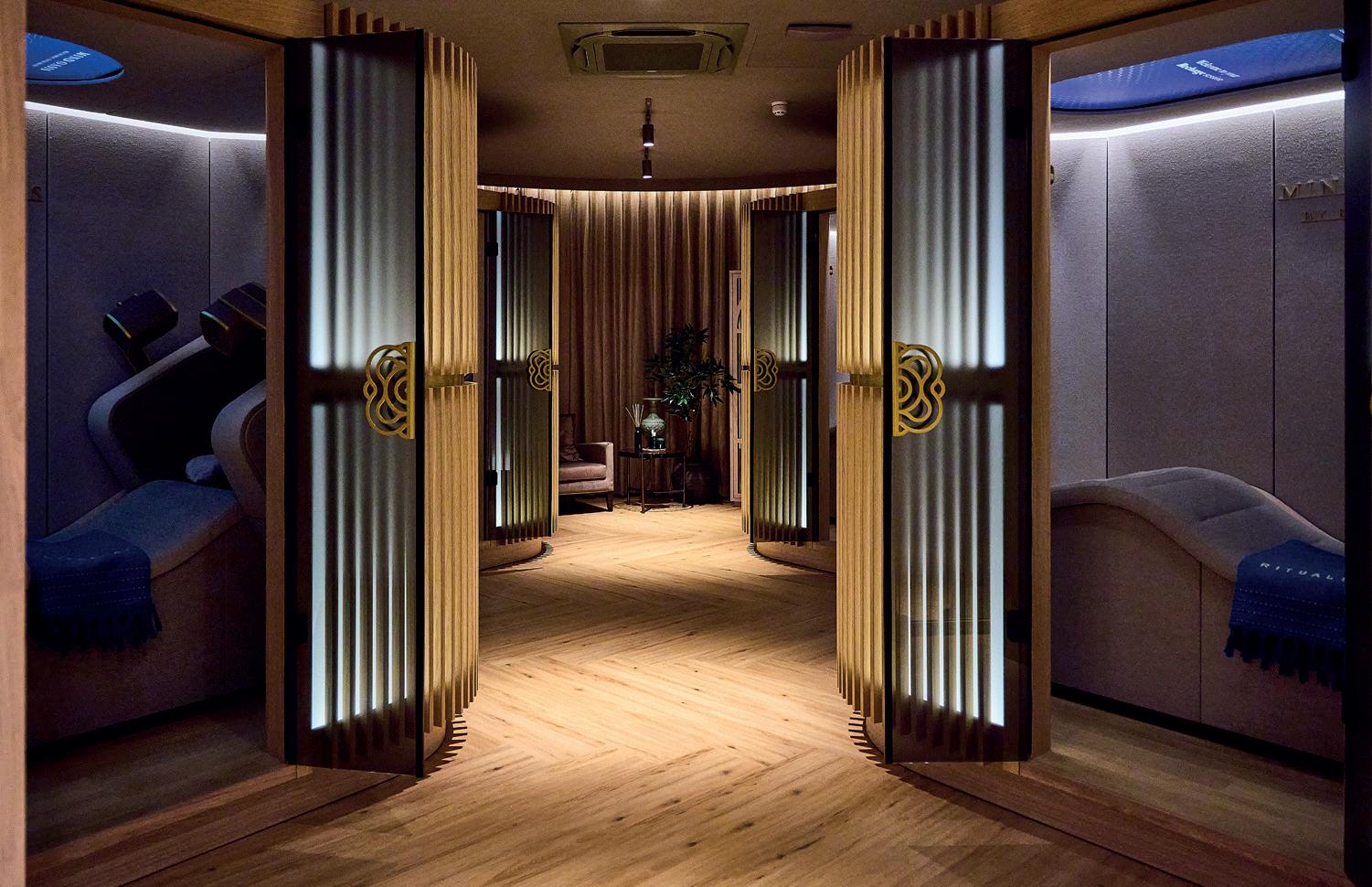
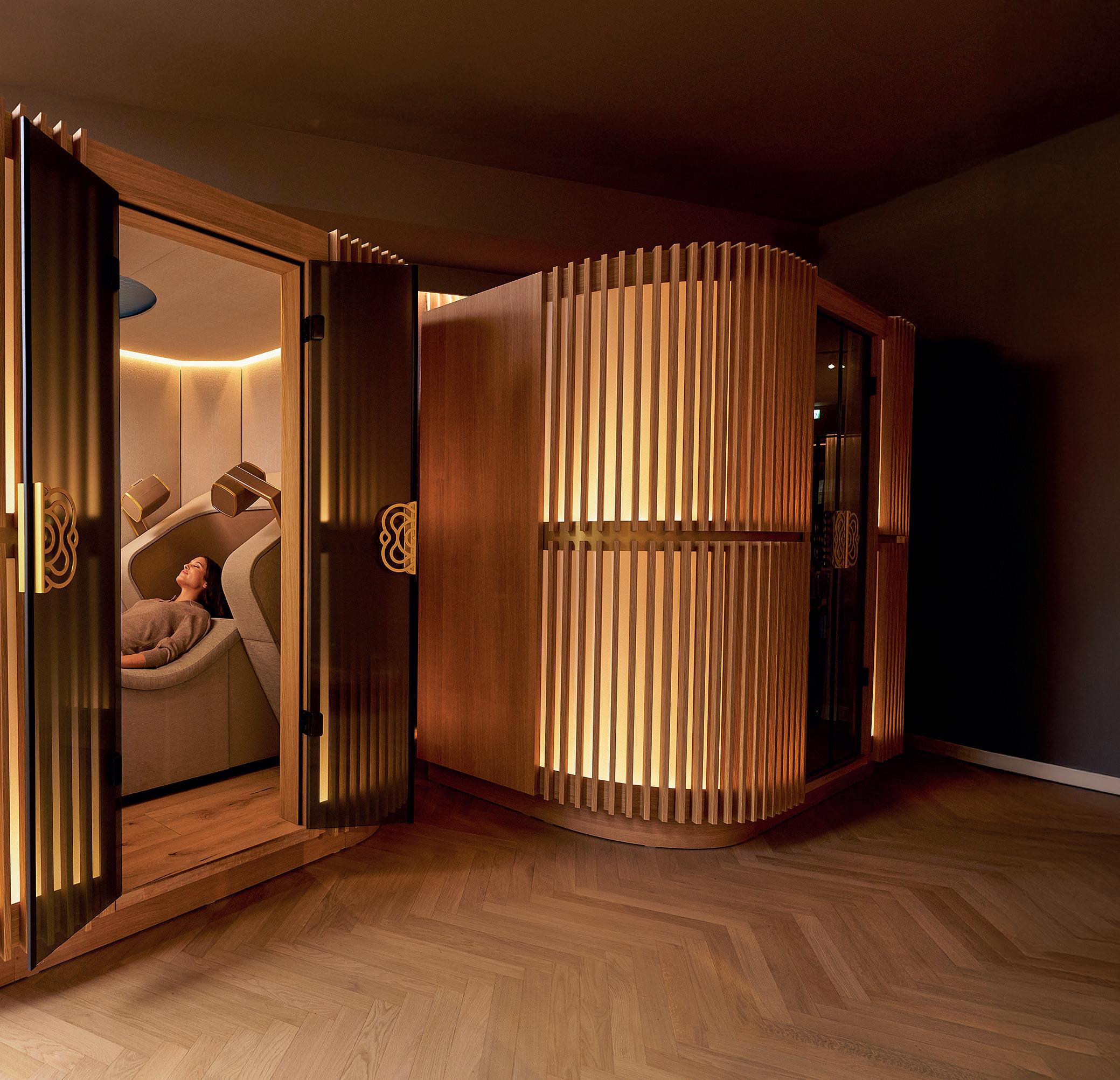
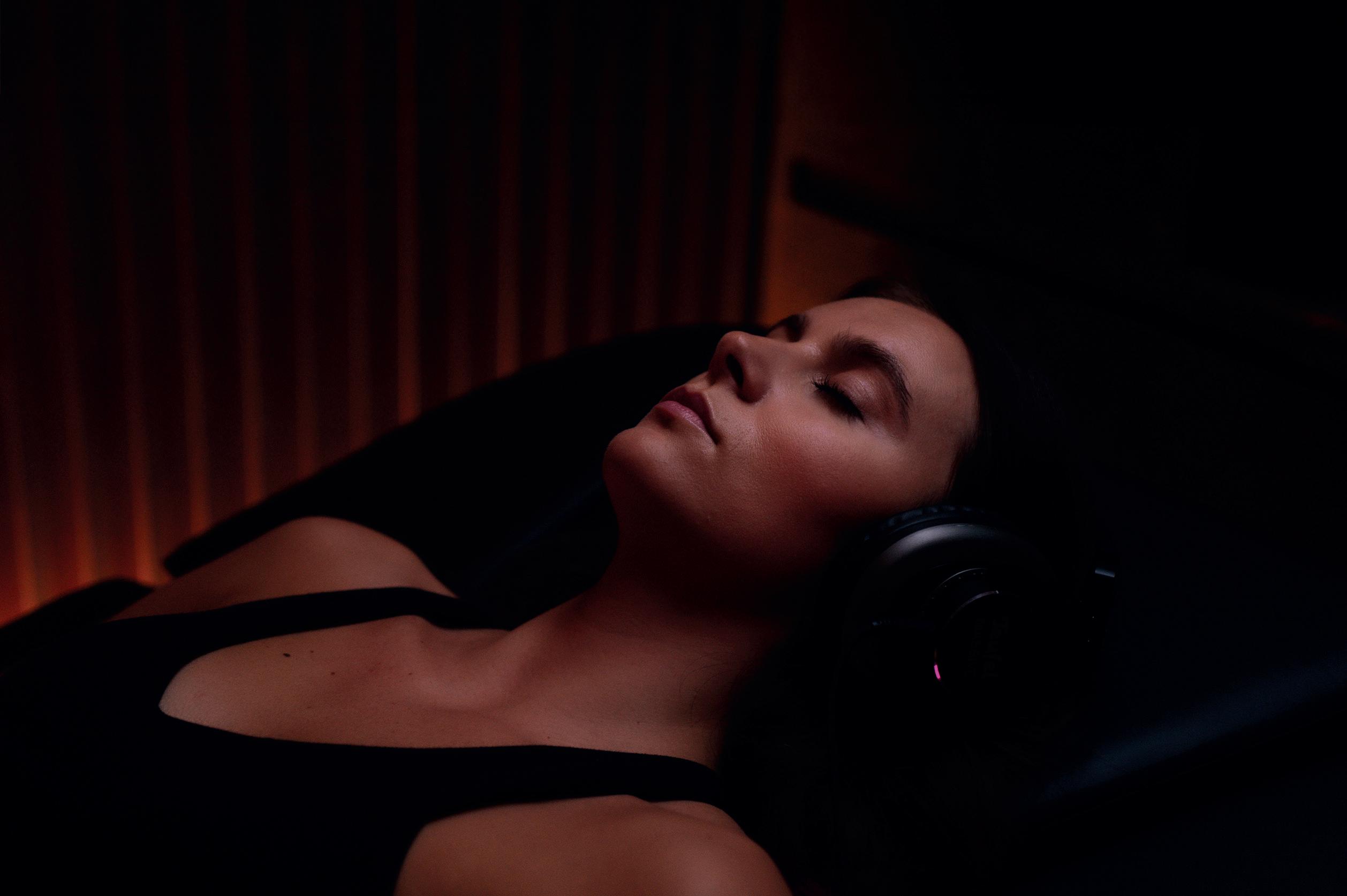
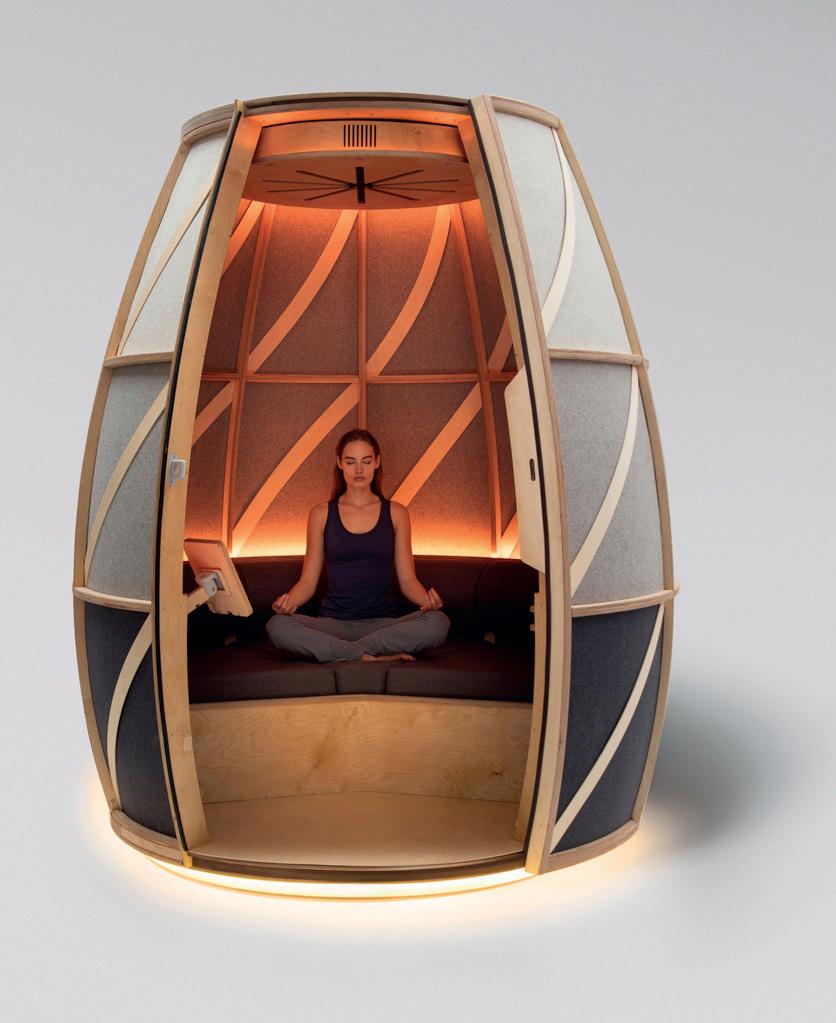
Central to Mind Oasis is the ‘brain massage’, a treatment based on a zero-gravity chair equipped with haptic vibrations that are synchronised with a 4D soundscape, combined with light and fragrance therapy.
Rituals plans to roll out the offering at its other flagship retail stores across Europe and beyond and is also launching a turnkey package for spas, health clubs and hotels – with a goal to make deep relaxation experiences accessible, convenient and effortless for everyone.
RELAX AND RECHARGE
“Mind Oasis is designed to offer customers a space to pause, reset and recharge, in the heart of some of the world’s busiest cities,” Couro Seck, head of concept at Mind Oasis, told Spa Business exclusively. “It blends science-backed treatments with immersive sensory design to help people experience deep relaxation.”
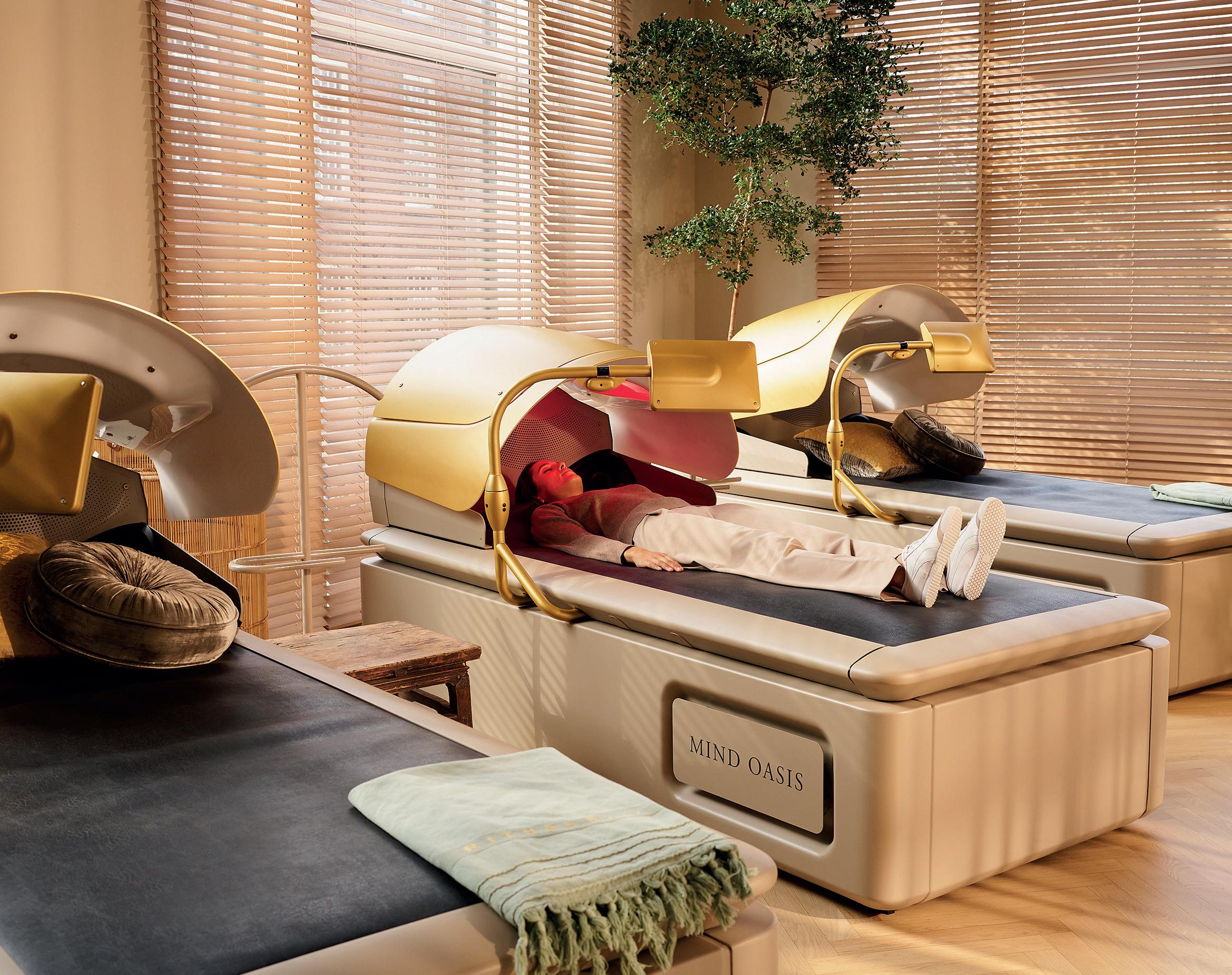
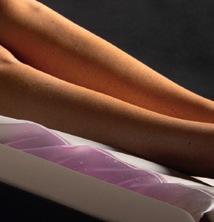
Located on the lower ground of the store, London’s Mind Oasis offers a brain massage room with four stations, off a central wellbeing lounge area. On the opposite side is a hydro massage room with six warm, dry float beds that deliver a soothing, intensity-adjustable massage, combined with integrated red light and fragrance therapy.
A 30-minute Brain Massage Recharge is priced at £34 (US$45, €39) and a 55-minute Brain Massage Deep Rest and Reset costs £49 (US$65, €56). A Hydro Massage is £29 (US$38, €33) or £49 (US$65, €56) for 25 and 45 minutes respectively.
London’s Mind Oasis has four brain massage stations
Brain massage treatments start at £34 for a 55 minute session
Rituals is launching turnkey Mind Oasis packages for spas, health clubs and hotels
CONCEPT COLLABORATION
According to Seck, Rituals’ Mind Oasis was inspired by the company’s core mission: ‘helping people slow down and find meaningful moments of wellbeing in the smallest of things’. “As people’s lives become increasingly fast-paced, we saw the need and the opportunity to create sanctuaries of calm within major cities,” she says. “The Mind Oasis represents the next evolution of experiential wellbeing within the Rituals universe.”
In collaboration with breathwork, deep rest and meditation specialists, such as Muse and audio engineers Elusis, Rituals has created experiences to boost the user’s energy and overall wellbeing. They’ve been designed as an alternative to traditional meditation, which can take people hours to find inner peace.
Seck says every element, from the zero-gravity recliners to precision hydro massage beds, has been meticulously planned. “For instance,
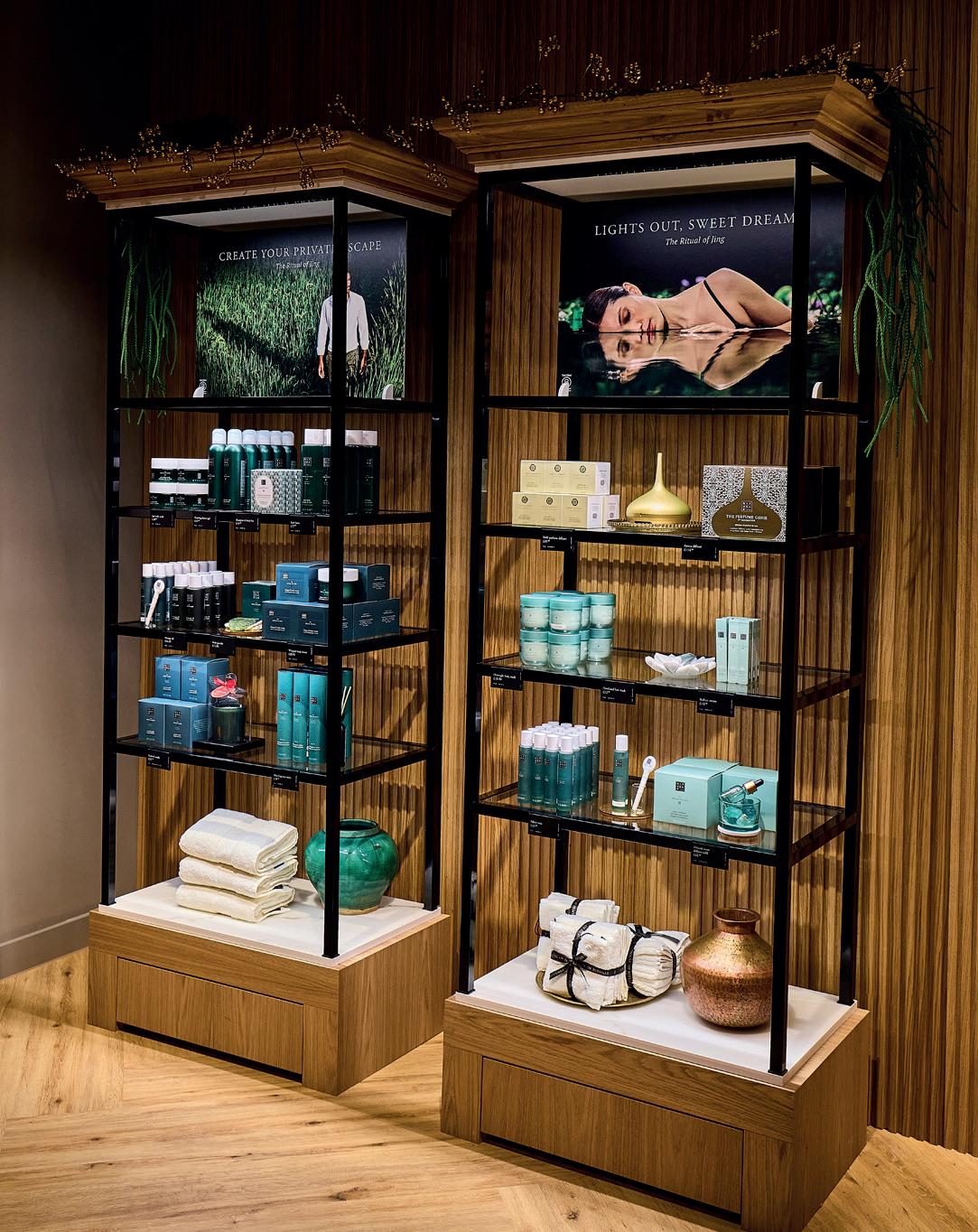
packages include a curated Rituals retail component
Spa
FILIPA LISBOA
our Brain Massage experiences combine breathwork, controlled sensory stimulation, guided meditation, 4D sound therapy and haptic vibrations, all known to support nervous-system downregulation and encourage the brain to enter deeply restorative states. Meanwhile, modalities such as hydro massage and LED light therapy are proven to support circulation, muscle relaxation and skin rejuvenation,” she says.
REFINING RETAIL
Mind Oasis made its initial debut in Amsterdam, The Netherlands, the home country of Rituals, in 2021. This led to a rollout in other flagship stores in Almere, Maastricht, Oisterwijk and Schiphol Airport in the country, as well as a wider European appearance in Antwerp, Barcelona, Berlin, Frankfurt and Zurich.
“The existing Mind Oasis locations have allowed us to gather feedback on modalities, session length, sensory design and customer flow,” says Seck. “These insights have helped to shape the London experience by ensuring that each element, including the pacing of the guided audio, delivers the deepest possible sense of recharge.”
Integrating the flow of the retail and wellness experience in one place was also key and Annemarie Forsyth, Rituals MD in the UK & Ireland, says the company has always championed the idea that everyday routines can become a
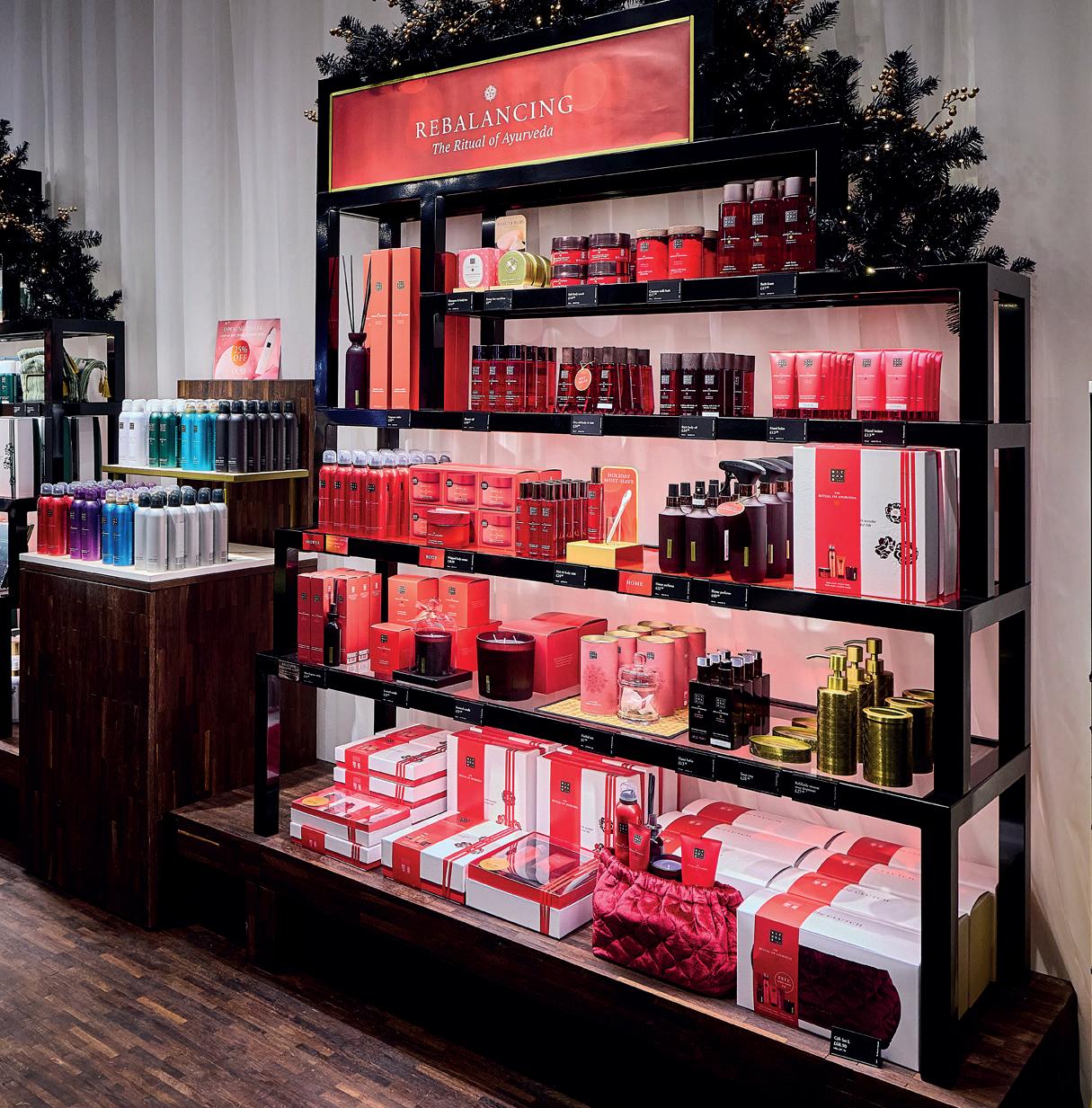
moment of wellbeing. “Mind Oasis takes that philosophy to a new level, blending experiential wellbeing with retail in a seamless way. After their session, guests are encouraged to continue their experience in-store, by exploring products used in the treatment, discovering complementary home and body items and deepening their connection with Rituals products.”
TURNKEY PARTNER PACKAGES
Unlike traditional treatment rooms, Mind Oasis offers a self-guided experience, which Seck says presents an exciting opportunity for hotels, spas and health clubs to provide a premium relaxation offering without the need for full-time therapists.
“We offer fully turnkey Mind Oasis packages that include the sensory hardware, treatment content, Rituals branding, staff training and ongoing support to allow operators to benefit from a compact, high-margin, touch-free service that requires minimal staffing.
“Based on projected utilisation and typical wellness-service pricing, operators
Mind Oasis blends experiential wellbeing with retail in a seamless way
can expect a strong return on investment within a relatively short period.
“These packages also include a curated Rituals retail component – ranging from small product displays to a full-integrated retail zone – creating a seamless journey experience to take-home routine.”
Regarding concept evolution, Forsyth concludes: “We see Mind Oasis as a platform for ongoing innovation in sensory wellbeing – from new treatment content to advanced relaxation modalities and future collaborations.
“We plan to continue expanding into flagship locations across Europe and beyond. Our goal is to bring this new form of accessible luxury wellbeing to key global cities over the coming years.” l
Read the last issue of Spa Business to find out how Lush, another high street cosmetics retailer, is shaking up the industry with its innovative day spa concept – www.spabusiness.com/lush
Rituals wants to roll out
Mind Oasis in key global cities over the coming years
YOSHIHARU HOSHINO
HOSHINO RESORTS
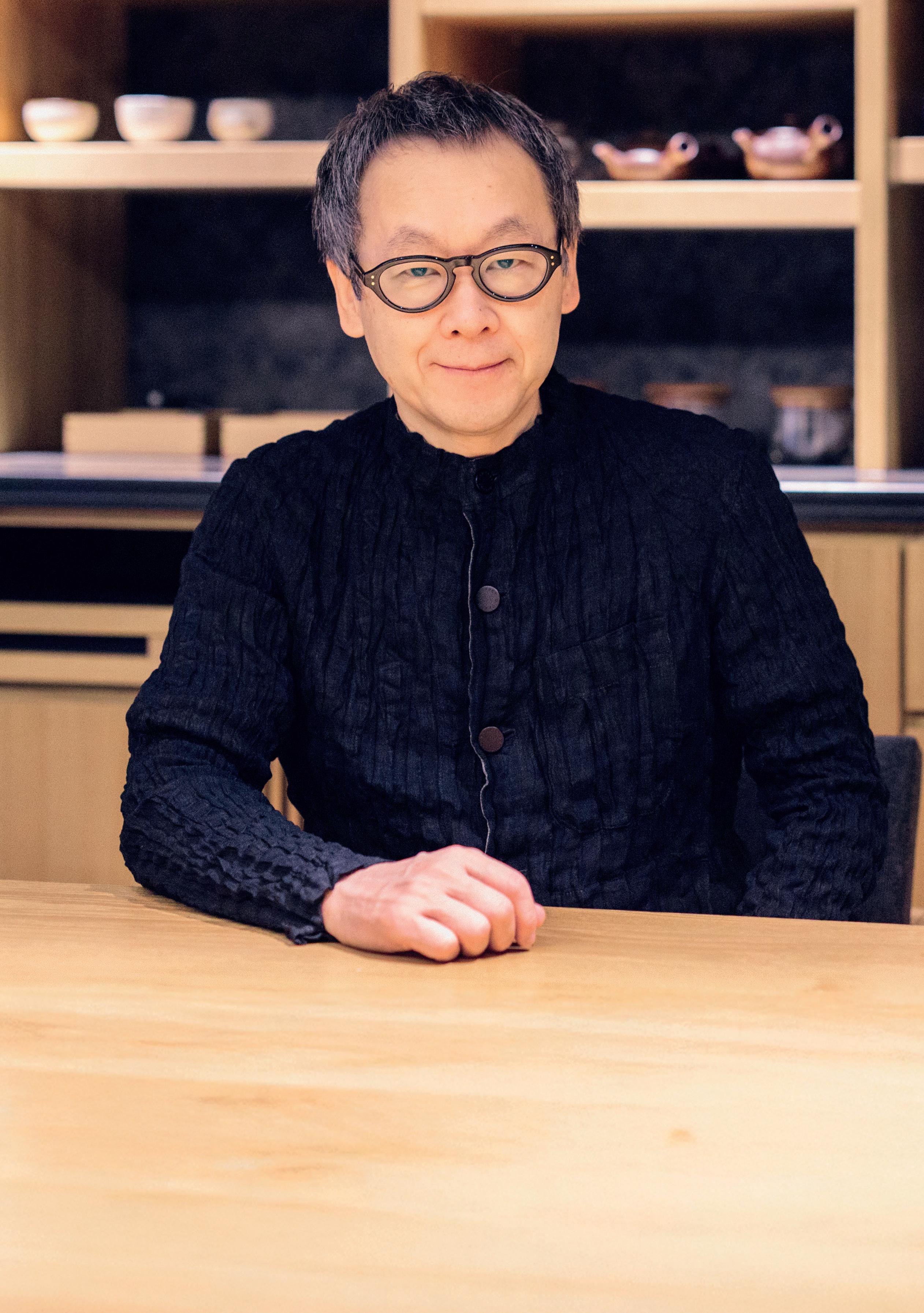
Yoshiharu Hoshino has led the family business through a bold transformation
We want to develop onsen ryokan globally – wherever there are hot spring resources
Backed by US$1.6 billion in assets, the CEO of Hoshino Resorts talks to Katie Barnes about growth strategy, onsen innovation and wellness investment opportunities in Japan and further afield
When Spa Business last interviewed Yoshiharu Hoshino in 2014, his namesake company was in the middle of a bold transformation.
As CEO of a 110-year-old family enterprise, he was already shaking up a centuries-old tradition – modernising Japan’s ryokan sector while preserving its cultural foundations of hot spring bathing, local cuisine and omotenashi (selfless hospitality).
At the time, Hoshino Resorts Inc (HRI) operated 32 properties and had recently launched a real estate investment trust (REIT) on the Tokyo Stock Exchange to support growth. Today, with inbound tourism at record highs (see p48) and rising investor appetite for wellness assets, the group’s footprint has widened at pace.
HRI REIT reported half-year operating profits of ¥4,325 million (US$27.7 million, €23.4 million, £20.8 million) in December, up 25.8 per cent from April 2025, and now boasts ¥250,915 million (US$1.6
billion, €1.4 billion, £1.2 billion) in total assets (see p47). Meanwhile, HRI oversees more than 70 properties across a diversified portfolio, ranging from Hoshinoya, its luxury flagship, to Kai, a contemporary take on the traditional ryokan (see p46).
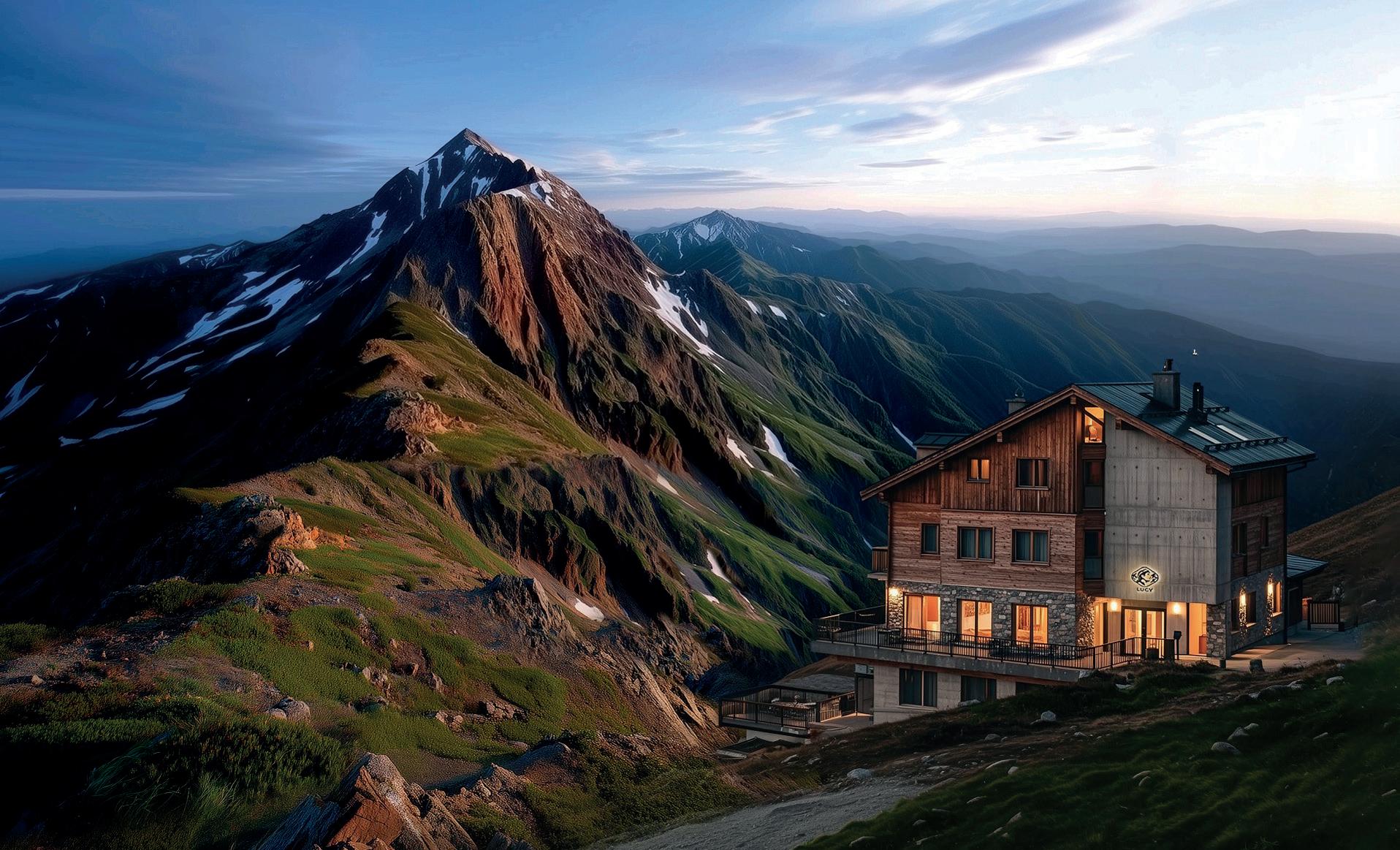
The group has expanded overseas with resorts in Bali, Taiwan and Guam, with a US debut on the horizon. And this September saw the debut of Lucy, a new concept aimed at Japan’s largely untapped nature tourism segment.
Amid this momentum, high-profile projects –including the transformation of the former Nara Prison into a Hoshinoya and the opening of Kai Kusatsu in one of Japan’s most storied hot spring towns – underscore the company’s strategy of fusing cultural storytelling with wellness-oriented design. Competition is escalating, too: Hyatt’s new Atona concept, backed by a ¥22 billion (US$141.7 million, €121.5 million, £106.2 million) real-estate fund, is planning multiple onsen ryokan developments, positioning it as a direct challenger in a rapidly expanding sector.
It’s against this backdrop of accelerated growth – and heightened global interest in Japan and wellness-led travel – that we spoke with Hoshino once more about his strategy, innovation and the future of Japanese onsen culture.
With Japan’s tourism boom in full swing, what opportunities are emerging for HRI?
After years of sticking to the ‘golden route’ of Tokyo, Kyoto and Osaka, international travellers are finally venturing into previously undiscovered
Hoshinoya is the luxury flagship brand for Hoshino Resorts
HOSHINO RESORTS INC: BRAND
PORTFOLIO
HOSHINOYA – 8 PROPERTIES
The group’s flagship luxury brand, offering 25-70 rooms, refined modern design and elevated onsen-focused stays rooted in traditional hospitality
KAI – 22 PROPERTIES
A fast-growing collection of contemporary ryokans (50 rooms or fewer), each emphasising local culture and restorative hot-spring experiences
RISONARE – 8 PROPERTIES
Resort-style properties in countryside locations, centred on outdoor activities and family-friendly programming
OMO – 18 PROPERTIES
A mid-range, urban hotel concept aimed at city travellers, with casual, design-led spaces and neighbourhood-driven experiences
BEB – 3 PROPERTIES
Flexible, social staycation hotels designed for groups and spontaneous short breaks
LUCY – 1 PROPERTY
A new brand targeting Japan’s underserved nature-tourism market. The first property opened in Oze National Park in September 2025, with another park location already planned
Refined modern design and selfless hospitality are two key pillars for the group
Hoshinoya Karuizawa is the original property for Hoshino Resorts and opened in its first guise in 1914
HOSHINO RESORTS
rural and regional areas. They’re moving beyond simply seeing famous landmarks and seeking deeper engagement with Japanese culture, nature and traditions.
This presents an incredible opportunity, as a lot of our properties, notably Kais, are in lesser-visited regions, waiting to be discovered and explored.
We’re also seeing strong demand for experience-based tourism, for activities such as hands-on workshops, local festivals and nature-based pursuits. This is also positive news for Hoshino Resorts, given the wide range of cultural activities our properties offer.
Is the appetite for onsen-led stays just as strong?
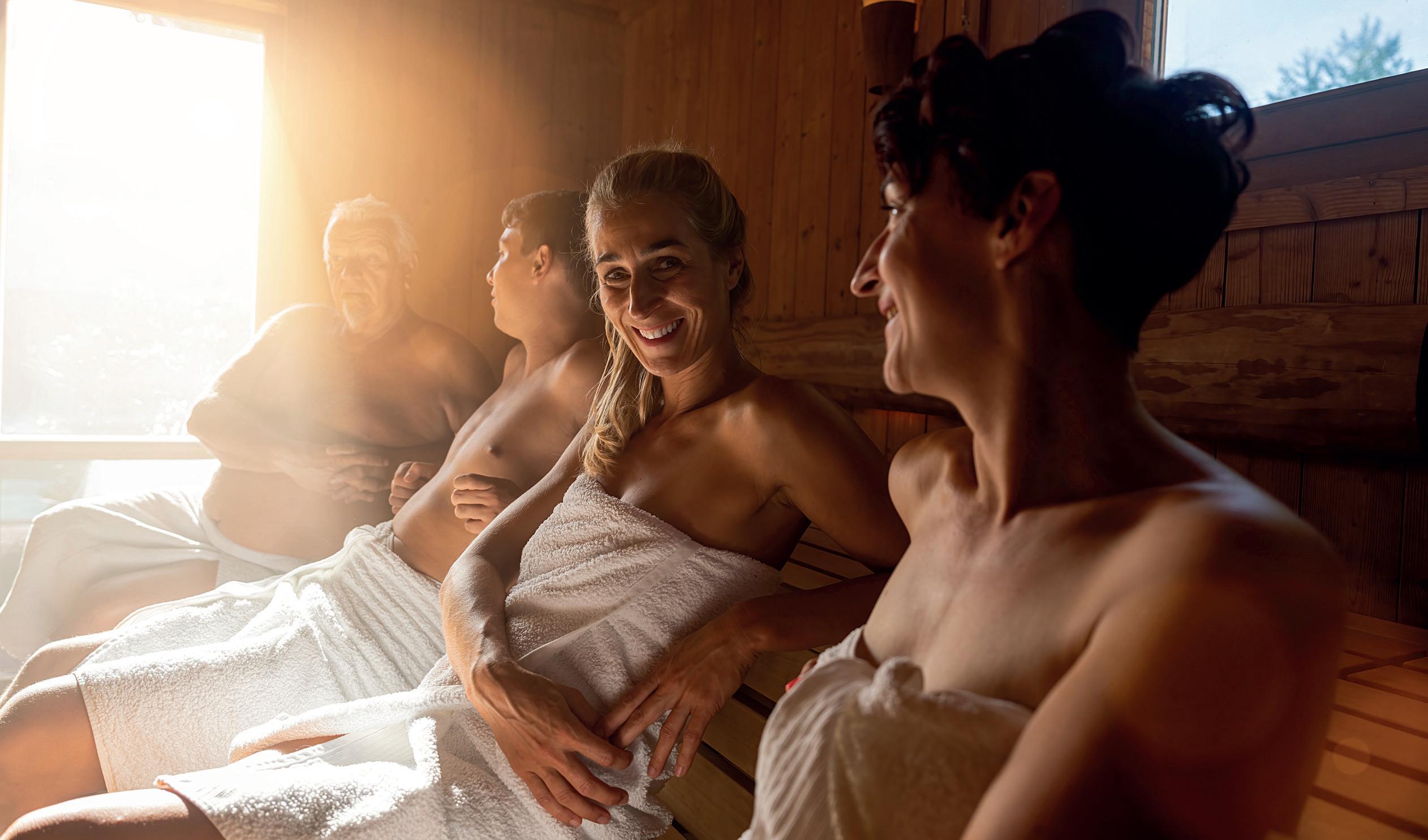
Onsen play a significant part in traditional Japanese culture – not only for their therapeutic benefits but also as a source of relaxation and a place for social interaction – so it has always been a source of interest for our guests.
In recent years, there’s been a real trend in wellness-driven experiences, which has
HOSHINO RESORTS REIT FINANCIALS
Figures just released by Hoshino Resorts REIT, listed on the Tokyo Stock Exchange, show positive results for its fiscal period ending 31 October 2025:
l Operating profits: ¥4,325 million (US$27.7 million, €23.4 million, £20.8 million), a 25.8 per cent increase
l Operating revenues: ¥8,696 million (US$55.7 million, €47 million, £41.7 million), a 13.9 per cent increase
l Total assets: ¥250,915 million (US$1.6 billion, €1.4 billion, £1.2 billion)
Hoshinoya Tokyo is one of eight Hoshinoya properties globally
Both Hoshinoya and Kai are performing well and you can expect several new sites in the next three years
further amplified the appeal. So we’re seeing increasing interest in onsen-focused stays in Japan, with demand both growing and evolving.
How would you sum up HRI’s offering?
Although we’ve been going through a period of modernisation and expansion, our fundamental vision remains unchanged: we continue to promote traditional Japanese onsen ryokan – maintaining essential elements such as authentic design, cuisine and bathing culture – and Japanese hospitality (omotenashi) to the world, not just within Japan.
Onsen is the main focus of our offering and particularly central to Kai, our ryokan brand, where the use of bathing facilities is typically included in the stay.
However, a number of our properties have additional wellness experiences that are unique to their location. For example, Hoshinoya Karuizawa, a peaceful countryside resort just an hour from Tokyo, offers a selection of treatments and activities such as forest bathing, stretching and acupuncture, designed to connect guests to the natural environment.
At Hoshinoya Okinawa and Hoshinoya Taketomi Island, massage treatments incorporate locally
HOSHINO RESORTS
sourced ingredients and techniques and at Hoshinoya Bali, wellness programmes comprise movement, nutrition and treatments.
Who are your customers?
Our typical guest has always been someone who seeks a unique and immersive experience, not just a place to sleep. They appreciate our commitment to Japanese hospitality and the local culture that we incorporate into every aspect of our properties.
They are mostly overnight guests, as access is limited for day visitors at our Kai and Hoshinoya properties. And while the domestic market remains our foundation and most important segment, the return of international travel has been incredibly strong.
How are you adapting to changes in the market?
One recent challenge we’ve faced is an increasing demand for vegetarian meals from international guests, yet traditional Japanese kaiseki (multi-course) meals at Kai include meat. We understand the importance of meeting our guests’ needs, so we’ve developed vegetarian kaiseki meals for guests who request them in advance. We trialled the offering at two Kai properties last year and are now rolling it out across the brand.
We’ve seen a distinct increase in solo bookings and have created specialised rejuvenating packages to cater to this market. Solo travellers often seek a deeper, more personal connection with a destination, and our unique activity programmes and tranquil environments at Hoshinoya properties are well-suited for this.
JAPAN’S TOURISM SURGE
A weaker yen, renewed flight connectivity and global interest in Japan’s culture and nature since the 2020 Tokyo Olympics have seen a surge in tourism.
In 2024, inbound arrivals hit a record 37 million – up 47 per cent year‑on‑year, according to the Japan National Tourism Organisation and foreign visitor spending rose 54 per cent to ¥8.1 trillion (US$52.18 billion, €44.72 billion, £39.09 billion).
Domestic travel by Japanese residents is similar. The Statistics Bureau of Japan estimates that there were 540 million domestic travel trips (day trips + overnights) in 2024, an increase of 8.5 per cent from the previous year.
No other hotel group reflects Japanese culture so deeply, says Hoshino
The newest brand, Lucy, will bring a touch of luxury to nature tourism in Japan
While international guests are a growing market, domestic tourists are the mainstay for Hoshino Resorts
Another package we’ve recently introduced is a Digital Detox Stay at Hoshinoya Kyoto, which encourages guests to stay away from their phones and immerse themselves in the moment of being.
What’s the rationale behind launching Lucy?
We’ve always grown by identifying unique market segments and then creating a brand with the specific elements needed to serve them. As a result, each of our sub-brands has a clear and distinct identity. Last year, we unveiled a new sub-brand called Lucy to tap into nature tourism. The first property opened in Gunma Prefecture in September and another is already underway in Toyama Prefecture. Japan has 35 national parks and the government has launched an initiative to revitalise them. Mountain lodges represent a significant market segment, yet most of these lodges are only accessible on foot, have limited access for food and supplies and historically offer only the bare minimum of facilities and services. We believe we can contribute to Japan’s mountain tourism by improving the quality of hotel services in these environments, increasing the demand for mountain stays and making them more accessible to a wider audience.
So, nature tourism is a growing market?
Japan is a well-developed country in terms of tourism, however, most travellers seek cultural experiences rather than going hiking or mountain climbing and we see huge potential in this area. We want to pioneer the opportunity to explore Japan’s mountainous regions with comfortable, affordable accommodation and facilities, making the mountain experience easy for everyone, including those first-time hikers.
We launched a sub brand called Lucy to tap into nature tourism
What other new developments can we expect?
We celebrated 20 years of Hoshinoya this year. Both that brand and Kai are performing well and you can expect several new sites over the next three years.
Hoshinoya Nara Prison will open in early 2026 and another one is in the pipeline for Niseko, a famous ski resort, in 2029.
Next year will see two new Kai additions – one in Kusatsu, a renowned hot springs town, and another on Miyajima, an island in Hiroshima Prefecture, known for the floating torii gate of the Itsukushima Shrine.
You’re renovating a prison into a luxury hotel?
Yes! Hoshinoya Nara Prison is a very unique proposition, where guests will enjoy an extraordinary stay in the iconic red brick building. It’s a huge undertaking, but it will be a very special property. The focus of the hotel will be on its unique history – there will be an adjacent museum – as well as the luxurious accommodation and dining facilities.
What more can you tell us about Kai Kusatsu?
This 94-key property will have a big wellness focus as the brand debuts in one of Japan’s most celebrated hot spring destinations. The hotel is perched on a hillside with views of Mount Kusatsu-Shirane and
HOSHINO RESORTS
We’ve seen a distinct increase in solo bookings and have created specialised packages for this market
Demand for onsen-focused stays is both growing and evolving, says Hoshino
its active volcanoes that heat the natural thermal waters. The aim is to offer a peaceful stay surrounded by nature, but with easy access to the vibrant town centre and its famous hot spring attractions via a unique private tunnel reserved for guests.
The property itself will have a bathhouse, lounge, dining area, shop and cultural discovery hall.
How are you tweaking offerings as you expand internationally?
We naturally adapt the brand DNA for each of our properties to ensure that the focus is always on delivering an experience that’s authentic to the location and its local culture – whilst retaining our signature style of Japanese service and hospitality.
For Bali and Taiwan, it was important to ensure that the hotels are in keeping with their surroundings, capturing the essence of the natural landscapes, cultural traditions and seasonal rhythms.
The key lesson from these experiences is that delivering our brand essence is not about replication – it’s about thoughtful translation. Flexibility is essential, but the focus remains on creating experiences that communicate the value and authenticity our guests expect.
What can you reveal about HRI’s US debut?
We’re aiming for an opening in 2028 still and it will be located in Sharon Springs, a historic spa village in upstate New York – about a 3.5-hour drive from New York City.
It will be a 30 to 40-key property based on an authentic onsen ryokan with bathing facilities powered by Sharon Spring’s natural, mineral-rich waters. We’re still working on how we’ll prepare such an offering for our guests in the US. But the key concepts of an authentic onsen ryokan experience – rejuvenation from the mineral waters, nourishment from the foods of the season and other touchpoints that immerse guests in the nature and culture of the locale – continue to be our guiding principles for concept and design development.
What are your ambitions for international growth?
I always think of an onsen ryokan as an amusement park of Japanese culture. It offers a complete package of Japanese design, cuisine, a hot spring bathing experience and hospitality – no other hotel category so deeply reflects the entirety of Japanese culture.
Hoshino Resorts began in 1914 as an onsen ryokan in Nagano Prefecture. Today, we are a hotel company operating 72 properties in Japan and internationally and we’re in the best position to bring this special category to the world.
We want to become a hotel company that can develop onsen ryokan globally – wherever there are hot spring resources and opportunities. ●
To read our original interview with Yoshiharu Hoshino, which details how his great-grandfather stumbled upon hospitality from a forestry business, visit www.spabusiness.com/hoshino2014
HOSHINO RESORTS
wellgate. luxury revolution.
Created by architect Alberto Apostoli for Myrtha Wellness, WellGate blends refined materials, luminous surfaces and precision-engineered structure into a sculptural, above-ground thermal system. Available in exquisite finishes and fully customisable to the project and the architect’s vision, it transforms wellness into true contemporary architecture. WellGate. Tailored wellbeing. Redefined.
www.myrthawellness.com
Everyone’s talking about ...
Sleep
With studies showing how even one bad night a ects health, sleep is finally getting the attention it deserves and momentum is building behind wellness strategies that support better rest. Kath Hudson reports
Six Senses was ahead of the market, introducing its sleep programme 10 years ago
Once viewed as a purely functional necessity, sleep is fast becoming a lucrative wellness hospitality asset.
New research shows that even one bad night can put a strain on the heart (see www.spabusiness.com/sleepshock) and as awareness of its link to longevity, performance and emotional wellbeing deepens, hotels, resorts and spas are realising that the ‘sleep economy’ offers more than just a good night’s rest – it’s a new metric of guest value.
From circadian lighting and temperatureregulating bedding to biophilic design and sleep coaching, forward-thinking operators are offering restorative sanctuaries.
Most recently, Equinox Hotels revealed its Sleep Lab rooms in collaboration with neuroscientist Dr Matthew Walker (see p54).
These cost US$1,700 (€1,430, £1,240) per night – that’s almost 90 per cent more than one of its standard rooms. “We’re repositioning sleep from an afterthought to an essential, high-performance tool,” says Equinox Hotels’ CEO Chris Norton. “If we can rewire the
sleep culture in New York – a city that runs 24 hours a day – we believe we can set a new standard in hospitality and health.”
Six Senses was one of the first to seek expert guidance, partnering with Dr Michael Breus, aka America’s ‘sleep doctor’, nearly 10 years ago to form standards across the group (see www. spabusiness.com/drbreus). Elsewhere, Hilton collaborates with Dr Rebecca Robbins (see p55) and earlier this year, Westin revealed a sleep training video series with Gwyneth Paltrow’s goop and sleep physician Dr Cheri Mah.
In a study with Paris City University, Sofitel has shown that its MyBed experience improved guests’ sleep quality by 13.7 per cent, led to 65 minutes extra shut-eye and that 64 per cent of people drifted off within 30 minutes (see www.spabusiness.com/suitedreams). This kind of measurable evidence will be crucial as brands compete on sleep outcomes.
As sleep science continues to evolve, we ask leading scientists working with wellness and hospitality brands how the industry can best harness the power of rest.
Dr Matthew Walker, sleep scientist, University of California
Most wellness narratives still spotlight exercise and nutrition as the primary agents of health and performance. But sleep is the foundation of both. A lack of sleep erodes willpower, impairs glucose regulation, suppresses immunity and increases risk across nearly every major disease category. If health were a tripod, sleep would be the leg we’ve ignored the longest. While meaningful advances have been made over the last decade and sleeping is no longer seen as a sign of weakness or indulgence, culturally and commercially, we’re still playing catch-up. We need more messaging, as well as more environments, products and services that make it easier for people to get the sleep they need. Equinox Hotels’ commitment to this turns sleep from a talking point into a lived experience. Every feature in the Equinox Hotels’ Sleep Lab was designed to give guests the best sleep of their lives. For example, the dynamic circadian lighting system isn’t just about ambience, it’s about biology. It mimics the ebb and flow of natural daylight to help recalibrate the internal
body clock, particularly for hotel guests arriving from different time zones. When light cues are timed correctly, they can promote better sleep at the right time of night. Core body temperature needs to drop by about 1°C to initiate and maintain deep sleep, so we’ve used a temperature-regulating bed system to gently manage thermal comfort throughout the night, preserving that ideal state for high-quality, uninterrupted sleep and also the stages of sleep – especially deep and REM sleep. One innovation which is coming down the tracks and will hopefully be incorporated into a later iteration of Sleep Lab is the incorporation of guided wind-down protocols based on each guest’s chronotype and stress levels. This would involve customised breathwork, light intensity, soundscapes, meal timing guidance and thermal adjustments synced to the individual’s internal rhythm. The infrastructure to support this kind of real-time personalisation is emerging and I believe it’s the future of sleep-forward hospitality.
If health were a tripod, sleep would be the leg we’ve ignored the longest
Wind-down protocols based on chronotype is the future of sleep-forward hospitality
Dr Rebecca Robbins, assistant professor, Harvard Medical School
Sleep is vital to our health, wellbeing and longevity. It’s quite literally food for our brain. Without it, we wake up sluggish and perform well below our potential. We’re more likely to be anxious, irritable and even make riskier decisions. Research also shows that chronic insufficient sleep (6 hours or less) places older adults at more than double the risk of Alzheimer’s and related dementia. But when we prioritise sleep, we’re more productive, happier and healthier.
There are many myths, including the belief that some people can ‘get by’ on less sleep. Our research reveals that, without a shadow of a doubt, optimal health and wellbeing come when you consistently obtain the recommended 7-9 hours.
My team and I have explored sleep in frequent travellers in several studies. The results show that guest sleep at a hotel is a significant predictor of satisfaction and influences their intention to return and recommend their stay. This flips the idea that sleep in a hotel is an afterthought and should be a priority across all property types, not just luxury. While many operators give lip service to sleep, Hilton is taking industry-leading science-based action. As sleep expert to the group, it’s been exciting to inform its strategy, from guestroom design to products and services that support sleep – evaluating everything from the mattress and pillow, colour palette, curtains and lighting to in-room services, such as on-demand bedtime meditations and spa treatments
We’ve also crafted retreats at the Waldorf Astoria Grand Wailea in Maui and the Conrad in Orlando where guests learn about sleep and enjoy restorative foods and spa services.
Hotels can improve the sleep experience in any of these ways and it’s a great idea to measure effectiveness. Questions about sleep could be embedded into checkout or follow-up emails to collect qualitative insights. In addition, they can review comments on platforms like TripAdvisor or Google to understand how guests are talking about their sleep experience. What’s more, there are so many exciting advancements emerging. Wearable sleep
Guest sleep is a significant predictor of satisfaction and intention to return
technology is becoming smaller and more powerful, offering personalised and precise information that can inspire healthy lifestyle changes. Hotels may soon collaborate with wearable companies to offer devices during stays or co-create products and services.
Interestingly, in our 24/7 ‘always on’ world, meditation and mindfulness have become even more important and embedding these into the sleep experience could be extremely beneficial.
In addition, artificial intelligence is entering the sleep field, powering everything from tracking to smart mattresses with the potential to customise experiences.
Dr Robbins has created sleep retreats with Hilton
Getting natural light within an hour of waking sets off a biological cascade, leading to good sleep
Exercising in the morning is a trigger to help sleep that night
Oli Patrick, co-founder, Future Practice
Agrowing body of science shows that sleep consistency is a better predictor of mortality than sleep duration. Research also shows that people with the most consistent sleep and waking times have the best health outcomes.
This is because hormones such as melatonin and cortisol – that drive daytime wakefulness and energy levels and regulate thousands of longevity-critical processes – are dictated by consistency.
Getting natural light in the first hour of waking is important, as it sets off the biological cascade which leads to good sleep.
A meta-analysis found that for every hour under 7 hours, there was a 6 per cent increased risk in all-cause mortality. However, every hour above 8 hours was associated with a 13 per cent increased risk of mortality. This is likely because
it’s indicative of some sort of sleep disorder, such as sleep apnoea, so people might sleep longer but don’t have such good quality sleep.
Research shows that getting an extra hour of sleep at the weekend could lead to a 20 per cent reduction in cardiovascular disease risk, however, 3 or 4 hours has an adverse effect.
As well as circadian rhythms, there’s growing interest in ultradian rhythms – the 90-minute cycles throughout the day that impact sleep. How we live each day dictates our nights, from the minute the alarm goes off, how it goes off, if you check your phone as the first instinct, whether you eat, or have coffee, or get access to natural light.
Wearables can be useful in identifying the cause of sleep problems. Individuals differ in the impact alcohol, caffeine, eating late,
exercising late has on their sleep. Wearables can help establish what personalised dosage of behaviour works for sleep patterns. But people who have variables in their life which they can’t change – like young children or noisy neighbours – shouldn’t measure their sleep. And relying on a wearable to say how you’ve slept starts to erode balance. People should ask themselves how refreshed they feel and consolidate that with technology.
Dr Nerina Ramlakhan, sleep expert and ambassador, Grey Wolfe
I’ve been observing the exponential increase in sleep problems for 30 years and believe it’s very much to do with the speed of life today. Technology has driven us at a pace that’s unsustainable and people are finding themselves stretched to capacity.
We’ve also become restless and it’s become the norm to never take a break, checking inboxes in the evening and even during the night, weekends and on holiday.
Global anxiety levels have increased as a result of wars and the financial and political upheaval. Even if we’re not directly affected, we feel the fear and chaos and unless we learn how to rest in a strategic and disciplined way, it can take its toll on our health and our sleep. The introduction of AI is adding to mental overwhelm.
The overthinking process is a huge disruptor for many people’s sleep, especially for sensitive sleepers. Combined, these factors have led to many people forgetting what it means to rest – during the day and night – so no amount of sleep hygiene or the best mattress or bedding is enough to settle the dysregulated nervous system.
While there’s growing awareness of the importance of sleep compared to a few decades ago, there’s a big gap between
People are stuck between knowing what they should do to sleep better and actually doing it
knowledge and wisdom. As with food and exercise, people are often stuck between knowing what they should do and doing it.
The global sleep industry – projected to be worth US$950 billion (€819.1 billion, £722.2 billion) by 2032 – is flooded with products to help optimise sleep, however, the starting point is for people to become aware, take responsibility and make better lifestyle choices. Consistent small changes can bring about profound changes.
We need to rest in a strategic and disciplined way
Dr
Nerina Ramlakhan’s
FIVE RULES FOR GOOD SLEEP
1 Eat within 30 minutes of waking –especially important for women – this releases serotonin and oxytocin which later helps produce melatonin to aid sleep
2 Go to bed earlier, before midnight is key
3 Hydrate hydrate hydrate: between 1.5 and 2 litres daily
4 Lay off the tech an hour before bed and for 20 minutes after waking
5 Be careful with caffeine: don’t use it as a substitute for food, or consume after 3pm
It’s becoming the norm to never take a break, says Dr Ramlakhan
Shaun Traynor, founder, Kip
While just as important, sleep, as a category, has lagged behind exercise and diet. Awareness is growing, but still people aren’t dedicating as much time or effort into it as they are in the other two. One of the problems is the mentality that sleep is boring, or that they’ll be missing out. But when you don’t sleep well, cognition and mood are impacted, calorie intake and caffeine consumption increases, impacting the subsequent night’s sleep.
Many of us have developed poor sleep hygiene. We’re ‘always on’ and don’t allow our bodies and minds to slow down and prepare for sleep – we spend all day in the chaos and demands of life and work and in the evening work, scroll or binge on Netflix. Then we crash into bed after functioning at 100mph and wonder why we’re too wired to switch off. This cycle can lead to insomnia, anxiety, burnout and depression.
Like diet and exercise, you have to put in a bit of time to achieve the
results you want. The majority of people want to sleep better, but don’t dedicate the time to achieving it. We need to start seeing sleep as an enhancer of our lives, instead of something that gets in the way.
Wellness practitioners can help their clients by reinforcing behavioural changes that are most easily within their control – maybe stopping caffeine after lunch, limiting or even stopping alcohol on week nights; disconnecting from digital chaos at night and creating time and space to unwind, or creating a peaceful bedroom which makes you want to go to bed.
Wellness
ABOUT KIP
Shaun Traynor has partnered with experts in sleep science, psychology and behavioural health to create a device to break negative evening tech habits.
Kip uses a Disconnect Tag, which instantly disables distracting apps, paired with a mobile app featuring a Sleep Coach which offers personalised guidance, expert-driven strategies and sustainable habits for better rest, such as expert-led breathing techniques.
Practitioners can help clients sleep better by reinforcing behavioural changes that are most easily within their control.
practitioners can reinforce easy behavioural changes to improve sleep health
Many people have developed poor sleep hygiene
Louise Nicholettos, director, Cornwall Physio
Sleep problems are extremely common among my clients and basic sleep hygiene, such as no screens before bed, often makes little difference. This is because the body’s ability to achieve deep, restorative sleep depends on a complex balance of hormones, neurotransmitters and metabolic processes that no amount of screen-time management can fix.
The two most common issues are problems falling asleep and nocturnal waking and the timing of sleep disruptions often reveals their underlying cause. Difficulty falling asleep can relate to melatonin production issues stemming from B6 deficiency (essential for converting serotonin to melatonin) or magnesium deficiency (nature’s relaxant that helps the nervous system switch off).
Waking between 1am to 3am usually signals blood sugar dysregulation. When glucose drops overnight, the body releases adrenaline and cortisol, triggering middle-of-the-night wakings.
Consistent 3am to 5am wakings often indicate cortisol dysregulation. Modern lifestyles
Hormones,
Persistent sleep problems point towards biochemical imbalances
can create flattened cortisol rhythms or premature morning spikes, leaving people physically exhausted but biochemically unable to maintain sleep.
Circadian rhythm and cortisol patterns are hugely influenced by natural light exposure but also by mineral balance, particularly magnesium, zinc, and sodium/ potassium ratios, which regulate adrenal function and neurotransmitter production which is essential for maintaining proper sleep-wake cycles. Genetic variations, particularly in the MTHFR gene, significantly impact sleep by affecting methylation, a process essential for neurotransmitter production and hormone regulation. Thirty to 40 per cent of many populations carry
at least one copy of the C677T MTHFR variant, which can disrupt both sleep onset and maintenance.
Methylation can be supported by ensuring adequate intake of methylation cofactors such as methylfolate (instead of synthetic folic acid), methylcobalamin (B12), B6, choline, and betaine, along with lifestyle factors that reduce methylation burden, such as minimising toxin exposure and managing stress levels.
The gut-brain connection provides another critical piece of the sleep puzzle. Intestinal permeability (leaky gut) and microbiome imbalances can trigger inflammatory responses that disrupt sleep centres in the brain, while impaired liver detoxification, which occurs primarily during sleep, can lead to restless, unrefreshing sleep.
Once people have diligently applied sleep hygiene principles without success, the next step needs to be some health detective work. When methylation is restored, blood sugar balanced, nutrient levels optimised and detoxification pathways supported, sleep improvements often follow.
Persistent sleep problems aren’t just inconveniences – they’re valuable signals pointing toward biochemical imbalances that –once identified – can transform not just the nights but overall health and add years to life. l
neurotransmitters and metabolic processes can all impact sleep
The time of night you wake is a clue to underlying causes, says Nicholettos
CORNWALL PHYSIO
FAMILY
by Julie Cramer, contributing editor
THE FORTE FAMILY
Building on a century-long legacy, the Fortes are accelerating growth in luxury hospitality and wellness, powered by next-gen leadership and a renewed focus on elevated spa concepts
With a pedigree that dates back more than 100 years, the Rocco Forte name is synonymous with style, luxury and quality in the hospitality industry – all underpinned by its strong Italian heritage.
After the family empire, Forte Group, was lost in 1996 to a hostile takeover by Granada, a new high-end hotel brand quickly emerged, driven by third-generation family members Sir Rocco Forte, as founder and chair and his sister, Lady Olga Polizzi, as director of design and deputy chair.
Today, Rocco Forte Hotels spans 15 properties (see p64) and is a bigger family affair than ever before, with Sir Rocco’s three children all actively involved in the business. Lydia (38) is group director of F&B and Charles (33) is development
director. Irene (36) is former group wellness director, now turned wellness consultant and also founder and CEO of Irene Forte Skincare. Under Irene’s guidance, all spas across the group have been rebranded to the concept she launched in 2021 – Irene Forte Spas – including ones at the recently refurbished The Balmoral in Edinburgh and Hotel de Russie in Rome. Just two more properties in Munich and London are left to relaunch their spas. Her vision for the group’s wellness offerings will be equally prominent in future openings. The Carlton, the brand’s second property in Milan, just launched in November and will be followed by a Sardinia site in 2026. The historic Palazzo Castelluccio in Noto and Palazzo Sirignano in Naples will be opening in 2027.
Here we talk to Irene, Sir Rocco and Lady Olga about current plans and the all-important family dynamics, as they further grow their contemporary yet heritage-rich brand.
MATTERS
Sir Rocco, his children
Charles, Irene and Lydia, and sister Olga
Irene Forte, wellness consultant, Rocco Forte Hotels; founder and CEO, Irene Forte Skincare
When did you launch Irene Forte Spas?
We officially launched in 2021, beginning with Verdura Resort in Sicily, Masseria Torre Maizza in Puglia, Villa Igiea in Palermo and Hotel de la Ville in Rome.
The idea was to redefine luxury wellness, bringing together scientific innovation with timeless Mediterranean traditions. We wanted to create spaces that help people feel genuinely restored, not just pampered and that support longevity, clarity and balance.
All our treatments use Irene Forte Skincare and many of our ingredients come from our organic farm at Verdura Resort in Sicily.
Verdura is also home to our flagship spa, where we test and develop new wellness concepts. It’s an innovation hub where modern diagnostics and longevity science meet traditional Sicilian therapies.
What’s new?
I’m especially excited about the launch of our new Forte Vita Bar concept, which is already available in The Balmoral (Edinburgh), Hotel de Russie (Rome) and The Carlton (Milan) and set to open in Vedura (Sicily) next March.
The concept is designed for both local guests and members who are short on time. It allows you to check off all your beauty needs – hair treatments, nails, facials – seamlessly in one place.
We create spaces that help people feel genuinely restored, not just pampered
Irene Forte, founder and CEO, Irene Forte Skincare
The hydropool at the Irene Forte Spa at the Hotel de Russie in Rome, Italy
At Hotel de Russie’s spa, I love the greenhouse effect we’ve created – a nod to the hotel’s iconic garden. It feels fresh, light and deeply connected to nature. At The Balmoral in Edinburgh, the concept blends the heritage and grandeur of the hotel with our Mediterranean philosophy, bringing together Scottish character and Sicilian warmth in a really harmonious way. In Europe, we have several exciting new openings planned in Italy over the coming years (see box top right). This is where the Rocco Forte brand was born and remains a central part of our identity.
Tell us more about your skincare brand
Our formulas unite nutrient-rich Mediterranean botanicals – including olive oil, almond oil and aloe leaf juice – with proprietary and patented science-backed extracts. Every product is backed by over 40 years of dermatological research led by our scientific director, Dr Francesca Ferri. The range is now available in around 200 luxury retailers worldwide, with the US our largest market. This year, we began expanding into the US spa sector, partnering with Four Seasons,
ROCCO FORTE HOTELS
Current portfolio
Belgium
Brussels - Hotel Amigo (2000)
Germany
Munich - The Charles (2007)
Italy
Florence - The Savoy (1997)
Milan - The Carlton (2025)
- Rocco Forte House Milan (2024)
Puglia - Masseria Torre Maizza (2019)
Rome - Hotel de la Ville (2019)
- Hotel de Russie (2000)
- Rocco Forte House Rome (2019)
Sicily - Villa Igiea (2021)
- Verdura Private Villas (2021)
- Verdura Resort (2009)
Russia
St Petersburg - Hotel Astoria (1999)
UK
Edinburgh - The Balmoral (1997)
London - Brown’s (2003)
Future openings
Costa Smeralda, Sardinia, Italy (2026) Palazzo Castelluccio, Noto, Italy (2027)
Palazzo Sirignano, Naples, Italy (2027)
Conrad, Montage, Auberge, Gurney’s and select independent destinations such as The Boca Raton.
Irene Forte Skincare (IFS) achieved 100 per cent year-over-year growth in revenue from 2023 to 2024 and is on track to double in size again in 2025. Overall, IFS product sell-through in our spas is up 20 per cent on last year and accounts for around 16 per cent of spa revenues on average. Our success with IFS also recently attracted growth investment from L Catterton.
Are your spas seeing more millennial and Gen Z customers?
Rocco Forte Hotels customers typically skew slightly older, but we’re certainly seeing growing interest from a younger audience among local guests.
I’m a millennial and know that efficacy and authenticity are key values when it comes to spa and skincare.
Millennial and Gen Z customers tend to seek results-driven, science-led experiences rather than purely pampering ones. It’s why our spa menus feature fast facials at the Forte Vita Bar, as well as integrate technologies which are
Irene Forte Skincare draws on Sicilian roots
Olga Polizzi is behind the design of the new spa at The Balmoral hotel in Edinburgh
ROCCO FORTE HOTELS
ROCCO FORTE HOTELS
Millennials
and Gen Z are deeply interested in longevity and biohacking
designed to deliver visible results in less time and at more accessible prices.
These guests are also deeply interested in longevity and biohacking, so our programmes increasingly draw inspiration from Blue Zone science and holistic regeneration. We’re also upgrading our spa systems to enable online booking – something that’s essential for younger customers.
What’s it like working for the family business?
Working directly with my father and aunt was incredibly formative. During my time at Rocco Forte Hotels, I got involved in a wide range of projects and was encouraged to be entrepreneurial, which set me up perfectly for leading my own company.
My father and Olga have built an extraordinary brand by staying true to their core values –quality, authenticity, and care – and that’s had a huge influence on how I lead. From them, I’ve learned, above all, that people are everything. It’s essential to treat everyone as part of your family.
Do boardroom discussions ever feel like a family dinner?
I’m not so involved in boardroom discussions anymore, so no! That said, family meals still tend to revolve around business, especially as my siblings also work in the company. Now that there are children and grandchildren in the mix, though, we finally have something else to talk about too!
The outdoor thalasso pools at the wellness and familyfocused Verdura Resort
We get on very well and all have our clear strengths
Sir Rocco Forte,
founder and chair, Rocco Forte Hotels
What’s the story behind Rocco Forte Hotels?
I decided to start a new business after the Forte Group was sold. With a new company and limited capital, I decided to focus on iconic luxury properties. Most high-end establishments were rather pompous at the time and I felt there was an opening for hotels that were more customer-friendly and had a comfortable, welcoming design. The other important aspect was a strong personality and sense of place. Twenty-six years later, everyone’s talking about that, but it’s not always delivered. We invest a great deal in training and the Italians are known for their hospitality. I suppose some of the warmth our guests always comment about comes from our family roots.
How important are spas to the business?
Gyms and spas didn’t exist in the old days. Now wellness comes into everything and feeling good
Sir Rocco Forte, founder and chair,
is part of our lives. Some guests actually only frequent spas when they travel, so they become a vital part of the stay.
How does Irene’s wellness vision fit with the group?
Irene has grown up in the business and has always had a passion for wellness. She also spent a long time in Sicily at our Verdura Resort, where she sources her ingredients. So she knows the business well and is the perfect fit for us. Her sustainable products are very much appreciated by our guests and we actually offer them at turn down rather than the usual chocolate.
How do you approach differing ideas across generations?
Working together as a family can be difficult, but in our case, it works extremely well. We get on very well and all have our clear strengths and skills that complement each other. It’s good to have a family member that you can trust implicitly working alongside you.
Does hotel talk dominate family gatherings?
We talk about business a lot, but I think we have a good balance.
Rocco Forte Hotels
The Balmoral, Edinburgh, (below) and Brown’s, London are the two UK sites
Olga Polizzi, deputy chair & director of design
How do you balance luxury, functionality and tranquillity in a hotel spa?
A spa has to be tranquil and tranquillity has a lot to do with luxury.
Luxury hotels must also always be functional. If the layout of the rooms or public areas doesn’t work, then it’s no longer truly luxurious. I always think about functionality first, everything else follows.
What wellness design are you most proud of?
I particularly like the Balmoral spa, although I often tend to like the most recent projects we’ve designed. The spa hadn’t had much work done since we first acquired the hotel in 1997, so this has been a huge transformation. I’m not always happy with everything we do, but I’m very happy with this spa. We’ve taken over other previously unused spaces in the basement and retiled the pool, which is now really beautiful. We’ve also renovated the gym, changing rooms and the massage rooms. They’re spacious and bright, and I think they include everything Irene was hoping for.
Humans don’t change much – we all still want comfort and to be looked after
What’s going to define the next era of spa or hotel design?
I don’t think humans change much – we all still want comfort, to be looked after and uncomplicated technology. How many times have I stayed in someone else’s hotel and spent hours trying to figure out the lighting system? Simple is best.
Of course, new technology is useful and we’re always exploring new materials. There are many durable materials we now use in spas that don’t stain and instead of using pure marble we now mix in cement and other ingredients to create a strong surface.
Has working with family made relationships easier or more intense over the years?
It’s always nice to work with people you trust 100 per cent, which I do with my family. We each have our own areas of expertise, so we don’t often tread on each other’s toes. But there has to be a boss – and my brother has the final word.
Do you ever have lively design debates?
I fight my corner very strongly, but it’s rare that I insist on something if my brother is against it. As I’ve gotten older, I’m not quite as forceful. However, I do argue if I truly believe it’s the wrong design for a particular area. l
Olga Polizzi, deputy chair & director of design with Sir Rocco Forte
The spa at Villa Igiea, which is a grand 19th Century Palazzo in Palermo, Sicily
Ancient waters, renewed wellness
Reimagined for a new era, a Belle Époque spa complex at Vals-les-Bains has seen visits increased by more than 80 per cent since renovation –defying France’s slowdown in thermal tourism. Jenny Eagle reports
There’s a sense of timeless grandeur as you approach Vals-les-Bains, the Ardèche town where thermal waters once drew aristocrats, artists and statesmen in search of vitality. That golden age has been rekindled with a €15 million (US$17.5 million, £13.1 million) reinvention of its historic baths. Set among leafy parkland and framed by 19th-century architecture,
the facility combines modern luxury with a heritage that stretches back more than 150 years.
The 145 springs of Vals-les-Bains are high in bicarbonates, known for their digestive properties and potential benefits for conditions such as type 2 diabetes, obesity and other metabolic disorders. They’ve also been proven to treat rheumatology, dermatology and circulatory ailments.
The refreshed complex now has two distinct divisions – the original medical/therapeutic hydrotherapy area, known as Thermes de Vals-lesBains, and the Sequoia Redwood Spa, a modern wellness and relaxation offering. Both were renovated to serve complementary purposes: the thermal baths continue to provide medically approved treatments using the mineral springs, while the Sequoia Redwood Spa offers wellbeing, relaxation and leisure experiences, creating a complete health and wellness destination under one roof.
DUAL APPROACH
Fabrice Tareau, director of Thermes de Vals-lesBains & Sequoia Redwood Spa, explains the strategy behind this dual approach: “Thermal cures remain a medically regulated service, targeting patients with specific therapeutic needs. Sequoia Redwood Spa, by contrast, is designed for leisure and wellness, appealing to a broader, international audience seeking relaxation and luxury experiences.”
The redevelopment was carefully staged to create two distinct customer journeys within the same building. The ground floor accommodates hydrotherapy treatments reimbursed by the French National Health Service, while the upper floor features wellness cabins, panoramic relaxation areas, and Douglas fir and basalt stone interiors inspired by the Ardèche forests and volcanic landscape.
JENNY EAGLE
Visits have surged … confirming the appetite for high-end wellness experiences
€15 million was spent on
the refurbishment of the thermal spa complex
LUXURY REIMAGINED
The renovation began in 2016 and was spearheaded by the Syndicat Intercommunal pour le Thermalisme et l’Environnement (SITHERE), a public body created by local towns to manage and develop the region’s thermal baths, maintain the springs and reinvest in tourism. Its goal was to modernise the historic baths and attract a diverse clientele while respecting the Belle Époque architecture, with particular attention to sustainability and energy efficiency.
Under the guidance of Toulouse-based architect Luc Demolombe, the facility boasts numerous eco features, from advanced piping and heat recovery systems to minimise waste to high-performance boilers, heat pumps and ventilation that reduce energy consumption. All of which have been supported by ADEME, the French Agency for Environment and Energy Management and European funding.
Thermes de Vals-les-Bains & Sequoia Redwood Spa officially relaunched in 2021, featuring contemporary treatment rooms for massages and facials, wellness circuits and panoramic views of the surrounding parkland. Tareau highlights the importance of design in repositioning the spa internationally: “We aimed to merge contemporary luxury with natural materials, creating spaces that not only provide relaxation but also reinforce the identity of the spa’s heritage.”
The refurbishment also addressed operational efficiency and capacity. During peak periods, the spa employs up to 85 people across more than 15 professions. The medical side can now accommodate up to 5,000 patients per year, while the spa is designed to serve up to 80,000 visitors annually. Since reopening, attendance has jumped up, confirming the market appetite for high-end wellness experiences.
DRIVING ECONOMIC GROWTH
Beyond architectural excellence, the redevelopment has had a measurable impact on the local economy (see below). The complex has bucked national trends in thermal tourism, with medical spa visits rising from 2,200 before the renovation to nearly 4,000 in 2023. Wellness visits have also surged from 30,000 in 2022 to more than 55,000 in 2024, with 2025 projected to exceed 60,000. Combined, these figures represent an 83 per cent increase. What’s more, the local tourist office confirms Thermes de Vals-les-Bains & Sequoia Redwood Spa generated 186,432 nights in the town in 2023 and €20.7 million (US$23.78 million, £18.24 million) in revenues – including direct spa income and indirect spend on hotels and other local businesses. In total, local spending by spa guests amounted to €9 million (US$10.3 million, £7.9 million).
SPA ATTENDANCE (2024)
l 3,982 medical spa patients (+5.62 per cent vs 2023 and +16.62 per cent vs 2022)
l 55,167 wellness clients (+21 per cent vs 2023 and +65 per cent vs 2022)
OVERNIGHT STAYS (2023)
l 186,432 paid nights linked to spa clients (medical and wellness) (+29 per cent vs 2022)
DIRECT AND INDIRECT ECONOMIC WEIGHT (2023)
l €20.7 million (US$23.78 million £18.24 million) in revenue (thermal spa establishment, plus local businesses such as hotels, restaurants, etc)
l 791.5 full-time equivalent jobs supported (direct and indirect)
l Local spending by spa clients: €9 million (US$10.5 million, £7.9 million)
l Spa-related investments: €1.6 million (US$1.87 million, £1.4 million)
l Local tax revenues: €580,000 (US$679,462, £507,618)
Since the refurb, there’s been a noticeable increase in younger guests
Sequoia Redwood Spa attracts more than 55,000 people a year
Local spending by medical and wellness spa clients is €9 million a year
“These figures reflect the success of our dual approach, combining health and wellness while preserving our historical assets,” Tareau says. “The spa’s growth extends visitor stays, increases overnight bookings and benefits local restaurants, shops and cultural activities, amplifying the economic impact for the region.”
LOCAL TOURISM
A key pillar of Tareau’s strategy is embedding the spa into the local tourism ecosystem.
Close collaboration with the Ardèche Tourism Development Agency, the AuvergneRhône-Alpes Region and local municipalities enables the creation of integrated wellness packages, such as six-day preventive health cures combining mini thermal cures with leisure activities. These start at €420 (US$487, £370), excluding accommodation.
“The synergy with local stakeholders is essential,” Tareau explains. “We work together to create holistic experiences that combine healthcare, wellness, culture and gastronomy, positioning Vals-les-Bains as a multi-dimensional destination.”
Élise Mathieu, director of Aubenas, Vals and Antraigues tourist office, underscores the benefits of this approach: “Shared governance and joint marketing campaigns ensure visitors experience a seamless journey. It strengthens both the spa and the town, generating mutual economic benefits and elevating Vals-les-Bains’ profile nationally and internationally.”
The new offering generates €20.7 million in revenue a year
The spa’s growth extends visitor stays, increases overnight bookings and benefits local businesses
CONSUMER EXPECTATIONS
Spa clients today seek experiences that blend health, relaxation and lifestyle. Traditional three-week hydrotherapy cures remain vital, but short preventive stays, wellness packages and luxury spa treatments are increasingly popular. Tareau observes: “We’ve seen a clear shift in demographics. Wellness offerings attract younger, more international visitors while maintaining our core medical clientele.”
Packages such as Thermal Mornings, which introduce elements of the medical cure, have been particularly successful. For €49 (US$57, £43) visitors can experience four treatments drawn from the hydrotherapy programme – a high-pressure hydrojet shower, thermal mud wrap, full-body mineral shower and a thermal shower or mud bath – providing both education and a bridge between leisure and medical wellness.
The spa also benefits from extended opening hours, daily accessibility and targeted promotional campaigns, contributing to increased repeat visits and higher per-visitor spend.
FUTURE GOALS
Looking ahead, Tareau’s vision for both the town and the spa complex combines heritage, health and wellness with sustainable tourism. Future initiatives will diversify partnerships, integrate more local culture and gastronomy and also promote the architectural heritage of the spa as a key draw.
“Our objective is to position Vals-les-Bains as a reference for health and wellness tourism, nationally and internationally,” he says. “By uniting medical expertise, wellness experiences and heritage, we create an offering that is both commercially viable and culturally authentic.” l
Douglas fir and basalt stone has been used in the new interiors
Fabrice Tareau
RETHINKING RECOVERY IN SPORTS
Snow is an engaging and holistic way to cool down after sports
Cold has long played a central role in athletic recovery. From cryotherapy to ice baths, it’s widely used in elite sports to reduce inflammation and support faster recovery.
But this is no longer reserved for professionals. Whether for elite competitors or anyone finishing a tough workout, the need for rest, repair, and readiness is universal. As recovery science evolves, so does the use of cold – shifting from strictly clinical methods toward more holistic, full-body experiences that support both physical and mental wellbeing. Snow introduces this new approach, making the cool-down phase easier, more engaging and accessible across all levels of sport.
COLD AS EXPERIENCE
Unlike the shock of ice baths or the sterile feel of cryo chambers, snow-based recovery – such as in a snowroom – offers a calm environment, delivering cold in a soft, multi-sensory way that feels natural and intuitive.
“There are well-recognised cold therapies such as cryochambers and ice baths,” says
Dr Stephen Lewis, team doctor for Chelsea Football Club. “But the snowroom is something different. It merges the physiological effects of cold with a more holistic experience – there’s a beautiful, calming aesthetic to it.”
Indoor snow environments make the cold tactile, visual, and gentle. Rather than overwhelming the body, they invite gradual cooling that resonates with the nervous system, easing it into rest and recalibration.
HOW SNOW AIDS RECOVERY
After intense effort, the body experiences micro-trauma in the form of muscle fibre tears, as well as temporary inflammation and the accumulation of metabolic waste.
These are normal parts of the adaptation process, but can also be the sources of fatigue and soreness. Cold exposure can help support recovery by gently lowering tissue temperature and moderating bloodflow. It may also help maintain neuromuscular function and movement quality after exercise.
A 2023 report, commissioned by TechnoAlpin Indoor, and published by the University of Trento
Snow improves sleep, supports recovery and builds team spirit
Dr Stephen Lewis
in collaboration with the CERISM, Research Centre at the University of Verona, reviewed 13 systematic reviews and 18 studies from the last decade. It confirmed that cryotherapy is more effective for post-exercise recovery than passive rest, especially after match-type exertion.
Whole-body cryotherapy often outperforms Cold-Water Immersion, though comparisons with passive cooling methods, such as snow remain limited. These findings highlight both the proven biology of cold and the need for more user-friendly delivery methods.
Snow stands out for its gentle, even cooling. Instead of shocking the body, it introduces cold gradually, making it accessible for more people and easier and more pleasurable to integrate into regular recovery routines.
“Snow preserves muscle function by limiting inflammation and reducing creatine kinase levels,” notes Lewis. “Players feel less sore, less tired and more prepared to perform again.”
MENTAL AND SOCIAL RECOVERY
In high-performance environments, recovery must also include mental regeneration –calming the nervous system, improving mood and supporting quality sleep. Cold environments stimulate dopamine and endorphin release, enhance emotional balance, reduce stress and promote better sleep – vital whether you’re preparing for the next match or your next workout.
Snowrooms play a unique role here. They’re immersive rather than isolating, activating the senses in a gentle way that encourages a parasympathetic, restorative state. They also function as social spaces, as – unlike the solitude of cryo chambers, or the discomfort of ice baths – snowrooms invite conversation, shared rituals and moments of connection that support team cohesion and motivation.
“You can’t underestimate the mental aspect,” says Lewis. “Cold improves sleep, supports emotional recovery and helps build a sense of team spirit.”
FROM ELITE TO EVERYDAY
The biological effects of cold recovery are universal, whether you’re playing in the Premier League or returning to the gym after work.
The University of Trento and Verona’s report confirms that cold recovery is especially helpful in high-intensity and intermittent sports, though responses vary based on activity type and technique, reinforcing the need for personalised, user-centric recovery strategies. Ultimately, accessibility and comfort matter. Snow-based recovery transforms cold exposure from something clinical into something experiential, multi-sensory and inclusive.
As wellness becomes integrated into sport, cold recovery is being reimagined. Across elite and everyday fitness, snow creates space for the body to heal, the mind to reset and teams or individuals to reconnect, restoring them for whatever comes next. l More: www.indoor.technoalpin.com
TechnoAlpin’s snow rooms are ideal for use after sport or the gym
Curious minds
Spa-goers in Québec are becoming less loyal and more inquisitive, according to new research by Ipsos
Québecers visit an average of two spas a year, a figure that remains stable, but loyalty to a single establishment is declining. In fact, two-thirds of spa–goers prefer to visit several spas or chains they already know (42 per cent) or to discover different facilities (25 per cent). More than ever, they’re eager for new experiences, variety and moments that are both soothing and inspiring.
These are some of the revelations from the 2025 Spa Clientele Barometer, a study commissioned for the fourth year in a row by the Québec Spa Association (AQS) to track how Québecers’ habits and expectations are evolving when it comes to wellbeing.
The Canadian region boasts 130 spa establishments with an average of 40 employees per site, according to a study conducted by business accountants Raymond Chabot Grand Thornton for the AQS. The sector generates 5,500 jobs and contributes CA$512 million (US$362.9 million, €314 million, £275.9 million) to the economy.
Conducted by Ipsos with financial support from the Québec Ministry of Tourism, the study is based on a survey of 500 clients who visited a spa in Québec over
MARIE-REINE MATTERA
Spas in Québec contribute CA$512 million to the economy
Natur’eau Spa is one of 130 wellness establishments in the region
25 per cent of spa-goers are looking to discover different facilities
the past year. Its findings were presented by Julie Dussault-Remillard, director of strategy and markets at Ipsos, at the AQS’ annual congress in November.
QUALITY EQUALS TRUST
The 2025 Spa Clientele Barometer shows that the main motivations for going to a spa remain relaxation, rejuvenation and the pleasure of treating oneself, however, price and promotions have now become the number-one selection criterion (49 per cent), ahead of scenery (37 per cent) and location (30 per cent).
The thermal experience remains the most frequently used service in a spa (78 per cent), with massage therapy in second place – 40 per cent of guests say they always or most of the time receive a massage during their visit. More than half of respondents say they feel more confident receiving a massage in a spa than in any other care setting.
“This feeling of safety is rooted first and foremost in impeccably clean facilities and the professionalism of therapists – two essential pillars of the positioning of Quebec spas,” says AQS president and CEO Véronyque Tremblay. “This high level of trust is a major distinctive asset for the sector, reinforcing the role of spas as places dedicated to holistic wellbeing.”
ABOUT THE QUÉBEC SPA ASSOCIATION
Founded in 2012, the Québec Spa Association (AQS) is an industry association recognised by the Québec government. It is administered by the Québec Hospitality Association (AHQ) while operating under its own board of directors and it actively supports the interests of around 60 members across 14 tourism regions. AQS avidly supports and defends the interests of its members, acting as the sector’s spokesperson.
Current economic impact figures for the market (see p78) are based on 2022 numbers and AQS has revealed to Spa Business that a new study is currently underway to update those numbers to better reflect the sector’s renewed strength and maturity since the pandemic.
Bota Bota, the floating spa, was crowned this year’s best spa by AQS
Massage is the second most popular spa service
In recognition of such high-quality facilities, annual industry awards are presented at the AQS congress. This year saw Bota Bota, the spa on water, crowned 2025 Spa Establishment of the Year.
SEEKING BALANCE AND CONNECTION
While silence and serenity are seen as essential for 79 per cent of visitors, more than half would also like access to calm social spaces that encourage low-voice conversations. This aspiration reflects a profound transformation: spas are becoming places for human connection as much as for individual relaxation. Tremblay adds: “By combining intimacy, conviviality and collective rejuvenation, establishments can better respond to a generation of guests who associate wellbeing with social bonds.”
Price and promotions are now the number one selection criterion
Spa clients express growing concern for safety (85 per cent) and sustainable development (67 per cent). This evolution reflects a broader vision of wellbeing: beyond relaxation, visitors increasingly seek to unwind in responsible, authentic environments where the health of the body and that of the planet go hand in hand. Finally, when it comes to services guests would like to find in a spa, relaxation rooms and restaurants/bars rank among the most appealing. The sensory dimension of the experience should also not be overlooked either, says Tremblay, adding that the comfort of towels, pleasant scents, tasty meals, a soothing sound environment and warm décor all help reinforce perceived value for money. l
The latest study was based on 500 spa clients
AQS president and CEO, Véronyque Tremlay
More than half of spa-goers seek calm social spaces
The annual spa congress featured key suppliers such as Capsix
Satisfaction Innovation Quality Sustainability
Innovation Quality
Innovation Quality
Fragrances for
Fragrances for steam baths,
Fragrances for steam baths, saunas, whirlpool, hot tubs and experience showers
Fragrances for steam baths, saunas, whirlpool, hot tubs and experience showers
Fragrances for steam baths, saunas, whirlpool, hot tubs and experience
Fragrances for steam baths, saunas, whirlpool, hot tubs and experience showers
Fragrances for steam baths, saunas, whirlpool, hot tubs and experience showers
Fragrances for steam baths, saunas, whirlpool, hot tubs and experience showers
Sauna, spa and wellness technology: Technology for experience showers, saunas, hammam, steam baths and rhassoul, dosage systems, inhalation systems, light technology
Sauna, spa and wellness technology: Technology for experience showers, saunas, hammam, steam baths and rhassoul, dosage systems, inhalation systems, light technology
Sauna, spa and wellness technology: Technology for experience showers, saunas, hammam, steam baths and rhassoul, dosage systems, inhalation systems, light technology
Sauna, spa and wellness technology: logy for experience showers, saunas, hammam, steam baths and rhassoul, dosage systems, inhalation systems, light technology
Sauna, spa and wellness technology: Technology for experience showers, saunas, hammam, steam baths and rhassoul, dosage systems, inhalation systems, light technology
Sauna, spa and wellness technology: Technology for experience showers, saunas, hammam, steam baths and rhassoul, dosage systems, inhalation systems, light technology
Sauna, and wellness technology: Technology for showers, saunas, hammam, steam baths and rhassoul, dosage systems, inhalation systems, light technology
Sauna, spa and wellness technology: Technology for experience showers, saunas, hammam, steam baths and rhassoul, dosage systems, inhalation systems, light technology
Sauna, spa and wellness technology: Technology for experience showers, saunas, hammam, steam baths and rhassoul, dosage systems, inhalation systems, light technology
Sauna, spa and wellness technology: Technology for experience showers, saunas, hammam, steam baths and rhassoul, dosage systems, inhalation systems, light technology
Cleaner / conditioner for sauna, spa and wellness facilities. Disinfectant and cleaner for whirlpools and Jacuzzis
Kemitron , is manufacturer of high-quality products for the spa-, sauna-, and wellness market (technology, fragrances, cleaners, cosmetic). The company’s focus is on best quality and workmanship. All items are “made in Germany”.
Kemitron , is manufacturer of high-quality products for the spa-, sauna-, and wellness market (technology, fragrances, cleaners, cosmetic). The company’s focus is on best
workmanship. All items are “made in Germany”.
Cleaner / conditioner for sauna, spa and wellness facilities. Disinfectant and cleaner for whirlpools and Jacuzzis
Cleaner / for sauna, spa wellness facilities. Disinfectant and cleaner for whirlpools and Jacuzzis
/ conditioner for sauna, and facilities. and cleaner whirlpools Jacuzzis
Cleaner / conditioner for sauna, spa and wellness facilities. Disinfectant and cleaner for whirlpools and Jacuzzis
Cleaner / conditioner for sauna, spa and wellness facilities. Disinfectant and cleaner for whirlpools and Jacuzzis
Cleaner / conditioner for sauna, spa and wellness facilities. Disinfectant and cleaner for whirlpools and Jacuzzis
Cleaner / conditioner for sauna, spa and wellness facilities. Disinfectant and cleaner for whirlpools and Jacuzzis
Fragrances for steam baths, saunas, whirlpool, hot tubs and info@kemitron.com • Telefon: (0) / 60 • www.kemitron.com
E-Mail: info@kemitron.com
Kemitron , is manufacturer of high-quality products the spa-, sauna-, market (technology, cleaners, cosmetic). The company’s focus is on best quality and workmanship. All items are “made
Kemitron , is manufacturer of high-quality products for the spa-, sauna-, and wellness market (technology, fragrances, cleaners, cosmetic). The company’s focus is on best quality and workmanship. All items are “made in Germany”.
Kemitron , is manufacturer of high-quality products for the spa-, sauna-, and wellness market (technology, fragrances, cleaners, cosmetic). The company’s focus is on best quality and workmanship. All items are “made in Germany”.
Kemitron , is high-quality for the sauna-, and wellness market (technology, fragrances, cleaners, The company’s focus is on best workmanship. All “made in Germany”.
Kemitron , is manufacturer of high-quality products for the spa-, sauna-, and wellness market (technology, fragrances, cleaners, cosmetic). The company’s focus is on best quality and workmanship. All items are “made in Germany”.
Cleaner / conditioner for sauna, spa and wellness facilities. Disinfectant and cleaner for whirlpools and Jacuzzis
Kemitron , is manufacturer of high-quality products for the spa-, sauna-, and wellness market (technology, fragrances, cleaners, cosmetic). The company’s focus is on best quality and workmanship. All items are “made in Germany”.
Cleaner / conditioner for sauna, spa and wellness facilities. Disinfectant and cleaner for whirlpools and Jacuzzis
Kemitron , is manufacturer of high-quality products for the spa-, sauna-, and wellness market (technology, fragrances, cleaners, cosmetic). The company’s focus is on best quality and workmanship. All items are “made in Germany”.
Kemitron , is manufacturer of high-quality products for the spa-, sauna-, and wellness market (technology, fragrances, cleaners, cosmetic). The company’s focus is on best quality and workmanship. All items are “made in Germany”.
Kemitron’s products are sold on the international spa and wellness market and can be purchased via our webshop on our homepage. www.kemitron.com
Kemitron’s products are sold on the international spa and wellness market and can be purchased via our webshop on our homepage. www.kemitron.com
Kemitron’s products are sold on the international spa and wellness market and can be purchased via our webshop on our homepage. www.kemitron.com
Kemitron’s products are sold on the international spa and wellness market and can be purchased via our on our homepage. www.kemitron.com
Kemitron’s products are sold on the international spa and wellness market and can be purchased via our webshop on our homepage. www.kemitron.com
Kemitron’s products are sold on the international spa and wellness market and can be purchased via our webshop on our homepage. www.kemitron.com
Kemitron’s products are the international spa and wellness market and can be via our webshop on our homepage. www.kemitron.com
Kemitron’s products are sold on the international spa and wellness market and can be purchased via our webshop on our homepage. www.kemitron.com
Kemitron’s products are sold on the international spa and wellness market and can be purchased via our webshop on our homepage. www.kemitron.com
Kemitron’s products are sold on the international spa and wellness market and can be purchased via our webshop on our homepage. www.kemitron.com
From conscious collagen and faecal transplants to sober celebration – Judy Chapman shares her takeaways from the Asia Pacific Wellness Summit
T“he most magnetic shift I’m seeing is wellbeing as social, playful and sober celebration – a move from solitary self-improvement to collective, joyful elevation,” stated Damian Chaparro, co-founder of New Zealand retreat Aro Ha. His observations were one of many revelations at the 2025 Asia Pacific Wellness Summit.
The event saw 150 delegates gather at Gwinganna Lifestyle Retreat, Australia, for three days of TED-style talks brimming with discovery.
ACCESS, NOT LUXURY
Setting the tone with her opening, summit founder Kris Abbey asked: “How can we bring wellbeing to everyone?” Her call to extend wellness beyond luxury was echoed by Tim Jack Adams, founder of Greenx7, a company which uses nature to help people reconnect with themselves and others.
Adams aired concerns about Australia’s average wellbeing score being 66 per cent.
“Ninety per cent of our time is indoors – that’s less time outside than maximum sentence prisoners,” he said. “While 90 per cent of our health budget goes to prescriptions.”
Meanwhile, Gwinganna owner Tony de Leede reflected on two decades of evolution. “Wellness
Judy Chapman shares her insights with Spa Business readers
The summit was held in the lush grounds of Gwinganna in Australia
RICHARD LUDBROOK
is more fragmented than ever, yet many still need to learn the basics,” he said, revealing that the destination’s fundamental Optimal Wellbeing programme is still its most popular. At a time when Gen Z and millennials dominate wellness conversations, he also reminded us that Australians over 55 now control 80 per cent of the nation’s wealth and are investing it in health.
SCIENCE UNLOCKED
Faecal microbiota transplantation is a service Spa Business first noted the potential in 10 years ago (see www.spabusiness.com/fmt) and a talk by gastroenterologist Dr Craig Haifer championed its case. “You can’t open a medical journal without seeing research on how our microbiome influences disease and treatment,” he said, explaining how microbiome science is now bridging medicine and wellness. “For decades, medicine treated and wellness prevented – now the microbiome unites both. We can move beyond ‘doctor versus wellness’ thinking and instead collaborate to empower people to take an active role in their health.”
Neuroscientist Lauren Dewsbury’s speech Is Collagen Conscious? brought another fresh idea to the table. Collagen, she detailed, makes up 80 per cent of fascia, the body’s connective network that unites all systems and communicates with the autonomic nervous system at lightning speed. “Fascia’s quantum nature may act as an antenna for subtle frequencies, a bridge between mind, body and spirit,” she said. If future research supports this notion, it could suggest why integrative practices that work
How can we bring wellbeing to everyone?
Summit founder Kris Abbey
The link between equine therapy and mental wellbeing was explored
True leadership stems from empathy, presence and energy
with fascia, touch and support collagen create benefits that go beyond relaxation.
In a similar vein, genetic health expert Chris Barnes focused on three critical genetic variants in brain health – MTHFR, BDNF and COMT – that shape our individual stress responses. By understanding them better, operators can personalise wellness strategies such as nutrition, supplements and stress management regimes.
NEW LEADERSHIP LANGUAGE
In a room full of changemakers, the conversation around leadership struck a deep chord. “Wellness is a business of transformation, not transaction,” said strategist Grant Gamble. True leadership, he observed, stems from empathy, presence and energy. “We need to operate at the frequency of our guests.”
Sharon Kolkka, one of this year’s summit award winners (Wellness Warrior), alongside
Marc Cohen (Industry Champion), explored the link between equine therapy, mental wellbeing and leadership. “Our natural state is relaxed,” and the parasympathetic state is our safe harbour, she said, explaining that horses sense when we’re unsettled and can be used to restore equilibrium. Connection and leadership, she added, “goes beyond trust – it’s how we see, feel and breathe with one another”.
Reaching ‘true connection’ underpinned one of the most well-received talks by wellness branding expert Kirsty Ludbrook. She revealed that when brands engage both the five physical senses and the four intuitive senses – connection, uniqueness, harmony and integrity – they move
Synthesis Organics’ Theme Rains with this year’s Industry Champion Marc Cohen
beyond surface-level aesthetics. “Brands of the future won’t just be seen or heard – they’ll be felt,” she said.
Farida Irani of Subtle Energies brought the conversation full circle: to progress as an industry, we must lead with authenticity –nurturing not only our guests, but the healers, therapists and visionaries who serve them.
BRAIN POWER
With dementia now the leading cause of death among Australian women, brain health took centre stage at this year’s summit.
Interest was shown in Exomind, an FDA-cleared device introduced by Dr Carlo Rinaudo of Brain Hub Clinic. It uses gentle transcranial magnetic stimulation to enhance neuroplasticity, improve neural communication and support mood, focus and sleep.
The vagus nerve, which is gaining traction in the global spa industry, has a vital role to play, Kamalaya’s Gopal Kumar said: “From a medical perspective, strong vagal tone is associated with better heart rate variability, emotional regulation, immune resilience and reduced inflammatory responses, key factors in supporting brain health and preventing chronic diseases.”
Cate Zolton of Undo App urged that mental wellness must be a core product in spas, suggesting it’s anchored in cognitive vitality, trauma-aware care and emotional safety, reframed as ‘deep renewal’. Today’s 35-60 audience has evolved from ‘relax me’ to ‘renew me’, she said. They’re seeking connection and evidence-based mental fitness that sharpens the mind and stabilises mood.
“Longevity doesn’t work without cognitive vitality and emotional balance,” she said. “The next luxury isn’t time or tech – it’s precision and belonging.”
John Toomey, a leading voice in mental wellbeing, delivered a simple yet profound parting message: amid the rush for new tech and trends, the most radical act is to pause and truly connect. “The future of wellness isn’t about what we offer, but how we show up – with empathy, compassion, curiosity and presence.” l
n Judy Chapman is the former editor-in-chief of Spa Asia magazine. She’s also a hospitality, spa, real estate and skincare consultant – www.judychapman.com.au
Over 55s dominate the wellness market in Australia, heard delegates
Sharon Kolkka spoke passionately about leadership
Exosomes are at the forefront of regenerative skincare and it’s exciting to bring these advanced technologies to luxurious spa environments
Dr Yannis Alexandrides, founder, 111Skin
Restoring vitality
111Skin is taking exosome-driven skin rejuvenation to the next level with new launches
Beauty brand 111Skin is introducing one of its most significant scientific advancements with the launch of the Exosome Face Lift, a next-generation lifting and firming treatment designed to deliver clinically-powered results from the convenience of home or spa.
Powered by potent bacterial exosomes derived from probiotic strains to enhance cell-to-cell communication, this sophisticated two-step regime combines an Exosome Shot Serum, infused with microspicules to create micro-channels for deeper penetration, with an Exosome Overnight Mask that boosts repair, collagen production and regeneration during sleep. Over a transformative four week course, the treatment
SPOTLIGHT
111Skin Spa/Clinic at The Plaza Hotel, New York
The opening of the 111Skin Spa/Clinic at The Plaza Hotel is the brand’s first US outpost and a landmark moment for exosome-powered skincare.
The 8,000sq ft sanctuary blends clinical precision with luxury wellness, featuring state-of-the-art treatment rooms, relaxation lounges and exclusive suites.
The new spa offers the full Exosome experience, alongside signature treatments such as the Reparative Longevity Facial, Black Diamond Non-Surgical Lift and Glass Skin Facial, while LED light therapy, cryotherapy, and hydro-infusion complement 111Skin’s clinical protocols, delivering visible results.
is clinically proven to lift the skin by 20 per cent and improve firmness by 23 per cent, harnessing innovations and clinical protocols from cosmetic clinic 111 Harley St, London, the birthplace of 111Skin.
A new and innovative spa treatment
To support this groundbreaking launch, 111Skin has introduced its most advanced spa treatment yet, the Exosome Regeneration Facial, a threepart, 90-minute protocol that uses the same exosome technology in a relaxing spa setting, incorporating the new Exosome Face Lift products
The facial also layers in ultrasonic exfoliation and RF microcurrent toning with the 111Skin Energy Sculpting Device to accelerate cell renewal, lift and firm the skin and restore vitality, with immediate visible results.
111Skin is celebrating its first US partnership with The Plaza Hotel in New York
111SKIN GLOBAL MOMENTUM
With over 100 luxury spa partners worldwide, 111Skin continues to expand its influence in science-led wellness. Recent notable partnerships include:
The Plaza Hotel, New York
Mandarin Oriental Downtown Dubai
Caesars Palace, Las Vegas
Fairmont Banff Springs, Canada
Grantley Hall, UK
Mandarin Oriental Sanya, China
Four Seasons Hangzhou, China
Les Grandes Alpes, Courchevel
This three-part sequence uses the Y Theorem Bio Cellulose Facial Mask and Exosome Overnight Mask, with the Black Diamond Lifting and Firming Mask completing the protocol, delivering a sculpted, regenerated, clinically-elevated finish and immediate glow.
Developed by Dr Yannis Alexandrides, the facial bridges the gap between aesthetics and indulgence, bringing innovation from his exclusive 111 Harley St Clinic to a select group of luxury spa partners.
The brand’s new Exosome launch marks a defining moment in luxury skincare and spa treatment offerings. As regenerative aesthetics continue to shape the future of the industry, 111Skin stands at the forefront with its results-driven skincare and unique approach to spa treatment protocols. l More: www.111skin.com
111Skin’s Exosome products are used in the new facial
The new facial is available at 111Skin Spa/Clinic partner, The Plaza Hotel in New York City
111SKIN PLAZA NYC
111SKIN PLAZA NYC
NATURE RECHARGED
In the Austrian Alps, selective spa and wellness developments are creating year-round value and driving double-digit growth. Lisa Starr visits eco-resort Puradies to find out more
Framed by dramatic limestone peaks and expansive alpine meadows, the village of Leogang is one of the most visually striking destinations in the Austrian Alps. A natural playground, it’s one of the country’s largest ski areas, transforming into a hub for hiking and mountain biking in the summer.
Over the last decade, Leogang has also emerged as a centre for world-class wellness. Leading operators – Krallerhof, Nature Hotel Forsthofgut and Puradies – have added high-end spa and wellness facilities (see p90), all within two years of each other and just a 10-minute drive apart.
Puradies’ latest addition, the 1,500sq m Heaven Spa, opened in July 2023. Italian architecture and design studio Network of Architecture (Noa) drew inspiration from the four elements to create a wellness wing that rises gently from the meadow and blends seamlessly back into the landscape thanks to its green roof.
This wave of development reflects a clear strategy for the area – selective, design-led projects that prioritise sustainability and a strong connection to nature. Spa Business sits down with Puradies owner Michael Madreiter to learn how wellness has contributed to consistent double-digit growth in Leogang and what the model means for investors, developers and operators worldwide.
My family has been working this plot of land, tending to cattle and crops, for 185 years
LEOGANG: A WELLNESS HUB
The 1,500sq m Heaven Spa at Puradies opened in July 2023. It’s home to seven treatment rooms, four themed saunas, a children’s pool, an adult pool, fitness and yoga rooms, lounge areas, relaxation rooms and a restaurant. Read more: www.spabusiness.com/puradies
Krallerhof extended its already sizeable 17-treatmentroom Refugium spa just a month before Puradies. The new facility, Atmosphere, comprises nine saunas and steam baths, five relaxation rooms, a salon, yoga and fitness spaces, as well as a freshwater plunge pool and natural bathing lake. Read more: www.spabusiness.com/krallerhof
Nature Hotel Forsthofgut upgraded its wellness offering with the 5,700sq m Waldspa in 2021. Earlier this year, it also repurposed 200sq m to create a longevity and recovery facility. Read more: www.spabusiness.com/ waldspa and www.spabusiness.com/waldspahealth
Wellness has certainly attracted guests off-season
Puradies
Ninety per cent of hotels in Leogang are owned and run by local families
What’s the backstory to Puradies?
My family has been working this plot of land, tending to cattle and crops, for 185 years! In the 1950s, my grandfather Sebastian Madreiter began welcoming guests, with no ambitions beyond providing a comfortable stay at an authentic farm. Between 2007 and 2011, we added 14 luxury chalets and those were so popular that we opened our current resort with 76 rooms and a modest spa in 2016.
What convinced you to invest in wellness even further?
Actually, it was part of our original business plan in 2006. We were due to expand the spa in 2018, but got delayed by some local issues and then COVID-19 hit. We finally started the construction in 2022 and spent €8 million in total (US$9.3 million, £7 million).
Why did you choose Noa to lead the project?
They’re based 4 hours away in Bolzano, Italy and have a really good sense for embedding objects into nature – so it looks harmonious, as if it’s been there for decades. They also specialise in hospitality, but they don’t overlook the functional aspects.
What was the design brief?
Usually, nature is more attractive without artificial objects, but at Puradies, we also relate to the
overwhelming scale of nature depicted by philosophers such as Nietzsche and Kant. We wanted to break down that bigger picture so that nature is more accessible. Noa are masters of framing – coming up with smaller areas where you can be on your own. In fact, my favourite aspect of the design is outside – a spot between the spa and hotel where you can look at the mountains over the valley with the sound pool and people laughing and having fun in the background.
How has Heaven Spa helped the business?
We’re definitely busier, likely because of our broader offering, and wellness has certainly attracted guests off-season. Most businesses used to close in November, but nowadays it’s almost high season for wellness hotels – especially at weekends with many guests seeking a short respite to recharge.
Who are the spa customers?
They’re predominantly hotel guests and the core market is German-speaking. Sixty per cent of guests come from Germany and 15-17 per cent from across Austria. Winter seasons are becoming more international, we’re welcoming people from Denmark, the Netherlands, Belgium, Luxembourg and the UK because we’re only 1.5-2 hours from Salzburg and Munich airports. We’re even attracting Canadians who like to ski.
The 1,500sq m Heaven Spa has seven treatment rooms
CREATINGCLICK
PURADIES
Puradies owner Michael Madreiter
The spa’s design was inspired by the four elements of nature
Around 70 per cent of guests use the spa, although not necessarily for treatments. The pools are popular in summer when it can get very warm, while skiers also take to the waters and use the saunas to relax off-piste.
What makes Leogang such a hot spot for high-end spas?
Seasonality is a key driver. It’s a nature-orientated, outdoors lifestyle here. Winter (ski) season runs from early December to Easter and hiking and cycle routes – Leogang is part of the largest bike playground in Europe – contribute to summer business. But April, May and November can be cold, rainy and unappealing, so wellness became a welcome, cozy amenity. Now, with the media attention spas and wellness are commanding, they’re a necessity.
Ninety per cent of the hotels are run by families and the food is fresh and locally grown, which adds to the attraction. We’ve all worked together with the idea of investing in quality establishments to attract more discerning tourists rather than the masses and it’s worked – for the last 10-15 years, we’ve had consistent double-digit growth in nights spent in the town.
All local owners have worked together to create high-quality establishments
The spa offers a warm hideaway after a full day of skiing
Noa are masters of creating smaller spaces for quiet contemplation
Life’s too short to be governed by someone else’s values and vision
What gives Puradies an edge over competitors?
All properties in the area are excellent. We’re fortunate that Puradies is right in the middle of everything; it’s a ski-in, ski-out destination that’s very accessible. But at the same time, we’re in a quiet, calm location. Plus, we have our farmhouse history, a tradition which we’ve kept alive. Meat is sourced from our own cattle and sheep, you can pick your eggs for breakfast at our henhouse and our gardens provide vegetables and herbs.
Looking back, how has your journey shaped who you are today?
I used to be a management consultant at Ernst & Young and enjoyed travelling and meeting people. But life’s too short to be governed by someone else’s values and vision. Now I’m in charge of building a happy workplace for myself, my employees and others.
Farmers in this region don’t sell their land, we’re proud of our heritage and our duty is to preserve it and prepare it for future generations. What better way to do this than by selling holidays, good food and health and having the time of your life in the process! l
n To listen to Lisa Starr’s full interview with Michael Madreiter on her podcast StarrTalk, visit https://wynnebusiness.com/michael-puradies
Puradies’ wellness wing was designed to blend into the landscape
Up to 70 per cent of Puradies’ hotel guests visit the spa
Myrtha Wellness is far more than a supplier; with WellGate we’re the visionary architects of extraordinary experiences
Stefano Cattaneo, Myrtha Wellness
Deeply Immersed
Myrtha has collaborated with famed architect, Alberto Apostoli, to create WellGate, a customisable thermal suite
There’s a defining moment in every wellness ritual when people cross a threshold and leave the frenzy of the world behind, entering a dimension where time slows.
It is from this concept of transition that WellGate is born. The new thermal suite was designed by Studio Apostoli for Myrtha Wellness and is a milestone in the evolution of contemporary spa culture.
WellGate turns wellness into a holistic journey, combining architectural clarity, refined materials and advanced engineering. Its distinctive structure settles easily into luxury hotels and wellness retreats offering the elegance of a customisable design that can be tailored to the architect’s vision.
Stefano Cattaneo, director of Myrtha Wellness says: “We’re far more than a supplier; with WellGate – where design, technology and a holistic approach converge – Myrtha Wellness is the visionary architect of extraordinary experiences.”
WellGate connects thermal experiences
A fluid sequence connects sauna, steam bath and frigidarium, while circular elements such as sculptural illuminated steam devices, ice fountains and soft geometries – reinterpret the forms of water through light and motion.
MYRTHA
Beneath the surfaces fi nishes, WellGate is supported by a stainless steel structure
The WellGate portfolio of products includes a steam bath, frigidarium and
Illuminated panels, called Lesena, create a soft and enveloping atmosphere within the steam bath and sauna and are available in customisable printed glass to harmonise with different interior styles. There is also the option of colour-changing RGB lighting.
A defining feature of WellGate is its invisible intelligence, with steam generation, heat distribution, water management and integrated audio all hidden from view. Beneath its elegant surfaces finishes, WellGate is supported by a stainless-steel structure built with exclusive Myrtha Technology, guaranteeing durability, hygiene and design flexibility.
Choose from a range of curated styles
WellGate is a next-generation ecosystem where technology becomes emotion and design becomes experience. It sets a new, authoritative benchmark for high-end thermal spa environments.
Three curated styles – Luxury with fine woods and stone textures, Elegance with perforated patterns and refined gold and black accents and Design with the purity of full-white or full-black monochromes – enable customisation by the architect.
With WellGate, we redefine the concept of Wellness Architecture as a sanctuary where Italian design meets Myrtha’s engineering expertise
Alberto Apostoli, Architect and CEO, Studio Apostoli
In creating WellGate, Myrtha has transferred the expertise it’s developed as a supplier for six Olympic Games, bringing patented technologies, advanced material science and precision engineering into wellness design. Thanks to this transfer of Olympic-level tech, Myrtha is able to offer a 25-year structural warranty on its stainless steel thermal rooms, ensuring long-term performance, durability and reliability. ● See our client list at: www.myrthawellness.com
sauna
experienced Dubai’s
LONG STORY SHORT
The fast-moving longevity landscape was the focus of three days in Dubai at this year’s Global Wellness Summit. Megan Whitby reveals the highlights
If the pandemic ignited the modern wellness boom, 2025 proves it’s still far from its peak, as the latest figures from the Global Wellness Institute (GWI) project the global wellness economy will reach US$9.8 trillion by 2029 (see p106). Its surge – and what comes next – framed discussions at the 19th Global Wellness Summit (GWS) hosted in Dubai, UAE. More than 500 leaders from 50 countries gathered at the recently opened Mandarin Oriental Downtown, Dubai, under the theme Longevity Through a Wellness Lens to make sense of an industry evolving faster than its language. The three-day programme spanned the topics of longevity, healthcare, wellness, travel, hospitality, technology and real estate, alongside poolside hypnomeditation, desert dance excursions and a futuristic gala. Yet growth brings complexity: longevity is booming, but its relationship with wellness remains fluid. As George Gaitanos of Chenot Group noted: “Longevity, wellness, wellbeing – that language has become used extensively, but not necessarily correctly, since the pandemic.”
Different speakers took different stances – some rooted in wellness, others in longevity, many exploring the interplay between the two. What ultimately united them was a single premise: wellness must be the basis of longevity. GWS chair and CEO Susie Ellis emphasised: “We’re once again presented with both the opportunity and the responsibility to truly change the world for the better.”
MIDDLE EAST MOMENTUM
The UAE – billed as having the fastest-growing wellness economy in MENA – was a fitting setting. GWI figures value it at US$40.8 billion (see www.spabusiness. com/gwi_uae_dec) and Dubai was recognised as a standout wellness hub. Lindsay Madden-Nadeau, Red Sea Global senior director of wellness, highlighted how the Emirates’ competitive spa landscape has catalysed a broader wellness culture. “Three years ago, Dubai wasn’t a wellness destination, but it certainly felt like a benchmark for luxury spas.”
Now, the UAE is attracting leading names in longevity from Clinique La Prairie to Dave Asprey’s
Delegates
flair for hospitality during a drone display at the GWS gala
JACK EMMERSON
We’re once again presented with the opportunity to change the world for the better
Susie Ellis
Upgrade Labs. Asprey, a biohacking entrepreneur, revealed that he has plans to open his first longevity centre outside of the US in Dubai, marking the start of a global rollout (see www.spabusiness.com/asprey).
Nearby Saudi Arabia is following suit, with 100-200 luxury spas projected by 2029 (30 per cent of which will launch at Red Sea projects). Bahrain, Qatar and Iraq are also showing a strong appetite for wellness, Madden-Nadeau said.
Developers in the region are responding to these evolving expectations and the wellness real estate market is taking off. Aldar Development is working on two major wellness communities in Dubai and Abu Dhabi (see www.spabusiness.com/aldar) and its CEO, Jonathan Emery, explained that successful projects require a holistic approach featuring walkable streets, green spaces, active infrastructure, nutrition-conscious retail and ongoing management. “One size does not fit all. Build authentically for the place, not by copying elsewhere,” he noted.
GWS 2025
Nancy Davis (left) and Susie Ellis (centre) with co-chairs Mike Roizen, Anna Bjurstam and Ömer Isvan
Co-chair Jeremy Jauncey (right) with Kerzner’s Philippe Zuber
Burj Al Arab, one of Dubai’s most famous luxury hotels
GWS 2025
GWS
Wellness and longevity are inseparable
Mike Roizen
Wellness is also penetrating the private sector.
Diego Carrete, chief wellness officer at First Abu Dhabi Bank (one of the first roles of its kind in global finance) is embedding lifestyle and longevity into corporate culture. Yet the UAE faces pressing health challenges. Nicole Sirotin, physician, longevity medicine expert and CEO of the Institute for Healthier Living Abu Dhabi, highlighted high rates of early-onset cancer, heart disease and obesity, underscoring the need for preventive, evidencebased wellness. Government-backed initiatives, including the Institute for Healthier Living and the Emirati Genome Project, are creating standardised, data-driven frameworks for longevity care.
NEW LONGEVITY PLAYBOOK
The spa and wellness industry is entering a new era. As Servotel president and 2025 GWS co-chair Ömer Isvan noted, the traditional spa model – “build a hotel, add a spa” – no longer delivers value in a world where guests arrive with their own routines, data and expectations. Today’s travellers want transformative, measurable outcomes, not feel-good add-ons. That shift is already reshaping luxury hospitality. Sam Nazarian, founder of sbe and The Estate, described how the next generation of consumers “want better living, not indulgence” while in
Sessions were interspersed with sound healing
Evidence is becoming the new currency of credibility
conversation with Nancy Davis, GWS chief creative officer and executive director. His integrated model – hospitality, residential living and clinicalgrade longevity services – offers guests real-time insights into their health, lifestyle and environment. For operators, this signals a fundamental reframing: the role is no longer to provide treatments, but to enable personalised, high-frequency wellness journeys that continue long after checkout. Science increasingly supports this integration, according to summit co-chair and Cleveland Clinic chief wellness officer Dr Mike Roizen. He explained that wellness lays the foundation for longevity: stress management, nutrition, sleep, exercise and preventive care control up to 98 per cent of our gene expression. Emerging interventions – senolytics, epigenetic
Luuk Melisse led a wellness break for delegates and speakers
Sbe’s Sam Nazarian was a keynote
GWS 2025
GWS 2025
GWS 2025
GWS 2025
Continuing to treat disease as we are now is unsustainable
Elke Benedetto-Reisch
reprogramming, therapeutic plasma exchange – show promise in reversing aspects of cellular ageing. “Wellness and longevity are inseparable: you must maintain health and youthful habits to enable these interventions to work,” he said.
European medical wellness specialists Elke Benedetto-Reisch of Lanserhof Tegernsee, Chenot’s Gaitanos and Simone Gibertoni from Clinique La Prairie focused on functionality. “Ageing is inevitable, but functional decline is not,” said Gibertoni. Their clinics combine diagnostics, nutrition, movement, mental wellbeing and ongoing follow-up, creating ecosystems where longevity isn’t just for short visits. Benedetto-Reisch stressed that follow-up is crucial for encouraging long-term lifestyle change: “Longevity needs a different approach. We’ll have 1.5 billion people over 60 in the next 15 years. Continuing to treat disease as we do now is unsustainable.” For all three, behaviour change, habit consistency and human connection are central.
EVIDENCE EQUALS CURRENCY
With wellness washing creeping in as longevity gains momentum, evidence is becoming the new currency of credibility. The summit highlighted how scientifically grounded interventions can make wellness more accessible, scalable and trustworthy.
Freddie Moross, founder of health and wellness music brand Myndstream, together with Mayo Clinic integrative oncologist Dr Dawn Mussallem, unveiled a joint research initiative investigating music’s clinical potential. They aim to build evidence for using music as a widely accessible therapeutic tool in both healthcare and wellness.
Meanwhile, Dr Deepak Srivastava, president and senior investigator at Gladstone Institutes, spoke about his work in pioneering disease prevention and cellular therapies. Harnessing the Three Rs – read the genome, reprogramme cells, rewrite DNA – alongside AI and gene editing approaches, his team is turning preventive science into practice. “Curing or preventing disease is the most direct path to healthspan,” he said. “Genetic destiny is no longer immutable.” Wearable data is also becoming a bridge between wellness and measurable outcomes. Kristen Holmes, Whoop’s global head of performance, explained how the brand is now combining continuous biometrics with blood biomarkers to create a “health
Sanctum took delegates on a desert dance excursion
Dave Asprey revealed rollout plans for Upgrade Labs
operating system” that enables personalised, scientifically validated interventions. These types of new tools will enable operators to design programmes with demonstrable results.
Across these examples, the message was clear: measurement, validation and actionable data now define the difference between meaningful interventions and superficial claims.
WELLNESS-DRIVEN HOSPITALITY
Philippe Zuber, CEO of Kerzner International, spoke about wellness being the core of modern hospitality. Overseeing 17,000 employees across brands such as SIRO, One&Only, Atlantis Resorts and Rare Finds, Zuber highlighted how integrating evidence-based wellness can differentiate a brand while delivering scalable business value.
Kerzner was an early mover in embracing medical and holistic wellness, launching One&Only Portonovi in Montenegro with a 4,000sq m Chenot spa in 2020. More recently, it revealed one of the first Clinique
Scientific buzzwords no longer resonate with the audience
Philippe Zuber
La Prairie hubs at One&Only Za’abeel in Dubai, which sits adjacent to SIRO, Kerzner’s innovative fitness and recovery hotel (see www.spabusiness.com/siro).
Zuber stressed credibility over buzzwords: “We’ve been cautious to move away from scientific hype because it doesn’t resonate with the audience.”
Guests now treat wellness as an asset and are willing to leave a pre-paid massage after just 10 minutes if they don’t feel the benefits, he said.
While Zuber revealed that wellness only accounts for 4 per cent of hotel revenue, he said SIRO’s model ensures every square metre generates a return. During an interview with summit co-chair Jeremy Jauncey, Beautiful Destinations founder and CEO, he announced plans to focus on family wellness. Atlantis The Palm and Atlantis The Royal are already piloting programmes teaching wellbeing and emotional resilience from childhood. “The earlier they start, the better they will be,” Zuber said, underscoring that wellness can be both a competitive edge and a long-term investment in guest loyalty.
2025 AWARD WINNERS
Debra Simon Award for Furthering Mental Wellness –Meng-Mei Chen, assistant professor, Ecole hôtelière de Lausanne
Bennett Family Award for Collaboration in the Science of Wellness –Deepak Srivastava, president and senior investigator, Gladstone Institutes
Leading Woman in Wellness Award – Mary Tabacchi, professor emerita, Cornell University School of Hotel Administration
Leading Woman in Wellness: Mary Tabacchi
Networking and fun continued into the evening with a futuristic gala night
One-Hype showed its brain scanning technology
ACCESSIBLE WELLNESS
While luxury wellness defines one end of the spectrum, making wellness accessible to more people and scalable was another major focus at the summit. Robert Hanea, CEO of the Therme Group, revealed how the group’s sprawling 76,000sq m facility in Bucharest attracts 1.7 million visitors each year – nearly 10 per cent of Romania’s population. Cost is key and standard day passes start at LEI97 (US$22, €19, £17).
Therme is showing how wellness can reach a broad audience and is planning multiple sites in the Middle East, Asia, Europe and North America (see www.spabusiness.com/thermegroup). Hanea wants the facilities to become a part of people’s weekly routines. “They’re not a place where you go just two weeks a year; it needs to be in your daily life,” he said, adding that the group is aiming to reach 25–30 million visitors by 2030. Mary Leary, president and CEO of Mather, echoed Hanea’s accessibility focus, highlighting the over-50s as an overlooked market. Many people commented on how her focus on this untapped market was a real eye-opener. “Older adults are thirsty for information related to health, spa and longevity,” she said, pointing to both curiosity and latent spending power. Mather addresses social isolation with the life plan communities it operates in Virginia, Illinois and Arizona. It also oversees an independent living community on Chicago’s North Shore.
The industry has priced itself into a corner
Neil Jacobs
LESSONS IN HOSPITALITY
The summit highlighted a simple truth: luxury alone no longer guarantees loyalty. Neil Jacobs, former CEO of Six Senses and founder of consultancy Wild Origins, argued that the industry has “priced itself into a corner” and grown increasingly homogeneous. Speaking with Six Senses wellness pioneer and summit co-chair Anna Bjurstam, Jacobs stressed that innovation and storytelling are the keys to standing out. “The minute you try to make everybody happy… is when you dilute your story,” he said. “Be brave and stand firm in who you are. Then you have a real chance of changing the game.”
Bjurstam questioned Jacobs on the rise of AI in hospitality, noting its ability to handle 80 per cent of guest inquiries and boost upsell revenue by 250 per cent. He believes technology can improve efficiency, but it will never replace human connection: “Money and good taste can create a beautiful building, but it’s not the building that makes someone feel cared for. That’s the key to hospitality.”
Meng-Mei Chen, from Ecole hôtelière de Lausanne and author of Hospitality Vibes, reflected on the importance of remaining human-centric. Environments, programmes and experiences designed to foster social interaction and human connection can improve customer and employee satisfaction, she said.
The audience came from 50 countries
Therme’s Robert Hanea spoke about accessibility
GWS 2025
GWS 2025
A CASE FOR SPIRITUALITY
While science and technology are accelerating longevity, Bjurstam reminded delegates not to ignore spirituality as an essential pillar in holistic longevity. “I love science, but somewhere along the line we stopped using it and started worshipping it,” she said. Bjurstam defines spirituality as a search for meaning, connection to the divine, a sense of belonging or inner reflection. She highlighted evidence shows that spiritual practice is strongly linked to better health outcomes, including 33 per cent lower mortality, 82 per cent lower rates of depression, a 94 per cent reduction in suicide risk and a 60 per cent boost in immunity.
She stressed that operators should treat spirituality not as an optional add-on, but as core infrastructure for wellbeing. Six Senses plans to integrate this approach in its new members club, launching in London next year, followed by other sites in Tel Aviv, Dubai, New York and Lisbon.
Bjurstam’s talk reminded delegates that wellness in all its facets is about more than the body. That belief
GWS HEADS TO PHUKET
The GWS will celebrate its 20th anniversary next year in Phuket, Thailand – hosted from 10-13 November
Wellness is not a luxury, it is a human right
Richard Carmona
was also at the heart of one of the summit’s most inspiring talks, delivered by Richard Carmona, 17th US Surgeon General. He asserted that “wellness is not a luxury. It is a human right.” Carmona challenged the industry to match scientific progress with human empathy, cautioning that “while science races forward, humanity often is left behind… we are growing older and smarter, but not always wiser or kinder.” His words were a powerful call to action, a reminder that the work ahead is about building credible wellness that truly serves people, communities and society. l
Excited for the next summit, waving the Thai flag
GWS executive director and chief creative officer Nancy Davis (second left) celebrates with friends and delegates in a closing toast
Spa Business is a proud global media partner of the GWS
Dermo_ Booster
7
CABIN Pro dermobooster ampoules.
by Helen Andrews, head of news
HIGH ACHIEVER
New figures value the global wellness economy at US$6.8 tn, an all-time record high, but where does longevity fit into the equation?
The global wellness economy hit US$6.8 trillion (€5.86 trillion, £5.17 trillion) in 2024, according to fresh data by the Global Wellness Institute (GWI).
Diagram 1 gives a breakdown of this figure, which is a record peak for the fourth year in a row since COVID-19.
The 100+ page GWI report, titled Global Wellness Economy Monitor 2025, was released at the Global Wellness Summit (GWS) in November (see p98).
Wellness is now a larger market than other global industries, including sports, tourism and the pharmaceutical sector
The research, which provides data on 11 wellness sectors, predicts the global wellness economy will reach nearly US$9.8 trillion (€8.45 trillion, £7.45 trillion) in 2029. Trends fuelling this growth include an ageing population, increasing rates of chronic disease, mental unwellness and the market’s pivot to focus on prevention and longevity.
LONGEVITY INSIGHTS
While the report doesn’t quantify longevity as a standalone sector, GWI researchers say longevityrelated services increasingly sit at the intersection of wellness, health/medical care, and biotech.
Presenting findings live on stage, Katherine Johnston, GWI senior researcher, said:
“Even though it may feel like longevity is the hottest buzzword, it’s not a new concept. We’ve already had a longevity revolution in
Wellness real estate is the fastest growing segment
history – lifespan has doubled due to public health initiatives and healthier food being made available.”
She added: “Any future gains in longevity will require advances in medical and wellness markets. The potential impacts are huge and there’s plenty of money to be made too.”
ROOM FOR EXPANSION
The Global Wellness Economy Monitor 2025 shows the market increasing 7.9 per cent from 2023-2024, doubling in size since 2013. It now represents 6.12 per cent of global GDP and with the new predicted forecast of US$9.8 trillion in 2029, it’s likely to outpace the projected global GDP growth of 4.5 per cent annually.
Wellness is now a larger market than other global industries – sports, valued at US$2.7 trillion (€2.33 trillion, £2.05 trillion); tourism, at US$5 trillion (€4.3 trillion, £3.8 trillion); and it is almost four times larger than the US$1.8 trillion (€1.55 trillion, £1.37 trillion) pharmaceutical industry.
“As of 2024, we can say the entire wellness economy has recovered from the pandemic. We can now say we are truly in the postpandemic era,” Johnston told delegates.
North America leads growth at 7.9 per cent, followed by the Middle East & North Africa (MENA) at 7.2 per cent and Europe at 6.3 per cent. Spending remains highest in North America and Europe, significantly outpacing Latin America–Caribbean, Asia, and MENA.
FASTEST-GROWING SECTORS
Wellness real estate has risen 19.5 per cent annually over the last five years, reflecting the
pandemic-driven awareness of how environments affect physical and mental health.
Mental wellness has gone up 12.4 per cent annually from 2019-2024, with the US market worth US$125 billion (€107.74 billion, £95.0 billion) and China US$16 billion (€13.80 billion, £12.2 billion). High-growth areas include cannabis products, meditation, mindfulness and sleep.
Wellness tourism and spas are rebounding strongly, with year-on-year growth of 13.8 per cent and 14.6 per cent from 2023-2024, respectively, while thermal/mineral springs rose 11.1 per cent.
Workplace wellness remains slow-growing (0.7 per cent annually over five years) mostly due to the shift toward remote and gig work.
Diagram
Note: Numbers do not add due to overlap in sectors. Source: Global Wellness Institute
Katherine Johnston (left) and Susie Ellis revealed the latest numbers at the GWS in November
PHOTO: GWS 2025
Mental wellness is predicted to be one of the fastest growing segments in the future
The pace of the global wellness economy’s growth is expected to outpace projected GDP of 4.5 per cent
NEW VALUATIONS
Fresh valuations for the 11 sectors that make up the global wellness economy were provided:
u Personal Care & Beauty – US$1.35 trillion (€1.16 trillion, £1.03 trillion)
u Healthy Eating, Nutrition & Weight Loss –US$1.15 trillion (€0.99 trillion, £0.87 trillion)
u Physical Activity – US$1.14 trillion (€0.98 trillion, £0.87 trillion)
u Wellness Tourism – US$894 billion (€771.1 billion, £678.7 billion)
u Public Health, Prevention & Personalised Medicine – US$676 billion (€575.9 billion, £504.6 billion)
u Traditional & Complementary Medicine –US$606 billion (€522.1 billion, £460.6 billion)
u Wellness Real Estate – US$548 billion (€472.2 billion, £416.8 billion)
u Mental Wellness – US$268 billion (€231.2 billion, £203.4 billion)
u Spas – US$157 billion – (€135.3 billion, £119.1 billion)
u Thermal/Mineral Springs – US$72 billion (€62.1 billion, £54.5 billion)
u Workplace Wellness – US$53 billion (€45.7 billion, £40.3 billion)
By 2029, six sectors are expected to exceed US$1 trillion (€0.86 trillion, £0.76 trillion).
These include traditional & complementary medicine, wellness tourism, wellness real estate, physical activity, personal care & beauty and healthy eating, nutrition & weight loss.
GROWTH FORECAST
GWI’s five-year growth predictions (20242029) highlight sectors that could present key opportunities for investors and operators:
u Wellness Real Estate – 15.2 per cent
u Traditional & Complementary Medicine – 10.8 per cent
u Mental Wellness – 10.1 per cent
u Wellness Tourism – 9.1 per cent
u Thermal/Mineral Springs – 10.0 per cent
Projections for all sectors confirm that wellness is now a mainstream, high-growth market with clear opportunities for expansion. Overall, these figures underline a strong market trajectory, highlighting where capital, development and operational focus can yield the highest returns. l
Spa Management, Redefined: Where Intelligence Meets Indulgence
Harness powerful AI tools to optimise availability, pricing, and scheduling while delivering exceptional guest service
Ensure your spa books the right guest for the right service at the right time and price. Powered by AI-based algorithms, Agilysys Spa is a modern management solution that continuously minimises booking gaps, reducing lost time, resources and revenue.
• Boost revenue with intelligent booking and pricing
• Deliver personalised guest experiences
• Increase sta satisfaction with optimised schedules
Dynamic Availability
Adapt your service menu in real-time based on demand.
Dynamic Pricing
Adjust pricing based on availability and guest arrival patterns.
Minimum Gap Restriction
Set rules by therapist and service type to eliminate costly scheduling gaps.
Our vision is to solidify the status of Living Earth Crafts as the go-to equipment partner for the world’s most prestigious spa and wellness destinations
Jim Chenevey. CEO, Living Earth Crafts
On a mission
Living Earth Crafts already counts leading global operators among its clientele.
CEO Jim Chenevey says the company is taking innovation to the next level in 2026
For more than 50 years, Living Earth Crafts has catered to the world’s finest spas and wellness facilities in 100 countries. The company offers a wide range of built-to-order furnishings, including relaxation loungers with electronic adjustment, infrared LED light therapy, heat, massage and bio-hacking Mind-Sync 2.0 technology for stress reduction and sleep. The company also specialises in pedicure and nail care equipment, featuring space-saving mani-pedi combo chairs, such as the Maestro Opus. Clients include Accor, Marriott, Auberge Resorts, Canyon Ranch, Kempinski, Mandarin Oriental and Rosewood and Living Earth Crafts is regularly recognised with awards and accolades from ISPA, American Spa magazine, the Green Spa Network and more.
What can the industry expect next?
2026 is shaping up to be our most innovative year yet, featuring groundbreaking advancements in LED light therapy, VitaLymph lymphatic support, grounding and EMF protection, stress reduction and acoustic resonance.
What specific innovations are on the way?
We’re thrilled to announce and introduce the new luxury Alhambra treatment table. The built-to-order Alhambra brings together LEC’s premium materials, patented design features and skilled craftsmanship for what we believe is the world’s finest treatment table. Versatile multi-purpose work surfaces, electronic drop arms and multiple patented comfort features. Among others are the EMF protection and an innovative grounding feature to enhance comfort and healing. Also launching will be our new patented Conforma Lux Adaptive Chest Comfort system, which is exclusive to Living Earth Crafts and conforms to the unique
shape of everyone, aiding in spinal alignment while also reducing pressure points and chest discomfort during face-down treatments for both men and women.
Where does Living Earth Crafts distribute?
We operate a worldwide network of distributors with factories in the US and Asia and distribution centres in Europe, the US, Japan and China.
Who are your clients?
We serve spas and hospitality operations worldwide and are the preferred choice for brands such as Como Hotels, Four Seasons, Hyatt Hotels, Hilton Hotels, Miraval, Montage, Peninsula Hotel Group, Ritz Carlton, Sandals and Shangri-La.
Living Earth Crafts’ Radiance PT bed with infrared
What differentiates Living Earth Crafts?
Innovation is at our core, driving our position as a leading global equipment supplier to the industry. We focus on three key pillars:
1. Unsurpassed comfort for guests
Our proprietary comfort features include the 14 cm Strata Cloudfill Replaceable Mattress with grounding and EMF protection, Electronic Drop Arm System, the Conforma Lux Adaptive Chest Comfort System, Thermasoft Dual-Zone Embedded Table Warmer and the Caress Self-Adjusting Face cradle.
2. Commercial-grade craftsmanship
Custom products are crafted from the finest materials, built to endure years of intense commercial use, supported by one of the industry’s best worldwide warranty and service networks, with a multi-language service app and parts distribution centres on three continents.
3. Practical, convenient features for therapists Ergonomic low-height range designs, wireless hand and foot controls, integrated warming drawers, handy trolleys and comfortable stools.
What’s the long-term vision?
To solidify our status as the go-to equipment partner for the world’s most prestigious spa and wellness destinations.
We’re driving toward this goal with relentless innovation, uncompromising quality and a deep dedication to sustainability. l More: www.livingearthcrafts.com
l Alhambra, Maestro Opus, VitaLymph, Strata Cloudfill, Caress, Insignia, Conforma Lux and Thermasoft are all trademarks of Living Earth Crafts
The Alhambra bed with electronic drop arms (above) and the Cascade bed (right)
by Julie Cramer, contributing editor
HYPERBARIC OXYGEN THERAPY
Once set up by a therapist,
chambers can be controlled by the user
HBOT
When it comes to delivering measurable wellness benefits and healthy financial returns, hyperbaric chambers can punch well above their weight as a spa ‘treatment’
With their sci-fi sealed metal capsule appearance, hyperbaric oxygen therapy (HBOT) chambers may look like they should only be used in a lab. However, with a growing consumer thirst for rapid recovery and improved longevity, they’re increasingly making their way into the wellness market.
Already well-used by sportspeople and patients in medical environments, more spa-goers are now discovering the benefits too.
HBOT works by increasing pressure inside the chamber to a higher level than the outside ambient pressure. It’s measured via atmospheres absolute (ATA), based on the amount of pressure exerted on a body (see p115). This creates an oxygen-loaded environment, so that more oxygen is taken in through the lungs to enrich blood plasma (up to 25 times more than normal).
This oxygen enrichment has varied health benefits. It can help athletes improve their performance and speed up recovery, tame inflammation and boost the immune system. It can also increase tissue regeneration, slow down oxidation and ageing and help keep the brain younger.
Spas looking to install an HBOT chamber may first need to educate their customers and staff on their benefits and usage. Today’s models are very user-friendly and can even be controlled from inside by the user themselves. Some models can seat two to four people, making it a more sociable experience.
The return on investment of an HBOT can also be very impressive. While the upfront capital costs may be significant, operational costs are minimal and sessions and packages can be priced at a premium due to the expected health benefits delivered – meaning that operators could see a relatively rapid payback if the demand is sufficient.
White labelling is common, with many companies using third-party partners to produce chambers to a specific design brief or to create unique programmes and protocols.
Here we talk to leading HBOT equipment manufacturers and distributors about the features and benefits of their most spa-friendly models.
Alexandru Harbuzaru
chief business development officer, HPO Tech
Unlike traditional lying-down models, Zeugma is a sitting chamber, shaped like an embryo
The Zeugma hyperbaric chamber (2.0 ATA) we manufacture is our top choice for spas, blending futuristic design with exceptional comfort. Its spacious interior, panoramic visibility and intuitive software create a calming, user-friendly experience. To fit into spa environments, Zeugma is fully customisable with colour palettes, leather finishes, branding and optional automatic recliner seats.
How does it work?
It has precise and advanced digital pressure control and automated operation, allowing
bespoke protocols. Oxygen is delivered through a built-in breathing system mask that’s designed to optimise intake and remove carbon dioxide.
What ROI can operators expect?
The chamber starts at US$120,000 (€104,150, £91,840), inclusive of all options and comes with a two-year warranty with maintenance. An annual extended warranty contract is US$3,500 (€3,037, £2,680). With session pricing between US$90-US$200 (€78-€174, £65-£146), operators typically achieve a return on investment within seven to nine months.
What programmes are available?
Zeugma 2.0 ATA provides seven pre-set HBOT protocols for wellness and medical applications, from brain performance and longevity to post-surgery recovery.
Can they be personalised?
Yes, by pressure level, oxygen versus air break timing and duration. The digital control panel enables smart automation, custom inputs and real-time patient monitoring for effectiveness.
How is the treatment monitored or controlled?
Users can operate controls inside or staff outside. Panoramic windows and an intercom system ensure continuous monitoring and communication.
What makes Zeugma different?
It merges design, comfort and advanced technology. Unlike traditional lying-down models, it’s a sitting chamber, shaped like an embryo, focused on the user inside, with generous ergonomics, panoramic visibility and exceptional interior comfort. It stands out because of its customisation capabilities, ensuring each unit reflects its spa environment while delivering safe, effective and personalised HBOT experiences.
spa-kit.net keywords: HPO Tech
http://lei.sr/Y6P4p
Panoramic windows and an intercom system ensure continuous monitoring
ATMOSPHERES ABSOLUTE
When referring to HBOT pressure, ATA stands for atmospheres absolute, which is a unit of measurement for the amount of pressure exerted on a body
n 1.0 ATA equals average atmospheric pressure at sea level
n At greater than 1.0 ATA, a person will be breathing in near 100 per cent oxygen
n At 2.0 ATA, a person would be experiencing twice the normal atmospheric pressure (comparable to a scuba diver at a depth of around 10 metres).
n Greater than 2.0 ATA is only used in a medical setting for serious conditions
The Zenara’s paint fi nish, internal fabrics and seat design can all be customised
Jeff Hope director, Henshaw Hyperbarics
Our new Zenara chamber is perfect for spas. It’s luxurious, relaxing and has the latest technology and comes in a one- or two-person model.
How does it work?
The specially-designed chamber increases air pressure to between 1.3 and three times normal atmospheric levels. Clients breathe in highly concentrated oxygen, which dissolves not only into red blood cells but also directly into plasma, lymph fluid and tissues. This technology ensures oxygen reaches even areas with poor circulation, stimulating cellular repair, reducing inflammation and promoting new blood vessel growth.
Zenara is designed to be luxurious and relaxing with all the finishing touches you’d expect, such as entertainment systems, bluetooth speakers and LED colour-changing lights.
What ROI can operators expect?
We have chambers to suit most budgets. A oneperson chamber starts at £105,000 (US$140,498, €119,658) and we also have two-person models, all fully customisable. Our chambers use medical-grade oxygen concentrators, so there are no ongoing costs for oxygen tanks. We advise servicing every six months and offer service level agreements, which extend our business warranties from one to three years. Typical charges for an HBOT session are between £60-£150 (US$78-US$196, €53-€132) per hour.
What treatments are available?
Zenara is one of the world’s first tri-vector smart hyperbaric chambers, designed to deliver more
Our chambers are designed to be luxurious and relaxing
powerful results than conventional equipment. It offers targeted hyperbaric therapy; a built in breathing system to optimise O2 breathing breaks, enhancing cellular response; and smart pressure wave technology for accelerated recovery.
Can programmes be personalised?
The compression/decompression speed, pressure levels, temperature and session length can be tailored – but only by staff trained to deal with each client’s needs. We partner with Hyperbaric Excellence, which delivers doctor-led online training. We can also deliver in-person training to clinics, over one to four days.
How is the treatment monitored or controlled?
We use semi-automated software and there’s an external and internal control panel which allows real-time changes.
What’s your USP?
We have 17 years’ experience in the industry and the largest range of HBOT chambers in the UK, constructed to the highest standards. We excel in the support we provide across everything, including medical, technical and marketing aspects.
spa-kit.net keywords: Henshaw Hyperbarics
http://lei.sr/v0g7n
Sessions vary in length and can deliver light relaxation to intensive anti-ageing
Valentin Ovidiu Ancuta
co-founder, OxyHelp
For spas, the ideal choice is the OxyLife C2 chamber. This premium two-seater, which we manufacture, balances intimacy and comfort in a spacious, customisable environment. With features like recliner chairs, ambient lighting, entertainment options, aromatherapy and five safety systems, the C2 is designed to deliver luxury, reliability and advanced oxygen therapy.
How does it work?
OxyLife C2 uses oxygen-enriched air delivered via masks or cannulas, while the chamber itself is safely pressurised with filtered atmospheric air. Advanced sensors continuously monitor oxygen and CO2 levels. Its core, the MIAH-PS automated pneumatic system, has been created for smooth pressurisation, precise stability and industry-leading ventilation.
What ROI can operators expect?
The chamber price typically ranges from €100,000 (US$115,218, £88,138) to €180,000 (US$207,393, £158,647), depending on configuration. Ongoing costs are minimal – routine checks, filters, and
concentrators (no cylinders needed). Spas usually charge €80–€250 (US$92-US$288, £70-£220) per session, with ROI achievable in 12-36 months. Creative packaging and partnerships further accelerate revenue and expand client reach.
What programmes are available?
Sessions typically last 45-90 minutes and range from light relaxation to intensive anti-ageing, vitality or cognitive programmes. There are also eight pre-loaded, scientifically-designed protocols.
Can they be personalised?
All protocols can be fully customised. Operators can adjust pressure depth, pressurisation speed and session length, or add advanced features like pressure cycles with air breaks.
How is the treatment monitored or controlled?
OxyLife C2 is fully-automated and controlled via touchscreen or tablet, with mirrored command systems inside and outside. Back-up mechanical buttons and emergency functions ensure safety.
The C2 comes pre-loaded with eight scientificallydesigned protocols
What’s your USP?
OxyHelp chambers stand out for safety, reliability and design. With five independent safety systems, full EU certification and advanced automated pneumatic technology, they set a benchmark in performance. Our chambers also deliver around three times the ventilation to avoid CO2 build up, compared to other brands. So instead of three compressors, there are six, while still maintaining a low noise operation. Beyond engineering, we ensure rapid service and long-term support
We’ve redefined HBOT for wellness, bringing it from medical clinics into spas, longevity centres and private homes, with modern design and customisable features.
spa-kit.net keyword: OxyHelp
http://lei.sr/d1q2g
There are mirrored command systems inside and outside the chamber
No consumables are needed and electricity running costs are negligible
Christian Orlandi founder & CEO, Lovinfit
Lovinfit offers a very wide range of HBOT chambers suitable for spa use. Suprema, our latest model for one or two guests, features a 270° panorama of glass. It’s very low noise and completely customisable for any spa brand.
How does it work?
On the technical side, it’s designed to deliver the highest standards with 1.95 ATA pressure (the strongest pressure allowed outside of hospitals) and up to 30 litres of oxygen, that can be controlled by guests and operators. It needs no consumables thanks to its medical-grade concentrator, can be powered by a standard 220V plug and allows the use of tablets, phone and entertainment systems inside.
We have options for red light and hydrogen inhalation inside the chamber
What ROI can operators expect?
The costs range from €25,000 (US$28,805, £22,068) up to €125,000 (US$144,023, £110,173). There are no fees, no consumables, just the cost of electricity. Electricity consumption up to 3kw per hour when in use means a running cost of just €0.35 (US$0.40, £0.31) to €0.4 (US$0.46, £0.35) per hour, making it cost negligible. One hour of treatment could be priced from €100 (US$115, £88) to €150 (US$173, £132) in small to medium-sized cities for packages (10 sessions or more) and up to €250 (US$288, £220) in top wellness venues in major cities and resorts. Even with just two customers per day, the ROI for a medium model is around six to eight months.
What programmes are available?
There are preset levels that can be chosen according to the customer’s focus – such as brain and cognitive benefits, detox, anti-inflammatory and musculoskeletal rehab, performance and sports recovery, antistress, collagen boosting etc. We also have options for red light and hydrogen inhalation inside the chamber, to make it an all-in-one longevity station.
What’s your USP?
We’re a one-stop shop with the most complete range of hyperbarics. Thanks to our production of red light and ‘cryo+hydrogen’, we can combine technologies and be a long-term partner for full turnkey setups. l
spa-kit.net
keyword: Lovinfit
http://lei.sr/c1O9v
Top wellness venues could charge up to €250 for a 60 minute session
LOVINFIT
Scale with yoga
Elevate your offering with a high-impact wellness solution.
REDEFINING WELLNESS
Matrix Fitness is delivering wellness solutions to hospitality and spa operators, with the latest state-of-the art fitness equipment
In today’s market, wellness has shifted from a nice-to-have to an essential offering.
Guests expect health and wellness to be seamlessly woven throughout their stay, delivered with sophistication that matches the property’s brand.
Recognising this, Matrix partners proactively with hotels, resorts and residential developments.
Under the leadership of Nigel Tapping, Director of Hospitality and Residential, Matrix positions itself not just as an equipment supplier, but also as a strategic partner with deep expertise in modern wellness culture, helping clients deliver authentic experiences that keep guests coming back.
PERSONALISED PARTNERSHIPS
“Wellness is no longer confined to the spa or gym, it’s an immersive, holistic offer that must speak to body and mind,” Tapping explains. “Guests want personalised experiences that support
their wellbeing, whether in a city hotel for business travel or at a coastal resort to relax.”
Exceptional guest experiences begin with understanding a property’s vision and audience. That means engaging early with owners, operators, architects and designers to ensure wellness spaces are not just functional, but also fully integrated into the guest journey.
“Hospitality wellness is about creating immersive, lifestyle-oriented experiences. It’s anticipating what today’s discerning traveller wants – authenticity, personalisation and designled environments that meet them wherever they are during their stay,” says Tapping.
ELEVATED DESIGN AND ENGAGEMENT
Today’s guests expect hotel fitness spaces to be as thoughtfully designed as the restaurants or suites. “We’ve seen a clear – shift, travellers don’t just want to use a gym, they want to be inspired by it,” Tapping adds.
The Matrix Fitness Onyx Collection showcases this commitment. It’s a luxury cardio line combining sophisticated design with advanced technology. With refined matte finishes, intuitive touchscreen controls and ambient lighting, Onyx transforms fitness areas into immersive statement spaces that complement any décor.
CONNECTED WELLNESS
Today’s travellers also expect technology-enabled wellness experiences that feel just like home.
“Our goal is to help hotels deliver connected, intuitive fitness experiences that feel effortless and personal,” Tapping says. “We want guests to enjoy a seamless experience so they can stay connected and pick up exactly where they left off, even when they’re away from home.”
Through Matrix Connected Solutions and partnerships with leading wellness platforms,
MATRIX
Matrix Fitness delivers connected wellness for hospitality
hotels can deliver cloud-connected equipment with on-demand content, virtual coaching and seamless app integration, ensuring guests continue their personal wellness journey without interruption.
BEYOND THE GYM
True hospitality wellness extends far beyond the fitness centre. Matrix supports hotels in integrating wellness throughout the guest journey with solutions for in-room fitness, active rooftops, spa and recovery zones, and compact cardio units ideal for guest rooms.
“Our approach is about providing a complete ecosystem,” says Tapping. “We help properties weave wellness into every touchpoint, hot and cold immersion areas, restorative programming or the seamless integration of beautiful, functional equipment. We’ve also expanded into the spa and recovery space with massage chairs, stretch zones and therapies that create continuity throughout the guest experience.”
NEXT-GENERATION WELLNESS
Personalisation is everything in wellness. Whether it’s adjusting lighting to circadian rhythms, tailoring a fitness plan via an app, or integrating wellness data into a digital concierge, the goal is to make every moment feel bespoke.
Matrix leads in this space not only through innovation but also through an unwavering commitment to service.
We’re committed to helping our partners lead the way as true wellness destinations for next generation wellness
Nigel Tapping , Matrix
It’s not just about delivering equipment, it’s about building long-term partnerships that empower hotels and resorts to stay ahead.
“Ultimately, it’s about understanding each property’s unique vision,” Tapping concludes.
“We’re committed to helping our partners exceed guest expectations, differentiate their brand and lead the way as true destinations for holistic, next-generation wellness.” ● To learn more about Matrix Fitness solutions for hospitality, visit: www.matrixfitness.com
MATRIX
MATRIX
The gym at Carbis Bay with equipment by Matrix Fitness
Product innovation
Spa and wellness industry suppliers tell us about their latest product, treatment and equipment launches
For more insight, or to get in touch with the companies featured, visit www.spa-kit.net and type in their keyword
Nayad’s Ellen van der Linde introduces turnkey bathing ritual in a box
Amsterdam-based wellness consultancy Nayad Wellbeing has teamed up with professor Jonathan Paul de Vierville, head of the Balneology Association of North America, to create a self-guided, turnkey bathing experience for spa, hotels and retreats to retail or offer as an add-on service.
The Nayad Bathing Ritual is a meticulously planned kit which “merges ancient rituals and electromagnetic field restoration”. It includes a thorough step-by-step bathing guide, a mineral-rich bathing salt blend, a tourmaline crystal, a wooden incense stick, a dried-flower intention card, a dream journal
Each element is hand-selected for resonance and frequency
Ellen van der Linde
notebook and access to a 45-minute exercise and meditation audio track.
The kit includes materials for four sessions and retails at €119 (US$137, £105), with wholesale and licensed partner options also available.
“Each element of the ritual is hand-selected for resonance and frequency,” says Ellen van der Linde, founder of Nayad Wellbeing. “Designed as a tactile, poetic encounter with oneself, the ritual serves as both a nervous system reset and a metaphysical recalibration.”
spa-kit.net keyword:
http://lei.sr/I0U5Y
SACHA VERBEEK
The kit includes an incense stick and a crystal
Jane Ollis introduces Sona, an AI-enhanced vagus nerve stimulator
Sona, an AI-powered vagus nerve stimulator to address stress and burnout, has made its global debut.
Spearheaded by Jane Ollis, a former NHS leader in the UK, and a team of neuroscientists and engineers, the ear-worn device uses adaptive AI to deliver personalised nervous system support, to help users stay calm, focused and resilient.
“I saw people leaving hospital with treatment plans for their condition, but nothing for the stress, fear and isolation they’d face at home,” says Ollis. “It wasn’t right and it stayed with me,” she says.
Sona uses breath-synced pulses to target the vagus nerve and routines can be enhanced with sounds, breathwork, or VR. It measures heart rate variability (HRV) in real time and tailors stimulation to the current state of the user’s nervous system.
spa-kit.net keywords:
http://lei.sr/2m3e4
It measures HRV in real time and tailors stimulation
Jane Ollis
spa-kit.net keyword:
http://lei.sr/5Q4q8
Comfort Zone homes in on collagen with new pro-longevity products, says Eve Merinville
With consumer demand for youthful, healthy skin on the rise, collagen has become a central focus in skincare and Italian skincare specialists Comfort Zone is addressing this by expanding its Skin Regimen LX pro-longevity line. It now offers Longevity Collagen+ Serum a re-densifying, filler-effect formula, which it says is clinically proven to boost natural collagen type I and type III by 40.6 per cent. Comfort Zone has also introduced a refining and illuminating dry sheet mask featuring niacinamide, hyaluronic acid, panthenol and botanical extracts
Collagen stimulation and protection is the essence of pre-rejuvenation
Eve Merinville
The products form the basis of the new Longevity Pro Collagen Facial created to stimulate and protect collagen. Eve Merinville, innovation and excellence director at Comfort Zone, says: “Collagen stimulation and protection is the essence of pre-rejuvenation.
“Our innovative formula, powered by botanical advanced research, provides both.”
Sona gives users personalised support
Sona
Comfort Zone
The new dry sheet mask contains niacinamide
SONA
SONA
SONA
The AI-powered device is worn on the ear
Studio Apostoli has designed an immersive water-based spa experience based on a concept by live entertainment production company, Balich Wonder Studio.
Arché Water Path Luxury Experience blends wellness facilities with entertainment by using metallic and mirrored surfaces, vegetation, aromatherapy, soundscapes, digital content, lighting and dramatic effects to stimulate the senses.
The modular concept features eight zones – from a purification tunnel and an aquatic maze to a cave with bioluminescent effects and a cocoon for sensory deprivation – which can be interconnected.
This is “wellness on demand,” says Alberto Apostoli, founder of Alberto Apostoli reveals Arché Water Path Luxury Experience
Studio Apostoli, “tailored to the needs of each guest as well as the requirements of the hospitality venue, including its spaces and the type of offering desired.”
http://lei.sr/U4Y1O
spa-kit.net keyword: Apostoli
It blends wellness facilities with entertainment Alberto Apostoli
Spaces use mirrored surfaces and other dramatic effects
The modular concept features eight zones to stimulate the senses
OpenSeed’s Iris Pod offers a gateway to meditation, says Jonathan Marcoschamer
“In today’s wellness market, clients are seeking deeper experiences that go beyond massages, facials and saunas,” says Jonathan Marcoshamer, co-founder of OpenSeed, which is bringing the Iris Pod to market for this reason. “They want tools to cultivate inner peace, manage stress and access higher states of wellbeing.”
It’s a beautifully-designed, private, multisensory space
Jonathan Marcoschamer
The Iris Pod has been created as a “beautifully-designed, private, multisensory space where guests can quickly drop into meditation, release tension and leave feeling recharged”. It features vibro-acoustic technology, aromatherapy, light therapy, music, guided meditations and soundscapes. These elements are said to help users achieve the alpha brain state (relaxed yet wakeful brainwave activity) in under 12 minutes. OpenSeed clients to date include Fairmont, Morgan Stanley and Deloitte.
http://lei.sr/a9t5O
spa-kit.net keyword: OpenSeed
Phytomer’s Mathilde Gédouin Lagarde on Perles des Mers debut
Scientists at French skincare company Phytomer have detected and harvested a marine microorganism that produces lipid-rich molecules to enrich its latest product, Perles des Mers.
The new balm-like cream features biofermented marine micro-pearls that are said to stimulate cells in the skin called sirtuins, which naturally diminish as we get older.
The levels of these proteins, which control gene expression and metabolic processes, rose by between 59 to 196 per cent in clinical trials. The quantity of collagen cells was also boosted by 72 per cent in 36 volunteers after 2,000 applications of the formula for 28 days.
The balm-like cream features biofermented marine micro-pearls Mathilde Gédouin Lagarde
Phytomer’s GM Mathilde Gédouin Lagarde, says “A perfect harmony of performance and refinement, this unique product embodies our vision of luxury: a rare alchemy of scientific innovation, natural elegance and environmental respect.”
http://lei.sr/t5g2z
spa-kit.net keyword: Phytomer
Users can achieve alpha brain state ‘in 12 minutes’
The pod features vibro-acoustic tech
The marine pearls are said to stimulate sirtuins
Technology Meets Touch: Comfort Zone Introduces a New Era of Beauty, reports Monica Poli
The professional beauty sector is rapidly evolving, and the next generation of spa excellence is increasingly defined by data-driven diagnosis and multi-technology facial rejuvenation. Responding to this shift, Italian skincare brand Comfort Zone, expands its technology portfolio with two breakthroughs designed to elevate professional expertise, deliver measurable results, and enhance consumer trust: Skin Test 2.0 and Longevilift.
Data-driven personalisation
Understanding skin in its full complexity is the foundation of an effective treatment journey.
Skin Test 2.0 is a new diagnostic device that performs rapid but effective measurements through high-definition imaging, touch-screen navigation and an intuitive user interface.
The device analyses hydration, sebum, elasticity, texture, pigmentation, pores, redness and wrinkles, generating a complete skin profile in just 15 minutes.
Five targeted analysis areas, face, décolleté, hands, legs, and sun exposure, allow therapists to create protocols, supported by a
digital report delivered instantly via QR code for product and treatment follow-up at home.
The system also enables long-term progress-tracking, reinforcing loyalty and boosting retail conversion through visible results.
Skin Test 2.0 is not only a tool for evaluation, it’s a catalyst for education, professional authority and deeper client engagement. By connecting consumer needs, lifestyle habits and measurable parameters, the device supports spas in delivering a 360° evidencebased wellness experience.
Longevilift – skin redefinition
Once the skin diagnosis is complete, Longevilift becomes a natural next step in the treatment pathway. This multifunctional machine delivers a four-in-one high-tech facial, combining Aquapeel, Vacuum, Mesoporation, and Microcurrent technologies to detoxify, smooth, brighten and tone, working simultaneously on the muscular, vascular and neurological dimensions of the skin.
Clinical testing confirms visible improvements after a single session, including +47 per cent immediate hydration and +22 per cent elasticity*,
Longevilift was designed to meet the growing demand for advanced skincare treatments.
Monica Poli, skin tech and device product manager, Comfort Zone
with 100 per cent of participants also self-reporting smoother, more radiant skin.
Suitable for mature, resistant and sensitive skin alike, the treatment offers a non-invasive alternative to more aggressive rejuvenation methods that’s aligning with the growing global preference for results-driven, yet gentle, solutions.
Together, Skin Test 2.0 and Longevilift represent a new standard in integrated, intelligent skincare. For spas, they offer something invaluable: technology that enhances human touch rather than replaces it, powering personalisation, performance and repeatable results. More: www.comfortzoneskin.com
spa-kit.net keywords: Comfort Zone
* Tested in Comfort Zone SPA Test Space, 20 people involved, instrumental evaluation before and after cosmetic treatment using sensitive skin protocol.
Skin Test 2.0 gives deep insights into the health of the skin
The Longevilift delivers a four-in-one facial
Lucibel.le shines new light on hair growth, says Fréderic Granotier
Lucibel.le, a subsidiary of French new-generation lighting specialists Lucibel Group, is rolling out a red light hair mask globally.
The Hair Ove Light Pro is a capillary photobiomodulation device which diffuses red light using 50 high-power LEDs and patented energetic mapping for targeted distribution over the scalp. It’s designed to act directly on the follicles to stimulate regrowth, slow down hair loss and improve hair density. The device connects directly to a power outlet for more powerful and effective results, says Lucibel.le.
Hair Ove Light Pro is transforming haircare
Fréderic Granotier
Sessions start at 12 minutes and can last 20 minutes when combined with an Ove hair boost serum treatment.
“Hair Ove Light Pro is transforming haircare,” says Frédéric Granotier, CEO and founder of the Lucibel Group.
“The alliance of our medical and technological expertise has given birth to the most powerful hair mask on the market.”
http://lei.sr/H4T6r
spa-kit.net keyword: Lucibel
Myndstream and Hyperice unite to elevate recovery offerings
Hyperice, the recovery and movement-enhancement technology expert, has partnered with wellbeing music specialists Myndstream to redefine recovery services.
At the centre of the collaboration is Hyperice’s Normatec compression boot system, trusted by elite athletes globally. While Normatec enhances circulation and relieves muscle soreness, Myndstream’s curated soundscapes help deepen
relaxation, calm the nervous system and maximise recovery outcomes. Available via Myndstream’s streaming platform The Stream, Hyperice customers can access three dedicated soundscapes – Rest, Recovery and Revive – or all three combined during a seamless 60-minute Full Mind/Body Sync session.
Freddie Moross, founder of Myndstream, explains the rationale
It’s a ready-to-implement solution that enhances recovery and customer experience - Freddie Moross
behind the tie-up: “Consumers want results and memorable, sensory-rich experiences,” while operators want “a ready-to-implement solution that enhances both recovery outcomes and customer experience”.
In other news, Myndstream has also just revealed it’s entered into an agreement with global medical centre the Mayo Clinic, to research the clinical potential of music in healthcare.
http://lei.sr/e2U1i
spa-kit.net keyword: Myndstream
Hyperice users can access three soundscapes
MYNDSTREAM
The red light acts directly on the hair follicles
HYPERICE
Iyashi Dôme delivers results that have been proven by scientific studies, as Shogoro Uemura explains
The wellness sector is evolving at breakneck speed, driven by the rise of new technologies and the growing expectations of consumers in search of concrete results.
While innovations are multiplying, one essential question remains: how can we distinguish truly effective solutions from mere passing trends? In this constantly changing world, scientific validation plays a key role in guaranteeing professionals and their customers safe, effective wellness experiences.
Why are scientific studies essential?
The wellness industry is a field where sensory experiences and promises of results must be backed up by tangible evidence. Faced with increasingly sophisticated and demanding consumers, it’s no longer enough to claim that a technology works – you have to be able to prove it.
Scientific studies make it possible to measure the effectiveness of treatments and protocols in relation to precise criteria, such as muscle recovery and relaxation.
Choosing Iyashi Dôme means investing in scientifically validated technology, trusted by top wellness professionals worldwide
Shogoro Uemura, founder
They can also validate the safe use of equipment, ensuring that it complies with strict standards and delivers benefits without risk to health.
Finally, they can provide total transparency for operators of spas and wellness facilities, who must be able to justify their investment to their customers.
Innovation validated by science
Take the example of Iyashi Dôme infratherapy, a technology inspired by the Japanese traditions of Suna Ryoho and based on the emission of far infrared to stimulate cell regeneration and promote the elimination of toxins. The process has been the subject of rigorous scientific study, notably by Dr Philippe Blanchemaison, a specialist in the areas of vascular medicine and microcirculation.
The results demonstrate that infratherapy delivers measurable elimination of heavy metals, improves skin quality and enhances muscle recovery.
These scientific validations haven’t only established the credibility of the Iyashi Dôme technology, but also reinforced its high-end positioning in the most prestigious spa and wellness centres.
Professionals demand proof
In a market where the technology on offer is becoming increasingly diversified and complex, it’s essential for operators to choose scientifically-proven solutions. Opting for validated technology means guaranteeing concrete results for customers, building customer loyalty and strengthening the reputation of the establishment in question.
The future of wellness lies not just in innovation, but in proven innovation, because in 2025, investing in equipment whose effectiveness has been scientifically proven is no longer a nice-to-have, it’s a necessity. l More: www.iyashidome.com
spa-kit.net keyword: Iyashi Dôme
IYASHI DÔME
IYASHI DÔME CLICK TO PLAY
Iyashi Dôme delivers far infrared inspired by Japanese tradition
At your service
We reveal some of the latest, most thought-provoking spa and wellness treatments, programmes and experiences from around the world
Auberge pivots to joy
While spa and wellness operators the world over contemplate science-based longevity offerings, Auberge has announced a bold new direction by pivoting to ‘joy’.
The fresh concept, called The Joy of Wellbeing, will play out at each of its 27 properties globally in unique ways. Pillars include Awe, encounters with beauty and nature; Connect, opportunities for guests to come together; Excel, movement sessions and Nurture, ways for guests to care for themselves with intention.
Vivianne Garcia-Tunon, VP of wellbeing, Auberge Collection, says: “We’re reclaiming something essential: the presence, vitality and soul that make us human... Our goal is to create space for people to connect deeply and rediscover the simple wonders that make life truly meaningful.”
Self-help author Gabby Bernstein has created a series of exclusive Joy Experiences focusing on emotional wellbeing at select Auberge properties. She’s also set to host in-person talks and retreats.
Vivianne Garcia-Tunon
Auberge Collection properties around the world
The Joy concept will offer encounters with beauty and nature, movement and social get-togethers
Female empowerment in Abu Dhabi
Women’s strength, creativity and connection form the basis of Pink Zone Project, a new venture just revealed by Kintsugi Space, a seven-floor wellness club on Abu Dhabi’s Al Reem Island.
A transformative sanctuary for females, Kintsugi Space will offer a year-round calendar of women-only experiences – online and in-person – including talks on emotional wellbeing and self-confidence, beauty and self-care classes, singing and dance sessions and creative workshops and ‘energy boosters’. Beyond its programmes, the Pink Zone Project also reflects Kintsugi’s people-first culture, uniting women of diverse nationalities and backgrounds in celebration of feminine wisdom.
To read our interview with Patrizia Bortolin, creative director at Kintsugi, visit www.spabusiness.com/kintsugi
Anantara Layan Phuket, Thailand
Layan Life retreat packages are a minimum of three nights
Starts at THB 35,000 (US$1,080, €967, £824) per person per night
Follow-ups at one, three and six months are
Anantara introduces aftercare packages
Layan Life, the medical wellness retreat at Anantara Layan Phuket Resort in Thailand, has unveiled a post-stay continuity programme to provide follow-up care for guests on its retreats. As wellness, spa and medical destinations continue to merge, Spa Business expects to see similar post-stay packages cropping up.
The new Life After Layan programme includes consultations with doctors after a retreat at intervals of one, three and six months. Guests will also have access to wellness products and supplement subscriptions as part of the aftercare service, in addition to digital newsletters with expert insights and inspiration.
Launched last year, Layan Life is a two-floor, 1,767sq m standalone facility for Anantara focused on Thai traditional medicine, evidence-based holistic therapy and medical science. Dillip Rajakarier, CEO to Anantara parent company Minor Hotels, recently revealed the group’s plans to roll out the Layan Life concept to Spa Business (see www.spabusiness.com/rajakarier).
Kintsugi Space, Al Reem Island, Abu Dhabi
LETIZIA CIGLIUTTI
Pink Zone Project celebrates feminine power and wisdom
Oberoi reveals lifestyle framework for guests
Bodywork, breathwork, mindfulness, movement and nutrition, five elements rooted in the Indian philosophy of pancha kosha, form the basis of a new lifestyle framework for guest experiences by The Oberoi Group. The ASMI concept has been designed to integrate wellness
throughout Oberoi’s 30-plus hotels and resorts, starting in India and rolling out internationally next year.
ASMI means ‘I am’ in Sanskrit and each guest journey will begin with a wellness assessment called I Am Aware to determine how they want to feel in their stay. Their responses
will inform personalised plans across the five pillars, including customised in-room wellness cues and rituals.
Vikram Oberoi, CEO of The Oberoi Group, says, “With ASMI, wellness becomes personal and transformative, carrying the authenticity of India while resonating with guests worldwide.”
Oberoi Hotels & Resorts worldwide
The ASMI concept will start in India and roll out wider in 2026
Tuscany’s three-night thermal mud package
Clay and thermal waters from one of Europe’s largest natural grottos underpin a new three-night spa break in Italy.
Grotta Giusti Thermal Spa Resort Tuscany, Autograph Collection has introduced The Paths of Thermal Mud programme. Ingredients are sourced from the hotel’s thermal grotto which extends more than 200m underground and features rock vaults filled with steam ranging from 28°C to 34°C. At the bottom of the cave is a crystalline lake of 36˚C waters.
The package includes a 50-minute thermal mud wrap, a purifying face mask and an 80-minute phyto-mud treatment which combines cryotherapy-like cool mud with hay flowers. They’re designed to address fatigue, relax, purify and detox the body.
Access to spa facilities, a cryotherapy session, meals and accommodation are included in the price.
Three nights
Starts at €800 (US$888, £681)
Ingredients are sourced from the site’s thermal grotto
Researchers at Ontario Tech University, Canada, have developed an AI-based massage therapy training platform prototype called TheraQuest that simulates real-world therapeutic massage scenarios. Designed to address communication barriers in multilingual clinical settings, TheraQuest uses large language models to generate diverse virtual patients with realistic symptoms and dialogue. Trainees must ask follow-up questions, choose treatments and adjust pressure levels, receiving instant feedback and expert summaries to refine diagnostic skills. Gamification is used to motivate continual improvement and deeper engagement. Users earn stars for communication, accuracy and competency, contributing to a global leaderboard. ●
The next generation of hosted buyer events, designed to bring together like-minded leaders in the global spa, beauty, and wellness industry through scheduled meetings, interactive education sessions, and purpose-driven networking opportunities.
W3Spa EMEA, June 9–12, 2026
Embraced by the stunning beauty of Lisbon’s coast, Hotel Cascais
Miragem Health & Spa is a five-star hotel where comfort, elegance, and tranquility meet the sea. With ocean-view dining, expansive meeting spaces, and a world-class spa and fitness center, this luxury retreat seamlessly blends business, wellness, and leisure for an unforgettable W3Spa experience.
Contact Our Team Today!
Stephen Pace-Bonello, event director stephen@weworkwellevents.com
by Helen Andrews, head of news
HOT ISSUE
Revised guidelines outline when heat is safe – and when it’s not – for guests undergoing cancer treatment
The Standards Authority for Touch in Cancer Care (SATCC) has updated its guidelines on the use of heat during touch treatments and holistic wellness practices for patients with cancer based on a review of current research.
The SATCC was set up in 2020 by Sue Harmsworth, founder of ESPA, to unite training providers in the UK and Ireland in offering a national standard of care for consumers experiencing cancer, based on scientific evidence (see www.spabusiness.com/SATCC).
The revised advice has come from Anna Campbell, a professor at Edinburgh Napier University, who has spent 25 years in the field of exercise oncology.
NEW GUIDELINES
l The safe upper limit for heat is 42°C (107.6°F)
l Some people undergoing cancer treatments such as chemotherapy, immunotherapy and radiotherapy should avoid the use of thermal facilities, including hot tubs, steamrooms and saunas where heat cannot be individually controlled
l In touch therapy treatments, heat up to 42°C is seen as safe. But heated tools, such as hot stones, shells and poultices should be move continuously and not left in one place
l Clients at risk of lymphoedema – who have had lymph nodes removed/have received radiation targeting lymph areas – should avoid all direct heat on affected limbs. Indirect heat treatments should also be avoided for these clients for three years after cancer interventions
l Direct heat therapy should be avoided on recently radiated skin or sites with implanted devices, such as peripherally inserted central catheter lines
l Chemotherapy can induce areas of impaired sensation/neuropathy, causing pain, numbness and tingling in the hands and feet. These areas should be avoided during spa treatments
The more knowledge with which we can empower therapists, the better - Sue Harmsworth
EMPOWERING THERAPISTS
Campbell, says: “It’s important that therapists and wellbeing practitioners continue to develop their practice based on current evidence to provide a safe and effective service.”
Harmsworth adds: “The importance of holistic care for cancer patients is essential for supporting people on a human level during and beyond medical treatment.
“The more knowledge with which we can empower therapists, wellbeing practitioners, and patients themselves, the better.” l
Thermal facilities should be avoided by some cancer patients