2025 Bayhealth Nursing Annual Report
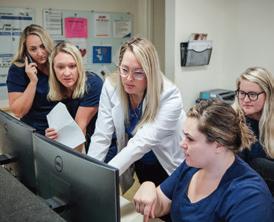
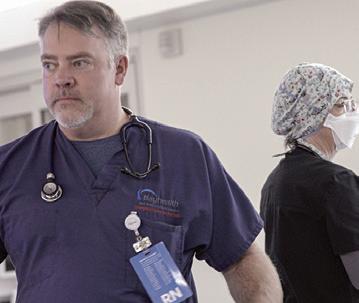
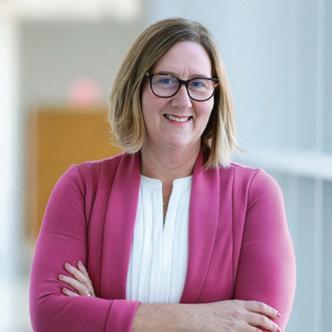
It is my honor to introduce the 2025 Nursing Annual Report, centered on a theme that defines who we are and what we accomplish each day: The Power of Nursing.
As an ANCC Magnet ® -recognized organization, our nurses are driven by a deep commitment to excellence and a passion for the care they provide. We have built the professional structures, shared governance framework and culture of accountability that make excellent outcomes possible. This year’s results prove the strength of that foundation and demonstrate the true power of nursing in action.
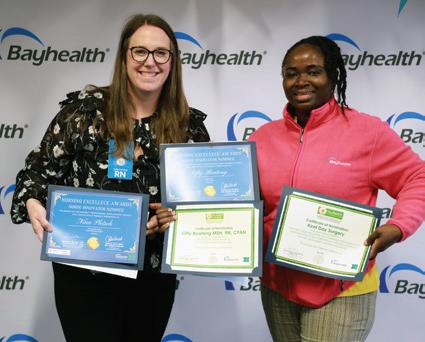
The power of nursing is visible in measurable outcomes, strengthened practice standards and innovations led directly by bedside nurses. It is realized when even a first-year nurse recognizes an opportunity to influence meaningful change. It is reflected in award-winning initiatives grounded in compassion, strengthened by evidence and designed to create a sustainable path forward. These recognitions do more than honor achievement — they affirm the influence, expertise and leadership that define our profession.
The power of nursing is visible in measurable outcomes, strengthened practice standards and innovations led directly by bedside nurses.”
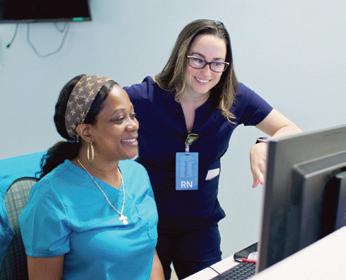
Over the past two years, our nurses demonstrated autonomy, accountability and advocacy — driving innovation and improving care beyond the bedside. This is the power of nursing: shaping systems and transforming care.
The accomplishments in this report represent growth, purpose and a nursing community committed to excellence. The expertise, compassion and dedication of our nurses make our profession stronger, our patients safer and our future brighter. Thank you for all you bring each day.
Inspire and be inspired.

WURSTER, DNP, RN, NEA-BC Senior Vice President, Patient Care Services and Chief Nurse Executive
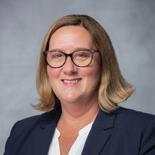
ROSEMARY (ROSI) WURSTER, DNP, RN Senior Vice President, Patient Care Services and Chief Nurse Executive
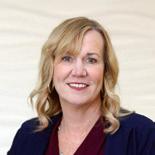
CHRISTINE KEITHLY, DNP, RN Vice President, Patient Care Services and Associate Chief Nursing Officer

ANGELINE DEWEY, MSN, APRN Senior Director of Clinical Practice and Professional Development
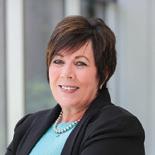
DOROTHY BORESKY, DNP, MBA, RN Director of Professional Excellence and Magnet Recognition

DOMINIC KAYATTA, MS Senior Director of Patient Experience
STACI MANNING, BSN, RN Director of Patient Flow and Capacity
FY2025 BY THE NUMBERS
1,043 Bayhealth nurses
302 Bayhealth certified nurses
59.6% Bayhealth nurses with a bachelor’s degrees or higher

JESSICA ALVAREZ, MHA, BSN, RN
Senior Director of Women’s & Children’s Services

REBECCA KILLIAN, MSN
Senior Director of Perioperative Services

BRIAN DUVAK, MBA Director of Respiratory Therapy & Sleep Services

THOMAS MCKNIFF, MSN, RN
Senior Director of Emergency, Trauma & Observational Services
DEBBIE HINES, MSN, RN Senior Director of Patient Care Services, Sussex

SARAH ADAMS, BSN, RN Interim Director of Patient Care Services, Kent
7.0% Bayhealth nurses with a master’s degree or higher
95 Nurse residents hired in 2025
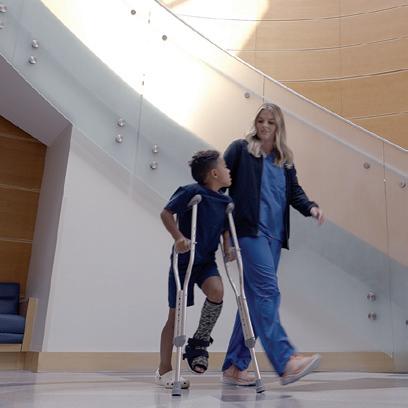
Bayhealth’s 1st Magnet designation
Received after eight years of nurses transforming the way they delivered patient care
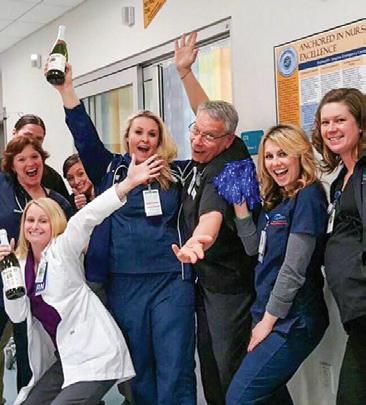
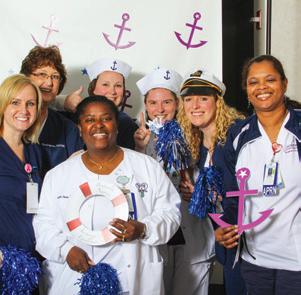
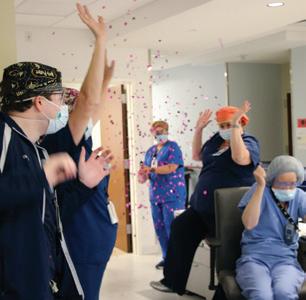
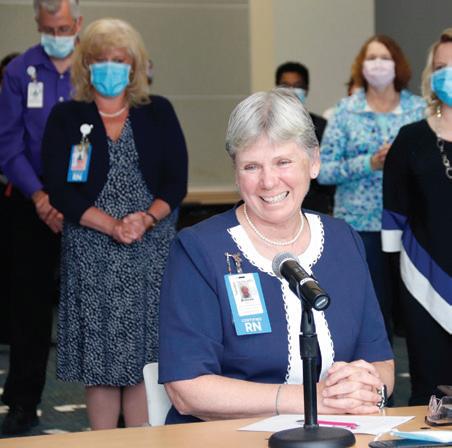
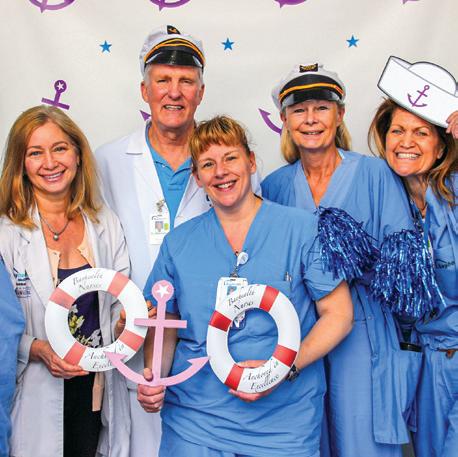
Bayhealth’s 2nd Magnet designation
Once again received Magnet designation. Bayhealth was one of the first organizations to receive a virtual site visit in the process
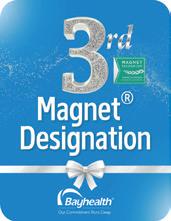
Bayhealth’s
3rd Magnet designation
Proud to once again belong to a global Magnet community among only a small, select group (10.5%) of health care organizations and hospitals in the U.S.
October 2025
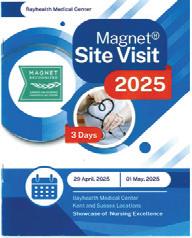
April 29 –May 1, 2025
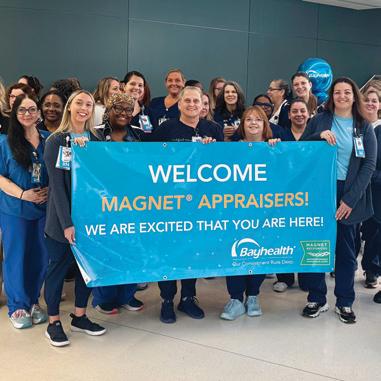
Magnet site visit
Autumn 2024 –Spring 2025
Preparing for the Magnet site visit with rounding and professional governance fairs
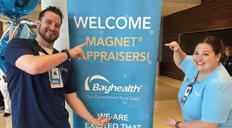
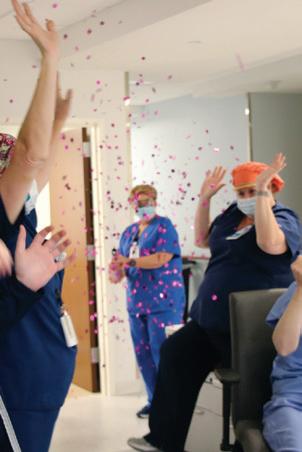
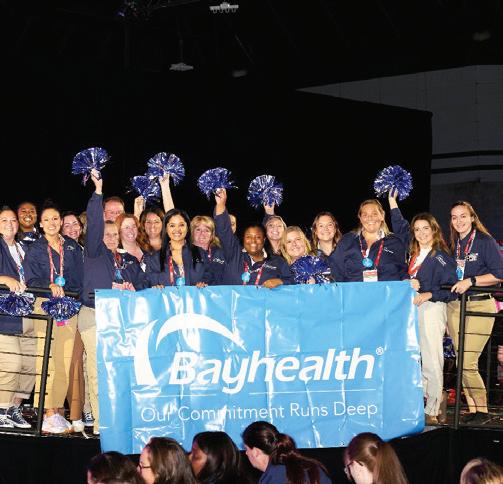
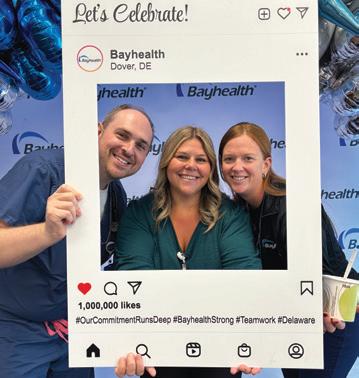
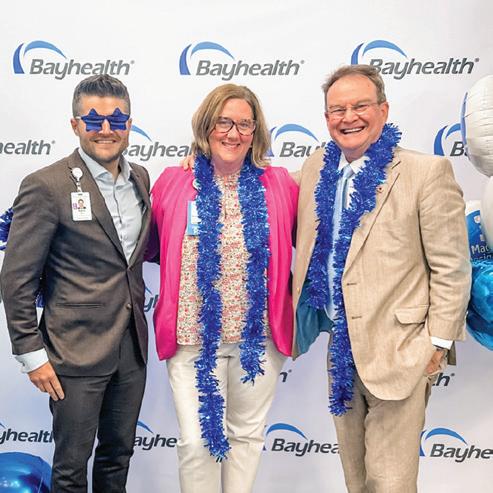
Team celebrates Magnet redesignation at the Magnet Conference 2025 in Atlanta
June 3, 2025
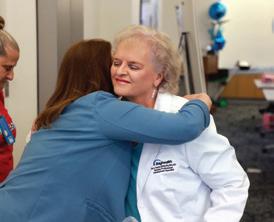
Bayhealth team celebrates the news of Magnet redesignation
Nurses across Bayhealth continue to show what it means to lead safe, reliable care. In 2025, that work resulted in improved patient outcomes; we received five exemplars in the Magnet process. These outcomes reflect consistent attention to prevention, strong clinical judgment and close coordination across care teams.
Behind the results is a clear focus on doing the fundamentals well, every time. Nurses are identifying risk earlier, speaking up and acting quickly to prevent harm. This steady, disciplined approach is what drives improvement over time.
The impact is both measurable and meaningful. Patients are safer, and care teams are more aligned in how they deliver care. Together, these efforts reinforce Bayhealth’s commitment to high reliability and strong professional nursing practice.
In 2025, that work resulted in improved patient outcomes; we received five exemplars in the Magnet process.”
– DOROTHY BORESKY, DNP, MBA, RN
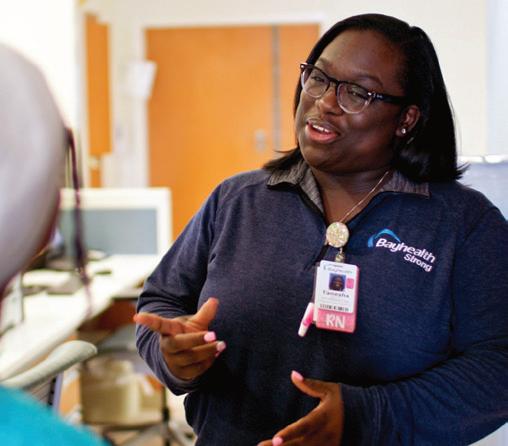
Nursing turnover demonstrated a steady and sustained decline throughout 2025, decreasing from 20.13% in January to 14.43% in December — a 5.7 percentage point improvement.
This positive trend reflects the power of nursing to lead meaningful change, supported by initiatives focused on professional governance, workforce engagement and recognition of nursing excellence. Efforts to strengthen the practice environment and invest in professional development have contributed to improved retention and a more stable workforce.
A resilient and engaged nursing workforce is essential to delivering safe, high-quality care. These improvements reinforce Bayhealth’s commitment to supporting nurses and advancing outcomes for the patients and communities we serve.
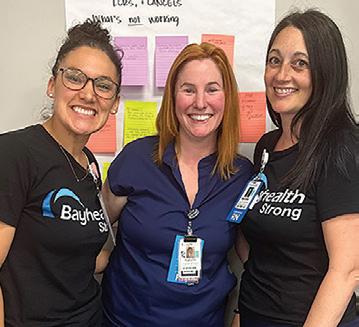
As staffing challenges intensified across the organization, Bayhealth nursing leaders identified a clear problem: inconsistent staffing levels, turnover and scheduling gaps across units. “We had units that were fully staffed one day and significantly short the next,” said Staci Manning, BSN, RN, director of patient flow and capacity. “We wanted people to come in with their challenges and be honest about what wasn’t working.”
In response, leaders launched the inaugural Staffing and Scheduling Summit in 2024, bringing teams together to align on shared solutions. The work focused on standardizing key practices, including time-off requests, weekend requirements and schedule balancing. These changes resulted in system-wide scheduling guidelines, giving staffing teams a more consistent framework to identify gaps earlier and respond more proactively. The result is a more sustainable workforce model that supports both nurses and the patients they serve.
Standardized order for cancels and pulls (travelers first, then overtime team members)
Maximum of four time-off request dates per six-week schedule
All FTE team members now required to work a minimum of four weekend shifts per schedule
Schedule balancing required: All units must submit balanced schedules to the staffing office
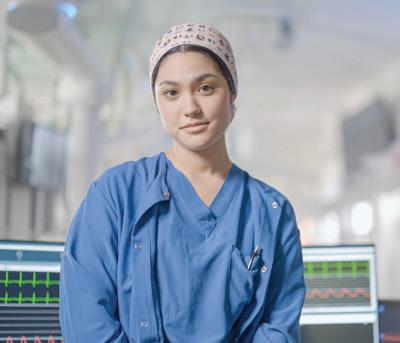
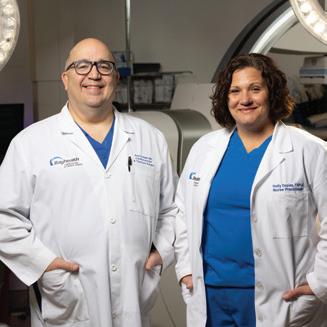
Guided by the Healthy Work Environment Assessment Tool, this nurse-led initiative provides a structured approach for teams to identify challenges and build solutions within clinical settings. Launched in 2024 as a two-year collaborative across perioperative services, the work spans the operating room, post-anesthesia care unit and day surgery.
In the operating room, staff implemented self-scheduling to support work-life balance
The Workforce Council connects frontline nurses directly to organizational decision-making, ensuring those closest to patient care have a voice in shaping the work environment. Originally created to address retention and operational challenges, it has grown into a structured forum where nurses across roles and units identify issues and develop practical solutions.
Meeting every other month with participation from both day and night shift staff, the council is designed to be inclusive and accessible. Nurses bring forward concerns related to staffing, scheduling and workflow, then work together
while maintaining safe staffing. Across units, teams focused on improving communication and reducing barriers between nurses, physicians and support staff.
Early results are measurable. In the post-anesthesia care unit, work environment scores increased from 4.05 to 4.48, reflecting gains in collaboration, communication and leadership. Teams have also reported less emotional exhaustion and a stronger sense of professional accomplishment.
on next steps. “We all have a say,” said Michelle Groves, BSN, RN, cardiovascular nurse navigator and council chair. “Sometimes people just want to know that someone hears them and cares.”
That feedback leads to action. The council has helped advance system-wide improvements, including standardized staffing practices, better weekend coverage and increased participation in professional development programs. Early results show progress, with decreasing turnover and improved retention, as the work continues to strengthen engagement and support patient care.
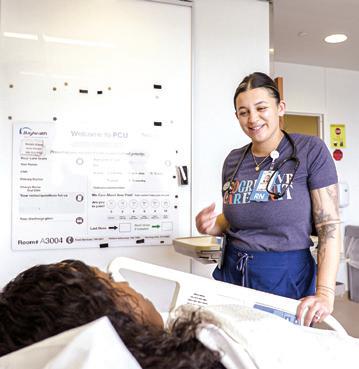
Patient experiences are shaped in rapidly changing moments, where communication, anticipation of needs and decision-making all need to adapt as information continuously shifts. “They are the glue, where the rubber meets the road,” said Dominic Kayatta, MS, senior director of patient experience, describing how nurses bring together the many moving parts of care. “Sometimes the nurse is the only family member that a patient has.”
To strengthen consistency, a structured approach is advancing through the nursing bundle, which includes hourly rounding, bedside shift report and nurse leader rounding. Together, these practices help teams anticipate needs, align communication and create a more consistent experience. Internal survey data show that when all three elements are in place, top box scores for likelihood to recommend increase.
At its core, patient experience reflects the power of nursing, the ability to combine coordination, communication and human connection to shape not just outcomes, but how care is felt.
They are the glue, where the rubber meets the road. Sometimes the nurse is the only family member that a patient has.”
– DOMINIC KAYATTA, MS
Nurses are coordinating care in real time across the entire system. We’re the front door to the organization.”
– ERIC LEHR, BSN, RN
Emergency nursing performance at Bayhealth is closely monitored through key metrics such as door-to-EKG times for chest pain patients and rapid imaging for stroke care. Daily reviews of throughput data, including length of stay and time to treatment, help teams identify opportunities for improvement.
As volumes increase, the focus remains on improving flow, strengthening communication and enhancing the patient experience. Even in the most complex situations, nurses remain grounded in both the clinical and emotional needs of each patient. Together, these changes have contributed to measurable gains in patient experience.
Satisfaction scores at the Sussex Emergency Department increased 5% year over year, while Smyrna maintained high performance and Total Care maintained scores in the 85th to 90th percentile, per Press Ganey rankings.
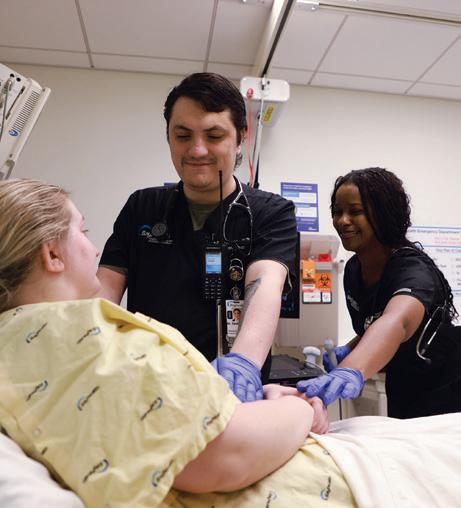
From childbirth through pediatric care, nurses in Bayhealth’s Women’s and Children’s Services coordinate care across disciplines to support families at every stage. Their role brings together education, emotional support and clinical care, working closely with case management, lactation consultants, social workers, chaplains and community-based doulas.
That coordination is reflected in how care models continue to evolve. Nurses developed a formal doula policy and hosted open houses at both campuses to strengthen partnerships, anticipating Delaware legislation that now requires insurance coverage for doula services.
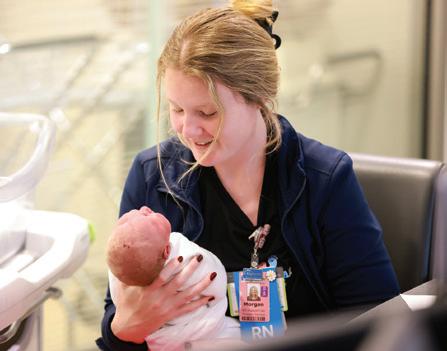
Across the division, teams stay connected through daily huddles, cross-campus communication and proactive discharge planning to support safe transitions. Nurses also extend their reach beyond the bedside, leading childbirth and infant care education and creating social media content that helps patients prepare before they arrive.
For many nurses, the work is also personal. They care for people they know, and often choose Bayhealth for their own families, reflecting a level of trust that goes beyond the clinical setting. That connection reinforces a shared commitment to delivering safe, compassionate care at every stage of the patient journey.
Our nurses are the gatekeepers for young families coming into the building.”
– JESSICA ALVAREZ, MHA, BSN, RN
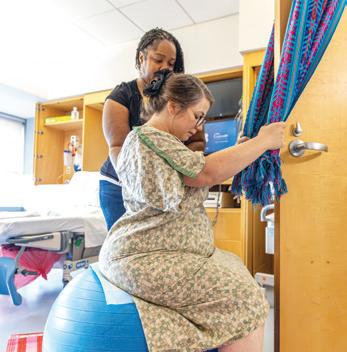
When one young mother arrived at Bayhealth to deliver her first child, she did so without consistent support from family or her community. Nurses connected her with a community doula, ensuring she had guidance throughout labor and into recovery.
That support did not end at discharge. As access to doulas expanded through new state legislation, nurses helped build the structure to integrate them more fully into care, strengthening partnerships with community organizations and defining their role across the care experience.
When the patient returned for her second delivery, she was reunited with the same doula. The continuity changed the experience, providing stability, trust and a familiar advocate during both pregnancies. For the care team, it reinforced the importance of looking beyond the immediate clinical need to ensure patients are supported throughout their journey.
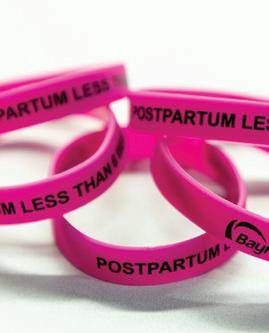
Nurses identified a gap in how postpartum hypertension was recognized after discharge and moved quickly to address it. Patients now leave the hospital with color-coded wristbands that signal postpartum status and associated risk, along with clear education for follow-up care.
The effort extends beyond the hospital. Emergency departments and EMS teams across the region were trained to recognize the wristbands and respond accordingly, creating a more connected approach to care.
The impact was immediate. Within days of implementation, a patient returned wearing her wristband and was quickly identified as being in hypertensive crisis. She received timely intervention that may have otherwise been delayed. The program reflects a focused effort to improve maternal outcomes through early recognition and coordinated response.
BY THE NUMBERS
96
Bayhealth’s score on the CDC’s National Survey for Newborn Feeding Practices (national average: 81)
3
Consecutive years of earning the Gold Star Award for neonatal resuscitation (100% compliance)
3 Baby-friendly redesignations at both Kent and Sussex campuses
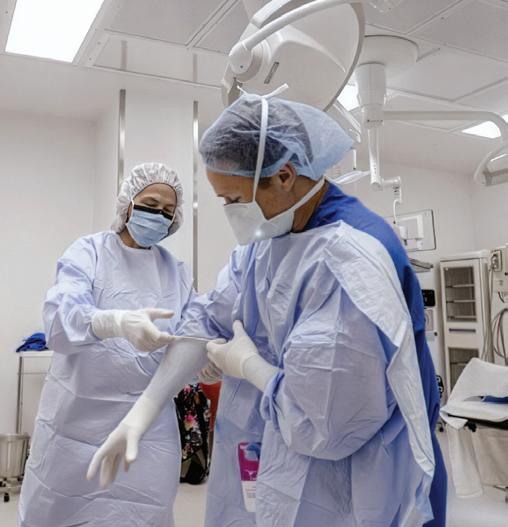
In Surgical Services at Bayhealth, nurses support individuals through some of the most vulnerable moments in their care, from preoperative preparation through recovery. Their role is grounded in advocacy, ensuring patients are prepared, informed and supported at every step, often building trust in minutes. Care requires precision, coordination and clear communication, with nurses collaborating across surgical, anesthesia and recovery teams to maintain safety and continuity.
Surgical Services continues to demonstrate strong performance in quality, practice and patient satisfaction. The year-to-date patient satisfaction score for likelihood to recommend is 85.5%, with a quarterly score of 90.91%, exceeding the 2025 average of 89.37% and the goal of 82.2%.
Looking ahead, ongoing education, daily safety huddles and a strong emphasis on speaking up will continue to reinforce a culture of safety across the surgical continuum. At the same time, the adoption of robotic-assisted surgery is advancing patient outcomes, supporting faster recovery and shorter lengths of stay.
ADVOCACY AT EVERY STEP
• Preoperative Care
Preparing patients, confirming readiness and building initial trust
• Intraoperative Care
Coordinating with the surgical team and maintaining a safe environment
• Recovery (PACU)
Monitoring patients as they emerge from anesthesia and regain stability
• Constant across all phases Advocacy, communication and patient-centered care
Care on inpatient units at Bayhealth’s Kent Campus is shaped by rising patient volumes and increasing complexity, requiring teams to adapt quickly while maintaining safe, high-quality care. As demand has grown, efforts have focused on expanding capacity and strengthening early intervention. Additional beds have been opened during peak periods, and staffing models have been adjusted to better support patient flow, reduce delays and ease strain on care teams.
A key advancement has been the expansion of the Clinical Care Outreach Team (CCOT).
These experienced critical care nurses monitor early signs of patient deterioration, support timely escalation and provide real-time guidance to bedside nurses. The team also plays an important role in mentoring newer nurses, reinforcing critical thinking, clinical judgment and decision-making in real time.
These efforts have contributed to a decrease in codes occurring outside of the ICU. As patient volumes continue to grow, the focus remains on expanding CCOT coverage, which helps strengthen support for a developing workforce.
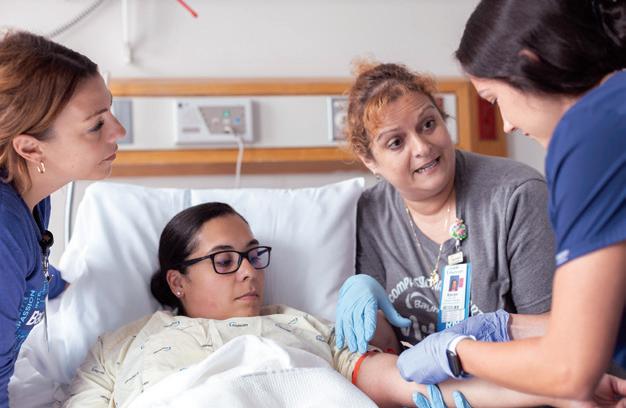
• Bedside nurses identify early signs of deterioration
• CCOT nurses monitor and assess patient status
• Real-time guidance supports clinical decision-making
• Escalation happens sooner when needed
• Ongoing mentorship strengthens nurse confidence
As patient volumes grow, Bayhealth’s Sussex Campus opened 12 additional beds to accommodate surge demand, with nurses managing increasing workloads while maintaining strong performance across key quality indicators. The team continues to meet or exceed targets for infection prevention and patient safety, with just one catheter-associated urinary tract infection (CAUTI), one central line-associated bloodstream infection (CLABSI) and zero methicillin-resistant Staphylococcus aureus (MRSA) cases over the past year.
A signature initiative has focused on reducing emergency department-to-inpatient transfer times. Inpatient nurses review patient information in Epic before going to the Emergency Department (ED) to complete handoffs in person, consistently meeting the goal of transferring patients in under 45 minutes. Outside consultants from Guidepost
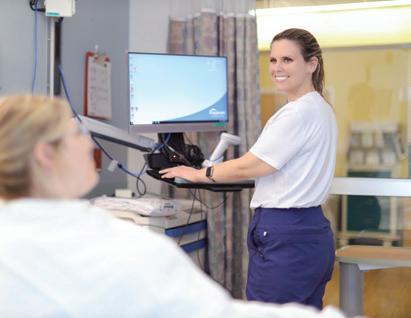
noted this benchmark is rarely achieved. The long-term goal is 30 minutes.
Nurses are central to the patient’s plan of care process, reviewing handoff reports, completing in-person transfers and leading multidisciplinary rounds with physicians, pharmacy, care management, social work and therapy teams to support safe, timely discharges. A bedside shift report tool built in Epic, developed with input from frontline nurses, ensures consistent handoffs with the patient present, improving safety and satisfaction.
Leadership visibility is a key driver of success. Nurse leaders maintain a strong presence across all shifts, including nights and weekends, working directly with staff to address challenges in real time.
Lead ED-toinpatient transfers Coordinate multidisciplinary rounds
Drive consistency across the patient journey
Align care teams for timely discharge
Advocacy, communication and patient-centered care
Bayhealth’s Professional Development Ladder helps nurses expand their expertise while continuing to care for patients in clinical settings, recognizing those who pursue advanced skills, certifications and leadership opportunities.
“Some nurses want to stay in direct patient care but do more, and this program gives them the opportunity to explore areas like quality improvement, research or professional development,” said Brittany Oakey, MSN, RN, nursing professional development manager.
In response to nurse feedback, leaders streamlined requirements, extended the renewal window to 24 months and introduced a mentoring initiative. The results were immediate: more than 55 nurses participated in the first mentoring cycle, helping the organization double its participation goal and then exceed it. Participants complete 120-day projects through HealthStream portfolios, advancing clinical practice across the organization.
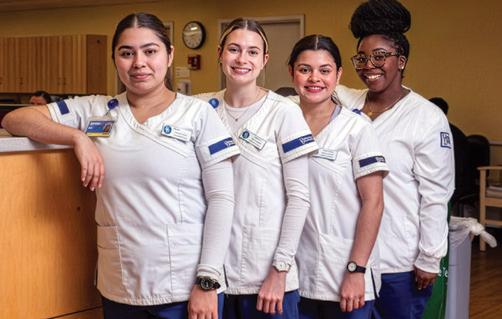
Bayhealth’s Clinical Scholars Program strengthens the transition from nursing education to professional practice by connecting students to the organization before they begin their careers.
Developed in partnership with the University of Delaware, the program, led by 3 East and 3 West at Kent, engages students during their senior year, offering mentorship, clinical rotations and a clear pathway into practice. Participants build relationships, develop familiarity with unit workflows and gain confidence in real-world settings before stepping fully into their roles.
“We wanted to connect with students earlier and give them a place to grow,” said Alana King, MSN, RN, workforce development specialist and President-elect of the Delaware Nurses Association. “It’s about helping them build a strong foundation before they step fully into practice.”
The impact is already evident. Participants have successfully transitioned into nursing roles within Bayhealth, continuing their practice on the units where they trained, with stronger clinical awareness, established team relationships and higher retention in high-need areas.
Three Bayhealth intermediate and intensive care units recently earned the American Association of Critical-Care Nurses Beacon Award for Excellence. The CVSICU, 2N IMC and Sussex Campus 5B each received the award at the silver level, marking Bayhealth’s first Beacon recognition in nearly two decades.
Across all three units, the recognition reflects a shared focus on strengthening culture, supporting nurses and driving continuous improvement. Following the challenges of the COVID-19 pandemic, leaders prioritized engagement, intentional hiring and psychological safety, creating environments where nurses feel empowered to lead change.
That work translated into measurable results.
On 2N IMC, the team achieved zero first-year turnover and led a project to reduce hospitalacquired pressure injuries. In the CVSICU, a
sustained focus on quality contributed to multiple consecutive years without central line-associated bloodstream infection (CLABSI) cases.
On Sussex 5B, nurses advanced practice through the AACN Clinical Scene Investigator Academy, reducing non-ventilator hospital-acquired pneumonia through early mobility and pulmonary hygiene, while implementing a digital huddle board to improve visibility into safety priorities. Across units, strong engagement and collaboration have supported consistent clinical outcomes.
“When teams feel supported and empowered in their practice, they want to do the hard work that leads to better outcomes for patients,” said Cindy Mowery, BSN, MHA, RN, senior nurse manager, 5B.
“Nursing is a team sport,” added Sarah Adams, BSN, RN, senior nurse manager. “Excellence simply cannot exist without teamwork.”
When teams feel supported and empowered in their practice, they want to do the hard work that leads to better outcomes.”
– CINDY MOWERY, BSN, MHA, RN
Three critical care/progressive units recognized: CVSICU, 2N IMC and Sussex 5B
Silver level designation — first Beacon recognition at Bayhealth in nearly 20 years
Zero first-year RN turnover on 2N
Zero CLABSI cases on CVSICU for multiple consecutive years
All three units will present at AACN’s National Teaching Institute in New Orleans
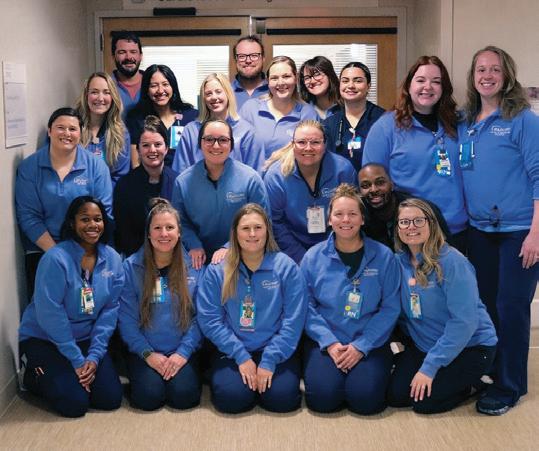
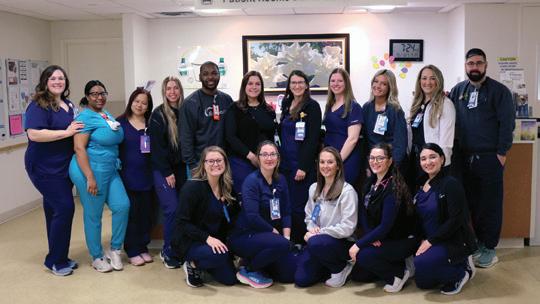
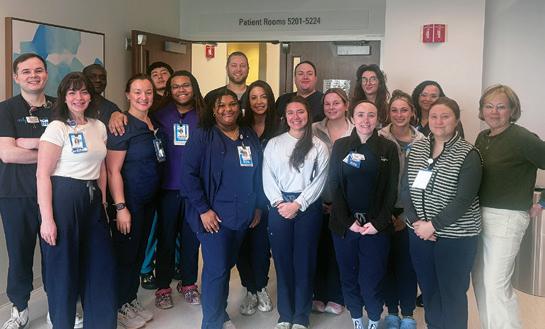
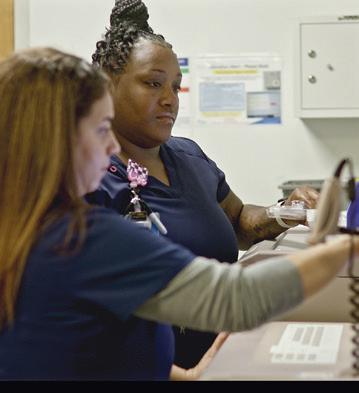
Through participation in the American Association of Critical-Care Nurses Clinical Scene Investigator Academy, clinical nurses are empowered to identify challenges in their practice environment and develop structured, evidence-based solutions.
The program equips nurses with tools grounded in implementation science, guiding them from problem identification to measurable outcomes while strengthening critical thinking, collaboration and leadership across teams.
One project focused on improving workflow and patient outcomes by adjusting medication administration times. While the change appeared simple, the impact was significant. Nurses gained more time with patients at the start of their shift, improving communication and care delivery.
Results captured in Epic were clear. Timely medication administration increased from 77.5% to 90.2%, contributing to improved work environment scores and reduced nurse turnover. The success of the project quickly spread across units at both campuses, demonstrating how frontline-led innovation can scale across the organization.
At Bayhealth, professional growth is supported through programs that remove barriers and create real opportunities for nurses to advance their practice. Through the Professional Development Council, initiatives like the Nursing Certification Scholarship help nurses pursue specialty, leadership and professional development certifications, strengthening clinical expertise and supporting high-quality patient care. The scholarship addresses one of the most common obstacles, cost, by covering exam fees through funding from initiatives like the annual Nurse on the Run event.
Nurses who earn certification often develop stronger decision-making confidence and go on to serve as preceptors and mentors, extending that expertise across their teams. The Professional Development Council brings nurses together to identify opportunities like these, with a sustained focus on workforce development, retention and ongoing education. With more than 300 certified nurses across Bayhealth, the impact continues to grow.
The transition from nursing school to clinical practice is one of the most challenging points in a nurse’s career. Bayhealth’s Nurse Residency Program provides structured support to help new nurses successfully transition into practice. Open to all new graduate nurses and those new to acute care, the yearlong program is accredited with distinction by the American Nurses Credentialing Center (ANCC). Unlike many organizations, Bayhealth places no cap on enrollment: every qualifying nurse is accepted.
The program combines three pillars: precepted clinical immersion on the unit, cohort-based residency classes and a mentorship component. In 2026, specialty tracks were added for emergency, critical care and med-surg/IMC nurses, providing targeted support for each practice environment.
“We take every nurse who is new to practice or new to acute care into the residency program,” said Michelle Thompson, MSN, RN, nurse residency program specialist. “It shows our commitment to investing in their success from the very beginning.”
The transformation over the course of the year is clear. Nurses who begin the program unsure and hesitant grow into confident clinicians who can recognize changes in a patient’s condition, respond quickly and advocate effectively. By reducing early turnover, the program also contributes to a more stable, experienced workforce — and safer patient care.
• Supports transition from education to practice
• Builds clinical confidence and decision-making
• Strengthens earlycareer retention
• Contributes to a more stable nursing workforce
• Advances patient safety through stronger clinical judgment
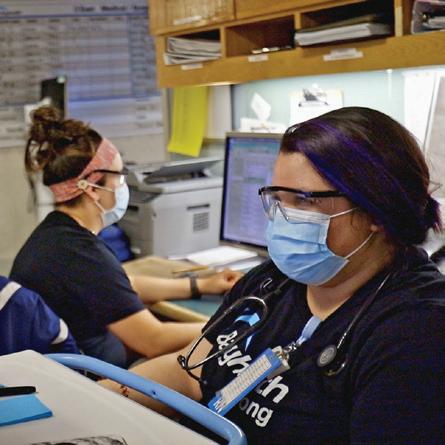
Patient Care Congress is a collaborative professional governance forum that empowers clinical nurses to bring forward ideas that strengthen practice and improve workflow. In 2025, nurses raised concerns about the requirement for a second clinician to co-sign subcutaneous insulin doses, a process that could delay medication administration during high-volume care periods. After a literature review confirmed that co-signing subcutaneous insulin does not significantly reduce patient risk, the recommendation advanced through organizational councils and leadership before system-wide implementation.
The results were immediate. Nurses described the change as wildly successful, noting that timely insulin administration had been a persistent frustration. Barcode medication administration technology, already in place, provided the added layer of safety that made the change clinically sound.
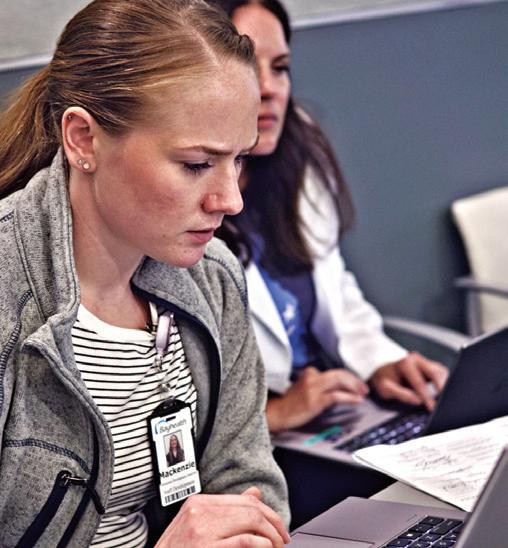
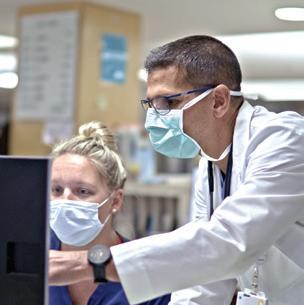
Clinical nurses are the eyes and ears of the care environment, they can quickly identify when a process works and when it needs to improve.”
– SARAH SWAN, BSN, RN
We wanted to make it as simple as possible for direct care nurses to suggest change.”
– ANGELINE DEWEY, MSN, RN, APRN
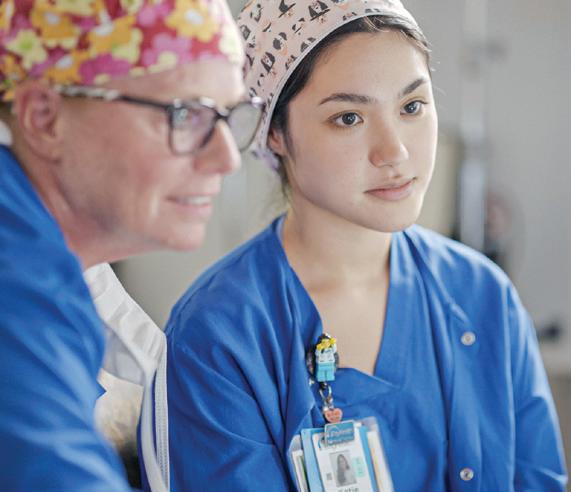
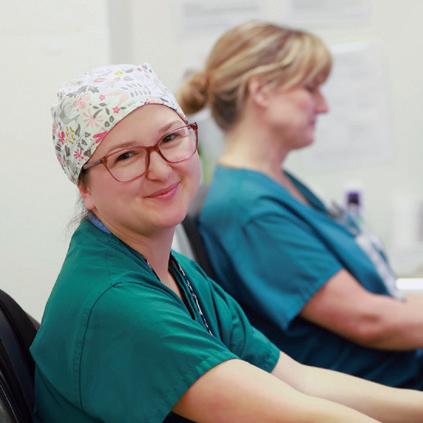
Change in health care is constant, but meaningful improvement depends on how that change is guided and sustained. At Bayhealth, a structured three-phase approach gives nurses a clear path to move ideas forward with support and accountability.
The process begins in shared governance, where any nurse can submit an SBAR, outlining the situation, background, assessment and recommendation, and present it at Patient Care Congress. From there, the nurse partners with a clinical nurse specialist to evaluate the proposed change across key areas, including policy, electronic medical record updates, supply needs, education and interdisciplinary impact.
Once fully developed, the plan returns to Patient Care Congress for final approval and a defined implementation timeline, ensuring full-circle accountability. Nursing professional development practitioners support each step, helping translate ideas into evidence-based practice.
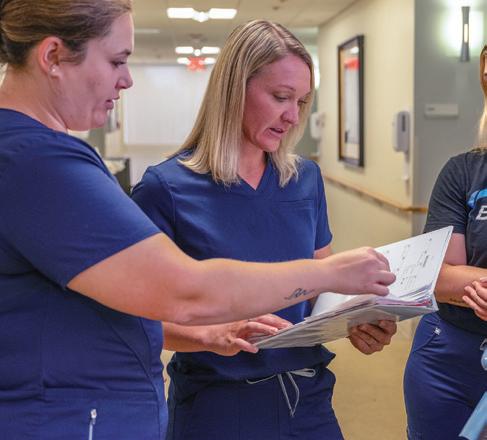
Informatics Council
Opportunities to improve care are often identified in daily practice, but without a clear path, those ideas can be difficult to advance. The Nursing Informatics Council was established to close that gap, bringing together nurses, clinical leaders and IT partners to evaluate workflows and improve how systems support care delivery.
“It creates a way for nursing to have a voice,” said Nina Pletsch, MSN, RN, clinical informatics specialist. Much of the work focuses on documentation and technology, including enhancements to the electronic medical record
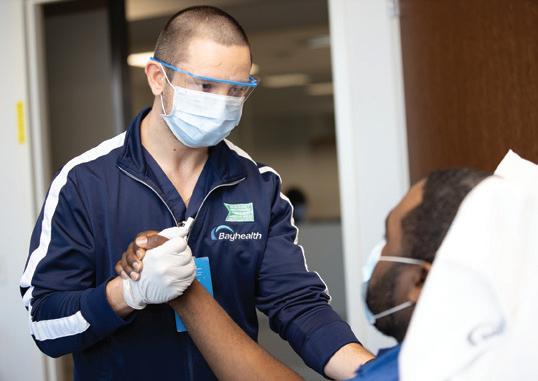
and workflow tools. In one example, a nurse requested changes to documentation options. Review of the request revealed broader workflow gaps, leading to revisions that better aligned with best practice and patient needs.
Ideas are reviewed collaboratively and advanced through established channels. The council also supports communication through newsletters, rounding and direct engagement, helping ensure changes are understood and adopted while connecting frontline insight to system improvement.
It creates a way for nursing to have a voice.”
– NINA PLETSCH, MSN, RN
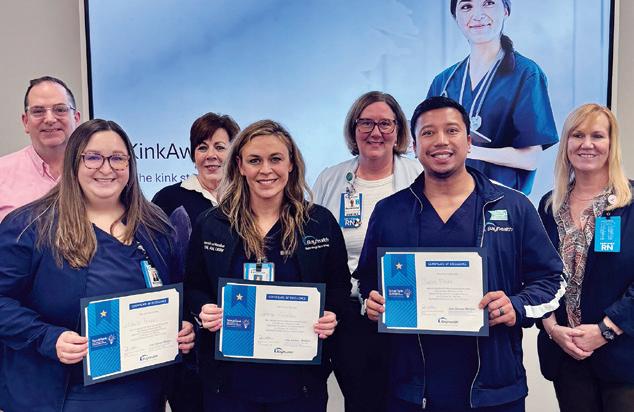
Scrub Tank
In 2025, a recurring challenge in dialysis care became the starting point for something new. Through Bayhealth’s Scrub Tank, a Shark Tank ® -style forum designed to surface and develop ideas, nurses are invited to bring forward problems and work collaboratively to build solutions. In a fast-paced session, teams form, refine concepts and present them to a panel for feedback and next steps.
One idea stood out. “Kink Away” was developed to address a common issue: tubing that becomes kinked during dialysis, disrupting treatment and creating additional stress for patients and care teams. The proposed solution is simple, a small device designed to prevent kinking and maintain consistent flow. Early prototypes are already in development using internal resources, including 3D printing.
But the impact extends beyond a single idea. Scrub Tank is creating a pathway for nurses to move from observation to innovation, transforming everyday challenges into opportunities for improvement. As the work continues, with another Scrub Tank already planned, efforts like Kink Away point to something larger, a growing culture where nurses are not only identifying problems, but actively designing the solutions that will shape the future of care.
• Modeled after a Shark Tank-style format
• Teams form around real-world challenges
• Ideas are developed and presented in real time
• Selected concepts move forward for further development
The Professional Practice Quality and Safety Council reflects the power of nursing to lead system-wide improvement. Comprised of nurses from across the organization, it serves as a central forum for advancing clinical practice, strengthening safety and aligning standards of care. Through shared governance, nurses bring frontline insight into decisions that directly impact patient outcomes. Council members review data, identify opportunities and implement evidence-based practices to improve consistency across units, with key updates shared monthly at Patient Care Congress.
That work drives measurable change. When inpatient nurses identified gaps in diabetes education after the shift to outpatient-only educators, the council developed a multilingual response. Materials in English, Spanish and Haitian Creole were distributed, staff received refresher training on connecting patients to outpatient resources, and care pathways were strengthened to address barriers related to supplies, language and follow-up care.
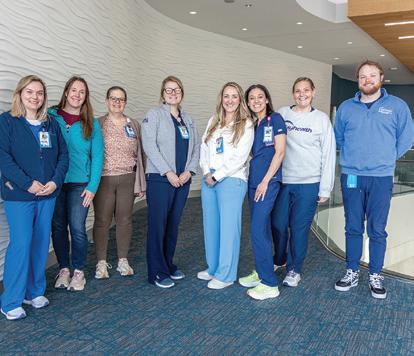
• Review of data to identify opportunities for improvement
• Implementation of evidencebased practices across units
• Development of multilingual patient education materials
• Staff education on connecting patients to outpatient resources
• Strengthening care management pathways for discharge
• Monthly updates shared at Patient Care Congress
Turning questions into practice requires structure, review and follow-through. The Research and Evidence-Based Practice Council provides that pathway, guiding ideas from nurses and interdisciplinary teams and refining them into actionable work.
That process drives measurable change. A recent study on resuscitation efforts examined response times and care quality, helping teams better understand what influences survival. By connecting inquiry with implementation, the council ensures new knowledge is applied, positioning nurses as leaders in improving care.
As patient volumes increase and care needs become more complex, Bayhealth nursing teams have identified challenges in maintaining safety while minimizing disruptions to the patient experience.
Traditional one-to-one observation, while effective, often created strain on staffing and could be intrusive for patients. In response, a virtual patient observation platform was implemented, allowing one technician to monitor multiple individuals simultaneously using real-time video and alerts. Since its launch, the system has supported more than 16,000 patient observation hours and helped prevent 114 falls, while also contributing to more than $100,000 in cost avoidance.
“It has to be innovation, not just decoration,” said Christine Keithly, DNP, RN, vice president of patient care services and assistant chief nurse officer.
This approach ensures technology is purposeful and outcomedriven. Next steps include expanding mobile tools like Zebra devices, handheld devices that allow nurses to document care, scan medications and communicate in real time at the point of care. Work is also underway to explore ambient documentation solutions to further reduce administrative burden and support nursing practice.
Focus: Streamlining inpatient workflows to support rising volume and complexity
Approach: Cross-disciplinary collaboration to identify barriers and improve processes
Staff impact: Reduced friction in daily workflows and clearer care team coordination
Patient impact: More efficient care transitions and improved responsiveness
Technology should make the work easier and safer.”
– CHRISTINE KEITHLY, DNP, RN
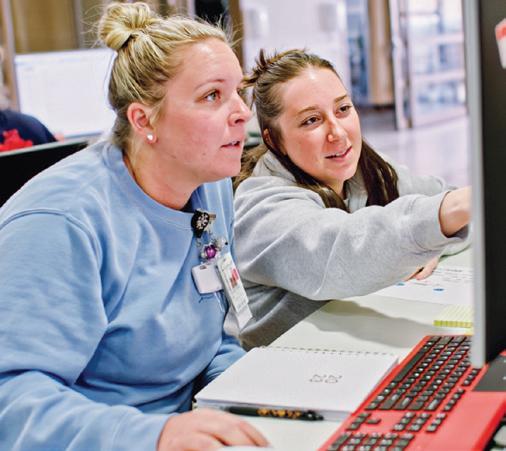
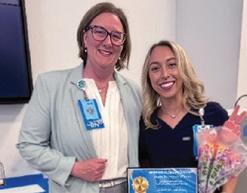
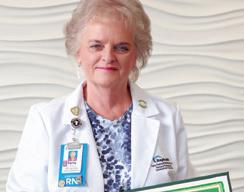
NURSE PRECEPTOR
Lauren Adams, RN, MSN
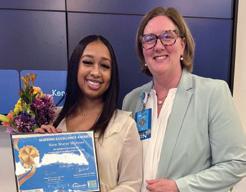
ADVANCING HEALTH EQUITY
Teresa Towne, MSN, RN
NEW NURSE
Grettel Gonzales
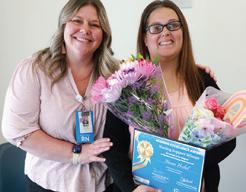
NURSING SUPPORT
Susan Vockel
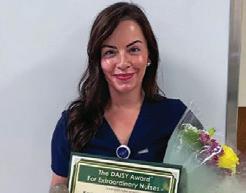
NURSE INNOVATOR
Karly Gamaitoni, BSN, RN
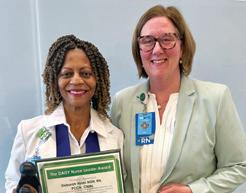
NURSE LEADER
Deborah Hines, MSN, RN
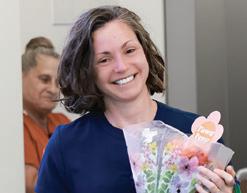
NURSE ETHICS
Amanda Long, RN
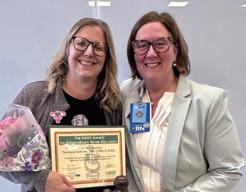
NURSE EDUCATOR
Tina Raab, MSN
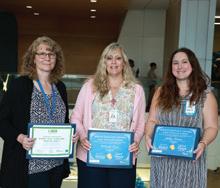
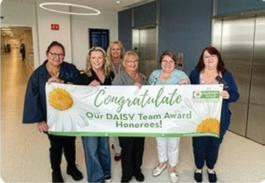
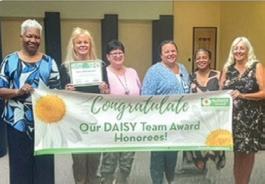
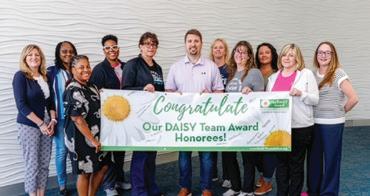
The Case Management team, recipients of the 2025 DAISY Team Award, is recognized for compassion and for shaping the patient experience beyond direct care.
Their work centers on navigating complex situations, coordinating across disciplines to ensure safe transitions. In one case, a patient medically ready for discharge had no safe place to
go. Rather than accept the delay, the team brought together nurses, physicians, community partners and the patient’s limited support system, securing a safe transition and support for recovery.
During multidisciplinary rounds, case managers identify discharge barriers early, align care teams and guide proactive planning, staying engaged until the right outcome is achieved.
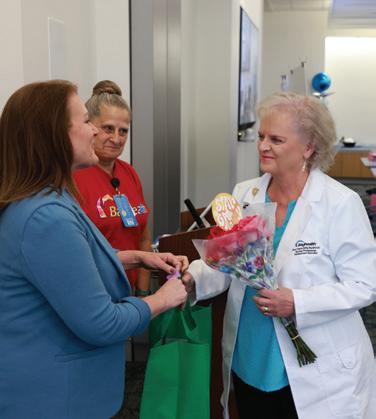
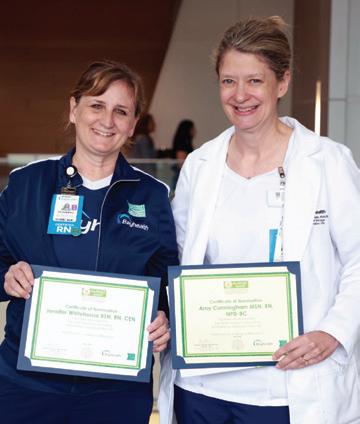
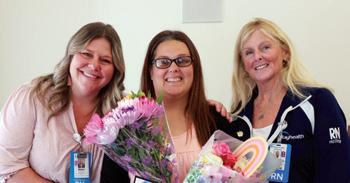
The DAISY and Sunshine awards recognize nurses and clinical support staff for compassionate care and clinical excellence across Bayhealth. The DAISY Award is a national program honoring nurses, while the Sunshine Award recognizes nursing assistants and patient care technicians. Nominations, most often submitted by patients and families, reflect experiences shaped by compassion, empathy and trust.
“It’s often the simplest things that make the biggest difference,” said Nursing Professional Development Specialist Tina Raab, MSN.
Each nomination is reviewed using criteria aligned with Bayhealth’s values, including compassion, teamwork, learning and selflessness. Engagement has grown significantly, with DAISY nominations increasing from 37 to 419 and Sunshine nominations more than doubling, reflecting a culture where everyday actions leave a lasting impact.
Three Bayhealth team members were named Top Nurses at the Delaware Today Excellence in Nursing Awards, with another 106 nurses recognized across 20 categories. Top Nurse winners included Nina Pletsch, MSN, RN; Korinne Roach, BSN, RN; and Yolanda Simpson, LPN.
“Working with these amazing Magnet nurses was an honor,” said Chief Nurse Executive Rosemary Wurster, DNP, RN, NEA-BC. “Their empathy, determination and clinical expertise were inspiring.”
With 20 years of service, Top Nurse Korinne Roach said the recognition reflected her passion for patient care. “It was a privilege to care, comfort and advocate for others during vulnerable moments.”
In one of the most difficult moments a family can face, it was a nurse’s presence that stayed with them. A patient had been hospitalized in the intensive care unit for several weeks. As his condition declined, his family faced a series of difficult decisions. Throughout that time, one nurse stood out for how she supported both the patient and his loved ones. She spoke with intention, included the patient in conversations and approached each interaction with compassion and clarity. As the end of life approached, she remained a steady presence, offering guidance and reassurance.
When it was time to say goodbye, she did something the family would never forget. After her shift ended,
she stayed, sitting with the patient’s wife and offering comfort as she processed the moment, not as a task, but as a human response to loss.
“Those moments stay with families long after they leave the hospital,” said Tina Raab.
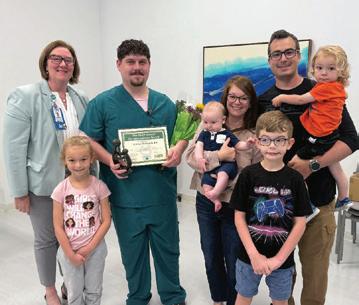
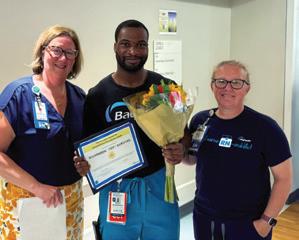
Later, the family returned to present a DAISY Award in her honor, ensuring the care they experienced would not go unrecognized. Stories like this are at the heart of the DAISY Award, recognizing moments when nursing care extends beyond treatment and becomes something families carry with them long after.
Bayhealth’s mission is to strengthen the health of our community, one life at a time. Bayhealth’s commitment to our community runs deep. As central and southern Delaware’s largest health care system, Bayhealth comprises Bayhealth Hospital, Kent Campus and Bayhealth Hospital, Sussex Campus; the freestanding Emergency Department in Smyrna; Bayhealth Emergency and Urgent Care Center, Total Care in Milton; as well as numerous satellite facilities and Bayhealth Medical Group-employed clinician practices encompassing a variety of specialties. Bayhealth is a technologically advanced not-for-profit health care system with more than 5,000 team members and a medical staff of more than 690 physicians and 300 advanced practice clinicians. Bayhealth is an affiliate of Penn Medicine for cardiothoracic surgery and is a member of the Penn Cancer Network.
To learn more, visit Bayhealth.org.
TERRY M. MURPHY
President and Chief Executive Officer
KYLE BENOIT, MHA
Executive Vice President and Chief Operating Officer
ROSEMARY (ROSI) WURSTER, DNP, RN
Senior Vice President, Patient Care Services and Chief Nurse Executive
CHRISTINE (CHRIS) KEITHLY, DNP, RN
Vice President, Patient Care Services and Associate Chief Nursing Officer