Natural Awakenings Lehigh Valley PA & Far West NJ- March 2026
NEXT COURSE
APRIL 12, - SEP 20, 2026
Through the American Association of Nutritional Consultants (AANC) Doctor of Naturopathy and Clinical Nutritionist Dr. Derek Rodger (ND) prepares students to pass the Certified Nutritional Consultants Exam. Once qualified you are entitled to use the designation CNC after your name and practice as a Nutritionist. Certified Nutritional Consultants (CNC) can work in hospitals, clinics, private practice settings alongside acupuncturists, mental health professionals, physical therapists, doctors and chiropractors, as well as a consultant in schools, businesses, health food stores, spas and health clubs.
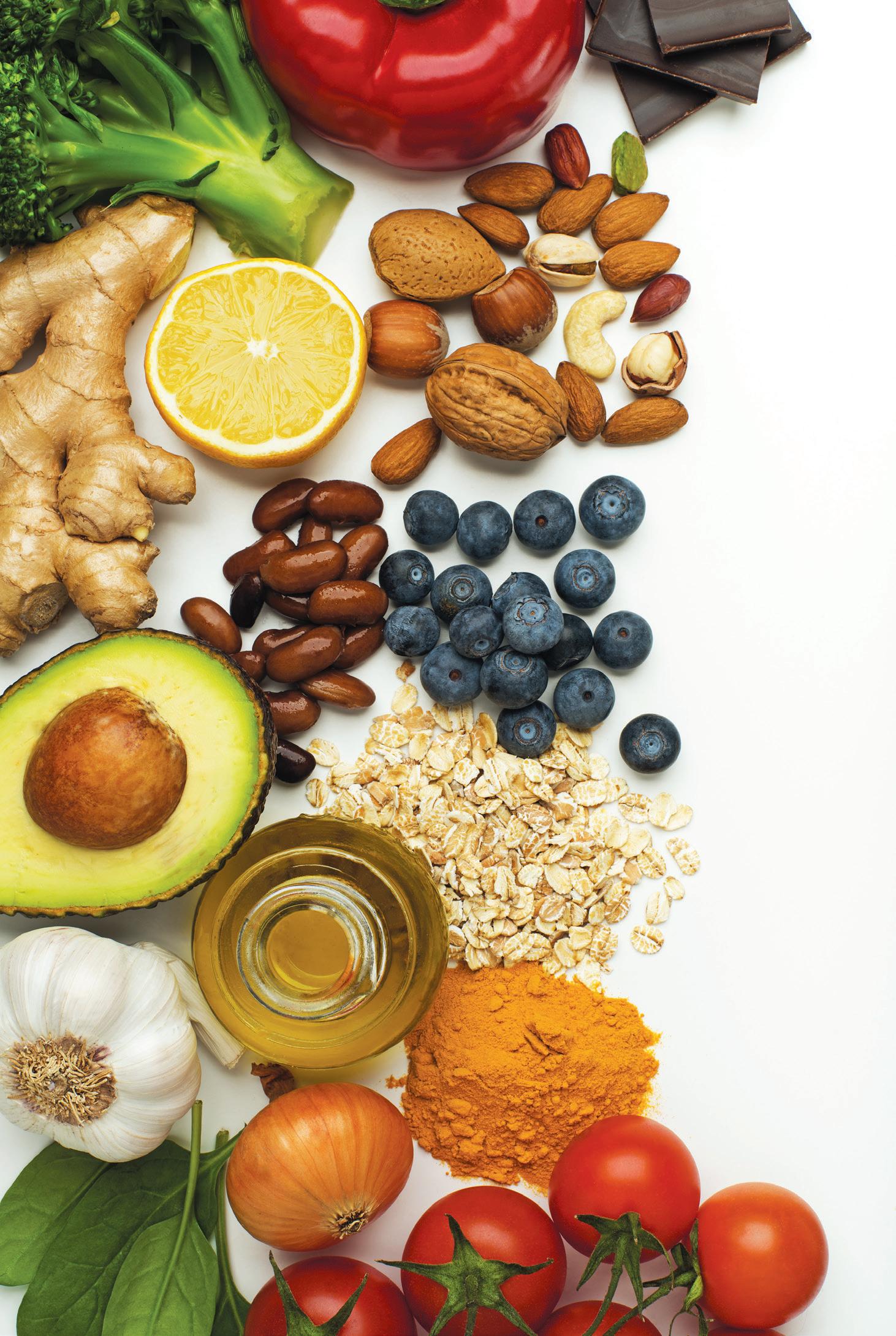
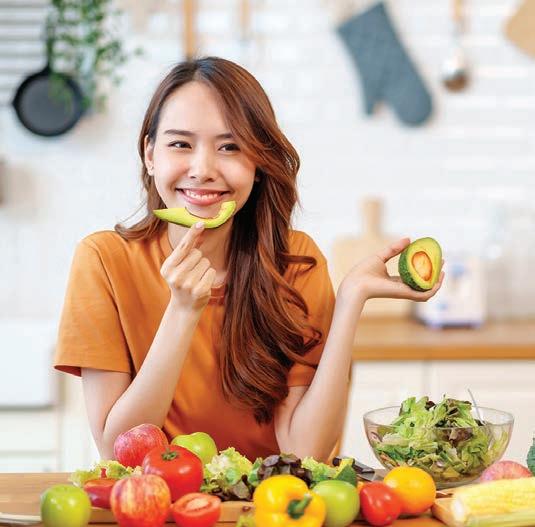
Today's economists have determined that the natural health field is the fastest growing industry in the U.S. today. It goes without saying that people are getting more concerned about their personal health and their families health. Just take a look at this picture below and ask yourself, what type of life are you planning for yourself.
The course includes 11 modules and the classes meet on a Sunday morning 9-1 pm. The course fee is $1950 and can be paid over 6 months at $325.
Natural Awakenings is printed on partially recycled and fully recyclable newsprint with black soy ink.
The Benefits of Protecting Yourself from EMFs in a Wireless World
In today’s hyper-connected world, exposure to electromagnetic fields (EMFs) has become a daily reality. From smartphones and Wi-Fi routers to laptops, smart meters, and Bluetooth devices, we are surrounded by invisible energy fields 24 hours a day. While technology has brought tremendous convenience, many health-conscious individuals are choosing to reduce unnecessary EMF exposure as part of a proactive wellness lifestyle.
EMFs are forms of non-ionizing radiation emitted by electrical devices and wireless communications. Although research is ongoing and perspectives vary, some studies suggest that long-term, high levels of exposure may contribute to symptoms such as sleep disruption, fatigue, headaches, difficulty concentrating, and increased stress levels. For sensitive individuals in particular, minimizing exposure may lead to noticeable improvements in overall wellbeing.
One of the primary benefits of EMF protection is improved sleep quality. Bedrooms are often filled with devices — phones charging on nightstands, Wi-Fi routers nearby, and smart TVs on standby mode. Reducing these exposures by turning off Wi-Fi at night, keeping phones out of the bedroom, or switching devices to airplane mode can help create a calmer sleep environment. Many people report deeper, more restorative sleep when their bedroom is a low-EMF zone.
Another potential benefit is reduced nervous system stress. The human body operates on subtle electrical signals. Some researchers propose that constant exposure to artificial electromagnetic frequencies may place added strain on the nervous system. By limiting unnecessary exposure — using wired connections when possible, keeping devices away from the body, and avoiding prolonged close contact with electronics — individuals may support better focus, calmer moods, and improved energy levels.
Protecting yourself from EMFs can also encourage healthier technology habits. Creating device-free times during the day reduces screen dependency, improves mental clarity, and supports stronger in-person relationships. Simple steps such as grounding outdoors (walking barefoot on grass), maintaining distance from large electrical appliances, and using protective accessories can be empowering ways to take control of your environment.
Importantly, EMF awareness is not about fear — it is about balance. Technology is here to stay, but thoughtful usage can help reduce unnecessary exposure. By making small, intentional changes, you create a home and workspace that support rest, resilience, and long-term vitality.
In a world filled with signals and screens, sometimes the greatest benefit comes from reconnecting with nature — and reducing the invisible noise around you. See Ad on back page.
Have a great month everybody
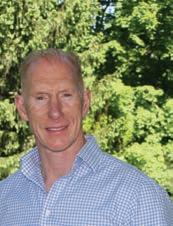
Dr. D Rodger ND, MBA
Not feeling like yourself anymore? Gaining weight, no matter what you do? Tired, have brain fog, moody or “hormonal?”
Dr. Lorraine Maita, the Hormone Harmonizer and Detoxifier, can help you have boundless energy, stable moods, a lean body, sharp, clear mind and balance your hormones so you can feel like yourself again and even better. If you need support in getting your life back, apply for a free clarity call to see if we are the right fit at https://you.feelgoodagaincourses.com/ foundations-program.
The Feel Good Again Institute (formerly HowToLiveYounger.com)
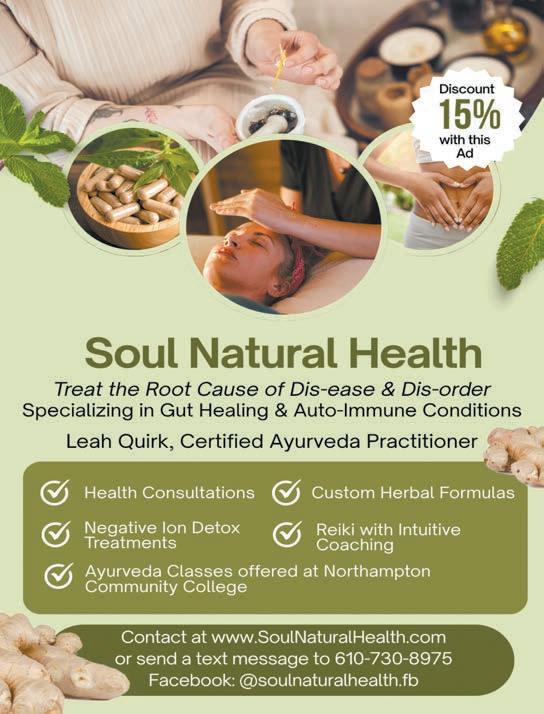
Stop Scrubbing Your Health Away
It is social norm to shower with soap daily. Well, I am not social norm. I gave up showering over four months ago and was surprised to find my skin and hair drastically improved. I realized the more you shower, the more you need to. Each time you scrub, you wipe away the skin’s microbiome and natural oils. This allows the body to overcompensate, leaving you feeling more oily days later.
The only reason to lather with soap was if you had to scrub something off, like if you rolled around in mud. Americans are obsessed with smothering their bodies with manmade chemicals to make us clean. Everyday people apply several products with harmful chemicals that are absorbed into the bloodstream. Is it any wonder why women today have hormonal issues? These chemicals are known endocrine disruptors. Even the water you bathe in is full of chlorine, heavy metals and other toxic compounds. The more you crank the heat, your shower becomes a gas chamber, as chlorine reacting with organic matters creates chloroform. People wouldn’t drink tap water, but they bathe in it. All of this is harmful to your microbiome.
If your body produces odor, that is a sign of poor gut health and clogged detox pathways. People smell like they are rotting inside because they are. Dousing your body with chemicals and fragrances is not going to solve the problem.
When you shower, you should only apply soap if needed to your groin and underarms. Avoid using soap on your entire body or simply rinse off with water. We must stop obsessing with killing germs and start protecting the microbes that defend our health.
Fore more info: SoulNaturalHealth.com or text message to 610730-8975. See ad on page 4.
Eastman Acupuncture Now Offering Photobiomodulation
Eastman Acupuncture is pleased to now offer photobiomodulation, also known as low level light therapy. Light therapy is delivered using Celluma panels, an advanced, noninvasive treatment that supports pain relief, tissue healing, and anti-aging benefits. This therapy is evidence-based technology in a wellness setting.
Photobiomodulation uses specific wavelengths of light to stimulate cellular activity and enhance the body’s natural healing processes. The Celluma LED panels deliver three wavelengths of light, each with distinct therapeutic benefits. Blue light (465 nm) targets the skin’s surface and is used to reduce acne causing bacteria. Red light (640 nm) penetrates deeper to stimulate circulation and support collagen production. Near-infrared light (880 nm) reaches the deepest to help reduce pain by promoting circulation in muscles and joints. These wavelengths work by stimulating mitochondria, which increases the production of cellular energy called ATP.
Celluma technology has FDA-clearances for treatment in five therapeutic modes: anti-aging/skin rejuvenation, acne, pain management, hair restoration, and body contouring. It is FDA cleared by achieving medical-grade status, demonstrating evidence-based clinical data, and meeting strict safety, manufacturing, and performance standards.
Treatments are comfortable, painless, and require no downtime. Celluma therapy can be used on its own or combined with acupuncture to create a comprehensive care plan. Whether addressing chronic pain or skin health, Celluma photobiomodulation offers a safe, evidence-based addition to the services available at Eastman Acupuncture.
Fore more info: Eastman-Acupuncture.com, 484-425-2865. See ad on page 29.
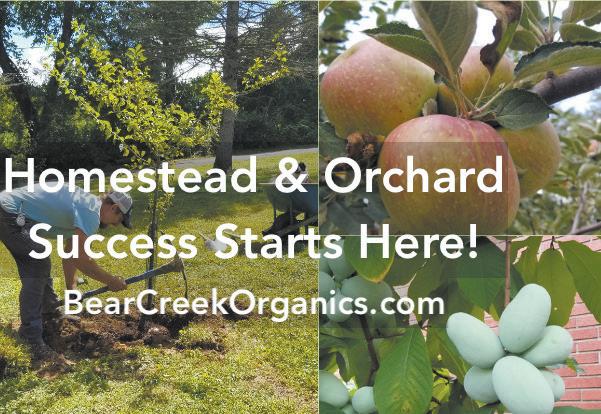
Why Fruit Tree Projects Fail? How Your Family Can Succeed with Bear Creek Organics as Your Guide
by Bear Creek Organics
EVERY YEAR homeowners plant fruit trees full of excitement and hope. A few seasons later, many of those trees struggle, fail to produce fruit… or die. “What did I do wrong?” The truth is simple: fruit trees rarely fail because of bad luck, deer, or climate. They fail because of poor planning and a lack of understanding of the basic fundamentals that lead to success.
Mistake #1: Planting the Wrong Varieties
Say NO to grocery store varieties — choose disease resistance instead. You NEED specialty, disease-resistant varieties for the Northeast. Choosing the right genetics from the beginning makes organic and ecological management dramatically easier.
Planting varieties just because you recognize the name (Honeycrisp, Red Delicious, Fuji, Gala…) is often a ticket to frustration. These trees are rarely selected for organic growing,
regional disease pressure, or long-term success in our climate. Do you know the rootstock? It’s one of the most important decisions in the entire process.
Mistake #2: Poor Site Selection
Sunlight, airflow, soil type, drainage, slope, and frost pockets all affect long-term success. A tree planted in the wrong spot can struggle for decades.
YOU NEED A DESIGN PLAN based on a proper SITE ASSESSMENT. Working with a local expert can save years of frustration. Bear Creek Organics can help you leaps and bounds here. We have decades of experience and our own custom plant nursery to draw from. We also offer coaching and education to ensure long-term success.
Mistake #3: No
Pollination Plan
Without a pollination plan, trees may grow beautifully but never produce fruit. Yes, you need at least two trees — but there’s more
to it than that. Most fruit trees need compatible partners nearby. That means two different varieties of the same species that bloom at the same time and are planted the proper distance apart. Bloom groups, frost timing, wind, and insect activity all play a critical role.
Mistake #4: Wildlife Pressure
Deer, rodents, and insects can damage young trees quickly if protection isn’t built into the plan from the start. Proper fencing and trunk protection are simple steps that dramatically increase longterm success.
The Good News
Fruit trees are long-term investments that can feed families for generations. The key is starting with a plan instead of trial and error. When trees are matched to the right site, protected properly, and planted as part of a larger plan, they become one of the lowest-maintenance and most rewarding elements of a landscape.
Hire a Professional
If you’re serious about creating a longterm, food-producing landscape — not just planting a few trees — we’d love to help you get started. Schedule a consultation at bearcreekorganics.com and take the first step toward building it the right way.
Contact a professional: Are you ready to explore FOODSCAPING in your yard?! Richie Mitchell at Bear Creek Organics would love to help you get started. Visit bearcreekorganics.com and fill out the Contact section or call 570-582-0615. For educational tips follow facebook.com/bearcreekorganics. See ad, page 25.
Jury Is Still Out on Hot Yoga
A 2025 systemic review in Sports Medicine – Open examined the effects of hot yoga on the body and mind. Hot yoga is practiced in warm to hot conditions, typically at temperatures at or above 77° F. The review of 43 studies involving 942 predominantly female participants assessed the immediate and long-term effects of the practice. Many of the studies had small sample sizes or inadequate experimental designs.
The researchers found that body temperature and heart rate rose after a single session of hot yoga, but it did not require greater energy compared to yoga performed at normal temperatures. Longer sessions of hot yoga led to some improvements in flexibility, balance, bone mineral density, body composition and cardiovascular indicators such as blood lipid profiles.
The researchers found encouraging but not definitive evidence that hot yoga may alleviate psychological and affective disorders, as well as improve cognitive function. Noting that there were reports of ill-health following hot yoga practice, the researchers concluded that while hot yoga appears to offer some health and functional benefits, claims that it is superior to other forms of exercise or yoga are not yet backed by strong evidence.
Bison Outshines Beef for Cardiovascular Health
Bison poses a lower risk of fatty plaque formation in the arteries than beef, according to a 2013 double-blind clinical trial published in Nutrition Research. The study was small, involving 14 healthy males that consumed equal amounts of both meats. Cardiovascular biomarkers were evaluated before and after a single 12-ounce serving, as well as before and after seven weeks of chronic consumption, defined as 12 ounces per day, six days a week.
A single bison meal caused less elevation in triglycerides, oxidative stress and oxidized low-density lipoprotein (LDL or “bad cholesterol”), as well as better artery dilation, compared to the single beef meal. After the seven-week consumption period, neither meat caused weight gain or changes in cholesterol levels. However, beef led to increases in inflammatory and oxidative stress markers, as well as a decline in blood vessel responsiveness, while the bison did not.
Although all meat cuts used in the study were considered lean, bison has a healthier fatty acid profile with more omega-3s and less saturated fat than beef. While both are red meats, bison appears to place less strain on the cardiovascular system, making it a potentially healthier redmeat option.
Gamjai/Shutterstock
Kristy Georges, Berto
Ordieres/Shutterstock
Nutrition Course
Through the American Association of Nutritional Consultants (AANC) Doctor of Naturopathy and Clinical Nutritionist Dr. Derek Rodger (ND) prepares students to pass the Certified Nutritional Consultants Exam. Once qualified you are entitled to use the designation CNC after your name and practice as a Nutritionist. Certified Nutritional Consultants (CNC) can work in hospitals, clinics, private practice settings alongside acupuncturists, mental health professionals, physical therapists, doctors and chiropractors, as well as a consultant in schools, businesses, health food stores, spas and health clubs.
The
Next Nutrition Course
Next Course starts Sep 2022 - Feb 2023 dates TBD
Become a Certified Nutrition Consultant
Today's economists have determined that the natural health field is the fastest growing industry in the U.S. today. It goes without saying that people are getting more concerned about their personal health and their families health. Just take a look at this picture below and ask yourself, what type of life are you planning for yourself.
in 6 Months and put the letters CNC after your name. This recognized qualification is obtained through the American Association of Nutritional Consultants, AANC.
Naturopathic Doctor Dr. Derek Rodger (ND) Course Instructor
“If the doctors of today do not become the nutritionists of tomorrow, then the nutritionists of today will become the doctors of tomorrow”. (Rockefeller Institute of Medical Research)
The course includes 12 modules, and classes meet twice a month on Sundays 9 am - 1pm . All modules are taught by Dr. Derek Rodger (ND). Course fee is $1794 and can be paid over 6 monthly installments at $299 per month.
Natalie, who flew in from Chicago every 2 weeks to do the CNC program has passed her Certified Nutritional Consultant and can now proudly put the letters CNC after her name: I met Dr. Rodger (ND) before I took his Nutrition Course and it was his knowledge and experience that drew me to choose his class over others. I am so very glad I did as, I'm positive I wouldn't have learnt what I did with other teachers. I'm not sure I would have had such an inspirational teacher with highly motivational lectures.
Every student receives a free 90 minute private nutritional consultation with Dr. Rodger (ND) 89.
To obtain a detailed information pack visit:
Alessandra, already had her nutritional degree, before she came on the course. I'm so proud of myself for finishing this the course and the exam. It was a great experience and I truly learned a lot.There are so many opportunities out there for me in my career to help others. I'll be attending the Natural Gourmet Institute which has a strong focus on a plant based diet. I look forward to helping others achieve a healthy lifestyle as a CNC and chef!
The course includes 11 modules and the classes meet on a Sunday morning 9-1 pm. The course fee is $1950 and can be paid over 6 months at $325.
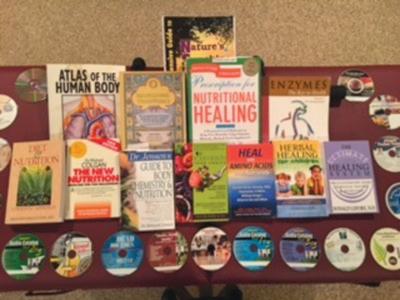
A library of material becomes yours following course completion.
If you would like to attend this educational course, which will clearly change your life from a nutritional perspective. More detailed information is sent out to students who are interested, sign up by going to: www.NutritionalConsultants.org
A library of material becomes yours following course completion.
Using Food To Heal
A Look at Anti-Inflammatory and Elimination Diets
by Hannah Tytus
There is a growing movement to use food as a primary means for preventing and managing disease. Before reaching for pharmaceuticals or even supplements, people are seeking healing on the plate. According to a 2024 academic article in the Nature Partner Journal Science of Food, scientific advances in our understanding of nutrition at the cellular level are driving a food-first strategy. Key micronutrients have been identified to reduce inflammation and promote cellular regeneration and repair, prompting practitioners to champion dietary modifications that soothe chronic symptoms, repair gut integrity, rewire immune signaling and reach metabolic balance.
“Healing the gut is the backbone of my practice,” says Lorraine Maita, M.D., a triple board-certified internal, integrative and functional medicine specialist who helps patients harmonize their hormones and detoxify their bodies through her Restore & Rejuvenate program at The Feel Good Institute. Whether a patient needs to lose weight, have more energy, regain their focus or sleep better, Maita’s approach centers on eliminating foods that trigger inflammation and replacing them with deeply nourishing ingredients.
Dianne Moore, a functional nutrition coach, restorative health practitioner and
founder of MooreBetterFood, asks her clients to keep a food and symptom journal to diagnose the underlying causes of their health challenges. Writing down a detailed description of each meal, as well as the time and how the body responds 30 minutes after eating—including energy levels and any digestion issues or discomfort—helps make patterns more visible without requiring testing.
Anti-Inflammatory Food Protocols
Inflammation is the body’s first line of defense against dangerous pathogens, damaged cells and irritants, as well as a crucial biological process for healing and recovery from injuries and infections. However, problems arise when the immune system remains activated all the time. Chronic inflammation is linked to many health issues, including cancer, cardiovascular disorders and autoimmune conditions, according to a 2024 article in Cells.
A 2023 article published by the medical education platform StatPearls notes that an anti-inflammatory diet is one of many interventions that help calm an overactive immune response. Two of the most popular such diets are the Mediterranean Diet and the Dietary Approaches to Stop Hypertension (DASH) Diet, which prioritize fruits and vegetables, whole grains, unsaturated fats and proteins sourced from legumes and lean meats. Inflammatory foods including highly processed products, high-fat dairy, refined grains and sugars, artificial sweeteners and industrial seed oils are significantly reduced or eliminated.
Staying well-hydrated and pairing carbohydrates with protein, fiber or fat help keep blood sugar steady—further reducing inflammatory stress, according to the Joslin Diabetes Center. An anti-inflammatory food protocol is best viewed as a long-term foundation, rather than a strict diet.
Elimination Diets
According to Maita, “People that have experienced trauma, infections or general inflammation may become more sensitive to food. Some individuals may even be sensitive to healthy whole foods. Identifying which foods are contributing to common symptoms can be challenging. This is where elimination diets can be helpful.”
An elimination diet is a short-term process that removes specific foods from the diet and then slowly adds them back in while observing changes in symptoms, according to a 2024 educational article published by StatPearls. These diets are commonly used to identify food intolerances or sensitivities and to manage conditions such as irritable bowel syndrome, migraines, allergic skin reactions and other inflammatory or digestive issues.
Most elimination diets focus on common food allergens including wheat, tree nuts, peanuts, animal milk, eggs, soy, fish and shellfish. “A functional medicine elimination diet may also include eliminating corn, all dairy and any artificial ingredients,” says Maita. The process typically begins with an elimination phase, during which these foods are fully removed. This can range from a few days to several weeks in more structured protocols. Even short eliminations can help people notice connections between what they eat and how they feel.
New Africa/Shutterstock
After the elimination period, foods are reintroduced one at a time. If symptoms return after adding a specific food back in, it may be contributing to the problem. Maita notes that the goal is not longterm restriction, but awareness—identifying which foods support health and which may need to be limited or avoided.
Elimination diets work best when they are time-limited and intentional. Staying on restrictive diets too long can lead to nutrient gaps or stress around food, which is why reintroduction and practitioner guidance are important. If symptoms do not improve, the information gained can help determine whether further testing is needed. Used thoughtfully, elimination diets are a practical and accessible tool within a food-first framework.
When To Seek Practitioner Support
According to Maita, an elimination diet can be both therapeutic and diagnostic. The response—or lack thereof—to dietary changes can help clarify whether food is playing a meaningful role in a person’s symptoms, while also informing next steps in care. Additional testing may be necessary to provide more individualized guidance. Maita points out that the interpretation of results is most effective when ordered and reviewed by a trained practitioner that can analyze the data within the context of the patient’s symptom history, diet, lifestyle and stress patterns.
Some of her patients experience a Herxheimer reaction involving a flu-like worsening of symptoms, constipation or extreme cravings. These changes are most often temporary and do not pose a serious risk to health, and she has strategies to prevent or eliminate these reactions. It is helpful to have a roadmap, along with tips for getting through the discomfort. When detox reactions hit, Maita recommends that patients slow down, rest, hydrate with lemon water and spend some time at the sauna or in an Epsom salt bath.
Healing Our Relationship to Food
A key goal of food-first approaches is maintaining a healthy relationship with food. Practitioners encourage their patients to celebrate the foods they can add to their diet, rather than mourn what has been taken away. This includes the rainbow of delicious produce options they can have on every plate, a rotating selection of proteins and even new ingredients such as venison or bison.
For some patients, elimination diets can open doors to unexpected favorite foods. Moore shares how one patient that discovered she had a sensitivity to salmon,
which she loved, found cod—a new fish to enjoy. These experiences help broaden perspectives and reduce feelings of deprivation. Keeping food enjoyable means finding creative alternatives. For example, someone that cannot tolerate garlic bulbs may be able to infuse garlic into oil to capture flavor and nutrients without any associated symptoms.
Food is at the center of all sorts of celebrations and rituals, whether shared with friends and family, or enjoyed alone as an act of self-care. Moore coaches clients that are following an elimination diet to plan ahead for social settings. This may include reviewing a menu online for an upcoming restaurant outing; bringing a dietcompliant dish to a potluck dinner to be enjoyed and shared with others; or politely letting a party host know of any dietary restrictions well in advance of the event. “Most people want to cheer you on if you’re doing something for your health,” she says.
Maita also cautions against setting unrealistic goals. “We are looking for progress, not perfection. You will never reach perfection— relax. Experiment with it,” she says, adding that she has seen patients succumb to orthorexia, a disordered obsession with healthy eating. She also notes that eating the same foods every day can induce or worsen sensitivities. Joyful variety, supportive relationships and flexibility are essential parts of healing.
Food-first approaches are ultimately about discovering what helps the body thrive. Elimination diets and anti-inflammatory protocols offer powerful tools for uncovering sensitivities, reducing inflammation and restoring balance. By focusing on small, sustainable changes, individuals can build a foundation for long-term wellness, vitality and resilience.
Hannah Tytus is an integrative health coach, former writer at the National Institutes of Health and host of the Root Shock podcast, exploring our understanding of health.
Stress-Free Fitness
The Role of the Nervous System in Exercise Recovery
by Marlaina Donato
High-intensity interval training (HIIT) can lower the risk of cardiovascular disease and cancer, stabilize blood sugar levels, improve body composition and combat depression, but, during times of stress, it can become counterproductive. Chronic stress triggers a steady release of hormones such as cortisol and epinephrine, keeping the sympathetic nervous system in overdrive.
Hitting the gym too hard or too often when we have too much on our plate disrupts the vagus nerve’s ability to shift gears and bring the body back into balance. This is when we might notice fat storage
(particularly around the belly), an increased appetite, fatigue, systemic inflammation and lack of muscle gain.
“If you are working out hard and constantly stressed, you are basically fighting against yourself,” says Stephanie Mansour, a Today Show fitness contributor who also provides daily motivation on her fitness app, Step It Up With Steph. “During this time, your cortisol levels spike and make it harder for your body to use insulin properly, which slows down fat burning and even breaks down the muscle that you have been working so hard to gain.”
Feeling wired but tired, experiencing mood swings and getting sick more often are signs that it might be time to dial things back and focus more on recovery. To initiate a parasympathetic response— the other branch of the autonomic nervous system that helps the body reset—it might be a good time to consider alternative forms of exercise and a diet rich in nourishing foods. Stanford Lifestyle Medicine recommends moderate cardio exercises such as walking, swimming, cycling or light jogging, along with restorative practices like yoga, breathwork, tai chi and Pilates.
Move To Reset and Rest To Recharge
Cindy Brauer, the founder of Mojo Fitness, in Berwyn, Pennsylvania, advocates for a combination of rhythmic flow exercises, followed by intentional cooldowns to activate the parasympathetic system and strengthen vagal integrity.
“Different movement styles speak different languages to the nervous system,” she explains. “Our HIIT-based dance fitness techniques provide a powerful sympathetic challenge. We use creative, everchanging movement patterns that intentionally elevate heart rate, engage the lungs and stimulate the brain, helping trigger the release of brain-derived neurotrophic factor (BDNF), a crucial protein that supports brain health, learning and adaptability.”
At the end of each class, Brauer leads participants through a series of extensive stretches, balance exercises and breathing techniques. She emphasizes the importance of consistent routines that strike a balance between predictability and flexibility, enabling the nervous system to feel secure while preserving its capacity for movement.
For nervous system regulation, Mansour recommends a combination of HIIT and yoga or stretching, acknowledging that individual needs may vary at different times. “When balanced, both types of modalities can sustain energy levels throughout the day and facilitate relaxation and unwinding at night, creating a workout system that works best for you.”
In addition to switching up routines, complementary strategies include saunas, cold plunges for vagal tone enhancement and somatic therapies such as myofascial release. Resting without external
stimuli like smartphone scrolling can have far-reaching benefits, too. “I encourage my clients to prioritize sleep,” says Mansour. She recommends aiming for seven to nine hours of slumber per night. To enhance sleep quality and counteract stress, she suggests incorporating a few minutes of meditation, outdoor walks or five minutes of stretching every day.
Food Factors
A 2024 study published in the journal Nutrients underscores the pivotal role of nutrition in post-exercise recovery. It emphasizes the significance of consuming adequate nutrients to replenish glycogen stores, repair muscle tissue, lower inflammation and bolster the immune system. Supporting a healthy microbiome by eating prebiotic-rich foods like oats, apples and flaxseeds can enhance nutrient absorption and aid recovery, especially after exercise. Anti-inflammatory foods rich in healthy fats, including walnuts, eggs, omega-3-rich fish and avocados, will help balance the nervous system.
Brauer highlights the importance of consuming healthy carbs, which support the production of serotonin, a neurotransmitter and hormone that regulates happiness and calmness. Her other recommendations include staying hydrated, getting enough minerals (particularly magnesium and potassium) and practicing mindfulness. “Slowing down at mealtime, chewing fully and eating without constant distractions
sends a powerful signal to the vagus nerve that it’s safe to rest and digest,” she adds.
Mansour’s go-to recovery foods include salmon and colorful fruits and veggies that are naturally packed with vitamins and antioxidants. She also reminds us to maintain stable blood sugar levels by eating protein
every few hours to prevent sugar cravings or other uncomfortable symptoms of low or high sugar such as fatigue, dizziness, irritability, headaches and weakness.
Marlaina Donato is an author, artist and musician. Connect at WildflowersAndWoodSmoke.com.
Svitlana Hulko/Shutterstock
Sustainable Pantry Solutions
Maximize Space, Minimize Waste
by Zak Logan
Clutter and disorganization can be a source of stress, while a tidy space promotes efficiency and mental well-being. In the kitchen, a well-ordered pantry aids meal planning, but a sustainable one goes even further, safeguarding our health and the planet. Revamping food storage can be as simple as using glass jars for grains or as innovative as adding hanging baskets and shelf risers for more space. Choosing reusable, eco-friendly containers and adopting an efficient system to prevent waste can nourish us in unexpected ways.
“A calm, well-organized pantry reduces decision fatigue and makes home cooking feel manageable rather than overwhelming,” says Nassim Secci, owner of The Happy Space Company, in Hong Kong. “When nutritious ingredients are easy to see and reach, they naturally become the default option.”
Start With the Basics
A busy schedule can make us forget what is at the back of the cupboard. Secci suggests the simplest and most impactful first step is to take everything out and inventory what is already there. “Most pantries aren’t unsustainable because of what’s in them, but because of what’s forgotten. When items are hidden or duplicated, we overbuy, waste food and lose track of expiration dates.”
Secci encourages clients to consider what they truly use and consistently waste before buying new containers or reorganizing.
Keep Items Fresh
Designate specific shelves or areas as “use first” zones to minimize food waste and overbuying, helping to ensure freshness. For Joana Fernandes, founder of Sage Home Harmony, in San Francisco, visibility is key. “Use clear jars with labels. Color coding helps. Keep items you use often on easy-to-grab shelves and items you use infrequently on a higher shelf. For example, I had a client who only bakes during the holidays, so baking items were kept higher. When she was ready to bake this year, all items were in one place, and she doublechecked her inventory before shopping.”
Fernandes prefers airtight metal or glass containers; for flour, sugar and rice, she uses food-grade stainless steel locking buckets, which are rodent- and pest-resistant. Classic Ball and Bormioli Rocco
glass jars add a timeless touch to any pantry shelf, while silicone storage brands like Stasher and ZipTop offer versatility and color options.
Group similar items together at eye level, especially everyday grains, cereals, breakfast items, flours and sugars. Reserve a special shelf for locally sourced products like honey and specialty items for practicality and a sense of connection.
Optimize Space
For those without a walk-in pantry, use bookcases to create pantry shelves in a dining room, kitchen or even an unused coat closet. A metal over-the-door rack or canvas organizer can hold spices, herbs, condiments, oils and small items, especially in galley kitchens. Other vertical storage ideas include lazy Susan towers, stackable containers and under-shelf drawers for canned goods and bulk items. Tiered shelving or risers prevent items from disappearing at the back.
Although storing food in glass and metal containers thwarts ants and mice, cleaning the storage area regularly with a natural solution is advisable. Secci recommends a simple vinegar and water solution for shelf cleaning, baking soda for odors, and essential oils like peppermint or eucalyptus on cotton pads or in sachets to deter pests.
The Bigger Picture
Focus on organic whole foods and fairtrade items, and source ingredients from local businesses and farmers markets. Shifting our mindset adds abundance to our lives when we use leftovers, compost, buy in bulk and support brands with ethical, regenerative practices.
Add a personal touch by hanging dried herbs or flowers or a whimsical kitchen witch over pantry shelves. For convenience, Fernandes suggests keeping a running list of needed items using an app or pen and paper to stay organized before shopping.
Zak Logan is a freelance writer dedicated to healthier living.
Leka Sergeeva/Shutterstock
Regenerative Technology without injections
Featuring NuvoCell Biologics
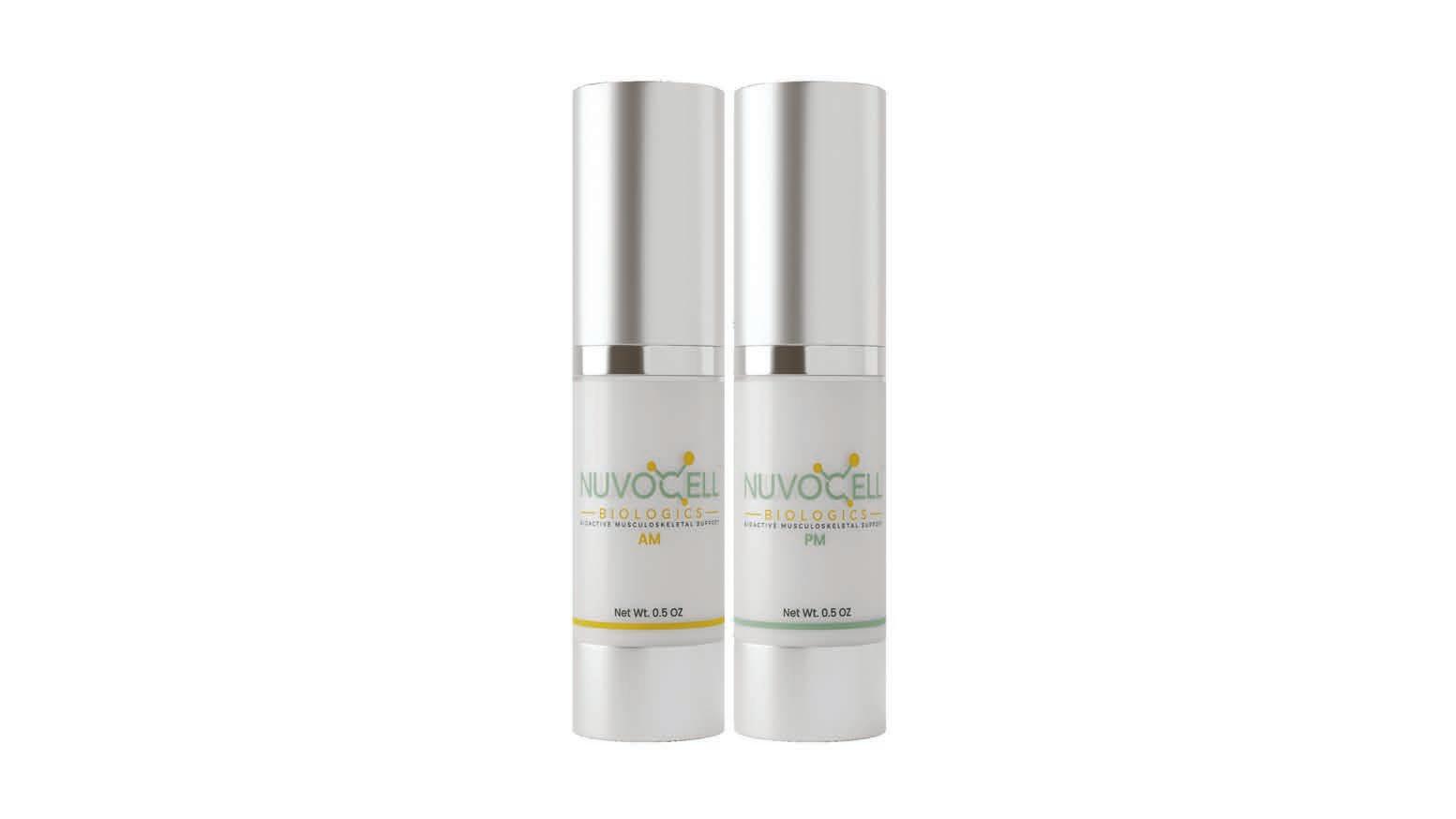
NuvoCell is revolutionizing regenerative medicine by taking the same ingredients currently used in stem cell injections, stabilizing them with lipid nanoparticles, and formulating them into a topical cream with natural transdermal ingredients that act as carriers to deliver powerful regenerative relief to discs, cartilage, muscles, tendons, ligaments, and nerves. All without injections or downtime, and easily applied at home.
51% decrease in pain in just 1 month
In an 80-person pilot study utilizing a transdermal regenerative cream, the average Visual Analog Scale (VAS) pain score among patients diagnosed with chronic low back pain and osteoarthritis decreased by 51%.
TARGET AREAS
Neck
Back
Shoulders
Elbows
Wrists and Hands
Hips
Knees
Ankles
Feet
JoAn was recommended for knee replacement surgery after suffering from debilitating knee pain for years but was determined to find alternative ways to regain her mobility and live pain-free. After just one month of using NuvoCell, she is amazed by the results she has seen in her knee and in her quality of life.
Brian, a 3x world champion rodeo rider, struggled with back pain for years from competing. After trying various treatments, he found real relief with NuvoCell. Hear his story and why he is continuing to use NuvoCell on his back and other areas.
Brad, a retired contractor, lived with severe shoulder pain for over 50 years after a car accident left him with a separated shoulder, broken collarbone, and torn rotator cuff. A recent fall made things worse, forcing him to give up golf and basketball. Recently, his wife introduced him to NuvoCell. After applying it twice daily for two months, his pain dropped by over 90%. Today, Brad is back to playing golf, shooting hoops, and enjoying life again - pain-free.
Ask your local healthcare provider about NuvoCell or scan the QR code to find a provider in your area.
Data-Driven Wellness
Functional Lab Testing To Personalize a Healthy Lifestyle
by Hannah Tytus
Functional lab testing extends beyond conventional tests to assess body systems such as gut function, hormone balance, nutrient absorption and detoxification. By analyzing a broader range of biomarkers and using wider reference ranges, practitioners can design personalized nutrition, lifestyle and supplement strategies that address the underlying drivers of health.
When applied judiciously, functional testing empowers patients with actionable insights, guiding them toward improved digestion, nutrient utilization, hormonal balance and overall well-being. Dr. Aumatma Simmons, a double board-certified naturopathic doctor and endocrinologist, underscores the importance of collaborating with a professional before undertaking functional lab testing to save time, money and confusion. Not all tests are equally
reliable, and an experienced practitioner can help separate the fluff from the facts.
“I do not like to over-test because of the expense. If an elimination diet brings symptom relief, for example, then less testing and fewer supplements are needed,” states Lorraine Maita, M.D., an internal, integrative and functional medicine specialist at The Feel Good Institute.
Limits of Conventional Lab Work
“Conventional lab testing is designed based on averages, and those averages are not always what’s optimal,” explains Simmons, noting that many conventional reference ranges are broad, encompassing a diverse population without specifying what truly constitutes ideal health. From a functional perspective, she says, lab tests
are interpreted with a focus on optimizing health, rather than merely adhering to the normal range.
According to Maita, another limitation of conventional lab tests is that they solely indicate the presence of nutrients in the bloodstream without providing insight into the body’s actual absorption or utilization of those nutrients. “Just because you’re eating healthy does not mean that food is being digested, absorbed and assimilated. A lot of blocks can happen along the way,” she explains, adding that functional lab testing adds more detail to help clarify what is really going on in the body.
Common Functional Testing
Stool Test for Gut and Immune Function:
A stool test examines the presence and absence of microorganisms to gain a better understanding of the gut microbiome within the body. In addition to taking a census of the various beneficial bacteria, this test also assesses the presence or absence of specific digestive enzymes, parasites, worms, yeast or inflammation markers. In Maita’s practice, this test allows her team to provide personalized, precision medical care to address microbiome imbalances and immunological stressors.
Food Sensitivity Testing: These tests are designed to assess the immune system’s reaction to specific foods or food additives. The Mediator Release Test (MRT), used by Simmons, “looks at all of the specific white blood cells in the body and how they respond to a specific food,” she explains. Unlike allergy tests that detect immediate reactions, the MRT identifies delayed
immune responses that may cause bloating, fatigue, headaches, joint pain, skin issues or other chronic symptoms. According to Simmons, the results guide personalized dietary modifications to reduce inflammation and enhance overall wellness.
Maita notes, “Food sensitivity testing is sometimes helpful for people who can’t tell what their trigger foods are by just doing an elimination diet. I like to use the Vibrant Wellness test. It will show them if they’ve made antibodies to food, which suggests how well they might do when they remove those foods.”
Functional Nutrient Test: While conventional testing measures the presence of nutrients in the bloodstream, an intracellular blood test—also known as micronutrient testing or functional nutrient testing— measures nutrient levels within red and white blood cells, thus determining whether nutrients are being properly absorbed and utilized by the body.
“A lot of people are taking supplements, but their GI [gastrointestinal system] isn’t absorbing any of it,” Simmons points out, highlighting how functional testing can uncover hidden inefficiencies that standard blood tests and supplementation alone might miss. Citing the trending supplement CoQ10 as an example, she notes that
a functional nutrient test may suggest that a patient should take a different form of the supplement for better absorption.
Dried Urine Test for Comprehensive Hormones
(DUTCH): This test provides a comprehensive analysis of adrenal and sex hormone function. Unlike conventional cortisol tests, the DUTCH measures levels four times throughout the day and evaluates cortisol metabolites to explain how the body produces, converts and eliminates cortisol each day.
The DUTCH is also invaluable as a way of mapping the body’s ability to process estrogen. “This is critical because symptoms often attributed to estrogen dominance—such as breast tenderness, irritability, premenstrual syndrome and sub-fertility—are frequently caused, not by excess estrogen itself, but by metabolite buildup or impaired clearance pathways, in which case specialized diindolylmethane (DIM) supplements would be prescribed to support estrogen metabolism,” Simmons explains. “This illustrates why the professional interpretation of DUTCH testing is essential: because it shows whether a hormone imbalance is truly about excess, impaired metabolism or faulty elimination, allowing interventions to be tailored accurately, rather than relying on generalized supplement advice.”
Hannah Tytus is an integrative health coach, former writer at the National Institutes of Health and host of the Root Shock podcast, exploring our understanding of health.
Pet Reactions to Food
How To Ease Their Discomfort
by Ruth Roberts, DVM, CVA, CVH, CVFT, NAN
Persistent itching, recurrent ear infections, digestive upset and dull coats are common in pets and often indicate a food reaction. Distinguishing food allergies from sensitivities can be confusing because their symptoms often overlap. However, understanding the difference is essential to arrive at an accurate diagnosis, effective dietary strategies and better long-term outcomes.
Food allergies occur when the immune system misidentifies a normally harmless food as a threat and triggers an inflammatory response. According to a 2023 article published in the Journal of the American Veterinary Medical Association, when the immune system’s tolerance to food breaks down, the response involves either antibodies or immune cells like T-cells. Common symptoms include persistent itching, recurrent skin or ear infections, vomiting, diarrhea or a combination of skin and tummy symptoms. Over time, even small amounts of the offending ingredient can provoke noticeable reactions.
Food sensitivities, also referred to as food intolerances, differ from food allergies because they do not involve antibodies or immune cells. Instead, food intolerance arises when foods overwhelm the
pet’s digestive capacity, its metabolism or its normal gastrointestinal function. Common symptoms include intermittent diarrhea, gas, vomiting, variable itching and changes in energy or behavior, with reactions often appearing hours or days after the food was eaten.
Although food allergies and food sensitivities can exhibit similar skin and gastrointestinal signs, veterinarians differentiate between them based on reaction patterns, dose sensitivity, timing and response to dietary intervention, rather than relying solely on symptoms.
Dietary Triggers and the Role of Elimination Diets
Food allergies are most often caused by specific proteins. A 2016 study published in BMC Veterinary Research indicates that the most prevalent allergens in dogs include beef, dairy, chicken, wheat and lamb; while in cats, beef, fish and chicken are most frequently implicated. Food sensitivities, on the other hand, are usually related to how the pet’s body handles certain ingredients. These reactions may occur when foods are highly processed, contain additives or are difficult for the pet to digest, rather than being caused by the immune system.
The most reliable way to identify the problematic food is through an elimination diet, followed by gradual reintroduction of ingredients. During the elimination phase, pets are fed a simplified diet with ingredients they have rarely or never eaten. All treats, flavored medications, supplements and table foods are removed during this process. This phase typically lasts eight to 12 weeks, although chronically affected pets may require a longer duration. Signs like itching, vomiting, diarrhea or ear problems are meticulously monitored. Once symptoms improve or stabilize, individual ingredients are slowly reintroduced one at a time, with several days separating each addition. If symptoms return after a specific ingredient has been reintroduced, that food is identified as the trigger.
A 1994 study published in the Australian Veterinary Journal demonstrates that an elimination diet can lead to improvements, and the recurrence of symptoms confirms food-related reactions. This method also helps veterinarians determine whether the reaction is more consistent with a genuine allergy or a non-immune sensitivity, thus guiding long-term dietary management.
Chendongshan/Shutterstock
Supporting Healing From the Inside Out
essential nutrients like omega-3 fatty acids, probiotics, vitamins and minerals; supporting liver detoxification; and maintaining spinal and structural health. While allergies often appear more acutely and require immediate management, he stresses that addressing underlying imbalances benefits both conditions.
Dr. Peter Dobias, a conventional and integrative veterinarian, emphasizes that food sensitivities and food allergies should be viewed as expressions of deeper systemic imbalances rather than isolated dietary shortcomings. He explains that regardless of whether a pet develops a sensitivity or an allergy, the underlying contributors frequently overlap. These include genetic predisposition, toxin accumulation, nutrient deficiencies, gut dysbiosis (imbalance), chronic stress and limited dietary diversity during early development.
Please sign your proof and complete the following information: (Ad is shown at actual size. See second page for larger ads.)
Ad is approved: contact information and spelling is correct
Dobias treats both allergies and sensitivities with foundational restoration rather than symptom suppression. His approach includes feeding species-appropriate, minimally processed whole foods; providing
“Allergies are a signal that the body’s systems and metabolism need support, not just that a single food needs to be eliminated,” Dobias asserts. This perspective helps explain why quick dietary fixes often fail. Removing a single ingredient without addressing digestive capacity, detoxification or inflammation may temporarily reduce symptoms, but it does not resolve the conditions that allowed reactivity to develop. Effective dietary intervention therefore requires structure, patience and a broader understanding of how food interacts with the whole system.
Ad is approved with changes indicated
Ad is not approved – make changes indicated
Ruth Roberts, an integrative veterinarian and holistic health coach for pets, is the creator of The Original CrockPet Diet. Learn more at DrRuthRoberts.com.
We feature a full line of veterinary preparation with size, dose and flavor appropriate medications for every animal ... including cats, dogs, ferrets, bunnies, reptiles, birds and exotics! We work with your vet!
Thomas E. Silvonek, RPH, FACA
Fellow American College of Veterinary Pharmacists Compounding Specialist Monday – Friday • 9 a.m. – 5 p.m. 3330 Hamilton Blvd., Allentown P: 610-437-4600 · F: 610-437-1444 www.DorneyvillePharmacy.com
Tom’s Dog “Axl”
Fiber’s Fun Side
Delicious Ways To Boost Daily Intake
by Maya Whitman
Studies consistently show that the vast majority of Americans fail to consume enough fiber in their diet, even though it has been shown to significantly reduce the risk of heart disease, diabetes, obesity and colorectal cancer. The Academy of Nutrition and Dietetics recommends that adults aim for 14 grams of fiber per 1,000 calories consumed, which is about 25 grams for women and 38 grams for men daily. Adequate fiber is indispensable for lowering inflammation and maintaining digestive, cardiovascular and metabolic health.
Many of us believe that fiber-rich foods are unappetizing and difficult to digest, when in fact, they can be versatile and enjoyable components of a well-rounded diet. “Across cultures, some of the most comforting and flavorful dishes are naturally high in fiber. These meals rely on legumes, vegetables and whole foods as their foundation, and have done so long before fiber became a
nutrition buzzword,” says Registered Dietitian Nutritionist Nichole Dandrea-Russert, author of The Fiber Effect and co-author of Powered by Plants: Nutrient-Loaded 30-Minute Meals to Help You Thrive.
Soluble and Insoluble Fibers
According to the Mayo Clinic, soluble fiber—which dissolves in water and forms a gel-like material in the stomach—slows digestion and increases feelings of fullness, helping us to control our weight and lower cholesterol and blood sugar levels. It is found in beans, oats, apples, bananas, avocados, citrus fruits and carrots. Insoluble fiber, which does not dissolve in water, helps to move material through the digestive system and adds bulk to stool, helping to prevent constipation and promote regularity. It is found in nuts, beans and vegetables such as cauliflower and potatoes. Most plants have a combination of soluble and insoluble fiber.
Boosting Our Daily Intake
Given all the wonderful fruits, vegetables, grains, seeds, nuts, beans and legumes available, adding fiber is easy, as well as an opportunity to play with flavors, colors and textures. For crunch, color and a refreshing taste, nothing beats a good slaw with shredded purple cabbage, carrots, green apples, turnip greens and spicy radishes. Sushi roll-ups served with wild rice, avocado and baked sweet potato is a filling, complete meal. To satisfy our sweet tooth, fiber-rich Medjool dates filled with raw pistachios, creamy nut and seed butters or tangy goat cheese hit the spot.
“Fiber comes in a few different forms, and most plant foods contain a mix of them, so you don’t need to overthink it,” explains Sandra Turnbull, a registered dietician and owner of Midlife Nutrition and Coaching, in British Columbia, Canada. “You don’t need to track fiber types. Eating a variety of plant foods naturally gives you the mix your body needs.”
Turnbull points out the variety of textures associated with fiber, including the crunch of vegetables, the creaminess of beans and the chewiness of whole grains. For fiber-rich snacking, her favorite options include popcorn, edamame pods and yogurt with berries. She also highlights the significance of prebiotic fiber, a dietary ally that nourishes beneficial gut bacteria and is found in onions, garlic, leeks, asparagus, bananas, oats and beans.
Dandrea-Russert recommends adding at least three plant-based colors into each meal, such as blueberries, banana and chia seeds into oatmeal; arugula, tomato and red onion in a sandwich; or sprouts, greens and shredded carrots into a wrap. To start the day, her “avocado toast salad” consists of mashed avocado on wholegrain sourdough, topped with arugula, matchstick radish, red onion, shaved ginger, fresh herbs, sprouts and microgreens, all drizzled with a squeeze of lemon. She favors a handful of nuts or toasted chickpeas as a healthier alternative to chips.
With fruits, Dandrea-Russert stresses the importance of consuming the skins, particularly those of organic apples, kiwis and grapes, as
Prapol Srinakara/Shutterstock
they offer the benefits of insoluble fiber. In general, she prioritizes whole-food, minimally processed sources of fiber-rich foods, noting, “We’re not just consuming fiber in isolation; we’re benefiting from the full spectrum of compounds that work synergistically in the body.”
General Tips
According to Dandrea-Russert, mild bloating or gas is a normal initial response to consuming fiber and often indicates that beneficial gut bacteria are waking up and thriving. With consistency and patience, digestion typically becomes more comfortable and resilient.
Turnbull advocates for a gradual approach to increasing fiber intake, emphasizing the importance of chewing foods thoroughly and introducing one higher-fiber food at a time to allow the gut to adjust. “Fiber and fluids work best as a team,” she adds. “When people increase fiber without drinking enough, they’re more likely to run into trouble with bloating or constipation. Sip water regularly throughout the day, rather than chugging it all at once.” Incorporating foods with natural fluid content like soups, stews, smoothies or juicy fruits can also help.
Soaking dried beans for 12 to 24 hours and discarding the soaking water before cooking in fresh water can enhance digestibility. Adding a piece of kombu seaweed or spices like ginger, cumin, fennel, coriander seeds or bay leaf to the beans’ cooking water can help reduce gas-producing compounds while subtly enhancing the flavor. Drinking peppermint tea or chewing fresh rosemary leaves after meals can relax digestive muscles and alleviate discomfort.
Landscaping
Ecological Edible Landscapes
Adding fiber to our diet is an opportunity to discover new culinary experiences and marvel at the amazing variety of nourishing options. Dandrea-Russert says, “Pausing to feel gratitude for the thousands of edible plants available to us with fiber as their foundation can shift how we relate to food.”
Maya Whitman is a frequent writer for Natural Awakenings.
Conscious Eating
CREAMY AND COZY VEGGIE RAMEN
This creamy, comforting, savory and satisfying coconut-based broth is a feast for the eyes. It also feeds the mind, body and soul.
¼ cup chopped cilantro Sriracha or hot sauce of choice to taste (optional)
To a large stockpot over medium-high heat, add the mushrooms, onion and red bell pepper. Stir occasionally until the onions are translucent, about 2 to 3 minutes.
Stir in the garlic, ginger and lemongrass. Cook for another minute.
Add the vegetable broth and 2 cups of water. Bring the mixture to a boil and then add the noodles. Cook for 10 minutes or until the noodles are tender.
In a medium bowl, whisk together the miso, coconut milk, coconut aminos and gochujang until the miso is completely dissolved.
Once the noodles are tender, turn off the heat and stir in the coconut milk mixture.
Add the bok choy and edamame, stirring until the bok choy is slightly wilted. Add the lime juice.
Divide the ramen among four bowls and garnish with a generous amount of green onion, cilantro and sriracha.
Store leftovers in an airtight container in the refrigerator for up to 5 days. The noodles will continue to absorb the broth and may get a bit soggy.
Note: The coconut miso mixture can be prepared ahead of time and stored in an airtight container in the refrigerator for up to 48 hours.
Substitutions: Button mushrooms can be replaced with shiitake, cremini or any other mushroom. Substitute red onion or shallots for the white or yellow onion. Green, yellow or orange bell pepper can replace the red bell pepper. Instead of bok choy, use spinach or kale. Add chickpeas in place of edamame.
Recipe from the cookbook Powered by Plants: Nutrient-Loaded 30-Minute Meals to Help You Thrive by Food Revolution Network CEO Ocean Robbins and Nichole Dandrea-Russert, MS, RD, published by Hay House.
Angela MacNeil Photography
CREAMY SWEET POTATO AND BEAN SOUP WITH KALE
YIELD: 4 SERVINGS
FOR THE SOUP:
1 Tbsp olive oil
1 medium sweet potato, diced
1 medium yellow onion, diced
1 medium bell pepper, diced
2 celery stalks, diced
3 cloves garlic, minced
1 small hot pepper, seeded and diced (optional)
2 bay leaves
2 tsp dried oregano
2 Tbsp red wine vinegar
3 15.5 oz cans of beans, drained (adzuki, black beans or cannellini)
LIME COCONUT CHIA PUDDING WITH CRUSHED ALMONDS
YIELD: 2 SERVINGS
¼ cup white (or black) chia seeds
2 Tbsp hemp seeds
1½ cups unsweetened plant-based milk
1 tsp lime zest
2 Tbsp lime juice
2 Tbsp maple syrup
¼ cup shredded unsweetened coconut
2 Tbsp crushed almonds
Add everything but the almonds to a medium-sized bowl or 16-ounce mason jar. Stir well so that the chia seeds are dispersed throughout the milk mixture.
Place in the refrigerator. After approximately 30 minutes, stir the mixture again and let it sit in the refrigerator for another 1 to 2 hours before serving.
When ready to serve, top with crushed almonds.
Recipe and photo courtesy of Nichole Dandrea-Russert of PurelyPlanted.com.
1 14.5 oz can of diced tomatoes
4 cups vegetable broth
½ tsp salt
3 cups chopped kale leaves
FOR THE CASHEW CREAM:
1 cup raw cashews, soaked in hot water for 15 minutes and drained
½ cup water
1 Tbsp lemon juice
1 tsp apple cider vinegar ¼ tsp salt
Heat the olive oil in a large soup pot over medium heat. Add the sweet potato, onion, bell pepper and celery. Sauté for about 5 minutes, stirring often, until the vegetables begin to soften.
Stir in the garlic, hot pepper (if using), bay leaves and oregano. Cook for 1 minute, until fragrant.
Add the red wine vinegar and stir to deglaze the pot. Add the beans, tomatoes, vegetable broth and salt. Bring to a simmer, reduce heat to low and cook uncovered for 20 minutes or until the sweet potatoes are tender.
While the soup simmers, make the cashew cream by blending the soaked cashews, water, lemon juice, apple cider vinegar and salt in a high-speed blender until silky and smooth.
Remove the bay leaves from the soup. Stir in the chopped kale and the cashew cream. Simmer for 1 to 2 minutes, until the kale softens and the soup becomes creamy.
Taste and adjust seasoning with salt, pepper or a splash of vinegar. Serve warm.
Recipe and photo courtesy of Nichole Dandrea-Russert of PurelyPlanted.com.
Courtesy of Nichole Dandrea-Russert
Courtesy of Nichole Dandrea-Russert
Classifieds
Opportunities
Bear Creek Organics is hiring! We are looking for skilled landscapers who are passionate about Ecological Edible Landscaping. Permaculture Design Certificate preferred. Email resume and cover letter to: Richie@BearCreekOrganics.com
Calling Holistic Presenters – Facilitate your workshop or retreat at our Upper Bucks center, with peaceful country setting, meditation gardens, and woods. GreenShireArts.org. Email info@GreenShireArts.org or call 215-538-0976.
Holistic Chiropractor, Naturopath or Natural Functional Medicine Practitioner Needed – Join our comprehensive solution Wellness Center in Stroudsburg. Access to over 2000 clients in a professional, dedicated facility. Call Vicki at 570-977-1900 to discuss.
Products
Crystal Tones Singing Bowls – Classic & Alchemy for meditation & vibrational healing. Also offering personal vibration testing. Contact Anthony at Life Holistic Center, 570-706-6680 or LifeHolistic@hotmail.com. See more at LifeHolistiReiki.com.
Interactive Dementia and Alzheimer Game – An interactive and fun family game that will bring a twinkle to the eye and smile on the face. Call 484-8605894. HighRollDice.com.
Two Green Burial Plots for Sale – At Green Meadows Burial Ground in Fountain Hill, PA. $1,800 total.Call 610-6984921.
Services
Spiritually guided card readings offered in person, or via phone, parties also welcome. Channeled messages are for your highest good. Let my gifts guide you! Reasonable rates. Cheryl 908-268-8029.
Readings with intuitive counselor, Reiki also available. Free 10-minute initial session. Evelyn peptel62@gmail.com. 551804-7571.
Free Phone Reading for Lightworkers. Your Higher-Self reveals the blocks that are slowing you from growing your practice/business. Email Enaid to learn more. enaid-rensporp@ProtonMail.com
Kula Heart Yoga & Wellness, LLC contracts self motivated and ethical bodyworkers and yoga instructors to serve Bath and the Lehigh Valley. If you are interested in growing your business, making your own hours and being a part of a Wellness Center that is filled with compassion, professionalism, and FUN! Submit your interest to info@ KulaHeartYogaAndWellness.com.
Save the Date
October 11-20
Vaishno Devi/Shakti Peetham India Pilgrimage
Join a small group pilgrimage from Delhi to Kantra, India and receive darshan at many sacred temples along the way, including and culminating in the Vaishno Devi Temple in Katra. $3900. For information and further details, visit KulaKamalaFoundation.org or speak to Casey at 484-509-5073 ext 1.
Wednesday, March 4
Train your Brain with Effortless Meditation™ - 3:00 pm – 4:15 pm. Physicians recommend this meditation technique as a key to self-care. Gain relief from insomnia, high blood pressure, depression, anxiety, fatigue, brain fog, OCD, and more. FREE Introduction, LIVE ONLINE Video Conference, Preregister 610.670.6700.
Wednesday, March 11
Super Health with Effortless Meditation™ - 3:00 pm – 4:15 pm. Physicians recommend this meditation technique as a key to selfcare. Gain relief from insomnia, high blood pressure, depression, anxiety, fatigue, brain fog, OCD, and more. FREE Introduction, Twin Ponds Holistic Health Center, West LVBreinigsville, Pre-register 610.670.6700.
Tuesday, March 17
Brain & Heart Health with Effortless Meditation™ - 12:00 – 1:15 pm. Physicians recommend this meditation technique as a key to self-care. Gain relief from insomnia, high blood pressure, depression, anxiety, fatigue, brain fog, OCD, and more. FREE Introduction, LIVE ONLINE Video Conference, Preregister 610-670-6700.
Wednesday, March 25
Find Peace with Effortless Meditation™6:30 pm – 7:45 pm. Physicians recommend this meditation technique as a key to selfcare. Gain relief from insomnia, high blood pressure, depression, anxiety, fatigue, brain fog, OCD, and more. FREE Introduction, Stress Reduction Resources, Curtis Rd, Sinking Spring, PA, Pre-register 610-670-6700.
PLANS CHANGE
Please call ahead to confirm date and times
Daily
Free Your Heart-Chakra Challenge (24/7) A FREE online course to get out of your head & into your heart with 3 simple tools. In 2 hours or less learn meditation, journaling & art play expressing left/right brain energies. Enroll now: MichelleLeeArtsStudio.com/p/ Free-Your-Heart- Chakra-Challenge.
Narcotics Anonymous – If you think you have a drug problem, and are tired of being sick and tired, there is a better way. Call 24hour helpline 610-439-1998. We are here to help. You are not alone.
Radiant HeART Rising (24/7) A soulistic experience to unblock your heart, embrace self-love & empower an inspired life, using yoga, meditation & heart-chakra art making. Take this online course at your pace for $33: MichelleLeeArtsStudio.com/p/RadiantHeart-Rising.
Sunday
Sunday Services – Metaphysical and nondenominational. Rev. Lloyd Moll, Pastor –Unique Sunday services 10:30am. All welcome! St. John’s Church of Faith, 607 Washington St Allentown. 610-776-7211.
CoDA is a 12-Step Fellowship of people with a common purpose to recover from codependency. The only requirement for membership in CoDA is a desire for healthy and loving relationships. Meetings are Tuesday 7-8:30pm at Calvary Baptist Church 4601 W. Tilghman St. Allentown, PA 18104. Questions; call Jim at 610-264-7046 or visit coda.org.
Wednesday
LV Lyme Support Group – First Wednesday of every month (except July we are off) at 7pm at 4007 Greenpond Rd, Country Meadows Bethlehem 18020 . We meet in last building 2nd floor chapel. Lots of brochures and guidance! Heidi Healy, Moderator 973610-0531.
Greater Lehigh Valley Business Directory
Connecting you to the leaders in natural health care and green living in our community. To find out how you can be included in the Community Resource Guide email DrRodgerND@HealthyLehighValley.com to request our media kit.
Acupuncture
EASTMAN ACUPUNCTURE
LAURA EASTMAN, M.AC., L.AC.
1617 Hamilton Street
Allentown, PA 18102
484-425-2865
Eastman-Acupuncture.com
Eastman Acupuncture provides high quality, individualized acupuncture treatments to the Lehigh Valley community. We see patients for a wide range of symptoms such as pain, headaches, neuropathy, digestive issues, incontinence, anxiety and much more. We use a variety of techniques including Dr. Tan’s Balance Method, Master Tung points and electroacupuncture.
LIVEWELL INTEGRATED HEALTH LLC
Dr. Robert W. Livingston III, DC, L.Ac.
Dr. Jennifer K. Bollinger, DC, L.Ac. 8026 Hamilton Blvd. Trexlertown, PA 18087
610-395-5509
LiveWellIntegratedHealth.com
LiveWell Integrated Health offers traditional Chinese acupuncture, chiropractic, body work, and nutritional and lifestyle coaching. Being healthy is a lifestyle choice...choose to LiveWell. See ad, page 3.
Holistic Practitioner
SOUL NATURAL HEALTH
Leah Mary Quirk
soulnaturalhealth@outlook.com
Text 610-730-8975 SoulNaturalHealth.com Easton, Pennsylvania
I am a certified Ayurveda practitioner, herbalist and reiki healer. Did you know over 80% of Americans have intestinal parasitic infections? Parasites, gut dysbiosis and food sensitivities are a root cause of many auto-immune diseases, cancer, digestive and mental health disorders. I am very gifted at finding the root cause for client’s dealing with chronic health issues. I offer holistic health consultations with custom herbal formulas and reiki healing. See ad, page 4.
Bodywork
MARIE RUXTON
THERAPEUTIC MASSAGE
Marie Ruxton CMT, CN 628 Chestnut St., Emmaus, PA 18049 610-965-2500
Marie is a certified massage therapist trained since 1997 in Advanced Myofascial Release Therapy, Therapeutic Massage, Reiki, Ear Candling, Homeopathy and Holistic Nutrition. Offers comprehensive custom bodywork for those wanting to overcome chronic pain and movement problems. Sessions range from a (2 hour) Head to Toe meltdown massage to “Just Neck and Head” massage for those needing stress relief. Gift certificates available. See ad, page 26.
Chiropractor
ASSOCIATED CHIROPRACTIC
Dr. Joseph A. Perelli 656 5th St., Whitehall, PA 18052 610-266-6111
AssociatedChiropractic.com
Dr. Perelli has served the Lehigh Valley for 31 years delivering natural, hands-on chiropractic care for neck, mid-back, low back and extremity conditions. He specializes in sports, auto and work comp injuries with various holistic treatments to get you back to your pre-injury status quickly.
LIVEWELL INTEGRATED HEALTH LLC
Dr. Robert W. Livingston III, DC, L.Ac. Dr. Jennifer K. Bollinger, DC, L.Ac. 8026 Hamilton Blvd. Trexlertown, PA 18087 610-395-5509 LiveWellIntegratedHealth.com
LiveWell Integrated Health offers traditional Chinese acupuncture, chiropractic, body work, and nutritional and lifestyle coaching. Being healthy is a lifestyle choice...choose to LiveWell. See ad, page 3.
Clinical Nutritionist
BETHLEHEM NUTRITION & WELLNESS CENTER
Kathy Harrington, MS
Functional Medical Nutritionist
3400 Bath Pike, Ste. 101 Bethlehem 610-419-3909
BethlehemNutrition.com
Bethlehem Nutrition & Wellness Center, we give you the tools to bring you and your family into a state of optimal health. Using the most advanced nutritional testing available, we look for the underlying cause of your health problems. Once the underlying cause is addressed not only do symptoms go away, but your overall health can also be greatly improved. See ad, page 10.
Counseling – Holistic
SMART SOLUTIONS AND CREATIVE HOLISTIC THERAPY
Rev. Lyn S. Felix, MSW, LCSW, CHT, RM 3037 S. Pike Ave. #105, Allentown PA 18103 610-282-0709 CreativeHolisticTherapy.com
A holistic, highly intuitive counselor, coach and vibrational chakra rebalancing practitioner who supports you in getting unstuck and moving forward. Using mindfulness, hypnotherapy, EFT, Reiki, tuning forks, breathwork, and more, Rev. Lyn guides you step by step from chaos to calm and confidence. Insurances & Private Pay. Free Phone Consultation.
Depression
TMS CENTER
Dr. Paul Gross 401 N. 17th St., Suite 304, Allentown, PA 610-820-0700 www.Tmslv.com
Thousands in the Lehigh Valley struggle with depression every day, but thanks to the TMS Center of the Lehigh Valley, they are not alone in their fight. We are the region’s first transcranial magnetic stimulation (TMS) treatment facility and one of the most experienced centers on the east coast, having performed over ten thousand TMS treatments. See ads, pages 2.
The EE System generates bio-active energy fields called “Scalar Waves”. These promote wellness, cell regeneration, improved immune function, relieve pain, body detoxification, elevated mood, and balancing of the right and left-brain hemispheres for increased energy levels. Ultimately, it assists in facilitating an optimal healing environment that can assist the body to begin healing itself.
Events & Retreats Resort
MAGNOLIA STREAMSIDE RESORT
570 595-2489
2518 Route 390 Canadensis, PA 18325 MagnoliaStreamside.com inna@MagnoliaStreamside.com
Magnolia Streamside Resort offers streamside lodging and a one-of-a-kind event wedding venue. From the chapel in our enchanted forest to festivities in a 4,000 ft pavilion surrounded by a gorgeous mountain stream. Magnolia is a perfect destination wedding resort venue. We invite you to enjoy the privacy and exclusivity of this nature oasis for a wholesome wedding weekend experience or a perfect getaway with your friends and family. See ad, page 13.
Funeral Services
NICOS C. ELIAS FUNERAL HOME, INC
Nicos C. Elias, Supervisor Allentown, PA 610-433-2200
Nicos@EliasFuneralHome.com EliasFuneralHome.com
Mr. Elias offers several different green and eco-friendly funeral plans using biodegradable caskets, preservation without chemicals. A natural, back to the earth approach. Biodegradable urns for those choosing cremation.
Green Cemetery
GREEN MEADOWS AT FOUNTAIN HILL CEMETERY
1121 Graham Street, Fountain Hill, PA 18015
610-868-4840
GreenMeadowPA.org
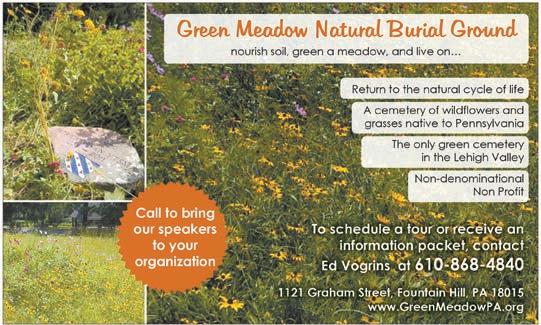
The only green cemetery in the Lehigh Valley. A cemetery of wildflowers and grasses native to Pennsylvania. Return to the natural cycle of life to nourish the soil, green the meadow and live on. Nondenominational. Non-profit. Speakers available to visit organizations. See ad, page 21.
Hyperbaric Therapy
ELIXIR HEALTH & WELLNESS
RESULTS WELLNESS CENTER, LLC
Jacqueline LeClaire 6120 W. Main Blvd., Bath, PA 18014
JacquelineLeClaire.com 484-264-3889
Become a Certified Hypnotherapist / Become a Certified Reiki Practitioner, Usui Master. Jacqueline LeClaire is a Certified Clinical Hypnotherapist, Master Trainer with the International Association of Counselors and Therapists and Reiki Master for over two decades. She is the owner of Results Wellness Center, LLC. See ad on page 21.
Kangen Water
KANGEN WATER®️ PERI MARANDO
1021 Main St., Bethlehem PA 18018 elixirbethlehem@gmail.com www.ElixirLV.com
Elixir Health & Wellness is an east meets west, holistic approach for longevity and anti-aging. We offer mild Hyperbaric Oxygen Therapy (mHBOT), Red Light Therapy, Compression Therapy, and Metabolomic testing. These can be combined to optimize health or be used as stand alone therapies for specific goals. Protocols are tailored to each individual client.
Achieve your personal best in sports, sales public speaking and more. Whether you need to eliminate chronic pain, achieve your ideal body weight, reduce stress, or kick the smoking habit hypnosis is a useful tool that can help you move forward. Individual and group sessions, remote and in person sessions. Board Certified Hypnotist with NGH. See ad, page 7.
Since 1974, Enagic® has been a leading innovator of pure water technology and has transformed the way we look at water and its role in a healthy and vibrant life. Enagic® specializes in producing ionized alkaline water systems that transform ordinary tap water into healthy, hydrating, alkaline Kangen Water® for cooking, cleaning, drinking and sanitizing.
Landscaping
BEAR CREEK ORGANICS
570-582-0615
BearCreekOrganics@gmail.com
BearCreekOrganics.com
We create organic and ecological edible landscapes. With mother nature as our teacher, and extensive knowledge of edible plants,. We develop beautiful food production systems that support your needs and the needs of the natural wildlife. No matter the size of your budget we will help you create an edible landscape that is right for you. See ad, page 25.
Marketing
NATURAL AWAKENINGS
DR. DEKA RODGER ND, MBA Owner/Publisher 610-421-4443
Due to his extensive background in business and marketing and built his own practice through the Natural Awakenings magazine he can take businesses to the next level. Also, with a strong background in keeping fit and understanding all aspects of exercising. He also teaches a Nutrition Certification Course over a 6-month period, students completing this course and passing all exams can put the designation CNC after their name. See ads, pages 3, 5 and 32.
Massage
KONNECTIONS MASSAGE
Kathy Hatcher, LMT 656 5th St., Whitehall, PA 18052 610-266-6111
KonnectionsMassage.com
Kathy has been administering deep tissue, therapeutic, medical, pregnancy and aromatherapy massage since 1996. Her NEWEST services are Ionic Foot Cleanse Detoxification as well as Red-light therapy for non-surgical weight loss and chronic pain management. Insurance billing for massage available.
Naturopath
NATURAL HEALTH PROMOTION LLC
Tina Stashko, PhD MIfHI Emmaus, PA 18049 610-965-8132
NaturalHealthPromotion.net
Specializing in preventative healthcare, digestion and nutrient absorption, and thyroid and adrenal health. Modalities such as iridology, sclerology and biochemical balancing enable the development of your unique program for optimum health. These programs are easy to follow and incorporate into your daily life. Reach your full health potential!
Reiki
JESSICA RUISCH
Stone Song Healing at Twin Ponds Holistic Health Center
628 Twin Ponds Rd, Breinigsville, PA 610-573-6191
Jessica.ruisch24@gmail.com
Jessica provides in-person and distance Reiki & Seichem sessions, as well as in-person Reiki with Stones & Crystals. The integration of Reiki with the subtle energies of stones and crystals supports gentle chakra balancing. Guided by intuition, these healing modalities work together to restore the body and open the door to transformation.
Magnolia Inn & Wellness Center is state of an art wellness hub that offers an extensive array of cutting-edge wellness modalities like Floating Therapy, Cryotherapy, IV Therapy, Colon Hydrotherapy and so much more. Our medical director, therapists, and staff are committed to helping our clients achieve TRUE health by accessing their optimal vitality and longevity. Membership programs are available and designed to make our services accessible to our local community. See ad, page 13.
Wellness Spapothecary
HERBS TO YOUR SUCCESS
Vanessa Sabatine 64 South Main St., Nazareth, PA 18064 610-365-8996 • HerbsToYourSuccess.com
Herbs to Your Success is a health & wellness spa located in Nazareth, offering multiple holistic spa experiences and herbal remedies. We also offer a wide selection of essential oils, teas, skincare, make-up and more! We provide high quality spa services to our customers and our friendly and courteous staff guarantees exceptional customer service. See ad, page 2.