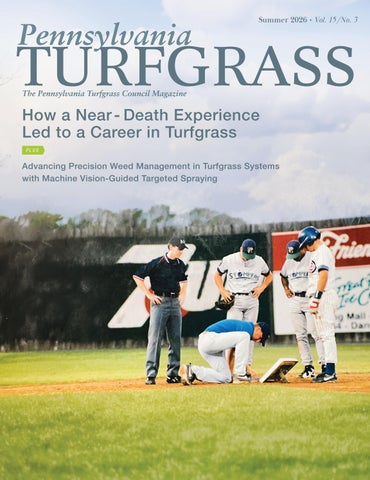
How a Near-Death Experience Led to a Career in Turfgrass
Advancing Precision Weed Management in Turfgrass Systems with Machine Vision-Guided Targeted Spraying
Pennsylvania
info@paturf.org www.paturf.org
Surviving the Summer As
we settle into the heart of summer across Pennsylvania, it feels like we went from spring straight into the busy season without much of a break. The weather has certainly kept us on our toes this year. Between stretches of heavy rain, periods of high humidity, and the heat that always seems to arrive just when we have a full schedule, there has been no shortage of challenges.
This is also the time of year when the properties we manage see some of their highest levels of use. Golf is in full swing, and courses across Pennsylvania are welcoming golfers eager to get outside and enjoy the season. Sports fields are packed with youth leagues, tournaments, camps, and community events. Municipal parks and recreational spaces are serving as gathering places for families and festivals throughout the summer months. Lawn care professionals are equally busy helping homeowners maintain healthy, attractive landscapes despite the challenges that summer weather can bring.
What often goes unnoticed by the public is the amount of work happening behind the scenes. Early mornings, long days, equipment maintenance, irrigation adjustments, fertility programs, and countless other tasks are all part of delivering safe and high-quality turf. The dedication of turfgrass professionals continues to be one of the greatest strengths of our industry.
While we spend much of our time focused on the health of the turf, summer is also a good reminder to focus on our own health. This season can be physically demanding, and taking care of ourselves helps ensure we can continue performing at our best.
I hope everyone is being mindful of their own health and safety and that of their crew and coworkers. A few simple reminders can go a long way:
• Stay hydrated. Don’t wait until you’re thirsty to start drinking water. By that point, you’re already behind. Keep water available throughout the day and make hydration part of your routine.
• Take advantage of breaks when you can. Even a few minutes in the shade can help reduce fatigue and prevent heat-related issues during long days.
• Protect yourself from the sun. A hat, sunscreen, sunglasses, and lightweight protective clothing can make a significant difference over the course of a season.
• Pay attention to your crew. Heat stress can sneak up quickly. Looking out for one another is just as important as looking after the property.
Finally, remember that while summer can be demanding, it is also one of the most rewarding times of the year. The work we do is on full display. Golfers are enjoying great playing conditions, athletes are competing on safe surfaces, families are spending time in parks, and homeowners are taking pride in their landscapes. Those experiences are made possible because of the hard work and professionalism of turfgrass managers throughout the Commonwealth.
Thank you for everything you do for our industry. I hope you have a safe, productive, and successful summer season.
Tom Bettle PTC President
Tom Bettle Turf Research Center Manager 724-321-0321 • trb19@psu.edu
Monoj Chhertri Professor of Turfgrass Science 814-863-3606 • mkc6518@psu.edu
Michael A. Fidanza, Ph.D. Professor of Plant & Soil Science 610-396-6330 • maf100@psu.edu
David R. Huff, Ph.D. Professor of Turfgrass Breeding and Genetics 814-863-9805 • drh15@psu.edu
Bradley Jakubowski Assistant Teaching Professor 814-865-7118 • brj8@psu.edu
John E. Kaminski, Ph.D. Professor of Turfgrass Science 814-865-3007 • kaminski@psu.edu
Timothy Lulis Teaching and Research Assistant 814-865-0697 • ttl101@psu.edu
Ben McGraw, Ph.D. Professor of Turfgrass Science 814-865-1138 • bam53@psu.edu
Dianne Petrunak Academic Adviser, Turfgrass Science and World Campus 814-863-0139 • dmp6@psu.edu
Max Schlossberg, Ph.D. Associate Professor of Turfgrass Nutrition / Soil Fertility 814-863-1015 • mjs38@psu.edu
Chase Straw Professor of Turfgrass Soils 502-229-9838 • cms9424@psu.edu
Inc. 9 www.covermaster.com
Coast Sod & Seed 11 www.eastcoastsod.com Greene County Fertilizer Co. 5 www.greenecountyfert.com
Leading Edge Communications ......... 13 www.LeadingEdgeCommunications.com
Phyllom BioProducts ............................ 3 www.phyllombioproducts.com
Seedway ................................................ 5 www.seedway.com
The Turf Zone ................. 11, Back Cover www.theturfzone.com
The Pennsylvania Turfgrass Council (PTC) serves its members in the industry through education, promotion and representation. The statements and opinions expressed herein are those of the individual authors and do not necessarily represent the views of the association, its staff, or its board of directors, Pennsylvania Turfgrass , or its editors. Likewise, the appearance of advertisers, or PTC members, does not constitute an endorsement of the products or services featured in this, past or subsequent issues of this publication. Copyright © 2026 by the Pennsylvania Turfgrass Council. Pennsylvania Turfgrass is published quarterly. Subscriptions are complimentary to PTC members. Presorted standard postage is paid at Jefferson City, MO. Printed in the U.S.A. Reprints and Submissions: Pennsylvania Turfgrass allows reprinting of material published here. Permission requests should be directed to the PTC. We are not responsible for unsolicited freelance manuscripts and photographs. Contact the managing editor for contribution information. Advertising: For display and classified advertising rates and insertions, please contact Leading Edge Communications, LLC, 206 Bridge Street, Suite 200, Franklin, TN 37064, (615) 790-3718, Fax (615) 794-4524.




LED TO A HOW A
TURFGRASS CAREER IN EXPERIENCE NEAR-DEATH
By Matt Duncan, CSFM
How can the worst thing that has ever happened to you also be the best thing that has ever happened to you? This is a question I ask myself when reflecting on more than three decades in the turfgrass industry.
The year was 1995. I was a sophomore majoring in Sociology and Criminal Justice at Lock Haven University in Lock Haven, Pennsylvania. Then, in April of that year, my life took a turn I could have never expected.
On April 6, 1995, I went to the doctor back home in Williamsport and was told I had bronchitis with an infection in my lungs. He put me on some medicine and told me to go back to school.
After the appointment, two of my friends and I went to the Old Lycoming County Jail in downtown Williamsport to see the prison. As we walked around, my friends were a little ahead of me. I looked into one of the cells, and jumped back. There was a priest standing in the cell. He had a black suit with white collar, was carrying a Bible, and wore glasses. Not expecting to see
anyone in there, I made a bit of small talk then caught up with my friends. I looked back and the priest was gone. I asked friends where he went, and they said there was no one in the cells — they were empty and locked.
I was still not feeling well when I went to bed on April 7, and I didn’t wake up for a couple of weeks. I had fallen into a coma, lost the ability to breathe on my own, had a tracheotomy, was placed on a respirator, and lost brain activity.
It was during that time that I had an out-of-body, near-death experience. I remember floating above my body and seeing myself lying there. I could hear doctors and nurses talking, and see what they were doing to my body. During this experience, I was able to move around the hospital floor and made my way to the waiting room. I could see and hear my parents, family and friends, but I could not interact with anyone.
I then drifted from the hospital to a setting that was white and cloud-like. I was near what looked like a gate, and everyone
around me was wearing white religious robes. I was in a wheelchair, which made sense later when I woke up from my coma paralyzed from my neck down. I also could not speak to anyone, which made sense with my trach in my throat. Despite this, I felt comfortable in that surrounding.
There were many people there that I didn’t recognize, but eventually a familiar face came to me. His name was Walter Tempesco. He was my next door neighbor growing up, and his wife Mary used to babysit my sister and me until my parents got home from work. He was like a grandfather to me, and I was very close to him. When I was nine years old, Walter fell off of a ladder and died. Being young, I didn’t know how to react to the news, as he was my first experience with death.
Walter asked me, “Matt, what do you want? What do you want to do?” As mentioned, I couldn’t speak, but I was very comfortable there and wanted to stay. He kept asking what I wanted. He came back to me later and told me that I could not stay there, and that it was not my time, but I would have a chance again another day.
The next thing I remember, I opened my eyes. I’m not sure how much time had passed between that experience and waking up. But it was later suggested to me that I had been pretty far gone.
I can’t adequately describe the feeling I had when I opened my eyes. I went from a feeling of comfort in the clouds to one of terror and fear. My eyes were the only thing I could move. I had a trach in my throat, a feeding tube in my stomach, a central line in my chest, catheters, IV’s — tubes everywhere.
To make things worse, I didn’t recognize my parents right away, didn’t know where I was, didn’t know what happened to me, and couldn’t understand what the doctors and nurses were telling me.
What my doctor missed on April 6 was that I had viral encephalitis, which is inflammation of the brain. I was told that the particular strain I had contracted kills more than 80% of the people who contract it. Of those who live, more than half end up with mental disabilities.
I could not feel my body from my neck down. Over time, the fog that I was in lifted. I remembered my parents, and could understand things, but I could not yet communicate. Feeling slowly came back to my hands, then arms, then legs, and finally my feet. I eventually needed therapy to learn how to walk, how to talk, and how to eat food again. I continued with speech therapy, occupational therapy, and physical therapy after I was released from the hospital.
It was a grueling recovery that took time, tears, patience and prayers. My family and friends were warriors helping me get through it, and I cannot imagine what they went through or how they felt.
A New Journey Begins
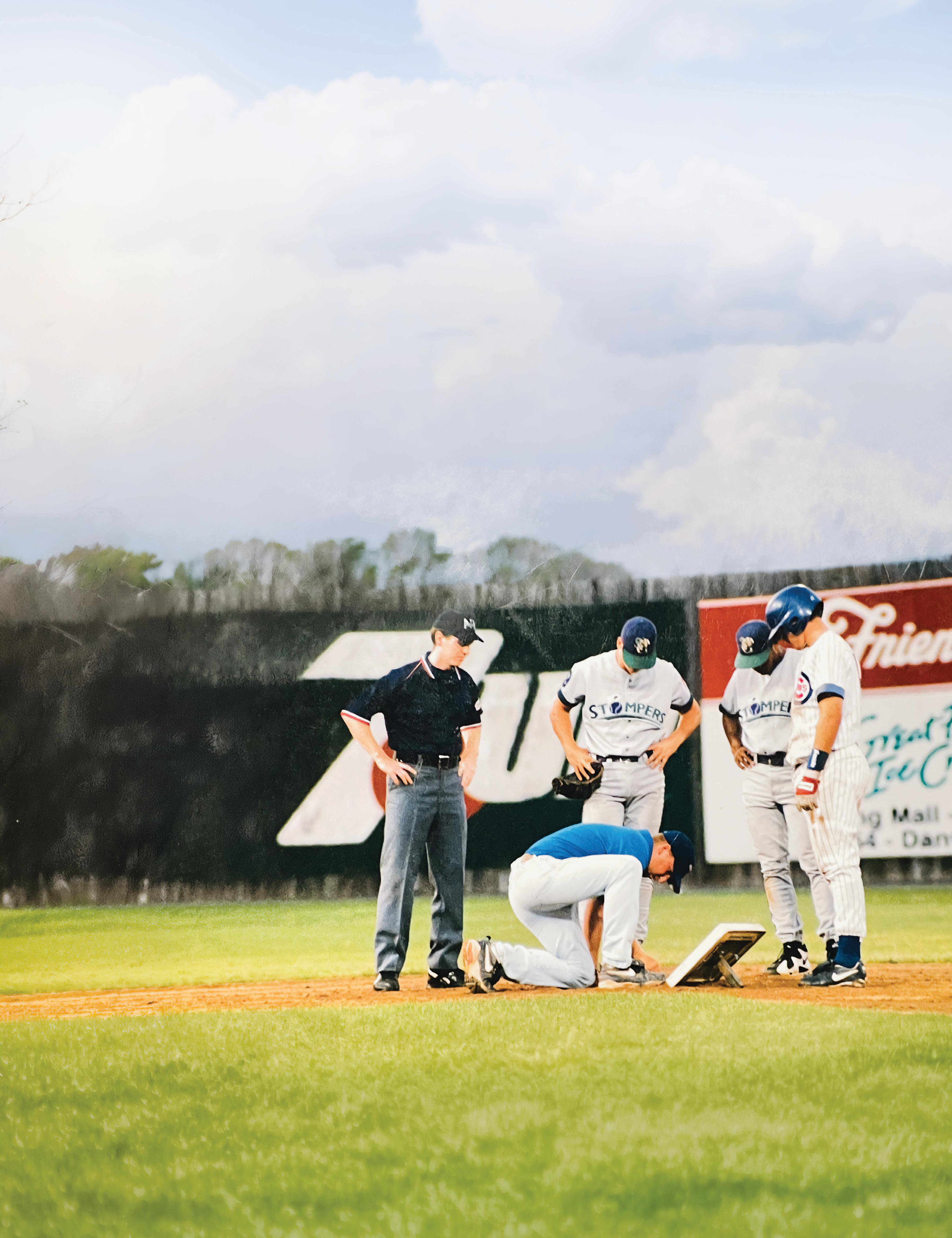
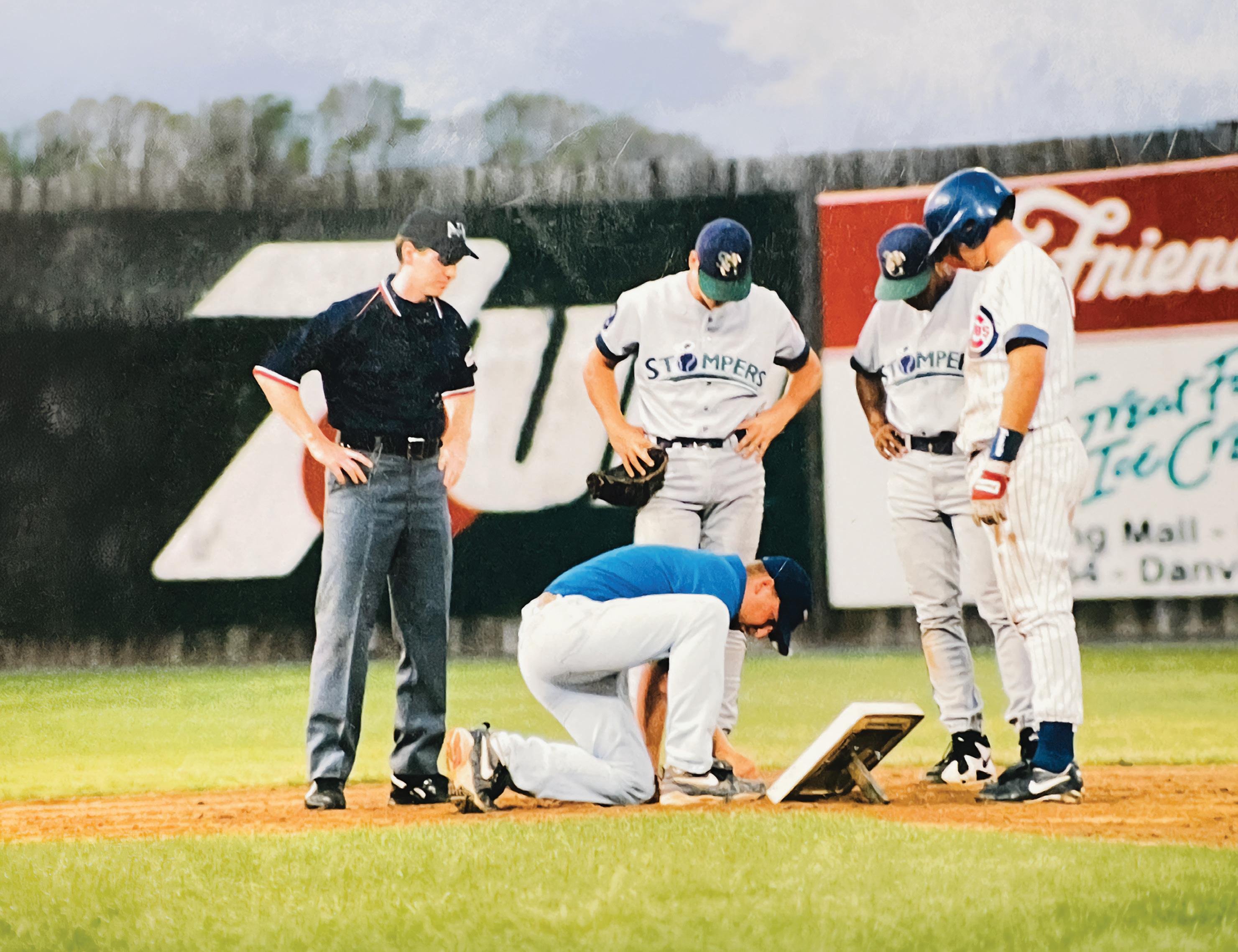
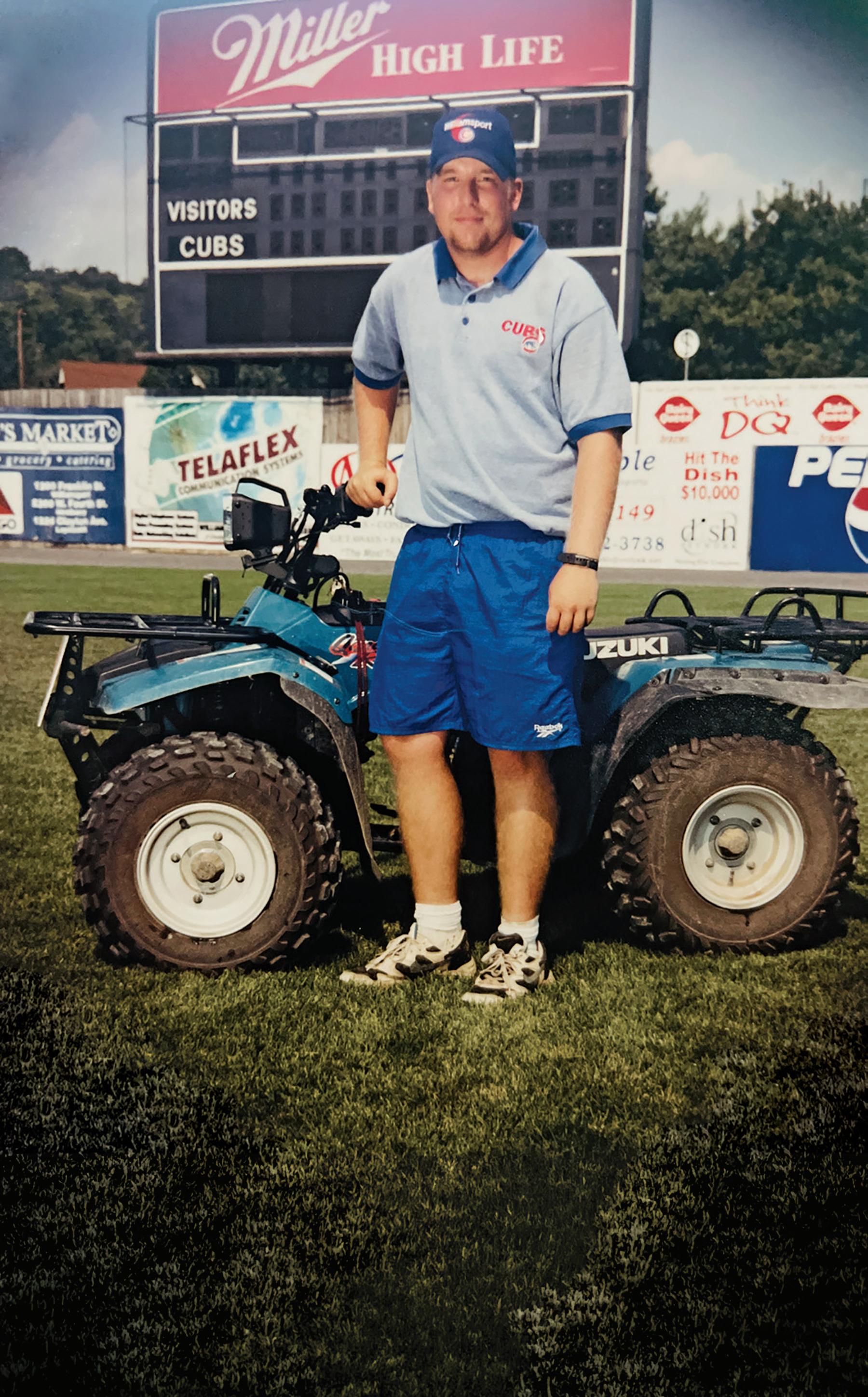
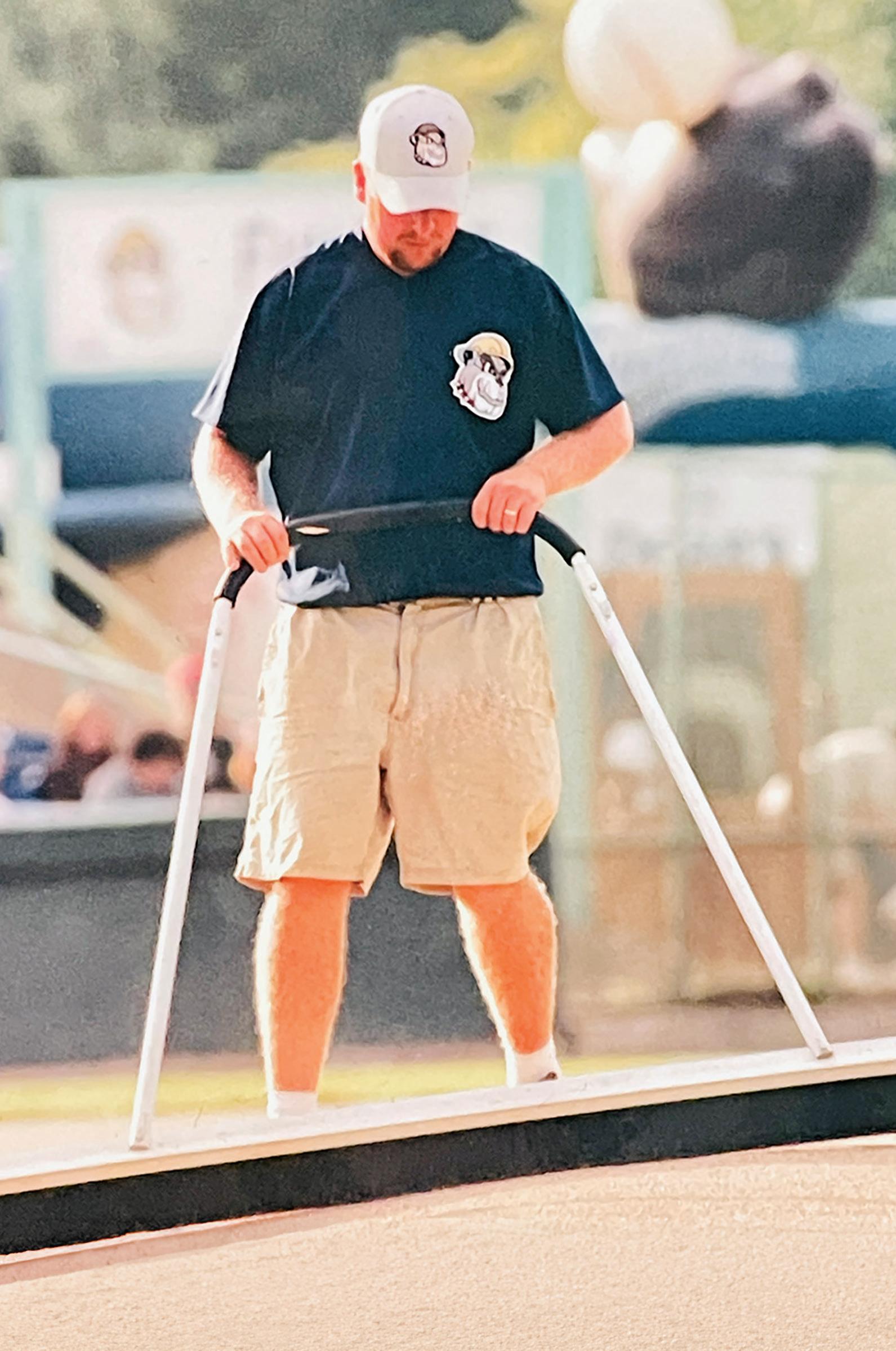
By summer I was well enough to walk, and was released from the hospital. But I was bored back at home while I was recovering. So, I decided to visit my fraternity brother, Roy Silvis, who was working as head groundskeeper at Bowman Field, the Minor League Baseball stadium in Williamsport that was home to the Short-Season Class A affiliate of the Chicago Cubs.
Covers trusted by those who know...
Member of

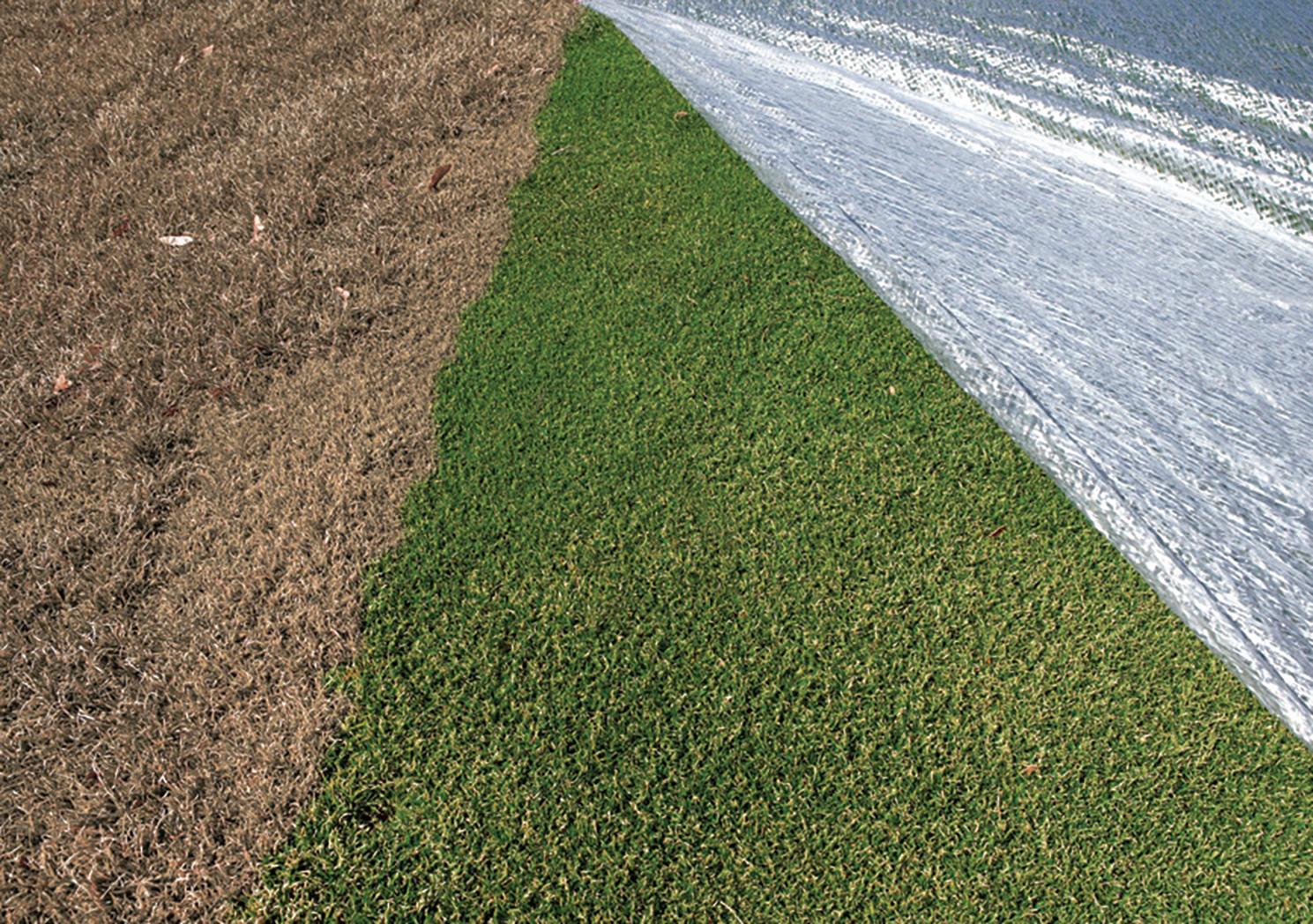
Our lightweight EVERGREEN™Turf Cover produces a greenhouse type effect that allows your turf to breathe and retain the right amount of heat and moisture.

RAINCOVERS, from supreme lightweight right to classic vinyl types, there are models and accessories to meet your needs

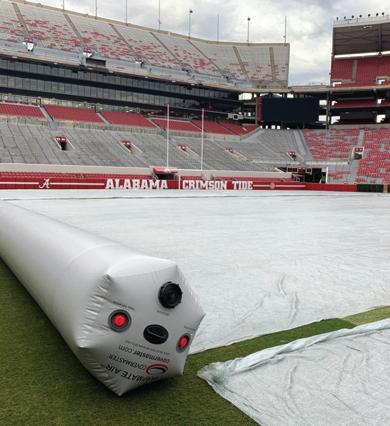
TARPMATE™ AIR roller is a revolutionary storage and handling system for field covers. 2-3 people can roll out or roll up a 100’ wide cover in minimum time.
FOOTBALL FIELD COVERS are made of superior strength material, providing protection from rain or snow.
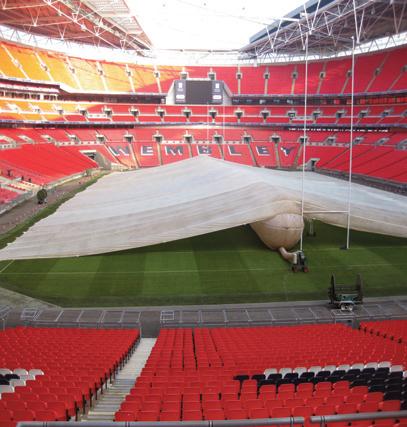
An INFLATABLE FIELD COVER allows for ongoing field maintenance during periods of inclement and extreme cold weather.
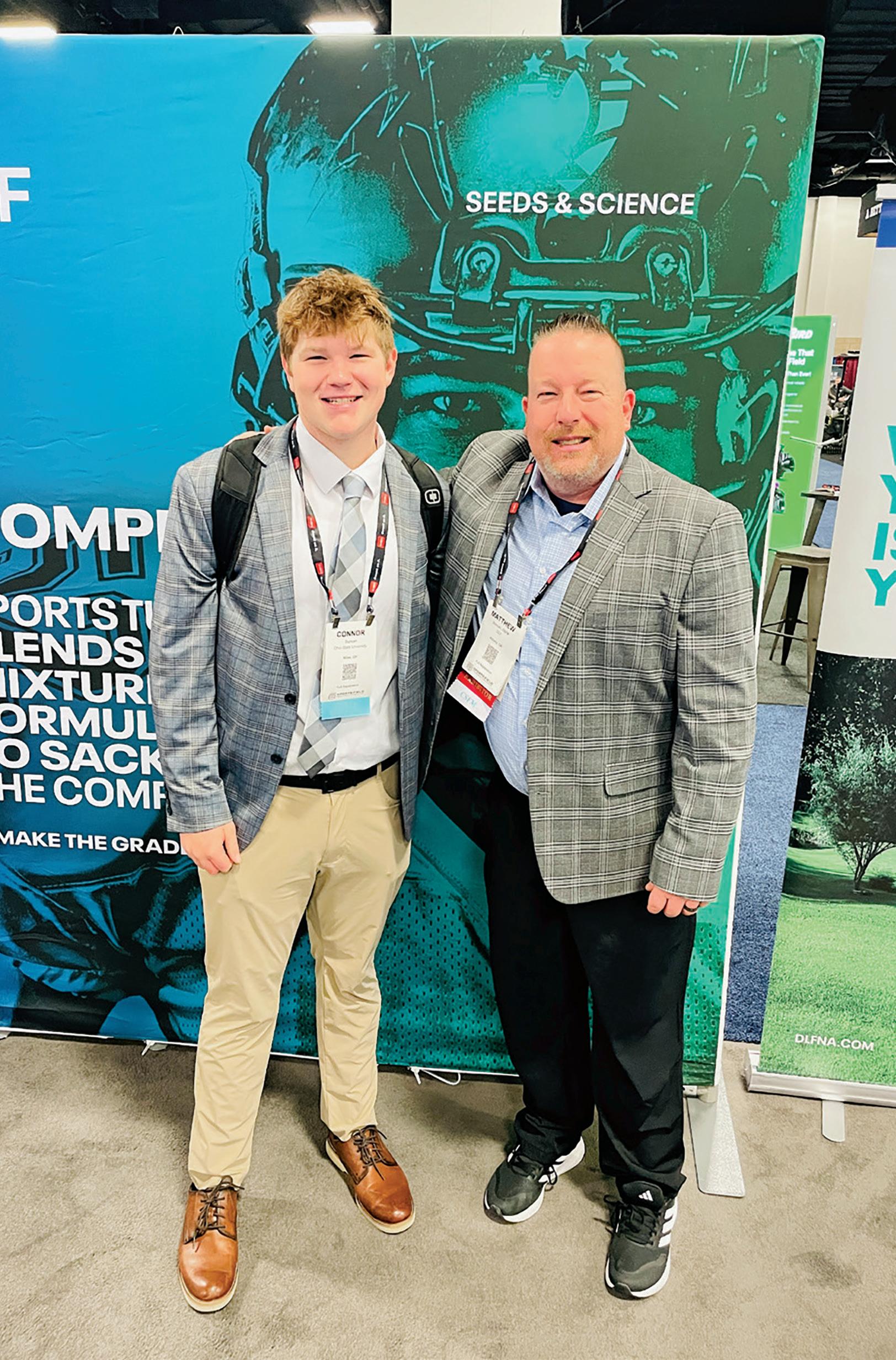
Matt Duncan, CSFM, (right) with his son Connor.
“ When everything is taken away from you, you learn to not take life for granted and be appreciative of what you have.”
It was far enough from my house that I normally would not have walked, but since I just re-learned how to use my legs, I wanted to keep them moving.
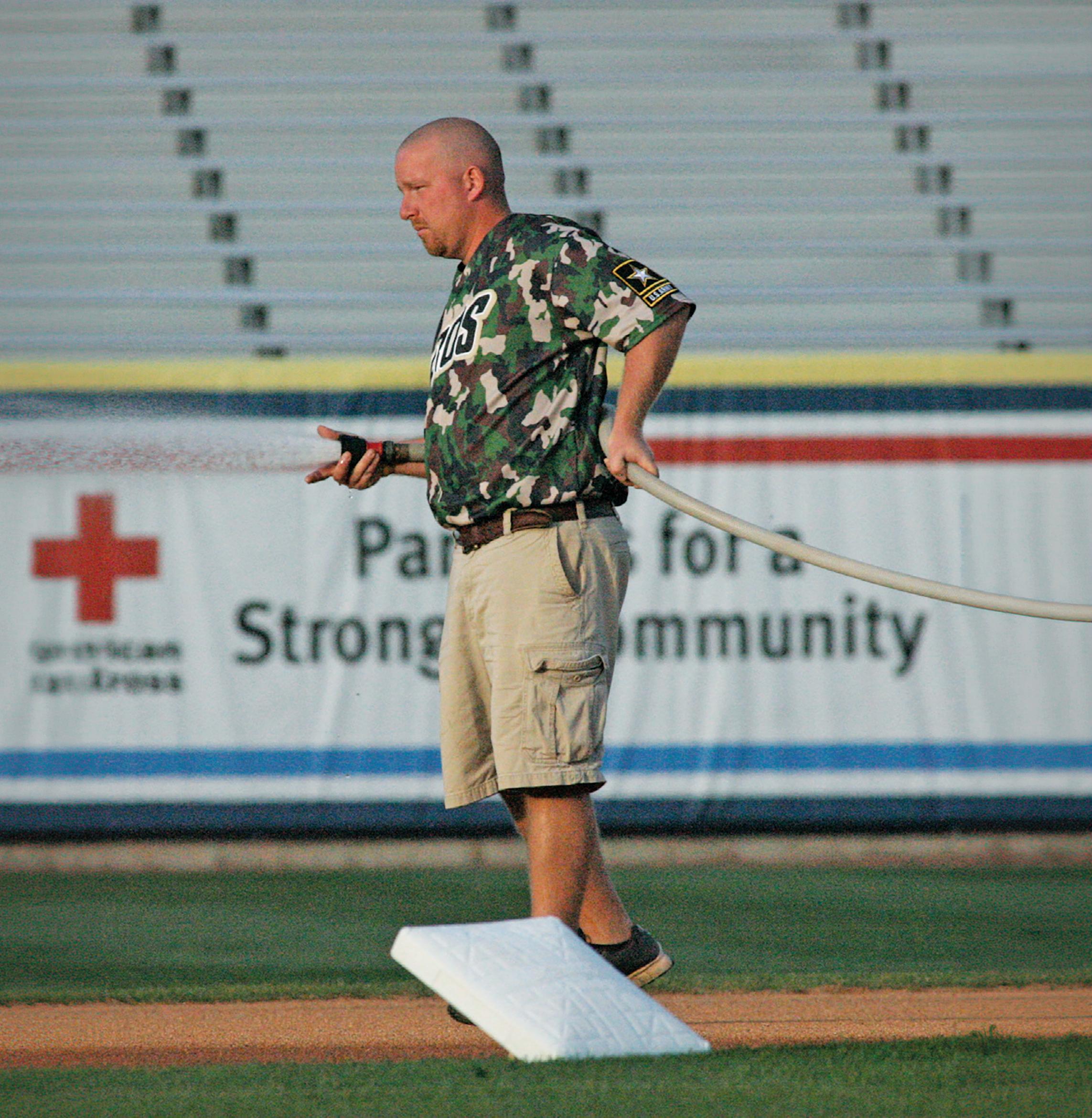
I walked to Bowman Field just to see Roy, but he asked if I wanted to be his assistant. It would mainly involve game day help watering, lining, moving screens, etc. I gladly accepted. I had played baseball during my freshman year of college, and wanted to be around the game.
That summer introduced me to a couple of people who would become mentors to me. First was Don Fowler, a Penn State Extension Specialist who also coordinated all of the volunteer efforts for the Little League World Series, which was played across the river. Don showed me how to work the clay on the mounds and plates, and gave me a lot of advice. The other was Lubie Veal, a former MLB head groundskeeper in Cincinnati, Montreal, and in Chicago at Wrigley Field. The Cubs would send Lubie to all of their minor league parks to ensure the fields were up to par.
For the next three summers, I got to continue working at Bowman Field as head groundskeeper thanks to General Manager Doug Estes taking a chance on a hometown kid with a strong work ethic and a desire to learn. I got to spend time with Lubie and pick his brain, and I learned a lot of the basics that I would build upon from there and carry with me to my next stops.
I then moved to Ohio to be head groundskeeper for the Mahoning Valley Scrapper, Class-A affiliate for the Cleveland Indians. They are now part of the MLB Draft League; and things have come full circle, as my son Connor is now the head groundskeeper at 17 years old.
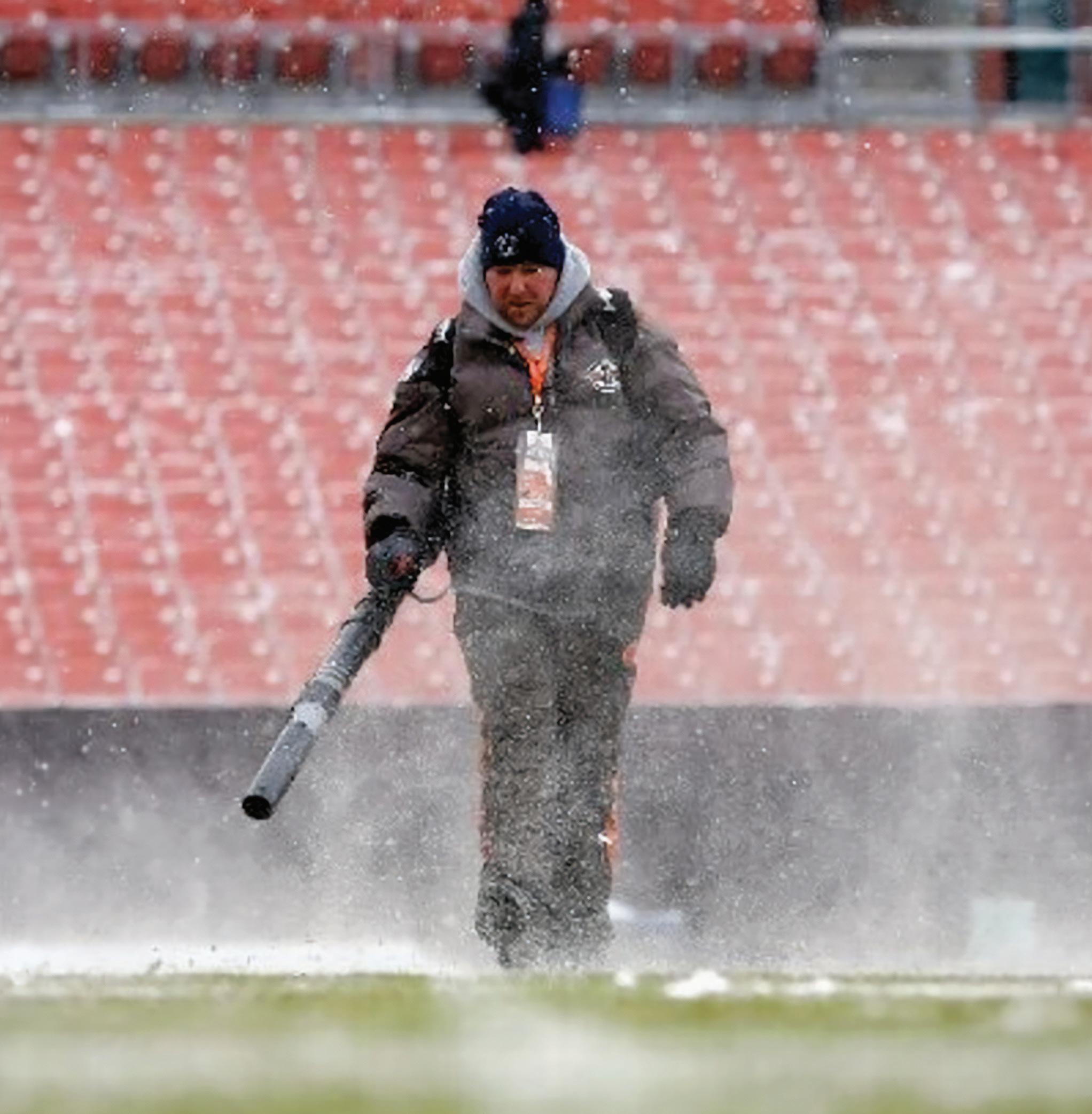
From there, I went to the Akron Aeros, Double-A affiliate of the Cleveland Indians, and I also started working for the Cleveland Browns.
Prior to my hospitalization, I had no idea the turfgrass industry even existed, let alone that it would provide me with the chance to have a career in professional baseball. Through it all, the people of this industry have been the best part. They have given me so much,
and have expected nothing in return. I would not be working in this industry if it weren’t for those who have taken chances on me. As a result, I always make it a point to give people a chance and stand up for those who are just looking for experience and a shot.
A general manager once asked me to recommend someone for his head groundskeeper position. His response about the person I recommended was, “He doesn’t have much experience.” I told him that nobody has experience until given a chance. He hired who I recommended, and that person eventually went on to be a Major League Baseball groundskeeper.
Through my experiences, I have learned to be grateful. When everything is taken away from you, you learn to not take life for granted and be appreciative of what you have. I also learned to tell the people around me what they mean to me and that I appreciate them. In addition to Don and Lubie, I am grateful for Darian Daily, Brian Gimbel, Brent Packer, Paul Curtis, Bob Hudzik, Jeff Fowler, R.D. Slingerland, Pam Sherratt, Dr. John Street, Chris Powell and Neal Pate. Some of them are no longer with us, but I hope that they know they were appreciated by me and many others. All of these people taught me not only how to be a better turf manager, but how to pay it forward and help others.
I will never fully understand why I was saved and given a new lease on life. What I do know is that I am eternally grateful for my second chance at life and all of the people I have in it. But you don’t have to go through a near-death experience to understand the importance of taking time to appreciate the gifts you have been given and the people who impact you every day.
For the rest of my career, I will continue to think back to 1995, how my life took a turn, and how the worst thing that has ever happened to me became the best thing that has ever happened to me, because it brought me into the turfgrass industry. •
Matt Duncan, CSFM, is a professional turf account manager for DLF, and serves as vice president – commercial on the SFMA Board of Directors.
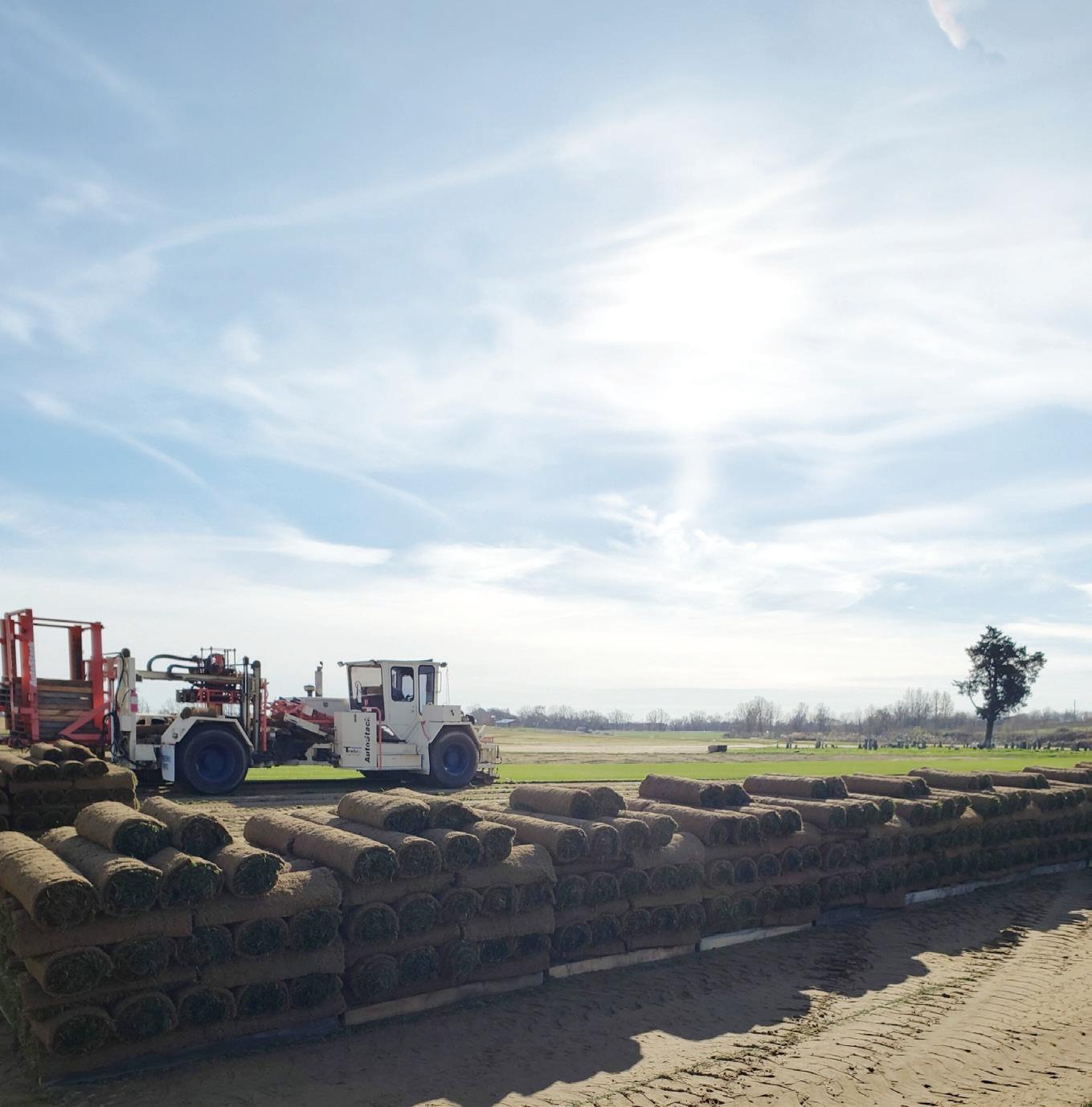
Kevin Driscoll Cell: 609-760-4099 | Office: 856-769-9555
KDriscoll@EastCoastSod.com


Advancing Precision Weed Management in Turfgrass Systems with Machine Vision-Guided Targeted Spraying
By Brooke Heikkila1, Navdeep Godara2, Pawel Petelewicz3
1 Graduate Research Assistant,
2 Assistant Professor of Turfgrass & Forage Weed Science, Department of Crop and Soil Sciences, NC State University, Raleigh, NC 27695,
3 Assistant Professor of Turfgrass Weed Science, University of Florida, Institute of Food and Agricultural Sciences (UF/IFAS), Agronomy Department, Gainesville, FL 32611
Turfgrass managers are facing increasing weed challenges due to evolving regulatory framework and growing incidence of herbicide-resistant weeds. The release of the first turfgrass-specific commercial machine vision-guided sprayer (ALBA™, Ecorobotix Inc.) enables automated and localized herbicide applications in turf. Although often referred to as “spot spraying” in marketing materials, “targeted spraying” is a more accurate description as it distinguishes this system from manual spot treatments and other existing precision weed management approaches. Such targeted application systems have already been successfully deployed in other crops using platforms such as the John Deere See and Spray™, Agritech America WEED-IT™, Verdant Robotics Sharp Shooter™, Ecorobotix ARA™. Using See and Spray™ technology, comparable weed control was observed between the broadcast and targeted spraying methods,
but the targeted spraying reduced the treated acreage by up to two-thirds. In turfgrass, this technology not only offers significant herbicide savings but also opens the door for practitioners to combat herbicide-resistant weeds by incorporating alternative chemistries, including nonselective herbicides or herbicide tank mixtures combining multiple modes-of-action which are not typically feasible in broadcast applications.
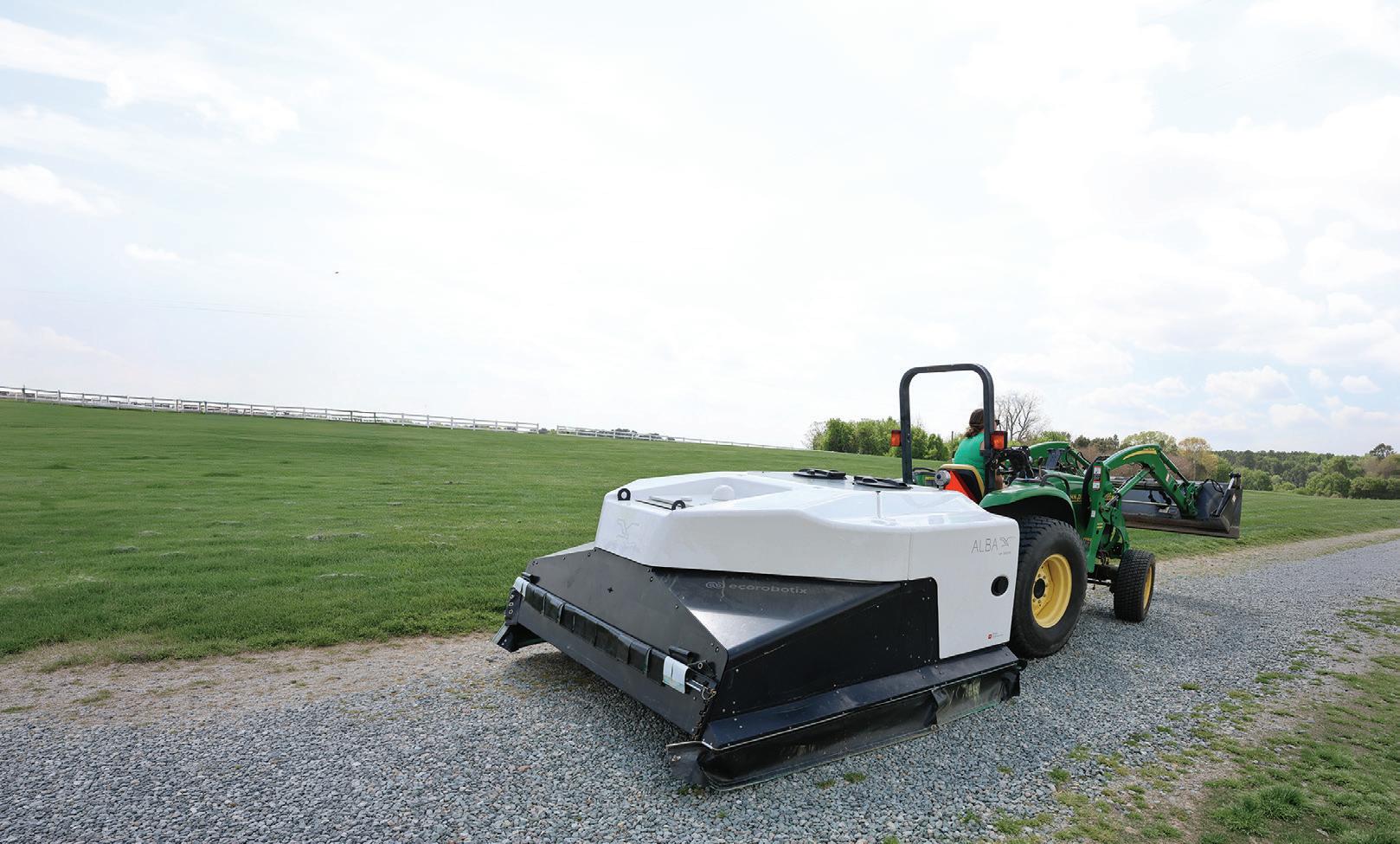
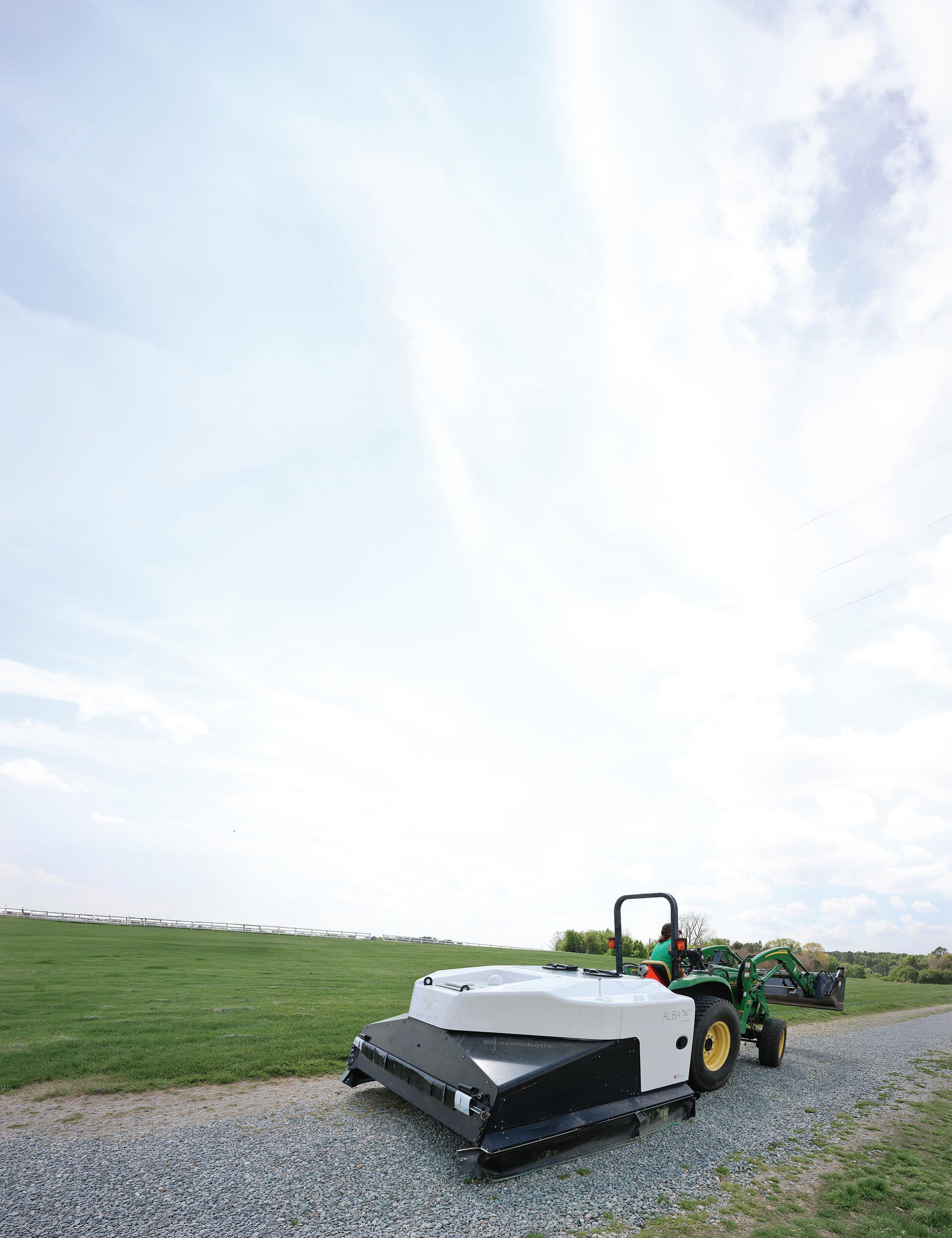
Overall, spot spraying is not a new concept, as many turfgrass managers already employ it to control weed escapes following broadcast herbicide applications or where selective chemistries are not an option. Manual spot spraying involves individuals walking the golf course or other turfgrass areas with a sprayer loaded with herbicide to make localized applications directly to weeds. Traditional spot spraying is labor-intensive, time-consuming, and requires applicators to accurately identify weeds, necessitating additional training and expertise. It ultimately increases application costs and is also prone to human error, often resulting in overapplication and missed weeds. However, targeted spraying systems such as ALBA™, utilize artificial intelligence combined with machine vision to detect problematic weeds within turfgrass canopy in real-time to apply herbicides only to those small areas where individual weeds are present. ALBA™ is a tractor pull-behind unit that can operate at speeds up to 4.5 miles per hour and uses an enclosure to block ambient light and to create consistent lighting conditions to continuously scan the turfgrass canopy with its cameras to detect weeds (Figure 1). When a weed is spotted, an individual nozzle – one out of 108 – activates to directly target the weed with a 1.2 × 1.2-inch spray resolution per nozzle. As targeted application systems continue to advance and competing platforms emerge, it is critical to understand how to effectively integrate and leverage these sprayers within turfgrass weed management programs. Several preliminary field experiments using ALBA™ and its ARA™based predecessor research platform were conducted by the NC State Turfgrass Weed Science Program and the UF/IFAS Turfgrass Weed Science Program to understand the applications of this technology. Preliminary studies showed that machine-vision guided targeted spraying substantially reduces herbicide usage and treated acreage while maintaining weed control efficacy, offering both economic and environmental benefits while targeting wide variety of problematic weeds with high accuracy.
Figure 1. The first commercial machine-vision guided targeted sprayer (ALBA™, Ecorobotix Inc.) evaluated for targeted applications to annual bluegrass by NC State Turfgrass Weed Science Program.



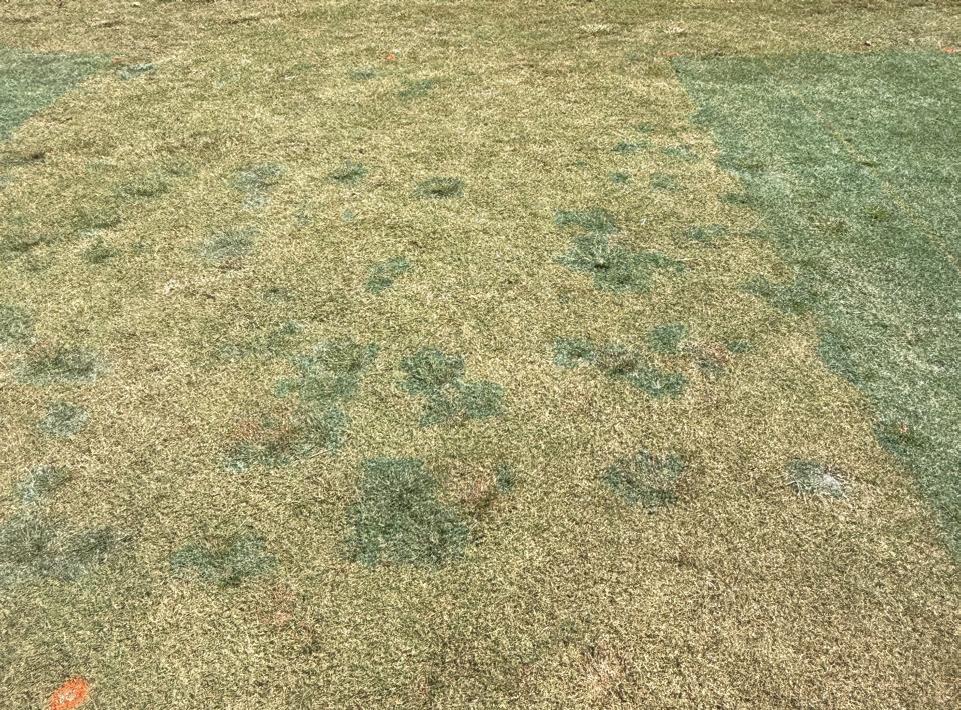
2. Herbicide and spray pattern indicator blue dye applied via broadcast (left) and targeted applications (right) to bermudagrass fairway infested with false-green kyllinga.
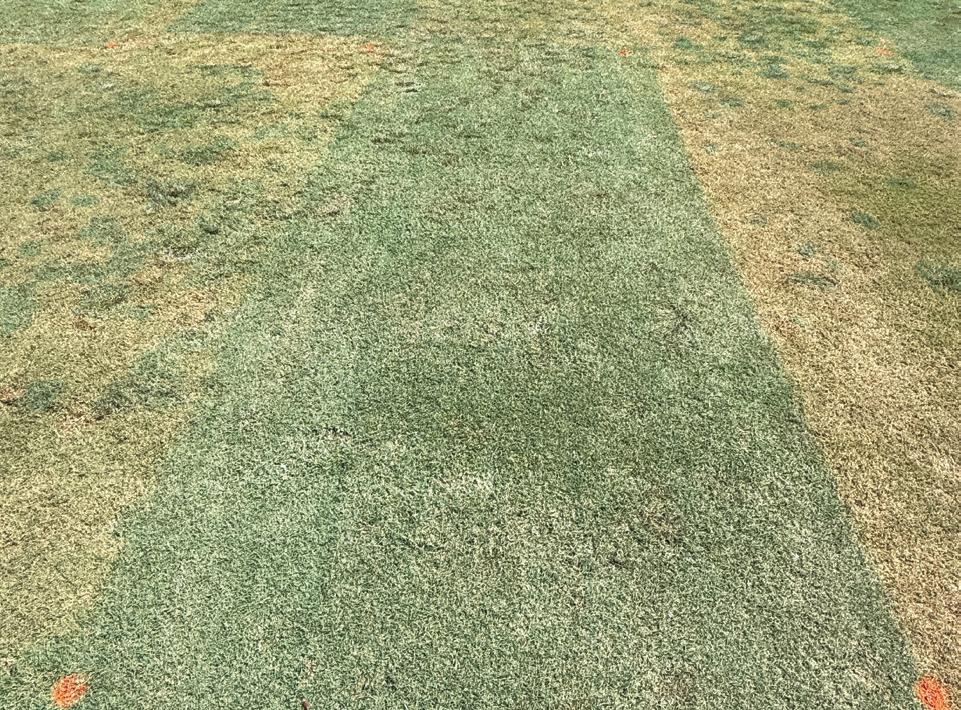
Reduction in Herbicide Volume Used – In a study focused on controlling false-green kyllinga in bermudagrass fairways, machine vision-guided targeted spraying with ALBA™ reduced herbicide spray volume by 77% compared to broadcast treatments. False green kyllinga cover was 17% at the experimental sites during study initiation, triggering significant savings due to the weed-specific, localized targeted treatments compared to broadcast herbicide applications (Figure 2). Broadcast applications of standard kyllinga control products typically cost around $190 to $240 per acre, but targeted treatment can lower the cost by more than $145 per acre even when dealing with moderate level of weed infestation (~15% weed cover). Similarly, in another ongoing study, when annual bluegrass weed cover was 10% in bermudagrass fairways, targeted applications achieved a 66% reduction in herbicide spray volume compared to conventional broadcast treatments. Sulfonylurea herbicides for postemergence control of annual bluegrass cost around $140 to $185 per acre and targeted spraying can reduce the cost by at least $92 per acre when weed cover is 10% or less.
Practitioners can expect greater savings at turfgrass sites with lower weed infestations, which are typical of intensively managed surfaces and when applying expensive herbicides such as PoaCure or organic herbicides during winter dormancy of warmseason turfgrasses. Targeted application system was also evaluated for control of broadleaf weeds, dallisgrass, smooth crabgrass, and tropical signalgrass in studies conducted independently or in collaboration between Mississippi State University, NCSU, Virginia Tech and UF IFAS, and observed a 53% to 95% reduction in spray volume. In all the aforementioned cases, weed control levels achieved with targeted spraying were no different from broadcast applications. Thus, these studies demonstrate that, across various problematic weed species, this novel application system can substantially reduce the herbicide volume required, lowering costs without compromising weed control efficacy.
Lower Treated Acreage – During broadcast herbicide applications, substantial areas without weeds are often treated unnecessarily. Targeted applications can reduce the treated acreage, enabling practitioners to use herbicides such as MSMA, which are currently restricted to spot treatments on less than 25% of the total golf course acreage per year. Targeted spraying systems are particularly useful for herbicides with limited or no residual activity, as it allows localized treatments to weed instead of broadcast applications to turfgrass. Targeted spraying for false-green kyllinga control (17% weed cover) in bermudagrass fairways resulted in 85% reduction in treated acreage compared to broadcast spraying (Figure 3). In a similar study, an 80% reduction in treated acreage was found when only treating annual bluegrass in dormant bermudagrass at 10% weed cover.
A study conducted by UF/IFAS Turfgrass Weed Science Program using circular, non-overlapping targets of varying patch sizes (4-10 cm diameter) to simulate random different weed densities and dispersions within the 1-20%, 21-40%, and 41-60% coverage, indicated total spray deposition of approximately 40%, 64%, and 74%, respectively. This corresponded to estimated herbicide savings of 60%, 36%, and 26%. Spray deposition increased with rising weed pressure, while the non-sprayed area, directly reflecting herbicide savings declined accordingly. These results confirm that variation in herbicide savings with targeted applications is driven primarily by weed density, with dispersion playing a secondary role, exerting stronger effects at low weed densities but negligible influence at higher densities.
The reduction in treated acreage can potentially diminish the environmental impact of herbicides by minimizing overall pesticide load released into the environment, limiting off-target movement, reducing the risk of groundwater contamination, and lowering the risk of human exposure associated with pesticide applications. Targeted approaches permit treatment to a limited portion of turf, enabling the effective use of chemistries with area-use limitations.
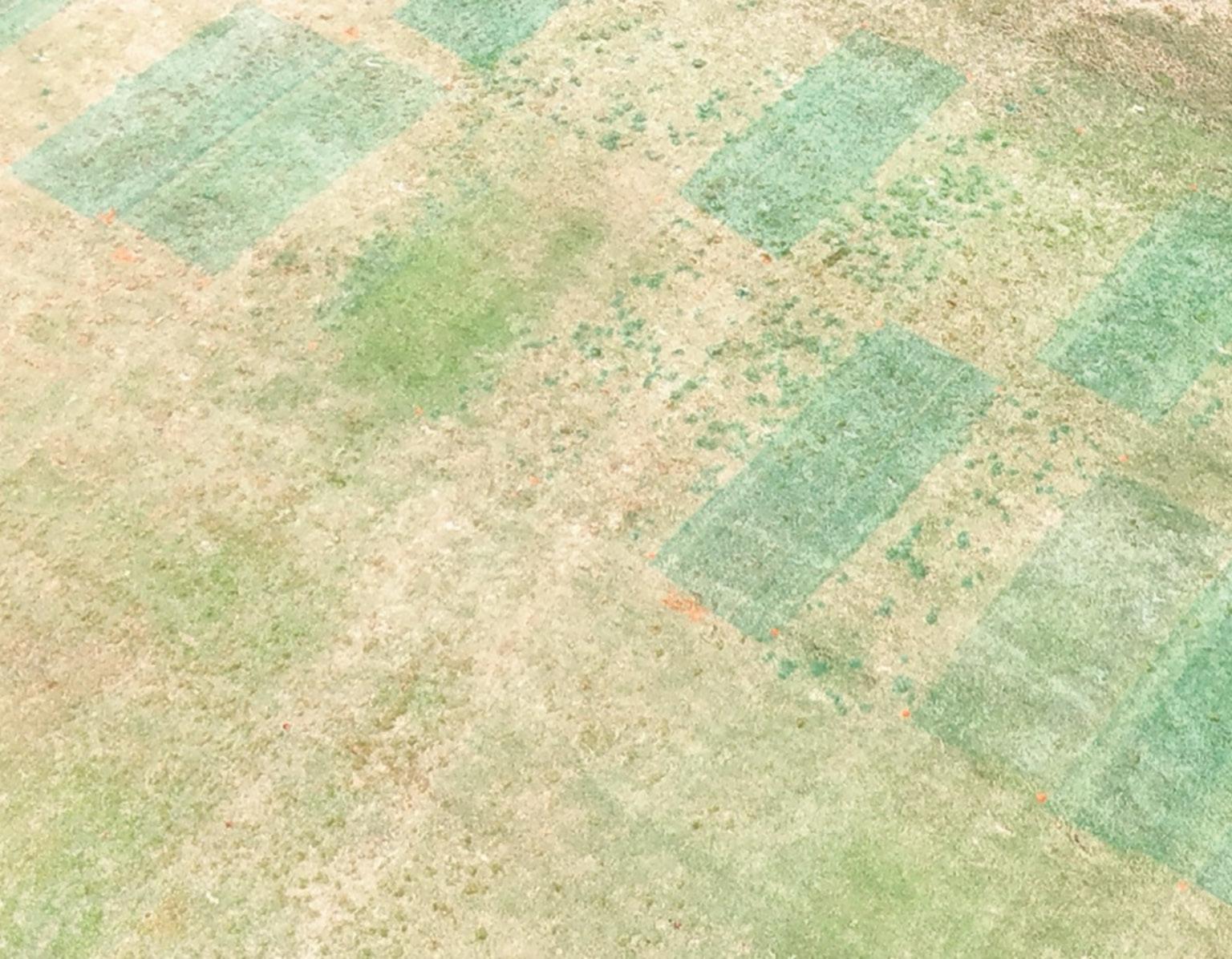
Figure 3. Differences in treated area due to broadcast and targeted spraying herbicide admixtures and spray pattern indicator blue dye for false-green kyllinga control in bermudagrass fairway.
Figure
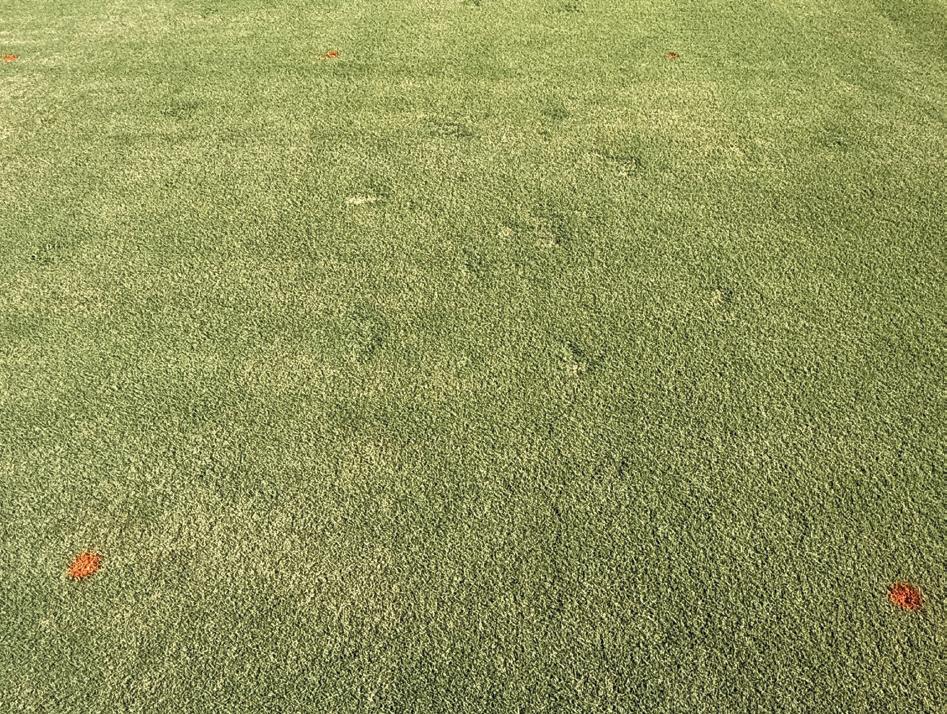
Effective reduction in area treated with targeted spraying will become increasingly important as new regulations come into effect, particularly in the context of upcoming Endangered Species Act-imposed changes. Therefore, research projects funded by the Turfgrass Council of North Carolina will focus on investigating the agronomic and environmental benefits of targeted application systems for managing problematic weed species.
Alternative Herbicide Options for Resistance
Management – Targeted spraying also enables selectivity at the sprayer level rather than relying only on selectivity of the herbicide used. This potentially allows turf managers to use nonselective herbicides that were previously not an option for broadcast treatment due to severe injury to actively growing turfgrasses. Broad spectrum herbicides like glyphosate, glufosinate, or flumioxazin are highly effective against a wide variety of weeds, but practitioners often wait for turfgrass to go dormant before spraying nonselective herbicides, while in some geographies, such as Florida, achieving full dormancy is not even possible. However, with this new technology, practitioners will have the option to incorporate nonselective herbicides year-round with minimal collateral damage to turfgrass.
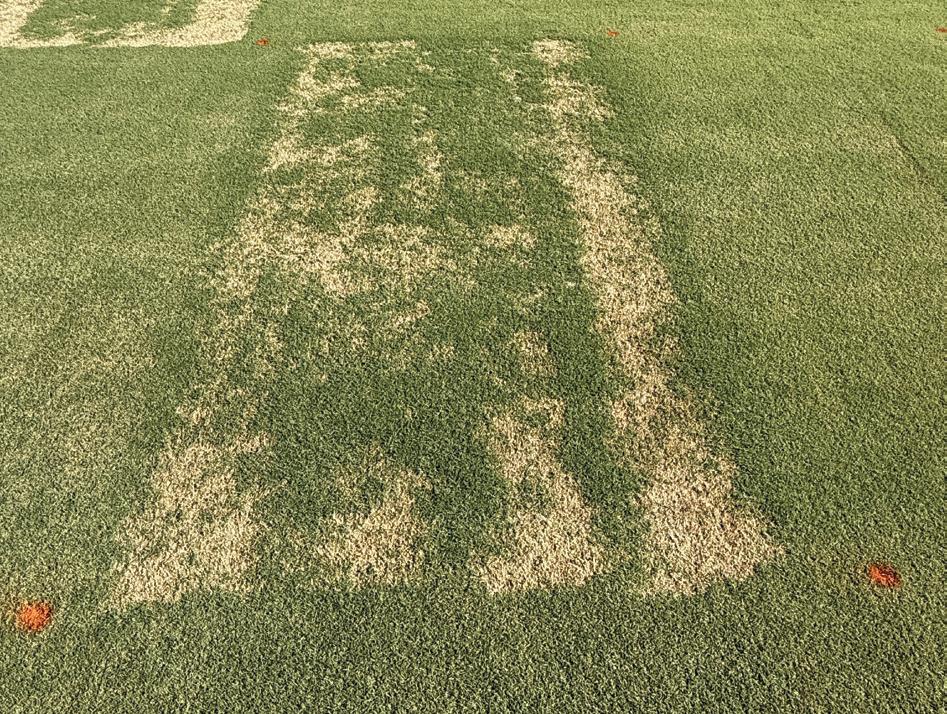
Glyphosate (Roundup Pro® Concentrate) applied via broadcast application at 12 fluid ounces per acre rate reduced bermudagrass green cover significantly, but targeted spraying had similar level of green cover as nontreated plots as documented in our recent study. Likewise, glufosinate applied at 41 fluid ounces per acre (as Finale® XL T&O) reduced bermudagrass cover drastically after broadcast application but had minimal effect on turfgrass after targeted spraying (Figure 4).
Targeted spraying technology also allows use of novel admixtures that are not currently being used during regular turfgrass maintenance. Rotating or tank mixing herbicide from different modes of action are crucial for sustainable turfgrass management, as selection pressure for herbicide resistance continues to increase. For instance, practitioners can use tank mixtures of herbicides like pyridate + sulfentrazone or bentazon + halosulfuron + sulfentrazone for targeted spraying without compromising efficacy on false-green kyllinga. These novel admixtures contain multiple modes of action in a single application that could reduce selection pressure and combat herbicide-resistant kyllinga. Similar admixtures should be explored for the management of other herbicide-resistant or difficult-to-control weeds.
Figure 4. Bermudagrass cover at 28 days after treatment following broadcast (left) and targeted applications (right) of Finale® XL T&O (active ingredient -glufosinate) for smooth crabgrass control.
Limitations – Like with any new technologies, there are limitations to consider when adopting a machine vision-guided sprayer. Currently, only one commercial unit (ALBA™ by Ecorobotix Inc.) is available, providing managers with a single option for this turfgrass-specific targeted spraying technology. Additional machine vision-guided sprayers need to be developed specifically for turfgrass systems, as interest in these technologies among turfgrass managers continues to grow and the needs across different turfgrass industry segments will vary. The cost of the equipment and the annual model subscription will be a major barrier for many turfgrass managers. Offering incentives, such as reduced subscription fees for the first few years, could help increase adoption of this technology. Alternatively, with ALBA™ being an example of a highend solution maximizing performance and system sophistication, other developers may consider trade-offs to reduce equipment production and maintenance costs to improve accessibility. Although ALBA™ seems to demonstrate high detection accuracy on key problematic weeds, further research is needed to understand its year-round performance, considering changes in visual characteristics of weeds and turfgrass across growth stages and under varying environmental contexts. In our preliminary work, a few false positives occasionally led to herbicide applications to weedfree turfgrass. Also, we observed that in situations where weed presence (particularly grassy weeds) in the camera’s path exceeded that of turfgrass, the detection system became confused, effectively reversing target and background and treating turfgrass instead of the weed. However, developers are actively addressing these shortcomings and performance of targeted applications systems by continuing to improve imagery databases, training and validation across diverse geographical regions and management contexts.
There is no doubt that machine vision-guided sprayers will have a transformative impact on the turfgrass industry, however, extension efforts will be critical for adoption. Also, as this technology is still novel for turfgrass systems, ongoing research and development is critical to improve performance, reliability, and to meet industry needs. Among others, further research is needed to evaluate performance under varying travel speeds, expand applications to targeted residual treatments, and refine application thresholds to maximize herbicide savings. •
Authors acknowledge the Turfgrass Council of North Carolina for sponsoring ongoing research projects focused on leveraging targeted application devices for weed management in NC turfgrass systems. The authors also thank Ecorobotix Inc. for providing a commercial unit for evaluation.
This article originally appeared in the May / June issue of North Carolina Turfgrass magazine.
linkedin.com/company/theturfzone
x.com/theturfzone

facebook.com/theturfzone