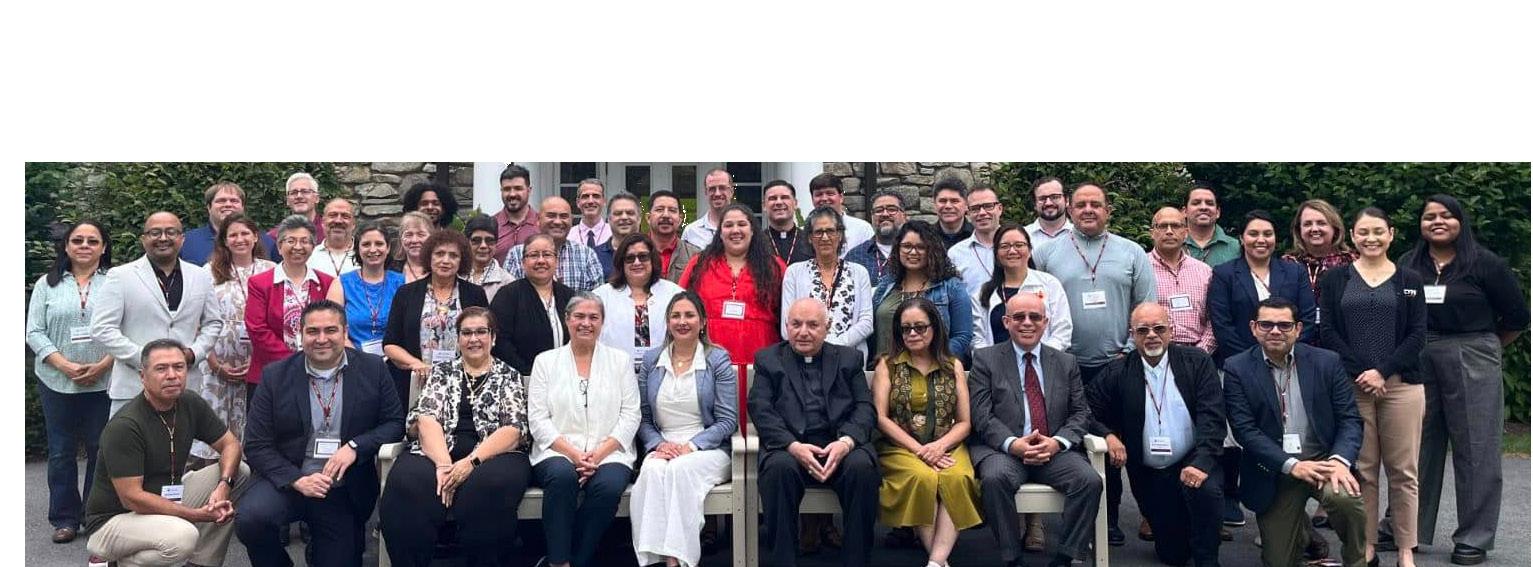
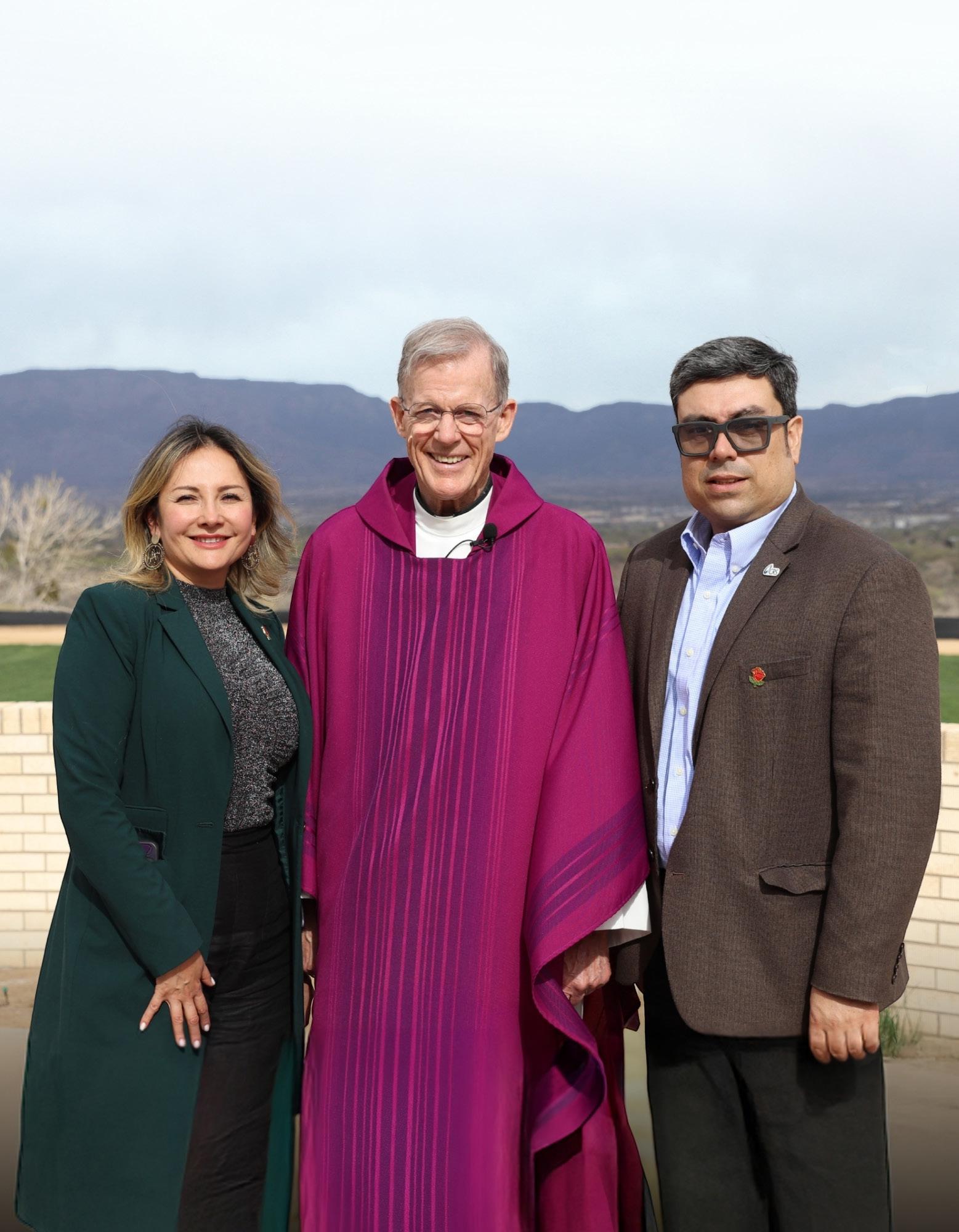
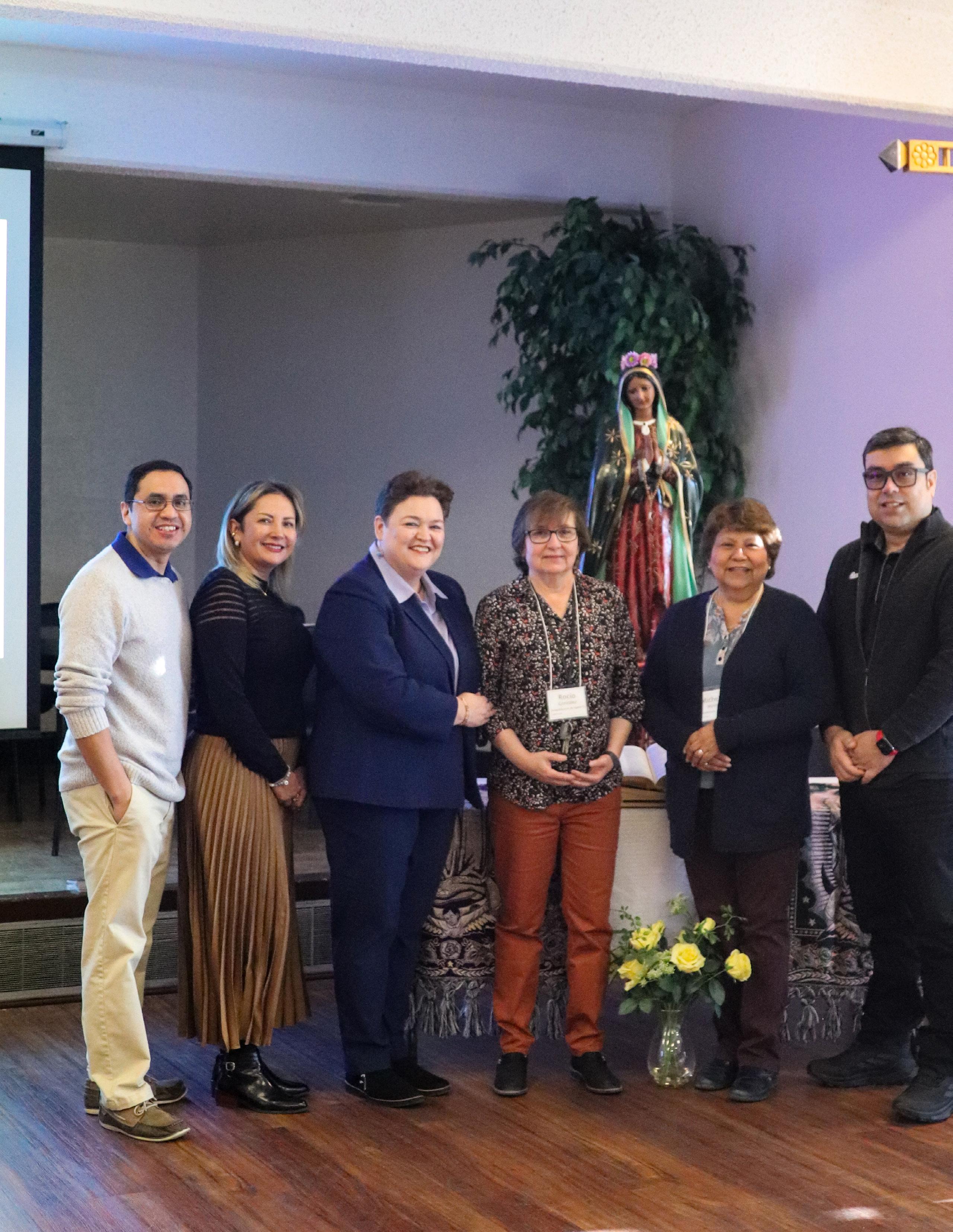

For the past six years, the Latino Pastoral Leaders Initiative (LPLI) has grown from a promising pilot into a trusted national program for strengthening Hispanic/Latino pastoral leadership in the United States.
Leadership Roundtable created the Latino Pastoral Leaders Initiative in response to needs voiced by Hispanic/Latino leaders. During a 2015 symposium on Hispanic Leadership and Philanthropy for a 21st Century Church, sponsored by the University of Incarnate Word, the Mexican American Catholic College, FADICA, and Leadership Roundtable, Catholic leaders identified leadership formation among Hispanic/Latino leaders as one of the top opportunities for Hispanic ministry, while also naming the historic lack of funding for such formation as a significant challenge. These concerns were later affirmed and elevated through the V National Encuentro of Hispanic/Latino Ministry. Recognizing the many gifts and talents Hispanic/Latino leaders bring to the Catholic Church in the United States, Leadership Roundtable launched LPLI in 2020. With the generous support of Lilly Endowment, Inc. through its Thriving in Ministry Initiative, LPLI has since formed more than 150 Hispanic/Latino leaders serving across the United States at all levels of the Church and within Catholic organizations.
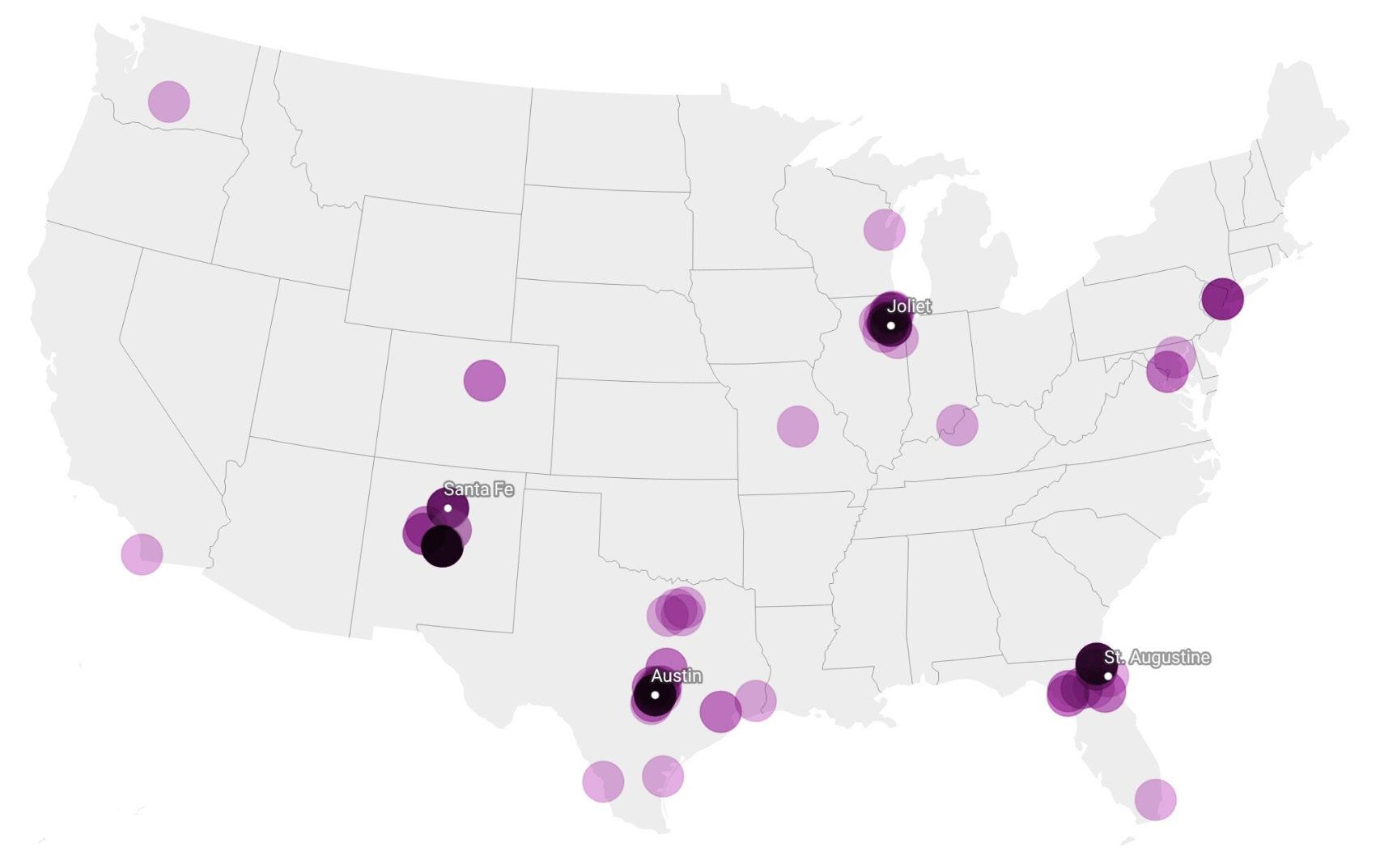
The Initiative’s first three cohorts — hosted in the Dioceses of Joliet, Illinois, St. Augustine, Florida, and Austin, Texas — established the comprehensive, in-person formation model that shaped the program’s early years and signaled diocesan partners’ commitment to investing in Hispanic/Latino pastoral leadership amid limited formation opportunities. Participants engaged in a year-long immersive, bilingual formation process that integrated Leadership Roundtable’s foundational programs Catholic Leadership 360, Toolbox for Pastoral Management, and Catholic Standards for Excellence, along with peer group coaching and guided reflection in a culturally appropriate context. This model proved deeply effective. Participants reported significant increases in their confidence as leaders, a clearer understanding of their pastoral responsibilities, and a stronger sense of their role within the mission of the wider Church.
These early cohorts laid the foundation for a national initiative attentive to the lived realities of Hispanic/Latino pastoral leaders — one that forms and prepares them to lead their communities with clarity, best practices, and a network of fellow leaders.

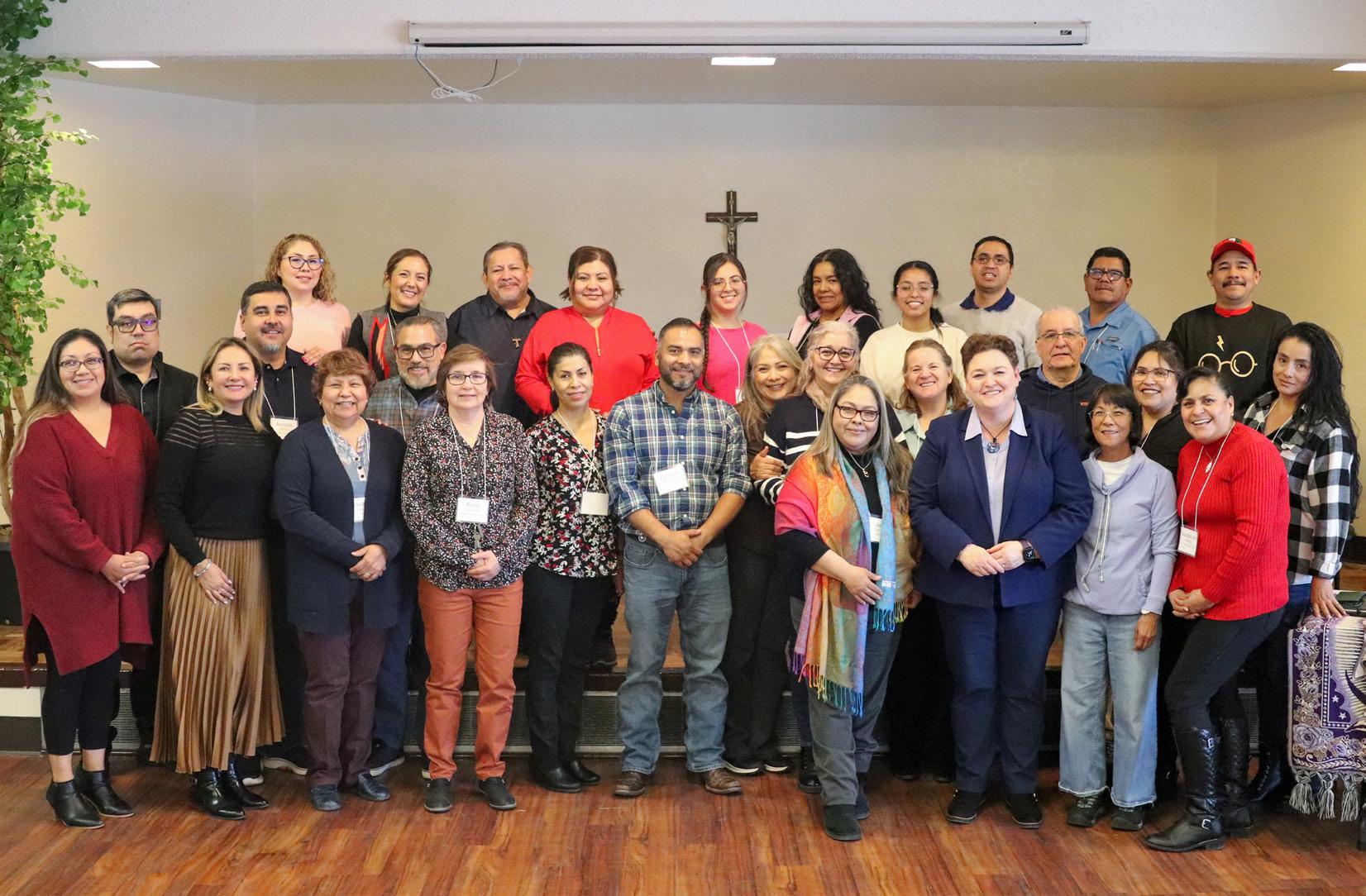
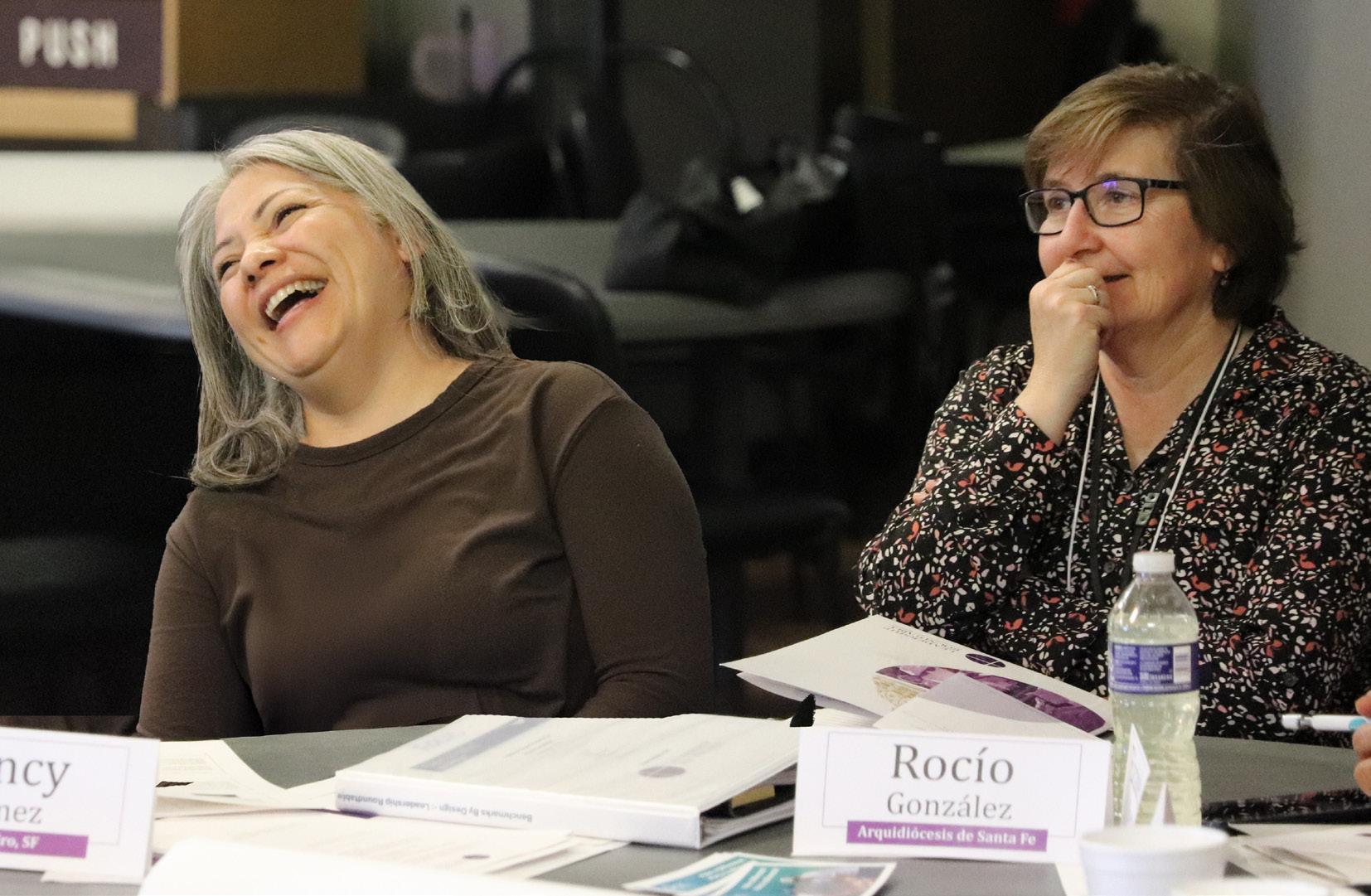
In 2024, the Initiative expanded to the Archdiocese of Santa Fe, gathering the largest cohort to date. Of the 32 participants, the majority were immigrant Hispanic/Latino leaders whose primary — and in many cases, only — language was Spanish, and whose ministerial experience had been shaped by years of hands-on service and volunteering in their parishes.
In response, we adapted our Latino Pastoral Leaders program to be delivered primarily in Spanish, supported by English-language resources. This allowed participants to engage the material more fully and reflect on their leadership as shaped by their cultural reality. As a result, participants showed a high level of engagement throughout the process. While most gathered in-person at the diocesan parish center, several joined sessions via Zoom when work schedules, family responsibilities, or transportation challenges made inperson participation difficult. The facilitation team also shifted to using WhatsApp as the primary means of communication, sharing documents, reminders, and Zoom links through a platform already embedded in participants’ daily lives. The group chat became an ongoing space of connection and accompaniment. Notably, the WhatsApp group remains active today, reflecting the durable relationships and peer support cultivated through the cohort.
After the cohort had begun, the Archdiocese of Santa Fe and Leadership Roundtable agreed to deliver the full formation experience over a six-month timeline rather than 12, in order to better accommodate participants’
schedules and support sustained engagement throughout the program. Though the timeline was condensed, the content was not abbreviated. Participants engaged in the Initiative’s comprehensive formation model, including Leadership Roundtable’s Catholic Leadership 360, the Toolbox for Pastoral Management, the Catholic Standards for Excellence, and a structured peer coaching process. The increased pace required strong commitment, and participants rose to the challenge with dedication and resilience.
Evaluations from the Santa Fe cohort demonstrated strong levels of engagement and meaningful growth among participants. Across all indicators, impact ratings averaged 4.68 on a 5-point scale, with 97–100% of participants reporting increased understanding of their leadership style, greater confidence in their pastoral roles, and enhanced effectiveness in meeting ministry goals. Participants consistently affirmed the cultural relevance of the program, with a 4.87 average on whether the formation was appropriately designed for Hispanic/Latino pastoral needs. Many highlighted the practical value of the tools and the opportunity for spiritual and ministerial reflection. Specifically, participants noted that: “It provides you with tools. It helps you see yourself as you are; it helps you rethink how you work; it helps you eliminate what is not useful and identify the needs that require your attention; and it fosters discipline, perseverance, and focus toward a clearly defined and purposeful goal.” Another noted, “Being able to evaluate myself in my ministry and as a person helped me listen more closely and reflect on the things I need to improve, as well as those I should continue doing with greater devotion and attention.”
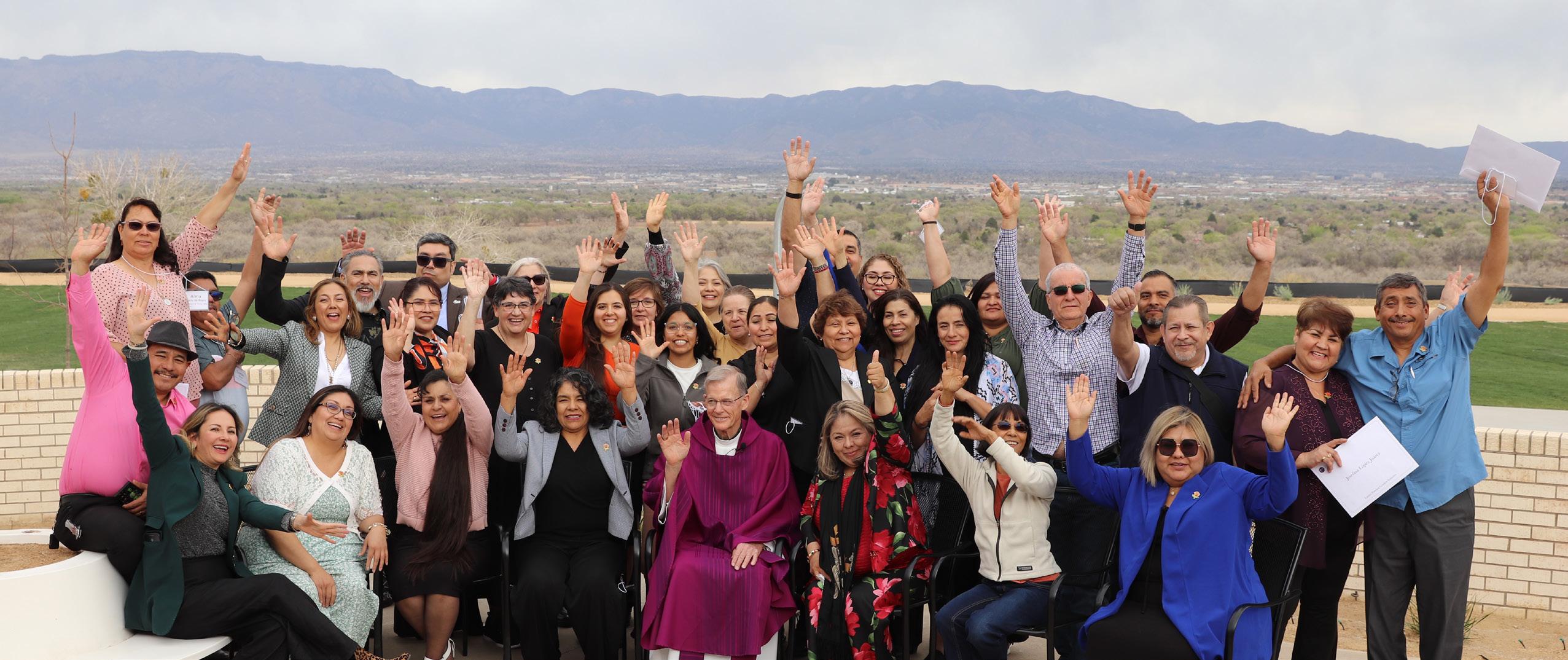
While several participants expressed a desire for additional time in certain sessions, the overall response reflected deep appreciation for a formation experience that honored that honored their language, culture, lived experiences, and pastoral realities.
The experience in Santa Fe demonstrated not only the adaptability of our Latino Pastoral Leaders model but also the profound capacity of Hispanic/ Latino pastoral leaders to grow when formation is accessible, culturally responsive, and attuned to their lived realities. Their leadership was strengthened by a formation process designed to meet them where they are and accompany them toward where they are called to lead.
As Leadership Roundtable entered a new phase of leadership, its work with Latino Pastoral Leaders continued to evolve. We remained attentive to the insights of diocesan partners, prospective dioceses, and feedback from earlier cohorts. These conversations highlighted both the still strong demand for leadership formation and the practical challenges many dioceses faced in funding and implementing year-long, inperson programs. At the same time, Leadership Roundtable recognized the importance of developing a formation program that would build cohorts and connect those working in similar ministries across the United States. Additionally, while the first four cohorts
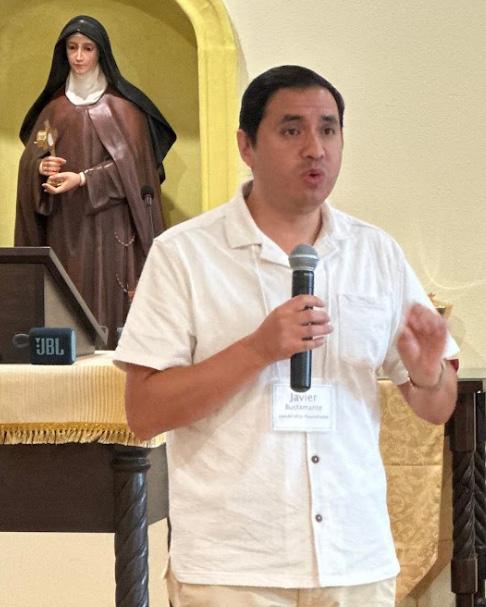
focused on formation and skill-building for staff within individual dioceses, Leadership Roundtable sought to explore a model that would bring leaders from a broader mix of dioceses, regions, and organizations together to learn from one another. While our diocesan-based model offered proven depth within a local context, a nationally-recruited online model presented an opportunity to expand access, foster peer learning across regions, and reach a broader and more diverse group of leaders serving the Church. These insights led to an adaptation of the Latino Pastoral Leaders Initiative into a national, online offering: Juntos Lideramos — a fellowship for Hispanic Catholic leaders.
To pilot this new opportunity, Leadership Roundtable identified and invited leaders from across the country to participate. To better serve leaders at different stages of Hispanic/Latino ministry, we created two distinct cohorts — the first welcomed emerging leaders with five or fewer years of ministerial leadership experience, and the other brought together more experienced ministers — some with more than 20 years of service — who sought renewed formation and peer collaboration.
JUNTOS LIDERAMOS PARTICIPANT “
Even after many years in ministry, this reinforced my direction and helped me reimagine how I lead . ”
Juntos Lideramos also expanded our reach beyond the primarily parish-based participants of earlier diocesan cohorts, bringing together a more diverse mix of lay and ordained leaders, serving in parishes, dioceses, and Catholic organizations and nonprofits serving Hispanic/Latino communities. Engaging leaders with a range of ministerial backgrounds enriched the experience and highlighted the breadth of leadership shaping Hispanic/Latino Catholic life across the country. As one participant shared, the opportunity “to meet and get to know leaders in other ministries and hear their experiences” was among the most impactful aspects of the fellowship.
Delivered online over the course of six weeks, participants took part in bilingual leadership formation guided by the same tenets as earlier
cohorts and designed to support interaction across geographic, cultural, and organizational contexts. The flexible format of Juntos Lideramos broadened access to formation while upholding our commitment to excellence, cultural competence, and co-responsible leadership.
Evaluations from both Juntos Lideramos cohorts affirmed the strength and accessibility of the new model. Emerging leaders reported exceptionally high levels of impact, with most scoring the program between 4.8 and 5.0 on a 5-point scale. Participants noted increased clarity in their leadership identity and greater confidence in their ministerial roles. One emerging leader shared, “This formation was a great help. It allowed me to see areas I have not been applying in my ministry,” while another reflected, “I always enjoy the breakout rooms; they help me process out loud and learn from others’ experiences.”
Experienced leaders reported similarly positive outcomes, with most rating it from 4.0 to 4.6. Experienced ministers expressed appreciation for both updated tools and renewed perspective. As one participant noted, “This allowed for fruitful conversations and helped me see how God is using similar skills in other contexts.” Another reflected on the relevance of the content to their journey: “Even after many years in ministry, this reinforced my direction and helped me reimagine how I lead.”
Across both online cohorts, participants noted the challenge of carving out time amid demanding pastoral schedules, particularly when balancing ministry responsibilities and calendar conflicts. Despite these constraints, they expressed a desire for longer sessions or additional modules — an indication of strong engagement, an appetite for continued formation, and a desire to stay connected to and grow the community of leaders they encountered through the fellowship. Participants praised the bilingual delivery, the clarity of the presentations, and the relevance of the topics to their pastoral contexts.
Overall, the evaluations affirmed that Juntos Lideramos, much like the in-person Latino Pastoral Leaders Initiative, provided high-quality, culturally responsive leadership development in a flexible national format that meets the needs of Hispanic/ Latino pastoral leaders today.
As the Initiative expanded and adapted over time, a set of shared evaluation questions provided a consistent way to assess program design and leadership impact across all six cohorts, spanning both in-person, diocesan-based and national, online formats.
Across cohorts, participants rated program design consistently high, with scores ranging from 4.2 to 4.8 on a 5-point scale. The strongest design ratings were reported by cohorts that experienced more immersive or intentionally structured formation, including diocesan-based cohorts and the Juntos Lideramos Emerging Leaders cohort. These results point to the importance of clear structure, cultural responsiveness, and alignment with participants’ stage of ministry in shaping positive experiences of program design. Slightly lower design ratings among more experienced leaders suggest that design expectations shift as leaders advance in ministry, reinforcing the value of continued differentiation in formation approaches.
Leadership impact ratings were similarly strong and consistent across all cohorts, ranging from 4.2 to 4.7. Participants across both in-person and online formats reported meaningful leadership growth, indicating that the Initiative’s core formation elements translated effectively across delivery models. While experienced leaders evaluated impact more critically than emerging leaders, their responses still reflected significant value—often emphasizing renewed perspective, peer learning, and reflection rather than foundational skill development. Overall, the data confirms that
leadership formation remained impactful even as the Initiative expanded access and adapted its format.
Participant feedback across cohorts has played an important role in shaping ongoing refinement of the Initiative. In addition to affirming strong impact, evaluations highlighted the importance of tailoring formation to leaders at different stages of ministry, balancing structure with flexibility, and creating space for peer exchange around real-time leadership challenges. These insights continue to inform adjustments to content, pacing, and cohort design, ensuring that future iterations of the Latino Pastoral Leaders Initiative and Juntos Lideramos remain responsive to leaders’ evolving needs while sustaining the quality and impact that participants consistently report.
In December 2025, Leadership Roundtable convened a National Online Gathering that brought together participants from all cohorts of the Latino Pastoral Leaders Initiative and the Juntos Lideramos fellowship, offering leaders the opportunity to reflect on their formation experiences and discuss the current landscape of Hispanic Ministry in the United States.
During the Gathering, key findings from Leadership Roundtable’s 2025 Survey of U.S. Catholics were shared, with a first-look into the Hispanic Catholic demographic, prompting reflection and discussion as participants connected the data to their leadership experiences.
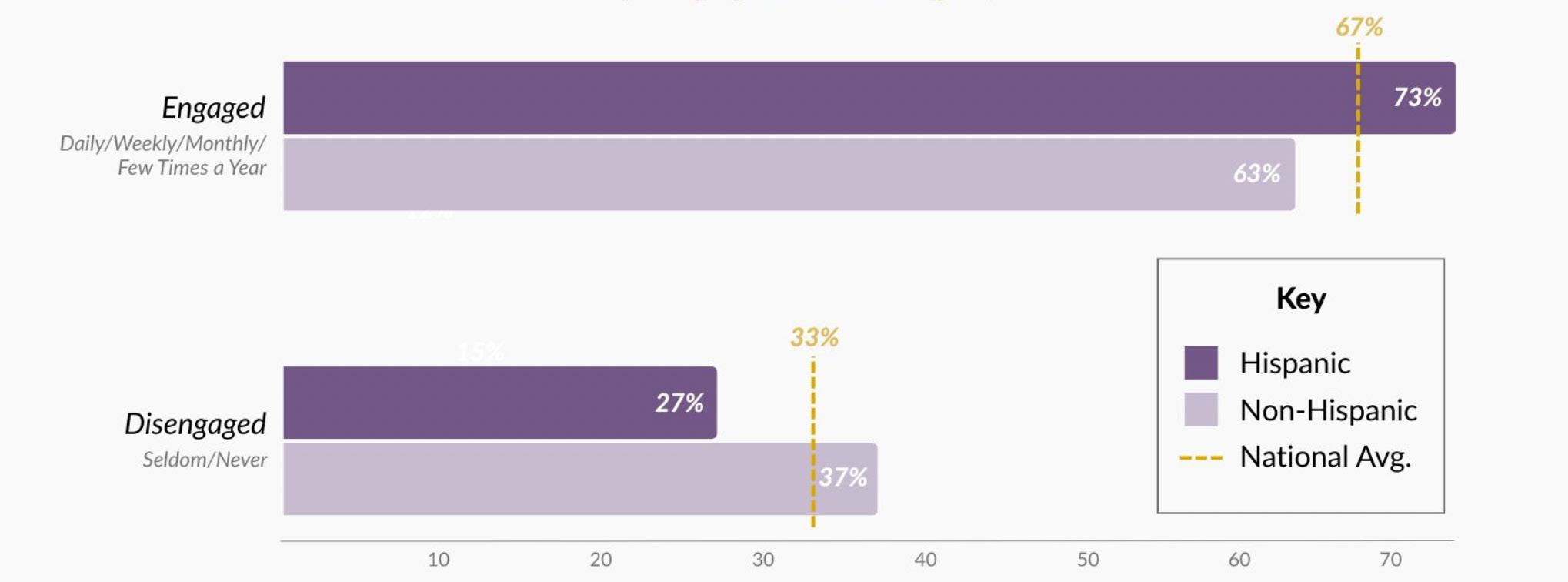
Hispanic Catholics demonstrate higher engagement than non-Hispanics — attending Mass more frequently, giving more often, expressing stronger confidence in faith among youth, and showing greater encouragement of religious vocations. Seventy-three percent of Hispanic Catholics report high engagement, attending Mass daily, weekly, monthly, or at least a few times a year — 10 percentage points more than non-Hispanics and even 6 percentage points above the national average of U.S. Catholics.

Mass Attendance Frequency by Engagement Category
While Hispanic Catholics are highly engaged, they face a more elevated risk of leaving the Church than non-Hispanic Catholics.
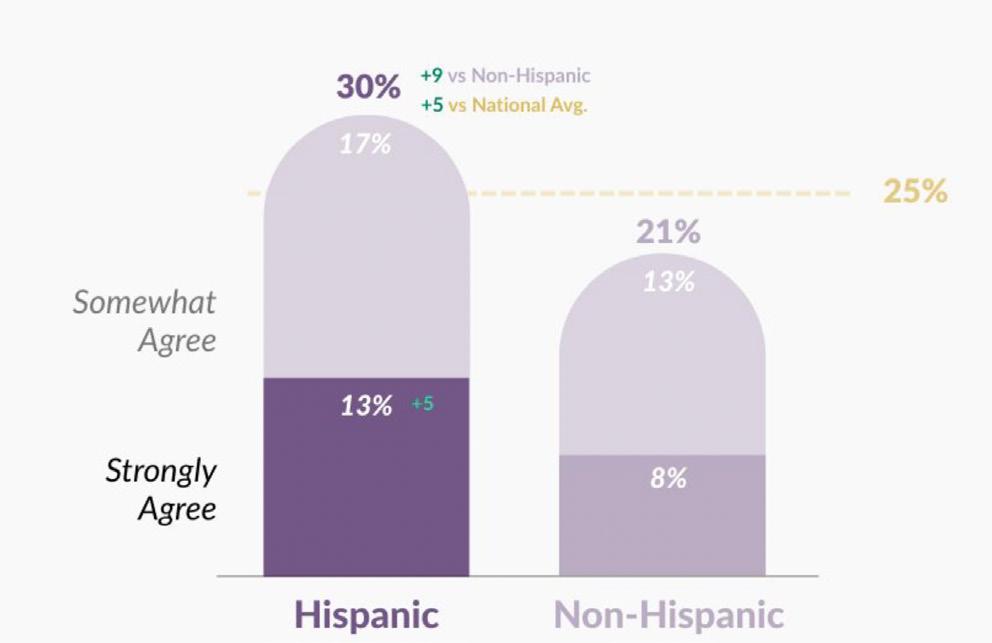
Among Engaged Hispanic Catholics, nearly 1 in 3 (30%) often think about leaving the Church, compared to 21% of engaged non-Hispanic Catholics and 25% of engaged Catholics nationally.

“I often think about leaving the Church.”
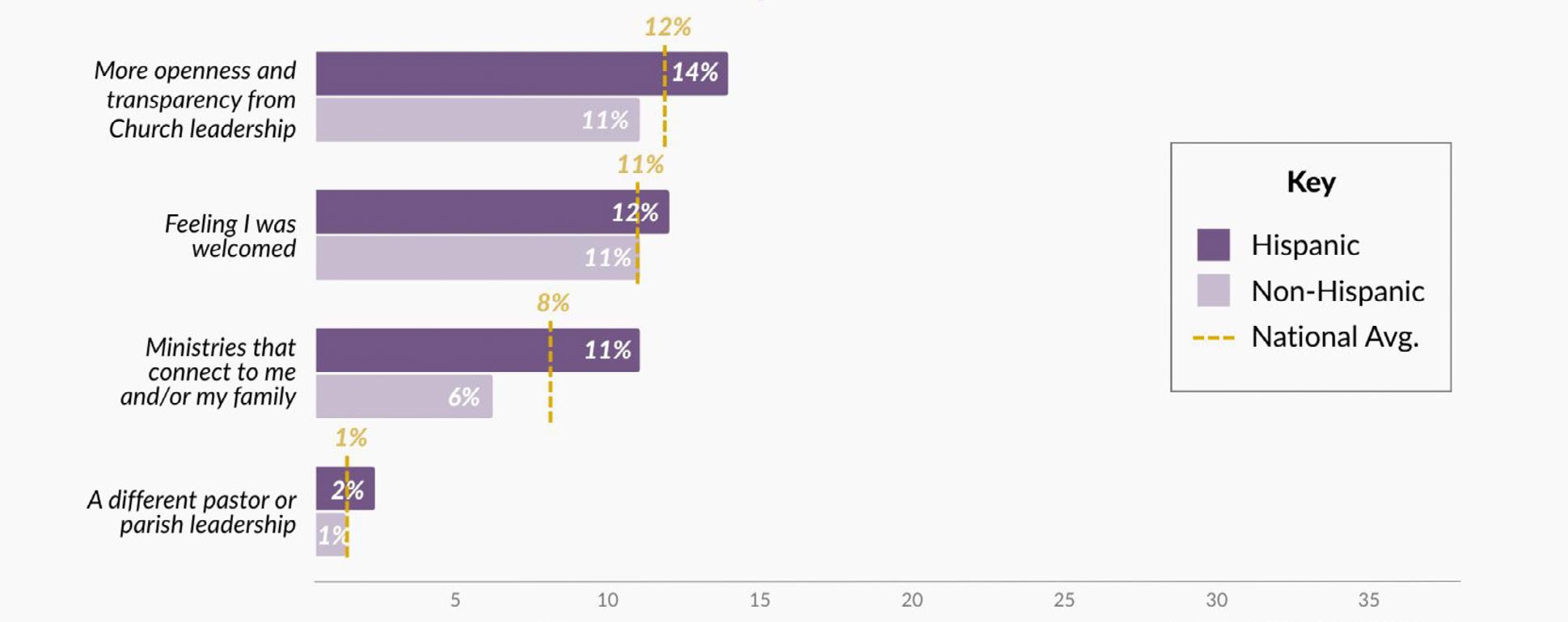
Among disengaged Hispanic Catholics—those who report attending Mass seldom or never—the top factor that would encourage a return to the Church was greater openness and transparency from Church leadership. This concern ranked higher among Hispanic Catholics than among non-Hispanic Catholics and the national average, surpassing more relational responses such as “feeling welcomed” or having “ministries that connect to me and/or my family,” which ranked higher among non-Hispanic Catholics.

“What would make you return to the Church?”
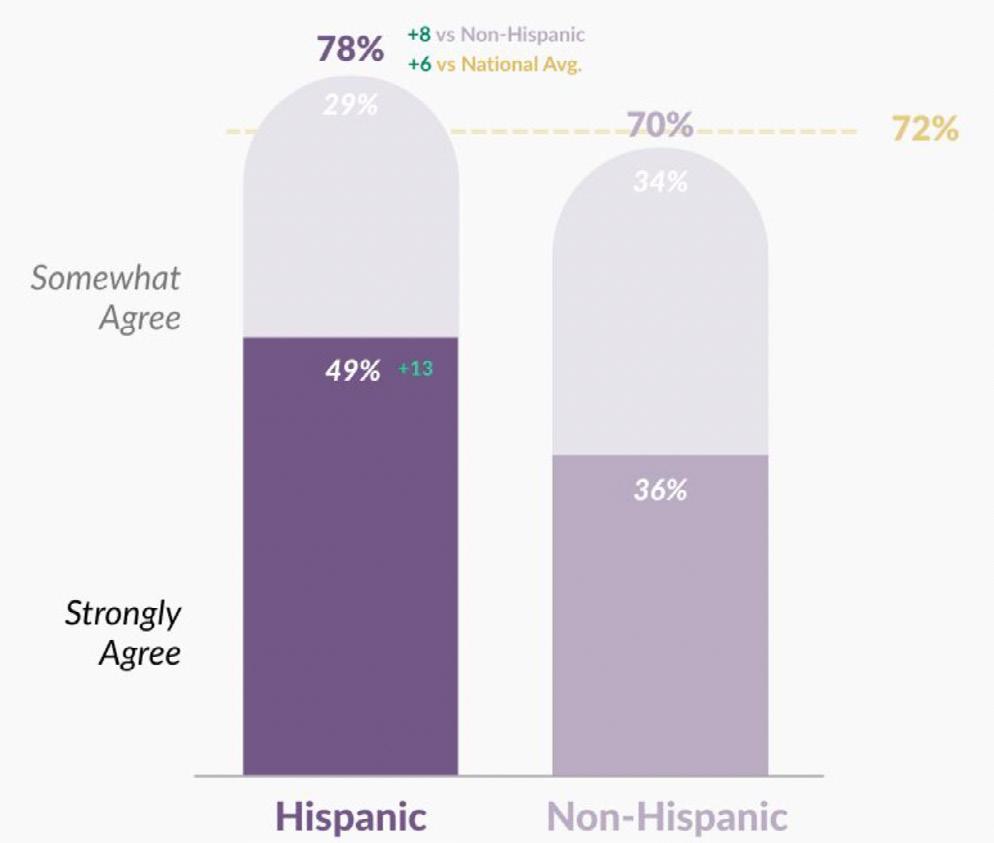
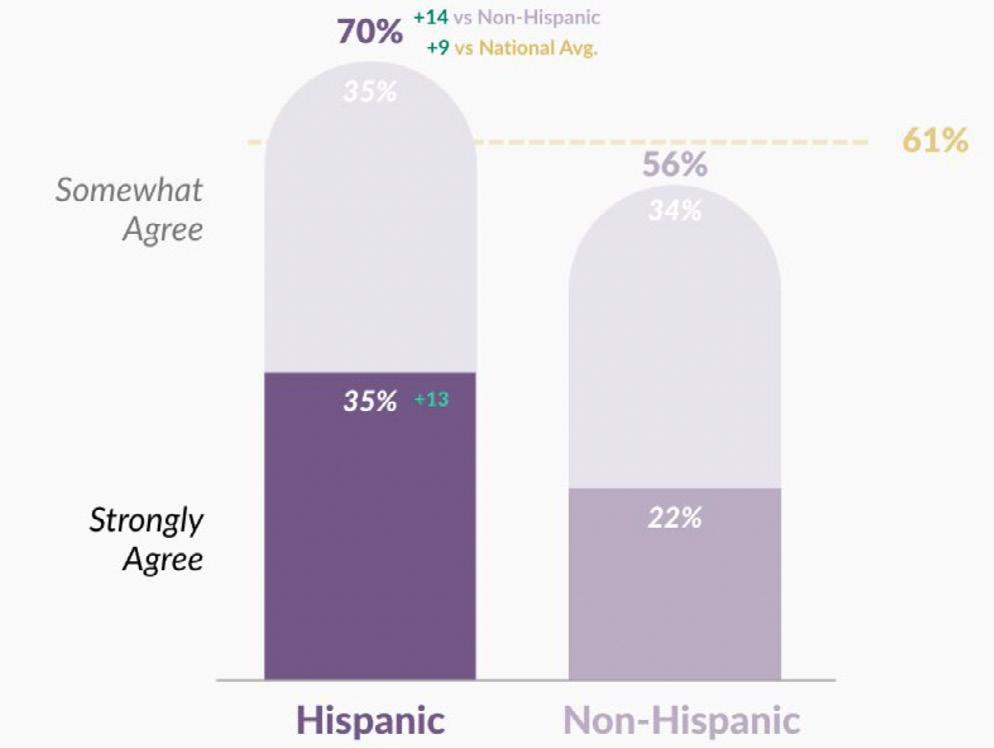
Engaged Hispanic Catholics share similar concerns about accountability and trust. Despite stronger overall giving patterns (64% of Hispanic Catholics give at least annually, compared to 56% of non-Hispanic Catholics), Hispanic Catholics more strongly agree they would reduce giving following a scandal. At the same time, this sensitivity to trust points to opportunity: Hispanic Catholics more strongly agree they would increase giving if financial transparency improves.

“I would give less if I learned of a scandal in my local parish or diocese.”
“I would give more if the Church was more financially transparent.”
The findings sharpened the focus of pastoral leadership, highlighting the importance of transparency and accountability in ensuring that strong participation can mature into sustained commitment within Hispanic Catholic communities.
Following the presentation of the survey findings, participants reflected on the data in light of their lived pastoral experience. These discussions created space not only to name challenges, but also to surface practical insights and shared wisdom from leaders working across diverse ministerial contexts. Participants exchanged ideas about what could help bridge the gaps identified in the data, particularly where high engagement coexists with high consideration of leaving the Church, and reflected on how leadership, accompaniment, and institutional responsiveness might better support Hispanic Catholic communities today.
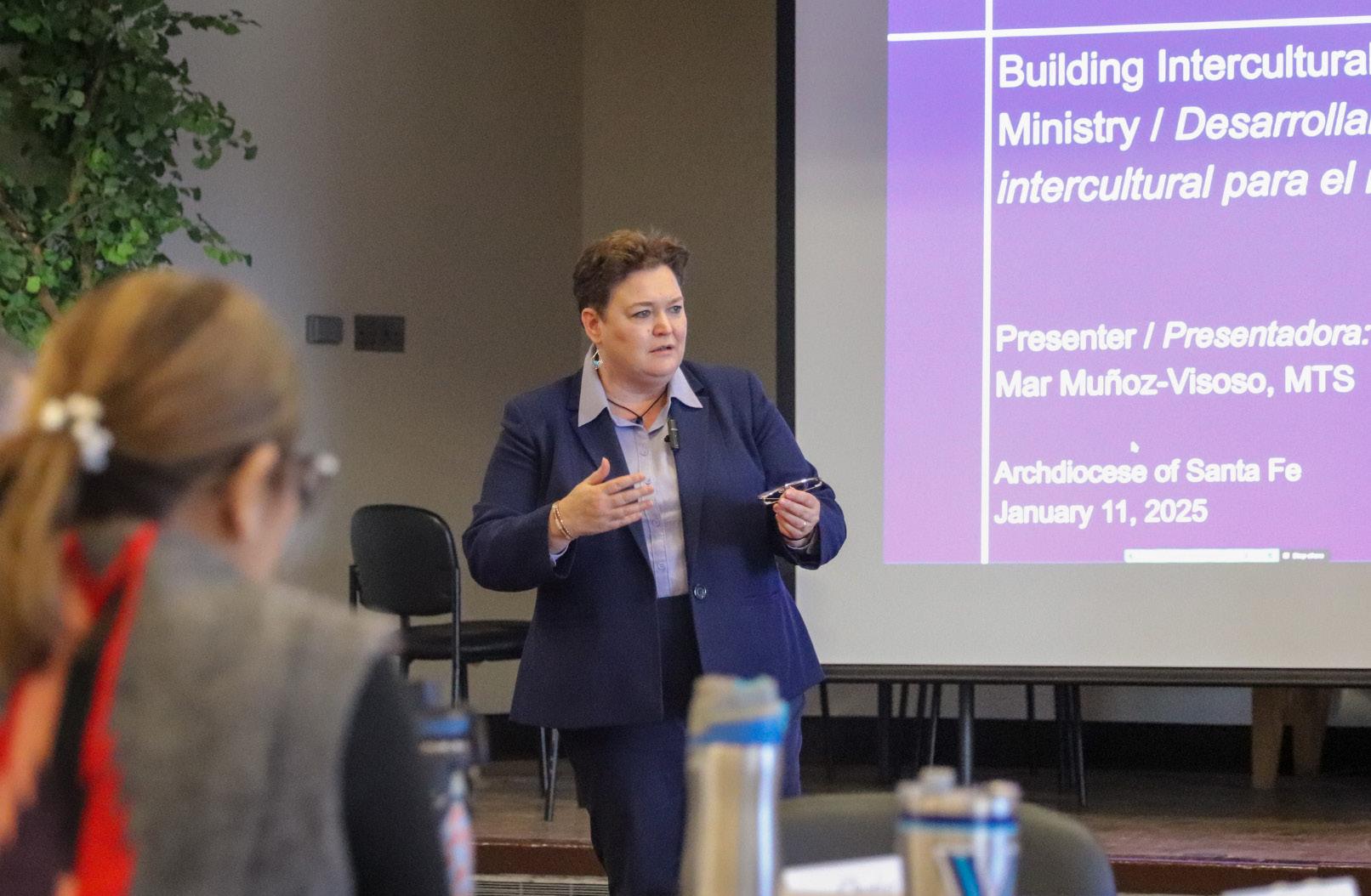
Building on this dialogue, the Gathering welcomed María del Mar Muñoz-Visoso, Executive Director of the Secretariat of Cultural Diversity in the Church at the United States Conference of Catholic Bishops (USCCB) and member of the Latino Pastoral Leaders National Advisory Committee. Ms. Muñoz-Visoso presented on the current realities facing Hispanic Catholics in the United States and the work of the USCCB in response to these issues.
Her remarks highlighted the ways national and local dynamics are shaping daily life for Hispanic Catholic communities. Ms. Muñoz-Visoso spoke to the growing concerns surrounding access to the sacraments amid fears of immigration enforcement actions, noting how anxiety related to possible raids has affected parish participation and community visibility in some regions. She also emphasized the critical role of parish and diocesan leaders in providing not only material resources, but also spiritual support, pastoral presence, and reassurance during moments of uncertainty.
Her presentation reinforced themes that had surfaced throughout the Gathering, especially the role of trust in parish life. In the conversation that followed, trust was described as showing up consistently, listening carefully, being transparent, and serving the community, especially when fear or uncertainty
makes participation harder. The Gathering affirmed that relationship-based leadership is essential for sustaining engagement and helping Hispanic Catholic communities remain connected, resilient, and hopeful.
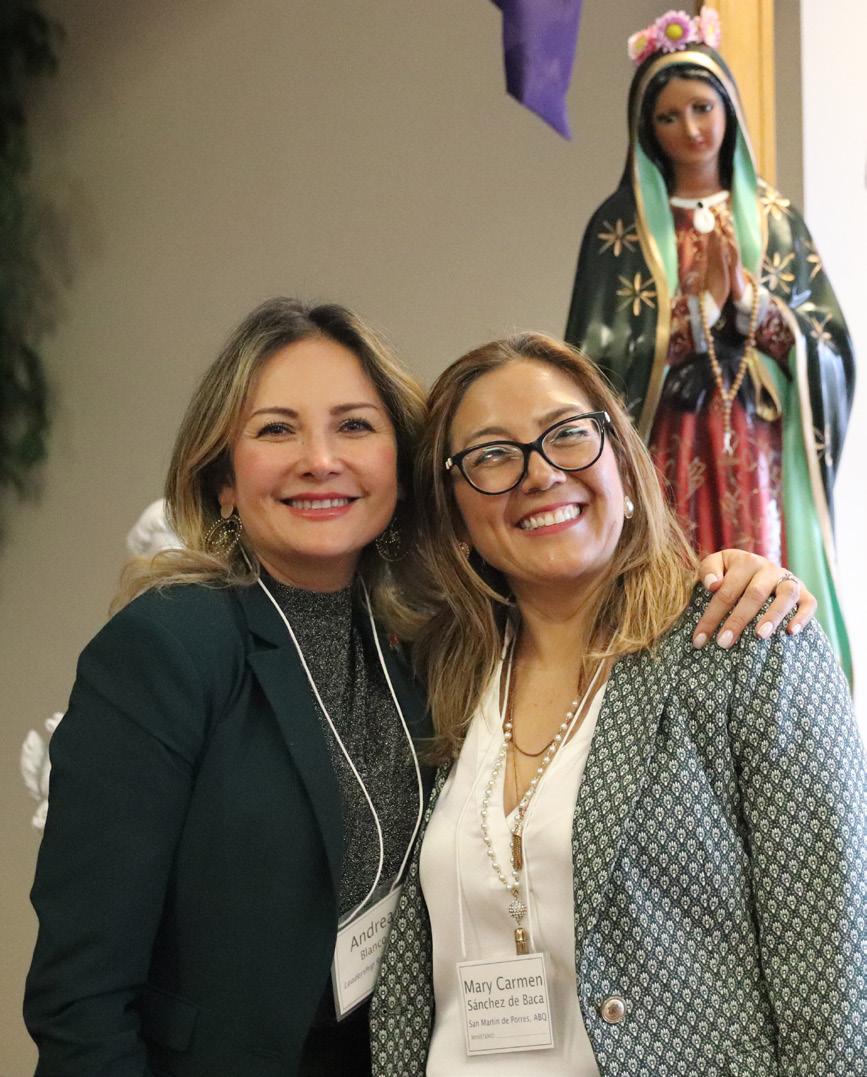
The Gathering created space for Hispanic Catholic leaders from across the country to come together, strengthening connections across cohorts and ministry contexts. As one participant shared, “I enjoyed meeting participants from other cohorts and hearing about their experiences.”
Overall, participants described the discussion as “invaluable” and highly engaging. Many noted that the presentation helped them name challenges they see in their own contexts and provided shared language and concrete reference points they hoped to bring back to their parishes, dioceses, and organizations as they continue serving their communities.
Leadership Roundtable remains committed to strengthening leadership formation that supports the growing and diverse Hispanic/Latino Catholic community in the United States. Building on insights from six cohorts of the Latino Pastoral Leaders Initiative and Juntos Lideramos, we are preparing future offerings that remain culturally responsive, accessible, and aligned with the leadership needs emerging across dioceses, parishes, and Catholic organizations. Our recent adaptations — including the national Juntos Lideramos fellowships — have expanded opportunities for leaders at different stages of their ministerial journey, and we will continue refining these pathways to ensure they serve the Church with excellence and sustainability.
Looking ahead, Leadership Roundtable is exploring new collaborations, including work with the Nuevo Momento initiative at Boston College, to strengthen the broader ecosystem of support for Latino pastoral leaders. Together with our partners, we remain committed to fostering a Church where co-responsible leadership is practiced at every level and where Hispanic/Latino leaders are equipped, recognized, and supported in their vital roles. The Latino Pastoral Leaders Initiative’s next chapter will continue advancing this mission — accompanying those who are strengthening and renewing the Church.