
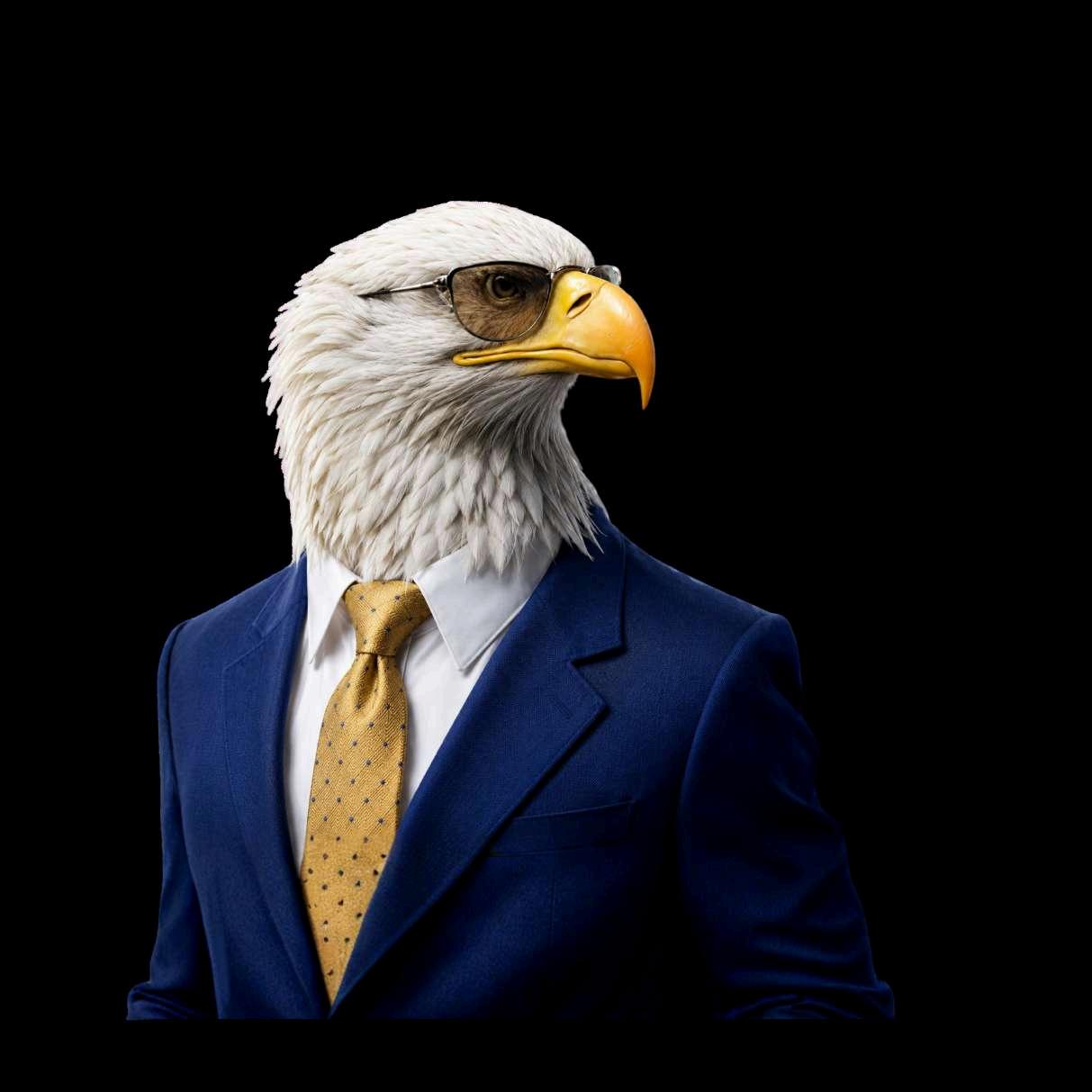
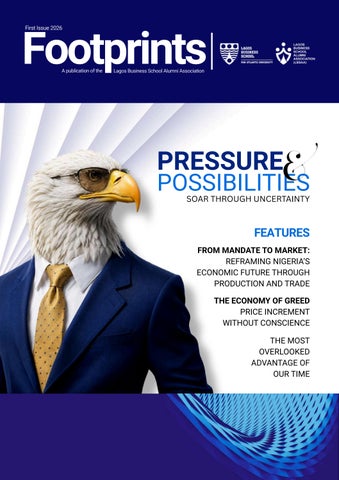
SOAR THROUGH UNCERTAINTY

FEATURES
FROM MANDATE TO MARKET: REFRAMING NIGERIA’S ECONOMIC FUTURE THROUGH PRODUCTION AND TRADE

THE ECONOMY OF GREED PRICE INCREMENT WITHOUT CONSCIENCE
THE MOST OVERLOOKED ADVANTAGE OF OUR TIME



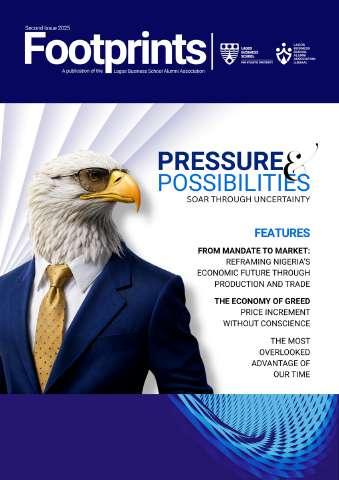
SOAR THROUGH UNCERTAINTY
FROM MANDATE TO MARKET: REFRAMING NIGERIA’S ECONOMIC FUTURE THROUGH PRODUCTION AND TRADE
THE ECONOMY OF GREED PRICE INCREMENT WITHOUT CONSCIENCE
THE MOST OVERLOOKED ADVANTAGE OF OUR TIME
Rising costs triggered by global events; from supply chain disruptions to tensions around critical trade routes like the Strait of Hormuz, unpredictable markets, shrinking margins, and the daily responsibility of making difficult decisions with limited certainty. That’s pressure. the ethical questions surrounding rising costs and economic behaviour. In “From Mandate to Market: Reframing Nigeria’s Economic Future Through Production and Trade,” we explore the possibilities within productive growth and economic transformation.
These global market dynamics have increasingly become the reality that businesses, managers, decision makers and institutional leaders must contend with every day. In their different operational capacities, leaders must focus on making strategic decisions while conditions continue to shift.
This edition of Footprints Magazine explores that reality through the theme “Pressure and Possibilities: SOAR Through Uncertainty” At the center of this conversation is a simple question: Why do some leaders remain stuck in uncertainty while others adapt and move forward with clarity? The answer often lies in mindset, rhythm, and the ability to respond constructively under pressure.
Across this edition, we explore these ideas through different lenses. In “The Most Overlooked Advantage of Our Time,” we examine the subtle strengths shaping relevance in a changing world. In “The Economy of Greed: Price Increment Without Conscience,” we reflect on
This edition also highlights conversations, initiatives, and activities across the Lagos Business School and alumni community, reflecting a network that continues to learn, lead, and evolve together.
As you turn these pages, we hope the insights shared here will strengthen your perspective, challenge your thinking, and inspire possibilities even in these demanding times.
Welcome to the first issue of Footprints Magazine, 2026.

agos Business School (LBS) is the graduate business school of PanAtlantic University, owned by the Pan-Atlantic University Foundation (PAUF), a non-profit foundation registered in Nigeria LBS was founded on inspiration from the teachings of St. Josemaria Escrivá, the founder of Opus Dei LBS offers academic programmes, executive programmes, short courses (customised to specific company needs) and open-enrolment courses in management Its offerings have been accredited globally and ranked among the best in Africa, as it systematically strives to improve management practices on the continent Several world-class accreditations and rankings have recognised the business school’s efforts Besides the quality bar set at world standards, LBS programmes also stand out because of the emphasis on professional ethics and service to the community
Education at LBS is comprehensive, drawing on the experiences of a multinational faculty and participants Learning is participant-centred and uses the case study method



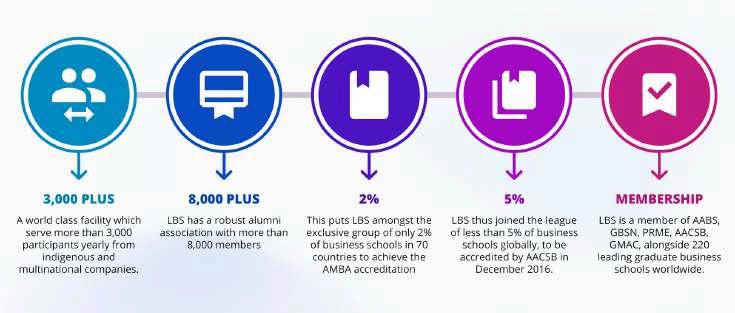
Activities are held on the school’s purpose-built facilities, which serve more than 3,000 participants yearly from indigenous and multinational companies These attest to the expert teaching, the relevance of the programmes and the overall benefits of attending This asset base and the close relationship with the corporate world ensure that the programmes offered have international standards and local relevance
Learning at LBS is based on a Christian conception of the dignity of man, society, and economic activity The prelature of Opus Dei, an institution of the Catholic Church, assumes that this vision underlies all teaching, publishing, and research activities of the business school.
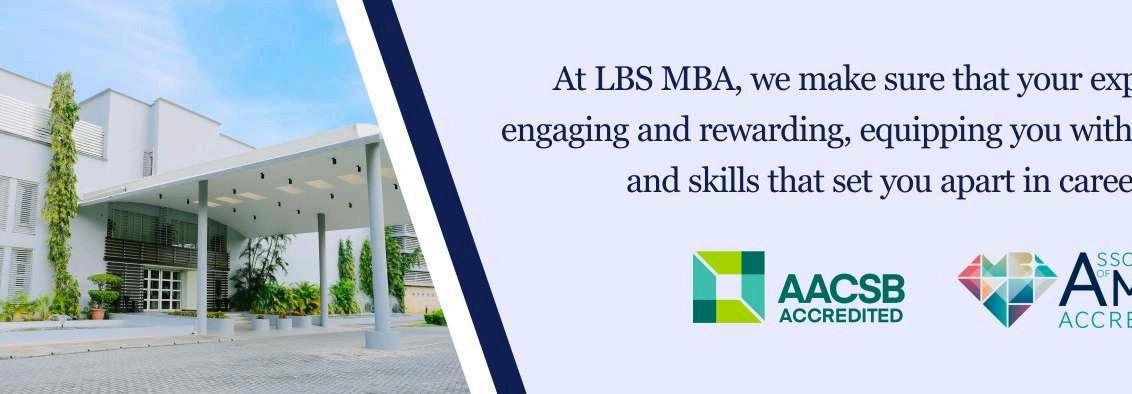
In recognition of the quality of Lagos Business School’s programmes, which are structured in line with global best practices, it has received several international accreditations LBS is the first business school in West, East, and Central Africa to be accredited by The Association of MBAs (AMBA)
This accreditation affirms Lagos Business School’s undeniable commitment to world-class standards in teaching, learning, research, and academic and professional management over the last 30 years
A snapshot of key activities, milestones, and moments shaping life within Lagos Business School.
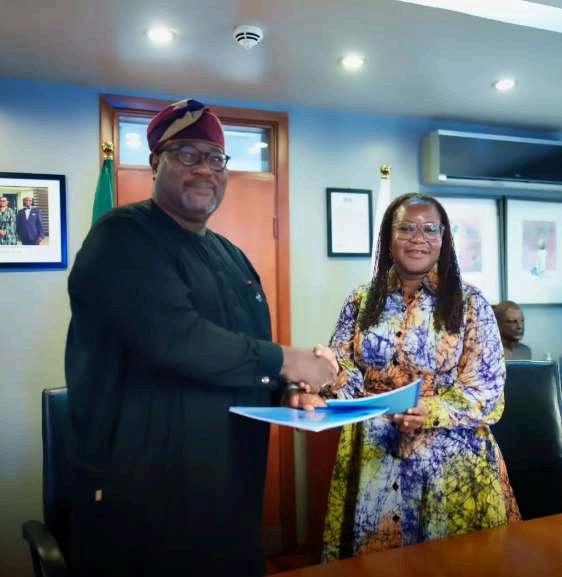
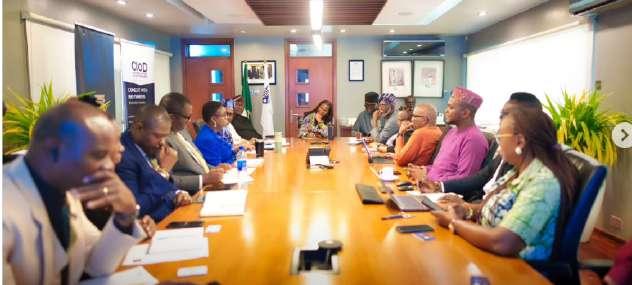
Lagos Business School and the Chartered Institute of Directors Nigeria (CIoD Nigeria)’s partnership
The Lagos Business School, PanAtlantic University, and the Chartered Institute of Directors Nigeria (CIoD Nigeria) have signed a landmark MoU aimed at advancing corporate governance and board effectiveness across Africa.
Your paragraph text
For the LBS alumni community, this partnership represents more than an institutional collaboration. It creates new opportunities for continuous learning, stronger governance conversations, access to Africacentred insights, and leadership development that reflects the realities of today’s boardrooms.
With focus on evidence-based governance practices, leadership diversity and capacity building across sectors, the initiative reinforces LBS’ long-standing commitment to raising ethical and competent leaders who
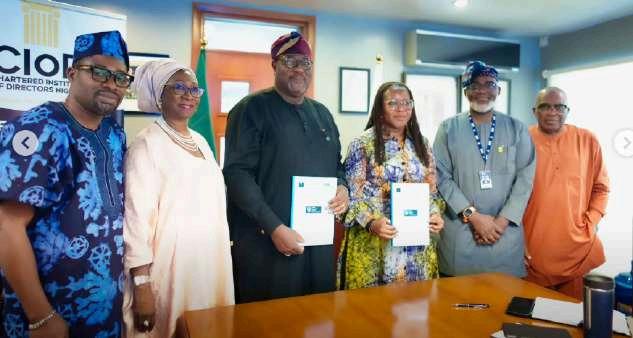
will continue to shape businesses, institutions and economies across the continent
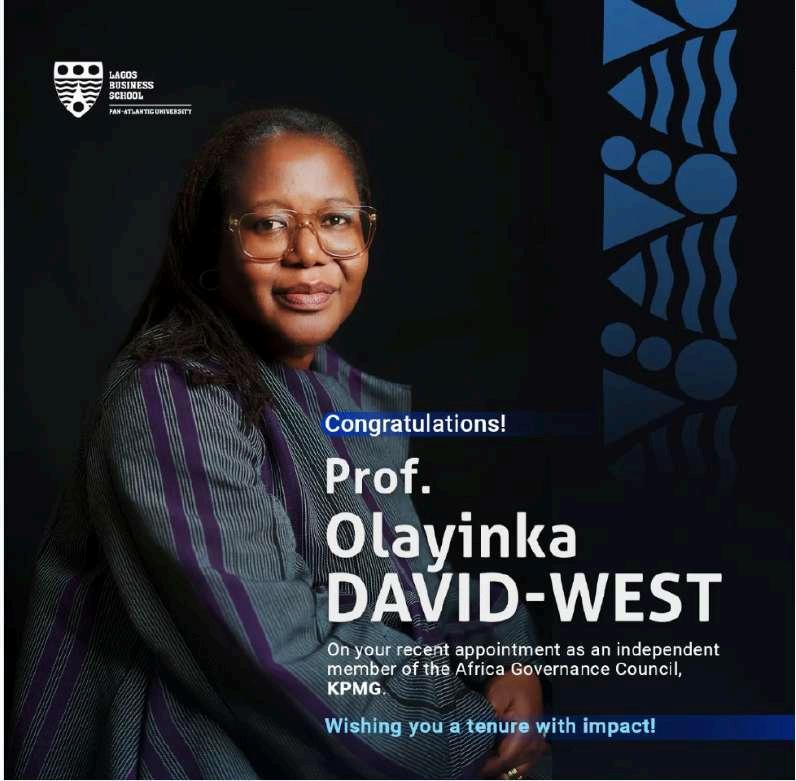
The Lagos Business School alumni community celebrates Professor Olayinka David-West, Dean of Lagos Business School, on her appointment as an Independent Member of the Africa Governance Council at KPMG Africa, effective March 2026.
In this role, Professor David-West will serve on the Africa Governance Council, the body responsible for providing board-level governance and oversight for KPMG's operations across its One Africa cluster Her appointment is a testament to her distinguished leadership, expertise, and contributions to business, technology, and governance across the continent.
For the alumni community, this milestone is another reflection of Lagos Business School's growing influence in shaping governance, innovation, and strategic business conversations in Africa. It also reinforces the value of the LBS network, as the school continues to contribute thought leadership and global relevance through the accomplishments of its faculty and institutional impact.
We congratulate Professor David-West on this well-deserved recognition and look forward to the continued impact of her leadership in advancing governance excellence and sustainable growth across Africa's business landscape
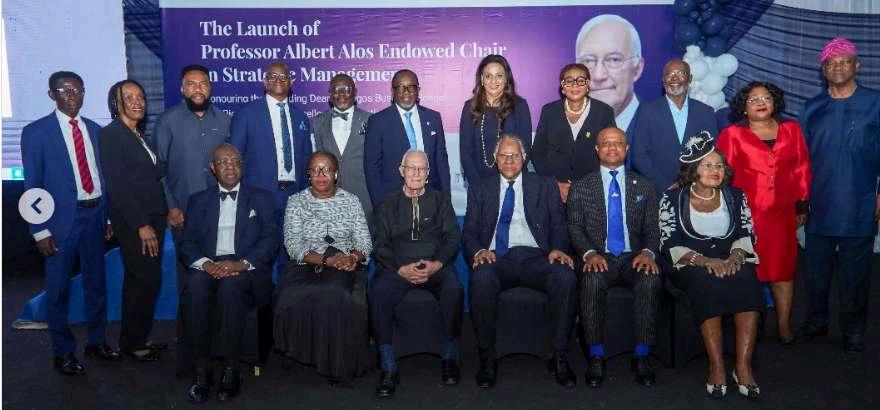
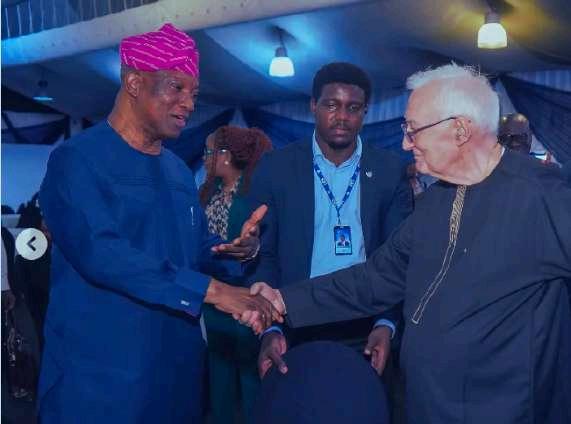
Lagos Business School launched the Professor Albert Alos Endowed Chair in Strategic Management on 25 March 2026, an endowment dedicated to advancing research in strategic and executive leadership. For LBS alumni, the initiative connects research and practice, turning academic insights into tools that support leadership and business growth across sectors.
The launch event, which was held at the Federal Palace Hotel & Casino, brought together members of the LBS community and partners in a shared moment of legacy and forward-looking leadership The Chair is positioned to sustain research that addresses realworld leadership and governance challenges with outcomes expected to influence executive decision-making and strengthen business practice. Alumni leadership was represented by Claire Omachioye, alongside Valentine Okelu, who represented Dr Owen Omogiafo More importantly for LBS alumni, the Endowed Chair serves as a long-term resource that will generate knowledge with practical value for alumni-led businesses in Nigeria and beyond, while contributing to global leadership discourse.
Case by Prof. Louis Nzegwu, Professor of Marketing, Lagos Business School
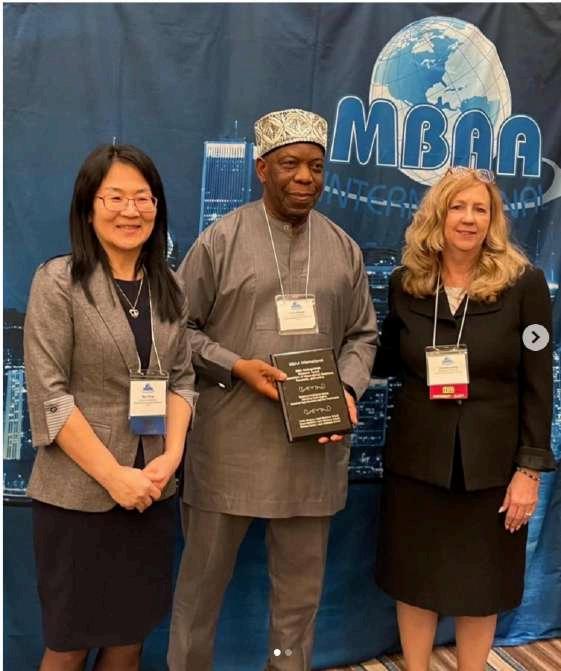
The Lagos Business School celebrates Prof Louis Nzegwu alongside Oyetola Grace and Ezeala Obinna, his research assistants, whose research paper received global recognition for its contribution to understanding leadership and team performance in modern organisations.
The paper, titled Emotional Intelligence Among Marketing Team Leaders: Impact on Team Dynamics and Firm Performance, was awarded Best Research Paper in the Association of International Business, Research and Practice (AIBRP) track at the 62nd MBAA International Conference in Chicago, USA, on Friday, 27 March. Selected from over 30 research presentations, this reinforces a key insight for leaders and organisations: while technical skills build teams, emotional intelligence sustains performance and cohesion.
For the LBS alumni community, this recognition reflects the continued global relevance of faculty-driven research that bridges theory and practice. It also reinforces access to insights that can directly shape how alumni lead teams, manage organisations, and drive performance in today’s competitive business environment.

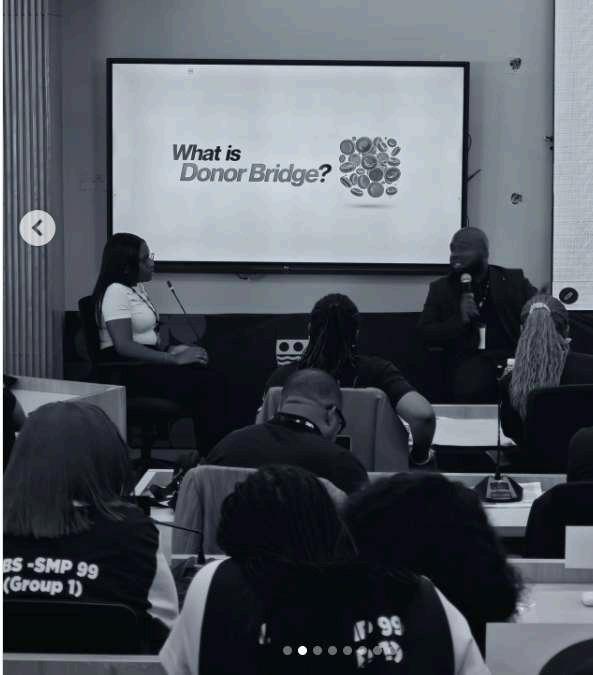
The Lagos Business School has spotlighted an innovative student-led solution addressing one of healthcare’s most urgent challenges: timely access to blood in emergency situations.
This initiative was presented at the SMP 99 Project Defense, where Group 3 developed ‘Donor Bridge,' an emergency blood donor matching network designed to connect hospitals, clinics, blood banks, HMOs, and ambulance services with verified nearby donors during emergency medical situations This project responds to a persistent gap in emergency care: the difficulty of sourcing willing donors during urgent medical needs.
The solution began with a pilot involving 3 hospitals and 50 donors, with an ambition to scale to 10,000 donors across 150 hospitals nationwide. For the LBS alumni community, it
reflects the kind of problemsolving mindset the School continues to nurture, where business thinking is applied directly to social impact challenges in healthcare and beyond.
The initiative also calls on individuals and institutions to join the growing network, reinforcing a broader LBS ecosystem value: building scalable, real-world solutions that save lives while demonstrating the power of leadership in action.
Showcasing how the LBSA community thrives and evolves.

Cover Story
Alumni Happenings
Alumni Activities
Alumni Spotlight


The Lagos Business School Alumni Association (LBSAA) draws its charter from the vision of Lagos Business School (LBS). The Association is not a social organisation. It exists to support the aims and objectives of LBS.
The aims of the LBS Alumni Association are linked with those of the School They include:
To promote continuous education for its members and forge a stronger relationship among them
To support LBS in its aims and objectives
To render service to the society, especially in the area of public and private management
To adopt such other objectives as may generally be in the interest of the Association and/or Lagos Business School



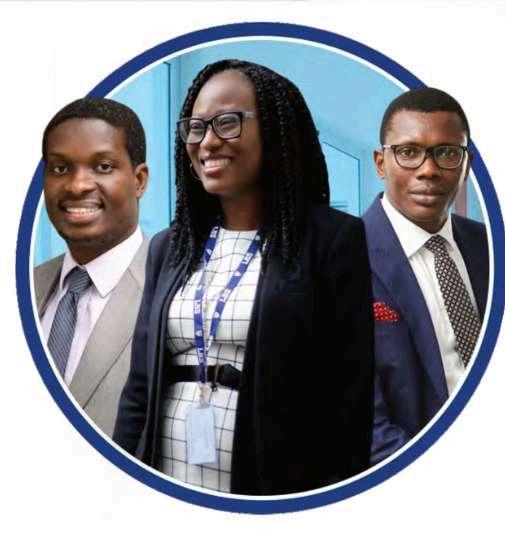
Members actively receive continuous education through alumni sessions held throughout the year There is also the annual alumni conference held in November, which features very high-profile speakers. Active participation in the sessions affords alumni the opportunity to effectively and continually update their knowledge of general management and business subjects
In addition, there are a variety of discounts from corporate bodies ranging from international airlines and major hotels within and outside the country to internet service providers, bookshops, laundry services, etc available to financial members of the LBSAA. They also benefit from discounts on all LBS executive programmes and seminars throughout the year
The LBS alumni network is one of the most influential among business schools in Africa Active participation in alumni programmes and constant visits to the alumni networking platform, https://lIbsalumniconnect com help members stay connected with former coursemates, faculty and other alumni. Alumni also benefit from access to research materials available in the LBS library.
The Association comprises students who completed the various MBA programmes It also includes full time LBS faculty and participants who have completed different executive programs such as the Chief Executive Programme (CEP), Owner Manager Programme (OMP), Advanced Management Programme (AMP), Senior Management Programme (SMP), Management Acceleration Programme (MAP), and Agri-Business Management Programme (AgMP)

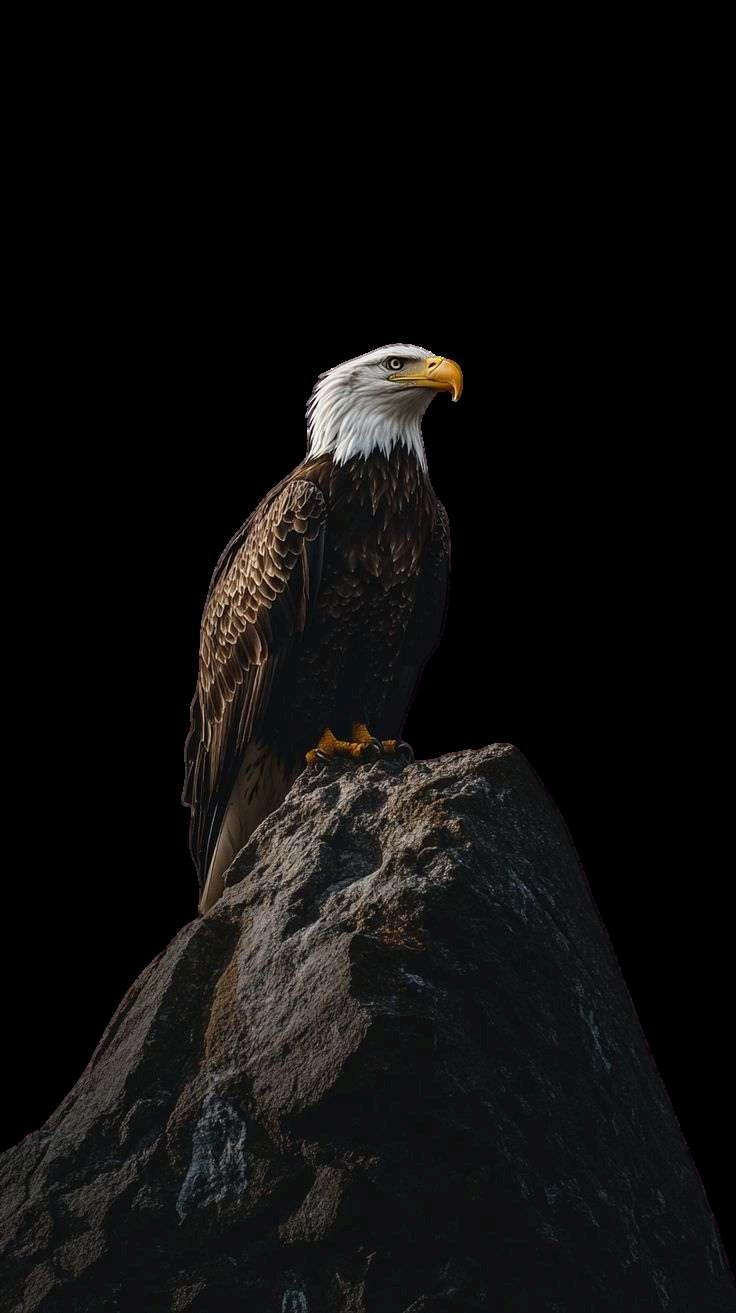
When a storm hits, the birds respond in a certain predictable way. They flutter about seeking shelter and a place of safety. They either fly away to calmer zones, retreat inside large tree branches, or hide beneath nearby ledges, waiting for the storm to pass. However, there is one bird that responds differently: the eagle. Rather than flee from the storm like the rest of the group, it moves in the very path of the storm
As the winds gather strength, it spreads its wings and uses the very currents that send other birds into hiding to lift itself higher What others see as a threat, the eagle sees as an opportunity to rise It does not waste energy fighting the storm. Instead, it learns to move with it, allowing resistance to become elevation.
Leadership often follows the same pattern. When uncertainty arrives, some people pause, waiting for conditions to improve before they move. Others become consumed by the noise around them. Yet there are those who recognise that moments of disruption are not simply obstacles to endure but opportunities to rethink, adapt, and gain perspective They understand that the challenge is not the storm itself, but how one responds to it
ON FOUR INTERCONNECTED QUALITIES:
That distinction lies at the heart of leadership today In a world shaped by economic uncertainty, rapid change, and constant disruption, the ability to rise is no longer determined by the absence of pressure. It is determined by the ability to move through it.
The Real Question: What Pressure Actually Does Pressure does not create leaders it reveals how they function when control is reduced. Across organisations, three patterns appear when uncertainty rises. Some leaders pause too long waiting for clarity. Some react too quickly and lose judgment. Others find rhythm within disruption and adjust step by step without losing direction.
Most leaders do not fail immediately They pause The challenge is not the pause itself, but when it becomes prolonged when time begins to move faster than response In modern systems, nothing waits for readiness; everything continues moving, whether a leader is prepared or not
Understanding
To make sense of these differences, we use SOAR as a simple lens for understanding leadership under pressure. SOAR is not a theory or a model in the traditional sense. It is a way of describing how effective leadership behaves when stability is no longer guaranteed and conditions are constantly shifting.
SOAR rests on four interconnected qualities: Stability, Optimism, Adaptability, and Resilience. Together, they explain how leaders move through uncertainty rather than becoming stuck inside it
When pressure rises, thinking accelerates and decisions feel heavier than usual. In such moments, leadership can easily become reactive, shaped more by urgency than clarity. Stability interrupts this drift and restores balance within the noise.
Stability is not about calm environments; it is about clarity within unstable ones. Stable leaders do not mirror the anxiety around them. Instead, they create a sense of steadiness that others can rely on, even while they themselves are still processing complexity
Under pressure, thinking naturally narrows. Attention shifts toward problems, risks, and limitations, and over time this narrowing can quietly shut down innovation. Optimism restores width to thinking.
It is not denial of difficulty but discipline—the refusal to let difficulty become the end of thinking It shows up in a simple but powerful leadership question: what is still possible here? That question changes the direction of thinking It reopens mental space where solutions can begin to form again, even in constrained environments
One of the most demanding realities of leadership is not change itself, but the speed at which change arrives. Adaptability is the ability to adjust without losing direction.
It is not confusion or instability. It is controlled flexibility — the willingness to rethink strategy, adjust systems, and release methods that no longer serve while still holding a clear sense of direction Adaptive leaders do not wait for perfect clarity before acting They move while refining, adjusting as they go rather than standing still in search of certainty.
In uncertain environments, this ability becomes a
decisive advantage.
Resilience: Continuing After Disruption
Resilience is often misunderstood as strength alone, but in practice it is continuity It is the ability to continue after disruption, delay, or disappointment without losing direction or purpose.
Resilient leaders do not expect everything to work immediately. They expect iteration, correction, and adjustment as part of progress. Rather than stopping when things do not go as planned, they recalibrate and continue moving forward That ability to continue is what transforms effort into long-term progress
When combined, SOAR becomes more than a framework it becomes a pattern of movement. Stability keeps thinking clear. Optimism keeps possibility alive. Adaptability keeps movement flexible. Resilience keeps progress continuous. Together, they create a simple but powerful reality: the ability to move through uncertainty instead of being trapped inside it Not above it Not outside it Through it
From Pause to Direction
The key difference in leadership today is not capability, but timing. Some leaders remain in the pause too long, slowed by uncertainty that affects their internal rhythm. Others shorten that delay, interpreting situations faster, deciding sooner, and adjusting continuously as new information emerges
Over time, that difference in timing becomes the dividing line between stagnation and movement
Closing Thought: Pressure as Possibility Pressure is often where possibility begins to take shape The real question is not whether pressure will come, it will. The question is what happens next. Do you remain in the pause, or do you begin to move through it? Leadership is not about eliminating uncertainty. It is about learning to SOAR through it.
By Joshua Mbak


Showcasing how the LBSA community thrives and evolves.
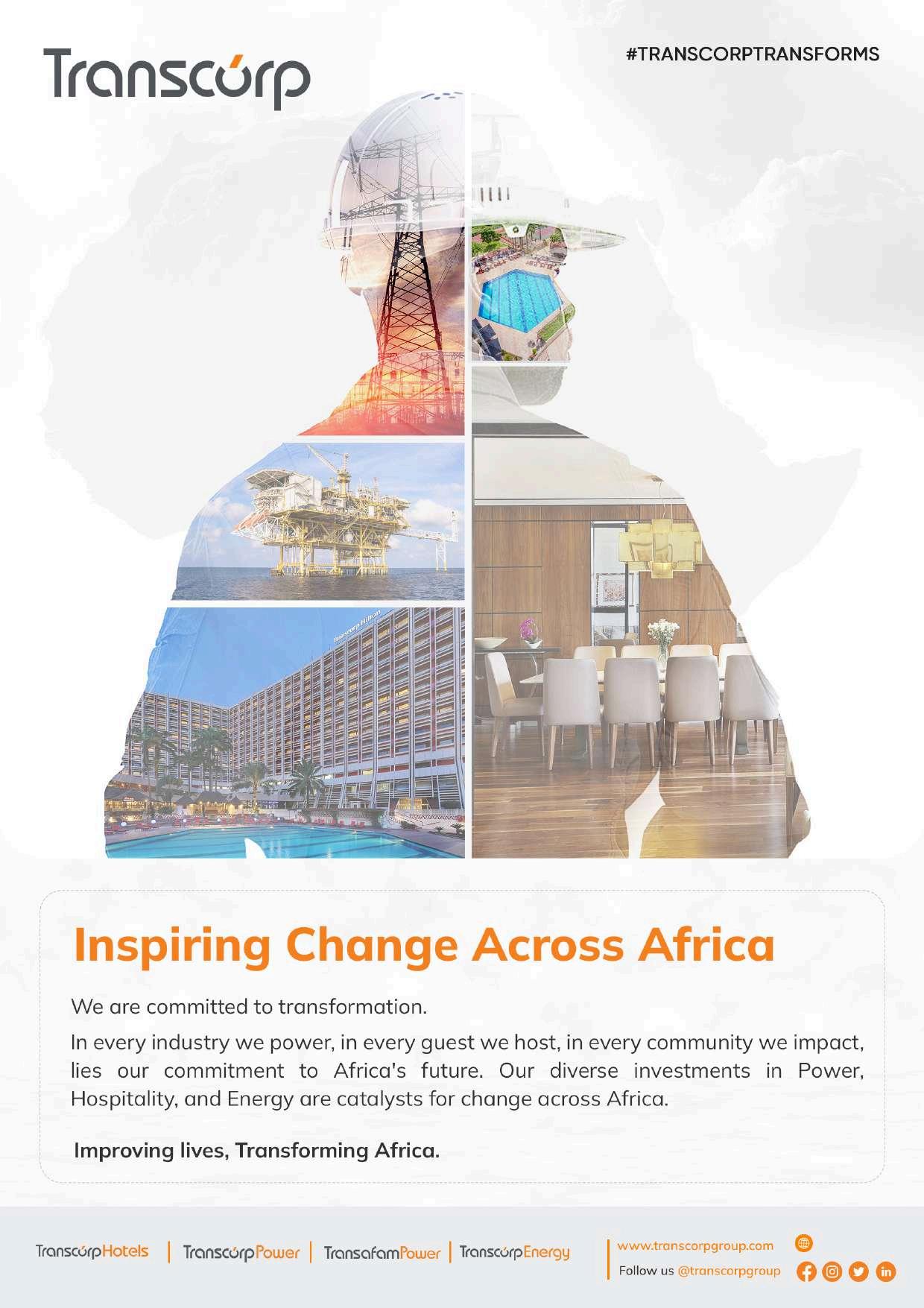

The Lagos Business School alumni community celebrates Dr. Owen Omogiafo for her continued impact as Group MD/CEO of Transcorp Group and for being named the 2025 Business Woman of the Year at the All Africa Business Leaders Awards in South Africa.
Under her leadership, Transcorp Group recorded strong FY 2025 results, including 33% revenue growth to ₦544 billion, a 31% increase in profit before tax, and a 44% rise in profit after tax. Beyond the numbers, the recognition reflects a leadership journey defined by resilience, focus, and the ability to lead with excellence in a demanding business environment.
For the LBS alumni community, Dr. Omogiafo’s achievement is a reminder of
the influence and responsibility carried by alumni across industries and continents. It reflects the kind of leadership the school continues to nurture, leadership that delivers results, transforms institutions, and represents the LBS community with distinction on the global stage. We celebrate not only her achievement but also every alumnus and alumna making a meaningful impact wherever they serve.

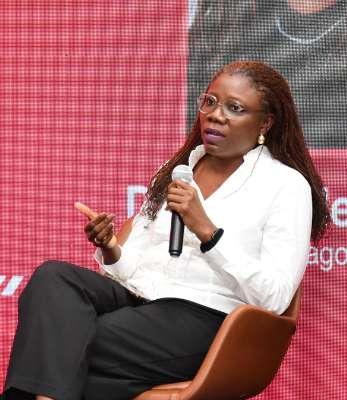
At the BusinessDay AI Summit 2025 in Lagos, Dr. Yetunde Anibaba of Lagos Business School highlighted the potential of artificial intelligence (AI) to address Nigeria’s pressing social challenges, particularly in education, healthcare, and poverty.
Advocating Inclusive and Responsible AI for Education, Healthcare, and Poverty Reduction
She explained that while AI cannot replace critical infrastructure, it can significantly improve access through tools such as personalized learning, language translation, and virtual healthcare solutions. AI can also enable more targeted, data-driven approaches to poverty alleviation.
However, she cautioned about risks including misinformation, bias, and job displacement, emphasizing the need for proactive regulation. She also stressed the importance of bridging digital exclusion and building trust, noting that AI’s effectiveness depends on how inclusively and responsibly it is applied.
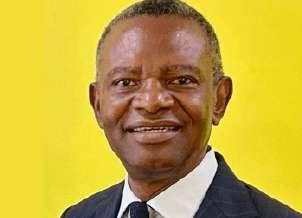
Frank Aigbogun is the Founder and CEO of BusinessDay Media Ltd. A seasoned journalist, he started at The Guardian and later became an editor at Vanguard. Since co-founding BusinessDay in 2001, he has built it into a trusted source of economic intelligence, influencing business and policy conversations in Nigeria


Thought-provoking articles, speeches, and insights from alumni.

Most people believe progress lives somewhere ahead of them. They chase the next promotion, the next qualification, the next breakthrough, convinced that success is always one step away. In today’s fast-moving world, this constant forward fixation has become an addiction. We scroll, upgrade, and prepare endlessly, while ignoring the powerful resources already within our reach. Ironically, the very thing we are searching for in the future is often sitting quietly in the present, waiting to be recognized and activated.
For years, I remained in one place because I thought I was incomplete. I assumed I needed more skills, more credentials, or more approval before I could move forward. That belief created delay, not growth. What eventually became clear was simple but transformative: nothing was missing. The problem was not capacity; it was perspective. I already had the ingredients. I just lacked the structure to combine them into something valuable and visible.
The moment you stop obsessing over what you don’t have, your true assets come into focus. Your years of experience. Your practical knowledge. Your professional relationships and reputation. These are not minor details of your journey; they are the foundation of your value. Most people are not underqualified. They are under-leveraged, sitting on potential they have never been taught to position or present.
In today’s economy, ability alone is no longer enough. Excellence without exposure remains unnoticed. Experience without visibility earns nothing. But when knowledge is paired with reach, it becomes influence—and influence creates opportunity. You don’t need to become someone new to succeed; you need to organize, package, and project who you already are with intention.
The future is not waiting for a reinvented version of you. It is waiting for you to activate the version you’ve been postponing. When clarity meets visibility, progress accelerates— and what once felt distant suddenly becomes attainable.
By Dr John Mukoro (mni)
There is an economy quietly thriving among us You won’t find it in any textbook No lecturer teaches it No government officially acknowledges it Yet, it is one of the most practiced systems in our society today.
I call it the Economy of Greed an economy where prices rise faster than logic, where justification replaces conscience, and where almost everyone, at some point, becomes both victim and participant
The Day the Strait Closed… in Our Heads
One morning, Nigerians woke up to news that the Strait of Hormuz might be closed Not closed Just might Before the day properly began, fuel prices had already adjusted themselves
Now let’s be honest. The fuel in those filling stations did not arrive that morning It had been sitting there for days, maybe weeks It did not pass through any threatened strait overnight But none of that mattered The pumps changed And just like that, transporters followed suit “₦200 is now ₦400 ” No negotiation No explanation. Passengers grumbled and still entered the bus. Because in this country, after complaining, you still have to go where you are going
From Fuel to Food: How It Reached Mama Afeez
By afternoon, the story had travelled all the way to Ilorin. Mama Afeez sat in her small buka, fanning the fire beneath her pot of amala, her mind doing calculations that no school had prepared her for Earlier that day, her supplier had called: “Madam, transport has increased Everything has gone up ” So when her first customer arrived and asked, “Mama, how much is amala?” she replied calmly, "₦1,500."
The customer paused “Wasn’t it ₦800 yesterday?” Mama Afeez adjusted her wrapper and answered, "My brother fuel has gone up ” That was the end of the conversation Because in Nigeria, once fuel is mentioned, the argument expires.
Haruna and the Mathematics Nobody Teaches
Somewhere in Port Harcourt, Haruna sat in his small provision store Transport costs had doubled Cost of goods had increased Even sachet water began to feel like a luxury. But Haruna’s real problem was deeper. His expenses had gone up. His customers were already struggling. His staff now spent almost double just to get to work
So what should he do? Increase prices? He might lose customers Increase salaries? He might lose the business Do nothing? Everyone suffers quietly. So he chooses the Nigerian option: adjust. Until one day, something small goes missing. Then another Not because his staff are thieves, but because survival has a way of negotiating with integrity
This is how the Economy of Greed operates not loudly, but convincingly The transporter blames fuel The trader blames transport. The landlord blames the economy. The artisan blames cost of living And truthfully, they are not entirely wrong But somewhere between genuine adjustment and opportunistic inflation, something slips in quietly: excess
The Landlord and His Sudden Revelation
A landlord suddenly increases rent from ₦700,000 to ₦2,500,000 No renovation No improvement Not even a new bulb in the corridor. When the tenant asks why, the answer comes confidently: “It is the economy” Ah yes the economy that invisible contractor that upgrades houses without touching them
The Joke That Is No Longer a Joke Someone once joked:
“In Nigeria, if NEPA blinks, bread price will rise ” We laughed But if we are honest, it did not feel entirely like a joke Because here, price increase is not always tied to cost. Sometimes, it is tied to opportunity
The Chain Reaction We Pretend Not to See
What many people fail to understand is simple: every unjust increase does not end with you It travels
Xolomon Wuche

Transport fare increases. Food prices increase. Workers spend more. Employers cannot match the increase. Pressure builds. Businesses struggle. Customers reduce spending. Eventually, everyone loses.
That same transporter now complains there are fewer passengers. That same food seller wonders why customers have reduced. What began as “smart adjustment” slowly becomes collective damage.
At the heart of this problem is not economics. It is something deeper.
We have quietly removed conscience from commerce. We no longer ask: Is this fair? Is this necessary? Is this reasonable? Instead, the question has changed to: “How much can I push this?” And once that becomes the standard, everything else begins to collapse slowly.
This pattern may look normal, but its consequences run deep: Artificial inflation, Loss of trust, Rise in petty crime, Weak businesses, widening inequality, Breakdown of social responsibility, Long-term economic damage.
Imagine a small village where the butcher adds stones to meat, the farmer mixes sand with grains, and the carpenter uses weak wood. At first, everyone makes extra money But soon, the meat becomes inedible, the grains become useless, and houses begin to collapse. That village is not far away. It is us—just on a larger scale.
This is not a call against profit. Profit is necessary Growth is important. But profit without conscience? That is destruction wearing a nice shirt. We must begin to ask ourselves again: Am I increasing this price because I must… or because I can? Am I reacting to reality… or exploiting it?
There is a quiet truth we often ignore: the person you are overcharging today may be the same person you will depend on tomorrow. Life is not a series of isolated transactions. It is a web. And every unfair advantage we take sends a ripple through that web. One day, that ripple returns. Not as profit. But as consequence.
Because in the end, an economy without conscience is not an economy. It is a slow, organized collapse. And the most uncomfortable truth? We are not just victims of it.
We are participants.
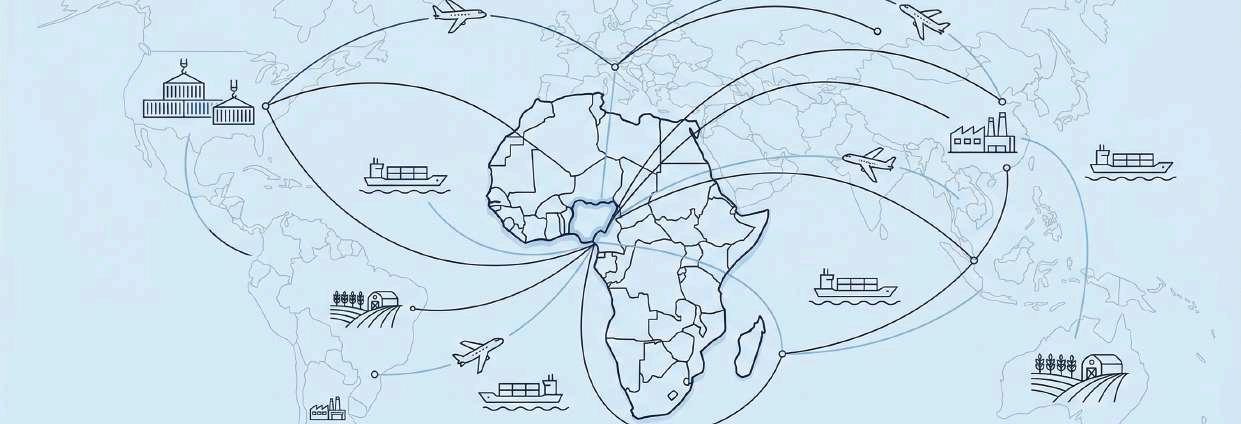
In a room filled with business leaders and decision-makers, Gabriel Edgal did not deliver a conventional speech. He issued a call to action—one that reframes Nigeria’s economic struggle not as a lack of resources, but as a failure to fully embrace a long-standing mandate: to produce, scale, and dominate global trade through value creation.
What makes his message particularly powerful is how closely it aligns with unfolding realities across Nigeria and Africa today
Edgal begins from an unexpected place—the Biblical instruction to “be fruitful, multiply, fill the earth, and subdue it.” He reframes this not as theology, but as economic philosophy:

Be fruitful → Produce
Multiply → Scale production
Fill the earth → Export
Subdue → Master systems and dominate industries
His central thesis is clear: Nigeria’s destiny is not consumption—it is production.
This framing becomes even more relevant when viewed against current economic patterns. For decades, Nigeria and much of Africa have exported raw materials while importing finished goods—a model that traps value outside the continent.
For instance, over 75% of crude oil produced in Africa is exported raw, while the continent imports refined products worth billions annually . This is precisely the inefficiency Edgal warns against.
One of the most compelling parts of the speech is Edgal’s historical breakdown of how nations developed:
Britain → Agriculture → Textiles → Industrialization
United States → Agriculture → Manufacturing → Infrastructure
Japan → Copy → Improve → Export
China → Agriculture → Special Economic Zones → Manufacturing dominance
His argument is simple: There is no mystery to development. The blueprint already exists. Importantly, every one of these economies protected local industries, prioritized production, and built export capacity This directly challenges current narratives around unrestricted free trade. As Edgal bluntly puts it: How can the lion dine with the antelope?
What Edgal describes is not theoretical—it is already happening.
Take the example of the Dangote Refinery, a landmark industrial project in Nigeria. Since beginning operations in 2024. it has: Reached full refining capacity of 650,000 barrels per day, Begun exporting refined petroleum products across Africa, Positioned Nigeria as a net exporter of refined fuel. This shift is already influencing trade patterns. Nigeria’s intra-African trade rose to $18.4 billion in 2024, driven largely by refined petroleum exports. In other words, Edgal’s principle is playing out in real time: When you produce, trade follows.
Edgal brings the focus home: Africa is the market. With over 1.4 billion people, the opportunity is already here—we just haven’t fully stepped into it. Platforms like African Continental Free Trade Area and Pan-African Payment and Settlement System are making it easier to trade across borders and pay in local currencies. The gap isn’t demand—it’s supply. If Nigeria starts producing intentionally for Africa, it won’t just participate in trade, it will shape it.
But producing alone isn’t enough—the real value is in what we turn those products into. That’s where the wealth is. Edgal’s message is simple: build, process, scale. And more importantly, act. This is not just a government job; it’s for entrepreneurs, institutions, and everyday thinkers willing to step in and solve problems. Nigeria already has what it takes—the difference now will be in execution.