The First and Second Form Curriculum
2026 - 2028

2026 - 2028
The First and Second Form curriculum offers pupils a rich and varied introduction to life and learning at Oundle. It is designed not simply to prepare pupils for examinations, but to help them grow in confidence, curiosity and character, laying the foundations for a lifelong love of learning and a thoughtful engagement with the world around them.
At Oundle, we believe that education is about far more than outcomes. Young people should feel known, supported and challenged, so that they can discover their own strengths, develop their interests, and find their own path. This philosophy is reflected in the breadth of the curriculum and in the spirit with which it is taught. Pupils are encouraged to explore ideas widely, think deeply, and take increasing ownership of their learning, supported by teachers who know them well and guide them with care and ambition.
Across the curriculum, pupils encounter a wide range of disciplines and approaches. In the classroom, practical investigation, creative exploration and intellectual challenge sit side by side. Whether experimenting in the sciences, solving problems in mathematics, interpreting the past in history or expressing ideas through language, art and performance, pupils are invited to be curious, to ask questions and to engage fully. They are encouraged not only to acquire knowledge, but to develop the habits of mind that will allow them to think, reflect and grow.
The curriculum also reflects our belief in developing the whole person. Alongside academic study, pupils are given opportunities to collaborate, to perform, to design, to compete and to reflect. In doing so, they build resilience, empathy and a sense of responsibility to others - qualities that are as important as academic success.

By the end of the Second Form, pupils will have experienced a wide and balanced education, developed a growing sense of independence, and begun to understand where their academic interests and strengths lie. Most importantly, they will have started to discover not just what they can achieve, but who they are becoming.
I hope that this curriculum booklet gives you a clear sense of the breadth, depth and spirit of learning at Oundle, and offers a helpful guide as your child begins their journey with us.
Dr Adam Baragwanath Deputy Head Academic
*The sciences are studied as part of a carousel which includes Computer Science. Pupils will study two sciences for the first half of the year (e.g. Biology and Physics) and will study the remaining two for the second half (e.g. Chemistry and Computer Science)
^The languages of Ancient Greek, German and Chinese are studied as part of a language carousel. Pupils will spend 10 weeks studying each language.
*As in the First Form, sciences continue to be studied as part of a carousel.
^In the Second Form, pupils select two languages. They choose one from either French or Spanish, and one from Ancient Greek, German or Chinese.
In First and Second Form, Art & Design encourages pupils to explore, experiment and develop confidence across a range of creative disciplines. Pupils study key themes such as still life, landscape and portraiture, while building an understanding of the formal elements of art. They work with a variety of media, including drawing, painting, sculpture, printmaking, photography and digital processes, developing technical control and versatility.
Alongside practical work, pupils investigate artists, styles and cultural influences, learning how art reflects and shapes the world around them. They are encouraged to record observations, generate ideas and refine their work through an iterative process.
As they progress, pupils develop critical thinking and analytical skills, evaluating both their own work and that of others using appropriate artistic language. Emphasis is placed on creativity, problem-solving and independence, enabling pupils to form personal responses and increasingly sophisticated outcomes in preparation for further study.
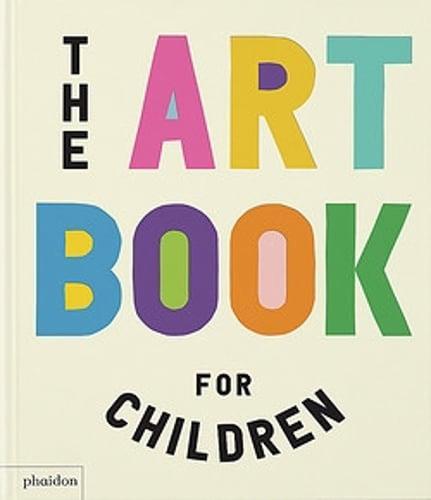
The Art Book for Children is a series of illustrated art guides created by the editors of Phaidon Press. Adapted from Phaidon’s acclaimed The Art Book, it introduces children to major artists and artworks from across history in an accessible, visually rich format.
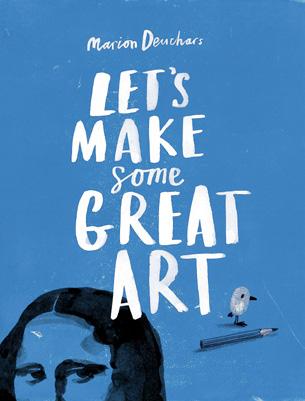
Let's Make Some Great Art is an interactive children’s activity book by British illustrator and designer Marion Deuchars. It introduces fundamental art concepts through playful drawing prompts and creative exercises designed to inspire young readers to make art in the style of great artists.
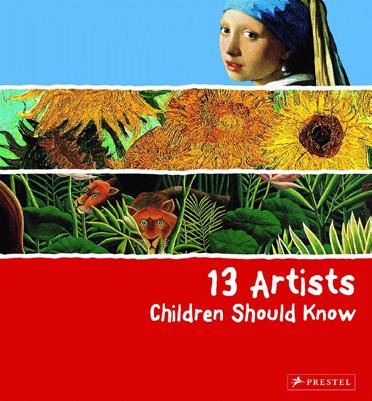
13 Artists Children Should Know is an illustrated educational book by art historian Angela Wenzel. It introduces young readers to major figures in Western art history, presenting their lives and most iconic works in an accessible, engaging format. The book is part of a popular “Children Should Know” series aimed at fostering early art appreciation.
First and Second Form pupils embrace the joy of creativity through bold experimentation, imaginative exploration, and confident selfexpression, discovering individuality, curiosity, resilience, and excitement in every artistic journey.
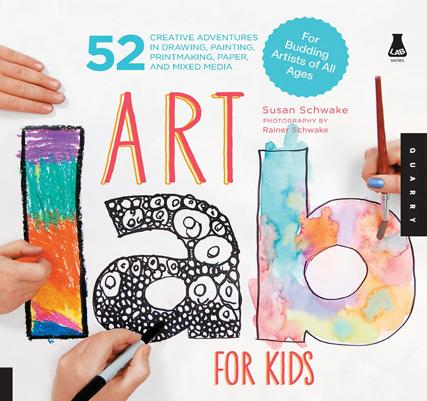
This is an instructional art book by Susan Schwake that presents 52 step-by-step art “labs” for children and mixed-age groups. Organised as weekly projects, it’s designed for families, teachers, and community groups who want approachable fine-art experiences rather than simple crafts.
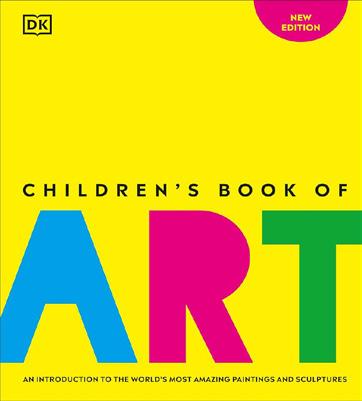
Children’s Book of Art is a non-fiction reference book published by DK (Dorling Kindersley) that introduces young readers to the history and practice of visual art. Designed with DK’s hallmark visual layout, it presents key artworks, artists, and movements in an accessible, imagerich format. The book is intended to spark children’s curiosity about creativity and cultural heritage.
Pupils develop the skills of scientists that will support their GCSE studies in Biology and the other sciences whilst learning more about the core fields of Biology. Many of these skills are transferable, applicable throughout their academic journeys. The core fields of Biology are Cells and Organisation, Inheritance and Genes, Homeostasis, Energy Transformation and Evolutionary Adaptations.
Whilst the Scientific Method underlies all lessons, How Science Works (HSW) is the overarching term used throughout the Key Stages of Biology.
Pupils learn through investigation and experimentation about:
• Variables, validity and reliability
• Measurement, units, accuracy and precision
• Simple maths such as percentages, percentage change, mean, magnification and scale
Core presentation skills are developed as pupils practise the conventions of biological drawings; graphs; tables.
Opportunities to use key biological apparatus and methods such as dissection equipment, microscopes, slide preparation and staining; aseptic techniques and data collection, are all part of each knowledge-based topic.
In line with a practical-based course, pupils learn and develop the skills of scientific investigation including observation, teamwork, cooperation and verified research.
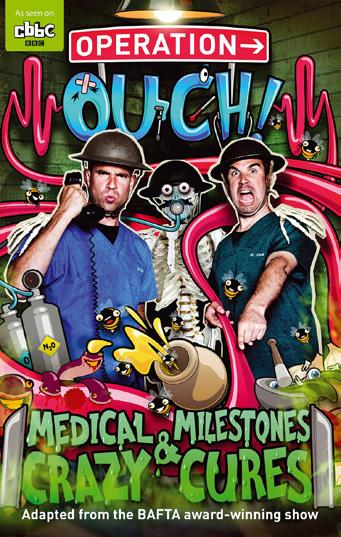
Medical Milestones and Crazy Cures (Operation Ouch!) by Chris van Tulleken & Xand van Tulleken, – Look at the strange ways that medicine and science have developed over time.
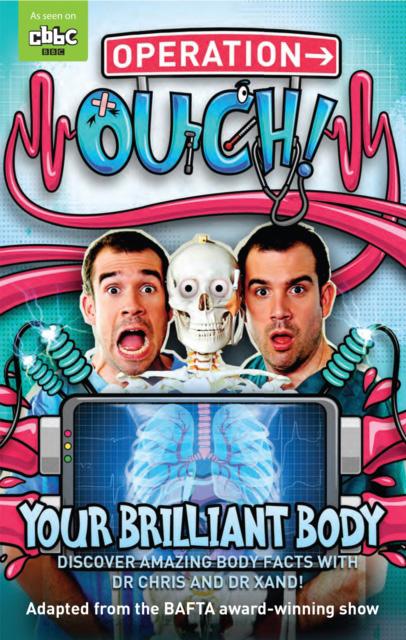
Your Brilliant Body (Operation Ouch!) by Chris van Tulleken and Xand van Tulleken – Twins, Chris and Xand, explore the workings of the body and fascinating facts that will leave you amazed!
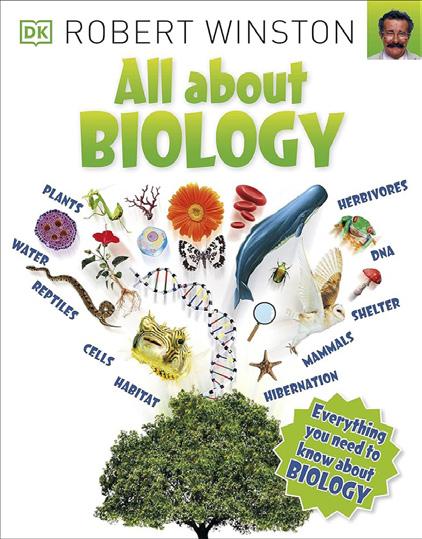
All About Biology (Big Questions) by Robert Winston – An exciting look at how science affects everything and why organisms can live on our ‘Goldilocks planet’
Biology
is all around us and an appreciation of the natural world is key to understanding how the study of a science can solve so many global problems whilst still revelling in its beauty.
All of these vital skills are taught through the medium of exciting, active, topic-based lessons that cover the following:
Cells: look at your own cells and compare them with those of plants; see how a cell operates as a complex factory
Reproduction: win a prize for the best flower dissection; understand how plants and animals coordinate reproduction
Digestion: how to test and measure a balanced diet; how does food get into our blood; what really is digestion
Respiration and Photosynthesis: how much energy is in food; how can energy be safely released; how our heart is connected to our lungs (dissection); how do plants make their own food.
Plant and human reproduction: watch ducklings hatch and see them learn to swim; turn a caterpillar into a butterfly.
Ecology: look at energy transfer through food chains and find out why there are more plants than predators
Locomotion: build a hand to see how ligaments work; dissect a chicken limb to see muscles in action; what do owls eat?
Microbes; from fever to food: how clean are my hands; why is blue cheese blue; what bacteria are in yogurt.
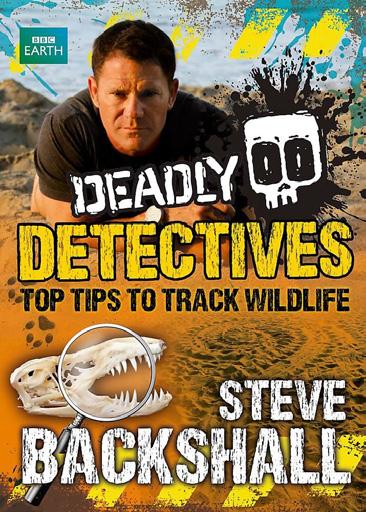
Top Tips to Track Wildlife by Steve Backshall - Steve tells young trackers everything they need to know about the origins of tracking, what you need to become a tracker and how to do it, whether the wild world is your own back garden, ancient woodlands, the riverside or coast.
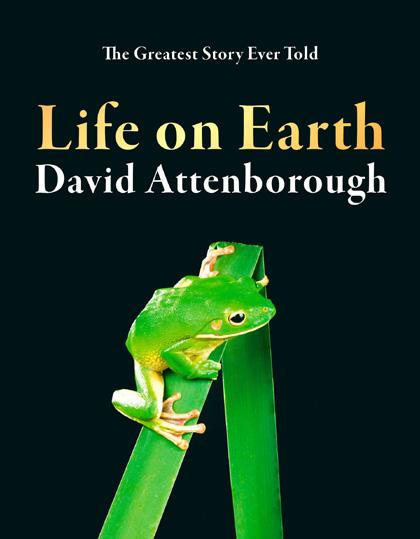
Life on Earth by David Attenborough – The illustrated book that accompanies the Life on Earth TV series that influences a new generation of scientists.
The First and Second Form Chemistry course serves to not only introduce pupils to the wonders of the world of Chemistry but to develop their confidence and skill in practical work and to spark their curiosity.
In First Form, pupils will begin by learning about chemical equipment and how to use it safely before exploring the chemical elements. Getting hands on experience with a range of chemical reactions, both making and recording observations, is at the forefront of the curriculum and serves to inspire and support pupils’ development of these key scientific skills.
Topics include:
1. Introductory Chemistry
3. Earth and its atmosphere
2. Building blocks of matter
4. Elements for life
In Second Form pupils will dive deeper into Chemistry topics relevant to their everyday experiences. They will also be introduced to the idea of representing chemical reactions as equations and meet for the first time the challenge of balancing them. More complex experiments will be undertaken to further develop pupils’ manipulative skills. Explicit links between observations made and the underlying chemical concepts will be highlighted.
Topics include:
1. Elemental concepts (including the study of the Periodic Table)
2. Acids and bases
3. Metals and their reactivity
4. Energy changes
On completion of these foundation years, pupils will be well set to not only understand the importance of Chemistry in the world around us but be able to tackle the development of these fundamental topics
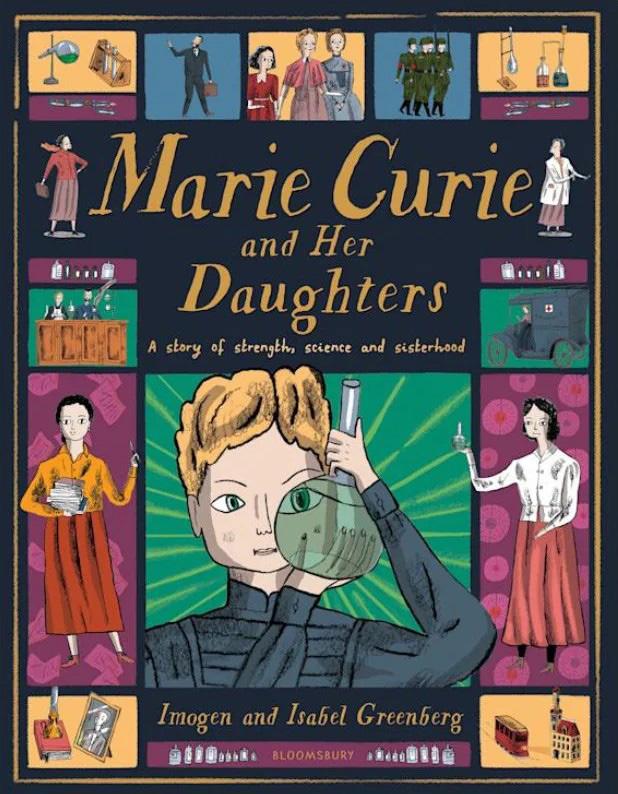
• Marie Curie and Her Daughters by Imogen and Isabel Greenberg
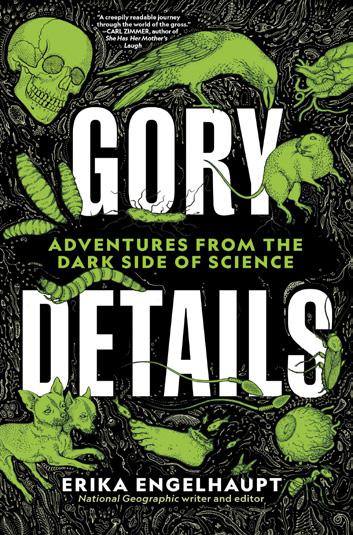
• Gory Details: Adventures From the Dark Side of Science by Erika Engelhaupt
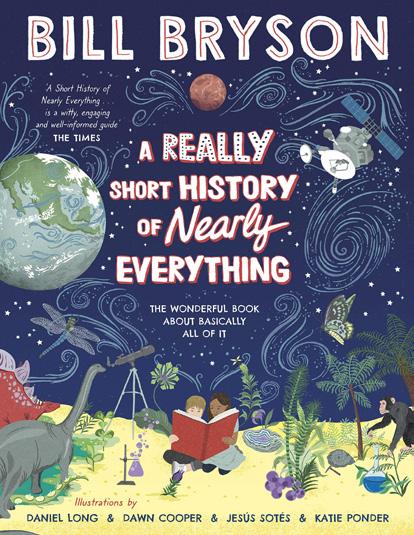
• A Really Short History of Nearly Everything by Bill Bryson
It’s fizzing! It’s changed colour! Wow! Hands on experiences in Chemistry are key in this very practical course, the challenge is to get them to explain what they see. Pupils genuinely love engaging with experiments themselves and their enthusiasm is infectious.
Learning Mandarin is an adventure in sound and symbol, where tones shape meaning and characters tell stories, developing resilience, curiosity and global awareness.
In First Form, pupils take part in a 10-week carousel course introducing beginner Mandarin, giving all pupils a taste of the language before choosing their options. The course covers everyday topics such as greetings, names, numbers, age, family, pets, colours and simple opinions.
Pupils are introduced to key foundations including pinyin, tones and Chinese character writing, so they gain a broad understanding of how the language works. There is less emphasis on formal grammar and more focus on building confidence in using simple phrases, asking questions and expressing basic opinions.
Throughout the course, pupils develop listening, speaking, reading and writing skills, alongside exploring aspects of Chinese culture. An optional Chinese cooking video competition provides a creative opportunity to apply their learning.
In Second Form, pupils develop their Mandarin through practical topics including hobbies, school life and food, loosely following Jinbu Book 1. Building on First Form, they learn to describe free-time activities, express likes and dislikes, and ask simple questions.
This progresses into discussing sports, daily routines and telling the time, before moving on to school subjects, where pupils give opinions and preferences. They are introduced to basic tense markers and Chinese sentence order to support more accurate communication. Pupils also explore food and drink, describing meals and ordering using simple comparisons and measure words.
Throughout the year, pupils develop their listening, speaking, reading and writing skills, with a focus on sentence structure, word order and grammatical accuracy for real-life communication.
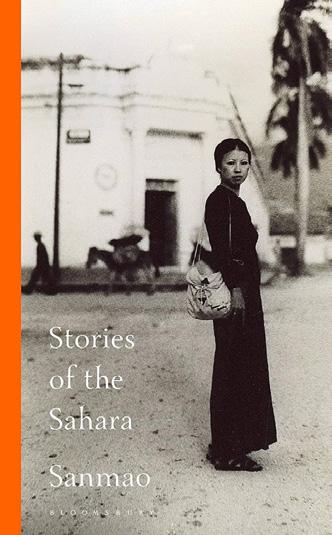
• Stories of the Sahara by Sanmao (author), Mike Fu (translator)
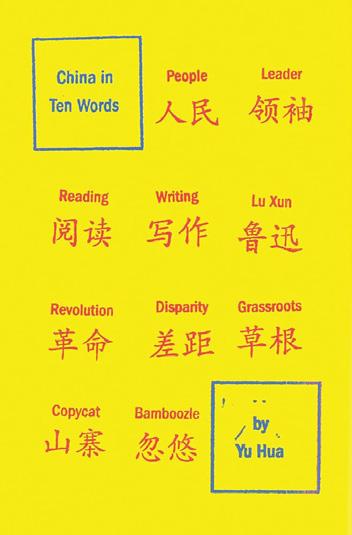
• China in Ten Words by Yu Hua
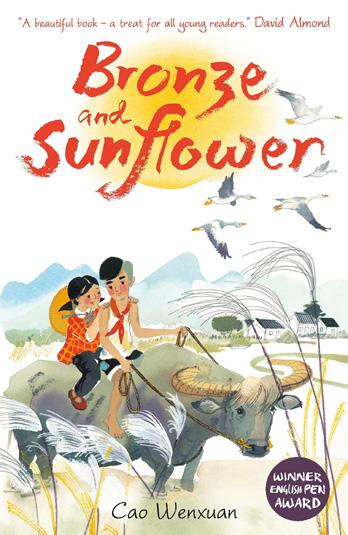
• Bronze and Sunflower by Cao Wenxuan (author), Helen Wang (translator)
A study of Classics underpins our understanding of most fields within the western world. Pupils access the original thoughts and ideas of the ancients by grappling first-hand with Latin and Greek and building a strong foundation for future study. It really is “code-breaking with the Ancients.”
In First Form the study of Greek is a crash course in the basics of an inflected language, encountering five key Greek gods in the 10-week course through which we can access ideas of Greek belief and thought, while gaining a necessary foothold in grammar. Pupils will spend time getting familiar with the Greek alphabet and transliteration, which helps to hone code-breaking skills. Then they will look at English derivations from Greek which will support them in learning a very basic vocabulary. Finally, they will look at verbs in the present tense and nouns which change their subject and object endings and be able to read and write basic sentences in Ancient Greek. To further their engagement in Ancient Greek culture, they will look at storytelling in the Odysseus and the Cyclops myth and vase painting depictions of myth. This will allow them a realistic experience of what it would be like to take Greek in the Second Form and beyond.
Greek at this level looks to reinforce and build upon the grammatical concepts encountered in First Form, where endings become increasingly key. Pupils continue to hone a logical, systematic and “code-breaking” approach to untangle more complex Greek sentences while maintaining their ability to also write in Greek. Pupils will gain an increasingly adept grasp of basic nouns (1st – 2nd declensions), active verbs (present, imperfect, aorist & future tenses), adjectives (2,1,2), formation of adverbs, irregular verbs (such as “to be”) and prepositions. Pupils will comprehend noun cases and verb tenses and be able to cope with increasingly more complex and busy sentence structures, which means that the stories they encounter in translation are more engaging and give a fuller introduction to Greek myth. Greek is a language which helps to develop a forensic eye for detail as well as problem-solving skills and often appeals to the more scientifically minded pupil.
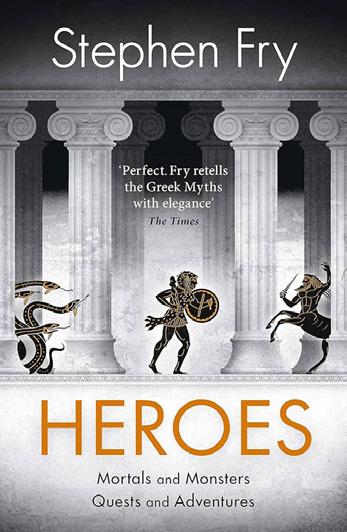
• Heroes by Stephen Fry
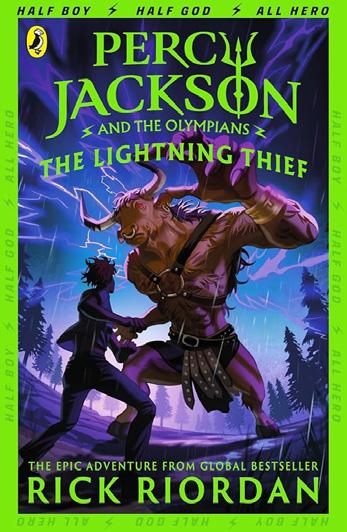
• Percy Jackson and the Olympians: The Lightning Thief by Rick Riordan
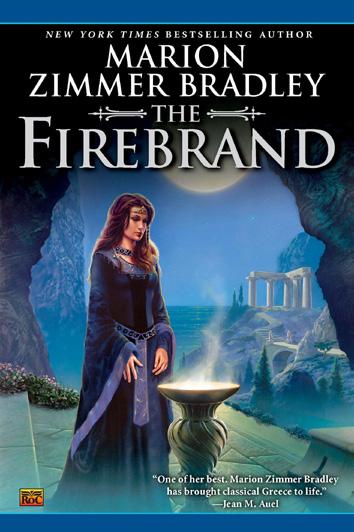
• The Firebrand by Marion Zimmer Bradley
Our aim is for pupils to feel confident in learning the “language of languages” –which helps in their understanding of the mechanics of language in general and how it operates, such that this can be applied to their learning of any other modern or ancient language in time. Through reading the tale of Marcus and Flavia, set in the Roman world, pupils gain access to the thoughts and ideas of ancient Romans, who had such a widespread influence upon so many aspects of the modern western world. Over the course of the year, pupils meet verbs in many forms (present, imperfect and perfect tenses as well as infinitives and imperatives) as well as nouns in their different cases for this inflected language. Pupils will develop a logical and systematic approach and understand that despite the difficulty posed by the Latin language, they are able and hopefully relish the challenge of translation and “the perfect answer”. Incidentally the spelling and understanding of English words, which stem from Latin in origin, will also improve, as will the accuracy and discrimination of the pupil’s use of such vocabulary. From the perfect answer, pupils should also consider the nuances of meaning within a simple phrase, which will better equip them to understand the power of language and range of interpretation. In this first year of study pupils gain a strong grounding in Latin grammar (Common Entrance Level 1) on which they can build in future study as well as a forensic eye for detail and a logical and systematic approach.
Pupils consolidate material covered in the First Form but encounter more complex Latin, culminating in a knowledge of basic nouns (1st – 3rd declensions), active verbs (1st – 4th conjugations), adjectives (2,1,2 and 3rd), formation of adverbs, irregular verbs (sum, possum, eo), prepositions, pronouns (hic, ille, is) and personal pronouns – Common Entrance Level 2. They will comprehend all noun cases and active verb tenses (present, imperfect, perfect, future and pluperfect) and be able to cope with increasingly more complex sentence structures. They will read the story of Troy in Latin, linking mythology to ancient history and understanding the various myths, born from this legendary 10-year war. By this stage they will have built up a considerable Latin vocabulary, which will assist their English with derivations and spelling, while the process of translation continues to hone their problem-solving skills and logical approach. Awareness of Rome’s legacy will also be built upon by looking at Oundle’s private collection of artefacts and coins from excavations across Europe and culminating in the trip to Hadrian’s Wall in the summer term.
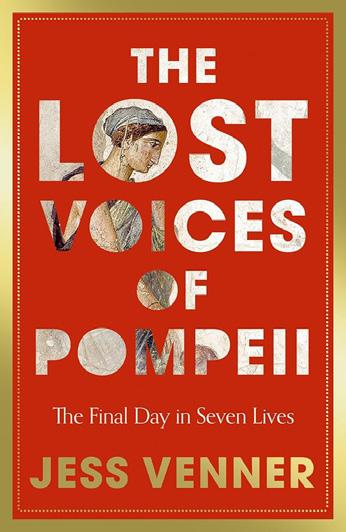
• The Lost Voices of Pompeii by Jess Venner
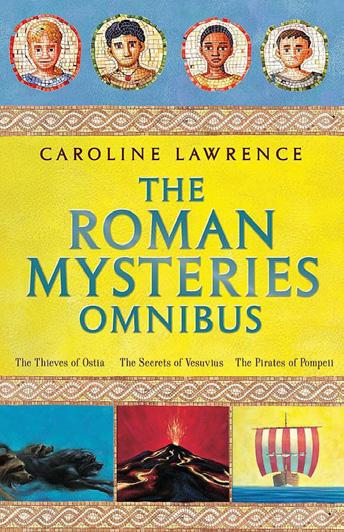
• The Roman Mysteries by Caroline Lawrence
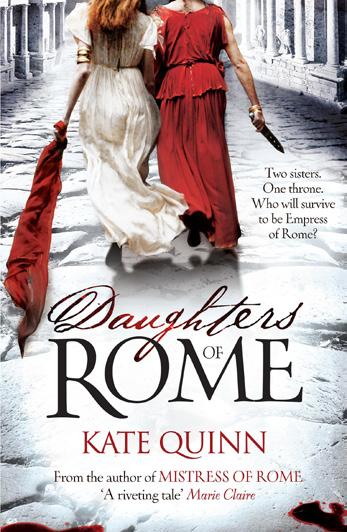
• Daughters of Rome by Kate Quinn
First Form pupils are introduced to the fundamentals of Computer Science through a range of engaging and practical topics. They begin by exploring how computers represent data, including binary, denary, and hexadecimal number systems, developing their understanding of how information is stored and processed. Pupils are also introduced to web design using HTML and CSS, where they learn to structure and style simple web pages, fostering creativity alongside technical skills. In programming, pupils use Python to learn core concepts such as print statements, user input, data types, and conditional (if) statements. They apply this knowledge by creating simple interactive applications, such as a “Heads or Tails” game or a basic treasure hunt. Throughout the course, pupils develop key skills including logical thinking, problem-solving, creativity, and attention to detail. Recommended reading includes Hello Ruby: Adventures in Coding by Linda Liukas to support early computational thinking.
Second Form pupils build on their foundational knowledge by exploring more advanced topics in Computer Science. In web design, they develop their skills using HTML and CSS, and are introduced to JavaScript to add interactivity to their web pages. Pupils also study networking, where they learn about the structure and function of the internet, including key concepts such as the World Wide Web, IP addresses, HTTP, and DNS. They gain an understanding of how data is transmitted through different types of network cables and explore common network topologies, including bus, ring, and star. In programming, pupils continue to develop their Python skills, revisiting core concepts such as print, input, data types, and conditional (if) statements, while extending their understanding to include loops. Throughout the course, pupils develop problem-solving, logical thinking, and analytical skills.
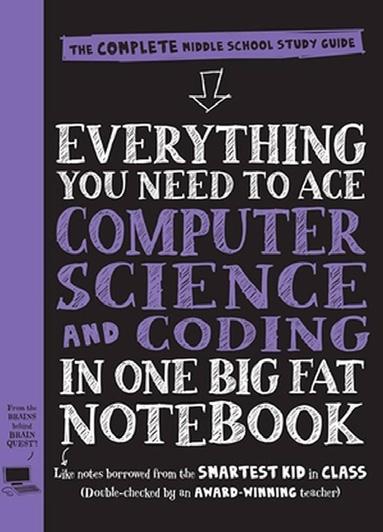
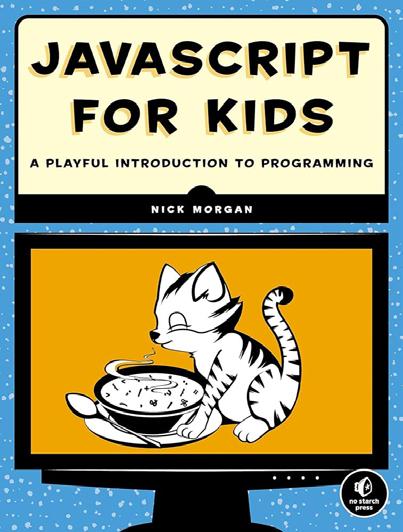
JavaScript for Kids by Nick Morgan and Everything You Need to Ace Computer Science and Coding in One Big Fat Notebook to reinforce and extend their learning.
Do you like using logical thinking skills to solve seemingly unsolvable problems in creative and imaginative ways?
Studying Computing enables you to understand technology, develop coding and digital skills, prepare for future careers, and confidently navigate an increasingly digital world.
DET sparks creativity through hands-on challenges, digital design, electronics and teamwork, empowering pupils to build, test and refine exciting ideas while developing confidence, curiosity and skills for real-world problem-solving.
The First Form Design, Engineering and Technology course introduces pupils to the foundations of creative problem-solving, practical pursuits, and safe-working practices. Pupils begin with workshop machinery training, developing confidence and competence in hand based fabrication skills while learning to use tools and equipment safely and accurately. Pupils are introduced to Computer Aided Design and Manufacturing (CAD/CAM), gaining experience in digital designing and understanding how modern technologies support manufacture. The course explores composite technologies, allowing learners to investigate materials, structure, and performance through hands on activities. Design communication techniques are developed through sketching, modelling, and annotation to clearly express ideas. A series of engaging one off design challenges encourages creativity, teamwork and iterative improvement. First Formers also work with basic electronic components, including ultrasonics and timing circuits, to understand control, sensing, and simple systems. Throughout the course, emphasis is placed on curiosity, safe practice, and the application of design thinking.
The Second Form Design, Engineering and Technology course builds on foundational skills, further developing pupils’ confidence, independence, and technical understanding. Learners extend their workshop machinery training and refine hand based fabrication skills, working with increased accuracy and responsibility. An introduction to Autodesk Fusion CAD software enables pupils to design, model, and prepare components for manufacture, including the use of 3D printing as a rapid prototyping tool. Pupils explore non ferrous casting techniques, gaining insight into material properties and manufacturing processes. The course introduces cell and team production methods, encouraging collaboration and efficient workflow planning. Pupils develop creativity through the imaginative use of timbers, exploring form, structure, and aesthetics. Learning is driven by a thematic design brief, such as flight, which promotes iterative problem-solving, testing, and refinement of ideas. Throughout, emphasis is placed on safe practice, teamwork, and applying design thinking to real world challenges.
RECOMMENDED READING
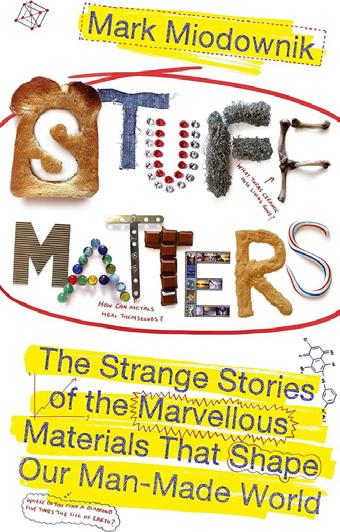
• Stuff Matters: The Strange Stories of the Marvellous Materials that Shape Our Man-made World by Mark
Miodownik
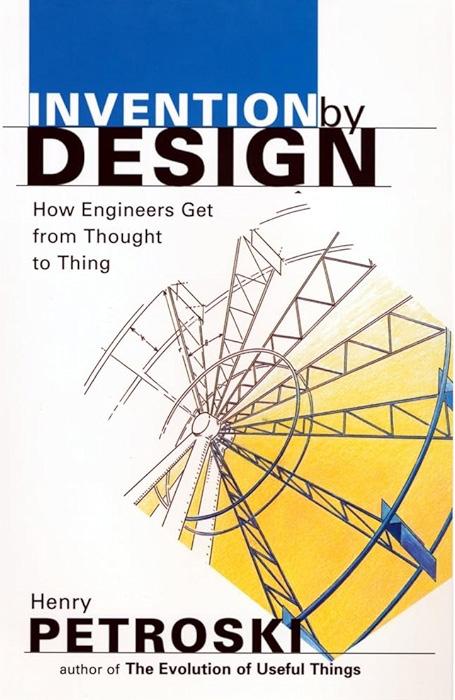
• Invention by Design: How Engineers Get from Thought to Thing by Henry
Petroski
• Design is Storytelling by Ellen Lupton
Drama focuses on our need to tell and to hear stories. Stories help us to understand one another and our place in the world better. The first two years of Drama at Oundle emphasise the importance of communication and collaboration as well as considering how others might see and experience the world.
Drama is taught as an inclusive and practical subject. The overarching aims are to build confidence, creativity and understanding of others. Pupils are introduced to the fundamental skills of drama through a wide range of engaging activities that develop physical awareness, vocal expression and imaginative thinking. Throughout the year, pupils explore storytelling in different forms, including physical theatre, scripted plays, poetry and myths such as The Odyssey. They work both independently and in groups to explore characters, create scenes and present their ideas to others in a supportive environment. Pupils are encouraged to reflect on the impact of drama on an audience and to respond constructively to the work of their peers. The syllabus is designed to be accessible to all pupils, regardless of prior experience, while nurturing enjoyment and curiosity. By the end of First Form, pupils are confident sharing practical work and have established a strong foundation for further study in Drama.
The Second Form drama curriculum builds upon pupils’ prior learning, introducing them to more structured performance styles, more challenging texts and historical contexts. Pupils further develop their technical and creative skills through practical workshops and ensemble work, often drawing on specialist techniques and theatre traditions. Key units include the exploration of historical events through process drama, detailed study of complete play texts, and the creation of original performances inspired by poetry and theatrical styles such as Commedia. Research skills become increasingly important, with pupils learning how to apply contextual knowledge to practical performance. A strong emphasis is placed on collaboration, creativity and thoughtful response to drama, helping pupils develop confidence, discipline and independence. By the end of Second Form, pupils are able to work more independently, apply drama techniques with purpose, and approach performance with growing maturity, preparing them well for the demands of Third Form drama.
Play texts require reading in a slightly different way to other forms of text. It may help if pupils are already familiar with the stories or their background:
• Harry Potter and the Cursed Child by JK Rowling, John Tiffany and Jack Thorne
• His Dark Materials by Phillip Pullman and Nicholas Wright
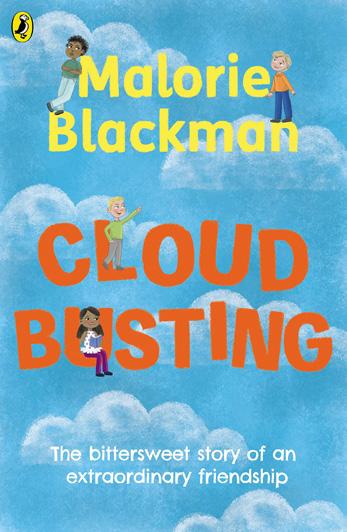
We also make use of different texts as ‘start points’ for Drama. Pupils might want to look at how writers modernise old stories like the Percy Jackson books by Rick Riordan or poetry anthologies such as Cloud Busting by Malorie Blackman
Exploring your thoughts about what you read in class is a key step to becoming a critical thinker, as listening, developing responses, and engaging with a variety of ideas encourages inquiry and helps you express your own views.
In English lessons, First Form pupils will develop their reading, writing and oral skills through a creative, engaging and enjoyable approach to learning. Pupils will come to understand the power of literature in helping people to understand themselves and the world around them through prose, poetry, drama, nonfiction, transactional writing and creative writing. Our pupils will develop the ability to read, understand and respond analytically to a diverse range of literary texts and writers, exploring both their own culture and those of other societies. They will learn to think and respond objectively, sensitively, critically and evaluatively, and to articulate their ideas clearly, while also listening to and reflecting on the ideas of others. Pupils will recognise the importance of accurate spelling, punctuation and grammar in enabling them to express their ideas with fluency and precision.
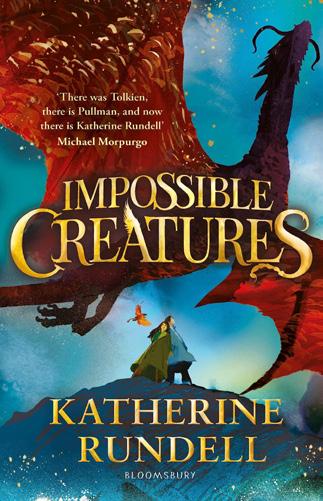
• Impossible Creatures by Katherine Rundell
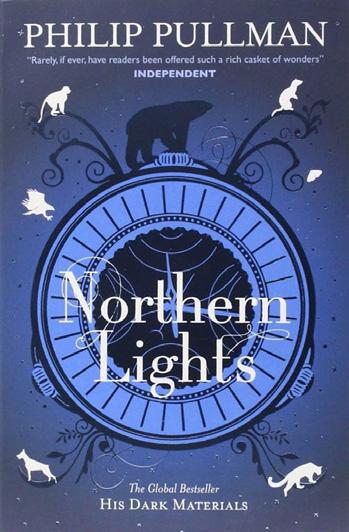
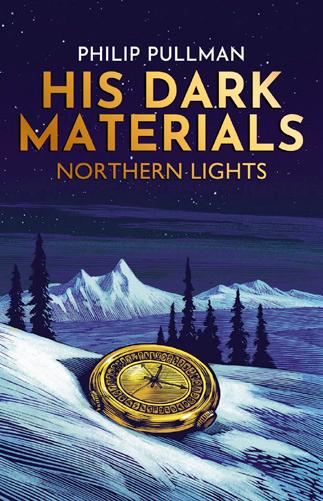
• His Dark Materials: Northern Lights by Philip Pullman
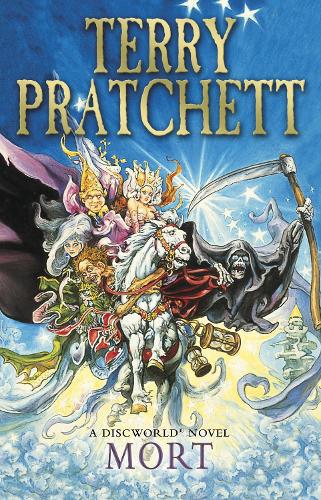
• The novels of Terry Pratchett
Second Form English lessons build on the skills from the First Form, through imaginative and critical responses to texts. They will continue to discover how literature helps individuals make sense of themselves and the wider world through a range of genres. They will be encouraged to think independently and respond with sensitivity, clarity and critical insight, and to express these ideas in a structured and purposeful manner in class and in their written work. Alongside this, pupils will develop a secure understanding of spelling, punctuation and grammar, enabling them to communicate their ideas accurately and with confidence.
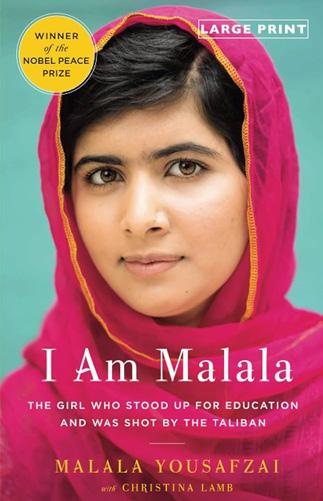
• I am Malala by Malala Yousafzai
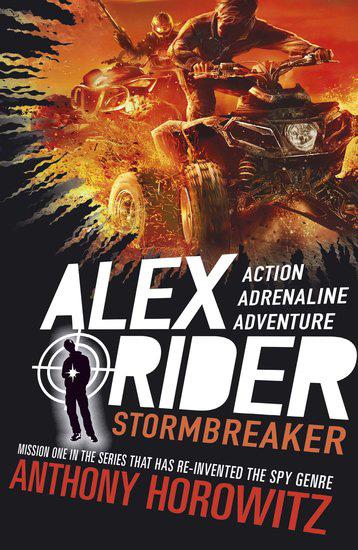
• The Alex Rider series by Anthony Horowitz
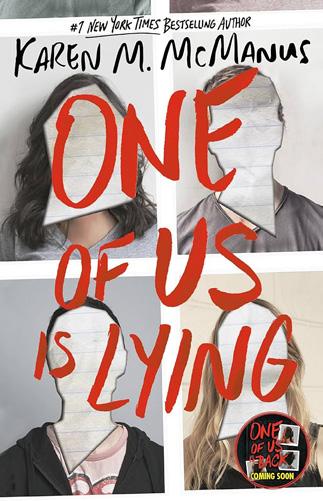
• One of Us is Lying by Karen M. McManus
Learning a new language is like unlocking a secret door to another world, suddenly you can understand more people, more stories, and more of life itself. Every word you learn is a step towards becoming more confident, curious, and connected to the world around you. With French, you’re learning a language full of beauty and culturespoken in many countries and famous for its art, food, and style!
At Oundle, First Form French is taught at beginner level. We focus on building confidence in basic communication alongside sound language-learning habits. Pupils learn to understand and produce simple spoken and written French related to familiar topics such as greetings, personal information, family, school, hobbies, food, daily routines and local places. They acquire core vocabulary and grammatical foundations, including gender of nouns, articles, present-tense verb patterns, highfrequency verbs, adjectives and basic word order. Students develop pronunciation skills, phonics awareness and the ability to recognise key sounds. They practise listening for gist and detail, asking and answering questions, writing short sentences and paragraphs, and using language-learning strategies such as memorisation and dictionary skills. Cultural knowledge is introduced through everyday life in Frenchspeaking countries, festivals and customs. By the end of the beginner stage, learners can take part in short interactions, understand simple texts and feel prepared to build accuracy, fluency and independence further.
In Second Form pupils build on their foundations to communicate with greater range, accuracy and confidence. They extend vocabulary and language structures to discuss topics such as free time, town, shopping, holidays, family, home and past or future plans. Grammar is developed to include the near future and past tense, comparisons, opinions with reasons, negatives and more complex sentence structures. Students learn to link ideas using connectives and to adapt language for different purposes. Listening skills focus on understanding longer passages and authentic material, while speaking activities encourage spontaneous responses and short presentations. Reading work includes adapted texts with unfamiliar language, using context to infer meaning. Writing develops from simple paragraphs to more structured pieces, showing increasing accuracy and variety. Cultural understanding deepens through everyday life, youth culture and traditions in French-speaking countries, preparing learners for independent language use.
RECOMMENDED READING
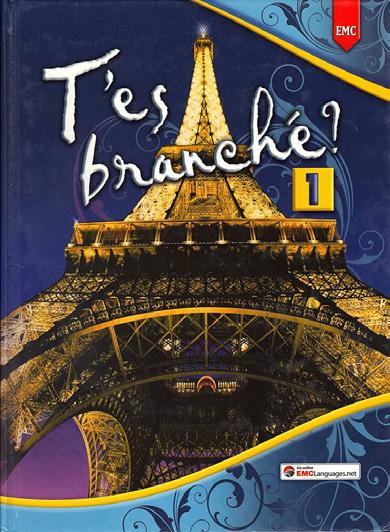
• T’es branché ? – Très facile (Pearson French Readers)
Short, engaging stories written in very simple French. They reuse core classroom vocabulary and include pictures, glossaries and activities. Ideal for pupils building confidence with reading.
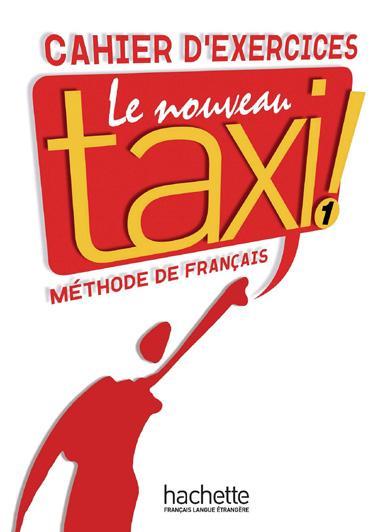
• Le Nouveau Taxi ! 1: Cahier de Lecture – Hachette
These short reading booklets match beginner textbook content. Stories are simple, predictable and linked to everyday topics like school, friends and hobbies, with comprehension tasks included.
• Prêts pour lire – Niveau 1 (Various titles) – Didier
Specifically designed for beginners, these books use controlled language, repetition and illustrations. They are excellent for introducing pupils to reading whole texts without overwhelming them.
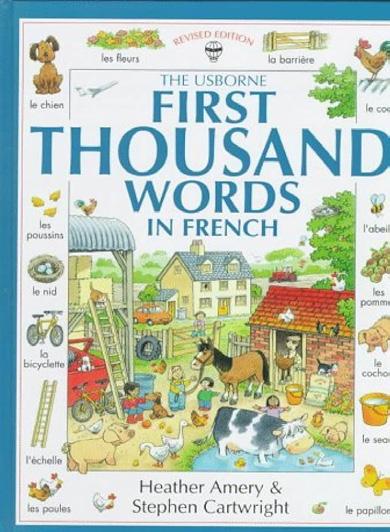
• Usborne First Illustrated French Stories
Very accessible short stories using high frequency language. Strong visual support makes them suitable for less confident readers and home reading.
First Form geographers are introduced to the fundamentals of ‘thinking geographically’ – what this means and how it enables them to understand, interpret and predict the world around them. This starts with a unit entitled ‘Forces that Shape our Landscape’ where pupils learn how the physical geography of the UK has been shaped by geology, geomorphology and glaciation. This includes a focus on changes through geological time and places of special interest such as the Giant’s Causeway and Malham Cove. On the human geography side we start with the concept of ‘Differing Development’ exploring the patterns and processes that explain the differing levels of development within and between countries. We conclude with a focus on an extreme environment looking at the physical and human geography of Antarctica and introduce concepts such as sustainability and geopolitics.
The Second Form curriculum builds on the topics studied in First Form and pupils start with a unit entitled ‘Our Restless Earth’. This unit explores key geographical hazards with a focus on earthquakes and later in the unit the issue of flooding and the impact this has on people in different parts of the world. The human focus, People on the Move, is on the topic of contemporary migration and its link to urbanisation. Recent examples of these issues bring these topics to life in places such as the USA-Mexico border and within Brazil. Pupils also examine how migration has shaped parts of the UK. Pupils conclude the year with a focus on another extreme environment by looking at tropical rainforests and concepts such as global citizenship and the water and carbon cycle are introduced.
Pupils develop a broad range of subject specific skills and are also taught how to use Geographic Information Systems (GIS) when exploring spatial information and data. In both years pupils complete a local fieldwork study in the summer term.
From the forces that shape our land to our restless Earth in motion, Geography helps us explore the patterns and processes that bring people and places together. From differing development to people on the move, Geography links it all, making the world exciting to discover.
In First Form, pupils embark on a ten-week introduction to German, assuming no prior knowledge. The course begins with greetings, classroom phrases, German phonics and numbers. Pupils then move on to school subjects and hobbies, learning to express and justify opinions using the conjunction weil (because) and subordinate clauses. The final weeks cover food and drink, the phrase Ich möchte (I would like), and German-speaking countries. Cultural lessons are woven throughout, exploring topics such as Reunification, school life in Germany, and the city of Berlin.
As they progress, pupils develop a broad range of skills: listening and speaking with accurate pronunciation, reading strategies such as scanning for gist and identifying cognates, and writing in extended sentences. They also build grammatical understanding — including gender, verb conjugation and conjunctions — alongside study skills such as vocabulary-learning strategies and independent revision habits.
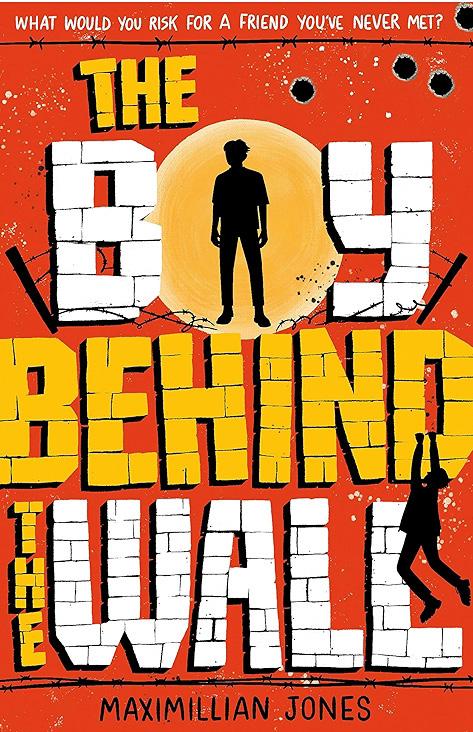
• The Boy Behind the Wall by Maximillian Jones – a page-turning thriller set on either side of the Berlin Wall (in English)
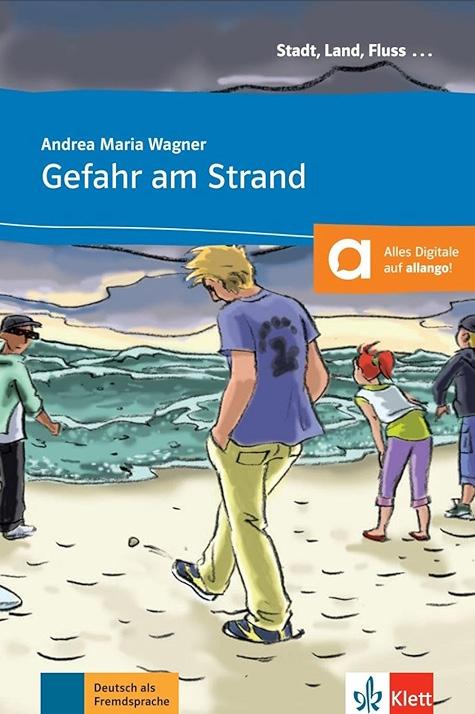
• Gefahr am Strand by Andrea Maria Wagner – an easy reader by Klett publishers
In Second Form, pupils build on their First Form foundation across a full academic year, with four lessons per fortnight. The year begins with revision of greetings, numbers and likes and dislikes before introducing new grammar in earnest. Topics covered include pets and colours, family and personal descriptions, hobbies, food and drink, town and home environments, making arrangements, and school life. Cultural enrichment features throughout, from a trip to the Frankfurt Christmas Market in Birmingham and Karneval activities to translation work inspired by Anthea Bell. The year concludes with an introduction to the Future Tense to prepare pupils for Third Form.
Grammatically, pupils develop a firm grasp of the Present Tense (regular and irregular verbs), noun gender, the Nominative and Accusative cases, adjective endings, and the Dative case through dual case prepositions. They also learn to express opinions with weil and subordinate clauses, and to use modal verbs. Assessment is both ongoing and formal, culminating in end-of-year speaking, listening and written examinations.
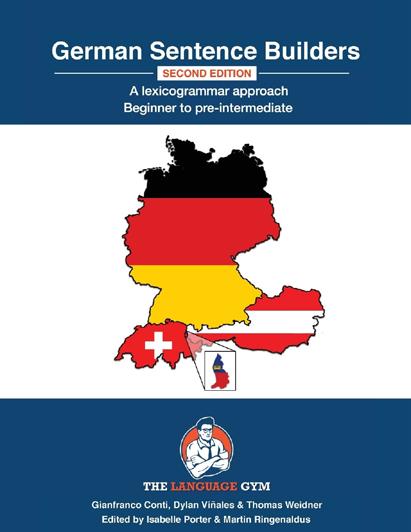
• German Sentence Builders - A Lexicogrammar approach - Second Edition: Beginner to pre-intermediate by Dr Gianfranco Conti
Learning German means embarking on an adventure that will enrich your life in ways you never imagined. The door will be opened to an influential culture and traditions and you'll find the logical structure and consistency of the German language highly satisfying.
In studying what mankind has done, we learn who we are and what we can be. First and Second Form History is designed to spark an interest in the past, whilst understanding the deeper roots of our present society.
In the First Form, pupils will study the early history of England, with a predominant focus on the Middle Ages. Teachers will tailor a path for their set through the formative events of the medieval period, with all sets touching in particular on William of Normandy's conquest of England, as well as on the reign of John and the creation of Magna Carta. Alongside studying the events of the past, pupils will start to develop key subject skills. These include the analysis of historical problems, the interpretation of primary sources and the planning and writing of argumentative, analytical essays.
In the Second Form, pupils will primarily focus on early modern history. Teachers will tailor a path for their set through the period, with all sets studying the core events of the Reformation and their impact upon Tudor England. Alongside studying the events of the past, pupils will continue to develop core subject skills, including analysing the events of the past, interpreting primary sources and developing their ability to argue a case through the medium of an essay.
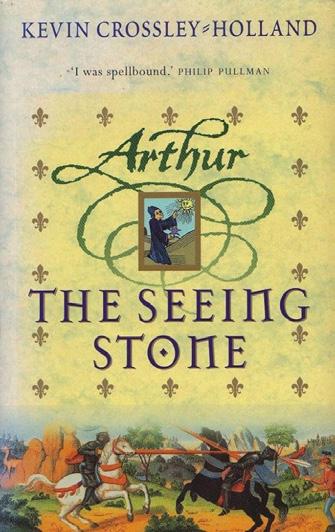
• Arthur: The Seeing Stone by Kevin Crossley-Holland
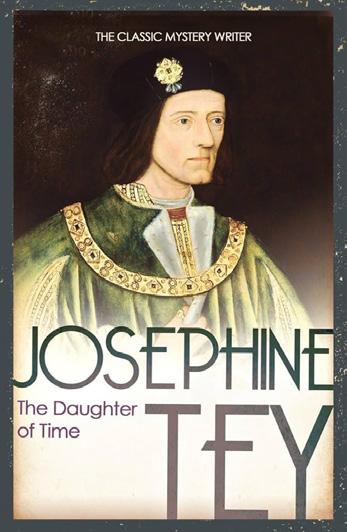
• The Daughter of Time by Josephine Tey
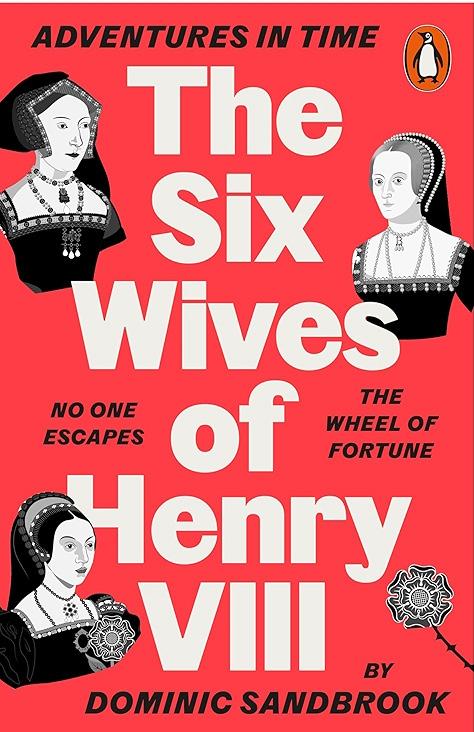
• The Six Wives of Henry VIII by Dominic Sandbrook
Pupils studying mathematics will encounter a broad range of topics designed to build fluency, reasoning, and problem-solving skills, as well as consolidating prior learning. Topics in the first half of the Michaelmas Term focus predominantly on number and arithmetic, and then a more varied range of topics from geometry, ratio and proportion, data handling, and algebra.
Algebra is a particular focus for this year group. Pupils will have had some exposure to algebraic concepts in previous years, in abstract forms such as “missing number” problems, but formal notation and methods will now be covered in depth. New concepts are introduced in an order which promotes algebraic manipulation as an independent skill, with equations only appearing late in the year once the foundation has been laid.
Mathematics reveals the structures that shape our world, guiding pupils beyond arithmetic into patterns, relationships and reasoning, where exploring connections brings clarity, confidence and the joy of truly understanding how ideas fit together.
Pupils in the Second Form will revisit and build on many of the topics covered in the First Form, broadening their knowledge and deepening their understanding. For instance, having studied rectilinear areas and perimeters in the First Form, Second Form pupils will be introduced to circles; fraction arithmetic will move on to include mixed numbers; equations will now include unknowns on both sides and simple instances where the unknown appears as a denominator. This spiral curriculum model allows for consolidation as well as progress.
Pupils will also meet new concepts including sets and Venn diagrams, bivariate data, volumes and surface areas of 3D shapes, as well as applying prior knowledge to new presentations, such as statistical calculations given data presented in frequency tables.
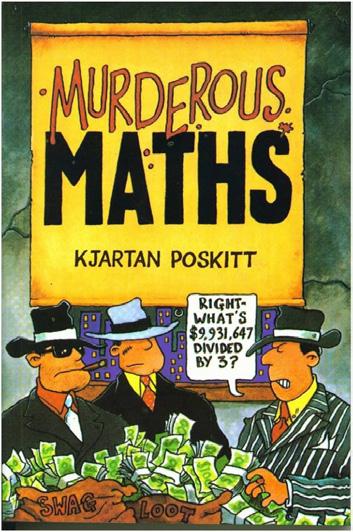
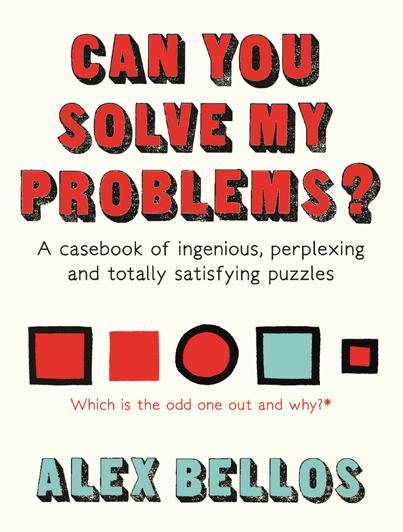
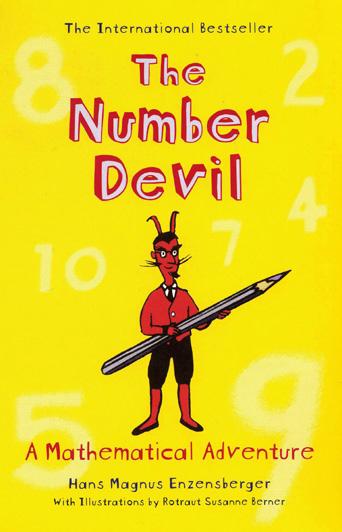
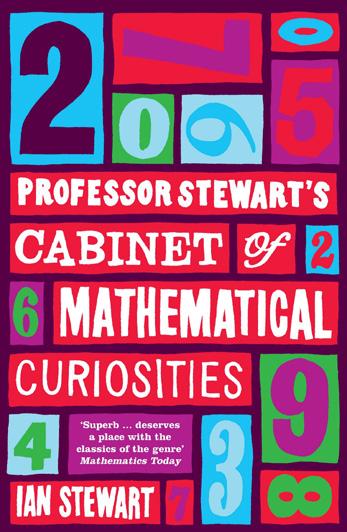
• Murderous Maths (series) by Kjartan Poskitt
• Can you solve my problems? by Alex Bellos
• The Number Devil by Hans Magnus Enzensberger
• Professor Stewart’s Cabinet of Mathematical Curiosities by Ian Stewart
The First Form curriculum aims to build upon pupils’ musical experiences at primary level, by exploring and reinforcing some of the fundamental processes and concepts, including pulse and rhythm, pitch and melody writing and the elements of music. Music from a variety of contrasting historical and stylistic periods is used, as well as from a range of world cultures.
The following topics are studied: The Elements of Music, Indonesian Gamelan, Tonality and scales, Ragtime and chords, Orchestral instruments.
Composition work develops from rhythmic raps to melodies in a major or minor key, then to adding a melody to a chordal accompaniment in a Ragtime style using MuseScore software.
Listening work includes describing how the different elements of music are used in pieces listened to in various classical, pop, folk and Indonesian styles.
Theory work includes pitch and rhythm notation, modes, major, minor and chromatic scales, semitones and tones, and primary triads. Performing work includes various songs, the pupils’ own compositions, short pieces on the keyboard and chords on the ukulele, aiming to build up confidence and skill performing in front of others.
In the Second Form we aim to build on the secure foundations laid in First Form, by nurturing pupils’ ability to compose and develop melodies, understand how structure is able to shape their ideas in performance and composition, and begin to handle harmony with confidence. Music from a variety of cultures and eras is used to embed this learning.
The following topics are studied: Film Music, Chords and Carols, Minimalism and Songwriting.
Composition work includes creating a film soundtrack using BandLab, composing a carol melody with chordal accompaniment, manipulating motifs to create a Minimalist style piece and writing a song.
Listening work includes analysing how film composers create moods, effects of different accompaniment styles and textures and how minimalist motifs are manipulated. Theory work includes pitch and rhythm notation, triads, motivic manipulation and song structure.
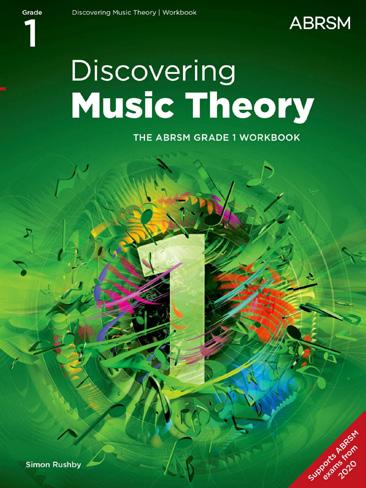
• Discovering Music Theory is ABRSM’s graded theory series, designed to develop musical literacy systematically from beginner level through to Grade 5 theory standard.
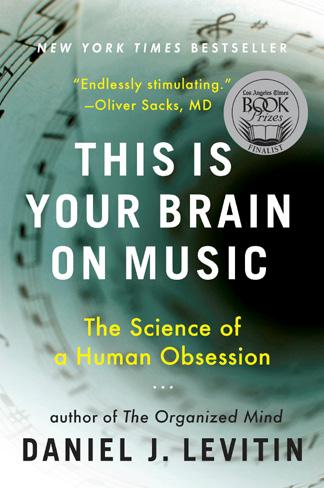
• This Is Your Brain on Music: The Science of a Human Obsession (2006) by Daniel Levitin explores how the brain perceives, processes, remembers, and is emotionally moved by music. Levitin, a neuroscientist and former record producer, bridges music theory, psychology, neuroscience, and performance practice, making complex research accessible to musicians and non-specialists alike.
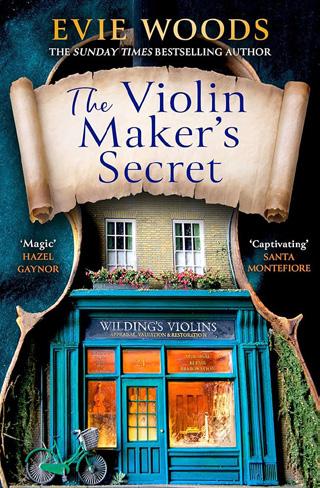
• The Violin Maker’s Secret by Evie Woods is a dual timeline historical novel centred on music, loss, and hidden truth, blending wartime history with contemporary self discovery. At its heart lies a mysterious violin whose history links two women across generations.
In the First Form, pupils are introduced to a broad and balanced Physical Education curriculum built on a spiral model, where key concepts and skills are developed progressively. Through seven rotating learning blocks, pupils experience activities including invasion games, gymnastics, swimming, movement literacy, racquet sports, striking and fielding, and world games. Movement literacy and core physical competencies form the spine of the curriculum, with a focus on fundamental movement skills and a range of components of health and fitness.
Pupils explore how to move effectively through full ranges of movement, developing control and spatial awareness, while building striking skills with an emphasis on timing and technique. They begin to apply simple tactics, develop sport-specific skills, and build confidence across contexts. Personal qualities such as teamwork, resilience, empathy, and sportsmanship are promoted, alongside opportunities for early reflection and decision-making in both cooperative and competitive situations.
In the Second Form, pupils revisit and develop the same curriculum areas, deepening their understanding of key concepts and skills through the spiral approach. Across the same seven learning blocks, pupils continue to engage in invasion games, gymnastics, swimming, movement literacy, racquet sports, striking and fielding, and world games. Movement literacy and core physical competencies remain the spine, with continued development of fundamental movement skills and a broader range of components of health and fitness.
Pupils refine their ability to move effectively through full ranges of movement, showing increased control, fluency, and spatial awareness, while advancing striking skills with greater consistency, timing, and technique. They apply tactics with growing confidence, perform across a range of contexts, and further develop sportspecific skills. Personal qualities such as teamwork, resilience, empathy, and sportsmanship continue to be promoted, alongside more developed reflection and informed decision-making in both cooperative and competitive situations.
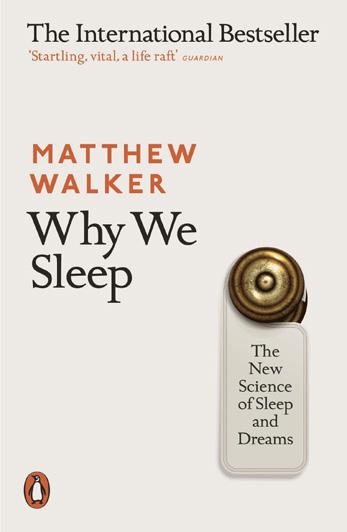
• Why We Sleep by Matthew Walker
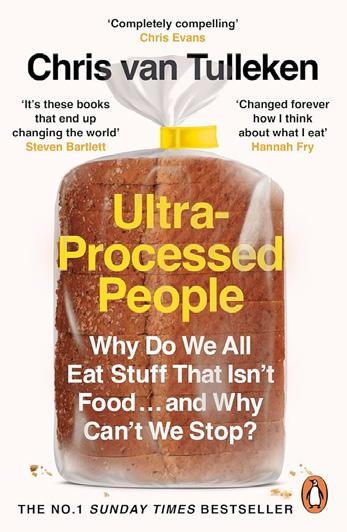
• Ultra-Processed People: Why We Can't Stop Eating Food That Isn't Food by Chris van Tulleken
Exercise and Sport Science underpins child development, helping pupils understand the body while building movement skills, tactical awareness and executive functioning through challenge, effort and reflection.
Physics in the early years is about curiosity, wonder and discovery: helping pupils explore the universe, understand everyday phenomena and enjoy the challenge of thinking carefully and practically.
In First Form, pupils are introduced to the fundamental ideas that underpin Physics. They begin with forces and movement, studying speed, acceleration, different types of force, force diagrams, resultant forces and streamlining. They then explore The Earth and Beyond, including the Solar System, gravity, mass and weight, day and night, the seasons and the Sun’s energy. Their study of energy develops key ideas such as energy stores, energy conservation and energy transfer. Alongside this core content, pupils begin to think and work like young physicists by interpreting diagrams, using evidence, carrying out practical work and explaining the world around them with increasing confidence and precision.
In Second Form, pupils build on these foundations and develop a deeper understanding of how Physics explains everyday phenomena. They study electricity and magnetism, including circuits, current, resistance, static charge, magnetic fields and electromagnets. They also explore waves through the study of light and sound. These topics help pupils make sense of a wide range of real-world applications, from household electricity and electronic devices to vision, communication and sound. Practical work remains central to the course, allowing pupils to test ideas through observation and experimentation while continuing to develop their problem-solving, analytical and communication skills.
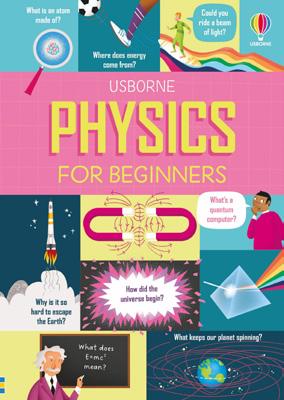
• Physics for Beginners by Rachel Firth, Minna Lacey and Darran Stobbart
A highly accessible introduction to key ideas in Physics, well suited to curious pupils in these year groups.
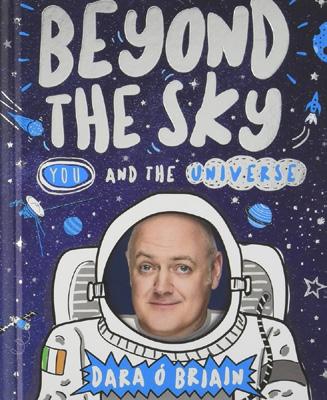
• Beyond the Sky: You and the Universe by Dara Ó Briain and Dan Bramall
A very good choice for pupils who are naturally curious and enjoy the bigger questions.
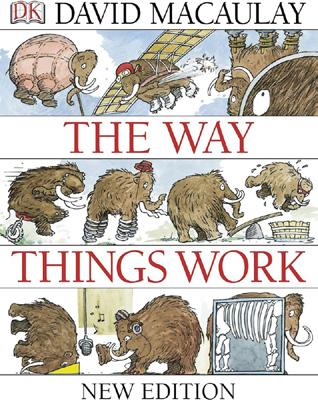
• The Way Things Work by David Macaulay
This is an excellent bridge between Physics and real-world engineering. It is ideal for pupils who like mechanisms, machines, electricity, motion and how ideas become technology.
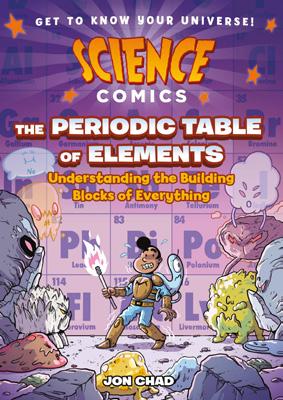
• Comic Strip Science: Physics by Jon Chad
This is the best extra title for pupils who like visual explanation or who are not yet natural science readers.
In First Form, pupils begin by learning how to introduce themselves, including the Spanish alphabet, numbers, and how to say their age. They explore Spanish-speaking countries and learn vocabulary for classroom objects, family members, and pets. Pupils also practise describing people, including appearance, hair and eye colour, and character, using appropriate adjectives.
Alongside vocabulary, pupils develop key language skills such as pronunciation and phonics, strategies for learning vocabulary, and understanding subject pronouns. They learn how to conjugate regular and irregular verbs in the present tense, use definite and indefinite articles, and recognise object verbs.
Later, pupils study school and home life. They learn school subjects, give opinions about teachers and lessons, and describe their daily routines. They also learn to describe their house and bedroom and activities they do at home. Assessment includes a video or picture presentation about their school and daily activities.
In Second Form, pupils build on their foundation by learning to talk about free time, food, where they live, and holidays while developing greater confidence with different verb tenses.
Pupils begin with free time activities, learning to tell the time, describe the weather, and discuss likes and dislikes. They practise inviting others out and explore sport, television, and films in Spain and Latin America. Grammar teaching focuses on consolidating their knowledge of the present tense and conjugating verbs in the preterite tense.
Pupils then study food and meals, including shopping, ordering in restaurants, and describing past meals using the preterite tense. They also learn how to improve written work using opinions, comparisons, and superlatives, producing a video diary of a food trip to Latin America.
Later topics include towns and cities, cultural comparisons, and holidays, where pupils describe past trips and plan a costed visit to a Spanish-speaking country.
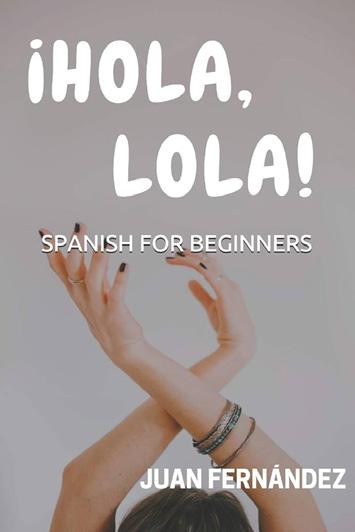
¡Hola, Lola! Series – by Juan Fernández, illustrated stories written in very simple Spanish. The vocabulary is limited and repetitive, making them suitable for learners building confidence with reading. Many editions include comprehension activities.
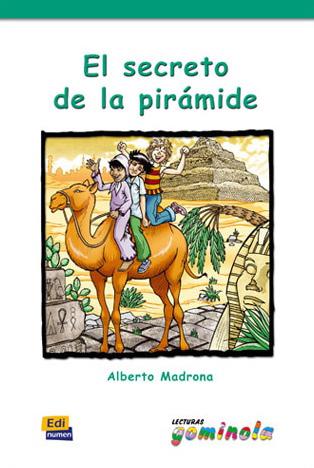
El secreto de la pirámide by Alberto Madrona — an adventure set in Ancient Egypt. Many pupils arrive having learnt a few words of Spanish on their travels. In the First and Second Form we aim to give pupils the solid grounding to be both creative and imaginative in a new and fun language whilst at the same time introducing them to the culture of the amazing Spanishspeaking world.
The year starts with each pupil completing their own project on an animistic religion to develop their overall understanding of religion and belief. Throughout the project, the pupils develop an understanding of the importance of myths, deities and religious practices.
Pupils then study Hinduism, covering the history of the religion, beliefs in the deities and aspects of worship.
In the Lent Term, pupils study the Old Testament/Hebrew Bible and some of the narratives contained within which chart the relationship God creates with people. Pupils develop their comprehension skills and ability to derive meaning from texts.
The Summer Term focuses on Noah and the flood narrative through the reading of Not the End of the World, a fictional retelling of the flood story.
Pupils study Judaism, Christianity and Philosophy in each of the three terms of the year.
The Judaism topic focuses on various aspects of the religion such as prayer, holy texts, the synagogue, Kosher food and Passover. The topic is an introduction to the faith and pupils develop their understanding of the variety of religious belief across the world.
The Christianity topic focuses on the life of Jesus in the Gospels, from birth to the Ascension. The topic looks at the importance of Jesus' life for Christians today to develop pupils' understanding of the connection between holy texts recounting past events and present belief and celebration.
The Philosophy topic focuses on the existence of the soul and human identity. It introduces the pupils to explicitly philosophical arguments and requires them to reflect on the nature and importance of human beings.
• Northern Lights by Phillip PullmanA novel with strong religious themes.
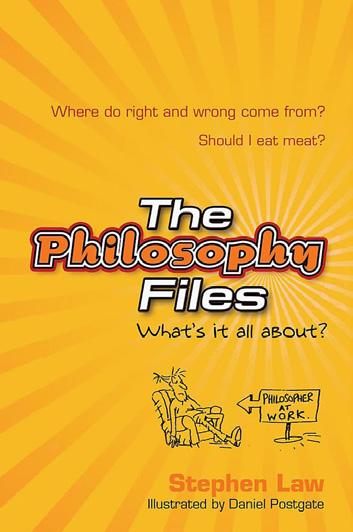
• The Philosophy Files by Stephen Law
The world we live in is shaped by beliefs and ideas. In order to understand the world, one must understand these ideas. Theology, Philosophy and Religion as a subject is key to this understanding.