PROVISIONAL PARITY
A
INFANT SCHOOL DEVELOPMENT
Village
HOUSING SCHEME
Housing


PERSONAL PROJECTS
Product
A
Village
Housing
Product
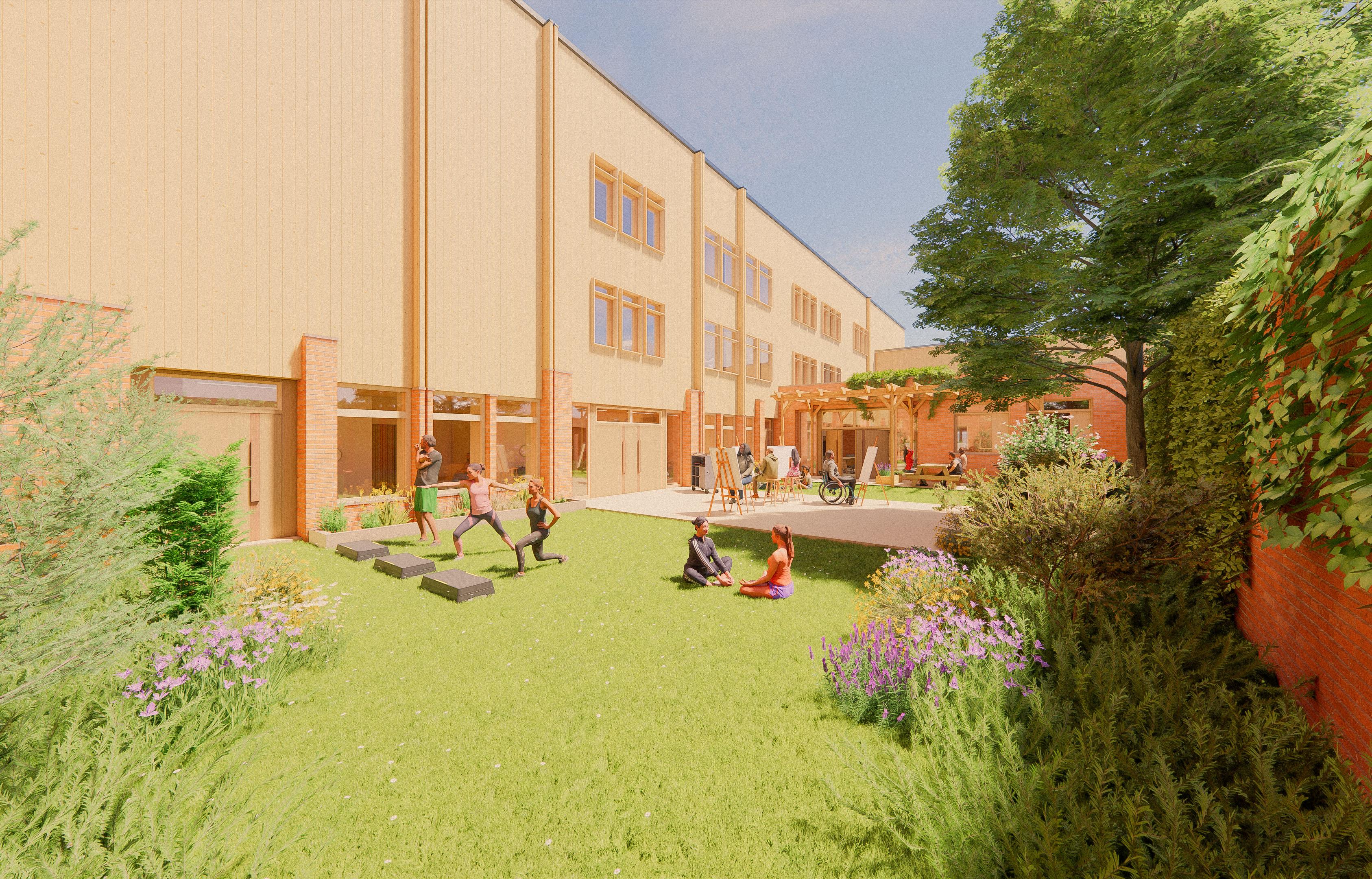
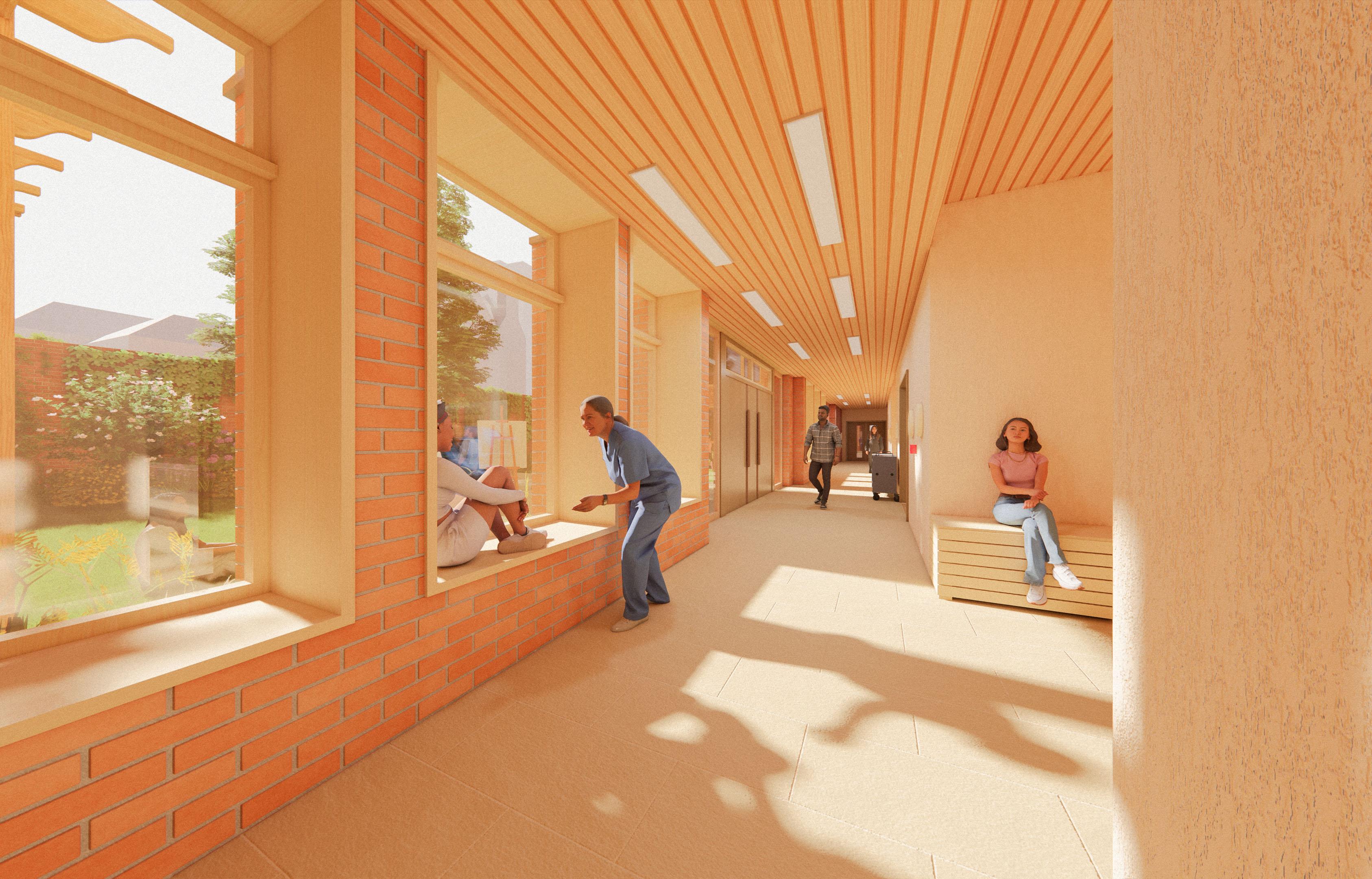
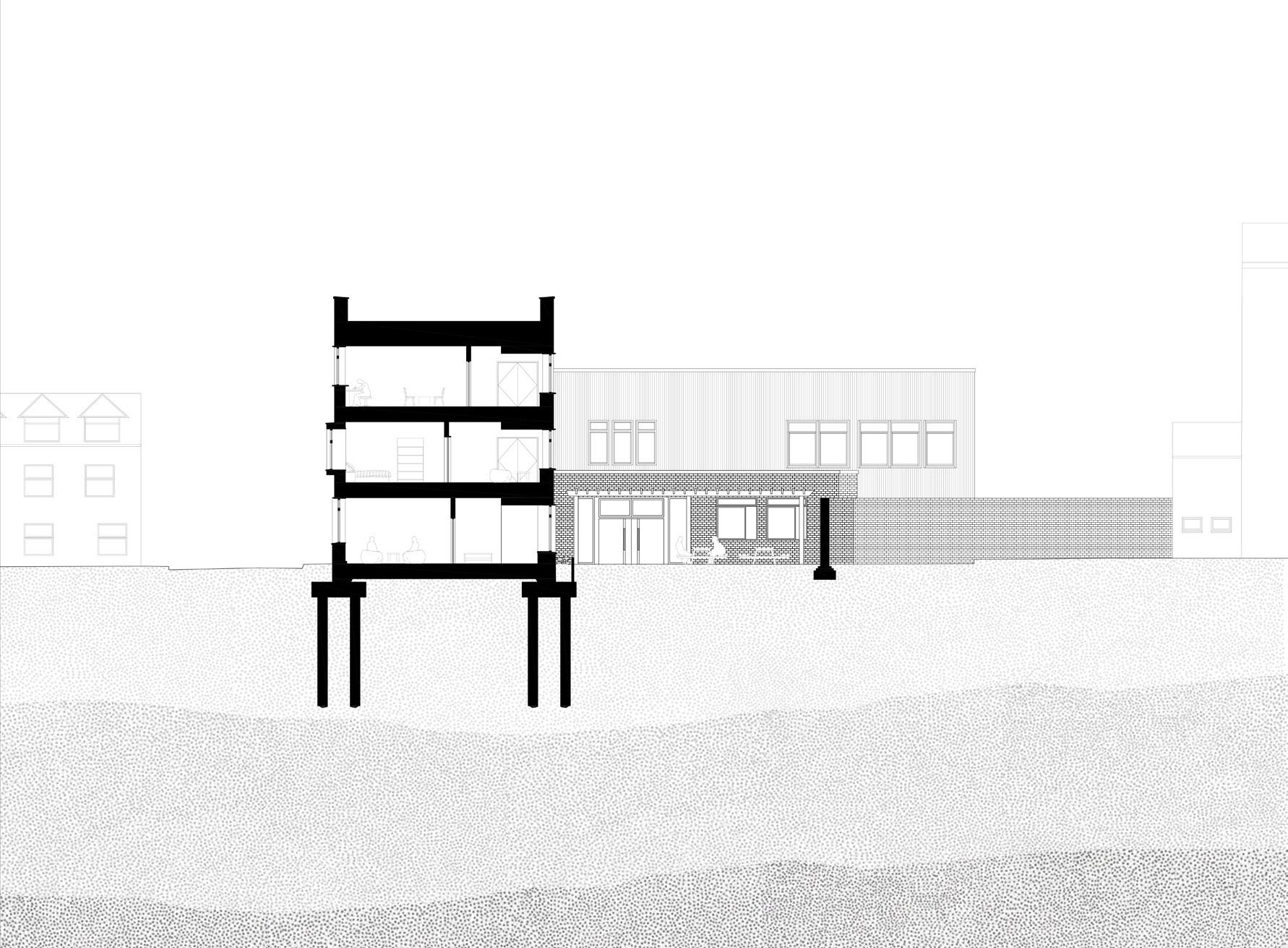
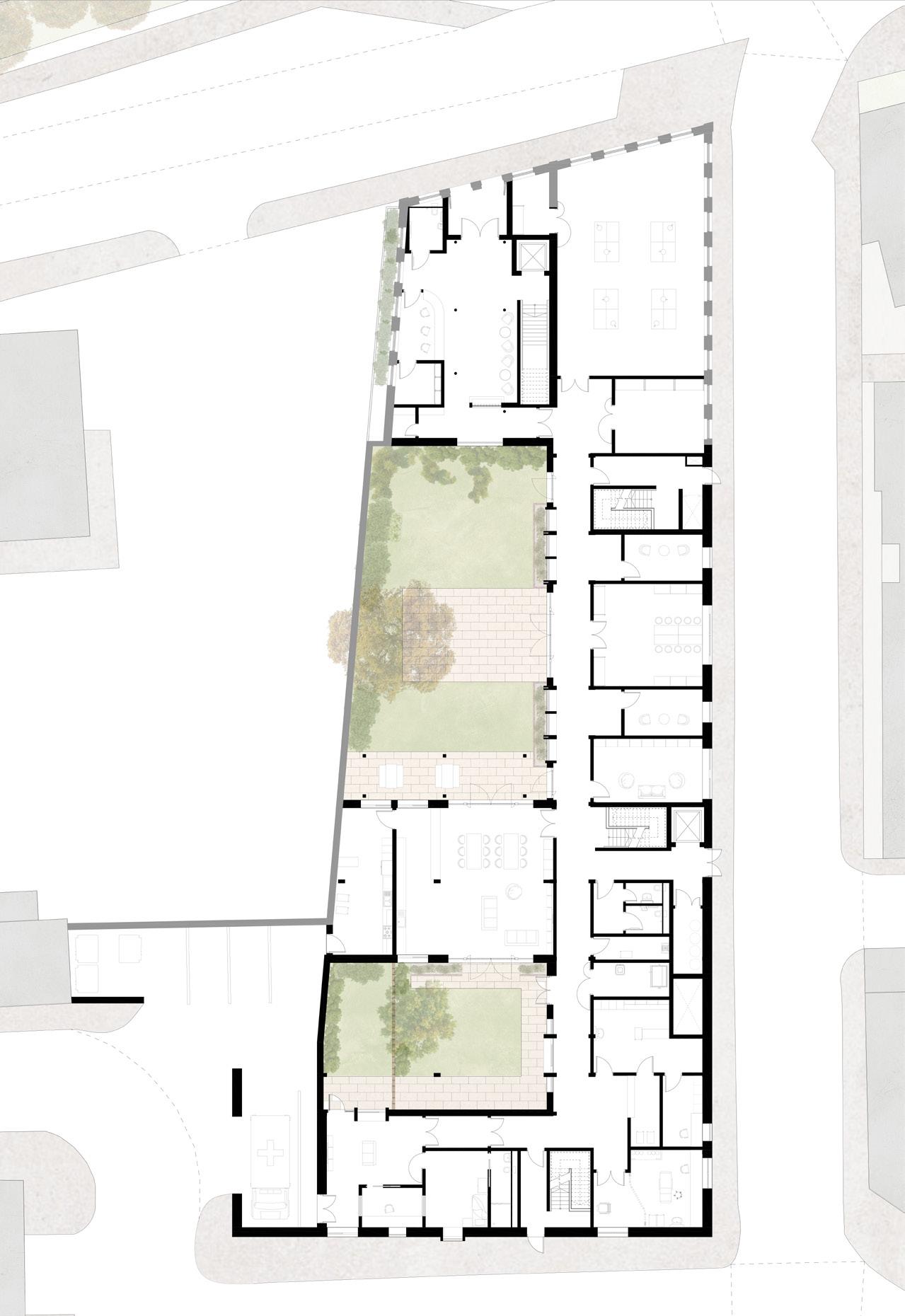
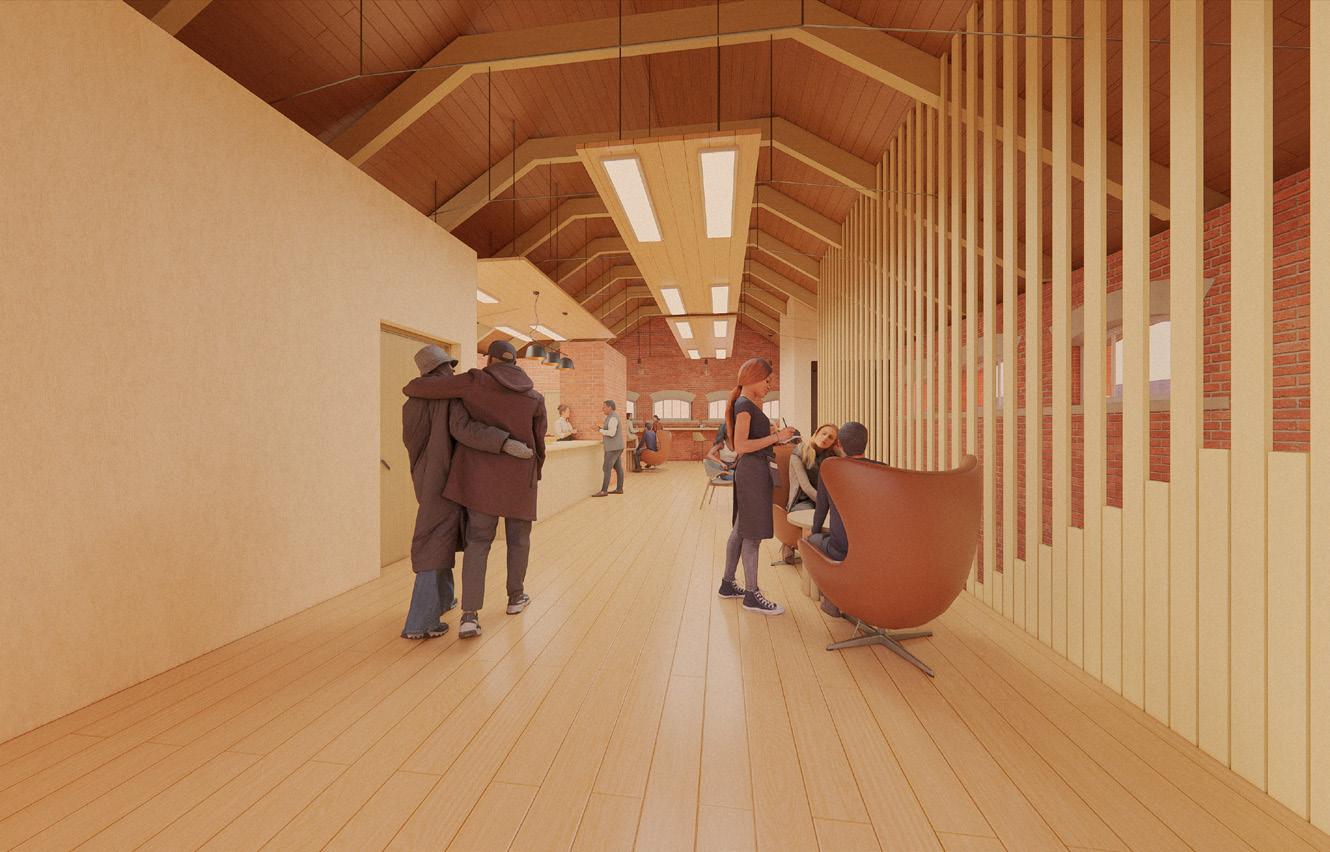
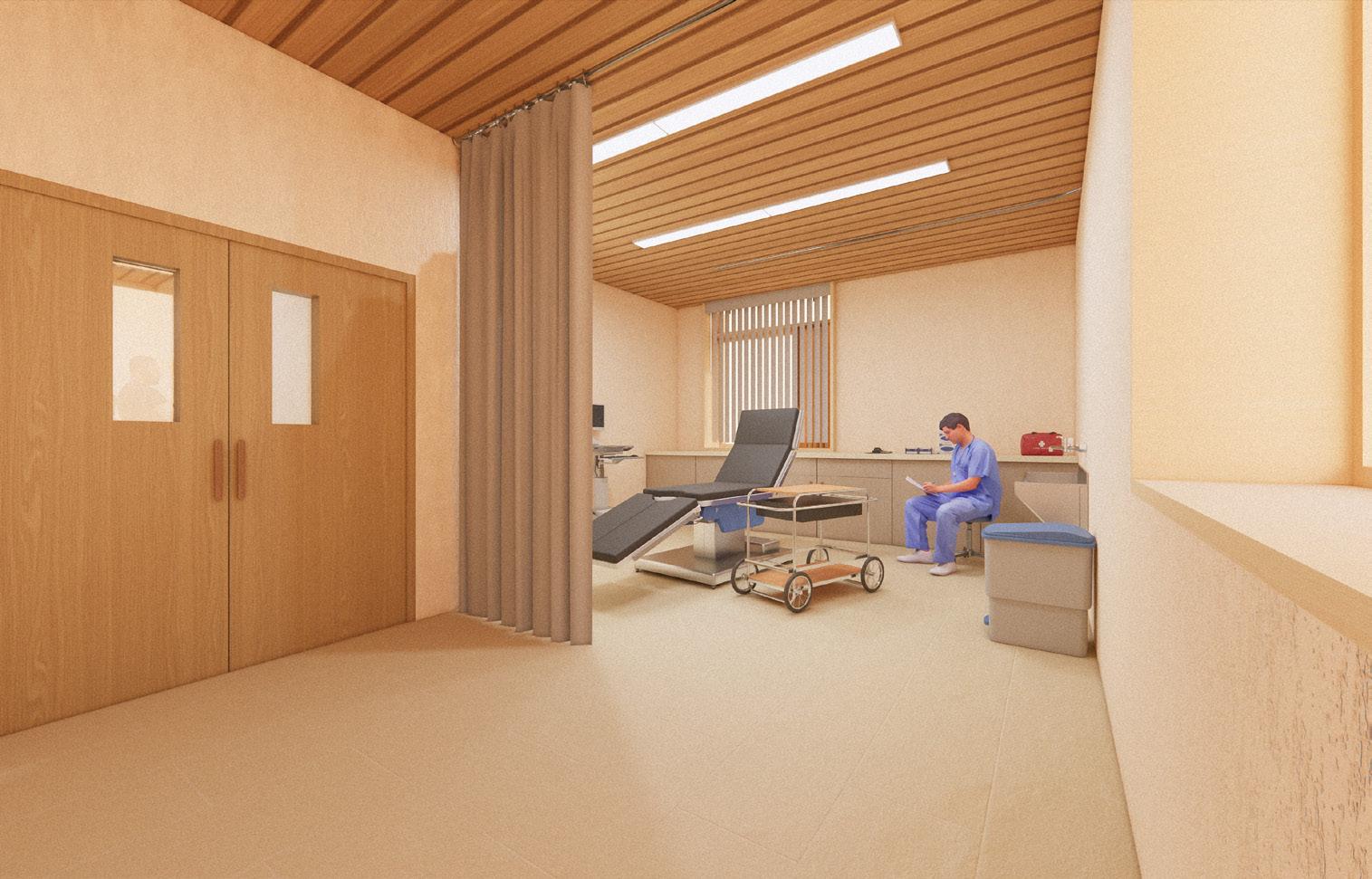
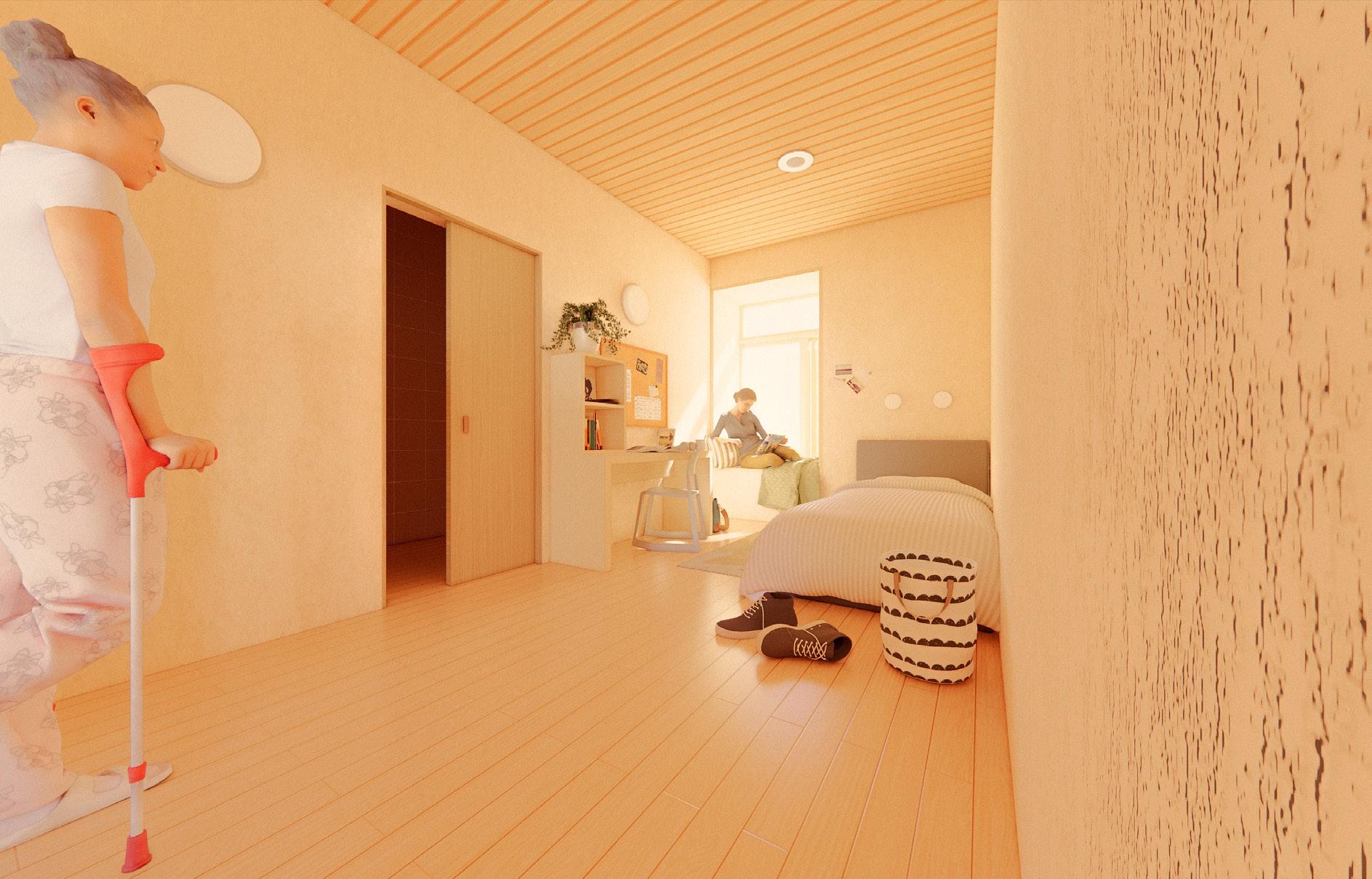
Recuperate is my the culmination of my undergraduate degree at the University of Bath. It began with me crafting the building type and its narrative within a brief that would underpin the project. decided to design a treatment centre for psychosis within Swindon.
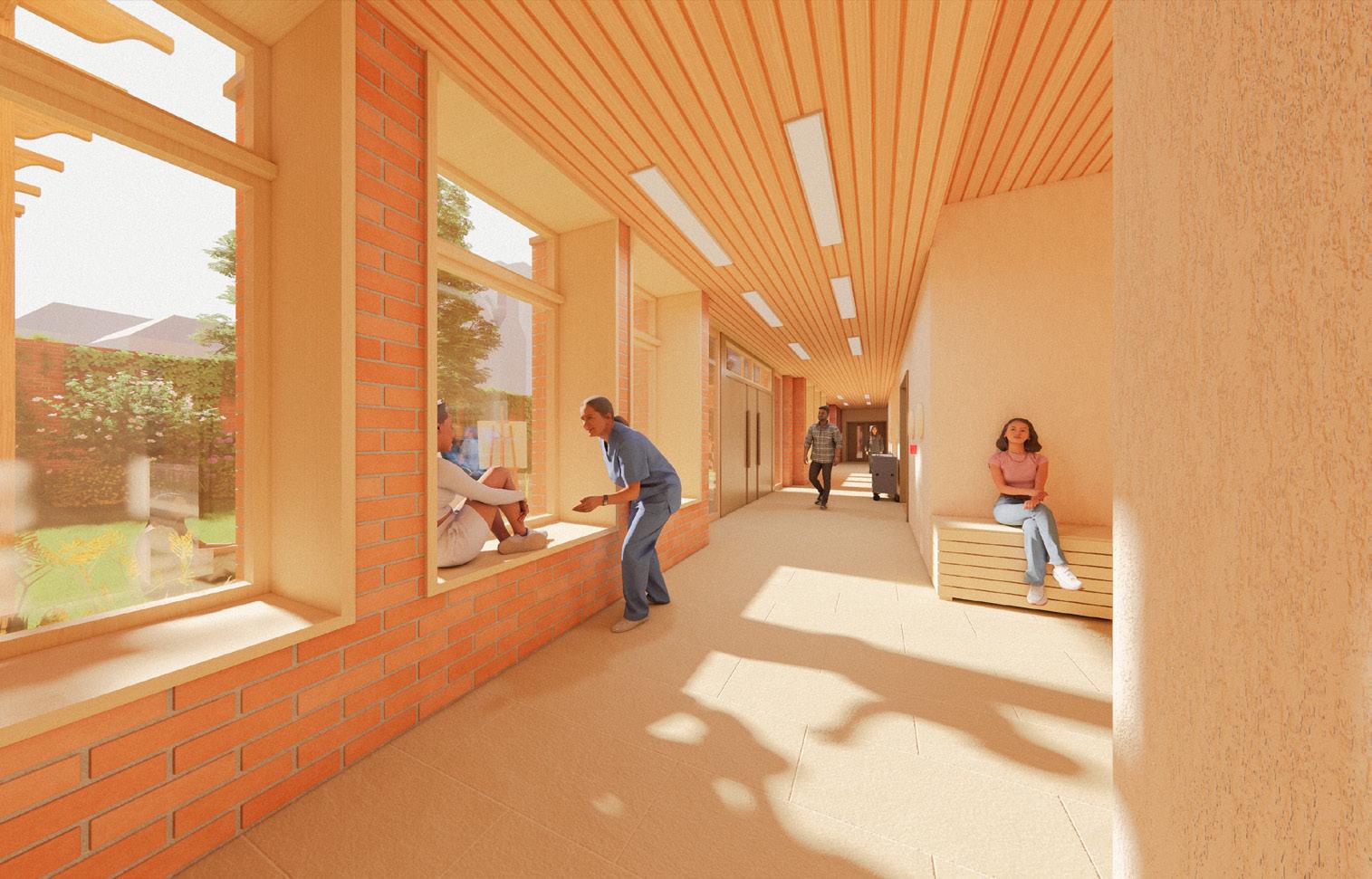
Psychosis is defined as when one loses touch with reality. This scheme serves as a vessel for patient recovery from psychotic epsiodes and associated disorders. Recuperate is driven by the need to soften the clinical aspect of patient recovery with nature, therapy and support acting as natural ‘medications’ in treatment. In embodying this ethos, the scheme’s realisation was guided by the following design principles:
• Using public to protect the private
• Orienting with the Cloister
• Hierarchial green spaces (with degrees of privacy)
• ‘Pockets of peace’ for patients (indoor and outdoor spaces)
• Brick encasing a timber build-up
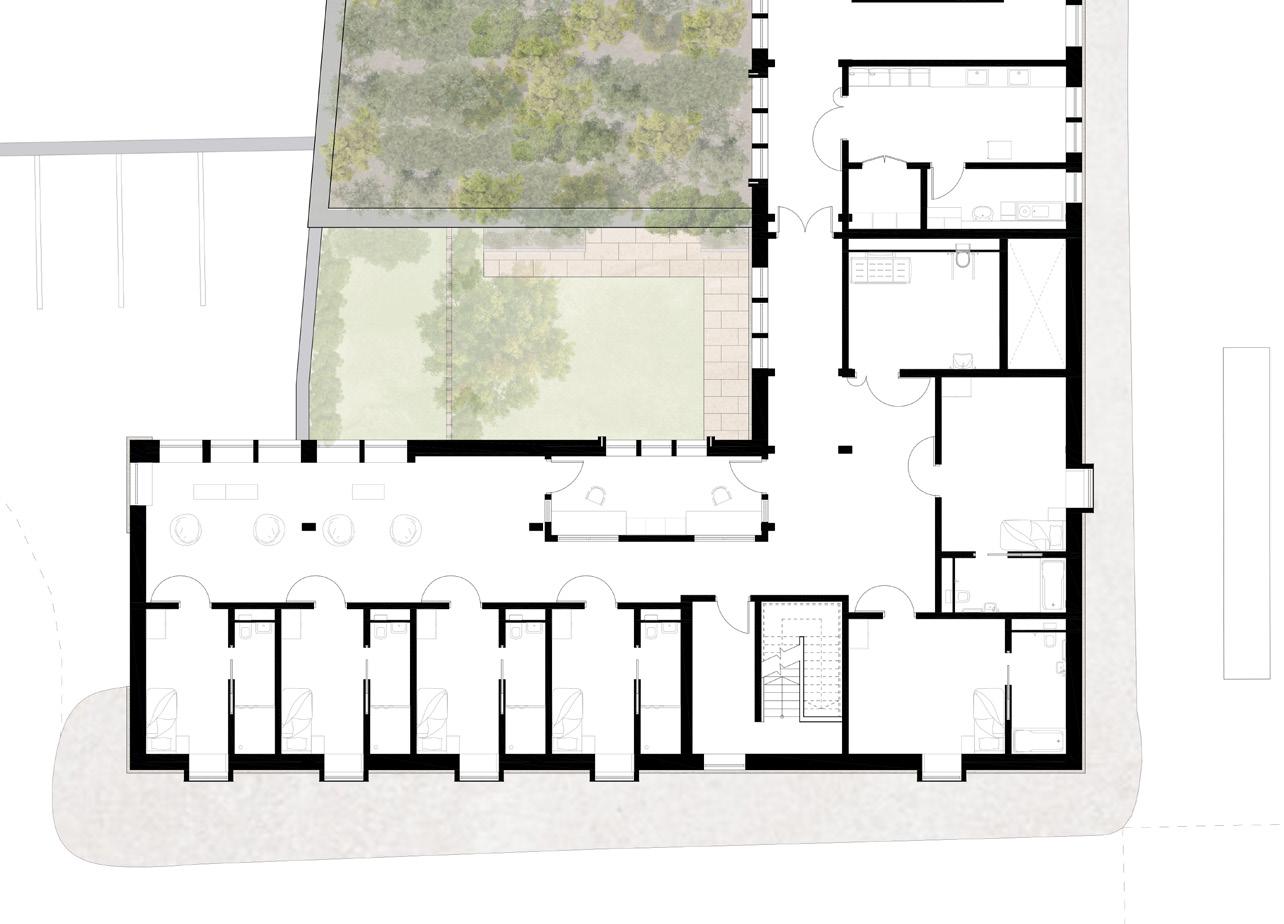
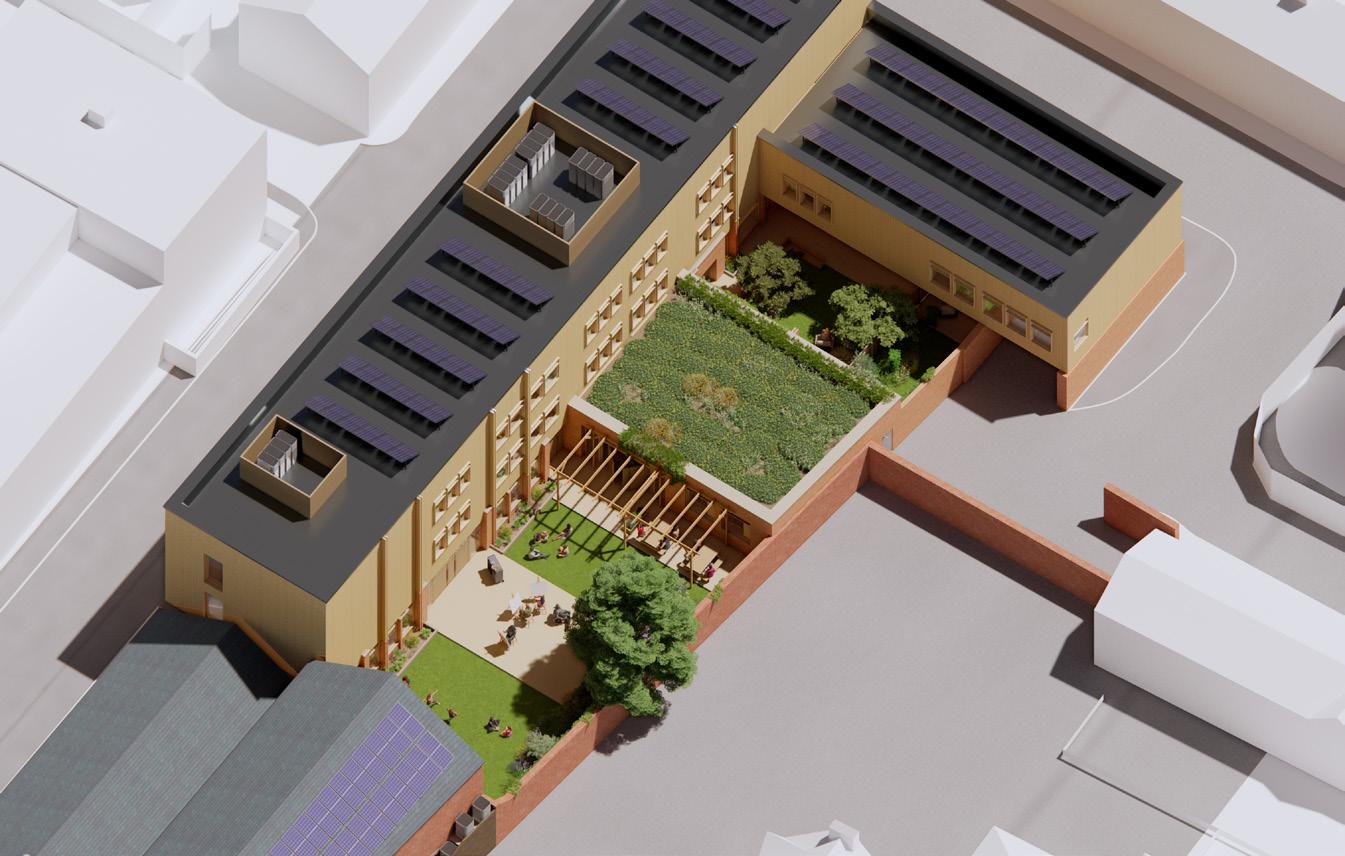
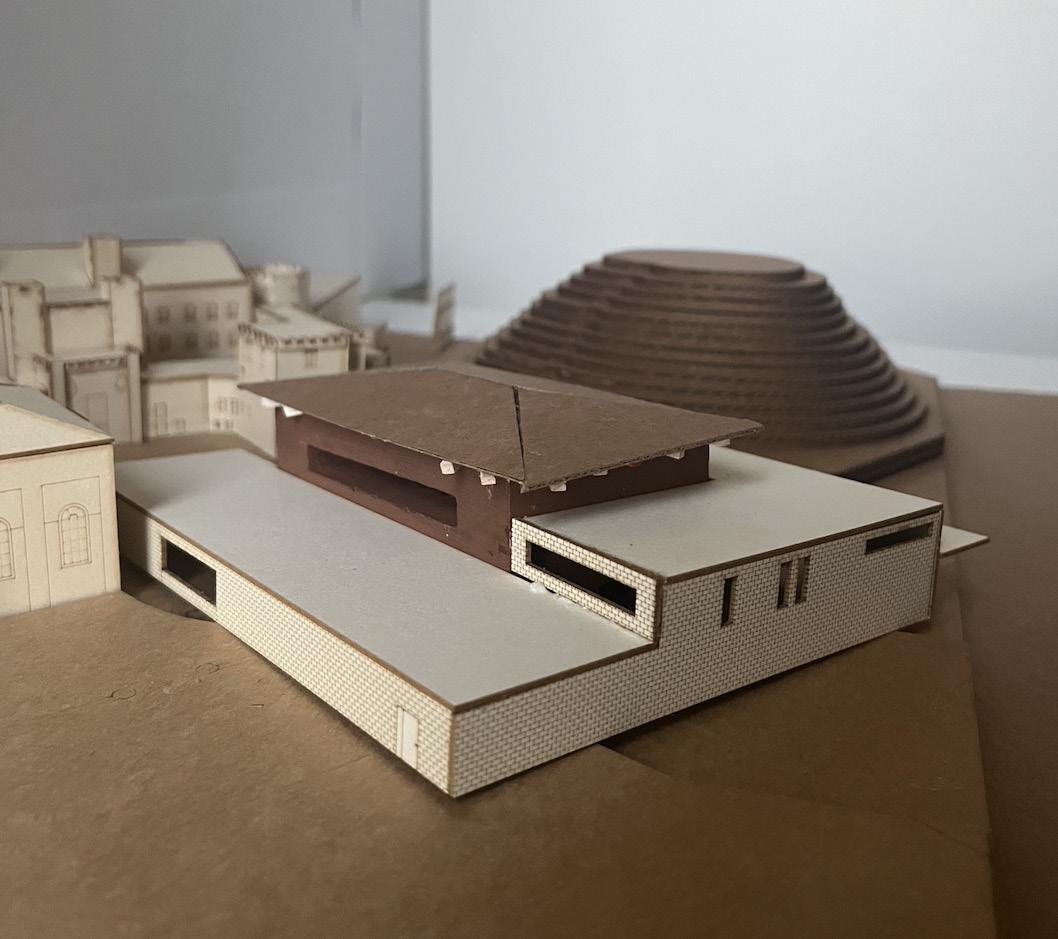
Within its site, the project largely restores and utilises the Grade II Listed Steam Laundry building (north of the site) as part of the centre’s realisation. The scheme consists of a reversed L-shaped building footprint which wraps around a central and private garden for patients and staff.


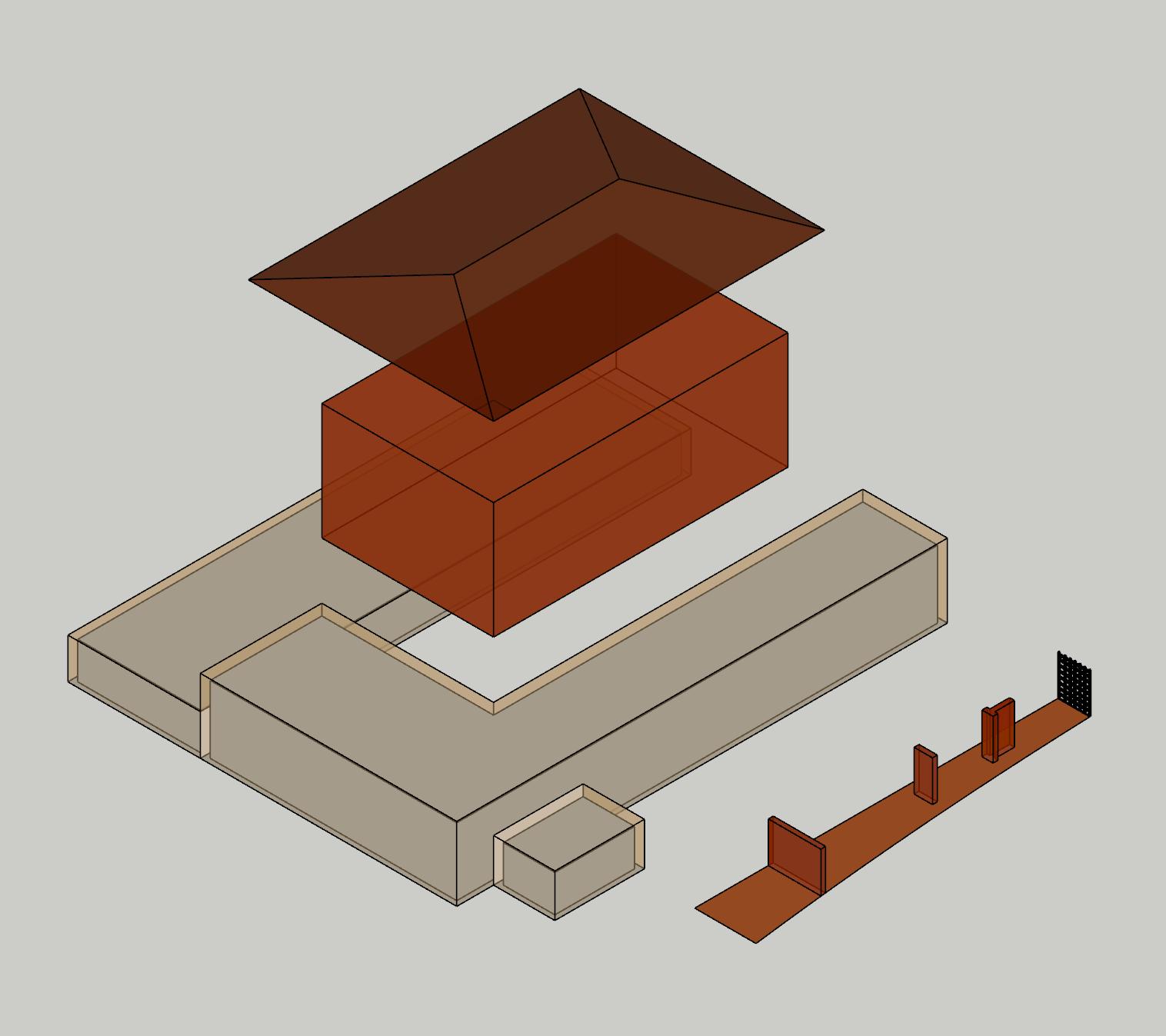
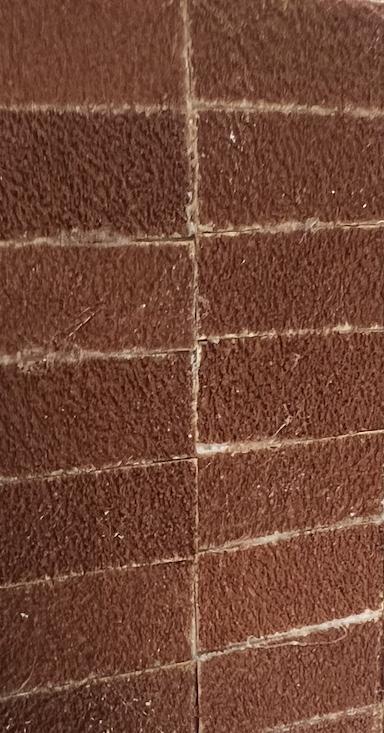
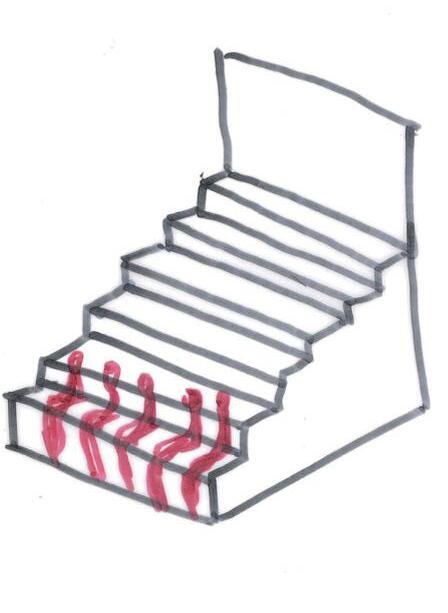
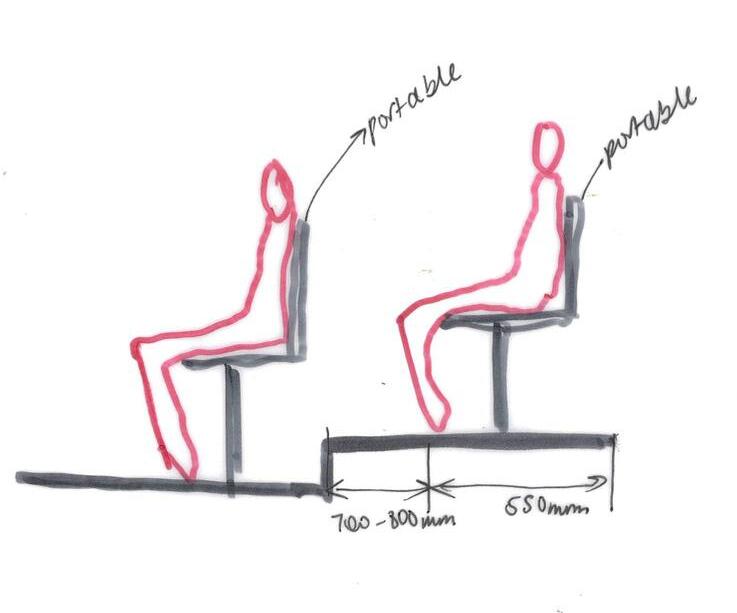
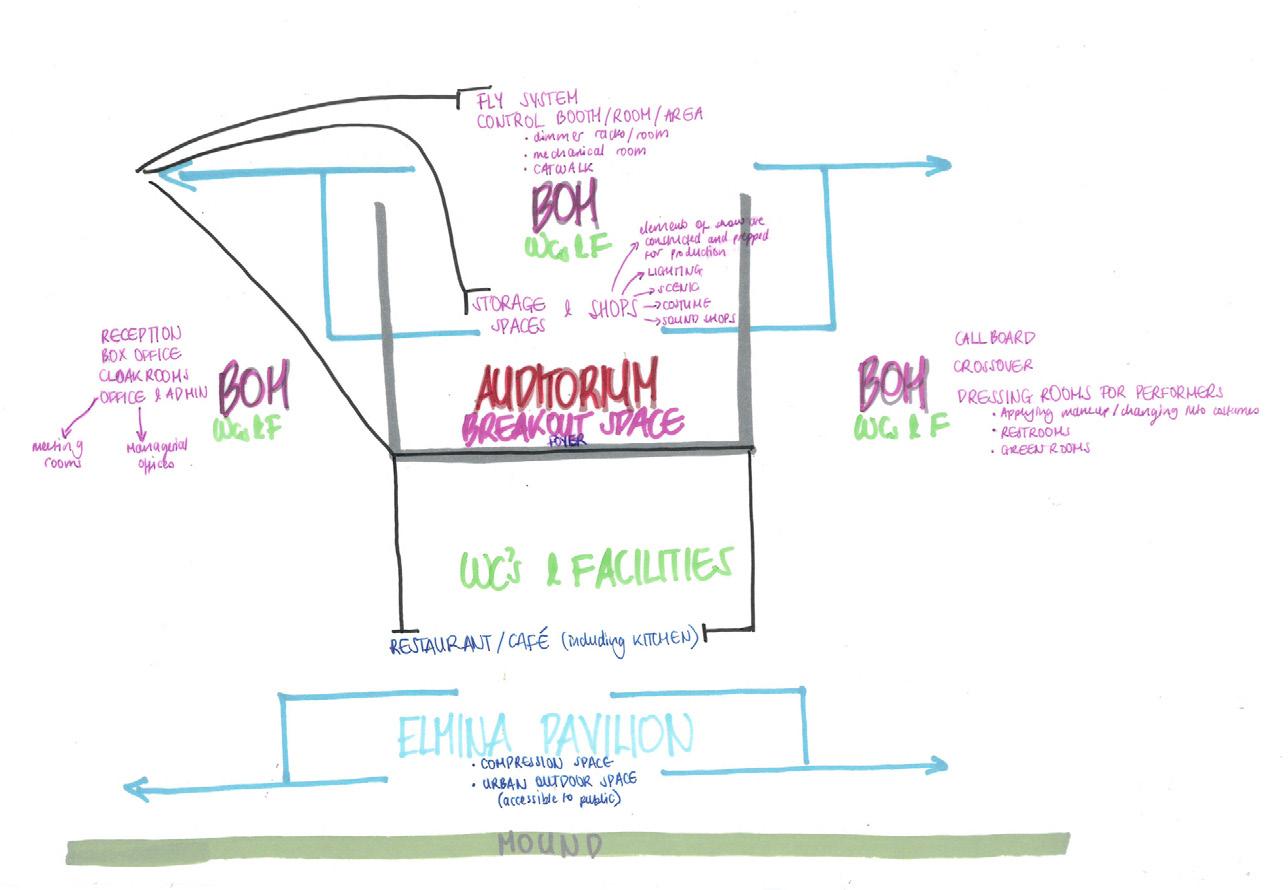
The 3rd year individual project, Playtime, called for a community theatre in Oxford which would accompany a “gift to the city”. The scheme needed to take an ethical stance, socially and sustainably, while exploring the nature of theatre.
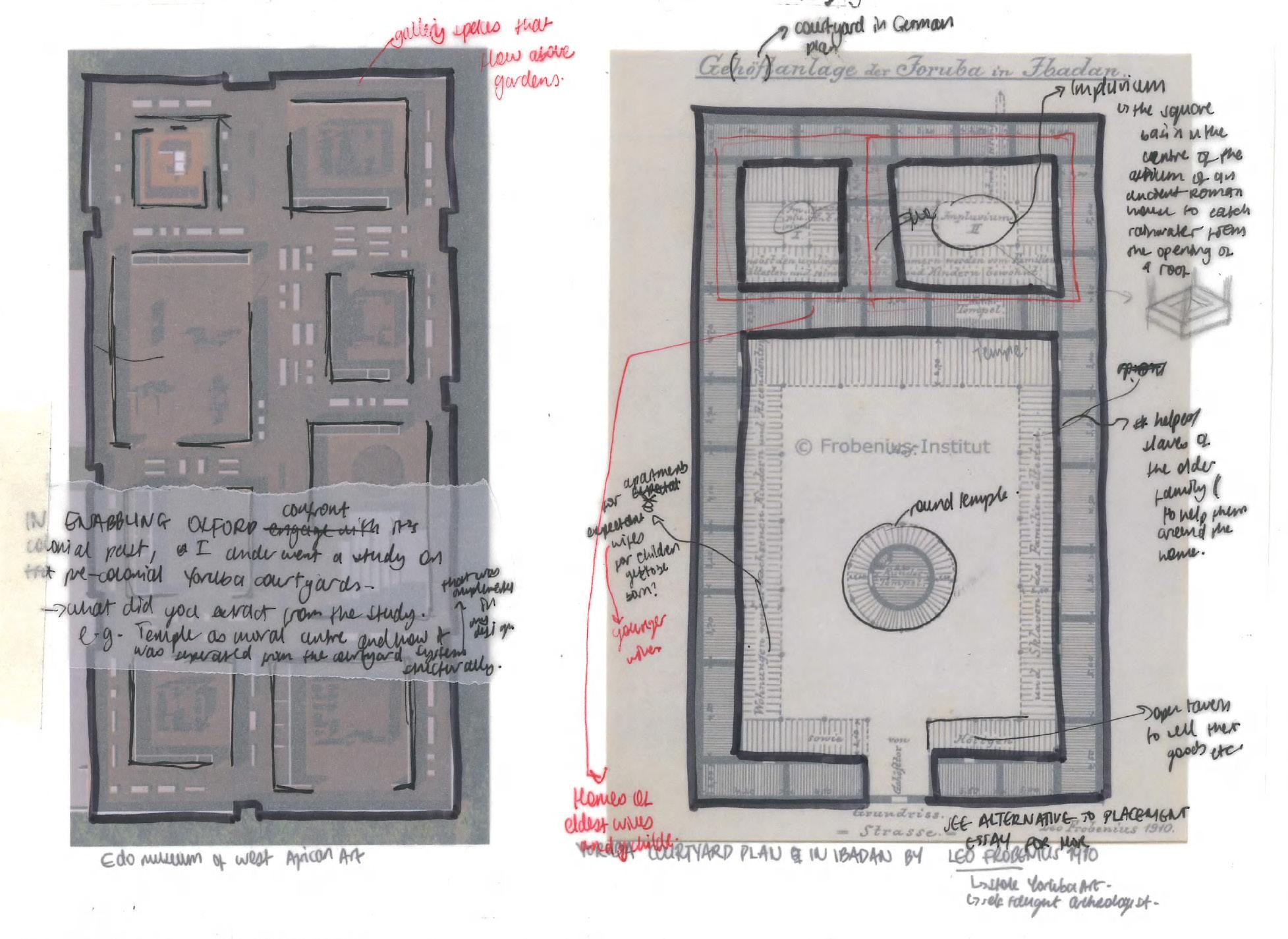
In response to brief, created a fictional organisation called N.A.B.B.A. (National Association of Black British Art), which wanted utilise the theatre as a tool to confront the UK’s colonial past, Oxford serving as a microcosm. Using the organisation’s mission as the foundation, developed a scheme near the Castle Mound in Oxford which comprised a terracotta and rammed earth theatre core (inspired by pre-colonial Yoruba dwellings) and a courtyard structure around the core, made from stone masonry construction and an existing bailey castle wall, north of the scheme. My “gift to the city” was Elmina Pavilion, an outdoor canopied space named after Elmina castle, a former slave port in Ghana.
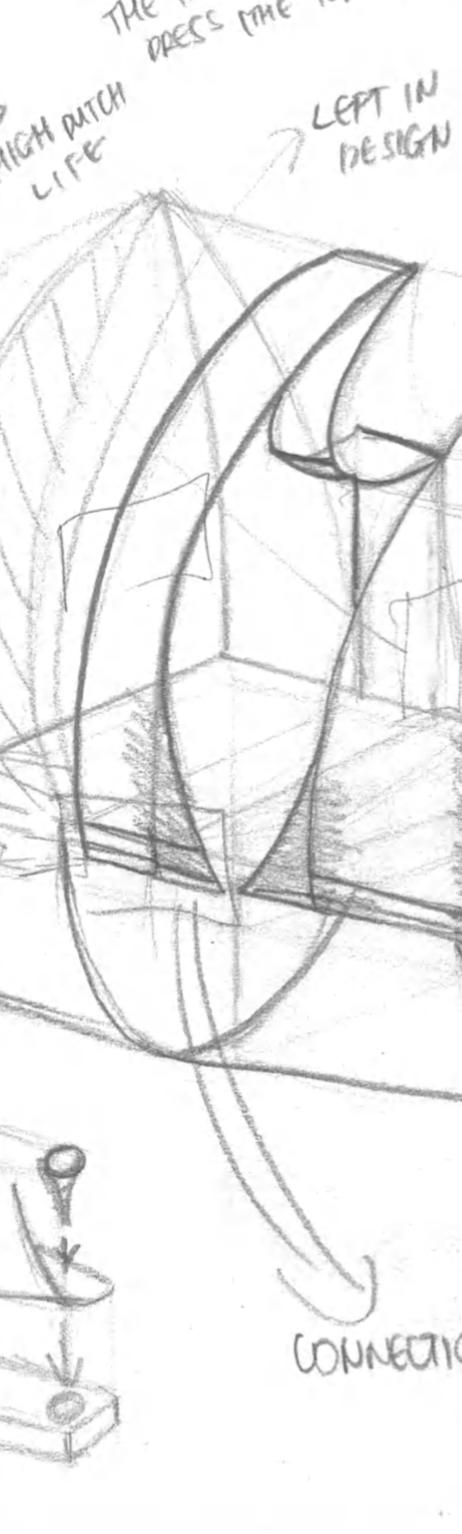
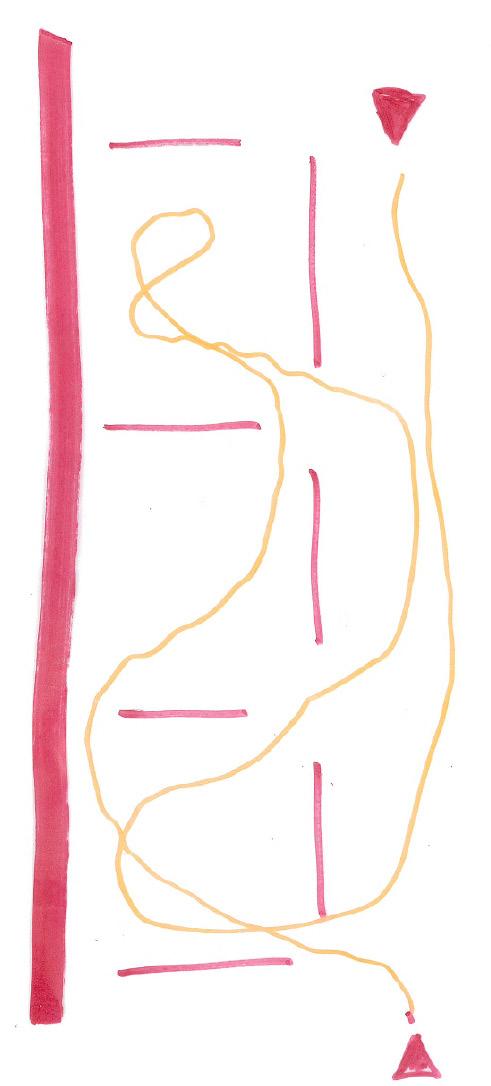
Elmina pavilion serves as a space for decompression and contemplation after the audience has observed a performance. It was inspired by Elmina Castle, a former slave port in Ghana, now used as a poignant reminder of slavery and how it impacted the culture.
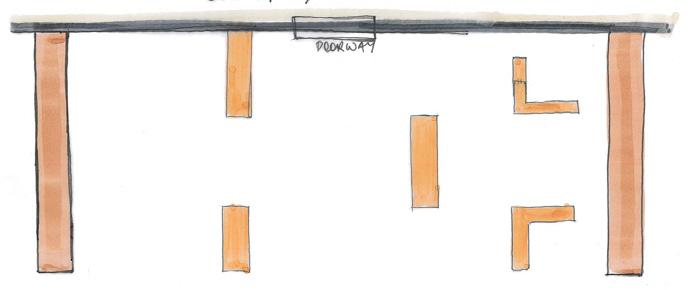
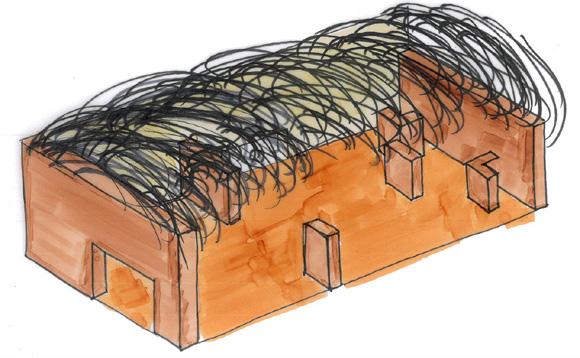
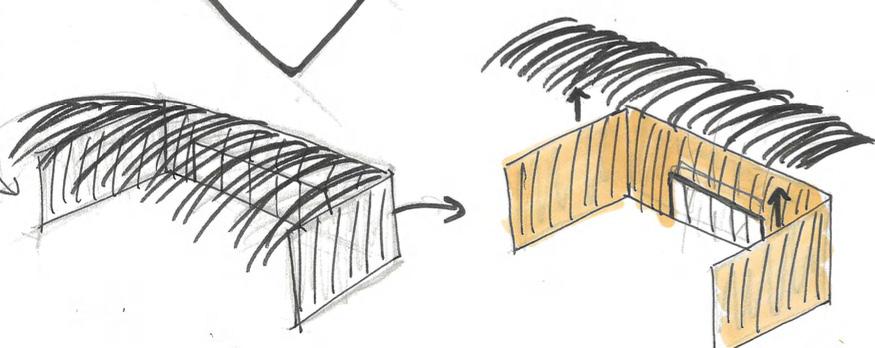
Pavilion - concept sketches
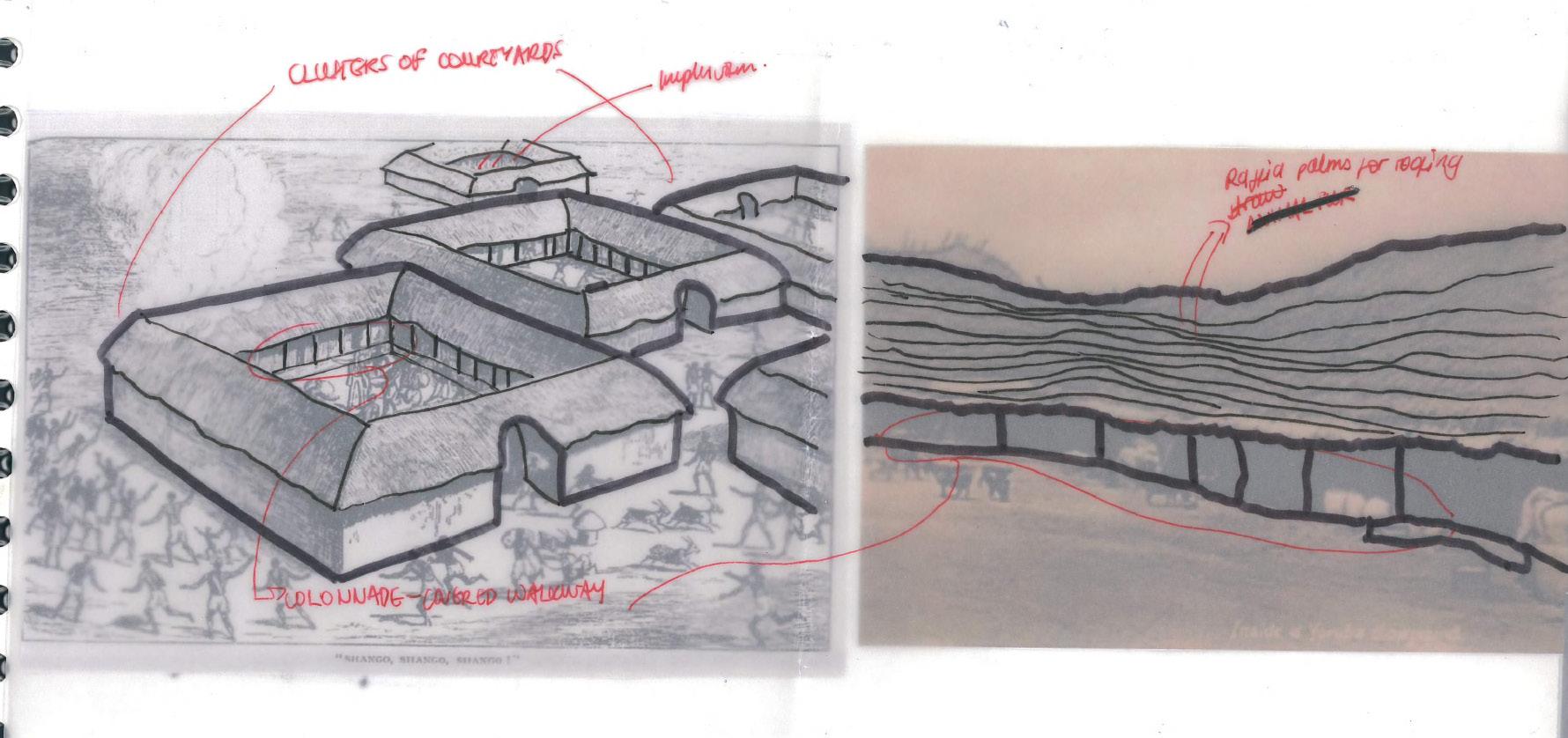
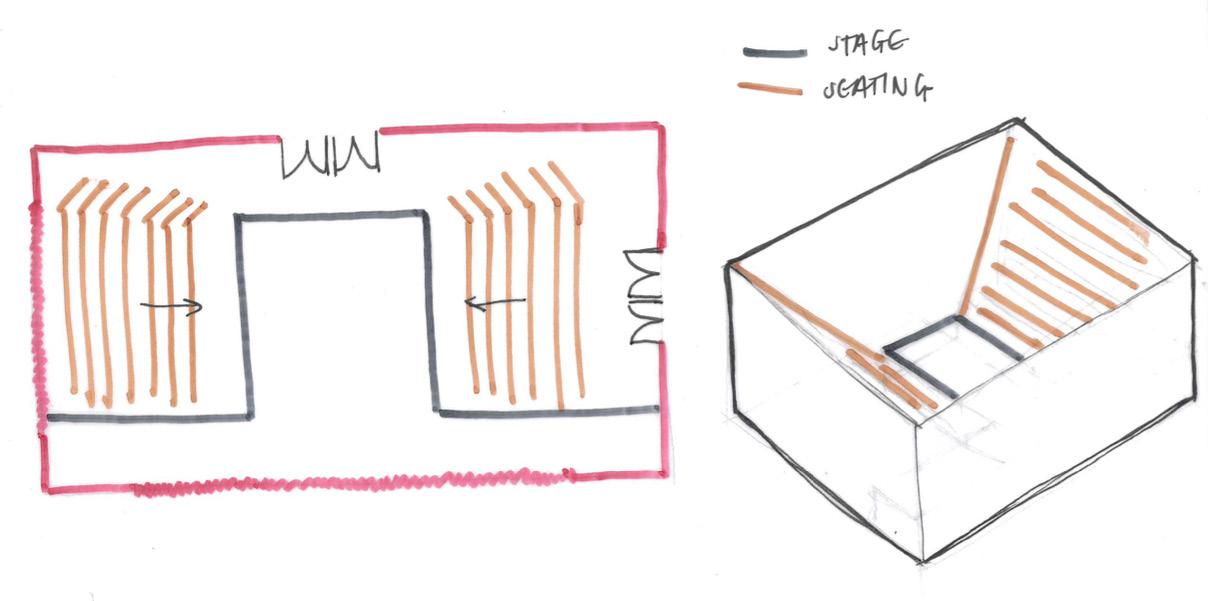
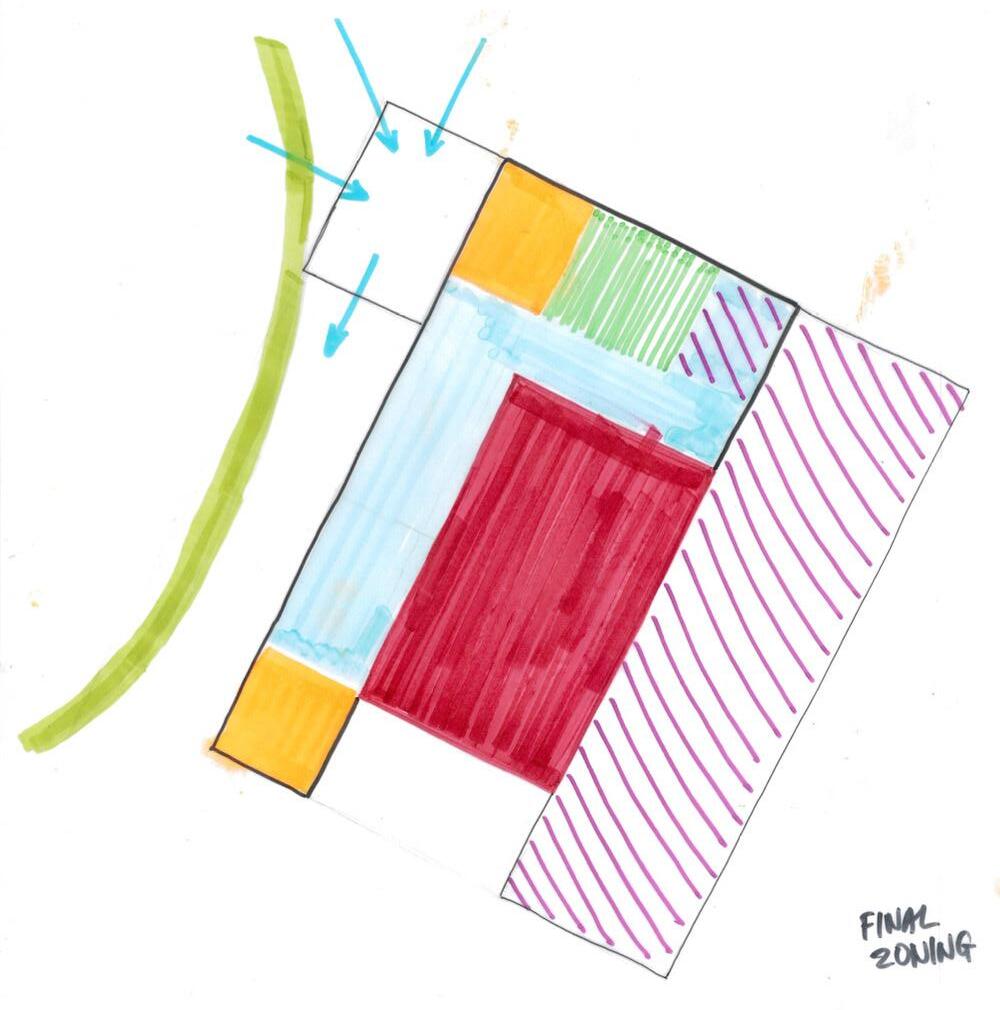
I derived the form of my scheme from undergoing a precedent study of pre-colonial Yoruba courtyards and modern iterations of the Yoruba architecture. Many iterations of the courtyard form were attempted before reverted to a relatively simple form which would accommodation all the necessary space required for a theatre.
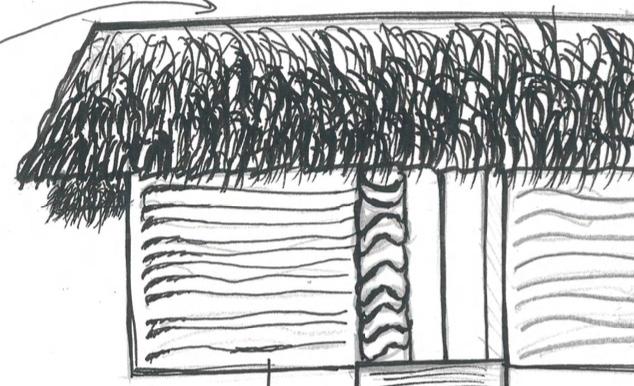
Elevational Precedent sketch of a pre-colonial Yoruba courtyard
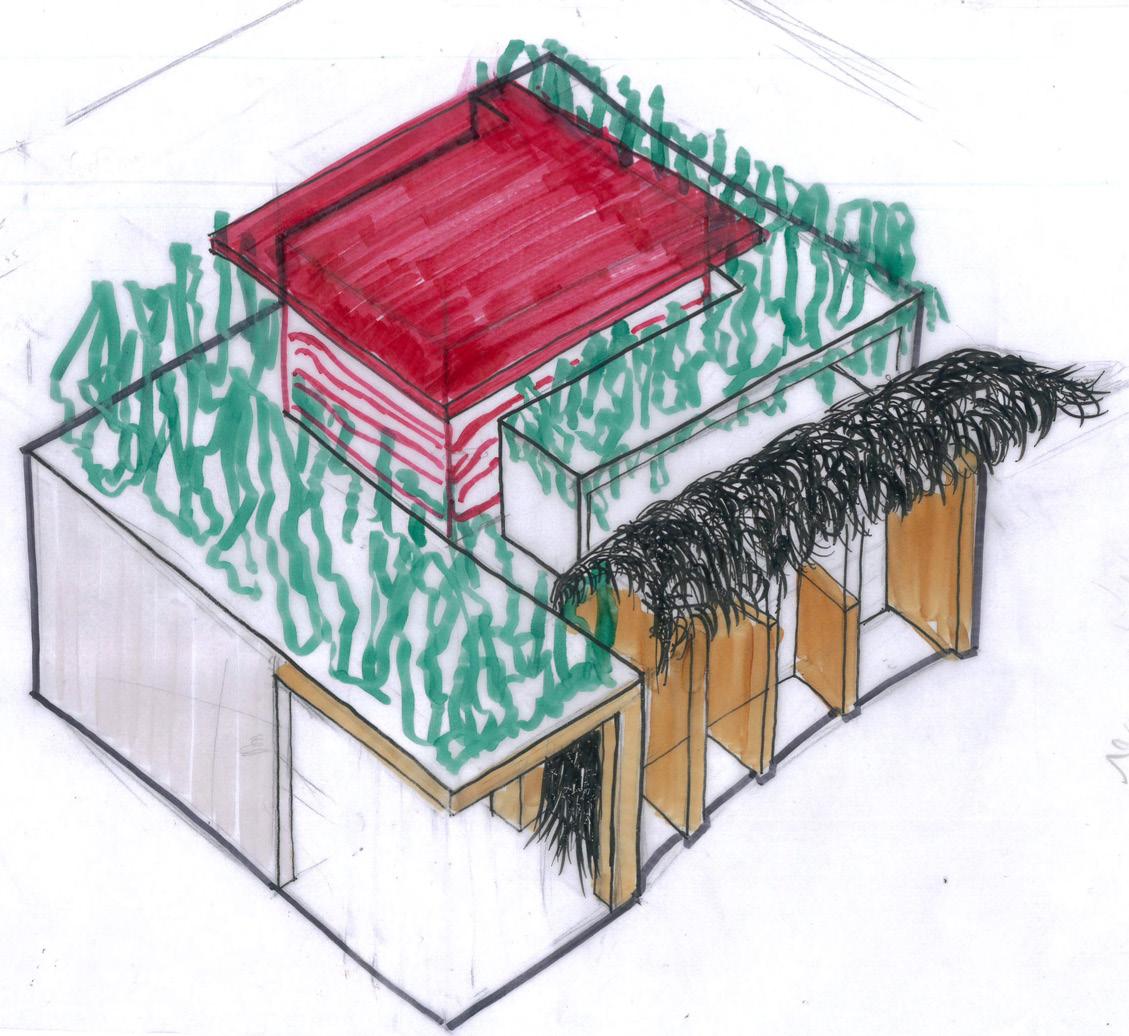
Concept sketch of the 3D form Sketches of

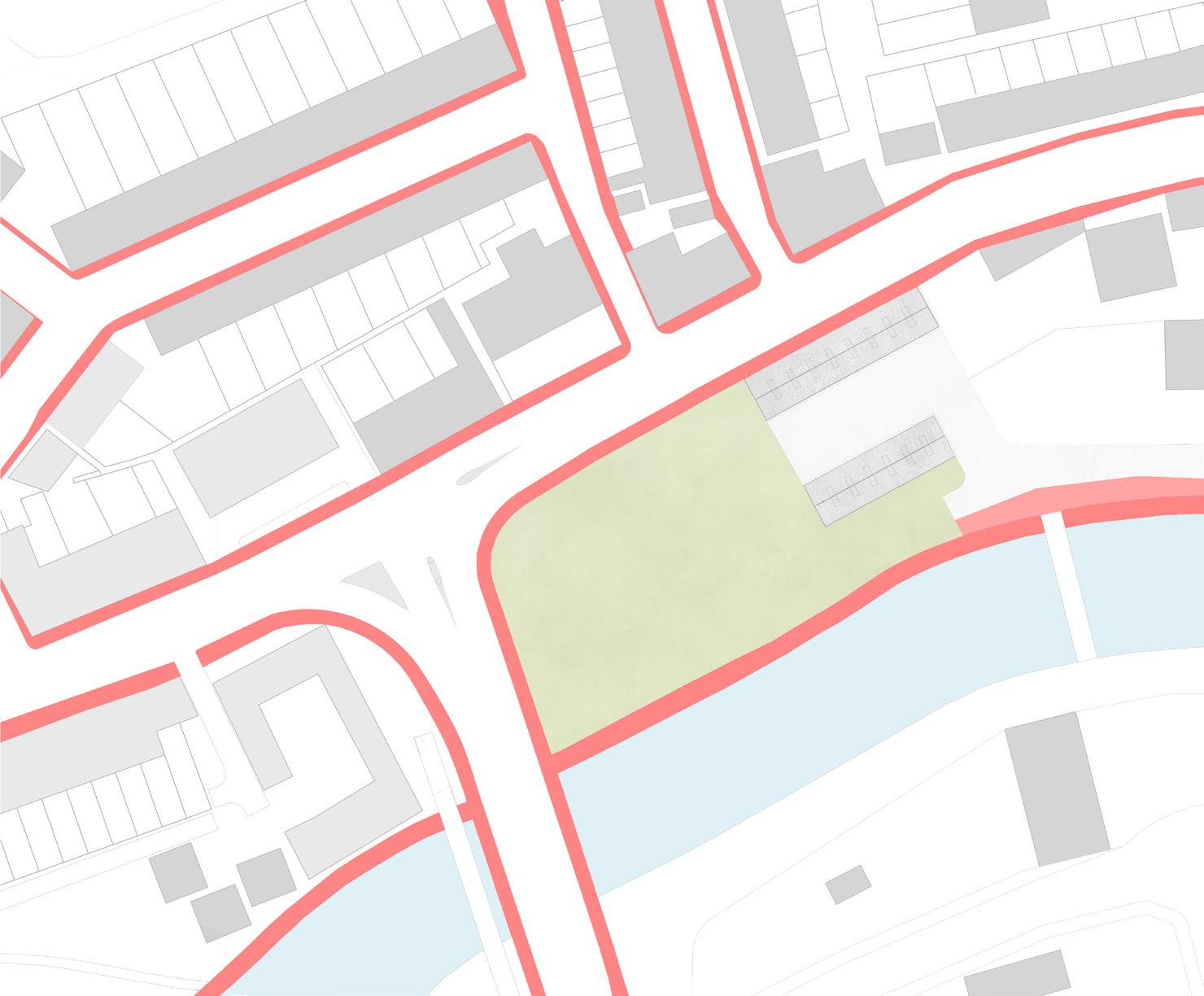
Existing site AutoCAD, Photoshop
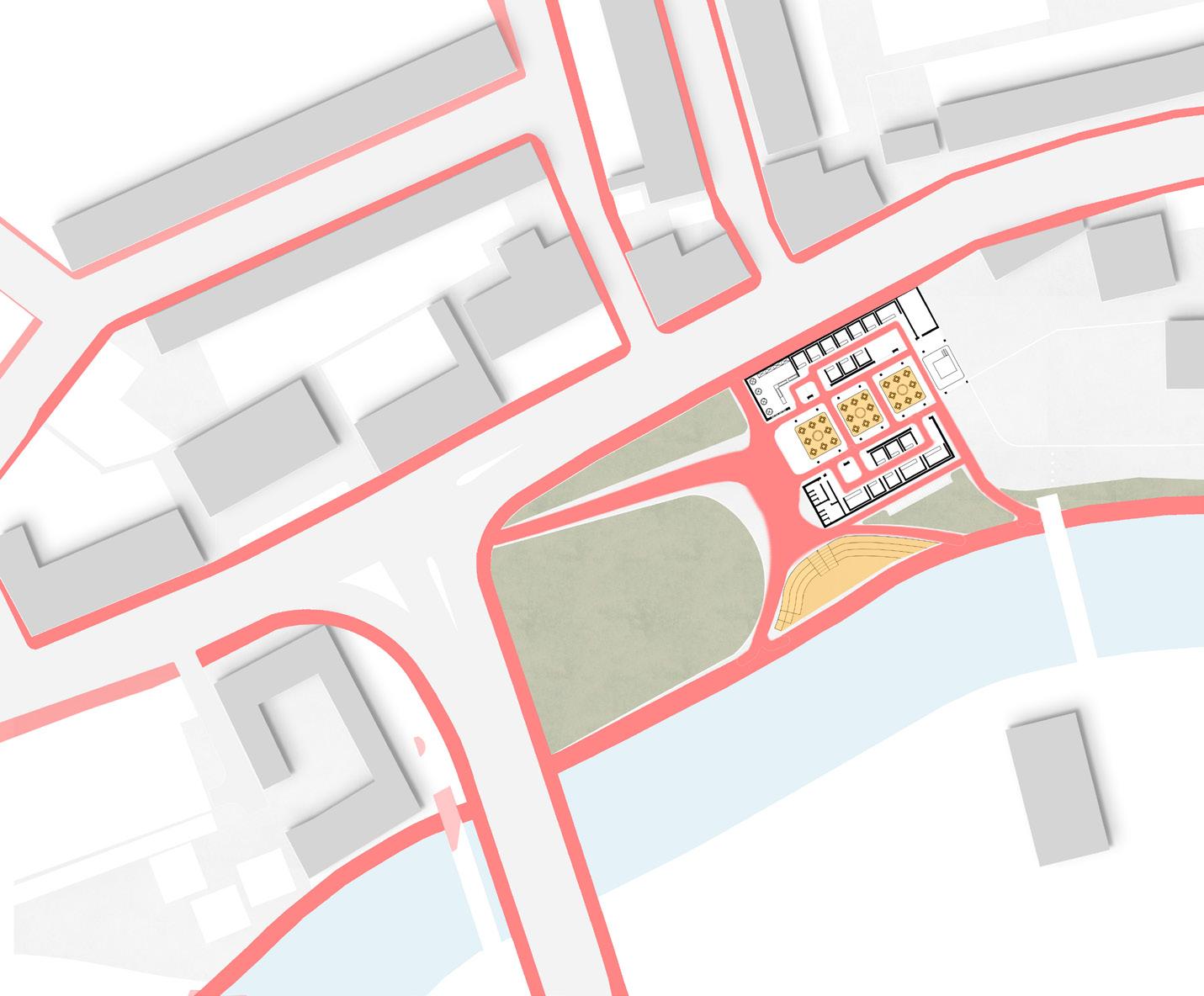
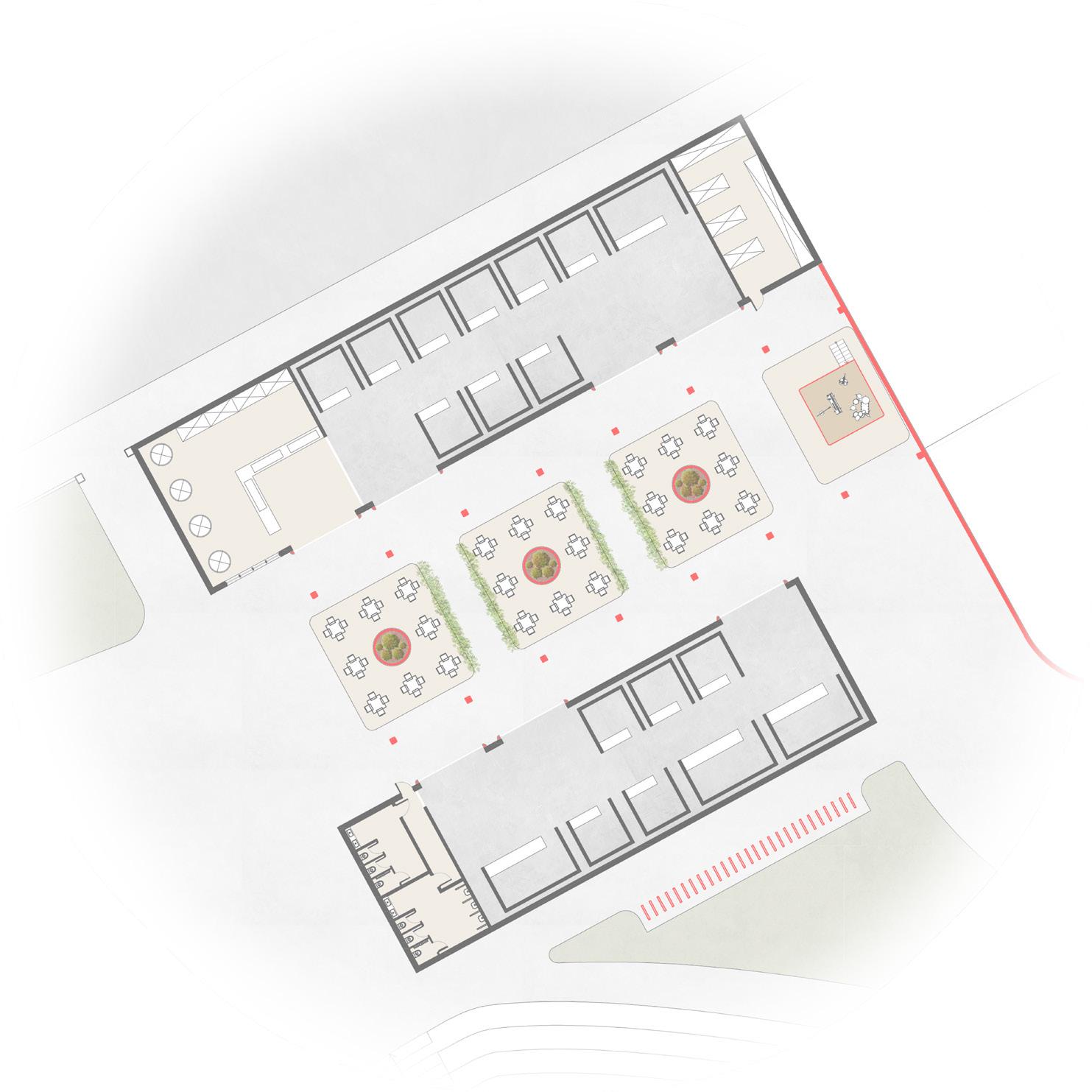
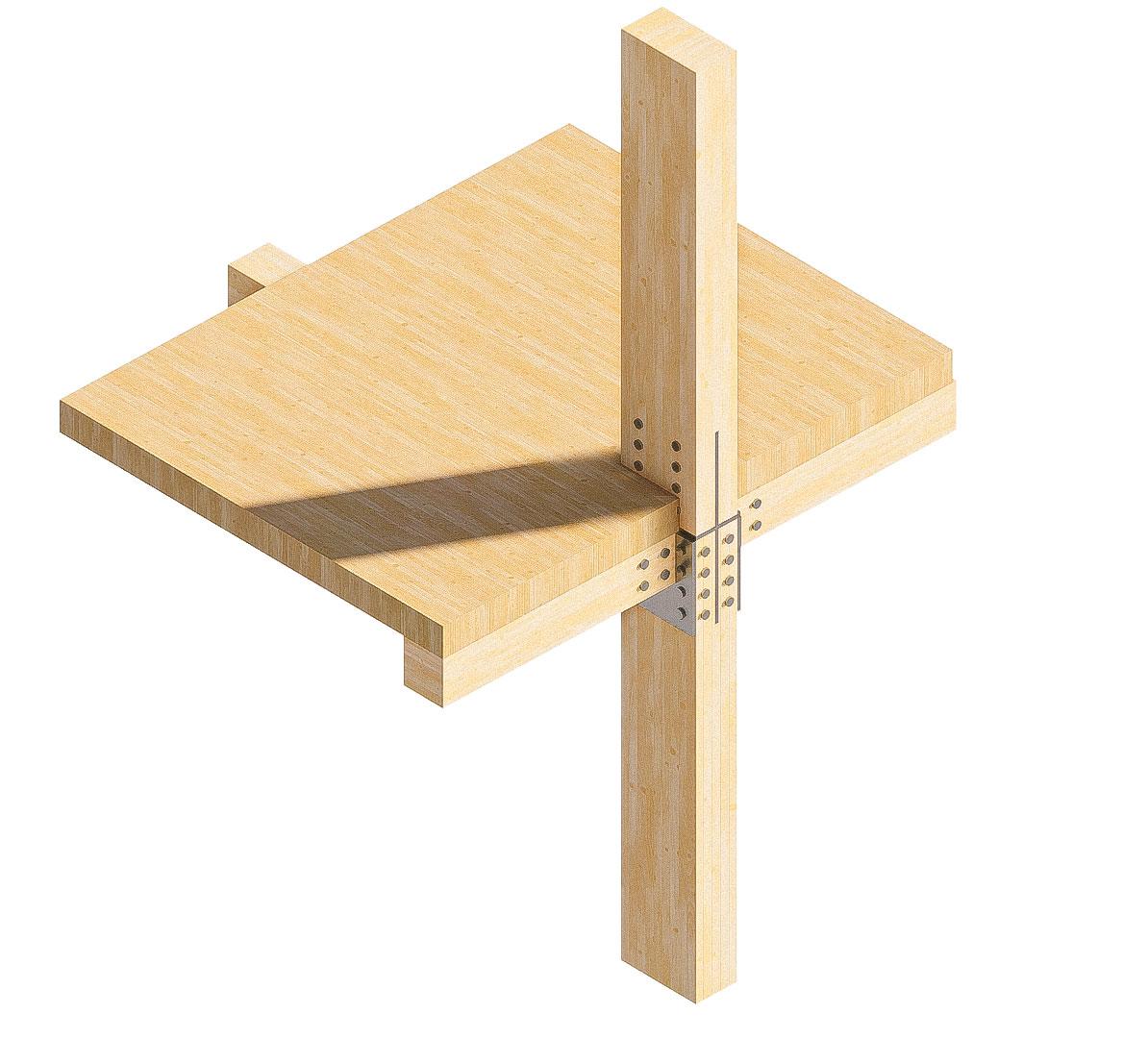
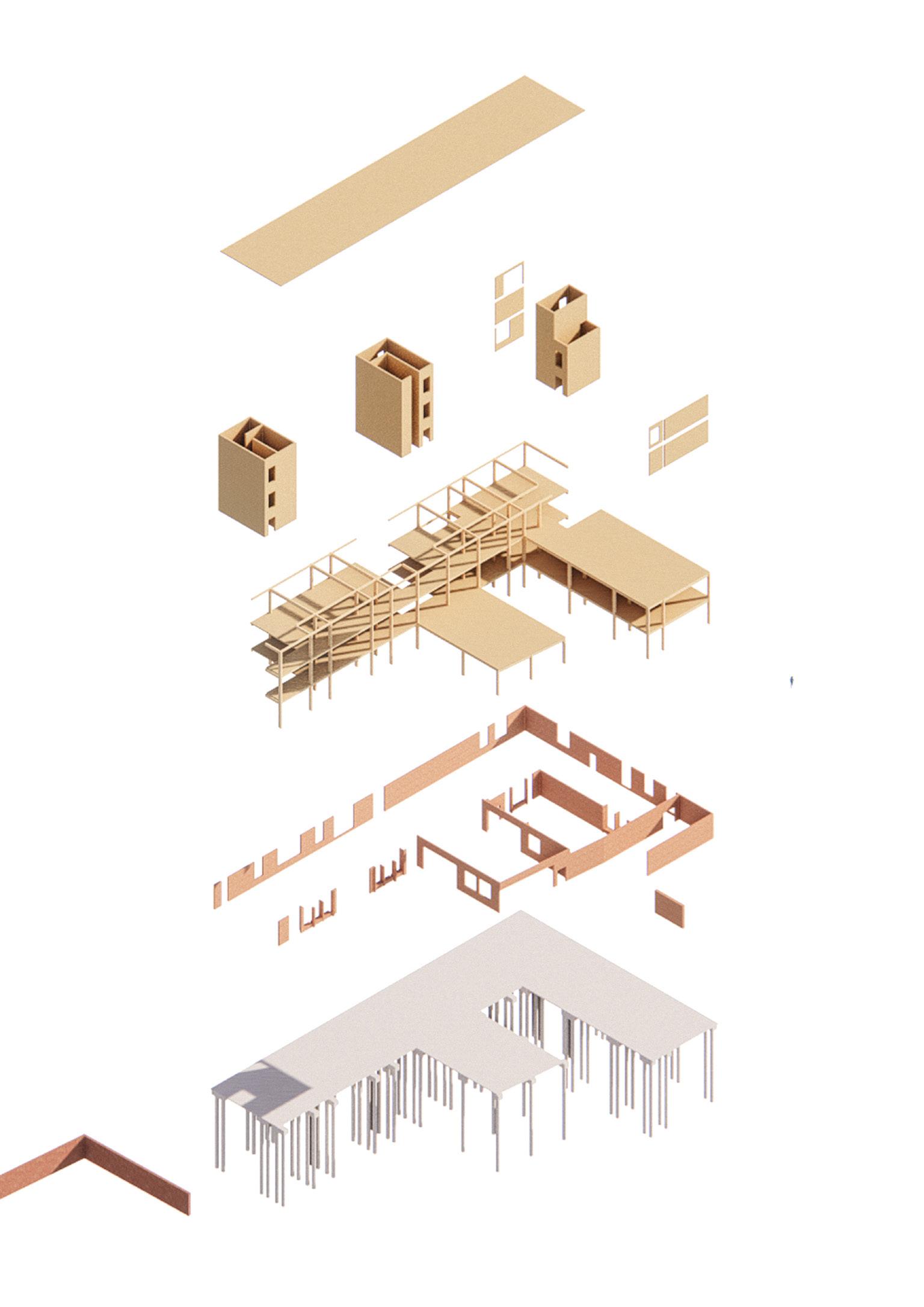
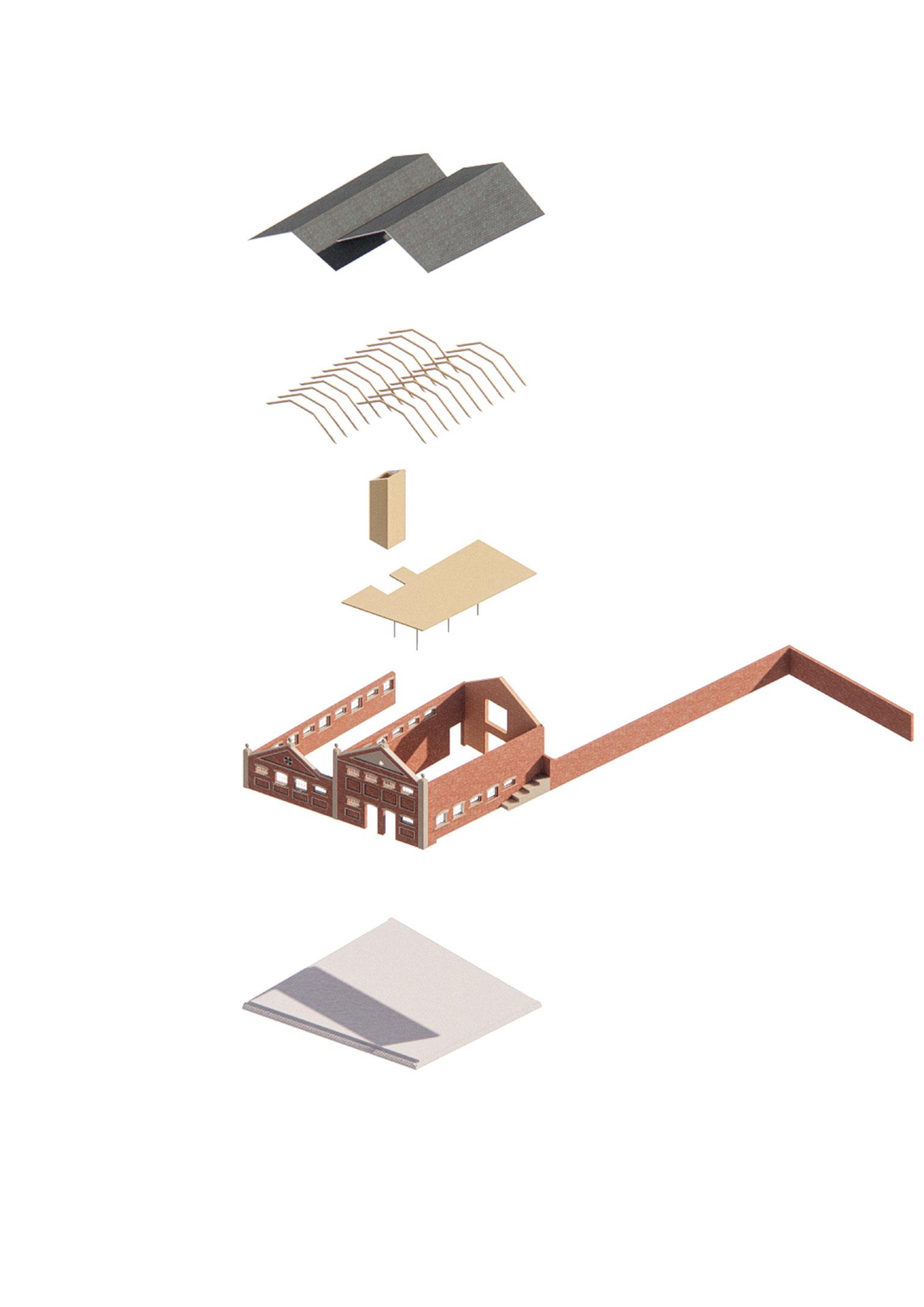
Provisional Parity required a scheme which would intervene in an unused site with soil contamination due to its historical use for heavy industry. The Weston Quays scheme was our intervention to site and its environmental constraints. The scheme satisfied and further expanded on the brief by including spaces which served as both connectors and nodes, aimed at enhancing the wider public realm within Lower Weston, Bath. Our scheme comprised existing warehouses, redesigned as spaces for local start-up businesses to vend and grow, and a new timber structure which spanned between the spaces and provided an active hub for enjoying the produce.
In line with the desires of the Bath and North East Somerset Council for the river (as stated in their Pattern Book Vol. 1), we incorporated spaces which would encourage users to engage with the river and dwell in a public space which could thrive, separate from the city centre.
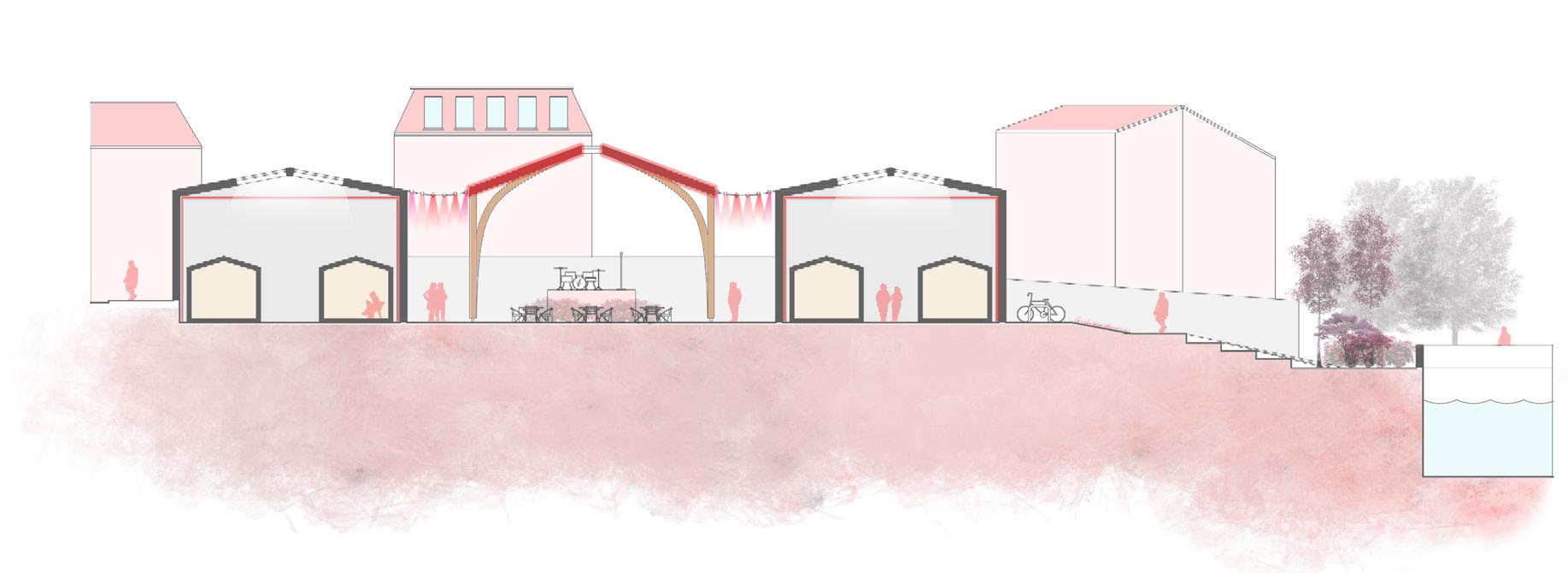
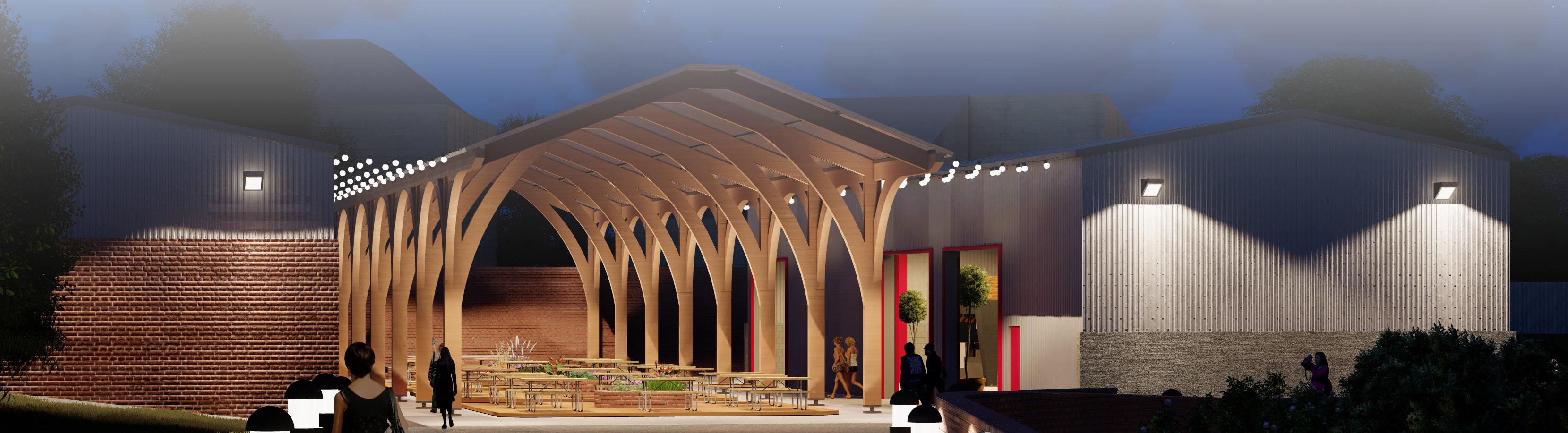
Rendered Perspective
SketchUp, Enscape
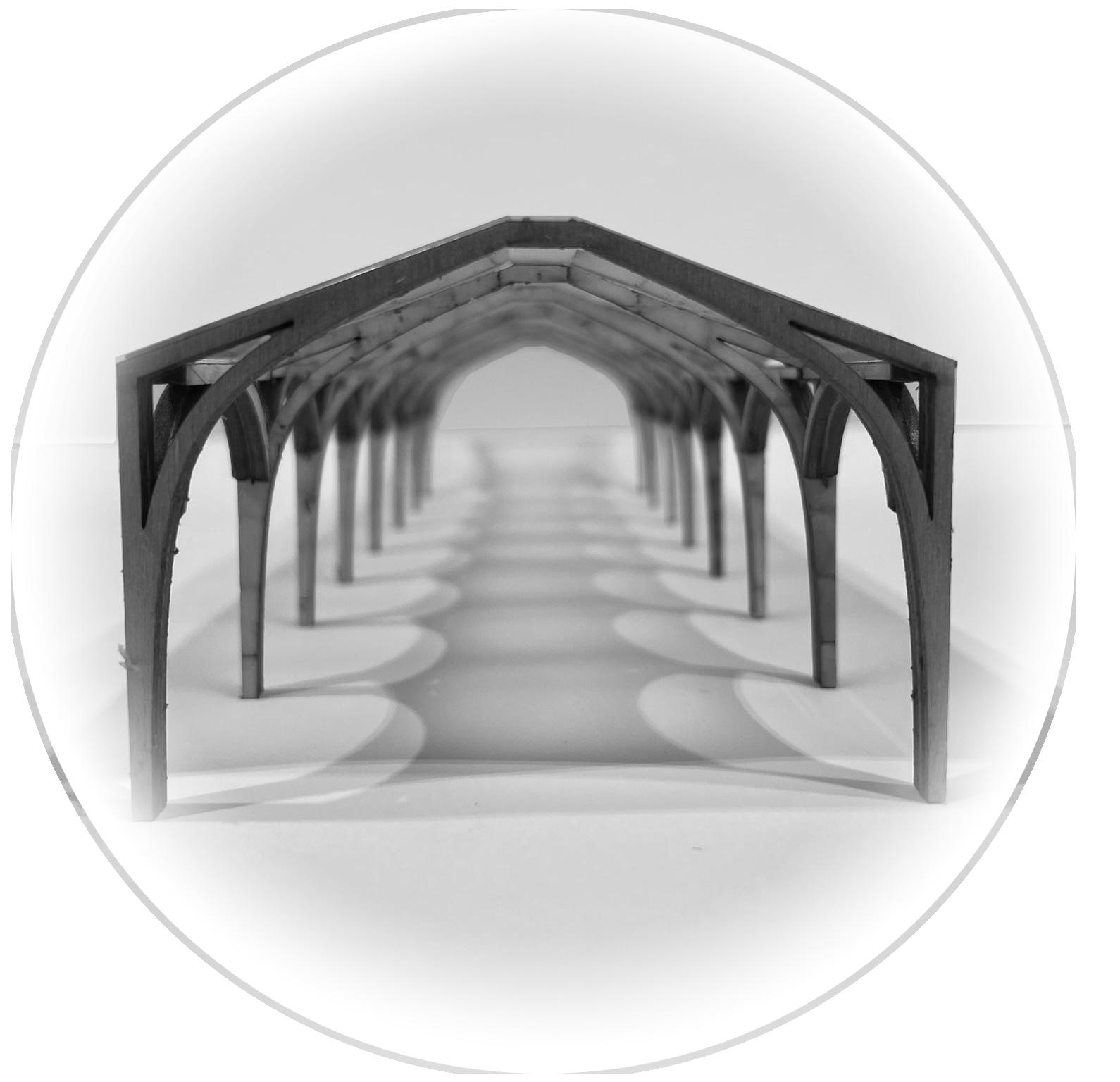
underwent initial research into the existing site and its history, and created models and graphics for the project. Due to the site’s soil contamination from industrial land use and its bombing in WWII, We took a regenerative approach to the site, aimed at reusing as much of the existing site as possible but also adding new low energy features such as the lightweight timber canopy structure, the concrete-encased steps facing the river and a bike storage area. I ensured our regenerative approach was reflected in every aspect of the project by using the site’s history with contamination to help reserve the western side of the site as an area for biodiversity regeneration, with the contaminated soil being treated with phytoremediation.
Alongside other group members, designed the canopied area to integrate with the existing warehouse in terms pedestrian circulation and structure.
The 2nd Year individual project required the creation of an infant school for children aged 4-7: Reception and Years 1 and 2. The scheme needed to adhere to the georgian style of the existing buildings adjacent as well as the huddled Victorian style housing opposite the site.
Aside from sensitivity to the site context, my scheme was devised to encourage interaction between children and their surroundings through colours, complex forms and incorporating nature into their learning. It was integral that space catalyzed learning and served as a focal point for community life. The scheme brought together these concepts to create a well-rounded environment for learning.
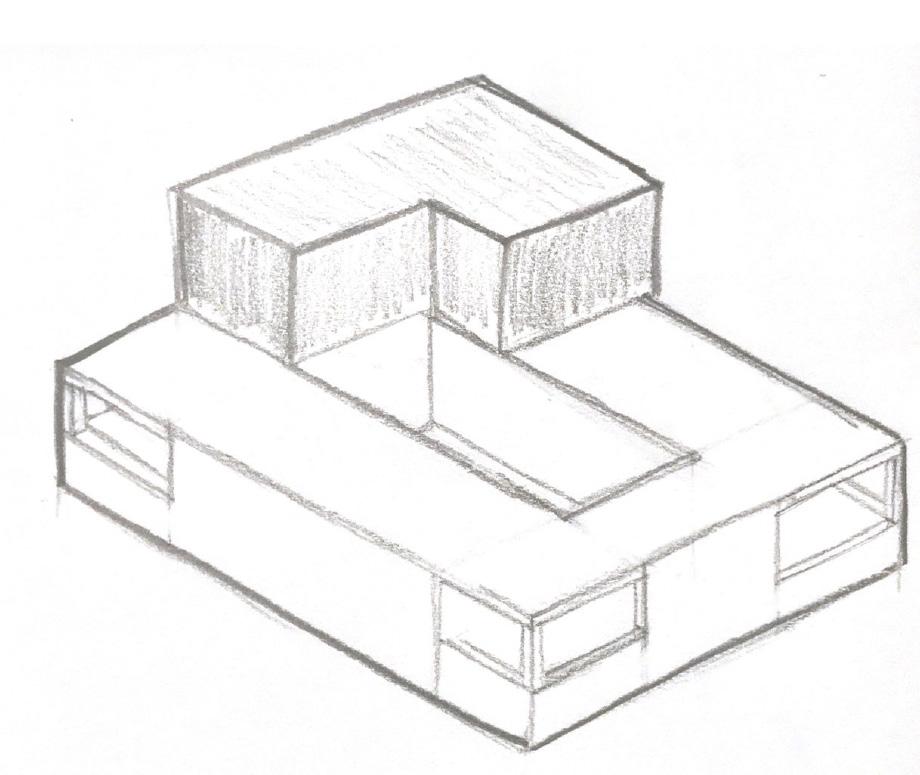
Taking the idea of children’s building blocks, initially created possible shape configurations keeping the idea of a double-height space and a central courtyard constant throughout the sketches before arriving at the final form of my scheme.
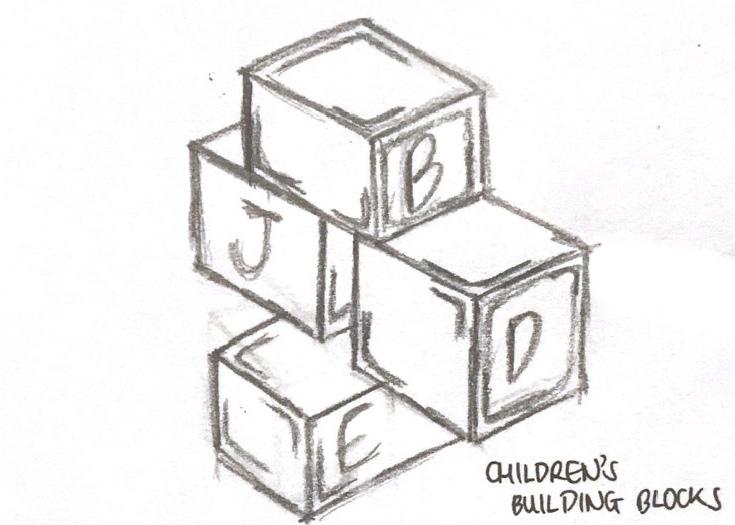
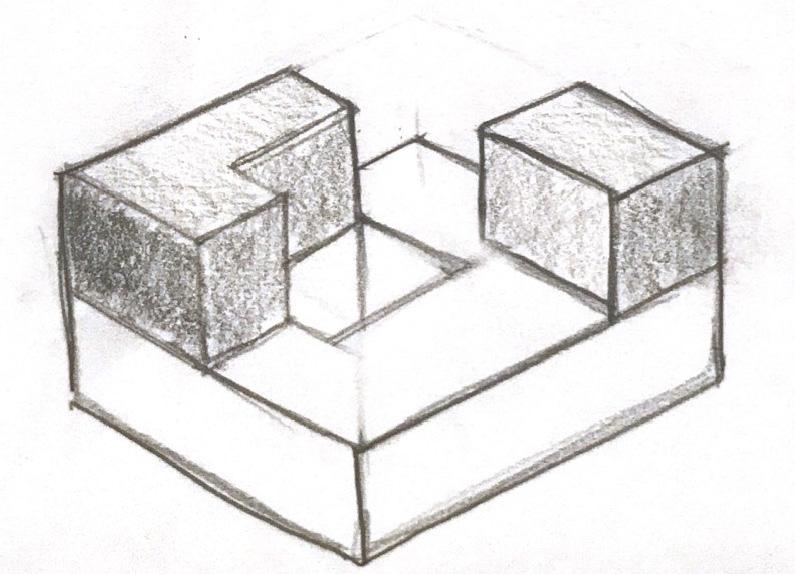
sketches
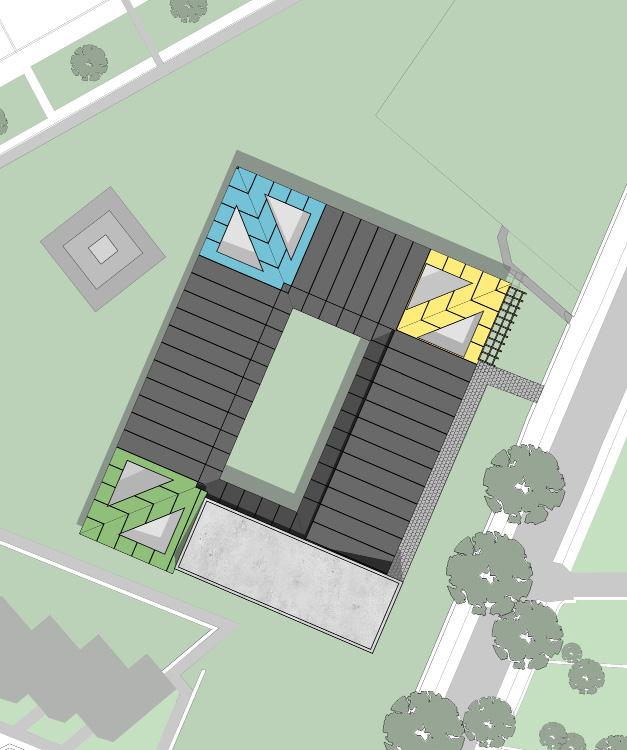
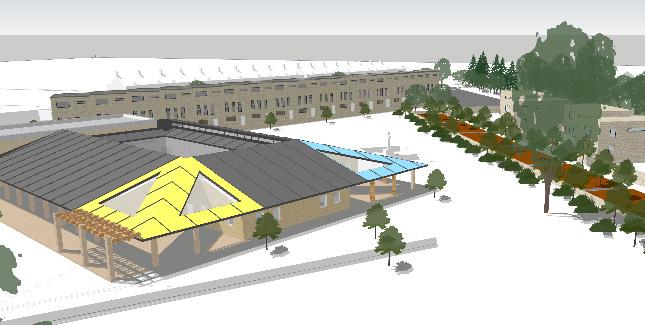
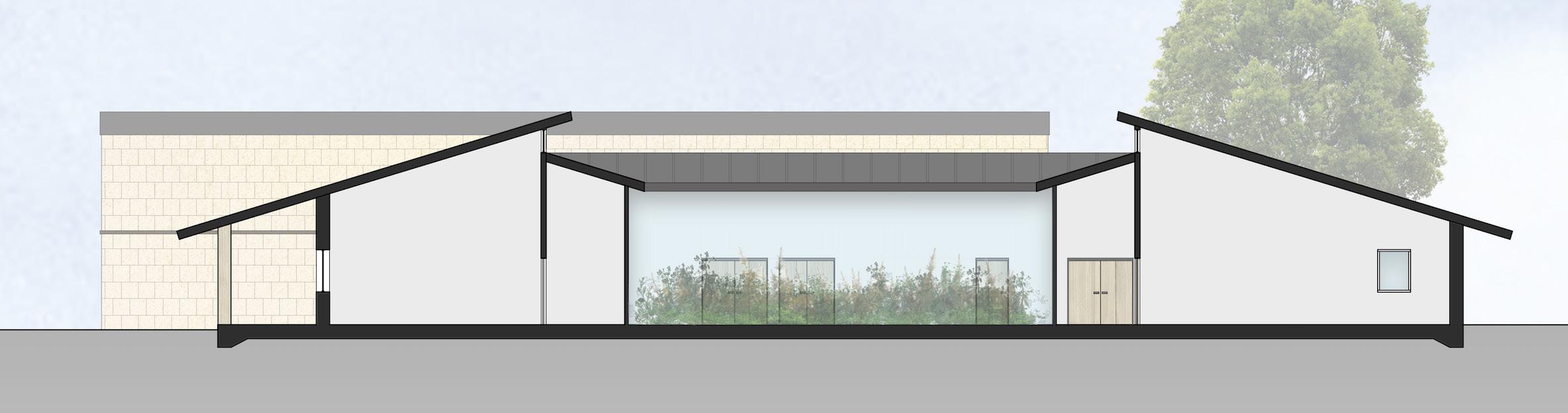
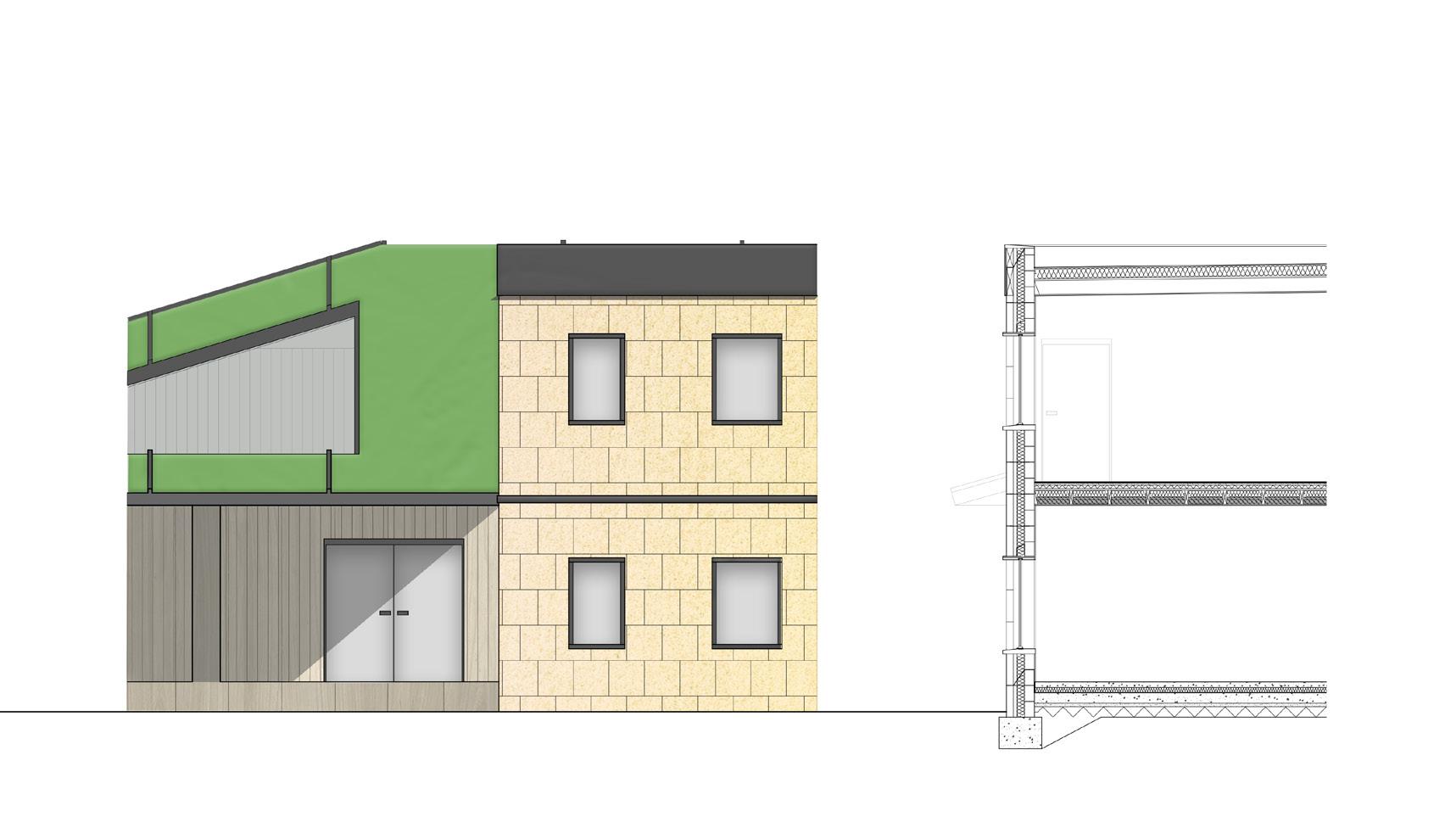
The Infant School scheme is divided into two key spaces. The double height space contains the hall and mezzanine while the U-shaped section of the scheme contains classrooms and administrative areas. The scheme uses one main structural strategy: a steel frame for the loadbearing Bath Stone masonry walls (double height space) and timber larch cladding (classroom and administrative areas). also designed clerestory windows from the opposing pitched roofs which allowed sunlight into the hallway around the courtyard.
My final scheme involves a combination of flat and pitched roofs. created distinct roofing styles for the hall and the main portion of the school to combine my interpretation of Georgian and Victorian roof styles. The main portion of the school has a combination of an ascending roof for the circulation space and a descending roof for the main classrooms and administrative areas. The hall design was derived from the Georgian cottages adjacent to the site. wanted to ake a simple approach to the design by having plain banding and experimenting with window placement.
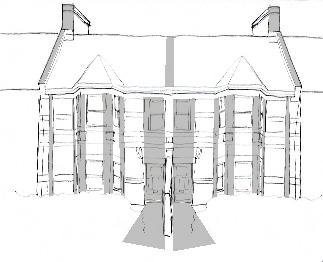
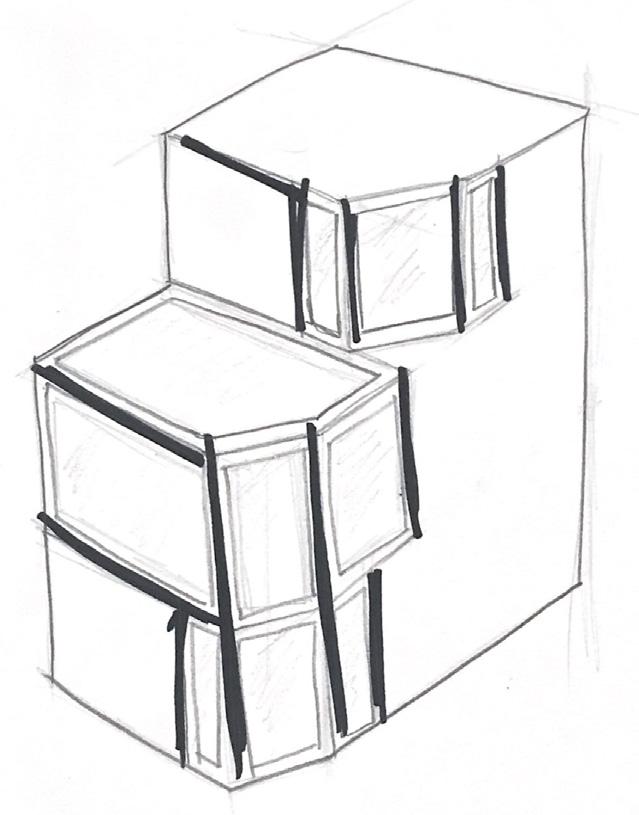
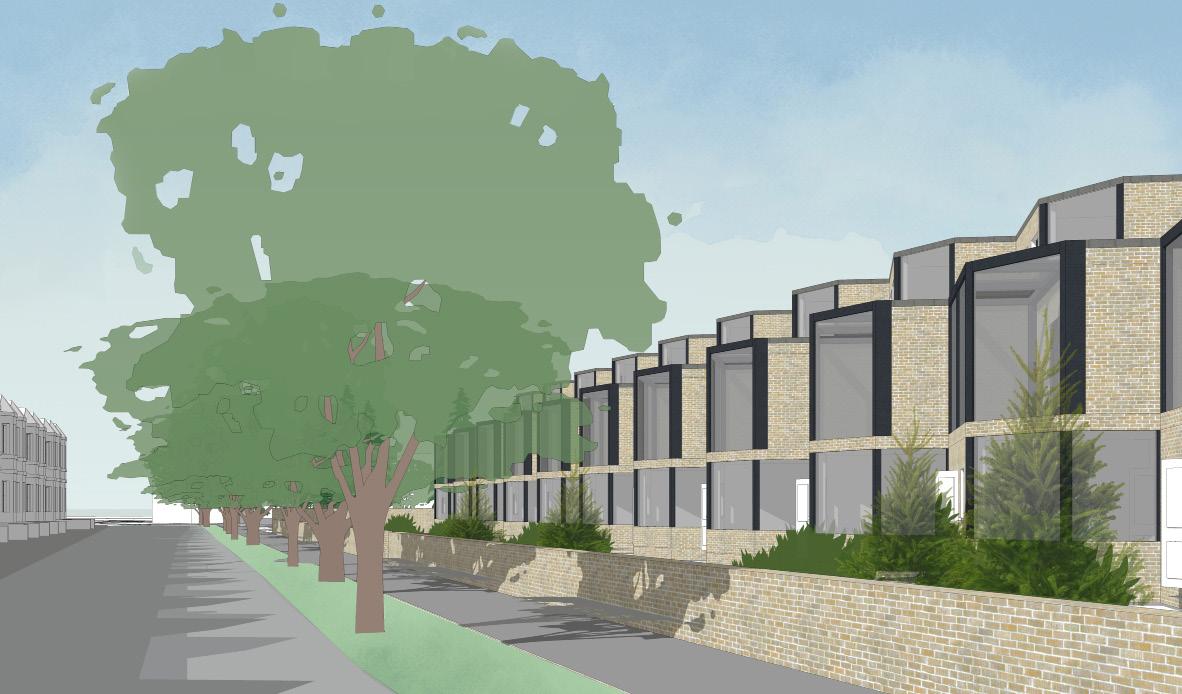
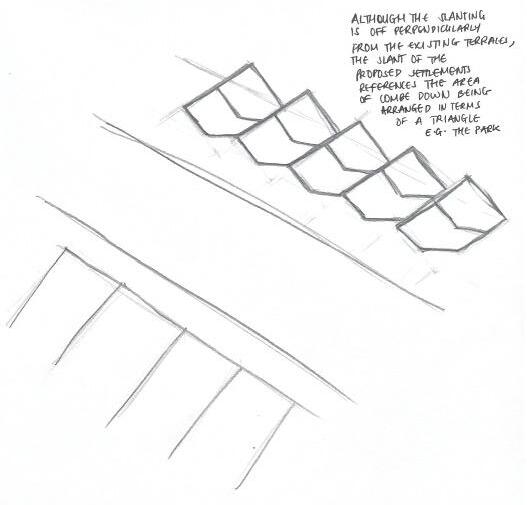
developed initial sketches for the Firs development with a group member where we both worked to channel the verticality of the existing terraces oppsite our site into our scheme
development

and
During the night, the facade will also
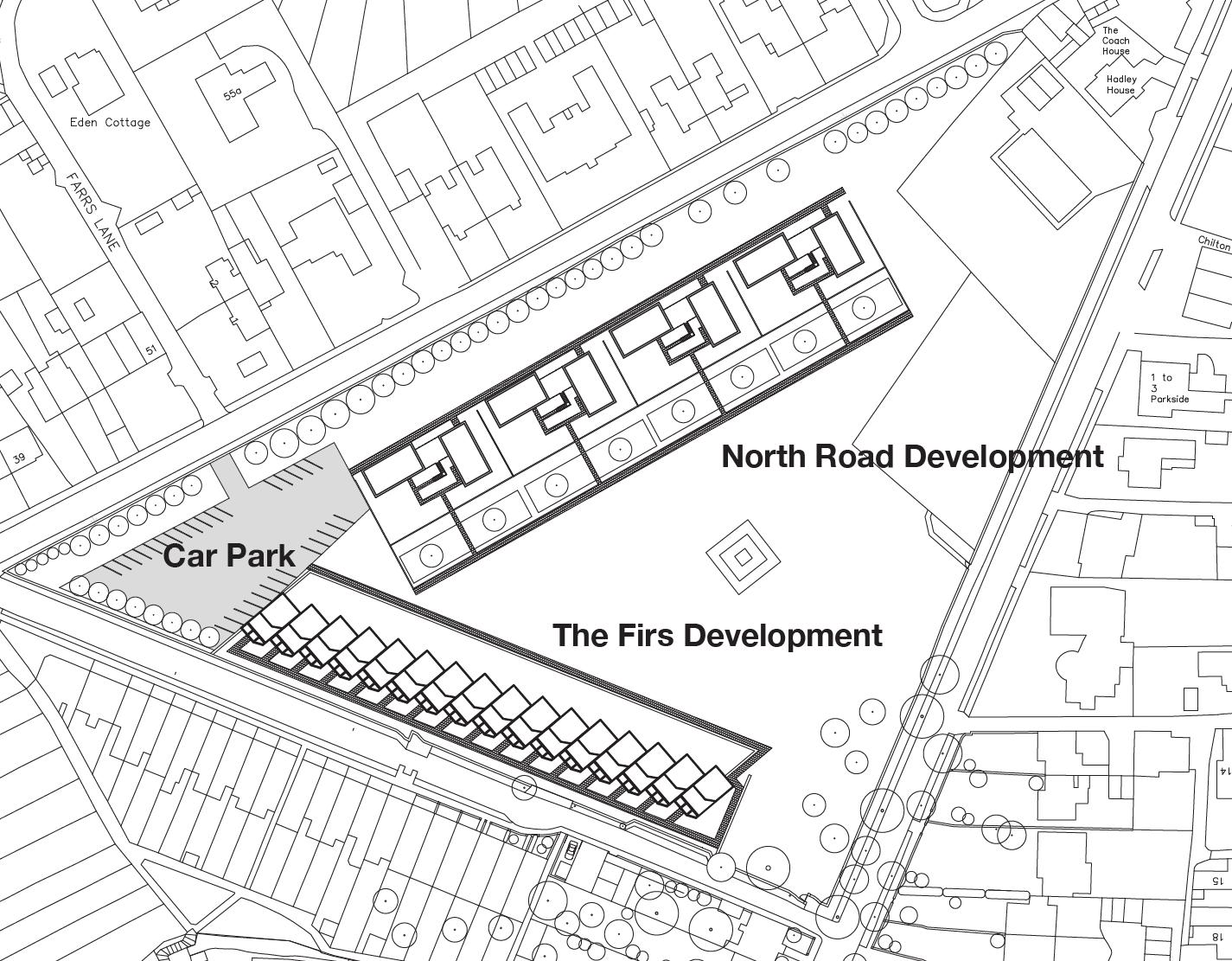
2nd Year Group Project requested two housing schemes for The Firs and North Road in Bath. The Firs site is opposite a row of Victorian-style Terraces while the North Road site is opposite a busy main road in the area. The schemes were required to use a range of vernacular materials and consider passive solar gains. Our proposal also needed to be sympathetic to the site context of Combe Down.
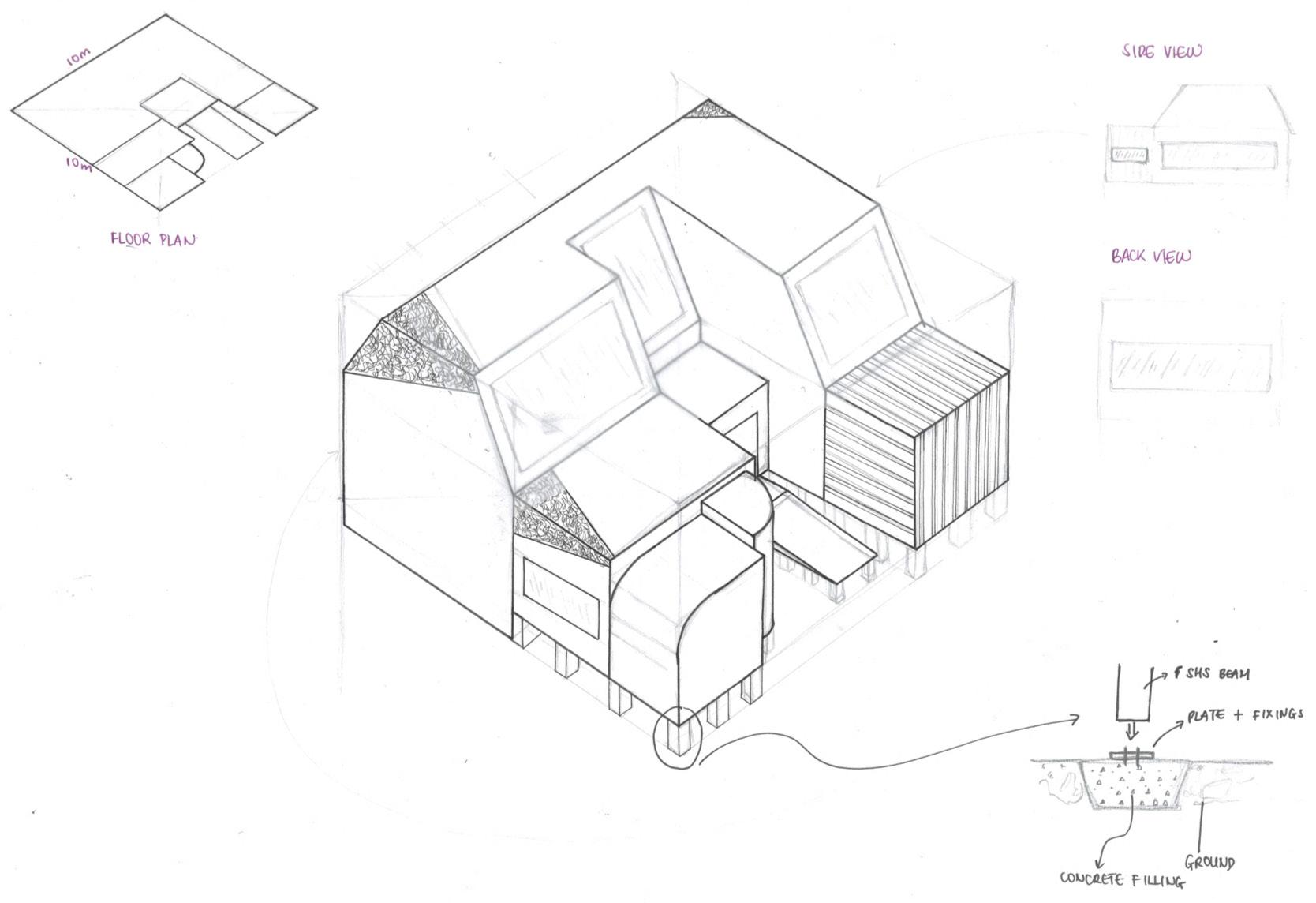
Our initial response to the brief was to consider existing communal homes such as BedZed and Home Studio Kilburn Lane. This led to a focus on multigenerational housing to foster an efficient and comfortable environment for 4-6 people to live in.
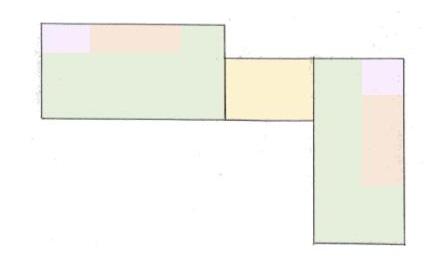
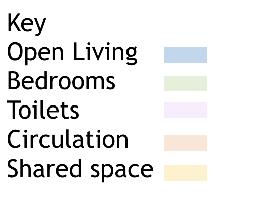
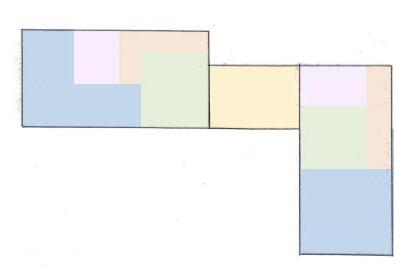
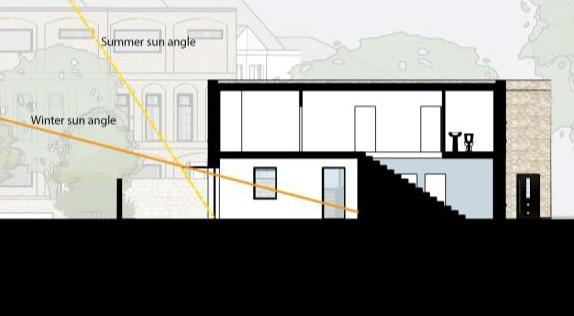
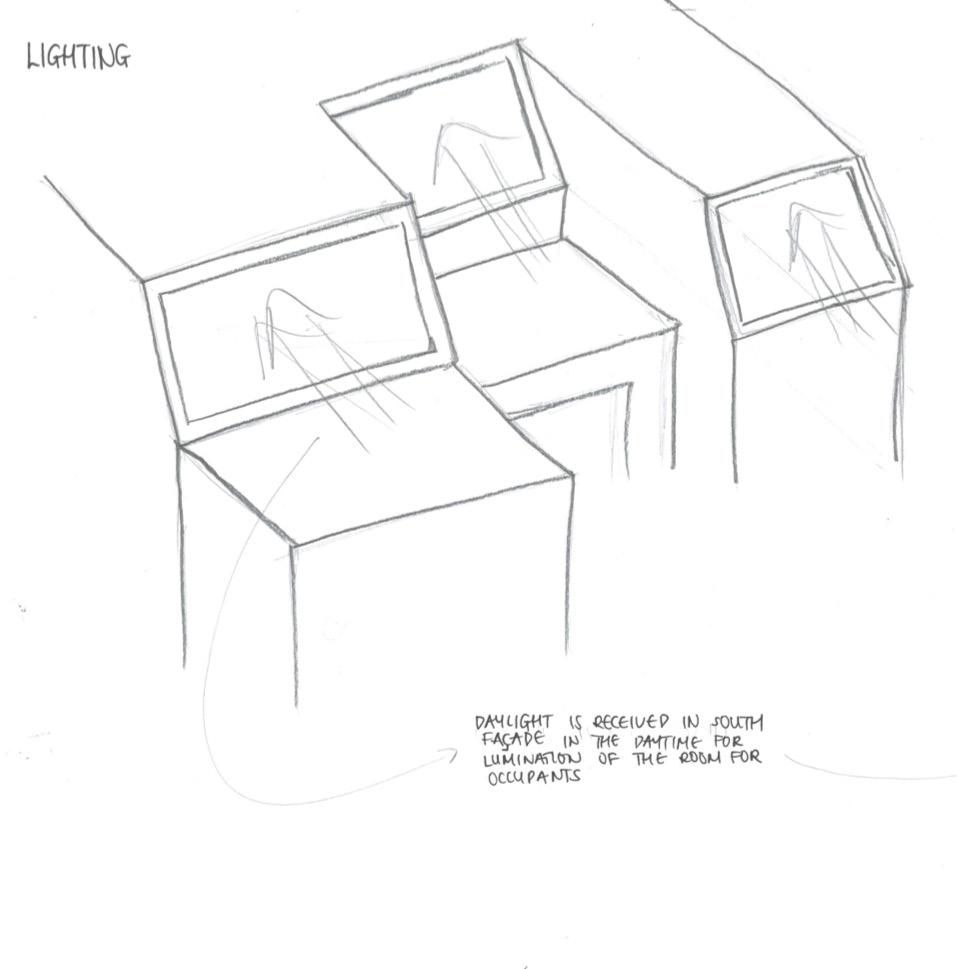
Each semi-detached housing unit featured a shared workspace for the residents as well as an open-plan living space for each household. As both spaces required more adequate lighting for the function each serve, they were placed on or near the south facade. To further brighten the living and dining room, external sill reflectors were considered.
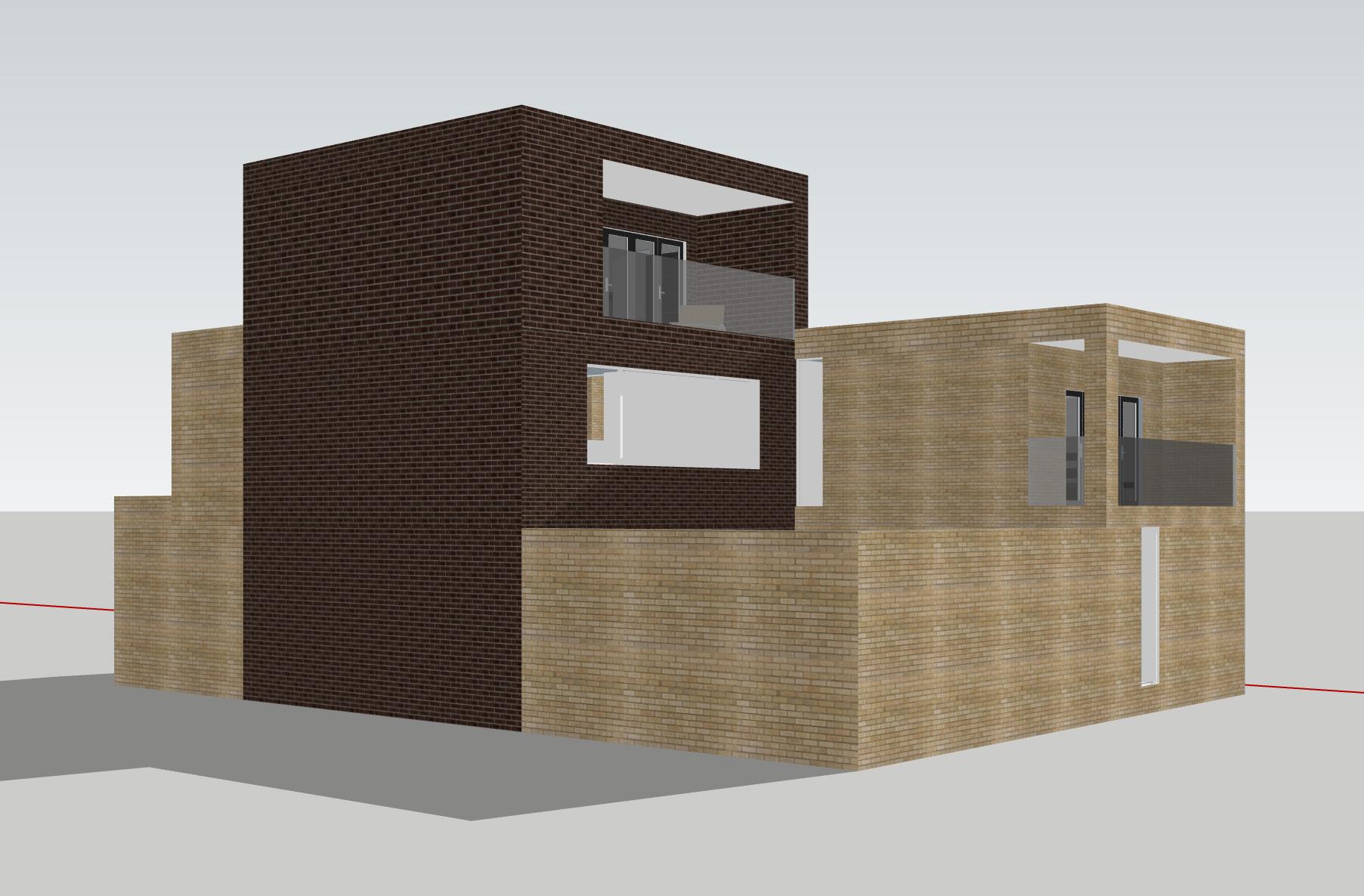
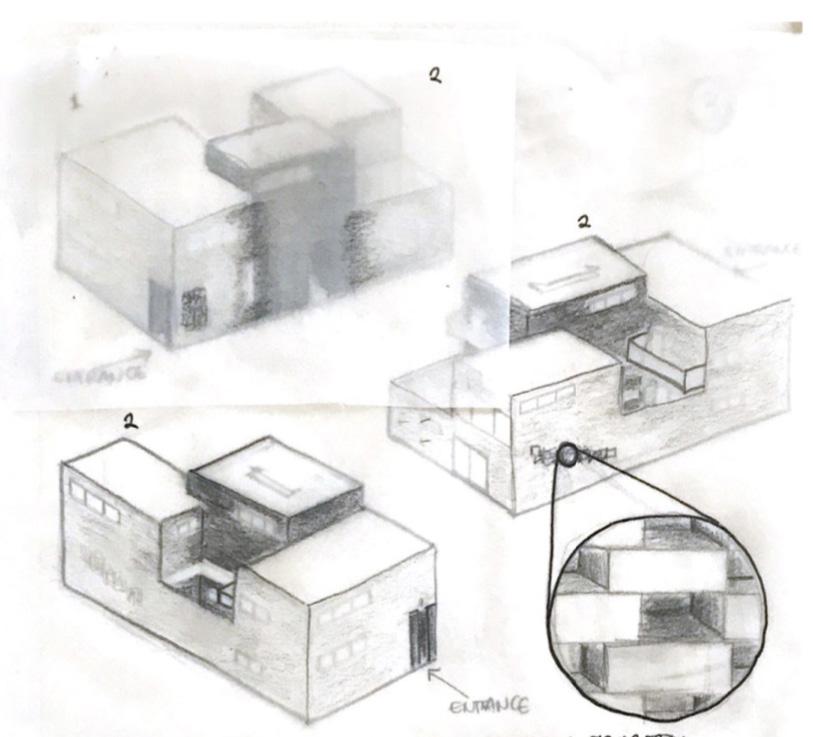
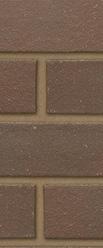
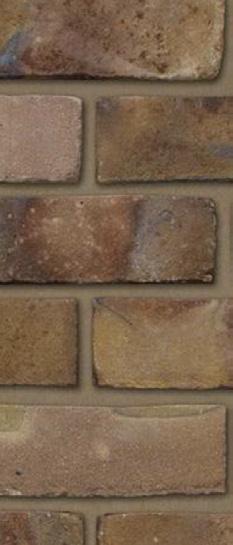

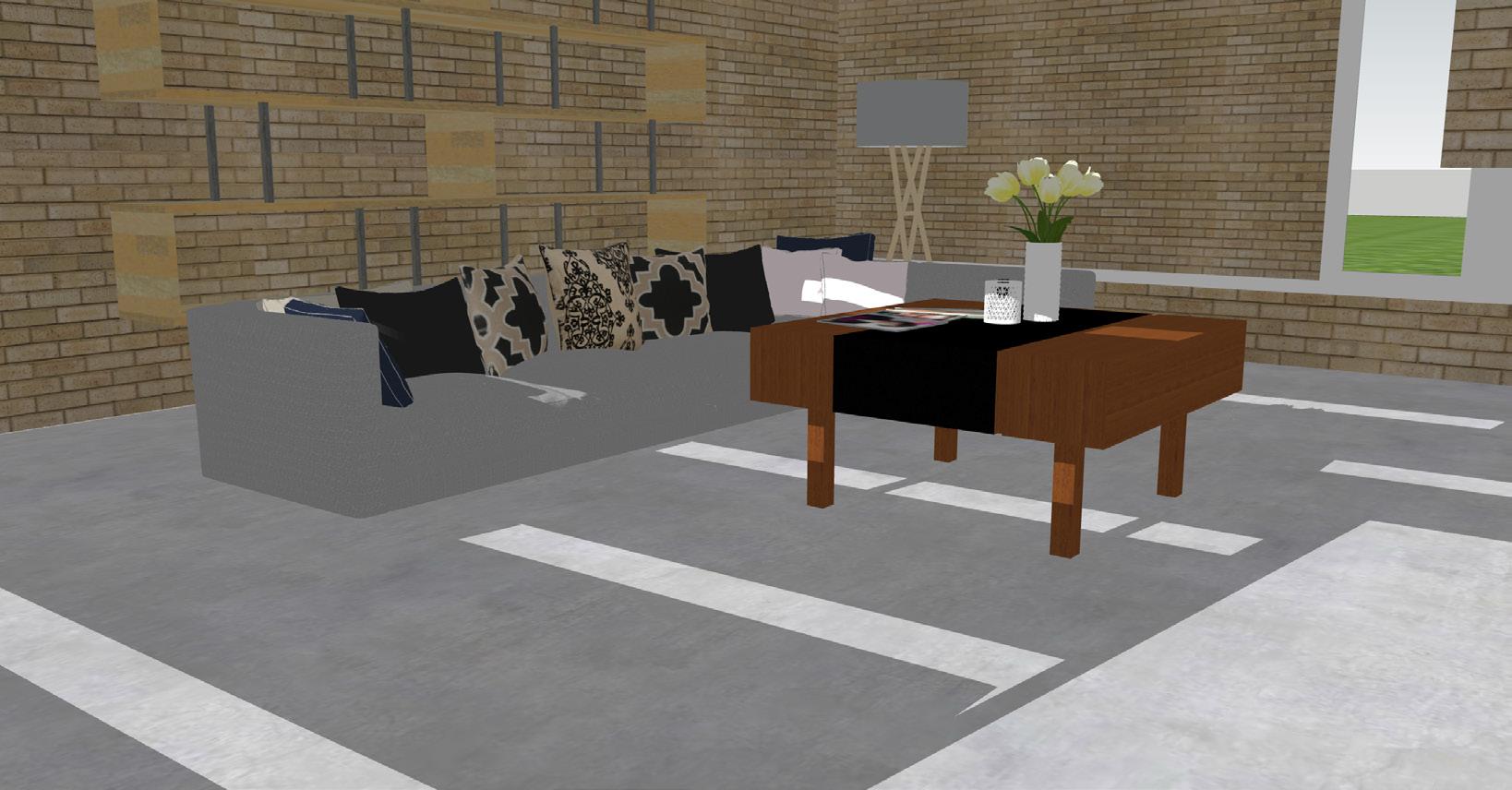

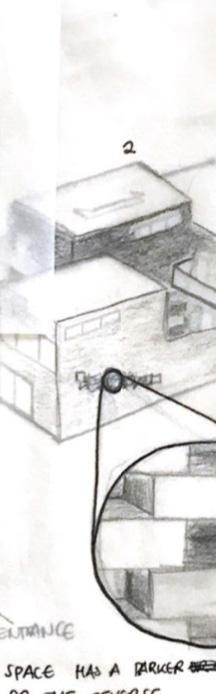
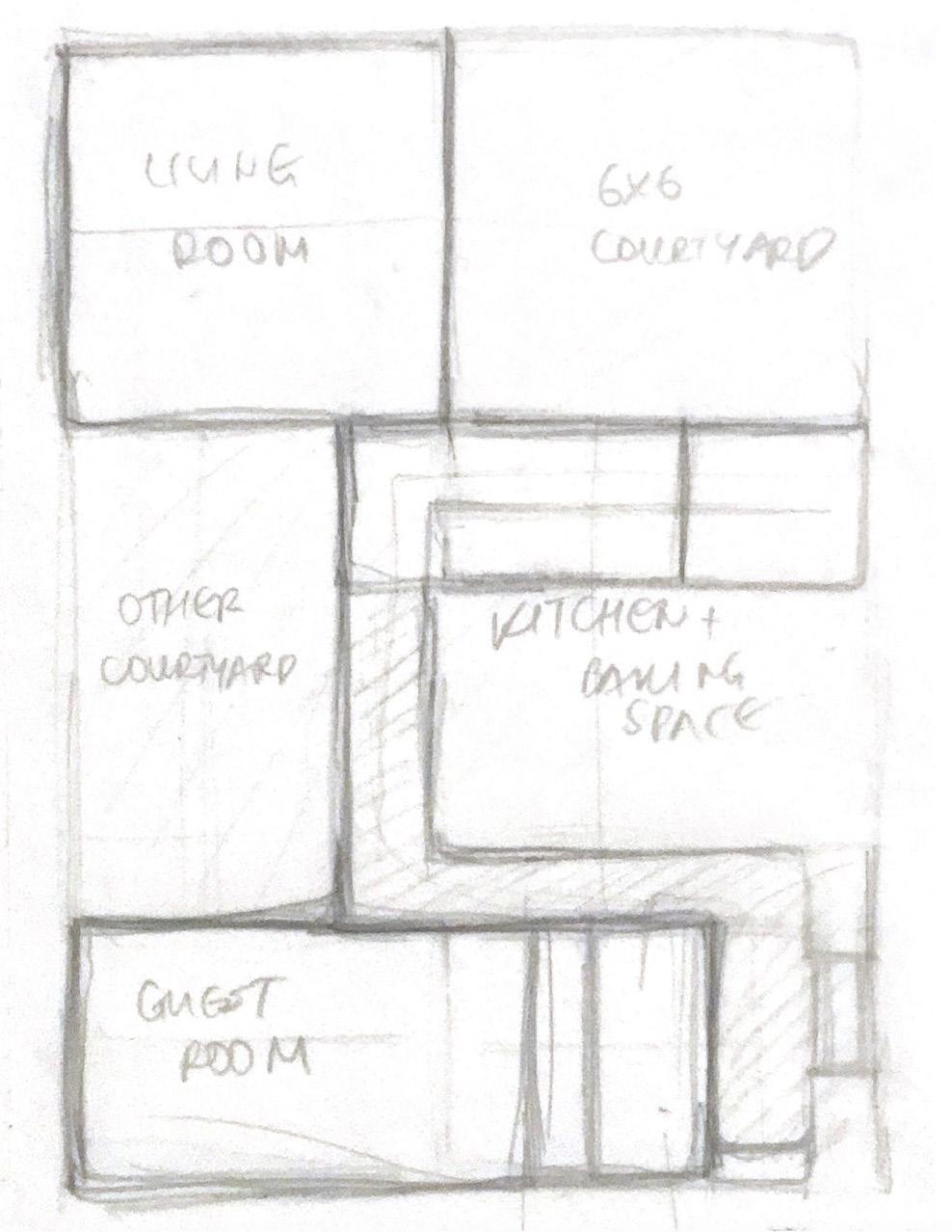
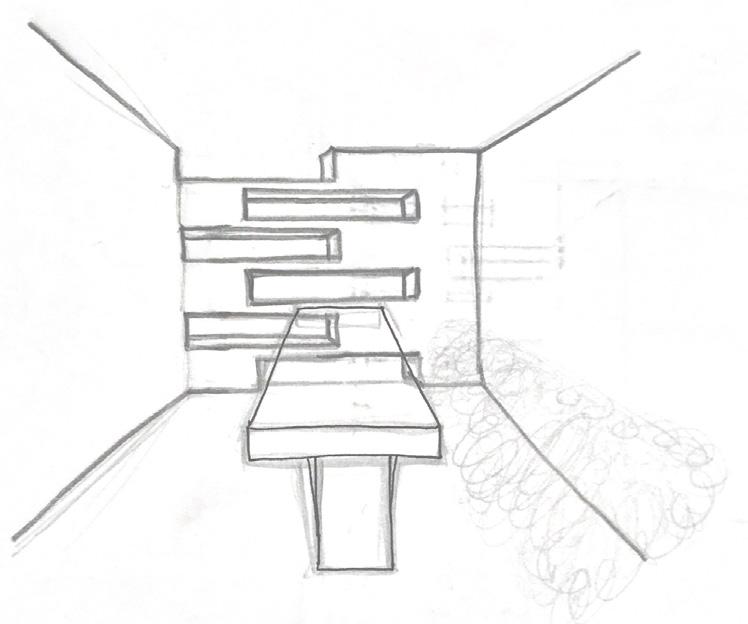
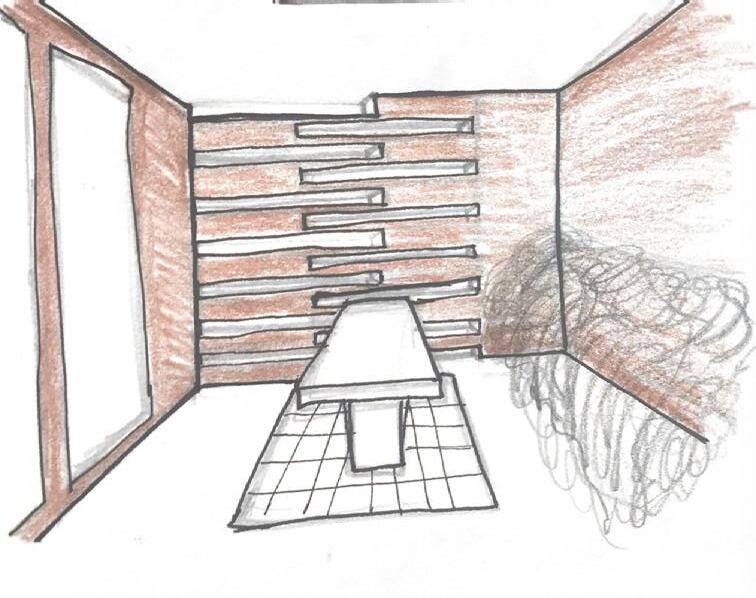
The 1st Year Individual Project called for a home using masonry construction for a married couple. The scheme needed to be centered around their different professions. The husband was characterised as a passionate baker who owns an artisan bakery. He required a baking space in which he could infuse flavours from different cultures into his pastries. To do this, he needed a space that could house industrial equipment and a range of baking appliances. The wife is a lawyer who needed a healthy workspace and parts of her home to reflect symbols of her Nigerian childhood.
The main aims of the project were to create spaces centered around the couples’ respective professions and connect these spaces to foster a healthy work and living environment.
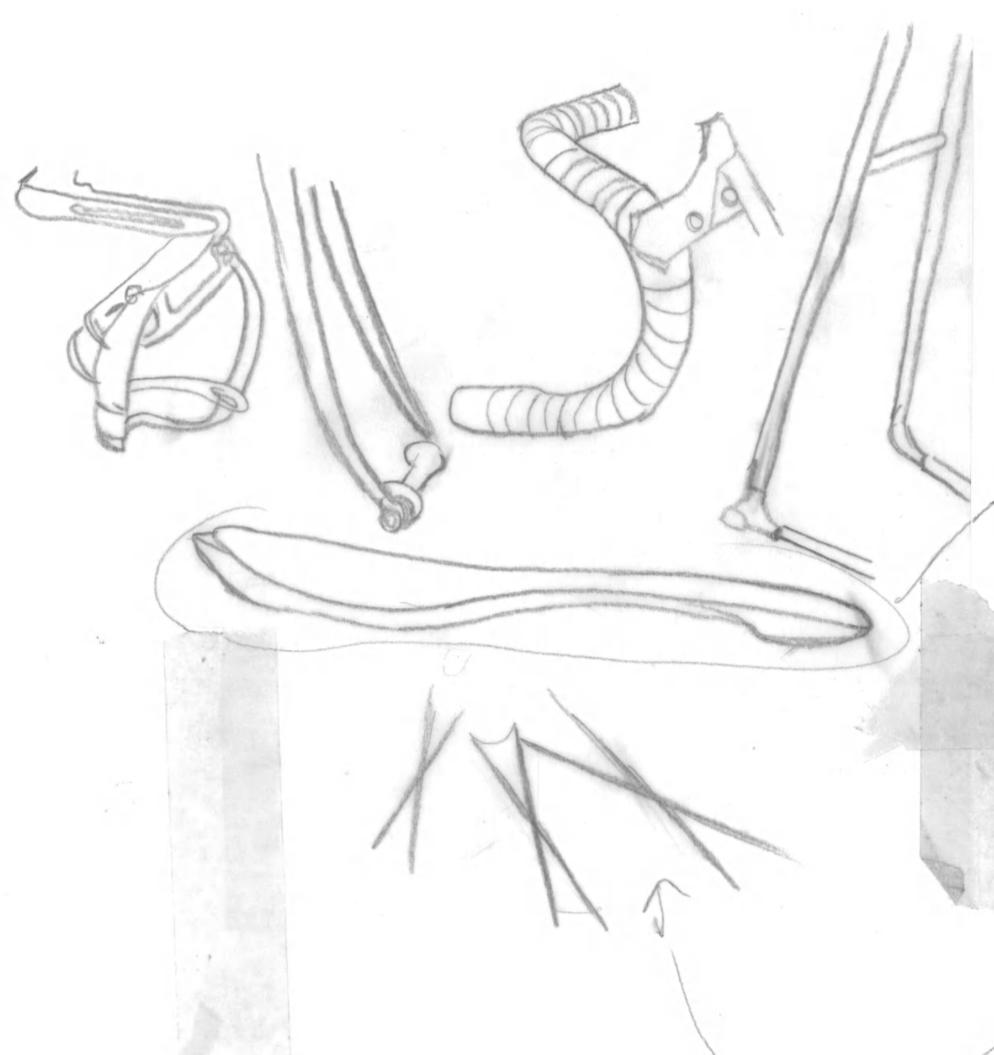






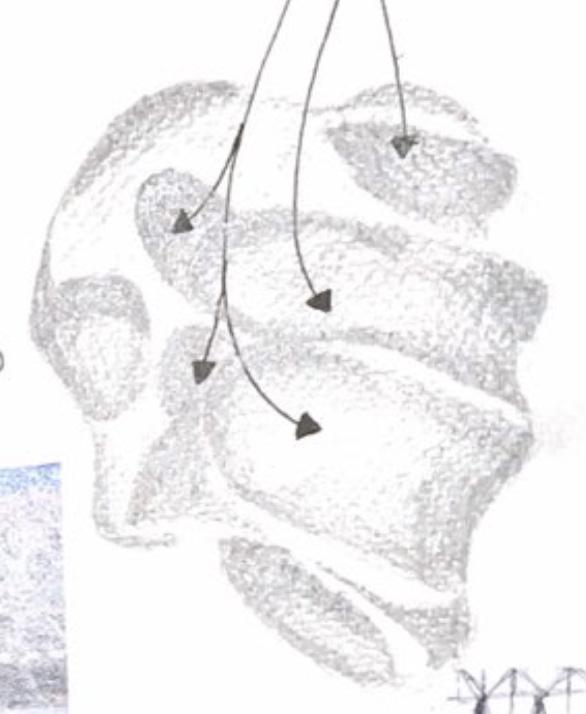
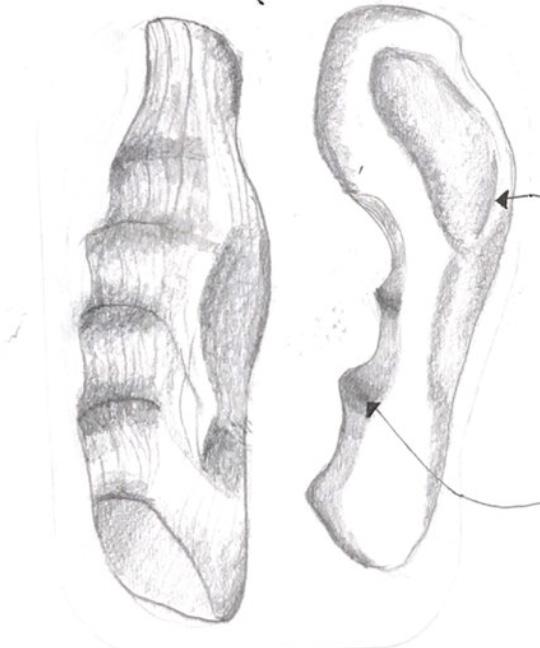
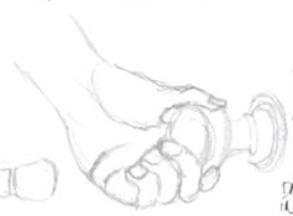
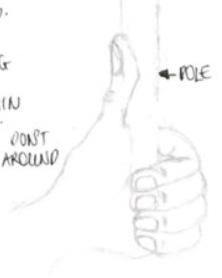
Hand interaction sketches
explored the ergonomics on how the hand grips surfaces so could create a perfume bottle which would have a dynamic form. pressed my hand against clay several times and studied the indentations made by my finger and hand prints.