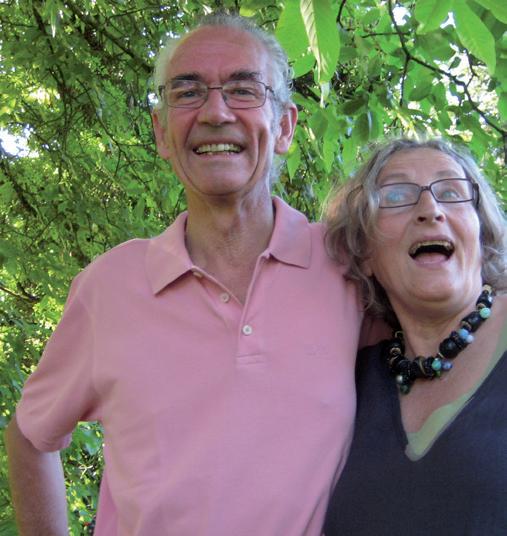
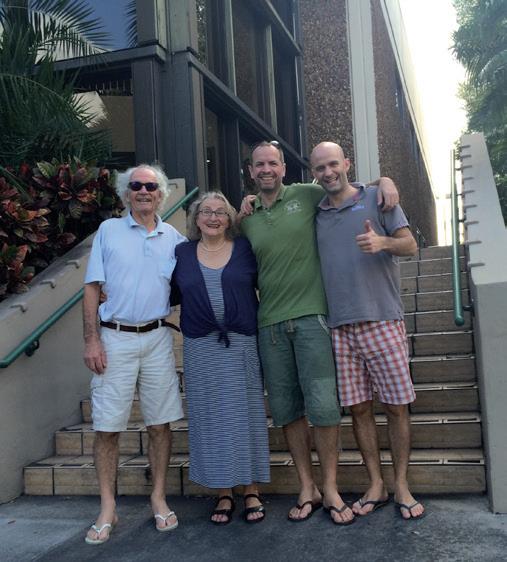
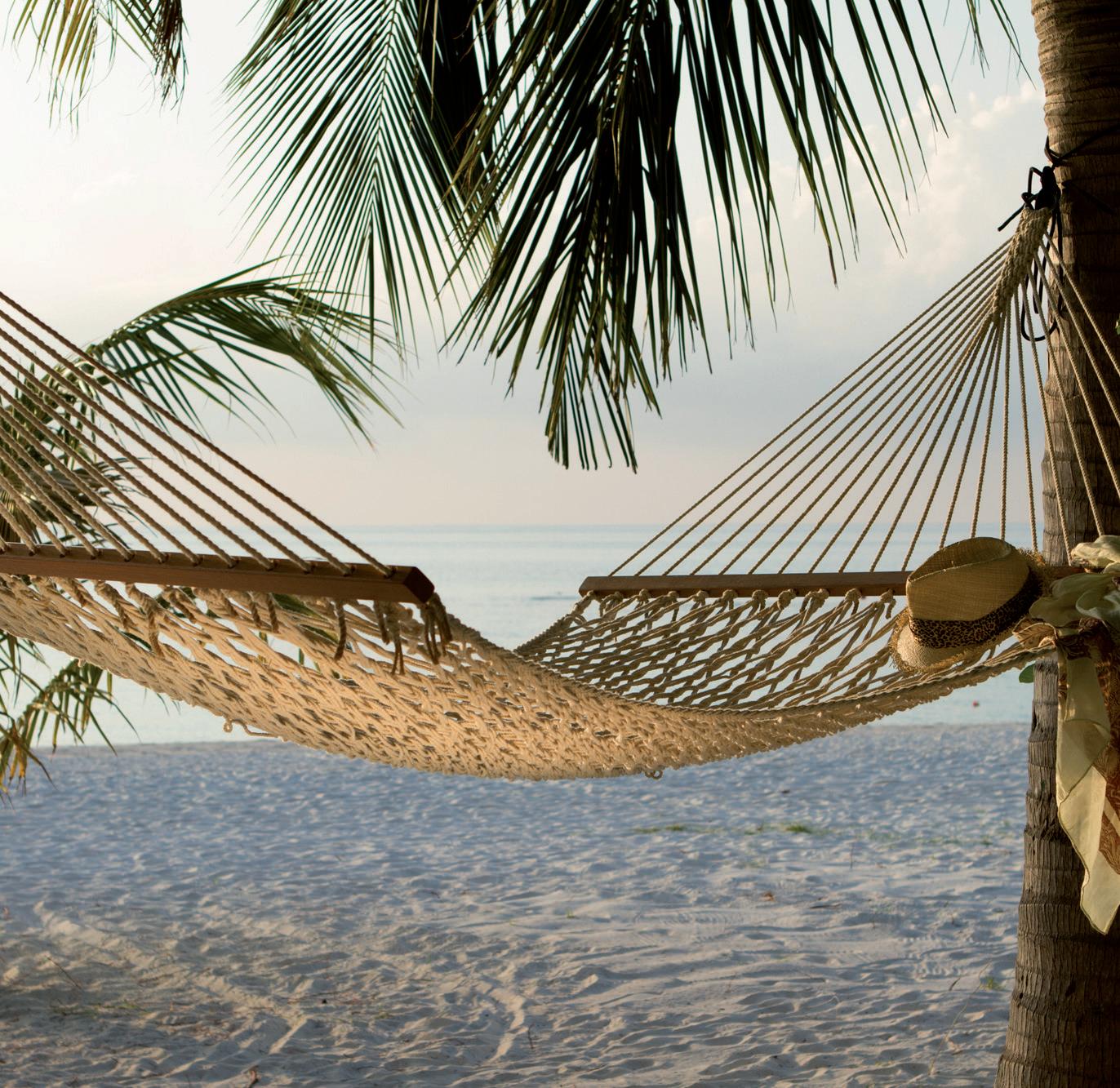
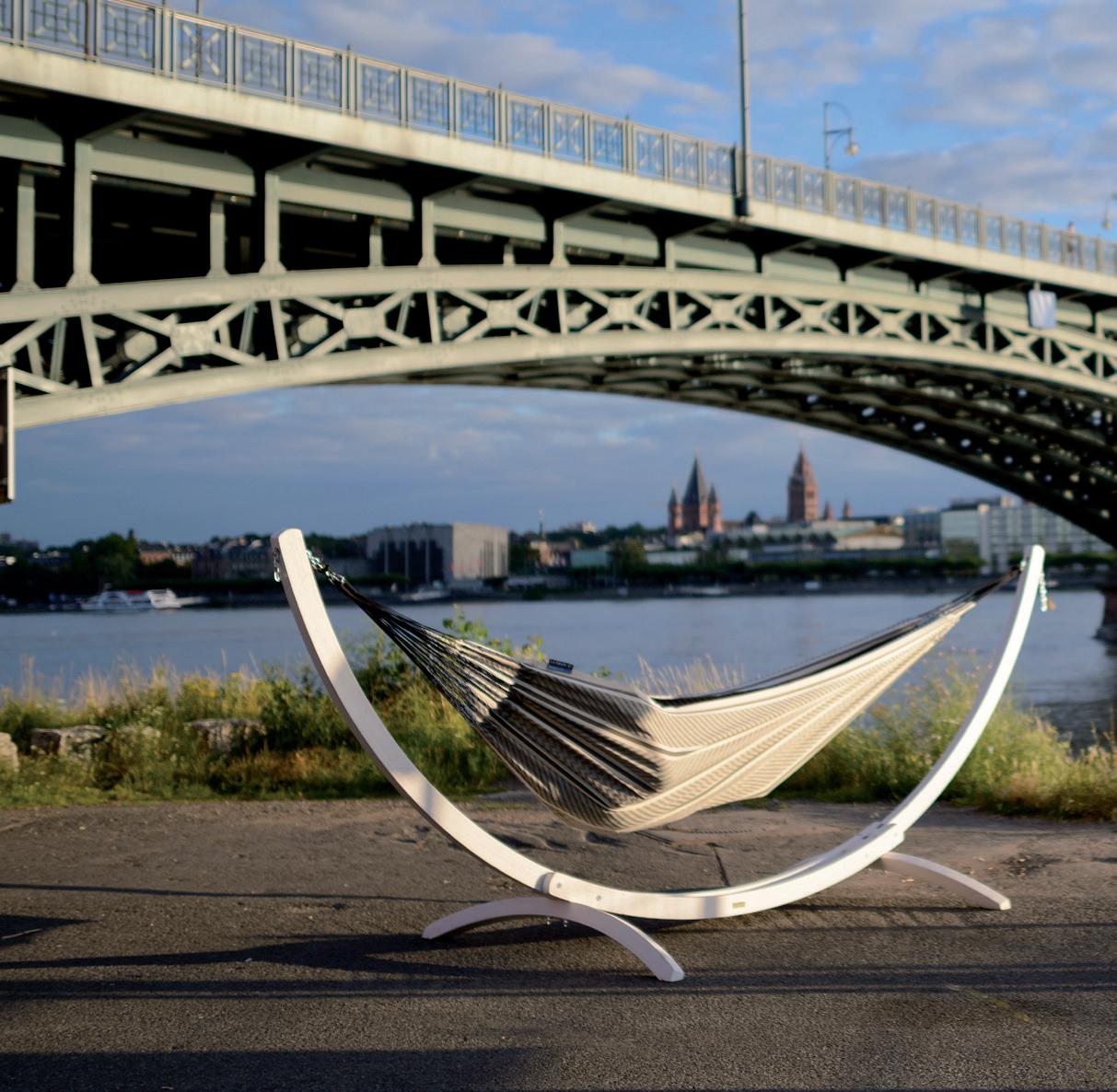
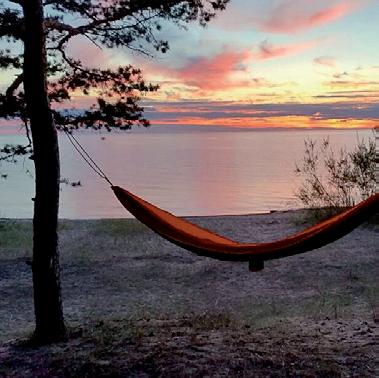
For you! For moments spent in the hammock! Dedicated to all those who have accompanied, influenced and thought about LA SIESTA. Above all, its founders – Dorothee and Alexander Grisar.
WHY WE ARE WRITING THIS BOOK
We want to say thank you. We want to write history and stories. We want to show pictures. We want to celebrate hammocks. And we want to do so with the people holding this book in their hands for different reasons, who are important to us: you!
THE HOUR OF BIRTH
Descartes
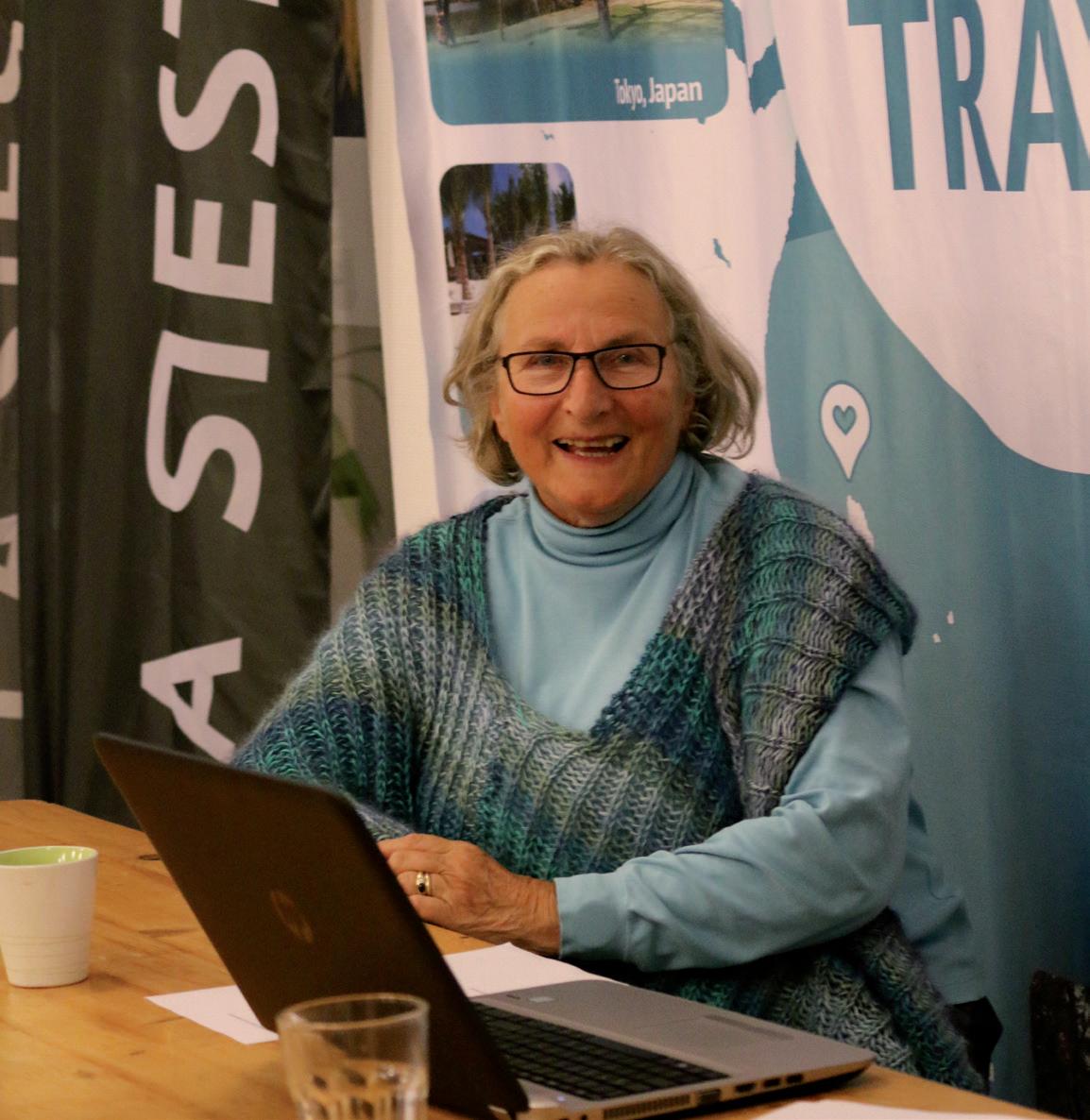
AN INTERVIEW WITH FOUNDER DOROTHEE GRISAR
What situation did the idea for LA SIESTA emerge from?
Basically from a catastrophic situation.
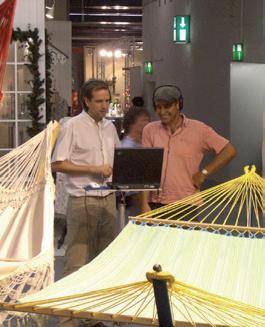
At the age of 45, my husband decided to leave his permanent position, working as a consulting engineer –with all of the ups and downs that go with it. I was at home and occasionally sold artisanal products from South America that my husband brought back from his trips. When we went to a fall trade fair in Frankfurt, we passed by a booth from El Salvador. They had beautiful, colorful hammocks hanging there.
I was so excited about them that I convinced Alexander to buy 300 of them; that was the minimum number you could buy. My goal was to sell these hammocks everywhere. Our first opportunity was our stand at the Rhineland-Palatinate Exhibition in Mainz.
What was the first product you sold?
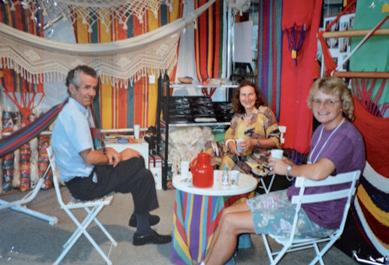
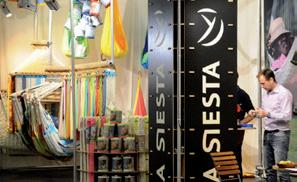
At the Rhineland-Palatinate Exhibition in 1991 we sold the very first hammock bearing the name HCR-2. Altogether we sold eleven of them for 45 Deutschmarks each. Our booth had a terrible location that had very little automatic foot traffic. We had to guide the visitors to our booth. As we were breaking down our booth afterwards, some girls from another stand passed by, happily discussing what they had taken in, 1500 Marks. We were of course far from that– but it was still a great feeling.
How did things continue after this first small success?
We soon decided to attend trade fairs and to approach possible resellers there. To boot, Alexander had the great idea of sending sample packages to sports and outdoor stores. The retailers were skeptical at first, but this distribution channel developed rather well. Our best customer was a store in Munich’s Herzogstraße. We are still in touch today with their buyer from that time.
What moment from the company’s beginnings do you look back on particularly fondly?
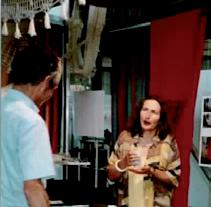
I particularly enjoy recalling our visit to the booth from El Salvador. The variety of color of the hammocks simply inspired me. And not just that, the booth’s owner was an impressive person. She stood behind her products, full of conviction. We immediately understood one another. It was this moment: “Something clicked – we are doing this!”
What
would you rather not recall?
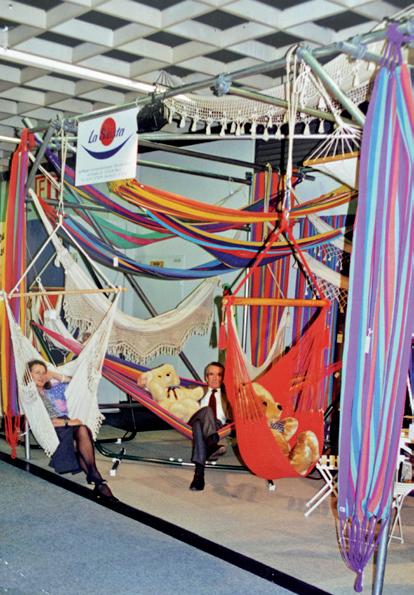
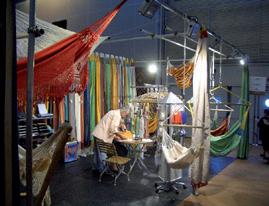
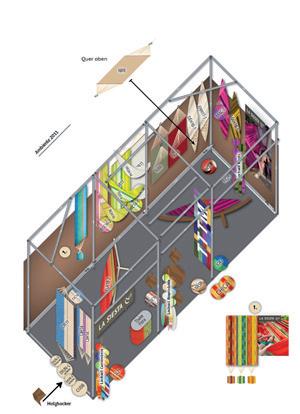
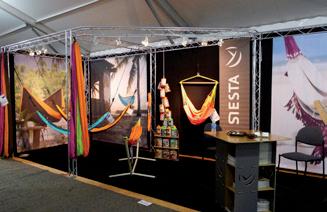
Our first trade fair stand. It was made of scaffolding poles we attached to our Volvo – on the roof we had runners with holes drilled in them. We drove all around Germany with it – later even going to Paris. We were lucky nothing happened. Alexander and I and these three-meter-high scaffolding poles ... In Cologne Alexander fell off the ladder during all the stress putting our booth together. People from the other booths came to help. He just laid there for five minutes, then he pulled himself together and shook it off, and everything went on. He sure knows how to bounce right back!
How does it feel to now have all three of your sons taking care of the company?
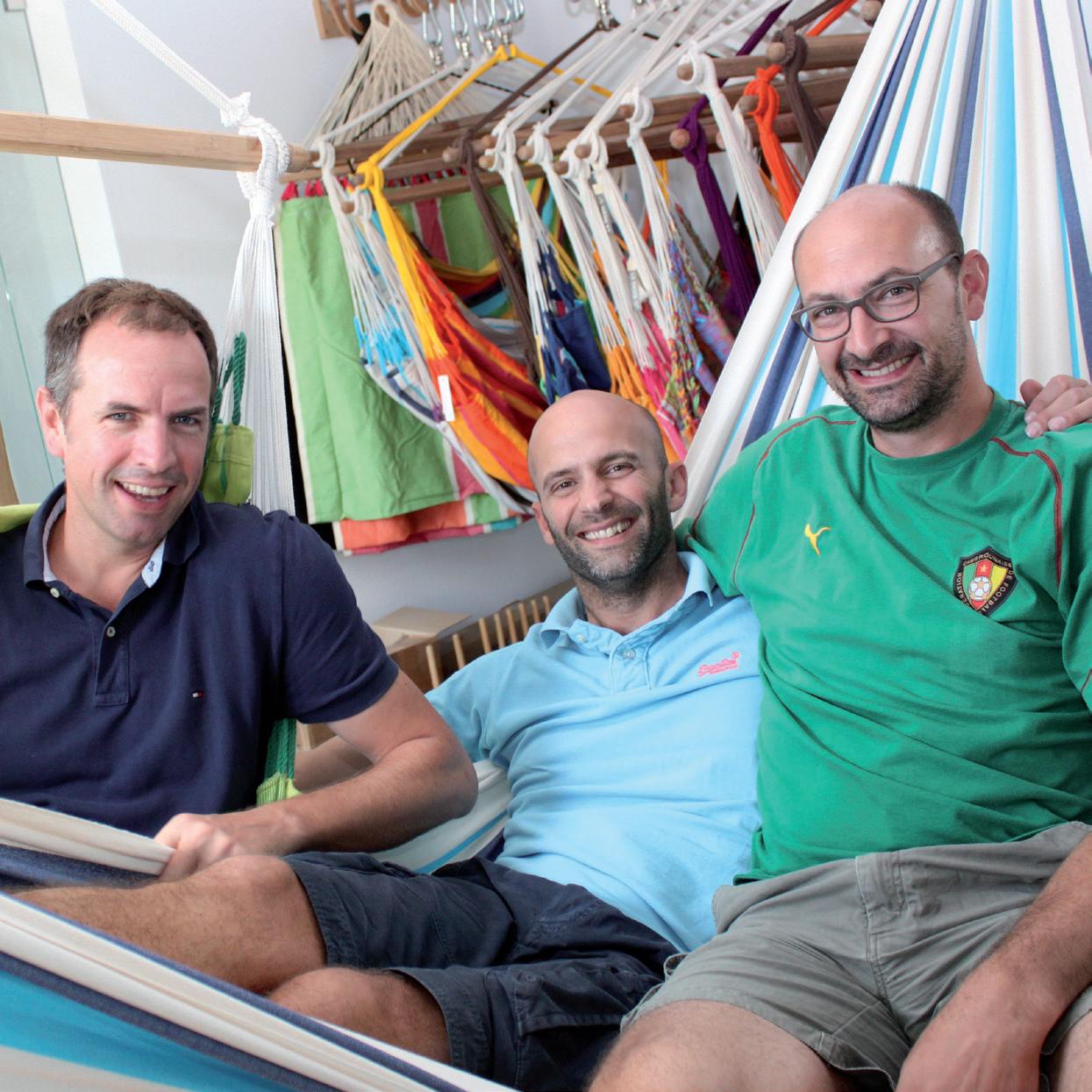
It was not planned. I come from an agricultural family where the tasks were passed from one generation to the next, but for Alexander it was clear that we would sell our company at some point. We intended for the children to become vocational apprentices and take up occupations that suit them. We didn’t want to saddle our sons with something they didn’t want. After his education, Leonid decided to join the company. One day Max surprised us by joining us too. And finally, a few years later Cornelius announced: “I’ll be joining you on 1.1.2011 too!” Even though it was not planned, we are very happy about it.
What are you now learning from your sons? Patience.
And fairness, I learned that from our children even more than from my husband. All three are very fair.
What do you wish for LA SIESTA in the future?
We always had such a nice team. I am convinced that has something to do with the hammocks. I wish LA SIESTA will continue to have such a wonderful, productive team, with healthy growth.
In a cellar
in Mainz-Finthen... STEFFI NORMAN HAS BEEN ACCOMPANYING LA SIESTA FOR 20 YEARS.
Do you remember your first day of work at LA SIESTA?
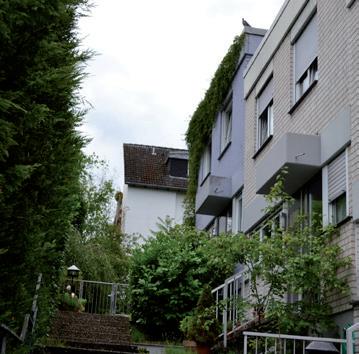
Of course, it was 1996 in Mainz-Finthen – in the last house on the street Am Eiskeller: I went down the steps into the basement and came into a very small room. Alexander Grisar sat at a desk there, and next to him was a second desk that was unoccupied. Alexander explained to me what I was supposed to do: look at banking deposits, check off receipts as paid or not paid. That’s all I had to do back then.
What have been the most notable changes from 1996 to now, 2016?
It’s like when your children grow up. The constant growth is certainly notable. The first real change was the move to Jugenheim. Before that the packing was done in the garage. Then we moved into this wonderfully large building. Not just the facilities saw growth, the team kept growing as well. Back then in Mainz-Finthen we were just four people: the Grisars, my husband Dave and I. My continuing education as an accountant with Alexander Grisar was also very formative for me. Without it, I would not have been able to do the increasingly complex work. In that course we were both the #1 topic, everything was about hammocks, because Alexander scrutinized every single detail.
What should LA SIESTA retain for the future?
This special feeling: We are still a family company, no matter how big we are. There are now many different departments; purchasing, distribution, quality control and of course also accounting. But we still work as a team –and that also includes the managing directors. Yes, even with more than 30 employees here in Jugenheim we are still a family. That should never be lost.
Why does your heart beat for LA SIESTA?
I fell in love with the product from the start. But not just that: The atmosphere in the company is what makes it what it is. For me it was absolute luck that I came to LA SIESTA: I was able to grow, develop, find out my strengths. Who would have thought in 1996 that I would one day do online banking? LA SIESTA is my family, and I feel so connected to it. The company is a fixed part of my life.
Grain sways in the hammock of the warming sun.
Ernst Ferstl
THE ORIGINS OF THE HAMMOCK
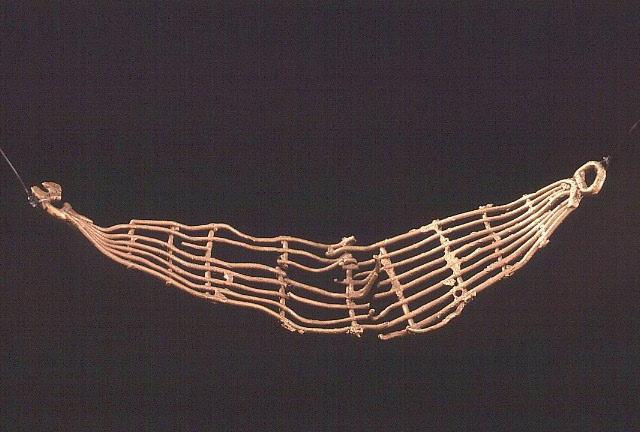
As shown by the miniature hammock made of pure gold, presented in the Gold Museum in Bogotá, the origin of the hammock lies with the indigenous people of Central and South America. They knew its value very early on, as they started calling the hammock the “cradle of the gods” many centuries ago. The first hammocks were made of the bark of the hamack tree, making the origin of the original name “hamaca” abundantly clear.
Hammocks and seafaring
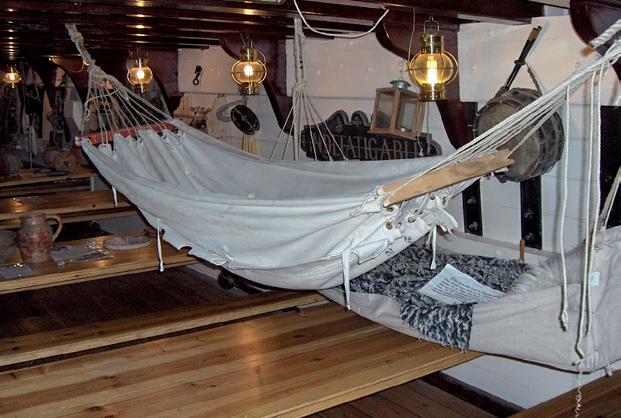
Columbus discovered the hammock in the Bahamas, where he landed on the 12th of October 1492, and surprisingly found that “people were sleeping in nets between the trees,”, as he noted in his chronicles. He brought the hammock along on his return to Europe, and from that point on, above all sailors started using and appreciating them. Instead of having to sleep on the wet, hard, dirty and vermin-infested deck, sailors could now relax in their hammocks, rocked to sleep by the swell of the sea.
M id 16th century (in the SpaniSh for M hamaca): via SpaniSh froM taino hamaka; the ending wa S altered in the 16th century by a SSociation with -ock
Oxford Living Dictionaries
Hammock:
HAMMOCKS INSTEAD OF GOLD
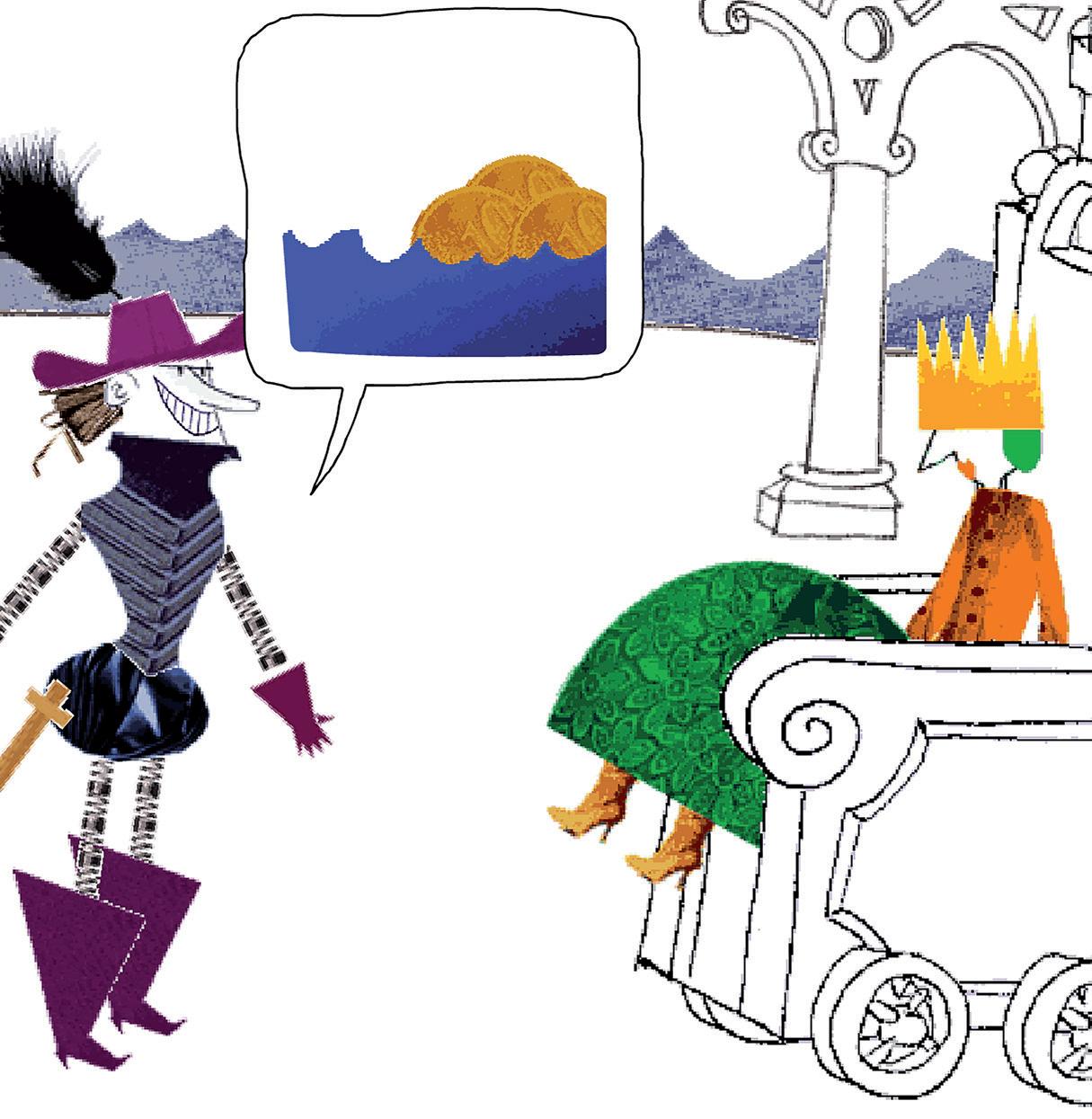
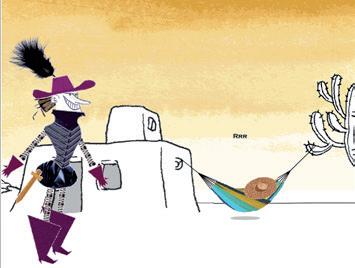
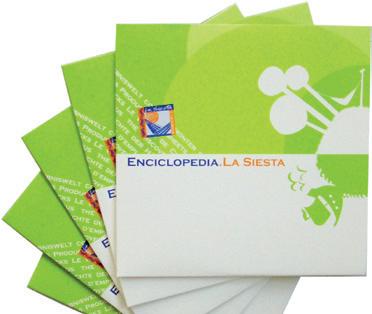
In 2003, LA SIESTA retold the story of the hammock: The hammock is celebrated as the true discovery of Christopher Columbus on the CD ROM “Enciclopedia”. In addition to the tongue-in-cheek comic, the CD ROM contains valuable tips about hammocks.
www.lasiesta.com/enciclopedia
OUR RECIPE PREPARATION
TIME
Let it rise 25 years at a constant temperature
INGREDIENTS
Mother Dorothee, father Alexander, 3 sons: Maximilian, Leonid and Cornelius, a team from around the world –and the best hammocks!
FOR THE DOUGH
A wealth of ideas, desire, a whole lot of hammock expertise as well as expertise in production and manufacturing techniques; trust, loyalty, a pinch of courage, a teaspoon of conflict management, fairness
FOR THE FILLING
Genuine relaxation, relationships built, a real closeness to people and nature, a deep conviction of the true sense of the hammock, industriousness
FOR THE FLAVOR
Team spirit, trusted partnerships, solidarity, dialogue, creativity
FOR THE TOPPING
Lovingly garnished with salty patience, fiery passion and a delicious laugh
A FAMILY HISTORY
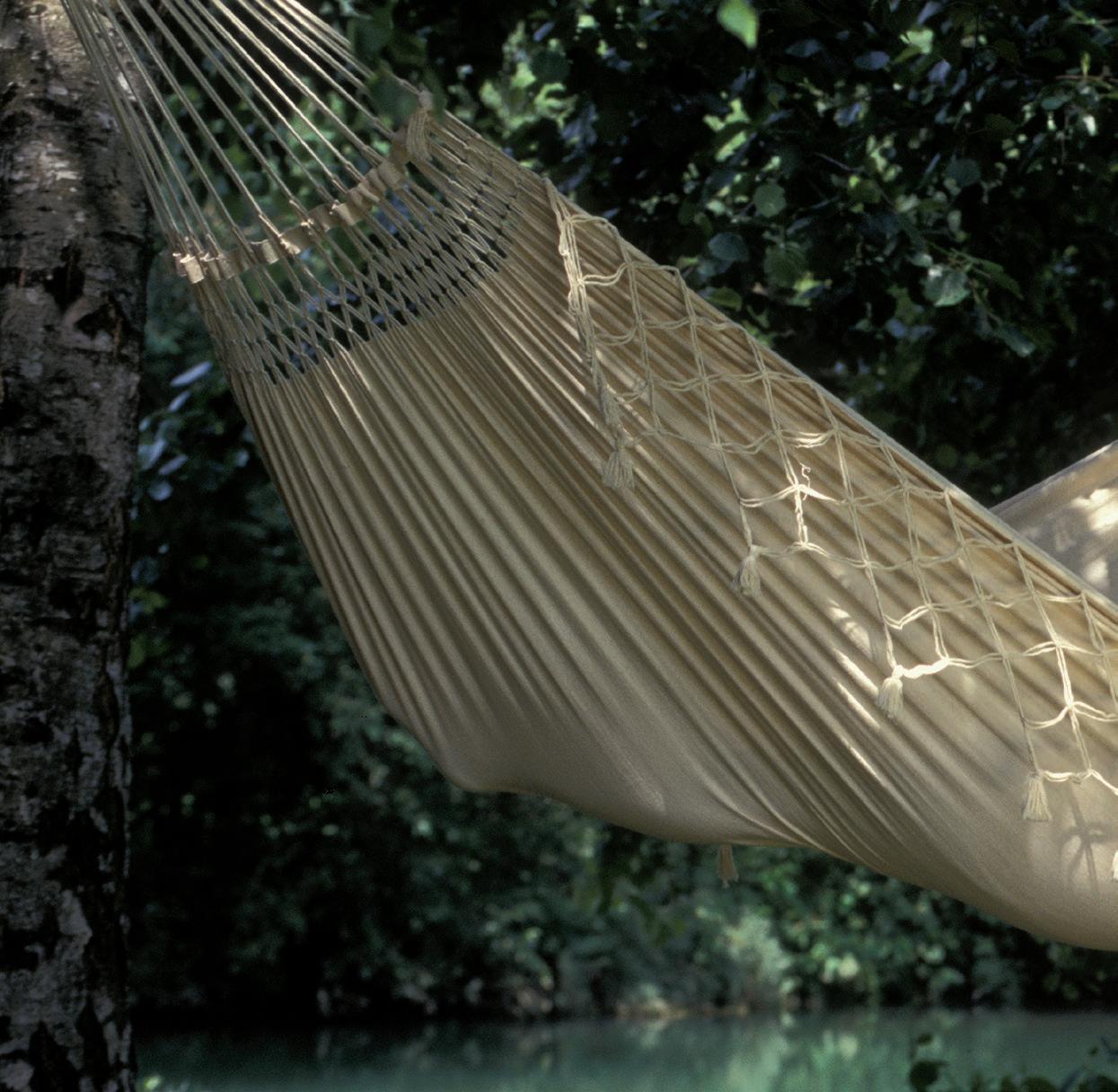
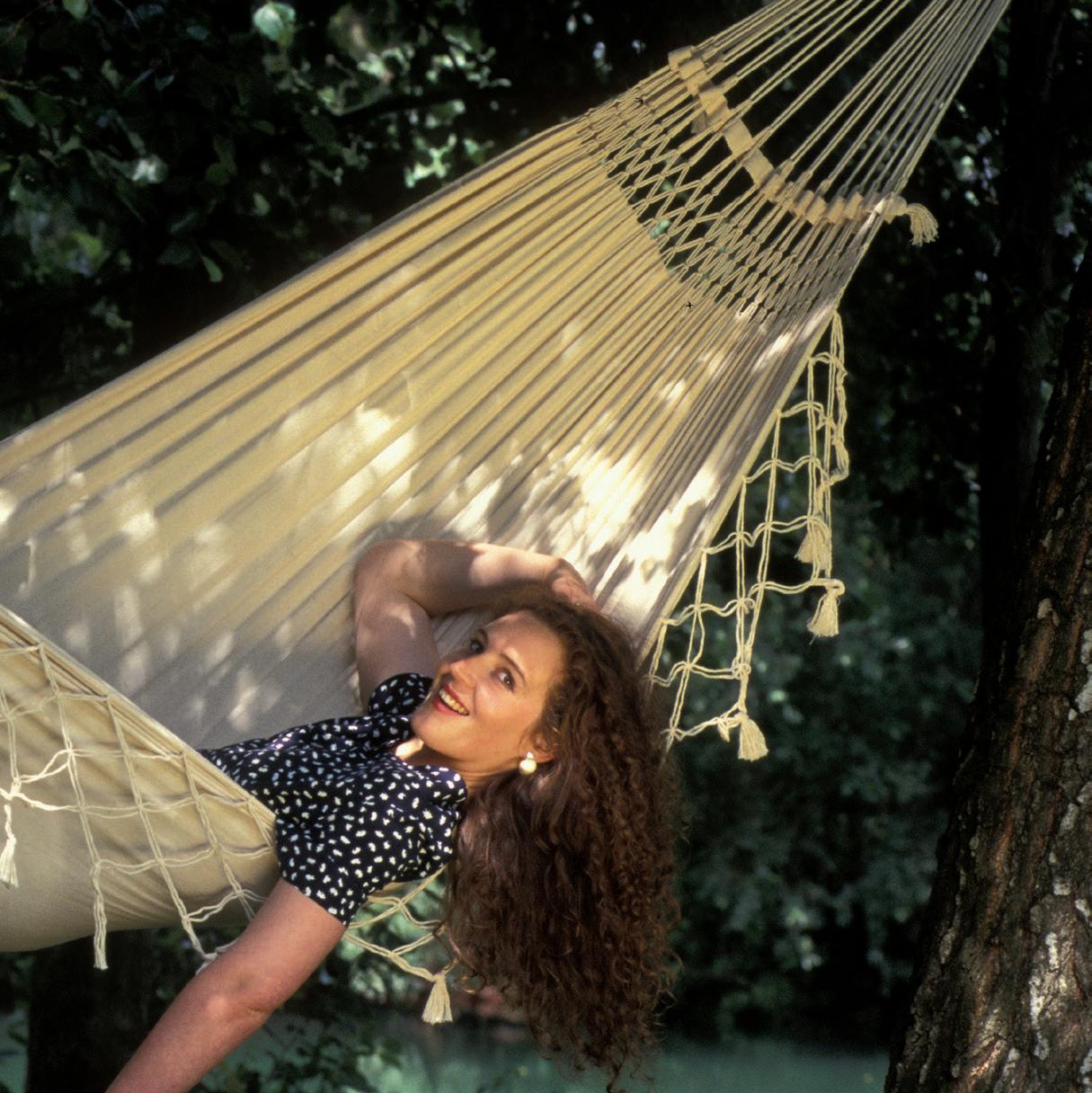
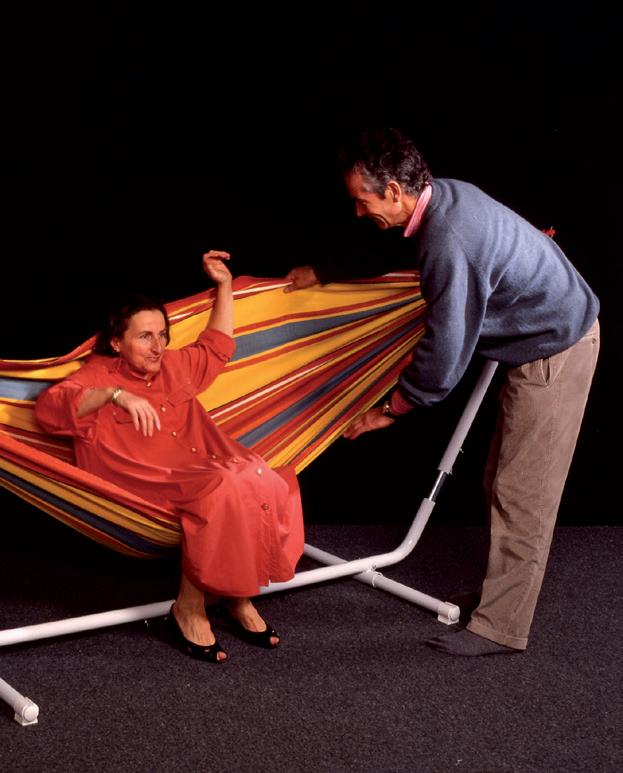
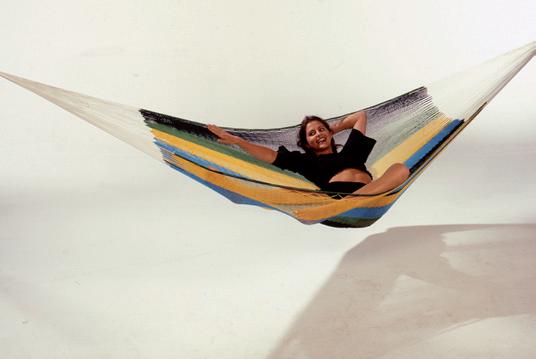
Die Hängematte Romántica bei einem der ersten Fotoshootings in den 90er Jahren in Budenheim am Rhein. Hammock Romántica at one of the first photo shoots in the 90s in Budenheim am Rhein.
THE FACE OF THE BRAND
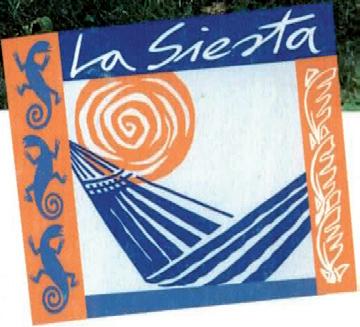
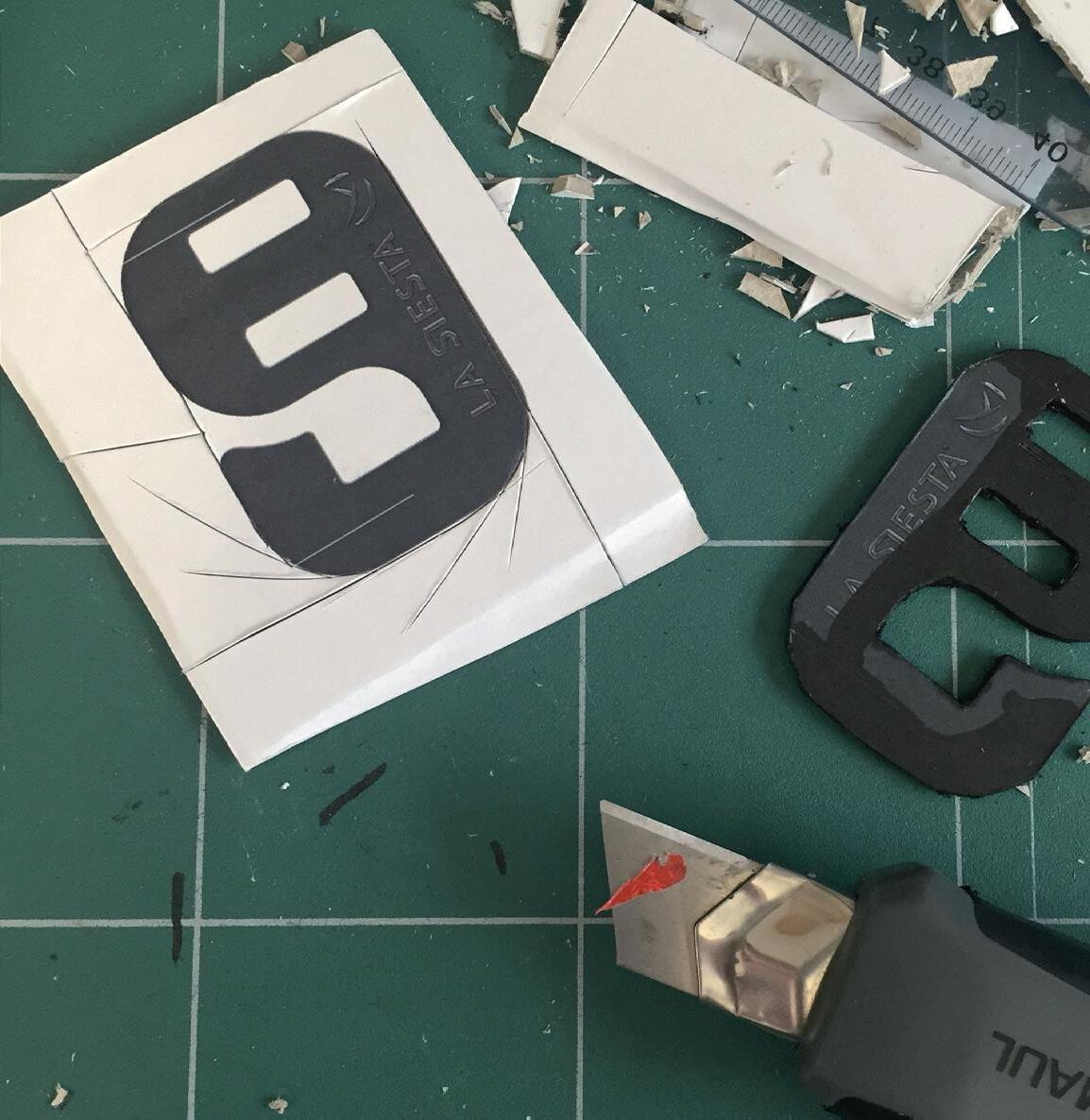
A hammock, the sun– life should be that simple and that lovely. The first logo was drawn by hand by the founders
In 1996, artist Dieter Motzel developed a logo that reflected the joie de vivre and the colorfulness of South America.
In 2010, Jean-Christophe Meillan developed the sleep, contrasting logo with the curved hammock and a high recognition value.
In 2016, the logo was slightly revised and a white version was added
He is perhaps the first of his kind. JEAN - CHRISTOPHE MEILLAN IS A HAMMOCK
So what is it you do?
I am a hammock designer.
That’s not something you hear very often. How did you end up doing that?
I got to know Cornelius Grisar and LA SIESTA while studying abroad in Nuremberg and fell in love with the hammocks. There and at home in France I studied art and graphic design and from that point I had the opportunity to carry out projects for LA SIESTA. In 2009 I was hired in a permanent position as Creative & Brand Manager. It became my job to not only give the brand LA SIESTA a face, but also to design hammocks as well.
What is important to you in designing a hammock?
I want to retain the original character of the products. Of course our hammocks should also look modern and reflect the zeitgeist; but with my designs I also like to include the traditional rich colors of the South American hammock, and I include typical Latin American elements.
And how do your new designs develop?
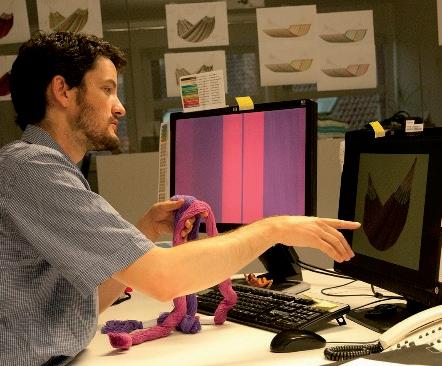
At first very classically with sketches and color collages, then the hammock is simulated on the computer. We can now do that with exact detailing of fibers! That gives us the possibility, for example, to create models in different colors beforehand; we don’t have to have every new idea woven in order to envision it.
DESIGNER. A GLANCE OVER THE SHOULDER
What does a normal day at LA SIESTA look like for you?
Oh, there is no normal day here. I design the new products, but I also deal with the drafts for catalogs, brochures and web graphics. My work here has a lot to do with qualityrelated issues: The new products have to be tested for safety and we have to find suitable materials.
Of course every hammock is beautiful –but which one is your favorite creation?
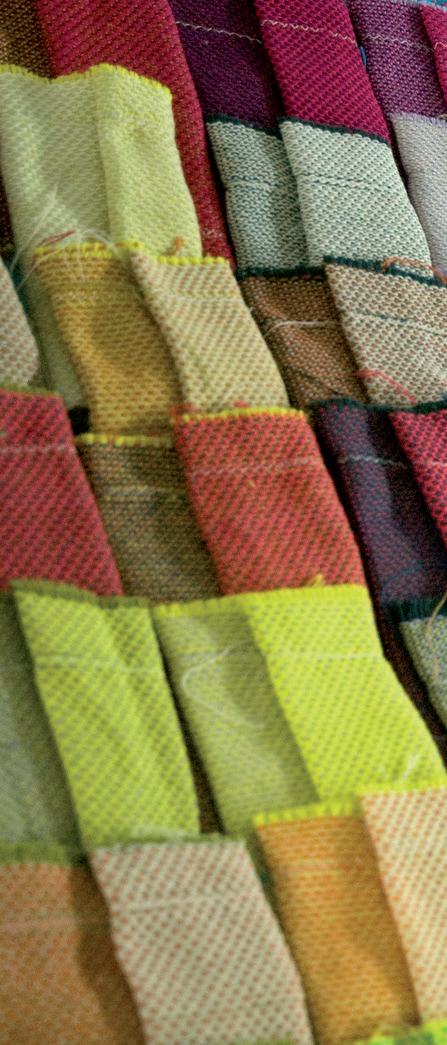
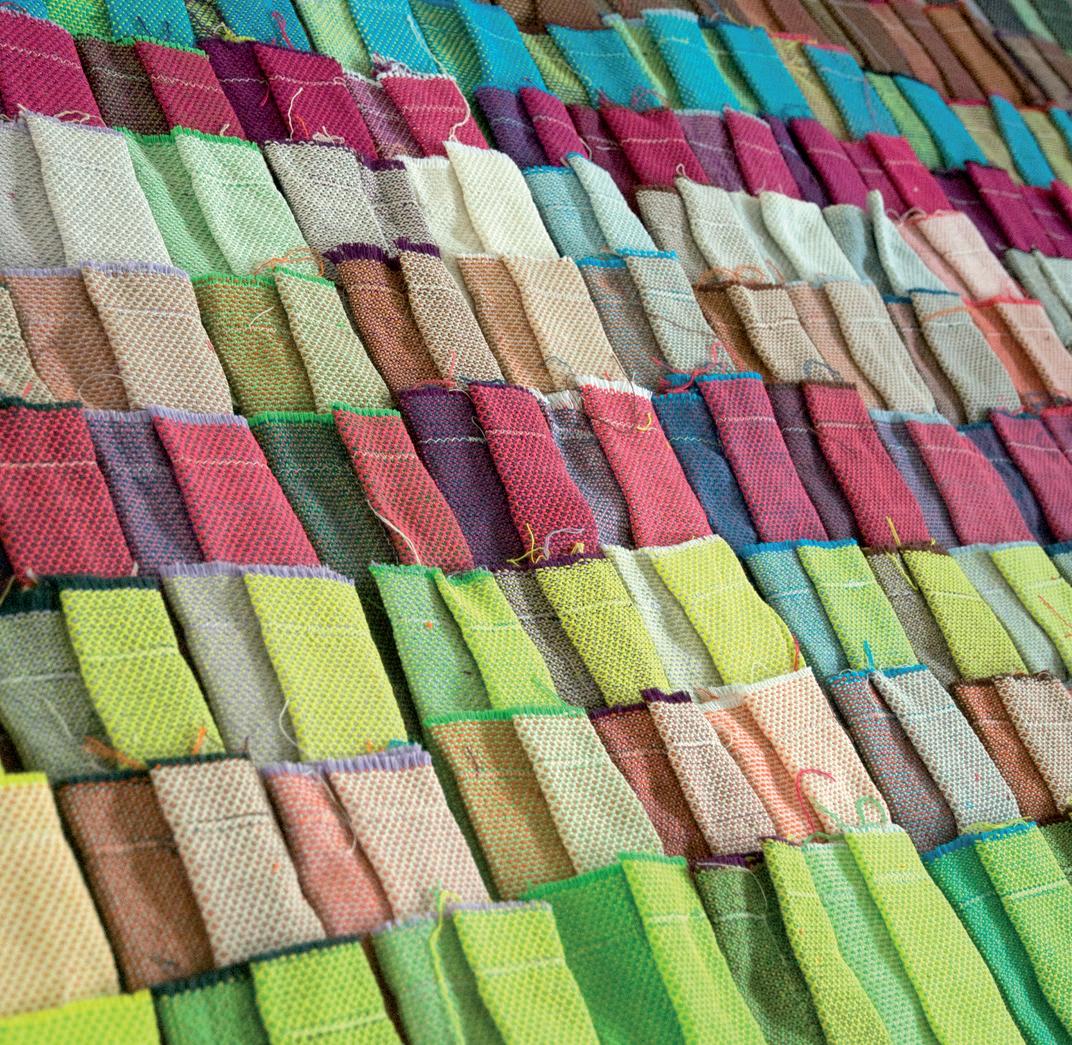
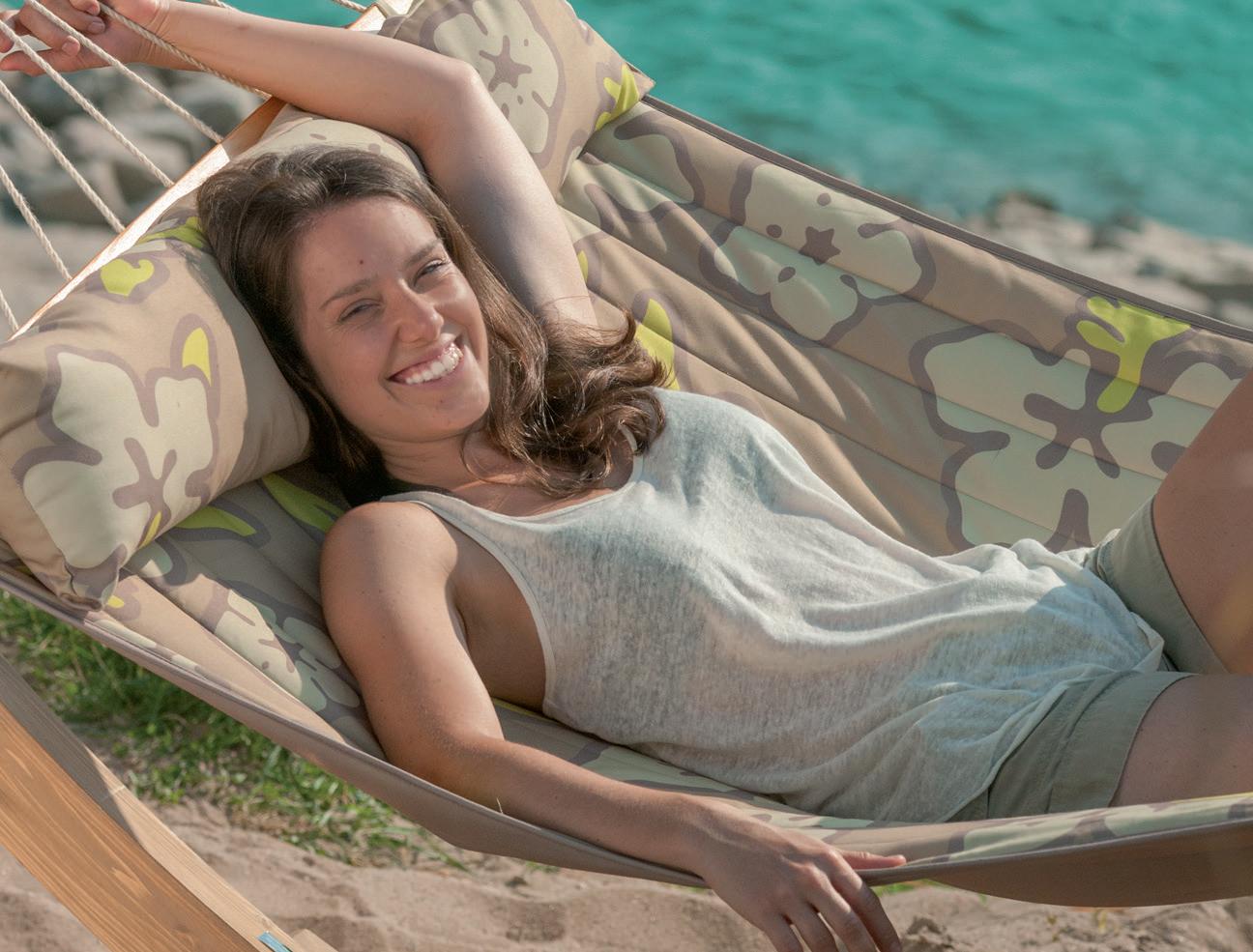
The Flora hammock range! It is inspired by the traditional Colombian artisanal craftsmanship, being made even better with its unique weave pattern and fresh, modern colors.
And what product is the hammock designer quite proud of?
Hammock Chair Stand Vela. With its curved, filigree shape, it just looks great. At the same time it can handle quite a burden and offers maximum freedom of movement.
WHEN FIBERS BECOME PATTERNS
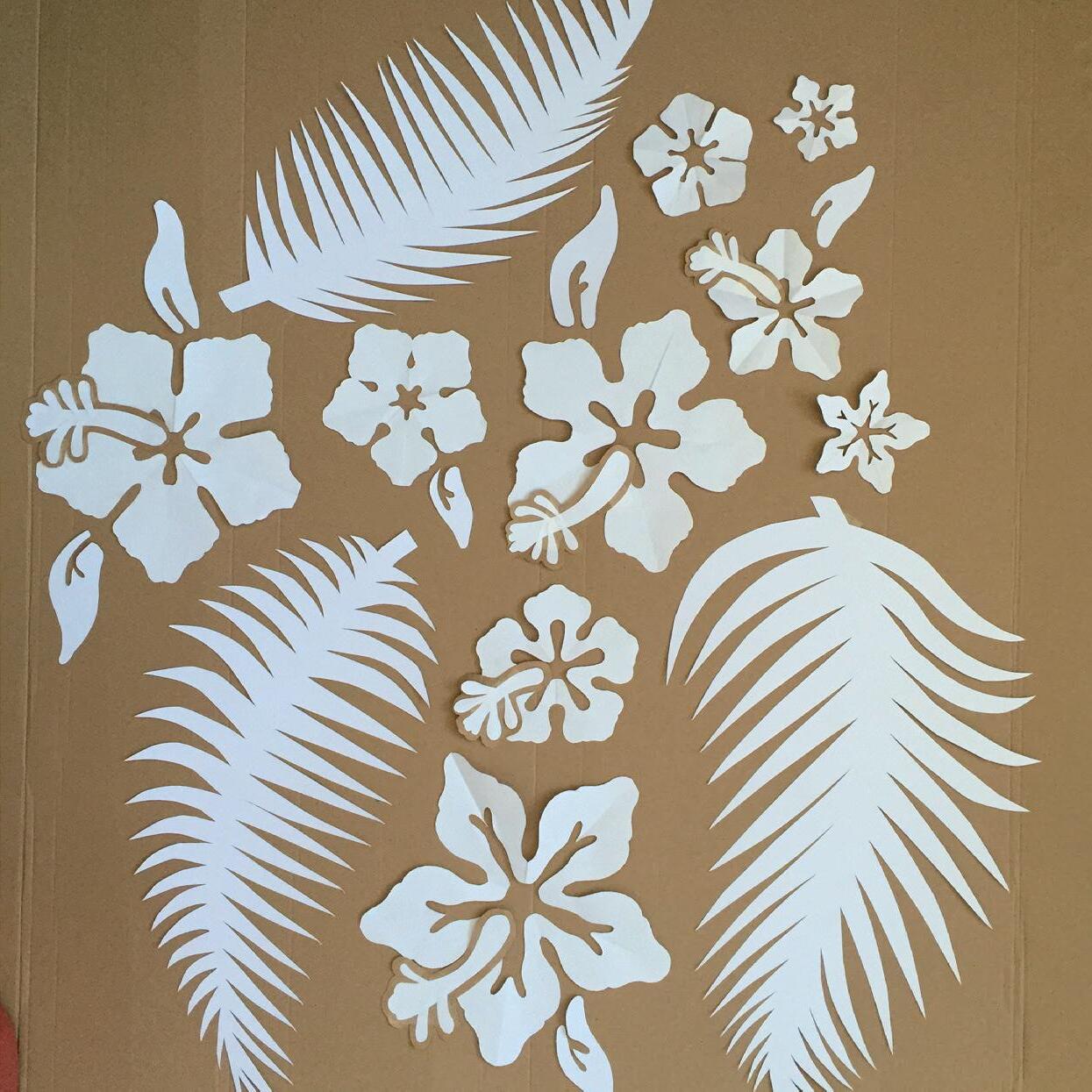
It starts with an idea. Next comes the detailed work. Creating – putting it on paper – discarding; until everything is perfect and a new hammock sample emerges … We put a lot of love into designing every creation, from the first step to the last.
SMART HOOKS
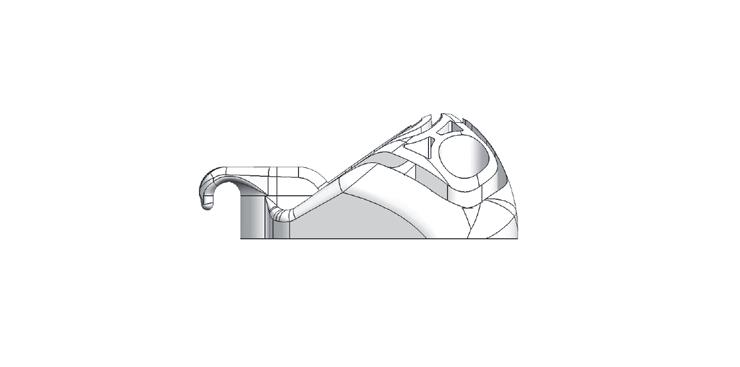
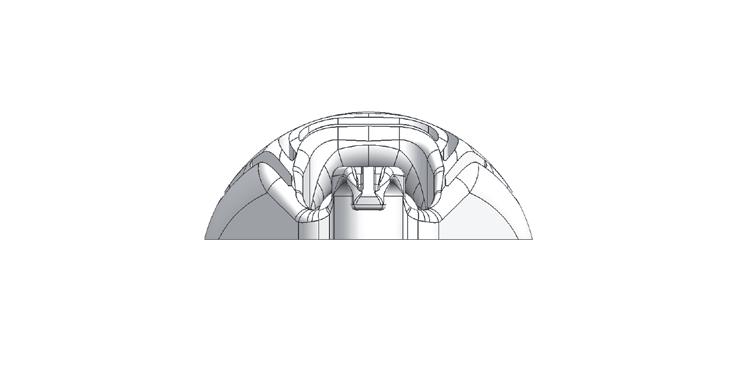
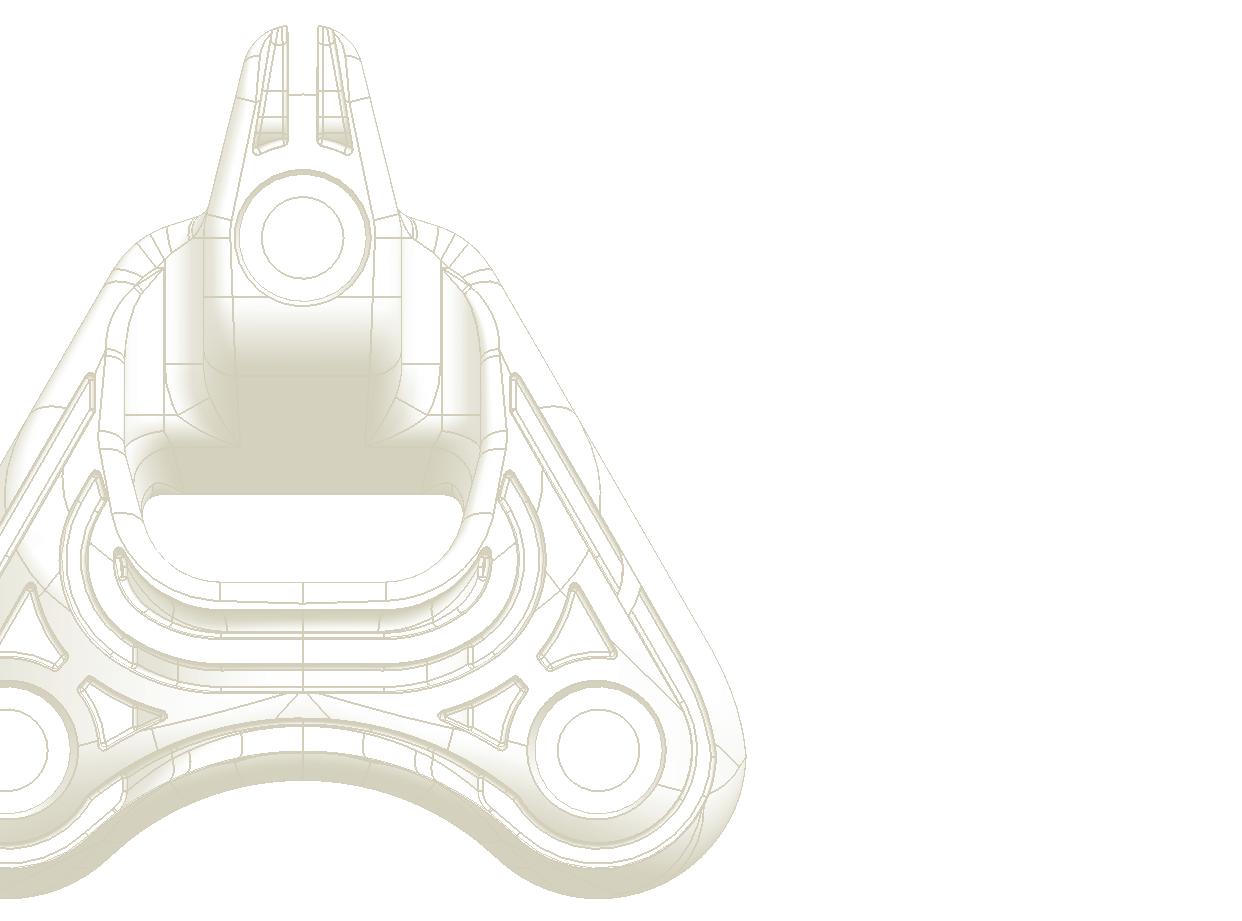
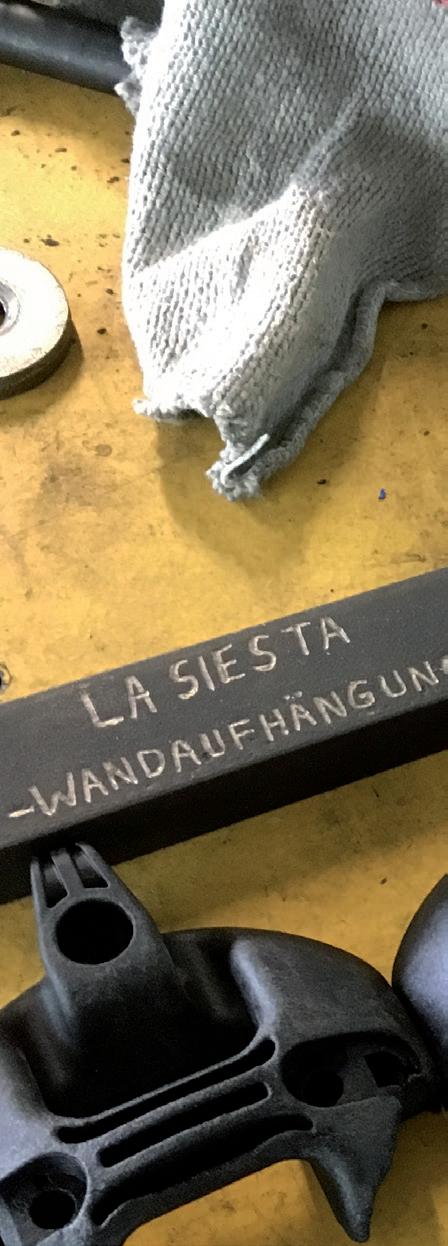
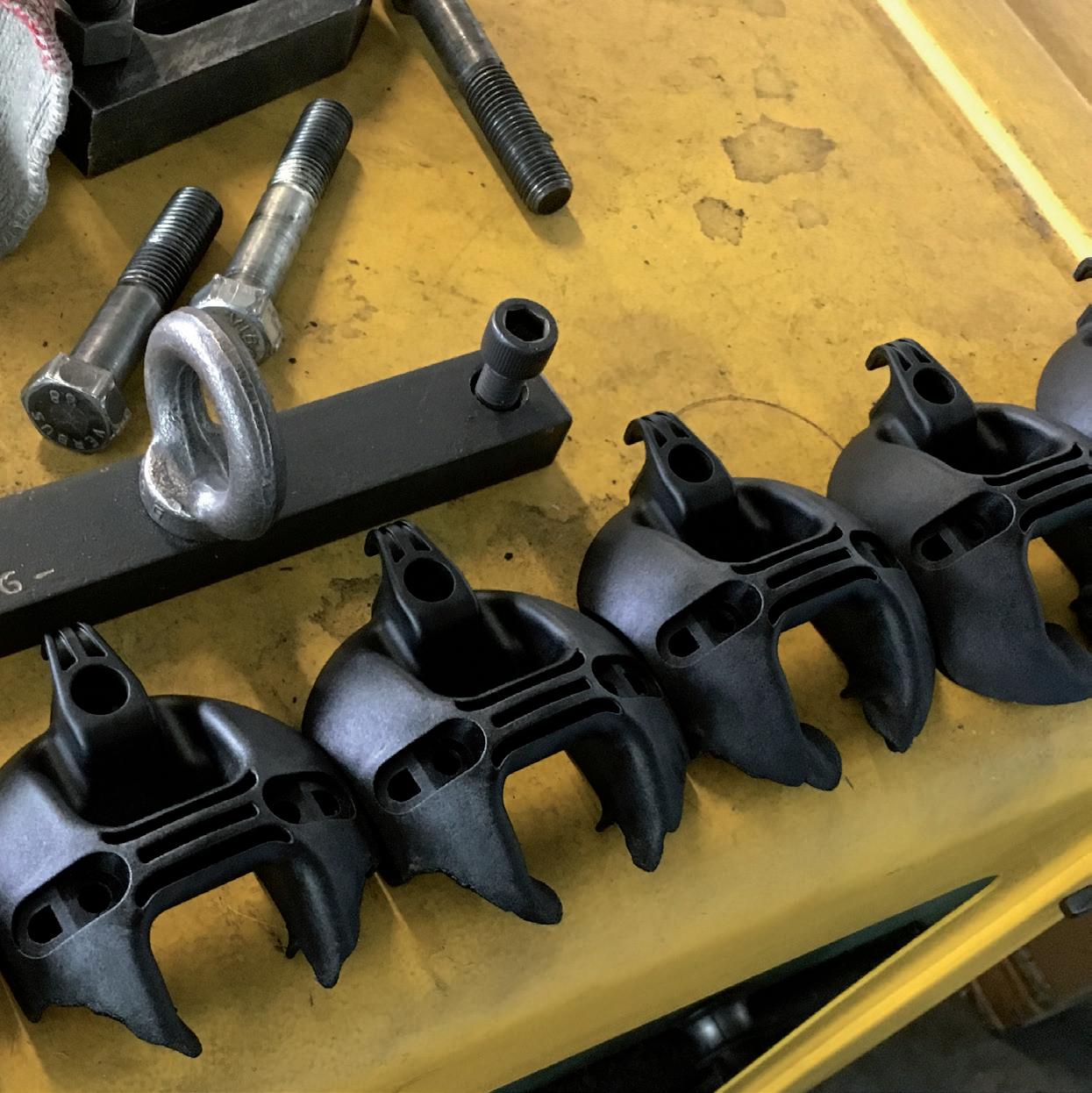
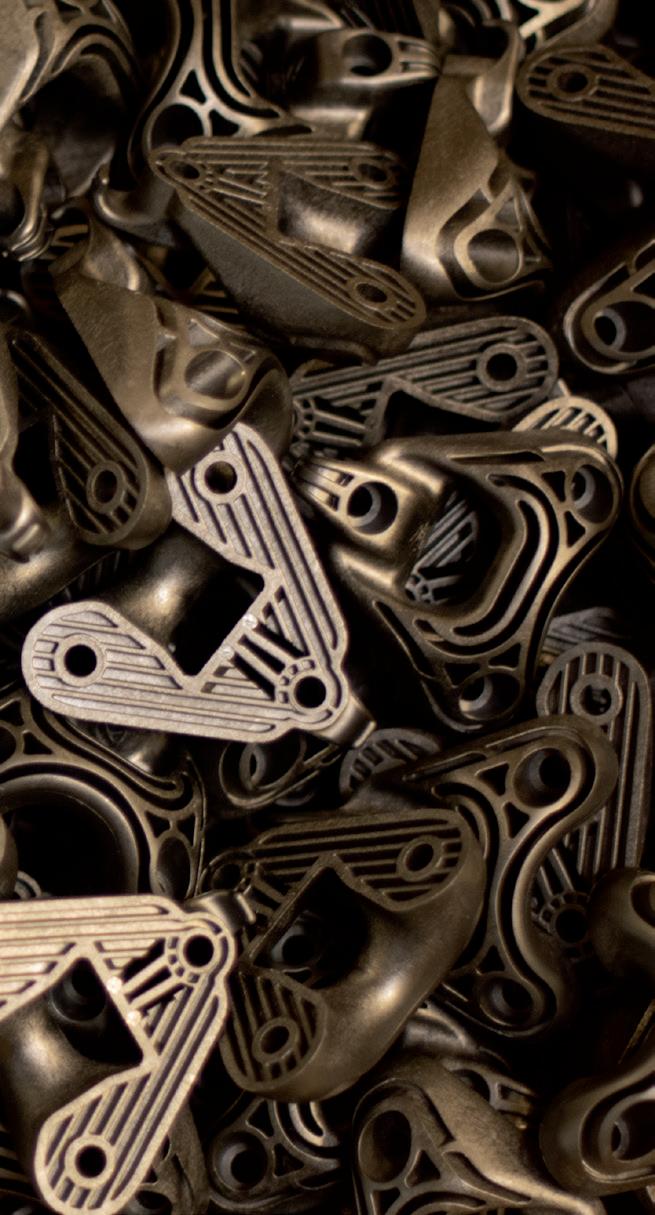
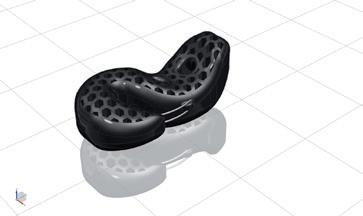
One of the first tasks of designer Jean-Christophe Meillan was to develop a practical and simultaneously safe way to hang up hammocks. The suspension solution was to be produced in Germany according to strict quality standards. The partner to work with in implementing this project was Bad Kreuznach company ITM. The proximity of Jugenheim and Bad Kreuznach already made very close cooperation possible during the development process.
LA SIESTA invested a great deal of time in the development of suspension solutions; several years passed between the initial idea and the patent. Both hammocks and hammock chairs can be hung using the SmartHooks and MultiSpots; they are suitable for attachment to walls, ceilings, trees and beams. The suspensions systems are ”100% made in Germany“ and have undergone safety and quality inspections with the German Technical Inspection Agency TÜV Rheinland.
ROLLITO PATENTED SUCCESS
IDEA
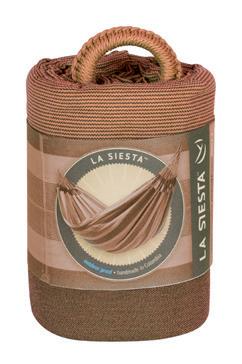
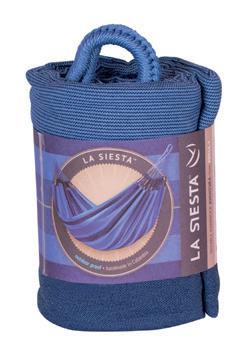
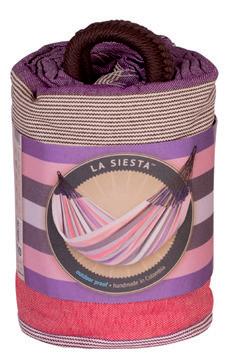
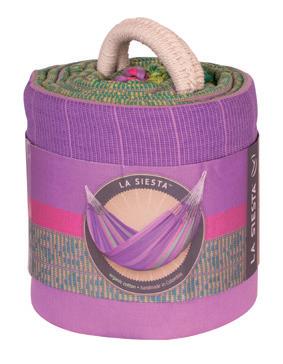
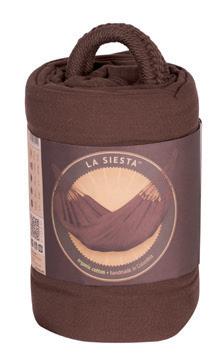
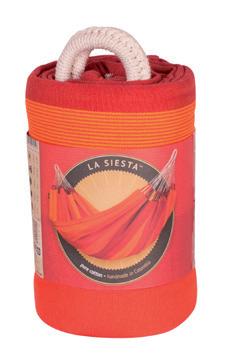
Die LA SIESTA Hängematten werden auf eine besondere Weise gerollt. Das spart Platz beim Transport und sieht im Schaufenster gut aus. Der Rollito ist das Markenzeichen der Hängematten aus Jugenheim.
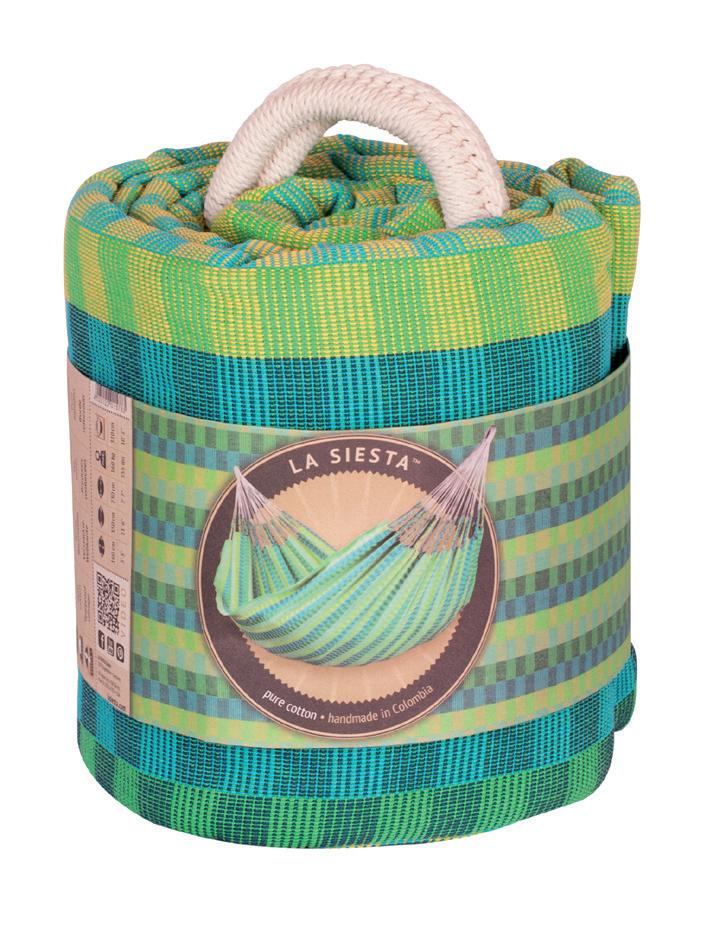
LA SIESTA hammocks are rolled using a very special method. This saves space during transport and looks goods in window displays. Rollito is the trademark of our hammocks from Jugenheim.
YEARS AGO ... 25
We don’t have to continue to live as we have lived yesterday.
If we disconnect from this view, then a thousand possibilities invite us to a new life.
Christian Morgenstern
LA SIESTA’s success story began in an unobtrusive row house in Mainz-Finthen in 1990. The three sons, Maximilian, Leonid and Cornelius attended school, father Alexander Grisar provided for the family’s living as a consulting engineer. His side job helped with the family budget sometimes more, sometimes less.
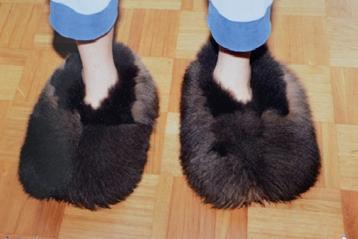
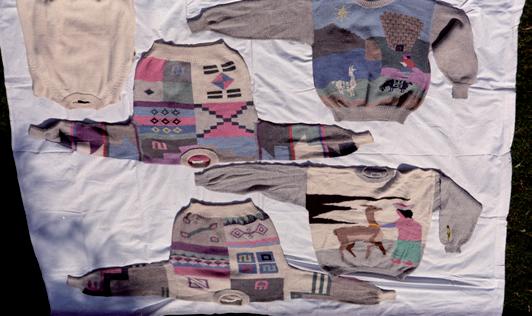
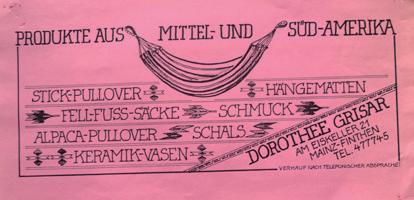
Dorothee Grisar looked for opportunities to improve the family’s finances. She had rejected the idea of a restaurant selling tarte flambé; instead she began to sell the artisanal products Alexander brought back from his business trips to South America. She presented lovingly created alpaca sweaters, silver jewelry, vases and fur gloves at regional markets under the name “Dorothee Grisar Latin American Imports”.
to 1992
BETWEEN PONCHOS, SWEATERS AND STRINGS OF BEADS
When attending Frankfurt’s fall trade fair in 1990, the Grisars discovered a little booth from El Salvador. Hammocks in all conceivable colors hung there, and Dorothee was immediately hooked. The couple themselves had lived in Latin America for several years; nothing Zembodied the feeling of life there more than a hammock. This unique product was meant to expand the range of Latin American imports!
The two of them ordered the first 300 hammocks and stored them in their home in Mainz-Finthen. A better storage place was not available, so from that point on hammocks under the piano and on the wardrobes were a part of their home furnishings.
At the Rhineland-Palatinate Exhibition in Mainz in 1991, the Grisars rented their first booth and hoped to distribute the 300 hammocks in nine days. The first hammock was sold here on March 16, 1991.
All in all, the sales remained modest; the Grisars took 289 hammocks back home with them. In the following months a few hammocks, a few sweaters and a few vases were sold, but the major breakthrough didn’t appear.
ENOUGH WITH THE GRAB BAG
At Wiesbaden’s Christmas market the family passed the booth of a couple they were friends with. Many beautiful items were offered here and the Grisars of course duly admired them while chatting with their friends. As they walked on, Alexander began to ruminate, and finally declared:
”We are not having a rummage table! We have to concentrate on one item!”
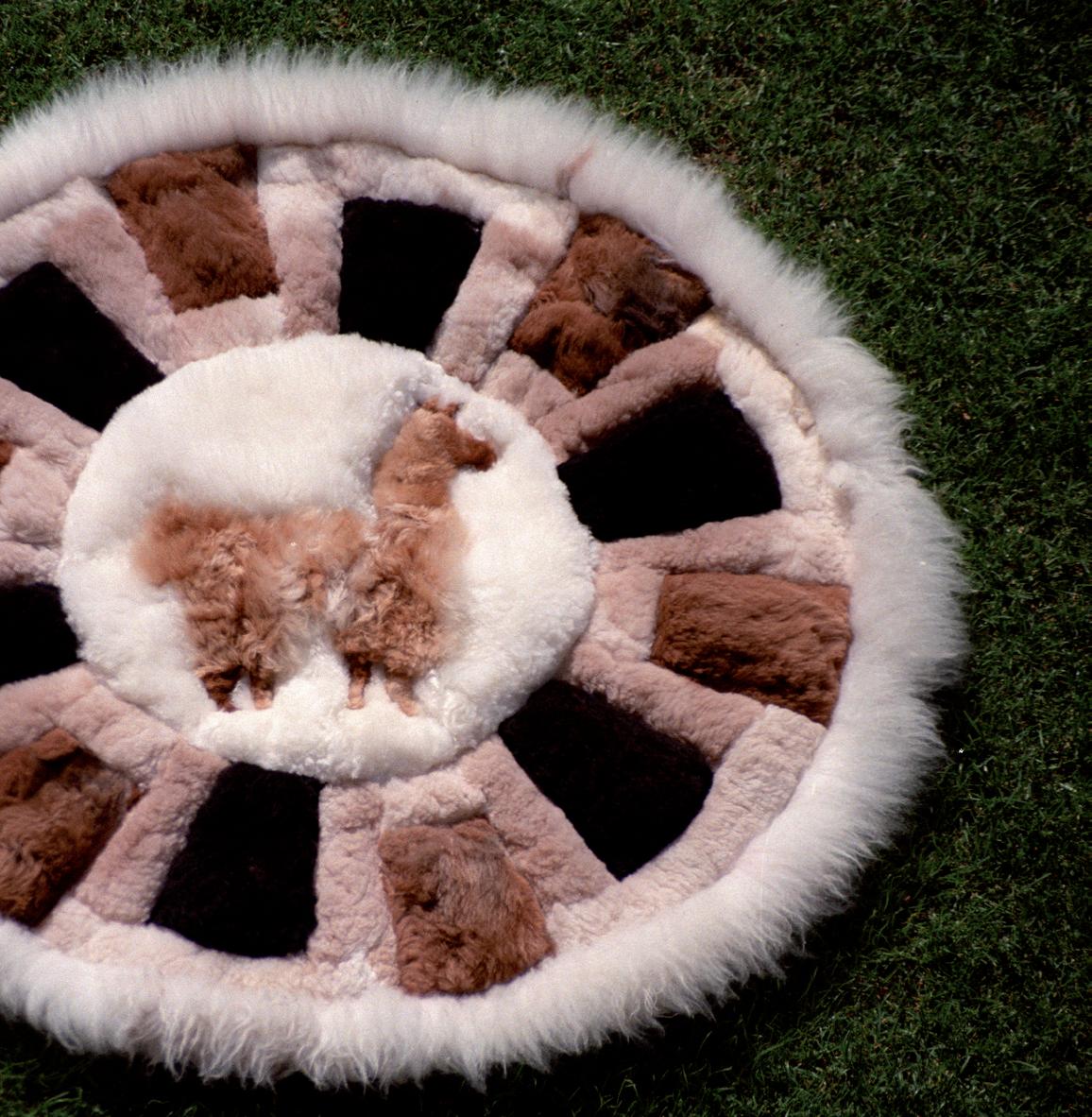
Which item that would be was clear; the alpaca sweaters, the tapestries and the fur slippers needed to go!
Alexander Grisar looked for sensible channels of distribution and decided to offer hammocks as an outdoor product to corresponding retailers. At trade fairs he acquired lists of all of the sports and outdoor retailers nearby and farther away, and began to call them, one after another. Many retailers took on the exotic product on a consignment basis and were just as interested as the Grisars:
Would the hammocks turn out to be a top seller or a dead item?
The couple found additional distribution partners at trade fairs across Germany. Soon retailers were not the only customers of ”Dorothee Grisar Latin American Imports”, the first mail order companies became interested in the hammocks and added them to their catalogs.
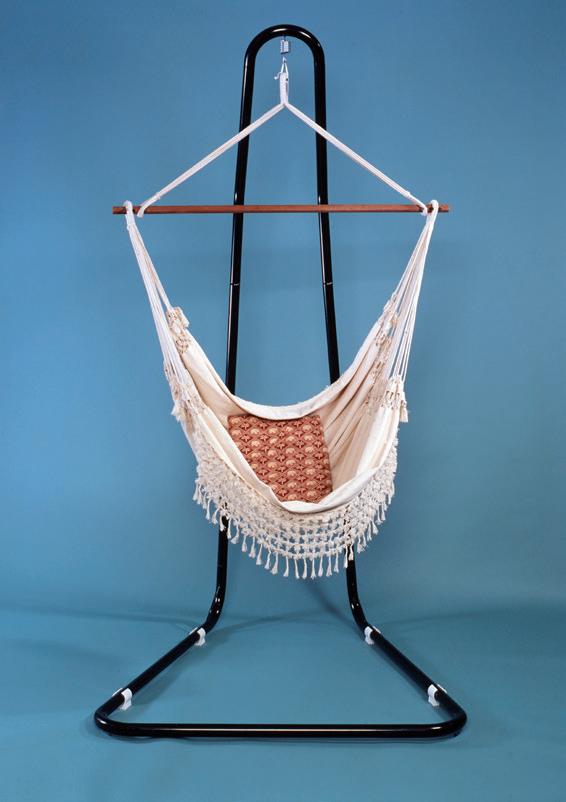
Hammock Chair BHC-1
1993 to 1995
LA SIESTA –THE WORLD OF THE HAMMOCK
In 1993 everything was supposed to become more professional. Alexander Grisar had stepped down from his work as an engineer, so as to concentrate on the hammock sales with his wife. A more compact company name and a logo were needed. Out of all the different names, LA SIESTA won. No other term fit the feeling of life of the hammock better. The logo with the stylized hammock and the red sun underlined the exotic quality of the products. The couple had created their very own corporate identity without the help of an ad agency.
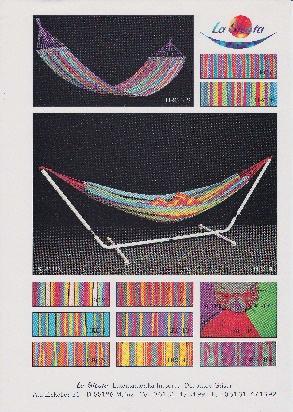
The range had continued to grow in the meantime. With BHC-1, LA SIESTA offered the first Brazilian hammock chair in 1993, leading to a completely new view of its own product range. Instead of acquiring the products from just one country, in 1994 the concept ”the world of the hammock” was developed. Hammocks are made very differently by region. LA SIESTA offered its customers a selection – they could choose the hammock that fit them best from El Salvador, Brazil, Mexico or Nicaragua.
Hammock Mexicana
¡ HOLA COLOMBIA!
Business with mail-order companies experienced continuous growth, several companies had discovered the hammock as an advertising medium and the kindergarten sector was crazy about the products. Dorothee Grisar was virtually overrun by kindergarten teachers. Kids were enthusiastic above all about hammock chairs, because they did justice to the children’s need to move more than conventional models. Unfortunately, heavily damaged items frequently came back from the kindergartens. The traditional products were loved by the children, but could not withstand their untamed energy. The solution was obvious to Alexander the engineer:
LA SIESTA had to develop its own hammocks that could fulfill these new demands!
The competition was already having their goods produced in Brazil and El Salvador, but the Grisars had fallen in love with the Colombian hammocks. Nowhere else are the hammocks as rich in color as there. They wanted to have their own hammocks and hanging chairs made there, and these products were to become the USP of the brand LA SIESTA.
Alexander took an actually inconceivable step: He flew to Colombia, toured different production facilities and started the first negotiations. Armed conflict had reigned in Colombia since the 40s – creating and maintaining a business relationship there was not only difficult, but also dangerous. Even the locals advised against his project. He stuck to the plan he had devised and found the ideal partner in the Colombian city of Barranquilla. The first result of the cooperation already became a bestseller: The Colombiana hammock set new standards in terms of its quality and color scheme.
1996 to 2000 BIG STEPS FORWARD
In addition to the first products the company developed itself, in 1996 another milestone occurred: the company’s first catalog. It replaced the individual flyers and brochures, and presented the different product ranges in beautiful pictures. The company’s new logo was presented in it for the first time: A playful pattern in blue and yellow replaced the hand-drawn emblem with the red sun.
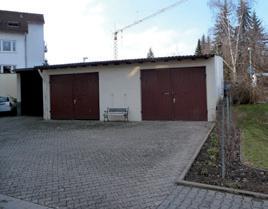
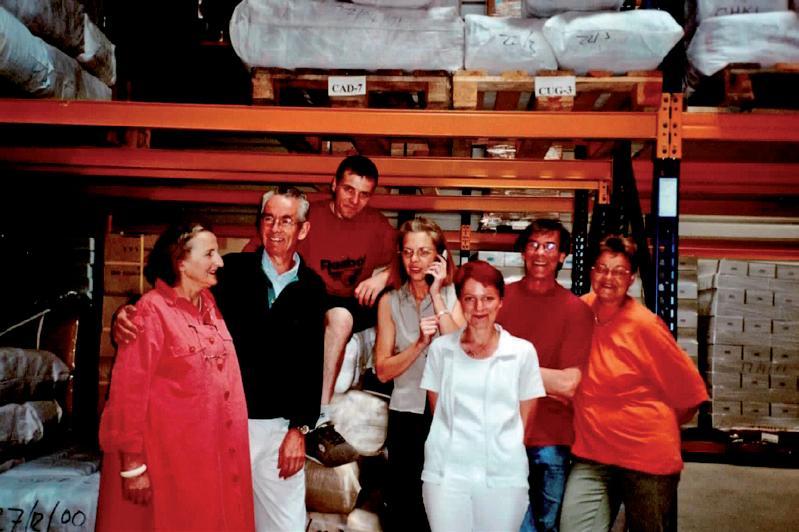
The Grisars had transformed the cellar of their row house in Mainz-Finthen into an office and in Steffi and Dave Norman they had found two temps who actively jumped right in. In their home every free spot was repurposed as storage space for the colorful hammocks; three garages served as exterior storage and packing facilities.
Business was so good that the Grisars were finally forced to take the next steps. They founded LA SIESTA GmbH and permanently hired Steffi and Dave. Dave took over management of the warehouse and Steffi was responsible for the increasingly complex accounting. The family business had become a real company.
Hammock Colombiana
GOOD - BYE, GARAGE WAREHOUSE AND CELLAR OFFICE
But that did not solve the space-related issues. Dorothee and Alexander wanted to buy a more generously sized building, so they would finally have enough room for storage, packing and working. They took a look at various properties in the region, but none of them were suitable. In the Rheinhessen wine region there were numerous storage facilities for wine, but none for cotton products. The precious hammocks would not last long in a welltempered wine cellar.
When land for building was advertised in nearby Jugenheim in Rheinhessen, the couple saw an alternative to buying a facility: They would take the step of building the company’s own building! Although the costs for the new building exceeded the financial circumstances, at least the facilities would fulfill all the demands made by the Grisars.
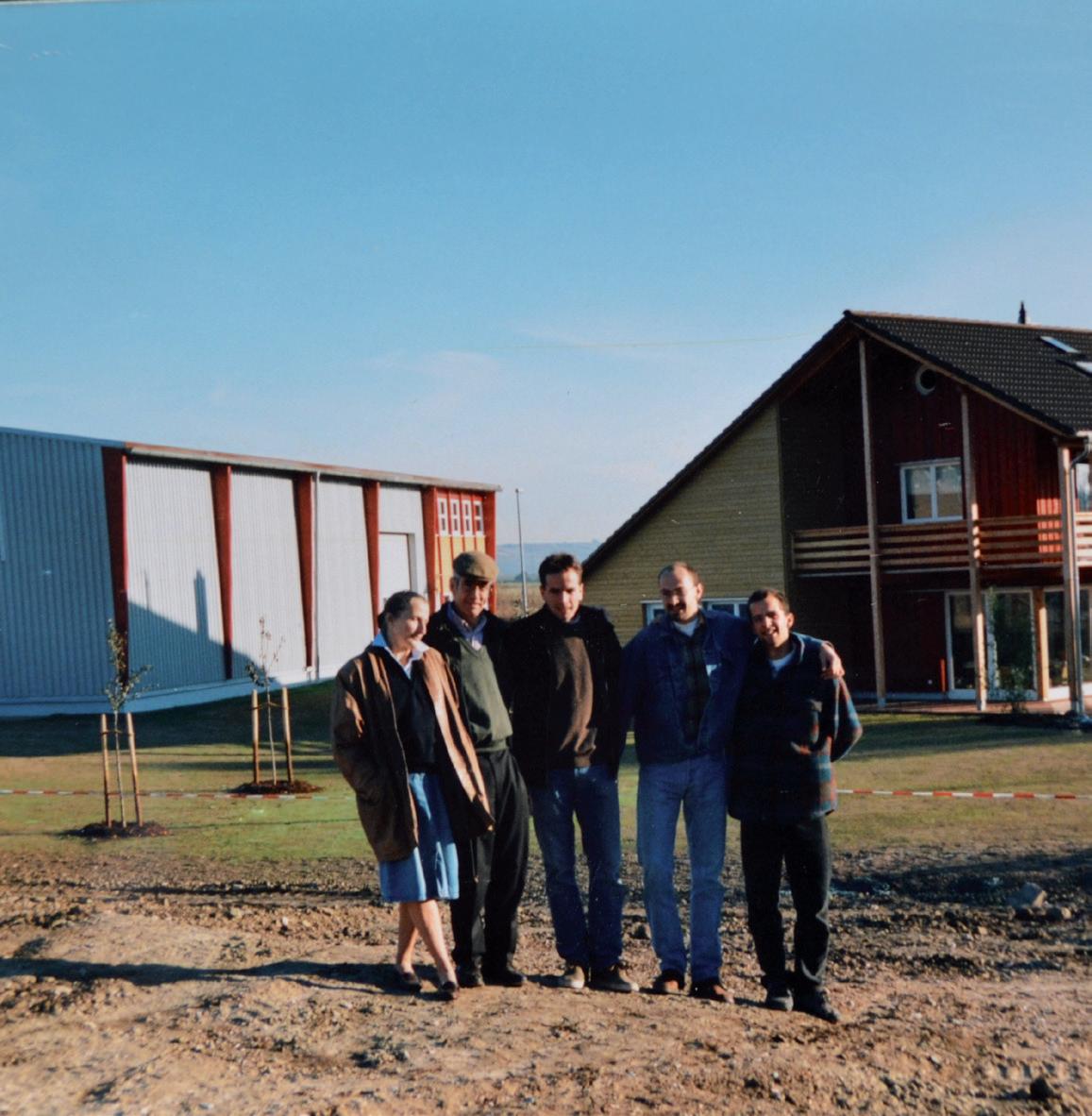
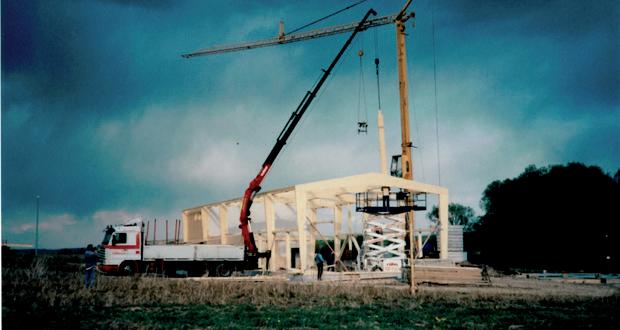
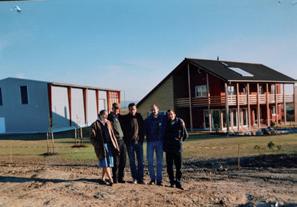
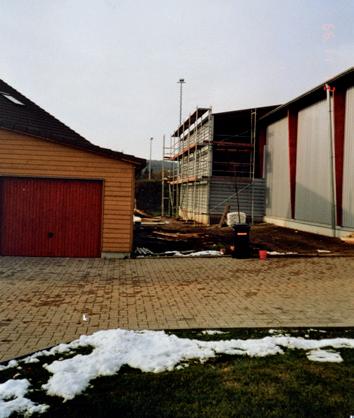
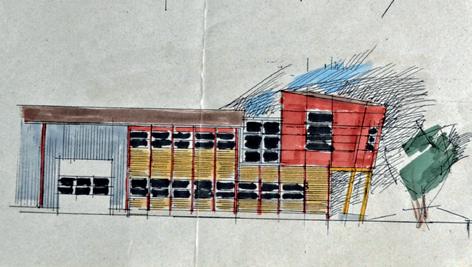
Dorothee and Alexander bought the last free lot in the newly developed Jugenheim industrial sector, Im Wiesenweg. In just one year of construction a new company building and a home, both completely made of wood, emerged here at the edge of town.
In 1997, the era of the garage warehouse and office cellar was finally history.
Now there was enough room for new employees.
The team in Jugenheim grew; above all staff members with very good foreign language skills were needed. They formed the basis for developing the European market.
Hammock Chair Regalo
2001 to 2005 INFECTED WITH HAMMOCK FEVER
The company building, which was supposed to offer enough room for the expansions of the next thirty years had become too small after just four years. The company not only got external support in terms of human resources, it also came quite unexpectedly from its own ranks.
Naturally their three sons Maximilian, Leonid and Cornelius were included in different activities from the start, and liked to earn a bit of spending money packing hammocks and solving computer problems. The Grisars, however, always made sure to not include the three of them too much. Their sons were to decide for themselves how much they wanted to be involved in the young family company. They were to choose for themselves what they wanted to study and follow their own paths.
Upon finishing his studies, Leonid helped his father in Jugenheim on the computer once again. But this time he was not leaving again when the weekend was over. His stays became longer and longer, until he too got hammock fever.
In
2002 Leonid officially joined the family company.
AN INNOVATIVE SPIRIT & INVENTIVENESS
Leonid was not only good with computers. He knew the hammocks well and soon developed extensive quality controls. The young graduate likely also brought some fresh ideas into his parents’ company, because in the years that followed LA SIESTA boasted several spectacular innovations.
Perhaps it was this inventiveness and the opportunity to develop that attracted Leonid’s big brother Max to LA SIESTA.
In 2003, Maximilian also took his place in the hammock world.
Innovations made in Jugenheim
2001, the Jugenheim company launched a novelty with its SafeTurn: The swivel element ensured that the cords of the hammock chair could not tangle up together.
2002, LA SIESTA developed its first hammock stand, Pacifico.
2003, design hammock Arhuaca caused quite a stir.
2004, LA SIESTA introduced Currambera Lounger, an XXL hammock chair you can fit an entire family in.
2005, the first LA SIESTA hammocks made of HamacTex, a weather-resistant artificial fiber, hit the market.
Hammock Arhuaca with Stand Pacifico
HamacTex-Hammock Sonriente
Currambera Lounger with SafeTurn
2005 to 2010
NEW STANDARDS –NEW MANAGEMENT
The success of the innovative products required some legal changes. After the first plagiarisms appeared on the market, the Grisars registered the name “LA SIESTA” with the German Patent and Trademark Office. This was an important step, especially since the major hammock-makers in the USA had discovered the catchy brand name.
As a hammock specialist, the company literally set new standards: Up until that point, no one had made an effort to set standards for hammocks. In 2006 LA SIESTA put an end to the lasting confusion of hammock buyers, as the first company to define globally fixed dimensions for its own single, double and family hammocks.
Alexander Grisar had set the date for his retirement early on:
”I’ll quit when I’m 67!”
And now it was time. In 2008, the parents officially passed the company to Maximilian and Leonid. The company’s founder wanted to have a clear conclusion. He was able to cite too many examples of businesspeople who did not handle their own withdrawals well and ended up botching what the following generation was trying to do. He trusted his sons without hesitation to run the company, and withdrew completely from the business. His wife Dorothee took a bit of a slower path.
Vive le hamac!
THANKS TO AMADOU DIAGNE, AT SOME POINT EVERYONE WILL HAVE A HAMMOCK.
When
did you join LA SIESTA?
On January 18, 2006 – that’s even the license plate of my car. In 2016 I am celebrating my 10th anniversary.
Amadou, how does one sell hammocks as successfully as you do?
How people receive you is important. And then there is the quality of the product – and with the know-how of 25 years of experience you can sell with a clear conscience. I put myself in the customer’s place. This change in perspective, that is a job you do before you do the actual sale. Only in that way can you have an advantage.
How do you convince your customers?
I show an interest in the customers. If for example a customer says, “I don’t have the room!” then I find a solution and prepare space-saving displays. I always try to think how the customer thinks and to find out what they need. I prepare individual materials and presentations and show the customer the perfect solution to their problem. Service, quality and experience are the cornerstones, followed by customer service – I groom personal relationships, not just sales-oriented ones.
What do you like about LA SIESTA?
It’s very simple, I just feel good here. A super atmosphere prevails here and I like to do my job. I only ever applied for one job in my life, and that was LA SIESTA. Innately
I am a passionate humanities scholar, but I have learned so much here. I have been encouraged and supported. My work is appreciated and I am given a lot of trust. We are a multi-cultural company. We get along well here, despite or maybe because of our diverse team and the different cultures. That is something you need nowadays: intercultural competence. Everyone here has that and I think it’s great. That is not something to be expected from a small company!
What is it that you bring from your home in Senegal to LA SIESTA?
My grandfather was a wholesaler and the mayor – my father was also a great negotiator. People approached him and wanted to have his support in negotiating at the market. I think that is a family trait. When I accompanied him, I was able to learn unknowingly, and developed an enthusiasm for buying and selling. And I always bring along my good mood. I really like to add to the atmosphere here!
SUSTAINABILITY
Alexander had wanted to spend his time during retirement as a senior volunteer. He had looked forward to helping young entrepreneurs with his knowledge and expertise. When he had finished converting the children’s old room into his own little home office, he was faced with the realization that no one wanted to take advantage of the manpower he was offering free of charge.
Casera, LA SIESTA’s first hammock made of organic cotton, had just hit the market. But the raw materials for the sustainable product had to be imported to Colombia from Africa – despite the fact that the best conditions for cultivating cotton prevail in South America. Alexander’s goal was clear: He wanted to initiate a project that promoted sustainable cotton cultivation in Latin America. He founded the non-profit initiative SOCiLA and since then has dedicated himself heart and soul to establishing organic cotton on the South American continent.
In the meantime, the ”world of the hammock“ had continued to grow. After a long search, LA SIESTA had found a supplier who would make the spreader bar hammocks North American Style. These models differ greatly from the traditional hammocks, and thus other skills were sought after in the production. LA SIESTA found the right partner on the other side of the globe: in India.
In 2010, the company’s appearance changed once again, when designer Jean-Christophe Meillan created the current logo. The step from the playful, colorful logo to the minimalist, elegant one was also reflected in the development of the products:
LA SIESTA hammocks perfectly combine Latin American ease with European quality consciousness.
Bio Hammock Chair Casera
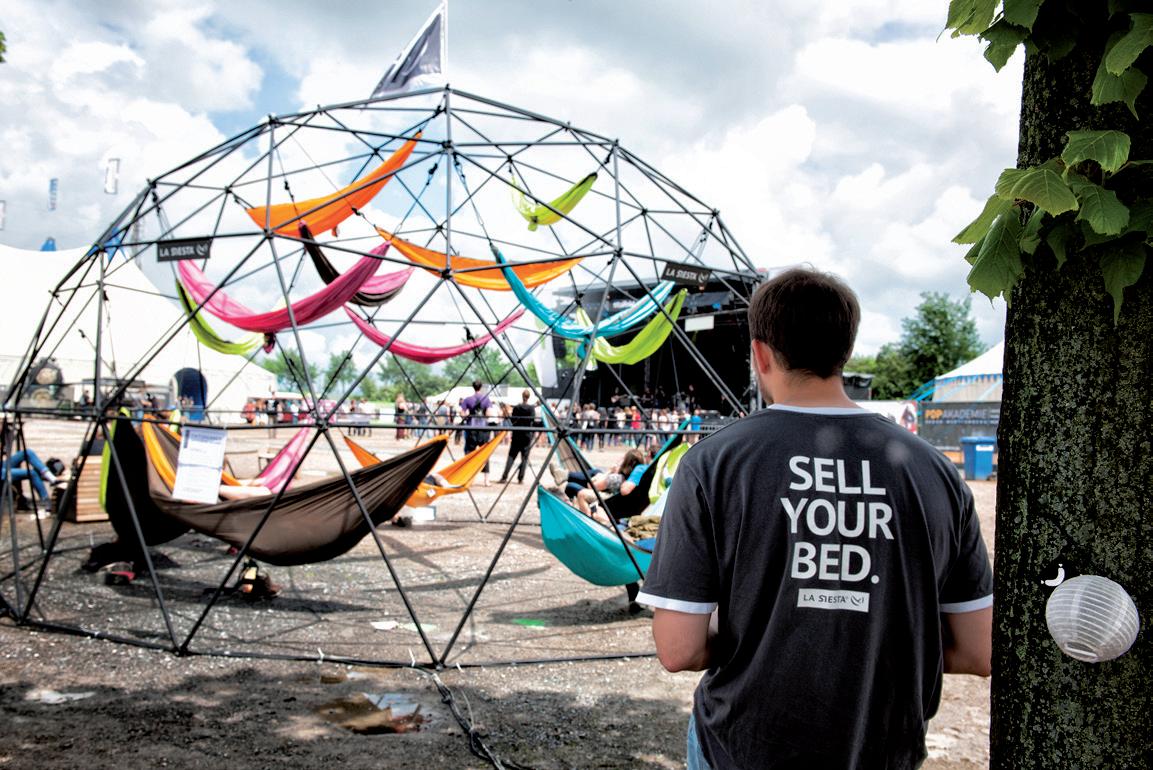
SELL YOUR BED.
The Grisars themselves could hardly believe that 20 years had already passed since the first hammock was sold at the Rhineland-Palatinate Exhibition. Right on time for the company’s 20th anniversary, youngest brother Cornelius Grisar completed the management team. He had gathered his experiences in the corporate world and wanted to implement his know-how to help the hammock achieve further success.
After lengthy preparation, in this anniversary year one of the biggest obstacles customers faced when buying a hammock was to cease to exist:
How do you hang up a hammock?
LA SIESTA had worked intensively on solving this problem and developing a hook concept that was equally safe and simple. Several years of concentrated development passed, with highs and lows, until the innovative system was ultimately mature enough to be put on the market and registered for a patent.
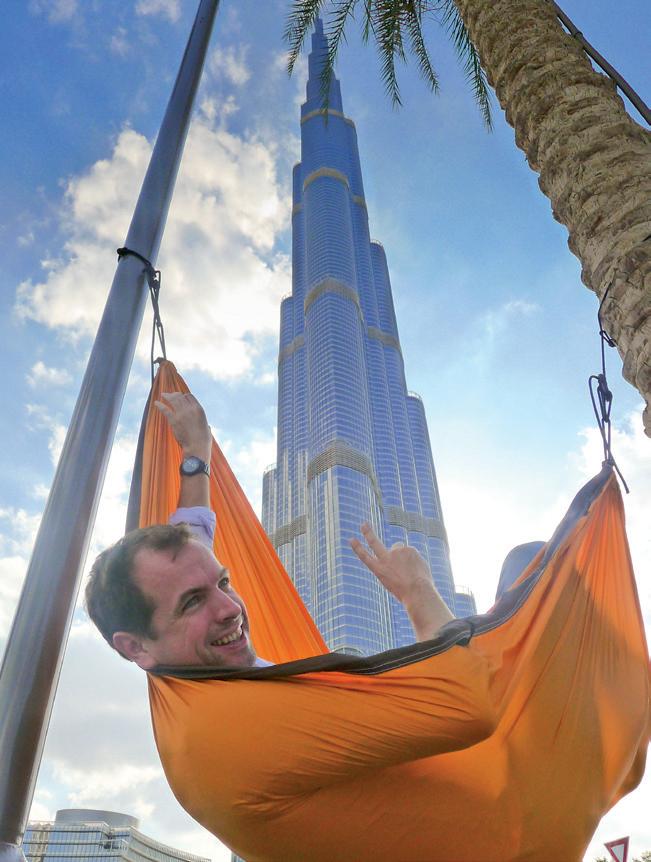
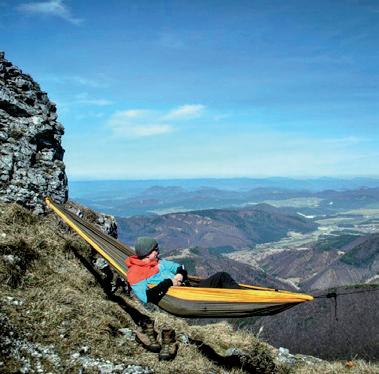
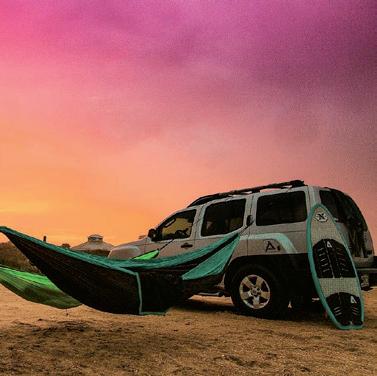
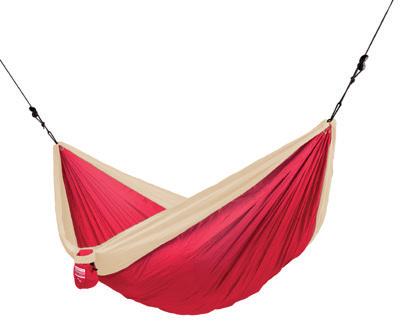
With Colibri, in 2011 a very new product segment was added: the travel hammock. Made of ultralight parachute silk and compact packing dimensions, it is the ideal bed for on-the-go:
Sell your Bed.
Travel the World.
Find two Trees.
Two years later, Cornelius brought the slogan to life. He packed his Colibri and traveled around the world with it. 2011 – 2016
Travel Hammock Colibri
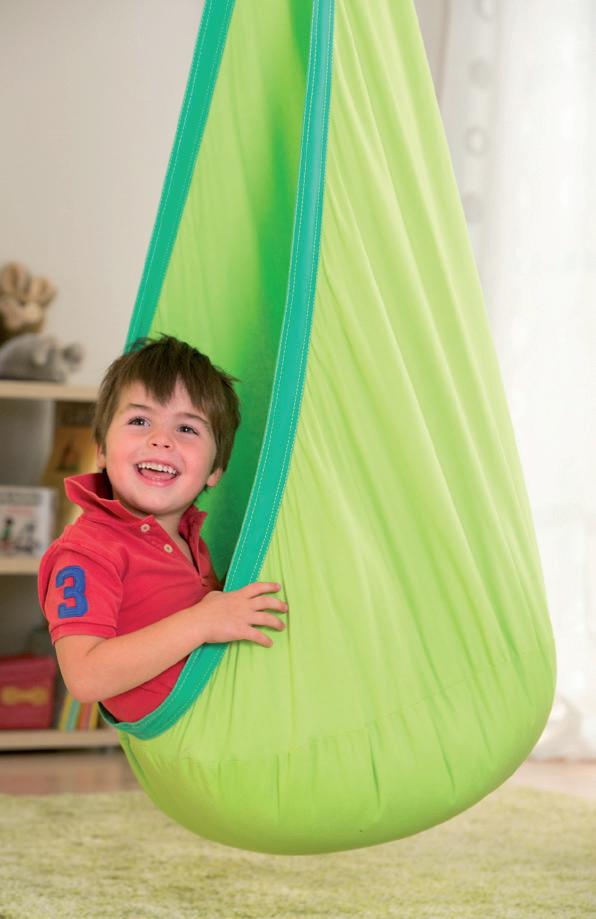
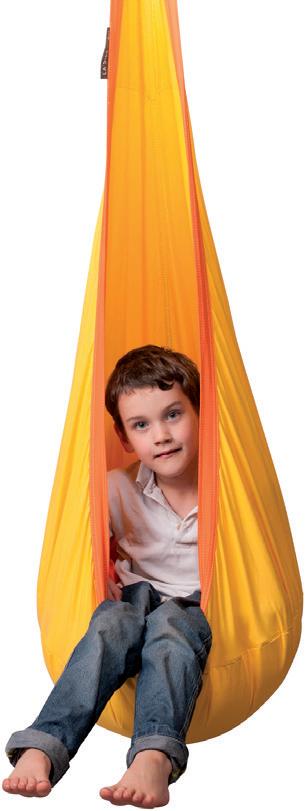
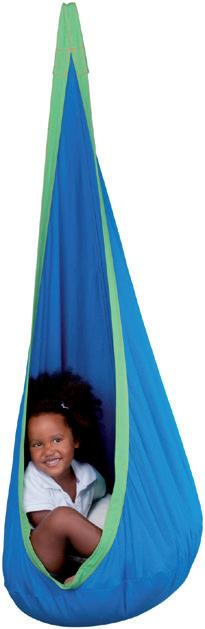
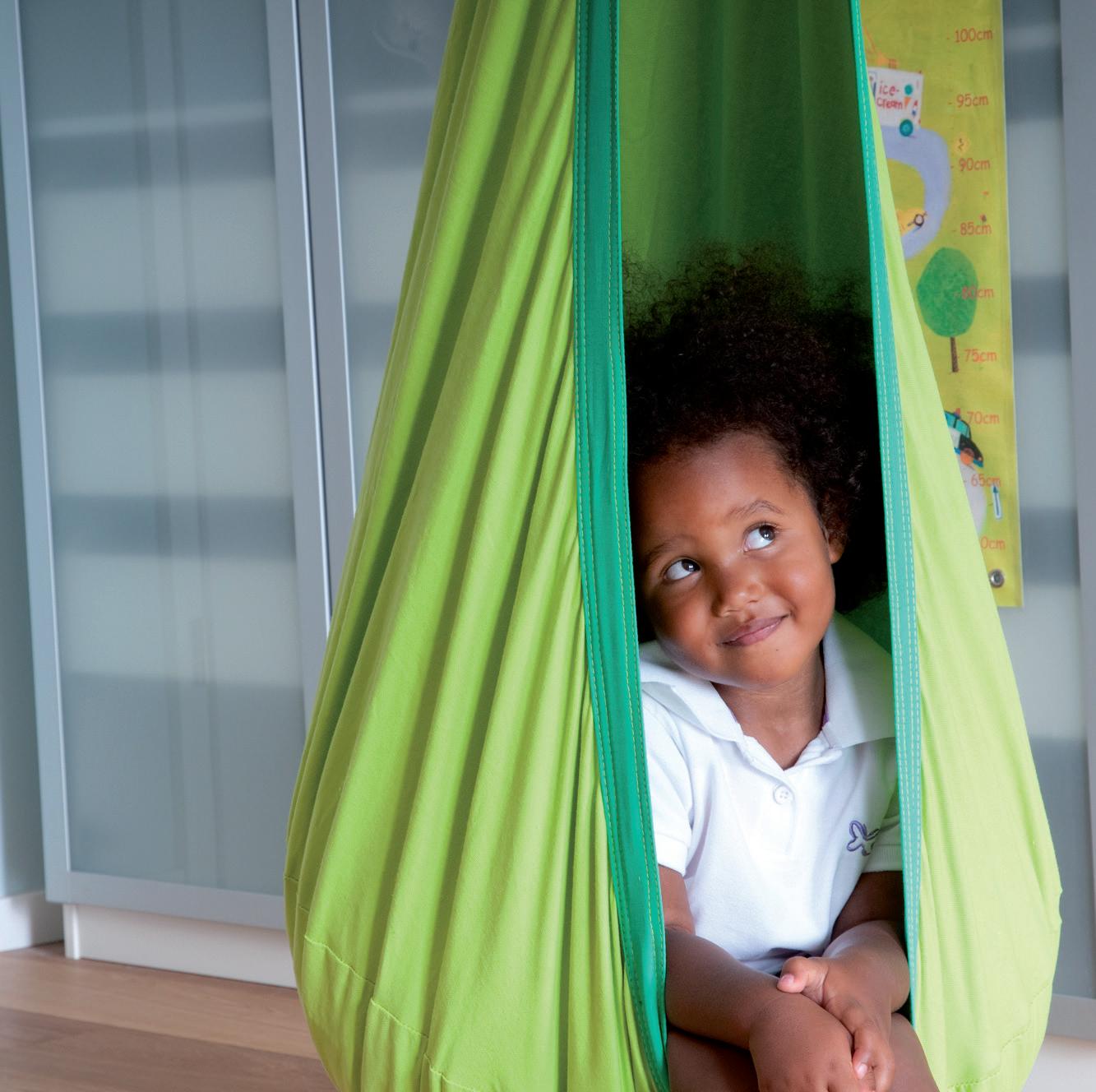
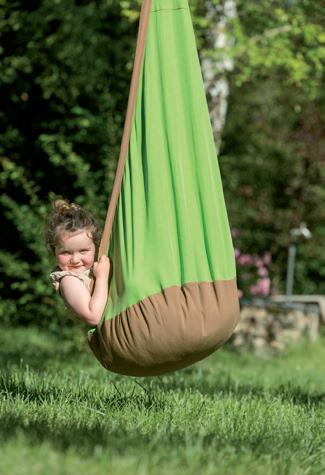
The range of children’s products also continued to grow; here the hanging nest Joki soon became an absolute bestseller. LA SIESTA’s product range was now so diversified that both the catalog and the homepage were oriented more towards the different target groups. LA SIESTA translated its website into different languages, to be able to reach customers around the world.
Hanging Nest Joki
FROM MIAMI TO MAINZ
But LA SIESTA not only ventured out into the great, wide world virtually. In 2014, LA SIESTA Inc. was established in Miami, Florida as a subsidiary of LA SIESTA GmbH. After lengthy preparations, everything was ready for this big step. Since then, Maximilian Grisar has been running the American subsidiary on site and continues to expand the business in the New World.
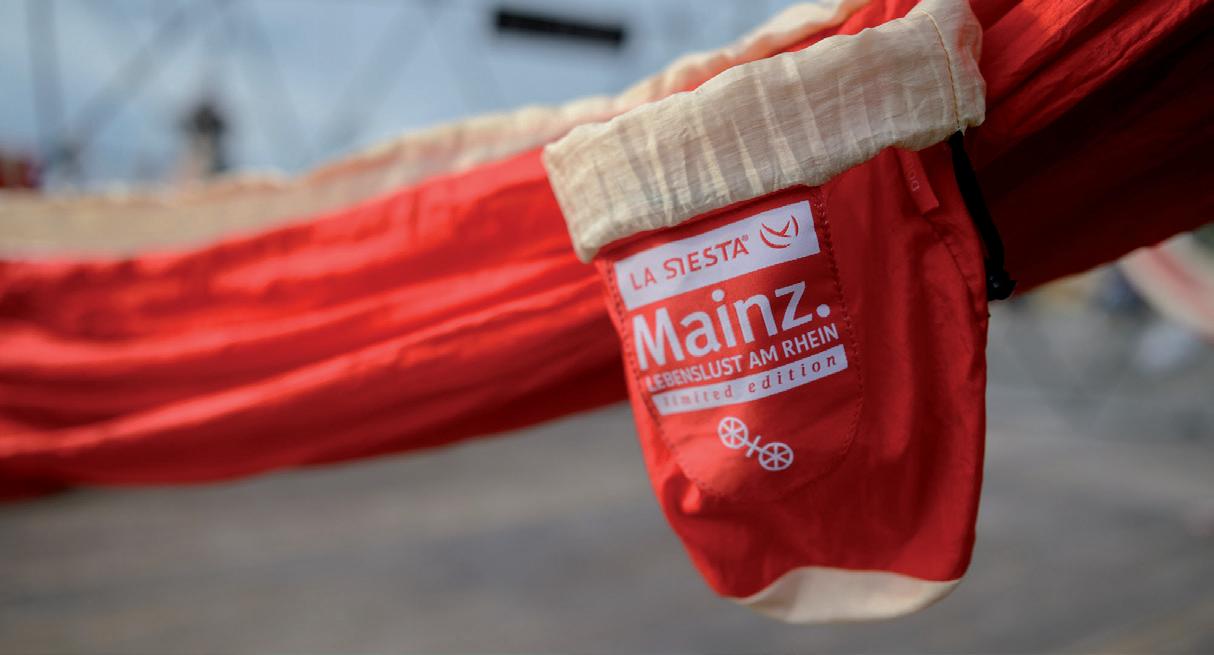
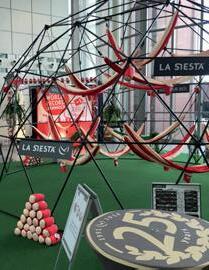
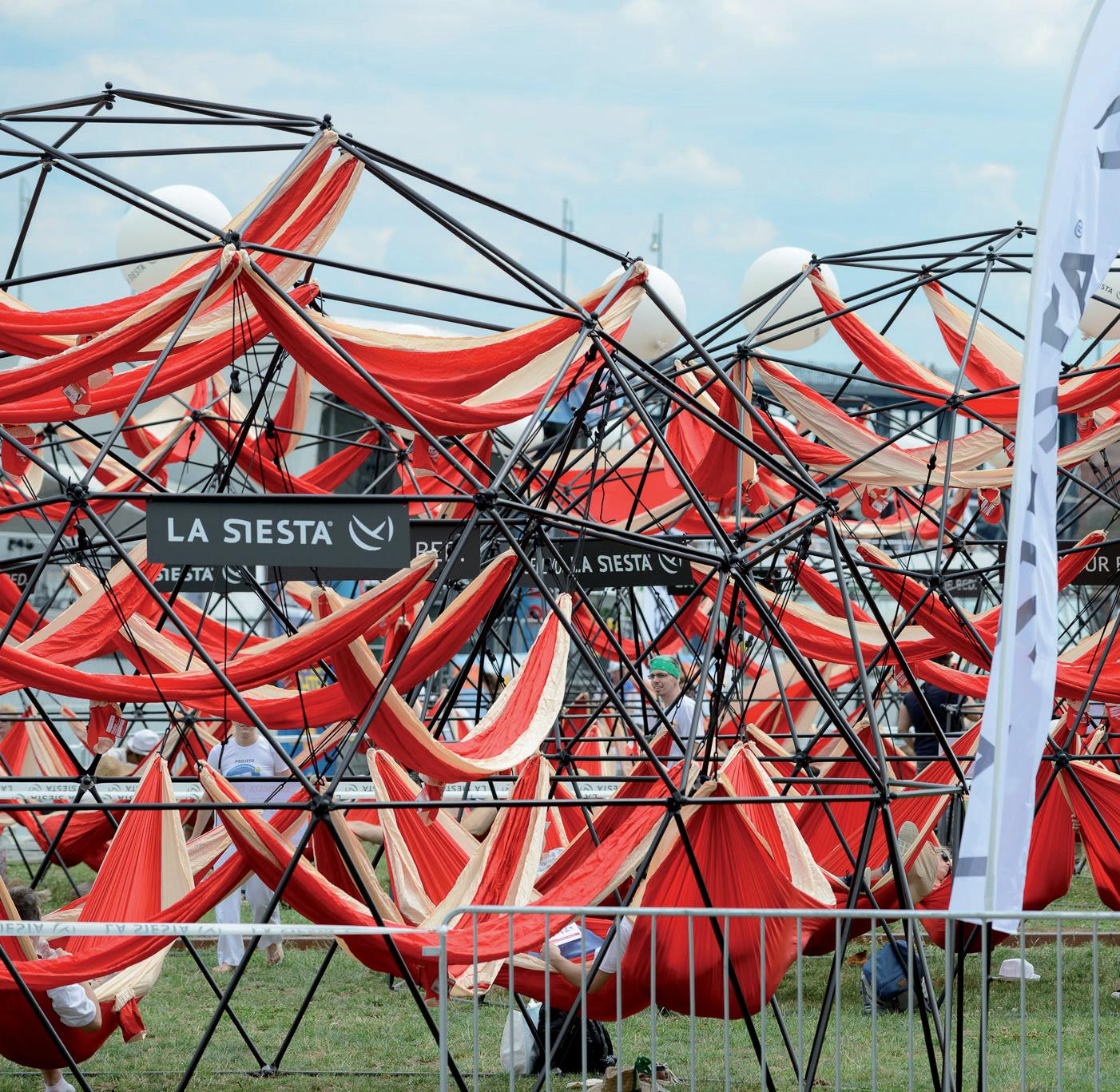
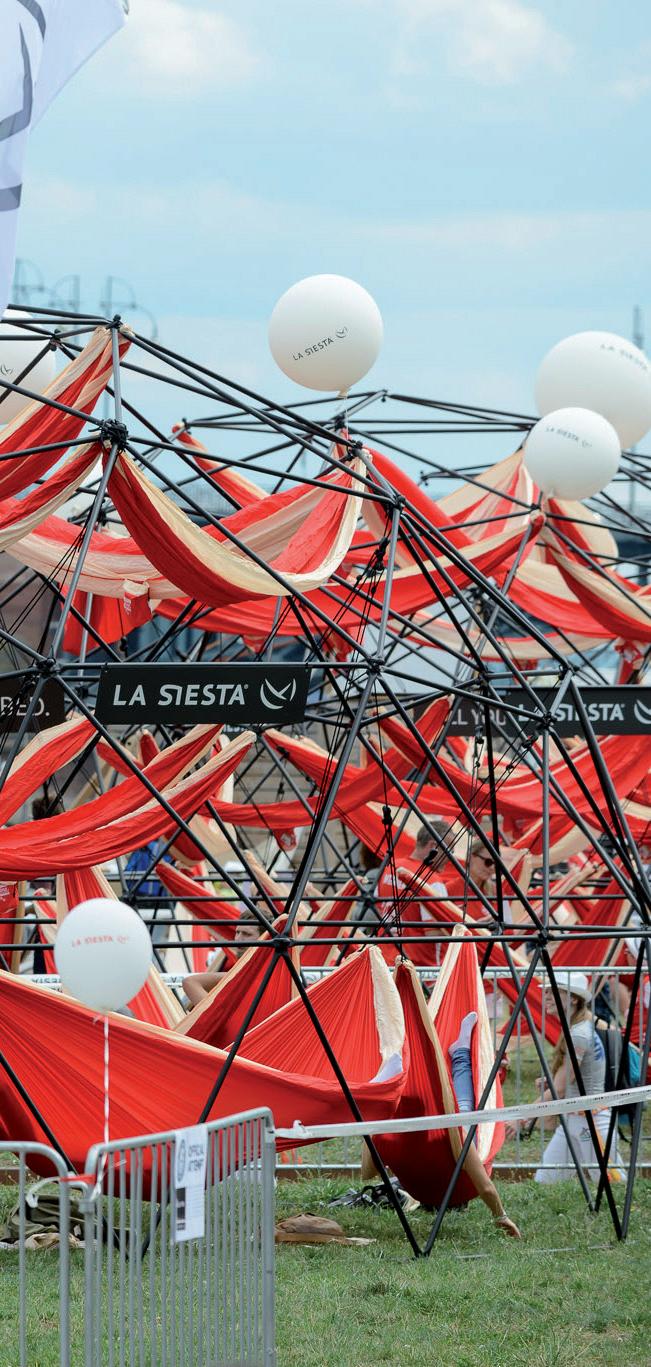
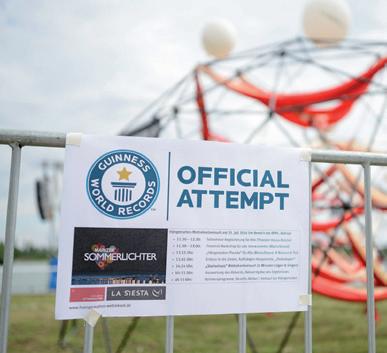
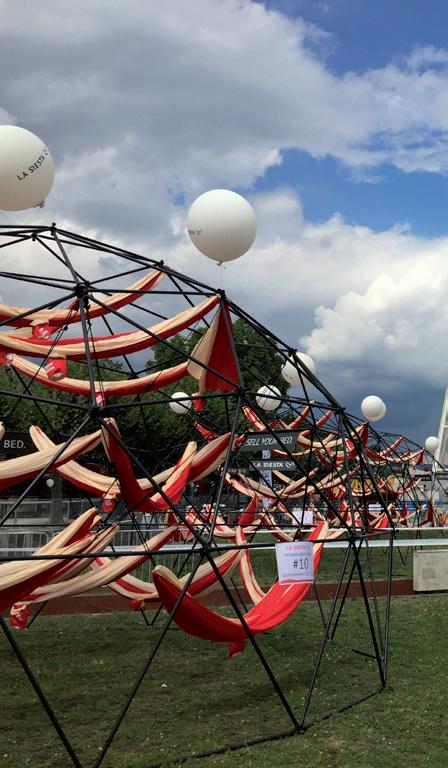
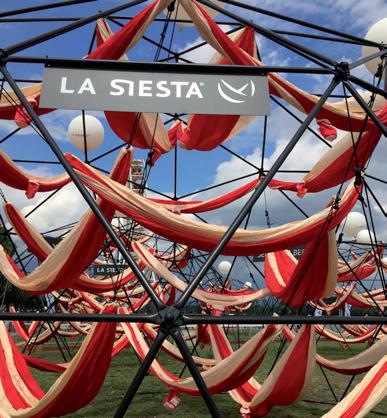
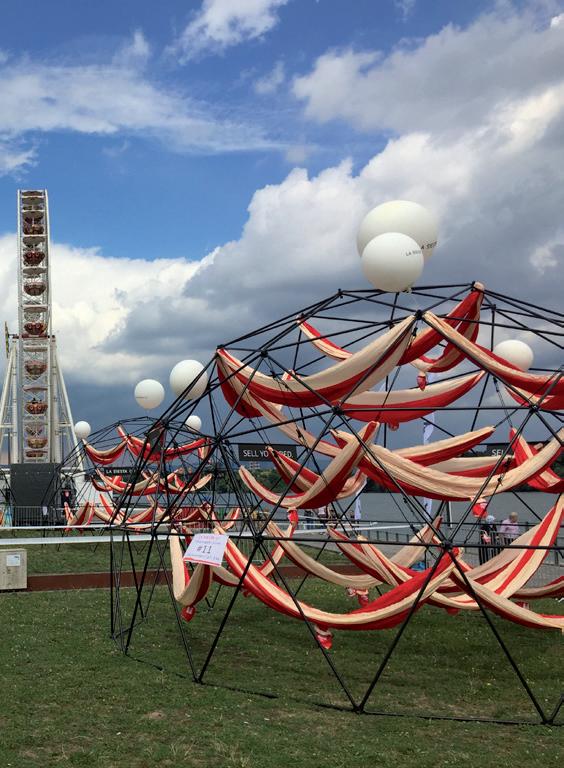
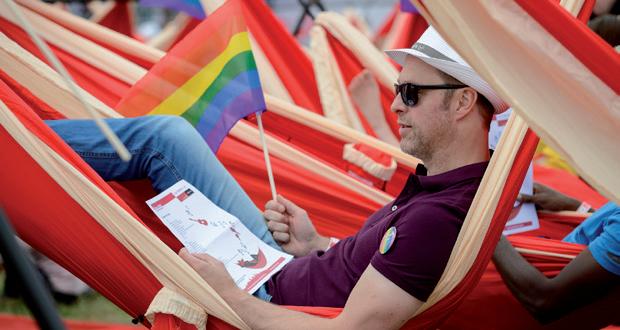
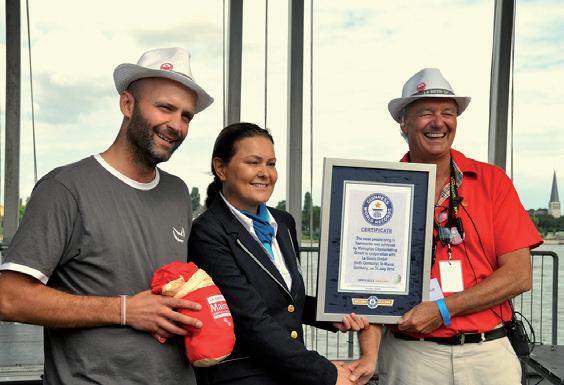
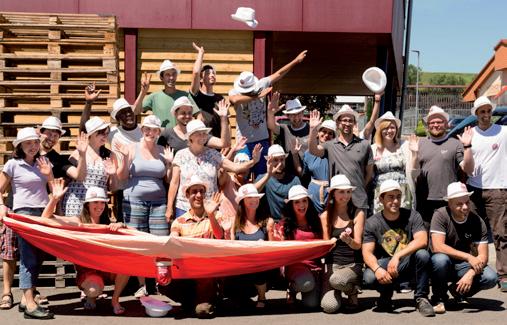
Right on time for its 25th anniversary, LA SIESTA set a to-date unique world record here in Germany: On July 31, 2016, 269 people chilled simultaneously in Mainz am Rhein in the Mainz hammock specially created for this occasion.
Travel Hammock Mainz
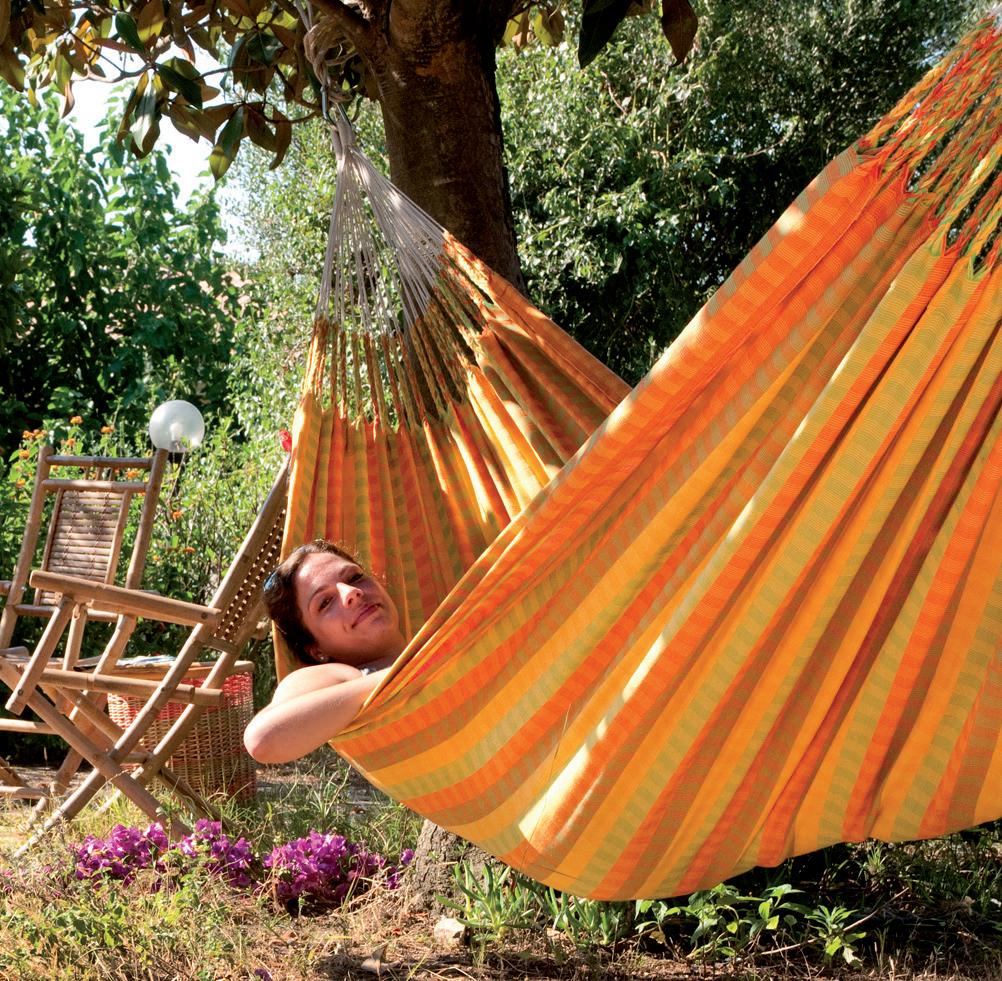
Spreader bar hammock Colada, photographed in “Mas des Graviers” in the Provincial village of Pourrières
THE WORLD OF THE HAMMOCK
1 Mexican artisanal weaving of the net hammock
3 Decor for Brazil’s hammocks with a love for detail
2 Traditional workmanship by hand from Colombia
5/6 Stand production in Italy and Poland
4 Precise injection molding made in Germany
7 Reliable workmanship in India
8 Stable bamboo from China for the bars of our hammock chair and spreader bar hammocks
9 Diligent selection of materials in Indonesia
The double hammock
Carolina citrus, photographed in Sardinia
COLOMBIA
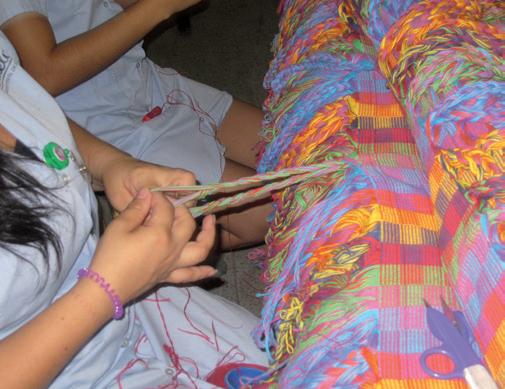
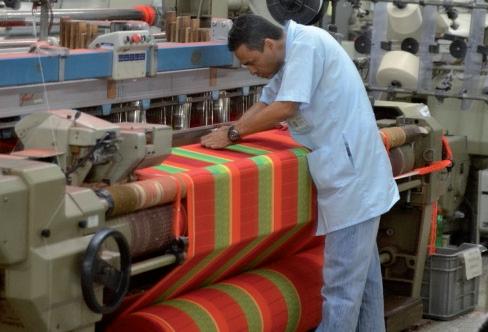
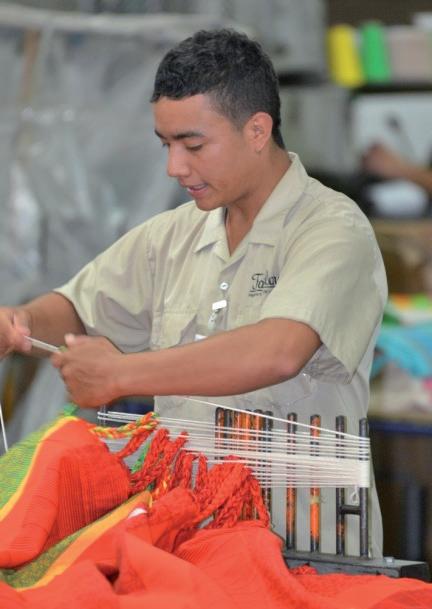
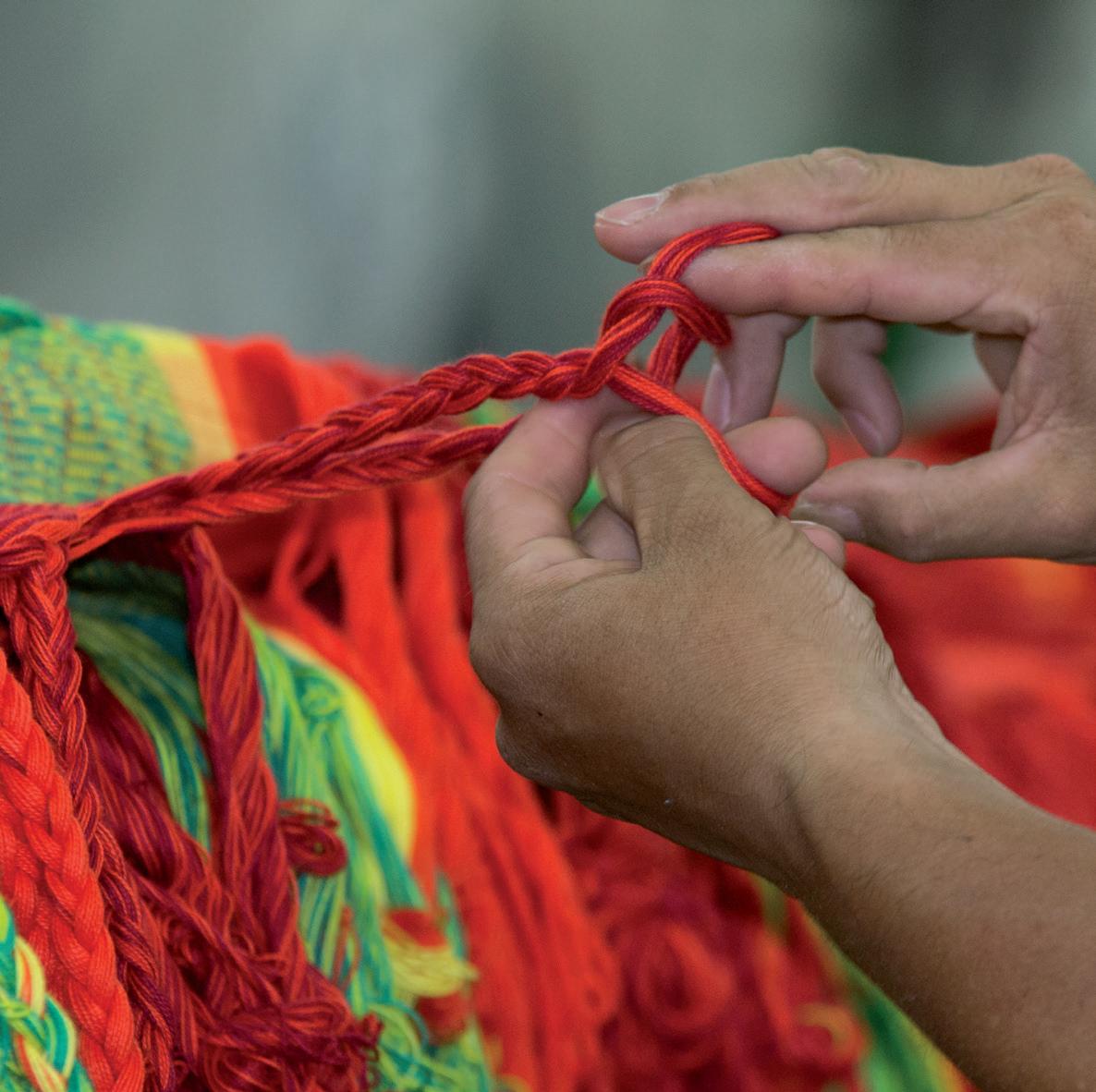
In Colombia, Caribbean beaches, tropical forests and snowcovered mountaintops meet one another. Where high cultures once forged filigree figurines of gold, the most richly colored hammocks in the world are now made. The traditional artisanal textile handicrafts of the Colombians have been inspiring LA SIESTA for many years. One special thing about Colombian hammocksis the cadejos, the plaited cords that connect the hammock to the suspension cords.
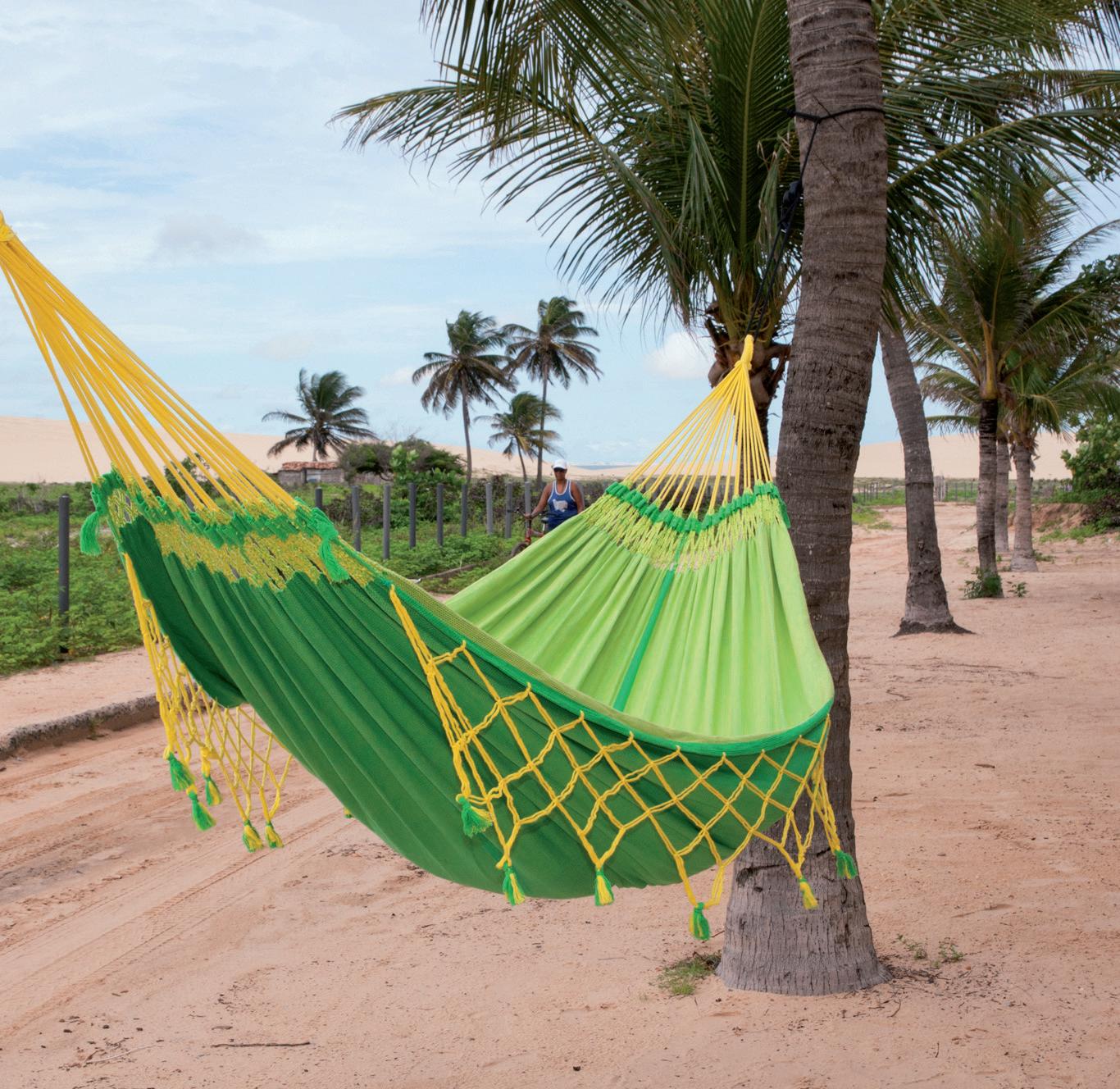
Colombian hammock Flora on the beach of Pipa in northeastern Brazil.
Lleva la alegría relajación Siente la siesta con gran amor LA SIESTA SONG
Alegría con La Siesta
Moravia is a part of the city of Medellín (Colombia), originally built on a landfill. As in many other parts of the city, drugs and violence are pervasive here.
The cultural center ”El Bosque”, where the band Estación Caribe has found a home, is a much-needed safe haven from this bleak reality.
These young musicians combine the multicultural Caribbean sound of Colombia with an urban touch, empowering and transporting happiness and hope.
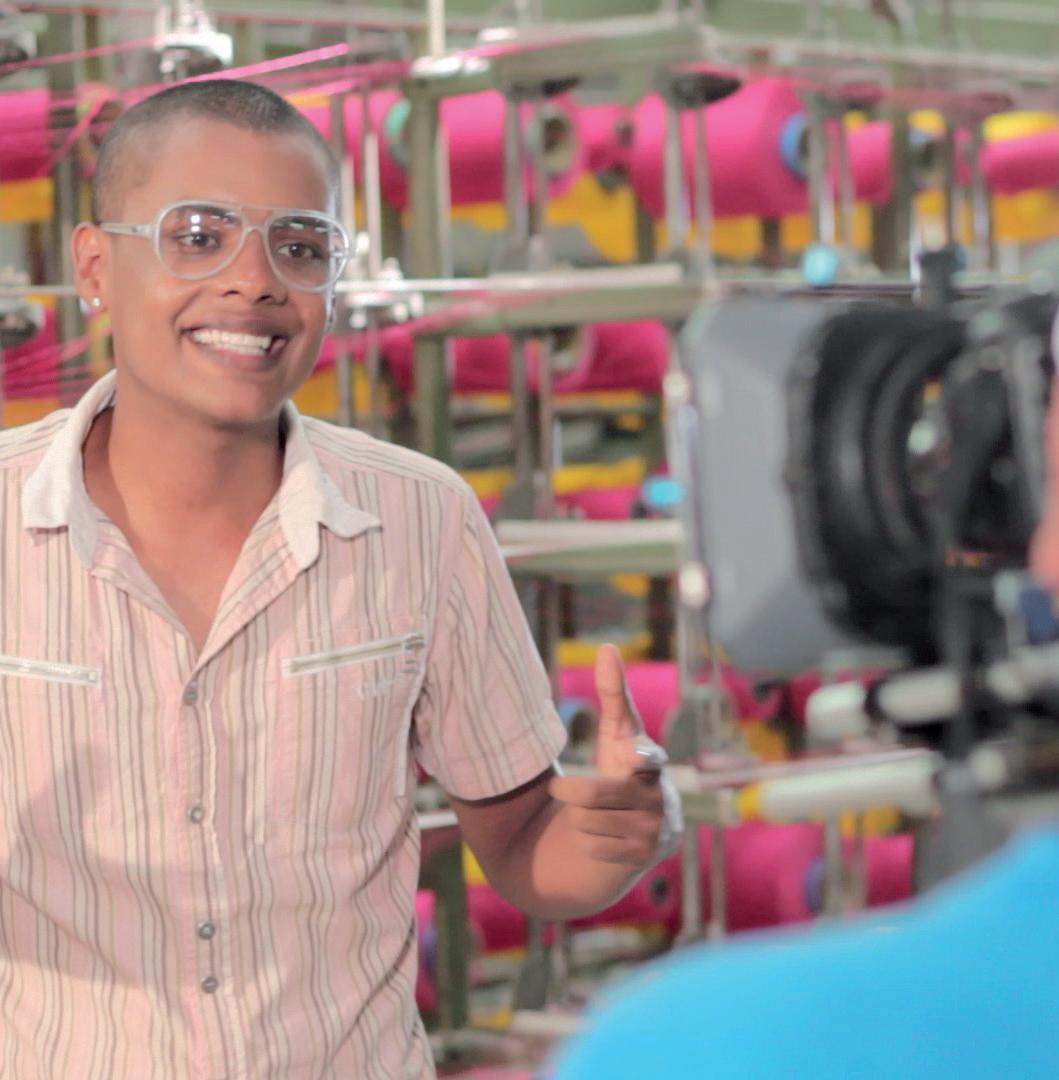
The band is supported by the Finnish NGO Revive, which also introduced them to LA SIESTA. And this is how Estación Caribe came to write a catchy song about LA SIESTA and its hammocks from Colombia, which was then professionally produced in a recording studio. The music video shows the likable musicians at the production facility of LA SIESTA’s Columbian suppliers. youtube.com/lasiestatv
BRAZIL
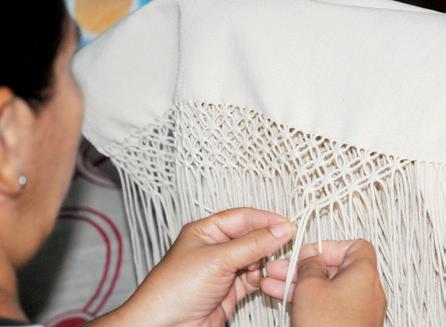
Brazil is the fifth-largest country in the world and its breathtaking landscapes cover almost half of the South American continent. Here the ”rede“ (Portuguese for hammock) stands for a zest for life; it is a peaceful oasis on tropical beaches and a mobile bed on boats on the Amazon River. A typical feature of Brazilian hammocks is the decorative macramé, which is lovingly knotted by hand for all LA SIESTA hammocks from Brazil.
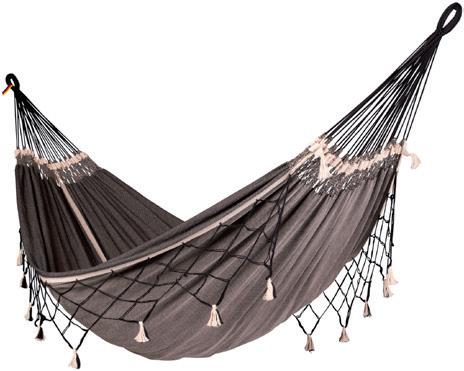
The art of Brazilian hammocks: The macramé of family hammock Enamorada
Brazil is not just sun, sand and samba.
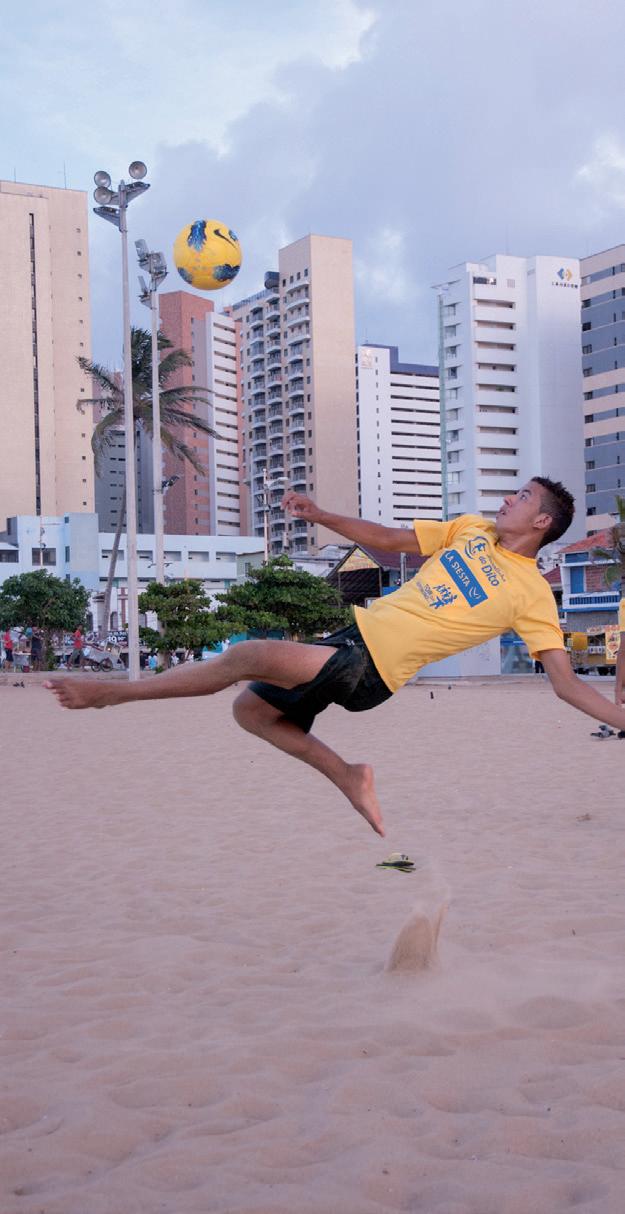
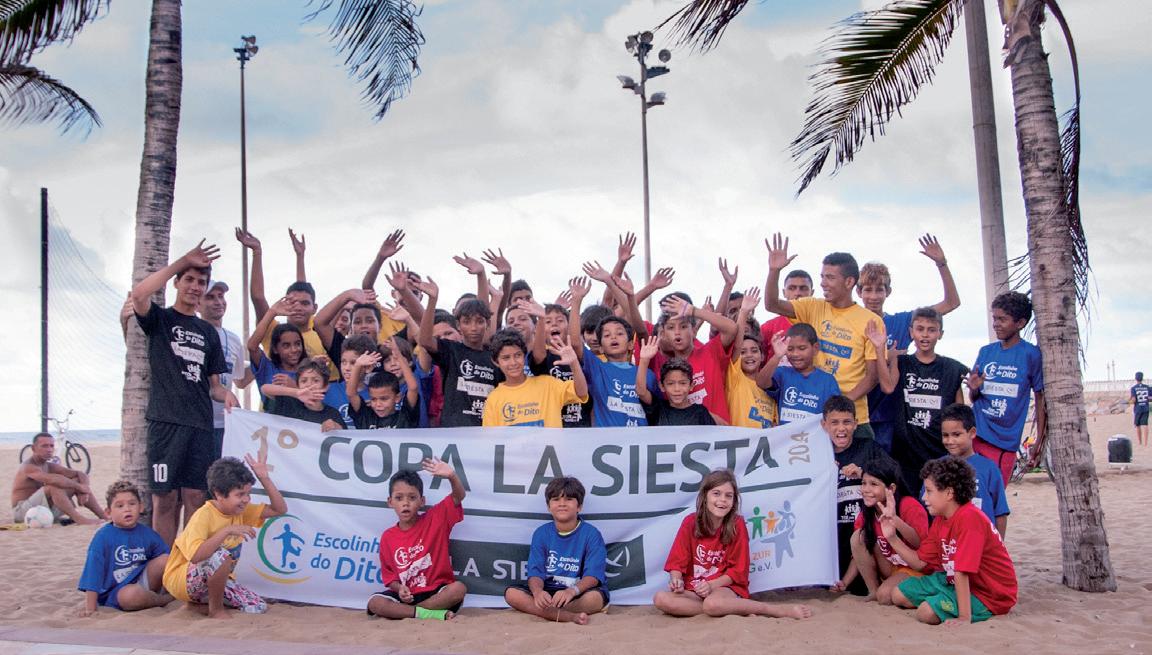
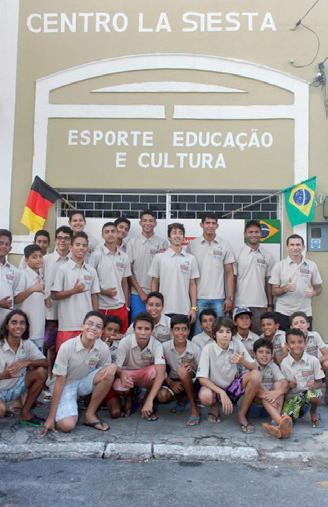
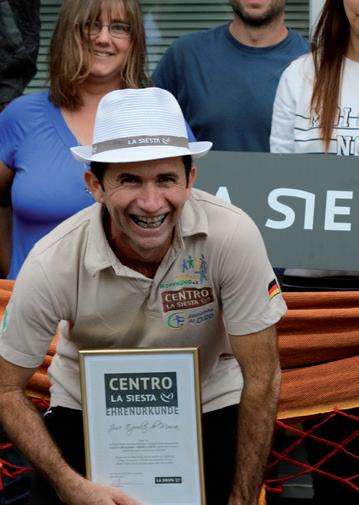
In the Brazilian city of Fortaleza, drugs and violence are also pervasive. Former national beach soccer player José Expedito de Moura, known as Dito, wanted to offer the kids an alternative. He created the beach soccer school Escolinha do Dito in Fortaleza. For the kids in the surrounding slums, Dito is an idol, teacher and friend.
Dito’s commitment is to offer the children sports, education and culture. As often is the case, however, there is a lack of funding here. LA SIESTA has its sought-after Brazilian hammocks produced in Fortaleza and became aware of Dito’s project through the organization Tor zur Hoffnung e.V. (=gateway to hope), located in Glashütten. Since 2014 La Siesta donates a fixed annual sum to the German charity Tor zur Hoffnung e.V. This financial support brought about the creation of CENTRO LA SIESTA, and pays the costs to run the center, covering the operation. The children receive tutoring here, are encouraged to participate in activities together, have access to computers and, last but not least, they have a place where soccer balls and trophies can be safely stored.
It was always my dream to make more out of my little beach soccer school.
LA SIESTA made it possible –the Centro has become a real home for the kids.
Dito in Jugenheim in summer 2015
Brazil without soccer? Inconceivable!
Copa is our tribute to the enthusiastic soccer culture in the country of
the Seleção.
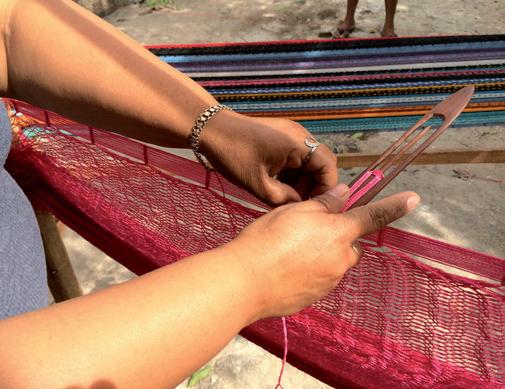
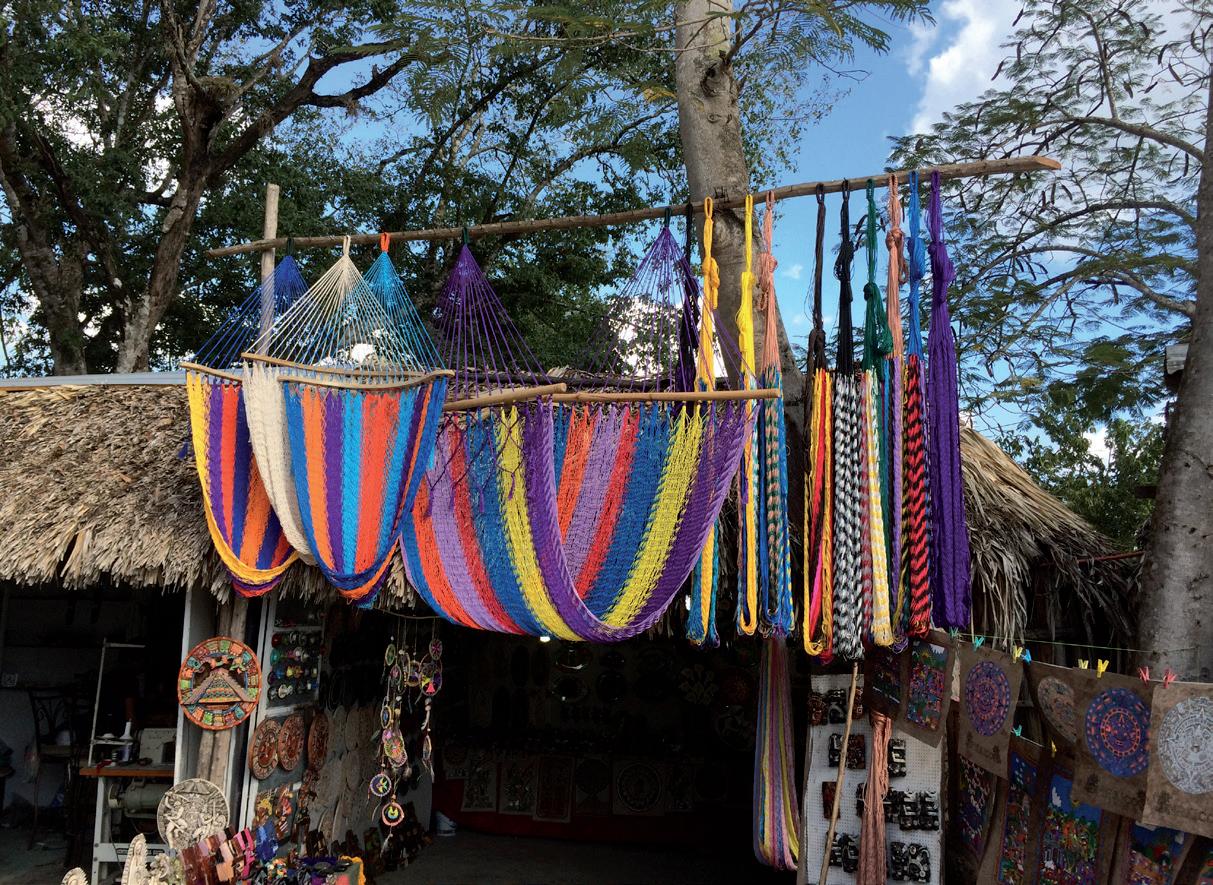
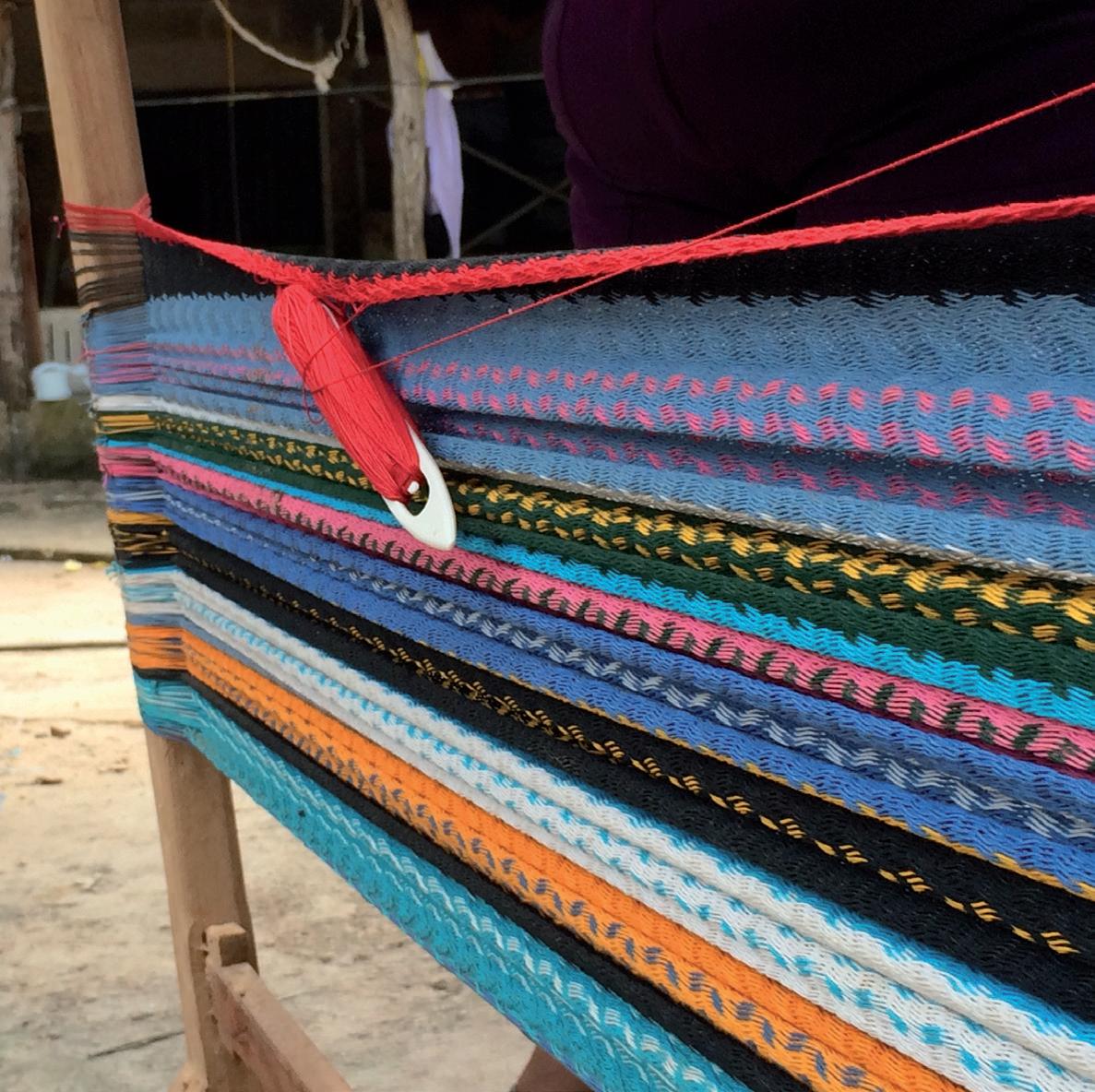
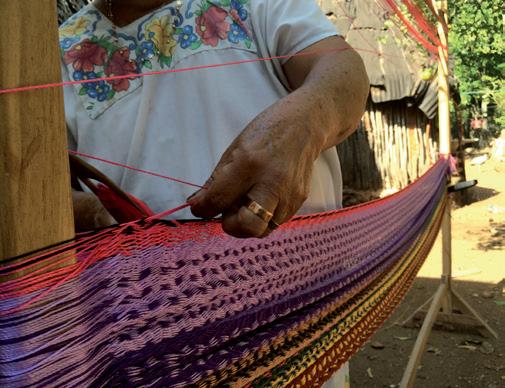
Mexico is the most populated Spanish-speaking country. The versatile climate creates ideal conditions for countless types of plants and animals. Between snowy volcanic peaks and barren desert landscapes, a very special form of hammock developed: the net hammock. The Mexican hammock is made of a flexible net, with its characteristic colorful striped patterns. These airy and light hammocks fit particularly comfortably to the body.
Chaotic tangle of threads? Definitely not. The Mexican net hammocks are diagonally weaved using firm threads and are amazingly robust. These hammocks are just the right thing for all those who want to float like on a cloud.
INDIA
India in the morning, Colombia in the evening TAKING STOCK WITH LEONID GRISAR
You were the first of the three brothers to join the family company. How did that occur?
Back then I had just finished my last exam for my studies in Berlin and I came home to relax for the weekend... Things were going crazy here in Jugenheim! Like always. My father wanted my help anyway with emails and the inventory management system, so I jumped in. There was more and more for me to do. I dealt with the quality control of the products and familiarized myself with the company procedures. I liked it, and I could make a contribution here.
And what is your job at LA SIESTA today?
I ensure that LA SIESTA is provided with the best products, at present and in the future.
What direction should LA SIESTA take?
LA SIESTA should and will continue to consistently develop. Our employees take on more and more responsibility. What is important to me with all of the growth is to maintain a personal, familiar company climate carried by its values. Only in this way can the team function.
Where do you see LA SIESTA’s strengths?
In addition to our hammock know-how, our strength is our passion for the traditional hammock – and of course good ideas and a feeling for the market. We make a product very rich in tradition and adapt it to the global market’s demands. In this way, we have constantly further developed hammocks and hammock chairs and created, for example,
children’s hammocks, family hammocks, travel hammocks and safe hammock chairs out of the basic idea
What do you like best about your work?
In the morning I am on the phone with our supplier in India and in the evening, after work, with the manufacturers in Colombia. I believe there are about three hours each day during which I can’t reach any of our partners. I think it is exciting to work together with such different people from different cultures.
What do you wish for LA SIESTA for the next 25 years?
We are on a wonderful path with our high quality standards and the steps towards even more sustainability. My wish is that LA SIESTA will continue to work sustainably and sensibly in the future, and retains its respect for humankind and nature.
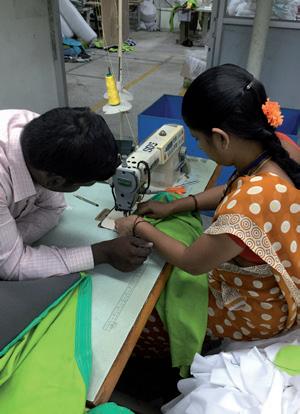
India is the most populous democracy on earth, and over 100 languages are spoken here. India is not a traditional hammock country, but it is one in which the people know how to sew and process high-quality textiles. Here is where LA SIESTA found the ideal location to produce hammocks far away from the Latin American role models: Kingsized spreader bar hammocks, ultralight travel hammocks and colorful hanging nests for kids.
MADE IN GERMANY
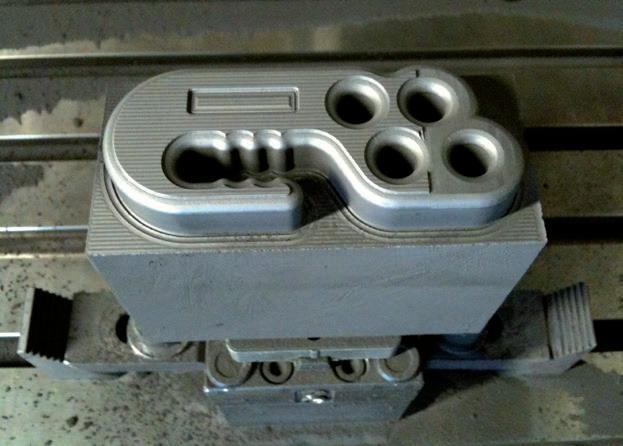
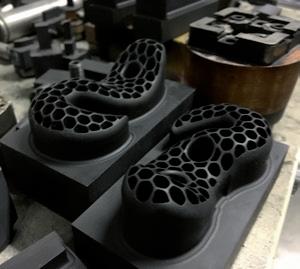
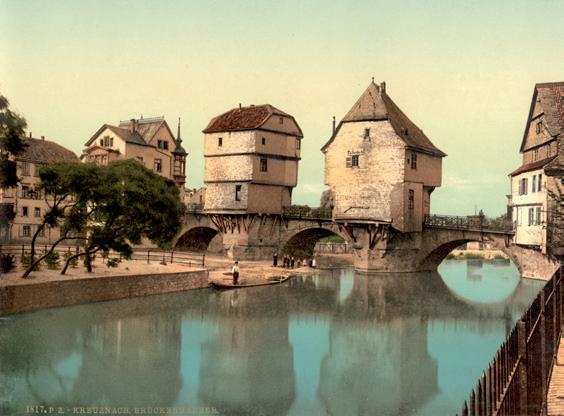
The Romans already liked Bad Kreuznach, on the Nahe River. This spa city is wellknown for its good air, low precipitation and outstanding vineyards. Here is where the SmartHook and the MultiSpot of the suspension systems are made. Bad Kreuznach is located just twenty kilometers from Jugenheim, and this proximity enables close cooperation between the two locations. The suspension solutions are made using the injection molding method according to patented designs.
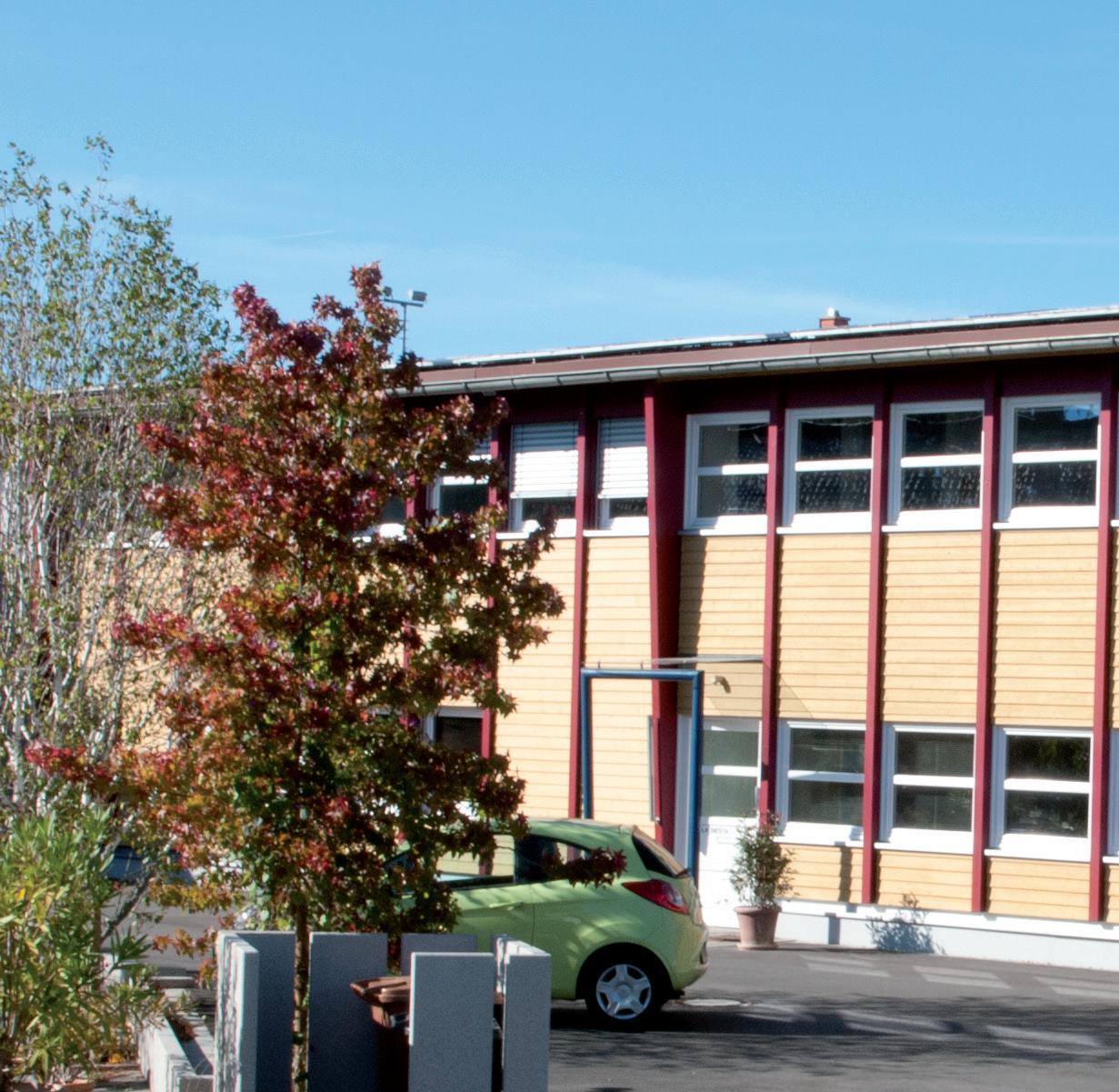
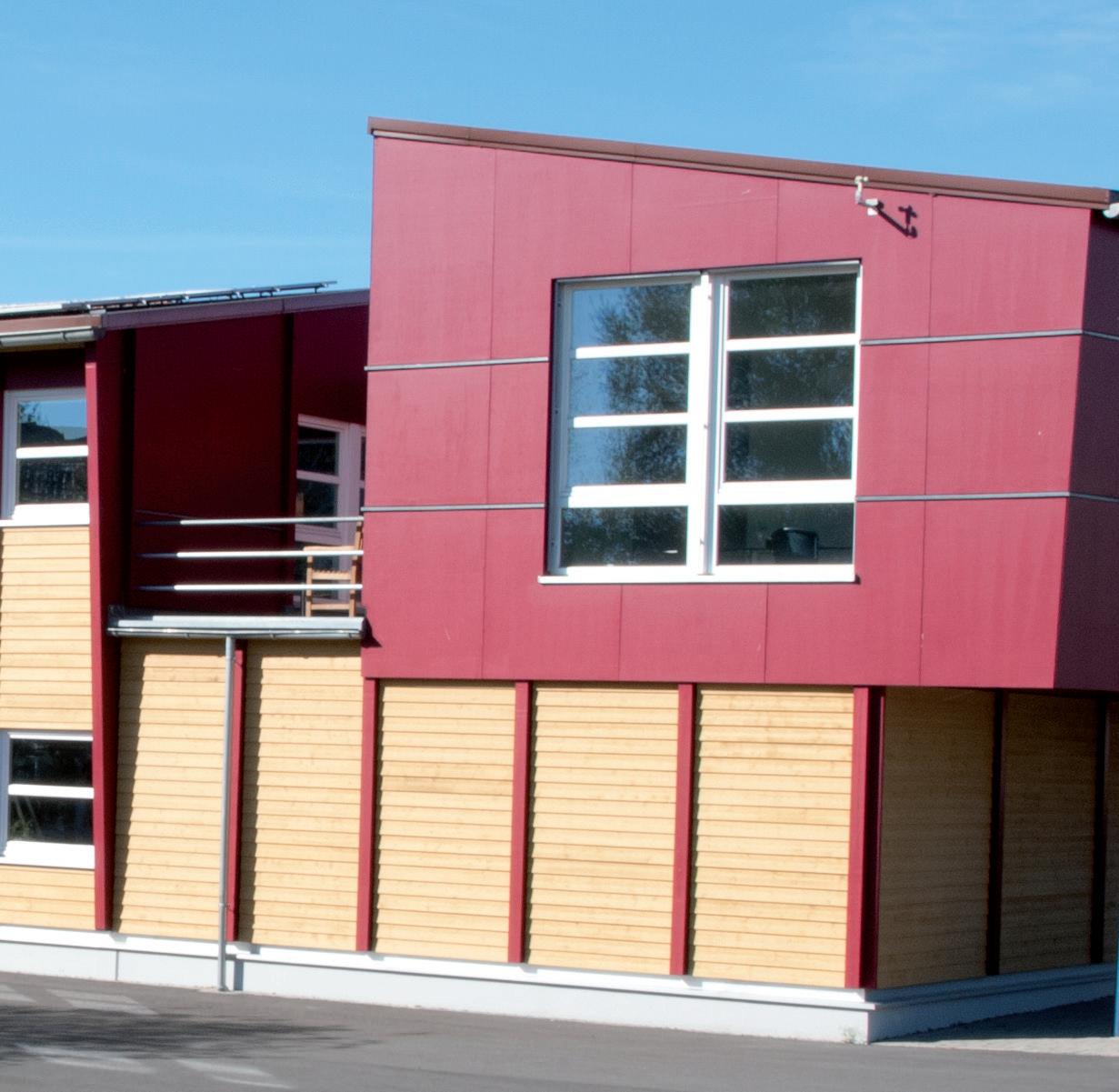
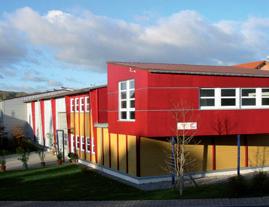
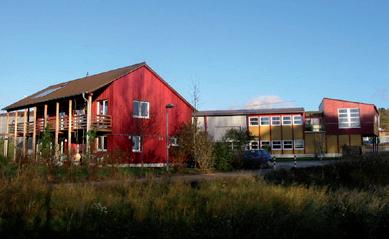
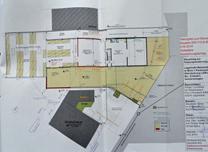
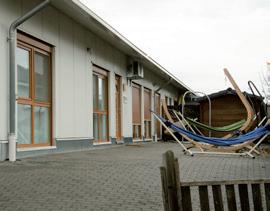
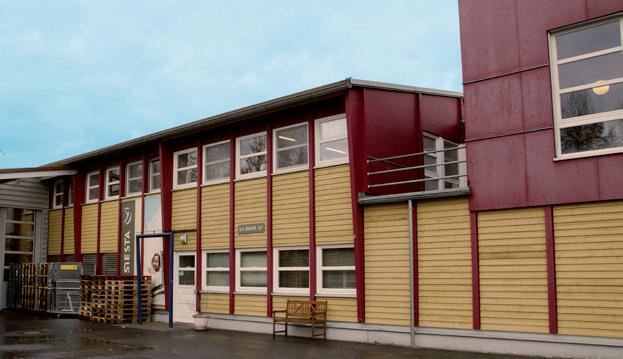
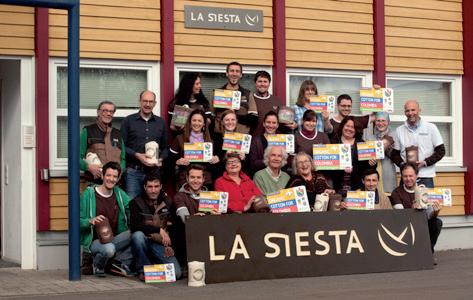
Jugenheim in Rheinhessen is not far from Mainz. This is where the Grisars ended up when they were searching for a suitable lot for their company building, in 1996. From a distance, when looking at the red wooden building, one already sees that LA SIESTA is not a company like every other. The headquarter include the warehouse and offices. From this location, purchasing, distribution and all shipping are done. And a hammock can actually be found somewhere if one needs a little nap.
A GLANCE OVER THE SHOULDER
From package delivery driver to warehouse manager
SALMAN YÜZÜAK CAME TO PICK UP PACKAGES, AND STAYED.
Salman, how did you come to LA SIESTA?
I first came here as the driver of a package delivery service. I picked up the packages ready for dispatch and got along well with Dave, the warehouse manager at that time. When a positon became available, Alexander Grisar asked me whether I would not want to just stay at LA SIESTA. Of course I did!
When was that?
That was in September 2001 – I have already been here for 15 years. How has your work changed in the course of these 15 years?
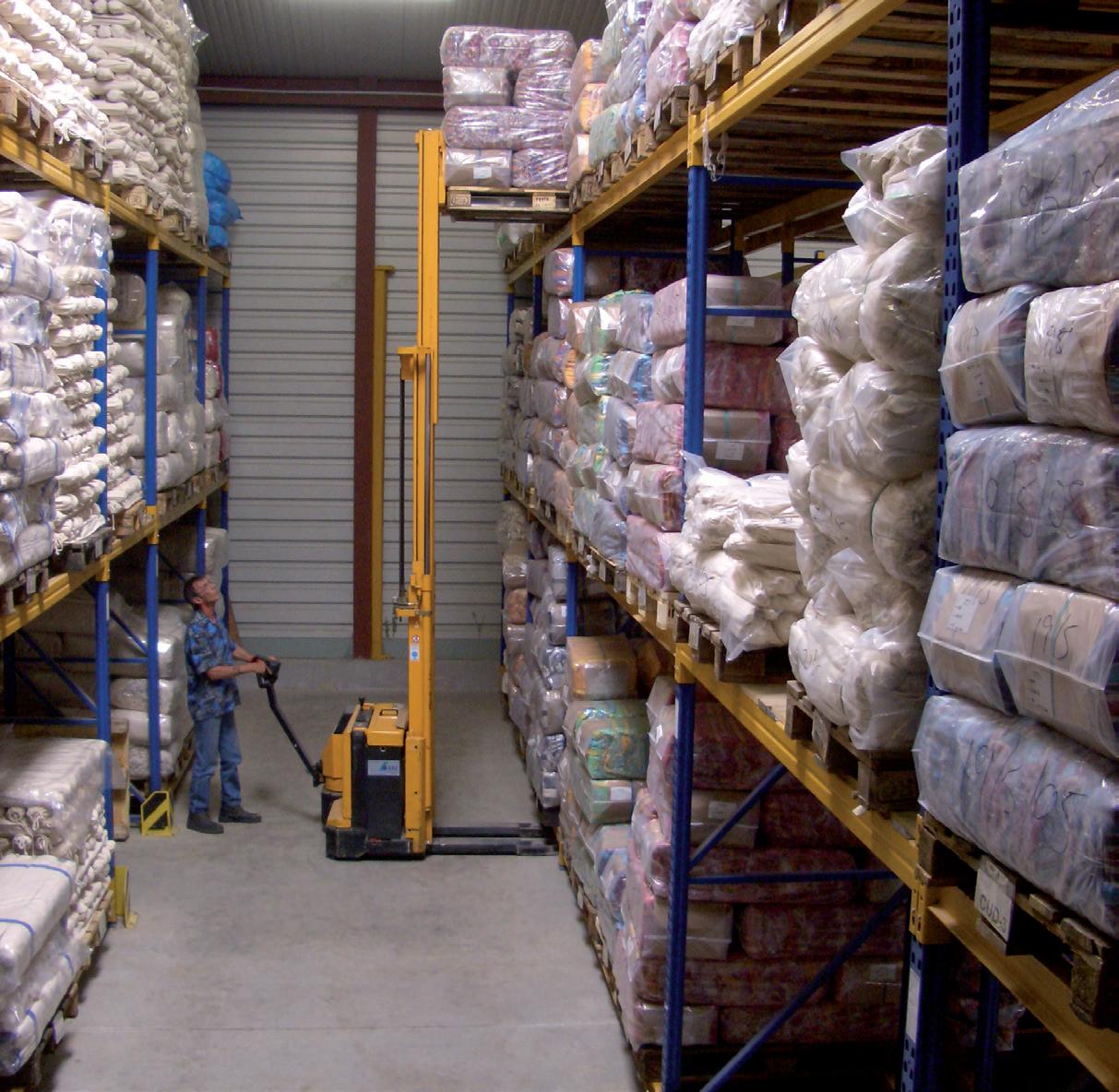
My first task back then was to pack a hammock chair. Soon the quality control of the delivered goods was added. Samples were taken from every delivery and examined for mistakes before the hammocks could be released for sale. When Dave Norman retired in 2012, I succeeded him as warehouse manager. In 2001 there were only two of us, and nowadays we work in the warehouse with six people. The warehouse itself has also grown; it is about twice as large as it was back then. The entire system has changed. In the past there were not as many technical possibilities, we did a lot more by hand.
Was there a really terrible moment for you at LA SIESTA?
Yes, I had an accident at work. My arm was broken, I couldn’t move it and I was written sick off work for six months. But the whole thing had something good about it: We developed a different awareness of safety and implemented a lot of sensible changes in the warehouse to avoid accidents.
And what was your nicest moment in the last fifteen years
There are many! I am always happy when we break a new record. Back then I never thought that we would send as many packages as we do today. It’s great!
No matter how many orders have to be processed, you are a calming influence. How do you do it?
Well, I don’t know. I just like to come here. I like my work. I can leave the everyday stress and worries I have at home. I concentrate on my work and keep an overview. But perhaps the calmness comes from the hammocks.
Former warehouse manager Dave Norman shows some finesse
THERE IS A LOT TO LEARN AT LA SIESTA
OUR FIRST TRAINEES 2012 – 2015
A GLANCE OVER THE SHOULDER
Warehouse Logistics Specialist
HASAN KIRMIZIELMA HAS BIG PLANS.
How did you end up with this apprentice position?
I saw an ad in the newspaper that LA SIESTA was looking for a trainee. And I thought, the occupation itself and the company as well are both exactly my thing. After an interview, I did 14-day internship and on the fourth day I already found out that I could start my training. I directly built up trust in the company – and from the start I was given a lot of responsibility.
What do you love about LA SIESTA?
I think the variety of the work is great. I work in a warehouse, but also externally– I go along to trade fairs and other events. There is always a lot to do and a lot to organize. I like the direct connection to the bosses; they are always approachable, unlike in big companies.
What is something you still can’t get used to after four years?
The kitchen duty ;-)
What in particular did you learn in your vocational training?
Vito and Salman taught me the art of packing, I learned a lot about the organization and structure of a warehouse. My colleagues also supported me with the rote memorization and questioned me on all kinds of facts.
Where do you see yourself and LA SIESTA in 25 years?
When I started, we were 14 or 15 people – now we are more than twice as many! I hope we will get even bigger. LA SIESTA makes it possible for me to have additional training and become a technical specialist. Who knows? Perhaps I will be the warehouse manager in 25 years?
Management Assistant for Wholesale and Foreign Trade ELISA VOLZ LEARNED UNUSUAL THINGS DURING HER TRAINING.
How did you end up with this apprentice position?
After school ended, my friends studied in Mainz and I couldn’t decide between going to university and doing vocational training. When I discovered LA SIESTA’s ad in the newspaper, I thought the product was exciting and interesting right away, and I simply applied there. I thought, if this works out, then I will do the training – otherwise I will go to university. It worked out and I am still here.
What do you love about LA SIESTA?
The spontaneity: It could happen here that you are on your way to Paris inside of an hour completely unexpectedly ;-). The family feeling: At LA SIESTA the boss might lend you his car over the weekend so you can drive your horse around.
What is something you still can’t get used to after four years?
The coffee :D…
What in particular did you learn in your vocational training?
In addition to all the expertise? I learned how to dupe computer systems with Photoshop or the snipping tool. And of course hammock knowledge! From ten meters I can easily recognize whether I have a hammock from Colombia, Brazil or Mexico in front of me.
Where do you see yourself and LA SIESTA in 25 years?
In 25 years a lot will happen. LA SIESTA will certainly continue to grow. Perhaps we will conquer additional continents with our hammocks!
A CHANGE IN LOCATION
New construction in 1997 in Jugenheim
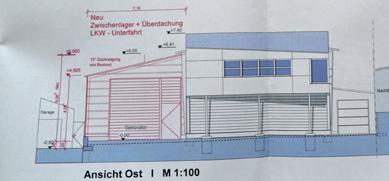
In 2015 additional rooms and storage areas were rented in a neighboring building. The company grew and warehouse and offices had to be expanded several times
WELCOME TO MIAMI
The American Way of Hammocking MAXIMILIAN GRISAR BRINGS THE HAMMOCK BACK TO AMERICA.
In what ways do the American and European hammock markets differ?
In the USA everything is notoriously bigger than in Europe. Hammocks, too. We sell a lot of king-sized products and fewer single hammocks. That is a lot of fun! In this area we quickly became very American, in regard to the amounts as well. Major customers taught us to think in very different dimensions.
How does such an extensive expansion feel?
Great! It makes me proud to experience daily how LA SIESTA is acknowledged, loved and furthered around the world.
What is your greatest challenge?
Our US subsidiary is less independent than the parent company. Purchasing, logistics, product development and much more are done from Germany or done by our US partner Ameriworld. That creates freedom– but also dependence. My greatest challenge is keeping everyone in good spirits, creating a balance and extracting the best possible things for LA SIESTA and the American subsidiary.
What is missing from the Miami office?
I always tell my brothers, half-jokingly, that we should move our headquarters to Miami – not just because of the weather. There are only three of us here in Miami and thus we don’t always have the resources to do what we want. With its developed infrastructure Jugenheim has very different possibilities; they are missing here.
What is LA SIESTA’s greatest success in 25 years?
It’s difficult, because LA SIESTA’s 25 years have been a trip, comprised of many different building blocks: The name LA SIESTA. The inclusion of the second generation. The building of the teams. The change from wholesaler to brand. Building up a network of suppliers and customers. And not least the founding of LA SIESTA Inc.!
How was it for you to see Joki in the museum store of the Guggenheim?
Being in a display window on Fifth Avenue in Manhattan, that is a nice experience. We can’t buy anything because of it, but we can be a little proud.
Family time is also hammock time, here in our Paloma
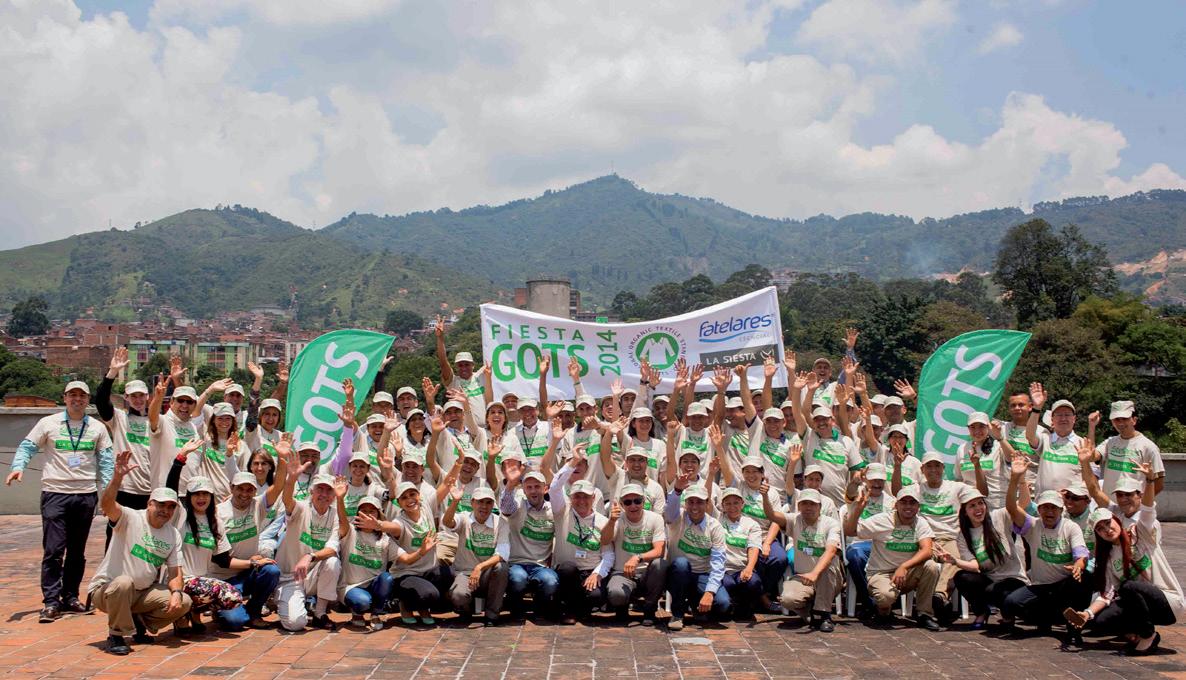
GOTS SUSTAINABLE
What does sustainable production of textiles mean?
The sustainable production of textiles starts with cultivating the raw materials, followed by further steps in the processing such as spinning, dyeing, weaving and sewing. Sustainability means the entire production, from the cotton seeds to shipment to the customer, must be compatible with both nature and mankind.
The Global Organic Textile Standard
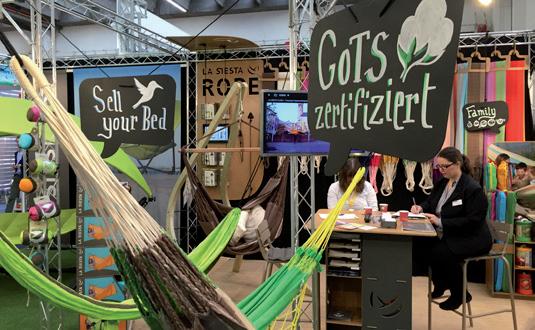
The Global Organic Textile Standard (GOTS) is the leading seal for sustainable production of textiles. This standard includes both strict environmental and social criteria. The GOTS guidelines cover all processing steps a textile product goes through. The origins and composition of the raw materials and additives used must be documented, as must the working conditions of all employees participating in the process.
Products with added value
A truly high-quality product can only be made when equally high-quality raw materials are used and the people making it are treated fairly. In choosing our Colombian product partner, we specifically looked for a manufacturer who would follow this path with us and take on responsibility as we do.
Our partner can be proud to be the first hammock factory in all of South America to have passed the complex GOTS certification process. LA SIESTA is the first hammock brand in the world to acquire
GOTS certification. Implementing GOTS specifications through the entire chain of production is one of our contributions to increased sustainability.
ORGANIC
Certified by IMO-CH License-Nr: 130448
HAMMOCK UPCYCLING
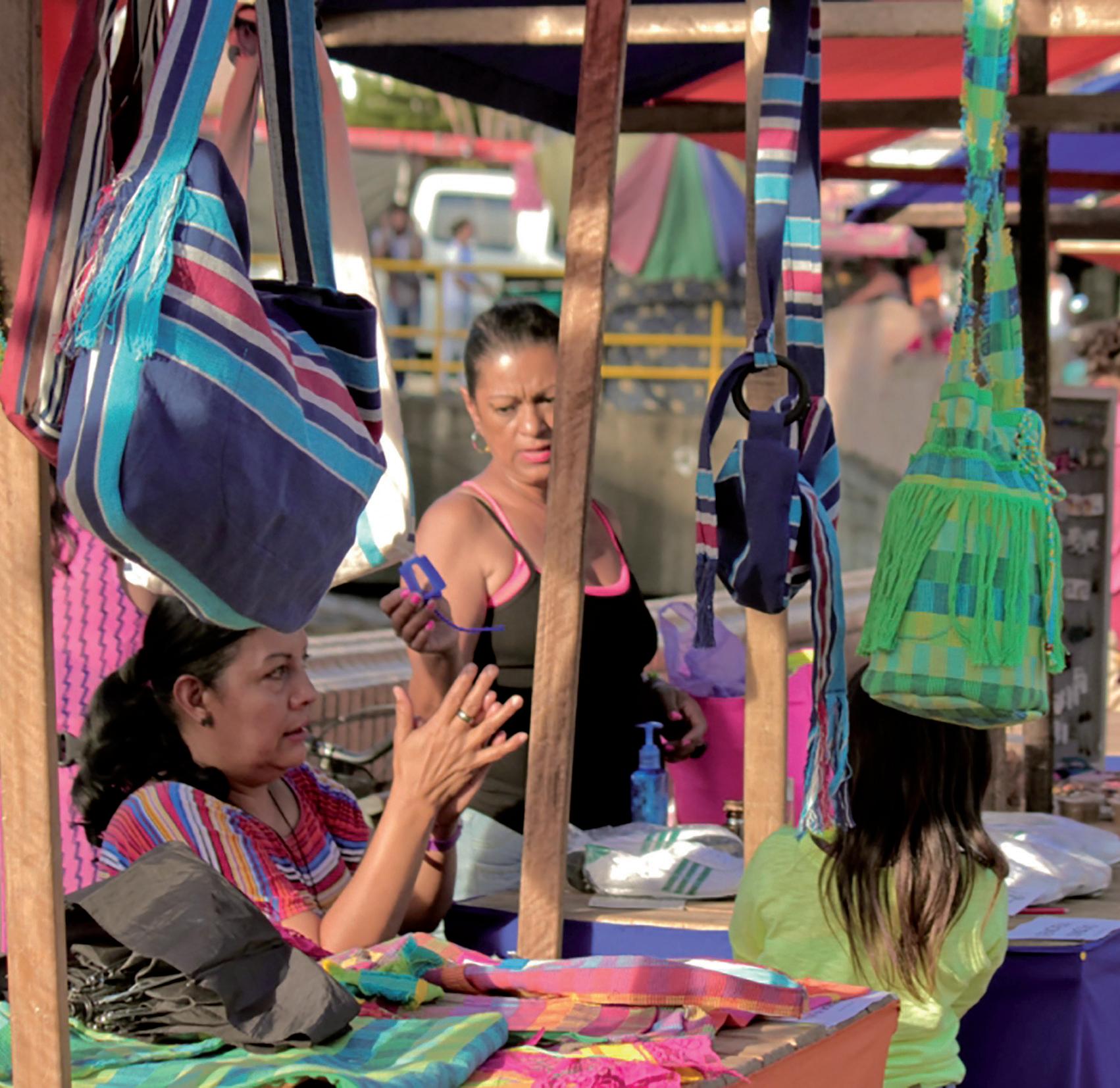
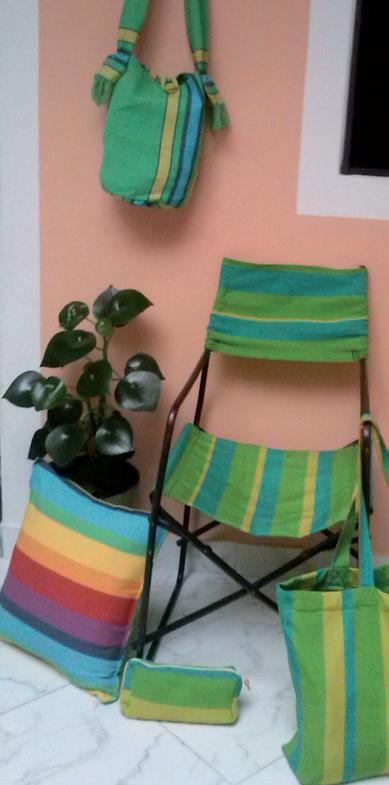
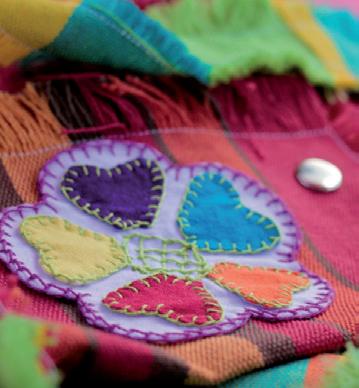
Leftovers from the hammock production are much too useful to be thrown away: With sewing machines and mentoring, Alexander Grisar supports a women’s group in Moravia. The results are colorful bags, accessories and a first step towards self-reliance.
Even though demand is constantly increasing and the climatic preconditions are brilliant, many countries of South America to this day do not cultivate organic cotton. Through the work of the SOCiLA initiative, LA SIESTA advocates sustainable cultivation of cotton. SOCiLA is a not-for-profit initiative of LA SIESTA founder Alexander Grisar.
A vision...
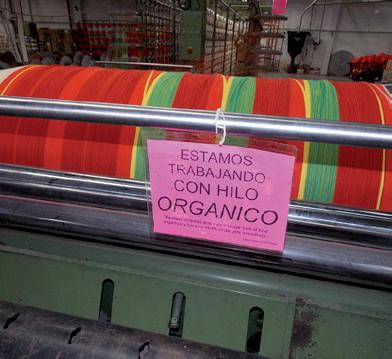
When Alexander Grisar wanted to start producing the first hammocks made of organic cotton in Colombia, he was confronted with an unforeseen problem: No organic cotton was grown in South America. To be able to produce an organic hammock there, organic yarn would have to be imported from other parts of the world. The yarn for the first LA SIESTA organic hammock came from Tanzania.
In 2008 Alexander retired from managing LA SIESTA. Now he had time to initiate a new project dear to his heart: He began to work for the advancement and spreading of the cultivation and processing of organic cotton in Latin America, so that one day genuine Colombian organic hammocks can be made. To bring his vision to life, he established the initiative SOCiLA.
...becomes reality
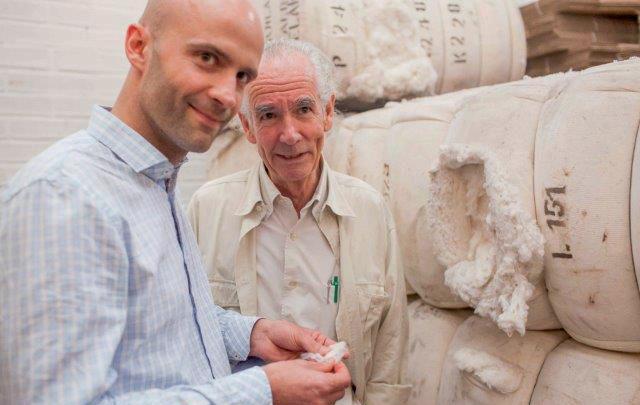
Alexander Grisar challenged himself to provide organic cotton with perspectives in Latin America. Since 2009 he counsels farmers, industrial companies, interest groups and governments, and supports them in establishing and implementing projects related to organic cotton.
Presently SOCiLA focuses mainly on Colombia, the country in which more than half of all LA SIESTA hammocks are produced. Alexander Grisar goes there several times a year for SOCiLA. In close cooperation with Colombian cotton farmers, the first fields were prepared and the first seeds sown.
The 235 Aniversario anniversary hammocks are made from the cotton plants that were planted on Alexander’s first test fields in Colombia.
Why sustainability?
ALEXANDER GRISAR LOOKS BACK – AND TO THE FUTURE!
Mr. Grisar, who had the idea back then to sell hammocks?
My wife, of course! When she saw the hammocks, she spontaneously said: “I’m going to take them along to the Rhineland-Palatinate Exhibition!” Such consumer exhibitions were rather a horror for me. But her crazy idea won out. When I tried to explain how many hammocks we should buy, Dorothee thought it was ridiculous. We ultimately bought 300 of them. They filled every corner of the house, and during the entire nine days of the exhibition we sold a whopping eleven of them. That was the birth of LA SIESTA: We now needed to sell the remaining 289!
What took you from Mainz to Jugenheim?
In Mainz we worked in our own house, garage and two storage and packing areas. So we had to look around for new facilities. But close by we only found old wine cellars. And we had already made the bitter experience that cotton and moisture
are not compatible. The idea of buying land and building ourselves became more pressing. Then we ran into this lot, surrounded by vineyards and two meadows, and we both immediately fell in love.
With your initiative SOCiLA you advocate the cultivation of organic cotton in Latin America. Did this initiative develop from your LA SIESTA experiences?
Only in part. We already made hammocks out of organic cotton, but we imported the yarn for them from Tanzania. I grew up in South America and would have preferred to buy organic cotton directly there. I spent a large part of my professional life in planning cement factories. It was always about huge investments and the plants which had to be set up to run for decades. That forces you to think sustainably, unlike the trade sector. Plus I grew up in an environment in which the entrepreneurs felt 100% responsible for the well-being of their surroundings.
When I was 31, the first book of the Club of Rome, “Limits to Growth” was published. The exponential curves drawn there by Meadows shaped the rest of my life. Naturally that transferred to LA SIESTA as well, so it was more or less self-evident that our early customers were among the ‘green pioneer companies’ back then. They were also the ones who gave our ecological behavior new impetus.
But the cultivation of organic cotton in Latin America is just a small step, right?
At my age one should not plan steps that are too big! Cotton grows on 2.5% of the entire cultivation area of our planet, but comprises 16% of the global usage of insecticide. By converting conventional cotton cultivation to organic, a relatively large contribution to the environment can be achieved! With our attempts in Colombia, we have shown that organic cotton can not only be cultivated there, but also can be used to make GOTS-certified hammocks.
What is the nicest thing about 25 years of LA SIESTA for you?
Building our company and working closely with my wife were extremely nice times for me. But the best developments at LA SIESTA didn’t come until after my retirement from the company. Our sons are full of good ideas, are fulfilled by LA SIESTA and complement one another outstandingly in their work. Above all, they are guided by fairness and I find that to be a blessing, it brings me great joy!
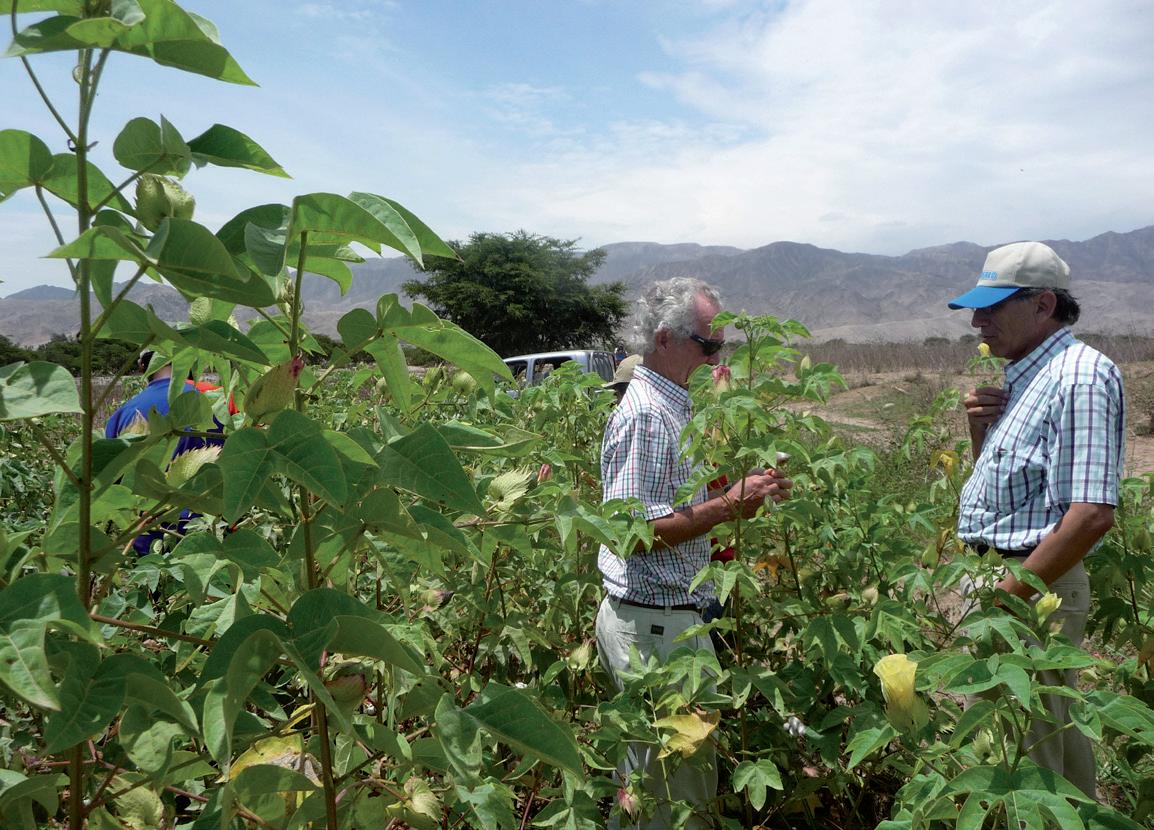
In August 2015 the first organic cotton was harvested in Colombia. The cultivation was initiated and is supervised by SOCiLA, the not-for-profit initiative of LA SIESTA founder Alexander Grisar.
With the support of LA SIESTA, in the Colombian province of Tolima four fields totaling 21 hectares were ready to be prepared for sustainable cultivation and certified according to European and American standards. Trained farmers on site cultivated the fields and grew the cotton plants – totally without pesticides.
The cotton was harvested, deseeded, spun, dyed and finally transformed into 235 unique hammocks in Medellín. Every single step of production is designed in an ecological and sustainable manner; that is what the GOTS seal stands for.
Aniversario is our anniversary hammock made of the first Colombian organic cotton. The family hammock is wonderfully soft. Its striped pattern was inspired by the typical Colombian huts, the Sombreros Vueltaios. A characteristic feature of Colombian hammock artistry is the Cadejos. These hand-plaited braids connect the hammock cloth with the suspension cords and create even more lying comfort.
YEARS 1991 s 2016
FSC ® RESPONSIBLE FORESTRY
Wood used by LA SIESTA is certified by the Forest Stewardship Council (FSC). The woods we use to make our stands and bars come from responsible forestry. The Forest Stewardship Council (FSC) is the most important international organization evaluating ecologically and socially sustainable forestry and wood processing.
The FSC standards are based on ten principles and 56 indicators. Forests managed according to these standards can be awarded the FSC label. LA SIESTA started the transition to using FSC-certified wood in 2008 and continuously increased the percentage thereof. Today the wood used in making our wooden stands and the bars used in our hammocks and hammock chairs all bear the FSC seal. They are all made using wood from responsible forestry.
Certified by IMO-CH
License-Nr: FSC C012427
TÜVINSPECTED HAMMOCKS
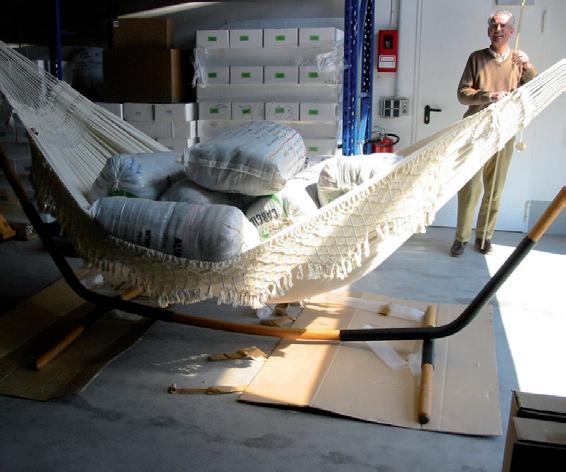
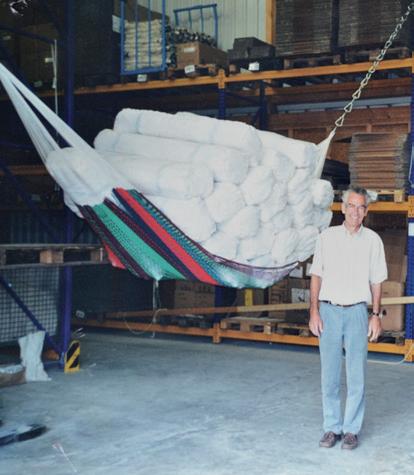
How much weight can a hammock withstand? Alexander Grisar wanted to know exactly, and to have the results in writing. He contacted the party in Germany that stands for quality and safety like no other: TÜV – the German Technical Inspection Agency. There was – and is – no standardized testing procedure for hammocks. The TÜV inspectors chose a simple method to test LA SIESTA’s hammocks: They loaded them with heavy rolls of fabric. The high-quality hammocks were certified with resilience as the first of their kind.
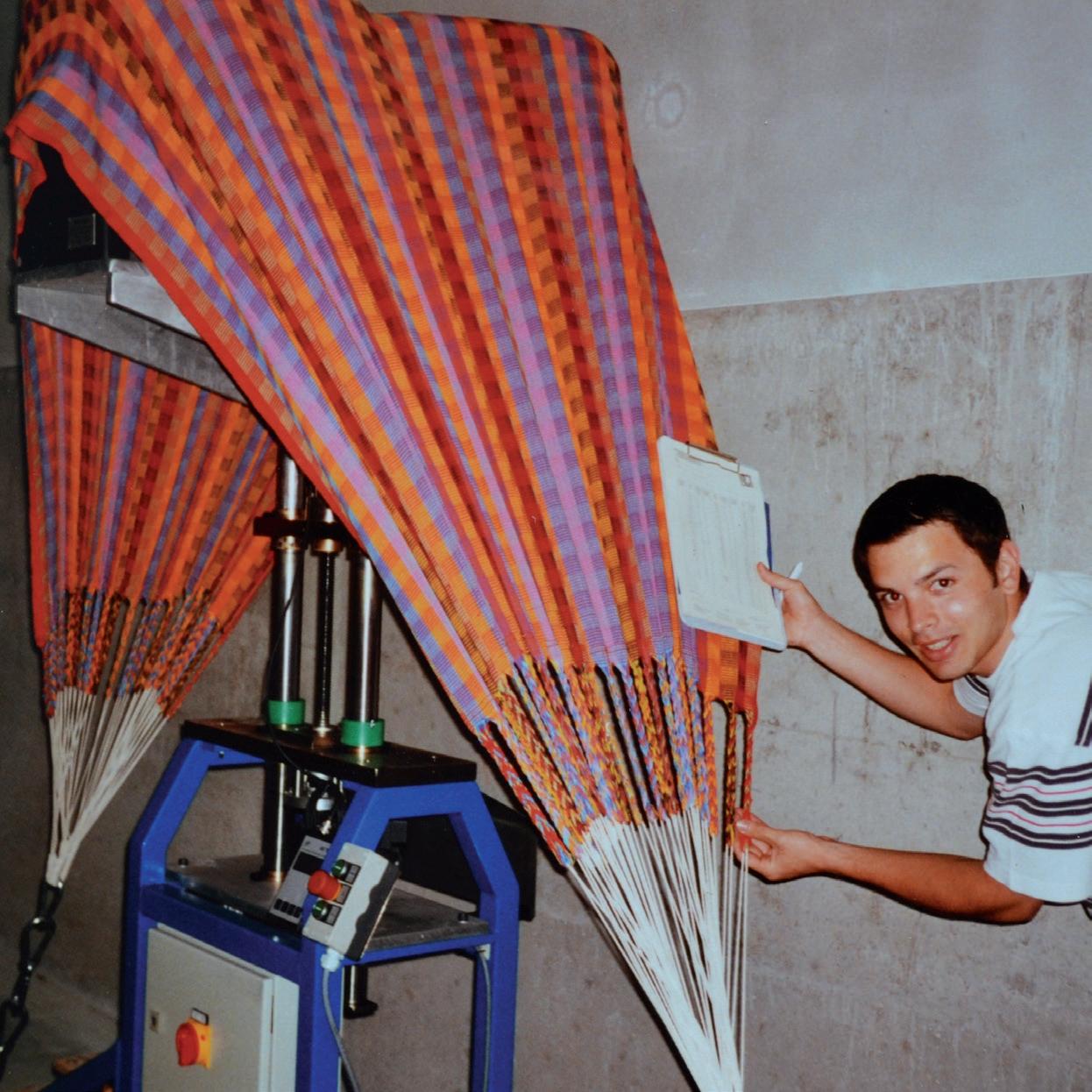
Alexander, innately an engineer, felt that the fabric roll method was not sufficient; he wanted to know in more detail and put the hammocks through their paces. He built his own machine, with the tensile strength and stress capable of much finer adjustment – and for which tons of fabric rolls did not need to take up warehouse space. LA SIESTA still has its hammocks certified by the TÜV today. Every single hammock can hold a weight of 120 kilograms, and family hammocks can even hold up to 200 kilograms.
LA SIESTA 2.0
Time of change
A centuries-old product between the big city jungle and the digital era: LA SIESTA builds the bridge between hammock tradition and modern life.
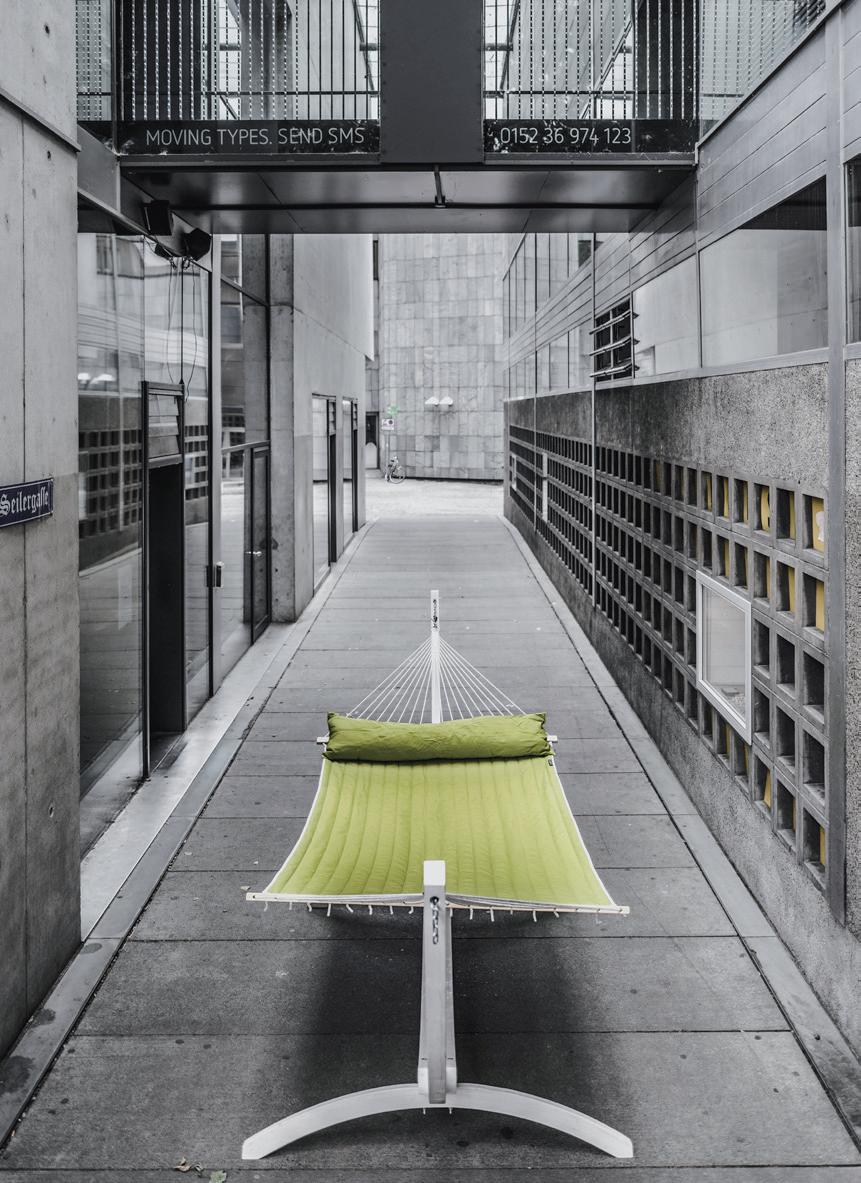
Spreader bar hammock Alabama with stand Canoa in Seilergasse at the Gutenberg Museum in Mainz
Relaxed drifting on the banks of the Rhine in the Aniversario hammock.
TRADE FAIR
The first trade fair booth at the Rhineland-Palatinate Exhibition in Mainz
Self-designed postcards as trade fair invitations
Complex
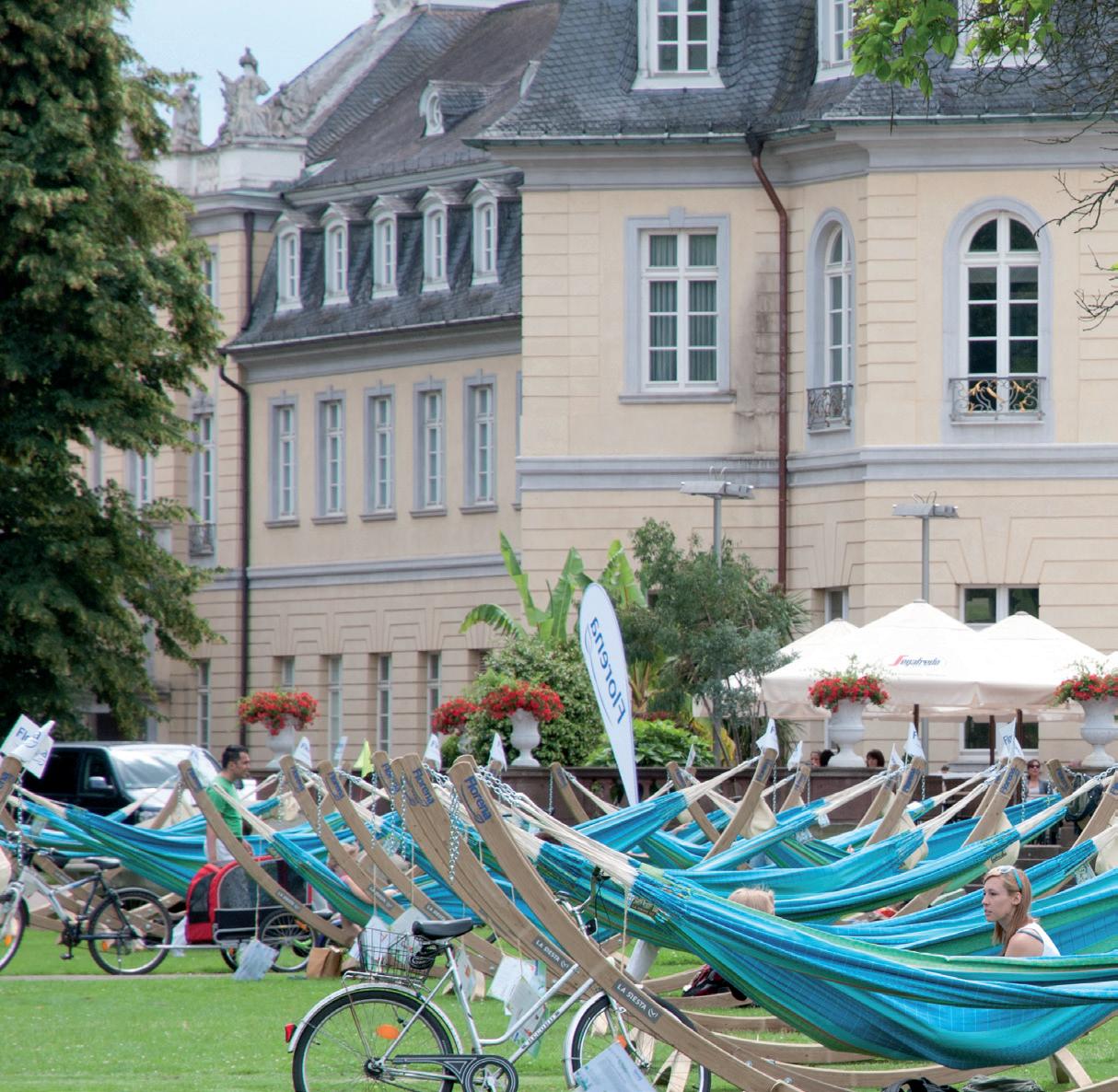
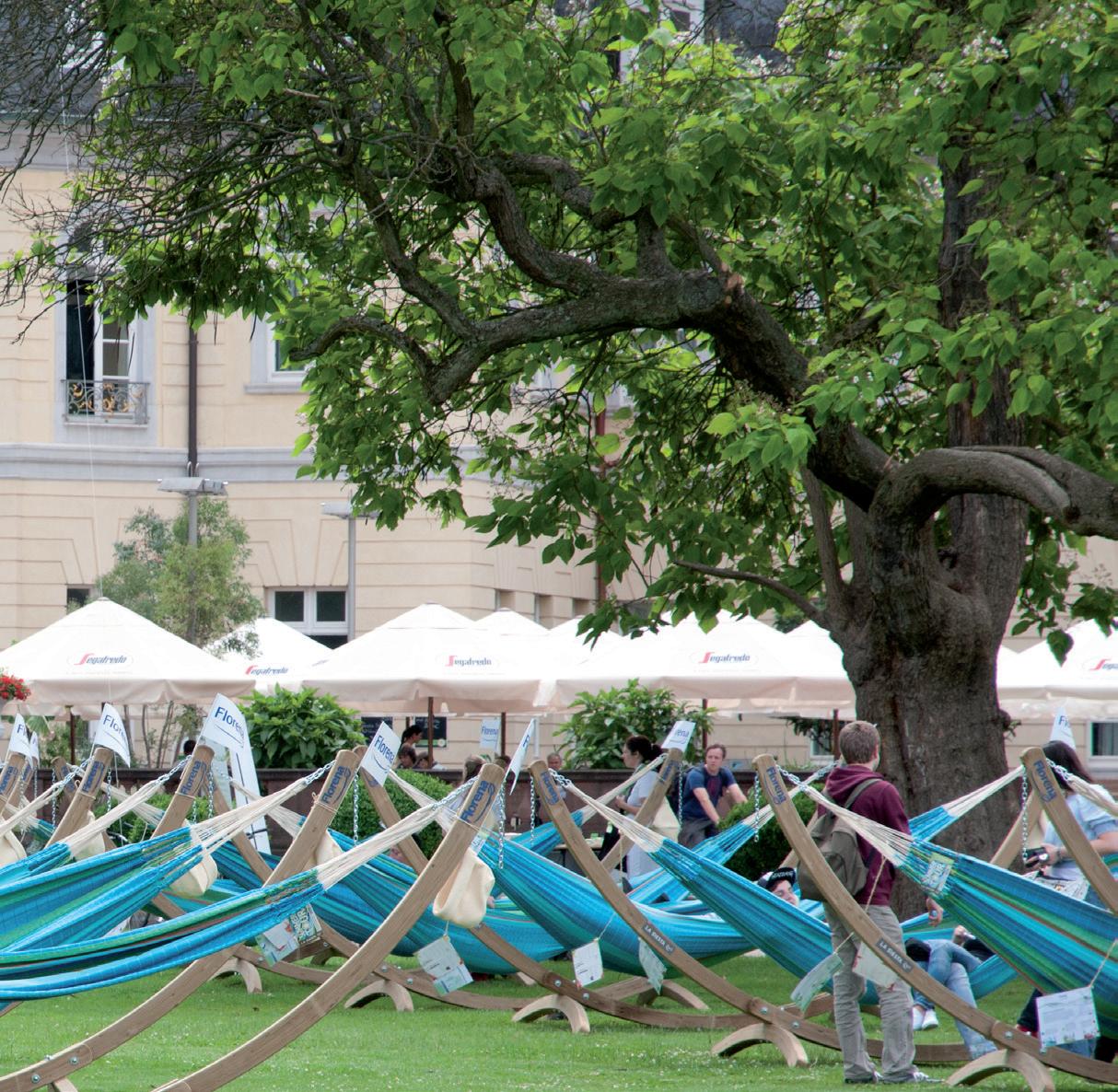
The care brand Florena went on a major promotional tour through Germany. In their luggage they took along 40 Flora hammocks with the Canoa stand
Pure enthusiasm for hammocks
CORNELIUS GRISAR ON A TRADITIONAL PRODUCT WITH A FUTURE
What is your most striking memory of the first days of LA SIESTA?
My childhood, and that of my brothers, was not always easy. It was often marked by the professional highs and lows of our parents, who fought to secure the family’s livelihood. It was a great relief for us when, after years of uncertainty, the situation improved through the sale of the hammocks. The hammocks gave us hope for a better life. This feeling is still very present for me. I associate it with the first days of LA SIESTA.
Where
do you see
LA SIESTA in 25 years?
What makes LA SIESTA so successful?
In my opinion, it is above all the small and simple things that make us successful. We are enthusiastic about hammocks, and every day we work on furthering the idea of the hammock, with a great deal of enthusiasm, dedication and humility. I think in the last 25 years we have been successful at moving the hammock more into the focus of the lives of many people.
And why should everyone have a hammock?
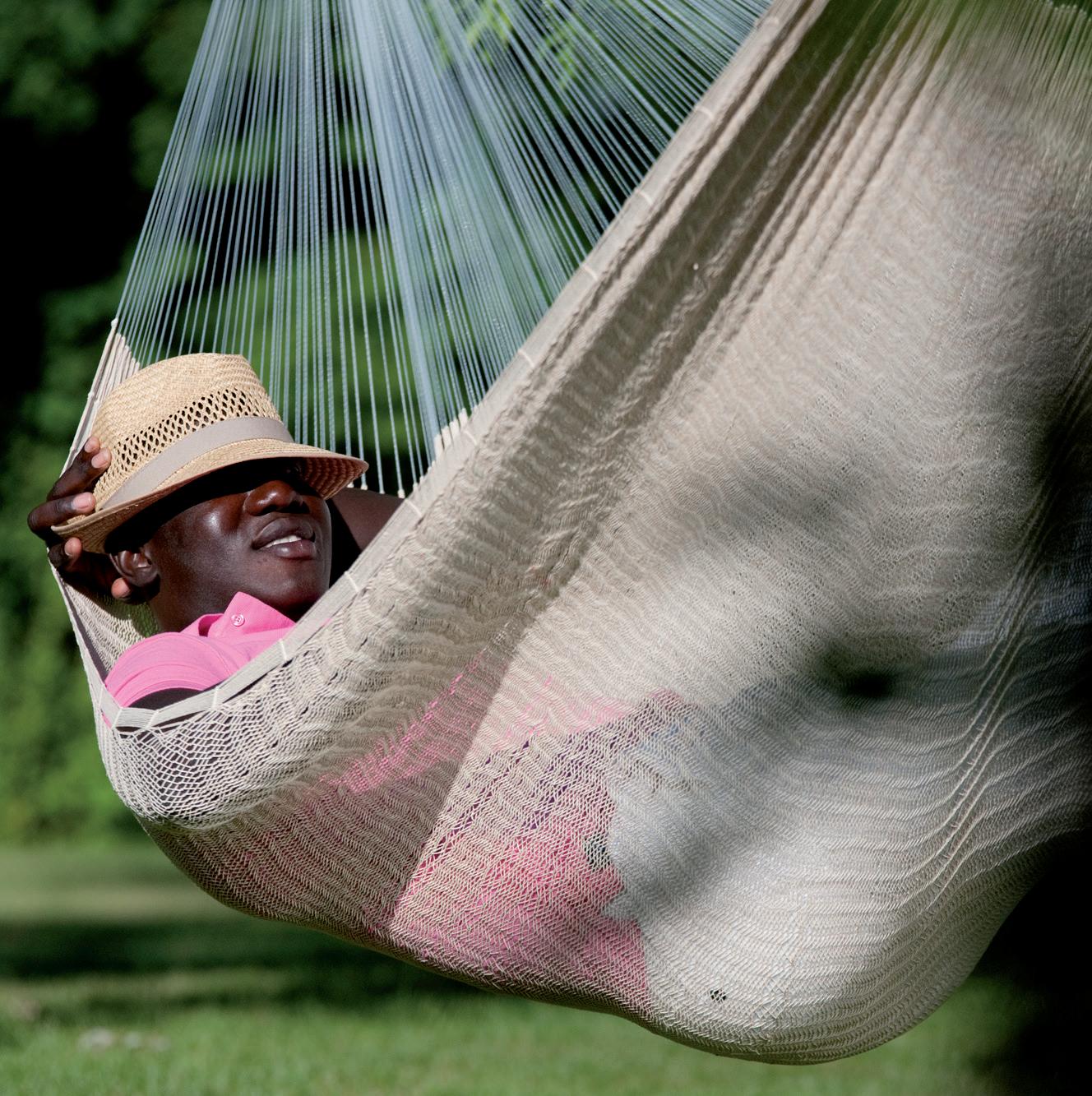
A hammock provides well-being and security, independent of the age, living situation or origins of the person using it. In doing so, it helps people get into the right vibe, and for many it has developed into a source of happiness. It is a unique product.
We have developed from a company in a garage into one of the leading hammock companies in the world. In doing so, we always had the motivation to get a little bit better every day, and it will also stay that way. We are a family company and want to make the lives of people better with good hammocks. Nothing essential will change about these cornerstones in the next 25 years. Like today, I see the focus of our products on hammocks, hammock chairs and accessories with specializations in different areas such as baby, child, travel, garden and furniture.
The greatest challenge will likely be the increasing digitalization of all areas of life. The lives and the purchasing behavior of people will continue to change and thus LA SIESTA will also continue to change. The first generation of LA SIESTA (my parents!) set the course for the future. My brothers and I now continue this constant change. What will also be interesting will be the development of the distribution channels and the geographic expansion, which we are already working on.
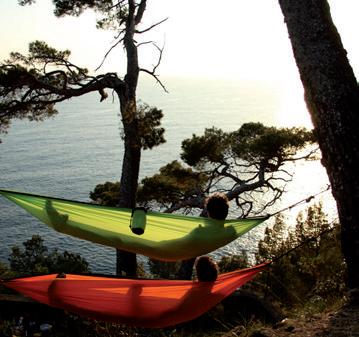
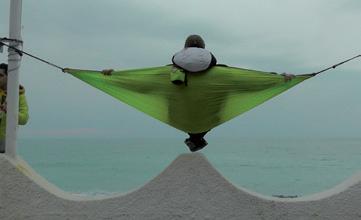
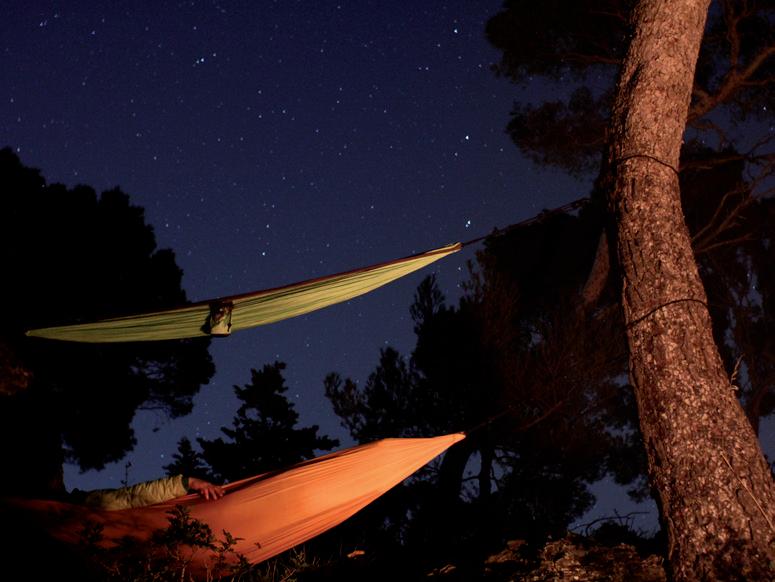
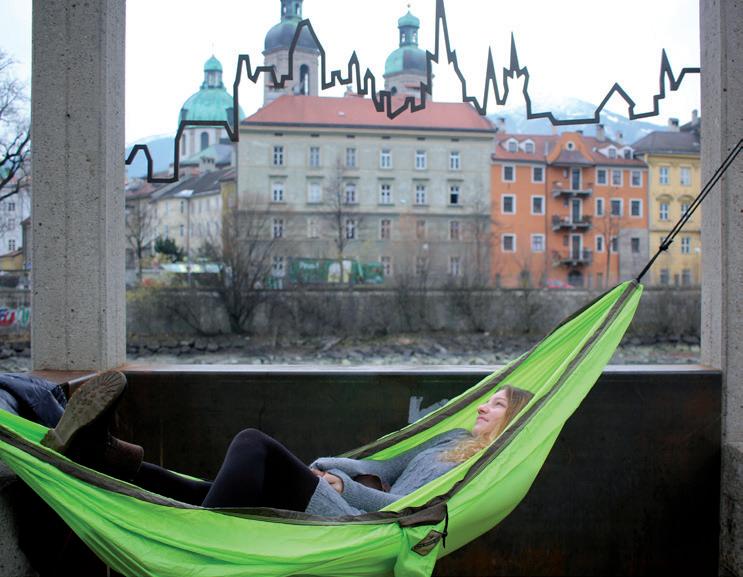
HAMMOCKING
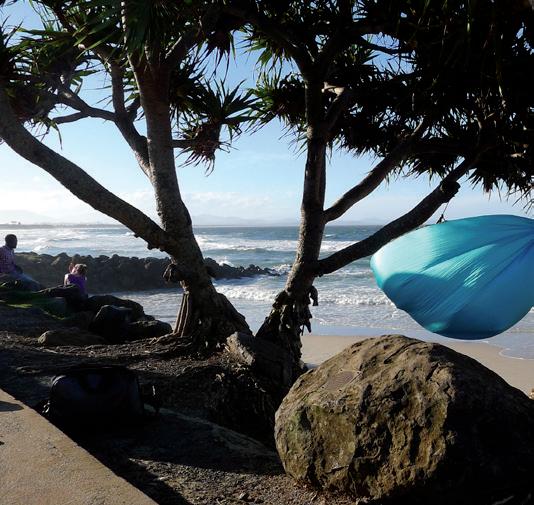
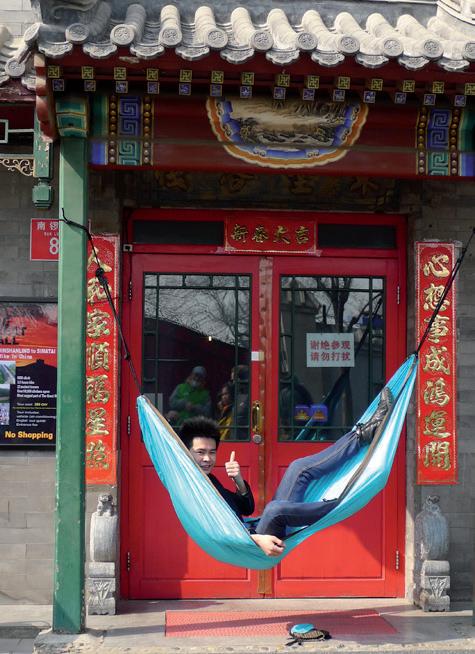
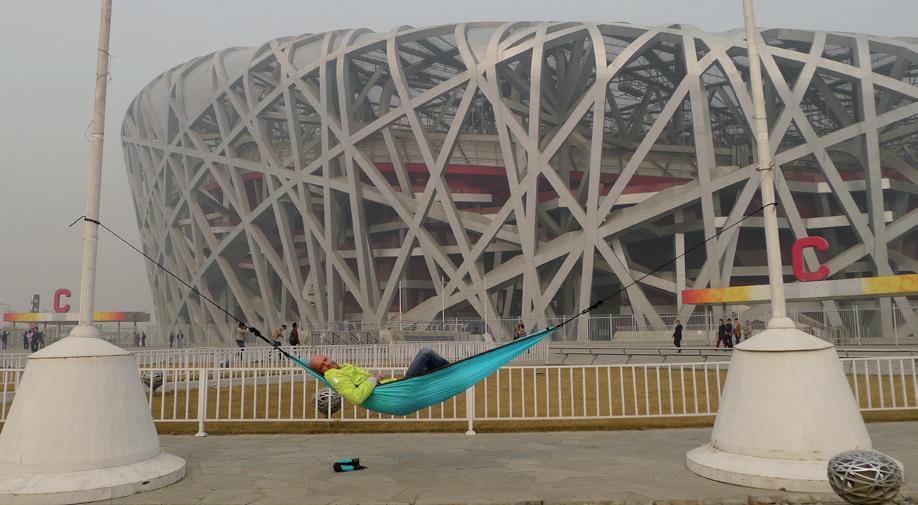
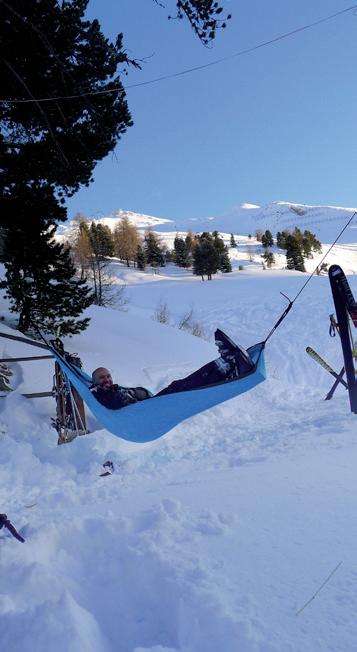
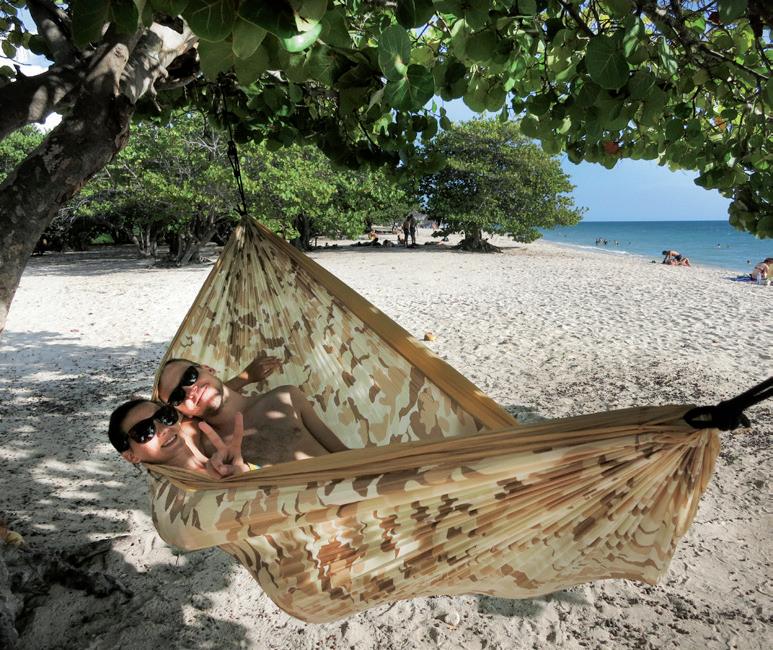
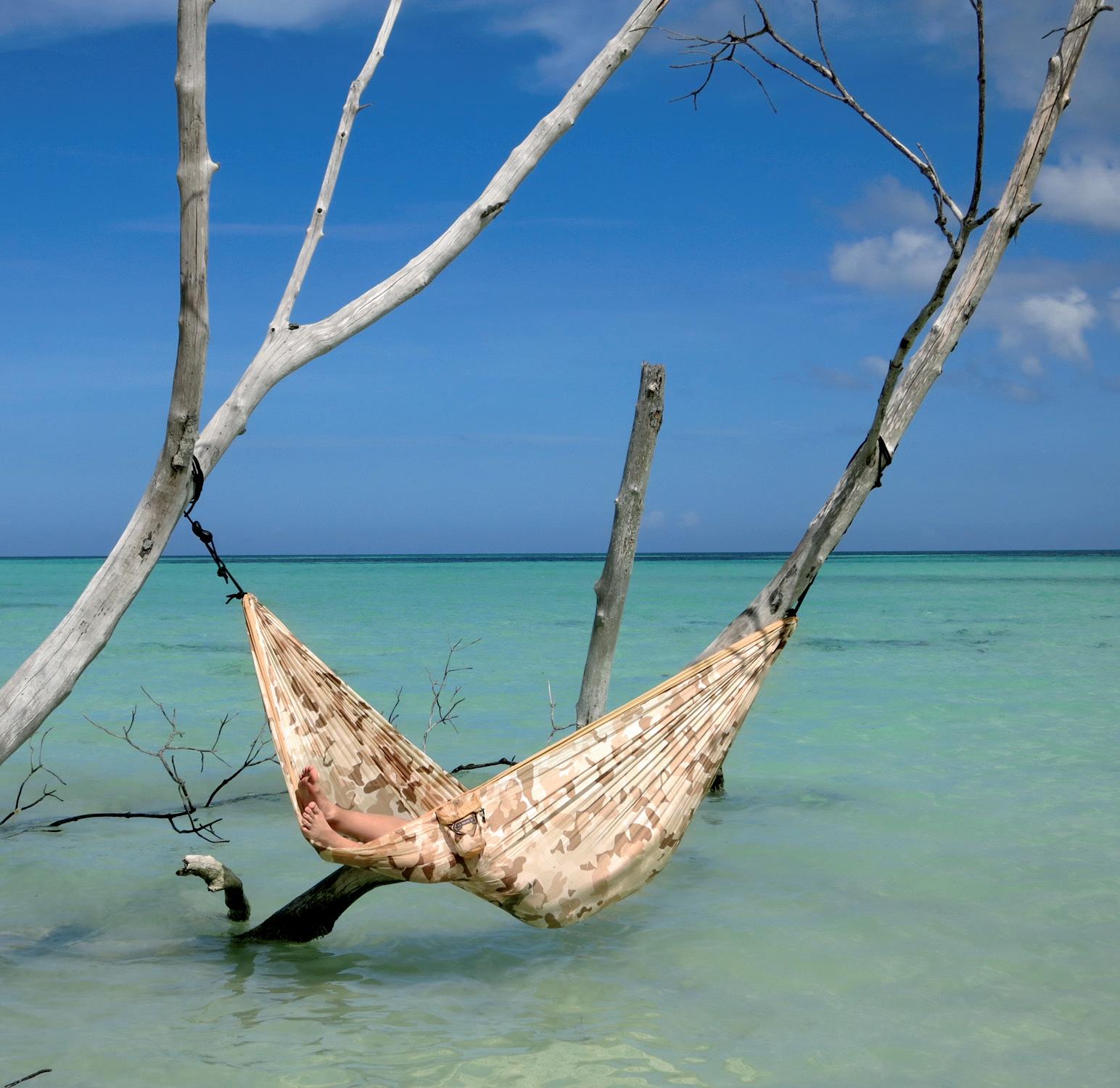
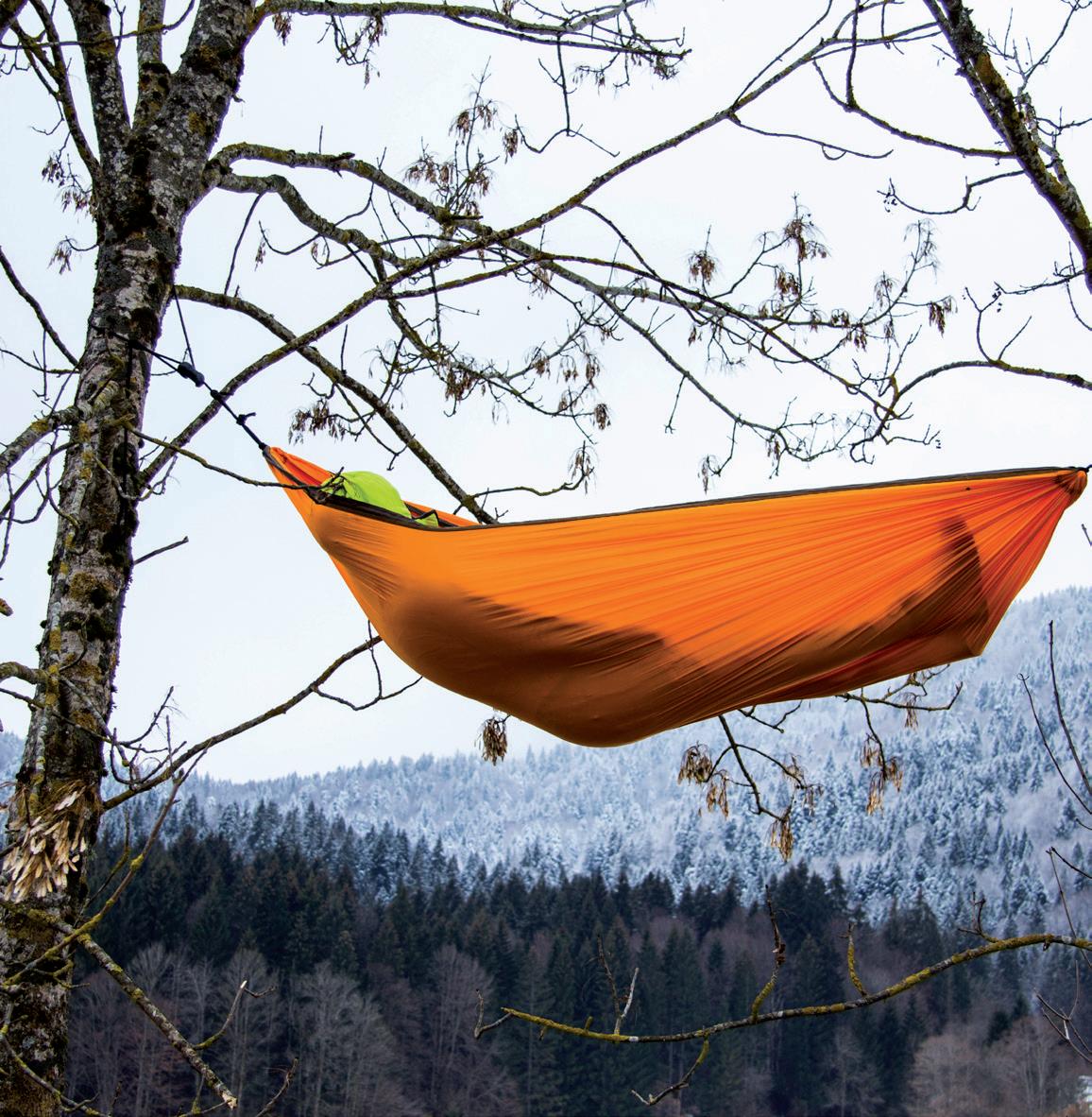
is the trend of suspending a hammock somewhere outside and relaxing in it...
LA SIESTA ON THE WORLD
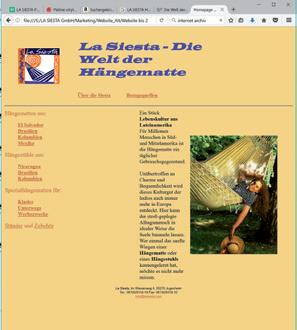
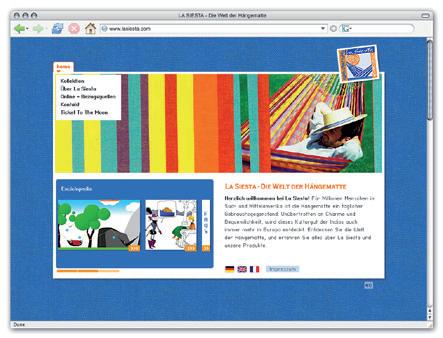
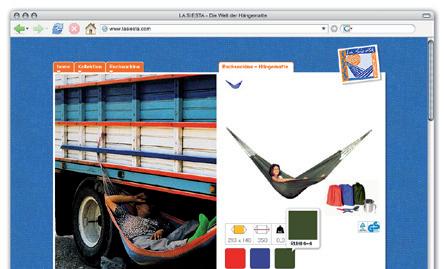
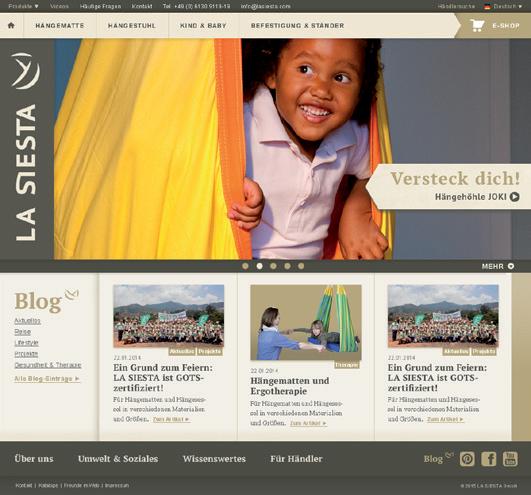
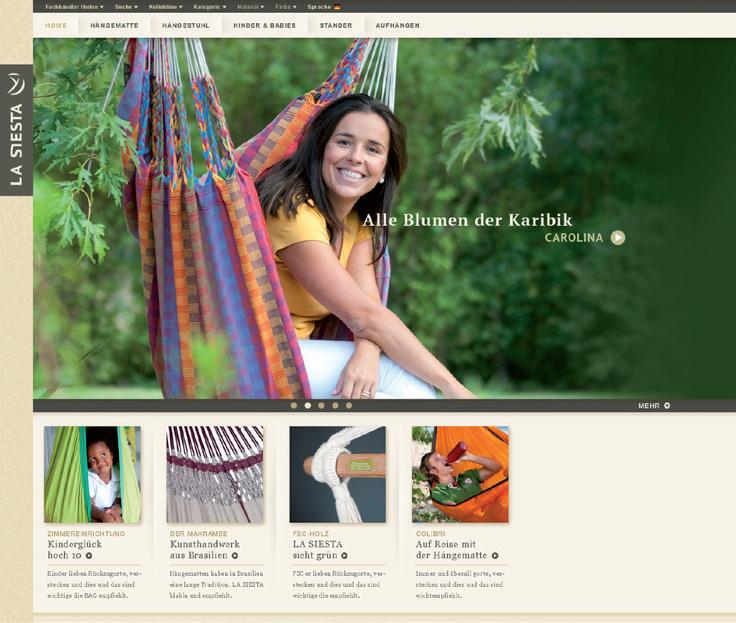
In 2000 LA SIESTA went online with its homepage. Before that the company could be found on the web with an online shop.
Our website was adapted again and again with our current appearance and updated to a state-of-the-art level.
lasiesta.com was translated into 15 languages. LA SIESTA shares impressions and
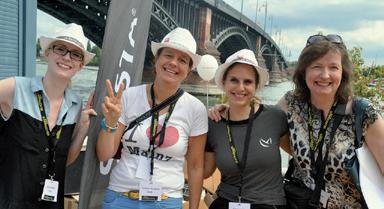
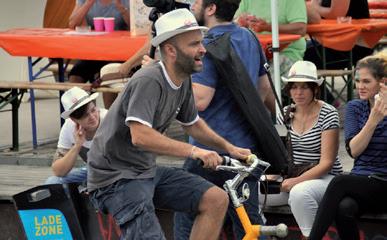
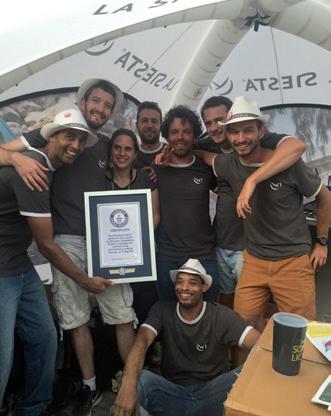
On July 31, 2016, LA SIESTA called on people to join the biggest hammock activity in the world. In Mainz am Rhein 269 people chilled simultaneously in LA SIESTA hammocks and thus set the official GUINNESS World Record .
Hammocking for a good purpose
The special edition Mainz travel hammock was designed for the city of Mainz.
Per Mainz travel hammock sold, €10 goes to the local Initiative Kinderschutz-Zentrum Mainz e.V. On October 27, 2016, LA SIESTA gave them the first donation check of over €790.
ROOTS IN THE WORLD, AT HOME AT LA SIESTA
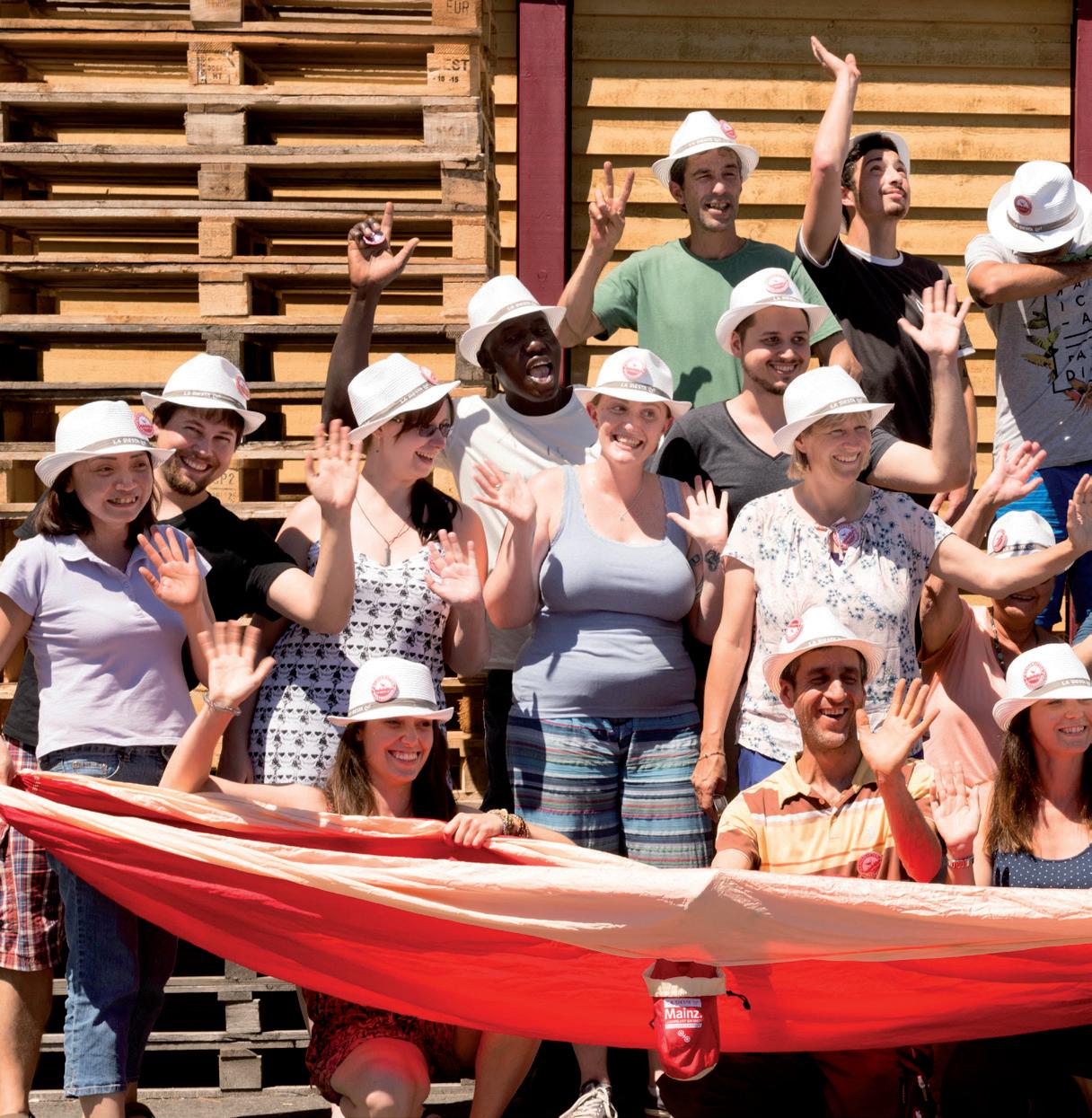
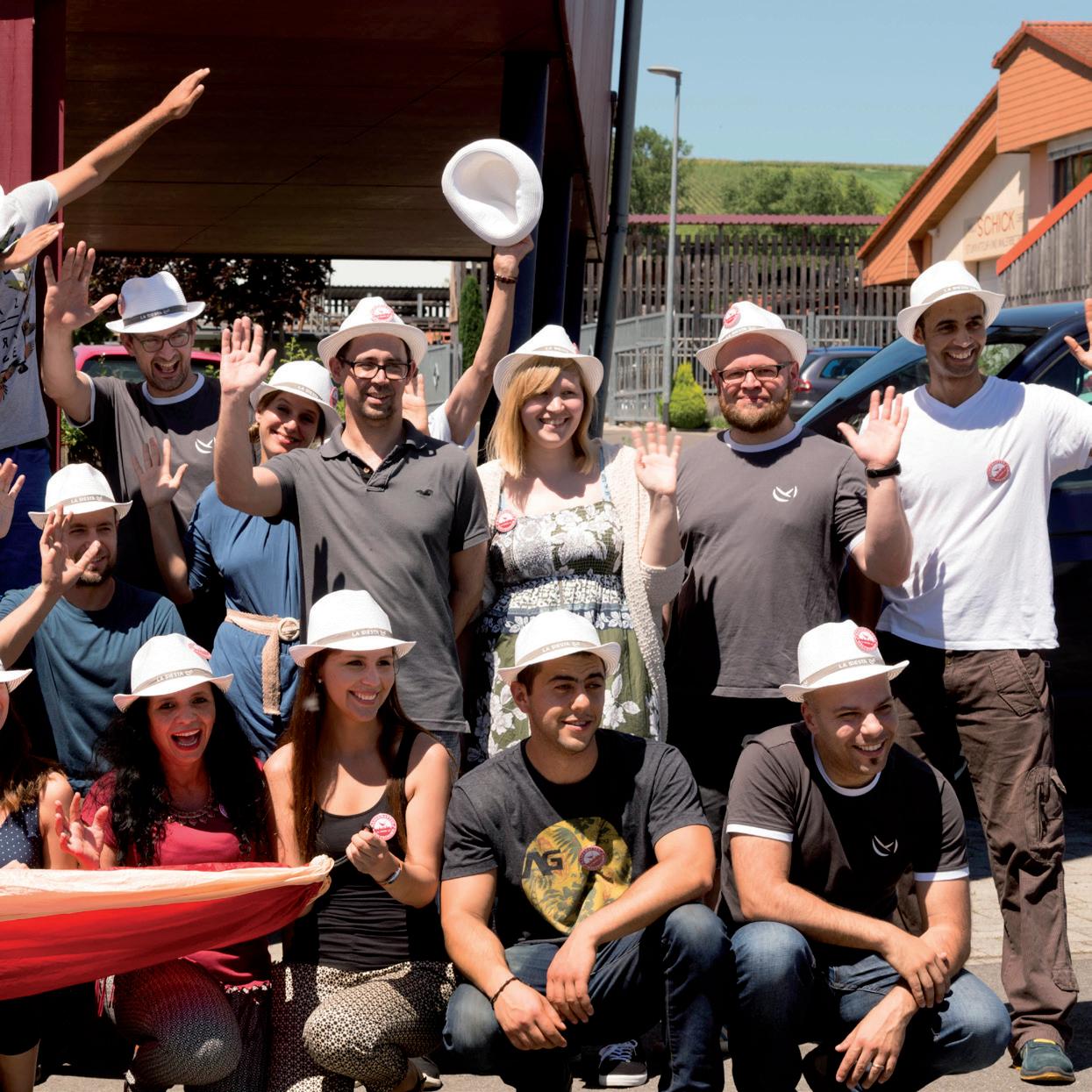
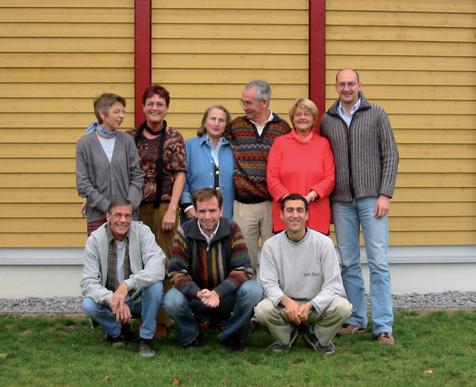
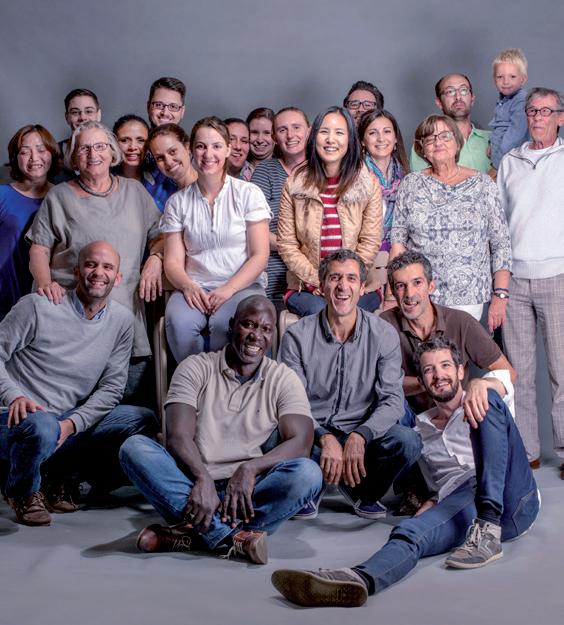
Our team has roots all over the world. The cultural backgrounds of our staff are as different as their characters, their talents, their favorite pizzas.
Every single one is different. Together they form an extraordinary team that we are proud of.
ENJOYING TIME TOGETHER AFTER WORK
THE TEAM
It started with two of them and a big idea.
In 2014, the team in Jugenheim expanded with the team of LA SIESTA Inc. in Miami
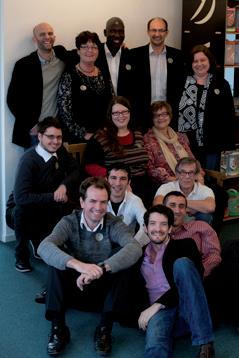
In 2016, the team at headquarters grew to more than 30 staff members.
What the heart likes is what the eyes search for.
Proverb
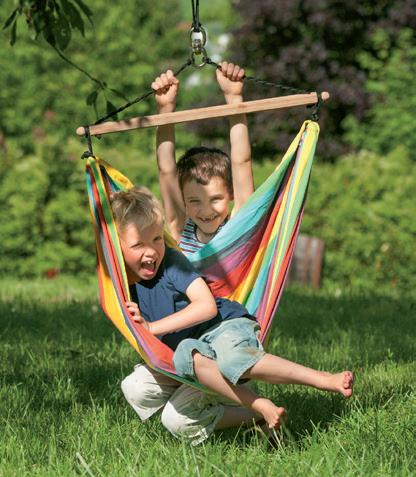
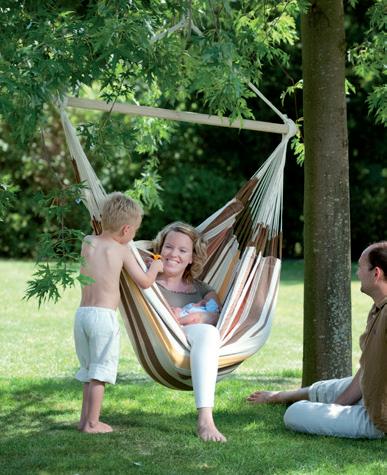
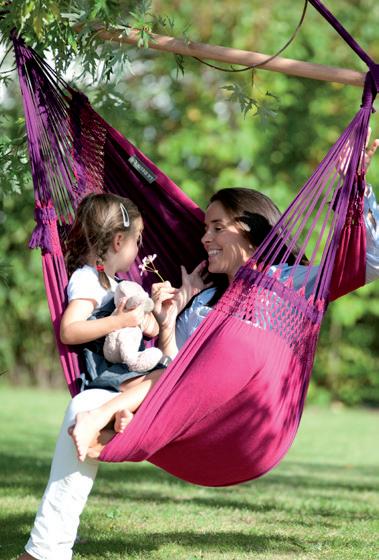
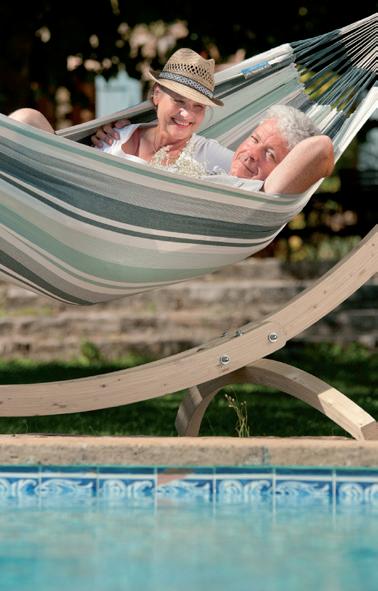
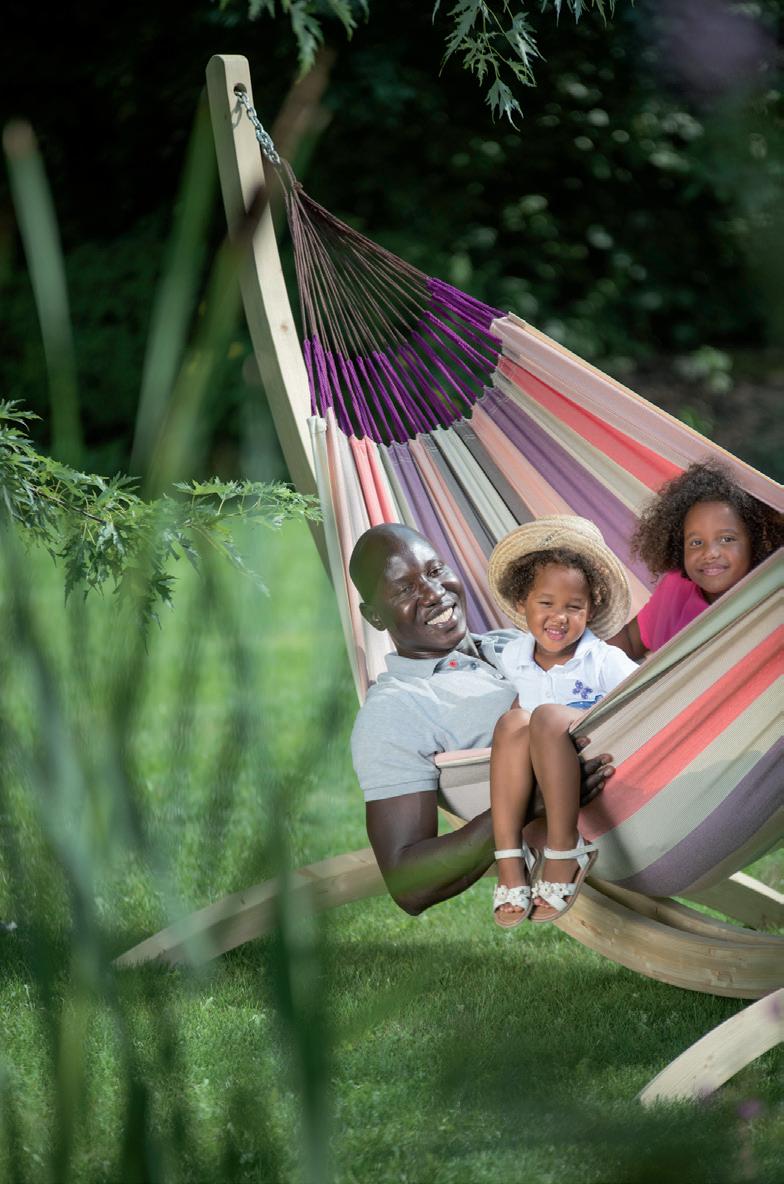
We proudly present beautiful pictures with premium products and top models –small or large, young or old. Family members, kids and friends of the LA SIESTA family are often in the spotlight for numerous shoots.
We thank everyone who has accompanied us on our journey. Our customers, our suppliers, our supporters. We’d like to offer a special thanks to our employees for their time, their efforts, our development together. We look forward to the next 25 years!
Imprint
Concept, Editing & Design:
Anna Dressel, Jessica Lorenz (texterion.de), Ina Meillan (inameillan.com)