

As summer arrives, we welcome the vibrant energy of longer days, warmer nights, and new opportunities across San Diego, Los Angeles, and Chicago. This season invites us to slow down just enough to appreciate what truly matters, while also inspiring us to grow, build, and connect.
In this special summer edition, we proudly celebrate the men in our lives. From devoted fathers and mentors to visionary leaders and entrepreneurs, we recognize the strength, guidance, and love they bring into our families and communities. Fatherhood, in all its forms, is a powerful force that shapes generations, and we honor those who embrace it with purpose and heart.
Summer also brings us together at some of the most impactful gatherings of our community. From the IHCC Business Expo in Chicago this August, to the UNIDOS US Annual Conference in Austin this July, and the California Hispanic Chambers of Commerce Annual Convention in Oakland, we continue to show up, build relationships, and move business forward. These moments remind us that our collective presence is powerful.
We also celebrate the independence of a nation built by immigrants, a country shaped by resilience, sacrifice, and vision. Even in moments when it may feel like we are not fully embraced, our contributions remain undeniable. We are entrepreneurs, leaders, and workers who continue to drive the economy forward every single day.
We also turn our focus to business, highlighting the ever-evolving world of entrepreneurship, including the promising path of franchising.



For many in our community, franchising represents not only financial growth but also a gateway to legacy building and economic empowerment.
As always, La Revista Binacional remains committed to telling stories that inspire, inform, and uplift. Thank you for being part of our journey. May this summer be filled with success, reflection, and meaningful moments with those who matter most.
Sincerely,
Página 7
Latino Dads and vs American Dads
Co-founder and Editor in Chief


Latino Dads vs American Dads
Horoscope Summer 2026
Sunset Conversations
Ezra Bejar His Legacy
Teen Meltdowns
Unseen Value of Men
Mendoza: Malbec
Invisible Epidemic
Carlo Mendez
Emigrating with Purpose: The Key to the
Successful Man
A Red White and Sazon
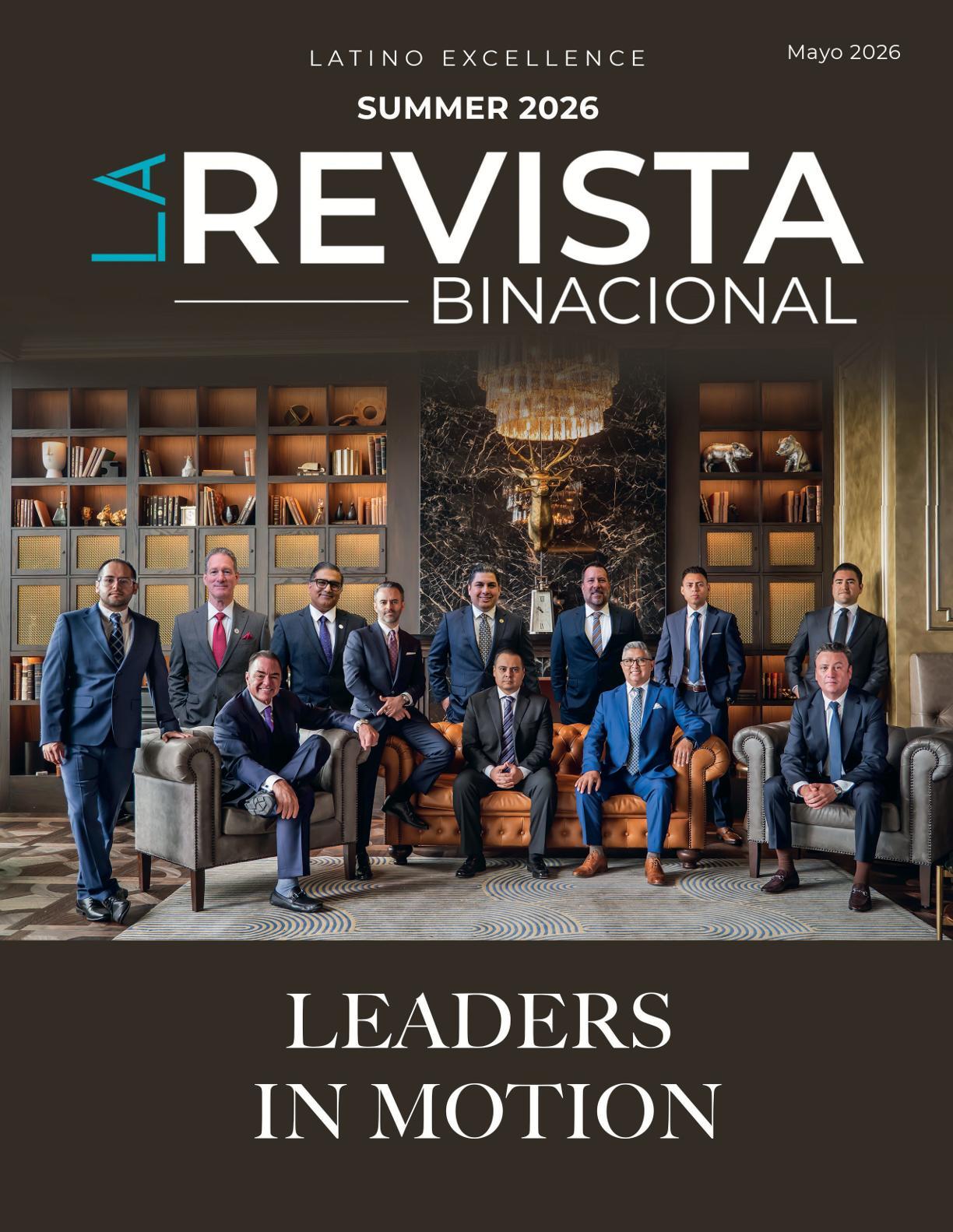
Leaders in Motion
When Art Embraces you- Magnolias
The revolution that never ended
Changing the Chip
Randy and Manuel Reyes LGBTQ + Pride
Reversible Epigenetics Article
Página 36
A Red White and Sazon

-ADRIANA REID
-AMBAR PICASSO
-ARNULFO MANRIQUEZ
-DAVID MULLER (PHOTOGRAPHY)
-HASSAN KAFRI, MD
-HEAVENLY
-EFFREY CZAJKA
-JULISA ARIAS
-LAURA MEJORADO
-MICHELE DEWAR, MD
-ROSALINA ALVARADO
-SYLVIA VILLASEÑOR-ORTIZ MSW, LCSW
-VERONICA BEJAR
LA REVISTA BINACIONAL WRITING CREW
-AMANDA SAN MARTIN PHOTOGRAPHY (COVER PICTURE)
-EQUIPO DE REDACCIÓN DE LA REVISTA BINACIONAL

VERONICA RODRIGUEZ (RONI BOOK PHOTOGRAPHY)
COVER PICTURE LOCATION:
JAMUL CASINO RESORT, THANK YOU JENNY NG AND TEAM FOR YOUR HOSPITALITY

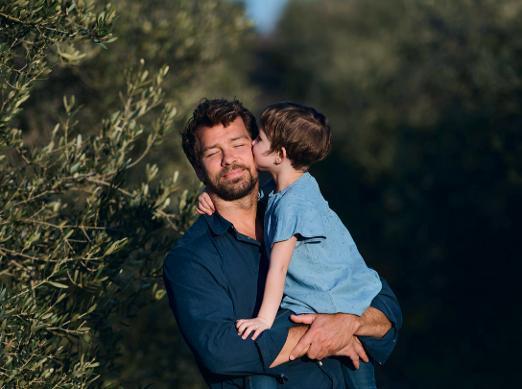
In every culture, fatherhood carries its own rhythm, rules, and unmistakable personality. In the United States, the image of the American dad has evolved into something relaxed, emotionally expressive, and often delightfully informal. Meanwhile, the Latino dad carries a reputation that arrives before he even speaks. Disciplined, traditional, and famously strict, he is a figure both respected and, at times, slightly feared. Yet beneath these contrasting styles lies the same foundation: love, responsibility, and an unwavering desire to raise strong, capable human beings. The difference is not in how much they love, but in how they choose to show it.
The American dad is often seen as approachable and conversational. He is the one at weekend barbecues perfecting his grilling technique, cheering loudly at soccer games, and engaging in thoughtful conversations with his children. He encourages dialogue and values his children’s opinions. It is not uncommon to hear him say, “Let’s talk about it,” or “What do you think?” His parenting style leans toward collaboration, aiming to build confidence and independence through open communication. Authority is present, but it is balanced with a sense of partnership.
Now consider the Latino dad. He does not necessarily ask what you think. He tells you what is going to happen, and somehow, that settles the matter. His authority is clear, firm, and rarely questioned. He has perfected the art of “the look,” a silent but powerful expression that can stop any misbehavior instantly. No explanations required. Rules are not open to negotiation. Curfew is not a suggestion but an expectation, one that is understood without needing to be repeated.
At first glance, the Latino dad’s approach may seem strict, even intimidating. However, this discipline is deeply rooted in love. It is not about control, but about protection. Many Latino fathers were raised in environments where respect was essential and life required resilience. Their strictness reflects a desire to prepare their children for real challenges, to instill values that will help them succeed in a world that is not always forgiving.
The humor often reveals itself in how each father handles mistakes. An American dad might sit his child down and calmly say, “We all make mistakes. What can we learn from this?” A Latino dad might begin with
a firm, “What did you do?” followed by a speech that somehow connects the situation to his own childhood, the sacrifices he has made, and the importance of respect within the home. By the end, the lesson is unforgettable, not only because of the message, but because of the delivery.
Affection is another area where the differences become clear. American dads are often openly expressive. They hug their children frequently, offer words of encouragement, and say “I love you” without hesitation. Latino dads may express affection in a more understated way. Their love is seen in actions rather than words. It is in the long hours they work, the problems they solve without being asked, and the quiet sacrifices they make to ensure their children have opportunities they may not have had themselves.
This does not mean one approach is more loving than the other. In fact, both are equally powerful. The American dad nurtures independence by encouraging self-expression and open dialogue. The Latino dad builds strength through discipline, respect, and clear expectations. One gives space to explore, while the other provides a structured path to follow.
Today, these styles are evolving. American dads are becoming more engaged and present than ever before, while Latino dads are increasingly embracing emotional openness. The modern father often blends both approaches, combining structure with empathy and authority with understanding. This evolution reflects a broader understanding that strength and sensitivity are not opposites, but complements.
In the end, the essence of fatherhood remains the same across cultures. It is about guidance, sacrifice, and love. Whether a father is calmly discussing a life lesson or delivering it with unmistakable authority, the intention is the same.
And if the Latino dad happens to be a little stricter, it is not because he loves less. It is because he loves deeply. His discipline is a form of care, his expectations a form of belief, and his firmness a form of protection.
Because behind every firm rule and every serious look is a father who, in his own way, is saying the same thing every dad means to say. I love you.






pool was where kids learned to swim, where neighbors became friends, where summer felt like summer.


It's been sitting empty for too long, but we can change that. Scan to Support




This summer is ruled by movement, bold decisions, and unexpected opportunities. With strong planetary shifts encouraging action, this is not the season to wait—it’s the season to go after it.




Aries (March 21 – April 19)
Theme: Leadership in Motion
You’re stepping into a powerful spotlight this summer. Career doors open quickly—but only if you act fast. Personally, someone admires your courage more than you realize.
Power Move: Say yes before doubt creeps in.
Taurus (April 20 – May 20)
Theme: Expansion & Travel
Your world is getting bigger—literally. Travel, new connections, or even a spiritual awakening will reshape your perspective.
Power Move: Invest in experiences, not just things.
Gemini (May 21 – June 20)
Theme: Transformation & Depth
This is a deeply transformative season. Financial growth is possible, but it requires smart decisions. Emotionally, you’re letting go of what no longer serves you.
Power Move: Trust your intuition—it’s sharper than ever.

Libra (September 23 – October 22)
Theme: Home & Foundations
Big shifts around home, family, or personal stability are happening. You’re building something long-term.
Power Move: Choose peace over pleasing others.
Scorpio (October 23 – November 21)

Theme: Voice & Influence Your words carry power this summer. Whether through media, speaking, or networking—you’re being heard.
Power Move: Speak boldly. Someone important is listening.

Sagittarius (November 22 –December 21)
Theme: Money & Value
Financial opportunities arise, but so do important lessons about worth. Charge what you deserve.
Capricorn (December 22 –January 19)


Cancer (June 21 – July 22)
Theme: Love & Partnerships
Relationships take center stage. Whether romantic or business, the right partnership can elevate everything.
Power Move: Be open, but don’t settle.


Leo (July 23 – August 22)
Theme: Discipline = Success
This summer rewards structure. Your glow-up is real—but it comes from consistency, not luck. Health and routines matter now more than ever.
Power Move: Show up daily, even when you don’t feel like it.


Virgo (August 23 – September 22)
Theme: Creativity & Joy
After a period of overthinking, you’re finally allowing yourself to enjoy life. Creative projects flourish—and so can romance.
Power Move: Stop analyzing and start creating.
Final Message for Summer 2026

Theme: Reinvention
This is your personal reset. A new version of you is emerging—stronger, clearer, more aligned. Power Move: Don’t look back—you’ve outgrown it.
Aquarius (January 20 – February 18)
Theme: Reflection & Healing
A quieter, more introspective summer. You’re healing, recharging, and preparing for a major comeback.
Power Move: Protect your energy at all costs.
Pisces (February 19 – March 20)
Theme: Community & Opportunities Your network is your net worth this summer. Collaborations and friendships open unexpected doors.
Power Move: Surround yourself with people who elevate you.
This is a season of movement, courage, and alignment. The universe is rewarding those who take risks, trust themselves, and embrace change.
If it feels exciting and a little scary—you’re on the right path.
















































Setup
Apostilled
Birth
Double


By: La Revista Binacional Writers
There is something sacred about the hour when the sun begins to set. The light softens, the noise quiets, and even the busiest day seems to exhale. In that golden pause, we are reminded of a simple truth: endings do not have to be abrupt, loud, or painful. They can be gentle, intentional, even beautiful.
Sunset conversations are those quiet, honest moments when we acknowledge that something has reached its natural conclusion. A job that once inspired us but no longer aligns. A relationship that taught us deeply but cannot carry us forward. A partnership that fulfilled its purpose and now asks to be released. These conversations are not about failure. They are about awareness. They reflect the understanding that just as the sun sets to rise again, we too must learn how to let go.
In a culture that celebrates beginnings and milestones, we often forget to honor endings. We hold on to roles, titles, and relationships long after they have given us everything they were meant to give. We fear that letting go diminishes their importance. In truth, the opposite happens. When we close a chapter with intention, we elevate it. We give it the respect it deserves.
Every sunset conversation begins within. It starts as a quiet voice that says, this is no longer where you belong. At first, we resist. We negotiate. We convince ourselves to stay. Familiarity feels safe, even when it no longer nourishes us. Over time, that whisper becomes clarity. And clarity asks for courage.
Leaving a job is rarely just about work. It is about identity. It reflects who we have been and who we are becoming. A graceful exit is not about proving a point or burning bridges. It is about gratitude. Gratitude for the lessons, for the growth, for the people who were part of that journey. A sunset conversation in this space sounds like appreciation paired with vision. It acknowledges the past while stepping confidently into what comes next.
Relationships are perhaps the most delicate sunsets of all. They hold memories, shared dreams, and pieces of our hearts. Ending them can feel like losing a part of ourselves. Yet a true sunset conversation does not erase. It honors. It says what we had mattered. It shaped me. It helped me grow. There is no need for blame or resentment. Those belong to storms, not sunsets.
Peaceful endings require emotional maturity. They ask us to release the need to be right or to win. They invite us to let go of narratives that no longer serve us. In
their place, we gain perspective. We begin to see each relationship or experience as part of a larger journey rather than a permanent destination.
Partnerships, especially in business, often blend ambition with personal connection. When they end, emotions can run high. Even here, a sunset conversation can transform tension into respect. It can acknowledge shared accomplishments while creating space for new paths. It becomes less about separation and more about evolution.
Gratitude is the language of meaningful endings. It allows us to close doors without slamming them. It reminds us that every experience has contributed to who we are. Gratitude softens goodbye and opens the door to possibility.
Not every ending feels peaceful at first. Some arrive with disappointment, hurt, or uncertainty. Sunset conversations are not about pretending everything is perfect. They are about choosing how we respond. They reflect a decision to lead with grace even when emotions are complex. They allow us to move forward without carrying unnecessary weight.
There is also a quiet wisdom in timing. The sun sets when it is meant to. Not earlier, not later. Our endings often follow that same rhythm. They arrive when we are ready, even if we do not immediately recognize it. Trusting that timing requires faith in ourselves and in the path ahead.
What makes a sunset so breathtaking is not just its beauty, but its promise. It reminds us that darkness is temporary. That rest is necessary. That a new day is already on its way. Our endings carry that same promise. They create space. They clear the horizon. They prepare us for beginnings we cannot yet imagine.
So when you find yourself at the edge of an ending, pause. Take it in. Allow yourself to feel everything. Then choose your words carefully. Let them reflect who you are becoming, not only what you are leaving behind. Choose gratitude over regret. Choose peace over resistance.
Because in the end, it is not the ending itself that defines us, but how we choose to say goodbye. And when we do it with intention, with grace, and with an open heart, we discover something powerful.
Every ending, like every sunset, is not truly an end, but a quiet and radiant beginning.

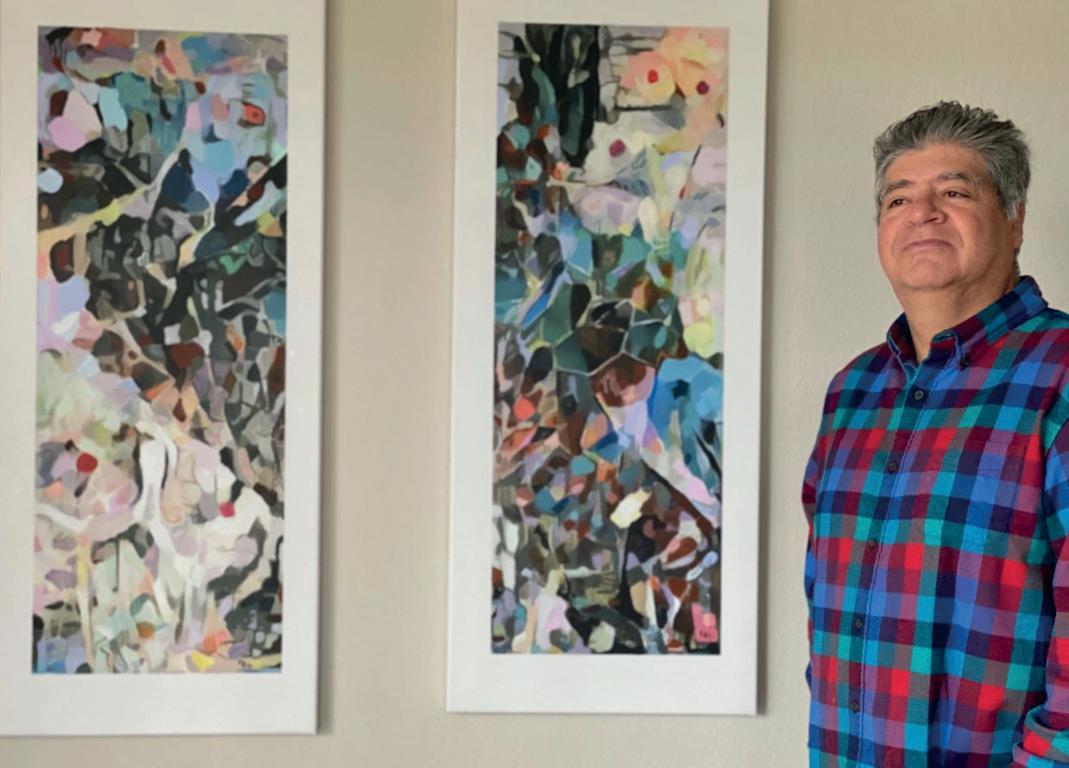
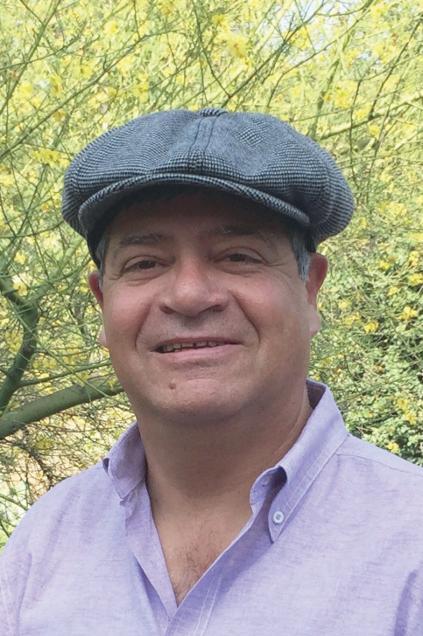
Born in 1958 in Mexico City, he was the son of a businessman and a nurse. His father, Ezra Bejar Sr., owned the Kunst Kreis gallery and exposed him to art from a very early age—ranging from classical paintings by the Old Masters to original abstract works by his father that adorned windows, ceilings, and walls.
Ezra was trained and educated as both an artist and a scientist in Mexico and the United States. He earned Bachelor’s and Master’s degrees in Experimental Biology from the Metropolitan University in Mexico City, and a Ph.D. in Pharmacology from the University of the Pacific in Stockton, California.
After conducting postdoctoral research at the University of Mississippi and San Diego State University (SDSU), he attended various art conferences at the SDSU School of Art and Design. He also undertook independent studies in multimedia art with Professor Mark Siprut, as well as advanced painting studies with the multidisciplinary Colombian artist Carlos Castro Arias.
Ezra was trained as a scientist, but a passion for contemporary art resurfaced in 2010, reorienting a significant portion of his interests. It was a period of profound introspection, healing, and maturation, triggered by a retinal detachment.
Upon confronting the possibility of losing his sight, he discovered the true significance
of vision. After undergoing treatment and recovering, he attributed this newfound passion to magnificent seascapes—rich in color and texture—and to urban spaces characterized by geometric forms, recognizing in them the artistic influence inherited from his parents. Equipped with a specialized optical lens and a process of visual inquiry, he utilized art to articulate a new perception of the converging layers within both his visual field and his personal life as a permanent immigrant.
Ezra evolved into a new kind of Mexican artist: an artist constructed from the interplay of past and present, science and art, the physical and the digital— thereby reframing our notions of art, science, culture, and nationality. Ezra was a full-time professional artist with prior experience in academic and corporate executive roles dedicated to the scientific research of herbal ingredients. He was considered a world expert in botanical medicine. He authored books, chapters, monographs, and numerous peer-reviewed scientific articles reporting on the effects of plantderived substances found in remedies used by ancient cultures—a field known as ethnopharmacology.
For over eleven years, his artistic narrative was guided by his own personal transformation—encompassing perception, intuition, and vision—a trilogy that captured an alternative reality by distilling colors and forms through both traditional and modern (postdigital) methods.
He worked on two NFT art series: *Cryptolobes* and *Cerebrones*—rare and highly collectible characters inspired by his own brain cancer diagnosis in July 2021.
Béjar’s art is provocative, energetic, and innovative. His paintings are distinguished by the richness of their colors, geometries, textures, and aesthetics. His work reached international audiences, with exhibitions and collectors across the United States, Europe, Asia, and Mexico.
Recognized as a binational artist by the Institute for Mexicans Abroad (IME), under the Mexican
Government’s Secretariat of Foreign Affairs, Béjar participated in over thirty solo and group exhibitions—both within the United States and internationally—since 2010.
Ezra Béjar passed away in 2022 following a courageous battle with brain cancer. He is survived by his wife, Verónica; his son, Ezra; and his daughter, Paula. To his family and friends, Béjar will always be remembered as an adventurous, loving, and protective father, friend, husband, and son.
His legacy lives on through his body of work, where science, art, and the human experience converge in a deeply original and transcendent vision.
Scientist. Artist. Husband.
In the final decade of his life, Ezra Béjar created a body of work that bridged the curiosity of science with the emotion of art. He saw beauty in chaos, patterns in the organic, and stories in texture. Today, Veronica—his wife and gallery director—shares Ezra’s vision with the world.
His legacy continues with every collector who brings his work into their life.
Thank you for being a part of this journey.
Biography of Ezra Bejar, Ph.D.
Ezra Bejar was a man whose life and work embodied the convergence of scientific rigor and artistic sensibility. Born in Mexico City in 1958, he grew up in an environment steeped in creativity; his father, Ezra Bejar Sr., owner of the Kunst Kreis gallery, introduced from an early age to a visual universe that spanned everything from the great classical masters to the abstract avant-garde that adorned his own home.
**Education and Scientific Career**
Educated in Mexico and the United States, Ezra forged a solid academic career. He earned his bachelor's and master's degrees in Experimental Biology from
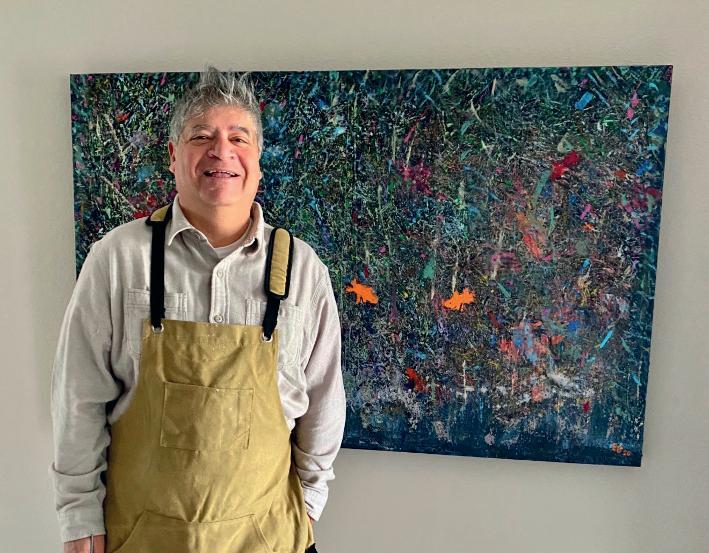
the Autonomous Metropolitan University (UAM) and, subsequently, a Ph.D. in Pharmacology from the University of the Pacific in California. Following postdoctoral fellowships at the University of Mississippi and San Diego State University (SDSU), he established himself as a world-renowned expert in botanical medicine and ethnopharmacology, publishing numerous books and scientific articles on the therapeutic effects of plants in ancestral cultures.
**The Artistic Renaissance**
Although science was his initial profession, a deep passion for contemporary art resurfaced in 2010, transforming his worldview. This shift was driven by a period of introspection following a retinal detachment. Upon confronting the fragility of his own eyesight, Ezra rediscovered the value of perception. His recovery paved the way for a vibrant artistic output, in which seascapes and urban geometric forms intertwined through the lens of a unique visual inquiry.
**Legacy and Aesthetics**
His work evolved toward a "post-digital" style, integrating the physical with the technological. In his final years, he transformed his personal battle against brain cancer into art, creating the NFT series *Cryptolobes* and *Cerebrones*—characters that exude intuition and resilience.
Recognized as a binational artist by the Government of Mexico, Ezra participated in over thirty international exhibitions. His art—characterized by energetic geometries and exceptional chromatic richness—continues to serve as a bridge between disciplines. Ezra Bejar passed away in 2022; he is survived by his wife, Verónica; his son, Ezra; and his daughter, Paula. To his family and friends, Bejar will always be remembered as an adventurous, affectionate, and protective father, friend, husband, and son. It also leaves a legacy where science, art, and human experience converge in a transcendent vision.
ezrabejarart.com.url

Por: Sylvia Villasenor-Ortiz, LCSW, NPT-C
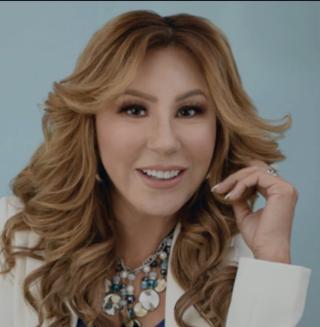
Teen years can be a time of emotional upheaval accompanied by a whirlwind of emotions where teenagers exhibit strong feelings without filters or having second thoughts. An occasional meltdown and emotional outburst are understandable and rather normal for their growth and current development stage. But when those outbursts become frequent or severe, it can leave parents feeling frustrated and helpless.
Coping with teen meltdowns and emotional outbursts can be a daunting challenge for parents. It’s essential to recognize that these behaviors often stem from the complex world teenagers navigate, which includes hormonal changes, academic pressures, the quest for identity and home dynamics. Understanding the underlying causes of your teenager’s distress is vital in creating a supportive environment that fosters resilience and emotional regulation.
To effectively manage emotional outbursts, parents should focus on active listening and patience. Teens act out not just to express frustration but also to seek understanding. It’s important to remember that what appears to be the problem may not be the root cause. Teens often struggle with recognizing their emotions and may be unaware of underlying issues such as anxiety or depression. They are keen observers of how their parents handle stress, so parents modeling healthy coping mechanisms daily is crucial.
Parents tend to underestimate how family stress impacts their teenager, as well as conflicts within the family nucleus and financial difficulties can lead to feelings of frustration, impotence and sadness. If a teen’s emotional outbursts are accompanied by signs
of mental health issues such as extreme mood swings, isolation, or suicidal thoughts – it is imperative to seek professional help.
How to help your teenager – When your teen is acting out, lashing out and melting down, you may be focused on solving the problem, but your teenager may simply want to be understood. Maybe you’ve tried to listen, but he won’t talk; maybe you’ve tried to be present, but he is shutting you out. Your approach should be to equip your teenager to face the ups and downs of life in a healthy way. Keep in mind, they are adjusting to a changing body, volatile hormones, pressures from school and social peer acceptance and rejection—all simultaneously. At this tender age, teens haven’t developed the coping skills needed to manage all these demanding changes at once!
As a caring parent you need to develop a healthy and strong relationship with your teenager. Building resilience involves encouraging your teenager to engage in extracurricular activities, fostering family connections and promoting mental health awareness. Assisting your teenager discover his interests and providing opportunities to overcome challenges can significantly enhance their coping skills. By broadening their horizons and encouraging positive behaviors and goals, parents can boost their teenager’s development and sense of purpose and emotional strength.
In conclusion, supporting your teenager manage emotional outbursts will require love, patience and active listening skills. Your teenager needs to know that you are not going to shut down or abandon him when he’s in distress. If you see that your teenager is struggling with chronic meltdowns or unhealthy coping mechanisms, consider reaching out to a mental health professional for support and guidance.
Sylvia
Villasenor-Ortiz, LCSW, NPT-C, is a Licensed Clinical Psychotherapist, writer and presenter with private practice in
the city of Tustin, CA


By Adriana Reid
“The one who—even when afraid or exhausted—chooses to do the right thing.”
~Adriana Reid
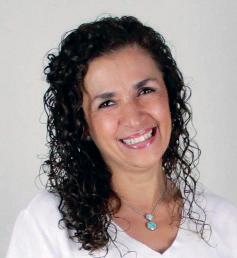
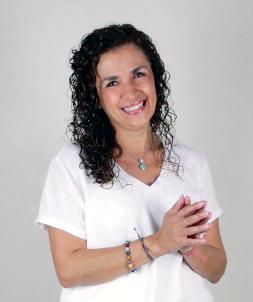
We live in a society that is quick to point fingers at those who fail, yet rarely acknowledges those who provide support. We speak of abandonment, of absence, of irresponsibility. And yes, it exists. It hurts. It leaves scars. But within that very narrative, something is left out: the man who *is* there.
The one who stays.
The one who fulfills his duties.
The one who—even when afraid or exhausted—chooses to do the right thing.
That man rarely makes the news. He doesn’t spark conversation. He doesn’t generate headlines. Because what is expected is rarely applauded.
Pointing fingers has become so normalized that presence itself has ceased to be visible. It is as if simply *being* there—offering companionship, showing respect, providing support—were merely the bare minimum: devoid of emotional value, lacking any human weight.
We lose sight of the fact that providing support is exhausting, too.
Making that choice, day in and day out, entails a series of personal sacrifices that eventually take their toll.
Living with integrity—even when no one is watching—also comes at a cost.
And yet, many men do it. In silence. Without validation.
Being consistent does not mean it is easy. Sometimes, the pressure stems not from what is *done*, but from what remains *unspoken*: financial worries, the fear of making mistakes, accumulated exhaustion, or the sense that there is simply no room to let one’s guard down. Many men were not raised to seek emotional support; they were raised to *solve problems*. Consequently, the sheer weight of being the one who holds everything together leaves them in emotional debt to themselves.
There is an uncomfortable truth here: when we focus solely on what is missing, we fail to nurture what *does* exist. And that which remains unnamed cannot be strengthened.
This is not about romanticizing or justifying what is wrong. It is about broadening our perspective—about recognizing that there are, in fact, men who are actively raising children, offering companionship, respecting boundaries, and striving to be different from the examples they themselves grew up with.
Men who do not run away
Who do not repeat the cycle. That they do not numb. That they are making choices.
And that choice deserves to be seen.
Balancing the Conversation
Because when recognition disappears, the implicit message is clear: no matter how much you do, it will never be enough. And from that place, no one builds anything.
Perhaps it is time to balance the conversation—to make visible not only the wound but also the healing. For the change that is so often demanded is already taking place; we are simply not always willing to see it.
We are responsible not only for what we do but also for what we validate and what we ignore. That, too, is where impact is defined.
For Your Toolkit
This is for those who hold space, and for those who observe
By what standard do you measure yourself?
- Is everything merely "the bare minimum," or can you see the value in what *is* actually present?
Name what *does* exist
- What goes unrecognized becomes invisible—both within yourself and in others.
Question your narrative
- Are you speaking from your present experience, or from past stories that continue to dictate meaning?
Practice distinguishing the difference between demand and choice
- Demanding wears you down. Choosing sustains you.
Make the everyday visible
-That is where a great deal of true commitment resides.
Responsibility as the *ability to respond*
- Not from a place of complaint or obligation, but from the awareness that every way we interpret reality also serves to build it.

Adriana Reid is the founder and CEO of Be2Be-Coaching, and the author of *Decoding Corporate Wellness Through Human Software Reprogramming*.
With over two decades of experience in bicultural leadership and human development, Adriana writes about emotional infrastructure as the foundation for conscious leadership—achieved through the integration of *being* into *doing*.
Are you interested in exploring workshops or coaching on conscious leadership for your organization? Write to info@be2be-coaching.com with the subject line "Interest/ Binational Magazine Summer 2026."
Or join the *ReprogrAmando Ando* podcast community via her bio link: bio.site/AdrianaReid.
Are you interested in these topics? For more reflections on personal development, contact info@be2be-coaching. com with the subject "I Want to Subscribe/La Revista Binacional”

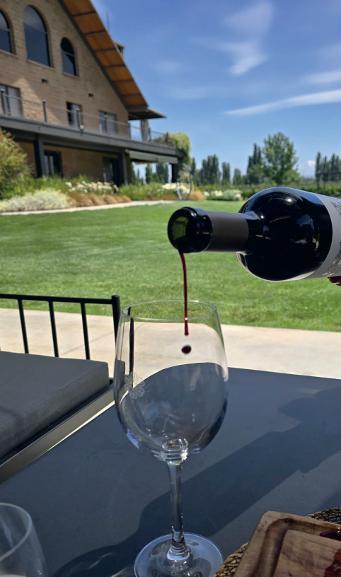
There are wines you first get to know through books, classes, and tastings. And then there are the wines you finally understand once you arrive at the place where they are born.
That was Mendoza for me.
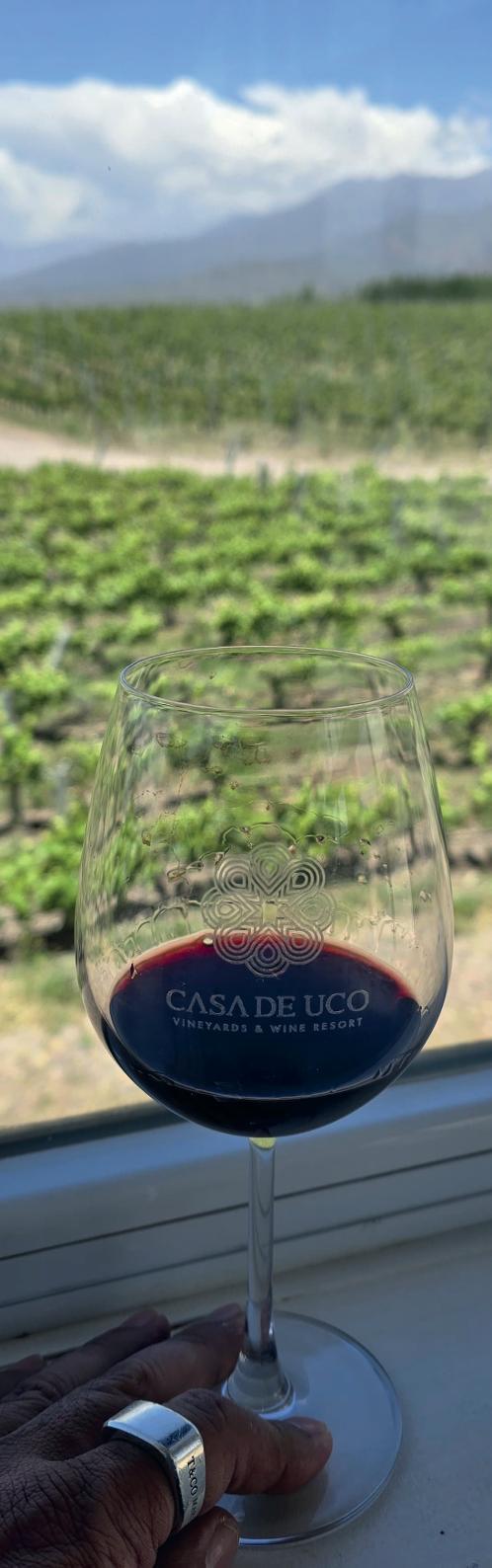
After years of studying wine, completing my WSET Level 2 certification, and now preparing for the Level 3 exam through the Wine & Spirits Education Trust, this trip became something more than being a tourist. It became an opportunity to connect theory with the land, the climate, and the stories behind every bottle.
Because yes, you can learn about Malbec, Torrontés, or high-altitude wines sitting in a classroom. But driving through the vineyards of Luján de Cuyo or Valle de Uco completely changes the conversation.
Mendoza has different regional personalities when it comes to wine. Chacras de Coria feels relaxed and boutique, filled with small hotels and hidden restaurants. Luján de Cuyo carries history and that classic Mendoza style known around the world. And then there is Valle de Uco, bigger, more rugged, and with an identity that continues evolving quickly.
Over eight days I visited large and small wineries, famous ones and others I simply found along the way. Many times I showed up without a reservation and just went wherever the day, the road, and the moment took me. Honestly, many of the best experiences happened exactly that way.
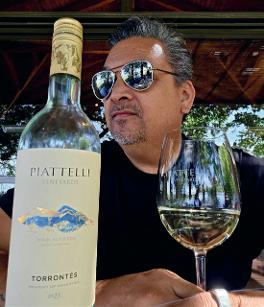
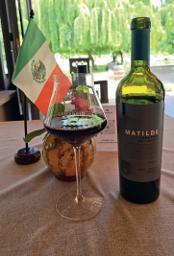
At Susana Balbo Wines I ended up sharing conversations with a staff member about aromas and wine styles while tasting Chardonnay, Torrontés, and different white blends with impressive floral profiles. Later came the Malbec. Structured and complex, with that combination of fruit and altitude that gave Mendoza worldwide recognition.
That is where I realized something important: Argentine wine no longer lives only through the traditional Malbec many of us first discovered years ago. Mendoza is evolving. Today there is more precision, more freshness, and a clear effort to express the terroir of each valley.
At Durigutti Family Winemakers the experience felt simple and relaxed. A glass of dry rosé in front of the vineyard while the spring heat slowly softened during the afternoon. There I tasted wines with less makeup and more natural expression of fruit and earth.
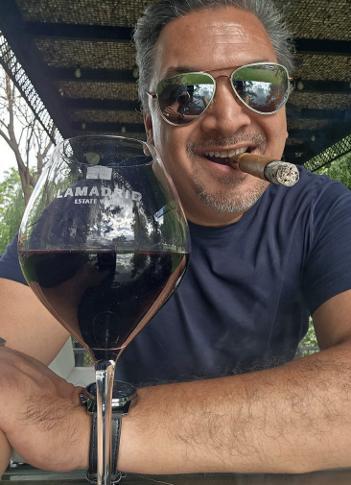
At Lamadrid Estate Wines, recommended by the Michelin Guide, the wine and food practically carried on conversations with each other. Empanadas
and Argentine cuts of meat paired with different expressions of Malbec while we talked about oak aging, cellaring potential, and the differences between younger vintages and reserves.
And then came Valle de Uco.
The altitude and cooler temperatures create wines with more tension and acidity, profiles very different from those in Luján de Cuyo. At Zuccardi Valle de Uco I ended up sitting for hours looking at the mountains while sharing a bottle and understanding why this region has become an international reference point.
I also had the chance to visit biodynamic projects like Tikal Natural Vineyards by Ernesto Catena, where the conversation stopped being only about wine and became about agriculture, lunar cycles, sustainability, and philosophy of production. Hearing these ideas directly in the vineyard was far more valuable than reading about them in a book.
But Tikal gave me more than technical learning. It also gave me one of the most memorable human experiences of the trip.
A family group arrived celebrating the father’s 70th birthday, along with several couples and other visitors. I was the only solo traveler there, but they quickly made me part of the group. When someone asked who knew about biodynamic wines, I raised my hand. That was the end of my anonymity. Between jokes and playful teasing, they started calling me “el sommelier,” and throughout the tasting they kept handing me glasses to guess wines and styles. My WSET Level 2 did not let me down.
Then came the cheeses, empanadas, and an incredible asado with ribeye, potatoes, and sweetbreads, paired with a Jeroboam of Siesta 2009 that Andrés opened for everyone to share. At one point I sent my location to Luis and Luis, two Argentine neighbors from my hotel whom I had met the day before, and they showed up at the winery like official guests. The afternoon ended with laughter, wine, and long conversations with people who only hours earlier had been complete strangers.
That night, back at the hotel, “the two Luises” and I shared wine with other guests, Ditmar and Yiorg, who were visiting from Germany. The conversation and the wine lasted until early morning. By the end of the night, we had become friends.
By Arnulfo Manríquez
And that is what Mendoza gave me most: the chance to learn directly from the people who make the wine.
I met sommeliers, hosts, travelers, and winery staff who were passionate about sharing what they knew. In several wineries, conversations naturally turned into mini private classes about climate, elevation, French versus American oak, and the newest trends in Argentine wine.
I also discovered something I loved: Mendoza is incredibly welcoming to curious travelers. Many times a simple question led to another glass, another story, or even wines that normally were not included in the tastings.
And yes, wine was always the star, but Mendoza never felt pretentious.
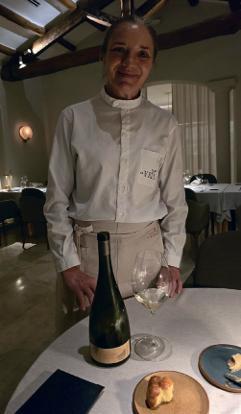
That also deserves to be said. Here wine is still part of everyday life. In small hotels and simple restaurants, chalkboards advertise wine specials, daily recommendations, or new local labels. Wine here does not feel exclusive. It feels cultural.
Another big surprise was how accessible the destination can be. Mendoza can be enjoyed much more affordably than many people imagine. I stayed in excellent boutique hotels for around one hundred dollars a night, though there are also more luxurious or simpler options depending on your travel style.
And one important tip: if you visit Argentina, use a foreign Visa card to get one of the best exchange rates available, often close to 25 percent better.
As for transportation, I rented a car and loved riving between vineyards and mountains at my own pace. But it is also common to hire private drivers or even book Uber for a full day to visit wineries safely and affordably.
My previous article focused on Chile, and honestly, I believe combining Santiago, Colchagua, or Santa Cruz with Mendoza creates one of the best wine trips possible in Latin America. But Mendoza also deserves to be experienced on its own.
Because beyond labels and certifications, Mendoza reminds you of something important: wine is about people and shared moments. And for those of us who study wine, traveling to regions like this completely changes the way we understand what is inside a glass.
Mendoza did not only teach me about wine. It taught me about the place, the people, and the life that exists around wine.





“They do not outwardly break down, but they slowly fade away.”

Written by: Psychologist and Thanatologist Julisa Arias
In a world that demands constant productivity, many people live trapped in a silent form of emotional suffering: functional depression. Unlike classic depression, this form does not bring a person to a halt, making it imperceptible to society. Those who suffer from it continue working, caring for their families, fulfilling their responsibilities, and maintaining an outward image of strength. Yet, on the inside, they experience a profound emotional exhaustion that they rarely dare to name.
According to the World Health Organization (WHO), more than 332 million people worldwide live with depression. In the United States, the Centers for Disease Control and Prevention (CDC) estimate that 1 in 5 adults will experience a depressive disorder at some point in their lives. However, experts agree that functional depression is underdiagnosed, particularly within Latino communities, where resilience is often conflated with sheer strength, and emotional suffering is typically endured in silence.
From my perspective as a thanatologist, functional depression can be understood as a form of
unrecognized grief: grief for oneself, for lost energy, and for a life that is merely sustained but not truly enjoyed. It is a silent mourning for internal disconnection, for an identity that dissolves amidst a sea of responsibilities, and for the lack of space to simply *feel*. And so, little by little, the individual begins to lose their sense of self.
A person with functional depression does not stop fulfilling their duties; rather, they stop feeling *alive*. They do not outwardly break down, but they slowly fade away. They do not ask for help, fearing they might burden others. They do not rest, believing that to stop is to fail: a belief often compounded by feelings of guilt. This specific form of emotional suffering is particularly prevalent among Latina women—including migrants and community leaders, who shoulder multiple roles without an adequate support network; a phenomenon often rooted in our cultural beliefs. The UN has noted that mental health issues have increased significantly over the last decade, particularly in the wake of the pandemic, and that access to emotional care remains limited for vulnerable populations. This heightens the risk that high-
functioning depression may go unnoticed until it evolves into a more severe condition.
As a community, it is urgent that we recognize that mental health is not measured by one’s capacity to produce, but rather by one’s capacity to feel, rest, and connect. Speaking about high-functioning depression is not an act of weakness; it is an act of collective responsibility. Naming it is the first step toward ensuring it is no longer invisible; offering support is the path toward ensuring it is no longer silent; and asking for help is the first step toward your own emotional healing. de las mujeres y las generaciones futuras.







Presentan:

Una experiencia transformadora que inspira, empodera y eleva tu crecimiento personal y profesional.

Experiencia inolvidable; Conoce y tómate la foto con María Marín con más de 14 millones de seguidores
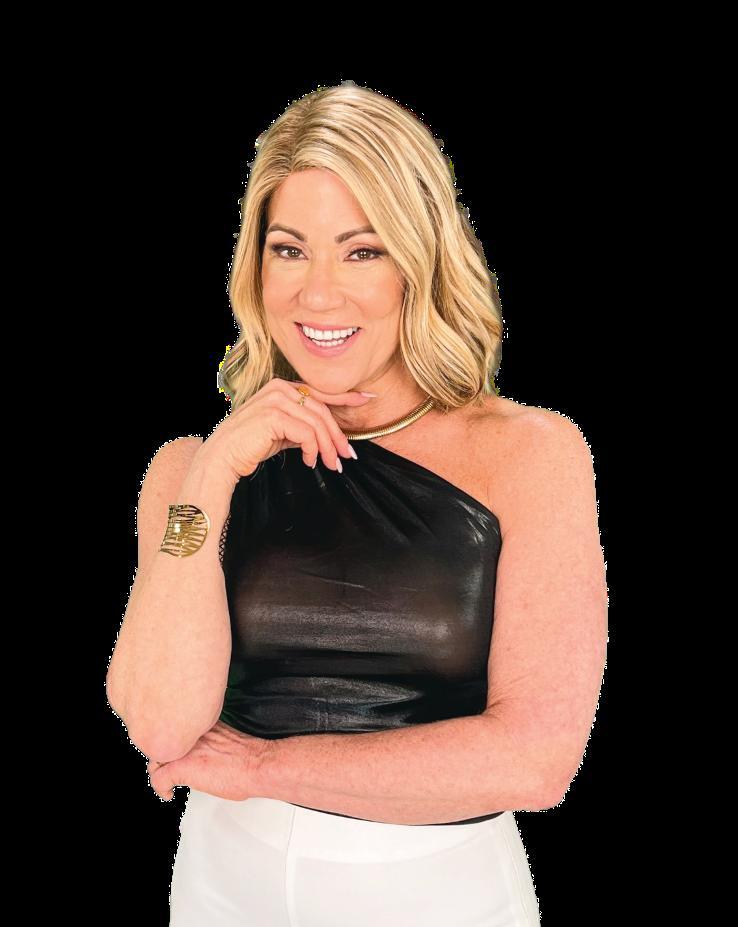
Conferencista Principal

By: Psychologist Julisa Arias
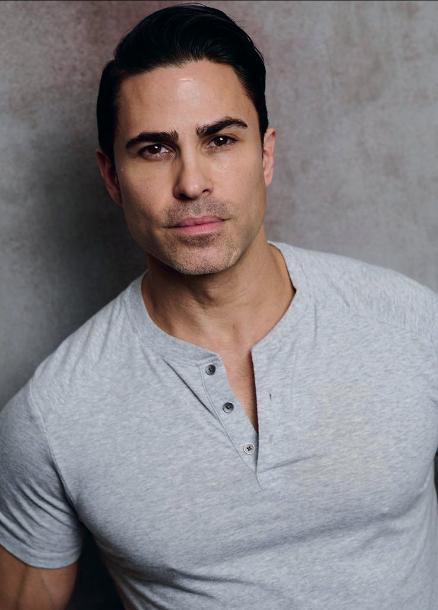
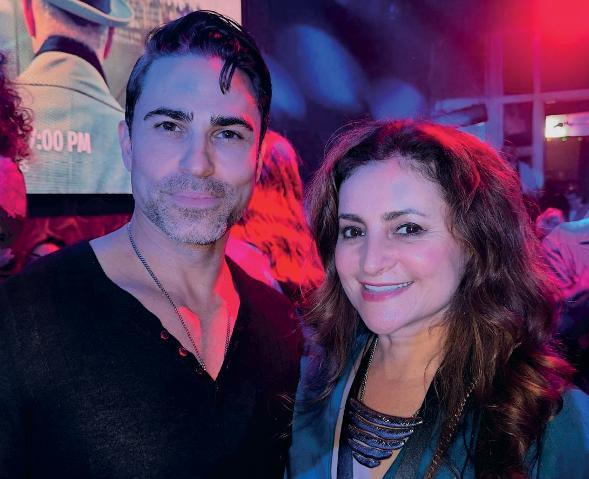
During the recent edition of the San Diego Latino Film Festival, I had the opportunity to meet Carlo Méndez, an actor whose presence conveys something not always found in the industry: simplicity, authenticity, and a humanity that is palpable even before he speaks.
That encounter opened the door to a deeper exploration of his work and helped me understand why his career continues to gain momentum.
Although the festival concluded in March, Carlo’s participation continues to resonate thanks to projects that remain in motion, such as *20 Pounds to Happiness*, a film screened at the SDLFF, in which he demonstrates his ability to inhabit characters with vulnerability, truth, and an emotional presence that connects immediately with the audience.
His performance brings nuances that can only come from someone who observes life and commits to each character from a place of genuine sincerity.
Carlo Méndez, an actor based in Los Angeles, has built a career defined by his ability to convey emotional depth and authenticity in every role. His participation in productions such as *Dexter* paved his way in the industry, but it is his recent growth that truly reveals the power of his talent.
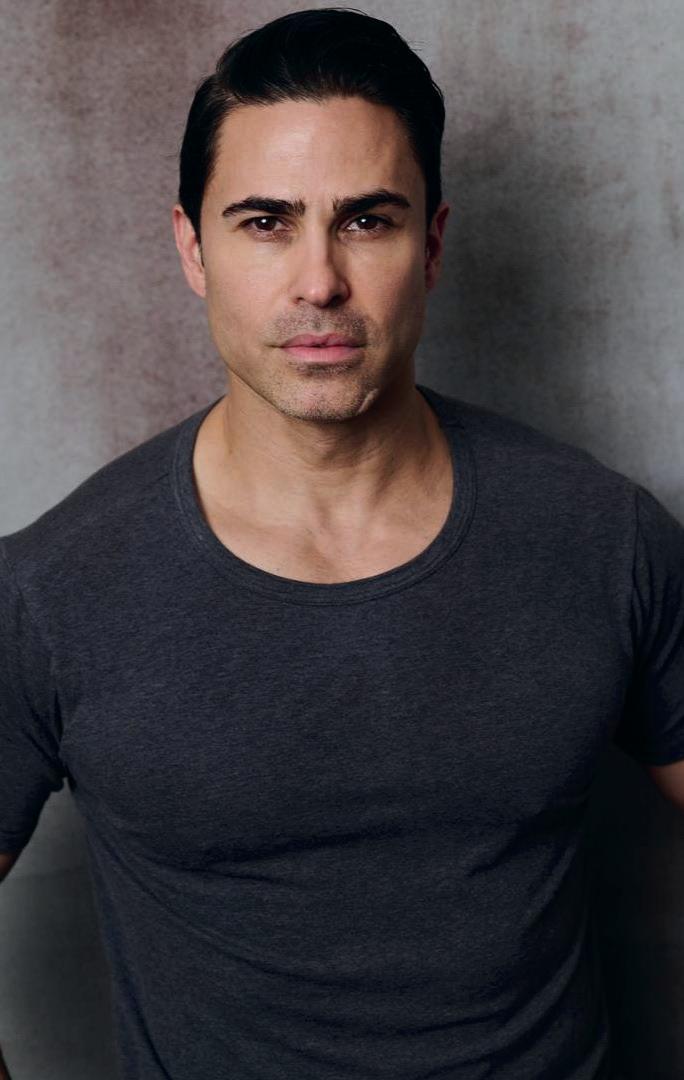
His first leading role in *Demise*, currently available on streaming platforms, confirms his versatility and his capacity to carry intense, deeply human stories.
Off-camera, Carlo Méndez is exactly what his work promises: warm, approachable, humble, and profoundly human. In a festival brimming with talent, he stands out not only for what he does but for who he is. His simplicity and approachable demeanor make him an artist who leaves a lasting impression that extends far beyond the screen.
With a rising career and an energy that blends discipline, charisma, and authenticity, Carlo positions himself as one of the Latino acting voices well worth following closely. His presence at the SDLFF was merely the beginning of a broader conversation regarding his talent, his career trajectory, and the path he continues to forge with steady steps.

By: Ambar Picasso, Psychologist and Life Coach

Ionce heard a phrase—”No amount of success in life justifies the failure of your family”—and it stuck with me because I believe it holds a great deal of truth.
For many Latino men, crossing the border for work is a profound act of protection and a means to provide for their families. However, in the effort to ensure economic wellbeing, it is easy to overlook the fact that the migration experience is lived differently by the one who

leaves to work versus the one who stays home, holding the household together in a foreign land.
If you emigrated with your family, it is highly likely that your wife is going through a silent process of “migration grief.” While you connect with the outside world through your work, she may feel deeply disconnected from her support network: her parents, her friends, her culture, and—often— her profession or the personal achievements she attained in her country of origin. This sense of loneliness intensifies if there are children involved, as the emotional burden of raising them in isolation often falls upon her. Sometimes, immigration status permits only the husband to work; in other cases, a spouse’s professional credentials may not be recognized, or their profession may require highly specialized licensing to be practiced in the United States.
Resilience is not merely about enduring the impact; it is the capacity to manage our emotions in order to adapt to a new way of life. For your migration journey to be successful, your
partner’s emotional stability is fundamental—and you may not currently realize the depth of what she is going through.
Here, I share with you 3 key steps to practice active empathy and support her through this process:
1. Validate Her Feelings (Listen Without Judgment)
Sometimes, men tend to minimize their partner’s sadness by saying, “But we’re better off here.” For her, however, the pain may not stem from economic concerns, but rather from a loss of belonging. Ask her how she is feeling, and allow her to vent without attempting to “solve” the problem for her right away. Listening is the first step toward healing.
2. Facilitate Her Social Reconnection
Help her rebuild her sense of community. Encourage her to attend groups centered on shared interests, classes, or parks where she can meet other mothers or people in similar situations. Understand that the time she


invests in socializing is not “wasted time”; it is an investment in the mental health of the entire family.
3. Shared Responsibility at Home
If you have children, isolation can become an emotional prison. When you get home from work, actively involve yourself in parenting and household chores. This not only lightens her physical burden but also sends her the message that she is not alone in this journey.
Liberating the Latino mindset also means breaking with the notion that a man merely executes tasks and is solely practical. Today, your greatest provision is empathy. By nurturing your wife’s heart, you safeguard your family’s future in this adventure of migration. Thank you for joining me in this reading; I look forward to connecting with you again in this space.
















By: LA REVISTA BINACIONAL



Jalapeño Cornbread with Character
Cornbread is a familiar Fourth of July staple. Adding jalapeño transforms it into something that reflects the boldness of Latin flavor while keeping its comforting roots.
Ingredients for 8 servings
• 1 cup cornmeal
• 1 cup all purpose flour
• One quarter cup sugar
• 1 tablespoon baking powder
• Half teaspoon salt
• 1 cup milk
• One third cup vegetable oil
• 2 eggs
• 2 jalapeños finely chopped
• Half cup shredded cheese optional
Instructions

The Fourth of July is more than fireworks and flags. It is a celebration of identity, belonging, and the layered story of a nation shaped by people who arrived from somewhere else. The United States was never built from one culture alone. It grew from many voices, many traditions, and many kitchens. Every recipe brought across a border became part of the American experience.
That is why the way we celebrate matters. It reflects who we are and who we are becoming.
This Independence Day, picture a table that feels like today’s America. Cornbread with jalapeño adds a bold kick to a classic favorite. Fresh mojitos bring a cooling Caribbean breeze to a summer afternoon. Mezcalitas introduce a smoky richness rooted in Mexican heritage. Each dish tells a story. Each sip carries history.
Celebrating with Latin snacks and drinks is not about replacing tradition. It is about expanding it. It is about recognizing that American culture is not fixed. It is alive, evolving, and deeply influenced by those who continue to shape it.
Food becomes a quiet but powerful way to honor diversity.
The mojito is bright, refreshing, and perfect for a warm July gathering. Its blend of mint, lime, and rum feels effortless yet meaningful. It reminds us how flavors travel, mix, and create something new without losing their roots.
Ingredients for 4 servings
• 10 fresh mint leaves
• 2 limes cut into wedges
• 4 tablespoons sugar
• 1 cup white rum
• 2 cups soda water
• Ice
Instructions
In a pitcher, muddle the mint, lime, and sugar until the juices release and the aroma fills the air. Add the rum and stir. Fill glasses with ice and pour the mixture evenly. Top with soda water and gently mix. Garnish with mint and lime.


f mojitos are light and playful, mezcalitas are bold and complex. Mezcal carries a smoky flavor that reflects tradition and craftsmanship. It connects

Instructions
Run a lime wedge along the rim of each glass and dip into chili powder or Tajín. In a shaker, combine mezcal, lime juice, agave syrup, and ice. Shake well and strain into the prepared glasses over fresh ice. Garnish with a lime

Preheat the oven to 400 degrees and grease a baking pan. In one bowl, mix cornmeal, flour, sugar, baking powder, and salt. In another bowl, whisk milk, oil, and eggs. Combine both mixtures and fold in jalapeños and cheese. Pour into the pan and bake for 20 to 25 minutes until golden. Let it cool slightly before serving.
A Fourth of July table like this tells a deeper story. It reflects a country that has always been shaped by newcomers. It acknowledges that independence did not create a finished identity. It created the space for growth, contribution, and transformation.
For many Latino families, celebrating this day comes with both pride and complexity. There is gratitude for opportunity, paired with the awareness that belonging is still questioned in many spaces. Yet through culture, food, and community, there is a powerful statement made without words.
We are part of this story.
Diversity is not something that weakens a nation. It strengthens it. It adds dimension, resilience, and creativity. It turns tradition into something living rather than something frozen in time.
So this year, let the celebration reflect reality. Let it be vibrant, inclusive, and full of flavor. Let it honor the idea that a country formed by foreigners continues to thrive because of them.
As fireworks light up the sky, the table below can tell its own story. One of heritage, adaptation, and pride.
Because true independence includes the freedom to bring your full culture with you and to share it openly.

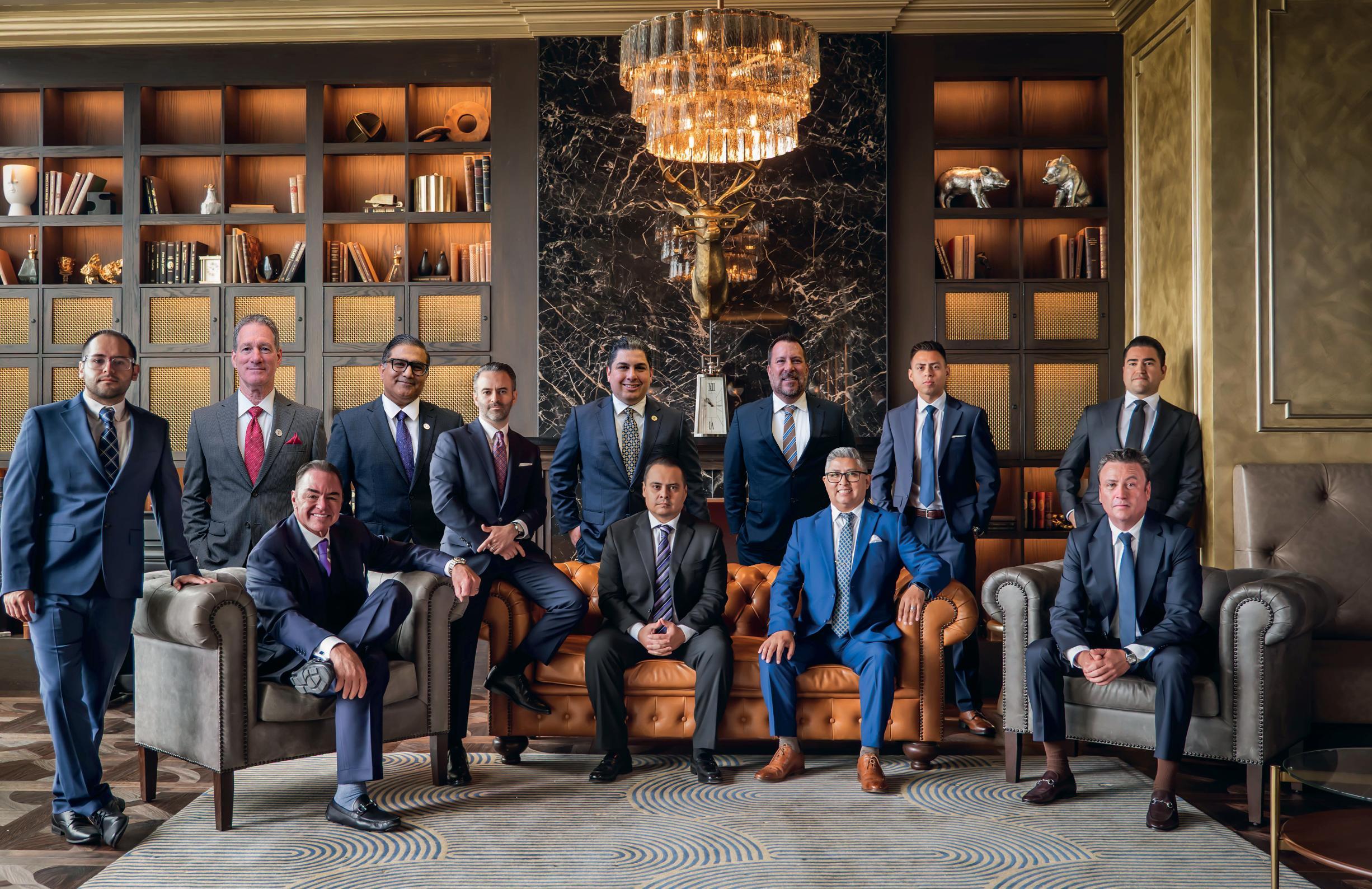
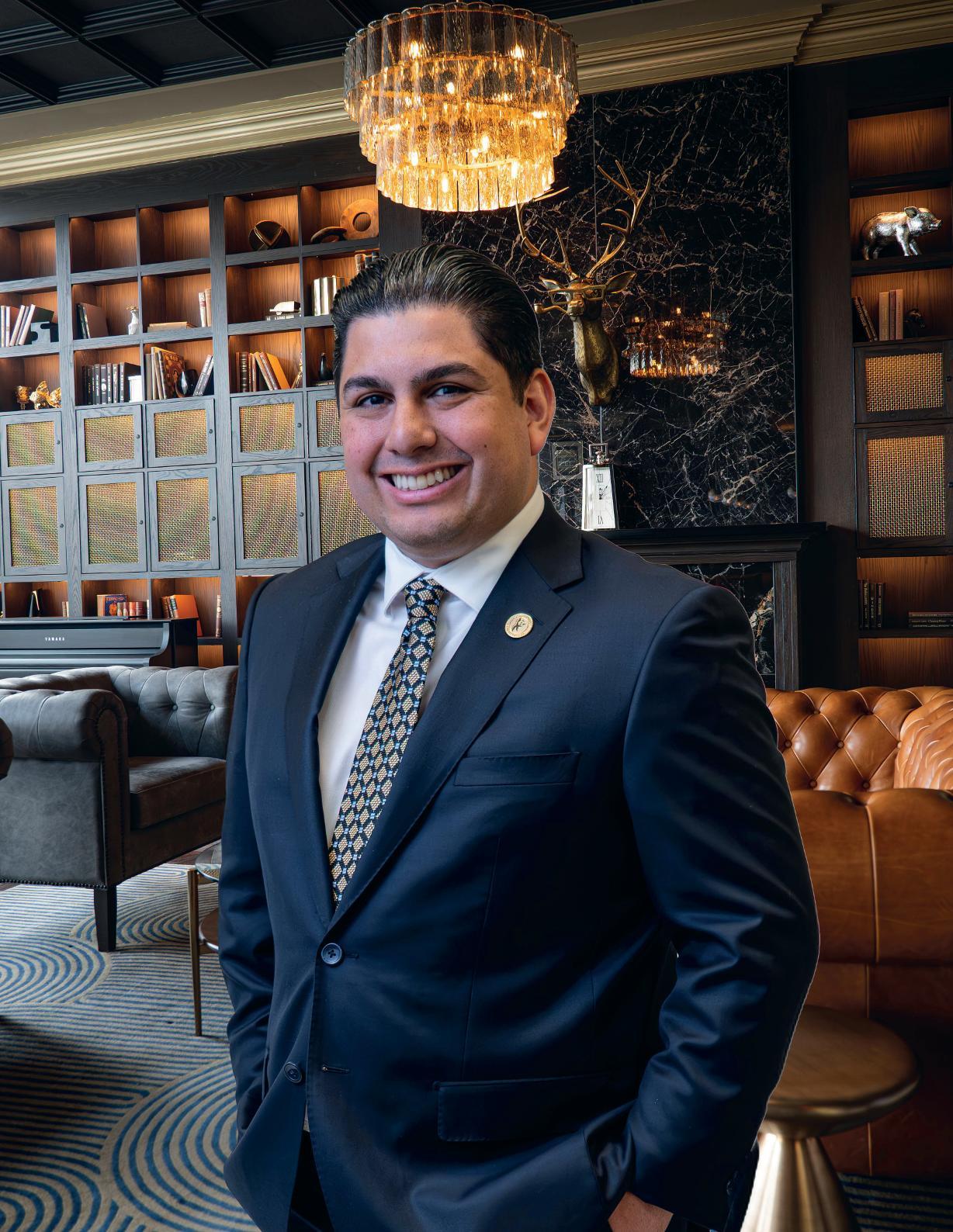
Adrian Arce is redefining what leadership looks like in community-based healthcare.
As the Chief Executive Officer of Community Health Group (CHG), he leads with a vision rooted in equity, innovation, and compassion, ensuring that high-quality, member-centered care reaches every corner of San Diego County. As only the third CEO in CHG’s history, Adrian carries forward the organization’s longstanding mission and commitment to the communities it serves.
Adrian’s career at CHG reflects a strong record of leadership, dedication, and commitment to the organization’s mission. Over the years, he has earned the trust and respect of colleagues across the organization through his steady leadership, strategic vision, and focus on serving diverse communities with dignity and respect. His professional growth within CHG is a testament to both his capabilities and his deep understanding of the organization’s values, culture, and purpose.
Before stepping into the CEO role, Adrian served as Director of Claims Administration and Member Services, overseeing more than 250 employees across six critical departments: Claims, Member Services, Provider Services, Enrollment, Transportation, and HEDIS (Healthcare Effectiveness Data and Information Sets). His leadership was transformative, reducing claims turnaround times from over 30 days to under 10 through the introduction of robotic process automation and integrating advanced Optical Character Recognition technology to boost accuracy and efficiency. His initiatives helped CHG earn recognition as one of California’s Top 5 Medi-Cal plans for healthcare effectiveness and performance.
Beyond operational excellence, Adrian’s leadership has reshaped CHG’s strategic landscape. He has spearheaded initiatives such as corporate website redesigns, provider pay-for-performance programs, and value based contracting all designed to strengthen relationships, enhance member satisfaction, and build a more agile organization. During the California Department of Health Care Services (DHCS) Medi-Cal procurement process, Adrian played a key role in defending CHG’s contract, safeguarding the organization’s ability to continue serving the community.
Fluent in English and Spanish, Adrian brings both cultural awareness and analytical insight to his leadership. He earned his Master of Business Administration with a concentration in Organizational Leadership from National University and his Bachelor of Arts in Economics, with a focus on Public Policy, from San Diego State University.
A recipient of CHG’s Chairman’s Excellence Award (2021) and Ducheny Award (2020), Adrian embodies the values of innovation, integrity, and inclusivity. His leadership continues to inspire CHG’s mission to provide accessible, compassionate healthcare empowering members, staff, and partners alike to make a meaningful difference in the lives of members and the larger San Diego community.

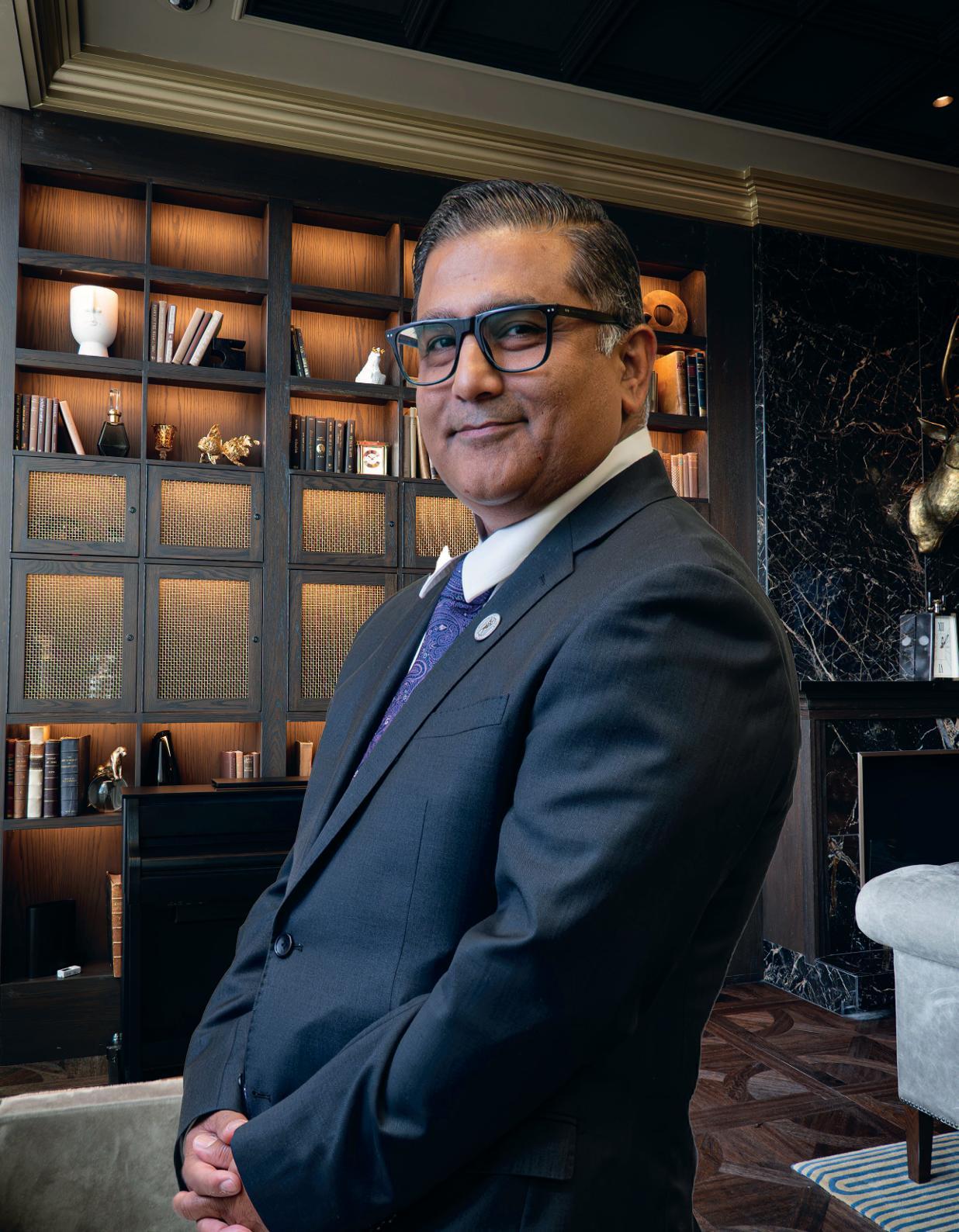
RN, CCM, MBA
Yousaf M. Farook is a healthcare executive with more than 20 years of progressive leadership experience in healthcare operations, managed care, care management, and organizational transformation. He currently serves as Chief Operating Officer at Community Health Group, where he oversees enterprise operations and strategic initiatives focused on improving healthcare delivery, operational performance, regulatory compliance, and member outcomes across the organization.
As COO, Mr. Farook provides executive leadership for utilization management, inpatient and outpatient services, case management, quality improvement, grievances and appeals, pharmacy operations, and population health initiatives. He is recognized for advancing operational efficiency, integrated models of care, and member-centered healthcare strategies that strengthen organizational performance and improve care delivery.
Mr. Farook led the development of Community Health Group’s Health Homes pilot program, which evolved into the organization’s Enhanced Care Management (ECM) program under CalAIM. His leadership positioned the organization as a county leader in integrated, whole-person care for vulnerable populations. He also directed the implementation and expansion of Community Supports (CS) services to address social determinants of health and regularly presented program outcomes and strategic initiatives to executive leadership and the Board of Directors. Through strategic vendor partnerships and operational improvements, his efforts contributed to nearly $10 million in cost savings over a three-year period.
Prior to becoming Chief Operating Officer, Mr. Farook held several leadership positions within Community Health Group, including Senior Director of Healthcare Services, Director of Utilization Management, Utilization Management Manager, and Inpatient Case Manager. Throughout his tenure, he successfully led initiatives to improve workflows, reduce hospital readmissions, strengthen regulatory compliance, and enhance interdisciplinary collaboration.
Earlier in his career, Mr. Farook served in clinical leadership roles at major San Diego hospitals, including Clinical Liaison and Electroencephalogram (EEG) Technologist and Department Lead, building a strong foundation in patient care operations.
In addition to his healthcare leadership career, Mr. Farook is an entrepreneur and educator who founded and led healthcare-focused training institutions in San Diego County. Through executive leadership roles, he supported workforce development initiatives and created educational opportunities for underserved communities pursuing careers in healthcare.
Mr. Farook holds a Master of Business Administration from Grand Canyon University, is a Registered Nurse and Certified Case Manager, and completed his Medical Doctorate studies at the University of Xochicalco College of Medicine in Mexico. He is recognized for his strategic leadership, fiscal stewardship, innovation, and commitment to improving healthcare access and outcomes.

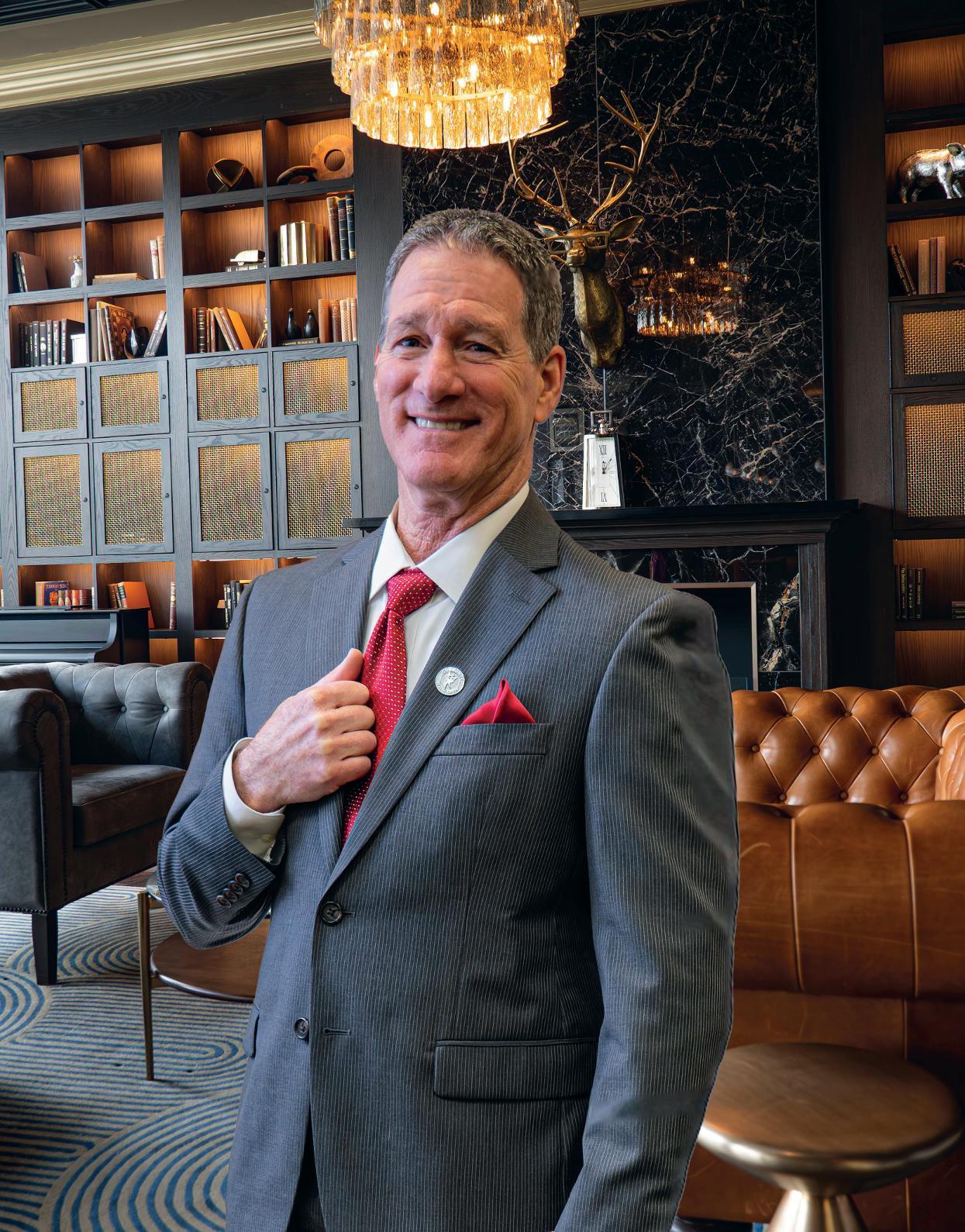
Scott Carroll is the Chief Financial Officer of Community Health Group (CHG), a role he has held since February 2014. In this capacity, he has successfully guided the organization through a period of significant growth driven by healthcare reform initiatives, including Medicaid Expansion and the Patient Protection and Affordable Care Act.
With over 30 years of experience in the healthcare sector, Mr. Carroll has advised a wide range of organizations— including for-profit, nonprofit, public, and quasi-governmental entities— across California’s dynamic healthcare landscape. He now applies this deep expertise to advance productivity initiatives and support strategic growth at CHG.
Mr. Carroll holds a Bachelor of Science in Business Administration (Finance) and an MBA with a focus on Finance and Operations Productivity from California State University, Sacramento. His background includes extensive experience providing financial analysis and executive consulting services to national, regional, and local healthcare organizations, including healthcare maintenance organizations (HMOs), management service organizations (MSOs), and medical groups.
Throughout his career, Mr. Carroll has delivered results at every level. He built a model financial oversight program for a start-up Local Initiative
Health Authority, secured Knox-Keene licensure for a Southern California health plan, and led a successful financial turnaround for an integrated healthcare organization comprising a health plan, MSO, and medical group.
Mr. Carroll has also provided HMO audit and third-party review services to the California Department of Managed Health Care (DMHC). In this role, he collaborated with HMOs and risk-bearing providers to develop financial corrective action plans that strengthened the solvency of safety-net systems and ensured the continuity of care for enrollees.
Recognized for his strong relationships within the managed care industry, Mr. Carroll actively engages with peers across HMOs, provider organizations, and regulatory agencies. His leadership extends beyond finance to include operations oversight in areas such as capitation, eligibility, claims, IT, and human resources, experience that gives him a broad, strategic perspective from which to advance CHG’s mission.

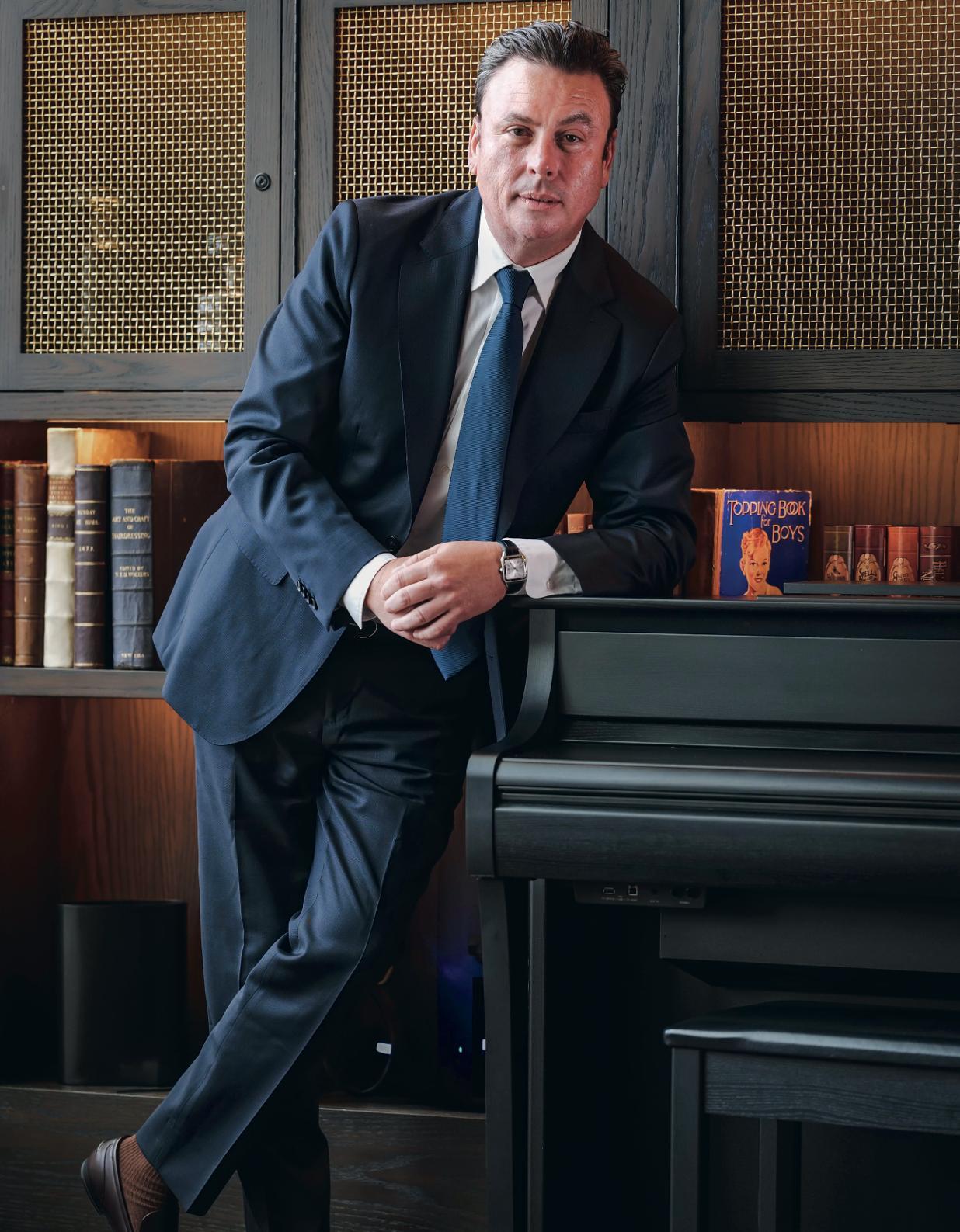
Javier Herrera is the CEO and founder of A Caring Touch Home Care, an agency specializing in the care and support of older adults, with over two decades of experience in both the medical and non-medical sectors within the San Diego community. Throughout his career, he has dedicated his work to supporting older adults, veterans, and individuals with special needs, providing guidance, resources, and services focused on enhancing their quality of life and well-being.
His professional journey has enabled him to develop a deep understanding of the challenges that older adults and their families face when seeking quality care. Thanks to his experience collaborating with healthcare professionals, hospitals, care facilities, and community organizations, he solidified his vision of offering services centered on the dignity, respect, and independence of each individual.
In 2014, he founded his home care agency with the mission of providing personalized, compassionate, and reliable care to older adults who wish to remain in the comfort and safety of their own homes. Since then, he has led the organization's growth, promoting high standards of service and building trusting relationships with clients, families, and healthcare professionals.
In addition to his entrepreneurial endeavors, Javier serves as Co-Chair of the Philanthropy and Legacy Committee at the San Ysidro Health Center, where he actively participates in initiatives involving strategic planning, community development, and fundraising for programs that benefit vulnerable populations. His leadership, vocation for service, and commitment to the community reflect his dedication to making a positive and lasting impact on the lives of those who need it most.

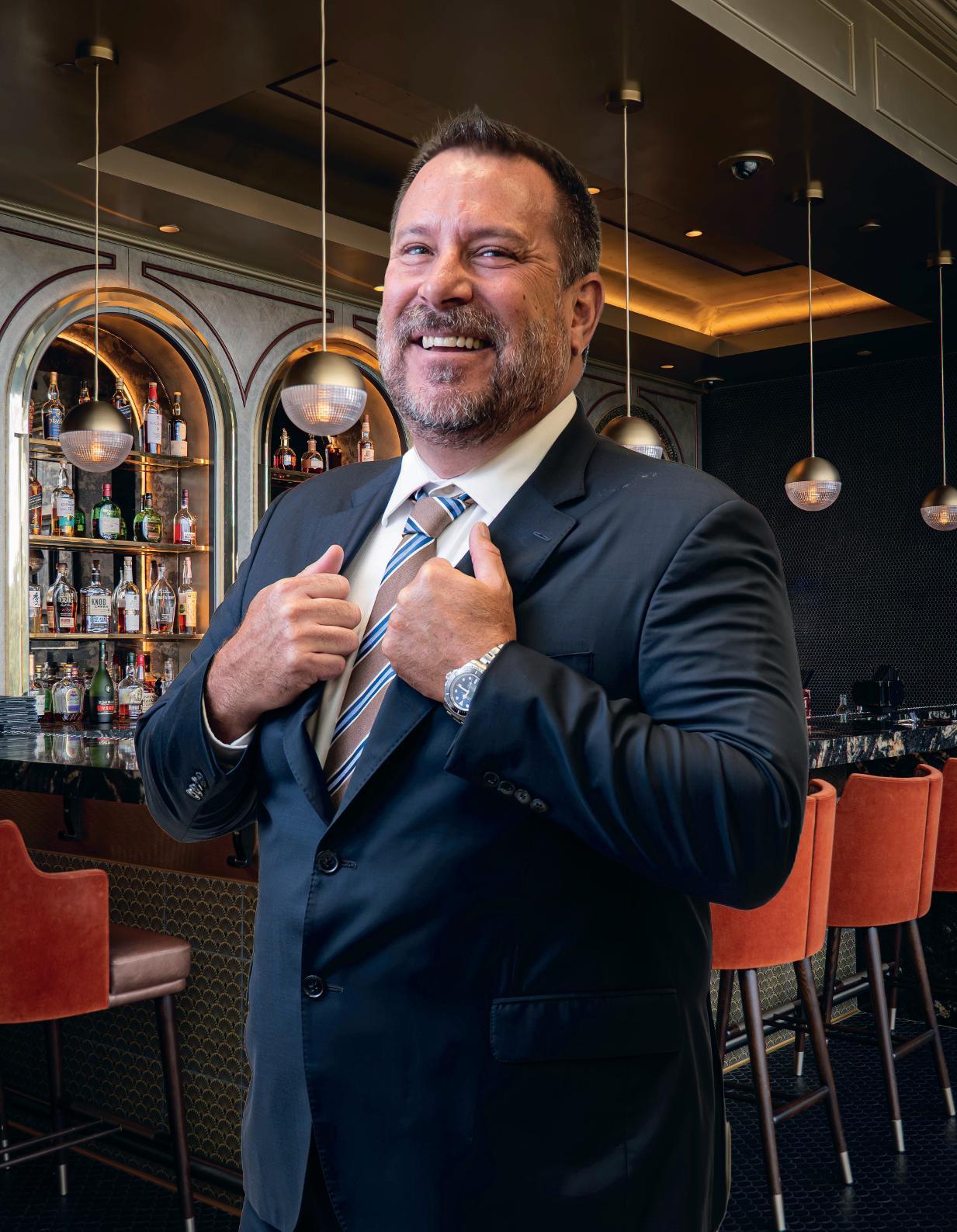
Born and raised in National City, California, Ben grew up in South Bay with his brothers, parents and grandparents, who served their community and those formative years instilled in him something no classroom could teach: a deep understanding of what it means to need help, and what it means to show up.
Ben’s career began the way most great ones do, with humility and hard work. In 2001, he started as a bus driver, transporting seniors and individuals with developmental disabilities to medical appointments across San Diego County. He wasn’t just driving from point A to point B. He was witnessing, firsthand, how something as basic as a reliable ride could change the trajectory of someone’s day — and their health. Something he wished his grandparents had access to. That realization never left him.
He rose through the ranks to General Manager, becoming more involved in the industry and local committees. Then, in November 2013, Ben took the leap and founded CFS Transportation with a mission to do transportation differently — with care, precision, and a genuine partnership mentality.
Today, CFS Transportation is the largest Non-Emergency Medical Transportation (NEMT) provider for PACE Programs in San Diego County, serving thousands of seniors annually through partnerships with Mary & Gary West PACE, San Diego PACE, and San Ysidro Health.
In 2023, CFS expanded into pharmacy delivery services — continuing to find new ways to close the gap between vulnerable populations and the care they deserve.
Ben’s leadership has not gone unnoticed. He is a 2026 San Diego Business Journal CEO of the Year Finalist, the 2026 National City Chamber of Commerce Business of the Year, and a proud donor to the Macias Family Health Center in National City — a legacy gift rooted in the belief to invest in the communities that raised you.
But ask Ben what he’s most proud of, and he won’t mention the awards. He’ll talk about his team, his community, and his family — his wife and their six children, who remind him daily why this work matters.
Ben’s guiding belief is simple: serve the communities that raised you, and invest in the next generation — because they are our future

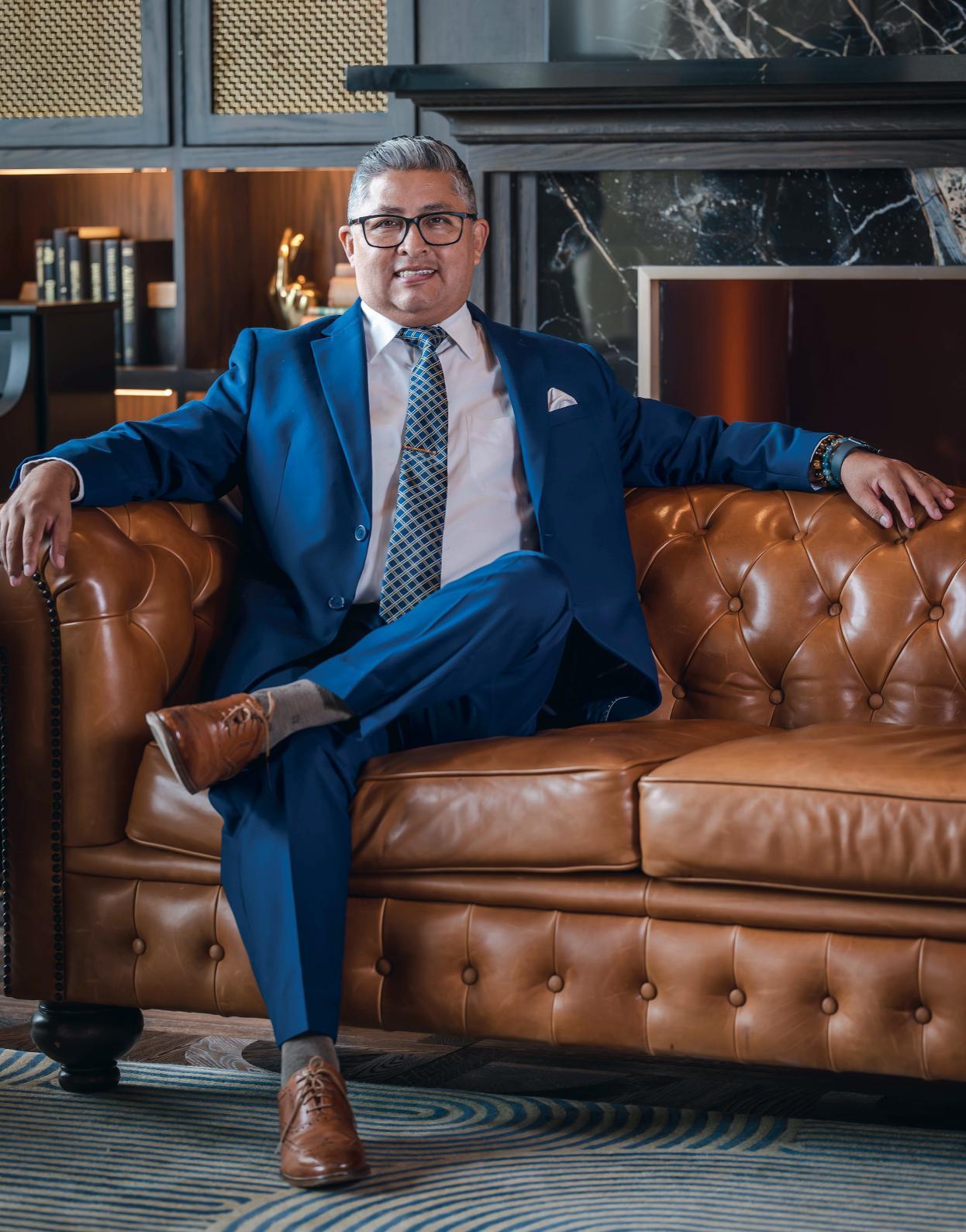
Dr. Joel Pilco’s journey reflects the same realities that shape the lives of many students in the CaliBaja region today.
Nearly 30 years ago, he immigrated to the United States in search of opportunity, carrying with him the determination and resilience that define the immigrant experience for so many families. As a student, he attended Southwestern College, an experience that would later shape both his educational philosophy and his commitment to expanding opportunities for future generations of students.
Dr. Pilco holds a Doctor of Education (Ed.D.) and has dedicated more than 23 years to higher education leadership, enrollment management, international education, and student access initiatives. In addition, he has more than 10 years of teaching experience in higher education. Since 2022, he has served as Director of Binational and International Programs at Southwestern College, where he has become a recognized expert practitioner in binational education and cross-border student access. Through his leadership, he has worked to create systems and initiatives that not only expand educational access but also give binational students a stronger sense of identity, visibility, and belonging within higher education.
His work focuses on developing systems and partnerships that respond to the realities of students whose lives exist across borders, languages, and cultures. His leadership spans enrollment strategy, institutional partnerships, government relations, student support systems, and regional collaboration throughout the CaliBaja region, including work connected to the CaliBaja Higher Education Consortium.
Among his most impactful accomplishments is the implementation of California Assembly Bill 91 (AB91) at Southwestern College. Under Dr. Pilco’s leadership, Southwestern College became a statewide model for AB91 implementation, and by Fall 2026, the program is projected to serve approximately 450 students.
In April 2026, Dr. Pilco also helped launch the Coordinated Access Program (CAP), a groundbreaking collaboration between Southwestern College, U.S. Customs and Border Protection, and regional universities. The initiative provides eligible students with access to expedited pedestrian border crossing lanes, reducing border wait times from an average of three to four hours to approximately five to ten minutes for participating students.
Another initiative closely connected to Dr. Pilco’s vision is the Binational Graduation Ceremony held annually in Tijuana. In 2026, Southwestern College will celebrate its fourth Binational Graduation Ceremony, an event that has become a powerful symbol of pride, belonging, and educational achievement for binational students and families throughout the region.

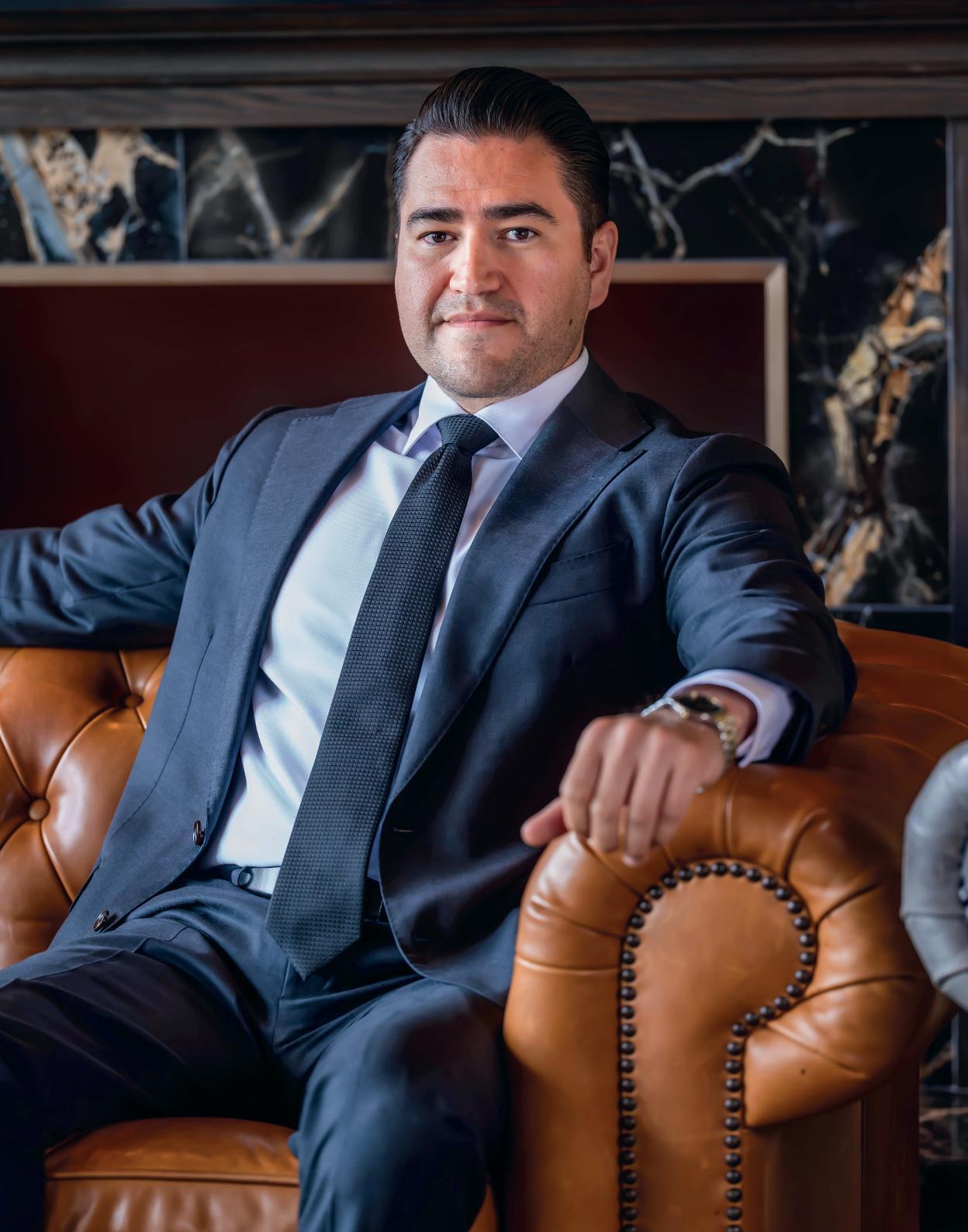
For more than a decade, Agustín R. Peña has built a distinguished career dedicated to public service, legal excellence, and community empowerment. As a Deputy District Attorney with the San Diego County District Attorney’s Office, Peña has earned a reputation as a respected prosecutor, educator, and advocate whose work has impacted both sides of the U.S.-Mexico border.
Currently serving as a team leader in the Major Narcotics Division, Peña prosecutes complex criminal cases involving drug trafficking, violent crime, fraud, and other serious offenses. Throughout his career, he has worked closely with local, state, and federal law enforcement agencies, conducting jury trials, leading investigations, and helping ensure justice for victims and communities. His commitment to fairness and equity has also led him to serve on the District Attorney’s Office Committee on Racial Equity and on hiring committees responsible for selecting future prosecutors.
Beyond the courtroom, Peña is deeply passionate about education. He currently serves as an Adjunct Professor at the University of San Diego School of Law, where he teaches the Federal Rules of Evidence to attorneys and judges from across Latin America. He has also taught at several respected institutions, including Thomas Jefferson School of Law, Abraham Lincoln University, and California Western School of Law, where he helped train attorneys, judges, and legal professionals in trial advocacy and judicial reform. His teaching philosophy emphasizes critical thinking, ethical leadership, and effective advocacy.
A proud leader within the Latino legal community, Peña has served as President of the San Diego La Raza Lawyers since 2020. Through the organization, he has helped support scholarships for aspiring attorneys and promoted initiatives that strengthen access to justice and professional opportunities for Latino communities. His dedication to mentorship and public service has made him a soughtafter speaker at universities, leadership conferences, and community events throughout California and beyond.
Peña’s contributions have earned numerous honors, including recognition as one of the San Diego Business Journal’s “Leaders in Law,” California Western School of Law’s Adjunct Professor of the Year, and commendations from legal and law enforcement organizations in the United States, Peru, Argentina, and Mexico.
Fluent in Spanish and committed to bridging cultures through education and justice, Agustín R. Peña continues to inspire the next generation of legal professionals while serving as a powerful voice for community engagement, leadership, and public service.

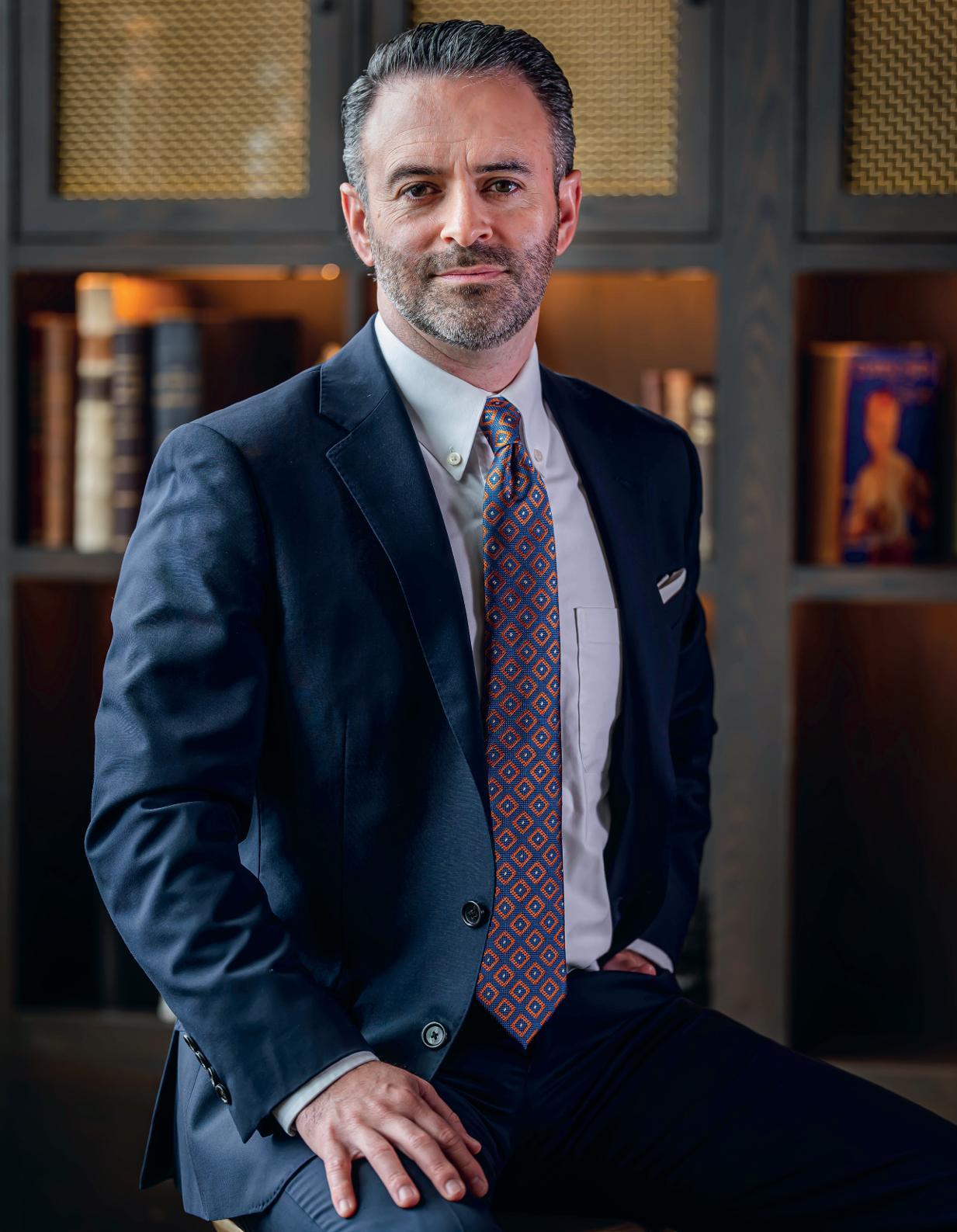
David Arreguin has always lived between two worlds—and he wouldn’t have it any other way. Raised in Tijuana and shaped on both sides of the border, he earned his undergraduate degree from San Diego State University and his law degree from Thomas Jefferson School of Law. Today, as Managing Attorney for the California–Mexico Corridor at Gomez Trial Attorneys, he represents clients in serious personal injury, employment, and civil rights cases, taking on large corporations and insurance companies on behalf of real people.
For David, the work is personal. He understands what it means to navigate life across borders, languages, and systems—and how often that complexity leaves people feeling like the law wasn’t made for them. His role, as he sees it, is to change that.
At Gomez Trial Attorneys, he plays a key role in the firm’s growing binational presence across the CaliBaja region, including the opening of its Tijuana office, strengthening access for clients connected to both sides of the border.
That mission is reflected in how he describes the firm’s purpose: “Our goal is to be the voice for the California–Mexico border community, ensuring
that fear or uncertainty never stops people from pursuing their rights and seeking justice.”
Beyond the courtroom, David cohosts The Lawtino Podcast with firm founder John Gomez, appears regularly in Spanish-language media, and mentors attorneys, law students, and aspiring legal professionals building careers in the United States, regardless of background or pathway. He serves on the board of the Consumer Attorneys of San Diego and the San Diego La Raza Lawyers Scholarship Fund, and is a member of the American Association for Justice and Lawyers Club.
Fluent in English and Spanish, David lives in San Diego County with his wife Carolina, their son Lucas, and their Shih Tzu, Dona.

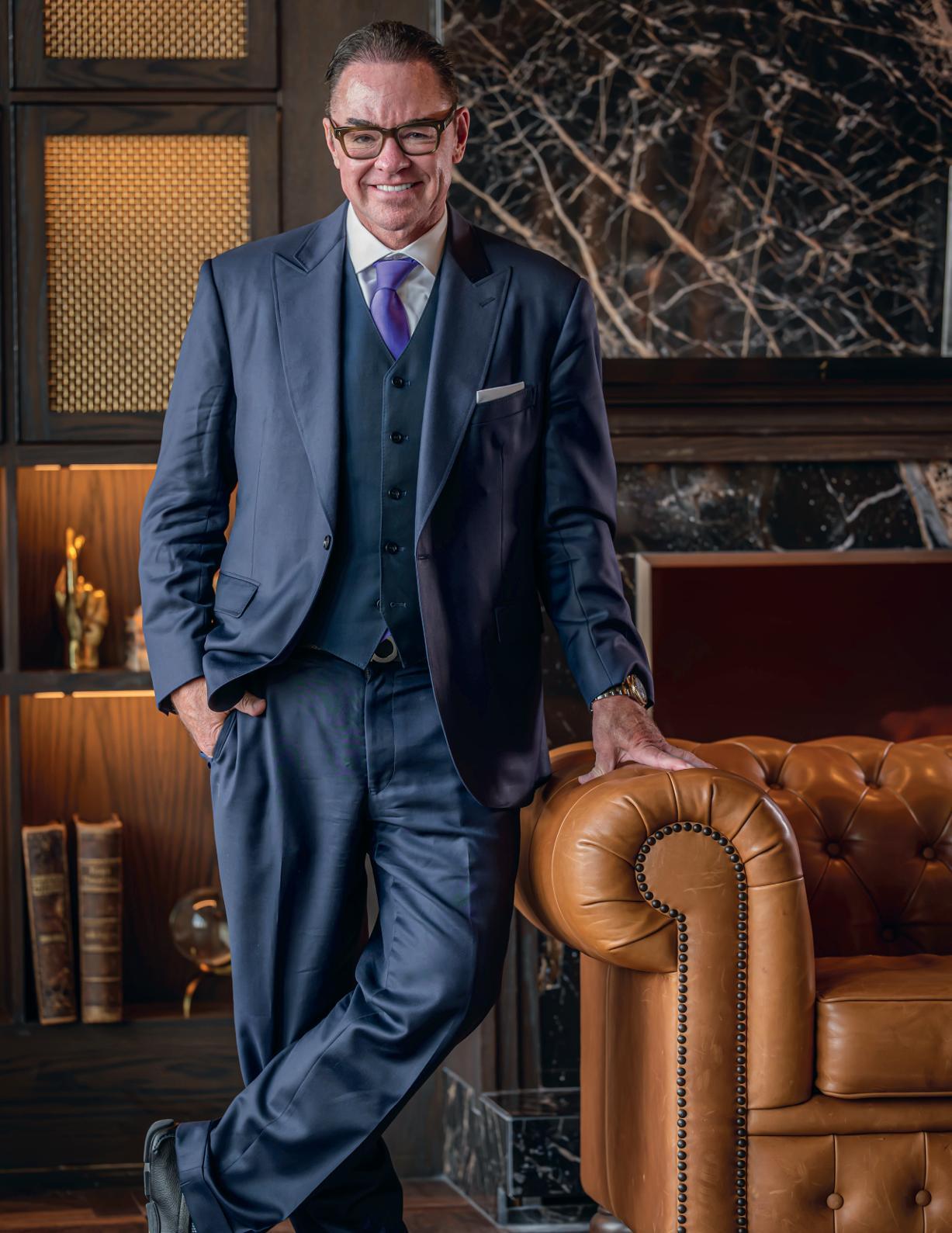
Founder & President, Gomez Trial Attorneys
John Gomez is arguably the best Latino trial lawyer in the United States. Since graduating from Yale Law School, the nation’s top ranked law school, he has demonstrated unwavering and awardwilling legal excellence in every job since. He began his career at Latham & Watkins, one of the world’s largest global law firms. There, he worked on multi-billion dollar matters for Fortune 500 companies.
He then worked as an Assistant United States Attorney prosecuting border, narcotics, and corruption cases. He tried and won 20 straight felony trials as a federal prosecutor.
After returning to private practice, he committed himself to represent ordinary people and families that suffer harm through no fault of their own. He opened his own law firm, Gomez Trial Attorneys, in 2005. Since that time, he has collected more than one billion dollars in verdicts and settlements for his clients.
He has twice been voted San Diego’s Trial Lawer of the Year and twice been voted San Diego’s Number One Attorney overall. He has obtained jury verdicts in excess of 1 million, 10 million and 100 million dollars and verdicts of a million dollars or more in 20 separate cases. He has obtained those outstanding results in cases involving injury, wrongful death, sexual assault and abuse, civil rights abuses, and employment harms.
John is also a devoted family man and proud LAWtino. He speaks, reads, and writes Spanish fluently and frequently appears on news networks to discuss legal issues in both the English and Spanish languages. He is especially passionate about defending the legal rights of his Latino neighbors and friends and to contributing to the success and well-being of the entire Cali Baja region.
His fully bilingual and bicultural law firm, Gomez Trial Attorneys, features more than 20 lawyers, close to 90 team members overall and offices in both Tijuana, Mexico and San Diego, California. The firm represents residents of both Mexico and the United States who suffer personal injury, employment harm, civil rights abuses or sexual abuse or assault in the United States. Gomez stresses that anyone that suffers harm in California has legal rights – regardless of immigration status. The firm charges nothing until and unless the client wins a recovery, and the initial consultation is free.

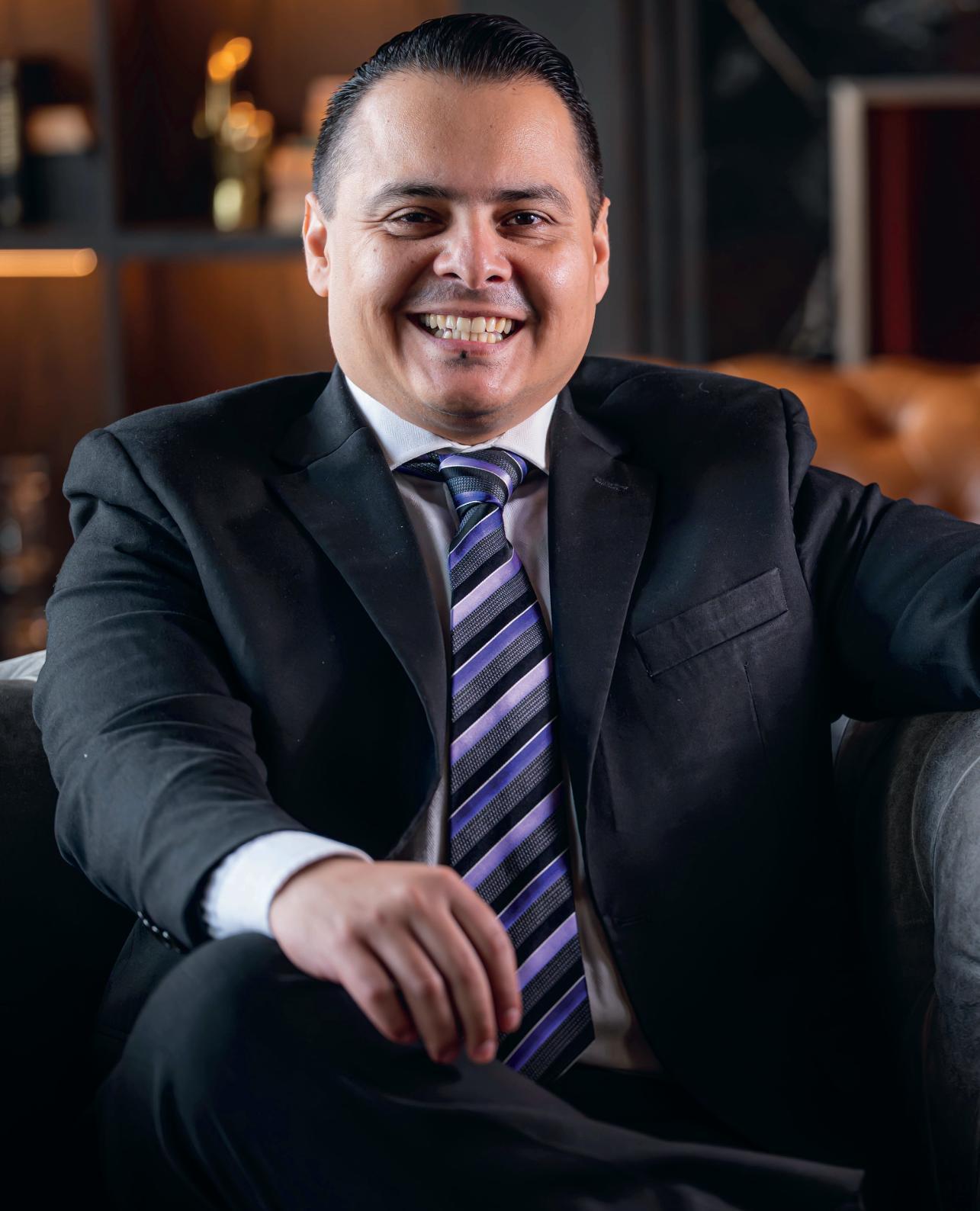
Healthcare leader and a valued member of the leadership team at Heart & Wellness Center
Throughout his career, René has remained focused on people. Whether supporting physicians, improving clinic operations, helping patients navigate complex healthcare systems, or building relationships with community partners, his mission has always been to make healthcare more connected, efficient, and compassionate.
His strong connection to the binational community has shaped both his leadership style and his commitment to service. René believes that thriving communities are built through collaboration, opportunity, and a genuine dedication to helping others. This philosophy guides his work every day and inspires his efforts to create meaningful impact both inside and outside the healthcare setting.
At Heart & Wellness Center, René has played an important role in strengthening the systems that support patient care, including clinic operations, specialty programs, referral coordination, and team development. He takes particular pride in helping expand access to quality cardiovascular care for diverse populations, including seniors, working families, and individuals who often face barriers to specialty healthcare services.
Beyond his operational leadership, René is passionate about mentoring young professionals and fostering the next generation of healthcare leaders. He believes strongly in creating opportunities for those who are eager to learn, work hard, and grow within the
healthcare field. Supporting others in their professional journeys is one of the aspects of leadership he values most.
Known for his hands-on and approachable leadership style, René leads with humility, purpose, and service. He believes meaningful change happens when people work together with respect, determination, and a shared commitment to community.
René is also deeply grateful for the unwavering support of his family, especially his wife, Alejandra, and their son, Nicolas. Their encouragement, patience, and love provide the strength and motivation that sustain him through the demands of a healthcare career and inspire him to continue serving others with heart.
Through his professional work and community involvement, René remains committed to building a future where access, opportunity, and compassion are not limited by background, language, or circumstance, and where every family feels seen, supported, and connected to the care and community they deserve.

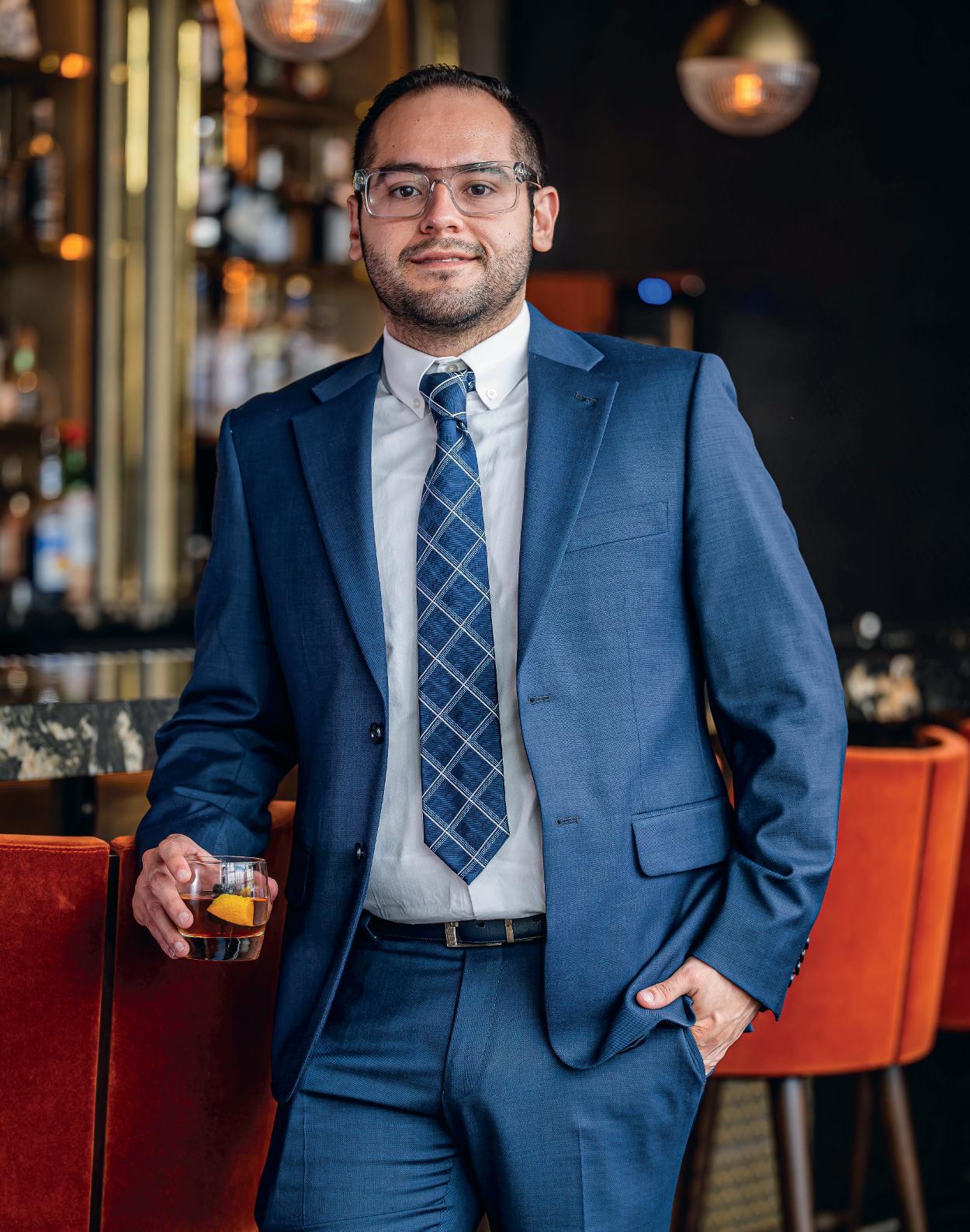
San Diego-based leader, strategist, and community advocate
Alan Tornel is a San Diego-based leader, strategist, and community advocate whose career sits at the intersection of healthcare, technology, and purpose-driven impact. A proud native of San Ysidro, the vibrant border community that shaped his identity and fuels his work , Alan built his path from Southwestern College to UC San Diego as a Chancellor's Associates Scholar, becoming a first-generation graduate and a testament to the transformative power of education.
Today, Alan serves as Senior Enrollment Manager at San Diego PACE, a division of San Ysidro Health and San Diego County's largest Program of All-Inclusive Care for the Elderly. In this role, he leads a multimillion-dollar enrollment operation, overseeing strategic growth, community partnerships, and access to comprehensive healthcare for the region's most vulnerable senior population. Since the program's founding in 2015, San Diego PACE has served thousands of seniors across San Ysidro, Chula Vista, El Cajon, and Vista — and Alan has been a driving force behind its continued expansion and reach.
His career began on the ground, working directly with families navigating complex healthcare systems, and grew through an unwavering commitment to mission and community. That combination of frontline empathy and executive strategy defines his leadership approach: human first, results always.
Beyond healthcare, Alan brings his strategic acumen to the emerging technology space as a Consultant for Decomposer AI, where he leads go-to-market strategy and helps position innovative solutions for real-world impact. He holds an MBA from the Rady School of Management at UC San Diego, a credential he pursued not as a destination, but as a tool to serve his community at greater scale.
Alan's leadership has earned him recognition as a Two-Time Latino Leader of Influence by the San Diego Business Journal (2023 and 2024) — one of the most distinguished honors in San Diego's professional community, awarded to individuals driving meaningful change across the region.
His story is not simply one of professional achievement. It is a story of roots, of gratitude, and of choosing to return, again and again, to the communities that made him. Alan Tornel leads not because he sought power, but because he understood early that the most meaningful use of opportunity is making sure the door stays open for everyone who comes next.

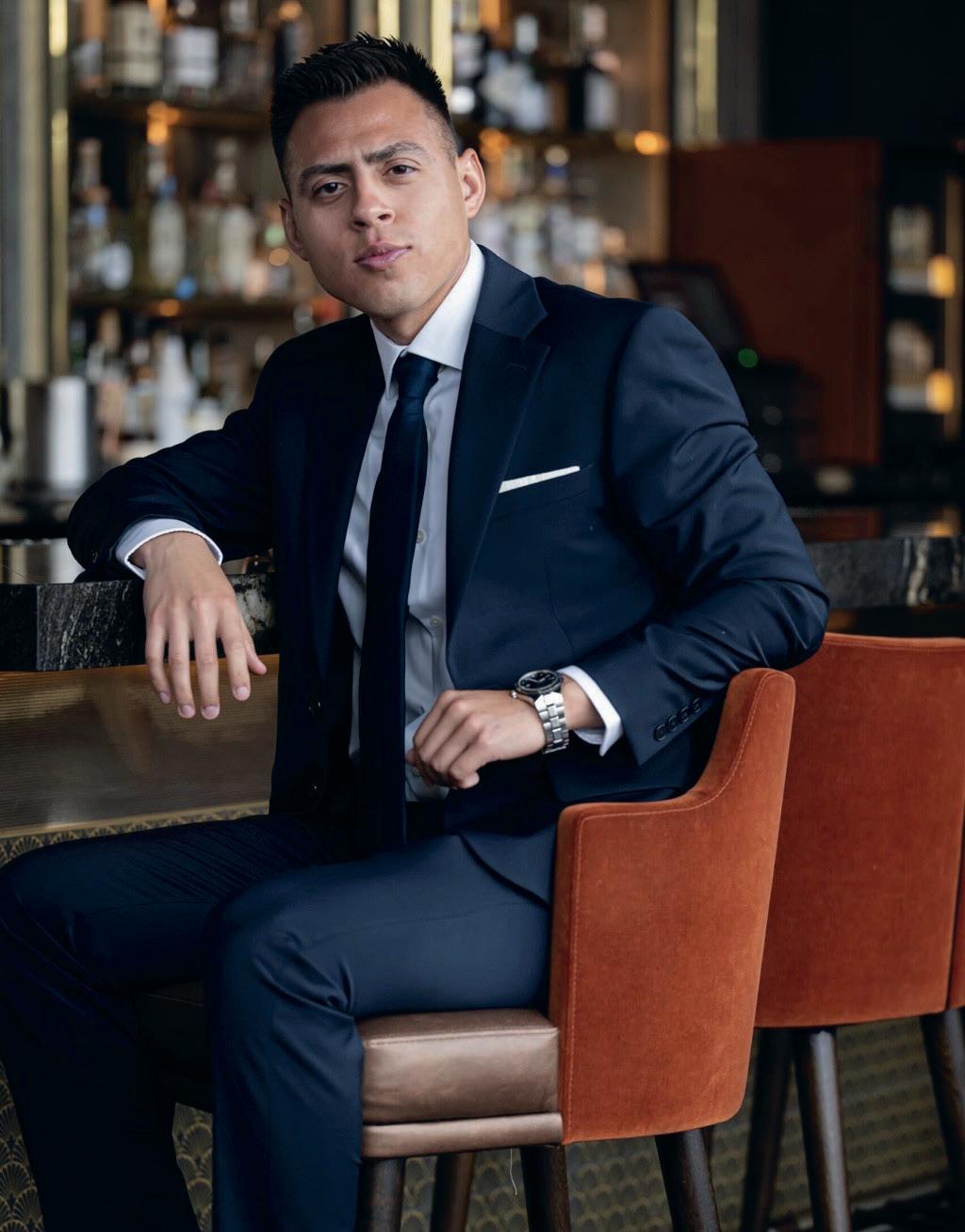
Agustín Richardson is a young, prominent leader people are talking about. With a strong background in wealth management from Morgan Stanley and JPMorgan Chase, he’s taken his expertise and turned it into something bigger—helping everyday people create real estate wealth. But it’s not just his knowledge, it’s his rapidly rising influence, making him the go-to person for those ready to take their next step.
Agustín combines Real Estate, Lending, and Construction into one seamless approach. He helps his clients find undervalued single-family and multifamily properties, improve them, force appreciate the value, and leverage that growth to invest in more real estate. It’s like playing real-life Monopoly! He’s the person people want by their side when they’re building their real estate future.
Agustín collaborates closely with local chambers of commerce, city officials, businesses, regional nonprofits, and anyone else working to better the community. His social media is influential, drawing hundreds of thousands of impressions each month through viral, educational content.
Agustín isn’t just an expert—he’s the rapidly growing leader that people are gravitating toward, eager to work with him as they shape their own success stories.
Instagram: https://www.instagram.com/agustinrichardson.realestate/?hl=en
Facebook: https://www.facebook.com/profile.php?id=61574858980746#
Tik Tok: https://www.tiktok.com/@agustin.richardson
LinkedIn: linkedin.com/in/agustin-richardson-29261b173
Website: https://agustinrichardson.com/



By: Laura Mejorado

Escucha
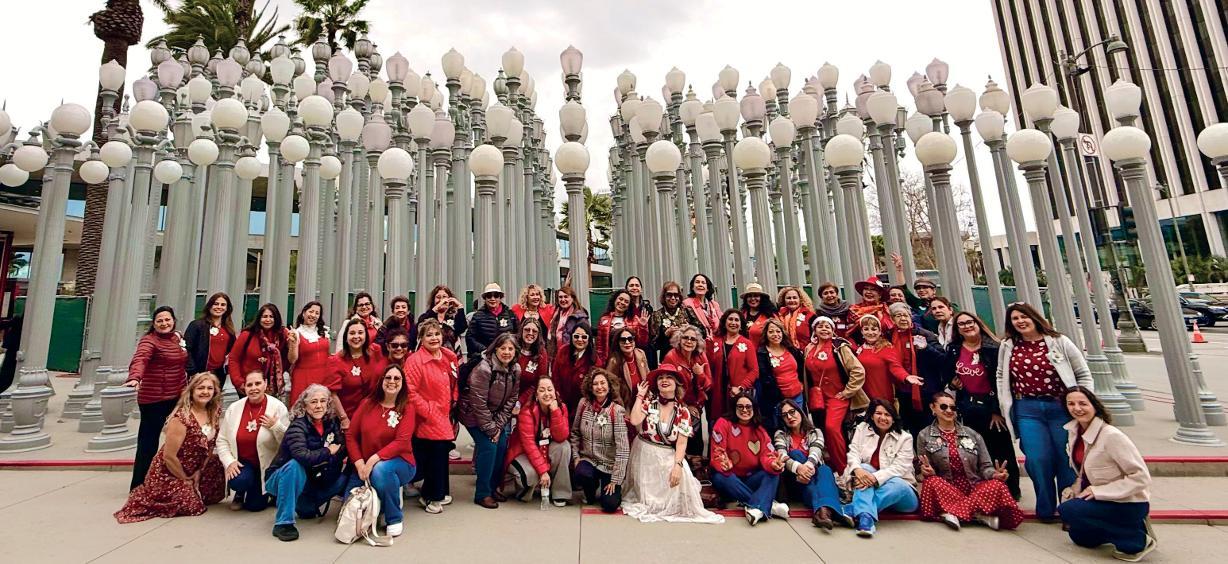
There are moments that change something deep within us. Hearing a symphony for the first time. Walking into a museum and discovering that a painting can tell our story, too. Watching ballet, independent cinema, or opera, and feeling—even if only for an instant—that the heart finds rest.
For a long time, many of us in the Latino community grew up believing that certain cultural spaces were not meant for us—that museums, concerts, or galleries were far removed from our language and beyond our means. At Fundación Magnolias, we decided to challenge that notion and bring art and culture closer to our community as a means of fostering emotional and mental well-being.
Since April 2023, Magnolias has organized over 300 community activities focused on the holistic well-being of Latina women, including group walks, yoga, art, cultural events, literature, and hiking. Notable among these are approximately 70 regular walks, 52 weekly yoga sessions, and more than 170 art, culture, and literature events scheduled between 2025 and May 2026, as well as 25 activities through our *Buen Camino* program since February 2026. Added to this are the four cohorts of our free *Dale la Mano a la que Va Llegando* (Lend a Hand to the Newcomer) program, designed specifically for Latina women who have arrived in San Diego within the last three years.

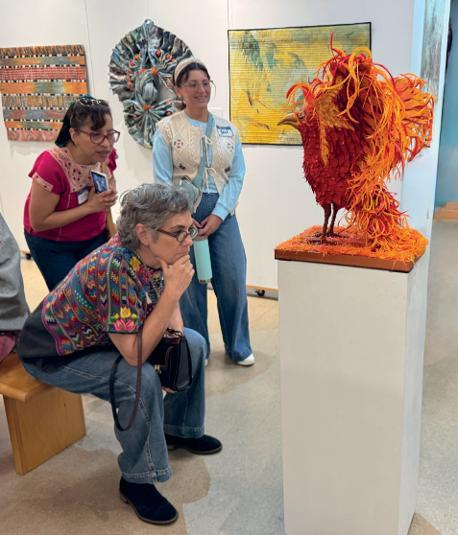
Magnolias has established art, literature, cinema, and music as key pillars of emotional support. We have visited museums, attended concerts, ballet performances, independent film screenings, and literary events—experiences that have profoundly enriched the lives of Latina women in San Diego.
To achieve this, Magnolias has forged partnerships with prominent cultural institutions such as the San Diego Museum of Art, the Visions Museum of Textile Art, the San Diego Symphony, the City Ballet of San Diego, Opera Neo, The Conrad Prebys Performing Arts Center, and the Digital Gym Cinema.
The benefits extend far beyond simply having a good time. In 2019, the World Health Organization published one of the most comprehensive analyses on art and health, reviewing over 3,000 studies and concluding that activities such as visiting museums, attending concerts, reading literature, or participating in cultural experiences help reduce stress and anxiety, strengthen mental health, foster social connection, and improve overall well-being (World Health Organization, *What is the evidence on the role of the arts in improving health and well-being? An exploratory review* —WHO Regional Office for Europe, 2019—).
That is precisely what we experience at Magnolias.
“I really enjoyed this *Tango Obsession* event; it was the first time I had ever heard a bandoneon played live, and it was truly thrilling,” shares Alejandra Orozco. Becky Álvarez Moncada remarks: “Thank you, Magnolias, for organizing such special events; we share unforgettable experiences and forge lasting friendships.”
One of Magnolias’ most significant efforts has been championing the inclusion of Spanish within San Diego’s cultural spaces. Thanks to this collaboration, Balboa Park has launched historical tours in Spanish and has raised awareness among various organizations regarding the importance of providing accessible experiences for Spanish speakers.
Because culture should also feel close to us. It should also feel like our own.
If you would like to participate in our cultural events and wellness activities, we invite you to follow us on Facebook (Magnolias USA)

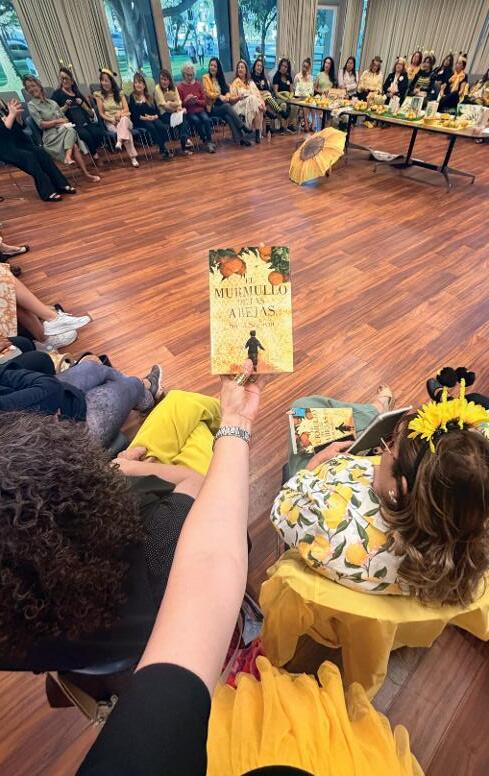
“Because culture should also feel close to us. It should also feel like our own.”

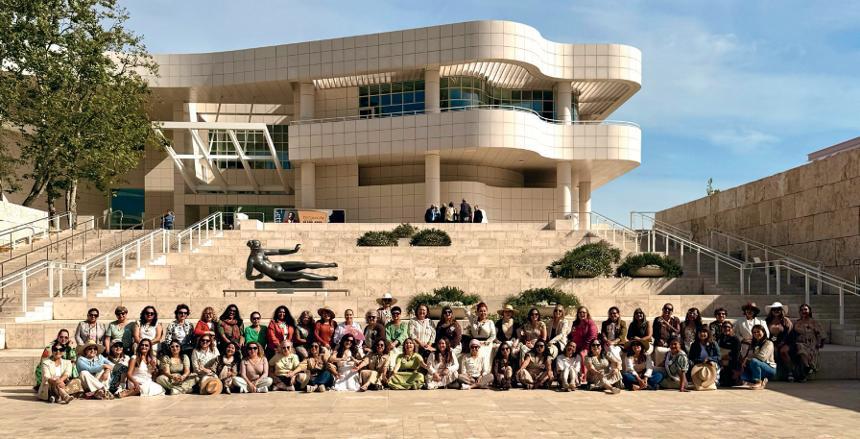
By Jeffrey Czajka
This summer many of us will celebrate our country turning 250 years old. While it started as a political revolution it quickly turned into a profound cultural one. Those revolutionaries were small business owners, farmers, lawyers, doctors, laborers, craftsmen, and many others who had all grown tired of having their rights suppressed.
Their response to an undesirable situation sparked a political revolution hailed as one of the greatest triumphs in world history. It is credited with building the most successful, and richest, democratic republic in history. While many studies focus on the political side of this story, a quiet yet powerful force keeps that revolution going today; culture.
The American Founding Fathers sought to acquire for themselves and future generates a culture based on the principles of life, liberty, and the pursuit of happiness. At least inherently, we all know the importance of culture. We feel it everywhere. In society, in our families, and in our companies.



When it comes to running a business, good culture makes everything better. It gives life to everyone who interacts with the company. You feel it when you walk into their office. You feel it when you deal with their team members. It’s a feeling that makes you want to join them and never leave.
Good culture is also liberating. Companies that have great cultures have higher productivity, higher retention, higher profitability, higher employee engagement scores, higher everything. That kind of impact is felt everywhere and by everyone. It enables them to be forward thinking and chase after their growth objectives, not deal with the issues that slow down and tear down growth.
Companies with good culture don’t typically promote it; they live it. They lift up their people and empower them to add value in new and different ways. Sometimes creating a new role to allow growth for the employee, client, and business. They ensure their employee benefits are truly benefits; not just something so they can say they have it. When cultures care, their people are happy.
Today, business ownership stands at the crossroads. Where Baby Boomers account for over half of the U.S. small-business owners; more than 50% are over age 55, and one in four are over age 651. When a business owner goes to sell a business, those with strong cultures sell for higher multiples. It is one of their four intangible capitals. Unfortunately, it is not something they can create or “fix” right before the sale. This has to be built with purpose over time.
As you enjoy Independence Day this year, let it serve as an invitation to reflect on the culture you are helping to create. Like the Founding Fathers, are you intentionally building something that promotes life, liberty, and the pursuit of happiness? Or are you protecting the statues quo at the expense of growth? No matter your role - business owner, manager, or employee – you have influence. When culture is built intentionally, it doesn’t just preserve what eixists; it creates something stronger, more valuable, and lasting.


When culture is built intentionally, it doesn’t just preserve what exists; it creates something stronger, more valuable, and lasting.




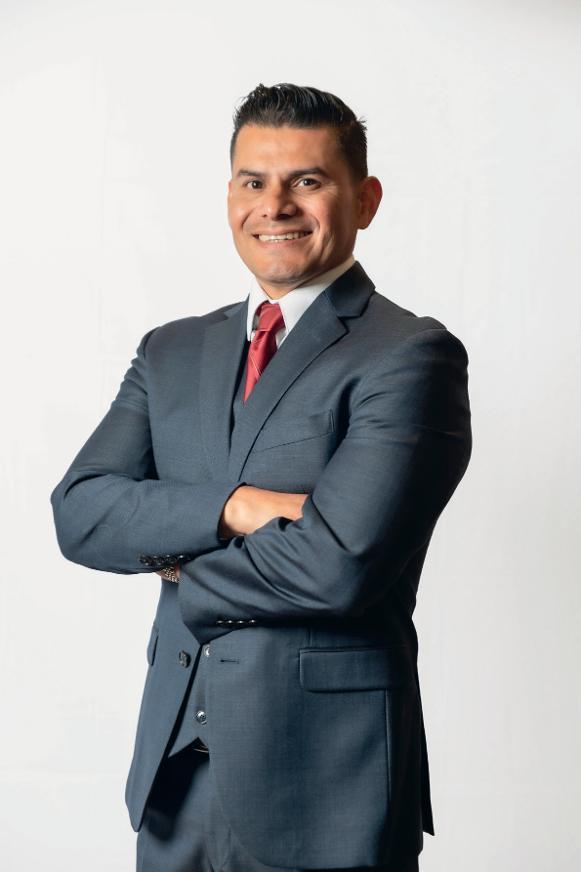
Protegiendo tu patrimonio aquí y allá
Información que empodera Sabemos que tomar decisiones informadas marca la diferencia. Por eso, hemos creado un boletín informativo semanal totalmente gratuito, con las últimas noticias del mercado inmobiliario, actualizaciones importantes del mundo de los seguros y consejos prácticos para propietarios, inquilinos y emprendedores.
¿Quieres saber cuánto vale tu casa hoy?
También ofrecemos una evaluación gratuita de tu propiedad, sin compromiso, para ayudarte a entender su valor actual en el mercado y explorar tus opciones con confianza.
Carlos Díaz y su equipo están aquí para servirte con ética, experiencia y un enfoque humano. Nuestra misión es clara: ayudarte a tomar decisiones inteligentes para proteger tu presente y construir tu futuro.
Contáctanos hoy y descubre cómo podemos ayudarte a avanzar, con seguridad y visión.
En un mundo donde la estabilidad financiera y familiar es prioridad, Carlos Díaz y su agencia de seguros y bienes raíces se posicionan como un recurso integral para la comunidad latina. Con una trayectoria basada en el compromiso, la educación y el servicio, ofrecemos asesoría experta para ayudarte a proteger lo que más valoras y a crecer tu patrimonio, ya sea a través de un seguro adecuado o una inversión inmobiliaria inteligente.
Seguros que protegen lo que amas
Nuestro enfoque comienza con la protección: contamos con una amplia gama de seguros, desde seguros de vida, autos, propiedades, hasta seguros comerciales como General Liability y Workers Compensation. Entendemos lo crucial que es para un emprendedor o jefe de familia estar respaldado correctamente, por eso te explicamos con claridad cada cobertura y te guiamos hacia la mejor opción para tu situación.
Bienes raíces con alcance binacional
Además, ofrecemos un servicio completo de bienes raíces con enfoque binacional, que te acompaña en tu proceso de compra o venta tanto en Estados Unidos como en México. Ya sea que busques tu hogar ideal, una propiedad de inversión o vender al mejor precio posible, nuestro equipo de agentes —estratégicamente ubicados en San Diego y aliados en México— está preparado para ayudarte en ambos lados de la frontera.
CADOI Lic #0L60964
CADRE Lic #02092952
Seguros: cdiaz2@farmersagent.com
Bienes Raíces: carlos.diaz@newjourney.com
Llámenos al 619-425-0079
Oficina y mensaje de texto
By: Gina Dewar and Rafael García
If you lived on the U.S.–Mexico border in the 1990s or early 2000s, you probably remember a small but telling ritual: switching SIM cards. One chip for the United States, another for Mexico. Crossing the border did not just mean showing your passport. It meant opening your phone, popping out one chip, inserting another, and adjusting to a different network, different rates, and often, a different way of communicating.
Today, that ritual feels almost prehistoric. Technology has evolved to the point where a single device, one chip or even no physical chip at all, can connect us seamlessly across countries. Calls, messages, and business transactions flow effortlessly from San Diego to Tijuana, from Los Angeles to Mexico City. The hardware has caught up with globalization.
But our mindset has not always kept pace.
In border communities, many of us still operate with two “chips” in our brains. One for doing business in the United States, and another for Mexico or Latin America. We switch them instinctively, often without even realizing it.
In the United States, business tends to be direct, time sensitive, and structured. Meetings start on time. Contracts are detailed. Communication is concise. Decisions are often driven by data, efficiency, and clearly defined outcomes. Professional relationships, while important, are usually secondary to performance and results.
Cross into Mexico or much of Latin America, and the rhythm shifts. Relationships come first. Trust is built over time, often through conversation, shared meals, and personal connection. Meetings may be more fluid. Negotiations can take longer, not because of inefficiency, but because they are rooted in mutual understanding and respect. Business is personal, and that is not a weakness. It is a strength.
For those of us who operate in both worlds, this duality can feel natural. We know when to be direct and when to be diplomatic. When to send the email, and when to make the call, or better yet, schedule lunch. We have learned to “change the chip.”
And yet, this constant switching raises an important question. Why, in an era where technology has unified our communication, do we still feel the need to divide our approach?
The answer lies in culture, but also in habit.
For decades, business norms in the United States and Latin America developed along different paths. One prioritized speed and scalability. The other emphasized relationships and long term trust. Neither is better than the other. In fact, both offer valuable strengths. The challenge, and the opportunity, is learning how to integrate them.
Imagine a unified “chip” for doing business across borders.
What would that look like?
It would combine the clarity and efficiency of United States business practices with the warmth and relational depth of Latin American culture. It would value punctuality, but also understand that trust cannot be rushed. It would embrace contracts and structure, while recognizing that people, not paperwork, ultimately sustain partnerships.
This kind of integration is already happening, especially among bicultural professionals and entrepreneurs in border regions. They are redefining what it means to do business internationally, not by choosing one style over another, but by blending both.
For example, a successful cross border negotiation might begin with relationship building, taking the time to understand the people behind the business, followed by a clear, well structured proposal that respects timelines and expectations. Communication can be both warm and precise. Leadership can be both authoritative and empathetic.
The key is intentionality.
Instead of automatically “switching chips,” we can begin to ask what the situation truly requires. Is this a moment for efficiency, or for connection? Can we create space for both?
Unifying our business mindset also requires letting go of certain assumptions. The idea that one way is more professional than the other can create unnecessary friction. Directness is not rudeness. Relationship building is not inefficiency. These are simply different expressions of professionalism shaped by culture.
Education and exposure play a critical role as well. The more we collaborate across borders, the more we begin to understand the nuances behind these differences. Over time, what once felt like a switch becomes a spectrum, a range of tools we can use depending on the context.
There is also a generational shift underway. Younger professionals, many of whom have grown up navigating multiple cultures, are less inclined to compartmentalize their identities. For them, the idea of having two separate “chips” feels outdated. They are building a more fluid, hybrid approach to business, one that reflects the interconnected world they have always known.
In many ways, border communities are leading this evolution. Places like San Diego and Tijuana are not just geographically close. They are economically and culturally intertwined. Businesses, families, and ideas move back and forth every day.

This constant exchange creates a unique environment where innovation in mindset is not just possible. It is necessary.
The future of cross border business does not lie in choosing between two systems. It lies in integration.
Just as our phones no longer require us to switch SIM cards, perhaps it is time we stop switching our mental “chips” and start building a unified way of thinking, one that honors both efficiency and humanity, both structure and connection.
Because at the end of the day, business is not just about transactions. It is about people.
And people, no matter which side of the border they are on, have more in common than we sometimes remember.


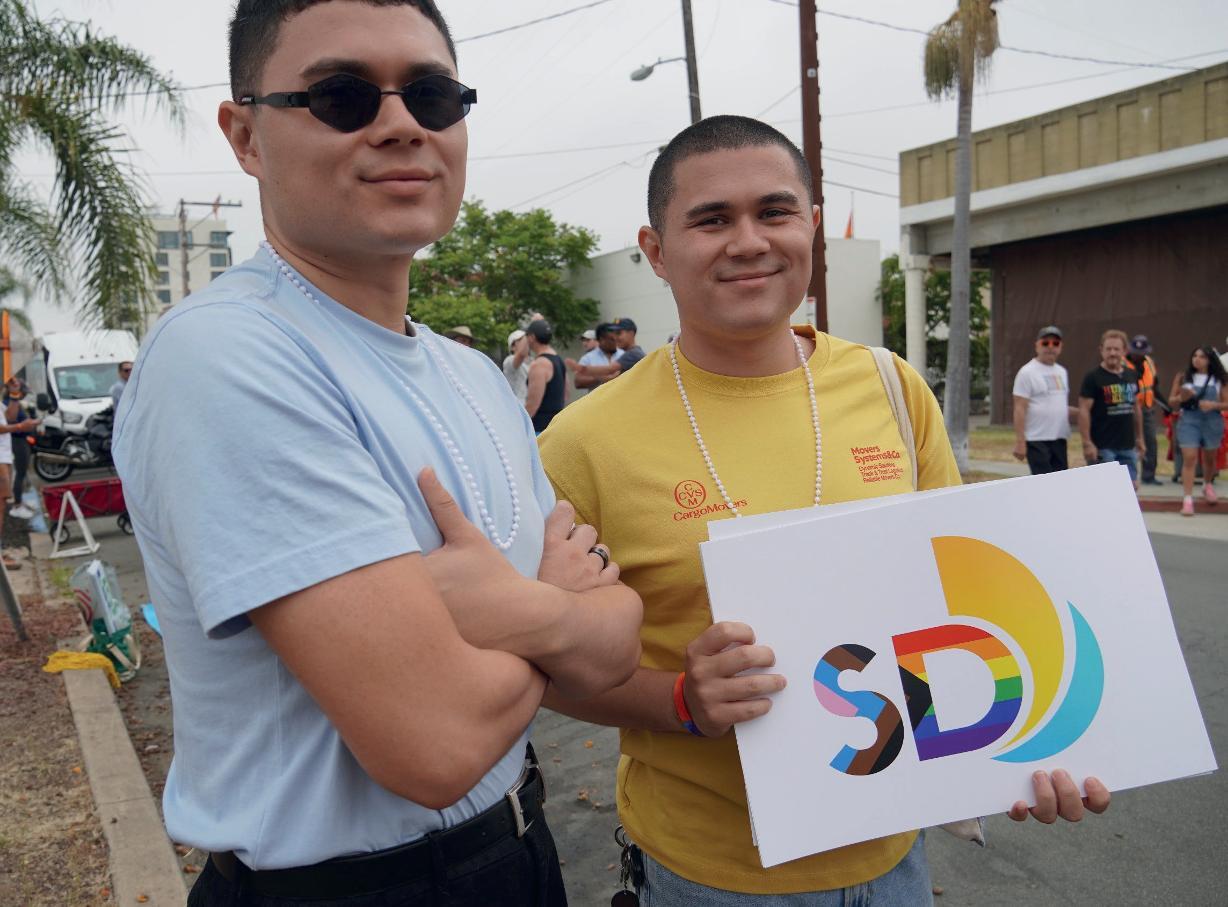
Randy and Manuel Reyes are proud Mexican American LGBTQ+ twin brothers whose story is rooted in service, identity, and community. Born in San Diego and raised in Oceanside, they are the sons of parents who migrated from Michoacán, carrying forward a legacy defined by resilience, sacrifice, and a deep commitment to uplifting others.
Today, both brothers serve the City of San Diego in impactful leadership roles. Randy is a Community Representative and LGBTQ+ Liaison for Mayor Todd Gloria, while Manuel serves as Senior Policy Advisor and LGBTQ+ Liaison for Councilmember Jennifer Campbell. Through their work, they advocate for inclusive policies and strengthen connections between local government and diverse communities.
Their academic achievements are equally remarkable. Randy earned his Bachelor’s degree from the University of San Diego in 2022 and completed his Master’s in 2023. Manuel graduated
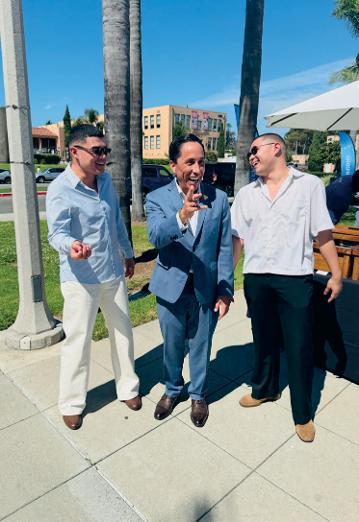
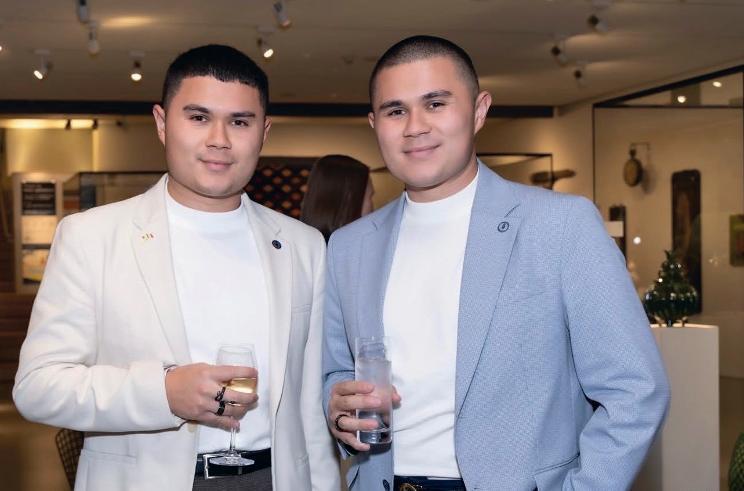
from University of California, San Diego with his Bachelor’s in 2022 and a Master of International Affairs in 2023. Both studied international relations and became the first in their family to graduate from college and earn master’s degrees, accomplishing both by the age of 23.
Beyond their professional roles, Randy and Manuel are deeply engaged in civic and community leadership. Randy serves on the organizing committee for the Harvey Milk Breakfast and sits on the Board of Directors for the San Diego Diplomacy Council. Manuel contributes his leadership to multiple organizations, including the Board of Directors for Casa de Luz, the executive board of Democrats for Equality, the organizing committee for the Harvey Milk Breakfast, and the host committee for Equality California.
Together, Randy and Manuel Reyes represent a new generation of Latino leadership, grounded in culture, driven by purpose, and committed to building a more inclusive future.
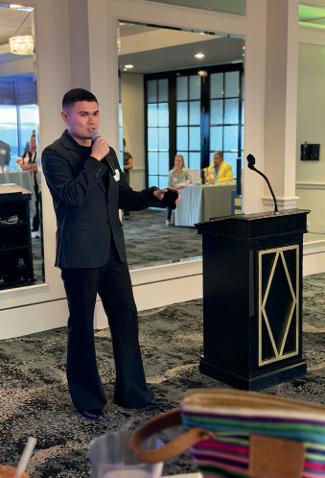

By: Dr. Michele Dewar (Founder of SALUS MD)




Escucha en Español
In recent years, one acronym has taken center stage in the world of health and wellness: GLP1 (glucagon-like peptide-1). While the name may sound technical, its impact is deeply human—reshaping how we understand and treat conditions like type 2 diabetes and obesity.
What is GLP-1 and Why Does It Matter?
GLP-1 is a hormone produced in the gut and released after eating. Its primary role is to help regulate blood sugar levels in a smart and balanced way.
Unlike other mechanisms, GLP-1 stimulates insulin secretion only when blood glucose levels are elevated, significantly reducing the risk of hypoglycemia. At the same time, it suppresses glucagon, a hormone that raises blood sugar levels.
A Comprehensive Metabolic Regulator
Beyond glucose control, GLP-1 functions as a full metabolic regulator:
Digestive system: slows gastric emptying, preventing sharp spikes in blood sugar
Nervous system: reduces appetite and increases satiety
Pancreas: enhances insulin-producing cell function
Brain: influences reward pathways related to food
These combined effects explain why GLP-1 not only manages blood sugar but also plays a critical role in body weight and eating behavior.
GLP-1 and Obesity: Beyond Dieting
One of the most important discoveries is GLP-1’s role in appetite regulation. It acts directly on the brain, reducing hunger and prolonging the feeling of fullness.
This mechanism has led to a new generation of medications that have shown remarkable results. Clinical studies report weight loss of up to 15% or more of initial body weight in patients under medical supervision.
However, it’s important to understand that these treatments do not “cure” obesity. They are effective while in use, reinforcing the idea that obesity is a chronic condition requiring long-term management.
Because natural GLP-1 is rapidly broken down in the body within minutes, science has developed longer-lasting alternatives:
GLP-1 receptor agonists: medications that mimic the hormone and extend its effects
DPP-4 inhibitors: drugs that prevent its breakdown, allowing it to remain active longer
These therapies are approved for treating type 2 diabetes and, more recently, for managing overweight and obesity under medical supervision.
Like any medical treatment, GLP-1 therapies may have side effects. The most common are gastrointestinal, including nausea, vomiting, and diarrhea—typically temporary.
It’s also important to note that not all patients require supplements while using these medications. In some cases, reduced appetite may lead to lower nutrient intake, making it necessary to evaluate protein, vitamins, or minerals on an individual basis with medical guidance.
GLP-1 represents far more than a hormone—it opens the door to a new understanding of human metabolism. Its influence extends beyond blood sugar control, with emerging research exploring benefits in cardiovascular health, brain function, and overall well-being.
At a time when obesity and diabetes continue to rise globally, this scientific advancement offers a powerful tool—while also reminding us that true health is a balance between medical innovation, lifestyle, and personalized care.


By Dr. Hassan Kafri, M.D.
For twenty years as a cardiologist in Chula Vista, have watched the same injustice play out in my exam room. A patient sits across from me, overweight, pre-diabetic, blood pressure climbing, and every tool in modern medicine points toward the same answer: a GLP-1 receptor agonist, the class of drugs proven to reduce the risk of heart attack and stroke by up to 20% in atients with obesity.
Then comes the wall. Medicare doesn’t cover it for weight loss. The cash price exceeds $1,000 a month. The patient leaves without the treatment that could protect their heart. That wall is finally starting to come down, and I want my patients to understand exactly what is changing and what they need to do right now.
A Historic Shift, With Important Fine Print
The federal government is rolling out two programs to make GLP-1 medications affordable for people with Medicare and Medicaid for the first time. The picture has shifted quickly, so here is where things actually stand.
The Medicare GLP-1 Bridge launches July 1, 2026, giving eligible Medicare beneficiaries access to Wegovy and Zepbound at a fixed copayment of $50 per month, extended now through the end of 2027.
The BALANCE Model was originally set to take over for Medicare Part D in January 2027, but on April 21, CMS announced it will not launch in Medicare as planned. The GLP-1 Bridge will fill that gap. BALANCE remains on track for Medicaid programs beginning May 2026.
One important caveat: because the Bridge operates outside the standard Part D benefit, the $50 copayment will not count toward your deductible or out-of-pocket maximum, and Low-Income Subsidy protections will not apply. Real limitations, but the program is still a major step forward.
Eligibility is based on BMI combined with your existing health conditions:
● BMI 35+: You qualify at age 18 or older.
● BMI 30+: You may qualify with heart failure, uncontrolled high blood pressure, chronic kidney disease (stage 3a+), or moderate-to-severe sleep apnea.
● BMI 27+: You may qualify with pre-diabetes, a previous heart attack or stroke, or peripheral artery disease.
Consider a patient I’ll call Maria — 61, on Medicare, BMI of 33, pre-diabetes, blood pressure not responding to medications. She qualifies. When I told her these drugs would soon be within reach, something shifted in her face. She had assumed they were for someone else, someone with better insurance or a bigger bank account.
She is not an outlier. She is the rule, and it matters that this program was designed with her in mind.
Medication Is One Piece, Not the Whole Answer
Every beneficiary receiving a GLP-1 under these programs will be connected to a lifestyle support program at no cost. think that is exactly right.
I have seen too many patients lose 25 pounds, stop their medication when costs became unmanageable, and gain back 40. In one case, a patient’s pre-diabetes became full-blown type 2 diabetes in the process. That is not a drug failure, it is what happens when we treat obesity as a shortterm problem instead of the chronic condition it is.
This is why my practice is built around a partnership with Enara Health, providing personalized nutrition coaching, behavioral support, and ongoing body composition monitoring alongside any medication plan. The lifestyle component in these programs and what we offer through Enara are not competing ideas, they are two parts of the same answer.
Obesity is not a cosmetic problem. It is a cardiovascular emergency that unfolds slowly, damaging blood vessels, straining the heart, raising blood pressure, and setting the stage for heart attacks and strokes. The patients most affected have historically been the least able to access treatment. That is a crisis, and what launches this July is a meaningful attempt to address it. For those worried that the BALANCE delay signals things unraveling, a research letter in JAMA found that broader GLP-1 coverage could produce nearly $1 billion in savings in 2027 alone, enough to fund treatment for hundreds of thousands of additional patients at no extra program cost. Financial analysts have noted that once this benefit is established, it will be difficult to roll back. The bridge through 2027 keeps access intact while better data is gathered. That is not a setback. That is how durable policy change actually works.
If you have Medicare or Medicaid and see yourself in any of the criteria above, don’t wait. Talk to your doctor. My team at Kafri Heart and Vascular Clinic works with Enara Health to build the personalized, medically supervised plans that give these programs their best chance of working. And if you don’t qualify but still can’t afford these medications, don’t give up, manufacturer savings programs, alternative medications, and comprehensive lifestyle treatment can still make a meaningful difference. There is almost always a path forward.
Maria has an appointment with us next month. For the first time in years, have something concrete to offer her. That is what this moment means.
Dr. Hassan Kafri is an interventional cardiologist in Chula Vista, California, specializing in cardiovascular prevention and metabolic health. Kafri Heart and Vascular Clinic has partnered with Enara Health to provide comprehensive weight management programs in the greater SanDiego area. Learn more at kafri.com.
BY LA REVISTA BINACIONAL

In today’s evolving economic landscape, building wealth requires more than just hard work, it demands strategy, scalability, and smart partnerships. One of the most powerful yet often underleveraged paths to financial growth is franchising. For many Latino entrepreneurs, the franchise business model offers a unique blend of independence and support, making it an ideal vehicle to create long-term wealth while minimizing some of the risks associated with starting from scratch.
Franchising, at its core, is about buying into a proven system. Instead of creating a brand, testing a concept, and building a customer base from zero, franchise owners step into an established business with recognized branding, operational systems, and ongoing support. This dramatically shortens the learning curve and increases the likelihood of success.
One of the primary advantages of franchising is scalability. Unlike a single small business that depends heavily on the owner’s time and presence, franchises can be replicated. Once you understand the system and achieve success with one location, expanding to multiple units becomes a realistic goal. This multi-unit ownership is where real wealth begins to grow.
Another major benefit is access to financing. Banks and lenders are often more willing to finance franchise businesses because they are tied to established brands with track records. This access to capital allows entrepreneurs to leverage other people’s money to grow their investments, a key principle in wealth building.
Franchises also benefit from collective marketing power. National advertising campaigns, brand recognition, and corporate-level strategies drive customers to your business without requiring you to carry the full burden of marketing costs. This creates efficiency and increases profitability over time.
Additionally, many franchises provide ongoing training, operational guidance, and support networks. For first-time business owners, this structure can be the difference between struggling alone and thriving within a system designed for success.
Latinos have long demonstrated strong entrepreneurial instincts. From family-run restaurants to service-based businesses, the community understands the value of ownership, hard work, and customer relationships. These qualities align perfectly with the demands of franchise ownership.
However, despite this natural alignment, many Latino entrepreneurs are still underrepresented in franchise ownership at higher levels. Often, the focus remains on independent small businesses, which, while admirable, may lack the scalability and structural advantages of franchises.
One key gap is awareness. Many potential Latino investors are not fully informed about the opportunities within franchising, including multi-unit ownership, absentee ownership models, or emerging industries beyond food and retail.
Another factor is access to networks. Franchising often operates within circles of brokers, consultants, and investors. Without strong representation in these networks, Latino entrepreneurs may miss out on premium opportunities or early access to high-growth brands.
While fast food franchises are often the most visible, the franchise world extends far beyond burgers and coffee. In fact, some of the most profitable and scalable opportunities today exist in service-based and emerging sectors.
Quick-Service Restaurants (QSR) remain a popular entry point. Brands like McDonald’s, Subway, and Chick-fil-A offer strong brand recognition and consistent demand. However, these often require higher initial investments and strict operational standards.
Fitness and Wellness franchises are experiencing rapid growth. Concepts like Orangetheory Fitness and Anytime Fitness cater to a health-conscious market and benefit from recurring membership revenue.
Home Services franchises, such as cleaning, restoration, and maintenance companies, are becoming increasingly attractive. These businesses often have lower overhead, flexible staffing models, and high demand. Brands like SERVPRO and Molly Maid fall into this category.
Childcare and Education franchises are also gaining traction. With more dual-income households, the need for quality childcare and tutoring services continues to grow. Companies like Kumon and The Goddard School offer structured systems with meaningful community impact.
Senior Care Services represent one of the fastest-growing sectors. As the population ages, franchises like Home Instead
provide essential services with strong financial potential and emotional fulfillment.
Despite the clear advantages, many Latino entrepreneurs are not fully tapping into the benefits franchising can offer. One overlooked perk is semi-absentee ownership. Many franchises are designed to be managed by a team, allowing the owner to step back from day-to-day operations and focus on growth or other investments.
Another missed opportunity is multi-unit development agreements. Instead of owning a single location, investors can secure the rights to open multiple units within a territory, significantly increasing long-term earning potential.
Franchise incentives are also often underutilized. Many brands offer discounts, financing assistance, or special programs aimed at increasing diversity within their ownership base. These initiatives can lower the barrier to entry, but they require awareness and proactive engagement.
Finally, franchising offers a pathway to generational wealth. A well-managed portfolio of franchise units can be passed down, sold, or expanded, creating financial stability for future generations.
For Latino entrepreneurs, the question is no longer whether they have the ability to succeed in franchising, the track record already proves they do. The real question is whether they are thinking big enough.
Franchising is not just about owning a business; it’s about building an asset. It’s about leveraging systems, scaling operations, and creating wealth that extends beyond a single location or lifetime.
As the Latino community continues to grow in economic influence, embracing franchise ownership at a larger scale could be one of the most impactful ways to close wealth gaps and create lasting prosperity.
The opportunity is there. The model is proven. The next step is awareness, access, and action.

If we are to speak of a man with style, Carlos Andrés Díaz is a prime example of how one can remain true to a personal aesthetic while still looking appropriate for a multitude of business engagements.
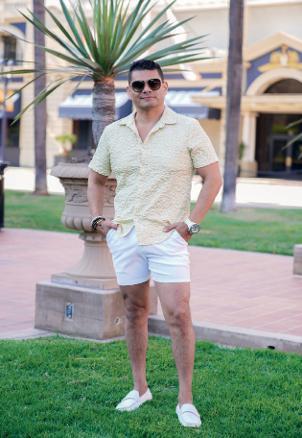
Carlos is a successful entrepreneur in the insurance and real estate sectors, as well as the co-owner of a jewelry business. His wardrobe reflects his creative personality and an inherently romantic style—one he wears with great confidence.
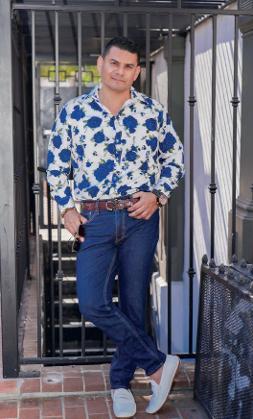
Patterned shirts are his greatest allies: floral prints, bright colors, unexpected accessories, statement watches, and modern eyewear—all undoubtedly reflect a bold personality.
By Rosalina Alvarado
Warm colors are his best choice; given his naturally golden complexion, emerald green and earth tones serve to enhance his olive skin tone, while bright cool colors— such as blue and purple—also flatter him.
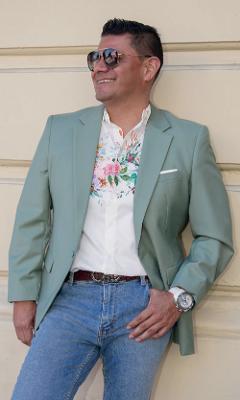
Carlos takes trends to another level; he can effortlessly pair a sage-colored blazer with a floral-print shirt and still look both professional and contemporary.

It is crucial to consider what message you wish to convey and to utilize your image as a tool that reflects who you are and your lifestyle; furthermore, your image serves as an indicator of your qualities and strengths.
We see Carlos as a deeply devoted father—always attentive to his daughter, Alexis—building cherished memories and sharing quality time with her, from the days she was a little girl right up to
the present day, now that she is a married woman.
This is one of his greatest strengths: being a good father who has successfully balanced his professional career with his personal life.
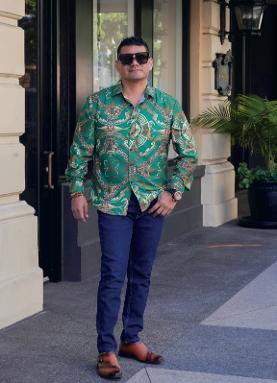
Discipline, integrity, drive, and courage are the qualities that have enabled him to achieve his goals.
Carlos stands as a clear testament to the fact that a well-dressed man is one who is in perfect harmony with his own personality.
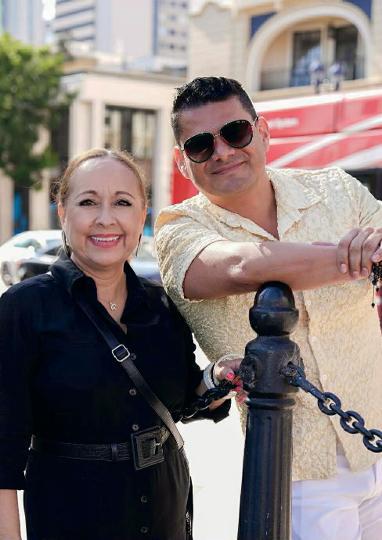

rosalinaalvarado_image
Rosalina Alvarado
Rosalina Alvarado rosalina.imagenyestilo@gmail.com
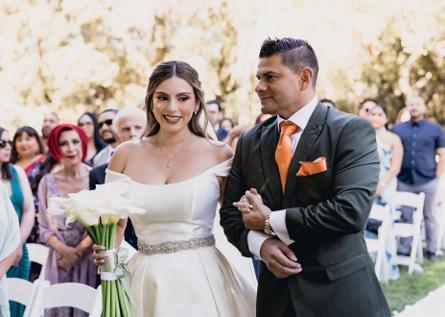




Elementary School District
Four months old.
That is how old Kali’a was when her parents first heard the diagnosis: leukemia.
Overnight, her family’s life became hospital visits, sleepless nights, and uncertainty. Like so many families facing childhood cancer, her parents were suddenly navigating treatment schedules, transportation to appointments, time away from work, financial stress, and the overwhelming fear of what would happen next.
From the moment of Kali’a’s diagnosis, the Emilio Nares Foundation was there.
We drove Kali'a's family to appointments when they had no other way to get there. We sat beside them during long hospital stays, helping them navigate the overwhelming realities of childhood cancer through emotional support, resource navigation, and guidance. We brought snack bags, reassurance, and the kind of steady presence that quietly reminds families they do not have to face this journey alone.
For more than 23 years, ENF has provided a continuum of care for families facing childhood cancer and other life-threatening illnesses from diagnosis through survivorship. Through multilingual services, no cost transportation, food support, and survivorship services, ENF helps families navigate every stage of a child’s medical journey.
When doctors shared that Kali’a would need a bone marrow transplant, her family feared the worst. Then came a miracle: her brother Kain was a match. Without hesitation, he helped save his baby sister’s life.
“Our family is not complete without our little sister,” shared Knox, Kali’a’s oldest brother.
The months that followed were filled with treatments, surgeries, hospital stays, and uncertainty. But through every appointment and every difficult day, ENF was there. Ride after ride. Resource after resource.
And then came the moment everyone had been waiting for.mKali’a rang the bell. After everything she endured, she completed treatment and was finally able to return to being a child again, laughing and playing alongside her brothers. Making new memories.
The Journey Does Not End When Treatment Ends
Today, Kali’a is in remission, but healing does not end when treatment ends.
ENF continues supporting her family through survivorship by helping ensure she can attend follow up appointments, access medications, and receive emotional support after treatment.
Through Healing Through Nature, ENF helps families heal from the trauma of childhood cancer by creating opportunities to reconnect, focus on emotional wellbeing, and rebuild hope together. Families participate in outdoor experiences, mindfulness, financial education, and science workshops designed to support mental and physical health, reduce isolation, and help families rediscover joy beyond cancer.
Because healing does not happen in isolation. It happens in community.
Programs like Ride with Emilio ensure children can safely access lifesaving treatment regardless of transportation barriers. Emilio’s Snack Bags help address food insecurity for children undergoing chemotherapy, while ENF’s End of Life program provides burial assistance, emotional guidance, and compassionate support for families facing unimaginable loss.
Why Community Support Matters
A childhood cancer diagnosis does not just impact a child. It impacts every person who loves them.
Parents miss work or lose jobs while caring for their child. Siblings carry fear and trauma long after treatment ends. Families face overwhelming financial strain while simply trying to keep their child alive.
No parent should have to choose between paying rent or food and getting their child to chemotherapy.
That is why ENF exists.
Last year alone, ENF served more than 5,400 children and families across Southern California.
Stories like Kali’a’s are only possible because of community. Because of donors, volunteers, partners,
and neighbors who decided that a child’s chance at life should not depend on whether her family can afford gas this week.
Join us for Harvest for Hope: An Evening of Healing and Community.
On September 17, the Emilio Nares Foundation will host its 23rd annual Harvest for Hope at the Fairmont Grand Del Mar, bringing together chefs, wineries, business leaders, and community members to help ensure no family faces childhood cancer alone.
Every ticket, sponsorship, and donation helps provide transportation to lifesaving treatment, emotional support, food assistance, and critical family centered care for children battling cancer and other lifethreatening illnesses.
Because when a child faces cancer, an entire family needs support.
Healing begins when a community comes together. To reserve your table, sponsor, or make a gift, visit www.enfhope.org.

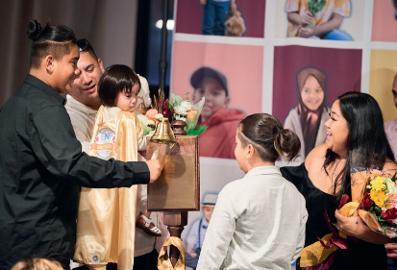
We believe each child is unique and capable, and we are passionate about nurturing your child’s early development. Our Early Childhood Education programs are built on the belief that children thrive when they are loved, engage in meaningful interactions, and learn through play.
• Our highly qualified teachers are skilled in early childhood development and committed to nurturing your child’s potential.
• Watch your child thrive as they engage in hands-on activities, fostering creativity, critical thinking, and problem-solving skills.
• From music to painting and storytelling, our programs encourage selfexpression and boost confidence.





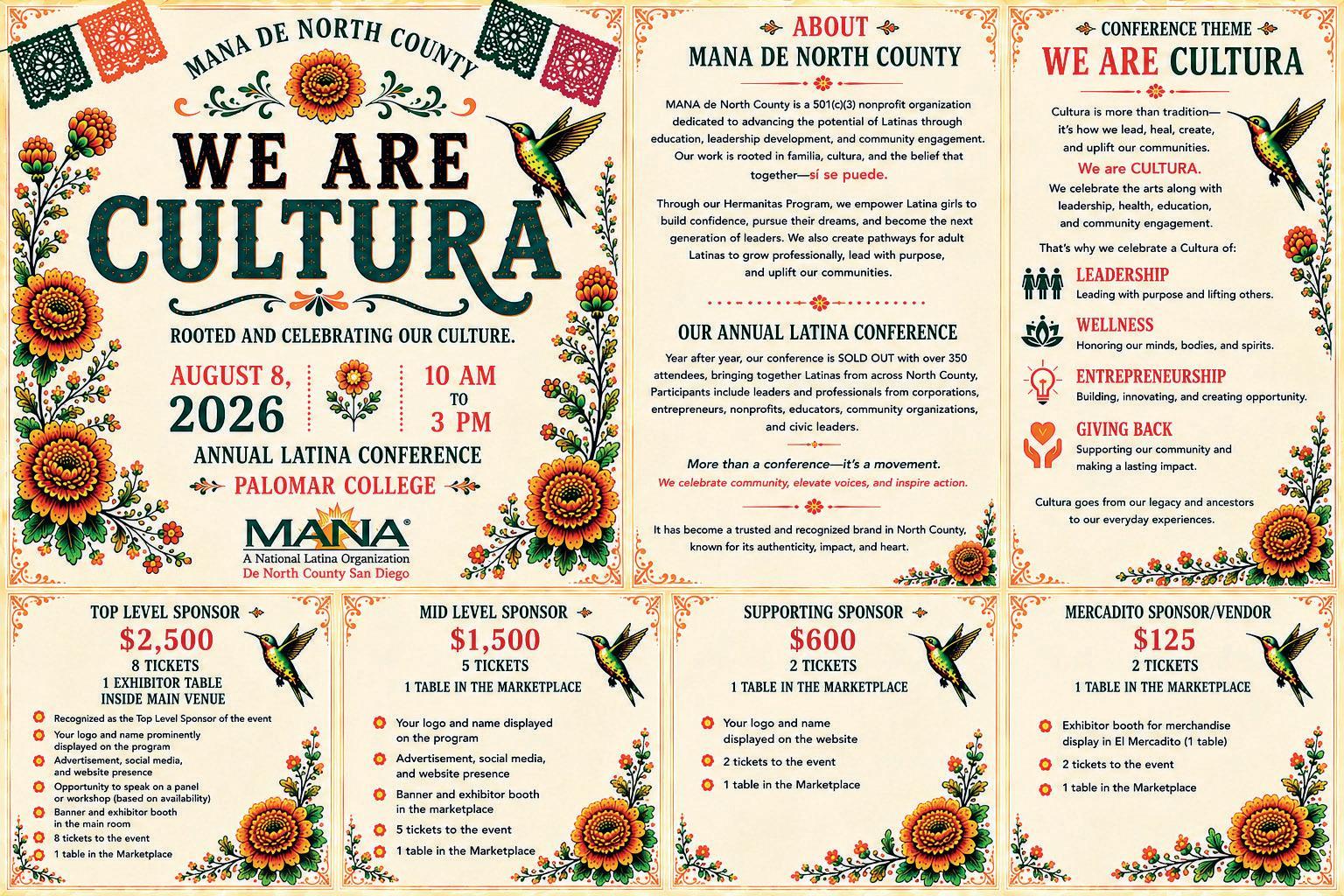
OneSD brings together leaders and organizations across San Diego to:
n Rebuild trust
n Bridge divides
n Solve real community challenges 40+ organizations. One shared commitment to San Diego.
Scan to learn more and get involved:

T-Satellite provides coverage even in the most remote locations where tower signals can’t reach—all to keep you connected in places you never thought possible.
T-Satellite provides:
• Free 911 texting, even if you’re not a T-Mobile member
• Texting and live location sharing
• Satellite compatible apps including Google Maps, Accuweather, Overwatch & Rescue, All Trails, and more
T-Satellite seamlessly works with most modern phones from the last four years, so there’s no need for new devices, apps, or interfaces. It just works.