
On behalf of the team at La Revista Binacional, we welcome you to our Special Sports Edition, San Diego Edition.
Preparing this issue has been a truly exhilarating experience. Sports have a unique way of uniting cultures, generations, and borders, and this edition was born from that very spirit. From our initial conversations to the final pages you now hold in your hands, this project has been driven by passion, compelling stories, and a deep respect for the global impact of sports.
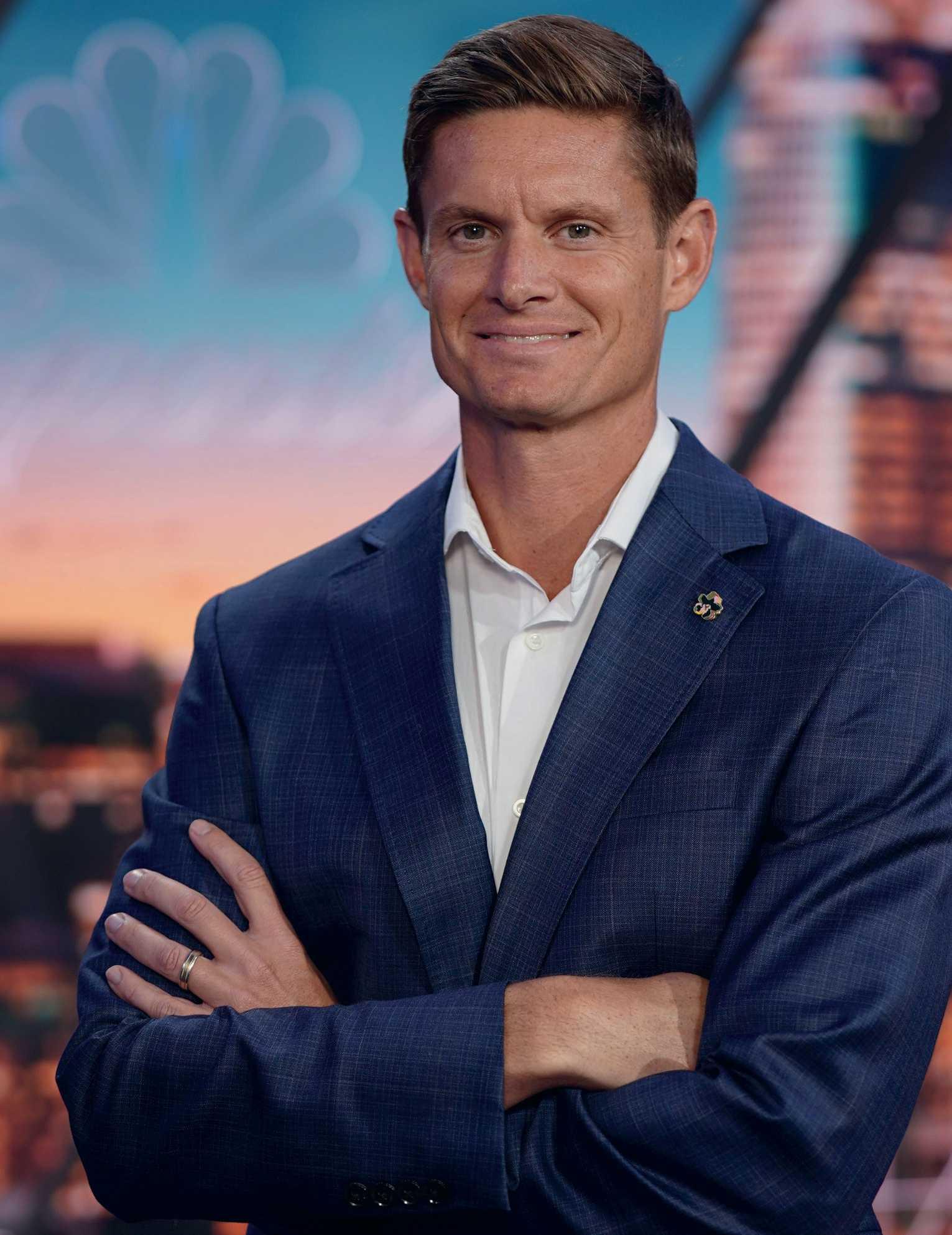
We extend our sincere gratitude to NBC/Telemundo San Diego for believing in La Revista Binacional and for joining us on this exciting journey. A very special thank you goes to Justin Halverson, Vice President of Sales at Telemundo San Diego, whose vision, leadership, and commitment were instrumental in making this edition possible.
We also express our deepest appreciation to Diana Díaz, Director of Local Sales for San Diego, for her support, collaboration, and dedication to this project. Her enthusiasm and professionalism were fundamental to this process.
We are also profoundly grateful to our sponsors for their trust and support. Their backing made it possible to elevate this edition and celebrate sports in a meaningful and impactful way.
Within these pages, we invite you to explore the rich history of sports on a global scale—the stories that defined generations, and the new technological trends that are redefining sports as we know them. From tradition to innovation, this edition reflects how sports continue to evolve, remaining a powerful force for connection and identity.
We hope you enjoy every page as much as we enjoyed creating it.
With gratitude and enthusiasm, LA REVISTA BINACIONAL


It is my pleasure to welcome you to this special sports edition of Revista Binacional, dedicated to one of the most powerful cultural and athletic events in the world: the FIFA World Cup. With summer just around the corner, excitement is building—not just for the matches themselves, but for the moments, stories, and shared pride that only fútbol can deliver.
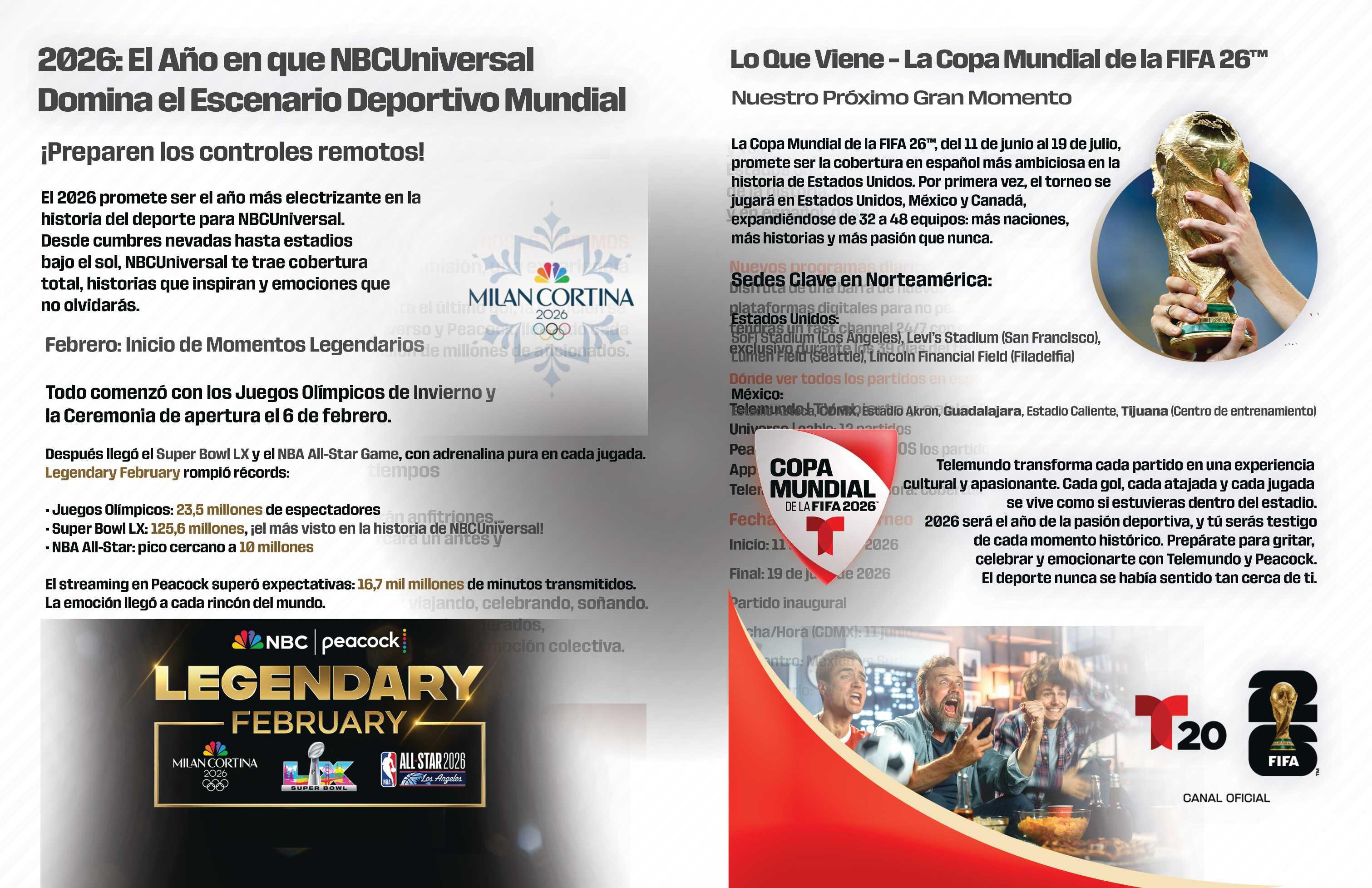
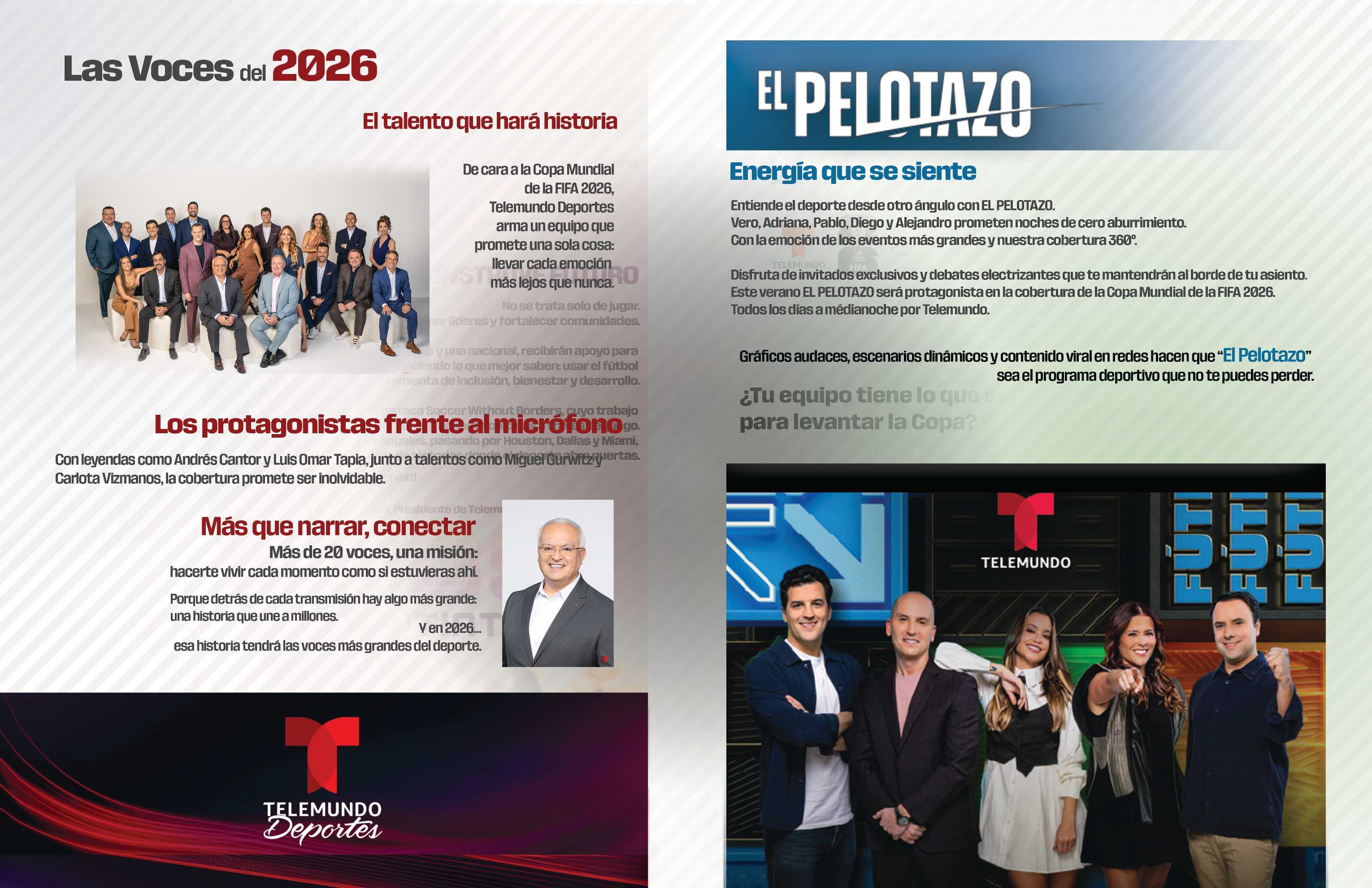
Telemundo is honored to be the exclusive Spanish‑language home of the FIFA World Cup in the United States, a responsibility we carry with passion, authenticity, and an unwavering commitment to our audience. This summer, fans will experience every goal, every celebration, and every unforgettable moment across Telemundo, Universo, our Telemundo app, and Peacock, ensuring access wherever and however they choose to watch.
Our strength lies in our audience. Telemundo reaches one of the most engaged, loyal, and influential Hispanic audiences in the country. Soccer’s explosive growth in the U.S. is undeniable—and Latinos are leading that momentum. For our viewers, fútbol is more than a sport; it is identity, heritage, and emotion passed down through generations.
And simply put—fútbol is better in Spanish. It is more passionate, more engaging, and more memorable. The language captures the rhythm of the game, the drama of every play, and the intensity of each call in a way that resonates deeply with fans. That passion translates into longer viewing times, stronger emotional connections, and unmatched audience engagement.
This World Cup presents a unique opportunity for brands. With matches airing in favorable North American time zones, advertisers can connect with Hispanic audiences at scale, in real time, and in moments that matter most. The Hispanic consumer is highly valuable, brand‑loyal, and culturally influential—driving trends not only within their communities, but across the broader U.S. market.
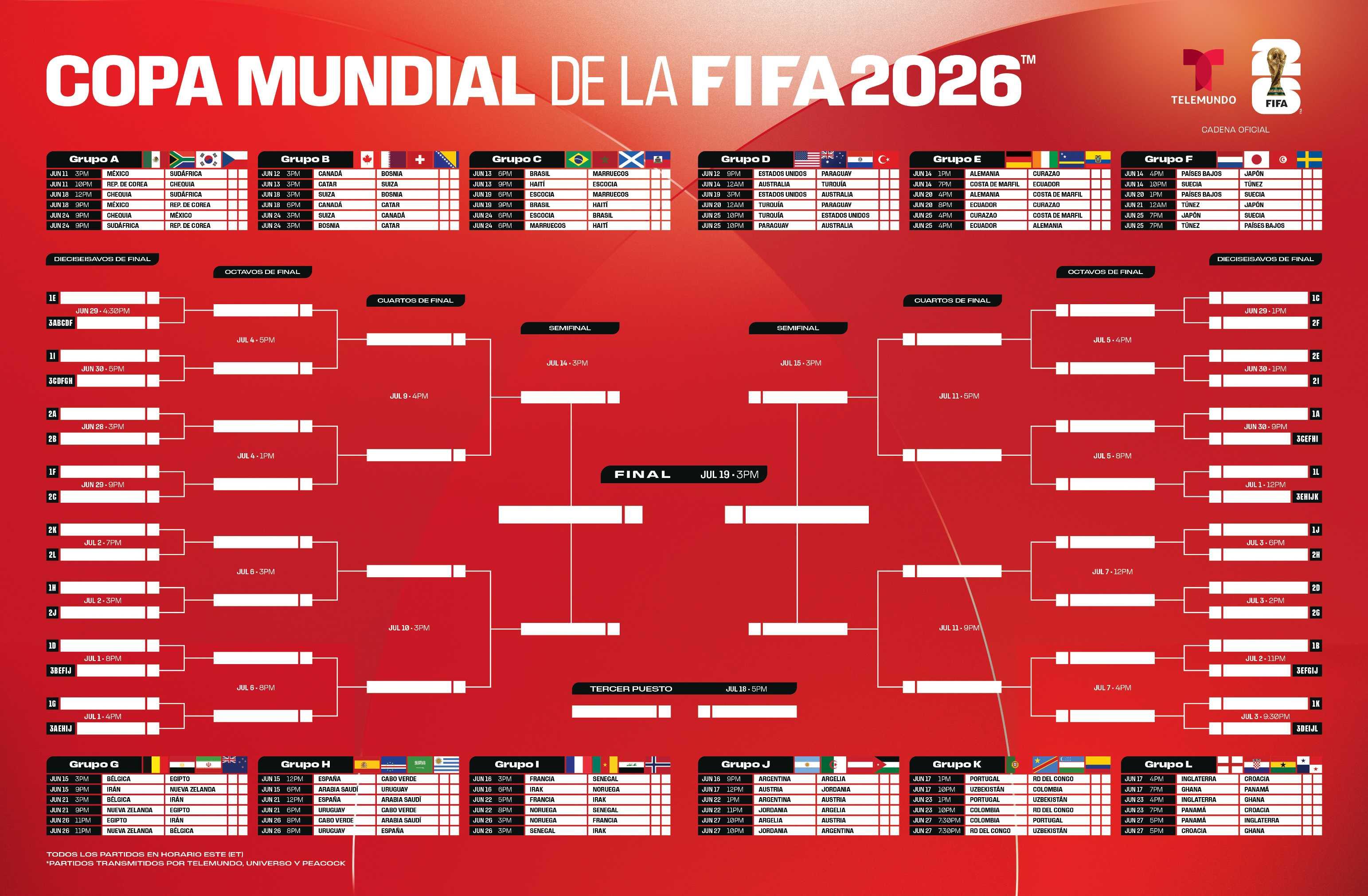
With the tournament hosted in North America, expanded to an unprecedented 104 matches, and with the U.S. Hispanic population at an all‑time high, all signs point to record‑breaking viewership. This will be a World Cup defined by access, scale, and cultural impact—one that brings fans, families, and communities together like never before.
As you explore this edition of Revista Binacional, we invite you to see how Telemundo brings the World Cup to life—on screen, across platforms, and within the culture. And for brands, we extend an open invitation: don’t just witness “the beautiful game”—amplify it. Be part of every moment, every celebration, and every connection.
Join us this summer for all the action. For partnership opportunities, we welcome you to connect with us.
¡El Mundial es nuestro!
Justin Halverson | VP Sales NBC/TELEMUNDO San Diego


Escucha en Español
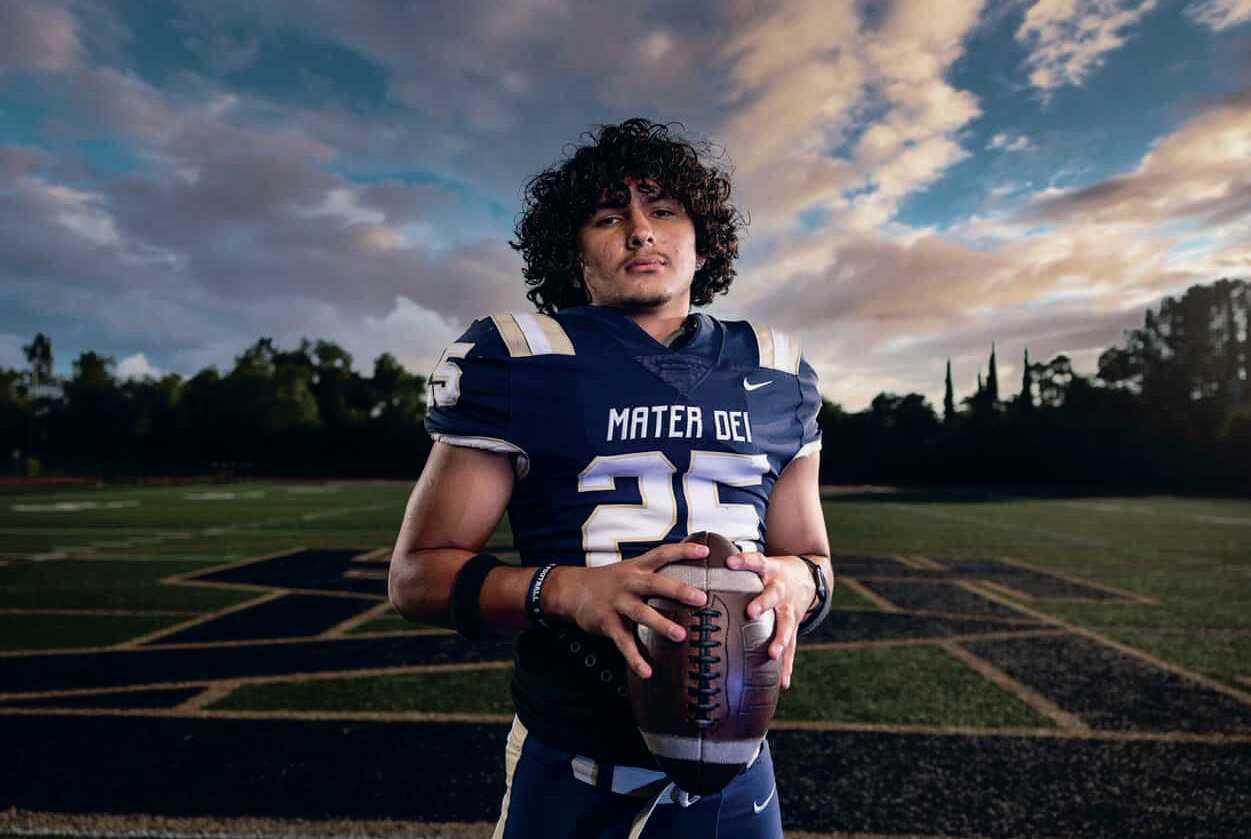
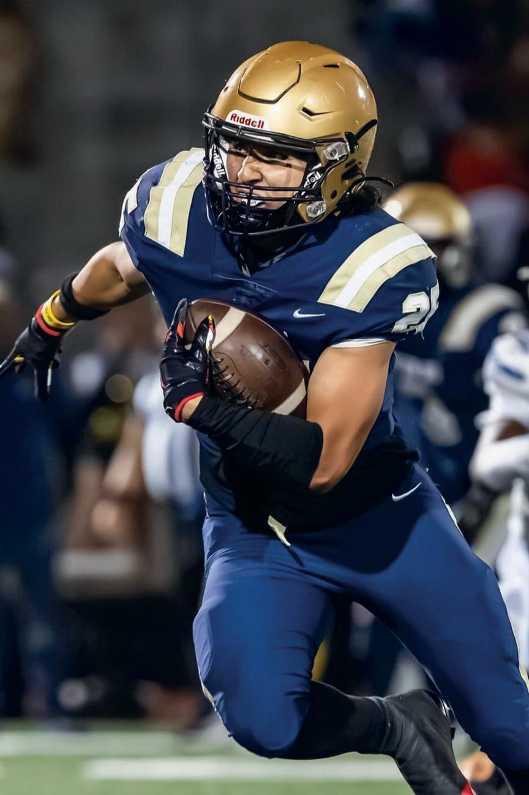
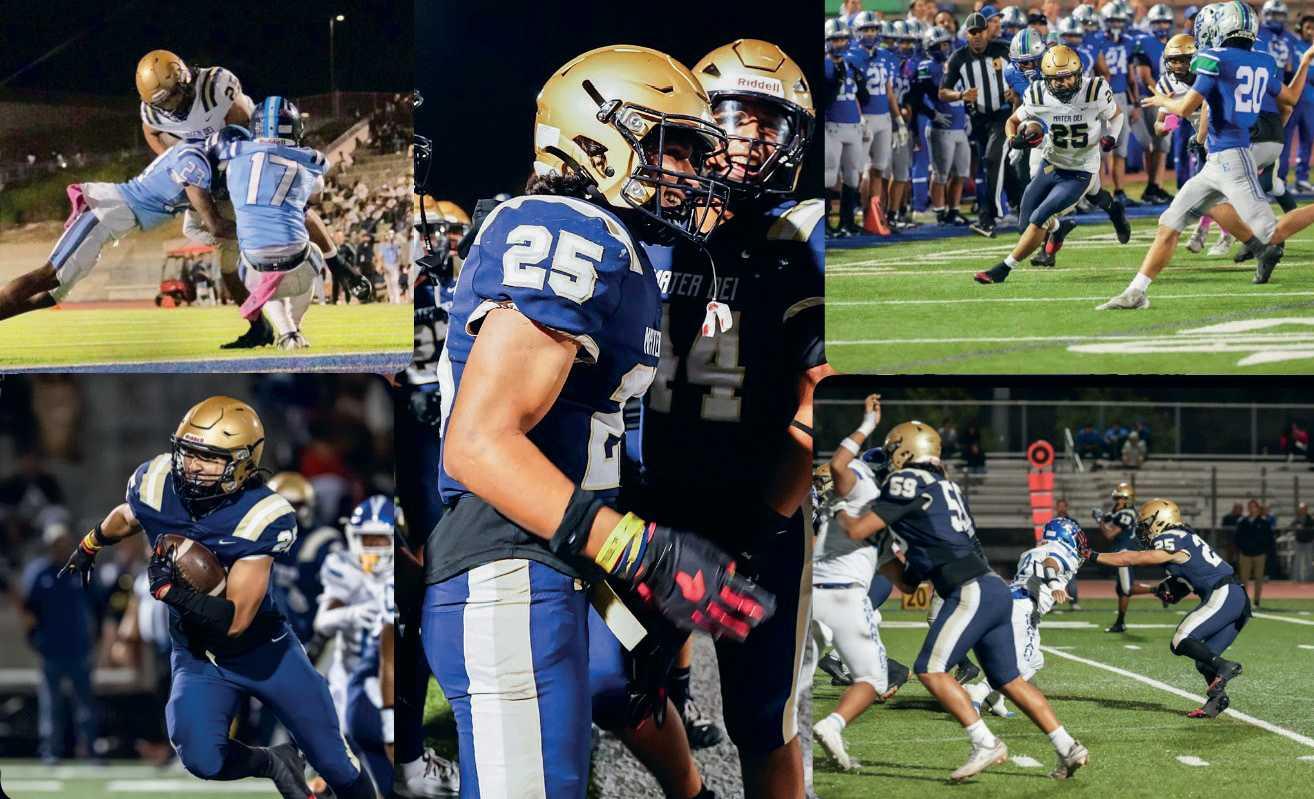
Before Xavier Vitela was a standout under Friday night lights, he was a three year old chasing a ball on a dusty youth field. He was a kid with big dreams and an even bigger drive. Born on November 13, 2009, Xavier’s journey began when his father, Alex Vitela, a former high school football coach, traded Friday night lights for Saturday mornings on the sidelines. That choice ignited a bond built on discipline and love for the game and a bond that would shape a path defined by grit and growth.
Xavier’s story is also rooted in generations of resilience. His grandparents came to this country seeking opportunity. Through hard work and sacrifice, they built a foundation that Xavier now stands on—a legacy of perseverance that fuels his drive every time he steps onto the field.
At six, Xavier’s cleats kicked up dirt as he sprinted across the diamond at Park View Little League. For eight spring seasons, he was an All Star, swinging for the fences and chasing every play like it mattered, because to him, it did. Baseball taught him patience and precision, but football taught him passion. By nine, fall meant football, and Xavier was suiting up for the Eastlake Panthers, carving out a reputation as a fearless running back who played with heart and hustle. Coaches noticed early: he wasn’t just fast—he understood the game.
When the world slowed down during COVID, Xavier sped up. At just 10 years old, he began strength and agility training, turning uncertainty into progress. While others waited for normalcy, Xavier built his own, one workout at a time.
Today, Xavier is a standout at Mater Dei Catholic High School. As a freshman, he earned a spot on varsity football—a rare achievement. In his sophomore year, he was named Running Back of the Year for this team and earned Second Team All-League honors Xavier proved he belonged among the best. His explosiveness isn’t limited to the gridiron; in track and field, he soared to a 19-foot-11-inch long jump as a freshman.
And while his athletic stats impress, his academic record shines just as bright, with a GPA of 3.5 or higher. Balancing sports and school isn’t easy, but Xavier makes it look effortless.
His competitive spirit extends beyond game day. Whether lifting weights or running sprints, Xavier leads by example, inspiring teammates to push harder and grow alongside him.
Fred Cruz Eastlake Panthers Coach Quote
“I’ve been coaching football between the youth and high school levels for 25 years and have seen numerous athletes come through the system. I have had the privilege to see some athletes make it to the collegiate level and even the NFL. What separates those who make it and those who fall short is not talent, but the intangibles. Xavier Vitela is not only a rare talent but also carries the intangibles that it takes to make it to the next level and even further. He has the work ethic, passion, field IQ, strength, speed, leadership and drive that it takes to succeed. I’ve witnessed him will teams to success with his personal contributions and motivation. There are a handful of athletes in each class that have what it takes and there is no doubt in my mind that Xavier is one of the special talents. I am excited to see what the future holds for this young man.”
Xavier’s goals are as bold as his game. He aspires to play Division I football, major in business, and ultimately make it to the NFL. For Xavier, these dreams aren’t just about personal success they’re about honoring the sacrifices of his family and representing every young Latino athlete who dares to dream big. He knows the road ahead will demand more work, more discipline, and more sacrifice but that’s nothing new for him. It’s in his DNA.
Off the field, Xavier is like any other teenager he loves video games and hanging out with his family and friends, including his two dogs, Vader and Mara. But even in those quiet moments, his drive never fades. His story is rooted in values passed down through generations hard work, sacrifice, and resilience. Every sprint, every rep, every play is a tribute to the legacy that came before him.
Xavier Alexander Vitela isn’t just chasing wins; he’s chasing growth, purpose, and the chance to inspire others. For Xavier, the next chapter isn’t just about football, it’s about honoring a legacy and building his own. And if his past is any indication, the future looks unstoppable.

La Academia González was founded with the mission of developing well rounded, professional baseball players, opening opportunities for young talents who dream of excelling in competitive baseball. Founded by David González, along with his sons Edgar and Adrián González, the academy emerged as a family project backed by years of experience both on and off the field. With a solid track record in professional baseball, the González family decided to combine their knowledge, values, and experiences to create a training environment focused not only on athletic performance but also on discipline, character, and the personal development of each player.
The academy formally began operations on June 15, 2013. Its creation responded to the need to address the lack of specialized programs for high performance baseball athletes in Mexico. With this vision, the González family established a more comprehensive and professional training model, offering high quality technical, physical, and mental preparation through year round training and specialized camps for players from other regions of Mexico and the United States, who can join during their vacation periods. Over time, this project solidified into a structured program that grew thanks to the trust of players and their families.
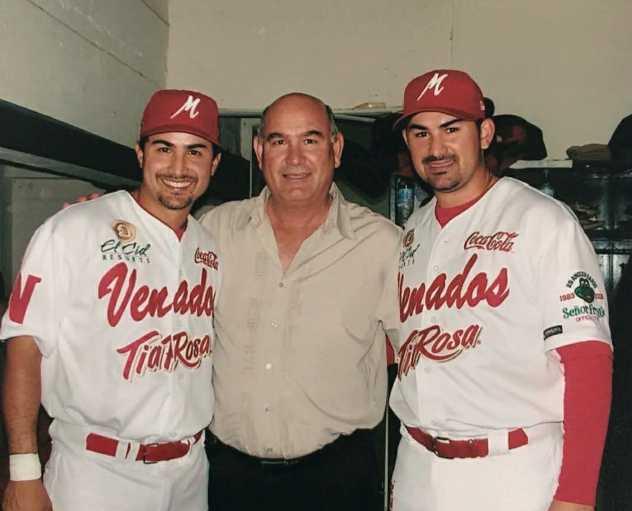
Throughout the years, La Academia González has signed and developed numerous profes sional baseball players, establishing itself as a talent incubator with a presence in both Major League Baseball and Mexican baseball. Among its achievements are the signings of Javier As sad with the Chicago Cubs, José Luis Valdez with the Los Angeles Dodgers, and Giovanni Vargas with the St. Louis Cardinals, among others.

Throughout the years, La Academia González has signed and developed numerous profes sional baseball players, establishing itself as a talent incubator with a presence in both Major League Baseball and Mexican baseball. Among its achievements are the signings of Javier As sad with the Chicago Cubs, José Luis Valdez with the Los Angeles Dodgers, and Giovanni Vargas with the St. Louis Cardinals, among others.


academygonzaleztj@gmail.com
Gonzalez_academytj academiadebeisbolgonzalez
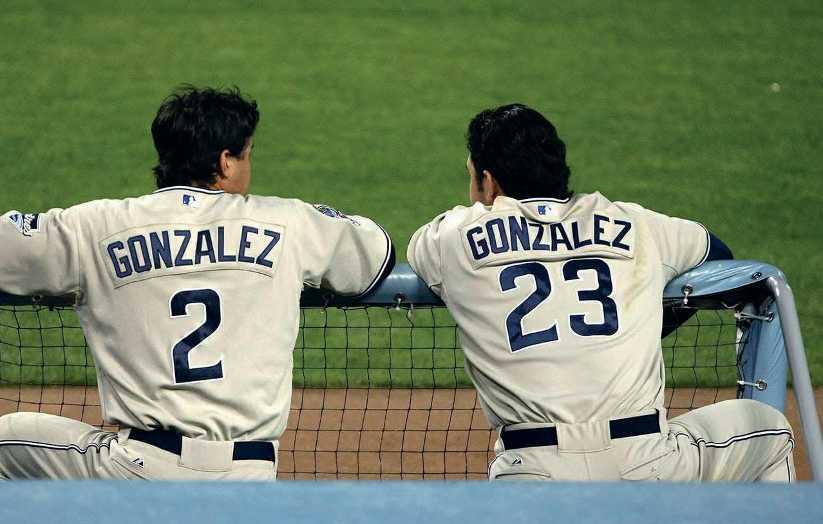
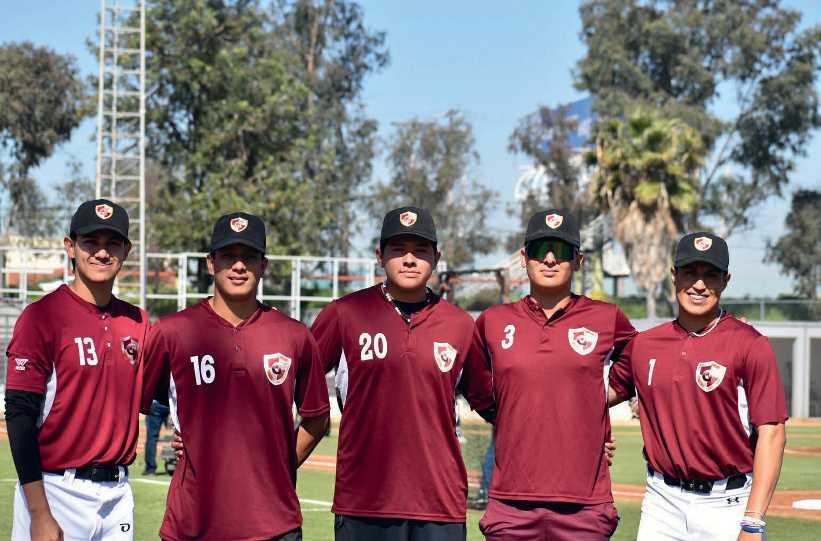

In Mexico, the academy has also propelled play ers to the Mexican Baseball League, such as Car los Mendivil, Norberto Obeso, David Gutiérrez, and Joel Rangel, reaffirming its international and national impact. Player development is contin uous. Throughout the year, specialized training, evaluations, and personalized improvement plans are conducted. The winter and summer periods are dedicated to intensive training camps where players refine their techniques, strengthen their physical conditioning, and prepare to advance their careers. The academy incorporates new ar eas of development, including performance tech nology, video analysis, physical metrics, statistical tracking, sports psychology, and position specific coaches. This approach allows for the design of in dividualized plans based on each athlete’s age, skill level, and needs, optimizing their progress and preventing injuries.
La Academia González offers training for baseball players aged 9 to 20, while remaining open to the general public who wish to join a high perfor mance environment. The academy also supports its athletes’ transition to more competitive levels, facilitating their exposure to scouts, teams, and professional opportunities. Thanks to this sup port, several players have advanced to higher level leagues, demonstrating the quality of their train ing. With approximately 13 years of experience, La Academia González is recognized for its pro fessionalism, specialized methodology, and grow ing demand. Its reputation has been built on real results and a genuine commitment to each family and player. Today, the institution expands its im pact through travel, tournaments, and competi tive events at the national and international levels, taking its athletes to compete in various venues around the world. This global reach, combined with the quality of its training, has positioned it as one of the most prestigious baseball academies in Latin America, strengthening not only athletic performance but also the maturity, discipline, and teamwork of its players.
More than just a baseball school, La Academia González has become a community where individ uals and athletes are developed. Its vision is clear: to continue fostering new generations, creating op portunities, and keeping the passion for baseball alive, honoring the legacy and experience of the González family, who have passed on their knowl edge and values to every player who is part of the institution.

By La Revista Binacional
How America’s Sports Legends, Including Latino Icons, Reinvented Themselves After Retirement
Retirement for elite athletes in the United States is no longer defined by stepping away from competition. For many sports legends, it marks the beginning of a powerful second chapter, one rooted in entrepreneurship, investment, mentorship, and community leadership. Latino athletes, in particular, have played a significant role in shaping this new legacy, using their platforms to create opportunity both inside and outside their communities.
Michael Jordan: From Icon to Billionaire Owner
Michael Jordan remains the gold standard of athletic excellence and post career success. After retiring from the NBA, he became the majority owner of the Charlotte Hornets and built Jordan Brand into a global enterprise worth billions. His investments in restaurants, automotive dealerships, and technology reflect a blueprint many athletes now follow— ownership over endorsement, equity over exposure.
Magic Johnson: Investing With Purpose
Magic Johnson transformed his life after basketball into a business empire centered on empowerment. Through Magic Johnson Enterprises, he invested in real estate, movie theaters, Starbucks franchises, insurance firms, and professional sports teams, including the Los Angeles Dodgers and LAFC. His commitment to underserved communities has made him one of the most respected athlete entrepreneurs in America.
Serena Williams: Power, Capital, and Influence
Serena Williams’ post tennis career has been defined by

Timberwolves and Lynx, marking a significant milestone for Latino representation in professional sports ownership.
Fernando Valenzuela: Mentor and Cultural Icon
intention and impact. With Serena Ventures, she has invested in dozens of startups, prioritizing companies led by women and people of color. She also launched a fashion line and serves on corporate boards, redefining what leadership looks like for women athletes after retirement.
LATINO LEGENDS AND THEIR SECOND ACTS
Roberto Clemente: A Humanitarian Legacy That Endures
Roberto Clemente’s impact transcended baseball. Though his life was tragically cut short, his post playing legacy remains one of service. Clemente devoted himself to humanitarian efforts across Latin America, particularly in disaster relief. The Roberto Clemente Award, MLB’s highest honor for character and community service, immortalizes his values and continues to inspire athletes to give back.
David Ortiz: Business, Media, and Community Leadership
After retiring from Major League Baseball, David “Big Papi” Ortiz became a respected media analyst and entrepreneur. He invested in restaurants, cannabis ventures, and lifestyle brands, while remaining deeply involved in philanthropy through the David Ortiz Children’s Fund, which supports pediatric care in the U.S. and the Dominican Republic.
Alex Rodriguez: Investor and Ownership Trailblazer
Alex Rodriguez’s post baseball evolution has been defined by strategic investment. Through A Rod Corp, he built a diverse portfolio spanning real estate, technology, wellness, and fitness franchises. He also became co owner of the Minnesota
Fernando Valenzuela’s influence did not end with his retirement from Major League Baseball. As a longtime pitching coach and Spanish language broadcaster for the Los Angeles Dodgers, Valenzuela became a mentor for young Latino players and a cultural bridge for Spanish speaking fans. His role helped normalize Latino voices in MLB media and leadership.
Oscar De La Hoya: Boxing to Boardrooms
Olympic gold medalist and boxing champion Oscar De La Hoya successfully transitioned into business by founding Golden Boy Promotions, one of the most influential boxing promotion companies in the world. He expanded into real estate, media, and entertainment while advocating for Latino fighters and financial literacy among athletes.
Mia Hamm: Ownership and Youth Development
Soccer legend Mia Hamm co founded Angel City FC, a women owned National Women’s Soccer League team built on equity, inclusion, and community engagement. She has also invested in youth sports initiatives and nonprofit work, shaping pathways for the next generation of athletes—especially young Latinas—in the fastest growing sport in the U.S.
Tom Brady: Wellness, Media, and Ownership
Following his historic NFL career, Tom Brady launched TB12, a wellness brand focused on performance and longevity. He also became a minority owner of the Las Vegas Raiders and transitioned into broadcasting, securing one of the most lucrative media contracts in sports history.
LeBron James: Education, Entertainment, and Ownership
LeBron James has been building his future beyond basketball for years. His production company, SpringHill, champions diverse storytelling, while the I PROMISE School in Akron provides education and family support. As a part owner of Liverpool FC and other sports franchises, LeBron exemplifies modern athlete investorship. Coaching, Academies, and Giving Back
Many Latino and non Latino legends alike have chosen mentorship as their legacy. From youth academies and foundations to coaching roles and community initiatives, retired athletes are investing in people, not just profits. These efforts strengthen communities while ensuring knowledge is passed forward.
Today’s sports legends, especially Latino icons, are redefining success beyond trophies and championships. They are building businesses, owning teams, mentoring future stars, and giving back to the communities that raised them.
Their stories remind us that while athletic careers may have a final season, leadership, impact, and influence have no finish line.




Adrian “El Titan” Gonzalez is a name synonymous with baseball excellence. A five time All Star and four time Gold Glove winner, the first overall pick of the 2000 MLB Draft built a legendary career as one of the game’s premier first basemen. But while many retired stars find themselves drawn back to the dugout as coaches, Gonzalez chose a different path. Driven by a desire for family time and long term stability, he has successfully transitioned from the batter’s box to the boardroom, building a diverse business empire.
The seeds of this second act were sown while Gonzalez was still in his prime. During his professional career, he attended a Christian event where a pastor spoke about the critical importance of planning for life after the game. Gonzalez knew he didn’t want to follow the “natural” path into coaching; he had lived through the grueling 162 game schedule and the constant travel that makes family life a challenge. He wanted a career that offered more control and more time with his loved ones.
A pivotal moment occurred in 2012 when he met with Magic Johnson and Lon Rosen. Their sound advice prompted him to look seriously at retirement strategies, eventually leading him to the world of franchising. In 2014, he dipped his toes into the industry by purchasing three Jersey Mike’s locations. The venture was a home run. He quickly expanded, acquiring three more, then six, eventually growing his portfolio to 17 stores.
As his business acumen grew, so did his desire for ventures that aligned with his personal passions. In 2017, he co founded Cerveza Calidad, a Mexican style lager company started by close friends. Following advice to only invest in what he truly believes in, Gonzalez saw the beer—which recently debuted a dark lager—as something he could enjoy and share with his family and community.
Gonzalez’s entrepreneurial spirit continued to soar. In 2019, he started a premium cigar line and in 2025 launched, “The Resilient” the cigar of champions. His vision is to partner with major sports leagues, positioning The Resilient as the ultimate celebration of reaching the pinnacle of success.
Despite his success with existing brands, Gonzalez craved more creative control. Inspired by Bill Phelps—the mind behind Dave’s Hot Chicken and Wetzel’s Pretzels— who told him he didn’t need to reinvent the wheel, just improve it, Gonzalez began developing his own concepts. He launched 323, a Mexican eatery in Los Angeles, and Slizeria, a pizza by the slice spot.
The name “Tres Dos Tres” is a clever nod to his identity: it references the restaurant’s specialty of three mild, two medium, and three


hot salsas; his iconic jersey number, 23; and his three business partners. Coincidentally, it’s also an LA area code. Slizeria, meanwhile, allows him to give back, with a portion of earnings supporting local education. With a second Tres Dos Tres opening in San Diego next month and a third planned for West Hollywood, “El Titan” is proving that his championship mindset is just as effective in business as it was on the field. He remains deeply involved in every project, finding joy in seeing his creative ideas grow into reality.
www.eat323.com
Slizeria Pizza www.Slizeria.com
For more info contact: Josue Elguezabal at Josue@eltitangroup.com
Over the ast hundred years, women in sports have not only challenged norms, changed expectations, and expanded honors some of the most trail-blazing women athletes whose achievements transcend athletics women who have changed the game
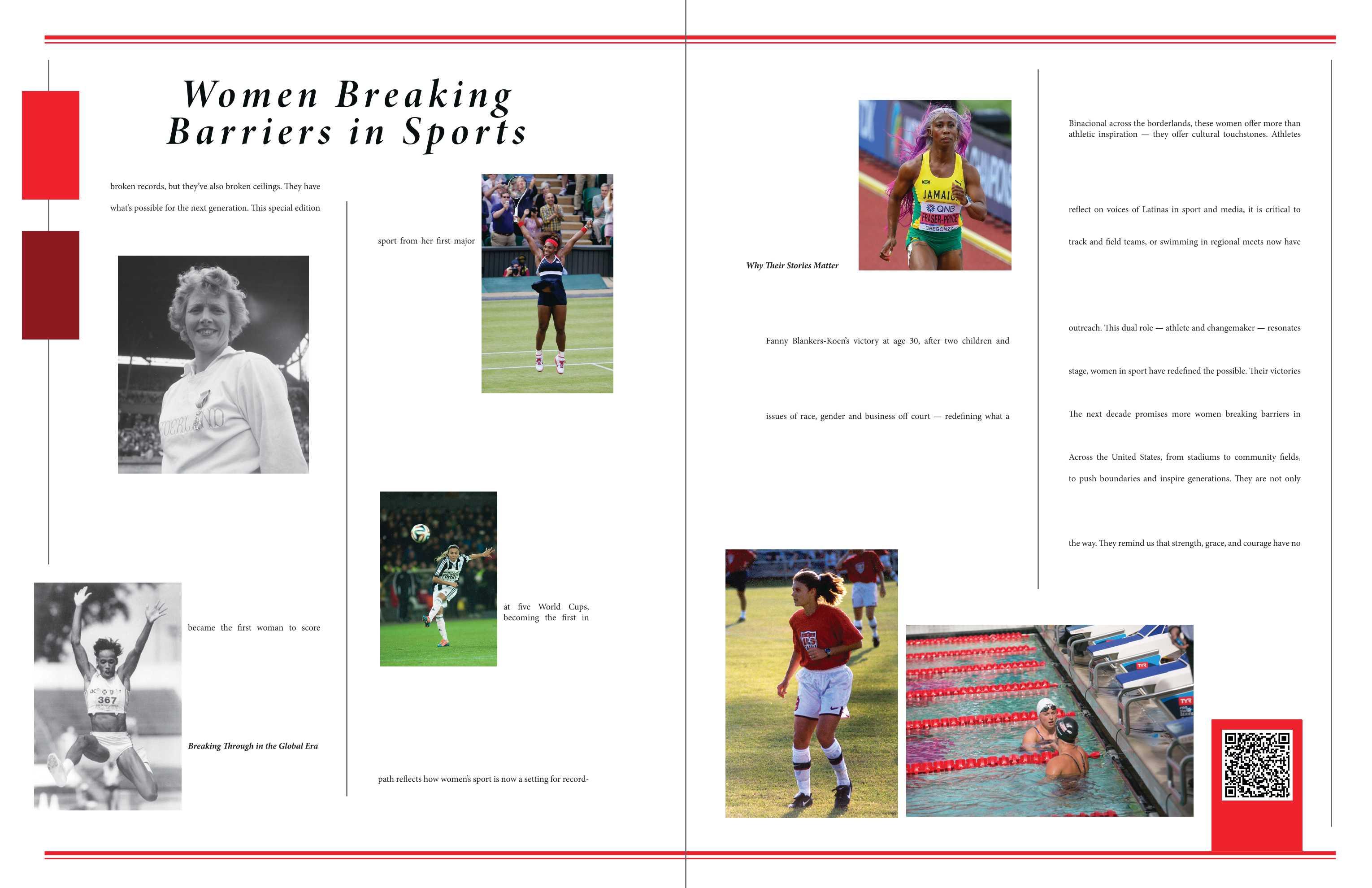
One of the earliest icons of women ’ s sport is Dutch spr nter and hurdler Fanny Blankers-Koen who at the 1948 London O ympics won four gold medals in the 100m, 200m, 80m hurdles, and the 4×100 relay at age 30 and as a mother of two earning the nickname “the Fly ng Housewife” Her success helped shatter the belief that motherhood or age were barriers in compet tive sport.
Also from the mid-20th centur y, Jackie Joyner-Kersee of the United States stands out. Training and r sing out of East St. Louis, Illinois, she over 7,000 points in the heptathlon. Across four O ympics, she co lected three gold medals, one si ver and two bronze Her excellence in the heptathlon and ong jump combined with her ongevity, led to her being named by Sports I lustrated for Women as the greatest female athlete of the 20th centur y
As the 21st centur y unfolded, women ’ s sports entered a more global spotlight, and athletes emerged who became both sport ng legends and cu tural icons.
In tennis, Serena Williams rewrote the record books. With 23 Grand Slam singles titles more than any other woman in the Open Era she dominated the at age 17 in 1999 through to her later career challenge of combining e ite performance motherhood, and business ventures. Her powerful sty e, res lience in the face of injur y and bias, and her willingness to advocate for equal pay and representation made her a door way for future generations of athletes.
On the world soccer stage, Mia Hamm stands out for her role in bring ng women s footba l (soccer) into the limelight. By retiring in 2004 with 158 nternationa goa s (at the t me a record for any player male or female), two Olympic golds (1996, 2004) and two FIFA World Cup titles (1991, 1999), she p oneered the v s b lity of women s team sport. Her jersey became a best-se ler and she helped build the foundation for women ’ s professiona soccer worldwide
From athletics with a g oba reach, Marta Vieira da Si va of Brazil has a so made histor y regarded by many as the greatest emale ootballer of al t me, she has scored more than 120 internat onal goa s and has played so do to gender either Her legacy is vita for a more inclusive image of sport across cont nents.
Women today compete at higher levels, in more sports, in more places and continue breaking barriers. One shining example o dominating her d scipline is Katie L edecky, the American swimmer who s Olympic and World Championship gold medal hau , and world-record setting performances in the 800- and 1500-metre freestyle, position her among the greatest swimmers of a l t me Her shattering and global recognition.
Similarly, in athletics, ShellyAnn FraserPr yce of Jamaica though not detailed above in full has car ved a legacy as the most decorated female sprinter, becoming world champion in the 100m multiple t mes, even as a mother, proving e ite sport and motherhood can go hand in hand
What un tes all these women is more than gold medals or world records it is the power of their stories. Each one challenged a barrier whether structural (lack of access, fewer opportun ties for women), cultural (norms about what women could do), or persona (injur y, motherhood, race).
• during a t me when women s sport lacked in rastructure, showed that women could excel beyond trad tiona expectat ons.
• Jackie Joyner-Kersee’s rise from a troubled urban environment and her master y of seven-event heptathlon illustrated that women could dominate mult ple disciplines in sport.
• Serena Wil iams confronted both the power game on court and female athlete could be in the modern era.
• M a Hamm s role in professionalizing and elevating women s soccer in the U.S. and beyond opened pathways for g r s globally to see women play at the highest leve
• Marta’s success highlights how barriers for women in sport are global and her accomp ishments bring focus to Latin America and women s footbal worldwide
• Katie Ledecky and Shel y-Ann Fraser-Pr yce show that the next generation of women athletes continues to push boundaries for speed endurance, longevity motherhood and global prominence
Impact on the Latino Commun ty & the Future
For the Latino community and the many readers of La Rev sta
like Marta bring Latin Amer can representation to the forefront. Al of these women demonstrate that sport transcends geography, background and anguage
As we celebrate two decades of leadership by Janet Murguía in Kansas City (a proud moment for the Latino community) and
consider how women athletes are charting a new path. Young Latinas playing in high schoo , competing in c ub soccer joining
role models whose footsteps they can fol ow
But break ng barriers means more than excelling in competit on. It means women athletes becoming advocates, entrepreneurs, media voices, and leaders. Many above have done just that Serena with her business ventures, Joyner-Kersee with her foundation, Hamm with her ambassadorsh ps, Marta with her
powerfully w thin our community
From the early days of limited opportunities to today s g obal have given voice to passion, perseverance, and purpose As we honor the t tans Blankers-Koen, Joyner-Kersee W lliams, Hamm, Marta, Ledecky and Fraser-Pr yce we also look ahead
sports: in coaching, sports business, med a, governance and athletic performance
from O ympic arenas to neighborhood gyms, women continue rewr ting the record books they are reshaping the culture of sports itse f
For ever y young girl who aces her shoes, steps into a r ng, d ves into a poo , or dreams of the big leagues, these trailblazers light gender and that ambition has no borders.
Because women are not ust playing the game they are changing it for good
The Pacific doesn’t recognize borders.
That’s a truth I came to understand not through maps or geopolitics, but through saltwater on my face, whitewash on my shoulders, and the rhythmic crash of waves along the coast of Baja California. I was born in California, raised in Tijuana, and it was there—between two nations and under one vast sky—that the ocean became my first home, my sanctuary, and ultimately, my calling.
I Was a Surfer First — Then Everything Changed
Growing up in Tijuana as the son of Mexican immigrants, surfing was not just a sport—it was identity. Mornings and evenings spent paddling out at Playas de Tijuana, chasing sets under changing light, were part of a rhythm that defined my youth. The ocean gave me movement, freedom, and a fierce love for

By Humberto Gurmilan
athleticism that later shaped my career as a sports anchor and storyteller.
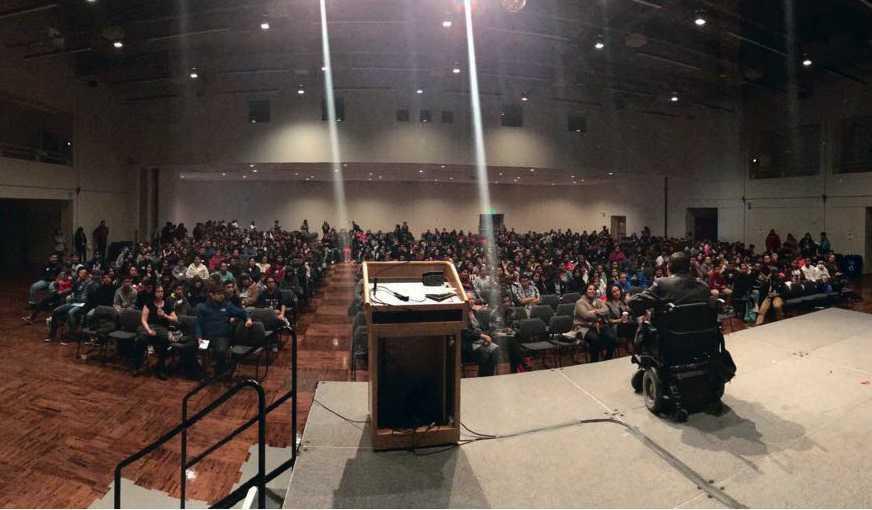
But life has its own set of waves—and some of them hit harder than others. In a single moment, a surfing accident changed everything. What was supposed to be another session in familiar waters resulted in a spinal cord injury that left me paralyzed. The sport that had defined my body suddenly forced me to redefine it. was confronted with a new reality—not just learning how to live again, but learning how to move, compete, and exist in the world differently.
After my injury, I returned to the United States not as a professional, but as a high school student in a wheelchair, forced to assimilate quickly into a new culture, new systems, and a new body. Navigating American school life while adapting to paralysis tested me in ways


athletics never had. Sports, however, remained my anchor—not just as competition, but as identity.
That connection led me into sports broadcasting at the local Telemundo affiliate, where learned the power of storytelling. I covered athletes who overcame odds, teams that defied expectations, and communities brought together by sport. Yet also recognized what was missing: too many people—especially those with disabilities— were absent from these narratives.
Returning to the Ocean
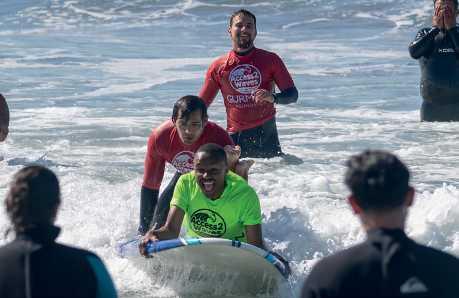
Eventually, I returned to the water. Not to prove anything, but to reconnect with a part of myself that refused to disappear. Adaptive surfing allowed me to experience the ocean again—on my terms. It taught me that athleticism does not end with injury; it evolves. The ocean, after all, does not discriminate. The ocean is for everyone.
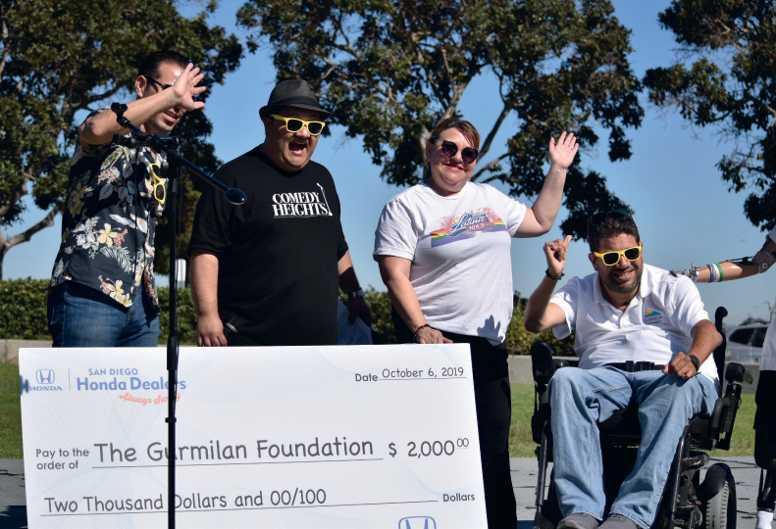
The Gurmilan Foundation
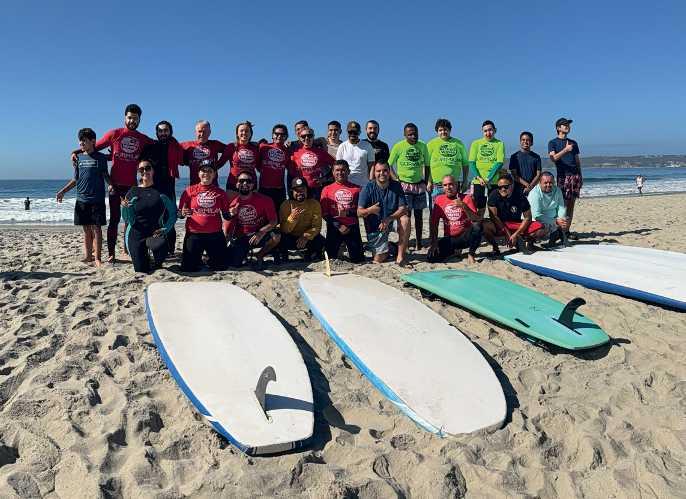
That belief became the foundation—literally—of the Gurmilan Foundation. What began as a personal journey grew into a mission centered on access, empowerment, and opportunity through sport. Our adaptive surf camps, including the Access 2 Waves program, bring individuals with physical disabilities into the ocean with trained volunteers and instructors, creating true sports experiences rather than therapy sessions.
Every camp reinforces a simple truth: the ocean is for everyone.
More Than Surfing: Scholarships, Empowerment, and Community
Beyond the beach, the Foundation provides scholarships and grants to adaptive athletes and students pursuing education and opportunity. One of those athletes is Diego Perez, a multi-sport competitor who plays sled hockey, tennis, and basketball. His commitment to athletics and education embodies what this movement is about—talent, drive, and opportunity meeting access.
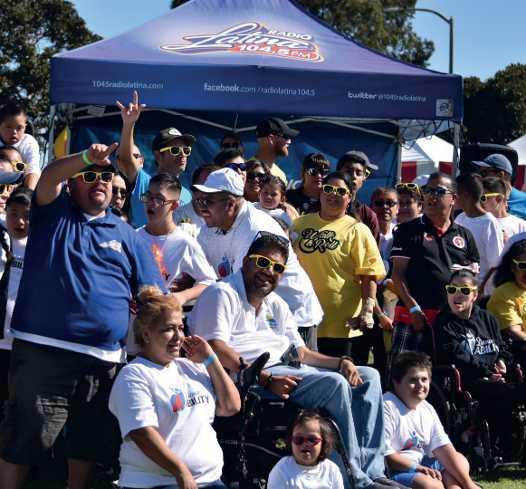
Across Southern California and Baja California, our work builds community. Families, volunteers, and athletes come together to redefine what sport looks like and who it is for.
Between Two Shores
My story spans two countries, two identities, and two versions of athletic life. I am American, born in California, but my roots—and my first waves—were in Tijuana. The injury that could have ended my story instead reshaped it. Through sport, advocacy, and community, I’ve learned that access changes outcomes.
The Pacific doesn’t recognize borders. Neither should opportunity.




The Y is the…
Center for first swim lessons.
Center for game-winning moments.
Center for summer camp memories.
Center for staying active at every age.
Center for giving back.
Center for meaningful connections.
Center for finding your people.
Center for growth, inside and out.
Center for belonging.
Center for stories that last a lifetime.

It’s where moments become milestones, neighbors become friends, and every generation finds their place.
From first swim lessons and summer camp memories to senior fitness classes, the Y creates meaningful experiences that last a lifetime.
The constant throughout the LA Y’s nearly 145-year our history has been belonging, connection, and supporting everyone. We’re building on that legacy and stepping confidently into a new chapter.


Together, we are building a healthier, stronger, and more equitable Los Angeles where all can Be Well, Do Good, and Lead Change.

By La Revista Binacional
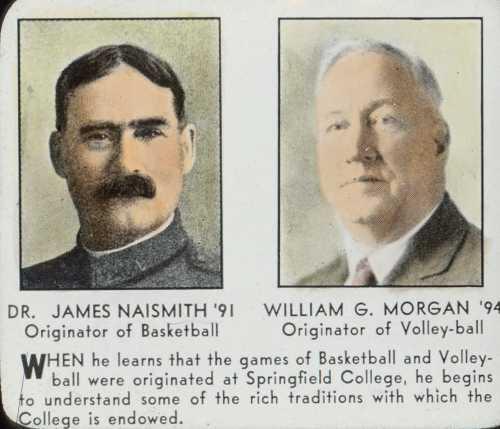

When people think of the YMCA today, they picture community gyms, youth programs, swim lessons, and safe spaces where families gather. What many do not realize is that inside those same walls, two of the most influential sports in the world were born. Basketball and volleyball did not emerge from professional leagues or wealthy clubs, they were created at the YMCA by educators who believed movement could shape character, discipline, and community.
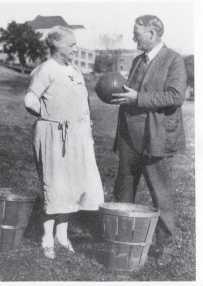
The story begins in the winter of 1891 in Springfield, Massachusetts, at a training school run by the YMCA. Winters were long and harsh, and students needed an indoor activity that was energetic but safe. Dr. James Naismith, a Canadian born physical education instructor, was given a simple challenge, invent a new game that could be played indoors, would keep students active, and would avoid the roughness of football and other contact sports.
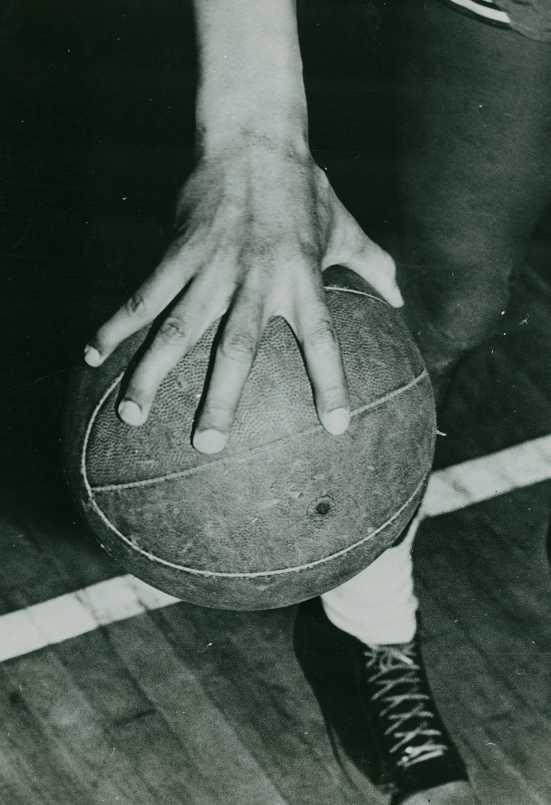
Naismith approached the task with intention. He studied existing games, soccer, rugby, lacrosse, and noticed that injuries often came from running with the ball and physical collisions. His solution was radical for the time, a game where the ball could only be advanced by passing. He nailed two peach baskets to the balcony railing of the gym, grabbed a soccer ball, and wrote thirteen basic rules. The goal was simple, throw the ball into the basket. The result was anything but ordinary.
That first basketball game was chaotic, physical, and wildly entertaining. Players piled onto each other, the ball got stuck in the basket after every score, and yet something clicked. The students loved it. More importantly, the game reflected the YMCA philosophy, teamwork over individualism, skill over brute force, and fair play over aggression. Basketball spread quickly through the YMCA network, traveling with instructors and students to other cities, states, and eventually countries. Within a few years, it was being played across the United States, then Europe, Latin America, and Asia.
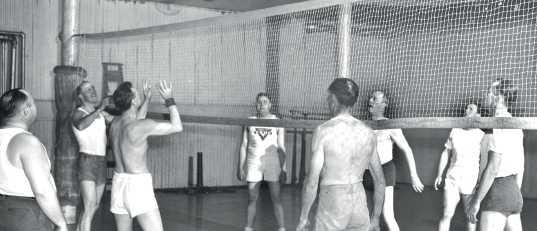
While basketball was gaining momentum, another YMCA instructor was quietly creating a different kind of game. In 1895, in Holyoke, Massachusetts, William G Morgan, a friend and colleague of Naismith, noticed that some members wanted a less intense activity. Older participants and businessmen enjoyed exercise but found basketball too demanding. Morgan set out to design a game that blended movement, coordination, and social interaction without constant physical contact.
He combined elements from tennis, handball, and basketball, creating a net based game where players volleyed a ball back and forth. He originally called it Mintonette. The objective was cooperation, rhythm, and control rather than speed and strength. During a demonstration, someone remarked on the volleying nature of the game, and the name volleyball stuck.
Like basketball, volleyball fit perfectly into the YMCA mission. It was accessible, adaptable, and inclusive. It could be played indoors or outdoors, by mixed age groups, and with minimal equipment. The YMCA once again became the launchpad, introducing the sport to schools, community centers, and international branches. Volleyball followed YMCA instructors overseas, especially through military and educational programs, becoming popular in Asia and Latin America long before it gained professional recognition in the United States.
What makes these origin stories remarkable is not just that the YMCA created two global sports, but why. Basketball and volleyball were not designed for fame, money, or entertainment. They were created to build healthy bodies, strong minds, and ethical communities. The YMCA believed that physical activity was a pathway to leadership, discipline, and connection, values that resonated deeply with immigrant communities and working families who relied on the organization as a place of belonging.
Today, basketball courts exist in the most remote villages and the largest cities. Volleyball is played on beaches, in schools, and in Olympic arenas. Both sports generate billions of dollars and produce global icons. Yet their roots remain humble, peach baskets, simple nets, and a belief that sport could bring people together.
For La Revista Binacional readers, this story carries special meaning. The YMCA played a key role in introducing these sports to Latin American communities, where basketball and volleyball became tools for youth development, social mobility, and cross cultural connection. In barrios, border towns, and urban neighborhoods, these games offered structure, hope, and a sense of team.
The next time you walk into a YMCA gym or hear the echo of a bouncing basketball, remember that you are standing in the birthplace of ideas that changed the world. Basketball and volleyball are more than games. They are living legacies of a mission that believed movement could unite cultures, strengthen communities, and create opportunity, one pass, one serve, and one shared moment at a time.


By La Revista Binacional
In ancient civilizations, nutrition was driven more by survival than performance optimization. Early athletes ate what was locally available. In Ancient Greece, Olympic competitors followed simple diets of bread, cheese, olives, figs, and wine. Over time, protein became recognized as important for strength, and meat consumption increased among elite athletes. Some Greek trainers believed certain foods enhanced specific abilities: bull meat for strength, goat meat for agility, and deer meat for speed.
The Romans emphasized endurance for soldiers and gladiators. Interestingly, many gladiators were known as hordearii, or barley men, because their diets were rich in barley and legumes. This carbohydrate rich diet supported sustained energy and helped build protective body fat, an early example of nutrition serving a strategic purpose in sport.
were poorly understood, and dehydration was often encouraged under the false belief that it improved performance. Despite misconceptions, this era planted the seeds for intentional sports nutrition.
The 20th century brought scientific inquiry into nutrition and physiology. Researchers began studying metabolism, vitamins, and energy systems. During the 1930s and 1940s, vitamins were discovered and deficiencies linked to poor performance.
World War II research on soldier endurance advanced knowledge about calories, hydration, and electrolytes, insights that later influenced athletes. By the 1960s, carbohydrates were finally recognized as the primary fuel for endurance sports. The concept of carbo loading emerged, revolutionizing marathon running and cycling.

For as long as humans have competed, whether running to hunt, wrestling for dominance, or racing for glory, nutrition has played a quiet but decisive role in athletic performance. What athletes eat has evolved dramatically over time, shaped by culture, science, access to food, and a deeper understanding of the human body. Today’s sports nutrition industry is a multi billion dollar science, but its roots are far more humble.
“Nutrition evolves alongside sport.”

During the Middle Ages, organized sport took a back seat to warfare, jousting, and manual labor. Nutrition was dictated by social class. Nobles consumed large quantities of meat, bread, cheese, and ale, believing strength came from abundance. Commoners relied on grains, vegetables, and whatever protein they could access.
There was little scientific understanding of nutrition. Athletic performance was associated with physical toughness rather than dietary balance. Training hard and eating heavily were seen as the keys to strength.
The Industrial Revolution marked a turning point. As organized sports gained popularity, boxing, rowing, track and field, athletes began paying closer attention to diet. Protein became the star nutrient, with many athletes consuming excessive amounts of meat, eggs, and milk.
In the late 1800s, early sports manuals promoted steak heavy diets for strength and stamina. Carbohydrates and hydration
Hydration also became a focus, leading to the development of sports drinks in the 1960s to replace fluids and electrolytes lost through sweat. This marked a major shift from intuition based eating to evidence based fueling.
From the 1980s through the early 2000s, sports nutrition became more specialized. Protein powders, supplements, and recovery drinks flooded the market. Athletes began timing their meals around training and competition, understanding the importance of pre and post workout nutrition.
Professional teams hired dietitians, and Olympic programs invested in nutrition research. Fat was no longer the enemy, carbohydrates were refined by quality, and micronutrients gained attention. Nutrition became a competitive advantage, not just a necessity.
Modern sports nutrition is personalized, data driven, and culturally inclusive. Athletes now use blood work, metabolic testing, and wearable technology to tailor
diets to their bodies and sports. Plant based diets, once considered incompatible with elite performance, are now embraced by top athletes across disciplines.
Mental health, gut health, inflammation, and recovery are part of the nutrition conversation. Food is no longer just fuel, it is medicine, culture, and identity. Latino athletes, in particular, are redefining performance nutrition by blending ancestral foods like beans, corn, avocado, and fresh produce with modern science, proving that cultural heritage and elite performance can coexist.
As science advances, the future of sports nutrition points toward even greater personalization, nutrigenomics, sustainable food sources, and cleaner supplementation. What remains constant is this truth: nutrition evolves alongside sport itself. From ancient bread and olives to precision fueling, the way athletes eat tells the story of how far competition and humanity have come.
For La Revista Binacional, sports nutrition is not just about winning games. It is about honoring history, embracing culture, and fueling the next generation of athletes from everywhere they come from.

Artificial Intelligence (AI) is no longer just a futuristic concept in sports—it is actively reshaping how athletes train, perform, and stay healthy. From professional leagues to collegiate programs, AI is providing coaches and athletes with tools to enhance every aspect of their game, giving teams a competitive edge like never before.
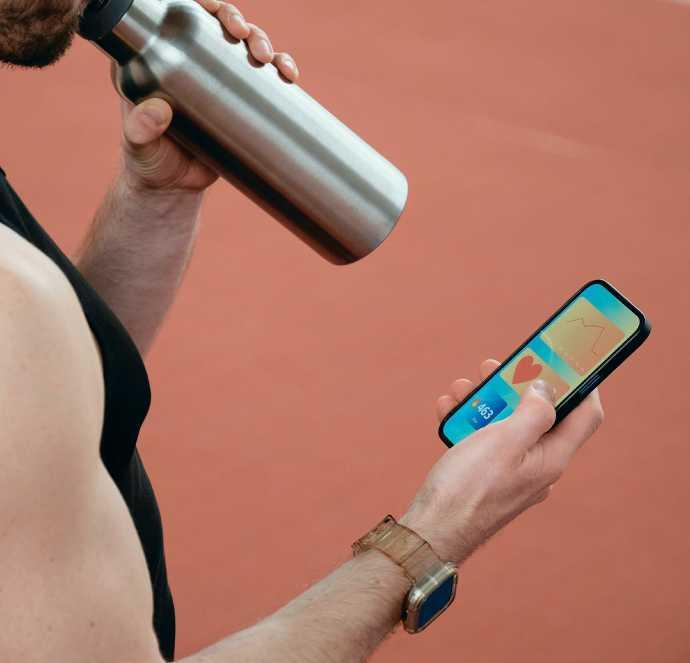
One of the most significant changes AI brings to sports is hyperpersonalized training. Traditional training programs often rely on generic exercises and schedules, but AI analyzes an athlete’s unique biomechanics, strengths, weaknesses, and fatigue levels to create individualized plans. Wearable sensors collect real-time data on heart rate, speed, and movement, while AI-driven software adjusts workouts daily based on recovery needs and performance goals. This means athletes train smarter, not just harder, targeting areas that produce the most measurable improvement.
AI is also revolutionizing injury prevention and recovery. Sports injuries often result from subtle, unnoticed changes in movement or overuse. AI systems can detect these early warning signs by analyzing motion patterns, muscle strain, and workload. Coaches receive alerts when an athlete is at risk, allowing for adjustments before injuries occur. For those already injured, AI-based rehabilitation programs personalize exercises, track progress, and optimize recovery timelines, helping athletes return to peak condition faster and reducing the likelihood of re-injury.
In the realm of real-time performance enhancement, AI provides insights that were previously impossible to capture.

During games, AI analyzes speed, reaction times, shot angles, and decision-making to deliver instant feedback. Coaches can make smarter tactical decisions, while athletes adjust techniques mid-game based on precise, data-driven observations. This capability is particularly transformative in fast-paced sports, where split second adjustments can decide the outcome of a match.
Mental performance is another area where AI is making an impact. Advanced AI tools help athletes manage stress, improve focus, and enhance reaction speed. Virtual reality simulations paired with AI recreate high-pressure scenarios, allowing athletes to train their minds for competition. Monitoring sleep patterns, stress levels, and recovery also ensures mental and physical readiness are optimized.
Beyond individual performance, AI is changing scouting and player development. Algorithms analyze millions of plays and player behaviors to identify talent that may otherwise go unnoticed. Decision-making, tactical awareness, and long-term skill progression are tracked and evaluated with unprecedented accuracy. This technology not only makes recruitment more efficient but also promotes fairer and more data-driven selection processes.
Finally, AI is influencing team strategy and fan engagement Coaches can simulate opponent beviewing experiences with live stats, player tracking, and highlight automation. This creates a deeper connection between fans and the sport, while simultaneously showcasing athletes’ capabilities in real time.
The integration of AI in sports represents a paradigm shift: athletes train smarter, perform better, and stay healthier. Teams leveraging AI gain a competitive advantage, while fans experience the game in increasingly immersive ways. As technology continues to evolve, AI’s role in sports will expand, making data-driven insights a cornerstone of athletic excellence.
By La Revista Binacional
In today’s sports world, talent and passion are no longer the only ingredients that define success. Behind every explosive sprint, every perfectly timed pass, and every record-breaking performance, there is now an invisible teammate: data. Wearable technology and advanced analytics have quietly transformed sports into a high-precision ecosystem, one where science, technology, and human potential intersect.
From community fields to professional stadiums, wearable tech is changing how athletes train, recover, and compete. And for Latino and binational communities deeply rooted in sports culture, this technological evolution represents both opportunity and access to a more informed, healthier, and more competitive future.
Wearable Technology: The Athlete’s Second Skin
Wearable devices, once limited to basic fitness trackers, have evolved into sophisticated tools capable of monitoring nearly every aspect of athletic performance. GPS trackers measure distance covered, acceleration, and speed. Heartrate monitors provide real-time cardiovascular data. Smart compression gear tracks muscle activation, fatigue, and impact forces. Even sleep patterns and hydration levels are now part of the athlete’s digital profile.
For coaches and trainers, this means moving beyond guesswork. Training loads can be adjusted daily, injuries can be anticipated before they happen, and recovery can be personalized for each athlete. For the athlete, wearable tech offers accountability and empowerment, clear evidence of progress, limits, and potential.
Raw data alone is meaningless without interpretation. This is where data analytics becomes the real game-changer. Advanced software platforms analyze millions of data points to identify trends, inefficiencies, and opportunities for improvement.
In team sports like soccer, basketball, and football, analytics reveal positioning patterns, player workloads, and tactical strengths. In individual sports such as boxing, tennis, or track and field, analytics help refine technique, pacing, and recovery cycles. Decisions that were once based on instinct are now supported by evidence.
Professional teams have entire analytics departments, but this technology is rapidly becoming accessible at the collegiate, amateur, and youth levels, opening doors for emerging talent in underserved communities.
One of the most powerful impacts of wearable tech and analytics is injury prevention. By tracking fatigue, asymmetries, and excessive strain, teams can intervene before minor issues become careerthreatening injuries.
For athletes whose livelihoods depend on their bodies, longevity is everything. Smart data helps extend careers, reduce recovery times, and improve overall quality of life. This is especially critical in high-impact sports where overtraining has historically been normalized.
Wearable tech and analytics are also reshaping the business side of sports. Performance data influences scouting, contracts, sponsorships, and brand partnerships. Fans, too, are becoming part of the data experience, engaging with real-time stats, biometrics, and immersive insights through broadcasts and apps.
For Latino entrepreneurs and innovators, this growing industry represents a powerful space for investment, startups, and leadership. Sports technology is no longer a niche, it’s a global market redefining how the world plays, watches, and understands sports.
Despite all the technology, one truth remains unchanged: data does not replace heart. Wearable tech and analytics are tools, not substitutes, for discipline, resilience, and passion. The best results happen when human instinct and technological intelligence work together.
At La Revista Binacional, we see wearable tech and data analytics not as cold numbers, but as instruments of empowerment. They give athletes knowledge. They give communities access. And they give the next generation a smarter, safer, and more inclusive path to greatness.
In this new era of sports, the game within the game is being played quietly—measured in milliseconds, heartbeats, and data points. And those who learn to master it will define the future of athletic excellence.



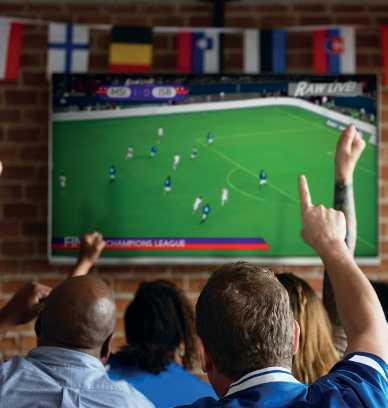
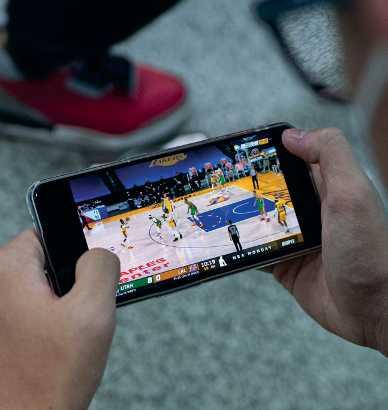
Sports have always been about emotion, the roar of the crowd, the shared tension of a final play, the joy and heartbreak that unite fans across borders. What is changing is how those moments are experienced. Artificial Intelligence (AI) is redefining the relationship between fans, athletes, and broadcasts, turning sports consumption into an immersive, personalized, and global experience.
From living rooms and mobile screens to stadium seats, AI is reshaping how fans watch, engage with, and feel the game. And for binational and Latino audiences—whose passion for sports transcends geography, this evolution is making the experience more accessible, interactive, and culturally connected than ever before.
Smarter Broadcasting: The Game Tells Its Own Story
AI driven broadcasting is transforming live sports coverage into a dynamic narrative. Advanced algorithms analyze plays in real time, automatically generating highlights, replays, and key moments within seconds. Broadcasters can now deliver instant insights, player speed, shot probability, tactical formations, without disrupting the flow of the game.
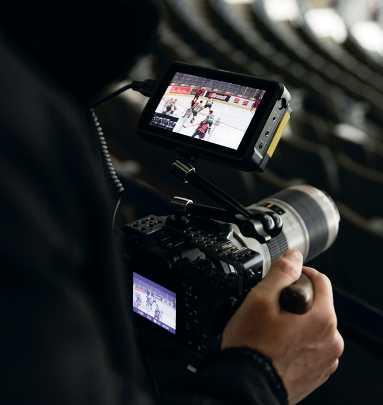
Camera systems powered by AI track the action seamlessly, reducing missed moments and enhancing angles. For fans, this means clearer storytelling, sharper visuals, and a deeper understanding of what’s happening on the field or court.
AI also enables multilingual and culturally adaptive broadcasts, a powerful shift for binational audiences. Commentary, captions, and analysis can be tailored to language preference and regional context, bringing fans closer to the game in ways traditional broadcasting never could.
One of AI’s greatest impacts lies in personalization. Today’s fans no longer consume sports passively. AI curates content based on viewing habits, favorite teams, players, and even emotional engagement.
From customized highlight reels to real time stat overlays chosen by the viewer, fans now control how they experience the game. Mobile apps powered by AI deliver alerts for key moments, fantasy sports insights, and behind the scenes content, turning every fan into an active participant.
This level of personalization is especially meaningful for younger, digital first audiences who expect immediacy, relevance, and interaction as part of their sports experience.
By La Revista Binacional
The in stadium experience is also undergoing a quiet revolution. AI optimizes crowd flow, security, and concessions, reducing wait times and improving safety. Smart ticketing systems predict attendance patterns, while facial recognition and mobile integration streamline entry.
Augmented reality (AR), powered by AI, allows fans to point their phones at the field and instantly access player stats, replays, and interactive graphics. The stadium becomes not just a venue, but a connected ecosystem, blending live emotion with digital intelligence.
Every click, cheer, and share generates data, and AI turns that data into insight. Teams and leagues now understand fan behavior with unprecedented precision, shaping marketing, merchandise, and community engagement strategies.
For sponsors and media partners, this creates more meaningful connections. Ads become relevant, storytelling becomes targeted, and brand loyalty deepens. The result is a fan experience that feels less transactional and more personal
Every click, cheer, and share generates data, and AI turns that data into insight. Teams and leagues now understand fan behavior with unprecedented precision, shaping marketing, merchandise, and community engagement strategies.
For sponsors and media partners, this creates more meaningful connections. Ads become relevant, storytelling becomes targeted, and brand loyalty deepens. The result is a fan experience that feels less transactional and more personal.
Despite all the innovation, the heart of sports remains unchanged. AI does not replace passion, it amplifies it. The goal is not to remove emotion from sports, but to honor it by delivering richer context, deeper access, and shared experiences across borders and generations.
At La Revista Binacional, we see AI as a bridge, connecting fans to the game, cultures to each other, and tradition to innovation. In this new era, the future of sports is not only played on the field, it’s experienced everywhere. Because when technology serves emotion, the game belongs to everyone.

By La Revista Binacional
Competition no longer lives solely on grass, courts, or tracks. Today, some of the most intense rivalries, dedicated training regimens, and global fanbases exist in virtual arenas. Esports and virtual competition have evolved from niche entertainment into a powerful cultural, economic, and technological force, reshaping what it means to be an athlete, a fan, and a competitor in the digital age.
For a binational and Latino audience raised on both tradition and innovation, esports represents more than gaming. It is access, opportunity, and a new pathway to global recognition.
What began in bedrooms and internet cafés has become a billion dollar industry filling stadiums and commanding worldwide audiences. Professional esports leagues now mirror traditional sports structures, complete with teams, coaches, analysts, sponsorships, and rigorous training schedules.
Games like League of Legends, FIFA, Call of Duty, and Valorant have created international ecosystems where skill, strategy, and reaction time define excellence. Esports athletes train for hours daily, focusing on mental resilience, hand eye coordination, teamwork, and performance under pressure.
The result is a new definition of athleticism, one that values cognitive speed and strategic intelligence as much as physical strength.
Beyond esports, virtual competition is blurring the lines between digital and physical sports. Racing simulators, virtual cycling, and AI powered training environments now allow athletes to compete globally without leaving their home countries.
Virtual leagues and hybrid competitions are emerging, combining real world performance data with digital platforms. These formats expand participation, reduce geographic barriers, and offer sustainable alternatives to traditional competition models.
For emerging talent, especially in underserved communities, virtual competition removes costly obstacles such as travel, equipment, and access to elite facilities, creating a more inclusive competitive landscape.
Esports fandom is deeply interactive. Fans do not just watch, they chat, vote, stream, create content, and zzengage directly with players in real time. AI driven platforms personalize viewing experiences, while live streaming connects competitors and fans across continents instantly.
Unlike traditional sports, esports thrives on digital native storytelling. Players build personal brands through social media, streaming platforms, and directfan engagement. This authenticity has redefined loyalty and reshaped how communities form around competition.
Esports is also becoming a legitimate academic and career pathway. Universities now offer esports scholarships, degree programs, and competitive teams. Careers extend far beyond players, coaching, broadcasting, game development, marketing, data analytics, and event production are all part of the ecosystem.
For Latino youth, esports presents an opportunity to enter technology driven industries through a passion they already understand. It is a bridge between entertainment, education, and entrepreneurship.
Major brands, investors, and media companies are betting on esports and virtual competition as the future of sports entertainment. Sponsorships, digital merchandise, virtual arenas, and immersive advertising are redefining monetization.
Blockchain, NFTs, and virtual economies are beginning to shape ownership, rewards, and fan participation, hinting at a future where fans are stakeholders, not just spectators.
As esports grows, so does the responsibility to address mental health, wellness, and balance. The next phase of growth will prioritize sustainable training, physical health integration, and ethical competition standards. Technology will continue to evolve, but the human element, discipline, creativity, teamwork, and passion, will remain at the core of virtual competition.

Esports and virtual competition challenge traditional ideas of what sports look like, who belongs, and where competition happens. They democratize access, amplify global voices, and create new arenas where talent can rise regardless of geography.
At La Revista Binacional, we see the future of esports not as a replacement for traditional sports, but as an expansion of the playing field. One where culture, technology, and competition converge, and where the next generation of champions is already logging in.
Because in the future of sports, the arena is everywhere. where talent can rise regardless of geography.
At La Revista Binacional, we see the future of esports not as a replacement for traditional sports, but as an expansion of the playing field. One where culture, technology, and competition converge, and where the next generation of champions is already logging in.
Because in the future of sports, the arena is evewhere.






PARA MÁS INFORMACIÓN
PARA VER TODOS NUESTROS SERVICIOS
Publicidad
Llega a la audiencia binacional a través de la revista
Visibilidad y Reconocimiento
Promueve una causa, un proyecto o comparte tu propia marca personal
Participación en eventos
Crece tu red de contactos asistiendo a nuestros eventos de networking


By La Revista Binacional
For decades, sports have celebrated strength, speed, endurance, and victory. Athletes were taught to push through, to ignore pain, and to treat vulnerability as weakness. But behind the medals, trophies, and record breaking performances, there has always been a quieter battle, one that cannot be timed, measured, or photographed. Mental health has emerged as one of the most important conversations in modern sports, redefining what it truly means to be strong.
Today, athletes are finally saying out loud what many have felt in silence for years, peak performance is impossible without mental well being.
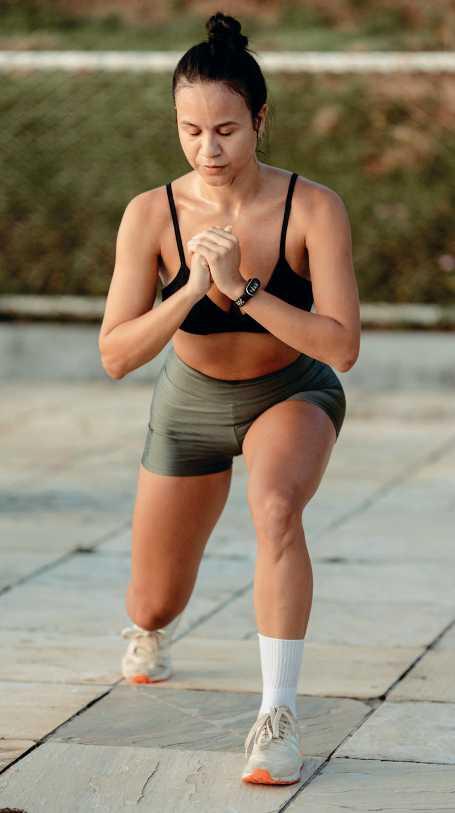

The Pressure Behind the Glory
Elite athletes live under extraordinary pressure. From an early age, many are conditioned to win at all costs. Scholarships, contracts, sponsorships, national pride, and public scrutiny rest on their shoulders. Social media has intensified this pressure, turning every mistake into a viral moment and every loss into a public debate.
An athlete’s career is often short, unpredictable, and physically demanding. Injuries can end years of preparation in seconds. Retirement can arrive suddenly, leaving athletes questioning their identity once the applause fades. Anxiety, depression, burnout, and substance abuse are not signs of weakness, they are human responses to relentless stress.
Yet for generations, sports culture discouraged athletes from asking for help. Mental toughness was misunderstood as emotional silence.
Breaking the Silence
The conversation around mental health in sports changed dramatically when high profile athletes began speaking openly about their
Teams across professional leagues are increasingly integrating mental health professionals into their organizations. Meditation, visualization, breathing techniques, and therapy are no longer fringe practices, they are performance tools.
Just as athletes stretch their bodies before competition, they must also learn to care for their minds.
In Latino communities, conversations around mental health can carry added stigma. Cultural expectations often promote endurance, sacrifice, and silence. For Latino athletes, especially first generation professionals, the pressure to succeed for the family or for the community can be overwhelming.


Representation matters. When Latino athletes speak openly about mental health, they challenge not only sports culture but cultural norms as well. They show younger generations that asking for help is not a betrayal of strength, it is an act of self respect.
Educating coaches and parents about emotional well being is just as important as teaching drills and strategies.
struggles. Olympic gymnast Simone Biles made global headlines when she prioritized her mental health during the Tokyo Olympics, stepping back to protect her well being. Her decision sparked worldwide debate, but more importantly, it opened the door for empathy and understanding.
Similarly, swimming legend Michael Phelps has spoken candidly about his battles with depression, even at the height of his Olympic dominance. Tennis star Naomi Osaka withdrew from major tournaments to focus on her mental health, challenging outdated expectations of constant availability and performance.
These athletes did not step away because they were weak, they stepped away because they were strong enough to choose themselves.
Sports psychologists and trainers now emphasize that mental health is as critical as physical conditioning. Focus, confidence, emotional regulation, and resilience directly affect performance. Anxiety can tighten muscles. Depression can drain motivation. Fear can slow reaction time.
THE STRONGEST MUSCLE AN ATHLETE HAS IS NOT THEIR LEGS, ARMS, OR CORE. IT IS THEIR MIND.
Mental health awareness must start early. Youth athletes face intense pressure from parents, coaches, and peers. Burnout is increasingly common among children who specialize too early and are pushed to perform year round.
Sports should be a space for growth, confidence, teamwork, and joy. When winning becomes the only metric of success, young athletes lose sight of why they started playing in the first place.

The modern athlete is redefining what strength looks like. Strength is not pretending everything is fine. Strength is self awareness. Strength is asking for help. Strength is setting boundaries. Strength is understanding that your value is not defined solely by medals or scoreboards.
As sports continue to evolve, mental health must remain at the center of the conversation, not as a trend, but as a standard.
Because at the end of the day, the strongest muscle an athlete has is not their legs, arms, or core.
It is their mind.
And protecting it may be the greatest victory of all.

By Dr. Sports For La Revista Binacional – Sports Edition
Twenty-five years ago, the year was 2001. In the world of sports, a torn ACL was often a “career-ender,” or at best, the start of a grueling eighteen-month odyssey back to a shadow of one’s former self. Surgeons relied on “open” procedures that left significant scarring, and “recovery” usually meant a bag of ice and a bottle of anti-inflammatories.
Fast forward to 2026, and the landscape of sports medicine looks less like a traditional clinic and more like a set from a science-fiction film. We have entered an era where “fixing” an athlete is no longer just about mechanical repair; it is about biological optimization and digital precision. Here are the most breathtaking advances that would have seemed like pure fantasy just a quarter-century ago.

1. The Biologic Revolution: Healing from Within
In 2001, if a tendon was frayed, we cut it or stitched it. Today, we talk to it. Regenerative medicine has shifted the focus from replacement to “bioaugmentation.”
Orthobiologics: We now use Platelet-Rich Plasma (PRP) and Bone Marrow Aspirate Concentrate (BMAC) to “supercharge” the body’s natural healing signals. By injecting a concentrated dose of a player’s own growth factors directly into a lesion, we can trigger healing in tissues—like the “white zone” of the meniscus—that were previously thought to have zero regenerative potential.
3D Bioprinting: Perhaps the most “dream-like” advancement is the ability to 3D-print scaffolds seeded with a patient’s own cells. We are now seeing the clinical reality of “growing” custom cartilage patches that perfectly match the contour of an athlete’s joint, essentially erasing a careerthreatening defect.
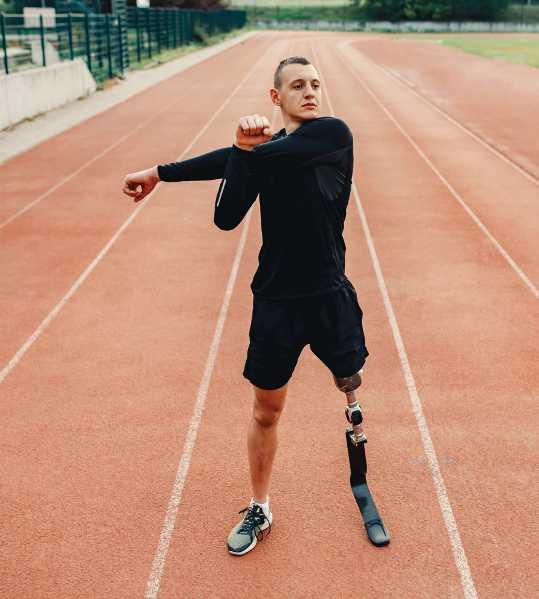

The surgeons of 2001 were gifted, but they were human. They dealt with “line of sight” and hand tremors. In 2026, the surgeon is an augmented pilot.
Robotic-Assisted Surgery: Systems like the Da Vinci 5 or Mako allow for sub-millimeter precision. These robots provide “haptic feedback,” meaning the machine can physically prevent a surgeon from accidentally nicking a healthy ligament or removing too much bone.
The “Digital Twin” Concept: Before a player even enters the OR, AI creates a digital replica of their joint based on advanced MRI and CT scans. Surgeons can “perform” the surgery ten times in a virtual environment to find the perfect angle for an implant or a graft before making a single real-world incision.
In the past, we treated injuries after they happened. Today, we predict them.
are becoming artifacts of the past. Modern Nano-arthroscopy uses cameras and tools the size of a needle. Surgeons can now perform complex “keyhole” repairs through a single puncture that doesn’t even require a stitch. This “ultra-minimally invasive” approach means an athlete can often begin range-of-motion exercises the same afternoon, bypassing the weeks of muscle atrophy that used to follow traditional surgery.
The “ice and rest” mantra has been replaced by high-tech stimulation: Hyperbaric Oxygen Therapy (HBOT): Once reserved for deep-sea divers, athletes now sleep in pressurized chambers to saturate their blood with oxygen, cutting recovery times for bone bruises and muscle tears in half.
Blood Flow Restriction (BFR) Training: This allows athletes to maintain muscle mass using very light weights by tricking the brain into thinking the muscle is working harder than it is. It’s a “cheat code” for rehab that keeps stars game-ready while they are still technically “injured.”


Through AI-powered movement analysis, cameras now track dozens of biomechanical data points in realtime during a game or practice. If the AI detects that a star striker’s “gait symmetry” has shifted by 3% or that their “ground reaction force” indicates fatigue, a red flag goes to the medical staff. We are now benching players before the ligament snaps—a concept of “pre-habilitation” that was nonexistent in the early 2000s.
Remember the long, jagged scars on the knees of retired legends? They
Conclusion: The Future is Here If you told a team doctor in 2001 that we would one day be using a player’s own DNA to tailor their diet, or that a robot in France could assist in a surgery in Mexico, they would have laughed. Yet, here we are.
The most amazing thing about these advances isn’t just that they exist—it’s that they have turned “career-ending” into “minor setback.” We aren’t just mending bodies anymore; we are perfecting the human machine. The “Bionic Athlete” isn’t a character in a comic book; they are the ones we cheer for every Sunday.
By Alexandra Stergios
The most technologically advanced sport on the planet is reinventing itself in 2026. Formula 1 begins the season with significant changes that redefine how it competes and presents itself to the public, also solidifying its position as one of the best designed spectacles for the visual age.
Like the NFL, it understands that today, sport is not only about competing: it’s about being appreciated, photographed, and shared. At this intersection of innovation, aesthetics, and business, a new era begins for the global motorsport championship.
The excitement and the roar of the engines kick off in Melbourne with the Australian Grand Prix from March 6 8 and conclude in Abu Dhabi from December 4 6, on a calendar that once again spans different continents and confirms that Formula 1 is a global product, with an increasingly strong presence in North America.
This new phase is driven by a change in regulations that seeks more efficient cars, with a greater electric component in the power unit and the use of more sustainable fuels. The category is trying to find a new balance between performance, spectacle, and environmental objectives, in a scenario where engineering once again makes all the difference: whoever best interprets the regulations from the start can define the course of the season.
One of the most visible adjustments concerns the single seater cars, which will be smaller and lighter. It may seem like a minor detail, but in Formula 1, reducing size means completely modifying the aerodynamics, a key factor for speed and control. In addition, the DRS system, which opened the rear wing to facilitate overtakes, is gone. In its place, there will be an automatic boost system that increases power without physically altering the wing, aiming for more natural races and a more fluid spectacle.
The teams are also going through a period of change. Audi debuts as an official team after the transformation of Sauber and has already presented its first project, the R26, with a long term vision focused on competing



for championships by 2030. The German manufacturer arrives with investment and technical leadership just as Formula 1 is experiencing one of its greatest periods of growth in the United States and Mexico.
The other big story has an American touch and a Latin heart. Cadillac joins the grid as the 11th team with Sergio “Checo” Pérez and Valtteri Bottas as drivers. Pérez’s presence strengthens the emotional connection of the Mexican Grand Prix with the sport. It’s not just another date on the calendar, but one of the most established venues in the championship, officially recognized as the best event of the season four consecutive times between 2015 and 2018. The passion of its fans and the atmosphere of the Autódromo Hermanos Rodríguez have made Mexico a key stop on the calendar.
The expansion in North America is also reflected in the three races in the US: Miami, Austin, and Las Vegas, which, along with the Mexican Grand Prix, represent a month of intense activity for Formula 1 in the region.
Finally, the way the championship is viewed is also changing. The arrival of Apple TV as the exclusive streaming partner in the United States marks a shift in how the sport is consumed and reinforces its cultural reach, visible in projects like F1: The Movie, starring Brad Pitt. Formula 1 is not only changing on the track; it’s changing on the screen. And when a sport transforms its technology, its grid, and its distribution all at the same time, what begins is not just another season, but a true cultural reset.


By Jorge Carlos Mercader
Today you can become famous overnight, literally. From a dance on TikTok to viral challenges on YouTube, “likes” have the power to turn anyone into a celebrity. However, to be inducted into the Football Hall of Fame, you need an impeccable career like that of Juan Francisco Palencia Hernández, better known as “Gatillero.”
Context: Around the world, millions dream of becoming professional football players. Thousands achieve it. Only hundreds stand out. And only a few are immortalized as legends. Well, Paco, ladies and gentlemen, is one of the elite.
From childhood, he embraced the ball and never let go. With his feet on the ground and his eyes on his dream, Palencia got to work—or in this case, put his feet to the ball—until he made his professional debut in 1994 with one of his great loves: Cruz Azul. His dedication caught everyone’s attention from his very first minute in the First Division.
In fact, that season he came close to being named Rookie of the Year, and a tournament later he scored his first league goal—against my Toluca (I forgive you, Paco). From that moment on, with Carlos Hermosillo and Julio Zamora as teammates, scoring goals and celebrating at the corner flag became a habit, and the stands became his favorite choir. Proof of this is his more than 100 goals with La Máquina.
As if that weren’t enough, he helped Cruz Azul win what the club had not claimed in 17 years: the league championship trophy. He also captured two CONCACAF Champions’ Cup titles and finished as runner-up in the Copa Libertadores. A true phenomenon.
With goals and dedication as his passport, Paco crossed the Atlantic to play for Espanyol in Barcelona—a major achievement for any Mexican accustomed to the comfort of Liga MX. But for Palencia, comfort was always uncomfortable. He lowered his salary, raised his level, and expanded his recognition, although his European adventure lasted less than it deserved.
Upon returning to Mexico, he tried again with Cruz Azul, but after becoming the club’s top scorer in short tournaments, he was drawn to Chivas—and Paco fell in love with the Rebaño. Yes, amid criticism from Cruz Azul fans, he left for a rival. However, in a short time, he turned boos into applause, regardless of his footballing past. In two years with Guadalajara, he achieved a runner-up finish.
Thanks to his fighting spirit and leadership—his defining qualities— Palencia later joined another giant: Pumas. That risky move became one of the great successes of his career. Despite the enormous challenge of facing former rivals, he focused on delivering results and became a two-time league champion. A true star.
His light also shone during one of the most successful periods for the Mexican National Team. Winning three Gold Cups, the Confederations Cup, and playing in two World Cups did justice to one of the most dedicated and professional footballers of the modern era.
The legendary Enrique Bermúdez was right to nickname him “Trigger Man,” because wherever he set his sights, he fired the shot—turning it into a goal.
A dedicated, resilient, and daring player who always said yes to challenges and no to doubt. A man who loves the world’s most popular sport so deeply that he once said in an interview with Fox Deportes Pro: “I couldn’t live without football.”
But dear Paco, you’re mistaken. The truth is, football couldn’t live without you.




Couldn’t live without football.

By: Jesse Losada

Anew year brings changes to professional sports.
We begin 2026 with the usual hopes: the health of our loved ones and the desire for prosperity and peace for all. We are happy to have a new home in this magazine and the opportunity to share with you my views on something we also need as humans: sports. People of all ages share a passion for sports, whether playing or as spectators; following our favorite teams evokes a variety of feelings, from the joy of victory to the agony of defeat.
For this reason, we believe that the arrival of Artificial Intelligence in sports is a more than interesting topic that deserves discussion. Currently, the NFL and the NBA are among the most interested in the application, development, and integration of these technologies. These American football and basketball entities together represent the greatest monetary power in professional sports and are therefore two that have invested significant amounts of money.
For example, the NFL has invested in new advanced technology partners such as Microsoft, Amazon Web Services (AWS), Adobe, and others.
Among the areas of interest already being explored is the “Digital Athletes” project, which includes a historical amount of information on the health status of players at all times, helping to reduce concussions. Even team coaches, who usually shy away from
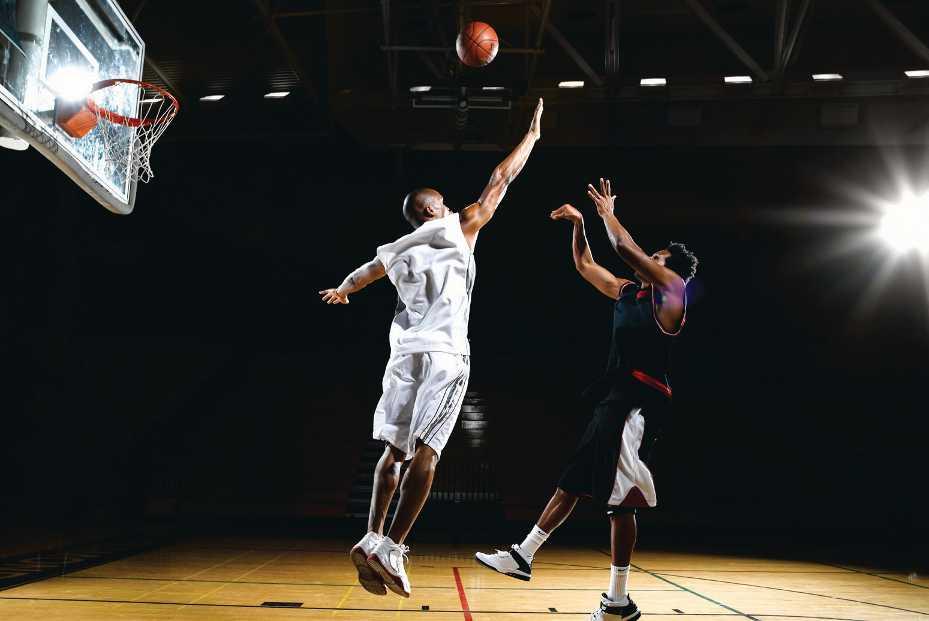
technology, will have access to information about what is happening with their players’ performance in just seconds. These Microsoft systems, called Azure AI and Copilot, are already helping coaches avoid defeat.
.For its part, the NBA is not far behind with the Overview system, which is already in preliminary testing and is impressive in its effectiveness in predicting which team will win during a game, compiling this and other data so numerous that it would be impossible for a person to decipher in such a short time. This means that it would be possible to change strategies in a matter of seconds. The reality is that this assimilation of technologies is still in
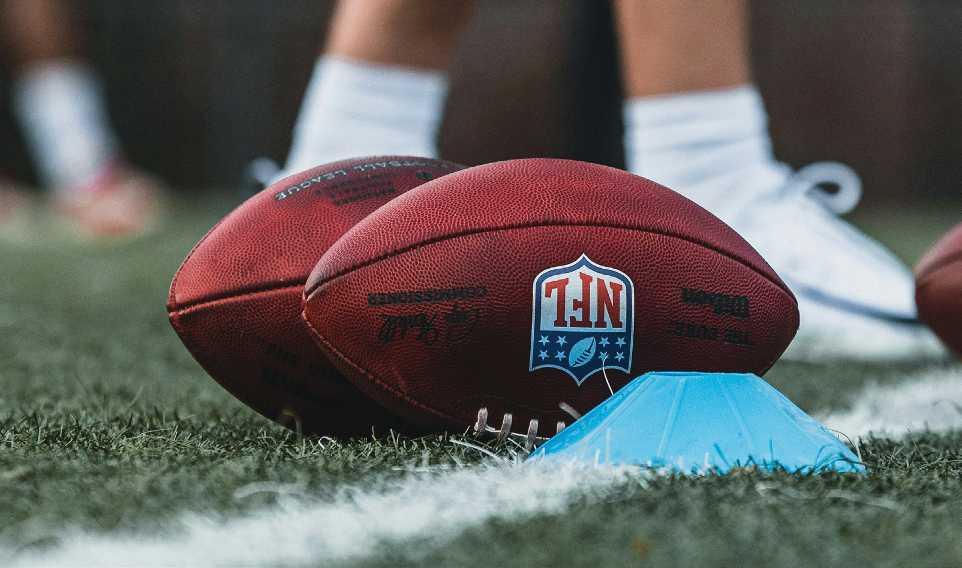
its infancy, but as we have seen in the past, the growth of this “techno” world will improve and grow at an exponential rate and will present challenges for the future of sports.
Decades ago, the great writer and lover of sports in their purest form, Ernest Hemingway, stated that only two true sports existed: Bullfighting, car racing, and mountaineering, while also asserting that the rest were merely games.
What would he have said about sports and computers? Hemingway surely wouldn’t agree; in fact, he thought the Olympic Games were just a game too. As with everything in life, times change, and the integration of Artificial Intelligence is unstoppable and inevitable. I assure you, you have my word.
Our favorite sports have changed their rules many times over the years, but we still follow them with the same fervor.
Meanwhile, we say goodbye to this first installment and will return soon with more about the exciting world of sports.

By Karla Villegas Gama, Editor-in-Chief of FOXDeportes.com
Every self respecting soccer fan reads the title, singing it. It’s inevitable. The first chords sound, a violin, in crescendo, captivating, accompanied by an angelic choir... after several phrases, the crown jewel: “the Champions League.” But where does the most recognizable anthem in world football really come from?
It all began with the reconfiguration of the competition in the early 1990s, when it stopped being called the European Cup and became the Champions League. Among the efforts to give the tournament a new identity, UEFA decided it should have its own anthem.
It wasn’t an easy task, as it was a song for the most important club tournament in Europe, and the executives knew it. In 1992, the task was entrusted to the English composer and conductor Tony Britten, who had overseen theatrical works such as Godspell, The Rocky Horror Show, Oliver!, and Guys and Dolls.
Britten wasted no time, and to create the anthem he decided to adapt Zadok the Priest, an original composition by George Frideric Handel, created in 1727 for the coronation of King George II. In fact, the British royal family still uses the melody for these types of ceremonies.
The most recognizable anthem in world football.

The composer decided to base it on Zadok the Priest because he thought that the baroque elements it contained were perfect for evoking the era of aristocracy and the great European monarchies. After all, only the crème de la crème of football reaches the Champions League.
With the music defined, they had to think about the lyrics, an even more complex obstacle than the melody, since Europe is a linguistically diverse continent. Britten had a wonderful idea: to use the official languages of UEFA (English, French, and German).
But what does the anthem say? It opens with the phrases “Ce sont les meilleures équipes,” “Es sind die allerbesten Mannschaften”; The first two lines, one in French and the other in German, translate into Spanish as: “These are the best teams.”

Subsequently, the music intensifies, and the lyrics feature a mix of the three languages: “The main event,” “Die Meister,” “Die Besten,” “Les grandes équipes,” “The champions.” The Spanish translation is: “The main event. The masters. The best. The great teams. The champions.”
After the chorus, in French and German, you hear: “Une grande réunion,” “Eine große sportliche Veranstaltung,” which in Spanish is: “A great gathering. A major sporting event.”
Finally, the refrain is repeated with even greater force and intensity, both from the Royal Philharmonic Orchestra, which provided the music, and the choir of the Academy of St. Martin in the Fields (ASMF), founded in 1974 and known for performing iconic pieces such as Handel’s Messiah and the soundtrack to Amadeus.
Undoubtedly, this is an anthem worthy of the most important continental tournament on the planet, and it gives goosebumps to anyone who hears it.


By Héctor Cantú, Managing Editor, FOXDeportes.com
Oscar De La Hoya wasn’t always seen as a legitimate heir to the Mexican boxing tradition. His broken Spanish. His stylized boxing. His magazine cover image, which contrasted with the rugged appearance of Mexican boxers of the time, and, above all, his decision to represent the United States at the 1992 Barcelona Olympics, closed doors for him among a demanding fan base that valued identity and sacrifice.
Oscar grew up with boxing gloves on his hands. The son of immigrants and heir to a boxing dynasty that stretched back two generations, he made his way in the world of boxing. De La Hoya hadn’t chosen boxing: boxing had chosen him.
At 15 years old, still unaware of what the future held, he faced Julio César Chávez for the first time in a sparring session, without imagining that this exchange of glances and restrained blows would be repeated years later on one of the most iconic nights in Hispanic boxing history. Thus, the fight that would change everything arrived.
Caesar’s Palace in Las Vegas, Nevada, witnessed a David versus Goliath duel. On one side, the young, technical, fast, and impeccably handsome boxer. On the other, the colossus of Mexican boxing, the champion who carried the weight of a country that identified with him because of his courage and his love for his roots. For everyone, Chávez was supposed to win almost by decree.
But boxing, like life, holds surprises that defy even the best structured scripts.
After the first minute, De La Hoya landed a clean punch that opened a cut above Chávez’s eyebrow. It was a small blow in appearance, but gigantic in its consequences. From that moment on, the great champion never felt comfortable in the ring again. De la Hoya smelled blood, picked up the pace, and unleashed devastating combinations that ultimately forced referee Joe Cortez to stop the fight in the fourth round.


Two years later, the rematch arrived. And fate decided to write the same ending. De la Hoya, more mature and confident after the previous fight, once again gained the upper hand. He repeated the dizzying and effective onslaught and once again battered Chávez. This time, it was the Mexican’s own corner that decided to stop the fight before the start of the ninth round, handing the victory to the “Golden Boy” once again.
That night marked two different paths. For Julio César, it was the beginning of the end: the prelude to his boxing decline and the slow farewell that would culminate in 2005.
For Oscar, it meant a changing of the guard. The “Golden Boy” ceased to be a boxer divided between two worlds. That day, he became the bridge that united Mexico and the United States in a pair of gloves.
By: Dr. Michele Dewar, medical doctor and founder of Salus MD.
In recent years, the science of epigenetics has transformed the way we understand health. No longer is our destiny written solely in our DNA. Instead, researchers now know that lifestyle, environment, stress, nutrition, and even social conditions can influence how our genes function. For women, this discovery is especially significant. Epigenetics offers powerful insight into fertility, pregnancy, hormonal health, aging, chronic disease risk, and even the health of future generations.
Epigenetics refers to changes in gene activity that do not alter the genetic code itself but affect how genes are turned on or off. Think of DNA as the blueprint and epigenetics as the system of switches that controls how that blueprint is used. These switches respond to external factors such as diet, sleep, toxin exposure, physical activity, emotional stress, and socioeconomic conditions. Because women experience unique biological transitions throughout life, from menstruation to pregnancy to menopause, epigenetic influences play a particularly important role in their long term health.
One of the most critical periods for epigenetic influence is pregnancy. During this time, a mother’s environment and lifestyle help shape the developing baby’s gene expression. Nutrition, stress levels, exposure to pollutants, and overall health can influence the child’s future risk for conditions such as obesity, diabetes, cardiovascular disease, and even mental health disorders. Research shows that maternal stress, for example, can affect the baby’s stress response system, while balanced nutrition rich in folate, omega 3 fatty acids, and essential vitamins supports healthy gene regulation.
This concept extends even further. Some
epigenetic changes can be passed from one generation to the next. That means a woman’s health before and during pregnancy may influence not only her children but potentially her grandchildren. For communities facing chronic stress, environmental pollution, or limited access to healthy food, epigenetics helps explain how health disparities can persist across generations. At the same time, it offers hope, because positive lifestyle changes can also create beneficial epigenetic effects.
Hormonal health is another area where epigenetics plays a key role. Conditions such as polycystic ovary syndrome (PCOS), endometriosis, and fibroids are influenced not only by genetics but also by environmental and lifestyle factors that affect gene expression. Exposure to endocrine disrupting chemicals found in plastics, cosmetics, and household products has been linked to hormonal imbalance and reproductive challenges. Reducing exposure to these chemicals, choosing cleaner personal care products, and supporting the body through nutrition and exercise can help maintain healthier hormonal regulation.
Epigenetics also helps explain differences in how women experience aging. Biological age does not always match chronological age, and epigenetic markers are now used by researchers to measure how quickly the body is aging at the cellular level. Chronic stress, poor sleep, smoking, sedentary lifestyle, and processed diets can accelerate epigenetic aging. On the other hand, regular physical activity, strong social connections, stress management, and nutrient dense diets rich in antioxidants can slow the process, supporting healthy skin, cognitive
function, cardiovascular health, and longevity.
Mental health is deeply connected to epigenetics as well. Women are more likely than men to experience anxiety, depression, and stress related disorders, often due to the combined pressures of work, caregiving, and social expectations. Chronic stress alters gene expression related to inflammation and the body’s stress response system. Practices such as mindfulness, therapy, physical movement, adequate sleep, and supportive relationships can positively influence epigenetic pathways, helping regulate mood and resilience.
Another critical area is the relationship between epigenetics and chronic disease. Heart disease, autoimmune disorders, breast cancer, and metabolic conditions are influenced by both genetic predisposition and environmental triggers. For example, inflammation, which plays a central role in many diseases affecting women, is strongly influenced by epigenetic factors such as diet, physical activity, and stress levels.
Diets rich in whole foods, leafy greens, healthy fats, and phytonutrients support anti inflammatory gene expression, while highly processed foods and chronic stress can activate pathways linked to disease.
Importantly, epigenetics reinforces the idea that women’s health is not only a personal issue but also a social and public health concern. Access to nutritious food, safe housing, clean air, quality healthcare, maternity support, and mental health resources all shape the environmental factors that influence gene expression. Addressing social determinants of health is therefore essential for improving outcomes for women and future generations.


The growing field of epigenetics is empowering women with a new message: while we cannot change our genetic inheritance, we can influence how our genes behave. Small, consistent lifestyle choices can have lasting effects. Prioritizing balanced nutrition, regular movement, stress reduction, restorative sleep, and reduced exposure to environmental toxins can support healthier gene expression throughout life.
For women, this knowledge is especially powerful because their health influences families, communities, and future generations. Epigenetics highlights the profound connection between daily choices and long term well being, reminding us that prevention and self care are not luxuries but essential investments.
As science continues to uncover the complex relationship between genes and environment, one message becomes clear: women’s health begins long before illness and extends far beyond the individual. By understanding and applying the principles of epigenetics, women can take an active role in shaping their health, their aging process, and the legacy of wellness they pass on to the next generation.


The year 2026 is shaping up to be one of the most transformative for college sports in the United States. Between changes in the transfer market, new economic regulations, and conference realignments, ath letes and universities are prepar ing for an era where college sports increasingly resembles profes sional sports… but still with a stu dent athlete heart.
One of the most visible changes is in the infamous transfer portal. Universities are now working with shorter, more defined windows for athletes to decide whether to switch teams. This has reduced the chaos that existed before, when hundreds of players were entering and leaving without order. Now decisions are quicker and more strategic, especially after the winter seasons. The movement of talent will remain high, but with clearer rules.

Universities must ensure that contracts are transparent, that payments are reported correctly, and that young people are protected from unscrupulous intermediaries.
For Latino athletes, this is a huge opportunity: they can connect with their communities, create personal brands, and become local ambassadors. But they also need education and guidance to avoid jeopardizing their eligibility or their finances.
Conference realignment will also change the fan experience. New rivalries are being created, schedules are being adjusted, and television rights are being negotiated, giving more exposure to certain programs. This means more prime time games, more travel, and more pressure for results.
In addition, college football continues to adapt its expanded 12 team playoff format. With more spots available, more universities are dreaming of making history. Latino athletes will have more platforms to shine and more opportunities to reach the professional level.
What began as an experimental opportunity for student athletes to earn money from their name, image, and likeness (NIL) is now a more professional structure.
Between transfers, NIL, and recruiting, the battle for star athletes has become more intense. Some well resourced universities will continue to accumulate talent, but 2026 could bring surprises: medium sized or emerging programs that find hidden gems and build competitive teams with strong development and preparation.
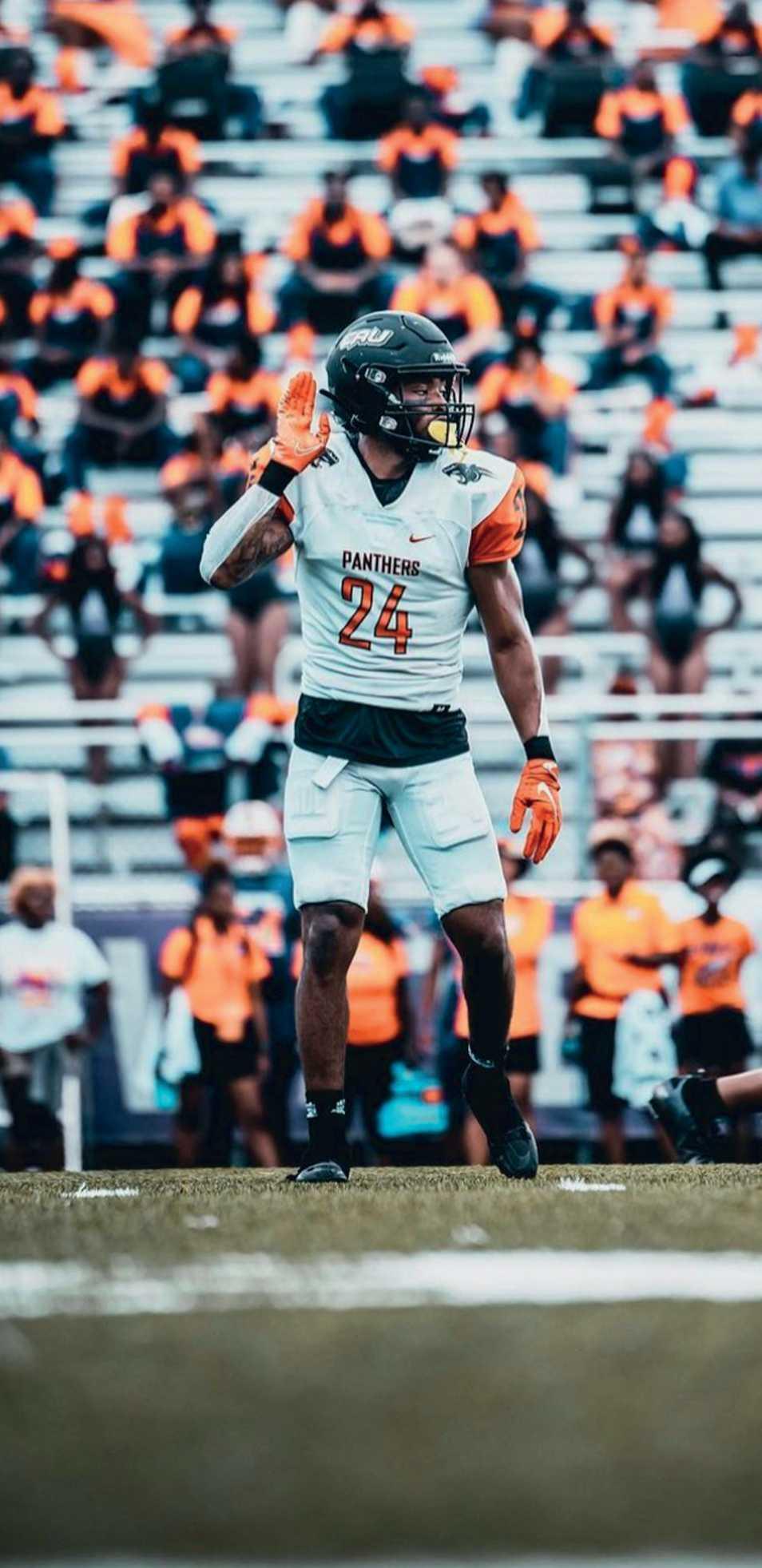
Fans no longer just follow a team… they follow the players, their stories, and their decisions. This completely changes the culture of college sports.
With more than 60 million Latinos in the United States, the impact on college sports is enormous. Every year, more young Latinos receive athletic scholarships, become key players, and proudly represent their families and roots.
The immediate challenge for universities is to better support them:
• Financial and legal education to understand NIL (Name, Image, and Likeness) rights.
• • Stronger academic advising.
• Programs that connect athletes with their communities.
Media outlets like La Revista Binacional also have a vital role: telling their stories, providing information in Spanish, and celebrating their achievements.
2026 will be a year of evolution. More professionalism, more regulation, more visibility, and more opportunities for those who have worked hard on and off the field.
It’s a year to open our eyes, adapt, and, above all, support our student athletes who represent the future of sports… and the pride of our binational communities.
As college athletics continue to grow in competitiveness, investment, and athlete support, some universities stand out above the rest. The top programs in 2026–2027 offer strong performance across multiple sports, world-class facilities, and excellent academic support. They are known for producing champions on the field while preparing student-athletes for success beyond graduation. These schools combine passionate fan bases, elite coaching, and opportunities for athletes in a wide range of NCAA Division I programs.
23. University of Connecticut (UConn) 24. University of Delaware
25. University of Florida
26. University of Georgia
27. University of Illinois
28. University of Iowa
29. University of Miami
30. University of Michigan
31. University of Minnesota
32. University of Missouri
33. University of North Carolina –Chapel Hill
34. University of Notre Dame
35. University of Oklahoma
36. University of Oregon
37. University of Pennsylvania (Penn)
38. University of Pittsburgh
39. University of Richmond
40. University of South Carolina
41. University of South Florida
42. University of Southern California (USC)
43. University of Tennessee
44. University of Texas at Austin
45. University of Utah
46. University of Virginia
47. University of Washington
48. Vanderbilt University
49. Wake Forest University
50. Yale University
1. University of Texas at El Paso (UTEP) –Football & Track
2. University of New Mexico – Basketball & Cross Country
3. San Diego State University – Football & Soccer
4. Fresno State – Wrestling & Football
5. Cal State Fullerton – Baseball
6. Cal State Long Beach – Women’s Volleyball
7. University of Arizona – Softball
8. Arizona State University – Men’s Basketball
9 .University of Houston –Football
10. Florida International University (FIU) – Soccer
11. Florida Atlantic University (FAU) –Baseball
12. University of Texas Rio Grande Valley (UTRGV) – Basketball
13. Texas State University – Softball
14. University of Nevada, Las Vegas (UNLV) – Soccer
15. University of California, Riverside –Track & Field
16. University of California, Merced – NAIA Athletics
17. California Baptist University – Basketball & Wrestling
18. California State University, Northridge –Men’s Soccer
19. University of Texas at San Antonio (UTSA) – Football

20. New Mexico State University –Men’s Basketball
21. Cal Poly Pomona – Women’s Basketball
22. Cal State Los Angeles – Track & Field
23. Cal State San Bernardino – Volleyball
24. Uuniversity of Colorado, Colorado Springs – Soccer
25. University of Central Florida (UCF) –Football
26. University of South Florida (USF) –Women’s Soccer
27. Texas A&M University–Kingsville –Football
28. Western New Mexico University –Track & Field
29. Eastern New Mexico University – Baseball
30. St. Mary’s University (Texas) – Baseball
31. St. Edward’s University – Soccer
32. University of the Incarnate Word – Football
33. Lubbock Christian University – Softball
34. Loyola Marymount University – Baseball
35. Whittier College – Multiple Sports
36. Pepperdine University – Tennis & Volleyball
37. University of La Verne – Track & Field
38. University of Redlands – Swimming
39. Sonoma State University – Women’s Soccer
40. Sacramento State – Baseball
41. San Jose State University – Football & Judo
42. University of Hawai‘i at Mānoa – Women’s Volleyball
43. University of Miami – Football & Baseball
44. University of Texas at Austin – Football (Latino player representation rising)
45. University of Southern California – Men’s Soccer & Track
46. University of California, Los Angeles (UCLA) – Softball & Soccer
47. University of Oregon – Track & Field (Latino sprinters & distance athletes)
48. Stanford University – Gymnastics & Soccer (Latino recruits increasing)
49. University of Notre Dame – Fencing & Women’s Soccer
50. University of Florida – Baseball & Track (Latino athletes growing)