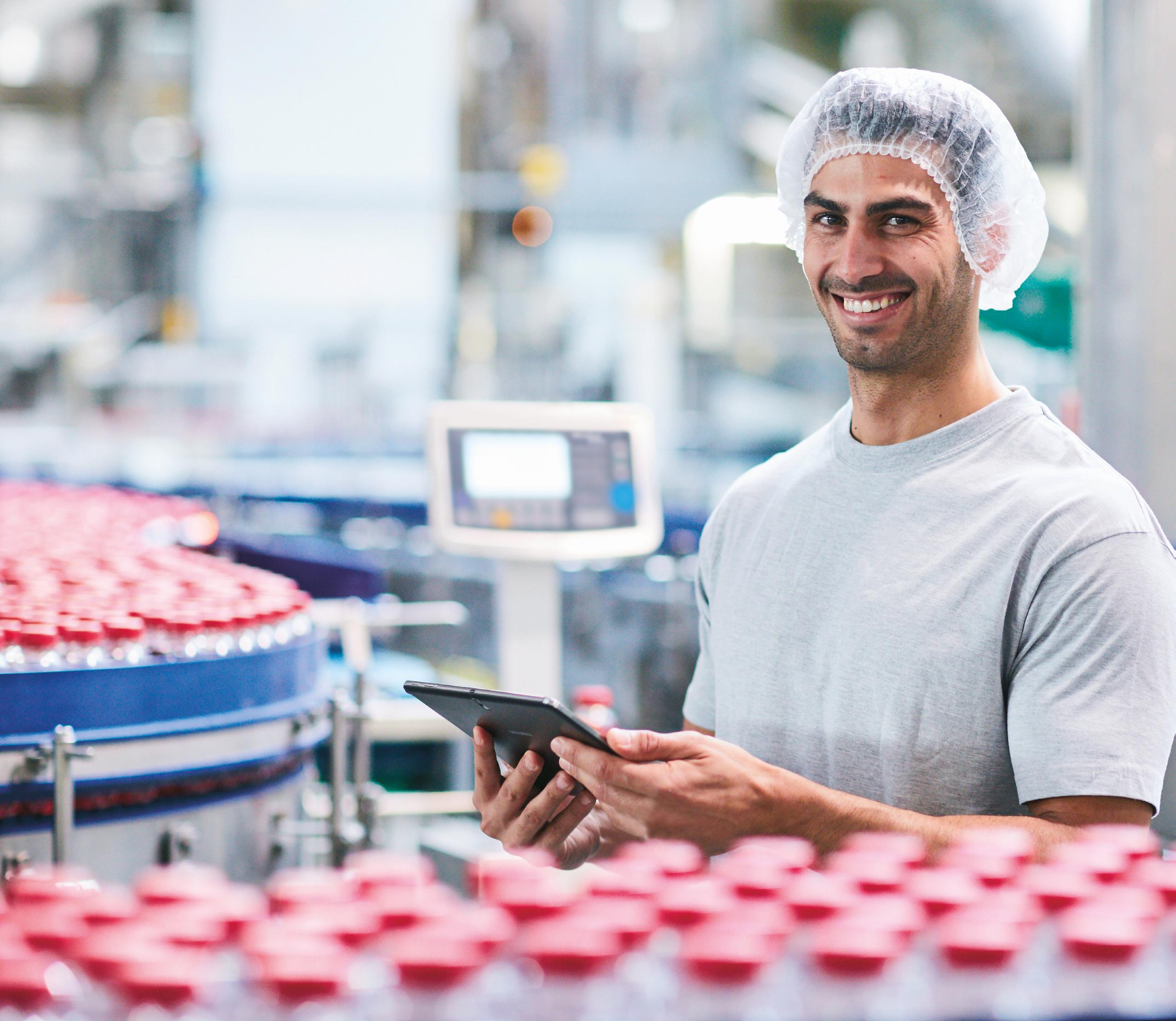
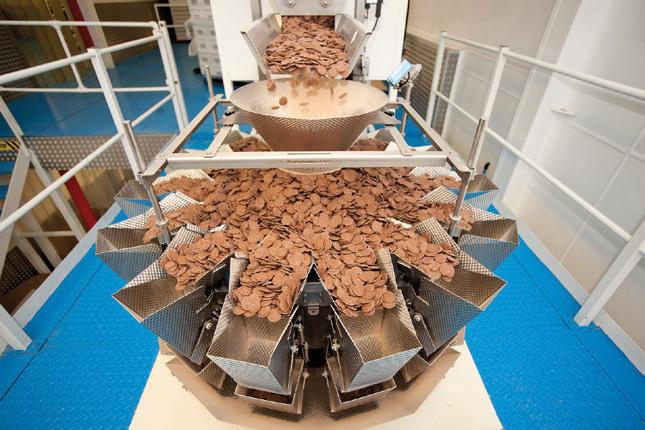
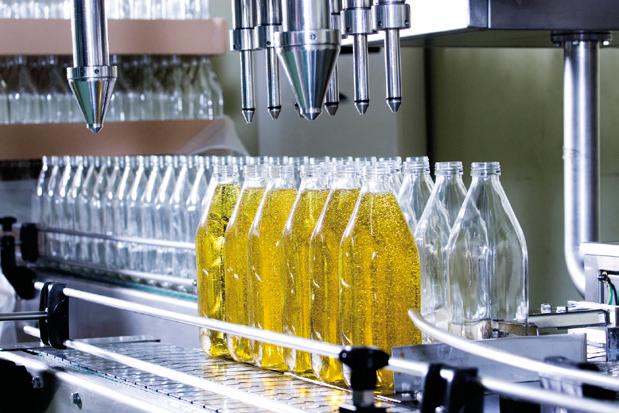
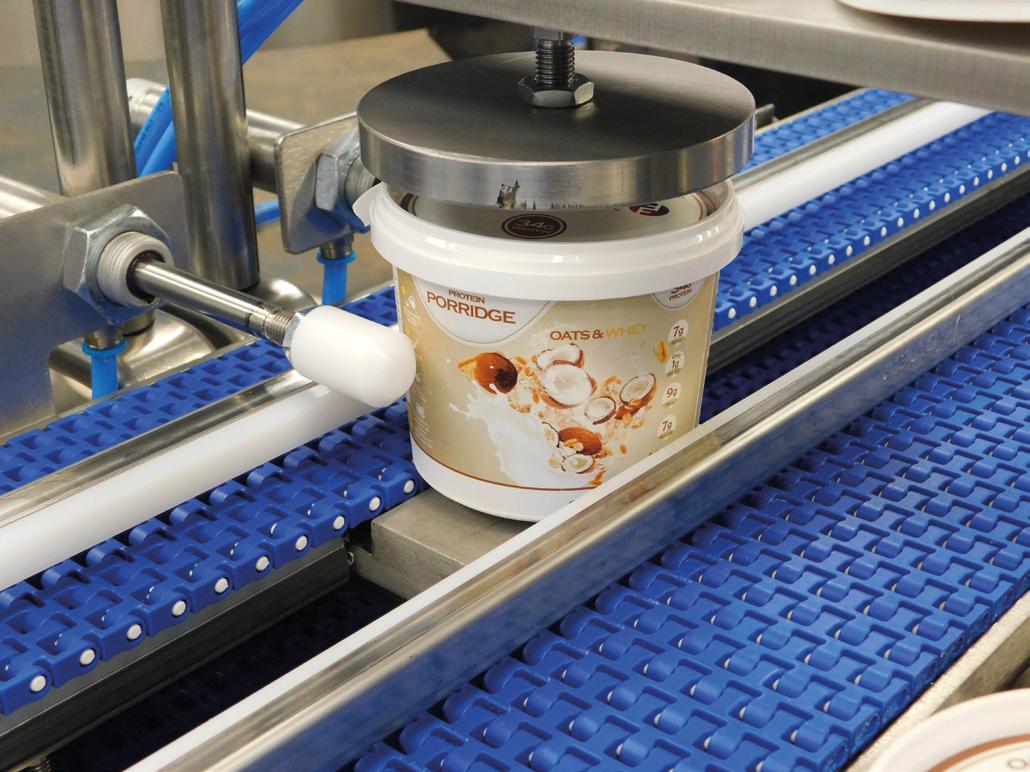
Did you know that up to one in four food recalls is due to foreign body contamination? Our solutions are engineered to safely secure your brand, your products and your consumers from contaminants and beyond. From weighing ingredients to controlling recipes and fill levels to inspecting final packaging, we’re here to support you: For food safety in any form!
» X-ray inspection » Metal detection » Checkweighing » Statistical process control
Editor Paul Attwood editor@fdm-uk.co.uk
Editorial Assistant John Reynolds editorial@fdm-uk.co.uk
Features Editor Henry Peters editorial@fdm-uk.co.uk
Production/Design
Laura Whitehead laura@lapthornmedia.co.uk
Sales Manager Holly Jones sales@fdm-uk.co.uk
Publishing Director Maria Lapthorn maria@lapthornmedia.co.uk
Admin Assistant Jade Still jade@lapthornmedia.co.uk
Lapthorn Media Ltd
5-7 Ozengell Place, Eurokent Business Park, Ramsgate, Kent, CT12 6PB
Company Shop Group hits 1 billion surplus milestone
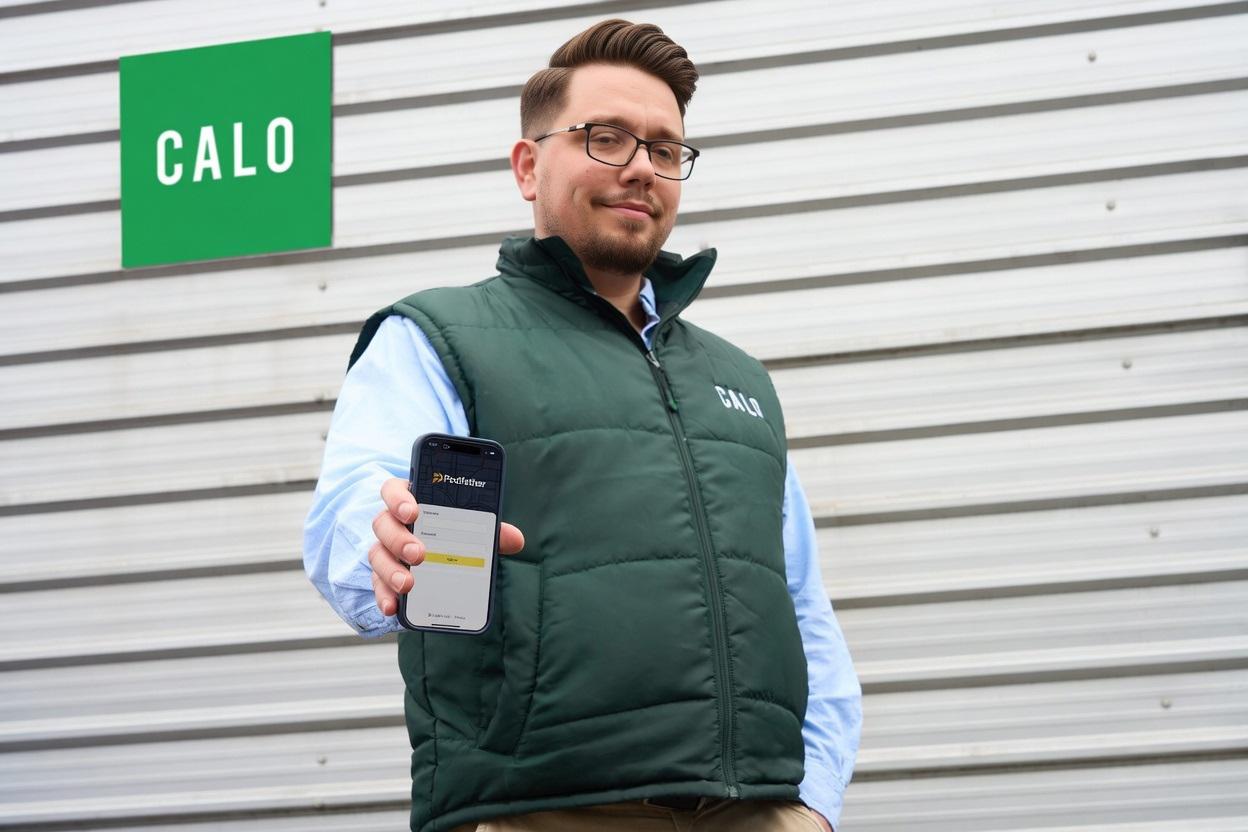
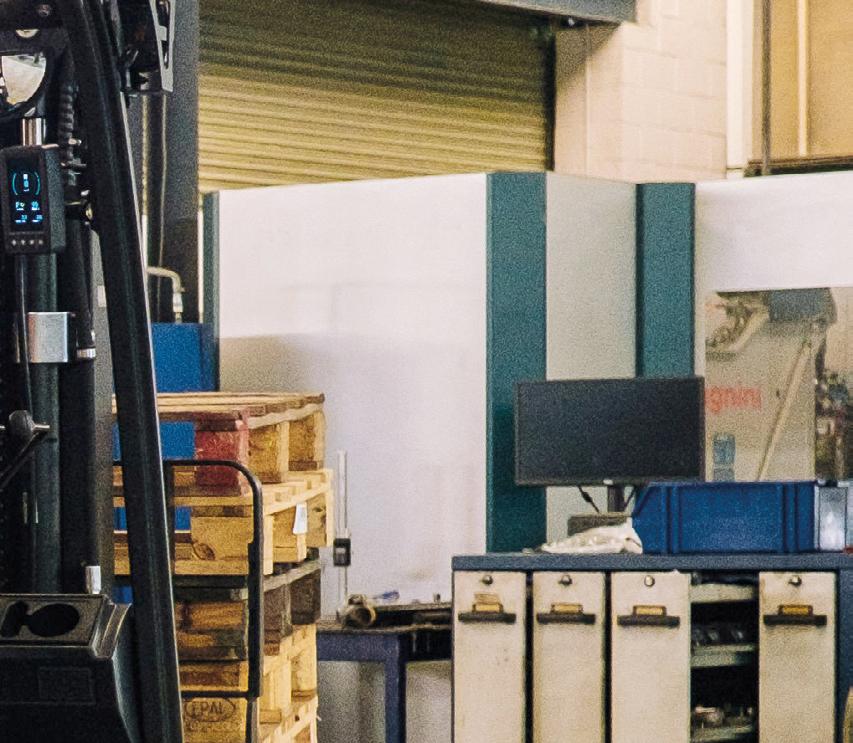
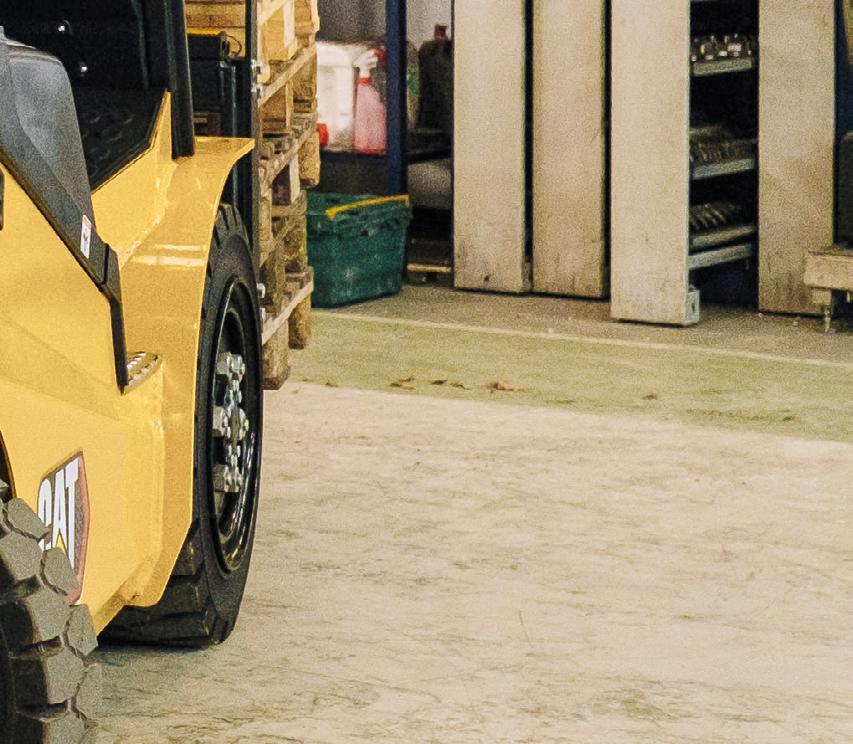
The role of aluminium in the food & drink industry of tomorrow Podfather Logistics Software Feeds Healthy Expansion at Calo Catering ProPak Asia: KHS showcases its extensive service portfolio What should food processing operations ask when choosing electric forklift trucks?
Editor’s Note
In this issue of Food & Drink Manufacturing UK, we explore the industry at a pivotal moment - balancing innovation, sustainability and operational resilience. Manufacturers are responding to mounting pressures from evolving legislation, rising costs and shifting consumer expectations.
From the ongoing drive to reduce food waste and embrace circular economy principles, to advances in sustainable packaging and low-carbon production, the sector is moving towards smarter, more responsible practices. At the same time, challenges such as regulatory compliance, ageing infrastructure and supply chain uncertainty remain firmly in focus.
Encouragingly, the stories featured here demonstrate a strong commitment to collaboration, innovation and long-term thinking - reflecting an industry determined not only to adapt, but to lead. We hope you enjoy this issue.
Every
Paul Attwood Editor
Company Shop Group hits 1 billion surplus milestone
Company Shop Group, the UK’s leading redistributor and retailer of surplus products, has released its annual Impact Report, shining a light on the power of a circular economy and revealing it has hit the milestone of redistributing 1 billion items since its launch.
The Impact Report reveals that in the last 12 months alone, 47,000 tonnes of food and drink were redistributed by Company Shop Group - 117million individual units have been redistributed, saving 121,0000 tonnes of Co2. For members shopping in its Company Shop ‘Surplus Supermarkets’ and social enterprise Community Shop stores, this has meant a saving of £137million on shopping bills.
The group delivers financial, environmental and social impact* by working closely with more than 800 retailers, manufacturers and brands, helping them to meet their own sustainability targets with trackable results and measurable outcomes and paying £51million to these partners for surplus goods over the last 12 months - £219million in the last five years.
Chris Burns, Group Managing Director of Company Shop Group, says: “Each year, the UK produces around 10.7million tonnes of food waste, presenting a potentially catastrophic threat to our planet, contributing significantly to carbon
LIDL GB announces new target and trials for food waste reduction
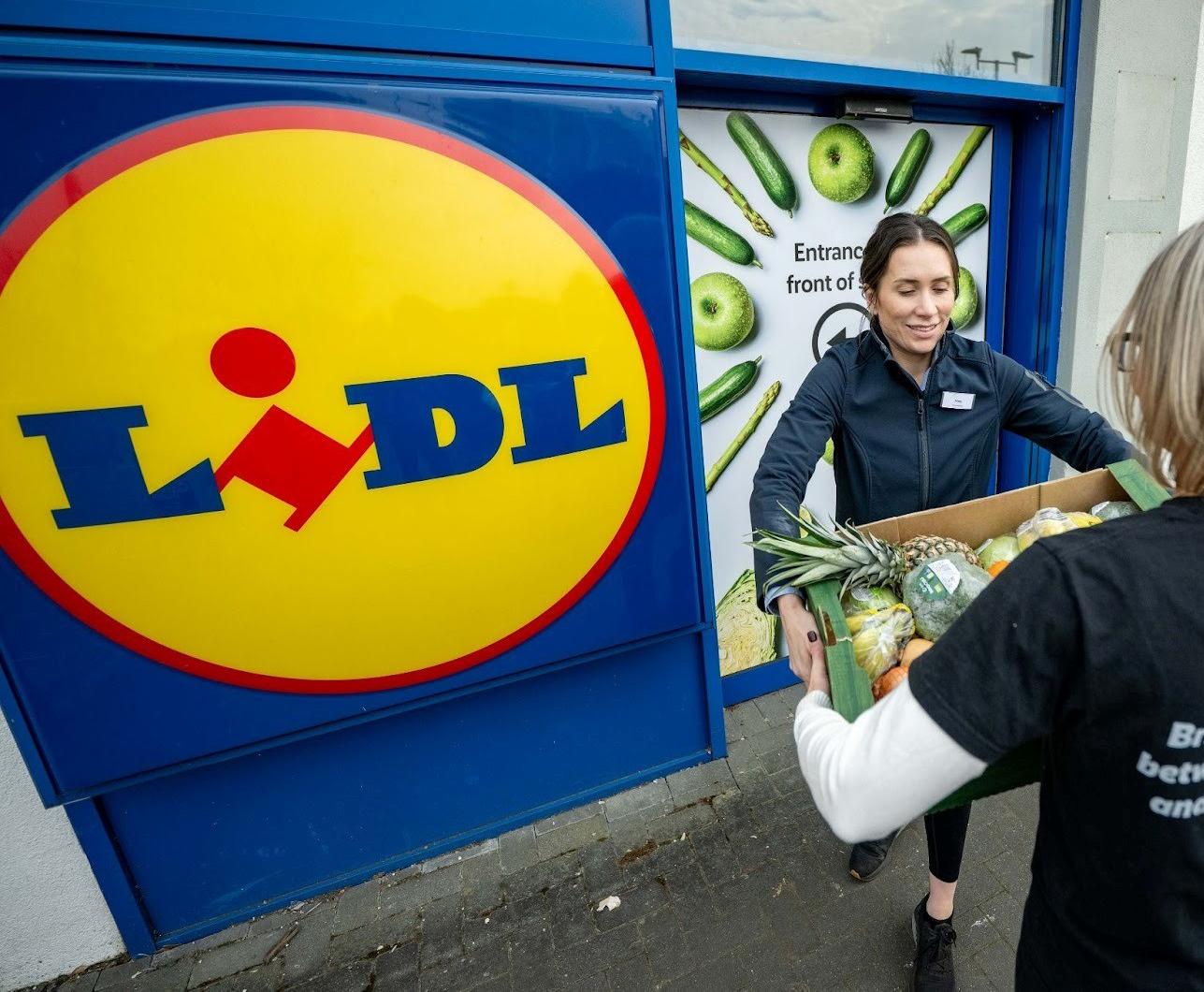
Lidl GB has revealed a new food waste reduction target to coincide with the start of Food Waste Action Week and announced new trials to help accelerate progress.
After surpassing its FY2025 goal of 40% food waste reduction1, the discounter has now raised its five-year target from 50% to a more ambitious 70% by FY2030.
To drive this next phase of food waste reduction, Lidl is extending its current partnership with Neighbourly to trial the charity’s Surplus Saviours initiative this summer in the Midlands. This redistribution scheme enables
registered individuals - including charity volunteers and customers - to collect unsold surplus food, building on the partnerships Lidl stores already have with registered charities and helping even more people support their local communities.
With extended collection times and access to fresh and chilled items approaching their use by date later in the evening, the trial is expected to redistribute more than 5,000 tonnes of food to those in need.
In addition to community redistribution, Lidl has also further strengthened its circular economy
credentials with a new animal feed trial taking place in the Peterborough region. This trial will see the supermarket divert inedible fresh bakery lines, including everything from croissants to bread loaves, to create animal feed.
Matt Juden-Bloomfield, Head of Sustainability at Lidl GB, said:
“At Lidl, we set ambitious targets that challenge how we operate and inspire innovation when it comes to food waste.
“We’ve made good strides, but we know we can do more. With that in mind, we have increased our targets to ensure we
Chris Burns, Group Managing Director of Company Shop Group
emissions and the unnecessary use of natural resources. Our purpose has always been clear, to stop surplus becoming waste by creating an effective and easy solution for the industry to redistribute surplus, at scale.
“Every product saved from waste represents not just an environmental win, but a practical demonstration that surplus can be managed differently and I am immensely proud of what Company Shop Group continues to achieve - not only this year, but over more than five decades of pioneering work to tackle food loss and waste.”
*Financial benefits
Company Shop Group’s Unique model has been in operation since 1974 when it first started opening staff shop on partners factory sites. Since then, it has invested heavily to maximise the value of goods initially perceived as waste. Paying its growing portfolio of partners for surplus stocks means an immediate reinvestment back into their businesses: £219m was paid to partners over the last five years while ‘waste’ was turned into a valuable asset, preventing unnecessary loss, supporting the circular economy and maintaining the value of food for as long as possible.
Continued innovation, expert product interventions, and partner collaborations have resulted in year-onyear increases in surplus items being redistributed, saving more money for
remain accountable and also introduced some exciting new trials to take things to the next level.
“We remain committed to accelerating our progress in this space and collaborating closely with our industry peers to drive lasting impact for both the environment and the communities we are at the heart of.”
Lidl GB works closely with global environmental action NGO, WRAP, to identify practical, data driven ways to cut waste.
Updates to the Lidl in-store bakery have been one of the ways the discounter has achieved its current target. By aligning the amount of products more closely to demand throughout the day, it has reduced bakery-related food waste by 30% last year. To further help prevent food waste, the Lidl Plus app offers customers 20% off all in-store bakery items after 7pm.
those partners while delivering a huge cost saving, with members saving £137 million on their shopping the last 12 months.
Environmental benefits
Each year the UK generates approximately 10.7million tonnes of food waste causing huge negative impact on the environment and contributing towards climate change. Redistributing surplus products, in line with the food waste hierarchy, not only helps reduce unnecessary environmental impact, but also gets
food where it was intended, on people’s plates.
Social benefits
Millions of people across the UK are living in food insecurity. Company Shop Group’s award-winning social enterprise, Community Shop, provides access to affordable food and household goods while maintaining dignity and autonomy. Profits are reinvested back into its Community Hubs and Kitchens to create wraparound support helping people grow in confidence, learn new skills and reconnect with each other.
McGuigan Wines pioneers sustainability with introduction of innovative 300g lightweight Burgundy bottle
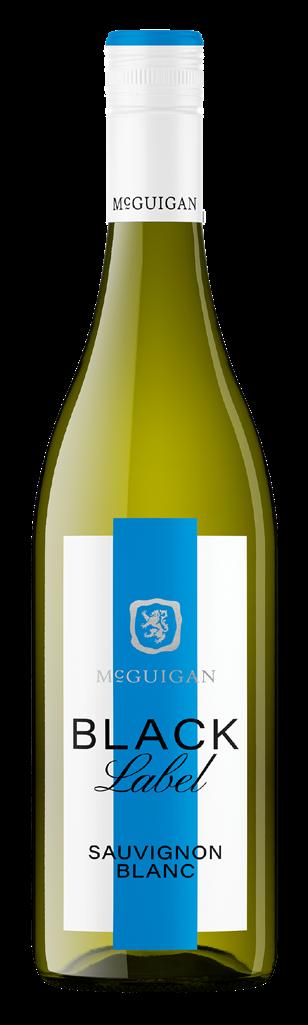
Following the success of last year’s introduction of a 300g Bordeaux bottle to help reduce glass wastage and environmental impact, McGuigan Wines has partnered with Greencroft to bring a 300g light weight Burgundy bottle to market. This represents a significant step forward in the B Corp brand’s commitment to reducing environmental impact.
The 300g lightweight Burgundy bottle is set to be rolled out across approximately 3.5 million bottles this year— equivalent to around 596k cases—and is expected to reduce CO2 emissions from glass production by an estimated 82,000 kilograms annually.
This initiative supports McGuigan Wines and its parent company, Australian Vintage’s, broader commitment to lowering carbon emissions across the global wine industry.
With a 25% reduction in bottle weight, and a corresponding decrease in production-related emissions, the innovation also empowers consumers to make more environmentally responsible choices without compromising on quality.
Australian Vintage achieved B Corp certification in February 2024, becoming part of a global community of companies committed to building a more inclusive, equitable, and sustainable economy. As a certified B Corp, the company meets rigorous standards for verified social and environmental performance, transparency, and accountability – ensuring a balanced approach between commercial success and positive impact.
The wines will be packed at Greencroft Bottling, a state-of-the-art facility known for its commitment to renewable energy. Powered predominantly by wind and solar, including three wind turbines and
With a 25% reduction in bottle weight, and a corresponding decrease in productionrelated emissions, the innovation also empowers consumers to make more environmentally responsible choices without compromising on quality.
a solar installation producing 4.6 megawatts of energy, Greencroft Bottling exemplifies sustainable manufacturing.
The 300g bottle, developed by Verallia, one of the world’s leading glass manufacturers, is made from approximately 30% recycled glass and is designed specifically for the wine sector. It maintains the iconic Burgundy aesthetic while achieving a 25% CO2 reduction compared to the standard 400g glass bottle traditionally used in the industry.
By introducing this innovative packaging solution ahead of the market, McGuigan Wines and Australian Vintage are strengthening their position as leaders in sustainable practices while responding to growing consumer demand for environmentally friendly products. This development represents an important milestone in lowering the environmental footprint of wine production, without compromising the highquality standards for which McGuigan Wines is internationally recognised.
Poly-clip System at interpack
2026: Efficient,
scalable, and sustainable packaging solutions for all industries
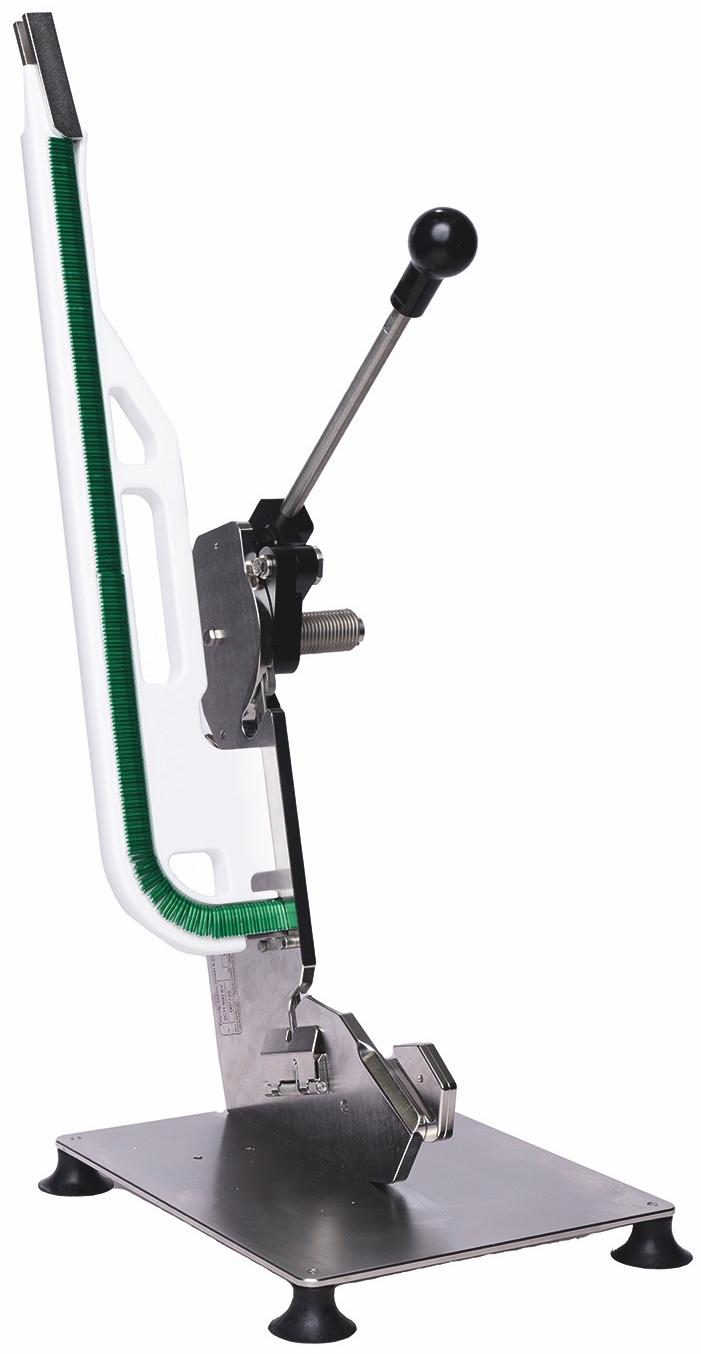
Poly-clip System will be exhibiting at interpack 2026 in Düsseldorf as a provider of flexible, efficient and scalable packaging solutions for a wide range of industries.
With a clear focus on crossindustry solution expertise and sustainability, the company will demonstrate how its technologies can be applied across sectors – from meat and sausage products to dairy products, pet food and convenience foods to fruit and vegetables, as well as industrial applications such as adhesives and sealants.
Less packaging. More responsibility.
Under the motto ‘The packaging company with less packaging’, Poly-clip System focuses on the efficiency of its clip packaging. Compared to traditional packaging forms such as cans, thermoformed trays or cartridges, clip solutions significantly reduce the amount of material used, in many cases to just 1–2% of the total product. At the same time, CO2 emissions can be reduced by up to 90%, depending on the application.
The figures are based on an independent sustainability assessment by the Circular Analytics Institute (Vienna), carried out for production and disposal in Germany. The results show that clip packaging combines
product protection, efficiency and recyclability with a significantly reduced ecological footprint. ‘For us, sustainability is not an added benefit, but part of the system concept,’ emphasises Dr. Alexander Giehl, CEO at Poly-clip System. ‘Our solutions intervene in processes: they save material, reduce weight, optimise logistics and thus make a measurable contribution to CO2 reduction along the entire value chain.”
Industry diversity as a strategic focus
At interpack, Poly-clip System will be showcasing specific applications for meat and sausage products, dairy products such as cream cheese and herb butter, ready meals, fruit and vegetables, pet food, and sealants and adhesives for industry and trade. Clip packaging is realising its potential in both the food and non-food sectors: it is already being used successfully in many areas of meat and sausage products, while its advantages can be exploited even more in other applications.
Compared to traditional packaging forms such as cans, thermoformed packaging or tubes, clip
solutions significantly reduce material usage and CO2 emissions. They enable noticeable savings in weight, resource consumption and transport costs.
‘We don’t think in terms of product categories, but in terms of applications and efficiency potential,’ says Giehl. ‘interpack is the ideal platform for us to showcase this versatility.’
Scalable machine solutions for companies of all sizes
At interpack, Poly-clip System will also be demonstrating how it can support businesses of all sizes in their growth. With over 60 different machine models covering the entire spectrum in terms of price and degree of automation, customers are sure to find the right solution for them – from small businesses to large industrial operations.
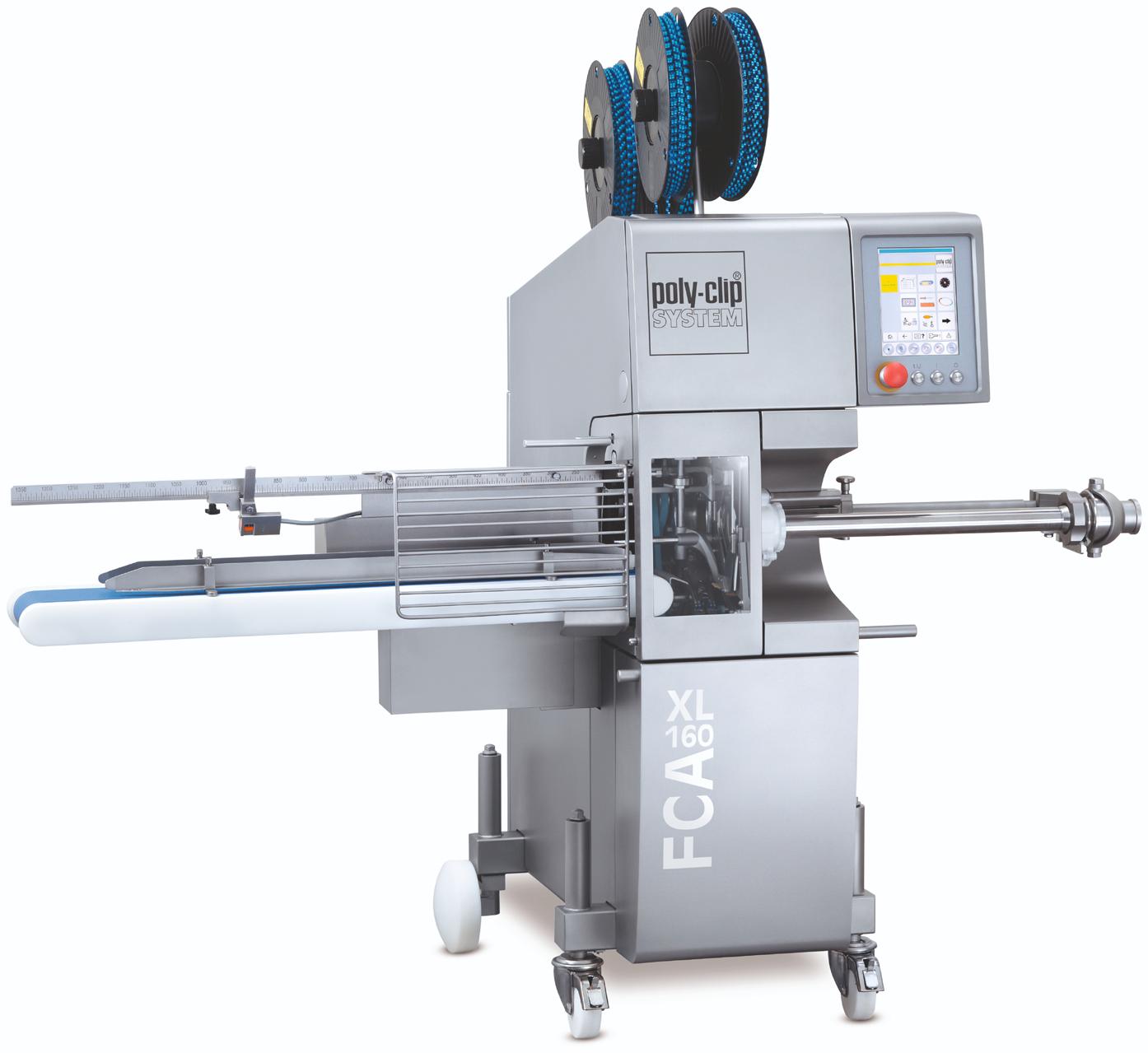
Visitors can experience machines from different performance segments: from the compact new SCH 600 for smaller businesses to the flexible PDC-A 700 and the highly automated, innovative FCA 160 XL, which efficiently processes large production volumes in twoand four-clip operation. This clearly illustrates how customers can expand their individual level of automation step by step without compromising on efficiency, quality or process reliability.
Technology that optimises processes
In addition to sustainability, process integration also plays a key role. Clip packaging enables high cycle rates, automated processes and spacesaving logistics. The lower packaging weight reduces transport costs and improves warehouse utilisation. This offers economic advantages that are becoming increasingly important, particularly in international markets.
Clip packaging is realising its potential in both the food and non-food sectors: it is already being used successfully in many areas of meat and sausage products, while its advantages can be exploited even more in other applications.
The interpack presentation once again highlights Poly-clip System’s evolution from a specialist provider of individual packaging solutions to a flexible partner for a wide range of industries that uses its technologies efficiently and in a resource-saving manner.
‘We want to use our technologies across industries – efficiently, resource-conserving and with a noticeable impact,’ adds Mesut Akbulut, CSO at Poly-clip System. ‘That is our understanding of future-oriented packaging.’
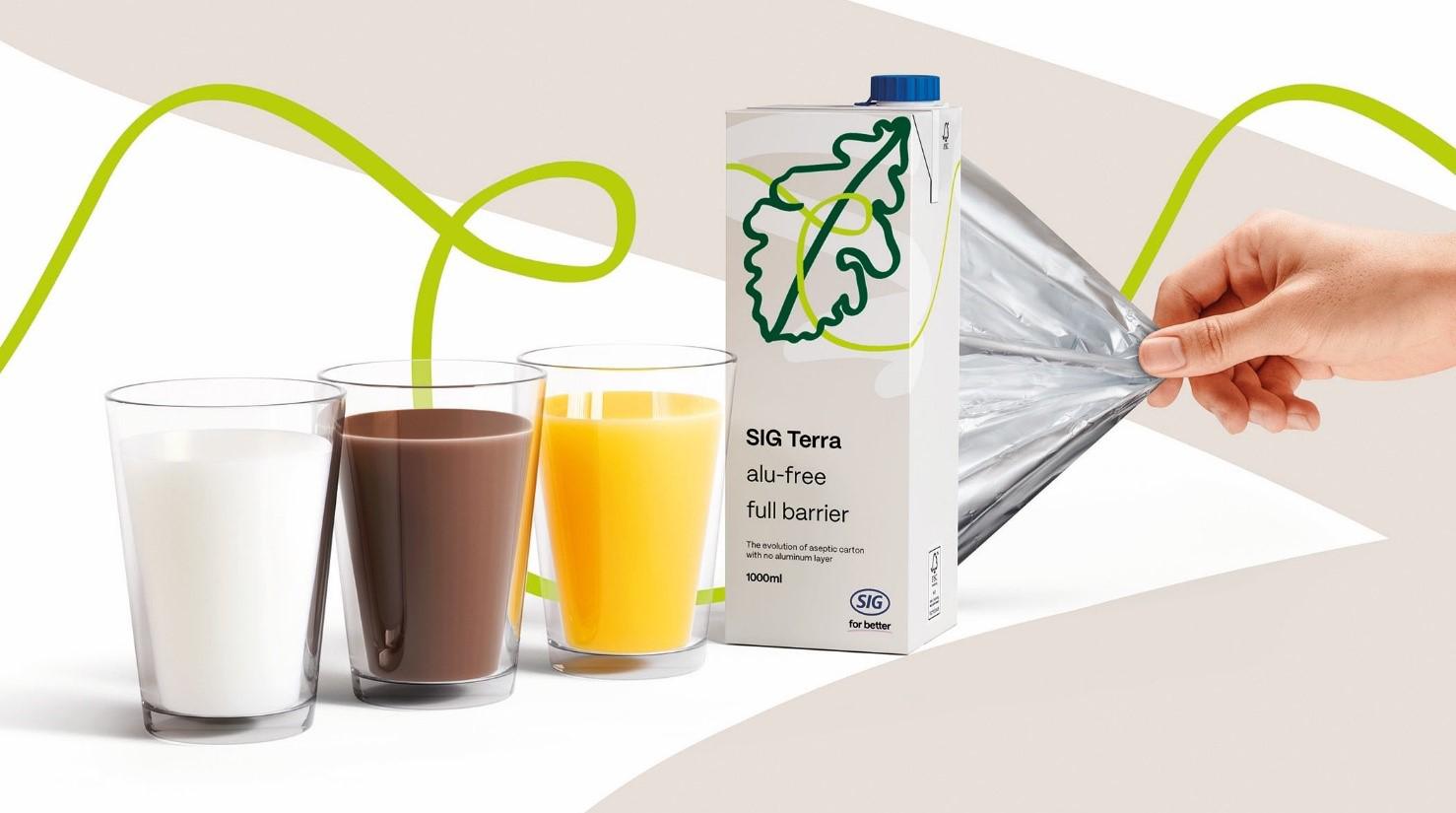
SIG announced a 24% year-overyear sales growth in 2025 for its alu-layer-free aseptic cartons, that reduce the already low CO2 footprint of standard SIG packs even further. This milestone marks another leap forward in the company’s ambition to create a regenerative food packaging system.
The sustained growth proves the market’s appetite for low carbon, recycle-ready packaging. Notably, beverage producers can adopt full barrier aseptic cartons without aluminum, seamlessly compatible with existing SIG filling lines, allowing for swift sustainability upgrades with minimal operational adjustments and no extra capital expenditure.
“Our commitment to scalable, impactful innovation is paying off – not just for SIG, but for our customer’s entire value chain,” stated Christoph Wegener, Chief Markets Officer at SIG.
“The significant growth in our aseptic cartons without aluminum layer shows that our innovations in low-carbon packaging systems have gained broadbased commercial traction, and are not only helping brands, manufacturers, and retailers to confidently meet rapidly evolving regulatory and consumer expectations, but also to significantly advance their sustainability goals. Europe is spearheading the introduction with our SIG Terra solutions accounting for >10% of food packed in SIG aseptic cartons. Globally, they accounted for 5%. We look forward to expanding this share significantly in the near future."
SIG’s packs are among the most sustainable packaging solutions in each relevant market segment –and the company is innovating to reduce its environmental impact even further. The flagship SIG Terra portfolio exemplifies the company’s relentless pursuit of sustainable innovation. This includes pioneering packaging materials without aluminum layers, polymers linked to
forest-based and recycled feedstocks, and next-generation recycle-ready bag-in-box and spouted pouch solutions.
Since launching the SIG Terra portfolio, SIG has delivered enough SIG Terra solutions across its portfolio of aseptic cartons, bagin-box, and spouted pouches to fill around 7 billion liters of food, including almost 2 billion liters in 2025 alone. Double-digit growth in alu-layer-free aseptic cartons was driven by an expanded SIG Terra product range in Europe and the global ramp-up of the SIG Terra Alu-free + Full barrier packaging material, marking a major milestone in sustainable innovation.
SIG’s continued sustainable innovations are transforming industry standards, validating the commercial viability of truly sustainable packaging, and paving the way for widespread industry adoption.
EU moves to standardise packaging labels – what does it mean in practice?
Across the EU, packaging labels and recycling systems vary widely. New EU rules aim to standardise packaging labels, making it easier for consumers to sort waste correctly.
An important goal here is that the packaging and the waste bin have the same marking.
Today, the same type of packaging may even be sorted into different waste bins depending on the EU member state creating challenges for product manufacturers. Many EU countries currently use their own recycling symbols and instructions.
“These mandatory labels disrupt the EU’s internal market, as labels from different countries must be added to multinational
packaging,” says packaging expert Heli Nykänen of Sense n Insight.
According to Nykänen, the number of symbols and instructions has grown so large that “there is a risk of running out of space on packaging.”
The planned reform of packaging labels is part of the Packaging and Packaging Waste Regulation (PPWR, EU 2025/40). Its goal is to harmonise
labelling across the EU, clarify sorting instructions for consumers, and ensure that packaging ends up in the correct waste stream.
Mandatory recycling labels are scheduled for introduction by 12 August 2028, provided the implementing regulation proceeds as planned.
“However, the timeline is subject to change; at this point, we cannot say anything specific about it,” notes Nykänen. “Once the final decision is made, there will be a 24 month transition period.”
“Although the core of the new system is the material used to determine the labels on the packaging, the most important thing is that the labels show consumers where to dispose of the packaging material,” Nykänen explains.
When the same label appears on both the packaging and the recycling bin, consumers will be able to sort waste more intuitively and consistently.
“In this case, the differing recycling systems across EU Member States will not complicate individual consumers’ sorting behaviour,” says Nykänen.
New recycling labels aim to bring clarity across Europe
Cardboard packaging recycling works well in Finland, but at the EU level the situation varies: recycling systems, practices, and even the colours of recycling labels currently differ from one another.
“In some countries, when recycling composite packaging containing both cardboard and plastic, packaging with lower fibre content is collected separately from packaging with high fibre content,” Nykänen explains.
The proposed new labels take this into account, but in a way that allows consumers to follow the same principle: return the packaging to a waste bin marked with the same recycling symbol.
“Since there is currently no requirement in Finland to include any kind of recycling labels on packaging, there is no common standard, and the labels are inevitably inconsistent. It can be difficult for consumers to determine which instructions are correct and comparable,” Nykänen says.
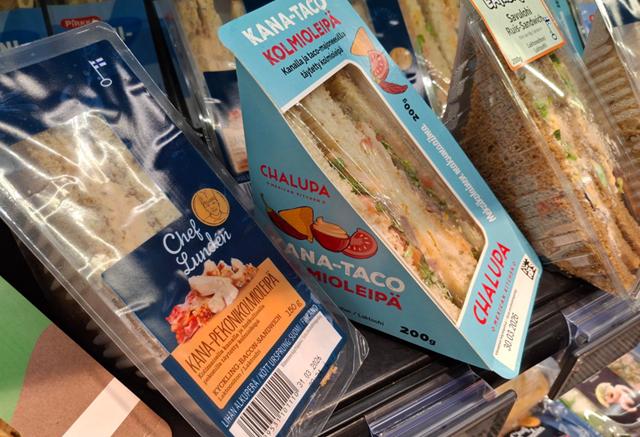
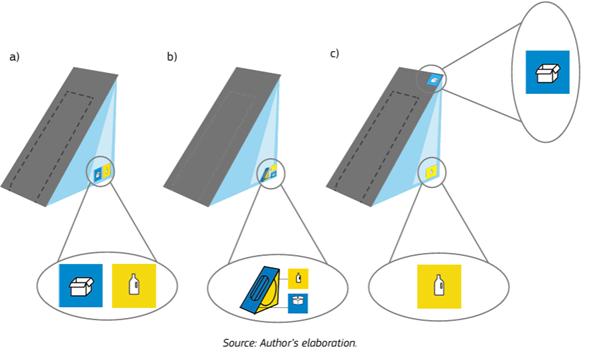
For example, consumers have often wondered whether a triangle sandwich
box or paper bag with a plastic window should be placed in mixed waste because of the window, or whether the materials should be separated or placed entirely in cardboard recycling.
According to Nykänen, the upcoming labels will clarify this. If the packaging has a separate recycling symbol for the plastic part, that part should be removed and sorted separately. However, if the label indicates only cardboard or paper recycling, the window is also acceptable in that category.
Clarity of labels and consumer
communication are key
According to Nykänen, the new symbols are designed to be visually easy to understand and to correspond to the markings on waste bins.
“An important goal here is that the packaging and the waste bin have the same marking.”
Packagers must know the materials used in their packaging and apply the correct label. Consumers then simply follow the instructions.
Consumer behaviour has been a major focus in preparing the reform. The labels have been extensively tested, and the goal is to provide consumers with the right information at the right time. Studies have also highlighted the importance of visual cues. At the same time, it became clear that the system cannot solve everything.
“Colour supported sorting slightly more effectively than text,” Nykänen notes. “However, the labelling system cannot
provide complete and context specific sorting guidance.”
According to Nykänen, developing the labels has required balancing simplicity and accuracy.
“The label must be as simple as possible and as complex as necessary for clarity,” she summarises.
Labels pose practical challenges for companies
The reform will mean significant practical changes for companies. As a rule, all consumer packaging will fall under the labelling requirements. However, uniform labelling also benefits the internal market.
“When the same labelling is used on packaging and in waste bins across the entire EU, there is no need to include separate recycling instructions for each country on the packaging. This simplifies logistics and packaging design for companies,” Nykänen emphasises.
Still, the success of the reform depends not only on labels and regulations; communication and consumer guidance will play a key role in the rollout.
Finally, Nykänen notes that even though labelling is standardised at the EU level, national communication, guidance, and education remain essential.
For more information visit: www.senseninsight.com/en/
DataLase showcases sustainable innovation in metal decoration
DataLase, a global leader in laser reactive technologies, is helping manufacturers and brand owners rethink the future of metal decoration, as demand grows for packaging solutions that combine strong visual impact with improved efficiency and sustainability.
Used widely across food and beverage, household goods and personal care sectors, metal packaging remains one of the most durable and recyclable packaging formats available. However, the methods used to decorate cans, bottles and containers are increasingly under scrutiny as producers look to reduce waste, simplify production and improve recyclability.
Traditional processes such as screen printing, inkjet and lithographic inks can present challenges when working across multiple container shapes and sizes at high production speeds. In many cases, pre-printed
paper or film labels are applied instead, often requiring adhesives and multiple manufacturing steps. These additional materials can create unnecessary complexity within supply chains and present challenges during recycling.
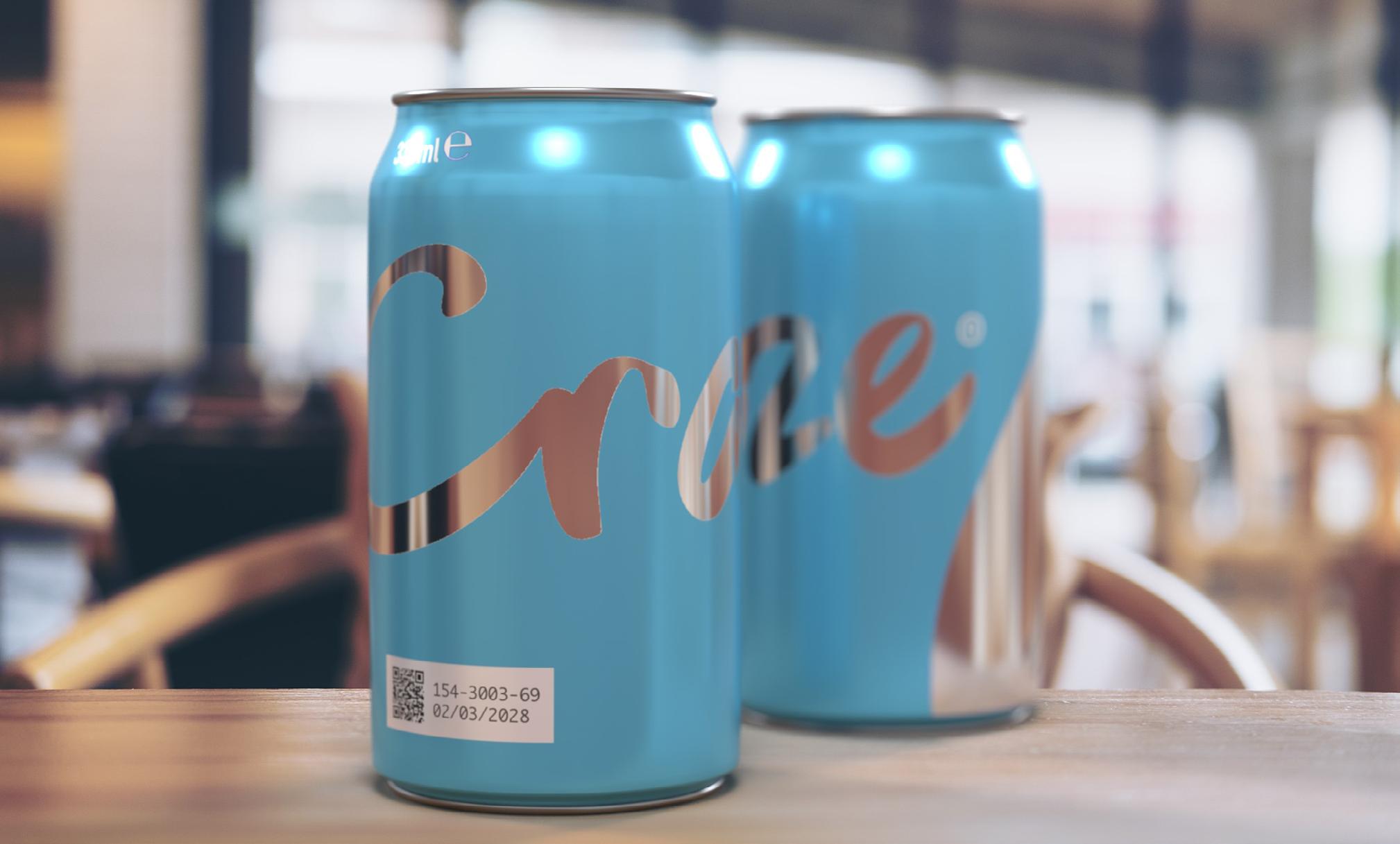
DataLase offers an alternative through its proprietary laser-reactive coating technology. Applied as a clear coating and activated through laser imaging, the solution enables high-quality decoration directly onto metal surfaces without the need for labels, adhesives or conventional inks. This creates a cleaner and more streamlined route to decoration while supporting circular economy goals.
Working alongside Nordson Industrial Coating Solutions (ICS), a specialist in advanced precision technology systems, DataLase technology can be integrated into manufacturing environments across a wide range of metal packaging formats. The process enables
sharp graphics, QR codes, variable information and personalised designs, while maintaining the speed and flexibility required by modern production lines.
The operational benefits are equally compelling. By removing labels and reducing SKU complexity, manufacturers can simplify supply chains, lower warehousing costs and improve uptime. Eliminating paper, plastic film and ink materials at the point of imaging also helps reduce waste and lower environmental impact, while cleaner pack construction supports easier recyclability.
Ally Grant, CTO of DataLase said: “Metal packaging is already recognised as a highly recyclable format, so it makes sense that decoration methods should evolve to support the same sustainability goals. Our laser-reactive technology enables manufacturers to remove unnecessary materials, simplify operations, and create high-quality onpack branding in a far more efficient way.”
From air fryer guesswork to consistent results
When 1 in 3 consumers are guessing cooking times and temperatures, clear on‑pack instructions matter more than ever.
As air fryer cooking expands beyond chips and chicken nuggets, our expert food technicians help remove consumer guesswork. Through science‑led trials, we verify food‑safe outcomes and the textures people expect – from crispiness and crunch to succulence – across domestic air fryers.
✓ On-pack cooking instructions verification or generation and validation
✓ Product safety testing and quality assessment ✓ UKAS accredited testing laboratory no. 9365 ✓ 24 and 48 hour service options
Over 9,000 air fryer cooking trials completed. Find out how we help you deliver clear, consumer‑ready cooking instructions: www.leatherheadfood.com/service/cooking-instructions cooking.instructions@leatherheadfood.com | +44 (0)1372 822 278
Food and Drink Manufacturing
Struggling with F-Gas Compliance Amid Ageing Infrastructure, High Replacement Rates and
Volatile
Markets
• 94% of UK manufacturers say F-Gas legislation will moderately or majorly impact their ability to maintain and upgrade cooling equipment
• 97% of respondents are facing challenges upgrading cooling systems to meet stricter environmental regulations
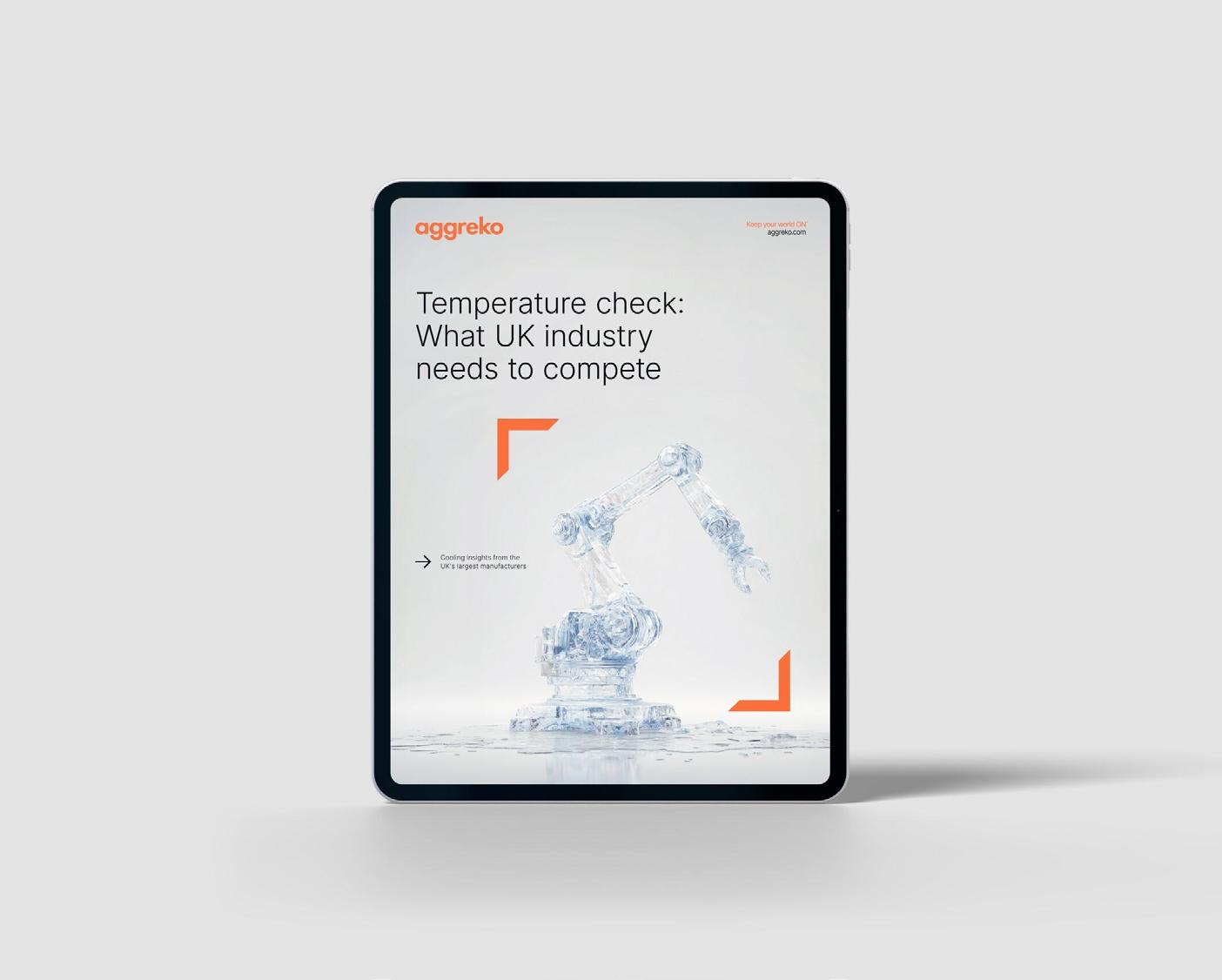
• Aggreko’s new report reveals that knowledge gaps, cost, and lack of alternatives are the top barriers to compliance with the F-Gas phase-down
Food and drink manufacturing faces significant pressure to comply with F-Gas legislation, a challenge exacerbated by widespread ageing cooling infrastructure, volatile market conditions, and the growing threat of extreme weather. This is according to Aggreko’s latest whitepaper, Temperature Check: What Does UK Industry Need to Compete?, which surveyed 334 manufacturing plant managers responsible for cooling processes at companies with a turnover of at least £50 million. The report reveals how legislative demands, coupled with critical operational vulnerabilities, are stalling necessary upgrades and impacting the sector’s resilience.
The F-gas phasedown is entering a critical stage, with proposals for a high ambition reduction pathway that accelerates cuts well beyond the current 2030 target. Under consultation, the UK aims for a 98.6% reduction in HFC use by 2048 compared to 2015 levels, supporting its Net Zero commitment.
While no new product bans or changes to leak-checking and recovery requirements are currently included, the accelerated timeline will significantly influence refrigerant availability, especially those of products with a Global Warming Potential (GWP) above 1000, making the transition to low-GWP alternatives essential for future installations.
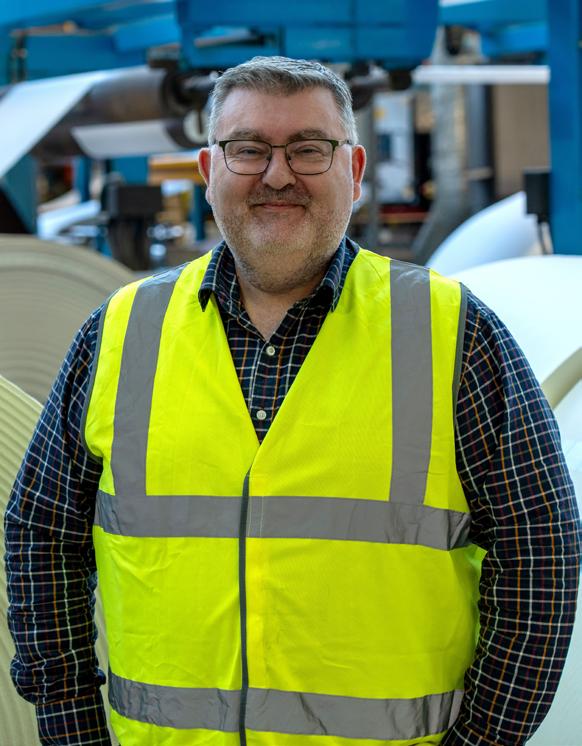
“Manufacturers are facing an extremely challenging set of circumstances,” says Chris Smith (pictured above), head of temperature control at Aggreko UK.
“On one hand, they’re working with ageing cooling equipment that is increasingly prone to failure, but on the other they’re being asked to meet increasingly rigorous environmental legislation. It is crucial that this equipment is upgraded to meet these legislative requirements, and site managers need further support and information to implement these changes effectively.
“We are acutely aware of these challenges and commissioned Temperate Check to further analyse an often-overlooked area of the production process. In this, the impact of F-gas legislation stood out as a major talking point.
“The F-gas timeline is entering a decisive phase in which sharper and faster reductions could be required, and site decisionmakers require greater clarity over equipment compliance if they are to transition in good order.”
The report goes on to explore factors contributing towards this impact, with knowledge and understanding of the regulations, availability of alternative solutions and the cost of the new solutions cited as major barriers to meeting the F-gas timeline. These findings are part of wider mounting concerns about ensuring sustainable production, with 97% of those surveyed saying they are facing challenges in upgrading cooling equipment to meet stricter environmental regulations.
Taking this into account, Aggreko is highlighting the importance of exploring alternative equipment procurement strategies to adhere to environmental legislation while improving operational efficiency and reducing unplanned downtime. For instance, the adoption of
The F-gas phasedown is entering a critical stage, with proposals for a high ambition reduction pathway that accelerates cuts well beyond the current 2030 target.
- Chris Smith, head of temperature control at Aggreko UK
temporary cooling systems can allow manufacturers to trial different configurations of equipment without capital expenditure restrictions while also providing flexibility to respond to seasonal peaks in production demand.
“The results of this survey demonstrate that UK manufacturing is clearly under pressure and cooling is a critical part of this,” Chris concludes.
“Ageing equipment, higher operating temperatures and regulatory flux are converging to create a difficult situation that plant managers may not have the budget to adequately respond to. This is why we’re
encouraging manufacturers to engage with the supply chain as early as possible and implement strategies that could help alleviate these pressures. With the right support, businesses can access efficient, scalable cooling systems that meet today’s demands without hitting the balance sheet.”
Click the link to download Temperature Check:
What Does UK Industry Need to Compete?
Klöckner Pentaplast advances as a leading packaging and innovation partner to the food industry
Klöckner Pentaplast (kp), a global leader in sustainability-focused food packaging solutions, has reaffirmed its strength and clear mandate to drive product innovation and sustainable growth across its global food packaging business, following the successful completion of its recent financial restructuring.
This restructuring process represented a proactive step to reset the company’s financial foundation and position kp for long-term market growth. kp and its food packaging division is now moving forward with a significantly strengthened balance sheet and the support of new owners.
This reflects strong confidence in kp’s market position, its innovative packaging portfolio, and its future growth potential across the global packaging industryincluding the food packaging sector.
Thomas Kure
Jakobsen, President, Food Packaging
at kp, commented:
“I am proud and excited that kp, and our food packaging business, is moving forward as a more agile, better-capitalised company, equipped to invest in what matters most - innovation, sustainability, and the partnerships that drive value for our customers.
“The fundamentals of our food packaging business have never been stronger. Across our range of pre-formed trays and rigid and flexible films, our solutions are engineered to deliver high performance, strong shelf appeal and reduced environmental impact.
“With a strengthened financial foundation, we are now better positioned than ever to advance our innovation roadmap, support our customers’ sustainability ambitions, and play a leading role in the transition to a more circular economy.
“We invest in scientific discovery, testing and developing materials to create new functionalities, design and sustainable alternatives for our products, working closely with its customers to shape the future of packaging design.”
At a time when the legislative landscape in packaging is constantly evolving, kp’s global teams have a keen eye on streamlining its portfolio to meet and exceed upcoming requirements.
Kure Jakobsen continues: “I am incredibly proud and grateful to our teams in food packaging around the world for their determination and commitment to supporting our customers.
Pictured Right: Thomas Kure Jakobsen, President, Food Packaging at kp
I
am proud and excited that kp, and our food packaging business, is moving forward as a more agile, better-capitalised company, equipped to invest in what matters most - innovation, sustainability, and the partnerships that drive value for our customers.
- Thomas Kure Jakobsen (pictured left), President, Food Packaging at kp
“Their dedication and capability are the bedrock on which we will build our next chapter of growth.”
With enhanced financial flexibility, kp’s food packaging division is focused on continuing to progress market-leading innovation in sustainable packaging design, increasing the use of recycled content, and strengthening support for customers in the meat and protein, food-to-go, dairy, bakery, and fresh produce sectors.
Power Adhesives expands world’s first certified biodegradable range with new grades
Power Adhesives has announced a major expansion of its Tecbond biodegradable hot melt adhesive range, introducing three new grades that strengthen its leadership in sustainable bonding solutions for packaging and beyond.
The new products, Tecbond 902BPL, 351B-PR, and 355B-PR, join the pioneering Tecbond 214B and 110B-PR, the world’s first fully certified biodegradable hot melt adhesives. Together, they create a comprehensive portfolio of adhesives designed to meet the demands of both sustainability and performance.
All Tecbond biodegradable grades comply with EN 13432 and ASTM D6400, ensuring they biodegrade fully under industrial composting conditions without leaving microplastics or harmful residues. The full range of grades has also achieved CHIRA assessment approval, confirming that they are benign within paper recycling streams and have no adverse effects on the pulping or recovery process.
This
expanded range gives converters and brand owners more flexibility than ever to meet the EU’s evolving Packaging and Packaging Waste Regulation (PPWR) requirements.
Ross Cunningham, Chief Executive Officer at Power Adhesives, commented: “This expanded range gives converters and brand owners more flexibility than ever to meet the EU’s evolving Packaging and Packaging Waste Regulation (PPWR) requirements.
“It also demonstrates that sustainability and performance can coexist – these adhesives are engineered to deliver the same speed, strength, and reliability customers expect from Tecbond.”
Each grade has been formulated for specific applications:
• Tecbond 902B-PL – A bulk pillow adhesive containing 51% biobased content, offering very high tack and permanent pressure sensitivity, ideal for labelling applications, and bonding paper, board, wood, and plastics.
• Tecbond 351B-PR – A cleanrunning and odourless low-viscosity bulk adhesive formulated to reduce filter and nozzle blockages and improve process efficiency.
• Tecbond 355B-PR – Designed for coated or laminated packaging, this bulk adhesive provides clean-running, low-temperature performance with a 10-second open time, making it ideal for freezer applications.
All products are suitable for use in high-speed packaging lines and precision manufacturing, offering reliable adhesion to a wide variety of substrates, including fibre-based, plastic, and coated materials.
With further grades currently in development, Power Adhesives continues to push the boundaries of biodegradable technology, helping converters and manufacturers future-proof their operations against tightening global sustainability regulations.
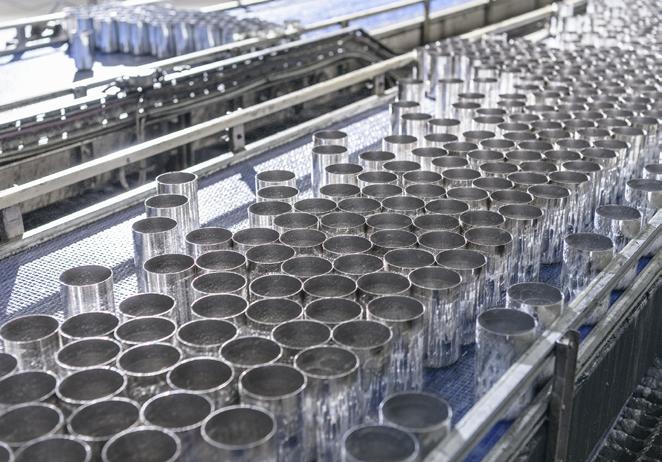
The role of aluminium in the food & drink industry of tomorrow
Tom Giddings, executive director of Alupro – a not-for-profit organisation representing the aluminium packaging industry, explores a number of pressing challenges facing the food & drink sector, discusses the possible impacts of major legislative change and explains why sustainable packaging has become a critical area of focus for leading brands.
The UK’s food & drink industry, like many other sectors, is experiencing a period of significant turbulence. Costs are reaching record highs, inflation is rising fast and the longterm impact of international conflict is set to define the agenda for years to come.
Collectively, this pressure is creating widespread uncertainty across the supply chain, which is further compounded by the added weight of changing tax brackets and a metaphoric tidal wave of new packaging regulation, the likes of which hasn’t been seen in more than
two decades. It’s a remarkably tough landscape and, for many, the stress is starting to show.
While navigating choppy waters remains the immediate priority, the impact of legislative change, such as the roll-out of extended producer responsibility (EPR), packaging recovery note (PRN) market reform and the impending introduction of a national deposition return scheme (DRS), mustn’t be underestimated.
Making the right choices has never been more important and this absolutely includes making robust,
informed, long-term decisions around packaging. After all, while economic and political instability will hopefully be short lived, sustainability, carbon emissions and the circular economy will remain critical themes for the foreseeable future, not least as consumers continue to value responsibly sourced and packaged products.
Navigating the legislative landscape with confidence
Amid a plethora of challenges, it’s important to control the variables wherever possible. Packaging may not necessarily feel like the immediate priority, but legislation is making it harder than ever to ignore.
Indeed, when it comes to sustainable design, material choice is quickly becoming a critical decision for brands looking to minimise risks and maximise the opportunities presented by using recyclable and widely recycled materials. This is intensifying in the light of new EPR regulations, with the burden of managing household packaging waste shifting from a local authority level to a ‘polluter pays’ model and packaging deemed as the most recyclable receiving incentives.
Across our membership base and in terms of volumes placed on the market, we’re seeing demand for aluminium soar as a direct result. Versatile, lightweight, easy to design and offering excellent shelf appeal, more brands than ever are looking towards aluminium as a viable, sustainable, long-term packaging solution. With a base fee of £266 per tonne and an EPR green rating, aluminium delivers lower compliance costs and a less risky outlook for producers.
With an all-aluminium recycling rate of 68% and a beverage can recycling rate surpassing 80%, aluminium is also seen as one of the highest performing sustainable packaging materials. There is widespread ambition across the sector to increase recycling volumes further, with the implementation of a national DRS one of many elements critical in making this a reality.
But the argument doesn’t stop with recyclability alone. The environmental impact of business decisions is of the upmost importance and food & drink brands must consider the wider implications of their choices.
While recycling aluminium already saves 90% of the energy needed to produce it from virgin materials, the supply chain is working hard to further reduce its manufacturing emissions.
With the UK experiencing widespread regulatory change, preparing for the future is key.
- Tom Giddings
This is seeing the widespread adoption of next-generation innovation, such as the use of hydrogen in place of gas to reduce the carbon intensity of smelting.
The ultimate goal, of course, is to achieve a circular economy for packaging, with end-of-life material being driven back into the supply chain. But rather than simply a future vision, this is fast-becoming a reality today. Alupro member Ball Corporation, for example, is now using 100% recycled aluminium in a number of top selling aerosol products, demonstrating the potential for a totally closed loop supply chain. When compared to other material types, the potential for aluminium to be recycled again and again puts it at the vanguard of the race to circularity.
Looking to the future
With turbulence rife across the food & drink industry, making informed packaging decisions is one area in which businesses can act with certainty.
Prioritising sustainable, monomaterial, easy-to-recycle designs is essential to reducing the environmental impact of business as usual, while subsequently adhering to legislation and minimising fees payable under the EPR framework.
Indeed, with the UK experiencing widespread regulatory change, preparing for the future is key. Innovation across product packaging is moving at pace and brands must act decisively to keep up. Regardless of wider challenges, there has never been a more important time to make the right choices – this, after all, is key to prioritising sustainability and managing overheads.
For more information about Alupro, or the organisation’s work as the voice of the aluminium packaging supply chain, please visit: www.alupro.org.uk.
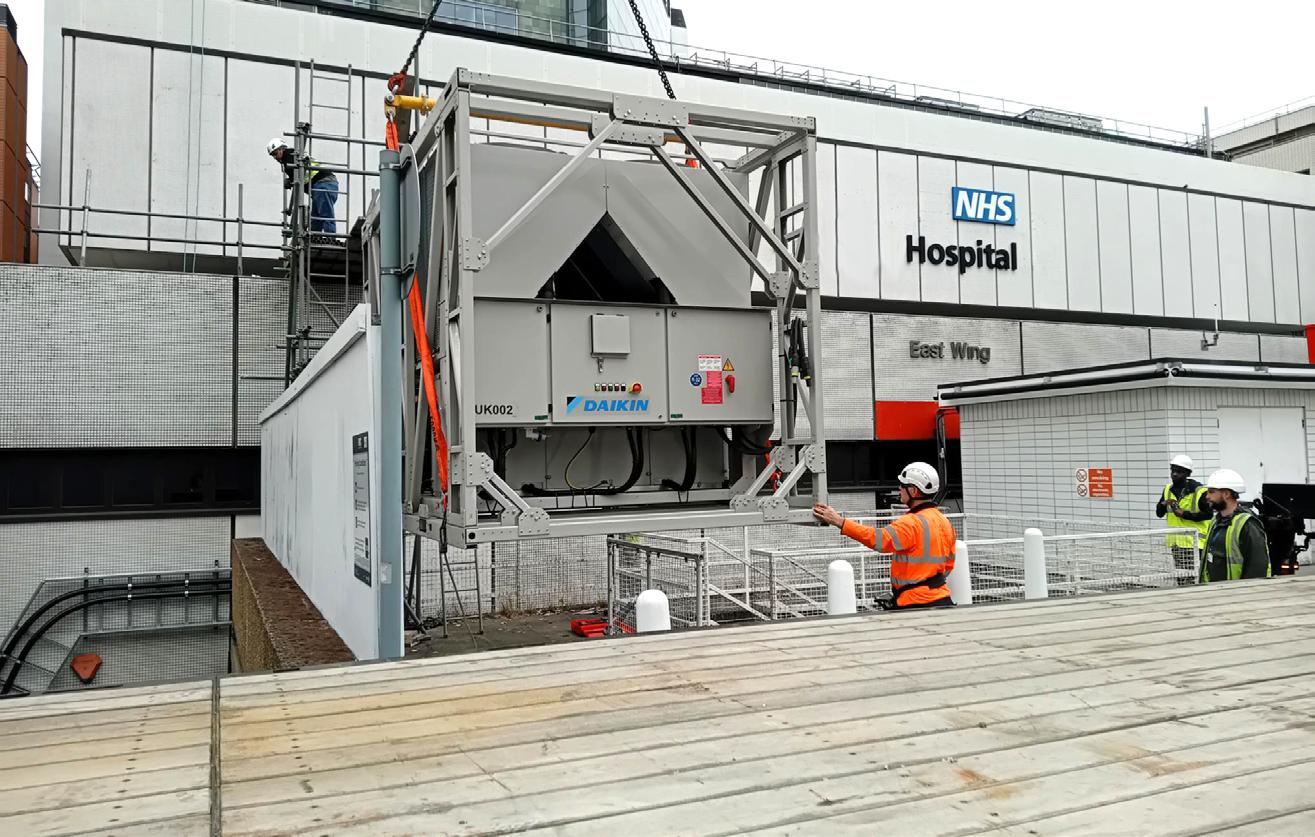
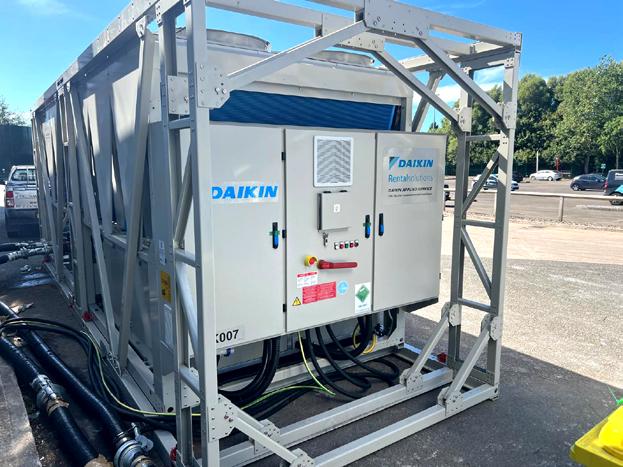
Daikin Rental Solutions Accelerates UK Expansion with Major MultiTechnology Fleet Investment
Daikin Rental Solutions has announced a major expansion of its UK rental fleet, combining new high-capacity cooling systems, low-carbon heating solutions, process cooling equipment, and UK-manufactured air handling units to meet growing demand for flexible, high-performance temporary HVAC.
The investment reflects increasing pressure on UK organisations to maintain operational continuity while responding to ageing infrastructure, rising temperatures, tighter regulation, and the transition to lower-carbon energy systems. By expanding its multitechnology rental capability, Daikin is strengthening its position as an OEM-led provider of fully integrated, turnkey HVAC solutions.
Building a next-generation rental platform
Unlike traditional hire providers that rely on mixed or repurposed equipment, Daikin Rental Solutions offers access to the latest-generation factory-built systems, designed for efficiency, reliability, and seamless integration.
This approach enables customers to deploy modern HVAC solutions quickly, with performance and control aligned to permanent installations. All projects are delivered as fully managed packages, including system design, installation, commissioning, and ongoing support, ensuring
minimal disruption and consistent operational performance.
Supporting critical environments and process industries
Demand for temporary HVAC is increasing rapidly across sectors where downtime is not an option, including healthcare, pharmaceuticals, food and beverage production, manufacturing, and data centres.
To address this, Daikin has significantly expanded its highcapacity cooling capability with the introduction of 800kW and 1MW inverter-driven screw chillers, alongside a broader range of scroll heat pumps from 50kW to 500kW. These systems provide scalable, efficient cooling and heating for complex and high-load applications.
Complementing this, the addition of 250kW and 500kW Dry Air Coolers strengthens Daikin’s ability to deliver complete process cooling solutions. These units provide efficient heat rejection for closed-loop systems and can support free-cooling strategies under suitable ambient conditions, reducing reliance on mechanical cooling and improving overall energy performance.
Enabling the transition to low-carbon heating
As organisations accelerate the transition away from fossil-fuel systems, temporary HVAC is playing
an increasingly important role in supporting staged decarbonisation strategies.
The expansion of Daikin’s heat pump rental offering enables customers to deploy low-carbon heating solutions for both planned upgrades and interim requirements. This provides a practical pathway to electrification without compromising operational continuity, particularly in regulated or high-dependency environments.
Expanding
system capability with airside solutions
To deliver fully integrated HVAC systems, Daikin Rental Solutions has also introduced a new fleet of purpose-built air handling units, designed and manufactured in the UK.
Engineered specifically for rental applications at Daikin Applied (UK)’s Cramlington facility, the AHUs are optimised for rapid deployment, ease of installation, and reliable performance in demanding environments. The range includes 50kW vertical units, 100kW standard AHUs, and low-temperature variants suitable for cleanrooms, healthcare facilities, and hygiene-sensitive production areas.
Don’t discount the benefits of thermal pasteurisation Processing
By Francisco Hernández Ortiz, Global Food Projects Director, HRS Heat Exchangers
Pasteurisation is a process which reduces the microbial load in many food products, ensuring consumer safety and prolonging shelf life. There have been significant developments in non-thermal alternatives to traditional heatbased pasteurisation, such as highpressure processing (HPP) or pulsed electric field (PEF) processing.
However, before investing in any new technology, it is worth remembering that thermal pasteurisation remains the standard against which these alternative methods are judged. For many ingredients and products, thermal pasteurisation is still the most suitable, efficient and cost-effective solution, particularly now that it can be combined with newer heat sources such as ohmic heating and direct steam injection. Here, we take a look at the benefits and limitations of nonthermal options, before showcasing the advantages of traditional thermal pasteurisation technology.
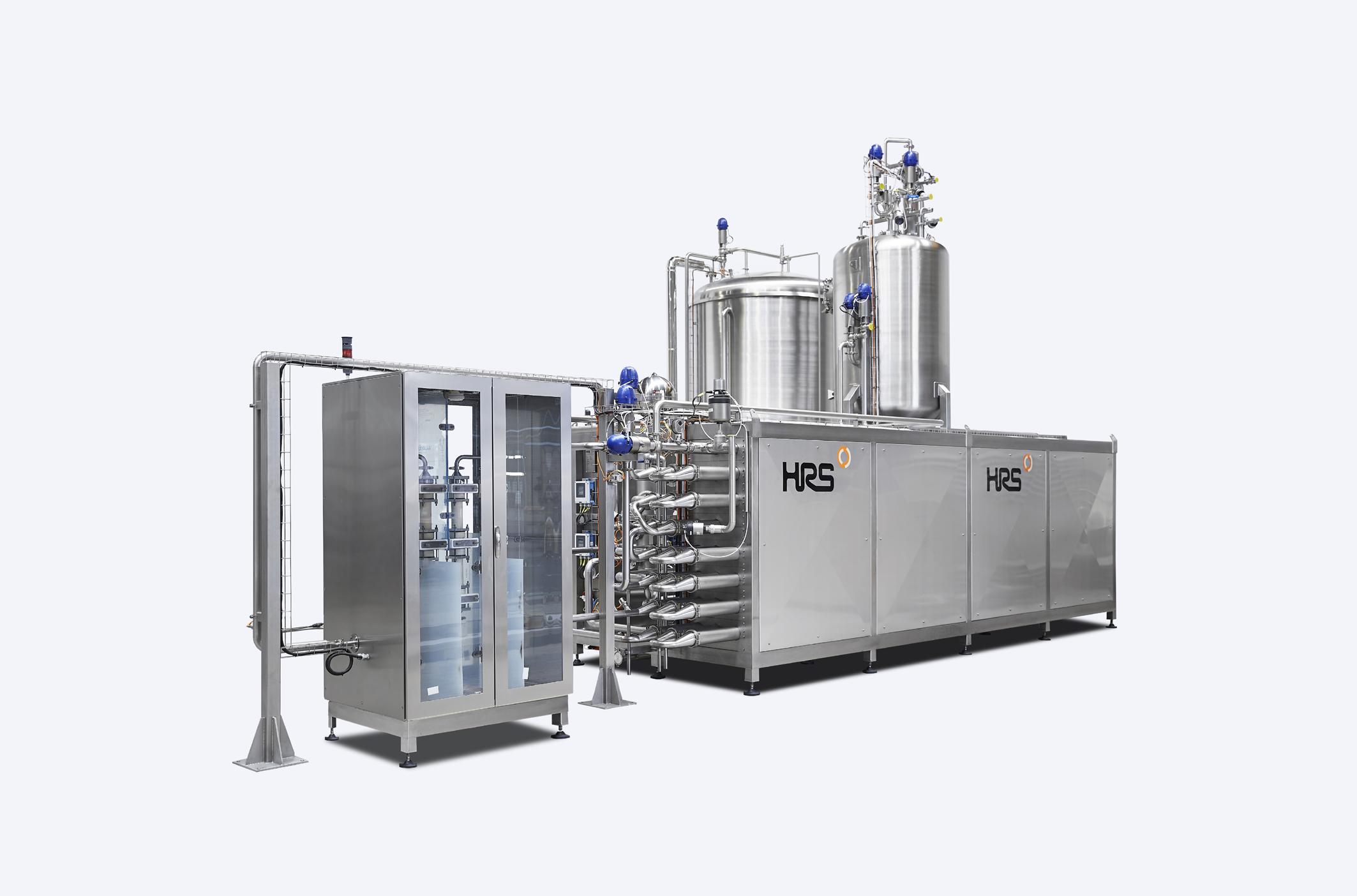
Thermal pasteurisation is suitable for a wide range of products, including dairy and juices
Non-thermal processing techniques
The most common alternatives to thermal pasteurisation are highpressure processing (HPP) and pulsed electric field (PEF) processing, followed by ultraviolet (UV) light, ultrasound, cold plasma, and high-pressure carbon dioxide (HPCD).
Typical industrial HPP involves underwater pressurisation of the product at ambient temperature, usually to a specific pressure between 400-600 MPa, and then holding the product at this pressure for a specific time (usually one-to-five minutes). These high pressures induce changes in the functionality of the cell membranes, resulting in inactivation of vegetative cells and some enzymes. In contrast, PEF processing uses short bursts of high voltage electric fields (up to 30,000 pulses per second) to achieve the desired microbial inactivation or
modification of the food structure. This ruptures the cell membranes, causing the contents of the cells to leak out, effectively deactivating the microbes.
Some PEF processes actually use heat exchangers to pre-heat the product before the electrical fields are applied. This is usually when less heat-sensitive products are being processed, or when the product requires relatively high specific PEF energy inputs to achieve the desired level of microbial inactivation, e.g. in the case of vegetable juices, dairy products, or products where inactivation of bacterial endospores is required.
Limitations of non-thermal options
In many cases, HPP has minimal effect on taste, texture, appearance, and nutritional value. It can also be applied to ‘solid’ products, such as sliced cooked meat and ready-to-eat meals, where it reduces contamination from the manufacturing environment. However, it is not the ‘silver bullet’ that some have suggested; it requires high capital costs and is not suitable for every application. For example, any product where the air content is important (whipped creams, mousses, sauces, etc.) needs extra caution if HPP treatment is being considered, as the pressure may force the air from the product, or be compressed (and subsequently released). Both scenarios have the potential to cause catastrophic product damage.
Dry products such as powders, nuts, etc. are also unsuitable for HPP as isostatic pressure needs water to be present inside the food product in order to achieve uniform and efficient transmission (and therefore cause the necessary inactivation of any microorganisms present). Neither is HPP suitable for many whole fresh produce items where it is either ineffective (in the case of dense products such as fruits or tubers) or causes damage (e.g. leafy salads). Finally, there is uncertainty around using HPP for raw meat products as it can induce colour and texture changes. In trials, it has also been shown to cause denaturation in key proteins in certain dairy products, such as raw milk and whey.
PEF processing has a number of roles in food processing, including dehydration; but as a pasteurisation technique, it is most effective when used with liquid products (fruit juices, milk, liquid egg, etc.) and semi-solid foods (yogurts, fruit purees, salsas, sauces, etc.). However, there have been reports of a number of potential issues including corrosion and fouling of the electrodes, electrolysis of water, migration of electrode material components, and chemical changes in the food product.
Another concern is that in many locations, food safety and public health regulations have not yet caught up with these new pasteurisation techniques, meaning that further assessment may be required before they are widely accepted.
Benefits of thermal pasteurisation
In most situations, there are several key advantages to traditional thermal pasteurisation and sterilisation techniques using corrugated tube, or scraped surface, heat exchangers:
• They are proven and highly effective, killing 99.9% of pathogenic bacteria, yeasts and moulds, and deactivating enzymes which can spoil food and drink products. As such, thermal pasteurisation is the standard against which alternative methods are judged.
• They require lower capital costs than most non-thermal alternatives; in addition, technologies such as corrugated tube heat exchangers can offer a highly efficient process in a compact package.
• They are scalable and versatile, making them suitable for a wide
Processing
range of products. In commercial situations, one unit can be used for a range of temperature and time combinations, and to treat a wide range of products with minimal adjustment or reconfiguration.
• They maintain nutritional value, particularly of many dairy and juice products. In particular, techniques such as HTST (high-temperature short-time) pasteurisation and ohmic heating are particularly good at preserving product quality while providing effective and efficient control of harmful microorganisms.
Given the complexity and wide range of techniques available, it is important to seek expert advice, not only on thermal and non-thermal options, but also on how particular food and drink products may react to these different processes. HRS Heat Exchangers offers a variety of thermal treatment options (including corrugated tube and scraped surface heat exchangers, ohmic heating and direct steam injection), as well as experience of numerous products and access to comprehensive laboratory testing facilities, making us perfectly placed to help food and drink manufacturers choose the best pasteurisation or sterilisation options for their specific needs.
Mitigating unseen losses in large food packs
By Phil Brown, Sales Director at Fortress Technology Europe
Efficiency is a key driver of profitability in the large format food processing sector. Any form of waste caused by contamination in wholesale boxes, damaged bags on production conveyors, or excessive product giveaway can create significant operational challenges. These challenges are further compounded by slow recall responses caused by outdated traceability systems.
When these invisible issues are not addressed promptly, they can soon have a direct and detrimental effect on the financial stability of food processing companies.
Phil Brown, Sales Director at Fortress Technology Europe explores how one of the most powerful strategies to address inefficiencies is to strengthen inline and end-of-line food safety inspection processes.
Combining metal detection and checkweighing equipment on case inspection lines allows processors to directly resolve issues relating to waste, food loss and labour challenges. This integrated strategy assists food companies to maintain a high level of detection sensitivity and enables rigorous quality control throughout the entire manufacturing process.
On top of the trends
The market for large packages of food ingredients is steadily expanding as manufacturers and foodservice providers seek out cost-effective and high-quality food ingredients for use in large-scale food manufacturing. Concurrently, caseweighing inspection advancements at Fortress Technology centre on the development of intelligent, connected and hygienic systems that improve efficiency and reduce waste at scale in ingredient and heavy food applications.
Combination metal detector and checkweighing systems are essential for industries aiming to reduce food waste and meet strict quality control standards, regulatory compliance and automated production efficiency. New research indicates that the global inspection and weighing machine market is projected to reach USD 4.1 billion by 2035, almost double the value of USD 2.3 billion in 2025.
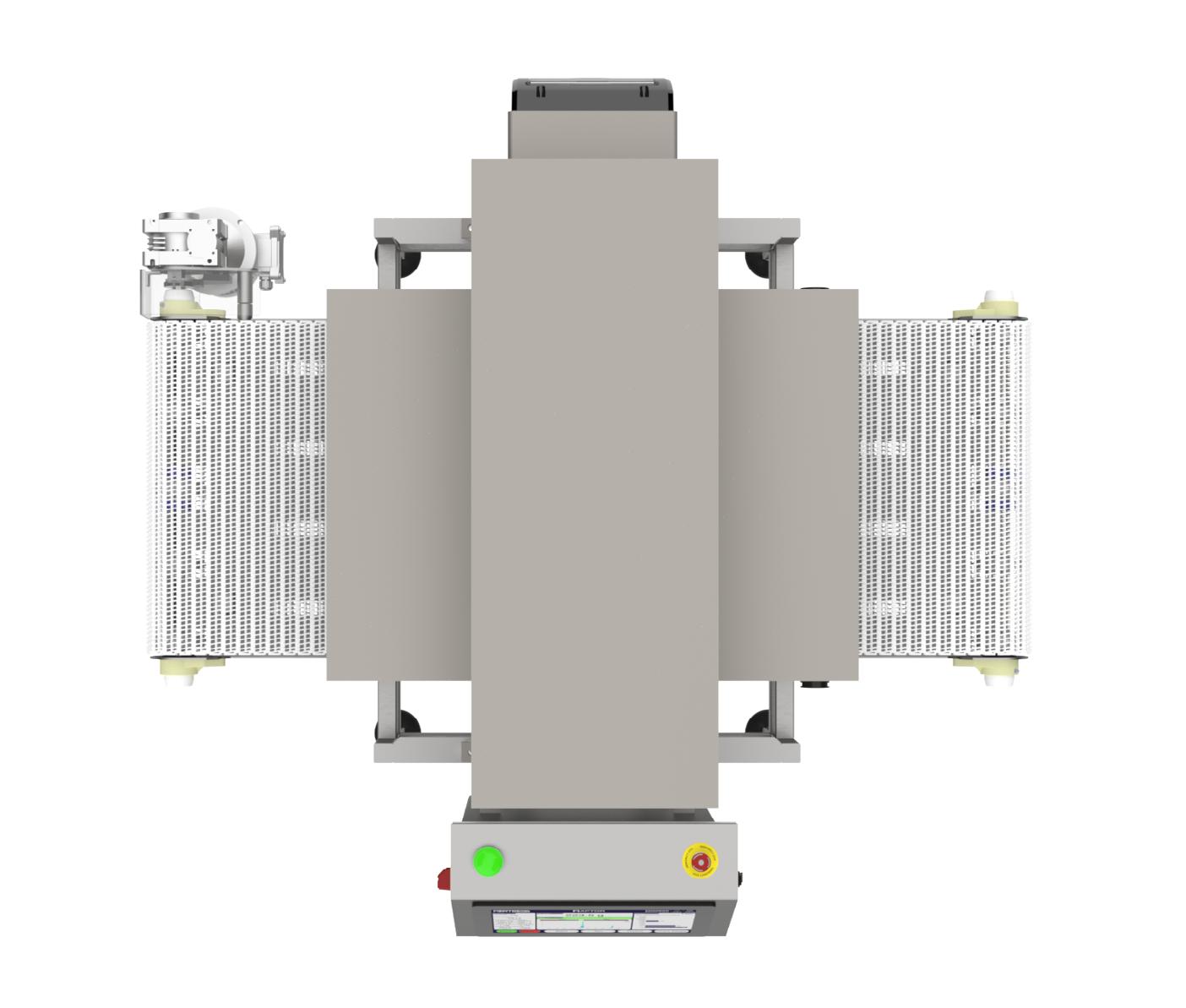
These specific factors directly influenced the development of Fortress Technology’s Raptor BBK Combination System. Purpose built for applications such as pet food, grain bags and large case formats weighing between 8-25 kilograms, this combination system delivers several advantages to users operating at scale.
The user-friendly design ensures that production staff can easily
interact with and manage the equipment. Maintenance routines are straightforward, minimising downtime and supporting consistent productivity. Additionally, the system features an easy-to-clean design, helping processors maintain the highest hygiene standards required in boxed or heavy bag production environments.
Uniquely, the Fortress Technology Combination Systems have a CRO (conveyor-run-only) option that ensures food safety and HACCP compliance is prioritised. This means that the metal detector can always run for products that do not require a weight check.
“Consolidation of these technologies not only streamlines processes but also supports processors in maintaining compliance with food safety standards and industry regulations. The result is improved operational efficiency, reduced product giveaway and enhanced reliability. These factors all contribute to the longterm financial stability of food processing companies,” clarifies Phil Brown.
The time for waste is over
Rising environmental concerns and economic pressures demand more efficient use of resources, minimal waste and improved sustainability practices across all food production lines. In high volume operations, even minor process deviations can quickly escalate. The scale of losses in wholesale and larger cased products is often more visible and are amplified
Nonconforming or contaminated product caught after packaging represents a significant irrecoverable cost.
due to the high volume of output involved.
Non-conforming or contaminated product caught after packaging represents a significant irrecoverable cost. Additionally, isolating contaminants and salvaging unaffected product at this final stage is often more time consuming and impractical, impacting productivity.
These risks can be reduced by strategically placing inspection systems at high-risk critical control points throughout the production process.
Fortress Technology advises processors distributing food packaged in cases or large bags to intercept physical contaminants at their largest and most detectable form, prior to fragmentation and dispersal during processing. If identified post-packaging, large volumes of finished product may need to be discarded. A recommended
strategy can involve implementing dual- or multi-stage inspections. This may include screening incoming ingredients before processing using gravity and/or large format metal detectors, followed by final metal detection and weighing safeguards at the end of the production line.
Enhancing footprint efficiency
Large scale production rarely equals more floor space. By expanding vertically and positioning gravity metal detectors on mezzanine floors, or optimising floor layouts and incorporating automated solutions, bulk processors can increase their output and profitability per square metre.
The new Raptor BBK Combination metal detector and caseweigher answers this call for more compact combination systems that conserve floor space and lower operational costs without compromising performance. Measuring less than 2.5 metres in length, reject conveyors can be customised to suit the product application. The system also enhances user safety by preventing heavy lifting and hazardous pinch points.
Its robust and hygienic construction ensures long-term reliability and performance in demanding processing and packaging environments. The modular plastic chain conveyor belting and AC induction motor supports efficient cleaning and maintenance.
Real time data logging and connectivity provides extra assurance that food processors are experienced and ready to adhere to food traceability rules as they roll out globally.
Given that 70% of all products globally rely on bulk solids handling at some point in their lifecycle, the reliance on inspection and quality control cannot be underestimated, reaffirms Phil. The answer lies in prioritising precision inspection, data integration and in-line and end of line weighing of packaged ingredients and larger format foods.
For more information, download the free Fortress Technology whitepaper: The True Cost of Waste in Large Format Foods.
James Cropper Paper & Packaging appoints Andrew Cockerill as Business Development Manager
British master papermaker James Cropper Paper & Packaging has announced the appointment of Andrew Cockerill as Business Development Manager, as the company expands its reach across the UK and European corrugated and speciality paper markets.
Cockerill brings 27 years of experience across technical engineering, sales, and business development within the paper and packaging industries. He began his career as an engineering apprentice at RPC Group Limited, later specialising in polymer chemistry and material science, before moving into technical sales and commercial roles. Over the course of his career, he has held positions at DS Smith, Corrboard UK, Cartonerries Gondardennes,
and Winfibre UK, managing multimillion-pound portfolios and building long-term customer partnerships across the UK and Europe.
Cockerill said: “James Cropper has a reputation that genuinely stands apart. Not just for the quality of its paper, but for the depth of expertise behind it. Joining at a time when the business is investing, evolving, and sharpening its focus across different markets made it a very easy decision.”
Cockerill will focus on developing the company’s corrugated and speciality paper offering, supporting volume growth while working closely with sales and technical teams to ensure customers benefit from both performance and consistency.
Ritter Sport strengthens Impulse and Out of Home sales team
Ritter Sport has appointed Nick West as Senior Business Manager lead for Impulse and Out of Home, strengthening its commercial team as the brand looks to accelerate growth beyond major multiples.
Nick joins the business with more than 15 years’ experience across the FMCG sector, having started his career at Cadbury selling to independent retailers across South and West Yorkshire. He has since held senior roles at Taylors of Harrogate and spent almost a decade at Fox’s and Burton’s Biscuits leading the convenience and wholesale channels.
He joins the team at a time of increasing momentum for the brand, citing its product quality and growing market presence
as key drivers behind the move. Over the next 12 months, his focus will be on significantly expanding Ritter Sport’s presence in the Impulse and Out of Home channels, where distribution remains relatively limited despite strong consumer demand.
Ritter Sport sees a major opportunity to improve availability outside the grocery multiples and is actively looking to engage with new and existing trade partners as it builds towards its growth ambitions for 2026 and beyond.
Commenting on the role, Nick said: “Ritter Sport is a brand that really stands for something. From the quality of the chocolate to the breadth of the range and its sustainability credentials, it ticks every box for today’s consumer.”
Pictured Above: Andrew Cockerill, Business Development Manager, James Cropper Paper & Packaging
Pictured Above: Nick West, Senior Business Manager, Ritter Sport
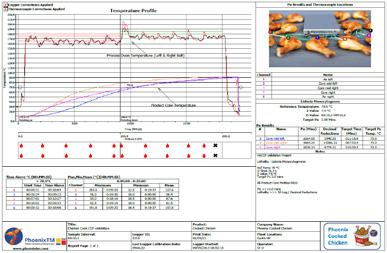
Efficient HACCP Cook & Chill CCP Validation
Product Safety
Process Efficiency
Improved Product Yields
Rapid Fault Finding
Full HACCP Certification
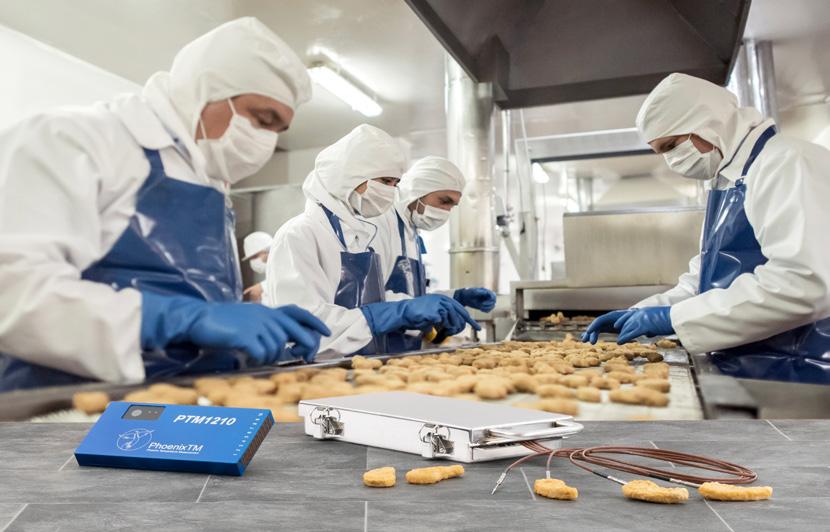
Thru-process temperature monitoring solutions for all your cook applications
PhoenixTM Technology
• Accurate IP67 data logger (Type K or T)
• 10 Measurement Points for full oven mapping
• Thermal barrier options to suit cook regime
• Comprehensive thermocouple range
• Standard miniature thermocouple plugs
• Calibrated thermocouple options
• Food trays and thermocouple jig options
• Full lethality (Fo/Pu) and reporting
• Real Time RF Telemetry options
• Local efficient calibration and service support
Phoenix Temperature Measurement
Rethinking Compressed Air in Food and Beverage: The Shift from ‘Managing’ to ‘Removing’ Risk
By Niccolò Casini, Senior Director and Product Management Europe at ELGi Compressors
Niccolò Casini, Senior Director and Product Management Europe at ELGi Compressors
For many small and mediumsized food and beverage manufacturers, compressed air is a critical utility that rarely receives strategic attention. It powers packaging lines, controls valves, conveys ingredients, and, in many cases, comes into direct or indirect contact with the final product. Yet, when producers consider their compressed air systems, the choice often appears limited.
On one side of the market sit traditional oil-free compressor systems. These technologies are proven, capable of delivering Class ‘0’ compressed air quality, and widely adopted by large multinational producers. At the same time, they are also complex, capital-intensive, and costly to operate.
On the other side are oil-flooded compressors using so-called food-grade oil. These systems are significantly more affordable and widely perceived as suitable for food production, particularly when budgets are tight.
This apparent choice reflects the reality faced by smaller producers. They operate under constant pressure: rising energy costs, squeezed margins and intense competition, while still carrying full responsibility for product safety, regulatory compliance and brand reputation. In this context, compromises are often made, sometimes without fully considering the risks involved.
The “food-grade oil” safety myth
One of the common misconceptions in food and beverage manufacturing is the belief that food-grade oil is inherently safe. The term itself is reassuring, but it can be dangerously misleading.
Food-grade oil exists because the industry recognises that standard lubricating oil poses an unacceptable risk in food environments. Indeed, food-grade oil removes or limits the most harmful components, making it less dangerous than conventional oil. However, “less harmful” does not mean “safe for contact with food.”
In applications where compressed air comes into direct contact with food or beverages, any oil, including foodgrade oil, remains a contamination risk. Even in indirect-contact applications, oil aerosols can migrate within production environments. Many producers underestimate this distinction or assume that food-grade oil alone provides sufficient protection.
In reality, food-grade oil is a compromise. It reduces risk, but it does not remove it. Food-grade oil requires more frequent replacement – typically every 2,000 hours instead of 4,000 –which ultimately increases operating costs and makes it less efficient and less cost-effective than standard oil.
Filters, carbon towers, and the illusion of control
To compensate for this residual risk, many plants rely on downstream safeguards like high-efficiency filters and activated carbon towers. In theory, these systems can effectively remove oil from compressed air before it reaches the point of use. However, in practice, their performance depends entirely on perfect maintenance.
Filters and carbon media have limited service lives. They must be replaced on time, according to strict schedules, often requiring production downtime. When maintenance is delayed, postponed or forgotten – a common occurrence in busy facilities – filtration efficiency drops. Over time, saturated filters may allow oil to pass through unnoticed.
The problem is compounded by system complexity. Each additional
Food-grade oil exists because the industry recognises that standard lubricating oil poses an unacceptable risk in food environments.
- Niccolò
Casini
filter, separator or carbon tower introduces another potential failure point. While these measures can reduce risk incrementally, they also increase dependence on human intervention and procedural discipline. What appears robust on paper can become fragile in real-world operation.
When contamination happens
Most food and beverage plants operate for years without experiencing a contamination incident, which can reinforce the belief that existing safeguards are sufficient. However,
when contamination does occur, the consequences are profound.
A single incident can result in scrapped production batches, lost revenue measured in tens of thousands of euros, emergency line stoppages or product recalls. In the worst cases, contaminated products may reach the market, leading to severe reputational damage that far exceeds the direct financial loss.
Unfortunately, many producers only fully recognise the true cost of contamination after experiencing it. By that point, the savings achieved by choosing a lower-cost solution often pale in comparison to the cost of recovery.
Traditional oil-free compressor technologies were developed precisely to eliminate these risks. Their complexity and cost reflect the engineering required to deliver guaranteed oil-free compressed air under demanding industrial conditions.
For large food and beverage groups with dedicated quality departments, such investments are standard practice. For small and medium producers, however, the high purchase price and operating costs have historically made traditional oil-free systems difficult to justify, even when the risks are understood.
This has left many producers trapped between two imperfect options: accept higher costs to remove risk or accept ongoing risk to control costs.
Water-injected oil-free technology
In recent years, water-injected oil-free compressor technology has emerged as a practical alternative designed to address this dilemma. By replacing oil with water in the compression process, these systems eliminate oil contamination at its source while avoiding much of the complexity associated with traditional dry oil-free designs.
The result is an oil-free solution with a simpler architecture, fewer critical components, and lower acquisition and operating costs than conventional oil-free systems. While still more expensive than oil-lubricated compressors, water-injected technology significantly reduces the affordability gap that has long prevented wider adoption of oil-free compressed air.
However, affordability in compressed air should not be judged solely on purchase price. A meaningful evaluation must consider life-cycle cost: energy consumption, maintenance
effort, downtime risk over a five to ten year period as well as the financial and brand impact of potential contamination incidents.
Water-injected oil-free systems typically carry higher energy costs than oil-lubricated machines, and their initial price remains higher. However, they remove a fundamental variable from the equation: oil contamination risk from the compressor itself.
There is no need to rely on filters to remove oil that should never be present. No dependency on perfect maintenance to prevent a failure mode inherent in the system’s design. This shift has tangible business value.
Peace of mind in the compressor room
By eliminating oil from the compression process entirely, water-injected oil-free systems offer something increasingly valuable in food production: peace of mind.
Producers gain confidence that one of the most significant contamination risks has been removed by design, not merely managed through procedures. This confidence supports consistent product quality, simplifies compliance
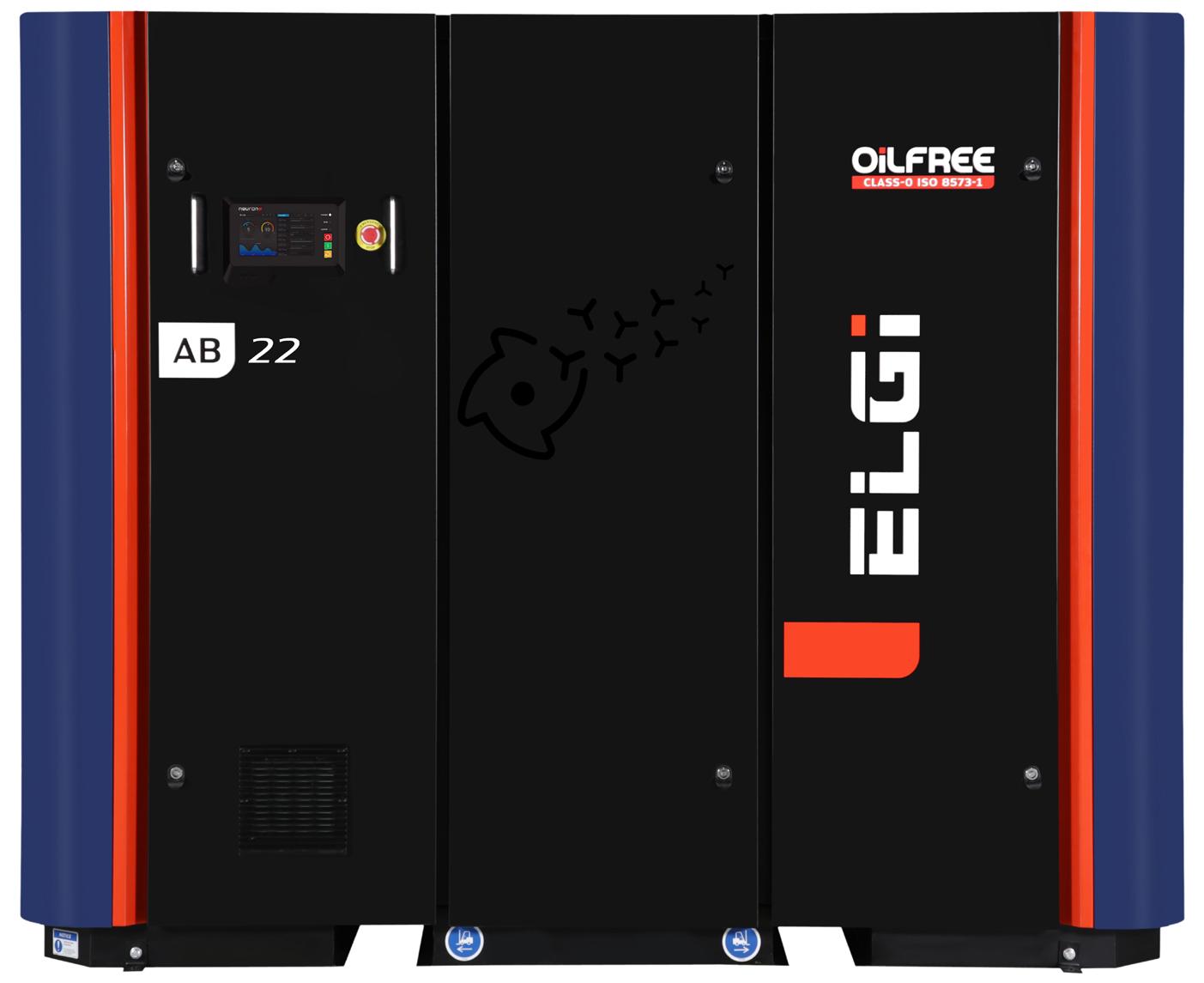
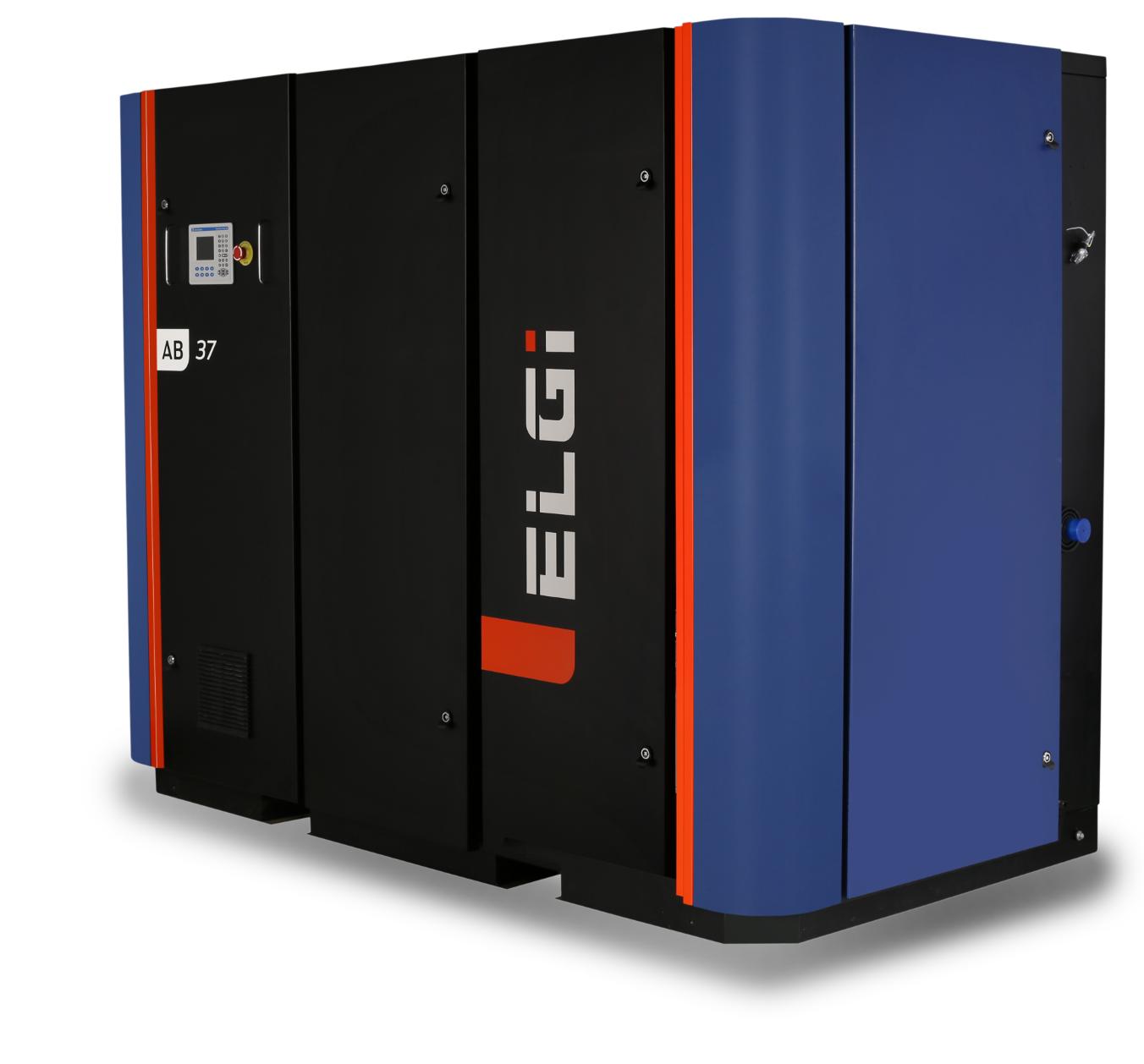
Modern waterinjected oil-free compressors, including those in the AB Series, provide a practical pathway toward oil-free production.
- Niccolò Casini
and reduces the likelihood of costly surprises.
Are the cost savings really worth the long-term contamination risk? While fully oil-free systems can be 60–80% more expensive, water-injected solutions are typically only around 30% higher in cost — making them a more affordable, zero-risk alternative when weighed against the potential impact of a single contamination incident on product, trust, and brand reputation.
Making an informed choice requires understanding the real risks, weighing short-term savings against long-term exposure, and choosing technology based on acceptable risk levels, not just price.
Moving from “managing risk” to “removing risk” represents a fundamental shift in thinking. Modern water-injected oil-free compressors, including those in the AB Series, provide a practical pathway toward oilfree production. Crucially, they allow food safety to move from compromise to conscious choice – one aligned with the realities of today’s food and beverage industry.
Author: Niccolò Casini, Senior Director and Product Management Europe at ELGi Compressors
For more information visit: www.elgi.com/eu/
ASSA ABLOY Entrance Systems unveils next-generation RT1000 Spiral High Speed Door
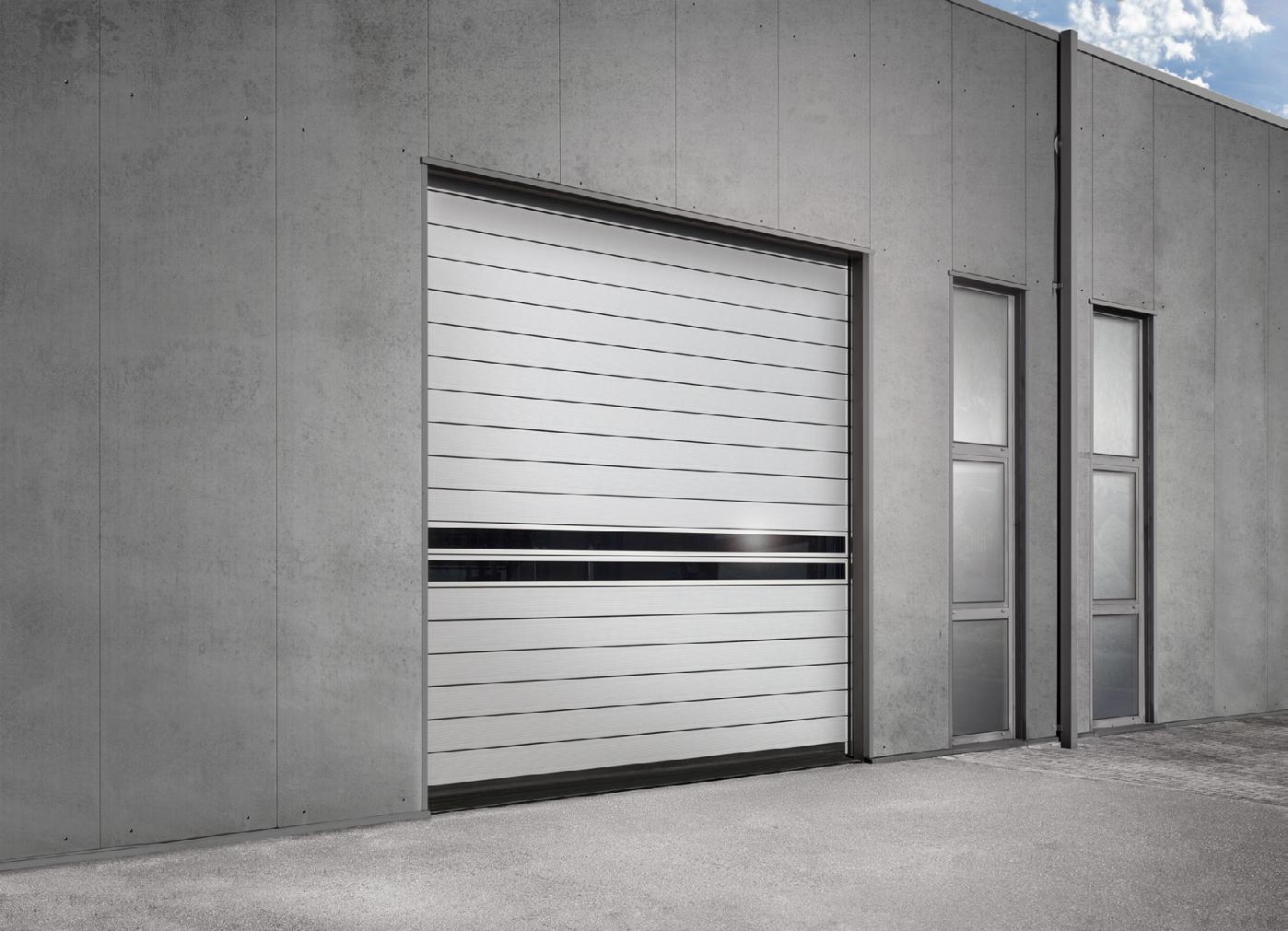
ASSA ABLOY Entrance Systems has launched the new ASSA ABLOY RT1000, a highperformance door designed for energy efficiency, security and durability in demanding industrial environments. Engineered for rapid operation and long service life, the RT1000 is ideally suited to logistics, warehousing and manufacturing facilities seeking to enhance operational flow and reduce energy loss.
Engineered for speed, efficiency and resilience in demanding environments
ASSA ABLOY Entrance Systems has launched the new ASSA ABLOY RT1000, a high-performance external
spiral door designed to deliver outstanding operational efficiency, thermal performance and long-term reliability in fast-moving industrial settings.
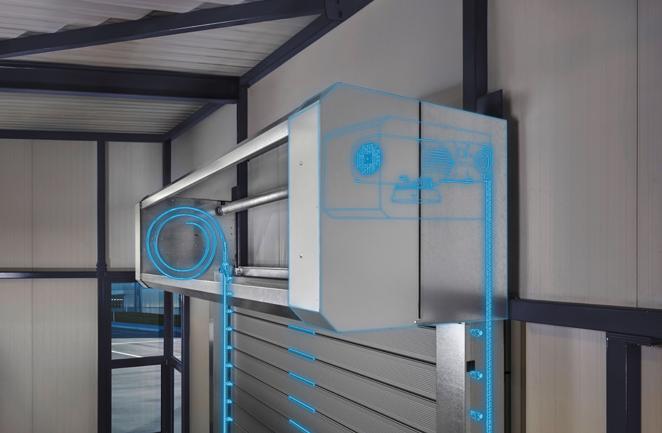
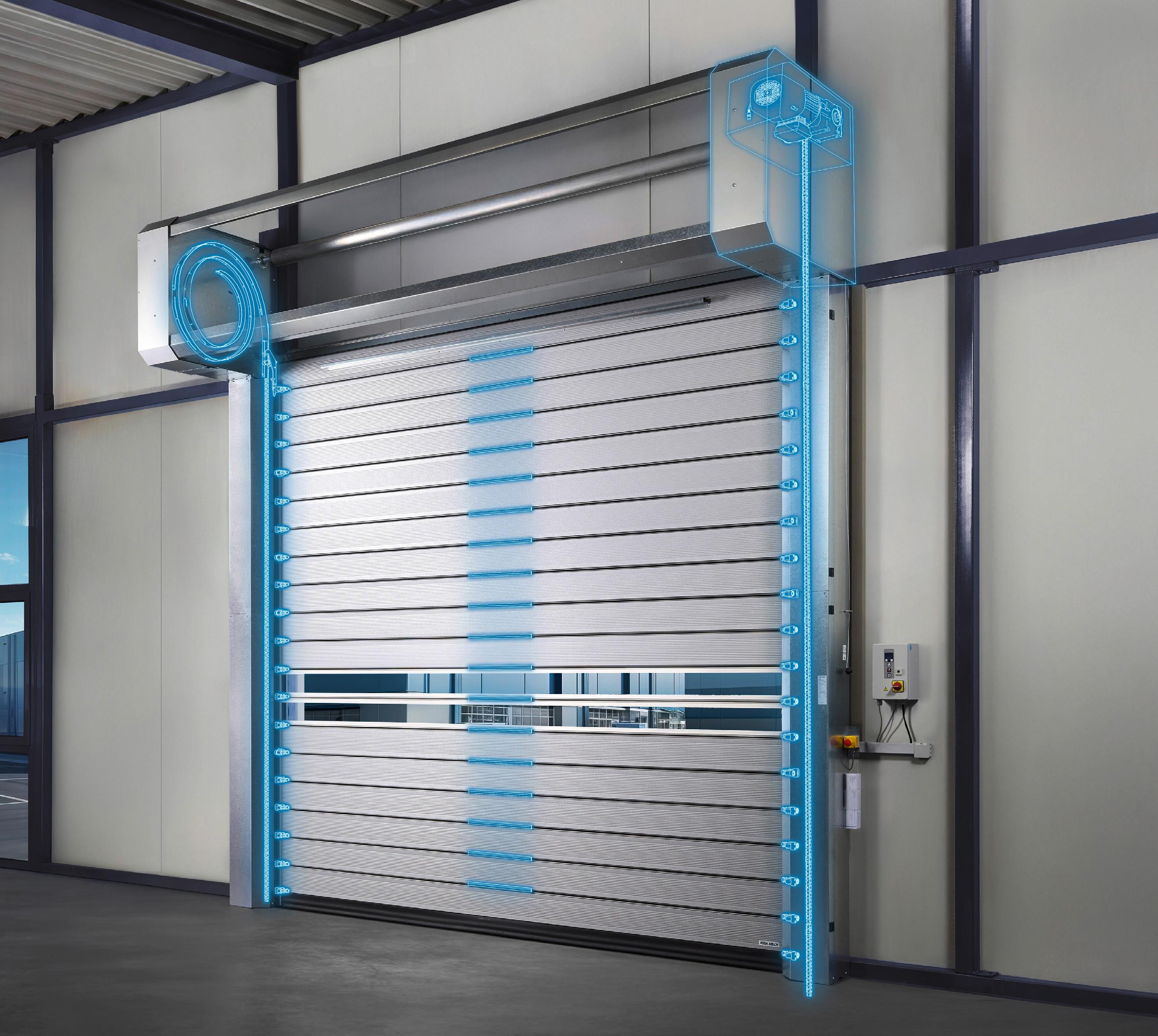
Purpose-built for facilities where speed and uptime are critical, the RT1000 achieves opening speeds of up to 1.75 m/s and controlled closing speeds of up to 0.6 m/s. At its core is RapidTech1000, an advanced operating system featuring a single-track spiral with high-velocity gliders. This optimised spiral curve ensures rapid, smooth door travel while maintaining stability and reducing wear. The integrated drive unit enables a compact, space-saving installation, allowing the door to be seamlessly incorporated into a wide range of building designs.
The RT1000’s insulated 50 mm highdensity foam panels, combined with effective side frame and lintel sealing, help to minimise heat loss and improve energy efficiency. Double-glazed, burglar-resistant polycarbonate vision panels enhance both security and
natural light transmission, achieving RC2 burglar resistance in accordance with DIN TS 18194. With wind resistance up to Class 3 under EN 12424, the door is well suited to exposed external openings where performance under pressure is essential.
Designed for logistics, manufacturing and hightraffic industrial sites
The ASSA ABLOY RT1000 is ideal for logistics hubs, warehousing and distribution centres, manufacturing facilities, automotive plants, food and beverage production sites and largescale retail distribution operations. Its high-speed functionality supports smooth traffic flow for forklifts, HGVs and automated systems, while helping to maintain internal climate control in temperature-sensitive environments.
Safety features including an integrated light curtain and LED traffic light strip help to protect pedestrians and vehicle operators, while a frequency converter control system ensures controlled and optimised door movement. Remote monitoring capabilities further support efficient operation and proactive maintenance planning.
Constructed from long-life components and common, readily available ASSA ABLOY parts, the RT1000 has been engineered for durability and low maintenance. Its clean, flush design without visible hinges, quick-access column covers and integrated actuators provide both aesthetic appeal and ease of servicing.
With the introduction of the RT1000 Spiral High Speed Door, ASSA ABLOY Entrance Systems continues to demonstrate its commitment to intelligent, sustainable entrance solutions that combine advanced engineering with robust, future-ready performance.
Fortnum & Mason: Craft, collaboration, and the timeless art of the
hamper
Fortnum & Mason reflects on nearly three centuries of craftsmanship, collaboration, and the careful choreography behind its iconic hampers.
For nearly 300 years, the Fortnum & Mason hamper has been a vessel of delight, a portable parcel of comfort and joy that has traversed the globe. From the windswept slopes of Everest to the manicured lawns of Glyndebourne, from desert dunes to the bustling streets of Piccadilly, its wicker embrace carries a promise that wherever it lands, a moment of pleasure awaits.
Stamped with the bold Fortnum’s initials, each hamper is a testament to centuries of meticulous craft. Every basket is curated with care, filled with delicacies designed to enchant, including game pies, hothouse fruits, rich fruitcakes, Scotch eggs, and fine teas. Yet the magic lies not just in the contents, but in the choreography of its creation, the thoughtful arrangement, the tactile ribbons, and the careful balance of colour and texture. It is a symphony of craftsmanship, every detail considered to spark wonder. Yet even a brand steeped in nearly three centuries of heritage cannot escape the pressures of modern sustainability.
Across the luxury sector, companies are grappling with complex environmental expectations, shifting consumer demands, and a constant stream of new materials and technologies. The path forward is rarely clear, and the temptation to adopt every promising innovation can be overwhelming. Navigating this terrain requires honesty, openness, and a willingness to learn from others.
“Actually, this is a whole learning curve for us,” said Yvonne Isherwood, Head of Product and Packaging Design, after participating in a panel session at London Packaging Week.
Across the luxury sector, companies are grappling with complex environmental expectations, shifting consumer demands, and a constant stream of new materials and technologies.
“None of us has a solution, and we cannot pretend that we do. It is important to be open and candid. I think we should be collaborating more, not just internally, but across the industry, because that is how we are going to make a difference. It is also valuable to have those conversations with groups of people you would not normally speak to.”
The path is rarely straightforward. In a market brimming with innovation, brands are constantly bombarded with new materials, technologies, and ideas, each one touted as the next essential solution. Every week brings fresh proposals, and packaging shows glitter with promise, and suppliers jostle to position their offering as something a brand simply must adopt.
Events like London Packaging Week provide a crucial forum to cut through this noise, offering insight and shared experiences that help brands identify the most viable solutions. Amid the allure of the latest sustainability trend, it can be difficult to separate the truly practical options from the impractical, expensive, or untested. It is a landscape where pressure and expectation collide, and the temptation to chase every idea is strong.
“Constantly, people are saying, ‘We have this new material, why don’t you try it?’ But often it is either super expensive, untested, impractical, too large in volume, or simply does not fit our market. Navigating that requires finding a way through without jumping to solutions that are not really there. At the start of this programme, we tried to do everything and quickly realised we were not achieving much. The approach now is to focus on the big changes where we can make a difference and then move on. It is a slow process, though we do need to accelerate it to some extent.”
Even well-intentioned changes can bring sleepless nights. “For instance, at the moment we have removed magnets and made other adjustments like laminates to improve sustainability. But the solution we have implemented is breaking as it reaches the customer, which keeps me up at night. Even though we are trying to do the right thing, and I think customers would understand if we explained it, ultimately, it is a beautiful box they might have kept for a long time. It is that sort of challenge, we are always edging toward solutions, but they take careful thought and time.”
Despite the hurdles of modern sustainability and the constant pressures of innovation, Fortnum & Mason’s commitment to craftsmanship
At Fortnum’s, we have products with a lot of volume behind them, as well as the ones or twos.
remains unwavering. Even as teams navigate new materials, packaging constraints, and the demand for more sustainable solutions, the hallmark attention to detail, the subtle delights that make a Fortnum’s hamper special, remain non-negotiable. Every box, ribbon, and closure carries the legacy of careful design and thoughtful finishing, a small moment of magic for the recipient.
“That does not mean you compromise on the quality of the materials you are using,” says Yvonne. “You can still include all those finishes and maintain the craftsmanship in how it is made. There is still that closing feature that people love. It does not need to be all magnets and pop-ups. When you open a box, it is about discovering a detail inside, or perhaps finding a little extra once it is empty, that makes you smile. It is about continuing to employ all of those thoughtful touches.”
This dedication carries through even in products produced at scale. “There is a balance. At Fortnum’s, we have products with a lot of volume behind them, as well as the ones or twos. It is about celebrating craftsmanship in those smaller runs and telling a story. I am going to keep emphasising that. Even the hampers, which are made in larger volumes, are handmade, and we almost forgot that.”
Craft can sometimes take a backseat when practicality and scale collide. In a world where packaging trends shift rapidly and every innovation promises to be the next must-have, it is easy for the artistry behind each hamper to be overshadowed. Yet at Fortnum & Mason, the intrinsic beauty of the basket, the box, and its thoughtful construction cannot be forgotten. They are objects that enter people’s homes and become part of daily life, small vessels of delight that carry both tradition and care.
“The hamper just became a vehicle to transport goods.
Case Study
“But then you think, hang on a minute, this in itself is a beautiful thing, and it is kept in people’s homes. So let us celebrate it.”
Even as industry trends evolve, Fortnum’s remains deliberate in its approach, resisting the temptation to chase every label of “handcrafted” or “artisanal” that others now tout.
“I think so, yes. And, not wanting to jump on a bandwagon, many people are now saying, ‘Oh yes, now we can say it is hand-stitched or crafted.’ But we did forget. It became all about very elaborate packaging, and that is what we were selling. We have had to pare back on that. It is lighter, yet it still retains its essence. And I think, as a major player in the luxury market, it is our responsibility to lead the way. Our customer base expects it of us, assumes we have done good work, so we need to carry that on.”
Partnership and collaboration are at the heart of every Fortnum & Mason hamper. Behind the elegance of each basket lies a web of relationships, trust, and shared expertise. Success is not measured by cost alone. It is defined by creativity, responsiveness, and the ability to work seamlessly with partners. From suppliers to logistics teams, each participant brings their own skill set, and no one person can know everything. It is this shared
Partnership and collaboration
are at the heart of every Fortnum & Mason hamper. Behind the elegance of each basket lies a web of relationships, trust, and shared expertise. Success is not measured by cost alone.
knowledge and the willingness to learn from one another that allows Fortnum’s to continually innovate while preserving the hallmarks of quality and craftsmanship.
“It is multifaceted. It is not just about cost, though that plays a part. It is about creativity and truly working together as a partner. Being more than a supplier means that when something goes wrong, we respond together,
and when something goes right, we celebrate together. Partnership is what we are looking for, rather than simply focusing on pennies. And no one person knows everything, so we are constantly learning. You can transfer skills from one sector or material to another, and it is invaluable to collaborate and talk to people because everyone brings their own expertise.”
The same care and attention extend to the meticulous orchestration of the Christmas hamper, a process that spans an entire year. Every detail, from selecting ingredients and coordinating with suppliers, to packing, testing, and shipping, is considered with thoughtfulness and precision. Even the smallest hiccup, such as a missing component, can hold up the whole line, underscoring the scale of the challenge.
“It takes all year to pack a Christmas hamper. From deciding what goes in it and being thoughtful about the intention, whether it is to celebrate an occasion or simply to lay on a feast, there is a lot of consideration involved. Then comes liaising with all our suppliers, ordering everything, preparing the basket, packing, testing, shipping, looking after it, and finally packing again in mass. Even a missing component can hold up the entire line. It is a complex process, but it is exciting. A hamper is exciting. It is a gift you can give to everyone, and I feel a great sense of satisfaction.”
In the end, every Fortnum & Mason hamper is more than a collection of delicacies. It is the culmination of nearly three centuries of care, craft, and curiosity. It is a testament to the artistry of those who make it, the trust between suppliers and artisans, and the thoughtful choreography that turns a basket into a moment of delight. Each hamper, whether destined for a bustling city street or a remote corner of the globe, carries with it a story of meticulous design, shared expertise, and the quiet joy that comes from creating something truly extraordinary.
To open a hamper is to step into that story, to experience the intersection of heritage and innovation, and to feel the human touch woven through every detail. It is a celebration of craft, of collaboration, and of generosity, a reminder that even in a fast-paced, complex world, beauty, care, and attention endure. Fortnum & Mason’s hampers do more than satisfy the senses. They create memories, spark smiles, and offer a fleeting, luminous glimpse of joy that lingers long after the last ribbon is untied.
End-to-end
Engineered to optimise your process maximising efficiencies
Experience-driven solutions designed by professionals from the F&B industry
Flexible lease opportunities
Sustainable shared energy platform Innovative collaborative approach to F&B operations
Access to skilled workforce
adapa Group: adapting today for tomorrow with PE, PP and paper solutions
The demand for flexible packaging solutions is evolving at a rapid pace. With the Packaging and Packaging Waste Regulation (PPWR) set to come into effect in just four years, manufacturers need to act now.
Under the motto “adapting today for tomorrow,” adapa Group, the European partner of choice for flexible packaging, demonstrates how an early transition to packaging designed for recycling can reduce external pressure and ensure a smooth shift.
Performance meets Design for Recycling
Even though PPWR has been in force for nearly a year, many market participants are still hesitant to implement structures Designed for Recycling (D4R) due to various factors, including lack of information, cost concerns, or performance considerations. adapa is actively advancing the development of D4R packaging solutions and has already launched numerous products made from mono – PE, PP, and paper. In close collaboration with customers, associations, and industry partners, the flexible packaging specialist supports an early shift to alternative structures to ensure a smoother process once all details of the PPWR and its delegated acts are finalized. To simplify this transition for manufacturers, adapa’s D4R products are designed with performance in mind – combining reliable processes, high protective functions, and attractive appearance and point-of-sale presentation.
MonoFlow(re) P-Type – high barrier in PP monomaterial: With MonoFlow(re) P-Type, adapa presents a certified recyclable flow-pack solution based on PP. The film combines high barrier properties with reliable sealing performance and uncompromised packaging integrity, even on high-speed flow-pack lines. Switching to this packaging concept can reduce plastic usage by up to 70 percent. At the same time, the material’s high transparency and excellent printability ensure clear product presentation at the point of sale. MonoFlow(re) P-Type is suitable for a wide range of products, including cheese, fresh and processed meat, plant-based products, baked goods, frozen foods, and confectionery.
Pictured Above: Stefano Manfredi, Chief Sales Officer of adapa
adapa Group is known for the breadth of its portfolio and
its
advanced technological setup.
Paper stand-up pouches – versatile and process-reliable: adapa’s paperbased stand-up pouches designed for a wide range of dry applications. They can be processed reliably and, after use, fed into existing recycling streams. The stand-up pouches offer versatile design options, from matte or glossy finishes to differentiated print designs ensuring a strong brand presence at the point of sale They are suitable for various market segments, from food to nonfood applications.
PaperTwister(re) – modern range of paper based twisters: With PaperTwister(re), adapa presents a CEPI-certified paper-based twist wrap solution for confectionery applications. Made with up to 98% paper content and a plant-based coating, it combines sustainability with reliable performance. Printable in up to eight colours and also available with matt or gloss finishes, PaperTwister(re) is suitable for sugar- and chocolate-coated items, soft chews, toffees and hard candies.
EcoString Loopbag – monomaterial design down to the last detail: Another highlight at the trade fair is the EcoString Loopbag, the next generation of drawstring bag packaging. Both the bag and the cord are made from the same material allowing them to be recycled together. The integrated drawstring is produced from internal production residues and mechanically recycled PCR material. Depending on the version, PCR content of up to 80 percent is possible. The bag is particularly suitable for hygiene and cosmetic products without barrier requirements and can be printed with up to ten colours, including the cord.
Printing competence – recent investments and customer centricity
adapa Group is known for the breadth of its portfolio and its advanced technological setup. Whether roto, flexo, or digital printing, the Group can easily adapt to customer needs – from small minimum order quantities to large-scale, high-quality roto prints. To remain the partner of choice in the future, the Group recently invested in new flexo and roto lines equipped with state-of-the-art technology, including the ability to apply special lacquers or coatings and full-width 100% visual inspection, ensuring the highest quality. Furthermore, with longstanding expertise in digital printing, adapa helps customers manage variable packaging volumes for special occasions, seasonal peaks, or product trials. The highly qualified customer service team ensures a seamless transition between standard and digital printing processes.
A strong strategy focused on sustainable growth
adapa’s growth strategy focuses on customers, technical expertise, and long-term value creation, with sustainability at its core. The Group
combines the strength of a leading European flexible packaging producer with a strong local approach. In close collaboration with customers, industry associations, and technology partners, it develops packaging solutions that integrate seamlessly into existing processes while anticipating future regulatory requirements. “As a Group, it is essential for us to consider performance and Design for Recycling together,” emphasizes Stefano Manfredi, Chief Sales Officer of adapa. “This is how we create value for our customers today and prepare for tomorrow.”
From Counting Pints to Crafting Quality: The Next Chapter in Beverage Dispense Technology
Customer expectations for flavour consistency, perfect carbonation, freshly-blended soft drinks and bespoke dispensing experiences have intensified.
The beverage dispense industry has undergone a quiet revolution over the past decade. What began as a means to closely monitor volume and secure revenue - effectively tracking every pint poured - has evolved into a sophisticated space focused on drink quality, precision dosing and consistency across a broad spectrum of beverages. At the heart of this shift is a continual refinement of flow measurement technology, a domain where Titan Enterprises Ltd has been at the forefront of innovation and working with OEMs in the food and beverage sector.
For many years, flowmeters in bars, pubs and production lines were
valued primarily as tools for financial accountability. Put simply, they ensured the right amount of beer or cider was dispensed to protect margins and cut losses. While this monitoring is still vitally important, today’s beverage industry demands so much more. Customer expectations for flavour consistency, perfect carbonation, freshly-blended soft drinks and bespoke dispensing experiences have intensified. This broader quality agenda has pushed manufacturers and OEMs to enhance technology that not only counts liquid but also controls its quality and delivery with precision.
Central to this transition are Titan’s NSF-Approved beverage flowmeters, engineered under stringent food safety standards to support the evolving needs of the beverage sector. Certified to meet NSF/ANSI 169 for use with food products, these flowmeters are designed with totally non-metallic wetted components and food-grade materials, making them ideal for beer, wine, spirits, coffee, soft drinks and even dosing of syrups or flavourings in freshly blended beverages.
At the core of Titan’s beverage flowmeters lies a precision Pelton wheel turbine, rotating freely on robust sapphire bearings with over-moulded magnets detected via a Hall effect sensor.
Technology & Software
At the core of Titan’s beverage flowmeters lies a precision Pelton wheel turbine, rotating freely on robust sapphire bearings with over-moulded magnets detected via a Hall effect sensor. The result is a reliable output stream of electronic pulses that can be seamlessly integrated with liquid monitoring or control systems, giving real-time feedback on flow rates and dispensed volumes.
This level of technical reliability and repeatability - with flow ranges up to 10 litres per minute - means that modern dispense systems can guarantee consistent pour quality glass after glass. No longer is the sensor simply tallying how many pints have been poured; it’s ensuring that every beverage meets exact specifications, minimises waste, and enhances customer satisfaction.
Titan’s presence across the food and beverage landscape extends beyond pubs and beer walls into bottling and automated batching systems. Their flowmeters are deployed in distilleries, soft drink manufacturing lines, coffee dispensing equipment and even mobile bar solutions, offering OEM partners robust tools for both production control and end-use quality assurance.
This evolution mirrors broader industry trends. Beverage producers today are grappling with rising demand for personalised drinks, freshly mixed flavours and reduced
environmental impact. Many are shifting towards adding certain ingredients - like flavours or CO2 - at the point of dispense rather than at the production plant, a strategy that delivers not just freshness but tangible cost and waste reductions. Titan’s flow measurement solutions are built to support these challenges by offering accurate dosing that respects recipe integrity and product consistency.
Innovation at Titan doesn’t stop with traditional turbine meters. Responding to future needs within the drinks dispense ecosystem, the company has also developed an ultrasonic beverage flowmeter designed for minimal maintenance and hygienic operation. This new class of sensorpart of the Atrato® ultrasonic family of flowmeters - eliminates internal moving parts, reducing cleaning and wear concerns, and integrates easily into existing systems.
Behind these product advancements is a philosophy of collaborative innovation. Titan’s development engineers work closely with OEM partners - most recently RWC/John Guest - during real-world testing, refining integrated designs in real dispense environments where factors like fluid compatibility, mechanical stresses and cleaning protocols are part of everyday use.
The result? Flowmeters that do more than measure volume - they enhance
Innovation at Titan doesn’t stop with traditional turbine meters.
beverage quality, support new dispensing models, and adapt to the demanding pace of modern food and drink production. The industry’s move from monitoring pure financial metrics to embracing quality measurement reflects broader shifts in consumer expectations, and companies like Titan are at the forefront of enabling this transition.
In an industry defined by taste, experience and precision, advanced measurement technology is no longer optional - it’s fundamental. And as dispense systems evolve, Titan’s blend of reliable engineering and forwardthinking innovation continues to play a key role in shaping how beverages are crafted, measured and enjoyed around the world.
For more information go to: www.flowmeters.co.uk
Technology & Software
Podfather Logistics Software Feeds Healthy Expansion at Calo Catering
Calo, the healthy eating meal ordering app, is using Podfather delivery software to create a blueprint for expansion. Calo, already a powerhouse in the Gulf region, launched in the UK in 2025, creating and delivering personalised meal plans through nutritional algorithms. Currently operating within the M25 and making thousands of deliveries every week, Calo is using Podfather’s route planning, electronic Proof of Delivery (ePOD), and data-driven reporting features, to create a masterplan for nationwide and international expansion.
“Using Podfather, we have the processes and data we need to create and report on a super-efficient, super-streamlined delivery operation that we can roll out across the UK and beyond,” commented Bart Rostek, National Logistics Manager at Calo Inc.
“Podfather has been by our side at every step, ensuring both operational and cost
benefits across the board, and I know the team at Podfather will continue to support us as we react and respond to the challenges of expansion and the requirements and needs of different markets and locations.”
Using Podfather, we have the processes and data we need to create and report on a super-efficient, superstreamlined delivery operation that we can roll out across the UK and beyond.
- Bart Rostek, National Logistics Manager at Calo Inc
Bart joined Calo in 2025 in a strategic position to ensure the company was best-placed, in terms of logistics and delivery, for expansion. Having used Podfather in a previous position at Simply Lunch, and with almost decade’s experience in logistics and FMCG, he worked with the Podfather team to configure the system to meet the specific requirements of the growing business. Under its current operating model, which sees a fleet of drivers and thousands of deliveries a day, Calo is using Podfather to plan and optimise routes taking into account time windows, customer constraints, and load capacities. Podfather is also used to capture electronic Proof of Delivery evidence, including date, time, and location stamped photographs and signatures.
In addition, Podfather, which also offers automated vehicle checks and real-time tracking and notifications as standard, provides Calo with the ability to make data-driven decisions. A standard suite of performance dashboards and reports means Calo can analyse results across its business, refine processes based on real-life data, and ultimately improve delivery performance. The system is also configurable, giving Calo the ability to customise reports and export data for additional analysis to inform expansion planning.
“Podfather gives us the ability to capture, share and use real-world, real-time metrics,” Bart continued.
“This not only means our day-to-day operation is organised and streamlined, delivering efficiencies in profit and loss, it also ensures that our forward planning and strategic decision-making are data-driven, ensuring accountability, repeatability and scalability.”
Already well established in the Gulf region, Calo entered the UK market in 2025 and quickly gained traction. Following the acquisition of wellknown brands Fresh Fitness Food and Detox Kitchen, Calo brought with it proven systems, experienced teams, and a refined approach to healthy eating. Today, Calo operates across seven countries, applying globally informed best practices while adapting to local expectations around quality and convenience.
The six most common mistakes when using vacuum boosters and how to avoid them
Vacuum boosters are essential in applications where high pumping speeds and low pressures are required, such as food packaging, coating, metallurgy, and leak detection. However, even small mistakes in their setup or operation can lead to costly downtime, equipment damage, or complete failure. In this article, we will explore the six most common mistakes made when operating a vacuum booster and how to overcome them.
Not allowing cooling time before reaching ultimate pressure
It is always recommended to allow a vacuum booster to cool down between running at maximum differential pressure and ultimate pressure. Maximum differential pressure occurs during the evacuation cycle and generates the most heat. As a result, the temperature rises suddenly, decreasing the clearance between the rotor and housing. At ultimate pressure, almost all gases have been removed. The rotary lobes spin at very high speeds, but there is minimal – or even zero – gas throughput. This means that heat cannot dissipate quickly through the gas and the surface of the casing. If repeated cycles are undertaken with insufficient cooling time, the lobes no longer have enough space to turn due to the decreased clearance, and the
Sudden strong reductions in the ambient temperature during operation, especially at ultimate pressure, can be critical to a booster.
booster will seize. In extreme cases, this can lead to a total failure.
Improper temperature fluctuations
Sudden strong reductions in the ambient temperature during operation, especially at ultimate pressure, can be critical to a booster. The thermal
shock causes the housing to contract while the lobes are still hot. Just like if insufficient cooling time is allowed, the necessary clearance between housing and lobes is reduced, with the result that the vacuum booster seizes. To prevent thermal shocks, the operator should avoid opening doors in the vicinity of the vacuum booster suddenly, especially in winter when temperature differences can be high. Additionally, boosters located outdoors must be protected from the rain by a roof or canopy.
Extreme care must also be taken in the event of fire. If fire-extinguishing water is directed at the vacuum booster, the housing could crack. This is particularly a concern for boosters with gray cast iron housings. Nodular cast iron, with its higher material strength, is better suited to withstand such thermal fluctuations.
Allowing sudden fluid inrush
Fluid inrush is a risk in processes that involve condensable vapors, wet gases, liquid transfer, or thermal cycling. This includes applications such as vacuum distillation and vapor recovery. Small amounts of fluid can be evaporated quickly and easily due to vacuum being generated by the backing pump and vacuum booster – under vacuum, the reduced pressure lowers the fluid’s boiling point, allowing it to vaporize rapidly even at lower temperatures. However, if large amounts of fluid suddenly flow from the process into the vacuum pumps, problems can arise. This sudden fluid inrush can have the same effect as air temperature
reductions, causing abrupt cooling and ultimately destroying the booster. The additional quantity of fluid cannot be evaporated quickly enough, and the pressure at the forevacuum side may rise to excessive levels, which can cause issues like overheating, stalling, or mechanical damage. To prevent this kind of situation from arising, a recipient such as a liquid separator should be placed between the process chamber and the vacuum booster so that the liquid is removed before it reaches the booster.
Not observing the correct ratio between booster and backing pump
In applications requiring cycle times of just a few seconds, such as rapid-cycling load locks, the operator must ensure that the staging ratio – the ratio of the pumping speed of the vacuum booster compared to that of the backing pump – is small, such as 2:1. The staging ratio defines the system pump-down time, energy usage, overall equipment cost, equipment footprint, and the heat that is generated during operation. Higher staging ratios are possible but at the expense of cycle time, and therefore the staging ratio is chosen considering the application requirements.
For a small load lock chamber like those used in semiconductor wafer transfer, for example, this could mean a pumping speed of 500 m3/h for the booster and 250 m3/h for the backing pump. The reason for this is that from atmosphere to around 100 hPa (mbar), the gas has the highest density and contains the largest number of molecules to remove, so even a low pumping speed is sufficient. This region is primarily evacuated using the backing pump. However, as the pressure drops, so does the number of molecules per liter, so a much higher pumping speed is needed in the form of a booster to remove molecules at a useful rate. Backing pumps are built to handle dense gas and large pressure differences, but not high volumetric flow. Boosters, on the other hand, are optimized for moving large volumes of very thin gas, which is why their pumping speed is higher.
Below 100 hPa (mbar), vacuum boosters greatly increase the volumetric flow of the system, reaching maximum throughput below 10 hPa (mbar). For this reason, the backing pump must be appropriately sized so that
Below 100 hPa (mbar), vacuum boosters greatly increase the volumetric flow of the system, reaching maximum throughput below 10 hPa (mbar). For this reason, the backing pump must be appropriately sized so that it can reach 100 hPa (mbar) pressure efficiently.
it can reach 100 hPa (mbar) pressure efficiently. Incorrect sizing of the backing pump can have several negative consequences: Firstly, a small backing pump will increase the cycle time, which will negatively affect the productivity of the application and potentially cause defects or lower product quality. Secondly, energy consumption will also increase as the vacuum pumps work harder to achieve the desired vacuum levels. And finally, the extra strain accelerates wear on both vacuum booster and the backing pump, causing an increase in maintenance needs and the associated costs.
Allowing dust and debris to accumulate
Certain processes, such as metallurgy and crystal pulling, generate significant amounts of particles and dust. It is therefore recommended to install dust filters on the inlet side to protect both the vacuum booster and the downstream vacuum pump. This prevents the debris from entering the vacuum pumps and causing damage in the compression chamber, which could otherwise lead to reduced efficiency, increased maintenance needs, and process interruptions.
In addition, inlet mesh screens should be installed at the inlet of the vacuum booster to stop larger particles from
entering. This also protects against welding beads that may be released from the welded joints in the pipework. It is recommended to use inlet mesh screens supplied by the vacuum pump manufacturer to ensure that the free cross-section matches the nominal inlet diameter of the vacuum pump. This ensures that the pumping speed is not compromised due to conductance losses. If the mesh screen has a smaller opening than the vacuum pump’s nominal inlet diameter size, it restricts the gas flow. As a result, the effective pumping speed drops. Using mesh screens designed by the pump manufacturer ensures the opening is large enough so that the performance of the vacuum pump is not reduced.
Not ensuring leak tightness when handling critical gases
When pumping costly, pure gases such as helium-3 or helium-4, any exchange with the ambient air must be avoided. These gases are extremely valuable and are often used in applications requiring very high purity levels. Even small amounts of contamination caused by air ingress can significantly affect the quality and effectiveness of the gas in these applications.
A high level of tightness is therefore essential for the vacuum pump, with leak rates below 10-5 (mbar) l/s. Shaft sealing rings can sometimes be a problem in this regard: they may develop leaks as they wear. For this reason, vacuum pumps with permanent magnet couplings are recommended instead of conventional shaft feedthroughs.
It is also possible to use a vacuum booster with a canned motor. A canned motor encloses the rotor in a hermetically sealed can, eliminating the need for external shaft seals and therefore removing the potential leak points. However, because the canned motor is developed for one particular vacuum pump, it must be serviced exclusively by the vacuum pump manufacturer. Magnetic couplings, in contrast, allow the use of standard, more cost-efficient motors.
For more information on vacuum boosters visit: www.buschgroup.com/en/
The outsourcing industry gathers to deepen understanding of economic and legislative landscape at BCMPA Conference 2026
Collaboration and innovation in challenging market conditions were among the key outputs from this year’s BCMPA Conference, which was held at the Oxford Belfry. Delegates from the contract manufacturing, packing, fulfilment and logistics industry heard from a diverse range of speakers addressing the economic outlook, technology, packaging legislative reforms and employee engagement.
Highlights included a presentation on the state of the economy by Professor Trevor Williams, former Chief Economist for Lloyds Bank,
who outlined the challenges facing businesses due to the conflict in the Middle East. The war has hastily revised all growth forecasts, and the
ProPak Asia: KHS showcases its extensive service portfolio
Reliable service, efficient technology and sustainable packaging: the KHS Group will be exhibiting its extensive portfolio of pioneering systems and solutions at ProPak Asia from June 10 to 13. The experts’ booth in Bangkok will center on its diverse range of services for filling and packaging technology.
“ProPak Asia is the most important trade show for us in Southeast Asia. This is where the region’s entire beverage and packaging industry comes together,” says Ulrich Mempel. The head of KHS Asia specifically accentuates the positive atmosphere at the show.
High demand for KHS service concepts
KHS’ exhibition booth will showcase its diverse service portfolio, highlighting maintenance, conversion and training in particular.
Emma Verkaik on stage at BCMPA Conference 2026
volatility of the situation would impact the UK in the long term. He urged firms to embrace digitalisation, which he argued does not reduce jobs but increases wealth and income.
This was echoed by Professor Mike Wilson, Chief Automation Officer at MTC, who advised that robotic automation in manufacturing can help provide staff with the tools they need to do their jobs efficiently. Delegates were also warned by Victoria Speight, Founder of Cyberfit, that businesses needed to have robust procedures in place to combat cyberattacks. There are currently 23,506 known attacks on UK organisations every day.
“While our Conference highlighted the many challenges that lie ahead, what is clear is that our members have the solutions and innovative thinking to help,” said Emma Verkaik, CEO of the BCMPA.
“The more dialogue we have in our industry, then the stronger we become and I’d like to thank all our speakers, sponsors and attendees for coming together to be part of the industry conversation and provide practical ideas to enable our sector to grow.”
The conference also heard from Esther Carter, Chief Strategy Officer at Extended Producer Responsibility
According to Ulrich Mempel, the demand for services such as these has significantly increased over the past few months.
“Asia is still a growing market for the beverage and packaging industry, yet consumer confidence has considerably slumped owing to the precarious geopolitical and economic situation.”
In an effort to nevertheless give beverage producers stability in these challenging times, KHS supports them with its sophisticated service concepts and a strong local presence. The filling and packaging technology expert has 200 service engineers in the Asia/Pacific region who can provide customers with rapid, costeffective assistance as required. KHS is also currently working on various innovative ideas to further optimize its supply of spare parts.
At the moment, training programs for specialist personnel are proving very popular among users. KHS experts
Events & Awards News
(EPR) scheme administrator PackUK. She highlighted that EPR’s initial payments across the four nations totalled £1.4billion. Over time, it’s hoped that modulated fees could remove unrecyclable packaging with the potential to push recycling rates to between 64-84%.
The afternoon sessions provided practical solutions for delegates in dealing with their own operations. Stefan Casey, Commercial &
Innovation Director at Celeritas Solutions, outlined why co-packers are so important to the supply chain with the ability to remove risk for brand owners. Jamie Tinsley, CEO at Touchstone, gave an entertaining presentation which outlined his approach to empowering organisations to transform, engage and thrive, while James Coull, Business Manager at Wallace Hind, and Vicki Fitzpatrick, Founder of The Wellbeing Focus, looked at best practice on retaining and inspiring talent in a business.
train operators on their machinery directly on site, while also offering a number of digital teaching concepts such as the KHS Virtual Training Center and KHS’ Technical Talks.
Sophisticated system solutions for a secure future
Despite the tense economic situation, Mempel claims that the new machine business is seeing a positive development in Asia. There’s an especially strong demand for system solutions for the high-performance range that are particularly flexible and low in energy consumption and wear. As a turnkey supplier with great line expertise, KHS can perfectly cater for this increased requirement. “We have suitable equipment for all capacity ranges and container segments. This plays right into our hand here in Southeast Asia in particular, as market specifications and requirements differ greatly between the various countries,” explains Mempel. In Thailand, for example, the PET bottle
Asia is still a growing market for the beverage and packaging industry, yet consumer confidence has considerably slumped owing to the precarious geopolitical and economic situation.
is clearly the dominant container; in Vietnam, however, the can is the preferred style of primary packaging.
At ProPak Asia, KHS will be presenting its latest developments for all container segments. In the canning segment, for instance, its SmartCan Eco compact filler/seamer block convinces clients with its high level of efficiency and hygiene.
What should food processing operations ask when choosing electric forklift trucks?
Choosing the right electric forklift for a food processing operation requires careful consideration. Materials handling in the food industry presents its own set of challenges. One type of battery-powered forklift may not suit every type of operation.
Here, Yale Lift Truck Technologies suggests some are some questions to help when selecting an electric lift truck to suit a food processing operation.
Which forklifts are suited to clean or hygienic food processing environments?
Arguably the most important question when choosing a forklift for a food processing operation: can it be used in a clean and hygienic facility? Cleanliness and hygiene are imperative in any food processing operation, from handling the raw ingredients to moving the finished product.
One of the big risks in food processing operations is contamination, which could lead to product recalls and could have severe consequences. Any materials handling equipment used in a food manufacturing operation could present the risk of contamination, through things like acid fumes or spills from lead acid batteries, or the lubricants used, for example.
One solution is to use lithium-ion forklifts, such as the Yale MXLG electric lift trucks. These models feature a lithium-ion battery which doesn’t produce any harmful exhaust emissions during operation, helping to reduce the contamination risk. All while contributing to minimising the operation’s environmental impact. A local Yale dealer can also advise about selecting food-grade lubricants for forklift trucks, which can also help to lower the risk of contamination.
With an IPX4 waterproof rating, the Yale MXLG series of forklift
Every food processing application is unique, so some may include tasks that require specialist attachments.
trucks, can also be used to operate in wet food processing conditions. That includes wet production areas, or when transporting goods or ingredients in outdoor areas. This level of protection may also be helpful if the material handling equipment requires washdown packages. For environments with a high risk of bacteria spreading, for example.
How versatile is the electric forklift for different food processing operation tasks?
Electric forklifts are the go-to for many food processing operations, often because they are operating indoors for the majority of the time. However, many operations also include an outdoor component. Electric forklifts might be required to unload raw ingredients lorries outdoors, for example. Choosing multipurpose equipment that is reliable for both indoor and outdoor operation is therefore imperative. The proven and tested structural design of the Yale
MXLG electric forklift series is ideal for “in/out” operations, where there are fewer space concerns.
This also helps operations to streamline their forklift fleet. There is no need to have a dedicated outdoor forklift and indoor electric forklift truck. With the Yale MXLG electric forklift series, the same lift truck can operate efficiently in both environments.
Every food processing application is unique, so some may include tasks that require specialist attachments. Sometimes to handle uniquely shaped or fragile loads. Ask a Yale dealer about special attachments and specially engineered add-ons that can be fitted to Yale MXLG electric forklifts.
Can this forklift keep up with the demands of my food production line?
The Yale MXLG electric forklift series is designed to deliver reliability and durability. It has undergone intensive environmental testing during the design process to enable this.
Another important way to keep electric lift trucks operating is opportunity battery charging. The lithium-ion batteries of Yale MXLG electric forklift trucks can be topped up with charge quickly during breaks, or between shift handovers. This helps to minimise downtime for battery charging, while also removing battery fumes and acid from clean environments.
Simple, innovative side charging also minimises the need to open the battery compartment, helping operations remain seamless and uninterrupted.
Manual Handling
Does the forklift provide the ergonomic features my operators need?
Why is ergonomic design so important in a forklift truck? When lift truck operators are comfortable and feel well equipped to confidently carry out their tasks, they are often more productive and efficient.
Choosing an ergonomically designed forklift, such as a model from the Yale ERP2.0-7.0MXLG electric forklift series, can help improve the driving experience for the operators. These lithium-ion powered electric forklifts
feature a spacious cabin, multiple seat options, and a smooth steering system. The wide view mast featured on the Yale MXLG electric lift trucks also provides good forward visibility through the mast to help operators move goods confidently.
The large tyre size and high ground clearance featured on the Yale MXLG forklifts help equip operations for use outdoors, and they also help provide a comfortable ride, on uneven ground. What’s more, the truck’s drive train is designed to operate quietly, further contributing to a pleasant working environment for the operator.
What forklift capacity do I need for my food processing operation?
It is important to match the right lift capacity to the operation and the tasks the truck will be doing.
If load sizes fluctuate, always select based on the highest capacity needed. Different models can support the same load weights but be designed with different sizes. Pay attention to the footprint of the truck when selecting the right option. This is where it is best to seek advice from an expert, such as a Yale dealer.
Loads in food processing can range from smaller pallets of finished items to larger loads of raw materials. The Yale MXLG electric forklift truck series ranges from 2.0 tonne capacity options, right up to 7.0 tonne lift capacity. This makes it simple to select a model that caters to the individual needs of the food processing operations.
For more information go to: www.yale.com
Events & Awards
New report showcases bold and imaginative packaging
The first-ever London Packaging Week Innovation Awards Finalist Report is now available, offering an exclusive look at the UK’s most imaginative, bold, and sustainable packaging from the most recent group of winners.
The Innovation Awards celebrate the nation’s most creative packaging minds, recognising the fusion of artistry, technical skill, and brand storytelling. In 2025, the awards evaluated more than 120 entries, with 80 finalists shortlisted across 13 categories, highlighting designs that push the boundaries of what packaging can be.
The report uncovers the trends shaping the future of packaging. Sustainability is evolving from restraint to mastery, with finalists like Diageo’s Johnnie Walker Black Label paper bottle and Flora’s wet-moulded fibre tubs proving that circular materials can rival traditional plastics in strength, functionality, and shelf appeal.
Luxury cues such as tactility, precision, and refined finishes are migrating from high-end boutiques to everyday categories, evidenced by Spudos Crisps’ playful ecodesign and The Jolly Hog’s craft-led bacon packaging. Packaging is also emerging as a narrative medium: Hendrick’s Gin’s Whimsical Watering Can, Bowmore’s artistcollaborative whisky packs, and Manchester United’s collector boxes transform containers into immersive storytelling experiences, combining ritual, heritage, and cultural resonance.
Functionality has become a driver of desirability. Smart, wellengineered packs like Charlotte Tilbury’s refillable vanity case, Lola’s Cupcakes easy-carry boxes, and Inside Story’s interactive wine
Each year, the finalists show the direction the industry is heading, from cutting-edge sustainability to elevated design and immersive storytelling.
labels demonstrate that packaging can work harder, delight consumers, and deliver multiple forms of value beyond protection or shelf presence. Seasonal and experiential packaging is redefining gifting, from Harrods’ 25-day luxury advent calendar to Lindt’s 5ft-tall chocolate countdown, creating moments of theatre, anticipation, and emotional connection that endure well beyond the unboxing.
Cross-sector collaboration is unlocking new levels of creativity. Glenmorangie x Azuma Makoto fuses whisky with Japanese floral sculpture, Macallan x Bill Amberg Studio merges distilling heritage with leather craftsmanship, and Hennessy X.O’s Spirit of Travel celebrates global design dialogue. These partnerships demonstrate that the next breakthrough in packaging may come as much from the studio next door as from the lab, proving that artistry, craft, and innovation can converge to redefine consumer experiences.
“The Innovation Awards don’t just celebrate what’s been achieved, they set the tone for what’s next,” said Casey McHugh, Conference & Community Manager at Easyfairs. “Each year, the finalists show the direction the industry is heading, from cutting-edge sustainability to elevated design and immersive storytelling. Looking at these entries, you get a glimpse of the future of packaging and the creative standards that will shape the market for years to come.”
With preparations for the 2026 Innovation Awards already underway, the 2025 Finalist Report provides an essential guide to the ideas, trends, and collaborations defining the future of UK packaging.
“Beyond inspiration, the Finalist Report serves as a practical resource for brands, designers, and technologists,” she adds. “It captures trends, innovation strategies, and emerging techniques, providing insight into what works, why it works, and how it can be applied.”
Winners and finalists will be showcased at London Packaging Week on 16 & 17 September 2026 to a crowd of industry leaders and influencers, offering an unrivalled platform to highlight innovation and inspire the wider sector.