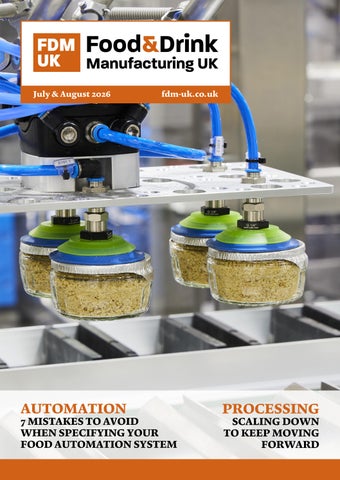
Food & Drink Manufacturing UK - July & August 2026
Expert Engineering. Innovative Design.
We can help you with:
You’re the expert in your productwe’re the experts in building the right space to keep it going strong. Let us take the stress out of your capital project so you can focus on what you do best.
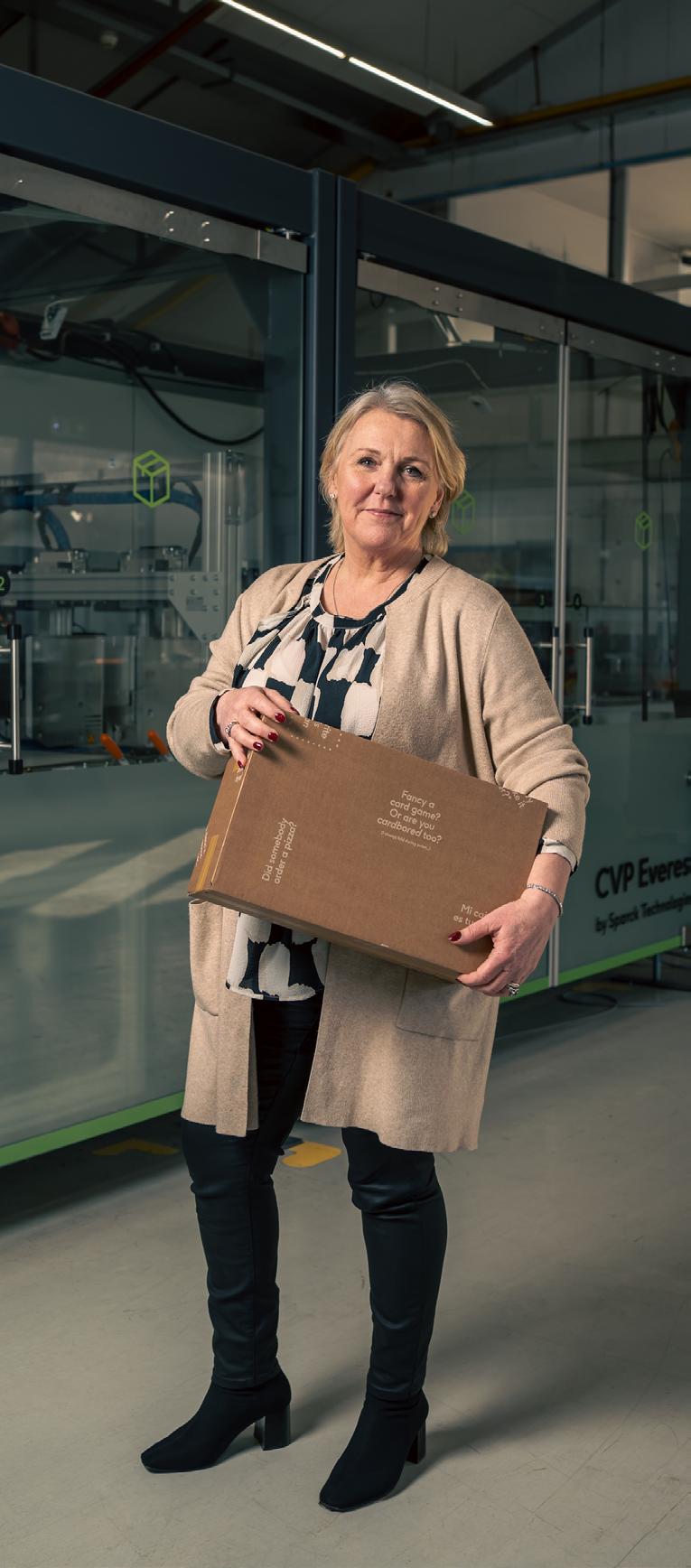
Kate Hancock, coo
SmartParc was specifically designed to address food & beverage industry challenges and provide the springboard to develop sustainable production for the future.
Each SmartParc delivers c.5000 high quality jobs & c.£2.7b GVA
750 - 400,000 sq ft food production units to let at our flagship development SmartParc SEGRO Derby in UK
Would you like to be the next SmartParc anchor tenant at future developments?
We are in search for more land in UK, Ireland, Europe and North America/Canada
Editorial Assistant John Reynolds editorial@fdm-uk.co.uk
Features Editor
Henry Peters editorial@fdm-uk.co.uk
Production/Design
Laura Whitehead laura@lapthornmedia.co.uk
Sales Manager Holly Jones sales@fdm-uk.co.uk
Publishing Director Maria Lapthorn maria@lapthornmedia.co.uk
Admin Assistant Jade Still jade@lapthornmedia.co.uk
Lapthorn Media Ltd
5-7 Ozengell Place, Eurokent Business Park, Ramsgate, Kent, CT12 6PB
One in ten food product recipes going organic, according to food tech firm
Right first time: 7 mistakes to avoid when specifying your food automation system
Lawrence Rice-Williams discusses scaling down to keep moving forward Sodium Reduction Risks Repeating the Mistakes of the Low-Fat Era
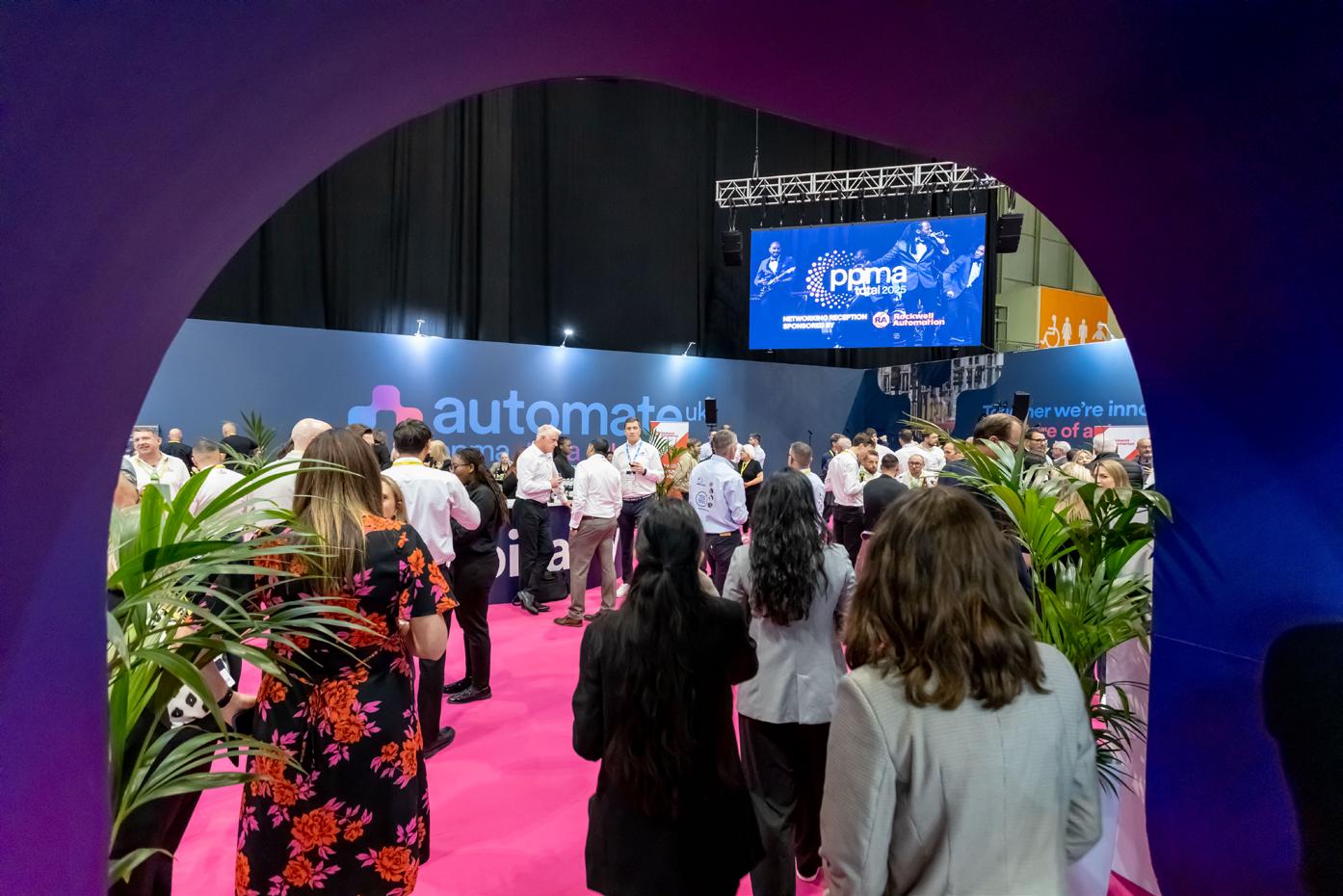
Addressing the manufacturing skills shortage at The PPMA Show® 2026
Editor’s Note
Welcome to the latest issue of Food & Drink Manufacturing UK.
The food and drink sector continues to demonstrate resilience as manufacturers navigate economic pressures, regulatory change and evolving consumer expectations. Throughout this edition, we highlight the innovation and investment helping businesses remain competitive in a demanding marketplace.
From advances in automation and digital technologies to developments in food safety, sustainability and supply chain efficiency, the features in this issue showcase a sector focused on continuous improvement. We also examine key industry challenges, including food waste reduction, workforce development, compliance requirements and investment in UK manufacturing capacity.
We hope you enjoy this issue.
Nomad Foods bolsters UK food supply chain with £2.2m investment in its Lowestoft factory
Nomad Foods, Europe’s leading frozen food company and owner of brands including Birds Eye, Ledo, iglo, Findus and Frikom, has announced a £2.2m investment in a new potato waffle production line at its Lowestoft factory in the UK. The investment serves as a key pillar in the company’s broader, long-term productivity programme announced last year, which focuses on increased efficiency, competitiveness and scale, across its manufacturing network.
High Court Quashes FSA Charges
In a devastating judgment for the Food Standards Agency, the High Court found that the FSA’s charging for official controls has been taxing slaughterhouses unlawfully. The FSA is an independent Non-Ministerial Government Department, with its policies set by its Board. It is responsible for carrying out food hygiene and safety checks (referred to as official controls) at slaughterhouses and operators are required by law to contribute towards the cost of those controls.
This investment will see total waffle capacity increase to approximately 18,250 tonnes annually – equivalent to nearly 45 million potato wafflesdriven by a brand-new line designed to ensure enhanced delivery of British household staples.
The investment is part of a sustained plan at the Lowestoft factory, which also includes a recent £12m outlay in chicken processing and the progression of plans for an on-site wind turbine that will secure longterm, predictable renewable energy costs, alongside the existing green electricity used on site.
With large-scale British food manufacturing playing a key role in feeding the nation and at a time of increasing pressure on global food systems, this capital injection demonstrates Nomad Foods’ commitment to the UK frozen food sector and building supply chain resilience across its operations.
The current annual cost of those controls is £64 million. This year the charges to industry increased by 24%, which with the low profit margins of the industry, will not only add to food inflation and the cost of living, but also endanger the viability of many slaughterhouses in England and Wales thereby reducing consumer choice for those who value local produce.
In the judgment of Mrs Justice Dias, the FSA has been levying these charges unlawfully. The FSA has accepted that the Court must quash the hourly rates for both official controls and enforcement as well as the Cost Data Slides providing information on how those rates were calculated. The judge will now hear further argument on the precise terms of the court’s order.
This investment will see total waffle capacity increase to approximately 18,250 tonnes annually...
Eduardo Bachiega, Nomad Foods’ Chief Supply Officer commented, “This latest investment at our Lowestoft site is testament to our long-term commitment to UK food manufacturing. By increasing our production capacity we’re directly responding to consumer demand for household favourites, such as potato waffles, that are already being manufactured 24/7 at the factory. At a time of increasing pressure on global food systems, as well as ongoing cost-of-living challenges for consumers, we continue to invest in our operations ensuring key frozen food categories such as fish, vegetables, chicken and potatoes remain an accessible food choice for families across the UK and Europe.”
In practice the FSA contracts with profit-making companies to deliver official controls and then micro-manages that delivery. Thus, contractors are given responsibility for carrying out the controls without formal delegation; a recipe for inefficiency when charges are timebased and profits of the contracted companies are dependent on maximising the hours charged for. Industry has long complained about being burdened with the cost of the inefficiency caused by this dual management neither element of which the Judge found could be charged for.
The judgment has provided helpful clarification on what the FSA can lawfully charge for, both in terms of relevant activities and the personnel whose time can be charged for.
One in ten food product recipes going organic, according to food tech firm
New research has revealed an upsurge in organic ingredients being used across mainstream food product development, well ahead of trending supermarket shelves.
Point74, a Midlands-based food tech firm specialising in product development software, has tracked a steady year-on-year rise in organic ingredient use across the thousands of recipes created within its software.
The latter aspect related to the FSA seeking to charge for numerous improperly qualified veterinarians employed by its private contractors in relation to the controls that industry has long complained were not being carried out to a high standard. It is clear substantial change is needed in the way the FSA conducts official controls and levies charges to industry.
Peter Hewson, Veterinary Director of AIMS, said: “I have been telling the FSA for many years that they were charging industry unlawfully but for the last two years they have totally refused to engage saying they had to follow their Board’s instruction to focus on reducing the discount.
“The judgment makes clear that the FSA Board had got it horribly wrong, FSA has been levying unlawful charges on the
The food tech company confirmed that momentum for organic ingredients has accelerated over the last 12 to 24 months, with 10% of its customers’ active products now containing organic ingredients; the highest percentage on record.
The firm noted how one snacking manufacturer alone has introduced almost 50 products, actively positioned as organic, in the past two years.
The new data supports a wider industry trend. The Soil Association – a leading food and farming charity – recently released its 2026 Market Report, confirming the UK the organic market grew 4.2% this year to reach £3.9 billion. This represents its 14th consecutive year of growth and double its value from ten years ago.
Food product development typically operates on lead times of one to two years. That means the organic ingredients being built into recipes today will start appearing on supermarket shelves over the next 12 to 24 months, and Point74’s data suggests the volume will be significant.
“This is not a reaction to a trending search term,” says Rob Sinclair, CEO of Point74.
“Manufacturers made a strategic decision to invest in organic years ago. We’re only now approaching the point where consumers will see the full scale of that on shelf.
“Organic isn’t something manufacturers are experimenting with anymore. It is being built into everyday product development workflows, including recipe checks, ingredient suitability fields and retailer submission processes.
“What we’re tracking now is what Britain’s food aisles will look like in 2027.”
“The organic trend is also arriving at a moment when compliance has never been under greater scrutiny,” continues Rob.
“Labelling requirements continue to tighten, with new rules on country of origin, prepacked food, and product claims introduced over the last two years.
“Interestingly, this coincides with Point74 seeing an upsurge in the usage of organic ingredients. Organic claims carry their own regulatory obligations, and calling a product ‘organic’ without certification is a breach of UK food labelling law.
“It’s one of the reasons we’ve recently acquired compliance specialist, Quor. The move will ensure our customers can rest knowing they’re on the right side of legislation when launching organic products.”
industry, and the discount was not a subsidy but cover for that unlawful tax.”
Jason Aldiss, Executive Director of AIMS, said: “The judgment must now mark the beginning of a complete reset in the relationship between the regulator and the meat industry, founded upon legality, proportionality, transparency and scientific risk-based regulation.”
John Powell, CEO of the BPMA said “The BMPA welcomes the judge’s findings which recognise and have exposed longstanding weaknesses in the FSA’s charging policy. We will now work closely with the FSA to ensure a fairer and more transparent system for the delivery of official controls can be quickly implemented going forward.
“The burden of FSA charges on our industry is significant when we are responsible for ensuring the country is fed, safeguarding food security and upholding the highest
standards of food safety and animal welfare.”
Harry Russell of Roythornes LLP (solicitors for AIMS), said: “The dust has yet to settle but this is a damning indictment of long-standing FSA practice. We can only hope that this will lead to meaningful change to ensure quality food hygiene and safety checks under a system supporting our home-grown industry and giving consumers affordable and varied choice.”
The claim for judicial review was brought by the Association of Independent Meat Suppliers (AIMS) and British Meat Processors Association (BMPA). Tim Russ and Harry Russell of Roythornes LLP instructed Gordon Nardell KC and James Burton in the case. The NFU provided support and were represented in court.
Natural trans fats in dairy do not raise heart disease risk
Trans fats found naturally in dairy foods such as milk, butter and cheese do not increase the risk of heart disease or type 2 diabetes, a new study has found.
Researchers analysed evidence from 22 studies involving thousands of people across Europe, Canada and the United States and found that natural trans fats behave very differently in the body from the industrial kind. Unlike industrial trans fats, which are strongly linked to heart disease, those found in dairy appear to pose no risk.
The first-of-its-kind research, published in the journal Nutrition Research, will also raise consumer’s awareness of this topic and provide clarity on trans fat labelling policies which may cause confusion.
Professor Ian Givens, one of lead authors, and from the University
of Reading, said: “People hear the words ‘trans fats’ and assume the worst, but the trans fats in your morning milk, yogurt, butter or cheese are not the same as the ones from industrial partially hydrogenated fats. This research should give people reassurance that dairy, eaten as part of a balanced diet, is not something to worry about for your heart.”
Two types of trans fat, two different stories
Trans fats, a type of unsaturated fat, occur naturally in the milk of animals such as cows, sheep and goats, but can also be made artificially during the production of partially hydrogenated fats. The industrial type, can be found in some processed and fried foods, are strongly linked to heart disease. To test whether dairy trans fats affect heart health, the researchers looked at two types of evidence.
The first was ten dietary controlled trials in which people consumed dairy foods with naturally enhanced trans fats and compared with regular dairy foods. Scientists then measured the effect on blood lipid biomarkers, which are used to determine heart disease risk. Across all ten trials, covering trans fat intakes ranging
New Return Handling Fees announced for UK DRS
Exchange For Change has today confirmed the fees to be paid to return point operators under the Deposit Return Scheme (DRS) across England, Scotland and Northern Ireland, ahead of its launch in October 2027.
Following industry consultation, the fees have been set at 3p per container for manual return points. For automatic return points, the structure is split into two tiers: 5p per container for up to 225,000 inscope items returned annually, and 1.3p per container for volumes above that threshold.
Commenting on the update, Travis Way, managing director
at RVM experts EcoVend, part of international circular economy specialists Reconomy, said: “The confirmation of Return Handling Fees is another important milestone for businesses preparing for the introduction of the UK Deposit Return Scheme.
“For retailers, having greater clarity on the financial framework now will help support investment decisions and operational planning ahead of the scheme’s launch in 2027.
“It is encouraging to see a tiered approach that recognises the different realities facing retailers of varying sizes and return volumes. Reflecting the distinction between manual return points and reverse vending machine operators should help
This research should give people reassurance that dairy, eaten as part of a balanced diet, is not something to worry about for your heart.
from 1.3 to 13.2 grams per day, there were no meaningful differences in blood lipid levels between trans fatenhanced dairy foods versus regular dairy foods.
The second type of evidence came from twelve long-term cohort studies that tracked thousands of people over many years, in some cases more than two decades, and measured the levels of dairy trans fats in their blood. None of these studies found that higher levels of dairy trans fats were linked to a greater risk of heart disease, stroke or cardiovascular death.
Likewise, higher levels of dairy trans fats in their blood were not linked with type 2 diabetes risk.
ensure the scheme remains practical and accessible across a diverse retail landscape.
“The commitment to review fees before launch and on an ongoing basis will also be important.
“As businesses gain experience of operating within the scheme, it is vital that the fee structure continues to reflect real-world costs and supports high levels of participation, helping to deliver the strong return rates needed to create a more circular economy.”
The Chancery Lane Project collaborates with WRAP to tackle supply chain food waste
The Chancery Lane Project (TCLP), a UK-based legal nonprofit driving climate action through contracts, has collaborated with WRAP (Waste and Resources Action Programme) to update Runa’s Clause (Reducing Supply Chain Food Waste). The clause is a practical contractual tool designed to help businesses reduce food waste across supply chains while supporting sustainability goals and operational efficiency. WRAP will be advising its partners
to incorporate this clause to reduce supply chain food waste and help deliver sustainability goals.
Reducing food waste delivers both financial and environmental benefits.
Businesses can cut unnecessary costs while also reducing greenhouse gas emissions associated with wasted food production, transport and disposal.
The updated clause strengthens requirements for businesses to measure the tonnage of food waste generated, record reduction initiatives and outcomes, and report progress against food waste reduction targets. It encourages organisations to use recognised frameworks such as WRAP’s Food Waste Data Capture Sheet and aligns with best-practice guidance, including WRAP’s UK Food and Drink Pact and Food Waste Reduction Roadmap.
Aldi invests £500m in Britain’s largest supermarket warehouse
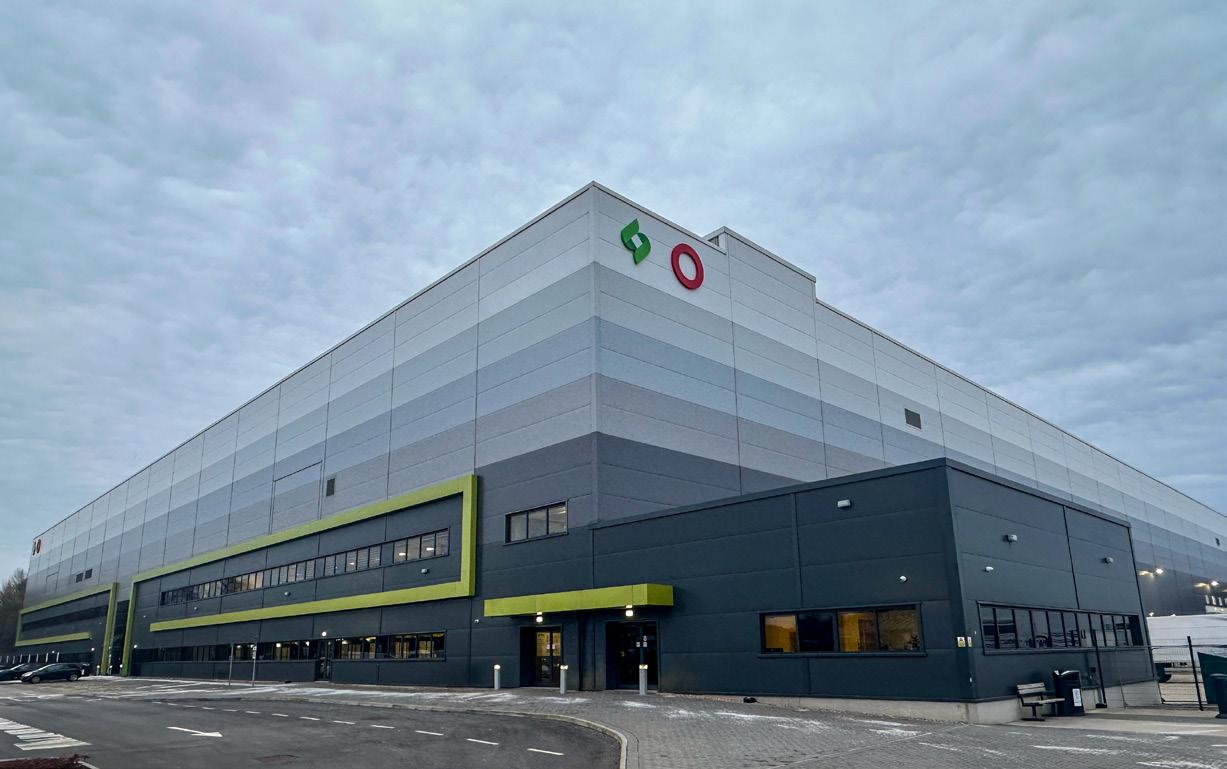
Aldi, Britain’s biggest discounter, has made the first delivery from its new Distribution Centre at Bardon in Leicestershire, marking the start of the first phase of operations at the UK's largest supermarket warehouse.
The retailer has invested more than £500m in the site, which will employ around 1,000 people and forms part of Aldi's £1.6bn investment in Britain during 2026 and 2027.
Once fully operational, Bardon will serve nearly 350 stores across the
UK and have the capacity to handle nearly seven million pallets of stock a year. It will also serve as a National Replenishment Hub, supporting Aldi's existing warehouse network.
And because it is Aldi’s highest-tech and most efficient Distribution Centre in the UK, it will support the supermarket’s promise to be the country’s lowest-price supermarket for years to come.
At 1.3 million square feet, or more than 120,000 square metres, Bardon is the UK’s largest Distribution Centre. To
put this into context, 65 Aldi stores or nearly 17 full-sized football pitches could comfortably sit inside the building.
Giles Hurley, Chief Executive Officer of Aldi UK and Ireland, said: “The state-of-the-art technology in Bardon will significantly increase the efficiency of our warehouse network, meaning we can continue to deliver the best possible prices for our customers, every single day."
Planning for the site was approved in August 2020 and ground works began the following April. Work on the main
UK-based food manufacturer English Provender Company has already received board approval to adopt Runa’s clause. The company specialises in sauces, dressings, marinades, condiments, chutneys, and cooking ingredients, supplying major UK retailers, food manufacturers, and foodservice businesses.
By embedding these practices directly into contracts, businesses can improve transparency across supply chains while working with suppliers to identify the causes of waste and implement practical solutions.
Ben Metz, Executive Director at The Chancery Lane Project, said: “Contracts are one of the most powerful levers businesses have to drive change across supply chains. By building food waste reduction directly into contracts, companies can move from good intentions to measurable impact. The updated Runa’s Clause helps organisations work collaboratively to address the issue with suppliers to reduce waste, cut emissions and deliver on their sustainability commitments.”
Caroline Conroy, Senior Specialist Food System Transformation at WRAP, added: “Last year, the average cost incurred by a company for every tonne of food waste it generated ranged between £1,638 and over £4,200, across various sectors. The updated Runa's Clause will be
building was completed in 2024. Bardon is made up of five linked buildings, including four ambient and six temperature-controlled chambers for chilled and frozen products.
The building has 100 HGV bays at the front, and 40 at the rear. It is also the lowest carbon density warehouse across the Aldi South Group, and the 19,000 solar panels installed on the roof will, at times, be able to generate all the electricity required by the site.
Aldi has been working with technology partners, Dematic and Cimcorp, to install the very latest automated storage systems at Bardon. That includes machinery that will unpack deliveries from suppliers and store cases of products in floor-to-ceiling racking until it
The updated Runa's Clause will be welcome news for businesses, as it means they can reduce costly food waste at the contract stage and avoid these heavy, persistent losses.
- Caroline Conroy
welcome news for businesses, as it means they can reduce costly food waste at the contract stage and avoid these heavy, persistent losses."
Carl Steckerl, Business Lead for Environmental, Social and Governance at English Provender Company, added, “The Billington Group is committed to reducing our food waste both within our business and the value chains in which we operate. We are pleased to have adopted the principles of Runa's clause to increase transparency in cases of avoidable waste. We are looking forward to working collaboratively with our suppliers and customers and embedding these principles into our ways of working.”
At 1.3 million square feet, or more than 120,000 square metres, Bardon is the UK’s largest Distribution Centre.
is ready to be delivered to stores. This technology will help Aldi to reinvest in keeping prices low for its customers.
Lidl GB and Neighbourly maximise food sharing in communities with new Olio partnership
Lidl GB has announced an evolution of its long-standing partnership with Neighbourly, introducing a new trial with the popular food-sharing app Olio to redistribute even more surplus food.
This landmark collaboration significantly scales up Lidl GB's existing efforts with social impact platform Neighbourly by integrating Olio’s network of Food Waste Heroes into its surplus food networkcombining the strengths of two leading players in food redistribution for the first time.
Managed by Neighbourly, the new model introduces Olio’s Food Waste Hero network as an extra layer to support the discounter’s primary charity partners.
Using the free Olio app, registered Food Waste Heroes collect items in the evenings, including chilled food, meat, fish, and poultry, alongside fan-favourite Lidl bakery goods, and share them with neighbours nearby, entirely for free.
The trial, if successful, is expected to redistribute more than 5,000 tonnes of food, the equivalent of 11.9 million meals, to those in need annually. With ambitions for a nationwide rollout by the end of the year, this initiative represents a critical step toward Lidl GB's target to reduce food waste by 70% by the end of FY2030.
New ‘ecosystem offer’ boxes off record year for Lesters
A string of new contracts for clients in automotive, 3pl and e-commerce has helped a large packaging specialist record the busiest twelve months in its 43year history.
Lesters, which employs 60 people at its state-of-the-art facility in Burntwood, has seen revenues soar by 25% as demand for its full ecosystem of services - including design, boxes, supply chain management and logistics - grows.
To cope with the rise in interest, the family-run business is now on the recruitment drive, looking to take on seven new people across production, forklift truck driving, customer service and transport.
“Our collaborative system takes into account not just the box, but everything around it to ensure that we’re delivering efficiency across the entire supply
Billy Hutchinson, Managing Director of Lesters
chain,” explained Billy Hutchinson, Managing Director of Lesters.
“How is the box transported, where is it stored, what level of protection does it need and how is it getting there? They’re all questions we ask. A lot of new clients are switching from using lots of providers to just one, as we can offer everything under the same roof.”
He continued: “We’ve achieved our best ever year and need more team members to help us take it on even further. There’s lots of opportunities in automotive that we’re discussing and we want to capitalise on these, not to mention supporting the expansion of our sister business Lesters Logistics.”
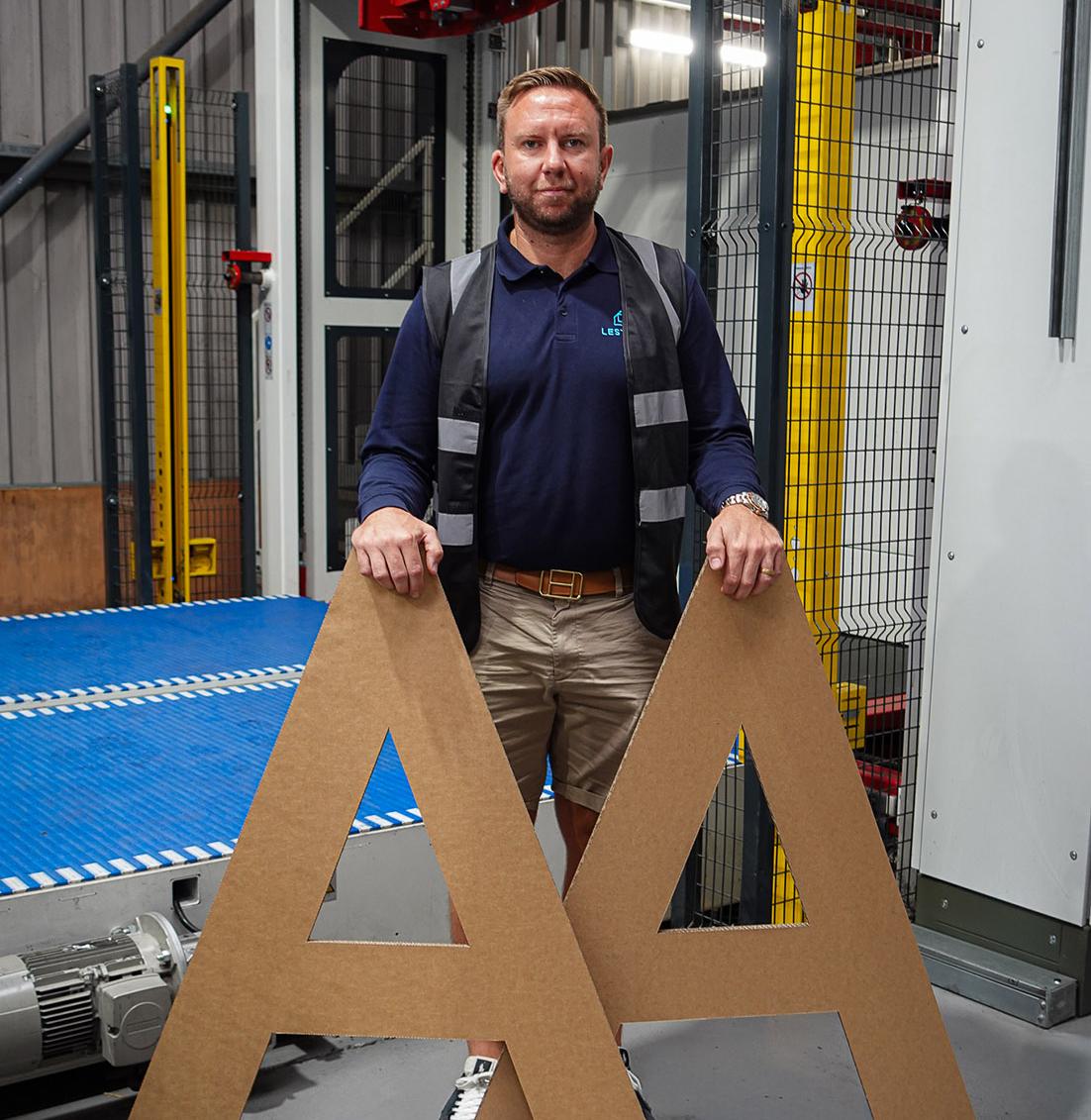
Lesters’ encouraging performance comes just a few weeks after it successfully retained its ‘AA’ BRCGS rating, which ensures safety, quality, and operational compliance across the entire supply chain.
The standard - primarily aimed at the food industry focussing on food safety, quality and legalityhighlights the robust systems the business has put in place to oversee quality control and hygiene, process management and full traceability.
“There has been a lot of investment in technology, our people and key hirestogether this has given us a platform to scale yet keep operational performance and compliance to the highest possible standards. Our ‘AA’ BRCGS rating is testimony to this.” added Billy.
“We’re also concentrating on becoming an integral part of UK plc’s supply chain network. A big focus for us will be on how we can help 3pl and e-commerce solutions providers maximise their supply chain efficiency and, to this extent, we’ve joined the UK Warehousing Association to start forging a deeper collaboration in this field.”
He said: “Lesters Logistics has been a massive success story. We’ve transformed a struggling company into a full service 3pl provider, where we can offer stock and serve, pick and pack and straightforward transport solutions in one place.
"It’s a crucial link in the Lesters ecosystem, which also includes a ‘reuse’ offer that buys back used boxes and resells them to the market to generate revenue and boost the environment.”
Lesters, which is the UK’s leading independent manufacturer of large format corrugated cases and high-performance packaging, has ambitious plans to expand through organic growth and acquisition if the right business, with the right values, comes on the market. This means the company is involved in producing more than 10 million boxes every year, with its thriving design team offering a bespoke service to clients looking for a tailored offer.
It is also currently looking for additional warehousing space in the West Midlands to support the activities of Lesters Logistics.
matters.
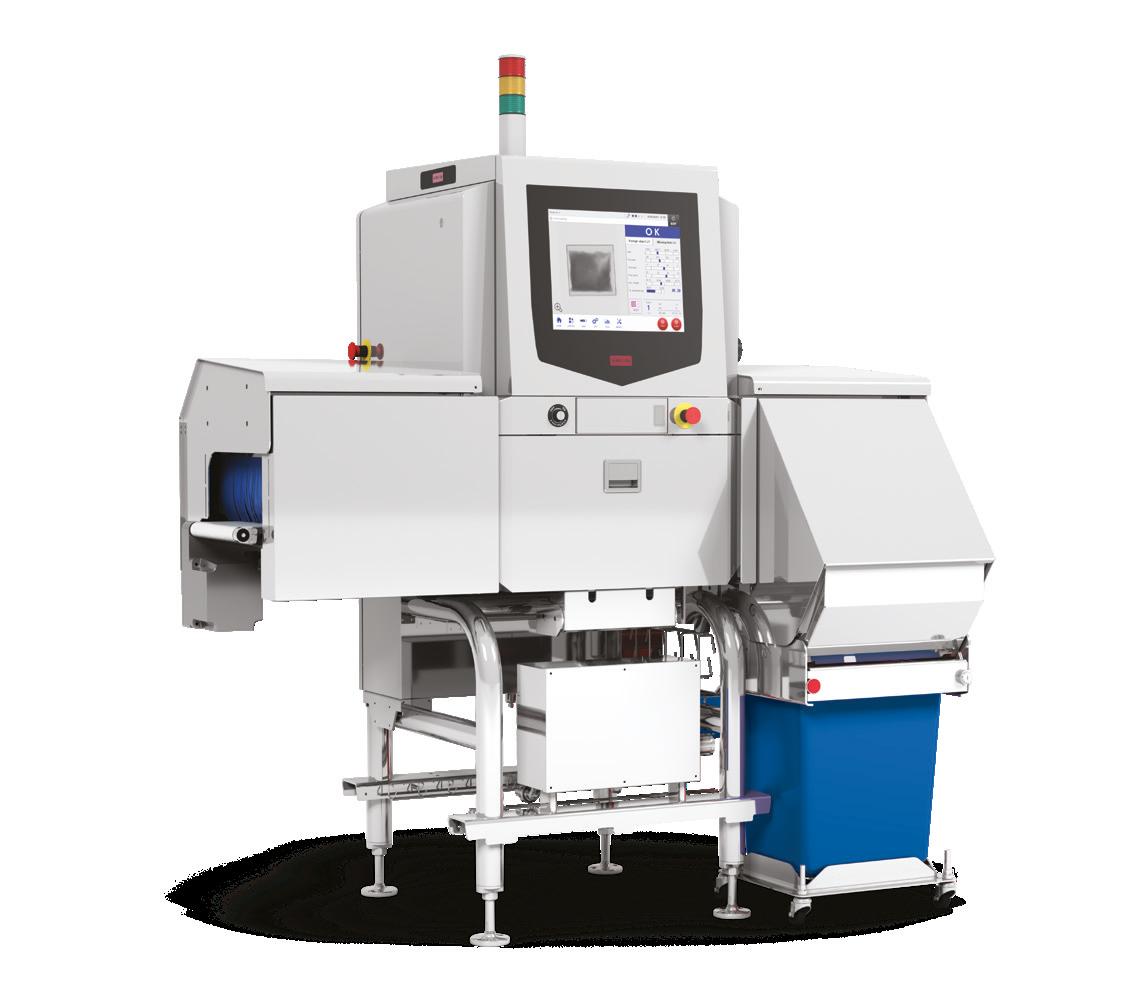
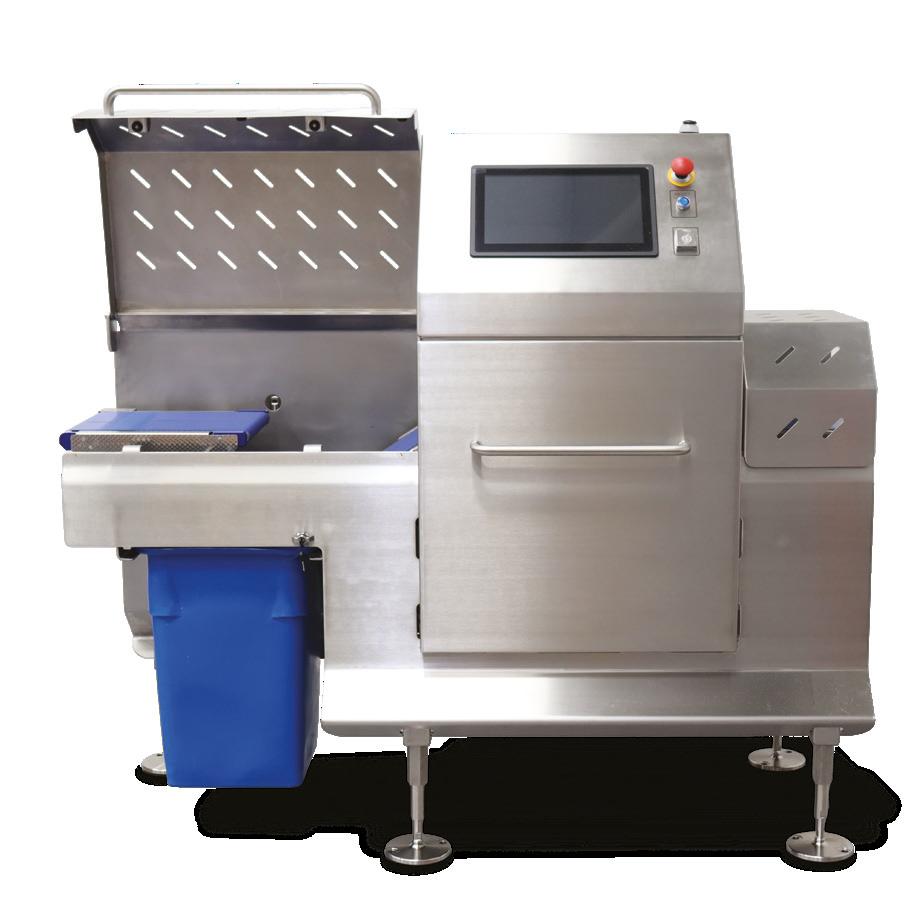
Detect foreign bodies and product weight errors.
Did you know that up to one in four food recalls is due to foreign body contamination? Our solutions are engineered to safely secure your brand, your products and your consumers from contaminants and beyond. From weighing ingredients to controlling recipes and fill levels to inspecting final packaging, we’re here to support you: For food safety in any form!
» X-ray inspection » Metal detection » Checkweighing » Statistical process control
Fotolec Technologies marks 50 years supporting food safety
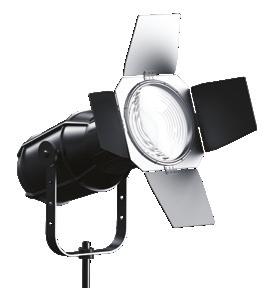
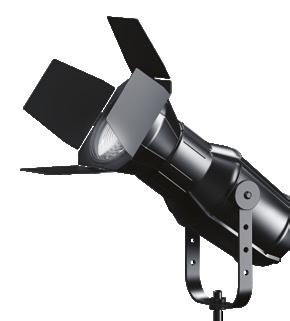
Norfolk-based Fotolec Technologies is celebrating its 50th anniversary, marking five decades of specialist manufacturing in shatterproof and UV lighting solutions used across the global food manufacturing and pest control industries.
Based in Thetford since 1976, Fotolec has evolved from a UV lamp repair business into a specialist lighting manufacturer supplying international markets. Its products are widely used in hygiene-sensitive environments where safety, compliance, and contamination control are critical.
A significant proportion of lighting used in food production facilities today incorporates Fotolec’s specialist FEP shatterproof coating, designed to contain glass in the event of lamp breakage and reduce the contamination risks.
Supporting global food safety standards
Fotolec played an instrumental role in the development of the IEC 61549 international standard for shatterproof fluorescent lamps, widely used in food manufacturing environments where product integrity is essential.
ABOVE: Fotolec Technologies Directors
The company is also a long-standing partner of BRCGS, reflecting its commitment to supporting food manufacturers with compliance, contamination prevention and food safety best practice.
Specialist UK manufacturing capability
Over the past 50 years, Fotolec has invested in specialist UK manufacturing capability, including the development of its own dip-coating process for shatterproof circline lamps and continued investment in production technology.
This has enabled the business to maintain an international customer base while continuing to manufacture from its Norfolk site, supplying specialist lighting solutions to food manufacturing, and other hygienesensitive industries worldwide.
Industry transition to LED technology
As the lighting industry continues its gradual move towards LED technology, Fotolec is supporting customers through the transition in specialist applications, including insect light traps.
Fotolec employs a highly experienced team at its Norfolk facility, with average employee tenure exceeding 14 years.
This includes the continued development of its Opti-Catch range of specialist UV LED lamps for insect light traps used within food manufacturing and hygiene-sensitive environments.
The company continues to focus on performance, compliance, and reliability as customers adopt new lighting technologies within safetycritical environments.
Experienced UK manufacturing team
Fotolec employs a highly experienced team at its Norfolk facility, with average employee tenure exceeding 14 years. Fourteen staff members collectively represent more than 200 years of service, reflecting the specialist knowledge and continuity behind the company’s manufacturing operations.
Looking ahead
As Fotolec marks its 50th year, the company remains focused on continued innovation in specialist lighting, supporting global food manufacturers with compliance-led solutions while investing in next-generation lighting technologies.
Despite major changes across the lighting industry, the business remains committed to UK manufacturing and long-term partnerships with customers operating in safety-critical environments.
Connected operations, intelligent insights
Sage X3 helps food & beverage manufacturers connect operations, gain real-time visibility and build a foundation for AI and predictive success.
Smar ter ERP for Food and Beverage Manufacturers GAIN
SMARTER FORECASTING
PREDICTIVE INSIGHTS
DISCOVER WHAT VISIBILITY COULD UNLOCK
Contact X3 Consul ting today, a trusted Sage business par tner to f ind out more.
SCAN THE CODE AND DOWNLOAD YOUR FREE FUTURE OF FOOD & BEVERAGE EBOOK
The Visibility Crisis in Food Manufacturing — And Why AI Alone Won’t Solve It
By Nick Tucker, Commercial Director, X3 Consulting Ltd
The food and beverage manufacturing industry is entering a defining period of transformation. Rising operational costs, labour shortages, tighter compliance requirements, sustainability pressures, and increasingly unpredictable consumer demand are forcing manufacturers to rethink how their businesses operate.
At the same time, artificial intelligence (AI) has become one of the most talkedabout innovations in the sector. From predictive forecasting to automated production planning, manufacturers are exploring how AI can help improve efficiency, reduce waste, and protect already pressured margins.
But amid the excitement surrounding AI, many manufacturers are overlooking a more immediate and fundamental issue: operational visibility.
Because before businesses can benefit from predictive manufacturing, they first need accurate, connected, real-time data.
The Industry’s Biggest Blind Spot
Many food and beverage manufacturers still operate with fragmented systems, disconnected spreadsheets, and siloed operational processes. Inventory may sit in one system, production data in another, and quality control records somewhere else entirely.
The result is delayed reporting, inconsistent data, and decision-making based on outdated information.
This creates significant operational challenges, including:
• Overstocking and unnecessary waste
• Production inefficiencies
• Forecasting inaccuracies
• Difficulty managing shelf life and traceability
• Poor responsiveness to demand fluctuations
• Limited visibility into true production costs
For an industry operating on tight margins, these inefficiencies quickly become expensive.
Why AI Depends on Data Accuracy
AI is often presented as a solution to manufacturing complexity, but AI systems are only as effective as the data they rely on.
If inventory figures are inaccurate, production schedules are outdated, or supplier information is incomplete, predictive tools cannot deliver reliable insights.
This is why many manufacturers are beginning to shift their focus away from simply “adopting AI” and towards building stronger digital foundations first.
The businesses seeing the greatest success with predictive manufacturing
Technology & Software
are typically those that have already invested in improving operational visibility across their organisation.
Real-Time Visibility Is Becoming a Competitive Advantage
Modern food manufacturers need the ability to monitor operations in real time — not days or weeks after issues have occurred.
Access to accurate live data allows businesses to:
• Respond faster to supply chain disruption
• Improve production planning
• Reduce ingredient and inventory waste
• Track batch and lot information more effectively
• Optimise warehouse management
• Improve forecasting accuracy
• Strengthen compliance and audit readiness
This level of visibility is becoming increasingly important as manufacturers face growing pressure to reduce costs while improving agility.
The businesses that can make faster, data-driven decisions will ultimately be better positioned to compete in a volatile market.
Reducing Waste Through Smarter Operations
Food waste remains one of the sector’s most significant operational and financial challenges.
Overproduction, poor demand forecasting, inventory inaccuracies, and inefficient stock rotation can all contribute to avoidable waste. In addition to affecting profitability, waste reduction is now closely linked to sustainability targets and retailer expectations.
This is where connected operational systems can make a measurable difference.
Platforms such as Sage X3 help manufacturers centralise inventory, production, procurement, quality control, and financial data into a single environment. With improved visibility across operations, businesses are better equipped to monitor shelf life, manage stock rotation, improve traceability, and identify inefficiencies earlier.
More importantly, this connected data environment creates the foundation required for future AI and predictive analytics initiatives.
The Shift from Reactive to Predictive Manufacturing
Historically, many manufacturers have operated reactively, responding to shortages, delays, equipment failures, or quality issues after they occur.
The next generation of manufacturing is moving towards proactive and predictive operations instead.
Manufacturers are increasingly looking to:
• Anticipate demand fluctuations
• Predict maintenance requirements
• Reduce downtime
• Improve production efficiency
• Identify operational risks earlier
• Improve margin control through better forecasting
However, predictive manufacturing is not simply about implementing AI software. It requires operational maturity, accurate data, and integrated systems capable of delivering reliable business insights.
That is why digital transformation within food manufacturing is becoming less about technology trends and more about operational resilience.
Building the Foundation for Long-Term Growth
The manufacturers that will lead the industry over the next decade are unlikely to be those chasing every new technology trend. They will be the businesses that invest in visibility, agility, and operational control.
AI will undoubtedly play a major role in the future of food manufacturing, but its true value can only be realised when businesses have the right systems and processes in place to support it.
As a trusted Sage implementation partner, X3 Consulting works closely with food and beverage manufacturers to help modernise operations, improve real-time visibility, and create scalable foundations for future growth.
To find out more about how Sage X3 can support your manufacturing business, contact X3 Consulting today. Or download your FREE Future of Food and Beverage Ebook here.
Business Integration vs. Systems Integration: Why the Difference Is Worth Millions
By Bryan Stone, Principal of Client Delivery for JBF Consulting
A food and drink manufacturer can invest millions in the latest production planning software, connected factory technology, and supply chain systems. But if no one understands the manufacturing workflows, shift structures, production scheduling complexity, or how the factory floor connects to commercial operations and supplier networks, the business still underperforms.
The technology may function perfectly. The business does not.
That distinction increasingly defines what is happening across food and drink manufacturing technology implementations today.
Manufacturers continue investing aggressively in MES platforms, ERP systems, AI-driven production planning tools, quality management software, and automation technology. Yet despite those investments, most implementations still fail to deliver the operational or financial outcomes leadership expected when the initiative was approved.
Recent industry findings reveal that only 12.1% of supply chain technology programs ultimately delivered on time, on budget, and achieved their expected
Industry polling shows that 37% of organizations are still exploring where AI could provide value, while 29% remain in pilots.
- Bryan Stone
business outcomes. More than 91% experienced budget overruns, while nearly 89% realized less than 76% of projected ROI.
The reason is straightforward: most companies are executing systems integration when what they actually need is business integration.
Technology Isn’t the Problem. Operational Readiness Is.
Food and drink manufacturers have spent years assuming implementation struggles are primarily technology problems. Increasingly, the data suggests otherwise.
Systems integration focuses on getting the platform technically operational: configuring the software, migrating production and quality data, testing workflows, and connecting systems. Business integration focuses on whether the organization itself is operationally prepared to absorb the technology through governance structures, workflow redesign, change management, adoption planning, and decision authority across production, quality, supply chain, and commercial teams.
One installs the system. The other enables the business to function through it. Too many food and drink manufacturers complete the first while assuming the second will happen organically.
A clear example appears in how manufacturers approach data integration. Recent polling identified data quality and system integration as the single largest operational challenge, impacting 32% of respondents. In food and drink manufacturing, that means inconsistencies across production records, quality data, ingredient
traceability, supplier compliance, and distribution documentation — problems rooted in operational structure, not software limitations. Technology amplifies organizational discipline. It does not replace it.
Why Most Implementations Fail Before Go-Live
When supply chain leaders were asked what would have reduced the need for mid-project correction, 61.4% identified one issue above all others: a structured transition from vendor contracting into implementation. Yet fewer than 10% reported actually having that discipline in place.
Food and drink manufacturers spend enormous time evaluating software capabilities but comparatively little time designing the operational framework required to support the implementation itself. Readiness assessments are incomplete, governance structures are introduced too late, production schedules and plant operational cycles are not factored into implementation timelines, and authority structures across factory, quality, IT, and executive teams remain ambiguous.
Industry findings show that 82.6% of organizations required more than six months to reach full operational adoption, while 11.6% took more than a year. For food and drink manufacturers managing strict food safety obligations, continuous production environments, and just-in-time supply chains, every additional month of
partial adoption creates compounding cost and compliance risk.
The same pattern is emerging with AI. Industry polling shows that 37% of organizations are still exploring where AI could provide value, while 29% remain in pilots. AI holds genuine promise for food and drink manufacturers across predictive maintenance, yield optimization, and demand-driven production scheduling. But those capabilities depend on clean workflows, integrated operational data, and standardized business logic — not software features alone.
Adoption Is the Real ROI Metric
Only 8.2% of organizations reported providing role-specific, workflow-based training tailored to how employees actually perform their jobs. In food and drink manufacturing, that means production operators, quality technicians, shift managers, supply chain planners, and commercial teams each need enablement built around how their specific role now interacts with the system.
The issue is not whether employees understand the software. It is whether they understand how the business now operates through the software.
Food and drink manufacturers that consistently outperform their peers do not treat technology implementation as an IT event. They treat it as an enterprise operational transformation involving governance, workflows, accountability, process enablement, and organizational readiness at every level of the manufacturing operation.
As manufacturing becomes more automated, interconnected, and AI-enabled, the organizations that separate themselves will not simply be the ones buying more advanced technology. They will be the ones integrating their businesses more effectively around that technology.
Bryan Stone is the Principal of Client Delivery for JBF Consulting, a leading logistics strategy advisory and technology integration firm.
Clear, concise and extremely easy to navigate, Fortress Technology has launched its next generation food metal detector interface. It is designed to support food manufacturers efficiently manage food safety risks.
Setting a new benchmark in food safety management and digital compliance, the simple, userfriendly design includes bold buttons, contrasting icons and a multi-colour warning system. This ensures that even in high-pressure situations staff can immediately access all the critical control point (CCP) information, and review and act upon alerts or events in the log.
The high contrast digital display features light and dark modes. This supports safety critical tasks, enabling staff to clearly see alerts and essential information which can significantly reduce human errors in fast-paced manufacturing facilities.
Helping processors maintain full compliance with food safety standards, the new interface supports real-time monitoring and provides immediate access to event logs and faster product setup. This ease of use ensures reliable metal detection performance.
Live production statistics are clearly presented on the HMI, including contaminant detection, conveyor and reject bin status, throughput metrics, sensitivity settings and the product being inspected.
All this event data is clearly logged for extraction and data reporting.
Quality assurance reports can be extracted from the HMI by USB or automated through Contact 4.0 digital reporting technology. This improves real-time traceability and monitoring, simplifies audit reporting and automates performance verification records. Additionally, there are flexible options for networked data integration.
Processors with more advanced connectivity needs can utilise optional OPC UA and Ethernet/IP Communication Adapters to enable customised real time data capture and seamless data integration with existing plant monitoring, ERP systems and databases.
When paired with Halo Automatic Testing to verify the performance of each Fortress Technology food metal detector, these features assist food processors to comply with stringent safety standards. This includes HACCP, GFSI, BRCGS and retailer and supply chain codes of practice.
Measuring 18.3 cm by 11.4 cm, Fortress Technology’s new touchscreen easily integrates with all metal detectors in the product line. Having a uniform screen size means that food processors currently utilising Stealth and Interceptor gravity, pipeline and conveyor metal detectors can easily upgrade to the new touchscreen without requiring extensive modifications. In keeping with the Fortress Technology Never Obsolete guarantee, this flexibility ensures that facilities can enhance their inspection processes and benefit from the latest user interface innovations, while maintaining compatibility with their existing equipment.
John Powell
BMPA calls for pragmatic UK-EU SPS agreement following Lords evidence session
John Powell of the British Meat Processors Association (BMPA) has told the House of Lords European Affairs Committee that postBrexit sanitary and phytosanitary (SPS) barriers continue to impose unnecessary cost and friction on UK meat exports, despite UK and EU standards remaining closely aligned.
Giving evidence alongside Tom Bradshaw, President of the NFU and Richard Ballantyne, Chief Executive of British Ports Association, Powell said the practical impact of export health certificates, veterinary sign-off requirements and border procedures had created significant additional burdens for meat processors and exporters, particularly small and medium-sized businesses, many of whom had either scaled back or ceased exporting to the EU altogether because compliance costs now outweigh commercial returns. He came armed with some telling figures on the additional cost burdens currently being imposed.
Powell told the Committee that while the industry has adapted to the new trading environment, the current arrangements remain structurally inefficient compared with pre-Brexit trade and continue to undermine competitiveness in EU markets.
He argued that the UK meat sector (including primary producers) already operates to standards that are effectively equivalent to those of the EU, and that a pragmatic veterinary/ SPS agreement between the UK and EU would deliver substantial benefits by reducing duplication, extra administrative costs and border delays while maintaining high standards of food safety and biosecurity.
While all witnesses agreed on the importance of safeguarding high production standards and improving trading conditions with the EU, Powell stressed the immediate operational and commercial need for measures that reduce export
Powell told the Committee that while the industry has adapted to the new trading environment, the current arrangements remain structurally inefficient compared with pre-Brexit trade and continue to undermine competitiveness in EU markets.
bureaucracy and restore smoother market access for UK meat businesses.
Powell cited four specific requests that BMPA has of Parliament.
Firstly, it should support the Government’s aim of achieving the widest ranging SPS agreement as possible to remove the current friction and costs. It should also support a short but flexible Transition Period taking into account certain changes that might take longer to implement but not drawing out the process unnecessarily.
He also called on Parliament to support the Government in completing the required parliamentary steps efficiently. Importantly his fourth ask was that, post an SPS agreement, Parliament ensures that the government puts in place the necessary transparent structures and resources to engage with the European on new emerging legislative proposals but also industry stakeholders so they can provide the necessary technical and commercial input. He also proposed stronger parliamentary scrutiny on all proposed future changes initiated by the EU that the UK would be required to adopt.
A recording of the evidence session can be viewed here.
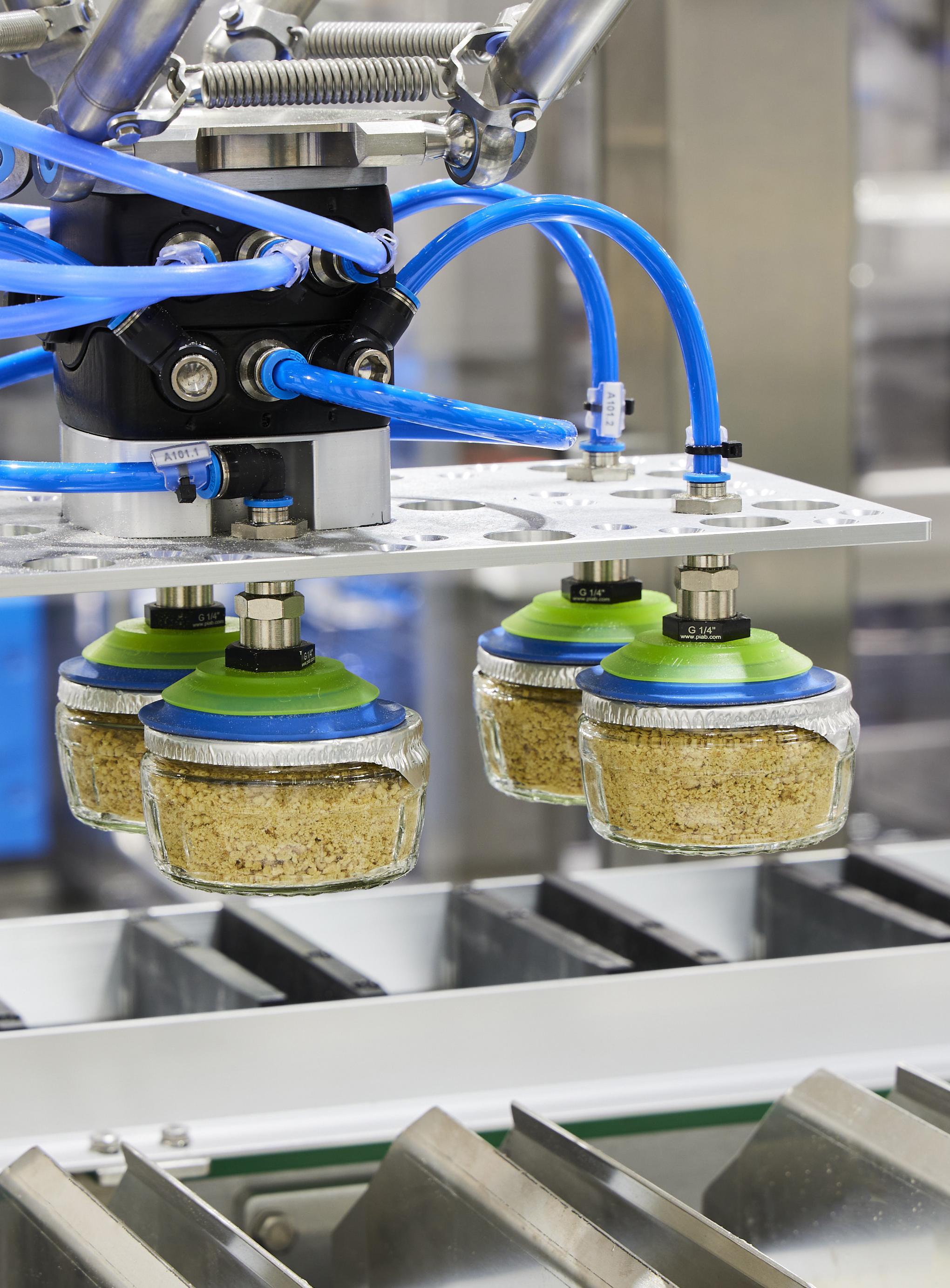
Right first time: 7 mistakes to avoid when specifying your food automation system
By Andrew Ross, Head of Software, Tekpak Automation
Automation is a big investment and consumer demands change rapidly.
- Andrew Ross, Head of Software, Tekpak Automation
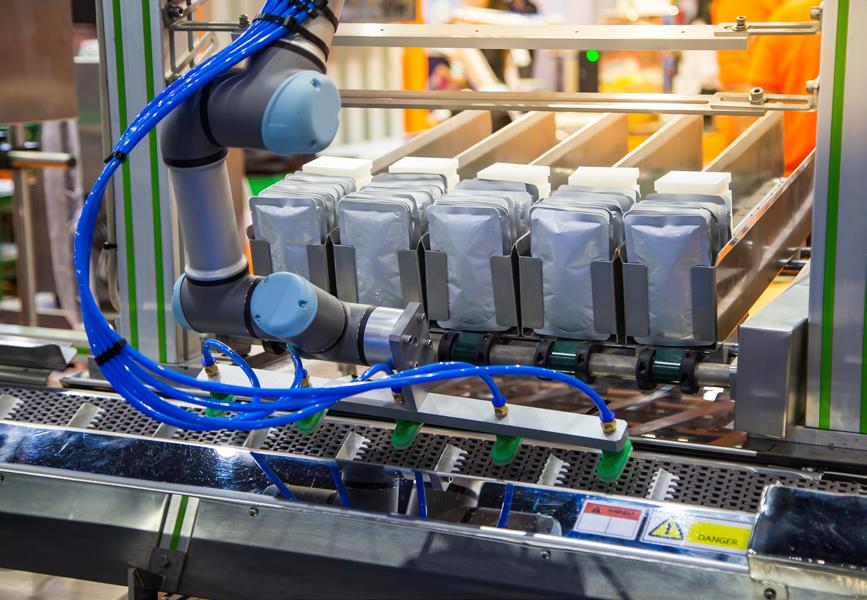
For today’s food manufacturers, automation is no longer a choice; it’s a business imperative. Speeding up production times, reducing energy costs, cutting waste and relieving the staffing burden caused by labour shortages, it’s no wonder that in food factories across the UK and Ireland, robotic systems are being installed in increasing numbers.
However, not all automation solutions are equal. Before investing in a robotic system, it’s vital to ensure that any potential supplier understands your production needs and limitations,
as oversights at this level can be costly. Here, we outline the seven key mistakes that every food production business should avoid when embarking on a new automation project, to make sure your installation runs smoothly from day one…
Mistake #1: Not taking into account your existing equipment
Any proposed new solution needs to easily integrate with your existing equipment, otherwise it will lead to
production issues further down the line, reducing output and costing you money – essentially, creating more problems than it resolves.
A reputable supplier should want to visit your site and see for themselves the hardware and software systems that are already in place before recommending a solution that integrates well with both. At Tekpak, we use OPC UA for our automated packaging systems, a cross-platform, secure, open-source communication standard to enable convenient data exchange between our solution and the customer’s existing equipment.
Our engineers will arrange a site visit at the start of every project to find out which signals are already in place and work these in when writing client-specific software, to ensure seamless integration from the point of installation. Make sure to have this conversation with your supplier at the start of your automation project – don’t let it be an afterthought.
Mistake #2: Not considering your available space
Food manufacturing facilities are busy, often crowded spaces. And this rings especially true for packaging halls. Your dream automation solution may look great on paper but if its footprint is too large for your existing layout, you’ll be left with the costly dilemma of deciding whether to increase space, remove existing equipment or rework your new automation system.
We prefer to work ‘backwards’, beginning not with a proposed solution but from the starting point of the customer’s available space.
- Andrew Ross, Head of Software, Tekpak Automation
We prefer to work ‘backwards’, beginning not with a proposed solution but from the starting point of the customer’s available space. This avoids logistical challenges further down the line. Ask your supplier if they offer a modular solution that can adapt to your layout constraints – not only will this keep down costs and limit installation difficulties, but it will also futureproof your operation, enabling you to increase production capacity as demand grows.
Mistake #3: Not thinking about day-to-day usability
Often, an automation project is specified by a technical or engineering
manager, with input from the C-suite and finance teams. Yet, on a day-today basis, the people using the system will be operatives on the shop floor. To ensure your shiny new set-up isn’t left gathering dust in the corner of a workshop, it’s essential that it is easy to operate by employees who may not have advanced coding or engineering skills, and who may not even have English as their first language.
Simple HMIs with touch screens, intuitive menus, colour coding and clear visual cues – as opposed to lengthy technical jargon – will ensure your system can be widely used by all production staff, so check with your supplier that their systems are as userfriendly as this.
At Tekpak, we always ask for feedback on usability from a variety of staff members following the FAT and SAT stages of a project, including those working on the shop floor. Making sure that operatives can easily alter packaging formats and layouts on the HMI, for example, is essential to the long-term success of your automation project.
Mistake #4: Not building in production flexibility
One of the biggest mistakes a food manufacturer can make is choosing an automated system that’s perfect for them now. Automation is a big investment and consumer demands change rapidly. If your solution has been specified for one particular application, on one particular line, for one particular product, it may quickly become obsolete if your product range alters.
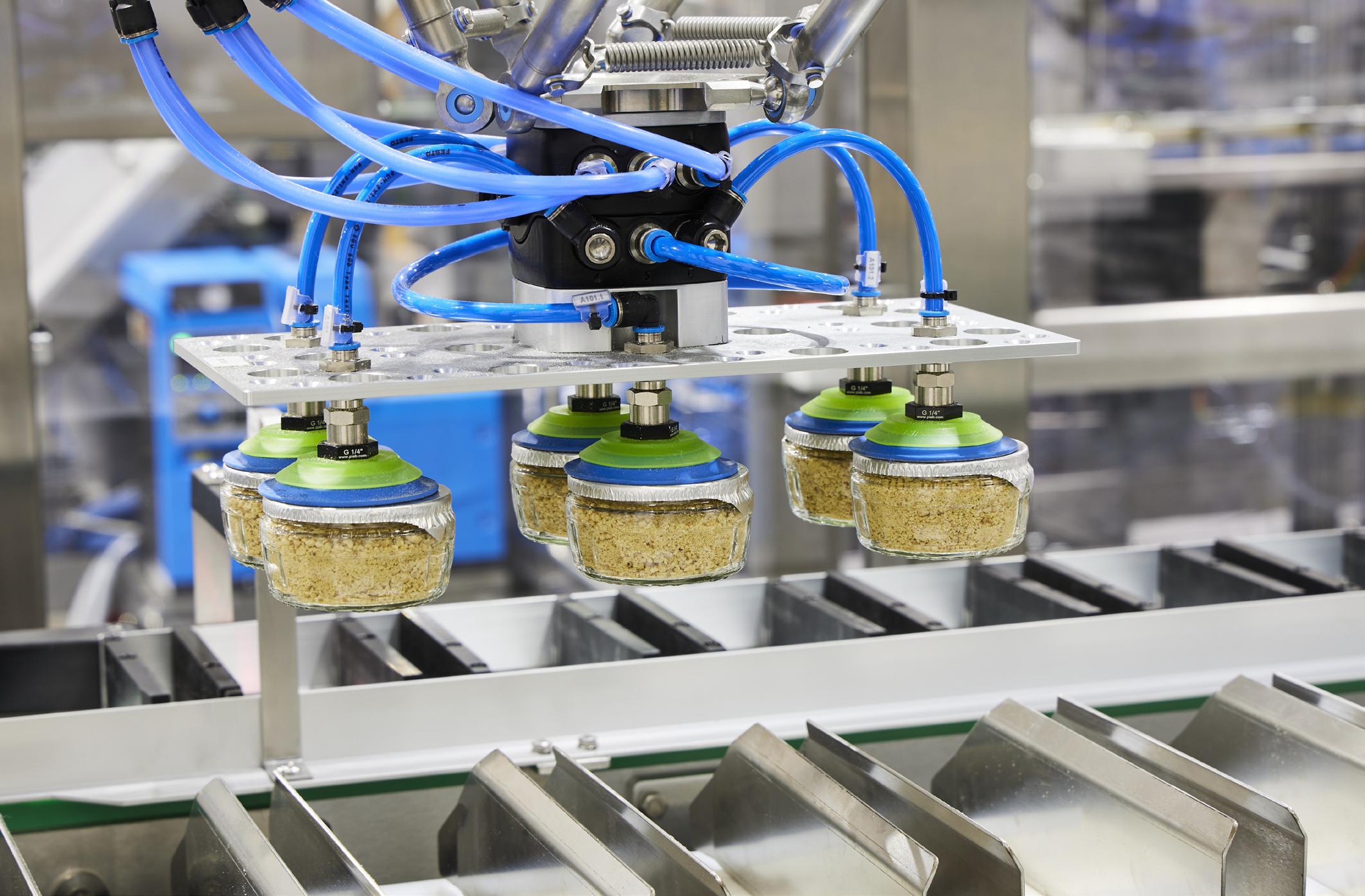
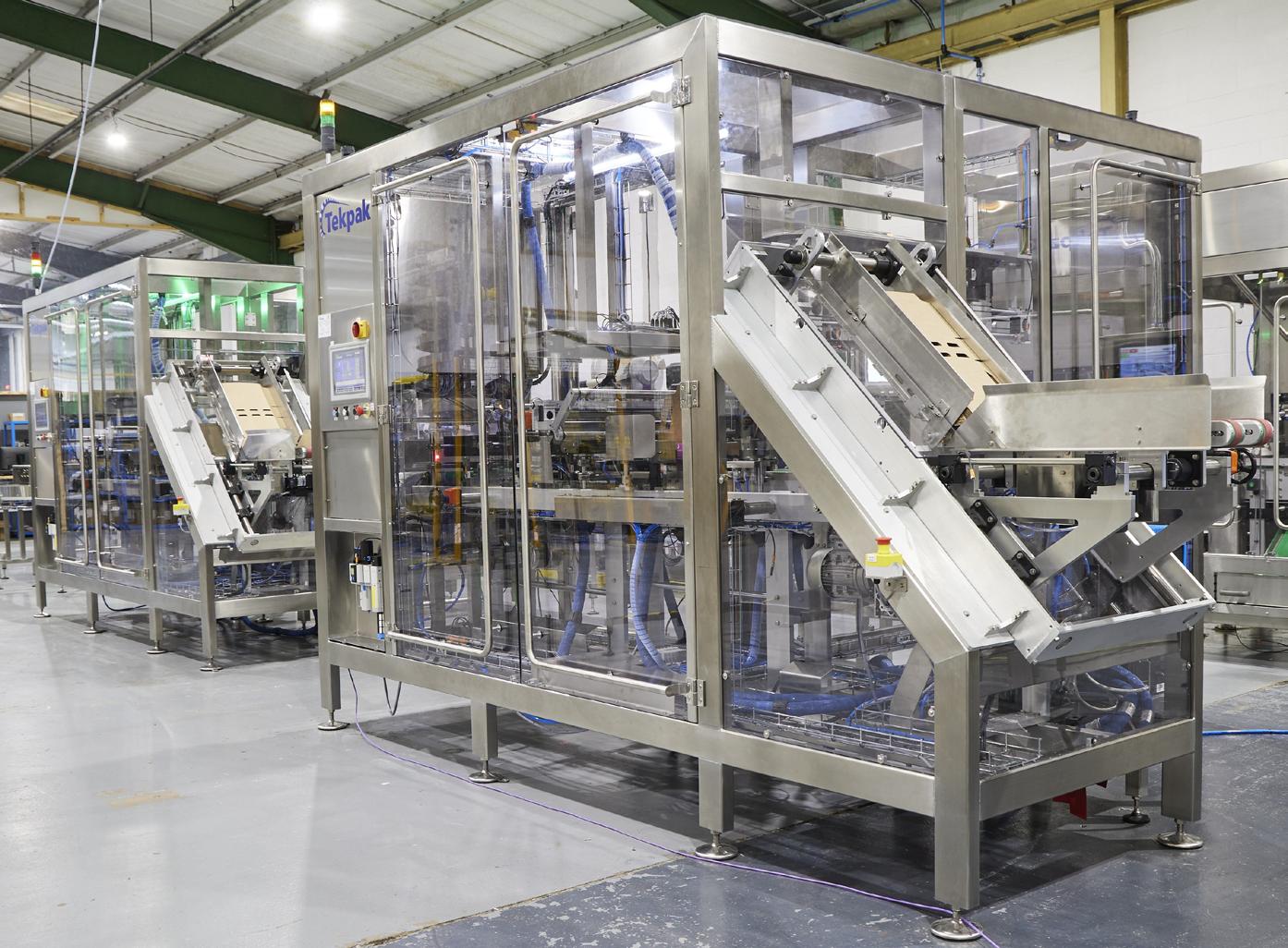
When we deliver a system to a customer, we make it clear that we’ve not merely sold them a machine but the software, too. We ensure that both can be altered as required, to offer maximum production flexibility now and in the future – whether that be a change of size, speed, product type or configuration. For example, we recently installed a wrap-around case packer for a client in the food industry that is capable of handling up to 40 different product sizes and configurations. All adjustments are servo-driven, allowing new formats to be added easily via the HMI by simply inputting the required product configuration.
Automation
Mistake #5: Not having a single point of responsibility
An automated line may comprise equipment from numerous OEMS. However, for a project to succeed, the overall system needs to be ‘owned’, installed, managed and – most importantly – made compliant by one single company. Having a single point of responsibility will limit your risk, reduce admin load and speed up installation and delivery time, while giving you peace of mind that your solution meets the necessary regulations such as CE, Cyber Resilience and Machinery Directive, as well as validation requirements if applicable.
Some companies go a step further. For example, one of our current customers has ordered additional equipment from a different supplier which will run alongside the robotic pick-and-place packaging cell we are building for them. We have arranged for this equipment to be delivered to our workshop so we can integrate it with our cell and ensure it’s running at the correct rate before it gets to the customer’s site – thereby increasing the chance of project success from day one.
Mistake #6: Not futureproofing your technology
Technology is changing fast. AI tools are becoming increasingly common in automation systems, with AI-enabled vision systems helping to position items accurately, quality check products and increase worker safety, among other things. How can you ensure your automation system is fit for the AI revolution and won’t be outdated in a few years’ time, while remaining confident that your data is safe and secure?
Firstly, check that your supplier’s software can be remotely updated as technology evolves and make sure any smart features are included in the FAT and SAT checks. In addition, ask if their solution is compliant with the incoming EU Cyber Resilience Act (CRA). Beginning in September 2026 with full enforcement taking place in December 2027, the CRA sets mandatory cybersecurity requirements for hardware and software products with a digital element. At Tekpak, all our systems are CRA-compliant as standard, well before the Act becomes enforceable.
Mistake #7: Not thinking about after care
Finally, don’t forget that your relationship with your automation supplier should not end at the point of installation – think of it as a partnership rather than a sales transaction. To ensure you get the best out of your system, your supplier should offer training, warranty and after-sales support for as long as you need it, including remote access to limit unexpected downtime.
After the SAT has been completed, our engineers usually remain on site for a week. After this, our service agreements and warranties, including remote access as standard, make sure our systems are never left unsupported. We’ll continue to support the customer for as long as they need us – in fact, we’re still caring for some machines 12 years after they were first installed. Make sure your supplier views your investment as a long-term partnership, not just a quick sale.
The hidden impact of loading technology on line performance
By Tom Foran – Head of Sales, Slicing and Packaging Line Solutions Division at Interfood Technology
When food manufacturers evaluate the performance of a slicing and packaging line, they tend to focus on the slicer itself. Slicing equipment has become exceptionally effective at maximising yield, thanks to technology such as advanced scanning, portion control and weight optimisation systems. But while slicing accuracy is important, the loading and infeeding system plays just as big a part.
Even the most advanced packaging machine cannot perform at its best if products arrive inconsistently or need manual intervention.
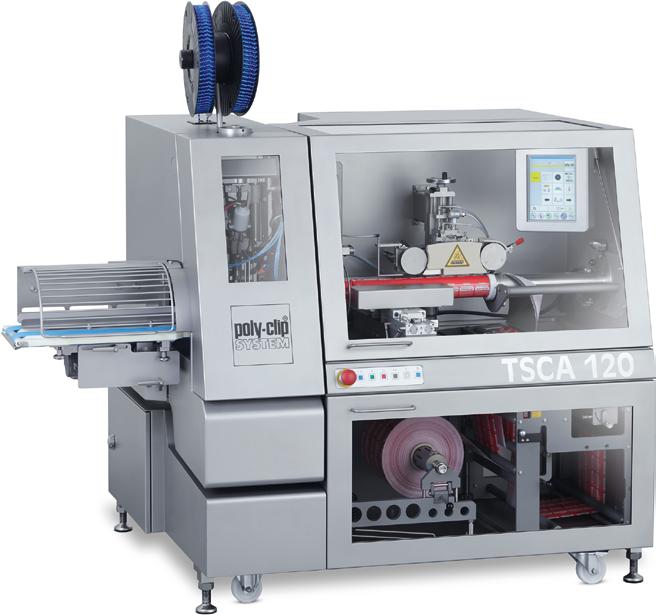
Modern loading technology can now address these challenges, with Weber offering a range of loading solutions to suit different product types, packaging formats, production outputs and investment budgets. So, you can select the most appropriate level of automation for your operation.
Traditional infeeding systems are available in scalable configurations to cater for high outputs, from simple belt loaders through to intelligent systems equipped with corrective features for natural products. By integrating loading technology with the wider slicing and packaging line, product positioning can be continuously improved to maintain maximum efficiency. Features such as twist
Intelligent loading and transport systems also directly improve yield and packaging efficiency.
- Tom Foran
control, independent track buffering and intelligent position adjustment help ensure products enter the slicing process accurately and consistently.
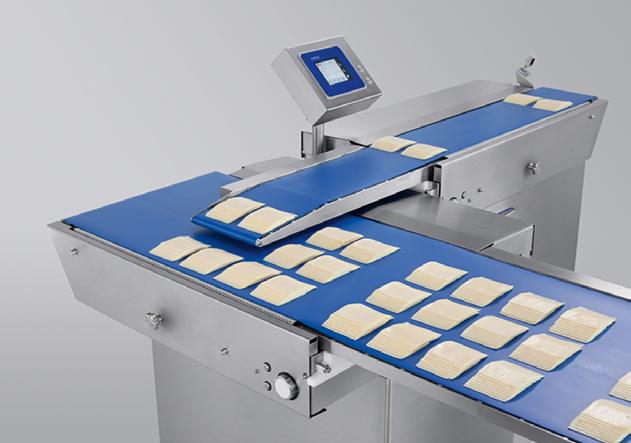
If you need greater flexibility, Weber’s SmartLoader has additional capabilities. Its retracting belt design creates new loading opportunities while simplifying the production of overlapping or multi-portion packs. The compact footprint makes it particularly suitable for processors seeking flexibility without sacrificing valuable production space.
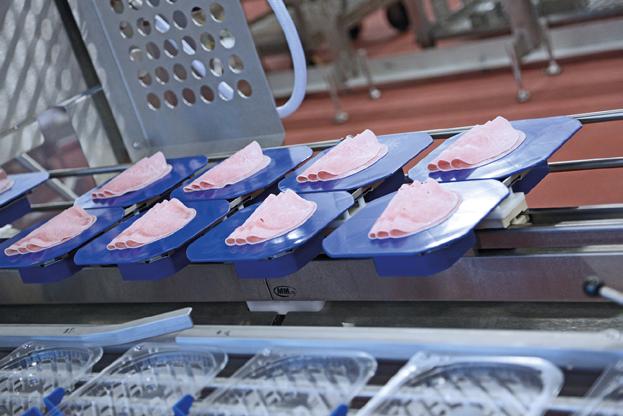
For delicate or premium products, pick-and-place solutions allow portions to be transferred gently and accurately, maintaining product presentation. They can also reorientate portions for complex packaging applications, multiple dieset configurations or flow-wrapping operations. Always keeping hygiene and performance in mind.
And then there’s Weber’s weSHUTTLE transport system. This provides independent product handling throughout the line, so you can manage a wide variety of product groups, pack formats and production outputs - combining multiple sliced products from different slicers into one package with ease - whilst maintaining compact line layouts and maximum operational agility.
Intelligent loading and transport systems also directly improve yield and packaging efficiency. Natural products are rarely perfectly shaped, making consistent handling difficult at high production speeds. Automated positioning and transport technologies help minimise waste by ensuring portions are placed accurately and consistently within the pack.
Gentle product handling is equally important. By reducing unnecessary movement and mechanical stress, more products reach the final package in saleable condition. Weber’s intelligent transport systems automatically adjust ramp-up and ramp-down speeds, so portions move only as quickly as required throughout the line, for consistent throughput and packaging.
Slicing technology continues to advance, but for optimal performance, you need to consider the entire line. Loading and transport have become integral to overall line performance, helping manufacturers maximise the value of every portion produced.
For further information visit: interfoodtechnology.com
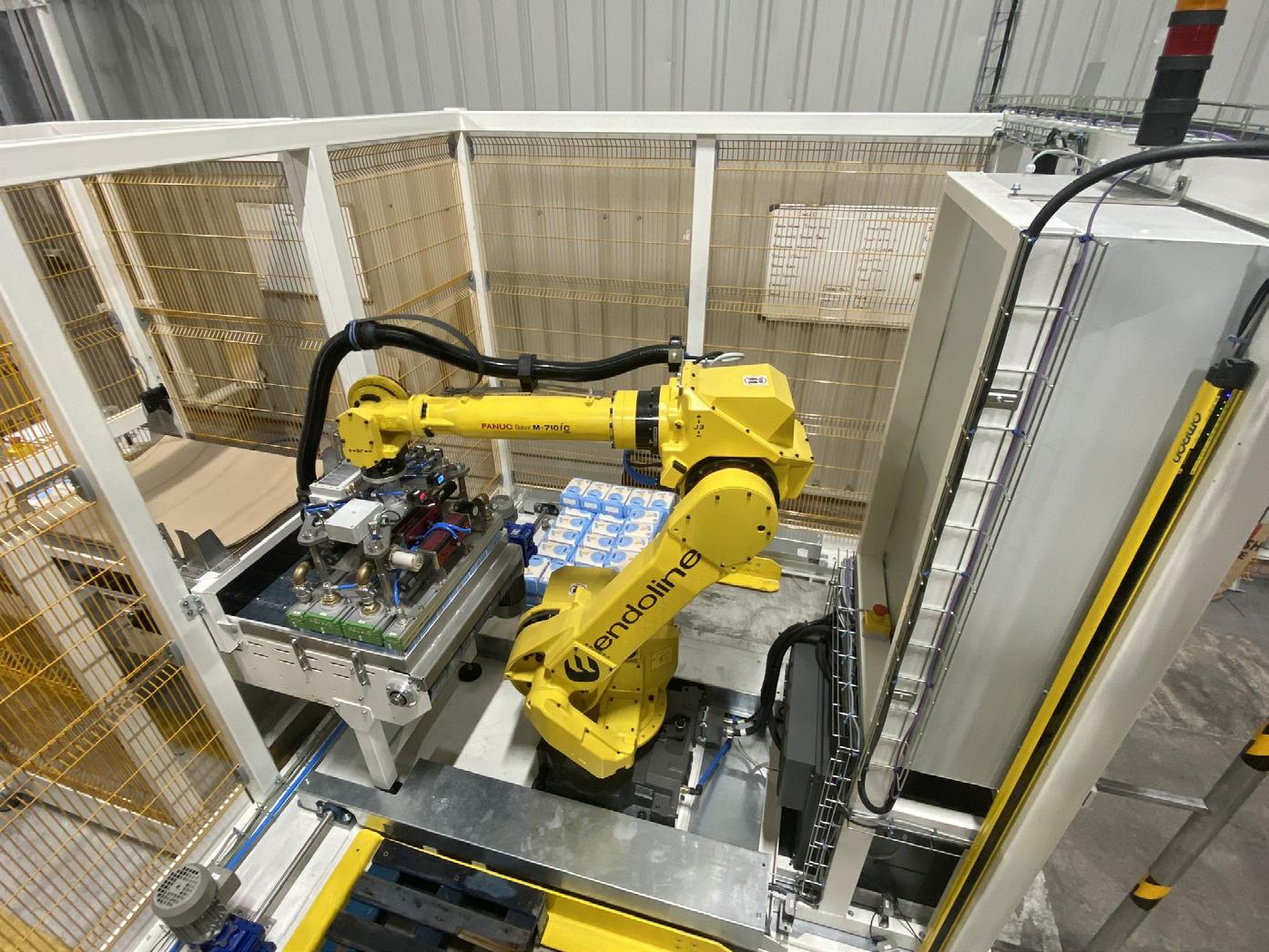
Automation Endoline Robotics replaces legacy palletising system with flexible high-speed automation at leading UK flour mill
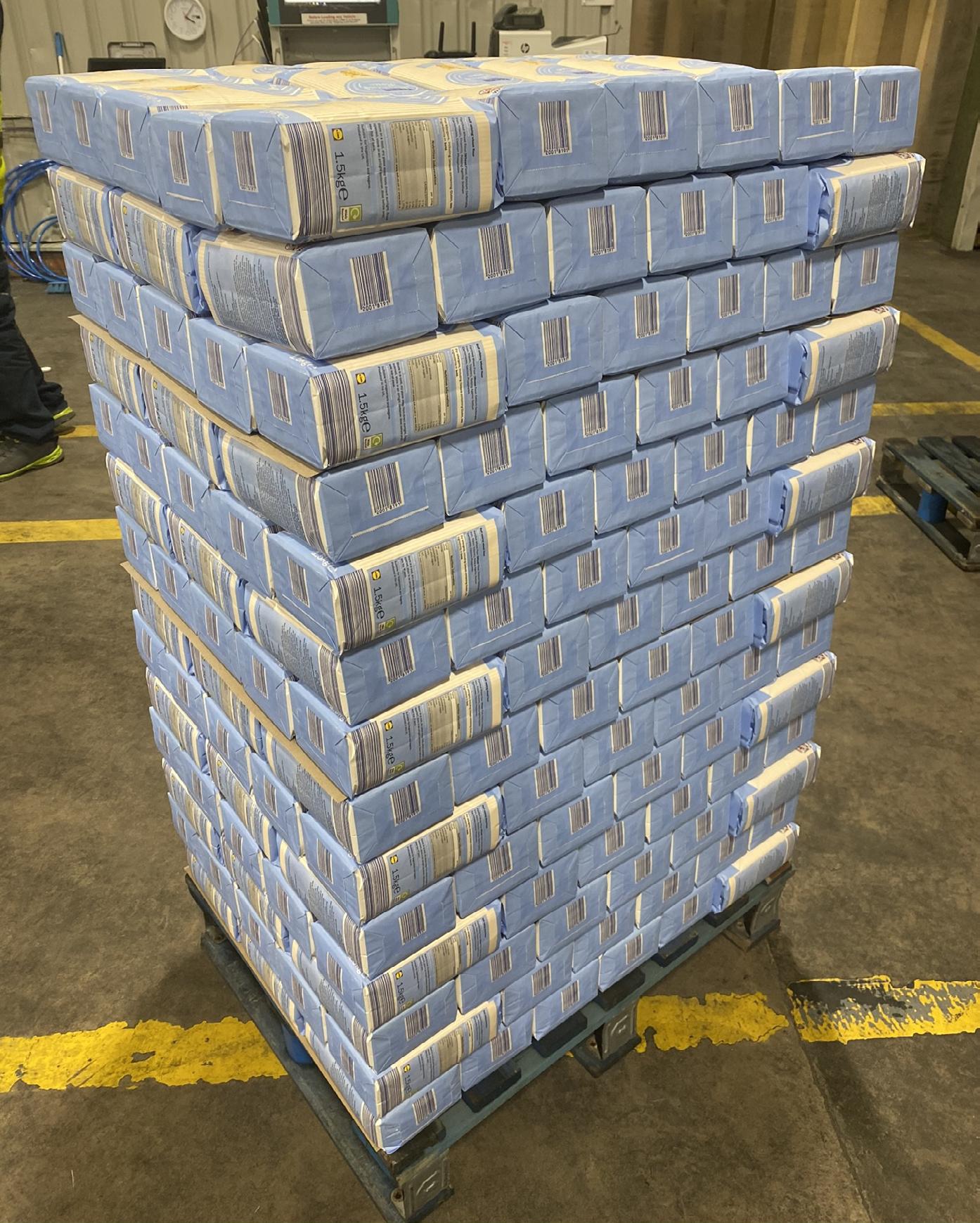
A leading UK flour mill has strengthened its automation strategy with the installation of a new high-speed robotic palletising and conveyor solution from Endoline Robotics, replacing an older system that could no longer meet the business’s growing demands for flexibility and throughput.
Capable of handling up to 14 bundles of flour per minute across two production lines, the equivalent of between 56 and 168 individual bags of flour every minute, the new system is already playing a key role in supporting increased production volumes and future growth.
Designed to work alongside an existing Endoline palletiser dedicated to one of the site’s two production lines, the upgrade forms part of a broader automation strategy at the facility. The mill operates two filling lines producing both individual 1–2kg bags and larger 18kg shrink-wrapped bundles. The original system, installed five years ago, manages the individual bags from Line 1. This left Line 2’s individual bags, together with the bundles from both lines, requiring a more flexible palletising solution.
Engineered to accommodate both product formats, the system also incorporates the automatic handling and placement of wax paper interlayer sheets. Bundles are conveyed from both lines at speeds of up to 14 per minute per line, equating to a combined throughput of up to 28 bundles per minute. In addition, individual 1–2kg bags from Line 2 are presented at rates of up to 70 bags per minute.
Driving flexibility to support business growth
The replacement project was driven by the need to overcome limitations within the previous palletising operation, which lacked the flexibility to efficiently handle varying bundle sizes and evolving product formats. As the mill expanded its product range and customer requirements for bundle sizes became more diverse, a more adaptable solution was required to support continued growth.
Combining advanced palletising technology with a fully engineered
conveyor network, the system enables both bundled flour products and individual packs to flow seamlessly from packing through to pallet build. By automating what were previously labour-intensive and physically demanding tasks, the flour mill has improved operational efficiency, consistency and working conditions across the site.
Integrated palletising and conveyor system
At the heart of the system is a palletising solution capable of managing product streams from the two filling lines. Bundles and individual packs are transferred via a series of accumulation and transfer conveyors, designed to buffer product flow and maintain a continuous feed into the palletising area without disrupting upstream packing operations.
Operating across the two bundling lines, the palletising system can handle up to 14 bundles per minute per line, delivering high-volume throughput while maintaining precise pallet builds and load stability ready for downstream handling and distribution.
While the palletiser can manage the simultaneous pick-up of bundled products from both lines, it requires a straightforward re-tooling process when switching to palletising individual packs of flour, which are fed down the middle conveyor. This quick-change capability allows the mill to move efficiently between product formats in line with production schedules and changing customer requirements.
To minimise downtime during product changeovers, the tooling transition is carried out automatically via the system HMI. The robot docks its current end-of-arm tool, releases it and automatically connects to the alternative tool, ensuring rapid and controlled transitions between bundle and individual pack handling.
Replacing legacy systems with adaptable automation
“Our customer needed a solution that could replace their existing palletising system with something far more adaptable and capable of supporting long-term growth,” comments Suraj Patel, UK Sales Manager, Endoline Robotics. “By integrating high-
This project shows how replacing legacy systems with flexible technology can improve efficiency today while providing the capacity to grow tomorrow.
speed palletising with a tailored conveyor layout, we’ve delivered a flexible operation that can handle different product formats, varying bundle sizes and increasing volumes.”
While enabling the site to move away from manual-intensive tasks, flexibility has been a central design principle throughout the installation. The modular conveyor layout allows for future expansion and capacity increases, while the palletising system can be easily adapted to accommodate new pack sizes, bundle formats and pallet configurations as the business continues to evolve.
“Modern food manufacturers need automation that delivers both performance and adaptability,” Suraj adds. “This project shows how replacing legacy systems with flexible technology can improve efficiency
today while providing the capacity to grow tomorrow.”
Building on a long-term partnership
Although the latest installation represents a major upgrade, it builds on an established partnership between the flour milling business and Endoline. In 2020, Endoline delivered a robotic palletising system at the company’s UK-based mill to support a sharp increase in retail demand during the pandemic, enabling production of more than 167,000 bags of flour per week and improving pallet quality and operational continuity.
That earlier project helped shape the company’s wider automation strategy and demonstrated the long-term benefits of palletising technology within the milling environment. With a long-established milling heritage, the business continues to invest in modern manufacturing solutions to remain competitive in a rapidly changing food production landscape.
The palletising and conveyor upgrade reflects this industry trend, providing the flour mill with a future-proof solution that supports current operations while enabling continued growth.
Efficient Accurate Cook CCP validation with full Pu Analysis
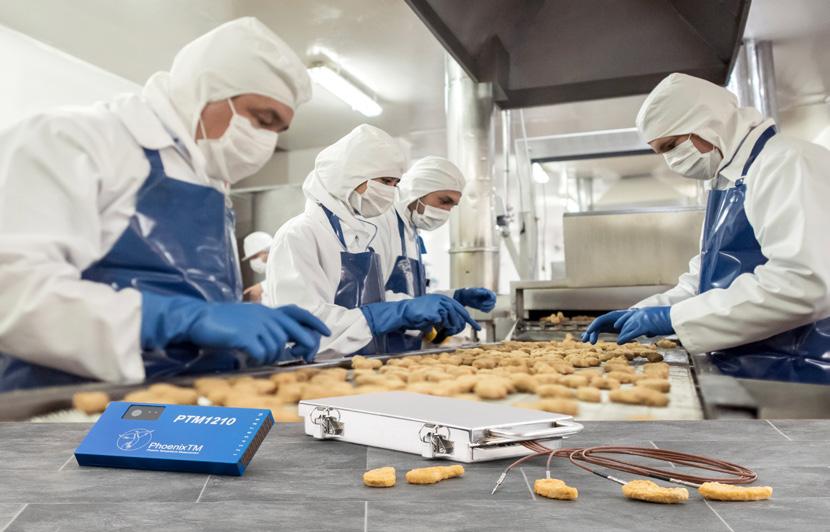
As part of any Food processors HACCP program validation of cook and chill processes is a critical and significant task taking time, effort, and resources.
PhoenixTM have developed a thru-process temperature monitoring technology specifically for this task designed to meet the challenges of the food processing market. Ideal for the validation process for any new cook regime, new product, or annual process certification.
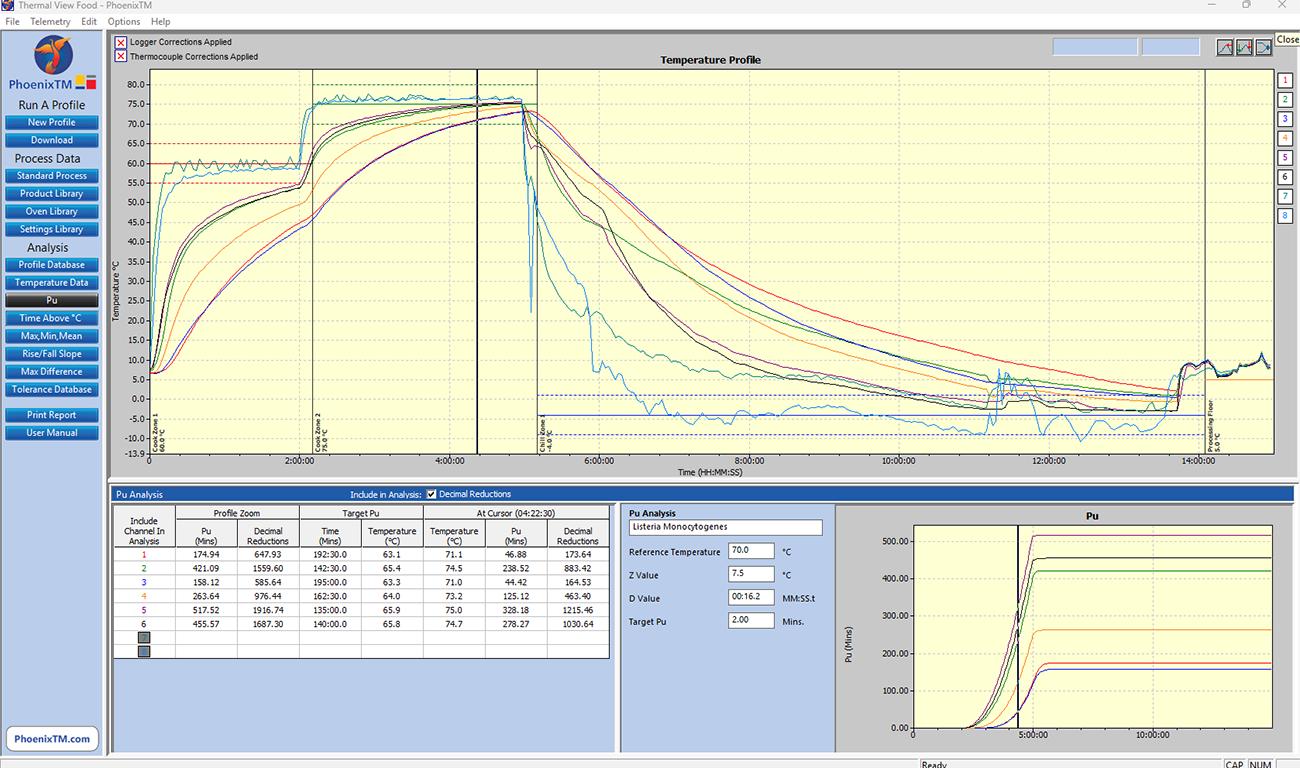
From a temperature profile it is possible to accurately quantify product safety (pasteurisation) knowing both the temperature, and time at temperature, of the product.
The Pasteurisation Value (Pu) is the equivalent cook time for the temperature profile at the nominated reference cook temperature. Basically, the calculation converts each data point
in the profile trace to an equivalent time at the reference temperature which is then summed. The Pu value (mins) is divided by the decimal reduction time to give the resulting number of log/decimal reductions in the micro-organism population. Many processors look for a minimum lethality of 6 log. For LMono (listeria monocytogenes) the minimum target Pu is therefore 6 log x 16.2 s (Dt) = 1.62 mins which is rounded up to 2 mins hence the specification 70 °C / 158 °F for 2 mins.
The PhoenixTM system is offered with a custom designed software package, Thermal View Food software. The software allows set-up and control of the data logger but also full review and analysis of the profile data collected.
As part of the comprehensive analysis suit the software provides recognised and approved lethality calculations allowing quantification of food cook safety. For a specific target microorganism, the software will calculate Fo/Pu and or number of log/decimal reductions achieved by the cook profile to quickly determine whether the Cook Critical Control Point (CCP) has been achieved. The lethality results can be viewed either numerically or graphically.
The lethality calculation gives you the accuracy you need to prove food safety. At the same time the confidence to potentially reduce cook time or temperature to improve productivity, yield, and quality without compromising safety.
Contact PhoenixTM to help Find, Fix and Forget your Food Cook Problems!
Further information: www.phoenixtm.com
Efficient HACCP Cook & Chill CCP Validation
Product Safety
Process Efficiency
Improved Product Yields
Rapid Fault Finding
Full HACCP Certification
Thru-process temperature monitoring solutions for all your cook applications
PhoenixTM Technology
• Accurate IP67 data logger (Type K or T)
• 10 Measurement Points for full oven mapping
• Thermal barrier options to suit cook regime
• Comprehensive thermocouple range
• Standard miniature thermocouple plugs
• Calibrated thermocouple options
• Food trays and thermocouple jig options
• Full lethality (Fo/Pu) and reporting
• Real Time RF Telemetry options
• Local efficient calibration and service support
Phoenix Temperature Measurement
Food Contact Regulations, HACCP and the Critical Role of Filtration in Food & Beverage Manufacturing
By David Keay, Commercial and Technical Director at Pore Filtration
Food Safety Starts Long Before the Final Product
Modern food and beverage manufacturers face increasing pressure to demonstrate food safety, regulatory compliance, product consistency, and consumer protection. While considerable focus is placed on ingredients, processing equipment, cleaning procedures, and packaging, filtration systems are often overlooked as critical food contact components within the manufacturing process.
Yet filtration is present throughout almost every food and beverage production facility. It is used to treat water, filter ingredients, clarify products, sterilise gases, protect tanks, condition steam, and remove contaminants before products reach consumers. In many cases, filtration forms an important part of the controls used to manage physical, chemical,
and microbiological hazards within HACCP-based food safety programmes.
Because filters frequently come into direct or indirect contact with food products, they must not only perform their filtration function effectively but also comply with food contact regulations designed to protect consumers and maintain product integrity.
Understanding how food contact compliance and filtration support HACCP can help manufacturers strengthen food safety systems, simplify audits, and reduce operational risk.
What Are Food Contact Materials?
Food Contact Materials (FCMs) are any materials intended to come into contact with food, beverages, ingredients, or processing streams
during manufacture, storage, transport, or packaging.
Within filtration systems, food contact materials may include:
• Filter media
• Membrane materials
• Cartridge cores and cages
• End caps and adaptors
• O-rings and gaskets
• Filter bag materials
• Adhesives and bonding compounds
• Stainless steel filter housings
• Plastic filter housings
Many manufacturers associate food contact regulations with packaging materials. However, filtration products can represent a much larger surface area of product contact during manufacturing and therefore require the same level of scrutiny.
How Filtration Supports HACCP
The purpose of HACCP is to identify and control hazards that could compromise food safety.
Filtration can play a significant role in controlling all three primary hazard categories.
Physical Hazards
Physical contaminants may enter production through raw materials, utility systems, equipment wear, or environmental exposure.
Food contact regulations exist primarily to ensure that materials used in food processing do not release harmful substances into food products.
- David Keay
Examples include:
• Rust particles
• Pipe scale
• Metal fragments
• Rubber particles
• Plastic debris
• Undissolved ingredients
Appropriately selected filtration systems act as a physical barrier that prevents contaminants reaching sensitive downstream processes or final products.
Chemical Hazards
Chemical contamination risks may arise from:
• Cleaning chemicals
• Processing aids
• Lubricants
• Boiler additives
• Non-compliant process materials
Food contact regulations exist primarily to ensure that materials
used in food processing do not release harmful substances into food products.
When a filter cartridge, membrane, filter bag, or gasket is manufactured from compliant materials and supported by appropriate documentation, manufacturers can demonstrate that these potential chemical hazards have been assessed and controlled.
Food contact compliance forms an important part of this assessment, but suitability should also be considered alongside intended process conditions and application requirements.
Microbiological Hazards
Microorganisms can enter food processes through:
• Water supplies
• Ingredients
• Compressed air systems
• Process gases
• Tank venting
• Environmental exposure Filtration frequently forms one of the final barriers preventing spoilage organisms and airborne contamination from entering production systems.
The Key Food Contact Regulations
Several regulations govern materials used in food processing environments.
EC 1935/2004
The European Framework Regulation requires that food contact materials:
• Do not endanger human health
• Do not alter food composition
• Do not adversely affect taste, odour, or appearance
This forms the foundation of food contact compliance for many filtration products used within Europe and the UK.
EC 2023/2006 Good Manufacturing
Practice
This regulation requires manufacturers of food contact materials to implement controlled manufacturing systems that ensure product consistency and traceability.
EU 10/2011
This regulation specifically addresses plastic materials used in food contact applications and includes migration testing requirements for many polymeric filtration components.
Depending on the filter design, additional materials such as elastomers, seals, and adhesives may also require assessment for food contact suitability.
FDA 21 CFR
For manufacturers supplying global markets, compliance with relevant FDA food contact requirements is often equally important.
Many food and beverage producers require both EU and FDA compliance declarations as part of supplier approval programmes.
These declarations often reference applicable sections of FDA Title 21 CFR relating to food contact materials, indirect food additives, and polymeric materials used in filtration products.
Filtration Applications That Support Food Safety
Process Water Filtration
Water is often the single largest ingredient used in food and beverage manufacture.
Whether used for ingredient preparation, product formulation, equipment cleaning, or utility systems, poor water quality can introduce both physical and microbiological hazards.
Case Study
Many food and beverage producers require both EU and FDA compliance declarations as part of supplier approval programmes.
- David Keay
Cartridge filtration is commonly used to:
• Remove suspended solids
• Reduce turbidity
• Protect UV systems
• Protect membrane systems
• Improve microbiological control
• Maintain consistent water quality
For many manufacturers, water filtration forms a critical prerequisite programme within their HACCP system.
Beverage Filtration
Beer, wine, spirits, soft drinks, juices, bottled water, and functional beverages all rely on filtration to protect product quality and safety.
Filtration can remove:
• Particulate contamination
• Spoilage organisms
• Process debris
• Carbon fines
• Clarification residues
Because the product passes directly through the filtration media, food contact compliance becomes particularly important.
Dairy Processing
Filtration is used extensively throughout dairy processing operations including:
• Milk clarification
• Ingredient preparation
• Yogurt production
• Cheese manufacture
• Whey processing
• Protein concentration
• ESL and UHT production
In yogurt and cultured dairy manufacture, sterile air and tank vent filters help maintain hygienic conditions during fermentation while preventing airborne contamination from entering vessels.
Alternative Protein Manufacturing
The rapid growth of plant-based proteins has created new filtration challenges.
Manufacturers processing pea, soy, oat, wheat, lentil, and other protein sources use filtration to:
• Clarify extracts
• Protect membrane systems
• Reduce particulate loading
• Improve product consistency
• Protect final products before d
• rying or packaging
Because protein products are highly susceptible to contamination and quality variation, filtration often forms an important part of the process control strategy.
Fermentation-Based Protein Production
Precision fermentation and microbial protein production depend heavily on sterile process conditions.
Filtration supports:
• Sterile air supply
• Nutrient and additive filtration
• Bioreactor vent protection
• Downstream clarification
• Final product protection
Failure of filtration systems in fermentation environments can lead to contamination events that result in the loss of entire production batches.
For this reason, filtration systems are often validated, monitored, and maintained as part of formal food safety programmes.
Compressed Air and Gas Filtration
Compressed air is increasingly recognised as a potential contamination source.
Air systems may contain:
• Oil aerosols
• Condensate
• Rust particles
• Microorganisms
Sterile gas filtration is commonly used for:
• Product contact air
• Fermentation air
• Carbon dioxide filtration
• Nitrogen filtration
• Packaging gas systems
These filtration systems help control both physical and microbiological hazards identified during HACCP assessments.
Tank Vent Filtration
Whenever a tank is filled, emptied, heated, cooled, or cleaned, air enters or exits the vessel.
Without appropriate protection, tanks can draw in:
• Dust
• Mould spores
• Wild yeast
• Bacteria
• Environmental contaminants
Hydrophobic sterile vent filters create a protective barrier that helps maintain product integrity while allowing tanks to breathe safely.
Applications include:
• Dairy silos
• Beverage tanks
• Fermentation vessels
• Water storage tanks
• Ingredient vessels
Culinary Steam Filtration
Steam frequently contacts food directly or indirectly through processing equipment.
Potential contaminants include:
• Rust
• Pipe scale
• Boiler carry-over
• Chemical treatment residues
• Condensate
Steam filtration helps improve steam quality and reduce contamination risks, supporting both food safety objectives and regulatory compliance.
What Auditors Want to See
During BRCGS, FSSC 22000, ISO 22000, retailer, or customer audits, filtration systems are increasingly reviewed as part of the overall food safety management system.
Quality managers are often expected to demonstrate:
Risk Assessment
• Why the filter is installed
• Which hazards it controls
• Its role within HACCP
Food Contact Compliance
• EC 1935/2004 declarations
• EU 10/2011 declarations
• FDA compliance statements
• Validation
• Retention performance data
• Microbial challenge studies
• Integrity testing procedures
• Steam compatibility data Verification
• Maintenance records
• Filter change records
• Integrity testing results
• Monitoring logs
Choosing a Filtration Supplier That Supports HACCP
A filtration supplier should provide more than just filter cartridges.
To support food safety programmes effectively, manufacturers should expect access to:
• Food contact declarations
• Validation guides
• Material traceability
• Certificates of conformity
• Technical support
• Application expertise
• Audit support documentation
This information helps technical, quality, and production teams demonstrate that filtration systems are not only effective but are also fully integrated into the site’s food safety management programme.
Conclusion
Food contact regulations and HACCP share the same objective: protecting consumers and ensuring safe, consistent food production. Filtration sits at the intersection of both.
From process water and beverage filtration to sterile gases, tank venting, dairy processing, fermentation, and alternative protein manufacture, filtration systems help control physical, chemical, and microbiological hazards throughout production.
When supported by appropriate food contact compliance, validation data, traceability, and maintenance procedures, filtration becomes far more than a processing step. It becomes a documented and auditable food safety control that helps manufacturers maintain compliance, protect product quality, and reduce risk throughout the supply chain.
Written by David Keay, Commercial and Technical Director at Pore Filtration
Visit: porefiltration.co.uk
Processing & Measurement Control
Frozen, Fast, and Safe: AI Inspection Takes Over the IQF Inspection Line
By Janell Haws, Applications Specialist, KPM Analytics
AI-powered inspection is shifting frozen food manufacturing from reactive cleanup to predictive control.
Food product inspection is undergoing a significant technological shift, benefiting companies that produce Individually Quick Frozen (IQF) production companies. Because IQF foods vary significantly in size, shape and surface characteristics, quality inspection and foreign material detection can be especially challenging.
Objects such as field debris (stones, stems, leaves, and pits), or packaging materials (plastic, paper, wood), and equipment wear fragments can easily enter the product stream. With IQF lines operating at high throughputs, relying on manual inspection is often impractical and ineffective.
AI Addresses IQF Inspection Gaps
To overcome these quality assurance and food safety challenges, many IQF manufacturers are adopting AIpowered inspection systems. These
solutions combine machine learning, advanced imaging sensors, and specialized lighting to detect defects, contaminants, and quality deviations in real time- far faster and more consistently than human inspectors.
Unlike traditional sorting systems, which rely on fixed color, shape, or size thresholds and often require frequent recalibration, AI-powered systems are trained using images of real products. This enables them to learn what belongs in the process stream and what does not. In addition to identifying foreign materials, these systems can grade products based on color, size, shape, and surface defects while operating at full line speeds with minimal human intervention.
AI-based vision is not intended to replace X-ray or metal detection technologies. Instead, it complements traditional inspection methods by providing an additional layer of protection, particularly for detecting low-density contaminants that may be difficult for other technologies to identify.
AI’s Standout Advantage is Adaptability
With support from an AI trainer, inspection systems can be taught to find new contaminants, recognize quality variations caused by seasonal changes, and learn new product
types as companies expand their product portfolios.
These systems also integrate with Manufacturing Execution systems (MES), Enterprise Resource Planning (ERP) platforms, and cloud-based analytics tools to provide valuable operational insights while creating digital audit trails that support traceability and regulatory compliance.
Every scan, classification, and rejection contributes to a growing dataset that can reveal trends by shift, supplier, or production run. Manufacturers can correlate raw material quality with defect rates, identify process inefficiencies, and even predict potential issues before they reach consumers. This capability is helping the industry shfit from reactive quality management to proactive food safety and quality assurance.
The Future of IQF Production is Intelligent
AI-powered vision inspection helps alleviate this burden by automating repetitive inspection tasks, improving detection accuracy, and reducing the risk of costly quality incidents and recalls. As technology continues to evolve, AI is poised to become a foundational component of intelligent IQF production, enabling manufacturers to improve product quality, strengthen food safety programs, and operate more efficiently than ever before.
Below Left: A piece of clam shell identified by AI inspection prior to freezing.
Below: AI inspection systems are trained on specific food products and processes to distinguish foreign materials from natural product characteristics
Processing & Measurement Control
Forecasts of Extreme Weather Prompt Revision of Food & Beverage Cooling Strategies
Following warnings from scientists that current climate conditions are brewing extreme weather in the months ahead, engineered energy and temperature control solutions provider, Aggreko, is calling upon food & beverage stakeholders to revise their cooling strategies ahead of time or face the consequences.
Global sea temperatures of 21°C were reported last month – the second highest on record for the month of April – with scientists now pointing to another El Niño warming cycle that could significantly intensify extreme weather.
These temperatures are marginally lower the 21.04°C recorded in April 2024 ahead of the last El Niño weather event, which ended up being the fourth warmest year on record for the UK.
With a long hot summer potentially in store, Chris Smith, Head of Temperature Control at Aggreko, is urging the food & beverage industry to review its cooling infrastructure before the heatwave arrives.
We need only look back at 2024 to see what El Niño might have in store for us this year.
He said: “We need only look back at 2024 to see what El Niño might have in store for us this year. Summer temperatures regularly exceeded 30°C, placing immense pressure on food & beverage cooling infrastructure and even leading to full-blown equipment failure in worst-case scenarios.
ABOVE: Chris Smith, Head of Temperature Control at Aggreko
“The reality is, current cooling strategies simply aren’t designed to deal with this kind of weather, or to operate in these temperature ranges. For this reason, now is the time to start reviewing current cooling infrastructure to assess whether it’s still fit for purpose, so the right measures can be brought in ahead of time.
“The main thing to look out for is ageing assets, as these are at the greatest risk of lower efficiency, overheating, and failure. Engaging with a specialist temperature control partner can help implement temporary cooling and industrial HVAC solutions to bridge gaps during equipment failures, manage seasonal demand peaks, and provide N+1 redundancy for greater operational resilience.”
The main thing to look out for is ageing assets, as these are at the greatest risk of lower efficiency, overheating, and failure.
Aggreko’s latest research report, Temperature Check: Is UK Manufacturing Keeping its Cool?, revealed that a staggering 99% of UK food and beverage manufacturers surveyed had faced downtime in the past 12 month due to cooling equipment failures, with 44% facing more than 3 weeks of downtime.
In the face of this challenge, hybridised packages consisting of battery energy storage systems (BESS) and temporary chillers or cold storage units are becoming an increasingly popular option for the food & beverage industry. Here, the chiller or cold storage unit provides scalable, supplementary cooling capacity, with the BESS powering the package while enhancing efficiency, reducing costs, minimising environmental impact, and offering near-silent operation versus a standard generator.
Cave de Lugny, for instance – a large wine co-operative in France – was able to maintain optimal cooling in its cellar throughout the harvest season thanks to a hybrid chiller package from Aggreko, saving 2,660 litres of fuel and reducing on-site CO2 emissions by 40%.
Chris concluded: “While we’ll have to wait and see what the summer has planned for us, now is nonetheless a prime time to re-evaluate cooling strategies and identify where efficiency gains can be made. Procuring temporary cooling from a third-party specialist not only allows access to the latest, high-efficiency technology, but also opens the door to a number of creative solutions, such a hybridisation, which just aren’t feasible in-house.
“While cooling is just one of the challenges that food & beverage professionals have to contend with at the moment, the gains this can deliver, alongside the resilience it provides against the threat of outages, mean that this is more than a worthwhile operational solution — delivering flexibility and resilience without the need for capital expenditure, thanks to the hire-based model.”
Processing & Measurement Control
Food metal detector solves dairy product effect
Food safety specialist Fortress Technology explains how product effect can interfere with detection signals and reduce sensitivity in dairy applications
Water, like metal, is conductive, which means dairy products can react differently in a food metal detector’s magnetic field. For example, a solid block of cheese behaves differently than grated, sliced or soft cheese. This product effect may result in the product being rejected and good food being wasted.
To identify a metal contaminant within conductive products, a metal detector must address product effect. Reducing the aperture size in relation to the product size can be a simple way to increase metal detector sensitivity and reduce this margin of error. Features like single pass product learning and automatic calibration can also help.
To identify a metal contaminant within conductive products, a metal detector must address product effect.
However, with single frequency metal detectors running ‘wet’ products there is often a trade-off between ferrous and stainless-steel performance depending on the selected frequency. Typically, higher frequencies exhibit increased performance in detecting stainlesssteel versus ferrous metals. The best approach is to find a frequency that balances the lowest product effect with detection of target contaminants.
Fortress Technology’s Interceptor software algorithms can adapt to these changing characteristics by distinguishing between product specific indicators and those that flag anomalies.
AutoPhase is another useful tool from Fortress Technology that can help to counteract product effect. For larger cheese blocks weighing up to 20kg, high product effect along with the product size adds another challenge as product signature constantly shifts when a single block moves through a metal detector aperture. M-phase is an algorithm developed specifically for this unique effect.
Processing & Measurement Control
Scaling down to keep moving forward
Lawrence Rice-Williams, Head of Food and Beverage at 42 Technology, explains how small-scale rigs are giving manufacturers a safer, low-cost way to trial process changes. But designing rigs that accurately reflect fullscale behaviour remains a significant challenge.
Manufacturers are well versed in the challenges of scaling up. An exciting new product, formulation or process may work perfectly in R&D, only to reveal unexpected complications when translated to full production scale.
Less widely discussed but increasingly important is the opposite challenge: how to scale down.
Many manufacturing lines in the food and beverage sector have been running successfully for decades, operating continuously to deliver high-volume, high-value products at the throughputs demanded by the market. Now though, FMCG manufacturers face rising ingredient and energy costs, unstable supply chains, and growing pressures to integrate more sustainable ingredients or materials.
Making process changes is often harder than expected because formal SOPs rarely capture the hidden tweaks and workarounds production teams use to keep things running smoothly.
In addition to this, taking critical production assets offline for experimentation is not practical. Even short interruptions can have significant commercial consequences, while largescale pilot trials can be expensive and time-consuming.
As a result, many manufacturers are now investing in representative scaledown systems and rigs that allow lower cost, faster experimentation to support process innovation. However, designing these systems is seldom straightforward.
Why scale-down is harder than it looks
At first glance, scaling down a process can appear deceptively simple: just make a smaller version of the production equipment. In reality, manufacturing systems are governed by complex interactions between equipment geometry, materials, process conditions, control systems, and operator intervention.
A rig that looks like the real process is not necessarily one that behaves like it; and this becomes particularly challenging where processes involve non-linear behaviour.
In one recent project, 42 Technology (42T) supported the scale-down of a
process involving a non-Newtonian fluid whose flow characteristics changed significantly under different operating conditions. Conventional scaling assumptions did not apply, so the development team combined published scientific models with practical experimentation to identify the dominant behaviours that needed to be preserved at smaller scale.
The client had initially thought they would need to invest in an expensive, fully-customised rig to recreate the entire production environment in miniature, but the project focused instead on reproducing the process characteristics that genuinely influenced product behaviour. This allowed suitable low-cost, off-theshelf equipment to be identified and modified for the application, resulting in a more practical and cost-effective way to conduct offline trials of alternative formulations with
new ingredients while significantly reducing material waste.
The takeaway is clear: effective scale-down isn’t about replicating everything, it’s about understanding which process behaviours matter most.
The hidden role of operator knowledge
One of the biggest challenges in scaling down mature manufacturing processes is that critical process understanding often exists outside formal documentation.
Experienced operators frequently develop an intuitive understanding of how a line behaves under changing conditions. Over time, they learn which adjustments stabilise the process, how environmental conditions influence performance, and which operating “rules” can safely be bent. That knowledge may never appear in process specifications or operating manuals, yet it can be vital in maintaining consistent production.
Before starting any scale-down projects, it is essential to visit the factory floor and work alongside operators to understand what adjustments they use to keep things running smoothly.
These insights are often invaluable for seeing how operators interact with a process, as much as for understanding the equipment itself.
Building representative rigs
A well-designed scale-down system allows manufacturers to experiment rapidly, safely, and cost-effectively while still generating meaningful process insight. Achieving that requires careful consideration of which process variables need to be controlled, measured and reproduced.
In a recent beverage-sector project, 42T developed a highly instrumented experimental rig to investigate how changes in processing conditions influenced final product characteristics. The system needed precise control of small liquid volumes, as well as extensive sensing and data capture capabilities.
The value of the rig was not simply in recreating the production process at smaller scale, but in enabling rapid exploration of different operating “levers” without the cost
Processing & Measurement Control
and disruption associated with large pilot trials. Parameters could be adjusted quickly, experiments repeated efficiently, and new process understanding generated far faster than would have been possible on a live production line.
Rigs also create opportunities for generating large quantities of highquality process data. In some cases, this information may eventually support future machine learning or digital twin initiatives, although the immediate value usually comes from faster experimentation and better process understanding.
Crucially, these systems are not purely analytical tools. They are practical engineering assets that help de-risk manufacturing innovation before changes are introduced onto live production lines.
Four questions before building a scale-down rig
1. Which process behaviours truly matter?
Not every aspect of a production line needs to be replicated. Focus on the mechanisms that influence product quality, throughput or process stability.
2. Where does operator intervention influence outcomes?
Experienced operators often stabilise processes in ways that are never formally documented. Understanding those interventions can reveal which variables are important.
3. Which variables behave nonlinearly at smaller scale?
Fluid behaviour, thermal transfer, and control dynamics may all change significantly during scale-down and should be considered carefully.
4. How can live-line observations inform the rig?
Carefully planned observations and low-risk “natural experiments” on production systems can provide valuable insight into how the real process behaves.
A strategic capability for modern manufacturing
As manufacturers continue to balance efficiency, sustainability, flexibility, and operational resilience, the ability to experiment safely away from production lines is becoming increasingly valuable.
Done well, scale-down capability enables safer offline trials, faster optimisation, reduced waste, and improved knowledge transfer across teams.
-
Lawrence Rice-Williams, Head of Food and Beverage at 42 Technology
Done well, scale-down capability enables safer offline trials, faster optimisation, reduced waste, and improved knowledge transfer across teams. It also allows manufacturers to continue innovating on longestablished production assets without compromising throughput or product quality.
For FMCG manufacturers, the case is increasingly clear: rapid, lowrisk experimentation is vital when dealing with unstable supply chains, reformulations, rising energy costs, and sustainability pressures. Scaledown rigs offer a practical way to validate changes and optimise performance without tying up highvalue production assets.
Ultimately, the challenge is about identifying and preserving the behaviours that matter most before building representative systems that generate real manufacturing insight.
For further information about 42 Technology please see 42T.com or email answers@42T.com
Processing & Measurement Control
Driving Efficiency in Fresh Produce:
Natures Way Foods UK Boosts Performance with Sormac’s OptiCor Iceberg Lettuce Coring
Natures Way Foods, one of the UK’s leading fresh prepared food manufacturers, has significantly enhanced its processing capability through the use of Sormac’s OptiCor lettuce coring and cutting technology.
The company specialises in the supply of high-quality, readyto-eat produce for major retail and food-service clients, and was seeking a solution to streamline operations at one of its UK sites.
The following is a Q&A with Brett Beveridge, Engineering Director at Natures Way Foods, where he discusses the challenges, collaboration and impact of the OptiCor installation.
What challenges or problems were you facing before using OptiCor from Sormac?
The Runcton site in Chichester is focused on food-service production - primarily mixed-leaf bagged salads. It also produces most of the shredded lettuce used by a leading quick-service restaurant chain in the UK. To support this, the team must efficiently core whole iceberg heads to ensure the tough core is fully removed.
Originally, Natures Way Foods had a team of eight performing this task: removing outer leaves, following a specific pattern to core each lettuce, and then manually inspecting every head.
Production volumes reach several million iceberg heads per week, nearly doubling during peak months.
This level of manual labour not only represented a substantial annual cost but also posed ongoing challenges in sourcing and retaining a reliable workforce.
What made you choose the Sormac solution?
The OptiCor stood out for several reasons: it has a compact footprint, is easy to use and straightforward to clean. Its unique vision-based technology optimises yield for each individual iceberg head, delivering greater consistency and accuracy.
Additional advantages included Sormac’s engineering expertise and its strong reputation across the UK and Europe.
What features of the collaboration do you find the most valuable?
Sormac enabled Natures Way to trial the machine prior to purchase, giving
Solution
the operational team an opportunity to provide detailed feedback. Alongside positive conclusions, several specific requirements were identified that led to optimising the machine’s functionality.
Sormac worked closely with us to implement these improvements - helping to design and test new features that enhanced reliability and performance, ensuring we could achieve optimum throughput. After testing the first lettuce corer in production, the company has since purchased a further three machines.
How has it made a difference for your business?
The introduction of semi-automated systems has made the site more technologically robust and contributed to bottom-line profitability. The company now needs only two people per line instead of eight.
Would you recommend Sormac OptiCor for coring iceberg lettuce?
Yes, Sormac has delivered. The company hasn’t walked away from anything and has been very forthcoming. They are flexible, easy to do business with and offer fair terms. Most importantly, they allowed us to test and trial the machine to ensure it was fit for purpose.
Because of this, and the range of equipment they offer, Sormac is considered a reliable partner for our future investments”, concludes Mr Beveridge, Engineering Director at Natures Way Foods.
Visit: natureswayfoods.com or sormac.com/en-gb
IFF opens Vanilla Innovation Center in Madagascar
Advancing science led flavor innovation where vanilla is grown
IFF, a global leader in flavors, fragrances, food ingredients, health & bioscience—today announced the opening of its Vanilla Innovation Center in Madagascar, reinforcing vanilla as a strategic and priority tonality for IFF and strengthening its ability to innovate at origin.
“The opening of the center marks an important step in how we approach vanilla innovation,” said Adam Jańczuk, Ph.D., senior vice president, research, creation and design, Taste, IFF. “By strengthening our presence at origin, we connect science, creativity and sustainability more closely, responding to climate changes, safeguarding quality and creating value across the supply chain.”
Located in Toamasina, Madagascar’s principal seaport, near vanilla growing areas and post harvest processing activities, the 650 square meter center brings together lab analysis, extraction, scent and flavor creation, and application development in a single site. By embedding these capabilities close to the crop, IFF can better understand natural variability and translate on the ground insights into tailored solutions for customers globally.
Scotland’s largest family-run dairy lands its biggest-ever retail expansion with ASDA
Family-run dairy lands its biggest-ever supermarket listing, bringing 11 new product lines to nationwide stores while celebrating Scotland's farming heritage
Graham’s Family Dairy has announced a major expansion with Asda, meaning that shoppers will be able to buy more dairy products made in Scotland than ever before. The deal will see 11 new lines hit shelves across Scottish stores this month, significantly scaling up a multi-decade partnership driven by a mutual commitment to local sourcing and high-quality farming.
The expansion reinforces Asda’s commitment to supporting leading Scottish suppliers while giving customers greater choice from trusted brands. Following the rollout - which represents the largest single range gain in the brand’s history with any retailer - Asda will stock almost 60 Graham’s Family Dairy products across milk, cream, butter, yogurt, kefir and cottage cheese, including
the recently launched Silver Top milk - a premium, unhomogenised whole milk inspired by the Graham family’s five generations of dairy farming.
Founded in 1939 with just 12 handmilked cows on the Graham family farm in Bridge of Allan, the business has grown into one of the nation's leading dairy brands. Despite its growth, Graham’s Family Dairy remains firmly rooted in its farming heritage, working closely with a trusted network of Scottish dairy farmers to support rural communities, safeguard the future of British
As one of the world’s most complex natural ingredients, vanilla is shaped by climate, post harvest handling and curing methods.
The innovation space supports IFF’s ability to follow the ingredient’s journey from origin extraction and in field testing, through advanced lab analysis to flavor creation—providing a seamless path that deepens material understanding, shortens development cycles and enables solutions informed by real crop conditions.
Innovating at origin strengthens sustainability and resilience across the vanilla supply and value chain. Proximity to growing areas enables closer collaboration with farmer networks, improved traceability and ethical sourcing, and a faster response to climate related changes.
This direct connection between growing conditions and flavor design strengthens the foundation for innovation, delivering better tasting vanilla with greater consistency in quality and supply, while helping customers bring distinctive vanilla experiences to market with confidence.
The Vanilla Innovation Center features:
• Lab analysis capabilities that apply contaminant and diseasedetection protocols to safeguard product integrity, alongside molecular profiling to decode and develop distinctive IFF signatures
• Extraction facilities with scalable rigs to explore vanilla types and optimize extraction and postharvest variables
• Flavor creation unit that enables tailored regional profiles, including Application Lab capabilities for dairy, bakery and confectionery to validate performance in real market prototypes
• The Bloomery, a research greenhouse showcasing diverse vanilla varieties and supporting future exploration of varietal performance and post-harvest techniques
The Vanilla Innovation Center also serves as a hub for knowledge sharing and capability building. Together with the dedicated REMASTER VANILLA™ team, it delivers hands on training, workshops and
laboratory programs that bring together experts, customers and local teams—advancing best practices and strengthening vanilla innovation capabilities.
“This center is built to turn insight into action,” said Marcus Pesch, vice president, research and development, Taste, IFF. “By bringing science, flavor creation and application development together at origin, we can work more collaboratively with customers, improve speed and consistency, and deliver solutions that are market ready and grounded in the realities of vanilla production.”
Fully integrated into IFF’s global vanilla network, the Madagascar facility complements existing capabilities across sourcing, extraction, flavor design and application development. Discoveries generated at the hub will translate into new tools, insights and capabilities for IFF’s creation teams. This enables flavors to be crafted in each region according to local consumer preferences, while supporting a more resilient and sustainable future for one of the world’s most valued natural ingredients.
This expansion gives more customers access to the products that have made Graham’s a trusted dairy brand for generations.
agriculture and meet growing consumer demand for high-quality natural Scottish dairy products.
Robert Graham, Managing Director of Graham’s Family Dairy, said: “We have a long-standing and very positive relationship with Asda, who clearly want to stock high quality products from Scottish farmers and it’s heartening to see a major supermarket supporting the farming industry.
"This expansion gives more customers access to the products that have made Graham’s a trusted dairy brand for generations. For more than 85 years, our focus has remained the same - producing high-quality, natural dairy products with provenance, authenticity and taste at their heart. From fresh milk and cream to butter, yogurt, kefir and cottage cheese, we continue to produce products that are rooted in our farming heritage while meeting the evolving needs of today's shoppers."
The deal highlights the importance of long-term supplier relationships in driving innovation and growth. For Graham's Family Dairy, continued success has been built on strong partnerships throughout the supply chain, from the farming families who produce the milk to the retail partners who help bring products to consumers.
Despite its growth, the company remains family-owned and family-run, with a continued focus on investing
in the future of dairy farming while maintaining the quality and provenance that have defined the business for generations.
To find out more about Graham’s Family Dairy, visit grahamsfamilydairy.com
More than a box: Why corrugated packaging has become a strategic asset
By Matthew Botting, Group Sales Director, BoxWay Packaging Group
Corrugated secondary packaging has traditionally been judged on a simple question: Does it protect the product? For food and drink manufacturers, answering this question convincingly is still vital. Products must move safely through packing lines, warehouses, distribution networks, retail backrooms, and eCommerce channels without damage, delay, or any other unnecessary costs.
But just when businesses might think they have all the answers, the market has changed the questions. Today, secondary packaging is being asked to work much harder. It must support operational efficiency, reduce unnecessary waste, help meet sustainability objectives, improve retail presentation, and strengthen the customer experience. In many cases, it also has to create more brand value than ever before, particularly when thinking outside the stockroom and designing for retail or gifting settings.
In short, corrugated packaging has evolved from a practical transit solution into a much more strategic business asset.
The most successful food and beverage manufacturers will be the ones who leverage that. More than
40% of corrugated packaging is used to package food products, while corrugated protects more than 75% of European goods. Food brands and producers are well-placed to drive the industry forward with corrugated packs that protect products, stack efficiently, run smoothly through packing operations, reduce material, and present products effectively instore, all at once.
Shelf-ready packaging is a clear example. A corrugated tray or tear-open case can reduce handling time for retailers, support cleaner merchandising, and keep branding visible at the point of purchase. In fast-moving food and drink categories where speed, availability, and visibility are critical, secondary packaging has a direct and very tangible influence on commercial performance.
This is a valuable area for businesses to explore. Smithers forecasts global retail-ready packaging demand will grow from 33.8 million tonnes in 2024 to 42.7 million tonnes by 2029, with food accounting for more than three-quarters of volume demand and beverages a further 15%.
Promotional and presentation packaging is one route to capitalising on this value. Corrugated point-ofsale displays, gift packs, counter units, and branded outers help manufacturers support launches, seasonal campaigns, and limited-
edition products without relying on overly complex material combinations, and when designed properly, these formats are easy to assemble, simple to recycle, and strong enough to protect the product throughout the supply chain.
Specialist expertise is required to balance all of this. A pack for glass bottles, cans, ambient foods, or premium gifting must be robust, but it can also use precision die-cutting, tailored fitments, shaped apertures, and high-quality print to create shelf impact without relying on plastic windows, coatings, or laminates, which can complicate recycling streams.
The best approach is to consider packaging early in the product development process. If secondary packaging is left until the end, options narrow quickly as the problem becomes more about fixing problems than proactively adding value. When it is part of the conversation from the outset, manufacturers can assess all their requirements together.
Corrugated packaging is never just a box. It’s the foundation of a successful food and beverage strategy.
For more information visit: boxwaygroup.com
The Hidden Consideration in Packaging Line Performance
Packaging Equipment Faces Increasing Demands
When food and drink manufacturers invest in packaging equipment, the focus is often on speed, automation, efficiency and output. Yet one factor that can have a significant impact on long-term performance often receives less attention: the materials used throughout the packaging line itself.
From conveyors and guides to operator touchpoints, packaging machinery operates in demanding environments. Frequent cleaning, moisture, temperature fluctuations and exposure to food residues place continual pressure on equipment surfaces. Manufacturers must also remain vigilant against bacteria and contamination risks that can affect product quality, operational efficiency and brand reputation.
While cleaning and sanitation procedures remain essential, food manufacturers are placing greater emphasis on how machinery will withstand years of production and cleaning.
Looking Beyond Mechanical Performance
Over time, microbial activity can contribute to staining, odours and material degradation. While these issues may not immediately affect production, they can impact equipment appearance, maintenance requirements
and component lifespan, increasing interest in solutions that support longterm performance.
Packaging machinery manufacturers are increasingly considering the materials and technologies integrated into their equipment. One approach gaining traction is antimicrobial technology built directly into plastics, coatings and other components during manufacture.
Supporting Cleaner, More Durable Surfaces
BioCote® antimicrobial technology works continuously to help reduce levels of bacteria on treated surfaces while inhibiting the growth of microbes that can cause odours, staining and material degradation. By helping to protect treated components from these negative effects, the technology supports cleaner product surfaces between cleaning cycles and helps maintain the appearance and integrity of equipment throughout its service life.
Importantly, antimicrobial technology is designed to complement existing cleaning and sanitation procedures, not replace them. Instead, it provides an additional layer of product protection that remains active for the expected lifetime of the treated article.
Confidence for Food Contact Applications
For food manufacturers specifying new packaging equipment, material selection is becoming an increasingly important consideration. BioCote® is the first and remains the only antimicrobial additive supplier in the world to hold HACCP International certification. Following a rigorous assessment process, the technology has been verified as fit for purpose and safe for manufacture into food-contact surfaces.
Designing for Long-Term Performance
As packaging operations evolve, manufacturers are looking beyond throughput and automation alone. Technologies that support cleaner surfaces, protect material integrity and contribute to equipment longevity are becoming an important part of the conversation. With BioCote® antimicrobial technology, manufacturers can benefit from invisible protection that delivers visible results, helping treated components maintain their appearance and performance throughout their service life.
Looking to enhance packaging equipment performance? Contact the BioCote® team or visit biocote.com to learn more.
Narinder Virdee: Senior Marketing Lead, BioCote®
One technology, many markets
An overview of the diversity of clipping applications
Clipping today is far more than sausage production – it has evolved into a versatile packaging solution. The solutions offered by Poly-clip System demonstrate how this established technology continues to evolve and open up new application areas. The focus is always on how different products can be packaged safely, efficiently, and in a resourcesaving manner.
In the context of increasing demands for efficiency and cost-effectiveness in food production, innovative packaging solutions are becoming even more important. Clip packaging solutions from Poly-clip System enable a significantly reduced material usage while maintaining high product safety. The direct filling and sealing of casings, tubular bags, or nets in a single step shortens processing times, simplifies production workflows, and reduces both packaging volume and material consumption.
Strong foundation in the meat segment In traditional meat processing, clipping
The variety of solutions we offer clearly demonstrates how flexibly clip technology can be adapted to different requirements.
- Dr. Alexander Giehl, CEO at Poly-clip System
remains a central part of production. Poly-clip System’s clip machines are continuously being further developed and cover all performance levels, up to the automatic double clipper FCA 160 XL for large calibers and high production volumes. With the four-clip solution developed by Poly-clip System,
ABOVE: Dr. Alexander Giehl, CEO at Poly-clip System
which significantly increases holding force, the popular FCA series can also be used for heavy hanging sausages weighing up to 16 kilograms.
Growth in convenience and snack products
In addition, clip packaging is gaining importance in other segments. Under the name clip-pak®, Poly-clip System has developed a packaging system that combines all applications in which products are filled into tubular packaging and sealed with clips at both ends. All liquid, paste-like, and highly viscous products (– i.e., pumpable products) are suitable as filling materials. These products are pressed into casings or tubular bags immediately after production using a vacuum filler and then sealed, for example with the TSCA 120 sealing/clip machine, which combines sealing and clipping in a fully automated process. Its range of applications extends from meat products to cheese, soups, marinades, and convenience foods, as well as pet food and more. Equipped with an easy-open film, it is also suitable for producing snack products.
Falconer delivers premium cartonboard solution for One Cask at a Time
Leading carton manufacturer
Falconer Print & Packaging has developed a premium cartonboard pack for independent whisky bottler One Cask at a Time, combining luxury presentation, production efficiency and sustainability for the Scotch whisky market.
Designed for One Cask at a Time’s generic carton format, the pack was created to deliver the shelf presence and tactile appeal typically associated with rigid presentation boxes, while retaining the commercial and environmental benefits of cartonboard.
The innovative eight-panel structure provides exceptional rigidity and a high-end feel, supported by an oversized format that enhances stand-out in premium retail environments. A recessed central panel allows variable labels to be applied across different whisky expressions and age statements, enabling production flexibility and economies of scale.
net-pak® – an industrially compostable complete system for fruit and vegetables
Clipping is also opening up new possibilities in the fresh produce sector. Net packaging for fruit and vegetables can be processed using the net-pak® system, which reaches its full
Produced using FSC-certified virgin fibre cartonboard from Holmen, the fully recyclable pack offers a responsible alternative to heavier rigid formats and removes the need for plastic vac-formed inserts. Its onepiece, flat-packed construction also improves pallet efficiency, reduces transport volume and supports faster assembly on the bottling line.
Visually, the carton delivers a highly sensory consumer experience through metallic inks, intricate hotfoil detailing, embossing, debossing and contrasting gloss finishes. The result is a pack that communicates craftsmanship, exclusivity and quality while encouraging consumer interaction. Falconer’s CAD team developed the structural design, with graphic design by Bombcrater.
Russell Bradley, head of brand development at One Cask at a Time, said: “Falconer has been an absolute delight to work with throughout this project. From the earliest stages of development, the team demonstrated exceptional expertise, creativity and
performance potential with the Somi net clipper. The machine, developed in cooperation with Damarc Agrobotic, handles products ranging from 250 to 800 grams, achieves up to 25 clipped net bags per minute, and can be easily integrated into existing production lines. With net-pak®, a coordinated complete system made of industrially compostable nets and labels as well as biodegradable clips, Poly-clip System sets new standards in sustainability. Compared to filmbased alternatives, net-pak® stands out due to an extremely low material usage of just 0.5 percent and a significantly lower energy demand.
New applications in the non-food sector
Clip packaging has also proven its value in the non-food sector. The range of suitable products extends
attention to detail, delivering a finished pack that exceeded our expectations. The whole team have been professional, responsive and a genuine pleasure to work with and we are already exploring future collaborations together.”
Colin Pow, sales and marketing director at Falconer, added: “This project perfectly demonstrates how cartonboard can deliver the premium appearance and tactile quality expected within the luxury spirits sector, while also offering strong sustainability and operational benefits. By combining innovative structural design with high-end print finishes, we were able to create a pack that delivers real shelf impact without compromising recyclability or production efficiency.”
For more information about Falconer and its comprehensive packaging solutions, visit www.falconerprint.co.uk.
from chemical and pharmaceutical applications to pet food and hygiene products, as well as adhesives and sealants, technical pastes, and includes almost anything that is liquid to highly viscous. Users benefit from leak-proof packaging, precise dosing, and high process reliability.
“The variety of solutions we offer clearly demonstrates how flexibly clip technology can be adapted to different requirements. Clipping has evolved far beyond its original field of application and opens up completely new possibilities for our customers, on which our experts are happy to provide comprehensive advice,” says Dr. Alexander Giehl, CEO at Poly-clip System.
For more information visit: www.polyclip.com/en
Beatson Clark Launches New Range of Lighter, Premium Food Jars
Glass packaging manufacturer Beatson Clark has expanded its general sale range with a newly optimised selection of lightweighted food jars.
The popular Panelled Jars have been redesigned as part of Beatson Clark’s new Optima lightweight range, using less glass without compromising on strength, durability or visual appeal.
There’s also a deep twist off (DTO) neck finish version of each lightweighted jar, providing the premium closure many brand owners prefer while ensuring the designs remain carefully weight optimised.
This approach gives brands greater flexibility and offers a wider choice of cost-efficient, lighter jars that deliver a high-quality, luxury aesthetic.
The launch comes in response to a growing trend of brands consolidating their packaging while still demanding a premium on-shelf appearance.
“We’ve seen a resurgence in the popularity of the deep neck finish,” said Charlotte Pike, Marketing Manager at Beatson Clark.
“The deep twist off neck closure has always had a premium feel to it and has often been used for more luxury products such as cosmetics and artisan food brands thanks to its sleek, modern look.Brands increasingly want to premiumise their products to appeal to a new demographic, but they will always have one eye on cost, which is why they’re increasingly choosing containers from our standard range, rather than commissioning a bespoke design.”
Charlotte added: “Because of the new fees brought in by the Extended Producer Responsibility (EPR) scheme, and with sustainability always foremost in our minds, we’ve taken the opportunity to lightweight these containers. We’ve optimised the weight, removing up to 17g from each jar, while adding to the height of the overall profile of the container.”
The Panelled Jar range features wide openings that make products easier for consumers to access, helping to reduce waste and improve overall usability.
Beatson Clark has lightweighted this popular range while preserving the full label panel, allowing brands to keep their existing artwork without compromise at a time when label space is at a premium because of growing legal and regulatory requirements.
For brands seeking an additional premium touch, the new range can be enhanced with spray coatings
We’ve seen a resurgence in the popularity of the deep neck finish.
- Charlotte Pike, Marketing Manager at Beatson Clark
using Beatson Clark’s in-house spray decoration service.
“Premiumisation trends are not just about the visual appeal of the jar,” Charlotte explained. “Brands are also looking for sustainable packaging, and lightweighting is one way to achieve this. Our Optima range has been developed through careful lightweighting of several popular lines across all our product sectors, ensuring that we maintain the same strength and quality while optimising material use. This approach helps lower EPR obligations for our customers and reduces the overall environmental footprint of our packaging. This is an ongoing initiative, and we will continue to expand our Optima range in the coming months.”
For more information visit: www.beatsonclark.co.uk
Sodium Reduction Risks Repeating the Mistakes of the Low-Fat Era
By Philip Tanswell, Managing Director, Cornish Sea Salt
When manufacturers removed fat, they often had to compensate elsewhere to preserve taste and texture. TekSalt® shows how sodium reduction can avoid the same trap and signals a new approach to low-sodium food manufacturing.
The food industry is under growing pressure to reduce sodium. But unless we rethink how we approach salt reduction, we risk repeating a mistake we’ve seen before.
Many sodium-reduction strategies still rely on potassium chloride as a direct replacement for salt. While this can help manufacturers meet reduction targets, it often creates new sensory challenges. At higher inclusion levels, potassium chloride can introduce bitter or metallic notes that are difficult to mask, particularly in products with delicate or carefully balanced flavour profiles.
This approach treats sodium reduction as a simple substitution exercise.
History suggests that rarely delivers the best outcome.
The parallel with the low-fat era is striking. As manufacturers removed fat from products, many had to compensate elsewhere to preserve taste and texture. While these products met fat reduction targets, they often failed to deliver the balance consumers expected. The lesson remains relevant today: focusing too narrowly on a single nutrient can create unintended consequences elsewhere.
Sodium reduction faces a similar risk.
Both human physiology and flavour perception depend on balance, not replacement. Electrolytes such as sodium, potassium, magnesium and calcium are important micronutrients that work together to support hydration, nerve function and cellular activity. In food, flavour is also shaped by the interaction of these naturally occurring minerals, creating depth, roundness and complexity.
This is where a new generation of solutions is changing the conversation.
TekSalt® is designed to remove that trade-off. Rather than relying on first-generation potassium chloride substitution, it uses natural sea salt crystals coated in a mineral-rich brine from Cornish Sea Salt, creating a balanced micronutrient-rich mineral profile including calcium, potassium and magnesium. This enhances flavour perception and delivers higher taste intensity at lower sodium levels, supporting sodium reduction while
maintaining sensory performance and avoiding the bitterness and metallic notes often associated with potassiumbased alternatives.
Importantly, TekSalt® is not only technically effective but commercially practical. It is cost-competitive with alternative sodium-reduction ingredients and has been engineered to remain free-flowing and easy to handle in manufacturing environments, helping simplify implementation for technical teams.
For manufacturers, the real challenge is delivering products that meet health expectations without compromising flavour, functionality or consumer trust.
If we focus solely on nutrient targets, we risk repeating the mistakes of the past. By embracing mineral balance rather than simple substitution, the industry has an opportunity to achieve meaningful sodium reduction while continuing to deliver the eating experience consumers expect.
Get that balance right, and sodium reduction becomes not a compromise, but genuine progress.
Philip Tanswell
Food manufacturer explains how to layer flavours for bold, balanced spicy products
The global ‘spicy foods’ market is expanding rapidly, driven by growing consumer interest in hot sauces, sweet and spicy condiments, and more adventurous culinary experiences. As demand increases, food manufacturers face increasing pressure to deliver products that not only bring heat but also offer layered, memorable flavour experiences.
Daria Pashkova, Marketing Manager at Ohly, who are experts in culinary powders for flavour delivery, explains: “Consumers today want more than just spice, they expect depth and added flavour complexity in every bite. Heat should excite the palate without overwhelming it, and that’s where flavour layering comes into play.”
The science behind heat and complex flavours
Spiciness is quite a unique sensory experience - capsaicin, which is the compound responsible for chilli heat, activates the trigeminal nerve, which produces those ‘warm’ or ‘tingling’
flavours synonymous with spicy foods.
However, heat on its own can feel one-dimensional or too harsh if not balanced with complementary flavours. To create rich, wellrounded depth of flavour, spicy food formulations will often incorporate fermented, smoky, or woody notes.
Introducing complementary notes at different stages of formulation
“Flavour layering is key to achieving bold spice profiles with added flavour depth”, says Pashkova.
• Hot sauces: These often combine chilli with vinegar, fermented bases, smoked peppers, and woody spices for richness.
• Seasoning blends: Balance heat with citrus, sweetness, and umami to create depth and complexity.
• Marinades and glazes: Often integrate flavours from honey, fruit, or soy with smoky and woody notes.
By using culinary powders in their applications, manufacturers can deliver powerful, long-lasting flavour sensations. Convenient and easy-to-handle, these powders offer authentic vinegar flavour, citrus or even a specific spice profile.
How food manufacturers can use culinary powders to increase complexity
Spray-dried hot sauce powders allow manufacturers to incorporate complex flavours, control heat intensity, and enhance shelf life, all while keeping formulations natural and label-friendly.
True taste complexity
Spray-dried hot sauce powders retain a more complex taste than dry spices, enabling manufacturers to deliver complex, authentic flavours with a natural ingredient that keeps their label simple. With these free-flowing powders, manufacturers can select specific chilli flavours and finetune spice intensity with precision, expertly balancing heat and flavour.
Practical versatility
Perhaps one of their most practical benefits, hot sauce powders are designed to be seamlessly integrated into a wide variety of product formulations. They are easy to disperse and control, ideal for sauces and marinades where consistency is crucial.
Daria Pashkova, Marketing Manager at Ohly, says: “As consumer expectations for bold, layered flavours continue to rise, the most successful manufacturers will be those who move beyond simple ‘heat’.
“Spicy foods should excite the palate while creating depth, richness, and lasting appeal.
“The opportunity lies in creating products that are more than just ‘hot’ - they should be flavourful, layered, and memorable.
“By combining heat with complexity and the right ingredients, brands can stand out in a highly competitive market and keep consumers coming back for more.”
For more information visit: www.ohly.com/en
World Cheese Awards:
12-15 November, in Córdoba, Andalusia
The most highly respected and well-recognised celebration of cheese on the planet is taking place in Córdoba, Andalusia from 12-15 November, as the centrepiece of the Andalucía-Gusto del Sur International Cheese Festival 2026.
The Guild of Fine Food, the organisation behind the World Cheese Awards, has 20 consolidation points across the globe, providing relevant regional advice and support as well as an accessible portal for cheesemakers to securely deliver their entries. This system is in place to break down the barriers that smaller producers often face when looking to compete on an international level.
The judging panel is what makes the World Cheese Awards so credible and well trusted, with each member handpicked for their expertise, including technologists, graders, retailers, journalists, buyers, chefs, producers, and other key industry professionals and influential figures.
The judging is conducted blind to ensure total fairness, and considers factors such as the appearance of the rind and paste, aroma, body, texture and, most notably, flavour and mouthfeel.
Places are limited, as the judging takes place over the course of a single day. Last year, in Bern, Switzerland, the World Cheese Awards saw over 5,000 cheeses entered from 46 countries, which were judged by 265 cheese experts from 46 countries.
Visit: gff.co.uk/worldcheese.
London Packaging Week unveils first speakers for 2026 conference programme
Industry leaders from luxury, beauty, drinks, and FMCG will examine how packaging is influencing commercial growth, consumer engagement, and regulatory transformation.
London Packaging Week has unveiled the first wave of speakers for its 2026 conference programme, bringing together senior leaders from global brands, retailers, sustainability organisations, creative studios, and design consultancies to explore how packaging is evolving from a functional discipline into a strategic business driver.
Taking place on 16 & 17 September at Excel London, the event will welcome more than 5,700 visitors, 220 exhibitors and 90 expert speakers across three conference stages, reinforcing its position as London’s leading event for packaging innovation, design and business strategy.
The programme reflects packaging’s evolution into a central strategic consideration that now influences sustainability performance, regulatory readiness, consumer engagement, brand growth, and commercial resilience.
The first wave of speakers reflects that transformation. Among those confirmed is Esther Carter, Chief Strategy Officer at PackUK, who will bring a national perspective on packaging reform and system alignment. Her keynote, Next steps for industry in the evolution of Extended Producer Responsibility (EPR), will explore the UK EPR scheme’s journey to date and highlight key innovations being implemented across industry and local authorities.
Joining her is Alex Center, Founder and Designer at CENTER, whose career spans nearly a decade shaping iconic brands at The Coca-Cola Company, including vitaminwater and smartwater, before going on to build culturally influential brands, including Liquid Death, Kin Euphorics, Apple, and New Balance. At London Packaging Week, Center will take audiences behind the creation of Tom Holland’s premium non-alcoholic beer brand BERO, exploring how packaging, storytelling, and visual identity can transform products into cultural brands.
The programme will also feature Piera Toniolo, Global Head of Influencer Marketing at Dolce & Gabbana, who brings more than a decade of experience spanning luxury
Events & Awards News
Across the FMCG Stage, discussions will focus on the systems, regulation, and behaviours shaping a more circular and resource-efficient future for packaging..
fashion, beauty, and global marketing, having helped shape communications and influencer strategies for brands including Dolce & Gabbana, Missoni, and Estée Lauder. Her keynote will
explore one of luxury’s defining challenges: how brands preserve heritage and authenticity while remaining culturally relevant to new generations.
Also confirmed is Jeremy Lindley, Global Design Director at Diageo, who joins Ico Hernandez, Creative Director at Bulletproof, in a session exploring how global brands show up on the world’s biggest cultural stage through the FIFA World Cup. The discussion will examine how Diageo activates across its portfolio through limited-edition packaging and how these moments become powerful vehicles for cultural expression on a global scale.
The remaining headliners bring a strong sustainability and retail perspective, showing how circular ambition is being applied in practice across retail, FMCG, and beauty. This includes contributors from leading industry bodies, including the British Soft Drinks Association, WRAP, British Retail Consortium, British Beauty Council, and Walpole, alongside circular-
Mei Mei Goods Achieves Certified B Corporation™ Status Less Than One Year After Launch
Mei Mei Goods, the womenfounded Asian condiment brand created to help home cooks crack the code of effortless Asian cooking, has become a Certified B Corporation™ with a score of 88.4, less than one year after launching.
Built to fill a clear gap in the UK market, Mei Mei Goods makes bold, restaurant-quality Asian flavours easy to achieve at home through a simple chef-developed system —
Base, Heat, Topper — designed to remove complexity while keeping flavour at the centre of everyday cooking.
Co-founded by Michelin-starred chef Elizabeth Haigh and former Google retail leader Renee St John, the brand combines culinary expertise and operational scale with a commitment to building a business designed for long-term positive impact.
Renee St John, CEO and cofounder, said: “Becoming a Certified B Corporation™ is an important milestone for us because it reflects how we’ve chosen to build Mei Mei Goods from day one — with accountability, transparency, and a commitment to balancing purpose with growth as we scale.”
Elizabeth Haigh, co-founder and Michelin-starred chef, added: “B Corp certification reinforces the standards we set
economy organisations such as OPRL and Ecosurety. They are joined by global brands including PepsiCo, Suntory Food & Beverages, William Grant & Sons, Compass Box Whisky, Molton Brown, PZ Cussons, L’Occitane Group, Müller Group, and Selfridges, as well as creative and strategic voices from The Future Laboratory, eatbigfish, and Distinctive Bat. Together, they reflect the breadth of organisations now driving packaging innovation, from regulation through to brand strategy and cultural impact.
Across the FMCG Stage, discussions will focus on the systems, regulation, and behaviours shaping a more circular and resource-efficient future for packaging, while the Luxury Stage will explore how brands are using packaging design to create emotional connection, cultural relevance, and commercial impact in an era of the conscious consumer.
Attendees can register for a complimentary ticket, providing access to the full conference programme and an agenda featuring over 90 industry experts, innovators and brand leaders from across the global packaging value chain.
for ourselves across the business — from sourcing and production to packaging and partnerships. It keeps us aligned with how we want to grow.”
The certification reflects Mei Mei Goods’ commitment to responsible business practices across governance, community, and environmental impact.
The brand partners with surplus food organisation Plan Zheroes to reduce waste, is a member of Buy Women Built, and works with women-led supply chain and production partners.
Environmental commitments include UK-based manufacturing, rescued ingredient sourcing such as upcycled avocado oil, glass packaging across the range, and ongoing measurement and reduction of operational emissions (Scope 1 and 2: 486kg CO2e).
The certification comes as Mei Mei Goods continues its national retail rollout via Ocado, bringing its range of chef-crafted sauces to households across the UK for the first time.
Why packaging design is becoming an operational performance issue for food and drink manufacturers
By Adam Platts, Sales & Marketing Director, VPK Packaging UK & Ireland
For food and drink manufacturers, packaging has traditionally been judged by a familiar set of criteria. Does it protect the product, meet retailer requirements, support brand presentation and arrive at an acceptable cost?
Those questions still matter. However, in a manufacturing environment shaped by cost pressure, labour challenges, sustainability expectations and tighter retailer demands, they are no longer enough.
Packaging design is increasingly an operational performance issue. The right format can help reduce damage, improve pallet efficiency, support automation, ease warehousing pressure and simplify handling from production line to shelf. The wrong format can create friction at every stage.
That matters in a sector operating at significant scale. The Food and Drink Federation reported in 2026 that food and drink manufacturing contributes £42bn to the UK economy and supports almost half a million jobs. It also reported that manufacturers saw production costs rise by an average of 4.4%, increasing to 5.3% for smaller businesses. In that context, every avoidable inefficiency matters.
Where packaging performance starts
The operational impact of packaging often starts with dimensions. A case that is not optimised for pallet configuration can reduce
load efficiency, increase transport movements or create unstable pallets. A pack that is difficult to handle can slow fulfilment, increase manual intervention or create problems in storage. A design that performs well visually, but fails under real transit conditions, can contribute to damage, returns and waste.
Shelf-ready packaging is a good example, as it is often discussed in terms of retail presentation, but its value is also operational. A welldesigned shelf-ready format can support faster replenishment, reduce handling in-store and aid shopper navigation by making products easier to identify at shelf. It can help products move more smoothly from warehouse to fixture while also supporting clearer presentation in busy retail environments. However, it still needs to survive the full journey before it reaches the shelf. If it is not robust enough for transport, or not practical for production and palletisation, the benefit is quickly lost.
Transit packaging has a similar role. It may not always be visible to the shopper, but it has a direct effect on product protection, warehouse efficiency and logistics performance. This is especially important for manufacturers dealing with highvolume, perishable or fragile products, where small improvements in handling, stacking or load stability can have a measurable impact.
Packaging also needs to be considered alongside automation. Many food and drink manufacturers are investing in automated packing, handling and warehousing systems to improve consistency and reduce labour pressure. But automation depends on reliable, repeatable packaging. Case dimensions, opening mechanisms, board performance and structural consistency can all affect how well packaging runs through automated systems.
Sustainability still depends on performance
Sustainability adds another layer, as WRAP research shows that over half of food waste generated by the UK manufacturing and retail sectors is avoidable. This underlines the importance of reducing waste throughout the supply chain.
Reducing material use, improving recyclability and designing for efficient logistics are all important.
But sustainable packaging still has to perform. A more minimal pack is not a success if it increases product damage, creates more waste elsewhere or fails to meet retailer requirements. The strongest sustainability gains often come from looking at the whole system: material, product protection, palletisation, transport efficiency and end-of-life handling.
Bringing packaging into the conversation earlier
This is where packaging design needs to move earlier in the decision-making process. Too often, packaging is treated as a final-stage procurement or specification decision. By that point, many of the operational constraints are already locked in.
A better approach is to assess packaging against the full product journey. What does the product need? How is it packed? How is it palletised? How far does it travel? How is it stored? How is it replenished in retail? What
sustainability requirements must it meet?
At VPK Packaging, this is the thinking behind the company’s Solution Cycle, which helps customers identify where packaging can create value across design, production, supply and ongoing improvement. For food and drink manufacturers, the message is clear. Packaging should not be viewed only as a cost or a container. Designed well, it can be a practical lever for operational performance, helping products move more efficiently, safely and sustainably from factory to shelf.
Logistics & Supply Chain
Logistics UK: Logistics is the stabilising force powering UK economy
Logistics UK publish annual review of the trends affecting the logistics industry in the UK
Amid ongoing economic turbulence caused by trade tariffs, and intensified by the recent Middle East conflict, it is the UK’s logistics sector that has emerged as a critical, stabilising economic force, responding with speed, agility and resilience to keep the country’s growth prospects moving upwards, according to business group Logistics UK.
The organisation’s annual Logistics Report 2026, published 3rd June, demonstrates the scale of the sector’s contribution to the UK’s economic health and shows how, by ensuring continuity of trade and enabling businesses and consumers to access goods reliably, logistics has not only supported the economy through recent disruption but actively helped to sustain it. In fact, the business group calculates that the sector contributes £175 billion annually to the UK economy, a 3% increase year on year, and employing 8% of the UK’s workforce.
Speaking at the report’s launch during Logistics UK’s Annual Conference, Chief Executive Ben Fletcher said:
“The last few months have shown how critical UK logistics is to our way of life. While businesses across the UK continue to contend with disrupted supply chains, rising costs and geopolitical uncertainty, logistics operators have stepped up to reroute goods, absorb shocks and maintain the steady flow of essential supplies.
“With the sector increasing its annual GVA contribution to £175 billion, it is clear that logistics is the engine room of the UK economy. Nothing moves without logistics and it is our sector that works round the clock finding solutions to disruptions in the supply
chain, however big or small, so businesses and consumers can get on with their lives as normal.”
The Logistics Report 2026 combines the latest official statistics with insight from industry experts and shows how development and adoption of technology throughout the logistics sector continues at pace. Logistics businesses are prioritising technology and innovation investment that support operational efficiency, cost control and the transition to lower-emission operations. 64.3% of respondents indicated an intention to invest in vehicle technologies, reflecting the adoption of cleaner vehicles. Investment plans also reflect the importance of data and digital transformation with significant proportions of respondents expecting to invest in fleet management data systems (57.4%); transport planning and route optimisation technologies (50.7%) and data systems for order processing, inventory management and overall supply chain control (52%).
Technology is also enabling the sector to transition to low carbon operations and investment in alternative fuels is led primarily by battery electric vehicles, with 66.4% of respondents reporting investment in electrification. The report also reflects the importance of hydrotreated vegetable oil (HVO) with 41.8% of respondents adopting the technology, with the report suggesting this is likely because the fuel reduces carbon emissions significantly and can often be used in existing diesel engines without major vehicle modifications.
“The industry is making significant investment in decarbonisation,” continues Fletcher and this year major charging
ABOVE: Ben Fletcher, Logistics UK, Chief Executive
hubs have opened in key strategic locations in the East Midlands and Tilbury. Electric HGVs have also travelled into continental Europe through the Channel Tunnel for the first time demonstrating that range anxiety will soon be a thing of the past for eHGVs.
“Ensuring operational requirements can be met will always be the main consideration for logistics operators implementing their decarbonisation strategies, and Logistics UK has consistently been calling for a fair decarbonisation transition, supported by action to tackle grid connection delays, regulatory burdens and the high cost of low carbon fuels.
“The efficiency of logistics operators can often mean their work goes unseen, but the sector’s ability to thrive and continue powering the economy is by no means guaranteed. Yet with the right policy framework, sustained public and private investment and closer partnership between government and industry, logistics has the capacity to be a powerful catalyst for growth and resilience across the whole economy.”
A summary of The Logistics Report 2026 and details of how to obtain the full report can be found here: The Logistics Report 2026
Logistics & Supply Chain
Southgate Global Launches Full-Service Asset Tracking Solution to Cut Costs in the Warehouse and Wider Supply Chain
As geopolitical tensions result in rising costs across the supply chain, Southgate Global continues to help customers improve efficiency and reduce their spend through its ongoing strategic approach to warehouse solutions, including its new full-service Asset Tracking systems.
The new solution combines robust hardware with a cloud-based platform to give those in busy operations and logistics teams reliable visibility and better control of assets - both within the warehouse and across the wider supply chain.
By capturing real-time data on asset movement - from totes, roll cages or trolleys in the warehouse, to shipments moving globallySouthgate enables customers to identify bottlenecks and pain points and make better data-led decisions.
Through its new cloud platform, Southgate Stratos, customers gain access to real-time tracking, dashboards and alerts – making it easy to locate missing assets, reduce loss and avoid unnecessary replacement costs.
Darren Hill, Business Development Manager at Southgate, a leader in packing equipment, consumables, and servicing for operational logistics and fulfilment, said: “Global instability can have a significant impact on businesses across operational logistics and
fulfilment, e-commerce and retail. That’s why we’re encouraging our customers to focus on optimising areas of their operation within their control and look at innovative ways they can keep costs down.
“Every day, assets go missing, sit idle, or require unnecessary replacement due to a lack of visibility. Southgate’s Asset Tracking solutions give you instant visibility across your sites, fleets and supply chain – helping you work faster, safer, more efficiently and economically.
“Our team can support with a complete end-to-end service, scoping out your bespoke needs and building the right solution. Our expert technicians can install and configure Asset Tracking solutions, and provide ongoing reporting and insights, helping you increase uptime and reduce costs.”
Southgate’s Asset Tracking can be used both within internal operations and across the wider supply chain. Southgate Orbit is designed specifically for local environments, such as warehouses, yards, and depots. Using high-accuracy Bluetooth tracking, it provides realtime visibility and alerts when assets leave defined zones – ideal for highvolume and lower-value equipment such as totes, roll cages or trolleys.
Southgate Atlas enables tracking across countries, sites and customer networks, offering worldwide indoor and outdoor coverage across 179 countries – ideal for monitoring shipments or asset flows through the supply chain.
Tracking can be tailored to collect the specific information each customer requires, with optional telemetry, including temperature, shock, humidity and tamper detection, making it particularly suited to pharmaceuticals and perishable go ods.
Darren added: “As businesses’ internal eco-systems and the wider supply chain grow in size and complexity, it’s more important than ever to keep control and maintain asset availability. It’s about making your assets work harder - and smarter and giving customers the confidence and visibility to run safer, faster and more efficient operations.
“In environments where performance, cost control, and reliability are nonnegotiable, asset tracking is no longer just an operational tool - it’s a competitive advantage.”
Find out more about Southgate’s Asset Tracking Solutions here.
Could biotech find a sweet spot for cocoa supply chain resilience?
By Andy Clayton, Chief Executive Officer at Fermtech
Global food systems are entering a period where climate stability can no longer be assumed, and few commodities illustrate that shift more clearly than cocoa. Once defined by long-established growing regions and relatively predictable harvests, cocoa production is now being disrupted by changing weather patterns, crop disease, and tightening environmental constraints across major producing countries.
Those pressures are already feeding through into everyday costs. In the UK, chocolate prices have risen sharply, with the Office for National Statistics reporting a 17.5% year-on-year increase in October 2025, placing it among the fastest-rising food categories. Manufacturers have responded in ways consumers are increasingly noticing, from smaller bars to reformulated recipes and reduced cocoa content in mainstream products.
At the same time, the market is diverging. On the lower-cost end, products are being engineered to maintain affordability through substitution and cost reduction. Meanwhile, demand at the premium end continues to grow, with consumers increasingly seeking high-quality chocolate defined by clear provenance and more complex flavour profiles.
As these pressures intensify, attention has turned to whether biotechnology could help reshape parts of the cocoa system. Approaches such as cultivated cocoa cells or engineered cocoa butter production are being explored, but they remain expensive, energy intensive, and far from competing with a globally optimised agricultural supply chain.
A more immediate opportunity may lie not in replacing cocoa farming, but in making better use of what already exists within it. During processing, cocoa beans are separated from shells and husks, which are produced in large volumes and typically used in low-value applications such as compost or mulch, despite still containing useful flavour compounds.
Andy Clayton, Chief Executive Officer at Fermtech
Logistics & Supply Chain
Cyber-attacks via supply chain entirely avoidable, says cybersecurity expert
Ben Large, Head of Cyber at Cybit, says there is glaring disparity between prevalence and preventative measures, but that AI could be a gamechanger.
Cybersecurity expert Ben Large, Head of Cyber at one of the country’s leading technology solutions firms, Cybit, says the
Fermentation offers a way to unlock some of the untapped potential of those shells and husks. By breaking down complex plant structures, fermentation helps release compounds that are still present in these side streams but are not currently used for food production, making it possible to transform and use them in new applications.
At Fermtech, our Koji Cocoa approach builds on this principle by using cocoa by-products already generated within established processing systems. Rather than creating a parallel supply chain, it works within existing infrastructure to extend the value of materials already being handled at scale.
The environmental implications are closely tied to land use, which accounts for a significant share of cocoa’s overall footprint, particularly where deforestation has occurred. Reducing that pressure does not necessarily mean increasing yields at farm level, but instead looking further downstream at where value can be recovered after harvest and processing. Using byproducts avoids the agricultural stage entirely, which can significantly reduce the life-cycle emissions associated with production.
Alongside environmental considerations, cost and consistency are critical for manufacturers operating in volatile commodity markets.
government’s 2026 cybersecurity survey highlights the gap between supply chain vulnerabilities and the level of preventative measures taken by medium and large firms.
The survey reports that only 15% of companies review immediate suppliers’ cyber risks, and just 6% review wider supply chain cyber risks.
Yet all evidence points to the supply chain being a focal point for cyber-
Ingredients that can reduce exposure to price fluctuations while maintaining taste, texture, and performance are becoming increasingly relevant as businesses look for greater stability in supply chains.
However, moving from innovation to adoption remains one of the central challenges in industrial biotechnology. It is not that the science is unproven, but that successful scaling depends on integration with existing manufacturing systems, cost structures, and regulatory frameworks. Commercial viability often matters as much as technical performance.
In this context, organisations such as the Industrial Biotechnology Innovation Centre (IBioIC) play an important role in supporting industrial biotechnology scale-up in the UK, helping companies connect with partners, expertise and infrastructure that can bridge the gap between earlystage development and commercial manufacturing. This kind of support can be crucial in enabling technologies to move from concept to practical application within established production environments.
That challenge will shape how change unfolds across cocoa and similar commodities. A single replacement for cocoa is unlikely, given the complexity and scale of global demand.
attacks, as highlighted by last year’s attack on Jaguar Land Rover, which halted production for several weeks and resulted in a direct cost to the company of almost £200 million, and cost an estimated £2 billion to the wider UK economy.
Ben Large commented; “It’s no longer enough to keep just your own systems and networks secure. Most organisations rely on connections to their supply chains, so strict access controls and continuous monitoring are now essential.
“Despite three quarters of UK businesses having basic cyber security provision such as password policies, restricted admin rights, and firewalls, the vast majority are neglecting to consider the risks for business continuity when it comes to their supply chain.
Instead, a more realistic trajectory is a combination of approaches that collectively reduce pressure on supply chains while maintaining affordability and product quality.
Blended solutions, including fermentation-derived ingredients, improved use of by-products, and continued innovation in formulation, are already beginning to influence how manufacturers respond to supply constraints. Climate volatility is likely to accelerate that shift further.
Biotechnology is not positioned to replace cocoa farming, nor would that be a realistic or necessary outcome. Its value lies in helping to build more flexible systems around it, ones that make better use of existing resources and are more resilient to disruption.
Ultimately, commercial success will depend on adoption at scale, particularly in a market where price sensitivity remains high. Technologies that can operate without reliance on subsidies or premium pricing are most likely to move from innovation pipelines into mainstream products on supermarket shelves.
Visit: fermtech.co.uk
Logistics & Supply Chain
Although cyber security is seen as an IT challenge, this makes it a risk factor across the whole business, requiring planning and buy in from a much wider range of departments.
“This leaves them not only vulnerable to an attack themselves but also risking business continuity if there is an attack on suppliers, putting a question mark over their whole supply chain resilience.
“Although cyber security is seen as an IT challenge, this makes it a risk factor across the whole business, requiring planning and buy in from a much wider range of departments.”
Recent high-profile attacks through their supply chain network also include Marks & Spencer and the Co-op who suffered highly disruptive attacks that were traced to a shared third-party vendor.
The result of these saw Marks & Spencer take a £300 million profit hit, while the Co-op took a hit of £206 million in lost sales, and £120 million in lost profits.
However, there are actions businesses can take to ensure they are mitigating against either a direct cyber-attack through their supply chain, or disruption due to a cyberattack within it.
Ben Large explains; “A good starting point would be to mandate that all third parties achieve a minimum recognised certification, such as the government’s Cyber Essentials. This ensures that every supplier has considered, and put in place, measures to protect their business from a cyber-attack.
“Undertaking a risk assessment across your supply chain to assess continuity issues and contingencies can also ensure the impact of an attack on your business will be minimised.”
every possible entry point to the company’s systems and data.
“These tools go far beyond current antivirus solutions, which rely primarily on identifying threats based on known virus signatures.
“Endpoint Detection and Response provides continuous monitoring and analysis of endpoint activities, but they rely on agents installed on owned systems so may not be suitable for securing thirdparty networks and systems.
“However, Extended Detection and Response goes beyond this by integrating data from cloud environments, network firewalls, and email gateways, opening up the possibility of extending security boundaries.”
Ben Large adds that Managed Detection and Response (MDR) currently offers the most complete solution, noting; “MDR deals with a broader range of cybersecurity challenges, incorporating behavioural analysis and real-time intervention.
“When combined with advanced AI, MDR identifies and deals with risks associated with privilege abuse, account takeovers, and insider threats.”
The use of Multi-Factor Authentication (MFA) is highly recommended where third parties have access to a company’s systems, and GCHQ recently recommended companies should replace passwords with passkeys, which are resistant to phishing as they cannot be intercepted, for userauthentication.
Ben Large continued; “There are now AI tools emerging that can analyse deep into supply chains connections and networks, so a thirdparty risk management strategy must be put in place that considers
The risk of a cyber-attack is real. Overall, 43% of businesses (about 612,000) and 28% of charities (about 57,000) reported having experienced any kind of cyber security breach or attack in the last 12 months, which is on par with the previous year.
But when you add into the mix the impact of a cyber-attack within your supply chain then the chance of that affecting your business in the next 12 months is significantly higher.
Ben Large concludes; “Based on this survey, and what we are hearing from our clients, there is a growing need to take a more holistic approach to cyber security, engaging c-suite and logistics departments to ensure supply chain threats are understood and acted upon.
“Business owners also need to know that it is a legal requirement to report a breach to the Information Commissioner’s Office, when for example, personal data has been stolen.”
For more information on Cybit, please visit https://cybit.com/.
Ben Large, Head of Cyber at Cybit
People on the Move
Packsize announces key appointments for UK
Packsize, the market leader in sustainable, on-demand packaging, has announced a series of appointments to support its expansion in the UK and Europe.
Jo Bradley, has been promoted to Director European Business Development, taking on responsibility for developing pan-European opportunities. She will work closely with regional sales directors to further expand the potential for customers to benefit from automated right-size packaging technology.
Prior to her promotion, Jo held the position of Business Development Manager for Packsize in the UK – a role in which she excelled for 10 years under Sparck Technologies, and continued in after Packsize’s acquisition of the company in 2025.
Two further appointments have been made to strengthen Packsize’s regional sales operations in the UK. Megan Eastwood, has joined the UK team as Regional Sales Manager for the North, while Jonny Gibson takes on the role of Regional Sales Manager for the South.
Both appointees have a strong track record of high performing sales roles in the engineering and electronics sectors.
Chris More, UK Sales Director at Packsize, says: “We’re delighted to welcome Megan and Jonny to the UK sales team.
“Their experience in understanding complex business issues and in providing advanced engineering solutions to customers will be a valuable asset to our UK operations.
“Our Award winning right-size boxing technology offers almost limitless flexibility to both large and small enterprises and I’m confident that Megan and Jonny have the experience and skills needed to deliver best-value solutions to our customers.”
Packsize’s extensive range of fullyand semi-automated on-demand packaging solutions are capable of producing robust and sustainable corrugated boxes for transit at great speed, each tailored to be exactly the ‘right-size’ for the product or order – saving an average of 40% of empty space per package.
New senior appointments accelerate Voltloader’s drive towards vision of zeroemissions road freight for food and drink
Voltloader, the UK’s leading provider of electric haulage, charging network services and site infrastructure for the food and drink sector, has announced the appointment of two new senior team members.
The move aims to support long-term strategic growth ambitions, further expand its service offer and position the business for future funding.
John, Dave and Teresa
Jo Bradley
People on the Move
Ritter Sport strengthens its UK brand team amid continued category growth
Ritter Sport UK has appointed Natalie Marshall as Brand Manager for Trade & Shopper Impact, as the brand continues its UK growth strategy focused on bringing Ritter Sport quality to millions more consumers.
Previously at Aston Manor Cider, Natalie brings more than 10 years’ FMCG experience spanning trade and shopper activation, category insight and commercial growth strategies across convenience, wholesale and modern trade channels, and joins the UK team as Ritter Sport continues to recruit new shoppers to the category through its accessible quality positioning and distinctive flavour range.
Benedict Daniels, Managing Director at Ritter Sport UK &
Ireland, said: “Natalie joins us at a hugely exciting moment for the business as we continue our mission to inspire millions more consumers to discover Ritter Sport quality and never compromise again.
“Today shoppers are increasingly frustrated with the shrinkflation and cheapening that has become commonplace across the category. We know once people try Ritter Sport, they understand the difference immediately. Natalie brings exactly the right combination of commercial understanding, shopper insight and activation expertise to help us bring quality chocolate to consumers across the UK.”
While some brands continue to cut corners, Ritter Sport remains committed to a simple principle: the true difference in chocolate isn’t what you see, it’s what you taste. That conviction has helped propel Ritter Sport to become the fastest-growing brand in the UK block chocolate
category, delivering +46.7% value growth and +19.3% unit growth over the latest 52 weeks (Circana).
At Ritter Sport, Natalie will support the brand’s continued UK growth strategy, helping drive trade and shopper marketing initiatives focused on increasing penetration, physical availability and consumer trial.
Whybrow, who previously led the eHGV programme at GRIDSERVE, brings unmatched knowledge and firsthand expertise in de-risking the transition to clean energy.
Reinforcing its commitment to expanding leadership expertise and capitalising on growing demand for its zero-emissions HGV transport solutions, Teresa Bristol has joined as Chief Operating Officer (COO), while John Whybrow has been appointed as Chief Technology Officer (CTO).
With extensive experience in the sustainability sector, Bristol has previously held a number of senior leadership roles across the energy and electrification space, including Operations Director at GRIDSERVE and Operations & Maintenance director at Lightsource bp. Having helped to scale complex energy and
infrastructure models, her insight and expertise will play a pivotal role in optimising processes and accelerating Voltloader’s future growth trajectory.
Whybrow, who previously led the eHGV programme at GRIDSERVE, brings unmatched knowledge and first-hand expertise in de-risking the transition to clean energy.
As part of an illustrious career, Whybrow has held the roles of Managing Director at energy solutions business Electric Horse and Smart Energy Lead at Hitachi Europe, as well as Director-level positions at Accenture and The Carbon Trust.
In their new roles at Voltloader, Whybrow will be responsible for leading the roll-out of the company’s national charging network, while Bristol will oversee daily operations and execute Voltloader’s ambitious growth strategy.
Commenting on the announcement, Dave Rose, Founder and CEO of Voltloader, said: “Our unique, multiservice offering is transforming the way businesses decarbonise their logistics.
“With demand for practical, sustainable electric haulage solutions stronger than ever, Teresa and John bring exactly the calibre of experience needed to take Voltloader into its next chapter of commercial growth. Their extensive expertise across electrification, infrastructure, operations and clean energy will be instrumental in strengthening all three core service offerings and ultimately moving the needle towards decarbonised road freight on a truly national scale.”
Natalie Marshall
Addressing the manufacturing skills shortage at The PPMA Show® 2026
Organisers of the UK’s biggest processing and packaging machinery, robotics and industrial vision event will address one of the biggest challenges to the sector when it returns to the NEC, Birmingham in September: the skills gap and how to bridge it.
The PPMA Show® 2026, which will take place from 22-24 September, is the must-attend event for professionals from across the manufacturing spectrum, providing access to brand-new technologies, live equipment demonstrations, tried and trusted advice from industry experts and crucial networking opportunities.
Amongst the wealth of insight available to visitors to this year’s event will be onthe-ground advice and support on how to bridge the skills gap within their organisations, courtesy of Automate UK’s own initiatives.
Scott McKenna, Chief Operating Officer at Automate UK, said: “Of all the challenges facing the manufacturing industry at present, a diminished workforce and shortage of skills is perhaps the most pressing.
“Automate UK has an established reputation for encouraging and supporting young people seeking careers in engineering, automation, robotics, and manufacturing, and the PPMA Show® is the perfect platform for those looking to work within the sector, and businesses looking to address those workforce challenges to find out more about the work we do.”
“This year’s show will be the first we’ve hosted since the launch of our Apprenticeship Cluster programme. This initiative, teamed with our expert seminar sessions, will provide employers and young people looking to enter the workforce with huge opportunities,” he explained.
Automate UK’s groundbreaking Apprenticeship Cluster programme, a fully funded initiative designed to address critical skills shortages in the manufacturing and engineering sectors, was launched in January 2025.
It brings together businesses, educators, and apprentices to shape the future workforce through a collaborative, sector-wide approach. The initiative is fully funded through
Automate BEST — Automate UK’s charitable arm — using profits generated by its members to create a sustainable future for the sector and its workforce.
Scott added: “One of the best-attended seminars at last year’s PPMA Show® was a panel discussion focused on addressing the skills gap, focusing on both education and training, and attracting, developing, and retaining talent.
“We hope that this year, in addition to providing a platform for the latest stateof-the-art technologies, we can play a vital role in bringing new talent into the sector, providing them with a route into the industry that combines hands-on experience with structured, high-quality training, and in turn offering businesses opportunities to thrive in an ever increasingly competitive marketplace.”
With more than 350 exhibitors and 1,500 brands in attendance, The PPMA Show® 2026 is free to attend. To register, visit: www.ppmashow.co.uk.
For full details of Automate UK’s Apprenticeship Cluster initiative, visit www.automate-uk.com.
22 - 24 September 2026 l NEC, Birmingham
The stage is set for the PPMA Show 2026, held at the NEC, Birmingham from 22 to 24 September. See over 350 exhibitors, discover the latest technologies, experience live demonstrations and meet new contacts. Scan the QR code to reserve your free pass today.