


Built upon the foundational principles of its 1890 Land Grant origins, Langston University was established with the central mission to pioneer advancements in agricultural science and broaden access to higher education for African Americans. Today, the land grant mission remains a cornerstone of the University's empowerment. Langston University extends its educational offerings to all seekers of knowledge. With a focus on addressing the pressing needs of a growing population, our institution produces highly trained graduates capable of tackling challenges through contemporary research, cutting-edge academic initiatives, and extensive engagements in community outreach programs. From addressing agricultural dilemmas to fostering improved quality of life for people and community development, Langston University catalyzes positive change in Oklahoma and beyond.
Langston University Research, Cooperative Extension, and Outreach Programs are dedicated to serving all citizens of Oklahoma. We design programs and delivery methods to address the needs of diverse populations in the state, especially small farmers and limited-resource consumers. Langston University Cooperative Extension and Outreach brings scholarly, peer-reviewed, and stakeholder-driven research, demonstrations, and education to Oklahoma citizens, many of whom are traditionally underserved. Projected outcomes and impacts include deliverables that enhance Oklahoma's citizens' economic status, health, and quality of life and make them more competitive as viable producers and consumers in niche markets and the broader global marketplace.
ThefollowingisanoverviewoflaboratoriesandotherfacilitiesembodiedbySL/SAAS thatgoalongwaytosupportresearch,outreach,andextensionprogramming.

ParasitologyLaboratory (LAB200)
Identifyingandcountyhelminthparasites
Identifyingandcountingprotozoaparasites
Helminthicegghatchingandlarvaldevelopment
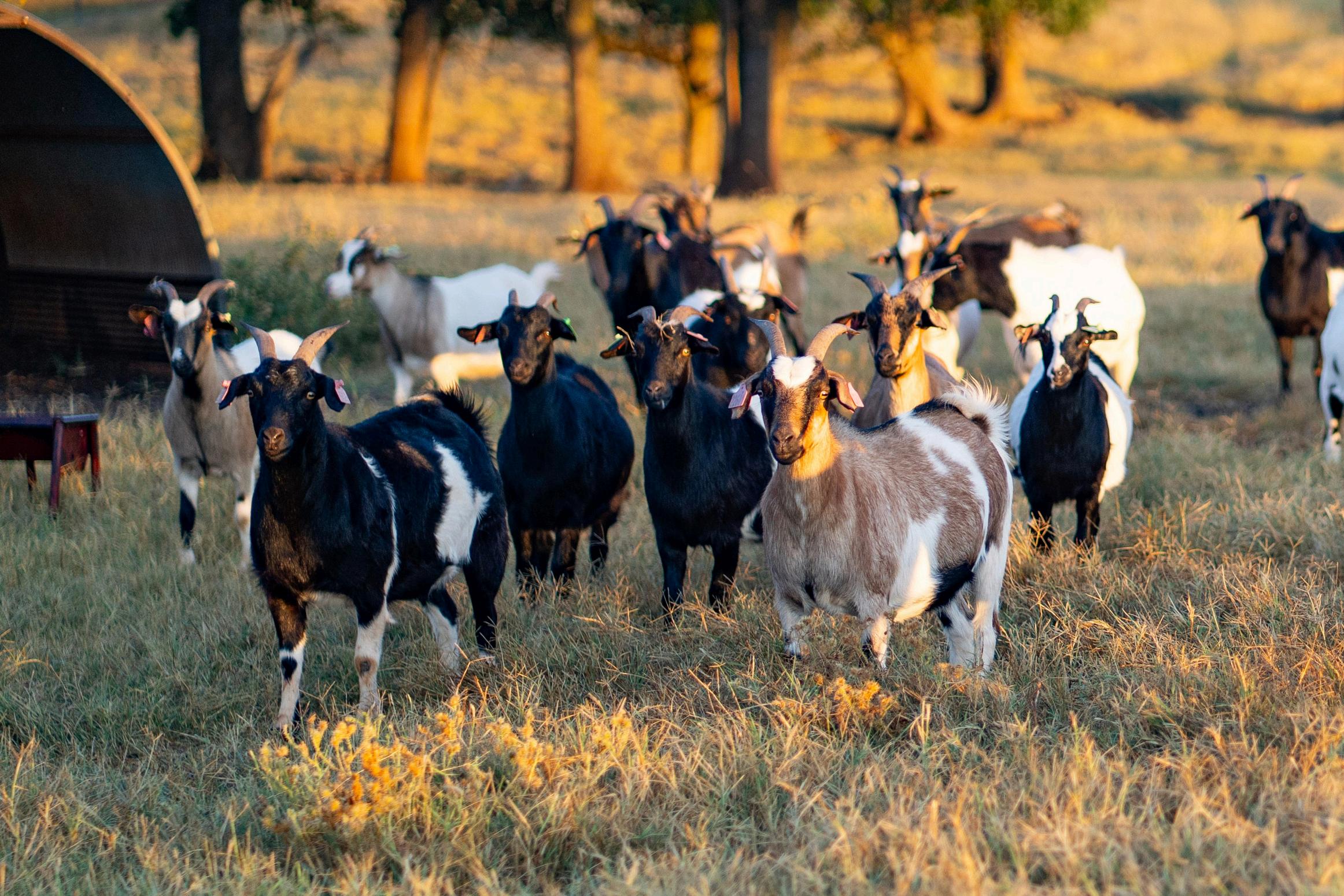
The Laboratory of Parasitology is dedicated to securing sustainable production of small ruminants in the USA by better controlling of parasitism in ruminant animals through innovative approaches. This laboratory is also dedicated to engaging students in every aspect of cutting-edge research and state-of-the-art laboratory technologies for preparing them for a broaderandbrighterfuturecareer.
ShermanLewisSchoolofAgricultureandAppliedSciences
CENTERFORBIOTECHNOLOGYRESEARCHANDEDUCATIONLABORATORY (LAB201)
GenomicsStudies
Wefocusontrait-specificgenescreeningfor:
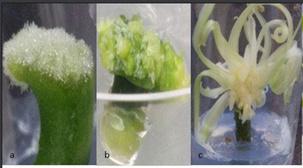
Daylily24-hour-bloomlifespanextension
Peanutfungusresistance
Peanutshootformation
Genetic Improvement: We perform editing of genes captured during genomics screeningusingCRSPRCas9approachcombinedwithbacterialgenetransfer methodforproducingcropvarietieswithmoreimprovedTraits
Cell,Tissue,andOrganCulture:Wefocusondevelopingmethodsonmultiplying plants using different tissues including leaf, stem, root, and flower without seed interventionforcropimprovementandmeetingmarketsupplyneeds
StudentTechnologiesTransfer:Wefocusontransferringknowledge,skills,and research experiences from lab discoveries and development to the next generation ofourstudents.
PLANT,SOIL&WATERQUALITYLABORATORY (LAB203)
Plant Production: Measure crop yields, nutritional and physical quality, and biomasstohelpidentifybestmanagementpracticesforcropproduction.
Soil Health: Measure soil physical, chemical, and biological properties to help increasesoilproductivitybyidentifyinglimitingfactorstoplantgrowth.
ShermanLewisSchoolofAgricultureandAppliedSciences
Water Quality: Measure water quality across our soil and plant management practicestohelpprotectagainstcontaminationofgroundandsurfacewater.
Student Training: Hands-on training of students to equip them with practical skillsforsuccessfulcareersinnaturalresourcesandrelatedcareers.
FOOD SCIENCE AND TECHNOLOGY LABORATORY (LAB206)
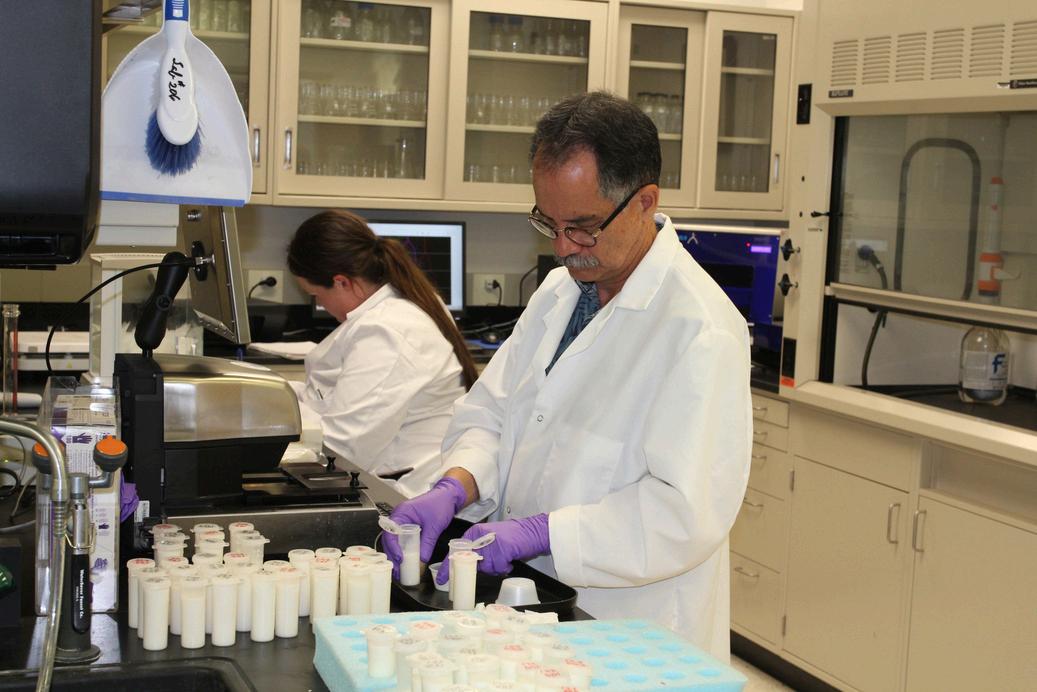
Food Quality and Safety Assessment: We perform physicochemical andmicrobiologicalanalysestoensurefoodmeetssafetyand qualitystandardsandprotectsconsumers.
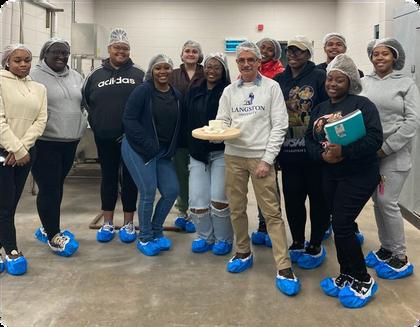
StudentTrainingLaboratory:Hands-onlearningexperiencesfor SL/SAAS students equip them with practical skills for successful careersinfoodscienceandrelatedfields.
Local Farmers: We offer free sample processing and expert advice on characterizing and developing new food products, demonstrating our commitmenttostrengtheninglocalagricultureanddiversifyingproducer offerings
SupportingFANHSciences:Ourlabcontributestoadvancing Food,Agriculture,NaturalResources,andHumanSciencesby providing valuable data on food composition and bacteriological quality to researchers,educators,students,andindustryprofessionals.
ShermanLewisSchoolofAgricultureandAppliedSciences
ClinicalChemistryLaboratory (LAB207)
BiochemicalAnalysisofBodilyFluids:Weperformbiochemicalanalyses and quantification of hormones, proteins, peptides, fatty acids, and other moleculesinplasma,serum,urine,andmilksamplescollectedon experimentsinSL/SAAS.
StudentTrainingLaboratory:Hands-onlearningexperiencesforSL/SAAS students equip them with practical skills for successful careers in animal scienceandrelatedfields.
SupportingFANHSciences:ThislabcontributestoadvancingFood, Agriculture,NaturalResources,andHumanSciencesbyproviding valuabledataonbloodconstituentsasaffectedbyexperimental conditionstostudents,educators,industryprofessionals,andnational andinternationalscientists.
THUNDER
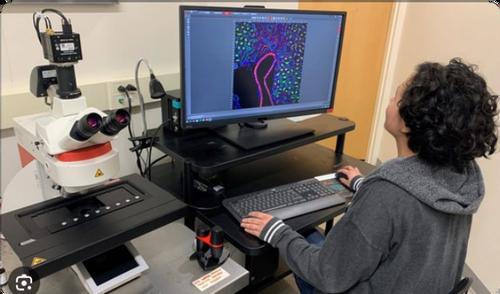
ImagingTissueMicroscope
InnovativeTechnology:TheThunderMicroscopeutilizesadvancedimaging techniquestoenhanceclarityandresolutioninmicroscopicobservations.
High-SpeedImaging:Capableofcapturinghigh-speedimages,makingit idealforobservingdynamicprocessesinlivingcells.
DeepTissuePenetration:Allowsfordetailedvisualizationofdeeptissue structureswithoutcompromisingimagequality.
EnhancedResolution:Providessignificantlyimprovedresolutioncompared totraditi l i bli i b ti s.


THUNDER
ImagingTissueMicroscope(cont.)
LiveCellImaging:Suitableforlivecellimaging,preservingcellviability whilecapturingreal-timecellularactivities.
OpticalSectioning:Featuresopticalsectioningcapabilities,whichhelpin obtainingclearimagesofthickspecimensbyremovingout-of-focuslight.
User-FriendlyInterface:Designedwithanintuitiveuserinterface,makingit accessibleforresearchersandtechnicians.
VersatileApplications:Applicableinvariousfieldssuchasbiology,medical research,andmaterialsscience,duetoitsabilitytorevealfinestructural details.
AutomatedFeatures:Equippedwithautomationoptionstostreamline repetitivetasksandenhanceworkflowefficiency.
PrecisionDiseaseBiologyLaboratory (LAB208)
Our group focuses on disease transmission and pathogenesis using integrated in vivo and in vitro models, including immunohistochemistry and gene editing, supported by multiomicsandadvancedbioinformaticsapproaches.
Disease Transmission Dynamics: Investigating mechanisms of pathogen spread inanimalpopulations
Pathogenesis and Host–Pathogen Interactions: Understanding molecular and cellularprocessesdrivingdiseaseprogression
In Vivo and In Vitro Disease Models: Utilizing animal models and cell culture systems, including immunohistochemistry and gene editing approaches, to study infectionbiology
Omics-Based Approaches: Leveraging genomics, transcriptomics, proteomics, andmetabolomicstouncoverdiseasemechanisms
Bioinformatics and Systems Biology: Applying advanced computational tools fordataintegration,pathwayanalysis,andbiomarkerdiscovery
Translational Research and Diagnostics: Developing innovative strategies for diseasedetection,prevention,andcontrol
ShermanLewisSchoolofAgricultureandAppliedSciences
WetChemistryLaboratory (LAB213)
AnalysisandQuantificationofNutritionalandStructuralPropertiesofPlantMatter andDigesta:Weperformchemicalanalysestoquantifythenutritionalcomposition
offeedand forages used in animal experiments.In addition,to determine the digestibility of feeds and forages, the same nutrients are determined on fecal and urine samples, as excreted by the animal. Evaluation of structural compounds in plant matter include fiber andlignin
StudentTrainingLaboratory:Hands-onlearningexperiencesforSL/SAASstudents equipthemwithpracticalskillsforsuccessfulcareersinanimalandfoodscience,as wellasinrelatedfields
SupportingFANHSciences:ThislabcontributestoadvancingFood,Agriculture, NaturalResources,andHumanSciencesbyprovidingvaluabledataonthe nutritional value of feed and forages, and how that impacts animal performance, to educators,industryprofessionals,nationalandinternationalfarmersand scientists
HistologyandCellBiologyLaboratory (LAB214)
Animaltissueprocessingforhistologicalanalysis
Modernmicroscopyandimagingsuites
Tissue/cellculturefacilities
TheLaboratoryofHistologyandCellBiologyconductsresearchinavarietyofanimalwellbeing, nutrition, and metabolism, improving the quality of animal products; and trains the next generation of animal science professionals through innovative educational programs and curricula.
ShermanLewisSchoolofAgricultureandAppliedSciences
SamplePreparationLaboratory (LAB215)
PreparationofSamples:Samplesarepreparedforanalysis
StudentTrainingLaboratory:
Hands-onlearningexperiencesforSL/SAASstudentsequip themwithpracticalskillsforsuccessfulcareersinanimalscienceandrelatedfields.
SupportingFANHSciences:ThislabcontributestoadvancingFood,Agriculture,Natural Resources,andHumanSciencesbyofferingaspaceforresearchersandstudentstoprepare samplesforanalysis.
CentralLaboratory (LAB216)
AnalyticalInstrumentationLaboratory
WeuseGasChromatographs(GC)andahigh-performanceliquidchromatograph (HPLC)toidentifyandquantifyeventraceamountsofcompoundswithhighprecision andaccuracyincomplexbiologicalsamples.Examplesincludethequantitationofamino acidsinplasmaandserumsamples,andfattyacidsinrumenfluidandmilk.
This lab also contains instruments to quantify nitrogen in samples, ammonia-nitrogen in rumen fluid, phosphates in environmental water samples, and the fat content of carcass tissueandothertypesofsamples.
SupportingFANHSciences:Theinstrumentationin this laboratory is used to analyze samples from almost every experiment conducted in SL/SAAS and is essential to all research conducted at the American InstituteforGoatResearch.Assuch,thislaboratory contributes to advancing Food, Agriculture, Natural Resources, and Human Sciences by providing valuable data to educators, industry professionals, andnationalandinternationalscientists.
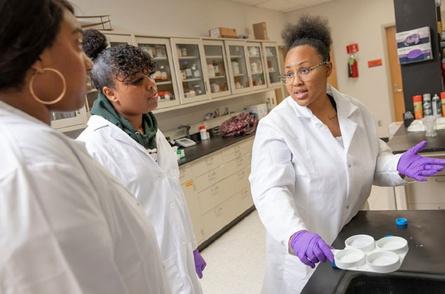
AquacultureandEnvironmentalLaboratory
(LAB217)
AquacultureandEnvironmentalInvestigations:
Weperformvariousaquacultureand studiestoimprovethesustainabilityofaquacultureandthe naturalresourceenvironment.
StudentTrainingLaboratory:Hands-onlearningexperiencesforSL/SAASstudents equipthemwithpracticalskillsforsuccessfulcareersandgraduatestudyin aquaculture,naturalresources,andenvironmentalfields.
Local Farmers: We offer free expert advice on aquaculture production and natural resource issues demonstrating our commitment to strengthening local agriculture and diversifyingproducerofferings.
SupportingFANHSciences:OurlabcontributestoadvancingFood,Agriculture, Natural Resources, and Human Sciences by providing valuable data on aquaculture production and environmental issues to researchers, educators, students, and industry professionals
FatExtractionLaboratory (LAB218)
Extraction of Fats: We extract fats from various types of samples for further analysis. An example is the extraction of fat from milk, after which individual fatty acids, the building blocks of fats, are quantified on a Gas Chromatograph. Fatty acids are energy sources and membrane constituents. They also have biological activities that act to influence cell and tissue metabolism, function, and responsiveness to hormonalandothersignals.
StudentTrainingLaboratory:Hands-onlearningexperiencesforSL/SAASstudents equip them with practical skills for successful careers in animal science and related fields.
Supporting FANH Sciences: This lab contributes to advancing Food, Agriculture, NaturalResources,andHumanSciencesbypreparingfatsamplesfromdiverse experimentsforfurtheranalysistogenerateimportantscientificinformationto students,educators,researchers,andindustryprofessionals.
FatExtractionLaboratory (LAB219)
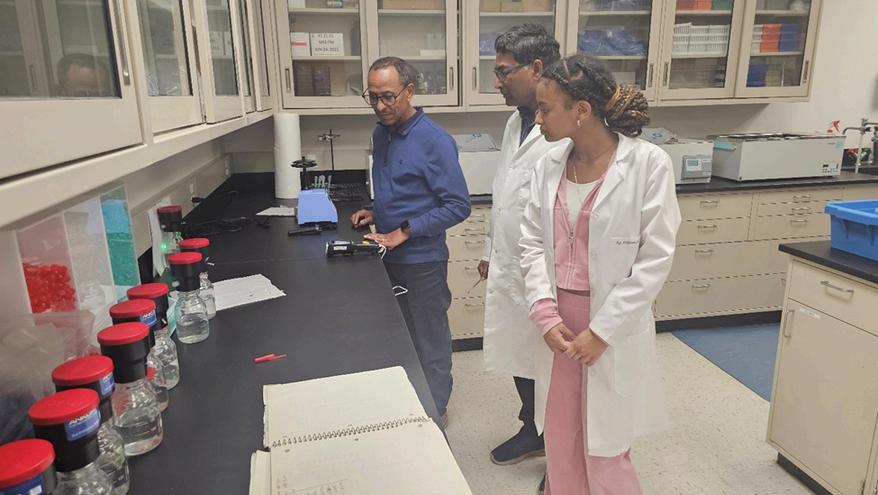
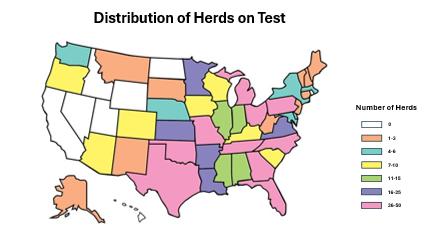
This lab currently focuses on finding hidden health threats with DNA technology. The analysis of samples from 15 Oklahoma farms mapped over 45,000 data points and 478 unique resistance markers. This output provided farm-specific heatmaps that identified localized AMR "hotspots" and rare resistant strains often missed by traditional testing. These detailed genetic profiles delivered the actionable intelligence needed to implement targetedstewardshipandpreventsignificanteconomiclossesforOklahomaproducers.
Analyzing Antimicrobial Resistance (AMR) provides livestock producers with critical tools tomitigatemonthlyincomelossesofupto11%causedbytreatmentresistantinfections.
Analyzing Antimicrobial Resistance (AMR) provides livestock producers with critical tools tomitigatemonthlyincomelossesofupto11%causedbytreatmentresistantinfections.
Ultimately, this genomic surveillance secures the economic viability of livestock production whileprotectingpublichealththroughacomprehensiveOneHealthapproach.
ShermanLewisSchoolofAgricultureandAppliedSciences
DairyHerdInformationLaboratory (LAB221)
Receive milk samples from dairy goat producers nationwide. Analyzefat,protein,andsomaticcellcountinmilksamples. PartnerwithDairyRecordManagementSystems(DRMS)forprocessingmilk records.
ProvideexperientiallearningopportunitiesforSL/SAASstudents. Advisedairygoatproducersforimprovedmanagementskills.
MolecularBiologyTeachingLaboratory (LAB222)
MolecularBiology:WeperformDNAandRNAextractionsofvarioustissuesamples.We performDNAlibrarypreparationfornext-generationsequencing(NGS)andSangerDideoxy Sequencing.Wefollowlaboratoryproceduresaccordingtosafeguidelines.
StudentTrainingLaboratory:Hands-onapplicationforSL/SAASstudentstoprovideaccessto knowledge-based skills to equip them with practical skills for successful careers in biologicalrelatedfields.
Local Farmers:We provide research-basedresultstowardsprovidingfarmersandrancherswith solutions for primary diseases using non-antibiotic or anthelmintic treatment of small ruminant livestock.
SupportingFANHSciences:OurlabcontributestoadvancingFood,Agriculture,Natural Resources,andHumanSciencesbyprovidingvaluabledataandsolutionsforcombatingto researchers,educators,students,andindustryprofessionals.
ShermanLewisSchoolofAgricultureandAppliedSciences