Agenda
• What are Civil Rights?
• Why have Civil Rights Training?
• A Review of 5 Civil Rights Laws
• Today’s Topic: Bullying in the Workplace
• Proposed Takeaways
• Questions & Answers
National Institute of Food and Agriculture (NIFA)
Office of Equal Opportunity & Civil Rights
What are Civil Rights?
Civil Rights are personal rights guaranteed and protected by the United States Constitution and federal laws enacted by Congress.
An Overview of 5 Civil Rights Laws
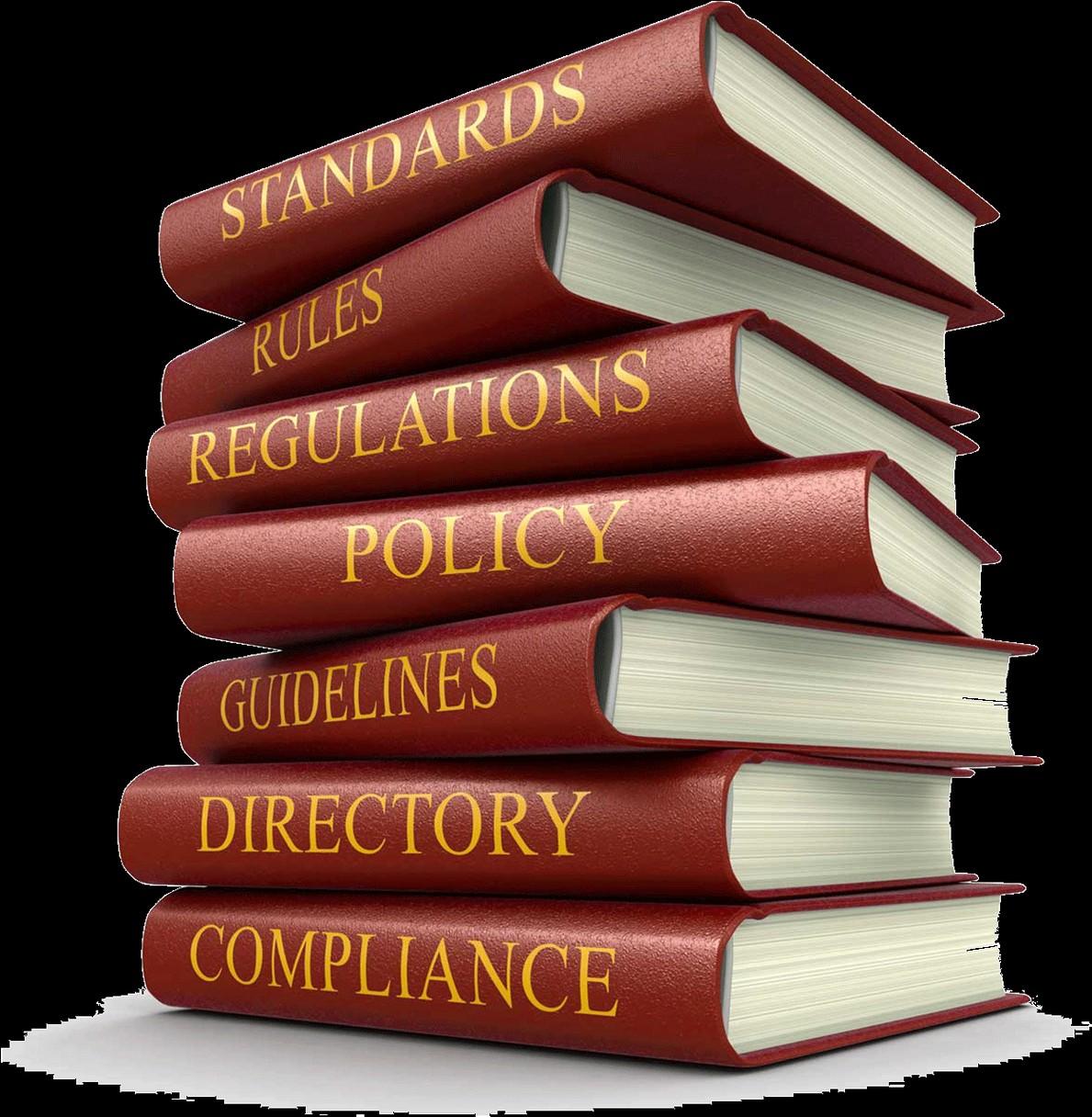
1. Title VI of the Civil Rights Act of 1964
The Civil Rights Act of 1964 prohibits discrimination based on race, color, religion, sex, and national origin in programs and activities receiving federal financial assistance.
2. Title IX 0f the Education Amendments Act of 1972
This law prohibits any individual, on the basis of their sex, from being excluded from participation in, being denied the benefits of, or being subjected to discrimination under any education program or activity receiving federal financial assistance.
3. Section 504 of the Rehabilitation Act of 1973
This law prohibits any qualified disabled individual (based solely on their disability) from being excluded from the participation in, being denied the benefit of, or being subjected to discrimination under any program or activity receiving federal financial assistance.
4. The Age Discrimination Act of 1975
This law prohibits discrimination on the basis of age in programs or activities receiving federal financial assistance.
5. The Americans with Disabilities Act of 1990
This law prohibits discrimination on the basis of disability. It provides similar protections against discriminations to Americans with disabilities as the Civil Rights Act of 1964.
Bullying in the Workplace Bullying is
“A
SERIOUS ISSUE”.
Bullying in the School System




Examples of Bullying in School

Harassment
Physical Distress • Emotional Distress • Others

Modes /Means of Bullying
• In-Person
• Via Electronic Devises (Cyberbullying)
• Others

Possible Effects of Bullying on Students in School
Decrease in the Sense of Safety



Decrease in Student Engagement More Absences Less Enjoyment of Learning

Decrease in Comprehension and Learning Childhood Depression Thoughts and Plans to Get Even Suicidal Thoughts
Bullying in the Workplace



A General Concept of Bullying in the Workplace
Any pattern of harassment, intimidation, threatening behavior, physical acts, verbal or electronic communication directed towards a person or group that results in or can reasonably be perceived as being done with the intent of causing negative results for the target individual or group.
Source: stopbullying.gov
Examples of Bullying in the Workplace
• Harassment • Physical Abuse • Verbal Abuse

• Threats
• Humiliation
• Social Isolation
• Continued Denial of Requests for Time Off (without a valid reason)
• Overly Harsh Criticism
• Excessive Performance Monitoring
Modes/Means of Bullying
• In-Person
• Spreading Harmful Rumors
• Via Electronic Devices (including Cyberbullying)
• Others
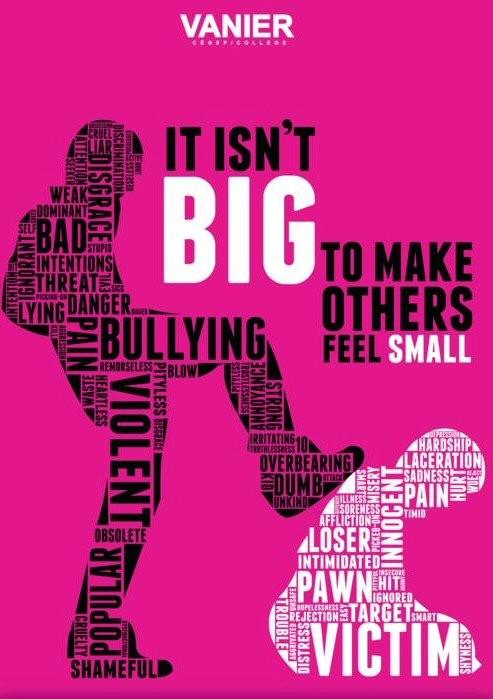

Possible Effects of Workplace Bullying on Employees

• • Less Production • Less Creativity
• More Requests for Time Off
• Dreading to Come to Work
• Increased Risks of Depression
• Increased Risks of Suicidal Thoughts

Possible Effects of Bullying on the Workplace
• Increased Employee Absences
• Decreased Morale
• Decreased Productivity
• Poor Team Dynamics
• Reduced Trust
• Reduced Loyalty

• High Turnover Rate
Some Signs of Workplace Bullying
1
Undue Criticism (imposing a feeling of guilt or shame)
2 Projection of Blame(blame is always shifted to one or more employees each time there is an unsuccessful effort or event)
3 Creating a Feeling of Uselessness (making an employee feel their contributions are not important or marginal at best)
4 Deception (intentionally providing insufficient or wrong information)
5 Undermining Work (blocking or delaying an employee’s progress or success)
6 Minimizing (intentionally dismissing an employee’s work without standard reasons)
7 Setting Impossible Expectations (a particular employee or employees are targeted)
8 Role Manipulation (changing an employee’s duties without acceptable justification)
Who Does the Bullying (Gender Factor)

About 70% of Workplace
Bullies are Male.
About 30% of Workplace
are Female
Source: Workplace
Bullying Institute
Bullies
Who Does the Bullying (Position Factor)
61% of bullying comes from bosses.
33% of bullying comes from co-workers.
The remaining 6% occurs when people at lower employment levels bully their supervisors or others who are at a higher level.
Source: Workplace Bullying Institute 2017
General Points Concerning Being Bullied
A person who is being bullied may feel powerless and unable to do anything to stop it.
A person who is being bullied may be discouraged or threatened not to report the bullying.
If you are being bullied, it is not your fault.
What To Do If You Are Being Bullied
The Bullying Bystander
“If you see something, say something.”
If you witness bullying, speak up. People often say nothing out of fear they will become targets or also encounter negative behavior. However, ignoring bullying can lead to a toxic work environment.

Takeaways

• When bullying occurs in the workplace, it is a serious issue.
• Workplace bullying can affect an employee’s physical and mental health.
• Bullying can reduce morale and productivity in the workplace.
• If you have been bullied, you have a safe avenue to get it stopped.
• If you see another employee being bullied, speak up.
• Bullying in the workplace is forbidden.
• A goal of our School is to have a friendly, productive workplace.

Bullying Affects the Workplace…Therefore It Affects
“All” Of Us.