


TheShermanLewis SchoolofAgriculture& AppliedSciencesispro topresenttheoutstandi researchconductedby ourstudents,facultyan staff.Thisbookletrefle theirdedication, innovation,and commitmenttoadvanci food,agricultureand naturalresources

ARD Symposium Association of 1890 Research Directors MARCH 28-31, 2026

Oklahoma,theonlystatewith3 GrantUniversities-Langston Universityisaleaderinadvan food,agricultreandleadership opportunities
LangstonUniversity,thehome KikadelaGrazaAmerican InsituteofGoatResearch(AIG isnationallyandinternationally recognizedforitshighstandard insmallruminantresearch
Researchisoneofthethree pillarsofSL/SAAS,servingas foundationforbothAcademics ExtensionandOutreachprogra
Dr.RuthRayJackson
President
Dr.AlonzoPeterson
President
Mrs.TheresaPowell
Vice President for Operations
Dr.WesleyWhittaker
Dean & Director of Land-grant Programs
Dr.HajiAkbar
Dr.CarlosAlvarado
Dr.BolanleAtilola
Dr.AllahBakhsh
Dr.FaridaBelksami
Mr.RichardsonBoateng
Dr.LindsayDavis
Mrs.SonyaMoore-Davis
Dr.NirodhaDeSilva
Dr.FranklinFotouFondjo
Ms.JewellenaGolden
Dr.KamalGosh
Mrs.FeliciaJohnson
Dr.ChanelleToerien-Hayes
Dr.DeviKandel
Dr.LeonardKibet
Dr.SudipKunwar
Ms.AngelinaLindert
Mr.AliLounis
Dr.IgnacioTovarLuna
Ms.MichelleMalone
Dr.KanyandMatand
Mrs.EmishaMaytubby
Dr.RogerMerkel
Dr.NewtonNyairo

Ms.SusannaPalipogu
Dr.AmlanPatra
Mr.JeromePeel
Dr.PrakashPoudel
Mrs.JosettaSmith-Pietri
Dr.RyszardPuchala
Dr.BryronQuinn
Ms.KenyetteSaywon
Ms.HeleenSheets
Dr.AdekayodeSonibare
Dr.DerejeGulichTadesse
Dr.HirutYirgaTejeji
Dr.YonathanTilahun
Dr.ZaisenWang
Dr.TiffanyWilliams
Mr.DawitWoldemariam
SarahBreshears
SamyriaBrown
KovinBruce
KaraBusby
AvaButler
DelishaCarter
DaianaChery
ElijahClark
HaileyDrake
AnthonyFuentes
RoselynGillespie
RoshaneGilpin
OliviyaGreenhoward
AmariGrifis
KaylaHardaway
ZachHarris-Gulley
FelicityHernandez
AlaynaHildalgo
BraylonHood-Colbert
JeanineHegwood
TremarIvey
KamronJackson
AniyahJohnson
MasonJohnson
ChayaJones
JovanJones
TylerJones
DaylinJordan
BradleighKitchin
De'JaniqueLambeth
MylesLowery
ErynLuster
JasmineLyons
KateMallon-Smith
CortnieMorgan
TakariMorris
KayliaMosley
ShawnMosley
IllyriaMurdock
AchariyaNash
DavionNash
NelaPeoples
JasminePrice
KaiReynolds-Latham
AngelRobins
KiraRobinson
KamoriRolle
LasauniScott
EniyahStaley
ShaniyaTate
AalijahThomas
MollieThrockmorton
JosieThrockmorton-Hague
AmareaVick
JaiahVicks
JamieraWashington
JadaWatson
ColniaAlexander
KourtneyBrown
OussamaChaoui
AriannaGriffin
JamicaJohnson
MatthewKeys
Dr.CarlosAlvarado Co-chair
DawitWoldemariam Co-chair
Mrs.SonyaMoore-Davis Co-chair
Dr.EmishaMaytubby
Dr.NirodhaDeSilva
Dr.HajiAkbar
Dr.KamalGosh
Mrs.JewellenaGolden
Mr.AliLounis
Dr.SudipKunwar
Dr.WesleyWhittaker
Dr.RogerMerkel
Dr.KanyandMatand

and
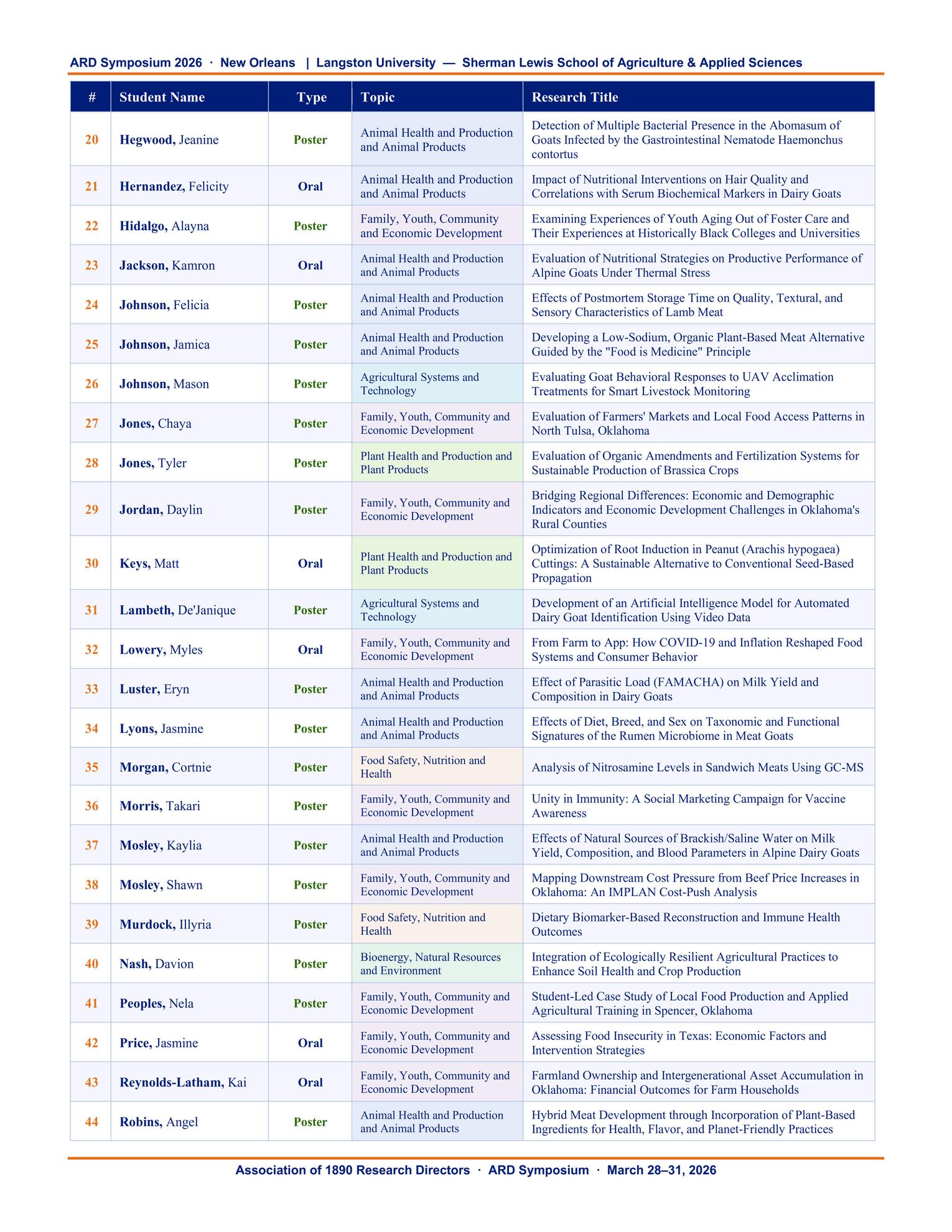
ResearchTitle

ElijahClark, Kovin Bruce,
Daiana Chery, Ava Butler, Griffis, Kara Busby, Kourtney Brown, Samyria Brown,
Braylon Colbert, Hailey Drake, Anthony Fuentes, Nash Achariya, Hegwood, Hardaway, Colnia Alexander, Sarah Breshears, Harris-Gulley,
ComparativeAccuracyofTwoUltrasoundMachineModels inDiagnosingPregnancyandFetalCountbySkilledand UnskilledOperatorsinThreeGoatBreedsinOklahoma
Roselynn Gillespie, Gilpin, Greenhoward,
AnimalHealthandProduction andAnimalProducts
AnimalHealthandProduction andAnimalProducts
AnimalHealthandProduction andAnimalProducts
Family,Youth,Community andEconomicDevelopment
Family,Youth,Community andEconomicDevelopment
AnimalHealthandProduction andAnimalProducts
FoodSafety,Nutritionand Health
AnimalHealthandProduction andAnimalProducts
AnimalHealthandProduction andAnimalProducts
PlantHealthandProduction andPlantProducts
FoodSafety,Nutritionand Health
AgriculturalSystemsand Technology
AgriculturalSystemsand Technology
AnimalHealthandProduction andAnimalProducts
AnimalHealthandProduction andAnimalProducts
Bioenergy,NaturalResources andEnvironment
AnimalHealthandProduction andAnimalProducts
Family,Youth,Community andEconomicDevelopment
AnimalHealthandProduction andAnimalProducts
NutritionalSupplementationModulationonMilk CompositionandCheeseYieldinAlpineGoats
EffectsofEnvironmentalConditionsontheFeedIntakeof AlpineGoatsinaControlledFeedingTrial
EffectsofCopperOxideWireParticlesandSelected BotanicalsforGastrointestinalParasiteandHeatStress ManagementinSpanishGoatsinOklahoma,USA
LangstonUniversity'sStudentSpendingandLocalRipple EffectsinLoganCounty
FromFarmstoSiliconValley:HowStockMarketTrends ShapeMarketingStrategiesinAgribusinessandLeading TechFirms
DetectionofMultipleBacterialPresenceintheAbomasum LymphNodesofGoatsInfectedbytheGastrointestinal NematodeHaemonchuscontortus
BeyondtheGroceryAisle:ConsumerAwarenessand WillingnesstoPayforAlternativeMeats—Evidencefrom SouthernU.S.States
EffectsofNaturalSourcesofBrackish/SalineWateronWater Intake,FeedIntakeandBodyWeightofAlpineDairyGoats
DetectionofDifferentialBacterialPresence intheRumenFluidofGoatsInfectedbytheGastrointestinal NematodeHaemonchuscontortus
BabyGinger:AHigh-ValueNicheCropforOklahoma
TheImpactofMeatProductLabelingonConsumerBehavior andDecisionMaking:EvidencefromOklahomaConsumers
EngineeringtheSkyWrangler:Design,Development,and MaintenanceofAffordableUAVsforPrecisionLivestock Management
3DPrintingforNext-GenerationAquaculture
EffectsofForageTypeandConcentrateLevelonMethane OutputandHeatProductioninMeatGoats
PurinergicReceptorSignalingasaNovelBiomarkerof Johne'sDiseaseProgressioninGoats:AnExploratoryStudy IntegratingthePlasmaExposomeandT-CellPhenome:An FT-ICRandSpectralFlowCytometryApproachto EnvironmentalImmunotoxicity
ComputationalIdentificationofSecretedandAntigenicProtein CandidatesfromtheMycobacteriumaviumsubsp. paratuberculosis(MAP)ProteomeforDiagnosticDevelopment
TechnologyandInflationinAgriculturalSystems: UnderstandingFarmInputCostsandFoodPricesinOklahoma
DetectionofMultipleBacterialPresenceintheAbomasumof GoatsInfectedbytheGastrointestinalNematodeHaemonchus contortus
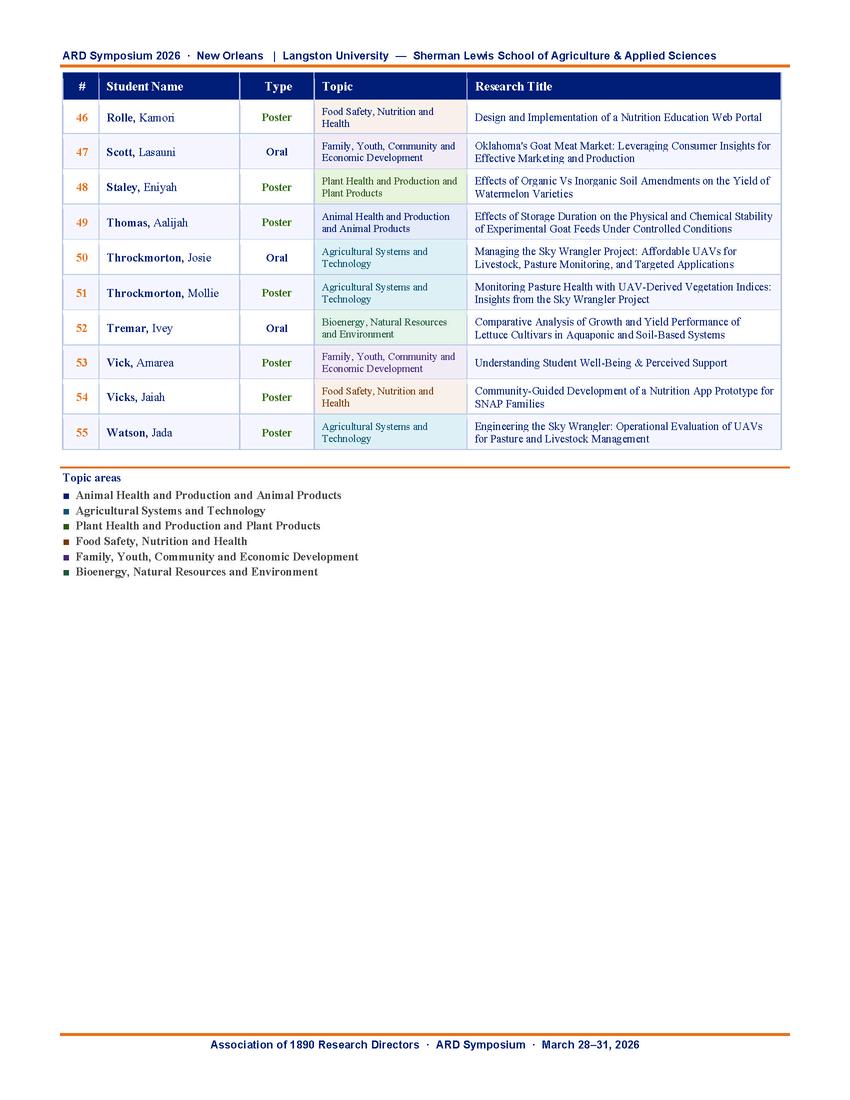
Associationof1890ResearchDirectors·ARDSymposium·March28–31,2026

ARDSYMPOSIUMTHEME
ANIMALHEALTHANDPRODUCTIONANDANIMALPRODUCTS
PLANTHEALTHANDPRODUCTIONANDPLANTPRODUCTS
FOODSAFETY,NUTRITION,ANDHEALTH
FAMILY,YOUTH,COMMUNITYANDECONOMICDEVELOPMENT
BIOENERGY,NATURALRESOURCES,ENVIRONMENT
AGRICULTURALSYSTEMSANDTECHNOLOGY “ Innovations in Food, Health & Agriculture: Technological Advancements, Ecological Resilience, & Economic Sustainability ” March28–31,2026·NewOrleans,Louisiana

We extend our deepest gratitude to the judges, moderators, and reviewers who dedicated their time and expertise to evaluate the outstanding research presented at the 2026 ARD Symposium Your commitment to academic excellence and mentorship is invaluable to the growth of our students and the advancement of agricultural research. We also wish to express our sincere appreciation to the faculty advisors who guided, supported, and mentored our students throughout the realization of their research projects. Your dedication, patience, and expertise have been instrumental in shaping the next generation of scientists and researchers. Finally, we thank every participant, attendee, and supporter who took the time to engage with this body of work. Your presence and encouragement inspire our students to reach new heights in food, agriculture, and natural sciences
Langston University
Sherman Lewis School of Agriculture & Applied Sciences
ARD Symposium 2026 New Orleans, Louisiana

STUDENTNAME
N.Achariya
ADVISOR
Dr.A.Sonibare
UndergraduatePROGRAM:
DEPARTMENTOF
Agriculture&NaturalResources(DANR) AnimalScienceManagement(ASM)
Typeofpresentation:Oral
This study evaluated the diagnostic accuracy of two ultrasound machine models, one human-adapted (Aloka SSD-500V) and one portableveterinarymodel(DaweiS135),operatedrespectivelyby a professional and a non-professional examiner, for pregnancy diagnosis and fetal counting in goats Atotal of 202 does (Alpine, Spanish, and Kiko) were bred and examined 45–50 days postmating. Sensitivity, specificity, accuracy, positive predictive value (PPV), and negative predictive value (NPV) were calculated for each breed and operator type. Across all breeds, the professional operator achieved higher sensitivity (965%) compared with the non-professional (936%, p = 0045), while specificity remained lowforboth(36%vs.40%).Accuracyvaluesweresimilar(80.6% vs. 79.6%), and PPV exceeded 80% in both cases. Breed-specific analysis revealed slightly better diagnostic precision in Spanish goats, suggesting potential anatomical effects on image interpretation Both operators demonstrated limited success in identifying fetal numbers beyond twins, with accuracy declining as litter size increased The professional operator correctly identified 45 pregnancies, and the non-professional 46, with no significant difference in fetal count accuracy (p > 0.05). These results suggest that portable veterinary ultrasound devices can achieve diagnostic performance comparable to that of conventional human-adapted systems when used by minimally trained personnel The findings support broader adoption of lowcost portable ultrasound for field-based pregnancy diagnosis and reproductive management in goat herds, especially within resource-limitedorsmallholderproductionsystems.

LangstonUniversity
ShermanLewisSchoolofAgriculture&AppliedSciences (LU-SL/SAAS)
STUDENTNAME
C.Alexander
ADVISOR
Dr.C.Alvarado
Graduate PROGRAM:
DEPARTMENTOF
Agriculture&NaturalResources(DANR)
MasterofScienceinSustainable Agriculture,Food&Security
PROJECTTITLE
Typeofpresentation:Oral
In dairy goat enterprises, cheese yield is a critical determinant of profitability and is directly influenced by milk composition, which is a function of the animal's breed and feeding regimen. Optimizing nutrient supply through targeted feed supplementation has emerged as a promising strategy to enhance milk and cheese quality. This study aims to evaluate the effect of rumen undegradable protein (RUP), bypass fat (BPF), and essential oils (EO), individually and in combination, on milk yield, composition, and cheese yield in Alpine dairy goats (Capra aegagrus hircus). Forty multiparous does were assigned to five dietary treatments (n = 8 per group): control (Cont), RUP, BPF, EO, and RUP + BPF + EO (Mix). Over a 12-week feeding period, milk yield and composition were recorded daily, while milk, blood, and rumen fluid samples were analyzed to assess nutrient utilization and metabolic responses. It is anticipated that supplementation with RUP, BPF, and EO will enhance rumen fermentation efficiency, improve milk fat and protein content, and subsequently increase cheese yield and quality. The Mix treatment is expected to produce synergistic improvements in milk nutrient density and cheese recovery compared with individual supplements. If confirmed, these outcomes will demonstrate the potential of integrative nutritional strategies to promote rumen health, improve milk composition, and enhance profitability in dairy goat productionsystems.

LangstonUniversity
ShermanLewisSchoolofAgriculture&AppliedSciences (LU-SL/SAAS)
STUDENTNAME
S.Breshears
ADVISOR
Dr.C.Alvarado
UndergraduatePROGRAM:
DEPARTMENTOF
Agriculture&NaturalResources(DANR) AnimalScienceManagement(ASM)
Typeofpresentation:Poster
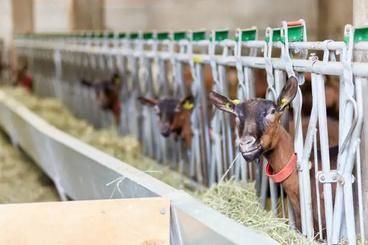
Environmental factors can markedly influence the feeding behavior of dairy goats and, consequently, their productivity. This study examined the impact of key environmental conditions on feed intake in Alpine goats maintained under controlled experimental conditions Forty Alpine does were housed in five pens over 160 days in an experimental barn equipped with three Hobo data loggers (MX1104) to continuously monitor ambient temperature (°C), relative humidity (%), dew point (°C), and light intensity (lux). Individual feed intake was recorded daily across five nutritional treatments using the Calan gate system, which allowed precise measurement by subtracting feed refusals from the total feed offered at 8 a.m. Environmental data were synchronized with individual intake records to assess potential associations. All analyses were performed in Python (using pandas, statsmodels, andpingouin)withinanAnacondaJupyterenvironment.Results revealed significant differences in feed intake amonggroups (p < 0001) and significant correlations with variations in temperature and humidity conditions, indicating reduced consumption during warmer and more humid periods Light intensity was moderately associated with feeding activity, suggesting behavioral adaptations to environmental changes. Notably, feed intake responded non-linearly to thermal load: on low-intake days, higher temperature and humidity were associated with increased intake, whereas on high-intake days, intake was suppressed, with no effect observed at median intake levels. In conclusion, thermal stress modulates feeding behavior in a complex, intake-dependent manner, highlighting the importance of tailored nutritional management strategies to optimize feedefficiencyandproductivityindairygoatsexposed tovariableenvironmentalconditions.
LangstonUniversity
ShermanLewisSchoolofAgriculture&AppliedSciences (LU-SL/SAAS)
STUDENTNAME
K.Brown
ADVISOR
Dr.A.Sonibare
Graduate PROGRAM:
DEPARTMENTOF
Agriculture&NaturalResources(DANR)
MasterofScienceinSustainableAgriculture, Food&Security
Effectsofcopperoxidewireparticlesand selectedbotanicalsforgastrointestinal parasiteandheatstressmanagementin Spanishgoats

Typeofpresentation: Oral
This study evaluated the effects of copper oxide wire particles (COWP), Cymbopogon citratus essential oil (CCSO), Ulmus fulva (UMF), and Artemisia absinthium (ART) supplementation on naturally acquired gastrointestinal parasite infections and heat stress (HS) in Spanish goats Forty doelings (2–3 years old; 39.3±5.8 kg) were randomly assigned to five treatment groups (n = 8 per group): COWP(0.3 g in gel capsule per os once/week/goat), control (no supplement), CCSO (1 ml/goat/day), ART (6 g in 200 ml water/goat/day), and UMF (10 g in 200 ml water/goat/day). Treatments were administered orally each morning for six weeks. Parasite burden was assessed via fecal egg counts (FEC), larval development, and packed cell volume (PCV). Heat stress indicators included rectal temperature, respiration rate, ambient temperature (AT, °F), relative humidity (RH, %), and temperaturehumidity index (THI, °F) Coefficient of heat tolerance (CHT) and index of adaptability (IA) were also calculated Average AT, RH, and THI during the study were 809±64°F, 688±96%, and 844±91°F, respectively
Supplementation with COWP and botanicals reduced FEC compared to controls, with COWP and CCSO showing the strongest anthelmintic effects ART and UMF yielded moderate reductions, though UMF demonstrated limited antiparasitic activity. Goats receiving COWP, CCSO, and ART exhibitedimprovedphysiologicalresponsestoHS,includinglower respiration rates and reduced rectal temperatures during peak heat periods. Findings suggest that copper oxide and selected botanicals offer promising natural alternatives for integrated parasite managementandheatstressmitigationingoats.Suchinterventions may enhance the productivity of small ruminants under increasinglychallengingclimaticconditions.
LangstonUniversity
ShermanLewisSchoolofAgriculture&AppliedSciences (LU-SL/SAAS)
STUDENTNAME
S.Brown
ADVISOR
Dr.B.A.Atilola
UndergraduatePROGRAM:
Agriculture&NaturalResources
Agribusiness&AppliedEconomics(AAE)

Typeofpresentation:Poster
Small towns rely on "anchor institutions" to stabilize demand, retain talent, and attract outside dollars. In Logan County, Langston students' everyday spending is a steady source of local dollars. Understanding this source of spending is crucial for local businesses setting inventory levels, public agencies assessing tax capacity, and community leaders pursuing downtown vitality and year-round resilience. This study analyzes Langston University's FY 2023–2024 student spending economic footprint using an input–output framework (IMPLAN). Spending profiles for residentandnon-residentstudentsareconstructedbasedonliving arrangements (on-campus, off-campus with relatives, or offcampus independently) using national student expenditure benchmarks and local market rent data To avoid doublecounting, on-campus room and board, as well as bookstore purchases, captured under university operations, are excluded County-level retention ("localization") factors are applied to reflect the share of student purchases captured within Logan County versus those that are leaked to other counties or online vendors. Our findings reveal that student spending supports business revenue, local jobs, labor income, and value added across various sectors, including retail trade, food services, rental housing, transportation, healthcare, and personal services. Living arrangement shapes the pattern of effects, with independent offcampus students spreading expenditures more broadly across local industries Enrollment composition means that non-resident students contribute slightly more to the overall impact than resident students Overall, student spending represents net new or retained dollars, not a reshuffling of existing demand, making a strategic lever for strengthening Logan County's economic base and informing practical actions reducing leakage and enhancing localcapture
LangstonUniversity
ShermanLewisSchoolofAgriculture&AppliedSciences (LU-SL/SAAS)
K.Bruce
Dr.N.DeSilva
UndergraduatePROGRAM:
Agriculture&NaturalResources
Agribusiness&AppliedEconomics(AAE)
Typeofpresentation: Poster
This study examines how fluctuations in stock market performance influence marketing strategies across two major sectors of the U.S. economy agribusiness and leading technology firms. While blue-chip tech companies, such as Apple, Microsoft, and Amazon, often adjust their marketing initiatives in response to investor sentiment and market expectations, agribusiness firms operate within more cyclical andcommodity-drivenenvironments,wherefinancialsignals may shape their marketing behavior differently. By comparing these sectors, the research investigates whether changes in stock returns, market volatility, and financial indicators serve as signals for firms to adjust their expenditure on marketing, promotional intensity, and brand communication strategies Using a panel data regression framework and firm-level financial and marketing data from 2015 to 2024, this study explores the extent to which stock market dynamics influence corporate marketing decisions. Preliminary findings suggest that stock market trends have a more immediate and pronounced impact on marketing investments in technology firms, whereas agribusiness firms demonstrate a more measured and long-term strategic adjustment. The results contribute to understanding how financial markets and investor perceptions shape corporate marketing behavior across distinct industries. Insights from this study can help both agribusiness and technology firms align their marketing strategies with financial signals, thereby enhancing strategic adaptability and competitiveness inanincreasinglyinterconnectedglobaleconomy.

STUDENTNAME
K.Busby
ADVISOR
Dr.Y.Tilahun
UndergraduatePROGRAM:
DEPARTMENTOF
Agriculture&NaturalResources
AnimalScienceManagement(ASM)
Detectionofmultiplebacterialpresencein theabomasumlymphnodesofgoats infectedbythegastrointestinalnematode Haemonchuscontortus
Typeofpresentation: Poster
Haemonchus contortus (H. contortus) impacts a host's entire metabolism. This study identifies the metagenomic effects impacted by infection of H. contortus, particularly in the abomasum lymph node (ALN) of small ruminants, Capra hircus (the goat). We conducted a randomized, complete block-designed study to investigate the use of metagenomic methods in deciphering the effects of a gastrointestinal nematode (GIN) infection, H. contortus, on Alpine wethers. Metagenomics from collections of tissue samples provides evidence recognizing significantly different (p < 0.05) microbial species presence (upregulated or downregulated expression), indicating infection by GINs. We investigated the significant change in the presence of microbial species in ALN samples of hosts. A cross-comparison using the differential analysis tool, Poisson regression, to construct a Volcano plot, revealing the significant differences between the various treatments no infection (NI), infection only (IO), infection with zoledronic acid injection, and infection with antibody treatment (AB) was completed. Results showed significant differences between the treatments, indicating that H. contortus affectsthemicrobiomeoftheabomasumlymphnodes.

A.Butler
ADVISOR
Dr.N.DeSilva
PROGRAM:Undergraduate
DEPARTMENTOF Agriculture&NaturalResources Agribusiness&AppliedEconomics(AAE)
PROJECTTITLE
Typeofpresentation:Poster
The rising demand for alternative protein sources, with varied production systems and cultural relevance, has created new market opportunities for specialty livestock products, such as goat and lamb This study examines consumer awareness, attitudes, and willingness-to-pay (WTP) for alternative meats across four SouthernU.S.states:Oklahoma,Texas,Florida,andGeorgia.Using data from a structured consumer survey on goat meat preferences, supplemented with secondary demographic and expenditure data from the U.S. Department of Agriculture's Economic Research Service, this research identifies key factors influencing purchasing behavior. Econometric models, including regression and willingness-to-pay estimation, are employed to analyze how income, age, education, cultural background, and product attributes shape consumer choices. Results reveal that awareness and familiarity with alternative meats remain limited but are significantly higher among younger consumers and those from varied cultural backgrounds. The analysis further indicates that locally sourced, production-oriented, and health-branded meat options command a measurable price premium. Findings highlight potential marketing strategies for small farmers and producers to strengthen local meat value chains and enhance consumer outreach through targeted education and promotional campaigns. By linking consumer perception data with economic modeling, this study contributes to understanding how alternative meat markets may expand in response to evolving dietary preferences and regional agriculturalmarketconditionsintheSouthernUnitedStates

LangstonUniversity ShermanLewisSchoolofAgriculture&AppliedSciences (LU-SL/SAAS)
STUDENTNAME
ADVISOR
Dr.H.Yirga
PROGRAM:Undergraduate
DEPARTMENTOF Agriculture&NaturalResources AnimalScienceManagement(ASM)
PROJECTTITLE
Typeofpresentation:Oral
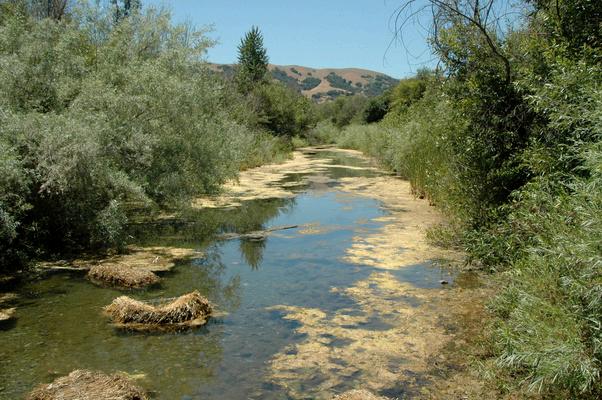
This study evaluated the effects of different United States Geological Survey (USGS) water classifications on feed intake, water consumption, and performance of lactating Alpine dairy goats Thirty-two goats were assigned to one of five drinking water treatments for six weeks: fresh water (FRW), West Pasture brackish water (BRW), USGS group 2 (GR-2), USGS group 3 (GR-3),andanunclassifiedsource(G-UC) Totaldissolvedsolids (TDS)were383±119,6385±356,3099±227,5410±125,and 2567 ± 165 mg/L for FRW, BRW, GR-2, GR-3, and G-UC, respectively Goats were fed a total mixed ration (50% forage, 50% concentrate) at 4% of their body weight (air-dry basis). Dry matter (DM) offered, refused, and consumed differed significantly among weeks (P < 005) but was not affected by watertreatment(P>0.05).AveragedailyDMintakerangedfrom 2.05 to 2.49 kg/day across weeks and from 2.05 to 2.36 kg/day among treatments. Nutrient intake followed similar trend. Water consumption averaged 6.44–8.17 kg/day, and although neither treatment nor time alone influenced intake, occasional treatment × time interactions were observed.Average daily gain (ADG) did not differ among treatments; however, goats receiving GR-3 lost 505gbodyweight/day,whileothersgained299–83g/day,likely due to lower nutrient intake. In conclusion, water quality had no significant effect on feed or water intake, indicating that Alpine dairy goats tolerate a range of water salinities and USGSclassified sources. Nevertheless, observed intake temporal changeswarrantfurtherinvestigationinthelongterm.
LangstonUniversity
STUDENTNAME
E.Clark
ADVISOR
Dr.Y.Tilahun
PROGRAM:Undergraduate
DEPARTMENTOF
Agriculture&NaturalResources
AnimalScienceManagement(ASM)

Typeofpresentation: Poster
Infection by a parasite, such as Haemonchus contortus (H. contortus), impacts a host's entire metabolism This study identifies the metagenomic effects impacted by infection of H. contortus, particularly in the mesentery lymph nodes (MLN) of small ruminants, Capra hircus (the goat). We conducted a randomized, complete block-designed investigation using metagenomic methods to elucidate the effects of a gastrointestinal nematode (GIN) infection with H. contortus on the microbiomes of Alpine wethers. Metagenomic procedures completed on tissue samples of GIN-infected hosts provide evidence recognizing significantly different (p < 005) microbial species presence (upregulation or downregulation), indicating infection by GINs. We investigated the significant change in microbial species present in MLN samples of hosts Poisson regression differential analyses revealed significant differences when cross-comparisons were made among subjects who were not infected (NI), infected only (IO), infected while also receiving zoledronic acid (ZA), and infected while being treated with an antibody (AB) The upregulation and downregulation of microbial species were evident, indicating that infection by H. contortus affects the microbiomeoftheMLN.
LangstonUniversity

STUDENTNAME
B.H.Colbert
ADVISOR
Dr.D.R.Kandel
PROGRAM: Undergraduate
DEPARTMENTOF
Agriculture&NaturalResources
PlantScienceandNaturalResource(PSNR)
PROJECTTITLE
Typeofpresentation:Poster
Ginger (Zingiber officinale) is a high-value spice crop of significant importance The ginger rhizome contains bioactive compounds, including gingerols and shogaols, which provide various health benefits Due to these nutraceutical properties, ginger has been studied for its potential role in managing obesity, gout, cancer, oxidative stress,and other conditions. Ginger requires a long, warm growing season of approximately 10 to 12 months Oklahoma's cold winter weather does not favor the production of mature ginger; however, "baby ginger," which can be harvested within 5–8 months, could serve as a potential alternative crop if the growing environment is modified. To evaluate the feasibility of baby ginger productioninOklahoma,wetestedthreegingervarietiesina hightunnel conditionduringthe 2025summer–fall seasonat the Horticulture Education Research and Extension Center (HERC) at Langston University (LU), Oklahoma. Greenhouse-sprouted rhizomes were transplanted into the high tunnel during the fourth week of May.The high tunnel, covered with 45% shade cloth, provided favorable growing conditions through late October. Three ginger cultivars Peruvian Yellow, Vietnamese Buffalo, and Vietnamese Bird performed well under these conditions. Field days and educational training were organized to disseminate best practices for baby ginger production This study shows baby ginger cultivation has promising potential as a high-value nichecropinOklahoma
LangstonUniversity
ShermanLewisSchoolofAgriculture&AppliedSciences (LU-SL/SAAS)
H.Drake
Dr.N.DeSilva
PROGRAM: Undergraduate
Agriculture&NaturalResources
Agribusiness&AppliedEconomics(AAE)
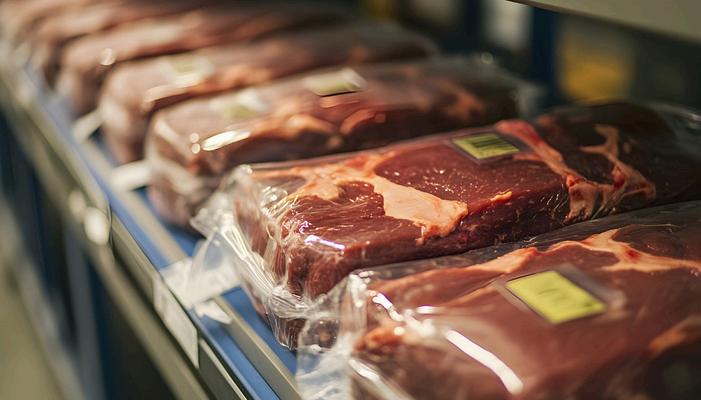
Consumerdemandformeat productsisincreasinglyinfluencedby perceptions of product labeling, reflecting a growing public interest in health-related and production-related attributes. This study examines the impact of various meat labeling claims, including "organic," "non-GMO," "hormone-free," "grass-fed," and "product of the USA," on purchasing decisions and consumer understanding of products in relation to these labeling claims in Oklahoma. Using primary survey data collected from grocery shoppers in randomly selected areas of Oklahoma, the research examines the extent to which label awareness, perceived credibility, and individual preferences affect consumer choices Preliminary findings suggest that while many consumers express strong preferences for certain claims, a notable gap remains between perceived knowledge and actual understanding of label definitions. Product attribute motivations rank among the top drivers of label selection, although confusion persists regarding certification standards and terminology The study further identifies variations in purchasing behavior across demographic and income groups, emphasizing the role of education and access to information in shaping label interpretation. The results provide valuable insights for producers, marketers, and policymakers seeking to promote transparent labeling practices and enhance consumer literacy. By linking labeling perceptions to behavioral outcomes, this study contributes to strengthening informed decision-making and supporting long-term meat marketing strategiesintheU.S.agriculturalsector.
LangstonUniversity ShermanLewisSchoolofAgriculture&AppliedSciences (LU-SL/SAAS)
A.Fuentes
ADVISOR
Dr.S.Kunwar
PROGRAM:Undergraduate
DEPARTMENTOF
Agriculture&NaturalResources
PlantScienceandNaturalResource(PSNR)
Typeofpresentation: Poster
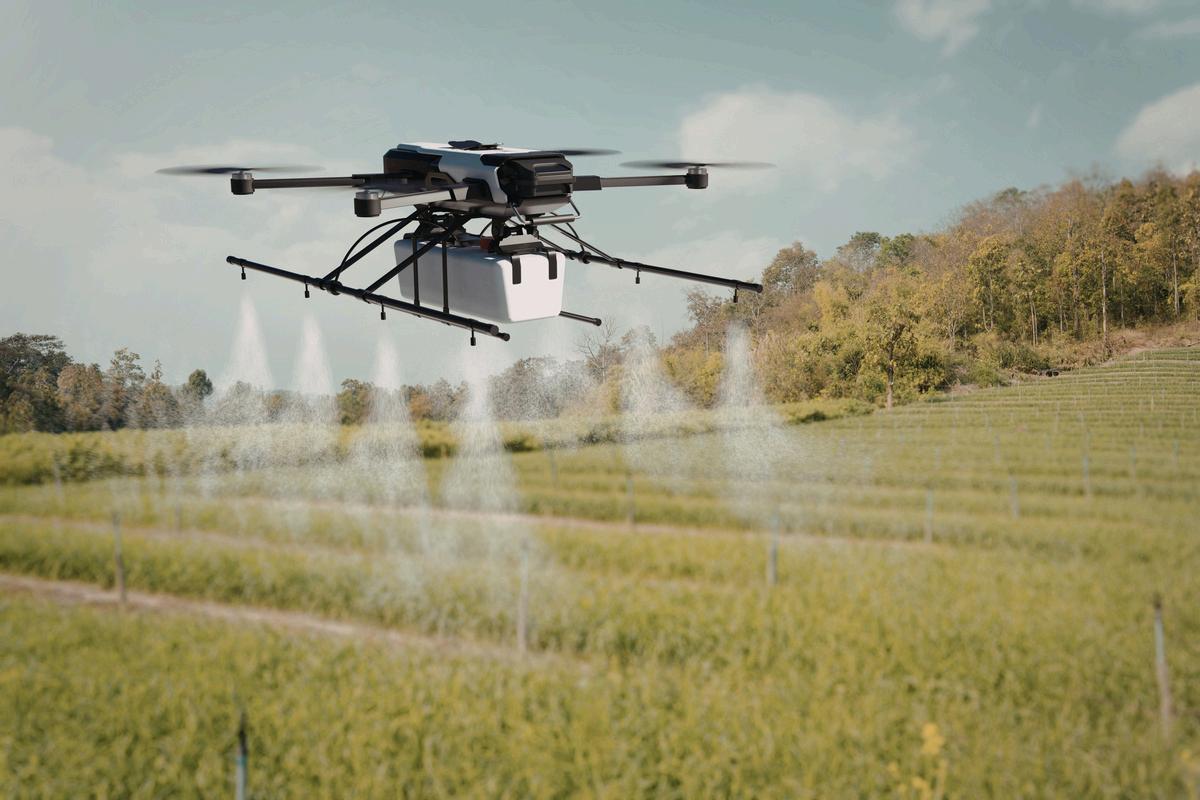
TheoverallgoaloftheSkyWranglerprojectistodevelopasmart, yet affordable, UAV that provides usable and concise feedback to livestock producers, enabling them to effectively manage their pastures and animals. This study highlights the engineering and design aspects of the project, focusing on the development of a cost-effective UAV system for precision agriculture and livestock management. The Langston University team assembled and deployed a fleet of seven Ironman 650s and two S500 quadcopters,alongwithDJIMavic3EandT30drones,supporting RGB imaging, NDVI mapping, and site-specific pasture monitoring This research particularly concentrated on the conceptual and preliminary design, 3D modeling, and build of the UAV systems, presenting a fleet of 17 drones with detailed documentation of their frame configurations, operational status, and custom-built components. Each UAV underwent a comprehensive evaluation for flight stability, payload integration, and mission readiness under field conditions, providing critical feedback to improve system calibration, safety protocols, and operational efficiency The UAV system integrates QGroundControl software for flight mission planning, drone calibration, telemetry monitoring, autonomous navigation, and inflight data acquisition, enabling precise control and real-time decision-making. Together, these efforts demonstrate a complete design-to-deployment workflow, illustrating how accessible, wellengineered UAV platforms can enhance pasture monitoring, livestock management, and data-driven agricultural decisionmaking.
LangstonUniversity ShermanLewisSchoolofAgriculture&AppliedSciences (LU-SL/SAAS)
STUDENTNAME
R.Gillespie
ADVISOR
Dr.B.Quinn
PROGRAM:Undergraduate
DEPARTMENTOF
Biology-SchoolofArts&Sciences
Typeofpresentation:Poster
The global fisheries sector encompasses a broad economic spectrum, ranging from a multi-billion-dollar recreational anglingindustrytoavastcommercialaquacultureoperationthat is vital to global food production. This project leverages the Form 4 3D printer's high-speed and high-resolution capabilities to create new, immediate products that address challenges in both industries. For recreational fishing, this project presents an approach for “Eco-specific tackle” design. Structural profiles of foraging fish from specific regions are converted into precision 3D models using Computer-Aided Design (CAD) software These models allow support for the creation of hydraulically tailored hard baits and high-resolution master molds for custom soft-plastic lures, which improves performance and speciesspecific targeting. Commercial aquaculture focuses on minimizing operational downtime and enhancing research efficiency. Functional replacement components, such as aerator nozzles, pump fittings, and feeder parts, are quickly manufactured from engineering-grade resins. Tailored labware and experimental tools, which include specialized sorting trays and feeding systems, are also designed to improve research and operational procedures. The dual-sector strategy highlights the actual benefits associated with using additive manufacturing in fisheries. It enables a new generation of high-performance, personalized tackle for recreational fishermen, while aquaculture producers profit from cost-effective, quick solutions for maintenance, problem fixing, and research advancement Together, these findings emphasize 3D printing as a transformative tool for improving economic efficiency, operationalagility,andcreativityinthefisheriesindustry.

ADVISOR R.Gilpin
Dr.D.Tadesse
PROGRAM:Undergraduate
DEPARTMENTOF
Agriculture&NaturalResources
AnimalScienceManagement(ASM)
Typeofpresentation:Poster
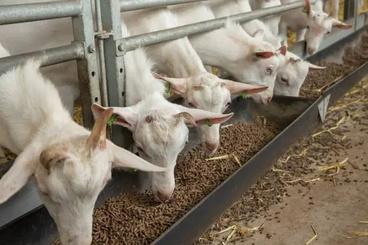
Energylossasmethane(CH₄)cansignificantlyreduceenergy efficiency in ruminant animals and can be corrected through dietary means.This study evaluated the effects of forage type andconcentratelevelonmethaneandheatproduction(HP)in Spanish goats. Six forage types alfalfa (AL), lespedeza (LS), an alfalfa–lespedeza mixture (AL–LS), bermudagrass (BR), mixed grass (MG) hay, and wheat straw (WS) were offered in combination with six concentrate levels (10, 17, 24, 31, 38, and 45% of the total diet). Forage was provided at complementary rates relative to concentrate inclusion to meet 100% of maintenance energy requirements. During the third week of each period, animals were housed in indirect calorimetry systems to measure methane and other respiratory gases, from which HP was calculated Dry matter intake (DMI) was affected by forage type and concentrate level. Goats fed AL, AL–LS, and BR consumed more feed than those fed LS, MG, or WS, and DMI increased with higher concentrate inclusion. Mean CH₄ production (g/day) and yield (g/kg DMI) were influenced by forage type, concentrate level, and their interaction Feeding AL, AL–LS, BR, or LS resulted in lower CH₄ yield compared with MG and WS, despite greater total CH₄ output. Goats consuming higher-protein forages and greater concentrate levels exhibited lower HP per unit DMI than those fed medium- or low-protein forages. Overall, the results demonstrate that appropriatecombinationsofforagetypeandconcentratelevel can increase energy utilization efficiency by reducing CH₄ outputperunitoffeedintake.
LangstonUniversity
O.Greenhoward
ADVISOR
Dr.H.Akbar
PROGRAM:Undergraduate
DEPARTMENTOF
Agriculture&NaturalResources
AnimalScienceManagement(ASM)

Typeofpresentation: Poster
TheoverallgoaloftheSkyWranglerprojectistodevelopasmart, yet affordable, UAV that provides usable and concise feedback to livestock producers, enabling them to effectively manage their pastures and animals. This study highlights the engineering and design aspects of the project, focusing on the development of a cost-effective UAV system for precision agriculture and livestock management. The Langston University team assembled and deployed a fleet of seven Ironman 650s and two S500 quadcopters,alongwithDJIMavic3EandT30drones,supporting RGB imaging, NDVI mapping, and site-specific pasture monitoring This research particularly concentrated on the conceptual and preliminary design, 3D modeling, and build of the UAV systems, presenting a fleet of 17 drones with detailed documentation of their frame configurations, operational status, and custom-built components. Each UAV underwent a comprehensive evaluation for flight stability, payload integration, and mission readiness under field conditions, providing critical feedback to improve system calibration, safety protocols, and operational efficiency The UAV system integrates QGroundControl software for flight mission planning, drone calibration, telemetry monitoring, autonomous navigation, and inflight data acquisition, enabling precise control and real-time decision-making. Together, these efforts demonstrate a complete design-to-deployment workflow, illustrating how accessible, wellengineered UAV platforms can enhance pasture monitoring, livestock management, and data-driven agricultural decisionmaking.
LangstonUniversity ShermanLewisSchoolofAgriculture&AppliedSciences (LU-SL/SAAS)
STUDENTNAME
A.Griffis
ADVISOR
Dr.B.Quinn
PROGRAM: Graduate
DEPARTMENTOF
Biology-SchoolofArts&Sciences
IntegratingthePlasmaExposomeandTCellPhenome:AnFT-ICRandSpectral FlowCytometryApproachto EnvironmentalImmunotoxicity

Typeofpresentation:Poster
Human health is a product of the complex interplay between the environmental exposome and the immune phenome. This project aims to integrate these two data-rich worlds. We will leverage two high-resolution platforms to investigate the impact of agricultural contaminants. First, the plasma "exposome" will be characterized using untargeted FT-ICR mass spectrometry to build a library of environmental chemical features, including mycotoxins. Second, the "immunophenome" will be profiled using 20color spectral flow cytometry on matched PBMCs from the buffy coat, providing a deep snapshot of T-cell, B-cell, and monocyte populations. By computationally integrating these massive datasets, we seek to identify specific plasma metabolomic features (mycotoxins) that are predictive of a dysfunctional immune state, such as a skewed Th1/Th2 balance or impaired T-cell activation potential. This project creates a powerful, data-driven framework for assessing healthrisksfromthefoodsupplychain.

STUDENTNAME
K.Hardaway
ADVISOR
Dr.H.Akbar
PROGRAM:Undergraduate
DEPARTMENTOF
Agriculture&NaturalResources
AnimalScienceManagement(ASM)
Typeofpresentation: Poster
Johne’s disease, caused by Mycobacterium avium subsp. paratuberculosis (MAP), remains a major health challenge in small ruminants, particularly goats, leading to chronic enteritis, reduced productivity, and significant economic losses. Current diagnostics often lack sensitivity during the early stages of infection, underscoring the need for novel antigenic targets that can enhance detection accuracy. This study employed a computational bioinformatics pipeline to identify secreted and antigenic MAP proteins with potential value for developing improved diagnostic assays. The reference MAP K-10 proteome was obtained from publicly available protein sequence databases and systematically analyzed using a suite of bioinformatics tools. Signal peptides, subcellular localization, and transmembrane helices were analyzed to identify proteins likely to be secreted or membrane-associated. Antigenicity scores were evaluated using a bacterial prediction model, and high-confidence surface-exposed proteins were further examined for predicted B-cell epitopes using immunoinformatic resources. Analysis of the MAP proteome revealed a subset of proteins with strong secretion signals, membrane-association features, elevated antigenicity scores (>0.5), and multiple predicted B-cell epitopes. These top-ranked candidates collectively represent promising targets for future serological or peptide-based diagnostic assay development. This study provides foundational genomic insights for prioritizing MAPantigens and supports ongoing efforts at Langston University to advance early detection strategies for Johne’s disease in goats. The identified candidates offer a valuable starting point for subsequent proteomic and immunological validation.
LangstonUniversity
STUDENTNAME
Z.Harris-Gulley
ADVISOR
Dr.N.DeSilva
PROGRAM:Undergraduate
DEPARTMENTOF
Agriculture&NaturalResources
Agribusiness&AppliedEconomics(AAE)

Typeofpresentation:Poster
Recent inflationary pressures have affected both farm input costs and consumer food prices nationwide In Oklahoma, farmers face increasing expenses for fuel, fertilizer, equipment, and the adoption of new technologies, while consumers experience rising food prices. This study examines the relationship between key farm input costs fuel and fertilizer and consumer food prices in Oklahoma from 2005 to 2025, while evaluating the stimulating role of agricultural technology adoption. The study utilized secondary data collected from the U.S. Bureau of Labor Statistics (Consumer Price Index for Food), the Energy InformationAdministration (gasoline prices), the U.S. FACULTY Agriculture's Economic Research Service (fertilizer price indices), and the US FACULTY Agriculture's National Agricultural Statistics Service (technology adoption surveys) Trend analysis and multiple linear regression models were used to quantify the impact of input costs and technology adoption on food price fluctuations. The results indicate that increases in fuel and fertilizer costs are positively associated with higher food prices, demonstrating Oklahoma's exposure to input cost shocks. Conversely, greater adoption of precision agriculture and digital technologies partially offsets these inflationary pressures by improving production efficiency and reducing per-unit costs. These findings suggest that technologydriven strategies can enhance the operational stability of Oklahoma's agribusiness systems. Policy recommendations include expanding access to agricultural technologies, encouraging energy-efficient practices, and supporting cooperative input procurement Integrating technological tools into agricultural systems can help manage input cost volatility and stabilize food prices, strengthening Oklahoma’s agricultural economyandsupportinglong-termeconomicviability
LangstonUniversity ShermanLewisSchoolofAgriculture&AppliedSciences (LU-SL/SAAS)
STUDENTNAME
J.Hegwood
ADVISOR
Dr.Y.Tilahun
PROGRAM:Undergraduate
DEPARTMENTOF
Agriculture&NaturalResources
AnimalScienceManagement(ASM)
Detectionofmultiplebacterialpresencein theabomasumofgoatsinfectedbythe gastrointestinalnematodeHaemonchus contortus
Typeofpresentation: Poster
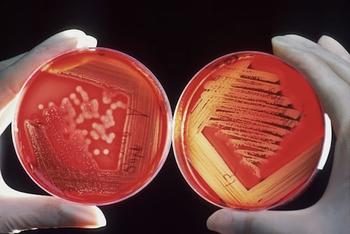
Infectionbyaparasite,suchasHaemonchuscontortus(H. contortus), impacts a host's entire metabolism. This study identifies the metagenomic effects of H. contortus infection, particularly in the abomasum of small ruminants, Capra aegagrus hircus (the goat). We conducted a randomized, complete block-designed investigation using metagenomic methods to elucidate the effects of a gastrointestinal nematode (GIN) infection with H. contortus onAlpine wethers. Metagenomics from collections of tissue samples provides evidence recognizing the significant difference (p < 0.05) in the change in the presence of microbial species (upregulation or downregulation), indicating the influence of GINs. We investigated the significant changes in the presence of microbial species in the abomasum samples of hosts. The treatments were cross-compared to determine if any significant differences were evident. Cross-comparisons were made between noinfection (NI),infection only (IO), infection with an injection of zoledronic acid (ZA), and infection with an injection of an antibody (AB). The differential analyses of Poisson regression revealed that microbial flora were evidently influenced by the presence ofH.contortus.
LangstonUniversity ShermanLewisSchoolofAgriculture&AppliedSciences (LU-SL/SAAS)
F.Hernandez
ADVISOR
Dr.F.Belkasmi
PROGRAM:Undergraduate
DEPARTMENTOF
Agriculture&NaturalResources
AnimalScienceManagement(ASM)
Typeofpresentation: Oral

This study aimed to characterize the physical properties of dairy Alpine goats under different nutritional treatments. Hair samples were collected from the left flank region of each goat. A square area of approximately 1 cm² was carefully shaved using a clipper, then placed in labeled plastic bags Fiber length, fineness, brightness, and fiber diameter were evaluated using scientific teststandard methods to explore their relationship with key blood biochemical parameters. Blood samples were collected simultaneously to determine concentrations of total protein, albumin, urea, and creatinine. Data were analyzed using linear mixed models, with treatment groups as a fixed effect and animal as a random effect Multiple comparisons were adjusted using the Tukey method, and statistical significance was declared at p < 0.05. The study results showed that hair quality was affected by nutritional treatment, indicating that goats receiving diets enriched with essential oils or the combined supplement showed improved hair brightness and increased fiber diameter compared to the other groups A positive correlation was observed between hair brightness and serum total protein These findings highlight that the physical traits of hair may reflect underlying metabolic and nutritional status in dairy goats. Monitoring hair characteristics alongside blood biomarkers could offer a non-invasive tool for assessing animal health and dietary efficiency in small ruminants. Furthermore, dietary supplementation with essential oils may represent a promising strategy to enhance hair quality in dairy goats, particularly in show or breeding animals where coat appearanceisakeytrait.
LangstonUniversity ShermanLewisSchoolofAgriculture&AppliedSciences (LU-SL/SAAS)
A.Hidalgo
ADVISOR
J.Smith-Pietri
PROGRAM:Undergraduate
DEPARTMENTOF
Family&ConsumerSciences(DFCS)

Typeofpresentation: Poster
IntheUnitedStates,19,000teensageoutofthefostercare system each year Many of the young adults aging out of foster care desire to enroll in institutions of higher education. However, statistics show that less than 15% earn a degree by their late 20s. Former foster care youth can face many challenges, such as housing instability, joblessness, academic challenges, and substance abuse. Additionally, these young adults also have increased challenges with behavior, mental, and physical health. These challenges can make it difficult to complete a college degree. This study examines the experiences and outcomesofteensagingoutofthefostercaresystem.This study uses secondary data analysis to explore the challenges they face in areas such as education, employment, housing stability, mental health, and social support networks. This study uses both quantitative data and qualitative interviews.The data is being analyzed, and we anticipate there will be a correlation between financial and housing stability, academic success, and emotional supports This study aims to inform stakeholders on how to improve support systems and develop targeted interventions that enhance the well-being and long-term successofstudentswhohaveexitedfostercare.
LangstonUniversity ShermanLewisSchoolofAgriculture&AppliedSciences (LU-SL/SAAS)
STUDENTNAME
K.Jackson
ADVISOR
Dr.F.Belkasmi
PROGRAM:Undergraduate
DEPARTMENTOF
Agriculture&NaturalResources
AnimalScienceManagement(ASM)
Typeofpresentation: Oral
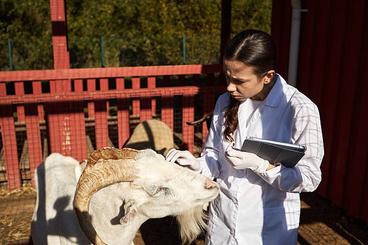
This study evaluated the effects of targeted nutritional strategies on the productive performance of Alpine goats exposed to thermal stress. Forty lactating does were randomly assigned to one of five dietary treatments. Milk yield was recorded daily during midlactation, and milk composition (fat, protein) was analyzed to assess its relationship with environmental parameters. Ambient temperature (°C), relative humidity (%), light intensity (lux), and dew point (°C) were continuously monitored using HOBO (MX1104) data loggers to quantify heat load, and the temperature–humidity index (THI) was subsequently calculated. Descriptive statistics were computed for each sensor. Thermal heterogeneity between barn zones was evaluated at two levels: (1) daily averaged THI differences, analyzed by one-way ANOVA with sensor as a fixed factor and Tukey post-hoc tests; and (2) time-distribution of severe exposures, analyzed using Pearson's chi-square test followed by two-proportion z-tests to report percent-time differences and exact p-values. All analyses were performed in Python (using pandas, statsmodels, and pingouin) within an Anaconda Jupyter environment. When THI exceeded 80, milk yield and fat-corrected milkdecreasedacrossallgroups;however,goatsreceivingessential oils (EO) and the combined supplement (MIX: undegradable protein+bypassfat+essentialoils)maintainedsignificantlyhigher milk output compared with control and single-additive groups (P < 0.05). Enhanced milk fat and protein percentages further suggested improved metabolic resilience and nutrient partitioning under heat stress. These findings suggest that integrative nutritional supplementationcanmitigatetheimpactsofthermalstress,enhance thermotolerance, and sustain productivity in dairy goats under challengingclimaticconditions.
LangstonUniversity
ShermanLewisSchoolofAgriculture&AppliedSciences (LU-SL/SAAS)
STUDENTNAME
F.Johnson
ADVISOR
Dr.A.Bakhsh
PROGRAM:Undergraduate
DEPARTMENTOF
Agriculture&NaturalResources
AnimalScienceManagement(ASM)
Typeofpresentation: Poster
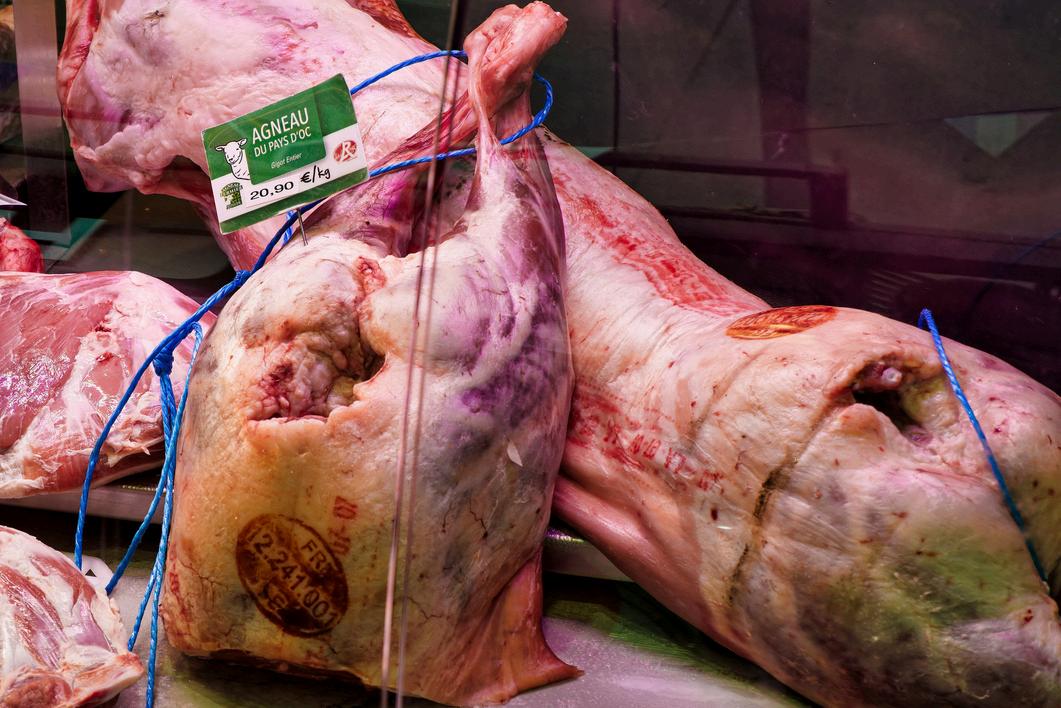
Goat and sheep meats are valuable sources of high-quality protein, essential amino acids, and minerals such as iron; however, they differ in tenderness, fat content, and connective tissue composition, which influence their overall eating quality Understanding speciesspecific variations in muscle properties is crucial for enhancing consumer perception and improving the processing quality of small ruminant meats. This study aims to evaluate and compare the meat quality parameters, sensory attributes, and textural profiles of the longissimus dorsi muscle of Ovis aries (sheep). A total of 18 lamb carcasses, from which both the left and right longissimus dorsi muscles will be collected, will be analyzed to evaluate variations in key physicochemical characteristics. These measurements will include instrumental color parameters (L*, a*, and b* values), ultimate pH, and water-holding capacity, assessed through drip loss and cooking loss. Moreover, the proximate composition of the muscle samples will be determined, including moisture, ash, and intramuscular fat content, using standard analytical procedures. Additionally, a trained sensory panel will conduct a comprehensive evaluation of the meat’s organoleptic properties, including color, flavor, aroma, juiciness, tenderness/texture, and overall acceptability. Standardized sensory protocols and controlled testing conditions will be used to ensure consistency and reliability of the assessments. This sensory evaluation will provide consumeroriented insights by linking postmortem storage–induced changes in physicochemical and textural properties with perceived eating quality and overall palatability of goat meat. The expected results are anticipated to reveal significant differences in the physicochemical composition, tenderness, and sensory quality of lamblongissimusdorsimuscles.
STUDENTNAME
J.Johnson
ADVISOR
Dr.A.Bakhsh
PROGRAM:Undergraduate
DEPARTMENTOF
Agriculture&NaturalResources
AnimalScienceManagement(ASM)
Typeofpresentation: Poster
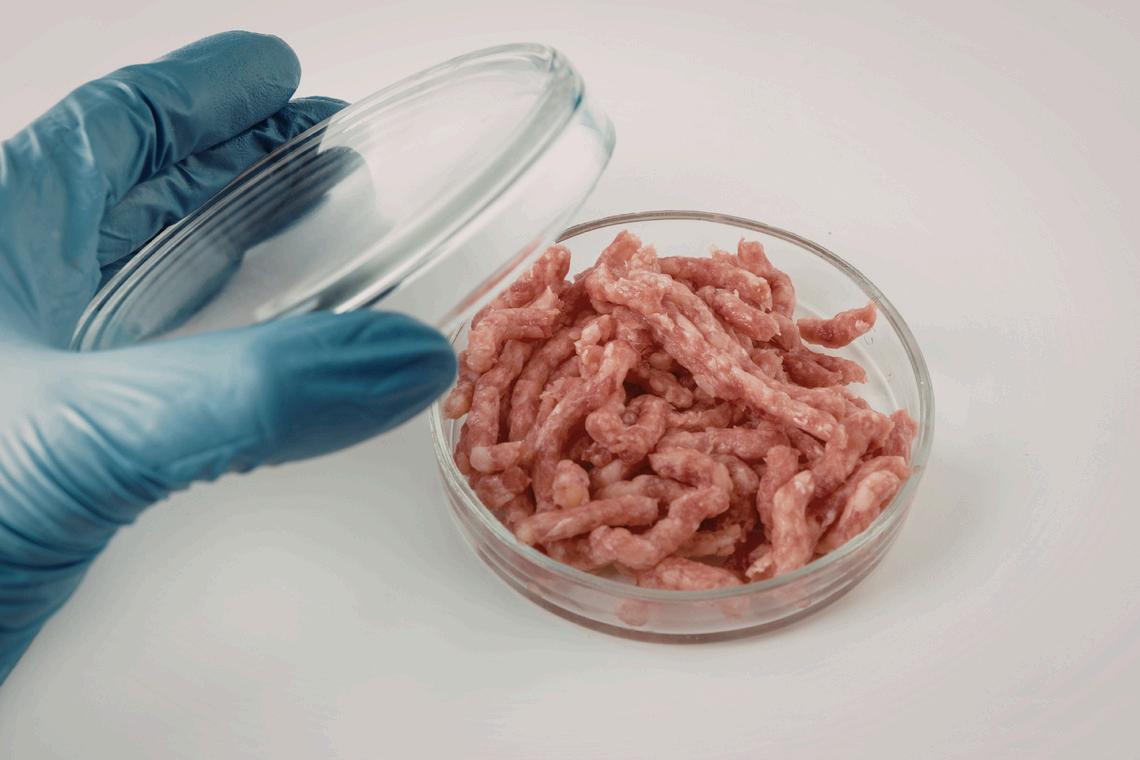
The contemporary market for plant-based meat analogs (PBMAs) presents a dichotomy: while offering ecological benefits, most commercial products are classified as ultraprocessed, with high sodium and saturated fat content, thereby undermining the potential public health gains. This research addresses this gap by proposing the development of a WholeFood Plant-Based Meat (WPBM) analogue guided by the "Food is Medicine" philosophy, specifically integrating principles of low-sodium, nutrient-dense formulation to create a product with therapeutic and preventative health benefits This study aims to formulate a WPBM that is rich in dietary fiber, antioxidants, polyphenols, and high-quality plant proteins, while being low in saturated fats and free from cholesterol and synthetic additives The addition of functional ingredients such as jackfruit and texturedvegetableprotein(TVP)asmeatextenders,mushrooms as a taste and texture enhancer, molasses, garlic powder, and yeastextractasnaturalflavoringagents,andleghemoglobinasa color enhancer both nutritional and sensory quality. Methylcellulose will serve as a binding agent, while canola and coconut oils will act as emulsifiers to improve juiciness and mouthfeel. The expected results from the developed product will maintain desirable pH, moisture, and protein content, with favorable texture, juiciness, and flavor attributes, thereby indicating its potential as a viable alternative to conventional chickenmeat Therefore,theobjectiveofthisstudyistoanalyze the physicochemical, sensory, and textural characteristics of the developedpattiesincomparisontotraditionalmeat
LangstonUniversity ShermanLewisSchoolofAgriculture&AppliedSciences (LU-SL/SAAS)
STUDENTNAME
M.Johnson
ADVISOR
Dr.S.Kunwar
PROGRAM:Undergraduate
DEPARTMENTOF
Agriculture&NaturalResources
PlantScienceandNaturalResource(PSNR)
Typeofpresentation:Poster
Unmanned aerial vehicles (UAVs) have the potential to help livestock producers efficiently monitor animal behavior and pasture conditions. However, limited information exists on how the proximity and flight characteristics of UAVs affect livestock behavior and stress. The purpose of this study is to evaluate the effects of the UAV flight distance, speed, and angle on animal behavior and stress. In total, thirty-six acclimation treatments were applied, combining three UAV speeds, three flight angles, and four flight distances. During each trial, goats were fitted with accelerometers to monitor movement and heart rate, and they were kept within a 5 × 5 m enclosure, where UAV flights were conducted. UAV flights were programmed and executed autonomously using QGroundControl flight planning software. The data collected from accelerometers were analyzed to identify behavioral changes and potential stress indicators in goats associated with different UAV flight conditions. The results helped identify optimal UAV operating parameters that minimize animal stress and ensure reliable aerial monitoring. This will ultimately help in developing a smart, yet inexpensive, UAV that provides usable and concise feedback for livestock producers to managetheirpasturesandanimalseffectively.
LangstonUniversity
C.Jones
ADVISOR
PROGRAM:Undergraduate
DEPARTMENTOF
Dr.N.Nyairo Agriculture&NaturalResources Agribusiness&AppliedEconomics(AAE)
EvaluationofFarmers’MarketsandLocal FoodAccessPatternsinNorthTulsa, Oklahoma
Typeofpresentation: Poster
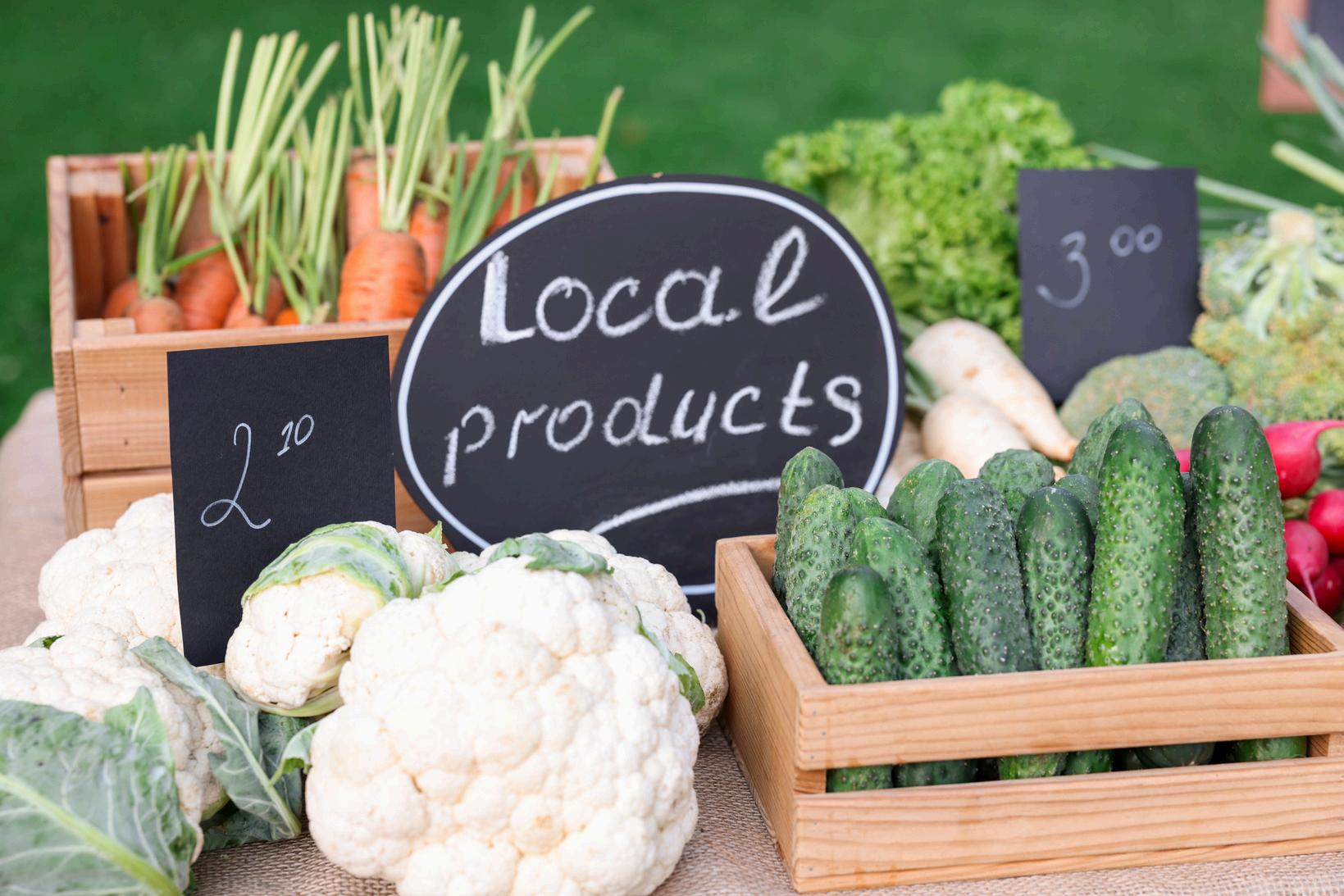
Farmers’ markets play a crucial role in local food distribution systems by serving as points of sale for fresh agricultural products and supporting small-scale producers Thisstudyexaminestheroleofselectedfarmers’marketsin shaping local food access patterns in North Tulsa, Oklahoma, an area characterized by limited access to traditional retail food outlets. The analysis focuses on market presence, operational characteristics, and participation indicators associated with local food availability Secondary data obtained from publicly available U.S. Census sources were used to examine demographic and retail food landscape trends, alongside descriptive information on market operations. Findings indicatethatlocalinitiativessuchastheOasisFreshMarket and the Tulsa Farmers’ Market contribute to increased availabilityoffreshproduceandexpandedopportunitiesfor direct producer-to-consumer transactions. These markets also support local agricultural enterprises and communitybased economic activity. The results provide insight into how farmers’ markets function within local food systems and contribute to food access through alternative retail channels This study offers data-driven information that can support institutional assessments of local food distribution strategies and market-based approaches to improving the availabilityoffreshagriculturalproducts.
LangstonUniversity
ShermanLewisSchoolofAgriculture&AppliedSciences (LU-SL/SAAS)
STUDENTNAME
T.Jones
ADVISOR
Dr.L.Kibet
PROGRAM:Undergraduate
DEPARTMENTOF
Agriculture&NaturalResources
PlantScienceandNaturalResource(PSNR)
PROJECTTITLE
Typeofpresentation:Poster
Sustainable agricultural systems are crucial for enhancing food security, improving soil health, and promoting longterm farm productivity. This research trial evaluates the productivity, soil health benefits, and sustainability of different organic amendment and fertilization systems for culturally significant Brassica crops collards, mustard greens, kale, cabbage, and turnips at Langston University The experiment follows a randomized complete block design with three soil treatments: cow manure, mushroom compost, and a non-amended control. Organic fertility inputs include Alaska Fish Fertilizer (5-1-1), applied every three weeks, and recycled fish water from Langston University's aquaponics program, applied biweekly The study investigates the impact of compost type and organic fertilizer combinations on plant vigor, yield, and soil quality in both plasticulture and traditional growing systems. Comprehensive data collection includes plant growth parameters, pest and disease incidence, and soil nutrient dynamics. Intensive soil sampling is conducted before treatment application and after each growing season to assess changes in soil nitrogen, phosphorus, potassium, carbon, and other indicators of soil health. This project advances Langston University's mission to promote sustainable, relevant green production through researchbased practices. Findings will inform Extension outreach, on-farm demonstrations, and producer recommendations, enhancing the productivity and resilience of vegetable productionsystemsacrosslocalcommunities.

LangstonUniversity
ShermanLewisSchoolofAgriculture&AppliedSciences (LU-SL/SAAS)
Dr.N.DeSilva
PROGRAM:Undergraduate
DEPARTMENTOF Agriculture&NaturalResources Agribusiness&AppliedEconomics(AAE)

Typeofpresentation: Poster
Rural Oklahoma faces ongoing economic and demographic challenges reflected in population decline, aging demographics, variations in educational attainment, and income levels across counties. At the same time, several regions demonstrate resilience driven by energy, agriculture, and proximity to metropolitan centers. This study examines the key economic and demographic indicators that influence economic development across Oklahoma's rural counties, with the objective of identifying factors associated with regional growth and resilience. As economic growth is a precursortoeconomicdevelopment,identifyingsuchfactorsisvital to provide policy guidance that could help promote economic development. Using county- and place-level secondary data from 2000 to 2025, the research employs descriptive trend analysis, spatialmapping,andregressionmodelingtoassesstherelationships among population dynamics, labor force participation, income levels, educational attainment, broadband access, and agricultural productivity Results reveal substantial regional variation in economic performance, with broadband infrastructure, workforce participation, and education levels emerging as significant predictors of economic vitality. Counties with more diversified economic bases and greater access to digital infrastructure experienced stronger growth outcomes compared to those dependent on a narrower set of industries. Findings provide empirical insights to inform economic planning, extension programming, and investment strategies that support long-term economicdevelopmentacrossOklahoma’sruralcounties.
LangstonUniversity ShermanLewisSchoolofAgriculture&AppliedSciences (LU-SL/SAAS)
STUDENTNAME
M.Keys
ADVISOR
Dr.K.Matand
PROGRAM: Graduate
DEPARTMENTOF
Agriculture&NaturalResources
PlantScienceandNaturalResource(PSNR)
Typeofpresentation:Oral
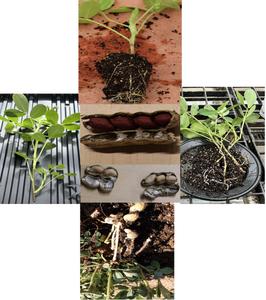
Micropropagation has been widely applied for rapid multiplication, genetic transformation, embryo rescue, and pathogen elimination in many crops, including peanut (Arachis hypogaea) Despite its scientific value, micropropagation requires specialized laboratories, technical expertise, and costly reagents, which limit its accessibility for small-scale farmers and researchers with limited resources. Therefore,exploringpotentiallysimplerandcost-effectivealternative cloning methods is encouraged. This study aimed to evaluate a "macro-propagation"methodforitspotentialtocost-effectivelyclone peanut plants through stem cuttings using locally available organic materials.Wehypothesizedthatduringthewoundhealingprocessof the cuttings, some of the cellular perceptions resulting from the signals of organic substance treatments could lead to root induction. Branchesfromfourpeanutmarkettypes;Virginia,Valencia,Spanish, and Runner, were collected and treated with tomato, potato, banana, jalapeno, lemon, and zucchini for potentially containing natural rooting stimulants alongside water as a control Arandomized block design with three replicates per treatment was applied Individual cuttings represented experimental units Cuttings were rooted under greenhouseconditionsandlatertransferredtothefieldplotstoassess survival, growth, flowering, and pod formation.The results revealed variablerootingresponsesamongthetestedtypes.Virginiaexhibited the highest rooting and field adaptation rates (>60%), followed by Valencia, while Spanish and Runner showed the lowest success. These findings demonstrate the feasibility of vegetative propagation in peanuts using simple, organic substance treatments, providing a sustainableandcost-effectivealternativetoseed-basedproductionfor small and resource-limited farmers in Oklahoma and similar peanutgrowingregions
STUDENT(S)NAME(S)
D.Lambeth
ADVISOR
Dr.C.Alvarado
PROGRAM:Undergraduate
DEPARTMENTOF
Agriculture&NaturalResources
AnimalScienceManagement(ASM)
PROJECTTITLE

Typeofpresentation:Poster
Artificial intelligence (AI) holds new potential for precision livestock monitoring, enabling real-time detection and behavioranalysisinanimalproductionsystems.Thisstudyis part of the USDA-NIFA Capacity Building Grant, Cultivating Agricultural Leaders: AI Applications in Livestock, which aims to integrate computer vision into dairy goat research under Protocol CA-25. The objective of this phase is to develop and train an AI model capable of identifying individual goats within the Langston University herd from fixed-position barn cameras. Four PoE-powered Amcrest and FLIR infrared cameras were installed at strategic points in the barn and milking parlor to collect synchronized video data under varying environmental and lighting conditions Collected footage is being processed to create a labeled dataset for model training using convolutional neural networks (CNNs) optimized for livestock recognition Model development involves feature extraction,bounding-boxannotation,andaccuracyvalidation against manually labeled ground truth. It is expected that the trained model will achieve a precision of over 90% in goat identification, enabling future integration with behavioral and productivity datasets to support health monitoring and informed management decisions. The results of this work will contribute to establishing a foundation for AI-assisted livestock observation systems designed for small ruminant researchandsustainabledairyproduction.
LangstonUniversity
ShermanLewisSchoolofAgriculture&AppliedSciences (LU-SL/SAAS)
STUDENTNAME
M.Lowery
ADVISOR
Dr.N.DeSilva
PROGRAM:Undergraduate
DEPARTMENTOF
Agriculture&NaturalResources
Agribusiness&AppliedEconomics(AAE)
Typeofpresentation:Oral
The COVID-19 pandemic and subsequent period of high food inflation profoundly transformed the US food system, influencing both consumer purchasing behaviors and the technological mechanisms that connect farms to households. This study investigates how pandemic-related disruptions and rising food costs redefined household food expenditures, supply chain resilience, and technology adoption within agricultural systems Using data from the USDA Economic Research Service (2016–2022) and supplementary sources, the study employs trend and comparative analyses to evaluate spending shifts across income and expenditure categories, geographic locations,andfoodproductgroups.Findingsrevealasignificant and lasting transition toward food-at-home spending and increased reliance on digital platforms such as grocery delivery and online ordering, signaling the integration of technology as a permanent feature of modern food systems. Inflationary pressures further widened variations in food access and diet quality, particularly among lower-expenditure groups not participating in federal nutrition programs. While restaurant spending partially recovered by 2022, supermarket purchases of fruits, vegetables, and prepared meals remained elevated, demonstrating evolving consumer priorities and resilience in the agri-food supply chain. Overall, findings demonstrate how technological adoption and macroeconomic conditions are reshapingfoodpurchasingsystemsandsupply-chainoperations, highlightingtheimportanceofinnovationanddigitalintegration for the long-term functioning of the US food and agricultural sector

LangstonUniversity
ShermanLewisSchoolofAgriculture&AppliedSciences
(LU-SL/SAAS)
STUDENTNAME
ADVISOR E.Luster
PROGRAM:Undergraduate
DEPARTMENTOF
Dr.F.Belkasmi Agriculture&NaturalResources AnimalScienceManagement(ASM)
Typeofpresentation: Poster
Parasitic infections are a major constraint on the productivity and welfare of dairy goats, primarily by inducing anemia and reducing feed efficiency. This study examined the relationship between parasite load, as assessed by the FAMACHAscoring system, and milk production traits in Alpine dairy goats. Forty healthy, age- and breed-matched Alpine does were maintained under controlled feeding conditions, utilizing Calan gates to ensure accurate monitoring of individual feed intake. Body condition score (BCS), FAMACHA score, milk yield, and milk composition (fat and protein) were recorded throughout the experimental period. Preliminary observations indicated that goats with higher FAMACHA scores (reflecting higher parasite burden) exhibited lower BCS and reduced feed intake. These animals also tend to produce less milk with decreased fat and protein content compared to goats with lower FAMACHAscores.These results support the hypothesis that parasite load adversely affects both the quantity and quality of milk in dairy goats. Effective parasite management, therefore, not only improves animal health but also enhances production efficiency and cheese yield potential. This study underscores the value of integrating FAMACHA scoring as a practical tool for on-farm monitoring and early intervention in smallruminantproductionsystems.
LangstonUniversity
STUDENTNAME
J.Lyons
ADVISOR
Dr.A.K.Patra
PROGRAM:Undergraduate
DEPARTMENTOF
Agriculture&NaturalResources AnimalScienceManagement(ASM)
Typeofpresentation: Poster
Goat meat production is influenced by factors such as diet, breed, sex, and age, which also shape ruminal microbiome This studyinvestigatedthe effectsofdietaryconcentrate level,breed, and sex on taxonomic and functional profiles of rumen microbial population in growing Boer and Kiko goats. Fortyeight kids (equal numbers per breed and sex) were fed diets containing either 30% (30C) or 70% (70C) concentrate, with lespedeza hay as the sole forage source. After 76 days of feeding, rumen contents were collected for genomic DNA extraction and sequenced using the Illumina platform with 300 bp paired-end reads. Different indices, e.g., Chao1, Simpson, and Shannon were higher in 30C group than in 70C group, while breed and sex showed no significant effects. Principal coordinate analysis revealed a clear separation between the 30C and 70C diets but not between breeds or sexes Thirty-eight bacterialgeneraandfifty-twospeciesdifferedbetweenthediets Breed-related effects were detected for six genera and eight species, whereas sex-related differences were minimal Four archaeal species were more abundant in 30C group, with no breed or sex effects observed in the archaeal community. Diet also influenced 141 predicted functional pathways, with 67 pathways being more abundant in the 30C group. Twenty-four pathwaysdifferedbetweenbreeds,with11higherinBoergoats. Fifteen pathways were more abundant in males and three in females(P<0.05).Overall,dietaryconcentratelevelexertedthe strongest influence on rumen microbial composition and function, while breed contributed moderately and sex had minor effects.

LangstonUniversity
C.Morgan
Dr.L.Davis
PROGRAM:Undergraduate
DEPARTMENTOF
ChemistryandPhysicalSciences
SchoolofArts&Sciences
Typeofpresentation:Poster
Nitrosamines are nitrogen-containing compounds that occur in a variety of foods, including cured meats, cheeses, processed fish, and alcoholic beverages.These compounds are of interest due to their documented biological activity and widespread dietary exposure. Nitrosamines commonly form through reactions between secondary amines and nitrosating agents during food processing and storage. Recent research has suggested that dietary nitrosamines may influence immune-related pathways, highlighting the importance of understanding exposure levels from commonly consumedfoods.
This study aims to quantify nitrosamine concentrations in commercially available sandwich meats using gas chromatography–mass spectrometry (GC-MS). By characterizing nitrosamine levels in these products, this work seeks to provide analytical data that may support future investigations into the biological and healthrelated relevance of dietary nitrosamine exposure The findings may contribute to broader efforts aimed at improving food quality assessment and understanding chemicalconstituentsofprocessedmeats.
ADVISOR LangstonUniversity
STUDENTNAME
T.Morris
ADVISOR
Dr.T.Williams
PROGRAM:Undergraduate
DEPARTMENTOF
Family&ConsumerSciences(DFCS)
Typeofpresentation:Poster
AccordingtotheCentersforDiseaseControlandPrevention(CDC), less than half of Oklahomans are vaccinated against common preventablediseases.Communitieswithdisproportionatelyhighrates of chronic health conditions and poverty are least likely to get vaccinated. Langston University's Expanded Food and Nutrition Education Program (EFNEP) received funding from The Extension CollaborativeonImmunizationTeachingandEngagement(EXCITE) to develop a social marketing campaign aimed at increasing vaccine awareness in low-uptake areas of the Oklahoma City Metro The project leveraged relationships with trusted community messengers and community-based organizations to conduct outreach and education Working with trusted messengers, we developed the “Unity in Immunity” campaign to emphasize the collective benefits of vaccination. Vaccines were promoted through radio advertisements, a social media campaign, a bus wrap, a newspaper article, and digital billboards. To identify areas of greatest need, vaccineuptakerates,medianhouseholdincome,totalpopulation,and poverty levels of zip codes across the OKC Metro were obtained from the Oklahoma State FACULTY Health and the Oklahoma School BoardAssociation. Zip codes with the lowest vaccine uptake and highest socioeconomic need were prioritized. The four-month campaign generated over 10 million impressions and built partnerships with faith-based organizations, schools, and health groups Based on publicly available data, during the campaign period, MMR vaccination rates increased by 25%, while vaccination rates among children in Oklahoma County remained stable Framing vaccination as a collective responsibility helped raise awareness and foster community trust Future research could explore campaign's directimpactonvaccinationbehavior.

LangstonUniversity
STUDENTNAME
K.Mosley
ADVISOR
Dr.H.Yirga
PROGRAM:Undergraduate
DEPARTMENTOF
Agriculture&NaturalResources
AnimalScienceManagement(ASM)
EffectsofNaturalSourcesofBrackish/Saline WateronMilkYield,Composition,andBlood ParametersinAlpineDairyGoats
Typeofpresentation: Poster
This study evaluated the effects of different sources of brackish/saline water on milk yield, composition, and blood parameters of lactating Alpine dairy goats. Thirty-two goats were assigned to one of five drinking water treatments: fresh water (FRW; 383 Total dissolved solids (TDS)), West Pasture brackish water (BRW; 6385 mg/L TDS), group 2 (GR-2; 3099 mg/LTDS), group 3 (GR-3; 5410 mg/LTDS), and unclassified source (G-UC; 2567 mg/L TDS). Goats were fed a total mixed ration at 4% of body weight Milk yield did not differ significantly among treatments (P = 0.096, SEM = 0.228), averaging 2.25, 2.53, 1.79, 1.82, and 1.88 kg/day for FRW, BRW, GR-2, GR-3, and G-UC, respectively Goats receiving BRW tended to produce more milk than those on GR-2, GR-3, or G-UC (P< 0005) Milk yield declined over time (P< 0001; SEM = 0.117), from 2.30 kg/day (week 0) to 1.48 kg/day (week 6). Milk composition (butterfat, protein, lactose) was unaffected by treatment or time Butterfat, protein, and lactose contents were 3.33–4.30%, 2.60–2.76%, and 4.35–4.54%, respectively. Milk urea tended to vary among treatments (P = 0.055) and increasedovertime (P= 0025),averaging1896,204,and224 mg/dLat weeks 0, 3, and 6. Levels of blood parameters such as hemoglobin concentration, packed cell volume (PCV), and glucose were similar among water treatments (P>0.005). In conclusion, water quality had no significant effect on milk yield or composition, indicating thatAlpine dairy goats are tolerant to varyingdrinkingwatersalinitylevels.

LangstonUniversity
ShermanLewisSchoolofAgriculture&AppliedSciences (LU-SL/SAAS)
STUDENTNAME
S.Mosley
ADVISOR
Dr.B.A.Atilola
PROGRAM:Undergraduate
DEPARTMENTOF
Agriculture&NaturalResources
Agribusiness&AppliedEconomics(AAE)
MappingDownstreamCostPressurefrom BeefPriceIncreasesinOklahoma:An IMPLANCost-PushAnalysis

Typeofpresentation:Poster
When producer-level beef prices rise, added costs do not stop at the plant gate; they pass to the Oklahoma businesses that buy beef and then ripple through their suppliers. This studymapsthattransmission.WeapplytheJan–Aug2025vs Jan–Aug 2024 change in the USDAwholesale beef (Choice) value within IMPLAN to the commodity representing meat (except poultry) produced in slaughtering plants. We report four decision-ready metrics: (1) the Total Annual Cost Increase associated with the targeted meat commodity, (2) the Annual Direct Cost Increase borne by industries that purchase beef, (3) the Annual Indirect Cost Increase carried by their supply chains, and (4) a downstream industry breakdown that also shows cost-increase-as-a-percent of each industry's total output. Our findings indicate that the meat processing and food service industries exhibit prominent direct exposure to higher beef input costs, while some manufacturing and service sectors display comparatively larger indirect exposure as the shock moves through by-product channels, distribution, facilities, and contracted services. Retail food, wholesale trade, and logistics have significant downstream effects, and several non-food institutions emerge through procurement and support services. Expressed as a share of sector output, the ranking highlights where price pressure is most intense, even when absolute dollars differ. These findings provide a concise map of where producer-price pressure impacts Oklahoma's economy and a practical basis for procurement, pricing, and supplier-development strategies when protein marketstighten
LangstonUniversity
ShermanLewisSchoolofAgriculture&AppliedSciences (LU-SL/SAAS)
I.Murdock
ADVISOR
Dr.B.Quinn
PROGRAM:Undergraduate
DEPARTMENTOF
Biology
SchoolofArts&Sciences

Typeofpresentation: Poster
The complex interplay between diet and immune function is a critical determinant of human health, yet accurately assessing dietary intake is often limited by subjective self-reporting. Objective, biomarker-driven methods are essential to mechanistically link nutritional patterns with immune status. This project introduces an application-focused framework to objectively reconstruct dietary patterns from circulating biomarkers and correlate them with functional immune health outcomes. We will utilize untargeted Fourier Transform Ion Cyclotron Resonance (FT-ICR) mass spectrometry to generate high-resolution metabolomic profiles from blood plasma or serum These data will serve as the foundation for machine learning models designed for dietary pattern prediction. A key component of this approach involves robust food source mapping, which will backtrack specific metabolite signatures identified in the plasma to their original dietary origins. Concurrently, this project will assess immune health by using multi-parameter flow cytometry to analyze the functional capacity and activation status of key immune cell populations, such as T-cells By integrating these advanced analytical platforms, this research will establish a novel, data-driven methodology to link objectively-defined dietary patterns with measurable immune cell phenotypes The anticipated outcome is a powerful predictive tool capable of elucidating how specific dietary constituents modulate immune readiness, paving the way fortargetednutritionalinterventions
LangstonUniversity
STUDENTNAME
ADVISOR D.Nash
Dr.L.Kibet
PROGRAM:Undergraduate
DEPARTMENTOF
Agriculture&NaturalResources
PlantScienceandNaturalResource(PSNR)
Typeofpresentation:Poster
Ecologically resilient agriculture integrates sustainable practices and technologies to enhance soil health, crop productivity, and climate resilience. By combining ecological principles with precision agriculture, farms can achieve synergies that support food security, environmental protection, and long-term agricultural sustainability. This study examines the impact of various soil management systems NPK fertilizer, composted cattle manure, and an unamended control on crop performance and soil health in vegetable production. The treatment application was based on 100 pounds of nitrogen per acre Each treatment is replicated five times to ensure statistical accuracy. Winter cover crops are planted across all research plots each October and terminated in the spring before the main crops are established, contributing to soil structure and nutrient cycling.To support precision management, novel soil sensor probe technology is utilized to monitor soil nutrients, moisture, carbon, and other key health parameters in realtime throughout the growing season. Intensive soil sampling is conducted before treatment applications to establish baseline data and after each season to assess changes in soil nitrogen, phosphorus, potassium, carbon, and related properties. This integrated approach aims to compare the efficacy of inorganic versus organic nutrient sources while demonstrating how precision technologies can optimize inputuseandimproveecologicaloutcomes.

LangstonUniversity
STUDENTNAME
N.Peoples
ADVISOR
Dr.T.Payton
PROGRAM:Undergraduate
DEPARTMENTOF
Agriculture&NaturalResources
PlantScienceandNaturalResource(PSNR)
Typeofpresentation:Poster
This case study documents the applied agricultural training experience of a Langston University senior completing an internship at a local food production operation in Spencer, Oklahoma. Conducted in collaboration with the Sherman Lewis School of Agriculture and Applied Sciences and a local nonprofit organization, the project focuses on student participation in crop production, recordkeeping, and distribution activities associated with a small-scale farming operation. By the end of 2025, the operation is projected to harvest and distribute approximately 11,000 pounds of agricultural products through direct distribution channels The internship offered hands-on training in crop planning, soil management practices, yield monitoring, and data collection for production. These activities contributed to improved understanding of production efficiency and operational planning at the farm level. In addition to supporting student skill development, the project offers a practical example of experiential learning within an applied agriculture curriculum. The findings demonstrate how student-led training experiences can contribute to local food production activities while supporting workforce preparation and applied learning objectives in agriculturaleducationprograms.

LangstonUniversity
ShermanLewisSchoolofAgriculture&AppliedSciences (LU-SL/SAAS)
STUDENTNAME
J.Price
ADVISOR
Dr.K.Gosh
PROGRAM:Undergraduate
DEPARTMENTOF
Agriculture&NaturalResources
PlantScienceandNaturalResource(PSNR)
Typeofpresentation: Oral
Food insecurity remains a critical public health and economic concern in Texas, varying across urban and rural areas. This study analyzed USDA food insecurity data across four subregions East, North, South, and West Texas using multiple linear regression to identify significant economic and food access predictors. Food insecurity rate (%) served as the dependent variable, while predictors included poverty rate, WIC participation, free and reduced-price lunch participation, SNAP redemption, farmers market access, local food access, and vegetable farm density. Results indicate that poverty consistently emerged as the most robust predictor across all regions, with the highest coefficients in South Texas (β = 00039, p < 0001) and East Texas (β = 00041, p < 0001) Other significant predictors varied by region: WIC participation among women was significant in East Texas (β = 00045, p = 00037), and reducedprice lunch participation contributed significantly to both East and South Texas. Farmers market access and vegetable farm density were not significant predictors in most regions, highlighting the limited mitigating effect of local food outlets alone. Model fit was strongest in North and East Texas (R² ≈ 0.76) and lowest in West Texas (R² ≈ 0.30), suggesting regional heterogeneity in underlying drivers of food insecurity. These findings underscore the critical role of economic vulnerability, particularly poverty, in driving food insecurity across Texas, while programmatic supports like WIC and school lunch programs exhibit region-specific associations Policy interventions should prioritize alleviating poverty, with tailored strategies for rural versus urban sub-regions to effectively reduce foodinsecurity

K.Reynolds-Latham
ADVISOR
Dr.DeSilva
PROGRAM:Undergraduate
DEPARTMENTOF
Agriculture&NaturalResources
Agribusiness&AppliedEconomics(AAE)
Typeofpresentation: Oral
Farmland ownership plays an important role in long-term asset accumulation and financial outcomes for farm households in ruralAmerica. In Oklahoma, where agriculture stimulates many local economies, increasing land values and shifting ownership patterns raise both opportunities and constraints for new and beginning producers. This study examined the relationship between farmland ownership, intergenerational asset transfer, andhouseholdfinancialoutcomes,withafocusonOklahomaas a representative agricultural state. Using secondary data from the USDA National Agricultural Statistics Service (NASS), the Federal Reserve Bank of Kansas City's Ag Finance Database, and the U.S. Census Bureau's American Community Survey (ACS), trends in farmland values, ownership demographics, and farm household incomes were analyzed from 2005 to 2025. Scenario-based modeling compares asset accumulation and debt repayment outcomes for landowners versus renters over a 20year horizon, under varying appreciation and interest rate conditions Preliminary results indicate that farmland appreciation averaging 4–6 percent annually supports longterm asset growth, while rising production costs and financial constraints affect entry for new producers. The analysis highlights the role of land transition mechanisms, cooperative ownership arrangements, and credit program participation in supporting successful intergenerational transfers and long-term farm viability. Findings provide evidence to inform agricultural finance, extension education, and investment planning related to farmlandownershipinOklahoma

LangstonUniversity
ShermanLewisSchoolofAgriculture&AppliedSciences (LU-SL/SAAS)
STUDENTNAME
A.Robins
ADVISOR
Dr.A.Bakhsh
PROGRAM:Undergraduate
DEPARTMENTOF Agriculture&NaturalResources AnimalScienceManagement(ASM)
PROJECTTITLE
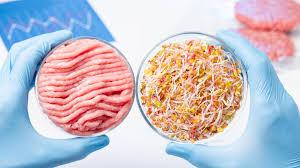
Typeofpresentation:Poster
The rising global demand for meat has raised concerns about extensive animal agriculture, welfare, and public health emergencies. Red meat consumption is linked to cardiovascular diseases and certain cancers. Although goat meat is nutritious, its distinct odor often limits consumer acceptance, especially in the American market. To address this challenge, hybrid meat products offer an innovative approach by combining goat meat with plantbased ingredients to balance nutrition, enhance sensory appeal, and mask undesirable odors associated with goat meat. Such hybrid formulations provide a health-conscious alternative that reduces overall meat content while maintaining desirable texture, flavor, and functional qualities. This project aims to develop and evaluate hybrid goat meat formulations by partially replacing goat meat with varying levels of textured vegetable protein (TVP). Goat meat will be replaced with TVP at the same levels, while maintaining consistent levels of other functional ingredients, including methylcellulose, garlic powder, yeast extract, black pepper, mushrooms, salt, coconut oil, canola oil, beet juice, molasses, smoked flavor, and leghemoglobin. Physicochemical properties (pH, moisture, protein, fat, ash, and color), textural attributes (hardness, chewiness, gumminess, springiness, and cohesiveness), and water-holding capacity (cooking yield and water release) will be measured. Sensory evaluation will assess color, flavor, aroma, juiciness, tenderness, and overall acceptability.The expected results indicate that hybrid goat meat formulations with TVP will exhibit improved moisture retention, enhanced texture, and better flavor, along with reduced goat odor, leading to higher overall acceptability These results will provide insights into developing nutritionally improved, sustainable, and palatable goat hybrid meat products.
LangstonUniversity
ShermanLewisSchoolofAgriculture&AppliedSciences (LU-SL/SAAS)
STUDENTNAME
K.Robinson
ADVISOR
Dr.M.Malone
PROGRAM:Undergraduate
DEPARTMENTOF
Family&ConsumerSciences(DFCS)
Typeofpresentation: Poster
Recent national data indicate declines in enrollment and completion rates among certain categories of nontraditional students compared with the general student population. Institutional records at Langston University (LU) similarly show changes over time in enrollment among students with caregiving responsibilities. This study examines enrollment patterns, persistence indicators, and academic progression associated with this student group using a mixed-methods approach. Quantitative data from LU Institutional Records were analyzed to evaluate year-to-year enrollment trends, while qualitative data were collected through interviews using open-ended questions to identify factors influencing academic progression and time to degree completion. Preliminary institutional data indicate a reduction in enrollment counts over a two-year period. Ongoing qualitative data collection is focused on identifying logistical andacademic factorsassociated withenrollment continuity and persistence. The findings from this study aim to support institutional assessment efforts by providing data-driven insights into enrollment patterns and factors influencing academic progression, with the goalofinformingfutureinstitutional planningandstudent successinitiatives.

STUDENTNAME
ADVISOR K.Rolle
PROGRAM:
Undergraduate
DEPARTMENTOF
Dr.F.Fondjo EngineeringTechnology|DirectorofLU ComputingCenterforResearch&Education SchoolofArts&Sciences
Typeofpresentation: Poster
Using results from an initial survey of 108 participants conducted under the NHWQL subaward initiative, this project involved designing and implementing a web-based platform to support nutrition education. Informatics and human–computer interaction principles were applied to translate participant-identified nutrition education needs into a functional and user-friendly digital tool The system architecture was developed using HTML, CSS, and JavaScript frameworks to produce a mobile-friendly interface optimized for accessibility and ease of use without requiring user login credentials. The platform integrates an application programming interface (API) that enables dynamic presentation of recipes, nutrition information, and video demonstrations aligned with user-defined priorities such as affordability, familiarity with foods, and simplicity of language. Following internal testing, educational content developed by a team of nutrition experts was incorporated into the system, resulting in a fully operational educational resource. Usability evaluations conducted with participant usersdemonstratedstrongperformanceinnavigation,clarity, and perceived usefulness. This project demonstrates how engineering and computing students can apply data-driven design approaches to develop practical nutrition communication technologies that improve access to nutrition education resources and support informed dietary decisionmaking.

LangstonUniversity
ShermanLewisSchoolofAgriculture&AppliedSciences
(LU-SL/SAAS)
L.Scott
Dr.N.DeSilva
PROGRAM:Undergraduate
Agriculture&NaturalResources
Agribusiness&AppliedEconomics(AAE)
Typeofpresentation: Oral
Goat meat production has gained increasing attention across Oklahoma as consumer preferences diversify, and small-scale producers seek alternative markets. Despite growing demand, producers face challenges in understanding consumer purchasing behaviors and identifying profitable marketing strategies. This study examines Oklahoma's goat meat market by integrating secondary and primary data sources to assess opportunities for expanding production and market reach. Data were collected from the USDA's National Agricultural Statistics Service (NASS) for goat inventory and farm counts, as well as retail price data from regional markets in Oklahoma and Texas To identify potential factors influencing customer preferences, insights, and purchasing behaviors, a Qualtrics consumer survey was administered to Oklahoma residents as part of a structured survey of potential goat meat consumers Findings reveal that Oklahoma's goat industry remains underdeveloped despite a strong foundation of small producers. Consumers showed high interest in locally sourced, fresh, and processed goat meat products, particularly among middle-income households and those from varied cultural backgrounds. The study highlights the importance of enhancing supply chain coordination, expanding retail access points, and increasing consumer familiarity with goat meat as a long-term protein option. Results suggest that aligning marketing strategies withconsumercharacteristicsandproductpreferencescanenhance both producer profitability and rural economic development These findings offer actionable insights for farmers, agribusiness marketers, and industry decision-makers seeking to strengthen Oklahoma's small ruminant livestock sector and meet evolving consumerdemandinthesouthernUS

LangstonUniversity ShermanLewisSchoolofAgriculture&AppliedSciences (LU-SL/SAAS)
STUDENTNAME
E.Staley
ADVISOR
Dr.L.Kibet
PROGRAM:Undergraduate
DEPARTMENTOF
Agriculture&NaturalResources
PlantScienceandNaturalResource(PSNR)
Typeofpresentation:Poster
This study examines the impact of various soil amendments on the growth and yield of two watermelon varieties using a randomized complete block design (RCBD) The experiment includes three soil amendment treatments Composted Cattle Manure (CCM), Mushroom Compost (MC), and NPK fertilizer, applied to two watermelon types: Seedless Watermelon (SW) and Watermelon with Seeds (WS). The treatment application was applied at a rate of 100 lbs. N/ acre. Each treatment combination is replicated three times across a total of eighteen plots to account for field variability and enhance data reliability. Theprimaryobjectiveistoinvestigatetheimpactoforganicand inorganic nutrient sources on watermelon growth, fruit yield, and soil health. Growth parameters, yield components, and soil fertility indicators were monitored throughout the growing season.Intensivesoilsamplingwasconductedpriortotreatment application and after harvest to assess changes in soil nitrogen, phosphorus, potassium, carbon, and related soil properties Preliminary results indicate that organic amendments, particularlyCompostedCattleManureandMushroomCompost, significantly improved watermelon yield and plant vigor compared to NPK fertilizer. The positive effects of organic amendmentsincludeenhancedsoilstructure,improvedmoisture retention, and increased nutrient availability, all of which contribute to improved crop performance. This research provides practical insights into sustainable watermelon productionsystemsandsupportsfarmerdecision-makingonsoil fertility management. The findings highlight the potential of organic nutrient sources to promote higher yields and long-term soilhealth,aswellasproductiveagriculturalpractices.

LangstonUniversity
ShermanLewisSchoolofAgriculture&AppliedSciences (LU-SL/SAAS)
STUDENTNAME
A.Thomas
ADVISOR
Dr.F.Belkasmi
PROGRAM:Undergraduate
DEPARTMENTOF Agriculture&NaturalResources
AnimalScienceManagement(ASM)
PROJECTTITLE

Typeofpresentation:Poster
The rising global demand for meat has raised concerns about extensive animal agriculture, welfare, and public health emergencies. Red meat consumption is linked to cardiovascular diseases and certain cancers. Although goat meat is nutritious, its distinct odor often limits consumer acceptance, especially in the American market. To address this challenge, hybrid meat products offer an innovative approach by combining goat meat with plantbased ingredients to balance nutrition, enhance sensory appeal, and mask undesirable odors associated with goat meat. Such hybrid formulations provide a health-conscious alternative that reduces overall meat content while maintaining desirable texture, flavor, and functional qualities. This project aims to develop and evaluate hybrid goat meat formulations by partially replacing goat meat with varying levels of textured vegetable protein (TVP). Goat meat will be replaced with TVP at the same levels, while maintaining consistent levels of other functional ingredients, including methylcellulose, garlic powder, yeast extract, black pepper, mushrooms, salt, coconut oil, canola oil, beet juice, molasses, smoked flavor, and leghemoglobin. Physicochemical properties (pH, moisture, protein, fat, ash, and color), textural attributes (hardness, chewiness, gumminess, springiness, and cohesiveness), and water-holding capacity (cooking yield and water release) will be measured. Sensory evaluation will assess color, flavor, aroma, juiciness, tenderness, and overall acceptability.The expected results indicate that hybrid goat meat formulations with TVP will exhibit improved moisture retention, enhanced texture, and better flavor, along with reduced goat odor, leading to higher overall acceptability. These results will provide insights into developing nutritionally improved, sustainable, and palatable goat hybrid meat products.
LangstonUniversity
STUDENTNAME
J.Throckmorton
ADVISOR
Dr.S.Kunwar
PROGRAM:Undergraduate
DEPARTMENTOF
Agriculture&NaturalResources
PlantScienceandNaturalResource(PSNR)
Typeofpresentation: Oral
The overall goal of the Sky Wrangler project is to develop a smart, yet affordable, UAV that provides concise feedback to livestock producers, enabling them to effectively manage their pastures and animals. As project manager, I oversee team coordination, resource acquisition, and technical integration to ensure effective progress The specific objectives are to (1) assess pasture biomass and nutritive status of grazing animals using UAVs, (2) determine the effect of the animals using UAVs (4) monitor health status of grazing animals using UAVs. Our team assembled a fleet of eight Tarot Iron Man 650 and three S500 quadcopters using off-the-shelf components, with noncommercially available parts designed using computer-aided design (CAD), and 3D printing ACube Plus payload integrating Pi NoIR RGB and FLIR thermal cameras was developed and installed on these UAVs. In addition, commercial drones such as the DJI Mavic 3E, equipped with a multi-spectral camera for NDVI (Normalized Difference Vegetation Index) mapping, and the DJI T30, used for site-specific fertilizer and pesticide applications, were incorporated As a result of this project, we developed multiple cost-efficient UAVs, significantly reducing the cost. Objective 1 has also been completed, enabling mapping of pasture status using NDVI values. Our other preliminary results indicate that high speed, high altitude, and high angle likely cause the least stress to the goats. Together, these tools establish a framework for a low-cost precision livestock management system, supporting sustainable and data-driven agriculturalpractices.

LangstonUniversity ShermanLewisSchoolofAgriculture&AppliedSciences (LU-SL/SAAS)
STUDENTNAME
M.Throckmorton
ADVISOR
Dr.S.Kunwar
PROGRAM:Undergraduate
DEPARTMENTOF
Agriculture&NaturalResources
PlantScienceandNaturalResource(PSNR)
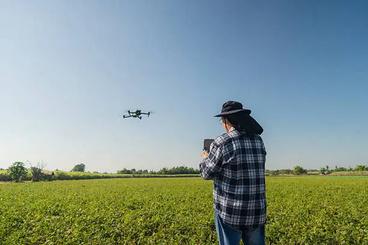
Typeofpresentation:Poster
Maintaining healthy and productive pastures is a critical challenge for livestock producers, as pasture degradation and uneven forage quality can directly affect animal nutrition, growth, and overall farm productivity. Traditionally, this task has relied on farmers and ranchers, who must visually assess forage availability and animal condition across large and often remote grazing areas This study presents an unmanned aerial vehicle (UAV) based approach for monitoring pasture health as part of the Sky Wrangler project, an initiative by students at Langston University aimed at developing cost-effective, intelligent tools for livestock management. Specifically, this study focuses on using UAV-derived vegetation indices to monitor plant health in the pastures Weekly aerial images were collected using the DJI Mavic 3E quadcopter UAV, equipped with a multispectral camera, and processed with Field Agent software to generate normalized difference vegetation index (NDVI) maps, with NDVI values ranging from -1 to +1. This enables rapid assessment of plant health in pastures by providing insights into chlorophyll levels (a measure of greenness). By identifying areas of low productivity or stress, UAV-derived vegetation indices can inform management decisions related to grazing intensity, fertilization, and forage allocation. This approach demonstrates the potential of integrating UAV-based tools into pasture management, providing livestock producers with precise information on pasture health, chlorophyll content, and spatial variability, thereby optimizing forage qualityandproductivity.
LangstonUniversity
ShermanLewisSchoolofAgriculture&AppliedSciences (LU-SL/SAAS)
STUDENTNAME
T.Ivey
ADVISOR
Dr.K.Gosh
PROGRAM:Undergraduate
DEPARTMENTOF
Agriculture&NaturalResources PlantScienceandNaturalResource(PSNR)
Typeofpresentation:Oral
Aquaponics integrates aquaculture and hydroponics to establish a sustainable food production system where fish waste provides nutrients for plant growth through microbial conversion of ammonia to nitrates. This study evaluated growth performance and yield of two lettuce (Lactuca sativa) cultivars BlackSeeded Simpson and Romaine cultivated in aquaponic systems compared to traditional soil-based systems. In Phase I, Black-Seeded Simpson lettuce was grown in an aquaponic system coupled with goldfish (Carassius auratus) and compared with soil-grown counterparts. Phase II examined Romaine lettuce (Lactuca sativa var longifolia) cultivated in a channel catfish (Ictalurus punctatus)-based aquaponic system relative to traditional methods Experimental fish were reared under controlled conditions and fed daily at 3% of their body weight Water quality parameters were monitored to maintain optimal nutrient balance. Results indicated that goldfish paired with Black-Seeded Simpson lettuce achieved an average fish weight of 14.94 ± 4.25 g across 21 samples. Lettuce biomass varied widely, ranging from 1.95g to 34.91 g, reflecting system variability. Romaine lettuce grown with channel catfish exhibited steady growth, increasing from 6.6–13.9 g in late February 2025 to an average of 17.7 g by March 2025. Comparative data from traditional systems indicated average head lettuce yields of 36,200 lb/acre in field production and approximately 4,752 units per 30 × 96 ft greenhouse space under standard hydroponic spacing These findings suggest that aquaponic systems could support sustainable fish and lettuce production Ongoing comparisons with soil-based cultivation will further clarify potential of aquaponics as an alternative modelforresource-efficient,year-roundleafygreenproduction.

LangstonUniversity
ShermanLewisSchoolofAgriculture&AppliedSciences (LU-SL/SAAS)
STUDENTNAME
A.Vick
ADVISOR
PROGRAM:Undergraduate
DEPARTMENTOF
Dr.E.Maytubby Family&ConsumerSciences(DFCS)
Typeofpresentation: Poster
According to a study conducted on nearly 375 colleges, more than 60% of college students described having at least one mental health challenge during the 2020-2021 school year Most study participants revealed that their mental health negatively impacted their academic performance. While it is important to understand the impacts of student mental health, it is equally important to explore student well-being holistically. Student Wellbeing (SWB) encompasses not only mental health but also physical, psychological, and social dimensions. Studies also emphasize the importance of individualized support systems, especially when students face unique challenges and strengths. This study utilizes a mixedmethods approach, with quantitative surveys and qualitative interviews to investigate student well-being and perceived support on campus. The surveys ask students to share their experiences related to mental and physical health, academic experience, campus mental health resources, and perceived support. A smaller sample of students provides more information about their well-being on campus. It is expected that the data will confirm the existence of correlations between students' well-being, academic performance, and existingresourcesandsupport.

STUDENTNAME
J.Vicks
ADVISOR
Dr.T.Williams
PROGRAM:Undergraduate
DEPARTMENTOF
Family&ConsumerSciences(DFCS)
Typeofpresentation:Poster
The use of mobile applications has emerged as a ubiquitous outlet for health and nutrition information. Part of a mobile application's appeal is its ease of use and accessibility.Although numerous community-based nutrition applications exist, many arecreatedwithoutengagingtheintendedusers,resultinginlow adoption rates, poor usability, and limited engagement This project aimed to develop a mobile nutrition application (app) prototype tailored specifically for Oklahoma SNAP-eligible families, based on feedback from a community needs assessment survey. Survey questions were developed through a review of literature on community-based mobile nutrition application interventions to identify common app features and existing gaps. Community members were also consulted to ensure the appropriateness of the questions. This process resulted in three survey constructs: use of internet/mobile applications, nutrition and health behaviors, and community health challenges. The final survey consisted of 32 multiplechoice and open-ended questions. Data were collected from 108 SNAP-eligible individuals across five rural and urban counties in Oklahoma Seventy-nine percent of respondents reported never using a health app When asked about important health app features, 58% preferred easy recipes, healthy meal plans, and smart food choices; 59% valued cultural relevance Overall, 92% used the internet and 64% used smartphones to access health information. When asked about barriers to app use, 26% citeddifficultyunderstandingthem,23%privacyconcerns,15% lack of internet access, and 12% high cost. Mobile nutrition applications offer a solution for delivering research-based nutrition and health information to SNAP-eligible Oklahomans, butseveralkeyconsiderationsareneeded.

LangstonUniversity
ShermanLewisSchoolofAgriculture&AppliedSciences (LU-SL/SAAS)
STUDENTNAME
J.Watson
ADVISOR
Dr.S.Kunwar
PROGRAM:Undergraduate
DEPARTMENTOF
Agriculture&NaturalResources
PlantScienceandNaturalResource(PSNR)
EngineeringtheSkyWrangler: OperationalEvaluationofUAVsforPasture andLivestockManagement
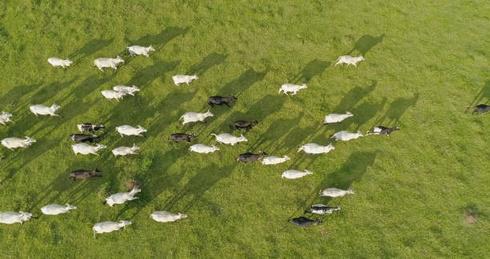
Typeofpresentation:Poster
Livestock producers often face challenges in monitoring large grazing areas where pasture conditions and animal health can change rapidly. Traditional visual inspections are time-consuming, labor-intensive, and provide limited spatial coverage. The Sky Wrangler project aims to address this by developingasmart,low-costUAVsystemthatprovides actionable and concise feedback for livestock producers to effectively manage their pastures and animals. However, little is known about UAV operational parameters that minimize stress on animals. This study focuses on the engineering and operational design to determine the effect of the presence (in terms of distance and duration) of UAVs on animal stress and behavior. This research implemented mission planning and fleet management to ensure precise flight operations, consistent data collection, and safety during animal acclimation trials. A total of 36 acclimation treatments were tested, combining three speeds, three altitude angles, and four distances to identify the most effective parameters for animal comfort and data quality. Results from this study inform Best Management Practices (BMPs) for stress-free UAV operation, supporting improved animal welfare and enhanced data acquisition in precision livestock management.
LangstonUniversity
ShermanLewisSchoolofAgriculture&AppliedSciences (LU-SL/SAAS)

Educating students is our obligation. Providing them with unique and enriching academic experiences is our fundamental responsibility. We pursue excellence and develop character, one scholar at a time.

The ASM program prepares students for a broad cross-section of professional fieldsincludinganimalphysiology,animalreproductionandimprovement,food technology, meat product evaluation and quality control, animal nutrition, ruminant production, livestock production, and other animal sciences-related fields. Students are also prepared for admission to veterinary and graduate schools.
ThePSNRisamultidisciplinaryprogramthatpreparesstudentsinbroad professionalfieldsthatincludetheenvironmentandnaturalresources conservationandmanagement;precisionagriculture;cropimprovementand biotechnology;cropphysiologyandnutrition;crophealth,production,and consultancy;fruitandvegetableproduction;controlledandopenenvironment culture;nurseryandgeneticstocksmanagement;forestry;extension;andother relatedconservation,soilandplantsciencefields.Graduatesarealsoprepared topursueadvanceddegreesinagriculturalfields.
TheAAEprogramintegratesbothbusinessandeconomicsdisciplinesandcoversthemanagement, financial,andmarketingaspectsofthefoodandfiberindustry.Thisincludestheproduction, processing,anddistributionofagriculturalandrelatedproducts.Itequipsstudentswithbusinessand analyticalskillstosolveproblemsinagriculture,relatedbusinesses,communities,andthebroader economy DEPARTMENTOFFAMILYANDCONSUMERSCIENCES
TheEarlyChildhoodProgrampromotestheideathatchildrenlearnbestbydoing,bybecoming actively involved, and by participating fully with their minds, bodies, and emotions. The programs focus on the Social, Emotional, Cognitive, and Physical development of children and includethefollowingPrograms:
BSinChildDevelopment
BSinEarlyChildhoodEducation
TheSL/SAASMasterofScienceinSustainableAgricultureandFoodSecurity(MS-SAFS) is designed to prepare graduates for Careers in academia, government agencies, nongovernmental organizations, commercial & enterprises, and private companies. The program'svisionistoserveasaprominenthubforboldandtransformationalleadersand educatorstopromoteintegrated food,agriculturepolicy,andsustainability.
SpecializedConcentrations|ThesisorNon-Thesis
SustainableAgribusiness&ResourceEconomics
SustainableHorticulture&AlliedPlantBiosciences
SustainableLivestockSystems
KanyandMatand,Ph.D.matand@langston.edu

EmishaMaytubby,Ph.D.emisha.young@langston.edu