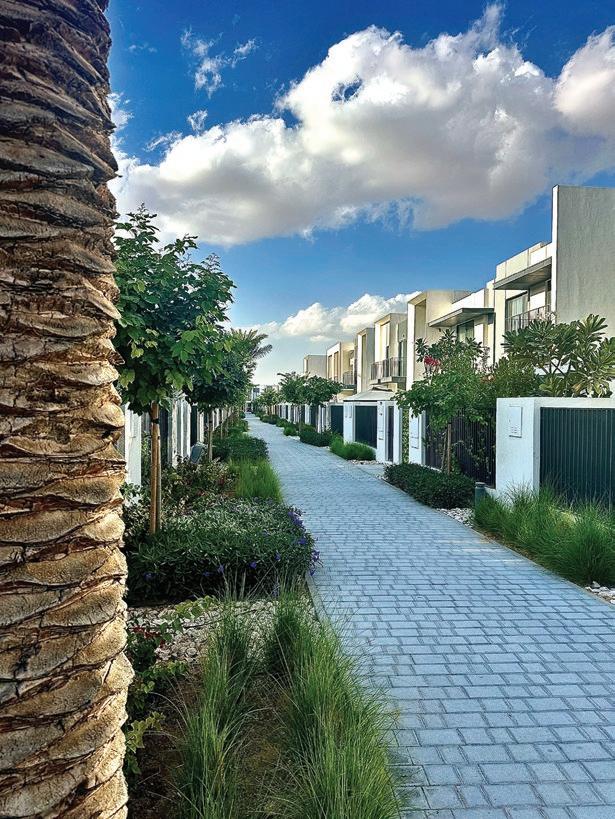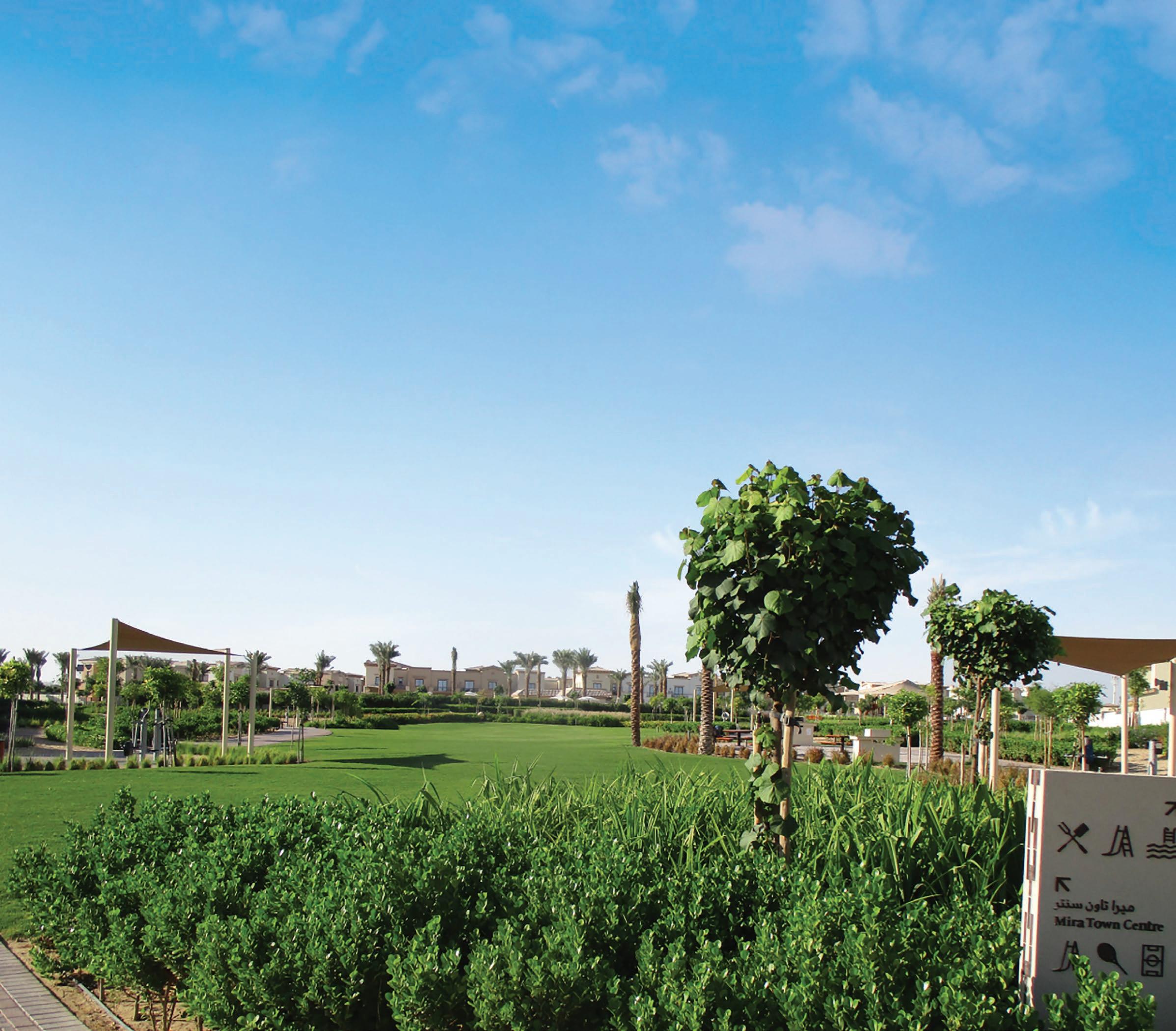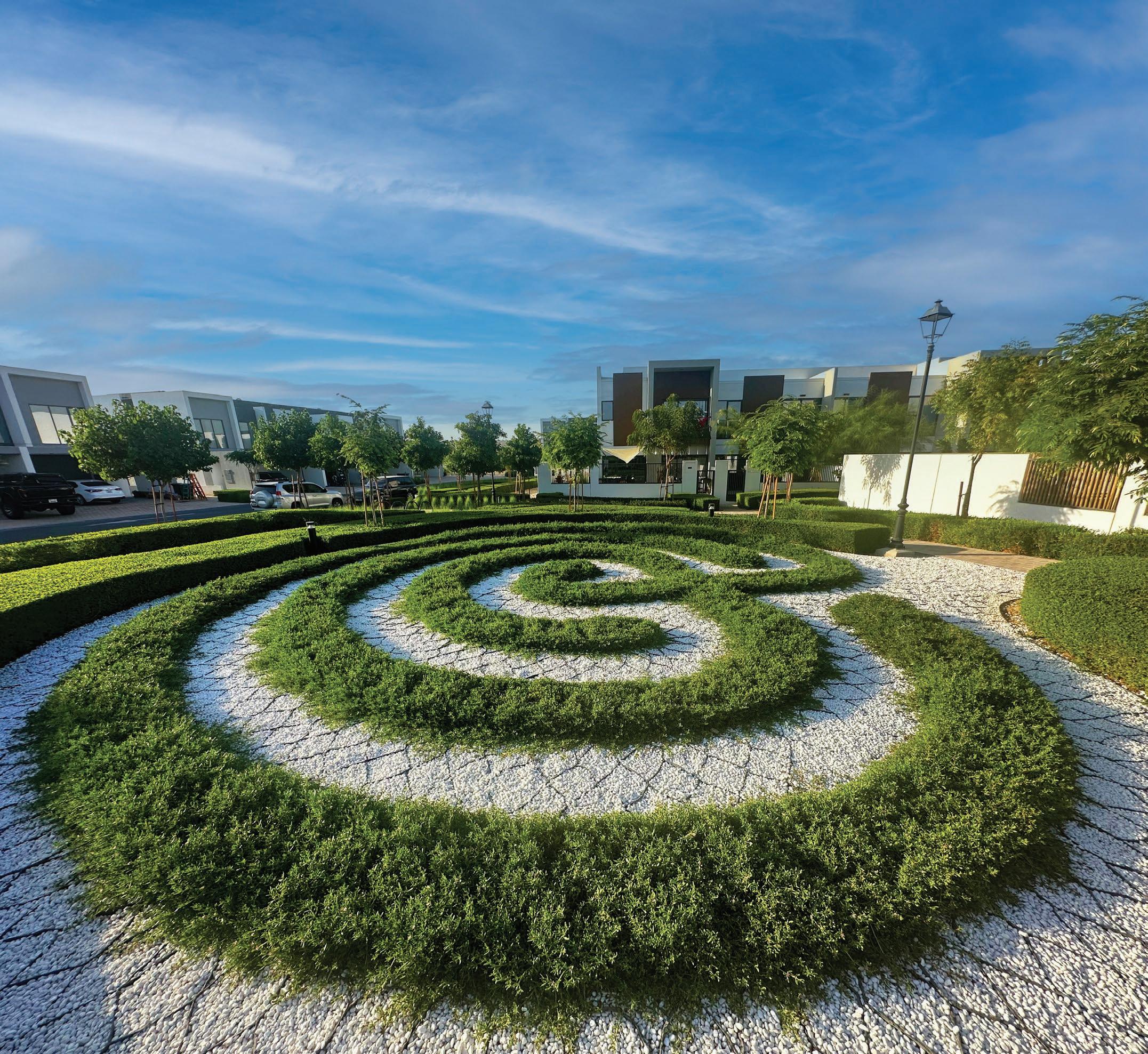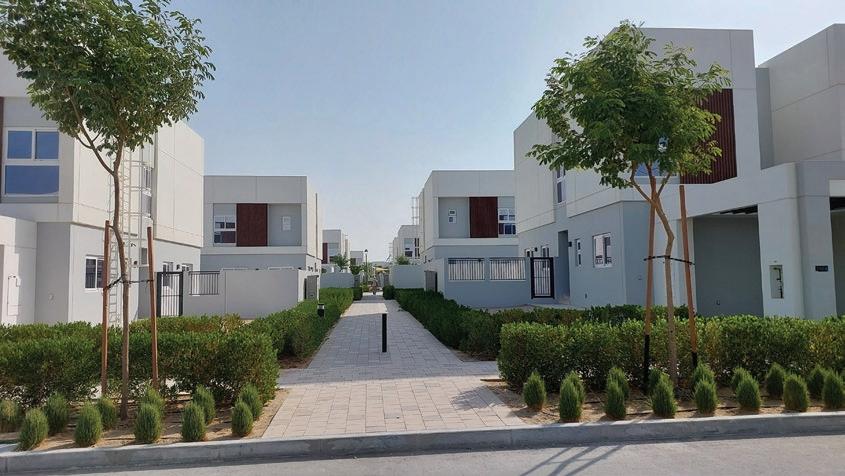
Cut
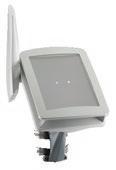
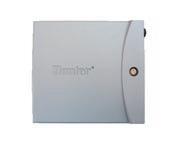

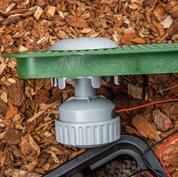
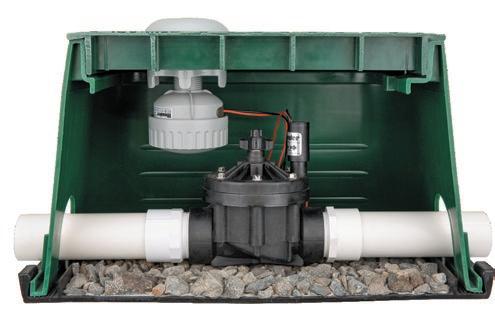
Go wire-free with the Wireless Valve Link! Using advanced radio technology, this innovative system makes it easy to connect valves without running wire or cutting into hardscape. Designed for Hunter ICC2 and HCC Controllers, it saves time and money with simplified installation, quick station expansion, and reduced maintenance. When complex landscapes pose a challenge, go wireless!
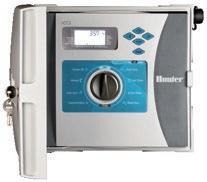
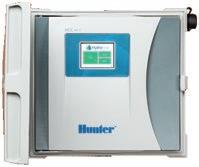
To learn more, visit hunter.info/ WVLem
LANDSCAPE IRRIGATION | Built on Innovation® Learn more. Visit hunterirrigation.com
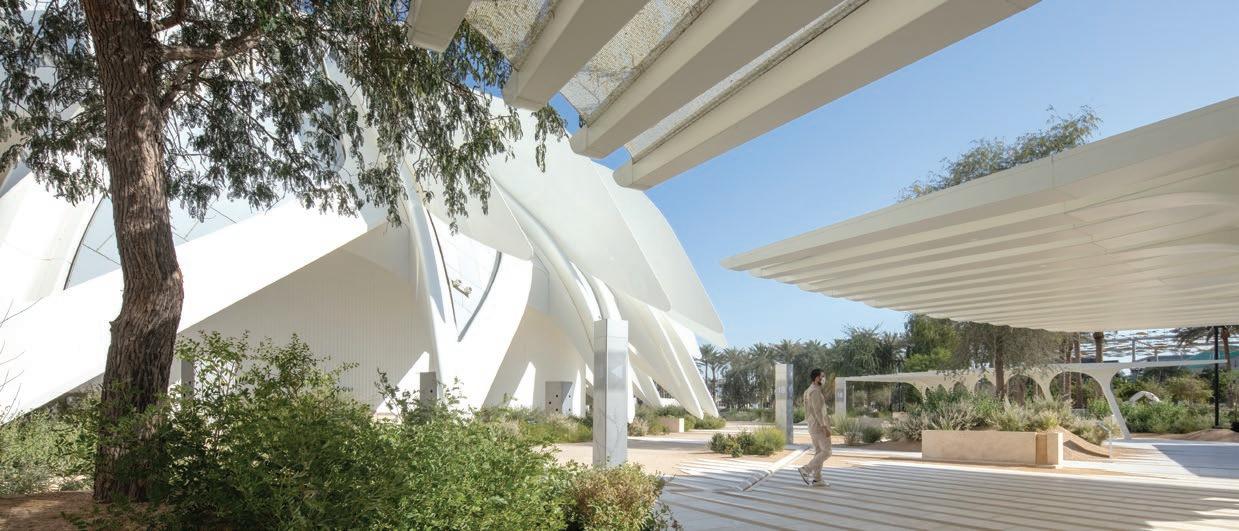
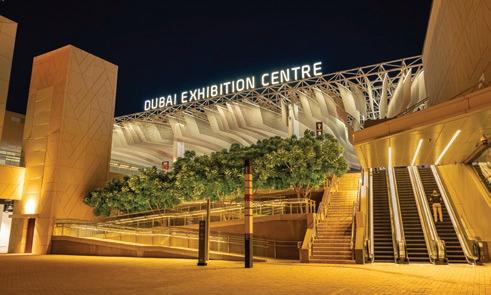
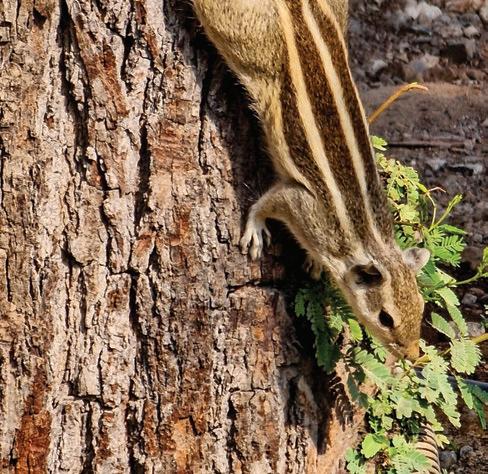

This month’s issue explores the way landscapes are experienced, documented, and understood both through design and through the lens that captures them.
Our lead feature, Seeing What Matters, by Gerry O’Leary, offers a thoughtful reflection on the role of photography in landscape architecture. O’Leary reminds us that the most powerful images are not simply composed views of finished spaces, but moments where landscapes are alive where people occupy them, interact with them, and reveal how design truly performs. His perspective highlights the importance of documenting landscapes not just as objects, but as places in use.
That idea of landscape as lived experience continues throughout the issue. Annie Baillie reflects on the art of placemaking, examining how well-designed spaces foster identity, community, and belonging. Mark Laurence’s exploration of Mushrif Park demonstrates how thoughtful stewardship can preserve and enhance one of Dubai’s most valued public landscapes.
Elsewhere, Bjørn Heyerdahl challenges us to consider broader systems thinking in the way we design and manage the built environment, while our project features from the refined landscape of a Jumeirah villa to innovative design solutions and construction achievements demonstrate the diversity of practice shaping the region today.
We also introduce the first part of Carlos Pissarra’s compelling new series, The Business Case for Water, examining the powerful economic and experiential role water features can play in contemporary developments.
Across every contribution, one message is clear: landscapes are not static compositions. They are places designed to be lived in, observed, and understood over time.
This issue includes many more perspectives, projects, and reflections from across the profession each offering its own insight into the evolving role of landscape architecture in shaping resilient, meaningful environments. We hope you enjoy the issue.
Managing Partner: Ziad Maarouf Amine
Copy Editor: John Hampton Phillip Higgins
Administrative Assistance: Sarry Gan
Art Director: Ramon Andaya
Contributors: Annie Baillie, Arun Titus, Dr. Haroon Ur Rashid, Hala Shiblaq, Jimena Martignoni, Nick Vellacott, Phillip Dunn, Tina Heers
Printed by: Al Nisr Publishing LLC
Webmaster: www.pdinventive.com
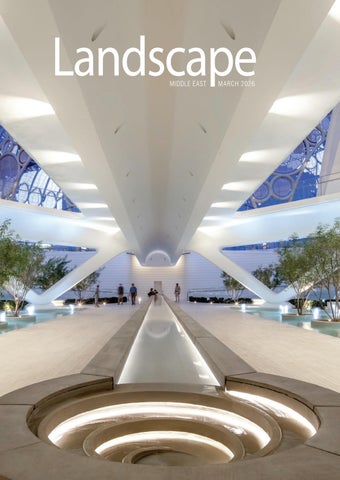
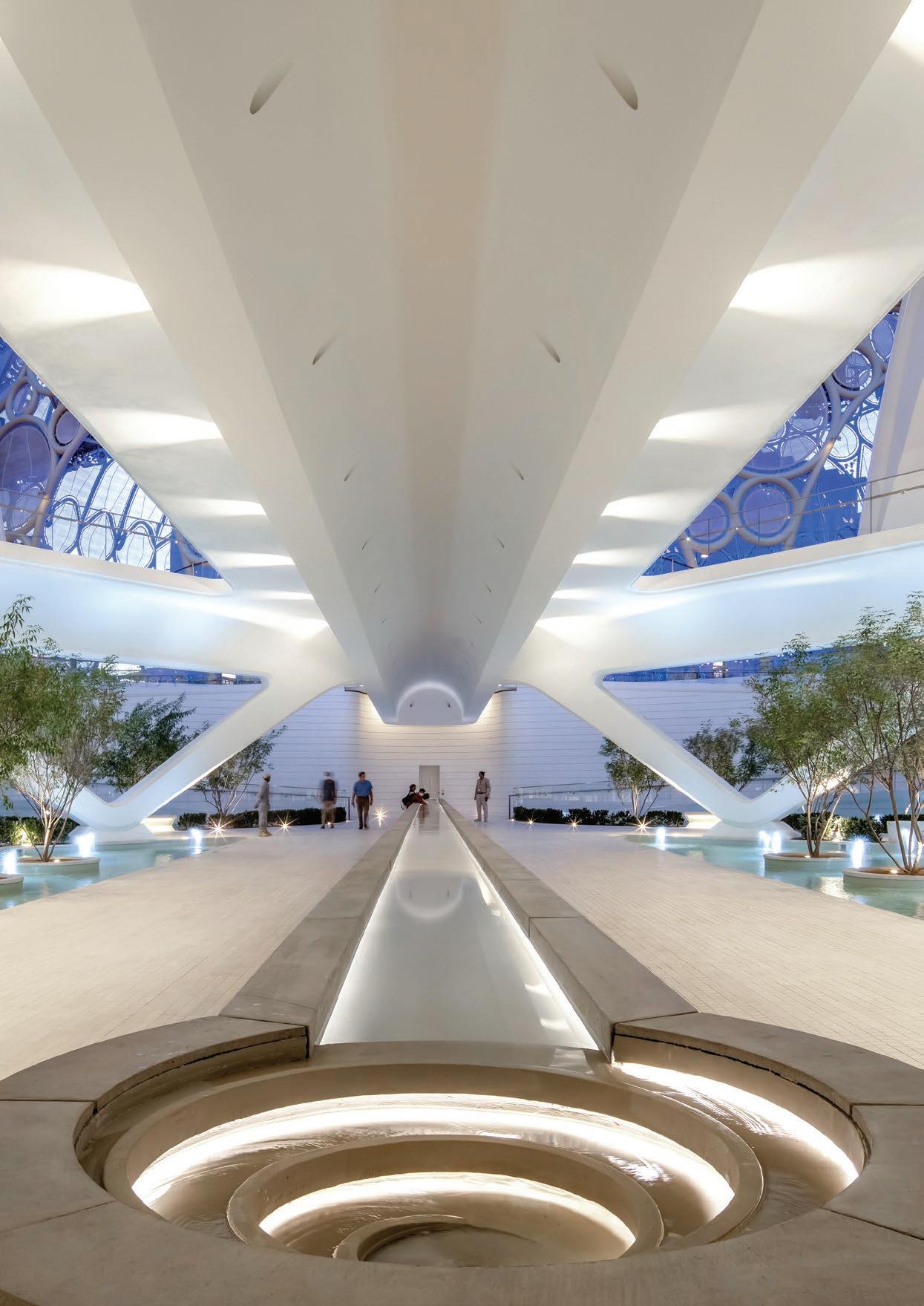
Cover: Gerry O’leary Photography
For free subscription and to view the magazine please visit our website: www.landscape-me.com
The First Specialised Landscape magazine in the Middle East
Our magazine is available in app store and google play, search under Landscape Middle East.

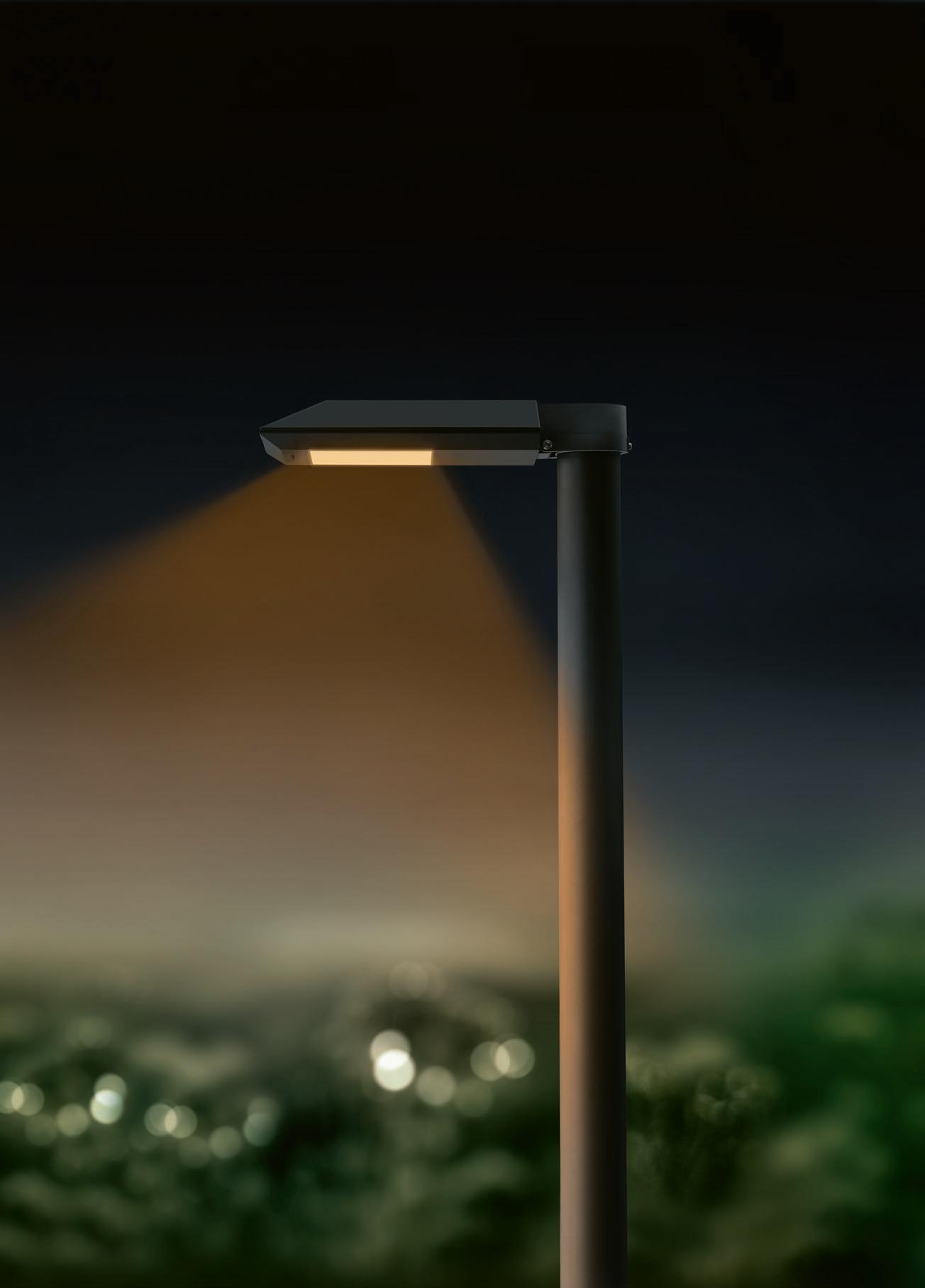
Protecting the night sky
BEGA pole-top luminaires with BugSaver® technology protect nocturnal fauna by reducing the color temperature from 3000 Kelvin to an amber color around 1800 Kelvin, which reduces the light attractive effect. The color temperature and output can be controlled dynamically. bega.com/bugsaver
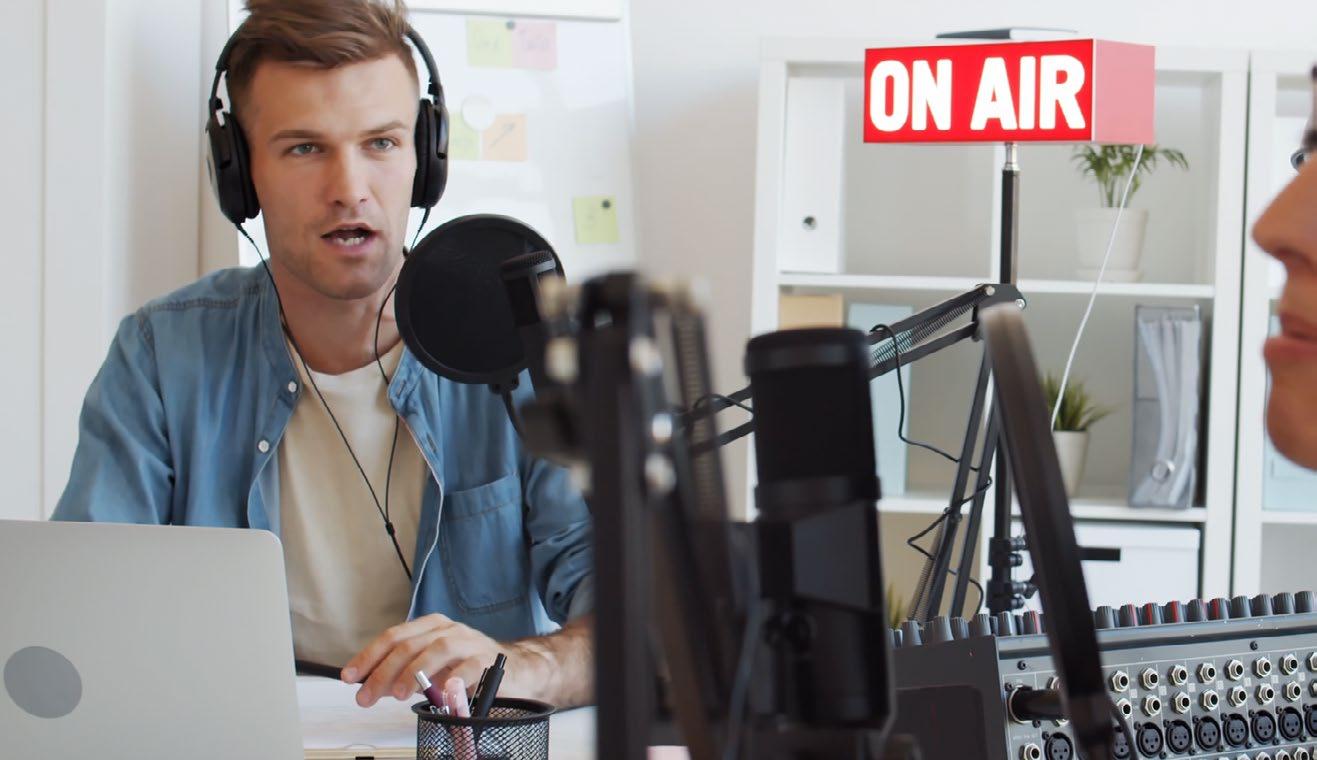
EP02 - JUST TREES?
Trees are often treated as decorative elements in urban development, added late in the design process once buildings, roads, and infrastructure are already established. Yet in reality, trees play a far greater role in shaping the health, resilience, and liveability of our cities. From reducing urban heat and providing shade to supporting biodiversity and human wellbeing, trees are fundamental components of sustainable urban environments.
In the next episode of Landscape Middle East’s Conversations That Shape the Region, host Phillip Higgins, together with co-host Annie Baillie, explore how trees can be integrated into urban planning, the importance of proper care and protection during development, and the growing role of ecological and adaptive planting strategies in creating more resilient landscapes for the region’s future.

Date: 02 April 2026
Time: 4:00 PM (UAE)
Hosted by: Phil Higgins
Co-host: Annie Baillie
SCAN TO REGISTER





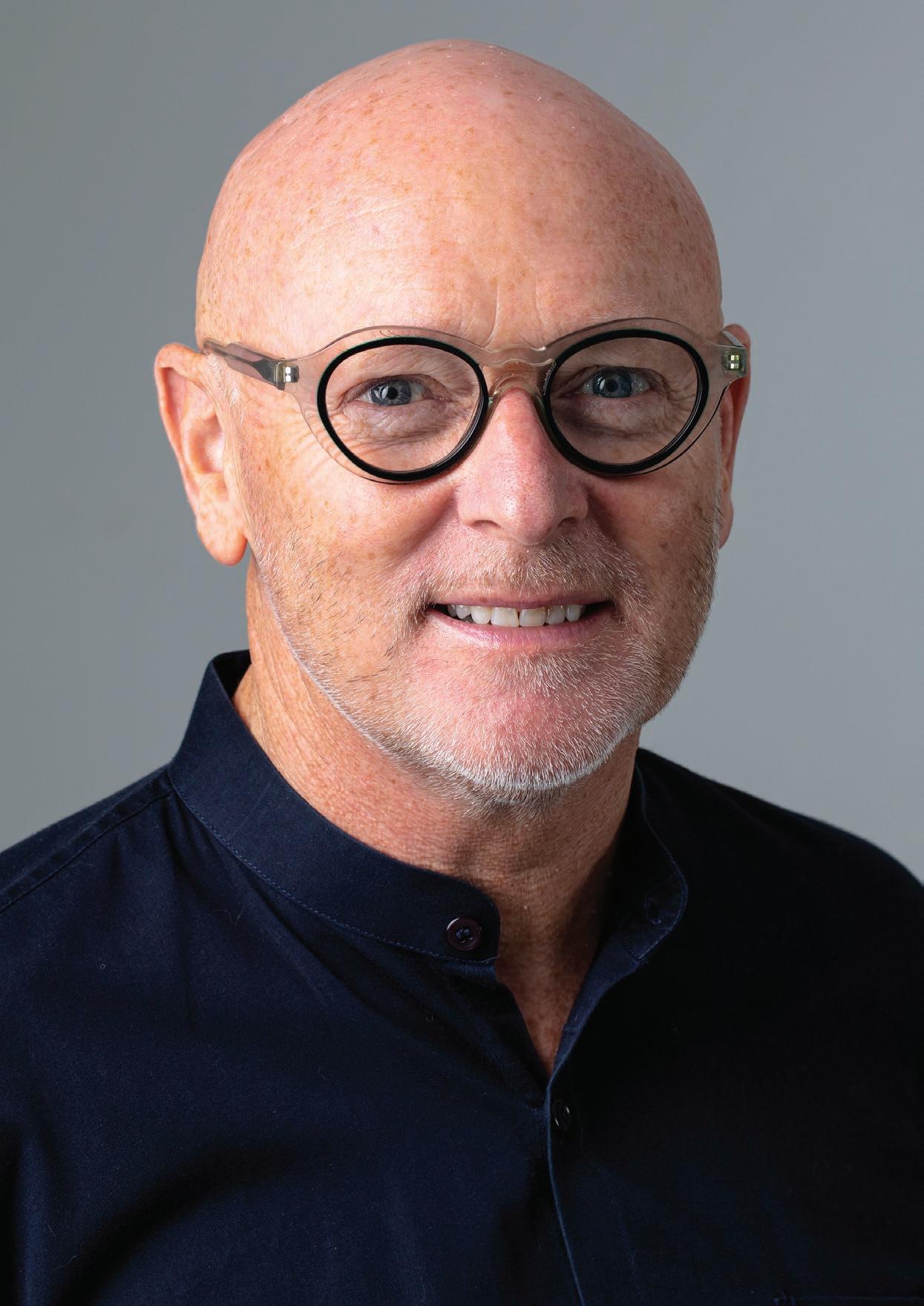
An interview with Gerry O’Leary
Gerry O’Leary Photography
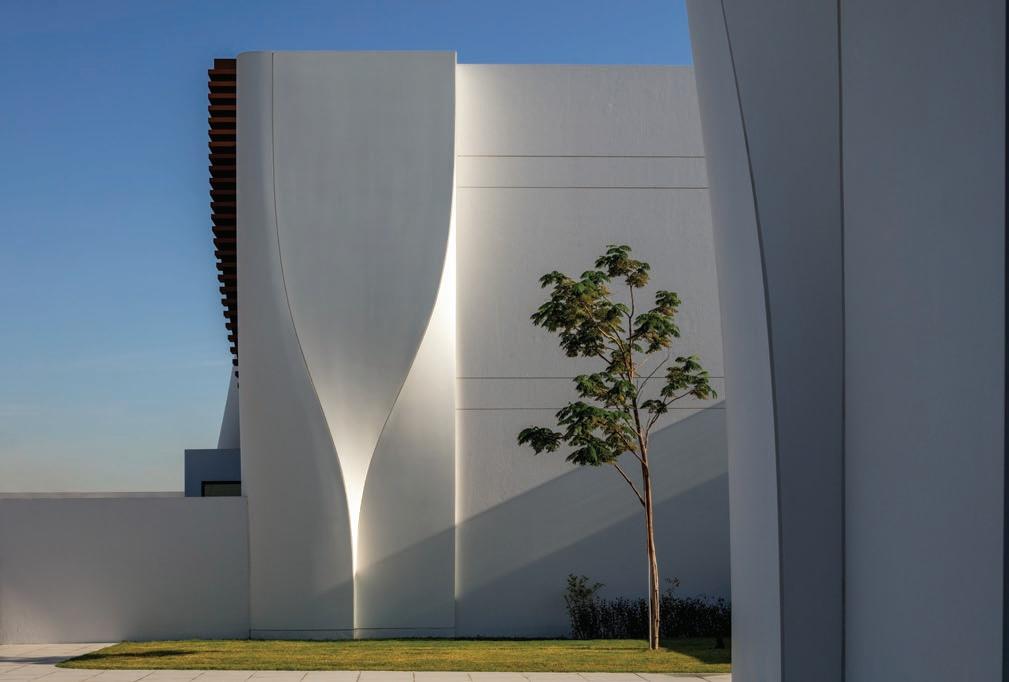
SEEING WHAT MATTERS
Gerry O’Leary on Photography, Place, and the Human Element
There are more photographs taken in a single day now than many people saw in their entire childhood. Cameras are everywhere. The iPhone is astonishing. Image quality is no longer a barrier.
And yet, in the middle of all that access, there is one thing technology still can’t do for you: compose meaning. That is the difference Gerry O’Leary keeps returning to not the camera, not the megapixels, not the software, but the craft of building an image that makes someone stop. Not glance. Stop.
Gerry’s path into photography didn’t begin in a studio. It began on construction sites. In the mid-1980s, photography wasn’t considered a career option in Ireland
in the way it is today. He studied surveying, graduated in 1985, and worked as a site engineer in London. But while he worked in construction, he was quietly developing a second discipline taking night classes, shooting progress photographs, and learning the fundamentals the hard way.
It didn’t take long for people to notice. His images were published in a company magazine, and the first cover he shot became a turning point: not because it made him famous, but because it proved something to him. If a photograph can communicate value, then photography is not decoration. It’s documentation with purpose.
By 1993, Gerry moved into photography full-time. Like most photographers building a career from scratch, he
shot everything: portraits, weddings, events, editorial work, and corporate commissions. It was a demanding apprenticeship, not just in camera skills, but in managing people, expectations, pressure, and time.
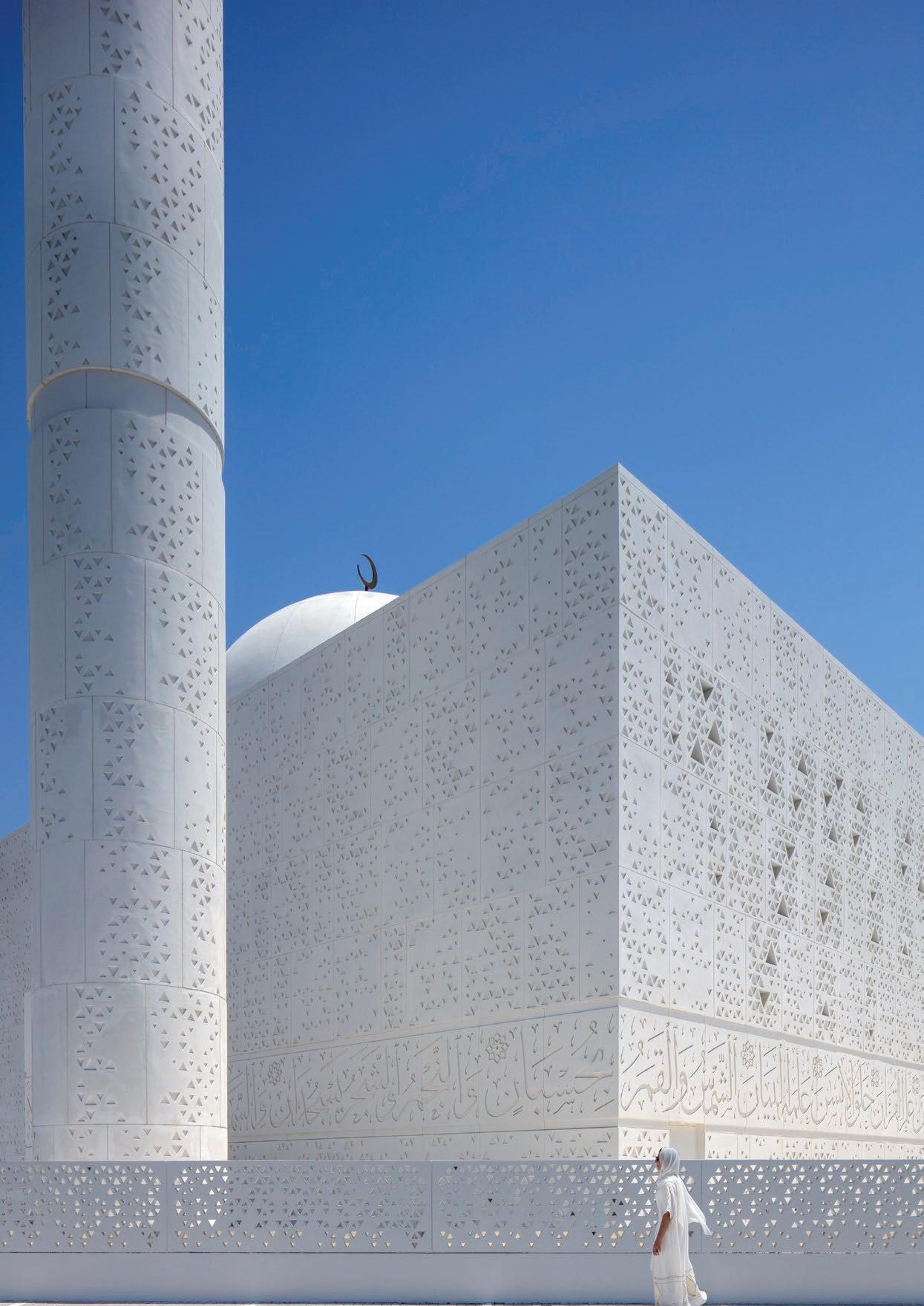
Then came a moment that changed his direction completely. A construction contractor called him to photograph building defects on a major development. Gerry didn’t just photograph what he was told he saw the site like someone who understood it, identified issues, and worked with confidence. The job paid 1,000 for a day’s work more than he had earned in a full month at the time and it delivered a sudden clarity: architecture and construction were where his experience and his eye overlapped. That overlap became his advantage. He pursued architectural photography, deliberately building relationships with architects, engineers, contractors, and developers, and gaining exposure through publications. Awards followed. His reputation grew. His work began to travel.
In 2007, he made a strategic shift that shaped the second half of his career: he came to the Middle East. Ireland was busy, but the weather made consistency difficult. Dubai offered something else entirely: scale, ambition, and predictable light. “I needed another city where the sun shines every day,” he says. It wasn’t romance it was logic.
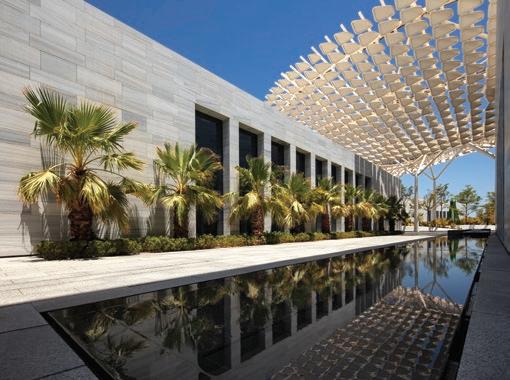
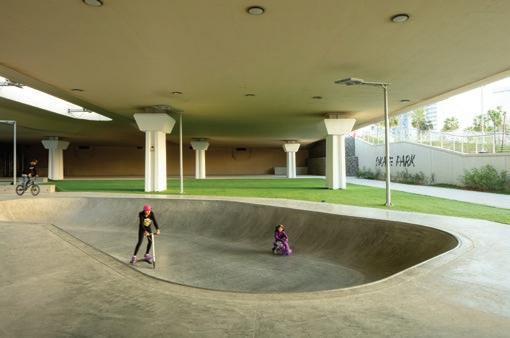
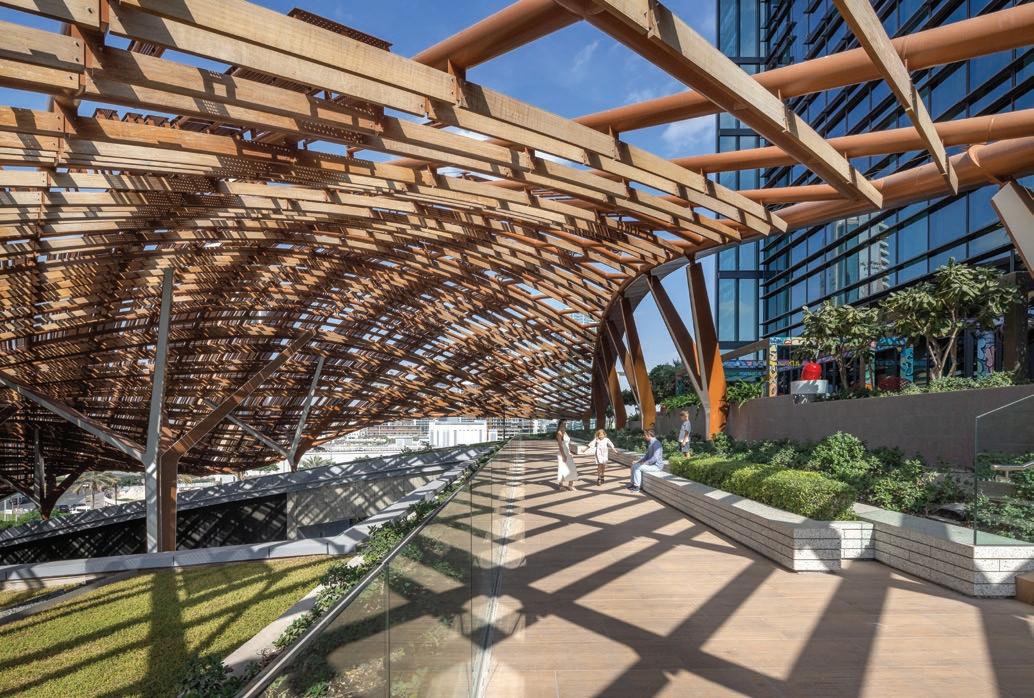
ARCHITECTURAL LANDSCAPE
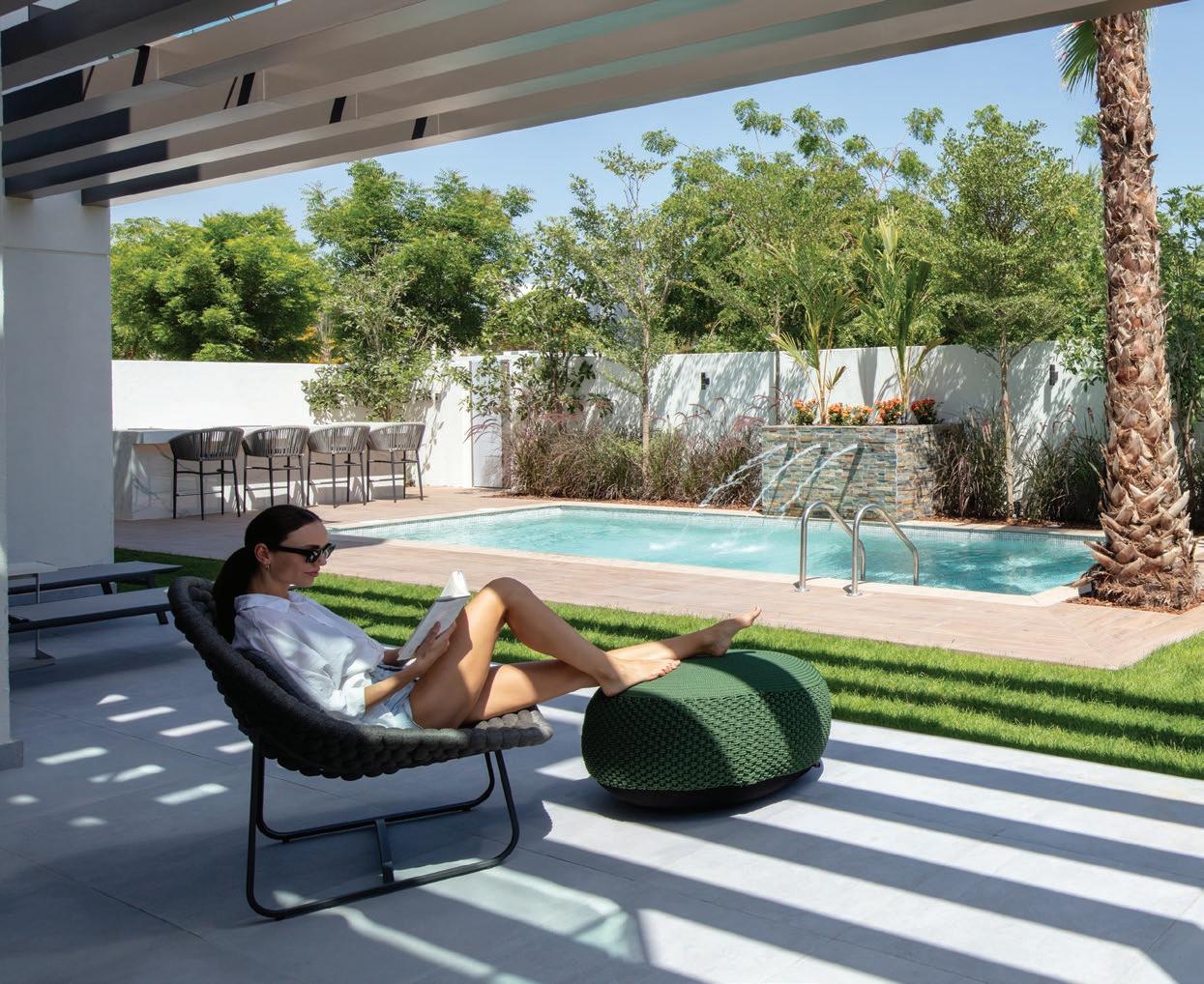
Today, his work spans architectural projects, luxury hospitality, and high-end retail. He shoots completed buildings and interiors, but also the atmosphere around them: the way a space is used, inhabited, and understood.
And that is where Gerry’s most relevant message lands for the landscape industry: we talk constantly about community, but we rarely show it.
Landscape photography often defaults to the clean, empty frame the perfect planting, the untouched hardscape, the bench with no one sitting on it. It’s understandable. It’s safer. It’s easier to control.
“A picture even winning awards today for architecture photography the image with the person in it is more likely to win than the picture without,” Gerry explains. People introduce purpose and scale. They create humanity and emotional connection. They turn a designed space into a lived space.
The challenge, of course, is that adding people isn’t as simple as waiting for someone to wander into frame. First, there are approvals and permissions. You need authorisation if subjects are identifiable. In busy public spaces airports, malls you cannot ethically or legally treat crowds as props. The practical and legal constraints become the stumbling block for many firms trying to “humanise” their project photography.
Then there is the reality of control. Gerry is blunt about it: not everyone in the frame helps the image. Sometimes the wrong figure, in the wrong place, disrupts the composition. That’s not judgment it’s visual truth. The solution is professional problem-solving: timing, multiple exposures, layering, masking, and building a natural arrangement that feels real without being messy.
You can hire models. Use staff. Pull in stand-ins. Give direction. Create context. A single person reading on a bench, a parent with a child, a couple walking through
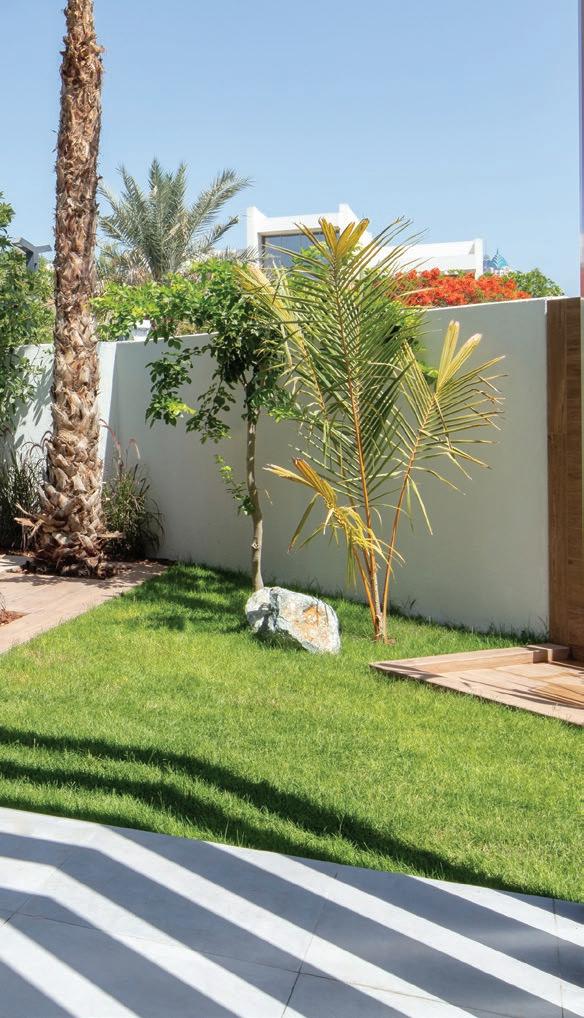
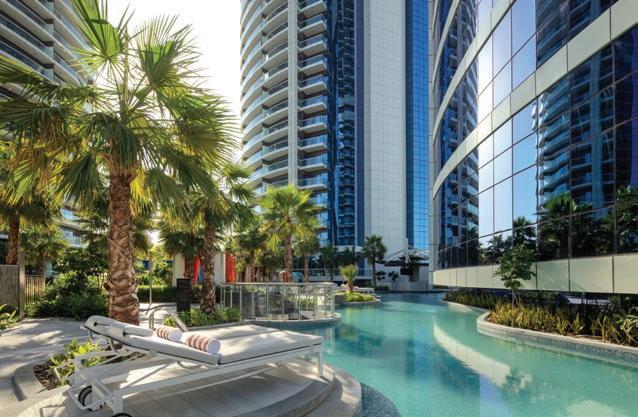
dappled shade small moments that deliver scale and narrative. It doesn’t need a crowd. It needs intention. “Regardless of the camera,” Gerry says, “the principles are the same.”
This is where he leans into one of his favourite analogies. Photographers, he argues, are like poets and musicians. Every poet has access to the same words. Every musician uses the same notes. Anyone can buy the same camera. The professional difference is composition the ability to direct, arrange, and build an image that communicates. If composition is what makes an image coherent, then light is what makes it believable and memorable. Architects already know this. They design with light as
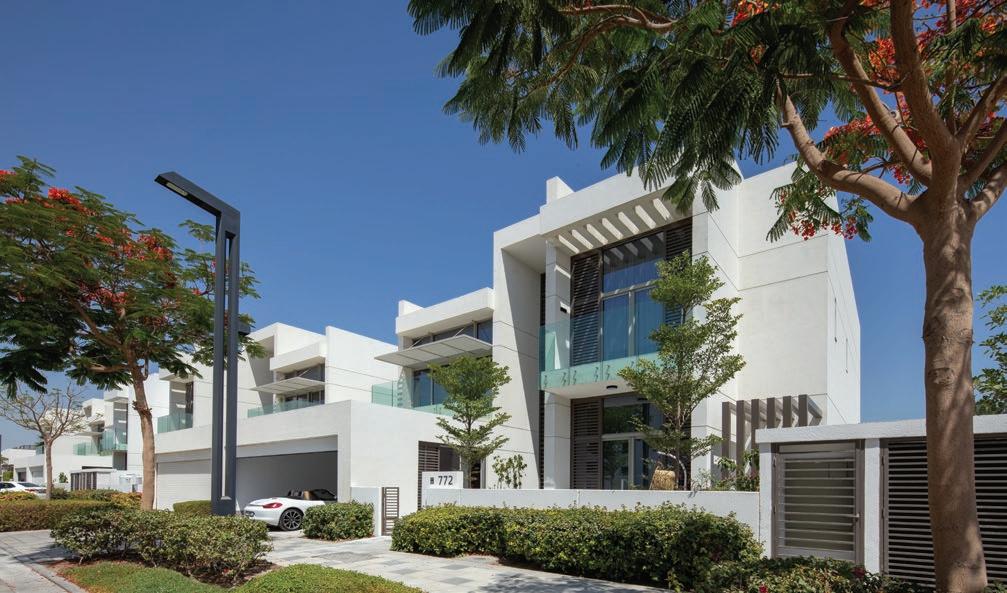
ARCHITECTURAL LANDSCAPE
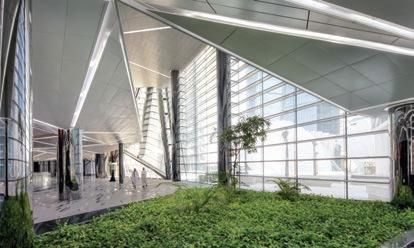
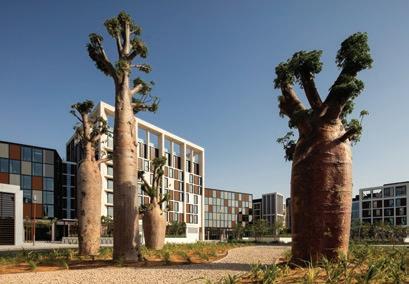
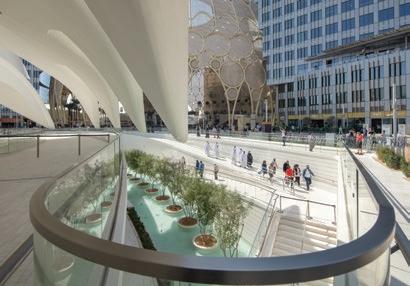
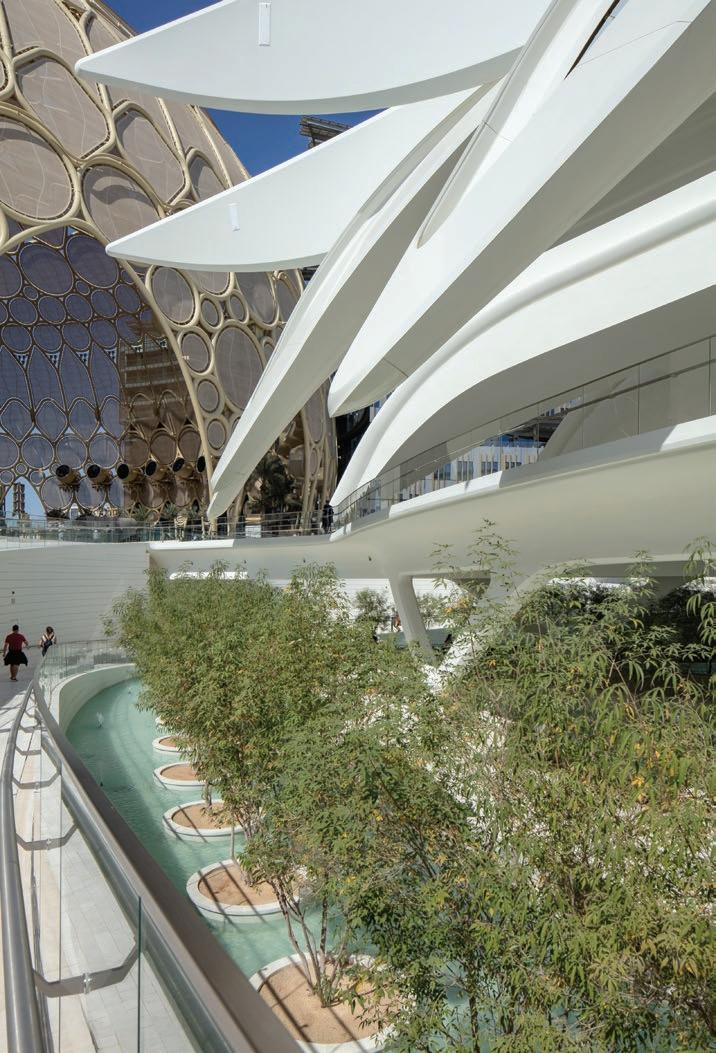
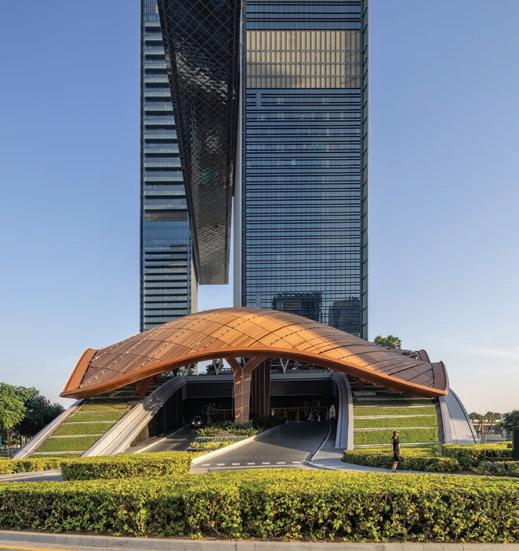
a material: shaping openings, controlling glare, pulling daylight into deep plans, and choreographing shadow across walls, paving, and planting. Photography simply inherits that truth. But it also raises the standard, because the camera doesn’t forgive what the eye might quietly accept. An elevation that feels calm in person can photograph flat; a courtyard that feels inviting can read harsh if it’s shot at the wrong hour.
That is why Gerry’s advice is blunt and practical: be an eternal student of light. Light is the photographer’s paint, changing minute by minute as buildings and landscapes respond facades shifting, textures lifting, shadows stretching, and interior shafts of sun appearing and disappearing through windows and screens. Learn that rhythm, and you stop taking pictures and start making photographs.
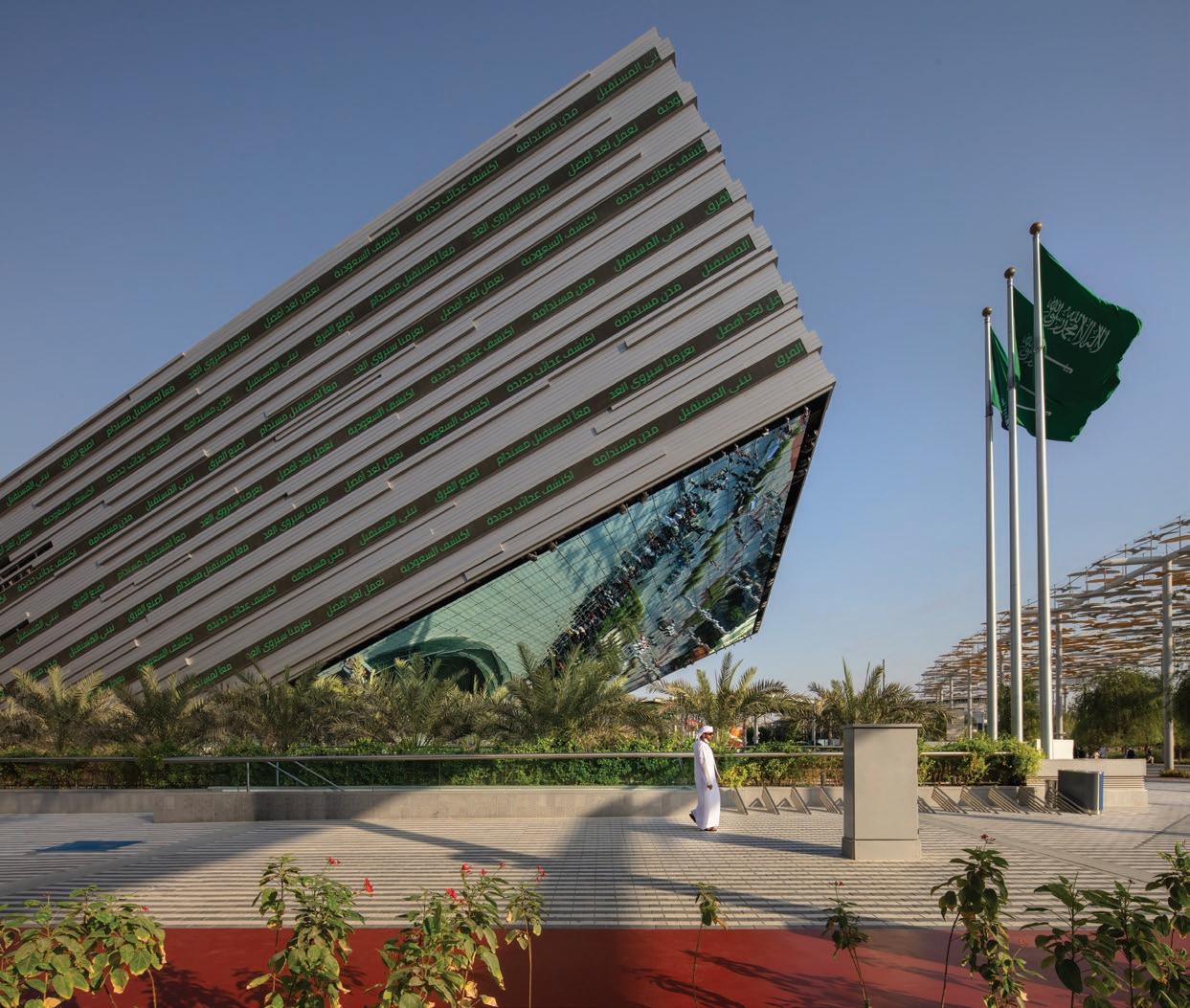
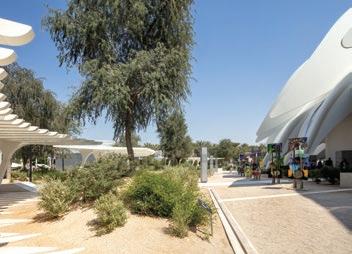
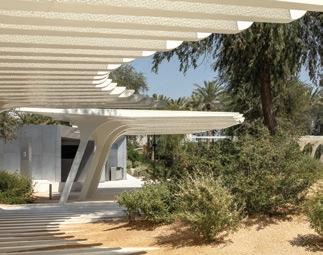
Then: follow photographers you admire not to copy, but to learn. Influence matters. Finally: practice. The hours matter. There’s no shortcut to seeing.
In a time when images are consumed at speed doomscrolled, flicked past, absorbed and forgotten Gerry returns to an older definition of success. He references Henri Cartier-Bresson and the idea that the best image in a gallery is the one that holds you the longest the one that arrests you, retains you, communicates.
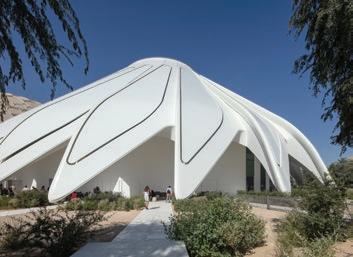
That principle matters to magazines, too. In print, an image has to stop the reader. It has to earn its space. It has to pull or lead someone into the story. Which brings Gerry to another conviction: print still matters.
We live digitally, but we lose photographs digitally too phones change, files disappear, archives are never properly backed up. Meanwhile, printed work has permanence. It has weight. It has a legacy. Gerry
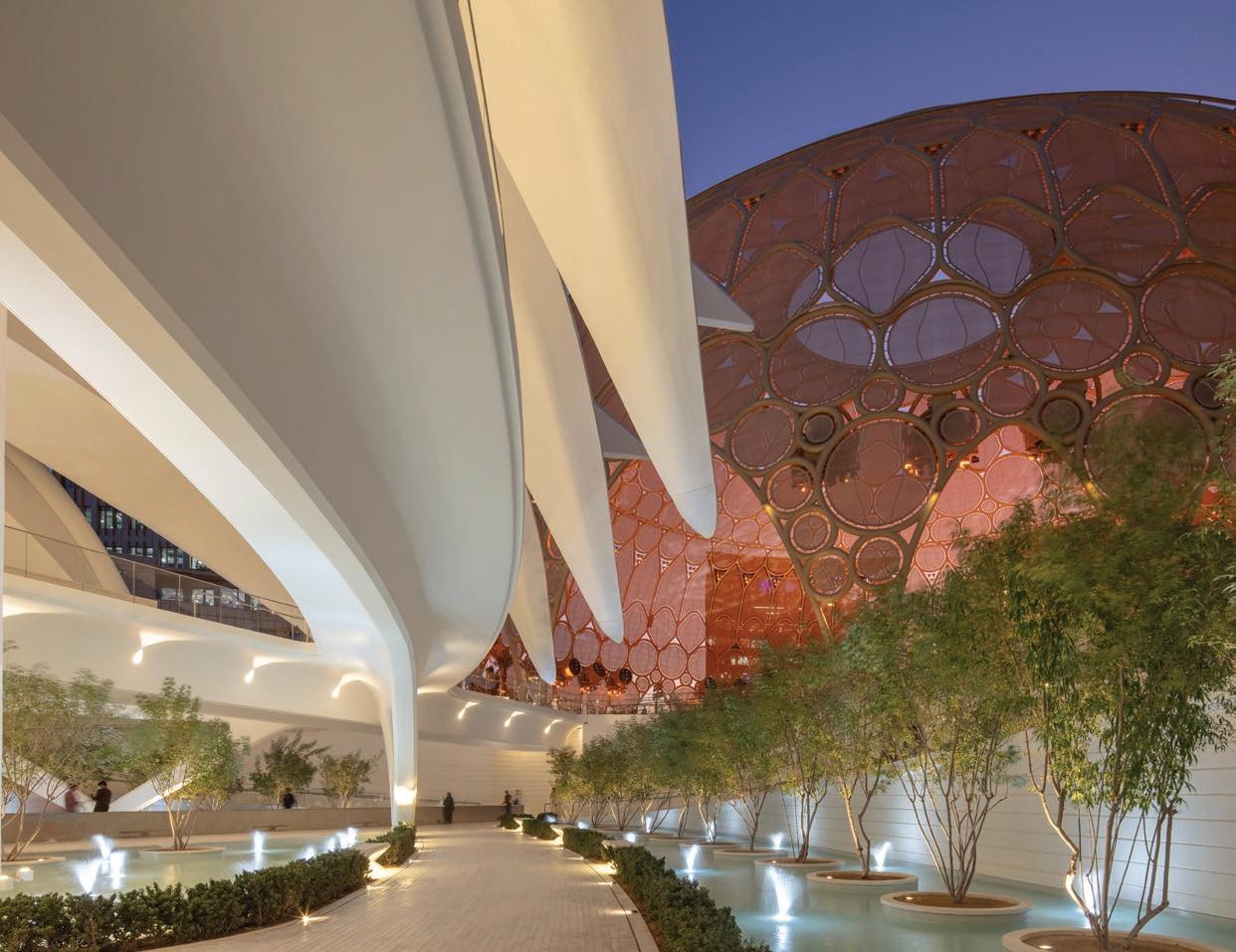
has published books, and he still describes seeing his work in print as a “moment” because print is proof that your work exists beyond the feed.
For firms investing years in design and delivery, this is where his argument becomes strategic, not aesthetic. If a project takes five years to design and five years to build, the most lasting thing you may have at the end is imagery. Photography is not an optional extra. It is a record, a marketing asset, an awards tool, a business development engine. It is, as Gerry puts it, the final touch.
“I’ve often heard it said,” he notes, “the project is not completed until it’s photographed.”
For landscape consultants, architects, developers, and contractors, that idea is worth sitting with. Because the value of your work is not only in what you build it’s in how that work is seen, understood, and remembered.
And in Gerry O’Leary’s world, seeing is never accidental. It’s planned. Composed. Directed. And done with purpose.
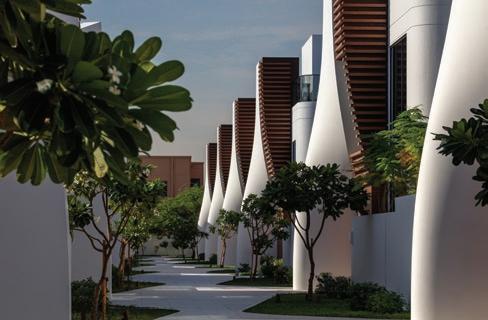
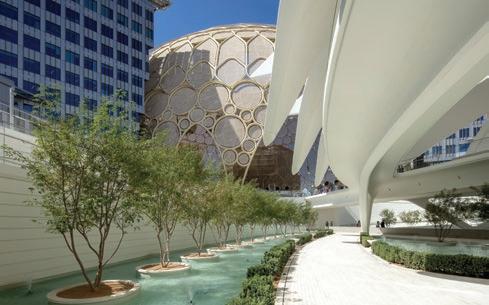


THE ART OF PLACEMAKING
How Place Dynamix Shapes Cities, Communities, and Experiences.
Since its founding in 1996, Place Dynamix has carved a distinct niche in the world of landscape architecture and urban design. What began as a focused urban design practice has grown into a multidisciplinary consultancy offering a broad suite of services from landscape architecture and public realm design to master planning, tourism, wellness, and urban regeneration. Over nearly three decades, the firm has worked on more than 1,500 projects across 45 countries, developing a reputation not only for design excellence but also for its ability to translate philosophy into practice.
For Place Dynamix, the essence of its work lies in one guiding principle: placemaking. Not the shallow kind that reduces to beautification or cosmetic upgrades, but placemaking as a meaningful act of shaping environments that connect with people on emotional, social, and cultural levels. As Design Director Annie Baillie often notes, “Without meaning, what is a place?”
It is a deceptively simple question, but it encapsulates the firm’s ethos every street, park, boulevard, or public square must resonate with the people who use it.
Placemaking as a Mindset, Not a Product.
Place Dynamix does not see placemaking as a checklist item within a project plan. It is, instead, a mindset that
runs from concept to delivery. This means that even before drawings take shape, conversations begin about how people will move, interact, and live within the space. It is about anticipating the texture of everyday life: the shaded walk a parent takes with a child to school, the way a plaza invites neighbors to linger, the instinct to cycle down a green corridor, or the relief of sitting beneath a tree canopy at midday. These small but significant gestures are what turn spaces into places.
This perspective also requires a balance between vision and pragmatism. Place Dynamix prides itself on being a partner that not only imagines but also delivers. Clients repeatedly return to the firm because of its ability to stay grounded embedding cultural identity, sustainability, and long-term usability into design without compromising cost, buildability, or deadlines.
Collaboration as the Foundation.
Another hallmark of Place Dynamix is its collaborative approach. In their view, great places are not designed in isolation. Architects, engineers, city planners, and clients all bring perspectives that must be integrated. This inevitably means debate sometimes even heated discussions about priorities such as space for utilities versus tree planting. But rather than compromise design, these debates sharpen it.
URBAN LANDSCAPE
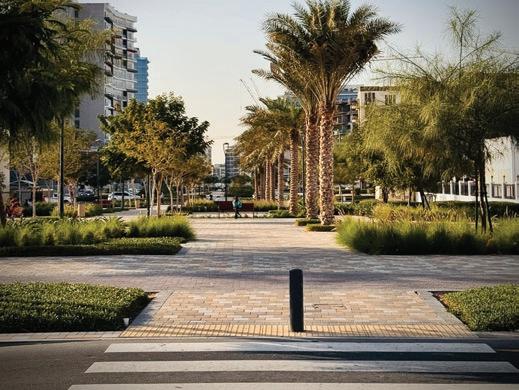
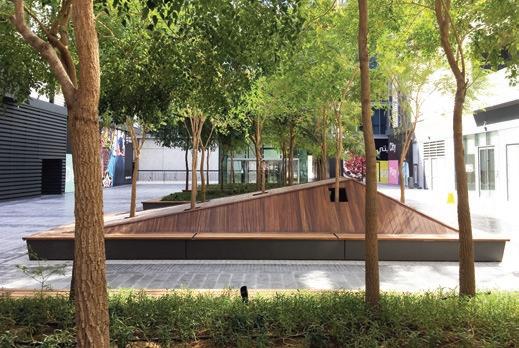
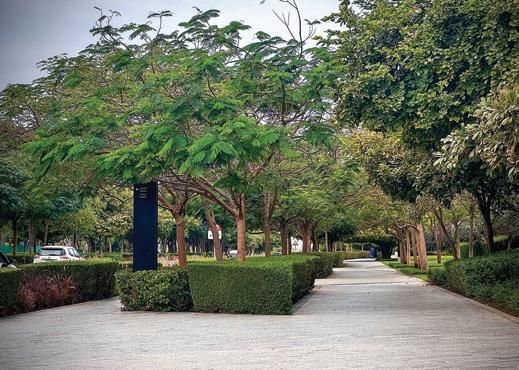
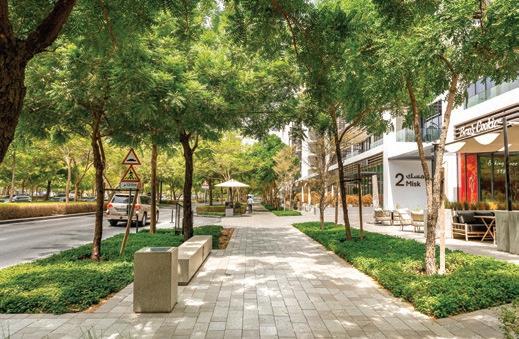
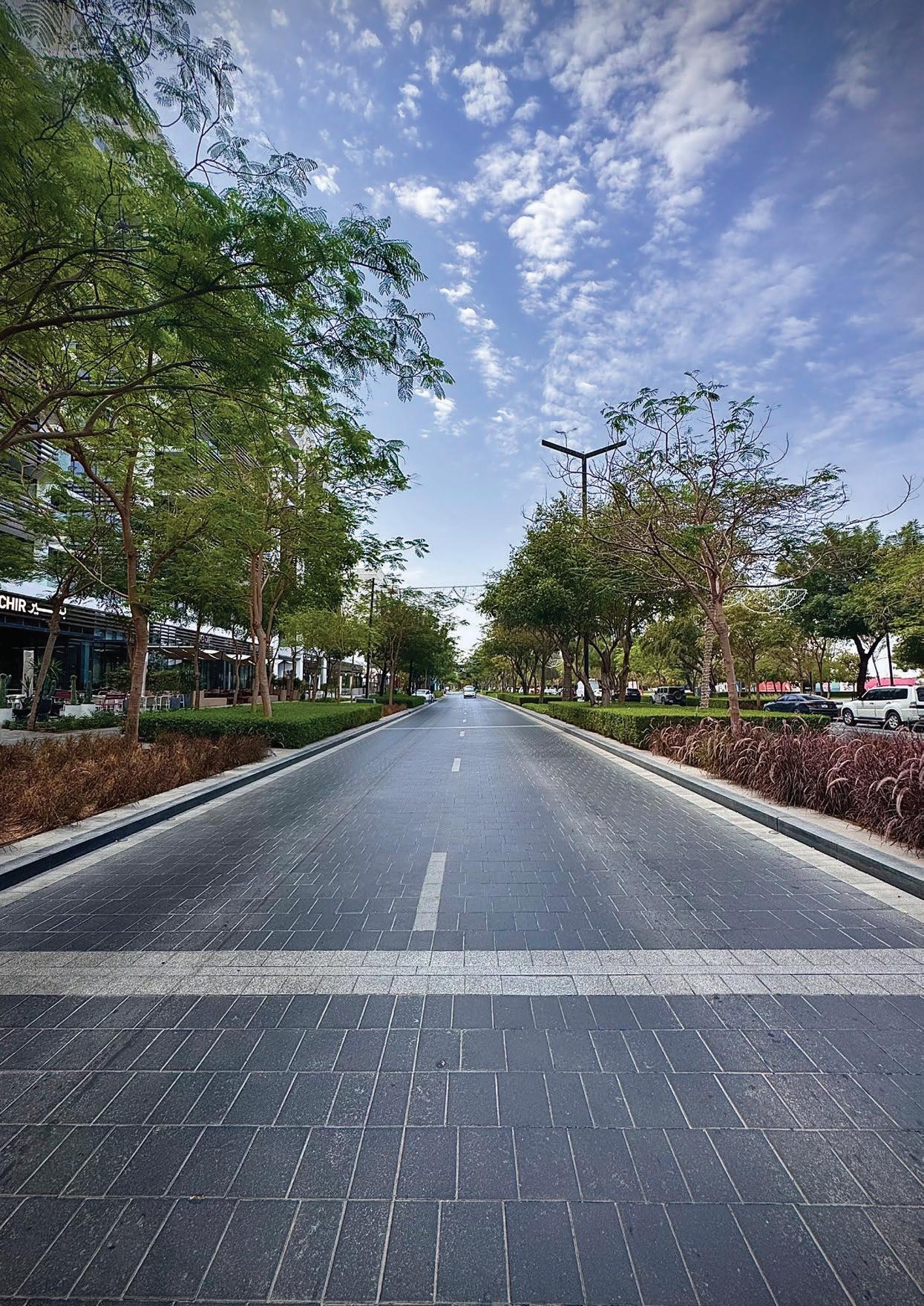
This collaborative spirit is evident in many of their partnerships, from long-standing relationships with global firms like Jacobs, EGIS, Zutari Aurecon, and Woods Bagot Hopkins Architects, to regional developers such as Emaar, Dubai Holding, and Arada. It is also reflected in the firm’s ability to work seamlessly across cultures, navigating expectations in the Middle East, Europe, Asia, and beyond.
Achievements Without Borders.
The scale and diversity of Place Dynamix’s portfolio illustrate the breadth of its contribution.
At Dubai Hills Estate, the firm developed interconnected play areas, green corridors, and community centers while discreetly integrating stormwater management into the open space design. By using open green space as stormwater infrastructure, Dubai Hills regenerates urban land into a dual-purpose system of recreation and resilience. Parks recharge groundwater, soils are designed for infiltration, and planting strategies restore ecological processes.
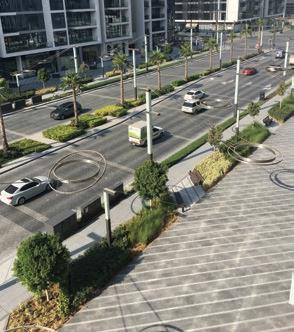
At City Walk, Place Dynamix reimagined the public realm of one of Dubai’s most iconic mixed-use developments, designing streetscapes, linear parks, and public courtyards that created a walkable, high-quality urban environment with a consistent and recognizable design language.
Green Riyadh Al Aziziyah Commnity, covering an expansive area of over 22 sq.km, Al Aziziyah is a transformative project in which Place Dynamix was responsible for the design of more than 150 km of residential streets and primary & secondary roads and 54 new public parks. The Place Dynamix team conducted comprehensive site surveys, engaged with the community, and carried out KPI assessments ensuring the project meets the highest standards of sustainability and livability.
At MiSK City in Riyadh, the design for Wadi C establishes a precedent for future nature-based developments integrating with sports courts, productive landscapes, picnic areas, and ecological integration that respects the natural wadi topography.
In Belgrade, Place Dynamix contributed to the prestigious Belgrade Waterfront by creating a landscape for the sales center and hosting an art gallery, an international commission that underscored the firm’s global reach.
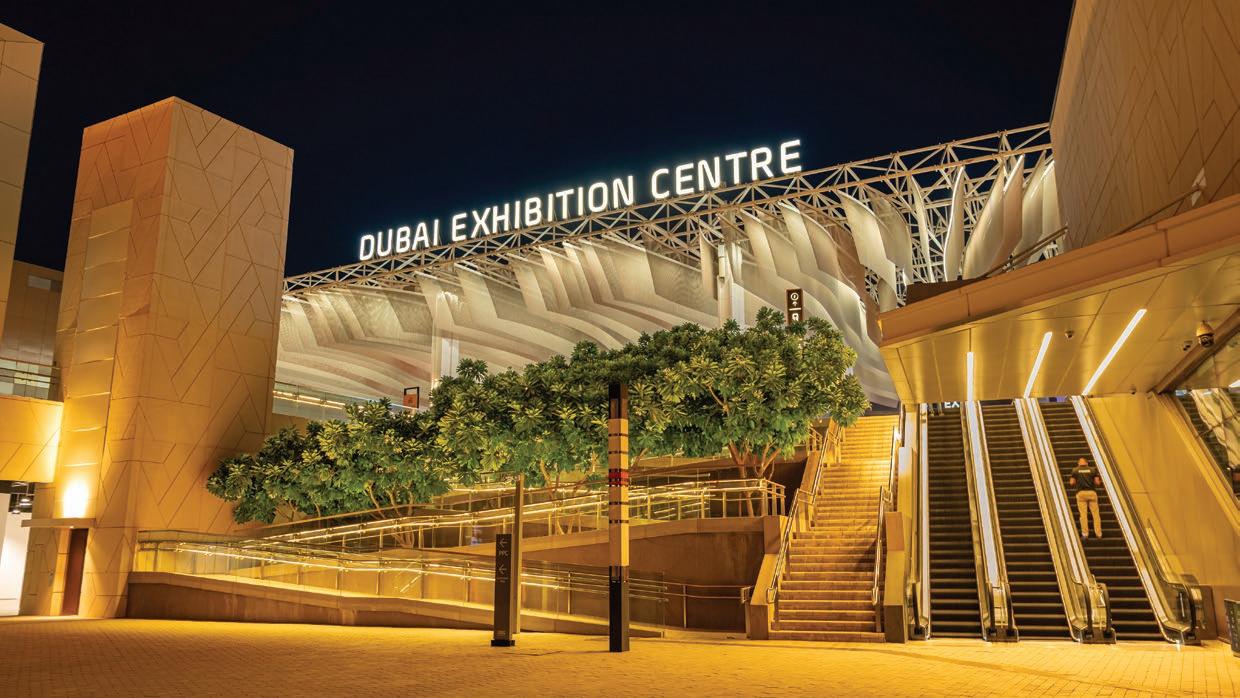
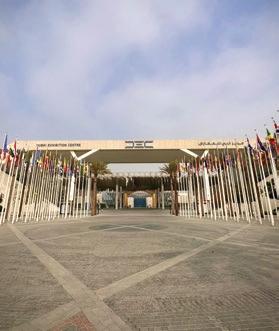
At Expo 2020 Dubai, the firm supported landmark national pavilions including the UAE Pavilion by Santiago Calatrava and the UK Pavilion with artist Es Devlin delivering intricate external spaces that matched the architectural ambition of these cultural statements.
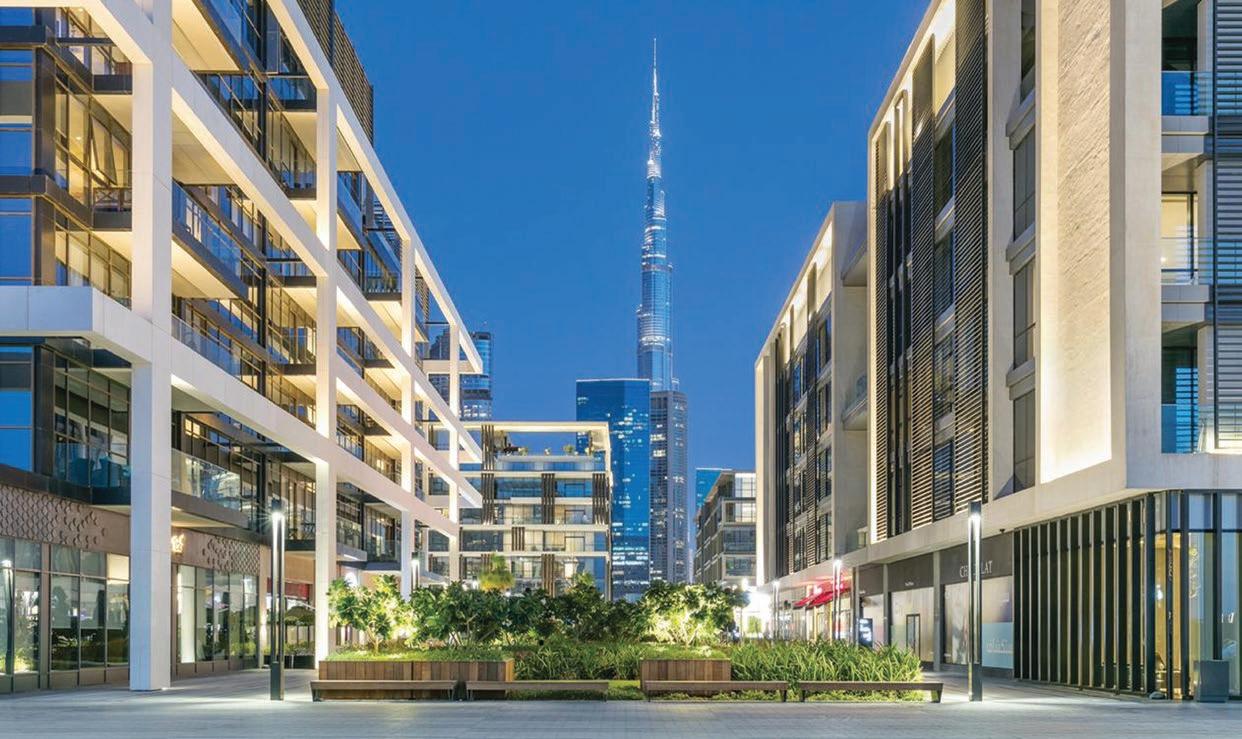
What ties all these projects together is not stylistic repetition but a consistent commitment to peoplefirst design. Each one is approached with the same core question: how can this space foster community, wellbeing, and identity?
Nature as the Common Thread.
For Place Dynamix, nature is not a backdrop, it is a vital ingredient that shapes how people experience place. This philosophy is evident in both grand gestures and small, yet significant, interventions.
In Riyadh, their work under the Green Riyadh Strategy has focused on enhancing livability by weaving vegetation into neighborhoods, designing 54 new parks, and connecting them to community focal points such as mosques and schools. The aim is not just environmental resilience but also the promotion of health, wellbeing, and social interaction.
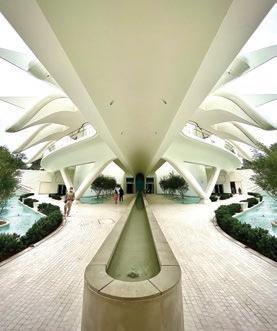
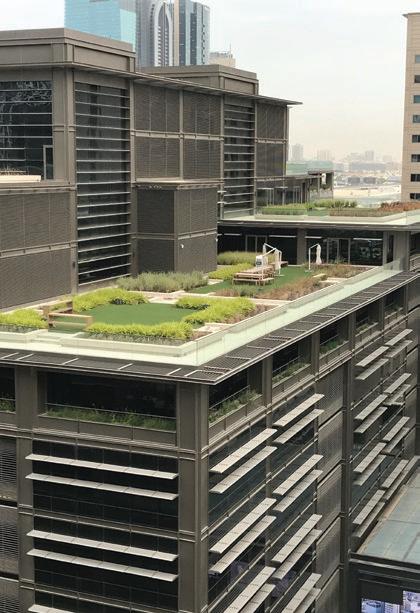
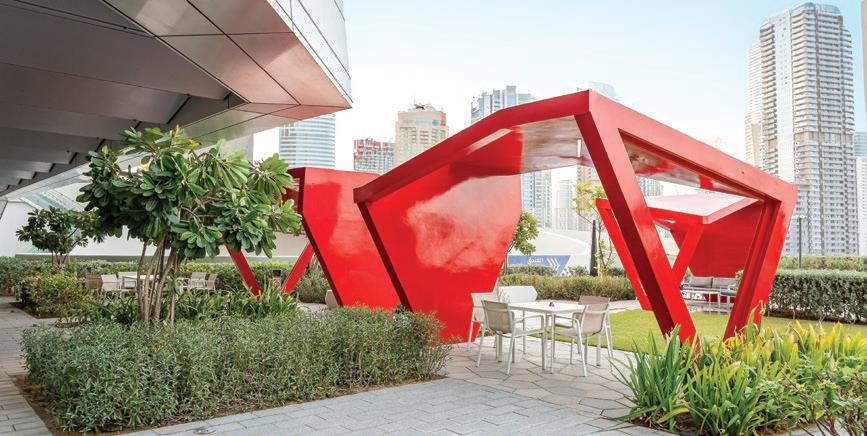
In Dubai, at the Jumeirah Emirates Towers and the DIFC Gate refurbishment, subtle enhancements to planting and street furniture transformed the arrival experience, creating more welcoming environments. These projects show that placemaking does not always require monumental interventions, it can be achieved through thoughtful, human-scaled design choices.
And in Sharjah, their work along University City Boulevard is a model of regeneration, reshaping a car-dominant thoroughfare into a pedestrian-priority public realm with shaded walkways, cycle routes, and improved landscape amenities for thousands of students and faculty who traverse the district daily.
Trusted by Clients, Proven in Delivery.
Across all these examples, Place Dynamix has established a reputation as a reliable partner one that combines creativity with accountability. Their clients
URBAN LANDSCAPE
trust them to interpret ambitious visions and translate them into buildable solutions.
One recurring theme in conversations with the firm is their willingness to take responsibility beyond design. Whether that means advising on long-term maintenance strategies, overseeing tree relocation, or supporting community activation programs, Place Dynamix demonstrates a commitment that extends past project handover.
This sense of stewardship is part of what makes the firm’s work resonate. They see themselves not just as designers, but as custodians of place charged with ensuring that the spaces they shape continue to thrive long after construction is complete.
Aljada: A Showcase of Principles in Practice
While the firm’s portfolio spans continents, the Aljada development in Sharjah remains one of the most vivid demonstrations of its philosophy in action. From preserving and relocating mature ghaf trees, to establishing Shajar, an on-site nursery that evolved into a community engagement hub, to designing tree-lined boulevards that are now central to Sharjah’s social life Aljada is a living case study in placemaking.
It also underscores the collaborative dynamic Place Dynamix cultivates with its clients. Arada’s commitment to prioritizing landscape as an essential element of development created the conditions for innovation. Together, the two teams demonstrated how placemaking can transform a development from a collection of buildings into a true community.
Looking Ahead.
As cities across the Middle East and beyond grapple with questions of resilience, sustainability, and livability, the work of Place Dynamix has never been more relevant. Their track record demonstrates not just an ability to deliver iconic projects, but a consistent philosophy: to design with people at the center, to respect and integrate nature, and to collaborate in a way that elevates every stakeholder’s contribution.
It is a philosophy born of experience but alive to the future. From Expo pavilions that capture global imaginations, to neighborhood parks that quietly transform daily life, Place Dynamix continues to prove that placemaking is both an art and a responsibility, and that when done well, it has the power to shape not just spaces, but societies.
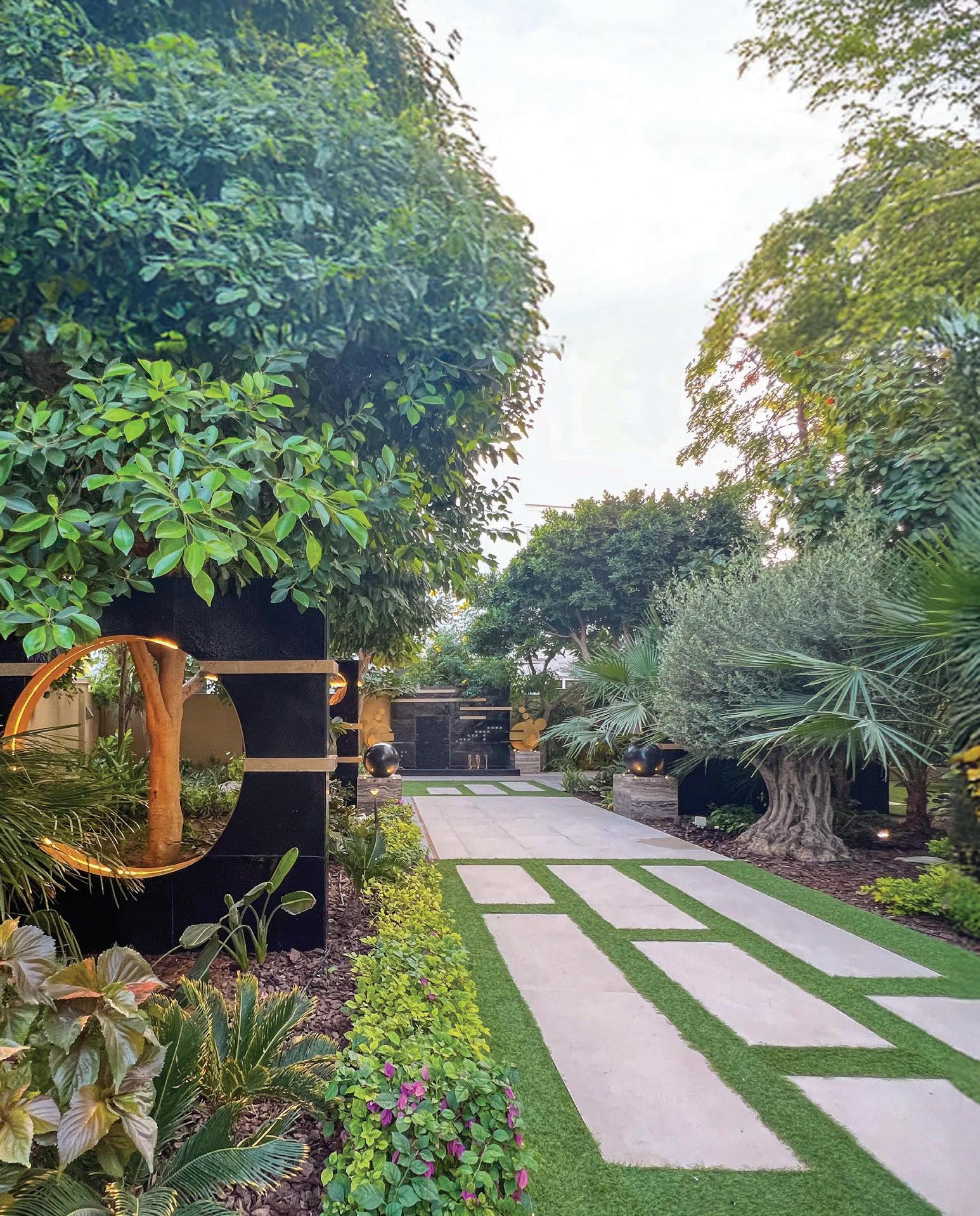
Rethinking Mushrif Park, Ecology, Intervention and the Future of Ghaf Woodland
By Mark Laurence Mushrif Park: an Ecological Viewpoint
Earlier this year, in January 2026, I had the opportunity to visit Mushrif Park for the first time. Despite having travelled to Dubai on numerous occasions, I had never made the deliberate detour eastwards to explore it properly. This time, arriving early in the morning from a cold and rather drizzly UK, I drove straight there from the airport. The contrast was immediate winter sun, soft light, and the muted tones of desert woodland.
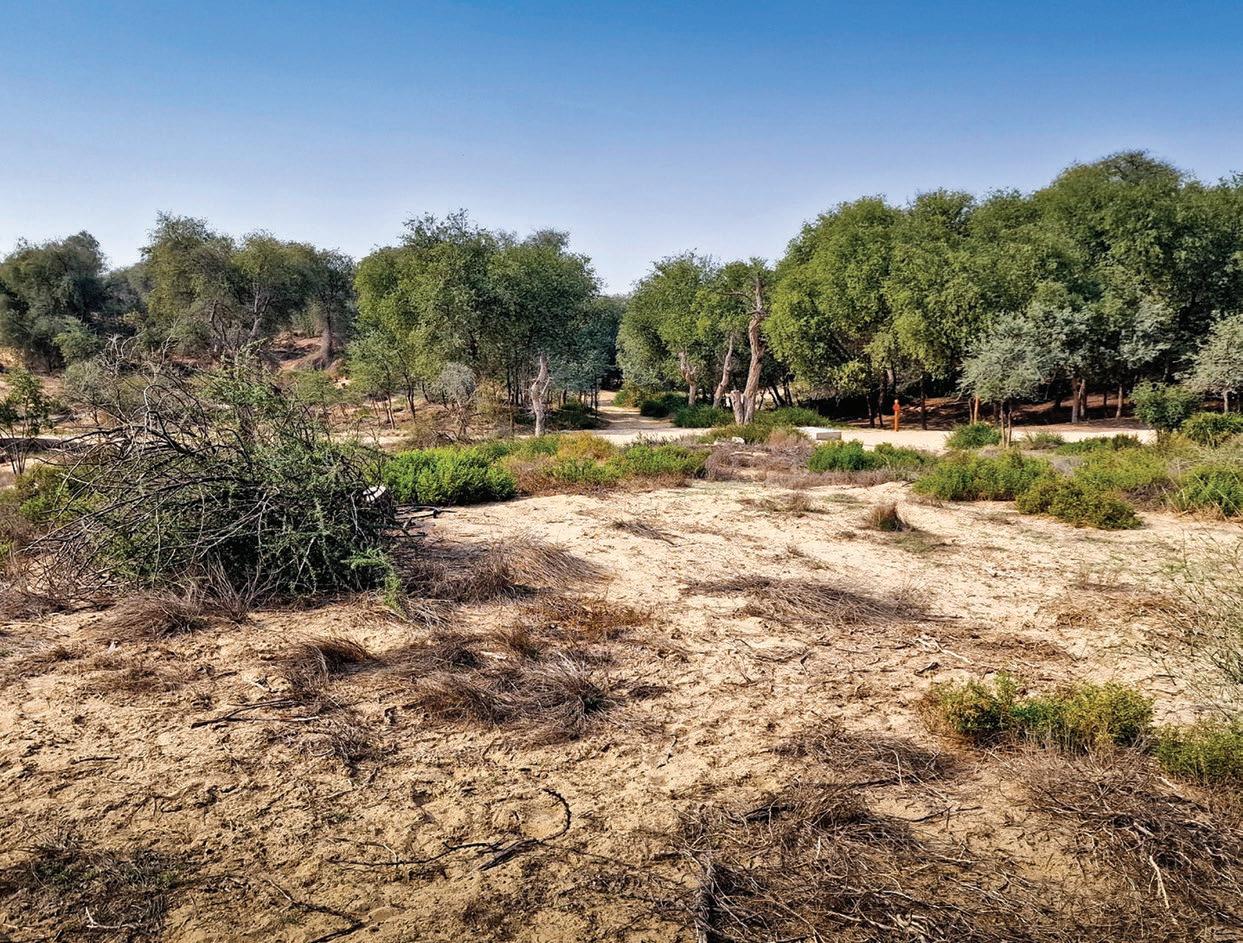
Mushrif Park sometimes referred to as Mushrif National Park was established in 1982 and later expanded. Covering approximately 1,300 acres (5.25 square kilometres) near Al Khawaneej, it occupies a significant tract of land on Dubai’s eastern edge. While it functions administratively as a major municipal park, ecologically it represents something rarer: one of the most extensive accessible remnants of native ghaf woodland in the city.
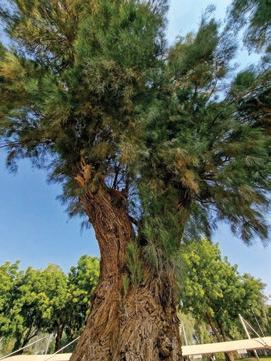
The park is dominated by Prosopis cineraria, the ghaf tree the UAE’s national tree and a legally protected species. Historically, ghaf formed broad woodland corridors across sandy plains. Urbanisation has fragmented much of that habitat, and Mushrif now stands as an important refuge.
What struck me immediately was the scale and maturity of many of the specimens. These are not decorative plantings. Some ghaf display expansive, layered canopies and deeply fissured trunks that speak of age and resilience. Interspersed among them are substantial Tamarix aphylla, along with Ziziphus spina-christi, Vachellia nilotica, and occasional Tamarindus indica.
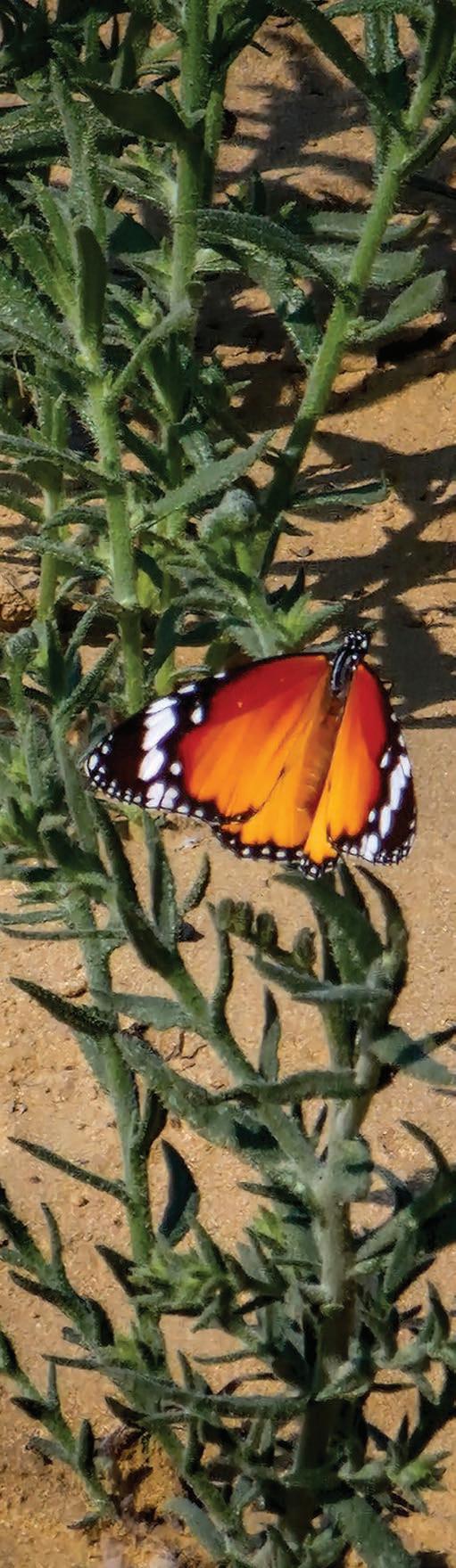
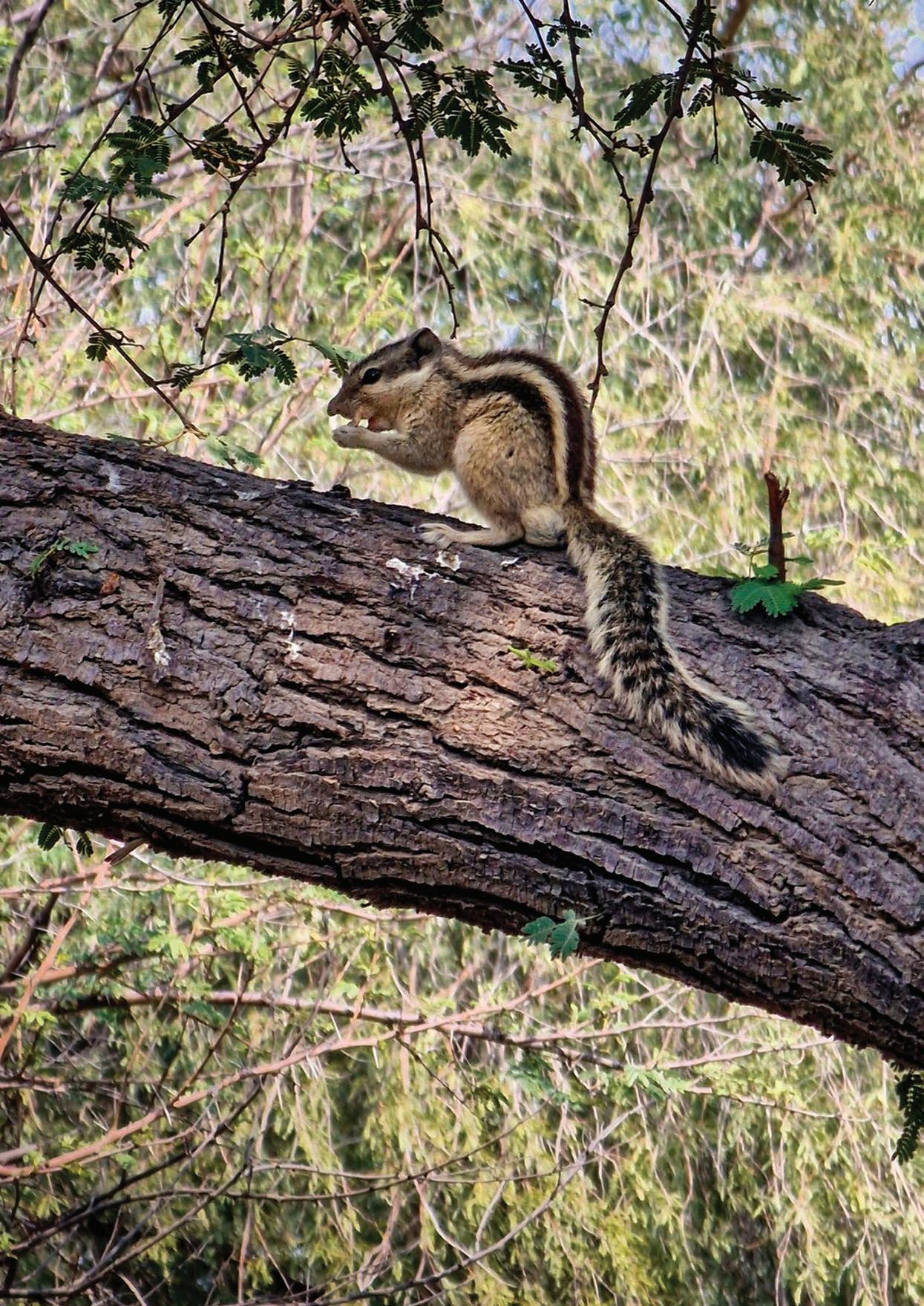
The understorey is equally telling. Species such as Pluchea dioscoridis, Heliotropium bacciferum, Calotropis procera, and Leptadenia pyrotechnica establish a functioning shrub layer. African monarch butterflies moved between flowering heliotrope during my visit, and birdlife was evident throughout the woodland. This is not simply a planted parkland it is an ecological system.
ECOLOGY
Age, Decay and Ecological Value
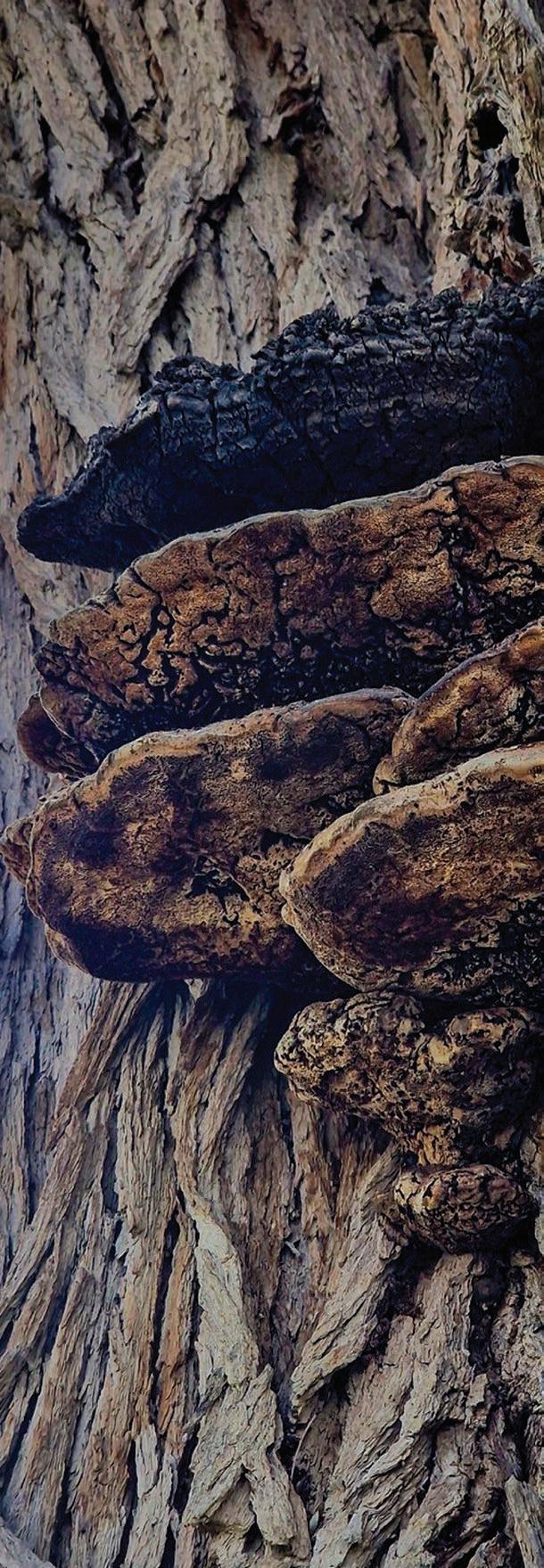
Several mature ghaf exhibited fungal bracket formations at their bases likely senescent forms of Ganoderma. In highly managed urban landscapes, such signs are often treated solely as structural defects. Yet from an ecological perspective, decay is part of a tree’s life cycle.
Standing deadwood and internal hollows provide habitat in environments where biomass is otherwise limited. In arid systems particularly, every stage of tree development establishment, maturity, senescence and decay contributes to biodiversity. Mushrif contains all of these stages, and that layered structure is one of its greatest strengths.
However, the park also reveals the complexities and sometimes contradictions of intervention.
Transplanted Ghaf: Technical Lessons
I had heard about transplanted ghaf trees relocated to Mushrif from development sites, and I was keen to observe their condition. The legal framework in the UAE protects ghaf from being cut down, but legislation alone does not guarantee successful transplantation.
Survival depends on method and timing: adequate root-ball preparation months in advance, retention of sufficient crown for photosynthesis, appropriate seasonal lifting, and well-designed post-planting
irrigation. Large desert trees cannot simply be extracted and replanted without consequence.
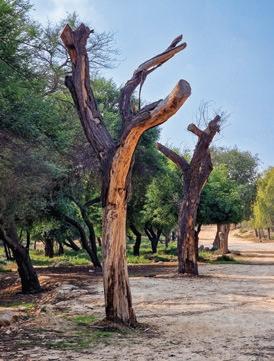
Within certain trail areas, transplanted specimens are visible. Unfortunately, many appear to have failed. Upright trunks stand without canopy, clearly deceased. In most cases, the transplant method appears to have involved minimal root retention and severe crown reduction. Without sufficient feeder roots or photosynthetic capacity, the tree must regenerate roots, branches and leaves simultaneously from stored energy reserves - a near-impossible task in an arid climate.
Irrigation provision also seemed limited, often reduced to a single dripline around the trunk. For large ghaf attempting to re-establish root systems, this is inadequate.
From a purely arboricultural standpoint, many of these trees did not stand a realistic chance.
Regeneration and Unintended Ecology
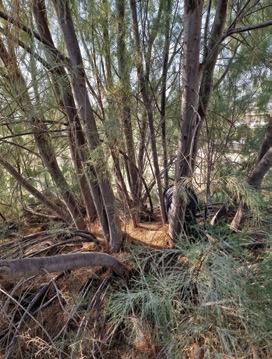
Yet nature, as ever, introduces nuance. In some instances, root systems have responded by producing vigorous basal suckers. Around a dead central trunk, multiple new stems have emerged, forming dense thickets. What began as transplant failure has, in effect, generated structurally diverse habitat clusters. Notably, these are species other than ghaf.
Elsewhere, standing dead trunks now function as vertical deadwood rare in many parks where removal is routine. These decaying structures support insects, fungi, lizards and cavity-nesting birds.
It is a reminder that landscapes operate beyond aesthetic success or failure. Ecological systems reinterpret our interventions in unexpected ways.
Trails and Root-Zone Pressure
Mushrif includes approximately ten kilometres of hiking trails. While public access is important, some sections appear heavily imposed upon the terrain. Paths in places run closely parallel or directly across natural root zones, with compaction visible around mature trees.
In sandy soils, which already have limited structural integrity and moisture retention, compaction restricts oxygen exchange and inhibits fine-root function. Decline in adjacent specimens may well correlate with such disturbance.
Arid woodland ecosystems benefit from subtle guidance rather than assertive reshaping. When trail density becomes excessive, ecological continuity fragments. A lighter management touch would likely enhance both visitor experience and tree longevity.
ECOLOGY
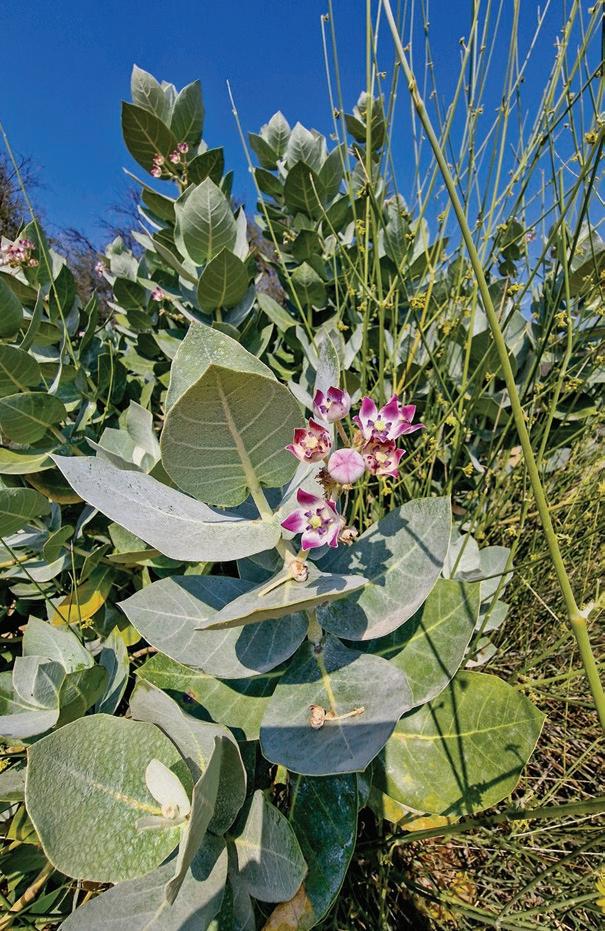
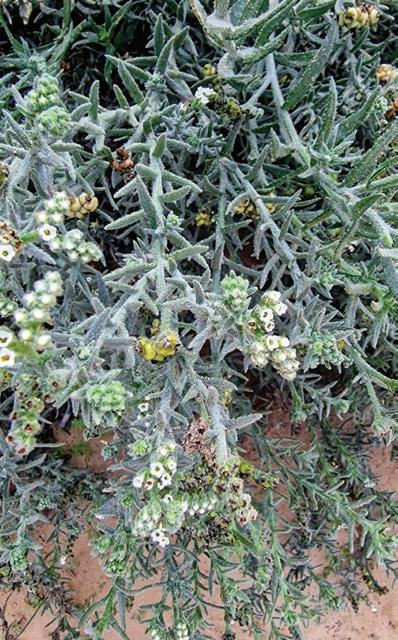
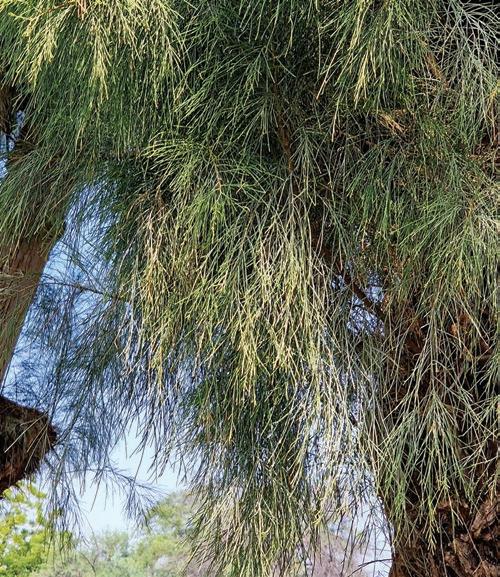
Plantation or Natural Woodland?
At times, Mushrif feels like a managed ghaf plantation layered with civic facilities picnic zones, cycling tracks, adventure attractions and the International Village. Yet its real value lies in the woodland itself.
If management priorities shifted slightly toward ecological function protecting root zones, retaining deadwood strategically, encouraging native understorey expansion, and reducing unnecessary compaction Mushrif could strengthen its identity as a benchmark arid woodland reserve within an urban context.
Dubai has invested heavily in greening initiatives. The next stage of sophistication lies not in planting more trees, but in understanding and managing existing ecosystems with long-term ecological literacy.
A Quiet Counterpoint
For a city renowned for architectural spectacle, Mushrif Park offers something different: continuity and resilience. Mature ghaf woodland, active understorey, regeneration alongside decay these are subtle but powerful indicators of ecological depth.
My first visit confirmed that it remains one of Dubai’s most significant accessible natural landscapes. It is not pristine, nor entirely resolved in its management approach. But it holds extraordinary potential.
With considered refinement, Mushrif Park or Mushrif National Park, as it is sometimes known could evolve from being a large municipal woodland into a leading example of how arid-region cities preserve, interpret and enhance native ecosystems.
And in a rapidly transforming urban environment, that would be a legacy worth cultivating.
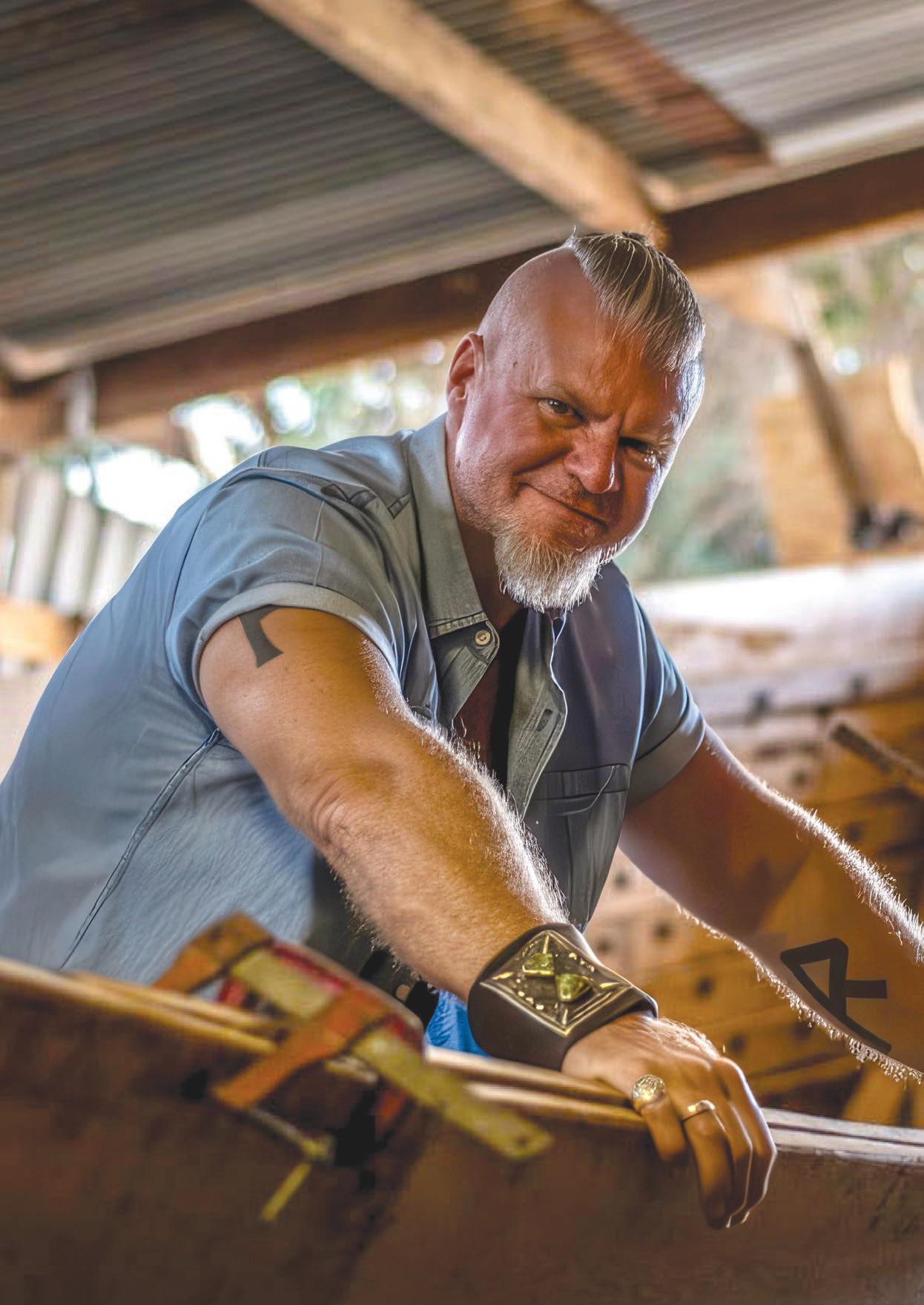
A Conversation with Bjørn Heyerdahl
Systems, Sovereignty, and the Search for Intelligent Life
There are sustainability professionals -and then there are systems thinkers. Bjørn Heyerdahl belongs to the latter.
Now serving as Sustainability Lead at Desert Group in the UAE, he brings more than three decades of experience in systems ecology, regenerative design and complex environmental delivery across multiple continents. But to describe him simply as a sustainability practitioner would miss the point.
His work spans desert game park regeneration, biological water systems, ecological governance frameworks, and contributions to Springer’s Handbook of Ecological Civilisation. He is a member of The Explorers Club in New York, and author of The Midgard Expedition: The Search for Intelligent Life on Earth a title that feels less ironic the more one listens to him speak.
While many discuss sustainability in technical metrics, Heyerdahl speaks of systems maturity, developmental anthropology, stewardship, and the integration of ecology into commercial reality.
What follows is not a conventional corporate interview. It is a conversation about landscape as infrastructure, water as metabolism, and sustainability as a measure of cultural maturity.
You’ve stepped into the role of Sustainability Lead at Desert Group. What does sustainability look like when it moves from theory into the operational realities of large-scale landscape and infrastructure projects in the UAE?
When sustainability becomes real, it becomes biological. It is not a report or a certification; it is landscape functioning as infrastructure. Landscape contextualises everything roads, buildings, public space, activity. If you influence the landscape properly, you influence water cycles, heat loads, soil fertility, biodiversity, and long-term operating costs.
At Sharjah Safari, the engineering proposal was conventional flood management: hardened channels, berms, and culverts designed to quickly evacuate stormwater from the gravel plains.
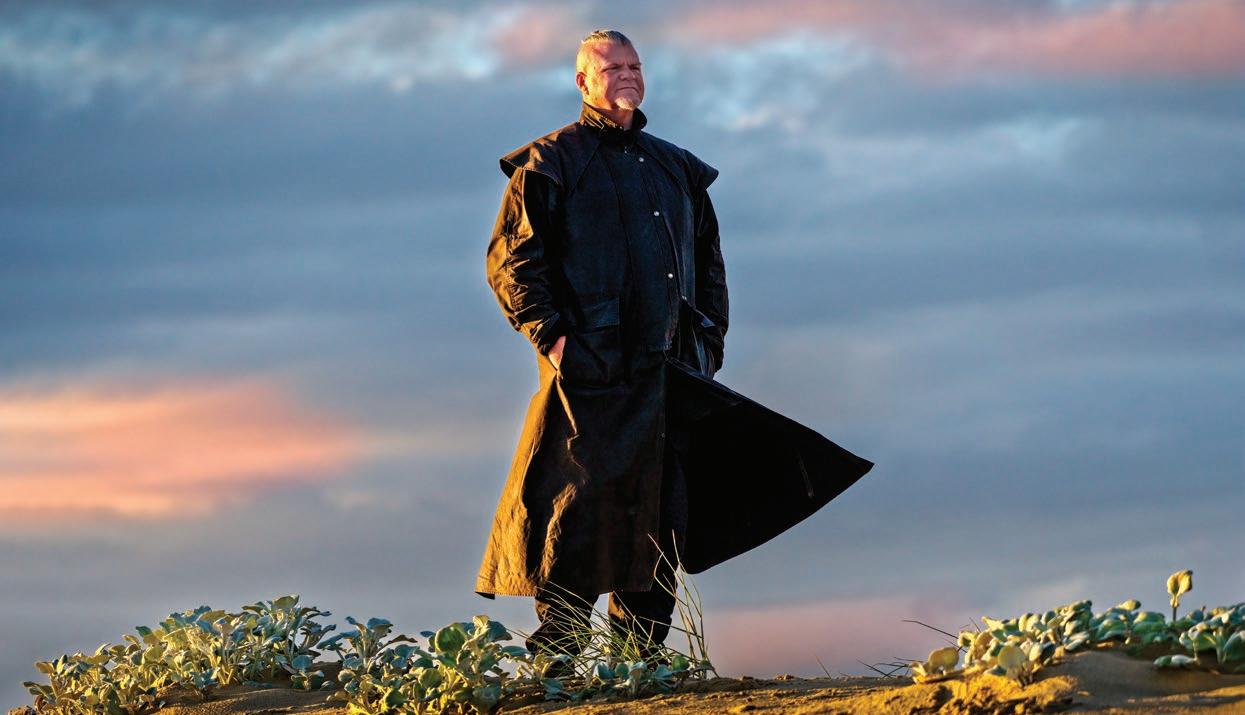
We proposed the opposite.
Instead of resisting episodic floodwater, we accepted it. We built 13.5 kilometres of engineered swales designed to slow velocity, increase infiltration rates, and distribute mineral load across the landscape. Those swales were carefully graded to capture peak storm events while preventing erosive scouring. We used soil profiling to optimise percolation and reduce surface runoff.
Rather than treating water as a threat, we treated it as fertility. We integrated constructed wetlands and reed-bed systems to biologically process lower-quality source water. These systems perform sediment capture, nutrient cycling, and natural filtration without relying on energy-intensive mechanical treatment plants. Thermal moderation was achieved through vegetated microclimates and evaporative buffering within habitat zones.
Engineers were understandably cautious. Flood modelling in this region tends to default to hard defence systems because they are predictable on paper. But seven years later, performance is measurable.
The Safari now supports approximately 50,000 animals — from aquatic species to megafauna. The hydrology works, soil fertility has improved through controlled mineral deposition, habitat resilience has increased, and operational energy requirements have fallen compared to mechanical alternatives. Operational energy requirements for water processing were significantly reduced compared to mechanical alternatives.
Importantly, this was not a confrontation with engineering. It was integration. We co-authored drawings. We worked alongside Jacobs and other consultants. Sustainability must dissolve silos, not replace them.
Why Does the Industry Still Default to Mechanical Systems? If biological systems can perform at scale, why do consulting
teams continue to default to mechanical solutions?
There are structural reasons.
First, risk culture. Mechanical systems are familiar. If a culvert fails, there is precedent. If a new ecological system underperforms, accountability feels personal.
Second, siloed delivery models. Engineers operate in one vertical, architects in another. Landscape is too often brought in at the end to “dress” a project rather than shape it from inception.
Third, commercial dynamics. Large consulting firms operate on fee structures built around conventional systems. Introducing alternative approaches can feel like economic displacement.
But biological systems are not unpredictable. They simply operate on ecological timelines. A constructed wetland requires establishment time. Soil building requires seasons. But once mature, these systems often outperform mechanical equivalents in resilience and lifecycle cost.
Demonstration builds confidence, and Sharjah was one such example. The region now faces increasing pressure from rising groundwater tables, coastal intrusion, and high energy costs associated with dewatering. These pressures will naturally drive reconsideration of mechanised dependence.
The question is not whether ecological systems work. It is whether we are willing to lead early enough in the design process to integrate them properly.
Water Scarcity — Or Water Mismanagement? The Gulf is often described as water-scarce, yet we are seeing more intense rainfall events, rising groundwater, and coastal pressure. How should we understand this?
It is fundamentally a water management challenge.
In cities like Dubai, you simultaneously experience water deficit and water excess. Groundwater is rising in certain districts. Dewatering
during construction is common. At the same time, episodic storm events overwhelm hardened surfaces. Hardening more surfaces and accelerating runoff increases vulnerability.
Permeable landscapes, distributed retention basins, vegetated corridors, and coastal ecological buffers provide more adaptive responses. We are currently developing proposals for mangrove restoration and the establishment of coastal wetlands in the region. Mangroves buffer storm surge, sequester carbon, moderate temperature, support fisheries, and stabilise shorelines without chemical inputs or heavy mechanical intervention.
If you study the planet’s research and development over billions of years, you see a pattern: systems adapt by integrating energy, not resisting it.
Flooding becomes fertility. Volcanic eruption becomes new land. Nature does not waste a crisis.
The opportunity in this region is to move from defensive engineering toward integrative landscape metabolism.
Your work engages Spiral Dynamics and developmental anthropology. How does that inform practical sustainability delivery?
Policy and design fail when they ignore human development. Spiral Dynamics examines how individuals and cultures evolve through stages of consciousness from survival-based thinking to tribal identity, to rational modernity, to pluralistic awareness, and beyond.
Each stage sees reality differently.
Many sustainability movements collapse because they assume universal alignment. They speak from moral conviction without understanding cultural context. That creates resistance.
When working in mangrove restoration with tribal communities, or engaging government policy, you must understand how people experience the world. Sustainability imposed at the wrong developmental stage becomes ideological rather than integrative.Technical optimisation without psychological integration produces fragile systems.
True systems thinking integrates ecological science, social psychology, economic viability and cultural maturity. Without that, we build white elephants impressive on paper, rejected in practice.
What kind of leadership does the next decade require in sustainability and landscape practice?
Landscape and ecological services must move upstream in project delivery; we cannot wait to be invited at the end of the design cycle. We need stronger leadership.
We must engage directly with urban planners, decision-makers, and clients from the outset.
There are strong voices advocating mechanised certainty. Bemoaning that will not change it. We must be equally articulate, equally confident, and grounded in demonstration.
The Gulf is evolving rapidly. Rising groundwater levels, coastal vulnerability, and energy costs will force a systemic reconsideration. The opportunity is here.
Leadership requires courage the willingness to step forward early and shape the conversation.
What becomes evident in conversation with Bjørn Heyerdahl is that he is not performing sustainability; he is living it. This is not the voice of detached academia, nor the language of fashionable environmentalism, but of someone whose philosophy is grounded in physical practice and long-term consequence.
He is a man deeply connected to the planet he speaks about not in slogan, but in structure.
In South Africa, he lives beside a pristine river system where water is harvested, food is grown, and ecological consequence is immediate. Systems are not abstract diagrams but daily realities. You know where your milk comes from. You know the land. You understand return.
He is passionate about the outdoors, camping under open skies and spending evenings beside a crackling fire with his children. With seven children spanning generations, he is continually reminded that growth is never linear; it unfolds in stages, shaped by context, patience and experience. That intimate understanding of development observed not in theory but in family life informs the way he speaks about policy, culture and sustainability at scale.
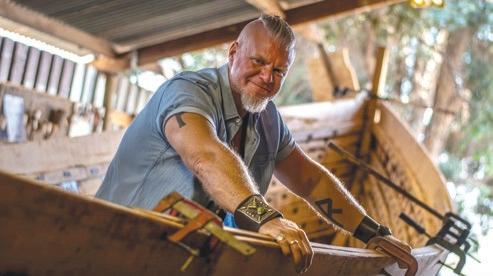
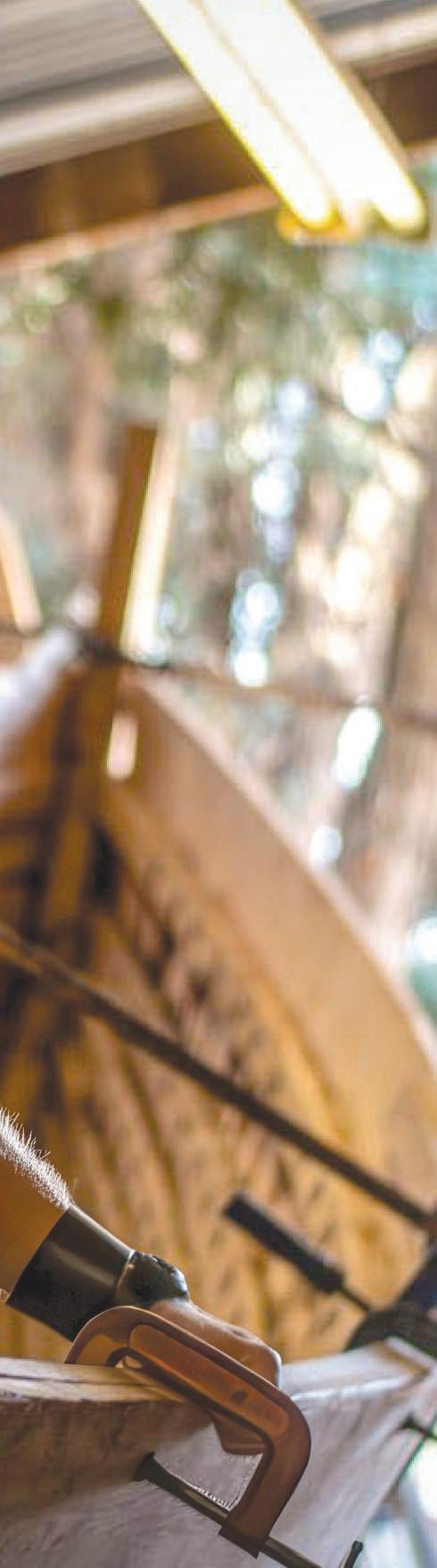
His Viking heritage is not theatre. He built an authentic Viking vessel from sustainably harvested oak, planted a hundred acorns in return, and sailed it around the Cape of Storms as a demonstration of regenerative thinking. He continues to practise broadsword not as novelty but as discipline. Fitness, strength and endurance are not aesthetic pursuits; they reflect coherence between mind, body and environment.
There is nothing abstract about his worldview; it is embodied, tested by weather, water and time and that coherence matters.
At Desert Group, his role is not to produce reports from the margins of delivery but to influence projects at scale to move ecological systems upstream in the design process, to integrate biological intelligence into commercial landscape infrastructure, and to demonstrate that resilience can be engineered through living systems.
In a region urbanising at extraordinary speed, where mechanical certainty often overrides ecological intuition, that leadership carries weight. Heyerdahl does not speak of saving the planet; he speaks of maturity, of sovereignty, of growing up as an industry and as a culture. Perhaps that is the real search for intelligent life not somewhere else, but here, in how we build, how we lead, and how we choose to live.
WHERE Nature Meets
DESIGN & ENGINEERING
WHERE Nature Meets DESIGN & ENGINEERING
Crafting water features, landscapes, and environments that combine creative vision with construction precision.
Crafting water features, landscapes, and environments that combine creative vision with construction precision.
GLS Landscaping Contracting brings together decades of collective experience across landscape construction, engineering, and project delivery. Combining design vision with construction excellence, GLS delivers water features, landscapes, and infrastructure projects built to last and designed to inspire.
GLS Landscaping Contracting brings together decades of collective experience across landscape construction, engineering, and project delivery. Combining design vision with construction excellence, GLS delivers water features, landscapes, and infrastructure projects built to last and designed to inspire.
From man-made lakes and waterways to complete landscape developments and irrigation systems, every project reflects a commitment to balance — between function and beauty, precision and creativity, sustainability and performance.
From man-made lakes and waterways to complete landscape developments and irrigation systems, every project reflects a commitment to balance — between function and beauty, precision and creativity, sustainability and performance.
Guided by a multidisciplinary team of landscape architects, engineers, and construction professionals, GLS transforms natural spaces into places that connect people with their surroundings.
Guided by a multidisciplinary team of landscape architects, engineers, and construction professionals, GLS transforms natural spaces into places that connect people with their surroundings.
Whether enhancing residential communities, resorts, or public destinations, GLS creates living environments that endure and enrich the landscape around them.
Whether enhancing residential communities, resorts, or public destinations, GLS creates living environments that endure and enrich the landscape around them.
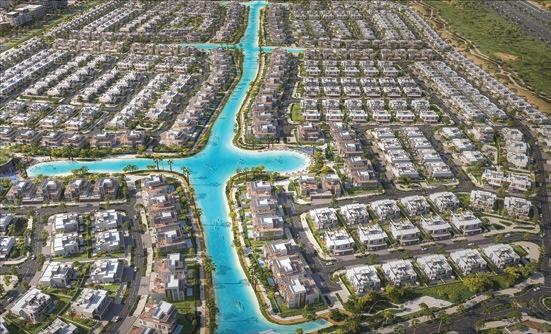









Quiet Precision A Contemporary Villa Landscape in Jumeirah
By Plenerr
In Jumeirah, where some of Dubai’s most refined residential architecture meets a dense and increasingly valuable urban fabric, landscape design is less about spectacle and more about control. Space is precious, privacy is critical, and every intervention must justify its presence. For this high-end private villa, Plenerr was commissioned to create a landscape that would feel composed rather than decorated, intentional rather than expressive, and deeply aligned with the architecture it supports.
The result is a restrained yet highly resolved outdoor environment where materiality, planting, and spatial sequencing work together to produce calm. There are no overt gestures. Instead, the project relies on precision, proportion, and an understanding of how people move through and inhabit space.
Establishing Arrival
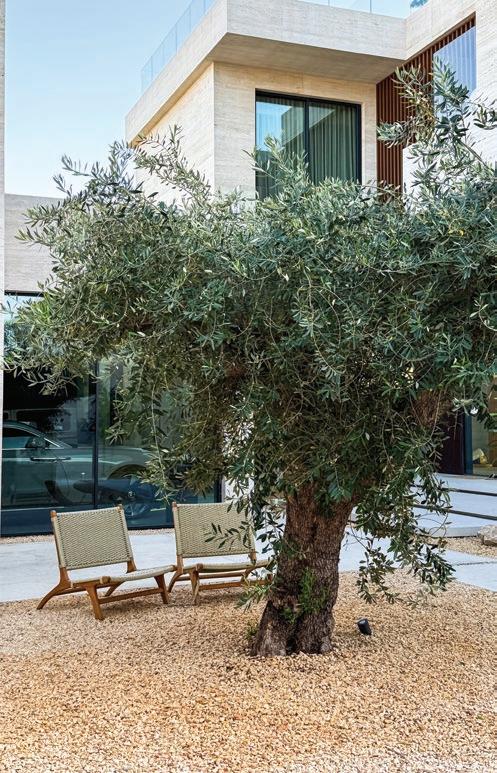
The experience begins at the entry sequence, which has been deliberately reduced to its essential components. A single feature olive tree anchors the arrival court, positioned within a field of warm-toned gravel. Rather than treating planting as a backdrop, the tree becomes an object in space, framed by architecture and ground plane alike.
The olive was selected not only for its sculptural form but for its cultural resonance and longevity. Its gnarled trunk and fine foliage provide contrast against the crisp lines of the villa, while the gravel surface allows light to wash across the ground, subtly animating the space throughout the day. There is no lawn, no excess planting, and no visual noise. The arrival feels quiet, confident, and resolved.
Ground Plane as Architecture
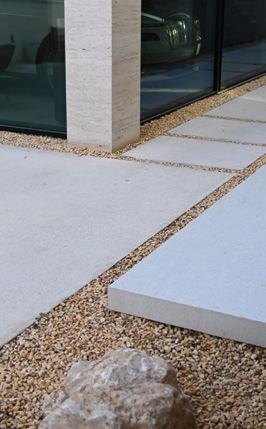
One of the defining elements of the project is the treatment of the ground plane. Cast in situ concrete walkways form the primary circulation routes around the villa, designed as architectural elements rather than secondary landscape finishes. Their thickness, surface texture, and alignment were carefully coordinated with the building structure, ensuring visual continuity between inside and out.
These walkways are not laid continuously. Instead, they are staggered and offset, particularly along the side passages of the villa. This subtle articulation slows movement, introduces rhythm, and avoids the monotony often associated with linear service corridors. Each step becomes measured, reinforcing the sense of deliberate progression through the site.
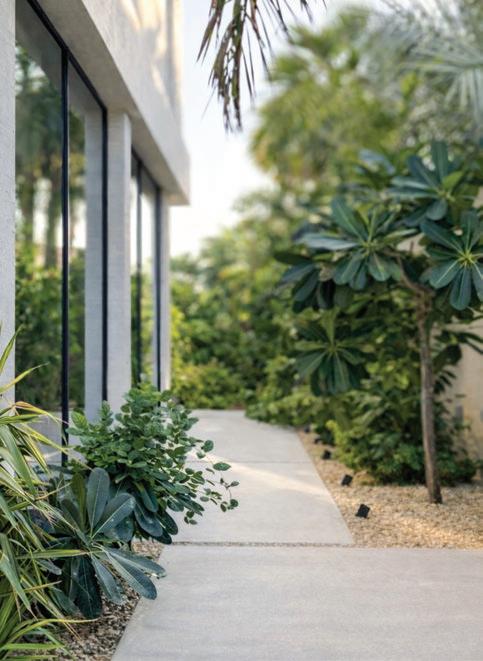
Side Walkway Detail
Staggered cast in situ concrete walkways along the side of the villa introduce rhythm and depth while maintaining material continuity.
Planting and Light
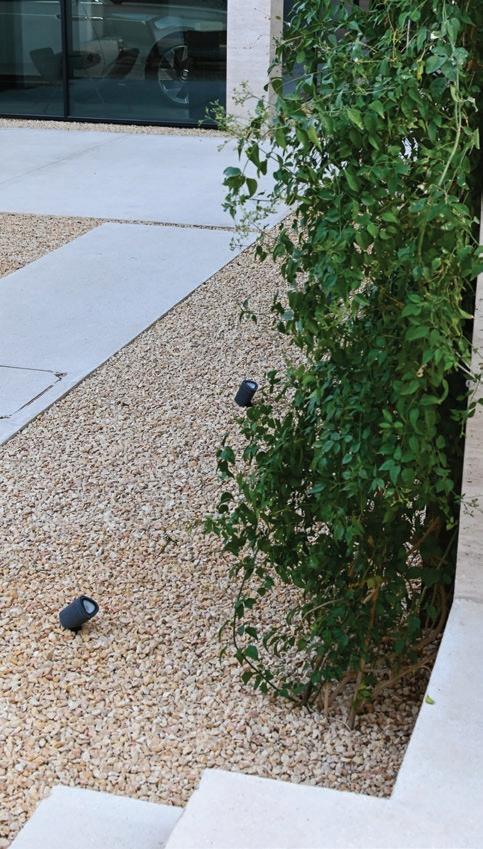
Discreet planting and low-level lighting enhance the garden’s atmosphere without disrupting its minimal language.
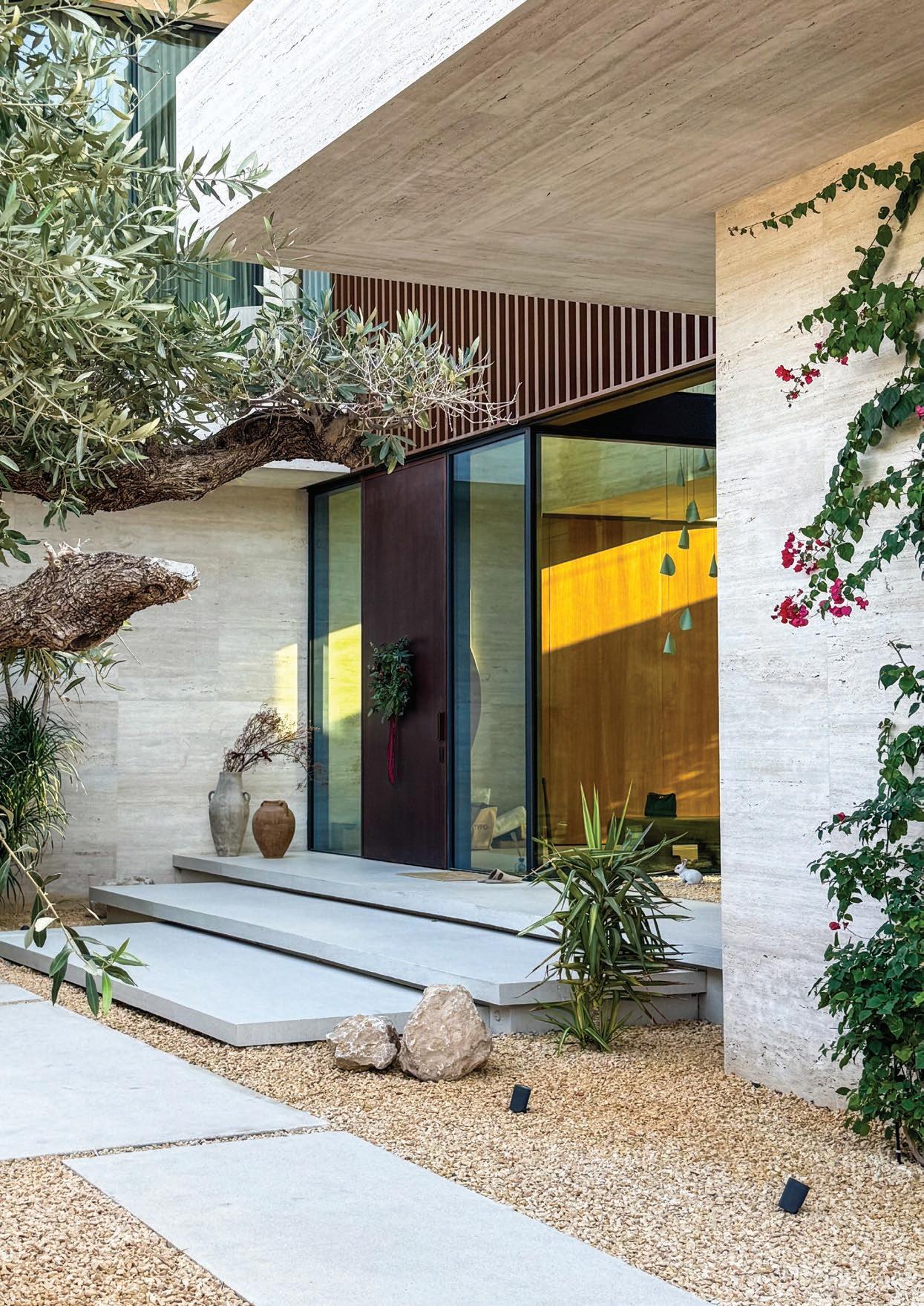
Entry Sequence and Olive Tree
The villa entry is articulated through staggered cast in situ concrete steps set within gravel, framed by a sculptural olive tree and restrained planting that establishes a calm and deliberate arrival experience.
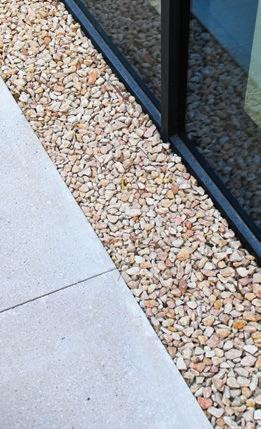
Between the concrete slabs and the building edge, Plenerr introduced clean gravel terminations. These junctions are crisp and uncompromising, allowing the architecture to breathe while preventing planting from encroaching on façades. The gravel acts as both a visual buffer and a functional drainage layer, reinforcing the project’s emphasis on long-term performance.
A Controlled Planting Strategy
Planting across the site follows a principle of restraint. Rather than layering dense vegetation throughout, Plenerr concentrated planting where it adds spatial value: screening, framing, and softening edges.
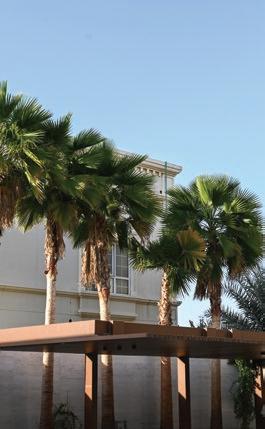
Palms of varying heights have been strategically positioned along the site boundaries, particularly adjacent to neighboring plots. The variation in trunk height and canopy elevation creates a porous visual screen, allowing light and airflow while maintaining privacy. This approach avoids the heaviness of continuous hedging and gives the landscape a more relaxed, natural cadence.
Elsewhere, planting is sparse and intentional. Species are selected for form and texture rather than color, allowing greenery to read as a material rather than decoration. Shrubs and groundcovers are used to anchor architectural elements, not to fill space for its own sake.
Living Spaces Outdoors
The rear garden is conceived as an extension of the villa’s interior living spaces. Here, the landscape opens up, yet maintains the same disciplined language established at the entry.
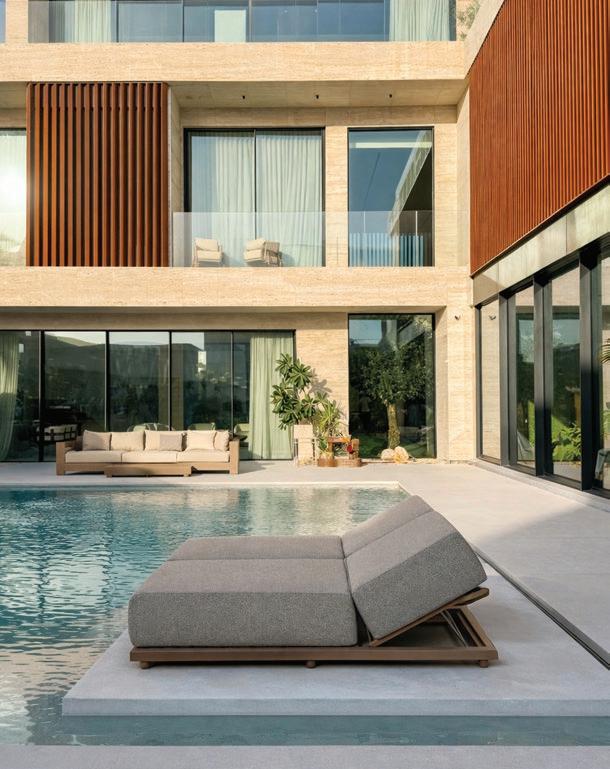
A minimalist swimming pool forms the focal point of the outdoor area. Its geometry is clean and unembellished, allowing water to act as a reflective surface rather than a feature in itself. The pool edges align precisely with surrounding hardscape, reinforcing the project’s architectural clarity.
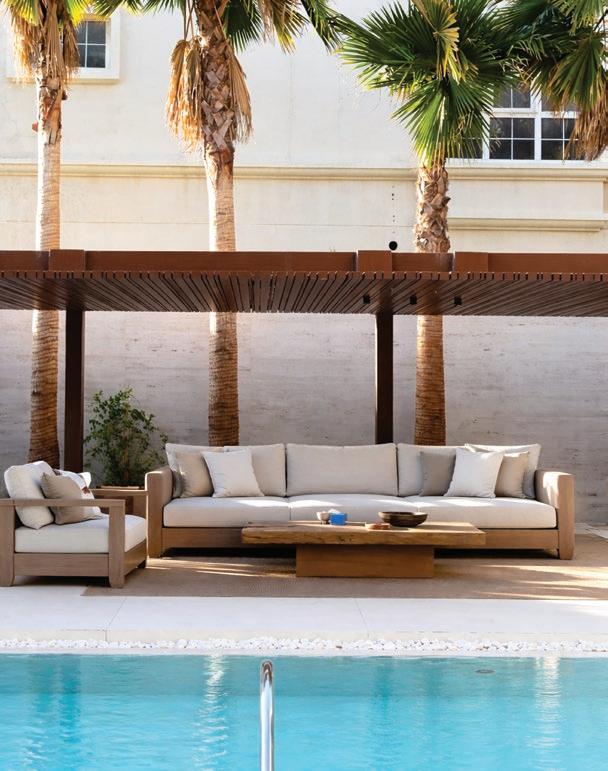
Adjacent to the pool, a pergola provides shade and structure without visual heaviness. Its proportions are carefully calibrated to offer relief from the sun while maintaining openness to the garden and sky. The pergola does not dominate the space. Instead, it frames it, allowing planting and water to remain the primary visual elements.
Privacy Through Composition
In a neighborhood as tightly woven as Jumeirah, privacy is not achieved through enclosure alone. Instead, it is managed through composition. Plenerr’s strategy relies on depth, offset, and selective screening rather than walls or dense planting.
The palms positioned around the pool terrace are intentionally staggered, creating layers of visual separation without fully closing off views. From within the garden, the neighboring plots dissolve into filtered greenery. From outside, the villa landscape rads as composed and discreet.
This approach allows the garden to feel open and generous, despite its urban context. It is a reminder that privacy in high-density residential environments is often best achieved through design intelligence rather than defensive measures.
Pergola and Pool Relationship
A minimalist pergola frames the pool terrace, offering shade without visual heaviness.
Entry Olive Tree
The arrival sequence is anchored by a carefully positioned olive tree set within gravel, establishing a composed and understated first impression.
Material Consistency
Material selection throughout the project is deliberately narrow. Cast concrete, gravel, natural stone, timber accents, and planting form a limited palette that is repeated across the site. This consistency strengthens the overall identity of the landscape and avoids the fragmentation that can occur when too many finishes are introduced.
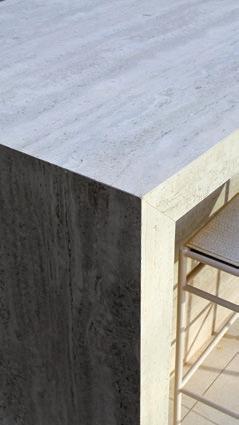
The BBQ counter exemplifies this approach. Designed as a sleek, monolithic element, it reads as part of the architecture rather than a standalone feature. Its clean lines and muted tones allow it to sit comfortably within the garden, supporting social use without becoming visually dominant.
Lighting is similarly restrained. Fixtures are minimal and discreet, integrated into the gravel beds and planting zones to provide lowlevel illumination without disrupting the nighttime character of the space.
A Landscape of Intent
What defines this project is not any single feature, but the clarity of intent that runs through every decision. There are no redundant gestures, no ornamental distractions, and no unnecessary complexity. Each element serves a purpose, whether spatial, functional, or atmospheric.
The landscape does not compete with the villa. It supports it. It frames views, moderates climate, and provides moments of pause within a fast-moving city. It is a landscape designed to be lived with, not admired from a distance.
Conclusion
In this Jumeirah villa, Plenerr demonstrates how contemporary residential landscapes in the Middle East are evolving. Luxury is no longer defined by abundance or visual excess, but by precision, restraint, and longevity.
Through careful positioning of trees, disciplined use of materials, and an architectural approach to ground plane and circulation, the project delivers a garden that feels both timeless and deeply rooted in its context. It is a landscape that does not announce itself loudly, but one that reveals its quality over time.
For Plenerr, this project reinforces a core belief: that the most successful landscapes are those where nothing feels accidental, and where every detail contributes quietly to the whole.
Villa Pool and Terrace
A minimalist swimming pool and terrace form the heart of the garden, where clean geometry and restrained planting create a calm outdoor living space.
Boundary Palm Screening Palms of varying heights are intentionally arranged to provide privacy while preserving light and airflow.
Ground Plane Articulation Cast concrete slabs and gravel surfaces define circulation with precision and restraint.
Concrete and Gravel Junction Clean gravel terminations between building and landscape reinforce architectural clarity and long-term durability.
BBQ Counter The sleek BBQ counter is designed as an architectural element, integrated seamlessly into the outdoor living area.
By: Claire Deacon Akrobat Founder
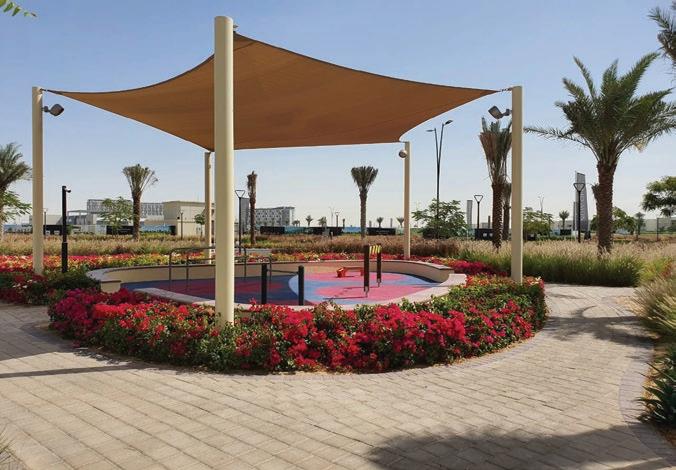
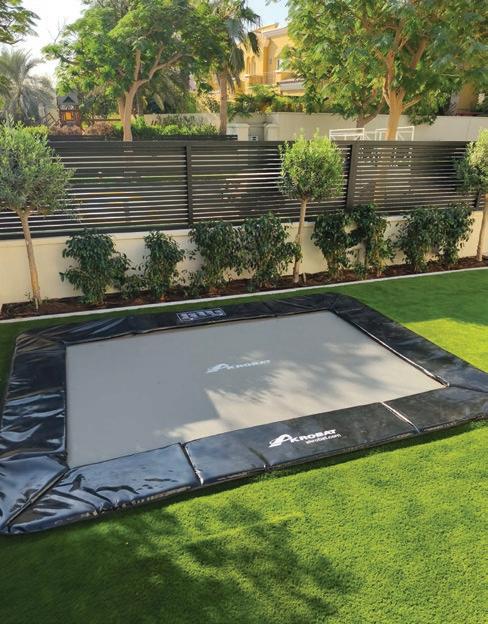
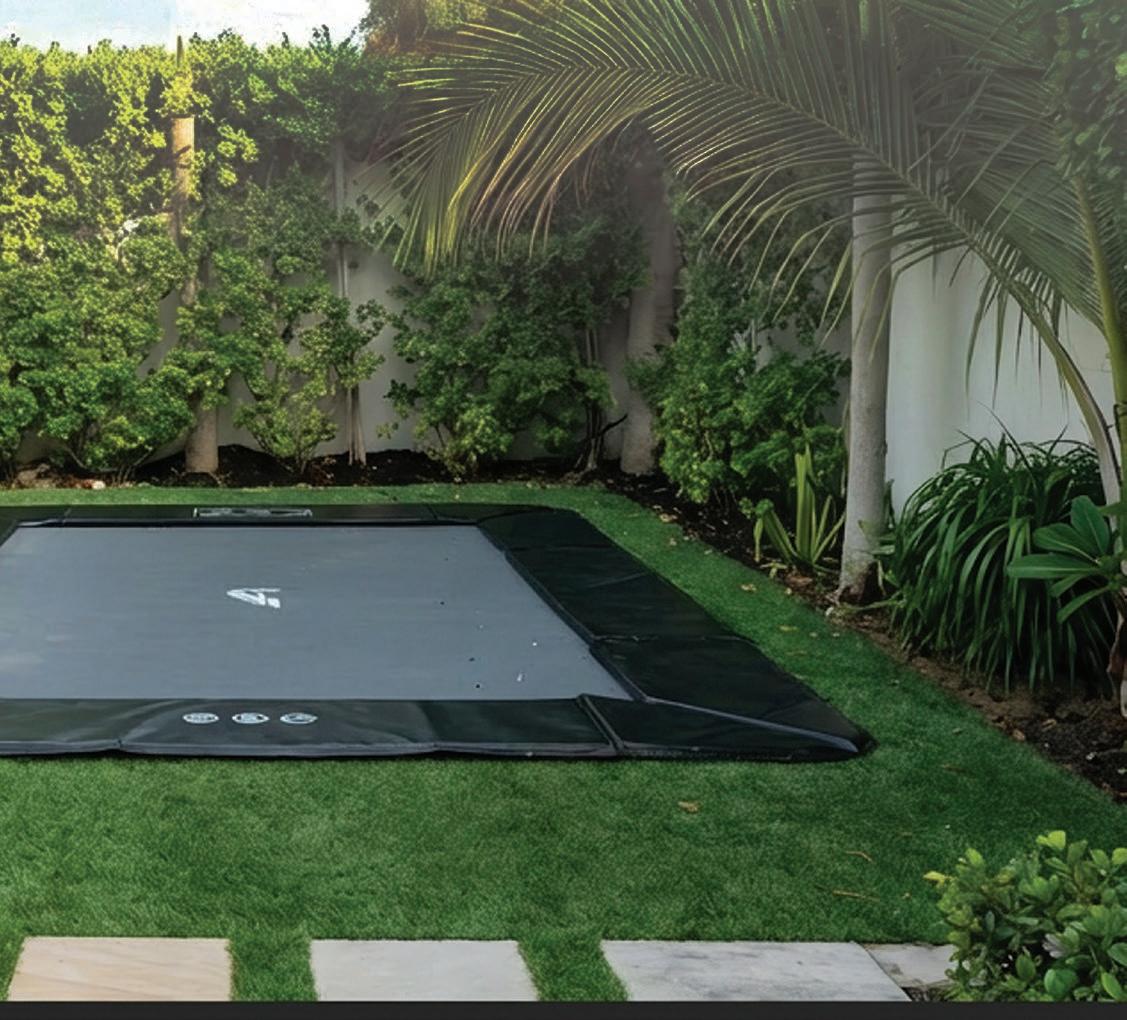
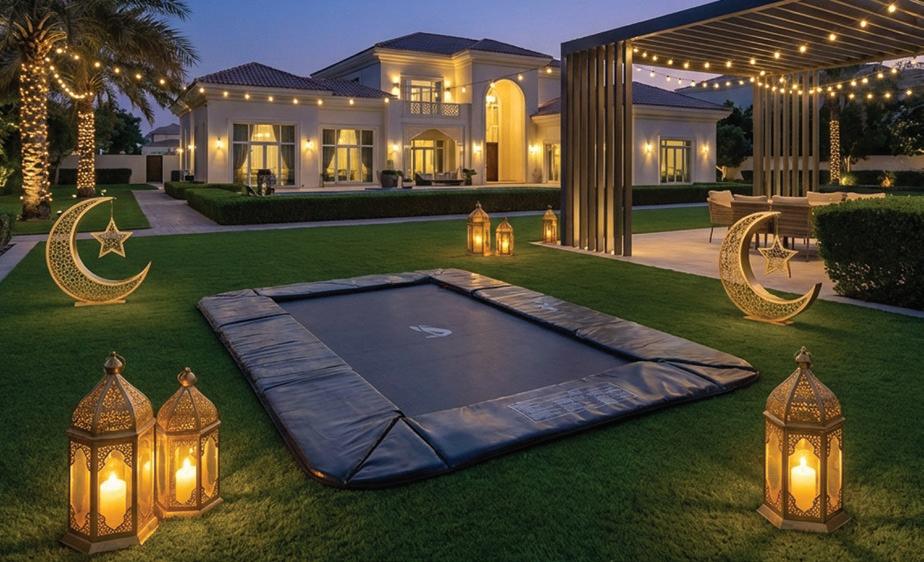
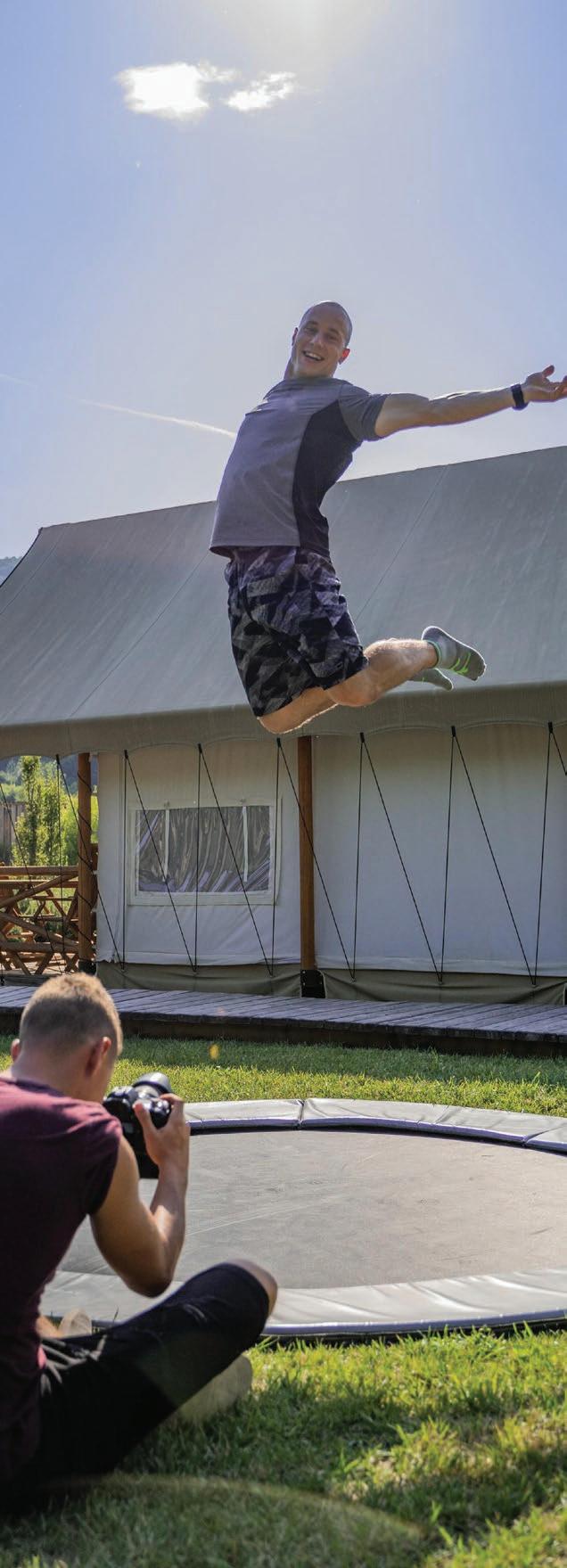
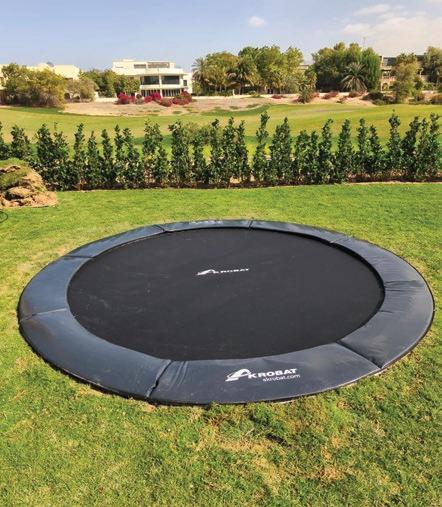
In-ground trampolines are gaining traction across the Middle East as families, schools, and developers look for safer and more visually discrete alternatives to traditional models. Unlike above-ground units, these trampolines are built into the landscape, reducing injury risks while maintaining clean outdoor aesthetics. The industry has evolved from a niche market into a viable business sector, driven by growing demand for high-quality, weather-resistant equipment that meets international safety standards. As urban spaces increasingly become child-friendly and wellness-focused, in-ground trampolines are no longer an afterthought they’re part of the design.
One of the first to recognize this shift in the UAE was Claire Deacon, founder of Akrobat UAE. After experiencing the benefits of an in-ground trampoline with her own family, she saw an opportunity to bring the concept to a market that lacked local access to high-quality, certified options. The focus wasn’t just on selling a product—it was on removing the friction that made it hard for families and institutions to access safe, durable, and regulation-compliant trampolines suited to the region’s extreme climate
PASSION FOR JUMPING
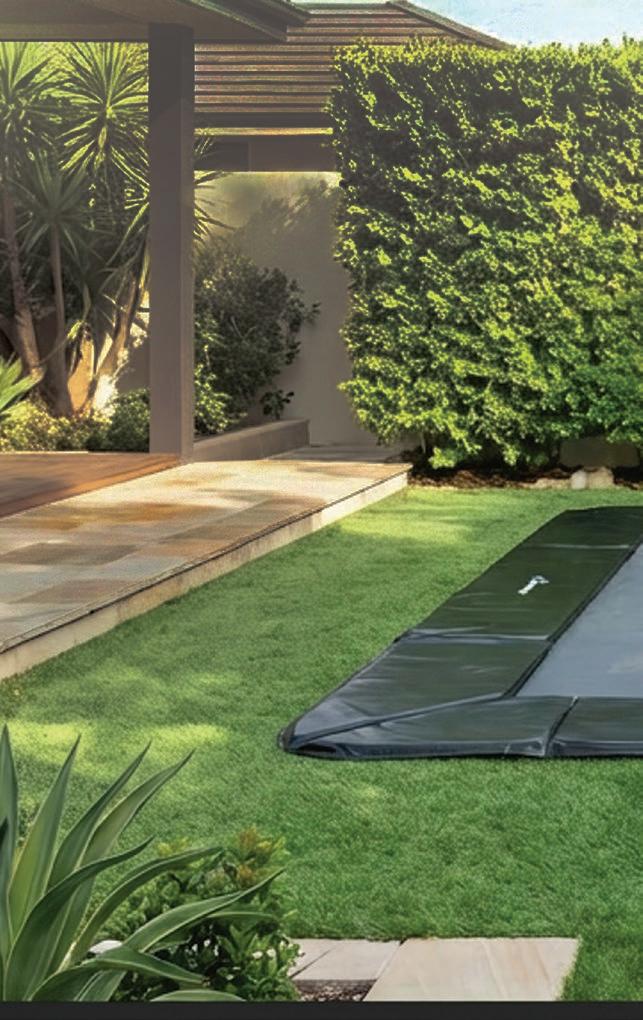
Across the UAE, commercial urban planning is entering a new era one focused on designing vibrant, wellness-driven communities; designed to foster healthier lifestyles that bring people together. Claire notes:
The freedom of movement is key for all urban design, it is particularly welcome for any family with children
However, safety and compliance cannot be assumed especially in categories where certification is not compulsory. Craftsmanship and product quality are where Akrobat UAE has a clear lead. The company invests in research and development, and manufactures trampolines that meet strict European REACH regulations that ban the use of 71 harmful chemicals, far beyond what’s required in the U.S. and especially Asia which ban none. These include the following manufacturing safety standards & test methods:

I PLAYGROUND EQUIPMENT
EN 71-14: This certificate defines all requirements and test methods. The certificate applies to trampolines for indoor and outdoor use, as well as those trampolines intended for use by one person at a time. By following the standards set out in the EN 71-14 certificate, it is ensured that these trampolines are safe for home use.
EN 1176: The standard applies to permanently installed public playground equipment and surfacing. Its main purpose is to ensure adequate safety during play in, on, and around the equipment.
EN 913: This is the standard that specifies the general safety requirements and test methods for all gymnastic and sports equipment intended for sports education, training, and competition – and we include trampolines in this category.
EN 13219: This is the standard that specifies the functional requirements of certain types of trampolines and the specific safety criteria they must meet.
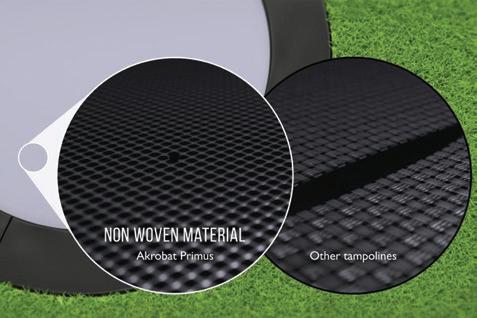
For developers and parents alike, that creates a critical responsibility to choose equipment that goes beyond minimum requirements. Akrobat UAE in-ground trampolines meet these stringent European manufacturing guidelines, and are independently certified by respected international institutions such as Intertek in Germany and Keurmerkinstituut in the Netherlands.
“If you’ve ever opened something and got that overpowering smell of plastic, it usually means the manufacturer used old engine oil instead of proper plasticizers,” she says. “We use certified, non-toxic, weather-resistant materials that are built to last.” C Deacon
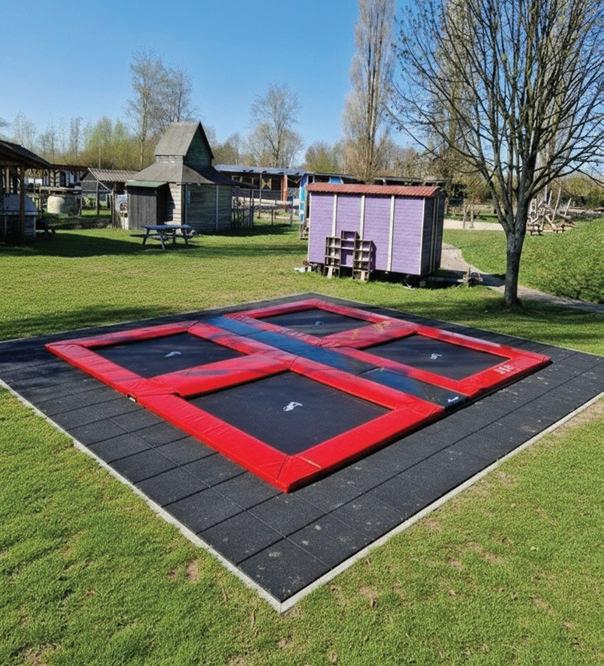
This focus on safety, sustainability, and transparency is what she sees as the brand’s strongest point of differentiation in the region.
Residential properties are also embracing this shift. In 2026, it’s not just about having a beautiful garden it’s about creating safe, design-led spaces where families can truly thrive. As homeowners prioritise safety & wellness, gardens are evolving from purely aesthetic spaces into functional lifestyle hubs. In-ground designs deliver the perfect balance of style and safety seamlessly integrated into the landscape for a clean, architectural look while reducing fall height and eliminating bulky eyesores. Resulting in homes that feel high-end and thoughtfully designed, yet invites daily movement and communal living.
As commercial urban planning continues to evolve across the UAE, there’s a clear shift toward creating communities that actively support healthier, more connected lifestyles. In a region where screen time is a growing concern, thoughtfully designed outdoor spaces play a powerful role in drawing kids and adults back outside.
Integrating features like aesthetically seamless sports equipment into residential developments and community parks not only encourages movement and a sense of community. At the same time, these design-forward additions enhance the visual appeal of homes and shared spaces, increase property value while aligning with the UAE’s vision for wellness-driven, family-centric living environments and future-ready community spaces.
The First Specialised Landscape Magazine in the Middle East
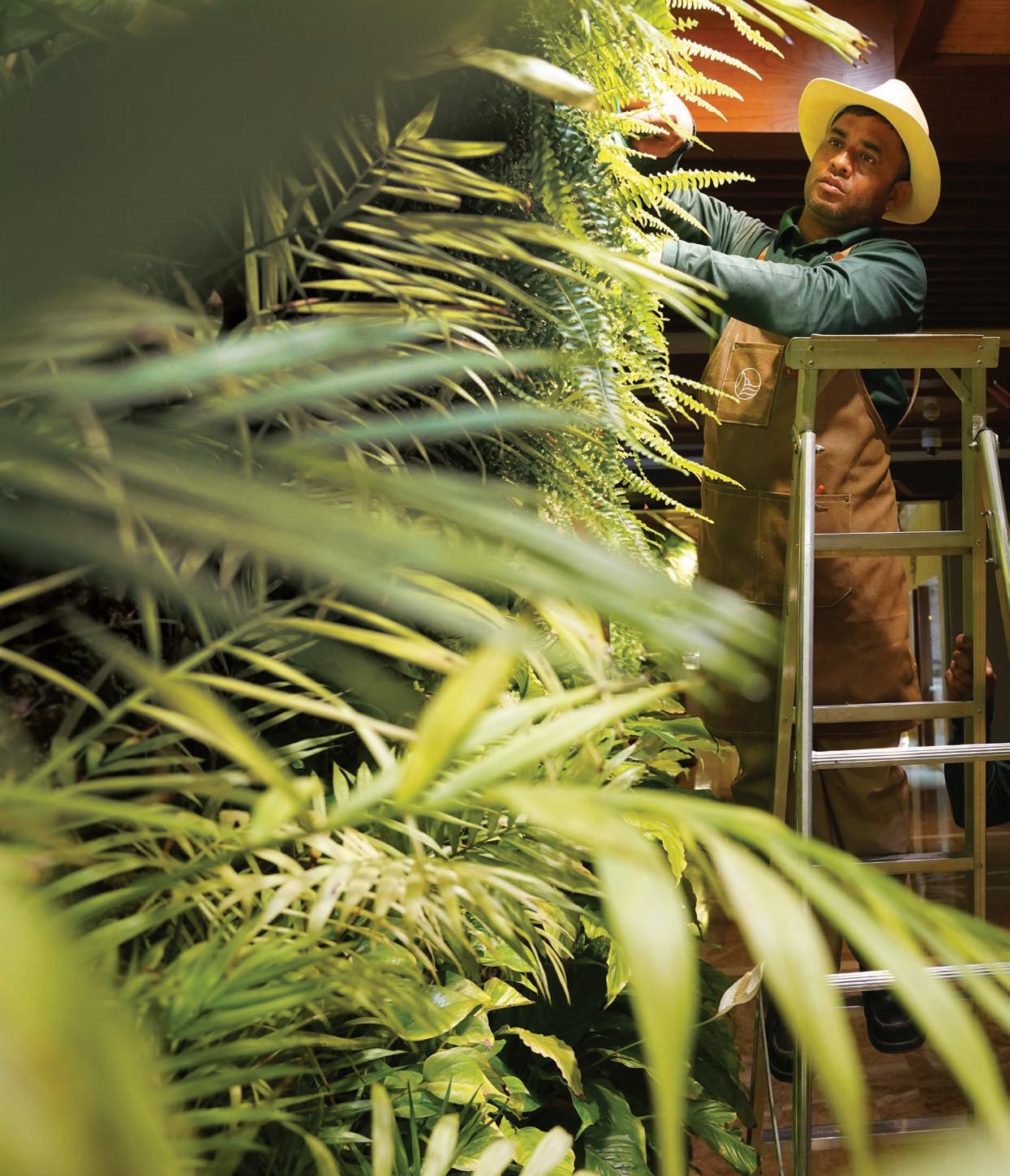
BUILT TO IMPRESS. MAINTAINED TO SURVIVE.
A conversation with Justin Cole on longevity, leadership, and the operational discipline behind great landscapes
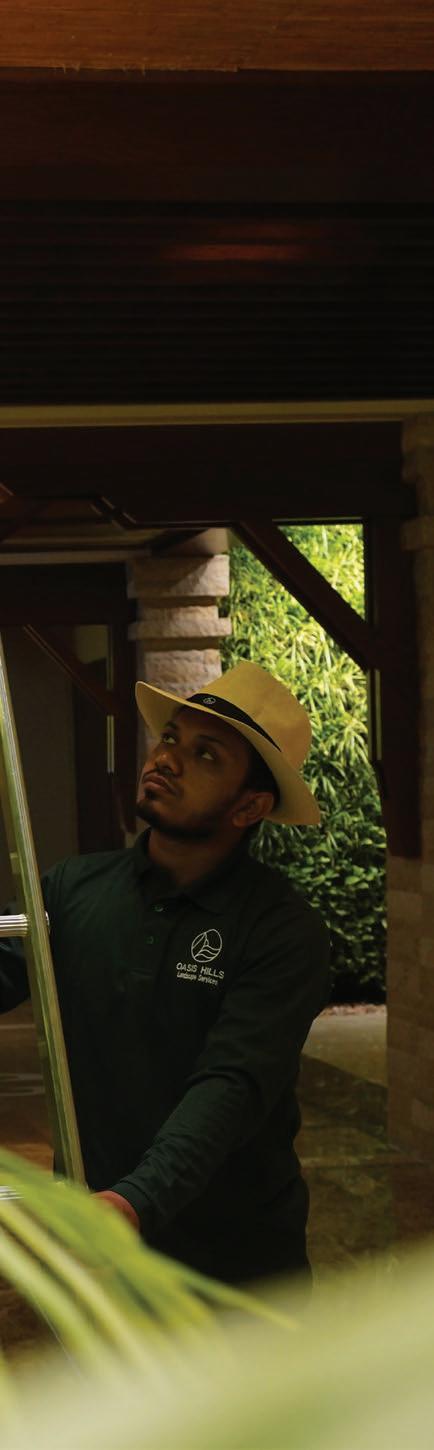
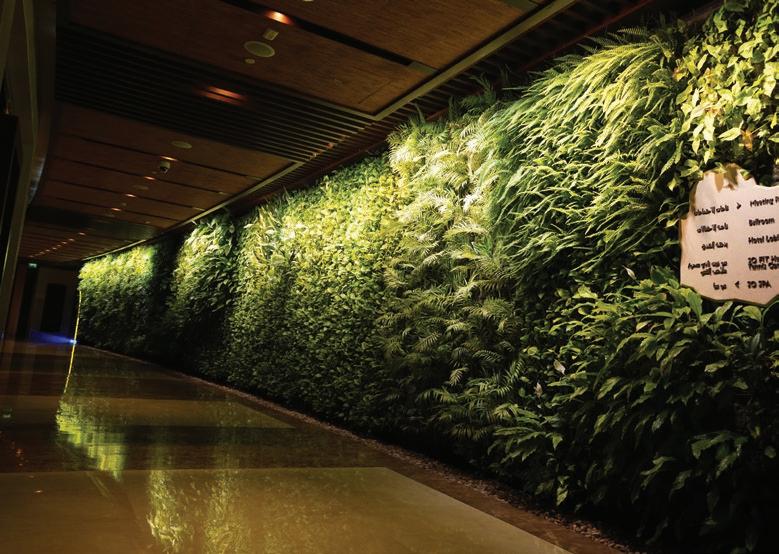
When Landscape Middle East caught up with Justin Cole, General Manager of Oasis Hills Landscape Services, the conversation moved quickly beyond aesthetics. With more than 25 years’ experience managing landscapes across hotels, sports facilities, estates, and public spaces, his focus is not on opening ceremonies, but on what happens long after the photographs have been taken.
Landscape architecture is often judged at the moment of completion. The planting is fresh. The irrigation performs flawlessly. The lighting is calibrated to perfection. Yet landscapes are not static compositions. They are living systems exposed to climate, usage, time, and management. Their true performance is revealed years later.
In the UAE where extreme heat, saline soils, water constraints, and high public expectations converge longevity is not accidental. It is engineered through discipline.
From his perspective, design establishes intent. Maintenance determines whether that intent survives.
The Custodian of Design
Cole does not approach maintenance as a corrective measure. In conversation, he returns repeatedly to the word stewardship the ongoing responsibility to protect and mature what others have created.
OPEN SPACES
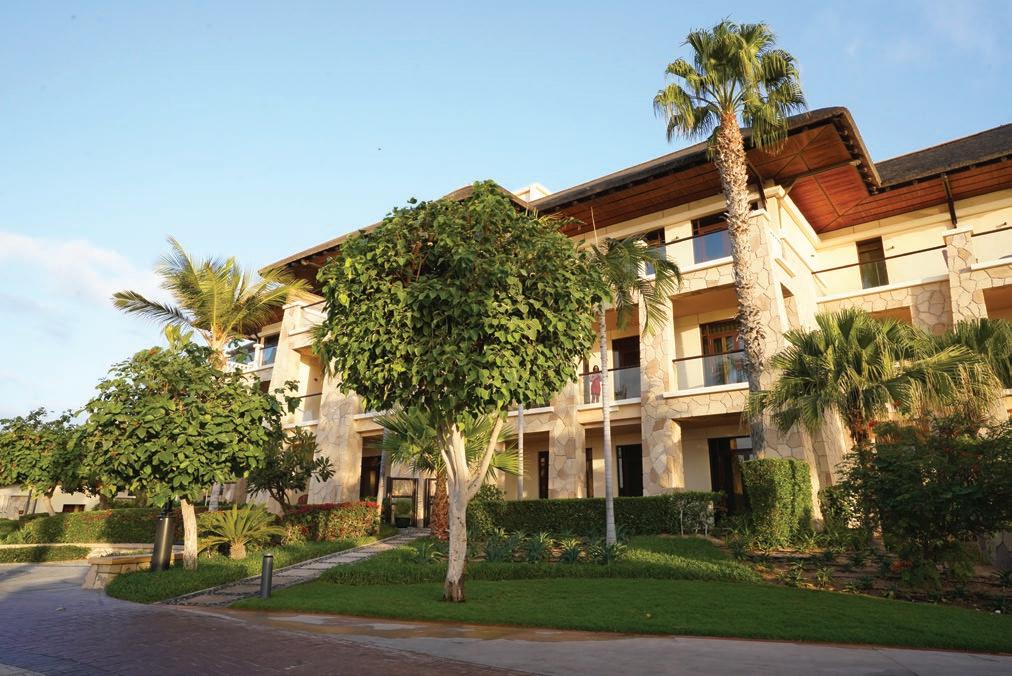
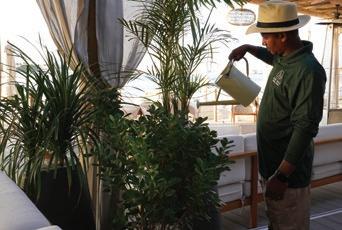
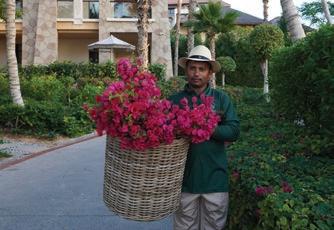
The designer works within climatic and botanical limitations. The contractor translates the concept into a built form. Maintenance, in his view, becomes the longterm custodian of that investment.
“The designer and contractor have both done their part,” he reflects. “Maintenance is about protecting that work over time.”
Over the past decade, he has seen a noticeable shift in how the industry collaborates. Maintenance teams are increasingly consulted earlier in the process. Discussions around root volumes, irrigation zoning, drainage capacity and long-term equipment access are more integrated than they once were.
He welcomes that change. Landscapes that account for operational realities from tree pit sizing to replacement access are structurally stronger from the outset. For him, integration is not about limiting creativity; it is about reinforcing durability.
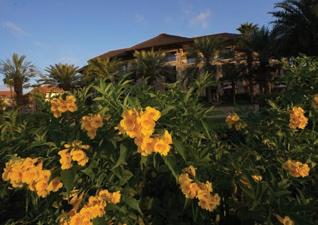
Operational Discipline from Day One
In his experience, the first year of maintenance is decisive. Longevity is not something assessed after two or three seasons. It is established in the first weeks of operational takeover.
Leadership sits at the centre of that transition. Site management defines trajectory. Technical knowledge matters, but so does judgment, emotional intelligence, and the ability to navigate demanding client environments. A luxury hotel operating year-round requires a different managerial temperament from a gated community or public park. Expectations, pressure, and visibility vary and so must the response.
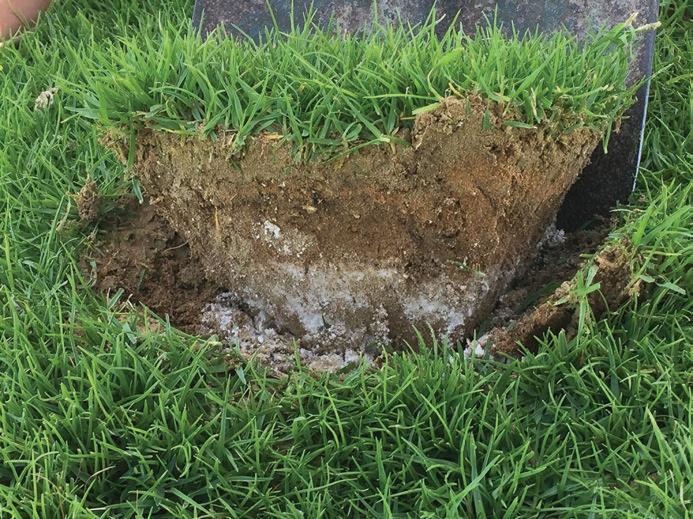
Early diagnostics are equally critical. Cole describes arriving on a new site and immediately assessing soil structure, digging trial trenches to understand depth and compaction, reviewing water quality for salinity and mineral imbalance, and recalibrating irrigation systems.
Weak installation details are identified before they become long-term liabilities.
“In maintenance, you can’t afford to wait and see,” he explains.“The fundamentals show themselves very quickly.”
Drainage, root space, soil biology and water quality rarely appear in project photography. Yet they determine survival in the Gulf summer something he has witnessed repeatedly over decades in the region.
Sustainability Beyond Irrigation Metrics
Sustainability conversations in the Gulf frequently centre on irrigation efficiency. While water management remains critical, he argues the issue runs deeper.
Resilient landscapes are those that reduce dependency on artificial correction and excessive intervention.
Heavy reliance on fertilisers, constant chemical treatment, and over-irrigation can create fragile systems. Encouraging deeper root development, improving soil drainage, and selecting appropriate species builds structural strength over time.
He points to the ghaf tree as a clear example. When overwatered, its roots remain near the surface, compromising stability. In its natural environment, without excessive irrigation, it develops deeper anchoring systems and greater resilience.
“Sustainability isn’t about adding more products,” he says. “It’s about understanding when to step back.”
Having managed turf and planting at scale across high-profile hospitality assets, he has seen how overintervention weakens systems that were never designed to be artificially sustained. In arid climates, restraint can be more powerful than correction.
Different Assets, Different Strategies
Not all landscapes can or should be maintained in the same way.
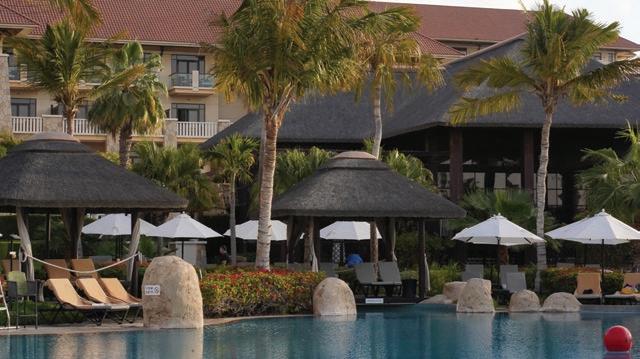
Hospitality environments present some of the most complex operational scenarios. Turf aeration, soil cultivation and structural pruning must be choreographed carefully around the guest experience. Equipment access is restricted. Noise must be controlled. Work often begins before sunrise.
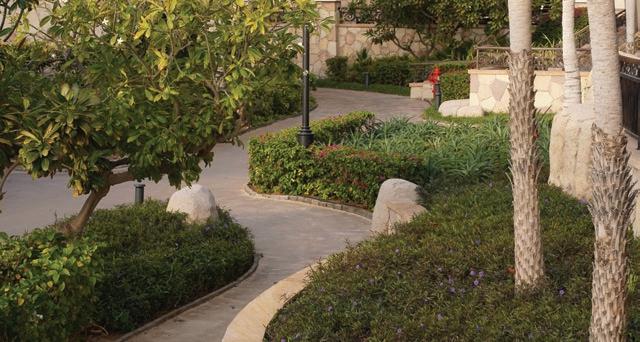
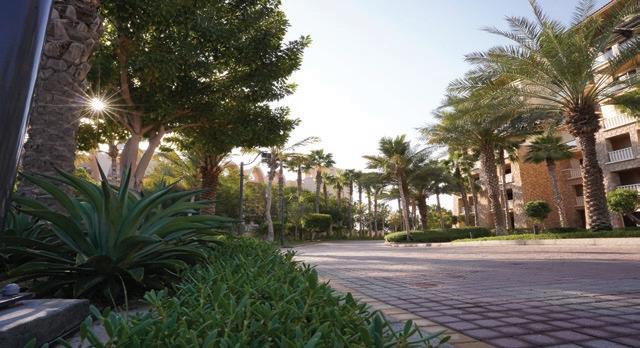
By contrast, sports facilities can close fields seasonally to allow aggressive renovation. Gated communities can isolate zones. Public parks can phase interventions with greater flexibility.
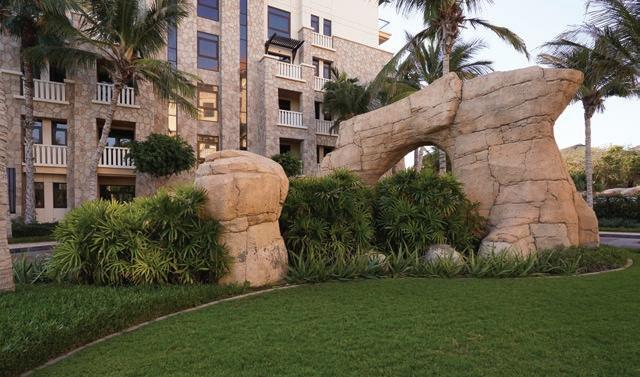
OPEN SPACES
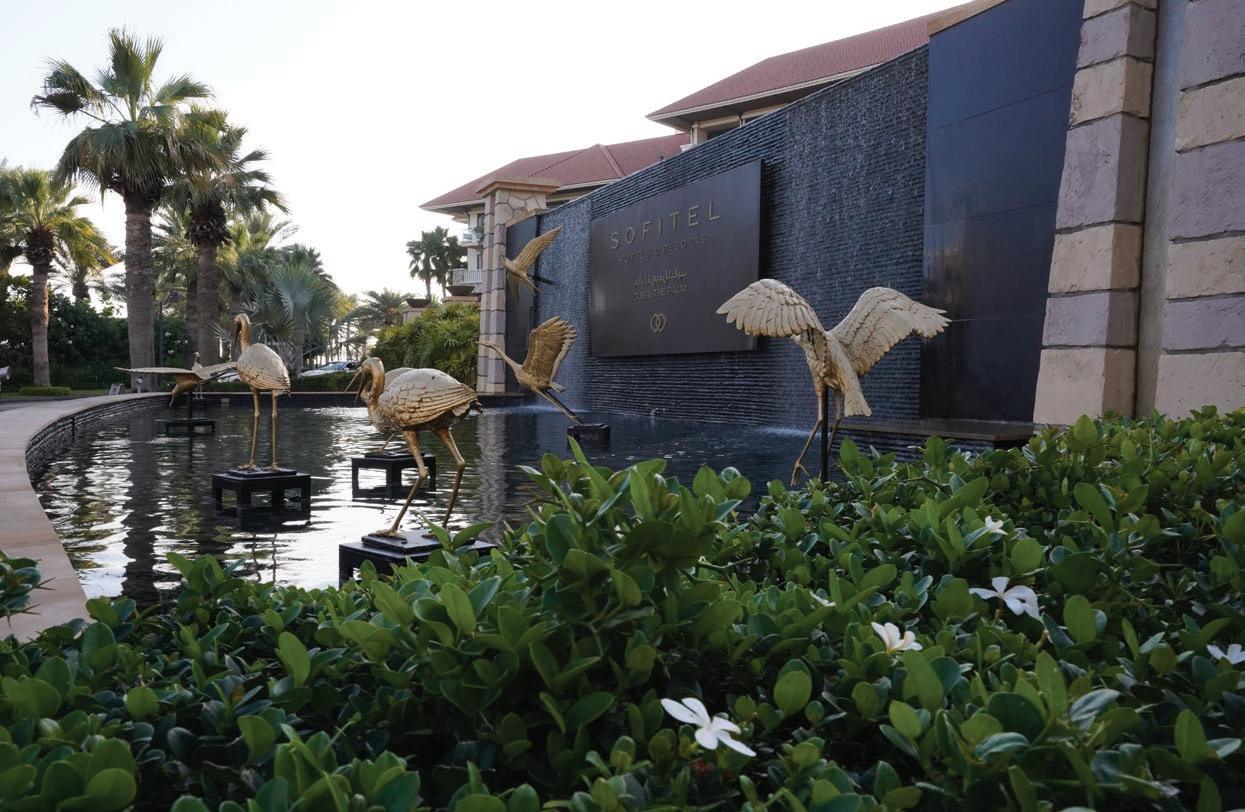
Over the course of his career, he has learned that each asset demands its own operational rhythm. Even nutrient and irrigation strategies vary. Greywater may be suitable in public spaces but restricted in hospitality environments. Product selection must align with usage patterns, expectations, and regulatory frameworks.
Maintenance, as he describes it, is contextual. Generic approaches rarely deliver excellence.
Leading at Scale
Today, Oasis Hills employs more than 2,500 personnel across its operations. Managing at that scale introduces complexity far beyond the scope of horticulture.
Financial discipline, procurement oversight, logistics coordination, and workforce welfare form the backbone of operational consistency. In the Gulf context, accommodation standards, transport systems, and employee well-being carry both operational and ethical weight.
“As you grow in responsibility, you realise plants are only one part of it,” he notes. “You have to understand finance, people, procurement the whole system.”
His own progression from site-level roles to senior leadership has reinforced that understanding. A strong internal structure enables quality to be maintained
across multiple assets simultaneously. Yet systems alone are not enough.
The ambition, he explains, is not simply to retain contracts but to produce consistently good gardens. When teams align around that objective, pride replaces compliance and standards follow.
Technology: Enhancing, Not Replacing Technological advancement is reshaping the landscape sector. Soil moisture sensors provide real-time data. Automated irrigation systems reduce guesswork. Autonomous mowing solutions are becoming increasingly viable.
He is enthusiastic about the clarity data can bring, particularly in monitoring irrigation performance and reducing waste. Yet he remains measured in his adoption. “Technology should support human judgement not replace it.”
Landscapes are living systems. Subtle colour shifts, density changes or compaction patterns are often detected through observation before they appear in data sets. Experience remains irreplaceable.
In his view, the future lies in balance data-informed decision-making guided by professionals who understand plant behaviour beyond numbers.
Patience, Perspective and the Long View
The discipline required for long-term landscape management is reflected in his personal routines.
Fishing, one of his long-standing passions, demands patience, observation, and a deep awareness of the environment and timing. The quiet of early mornings whether on the water or walking a property before guests arrive offers clarity.
“There’s nothing like being on a property early in the morning before anyone else arrives,” he says. “It’s quiet. You can see everything clearly.”
Cooking provides a different form of focus. Precision, timing, and attention to detail come into play again. Both pursuits mirror the demands of maintenance deliberate, measured, and rarely dramatic.
That perspective reinforces a belief he often returns to: longevity is built slowly.
Five Years Later
After decades of managing some of the region’s most demanding assets, he has come to a simple conclusion: the difference between a landscape that survives and one that declines is rarely dramatic.
The signs are incremental.
Structural trees that mature without instability. Turf that remains resilient underfoot. Shrub layers that hold form without constant correction. Reduced replanting cycles.
Landscapes that require continual emergency intervention reveal deeper structural weaknesses. Those that evolve steadily reflect intelligent early decisions and disciplined ongoing care.
Client relationships follow the same trajectory. Over time, dialogue shifts from reactive troubleshooting to strategic planning. Trust replaces transaction.
Longevity becomes a shared objective and one that cannot be achieved through shortcuts.
Respect in Practice
Respect for landscape design is not symbolic. It is operational.
It involves understanding original intent and protecting structural hierarchy as planting matures. It requires planning for eventual replacement without compromising access. It demands resisting short-term cost reductions that quietly erode long-term performance.
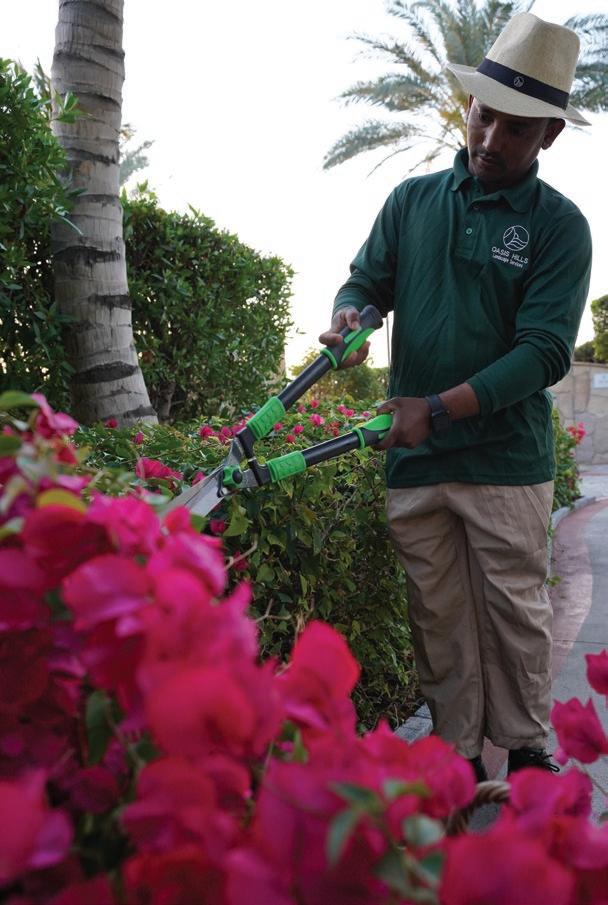
Great landscapes are not sustained by aesthetics alone. They endure through discipline through informed leadership, technical rigour and the willingness to prioritise long-term integrity over immediate presentation.
As he puts it:
“Design creates the moment. Maintenance protects the future. Projects may be built to impress, but they endure because someone chooses to care consistently, intelligently, and without compromise.”

THE BUSINESS CASE FOR WATER
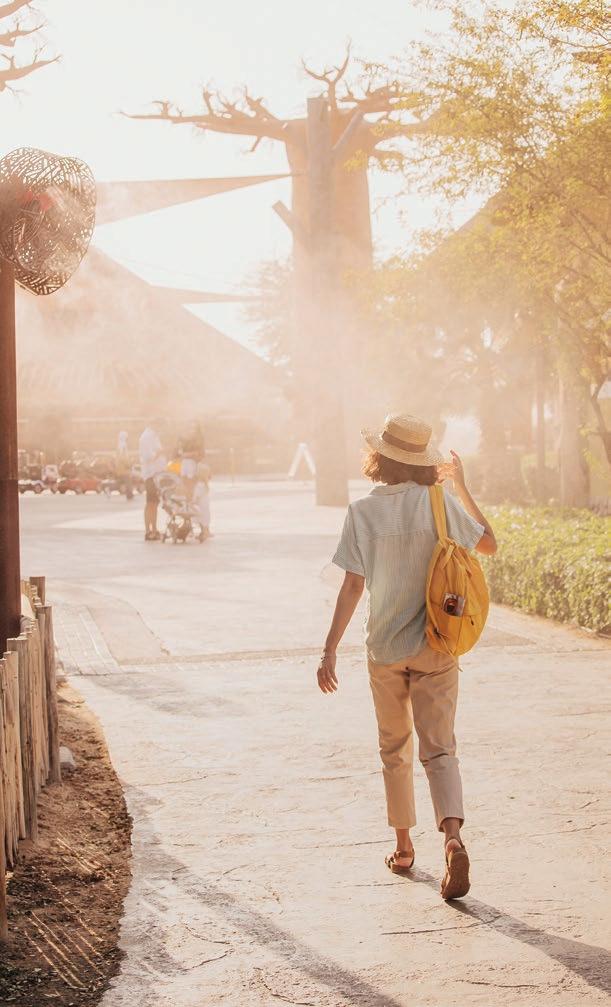
The Business Case for Water – Part I Behavioural Economics, Dwell Time, and Commercial Return
By Carlos Pissarra
In commercial development, every square metre must justify its existence. Developers analyse yield per square foot, tenant mix performance, operational expenditure, lifecycle management, and exit valuations. Design decisions are increasingly evaluated not only on aesthetic merit, but on measurable commercial contribution.
Yet one of the most powerful performance tools within placemaking continues to be underestimated: water.
When integrated strategically, a water feature is not decoration. It is behavioural infrastructure. It shapes how people move, how long they stay, how they feel, and ultimately how they spend. The return on investment is not abstract. It is tangible, measurable, and repeatable.
The key is intention. Water Drives Movement and Movement Drives Revenue Human beings are instinctively drawn to water. Across cultures and climates, water represents vitality, comfort, and gathering. In commercial environments, this instinct translates into behavioural gravity. A wellpositioned fountain or water plaza becomes a natural convergence point.
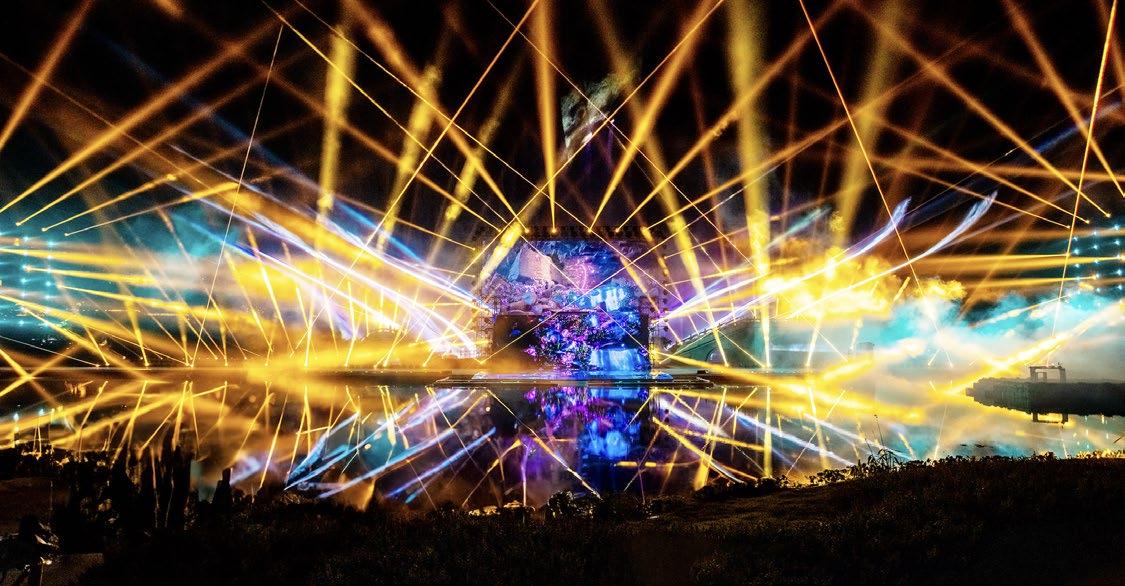
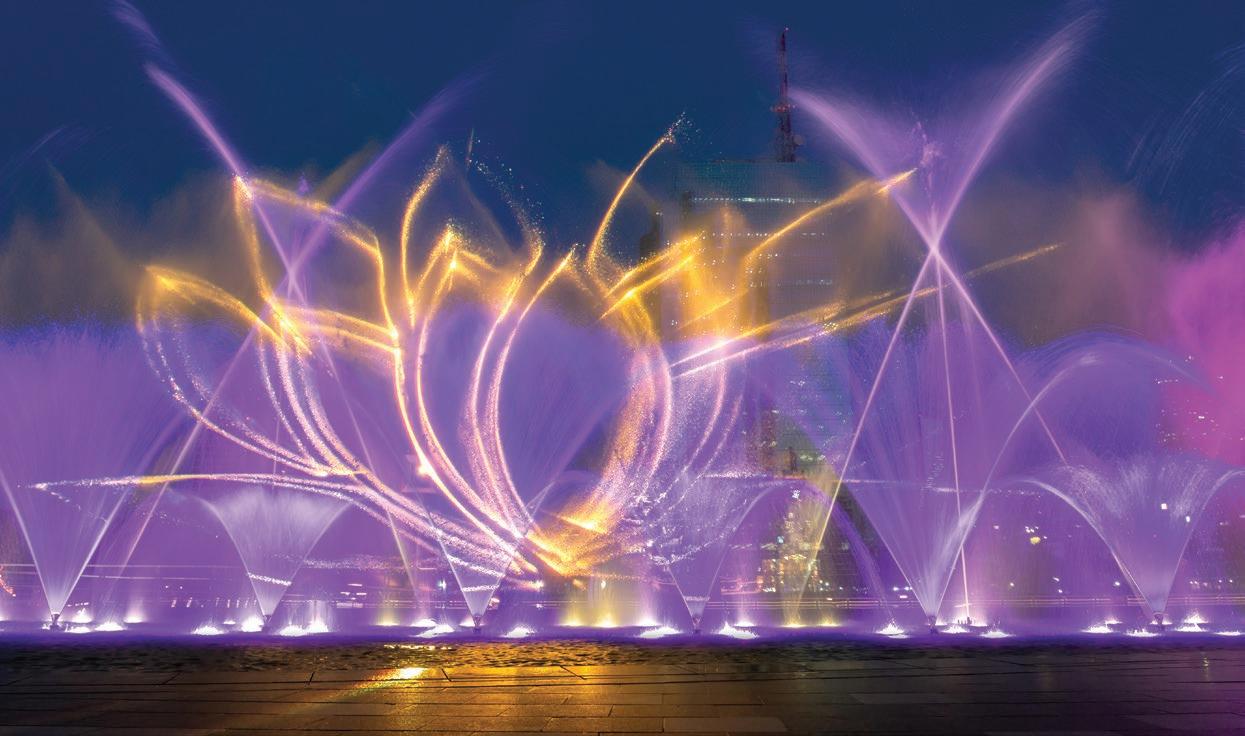
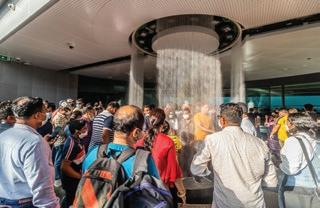
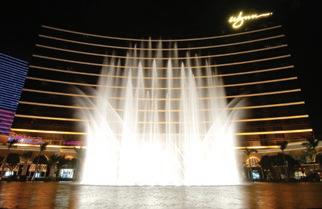
In retail-led mixed-use developments, these convergence points are commercially valuable. They increase footfall in surrounding units and create pause zones where people stop rather than pass through.
Retail analytics firms report that even a 1% increase in dwell time can generate approximately 1.3%–1.8% uplift in tenant turnover, depending on tenant mix.
Strategically positioned experiential anchors including water features have been shown to increase localised dwell time by 8–20%, particularly where interactivity or programming is integrated.
Water slows people down. And slowing people down improves commercial performance.
Dwell Time: The Most Undervalued KPI
Developers often focus on attraction metrics. The more nuanced metric, however, is duration.
The sound of flowing water reduces stress levels and masks urban noise. It softens hard architectural environments and introduces sensory comfort. When people feel comfortable, they linger. When they linger, they explore additional retail units, engage more deeply with food and beverage clusters, and extend their overall visit.
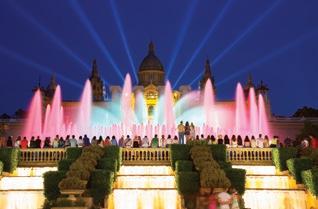
In F&B-led environments, even a 10–15% increase in dwell time can correlate with double-digit uplift in turnover, particularly in destination dining districts.
Dwell time is not simply an aesthetic outcome. It is a commercial multiplier
Creating Identity in Competitive Markets
Across the Middle East and other high-growth regions, commercial projects are being delivered at unprecedented speed. Architecturally impressive façades are becoming standard. Retail mixes frequently replicate similar global brands. The challenge is no longer scale it is differentiation.
A signature water feature creates identity. It becomes the visual anchor for marketing campaigns, leasing presentations, and social media exposure. It is where visitors arrange to meet. It is what they photograph. It is what investors remember.
When a development owns a recognisable landmark within its public realm, it elevates itself from a commercial centre to a destination. Destinations command stronger perception and greater loyalty.
Identity is not decorative. It is strategic positioning.
The Economics of Experience and Organic Marketing
In today’s digital ecosystem, attention has financial value. Developments invest substantial budgets in advertising and promotional campaigns. Yet some of the most powerful marketing tools are embedded directly within the physical environment.
Water combined with light, choreography, and technology creates spectacle. Programmable fountains and interactive installations generate user-driven content. Visitors film, photograph, and share these moments, extending project visibility organically.
Developments with identifiable experiential landmarks often record significantly higher organic social impressions compared to comparable projects without such anchors. When experiential design reduces reliance on paid promotional spend by even 10–15% annually, the long-term financial implications are considerable.
This is not vanity exposure. It is sustained brand amplification.
Climate Comfort as Economic Strategy
In hot climates, particularly across the GCC, outdoor commercial success depends on environmental comfort. Without a microclimate strategy, public plazas become seasonal assets rather than year-round revenue generators.
Water contributes meaningfully to evaporative cooling and perceived temperature reduction. Thermal comfort studies indicate that shaded water bodies and mist systems can reduce perceived ambient temperature by 3°C–7°C, with localized surface temperature reductions reaching 10°C–15°C under certain conditions.
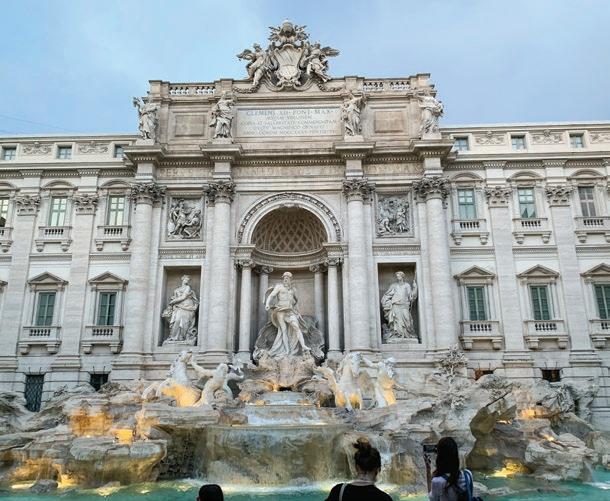
In practical terms, this can extend viable outdoor trading periods by six to eight weeks annually in Gulf climates. For F&B tenants reliant on terrace seating, that extension may translate into 10–18% improvement in annual turnover.
Comfort is not a luxury. It is an economic enabler. Premium Positioning and Asset Valuation Water communicates investment.
Across luxury hospitality, high-end residential, and Grade A commercial developments, water features signal permanence, quality, and confidence. They convey that the developer has invested beyond minimum functional requirements.
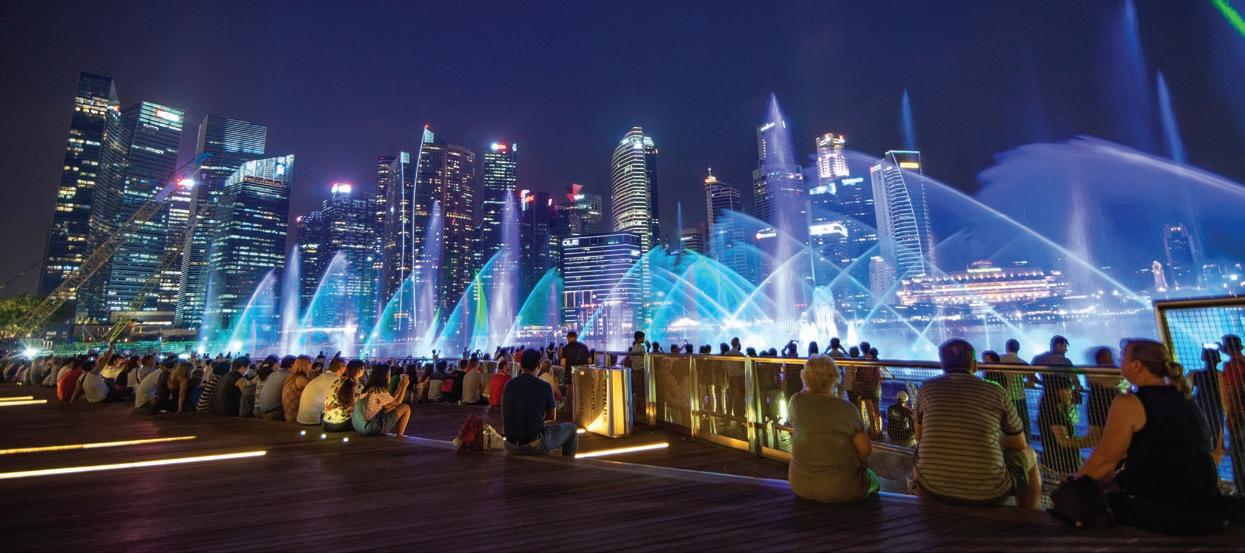
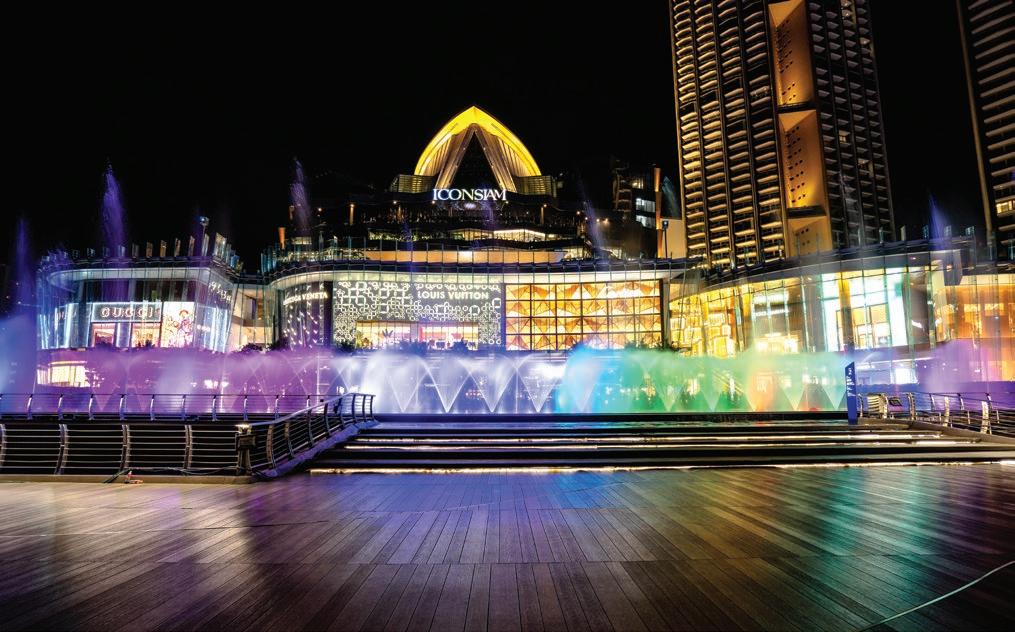
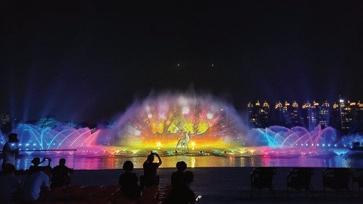
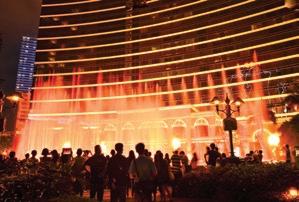
Premium positioning supports stronger lease covenants and rental resilience. In commercial property markets, even modest cap rate compression of 25–50 basis points can increase asset valuation by 5–10% compared to undifferentiated developments.
Experience-driven differentiation influences tenant demand, footfall stability, and long-term brand equity all contributors to valuation performance.
Emotional Connection and Long-Term Loyalty
Commercial developments succeed when they create emotional resonance.
Water introduces movement, reflection, and play. Interactive fountains create family moments. Reflecting pools offer contemplative pauses. These experiences form memory anchors.
Memory drives repeat visitation. Repeat visitation strengthens loyalty. Loyalty sustains commercial resilience.
In a marketplace increasingly defined by experience rather than transaction, emotional design becomes
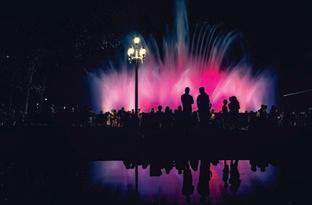
critical. Water remains one of the most powerful experiential materials available in the built environment.
The Importance of Early Integration
Perhaps the most critical factor in achieving return on investment is timing. Water must be considered at the earliest stages of masterplanning and architectural development.
When integrated from inception, it influences circulation strategy, sightlines, tenant adjacency planning, and public realm hierarchy. When added as an afterthought, its impact is limited.
Strategic integration ensures that water aligns with commercial objectives rather than sitting adjacent to them.
Looking Ahead
In Part II of this series, we will examine how programmable water systems evolve from experiential anchors into monetisable platforms exploring activation strategies, sponsorship economics, and intelligent sustainability systems that further strengthen the financial case for water in commercial development.


















books of interest
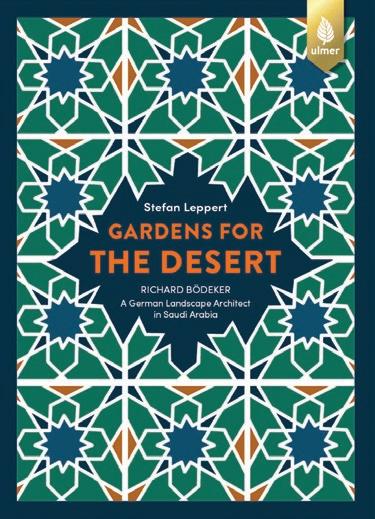
Gardens for the Desert
The book Gardens for the Desert tells the story of how bödeker, a German landscape architecture firm, grew from a single seed planted by its founder, Richard Bödeker, into a strong and thriving tree. In the 1970s, Richard Bödeker brought his expertise in arid landscapes to Saudi Arabia, where his innovative designs laid the foundation for transformative projects like the Riyadh Diplomatic Quarter and many others. These projects became deeply intertwined with the city’s development, reflecting a commitment to sustainable urban greenery and a profound understanding of local needs.
Highlighting the many people who supported and shaped this journey, the book also includes perspectives from some of the firm’s partners. They share unique insights into the collaborative efforts that define bödeker’s success. Today, the firm is led by a partnership of six dedicated individuals who continue to develop its core design philosophy, creating new ideas and concepts for the future. This collaborative spirit has fostered significant growth, with the firm now employing 140 team members and continuing to expand.
For anyone interested in the history of landscape architecture in Saudi Arabia and Riyadh’s urban evolution, Gardens for the Desert provides a captivating perspective on the development of iconic projects and the expertise behind them.
The book is not freely available. But if you are interested, you can sign up for our newsletter, where we will be sharing the book as an audiobook in installments.
(bodeker.com/ab-sign-in)
Publisher: German|Ulmer; Englisch|bödeker
Texts: Stefan Leppert
Pages: 289
FREE Audiobook Ger/Eng (bödeker Newsletter)
LANDSCAPE CONSULTANTS
JC Melone Landscape
Design FZ LLE
T: +971 50 6410715 jcmelone@gmail.com
LANDSCAPE CONTRACTOR
Zaid Al Hussain Group
T: +971 4 3296630 info@zaidg.com
Green & More
T: +971 4 8830100
T: +971 4 8830101 info@greendmore.com www.greendmore.com
Proscape LLC
T: +971 4 277 0244 info@proscapeuae.com www.proscapeuae.com
Desert Group
T: +971 4 5904000
T: +971 4 3404441 group@desertgroup.ae www.desertgroup.ae
Basatin Landscaping LLC
T: +971 2 2077729 info@basatinlandscaping.com www.basatinlandscaping.com
FOUNTAINS
Fluidra Middle East
T: +971 4 8835505
F: +971 4 8836761 info@fluidrame.com www.fluidrame.com
Aquashi
T: +971 4 3208777 sales@aquashi.co.uk www.aquashi.co.uk
WATER MANAGEMENT
NDS (By NORMA Group) E: infoEMEA@ndspro.com www.ndspro.com/eu
TURF/LANDSCAPE
PROFESSIONAL PRODUCTS
Polyclean LLC
(Turf Division)
T: +971 4 338 8226
F: +971 4 338 8785 babiker.khateeb@polyclean.ae www.polyclean.ae
SOIL ADDITIVES
Gulf Perlite
T: +971 56 1235248
T: +971 55 1539640 info@uaeperlite.com www.gulfperlite.com
Zeoplant LLC
T: +971 4 4473588
F: +971 4 4473587 info@zeoplant.com www.zeoplant.com
INDOOR LANDSCAPING, POTS, PLANTS & GREEN WALLS
Plantscapes Indoor
Plants Trading LLC
T: +971 55 724 6193 plantscapes@desertgroup.ae www.plantscapes.ae
LANDSCAPE PRODUCTS
Tanseeq LLC
T: +971 4 3617199
F: +971 4 3607966 info@tanseeqllc.com www.tanseeqllc.com
Sirkap
Tel No.: +971 54 3592070 +971 55 5651426
Email ad: yawar@sirkap.ae Website: www.sirkap.ae
Ventana LLC
T: +971 4 3231603
F: +971 4 3806957
info@ventanallc.com www.ventanallc.com
IRRIGATION
Hunter Industries
T: +001 760 591 7114
F: +001 760 591 7194 Hanna.Zaidan@hunderindustries.com www.hunterindustries.com
Middle East Agrculture Company (MEAC)
T: +971 4 8861151
F: +971 4 8861152 www.meac.com.sa
METTS FZC
T: +971 4 4470927
F: +971 4 4470928 info@mettsfzc.com www.mettsfzc.com
Alwasail Industrial Co.
T: +971 4 8886987
F: +971 2 6733565 hashim@alwasail.com www.alwasail.com
Ventana LLC
T: +971 4 3231603
F: +971 4 3806957
SWIMMING POOLS
Aquaverde
T: +971 4 4538469
T: +971 50 8763630 info@aquaverde.com www.aquverde.ae
Fluidra Middle East
T: +971 4 8835505 F: +971 4 8836761 info@fluidrame.com www.fluidrame.com
Pentair
T: +971 4 320 8777 malikhan@mettsfzc.com www.mettsfzc.com
Satma International L.L.C.
T: +971 4 2956088
F: +971 4 2956077 satmaint@emirates.net.ae www.satma.ae
Water in Motion LLC
T: +971 4 277 0244 info@waterinmotionllc.com www.waterinmotionllc.com
PRECAST CONCRETE PRODUCTS / HARD LANDSCAPING PRODUCTS
Consent LLC
T: +97143472011
F: +97143472957 sales@consent.ae www.consentblock.com
LIGHTING
BEGA GantenbrinkLeuchten KG
T: +49 2373 966-0
F: +49 2373 966-216 info@bega.de www.bega.com
TREES & HERBS
Acacia LLC
T: +971 4 265 3397 info@acacia-ae.com www.acacia-ae.com
SPORTS FACILITIES/ PLAYGROUND EQUIPMENTS
Tanseeq Projects LLC
T: +971 4 361 7199 info@tanseeqprojects.com www.tanseeqprojects.com
WT Burden
T: +971 4 8860700
F: +971 4 8860701 streetfurniture@wtburden.ae www.wtburden.ae
METAL FABRICATOR
Metaline LLC
T: +971 224 3369 info@metalinellc.com www.metalinellc.com