


You only get one brain. And unlike most organs, it doesn't announce its decline. The brain can quietly erode, year by year, with subtle degeneration beginning decades before dementia is diagnosed. Protecting your brain isn't just self-care. It's one of the most profound acts of love you can offer yourself and the people who count on you.
Every day, you stand at a fork in the road: choices that build a sharper, more resilient brain or choices that quietly accelerate its decline. The good news? Science has given us a map. Research now shows that people who consistently apply multiple lifestyle interventions, such as an anti-inflammatory diet, regular physical activity, gut health support, omega-3s, and hormone optimization, may reduce their risk of dementia by 30 to 50%. Not with a drug or procedure, but through lifestyle interventions.
And if you carry the APOE4 gene, often called "the Alzheimer's gene" just know it is not your destiny to get Alzheimer’s. Neurologist Dr. Richard Isaacson put it well when he said, "Genes do not have to be your destiny”. Lifestyle interventions work especially well for APOE4 carriers. Emerging research also shows that the brain has insulin receptors, which leads to insulin resistance, and researchers are starting to label dementia as Type 3 diabetes.
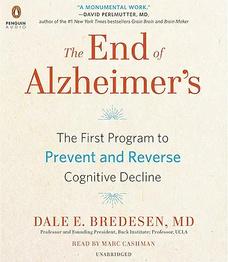
Dr. Dale Bredesen has studied neurodegenerative diseases for over 30 years, and wrote the bestselling book, The End of Alzheimer’s. One of the most groundbreaking contributions to neurology was when Dr. Bredesen challenged the long-held assumption that cognitive decline is irreversible. His protocol, known as ReCODE (Reversal of Cognitive Decline), is built on a deceptively simple but profound premise: Alzheimer's and other neurodegenerativediseasesarenotsingle-causeconditions.Theyaretheend resultofmultipleconvergingbiologicalfailures,andlastingrecoveryrequires identifying and addressing each one. The protocol emphasizes lifestyle factors with powerful effects on brain health. Some of the lifestyle interventions, such as regular exercise, increase BDNF, improve cerebral blood flow, reduce inflammation, enhance insulin sensitivity, and promote the growth of new brain cells The best outcomes occur with early intervention, while later-stage patients still see benefits, starting treatment earlyoffersthegreatestchanceofimprovement
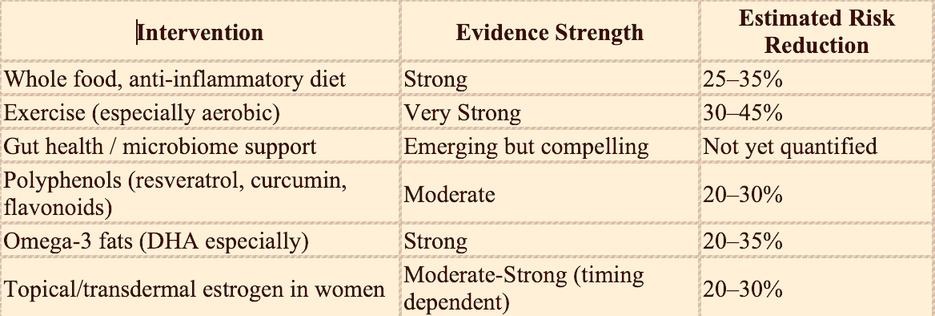
Research suggests that people who consistently apply multiple lifestyle interventions, including a Mediterranean diet rich in veggies, olive oil, and fish, regular exercise, gut health support, omega3s, and hormone optimization, may reduce their risk of dementia by 30–45%, based on current evidence. No study has tested this exact combination, but the mechanistic and epidemiological data are compelling.
Another powerful lifestyle intervention is prioritizing quality sleep. During deep sleep, the glymphatic system acts as the brain's built-in waste-clearance network, flushing out toxic metabolites such as amyloid-beta and tau proteins that accumulate throughout the day. Sleep deprivation not only compromises this detoxification process but also directly suppresses BDNF This critical protein drives neuron survival, growth, and neuroplasticity, while helping the glymphatic system perform at its best. Here are ways to boost BDNF naturally, and if you'd like additional support, consider this supplement.
Dementia and cognitive decline are not inevitable. The brain can begin deteriorating silently for decades before a diagnosis ever comes, but the science is clear: consistent lifestyle choices can significantly reduce your risk by up to 45%. Even a genetic predisposition, such as the APOE4 gene, is not your destiny. The earlier you act, the greater your protection. What makes this even more powerful? The same lifestyle interventions that shield your brain are the very same ones that prevent and improve other chronic conditions, such as diabetes, heart disease, high blood pressure, and weight gain.
This isn't about chasing one outcome. It's about one intentional way of living that pays dividends across your entire body. Small, consistent changes today can protect your brain, your heart, and your quality of life for decades to come. The best time to start is now.
1. Overhaul Your Daily Habits: Start applying the lifestyle interventions with the strongest evidence: adopt an anti-inflammatory or Mediterranean diet, commit to regular aerobic exercise 3x/week, prioritize 7–9 hours of quality sleep, and consider omega-3 supplementation. Each of these moves the needle individually, but together they can dramatically shift your brain health trajectory.
2. Know Your Risk Factors: Consider getting tested for the APOE4 gene and talk to your doctor about insulin sensitivity and hormone optimization. Understanding your personal biological picture lets you target interventions where they'll matter most for your brain.
3. Start Now, Not Later: Dr. Bredesen's ReCODE protocol makes clear that early intervention yields the greatest results. Don't wait for symptoms. The window where lifestyle changes have the most impact is before decline becomes noticeable, which means the best time to act is today!