Tamara Sherrill, B.S., FNP, Board Certified Holistic Health Practitioner
March is Colon Cancer Awareness Month, and from a functional medicine perspective, it’s a powerful reminder that the health of our colon is deeply connected to the health of our gut microbiome and intestinal lining.
The trillions of microbes living in our digestive tract influence inflammation, immune function, detoxification, and the integrity of the gut barrier. These are allfactors that play a role in colon health. Diets low in fiber and high in processed foods can disrupt this delicate ecosystem, leading to dysbiosis, chronic inflammation, and damage to the intestinal lining over time.
Supporting gut health through fiber-rich foods, diverse plant intake (the rainbow mentioned in slide 9), healthy fats, and regular screening can help create an internal environment that protects and nourishes the colon for the long term.
If you missed today’s lunch and learn, please reach out to tsherrillbroker@gmail.com to discuss your gut health.
Thank you, and here’s to a healthy gut, body, and mind!
Whyitmatters Whyitmatters
Your health “foundation” starts in the gut. 70-80% of immune cells live in the gut through Gut-Associated Lymphatic tissue (GALT), the mucosal surface.
The gut is one of the more prominent ways we detox. Moreso than the liver or your skin. The gut surface area is over 200x larger than the skin! (gut lining = tennis court)
Your feel-good hormone, serotonin, is produced in the gut. If your gut is inflamed or out of balance, you could notice your mood is off, or that you gravitate towards sugary, carby foods.
It’s more than just stomach issues. A leaky gut or imbalance of the microbiome can lead to:
High blood markers (CRP, Cholesterol, Blood sugar, triglycerides)
Dementia and Parkinson’s (from broken down gut/brain barriers - type 3).
Alookinsidethegut Alookinsidethegut
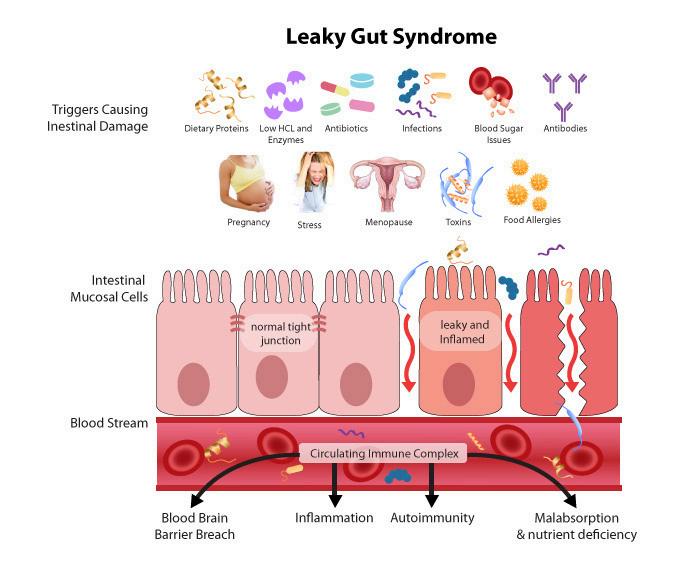
There are many unsuspecting triggers that wreak havoc on our guts. Some we can control, and some that are part of life (more on how to improve gut health later).
Think of the protective part of your intestinal lining like a shag carpet. When these “villi” are healthy, they keep out toxins and keep your junction wall tight. What happens to your villi after many years under attack? Well, your shag carpet looks sad, junctions loosen, and here come chronic issues that you might attribute to heredity or just the way you are.
Years of stress, processed foods, alcohol, medications, infections, and inflammation can damage your villi. The fibers that once protected you begin to break down. The junctions loosen & the barrier weakens. That’s why we can’t eat what we did when our guts were more resilient.
And suddenly, things that were never meant to enter your bloodstream start slipping through. Which leads to chronic health problems that seemingly came “out of nowhere”.
Thankfully, you can heal & protect your gut with some basic steps that we will discuss shortly.
The4BigDisruptors The4BigDisruptors
Chronic Stress
Reduces beneficial bacteria in gut. 01 01
Elevates Cortisol (belly fat accumulates)
Reduces Stomach Acid (need this for optimal digestion & breakdown of food).
Slows digestion (ferments old food in gut)
03 03
Medications
Antibiotics (perfect time to start gut healing).
NSAIDs (Celebrex an exception)
Acid blockers (low stomach acid is actually the culprit for reflux and heartburn).
02 02
Processed Foods & Sugar
Harmful bacteria LOVE sugar & foods that don’t feed the good bacteria.
The gut contains the enteric nervous system w/ over 100 million neurons (butterflies, nervous stomach).
Your Vagus nerve is the connection between the brain & gut. Influences the Autonomic Nervous System to get you into parasympathetic, rest and repair: https://youtu.be/EVVOdfEdQl0
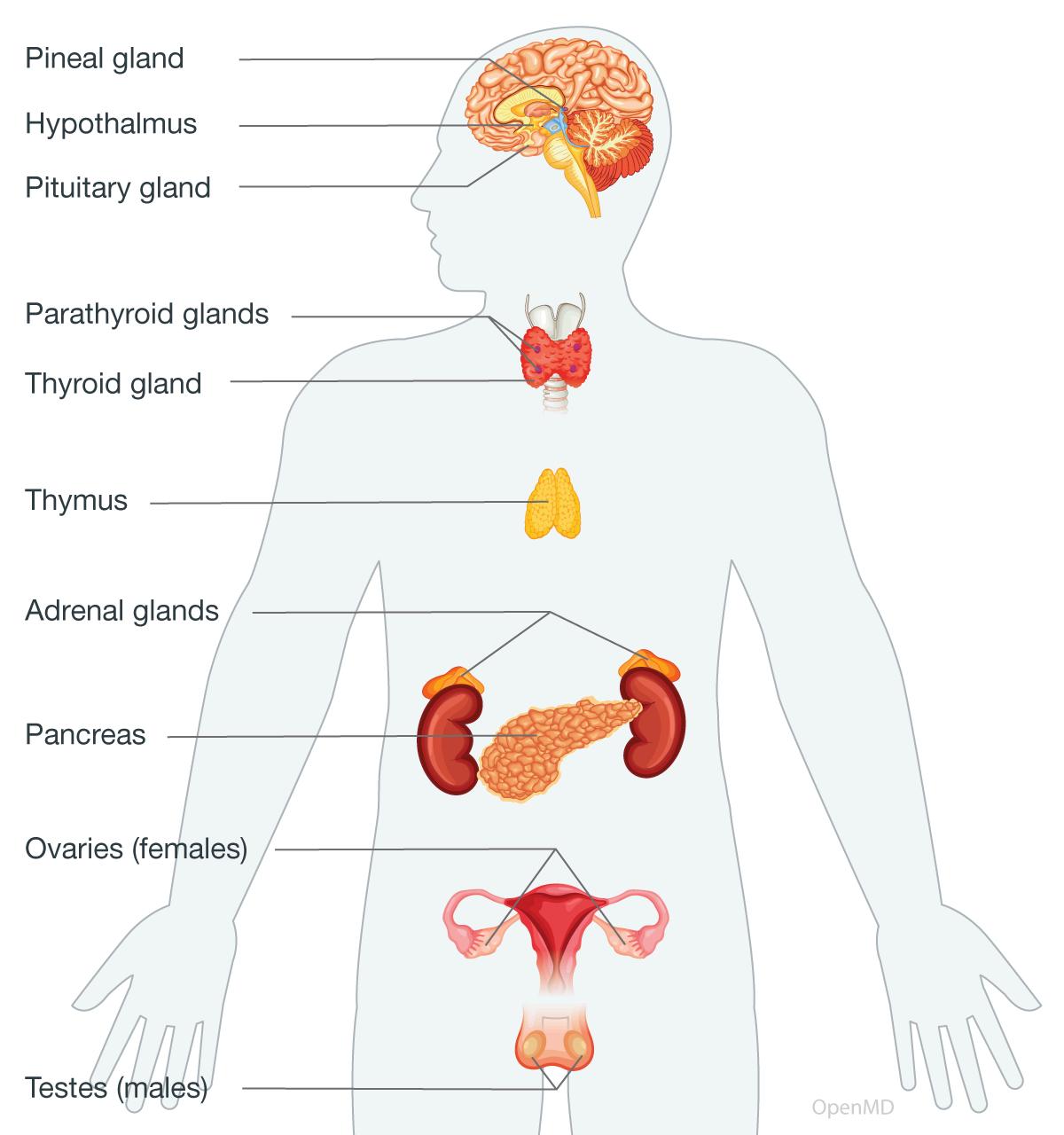
Signals the Hypothalamic-PituitaryAdrenal (HPA) Axis, which influences cortisol, hormones & energy levels.
Microbiome Microbiome
Think of your gut as a garden. (Your microbiome is alive! Feed it foods that help the good bacteria thrive & avoid feeding the weeds.)
If food isn’t broken down in the stomach due to low hydrochloric acid or eating too fast, opportunistic bacteria can overgrow and cause health issues.
The gut microbiota is equal in number to the human cells we have (30-40 trillion cells) and influences gene expression. (epigenetics). Interactions between gut bacteria and human genes can shape disease risk, aging, and even treatment responses.
Only one cell thick!
Keeps pathogens out of our bloodstream.
Absorbs nutrients
Hormone-secreting organ (serotonin, GABA, some Ghrelin)
GLP-1 and other peptides are produced naturally here short term when everything is working well. (meds just extend the shelf life).
Signs Your Gut Needs Support (check all that apply)
Afternoon fatigue
Sugar cravings
Brain fog
Joint pain
Skin breakouts, rashes, eczema,
Mood swings
Bloating
Constipation or loose stools
Hormone fluctuations (noticable)
Unexplained weight loss/gain
Frequent illness or infections
Bad breath
Eat the rainbow (no, not Skittles) & feed the good bacteria:
Fiber (25-35g/day) - veggies, flax meal or psyllium husk
Colorful fruits and veggies (opt for low glycemic to keep blood sugar more stable). These are your prebiotics!
Omega-3 fats like fatty fish & grass-fed meats
Aim for great sleep
Wake up at the same time every day to regulate circadian rhythm
Avoid eating at least 3 hours before bed to allow your gut to rest and repair instead of digest while you sleep.
Keep your room dark and cool, and try a warm bath an hour before bed (lowers core temp while you sleep)
Calm your gut, body and mind
Deep breathe on your drive to/from work & before a meal (box, 4-7-8)
Walk after meals to aid in digestion and boost good bacteria
Stimulate the Vagus nerve: humming, breathing techniques, singing, cold shower
Help digestion & gut health
Chew slowly (if you’re stressed, close your eyes & deep breathe (full in/fullout) 6x
Add apple cider vinegar or bitters to water before eating
Eat more fermented foods: Kefir, grass-fed no sugar yogurt, kombucha (low sugar), sauerkraut, kimchi, tempeh
Testvs.Guess Testvs.Guess
GI-MAP w/ Zonulin (stool)
Pro Gut Health Test (stool)
Organic OAT test (urine)
Inflammation markers (blood) - C-reactive Protein
Food sensitivities (blood)
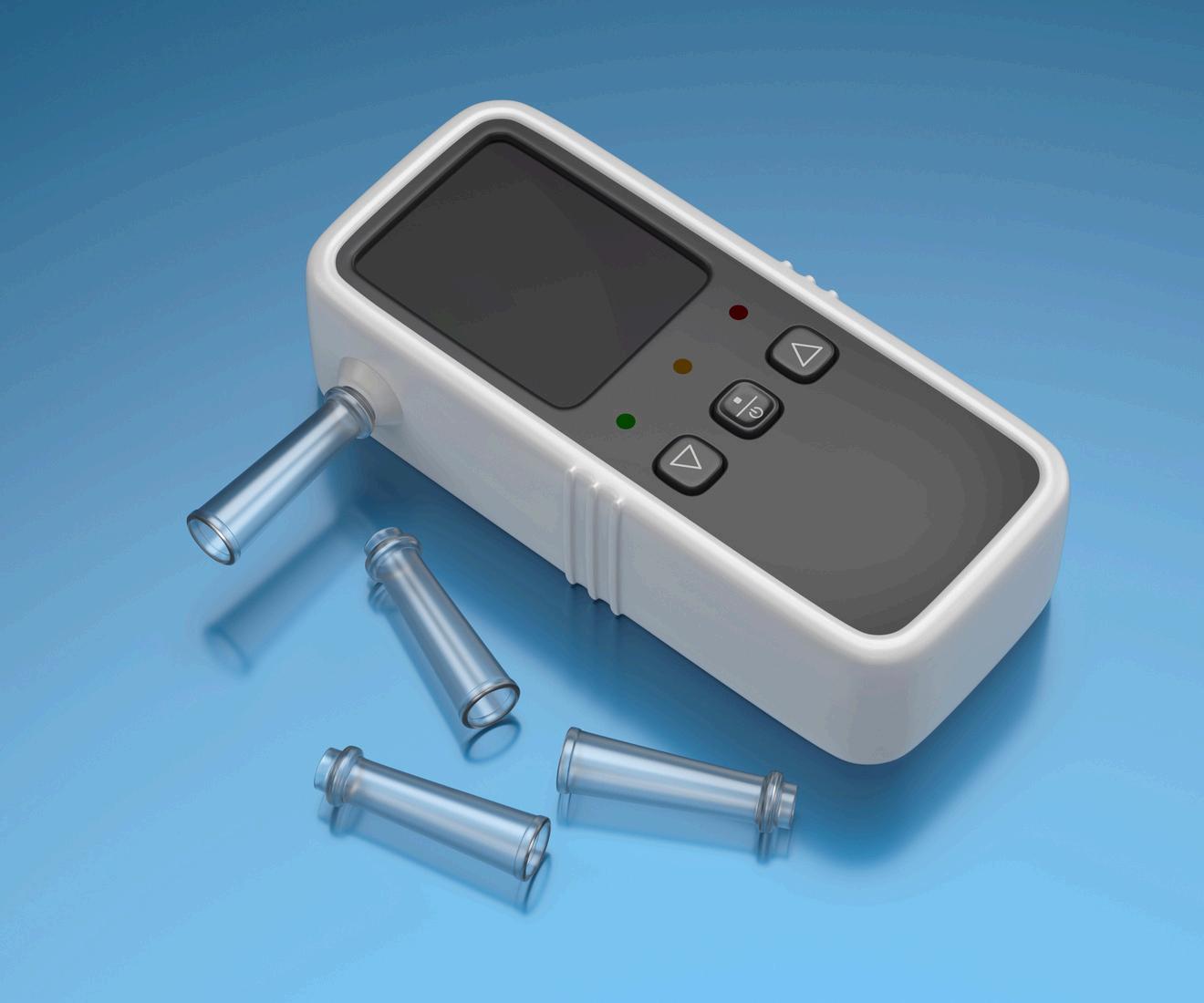
SIBO breath tests (breath)
Micronutrient testing (blood)
Whatnext? Whatnext?
Doyouneedtotest?
Symptomchecklist
2weekresetplan
Yourbodyisevolving,justbedeliberateabouthow. Symptoms are feedback from your body, like the check enginelightonyourcar.
You don’t have to overhaul your life overnight. Eliminate 1 disruptor for two weeks, then add another. Add in one beneficialitemforthegutandbuilduponthat.
Questions???
Leaky Gut Symptom Checklist
Check all that apply.
More checks suggest a higher likelihood that intestinal permeability may be contributing to symptoms.
☐ Digestive Symptoms
☐ Bloating or abdominal distention
☐ Gas or belching after meals
☐ Constipation, diarrhea, or alternating both
☐ Reflux or heartburn
☐ Feeling overly full or heavy after eating
☐ Food Sensitivities
☐ New food reactions
☐ Symptoms vary day to day with the same food
☐ Sugar or refined carb cravings
☐ Symptoms worse with gluten, dairy, or alcohol
☐ Immune & Inflammation
☐ Frequent infections or slow healing
☐ Allergies or sinus congestion
☐ Autoimmune condition or family history
☐ Chronic inflammation on labs
☐ Joint, Muscle & Pain
☐ Joint or muscle pain
☐ Pain worse later in the day
☐ Migrating or unexplained pain
☐ Brain, Mood & Energy
☐ Brain fog or poor concentration
☐ Anxiety, depression, or mood swings
☐ Fatigue after meals
☐ Afternoon energy crashes
☐ Skin & Hormones
☐ Acne, rashes, eczema, or fungal infections
☐ Hormonal imbalance symptoms
☐ Headaches or migraines
Interpretation:
0–5 checks = Low likelihood
6–12 checks = Moderate likelihood
13+ checks = High likelihood
Leaky gut is a functional state, not a diagnosis — and it is reversible with the right support.
2-Week Gut Reset
Calm Inflammation • Restore Balance • Rebuild Energy
Why 2 Weeks?
• Reduce inflammation
• Calm the immune system
• Stabilize blood sugar
• Improve digestion
• Notice changes in energy and mood
Week 1: Calm + Remove
• Eliminate ultra-processed foods, added sugar, and refined flour
• Remove alcohol, fried foods, and artificial sweeteners
• Limit caffeine to 1 cup daily
• Remove dairy and gluten
Focus On:
• Protein at every meal (20–30g)
• 5–8 servings of colorful vegetables daily (1 handful is a serving)
Your body isn’t broken. It’s adapting. When you remove stressors and provide nourishment and consistency, it responds. Small daily inputs create powerful long-term results!