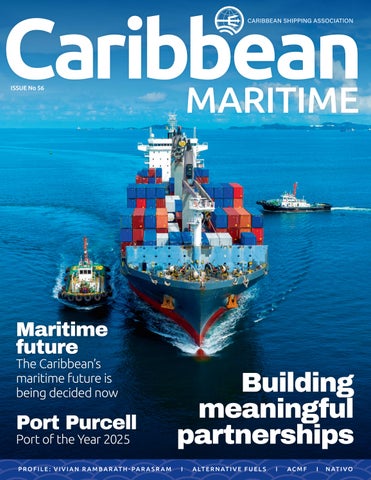
Maritime future
The Caribbean’s maritime future is being decided now
Port Purcell Port of the Year 2025
The Caribbean’s maritime future is being decided now
Port Purcell Port of the Year 2025
promote and foster the highest quality service to the maritime industry through training development; working with all agencies, groups and other associations for the benefit and development of its members and the peoples of the Caribbean region.
GENERAL COUNCIL MEMBERS 2025 – 2026
President: William Brown
Vice President: MarÍa del Mar Rodriguez
Immediate Past President: Marc Sampson
Group A:
Chairman: Nazillia Simone Philips
Representatives: Kevin Choo Quan
Andre Rochester
Max Mella Jr.
Group B:
Chairman: Cristyan Peralta
Representative: Enrique Figueroa
Group C:
Chairman: Robert Bosman
Representative: Agenor Olivardia
Group D:
Chairman: Rachel Matthews
Representative: Martin Medina
Milaika Capella Ras – CSA General Manager
CARIBBEAN SHIPPING ASSOCIATION
4 Fourth Avenue, Newport West PO Box 1050, Kingston CSO, Jamaica Tel: +876 923-3491
Email: secretariat@caribbeanshipping.org www.caribbeanshipping.org
ADVERTISING
advertising@caribbean-maritime.com
Tel: +44 (0)1206 752902
PUBLISHER
Land & Marine Publications Ltd
6 The Square, Ipswich, Suffolk IP5 3SL, United Kingdom
Email: publishing@landmarine.com www.landmarine.com
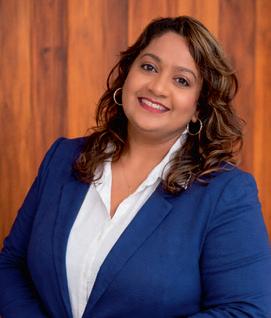
As we open the year with this first edition of Caribbean Maritime, our industry stands at a pivotal moment, shaped by forces that will influence the direction of shipping and port development for years to come.
The shipping industry is navigating an increasingly complex global environment marked by supply chain uncertainty, accelerating technological change, climate imperatives, and evolving regulatory expectations. For the Caribbean Shipping Association (CSA), these realities reinforce
our responsibility not only to adapt, but to lead with clarity, collaboration, and strategic purpose.
Over the past year, the Association has continued to strengthen its role as a unifying voice for the region’s maritime stakeholders. Through enhanced public–private dialogue, strengthened regional and international partnerships, and targeted initiatives across key priority areas, the CSA has advanced resilience,
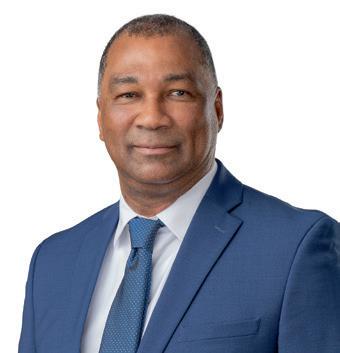
William Brown President Caribbean Shipping Association
sustainability, and innovation across the Caribbean. These collective efforts have established a solid foundation upon which we now build.
Looking ahead, the CSA’s priorities are firmly focused on the future. Digital transformation, improved data gathering, decarbonization, and supply chain resilience remain central to ensuring the long-term competitiveness of ports and maritime services. Through the work of our technical committees, ongoing research, and collaboration with regional and global partners, the Association is supporting its members as they prepare to meet both current demands and emerging challenges in a rapidly evolving industry.
At the same time, we remain acutely aware of the Caribbean’s unique vulnerabilities. Our ports are essential gateways for trade, food security, and economic development, yet they are also among the most exposed to climate risks, market volatility, and external shocks. Addressing these realities
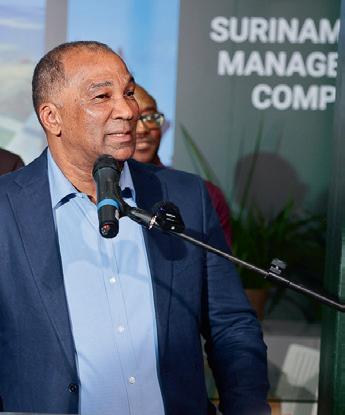
requires collective action, sustained investment in people and skills, and a shared commitment to responsible, resilient, and sustainable growth.
This edition of Caribbean Maritime reflects the ideas, innovations, and perspectives shaping our industry today. I encourage all members to engage actively in the CSA’s committees, conferences,
Addressing these realities requires collective action, sustained investment in people and skills, and a shared commitment to responsible, resilient, and sustainable growth.”
and knowledge-sharing platforms, and to continue contributing to a strong, cohesive, and forward-looking maritime community.
As we move forward, the Caribbean Shipping Association remains committed to building meaningful partnerships, championing practical and forwardlooking solutions, and ensuring that the shipping industry continues to serve as a powerful driver of resilience, opportunity, and sustainable development for the Caribbean.
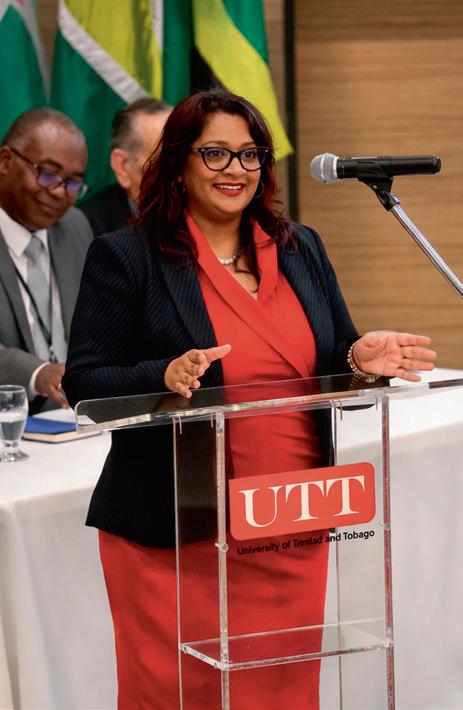
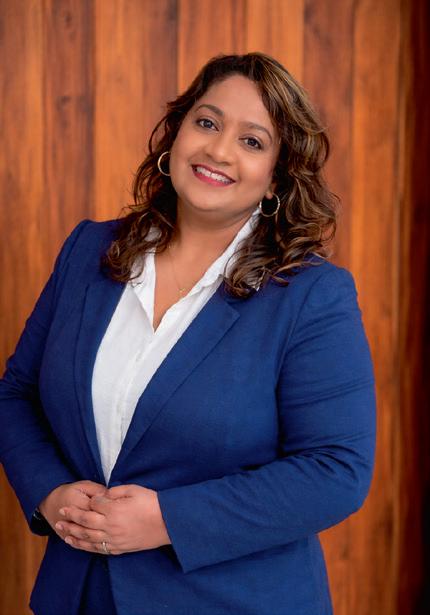
Trinidad’s Vivian Rambarath-Parasram has long enjoyed a reputation as one of the Caribbean’s top maritime academics. Building on a stellar spell in academia and maritime law, In 2025, Vivian was appointed the Regional Co-ordinator Caribbean for the International Maritime Organization (IMO). Here Vivian talks to Caribbean Maritime about her life and career.
Q. Where were you born?
A. San Fernando, Trinidad.
Q. What influence did your parents have on your early life?
A. My parents provided the foundation for success by investing in education for all of my siblings. The importance of family and support for each other, as a family unit, was instrumental in creating an environment for enduring success.
Q. What was life like for you as a young person growing up in Trinidad?
My early years were very sheltered,
growing up in a conservative Hindu home but this was tempered by having six older siblings that pushed boundaries and paved the way for some of my early freedoms.
Q. Where did you go to school?
A. Primary School – San Francique Hindu School. Secondary – Palo Seco Secondary for O Levels. Pleasantville Senior Comprehensive for A Levels.
Q. Where did you attend university?
A. Bachelor of Laws from UWI- Cave Hill 1996. Master of Laws – IMO IMLI Malta 1999-2000. Legal Education Certificate
- Hugh Wooding Law School – 2003. Magister Juris – IMO IMLI – Malta 2021.
Q. So, with these impressive qualifications to your name, what was your first job on leaving full-time education or did you remain in academia on graduating?
A. Following the completion of my LL.B from UWI, I started at the Hugh Wooding Law School. However, during that year of 1996/1997 I secured a job at the Institute of Marine Affairs as a Junior Research Officer in its Legal Research Program. I was thrilled to take this opportunity given my interest in protecting the marine
environment. This position gave me the opportunity to work with multi-disciplinary teams and this early exposure to various disciplines allowed me a deep understanding of the need for holistic solutions in environmental matters.
Q. You spent time at the IMO International Maritime Law Institute (IMLI) – an IMO established University – in Malta.
A. I was fortunate to have been awarded an IMO Fellowship to attend the IMO IMLI in 1999 to undertake a Master of Laws in International Maritime Law.
Q. You were subsequently made a Fellow of the IMLI. How did you enjoy your time in Malta and at IMLI and what did you learn from spending time on a Mediterranean island? Did you focus on any particular aspect of maritime law?
A. My dissertation focused on the Joint Implementation of Marine Environmental Protection.
Malta was an amazing experience, and
the best part was meeting persons from all over the world, learning about the different cultures within a very secure and inclusive university setting. Malta’s history and culture is very unique given the various influences of both Europe and its neighbours to the south.
Q. Due partly to its strategic location, the comparatively small island of Malta plays an important position beyond its size in several key maritime sectors: Ship registration, shiprepair, container transhipment and as a cruise destination. Can Caribbean islands learn anything from Malta’s success?
A. Malta does provide a good legal model of Commonwealth Caribbean countries. However, in terms of economics, I believe its location plays a considerable role in its maritime success. When this is combined with its legacy of legal luminaries in law of the sea and maritime law, there is little wonder that their maritime sector thrives. The Caribbean has to continue building its maritime capacity to ensure that the economic benefits of the maritime industry are harnessed and invested for the benefit of the region.
Q. You have undertaken research at the Institute of Marine Affairs into the adaption to climate change in the local and maritime sector as well enhancing marine environmental protection. Given the fine work undertaken by organizations such as The Ocean Clean Up, is the Caribbean doing enough to protect its marine environment? If not, what is your view still needs addressing?
A. The Caribbean countries can do much more to protect its marine environment. Dumping of plastics, poor waste management, Indiscriminate use of pesticides and improper treatment of waste and solid waste disposal put significant stress on the water quality of rivers, streams and oceans. Greater legal interventions, as well as social and cultural transformations are necessary to begin adequate marine environmental protection.
Q. You worked for two years at HamelSmith (MHS). What was your role at the long-established Port of Spain law firm?
A. I was an Associate in what was then called the Business, Energy and Tax Practice Group. I believe I was hired within this corporate law firm because of my environmental insights. This remains one of the most treasured professional experiences in my life. I was fortunate to be mentored by three top female lawyers of the time. In fact, I found out I was pregnant with my second child when I was about to join the firm. I called them to advise of this, thinking that would be the end of their offer! I had known of other lawyers who got pregnant, but their firms nudged them out of the door, possibly viewing young mothers as a liability to their operations. My experience at MHS was the absolute opposite. I was encouraged to self-care, given guidance on breastfeeding, encouraged to attend PTA meetings and given training opportunities both overseas and locally. The female partners at MHS were so amazingly supportive in every way. Their mentorship laid the foundation for my own treatment of young female subordinates. I always remembered the opportunities that they provided and tried to pay it forward whenever I had the opportunity. The attorneys I worked with at that time, remain some of the most progressive persons that I ever worked with.
Q. However, you have spent most of your distinguished career in academia. You were at the University of Trinidad and Tobago (UTT) for 17 years as both senior lecturer and Assistant Professor Maritime Studies and a course leader in maritime law – from marine environmental protection to admiralty law. You had different roles at the university, but that’s quite a long time working for one organization. Were you ever tempted to seek pastures new during this period?
A. I started with UTT as a Senior lecturer but I was also asked, upon joining to create a new degree that would cater to the unique requirements of shore-based professionals in the maritime industry, This
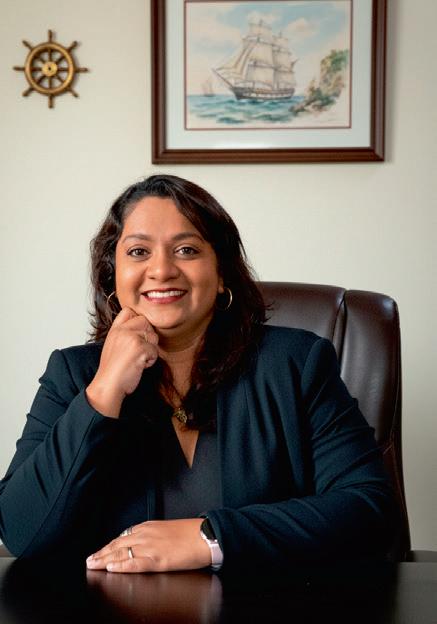
led to the creation and launch of the BSc in Nautical Science/Maritime Operations which secured international accreditation in 2011 from the IMAREST. Maritime education in the region is still new and the more I understood its importance, the more resolute I became in championing its progress locally and regionally. In 2012, I was entrusted the responsibility of becoming the program leader for maritime studies at UTT. This meant I was now responsible for overseeing both the shore-based and seafaring programs. This is perhaps one of the most difficult tasks any academic would have to undertake. Securing and maintaining MCA approved training for seafarers, in a short-staffed university environment is a very difficult task. Heading each of these programs were full time jobs in themselves, yet I was called, due to staffing shortages and inability to attract and retain appropriate staff, to manage these programs while continuing with a full lecturing portfolio. I learnt a lot of Maritime Education and Training (MET) during this time, and I hope to share these insights with the region, as mistakes in MET are costly.
We thought it would be an opportunity for the IMO to learn about UTT, its assets and resources.
Winning the bid and subsequently leading the MTCC was one of the most rewarding endeavours of my professional career”
Q. Alongside your existing work you were also Head of the Maritime Technology Centre Caribbean (MTCC) –a regional IMO body headquartered at UTT’s Chaguaramas Campus. How did you manage to combine the two jobs and was the MTCC a stepping stone to your next position?
A. The MTCC was won by the UTT through an international competitive bidding process facilitated by the IMO. Winning the bid was surreal, my colleagues and I never imagined we would actually win the bid. We thought it would be an opportunity for the IMO to learn about UTT, its assets and resources. Winning the bid and subsequently leading the MTCC was one of the most rewarding endeavours of my professional career. As head of the MTCC and head of the Maritime Studies Unit, I tried to synergize and optimize resources for the benefit of all our stakeholders, students, maritime administrations, faculty and the University. This was necessary as the core staff of the MTCC was drawn from the faculty of UTT’s Maritime Studies. Combining both jobs was not an easy feat as hosting a project of this magnitude, within an emerging university that was still finding its footing in research and the rigors of project funding was very difficult, and frequently misunderstood. There is a lot of learning
that could also be shared on that front. However, I have to say the support of the chairman and various presidents of the university was critical for ensuring that our deliverables were met for the IMO. Professor Clement Imbert was truly the rock of the MTCC within UTT.
The MTCC allowed me to work with both the IMO and the Caribbean region. This exposure would have given me a competitive advantage over other candidates applying for the RCC position.
Q. In May last year you were appointed to the prestigious position of regional co-ordinator Caribbean for the International Maritime Organization (IMO). Have you now settled into your new position and What are you hoping to achieve in your new role?
A. I am still settling into the role and the IMO itself is undergoing an evolution under the leadership of the current secretary-general. His vision and drive are moving the IMO to higher levels of operations and accountability. The roles of the Regional Presence Offices (RPOs) are expanding to enhance support to the member states of the respective regions, and I am thrilled to be part of this. The Caribbean region is very far behind in the implementation of many international maritime standards, and I hope to impact this positively. IMO has over 50 Conventions that need to be implemented across the region. I hope that I can accelerate implementation through the RPO and look forward to working with the region in developing the appropriate strategies to design and sustain this.
Q. What has been your most memorable professional accomplishment to date?
A. I believe winning the award of the MTCC is one of the most memorable moments of my professional career.
Q. Beyond work, what are your main interests and hobbies?
A. I enjoy reading, gardening and home improvements.
The eagerly anticipated CSA’s Ludlow Stewart Container Port of the Year is always the highlight of the Association’s AGM. The 2025 AGM and award ceremony was no exception.
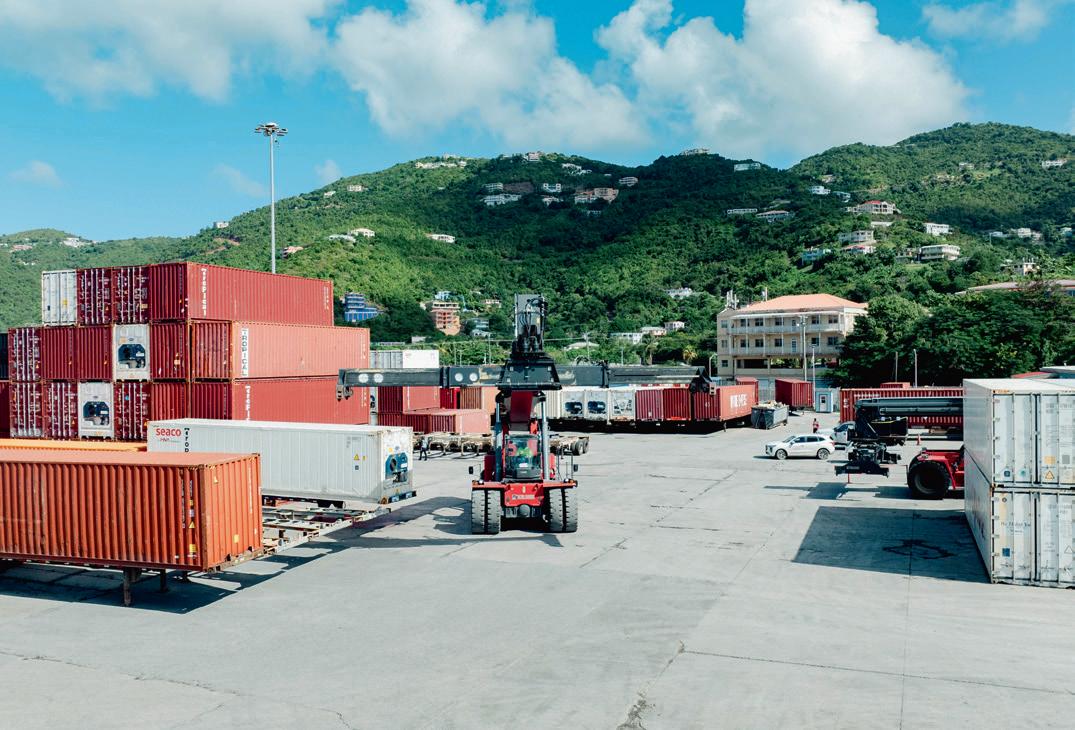
What was unusual was the name of the winner. In a competition long dominated by the region’s big container terminals, the 2025 champion was British Virgin Islands’ Port Purcell – that many beyond the region’s shipping sector would be hard pressed to place on a map of the Caribbean.
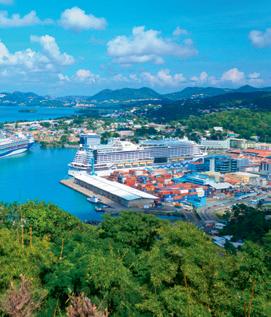
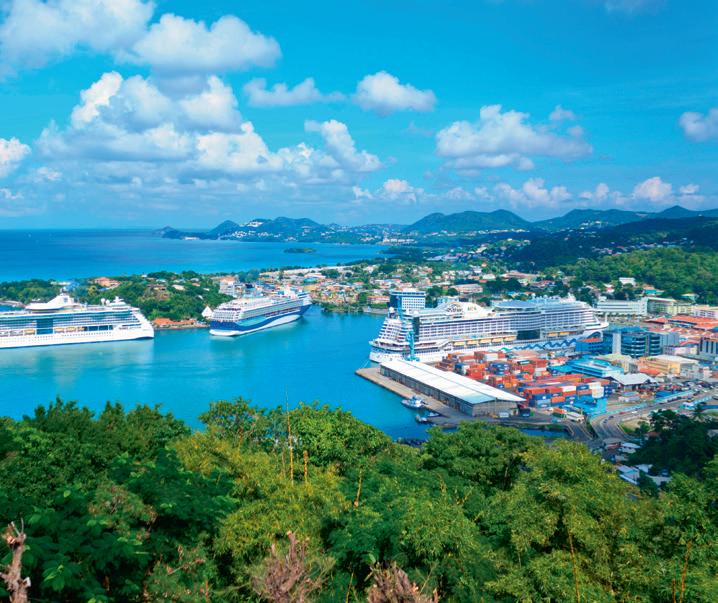
The same was also true of the Nathan Dundas Cruise Port of the Year, which saw Castries emerge as the winner in what was only the second year of the competition.
So how did previously unsung and little noticed Port Purcell, handling around 30,000 TEU annually for the BVI’s main island of Tortola catch the eye of the Port of the Year committee and its forensic
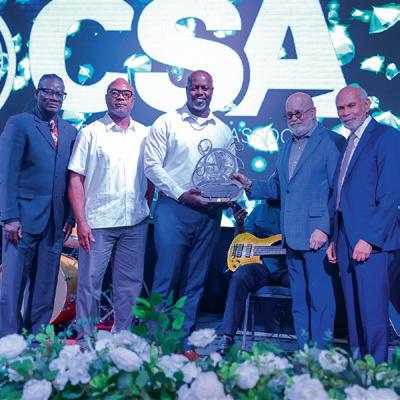
chairman and industry veteran Roland Malins-Smith?
Roland-Malins Smith explains how the committee assessed the winner’s merits: Port Purcell gained full marks on six out of 10 items, namely:
percentage improvement in container moves per hour*
reduction in average truck turn time within the terminal
increase in training expenditures
increase in capital investment
industrial relations (no strikes)
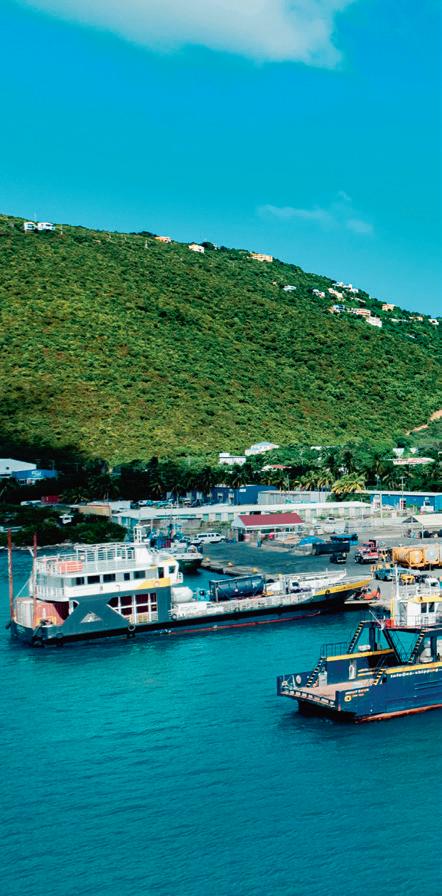
safety (no accidents).
The port also enjoyed a 16% positive improvement on the environmental sustainability assessment.
As always, the competition was closely fought and keenly contested. Malins-Smith provides the details of his committee’s broader Caribbean-wide assessment:
Industrial relations were stable. There were no strikes in any of the ports during the 2023/24 period.
Berthing congestion appears to have increased at major ports, resulting in negative scores for waiting time. Among those with a positive score, Martinique
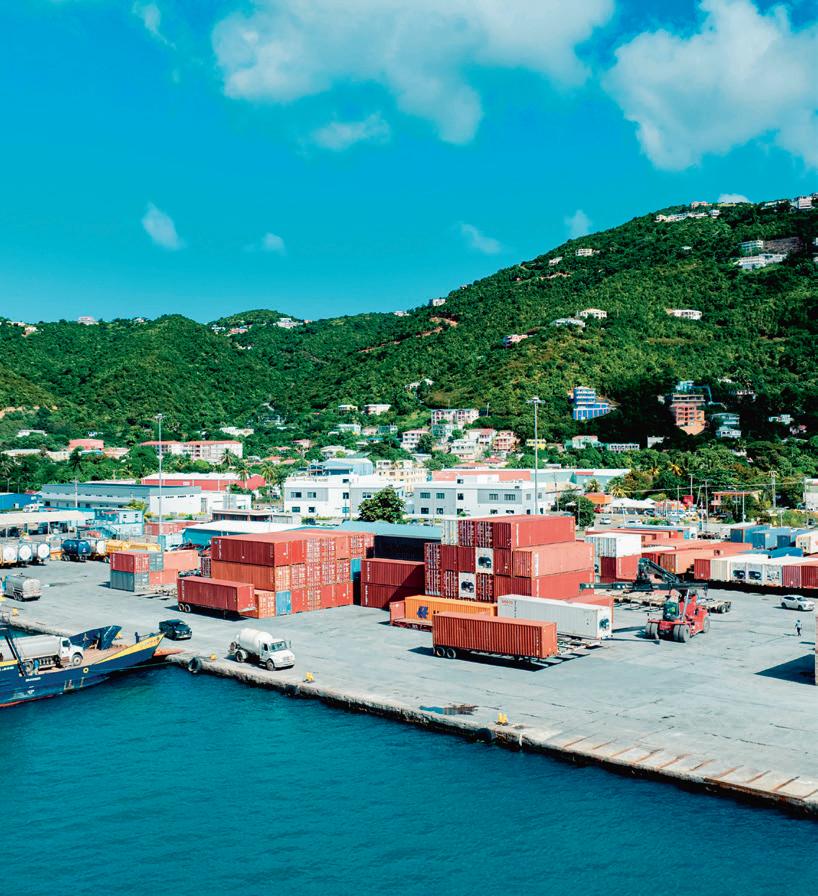
Roland-Malins Smith explains how the committee assessed the winner’s merits: Port Purcell gained full marks on six out of 10 items”
and Hamilton (Bermuda) deserve special mention, with no waiting time recorded for the period.
All ports taken together, productivity (container moves per hour) was little changed. The leaders in terms of
improvement were Port Purcell followed by Hamilton.
Receiving/delivery times within the terminal was improved significantly by Hamilton, followed by Port Purcell.
On Safety, the port which made the most progress in reducing accidents was MIT (75% reduction) followed by Freeport Bahamas (52%), and Martinique (33%).
On Training: Point Lisas increased its spending threefold; Kingston Freeport Terminal (KFTL) Jamaica more than doubled its spending, and Port Purcell came a close third.
On gender, overall employment of women improved to 33%, largely led by Point Lisas which went from 8% of the workforce in 2023 to 35% in 2024. Paramaribo made an improvement of almost 14%, and Bridgetown followed with a 10% improvement.
Viability: There was an overall improvement in net income of 61% for the ports reviewed. The leader here was again Point Lisas, followed by Hamilton, and then followed closely by Port Purcell.
Capital expenditure: The overall average increase in investment reflected in the entries was just over 100%. Hamilton won this category. The runner up was MIT, followed by Port Purcell.
The Environmental self-assessment indicates that the port with the most improvement was Point Lisas. The runner up was Paramaribo. In third place was Martinique.
As a result, the most improved port overall and the CSA Ludlow Stewart Container Port of the Year was:
In third place, Hamilton (54.7 points)
Runner up was Point Lisas (55 points)
And the winner in 2025, Port Purcell (59.6 points)
The Nathan Dundas Cruise Port of the Year was also part of the committee’s remit. The number of entries doubled from 2024, which was very encouraging.
Berth activity: Perhaps surprisingly, half of the ports recorded a reduction in overall cruise ship visits during the period. Of those which reported an increase in visits, BVI led the way, followed by Castries, and Martinique.
Passenger throughput also declined in some ports. However, Castries recorded a 17% increase, and BVI a 7% rise.
Summer activity picked up notably for Guadeloupe, followed by Castries and Martinique in that order, with seasonal balance reflecting similar gains.
Average passenger cost improved in some ports, led by the Royal Naval Dockyard Bermuda.
On the terminal management selfassessment, positive change was notable again for the Royal Naval Dockyard Bermuda, Guadeloupe and Martinique in equal measures.
And the winners of the CSA Nathan Dundas Cruise Port of the year 2025:
Runner up, Grand Port Maritime de la Guadeloupe
The winner, Castries, Saint Lucia
BVI Ports’ acting managing director, Dean Fahie says: “We are sincerely grateful to the Caribbean Shipping Association for the recognition bestowed on Port Purcell through the Port of the Year Award. It is an honour that reflects the collective effort, commitment, and resilience of our team.

In terms of what contributed to this achievement, Port Purcell’s success was driven by a deliberate focus on operational improvement, strengthened safety and security practices, and sustained investment in port infrastructure and service delivery. The Authority prioritized efficiency in cargo handling, maintained high standards of compliance with international maritime requirements, and encouraged strong collaboration among port users and stakeholders. Taken together, these efforts allowed the port to operate reliably and competitively while supporting national and regional trade.”
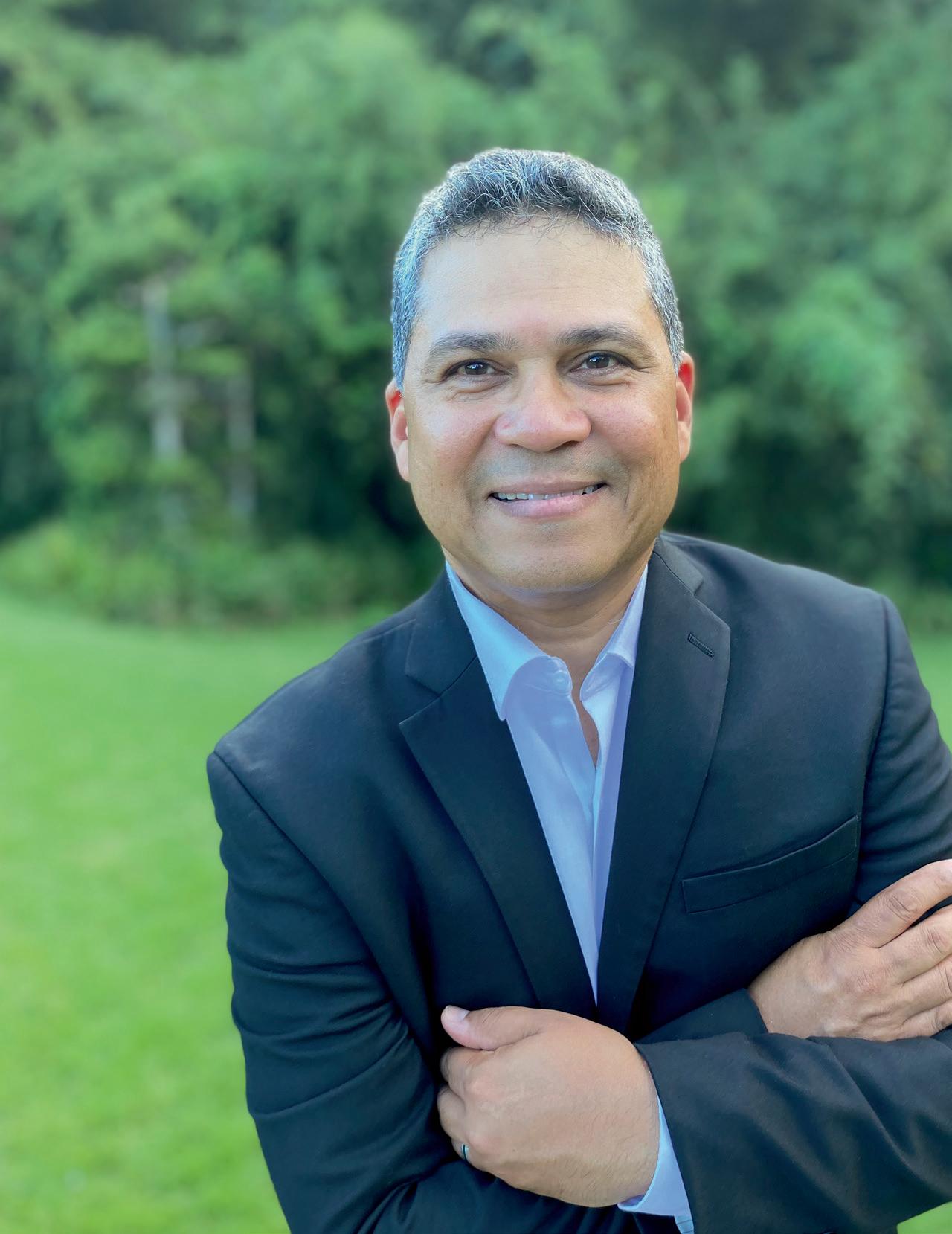
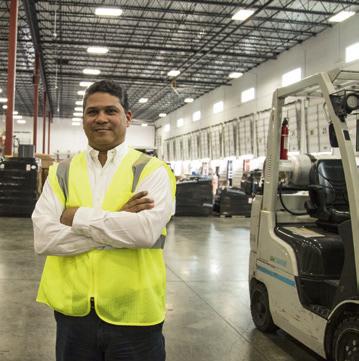
In an industry often defined by scale, automation, and distance, NATIVO stands apart by doing something deceptively simple: putting people first. Operating in the shipping and logistics sector, NATIVO is not just moving cargo across borders –it is safeguarding relationships, livelihoods, and trust between North America, the Caribbean, and Latin America.
Founded by its CEO Martin Medina after more than 30 years in the shipping and logistics industry, NATIVO was born not from disruption for disruption’s sake, but from continuity. After decades of building networks, managing complex trade lanes, and working closely with business owners across the Caribbean and Latin America, the transition into building an independent company felt natural—almost inevitable. The name itself reflects that sentiment. NATIVO is rooted in origin, culture, and belonging.
Throughout his career, Mr Medina observed a persistent challenge in the global shipping sector. Despite technological advancements and increasingly sophisticated systems, he felt that while many Caribbean and Latin American business owners were well served by traditional US-based logistics providers there was room in the market for a different approach and a sharper regional focus. Their perception – often reinforced by experience – was that attention and priority were directed elsewhere, sometimes leaving their particular markets underserved and misunderstood.
NATIVO was created to change that reality. Being from the region, culturally and professionally, gives NATIVO a unique advantage. The company understands that logistics in these markets is not purely transactional. It is relational. It is built on trust developed over years, not contracts signed overnight. This cultural alignment allows NATIVO to connect with partners in a way that goes beyond service levels and pricing – it creates genuine collaboration.
At the core of NATIVO’s business model is a clear and uncommon positioning: serving as the agent’s agent in the United States. While NATIVO is open to serving businesses of all sizes and even individual shippers,
its primary focus is on supporting shipping agents throughout the Caribbean and Latin America. These agents are the ones who own the local relationships. NATIVO empowers them by acting as their trusted extension in the US market – handling execution, advocacy, and operational excellence on their behalf.
As a licensed NVOCC, NATIVO offers a comprehensive suite of logistics services, including warehousing, LCL and FCL ocean freight, air freight, project cargo, and trucking solutions. But services alone are not what define the company. What truly differentiates NATIVO is how those services are delivered.
Clients and partners experience direct access to leadership, fewer handoffs, and faster decision-making. Problems are not hidden behind systems or deferred through layers of management. Instead, NATIVO sets the tone during disruptions – communicating clearly, acting decisively, and standing by its partners even when doing the right thing comes at a cost.
Ethics are non-negotiable, says Mr Medina. Many of the agencies NATIVO works with have known the leadership team for years, sometimes decades. New partnerships often come through referrals from respected trade institutions, reinforcing a network built on reputation rather than volume. If a decision risks compromising integrity, NATIVO chooses the harder path. Losing an opportunity is acceptable; losing trust is not.
Today, NATIVO is firmly in a growth phase. The company is expanding trade lanes, deepening its presence throughout the Caribbean, strengthening its footprint in Latin America, and investing in technology, partnerships, and infrastructure to support long-term scalability. The vision is clear: to operate across all Caribbean islands while
The vision is clear: to operate across all Caribbean islands while establishing strategic presences in key Latin American markets”
establishing strategic presences in key Latin American markets.
This growth, however, does not come at the expense of involvement. NATIVO’s CEO remains deeply engaged in day-to-day operations – balancing strategic direction with hands-on leadership. Relationships remain central. Strategy is informed by experience. And every decision is filtered through the same lens that guided decades of prior work.
Ultimately, NATIVO wants its partners to feel two things above all else: trust and belonging. Trust that their cargo, their business, and their reputation are being handled with care. And belonging in an industry where they are sometimes treated as an afterthought.
As the company continues to grow, that philosophy remains unchanged. In the words that best capture NATIVO’s mission and soul: “We are not about moving cargo. We handle people’s lives in every box we touch.”
The Saint Lucia Chamber of Shipping is the newly established national industry body dedicated to representing, advancing, and unifying the interests of the maritime and shipping sector in Saint Lucia. Formed at a time when resilient supply chains, sustainability, and the blue economy are in global focus, the Chamber provides a structured platform for maritime stakeholders to collaborate, advocate, and contribute to national and regional development.
Maritime activity is central to Saint Lucia's economy. From international trade and port operations to bunkering, yachting,
cruise tourism, offshore energy support, and maritime services, shipping underpins the movement of goods, people, and capital across the island and the wider Caribbean. The Chamber was created to ensure that these interconnected activities are supported by a coherent industry voice, informed policy engagement, and internationally aligned best practices.
The Chamber's primary mandate is to advocate for the maritime industry by engaging government, regulators, and regional partners to promote policies
that enhance efficiency, competitiveness, safety, and environmental responsibility. Additionally, it functions as a convener, bringing together shipowners, agents, port operators, service providers, logistics firms, energy stakeholders, and allied sectors to address shared challenges and opportunities. The Chamber also acts as a catalyst for capacity building, knowledge sharing, and talent development, while supporting the long-term sustainability of Saint Lucia's maritime ecosystem.
Aligned with international maritime standards and regional cooperation frameworks, the Chamber actively promotes compliance, innovation, and the adoption of modern shipping practices. Emphasis is placed on decarbonization, digitalization, maritime security, and workforce development, critical issues shaping the future of global shipping and small island developing states. As the Chamber establishes its institutional presence, it seeks strong collaboration with regional and international partners, particularly the Caribbean Shipping Association, to advance shared objectives and amplify the Caribbean's collective maritime voice on the global stage.
The Saint Lucia Chamber of Shipping stands as a strategic partner in national development, committed to strengthening maritime governance, enhancing trade facilitation, and positioning Saint Lucia as a credible, competitive, and forward-looking maritime jurisdiction within the Caribbean and beyond. Join our mission in advancing maritime excellence.
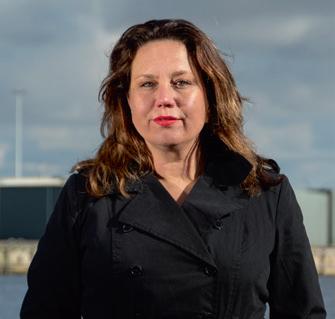
By Mijs Verhoeven
PBT Netherlands BV, PR & Marketing Manager
Among the many fuel options being explored worldwide, biofuels stand out as the most practical and immediately accessible pathway for Caribbean shipping. While long-term solutions such as methanol, ammonia or hydrogen continue to develop, biofuels offer a realistic, near-term opportunity that fits the region’s operational realities and can be adopted without large-scale disruption.
Biofuels can often be used as a “drop-in” solution – blended with or replacing conventional marine fuels without requiring major vessel modifications. This makes them far more accessible than fuels that require new engines, unfamiliar safety frameworks or major infrastructure investments, which
As the global maritime sector accelerates its transition towards cleaner energy, the Caribbean finds itself at a pivotal crossroads. With dense cruise activity, vibrant inter-island trade and strategically located ports, the region has the potential to become an early mover in the adoption of alternative fuels – provided the right steps are taken today.
remain out of reach for many smaller regional ports.
When produced from sustainable sources such as waste oils or agricultural residues, biofuels can deliver significant lifecycle emissions reductions, while also lowering sulphur output and improving air quality around busy port environments. For an ecologically sensitive region like the Caribbean – where reefs, marine life and coastal tourism are central to the economy – these benefits are especially relevant.
In addition, global cargo owners are increasingly demanding cleaner supply chains. For Caribbean ports, the ability to offer lower-emission fuel options could strengthen their competitive position, attract forward-thinking operators and support broader sustainability goals that many island states are prioritizing.
The global shipping industry is actively exploring a range of alternative fuels. However, not all options are equally suited to the Caribbean’s current infrastructure and fleet profile.
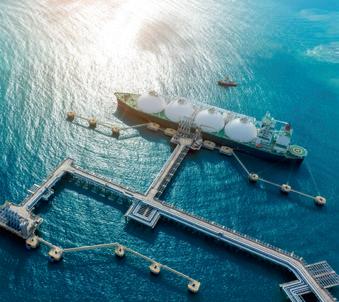
LNG - Already in use in parts of Europe and Asia, LNG remains a long-term possibility for certain Caribbean ports. However, the need for specialized storage and high-investment infrastructure makes widespread adoption unlikely in the short term*.
Methanol - A promising option for newbuild vessels, methanol is gaining traction globally. Yet its availability in the region is still limited, and handling requirements are evolving.
The Caribbean is the world’s largest cruise market – and cruise ship operators face rising pressure to decarbonize”
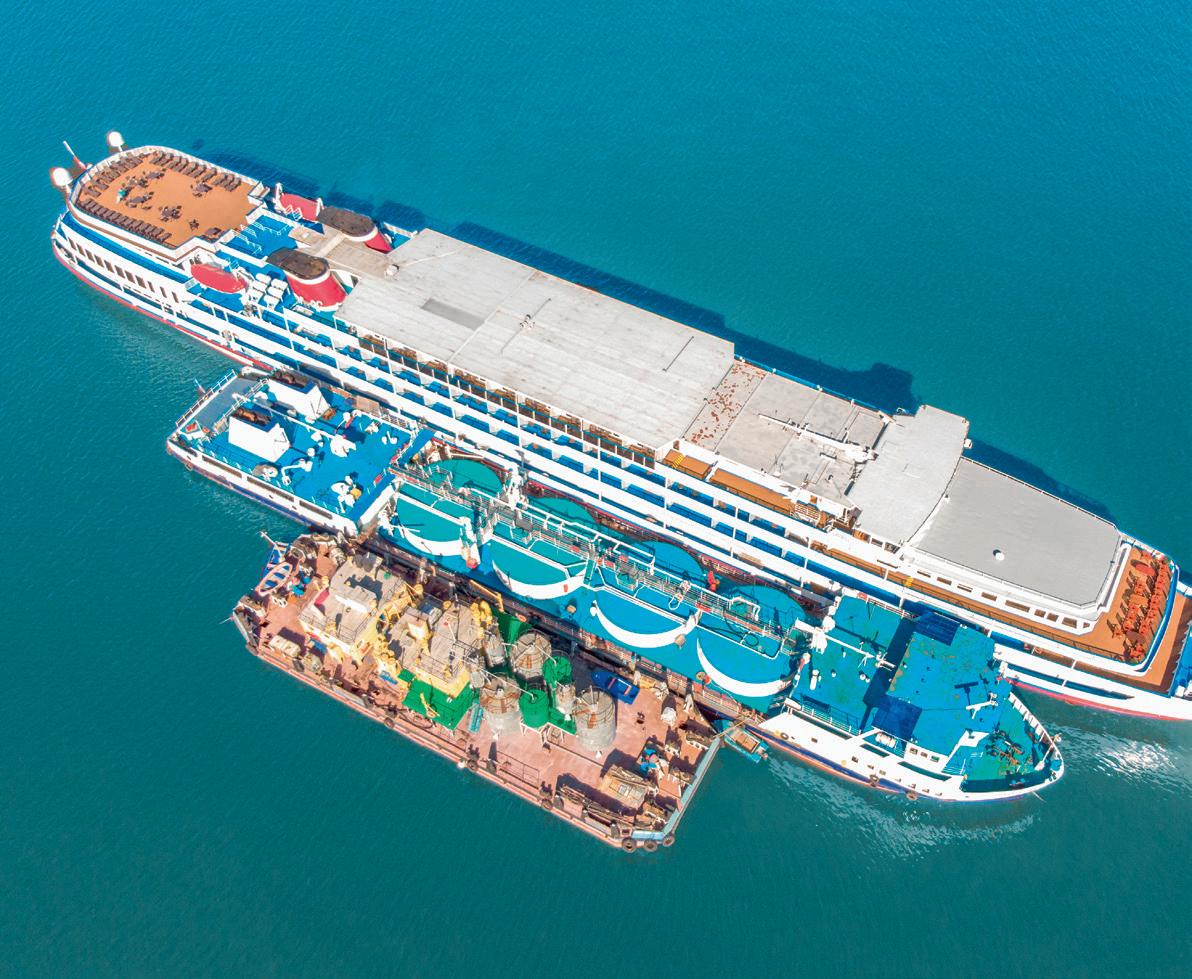
Ammonia & Hydrogen - Often viewed as future solutions for deep-sea shipping, these fuels come with major safety, storage and regulatory challenges. Full adoption in the Caribbean remains distant. Against this backdrop, biofuels represent the most achievable and scalable first step toward cleaner operations for regional shipping and port sectors – a practical foundation upon which future alternative fuel strategies can be built.
Where biofuels fit into the
Cruise shipping - The Caribbean is the world’s largest cruise market –and cruiseship operators face rising pressure to decarbonize. Access to biofuel bunkering in regional ports could support cleaner itineraries and enhance the Caribbean’s image as a sustainable destination.
Inter-island cargo & short-sea shipping With vessels sailing relatively short, predictable routes, operators can trial biofuel blends in a controlled and low-risk environment.
Emerging bunkering hubs - Several Caribbean ports could, with targeted investment, position themselves as alternative-fuel supply hubs for vessels arriving from international trades – mirroring
developments in North America and Europe.
Transitioning to alternative fuels does not require immediate large-scale overhaul. It begins with practical, phased steps.
1. Port readiness
Segregated storage, certified handling procedures and trained personnel are essential. These elements can be introduced gradually and aligned with existing bunkering operations.
2. Fuel quality and traceability
Because sustainability varies by feedstock, reliable certification and sourcing are critical. Strong supplier partnerships will ensure that biofuels deliver their intended environmental benefits.
With established operations in the Caribbean and decades of bunkering experience, PBT is well-positioned to support regional stakeholders exploring alternative fuels.
PBT can assist with:
• Assessment of biofuel options and blends
• Safe handling and bunkering procedures
• Fuel quality assurance and sustainability certification
• Voyage planning and operational guidance
• Pilot projects for vessels trialing low-carbon fuels
3. Regional collaboration
Shared standards and coordinated planning between ports, shipowners and bunker suppliers will be key to early adoption. Joint initiatives or pilot projects could accelerate learning and reduce cost barriers.
4. Policy alignment
Supportive regulatory frameworks or incentives could accelerate pilot projects and infrastructure investments, helping the region build momentum in a manageable, measured way.
The Caribbean has a genuine opportunity to shape its own pathway in the maritime energy transition. By focusing on realistic, scalable steps – starting with biofuels – the region can reduce emissions, strengthen its
port competitiveness and position itself as a forward-looking, sustainable maritime hub.
Biofuels may not be the destination, but they represent an essential and achievable first step toward a cleaner future for Caribbean shipping – and an important foundation for the alternative fuels landscape of tomorrow.
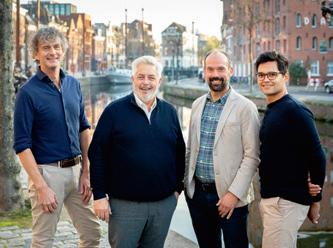
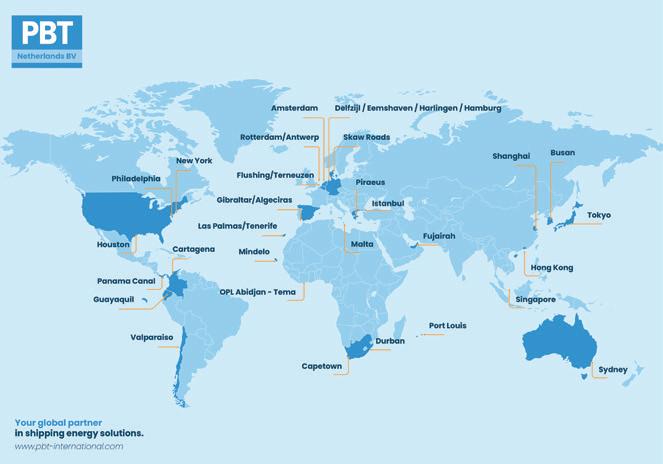
PBT closely follows developments in biofuels and other sustainable marine fuels and is prepared to support clients as demand in the Caribbean increases. The company’s regional presence,
combined with its global operational expertise, positions PBT as a strong and reliable partner as the market continues to evolve.
As Curaçao celebrates 100 years of shiprepair on the island in 2026, the maritime sector is entering a new era of opportunity. With strong backing from the Prime Minister and key ministries, the government has named the Dok–BuskaBaai zone as the heart of a future-ready maritime, industrial, and circular economy, a clear signal that Curaçao is ready to anchor its economic renewal in the sea that surrounds it.
This direction aligns with national policy and the Landspakket (literally translated as National Package) goals: strengthening its economy, boosting resilience and increasing execution power. The Curaçao Maritime Association (CMAR) plays a leading role as the sector’s convener, while the Minister of Economic Development steers alignment across ministries and with maritime partners.
The newly launched Programmatische Maritieme Tafel (PMT) brings together government, public sector companies, and private sector partners, including CPA, CDM-Holding, Blue Harbour City, BuskaBaai NV, 2BAYS NV as well as CMAR members, within one framework. It’s a big step forward in bridging fragmentation: with shared discussions on permitting,
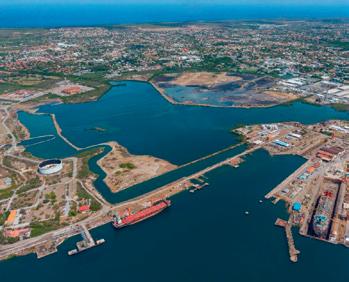
infrastructure, investments and clustering of innovation across circular industry, logistics and maritime services.
Agustin Diaz Jr, CEO of CDM-Holding and chair of the PMT working group, leads the charge from the private sector. With ministerial presence at the table, decisions are expected to move faster and be more future-oriented.
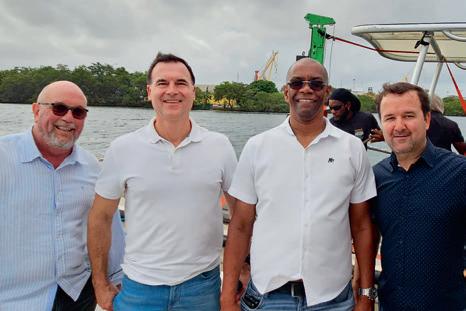
The basis for this article first appear in the December issue of the CMAR Newsletter. A modern maritime cluster must meet modern standards. Curaçao’s commitment to MARPOL compliance, with Falcon International BV as a key player in waste oil and bilgewater processing, enhances the island’s credibility and opens doors to expansion in shiprepair, cruise, circular economy and innovation.
The Dok–BuskaBaai zone will welcome a mix of anchor tenants and forward-facing industries, including Damen/CDM for shiprepair, Curinde for logistics and trade, BuskaBaai NV for circular development, Falcon for environmental tech and Blue Harbour City for SME and innovation growth. The plan includes potential re-opening of Buska Bay to improve ecological quality and water circulation.
This vision sets the stage for new international partnerships, including technical know-how, EU funding, research and investment from the Netherlands and beyond.
Minister of Economic Development Roderick Middelhof outlined the way forward: “By working together with our companies, public partners, and
international stakeholders, we are building a modern maritime cluster that connects industrial growth, innovation, and circular development. This is the beginning of a new economic reality for Curaçao.”
Minister of Traffic Transportation and Urban Planning & Minister of Finance Charles Cooper, responsible for CPA was equally upbeat about the project: “A futureproof port is essential for a strong maritime cluster. Through spatial planning and targeted port development, we support the growth of the Dok–BuskaBaai area and the new economic opportunities it brings.”
Agustin Diaz Jr., PMT Chair and CEO of CDM-Holding explained the private sector’s commitment to BuskaBaai: “The PMT will actively engage with the international maritime and industrial market to identify concrete requirements, investor interest, and proven demand. This outside-in approach ensures that new projects are developed from the ground up, directly aligned with market needs and designed for long-term viability. Combined with the shipyard’s ongoing modernization and the reopening of BuskaBaai to the sea, this development will deliver a powerful boost to Curaçao’s maritime sector, including an expansion of port capacity of no less than 30%.”
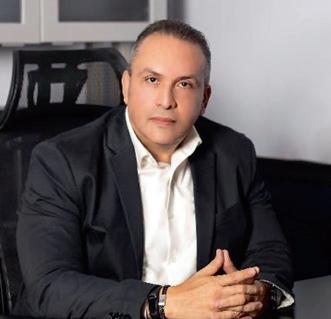
By Dr Averne Pantin Author of Execution Intelligence

The global maritime industry has entered a decisive phase. What was once discussed in conferences and long-range policy papers is now reshaping daily operations, freight pricing, and route decisions. Two forces are driving this shift with unusual speed. The first is the hardening of global decarbonization rules. The second is persistent geopolitical disruption that has made shipping routes less predictable and more expensive.
For the Caribbean, these forces are not distant global concerns. They strike at the core of regional competitiveness, trade
security, and economic resilience. How the region responds over the next five to seven years will determine whether Caribbean ports remain relevant nodes in global shipping networks or become increasingly peripheral.
For decades, shipping enjoyed a regulatory grace period compared to aviation and land transport. That period is over. The International Maritime Organization (IMO)
has committed the industry to net-zero greenhouse gas emissions by mid-century, with clear interim checkpoints beginning this decade. More importantly, this commitment is now being translated into enforceable mechanisms.
Europe has moved fastest. The European Union Emissions Trading System now applies to maritime transport, gradually increasing the percentage of emissions that must be covered by allowances. This is not a theoretical exercise. Carbon now has a price that shipowners must pay, account for, and pass on. Whether a vessel calls directly at a
European port or operates within a service string connected to Europe, the cost signal is already flowing through freight rates and surcharges. For Caribbean exporters, especially those shipping agricultural products, manufactured goods, or energyrelated cargo into Europe, this means higher landed costs and more scrutiny from customers. For importers, it means freight volatility that feeds directly into inflation and supply chain uncertainty.
Decarbonization is also reshaping investment decisions. New vessels, alternative fuels, energy efficiency retrofits, and digital monitoring systems all require capital. Shipping lines will prioritize routes and ports that help them reduce both emissions and operational friction. Ports that slow ships down or lack reliable data systems are no longer just inefficient. They are financially unattractive.
At the same time that carbon is being priced, global shipping routes have become less stable. The Red Sea crisis, combined with ongoing conflict in Eastern Europe and recurring constraints at the Panama Canal, has forced carriers to rethink longestablished routing assumptions. Detours around the Cape of Good Hope, longer transit times, higher fuel consumption, and increased insurance premiums have become part of operational planning.
Even where partial normalization occurs, the lesson has been learned. Route security can change rapidly, and when it does,
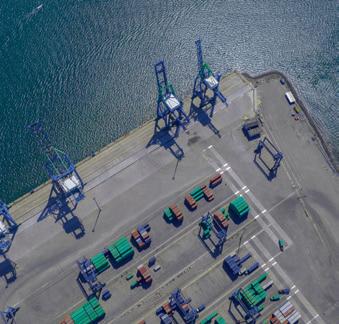
shipping networks reconfigure with little regard for historical loyalties. Ports that once relied on stable mainline calls can quickly find themselves downgraded to secondary or feeder status.
For the Caribbean, this volatility matters deeply. The region sits at the crossroads of north–south and east–west trade flows. That geography is an advantage only if ports are reliable, efficient, and seen as low risk. In a world where ships are travelling longer distances and burning more fuel, every hour saved in port and every avoided delay has greater value.
The Caribbean’s exposure is structural. Most economies are heavily importdependent, particularly for food, medicine, fuel, and industrial inputs. Freight cost increases pass quickly through to consumers and businesses. Volumes are relatively small, which limits negotiating power with global carriers. Tourism adds another layer of sensitivity, since Cruise ship operators and high-value visitors increasingly pay attention to environmental standards and service reliability.
There is also intense competition within the region. Transhipment hubs succeed or fail based on speed, predictability, and trust. As shipping lines consolidate services to manage cost and risk, they will favor ports that reduce uncertainty. Being adequate is no longer enough.
The next phase of maritime competition will not be decided by size alone. It will be decided by which ports and maritime administrations help shipping lines manage carbon risk, operational risk, and data risk at the same time. Carbon risk includes the ability to support cleaner operations through efficient port calls, shore power where feasible, and credible emissions reporting. Operational risk includes berth productivity, safety standards, security, and resilience to disruption. Data risk includes accurate digital records that support regulatory compliance, commercial reporting,
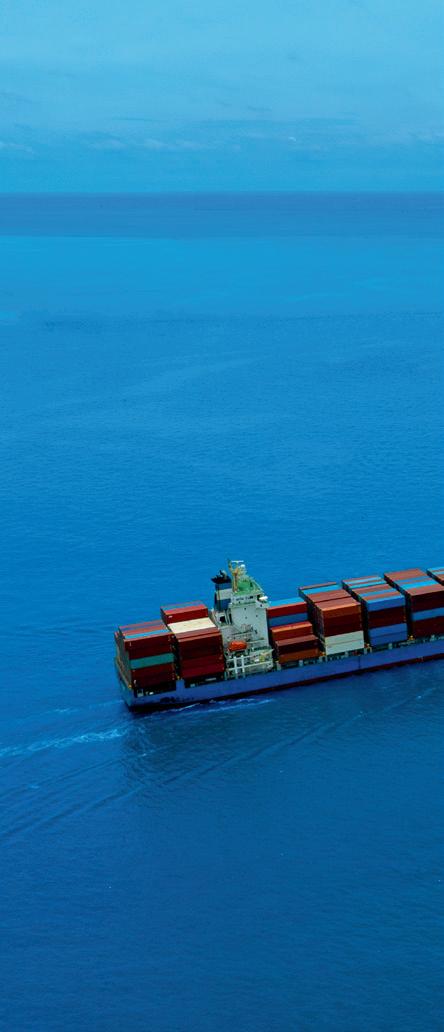
and customer assurance.
Ports that perform well across these dimensions become easier to serve. They reduce uncertainty for ship-owners, insurers, financiers, and cargo owners. In an era of carbon pricing and geopolitical volatility, ease of doing business becomes a strategic asset.
The Caribbean does not need grand declarations or unrealistic fuel mega projects. It needs disciplined execution.
Shared standards, joint training, pooled procurement, and aligned regulatory approaches can help small markets achieve scale benefits”
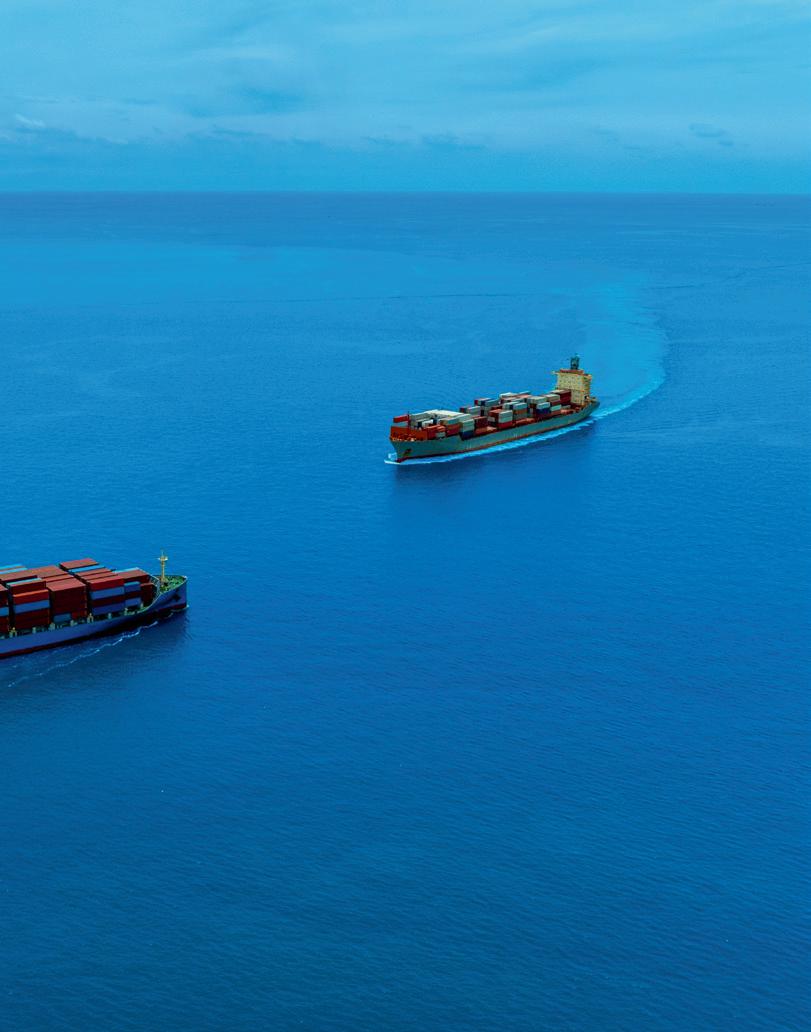
First, ports must focus relentlessly on efficiency. Faster port calls mean lower fuel burn, lower emissions, and lower cost. Investments in yard layout, equipment reliability, appointment systems, and workforce capability deliver immediate returns under current market conditions.
Second, digital readiness is no longer optional. Emissions monitoring, cargo visibility, and regulatory reporting depend on credible data. Ports that cannot provide this will find
themselves excluded from preferred service networks.
Third, alternative fuel readiness must be approached pragmatically. Not every port needs to become a hydrogen or ammonia hub tomorrow. What is required is regulatory preparedness, trained personnel, adaptable safety frameworks, and the ability to scale when demand becomes real. Flexibility will matter more than early headline projects.
Fourth, maritime security and resilience must be treated as part of the value proposition. In a world shaped by conflict, carriers value predictability. Strong security regimes, cyber resilience, and credible contingency planning increase confidence in the port and the country it serves.
Finally, there is a strong case for regional coordination. Shared standards, joint training, pooled procurement, and aligned regulatory approaches can help small markets achieve scale benefits. A fragmented response will be more expensive and less effective.
The hard truth is that costs are rising. Carbon compliance, fuel transition, and route volatility all add pressure to freight rates. The Caribbean cannot avoid this reality. What it can do is decide how much of that pressure it absorbs passively and how much it offsets through better execution.
Ports and maritime authorities that move early will shape their role in the next generation of shipping networks. Those that delay will find decisions made for them.
The future Caribbean maritime system will be cleaner, more regulated, more data driven, and more sensitive to disruption. That future is arriving faster than many expect. The question is not whether the Caribbean will adapt, but whether it will do so deliberately and strategically, or be forced to react under pressure.
This is the moment to choose.
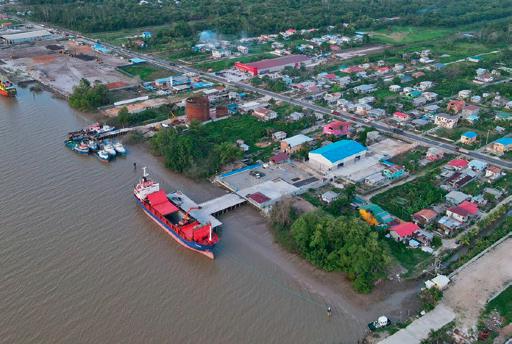
Guyana’s new Friendship Port Facility Inc on the east bank 8.5 nautical miles from the mouth of the Demerara River in Georgetown is a privately owned, family-run business. The facility maybe new but it’s built on decades of hands-on experience in the maritime sector.
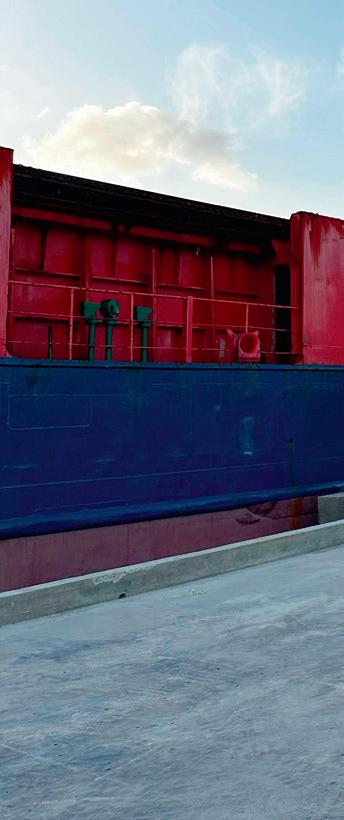
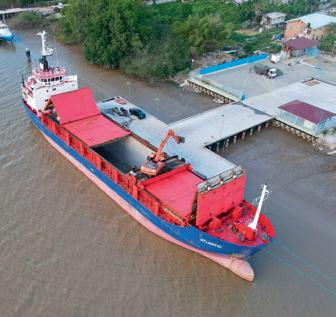
Long before the port facility became a reality, the owner’s core business was, as KS Shipping Line, cargo vessel ownership and operations. Through its fleet of general cargo vessels, the company transported essential raw materials – cement, steel, sand, and aggregates – across the Caribbean, supporting construction and infrastructure development throughout the region.
At one point, the company was sole forwarders of cement into its home port, Georgetown, a role that placed it at the heart of the maritime supply chain and reinforced its deep understanding of port operations, logistics, and regional trade demands. Now the focus is on developing the new terminal.
The Friendship Port Facility directors bring over 35 years of experience in the local maritime sector, having been actively involved in vessel operations, cargo movement, and port interfacing across the Caribbean. This long-standing involvement provided not only operational expertise, but also a clear vision of what Guyana needed as its maritime and industrial sectors have rapidly expanded in recent years.
With Guyana as its home and a fully operational fleet at its disposal, the natural evolution of the business was clear. The insight gained from years of moving cargo, managing vessels, and navigating
port limitations inspired the decision to invest directly into port infrastructure.
From that vision, Friendship Port Facility was born.
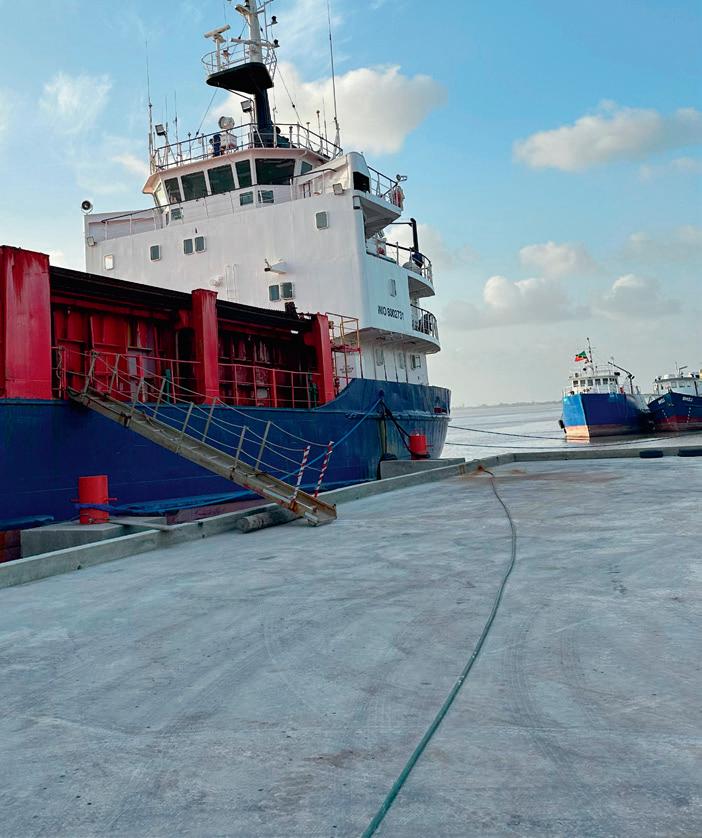
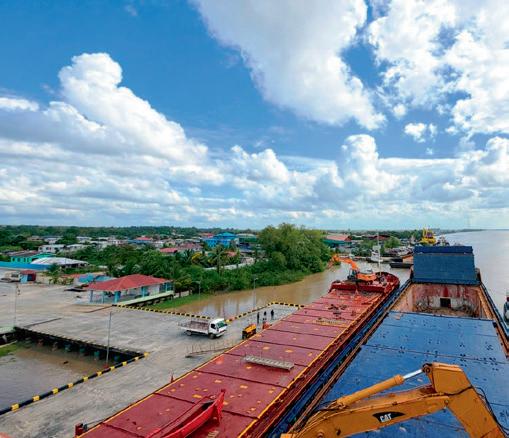
Friendship Port Facility is a newly constructed, multipurpose-built port terminal, designed to support the evolving needs of Guyana’s maritime, oil and gas, logistics, and industrial sectors. Aside from regular cargo handling, the company also provides bunkering, waste disposal, ship chandlery, secure open storage and warehousing.
The terminal covers around 2.5 acres of land and can accommodate vessels up to 125 meters in length. At high tide, and thanks to recent dredging, there is seven meters alongside water depth. The
For the time-being, Friendship Port will handle bulk cargoes such sand, cement and aggregates, neobulk cargoes like steel and heavy machinery as well as general and project cargo”
terminal is equipped with a single 70-ton mobile crane and a 10-ton capacity forklift.
For the time-being, Friendship Port will handle bulk cargoes such sand, cement and aggregates, neobulk cargoes like steel and
heavy machinery as well as general and project cargo.
Built on experience rather than theory, the facility reflects a practical, operatordriven approach – shaped by decades spent at sea and on the ground, understanding exactly what modern port users require.
But the company has other ambitions. Says director Kevin Shiwram: “My dream is to turn the facility into the next shore base but on a smaller scale dedicated to servicing supply vessels and other sub-contractors.”
Friendship Port Facility stands as the result of generational knowledge, strategic investment, and a long-term commitment to Guyana’s increasingly bright maritime future.
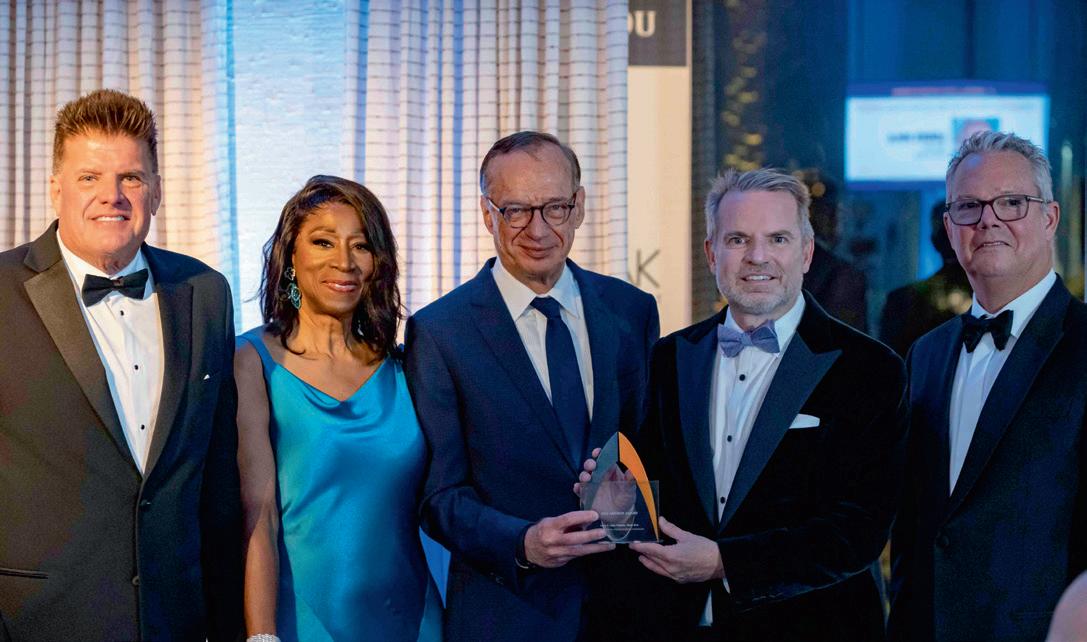
Belize prime minister John Antonio Briceño, was the Patron and Keynote Speaker for the 2025 American Caribbean Maritime Foundation (ACMF) Anchor Awards gala in Fort Lauderdale in November.
The event’s theme was: “Talent in Your Backyard Caribbean: A Sea of Opportunity” and focused on access to maritime education and career opportunities for Caribbean nationals aspiring to become maritime professionals and seafarers. The ACMF’s distinguished honorees were Louis Sola, senior partner of the Washington lobby firm, Thorn Run. Mr Sola is the recent past Chairman and Commissioner of the Federal Maritime Commission (FMC); and CMA CGM, the world’s second largest container shipping company.
The black-tie event took place at the Lauderdale Yacht Club. Gala Chairman was Tim Martin, president of Tropical Shipping, a long-time and generous supporter of ACMF. The host and master of ceremonies was Mike Maura, Jr, chairman of Arawak Port Development and CEO and Director of Nassau Cruise Port. Mr Maura, is also a generous supporter of the ACMF, and a former Gala chairman.
Since 2020, Prime Minister Briceño has made the maritime sector a cornerstone of national development. Beyond port expansion, the government is modernizing the industry, recognizing its vital role in trade, connectivity, and economic growth. His participation at the Anchor Awards
underscored Belize’s commitment to the sector’s importance to the economy.
With his support, the Belize Port Authority, under the Ministry of Public Utilities, Energy & Logistics, is advancing key initiatives including a National Action Plan for Maritime Decarbonization, a National Maritime Transport Policy, and a National Ports Policy. These efforts aim to strengthen the industry and create opportunities for students and young professionals to shape its future.
Said Geneive Brown Metzger, president of the ACMF: “Through our partnerships with cruise and cargo companies, we can help Belize by providing the funding for aspiring local maritime professionals with access to bachelor’s degrees and specialized training.”
Joining the distinguished group of ACMF honorees were Louis Sola and CMA CGM. Mr Sola was appointed Chairman of the Federal Maritime Commission (FMC) by President Donald J. Trump in 2018, served under President Joe Biden, and again in 2025, before joining the US’ Thorn Run Partners in July last year. Over the past six years at the FMC, Louis Sola played a pivotal role in overseeing and enforcing policy governing more than US$5 trillion in annual US ocean-borne trade. French operator CMA CGM has shipping agencies across the Caribbean and operates Jamaica’s Kingston Container Terminal (KCT). CMA CGM has been a major carrier to and from the French West Indies for decades. The company has a long tradition of supporting youth and education. The Anchor Awards brought together cruise, cargo, oil and gas industry leaders from across the Caribbean, South America, the United States, and the United Arab Emirates; diplomats, ACMF scholarship recipients, and friends.
The American Caribbean Maritime Foundation (ACMF) is a US 501(c)3 nonprofit organization, focused on the maritime industry in the Caribbean. ACMF’s scholarship program, which began with just five recipients in 2018, is cumulatively over five hundred recipients as of the 2025/2026 academic year. The shipping sector is a driver of economic growth and development in the Caribbean, and ACMF invests in training aspiring maritime professionals to meet the increasing demand for these workers across the region and around the globe. To date recipients come from Guyana, Jamaica, The Bahamas, Saint Lucia, Trinidad and Tobago, the Dominican Republic, St Vincent and the Grenadines, Grenada, St. Kitts and Nevis, and Suriname. ACMF’s impact is both tangible and inspiring. Through generous contributions from the regional and international maritime community, the Foundation has
provided nearly US$3 million in tuition support to over 500 students who have undertaken specialized maritime training at the bachelor’s and STCW certification levels.
The Foundation partners with six academic institutions within the CARICOM to train aspiring mariners and maritime professionals in engineering, navigation, logistics, immigration and customs processing, cyber security, supply chain management, port management, and a host of other skills essential to the maritime sector. ACMF has donated dozens of laptops to help students study remotely during the COVID-19 pandemic; funded emergency grants to students at risk of dropping out due to loss of family income during the pandemic; created an online jobs board (www.acmf- carex.org);
and helped build a 100-person capacity Lecture Hall.
ACMF also hosts a Caribbean region-wide webinar, the Maritime Link-Up Webinar, in partnership with CARICOM, attended by hundreds of students to promote maritime careers. ACMF Anchor Awards, held annually, celebrates the leadership of shipping industry stalwarts.
ACMF sponsors include MSC Cruises, King Ocean Services, Celebrity Cruises, DP World, Seaboard Marine, Tropical Shipping, Kestrel Group, Nassau Cruise Port, Arawak Port Development, Norwegian Cruise Line, Kingston Wharves, Saltchuk, Hyde Shipping, Roland and Loretta Malins-Smith, SSA Marine Manzanillo International TerminalPanama, HIT Haina among many others.
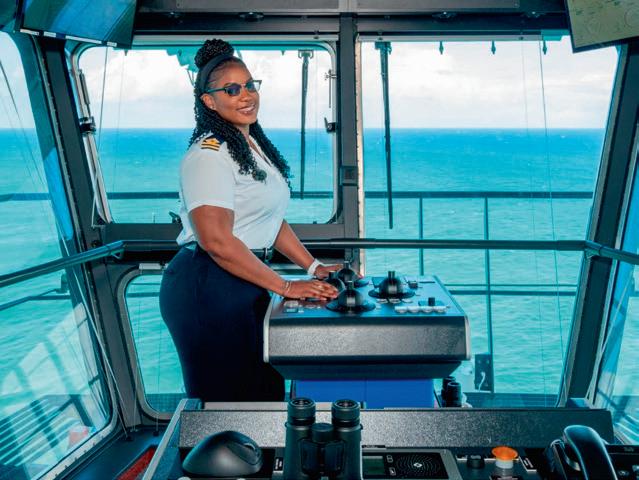
As a tangible example the ACMF’s financial support for maritime students, the late last year, 1st Officer Liselle Espinoza (Trinidad and Tobago) and 2nd Officer Shante Pearson (The Bahamas) skillfully brought Royal Caribbean’s Utopia of the Seas – the largest cruise ship to call Nassau – a safely alongside. Both, in part, owe their early seafaring careers to their ACMF scholarships.
Shante expertly navigated her hometown harbor’s narrow entrance, while Liselle executed a smooth, precise alongside docking at the berth.
The rise of these exceptional female officers has been truly remarkable.
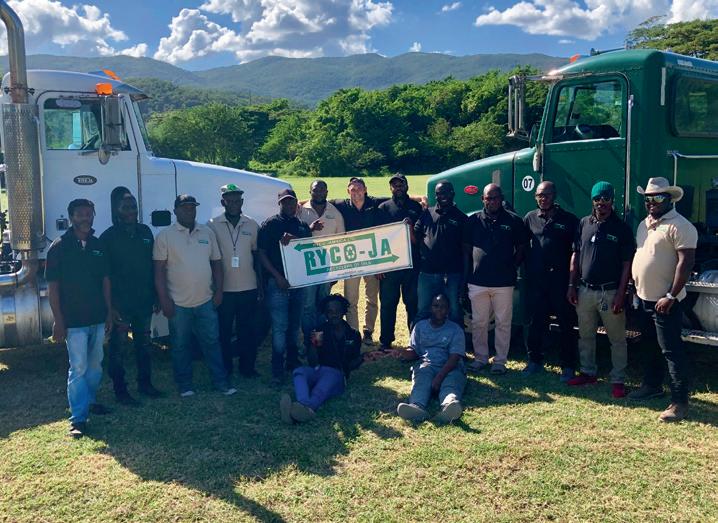
It’s a long and winding road from handling animal fat in New York to becoming Jamaica’s leading disposer of maritime petroleum waste. But this is the unusual story of RYCO-Jamaica.
With 90 years and four generations of recycling stewardship, RYCO-Jamaica embodies the resilience and tenacity required to create markets for waste by-products generated by the maritime and restaurant industries. The company slogan, “We live off the Fat of the Land,” has endured decades of transformation as new categories of rendered by-products are converted into valuable commodities.
In 1936, Bernt A. Tofte, a Norwegian immigrant, could not have anticipated that his decision to collect and render duck feathers in New York would eventually lead to recycling maritime petroleum disposal in Jamaica. Tofte guided the company until the early 1950s, when William “Chubby” Mullane, the founder’s son-in-law, became
president. When the Long Island duck farming market collapsed in the late 1960s, Mullane recognized that the company’s rendering vats could be re-purposed for processing beef fat, bones, and trimmings—amounting to nearly over 8,000 kgs of rendered products per year in the 1970s.
After William passed in 1980, his wife Dorothy – along with sons Kevin and Dennis – took the reins of the company. As fast-food became popularized, B.A.Tofte Co (BATCO) became the first to introduce containerized used cooking oil collections east of the Mississippi River. To handle the increased service demand, BATCO sought the help of Brown Welding for the design of the “Hot Box” – a custom grease collection vehicle. During the mid 1980s to early 1990s, the company expanded its capacity
to collect nearly 225,000 kgs a week of used cooking oil in the Tri-state area. Containerized grease trucks and trailers remain a staple of rendering industry fleets today.
In 1996, Kevin Mullane became a pioneer of recycling in Jamaica; establishing the island’s first facility dedicated to processing waste cooking oils, petroleum waste, and poultry offal. To meet the energy requirements of the operation, he developed collection routes for cooking, motor and heavy fuel oil that serviced the entire island. In 2005, operations relocated from St Catherine to their current facility in Clarendon, enabling increased processing capacity and improved national accessibility.
And why the move to Jamaica? Fourthgeneration great-grandson Kyle Tofte Mullane explains: “Mom and Dad were tourists in Jamaica during the 1980s and at the time BATCO serviced over 300 McDonald’s accounts in New York. Dad said when McDonalds goes to Jamaica we will follow. McDonald’s is now gone but RYCO remains.”
At the same time, Kyle’s mother and father also recognized Jamaica’s strategic significance in global shipping and directed the company’s transition toward maritime petroleum waste disposal. Since 2009, RYCO-Jamaica has completed more than 4,000 vessel disposals, helping to establish a circular economy for waste oil within Jamaica’s bauxite industry. The combined efforts of all generations have withstood the test of time; creating meaningful impacts within the industries they serve.

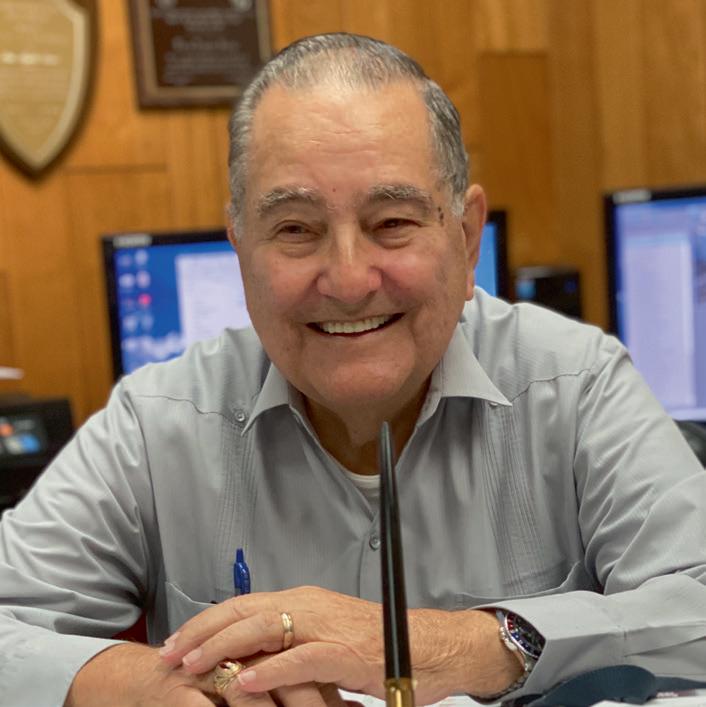
The Caribbean Shipping Association (CSA) is deeply saddened by the passing of Luis A. Ayala Parsi, who served as President during the 1984–1985 term.
Luis Ayala was a distinguished and visionary leader within the Caribbean maritime community. Throughout his lifetime, he demonstrated an unwavering commitment to the development and strengthening of the shipping industry in Puerto Rico and across the region.
As Owner and CEO of Luis A. Ayala Colón & Sucrs, Inc, and as one of the founders of the Asociación de Navieros de Puerto Rico (ANPR), he played a pivotal role in advancing the maritime sector and laying foundations that continue to support the industry today.
His leadership, integrity, and dedication to collaboration helped shape the regional maritime landscape and inspired many within our community.
On behalf of the CSA General Council, Members, and Secretariat, we extend our heartfelt condolences to the Ayala family and to our colleagues at the ANPR during this difficult time.
We honor his legacy and the lasting impact of his contributions to Caribbean shipping.
May he rest in peace.
The Caribbean Shipping Association also mourns the sad passing of Don Hernán F. Ayala-Parsi (1941–2026), another distinguished leader and visionary in the maritime shipping industry.
Don Hernán’s legacy of integrity, dedication, and service greatly contributed to the development of the maritime sector in Puerto Rico and across the region. His leadership and commitment will continue to inspire generations within our maritime community.
We extend our heartfelt condolences to Hernan F. Ayala-Rubio, the Ayala family, and the Asociación de Navieros de Puerto Rico during this difficult time. May he rest in eternal peace.

Royal Caribbean Group has broken ground on Cruise Terminal G Complex, in partnership with PortMiami, Miami-Dade County, and Lemartec Corporation, a MasTec company.
The world-class terminal will be LEED-certified, feature advanced technology, and deliver a faster, easier experience for passengers sailing on Royal Caribbean, Celebrity Cruises, and Silversea.
Royal Caribbean Group Chairman and CEO Jason Liberty said: "Cruise Terminal G is a strategic investment in Miami’s future and Royal Caribbean Group’s vision for the next generation of cruising. Built with sustainable design and cutting-edge innovation, it reflects what drives us: collaboration and delivering the world’s best vacations responsibly."
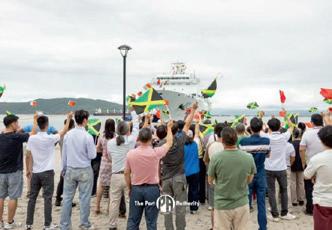
The Port Authority of Jamaica (PAJ) recently welcomed the Chinese hospital ship 'Silk Road Ark', which docked at the island’s Historic Naval Dockyard in Port Royal.
The significant humanitarian visit, brought critical medical services

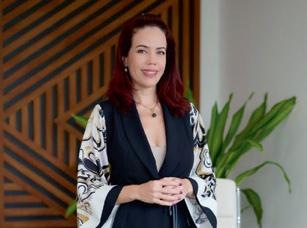
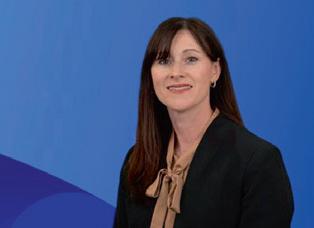
Kathleen Healy is the new CEO of United Suriname Holding Co (VSH).
Upon taking on her new position, she said she aims to vision to continue building on its strong foundation, to innovate boldly, and to ensure that we remain a leader in our industries for decades to come. At the same time, Sjoord Poort is the company’s COO Logistics at VSH.


French offshore oil and gas marine services company Bourbon has announced the signing of a five-year contract (with extension options) with ExxonMobil Guyana (EMGL) to provide maritime services in Guyana. The contract started in first quarter 2026, with the commissioning of the large PSV Bourbon Calm (Platform Supply Vessel) and covers the transport of products essential to offshore operations in one of the world's most dynamic oil basins.
Since 2019, Bourbon has been supporting the development of this industry and this contract marks a major step forward for the sector, as it allows the transport of chemicals in Guyana by a PSV for the first time in compliance with the OSV Chemical Code.
to Jamaican residents and Chinese nationals at a time of national postMelissa recovery.
With a capacity of 300 beds, the 'Silk Road Ark' significantly strengthened Jamaica’s healthcare support during the post-hurricane Melissa recovery period.
Through its long-standing partnership with COSCO Shipping, the local Jamaica Freight and Shipping was proud to support Jamaica’s recovery by donating all agency services for the humanitarian visit.

Seaboard Marine has announced the return of its direct, weekly service to and from Savannah, Georgia, reinforcing its commitment to fast, reliable ocean transportation for customers across the US Southeast, Latin America, and the Caribbean. The call rotation from Savannah is Cartagena, Barranquilla, Santa Marta, and Rio Haina.
This reinstated service strengthens Seaboard’s regional network by delivering improved access, competitive transit times, and a dependable schedule.
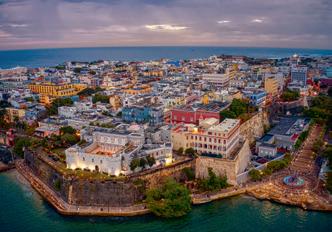
The US Army Corps of Engineers Caribbean District achieved full operational capability in 2025, marking a major milestone in its efforts across Puerto Rico, the US Virgin Islands, and the wider Caribbean region. The district is now fully equipped to support flood risk reduction, military readiness, environmental restoration, and broader regional initiatives year-round.
The district’s readiness was tested during its first Atlantic hurricane season as a fully activated entity. Partnering with the National Oceanic and Atmospheric Administration (NOAA) and the US Coast Guard, the Corps strengthened post-storm response across Puerto Rico and the US Virgin Islands. These preparations proved critical when Hurricane Erin reached Category 5 strength in

Megan Davidson will step into the role of chief operating officer of Crowley, succeeding Ray Fitzgerald.
Fitzgerald who's driven operations as COO for five years, will continue as an advisor until his mid-2026 retirement. Davidson has spent her time at Crowley building systems.
August. From its San Juan headquarters, the Caribbean District coordinated with the Federal Emergency Management Agency (FEMA), the Puerto Rico Emergency Management Bureau (PREMB), the Virgin Islands Territorial Emergency Management Agency (VITEMA), and local governments to assess flood risks, protect ports, and provide technical support - creating a more unified and resilient framework for disaster response.
Significant civil works projects also advanced in 2025. The district awarded its first major construction contract for the Caño Martín Peña Ecosystem Restoration Project, a landmark effort that will restore water flow, improve environmental conditions, and benefit eight underserved communities. Additionally, the Corps continued delivering


critical flood risk management initiatives, sustainability projects, and infrastructure partnerships that aim to strengthen long-term regional stability.
The Caribbean District’s full operational capability represents a significant step forward in regional resilience, environmental stewardship, and infrastructure support across the Caribbean.
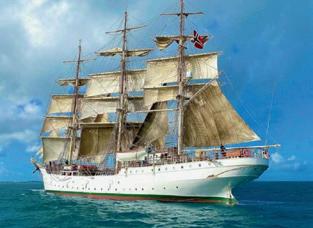
Built in 1927, the full-rigged sailing ship Sørlandet is the world’s oldest operational tall ship of its kind and has spent nearly a century training generations of seafarers across the world’s oceans. Perez y Cia served as the agent for Sørlandet’s call on a recent call in Paramaribo, supporting its training voyages and the Caribbean Sail Training (CST) programme.

Fjord Havn Feeders has entered the Caribbean market with the goal of complementing and strengthening the regional shipping industry by providing reliable, neutral feeder services that support carriers, logistics providers, and cargo owners in expanding their footprint across the region.
The company already operates two feeder routes with dedicated vessels: the Belize-registered 1,042 TEU Sky Light and the Antigua & Barbuda-registered 446 TEU Aries.
These feeder services are designed to enhance regional connectivity, improve sailing frequency, and provide flexible solutions - working alongside existing operators rather than competing with them.
Liebherr Container Cranes has signed a landmark contract to deliver two ship-to-shore (STS) cranes to Port Tampa Bay, marking Liebherr’s first STS installation on Florida’s Gulf Coast. The cranes will play a central role in the port’s Vision 2030 expansion and will deliver significant gains in berth productivity, vessel turnaround efficiency, and long-term operational reliability.
The new cranes, manufactured at Liebherr’s facility in Killarney, Ireland, feature a 60-metre (outreach, 50-meter lift height, 20-meter back reach, and a 65-tonne twin-lift capacity, enabling efficient handling of larger, wider-beam vessels.
Advanced safety and performance systems, including anti-collision, anti-sway, snag-load protection, and a curve-going gantry system, enhance operational stability.
The two STS cranes will support Port Tampa Bay’s expansion of its container terminal to 100 acres, which includes new paved storage, a third deep-water berth, and an on-dock, rail-served transload facility. The cranes will contribute to the port’s long-term goal of achieving 1 million TEUs of annual capacity.

ShorelineHudson has signed an agreement with the Government of Honduras to conduct a feasibility study for the development of an overland transportation corridor connecting the Caribbean Sea and the Pacific Ocean. ShorelineHudson is supporting a Government of Honduras in collaboration with the US Trade & Development Agency (USTDA).
By strengthening rail connectivity and port operations, this study has the potential to position Honduras to compete more effectively in global markets, enhance regional trade flows across Central America, foster long-term economic growth, and create meaningful opportunities for US companies.


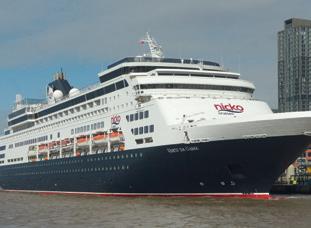
Nicko Cruises’ Vasco da Gama became the first vessel to undertake homeporting operations at the Historical Naval Dockyard in Port Royal. This homeporting call by the German operator marked the resumption of cruise visits since Hurricane Melissa and represented a major step forward for Port Royal.
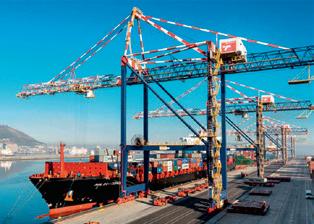
Seaboard Marine has announced the launch of a new Gulf Service, designed to improve transit times between US Gulf ports, Houston and New Orleans, and key destinations across Central America and the Caribbean.
The new Gulf rotation enhances Seaboard Marine’s network by optimizing port sequencing and ensuring service continuity, thereby supporting customers shipping refrigerated cargo, dry cargo, and project freight throughout the region.

“Customers, both importers and exporters, continue to ask for faster, more dependable service options connecting the US Gulf with Central America, the Caribbean, and beyond,” said Piero Buitano, Senior Vice President at Seaboard Marine.

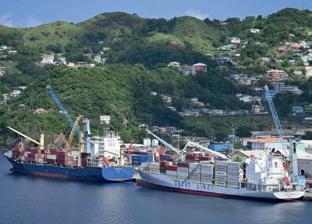
The UK's Geest Line was among the first carriers to use the impressive new Kingstown Port in St Vincent.
Both the Baltic Klipper and Luzon Strait made recent port calls at the new terminal run by the recently established St Vincent and the Grenadines Modern Port Operating Company’s state-ofthe-art facility marks a significant step forward in improving efficiency and reliability for Caribbean trade routes.
Multi-platform publishing and design services
Land & Marine specialises in innovative and creative contract publishing and design services. Whatever your promotional requirements are, we can offer a variety of distribution channels specific to your needs. Land & Marine helps clients worldwide reach potential customers in many appealing ways that get key messages to the correct audience.
For further information please contact Tel: +44 (0)1206 752902
Email: publishing@landmarine.com www.landmarine.com
CaribbeanMaritimeMagazine
cm_magazine
@caribbeanmaritimemagazine www.caribbean-maritime.com

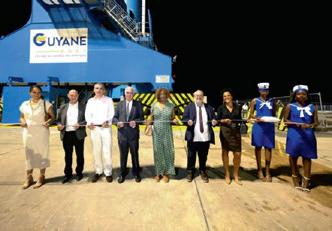
Grand Port Maritime de Guyane (GPM-Guyana) has installed two new cranes at the port of Dégraddes-Cannes. The 51-tonne capacity rail-mounted cranes have modernized handling operations at the port. The cranes also support the territory's ambition to increase maritime traffic, improve its attractiveness and connectivity as well as reduce the environmental impact of operations.
EUR 23.2 million investment was financed by the European Regional Development Fund (EUR 10.5 million), the State (EUR 3.5 million) and

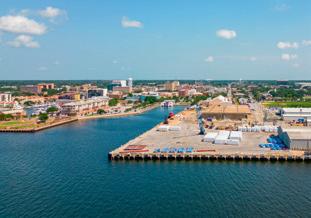
The City of Pensacola is seeking $86 million in Triumph Gulf Coast funding for an ambitious $250 million shipbuilding project at the Port of Pensacola that city leaders say could reshape the region’s economy. The proposal, known as Project Maeve, outlines construction of a 3,700 square-meter advanced vessel manufacturing complex that could support about 2,000 jobs over five years, producing modules for Navy ships, submarines and complete surface vessels. The city plans to retain ownership of the facilities and lease them long-term to a private shipbuilder, with additional funding sought from state grants and private investment.
GPM-Guyana (EUR 9.2 million) with a cash loan from Agence Française de Développement (EUR 5.5 million).
The finance covered the acquisition of cranes, the associated infrastructure and training.


The Government of Jamaica has secured re-election to Category C of the International Maritime Organization (IMO) Council.
This newly secured two-year term on the Council will strengthen Jamaica’s capacity to continue promoting the effective implementation of maritime safety and pollution-control regulations. This work remains vital for Jamaica and other CARICOM states already contending with the impact of climate change, rising marine pollution, and the risks these pose to fishers, coastal communities, and the livelihoods that depend on the sea.
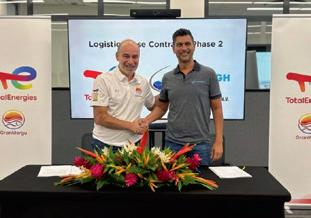
The Kuldipsingh Port Facility in Paramaribo has signed a 10-year integrated logistic base contract with TotalEnergies EP Suriname. The contract was due to commence during the first quarter of 2026.
Following a comprehensive tender process, Kuldipsingh presented the best offer to support the GranMorgu Project. The collaboration includes the development of a central logistics hub that will serve as a one-stop-shop for offshore operations.
Kuldipsingh Port Facility is a privately owned port, established in June 2015. Aside from offshore support, the port handles a range of import and export cargoes.


The Port Authority of Jamaica’s Nicole Wickham is the new president of WISTA Jamaica.
Ms Wickham brings extensive experience in port operations, equipment management, and container logistics - expertise that will help steer WISTA Jamaica into a new era of growth, innovation, and strengthened industry partnerships.

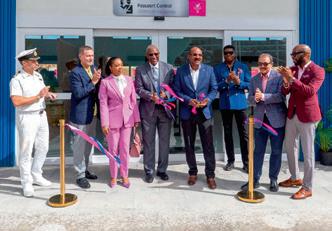
Antigua Cruise Port has officially opened its new cruise terminal, marking a key milestone in the Upland Development Project and the next chapter of cruise tourism in Antigua and Barbuda.
Delivered through the long-term public-private partnership between the Government of Antigua & Barbuda and Global Ports Holding - the world's largest cruise port operator, the new terminal and 5th Berth reflect

a shared commitment to sustainable growth, operational excellence, and long-term value creation for the island destination.
Prime Minister Hon Gaston Browne welcomed the opening as a tangible outcome of the 30-year concession agreement with Global Ports Holding, highlighting its contribution to strengthening national cruise infrastructure and supporting continued growth in cruise arrivals. Antigua
Three Liebherr LHM 550 mobile harbour cranes in high-rise configuration will be deployed across Seaboard Marine’s private terminals at PortMiami and Port of Houston, enhancing container handling.
Electric drive positions the cranes for future shore power initiatives, while hydrostatic drive technology ensures smooth, efficient performance under variable load conditions. With an outreach of up to 54 metres and a configured lifting capacity of 104 metric tons, the LHM 550 accommodates NewPanamax vessels while preserving exceptional turnaround times.
PortMiami processed over 1.1 million TEUs in 2024, with Seaboard Marine as the largest carrier by cargo volume at the port. The new cranes will strengthen berth productivity and support growth in refrigerated cargo and breakbulk shipments,
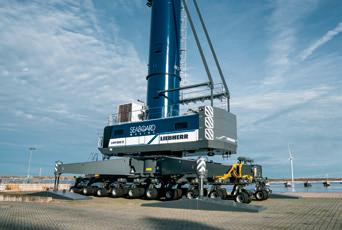
complementing Seaboard Marine’s LNG-powered fleet expansion. These cranes will also enable fast vessel turnaround, reducing congestion during peak periods and supporting the port’s role as a hub for Caribbean and Latin American trade.
and Barbuda welcomes more than 800,000 passengers annually.

At the Port of Houston, the additional crane capacity will improve flexibility for container handling while supporting Seaboard Marine’s multipurpose service model.


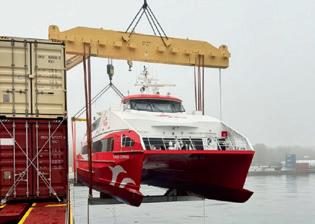
The Topaze Express arrived in Guadeloupe from Antwerp in early December 2025
Designed to enhance the reliability and comfort, the 42-meter catamaran will support routes between Guadeloupe, Marie-Galante, Dominica, Martinique, and Saint Lucia.
The Topaze Express marks a significant step for FRS EXPRESS des Îles in its growth and service quality strategy.


GULF Shipping has announced Kevin Choo Quan as the company’s new general manager. Choo Quan brings over 25 years of experience in the shipping industry and has served on various boards and committees with a strong background in finance, human resources and business development. In his new role Choo Quan's primary focus will be on streamlining operational systems within the company and fostering long-standing relationships with clients and business partners.
The Caribbean Shipping Association extends warm congratulations to Corah Ann Robertson-Sylvester on her unanimous re-election as President of the Shipping Association of Jamaica (SAJ).
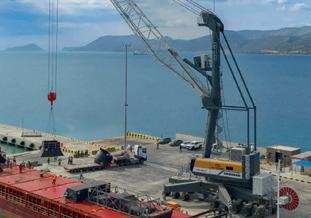
The Antigua & Barbuda Port Authority (ABPA) has taken delivery of a state of the art Liebherr LHM 420 mobile harbour crane, marking a significant upgrade to port operations at Deepwater Harbour. The new crane replaces older equipment and is expected to boost cargo handling capacity, improve efficiency and reduce vessel turnaround times.

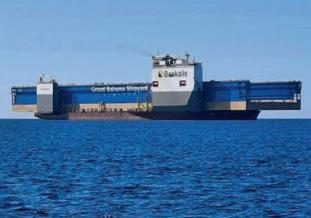
The Grand Bahama Shipyard has taken delivery of the first of two new floating docks. A second dock is scheduled for delivery during the first half of this year. Together, these two docks represent the largest capital upgrade in the shipyard’s history.
This single project represents approximately 19 percent of the more than US$3.5 bn in investment underway or planned for Grand Bahama.
The semi-submersible heavy transport vessel BOKA Vanguard and The Bahamas archipelago in the Caribbean have been inextricably linked since 2019 when the world's largest transport vessel loaded the 133,500 gt cruise ship Carnival Vista on its deck.
Her continued leadership, especially during a year marked by both industry progress and national challenges, reflects deep commitment to operational excellence, community resilience, and the advancement of Jamaica’s maritime sector.
We also congratulate the reelected members of the Managing Committee and welcome Carlos Cabrera, CEO of Kingston Freeport Terminal Limited (KFTL), on his appointment to the board. Their collective expertise strengthens the foundation of collaboration across the region.
The CSA looks forward to continued partnership with the SAJ as we advance shared priorities in workforce development, port modernisation, and regional competitiveness.

Six years later, the BOKA Vanguard returned to The Bahamas transporting another impressive cargo: the 335-meter-long floating drydock East End for Grand Bahama Shipyard, which was loaded in Qingdao, China. The drydock protrudes no less than 44 meters from the stern of the vessel and 17.5 meters at the bow.
The BOKA Vanguard was actually widened by 10 meters to enable the transport of this massive East End floating dock.
Kingston Wharves (KWL) has opened a purpose-built Commercial Stripping Centre designed to boost Jamaica’s logistics capacity.
The new facility, located on the Kingston Wharves terminal, provides expanded support for commercial customers. It features six stripping

bays, 930 square meters of dedicated stripping space, and is part of a larger 2,790-square-meter warehouse footprint currently being developed in phases.
Dianna Blake-Bennett, General Manager of Warehousing and Logistics, said the Centre enhances KWL’s ability to meet growing demand for full container load (FCL) and less-than-container load (LCL) cargo processing, customized third-party logistics (3PL) solutions, and faster, more reliable supply chain operations for its customers.
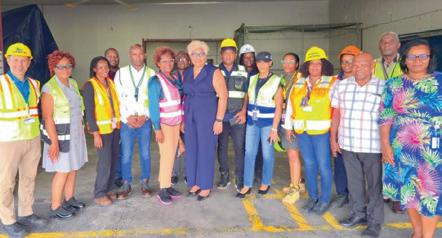

The Spanish Navy’s Training Ship “Juan Sebastián de Elcano” called Port of Sain in February.
The four-masted brig-schooner Juan Sebastián de Elcano has served the Spanish Navy (Armada) for nearly a century as a training ship for future Spanish Navy officers.
Juan Sebastián de Elcano has sailed across the world’s oceans as a floating ambassador of Spain, promoting international friendship and cooperation. During the brigschooner’s stay in Port of Spain, Pérez y Cía acted as port agent.

View all back issues of Caribbean Maritime magazine on mobile, tablet and desktop qrs.ly/mdbz822

Every year, the shipping and logistics industry is flooded with predictions about how technology, regulation, and global trade pressures will reshape operations. As 2026 begins, those predictions are no longer theoretical. Across ports, freight agencies, and warehouses, digital change is already affecting how work gets done, how decisions are made, and how customers judge satisfaction.
Automation, real-time data, and integrated platforms are no longer “nice to have”. They are becoming baseline expectations. In this environment, digital transformation is not a one-off project. It is an ongoing discipline that requires clear
priorities, realistic planning, and strong operational alignment.
For Caribbean logistics operations looking to stay competitive in 2026 and beyond, the five areas below offer a practical framework to guide that preparation.
Digital transformation should begin with an honest assessment of current operations.
• Where are processes still manual?
• Which systems do not talk to each other?
• Where is visibility limited or delayed?
These gaps often point to deeper structural constraints that slow operations and
restrict growth. By documenting current capabilities and linking them directly to business objectives such as faster cargo clearance, improved billing accuracy, or better customer communication, organizations can establish a clear and measurable starting point.
This baseline helps leadership prioritize initiatives that deliver real operational value, rather than chasing technology for its own sake.
Technology decisions made today must still make sense two to five years from now.
As automation, artificial intelligence, and predictive analytics become more common, systems must be able to adapt without constant replacement. In shipping and logistics, this means platforms that support integration with partners, real-time data exchange, and increasing operational complexity.
Modular, configurable solutions allow organisations to expand functionality gradually while protecting core operations. This approach reduces disruption and supports steady, sustainable transformation.
Disconnected systems, inconsistent data standards, and siloed reports limit an organisation’s ability to respond to delays, manage risk, or plan ahead”
Data sits at the centre of modern logistics operations, but only when it is accurate, accessible, and connected.
Disconnected systems, inconsistent data standards, and siloed reports limit an organisation’s ability to respond to delays, manage risk, or plan ahead. In 2026, greater attention must be paid to data integration, governance, and usability.
A unified data environment improves day-to-day decision-making and creates the foundation for more advanced capabilities such as predictive planning, performance monitoring, and real-time exception management.
Digital transformation should never happen in isolation from broader industry trends.
Automation, sustainability, and operational resilience are increasingly shaping

how logistics organisations invest and operate. Artificial intelligence is already influencing routing, forecasting, and resource planning, while sustainability requirements are driving demand for greater transparency and efficiency.
By aligning internal digital roadmaps with these trends, organisations reduce the risk of short-term fixes that quickly become obsolete and ensure that investments support long-term competitiveness.
Technology alone does not deliver transformation.
As systems become more automated and data-driven, roles change. New skills are required, decision-making shifts, and governance structures must evolve. Without proper change management, even the best systems fail to deliver their full value.
Organizations that succeed in 2026 will invest in training, leadership alignment, and clear communication, ensuring that teams understand not just how to use new tools, but why those tools matter.
As the shipping and logistics sector moves into 2026, digital transformation must be treated as a long-term strategic discipline rather than a series of disconnected projects.
Organizations that understand their digital maturity, invest in scalable platforms, and align technology with people and process will be better equipped to manage uncertainty and seize new opportunities.
Integrated logistics solutions such as those provided by ADVANTUM play an important role in enabling visibility, efficiency, and informed decision-making across complex environments. With a deliberate and practical approach today, Caribbean logistics organisations can move throughout 2026 prepared not just to adapt, but to lead.