


Catalina Mihu, Editor-in-chief
Your commments or suggestions are always appreciated: e-mail: mihu@foodmultimedia.de
Preparations are ready, bookings are made and event management apps are downloaded, ahead of a month full of events.
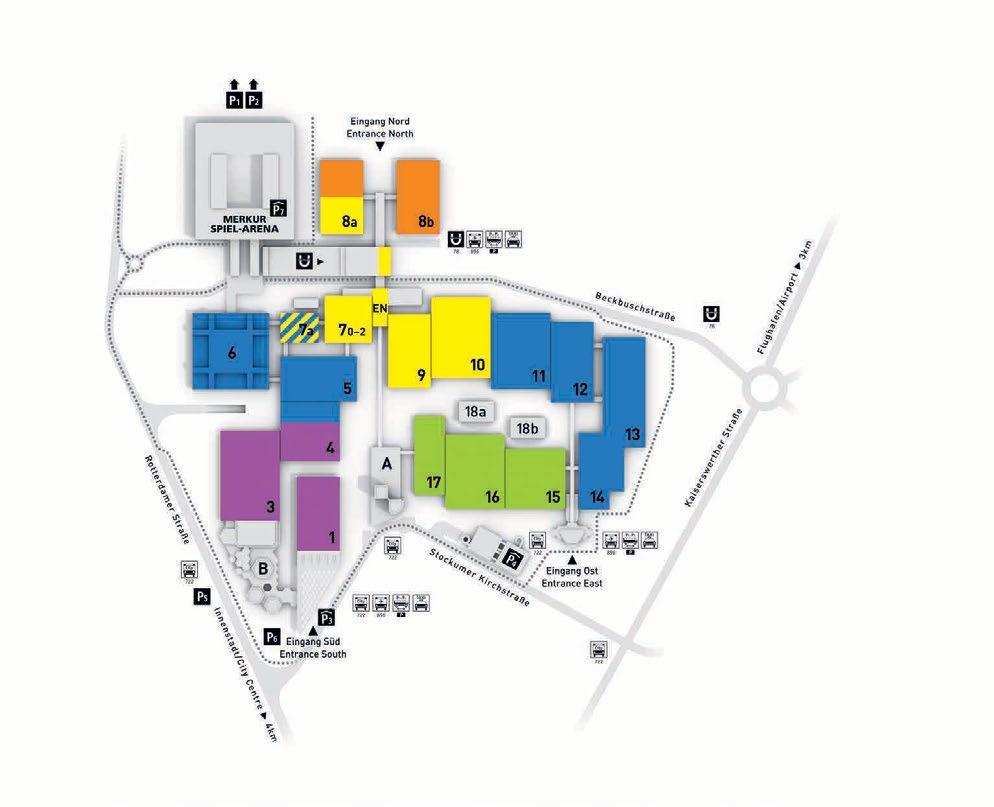
interpack starts soon, taking on the task of reflecting many new developments from the past three years, when it was last held. We were talking about sustainability and trends changing the packaging landscape then, but they’ve since become regulation, urgent necessity, production plan and implementation, an entire step up in motion. Organizers and exhibitors acknowledge the importance of the show held in May, as new solutions and ideas are needed for all areas of food production. interpack organized dedicated areas for bakery and confectionery exhibitors, spanning halls 1, 3 and 4, which cover around 40,000 sqm. We can expect new developments and special focus revolving around this edition’s hot topics, encapsulated as: ‘smart manufacturing’, ‘innovative materials’ and ‘future skills’.
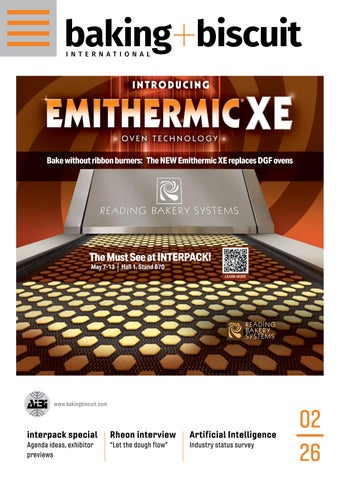
While packaging plays is the backbone of interpack, and even gives the show its name, exhibitors in these halls come prepared to present their latest in all processing areas. Oven innovation, to mention only the ‘centerpiece’ in the production facility, will come to interpack in force: AMF will present the latest generation of Den Boer tunnel ovens, coming in all possible power configurations; Bühler will unveil an upgraded version of its indirect-fired convection oven specialized in baking biscuits, cookies and pizza (among others), and present its award-winning oven for wafers; the Emithermic XE Oven will be among the technology highlights at Reading Bakery Systems’ stand; and GEA will showcase Its new E-Bake electric tunnel oven for industrial bakeries, with plug-andplay modules. MECATHERM’s M-DAN oven, designed for delicate products, adds to interpack’s powerful oven collection. For ovens and extending to any type of suitable technology, a consensus among the exhibitors in these halls is offering smart solutions, reflecting their latest advances.
The AIBI Congress is a highly-anticipated event on May’s traveling agenda (and a fantastic destination, as AIBI and Fedima are hosting this year’s edition on the French Riviera). Back after two years, the association’s and the industry’s main event will bring its members together for the big issues of the moment: sustainability, digitalization and nutrition improvements. As customary, AIBI’s General Assembly is also a part of the event’s agenda.
PLMA is another interesting upcoming destination, with a growing interest in private labels shared by consumers and bakeries in Europe. The World of Private Labels fittingly introduces a World of Ideas in Amsterdam, to reflect its role in providing inspiration.
On behalf of our team at Baking+Biscuit International , I would like to wish you good luck in your travels! And we hope to see you on the go, at these events and for inspiring visits.
Catalina Mihu
TO PACK OR NOT TO BE

AIBI 2026 CONGRESS:
‘WHERE TRADITION MEETS TOMORROW’
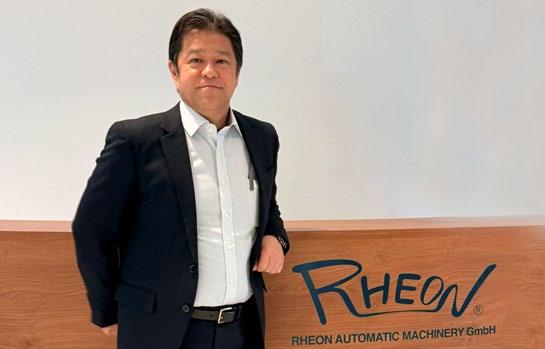
TAKEHARU SHINGA: “LET THE DOUGH FLOW”
In an interview at the company’s Düsseldorf headquarters, Takeharu Shinga speaks about Rheon's unique perspective on baking industry processes.
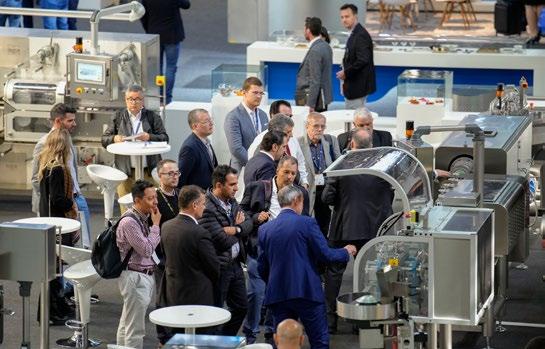
Packaging and all related processes are undergoing transformative changes in 2026. In May, interpack promises to reflect them. 50
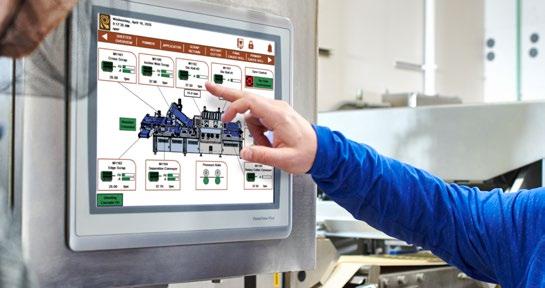
MACHINE LEARNING ENHANCES OPERATOR EXPERTISE
Artificial Intelligence is one of the moment’s biggest conversations. Tremaine Hartranft, Vice President, Technical Growth and Strategy at Reading Bakery Systems, shares with Baking+Biscuit International the company’s perspective on AI.
AIBI and Fedima are co-hosting the 2026 Congress, organized by the International Association of Plant Bakers every two years. The associations will welcome participants for learning, sharing and highly-anticipated reunions.
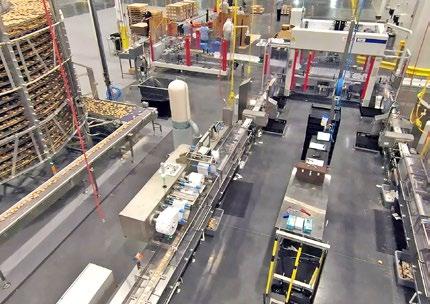
“350 MILLION CAKES NEED TO BE PACKED FIRST”
With growing sales of on-the-go, small pies, US snack pie maker JTM Foods set out to double its production capacity to over 350 million units per year. This goal meant building an entire new factory.
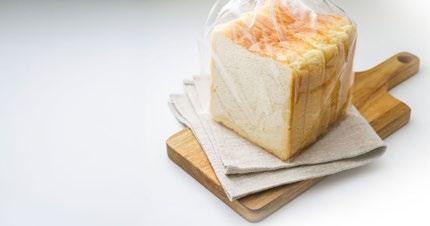
The EU is on track to apply new packaging rules before the end of the summer. What does it mean to consumers, and what will change for businesses offering packaged baked goods?
EVENTS
06 AIBI Congress: ‘Where tradition meets tomorrow’
25 PLMA: Welcome to PLMA’s World of Ideas PACKAGING
08 JTM Foods case study: “350 million cakes need to be packed first”
COOKIES, BISCUITS
12 Production: One cookie stop shop
56 Dawn Foods: Opportunities for cookie makers flourish
ARTIFICIAL INTELLIGENCE
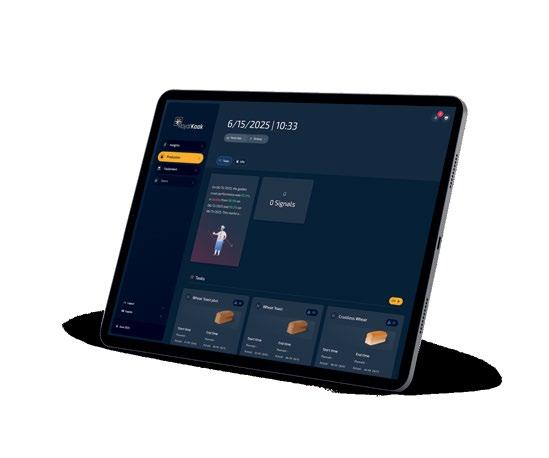
18 Royal Kaak: Sjoerd Raben, Project Manager, Software Development:
Generative AI is key to better production understanding
50 Reading Bakery Systems: Tremaine Hartranft, Vice President, Technical Growth and Strategy: Machine learning enhances operator expertise
60 Rademaker: Unlocking consistency, efficiency and insight in industrial baking
SUSTAINABILITY
20 Packaging: Perceptions and compliant improvements
INTERPACK SPECIAL
26 Trade show preview: Agenda ideas for an important edition
30 Exhibitor preview: The A to Z of stand highlights
IN THE SPOTLIGHT
42 Rheon interview: Takeharu Shinga: “Let the dough flow”
DIGITALIZATION
52 Data safety: How bakeries can protect themselves against cyberattacks
PACKAGING AND LABELING
62 Schubert: More sustainability with printing
66 KPM: A process-driven quality assurance approach
03 Editorial: “On the go”
Advertiser directory

‘Where

AIBI and Fedima are co-hosting the 2026 Congress, organized by the International Association of Plant Bakers every two years. The associations will welcome participants for two and a half days of learning, sharing and highly-anticipated reunions. This time, the background of the hemisphere’s main event for industrial bakers will be the French Riviera.
+Under the theme ‘Where Tradition Meets Tomorrow’, Europe’s biggest industry associations will put forth different perspectives on today’s most important topics, through guest speakers who are among the industry’s influential names. As always, the event not only provides the platform for AIBI’s General Assembly, but is also a well-established event, known for its high-quality insights and insightful dialogues.
The main themes taking center stage for presentations and conversations will include:
+ Sustainability at the core of the bakery’s strategic agenda: The SWIE coalition of action
+ Navigating the bakery into a new digital revolution era
+ Nutrition and health: A matter of corporate social responsibility and existential strategy
+ Reinventing bakery
+ Market trend insights
A highlight of the session, ‘A thriving bakery business: getting acquainted with the latest economic and consumer trends’, for instance, will be a look at the transformation of the bakery/pastry market in the event’s host country of France. Nicolas Nouchi, an industry expert and the founder of Strateg’eat, a consultancy firm specializing in out-of-home consumption and food service trends, will explain how the French sector is adapting to the European model and inspiring it.
Also in this session, the industry leaders panel discussion will bring together on the stage Jan Hertz (Lantmännen
Unibake), Mary-Ann Kilby (Warburtons) and Peter Deriemaker (Puratos), to discuss the latest developments.
The conversations taking place in this segment of the conference will seek to identify the drivers of the market changes affecting the bakery business.
Another part of the day’s agenda will focus on the Sustainable Wheat Initiative Europe, moderated by Nele Van Malderen, Chief Communication & Sustainability Officer, La Lorraine Bakery Group and Chairwoman of the Sustainability Expert Group of AIBI. She will share an update on the progress
A group of CEO’s of leading bakery companies, under the governance of AIBI, have put sustainability high on the strategic agenda of the bakery industry. European bakeries rely on healthy soils for the availability and quality of their main raw material, wheat. According to the EU Soil Observatory, 90% of European agricultural soils are considered unhealthy due to unsustainable farming practices and climate change. Through this initiative, the bakery sector assumes the responsibility to help wheat farmers transition to sustainable agriculture, which is viewed as essential to meeting the industry’s sustainability goals and to safeguarding the resilience of the European bakery value chain in the face of climate change.
The Sustainable Wheat Initiative aims to reflect a shared vision between the bakery industry, millers and agriculture, with overarching targets towards the net zero aim in 2050.
The segment’s panel discussion will bring Guido Vanherpe (La Lorraine Bakery Group) and Pierre Tossut (Puratos) to the stage to highlight the developments of the coalition’s actions.
Another segment puts the spotlight on digitalization and how the industry is navigating the new digital revolution age. Integrating digital and AI features in bakeris can improve quality output, reduce waste and energy consumption, help reach better sustainability goals, and automate customer service routines, the focus topic highlights. The roundtable will bring together leaders and researchers to compare real-world experience with research evidence on data digitalization (digital reviews, geolocation, performance
ADVERTISEMENT and outline the next steps in the industry’s sustainability journey, through this program. “The Sustainable Wheat Initiative sets common objectives and fosters a framework of mutual trust, enabling all partners to progress more efficiently and in a coordinated way toward net zero by 2050. A key milestone on this journey is 2030, by which time we aim to achieve a 30% reduction in emissions linked to wheat and wheat flour,” the program details.
steering) and its effects on decision-making, location strategy and competition. The keynotes will include field-tested insights and lessons learned from other industries, and will include discussions with the audience.
A different focus topic of the renowned conference will delve into consumer and business trends - adapting to consumer expectations, their behavioral and purchasing evolution.
In addition, the nutrition and health portion of the conversation will include a focus on ‘Consumer Perceptions & Scientific Realities: Putting an End to Preconceptions about Bread, Nutrition & Health’, presented by Léa Ribbet and Sandrine Cuisenier (Lesaffre).
The 39th edition Congress will provide generous networking opportunities for all delegates, along with a small exhibition area and break-out sessions for sponsors. The event will be held at the Mouratoglou Hotel & Resort, in the Sophia Antipolis technology park on the French Riviera, from May 27 to 29. Registrations are open until May 26. +++
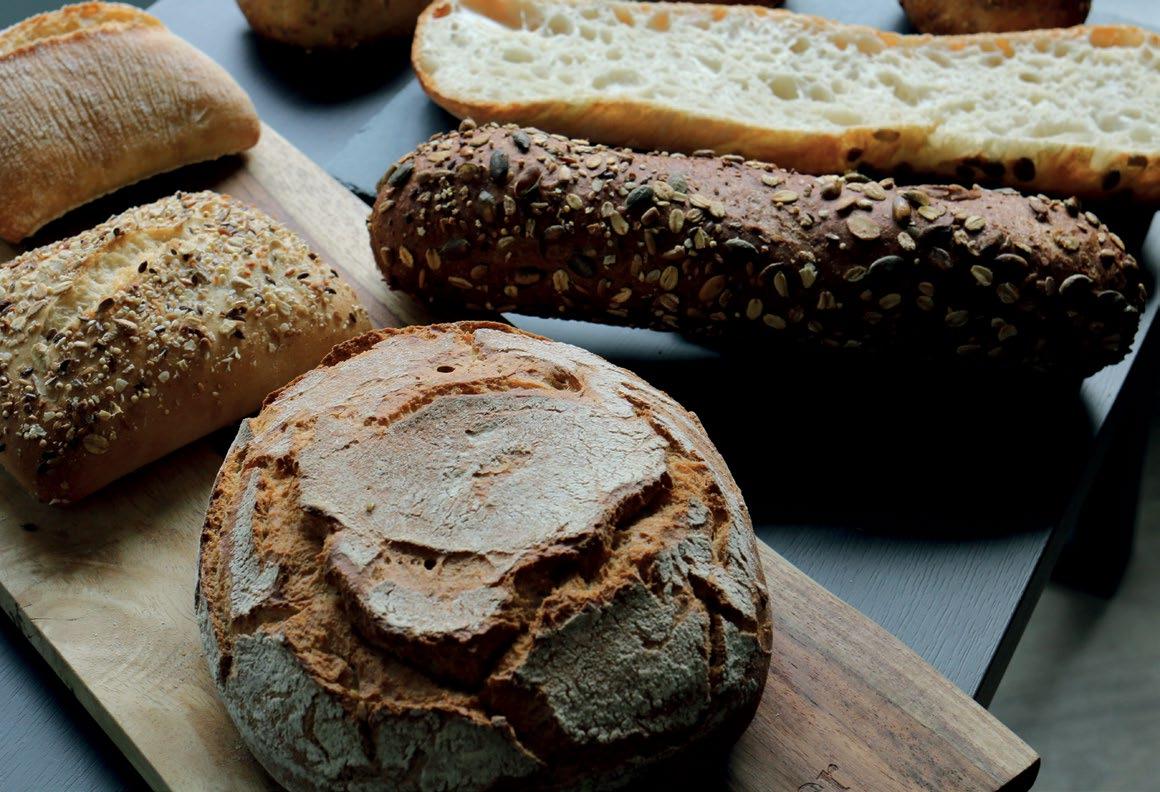
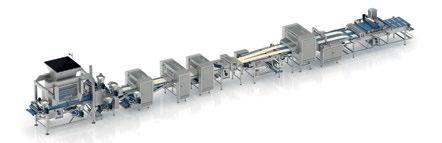

With growing sales of on-the-go, small pies, US snack pie maker JTM Foods set out to double its production capacity to over 350 million units per year. This goal meant building an entire new factory.
+The US-based baked goods manufacturer JTM Foods is a rapidly growing company with a wide variety of products across its brands, JJ’s Bakery, Big Texas, Cloverhill and Cookies-n-Milk, as well as retailer private labels. An important part of the range is the handheld snack pies, offered as single-serve packaged items. The 113 g net weight pies are made daily with freshly prepared fillings and dough onsite. These small, filled cakes are designed for consumption on the go and as a snack between meals. The diverse flavor options include blackberry, apple, vanilla and chocolate, cherry, lemon, peach, strawberry and cream, as well as limited editions such as pumpkin spice and caramel apple pies. JTM Foods manufactures them under its own brand, JJ's Bakery, and as a contract manufacturer under third-party brands. The pies are distributed throughout the US, sold in convenience stores, food retailers and wholesalers.
USD 40 million. The 195,000-square-meter plant doubles the previous production and logistics space and, according to the company, will help support new product innovations in addition to increased performance and higher volumes. To accomplish all this, a degree of automation in the factory was a must. The need for human intervention has been reduced to a minimum to avoid errors. In addition, the aim was to avoid arduous manual tasks in view of continued labor shortages.
Since 2017, JTM Foods has tripled its output of snack pies; that’s when the pie maker felt the need to expand its production facilities. “Our plant was running around the clock,” says Joe Amboyer, Senior Vice President of
Although the new plant offers a great deal of space, those responsible wanted to keep the installation area for the
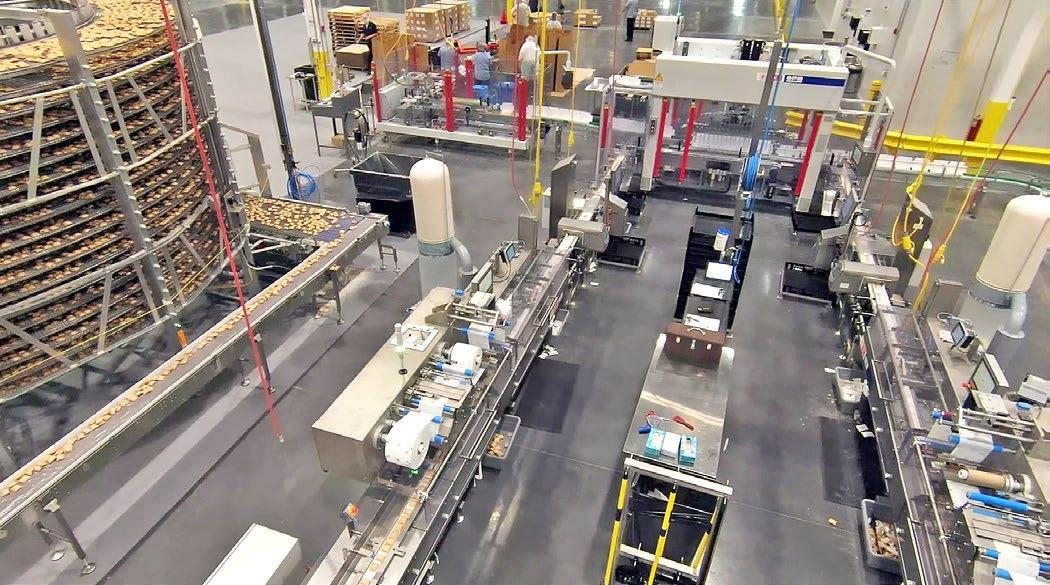
production equipment to a minimum – after all, up to 10 lines will be accommodated here in the future. Two lines were initially installed, which are intended for the production of mini cakes weighing 30 and 60 g and cakes weighing 90 and 120 g, respectively. Each line achieves an output of more than 170,000 pieces per shift.
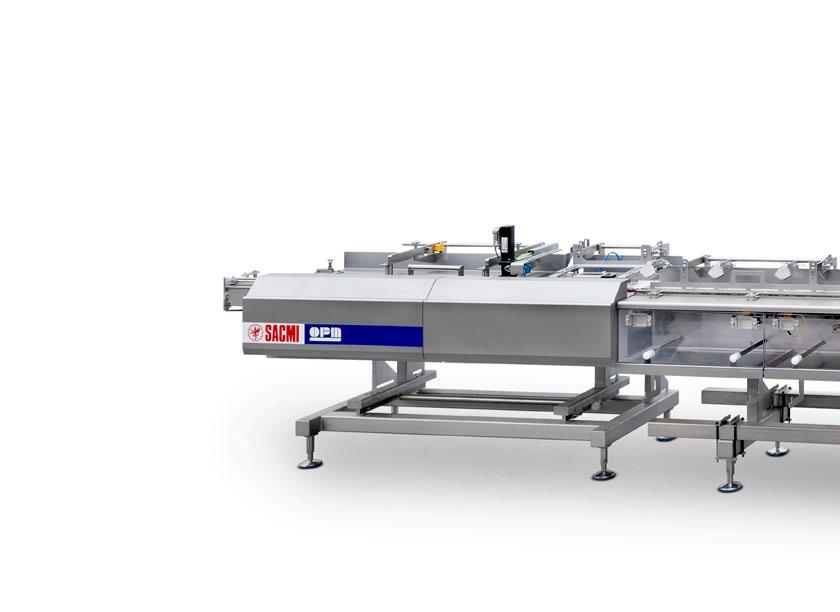
Such production volumes also require high-performance packaging machines. JTM Foods opted for fully automatic packaging systems from SACMI Packaging & Chocolate. The bakery had a history of working with SACMI secondary packaging systems at its main plant, which it had been using for many years. This positive experience was the deciding factor in commissioning the supplier to provide both primary and secondary packaging.
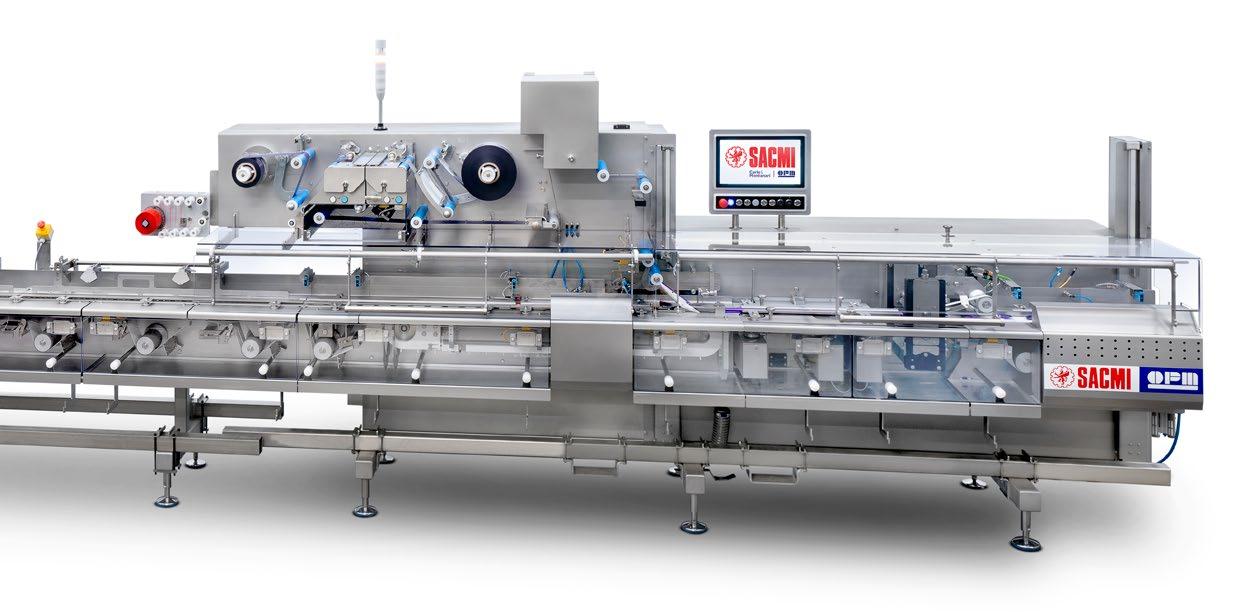
In autumn 2024, JTM Foods integrated a JT Advance horizontal form-fill-seal machine with contactless feeding into both lines. This new development from SACMI is a fully electronic and servo-controlled machine that can be configured for flat bags, side gusseted bags, bags with offset sealing, bags with tear strips and on-edge packaging with longitudinal and transverse sealing. The two machines package the small cakes in the new bakery at a speed of 200 cycles per minute. Even higher cycle rates would be possible if the systems were not limited by upstream processes. Automatic film splicers ensure high availability, allowing roll changes during production without reducing the machine speed.
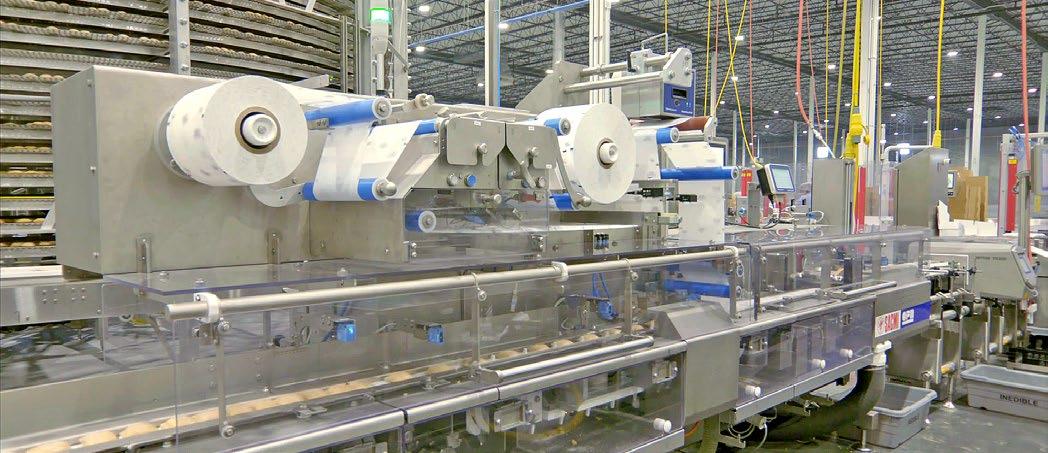
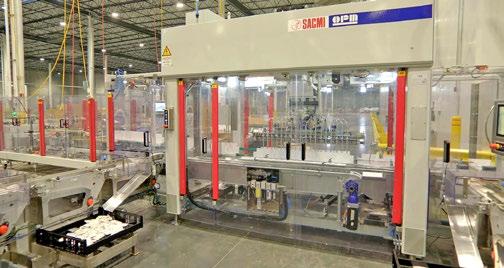

In addition, the hygienic design of the JT Advance bagmakers is especially beneficial for processing baked goods. Thanks to special trays and protective devices, the considerable product abrasion of sugar-glazed cakes can be easily removed. Moreover, it lowers the consumption of packaging materials and uses only heat-sealable paper films, as a more sustainable alternative. With the systems installed at the new JTM facility, SACMI made it possible to process paper-based materials and environmentally friendly films, aiming to reduce weight by introducing new functions. For example, the machine manufacturer uses 3D printing to produce an individual mold shoulder for each application. The components, which are perfectly adapted to the respective paper, prevent sensitive materials from breaking. In addition, the pull-off speed can be precisely controlled and adjusted by means of servo motors. In this way, the added benefit in terms of sustainability comes at no expense to the quality and appearance of the packaging.
JTM Foods, LLC was founded in 1986 in the Great Lake city of Erie, Pennsylvania. In 1999, its JJ’s Snacks and Treats brand introduced the Pie in a Box innovation, for higher-quality product offerings and better merchandising. In 2023, the company marked its first step outside of Pennsylvania, with the factory in Wichita, Kansas. The USD 40 million expansion also included hiring around 200 people.
“After exploring several options across multiple states and locales,” shared Monty Pooley, JTM Foods President and CEO, “the strong public/private partnerships here, linking government, business, academic and community interests together, convinced us that Wichita was the best choice for JTM’s expansion.” The Wichita facility improves the logistics for Southern, Southwest and West Coast markets of the hand-held snack pies.

“350 million cakes need to be packaged first. We can now fulfil our orders faster and more efficiently.”
Joe Amboyer, Senior Vice President of Operations

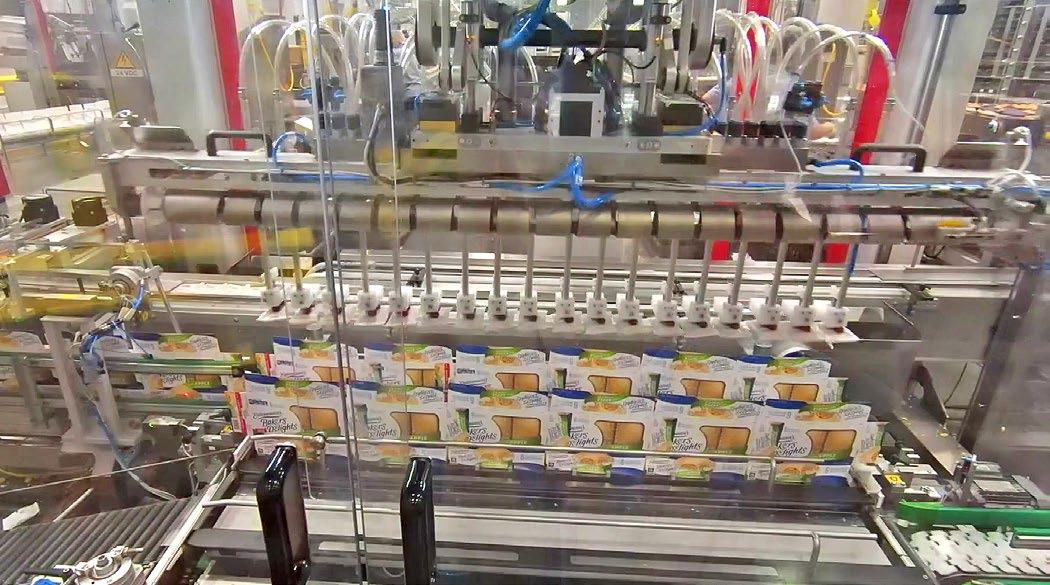
After the mini cakes have been packaged in bags, the products must be filled into cartons. To do this, the two production lines are combined at a case packer. The IER 030 top-loader has a two-axis robot that picks up the bags from above, groups them and places them in the secondary packs according to the required quantities. JTM Foods produces cartons with six and 12 pieces in single- or double-row configurations. The system handles 400 bags per minute.
The cartons fed to the case packer are also produced using packaging technology from SACMI. The F-EL electronic case erector with double mold head can produce cartons in many sizes, with bases sealed using hot glue. The machine comes in a compact design, occupying only a footprint, which was one of JTM Foods’ requirements.
At the end of the line, the BC3-90 carton sealer ensures the collection containers are reliably closed. With its 90° angle outlet and compact design, the servo-driven machine can seal up to 90 cartons per minute with hot glue.
JTM Foods requires only one employee to operate the entire line, down from three, which is what the company would usually need at its main plant, using other systems. Format changes on SACMI systems take less than 20 minutes on average, which is significantly faster than the comparatively more complex changeovers in the production process.
JTM Foods now operates the new packaging machines smoothly in two shifts, and those responsible are satisfied with the technology. The performance data speaks for itself, and the flexibility gained gives the bakery producer valuable room for changes for the future. For now, “350 million cakes
need to be packaged first. We can now fulfil our orders faster and more efficiently. The new SACMI machines have an Overall Equipment Effectiveness (OEE) of 99%,” says Joe Amboyer.
The investment is expected to pay for itself in less than two years. Based on its positive experience, JTM Foods has already ordered two more JT Advance bagmakers and an additional secondary packaging cell to replace less efficient equipment. +++
SACMI Packaging & Chocolate S.p.A. is exhibiting at interpack 2026, in Hall 4, Stand E05-F05.
SACMI Packaging & Chocolate S.p.A. is a business unit of the SACMI Group headquartered in Imola, northern Italy.
Under the Carle & Montanari (chocolate production) and OPM (packaging) brands, SACMI Packaging & Chocolate offers machines and complete lines for the entire process from raw cocoa to final packaging. The range includes machines for mixing, rolling, conching, tempering, molding, wrapping and packaging all types of chocolate-based products. The portfolio also includes packaging systems for many other confectionery and bakery products.
Today, SACMI Packaging & Chocolate has a factory for chocolate processing and molding equipment from Carle & Montanari in Milan, a factory for primary and secondary packaging lines in Alba, and a production facility for all types of wrapping and wrapping machines and carton erectors near Bologna.
The SACMI Group was founded over 100 years ago by engineers in Imola. Today, with 80 subsidiaries worldwide, the cooperative is the clear market leader in machinery and presses for ceramic production. The group employs around 4,500 people and has an annual turnover of more than EUR 1.4 billion.
Personalized snacks cater to a greater diversity of nutrition priorities, lifestyles and diets, portion sizes and flavor combinations. Either wire-cut or molded, new and changing cookies are demanding flexible systems to support large-scale production.
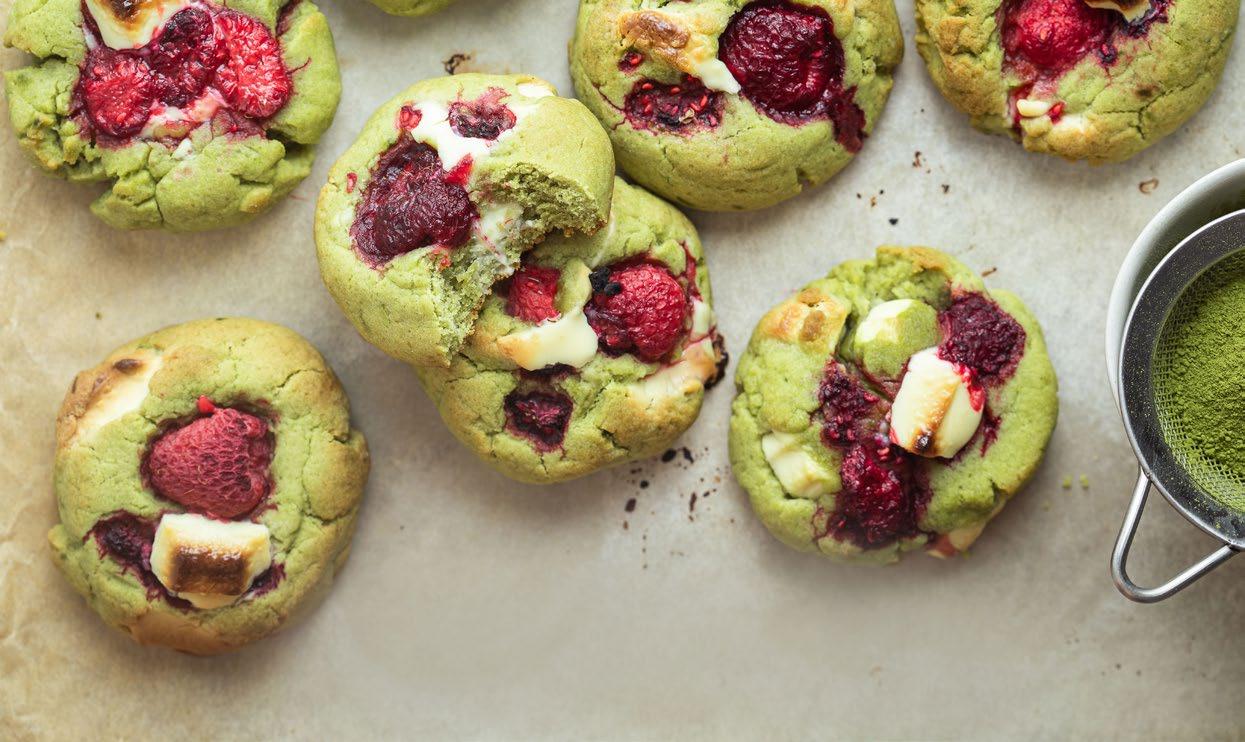
+Biscuits and cookies are a thriving market, estimated to grow from last year’s value of USD 135.21 billion to USD 181.83 billion by 2031 (Mordor Intelligence, Global Biscuits Market). Consumers increasingly favor indulgence in their snack time and better-for-you formulations, with premium and single-serve offerings. European consumers are particularly fond of biscuits, driving the continent’s market share to 27.55% in 2025. But they are popular around the world, with South America on track to become the fastest-growing market over the next five years, according to Mordor’s research. Coming in any type of flavor, filling, shape and size combinations, wheat-based biscuits make up for the vast majority of the market (84.74%); at the same time, free-from alternatives make an enticing, growing niche.
Traditional, dessert-flavored and festive concepts are an important trend in Europe: “30% of consumers in Europe say they choose indulgent food and drinks when they celebrate special occasions, and as a result, nostalgia is greatly linked to flavor and seasonal staples,” Innova Market Insights research highlights, while it anticipates cookies and sweet biscuits to also trend cocoa-free creations and products with health benefits such as collagen-enriched and probiotic biscuits.
This breadth in product options calls for a flexible manufacturing setup to accommodate experimentation, reformulation and an ever-growing diversity. Reading Bakery Systems (RBS) supports cookie and biscuit manufacturers with solutions optimizing production across the full line, designed for consistency, efficiency, and product versatility.
From mixing through forming and baking, each system is engineered for the best possible performance based on the specific product characteristics and capacity requirements of the operation.
“Exact Mixing continuous mixing technology provides a highly consistent dough with a fully automated process, eliminating batch variability and manual labor.”
RBS offers cookie and biscuit lines, including equipment for all process steps from mixing through baking. Dough preparation can be achieved using either batch or continuous mixing systems, depending on the production strategy and product formulation. Exact Mixing continuous mixing technology provides a highly consistent dough with a fully automated process, which eliminates batch variability and reduces the need for manual intervention. This level of consistency at the start of the process establishes a strong foundation for downstream forming and baking performance.
Following mixing, the dough is transferred to wire cutting or rotary molding systems, depending on the desired finished product. These forming technologies are designed to maintain dough integrity while delivering precise control over thickness, weight, and shape. “Integrated control systems provide operators with greater visibility and repeatability,
ensuring consistent product quality and appearance at high production speeds,” the specialist emphasizes.
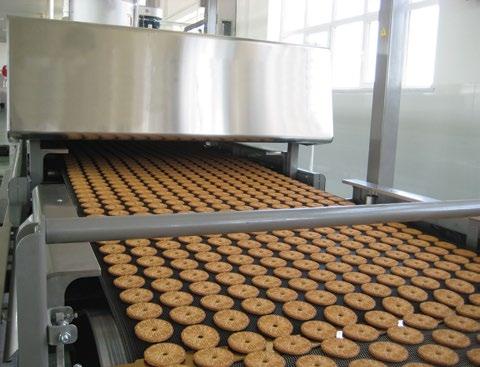
Cookie forming technology is essential for manufacturers looking to expand product variety and respond to evolving consumer preferences. RBS offers a range of wirecut technologies, led by the WCX Wirecut Machine, which significantly expands the capabilities of traditional wirecut systems. The WCX enables the production of standard wirecut cookies, two-color cookies, bars, and filled products on a single platform, allowing manufacturers to diversify their product portfolios without adding additional equipment.
These systems deposit dough directly onto the baking band and can produce a wide variety of shapes and sizes with consistent accuracy. Advanced controls and depositor configurations enable precise portioning and placement, supporting both simple and highly complex product designs. Recipe-driven controls allow operators to quickly adjust parameters and maintain repeatability across product runs, reducing changeover time and improving overall line efficiency. This level of flexibility is particularly valuable for manufacturers producing multiple SKUs or responding to rapidly changing market demands.
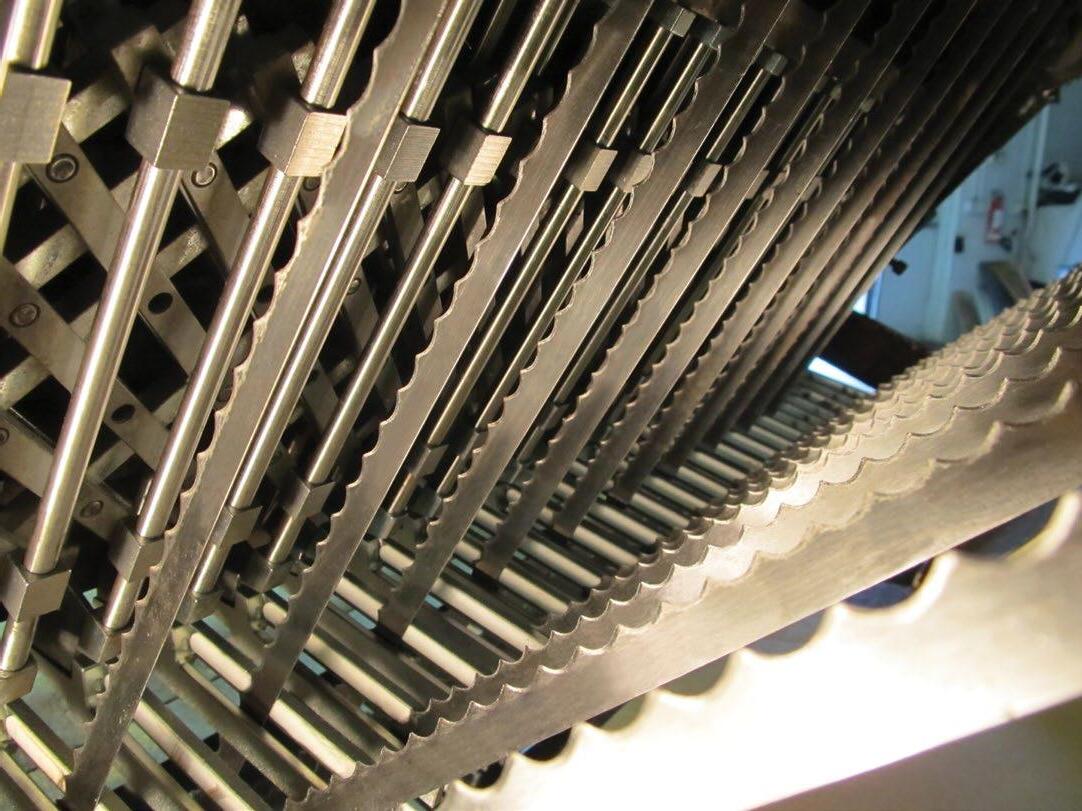
For more complex doughs, particularly those containing large inclusions or requiring clean cuts, ultrasonic cutting technology can be integrated into the WCX system. The ultrasonic blade vibrates at high frequency, allowing it to cut through dense or inclusion-rich doughs without tearing or deforming the product. This capability ensures clean edges and consistent product geometry, even in challenging formulations.
In addition, ultrasonic cutting can be incorporated into the wirecut discharge conveyor, enabling manufacturers to cut and crimp bar products inline, further expanding product variety on a single system.
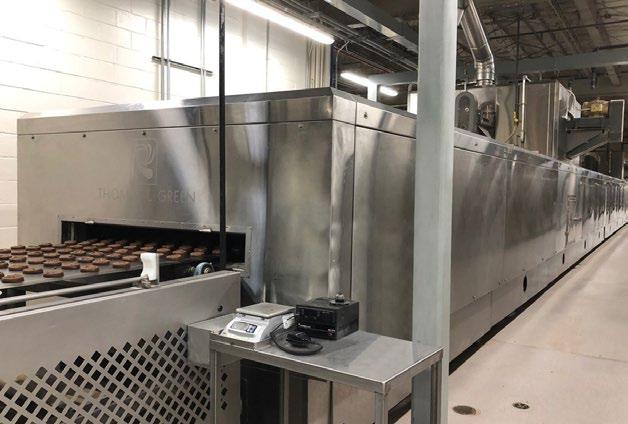
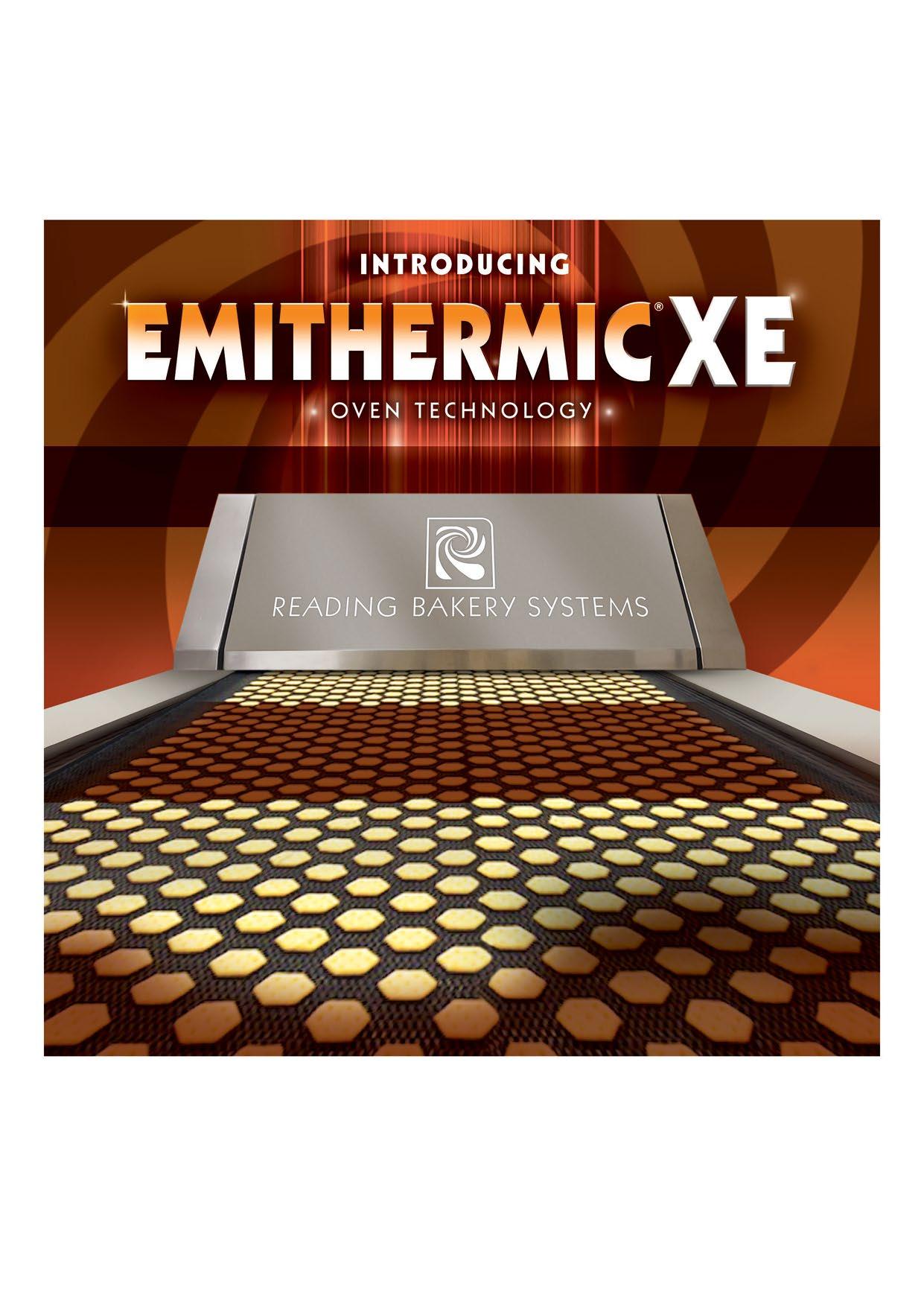
Oven technology remains one of the most critical factors in determining final product quality and overall line performance. RBS has focused significant development efforts on advancing its Emithermic oven platform to improve heat transfer, process control, and achieve more consistent baking results. For cookie applications, the Emithermic ® oven design combines radiant and convective heat with a humidity-controlled product zone directly surrounding the product during baking. This approach provides bakers with greater control over product development and diversity.
“By creating a more controlled baking environment around the product, the design enables improved consistency, more uniform color, and better overall product quality,” RBS explains.
In addition, the Emithermic Oven Zone incorporates Thermatec high-radiant panels to efficiently deliver radiant heat energy to the product. Combined with comprehensive airflow management, this results in a more balanced bake and
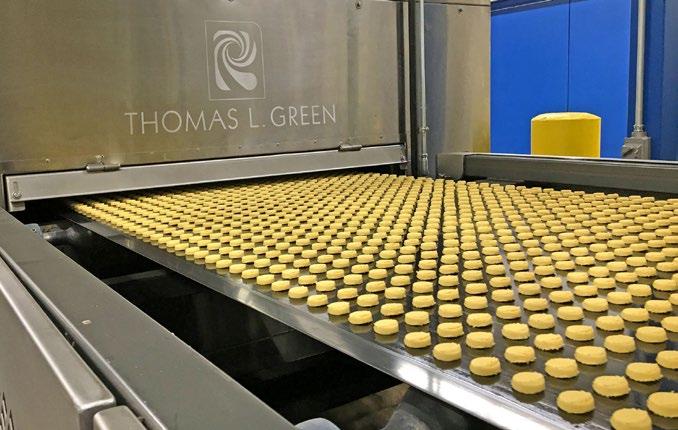
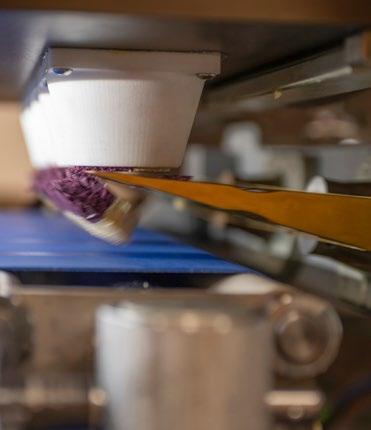
more effective use of energy compared to traditional recirculating or cyclothermic oven zones.
Recipe-driven control systems further enhance performance by allowing operators to precisely manage baking parameters and quickly adjust between products. Automated startup and control functionality ensure repeatability, making it easier to maintain consistent product quality across multiple products running on the same line.
“The Emithermic Oven can ensure balanced heat transfer, which contributes to consistency in baking performance.”
Reading Bakery Systems specialists
To further enhance process control, RBS integrates the SCORPION ® 2 profiling system, which captures real-time data on temperature, heat flux, airflow, and humidity within the oven under actual production conditions. By providing detailed insight into the baking environment, manufacturers can identify opportunities for optimization and make targeted adjustments to improve product quality and consistency. With this level of visibility, changes in formulation, throughput, or operating conditions can be managed more effectively, ensuring that performance remains consistent even as production demands evolve.
Together, these integrated technologies enable manufacturers to produce a wide variety of biscuit and cookie products while maintaining high levels of efficiency, consistency, and control. RBS provides a comprehensive approach to modern baking that supports both product innovation and long-term operational success.
GEA is also bringing equipment for cookie production into the spotlight at interpack, with solutions including the Bake Depositor 2LC and the E-Bake G2 oven.
The GEA Bake Depositor 2LC is suitable for four types of cookies with soft dough formulations: deposited, wire-cut, soft-center, and co-extruded bicolored products. Very soft products such as éclairs, macarons, and sponge cakes can also be made with the newly-improved machine. This
versatile system may be compact in size, but it has high production capabilities. “It can reach 50 strokes per minute for deposited products and 100 cuts per minute for wire-cut products,” GEA specialists explain. It is also available in a monocolor configuration.
This depositing system can create cookies with a wide variety of doughs, mixes, and fillings. Depending on the desired shape, customers can wire-cut or deposit the dough to mold crunchy or fluffy cookies. Additionally, the co-extrusion process makes it possible to create filled biscuits with jam, cream, chocolate, and more. It can also be used to shape bicolored products with different creative designs. “Our latest improvements focus on enhancing flexibility, accuracy, and productivity in soft dough bakery production,” the specialist summarizes the depositor’s recent upgrades.
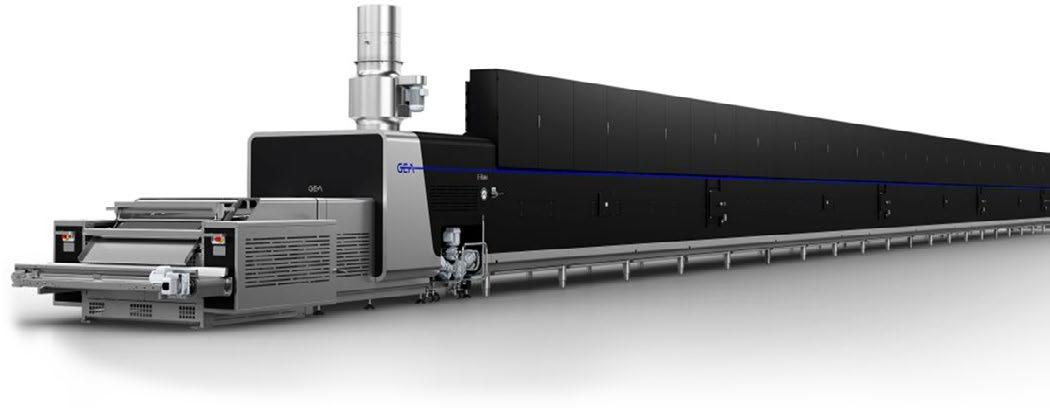
The new E-Bake electric tunnel oven is part of the ‘GEA Add Better’ portfolio, optimizing energy efficiency: it can help lower energy consumption by up to 40%, compared with gas-fired models, GEA highlights. It can flexibly use various heating modes. Available configurations can include Radiant (RE), Convective (CVE), ConRad and hybrid zones. Notable features of this oven include “Localized micro-convection, modular airflow control, and uniform heat flux, for superior baking precision,” explains GEA. The oven has been designed with plug-and-play modules, to shorten installation times by up to 70%.
GEA highlights the oven’s latest features: “The E Bake G2 improvements target industrial baking processes, improving energy efficiency, product consistency, and process control. The oven allows precise thermal management and airflow control, ensuring uniform baking across different products while reducing energy consumption. These enhancements help bakeries achieve better quality, repeatability, and sustainability in their operations.”
“Our latest improvements focus on enhancing flexibility, accuracy, and productivity in soft dough bakery production.”
GEA specialists
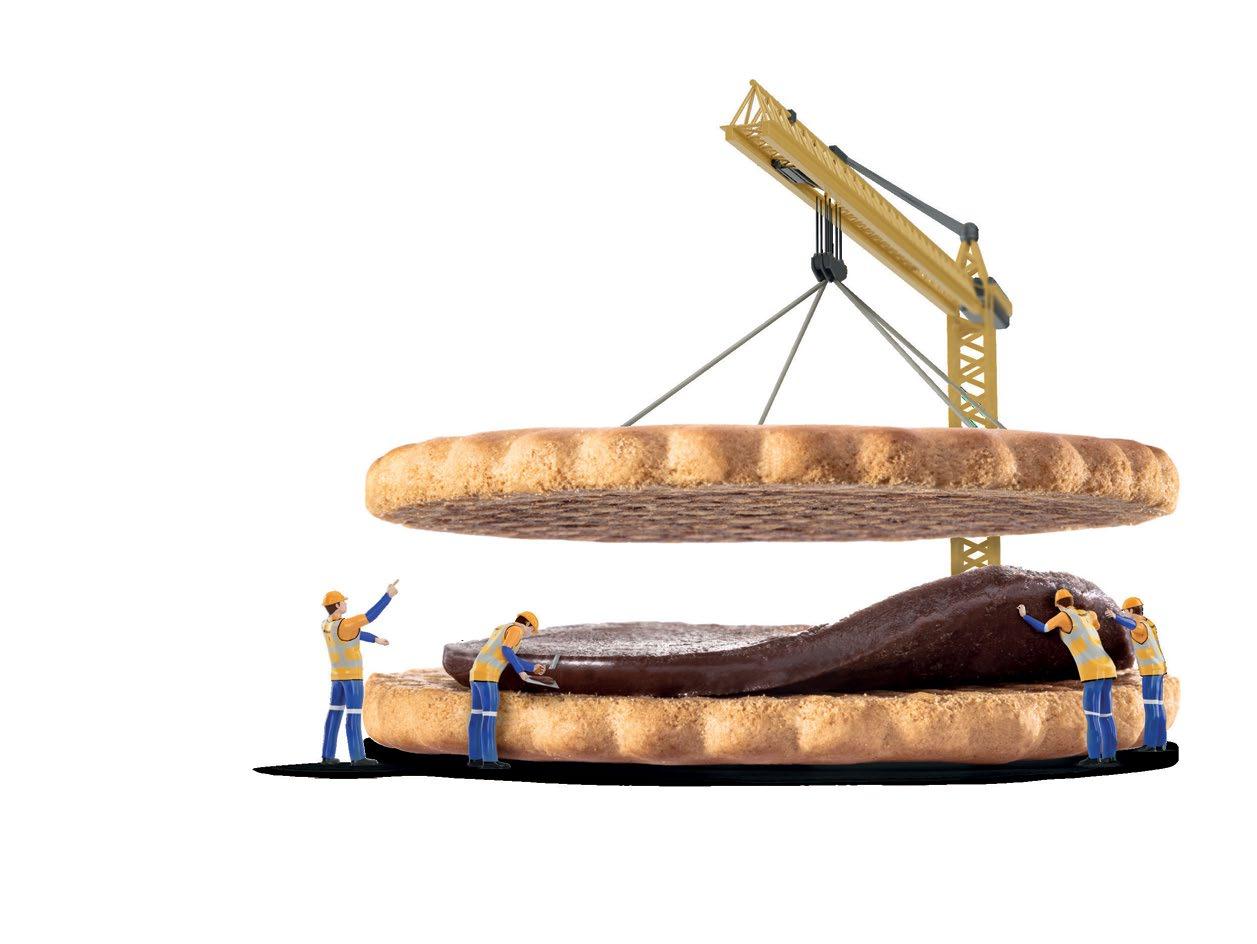
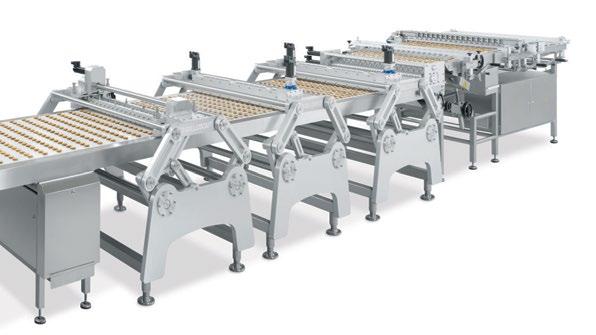

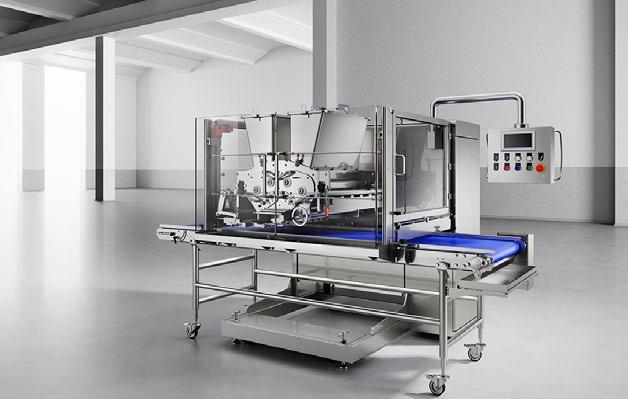
Last year, GEA also introduced a new extruder at iba ’25. The GEA Bake Extruder was developed for high-volume and high-speed applications, with a hygienic design. It was designed to have the flexibility to support a range of industrial baking needs, for various production styles including wirecut, co-extruded, filled, continuous extruded, and likedeposited products (cookies that replicate the texture and appearance of traditionally deposited, hand-crafted products). These formats are commonly used in the production of cookies, bars, and biscuits with varied textures, fillings, and inclusions.
“The new E-Bake electric tunnel oven is part of the ‘GEA Add Better’ portfolio, optimizing energy efficiency. It can help lower energy consumption by up to 40%, compared with gas-fired models.”
GEA specialists
“GEA identified current needs in a customer survey and aligned its engineering accordingly,” said Matteo Pasquali, Application Manager Soft Dough at GEA. “From customer interviews, we learned that the industry demands higher performance, greater flexibility, easier cleaning, and enhanced product variety. The Bake Extruder is our response to those requests.”
This modular system features interchangeable dies and cutting mechanisms, including a fully redesigned wirecut system that can operate at speeds of up to 350 strokes per minute across a maximum working width of 1,700 millimeters. For specific product formats, the machine delivers a performance of 130 cuts per minute when producing encapsulated cookies, and up to 250 cuts per minute for continuous extruded products, GEA details.
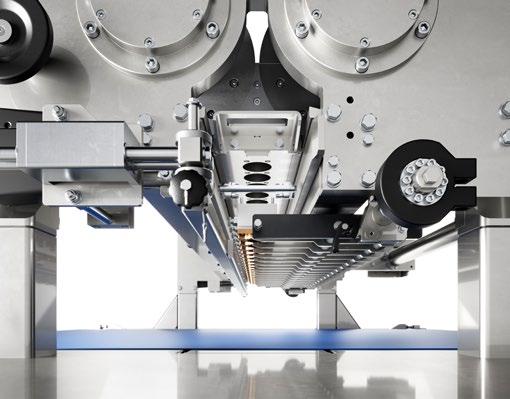
To push its versatility one step further, the GEA Bake Extruder comes with customizable filler blocks and can be configured with optional lobe pumps, which provide gentle and accurate dosing for delicate or aerated doughs. “These lobe pumps are particularly well-suited for processing aerated and softer doughs that may contain inclusions such as chocolate chips or dried fruits, ensuring accurate dosing and maintaining product integrity,” the specialist details.
This extruder is powered by brushless motors, meaning that the extrusion speed and cut timing can be very accurately controlled. Its servo-driven axes ensure high repeatability and minimal deviations in product size and shape.
For the Bake Extruder, GEA developed a new HMI with an independent control box, offering intuitive operation, multi-level access, and improved recipe management. The system can be integrated with the facility’s ERP system and includes performance analysis tools for predictive maintenance.
For added digital service, including remote monitoring, GEA recently upgraded its platforms: GEA Smartcontrol, InsightPartner and RemotePartner. They can provide real- time performance data, remote diagnostics, and expert support without needing on - site visits.
As the company anticipates greater reliance on digital tools in the future, it also provides preventive maintenance and audits via its Bakery Health Check program, alongside service agreements and tailored support packages that combine maintenance planning, spare parts, and consulting to optimize uptime, efficiency, and product quality.
With a multitude of new developments, the quest for new cookie creations does not need to have any technical limitations. The segment retains a loyal consumer base –the only condition for success is meeting their preferences. +++

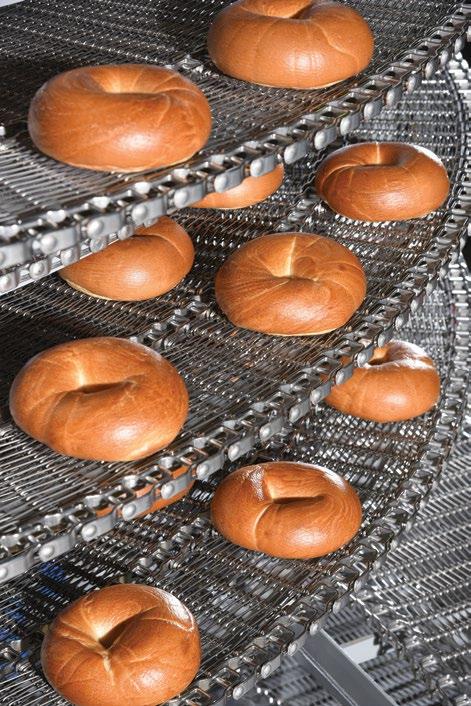
Increase capacity while minimizing maintenance and downtime in the most demanding applications.
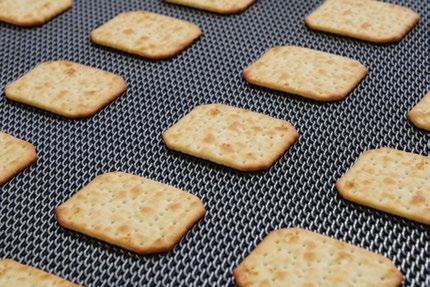
Engineered for uniform baking, consistent airflow, and reliable product release in high-performance bakery systems.
Ashworth Factory Service experts for installation, troubleshooting, and maintenance of your belting system.
Monitor key metrics that are tracked and trended to identify changes in the equipment's operating parameters.
LEARN HOW WE CAN HELP SCAN THE CODE
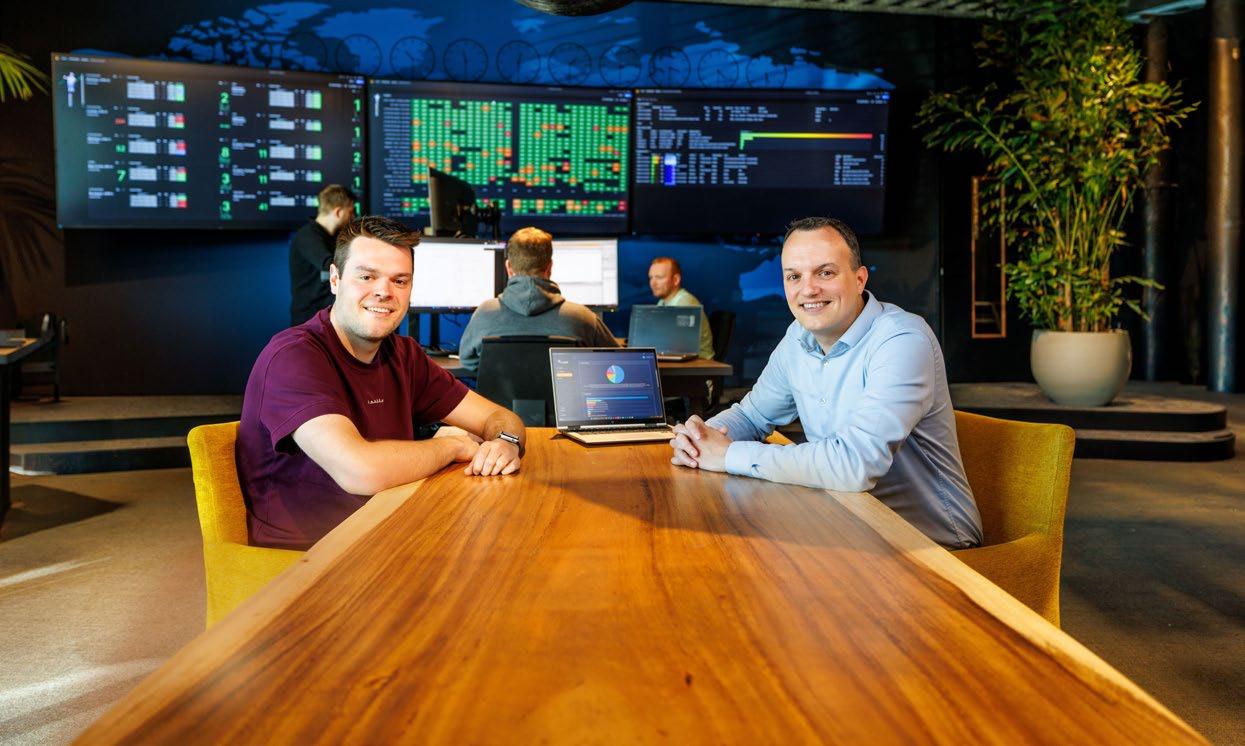
Sjoerd Raben , Project Manager, Software Development, Royal Kaak (pictured: right), offers insights into the company’s work, perspectives on AI concepts, and advances in incorporating game-changing tools in the solutions provided.
+BBI: What are the highlights of your R&D work in AI over the past three years?
Sjoerd Raben: Over the past three years, our R&D efforts have focused on integrating AI capabilities into a scalable cloud-based data platform for industrial bakery environments. A key achievement has been enabling structured data collection across equipment and production lines, creating a solid foundation for advanced analytics. This has allowed us to move from isolated machine data towards a connected ecosystem where performance, quality, and efficiency can be analyzed holistically. By combining industrial IoT with data-driven insights, we support bakeries in improving consistency, reducing downtime, and making better-informed operational decisions.
BBI: In what production areas have you already incorporated AI features into your technology?
Sjoerd Raben: AI is primarily applied in the area of datadriven decision support, where we use generative AI to help users interpret complex production data and translate it into meaningful insights.
Instead of presenting raw data or dashboards alone, generative AI enables operators and production managers to better understand what is happening in their process, why certain deviations occur, and where improvement opportunities lie. This significantly lowers the barrier to using data effectively on the shop floor. In addition, we support predictive maintenance through advanced data analysis, where patterns in equipment behavior are used to anticipate potential issues. This is based on structured data analysis and domain knowledge rather than autonomous AI-driven decision-making.
“Importantly, control of the production process remains with the operator. This approach strengthens the sense of control on the shop floor, as decisions are supported by transparent insights rather than relying on a ‘black box’ system that autonomously adjusts process parameters.”
BBI: What are the most frequent requests you are receiving?
Sjoerd Raben: The most frequent requests focus on improving operational efficiency, ensuring consistent product quality, and gaining better visibility into production processes. Customers are increasingly looking for ways to make their processes more transparent. They want to understand how different parameters influence product quality and how to react more quickly to deviations. There is also a strong demand for solutions that simplify complexity – tools that make data accessible and understandable for operators, rather than adding additional layers of technical interpretation.
BBI: How is machine learning defined to optimize various production steps in real time?
Sjoerd Raben: At this stage, machine learning is primarily used for analytical purposes, rather than directly controlling production processes in real time. By analyzing historical and real-time production data, machine learning helps
identify patterns, correlations, and deviations that are not easily visible through traditional methods. These insights provide operators with a clearer understanding of their processes and highlight areas for improvement.
Importantly, control of the production process remains with the operator. This approach strengthens the sense of control on the shop floor, as decisions are supported by transparent insights rather than relying on a ‘black box’ system that autonomously adjusts process parameters.
BBI: What are the challenges with AI decision-making algorithms and how are consistent results ensured?
Sjoerd Raben: One of the key challenges is ensuring reliability in complex and variable production environments. Bakery processes are influenced by many factors, including raw materials, environmental conditions, and operational variations. To ensure consistent results, we place strong emphasis on data quality, robust data pipelines, and clear system monitoring. AI is used to generate insights based on this data, but always within a controlled and well-understood framework.
Another important aspect is transparency. Insights must be traceable and understandable for operators, so that they can confidently act upon them and maintain full control over the production process.
BBI: What opportunities do you see in expanding AI use in bakeries?
Sjoerd Raben: We see significant opportunities in expanding AI within bakeries, particularly in making production processes more transparent, efficient, and consistent. At the same time, we believe that successful adoption requires a step-by-step approach, where AI is applied in smallscale, clearly defined, and comprehensible use cases. This
“We believe that successful adoption requires a step-by-step approach, where AI is applied in small-scale, clearly defined, and comprehensible use cases. This ensures that human control over the overall process is maintained at all times.”
Sjoerd
Raben, Project Manager, Software Development, Royal Kaak
ensures that human control over the overall process is maintained at all times.
A critical prerequisite for this development is the availability of clean, structured, and well-labeled data. In many cases, simply organizing and utilizing this data – without applying AI – already provides substantial value. AI should build on this foundation, not replace it.
BBI: What does your R&D prioritize in further AI advancements? And how are quality and safety concerns covered?
Sjoerd Raben: Our R&D priorities focus on scalable data infrastructure, practical usability, and reliable insights. We continue to invest in strengthening our data platform to ensure that it can support growing volumes of production data while remaining accessible and useful for operators and engineers. At the same time, we focus on developing solutions that are intuitive and fit naturally into existing workflows.
Quality and safety remain central. AI is applied as a supporting layer that enhances understanding and decisionmaking, while established control systems and human expertise remain responsible for final process control. This ensures that innovation goes hand in hand with reliability and product safety. +++
The EU is on track to apply new packaging rules before the end of the summer. What does it mean to consumers, and what will change for businesses offering packaged baked goods?

+On August 12, the EU Regulation 2025/40 on packaging and packaging waste, known as PPWRi, will be applied. It aims at leveling the ground with common rules on packaging across the EU. To help simplify compliance efforts, the European Commission issued guidance to help Member States implement the provisions of the law, bringing clarity to the regulation where needed (but not changes).
For bakeries offering packaged goods and products wrapped for consumption, this means the transition to easily recycled solutions is urgently underway. Challenges include paper containers with film windows or composite trays – with a clear trend for packaging solutions made of mono-materials or designed in a way that allows different materials to be easily separated. Labeling is also subject to change in 2028, as packaging must carry information about its materials and how they should be recycled, in addition to the information about the product enclosed.
Consumers add to the pressure to switch to more sustainable packaging choices, too. Extensive surveys carried out by ERM Shelton, a marketing and communication company specializing in packaging sustainability, show that, when given a list of different environmental issues, people have ranked plastic in the ocean as their greatest climate concern, every single time they were asked, everywhere in the world, says Suzanne Shelton, the company’s founder. Moreover, when asked to assess their position regarding other issues, including inflation or war, plastic in the ocean is among the top three concerns, in every country surveyed.
Shelton explains the reasoning behind this perception: “Plastics and packaging are key issues for the consumer. While climate change is the more existential threat and arguably the bigger issue, people are more concerned about
waste and specifically plastics. We believe it’s because it is tangible: people can see it, and perceive themselves as accomplices to the crime when they see animals affected by plastics in nature. And they feel guilty as they wonder if it was, perhaps, their beer ring or bread bag that hurt a cute sea creature, for example.“ At the same time, consumers, unsure how to solve this issue by themselves, look to companies to solve this problem. To add another layer to the issue, consumers are often confused about how and what to recycle in the absence of transparent communication regarding the available infrastructure – in different countries and cities, with different rules applied even to different areas of a city.
“People have a false sense of security that they know how to recycle. ”
ERM recently surveyed US consumers in partnership with the Flexible Film Recycling Alliance for a study that set out to understand why people do not recycle their flexible plastics more, and how they could be motivated to do so. The research found that 70% of people in America claim they regularly recycle at least one type of flexible plastic; but only about 5% of them are actually recycled, according to statistics ii. And, although almost everyone claims they know what they are (91%), only about 6% of the US consumers can actually describe them correctly, which explains the low recycling rate.
“People have a false sense of security that they know how to recycle,” she adds, when over 70% of US consumers state they know everything about how to recycle correctly. In
reality, the category of people who are conscientious recyclers is fundamentally confused about what counts as correct recycling, for their efforts to have the intended results. Around 35-40% of the American population is interested in educating themselves, according to the research iii
One issue is the lack of consistent language: what is flexible packaging? What is plastic packaging? What are plastic films? And, once identified, what kinds of plastic can be recycled?
Since PPWR was introduced, manufacturers have come forward with questions of their own. They need to make packaging easy to recycle for consumers, include an information component, and comply with the regulations. While ‘flexible plastics’ is without a legal, universally applied definition, looking at this example, PPWR does offer a working interpretation of what they encompass: non-rigid plastic in shape, film-like in thickness, and easy to bend while holding products, including pouches, bags and wrapping materials.
The newly released guidance and its Annex offer clarity and necessary definitions to help with uniformity in packaging sustainability efforts.
An essential packaging principle to aim for is mono-material packaging, made predominantly of a single type of material, with minimal additions such as inks, according to the PPWR. Mono-materials make sense because they simplify recycling for the consumer. Adequate labeling – recyclable in itself – communicates clear disposal instructions and contributes to easier recycling.
PPWR provisions
“The packaging choice comes down to following design guidelines that take into consideration what will be most recyclable from what is available. The material itself is one choice, and so is the way it is modified, from the inks to the colors and labels associated with it. ”
Viktoria
Identifying the best material choice starts with its core functionality, maintaining product freshness. An important variable also plays a key role here – sustainability practices active in each region.
“The packaging choice comes down to following design guidelines that take into consideration what will be most recyclable from what is available. The material itself is one choice, and so is the way it is modified, from the inks to the colors and labels associated with it. Every aspect is taken into consideration in the design,” explains Viktoria Pakhnyuk, PhD, Sustainable Product Development Manager at Kwik Lok. Dedicated organizations assess what kind of packaging is best for recycling after use, offering practical resources. For instance, the American Forestry and Paper Association and the European 4evergreen Alliance provide design guidance for paper packaging, while the North American Association of Plastic Recyclers and RecyClass in Europe focus on plastic packaging. The Consumer Goods Forum also provides useful documentation shaping the Golden Design Rules, aligning and implementing them for plastic packaging. In addition, the Plastic Pacts network and other NGOs can also help bakeries understand their options, with well-documented, science-based reference data.
+ ‘All packaging placed on the market shall be recyclable.’ (Art. 6.1)
+ ‘Packaging shall be considered to be recyclable if it fulfils the following conditions (Art 6.2):
• it is designed for material recycling
• when it becomes waste, it can be collected separately, sorted into specific waste streams without affecting the recyclability of other waste streams and recycled at scale European Commission’s interpretation:
+ Article 6(1) requires that all packaging placed on the market is recyclable without providing a specific deadline for the application of this provision, which means that it applies from August 12, 2026.
+ Article 6(2)(a) ‘shall apply from January 1, 2030, or 24 months from the date of entry into force of the delegated acts adopted pursuant to the first subparagraph of paragraph 4, whichever is the latest’. According to Article 6(4), this delegated act, which will fully harmonize design for recycling requirements and the related assessment methodology, should be adopted by the EC by January 1, 2028. Source:
83%
OF PEOPLE AROUND THE WORLD BELIEVE COMPANIES BEAR RESPONSIBILITY FOR THE END OF LIFE OF THEIR PRODUCTS AND PACKAGES.
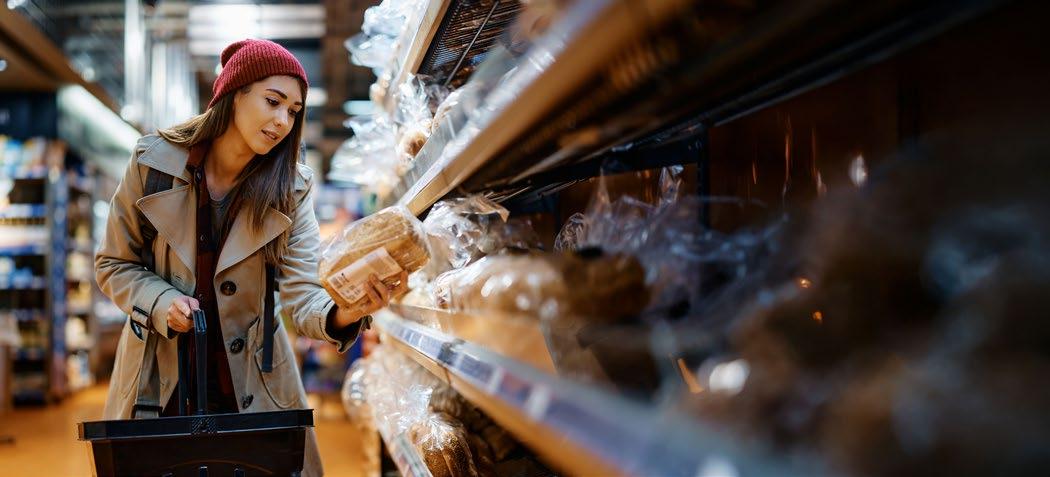
In Europe, the PPWR brings a suite of measures ambitiously aimed at transforming packaging entirely, rather than imposing stricter recycling rules. What does this mean for bakeries operating in both markets (and beyond)? Regulations are already overlapping, to a certain extent, which helps businesses manage production and supply across production facilities worldwide. And efforts will be made to align them even more, to avoid further complicating international operations.
Regulations such as the PPWR aim to guide and narrow the search for packaging materials.
+ To prevent unnecessary packaging and promote reuse, refill and recycling;
+ To harmonize national measures to avoid trade barriers and competition distortions;
+ To contribute to the circular economy and climate neutrality by 2050.
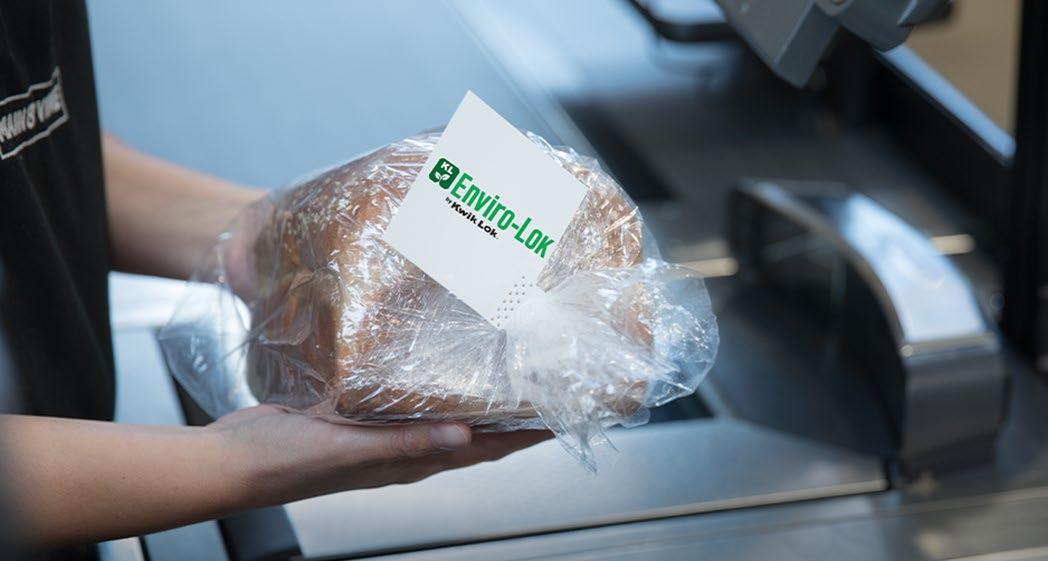
For example, Kwik Lok is working on moving away from polystyrene, which is included on the Problematic and Unnecessary Materials list from the Plastics Pacts. “We are shifting toward polyolefins, and now offer the number 5 plastic, which is more commonly recycled,” Pakhnyuk explains. The number 5 plastic, polypropylene (PP), is a tough, rigid and lightweight polymer used in many food packaging applications, including bread bags in the bakery industry. This polymer is the basis for Kwik Lok’s Enviro-Lok PP closures. “Where polyolefin films are recycled, closures can be placed in the same recycling stream as the bags, without having to separate and throw the closure in the trash,” Kwik Lok’s Dr. Pakhnyuk illustrates. A bakery
Source: European Union
choosing the Enviro-Lok closure can support its recycling goals, and request information about emissions and the impact of the packaging throughout its life cycle. Kwik Lok can provide such resources to guide packaging choices that take into account environmental impact data.
When circularity is the goal, an interesting distinction is made from the producers’ perspective for offering products packaged with recyclable materials vs. packaging incorporating recycled content. Closing the loop can be challenging because pricing is a factor: “It takes more work to reprocess the plastic than it does to use new, and sometimes the quality of the results is not on par, as plastic loses some quality with every recycling cycle (this degradation also occurs in fibers),” notes Pakhnyuk. Packaging that comes into contact with food will need to have the highest degree of purity, so recycled content will need to meet the highest quality standards. Here, the opportunity for bakeries will come from both recycling their packaging and using materials with recycled content.
When recycled plastic is suitable for use, the big challenge is sourcing enough of it, in the quality required for its application, and at the price that buyers are willing to accept. Simply put, there is not enough price-competitive recycled plastic in the marketplace that tips to higher percentages of recycled content. At the same time, circularity only works if there is enough demand for the recycled material that gets collected. This, in turn, means that producing materials with recycled content increases related costs. Creating uniformity across different markets can only benefit circularity goals, by ensuring each segment of the cycle fulfills its purpose.
All design choices impact the success of recyclability, including the use of colors. For instance, intensely colored




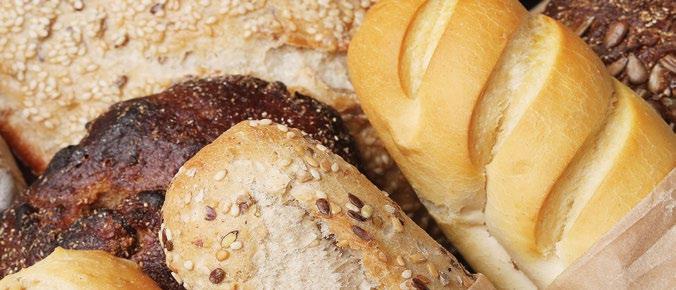




plastics are less desirable than white and clear scraps, because they will make it harder to achieve certain colors when reused. On the other hand, it’s worth considering keeping it clear or light colored, to ensure it can be, again, recycled after use – an argument that would entail using bright, lively colors considerably less, as a general rule, or in a different format such as ink. It would take advanced (and costly) recycling to separate colors and avoid grey or black material colors, which has less appeal for food packaging products.
Another distinction to be made is compostability – if the infrastructure is in place, it can also be a solution to the packaging waste problem. Again, standardization is key, so the consumer can easily understand which packaging items go where, when they are no longer needed. Labels are a powerful tool in this process.
Working on the reduction of packaging is a clear direction that is not only compulsory, but also money-saving. Looking at material choices, for now and tomorrow, “Consumers expect manufacturers to take responsibility for the end-of-life of their products and packages. In fact, in the US, 73% of people believe manufacturers bear responsibility for the appropriate end of life of their products and packages
Resources:
The Packaging and Packaging Waste Regulation 2025/40 (PPWR), 2025
ii Suzanne Shelton, June 2025, Unlocking the future of plastic recycling: A call to action
iii Suzanne Shelton, November 2025, ‘What’s in the way of recycling flexible plastics’
(and only 16% think manufacturers are doing a good job with this),” Shelton notes.
“Consumers expect manufacturers to take responsibility for the end-of-life of their products and packages.”
As the PPWR starts being applied, step by step, packaging enters an era of efficient minimalism, by necessity. Overpackaging with several layers of different materials will draw scrutiny, while using recyclable materials becomes a must, mono-materials a preference, and PFAS a no-go – to name some of the upcoming changes. Bakeries look for packaging solutions that answer several needs, starting with product safety and integrity, as always, but now also including PPWR compliance requirements. The design challenge is simplifying packaging while increasing functional efficiency with updated material options, communicating the needed and desired messages, and retaining the brand’s identity in this profound transformation process. +++
iv ANNEX to the Communication to the Commission, Approval of the draft Commission Notice on the Guidance document for Regulation (EU) 2025/40 on packaging and packaging waste, March 2026, Brussels
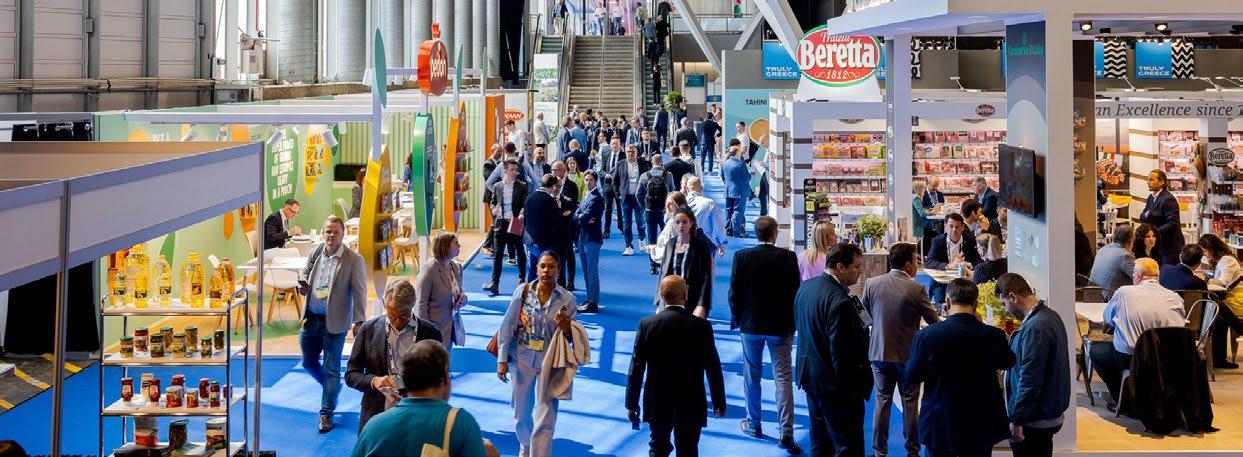
For bakeries focusing on the private label sector, PLMA is an important source of inspiration and innovation. Reflecting the evolving trends shaping today’s private label market, the Idea Supermarket at PLMA’s World of Private Label has been reimagined as PLMA’s World of Ideas.
+The new concept, PLMA’s World of Ideas, not only brings a new look and a new location, but, with the new name, the area also emphasizes its global character as the hub where new ideas in private label come to life, the organizers anticipate. It will be located in the RAI Auditorium Lounge at the heart of the show.
From leading product innovations presented by exhibitors to products launched in retail stores around the globe, including award-winning private label products, visitors can explore the full spectrum of private label development, including stand-out concepts in bakery and snacks.
Within this innovation and trend development context, the New Product Expo area offers a glimpse into what lies ahead, with nearly 300 products new to private label and offered by exhibitors. Interesting product developments include the growing presence of trendy matcha, for instance. Once considered a niche ingredient, matcha now appears across a wide range of categories, from yoghurts, sweets, beverages, and snacks to beauty and personal care products.
For food products, rising trends include convenience foods and ready meals, with strong traction for organic, vegan, gluten-free, and lactose-free products, the exhibition’s organizers highlight. Some 30% of the show floor is dedicated to exhibitors of organic, vegan and plant-based products, reflecting the shift towards a more sustainable food approach. “Consumers are increasingly seeking products that are ethical, healthy, and environmentally conscious, with plant-based and organic choices highlighting the broader benefits of healthy, sustainable eating,” PLMA notes. Visitors will find these trends illustrated through specific organic and plant-based pavilions, such as those organized by Food from Denmark, Consorzio Il Biologico from Italy, and
PIZE, the Polish Chamber of Organic Food (in addition to other exhibitor offerings).
“Witnessing the ongoing growth of international participation and the shared desire for a more dynamic focus, PLMA wants to emphasize the area’s global character and establish it as the show’s center for private label innovation. I believe the name World of Ideas captures it perfectly,” stated Jan van Lier, Managing Director Trade Shows at PLMA International Council.
PLMA’s World of Private Label International Trade Show will take place from May 19 to 20 at the RAI Amsterdam Convention Center, with pre-show seminars on the day before the show starts. This year, more than 32,000 trade professionals from 125 countries and over 3,200 exhibiting companies across food and non-food categories are expected to attend. +++
Almost all consumers (96%) say that private label is essential in today’s shopping basket, according to research from Simon Kucher, a consultancy focused on pricing and top-line growth. “92% of shoppers think private label of equal quality than branded and 83% consider private label equally sustainable”, said Alexander Bilsing, partner at Simon Kucher, during a presentation in March 2026 at PLMA’s Executive Education Program. “For basic items, 88% buys at least regularly private labels. For higher value products, this is 68% and, even for exquisite products, a majority of 52% of shoppers choose at least regularly a private label item.” For food, most people primarily look to buy private labels in a variety of products, including breakfast and bakery products, Markus Goller highlights.

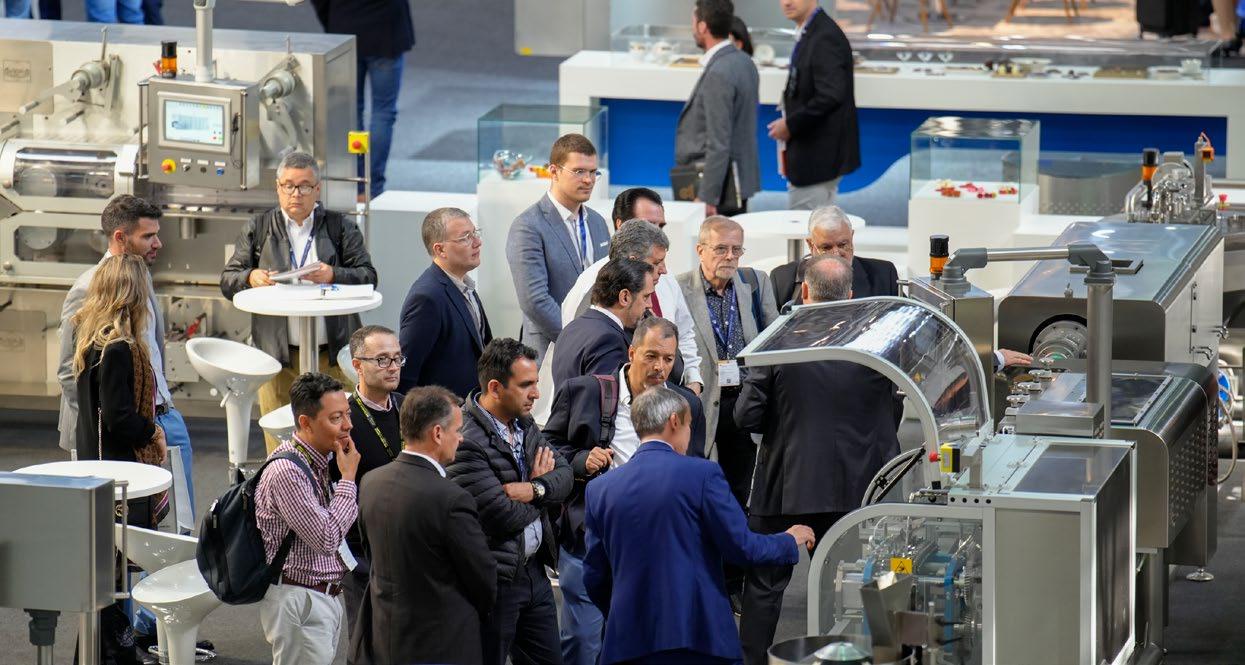
The end stage of the manufacturing process is emerging on the other side of a major sustainability transformation. With a set timeline to PPWR conformity, the ‘ifs’ are quickly becoming ‘when’ in short-term planning for food businesses, bakeries included. Until August, interpack is the innovation stepping stone in the journey to more sustainable – and, at the same time, smarter – packaging and processing.
+
“interpack 2026 is more important than ever,” interpack director Thomas Dohse was anticipating as the exhibition was taking shape, a while ago. This trajectory has gained even stronger momentum since he made this statement, and expectations for interpack ’26 are rising high. The baking industry, and, by extension, food manufacturing, are in the process of transforming, with profound changes across many sectors, which interpack aims to cover through a wide range of topics, including AI, new regulations, automation, the need for future skills, and innovative materials.
To meet these challenges, the packaging and processing exhibition is particularly focusing on forward-looking topics, which have been narrowed down to the 2026 Hot Topics as follows: Smart Manufacturing, Innovative Materials and Future Skills.
+ Smart Manufacturing encompasses more intelligent, sustainable and economical production. Technology displayed at interpack will present new solutions for this –for instance, in the areas of AI-supported systems, robotics, automation, intelligent controlling, data use and resource efficiency.
+ The Hot Topic Innovative Materials will put the spotlight on the packaging segment of the exhibition, with around
“The sector is being shaped by two central trends: sustainable packaging solutions such as cellulose-based or monomaterials, plus rising automation, in order to reduce dependency on qualified personnel in certain fields. Something is becoming evident at the same time: well-trained employees remain crucial.”
Markus Rustler, President & CEO at Theegarten-Pactec and President of interpack 2026
1,000 exhibitors. Materials will include highly developed plastics, fiber-based materials and intelligent coatings – solutions that help optimize product protection and shelf life. “Monomaterials, bio-based solutions and Design for Recycling promote circular use and reduce use of material,” interpack organizers emphasize.
+ Qualified employees are the backbone of manufacturing. Future Skills targets the transformation of the workforce, with a focus on qualification, promoting young talent, digital know-how and the skills required for modern processes and technologies.
Markus Rustler, President & CEO at Theegarten-Pactec and President of interpack 2026, puts the Hot Topics into context: “The sector is being shaped by two central trends: sustainable packaging solutions such as cellulose-based or monomaterials, plus rising automation, in order to reduce dependency on qualified personnel in certain fields. Something is becoming evident at the same time: well-trained employees remain crucial. The main thing companies can do to stand out is offer their employees meaningful tasks that allow them to make a genuine impact.”
With around 75 presentations, sessions and panel discussions, the SPOTLIGHT Forum will bring together key debates on regulation, resource efficiency, automation and securing skilled labor. International experts from industry, politics, associations, start-ups and specialized institutions will shape the SPOTLIGHT Forum agenda.
A part of interpack for the second time, the SPOTLIGHT Forum is intended as the trade show’s content center. Spanning throughout the entire duration of the trade fair, the SPOTLIGHT will give the stage to the most important voices from the packaging industry to address the most pressing issues in the sector. Each day will have a dedicated theme,
which will be examined from various perspectives in talks, interviews and presentations. Listed chronologically, the seven SPLOTLIGHT Forum days will cover: chances and risks of PPWR, resource efficiency, smart packing, intelligent systems and AI, circular economy, innovative materials, and young talents.
May 7 is dedicated to PPWR topics, when practical implications for the use of recycled materials will be analyzed, as well as reusable quotas, recycling rates and hygiene requirements. Tânia Dias da Costa (pacoon Sustainability Concepts), for example, will highlight the steps required for regulatory implementation in companies. A panel discussion with industry representatives and the European Commission will focus on competitiveness, location issues and the impact of the regulation on companies, customers and consumers.
Resource efficiency is the topic of the day on May 8, with an extensive agenda on resource efficiency. Aasted, for example, will highlight the optimization of chocolate processes and the efficient use of resources. In a panel discussion, moderator Ton Knipscheer (European Co-Packers Association) will talk about how geopolitical uncertainties, tariffs and regulatory pressure are changing supply chains and what innovation impulses this is generating for the packaging industry going forward.


















May 9 is for smart packaging, covering topics such as digital identification, networked systems and data-based business models. Simon Hill and Ian Richards (TNA Northern Europe B.V.) will be among the speakers, presenting practical examples to show how integrated packaging lines can increase efficiency while meeting safety, sustainability and quality requirements. Dr Tobias Jochum (Fraunhofer IAP) will talk about digital product passports, brand protection and end-to-end traceability along the supply chain.
May 10 is dedicated to intelligent systems and AI, including data-based production models. Thomas Peter and Stephan Schuele (Syntegon Technology) will show how digital innovation, end-to-end processes and contactless automation can pave the way to the ‘Factory of the Future’. Marco Facchin (BIOMETiC srl) will demonstrate in his presentation how 3D computed tomography and explainable AI make food inspection more precise.
Circular economy is Monday’s topic (May 11). Based on strategic futurology, Gillian Garside Wright (Aura Consultants) outlines key trends up to 2050 and their influence on circularity, brand trust and innovation strategies. Carsten Bertram, Head of Packaging Sustainability at Henkel Consumer Brands, will show how the requirements of the PPWR are being translated into concrete packaging strategies and which practical implementations are already taking place.
Many other presentations will delve deeper into current trends and developments relating to the circular economy.
The global alliance returns with the moment’s burning questions and possible answers, promoting responsible resource management along the entire food supply chain, in a bid to sustainably reduce food loss and food waste.
This year, it brings SAVE FOOD Expert Talks to interpack on May 12. Here, international organizations and specialized initiatives will show how packaging can protect food, strengthen sustainability, and improve processing. The conversations will focus on regulatory developments, sustainable packaging solutions, global cooperation, and effective approaches to reducing food losses. The event is free to attend (registration is available online). The forums, staged in Hall 1 (Room 14), will be moderated by Nerida Kelton, Vice President Sustainability & SAVE FOOD, World Packaging Organization (WPO), and Dr. Johannes Bergmair, General Secretary, WPO. The themes are: ‘Global Packaging in Transition: Regulation, Partnerships and the Race for Sustainable Value’ (Forum 1) and ‘Turning Packaging into a Food Saver: Trends, Innovations, and Solutions Across the Food Supply Chain’ (Forum 2).
This year, SAVE FOOD will also acknowledge the winners of the Design Awards and the Sustainability Design Awards, from over 100 submissions.
interpack will open its doors from May 7 to 13. The opening hours are from 10:00 am to 6:00 pm, every day. +++




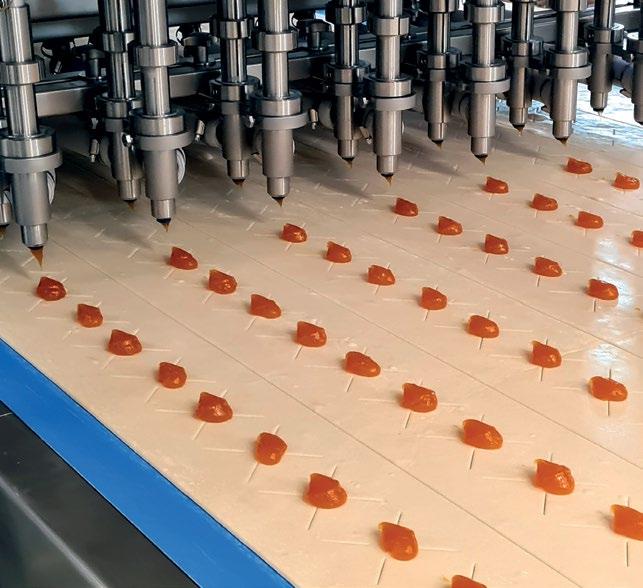
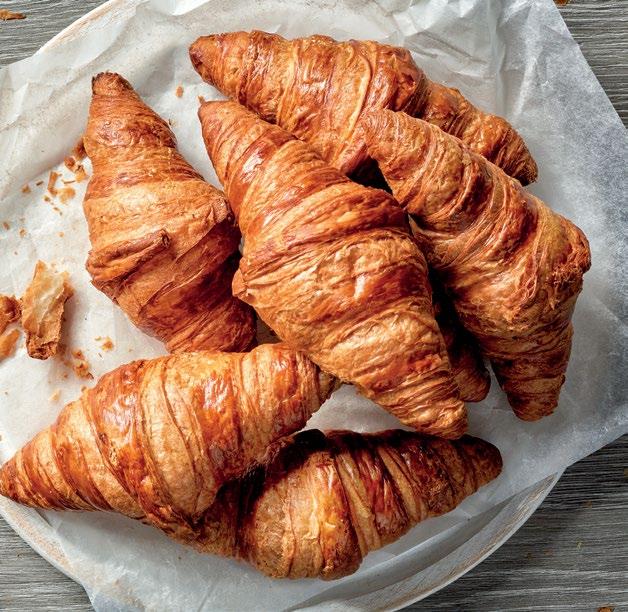



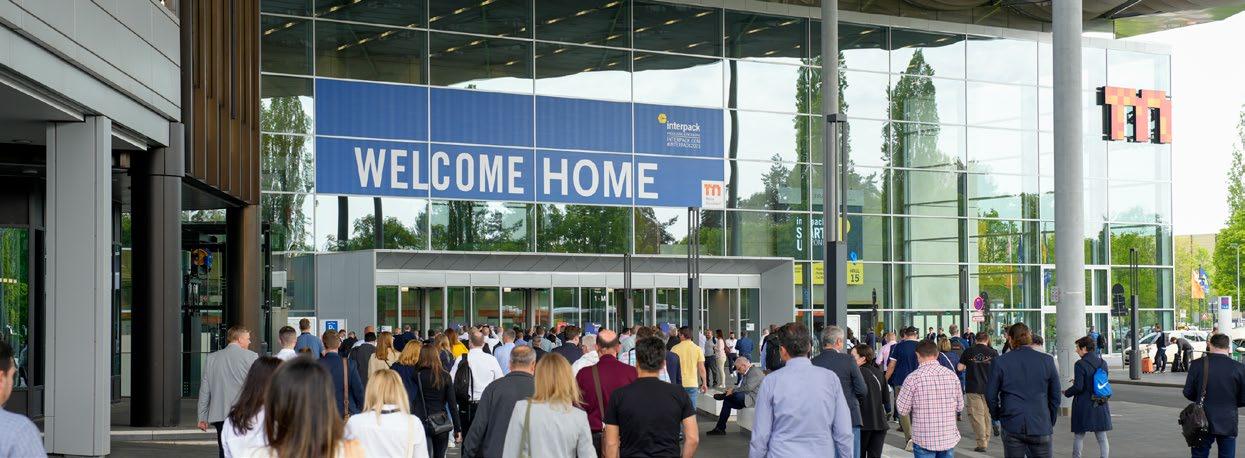
The three-year wait is almost over. For those planning their trip to Düsseldorf, here are some of the companies worth visiting for bakery professionals, listed from A to Z, and the advances they are highlighting at their stands.

An interpack exhibitor since the 1950s, Aasted will showcase its innovations, highlighting a complete High-Mix Jensen Line for chocolate molding, a confectionery line for manufacturing candies and nutrition bars, and the company’s latest in tempering technology (featuring StellaNova and a full CIP system). The Alice family of machines will also be showcased, including the Alice 2.0 extruder, which is suitable for confectionery and fine bakery, as well as Alice S – specializing in bar extrusion, including nutrition and candy bars. Specialists in all areas of expertise covered by Aasted will be on-site to answer questions, including the SweetConnect team, the service team, energy solutions experts, and upgrade specialists. Appointments can be booked in advance with the specialist of interest, the company announces. The SLA Value will also be introduced, Aasted’s dedicated service offering that includes free access and onboarding to the digital platform SweetConnect. “With a personal Contract Manager as your single point of contact, annual follow-up meetings, and a yearly virtual engineering pulse check, you receive proactive recommendations that keep your equipment running at its best,” Aasted highlights.
At this year’s interpack, Handtmann will showcase a broad spectrum of production solutions for bakery, confectionery, and snack applications. All systems for portioning, cutting, (dough) dividing, forming, depositing, and co-extruding are flexibly configurable and suitable for a wide variety of applications – from soft consistencies to firm product masses.
Examples include rolled fondant, bars and snack bars of all kinds, cookies, muffins, sponge cake bars, fruit paste products, marzipan items, bread chips, crackers, gingerbread bites and confectionery.
Handtmann will also present several depositing solutions for product masses ranging from very liquid, pasty, inhomogeneous, chunky, fibrous, or containing large inclusions to those with high liquid content – into cups, trays, jars, thermoformed packaging, as toppings, or onto dough sheets.
“A major highlight is a modular system solution for the production of formed products. The single-lane FS 525 all-in-one forming system combines two different forming principles, offering completely new flexibility in the production of shaped items: the hole plate forming technology allows for freely formed 3D products, while the rotary cutting principle enables the production of various cross-sections with clean, smooth cuts,” the company anticipates.
The ConPro-Sachet system will also be on display. It enables the production of a wide variety of product formats in an alginate casing – such as snacks and substitution products in pod form – and their transfer into trays or feeding into flow-packaging machines.
AMF is preparing to line up its powerful bakery automation solutions, designed to boost efficiency, elevate product quality, and enable increased production flexibility. Visitors can explore the company’s entire portfolio – from laminating and croissant systems to pizza, pastry, cake, and pie production lines.
The spotlight innovation will be the latest generation of Den Boer tunnel ovens, which are now available in gas, electric, hydrogen - powered, and hybrid configurations.
“These ovens set a new benchmark for baking performance and sustainability, helping bakeries dramatically reduce energy consumption while ensuring unmatched reliability

and heat control,” AMF underlines. The company’s newest innovations are built to elevate the most critical bakery processes – mixing, laminating, sheeting, shaping, topping, and baking – delivering higher throughput, tighter consistency, and more intelligent automation across the entire production line.
Services will also be presented, with expanded offerings covering areas such as training programs, smarter digital tools, and faster remote support. In addition, AMF’s digital platforms provide real - time performance insights, enabling earlier issue detection and quicker intervention.
AMF also offers expanded training programs, smarter digital tools, and faster remote support. Clear Service Level Agreements (SLAs) define response times and service commitments, while spare parts available directly from stock help minimize downtimes.
“Interpack 2026 represents a major opportunity for bakery and snacking producers to discover how smart automation and sustainable baking technologies can drive their next phase of growth,” AMF anticipates.
Ashworth higlights is latest advances in belting solutions and related services at interpack ’26. The PosiDrive will be showcased - the direct drive solution for spiral systems (metal), as well as the Plastic PosiDrive spiral. The new SmartSpiral monitoring system will also be presented. The welding-free, RapidSplice system is another highlight, in addition to samples of various types of metal and plastic belts. Visitors can also learn about the ExactaStack at the stand - an affordable belt option for standard belt stackers.
Ashworth’s newest advances targeted the development of “A complete package for replacing belts and parts in self-stacking freezers (ExactaStack belts, Service and Parts),” its representatives underline.
The Ashworth Factory Service completes the company’s showcase, encompassing quality products, support, and smart solutions that boost productivity. “This extensive factory service network not only provides customers with relevant technical support, but also helps replace purchased belts and parts,” Ashworth emphasizes. The service reflects the company’s focus on being a full-service provider of belting solutions.

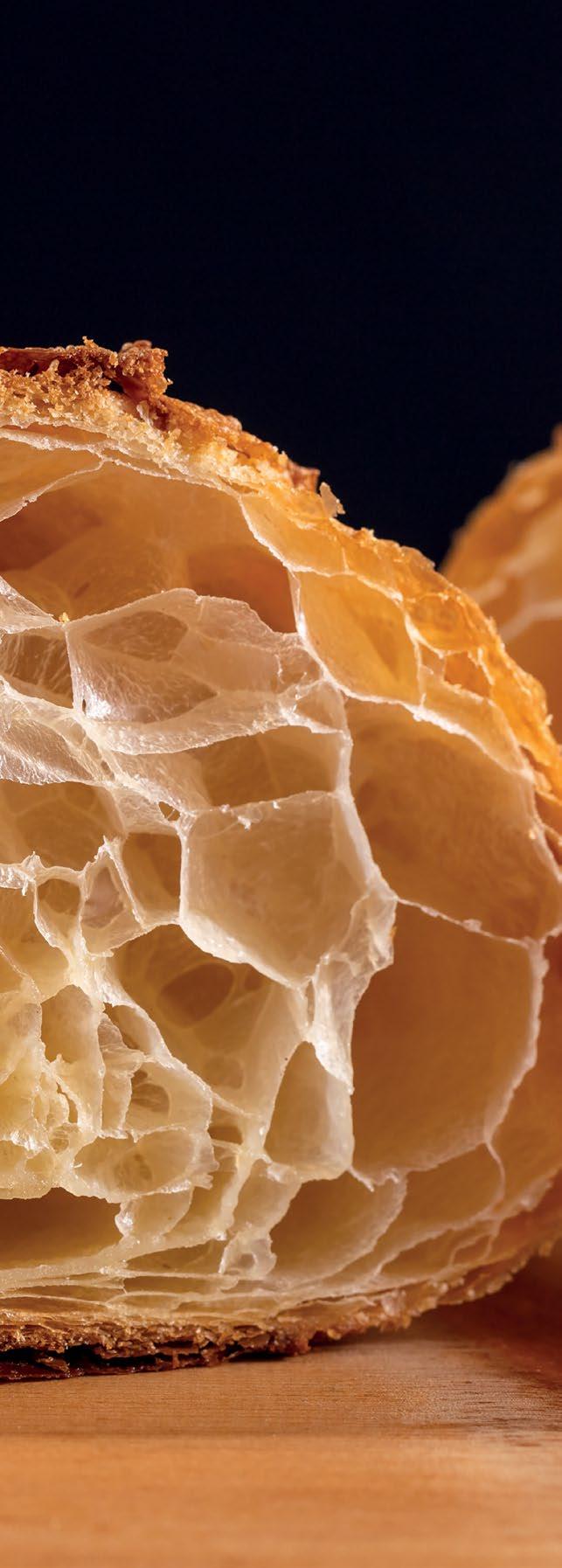

AZO is highlighting intelligent ingredient handling designed for increased sustainability. Key highlights at the show include eDos, the company’s new dosing system for precise and intelligent dosing in networked processes. ManDos is another – a manual weighing system that combines smart guidance, ergonomic operation and digital documentation to handle small quantities with a high degree of accuracy. With eDos, the emphasis is on improving dosing accuracy, flexibility and efficiency in demanding recipes and changing production requirements. With ManDos, the focus is on guided and digitally documented manual weighing for very small quantities that still require a high level of precision. Plant solutions will also be showcased in interactive 3D presentations, including a large 3D power wall and holograms. “Our focus is on smart, connected and sustainable solutions for automated raw material and bulk solids handling,” AZO emphasizes.
AZO’s newest solution improvements target the full raw material handling process across modern production environments, covering raw material reception, storage, conveying, screening, dosing, weighing and control.

Bühler is preparing to unveil several solutions at interpack, including an enhanced version of its indirect-fired convection oven, designed for biscuits, cookies, pizzas, and more. Bühler’s next generation of cocoa nib roasting will also be displayed, powered by smart roaster control, an innovative cooling concept, and superior energy efficiency. A reinvented compact processing line is another highlight, combining mixing and single-pass ball mill grinding for chocolate compounds, spreads, and coatings.
The award–winning inductive wafer baking oven designed by Bühler is among the stand highlights, boosting quality and flexibility while reducing energy consumption by up to 50%. In addition, a new generation of extrusion technology will be presented.
Companies that want to be successful by 2030 must align their strategy along three core axes, says Thomas Bischof, Global Head of Business Development – Consumer Foods, Bühler: 1. Resilient and sustainable raw material and supply chains, 2. Healthier and differentiated product innovations,
3. Digital, efficient and flexible production. “Those who consistently combine these three dimensions can address costs, sustainability and consumer expectations simultaneously.” Bühler’s solutions will address these strategic approaches at interpack.
Hall 4, Stand C23 (food focus)
Hall 16, Stand C41 (health and nutrition focus)

Under the theme ‘Powering Food & Nutrition’, Coperion will showcase solutions that help confectionery and bakery manufacturers modernize existing lines, improving quality and consistency while reducing labor dependency.
Coperion and its associated brands – Baker Perkins, Bakon, DIOSNA, K-Tron, Kemutech, Mucon, Peerless, Shaffer, Shick Esteve, Unifiller and VMI – will showcase a comprehensive portfolio of cutting-edge processing solutions.
Planned demos include extrusion and feeding, baked goods end processes, bakery and ingredient automation, depositing and confectionery. The company will also offer live Connect Advisor demos at its Aftermarket reception counter.
Against a backdrop of fluctuating raw material costs, staff shortages and growing uncertainties regarding trade and tariffs, Chris Isom, General Manager Food, Coperion Food, Health & Nutrition, emphasizes the urgency of ensuring throughput and quality with fewer staff: “This requires stricter process control, faster changeovers, and more hygienic and consistent operations. Those companies that modernize intelligently will be successful, by utilizing automation and integrated system improvements to increase product consistency, improve flexibility and reduce total cost of ownership.”
Matt Craig, President, Coperion Food, Health & Nutrition, emphasizes that strategic investment is key: “Make investment decisions in line with the areas in which the industry is actually investing: modernization and upgrades rather than solely the construction of entirely new production sites. Bakeries are prioritizing packaging, software/IT/AI, robotics and automation, as well as key process steps such as mixing and material handling – because these investments deliver measurable improvements in quality, efficiency and uptime.”


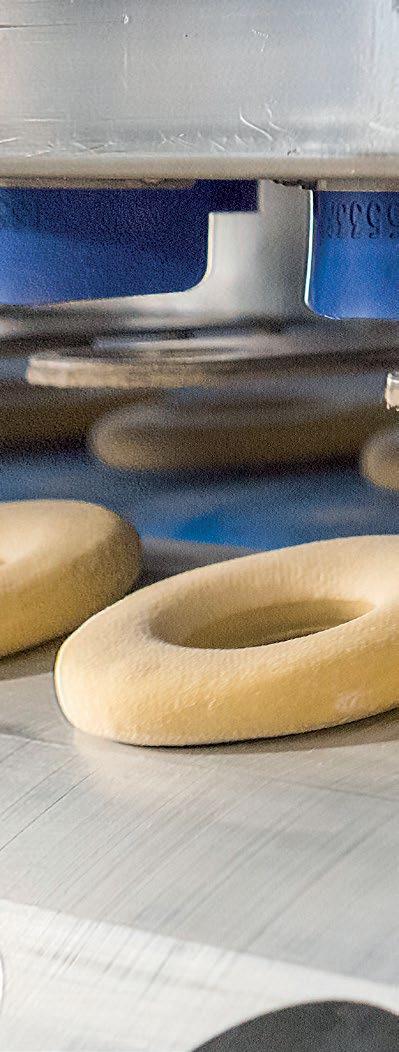




Fraunhofer’s exhibits feature holistic technologies along the entire process chain. The solutions promoted at the stand include the patented high-speed impulse sealing process ‘HIS’ for monofilms that enables savings of up to 95% and is suitable for demanding applications such as high-speed processes, temperature-sensitive products, or narrow process windows.
Paper joining without any foreign materials – ‘Papure’ –will also be showcased, making the packaging materials 100% recyclable. Circular barrier concepts will also be presented, such as deep-drawable coatings for the foodcompliant use of recycled materials and the enhancement of barrier properties, as well as stable, recyclable barriers for paper applications and other uneven surfaces.
The company’s digital assistance and knowledge management services will also be explained at interpack, including automated quality monitoring and VR training. Daily live demos with the model system for deep-drawn packaging will be hosted.
FRITSCH will be represented at interpack at the MULTIVAC Group’s stand. Under the key message ‘Multiply your value’, the stand will offer visitors a wide range of solutions in the fields of processing and packaging.
The company shares its priorities in its work on new advancements: “Across all new FRITSCH lines, our focus is on developing systems that offer high hygiene standards, easy handling and strong performance.” FRITSCH is also focusing on providing services to support bakeries: “With our Smart Services, customers achieve maximum transparency in production and the respective status of their line by collecting data and making recommendations for action in advance before a component has the chance to fail.”

GEA will bring the Bake Depositor 2LC to its booth, a compact lobe depositor that can produce four types of soft-dough cookies: deposited, wire-cut, soft-center, and co-extruded bicolored products. Its flexibility and ease of handling will be explained. It can be used as stand-alone machinery or installed in an existing tray line. It reaches up to 50 strokes per minute for deposited products and 100 cuts per minute for wire-cut products.
This depositor can create cookies with a wide variety of doughs, mixes, and fillings.
Interpack visitors can also learn about the new E-Bake electric tunnel oven for industrial bakeries, a versatile and sustainable solution with plug-and-play modules. It can lower energy consumption by up to 40%, compared with gas-powered models, and features flexible heat transfer technologies: Radiant (RE), Convective (CVE), ConRad, and hybrid zone configurations.

IPCO will promote the IPCO Rotoform HP rotary drop depositor, including live demonstrations. The Rotoform consists of a heated stator. which is supplied with liquid chocolate or compound, and a perforated rotating shell that turns concentrically around the stator to deposit drops of chocolate onto a continuously running steel belt. A system of baffles and internal nozzles provides uniform pressure across the whole belt width, delivering chips of uniform shape and size. The speed of the Rotoform is synchronized with that of the belt to ensure that drops are deposited without deformation. Chips of different sizes – from 80,000 to 300 pcs/kg – can be produced. “Rotoform is the original drop forming system and is at the heart of all our high-capacity chocolate molding solutions,” explains Mitchell Paquaij, IPCO Global Segment Manager, Chocolate. IPCO’s chocolate molding ranges extend from systems designed for the production of industrial ingredients – chips, chunks, drops and blocks –and decorative products such as shavings, rolls, pencils, blossoms and many more.
IPCO will also present high productivity triple pass chocolate cooling systems, including a system capable of producing chips, chunks and wafers on the same line.

MECATHERM

MECATHERM and ABI will share a stand at interpack 2026, where they will mainly highlight their equipment and automated pan-based processes, solutions designed for prepared food and snack products. The objective is to support food manufacturers in addressing their challenges related to product quality, product diversity, flexibility, and industrial performance. Beyond equipment and lines, they will also showcase solutions to help producers meet their sustainability and digital transformation goals, while simplifying their daily operations.
Live demonstrations of the M-UB vertical handling system will be organized. A wash-down-ready version will be
showcased at the booth. “Easy to integrate into a line as a proofer, cooler, or freezer, it ensures shock-free movement that perfectly preserves the product integrity of even the most delicate recipes,” the specialist explains. Visitors will also learn how pan-based conveying processes enhance operational flexibility. In addition, MECATHERM will showcase its M-DAN oven, designed to deliver precise, homogeneous baking for delicate products. Its hygienic design simplifies cleaning and meets the highest food-safety standards while ensuring consistent results. The team will also share the latest updates of its digital platform MyMecatherm, a solution developed to simplify equipment supervision, optimize performance, and visualize alerts in case of deviations to anticipate and plan predictive maintenance.
EYE-Q, ABI’s quality control system with integrated AI will also be presented. Implemented at multiple points of the line, it analyzes and provides precise data to detect nonconforming products at the earliest stage of the process, reducing product waste.









































Mettler-Toledo will unveil the new M50 R-Series metal detector, a global premiere. The M50 R-Series offers improved detection sensitivity and is engineered to increase productivity while simplifying compliance in modern production environments.
X-ray inspection will be a key focus on the Mettler-Toledo stand, including the first-ever European showcase of the X3 Bulk Series. Developed specifically for unpackaged, looseflow and bulk products on conveyors, the X3 Series supports reliable foreign-body detection in challenging bulk handling environments. In addition, visitors will be able to explore the X2 and X6 Series x-ray inspection systems.
Another key spotlight for food manufacturers will be ProdX™, the data management software that connects product inspection devices across the line into a single, centralized view.

The MULTIVAC Group will present solutions for food processing and packaging that combine current requirements for efficiency, automation, digitalization, and sustainability.
At interpack, it focuses on smart packaging and smart production – featuring semi-automatic and fully automatic solutions in live operation, interactive demos, and sample packages showcasing a wide variety of customer applications. In the field of smart packaging, MULTIVAC demonstrates how packaging and the associated processes are being reimagined. The portfolio ranges from expert packaging consulting to the implementation of intelligent packaging designs and the use of efficient technologies, through to the application of sustainable materials. A particular focus is placed on regulatory requirements from the PPWR and the resulting demands regarding circular economy, material reduction, and the reduction of the carbon footprint. The offering is complemented by digital solutions, such as a digital product passport.
The Smart Production segment focuses on integrated production line solutions featuring a wide range of packaging technologies and robotics designed to specifically improve usability, performance, and product quality. Digital solutions, such as MULTIVAC Smart Services and AI-supported applications, also ensure greater transparency, higher system availability, and more efficient processes.
PROBAT will unveil several new product developments in Düsseldorf. The newly engineered FRF 1500 II Fine Refiner combines traditional chocolate refining principles with enhanced intelligence and optimized processes. Fully automated, the system further advances autonomous production. PROBAT will also present the redesigned Duyvis HPB Hydraulic Press Butter for cocoa and nut processing, with a smaller footprint, improved accessibility, faster pressing cycles and enhanced operational safety. Adding to the lineup, the new Horn CRB Continuous Roaster Belt addresses drying and roasting applications in nut and seed processing. Designed for exceptional performance and extended shelf life, it features optimized airflow geometry for uniform hot-air distribution and controlled humidity management to enhance the Maillard reaction while preventing excessive drying.
The machine control solution ProCS M is the digital key topic. With responsive, customizable interfaces, ProCS M offers safe, efficient machine interaction. Seamlessly integrated into this control environment is PROBAT’s intelligent sensor technology, which continuously captures critical production parameters and records process steps in real time. This creates a powerful data foundation that enables targeted, datadriven optimization supported by advanced machine learning.


RBS will showcase several technologies designed to help manufacturers improve efficiency, product consistency, and production flexibility. A key highlight will be the Emithermic XE Oven, developed to replace traditional Direct Gas Fired (DGF) ovens, with a design that eliminates ribbon burners, using a centralized heat delivery system with radiant and convective heat transfer. The Emithermic XE design simplifies operation while delivering balanced heat transfer for consistent biscuit and cracker baking.
Visitors will also see the WCX Wirecut Machine, a versatile cookie-forming system that can produce a wide variety of specialties such as standard wirecut cookies, two-color cookies, bars, and filled products, giving manufacturers the flexibility to expand their product portfolios.
In addition, RBS will highlight flexible production systems, along with a variety of innovative biscuit, cracker and snack
products from around the world. These samples demonstrate the wide range of textures, shapes, and flavors manufacturers can create using RBS technology. Visitors can also learn about advanced services such as process optimization and oven profiling with the SCORPION© system, providing deeper visibility into thermal processes, allowing manufacturers to quickly diagnose issues, improve consistency, and maximize production efficiency.

RONDO will showcase the next generation of ASTec industrial lines, a fully integrated approach built around flexibility, hygiene, and product identity. “Our key highlight is how automation can actually enhance creativity, not limit it,” RONDO specialists underline. RONDO’s dough sheeting and shaping modules will be shown, redesigned for faster changeovers and a hygienic design. Advanced fermentation handling will also be presented, including low-stress dough management that preserves aroma, structure, and artisanal characteristics. Technology advances for more complex shapes, such as braids, filled products and rolls will be showcased, including new tools and modules engineered to replicate artisanal gestures at industrial speed. The ASTec Process Control (APC) will also be displayed – a solution integrating advanced monitoring, analysis, and automatic control technologies. APC operates 24/7 to ensure that every process parameter remains within optimal values. It measures, analyzes, and intervenes automatically, drastically reducing errors, waste, downtime, and quality deviations.“In a market where precision, speed, and quality are not merely goals but essential standards, ASTec Process Control (APC) is the solution that redefines how production processes are managed and optimized,” RONDO emphasizes.


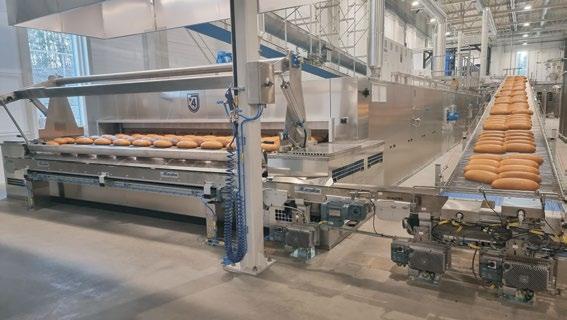
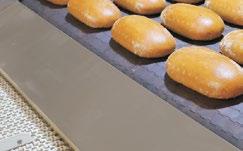



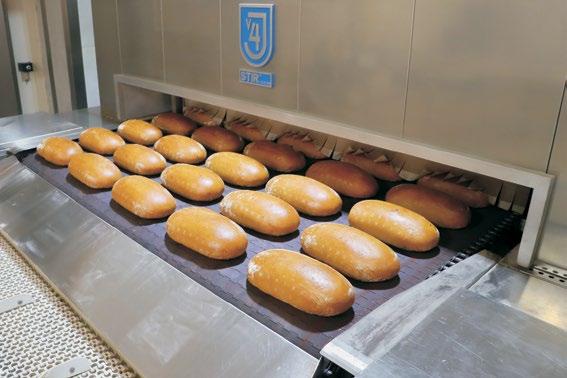

Schubert will showcase innovations from all its product lines, such as TLM, lightline and tog. They address various packaging needs, from fully integrated and highly individual packaging lines (TLM) to pre-configured, quickly operational systems (lightline) to stand-alone production cells (tog.). Schubert will unveil the latest flowpacker, featuring a more rigid frame and optimized pick-and-place tools for even greater accuracy, for high volumes and continuous operation. Based on Schubert’s modular TLM system, the product line comprises eight different assembly groups that can be combined to form any packaging line and address any packaging task.
The lightline series offers preconfigured machines for core packaging tasks such as pick & place, flow wrapping, cartoning, and case packing. tog., in turn, caters to the need of automating specific packaging steps rather than entire lines. This range comprises two solutions for targeted automation.

SOLLICH will showcase its latest solutions that make the entire production process more efficient, hygienic, and digitally interconnected. To meet hygiene and machine availability needs, SOLLICH will present improved cleaning solutions for various machine types. In the new generation of the ENROMAT M6 Flex enrobing machine, all system components are easily accessible for cleaning thanks to the fully extendable mass trolley and the separately extendable wire mesh belt. In addition, the established Clean in Place system for ENROMAT enrobers provides an efficient and time-saving solution for internal cleaning. This installation will be on display at the SOLLICH booth at interpack.
The removable heat exchanger unit of the THERMO-FLOW + cooling tunnels ensures maximum accessibility and enables particularly thorough cleaning. In addition, the completely redesigned belt washing device with hygienic washing roller guarantees safe and easy cleaning of conveyor belts –without any risk of product contamination. A flexible mobile flushing device also continues to be available for the TURBOTEMPER TE, the system for chocolate precrystallization. SOLLICH is also continuing to advance the development of AI-based assistance systems. The self-analysis function of the tempering machines, introduced in 2023, has been consistently
further developed and expanded to the enrobing machine sector. Digital progress remains a key focus at SOLLICH: via the SweetConnect platform, production systems from different manufacturers can be efficiently managed. Document management, maintenance planning, and integration of the SOLLICH remote service system ‘Fast Lane’ enable optimized service processes and increased machine availability.

Stäubli will demonstrate the performance of its robots through two demo-applications, specifically in the food and pharmaceutical sectors. In an AI-optimized, robot-assisted food application, a TS2-80 SCARA in HE and H1 design will display its high dynamics in handling unpackaged food. The highlight: the SCARA is equipped with a newly designed bellows made from FDA-compliant materials, making it suitable for use in direct contact with food.
The company focuses on innovations benefiting the pharma industry in Düsseldorf this year, with hygiene-compliant four- and six-axis robots.

Syntegon will present the Factory of the Future concept, showcasing neXt, an intelligent system featuring three guiding principles: seamless operation, smart decisions and touchless automation. NeXt is not intended to be a single machine platform, but instead an integrative automation solution that combines machines, operating concepts and AI/data-based decision support in an operational ecosystem.
The Syntegon HFX for flow-wrapping and the Syntegon TRX for topload cartoning are two key neXt system components.
To mark the launch of neXt, Syntegon is presenting two new modular machine platforms that are fully integrated into the intelligent system architecture: the HFX flow-wrapping platform for primary packaging and the TRX topload cartoning platform for secondary packaging.
It was designed to support sustainable production strategies: energy- and waste-reducing technologies increase resource efficiency, while the flexible processing of different packaging styles and PPWR-compliant materials meets the new regulatory requirements.
Beyond equipment to system and process controls design

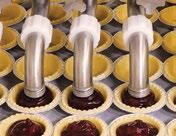



Coperion partners with you to deliver the quality, consistency and reliability your customers demand.
Technology for:
• Integrated process controls
• Labor-enhancing automation
• Flexible scalability
• Unparalleled recipe management coperion.com/fhn | fhn-info@coperion.com

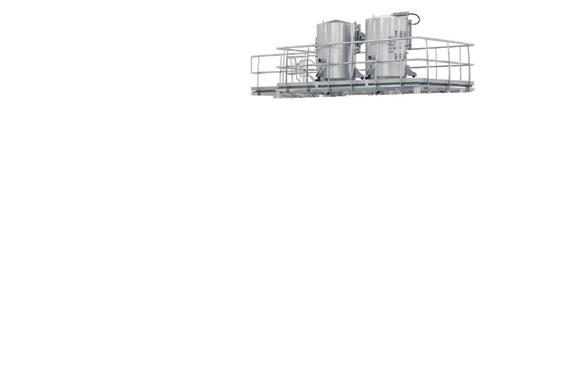

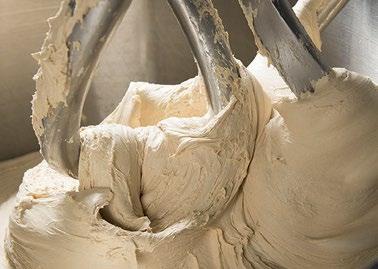

At Interpack 2026, Verhoeven showcases its future-oriented strategy that supports convenience, creativity and flexibility, with a new theme: ‘No Future without History', which also celebrates the company’s 25th anniversary. “As we look ahead to ‘The Bakery of the Future’, we draw on the knowledge and experience we have built up during this milestone timeframe,” Verhoeven underlines.
The company’s portfolio of tailor-made solutions will be presented in a new 3D style. While offering an opportunity to explore its entire portfolio interactively, Verhoeven will also explain the Repeatloaf concept and show the latest improvements on products processed in its vacuum cooling and baking machines, with live demonstrations. For its latest developments, the Dutch company has addressed the entire baking process, from dough processing to post-baking (cooling, packaging, and recycling) and all the handling processes in between. “We are working on multiple levels to improve the entire production process so that we can modernize and prepare for the challenges our customers face in today’s market,” the specialist notes.

At interpack 2026, WP BAKERYGROUP will focus its presentation on complete plant solutions. In line with its ‘think process!’ motto, the WP group of companies will be highlighting its capabilities to provide integrated solutions for complete plants and production lines.
The spotlight will be on solutions from the brands WP Bread, WP Donut, WP Roll, WP Toast, WP Pizza, WP Snacks, and WPthinkAI. In addition to the products and process solutions, the focus will be on artificial intelligence and the WPthinkAI brand. As was the case at iba 2025, the solutions will be presented digitally.
WP covers the entire process chain of bakery technology with solutions ranging from kneading, dividing, and proofing, to cooling and fermentation, through baking in deck or rack ovens and vacuum conditioning.

Zeppelin will present its Triple Plus concept, featuring the core elements DymoMix, CODOS, and fermentation systems. The focus is on efficiency, resource conservation, and shorter production times, as well as seamless integration into existing facilities, the company notes. DymoMix performs instant mixing and perfectly hydrated doughs, as the company has been focusing on perfecting an immediate, homogeneous wetting process without mixing, in addition to lower energy consumption and shorter processes.
CODOS is a continuous mixing and kneading system designed for consistent dough quality, flexible recipe changes, low energy consumption and cleaning requirements; and Zeppelin’s fermentation systems offer consistent, reproducible pre-dough and sourdough qualities.
Together, these systems demonstrate how intelligent process control, energy efficiency, and automation can achieve significant cost reductions, shorter production times, and stable product quality. Another key focus is the seamless integration of the systems into existing facilities, as well as modular concepts such as the CODOS and DymoMix towers. +++


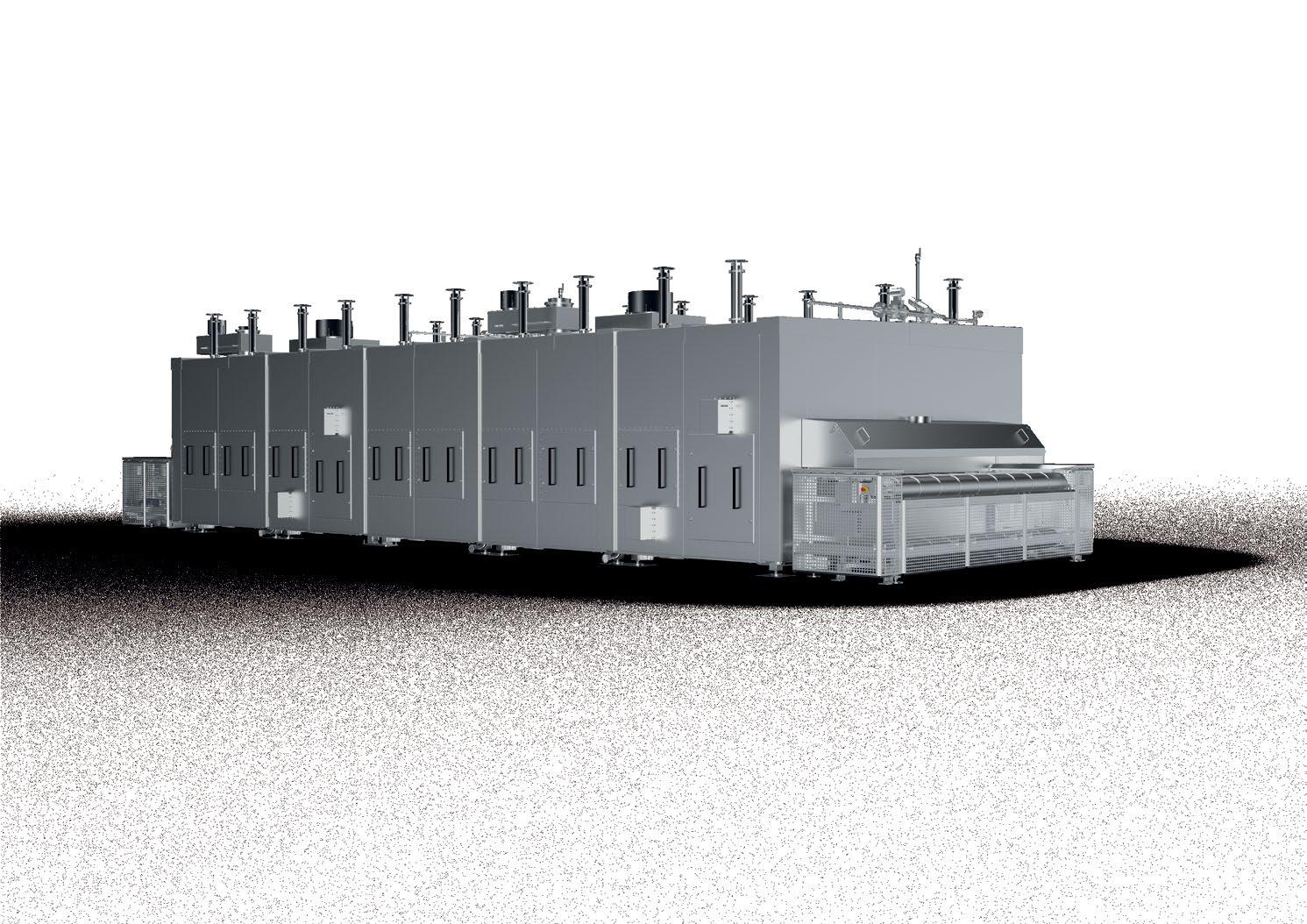
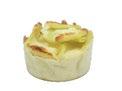
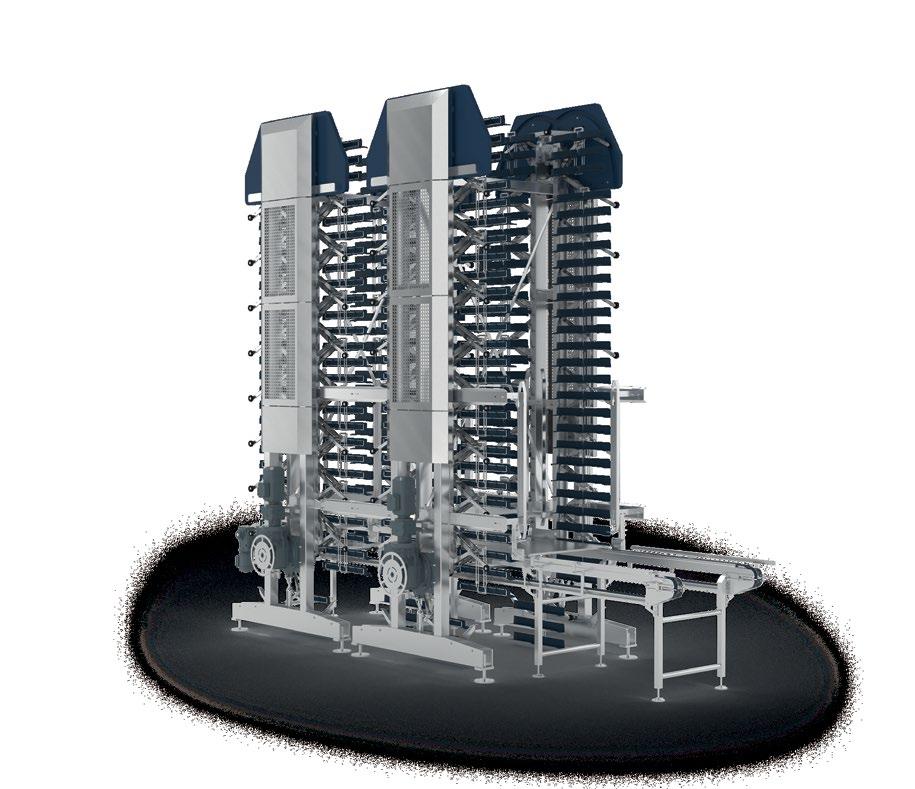

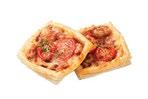



For the past four years, Takeharu Shinga represented the Japanese pioneer in rheology engineering in Europe, as the President of RHEON AUTOMATIC MACHINERY GmbH. Before taking on a new role in Japan this spring, as the Operating Officer, Director of Development & Designing Department, he granted BBI an interview at the company’s Düsseldorf headquarters, speaking about Rheon's unique perspective on baking industry processes, its approach to innovation and providing bakers in each market with the solution to fit their exact needs.
+Catalina Mihu: Rheon does not simply export technology. Instead, solutions specifically address each market. What criteria determine the adaptations that should be made for different markets?
Takeharu Shinga: Rheon was founded in Japan in 1963. Not long after that, we opened a branch office in Europe to explore the region’s markets, particularly those highly advanced in mechanical machinery. We researched whether our technology could be compatible with the market. Our founder, Torahiko Hayashi, found that not only was it possible, but a technology similar to the automated encrusting machine he had invented did not exist in Europe at the time. This is a very flexible and versatile encrusting machine. It was first designed and sold for Japanese sweets, but it can also make other products, traditional in various European markets. Its inherent flexibility made this adaptation easy. This was the starting point; we provide quite a wide range of different equipment solutions for the bakery industry now. Following the success of the encrusting machines, we brought the idea of stress-free technology in baking to Europe. At the time, suppliers would ask the customers to be the ones to adapt their recipe and process to the equipment. We decided to learn more about this and, after extensive research, we developed equipment especially designed for European bakers. That was the starting point of Rheon’s success story on this market. The strategy was similar for the US. Our founder, Mr. Hayashi, pieced together an image based on the information we found and the extensive research we did, much like an artist, I could say. He listened to what customers in Europe had to say, and those in the US. This is how some directions took shape and ideas were adapted to both markets and beyond, to baking practices all over the world.
Mihu: What were the first products in Europe for which you saw an opportunity to offer Rheon machines? And how has the market expanded since?
Takeharu Shinga: The encrusting machines were introduced to make Knödel (potato dumplings), which are very common in Germany, for example. Other specialties were pierogi products, cookies and different ethnic sweets. We started by trying to educate the people, to help them understand the features of the encrusting machine, and then offering the equipment for sale. Nowadays, we have a great variety of equipment choices that we can adapt to different requests. Now, there are three main streams of solutions available:
encrusting machines, big industrial lines for bread and pastry, and compact bakery equipment, all of which are very successful. The complete lines integrate our extrusion and dividing equipment for the type of products requiring them.
Mihu: Rheon’s European subsidiary doesn’t serve only Europe, but also Africa and the Middle East. How does Rheon work from here, in Germany, to serve all these regions?
Takeharu Shinga: We have agents in almost every country, and we have a long history together with them. They know our equipment very well, so we rely on them to act like a subsidiary in the country, while speaking the customers’ own language, understanding the culture and the meaning of their actions. Each agent has a different strong point because of their history and background with customers. In addition, we can educate them on the other categories, step by step, so they
“Our founder proudly chose the name Rheon because we know rheology. Whenever somebody joins the company, this is the starting point. Everybody first joins the technical department and studies the process. This doesn’t happen in any other company.”
Takeharu Shinga
are also able to propose new concepts and products, helping new equipment enter their market. We organize regular meetings where we share information and show new equipment, so they can find the best Rheon equipment for their market. With the information that is coming from the agents and from the bakeries in these countries, we can recognize market trends. Based on that information, we create new ideas, we suggest options, or more possibilities than what’s already available in each market.
Mihu: After expanding from Japan to branches in the US and Europe, what could further progression look like?
Takeharu Shinga: We already have a branch office in Taiwan and a service office in Shanghai, supporting sales and technical services in China. If the market is growing in
As a part of company-wide organizational changes announced in March, Hideaki Oshima is the new President RHEON AUTOMATIC MACHINERY GmbH, representing the company in Europe. He replaces Takeharu Shinga in this role. Hideaki Oshima previously served as Director of the Sales Department at Rheon. From April 2026, Takeharu Shinga has been assigned as Operating Officer, Director of Development & Designing Department, based in Japan.
“For bakery products, our advantage is in creating better quality products through longer fermentation, a higher level of hydration and by using sourdough. That’s where our machines have a big advantage.”
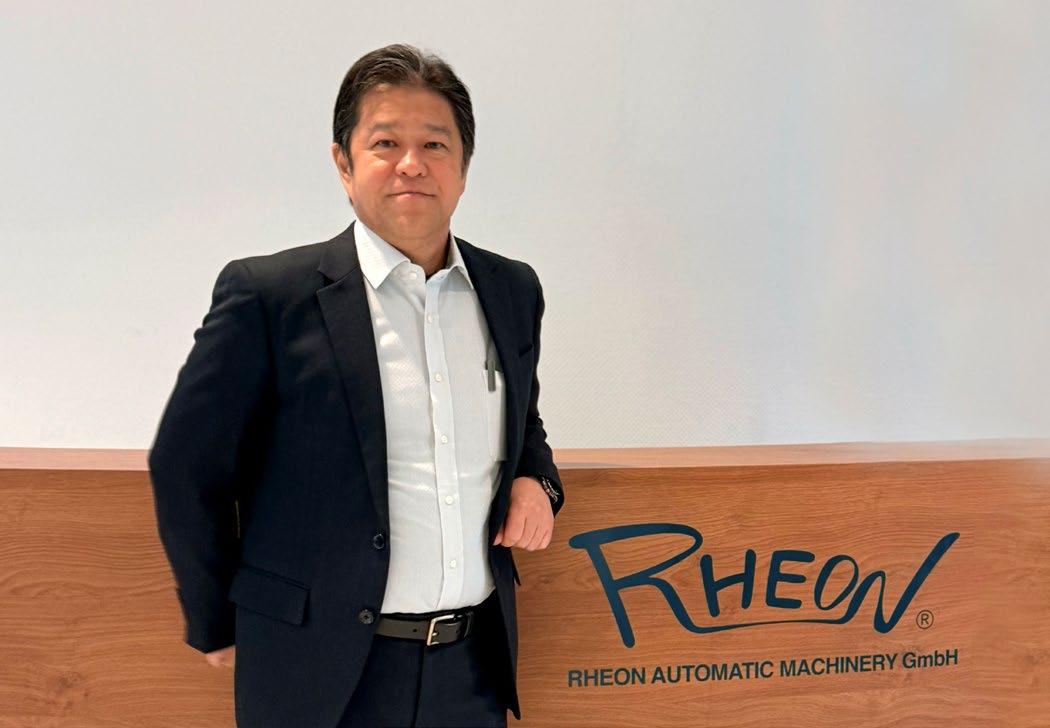
Africa or other regions, why not; the management in Japan is evaluating all options.
Mihu: What aspects are particularly in your focus currently, in each of the three categories of solutions you offer? In what areas do you see growth?
Takeharu Shinga: While we can propose some products, our equipment is flexible to support change and experimentation. During COVID, for example, we were able to grow while many machinery manufacturers saw decreasing demand, because our customers could quickly switch to the next product if what they were making wasn’t successful –and then the next, and the next. This is where RHEON machines excel, and the market showed us that this flexibility has been more and more in demand. This is why Rheon equipment is perfectly suited for this period.
For an example of a product trend, mochi ice cream was very popular in Japan some years ago. We sold machines for this product to meet the huge demand there. We introduced the equipment to the international market, too, but the interest is only growing now, decades after the equipment’s launch. Someone in the UK took an interest in mochi ice cream and decided to give it a try; they made a good product and a nice promotion campaign. And it worked, it sells. The market is growing, with help from viral content such as TikTok videos. We are just a machinery manufacturer and will propose product ideas, but it is the customer’s
demand or imagination that can open new markets and create new things. This trend for mochi ice cream is now spreading to other countries, too, from Romania to Greece or Russia. It is becoming a standardized product in mainstream supermarkets, not just specialty stores.
For bakery products, our advantage is in creating better quality products through longer fermentation, a higher level of hydration and by using sourdough, for instance. These types of dough are difficult to handle by machines. That’s where we have a big advantage. Customers come to us for product testing with little expectation, based on their experience. We show them how we can add more water, or we can leave the dough longer. People who see the test results are very surprised by the excellent results we achieve. We’ve been very successful with solutions for this category of high-quality products.
Mihu: How can such a solution be used in its initial design, and how can it be modified over time?
Takeharu Shinga: The machine is already so flexible that it does not need any major changes. If some kind of modifications are required, we already have several answers ready. We do not alter the construction of a particular machine – instead, we offer other models that are better suited for the task. When customers come here for trials, at our laboratory, they test the machine that interests them and frequently also try a different alternative that we
suggest might be a better solution, as we analyze their needs for the product and process.
Mihu: What aspects will indicate to the Rheon team which machine is the best fit for a product?
Takeharu Shinga: Rather than a checklist, the recommendation is based on our experience and our knowledge. We carry out trials, we look at their process together and we have a detailed conversation on what they want to achieve.
Mihu: The Düsseldorf subsidiary is home to a 2,700 sqm laboratory equipped with the latest machines for full-scale testing. What testing projects can be carried out here?
Takeharu Shinga: It’s difficult to say. For example, we’ve recently had a customer who just wanted to see the machines. They asked what we could do, so we said, “everything”. But still, it’s good to have a concept of a project, because there are only so many products that can be seen over a two-day visit. It might be easier to say what we cannot show: at the moment, we have no pastry line, because we sold it; we are waiting for the new one to be delivered.
Mihu: That’s a good problem to have.
Takeharu Shinga: The machinery in the laboratory is getting more and more diverse. Because some customers need their equipment very fast, we offer the possibility of them getting a machine that has already been built, in this case. The equipment is here, and it can be immediately shipped. We are regularly updating our laboratory setup to satisfy customer demand.
Mihu: What does a working visit to the laboratory look like?
Takeharu Shinga: We have several laboratories. We might have four customers visiting one day, for example. Then, we ask, can all of us see one another during the visit? Often, they say ‘yes, why not’. One visitor be making some cookies, while others are here test baking a nice bread. It can be very beneficial to visitors as start talking between themselves and together with us: “We have a bakery, could we also try something like this?” This is certainly a very big advantage for us.
Mihu: What is the standard delivery time, when there is no need for an emergency, ‘showroom purchase’? Are the machines built in Japan, or elsewhere, too?
Takeharu Shinga: We have a design department and a manufacturing department in Japan. Everything is organized in Japan, and we are a subsidiary company in Europe, with a sales office. So, we keep a stock of standard machines here, for shorter delivery times. For small machines, the standard delivery time is around two to three months; for bigger systems, the timing can vary depending on their size and the complexity of the project – they can be ready to ship from six months to a year.

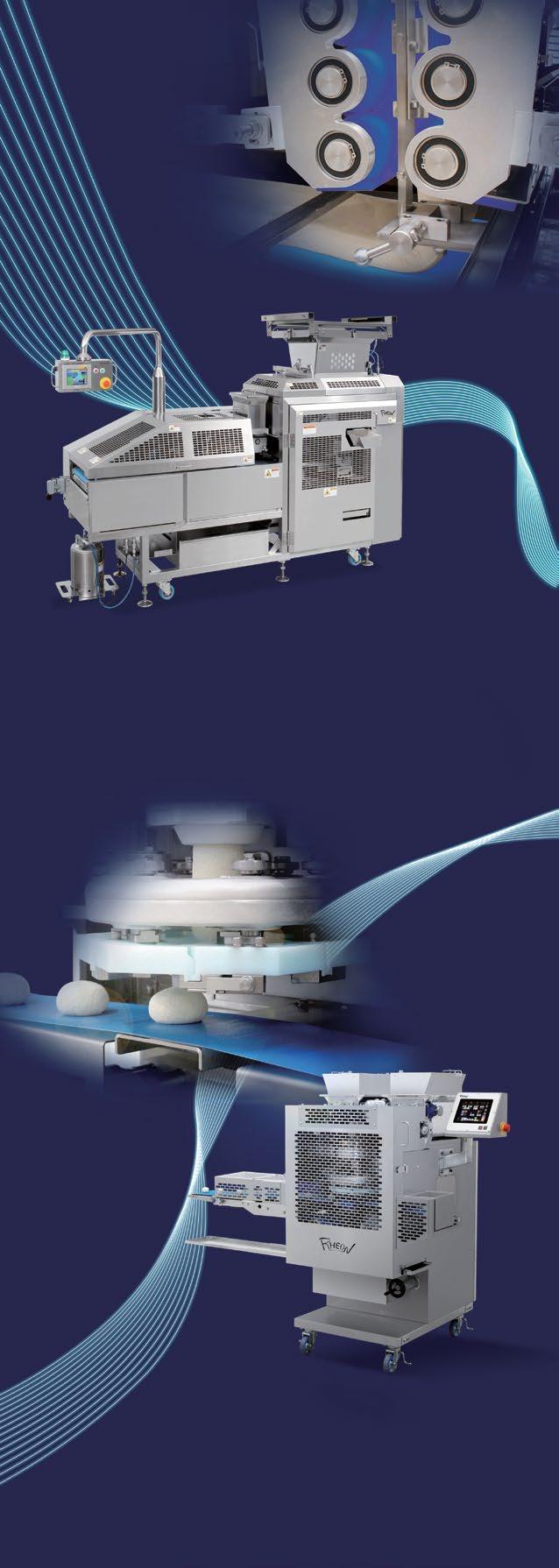




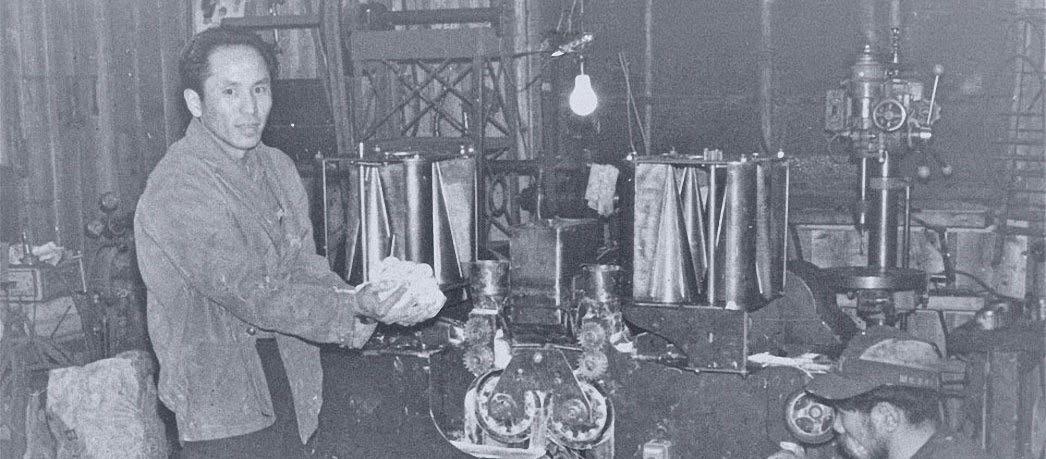
Mihu: What types of smaller machines are most requested?
Takeharu Shinga: Our encrusting machines and the VX-222 Twin Divider, a stress-free machine – these two are very much specialized for the European market.
Mihu: And what trends are you observing regarding big lines?
Takeharu Shinga: In Europe, we see new companies going into business, especially in the eastern and Balkan countries. As the market is more dynamic in these areas, we are already in contact with people there. We have a lot of different types of equipment, from croissant lines to bread lines and even pita and flatbread lines; many different items. This is our interesting point, for me: working for every kind of system and for any production model, every day. One day, we might have a huge meat producer here; the next day, a croissant producer could be visiting from a different country. This is our advantage, having a wide variety of equipment.
Mihu: Having such a wide equipment variety, do you have a specialist for each type of system or product, when visitors come to Düsseldorf for testing?
Takeharu Shinga: When someone new joins, they start in one particular area, of course. But nowadays, everybody is becoming more flexible with all types of machines. For example, we might hire a German master baker for categories of bakery specialties specific to Germany. But now they also have the opportunity to study an interesting machine, or a big line for croissants; everybody is increasingly expanding their knowledge. In this way, they can easily propose one of the other types of solutions that might fit a particular project.
Mihu: In addition to this analysis and consultancy in identifying or even designing the lines, what other services can you offer?
Takeharu Shinga: With the installation of each machine, we train the operators and test the products they want to produce. After the installation, we can provide assistance, for example, when introducing a new product and there is some technical difficulty or certain adjustments are needed.
Mihu: In the beginning, one pioneering technology led to the foundation of Rheon Automatic Machinery Co., Ltd: the encrusting machine. What are the newest improvements it has received and what adaptations were made for the European market?
Takeharu Shinga: On European markets, we take into account that the operator is sometimes not experienced or skilled, so the machine must be heavy-duty, easy to operate and easy to clean. These are the main points. We are adapting to meet demands for sustainability and energy efficiency. For instance, the motors used in the machine are eco-type motors. And our equipment consumes a lot less energy compared with others. This is something we have observed after conducting trials; customers are double-checking if the necessary electricity input is correct, because they would expect it to be much higher, based on their experience. This is our investment in good design. We can always do more than is described in the equipment technical sheets. For example, the twin divider’s catalog information sheet says that it can process 800 kg/h. But this capacity applies to any kind of dough, while the machine can divide considerably more than that in the case of higher-density doughs, for instance. We could say 2 tonnes per hour, but we choose not to promote the highest possible numbers, just because they would look better. We are a very serious company.
Mihu: Rheon seems to prefer a more ‘quiet’ communication strategy, in general. Is that true?
Takeharu Shinga: We work on educating our agents and making sure they understand the equipment, through rigorous testing, so they can convey the machine capabilities correctly. We don’t want to promote outlandish information, or to go into too much detail publicly; instead, we choose to inform our agents and important customers directly and privately. We prefer this approach as it also protects our valuable research work and our resulting technology from being copied and poorly replicated.
Mihu: How do the engineers support bakeries to design custom lines?
Takeharu Shinga: We learn all the details about their product and their process. Then we make a technical assessment of the process, even including aspects like conveyor layouts – here, synchronizing conveyor speeds is also one of the services we can provide. While the lines are made in Japan, we have a local cooperation company to adapt to customer demands together. Depending on the complexity of the system, we have several companies we collaborate with, regarding equipment not made by Rheon, but by other suppliers.
The innovation mindset
Mihu: I’d like to look at R&D, because you have a global reach and you have local experience and know-how. Here in Europe, you are able to collect a lot of diverse information from markets with distinct baking traditions. How is the R&D workflow structured?
Takeharu Shinga: In Japan, we have a very strong technical department, looking at both mechanical developments and production. They are designing and engineering the machines; they know every single detail about the products and how to solve any issue that might arise. They also work on creating new product ideas together with ingredient companies, for example. We also have experienced people here, in Europe, who have new ideas, based on their local experience. They share these insights with the team in Japan, where this information is collected. We collaborate in this way to develop something new. The VX-222 Twin Divider is already fourth or fifth generation, for example; it was a more simple
Rheon VX-222 Twin Divider
machine when it was first released. Then, based on what we learned collectively, it progressively evolved to be highly advanced and versatile.
Our machines were designed for customers to support their original recipe and achieve a higher quality. At the time, manufacturers would ask bakers to adapt their recipe to the machines, anything from using less water to shorter fermentation times. Our philosophy has always been to find solutions to produce as the bakeries intend to, for their recipes, starting from a complete understanding of their process. This is why simply trying to copy a certain machine model does not work; it couldn’t be successful without the extensive work we put into the idea. Nowadays, other companies also operate like this. We have a comprehensive understanding of how everything works.
Mihu: Even the name of the company comes from rheology, from understanding how the dough works. Was the Rheon name chosen to reflect this philosophy?
Takeharu Shinga: Our founder proudly chose the name Rheon because we know rheology. Whenever somebody joins the company, this is the starting point. Everybody first joins the technical department and studies the process. Only then do they move to their intended department. Even the design team passes through the technical department. This doesn’t happen in any other company. If you want to work on designing, you must first understand why we need a certain process, why you need specific parts, and so on. The top-end, high-end technology features cannot be sustained in the long run without a complete understanding of the basics of what to work with.
Mihu: The framed picture in the lobby of Rheon’s founder, Torahiko Hayashi, speaks of this focus on the technology. How is it perceived?
Takeharu Shinga: The engineer’s perspective serves the customer best, since they can give factual arguments on how to adapt and solve problems for a successful setup. Our customers like our approach. While at first, they might have wondered why they should buy equipment from Japan, when there are alternatives in Europe (especially in Europe), they understand the meaning once we start working together. It did take serious effort to open this door, but the encrusting
The VX-222 accurately portions the dough sheet at a desired weight or length. The double-lane layout, together with Rheon’s Gravimetric Method ® cutting system, allows a wider portioning range from larger products with 1-lane to smaller products with 2-lane cutting.
The technology:
+ Changeable roller width and adjustable thickness – it is designed to easily adjust the dough thickness
+ Accurate weighing and cutting system – it allows processing doughs on one or two rows without switching the blades
+ Easy cleaning and maintenance – its side covers open from both sides, for easy access
machine was a positive first technology to introduce on the market and it helped draw interest to our work. I have been working here since 1996 and can recall the difficulties at the time. Our argument has always been science: from our studies, we understand why the solution we present is the right one for you. We found people who were open to listening and trying our encrusting machine. Step by step, we won key customers into each of our equipment categories. Looking back now, it’s about like-minded people, finding pioneers who saw eye to eye and shared the same values we had on how mechanical needs can be met. They started to try the solutions we recommended. Trying new things is important! That was a key starting point. Nowadays, we are not necessarily recognized in Europe as a Japanese company. The name Rheon doesn’t indicate where we come from, but what we do. We have been here for more than 55 years; please consider us a German company, but one that has a mindset, a strategy and a philosophy that are still very much Japanese, working together with German people. Things have completely turned around from how they were in 1996 and now we see that our approach is understood and appreciated. I am so proud to see how our activity is changing mindsets.
Mihu: You started working in Germany in 1996 and have been Managing Director since from 2022 until March 2026. What were the milestones of your work at Rheon in between?
Takeharu Shinga: In 1996, I was in the technical department, and then I changed to sales. Immediately after, I relocated to the US market for six years, and then back to Japan, where we established a marketing department. I returned to Germany with all the experience of these years, ready to manage the office here.
Mihu: You have a history with the office in Germany and can see how it has evolved over time. How does that help you in your work?
Takeharu Shinga: That is the point. I know the market and the people and that’s now the starting point when working with new clients.
Mihu: What strategy changes have you made since you took the helm of Rheon Europe?
Takeharu Shinga: Increasing our visibility opportunities is one. I am looking at changing the way we communicate. From the same perspective, we also changed the color of our logo, from green to blue. We used to have different colors in each market – green in Europe, blue in Japan, gold in the US and red in Asia. One of the reasons behind individual market colors was that the variety of equipment was different. With digitalization, everything is now accessible, though. Our new president, Mr. Kobayashi, said, “Let’s march together in one color all over the world.” So, we are becoming blue.
Mihu: How are the different offices working together? What level of independence does each subsidiary have?
Takeharu Shinga: We do collect and use information, but the markets are different, so it’s not so easy to transfer ideas. However, we know what the other offices are doing.
Mihu: And how has working with clients changed?
Takeharu Shinga: Our approach is to focus more on what the customer is saying. Of course, we have our direction and messages we want to convey, too. But we are intently listening more.
There is an old story in Japan: will the sun or the wind make people want to take off their coats? With strong enough wind, maybe they will remove them. But the easy way to do it is with the sun. People will not push against it then.
“The stress-free dough feeder delivers the dough using its own weight. Gravity does the work. The rollers then slowly move the dough, without pushing or applying any pressure to the dough. We just let the dough flow. That’s how the bread line was developed to process wet dough, for a product that’s now one of the biggest trends in Europe.”
Takeharu Shinga
Mihu: On the European website, there are several systems listed that are coming soon. One of them is a ciabatta line. When are they expected to become available?
Takeharu Shinga: They are already selling on the Asian market. We are starting to see a demand for certain types of products, such as filled brioche, for example. The AD Line (a line that combines the V4 series with the Cornucopia series) is used for these products, so we are bringing this idea to the market. The AD line is available now in Japan and it will be launched in Europe this year.
Mihu: Bread is a highly competitive market. What elements make Rheon lines stand out?
Takeharu Shinga: Our stress-free extruder is a basic component and the idea behind all our bread systems. We entered the market for this category of equipment with a European customer who wanted to make a certain product with a high-hydration dough and could not find the right solution. Rather than saying it was impossible, we said, ‘Let us try’. Our founder made it possible with certain process adjustments. The stress-free dough feeder delivers the dough using its own weight. Gravity does the work. The rollers then slowly move the dough, without pushing or applying any pressure to it. We just let the dough flow. That’s how
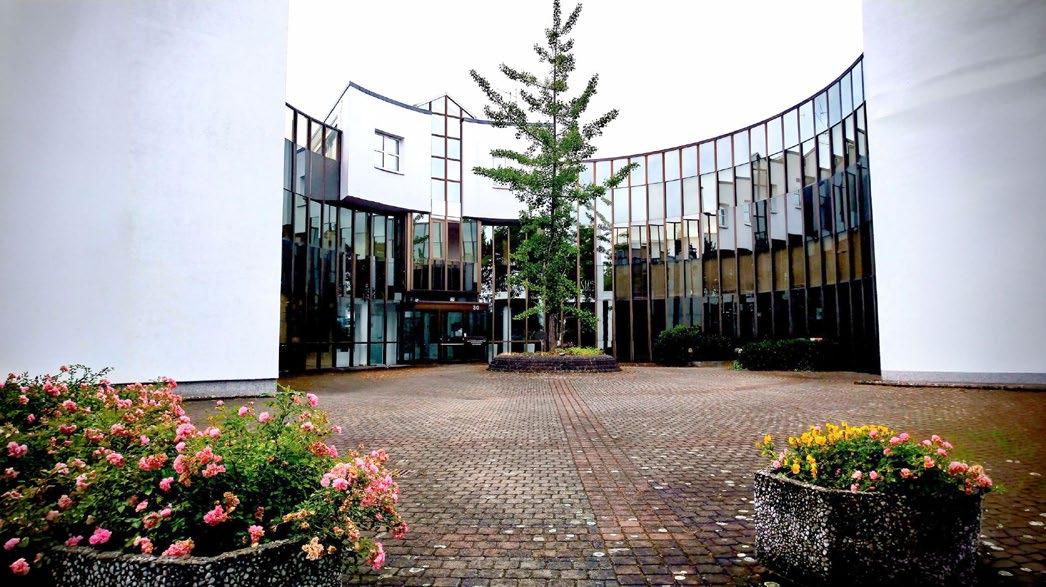
the bread line was developed to process wet dough, for a product that’s now one of the biggest trends in Europe.
Mihu: What can you share from your plans in Europe at the moment? What can you share from your agenda?
Takeharu Shinga: Our business is running well and our sales are growing. We are always introducing new equipment, and we will have new releases soon (some of which are not yet on our website).
Mihu: Japan has, probably, the greatest snacking diversity in the world. Do you see product trends traveling to Europe, like we are seeing mochi on the market?
Takeharu Shinga: There are questions about different kinds of products that started as innovations in Japan and companies would like to introduce them in Europe, too. That’s when we sell the big lines; for other opportunities, we bring the customer to Japan, where we also have the factory acceptance test. Of course, during this time, we have a chance to do market research and visit supermarkets, where customers can easily find a lot of new ideas, which, for us, are standard in terms of technology. They are surprised to learn how certain products they liked can be made with their Rheon machines, with certain adjustments. Visiting us in Japan is an entirely different experience than passing by our stand at an exhibition, for example.
Mihu: How often are you asked for additional, optional components for new product ideas after a market study like this?
Takeharu Shinga: This happens very frequently and we are also promoting new product ideas. Questions always come – and ideas – when people see and taste the products.
Mihu: So today, it’s not a disadvantage at all that you are not a German company in the European market. On the contrary?
Takeharu Shinga: That’s right. But we know the market here, which is paramount. This is why customers trust us with their existing or new products.
Mihu: In addition to visits to Japan, you also organize events here, in Düsseldorf. You had some events in your agenda in February. How are they organized?
Takeharu Shinga: We host our in-house events, which can be held over two or three days. They include small seminars for existing and potential customers. Our local agents help recommend people who could be interested, for the events’ guest list. It’s more interesting than exhibitions, because we are not limited in what we can show and we can carry out several demonstrations. We focus on different themes from our three streams – for example, one of the recent seminars was on dividing and various dividing machines.
Mihu: What opportunities you see in advancing automation at the moment in the baking industry?
Takeharu Shinga: I have seen a lot of opportunities in the baking industry all over the world. There is no single answer; developments are different, case by case. In my factory visits, I see space is a constraint: bakeries want to invest in increasing automation, but they prefer to do so while staying in small facilities. +++
Artificial Intelligence is one of the moment’s biggest conversations. Tremaine Hartranft, Vice President, Technical Growth and Strategy at Reading Bakery Systems, shares with Baking+Biscuit International the company’s perspective on AI, its current status and vision for opportunities and further advances.
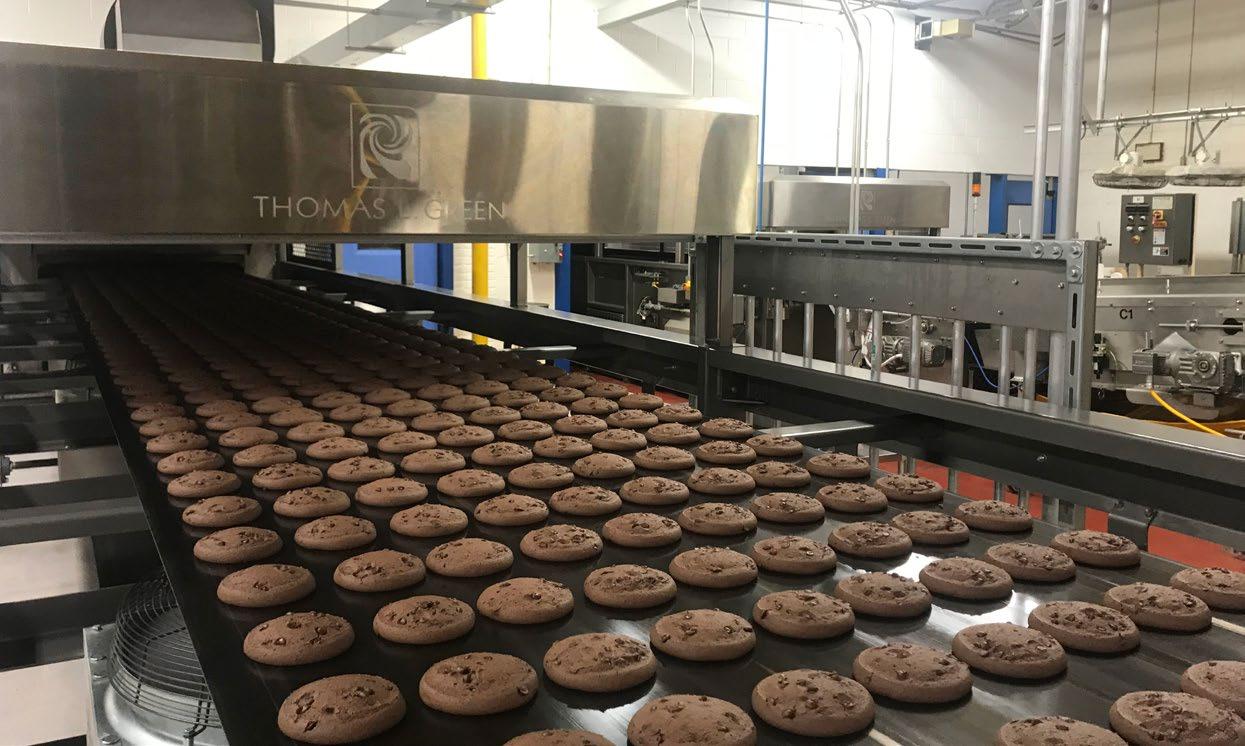
+BBI: What are the highlights of your R&D work in AI over the past three years?
Tremaine Hartranft: Over the past few years, our R&D efforts have focused on building a strong foundation for AI-enabled production by advancing our systems with Industry 4.0 capabilities. This includes enhancing data collection, connectivity, and control architecture so our equipment is ready to support future AI and machine learning applications. At the same time, we’ve been closely aligned with leading industrial automation providers such as Rockwell Automation and their Encompass partners. By staying current with proven automation platforms and emerging technologies, we ensure our solutions are both forward-looking and grounded in reliable, scalable systems.
BBI: In what production areas have you already incorporated AI features into your technology?
Tremaine Hartranft: Our AI-related capabilities are currently most advanced in vision detection systems. These systems can identify product defects, inconsistencies, and out-of-spec conditions in real time, providing valuable data for trending and process optimization.
While full AI-driven control is still evolving, these vision systems lay the groundwork for more advanced applications by enabling data-driven decision-making. They support operators with actionable insights and are increasingly being integrated with automated rejection systems to improve product quality and reduce waste.
BBI: What are the most frequent requests you are receiving?
Tremaine Hartranft: One of the most common requests we receive is for systems that reduce reliance on highly
skilled labor. As experienced bakery operators are becoming harder to find, manufacturers are looking for equipment that is easier to operate, more intuitive, and less dependent on deep process knowledge.
We’re also seeing strong demand for vision-based inspection systems and automated product rejection. Customers want to ensure consistent product quality while minimizing manual intervention, and they are increasingly interested in systems that not only detect issues but also help guide operators toward corrective actions.
“AI has the potential to automate decision-making across key quality metrics such as moisture, color, size, and oil content. This would enable more proactive process control, reduce waste, and improve overall efficiency – especially in high-volume production environments.”
Tremaine Hartranft, Vice President, Technical Growth and Strategy
BBI: How is machine learning defined to optimize various production steps in real time?
Tremaine Hartranft: Machine learning in industrial baking is focused on using real-time data to identify patterns, trends, and process deviations, and then applying that insight to optimize production. This can include monitoring variables such as temperature, moisture, color, and size, and correlating them with final product quality.
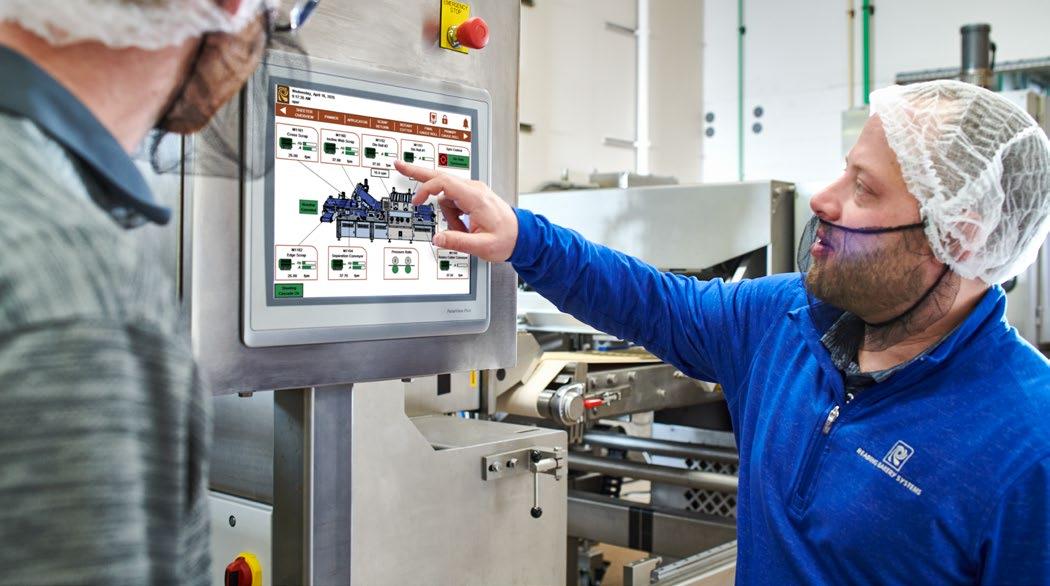
Rather than replacing operator expertise, machine learning enhances it, providing recommendations or controlled adjustments that help maintain consistency. Over time, these systems can ‘learn’ optimal process conditions and support more stable, repeatable production.
BBI: What are the challenges with AI decision-making algorithms and how are consistent results ensured?
Tremaine Hartranft: AI in industrial snack production is still in the early stages, even with support from established automation platforms like Rockwell Automation. One of the key challenges is ensuring that AI-driven systems remain stable and predictable over time.
Like many AI-based systems, there is a risk of unintended behavior or process drift if models are not properly monitored and validated. To address this, a measured approach is essential, starting with limited, supervised automation and allowing time for observation, trend development, and validation.
Consistency is ensured through strong oversight, controlled implementation of automated adjustments, and maintaining human interaction and decision-making. This balance helps prevent unintended outcomes while building confidence in the system.
BBI: What opportunities do you see in expanding AI use in bakeries?
Tremaine Hartranft: There is abundant opportunity for AI in areas such as product defect detection, automated rejection, and process optimization. Vision systems combined with machine learning can not only identify defects but also provide insights into why they are occurring and what
adjustments can be made to bring the product back into specification.
This would enable more proactive process control, reduce waste, and improve overall efficiency – especially in high-volume production environments.
“One of the key challenges is ensuring that AI-driven systems remain stable and predictable over time.”
Tremaine Hartranft, Vice President, Technical Growth and Strategy
BBI: What does your R&D prioritize in further AI advancements? And how are quality and safety concerns covered?
Tremaine Hartranft: Our R&D priorities focus on advancing AI capabilities while maintaining the highest standards for safety, reliability, and product quality. One of the biggest considerations is ensuring that AI-driven decisions – especially those affecting line control – do not introduce risk.
There are important safety and liability concerns when allowing automated systems to make process adjustments that traditionally require human judgment. To address this, we emphasize rigorous validation through simulation and controlled testing before any field implementation.
Ultimately, our approach is to combine AI innovation with proven engineering practices, ensuring that any advancements enhance performance while maintaining safe, predictable, and consistent operation. +++

Cybercrime is on the rise. Small and medium-sized businesses are feeling the impact as well. Hacker attacks, sabotage, and data espionage are becoming increasingly common and are targeting the baking industry.
By
+Bakeries and suppliers must secure their business processes. Only businesses that make cybersecurity a core part of their operations are prepared for emergencies. But where should one start, and which measures are truly effective?
“An IT contingency plan is a measure that not only makes sense for bakeries but also saves valuable time and resources in an emergency.”
Marc Dönges, Cybersecurity Transfer Center for Small and Medium-Sized Enterprises
Cyberattacks on bakeries recently came to light in July 2025 (but not for the first time). Several branches of a bakery in Lower Saxony were targeted by hackers. Pro-Iranian messages appeared on the screens in the sections normally used to display prices. The cybercriminals had hacked into the systems via a central server and thus taken control of the screens. The branches issued statements regarding the political messages. They distanced themselves from hacktivism.
The Schäfers bakery chain was among the businesses targeted by hackers. In September 2024, cybercriminals gained access to the company’s IT systems and encrypted the data. The perpetrators also claimed to be in possession of certain data. Schäfers was able to refute this claim. However, the systems had to be restored using existing backups and with the help of specialists.
In such cases, the hackers significantly disrupted and interfered with the companies’ operations. Studies confirm these consequences. Among other aspects, the cyber study conducted by the insurer HDI shows that, following a cyberattack, access to data and systems is not restored until 4.2 days later. For small businesses, the average is as high as 5.5 days. These are days when bills cannot be paid, production comes to a halt, and inquiries from customers and partners go unanswered. For some companies, such a situation can quickly become a threat to their very existence.
To ensure that a business is as well-protected as possible in case of a data breach emergency, protective measures should be integrated into business processes. These include:
1) Secure passwords: To ensure that access and data are protected, merchants should use not only strong passwords (including special characters, sufficient length, and complexity) but also two-factor authentication. This provides an extra layer of security for certain processes, particularly sensitive ones. Two-factor authentication is an additional login method used in conjunction with a regular password, such as an SMS code, an authentication app, or a biometric factor.
2) Consistent data backup: When it comes to backup, it is important to implement a comprehensive and, above all, continuous strategy. Data must be backed up, verified, and updated on a regular basis. This is the only way to ensure that data can be restored following a cyberattack. It is also recommended that you keep at least two physical copies and one in the cloud.
3) Raising employee awareness: To make cybersecurity a priority throughout the organization, it is important to get employees on board through training and open communication. Employees should be proactively informed about current developments, attack methods, and incidents so that human error can be prevented as much as possible.
Another measure that is not only sensible for bakeries but also saves valuable time and resources in case of a safety breach is an IT emergency plan. This action plan establishes the most important information and processes that must be implemented in the event of a cyberattack, including:
+ Who in the team is responsible for which tasks and fulfills which role?
+ How are employees, customers, partners, and reporting agencies notified about the security incident?
+ What emergency contacts are available?
It is important that the plan be as comprehensive as possible and regularly reviewed to ensure it remains up to date. In addition, the individuals assigned specific roles in the emergency plan must be fully informed of their responsibilities.
They must be professionally trained so that their actions will have a positive impact in the event of an emergency. As with backups, the IT emergency plan should also be stored in multiple copies, both digitally and in hard copy.
Cybercrime takes many forms. With the use of Artificial Intelligence, attacks are becoming increasingly diverse and, above all, more sophisticated. The encryption of operating systems – and, in many cases, the accompanying ransom demands – fall under the category of so-called ransomware attacks. It is important not to blindly give in to these ransom demands. This is because making a payment does not guarantee that the data will be released. Instead, companies should notify the police and work with IT specialists or IT service providers to reconfigure their systems.
Another common attack method is what’s known as a phishing attack. Cybercriminals use fake emails, websites, or messages to obtain sensitive information. With the help of AI, phishing messages are becoming more personalized and are virtually indistinguishable from the originals.
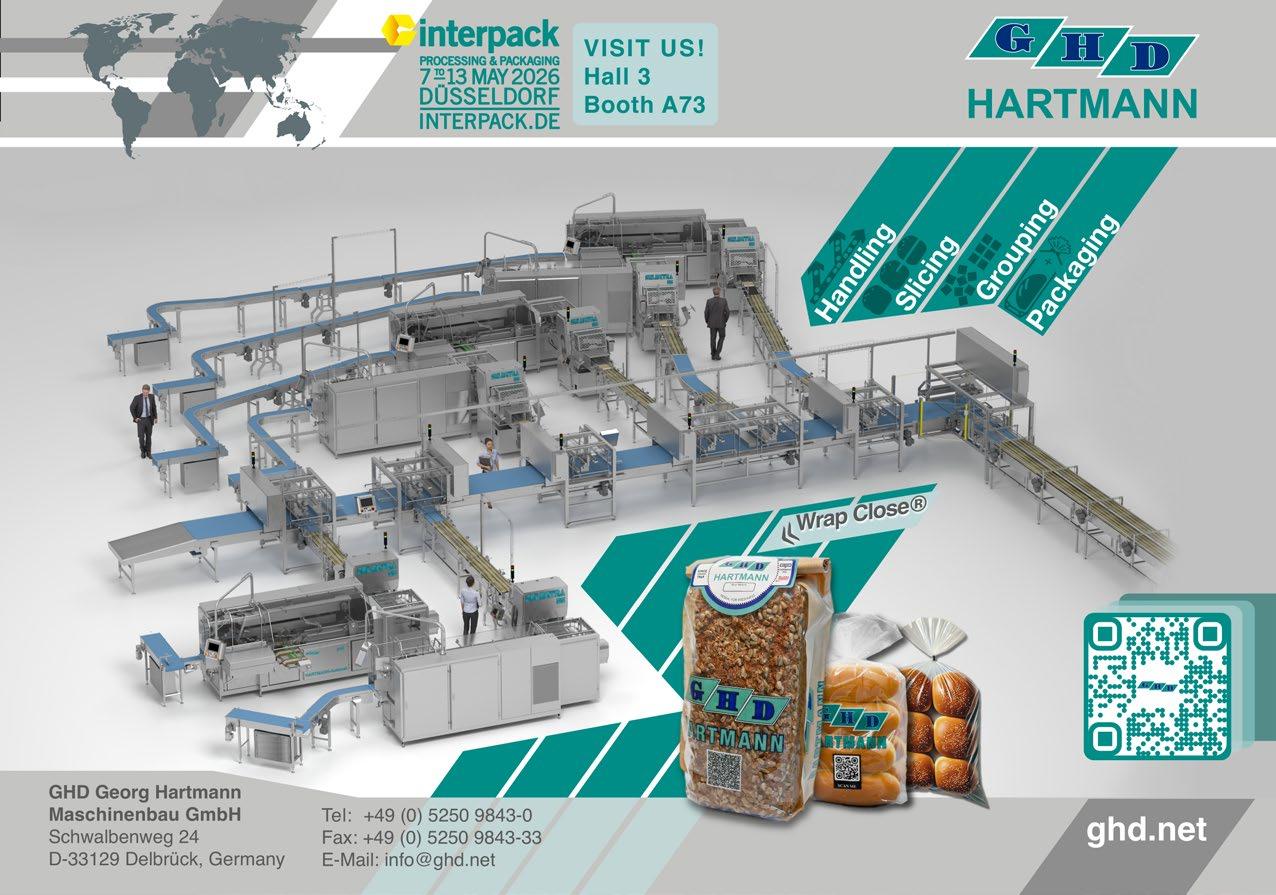

The senders of emails or attachments, such as invoices, should be carefully checked before opening or replying, and even the smallest details should be examined.
When an incident occurs, regardless of how it arises, the most important thing is to remain calm and act deliberately.
The aforementioned IT emergency plan serves as a solid guide for implementing measures step by step. This includes, among other things, identifying infected devices and isolating affected systems. In addition, organizations should document every step and all changes with screenshots to maintain a clear overview of the situation.
The documentation also helps service providers, forensic experts, insurance companies, and law enforcement agencies
investigate the security incident. In the event of a data breach, it is important to report the attack within 72 hours.
It is clear that cyberattacks cannot be resolved with just a few clicks. Companies and organizations of all sizes should take cybersecurity seriously and consistently implement protective measures. It is crucial that the entire organization and all departments are made aware of cyber risks and involved in specific measures. After all, the question is no longer whether a cyberattack will occur – but rather, when. +++
Author contact
Marc.Doenges@transferstelle-cybersicherheit.de
Phone: +49 (30) 533 206-28
The Cybersecurity Transfer Center for Small and Medium-Sized Enterprises is a project funded by Germany’s Federal Ministry for Economic Affairs and Energy. It was established to improve the cybersecurity standards of small and medium-sized enterprises, craft businesses, and startups nationwide through free services.
With this objective in mind, the CYBERsicher Notfallhilfe platform was developed, among other initiatives. On the platform, users can determine whether their incident actually constitutes an IT emergency and receive free recommendations for action and an overview of the appropriate points of contact. They also have the option to submit a free request for assistance. With just a few clicks, users can activate the platform’s nationwide network of service providers. They will then receive a response from available service providers, including a clear overview of services, costs, and more.
For more information and a checklist for emergencies, visit: www.transferstelle-cybersicherheit.de/notfall.
The platform is not funded by service providers and it is free to use. Costs are incurred only when users decide to accept a service provider’s offer. The transfer office does not receive any money for facilitating the connection.
Through numerous events nationwide, the CYBER secure Check (a user-friendly cybersecurity assessment tool), and the CYBER secure emergency assistance program, the organization helps raise the level of cybersecurity in Germany’s SMEs.
The project partners:
+ The German Association for Small and Medium-Sized Businesses (BVMW eV) is taking over the consortium management of the project.
+ The team at the FZI Research Center for Information Technology Karlsruhe focuses primarily on the area of detection and response to cyberattacks.
+ The team at the Institute for Vocational Education and Adult Education at Leibniz University Hannover is responsible for quality assurance of learning opportunities.

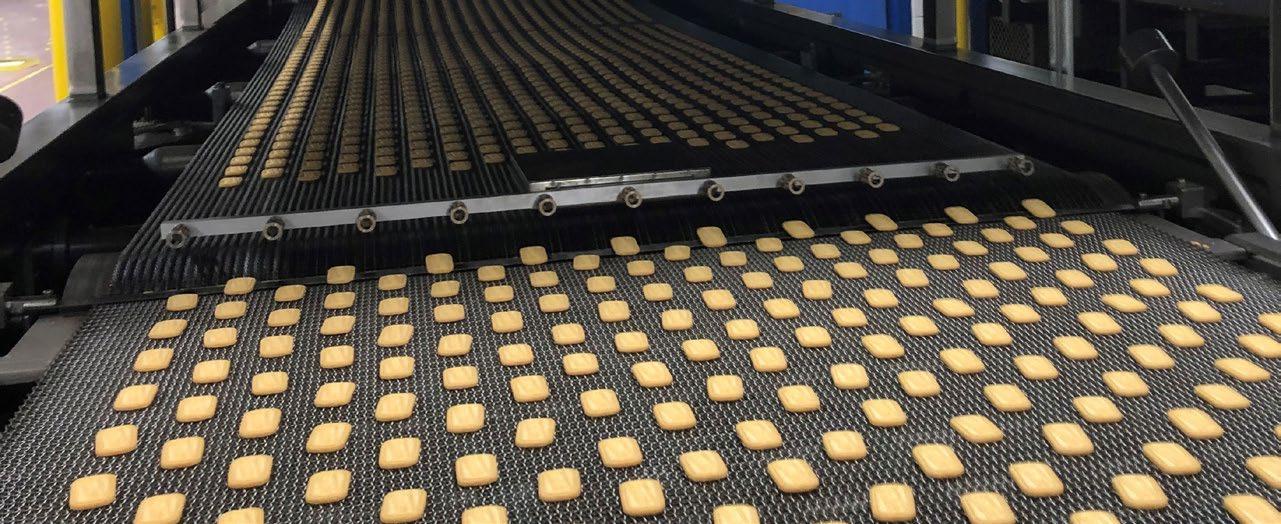
oven, dryer, or cooling tunnel with the new Digital Air Velocity Sensor Array from Reading Thermal. The new Sensor Array accurately identifies airflow differences between baking zones, concentrated air velocities on the conveyor, as well as unwanted oven entrance/exit air currents. This intelligence enables users to develop Air Velocity Profiles for repeatable process adjustments to maximize quality and reduce waste.
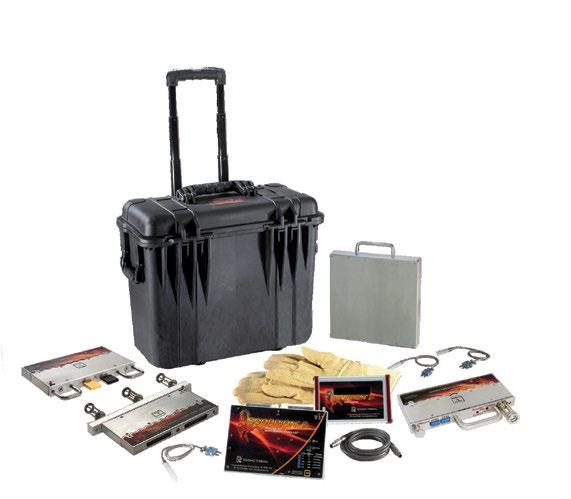

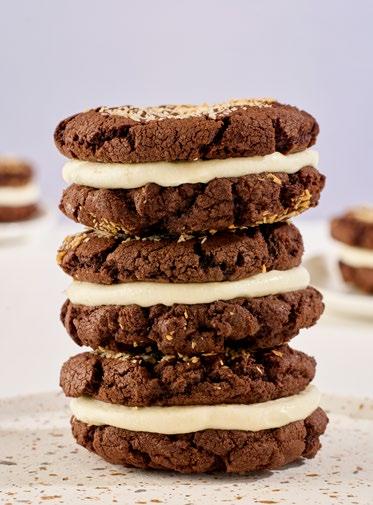

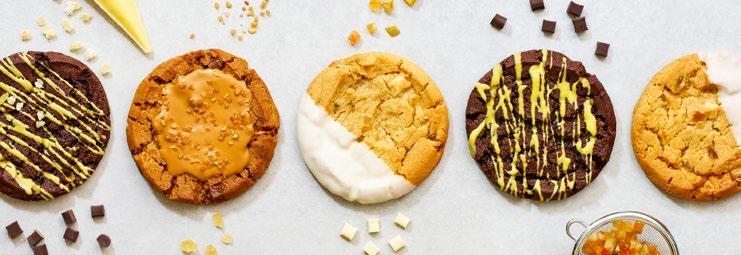
Consumers’ fondness for cookies is only growing stronger, as the status of this treat is enhanced. Next-level cookies are no longer simply a snack, as they check a unique list of boxes, such as a moment of luxurious experience, an adventurous surprise, a small, permissible indulgence, a versatile snack, and establishing a connection with a like-minded, exciting and highly personalized brand. Opportunities for cookie makers flourish, provided they meet new and fluid consumer needs.
+In Europe and across the globe, cookie consumption continues to accelerate. The small treats are consolidating their status as one of the fastest growing sweet baked categories, fueled by their unique mix of indulgence, comfort and versatility. Almost one-fourth of Europeans (24%) surveyed for Dawn Foods’ 2025 Global Bakery Trends Study estimate that they are eating more cookies than the previous year, and a significant 72% of them view sweet baked goods as an affordable luxury – a small occasion of enjoyment they can justify even in uncertain times. This assessment is key to meeting consumers where they are, in a particular moment and in the greater picture of their everyday lives.
In its consumer analysis regarding sweet baked goods, Dawn Foods identified trends that stand out, providing insights into what the consumers want. ‘Elevated indulgence’ is one of them, translating into consumers’ preference for richer flavors, premium ingredients and more exciting textures. As many as 70% said they enjoy sweet baked goods with a surprising texture. What does this mean for
bakers? Innovations with layers are sought after, as well as fillings and bold combinations that transform cookies into more sensorial, premium-style treats.
Another major trend is ‘Sweet Connections’, acknowledging the impact of social media in creating the most-wanted
Sustainability plays a central role in new developments at Dawn, including its latest cookie launches. The focus lies on responsibly sourced ingredients wherever possible and continually reducing the footprint of the solutions.
Over the past years, the bakery ingredients specialist has been increasing the share of certified cocoa used for both Dawn and Royal Steensma. In 2022, 60% of its cocoa raw materials were Rainforest Alliance Certified. After divesting its frozen business in 2023, that figure temporarily dropped. By 2024, however, Dawn not only met its target of 75% certified cocoa – but it exceeded it, reaching 86%.
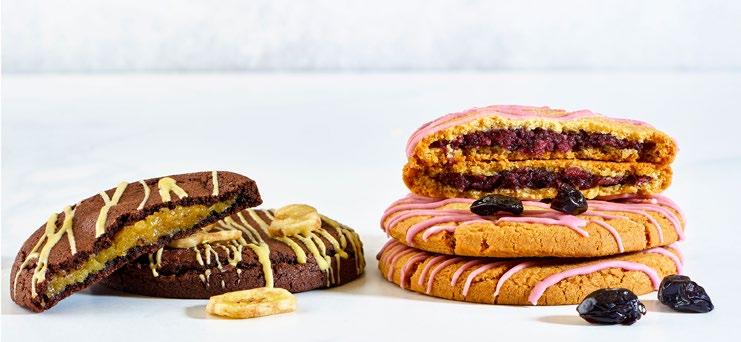
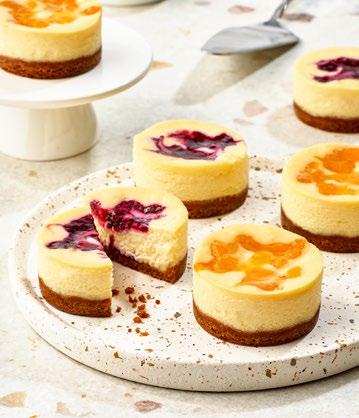

products. Viral food moments now travel instantly, competing for people’s curiosity. Half of the European consumers surveyed admit they enjoy trying the latest viral bakery trends, from cookie hybrids to eye catching formats. In today’s social app-connected everyday life, a cookie’s visual appeal and ‘shareability’ are essential to product success, Dawn’s research underlines.
Together, the two trends show a fast-growing product category, which is becoming more playful and premium, and increasingly shaped by digital culture and global inspiration.
Exciting as it is, the market is not without perils. Changing economic conditions, volatile raw material prices and operational pressures affect bakeries of all sizes. Dawn Foods’ R&D addresses them when working on new solutions, while keeping in mind the must-haves: product quality and supporting creativity.
That’s not all: “At the same time, we see health conscious choices reshaping the sweet bakery landscape. Consumers are looking for a more balanced kind of indulgence, which is why our teams are exploring new formulations that reduce sugar, simplify ingredient lists and offer more plant based alternatives,” explains Marie Frigo, Category Manager, Dry, EU and EMEA, at Dawn Foods.
This is how new cookie mix concepts were developed, aiming to deliver the flavor, texture and pleasure that people expect, served with consideration for concerns regarding portion
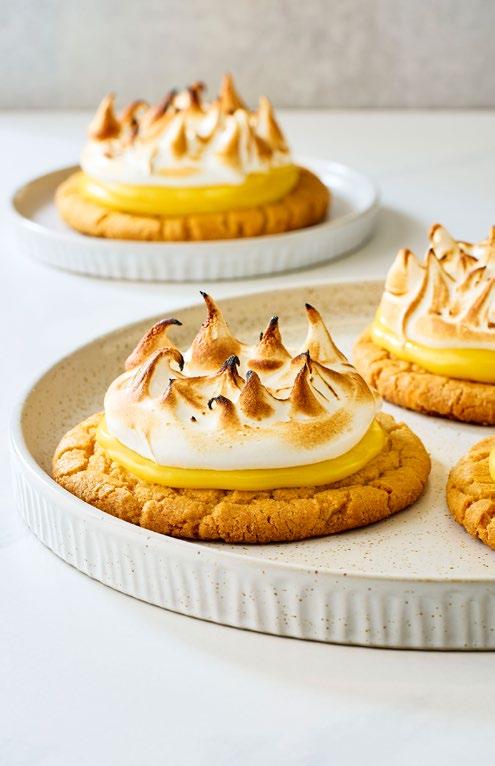
control, cleaner labels and vegan diets. “Ultimately, our R&D is focused on helping bakers innovate with confidence, responding to evolving trends while keeping practicality and performance at the core,” she adds.
Dawn Foods recently launched two types of cookie mix concepts designed to meet both the latest consumer needs and the industry’s transformative challenges: a cost-efficient chocolate mix and two cookie mixes – plain and chocolateflavored – with 30% less sugar compared to similar, ‘regular’ solutions.
The first addresses one of the industry’s most stringent concerns: surging cocoa prices and a future full of uncertainty that can be traced back to cocoa farming. Considering the pressure this puts on bakeries, Dawn Foods set out to develop a cost-efficient chocolate cookie mix. “Our R&D team had to rethink the recipe from the ground up,” the specialist underlines. The biggest challenge in the project, as is the case with any reformulation, was replacing ingredient functionality without any impact on taste, texture, or the overall product quality. To address this, Dawn’s technologists carried out a complete recipe redesign, exploring alternative ingredient combinations and process adjustments that would deliver the same rich chocolate experience while reducing exposure to fluctuating raw material costs. The resulting mix maintains the indulgent profile offered by chocolate, while offering bakeries a more stable and cost effective solution than using the increasingly volatile cocoa.
When developing the cost efficient chocolate cookie mix, achieving the right flavor was just as important as managing cost. How to combine a rich chocolate taste with affordability, while they’re seemingly opposing directions? “To get there, our R&D team explored a wide range of alternative ingredients and carefully adjusted ingredient ratios to maintain depth, cocoa notes and overall balance. Multiple rounds of sensory testing helped us fine tune the recipe until we were confident that the final product delivered the same flavor profile,” Frigo details. The cocoa used in the new, cost efficient chocolate cookie mix follows the company’s responsible sourcing standards that apply to its entire portfolio.
To provide a low-cost solution that could still be used to make luxurious creations, the R&D team rebalanced the formulation so that it still bakes, tastes and behaves like its premium mixes – but with a smarter use of ingredients, to be able to maintain quality and consistency in the final product. At the same time, the chocolate cookie mix is designed to be simple to use: adding butter (or margarine) is all it requires to prepare. “For the best results, we recommend adding around 10–15% inclusions to the dough, depending on the flavor profile you want to achieve,” the specialist explains. Baking times typically range between 10 and 12 minutes, with slight adjustments depending on the type of oven used.
Designed to support creativity and utilization versatility, this mix is meant to be used as a flexible base, as it lends itself to a wide range of formats, textures and flavor directions. The mix can be combined with fillings, compounds, icings and coatings for unique flavor profiles and formats. Together with the mix, Dawn can also offer a collection of cookie recipes, for inspiration, which demonstrate the full range of possibilities from indulgent, dessert style cookies to topped and inclusion rich concepts, as well as formats that go beyond cookies altogether, such as tartlets or cheesecake bases. “The aim is to help bakeries adapt the mix to their own identity while exploring new ways to surprise their customers,” Frigo notes. It can even be used for sandwich
cookies, for example. Another possible application brings together almond paste and Dawn’s Banana Compound to create a chocolate, almond and banana cookie, the specialist recommends.
44.5%
DAWN’S BETTER-FOR-YOU SKU s INCREASED BY 44.5%
SINCE 2021, ON TRACK TO ITS 50% GROWTH GOAL BY 2025
Dawn also targeted reduced sugar cookies with a dedicated mix category that uses 30% less sugar than comparable products and is palm oil free. Replacing not just the taste but the functionalities of sugar is always a challenging feat. Sugar plays a structural role that affects almost every aspect of the final product. It influences spread, color development, texture, moisture retention and even shelf life.
Reduced sugar does not mean reduced indulgence; health-conscious consumers can choose from plain and chocolate cookies, with a mix available for each assortment. To develop the reduced sugar mixes, the R&D team reevaluated the recipe from every angle. Preserving softness and freshness was especially important, as sugar traditionally helps keep cookies moist over time. “Through close collaboration between our innovation teams across Europe, we identified ingredients and process adjustments that could replicate these critical sugar functions without compromising texture or eating quality. As a result, the new mixes deliver an impressive shelf life performance – offering up to seven days of freshness after baking – while still meeting the growing demand for lower sugar options,” Frigo reveals the development process. These mixes are using rapeseed oil for sustainability and shelf-life.

An exciting recipe creation environment is ready for cookie makers, with inputs from consumers, technology suppliers and ingredient specialists. With solutions for convenience and formulation improvement, the starting page is not blank at all, but already shines with all the right colors of better nutrition profiles, more sustainable production, and new and unexpected taste experiences that, when convincing, can be enthusiastically shared. +++



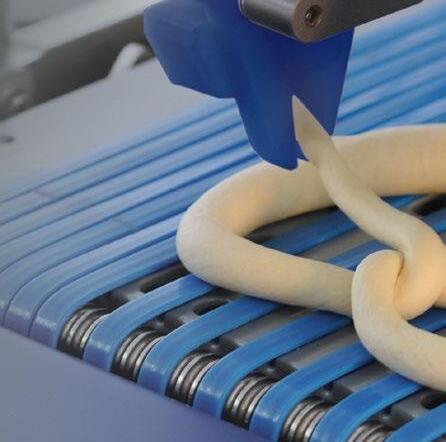



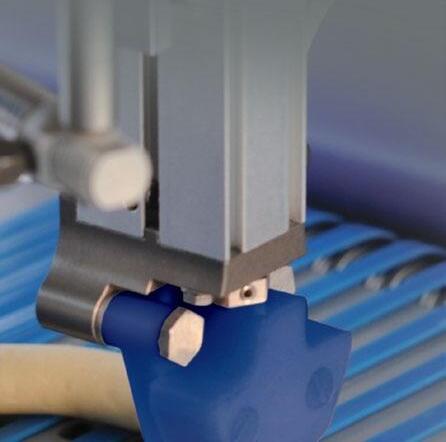
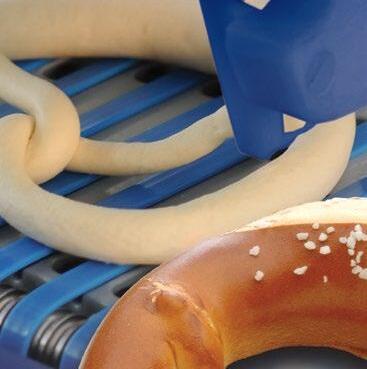
















Artificial Intelligence makes smart use of key process data to improve and automate baking processes, while making the process convenient for the people using the technology.
+Artificial intelligence and smart data solutions are rapidly reshaping the industrial bakery sector. As production volumes increase and product expectations become more demanding, bakeries are under pressure to deliver consistent quality while maintaining efficiency. Through the integration of intelligent technologies, the industry is moving towards a more data-driven and automated future.
The collaboration between Rademaker and Sensure is an example of this development, combining bakery processing expertise with AI-powered inspection technology and smart data solutions.
Presently, one of the most impactful applications of AI in baking is AI-powered vision inspection, an area where Sensure provides advanced solutions. Modern production lines operate at extremely high speeds, producing thousands of products per hour. In this environment, manual inspection is not only impractical, but also inconsistent.
Sensure’s AI-powered vision systems enable the automatic inspection of every single product in real time. It leaves no room for guesswork regarding the consistency of the products outside of the random samples and manual inspection at regular intervals. These systems analyze critical quality attributes including dimensions, color, shape and topping distribution. Non-conforming products are identified during production, when they can be either rejected, or returned upstream for rework.
By integrating this technology into bakery production lines, manufacturers can ensure consistent product quality at scale, while significantly reducing reliance on manual inspection processes. Stored data is also a valuable tool in the traceability of each batch and every single product in it.
Maintaining consistent product quality at high speeds remains a primary concern. AI-driven vision systems provide continuous monitoring, detecting even the smallest deviations during production. At the same time, reducing waste and improving efficiency is becoming increasingly
important. By identifying defects early and automatically removing non-compliant products, manufacturers can minimize product loss and avoid costly rework while keeping production running smoothly.
Another key benefit is improved process control and insight. Continuous data collection and analysis provide operators with a deeper understanding of process variations, enabling faster decision-making and ongoing optimization.
“By combining Rademaker’s expertise in dough handling and production technology with Sensure’s intelligent inspection systems, bakeries benefit from a fully integrated approach to smarter, more efficient production,” the Dutch specialist emphasizes.
The future of industrial baking is moving towards more autonomous and data-driven operations. Technologies such as advanced sensors, machine vision and AI-driven analytics, including Sensure’s inspection systems integrated into bakery production lines, will provide continuous insight into both process performance and product quality. These innovations will enable real-time optimization, reduce manual intervention and allow bakeries to respond more quickly to changing product requirements and market demands.
The adoption of AI in the bakery sector is not just about improving current operations; it represents a broader opportunity to rethink how production is managed. Through partnerships such as Rademaker and Sensure, bakeries can leverage AI-powered inspection, smart data and advanced processing technology to achieve greater consistency, higher efficiency and a deeper understanding of the process.
As the industry continues to evolve, intelligent solutions will quickly become a necessity, indispensable in an increasingly demanding market, thanks to the wealth of knowledge they can provide and the convenience they bring to the production facilities. +++
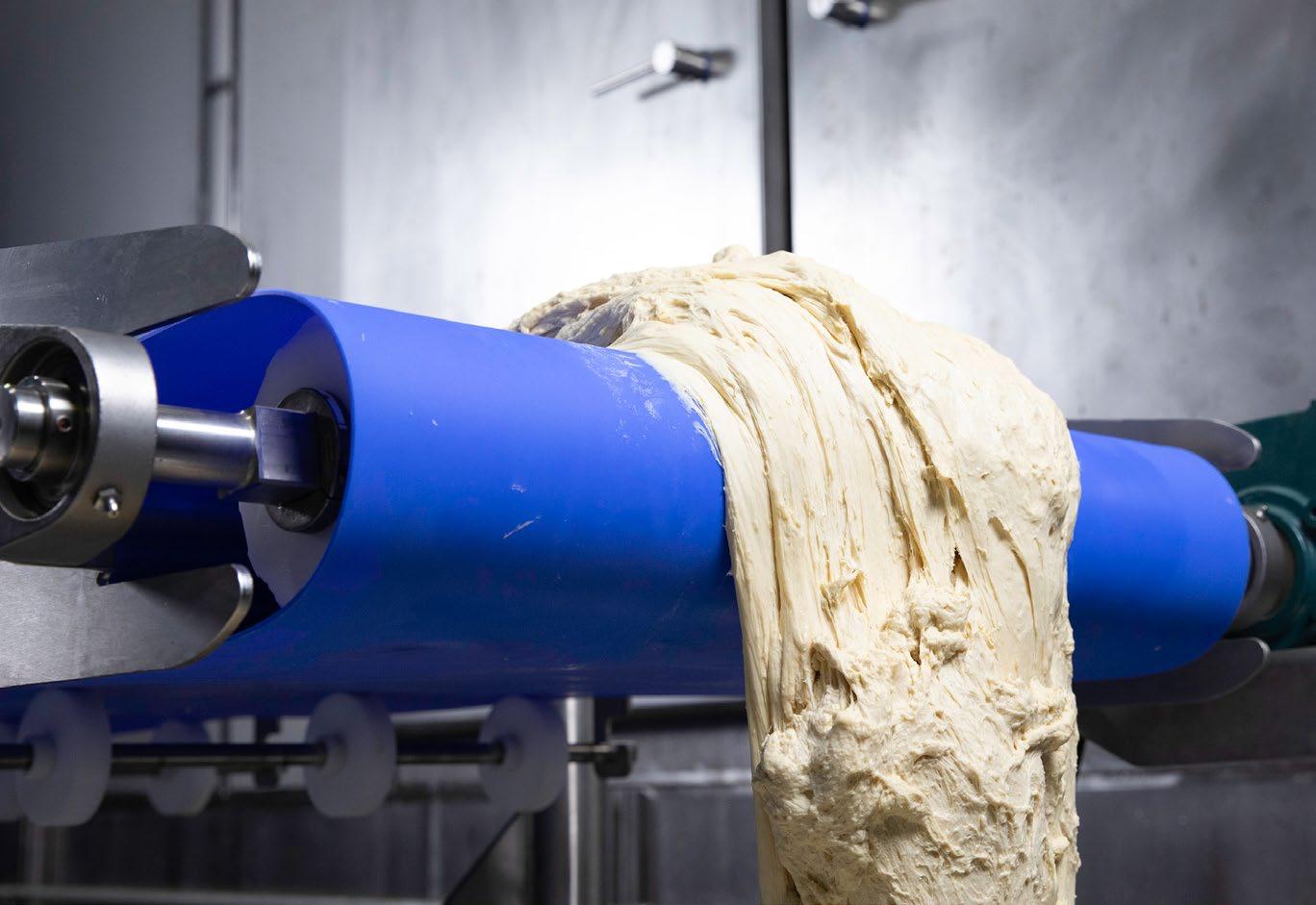
With the release of Intralox® LugDrive™ Series 8140 belting in A23 material, bakeries can now upgrade to the strongest, most hygienic belt available for raw dough-handling applications.
For more about the superior dough handling capabilities of LugDrive S8140 belting in A23, visit www.intralox.com/industries/food/bakery
The EU Packaging and Packaging Waste Regulation will not only impact the choices in packaging materials, but also those related to the information that comes with it – the entire message, its content and the ink.
+Packaging can reveal its contents in many ways.
Shape and color are just as important for communication as are labels or imprints. The issue of whether product information should be affixed to the packaging material or not has implications related to more than simply aesthetics. The EU Packaging and Packaging Waste Regulation (PPWR) stipulates stringent requirements for future packaging, with consequences for its marking.
For manufacturers, this entails selecting the most suitable option from several alternatives – in line with the product, packaging, available investment funds and the current legal framework. Among its other requirements, the PPWR sets high standards for marking and labeling that manufacturers need to comply with from 2026 onwards. From the first year of its entering into force, batch and serial numbers as well as the manufacturer’s contact details, will be mandatory to include on packaging. In the same year, QR codes or other digital information carriers will be required to provide information on recyclability. This may include information on the recycling process, repair and return systems. As of 2028, standardized pictograms will be introduced across the EU to provide information on material composition.
This initiative is a part of the EU’s Ecodesign for Sustainable Products Regulation. It aims to enhance transparency across product value chains by providing comprehensive information about each product’s origin, materials, environmental impact, and disposal recommendations. The DPP is designed to close the gap between consumer demands for transparency and the current lack of reliable product data.
The DPP will include essential details such as a unique product identifier, compliance documentation, and information on substances of concern. It will also provide user manuals, safety instructions, and guidance on product disposal. By offering a detailed digital record of a product’s lifecycle, the DPP will enhance supply chain management, ensure regulatory compliance, and help companies identify and mitigate risks related to authenticity and environmental impact.
The PPWR’s requirement to develop packaging that is as recyclable as possible remains unaffected. While manufacturers can opt for monomaterials, reduced quantities of hot glue, or higher recycled content, for instance, they have entirely different levers at their disposal when it comes to marking. These vary depending on the packaging material, production speeds and breadth of information. What they have in common is a move away from the classic label, which is viewed critically from a PPWR perspective unless it is also made of mono-materials – and is therefore easy to recycle.
“There are many approaches that can be used for PPWR-compliant marking, all of which can be implemented using printing technologies,” highlights Stefan Horvath, Product Manager at Gerhard Schubert GmbH’s Packaging Competence Center. In particular, QR or 2D barcodes on packaging are likely to play a greater role in the future, as the PPWR calls for transparency in packaging material recycling. This also includes the Digital Product Passport (DPP), which is set to become mandatory for the
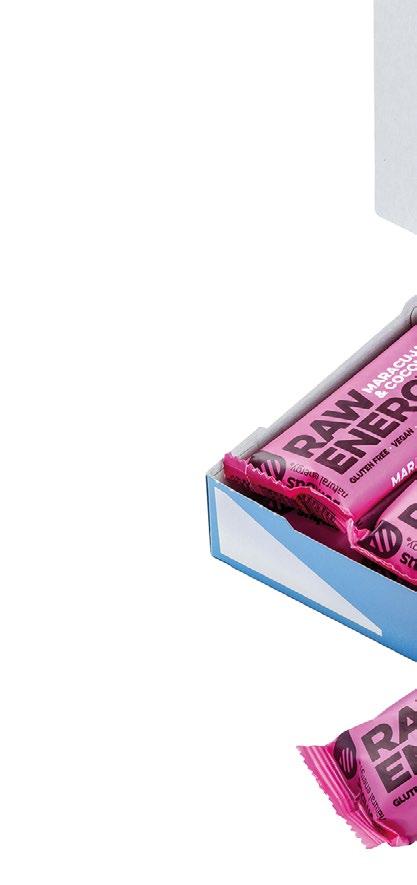
©GerhardSchubert
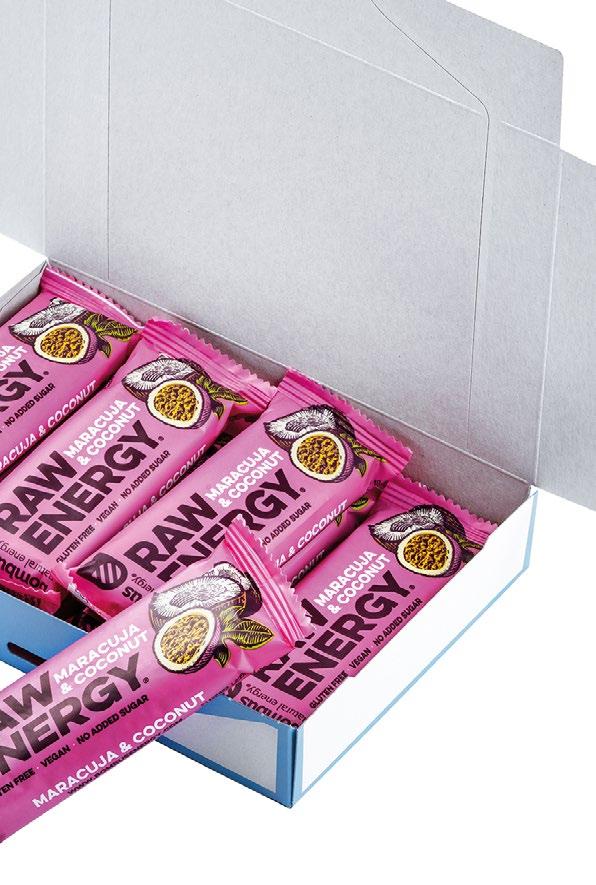
first product groups starting in 2027 as a key element of EU circular transparency.
The DPP is intended to give consumers, recyclers, manufacturers and authorities access to reliable data on the composition, origin and processability of the materials used in any given type of packaging. For recyclers, for example, this could simplify the manual sorting of plastics thanks to improved material recognition. However, this information is so comprehensive that it is published online rather than being printed on the packaging itself. Consequently, the wrap, box, or bag only holds the codes to the respective website addresses.
Codes can provide information on sorting or disposal without taking up much space on the packaging. However, additional product or packaging data required by regulations often means increased development costs, as conventional printing technology, such as continuous inkjet (CIJ) is not always suitable.
“In terms of quality and efficiency, laser-based systems offer a clear advantage because they work faster and cover larger areas,” says Horvath. However, when lasers are used to apply important information to packaging, manufacturers face challenges: lasers generally only work on printed films because they either remove material or cause a colour change. They require higher investment and operating costs compared to other types of solutions, and also raise safety-related questions: “Protective devices and trained

7–13 May 2026 | Düsseldorf Hall 3 · Booth E91
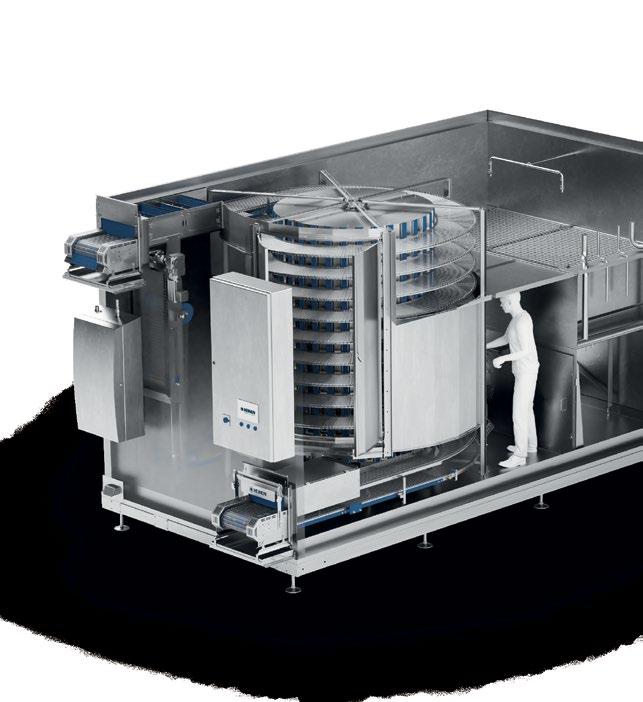
For your start-up in frozen food production or the production of specialty items, we’ve exploited the experience gained from our large-scale industrial plants in the development of this system. A compact solution realized for freezing and cooling in the medium-capacity range with a minimum of available space.
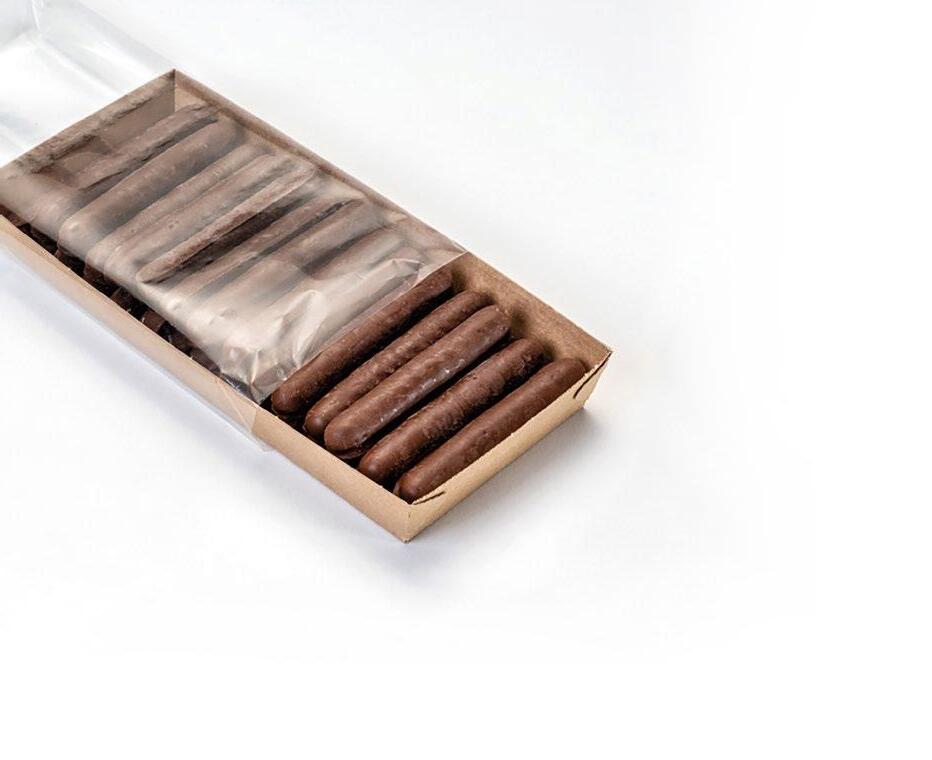
personnel for operation and maintenance are essential for the proper use of a laser system,” explains Horvath.
The decision for or against laser technology depends on the infrastructure, investment capacity, personnel – and, finally, the product portfolio. “Those who market premium products may be more likely to opt for this variant than manufacturers of fast-moving consumer goods due to the higher resolution of laser printing.”
Laser processes enable printed packaging materials to be marked gently, thereby preserving their barrier properties. UV lasers, for example, cause a color change in existing pigments within the packaging material, which produces the necessary contrast for legible lettering. Unlike CO 2 or fiber lasers, the energy in UV lasers has a photochemical effect. UV lasers can process even thin films, paper, or composite materials without melting or burning them.
However, even with an ink-based process, razor-sharp markings can be achieved, including on transparent packaging materials, the specialist explains: “UV-curing ink enables high printing speeds and delivers excellent print quality, again without compromising the integrity of the packaging material. The process cures liquid UV ink in seconds using light and, due to its high processing speed, is ideal for
Gerhard Schubert GmbH is a market leader in top-loading packaging machines (TLM). For its digital, robot-based packaging machines, the family-owned company based in Crailsheim, Baden-Württemberg, Germany, builds on an interplay of simple mechanics, intelligent control technology and high modularity. The TLM packaging machines pack products of all types into trays, cartons, boxes, or into flow-wrap bags. Founded in 1966, the second generation of the company now employs 1,800 people.
high-throughput packaging systems.” Since the ink does not soak in or evaporate as it does with continuous inkjet printing, the result remains high-contrast and does not smudge, even in high-humidity production environments.
A targeted surface treatment ensures that the ink adheres to the substrate or film, allowing it to be printed on almost any medium. Corona or plasma treatments modify the surface using an electrical charge so that the ink, in the form of tiny balls, does not roll off the material and smudge. “This results in an extremely strong bond with the substrate, a razor-sharp print image and very high scratch resistance,” explains Horvath.
However, the technical effort involved is greater than with continuous inkjet systems. UV printing requires special lamps, cooling devices and the right safety measures to protect against UV radiation, among other things.
In turn, QR and other codes of variable sizes can be applied, regardless of the surface of the material. UV-curing ink enables high-quality printing on infusion bags, as well as on paper, cardboard, glass, or metal.
Alternatively, continuous inkjet printing is significantly cheaper, both in terms of initial investment and in terms of ongoing operation. With CIJ, ink is applied through small nozzles in the printing head onto absorbent substrates such as paper or cardboard. The technology even works on smooth surfaces such as films, provided that a solvent is added to the ink beforehand to make it adhere more easily. After application, the solvent evaporates through ambient air, heat, or fans – and the ink dries.
Absorbent materials also soak it. However, it can smudge, since drying by evaporation takes time, and the ink can be subject to external influences before it dries. “This simple and cost-effective process is suitable wherever high printing speeds, low resolution and small print areas characterize the printing operation,” explains Horvath. As with the other processes, the packaging in this case does not require a label – another significant step towards alternative marking methods. +++
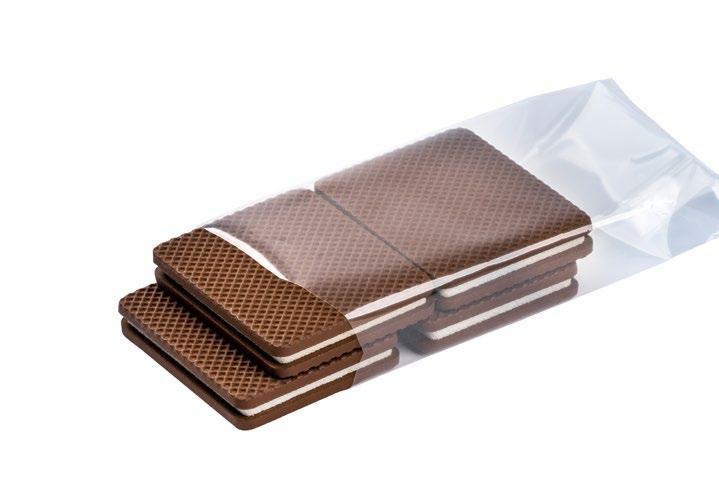
UV-curing ink enables razor-sharp markings on transparent packaging materials
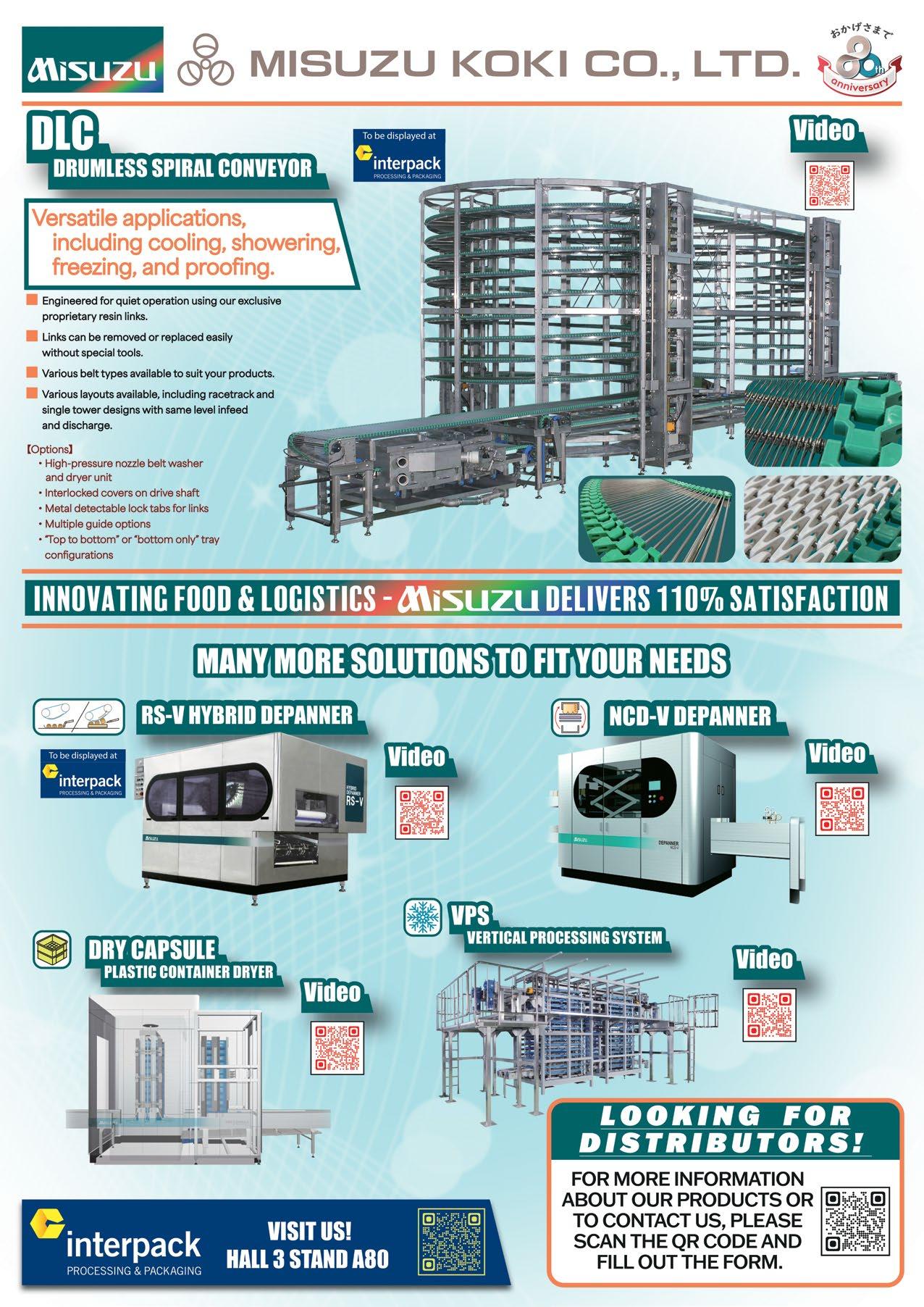
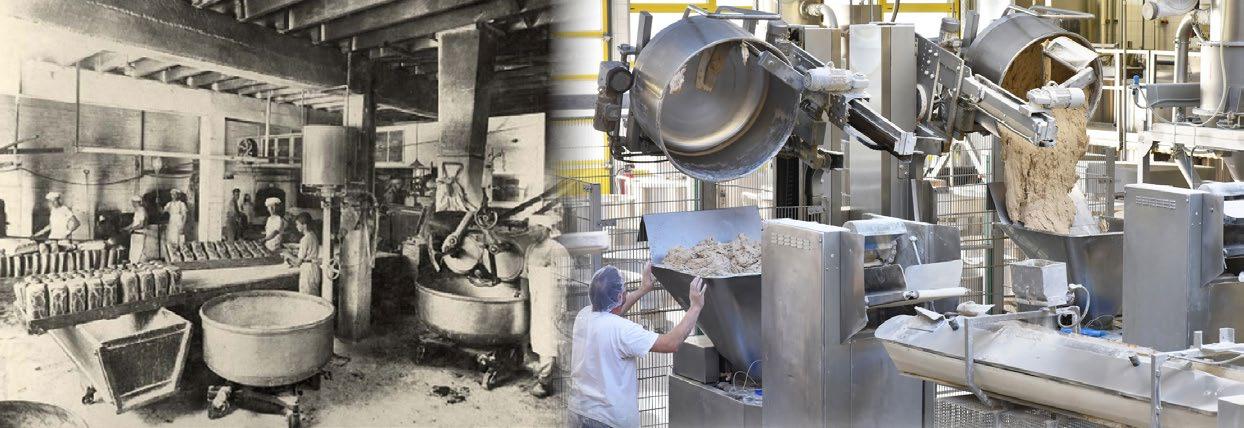
As experts have left the industry, baking brands are uniquely positioned to take more control over their flour quality specifications.
By Arnaud Dubat, Business Development Director, KPM Analytics
+Master bakers have been the cornerstone of the baking industry, bringing skill, artistry and knowledge to the baking plant. Their keen ability to observe and quickly determine if the dough was too dry or sticky, did not proof to its ideal form, or detect any minor quality defect that would go unnoticed by an untrained eye, was craftsmanship in its truest form. This experience and attention to detail go a long way in cultivating customer loyalty. They became the foundation for the growth of some of the world’s most iconic baking and snack food brands.
Over the last several decades, the bakery world has experienced an outstanding and accelerating revolution. The most obvious observation is that production plants are bigger. What used to be considered industrial bakeries in years past now appear more like large craft bakeries by
“The truth is that there is no such thing as ‘good’ or ‘bad’ flour. Instead, some flours are better suited for one baking process or product line than others.”
Arnaud Dubat, Business Development Director, KPM Analytics
today's standards. The number of pieces produced today in these high-paced bakeries is reaching staggering numbers.
While not the sole reason, an indirect byproduct of the mass mechanization of baking processes is that many master bakers are leaving the industry. This trend became especially apparent during and after the COVID-19 pandemic, when many master bakers retired or found a new line of work. According to the American Bakers Association, the industry
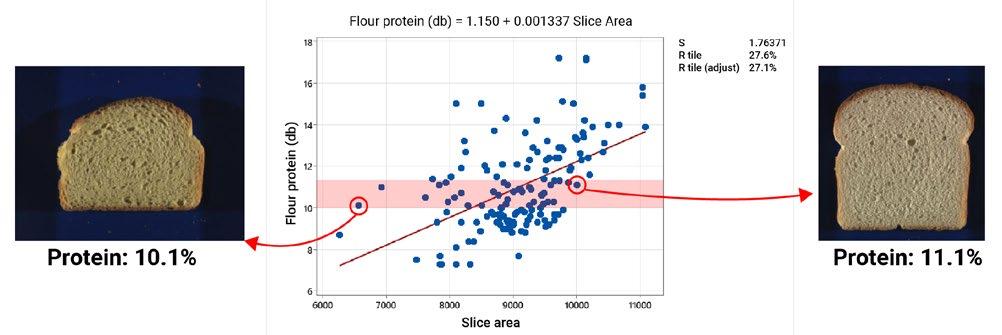
as this study
been a more significant factor.
will have 53,500 unfilled jobs by 2030 as the aging workforce retires. This movement has left many bakery plant owners scrambling to find a replacement for this knowledge and expertise. Training baking experts takes a long time, and many companies are still determining if such expertise can possibly be developed again.
This issue is even more sensitive because the baking industry faces growing challenges. First, trends toward new customer requests and tastes, such as whole wheat products, glutenfree formulations, plant-based protein alternatives, and Keto-friendly products, remain on the rise. Then, inflation and rising ingredient prices have exacerbated the everyday costs of doing business, meaning each mistake on the production line or discarded batch deeply hurts a company’s bottom line more severely today than ever.
Addressing this expertise gap is critical not only for the survival and growth of baking and snack food brands but also for the sustained health of the industry. Good news for bakeries struggling with loss of expertise impacting flour and product quality control: solutions to many of these problems exist today.
Shifting from a specs-driven to a process-driven approach
Traditionally, millers have been considered the experts in the flour quality specification process. The baker trusts the miller to develop the Certificate of Acceptance (COA) for the ideal flour quality for the baker's products. This logic makes sense, as the wheat flour-bread chain operator strives to identify what defines ‘good’ flour.
In general, flour protein content has traditionally been a significant factor in a flour COA. Protein is inherently an

essential piece to the puzzle, and it is convenient and easy to measure it precisely. As shown in Figure 1, the amount of protein in flour does not always indicate the final product. Many bakers who have adopted a process-driven approach to flour quality control will agree that protein quality rather than protein quantity is far more critical to the outcome.
“Now, in this unique era in baking industry history with fewer traditional master bakers on staff, bakeries can shift to a ‘process-adapted’ flour quality COA, which put them in the best position to develop the quality standards for their unique operation.”
Arnaud Dubat, Business Development Director, KPM
Analytics
The truth is – a fact that has been proven many times over in baking plants worldwide – there is no such thing as ‘good’ or ‘bad’ flour. Instead, some flours are better suited for one baking process or product line than others. Now, in this unique era in baking industry history with fewer traditional master bakers on staff, bakeries can embrace a shift to a ‘process-adapted’ flour quality COA, which put them in the best position to develop the quality standards for their unique operation.
Flour quality instruments such as the Alveograph test have been around for generations, yet have traditionally been considered miller tools, not baker ones. They all take a sample of flour, run it through a protocol, and generate
100 % THERMAL OIL
Future-ready & adaptable


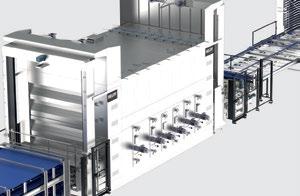

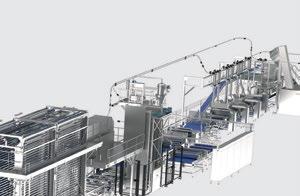

with strong partners
Designed to save energy & resources


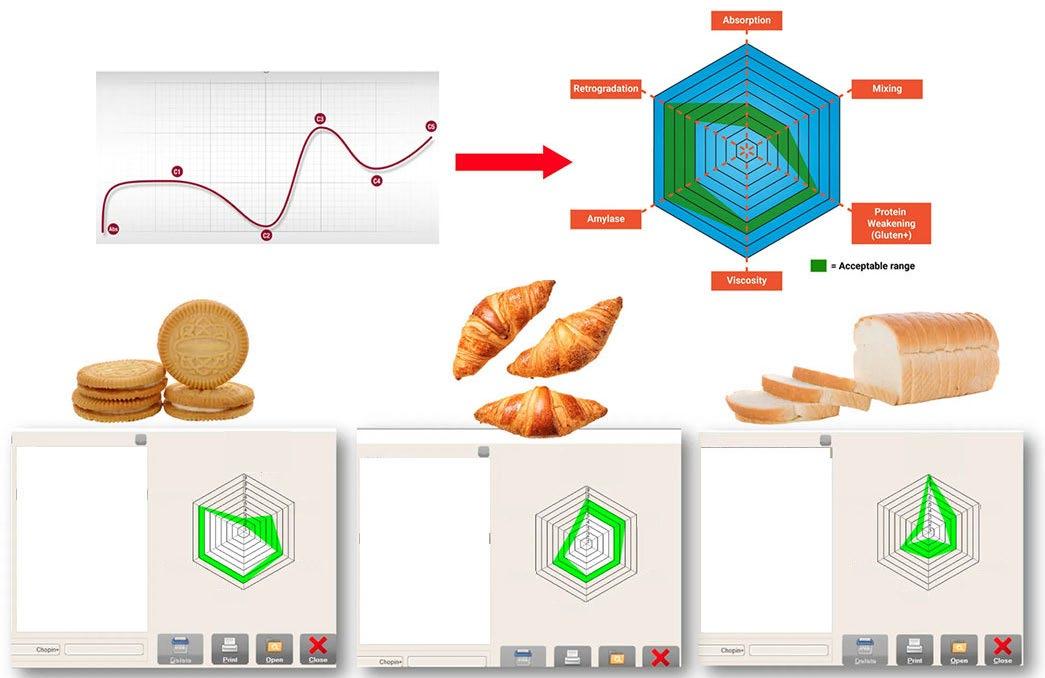
Figure 2: Universal dough characterizers such as the Mixolab can create product profiles based on
numbers or values that indicate ‘something’ about the flour’s quality attributes. For today’s average baker, many of whom do not have the formal or technical training of a master baker, these technologies may seem intimidating and impractical to apply in the process.
Many of these technologies are not so technical once the baker realizes they can link the data they generate with a final product. As shown in Figure 2, the ‘Profiler’ feature in the Mixolab Universal Dough Characterizer exports easy-to-follow data curves that provide the ‘fingerprint’ for flour quality best suited to generate the baker’s ideal final product. Then, let’s suppose the miller uses the same testing equipment the baker uses. In that case, the miller can also be more proactive with their flour formulations by matching their analysis curves with the baker’s, using their expertise to make the necessary adjustments for the baker’s needs before the flour leaves the mill.
The value of these quality assurance instruments is not in the individual numbers they generate but the fact that the data can help streamline both the baker’s and miller’s processes. With both parties working together to share their data, they can close the loop on quality control, saving time, costs, and future frustrations.
Bakeries produce goods; they know their processes and recipes better than anyone. However, they also directly suffer and pay the ultimate cost when operations do not work as expected. The more the flour is a key element of the baker’s process, themore important it is that they decide what is good for them.
However, the miller’s role is still critical in this new flour quality specification approach. Because millers are already using flour quality control technologies, they can work more closely with the bakers to develop a process-driven COA. This collaborative effort can go a long way in reducing baker complaints and chargebacks – a win-win scenario.
The key to the best-possible product results is in bakers taking more control in developing their flour COAs. By incorporating flour analysis technologies into their process, the next generation of bakers can decide whether the flour they are using is process-adapted or non-process-adapted, thereby making them more confident that they will continually achieve an ideal final product that their customers love.
Introducing the new 893 C.
Closing up to 120 bags per minute with state-of-the-art motion control, ethernet, and wireless communications, the speedy 893 C Automatic Bag Closing Machine has efficiency baked right in. LEARN MORE AT KWIKLOK.COM


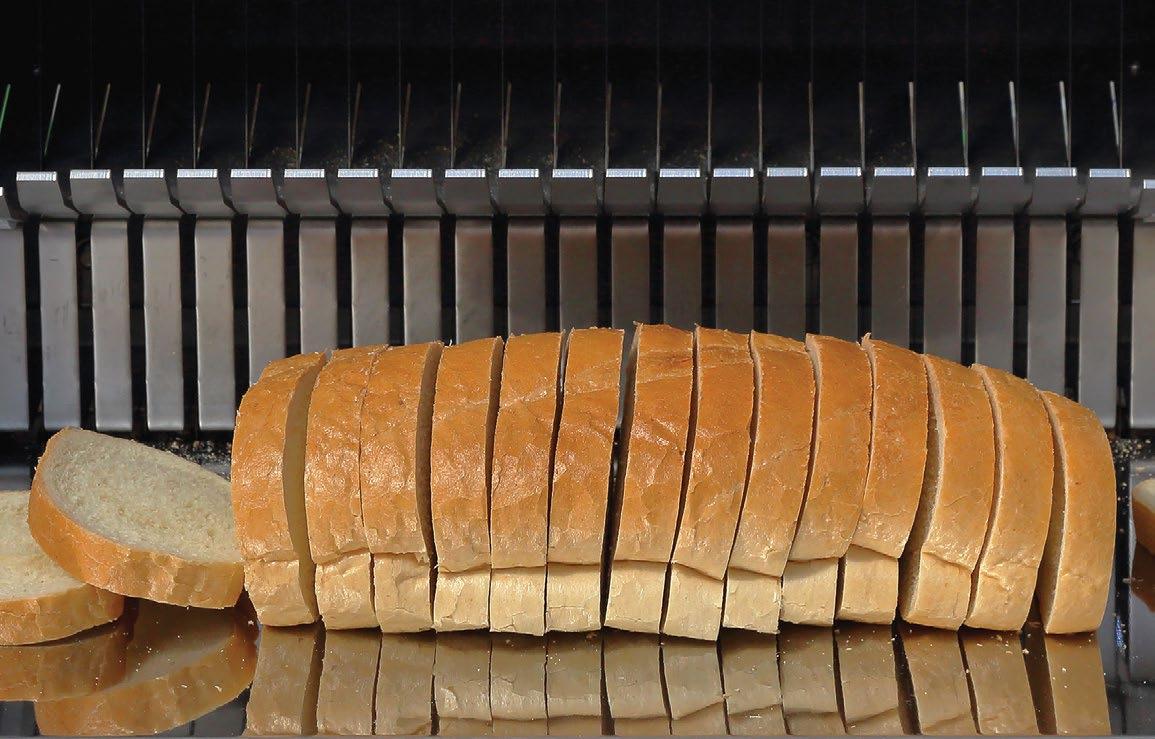
The patented Wrap Close System will be a key highlight at GHD Hartmann’s interpack stand, a completely new packaging solution that be launched in Düsseldorf. It is a fully automated system for wrapping paper or plastic bags, which are securely sealed using a paper adhesive label. “The process combines several advantages in a single step,” GHD highlights: “The packaging is wrapped, formed, and sealed simultaneously, without the need for traditional,
separate sealing elements.” The adhesive paper label seals the wrap and labels it, which makes it suitable for labeling, customization, and brand communication.
Wrap Close ensures reliable, consistent packaging quality even at high production speeds, its manufacturer details. “Precise control and robust machine technology ensure reliable processing of a wide variety of materials and product sizes,” making the system suitable for both industrial applications and premium products with specific sustainability and branding requirements.
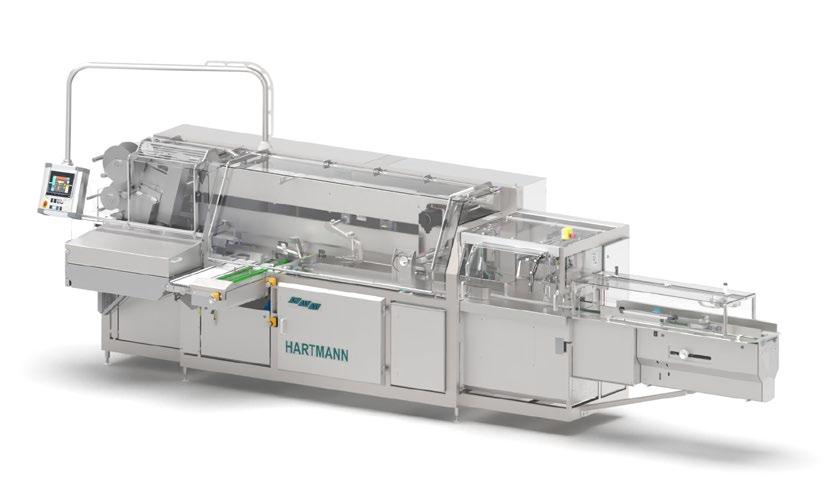
In addition to the Wrap Close system, GHD Hartmann will present its comprehensive portfolio of packaging and sealing technologies at interpack 2026. This includes machine solutions for various packaging types, materials, and product requirements. +++
© Hartmann
baking+biscuit international is published six times a year.
Single copies may be purchased for EUR 15. Subscription rates are EUR 75 per annum. Students (with valid certification of student status): EUR 40. (All rates include postage and handling, but not VAT).
Cancellation of subscription must be presented three months prior to the end of the subscription period in writing to the publishing company. Address subscriptions to the above stated distribution department.
Claims will not be accepted for any copies not received or lost copies due to reasons being outside the responsibility of the publishing company. This magazine, including all articles and illustrations, is copyright protected. Any utilization beyond the tight limit set by the copyright act is subject to the publisher’s approval.
Online dispute resolution in accordance with Article 14 Para. 1 of the ODR-VO (European Online Dispute Resolution Regulation): The European Commission provides a platform for Online Dispute Resolution (OS), which you can find at http://ec.europa.eu/consumers/odr
Valid advertising price list: 2025
PUBLISHING HOUSE
Food2Multimedia GmbH Schoolkoppel 27 21449 Radbruch, Germany +49 4178 244 9797 www.foodmultimedia.de
EDITOR EMERITUS
Hildegard M. Keil hildegard_keil@t-online.de
PUBLISHER
James Dirk Dixon dixon@foodmultimedia.de
EDITOR-IN-CHIEF
Catalina Mihu mihu@foodmultimedia.de
EDITOR
Helga Baumfalk baumfalk@foodmultimedia.de
COPY EDITOR
Annie Dixon annie.dixon@foodmultimedia.de
SUBSCRIPTIONS Viktoria Usanova usanova@foodmultimedia.de DISTRIBUTION vertrieb@foodmultimedia.de
ADVERTISING Dirk Dixon dixon@foodmultimedia.de
SOCIAL MEDIA
Annie Dixon annie.dixon@foodmultimedia.de
LAYOUT/GRAPHIC
LANDMAGD Design aus der Heide Linda Langhagen, design@landmagd.de
Leinebergland Druck GmbH & Co. KG Industriestr. 2a, 31061 Alfeld (Leine),











In our daily activities, we tend to look ahead to what’s yet to come. Bigger, faster, more efficient, and better – that’s the progress we strive for. “And whoever has the youth has the future,” right? But where would we be without accumulated knowledge and experience? How would we measure our progress? How could we learn from our mistakes to improve, if there were no history offering us the opportunity to confidently pursue our chosen path?
A quarter of a century ago, our history in the bakery market began. With the arrival of Dick Bassa, Peter Vos, and Frans Temminck, better known as BVT, our Bakery Equipment Family was born, later expanded with the NewCap, Vacuum Cooling & Baking, and Bakepack labels. And recently, our youngest member, Repeatloaf, saw the first light of day. An impressive portfolio of solutions for production in modern bakeries and those of the future. Before we fully embrace the future, we look back with a satisfied smile on 25 years of experience that have provided us with the foundation for that future. Happy Birthday!

All controlled within one seamlessly integrated line. Our integrated lines deliver higher output, consistent quality, and full process transparency. A reliable engine for scalable growth and long‑term value creation. One partner for your bakery solutions.
Maximum efficiency
Synchronised processes reduce downtime and increase throughput. Consistent quality
Precise control ensures every product meets the same high standard.
Smart insights
With our iBakeCare® app, you can access live data anytime, anywhere.
Future-proof design
Scalable solutions that grow with your bakery.