
A REAL ESTATE REPORT
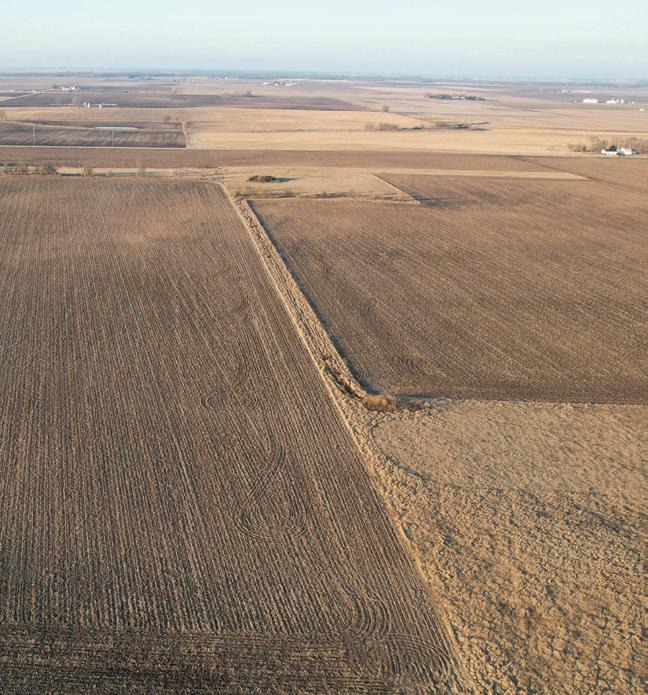
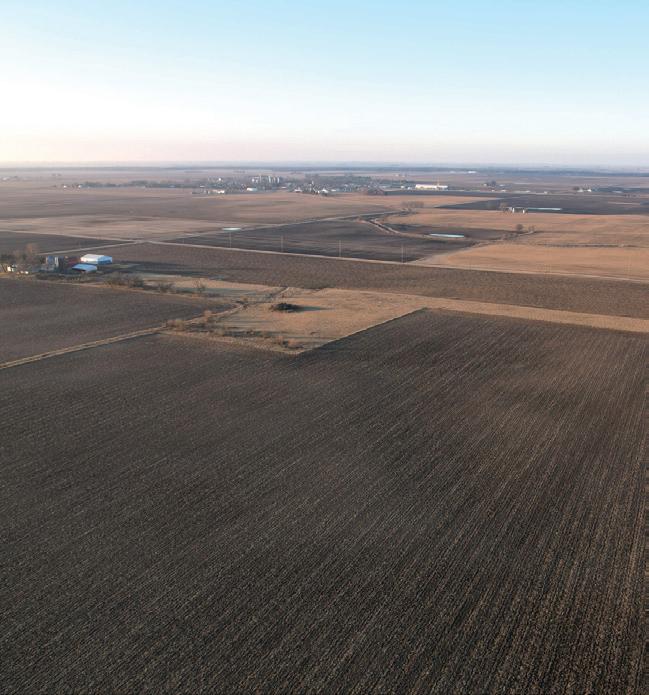
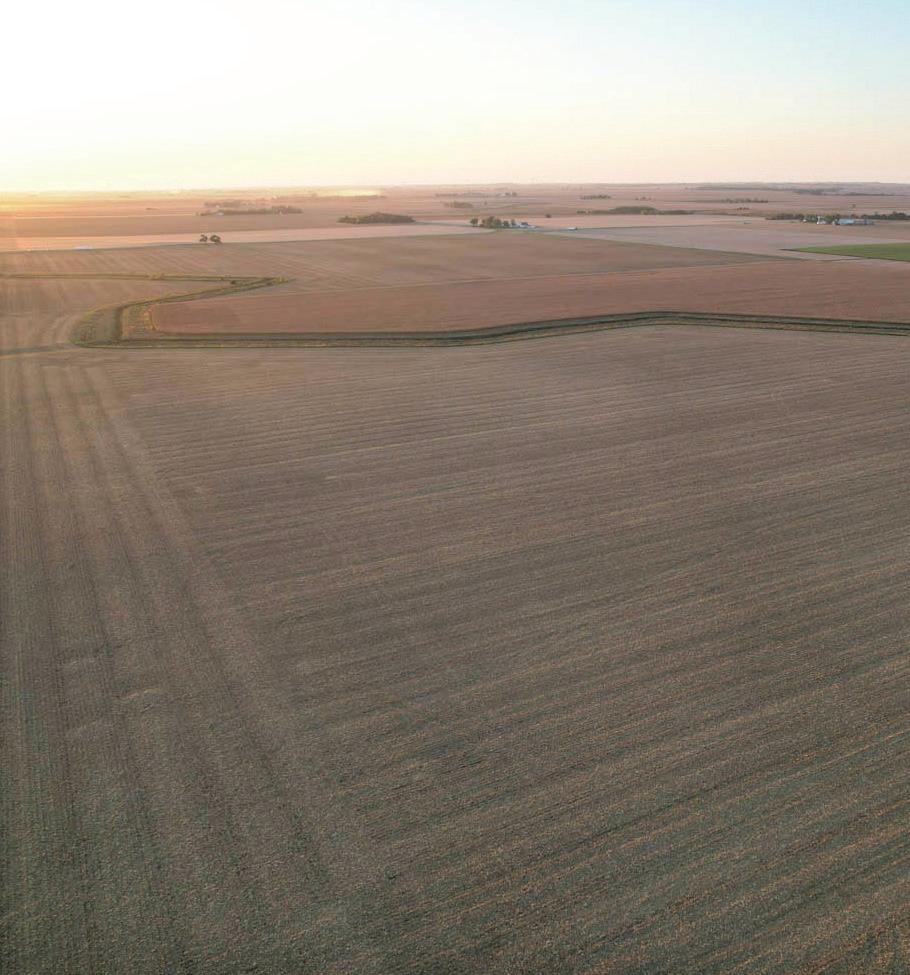
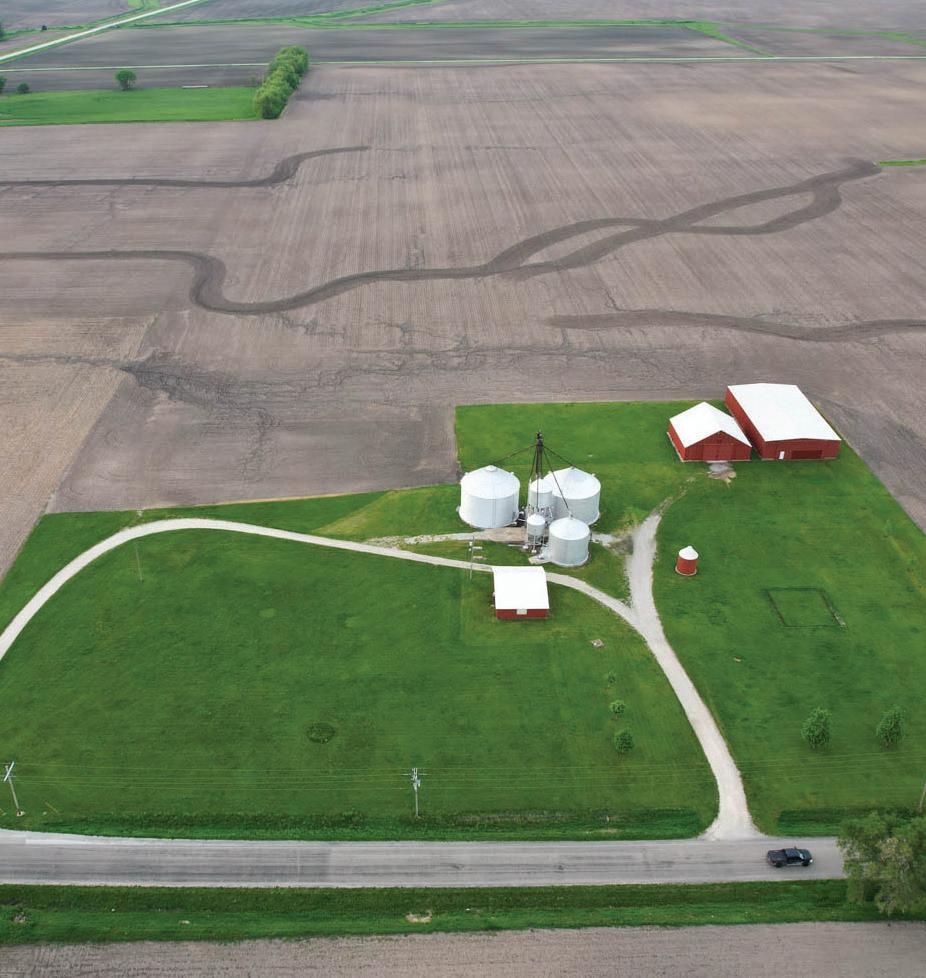
Welcome to the First Edition of the East Central Illinois Land Report. In the heartland of America, where amber waves of grain stretch as far as the eye can see, Central Illinois stands as a testament to the enduring legacy of agriculture. As stewards of the land, farmers and landowners in this region play a pivotal role in shaping the agricultural landscape and driving economic prosperity. Against this backdrop of rich soil and timeless traditions, the East Central Illinois Agricultural Land Report is intended to provide expert knowledge and information for those deeply invested in the region’s agrarian heritage.
I am excited for this opportunity to provide you with the valuable insights contained in the articles inside.
Warm
Regards, Ross Sorensen

CURRENT RURAL LAND MARKET
In East Central Illinois, the agricultural land market is experiencing changes shaped by various factors. Historically known for its fertile soil and robust farming community, our region continues to attract attention from investors and farmers alike. However, in recent years, the market has seen fluctuations in land prices due to factors such as changes in commodity prices, interest rates, and government policies affecting agriculture. Despite these fluctuations, demand for quality farmland remains strong, driven by the region’s reputation for highquality crops and reliable yields.
Additionally, the agricultural land market in East Central Illinois is influenced by factors such as urbanization and development
pressures. As cities and towns expand, there is increased competition for land, leading to higher land prices in some areas. This dynamic creates opportunities and challenges for farmers and landowners, who must navigate changing market conditions to make informed decisions about buying, selling, or leasing agricultural land. Overall, while the agricultural land market in East Central Illinois remains resilient, stakeholders must stay vigilant and adapt to evolving trends and pressures to thrive in this competitive environment.
Please feel free to reach out to Ross about any questions regarding your property and how it fits into the current market.
• About Your Real Estate Report
• Current Rural Land Market
AGRICULTURE
• Navigating Agricultural Evolution: Foreign Ownership vs. Institutional Farmland Buyers in Illinois
• Navigating the New Illinois Estate Tax Legislation: What Farmers and Landowners Need to Know
RECREATIONAL
• Comprehensive Guide for Illinois Landowners: Leasing Your Property for Hunting



COMPREHENSIVE GUIDE FOR IL LANDOWNERS: LEASING
YOUR PROPERTY FOR HUNTING

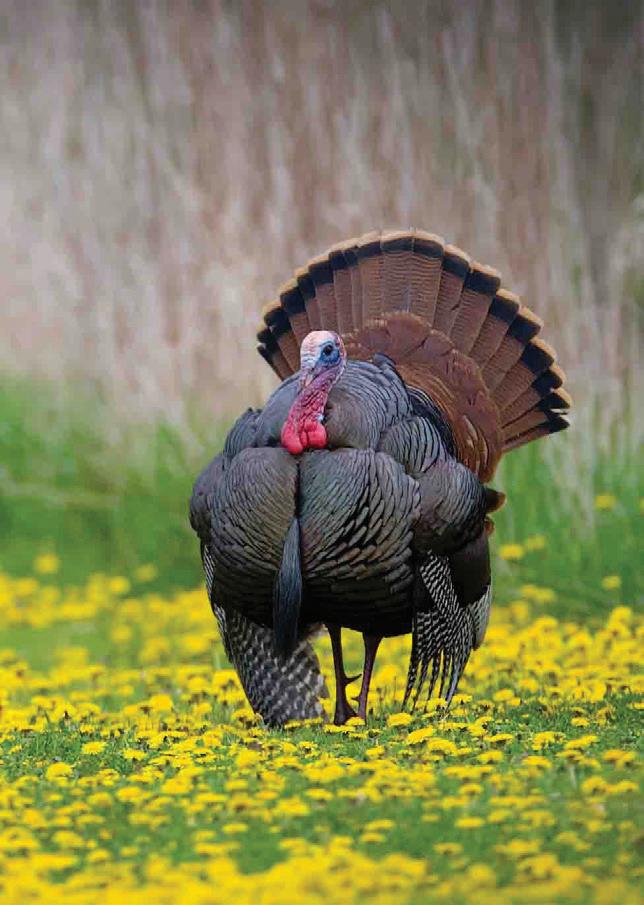
Leasing your property for hunting purposes can be a lucrative venture for Illinois landowners, offering an opportunity to generate additional income while managing wildlife populations and maintaining the ecological balance of your land. However, entering into a hunting lease requires careful consideration and planning to ensure a mutually beneficial arrangement for both landowners and hunters. In this comprehensive guide, we will explore the various aspects that Illinois landowners should consider when leasing their property for hunting.
Legal Considerations
Before leasing your property for hunting, it is essential to familiarize yourself with the relevant laws and regulations governing hunting and leasing agreements in Illinois. This includes understanding the state’s hunting seasons, bag limits, licensing requirements, and any zoning ordinances or local regulations that may impact hunting activities on your land. Additionally, it is advisable to consult with legal counsel to draft a comprehensive hunting lease agreement that outlines the rights and responsibilities of both parties, including liability issues, property access, dispute resolution mechanisms, and the identity of any and all persons who will have permission to be on the property.
Financial Arrangements
When negotiating a hunting lease, landowners should consider various financial arrangements to ensure fair compensation for the use of their property. This may include charging a flat fee for access to the land or implementing a per-acre fee based on the size of the hunting area. Landowners should also clarify payment terms, such as upfront payments, installment payments, or seasonal payments, to ensure timely and consistent compensation throughout the hunting lease term. The current market in for leases in East Central Illinois currently ranges from $25 to $50 per acre.
Wildlife Management Practices
Effective wildlife management is essential for maintaining healthy wildlife populations and preserving the ecological balance of your land. Landowners should work
closely with hunters to establish wildlife management goals and strategies tailored to the specific habitat and species present on the property. This may include implementing habitat enhancements, such as food plots, cover crops, and wildlife corridors, to attract and sustain desirable game species while minimizing damage to crops or natural resources. Additionally, landowners should consider implementing sustainable hunting practices, such as selective harvesting, to ensure the long-term viability of the wildlife population.
Building Positive Relationships with Hunters
Establishing positive relationships with your hunters is key to a successful hunting lease arrangement. Landowners should communicate openly and transparently with hunters, providing clear guidelines and expectations for hunting activities on the property. This includes specifying designated hunting areas, access points, and rules for vehicle use, camping, and firearm safety. This should all be specified in writing within the lease agreement. Landowners should also foster a culture of respect for the land and wildlife, encouraging hunters to abide by ethical hunting practices and follow all applicable laws and regulations. By building trust and rapport with hunters, landowners can cultivate long-term partnerships that benefit both parties and contribute to the sustainable management of the land.
Insurance
One critical aspect of leasing your property for hunting is insurance coverage. Landowners should ensure they have adequate liability insurance to protect themselves from potential risks associated with hunting activities on their property. This may include coverage for accidents, injuries, property damage, or other liabilities that could arise during hunting activities. The written lease agreement should also outline the insurance coverage requirements for the hunter, in addition to any coverage obtained by the landowner. It is essential to review your insurance policy and your hunter’s insurance policy carefully and consult with your insurance provider and legal counsel to determine if additional coverage or endorsements are needed to address specific risks associated with leasing your property for hunting.
Understand and document legalities like hunting laws, zoning, and lease agreements
Negotiate fair compensation methods like flat fees or per-acre charges, with clear payment terms.
Collaborate with hunters to establish wildlife management goals and sustainable hunting practices.
Property Boundaries
Clearly defining property boundaries is crucial for avoiding conflicts and disputes with hunters and neighboring landowners. Landowners should clearly mark boundaries using fencing, signage, or natural landmarks to indicate the limits of the hunting area. If there are not obvious physical landmarks, a boundary survey may be required to eliminate potential issues in the future. Additionally, landowners should communicate boundary information to hunters and provide maps or GPS coordinates to ensure they understand the extent of the leased hunting property and avoid trespassing on neighboring properties.
Property Maintenance
Maintaining your property in good condition is essential for enhancing its appeal to hunters and preserving its value over time. Landowners should regularly inspect the property for any hazards, such as fallen trees, overgrown vegetation, or damaged structures, and address them promptly to ensure a safe and enjoyable hunting experience. This may include performing routine maintenance tasks, such as mowing fields, repairing fences, maintaining trails, and controlling invasive species, to keep the property in optimal condition for hunting activities. Some or all of this maintenance work may be negotiated into the lease agreement as part of the hunter’s responsibilities
Conclusion
Leasing your property for hunting can be a rewarding opportunity for Illinois landowners to generate additional income, support wildlife conservation efforts, and foster positive relationships with outdoor enthusiasts. By carefully considering the items listed above, landowners can maximize the benefits of their hunting lease while preserving the natural beauty and ecological integrity of their land. With proper planning, communication, and proactive management, leasing your property for hunting can be a mutually beneficial arrangement that enhances the value and enjoyment of your land for years to come.
Maintain open communication and establish clear guidelines for hunting activities and property use.
Ensure adequate liability insurance coverage for both landowners and hunters.
Define property boundaries clearly to prevent conflicts and trespassing.
Regularly maintain property to ensure safety and to enhance the hunting experience.
NAVIGATING AGRICULTURAL EVOLUTION: FOREIGN OWNERSHIP VS. INSTITUTIONAL FARMLAND BUYERS IN ILLINOIS
By: Jim Ferguson, IL LandGuys Land Broker
A regular topic of conversation is foreign ownership of farmland. This is an important topic to understand and monitor but in reality, makes up a small percentage (+/-3.2%) of privately held agricultural land in the U.S. Most foreign ownership acres consist of forest land outside Illinois. Data shows Canadian investors hold the largest portion of foreign-owned land in the U.S. China, however, makes up less than 1% of foreign-held agricultural land in the U.S. In Illinois, Syngenta, owned by Chinese parent company ChemChina holds a majority of the +/-528 acres of Illinois farmland held by Chinese investors, with the majority of these acres located in Champaign County.
The agricultural landscape in Illinois is undergoing a transformative phase, witnessing increased interest from institutional farmland buyers. The topic of institutional buyers seems to be discussed far less than the hot-button topic of foreign ownership. As these entities play an increasingly prominent role in shaping the future of farming, it becomes crucial to understand the distinctions between foreign ownership and institutional buyers and the impact each has on farmers and landowners in the state.
Foreign Ownership vs. Institutional Farmland Buyers
Foreign ownership of farmland involves non-U.S. entities or individuals acquiring agricultural land in the United States. This can include foreign investment funds, corporations, or individuals seeking to capitalize on the stability and long-term value of American farmland.
While foreign ownership of farmland has been a topic of discussion in the U.S., it has faced regulatory scrutiny. Foreign ownership has also created many concerns and questions from local farmers and landowners. In reality, it is not common for the sales you read and hear about to be going to a foreign-held entity.
Institutional farmland buyers, on the other hand, are domestic entities such as pension funds, investment firms, or real estate investment trusts (REITs) that pool capital to invest in and manage agricultural land. These buyers operate on a larger scale, often acquiring extensive acreages across different regions.

In discussions regarding foreign land ownership, it’s worth noting the increasing role of institutional farmland buyers in Illinois. They’re bringing in significant funding and advanced farming methods to our local farmers. Understanding the difference between these two buyer groups is key for staying on top of changes in Illinois agriculture.
The growth of institutional farmland buyers in Illinois has been more pronounced. These entities are drawn to the state’s rich agricultural heritage, diverse crops, and the potential for strategic portfolio diversification. Unlike foreign ownership, institutional buyers face fewer regulatory hurdles, making their presence more significant in the Illinois farmland market.
Impact on Farmers and Landowners in Illinois
Both foreign ownership and institutional buyers bring significant capital to the table, providing farmers and landowners in Illinois with access to funds for expansion, modernization, and operational improvements. This access to capital is particularly crucial for smaller farmers looking to compete in an increasingly sophisticated and capital-intensive agricultural industry.
Technology and Sustainable Practices
Institutional farmland buyers often come equipped with advanced technologies and sustainable farming practices. This infusion of expertise can positively impact farmers in Illinois by promoting efficiency, optimizing yields, and implementing environmentally conscious farming methods. Foreign ownership may bring diverse perspectives but might not contribute to the same degree of technology transfer and sustainable practices.
Market Stability
The growth of institutional farmland buyers contributes to market stability in Illinois. By diversifying ownership and spreading risk,
the presence of these buyers can create a more predictable market environment. This stability is beneficial for farmers and landowners who rely on a secure and resilient market for long-term planning and financial stability.
Local Community Impact
While both foreign ownership and institutional buyers can impact local communities, the nature of this influence differs. Institutional buyers, being domestic entities, may have a more direct and collaborative relationship with local communities. This can lead to increased investment in infrastructure, job creation, and overall economic development, fostering a positive impact on the livelihoods of farmers and landowners in Illinois.
In the evolving landscape of Illinois agriculture, the distinction between foreign ownership and institutional farmland buyers is significant. While both contribute to the infusion of capital and innovative practices, the growth of institutional buyers is currently more pronounced due to fewer regulatory barriers. Farmers and landowners in Illinois stand to benefit from increased access to capital, advanced technologies, and a more stable market environment. As the landscape continues to evolve, finding a balance between these two types of buyers becomes crucial for sustaining the vitality and prosperity of Illinois agriculture.
NAVIGATING THE NEW ILLINOIS
ESTATE TAX LEGISLATION: WHAT FARMERS AND LANDOWNERS NEED TO KNOW
As the agricultural backbone of Illinois, farmers and landowners play a vital role in the state’s economy and heritage. In recent months, a significant development has emerged in the form of the new Illinois Estate Tax Bill, filed in the General Assembly. This bill has sparked discussions and raised questions among the farming community about its potential impact on estate planning and agricultural legacies. In this article, we delve into the key aspects of the proposed legislation to provide clarity and guidance for farmers and landowners across the state.
Understanding the Illinois Estate Tax Bill
The proposed Illinois Estate Tax Bill aims to revise the current estate tax laws, affecting how estates are taxed upon the passing of an individual. If passed, the bill could have significant implications for farmers and landowners, particularly those with substantial assets tied to agricultural land and operations. It’s essential for individuals in the farming community to stay informed about the details of this bill and its potential impact on their estates.
Potential Changes and Implications
One of the primary focuses of the Illinois Estate Tax Bill is to adjust the threshold at which estates are subject to taxation. Currently, Illinois imposes estate taxes on estates valued at $4 million or more. The proposed bill seeks to raise this threshold to $6 million, potentially subjecting less estates to taxation. This change could have farreaching consequences for estate planning strategies and the transfer of agricultural assets to future generations. The bill is intended to limit the increased exemption to just agriculture, by applying the exception to just those estates that would qualify for the agricultural special use valuation under Internal Revenue Service rules.
To qualify for the agricultural special use valuation, the assets of the farming operation must total up to at least 50% of the gross estate, and in addition, at least 25% of the value of the total estate must be agricultural land. Finally, the land must have been farmed
by the deceased person, or a member of the deceased person’s family (as defined by the statute) for five of the previous eight years. This requirement extends for an additional 10 years after the date of death as a recorded lien against the property.
Impact on Agricultural Legacies
For many farmers and landowners, preserving their agricultural legacies and passing down their land and operations to the next generation is a top priority. With a higher threshold for taxation, less estates may be subject to significant tax liabilities, with the hope that this will negate the need for heirs to sell off portions of the farm to cover the payment of the tax. This could provide significant relief to farming operations and the continuity of family farms.
Navigating Estate Planning Strategies
In light of the proposed Illinois Estate Tax Bill, farmers and landowners must proactively review and adjust their estate planning strategies to mitigate any potential tax burdens and protect their agricultural legacies. Working closely with experienced estate planning professionals, such as attorneys and financial advisors familiar with agricultural assets, can help individuals develop tailored strategies to minimize tax liabilities while ensuring the smooth transition of assets to future generations.
Conclusion
The proposed Illinois Estate Tax Bill has significant implications for farmers and landowners in Illinois, potentially reshaping estate planning strategies and impacting the transfer of agricultural assets to future generations. As discussions surrounding the bill continue, it’s imperative for individuals in the farming community to stay informed, engage in advocacy efforts, and work with experienced professionals to navigate these changes effectively. By taking proactive steps and advocating for their interests, farmers can protect their agricultural legacies and ensure a prosperous future for Illinois agriculture.
PARTNER WITH ROSS SORENSEN
Serving East Central IL
Local Expertise within Reach
Introducing Ross Sorensen, your trusted real estate broker at LandGuys. Born and raised in Crescent City, Illinois, Ross brings a wealth of knowledge and experience to the table. With a background in Civil and Environmental Engineering from the University of Illinois and a law degree from Southern Illinois University, Ross has spent over a decade mastering the intricacies of real estate transactions.
At LandGuys, Ross’s expertise extends beyond traditional brokerage. He’s not just about buying and selling properties; he’s about making dreams come true and maximizing value for his clients. Ross’s passion for hunting, fishing, and habitat improvement projects aligns perfectly with LandGuys’ commitment to conservation and land stewardship.
When Ross isn’t in the office, you’ll find him out in nature, figuring out whitetails, chasing waterfowl, or circling farm ponds for largemouth bass. His dedication to habitat improvement and restoration shines through in every aspect of his work. From planting trees to restoring wetlands and nurturing native grasslands, Ross is deeply committed to enhancing wildlife habitats.
As a proud member of the LandGuys team, Ross is ready to help you find your dream property or assist you in securing the best value for your real estate investment. Whether you’re buying or selling, Ross Sorensen is your goto broker for personalized service and unparalleled expertise. Contact Ross Sorensen today at LandGuys and start your real estate journey on the right foot.
EAST CENTRAL ILLINOIS PROPERTY SHOWCASE