
A REAL ESTATE REPORT

About Your Real Estate Report
As a professional real estate broker, specializing in land and rural properties, and as a landowner myself, it is my pleasure to put valuable information into the hands of other landowners in my local area. We hope you enjoy this report, this is just one of the free pieces of content we produce to landowners to get the most value out of their real estate.
Warm Regards, Nathan Cumpton
Current Farmland and Recreational Land Market-‘Stabilization’
Over the past 3 years, we have lived in a real estate market that was fast-paced, highly competitive, and ultimately... very expensive. So where are we now? The best word that summarizes the current market is ‘stabilization.’
In most sections of Illinois, we charted double-digit percentage increases in farmland values from 2021 to 2022 and 2022 to 2023. We are cooling off from those lofty annual appreciation gains and are stabilizing at a more traditional appreciation rate.
Early reports from the Federal Reserve Bank in Chicago’s May agricultural newsletter indicate a 5% increase in farmland value since April 1, 2023. This suggests a 4-5% annual increase.
After a major spike in land values in 2021 and 2022, many parts of the country saw land values stabilize in 2023 due to higher interest
rates and lower commodity prices. Another impactful factor influencing land prices is the rising input costs. Midwest farmers are finally getting a little input cost relief but are still looking at fairly high cost levels.
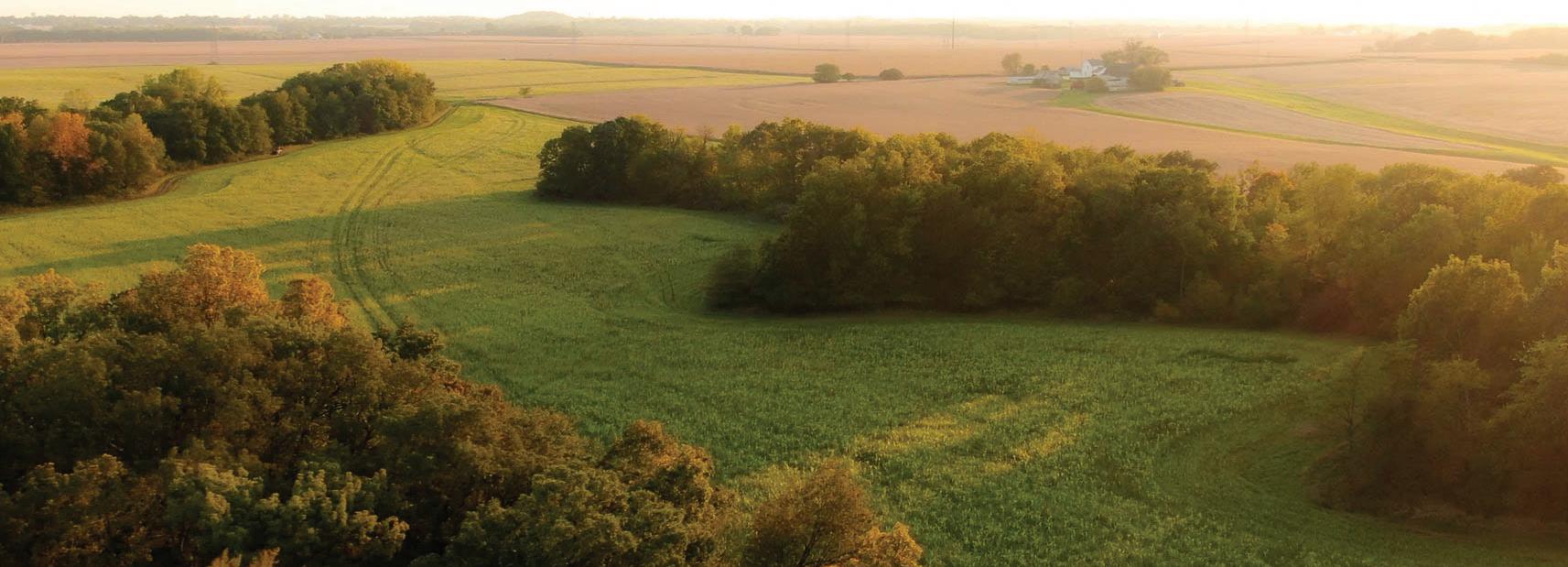
Recreational or mixed-use land values also remain steady. Northern Illinois recreational properties are in high demand. Many of the counties in the region offer many high-level hunting properties that hunters dream of. With close proximity to Chicago (within 2 hours), Northern Illinois is a highly attractive getaway for many inner-city and suburban residents. Both farmland and recreational land markets in Northern Illinois are still very strong. The supply has been low, and the demand is very strong. Feel free to contact IL Land Broker Nathan Cumpton with any questions you may have about your property.
“Land is the only thing in the world that amounts to anything, for it’s the only thing in this world that lasts. It’s the only thing worth working for, worth fighting for...”
— Margaret Mitchell Author, Gone With The Wind

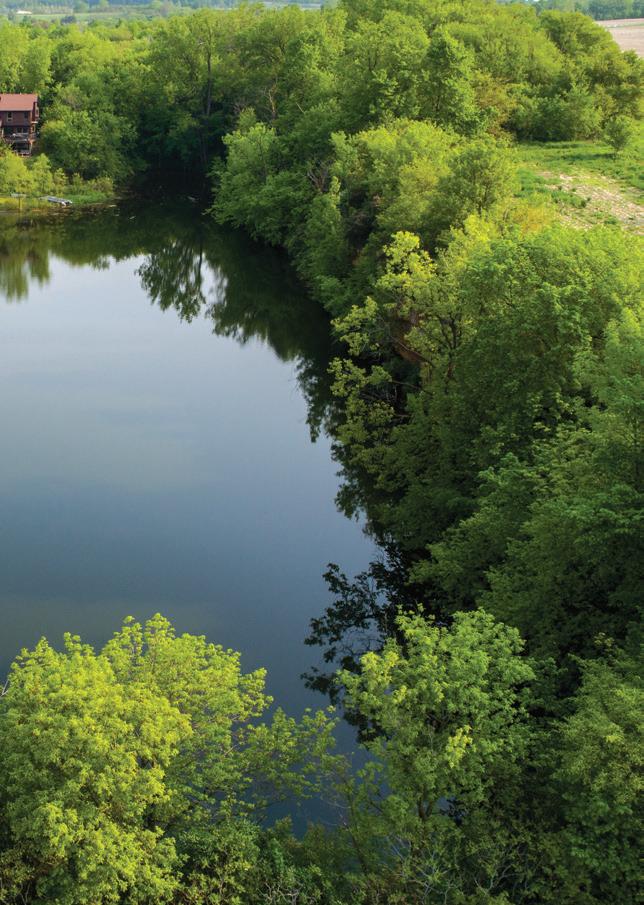
The Power of CRP Filter Strips in Sustainable Land Management
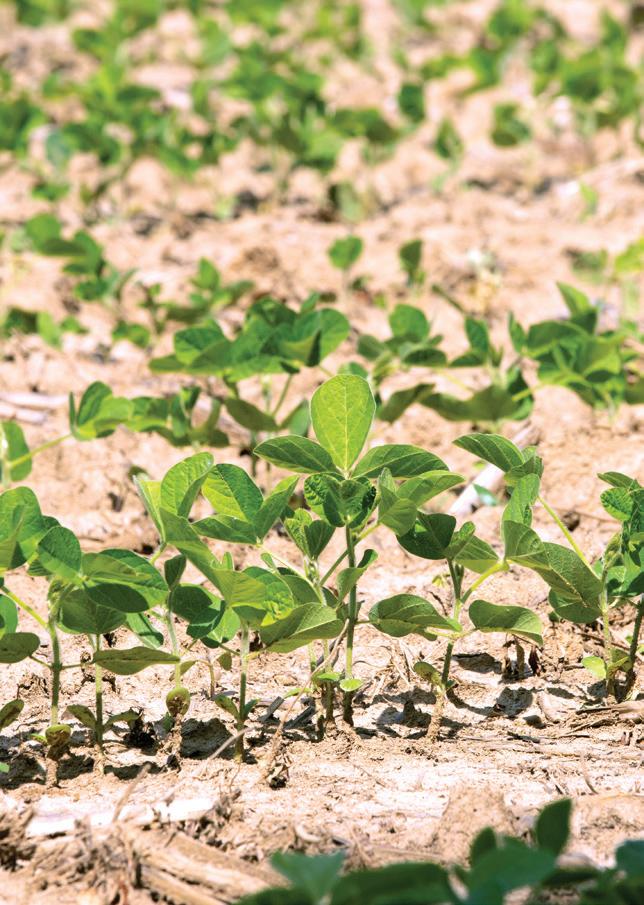
As an Illinois Land Broker with LandGuys, my journey through the vast expanse of agricultural properties has afforded me a profound appreciation for the transformative influence of Conservation Reserve Program (CRP) filter strips. These unassuming ribbons of vegetation, strategically interwoven along field perimeters and riparian zones, constitute a vital component of sustainable land management, offering a plethora of benefits that extend far beyond their unassuming appearance. Let’s embark on an in-depth exploration of the myriad ways in which these vegetative buffers shape and enrich the rural environment that we cherish.
At their essence, CRP filter strips serve as stalwart guardians against the insidious forces of soil erosion. In an era where the integrity of our topsoil is increasingly threatened by the relentless onslaught of agricultural activities and natural elements, these strips emerge as invaluable protectors, employing the resilience of plant roots to anchor soil particles firmly in place. By mitigating the erosive impact of runoff water, they safeguard the precious topsoil from being washed away, thereby preserving soil fertility and structural integrity for generations to come.
the impacts of downstream inundation. By acting as natural sponges, these strips attenuate the flow of runoff, allowing water to percolate gradually into the soil and replenish groundwater reservoirs. In doing so, they minimize the risk of property damage and alleviate the burden on overtaxed flood control infrastructure, thus enhancing the resilience of rural communities in the face of climate variability and extreme weather events.
Moreover, CRP filter strips serve as aesthetic beacons, enhancing the visual appeal of agricultural landscapes and fostering a sense of tranquility and serenity in the countryside. Their lush greenery and vibrant blooms provide a striking contrast to the monotony of cultivated fields, transforming the rural vista into a tapestry of color and texture. Beyond their visual allure, these strips also serve as recreational havens, inviting outdoor enthusiasts to explore and appreciate the natural beauty of the land.
“As an Illinois Land Broker, I’ve come to value CRP filter strips. These essential vegetative buffers are key to sustainable land management, offering significant benefits.”

However, the significance of CRP filter strips extends well beyond erosion control. These verdant buffers also function as natural filtration systems, diligently purifying runoff water by intercepting sediments, nutrients, and agrochemical residues before they infiltrate our delicate aquatic ecosystems. As rainwater meanders through the dense foliage, it undergoes a transformative journey, emerging cleansed and revitalized, thus fostering healthier habitats for aquatic organisms and ensuring the provision of safe drinking water for downstream communities.
Yet, perhaps the most captivating aspect of CRP filter strips lies in their role as biodiversity hotspots. These strips serve as vibrant ecosystems teeming with life, providing a sanctuary for a diverse array of flora and fauna. From the vibrant hues of native wildflowers to the melodious songs of resident songbirds, these strips pulsate with the rhythm of nature, enriching the rural landscape with their vibrant presence and contributing to the restoration of ecological balance in the region.
During periods of heavy rainfall and flooding, CRP filter strips emerge as unsung heroes, absorbing excess water and mitigating
In addition to their ecological and aesthetic benefits, CRP filter strips play a pivotal role in mitigating climate change through carbon sequestration. Through the process of photosynthesis, these strips absorb atmospheric carbon dioxide, converting it into organic matter and storing it in plant biomass and soil. By locking away carbon in this manner, they help to mitigate greenhouse gas emissions, thus contributing to the global effort to combat climate change and promote environmental sustainability.
Furthermore, CRP filter strips offer tangible economic benefits to landowners and communities alike. While their immediate financial returns may be modest, their longterm value is undeniable. By enhancing land productivity, reducing input costs, and increasing property values, these strips provide a reliable source of income and investment opportunity for landowners. Moreover, they support ecotourism and recreational activities, thus contributing to the economic vitality of rural communities and fostering a sense of stewardship and pride in the land.
CRP filter strips represent far more than vegetative buffers; they are integral components of sustainable land management and environmental stewardship. As guardians of the land, it is our responsibility to embrace and promote the adoption of these invaluable conservation tools, ensuring that the legacy we leave behind is one of abundance, resilience, and harmony with nature.
Erosion Control
CRP filter strips protect topsoil by anchoring soil particles and reducing the impact of runoff water.
Water Purification
These strips act as natural filters, intercepting sediments, nutrients, and agrochemical residues, ensuring cleaner water for aquatic ecosystems and downstream communities.
Biodiversity Hotspots
CRP filter strips create vibrant ecosystems that support a diverse array of flora and fauna, contributing to ecological balance.
Flood Mitigation
During heavy rainfall, filter strips absorb excess water, reduce runoff flow, and help replenish groundwater, mitigating flooding impacts.
Aesthetic Appeal
Enhancing the visual appeal of agricultural landscapes, CRP filter strips provide lush greenery and vibrant blooms, transforming rural vistas.
Climate Change Mitigation
Through carbon sequestration, these strips absorb atmospheric carbon dioxide, helping to combat climate change.
Economic Benefits
CRP filter strips enhance land productivity, reduce input costs, increase property values, and support ecotourism and recreational activities.
Sustainable Land Management
These strips are integral components of environmental stewardship, promoting resilience and harmony with nature.
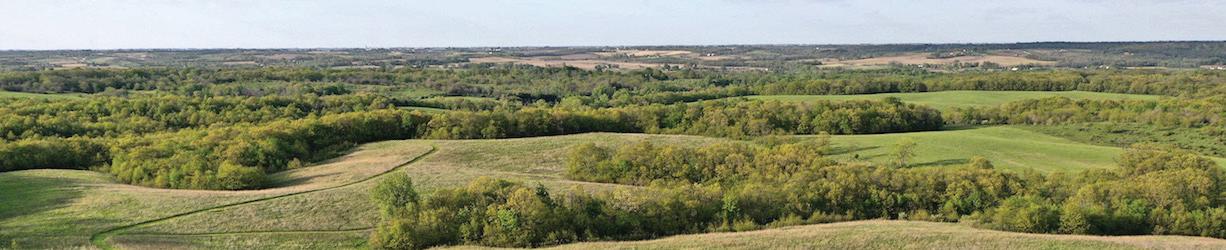
Illinois Turkey & Morel Mushroom Wrap-Up
Spring has always been one of my favorite times to be outdoors. After a long winter of being cooped up inside, it feels good to get out and witness the woods blooming and coming back to life.
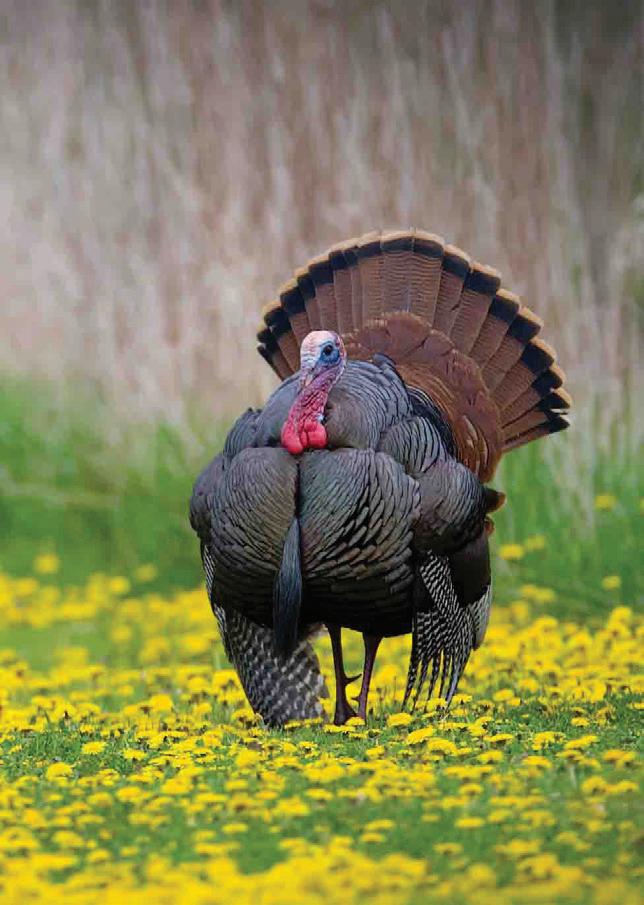
As Illinois turkey season comes to a close, I wanted to share some insight on a few statistics reported from IDNR. While we are still waiting on permit and harvest results for general turkey permits, the DNR reported a harvest of 2,006 turkeys during the youth season, breaking the previous record of 1,733 set four years ago. It was a tremendous bounce-back for youth hunters, who battled rough weather conditions last spring to take only 1,297 turkeys. A total of 6,001 permits were issued to youth hunters, compared to 5,283 last year. The additional 720 or so permits distributed this spring likely made a difference in the harvest.
The top five harvesting counties this year were Randolph County, where youth hunters took 71 turkeys, a dramatic increase over the 48 taken last spring. Fayette County was a close second with 66 (compared to 26 in 2023),

while Jefferson County was third with 63 (11 more than in 2023). Other notable counties where youth turkey hunters reported harvests include Bureau with 14, Marshall/Putnam with 11, Henry with 10, Lee with 8, Stark with 1, and LaSalle with 1.
Morel mushrooms, another spring delicacy, also had a very fruitful season this year. While the growth period of morels mostly depends on moisture and ground temperature, being in the right location at the right time is crucial. Much like antler shed hunting, the old saying is ‘Miles equal piles.’ So those who put in the time and effort this year had a lot of success. The growing season didn’t seem to be as long as in other years, but when the morels popped, they seemed to come up in large
numbers. With that being said, I heard several reports of feast or famine; hunters either found several pounds during the hunt or they were skunked.
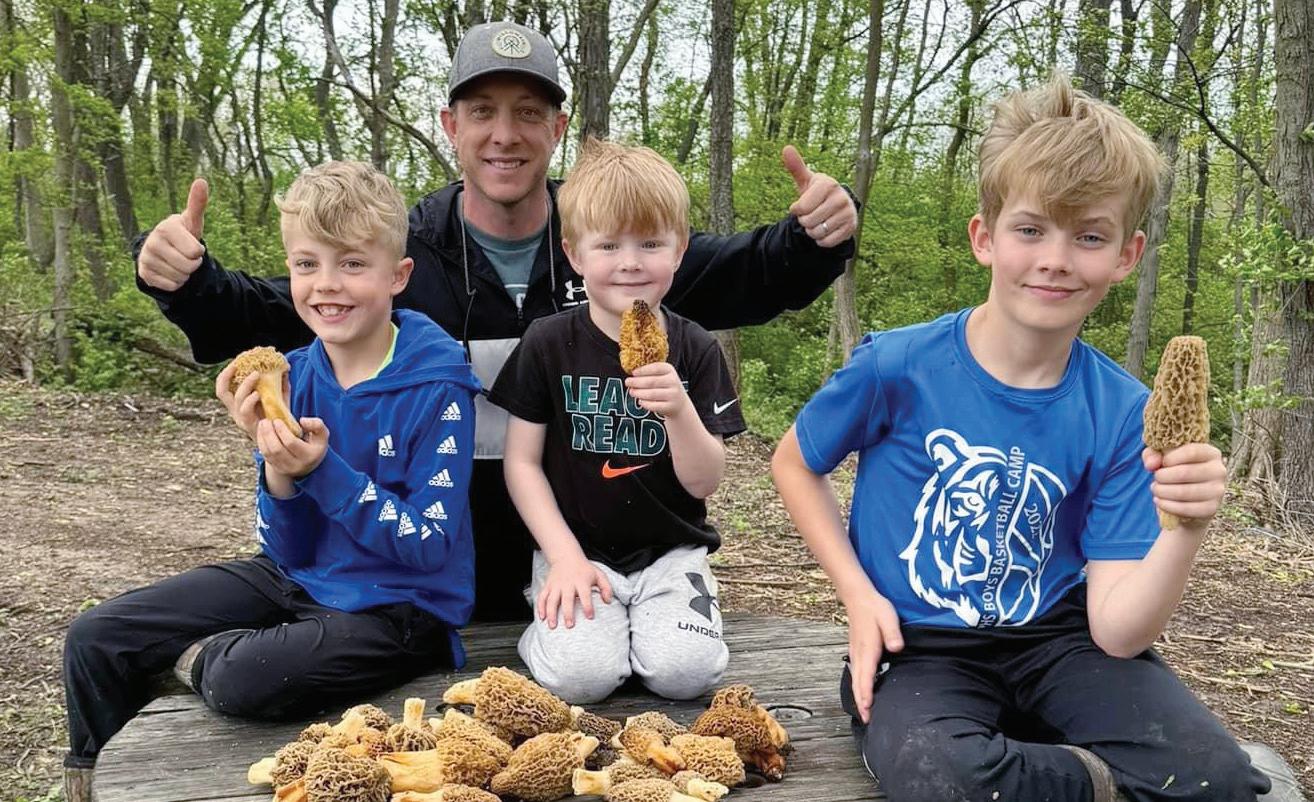
Whether it is turkey and mushroom hunting, fishing, or planting your farm fields and gardens, spring is an exciting time to be outdoors. My boys love to accompany me on my outdoor adventures, and those are the memories I cherish the most. If you have a chance to introduce a youth or someone new to the outdoors, take full advantage of it. By heading outside and learning in nature, kids improve their emotional, intellectual, and behavioral development. Outdoor learning helps foster the development of creativity, problem-solving, independence, and selfconfidence!
IRS 1031 Exchange and Proposed 2024 Changes
In the ever-evolving landscape of real estate investment, the 1031 exchange remains a pivotal strategy for investors looking to defer capital gains taxes. Named after Section 1031 of the Internal Revenue Code, this tax-deferral mechanism allows investors to reinvest proceeds from the sale of an investment property into another like-kind property, thereby postponing the payment of capital gains taxes. However, the Biden administration’s proposed changes could significantly alter the future of this beneficial tax provision.
UNDERSTANDING THE 1031 EXCHANGE
Here’s a breakdown of how a typical 1031 exchange works:
Sell Property: An investor sells an investment property and reinvests the proceeds into another property of equal or greater value within a specified time frame, deferring capital gains taxes.
Identify Replacement Property:
Within 45 days of the sale, the investor must identify potential replacement properties. Complete Exchange: The replacement property purchase must be finalized within 180 days of the original sale.
Like-Kind Property: The exchanged properties must be of like-kind, meaning they are of the same nature or character, though they can differ in quality or grade. For instance, real estate must be exchanged for real estate.
Qualified Intermediary (QI): A QI is essential to facilitate the exchange, holding the sale proceeds and ensuring the investor does not receive them directly.
Use of Proceeds: All proceeds from the sale must be reinvested into the replacement property to defer all capital gains taxes.
Holding Period: There are no specific holding period requirements, but the IRS scrutinizes short holding periods to ensure the exchange is not solely for tax avoidance.
PROPOSED CHANGES UNDER THE BIDEN ADMINISTRATION
President Biden’s administration has proposed several changes to the 1031 exchange rules, aimed at limiting the benefits for high-income earners and large transactions. Key elements of the proposal include:
Limitation on Capital Gains Deferral:
The proposal may cap the amount of capital gains that can be deferred, potentially restricting the use of 1031 exchanges for high-income earners.
Threshold for Real Estate
Transactions:
Exchanges involving properties above a certain value might not qualify for capital gains deferral or could face additional restrictions.
Focus on Small Business and Farms:
Provisions may protect small businesses and family farms, ensuring they can still benefit from 1031 exchanges while imposing stricter rules on larger transactions.
Environmental
and Social Considerations:
The proposal might promote environmental sustainability and social equity, incentivizing exchanges involving properties meeting certain environmental standards or benefiting underserved communities.
IMPLICATIONS FOR INVESTORS
If enacted, these changes could impact both large and small real estate investors. It is crucial for investors to stay informed and plan accordingly. The uncertainty surrounding the potential enactment of the new 1031 law in 2024 means that those considering selling property should evaluate the benefits of acting now versus waiting.
For investors contemplating a property sale and reinvestment, the expertise of a qualified tax advisor or intermediary is indispensable to navigate these complex regulations and ensure compliance with IRS rules. Staying ahead of these potential changes could help mitigate tax liabilities and maximize investment returns.
Interested in learning more about how a 1031 exchange could benefit your real estate investments? Contact me today to explore your options and ensure you’re prepared for any upcoming changes.
Croix, Colt, and Crew with their dad, Nathan Cumpton. They are proudly showing off their big morel mushrooms harvested Spring 2024.
Croix, Nathan’s oldest son, on a successful turkey hunt a few years ago.



Partner With Nathan Cumpton
SERVING NORTH CENTRAL ILLINOIS
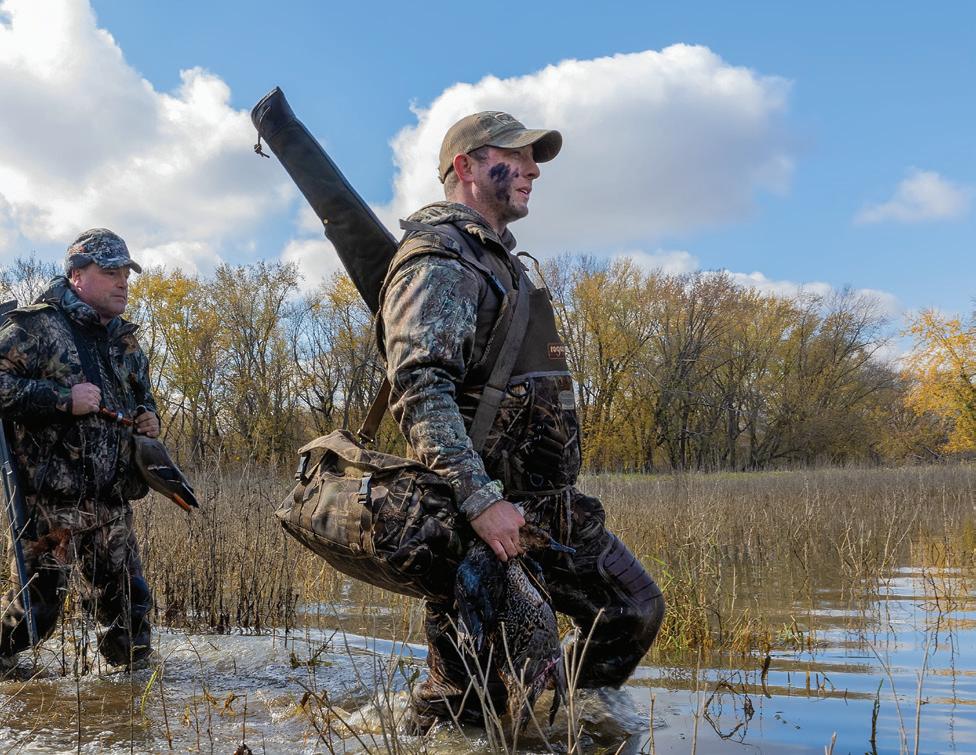
Nathan Cumpton brings his extensive knowledge and passion for all things LAND to North Central Illinois. His journey began at age 11 when he shot his first mature whitetail buck. Since then, Nathan has harvested numerous whitetails, wild turkeys, and countless bag limits of ducks and geese. Coming from a rich history in the Illinois Valley River waterfowl habitat, he has hunted at some of the area’s most prestigious duck clubs. Nathan’s love for the land truly blossomed when he worked with an investor to transform rundown and non-profitable farms into incomeproducing, high-ROI properties. His expertise ranges from developing small 80-acre farms to managing expansive 3,000-acre properties. These experiences have instilled in Nathan a keen attention to detail and the patience required for successful land development.
Nathan’s connection with the land extends beyond his hunting endeavors. He has spent years cultivating a deep understanding of the intricate ecosystems and diverse landscapes of North Central IL. From rolling farmland to lush woodlands, Nathan’s knowledge encompasses a wide range of environments. His passion for conservation and sustainable land management is evident in his dedication to preserving the natural beauty and ecological integrity of the region. Nathan’s expertise is invaluable to clients seeking to steward their land responsibly while maximizing its potential for future generations.
Nathan is dedicated to helping clients maximize the potential of their properties, offering invaluable advice on land development and management. His comprehensive experience spans recreational, agricultural, and developmental properties.