Adventists, Religious Liberty and the Spirit of 1776
“SEVENTH-DAY ADVENTISTS?” I smiled and nodded yes. “You’re a religious group we have to admit we don’t know much about,” he said politely.
The comment was not surprising. In fact, it was one of the main reasons a group of editorial writers from the Chicago Tribune agreed to sit down recently with Lake Union representatives.
For us, the meeting in the Tribune’s newsroom was an opportunity to introduce them to the Seventh-day Adventist Church: its early growth in Battle Creek, its commitment to whole-person care, its extensive Protestant school system, and its longstanding support for religious liberty.
Their questions were illuminating. It was clear they were curious to better understand us. They asked a range of questions such as: why the church is growing faster overseas than in North America; what Adventists mean when they speak of the soon coming of Christ; whether the church accepts government funding; how Adventists navigate the intersection of politics and religion; how Adventist beliefs differ from Catholic or Mormon teachings; and whether Adventists get along with other faith groups.
Our goal was simple: to help them see who we are as Seventhday Adventists and to highlight the 76 mission-focused churches and seven schools serving the needs of their communities throughout the Chicagoland area. Perhaps the next time they are looking for informed voices for a religion story, they will consider including us in the conversation, especially as they seek out stories relating to the 250th anniversary of the signing of the Declaration of Independence.
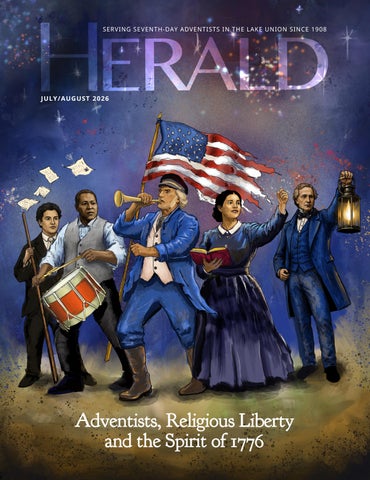
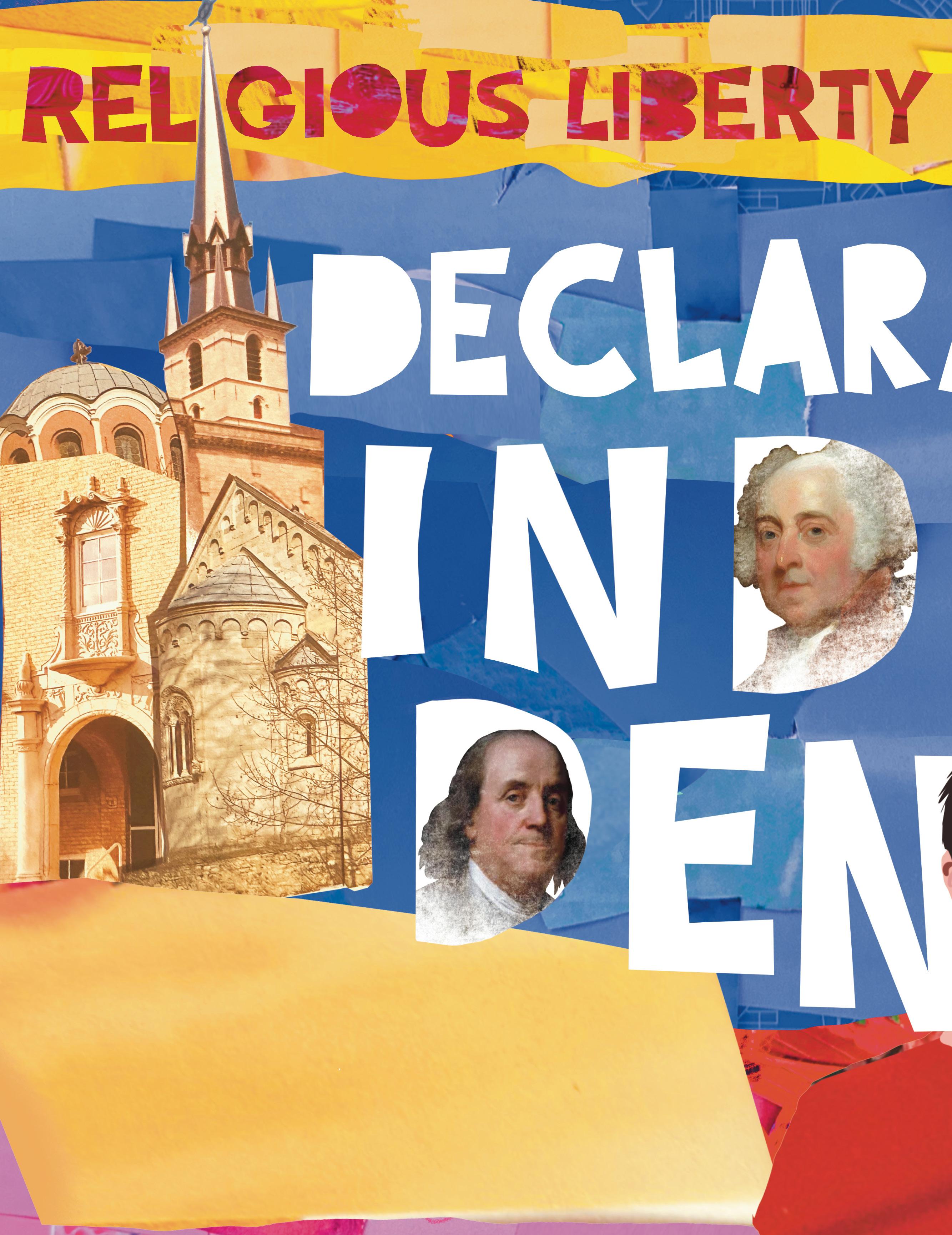
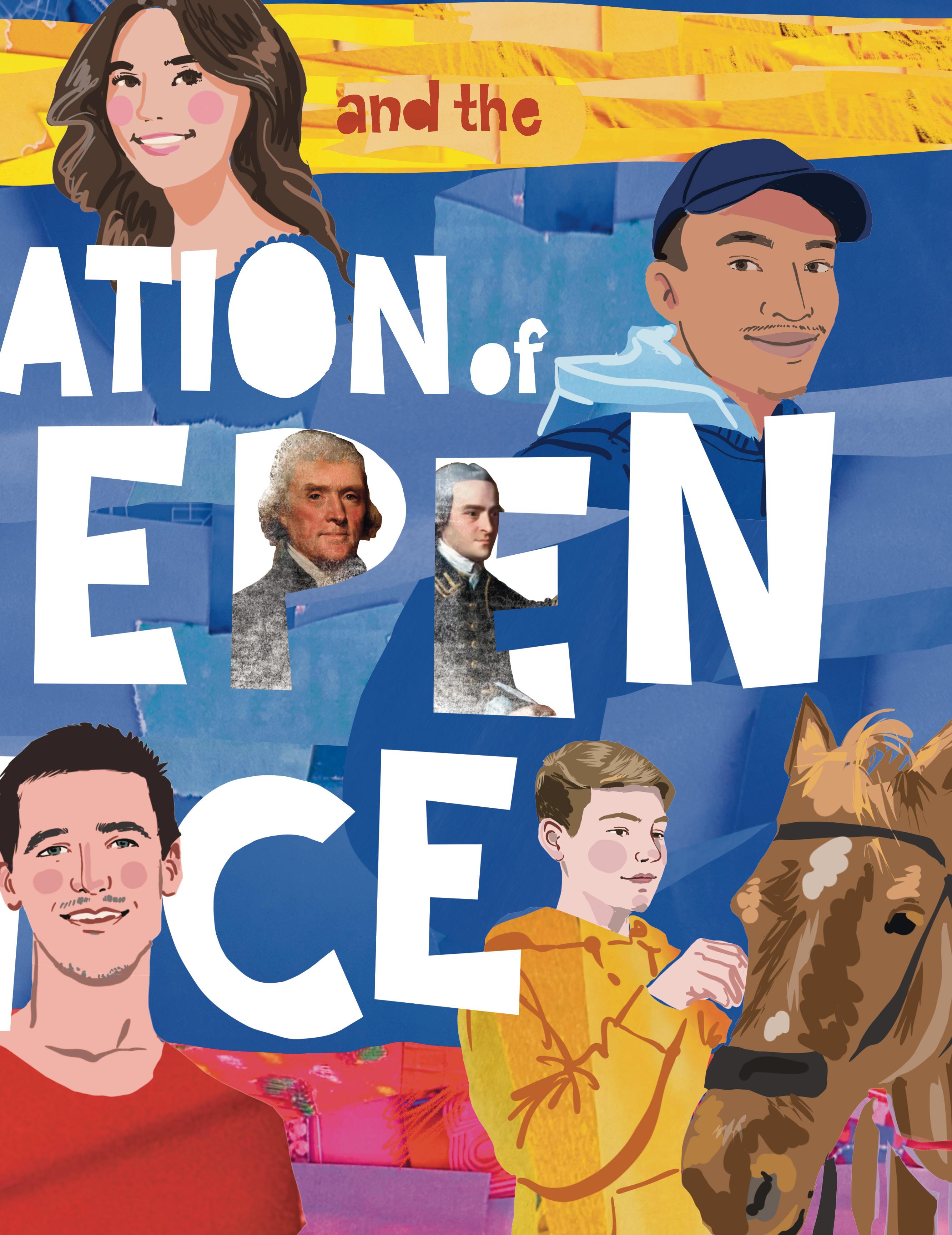
That anniversary carries deep significance for us as a faith group. It reminds us of the precious gift of religious liberty and the ongoing responsibility to protect freedom of conscience for all people. We hope you will take the time to read the insightful articles in this issue, which explore religious liberty from several angles, both past and present. By the way, the cover is drawn by our own Pastor Jacob Gibbs. Did you notice ties to the famous illustration “Spirit of 1776”?
Official publication of the Seventh-day Adventist Church/Lake Union Headquarters lakeunionherald.org Vol. 118, No. 5
THE LAKE UNION HERALD STAFF
P.O. Box 287, Berrien Springs, MI 49103-0287 | 269-473-8244
P.O. Box 287, Berrien Springs, MI 49103-0287 | 269-473-8200
President Elden Ramirez
Secretary Ted Huskins
Treasurer Glynn Scott
Vice President Carmelo Mercado
Associate Treasurer Richard Moore
Associate Treasurer
ACSDR
ASI Carmelo Mercado
Communication Debbie Michel
Assoc. Comm. Director Ruben Casabona
Education Nicole Mattson
Education Associate Laura Frary
Education Associate Wadzanai Bepe
Health
Information Services Sean Parker
Ministerial Ted Huskins
Multiethnic Ministries
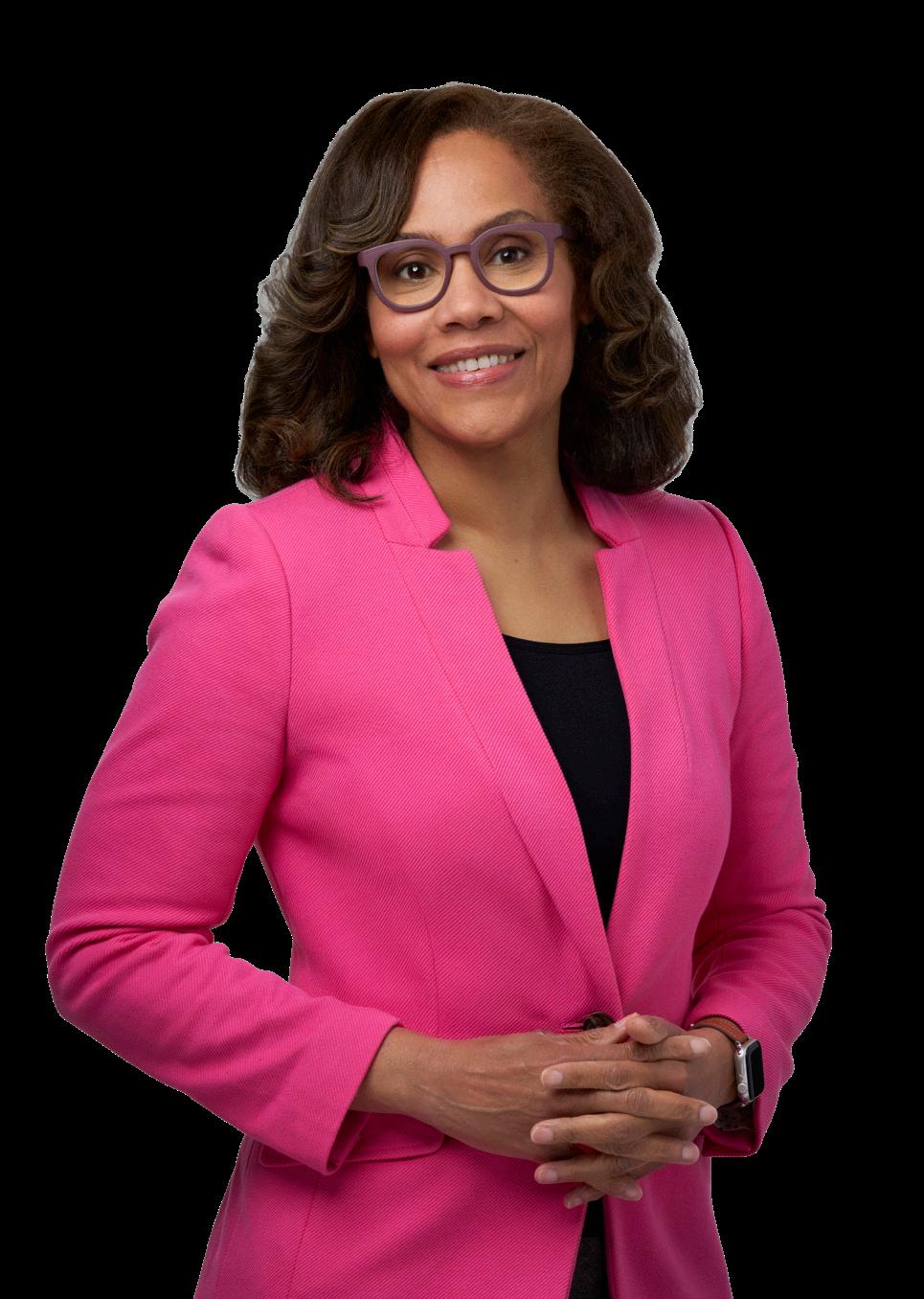
Public Affairs and Religious Liberty Jennifer Gray Woods
Trust Services
Women’s Ministries Jane Harris
Children’s, Youth, Young Adults Ministries Ron Whitehead
LOCAL CONFERENCES AND INSTITUTIONS
AdventHealth Great Lakes Region: Monica Reed, president/CEO, 5101 S. Willow Springs Rd., La Grange, IL 60525; 708-245-2211.
Andrews University: John Wesley Taylor V, president, Berrien Springs, MI 49104-0670; 269-471-7771.
Illinois: John Grys, president; Michael Campos, executive secretary; Doug Reeves, treasurer; 619 Plainfield Rd., Willowbrook, IL 60527-8438; 630-856-2850.
Indiana: Vic Van Schaik, president; Mark Eaton, secretary/treasurer; street address: 15205 Westfield Blvd., Carmel, IN 46032; mailing address: P.O. Box 5000, Westfield, IN 46074; 317-844-6201. Lake Region: Abraham Henry, President; Harold Cleveland, executive secretary; Kent M. Nichols, treasurer; 19860 South LaGrange Rd., Mokena, IL 60448; 773-846-2661.
Michigan: James Micheff Jr., president; Israel Ramos, executive secretary; Michael Bernard, treasurer; street address: 5801 W. Michigan Ave., Lansing, MI 48917; mailing address: P.O. Box 24187, Lansing, MI 48909; 517-316-1500.
Wisconsin: Titus Naftanaila, president; Justin Perrone, secretary/ treasurer; street address: N2561 Old Highway 16, Fall River, WI 53932; mailing address: P.O. Box 100, Fall River, WI 53932; 920-484-6555.
Contributors: Writer guidelines are available online at https://www.lakeunionherald.org/contributor-guidelines/ writer-guidelines.
Indexed in the Seventh-day Adventist Periodical Index Member of Associated Church Press
The Lake Union Herald (ISSN 0194-908X) is published monthly (except January/February, May/June, July/August, November/December) by the Lake Union Conference, P.O. Box 287, Berrien Springs, MI 49103-0287. Periodicals postage paid at Berrien Springs, Michigan, and additional mailing offices. Yearly subscription price is $15. Vol. 118, No.5. POSTMASTER: Send all address changes to: Lake Union Herald, PO Box 287, Berrien Springs, MI 49103-0287.
Boldy Proclaiming Our Prophetic Heritage
This year, the United States marks its 250th anniversary, a milestone that invites reflection not only on the nation’s achievements but also on the ideals that shaped its founding. Among the most precious of these ideals is liberty. For Seventhday Adventists, this anniversary offers a moment to consider how we, as a faith community, have participated in the American story of freedom and how we remain called to defend it today.
America’s early European settlers came fleeing oppression, and many arrived here seeking the freedom to live out their convictions without government interference. This pursuit of liberty shaped the nation’s character from its earliest days. Roger Williams, founder of Rhode Island, championed a radical concept dealing with liberty of conscience that laid a philosophical foundation for what would later be reflected in the Constitution itself.
The framers of the Bill of Rights enshrined this principle in the First Amendment, guaranteeing that Congress would make no law establishing religion or prohibiting its free exercise. This simple yet profound boundary, protecting the church from the state and the state from the church, has safeguarded religious diversity and democratic governance for generations.
Religious liberty is more than the freedom to attend the church of one’s choice. It is the God-given right of every individual to think, believe and worship according to their conscience. It protects not only our ability to practice our faith, but also the rights of those whose beliefs differ from our own. It
isn’t just a legal construct but a moral one, rooted in the dignity of the human person.
Ellen G. White consistently emphasized this divine principle. Compelled obedience, she argued, has no moral value. Just as God does not force the human will, no human authority has rightful power to coerce belief.
From their earliest years, Seventh-day Adventists understood that liberty is fragile. Their status as a small faith community and their commitment to Sabbath observance often placed them at odds with prevailing laws and customs. Early Adventists spoke out strongly against Sunday Blue Laws, recognizing that civil legislation enforcing religious observance threatened both religious and civil freedom.
Our church also raised its voice against slavery and racial injustice. Though not perfect in our history, we have notable moments when Adventists stood firmly for human dignity. Adventist pioneers like Uriah Smith and Joseph Bates publicly denounced slavery. Their stance reflected a broader truth that religious liberty cannot flourish where civil rights are denied.
E JENNIFER GRAY WOODS
Yet our history also contains moments of silence when our church did not speak as boldly as it should have, particularly during World War II and the civil rights era, when many Adventists struggled to fully champion civil liberty for all. These stories remind us of the ongoing need for moral courage.
Today, Adventists continue to play an active role in defending freedom of conscience for all people. Through legal advocacy and public engagement, Adventists support cases involving Sabbath accommodation, employment rights, asylum claims, religious land use, and prisoner rights. Our commitment is not self-serving; it is grounded in the biblical conviction that liberty is universal.
The United States has long described itself as an experiment, an attempt to build a society on equal rights, democratic governance, and liberty of conscience. Ellen White noted that the United States was founded on republicanism and Protestantism, principles that promoted self-governance, personal liberty, and freedom of worship. These ideals contributed greatly to the nation’s growth and have inspired hope for millions worldwide as they have watched this American experiment over the years.
Yet the American experiment is fragile. Rights are secure only when practiced, defended, and
respected in daily life. Both history and the Spirit of Prophecy show us that when civil and religious powers unite, persecution follows. Thus, the preservation of liberty requires constant vigilance.
As Adventists, we celebrate this nation’s journey toward liberty, its progress, its struggles, and its aspirations. But celebration alone is not enough. Our prophetic heritage, our theological convictions, and our ethical duty compel us to remain active guardians of conscience.
Religious liberty must be recognized not merely as a privilege for the majority, but as a right that protects the minority. Civil liberty must be defended not only when our own rights are at stake, but whenever any person’s dignity is threatened.
As the United States enters its next chapter, we are called to help preserve the democratic principles that allow freedom to flourish. This means advocating, educating, voting, speaking and serving in ways that uphold the God-given rights of all people.
The American experiment continues, and so does our Adventist mission to protect liberty of conscience, promote justice, and reflect God’s character of love and freedom.
Jennifer Gray Woods is the Lake Union public affairs and religious liberty director, as well as its legal counsel.
True Freedom in Marriage
As America prepares to celebrate a historic milestone, 250 years of independence on July 4, 2026, the gospel of Jesus Christ offers a distinct definition of “true freedom” that differs from the secular, individualistic concept of freedom.
True freedom in Christianity is not freedom from all responsibility to God and others, to live for myself. That is bondage to my own self-centeredness. Instead, true freedom in Christianity is freedom from my “self,” to live responsibly in love for God and others. As Galatians 5:13 states: “For you were called to freedom, brothers and sisters; only do not use your freedom as an opportunity for self-indulgence, but through love serve one another.”
Marriage is based on a love relationship deeply rooted in freedom. Each partner is free from the other and therefore free to love the other. Where there is control, or perception of control, there is no love. A story is told about a married couple who attended a marriage seminar. The speaker was teaching on the ramifications of submission in the home (Ephesians 5:22–24, 33), but he was one of those male chauvinists who had it all wrong. (The Bible says we are to first “submit one to another out of reverence for Christ.” Ephesians 5:21).
When the couple left the meeting that night, the husband could tell his wife was really upset. She had not appreciated the message at all, and after sitting through nearly two hours of it, she was fuming. The husband, however, felt validated and affirmed because the speaker’s words reinforced his position on submission. Driving home, he said rather pompously, “Well, what do you think about that?” His wife didn’t say a word. When they arrived home, she got out and followed him silently into the house. Once inside, he slammed the door and said, “Wait right there, just stand right there.” She stood tight-lipped and stared at him. “I’ve been
thinking about what that speaker said tonight,” he began, “and I want you to know that from now on that’s just the way it is going to be around here. You got it? That’s the way things are going to be run in this house.” Having said that, he didn’t see his wife again for two weeks. After two weeks he could just start to see a little bit out of one of his eyes.1 Love only exists where there is freedom. Freedom in marriage means having the independence to pursue your own goals without feeling controlled by your partner. It’s about maintaining a sense of individuality while still being committed to building a loving connection with your partner. In an interview with Oprah Winfrey, Billy Graham spoke about his marriage of 56 years to his wife, Ruth. “What’s the secret to your wonderful marriage?’ asked Oprah. Graham simply answered, “We are happily incompatible.”2 He meant that while he and his wife are different, they have happily reconciled their differences. The late Billy and Ruth Graham learned how to overcome their own self-centeredness and consider the other more important. When a man and woman learn how to put aside their own selfishness and give one another top priority, then their marriage can enjoy true freedom. P
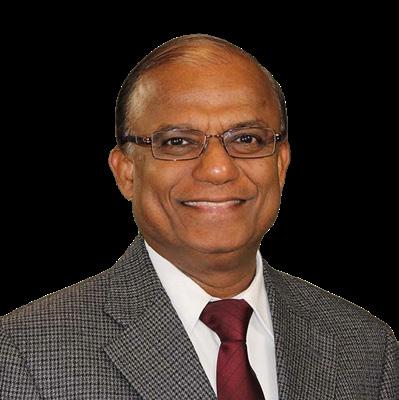
Abraham Swamidass, DMin, is family ministries coordinator for the Wisconsin Conference.
1 David Jeremiah, “God in You,” 194.
2 Ed Young, “The 10 Commandments of Marriage,” 41.
E ABRAHAM SWAMIDASS
The Power of Mushrooms
In recent years, mushrooms have gained attention for their remarkable health benefits, often described as natural medicine.
For Seventh-day Adventists, who seek to honor God through healthful living, an important question arises: does Scripture permit the consumption of mushrooms, given that they are not specifically identified as seeds, fruits or vegetables? Mushrooms belong to the fungi kingdom, making them distinct from plant life. While there is no direct counsel from Ellen G. White on mushrooms, guidance from Adventist health leaders such as Dr. Fred J. Hardinge affirms that there is no prohibition against consuming safe, edible mushrooms as part of a balanced vegetarian diet.
The Bible teaches that God is the Creator of all life. In Genesis 1:31, we read, “God saw everything that He had made, and indeed it was very good.” This reminds us that all of creation, including organisms like fungi, exists within God’s purposeful design. Although Genesis 1:29 emphasizes “every herb bearing seed” and fruit as food, it does not necessarily exclude other forms of nourishment that are wholesome and safe. Instead, it establishes a principle of plant-based provision, which mushrooms can complement within a vegetarian lifestyle.
Mushrooms are unique in their design. They grow rapidly, often appearing overnight in moist environments, and function as recyclers in nature by breaking down decaying matter. This reflects the order and balance God placed in creation. As Psalms 104:24 declares, “O Lord, how manifold are Your works! In wisdom You have made them all.” Even the hidden processes of fungi testify to divine wisdom.
Historically, mushrooms have been used for nourishment and healing, particularly in Asian cultures. Today, scientific research continues to uncover their nutritional richness. Mushrooms provide essential
vitamins and minerals such as B vitamins, selenium, potassium and vitamin D. They are also known for their potential health benefits: supporting the immune system, reducing oxidative stress, aiding in blood sugar balance, and promoting brain health. Certain varieties, such as lion’s mane and cordyceps, are being studied for their role in nerve support and energy production.
For Seventh-day Adventists, health is not merely physical but spiritual. Scripture reminds us in 1 Corinthians 6:19–20 that our bodies are “the temple of the Holy Spirit,” and we are called to glorify God in how we care for them. Choosing nourishing foods is part of faithful stewardship. While mushrooms can be beneficial, discernment is essential. Some mushrooms are poisonous, and foraging without proper knowledge can be dangerous. Wisdom, a key biblical principle (James 1:5), should guide our choices.
Ellen G. White consistently emphasized simplicity, balance, and the use of wholesome, natural foods. While she did not specifically address mushrooms, her broader health principles — avoiding harmful substances and choosing foods that promote vitality — can guide believers in making informed decisions.
The well-known statement attributed to Hippocrates, “Let food be thy medicine and medicine be thy food,” harmonizes with biblical principles of health. God has provided in nature many resources to sustain and restore us. When used wisely and safely, mushrooms may be understood as part of that provision — a reminder of God’s care, wisdom and abundant design.
Yin Schaff is health ministries director for Wisconsin Conference.
E YIN SCHAFF
A Lifetime of Service Recognized at Community Services Convention
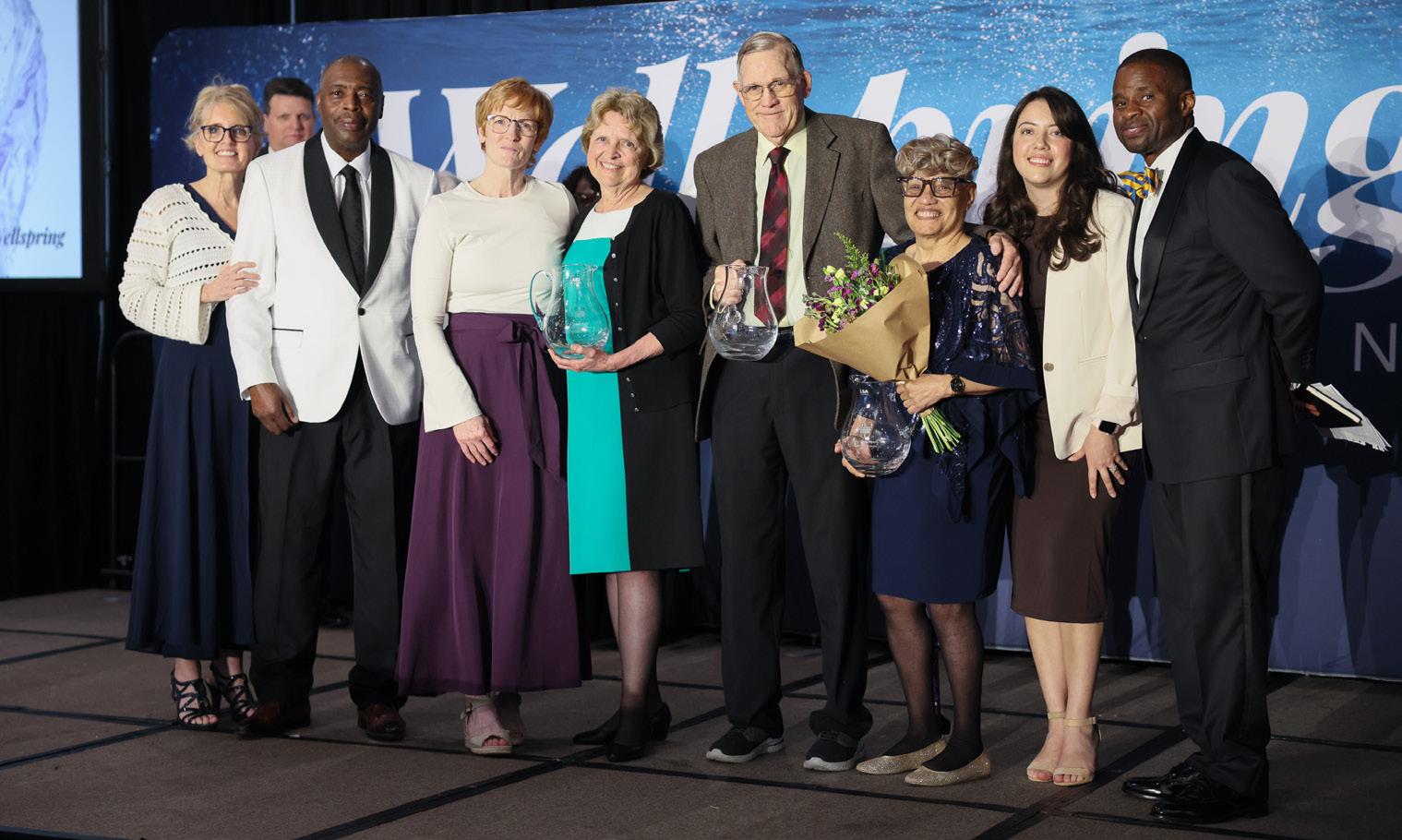
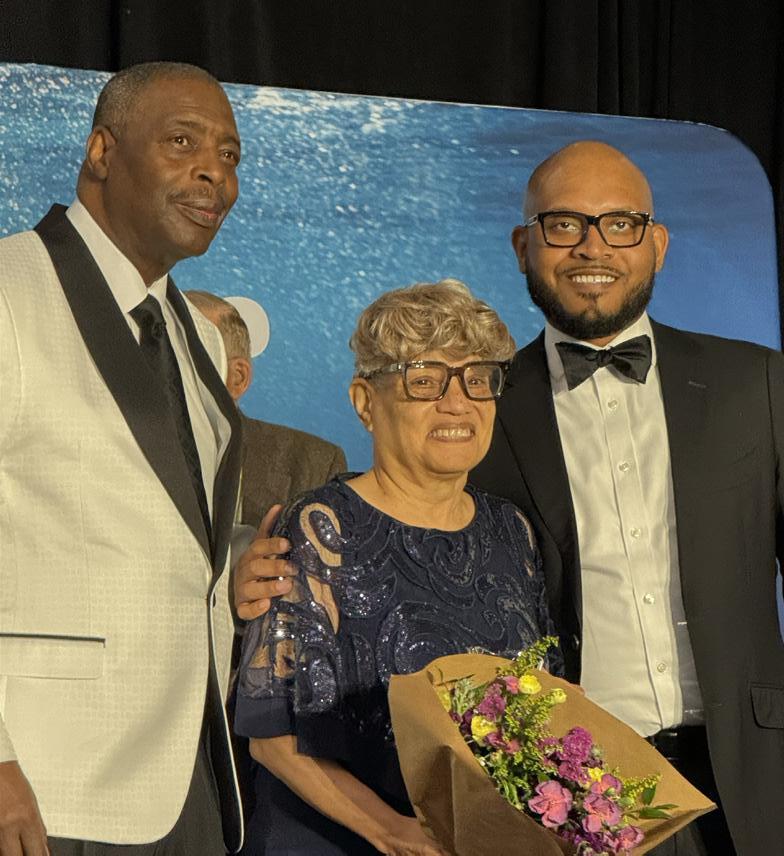
Debra Davis-Moody, Adventist Community Services director for the Lake Region Conference, was recognized for more than 50 years of service during the ACS Convention held April 15–17 in Greenville, South Carolina.
The convention, themed “Wellspring,” drew ACS leaders and volunteers who have a desire to make a meaningful difference in their communities. Based on John 4:14, the theme emphasized that through service, believers become a wellspring of the mercy, grace and love they have received from God.
Lake Region Conference President Abraham Henry, who supported Davis-Moody at the convention, later said that her recognition reflects the
kind of ministry that has shaped communities for decades.
“She served the community well, and we are extremely proud of her,” Henry said. “I’m just praying that we will get at least 10 or 15 more Debra Davis-Moodys in the near future. This is one of the most important parts of ministry because it’s meeting people’s needs prior to sharing the gospel, so it gives us a great foundation.”
The recognition marked a ministry journey that began in 1975, shortly after Davis-Moody returned home to Danville, Illinois, and was rebaptized into the Seventh-day Adventist Church. Now, in her 51st year of community services ministry, she has served across the Lake Region Conference and, for one year, for the Central States Conference.
She traces her lifelong commitment to community service to the foundation laid by her parents. Her mother was active in community services, and her father was a community activist, teaching her from childhood that service was “second nature.”
For Davis-Moody, ministry was never about personal recognition but about helping others, with Christ at the center.
What has sustained her for more than 50 years, she said, is the people she has worked alongside and served, including mentors, friends, colleagues and those in need. She described her motivation as
E Left to right: Wynelle Stevens (NAD ACS assistant director), Calvin Watkins (NAD VP), Colette Newer (NAD ACS associate director), Patty Marsh, Larry Mays, Debra Davis-Moody, Angie Lorenzo (NAD ACS administrative professional), W. Derrick Lea (NAD ACS director)
Merari Medina/North American Division
rooted in “having the heart to serve others unconditionally,” even when that work has not been easy. Seeing the results of that service, whether through distributing clothing, feeding people, disaster response, or her professional work as a clinical psychologist, has kept her committed.
Three experiences especially stand out to DavisMoody. The first was serving for 12 years as board president of Wake Up, an HIV/AIDS and homelessness ministry. She said that work showed her how faith-based community service can help restore dignity and humanity to people in crisis.
The second was disaster response work in Hugo, Minnesota, in 2007. There, she witnessed devastation in a deeper way and came to understand that service is not simply about meeting an immediate need and leaving. For Davis-Moody, that experience showed that community service has a long-term spiritual and emotional dimension and can become “kingdom building,” even when overtly religious language is not used.
She recalled one woman in Hugo who came to a distribution center after her family had been affected by disaster. The woman asked for prayer, and Davis-Moody said they could see her spirit lift. Later, after the woman’s bedridden husband died that night, Davis-Moody and others went to her home to sit with and comfort her. That moment reinforced that disaster response often requires more than supplies. It also requires love, sympathy, empathy and spiritual care.
The third experience was the Flint water crisis. Davis-Moody said Flint revealed the difference between serving people in a routine or institutional way and serving hurting people “in Christ’s name.” She remembered seeing arguments over how much water people needed and who should receive help. For her, the crisis showed that Christian service must go above and beyond human calculations and look at people through a spiritual lens, asking how God can use His people to help restore them.
FROM LOCAL CHURCH TO CONFERENCE LEADERSHIP
Davis-Moody began as assistant community services leader at Gethsemane Church in Danville, Illinois, serving under the mentorship of Thomas Allen. There, she helped lead outreach programs, food giveaways and crisis-response workshops
throughout the Illiana Federation area and with the Mount of Olives Church in Terre Haute, Indiana. Her service later continued in Topeka, Kansas; Maywood, Illinois; Minneapolis, Minnesota; and the Chicagoland ACS Federation before she became the Lake Region Conference ACS director in 2014.
In her current role, Davis-Moody directs and assists community outreach for 110 churches throughout the Lake Region Conference. She also has trained volunteers in donation operations, emergency crisis response, and community services.
Her ministry has been strengthened by more than 35 years in the helping profession as a master’s-level psychologist working in mental health, substance abuse, supervision, and curriculum development. She also has served the church as an elder, personal ministries director, communication leader, music minister, choir and praise team leader, and youth drama director.
Davis-Moody reflected on a favorite scripture, Zephaniah 3:17: “The Lord thy God in the midst of thee is mighty; he will save thee, He will rejoice over thee with joy, He will rest in His love, He will rejoice over thee with singing.” She connects that image to the work of service, saying she has seen God bless efforts done out of love for humanity and love for Him. In her view, service blesses those who receive it, but it also blesses those who serve, strengthening them for the kingdom of God.
“When I look back over the years, I don’t see it as my work alone,” she said. “I see God’s hand, the support of many people and the privilege of serving communities in times of need.” P
Debbie Michel is editor of the Lake Union Herald.
H Debra Davis Moody is flanked by NAD VP Calvin Watkins (left) and Lake Region President Abraham Henry (right).
AS WE COMMEMORATE THE 250TH ANNIVERSARY OF THE ADOPTION OF THE DECLARATION OF INDEPENDENCE, WE FIGURED IT WAS A PERFECT OPPORTUNITY TO REFLECT ON HOW FAITH AND RELIGION HELPED SHAPE THE FOUNDERS’ VISION OF A FREE SOCIETY. WITH THAT IN MIND, WE INVITED YOUTH TO EXPLORE THIS HISTORY AND SHARE WHAT RELIGIOUS LIBERTY MEANS TO THEM.
Illustration by Karen Jimenez Findley
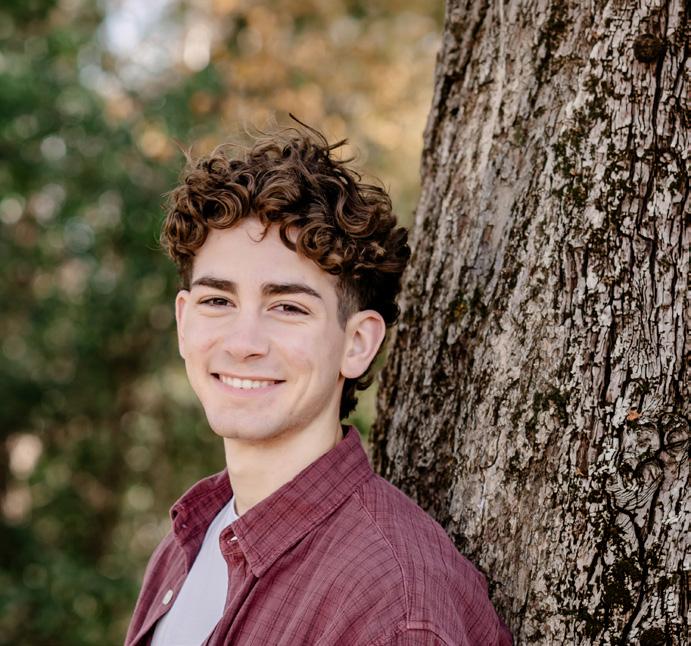
Religious liberty is generally defined as the freedom to worship the way we want to, but what does religious liberty mean to me specifically? To me, religious liberty not only means being able to practice your religion freely, but to have others respect you, even if your beliefs are different from theirs.
Anyone who keeps the Sabbath regularly would know that it puts, what most people would see as “complications,” in what you can and can’t do. While that is not how we see it, keeping the Sabbath like the Bible tells us to, makes things like jobs, or even everyday activities, more interesting.
In my case, I take show jumping lessons at a barn where there are many people who are not Christians, much less Seventh-day Adventists. The trouble with this is that most people who horseback ride and show jump go on to ride in shows. That doesn’t sound like a big deal, but 90% of the shows are on Sabbath. It can be disappointing, as most of the other students go to ride in big shows while I can’t participate. But the comforting part is that my teachers, and the students I ride with, are kind, respectful and willing to accommodate, so I can participate in something. While not all people are like that, I think that this is a huge part of the meaning of religious liberty.
Most people would think of not having religious liberty as being perse cuted for your beliefs, but I think that religious liberty stops people from persecuting you on a more minor scale, rather than things like torture. Criticism and disrespect are examples of that type of persecution. Religious liberty can protect us from those. People should respect and accept the fact that we have dif ferent beliefs than they do. While there are many reasons that religious liberty is important, these reasons mean the most to me. This is what religious liberty means to me.
Cole Pendleton recently graduated from eighth grade at Cicero Adventist Elementary School.
People tend to talk about religious liberty as if it’s an all-or-nothing thing where people get to believe and express whatever they want without limit, or the state forces strict secularism.
But the truth that I’ve come to realize is far messier. Religious lib erty currently lives (and should live) somewhere in the middle as a careful balance between what you believe and what you owe to the people around you. At the heart of the freedom we’re allowed, I be lieve you should be able to follow and practice your faith, wheth er that’s behind closed doors or out in public for everyone to see. But the line gets drawn when the freedom you’re allowed justifies harm to someone else.
The idea of total religious freedom sounds great and could work in a perfect world. However, we are nothing close to the sort and letting everyone do whatever they want in the name of faith is just impossible in a complex world where we are surrounded by so many different beliefs and religions. That’s where the state steps in and serves the purpose of establishing and protecting basic human rights for everyone, without picking favorites. Even then, deciding exactly where to draw those lines is a hard job. When a religious practice clashes with public safety or someone’s civil rights, the law steps in. Figuring out what wins between tradition or the current good of the community is one of the most challenging parts of running a modern democratic society.
If you look at the way history, religion and ethics teachers discuss this, you’ll see that most religions overlap a lot with what the law already asks for — like goodwill toward others, fairness and justice. But specific religious rules or tenets can’t stand in for laws that are supposed to apply the same way to everyone, especially when they vary by faith. That’s why laws have to stay broad and inclusive. Still, that doesn’t mean we toss religion and its traditions aside. Faith shapes how people think and act; I daresay it’s deeply human and can inspire the best kinds of ethical behavior. Law and faith often want the same things, even if they come from different places.
The best societies find a way to keep faith central to people’s lives without letting it override the rights of others. When we find that balance and let religious liberty exist while protecting each individual under the law, we protect them. That’s what keeps communities both free and stable. To me, religious liberty means the government doesn’t get to control what people believe and demonstrate, but everyone still has to play by a shared set of rules built on mutual respect and understanding.
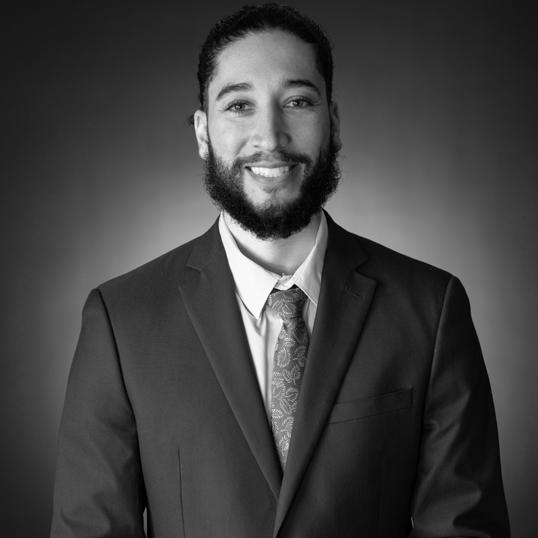
Ronnie (RJ) P. Nicholson II is rising junior at Oakwood University and a member of the Shiloh Church.
As a student at Great Lakes Adventist Academy, I’m blessed to experience religious freedom every day. Whether I am praying with a classmate or leading a Bible study from my dorm room, I have full liberty to practice my faith as I feel convicted. At GLAA, religion is not only allowed but encouraged through daily chapel services, prayer groups, and service opportunities. Compared to most, I may seem privileged to enjoy these freedoms.
However, freedom of choice and freedom of conscience are not privileg es; they are gifts from God to us all. Religious liberty is not just a blessing, but a basic human right. The first man and woman, Adam and Eve, first expe rienced this right when they were given the choice between good and evil. Since then, every man and woman in history has been faced with this same choice.
Like many other freedoms we enjoy, the freedom to practice religion was not free. Since Creation, Satan has attacked this freedom. That is because freedom of choice reflects the nature of a loving God. God never forces us to choose Him. In the same way, we cannot force our religious beliefs on others. Because God is love, He allows everyone to make choices based on their own conscience.
As a religious minority, we as Seventh-day Adventists highly value religious liberty. It is not only important for us to practice our religion, but also to share the good news of the Second Advent with the world. Freedom to choose — or not to choose — Jesus is a core principle of the gospel and a God-given right for all mankind.
Are we treating this right like the gift that it is? For those of us who experience this freedom, are we truly taking full advantage of it? The Bible warns us that there will be a time when religious freedom will be compromised on a global scale. The whole world will be given the choice between good and evil one last time. Until then, are you training your mind to choose what is good? Are you exercising your religious freedom in a way that deepens your relationship with God? Religious freedom is a gift. Let’s appreciate that gift by living and sharing the gospel every day.
Lily Canada is a junior at Great Lakes Adventist Academy.
Having had experience leading a ministry on a public campus, I have come to recognize that many factors contribute to the success of any ministry. Ultimately, it is each individual’s decision whether to attend a Bible study, but that decision can only be made if they are first given the opportunity. What happens if someone never hears about it? Or if we, as organizers, have not addressed the logistical details necessary to make a gathering possible? Without thoughtful planning or sufficient financial support to meet the basic needs of students who wish to attend, even the most meaningful efforts can fall short.
Moreover, it is essential that we have opportunities for outreach — spending time with students, hosting events that invite connection, and creating pathways for them to become involved in our organization. Central to this mission is the ability to host Bible studies freely, where we can share and teach the foundational truths of Scripture. Many of these opportunities are made possible through the support and resources provided by the university. We are able to reserve campus facilities at little to no cost for our meetings and events, promote our activi ties through university channels — an especially important tool for reaching freshmen — and utilize social media to engage a diverse student body. All of these “tools” depend on and are sustained by the principle of religious freedom.
Without this freedom, campus ministries like ours would strug gle to exist, let alone grow. We would not be able to establish Bible studies, foster spiritual communities, or witness students making de cisions to be baptized. The support we receive from our local church, conference, donors and the university play a vital role in this work, but it is religious freedom that undergirds it all and makes it possible.
We are deeply grateful to those who uphold and protect religious freedom in the United States. Because of this foundation, we can continue our out reach and ministry, embracing the unique and meaningful opportu nity to guide students toward a relationship with God.
Slava Cherempei is heading into his senior year at the University of Wisconsin-Madison.
Dictates of Our Conscience
WHITE CHRISTIAN
NATIONALISM, ANTI-MILLERITE
VIOLENCE AND THE ADVENTIST WITNESS
KEVIN M. BURTON
r
Racism and Religious Intolerance
In the United States, racism and religious intolerance have always coexisted. Historians have specifically shown the unfortunate truth that these forms of intolerance have plagued the Christian community throughout America’s history. Most white Christians supported slavery, Jim Crow and mass incarceration, and opposed abolitionism, the civil rights movement and Black Lives Matter. Simultaneously, Christians have often privileged white Protestant faith in American society, politics, and culture while limiting the rights of religious minorities.1
Today, racism and religious intolerance are most clearly expressed through the lens of white Christian nationalism. This political project promotes, either implicitly or explicitly, an ideology of white Christian supremacy in national politics. It is premised upon the notion that America was founded as a Christian nation and that Judeo-Christian values should be enforced through American law. This philosophy has a long history in the United States but now seems to be at the height of its power with strong support in the executive, legislative and judicial branches of American government.2
Significantly, white Christian nationalists reinterpret religious freedom as privilege. The religious studies scholar Khyati Y. Joshi has demonstrated that America has always privileged white Christians by infusing the government and society with Christian beliefs, norms and practices under the guise of pluralism. However, white Christian nationalists today are unsatisfied with this implicit power and seek to subvert religious diversity by redefining religious liberty in terms of explicit dominance. As a result, religious liberty is divested of notions of equity on the premise that tolerance does not require that religious minorities and the nonreligious be treated equally with white evangelicals.3After analyzing data from all 50 states between 1998 and 2018, public policy professors Nilay Saiya and Stuti Manchanda found that “Christian nationalism is positively associated with antiminority violence.” Political power and rhetoric directly contribute to these violent acts as evidenced by Saiya’s and Manchanda’s finding that “states where senators articulated support for Christian nationalism
recorded between 1.4 and 1.5 times the number of Christian nationalist attacks.”4 This data is supported by numerous other studies and affirmed by historians such as Matthew D. Taylor whose book, “The Violent Take It by Force,” is an insightful study of how white Christian nationalism is threatening American democracy right now.5
This is not a new phenomenon. White evangelicals have supported violence and oppression throughout their history in America, as evidenced by their treatment of racial and religious minorities. In my new book, “Apocalyptic Abolitionism: How Millennialists Helped Abolish Slavery and Reform America” (New York University Press, 2026), I demonstrate that when Adventism emerged in the 1830s and 1840s, Adventists in antebellum America opposed the racism and religious intolerance of the white evangelical majority. As Adventists confronted these issues, the evangelical majority fought back, often violently. This article recounts one of the most significant battles, which took place in Boston in October 1844.
A
Anti-Millerite Mobbing in Boston
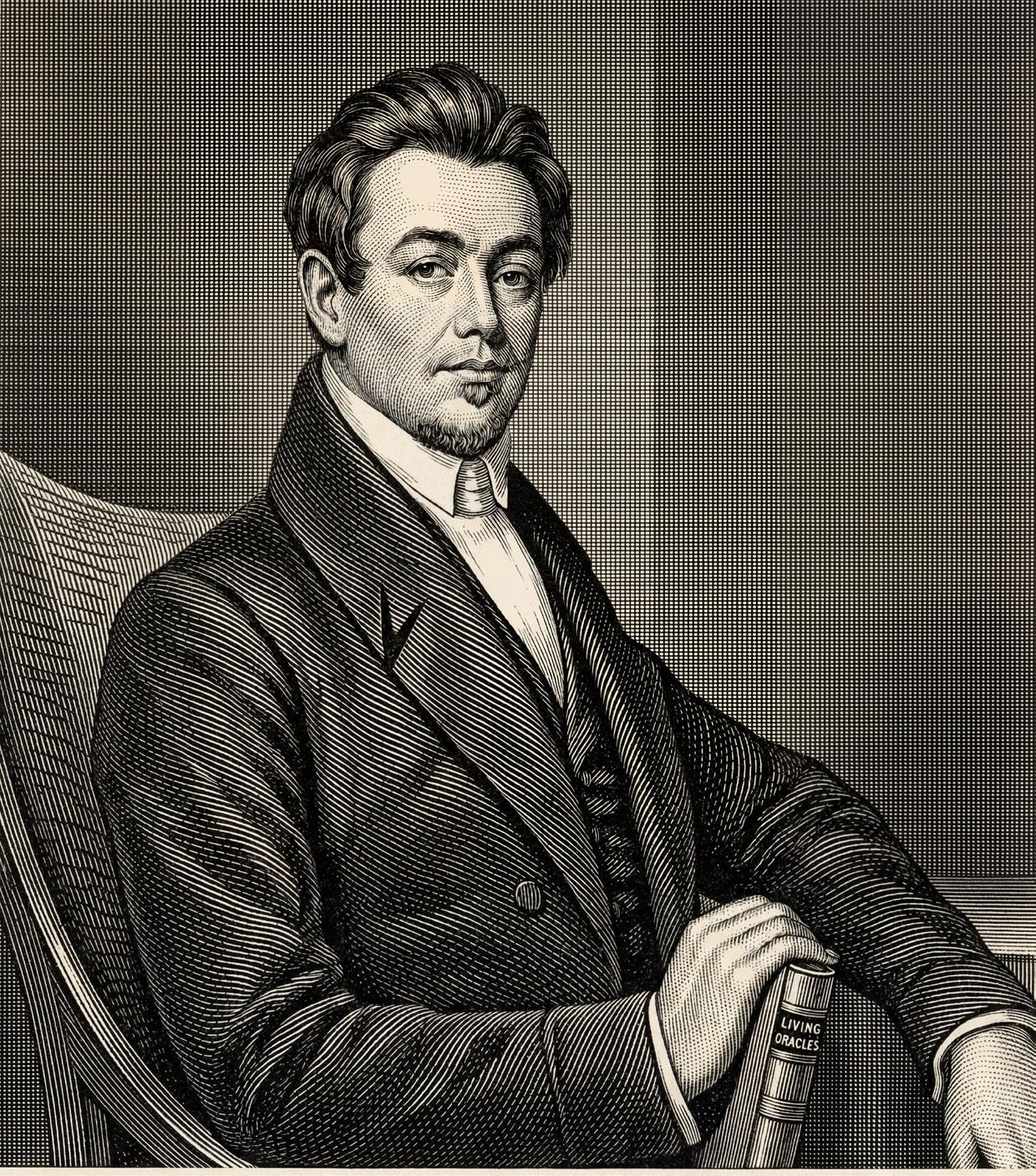
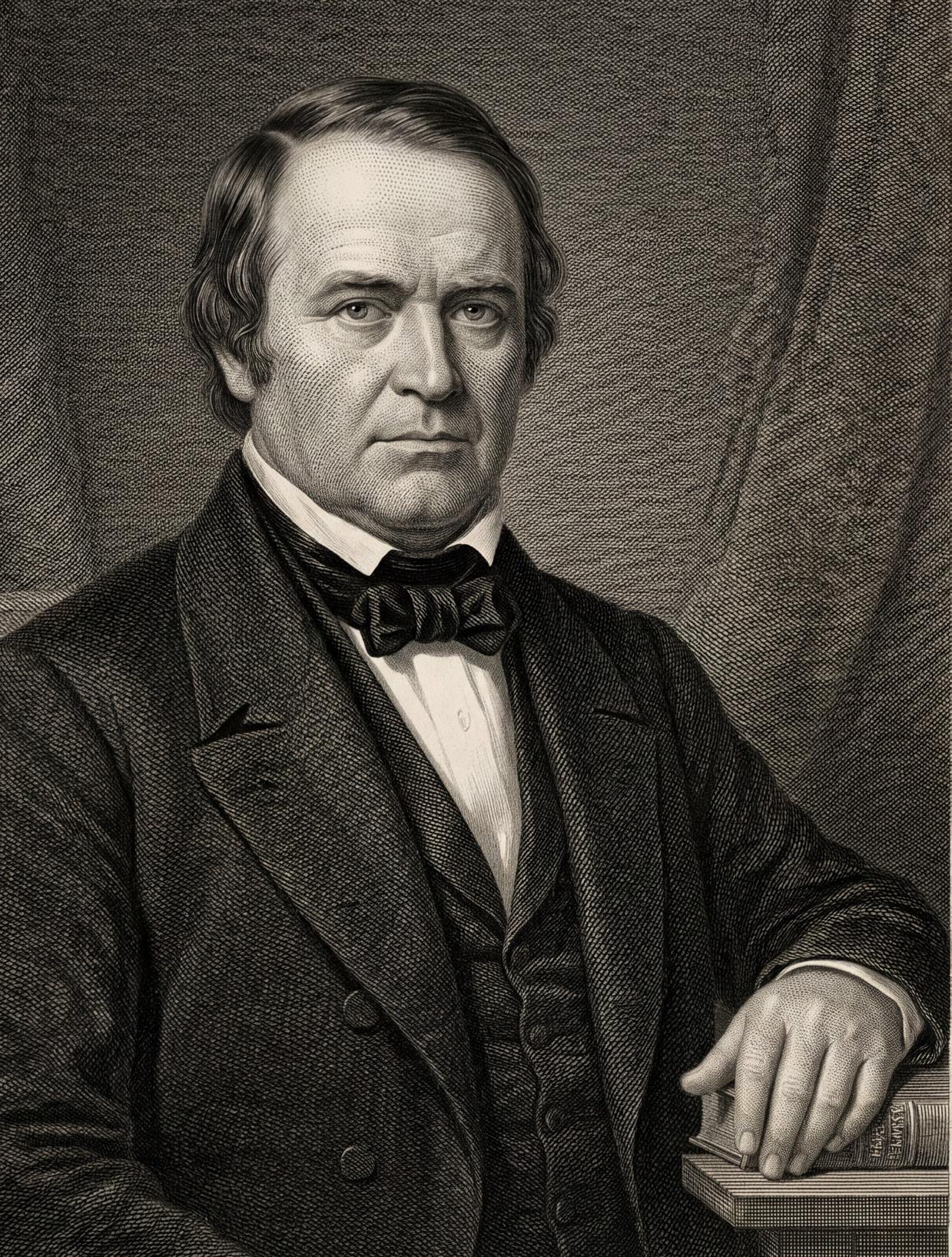
Boston served as the headquarters of the Millerite movement in the 1840s. Joshua V. Himes served as pastor, and the chapel was dedicated for worship on Nov. 7, 1838. In December 1839, William Miller lectured there for the first time, and Adventism spread like wildfire among Himes’s members. Virtually overnight, the Chardon Street Chapel became the leading Millerite congregation, with about 400 members. As Adventism rapidly spread throughout the city, Himes eventually relocated his growing congregation to the Second Advent Tabernacle, which was dedicated and opened for public worship on May 4, 1843, with about 3,500 people present. Millerite meetings continued regularly at both the Chardon Street Chapel and the Second Advent Tabernacle through the end of the year until Himes sold the Chardon Street Chapel to the Universalists in January 1844.6 White people generally believed that Millerite spaces were dangerous because they often destroyed their supremacy. One editor warned that the Chardon Street Chapel was “a kind of moral Gehenna, where all the repulsive portion of society meets and is kindled into a flame by a kind of spontaneous combustion.” This “repulsive portion” included so many Blacks that whiteness itself was lost. As this editor cautioned, “The ‘hues’ of white are chastised or changed by sable tints
Joshua Himes
in all parts of the house.” If this were not frightening enough, another critic added that the home of this “motley collection of men, women, and children” also produced a “questionable odor” because it was “the rendezvous of all these mad [radical reform] societies.” Hexes were added to racist olfactory scuttlebutt and when Himes proposed to sell his chapel to accommodate his growing congregation, people speculated that this space had “been cursed with poverty and division, in consequence of opening their house to the abolitionists.”
As the Millerite excitement reached its peak in October 1844, the white majority, most of whom were evangelicals, violently attacked Millerite men, women and children in numerous places throughout the northern states. The public press generally supported such violence and called for the suppression of Millerism throughout the nation. However, non-Adventist abolitionists often defended the Millerites and stood virtually alone as the only advocates to assert that the Millerites had religious liberty rights.
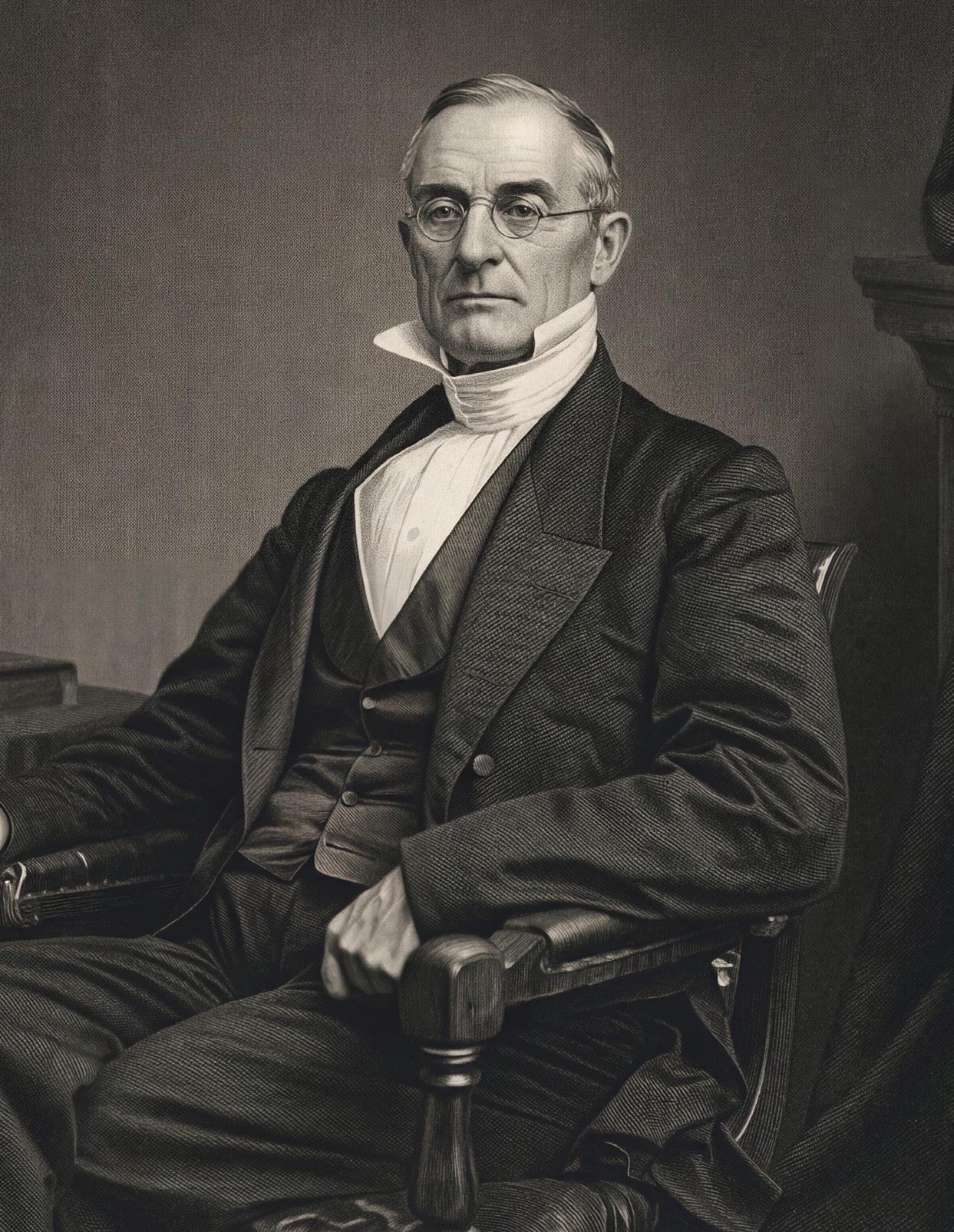
Joshua Leavitt
Joshua Leavitt, a leading abolitionist in Boston, was particularly censorious of anti-Adventism and in October 1844 he strongly opposed violent religious intolerance in a series of editorials. Leavitt knew many Millerites personally and refuted the notion that Adventists were kooks who abandoned their social, political or business concerns on their way to an insane asylum. Like other groups, he believed that the Millerite collective should be defined by its majority. As Leavitt explained, “We believe most of the advent people, who have adopted the new views of the approach of the Savior [i.e., that Christ would return about Oct. 22, 1844], are honest and worthy members of society.” What made these ardent apocalypticists worthy members of society? One critical aspect, from Leavitt’s perspective, was their commitment to social reform. “Among them,” he continued, “may be found those who have been foremost in advocating temperance and in proclaiming liberty for the captive, and active in every reform.” Such diligence rendered slanderous rumors and the occasional adherent who was “destitute of moral principle” irrelevant. More importantly, the reality of Millerite respectability made anti-Adventist violence deplorable.
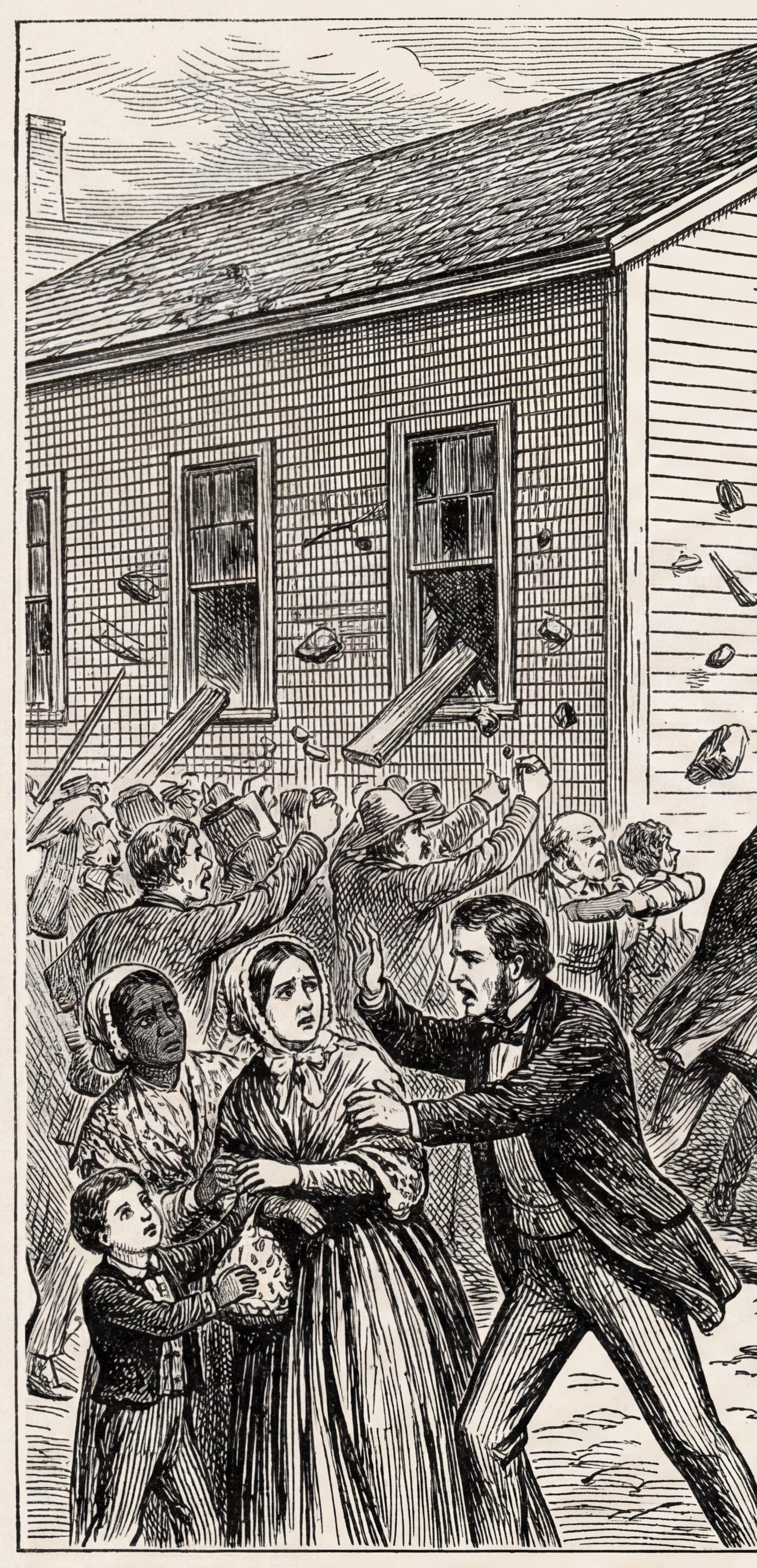
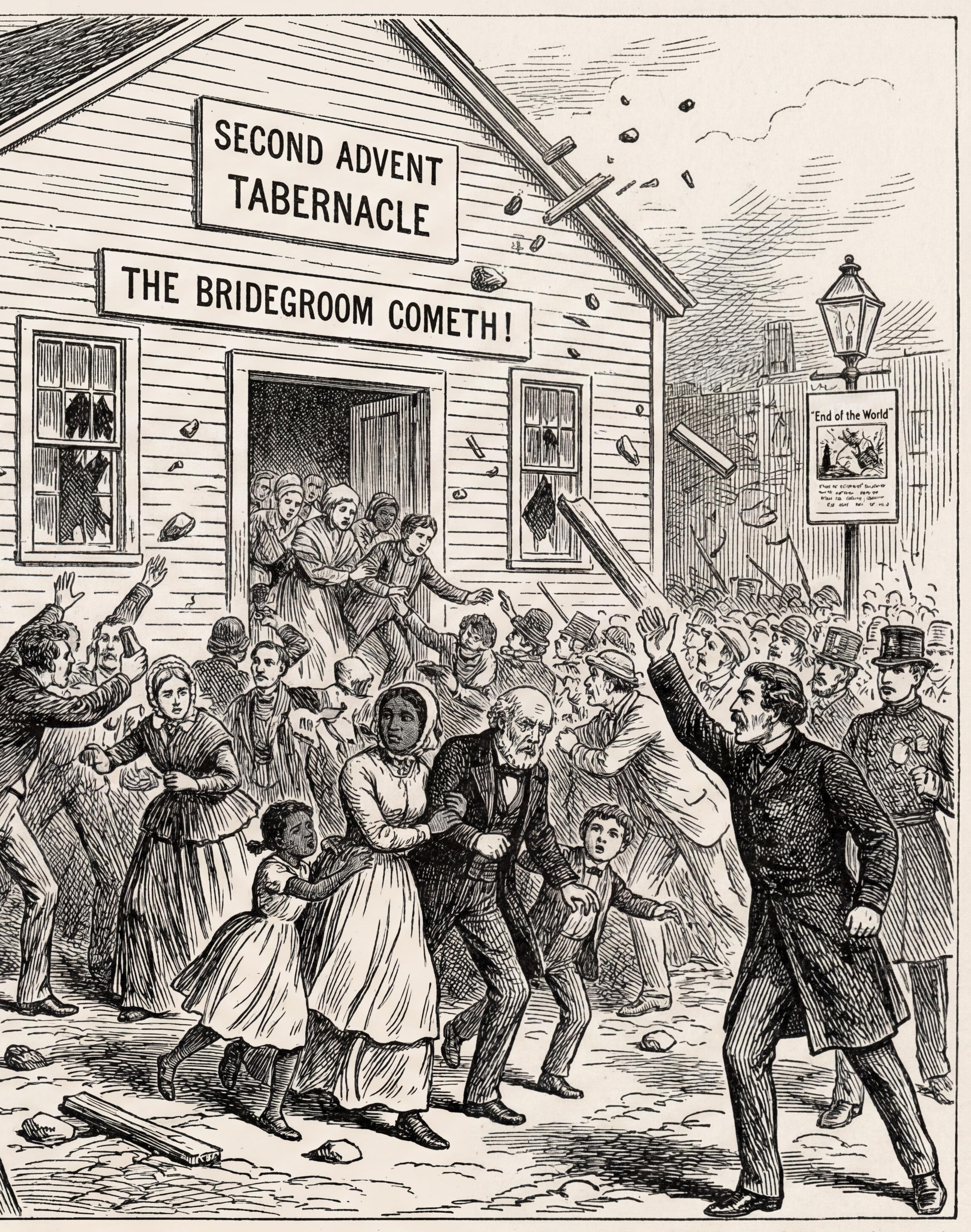
In his first editorial defending the Adventists, Leavitt reported that “a gang of desperadoes” had repeatedly mobbed the Millerites in Boston and that such violence was escalating. On Oct. 11, 1844, the Millerites worshipping in the Second Advent Tabernacle in Boston were “shamefully disturbed by a set of rowdies, who are in the habit of prowling around [their] religious meetings.” This gang launched “stones and other missiles” through the windows and skylights of the Tabernacle, which injured many Millerites and broke up their meeting.
THE SEVENTH-DAY ADVENTIST CHURCH HAS NOT ALWAYS FAITHFULLY MAINTAINED THIS WITNESS, BUT THE PIONEERS HAVE CHALLENGED US WITH THIS CRUCIAL
QUESTION: WILL WE ALSO RESPOND LIKE CHRIST AND CARE FOR “THE LEAST OF THESE” (MATTHEW 25:31–46)?
Such violence continued for several more days, and Leavitt was angered that “the press [was] either silent or covertly countenance[d] the wrong.” The Adventists were “peaceful citizens” and they had the right — like everyone else in America — “to enjoy their religion in peace.” Though some “gentlemen of property and standing” had joined the “miserable loafers” in this mob, Leavitt called on “the strong arm of the law” to end anti-Adventist violence.7
The authorities refused, and no one else in Boston joined Leavitt in defending the Millerites at this critical time. On Oct. 12, the mob broke down the Tabernacle door and rushed in to forcibly eject the Adventists from their place of worship. “Not satisfied with this outrage,” Leavitt continued, “they assailed respectable females, pushed them from the side-walks and otherwise treated them improperly.” The mob reentered the Tabernacle the next morning and “stamped with their feet, clapped their hands, broke the benches, and otherwise injured the building.” Unable to proceed over the noise and violence, Himes was forced to dismiss the meeting to prevent further injury.
By evening thousands had joined the mob, and the mayor and police finally decided to intervene. They had no interest in preserving the Millerites’ religious liberty, however, and dispersed the mob by preventing the Adventists from holding their meeting. The remaining days leading up to the Great Disappointment witnessed similar acts of violence as mobs routinely prevented the Millerites from gathering for worship. As such outrages continued, Leavitt fumed:
“So it is settled that the advent people, in the city of Boston, cannot ‘worship God according to the dictates of their own consciences.’ And the press, generally, charges them, as abolitionists were charged, a few years since, with being themselves the cause of riotous proceedings, and recommends, as ex-Gov. Everett did, in his first inaugural address, in speaking of anti-slavery men, ‘that they be made indictable at common law.’”
This unacceptable response from the press and city officials not only “villif[ied] the character of respectable citizens,” but strengthened corruption and disgraced civilized society.8
In his defense campaign, Leavitt noted that fake Adventist literature
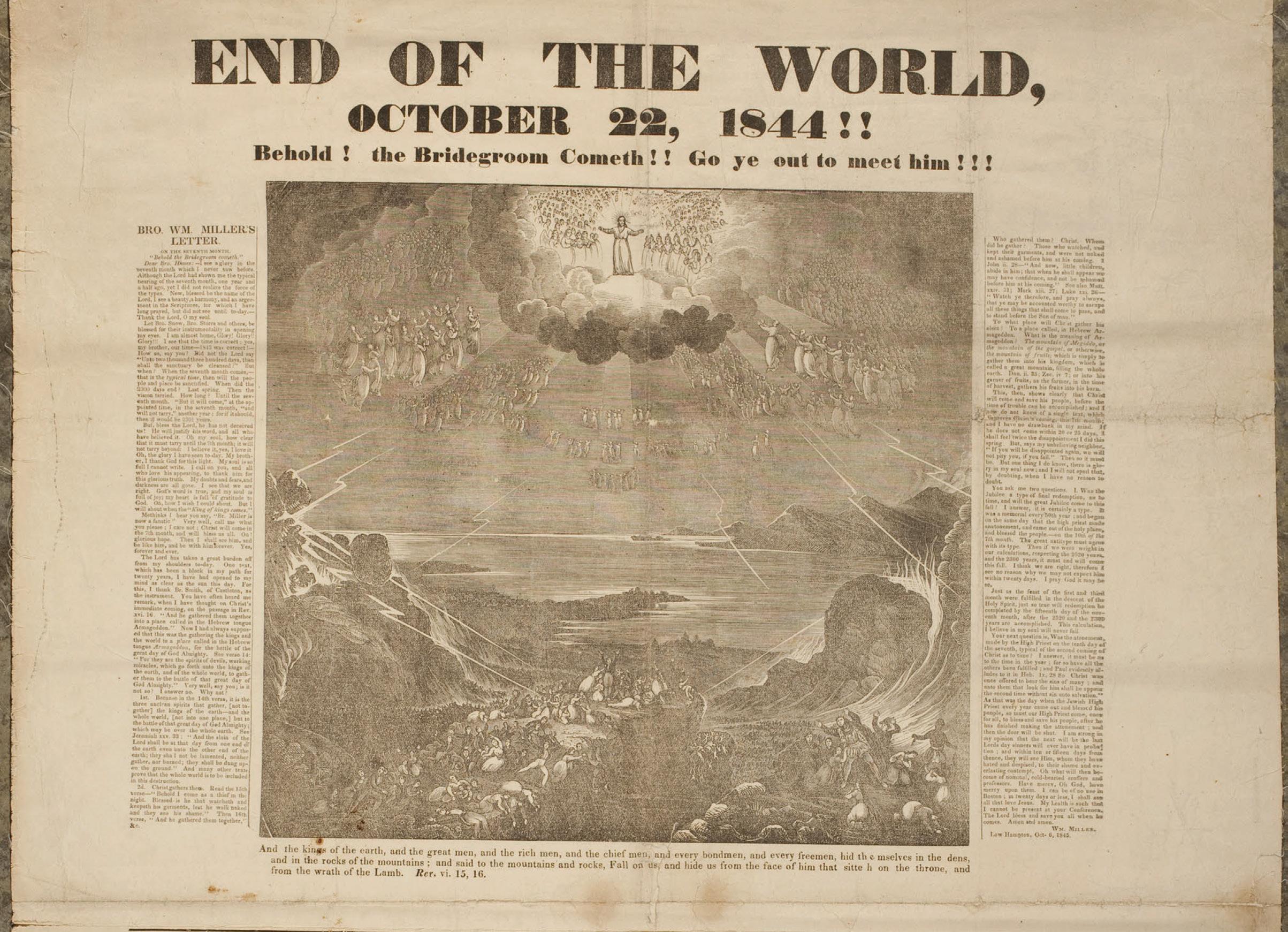
had played an important role in fomenting violence. In October 1844, parodied print designed to infuriate the masses was widely circulated throughout the streets of Boston. One of the most prominent was a broadside, titled, “End of the World, October 22, 1844!! Behold! the Bridegroom Cometh!! Go Ye out to Meet Him!!!” As Leavitt described the document, it bore a “blasphemous wood cut” and was
“accompanied by extracts from Miller’s letters and other advent documents.” Upon investigation, Leavitt had learned that it was published by “the office of a venal print, which has done its best to excite mob violence against the Adventists.”9
Leavitt also solicited a letter from Joshua V. Himes addressed to the public in response to the violence. In his letter, Himes summarized the Adventists’ beliefs and explained that since they expected Christ to return on about Oct. 22, the Millerites had desired to quietly “encourage one another in the last work of preparation.” They had not advertised their meetings or attempted “to excite either the mirth or vengeance” of white Bostonians. Though the Adventists had been greatly injured, Himes expressed no anger and did not damn the assailants to an imminent hell. Rather, he thanked the mayor and police for dispersing the mob (though the Millerites had hoped to continue worshipping) and forgave their enemies. Christ was expected in just eight days, and neither anger nor revenge was worthwhile because God was about to liberate and vindicate all his saints.10
CConclusion
The anti-Millerite riots in Boston in October 1844 are representative of a larger phenomenon in American religious history. Throughout its history, the white evangelical majority has opposed racial and religious minorities to maintain their supremacy. When the evangelical majority felt that their white Christian privilege was threatened, they often responded with draconian force, including violence. White Christian nationalists today claim to support the First Amendment and religious liberty, as have their predecessors, but their concept of freedom is not based on true equality, and they explicitly despise notions of diversity, equity and inclusion. This general trend is observable throughout the United States of America’s 250-year-history but Adventism emerged in opposition to the white Christian nationalism of the antebellum period. The Seventh-day Adventist Church has not always faithfully maintained this witness, but the pioneers have challenged us with this crucial question: will we also respond like Christ and care for “the least of these” (Matthew 25:31–46)?
Kevin M. Burton, PhD, is director of the Center for Adventist Research; assistant professor of Church History at the Seventhday Adventist Theological Seminary at Andrews University; and president-elect of the Association of Seventh-day Adventist Historians.
1 For an introduction to this history, see Jemar Tisby, “The Color of Compromise: The Truth about the American Church’s Complicity in Racism” (Zondervan, 2019); John Corrigan and Lynn S. Neal, “Religious Intolerance in America: A Documentary History,” 2nd ed. (University of North Carolina Press, 2020); John Corrigan, “Religious Intolerance, America, and the World: A History of Forgetting and Remembering” (University of Chicago Press, 2020); Anthea Butler, “White Evangelical Racism: The Politics of Morality in America,” 2nd ed. (University of North Carolina Press, 2024); Kevin M. Burton, “Apocalyptic Abolitionism: How Millennialists Helped Abolish Slavery and Reform America” (New York University Press, 2026).
2 For more information, see Joseph S. Moore, “Founding Sins: How a Group of Antislavery Radicals Fought to Put Christ into the Constitution” (Oxford University Press, 2016); Philip S. Gorski and Samuel L. Perry, “The Flag and the Cross: White Christian Nationalism and the Threat to American Democracy” (Oxford University Press, 2022); Jerome E. Copulsky, “American Heretics: Religious Adversaries of Liberal Order” (Yale University Press, 2024).
3 Khyati Y. Joshi, “White Christian Privilege: The Illusion of Religious Equality in America” (New York University Press, 2020).
4 Nilay Saiya and Stuti Manchanda, “Christian Nationalism and Violence Against Religious Minorities in the United States: A Quantitative Analysis,” Journal for the Scientific Study of Religion 64, no. 1 (March 2025): 11, 13.
5 Matthew D. Taylor, “The Violent Take It By Force: The Christian Movement That is Threatening Our Democracy” (Broadleaf, 2024). See also Miles T. Armaly, David T. Buckley, and Adam M. Enders, “Christian Nationalism and Political Violence: Victimhood, Racial Identity, Conspiracy, and Support for the Capitol Attacks,” Political Behavior 44 (2022): 937–60; James Piazza and Natalia Van Doren, “It’s About Hate: Approval of Donald Trump, Racism, Xenophobia and Support for Political Violence,” American Politics Research 51, no. 3 (May 2023): 299–314; Garen J. Wintemute, et al., “The MAGA Movement and Political Violence in 2024: Findings from a Nationally Representative Survey,” Injury Epidemiology 12, no. 78 (2025): 1–18.
6 This paragraph and the next are excerpted from my book and the primary sources are cited there. See Burton, “Apocalyptic Abolitionism,” 55, 56–57. The remainder of this section first appeared in my dissertation. Kevin M. Burton, “The Anti-Slavery War on Evangelicalism: A Critical Interrogation of Abolitionism, Evangelicalism, and Apocalypticism” (PhD diss., Florida State University, 2023), 487–90.
7 “The Second Advent Tabernacle,” Morning Chronicle, Oct. 14, 1844, 2.
8 “The Advent Meetings Broken Up,” Morning Chronicle, Oct. 16, 1844, 3. See also Law and Order, “Mob Law Triumphant,” Morning Chronicle, Oct. 18, 1844, 1.
9 “End of the World, October 22, 1844!! Behold! the Bridegroom Cometh!! Go Ye out to Meet Him!!!,” [Boston, 1844], ASC 000116, CAR; “The Advent Papers,” Morning Chronicle, Oct. 17, 1844, 3; Joshua V. Himes, “ ‘Disturbances at the Tabernacle.’ To the Public,” Morning Chronicle, Oct. 16, 1844, 3; Francis D. Nichol, “The Midnight Cry” (Review and Herald, 1944), 240–42, 548. This same woodcut was printed on a broadside a year earlier. “Illustrations of Miller’s Views of the End of the World in 1843,” [Boston, 1843], Vault Chart 0005 RH Lib, CAR. Many have assumed that these broadsides were genuine Millerite productions. Nevertheless, Leavitt correctly noted that the woodcut prominently displayed in the center was a distortion of Adventist teaching. An extensive analysis of this image is not possible here, but it should be noted that the emphasis on violence and destruction as well as a whites-only salvation were both antithetical to Adventism.
10 This letter was not published elsewhere. Joshua V. Himes, “ ‘Disturbances at the Tabernacle.’ To the Public,” Morning Chronicle, Oct. 16, 1844, 3.
A Silver Lining Blooms in Hinsdale
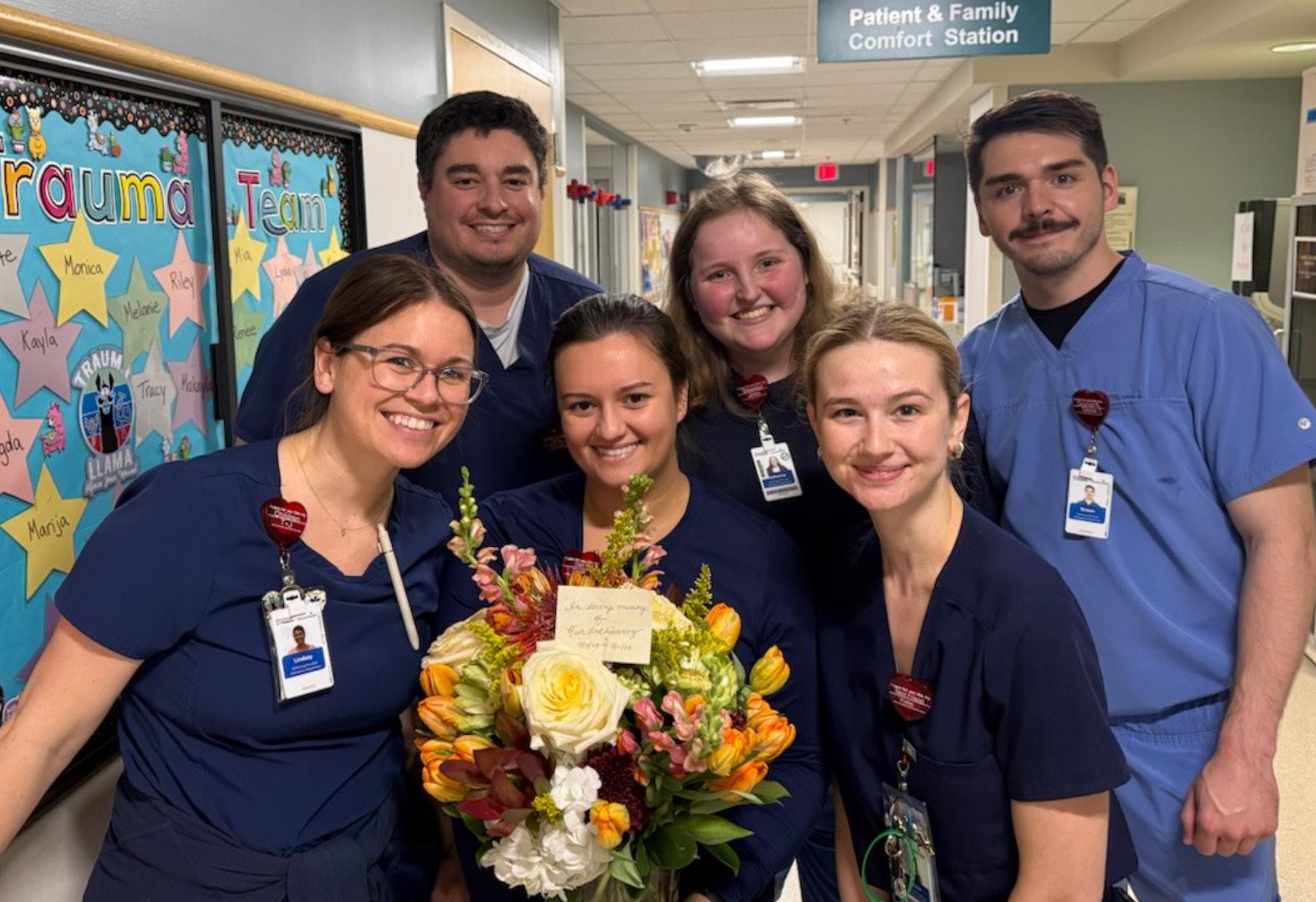
The flowers arrived on March 11 — same as the year before. The emergency department team at UChicago Medicine AdventHealth Hinsdale didn’t know who’d sent them, only that they were sent in memory of a patient who had passed away there. Curious and motivated to solve the mystery, a hospital leader took the initiative to reach out to the florist, who reached out to the sender, who agreed to share the story.
The sender was Amy Antkiewicz whose husband, Rich, died from a ruptured aortic dissection in the UChicago Medicine AdventHealth Hinsdale emergency department in March 2024. While changing lightbulbs at home, her husband began experiencing symptoms of the rupture. Less than an hour later, he was gone.
There is no playbook for getting through the sudden and devastating loss of a husband of nearly 30 years. But Antkiewicz created a way that helped her process the loss.
“Beside the shock, disbelief and grief that goes along with it, I really wanted to find the
silver lining on things,” Antkiewicz said. “I want to pay things forward now. So, I just try to do as much as I can to honor him. Sending flowers helps me heal. I just want to stay positive, keep going forward and keep Rich’s memory alive.”
HONORING THE CARE TEAM FOR GIVING THEIR ALL
Antkiewicz planted a tree in memory of her husband at a nearby park. She and their family hold celebrations of his life every year on the anniversary of his death. Antkiewicz plans lunches and outings with his team at
work — he’d worked at the same company for more than 30 years. And for the past two years on March 11 — the anniversary date of her husband’s death — Antkiewicz has sent a flower arrangement to the emergency department team at UChicago Medicine AdventHealth Hinsdale. The team sent a photo with the flowers to Antkiewicz.
“It was a humbling moment and made us reflect back on what our work means to people,” said Nikki Schiever, director of emergency services at UChicago Medicine AdventHealth Hinsdale. “You don’t always realize the lives you touch. Something beautiful can come out of something bad. We need reminders of that to keep going.”
CREATING LIGHT IN THE DARKNESS
Antkiewicz recognizes that the team did all they could do for her husband, just like they do every day for people who come through the hospital’s doors.
“They give it their all,” she said. “Every day they work on people they don’t know.” Sometimes there are happy endings and sometimes “they have to console people that have been literally just crushed.
“Maybe flowers are there when somebody is going through a hard time that might be a little light in the darkness.” P
E UChicago Medicine AdventHealth Hinsdale Emergency Department team with the flower donation.
Amy Antkiewicz and UChicago Medicine
Chris Zurales is manager of marketing and communications at UChicago Medicine AdventHealth.
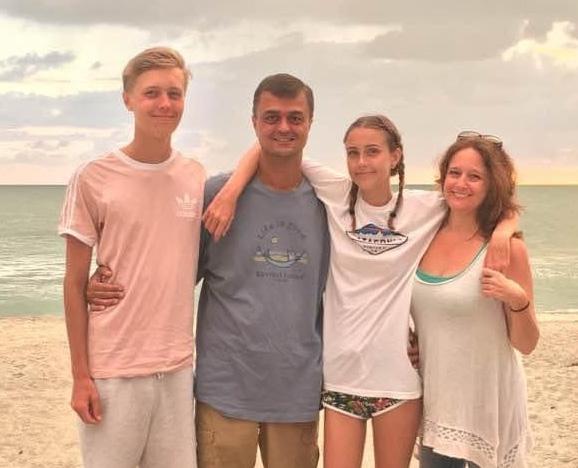
E Antkiewicz family photo
New Flight Simulator Enhances Pilot Training
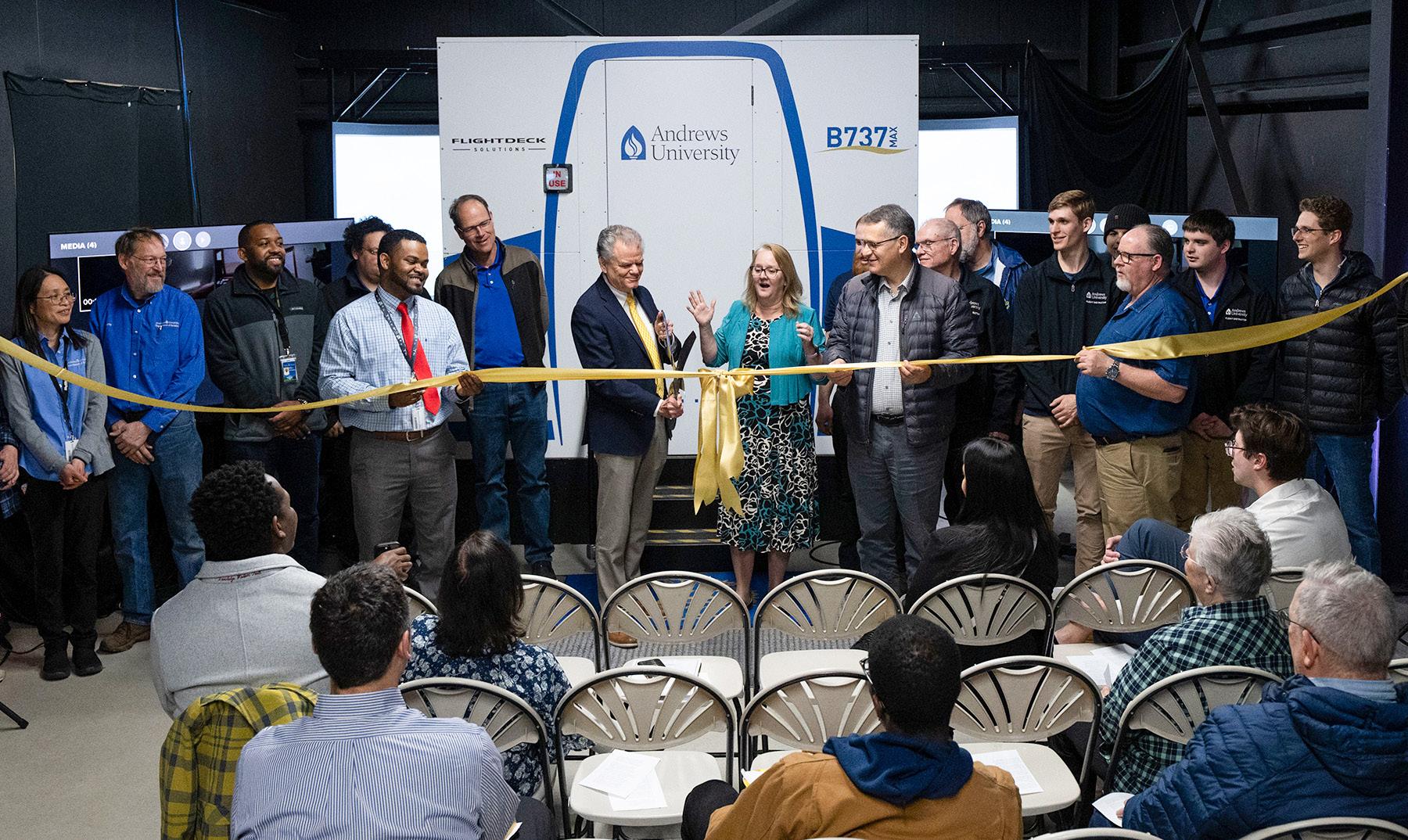
The Andrews University Department of Aviation recently unveiled a new 737-MAX Crew Resource Trainer, a full-scale replica of a Boeing 737 cockpit designed to enhance advanced pilot training. The simulator was introduced during an open house and dedication ceremony on Feb. 27, marking a significant step forward for the University’s aviation program and its preparation of future professional pilots.
Designed to strengthen decision-making, crew communication and professional readiness, the simulator gives students a realistic environment to practice complex scenarios before entering airline operations.
The new simulator represents an important milestone for the aviation program as it continues to expand its training capabilities. Faculty members noted that while the department has used other simulators in the past, the new equipment provides a more advanced and reliable platform for preparing future pilots.
Reflecting on the transition during the dedication ceremony, Kimberly Pichot, dean of the College of Professions, shared that the department had worked hard to keep its previous simulators operational for as long as possible. “We had been running our simulators on Windows XP until last year and even buying parts on eBay to keep them working,” she said, noting that newer technology now allows the program to offer an even stronger training experience for students.
The new developments were made possible through the generosity of donors who support the mission of aviation education at Andrews. During the event, leaders shared that an anonymous donor provided funding that allowed the University to replace its commercial simulator with the new 737-MAX model.
“It’s a wonderful addition to the educational programs here at Andrews University,” said University President John Wesley Taylor V after he completed one of the first demonstration flights in the simulator. According to
Taylor, the experience also gave him “a new respect for pilots and the many details involved in their training.”
Faculty members emphasized that the new equipment better reflects the type of aircraft students will encounter after graduation. John-Andrew Smith, chief flight instructor, noted that the simulator will serve several courses within the aviation curriculum and represents a final stage of preparation before students complete their training.
For instructors like Seth Wallack, a recent aviation graduate who now teaches in the program, the technology offers an important bridge between training and professional flight operations. “This is a really exciting opportunity for students and instructors to train on a brand-new simulator that prepares them for airline operations,” he said.
Students also see the new simulator as a major improvement. When Mikhail Nisbett arrived at Andrews five years ago, the training equipment looked very different. “The simulator we had was much older and not nearly as realistic,” Nisbett explained. “This new simulator offers a much more true-tolife flying experience.”
For first-year aviation student Rachel DeJonge, the biggest benefit is accessibility. Having the simulator on campus means students no longer need to travel to other institutions to gain experience with certain types of aviation technology. “Now we’ll be able to gain that experience here,” she said.
“This simulator represents the next level of what can be taught here at Andrews,” University Chaplain Jonathan Fetrick reflected during the dedication ceremony. P
Oscar Guity Soliz is a University Communication student writer.
E A ribbon-cutting ceremony took place during the program.
Eben Espinosa
CLASS OF 2026 ACADEMY STUDENTS
RECOGNIZED FOR
HeartsCaring
The Lake Union and North American Division’s Office of Education believe that teaching young people to be actively involved in witnessing and service activities is central to the educational goals of the school and the mission of the church. For this reason, the Caring Heart Award for Christian Service has been established to give recognition to those secondary students who have demonstrated a personal commitment to active service and witnessing activities.
The Caring Heart Award is provided to each North American Divisionaccredited senior academy that has selected an eligible candidate. The award consists of a special scholarship award certificate with a value of $500, paid by the Union, and is accompanied by a plaque and engraved Bible provided by the NAD Office of Education.
Below are the recipients for the 2025–2026 school year. The following comments are from nominations submitted for the Caring Heart Award:
ANDREWS ACADEMY
Iliana Murphy exemplifies the true spirit of a Caring Heart through her deep commitment to service, spiritual leadership, and authentic connection with others. Her impact at Andrews Academy reaches far beyond titles or roles; it is seen in lives touched, faith strengthened, and community built.
ASPIRE
Through SOW Safari, Iliana experienced firsthand how vast the world truly is. Meeting new people and witnessing their gratitude reshaped her understanding of service and humility. She took time to listen to adults’ stories, learning how faith, resilience and compassion shape lives, and how students, even now, can be instruments of God’s love.
Iliana’s influence is especially evident in spiritual life leadership. She has faithfully prayed for assigned students leading into Week of Prayer, shared vulnerable testimonies that encouraged others to open up, and helped plan Bible camps where she watched God work powerfully through teamwork. Her involvement in chapel planning reflects a thoughtful balance, creating experiences that are engaging while clearly pointing to God’s love. Her heart for service shines through senior luncheons, girls’ Bible studies, and schoolwide Bible studies, where she helps foster belonging and faith. Through Andrews Academy promotions, Iliana shares her testimony, energizes students through music and helps prospective families experience the heart of AA.
Amaya Adamson consistently demonstrates a strong work ethic and a commendable record of good citizenship. She is hardworking, respectful, and polite in her interactions with both peers and adults. Her character is especially evident in the way she treats others, always with kindness, patience, and quiet leadership.
During our Washington, D.C. trip last year, Amaya stood out in a meaningful way as gracious, cooperative and exceptionally considerate toward her classmates and roommates. Amaya is also actively involved in Pathfinders, where she participates in outreach and service activities. Through this involvement, she demonstrates initiative and a commitment to witnessing-service experiences beyond the classroom. Her willingness to serve reflects a sincere desire to live out her faith in practical ways.
Amaya serves as an example on campus through her steady character and consistent kindness to everyone. She embodies the spirit of service and caring that this award represents.
BATTLE CREEK ACADEMY
Sofia Keller is a fulltime senior whose record reflects exceptional citizenship. She maintains excellent attendance, a spotless behavioral record, and positive relationships with peers, faculty and staff. Her integrity, respectfulness and dependability are evident in every aspect of school life and speak clearly to her character.
She has given compelling evidence of a personal commitment to witnessing-service activities through her consistent initiative, responsibility and follow-through. Sofia willingly serves wherever there is a need, often stepping forward without prompting and completing responsibilities with diligence and care. She is widely known for being “first in and last out,” readily offering assistance, and approaching every responsibility with a gracious spirit and steady positivity. Even when faced with personal hardship — including a serious and traumatic car accident last semester — Sofia’s concern for others remained unwavering. Rather than withdrawing, she continued to volunteer her time to support peers, helping classmates adjust socially, strengthen citizenship, and improve academically. Her response to adversity reflects remarkable resilience, maturity and a Christ-centered focus on serving others above self.
A consummate musician, Sofia frequently steps in to serve as band conductor at Battle Creek Academy, representing the music teacher with professionalism, poise and admirable leadership. In these moments, she models humility, discipline and respect, earning the trust of both peers and faculty alike.
SHE APPROACHES EVERYONE WITH EMPATHY AND HEARTFELT KINDNESS, CONSISTENTLY TREATING OTHERS WITH DIGNITY AND GRACE, AND OFTEN PLACING OTHERS BEFORE HERSELF.
GREAT LAKES ADVENTIST ACADEMY
Elena Potter is the embodiment of what it means to have a truly car ing heart. She approaches everyone with empathy and heartfelt kindness, consistently treating others with dignity and grace, and often placing others before herself. She conducts herself as a daughter of the King, reflecting Christ’s character in both her words and actions.
Elena is patient, intentional, and an attentive listener. When asked to help, she willingly goes the second mile with a cheerful spirit. She is focused and diligent in her work, giving her full energy and attention to every task. Quality matters to her.
Elena is others-focused, and she often wakes up early to attend the Early Morning Prayer Group where she faithfully intercedes for others in prayer. Kind, gentle, wise and patient, Elena is a blessing to our school community and a most deserving recipient of the Caring Heart Award.
GRAND RAPIDS
ADVENTIST ACADEMY
is a junior at Grand Rapids Adventist Academy. Victor officially serves the school as the student association pastor and junior class pastor. Victor’s love for Jesus is evident in his demonstrations of kindness, cheerfulness, and a caring nature and in his servant leadership in his role as pastor.
He also supports GRAA and its mission vocally in speaking positively about the school among the student body and to others outside our walls.
Victor’s strong work ethic in mission/spiritual activities and academics serves as an example to all who attend our school. Victor extends these qualities to our community through participation in school outreach activities, Pathfinders and mission trips.
SHE’S THE KIND OF PERSON WHO NOTICES WHEN SOMEONE’S HAVING A ROUGH DAY AND ACTUALLY DOES SOMETHING ABOUT IT.
HINSDALE ADVENTIST ACADEMY
Brooklyn Bartolome exemplifies what it means to have a caring heart. She’s the kind of person who notices when someone’s having a rough day and actually does something about it — whether that’s sitting with someone at lunch who’s eating alone, helping a classmate catch up on missed work, or just being there to listen when things get tough.
What makes her special isn’t just that she holds leadership positions, but how she uses those roles to make everyone feel they belong. She remembers people’s names, asks about their weekend, and genuinely celebrates when good things happen to others. You’ll often see her going out of her way to include kids who might otherwise be left out. She doesn’t lead by force — she leads by showing up, being real, and treating everyone with kindness and respect.
Brooklyn shows that being a leader isn’t about having power over others; it’s about using whatever influence you have to make your school a better, more caring place for everyone.
INDIANA
ACADEMY
On our Indiana Academy campus, Ruby Dickerson goes above and beyond with a heart anchored in service. Ruby is an RA who embodies a rare and deeply genuine spirit of care, and it shows in the way she pours herself into the emotional and spiritual wellbeing of the girls in her dorm. When one of her student residents began struggling with her mental health, Ruby didn’t wait to be asked; she came forward herself, wanting to join the staff mental health first-aid training so she could better support “her girls,” as she lovingly calls them.
Each night she prays with her residents, a simple act that has sparked a beautiful ripple effect throughout the dorm as other girls now pray with their RAs too. Her desire to grow spiritually is just as sincere; she studies the Sabbath School lesson every morning and reads The Desire of Ages with the dean during the morning shifts.
Her faith is lived, not spoken, and it shows in the countless ways she serves by helping in the cafeteria on weekends just to lighten someone else’s load, stepping in wherever she’s needed, and offering prayer, time and kindness to anyone who crosses her path. Ruby’s leadership is gentle but unmistakable, rooted in compassion with a genuine love for people. She is a constant joy to interact with, always prompt to help, support, and serve.
WISCONSIN ACADEMY
He’s not the first in line. He’s the one letting someone else go first. He’s not the team captain. He’s the one who makes sure everybody is included. He’s not always the top student in the class. He’s the one encouraging others to study and do their best.
That’s Jackson Crary, a senior at Wisconsin Academy. Jack is beloved by fellow students as well as staff for his attention to others. He has, it seems, a builtin radar that finds and locks in on the one who’s down, the one having trouble fitting in, the one struggling with a class, a decision or a loss. And he doesn’t just spot them, he ministers to them.
Sensing God’s call, Jack forfeited his chance at a more prestigious class office to serve the academy as the spiritual vice-president of the student association. In that role he also serves on the Spiritual Life Committee, helping staff plan weeks of prayer, worship schedules, and other concerns of faith.
Jack has impressed the staff with his initiative and dedication. In many ways, his character is the exact opposite of pre-Pentecostal Peter. Impetuous? By no means! Jack is thoughtful and measured in his decisions, always seeking God’s will and weighing his options judiciously. And he is never ashamed to admit he is a follower and friend of Jesus.
Vigilance Urged on Religious Liberty and Freedom of Conscience
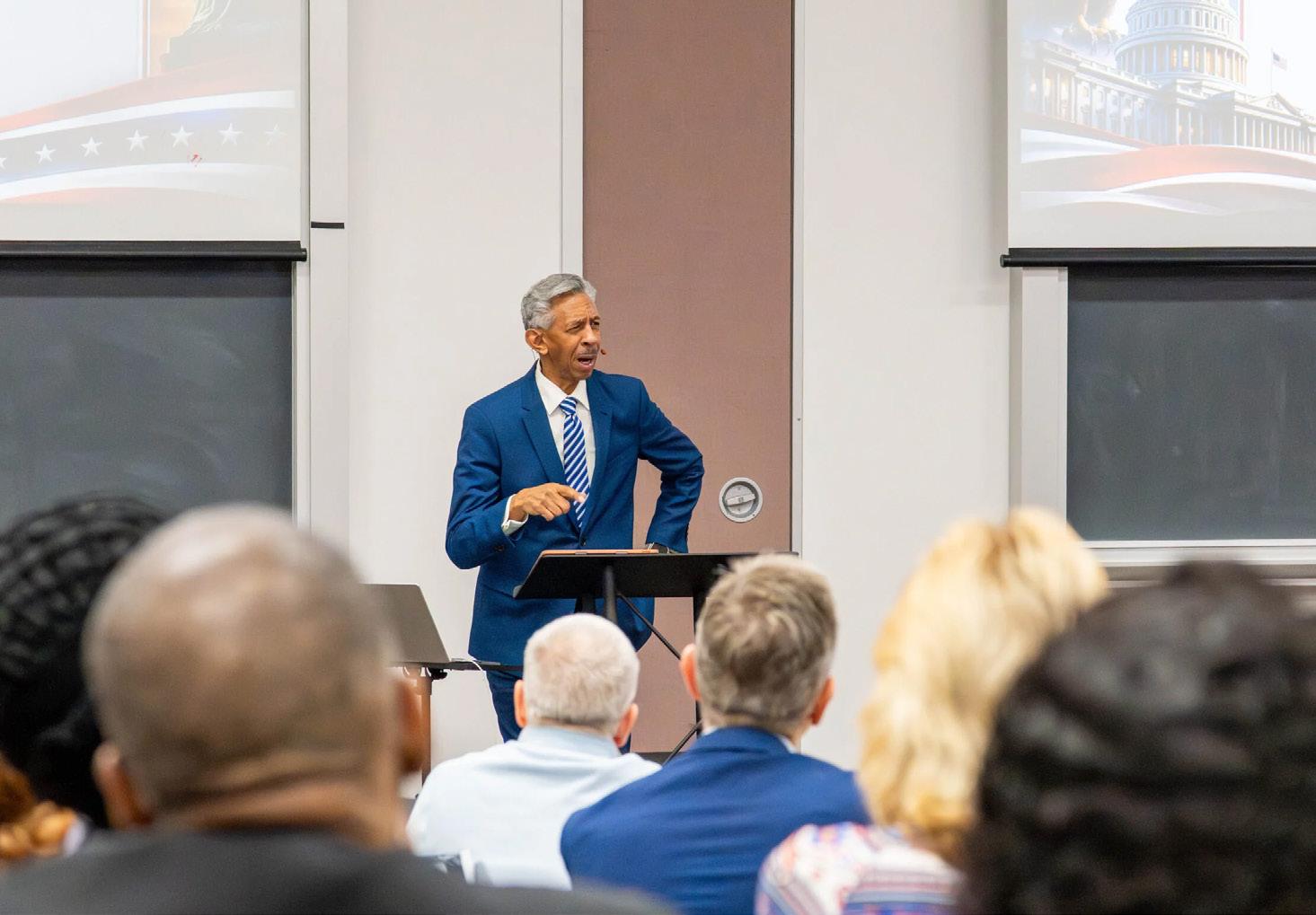
On April 11, 2026, the Lake Union Conference Public Affairs and Religious Liberty Department hosted “Two Freedoms, One Nation: Religious and Civil Liberty at 250” on the campus of Andrews University, urging attendees to remain alert in defending religious liberty and freedom of conscience.
The divine service message by John Lomacang, Illinois Conference pastor and Three Angels Broadcasting Network host, formed the centerpiece of the day. In his sermon, “The Final Battle Over Conscience,” Lomacang argued that modern crises are conditioning society for a future conflict over worship and religious liberty.
Opening with a personal account from Sept. 11, 2001, Lomacang recalled how he and his wife were on a flight from London to the United States when it was diverted to Canada after the attacks. “America changed drastically,” he said, describing the fear, suspicion and expanded security that followed.
From there, Lomacang said America is moving toward the prophetic scenario of Revelation 13. “We are all on the same toll
road … America is on the toll road to fulfilling the prophetic vision of Revelation 13,” he said. He framed the deeper issue as one of personal choice and conscience. “Who owns the power of choice? Who has the right to control our choices?” he asked.
Lomacang pointed to 9/11 and the COVID-19 pandemic as examples of how crisis can accelerate social and political change. “Don’t allow crisis to go to waste,” he said, warning that urgency can justify lasting restrictions. He said such moments can shift public expectations from liberty toward security and compliance.
He also described cultural flashpoints such as vaccines, abortion, LGBTQ issues, race and climate as “wedge issues” that deepen division and prepare society to yield
on future religious questions. “You can unite people that disagree through wedge issues,” he said. He closed by warning that calls for rest, unity and renewal could eventually become tools of coercion. Quoting Acts 5:29, he urged believers to settle their convictions now: “We ought to obey God rather than men.”
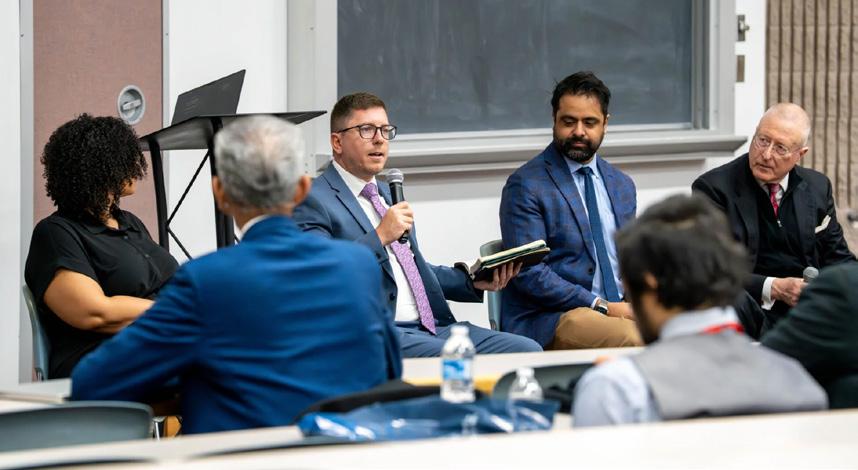
The day-long event also included a Sabbath School program featuring PARL directors from across the Lake Union. Using the weekly lesson as a starting point, panelists explored God’s character as love and the implications of that truth for human dignity, freedom of conscience and respect for individual decision-making. Speakers emphasized that the church’s commitment to religious liberty extends beyond its own members and includes defending freedom for all.
In the afternoon, two additional panels deepened the discussion. One, made up of theological scholars, highlighted the close connection between religious liberty and civil liberty and the importance of protecting both. The second examined the Seventh-day Adventist Church’s historical engagement with civil liberties, noting both examples of principled leadership and areas where the church has fallen short, while pointing to present efforts to advocate for freedom.
Lake Union Public Affairs and Religious Liberty Director Jennifer Woods said she hopes attendees left with “a deeper awareness of these issues and a renewed commitment to defend those foundational freedoms.” P
Lake Union Herald staff
E The divine service message by John Lomacang, Illinois Conference pastor and Three Angels Broadcasting Network host, formed the centerpiece of the day. In his sermon, “The Final Battle Over Conscience,” Lomacang argued that modern crises are conditioning society for a future conflict over worship and religious liberty.
Katie Fellows
E Left to Right: Jennifer Gray Woods, Dan McGrath, Justin Spady and Vialo Weis.
Katie Fellows
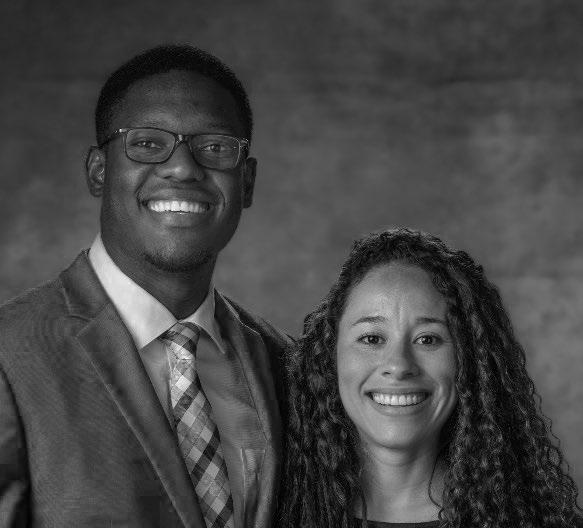
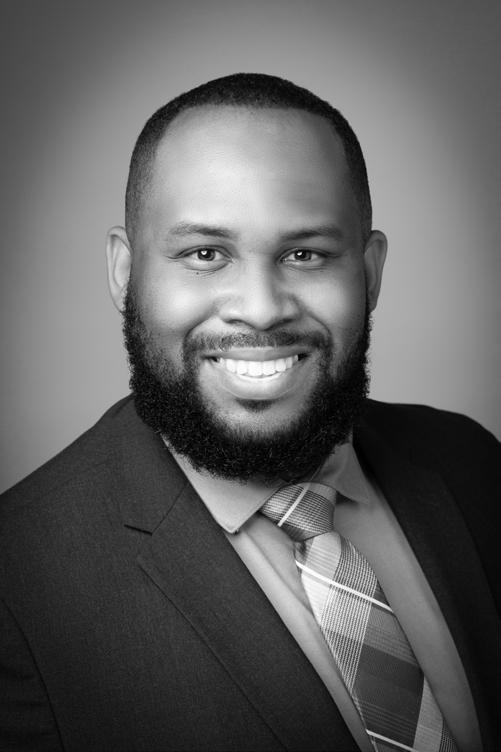
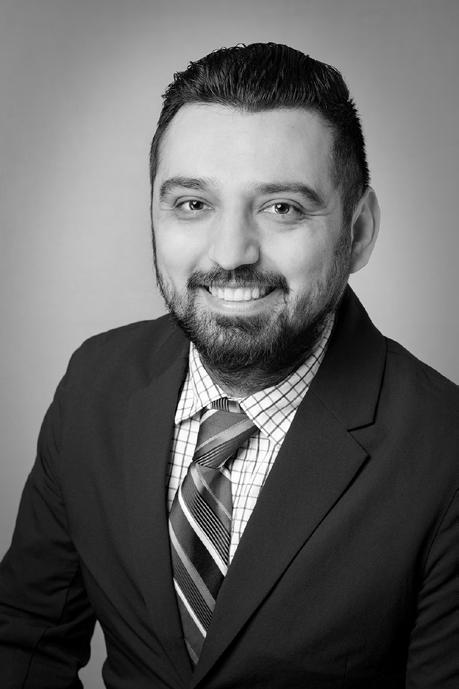
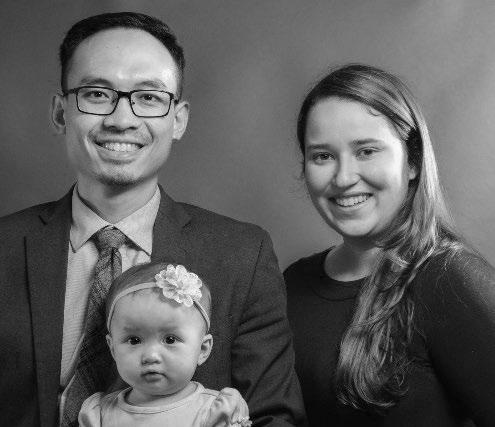
AFFIRMED IN THEIR
C
A L L I N G
MEMBERS OF THE LAKE UNION EXECUTIVE COMMITTEE VOTED TO ORDAIN THE FOLLOWING INDIVIDUALS, AN
AFFIRMATION OF THE CALLING GOD HAS PLACED ON THEIR LIVES.
INDIANA CONFERENCE
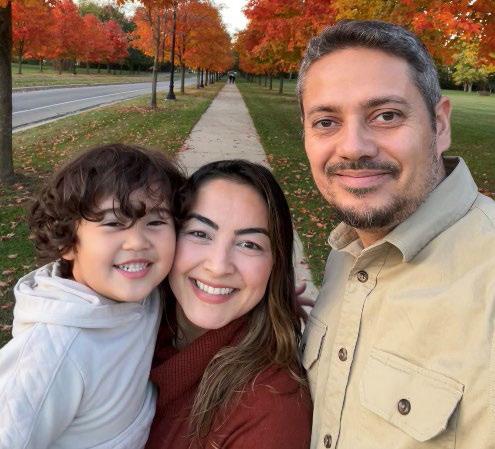
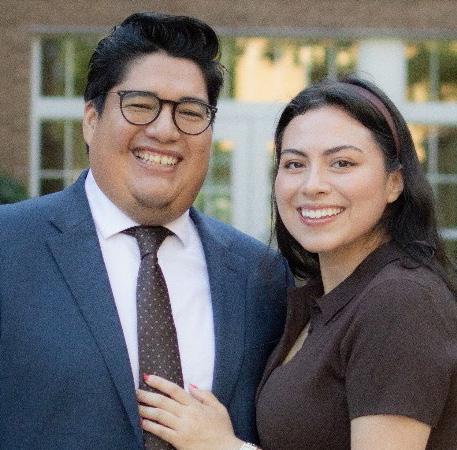
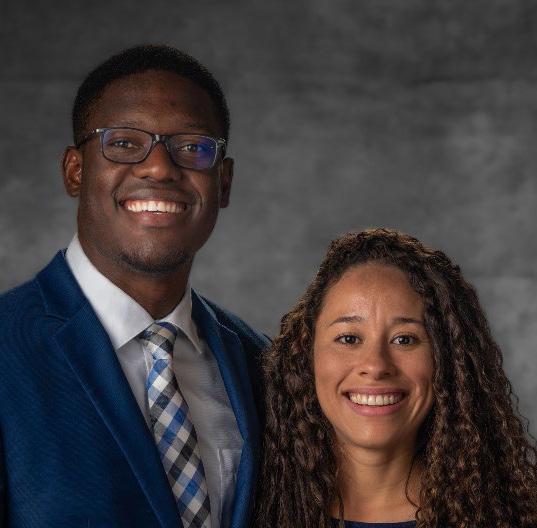
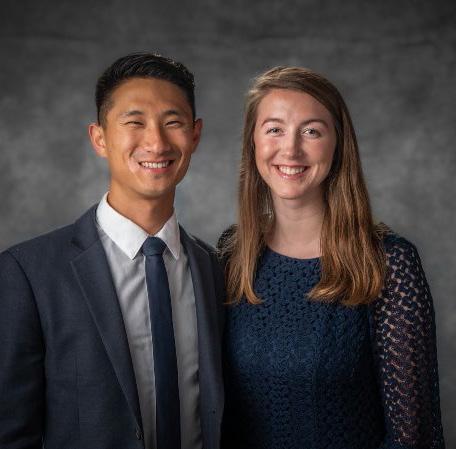
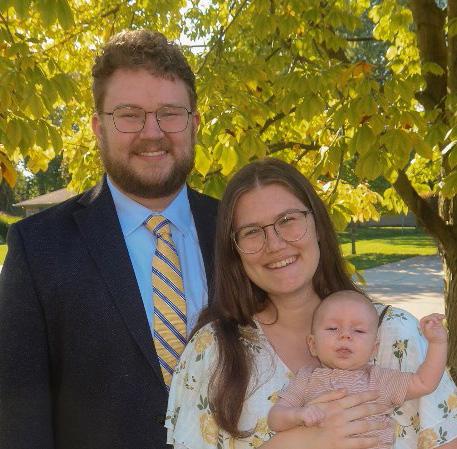
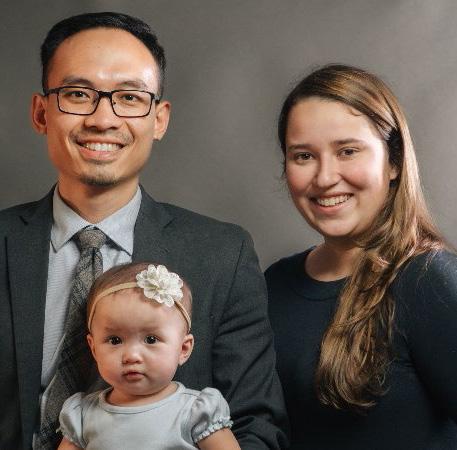
Bryan Joseph Capeles earned a Bachelor of Business from Kent State University and a Master of Divinity from Andrews University. He and his wife, Jamila, are ministering in the Lafayette and Frankfort Districts.
Justo Enrique Morales is married to Marcella. He earned a bachelor’s degree in near eastern archaeology, classical archaeology and history from Southern Adventist University and a master’s degree in Old Testament from Andrews University. Since 2022, Morales and his wife Marcella have been ministering in the Richmond, Muncie and Connersville churches. In 2015, he started the first mission work in Ankara, Turkey, founding the first Seventh-day Adventist church in Ankara and pioneered the Iranian ministry in Ankara.
MICHIGAN CONFERENCE
For more than 20 years, Chad Bernard has served God as a teacher, principal, and now youth director of the Michigan Conference and associate pastor of the Lansing Seventh-day Adventist Church. While at Andrews University, he encountered a mentor in the education department, Chris Davisson, who embodied genuine Christianity, which impacted Chad’s teaching career. He gratefully recognizes the essential support of his wife, Melinda, and their daughter, Adelaide.
Henry Dan Escamilla earned his master’s degree in physical therapy from Loma Linda University in 1994 and went on to enjoy a fulfilling 27-year career as a physical therapist. In 2021, God opened a new chapter in he and his wife Christina’s journey, calling them into full-time pastoral ministry. They currently serve the Petoskey, Cheboygan and Carp Lake Seventh-day Adventist churches.
In 2015, while preparing to return to seminary in his native Brazil, God opened a new door for Bruno Gusmão de Menezes to begin the MDiv program at Andrews University. Bruno and his wife, Vanessa, visited the campus that year, and he began studying remotely from Brazil in 2016. They moved to Berrien Springs in 2018, and Bruno graduated in 2020. In 2021, he began a PhD program in the world mission department. He pastors the St. Joseph on the Way and Dowagiac churches.
Edgar Luna pursued a Master of Divinity at Andrews University while serving as an associate pastor at the Berrien Springs Spanish Church. He completed his MDiv in May 2025 and now continues his pastoral ministry as pastor of the Benton Harbor Spanish Church and associate pastor at the Berrien Springs Spanish Church. Today, Edgar thanks God for his beautiful family — his wife Katherine, their two dogs Simba and Nahla, and the joy of welcoming their first child.
Jorge Aurélio Suquina Neketela completed his Master of Divinity at Andrews University in spring 2025. As of August 2025, he and his wife Gleydiane are serving faithfully at the Farmington and Ann Arbor churches, ministering to their congregations and communities through outreach initiatives, public evangelistic meetings, and personal discipleship efforts.
While studying at Michigan State University, God began working on Andrew Park’s heart through several avenues — an active public campus ministries student group, supportive family in the area, and the ministry of CAMPUS (Center for Adventist Ministry to Public University Students). In 2021, an opportunity for pastoral ministry opened, and it became unmistakably clear that God was leading him away from a professional career path and into the calling of full-time ministry. Until recently, Andrew pastored the Vasser and Bay City churches. He and his wife Nichole recently moved to the conference office to lead public campus ministries.
In 2018, Elijah Ringstaff began studying theology at Andrews University. In his first year at Andrews, Elijah attended the Fairplain Church, where he met his future wife, Melody. The two were married in May 2021, and soon after — through God’s leading — accepted a call to serve in the Michigan Conference at the Shelby and Ludington churches in August 2021. Elijah completed his Bachelor of Arts in theology in 2024 and continues to serve faithfully in his district today.
After earning a bachelor’s degree in pastoral evangelism and an associate degree in media ministry at Hartland College, God opened the door for Grady Yonas to do his ministerial residency program with CAMPUS, ministering to students at Michigan State University in East Lansing. While there, he also spent a year assisting in chaplaincy at the University Seventh-day Adventist Church. Since his marriage to Eva, they accepted their first call to pastoral ministry in 2021, serving in the Gladwin and Marion district. He is pursuing a master’s degree in pastoral ministry at Andrews University.
LAKE REGION
Thorly H. James brings a second-career perspective to ministry, having previously worked as an engineer before becoming a pastor. He now serves Praise Fellowship and Calvin Center churches in the Lake Region Conference. James earned a Bachelor of Science in manufacturing engineering/mechanical engineering from Farmingdale State, a Master of Science in Community and International Development, and a Master of Divinity from the Seventh-day Adventist Theological Seminary.
At Indianapolis Eastside Seventh-day Adventist Church, Chaka Samuel leads a ministry centered on worship, outreach, prayer and evangelism. He studied pastoral care and chaplaincy at Oakwood University and completed a Master of Divinity at the Seventh-day Adventist Theological Seminary at Andrews University in 2023. Since beginning denominational service in 2022, Samuel has served Niles Philadelphia, Bethany Chapel, Muncie Philadelphia and Indianapolis Eastside churches.
AFFIRMED IN THEIR
A
Now serving as a chaplain at Sunrise Hospital in Las Vegas, Nevada, Daniel Verduzco has ministered in both church and healthcare settings. He studied pastoral evangelism at Hartland College and earned a Master of Divinity from Andrews University. After beginning denominational service in 2015, Verduzco served Schaumburg Korean Seventh-day Adventist Church, Wyoming Bethel Hispanic Church and Faith Hospice in Grand Rapids, Michigan.
Ashley Daniels serves as a hospice chaplain at the John D. Dingell VA Medical Center in Detroit and also assists at Ecorse Seventh-day Adventist Church. A graduate of Oakwood University, she later completed a Master of Divinity at Andrews University. Her ministry journey has taken her from missionary English teaching in South Korea to chaplaincy residencies, clinical pastoral education, and board certification as a chaplain. In 2026, Daniels completed hospice and palliative care specialty certification.
Compiled by Lake Union Herald staff.
MILEPOSTS
OBITUARIES
FREDRICK, William “Bill” L., age 86; born June 12, 1939, in Grand Rapids, Michigan; died Nov. 25, 2025, in Weston, Wisconsin. He was a member of the Wyoming Seventh-day Adventist Church in Wyoming, Michigan. He is survived by his wife, Judy M. (Schilstra) Fredrick; son, Brian Fredrick; daughter, Tammi Fredrick (Scott) Baker; grandchildren, Kayla (Paul) Johnson, Nolan (Christine) Baker; and three great-grandchildren. A memorial service was conducted by Scott Ritsema on Mar. 21, 2026, at the Wyoming SDA Church.
MOORE, Benjamin A., age 96; born Jan. 4, 1930, in Wisconsin Rapids, Wisconsin; died Jan. 18, 2026, in Wisconsin Rapids. He was a member of the Wisconsin Rapids SDA Church in Wisconsin Rapids. He is survived by his wife, Shirley (Rezin) Moore; daughter, Suzanne (Steven) Stoeger-Moore; sister, Eola (William) Timm; four grandchildren and three great-grandchildren. A memorial interment was conducted Jan. 22, 2026, by Pastor Drew Weaver, with graveside service at Forest Hill Cemetery in Wisconsin.
NELSON, Thomas “Tom” D., age 83; born July 20, 1942, in
Within the Lake Union, the officiating pastor or church communication leader is responsible for submission of information to this column. Forms are available in print format, or they can be filled out and submitted directly online. Milepost forms are available at www.lakeunionherald.org. Conference addresses and phone numbers are listed in the masthead on the inside front cover.
Reeve, Wisconsin; died April 16, 2026, in Hammond, Wisconsin. He was a member of the Clear Lake Seventh-day Adventist Church in Clear Lake, Wisconsin. He is survived by his wife, Carol (Kelling) Nelson; sons, Tony (Bonita) Nelson, Todd (Tammy) Nelson, Douglas (Cayci) Nelson; daughter, Elizabeth (Spencer) Boyles; brothers, Roger (Bette) Nelson, Jerry (Bernice) Nelson; sister, Charlotte (John) Laughridge; ten grandchildren and five great-grandchildren. A funeral was conducted April 30, 2025, by Pastor Scott Manly, with private graveside service at Clear Lake Cemetery in Clear Lake, Wisconsin.
VALENTIN, Reynaldo “Rey,” age 82; born Sept. 14, 1943, in Puerto Rico; died March 12, 2026, in Palenque Chiapas, Mexico. He was a member of the Clear Lake Seventh-day Adventist Church in Clear Lake, Wisconsin. He is survived by his sons, Benjamin, Aaron; daughter, Angela; brothers, Emiliano, Joe; sisters, Maria, Olga, Gladys; and four grandchildren. A funeral interment was held on March 27, 2026, by Pastor Scott Manly at the Clear Lake Cemetery in Clear Lake, Wisconsin. He was buried with full military honors.
WALDBURGER, Frederick
Martin (Tina) Berg; daughters, Kathryn (Scott) Braaten, Sarah (Luis) Rodriguez, and Rebecca (Paul) Hans; brothers, Michael Waldburger, Jimmy (Cindy) Waldburger, Richard (Susie) Waldburger, Ronald (Christine) Waldburger, Larry (Vickie) Waldburger and Kirby “Tim” Waldburger; and six grandchildren. A funeral was conducted by Pastor Tim Kwon on Apr. 19, 2026, at the Madison East SDA Church with a private service in Wisconsin.
WATERS JR., Stanley W., age 81; born Sept. 21, 1944, in Milwaukee, Wisconsin; died Mar. 25, 2026, in Oshkosh, Wisconsin. He was a member of the Wautoma English SDA Company in Wautoma, Wisconsin. He is survived by his son, Stanley W. Waters, III; sisters, Cheryl (Waters) Severson, Gloria (Waters) Klemp, Debra (Waters) Gravell; and one grandchild. A private interment was held at the Leikness Funeral Home in Wisconsin.
“Fred” Joseph, age 75; born Aug. 17, 1950, in Merrill, Wisconsin; died Apr. 3, 2026, in Stoughton, Wisconsin. He was a member of the Madison East SDA Church in Madison (Monona), Wisconsin. He is survived by his wife, Janet Waldburger; stepson,
CLASSIFIEDS
ANNOUNCEMENTS
Lake Region Conference of Seventh-day Adventist Legal Notice
Notice is hereby given that the regular Quadrennial Session of the Lake Region Conference of Seventh-day Adventists will be held on Sunday, Aug. 9, 2026, beginning at 9 a.m., EDT, at the Howard Performing Arts Center, Andrews University, Berrien Springs, Michigan. The purpose of the session is to elect officers and departmental directors for the ensuing term and for the transaction of such other business as may properly come before the delegates. Delegates to this 30th Quadrennial Session are duly appointed representatives of the various churches of the conference. Each church is entitled to one delegate for each 35 members or major fraction thereof.
Abraham Henry, President Harold Cleveland, Secretary
Lake Region Conference Association of Seventh-day Adventist
Notice is hereby given that the regular Quadrennial Session of the members of the Lake Region Conference Association of Seventh-Day Adventists, Inc., a corporation, will be held on Sunday, Aug. 9, 2026, in connection with the 30th session of the Lake Region Conference of Seventh-day Adventists at Howard Performing Arts Center, Andrews University, Berrien
Springs, Michigan. The first meeting of the Association will be called to order at approximately 2 p.m., EDT. The purpose of the meeting is to restate and amend the articles of incorporation and bylaws, to elect trustees for the ensuing term, and to transact such other business as may properly come before the delegates. Delegates from the churches in attendance at the 30th Quadrennial Session of the Lake Region Conference comprise the constituency of the association.
Abraham Henry, President Harold Cleveland, Secretary
Andrews Academy invites alumni (those who attended/ graduated, and/or worked at EMCA/AUA/AA) to a reunion from Oct. 16–17, 2026 (third weekend in October). Honor classes this year end in 1 & 6. The honor classes in 2027 will end in 2 & 7, and in 2028, they will end in 3 & 8. Honor Classes: 1946, 1951, 1956, 1961, 1966, 1971, 1976, 1981, 1986, 1991, 1996, 2001, 2006, 2011, 2016, 2021. The class of 1976 will celebrate their golden (50th) reunion. The class of 2001 will celebrate their silver (25th) reunion.
EMPLOYMENT
Union Adventist University seeks applicants for Director of Major Gifts. The director is responsible for cultivating, soliciting and stewarding major
gift prospects to support the strategic initiative to increase philanthropic support through focused individual, foundation and corporate giving programs. This is a full-time position with a generous benefit package. See the job description and apply at uau.edu/employment.
Union Adventist University seeks applicants for the TRIO Student Support Services Project Director. The TRIO SSS project director leads and administers the Student Support Services (SSS) program. This role is responsible for overseeing TRIO SSS program services, grant compliance, staff, and student success for low-income, first-generation and disabled students, ensuring alignment with Department of Education guidelines. This individual will be a key partner in implementing strategic initiatives focused on student retention, engagement and graduation. View the full job description and apply at uau.edu/employment.
Union Adventist University seeks applicants for an enrollment counselor. This is a full-time position with benefits. The enrollment counselor serves as the primary representative for Union Adventist University, actively recruiting prospective students through high school visits, college fairs, and campus
presentations. Enrollment counselors manage a specific geographic territory, guiding applicants through every stage of the admissions process from initial inquiry to final registration. See the job description and apply at uau.edu/employment.
Union Adventist University is seeking applicants for EMS coordinator in the International Rescue and Relief (IRR) program. This is a full-time exempt position with excellent benefits. The EMS coordinator is responsible for developing and managing the EMS component of the program and includes both teaching responsibilities and program administration. Please see the job description and apply at uau.edu/employment.
Union Adventist University seeks candidates for a clinical coordinator in the Physician Assistant program. This is a fulltime opportunity with excellent benefits. The clinical coordinator assists the director in organizing and scheduling clinical rotations for PA students. See the job description and apply at uau.edu/ employment.
Union Adventist University seeks qualified candidates for TRIO SSS Life Coach, a full time, non-exempt (hourly) position. The coach is responsible for the achievement of excellent
The Lake Union Herald cannot be responsible for advertisements appearing in its columns, and reserves the right to edit ads in accordance with editorial policies. The Lake Union Herald does not accept responsibility for typographical errors. Submission eligibility guidelines are listed at http://www.lakeunionherald.org.
services in coaching, academic advising, academic support skills, and non-academic support tools. This individual will be a partner in implementing strategic initiatives related to student retention, engagement and graduation, and will assume programmatic support responsibilities. See the job description and apply at uau. edu/employment.
Union Adventist University seeks qualified candidates for Director of Annual Giving to lead broad-based fundraising strategies that inspire participation, strengthen donor loyalty, and generate consistent philanthropic support for institutional priorities. See the job description and apply at uau.edu/employment.
Southern Adventist University continuously seeks qualified candidates to fill various positions around campus, including faculty, salaried staff and hourly staff positions. If you are interested in working at Southern, we encourage you to view the positions that are currently open at sau. catsone.com/careers and apply as God leads.
Southern Adventist University seeks a full-time teaching faculty member for the School of Engineering and Physics in the area of electrical engineering. The ideal candidate will be proficient in developing and teaching undergraduate engineering courses, including both lecture
and laboratory components. Master’s degree in electrical engineering or related area required. Doctorate preferred. Prior higher education teaching experience and/or relevant industry experience preferred. For a full job description and desired qualifications please visit southern.edu/jobs.
EVENTS
Sharon Seventh-day Adventist Church, Inkster, Michigan: 95th Church Anniversary on Oct. 17, 2026. Speaker is Marcellus Robinson, DMin. For lunch, please RSVP to Daphne Springer at kimmey4@gmail.com or text 248-766-1644 by Sept. 15, 2026. For more information, call Daphne (248-766-1644) or church (734-722-2313). All welcome.
14-Day Great Controversy
Tour: A transformative journey through four European countries and 60 historic cities — explor ing the powerful story of faith, reformation and God’s leading through history. Destinations: Italy | Switzerland | Germany | France. This is more than a trip — it’s a spiritual experience. Contact: gctours@naver.com +1-202-714-8751
SERVICES
Small Grades 1–8 Church School in Central Kansas is look ing for students. The quiet peaceful town of 15,000 with a small church is in an agricultural setting
with a community college and hospital. Call 620-791-7314 for more information.
PRAYER NEEDS: Facing a challenge? Have a concern? At LifeTalk Radio we believe in prayer and want to pray for you. Whatever your problem, God is bigger. Share your prayer needs at LifeTalk.net/prayer. Live with hope! Listen at LifeTalk.net.
MOVING? RELAX! Your move with Apex Plus Group will be great! As the single point of accountability, we offer peace of mind for the relocating family or individual. Give us a call and
take advantage of a volume-rated discount for Adventists. Call Marcy Dante, account executive or Rhonda Harrington, move coordinator, at 800-766-1902. Or visit us at apexmoving.com/ Adventist.
Need a vocation? Gain hands-on training in HVAC, welding, electrical or other in-demand trades — and be equipped to share the Three Angels’ Messages. The Streams of Light Training Institute is where trades meet mission. Learn more at StreamsofLightInstitute.net or call 888-765-7654.
July & August
ANDREWS UNIVERSITY
GENERAL EVENTS
June 1–Aug. 20: The Crayon Box Children’s Learning Center Summer Camp
July 27–Aug. 14: 2026 Early College Experience
July 31–Aug. 2: Summer Graduation Weekend
Aug. 17–20: “First Stop” and New Student Orientation
Aug. 19: First day of school for Andrews Academy
Aug. 23: Registration for University-level students
Aug. 24: Fall semester begins for University-level schools; first day of school for Ruth Murdoch Elementary
HOWARD PERFORMING ARTS CENTER EVENTS
For more information on the following event and to purchase tickets, call 888-467-6442 or 269471-3560, or visit howard.andrews.edu.
July 19, 6 p.m.: Reggie & Ladye Love Smith in Concert
ILLINOIS
July –14: Mission Trip: Thailand
July 22–25: Family Camp Meeting, Camp Akita
July 26–30: Camp Strike, Camp Akita
July 31–Aug. 2: Hispanic Camp Meeting, Camp Akita
Aug. 21–22: Art & Faith, Location TBD
Aug. 28–30: Beyond the Basics, Location TBD
INDIANA
July 25 : Indiana Conference Prayer Retreat, Kokomo Church
July 31–Aug. 2: Club Leadership Training, Timber Ridge Camp
Aug. 29–Sept. 4: Hispanic Evangelism Caravan, ends at Timber Ridge Camp
LAKE REGION
July 1-4: Camp Meeting, Camp Wagner
July 12-25: Junior Camp, Camp Wagner
MICHIGAN
Aug. 7–9: iShare Conference, Great Lakes Elementary School, Cedar Lake
Aug. 14–18: Public Campus Ministry Boot Camp, Camp Au Sable
Aug. 25–27: ASPIRE Capstone, Camp Au Sable
Aug. 28–Sept. 30: Pathfinder Leadershop, Camp Au Sable
WISCONSIN
July 5: Yahwi Sports Day, Milwaukee
July 11–12: Hispanic Children’s Sports Day, Milwaukee
July 29–Aug. 2: Hispanic Camp Meeting, Camp Wakonda
Aug. 15: Hispanic Worship Music Festival, West Milwaukee
Events listed were scheduled to proceed at press time. Please call ahead or check event websites before making plans to attend.
A Faithful Messenger
Sometimes, in our efforts to explain historical events, we create speculative narratives that go beyond the facts. Seventh-day Adventists believe that God gave prophetic visions to Ellen G. White (1827–1915) and called her to serve as a messenger to His last-day remnant church.
We also know that before she received visions, two other Millerite Adventists — William E. Foy (1818–1893) and Hazen Foss (1820–1893) — had prophetic experiences. These are historical facts.
Over time, however, some Adventists concluded that God chose Ellen White only after Foy and Foss rejected their prophetic calling or somehow disqualified themselves. While there is evidence that Hazen Foss initially resisted sharing his message, the same cannot be said of William Foy. In fact, historians have noted that the stories of Foy and Foss “have often been confused and conflated” in Adventist memory.1
The life and ministry of William Foy have been carefully researched by Delbert and Benjamin Baker, revealing the remarkable story of a Black Freewill Baptist minister who faithfully shared God’s message.2 In the winter of 1842, Foy received two public visions — the first at the Twelfth Street Baptist Church in Boston on Jan. 18, 1842, and the second at the African Methodist Episcopal Church on Feb. 4, 1842. In these visions, an angel instructed him to share what he had seen.
Like many of God’s messengers throughout Scripture, Foy initially hesitated. The visions challenged some of his previous beliefs, and he also faced the painful reality of racial prejudice in 19th-century America. Yet after two days of inner struggle, Foy received an unexpected visit from J. B. Husted, the white pastor of the Second Methodist Episcopal Church in Boston. Husted invited Foy to speak to his congregation about the visions.
Although nervous at first, Foy accepted the invitation. As he spoke, his testimony deeply moved those who listened. Invitations soon poured in, and his schedule filled for months. Reflecting on that
period, Foy later wrote, “I traveled three months delivering my message to crowded houses, enjoying continual peace of mind.” Once opposed to the Millerite movement, Foy became convinced through his visions of the soon return of Christ and wholeheartedly embraced the Advent message. Foy continued sharing his testimony for several years. In January 1845, John and Charles Pearson published his first two visions in a 24-page pamphlet titled “The Christian Experience of William E. Foy Together with The Two Visions He Received in the Months of Jan. and Feb. 1842.” More than 60 years later, Ellen White recalled that Foy had received four visions “before I had them” and described his witness as bearing “remarkable testimonies.”3
William Foy’s story reminds us that God often works through unexpected people and circumstances. Despite social prejudice and personal hesitation, Foy responded to God’s call with courage and faithfulness. His testimony continues to stand as a powerful witness that God values willing hearts above human status and that He faithfully guides His people in every generation. P
1 This article is based on Benjamin Baker, “Foy, William Ellis (1818–1893),” Encyclopedia of Seventh-day Adventists, Dec. 30, 2020, accessed May 7, 2026, https://encyclopedia.adventist. org/article?id=9CEN. See also Delbert W. Baker, “The Unknown Prophet: Before Ellen White, God Chose William Ellis Foy,” rev. and updated ed. (Hagerstown, MD: Review and Herald, 2013).
2 See Benjamin Baker’s encyclopedia entry above, and Delbert W. Baker, “The Unknown Prophet: Before Ellen White, God Chose William Ellis Foy,” rev. and updated ed. (Hagerstown, MD: Review and Herald, 2013).
3 Ellen G. White, “Interview with Mrs. E.G. White Regarding Early Experiences,” Aug. 13, 1906, Ms 131, 1906, 3–4.
Denis Kaiser is an associate professor of church history at the Seventh-day Adventist Theological Seminary at Andrews University.
E DENIS KAISER
Light Reveals the Unseen
Life is swarmed by our senses. Live in a city like Chicago — there is the constant honking, the sound of the “L” swishing by, the loud conversations on the CTA or Metra.
Walk through the various neighborhoods and the smells of rich cuisine massage the senses in a way that becomes almost irresistible. The sights of various 19th century architecture are pleasantly interrupted by the unexpected eagle flying through, looking for directions out of the Loop.
The swarm is swift. Relentless. And day-by-day this swarm quite often leads us to believe that all this is actually real. And it is those senses that lead us to change our clothes because we feel the coolness of the night air. It is those senses that direct us away from the less lighted places to the more lighted places. These senses are strong, swift and uncompromising.
Here, amid the swirling and the wonder and intoxication, there is another reality — largely unseen. We walk by the Sears Tower and see lights ablaze on the 87th floor. We see the light — but have no idea what it means. The light is there … but we cannot see. It is the light that reveals the possibility of the unseen — on that floor.
Likewise, there is the unseen revealed by the Light. And it is here, at this liminal intersection of light and the unseen; that prayer enters. For it is prayer that actualizes our entrance into that unseen. For prayer, at the very least, brings us into the unseen. And because it is unseen, it is in many ways unknown. And yet, we are invited into that unseen, unknown place. For it is prayer that brings us into the presence of the King. And because of this gift He gives, we can enter that unseen and unknown while riding an Uber, eating at a restaurant, or welcoming the existence of these United States of America. We can welcome 250 years of a nation predicted by prophecy while also remembering that what we see and know about this nation, with all her warts, compares little to the reality of an unseen kingdom existing for the ceaseless ages. And it is prayer providing us the opportunity to enter constantly into that unseen kingdom and never forgetting the Founder and Maker of that kingdom. Asphalt, concrete and iron can’t hold a match to what material comprises that kingdom!
Prayer invites us into constant communion with that kingdom. Prayer reminds us of our deeper attachments. Prayer buffers our senses against the relentless pulsation of our senses. Prayer anchors our deeper desires to the Eternal. And yes, it must be said: while we remember 250 years of the flawed history of this nation, those years are truly a drop in the ocean when put up against the ceaseless ages of the King’s kingdom and His material. Prayer digs us into that unseen reality — where light is seen and increasingly understood, both in this life and the life to come. P
John Grys serves as the Illinois Conference president.
E
JOHN GRYS
We can welcome 250 years of a nation predicted by prophecy while also remembering that what we see and know about this nation, with all her warts, compares little to the reality of an unseen kingdom existing for the ceaseless ages.
E JENNIFER GRAY WOODS
Best Practices for Working With Independent Ministries
What are independent ministries and is it OK for our churches to work with
them?
There are several ministries that operate outside of the official Seventh-day Adventist organizational structure. These are referred to as independent ministries.
Many independent ministries are well organized and fully aligned with the mission and ministry of the Seventh-day Adventist Church. However, this isn’t the case with all independent ministries, and unfortunately there have been times when our churches have worked with independent ministries that were poorly managed or not fully aligned with our church mission. These interactions have exposed our churches to liability and worse, have at times harmed our church’s goodwill and ministry effectiveness.
Thankfully, Adventist Risk Management has created a resource to help churches in working with independent ministries.
Some best practices for churches to consider when working with independent ministries include:
• Exercising due diligence before becoming involved with an independent ministry. Part of conducting due diligence includes looking at an independent ministry’s governing documents and policies and researching the leadership of the organization to make sure they are qualified to do the work they are engaging in.
• Verifying that the independent ministry has appropriate liability insurance to protect both the church and independent ministry for the work the ministry provides. The level of liability insurance necessary will depend on what types of activities the independent ministry is engaged in.
• Clarifying in writing about the roles and responsibilities of the independent ministry and the church before entering any joint programming.
This is often best accomplished through an agreement.
• Complying with working policy before pastors or other individuals who are employed by the church serve on the board of an independent ministry.
• Being careful not to endorse the work of an independent ministry. This includes making sure that the independent ministry isn’t implying that it has formal relationship or sponsorship by the church. We want to avoid causing any confusion regarding the relationship between an independent ministry and the church. It can be confusing for individuals when they think a ministry is officially connected to our church. When our church and independent ministries work too closely without proper guardrails in place, it can lead to our church being legally liable for the actions of the independent ministry.
None of these recommendations are meant to stop individual church members from working with or volunteering for independent ministries. Instead, the goal is to make sure that our churches are not exposed to unnecessary risks and liability when working with outside ministries. We shouldn’t fear working with independent ministries, but we should follow best practices so that both our church and independent ministries can more effectively focus on mission. For additional information, see Structuring Relationships Between Seventh-day Adventist Church Organizations and Supporting Ministries, available at: https://bit.ly/4fftWph
Jennifer Gray Woods is the Lake Union public affairs and religious liberty director, as well as its legal counsel.
Rejoice in Singing
Dear Mr. Cerna,
When I transitioned to high school, confidence, a sense of belonging, and a relationship with God were three things I lacked. I didn’t have a strong sense of self, and I struggled to push myself for fear of failing. My grades were all I cared about, and I often sacrificed my mental and physical health to achieve an “A” in every class.
On top of measuring my worth against the scores I received, I didn’t have a personal relationship with God, and I didn’t see myself as a valuable daughter, student or friend.
Then, you were hired to be our new choir teacher, and I was afraid of what our choir atmosphere would transform into.
Choir rehearsals began shifting from focusing solely on the music we created to a very important part of my life because of the lessons you were teaching us through singing.
You began your career at the academy by believing in each and every one of your students. You taught us to look out for one another and to hold each other accountable not only in our journey in choir but throughout life. With every piece of advice and every meaningful conversation, God was always brought up in the conversation.
David VanDenburgh
I learned about God’s relationship to music through the encouragement you gave us. You showed me the verse in Zephaniah that talks about God singing over us and asked me, “Did God create singing or does God sing?” When we sing, we are expressing an attribute of God. That fact alone changed my perspective on the secular music I listen to and led me to stay away from negative lyrics that impact my worldview and perspective. This knowledge
solidified my want and need to know who God is and to have a meaningful relationship with Him.
You always show God’s love and care through your words and encouragement. By pushing me to do my best and giving me a safe space to fail without judgement, you managed to help me find confidence in myself, taught me that I am worth more than my grades and, in turn, my fear of failure began to disintegrate.
When you told us that our choir wasn’t just a bunch of people singing but rather a family where we lift others up and love one another as God does, I finally found my sense of belonging and it was because I was part of your choir. Every choir [practice] ended with an “I’m proud of all of you” and “love you all.” I recognized the importance of positive self-talk and reaching out when I needed help. You always tell us that your office door is always open if we need to talk about anything, and you have stayed true to that promise.
Thank you, Mr. Cerna, for showing me a fraction of God’s character and being one of the most impactful people in my life. Your love, passion and joy are contagious, and I will always be grateful to God that He put you in my life. P
Sincerely,
Ava Zygowiec Andrews Academy junior
Crowning Achievement
When Megan Woods stepped onto the stage in Houston, Texas, in February as Oakwood University’s representative for the United Negro College Fund pageant, she carried more than just a title. She carried generations of family history, the prayers of her community, and a conviction that God had opened a door.
In February, Megan was crowned Ms. UNCF, helping Oakwood bring home the national title for the first time in 56 years. For Megan, a fifth-generation Oakwoodite, the honor connected deeply with her family legacy. Her grandfather had worked with alumni relations, the office that houses UNCF at Oakwood, and she saw the opportunity as a way to honor him while leaving her own mark on campus.
But the journey stretched her.
Megan had never competed in a pageant before. The process required fundraising, an interview, an oratorical speech, a stage walk, and a talent. At first, she was uncertain about what talent she could offer. She did not want to sing or dance. Instead, she chose storytelling, sharing a personal story about her grandfather’s death and the power of people’s stories to help others heal and remember.
That confidence, she said, did not begin on a pageant stage. It was formed in several churches.
“Growing up in the church, sitting in a pew as a bystander was never something my parents allowed,” Megan said. From Sabbath School to children’s story, Scripture reading, offering, hospitality, AV and eventually preaching her first sermon while in high school, Megan learned early from her parents Edward and Donnarie Woods that faith was something to live, not watch from the sidelines.
That foundation continued at Andrews Academy, where she served as class pastor her freshman year, student association religious vice president her sophomore year, student association president her junior year and senior class vice president her senior year.
Megan also credits Pastor Lindsey Pratt at Pioneer Memorial Church with helping shape her
confidence and willingness to lead. Pratt, she said, poured into her, believed in her and made sure she had safe opportunities to grow. Her church family at Highland Avenue Church in Benton Harbor and Bethel Community Church in Lansing also remained part of the support system that helped shape who she became.
The pageant journey began while Megan was studying in Spain during her junior year of college. She prayed about what mark God wanted her to leave at Oakwood. UNCF came to mind, but being overseas made campaigning difficult. Still, the opportunity opened.
“I was like, ‘God, if you want this to work out, it has to be you,’” Megan said. “There’s no way I can do this. I don’t feel adequate.” Later, as doors con tinued to open, she prayed, “God, do this in such a way that only You get the glory from all of this.”
Throughout the process, Megan said God gave her peace. Even with fundraising, preparation and the pressure of representing Oakwood, she sensed the experience was bigger than herself.
Now, after graduating from Oakwood, Megan is taking that same faith into her next chapter. This fall, she will attend the Perelman School of Medicine at the University of Pennsylvania, where she plans to pursue pediatric nephrology, caring for children with kidney disease.
For Megan, each opportunity remains a gift to steward.
“It’s a privilege,” she said. “Anytime you’re giv en this opportunity to serve God in unconventional ways, it’s a privilege.”P
Debbie Michel is editor of the Lake Union Herald.
Leadership Internship and Residency
AdventHealth’s Leadership Internship and Residency programs offer real‑world, hands‑on experience for college students ready to grow in business areas such as management, finance, marketing and more. Work on meaningful projects and grow within a mission‑focused culture.