

1 3 5 1 5 1 7 2 3 2 7 3 1 3 5
Letter from the Head of Lower School
Teaching Children to Pray
One Thousand Miles of Fine Motor Fun
Walks & Talks
Letters & Sounds
Building Independence and Confidence
Playing with Numbers in the Kitchen and Beyond
Teaching Children to Improve Focus
Other Tips
DearParent,
AtLCS,ourbiggesthopeandprayerforyour childisthatheorshewouldknowandloveJesus andwalkwithHim.Inthespiritofhelpingyour childglorifyGodwithhis/herstrengthsand abilities,wealsomakegoalsforacademicand socialgrowthanddevelopment. Wehavebeen amazedtowitnesshowGodintricatelydesigned eachchildandhowHecreatedspecificreflexes thatmustbedevelopedtoreachandsurpass thenextimportantmilestone.
Wehavefoundthatchildrenstrengthenskillsanddevelopastrongeducational foundationthroughplay Researchshowsusthatchildrenwithstrongfoundationalskills ofattentionandfinemotoralongwiththeabilitytoplayinadevelopmentally appropriatemannerleadtostrongeracademicperformanceandaremorelikelyto handleeventswellsociallyandemotionally.Wehaveincludedspecificwaystoimprove focusandfinemotorskillsandtoencouragevariousopportunitiesofplayforchildren.
Investingintentionaltimenowwillprepareyourchildrenfortheroadaheadandallow themtoenjoytheirexperienceatLakelandChristianSchoolevenmore.Theearlierthat wecanidentifyanyareathatneedsattention,thesoonerwecancreateaplanforyour childtogainconfidenceandtodevelopalltheLordhasgivenhim/her
Ihopethatyoufindthisresourceusefulasweworktogethertoprepareyourchildfor his/hereducationaljourneyatLCS.Wearethankfulfortheopportunitytomonitoryour child’sgrowthovertheyearsandpraywithandforyouandyourchildthateachstudent willbecometheyoungmanorwomantheLordwantshim/hertobe.Asparents,weare servantsofacallingwearepowerlesstoaccomplish!WeneedHishelpinallwedo!
Ilookforwardtospendingmoretimewithbothyouandyourchild.Pleasefeelfreeto contactmewithanyquestions ServingHim,
LuciO’Byrne,Ph.D.
HeadofLowerSchool |lobyrne@lcsonline.org

Asyourchildrengrow,wepraytheyunderstandtheimportanceofbuildingarelationship with God. We pray that the Holy Spirit guides their lives and that biblical truth shapes theirunderstanding.Praywithandforyourchildreneveryday.
John16:13:“WhentheSpiritoftruthcomes,Hewillguideyouintoallthetruth.” Pray for the Holy Spirit to be active in your children's lives and for them to apply biblical truthstodailylife.
1Thessalonians5:17:“Praywithoutceasing.” Makeprayeradailyhabit beginwhenyourchildinthewombandcontinuethroughout his/herlife.
Children learn by example. When they’re young, pray during nap time. As they grow, let themseeyoustudyGod’sWord I’llneverforget watching my grandfather read his Bible every morning itleftalastingimpressiononme.
Confession&Forgiveness
Prayer is about confessing and seeking forgiveness Talk to your child about their day and struggles. Share how God used tough times for good and point them to Christ. When youpraytogether,yourchildwillbemorelikely toprayindependently.
Objectives:
LearnWhatPrayerIs
LearnWhyWePray
LearnHowToPray
LearnWhatWeCanPrayAbout
LearnGod’sResponseToPrayer
PrayThroughouttheDay
Pray together at mealtimes, in the car,orbeforeschool Takemoments to thank God for His goodness. Just stop and pray anytime, anywhere. Ask, “How do we need God’s help today?”thenshareandpray.
Startingprayerearlyhelpsyourchild develop a lifelong habit. He/she will carry this into adulthood and teach his/her own children, creating a generationallegacyoffaith
Scan the QR code for other great resources to teach your children howtopray.
Assoonasyourinfantcangraspafingeror object,he/shebeginstodevelopfinemotor skills.Whenachildopensandcloseshis/her hand,thecenterofthepalmautomatically “pinches”ortightenswhichsignalsand developspartofthebrainthathelpsto developvariouskindergartenreadinessskills Finemotorskillsplayanimportantrolein cognitiveandlanguagedevelopmentleading tostrongerreadingskills.
Parents,areyoureadyforthis?Thefinishline forthefinemotorraceis1,000miles Ideally, yourchildwillreachthe1,000milemarkoffine motorfunbeforekindergarten.So,each“pinch" thatoccursinthepalmequatestooneinch.A pinchisaninch!Ifachildscribblesbackand forth,backandforthoverandoveragain,each “inchlong”swipeofacrayonorwritingtoolof choiceequalsaninch;butremember,wewant togetto1,000MILES…yikes…so,thatmeanswe needtogetbusyonthisassoonasyourchild canpickupitemsor“fingerpaint”whichis usuallywhenyourchildcansitinahighchair
WhenPlayMeetsGod'sPlan
Iknowitseemsjustabout impossible,butwiththeLord allowingustoincorporatesomuch play,childrentypicallyhaveablast withfinemotorfun.Ifachildisnot engaginginfinemotoractivities,it couldbeanindicationthatithurtsor isdifficult Yourchildmayneedan occupationaltherapy(OT) screening.Ifthetherapist determinesaneedforOT,itis importanttobeginitassoonas possibleandtoensurethatyour childattendsconsistentlyuntilthe goalsaremet.Earlyinterventionis key.
Alotoffinemotordevelopment happensoutsideaswellthrough collectingacorns,twigs,pebbles, anddiscoveringtheirworld.Creative playwithbuildingandexploring incorporatesfinemotorskillsaswell. Youwilllearnmorepracticestohelp yourchilddevelopfinemotorskillsin therestofthischapter.
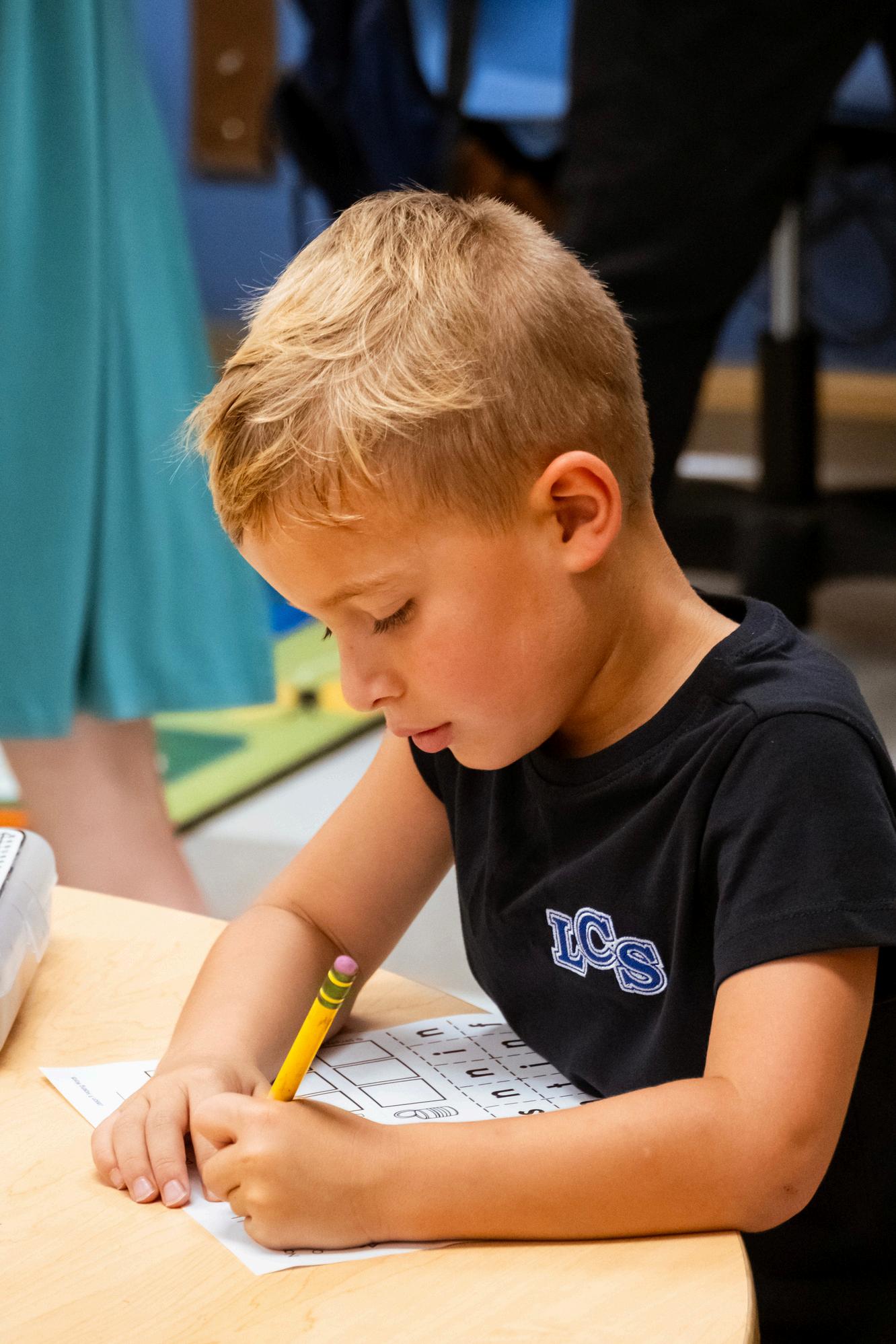
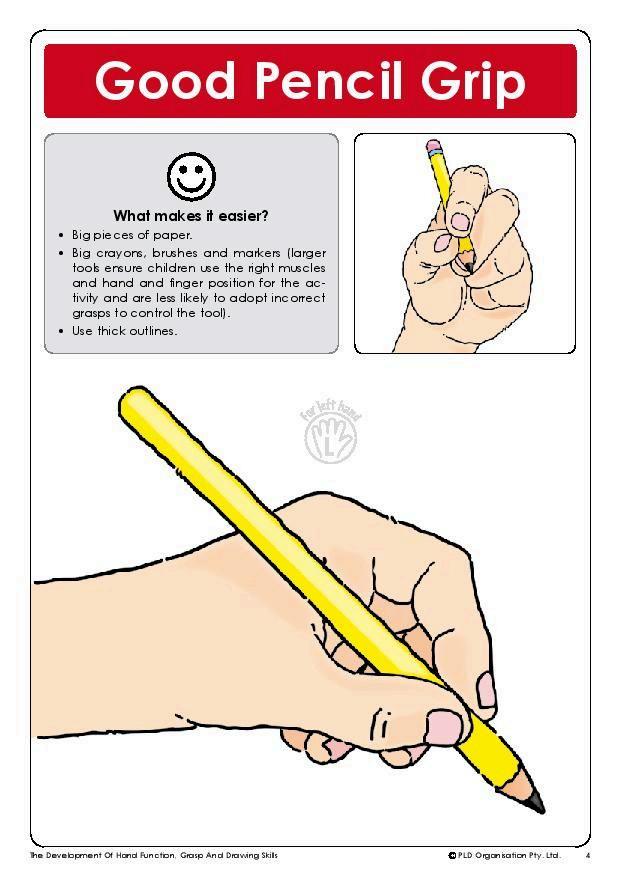
Providebigpiecesofpaper
Supplybigcrayons,brushes,andmarkers Largertoolsensurethatchildrenusethe rightmusclesaswellashandandfingerpositionfortheactivity,andtheyareless likelytoadaptincorrectgraspstocontrolthetool. Usethickoutlines.
Correctandrequireaccurategripeachtimeyourchildpicksupapencil.
Waysyoucanhelpyourchilddevelopfine motorskills.
SnackTime-ProvidesnackslikeCheerios thatencouragethepincergrasp(using thumbandfinger).
FingerPainting-Letyourchildfingerpaint withpuddingorbabyfoodwhileinahigh chairforafun,hands-onactivity
Drawing&Writing-Haveyourchilddraw picturesforyourshoppinglist.Youwritethe wordsfirst,thenletthemtry.
LetterGames-Putlettersonadie,rollit, andhaveyourchildthinkofawordstarting withthatletter
Tearing&Gluing-Tearpaperortissueinto smallpiecesandhaveyourchildgluethem topaperorafilefolder.
StickerFun-Allowyourchildtopeeland stickstickerstocreatepatternsorscenes
ScissorPractice-Letyourchilduseageappropriatescissorswithsupervision.Start withshort,narrowstripsofpaperfor“snip, snip,snip”practice.
HolePunching-Encourageyourchildto useaholepunchertocreateshapeslike starsordinosaurs It’safunwaytobuild strengthandcontrol.
BeachPlay-Visitthebeach diginthe sand,buildsandcastles,andsearchfor seashellstodevelophandstrength.
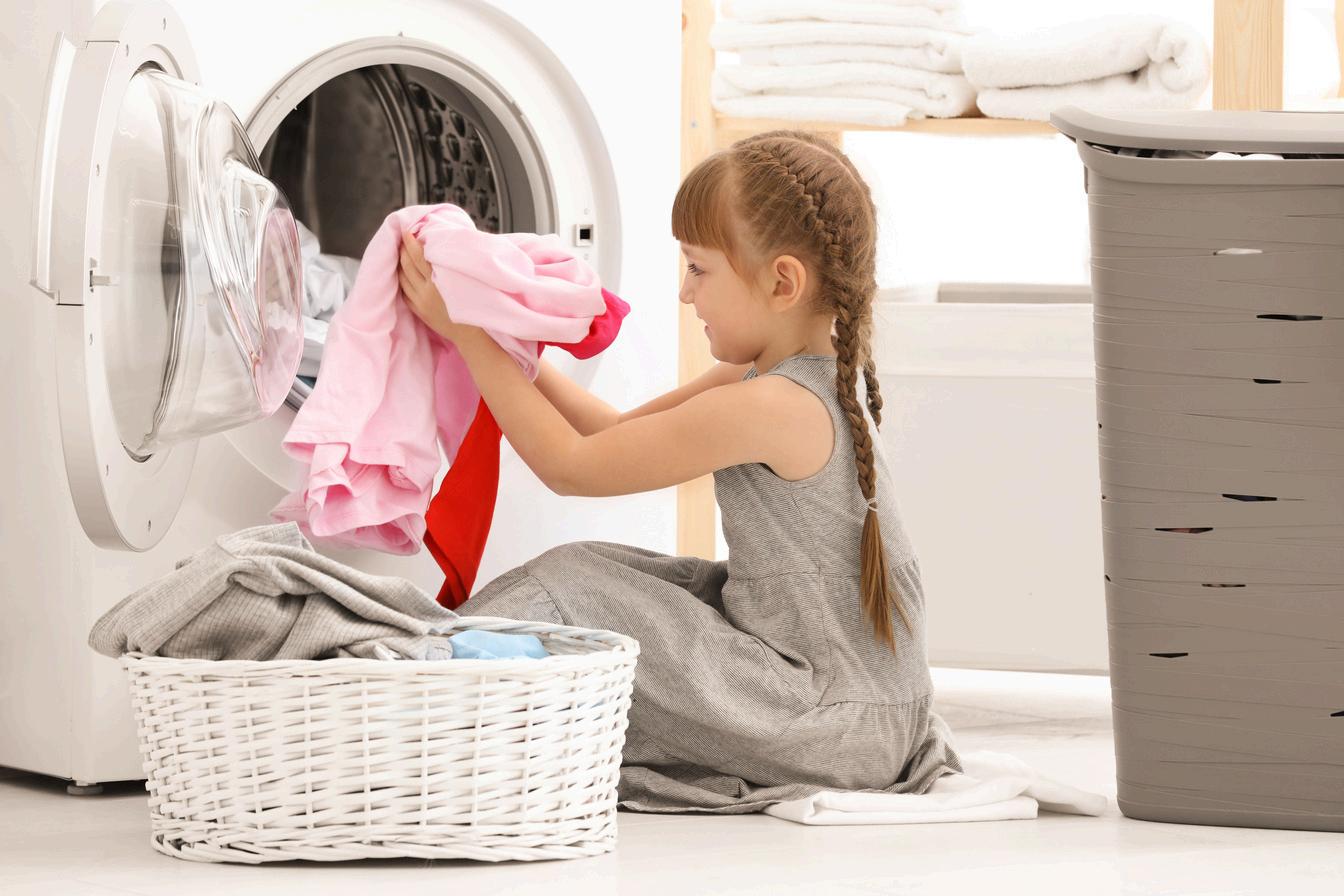
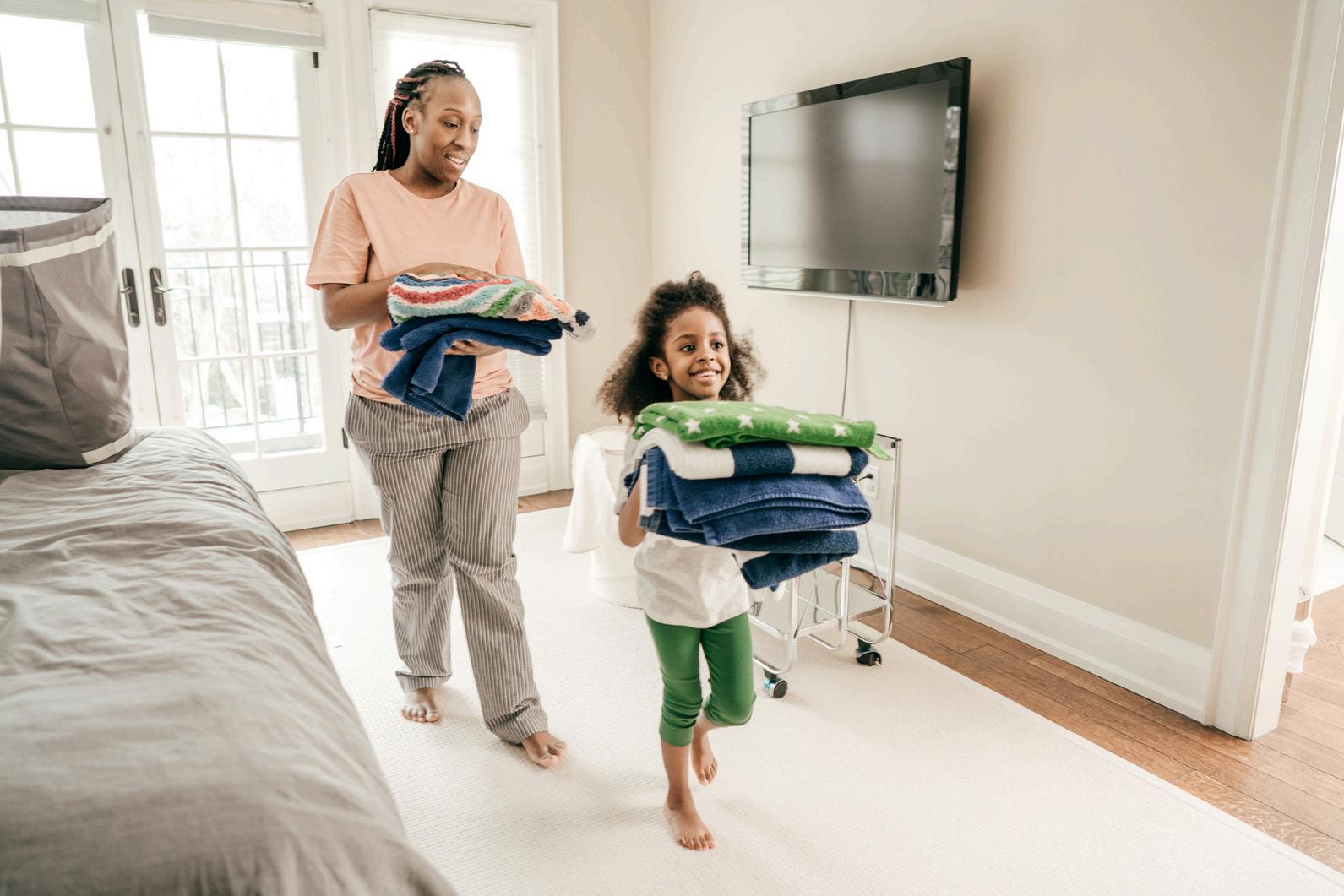
Chores-Foldingclothes,towels,unloading silverwareinthedishwasher,settingthe table,pickinguptoys,andfeedingpetsall helpyourchilddevelopinmultipleways.

Set up a child-sized table and chair, along with easy-to-access drawers for your child’s art supplies This area encourages creativity and independent cleanup If you have youngerchildren,youmightneedtofindwaystokeepthemoutoftheareaorcreatea systemwheretheycanjoininlater.
Involve your child in choosing items for the art center. Recycled materials like egg cartons, paper towel rolls, or pint-sized cartons make great supplies I remember taking ourdaughter,Taylor,toTargettopickouttwistablecoloredpencils,stickers,pompoms, pipecleaners,andyarn—simplethingsthatsparkcreativity.
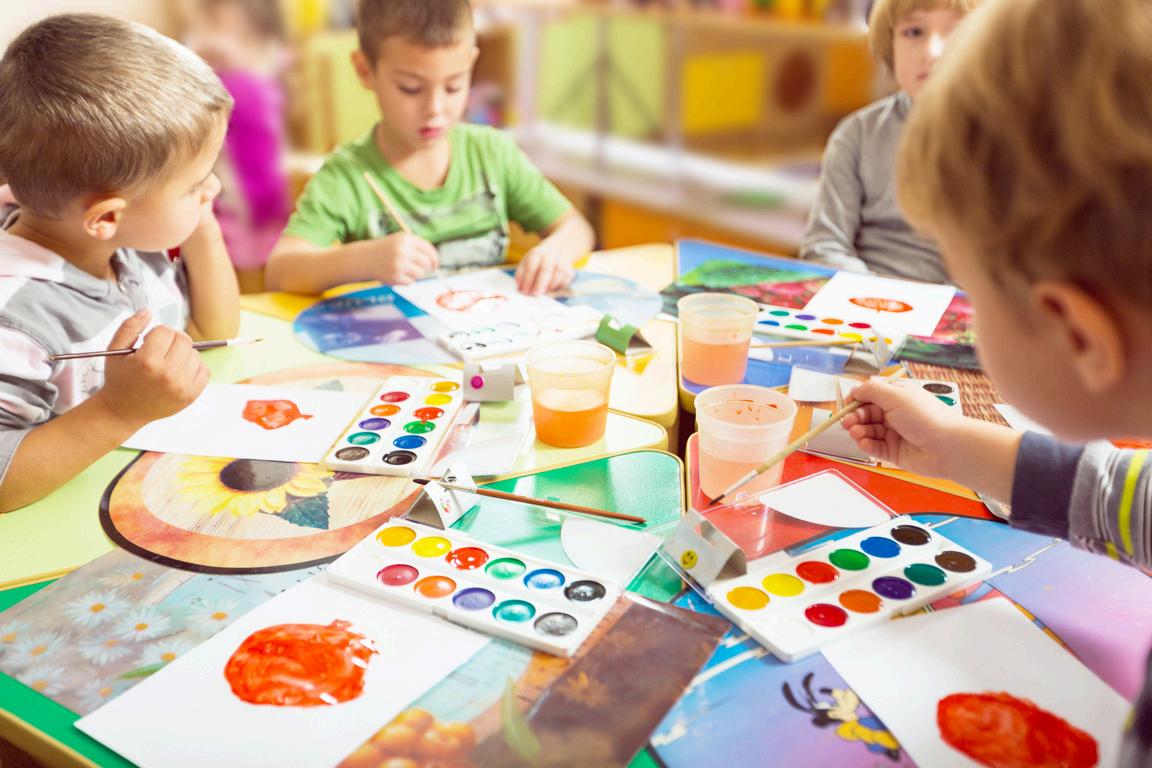
IncludeeverydayitemslikeQ-tips,popsiclesticks,tape,markers,watercolorpaints,play dough, and string. Let your child get involved in setting up and adding to the space. Taylorwouldsitforhours,creatingartandbuildingfinemotorskills
Boys might prefer messier activities like paint pens or using Q-tips to dip into paint. The keyisfindingactivitiesthatkeeptheminterestedincoloringandwritingsotheywillbuild thoseessentialskills.

OtherFunActivitiestoBuildFineMotorSkills
Fingerpainting
Writingordrawinginshavingcreamorwhippedcream
Paintbynumber
Mazes&dot-to-dotactivities
Tracing
Cuttingoutitems
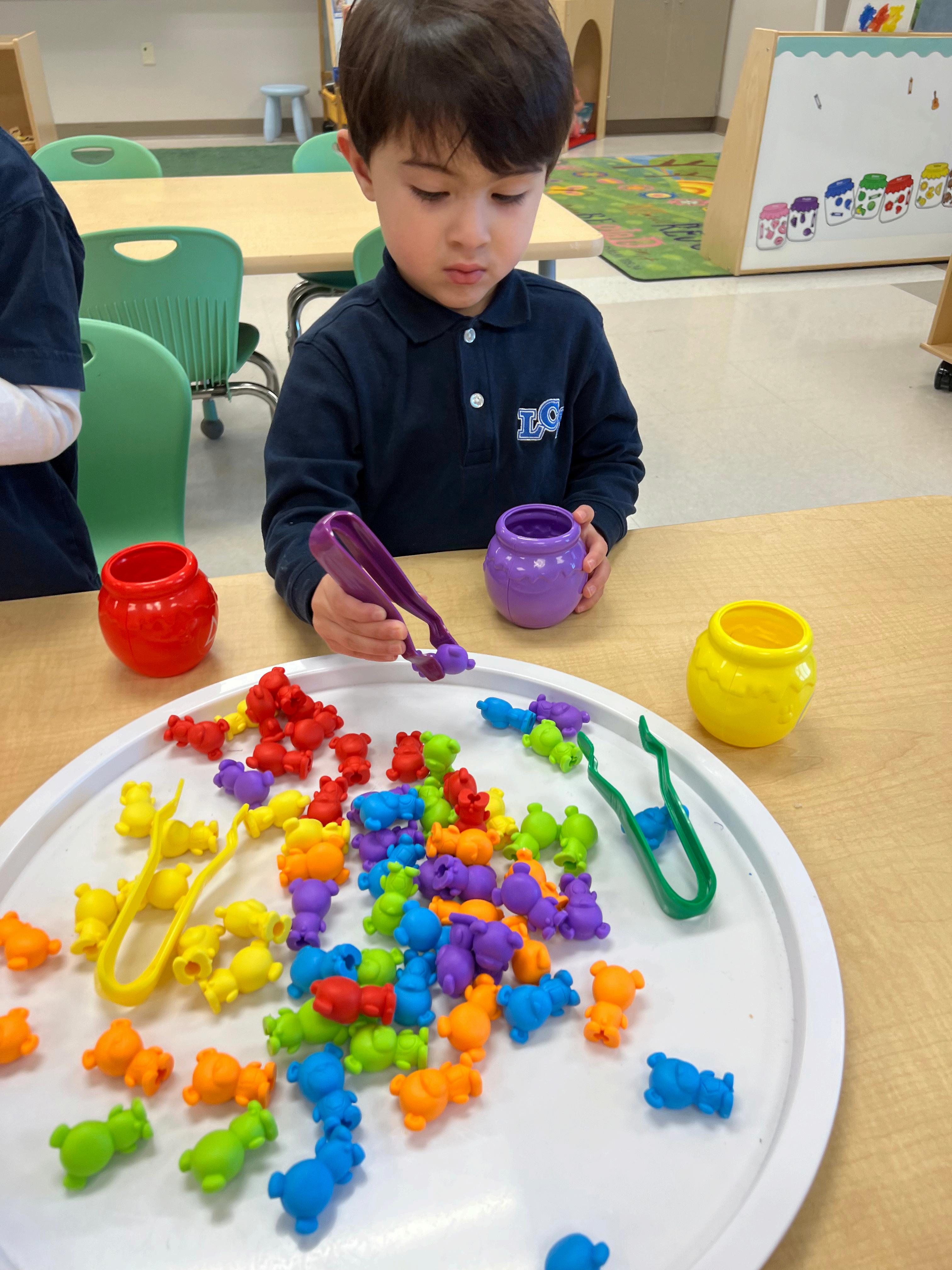
Usingtongstopickupobjects
Waterpaintingonthewall(usingwaterto"paint"lettersandshapes)
Creatingcollageswithfamilyandfriendpictures
Cuttingoutwordsorpicturesfrommagazines
Clippingclothespinstoacontainer
Makingcookieletters
Writingwithtubesoficing
Peelingandstickingstickers
These activities are not only fun, but they help your child develop fine motor skills while encouragingcreativity!
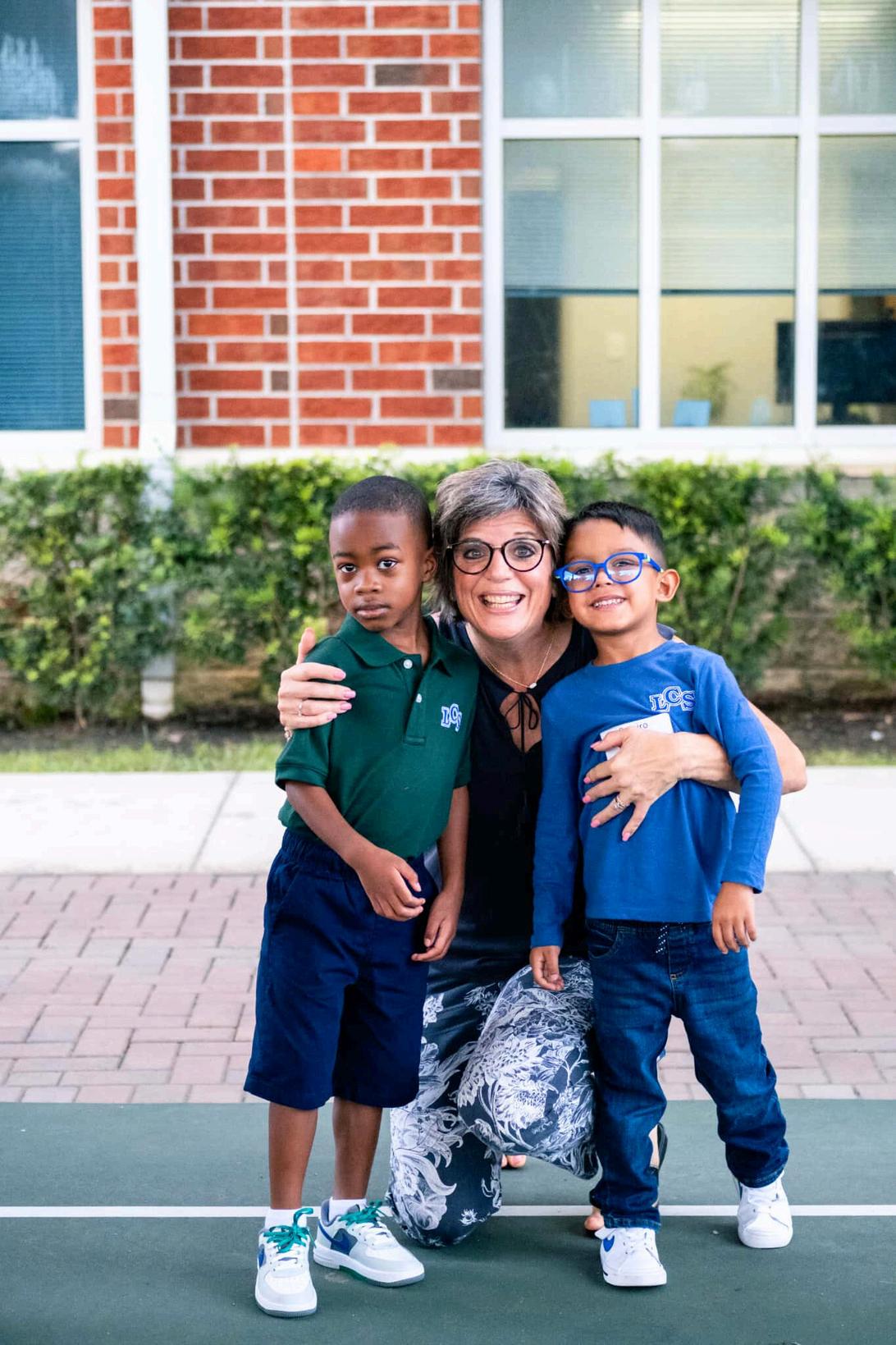
Timeflies,andbeforeyouknowit,yourlittleone will be an adult! Make time for “Walks and Talks”withyourchild youwon’tregretit When they’re young, take them in a stroller and let themobservetheworldaroundthemwhileyou talk.Pausetodiscussnatureandaskquestions that encourage thinking. Invite them to touch, smell, comment, and observe If they ask something you don’t know, look it up together whenyougethome.
These walks are key to building a strong relationshipandformingafoundationforopen communication as your child grows Make it a regular part of your routine aim for at least onceaweek.
When you’re on the move with your child in a stroller whether in your neighborhood, at the mall, or elsewhere take time to interact with them instead of handing them a device. I always say that when I retire, I’d love to pull a wagon full of books through stores and hand them out to kids and toss the phones and devicesaside
Engage with your child during daily activities meals, playtime, reading, and even in the car. Use complete sentences and introduce new vocabulary to help develop both receptive and expressive language skills Some parents even place the infant carrier or swing nearby while doing chores which allows them to talktotheirchildastheywork.
Young children love to engage in activities especially when we use the words “play” or “game”Youcantrythisathomebysaying,
“(YourChild’sName),let’splaythiscool game!”
It could be the Letter Game, Word Game, Sounds Game, Spelling Game, Focus Game, CleanUpGame,orColoringGame.Ifyourchild resists, they might not be interested at that moment. Simply let them know when you plan to play together and then encourage independentplayafterward
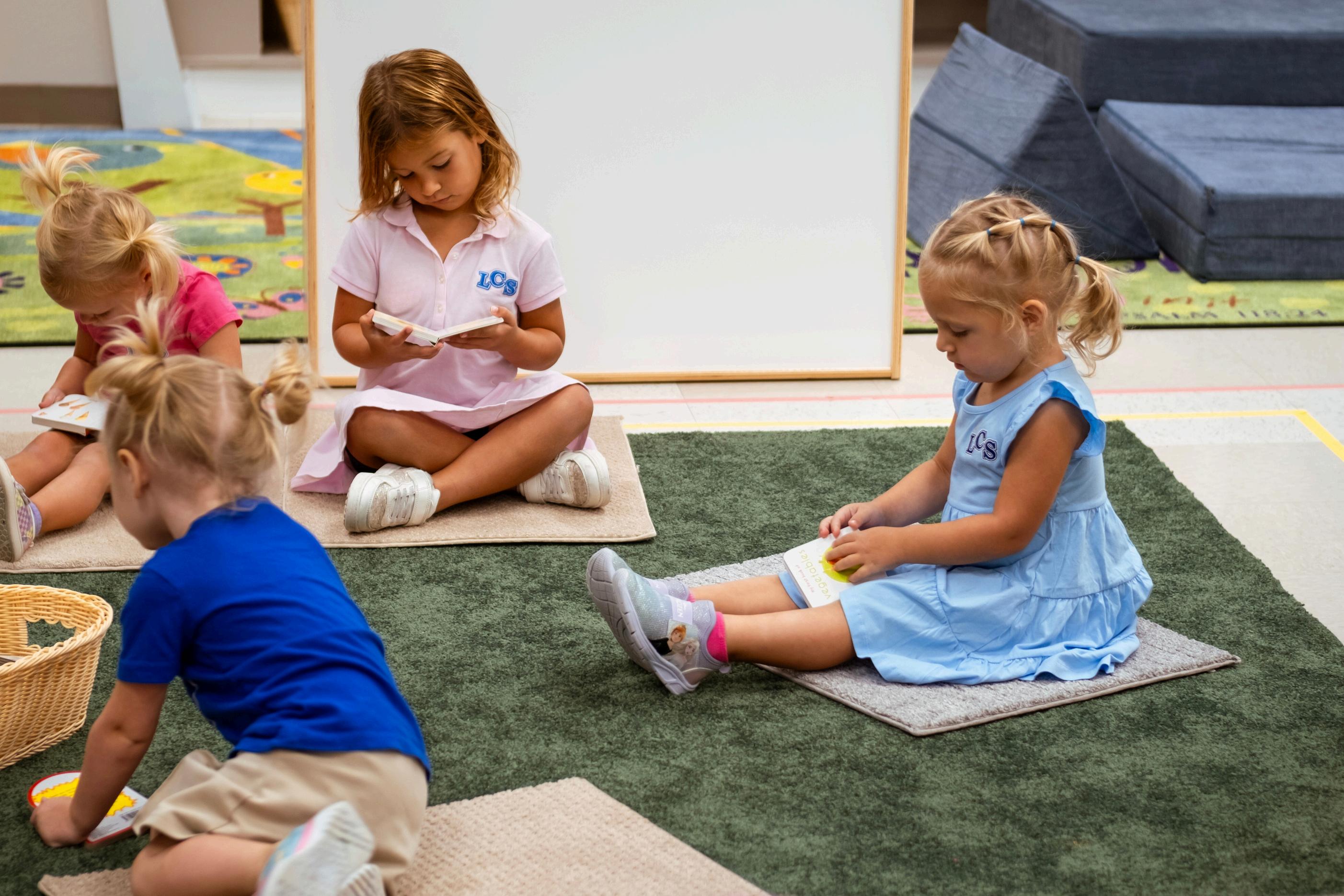
Children need to learn how to entertain themselves. While it’s important to spend time together reading, playing outside, or engaging in pretend play, they also benefit from time spentplayingindependently lookingatbooks, coloring, or using toys. Parents who encourage independent play help boost their child's creativityandconfidence.
If your child avoids an activity, it might be because it's difficult not becausethey’relazyoruninterested. Many parents mistake this, especially if their child has been highlyexposedtoscreens.Ifaboard game or activity doesn’t hold their attention,don’tworry Withpatience, practice,andtime,they’llgrowmore engaged. Screen time negatively impactsattentionspan.
We recommend purchasing a set of soft magnetic letters in two colors (red and blue, or any two contrasting colors) to help teach letter recognition and sounds. Red can represent vowels, and blue can represent consonants These letters aregreatforchildrenaged2-7.
The QR Code is linked to a great option!
MagneticLearningLetters

Start by teaching letters that have person meaning to your child; for example, if yo child’s name is Sam, begin with the letter Then,moveontoletterslike"M"formom,"D" dad, or other familiar names, pets, places, favoritefoods.Forinstance,"G"canbeforgu "J" for Jesus or jump, and "U" for up (pointi upwardsastheylearnthesound)
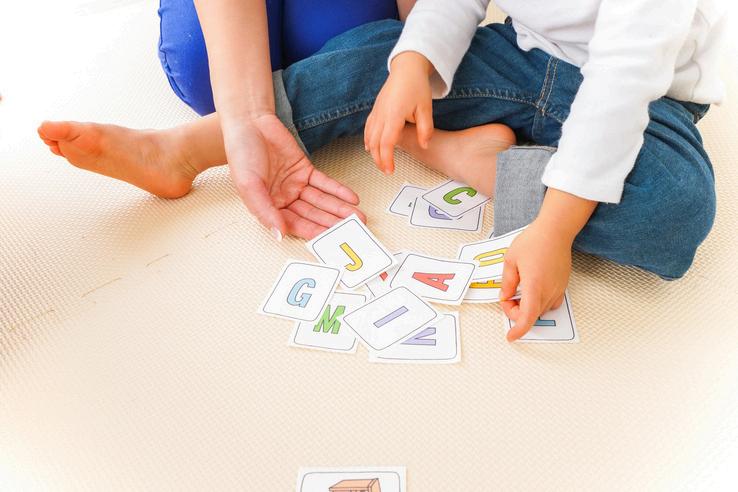
Place a few magnetic letters in a ziplock bag and take them with you in the car. You can l t your child place them on a small cookie she and talk about each letter Start w uppercase letters, one or two at a time, a gradually add more as they master each on Reviewregularlytoreinforcetheirlearning.
Asyourchildbecomesfamiliarwithupperca letters, you can begin introducing lowerca letters.Thiswillhappennaturallyifyou'vebe consistentlyreadingwiththem.
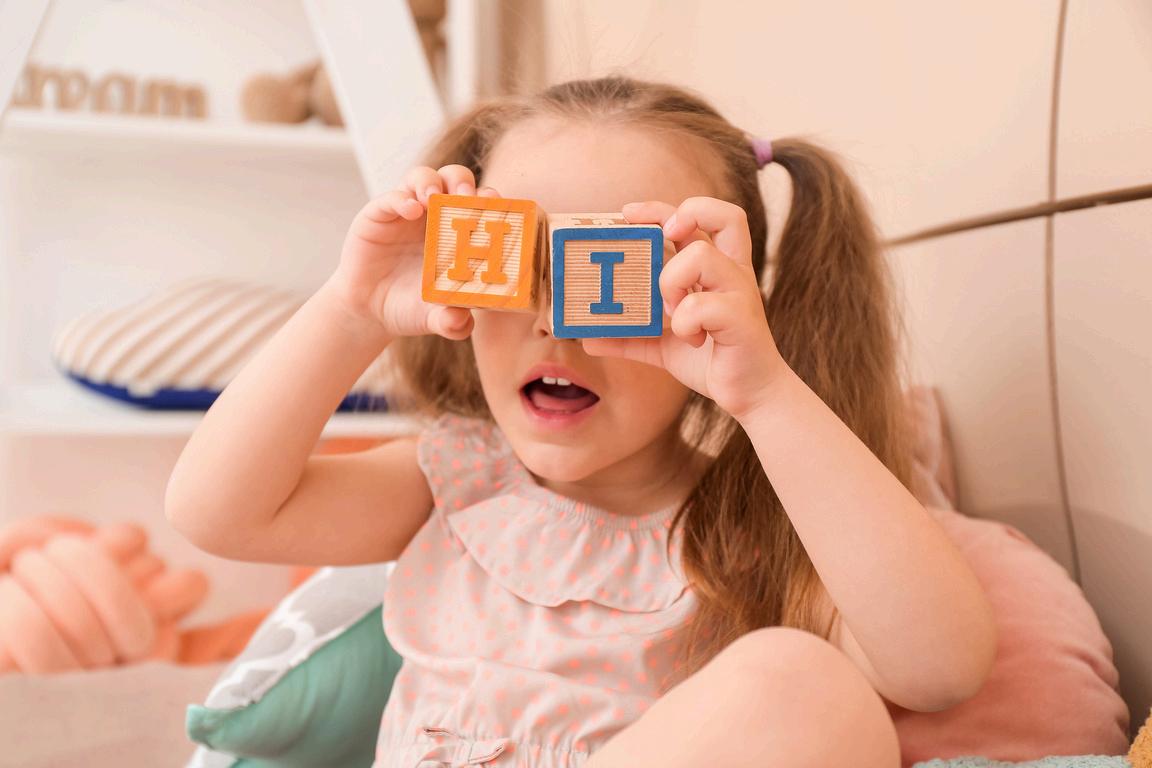
Encourageyourchildtosingthesillysongsand phrases that the K4 teachers use in class These are often included in their weekly communication and will help reinforce letter soundsinafunandengagingway.
Check the QR code for additional resources and activities to support yourchild’sletterlearning!
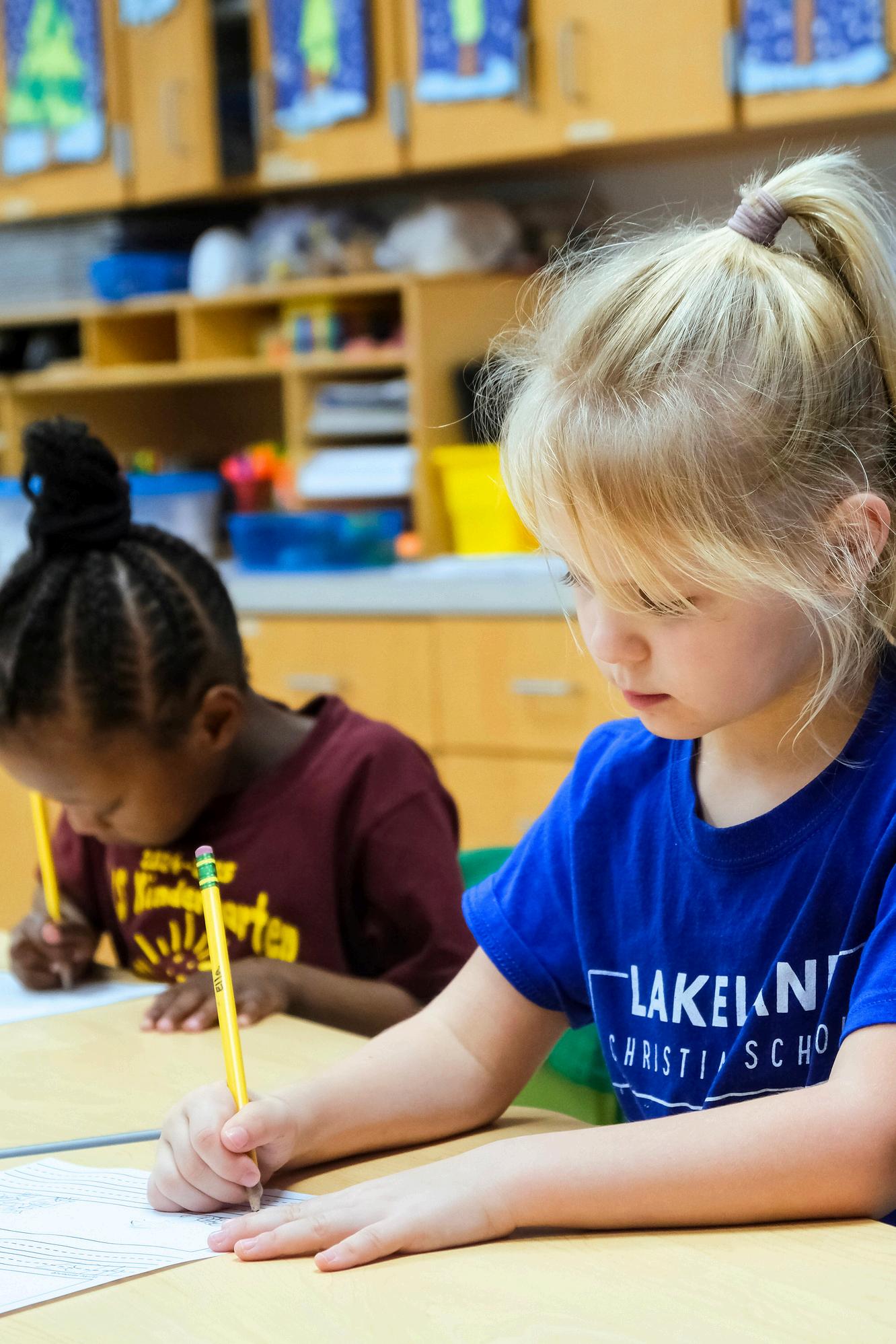
Car rides are a great opportunity to play games and practice letter recognition! Start with letters you know your child can identify (uppercaseisusuallyeasier)andworkthrough thealphabet.Thismighttakeseveralcarrides, but that's okay you can always pick up where you left off. See if your child can recognize letters on signs or even understand the meanings of red, yellow, and green traffic lights. This is called “environmental print,” and it’sagreatwaytopracticeletterrecognitionin reallife.
As soon as your child can hold items, buy soft books for them to explore. They may start by turning pages or looking at a few pictures (maybe even of themselves in their first photo album!). Around 18 months, children are typically able to hold and turn pages in board books Keep a basket of books near their car seat or somewhere they can easily reach. Rotate them so your child has a variety of choices.
Encourage your child to "read" to you, even if theyjustlookatthepicturesandmakeuptheir ownstoryorreciteamemorizedone.Celebrate their"reading"skills it’sabigmilestoneasthey grow.
Usethecarridetoengageyourchild in conversation or let them sing along to songs they hear on the radio. Worship songs are great for teaching rhythm, rhyming, and letter/sound recognition. Don’t rely on screens or phones in the car Children need practice sitting still, listening, and waiting their turn to speak.
Afunrhymethatcanhelpyourchild learn is “Top to bottom, left to right, that’sthewaywereadandwrite!”

Childrenneedreassurancethatweallface challengesandthatit’sokaytostruggle.Teach themthatevenadultsfacedifficulties,butwith help,hardwork,perseverance,andprayer,we canovercomethem.Prayingasafamily modelsrelianceonGodandbringspeace.As Proverbs22:6says,“Trainupachildintheway heshouldgo;evenwhenheisoldhewillnot departfromit.”
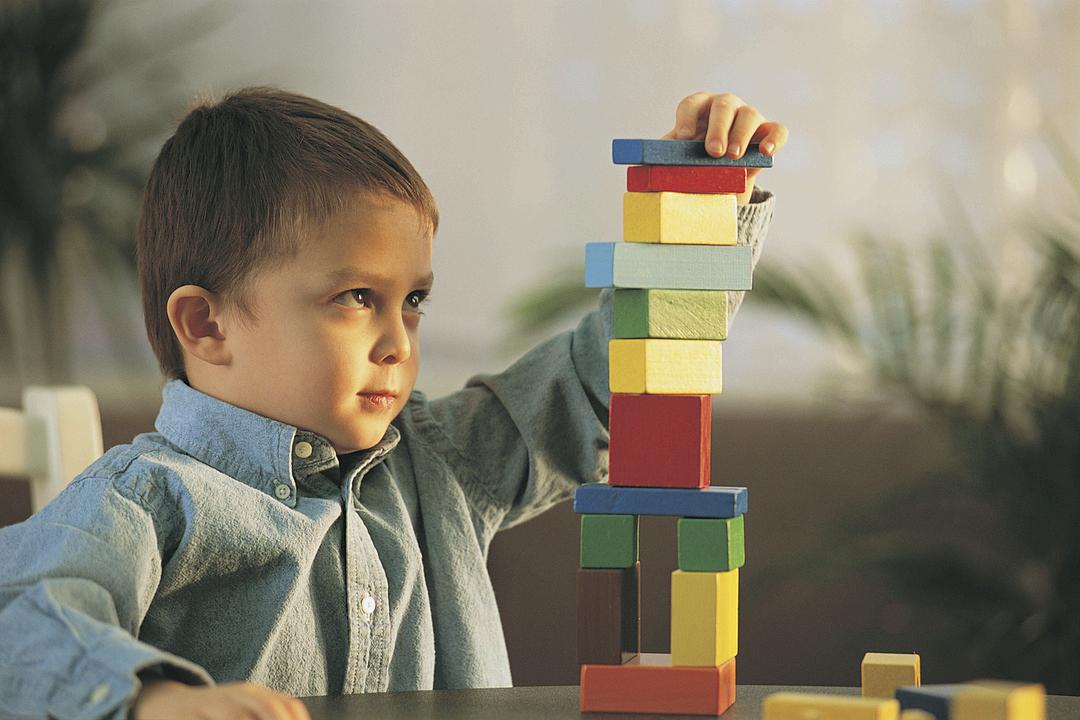
Modelresiliencebytalkingthroughfrustrations nearyourchild;forexample,ifyoumissashot inagame,say,“It’sokay,I’lltryagain.Ineed morepractice.”Thishelpschildrenunderstand setbacksandthattheycanovercomethem Dr MikeSlighsaid,“Preparethechildfortheroad, nottheroadforthechild.”Startteachingthis mindsetearly-childrenneedtoknowthat mistakesarepartoftheprocess-like rebuildingafallenblocktower.
Celebrateyourchild’ssuccesses withpraise,andteachthemthatlife isn’talwaysaboutwinningorbeing first Theymustlearntoobeywitha joyfulheartandloveotherswell.This iscalleda“growthmindset.”
Say,“Wow!Thisisaproblem,but you’reaproblemsolver.HowcanI bepartofthehelpfulsolutionyou comeupwith?”
Ifyourchildisoftenthecenterofattention, he/shemaydevelopahighrateofattentionseekingbehaviorwhichcanbechallengingto managenowandmuchmorechallenging later.Constantlyaffirmingeverymovecan createadependenceonexternalvalidation whichissimilartothedopaminerushchildren getfromscreens Tohelpchildrenbuild independence,it’simportantnottoover-praise buttoallowthemtoengagein developmentallyappropriateactivitiesontheir own.
Whenchildrenworkthroughchallenges,they gainconfidencebyrealizingthathardwork leadstosuccess.Ifyourchildisfeeling overwhelmedorstressed,haveatalkwith him/hertoidentifythesource Ourgoalisto helpthemreachtheirfullpotentialasGodhas designedthem.
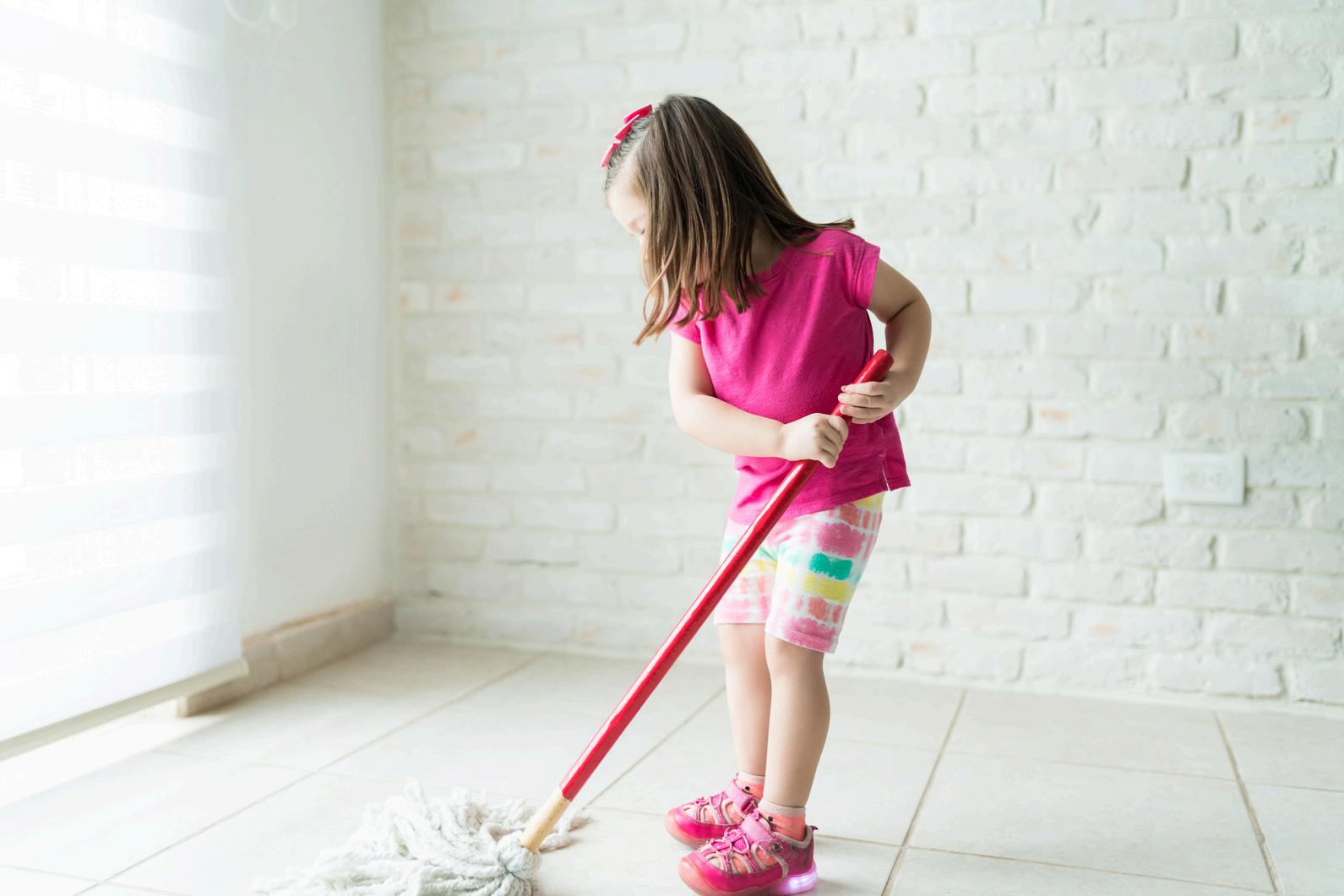
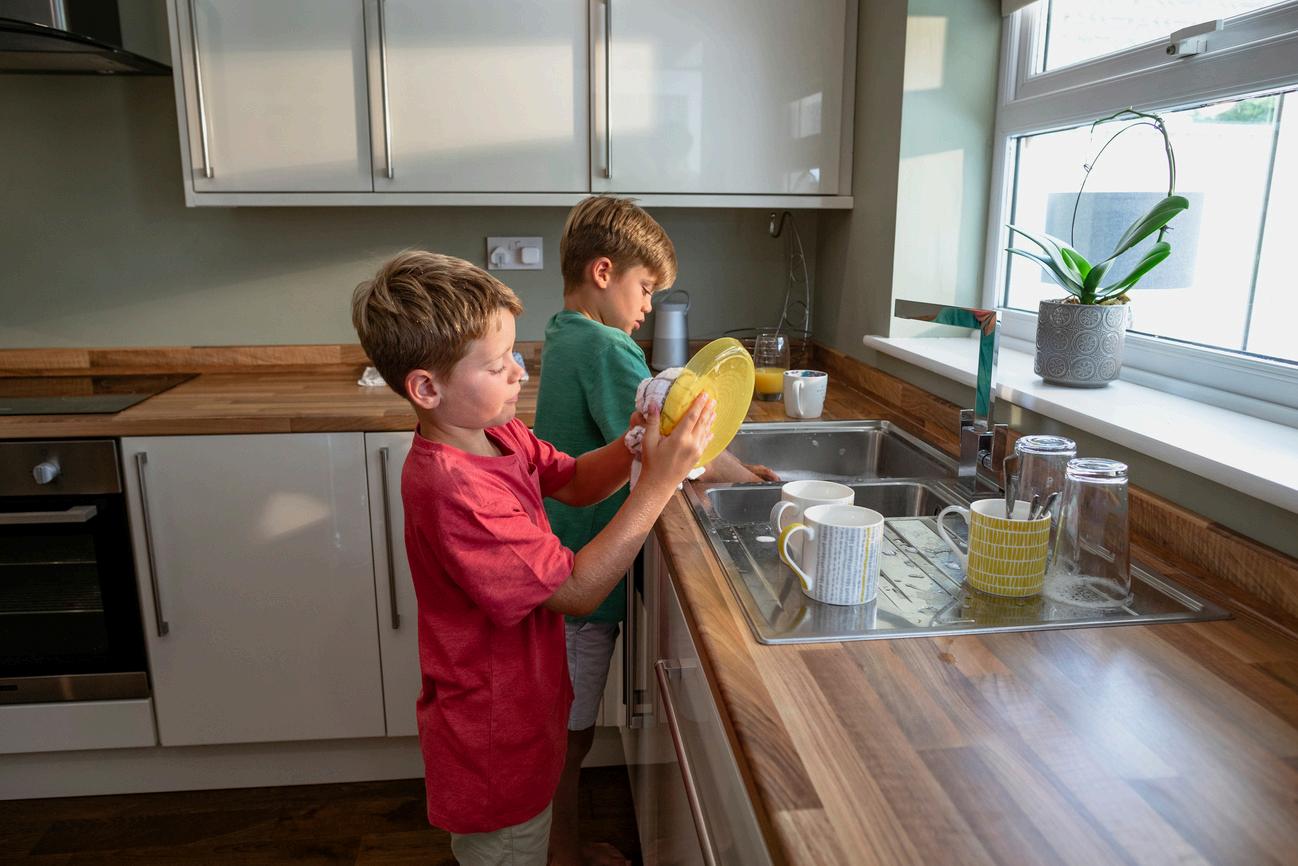
Assignatleastonesimplechore eachdaytobuildresponsibilityand independence:
Washingplasticdishes
Settingthetablewithnapkins andutensils
Countingplacematsorfiguring outhowmanymore/lessare needed
UnloadingTupperwareorplastic itemsfromthedishwasher
Matchingsocks
Foldingsmalltowelsor washcloths
Thesetasksteachchildrenvaluable lifeskillsandgivethemasenseof accomplishment.
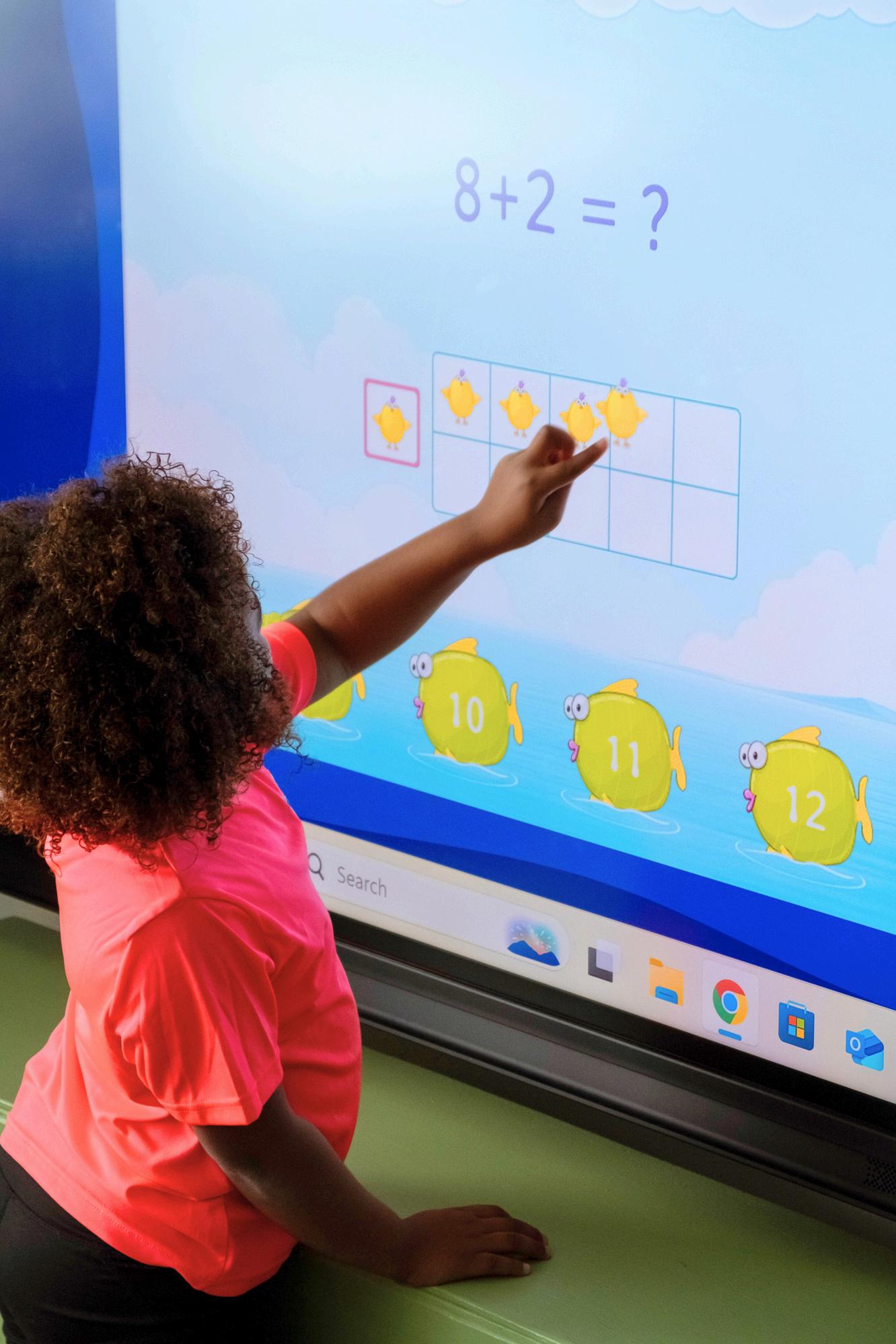
Encourage a positive attitude toward math (and other activities) by speaking positively about math. For example, even though I dreadedthedentistasachild,Ifocusedonthe good aspects to avoid passing my negativity on to my own kids. Count everything together: double, add on, take away, divide or “share” things, ask a lot of questions to encourage simplemanipulationofnumbers.
Use the CPA (Concrete, Pictorial, Abstract) methodforteachingmath:
Concrete Stage: Use hands-on materials like breadstick dough for building fractions orletterstohelpchildrenphysicallyengage withtheconcept.
Pictorial Stage: Use pictures or demos to furtherexplaintheconcept
Abstract Stage: Move to written or typed problemsoncethey’reready.
Cooking is a fun way to teach sequencing and a variety of math skills. Let your child follow recipes, measure ingredients, and learn the steps. Provide pictures for younger children to guide them, and give them space to work independently whileyousupervise.
Singing songs together can encourage skip counting. The QR code below will take you to some songs that are great for teaching yourchildtocountby2's,3's,4's,and more!
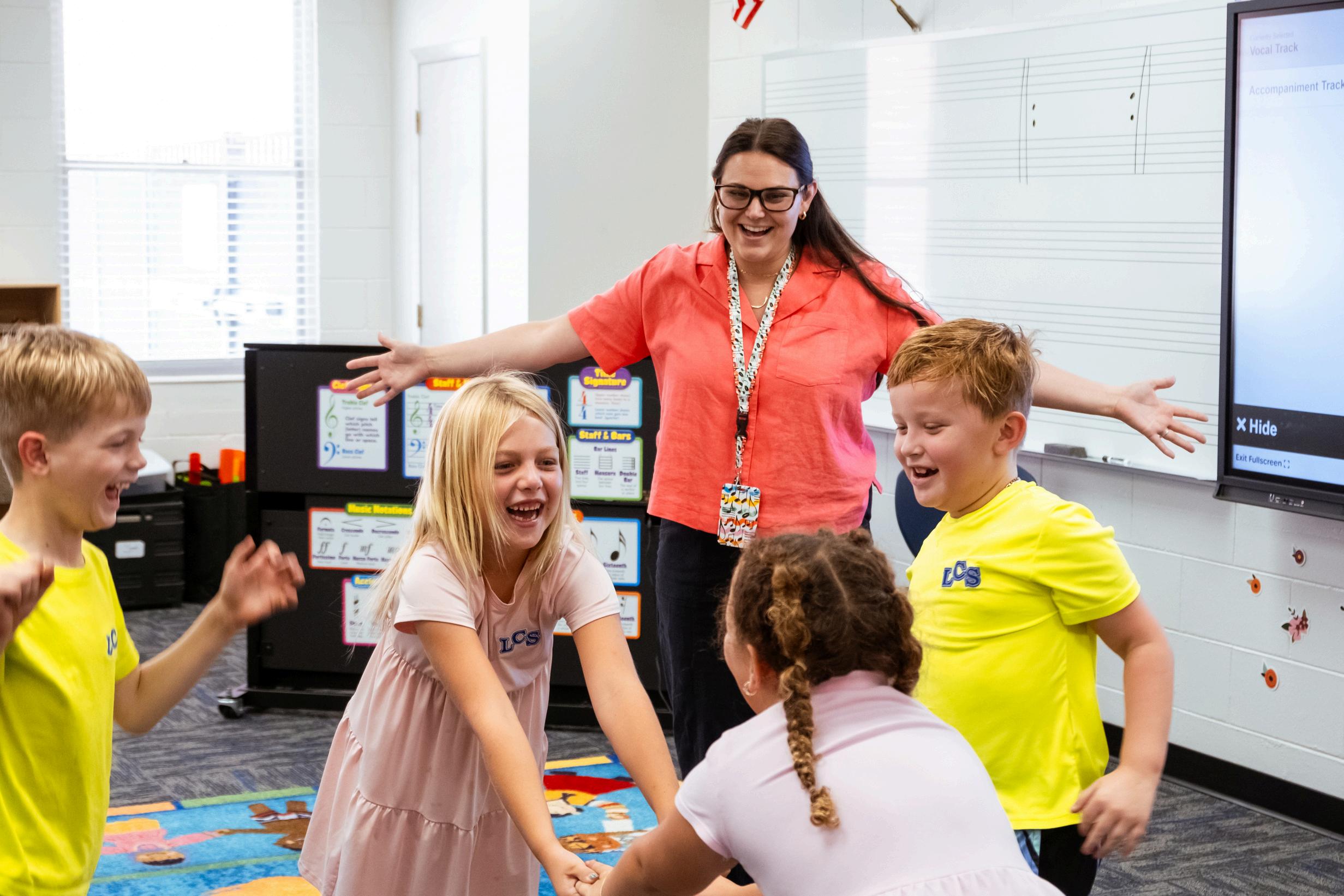
Gameslikedominoesandboardgameswithdicearegreatforhelpingchildrenvisualize numbersandunderstandtheirvalue Forexample,canyourchildpicturethenumber“4” as four dots in his/her mind? Games also help children grasp addition and subtraction. Askquestionslike,“Whatistenmorethansix?”or“Howmanywayscanyoumake7?”(6 and1;4and3,etc.)GameslikeCandyLand,GoFish,Uno,andTroublearealsofunand educational.
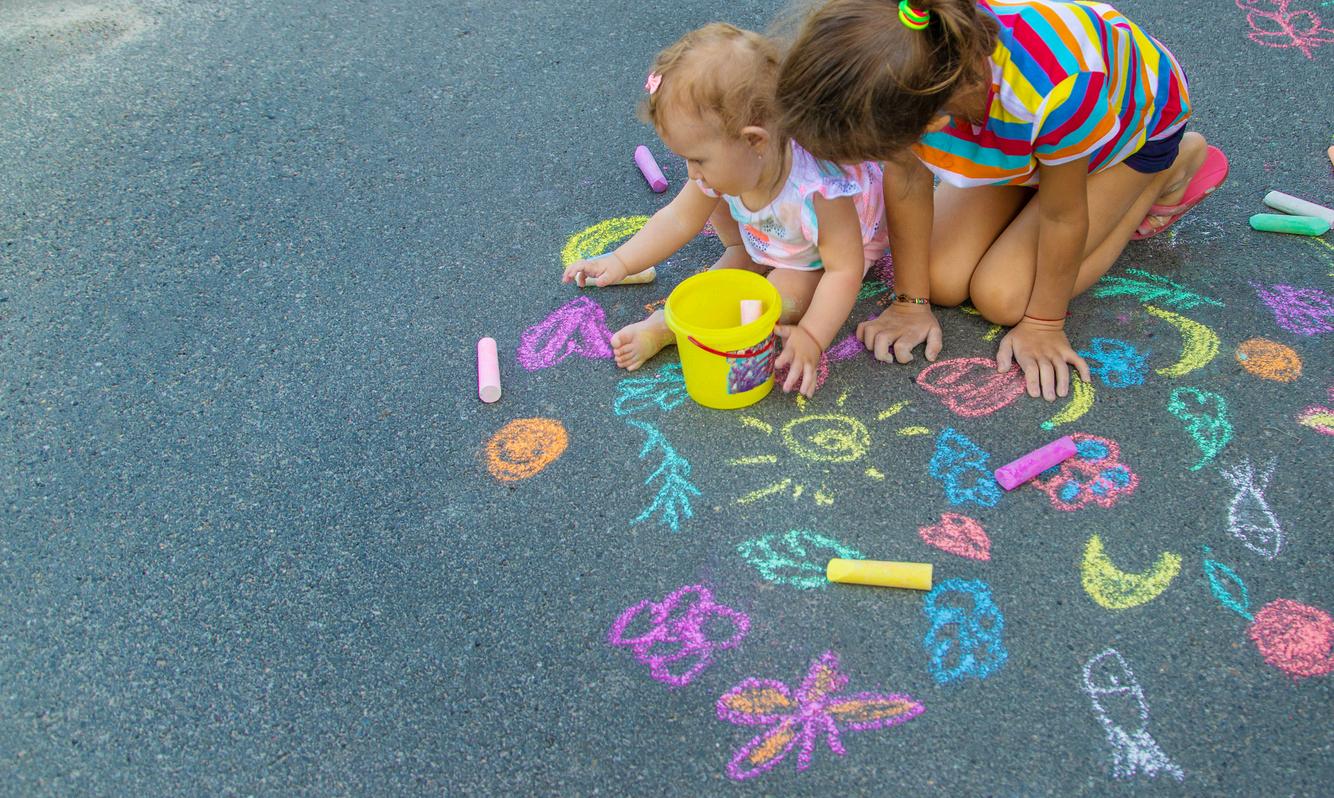
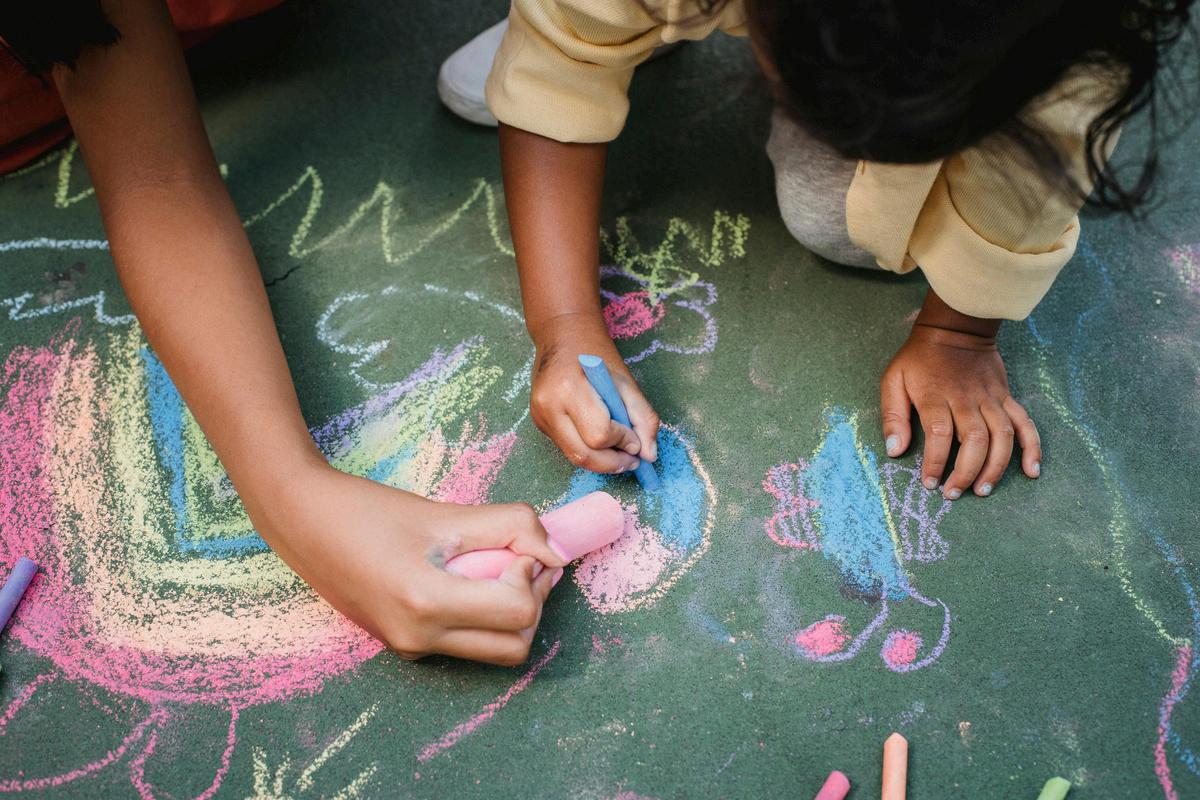
Sidewalkchalkisafunwaytoexplainmathconceptsoutdoors.
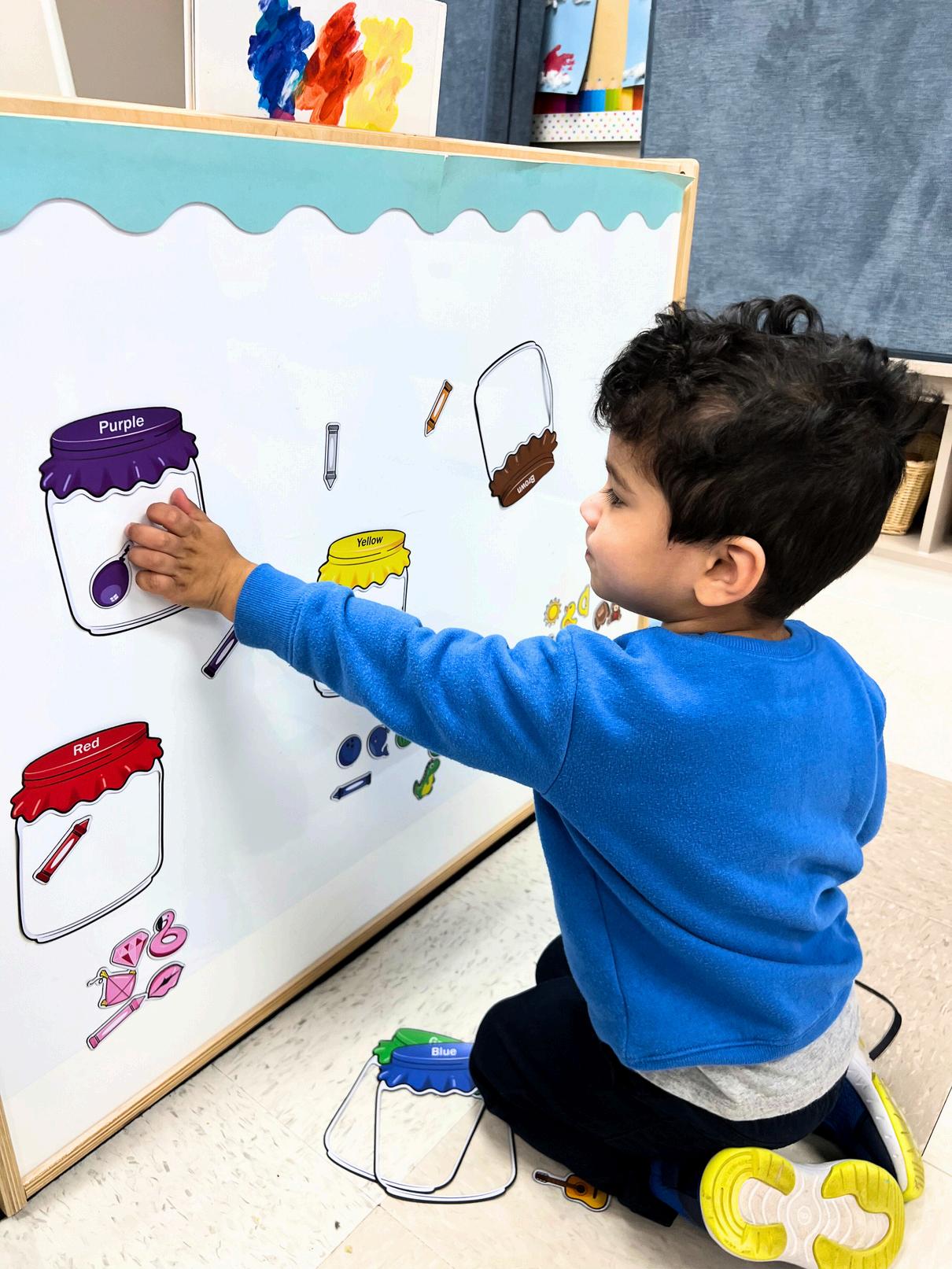
Dry erase boards can be easier for some kids than using paper and pencil. You can hangoneonthewalloruseasmalloneontheirlap.
Cooking with your child is a great way to practice math - especially measuring ingredientsandcuttingitemsintofractions(eg,halves,quarters,eighths) Repetition helpschildrenunderstandfractionsbeforemovingontomorecomplexmath
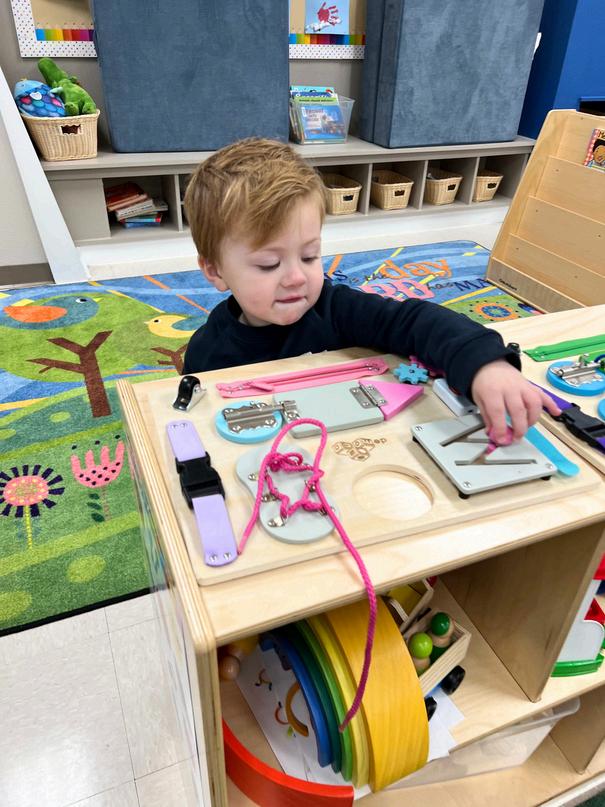
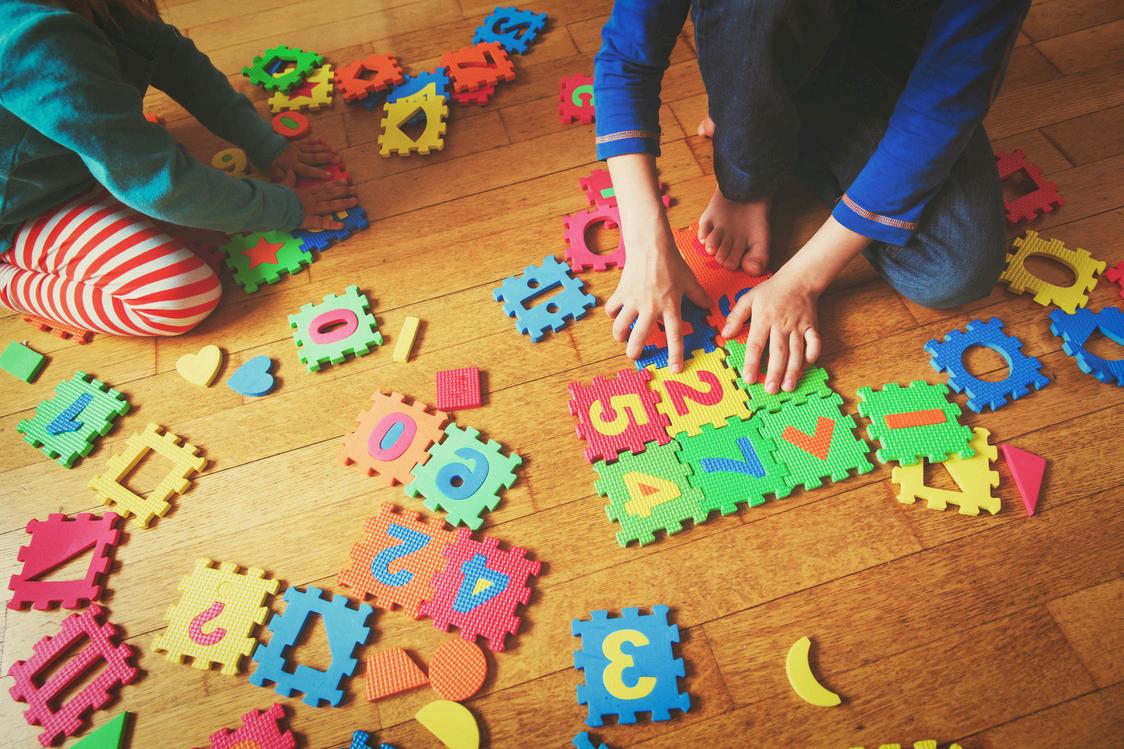
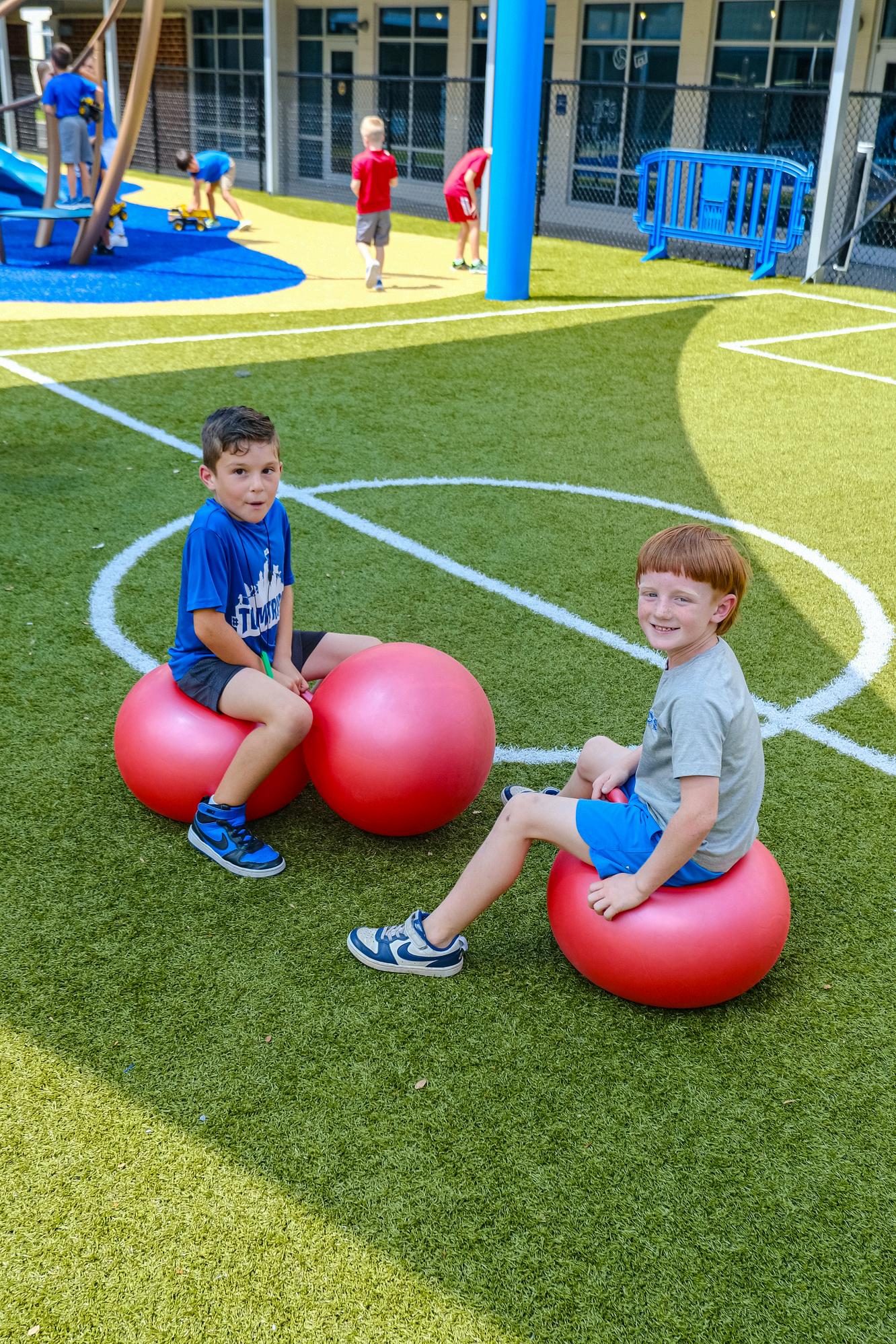
As adults, we expect children to focus, but we often don’t teach them how. We’re great at telling them, “Focus on your work” or “Focus so you can finish,” but do we actually teach them how to focus? We teach children how to tie shoes, give high fives, or get in line, but focusingneedsthesameintentionalpractice
If children practice activities like playing the piano,themoretheyinvestinit,thebetterthey become.Similarly,weneedtocarveouttimeto help children practice focusing. Without this, some children become so reliant on attention and so easily distracted that they struggle to functionindependently.
As parents, we are called to train our children well, to teach them to obey, respect, and liste attentively Focus, like other skills, tak intentionalpractice.
Reminder!
Remove all phones and Ipads as well as lim TV time to 30 minutes a day. Screen time ki attentionspan!
Most neuropsychologists agree that the following guidelines help us know if a child is moving in the right direction as far as developing and strengthening their ability to pay attention. We know that the type of activityandthechild’sinterestinthe activity will impact their attention spanaswell.
2yearsold:5minutes
3yearsold:7minutes
4yearsold:10minutes
5-6yearsold:15minutes
7–8yearsold:20minutes
TheFocusGame
TheFocusGameisagreatwaytoteach childrenhowtofocusindependently Italso requiressomeself-disciplinefromtheadult! WhenIpracticethiswithchildreninmyoffice,I forcemyselftoturnmybackonthemasIsitin achair,andfocusonsomethingelse,like checkingemails IfIdon'tturnaway,I inadvertentlygivethechildattentionthrough myeyesorexpressions.Weoftenthinkchildren needconstantpraiseorencouragement,but theydon't.
1SetaTimer:Setagoalforhowlongyour childwillfocus—startwith1-2minutes, dependingontheirage.Useatimeronyour phone.
2.Adult'sRole:Whilethechildfocuses,you workonsomethingelse(reading,preparing dinner,etc) Don'tofferattentionor guidancetothechild.
3.Child'sTask:Chooseanactivitythechild candoindependently(e.g.,coloring,writing, oratasktheyenjoy).Theymustfocusonit withoutyourhelp
NoInterruptions:Bothyouand yourchildcannottalkorget eachother’sattentionuntilthe timergoesoff.
StayFocused:Thechildmust workonhis/hertasktheentire time Startwithapreferredtask thatcanbecompleted independently.Oncethechild canfocusfor10minutes,change toanon-preferredtasktoseeif he/shecanfocusonthatforthe sameamountoftime
TimerGoesOff:Whenthetimer rings,thefocussessionisover. Celebratethechild'ssuccess!
Ifyourchildsucceeds,offerpraise, hugs,orhighfives Then,gradually increasethetimeby30secondsto1 minute.
Ifyourchilddoesn’tmeetthegoal, that'sokay!Simplyadjustthetimeto somethingachievableorswitchtoa preferredtask Ifaruleisbroken, calmlystopthetimer,explainthe rulesagain,andrestartthegame.

If you have older children at LCS and have to wait for the older child to dismiss, I en you to pick your youngest child up spend one-on-one time together in talking about their day, reading books with letters on the cookie sheet encourage you to have other activitie car that do not include a device Stick or mazes may be fun to leave in the sticksmaybeabetteroptionforyoua muchfuntobuildlettersorcreateanim

If you are talking or engaging with your child and then glance at your phone, you are sending a message to your child that you are too busy for them or there is something more importanttoyouthantheyare.Yourinteraction with them then becomes disjointed and less meaningful
Take advantage of time in the car with your children. This is a great time to discuss some topics that may be challenging Since your child is facing forward and is not expected to lookyouintheeye,he/shemayopenupmore. This is an opportunity to discuss tough events in your life, how the Lord used those for good, and how He guided you through the rough waters