A Letter from Our Leadership
For 141 years, the Lake George Association has stood as the voice and guardian of the Queen of American Lakes.
Our story began in 1885 when a small group of residents came together to protect Lake George’s fish, wildlife and clear water. What started as community stewardship quickly evolved into the nation’s first lake conservation organization, founded on the belief that clean water is worth fighting for.
From our initial sanitation survey in 1889 that identified wastewater pollution as a threat to water quality, to the research that revealed the impacts of road salt, invasive species and stormwater, we have always led with science, developed practical solutions to combat threats and advocated for lasting change at the local and state levels. Those who have worked tirelessly throughout our organization’s storied history have inspired state policies, guided local decisions and helped create both the Lake George Park and Park Commission that still exist today.
This 2026-2030 Strategic Plan represents the next chapter in our legacy. It strengthens what we do best — conduct independent science, fund on-the-ground solutions and engage with the community — while deepening our focus on advocacy, strategic partnerships and systemic change.
Because the future of Lake George will be decided not only by what happens directly on its shoreline, but also by the policies, practices and partnerships that shape its watershed.
Our mission is as clear as it has always been: To ensure the enduring protection of Lake George’s water quality and clarity. Achieving this mission requires collaboration among scientists, policymakers, residents, businesses and visitors who are all united in listening to what the Lake tells us, then taking action and speaking up for its best interests.
Together, we will continue to define and defend what it means to protect one of the cleanest, most beautiful lakes in the world.
Dr. Brendan Wiltse
Executive Director

Dr. John E. Kelly III
Board Chair


Our Legacy of Protection
The Lake George Association officially forms as the nation’s first lake conservation organization. 1885
LGA hires watershed-wide sanitation inspectors on behalf of municipalities to encourage wastewater pollution control.
LGA helps establish the Lake George Park and Lake George Park Commission.
LGA advocacy helps revitalize the Lake George Park Commission through New York State Environmental Conservation Law Chapter 617, strengthening the Commission’s authority, governance and regulatory framework for increased watershed protection.
Lake George Waterkeeper program — a member of the Waterkeeper Alliance — is established, acting as the Lake’s watch dog.
The Jefferson Project begins, creating a sophisticated Lake-wide sensor network that makes Lake George “The Smartest Lake in the World.”
The LGA merges with The FUND for Lake George, combining science, solutions, advocacy and community engagement into one united organization.
The LGA introduces its Lake Impact Fund grant program, available to watershed municipalities and property owners to accelerate Lake protection solutions.
Our Bright Future
First sanitation survey identifies shoreline wastewater as water quality threat.
LGA science and advocacy leads to the creation of state-wide policy that enforces Lake water levels.
Eurasian Watermilfoil is identified as the first aquatic invasive in Lake George. A lake-wide hand-harvesting program begins a year later.
The LGA Floating Classroom sets sail for the first time.
The LGA and Waterkeeper help create watershed-wide partnership, S.A.V.E. Lake George, leading to the Mandatory Boat Inspection Program, enacted by the Lake George Park Commission, to prevent aquatic invasive species from entering the Lake.
Lake George Road Salt Reduction MOU is signed, kicking off official road salt reduction efforts and the first annual Salt Summit. This MOU stemmed from the S.A.V.E. Lake George partnership.
A watershed-wide Mandatory Septic Inspection Program is enacted by the Lake George Park Commission, with technical guidance from the LGA and Waterkeeper.
The LGA adopts its new 5-Year Strategic Plan, with a sharp focus on advocating for systems change to create enduring protection of the Lake George watershed.
Together, We are the Voice of Lake George
The Lake George Association is the only non-governmental organization solely focused on protecting Lake George water quality. Our board, staff and members have led the protection of Lake George since 1885. We continue to protect the Lake’s clear and clean water for all to enjoy.
Our Mission
To ensure the enduring protection of Lake George water quality and clarity.
Our Impact
The Lake George Association commits to sustaining the highest standards of water quality and clarity – protecting safe drinking water, recreational enjoyment and natural beauty – and ensuring the Lake remains free from threats posed by toxins, excess nutrients, invasives or other pollutants.
Our Vision
The Lake George watershed remains globally renowned for its clean water, healthy ecosystems and sustainable communities, achieved through our science-informed solutions and collective action.

Our Guiding Principles
Respect for the Lake
We approach every consideration with one question:
“What is best for Lake George water quality and clarity?”
Guided by Science
Our strategic partnership with the Jefferson Project has allowed us to build several decades of Lake George water quality data, which shapes every project, policy and investment we make.
Focused on Solutions
We don’t just raise alarms. We build and scale answers that endure. Our work turns insights into impact and science into action.
Powered by Community & Partnerships
We believe lasting protection starts with participation. We educate, convene and empower the public and our partners to protect the Lake they love.
Unwavering for the Lake
We are loyal to the Queen of American Lakes above all else. When her voice needs to be heard, we speak clearly, firmly and together.
Lake George’s Water Quality Threats
Nutrient Pollution Aquatic Invasives
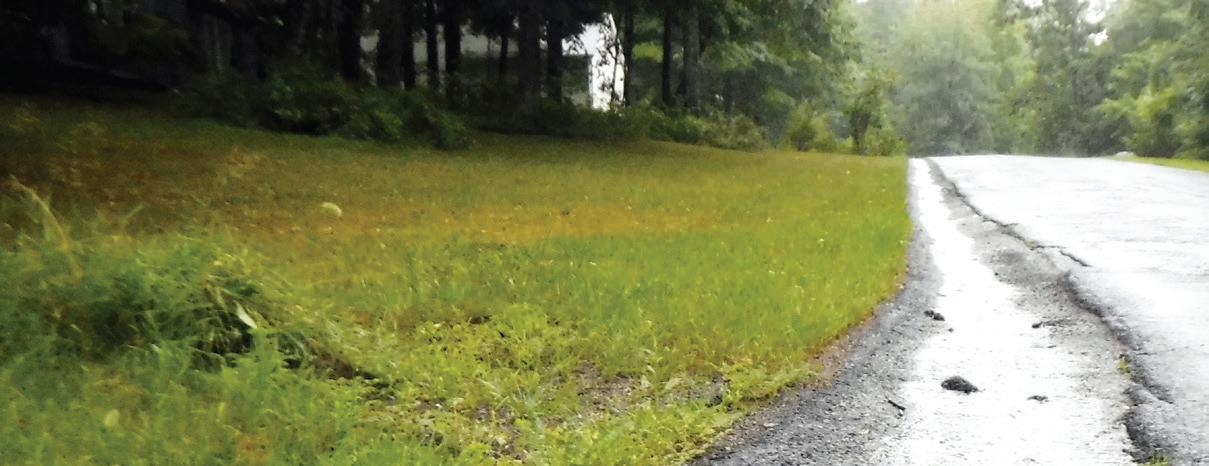
Importance: Excess nutrients from stormwater runoff and wastewater threaten Lake George’s clarity, fueling algae growth and harmful algal blooms.
Our Response: We create and recommend best management practices in compliance with laws, such as Low Impact Development, to reduce nutrient inputs and monitor the performance of stormwater and wastewater systems that surround the Lake.
Road Salt
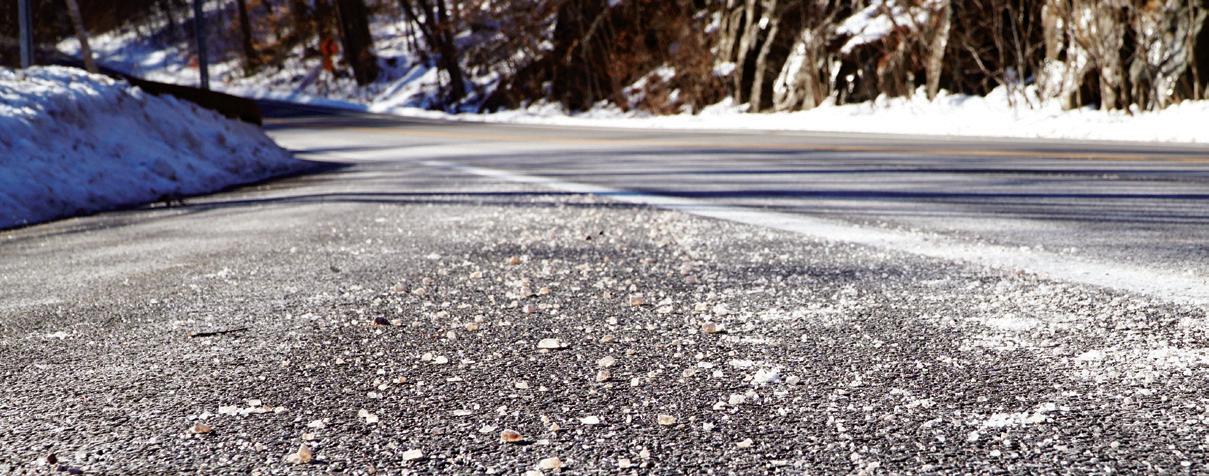
Importance: Winter road salt runoff raises chloride levels in groundwater and the Lake’s surface waters, harming aquatic life, corroding infrastructure and threatening drinking water quality.
Our Response: We conduct long-term chloride monitoring, fund research on human health impacts of salt-contaminated groundwater, lead municipal and commercial Sustainable Winter Management certification efforts, and advocate for state-level policy changes to reduce road salt use while keeping roads safe.
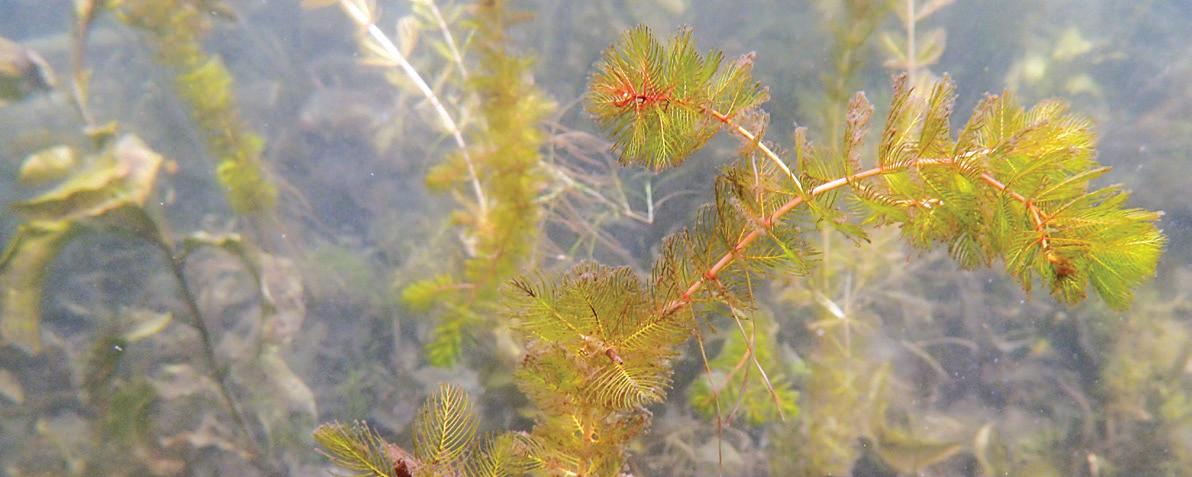
Importance: Aquatic invasive species disrupt native ecology, water quality and recreation across the Lake George ecosystem.
Our Response: We establish and sustain long-term monitoring programs to detect AIS early, support the Lake George Mandatory Boat Inspection Program, study the ecological impacts of AIS and help develop science-based management plans.
Why We Protect Lake George
Just 0.5% of the entire planet’s water supply is freshwater available for human use. This is a finite resource under increasing pressure around the world. Globally, lakes and rivers that sustain billions of people face pollution, climate disruption and stress from development. These threats underscore the urgency of protecting this life-giving resource.
Lake George’s water quality is under continuous and increasingly cumulative threats, jeopardizing the permanent protection of the Lake as the cleanest recreational lake in the United States. Below are the five major threats that we focus on:
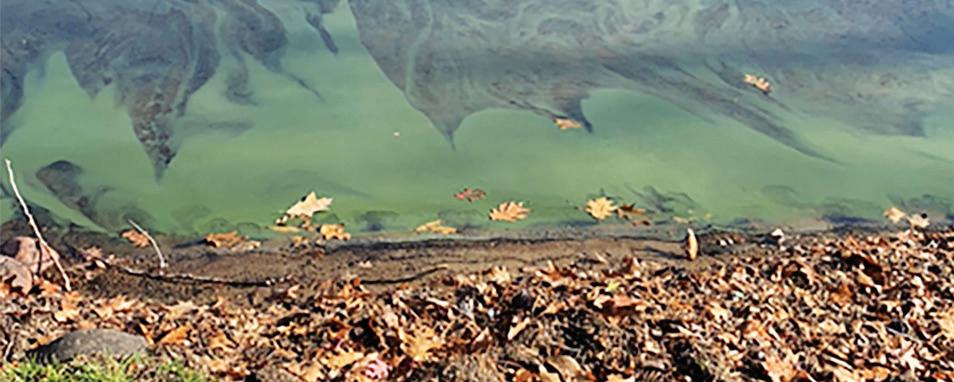
Climate Change Harmful Algal Blooms (HABs)
Importance: Although Lake George remains largely free of HABs, even a single toxic harmful algal bloom fueled by nutrient pollution can endanger drinking water, recreation and the Lake’s water clarity.
Our Response: In partnership with the Jefferson Project, we monitor water quality through advanced sensors and community science programs, track environmental factors that trigger HABs and develop predictive models for early warning and prevention.
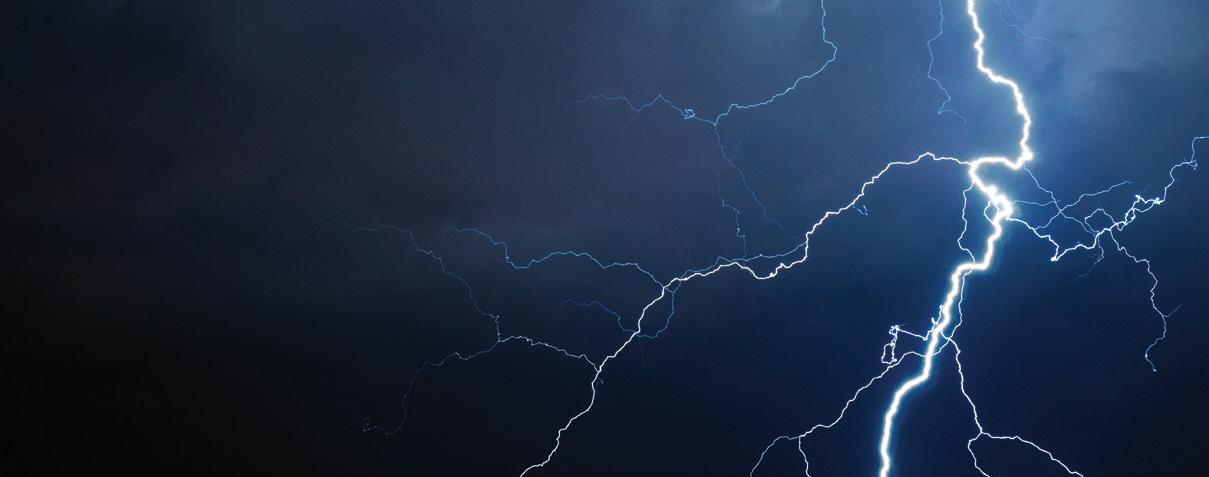
Importance: Rising temperatures, stronger storms and diminishing ice cover accelerate runoff, erosion, changes to the Lake’s ecology and pollution throughout the watershed.
Our Response: We study and model climate-driven impacts on lake conditions and watershed hydrology, and advocate for climate-smart planning and infrastructure across the region while helping communities prepare for and mitigate the effects of a changing climate.
Protecting Lake George is not just an environmental mission. It’s an economic imperative, a community responsibility and a moral promise to future generations.
Lake George is the largest lake wholly within the Adirondack Park’s borders. It is one of the cleanest, clearest and most studied lakes in the world. Its clarity is not by accident. It is a result of generations of devoted, united protection.
Designated as a Class-AA Special water body, Lake George is the drinking water source for thousands of residents, businesses and visitors across three counties. It anchors a $2 billion
regional tourism economy and its shoreline properties collectively represent billions in value. Its 32-mile-long stretch defines a way of life for all who depend on it.
But these benefits are fragile. Nutrient pollution, road salt, invasive species, harmful algal blooms and climate change all threaten the Lake’s clarity, the prosperity it supports and the multi-generational family memories it creates.
Our Approach: A Continuous Cycle of Lake Protection
Our work flows through a continuous cycle — from science to solutions and from community engagement to advocacy — ensuring that every action strengthens the next and that the Lake’s voice is always heard where it matters most. This cycle flows through five core pillars that define and drive everything we do.
Science: Data, Monitoring & Analysis
We listen to the Lake and measure what it tells us. Alongside the Jefferson Project, our research defines the Lake’s threats, reveals trends and guides every decision we make.
Solutions: Watershed Protection
We utilize science to fund the most impactful solutions. Each action we take delivers measurable, lasting improvement to the Lake’s health.
Community: Education & Mobilization
We educate and mobilize the public to act on behalf of Lake George. Through outreach, engagement and storytelling, we build understanding, inspire stewardship and amplify impact through collective voices.
Partnerships: Collaborative Investment
We unite strategic partners and fund projects that protect the Lake. Through our Lake Impact Fund, we leverage resources and relationships to scale sciencebased solutions.
Advocacy: Codified Lake Protection
We turn science and solutions into systemic change, and speak on the Lake’s behalf. Through policy, partnerships and persistence, we ensure enduring Lake protection.
Our 2030 Goals
The Lake George Association measures success not only by action, but by results. By 2030, our impact will be seen in the Lake’s clarity, the influence of our science and advocacy, and the strength of the community and partnerships that sustain our work. The five pillars of our Continuous Cycle of Lake Protection drive each of our goals.
Defend and Improve Water Quality
We will continue to protect Lake George’s world-class water quality. Nutrient and salt concentrations will decline, no new aquatic invasives will be introduced and toxic harmful algal blooms will not threaten drinking water quality or recreation.
Advance Policy and Advocacy
The creation of policy briefs for all primary threats to Lake George water quality will result in effective policy wins at local and state levels.
Lead Through Collaborative Partnerships
Our partnerships and coalitions will be highly influential and effective.
Mobilize an Informed Public
Tens of thousands of informed, knowledgeable constituents throughout the watershed and the region will mobilize to support our solutions that protect the Lake.
Maintain Organizational Excellence
We will continue operating as a best-in-class, high-performing organization, with the human, technological and financial resources commensurate with this status.
Objectives to Achieve Our 2030 Goals
Over the next five years, we will pursue strategic objectives that will help us reach our 2030 goals. We’ve specifically chosen these initiatives because we believe they have the ability to make the greatest impact for the protection of Lake George water quality and clarity.
Together, we will always represent the Voice of Lake George.
Protect and Improve Water Quality
We will continue to leverage the Jefferson Project and targeted cutting-edge research to identify the major threats to Lake George so that we may identify, validate and scale innovative solutions that measurably maintain and improve water quality.
By 2030 we will:
• Develop a State of the Lake framework and report to routinely provide transparent updates on Lake George’s water quality.
• Develop a Lake-wide nutrient budget to identify key sources of nutrients into Lake George and inform our targeted nutrient reduction solutions.
• Increase high-impact watershed wide projects that reduce stormwater runoff and nutrient pollution into the Lake.
• Expand the Lake Impact Fund to fully leverage state and federal funds in support of projects proving lasting Lake George water quality protection.
Advance Policy and Advocacy
We will identify key policy and regulatory improvements that will provide enduring protection for Lake George’s water quality.
By 2030 we will:
• Develop solutions-orientated policy briefs on all major threats to Lake George water quality, and influence at least two major local or state policy reforms that strengthen freshwater protection.
• Advocate for the integration of Low Impact Development practices into local Comprehensive Plans and development projects.
• Advance the development of a comprehensive Aquatic Invasive Species Management Plan to guide management and prevention activities.
Lead Through Collaborative Partnerships
We will continue to invest in innovative partnerships that unite diverse groups to advance the protection of Lake George’s water quality.
By 2030 we will:
• Formalize collaborative partnerships that unite science, government and community under the shared goal of protecting Lake George water quality and clarity.
• Continue to support and advance the cutting-edge science of the Jefferson Project to identity and track the Lake’s major threats.
• Establish new partnerships to elevate the Voice of Lake George at the state and federal levels.
Mobilize an Informed Public
We will inform, educate and inspire everyone who cares for Lake George and freshwater protection to be a Voice of the Lake.
By 2030 we will:
• Increase the size of our informed audience so that there is always a large constituency ready to speak for the Lake.
• Regularly publish digestible information and tools for the public, partners and legislators so that all audiences can learn from and act on our science and solutions.
• Strengthen digital, media and partnership networks to build year-round awareness and support for Lake George water quality advocacy.
Maintain Organizational Excellence
We will invest in the financial and human capital of the organization to ensure long-term sustainability and growth.
By 2030 we will:
• Grow revenue, including dedicated state and federal funding for clean water solutions, to advance and scale lake protection efforts.
• Strategically grow our capacity in the areas of advocacy and community engagement to ensure that the LGA remains a strong Voice for the Lake.