Lakbay?
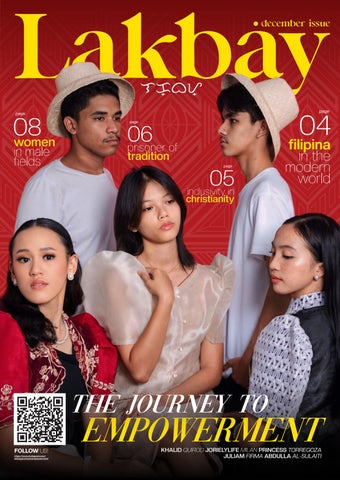
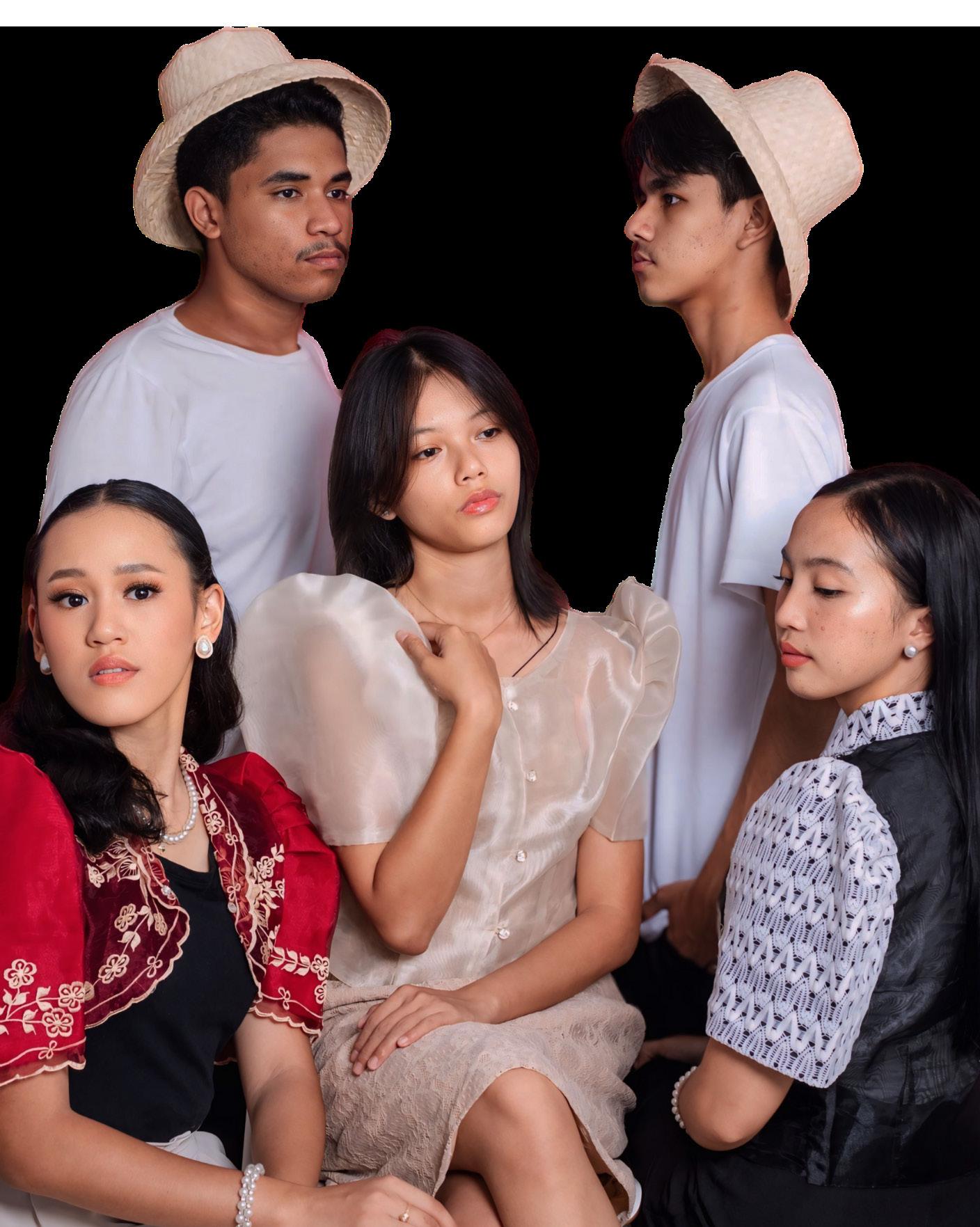
Lakbay which means “journey” is an inclusive magazine dedicated to empowering Filipino women and the SOGIESC community
Through personal stories, expert insights, and advocacy, it addresses the challenges of gender-based violence, LGBTQ+ rights, and equal opportunities, while promoting social justice and equality. Rooted in the belief that every individual deserves respect and empowerment, Lakbay serves as a platform for education, inspiration, and action, encouraging Filipinos to embrace diversity and fight for a more inclusive society.
By: Jorielylife Milan & Juliam Firma
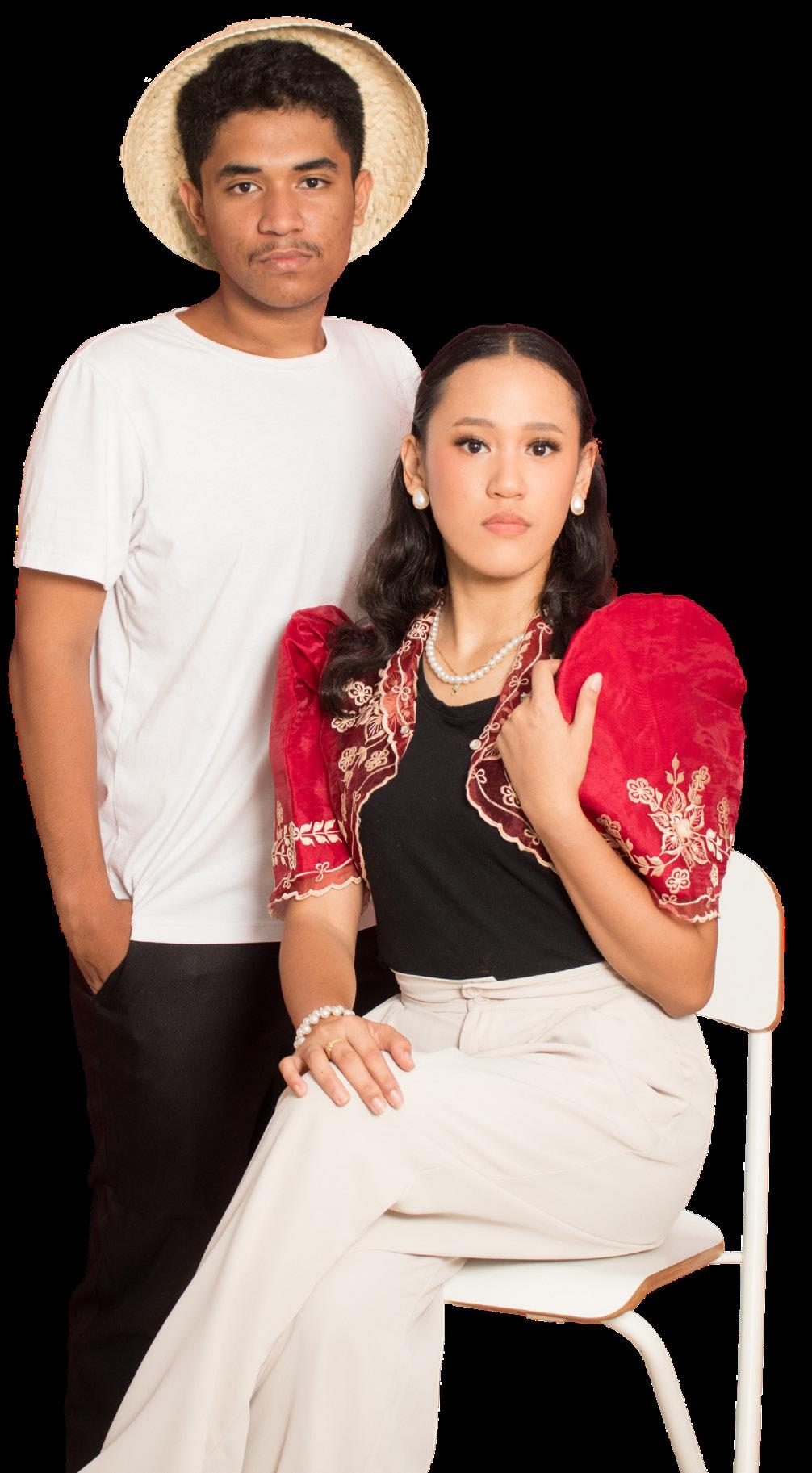
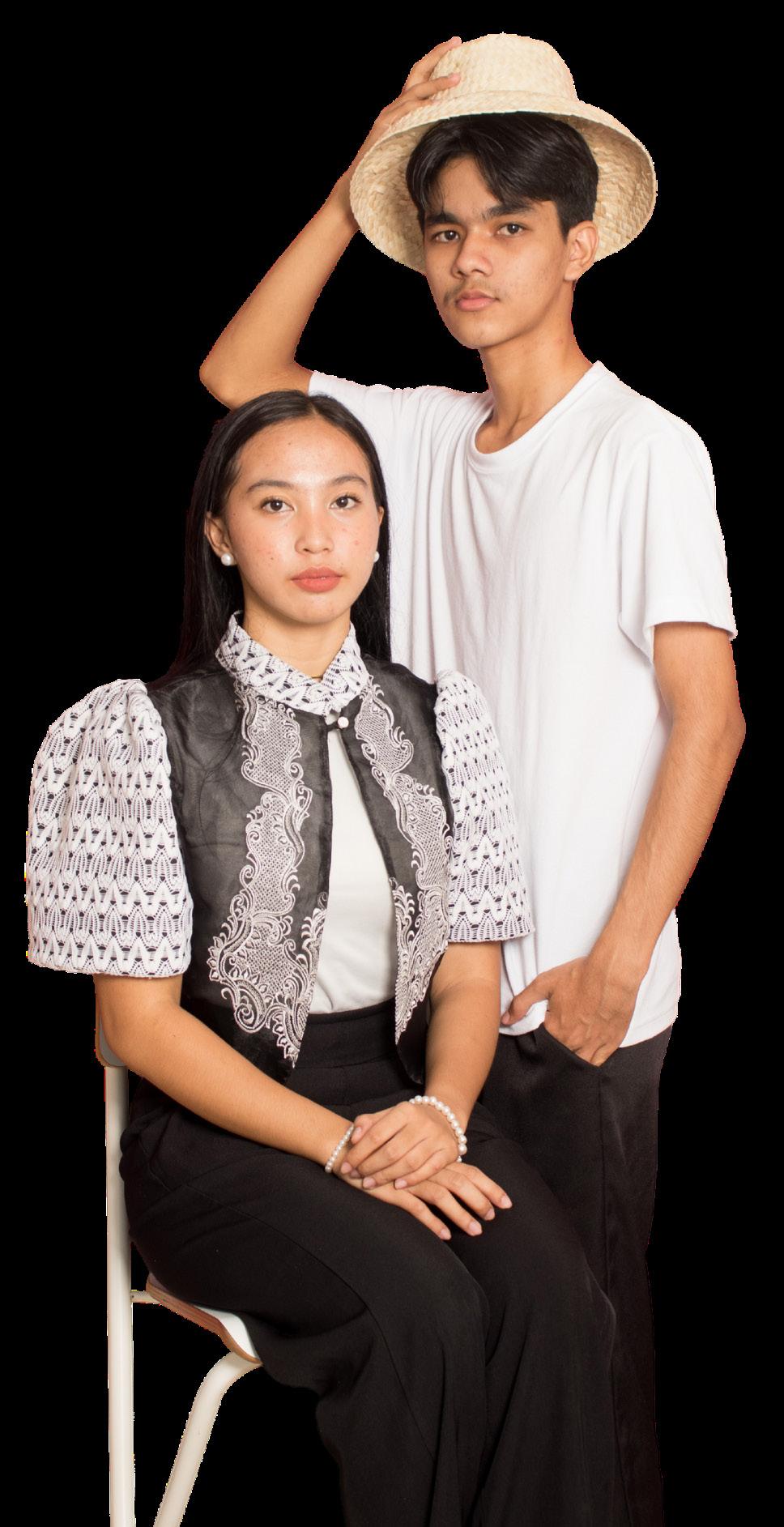
Imagine it’s your first day of school. You walk in, and the quietness of the room welcomes you. Empty seats stretch before you, where would you sit?
Some people would head straight and be courageous and would sit in front, ready to be seen and heard. Others would try to play it safe and sit in the middle, finding their comfort and solace in blending in. And those who would choose to sit in the back, preferring a bit of distance from the crowd.
No matter where you choose to sit, it would not matter. What matters is that you are free to choose, you have the freedom to choose who to love, who you want to be, what you want to express. Just as the selection of a seat reflects an aspect of our personal narrative, so too the ways we self-identify, how we vocalize our gender and sexual identities, and the navigation of the complex spectrum of self-expression and
also promoting public awareness and support systems for victims. More than just a protection for LGBTQ+ individuals, the bill ensures everyone’s right to dignity and fair treatment, regardless of their identity or expression.
While the fight for the SOGIESC Bill continues, progress has been made through advocacy and growing public awareness. If passed, the bill would create safer, more inclusive spaces and offer equal opportunities for all Filipinos, paving the way for a society that values diversity, respect, and human rights.
The SOGIESC Bill reminds us that our identities are as diverse as they are valuable. Everyone has the right to live authentically, express themselves freely, and be seen without fear or judgment. So take your seat, embrace your truth, and let the world see who you truly are, because equality begins when we celebrate the unique stories that make us human.
LEARN MORE ABOUT SOGIESC SCAN QR CODE TO ACCESS THE VIDEO
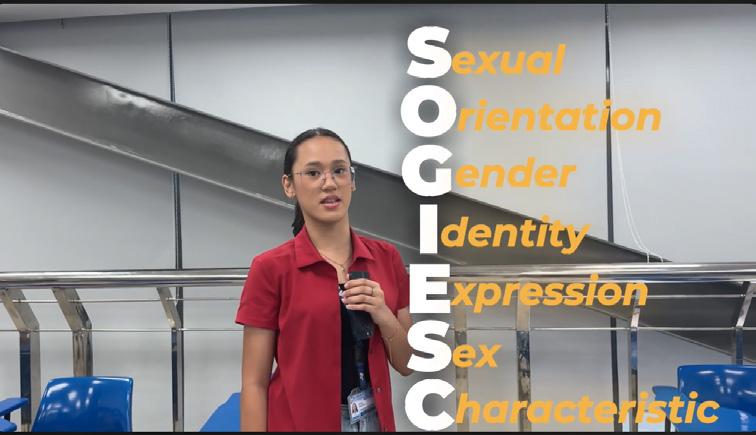
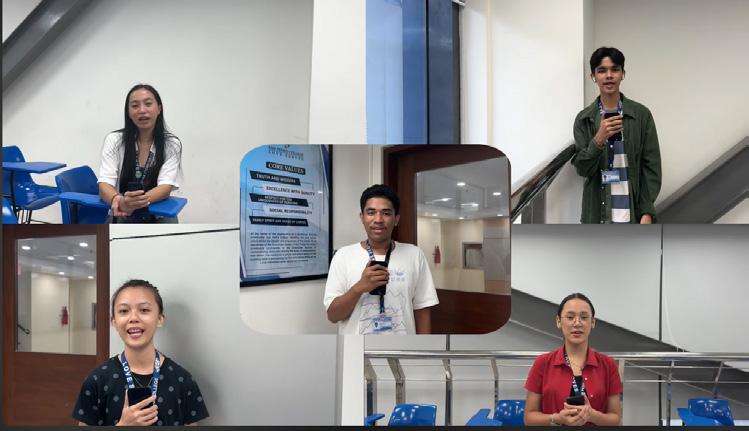

https://www.youtube.com/
Filipina in the modern world
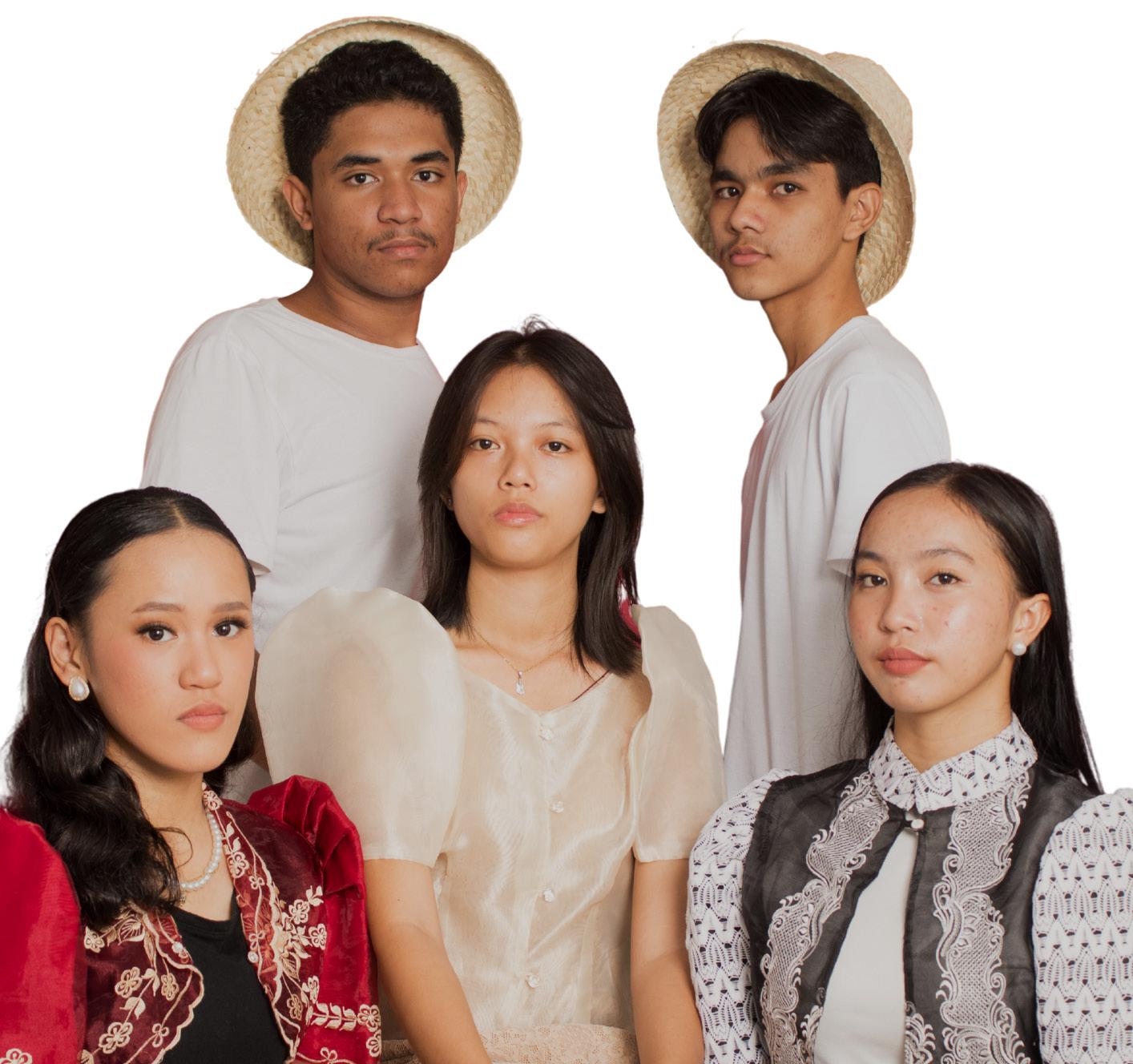
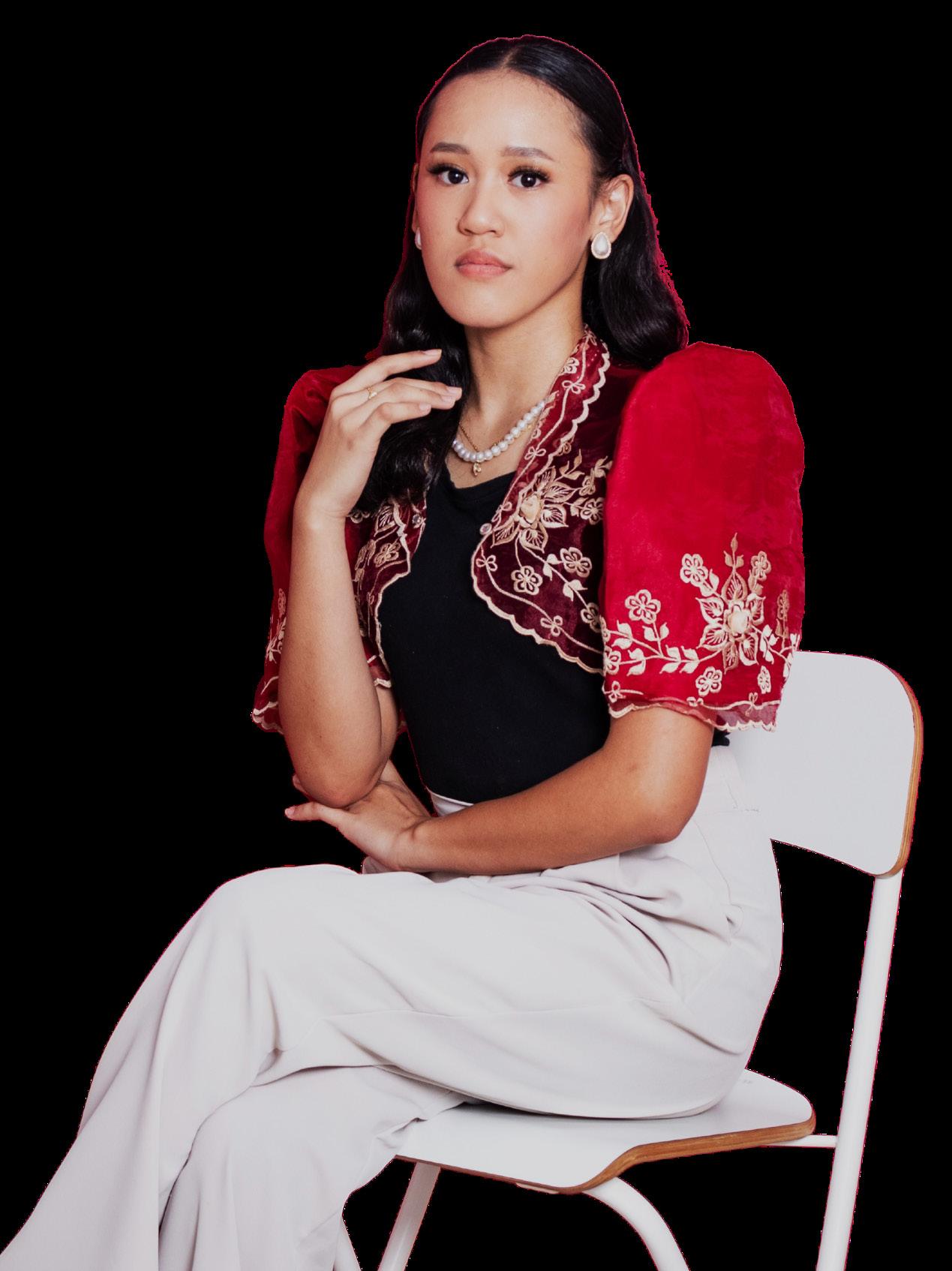
The importance of equality, empowerment, and social participation has marked the modernization of Filipina women. Over the past few decades, women in the Philippines have achieved success in different areas. However, despite some of these achievements, Filipinas continue to face serious challenges, particularly in terms of gender-based violence. The Philippine Commission on Women (PCW) reports that violence against women (VAW) remains alarmingly widespread, with many women suffering physical, emotional, and sexual abuse, often in domestic settings. This ongoing issue shows the need for more policies to ensure that women will be able to do more in modern society and be protected from harm.
The arrival of the Spanish reduced the significant status that women held before precolonial times, where they were active in politics, trade, and religious leadership. Filipino women’s roles and lives were greatly and permanently impacted by the Spanish colonization, and many of these effects may still be seen today. The spread of Catholicism reinforced a patriarchal structure, confining women to traditional roles as caregivers and homemakers. The Maria Clara ideal, emphasizing virtues like modesty, submission, and morality, became the standard for women’s behavior, a legacy that still influences social expectations.
Despite the oppression created by the Spanish colonization, Filipino women have continued to break barriers and achieve great things. While they were confined to household roles and denied many opportunities, many women have stepped up and made a huge impact. Women such as Miriam Defensor Santiago, the first female editor-in-chief of the University of the Philippines’ student newspaper, Philippine Collegian, who had a strong voice in fighting against corruption, and Hidilyn Diaz, who won the first gold medal for the Philippines in the 2020 Summer Olympics. The impact of the Spanish
colonization on women’s roles continues to be felt in today’s generation as patriarchal structures introduced during that time still mold the gender dynamics in our country.
However, despite some progress in some areas, women continue to face challenges, especially when it comes to safety and rights. Recent statistics show the seriousness of the said issue.
According to data from Statista, more
than 22,000 cases of violence against women were reported in 2022 alone, with domestic violence being a significant portion of these cases.
This reveals that despite progress in other areas, the struggle against abuse remains the main concern. These statements are important in the culture of silence in domestic
violence. Similarly, a decision by the Philippine Supreme Court in 2024 convicted a man under the Anti-Violence Against Women and Children (VAWC) law for abandoning his wife after years of abuse. These cases not only show the importance of legal protections for women but also highlight how the judicial system is improving to hold abusers accountable. These outcomes give hope to many women who have long felt powerless in the face of violence.
Moreover, the Supreme Court has reassured its commitment to end violence against women. They emphasized that there is a need to unite and create a solution to address this issue. In a statement, the court acknowledged the importance of full collaboration across all sectors, whether it be the government, civil society, or even the private sector. They highlighted the role of the judiciary in ensuring that legal frameworks are in place to protect women’s rights and provide them with the assistance they need.
While these steps represent progress, the fight for full gender equality in the Philippines remains ongoing. The increasing number of women in leadership roles and the growing visibility of women’s rights activists reflect a positive view of gender equality. However, with violence against women still ongoing, the efforts made must still be improved. The government must strengthen the laws that already exist, improve the enforcement of these laws, and provide infinite support for the survivors of abuse. Furthermore, society must change to foster an environment where women are not only recognized as equals but are also free to live without fear of violence or discrimination.
INCLUSIVITY IN CHRISTIANITY
SPC Fosters Diversity Despite ReligiousBased System; Addresses Limitations
“SPC is not close-minded” — Secretary of the President
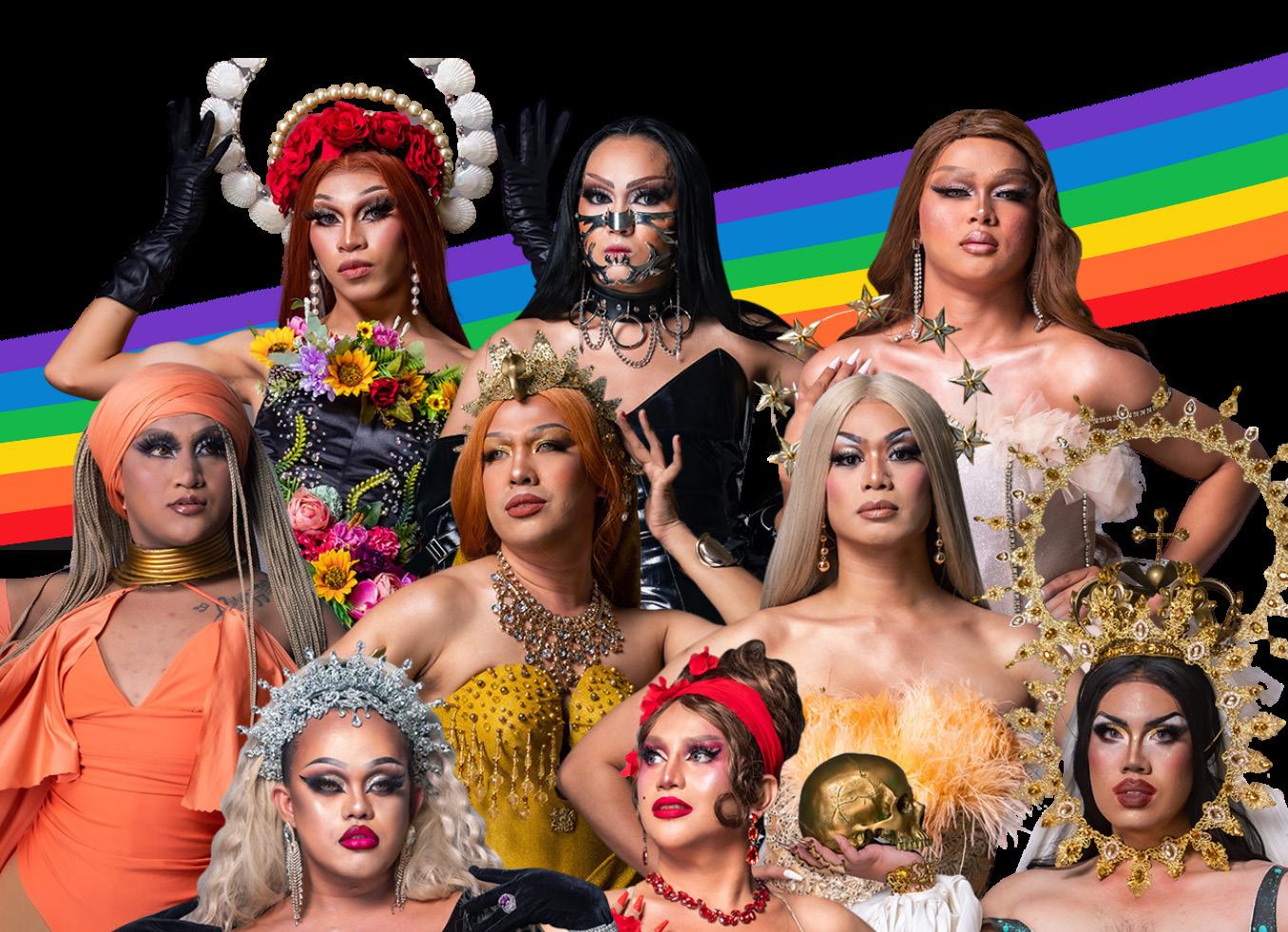
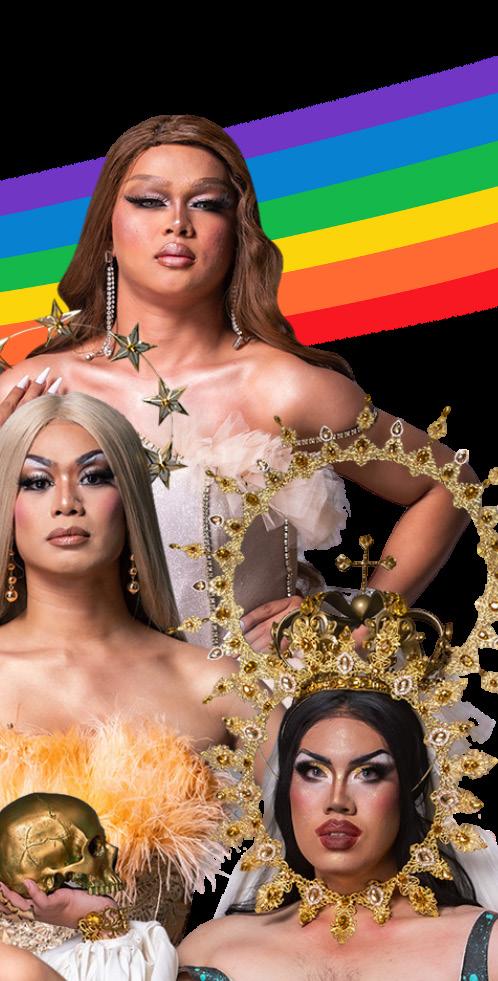
Photo credits: Keeta.ph
By: Khalid Quirod

Prisoner Tradition of
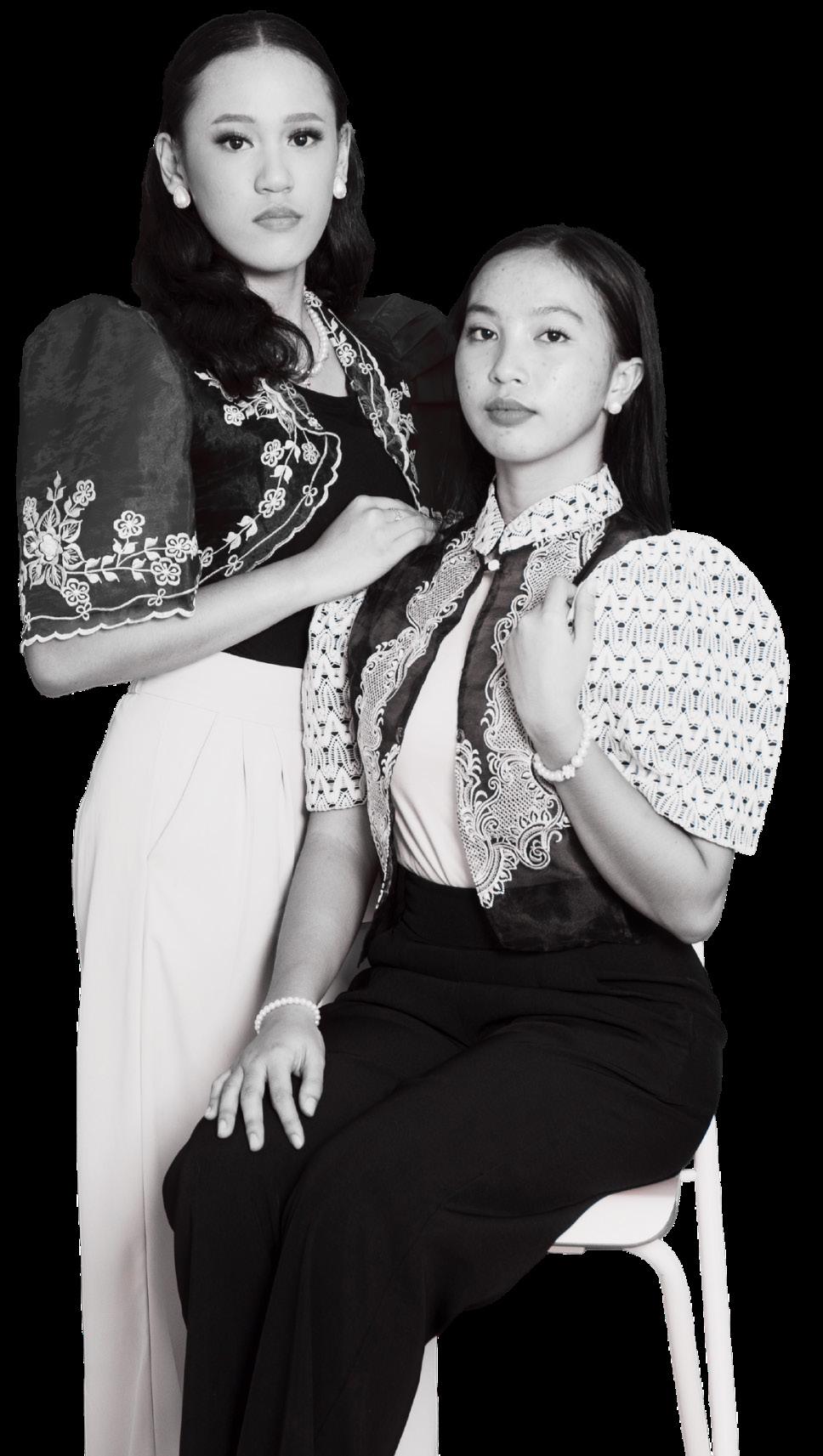

ender inequality in the Philippines is not a new issue, it has deep historical roots that trace back to the Spanish colonization, which lasted for more than 300 years. During that time, oppressive gender norms were instilled, and while the country may have gained independence, many of these colonial influences continue to shape how women are treated today. In rural areas, where resources and rights are already limited, gender discrimination remains deeply ingrained. Despite progress in some parts of the country, many women, particularly in marginalized communities, still struggle in silence, voices often unheard and rights denied.
Despite progress, systemic discrimination against women, men, and non-binary people continues to be a significant problem. Gender stereotypes, discrimination, marginalization, and subordination are some of the most enduring barriers to equality. These issues impact all aspects of life, from social interactions to professional opportunities, and deeply affect personal freedom and wellbeing.
In rural areas of the Philippines, gender inequality is still prominent. Women, particularly those in marginalized communities, face daily struggles in environments where their rights are limited, and justice is often out of reach. Lack of awareness and legal protections leave many vulnerable to injustice, while patriarchal norms continue to suppress their voices.
In these rural settings, traditional gender roles are deeply entrenched. Women are often expected to fulfill domestic and caregiving duties without question, while leadership roles and decision-making opportunities are typically reserved for men. Gender subordination, the belief that one gender is inherently superior to the other, continues to shape social dynamics, particularly in households and communities. Women’s contributions are often undervalued or ignored, and their opinions frequently dismissed.
For example, women in these communities are often seen as “better suited” for roles like cooking, cleaning, and raising children, while men take on roles related to
farming, politics, and business. These gender-based stereotypes not only limit women’s opportunities but also discourage them from pursuing education or careers beyond these traditional roles. A young girl in a rural village might be told that her aspirations of becoming a doctor, engineer, or entrepreneur are unrealistic, reinforcing the belief that women’s ambitions should be confined to domestic spheres.
Gender bias also manifests in institutional practices, contributing to unequal treatment of women. In rural communities, women may be overlooked for leadership positions or denied access to resources like credit or land ownership, simply because they are seen as less capable than men. Law enforcement and service providers, often unaware of their own biases, may offer little support when women face violence or discrimination. For instance, women seeking justice for domestic abuse or sexual violence may find that their complaints are dismissed, or worse, ignored, because of stereotypes about women’s roles in society.
The biases women face in these communities are not limited to personal experiences but are deeply embedded in the systems that are supposed to protect them. Many women live in a state of invisibility, their needs and rights often neglected by those in power.
The solution lies in increasing women’s representation at all levels of government and strengthening laws that protect their rights. The country shall elect leaders who are genuinely committed to addressing these issues, leaders who understand the unique challenges women face, especially in rural areas. National conversations must shift to reflect the experiences of women, focusing on tangible solutions rather than empty promises. Only through sustained action and policy change can we ensure that every woman, no matter her background or location, can live free from violence and discrimination.
By: Abdulla Al-Sulaiti & Khalid Quirod
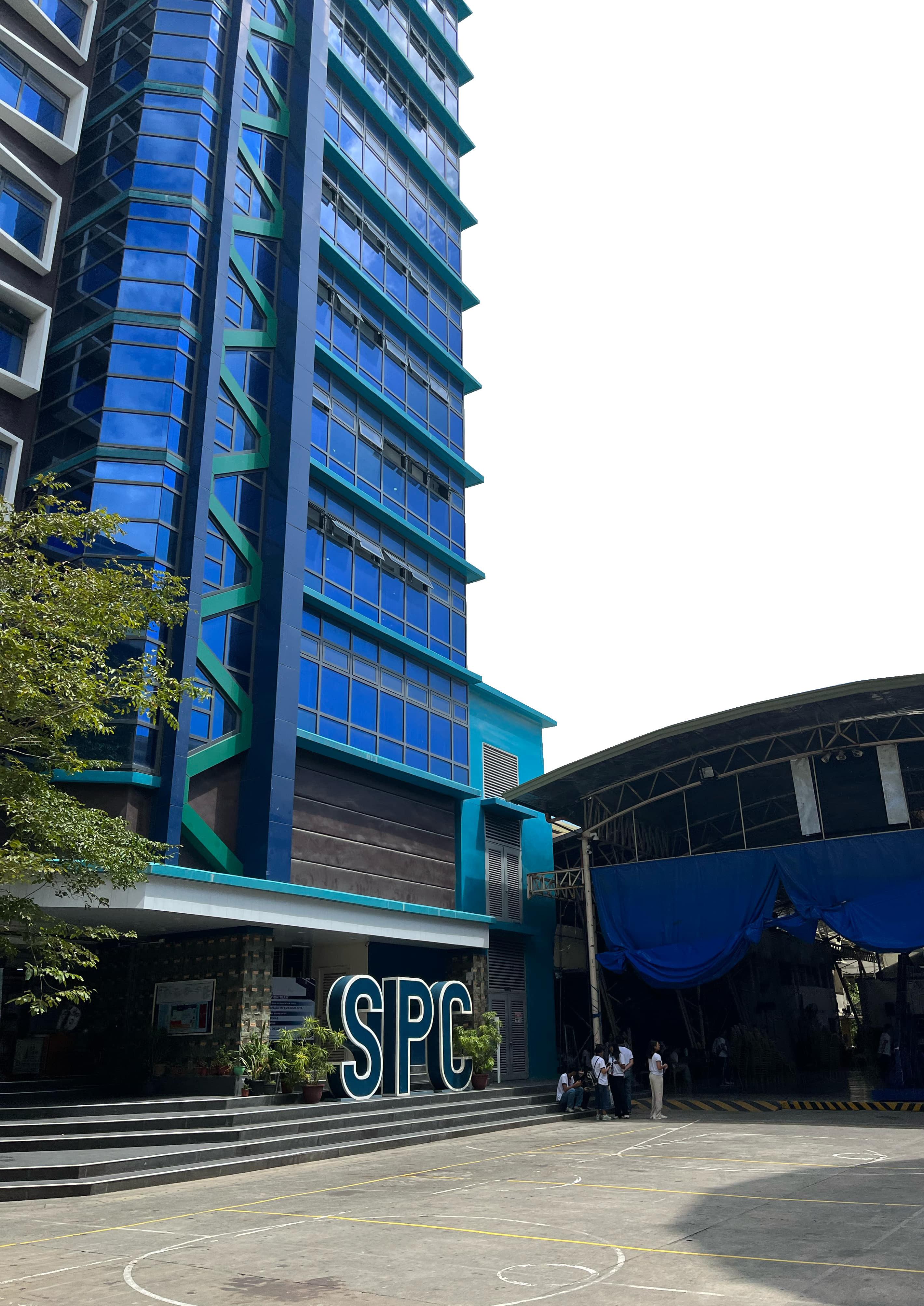
SPC launches new organization to champion GAD
LIYANG was officially unveiled as a new student organization of San Pedro College on Friday, November 29, 2024, at the school gym during the celebration of Student’s Day.
The Student’s Day event featured fun games and performances, where various school organizations and clubs were showcased during the morning convocation. In line with this, the introduction of LIYANG, a new club focused on Gender and Development (GAD), was also highlighted.
LIYANG fosters gender equality and women’s empowerment by establishing a supportive learning environment that actively contributes to the promotion of gender equality and the empowerment of individuals across diverse gender groups.
According to Erika Yvette L. Ybañez, External Vicechairperson of LIYANG, the organization was established last year during the second semester of the 2023-2024 academic year as an official organization under the Gender and Development (GAD) and Family Welfare office.
“We are actually under the office of Gender and Development at SPC, but right now, we are not yet fully established within the Office of
Student Affairs (OSA). However, we are already recognized as an official organization,” she stated.
Furthermore, the organization was formed after former OSA moderator, Dr. Olivine Ivy Cocjin, tasked Karyl Joy Mancera, the chairperson of LIYANG, with the responsibility of establishing the GAD organization last school year.
“It was necessary to create an organization related to GAD because it is mandated by law that schools must have both a GAD office and a student organization focused on these issues,” Ybañez added.
The organization promotes three key pillars—family welfare, gender expression, and equality development, while also advocating for the prevention of violence against women and aims to be a ‘safe space’ for everyone.
LIYANG has actively participated in various activities and initiatives, including Start Up 2024, teambuilding exercises, oath-taking ceremonies, and the celebration of Women’s Month.
liGht oF hope diversity, strenGth Unity power in in
Khalid Quirod By:

women in male fields
“Human rights are women’s rights and women’s rights are human rights.”
-Hillary Clinton
By: Princess Torregoza & Khalid Quirod
bythenumbers only about
of women work in fields traditionally dominated by men
Source: Bureau of Labor
In many countries, including the Philippines, women continue to face challenges in a society that has been largely shaped by maledominated systems. Despite women making up over 58% of the workforce in the Philippines, as reported by the Bureau of Labor Statistics in 2022, only about 6.5% of women work in fields traditionally dominated by men, such as engineering, construction, and technology. This stark underrepresentation highlights the deep-seated gender inequalities that women face, particularly in sectors where leadership and high-paying jobs are typically reserved for men.
One of the major struggles women face in this male-dominated society is the pressure to conform to traditional gender roles. Many women are expected to balance their careers with family responsibilities, such as caring for children and managing household duties. This often creates a barrier for women who want to pursue careers in male-dominated industries. In workplaces, women are frequently expected to prove themselves more than their male counterparts, and in many fields, they are often the only woman in a room full of men. This can lead to feelings of isolation and the constant need to work harder just to be taken seriously. Despite these challenges, the women’s empowerment movement in the Philippines has made significant strides. Women’s rights organizations, like Gabriela and Babae, Inc., have been fighting for equal opportunities, better treatment in the workplace, and the protection of women from violence. These groups have helped raise awareness about issues such as domestic violence and discrimination, pushing for laws and policies
that provide greater support for women. Over the years, their efforts have contributed to a broader societal shift toward recognizing the importance of gender equality.
The Philippines has also seen progress in women’s representation in leadership roles. More women are entering higher education and securing positions in business, politics, and government. The country has had female presidents and vice presidents, which is a clear sign that women can rise to positions of power. This progress has opened doors for younger women, inspiring them to believe that they, too, can succeed in fields that were once seen as male-dominated. This growing visibility is crucial in changing public perception and empowering the next generation of women. However, challenges remain, particularly for women in rural areas of the Philippines. Many still face poverty, limited access to education, and a lack of healthcare. Cultural norms often keep women in traditional roles, limiting their opportunities to join the workforce or pursue higher education. In urban areas,
although progress is being made, women continue to struggle with issues like unequal pay, workplace discrimination, and the glass ceiling that makes it difficult to advance in their careers. Additionally, violence against women, including domestic violence, remains a serious issue that impacts women’s safety and wellbeing.
Despite these ongoing struggles, the fight for gender equality in the Philippines continues to gain momentum. Women’s rights groups, supported by international movements like #MeToo, are using social media and other platforms to share their stories and advocate for change. This increased visibility and public awareness are pushing for stronger laws and better protections for women. While the journey toward full equality is far from over, the determination of women and their allies is helping to break down the barriers of a maledominated society, paving the way for a more equal and just future for all.


BEYONDTHEMASK
By: Khalid Quirod
rowing up feeling different can be isolating. The pressure to fit into society’s expectations can silence their true selves. But what happens when the real ‘you’ doesn’t match the world’s idea of
For many, the pressure to conform to societal expectations leads to suppressing their true selves. This struggle is especially evident among those who, when they finally connect with their authentic identity, fear what others might think. One group that experiences this journey firsthand is the LGBTQ+ community, which
Bisexual, Transgender, and Queer individuals.
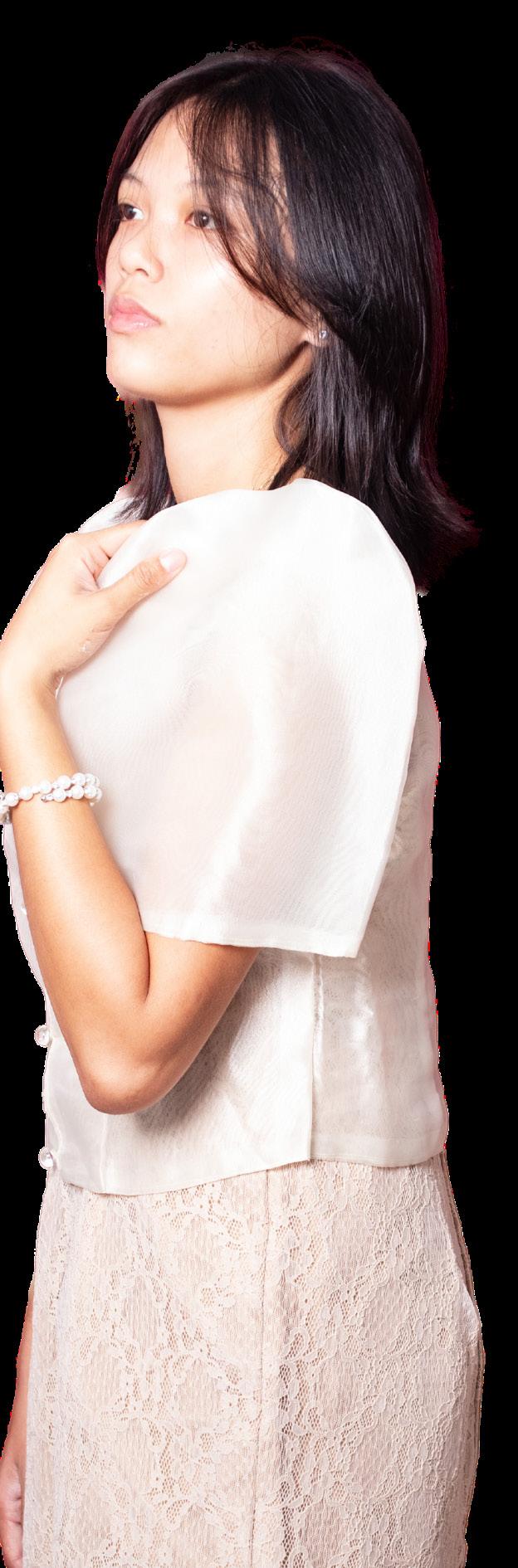
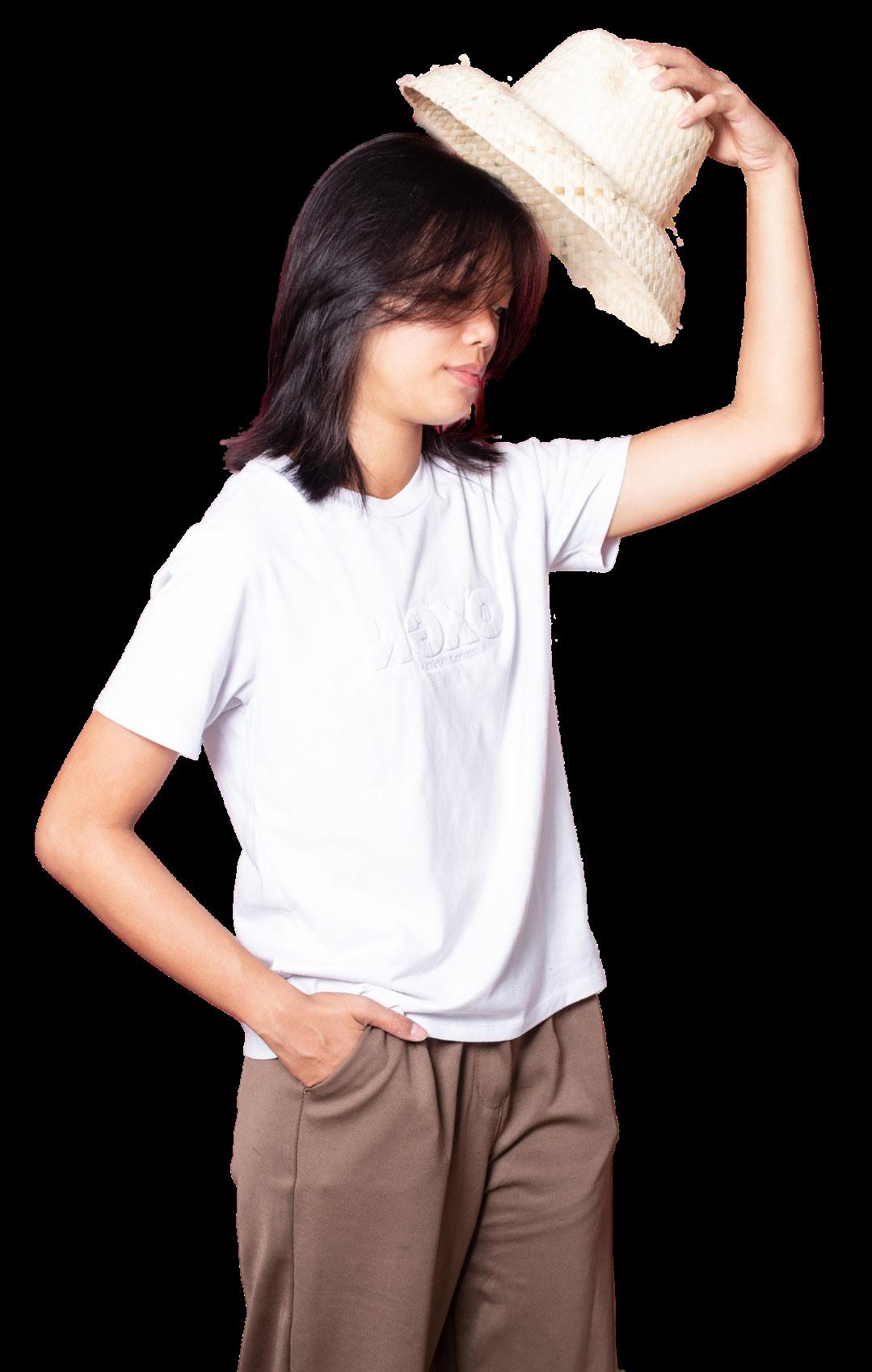
Take Princess Angel, for example, a college student who identifies as bisexual. Bisexuality means experiencing emotional, romantic, and/ or sexual attractions to more than one sex or gender. From an early age, Angel knew she didn’t quite fit the traditional mold of a woman, she didn’t enjoy playing with Barbie dolls,
wearing makeup, or dressing in revealing clothes. Instead, she was drawn to traditionally masculine toys, influenced by her brothers and father.
As she got older, Angel began to wonder with her feelings toward both men and women. This attraction created an internal conflict, an overwhelming sense of confusion and fear. She often found herself questioning her own identity, unsure of how to express her feelings and her complex emotions. Was she supposed to only like one gender? Would people understand if they knew she was attracted to both? Angel felt support from her father, who would buy her cars, guns, and other “male” toys.
connections with others who accept and appreciate you. In Angel’s case, embracing her bisexuality, despite the challenges, allowed her to feel whole, to feel herself.
The need for protection.

While authenticity is vital, being completely open is not always practical or safe. In environments where societal or familial expectations are strict, revealing your true identity can lead to rejection, discrimination, or even violence. For Angel, coming out was a long process of balancing who she was with the reality of the world around her. She spent years suppressing her bisexuality, not because she was ashamed, but because she feared the consequences of being honest about it.
However, her mother and some
relatives didn’t approve of her preferences, which sparked a fear of coming out. As Angel recalls, “Some of my relatives are homophobic.” She found herself forced to live a life that wasn’t truly hers, wearing a mask to hide the truth she couldn’t yet share.
This internal conflict left her feeling trapped. On one hand, she yearned to live openly, but on the other, she feared the rejection and hurt that might follow. She buried her bisexuality, keeping it a secret to avoid cruelty from those who didn’t understand her.
No matter how tightly we try to hold onto the masks we’ve crafted, time has a way of exposing the truth. Angel spent years trying to blend in, but her preferences, those quiet rebellions against societal norms, became impossible to hide. While the journey of self-discovery is never easy, Angel realized that authenticity is key. For her, it was more important to show up as her true self, rather than remain trapped in a false identity.
Authenticity is essential to happiness.
Living authentically leads to a sense of freedom and peace that can’t be found when you’re pretending to be someone else. When you embrace your true identity, whether it’s your sexual orientation, your personality, or your values, you build selfesteem and create meaningful
The role of culture and tradition.
Culture and tradition play a significant role in shaping how individuals navigate their identities. Even as society slowly progresses toward greater acceptance, many still face pressure from family, community, and societal norms to conform.
But the world is changing.
The LGBTQ+ community has made significant strides toward greater visibility, acceptance, and understanding. From marriage equality to the visibility of LGBTQ+ icons in politics, entertainment, and media, attitudes toward diverse sexual orientations and gender identities have become more inclusive.
Angel’s journey reflects the broader movement toward LGBTQ+ rights and acceptance. The progress that society has made toward embracing LGBTQ+ identities has paved the way for more people to live authentically.
The future is brighter now than it has ever been for LGBTQ+ individuals.
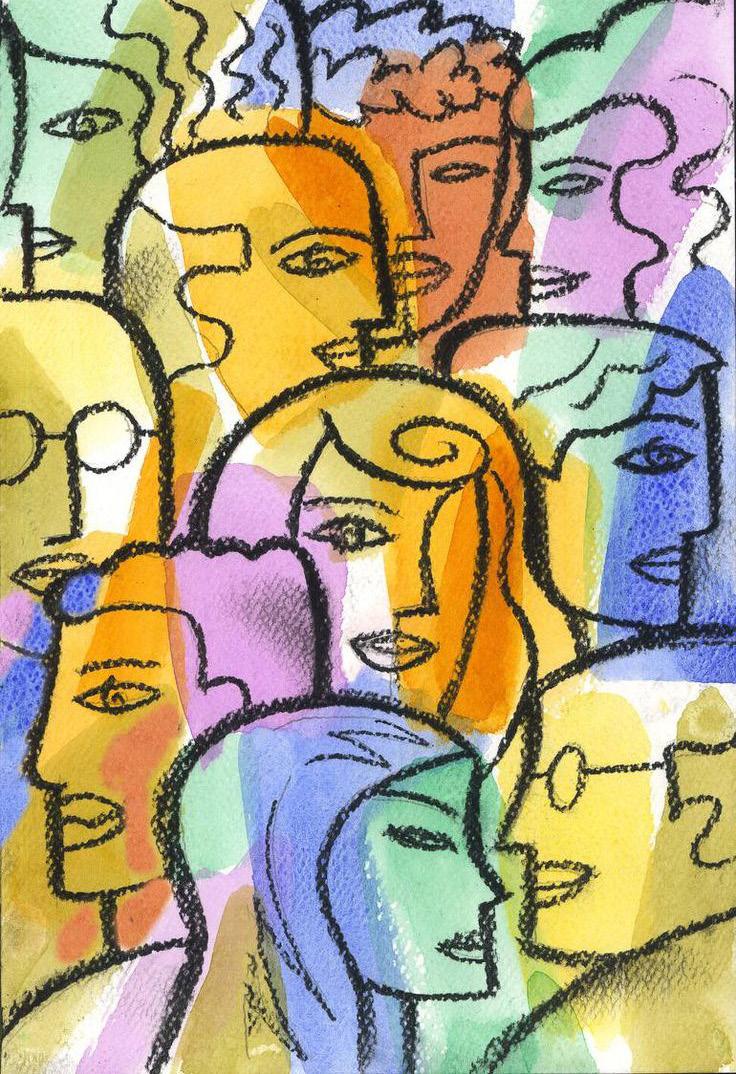
Today, there is a growing recognition of the value of living in color, not just in terms of sexuality and gender, but in all aspects of life. People are starting to realize that authenticity and diversity are what make us human, and those who have struggled to find their place in the world are now learning to shine in full color.
Lakbay empowerment the journey to
Editorial Board
Khalid Quirod
Editor-In-Chief
Joriely Life Millan
Associate Editor-In-Chief
Abdulla Al-Sulaiti
Social Media Specialist
Princess Angel Torregoza
Juliam Firma
Contributors
XI XXX MMXXIVa