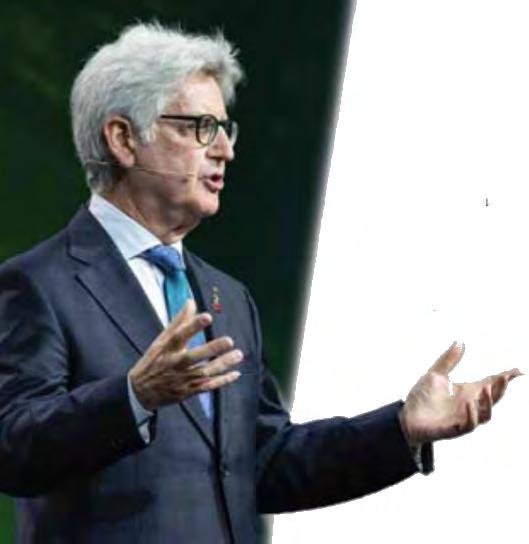
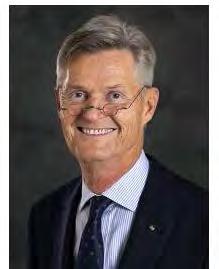
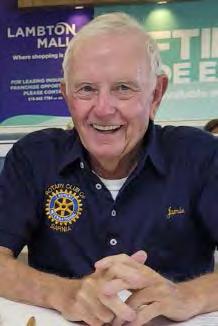
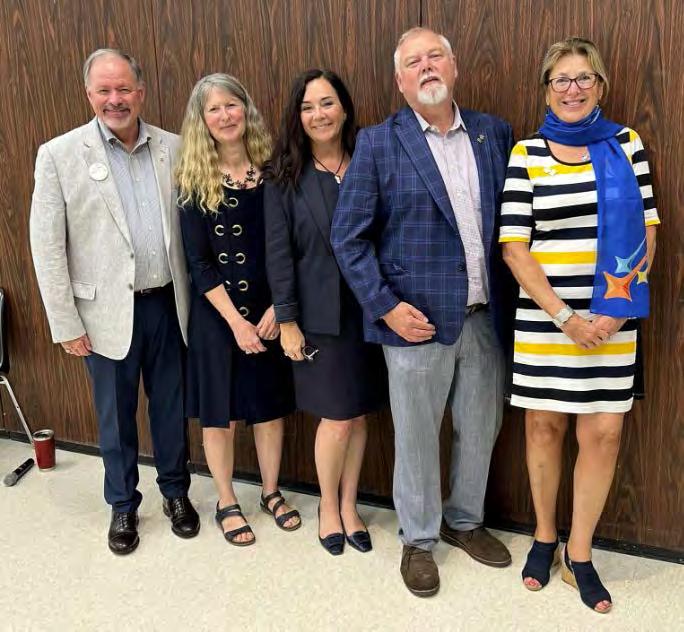
Rotary International President, Francesco Arezzo (Rotary Club of Ragusa, Italy) District Governor Jeff Ferweda, (Rotary Club of Genessee Valley, MI) Club President, Kurtis Lush
District website: https://rotary6330.org/ Club website: https://www.rotarysarnia.com/ Club Facebook page: https://www.facebook.com/rotaryclubofsarniaontario
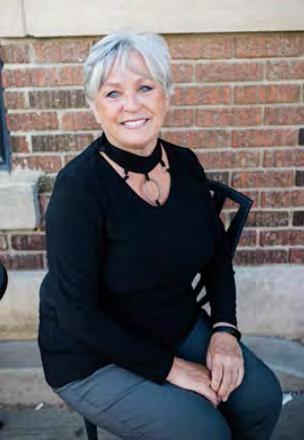
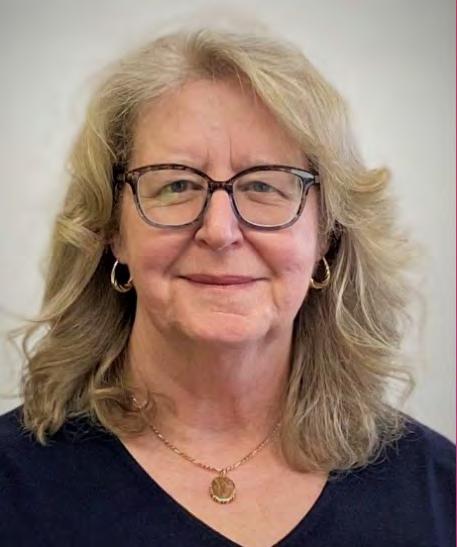
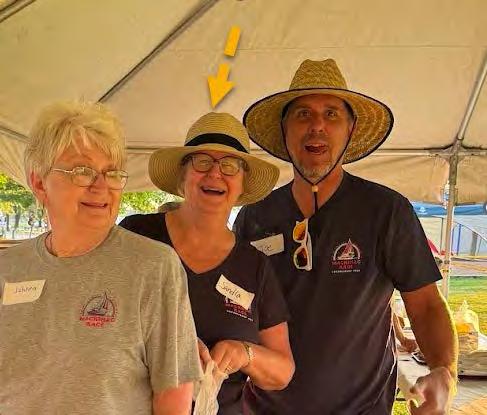
Rotarian Sandra Graham
Rotarian Tony d’Arne
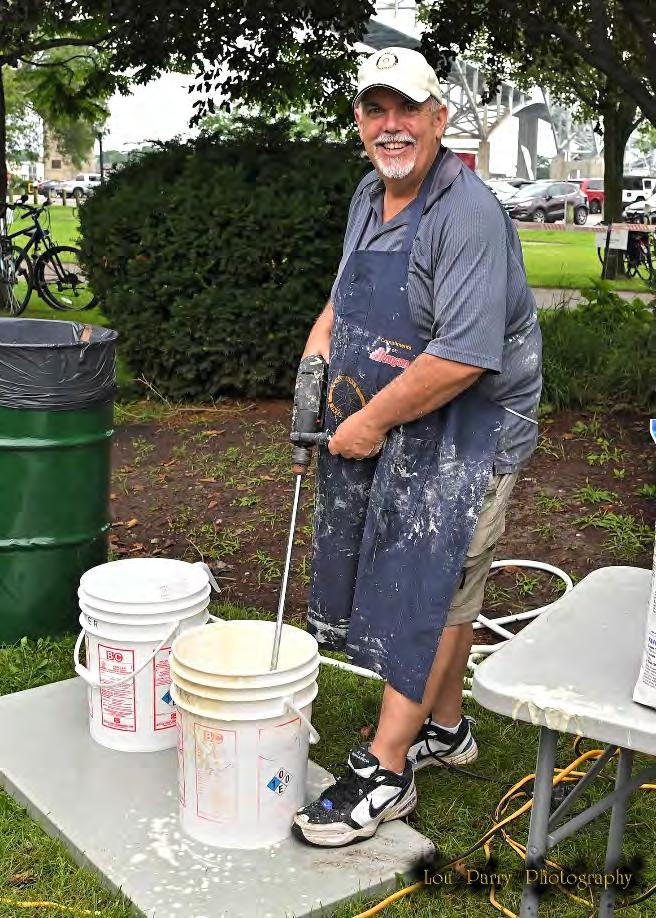
Rotarian Bill Boynton
The Calendar below shows Rotary’s 2025-26 monthly themes.
ROTARY CALENDAR and THEMES
Month
July
August
Theme
Maternal and Child Health
Membership and New Club Development
September Basic Education and Literacy
October Community Economic Development
November The Rotary Foundation
December Disease Prevention and Treatment
January Vocational Service
February Peace and Conflict Prevention/Resolution
March Water, Sanitation, and Hygiene
April Environment
May Youth Service
June Rotary Fellowships
Right click > Open Link on each flag below to listen to the respective national anthems.
LEARN ABOUT ROTARY CLUB OF SARNIA
Take the time to view a short video on Rotary’s Areas of Focus – Click here!
Right click > Open hyperlink here to view a short and fun video of our RI President
WATER, SANITATION, HYGIENE
Rotary Focus Month of March
WORLD WATER DAY Sunday, March 22
UNITE FOR GOOD TRIVIA NIGHT
March 28 – Four Points Sheraton Rotary Club of Sarnia-Lambton After Hours A fun, fun event!!
OUR ENVIRONMENT
Rotary Focus Month of April
EARTH DAY Wednesday, April 22
DISTRICT 6330 CONFERENCE 2026 May 29 31
4 Points Sheraton, Sarnia/Point Edward, ON 1498 Venetian Blvd.
THE ROTARY INTERNATIONAL PRESIDENT
MARCH MESSAGE 2026
The reach of community action
Water connects us all. From a river in a remote forest to a stream running past a city neighbourhood, freshwater eco-systems sustain humanity. Yet these waters are increasingly under strain. Pollution, overuse, and climate pressures remind us that protecting freshwater is a global challenge.
Rotary has always believed change begins within communities. Now we are working to see how far the impact of community action can travel. When local service is connected, measured, and shared, it becomes a force that extends beyond geography and borders.
A water project led by the Rotary Club of Panamá Nordeste exemplifies this idea. The project served Indigenous communities in Panama’s Darién province, a region accessible only by canoe and small boat. With no roads, limited electricity, and reliance on untreated river water, families faced serious health risks.
To reach these communities, Rotarians had to rethink how supplies and services could be delivered. Working with a partner club in the United States and a specialized water organization, they introduced solar-powered water treatment systems for an area without access to an electrical grid. Local leaders were trained to operate and maintain the system, ensuring that clean water would continue flowing long after installation crews departed.
The results were immediate. Children who once missed school due to illness returned to classrooms. No longer needing to haul water from rivers, adults gained time and strength to work and support their families. What began as a water project became a foundation for healthier, more resilient communities.
This is how we extend our reach: combine local leadership with global partnerships, technical expertise, and long-term thinking.
That same spirit is at the heart of Rotary’s partnership with the United Nations Environment Programme through the Community Action for Fresh Water initiative. Around the world, Rotary and Rotaract clubs are restoring waterways, protecting wetlands, and safeguarding vital freshwater sources. By collecting data to map and measure this work, we can better understand its impact and show how local service contributes to worldwide solutions
Dada is not an end. It is a tool that helps us learn and improve so that Rotary’s service delivers real, measurable change. Each project entered and each waterway restored adds to a shared story of stewardship and responsibility. You can learn more and get involved at communityactionorfreshwater.org.
As we observe Water, Sanitation, and Hygiene Month, I encourage you to reflect on the freshwater systems that sustain your community and the role Rotary can play in protecting them.
When we connect local action to a global vision, we strengthen Rotary’s ability to make lasting change. Together, by extending our reach and working side by side, we truly Unite for Good.
FRANCESCO AREZZO President, Rotary International
THE ROTARY FOUNDATION TRUSTEE CHAIR
It starts with water
MESSAGE MARCH 2026
Since 2013, The Rotary Foundation has invested more than $230 million to support thousands of water, sanitation, and hygiene initiatives. Behind these numbers is Rotary’s unique approach. Rather than offering one-time fixes, we train communities to manage systems for generations, moving beyond charity to lasting change. Erica Gwynn, manager of Rotary’s water, sanitation, and hygiene area of focus shares her perspective:
I have worked with hundreds of members, providing technical support to improve the sustainability and impact of their projects. During site visits, I am struck not only by their dedication but by how far-reaching their impact truly is – oftentimes in ways no one anticipated.
In northern Uganda for RI work, I met a Rotary member who had been a child soldier in the rebel Lord’s Resistance Army and escaped. During the conflict, he said, schools and health care facilities became places of refuge. Years later, after joiing Rotary, he wanted to give back. He volunteered to improve water and sanitation in those same schools and facilities, which were once again centers of refuge –this time for the health, safety, and vitality of the entire community.
In Maharashtra, India, I witnessed how our Programs of Scale grant initiative, Partners for Water Access and Better Harvests in India, is bringing irrigation to a traditional farming region that gave women a voice. Though the women couldn’t own land, the water project enabled them to engage in silviculture, or care for forests, and other income-generating activities. They became knowledgeable about farming techniques, increasing their eonomic agency and dignity.
It’s no coincidence that water challenges are most acute in areas affected by conflict. In Haiti, I have seen how these projets are central to rebuilding resilience in communities recovering from instability and violence. I see the same theme playing out everywhere: These projects deliver so much more than clean water They boost Rotary’s other areas of focus and are a source of safety, pride, and hope.
Indeed, water projects improve health, foster economic opportunity, and amplify education through increased school attendance, especially for girls who no longer spend hours fetching water. And they fight poverty.
By giving to our Foundation and volunteering in water projects, you are part of this success. Everything we do opens an opportunity for someone, somewhere.
HOLGER KNAACK
Foundation Trustee Chair, 2025-26
PAUL HARRIS SOCIETY
What's the Paul Harris Society?
The Paul Harris Society is the name given to those Rotarians who pledge a $1000 gift annually – every year You may know these committed individuals they wear a flag below their Rotary pin that reads PHS.
One easy way to give at the $1000 level is through Rotary Direct -- sign up and an amount of money you designate is automatically deducted from your account each month. Learn more at www.rotary.org
Members of the Paul Harris Society know that the need never ends and neither should the giving.
D6330 Long-time Paul Harris Society Chair is Rotarian Jamie Pole.
What your giving supports
• Vocational training for teachers establishing an early childhood education center in South Africa
• Water filters, toilets, and hygiene training to prevent fluorosis, diarrhea, and other diseases in India
• A scholarship for a medical professional in Italy to research treatments that minimize mortality rates among premature babies
• Peace-building seminars for 200 teachers and 1,300 students in Uganda
• Treated mosquito nets and medical services that prevent malaria in Mali
• Clean water and sanitation which assists in preventing disease
• Life-saving health care to mothers and children
• Peace and peace building
• Education and literacy
• Economic and community development
In District 6330 we are proud of the generous members in our Paul Harris Society.
We have over 32 of our clubs that now have members in the Paul Harris Society.
If you have any questions or need further information, please do not hesitate to reach out to your Paul Harris Society Coordinator, District 6330 – Jamie Pole!
Rotarian Jamie Pole RC of Sarnia
NEWS & INFORMATION IMPORTANT TO ROTARIANS
In District 6330, Rotary leadership – past, present, future
Above (left to right) PDG Mike Chaffee (2022-2023 - PDG Sonja Glass (2023-2024) –PDG Katherine Hahn (2024-2025) – DG Jeff Ferweda (2025-2026 – DGE Lorna Gunning Fratschko (2026-2027)
Above left - DGN Dawn Kennedy (2027-2028) Above right – DGND Peter Maranger (2028-2029)
ROTARY’S MARCH FOCUS –
CLEAN WATER, SANITATION, & HYGIENE
The Water, Sanitation and Hygiene Rotary Action Group assists Rotary clubs, districts and multi-districts in:
• planning and implementing impactful and environmentally sustainable WASH projects
• educating and building WASH awareness
• building global and local WASH networks
• inspiring sustainable living/action through WASH
WASH RAG inspires and empowers the Rotary family with extensive expertise, networks, education, and best practices to help implement sustainable and impactful WASH projects.
It is not necessary to be a member of a Rotary or Rotaract club to join WASH RAG. All are welcome.
Anyone who wants to share their expertise to make a positive difference can join our Water, Sanitation and Hygiene Rotary Action Group. Only Rotarians, Rotaractors, and Rotary Peace Fellows can serve in leadership roles.
This Rotary Action Group operates in accordance with Rotary International policy, but is not an agency of, or controlled by, Rotary International.
Clean water, sanitation, and hygiene education are basic necessities for a healthy environment and a productive life. When people have access to clean water and sanitation, waterborne diseases decrease, children stay healthier and attend school more regularly, and mothers can spend less time carrying water and more time helping their families.
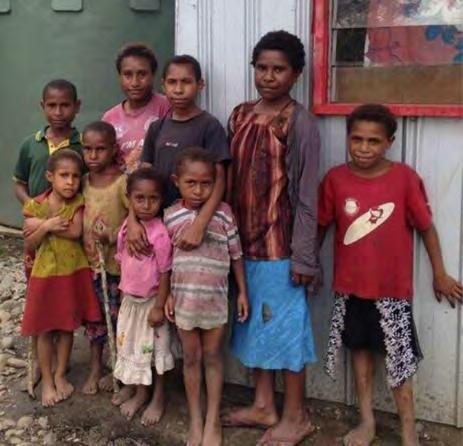
Water for a Community - Rotary clubs partnered with local organizations to install a rainwater harvesting and distribution center for 4,000 people in Papua New Guinea. They also delivered training programs for women in the community and students in 35 schools.
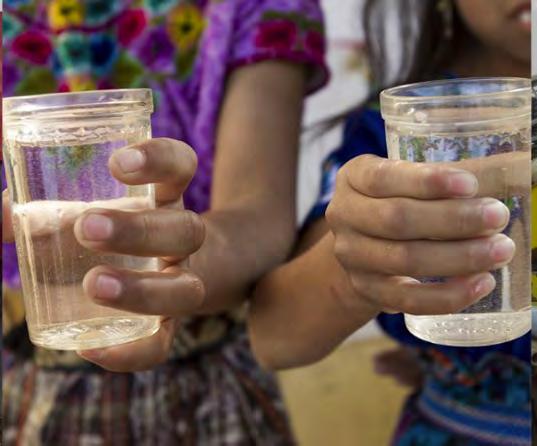
WASH in Guatemala schools - Rotary clubs in Guatemala improved conditions for as many as 1,793 children in 10 schools in the town of Escuintla by providing toilets, washing stations, water tanks, and training. Click here to learn more.
Water Supply in Tanzania - A dozen Rotary clubs collaborated with local partners to establish a water supply and delivery system for 1,500 people in the village of Kigogo, Tanzania. They also taught the community how to maintain the systems and provided hygiene education. Click here to learn more.
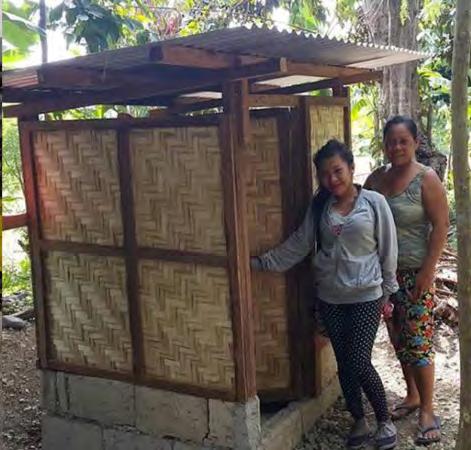
Access to Toilets in the Philippines - Rotary clubs and partners built 222 toilets, six rainwater collectors, seven communal handwashing stations, and 20 biosand filters. The project provided more than 1,000 people with access to proper toilet facilities and almost 600 people with a regular supply of clean water. Click here to learn more.
Making Schools Healthier - All 24 of Lebanon’s Rotary clubs came together — overcoming religious, cultural, and political divisions — to form partnerships with the government, World Vision, UNICEF, and the Red Cross. Together the groups developed a program that delivers clean water to every public school in the country.
• Somalia: one cVDPV2 case and two cVDPV2-positive environmental samples
Japan supports polio eradication and immunization in Afghanistan with US$6.3 million contribution
The contribution reinforces Japan’s long-standing support to Afghanistan’s health sector and helps sustain progress toward the global goal of polio eradication
KABUL, 10 February 2026 – The Government of Japan, through the Japan International Cooperation Agency (JICA), has provided US$6.3 million to UNICEF to renew its partnership on polio eradication and strengthen routine immunization across all 34 provinces of Afghanistan.
The 12-month initiative aims to reach over 12 million children under five with lifesaving polio vaccines for supplementary immunization activities and routine immunization services.
Afghanistan is one of the last two countries where polio still threatens children’s lives.
Progress is being made, with cases of wild poliovirus falling from 25 in 2024 to ten as of December 2025. But as long as the virus continues to circulate in high-risk areas, every missed vaccination leaves children vulnerable and puts hard-won gains at risk.
Sustained, uninterrupted immunization is essential to protect every child and finally end polio in Afghanistan and globally.
This urgency has been further intensified by overlapping humanitarian pressures, including the August 2025 earthquakes, which damaged health facilities and disrupted essential systems and services.
In addition, the return of millions of people to Afghanistan, many of them children with limited or interrupted access to essential healthcare, predisposes them to vaccine preventable diseases including polio, measles, whooping cough etc.
Together, these shocks increase the risk of intense poliovirus transmission at a critical moment for global polio eradication, making a continuous and predictable vaccine supply essential to protect recent gains and prevent setbacks.
Click here to read the rest of this article.
“Vaccines are bringing us closer to the eradication of polio” WHO Executive Board recommits
Geneva, Switzerland, 4 February 2026 —WHO Member States have reaffirmed their collective commitment to finishing polio eradication, following extensive discussions at this week’s WHO Executive Board.
Coming after the global pledging moment hosted in Abu Dhabi in December 2025, the deliberations sent a clear signal: the world remains united behind the goal of a polio-free future.
Opening the Executive Board, WHO Director-General Dr Tedros Adhanom Ghebreyesus said:
“Vaccines are bringing us closer to the eradication of polio, with 41 cases of wild polio reported last year from just 24 districts in Pakistan and Afghanistan, down from 99 cases in 49 districts in 2024.”
During the Board’s consideration of the Global Polio Eradication Initiative (GPEI) report, ministers and delegates welcomed the continued progress toward interrupting the last remaining chains of wild poliovirus transmission in Pakistan and Afghanistan, while underscoring the importance of sustaining momentum to stop outbreaks of circulating variant polioviruses worldwide.
Dr Razia Pendse, Chef de Cabinet, WHO, thanked Member States for their leadership and support:
“After more than three decades, polio eradication is within reach. The past year has reinforced that polio eradication is not only a technical challenge — it is a geopolitical one. The outbreak response in Gaza demonstrated this clearly. I would like to thank Member States for their engagement in bringing the world to the threshold of being polio-free. We know what works. We have the tools. And with your continued leadership, we can ensure that polio becomes only the second human disease in history to be eradicated — forever.”
Click here to read the full article.
SUPPORT THE ROTARY FOUNDATION
THE POLIOPLUS SOCIETY
Join the PolioPlus Society in District 6330.
Donations are matched annually 2-to-1 by the Gates Foundation up to US$50 million, generating a potential total of US$150 million toward polio eradication.
Raise awareness in your community by planning events or projects that support the fight against polio.
Visit endpolio.org to find the latest information and tools to help you share the story of our fight against polio and raise support.
Ending this disease forever remains our top humanitarian priority and needs our full commitment.
How can you take action? Donate to End Polio
Visit the PolioPlus Society Facebook Page. https://www.facebook.com/groups/polioplussociety
Click here to view a short video and learn more about GAVI – The Vaccine Alliance One of the greatest achievements in the history of mankind.
INTERNATIONAL DATES TO NOTE (plus
Rotary’s March Focus – Water, Sanitation, Hygiene
Tuesday, March 3
World Wildlife Day
Thursday, March 5
International Day for Disarmament and non-Proliferation Awareness
Friday, March 20
International Day of Happiness
The impact of social media on wellbeing is also the theme of this year’s upcoming World Happiness Report being published on 20 March 2026.
Saturday, March 21
International Day for Elimination of Racism Day
Two short videos of interest
https://www.youtube.com/watch?v=NDKOzFyes5Q&t=42s
https://www.youtube.com/watch?v=S3s4OO6Ch2A&t=43s
Sunday, March 22
World Water Day
Tuesday, March 24
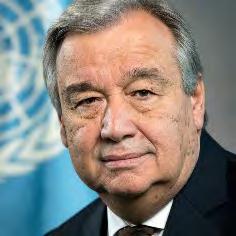
International Day of Tuberculosis Disarmament and non-proliferation are investments in peace. They are investments in our future. Let’s end these threats before they end us.
António Guterres
Learn about other Rotary clubs! Make an effort to attend some of the online meetings available –
All Rotarians are encouraged to join local (and other) clubs to learn more about Rotary, get to know other Rotarians, gain a new perspective and appreciation for Rotary and Rotarians. Here is a list of online clubs where you can earn a make-up along with learning a whole lot more about Rotary! Why not visit them all?
• Rotary E-Club of Canada One – Rotary On Demand, Where you want, When you want!
• Rotary Club of One World
• Rotary E-Club of World Peace
Click here to attend this week’s posted meeting of E-Club of Canada One.
These meetings are posted online and available 24/7!
There’s also a Thursday morning Coffee Chat at 10:00 a.m. Eastern Time. Please join our Coffee Chat from your computer, tablet or smartphone. https://us02web.zoom.us/j/709771987
Club President for 2025-26 – Kurtis Lush
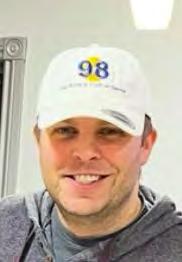
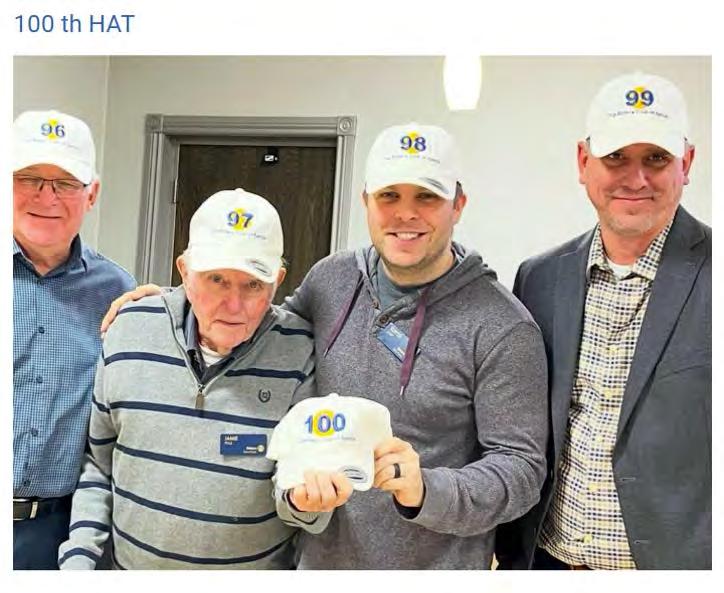
The hat is ready for our 100th President. The Rotary Club of Sarnia will celebrate 100 years in 2028. The club already has a hat ready for that special President who will lead the club during the celebrations of our 100th year of service to the community of Sarnia. Shown displaying the 100th Presidential Hat are past president, Mark Taylor (#96), immediate past president, Jamie Pole (#97), current president Kurtis Lush (#98) and current vice-president Joe Cebulski (#99), who also is the designated caretaker of the prized (#100) hat until that person is chosen later by the members. Special celebrations and projects will take place during 2028.
MARCH PLANS
Date Presentation
March 3 George Hayes, Sarnia Radio Host (recently Ret'd)
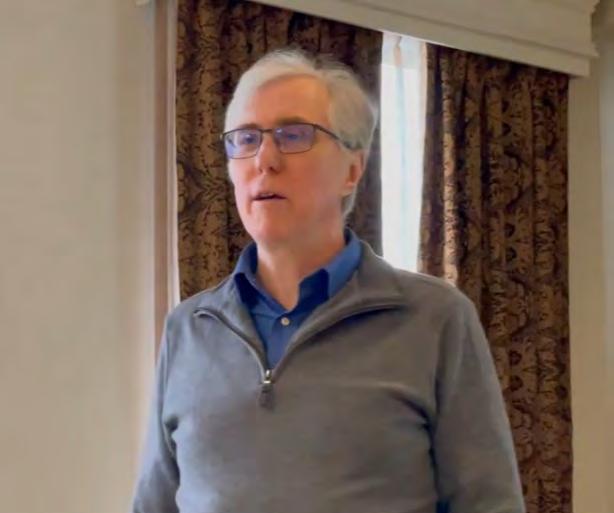
Mr. Franz Hartman addressed the club online from his home in London (I believe). He spoke about nonmarket housing and increasing the amount of non-market housing in Ontario. His main message was that affordable housing is possible and is necessary.
A few suggestions, as an example –
• Identify unsold inventory of units within existing condo developments across the country
• Supply funds for non-profit housing providers to take ownership of the units
• Use federal financial incentives to encourage all new market developments to include a 15% affordable component
• Supply funds for non-profit housing providers to work with developers to design and take ownership of the units in perpetuity and offer them at below-market rents
• Embed non-market community housing within all new market-led multi-residential housing developments
Click here to download more information
And here are some short video links you might find interesting –
https://www.youtube.com/watch?v=0oI6TfVk4Eo
https://www.youtube.com/watch?v=YqTh-aNJZk8
https://www.youtube.com/watch?v=pkG9bBTkAJQ
https://www.youtube.com/watch?v=IdGPRQiZNAw
https://www.youtube.com/watch?v=JvWVQn4ZYa4&t=1s
https://www.liveableontario.ca/five-ways-home
Franz Hartman
Speaker – Tuesday, February 3
Kelly Goetz, Project SEARCH
Rotarian Murray introduced Kelly Goetz on behalf of Project SEARCH. February is widely recognized as Inclusion Month in many organizations, school boards, and community groups across Canada (and increasingly abroad). The term isn’t tied to a single global body, but it has become a powerful and growing movement — and it aligns beautifully with Rotary values and gift for educating and inspiring others.
With reference to this article online - Project SEARCH Interns Gain Independence with Hands-On Transit Training – (Click here to view the article) – here is a summary of what Project Search is.
St. Clair Catholic District School Board’s Project SEARCH interns recently took a significant step toward greater independence during a comprehensive session with Sarnia Transit. The interns received both classroom instruction and hands-on experience, learning to navigate the city bus system by traveling to various terminals and riding specific routes. This invaluable training equips adult learners with the skills and confidence needed to access reliable transportation, which is often a key factor in securing employment.
What is Project SEARCH?
Project SEARCH is an internationally recognized transition-to-work and internship program designed to help young adults with intellectual and developmental disabilities move from school into meaningful, competitive employment. It’s especially focused on people for whom traditional post-secondary education or standard job training hasn’t provided enough support.
What It Is
• It started in 1996 at Cincinnati Children’s Hospital Medical Center when staff saw a need for better employment opportunities for people with developmental disabilities and developed a workplace-based training model.
• The program now operates at hundreds of sites worldwide (including across Canada, the U.S., the U.K., and beyond), partnering with businesses, schools, community agencies, and supporters to make the model work.
Who the Program Serves
• Typically young adults transitioning out of high school (often ages ~18–21) with intellectual or developmental disabilities, including autism, learning challenges, communication disabilities, and related conditions.
How It Works
1. Total Workplace Immersion — The program takes place entirely at a host workplace – in this case, at the local Y on Wellington Street - not just in a classroom.
2. Internships — Participants complete three internship rotations (usually 8–12 weeks each), providing hands-on work experience in different roles at the host business or organization.
3. Classroom & Coaching — Each day includes classroom instruction on employability skills (like communication, workplace expectations) plus on-site coaching from teachers and job support staff.
4. Job Search Support — Toward the end of the year, interns and support professionals work on job search and placement planning.
Goals & Outcomes
• The main goal is competitive, integrated employment — meaning interns are ready to work in real jobs alongside colleagues with and without disabilities.
• Many programs report that around 65 – 75 % of participants secure employment within a year of completing the program.
Benefits for Participants
• Real work experience and job-ready skills
• Increased confidence and independence
• Support from educators and job coaches
• Connections to ongoing employment resources once the program ends
For Employers and Communities
Employers benefit too — they gain motivated, trained workers and help foster inclusive workplaces. The model strengthens community partnerships among businesses, educators, and disability support agencies.
Student eligibility – (a) desire to enter the workforce directly after the program (b) likes hands-on learning (c) is between 18 to 21 years old (d) has a disability € has independent hygiene and personal care skills
Partners - Working together in Sarnia are St. Clair Catholic School Board, the Workplace Group, and the YMCA. Our club Rotarian, Joe Cebulski, has been involved with this program as well.
The program is a one-year internship program based at the YMCA Jerry McCaw Family Centre.
An excellent presentation – Thank you, Kelly!
Links of interest - https://newsdesk.st-clair.net/2024/09/27/project-search-interns-gain-independence-withhands-on-transit-training/ https://projectsearch.sccdsb.net/
Rotary
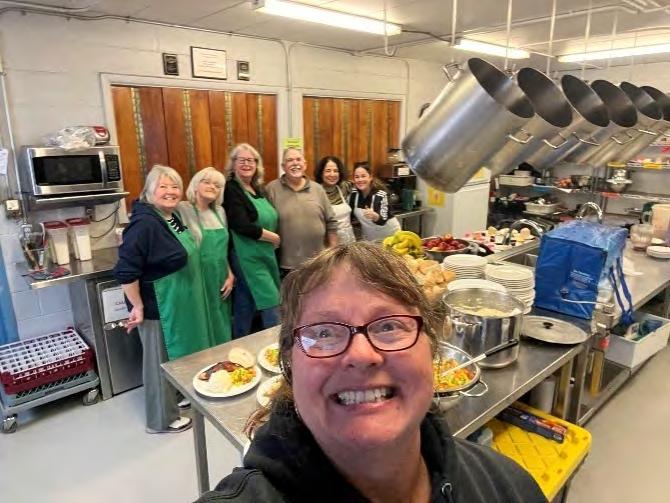
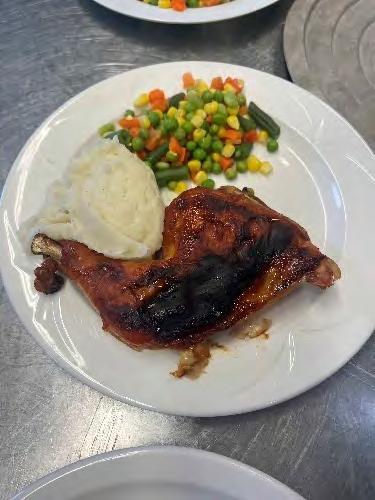
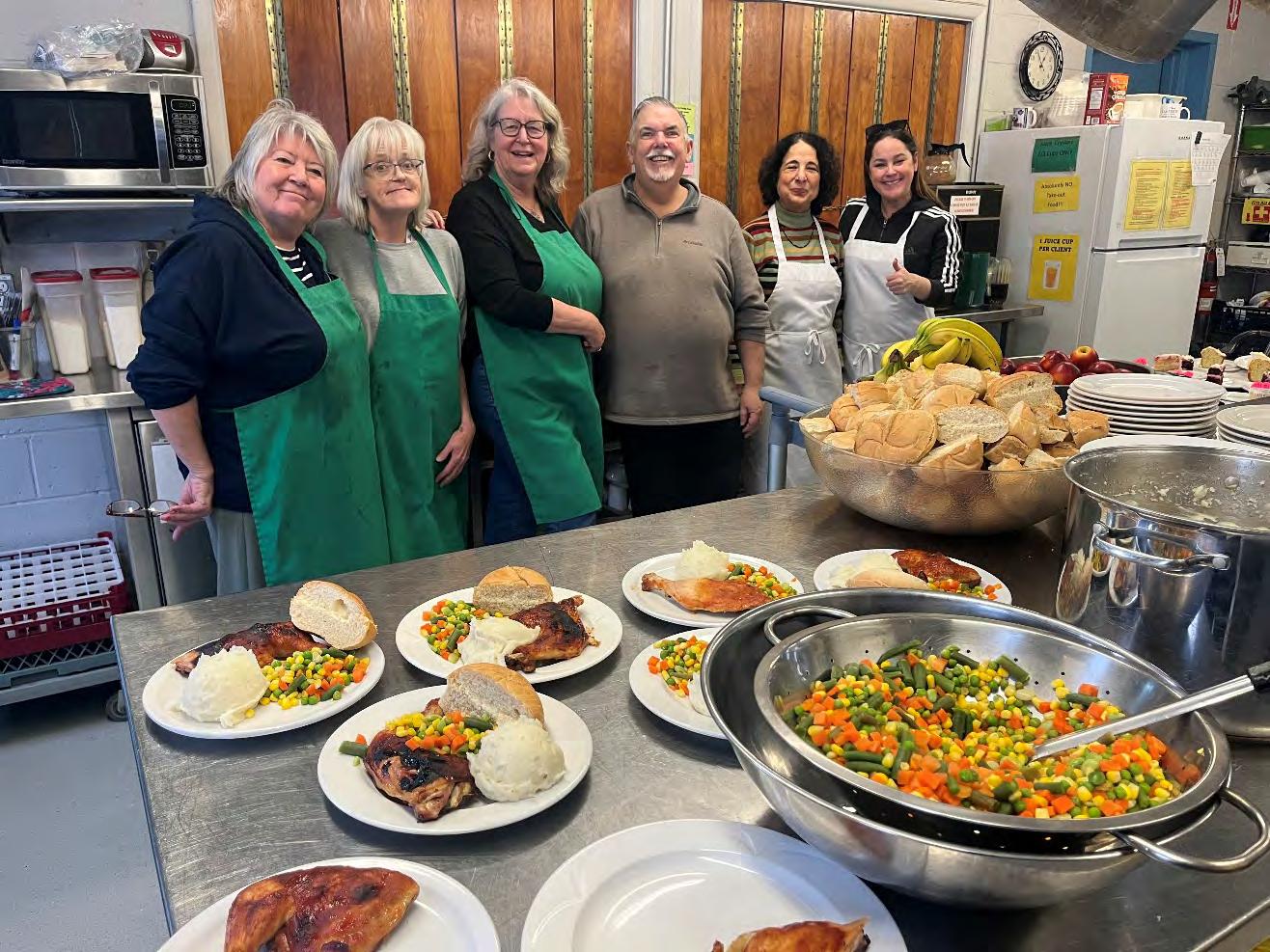
Lunch-at-the-Inn Team, February 5.
Pictured are Heather Martin, (Heather’s sister), Sandra Graham, Bill Boynton, Rajni Saraf, and Rotarian Katie O’Brien. Often Bill & Johanne Chong come and help, as well as Lynn Boynton. It’s a great group!
• We try to always serve something hearty – that will fill a belly and keep it warm, for a while. The location is at the Inn. We always do the first Friday of every 2nd month.
• Our job – our contribution – is that we prepare and serve the food.
• This month we did roasted chicken with mixed veggies, mashed potatoes & gravy and buns.
• Rajni is the team lead. Bill Boynton usually decides the meals
• It is a group effort for cooking. It is lots of fun!!
• Then Service Master usually sends 2 of their staff to help with our Clean up – as a favour to us.
Speaker – Tuesday, February 10
Click this link to view a short video of the proposed centre.
From their website - Why this Project Matters
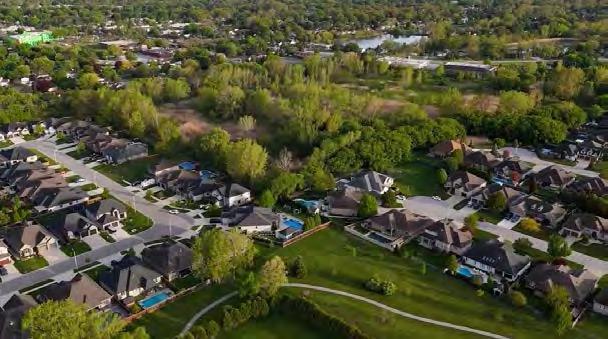
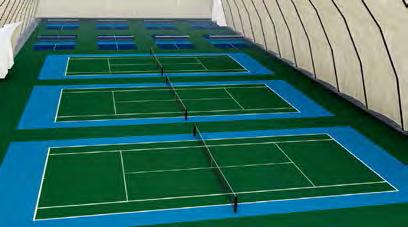
Bluewater Active Connected Community Complex
SARNIA BACE is a community-driven project creating a healthier, more active Sarnia with year-round spaces for sport, recreation, and social connection.
Together, we’re building more than a facility. We’re building a foundation for wellness and community pride.
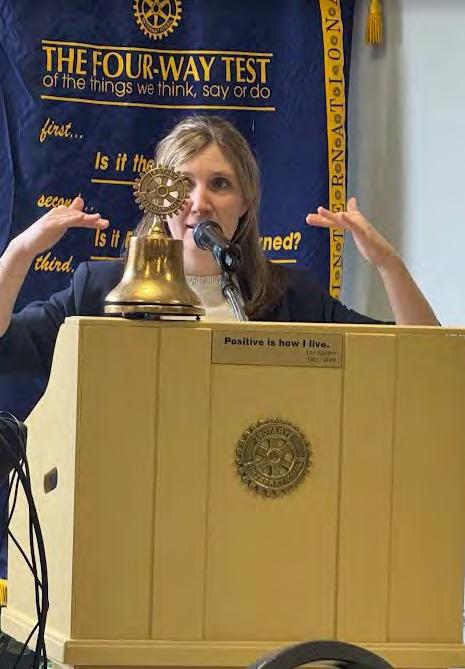
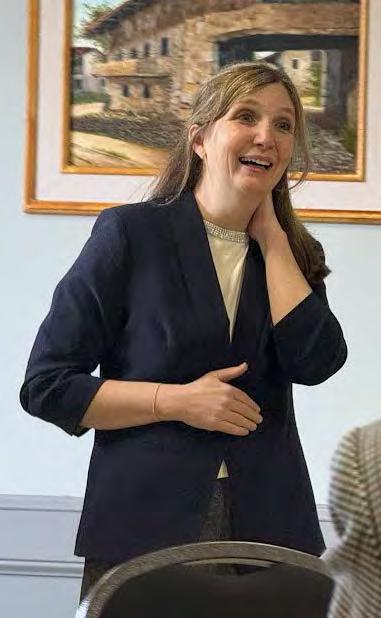
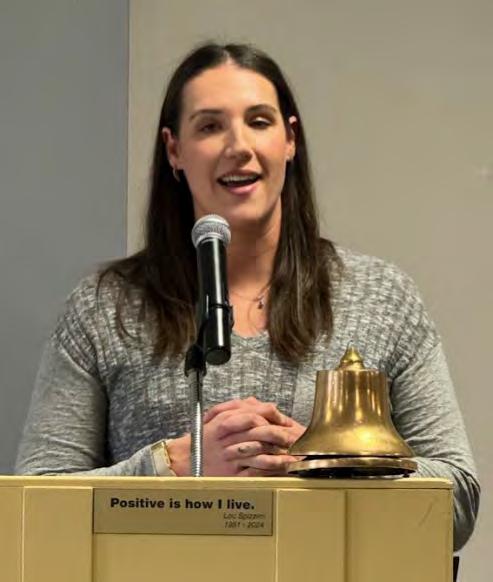
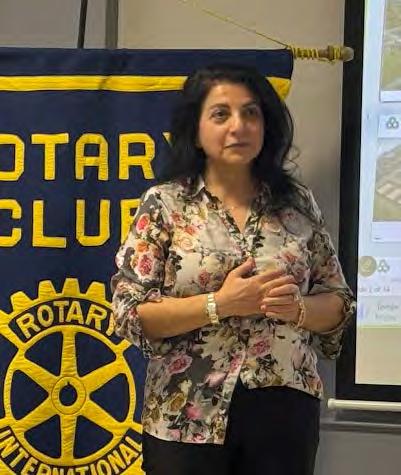
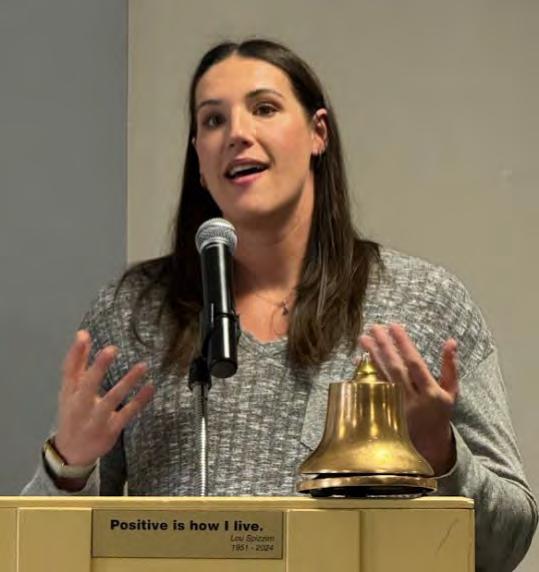
This presentation, delivered by Kendel Ross, Project Co-ordinator, and supported by Advisory Member Rima Rizkallah, highlighted four key areas of impact for the proposed Community Centre.
One major issue addressed was the Recreation Gap — the reality that many children cannot participate in sports due to a lack of accessible space or because families simply cannot afford costly fees. This new centre is designed specifically to close that gap and ensure that every child has the opportunity to play, participate, and belong.
A second emphasis was the goal of promoting Health and Wellness across the community. Movement, activity, and recreation are essential at every age — whether for childhood development, physical fitness, mental health, or staying active into our senior years. The centre aims to become a hub for improved community well-being, making a meaningful and measurable Health & Wellness impact.
A third topic was Youth Development. Many young people never try certain sports simply because they’ve never been exposed to them. By providing space, programming, mentorship, and opportunities to explore a wide variety of activities, the new centre will broaden horizons and help young people discover interests and talents they may never otherwise have uncovered.
Finally, the projected Economic Impact is significant. Families, sports groups, and community organizations are already preparing to make use of the new facilities. With the capacity to host tournaments, events, and gatherings for both locals and visitors, the centre will generate increased tourism, spending, and community vibrancy — a substantial investment in Sarnia’s economic future.
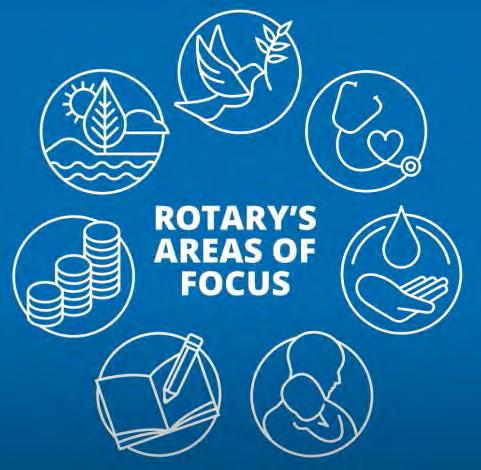
How does this connect to Rotary? Rotary’s Seven Areas of Focus include: Promoting Peace - Fighting Disease - Providing Clean Water - Saving Mothers and Children - Supporting Education - Growing Local Economies – Supporting the Environment.
A multi-functional community activity centre aligns beautifully with these priorities. By supporting physical and mental well-being, expanding access to recreational and educational opportunities, encouraging youth development, strengthening families, and contributing to local economic growth, this project resonates strongly with Rotary’s mission. It represents a forward-looking, community-building initiative that would bring lasting benefits, positive energy, and future prosperity to Sarnia.
For more information, click this link to view the group’s website.
NEWS & INFORMATION IMPORTANT TO CLUB MEMBERS
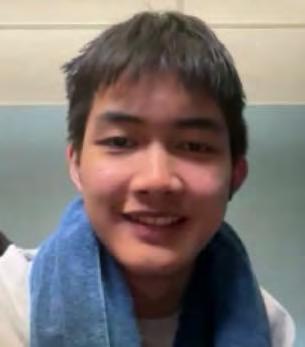
Informal Summary of Interview with Gong – Saturday February 7, 2026
A chance to meet our Rotary Exchange
Gong is a 16-year-old Rotary Youth Exchange student from Chiang Mai, a city of about 1.7 million people in northern Thailand.
His nickname comes from childhood — his parents called him “Gong” because he cried loudly as a baby, and it simply stuck.
To reach Canada for his exchange visit, Gong had to travel to Bangkok and then he travelled from Bangkok to Seoul, Korea, on his own, navigating the airport for the first time without family. From Korea he flew to Toronto, where he was immediately struck by the temperature difference — even inside the airport he found it shockingly cold.
Student
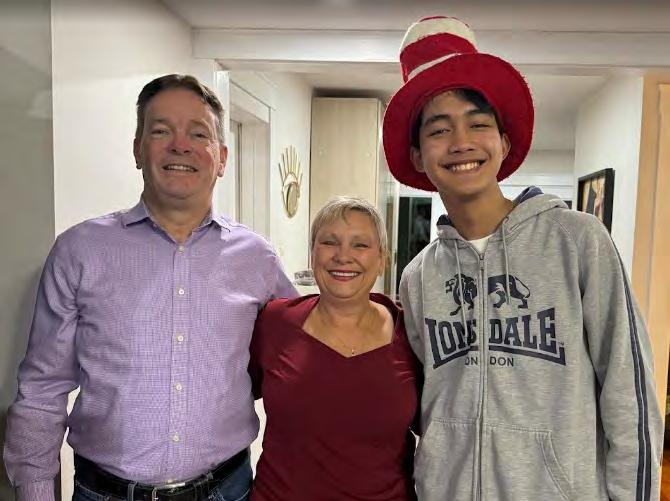
His first host family, Michael and Susan Barry (Rotary Club of Sarnia After-Hours) , met him in Toronto, offered much-needed food (from Tim Hortons), along with pillows and blankets, and drove him three hours to Sarnia, making sure he was warm and comfortable after the long journey. (The photo at left is from their brief visit to our Christmas Gala at the home of Heather and Bob!)
Gong has adjusted well and is enjoying his time here. He tells that a highlight so far was his first-ever ski experience – a trip to Beaver Valley in early January, which he describes as his favourite experience to date. At school he spends time with classmates who have been kind and welcoming.
At present, Gong is staying with Kurtis and Ali for the next three months. He attends Grade 11 at Northern Collegiate.
Like most exchange students, Gong misses his family and close friends but stays connected through calls and texts. He describes himself as shy and quiet, but eager to try new things. His polite manners come directly from
his parents, who taught him to treat others the way he would like to be treated. And he makes that effort at all times.
Gong learned about Rotary Youth Exchange through his mother, who is a Rotarian in Chiang Mai. When she suggested the exchange opportunity, he immediately hoped Canada would be his destination. In fact, he said, “If it’s not Canada, I don’t want to go.” His English is excellent — he has studied the language since Grade One, taking daily English classes throughout elementary school.
His favourite sport is basketball, which he played often in Thailand. He jokes that he never joined a team back home “because I’m lazy,” and he has arrived in Canada too late in the year to try out for teams at Northern. Still, he enjoyed watching a recent students-versus-teachers game.
Despite arriving four months later than most exchange students, Gong doesn’t dwell on what he missed. “There’s no point thinking about things I cannot change,” he said. “I choose to enjoy my time here.”
At school, his favourite subject is biology because he loves understanding how living things work — including why animals behave the way they do. He doesn’t plan a future in science, though; his goal is to become a businessman, ideally in real estate, a career he finds both interesting and full of opportunity.
Back home, Gong has a younger sister, now 14, with whom he gets along very well. They fought when they were young, he said, but are close now, and he describes her as “a very nice individual” with even stronger English skills than his own.
While in Canada, Gong hopes to visit Niagara Falls — an experience he definitely wants to take home with him.
He finds Canadian food quite different from back home, noting that fast-food chains are far more common here than in Thailand. He enjoys Timbits but says that five Timbits are plenty enough for one day.
Gong has adjusted to the cold by layering up each morning. He likes to be warm. For school, he is driven by his hosts Kurtis or Ali, or someone they arrange. His day runs from 8:20 a.m. to 2:30 p.m., shorter than Thailand’s school day, which often finishes at 4:30 or 5:30. He takes a lunch with him to school – packed by Kurtis and Ali – and he enjoys it in the cafeteria with his classmates.
At the time of the interview Gong was also preparing for his first Super Bowl party that Kurtis has planned with a few friends. Kurtis has been helping him understand the rules of football. Gong says he’s learning it slowly but surely.
Gong is a clever and very likeable young man with a brilliant future ahead of him. What a pleasure to meet him!
For a video of the interview, click here.
WHY JOIN ROTARY? WHO NEEDS ROTARY?
This month, Rotarians Sandra Graham, Tony d’Arne, and Bill Boynton are highlighted!
Here’s Sandra’s story -
On January 1, 1995, I joined the Rotary club of Sarnia. I was working for CIBC and had been promoted to my first Branch Manager position at their new branch on London Road in Sarnia. I was consciously looking for a way to get involved in the community.
A significant Sarnia service club. I had become aware that the Rotary Club of Sarnia was a well-respected Service club in Sarnia with over 150 esteemed members of the community.
I attended a few meetings and must admit I was very intimidated at first, as there weren’t very many women in the club at that time. The club was often referred to as the old boys’ club. Nevertheless, I was welcomed into the club and enjoyed many luncheons and fundraising activities with people that I would not have had the chance to meet otherwise.
I had the opportunity to have a room full of mentors whom I respected, and as a young woman working in a male-dominated field this was definitely an advantage that I benefited from numerous times.
Mentors and friends. One particular individual was Firman Bentley who was at the time the President of Polysar. Firm was very generous sharing information, listening, and offering advice. I enjoyed our lunches and never forgot his kindness. Another member who become a friend was Chris Smith, who was the club secretary. Chris was from England and we had many chats about old Blighty.
Chris was a very patient and lovely man who helped me navigate the processes of the Rotary Club board when I became a Club board member. Chris lost his wife, Joyce, a few months later. I was so touched when Chris told me he wanted me to have the contents of a little box. It was Rotary pins and Rotary jewelry that Joyce had collected at the Rotary Conventions throughout the years. I still have the little box with the treasures inside that remind of Chris every time I open it!!
Another Rotarian that I fondly remember was Dr. Jim Mackenzie, who always found a humorous way to remind everyone to wash their hands after using the facilities.
The same Dr. Jim was quick to offer a referral to a surgeon in Spain when my mom fell and broke her foot while vacationing there.
So, you see, it is the personal relationships that I have had the opportunity to develop and nurture over the years that have impacted my life in ways that I could not have imagined when I joined “the old boys’ club.”
Participation in Rotary
I quickly learned what ZOOM was as we pivoted from inperson meetings to weekly Zoom meetings.
We also added weekly chat meetings to all members who wanted to attend with a coffee or a glass of wine. It was a very interesting 18 months!
Along with serving on the Board, I have been President of our Foundation Board twice and sat on both boards numerous times. In addition, I’ve also served on various club committees.
Changes over the years. Rotary International has changed over the years, becoming more inclusive and less rigid. Rotary is being proactive asking members how our organization needs to change to ensure sustainability in today’s world.
Valued friendships. I continue to maintain my membership because I have valued friendships within the club.
I’m proud of our contributions to our community and our continued commitment to Pathways Children’s Center which our club founded over 50 years ago.
Most clubs are having membership challenges and are constantly looking for ways to attract and retain younger members. Hybrid meetings, less focus on attendance, and changing focus to current world issues that are worrying to younger generations.
Finally, individuals who join Rotary have their own reasons for joining and retaining their membership in Rotary. We are all volunteers who are drawn to the fellowship of a club and the opportunity to do good in our communities and beyond. I sincerely hope that Rotary continues to resonate with potential members for many years to come.
Rotarian Tony d’Arne – Rotary Reflections
When Tony Darne joined the Rotary Club of Sarnia in 1991 — 35 years ago now — he says he walked into a club that looked quite different from the one we know today. At the time, membership hovered around 86 Rotarians, and everything about the weekly meetings felt formal and ceremonial.
Early meetings. The club met at the Guildwood Inn at noon for a proper sitdown lunch, complete with waitresses in crisp uniforms and a head table raised onto a special platform. That’s where the Board sat. There was always one empty chair on the platform, and it was a small badge of honour to be invited to sit there for a meeting.
Everyone was dressed professionally — suits, pressed trousers, and the kind of formality that was only one step short of a tuxedo. Stepping into those meetings often came with a bit of an intimidating atmosphere.
On my very first day, three new members were introduced and inducted. I can’t recall the third, but I remember one of them clearly: John DeGroot. The two of us were inducted to Rotary on the same day and have remained connected through Rotary ever since.
Classification talks. One tradition I really miss is the Classification talk. Every new Rotarian was required to go to the microphone and introduce themselves — who they were, what they did, and the story behind their lives and careers. Because of that simple practice, members really knew one another. It built a sense of personal connection that I believe is harder to create today.
Club visits. When the club was larger — well over a hundred members at its peak — Rotarians were strongly encouraged to visit other clubs. I often made trips to Grand Bend, Stratford, and London South.
Grand Bend, in particular, felt like home, and I believe Sarnia would be an even stronger club if more members ventured out to meet Rotarians elsewhere. I used to do that, and I’m going to do it again this summer — and I’m bringing someone with me!
Friendships/Fellowships. Today, at 86 years of age, I treasure the 30 to 35 close friends I remain connected with through Rotary. That’s totally great to me, and I really appreciate it!
When I served as President, the leadership path looked a little different from today. Becoming President was essentially a four-year commitment: two years on the Board learning Rotary, one year as President, and two more years afterward. That structure was valuable — I don’t know whether that happens now or not, but that was a very good thing. It built a club leadership who were knowledgeable and experienced.
Community Projects. During my time in Rotary, the club embraced several major community events, including the Tall Ships Festival and Dragon Boat racing in Sarnia Bay. These weren’t fundraisers so much as opportunities for Rotary to shine.
The Tall Ships event alone involved 80 to 90 volunteers each day. The Stokley family — Jim and Michele — were central organizers. Michele’s father was well-known for running major events in London, including the annual air show, and she brought that expertise to Sarnia. Crowds numbered in the hundreds, tours were offered for a small fee, and the ships were docked around Centennial Park and the Bay. In the evenings, Rotarians even operated a bar, with the profit coming back to the club.
The Dragon Boat races, though smaller, also brought tremendous energy and crowds to the waterfront.
Compared to those days, the club now has fewer large-scale volunteer events. It seems like the only really big event now is the Pancake Breakfast — still an excellent project, but very different from the bustling calendar of twenty years ago.
One of the contributions I am most proud of is helping launch the After Hours Rotary Club. Seventeen years ago, working alongside Tanya Wolff and others, I helped create a meaningful addition to our Sarnia Rotary family, offering flexibility in meeting times for Rotary members. The After Hours club held their earliest gatherings at John’s Restaurant.
And a final comment from Tony – Yes. In the summer, I’m going to go out and visit other clubs again. That’s what I used to do! I’m going to do that again and I’m going to bring someone with me!
Take heart, spring will be here soon and so will more good things from The Rotary Club of Sarnia!
Rotarian Bill Boynton
I was invited to speak at a Rotary meeting about Wawanosh Enterprises, the sheltered workshop operated by Community Living Sarnia Lambton. I was the Operations and Marketing Manager for Wawanosh.
After my presentation, I was contacted by Rotary to see if I would be interested in joining Rotary. I approached my employer and we all felt it would be a good opportunity to network with community organizations.
In May 2004, I joined the club.
At that time, we had approximately 120 long-term members who were executives from every major for-profit and not-for-profit in our community. Over the years, Rotary has changed as many large organizations no longer require their executives to belong to Rotary. Because of that, our club is smaller, at approximately 50 members.
Since joining, I have been very involved in the club. I have been a board member, Foundation board member, lead on major fundraisers like the pancake breakfast and auction, member of the Action Grant committee, Youth Exchange Officer, and 8-time host family for Rotary youth exchange students as well as administrator for the club and auction websites.
I was fortunate enough to be selected Rotarian of the Year as well as a multiple Paul Harris recipient.
Making a difference. Rotary keeps me busy especially in retirement, but it has given me so much more. Not only does it give me the satisfaction of making a difference in my community and around the world, but I have made lifelong friendships with many club members and former exchange students. It has given me the opportunity to change people’s lives whom I might never have met, and Rotary has given me the wonderful feeling of making the world a better place.
YOU GET OUT OF ROTARY WHAT YOU PUT INTO IT!
An example of this is how we changed the life of a former exchange student from Brazil. The student was from extreme poverty in Brazil and the local club decided to send her to Canada on exchange and cover the costs involved.
I was one of her host families, and she worked very hard to learn English by taking extra courses through the YMCA. Upon returning to Brazil after a year in Canada and fluent in English, she graduated from school and began her new life.
Because she was fluent in English, she was offered a position in General Electric in Brazil. GE saw her potential and helped pay for her university education in business.
Bill, at the Pancake Breakfast, 2025
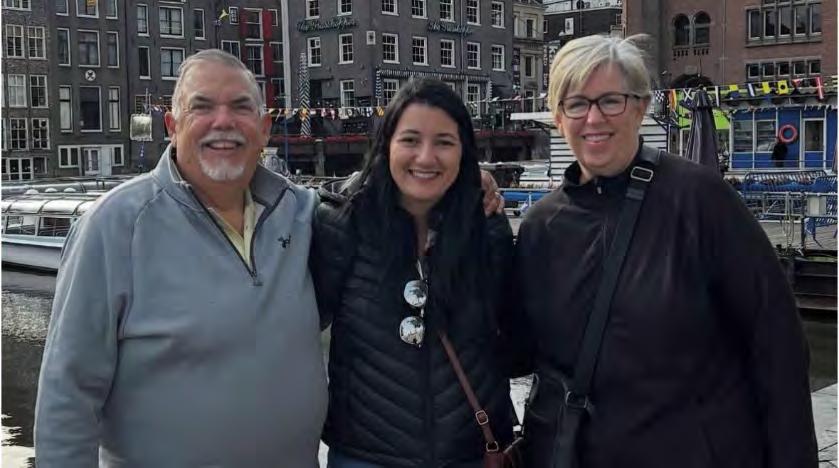
Nayara has changed careers a few times but now lives in Amsterdam, is married with a son, and is able to support her parents back in Brazil. By giving her the opportunity for youth exchange, Rotary changed her life path for the better.
50 years of Pathways! Think how many lives have been changed in the 50 years of Pathways!
Our early members saw the need, had the vision, and worked tirelessly to negotiate with governments to bring Pathways (formerly Rotary Children’s Centre) into existence.
What a gift to our community!
And to ensure sustainability of Pathways, our club created The Rotary Club of Sarnia Charitable Foundation which enables our club to fund many local charities annually.
My advice to club members is You get out of Rotary what you put into it!
By living Rotary’s motto of “Service Above Self,” you can achieve personal fulfillment in your life while making the world a better place than you found it.
As well, my family has embraced the volunteer and philanthropic opportunities that Rotary offers and the gratification of making a difference.
I hope that all Rotary members will embrace and live the motto rather than only looking at Rotary for personal gain and networking.
Every day, we all have opportunities to make a difference in someone’s life.
You just need the vision to recognize the opportunity in front of you and not walk past it.
Poster kids for the Day of Happiness!
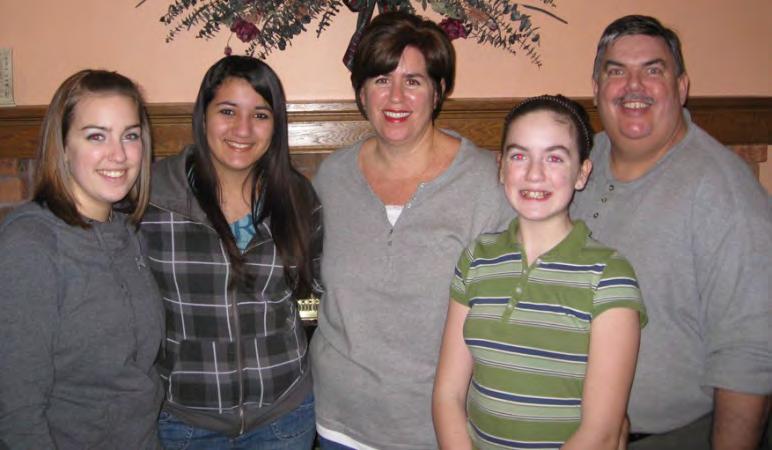
Sara (daughter), Nayara (exchange student), Lynn (wife), Emily (daughter), Bill
When we visited Nayara in Amsterdam in October 2025
INTERESTING TABLE DISCUSSION FOLLOW-UP
At one table at a meeting in early February, the topic of Fake News vs Real Facts was discussed briefly. How do we get people to stop following the fake news as real – and how does one discover or fact-check information that appears online?
The Rotary Club of Southampton created and distributed at the District Conference last year bookmarks that provide a lot of excellent information in that regard –
HOW TO TELL REAL NEWS FROM FAKE NEWS –A SIMPLE GUIDE TO SMARTER, SAFER NEWS READING
1. Start with the Source
• Is it a reputable news organization with editors and accountability?
• Be wary of unfamiliar sites, odd URLs, or outlets with no track record.
2. Check the Author
• Credible articles list real, identifiable writers.
• Anonymous authors = a warning sign.
3. Look for Confirmation
• Real news appears across multiple trustworthy outlets.
• Fake news often appears in only one place.
4. Examine the Tone
• Journalism is calm, factual, and measured.
• Fake news uses outrage, fear, or sensational phrasing.
5. Verify the Date
• Old or recirculated stories can mislead.
• Always check when the information was published.
6. Evaluate the Evidence
• Real news includes sources, quotes, data, or links to documents.
• Fake news uses vague claims like “experts say” without names.
7. Inspect Images & Videos
• Reverse-search suspicious photos.
• Mismatched or AI-altered visuals are common in misinformation.
8. Be Cautious on Social Media
• Shares and likes are not proof.
• Viral posts often skip verification.
9. Watch Your Own Bias
• We all tend to believe stories that confirm what we already think.
• Pause and ask: Would I doubt this if it said the opposite?
10. Ask the Key Question: Who benefits if I believe this?
• Real news aims to inform.
• Fake news aims to manipulate emotions or behaviour.
A Quick 3-Step Test (share with your kids or grandkids!)
1. Is the source credible?
2. Do other reputable outlets report the same thing?
3. Is the evidence solid and transparent?
If any answer is no, treat the story with caution.
THE ROTARY FOUNDATION (TRF)
Donations Are Important!
Clubs must qualify every year! The Rotary Foundation requires Clubs that want to participate in the District Grants program to qualify. To qualify, the club must:
• Be in good standing
• May not have any grant reporting that is overdue
• Have at least 2 members complete the District’s Qualification Training course and quiz
The Certification is valid for One Rotary Year only! Clubs must be re-certified for each Rotary Year.
Rotary Foundation Grants – There are two kinds of grants.
- Global Grants and District Grants:
Global Grants
• Must be in (at least) one of Rotary's Areas Of Focus
• Must be International projects involving at least 2 clubs in 2 different countries. One of these clubs is the host club - the club where the project will take place. The other is the international partner - the club that provides funding and possibly some expertise to help implement the project.
• Must have a minimum budget of USD $30,000
• Club funds are supplemented by the District Designated Funds as, and if, available
• Funds donated to the project from District Designated Funds are supplemented by The Rotary Foundation (World Fund) to fund these grants.
District Grants
• May be local or international in scope.
• Are usually smaller in scale. There is no minimum budget requirement.
• Will usually involve active participation by Rotarians.
• District 6330 clubs may apply for more than one District Grant in a single Rotary year, but are limited to a maximum of USD $3,000 per year in District Grant funding.
• Projects must be started and completed within one Rotary year - July 1 to June 30 of the next year.
Ready to Apply for A Grant? Will it be a District or a Global Grant?
3 simple questions to help you decide:
• Is the project in one of the areas of focus? – No? Consider applying for a District Grant.
• Is the project between Clubs/Districts in separate countries? – No? Consider a District Grant.
• Is the total budget for the project less than USD $30,000? – No? Consider applying for a District Grant.
• If you answer YES to all the above, consider applying for a Global Grant.
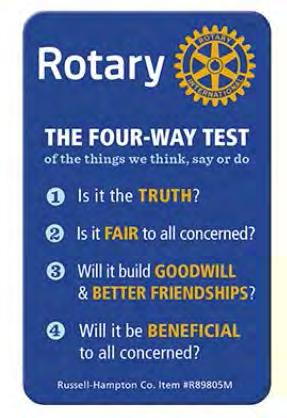
ROTARY’S FOUR-WAY TEST
A Thoughtful Start to any day
� � � � What is the Rotary Four-Way Test?
It's a short ethical guide used by Rotarians worldwide to help evaluate decisions, both personal and professional.
It was created in 1932 by Herbert J. Taylor, who later became Rotary International President. Facing financial and moral crisis in his company, he developed this test as a litmus test for integrity and fair conduct.
The test asks four questions of the things we think, say or do:
• Is it the TRUTH?
• Is it FAIR to all concerned?
• Will it build GOODWILL and BETTER FRIENDSHIPS?
• Will it be BENEFICIAL to all concerned?
It may seem simple, but in a complex world, those questions are anything but easy — and that’s part of their power.
� � � � � Why Should We Consider It?
Because Ethics Matter — now more than ever.
The Four-Way Test:
• Brings clarity to grey areas.
Click
• Encourages honesty and accountability, not just in public life but in our quiet decisions.
• Fosters trust — a commodity that seems scarce in many parts of today’s society.
• Helps cultivate respectful dialogue instead of divisiveness.
• Serves as a universal framework: it’s non-religious, non-political, and applicable across cultures and professions.
In a world of misinformation, polarization, and moral shortcuts, it gently but firmly asks: Are we making the right choices for ourselves and for others?
the 4-way test above and open the link to hear the Four-Way Test by RC of Saskatoon Nutana.
� � What Does the Four-Way Test Mean in Today’s Context?
In a global landscape marked by challenges — climate change, inequality, misinformation, and conflict — the Four-Way Test is a compass. It reminds us:
• Truth is not just about facts, but integrity.
• Fairness challenges us to consider others, not just ourselves.
• Goodwill and friendship are the foundations of peace, community, and collaboration.
• Benefit to all concerned asks us to be stewards, not just beneficiaries.
In Rotary, it’s more than words. It shapes how Rotarians lead projects, build partnerships, and serve their communities — from clean water initiatives to polio eradication. But beyond Rotary, it’s an invitation to live more ethically and courageously.
� � Closing Thought
The Four-Way Test isn't about being perfect. It's about trying to do the right thing, every day, in big ways and small.
Click here to listen to a short video about the Four-Way Test history!
THE ROTARY FOUNDATION
EREY – Every Rotarian Every Year
Click here for a short video.
Our Every Rotarian, Every Year (EREY) initiative encourages all Rotary club members to contribute something each year to The Rotary Foundation. We hope that you can consider at least $100 USD every year to help us reach our goal to support the Rotary Foundation financially each year.
Sustaining member. One who contributes $100 USD every year is a Sustaining Member. With EREY, we encourage you to contribute an amount you can afford every year.
Click here to listen to We are the World.
A LITTLE HUMOUR
Most of the generation of 60+ years ago were HOME SCHOOLED in many ways. See below - in our parent's own words!
1. My mother taught me TO APPRECIATE A JOB WELL DONE. "If you're going to kill each other, do it outside. I just finished cleaning."
2. My mother taught me RELIGION "You better pray that will come out of the carpet."
3. My father taught me about TIME TRAVEL. "If you don't straighten up, I will knock you into the middle of next week!"
4. My father taught me LOGIC. "Because I said so, that's why."
5. My mother taught me MORE LOGIC. "If you fall out of that swing and break your neck, you're not going to the store with me."
6. My mother taught me FORESIGHT "Make sure you wear clean underwear in case you're in an accident."
7. My father taught me IRONY. "Keep crying and I'll give you something to cry about."
8. My mother taught me about the science of OSMOSIS. "Shut your mouth and eat your supper."
9. My mother taught me about CONTORTIONISM "Just look at that dirt on the back of your neck!"
10. My mother taught me about STAMINA "You'll sit there until all that spinach is gone."
11. My mother taught me about the WEATHER. "This room of yours looks like a tornado went through it."
12. My mother taught me about HYPOCRISY. "If I told you once, I've told you a million times, don't exaggerate!"
13. My father taught me the CIRCLE OF LIFE. "I brought you into this world and I can take you out."
14. My mother taught me about BEHAVIOR MODIFICATION. "Stop acting like your father!"
15. My mother taught me about ENVY. "There are millions of less fortunate children in this world who don't have wonderful parents like you do."
TO VIEW PREVIOUS NEWSLETTERS online in magazine format, click the links below -
March doesn’t arrive all at once — it begins in February, in that first moment when you notice the air soften and realize you’ve already made it through the hardest part.
Late winter teaches patience. Early spring rewards it.
As February closes its book, we’re already writing the first hopeful lines of March.
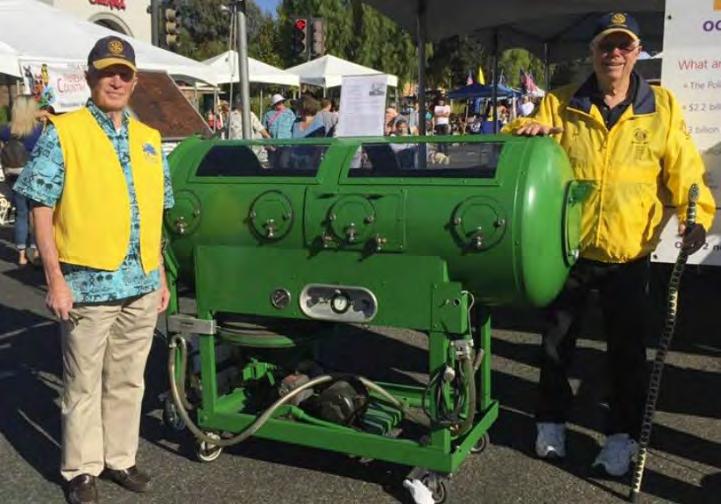
A Polio IRON LUNG - Source
COMMUNITY SERVICE THROUGH THE YEARS
Pathways Health Centre for Children (Founder)
Bluewater Health – Maternal & Child Health Wing
YMCA – Swimming Pool
Inn of the Good Shepherd
Lambton College
St. Joseph’s Hospice
Huron House Boys’ Home
Community Living, Sarnia Lambton
Community Concerns for the Medically Fragile (Standing Oaks Home)
Rotary Youth Leadership Awards (RLYA)
DOW Centre for Children and Youth
Big Brothers – Big Sisters
Canada Food Grains
Scouts Canada – Camp Attawandron
Goodwill Industries
Rayjon Haiti Project
YMCA Youth Scholarship
Lambton County Music Festival Awards
Family Counselling Centre
Access Open Minds
Habitat for Humanity
Point Edward Minor Hockey Association
Junior Achievement
Numerous Schools – LKDSB and SCCDSB
…and much, much more
But no -
When tomorrow comes, this day will be gone forever. In its place is something that you have left behind. Let it be something good. *