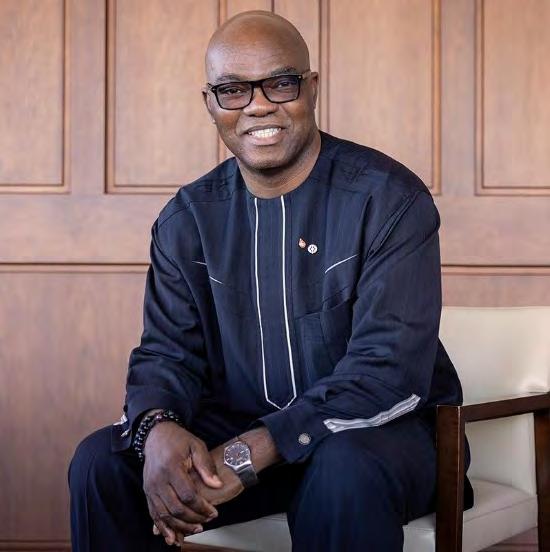
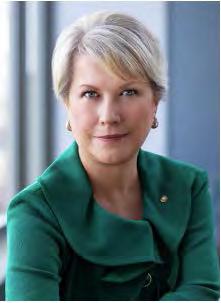
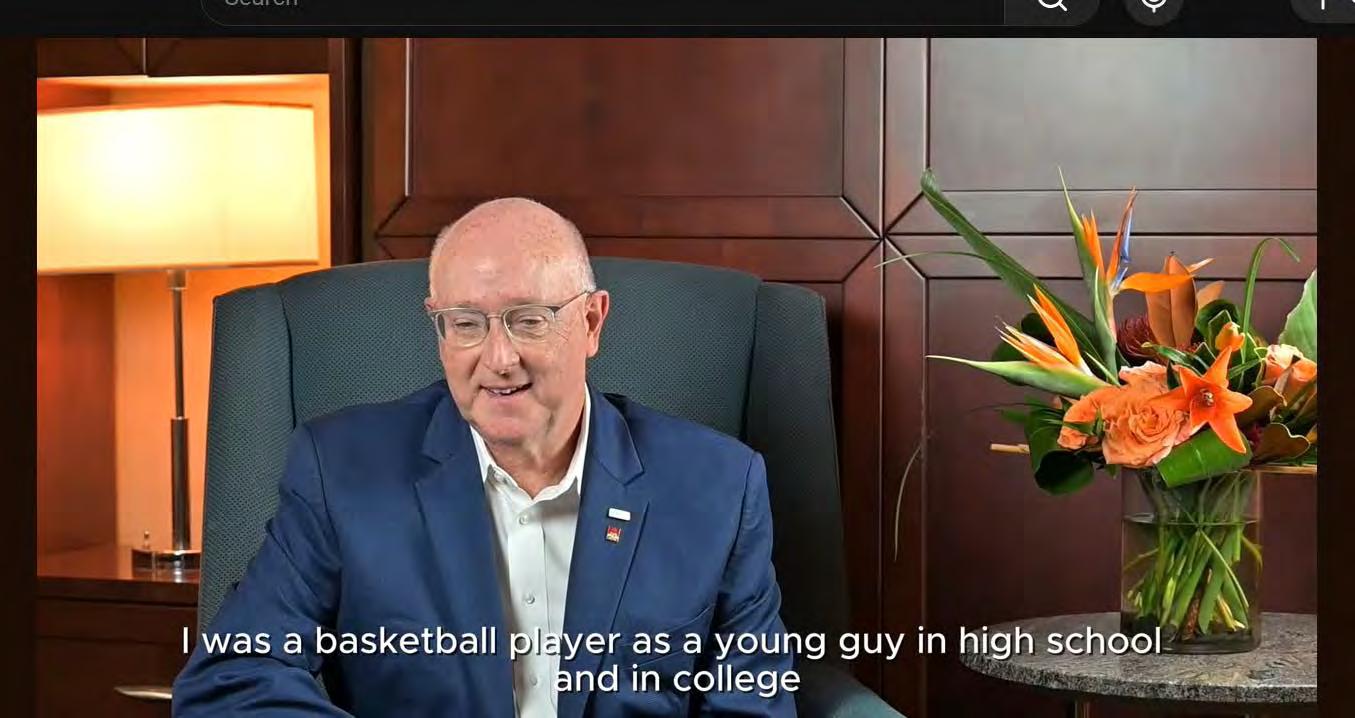
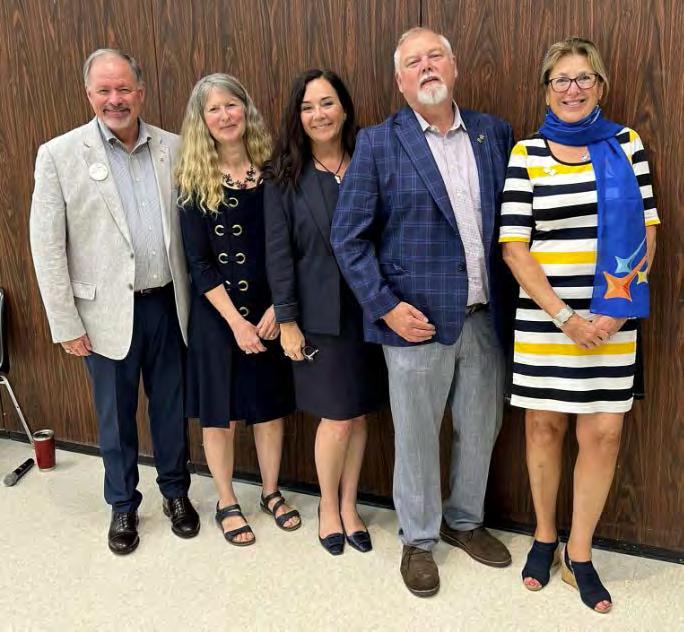
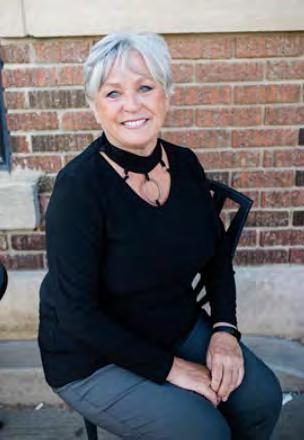
Rotary International President, Olayinka Hakeem Babalola (Rotary Club of Trans Amadi, Nigeria) District 6330 Governor, Lorna Gunning Fratschko (Rotary Club of London Hyde Park) Club Newsletter Editor, Kitty Bucsko
District website: https://rotary6330.org/ Club website: http://www.6330passport.org
The Calendar below shows Rotary’s 2026-2027 monthly themes.
ROTARY CALENDAR AND THEMES
Month
Theme
July Maternal and Child Health
August Membership and New Club Development
September Basic Education and Literacy
October Economic and Community Development
November The Rotary Foundation
December Disease Prevention and Treatment
January Vocational Service
February Peace and Conflict Prevention/Resolution
March Water, Sanitation, and Hygiene
April Environment
May Youth Service
June Rotary Fellowships
Click the flags below to listen to the respective national anthems.
.
MONTH OF JULY
Maternal and Child Health
REGULAR MONTHLY MEETING
Wednesday,July 8 at 7:00p.m. Eastern Time (changedtoavoidCanadaDay)
CREATE LASTING IMPACT - (2026-2027)
RI PRESIDENT-ELECT (YINKA) OLAYINKA HAKEEM BABALOLA
DG LORNA GUNNING FRATSCHKO
MONTH OF AUGUST
Focus on Membership and New Club Development
Rotary Anthem
Right click here to open the link and listen to the Rotary Anthem!
Click here for We are the World.
THE ROTARY INTERNATIONAL PRESIDENT
JULY MESSAGE 2026
Better than your best
Rotary has a way of surprising you. It surprises you when a stranger across the table becomes a lifelong friend. It surprises you when a small project in one neighbourhood ripples outward in ways you never imagined. And it may surprise you when you realize that the person Rotary has changed most … is you.
That is why this year, we are called to harness the change within ourselves, to look to the future, and to Create Lasting Impact.
Now, I want to be clear about what those words mean. Change is only the beginning. Impact is what endures. We must think of the long-term impact of every project. How can a new water system contribute to the long-term health of a community? Can residents help other communities build their own? How can a new classroom be part of a wider strategy to improve education in the area? That is the sort of thinking we need.
As we prioritize impact, we must also consider how our actions can contribute to peacebuilding. Peace does not happen by accident. It must be built deliberately and strategically. As you plan your next project, ask yourself: “How does this create the conditions for peace?” Consult the Pillars of Positive Peace to learn how we can bring the world one step closer to peace in everything we do.
The more you change your community and the world, the more you will change. Don’t just tell people about the projects you have run or the funds you have raised. Tell them how Rotary has shaped who you are. Those personal stories open doors, inspire new members, and remind all of us why we are here.
Storytelling is also an excellent way to recruit new members and raise funds. We need more people standing with us and more resources if we are to end polio, spread peace, and have a lasting impact on the world. We have set a goal of increasing membership to 1.25 million Rotarians and more than 125,000 Rotaractors by 2030, just in time for Rotary’s 125th anniversary.
Sit down with your club and look back over your accomplishments in the last few years. Find your best year. Maybe it was a record year for new members. Maybe you reached a fundraising milestone. Maybe you completed a project that the whole community is still talking about. Once you find that year, I challenge you to do better than your best.
In these ways and more, we will Create Lasting Impact across the globe, in our communities, and in ourselves.
Thank you, my dear friends. Now let’s get to work.
OLAYINKA “YINKA” HAKEEM BABALOLA President, Rotary International (2026-2027)
THE ROTARY FOUNDATION TRUSTEE CHAIR
JULY MESSAGE 2026
Leading with gratitude
I love the idea of a gratitude journal. The practice is simple: Write down three things each day that you are grateful for, and watch how it shifts your mindset, your energy, and even the way you move through the world.
To me, gratitude is more than a feeling; it is a force.
And in Rotary, gratitude is a reflection of who we are. When we thank our donors, we are acknowledging their contribution and honouring their belief in a better world.
I write in my gratitude journal often – not every day but enough to keep me grounded. I want to share with you an entry from January, written during the International Assembly. The assembly is more than our annual learning event for district governors-elect; it’s a gathering filled with inspiration and moments that stay with you long after the lights dim.
My first entry was in gratitude to Debbie and Russell Doby.
In 2022, Debbie, then a district governor-elect, missed out on that inspiring assembly experience because of the pandemic. Then, a year later, just a few days before the district conference she was excited to host, Debbie and her husband were in a head-on collision. The other driver was killed; Debbie and Russell survived, miraculously.
Out of tragedy, they found grace. They created an endowment fund for their district at the Arch Klumph Society level, choosing to transform pain into purpose.
My second entry reflected on Ravishankar and Paola Dakoju from the Rotary Club of Bangalore, India. At the assembly, the couple pledged $50 million to The Rotary Foundation, an extraordinary gift representing 85 percent of their wealth. Ravishankar said, “When you give more than you think you can, life returns to you more than you can ever imagine.” That single sentence captures the heart of Rotary.
My third entry was in gratitude to Moh Eid and Chuck and Carol Stocking. After Moh’s brother, Ibrahim, a humanitarian aid worker, was killed while helping victims of war, Chuck was moved to create the Ibrahim Eid Fund to support Rotary Peace Fellows. Their leverage gift was $100,000 toward a million-dollar goal. That is what it looks like when grief becomes hope.
And today, my gratitude entry is for you. For longtime members and brand-new faces, for those who give year after year, and those preparing to make their first gift. Thank you.
Let gratitude be our compass this year.
JENNIFER JONES
Foundation Trustee Chair, 2026-2027
CREATE LASTING IMPACT
Click here to view this video interview - Larry Lunsford, Rotary President-elect (2027-28)
Larry Lunsford will serve as Rotary International President in 2027-28. In this video he tells his Rotary story how serving others has become his life mission.
Click here to hear RI President-elect Larry Lunsford at the 2026 Convention
A New Rotary Year – 2026-2027
The start of a new Rotary year is not about starting over. It is about continuing a story that began more than 120 years ago.
Around the world, Rotarians are meeting this month with a shared commitment to Service Above Self. Different languages, different cultures, different communities—but the same desire to make life better for others.
As we begin this new year, let us remember that every meeting attended, every volunteer hour given, and every act of kindness contributes to a legacy of service that spans the globe.
Together, we continue that story.
Together!
NEWS & INFORMATION IMPORTANT TO ROTARIANS
In District 6330, Rotary leadership – past, present, future
Above (left to right) PDG Mike Chaffee (2022-2023) - PDG Sonja Glass (2023-2024) –PDG Katherine Hahn (2024-2025) – PDG Jeff Ferweda (2025-2026) – DG Lorna Gunning Fratschko (2026-2027)
Above left - DGE Dawn Kennedy (2027-2028) Above right – DGN Peter Maranger (2028-2029)
NEW ROTARY YEAR – A NEW DISTRICT GOVERNOR ON JULY 1
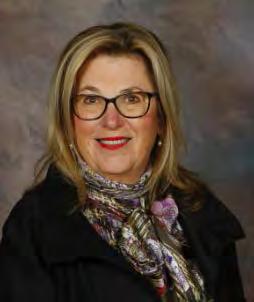
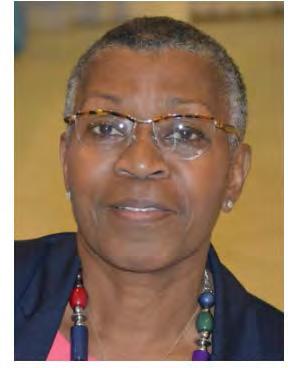
Lorna Gunning Fratschko (DG 2026-2027)
Lorna is a “seasoned” and long-term member of Rotary, having joined the Rotary Club of London South on April 1, 1996. Lorna now is a member of the Rotary Club of London-Hyde Park, having transferred in August of 2020.
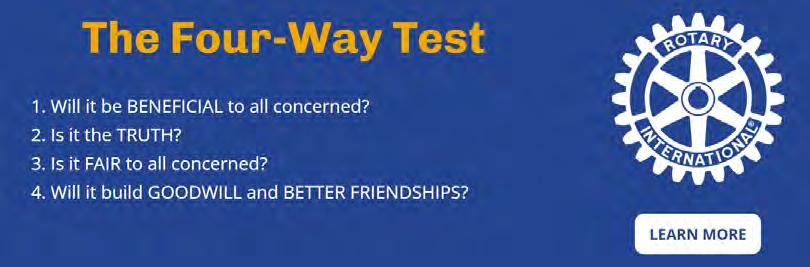
She lives her life according to the 4-Way Test, is a multiple Paul Harris Fellow, and has attended the Rotary Institute Levels 1 & 2.
Lorna was born in Belleville and grew up on a dairy farm just outside of Tweed with her parents, two brothers and two sisters. As any farmer knows, it was a lot of hard work AND service. Lorna’s family was devoted to Community Service which she has carried on into her life as a Rotarian. Lorna is a lifelong learner and absolutely appreciates the learning and training opportunities offered by Rotary.
Recently she has participated in the Visioning Facilitation workshop in Stratford, ON as well as the Learning to Lead Conference in Toronto from September 27 – October 1, 2023. She is committed to the notion of having more club members serving on District committees so as to have access to District news, service/fellowship opportunities to bring to the attention of their clubs.
Lorna has recently taken on the role of Membership Chair, District 6330 and is grateful for Rotary’s focus on membership. She believes that “every club member is on the membership committee!” Also, the membership committee is her favourite!
Lorna served as President for the Rotary Club of London South for the year 2017-2018, and is happy that the RCLS received their Club Citation for that year. She has served on numerous committees (all but Club Service!) during her Rotary tenure as well as many, many fund raisers. As Chair of the Community Services Committee at the Rotary Club of London-Hyde Park, their current focus is on food security in the NW London communities. This focus has resulted in a Hot Breakfast Program at a local public school, support of the food bank & food program at a local community resource centre, support of our May Court Club’s food program and a successful district grant, supporting the completion of a certified teaching kitchen at another local community resource centre
Lorna & her husband, Erich Fratschko, member of the Rotary Club of London-Hyde Park, recently celebrated their 45th wedding anniversary. Their family of 3 daughters, 1 grandson and Junior the British Bulldog Puppy means that there are very few dull moments in this family.
Lorna is a committed Rotarian who lives by the Rotary Motto of SERVICE ABOVE SELF. She considers the position of District Governor to be an honour and privilege – the next step in her Rotary career and Lorna is looking forward to serving District 6330 in this capacity.
Please join Lorna’s LinkedIn community at linkedin.com/in/lornagunningfratschko Lorna is looking forward to meeting and working with Rotarians from across District 6330.
ROTARY’S JULY FOCUS – MATERNAL & CHILD HEALTH
Click here and then scroll down to this photo to view the short video.
Did you know that there is a Rotary Action Group focused on Maternal and Child Health?
MCH Youth Programs through Comprehensive Sexuality Education and Global Dialogues
The Rotary Action Group for Reproductive, Maternal and Child Health (RMCH) is driving youth-led change through two complementary strategies: comprehensive sexuality education (CSE) and intergenerational youth dialogues. Together, these approaches aim to expand knowledge, break silence, and challenge the stigma that limits young people’s autonomy and well-being.
In India, RMCH partnered with the Capitol Hill Rotary and local Rotary clubs to implement school-based CSE in urban and rural areas of Kolkata and Asansol, West Bengal, reaching 829 adolescents.
In the South East District of Delhi, Rotary clubs in Washington, D.C., and a local Rotary club in Delhi supported a community-based CSE program implemented by the NGO Agragami, which engaged over 1,200 adolescent girls, including school dropouts.
These programs addressed menstruation, sexual rights, STI prevention, contraception, mental health, and reproductive autonomy, targeting both in-school and out-of-school youth.
In Guatemala, RMCH funded a culturally adapted adolescent health curriculum led by traditional midwives and Indigenous educators, aligned with UNESCO’s international technical guidance on sexuality education.
Across all settings, pre- and post-test data show significant gains in understanding consent, preventing unintended pregnancy, and adopting safe hygiene practices. These initiatives create trusted spaces for learning, especially in communities where formal sexuality education is limited or absent.
BIG PINK YOUTH DIALOGUES
In parallel, RMCH co-founded the Big Pink Youth Dialogues, a global initiative launched in Australia and India to give young people a platform to speak openly about sexual health, gender equity, and mental wellness. With Phalarope as strategic implementation partner, the initiative has expanded to over nine countries, including Panama, Bolivia, Costa Rica, Serbia, and Colombia, with planned growth in Africa and Central America.
Using flexible formats—live Zoom sessions, in-person gatherings, and pre-recorded discussions—the dialogues reach even remote Indigenous communities like Ngäbe-Buglé and Madugandí in Panama. Youth use these spaces to voice the barriers CSE seeks to overcome: stigma, misinformation, religious silence, and lack of access. The process is cyclical dialogues surface real-world needs, while CSE builds the knowledge and confidence to respond and advocate for change.
Click here to read the rest of this interesting article!
Click here to learn more about what Rotary is doing to boost Maternal and Child health!
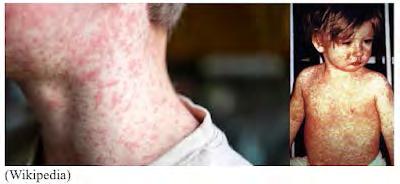
Measles is more than a childhood illness
Measles is serious, even for adults and particularly for people who have a weakened immune system.
Measles can cause complications in up to 1 in 3 unvaccinated people. In some cases, measles can cause:
brain swelling
pneumonia
pregnancy loss deafness
seizures
serious movement problems
Measles can also cause you to lose immunity against diseases you have previous protection against from past infection or vaccination. We call this immune amnesia, and it can make you susceptible to more infections more often. Adults can also spread measles to babies and young children, who are more prone to serious complications from measles. Source -
The journal Science published research showing that measles infection can “greatly diminish previously acquired immune memory.” Source -
The journal Nature summarized the findings this way: measles can “wipe out the immune system’s memory” of previous illnesses. Source -
Harvard Medical School News explains that measles can partially “obliterate immune memory” to pathogens encountered earlier in life. Source -
The American Society for Microbiology gives a clear overview of how measles replaces old immune memory cells with measles-specific ones. Source -
A recent public-health explanation from CDC Australia states:
“Measles can also cause you to lose immunity against diseases you have previous protection against.”
Further – Canada eliminated measles in 1998 through widespread vaccination, and for many years only small travel-related outbreaks occurred. However, a large outbreak beginning in late 2024 spread across several provinces during 2025 and into 2026.
In 2025 alone, Canada recorded more than 5,400 measles cases — the highest number in decades — and temporarily lost its measles “elimination status” because transmission continued for more than a year.
As of spring 2026, measles cases are still being reported in Canada, although at lower levels than during the peak of the outbreak. Public health officials continue to stress that measles is extremely contagious and that vaccination with the MMR vaccine remains the best protection. Source -
THE ROTARY FOUNDATION (TRF) INFORMATION
WHAT ARE PROGRAMS OF SCALE GRANTS?
The Programs of Scale grants are a special type of grant that awards funding to successful member-led programs so they can implement larger, higher-impact initiatives in our areas of focus – one of our Action Plan priorities.
Each year, The Rotary Foundation grants one Programs of Scale award of US$2 million
Yes – each year TRF grants an award to a club- or district-sponsored program that has proven its effectiveness and is ready to expand. The programs need to use sustainable, evidence-based methods and have outcomes that can be measured.
This year, the award goes to Haiti – and the Rotary HANWASH program!
This program aims to improve living conditions and reduce waterborne disease by 25% in three local government areas in Haiti by 2030.
PORT-AU-PRINCE, Haiti (May 18, 2026) — As conflict, recurring natural disasters, climate change, and geographic disparities continue to disrupt access to clean water and sanitation services across Haiti, millions of people remain highly vulnerable to waterborne and hygiene-related illnesses.
Rotary is expanding a collaborative national model, the Haiti National Water, Sanitation and Hygiene Initiative (HANWASH), that has proven success working with 11 water service providers to maintain infrastructure and sustain paid access to clean water and sanitation.
The scaled-up effort, Collaboration for Sustainable Water and Sanitation Systems in Haiti — led by Rotary clubs in Haiti and the Caribbean in partnership with nonprofits and government bodies including Haiti Outreach and Direction Nationale de l’Eau Potable et de l’Assainissement (DINEPA) — aims to improve access to clean and safe water, sanitation, and hygiene while strengthening demand, governance, and sustainable use for approximately 70,000 people in Cavaillon, Ferrier, and Pignon by 2030.
The program will strengthen community capacity to develop, maintain, and expand pay-for-service clean water and sanitation services by:
• working with women and other local leaders in 40 urban and rural communities to build demand for high-quality water services and promote the benefits of fee-based clean water access and healthy hygiene practices, including handwashing and avoiding open defecation;
• coordinating the construction and restoration of clean water systems while training local operators and community leaders to strengthen governance and ensure sustainable management and monitoring of water services; and
• driving accountability and community buy-in as water service providers in the selected communities will contribute 10% of their revenue to regional and national water regulatory bodies to further expand clean water and sanitation services.
“In a fragile setting like Haiti, clean water and sanitation is one of the biggest challenges the country faces, and Rotary aims to address it head on.
“By partnering with local leaders, other nonprofits, and government agencies, Rotary members are helping to facilitate access to clean water and best sanitation practices for all, reducing waterborne and sanitation-related diseases for the most vulnerable, including children under five, and creating healthier communities for generations to come,” said Marlène Gay
(Marlène is a HANWASH Board member, a member of Rotary Club of PetionVille, and a Collaboration for Sustainable Water and Sanitation Systems in Haiti team member.)
Rotary’s 6th Programs of Scale recipient
Collaboration for Sustainable Water and Sanitation Systems in Haiti is Rotary’s sixth Programs of Scale recipient — an annual competitive grant process that awards funding to an evidence-based program that aligns with one of Rotary’s causes and has the capability for scaling-up to help more people.
The programs are sponsored by Rotary members in collaboration with local communities and partner organizations.
“Rotary members across the Caribbean and Haiti are working side by side with local partners to deliver lasting solutions that protect health and strengthen communities,” said Rotary International President Francesco Arezzo.
“By supporting Collaboration for Sustainable Water and Sanitation Systems in Haiti, Rotary will be able to help more people gain access to safe water and sanitation—one of the most basic human needs—and lay the groundwork for a healthier, more resilient Haiti.”
Holger Knaack, Chair of The Rotary Foundation Trustees said,
“Through Collaboration for Sustainable Water and Sanitation Systems in Haiti, Rotary is doing more than delivering clean water—we’re helping communities build long-term health and resilience. By strengthening local capacity to manage and sustain water systems, this effort will help more children stay in school, improve public health, support livelihoods, and create lasting opportunities for Haiti’s future.”
Neil Van Dine, Haiti Outreach Co-founder and Director and a member of the Rotary E-Club of WASH said,
“Since 1997, Haiti Outreach has helped lead the development of a community-led model for safe water access in rural Haiti built on durable infrastructure, local leadership, and long-term management. This approach has reached more than 300,000 people across 550 communities and helped shape WASH practice nationally. We are proud to partner through Rotary to help scale this Haitian-led model across the country.”
Marlène Gay
Edwige Petit, Direction Nationale de l’Eau Potable et de l’Assainissement (DINEPA) Director of Sanitation said,
“Rotary, through its HANWASH program, supports the Haitian government’s efforts to achieve the goals of access to clean, safe drinking water for all as well as ending open defecation in rural and peri-urban communities. As the regulatory body for the sector within the Haitian government, Direction Nationale de l’Eau Potable et de l’Assainissement (DINEPA) is amenable to continuing this collaboration and extending clean water access to every Haitian.”
Most Rotarians have never heard of a Programs of Scale grant.
Even among fairly active Rotarians, it's one of the least-understood parts of The Rotary Foundation. Yet it represents Rotary's largest and most ambitious grant funding.
This particular award is in Haiti, Rotary District 7020 (the Northern Caribbean).
This story is closer to home. It’s not some abstract Rotary initiative halfway around the world. It's an area of the world that many Rotarians in Ontario know and enjoy. This story demonstrates Rotary's growing confidence in a long-term, evidence-based approach to solving major humanitarian problems.
For years, Rotary clubs have often thought in terms of building a well, supplying a school, funding a clinic, and supporting a community project.
All worthwhile. A Programs of Scale grant asks a bigger question: "What would it take to address an entire system?"
In Haiti's case, access to clean water affects health, education, economic development, maternal and child health, disease prevention, environmental sustainability.
It's a perfect example of Rotary's Areas of Focus overlapping and reinforcing one another.
In District 7020, Rotarians throughout Haiti, Jamaica, the Bahamas, the Cayman Islands, and the Eastern Caribbean tackle challenges that many of us can scarcely imagine. This award recognizes not only an ambitious vision for clean water, but also years of partnership, planning, and commitment.
Create a Lasting Impact is what’s happening here. And there’s a real connection between what’s happening through D6330 and the rest of the world -
• Hand Up in Guatemala
• Programs of Scale in Haiti
• Global Grants around the world
These are not separate stories. They are all examples of Rotary moving beyond short-term charity toward sustainable, long-term change.
About Rotary: Rotary brings together a global network of volunteer leaders dedicated to tackling the world’s most pressing humanitarian challenges and creating lasting change. Rotary connects 1.2 million people of action from more than 45,000 Rotary clubs in almost every country in the world. Their service improves lives both locally and internationally, from helping those in need in their own communities to working toward a polio-free world. For more information, visit rotary.org.
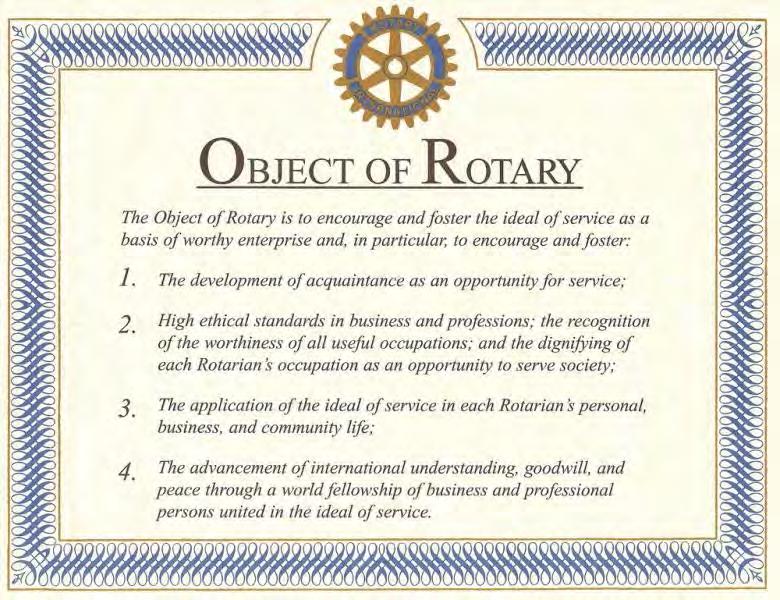
The Object of Rotary is to encourage and foster the ideal of service as a basis of worthy enterprise and, in particular, to encourage and foster:
FIRST – The development of acquaintance as an opportunity for service;
SECOND – High ethical standards in business and professions; the recognition of the worthiness of all useful occupations; and the dignifying of each Rotarian’s occupation as an opportunity to serve society;
THIRD – The application of the ideal of service in each Rotarian’s personal, business, and community life;
FOURTH – The advancement of international understanding, goodwill, and peace through a world fellowship of business and professional persons united in the ideal of service.
Right-click this image (and open link) to listen to The Object of Rotary
5 AVENUES OF SERVICE
We channel our commitment to service at home and abroad through five Avenues of Service, which are the foundation of club activity.
CLUB SERVICE – focuses on making clubs strong. A thriving club is anchored by strong relationships and an active membership development plan.
VOCATIONAL SERVICE – calls on every Rotarian to work with integrity and contribute their expertise to the problems and needs of society. Learn more in An Introduction to Vocational Service and the Code of Conduct.
COMMUNITY SERVICE – encourages every Rotarian to find ways to improve the quality of life for people in their communities and to serve the public interest. Learn more in Communities in Action: A Guide to Effective Projects.
INTERNATIONAL SERVICE – exemplifies our global reach in promoting peace and understanding. We support this service avenue by sponsoring or volunteering on international projects, seeking partners abroad, and more.
YOUTH SERVICE – recognizes the importance of empowering youth and young professionals through leadership development programs such as Interact, Rotary Youth Leadership Awards, and Rotary Youth Exchange.
ROTARY DISTRICT 6330 – HAND-UP PROJECTS
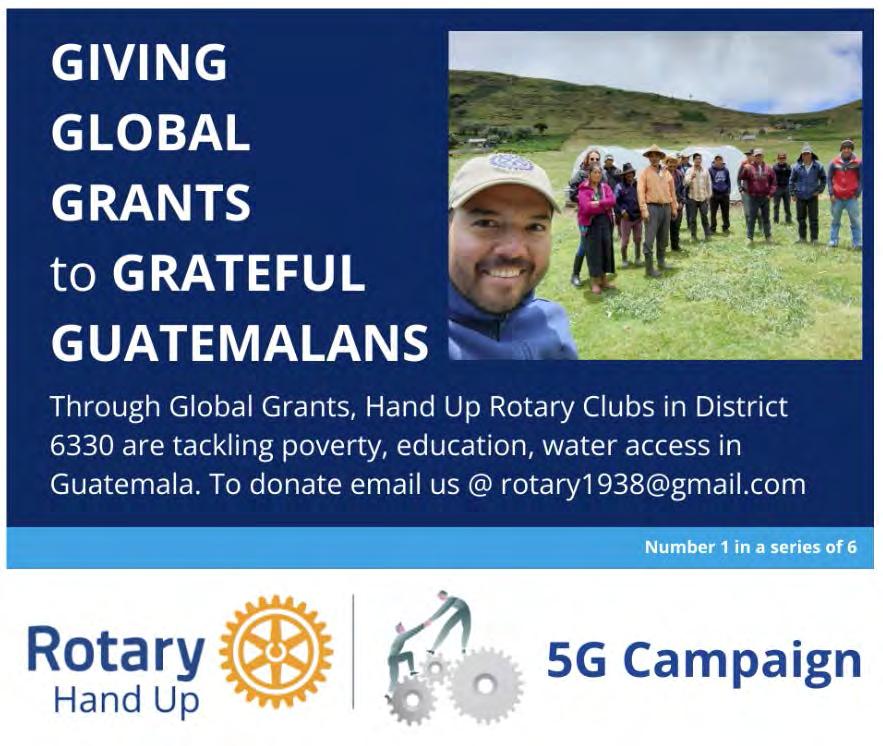
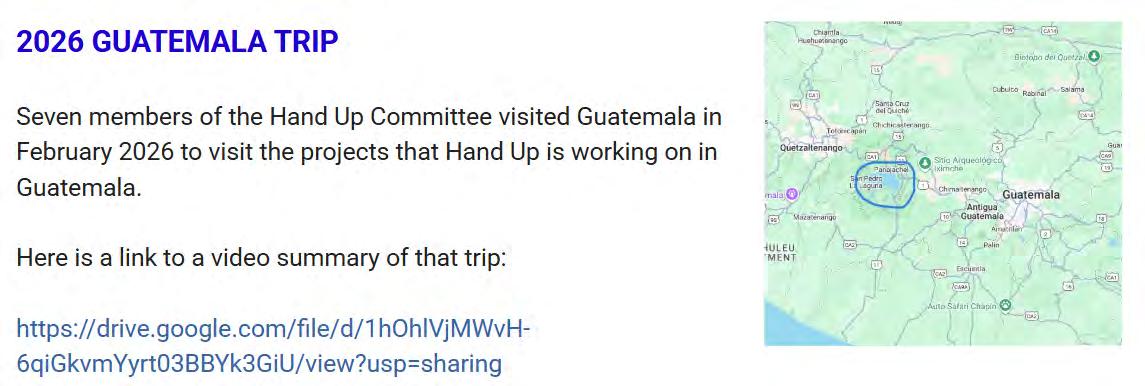
Rotary District 6330 has been involved in service projects around Lake Atitlán, Guatemala, because the area faces a combination of serious environmental, health, education, and poverty challenges — and Rotary clubs there already have trusted partnerships on the ground.
The work is being coordinated largely through District 6330’s “Hand Up” committee, which has shifted much of its international service focus from Cameroon to Guatemala in recent years.
The specific reasons Rotary is involved include:
• protecting the lake itself, which is a vital drinking water source for many communities,
• and restoring damaged watershed areas through tree planting and environmental education.
The Lake Atitlán region is beautiful, but many of the surrounding Indigenous communities live in deep poverty and are geographically isolated. Some villages are accessible mainly by boat or difficult mountain roads.
District 6330 notes that in some upper communities around Santa Cruz la Laguna, as much as 76% of the population experiences chronic malnutrition.
One major current project is “Protecting the Watershed of Lake Atitlán,” led by the Rotary Club of Wiarton as part of the Hand Up Committee. The project includes:
• decentralized wastewater treatment systems,
• household water filters,
• sanitation education,
• and planting 8,000 trees to reduce erosion and runoff into the lake.
Other District 6330 projects in the area include:
• rainwater harvesting systems for schools,
• women’s entrepreneurship programs, Click here to view the video.
• agricultural training,
• tutoring and literacy programs,
• and solar-powered educational supports.
A large part of why Rotary is involved there specifically is because strong Rotary partnerships already exist locally, including collaboration with the Rotary Club of Lake Atitlán and NGOs such as Amigos de Santa Cruz. Those relationships make it possible for District 6330 clubs to carry out sustainable projects rather than one-time donations.
In many ways, the projects align very closely with Rotary’s Areas of Focus:
• Water, Sanitation and Hygiene
• Basic Education and Literacy
• Economic and Community Development
• Environment
• Maternal and Child Health
And, it also fits the kind of project many Rotarians are drawn to: practical, measurable, relationship-based work where clubs can actually visit the communities, meet the people involved, and see the impact directly. District 6330 members have already made several trips to Guatemala to monitor and support the projects firsthand.
…submitted by
Rotarian Rich Bouchard (D6330 Passport)
CELEBRATING 20 YEARS!
Race to Erase celebrated its 20th anniversary this year and it was a great one. Here's the snapshot:
• 37 teams (roughly 150 participants)
• $39,791 raised for 9 local charities
• 100% of funds raised go directly to the charities
• 50+ volunteers on race day
• 10 challenge stops hosted by local businesses across Sarnia-Lambton
Since 2006, Race to Erase has now raised close to $1 million for local organizations in Sarnia, Cambridge and London.
How It Works
(in case you need the quick explanation)
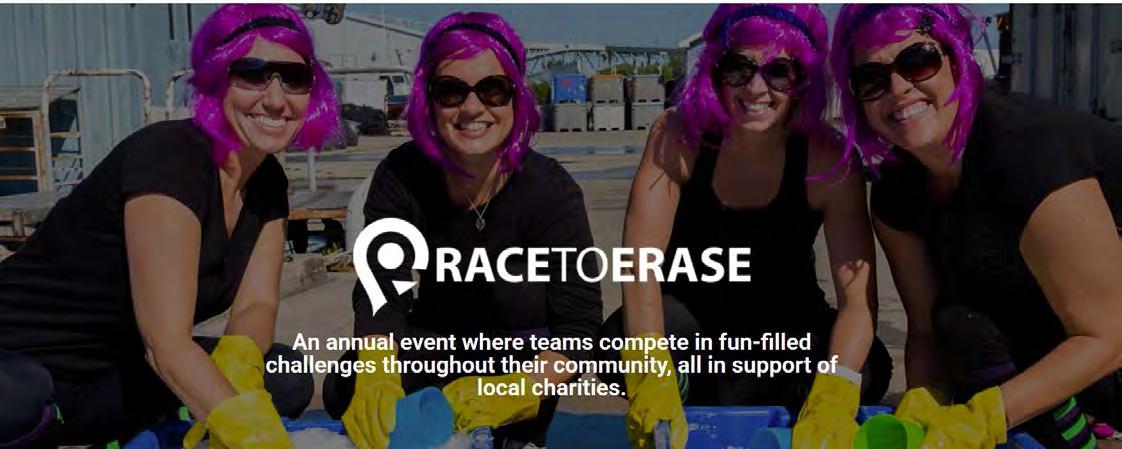
Race to Erase is an annual event where teams of four compete in fun-filled challenges throughout the community, all in support of local charities. The fastest overall time wins. Every team fundraises a minimum of $500 for a local charity of their choosing, and 100% of what they raise goes directly to that charity.
Rotary's Role This Year
Rotary was one of our 10 challenge stops this year, hosting "Time Flies." It was a great stop and the teams loved it. Kiwanis also stepped up to serve lunch at the finish line, making it a real service club effort all around.
Bringing Race to Erase to Other Communities
Here's something we are sharing as well. Kurtis has become involved with Race to Erase, and we are actively looking to bring the event to other communities. We've been running this in Sarnia since 2006 and have also hosted events in London (2) and Cambridge (6). The model is turnkey. We provide the playbook, the technology platform, and 20 years of experience.
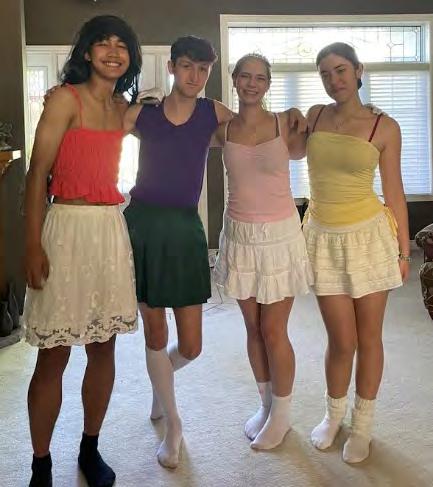
Rotary Exchange student Gong at left above and his team participating in the Race to Erase
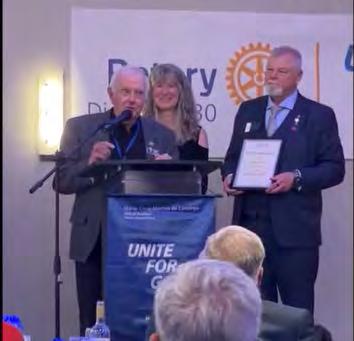
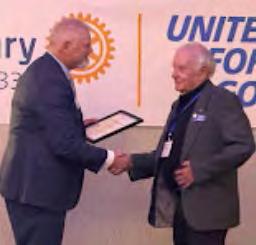
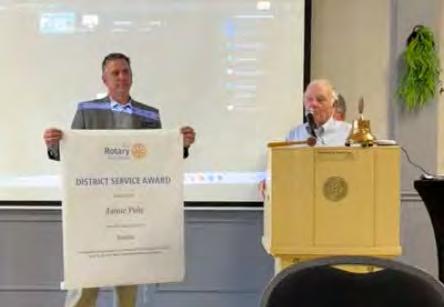
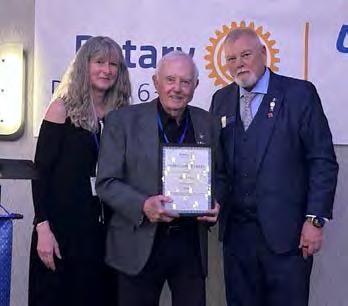
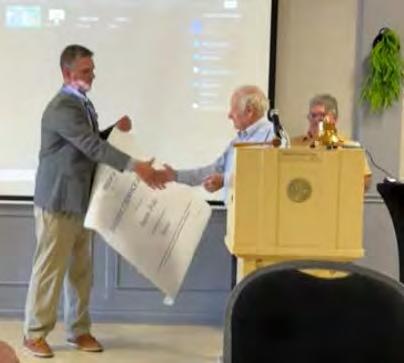
Click here to hear Jamie’s acceptance speech! Jamie is a long-time member of RC of Sarnia and long-time Chair of the Paul Harris Society with District 6330.
Back home at the club – Jamie says thank you, but there are so many people here at the club who deserve the same recognition.
THE POWER OF THE ROTARY FOUNDATION
Supporting The Rotary Foundation: Turning Good Intentions into Lasting Change
And why the Paul Harris Society is important in making a Multiplying the Good We Do
One of the remarkable features of Rotary is that when Rotarians identify a need and decide to take action, The Rotary Foundation helps turn that vision into meaningful results.
A contribution from a single club may seem modest on its own, but Rotary’s funding model multiplies its impact. A club donation of $1,000, for example, can be combined with district funds, contributions from partner clubs, and support from The Rotary Foundation to create a project worth $30,000 or more.
This collaborative approach allows Rotary clubs around the world to work together on projects that improve lives. Whether the goal is providing safe drinking water, supporting education, improving health care, preventing disease, or strengthening communities, Rotary partnerships make larger-scale projects possible.
The Rotary Foundation demonstrates what can be achieved when Rotarians combine their resources, expertise, and commitment to service. Together, clubs can accomplish far more than they could independently.
Just as importantly, international projects create opportunities for friendship and understanding among Rotarians from different countries, often leading to connections that last a lifetime.
By supporting The Rotary Foundation, Rotarians help ensure that whenever a need is identified, the resources, partnerships, and funding are available to transform good intentions into lasting change.
By pooling resources and working cooperatively, Rotarians can accomplish far more together than any one club could do alone.
And in working on an international project, Rotarians will make lifelong friendships along the way.
Supporting The Rotary Foundation ensures that when Rotarians see a need and choose to act, they have the resources and partnerships needed to make a lasting difference.
This is the power of The Rotary Foundation!
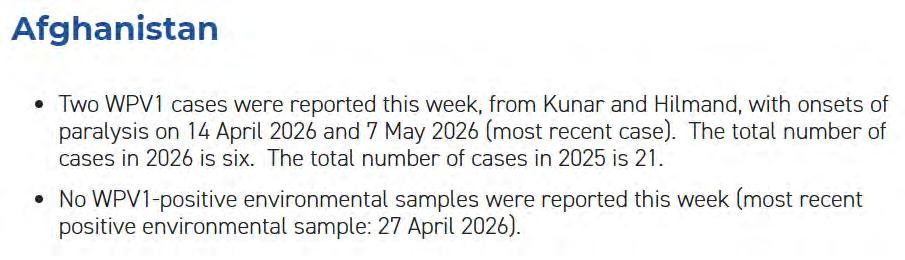
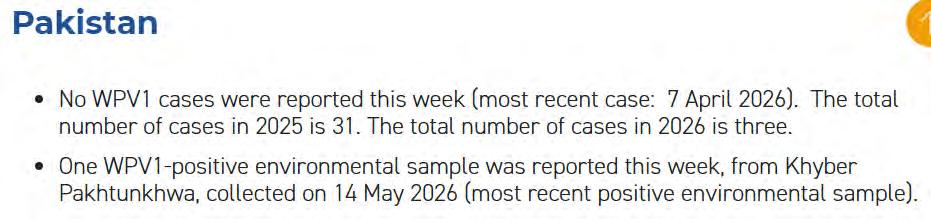
Summary of new polioviruses this week:
• Afghanistan: two WPV1 cases
• Pakistan: one WPV1-positive environmental sample
We’re at the brink of eradicating polio. Click here to view the short video.
“…with continued political commitment, sufficient resources and support for frontline health workers, a polio-free world remains fully achievable.” *
This week, on the eve of the World Cup, as some 6.5 million fans from more than 100 countries pour into 16 cities across the United States, Canada, and Mexico, the Washington Post ran a headline: “The infectious diseases that experts worry could spread during the World Cup.” Public health officials are bracing for an outbreak — but of what? Ebola? Hantavirus? Measles, which has come roaring back to more than 2,000 U.S. cases this year, the most since it was declared eliminated in 2000? A new variant of COVID? Or something we have never seen before?
In this match against an unseen virus, the key to winning against this invisible opponent may lie in defeating a disease most of the world has long forgotten. And the answer may rest with the three athletes you see above — who are part of Team End Polio.
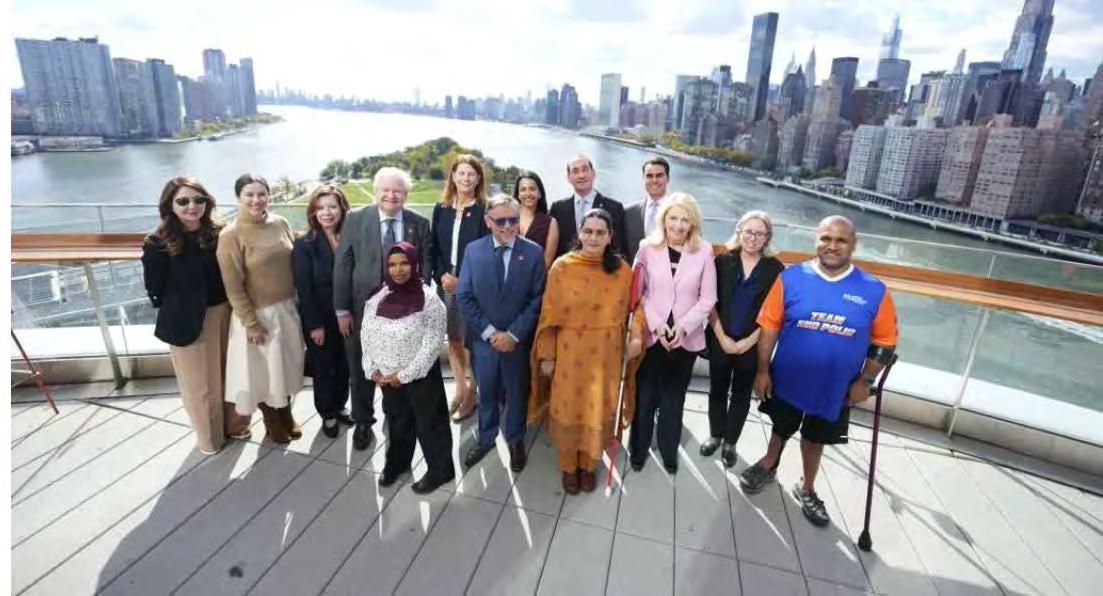
I first met Ramesh Ferris, the man in the center, on Roosevelt Island last year, at a World Polio Day event where what I've come to call the "Avengers of Public Health" — leaders from around the world — had assembled to talk about finally eradicating polio from the planet.
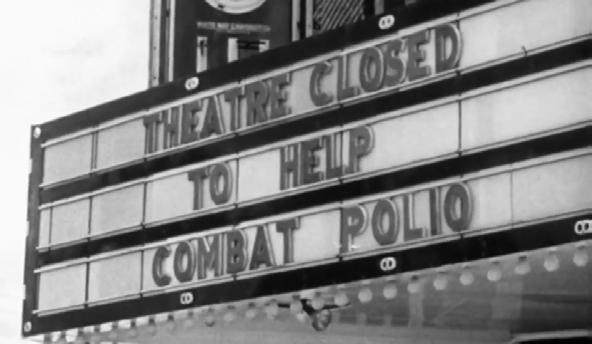
You may wonder what a guy who wrote St. Elmo's Fire and produced Saved by the Bell was doing at a public health conference. When I first moved back to teach at the University of Pittsburgh, I produced a film, The Shot Felt Round the World, based on interviews I did at the school’s 50th anniversary celebration of the Salk polio vaccine. And you may also wonder why these leaders from the United Nations, the world's philanthropies, and the press were all focused on a disease that is a distant memory in most countries. I once got to interview Bill Gates for a version of our film that aired on the Smithsonian Channel and the BBC, and he explained it simply: if we can finally finish the job, we will never have to spend another dime fighting polio again — and we'll have proven a model for eradicating other diseases, one we'll know works.
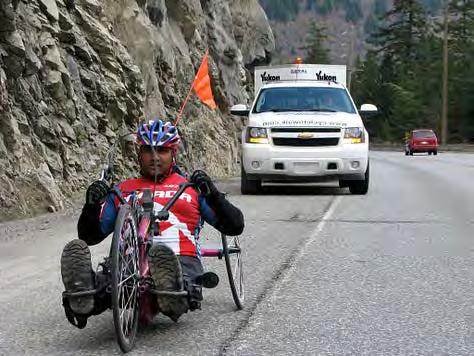
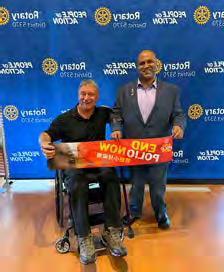
Soccer star Michael Essien, hand-cyclist Ramesh Ferris, and Ironman champion Minda Dentler — athletes united to defeat a common opponent
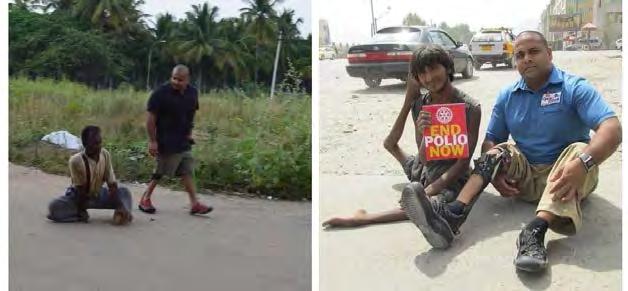
Ramesh and I were both speakers, and I was moved as he told his story: born in India with polio, then adopted by a family in the Yukon where he was given the medical care that, had he stayed, he might never have received. He has returned many times to the places where polio still lingers, and describes walking beside men who must move along the ground on their hands. "Without Canada," he told me, "I'd be a crawler on the streets of India."
Ramesh has worked tirelessly in the fight against polio, including hand-cycling 4,400 miles across Canada to raise funds and awareness for polio eradication, education, and rehabilitation. That led to us bonding over a strange connection to the hit song from my first movie. John Parr wrote "St. Elmo's Fire (Man in Motion)" before he even saw a cut of the film. Instead, he was inspired by Canadian producer David Foster telling him about Rick Hansen, the paraplegic athlete who had wheeled himself across Canada to raise money for spinal cord research.
That is why a song for a movie about a group of friends right out of college has the refrain: "all I need is a set of wheels." Ramesh told me how thrilled he was to meet Rick himself, who attended a recent "End Polio Now" event Ramesh hosted.
Ramesh walks beside a man in India who must move along the ground; with a polio victim holding Rotary's sign "End Polio Now.' Rotarians have raised billions of dollars and volunteered countless hours in the fight against polio
The "Avengers of Public Health" gathered on Roosevelt Island for World Polio Day, October 24, 2025. Ramesh is at right. Photo:
Click here to read the rest of the article.
And click here to view a short video trailer of The Shot Felt Around the World.
Rick Hansen's Man in Motion World Tour / Ramesh Ferris's "Cycle to Walk" hand-cycle ride / Ramesh and Rick together at an "End Polio Now" Rotary Event. Courtesy of Ramesh Ferris
The Rotary International Convention in Taipei, Taiwan, ended on a high note as singer Leona Lewis brought thousands of attendees to their feet with a stirring performance that included the resilience anthem “Fire Under My Feet” during the closing ceremony on 17 June.
Taipei’s warm hospitality was on full display as hundreds of Rotary volunteers formed a human corridor outside the venue, greeting departing attendees with cheers and celebratory gestures. Many people stopped to take selfies and exchange farewells before heading home.
The four-day event attracted more than 38,000 people from 140 countries and regions, making it one of Rotary’s largest conventions in recent years.
“This year, I spoke often about uniting for good,” said Rotary International President Francesco Arezzo, a member of the Rotary Club of Ragusa, Italy. “These past days, we have seen what that means. Rotary is a meeting place — where strangers become friends, friendship becomes trust, where trust becomes action.
More videos and photos of the convention are available online.
Click here to hear the Convention speech by outgoing Rotary International President Francesco Arezzo
From powerful performances and speakers to global service commitments, more than 38,000 people celebrate Rotary’s global spirit
By Wen Huang Photos by Monika Lozinska and Kristen Wei
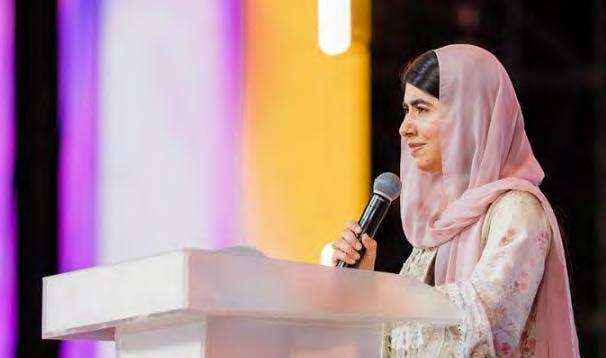
Malala Yousafzai, the youngest-ever Nobel Peace Prize laureate, speaks about girls’ education and peace at the second general session of the Rotary International Convention in Taipei, Taiwan. 16 June 2026
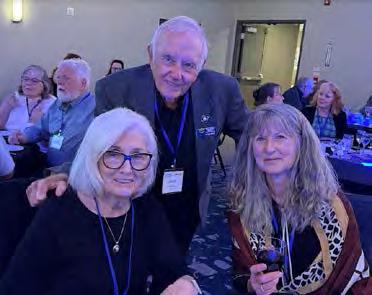
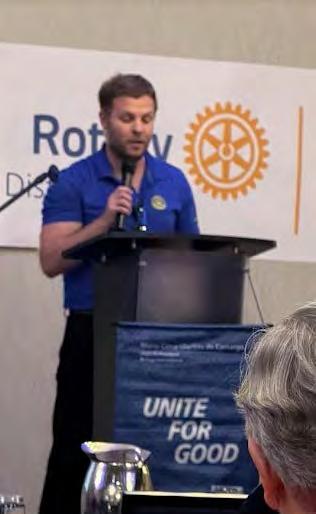
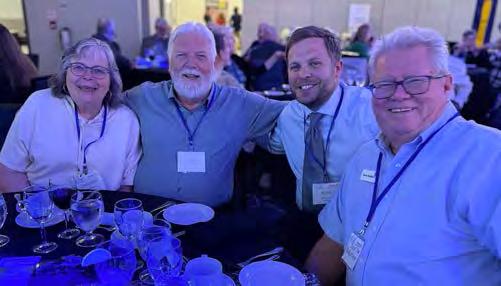
Random Photos from the District Conference 2026
Missing from the
are
volunteered many hours at the conference
Left - Jamie & Mary Pole, PDG Sonia Glass – Right – Beth & Mike Hurry, President Kurtis, Dave Rushton
Kurtis Lush, Allen Ho, and Myles Vanni
Left - Rick and Sue Storie, Kitty Bucsko (D6330 Passport Club) & Ralph Smith – Right – Exchange Student Gong (left) and the Youth Team participating in the 20th annual race to Erase – Delightful costumes!
photo array
Rotarians Rick Marsh and Alison Mahon (RC of Sarnia) who also
Seeing a Need, Making a Difference FOOD FOR THOUGHT
At its core, Rotary is not just about meetings or even projects—it’s about seeing.
• Seeing the neighbour who could use a helping hand.
• Seeing the student who needs encouragement.
• Seeing the quiet gaps in our communities that others might pass by.
Through Rotary International, Rotarians learn to look a little closer—and to act.
Service doesn’t always begin with a grand plan. More often, it begins with awareness… and a willingness to respond.
• A park is cleaned because someone noticed.
• A family is supported because someone cared.
• A life is changed because someone chose not to look away.
That is how stronger communities are built—not all at once, but one thoughtful action at a time.
In Rotary, we don’t just ask, “What can be done?”
We ask, “What can I do—right here, right now?”
And then… we do it.
A Wee Quiz
Technology
Terms
We Pretend We Understand
Match the term on the left with the correct definition below.
The answer key can be found at the end of the meeting.
A Password
B PIN
C Passkey
D Authenticator App
E Multi-Factor Authentication (MFA)
F Verification Code
G Cloud Backup
H Biometrics
Definitions
1. Uses a fingerprint, face, or other physical characteristic to identify you.
2. A temporary code sent by text message, email, or generated by an app to confirm your identity.
3. A secret word or phrase used to access an account.
4. A security method requiring two or more ways to prove who you are.
5. A short numeric code used to unlock a device or verify your identity.
6. A digital credential stored on a device that can replace a traditional password.
7. An application that generates time-sensitive security codes for logging into accounts.
8. A copy of your information stored online so it can be restored if a device is lost or replaced.
First Bonus Question
Which of the following is most likely to cause confusion during an online login?
A. Password
B. PIN
C. Verification Code
D. Passkey
E. All of the Above
Second Bonus Question
After successfully logging into an online government account, which of the following emotions is most common?
A. Satisfaction
B. Relief
C. Confusion
D. A strong desire for coffee or tea
E. All of the Above
Answers to the quiz will be found at the end of the newsletter.
THE ROTARY FOUNDATION (TRF)
Donations Are Important!
Clubs must qualify every year! The Rotary Foundation requires Clubs that want to participate in the District Grants program to qualify. To qualify, the club must:
• Be in good standing
• May not have any grant reporting that is overdue
• Have at least 2 members complete the District’s Qualification Training course and quiz
The Certification is valid for One Rotary Year only! Clubs must be re-certified for each Rotary Year.
Rotary Foundation Grants – There are two kinds of grants.
- Global Grants and District Grants:
Global Grants
• Must be in (at least) one of Rotary's Areas Of Focus
• Must be International projects involving at least 2 clubs in 2 different countries. One of these clubs is the host club - the club where the project will take place. The other is the international partner - the club that provides funding and possibly some expertise to help implement the project.
• Must have a minimum budget of USD $30,000
• Club funds are supplemented by the District Designated Funds as, and if, available
• Funds donated to the project from District Designated Funds are supplemented by The Rotary Foundation (World Fund) to fund these grants.
District Grants
• May be local or international in scope.
• Are usually smaller in scale. There is no minimum budget requirement.
• Will usually involve active participation by Rotarians.
• District 6330 clubs may apply for more than one District Grant in a single Rotary year but are limited to a maximum of USD $3,000 per year in District Grant funding.
• Projects must be started and completed within one Rotary year - July 1 to June 30 of the next year.
Ready to Apply for A Grant? Will it be a District or a Global Grant?
3 simple questions to help you decide:
• Is the project in one of the areas of focus? – No? Consider applying for a District Grant.
• Is the project between Clubs/Districts in separate countries? – No? Consider a District Grant.
• Is the total budget for the project more than USD $30,000? – No? Consider applying for a District Grant.
• If you answer YES to all the above, consider applying for a Global Grant.
Learn about other Rotary clubs! Make an effort to attend some of the online meetings available -
The Passport Club members are encouraged to join local (and other) clubs to learn more about Rotary, get to know other Rotarians, gain a new perspective and appreciation for Rotary and Rotarians. Here is a list of online clubs where you can earn a make-up along with learning a whole lot more about Rotary! Why not visit them all?
• Rotary E-Club of Canada One – Rotary On Demand, Where you want, When you want!
• Rotary Club of One World
• Rotary E-Club of World Peace
Click here to attend this week’s posted meeting of E-Club of Canada One.
These meetings are posted online and available 24/7!
Club President 2025-26 – Mariann Timmers
D6330 Passport Club Accomplishments in Rotary year 2025-26
A look back at last year
Areas of Service include
• Club Service
• Community Service
• International Service
• Youth Service
• Vocational Service
Club Service
• Rotary newsletters have been prepared for our club, for the Sarnia Club, the D6330 Environment Committee
• Weekly meeting prepared and posted online for the Rotary E-Club of Canada One
Community Service
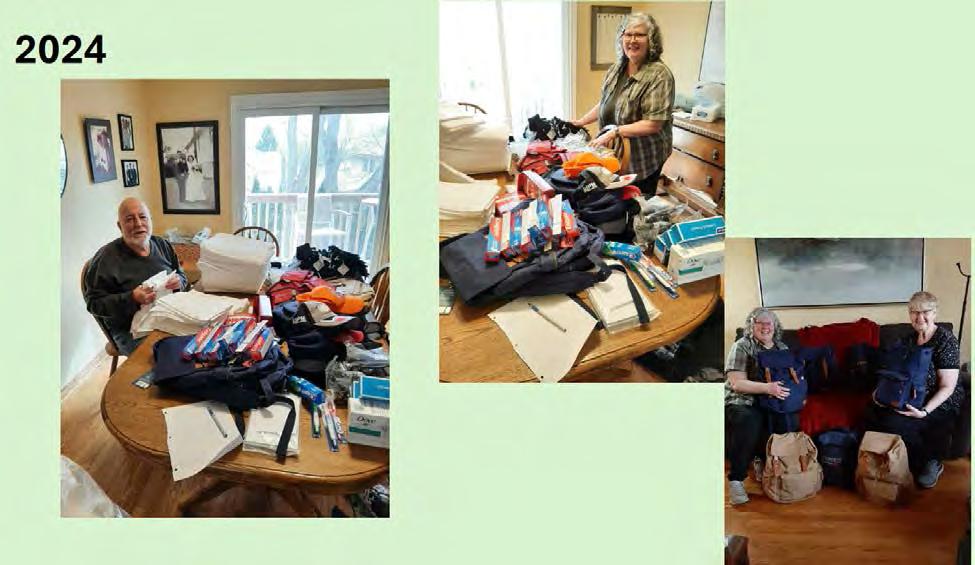
• Migrant Worker Backpacks (45 over 3 years)
• Volunteer representation at the D6330 Conference
• One member organizes and runs the Community Race to Erase (20 years)
• Continued support to local food banks – Inn of the Good Shepherd, Sarnia
• Continued support to Sick Kids Hospital
• Frequent random acts of kindness are part of who we are!
• Donations to KIVA.org
• Christmas kindness to London Food Bank
• Christmas kindness Hats for Rotholme
• Christmas kindness Socks for 119 Pursuit and Socks for Mission Services
• Christmas kindness London Public Library, a Book for Every Child
• Donations to Sarnia Bluewaterland Rotary Book Sale
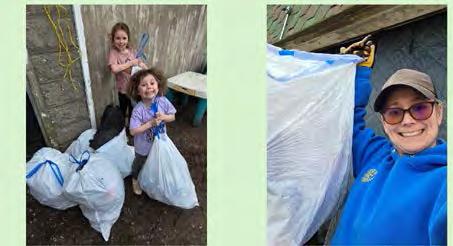
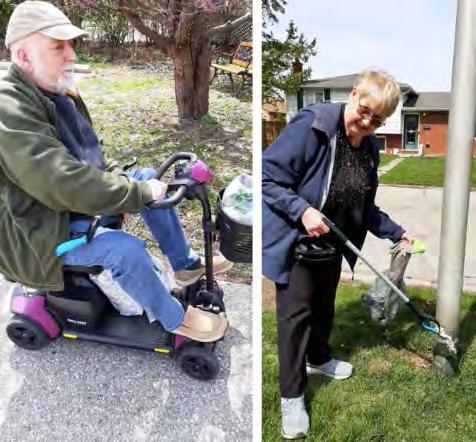
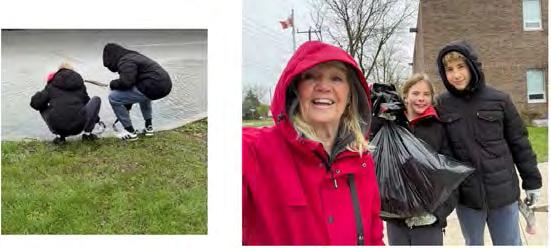
• Environmental Awareness – Members collected trash on Earth Day in London, Sarnia, and where Jessica lives
International Service
• Representation as part of the Hand Up Committee
Youth Service
• Our Club were hosts for Global Grant Scholar, Leah Holt (Western University)
• Representation on the D6330 RYLA Committee
• Assisted with support of Rotary Exchange Student from Thailand
Vocational Service
• Representation with assistance for D6330 District Grants
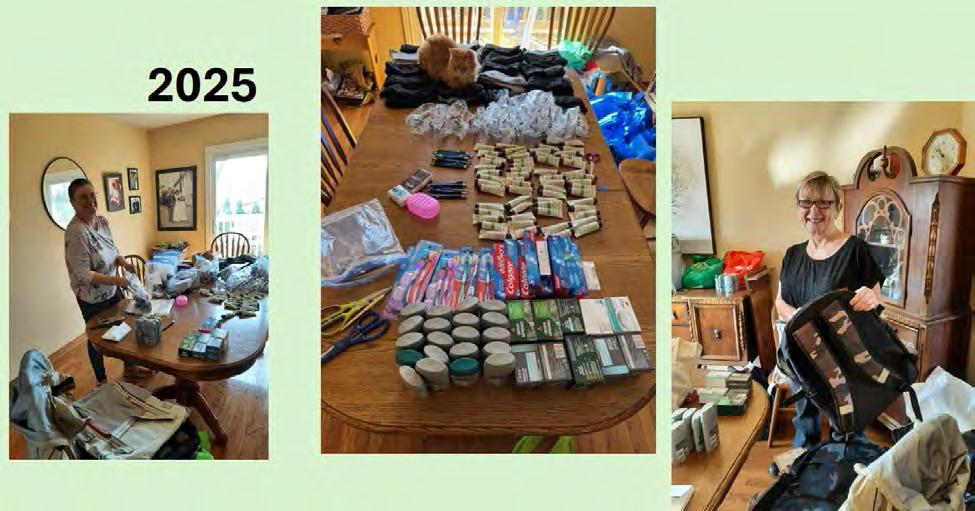
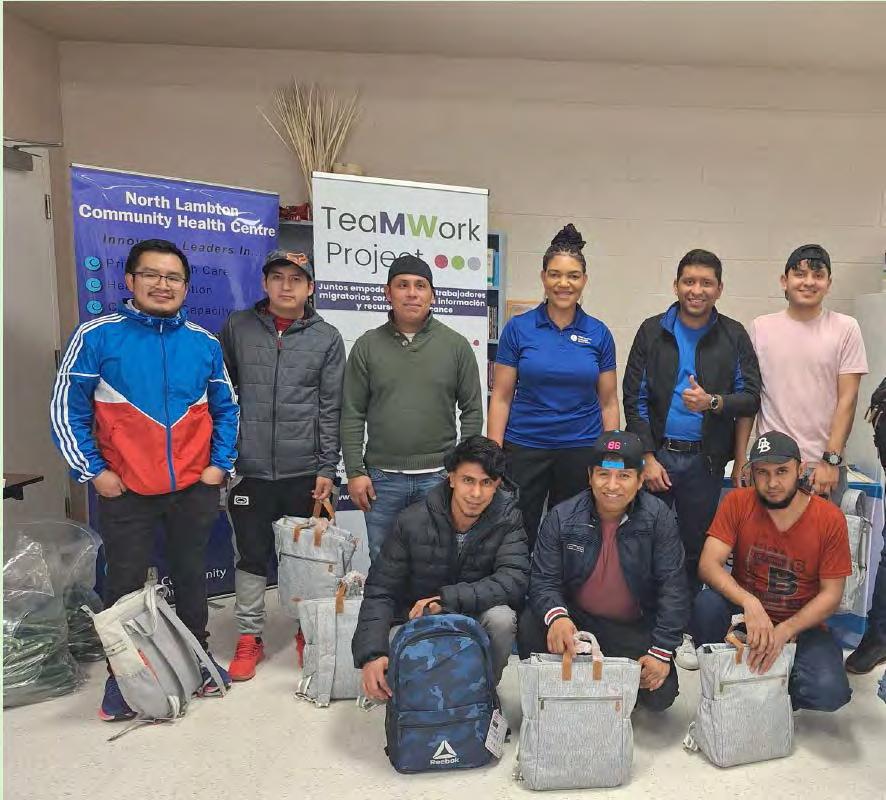
Migrant Worker Backpacks – delivered again to North Lambton Community Health Centre, Forest
Thanks to Sue Storie who took charge of this project and made it happen!
Recipients of backpacks in 2025
An Article From the District newsletter, The Bridge – June 2025
Backpacks of Dignity – Rotary Club of District 6330 Welcomes Migrant Workers with Practical Support and Kindness
Recently, the Rotary Club of D6330 Passport received a heart-felt thank you from the Migrant Worker Project at North Lambton Community Health Centre. The club donated 20 backpacks each carefully prepared with toiletry items, towels, safety glasses, caps, and a hand-written welcome note on Rotary stationery.
This thoughtful project was made possible through generous donations totally $2268.65 from club members.
The welcome notes added a personal touch that made the recipients feel seen and appreciated. Many of the migrant workers arrive with very few personal belongings, so this simple gesture goes a long way in creating a sense of belonging and dignity. This is the kind of project that shows how little courtesies and small efforts can make a big difference.
This initiative reflects the Passport Club’s ongoing commitment to community support, inclusivity, and practical service – key values of Rotary in Action. Thank you to all who contributed!
Donations in cash, items, labour – Arbour Memorial, Deb Beaupre, Marilyn Buttery, Lynne Ternosky, Nancy & George Ottewell, Bev Andersen, Mariann Timmers, Kitty Bucsko, Rick & Sue Storie, Lynn Coates, Nancy Powers
ENVIRONMENTAL AWARENESS
–Members collected trash on Earth Day in their communities
SHARING OUR KINDNESS
Rotarians from our club have made a difference in these past years!
Altogether, our efforts reflect the quiet generosity, creativity, and community spirit of our members—making a meaningful difference in many ways, both seen and unseen.
Thanks to all who have contributed to helping our communities!
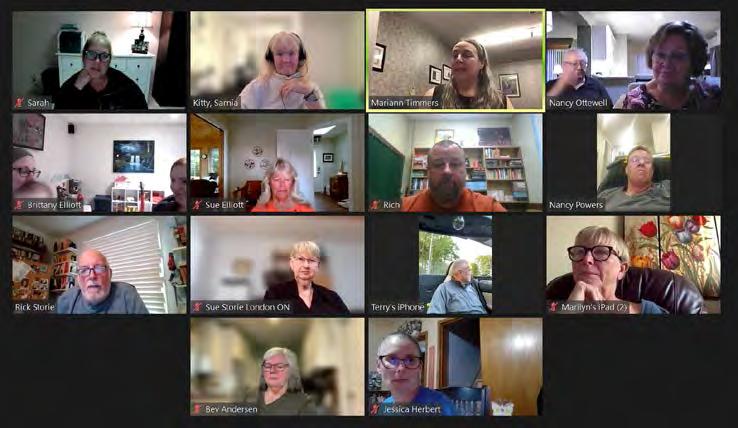
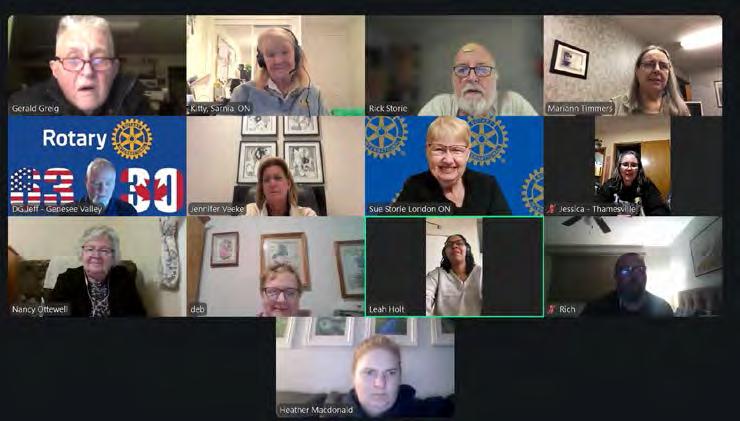
Remember our Happy Chats – get to know our club members!
Join the Happy Chats – get to know our club members!
Happy Chats are online every Wednesday. Every Wednesday at 6:30 p.m. - 7:00 p.m. -ish – Join us!
Join your Rotary friends for an informal 30-minute get together.
Plan to join our Zoom Meetings! Click here.
And our Monthly Online Meeting!! Plan to join us!
View the video of our monthly meeting of Wednesday, June 3, 2026
Click here to view June’s meeting video
CLUB OFFICERS 2026-2027
President Mariann Timmers
Secretary
Treasurer
Membership Chair
Project Chair
Directors
The Rotary Foundation (TRF) Communications
Sue Storie
Jessica Herbert
Deb Beaupré
Sue Storie
Rick Storie
Kitty Bucsko
MEMBERSHIP LIST BELOW –
CLUB MEMBERS’ LIST WITH EMAIL ADDRESSES
A.C. Alrey
acalrey@gmail.com
Deb Beaupré debmarjean@gmail.com
Rich Bouchard rbouchard@racetoerase.com
Kitty Bucsko ladykitt@gmail.com
Lynn Coates lynn.coates.1@outlook.com
Sue Elliott susan@sutherlandelliott.ca
Gerald (Gerry) Greig captaingeraldgreig@gmail.com
Heather Macdonald heathermac@BMTS.com
Jessica Morrow jessicaherbert2023@gmail.com
George Ottewell george.ottewell@gmail.com
Nancy Ottewell nottewell@gmail.com
Rick Storie rick.storie@sympatico.ca
Sue Storie sue.storie@sympatico.ca
Lynne Ternosky lynneternosky@gmail.com
Mariann Timmers gtimmers@aol.com
THE ROTARY FOUNDATION
EREY – Every Rotarian Every Year
Click here for a short video.
Our Every Rotarian, Every Year (EREY) initiative encourages all Rotary club members to contribute something each year to The Rotary Foundation. We hope that you can consider at least $100 USD every year to help us reach our goal to support the Rotary Foundation financially each year
Sustaining member. One who contributes $100 USD every year is a Sustaining Member. With EREY, we encourage you to contribute an amount you can afford every year.
Click here to listen to We are the World
The Power of Small Actions
As a new Rotary year begins, it is worth remembering that Rotary's greatest achievements often begin with something very small: a conversation, an idea, a helping hand, or a simple decision to get involved.
No one Rotarian changes the world alone. Yet together, through countless acts of service, we improve communities, support one another, and create lasting change.
Let us never underestimate the power of small actions carried out with purpose and heart.
None of us knows exactly what the coming year will bring, but we do know this: when people of goodwill work together in service, remarkable things happen.
As we begin this new Rotary year, may we bring enthusiasm to our meetings, compassion to our service, and optimism to every opportunity that lies ahead.
A LITTLE HUMOUR
Picked up a hitch-hiker. Seemed like a nice guy.
After a few miles, he asked me if I wasn’t afraid that he might be a serial killer?
I told him that the odds of two serial killers being in the same car were extremely unlikely.
ROTARY PROTOCOL
Some information of interest
The order of Protocol, Order of Precedence (Introductions)
When dignitaries are present, Rotary International has a strict protocol for who is acknowledged first. At a club meeting, the general rule is that current positions take precedence over past positions, and speakers only need to establish protocol once at the start of the meeting.
If you are hosting a formal event, dignitaries should be introduced in this order:
1. Meeting Chairperson (Usually the Club President)
2. District Governor (If present, the DG is always the highest-ranking district guest)
3. District Governor-Elect / District Governor-Nominee
4. Past District Governors (in order of seniority)
5. Assistant Governors
6. Visiting Club Presidents
7. Club Past Presidents (in order of seniority)
8. Club President-Elect / Vice President / Secretary / Treasurer
9. Visiting Rotarians and Guests
Key insight: If the District Governor is making their official club visit, they should be the only Chief Guest and the final speaker of the day.
Rotary Protocol and Introductions
Rotary places importance on proper introductions as a sign of respect for service and leadership. In many districts, particularly throughout the Caribbean and District 7020, visiting Rotary leaders and guests are introduced according to Rotary protocol, with current officers, past district governors, and special guests recognized by their Rotary titles and roles. The purpose is not formality for its own sake, but rather an acknowledgement of the contributions and responsibilities that individuals have undertaken in service to Rotary.
While customs vary from district to district, thoughtful introductions help create a culture of respect, fellowship, and appreciation for those who serve.
Those who have attended Rotary meetings in different parts of the world quickly discover that protocol is observed with varying degrees of formality. While District 7020 has traditionally placed considerable emphasis on proper introductions and recognition, District 6330 tends to be more informal. Neither approach is right or wrong, but each reflects a different Rotary culture and tradition.
AND SOME QUIZZES – WHAT DO YOU KNOW ABOUT CANADIANA?
Have some fun and learn about some Canadian history.
Click the links below to view – and test yourself with – some wonderful Quizzes!
Acadian History
Asian Communities in Canada
Black History in Canada
Canada in the 1970s
Canada in the 1980s
Canada in the 1990s
Canada quiz – general
Canadian Art
But no -
When tomorrow comes, this day will be gone forever. In its place is something that you have left behind. Let it be something good. †