gysonehttps://issuu.com/ladykitt/docs/march_newsletter_2021
Rotary Year 2026-27


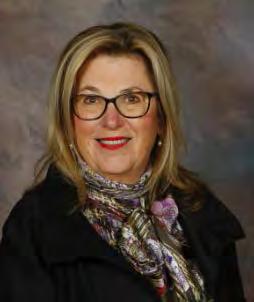
Rotary International President, Olayinka Hakeem Babalola (Rotary Club of Trans Amadi, Nigeria) District 6330 Governor, Lorna Gunning Fratschko (Rotary Club of London Hyde Park) Club President,
District website: https://rotary6330.org/ Club website: https://www.rotarysarnia.com/ Club Facebook page: https://www.facebook.com/rotaryclubofsarniaontario

Joe Cebulski

The Calendar below shows Rotary’s 2026-27 monthly themes.
ROTARY CALENDAR and THEMES
Month
Theme
July Maternal and Child Health
August
Membership and New Club Development
September Basic Education and Literacy
October Community Economic Development
November The Rotary Foundation
December Disease Prevention and Treatment
January Vocational Service
February Peace and Conflict Prevention/Resolution
March Water, Sanitation, and Hygiene
April Environment
May Youth Service
June Rotary Fellowships
Right-click and select "Open Link” on each flag below to listen to the respective national anthems.


LEARN ABOUT ROTARY CLUB OF SARNIA
Take the time to view a short video on Rotary’s Areas of Focus – Click here!
ROTARY’S 7 AREAS OF FOCUS -
• Peacebuilding and Conflict Prevention: Addressing the underlying causes of conflict—such as poverty, inequality, and lack of resources—while training leaders to mediate and resolve disputes peacefully.
• Disease Prevention and Treatment: Expanding access to healthcare, fighting infectious diseases like malaria and polio, and improving local health infrastructure.
• Water, Sanitation, and Hygiene (WASH): Providing communities with sustainable access to clean drinking water, proper sanitation, and hygiene education.
• Maternal and Child Health: Ensuring access to essential healthcare, nutrition, and sanitary tools so mothers and children can survive and thrive.
• Basic Education and Literacy: Strengthening the capacity of communities to support schooling, increase adult literacy, and reduce educational gender disparities.
• Community Economic Development: Reducing poverty in underserved areas by investing in local entrepreneurs, supporting women leaders, and developing sustainable economic opportunities.
• Supporting the Environment: The newest area of focus; funding projects that protect natural resources, promote sustainability, and address environmental challenges.
BUILDING
A COMMUNITY –
ONE PROJECT AT A TIME
For nearly a century, the Rotary Club of Sarnia has quietly helped shape the community we know today. While many people recognize Rotary through events such as the Mackinac Pancake Breakfast or community fundraisers, the true legacy of the club can be seen in the organizations that continue to serve local families every single day.
Some of Rotary's greatest achievements have become permanent parts of community life. The club was instrumental in founding Pathways Health Centre for Children, ensuring that generations of children with physical, developmental, and communication challenges could receive care close to home rather than travelling long distances. Today, thousands of children and families continue to benefit from that vision, and Rotary's support continues through major investments such as the Pathways therapeutic pool.
Healthcare has remained a priority throughout the years. Rotary has made major contributions toward Bluewater Health's Maternal and Child Health Wing, St. Joseph's Hospice, and Community Concerns for the Medically Fragile (Standing Oaks Home), helping provide compassionate care for people at every stage of life.
The club has also invested heavily in young people. From Rotary Youth Leadership Awards (RYLA) and Junior Achievement to YMCA youth scholarships, music festival awards, local schools, Scouts Canada, Big Brothers Big Sisters, and minor hockey, Rotary has consistently supported programs that help young people develop confidence, leadership, skills and opportunity.
Education and community development have always gone hand in hand. Support for Lambton College, Community Living Sarnia-Lambton, Family Counselling Centre, Access Open Minds, Habitat for Humanity, Goodwill Industries, the Inn of the Good Shepherd and many other organizations reflects Rotary's belief that strong communities are built by helping people succeed, especially during difficult times.
Beyond Sarnia-Lambton, Rotary's commitment extends internationally. The long-standing partnership with the Rayjon Haiti Project has helped improve health care, education and sustainable community development by working alongside Haitian communities to build solutions that last.
No single list can fully capture the thousands of volunteer hours, partnerships and acts of generosity that stand behind these projects. Together, however, they tell a remarkable story: for generations, the Rotary Club of Sarnia has invested not only in buildings and programs, but in people.
Within this list, there are several themes that emerge naturally:
• Children – Pathways, Bluewater Maternal & Child Health, Big Brothers Big Sisters, Scouts, YMCA scholarships, music festival awards, schools, RYLA.
• Health – St. Joseph's Hospice, Standing Oaks Home, Access Open Minds, Family Counselling Centre.
• Education & Opportunity – Lambton College, Junior Achievement, Community Living.
• Basic Needs – Inn of the Good Shepherd, Habitat for Humanity, Canada Food Grains.
• International Service – Rayjon Haiti Project
• Community Recreation – YMCA pool, Point Edward Minor Hockey.
That's not just a collection of projects—it's a blueprint for building a healthy community. That is the true meaning of Service Above Self—creating a stronger community today while leaving an even better one for tomorrow.


MEMBERSHIP & NEW CLUB DEVELOPMENT
Month of August
BASIC EDUCATION & LITERACY
Month of September
WORLD LITERACY DAY
Tuesday, September 8
ROTARY ART IN THE PARK
Rotary Sarnia Bluewaterland Saturday, September 12 9:00 a.m. to 5:00 p.m. Mike Weir Park, Sarnia/Bright’s Grove!

Rotary Anthem
Right-click and select “Open Link” to listen to the Rotary Anthem!
THE ROTARY INTERNATIONAL PRESIDENT
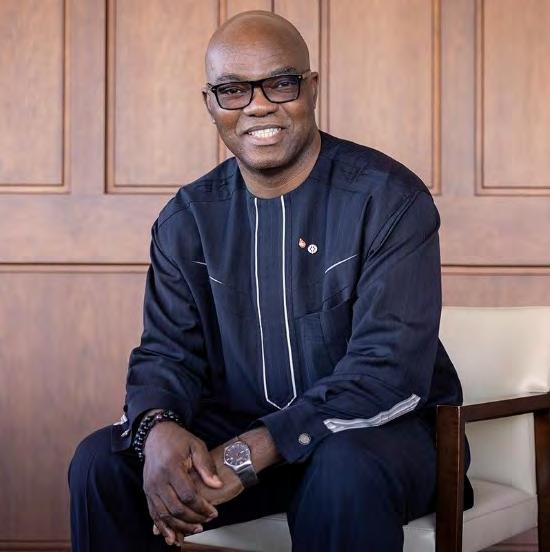
AUGUST MESSAGE 2026
My challenge to you
Peace does not happen by accident. It must be pursued deliberately, built strategically, and woven intentionally into everything we do. That is the challenge I am placing before the Rotary world this year.
Rotary recognizes peacebuilding as one of our areas of focus. But I believe peace must be more than a category of work we set aside for certain projects. It must become a lens, one we choose to look through every time we plan, every time we serve, every time we ask what kind of impact we truly want to leave behind.
The Institute for Economics and Peace has identified eight Pillars of Positive Peace: well-functioning government, a sound business environment, equitable distribution of resources, acceptance of the rights of others, good relations with neighbours, free flow of information, high levels of human capital, and low levels of corruption. These pillars describe the conditions that make lasting peace possible. And when I look at them carefully, I see enormous potential for Rotary. Not because our work automatically advances peace, but because it can when we are deliberate about it.
That is the key word: deliberate.
A water project does not build peace on its own. But a water project designed with the Pillars of Positive Peace in mind – one that asks how equitable access to resources strengthens community trust – can begin to lay that foundation. A vocational training program does not guarantee reconciliation. But one that intentionally brings divided communities together around shared economic opportunity can start to build it. The project does not change. The intention does.
In Colombia, Rotary’s Pathways to Peace and Prosperity program shows us what this looks like in practice. Working in communities shaped by decades of armed conflict and displacement, the program combines economic empowerment with conflict resolution training and community-led reconciliation. Peace was not a hoped-for side effect. It was central to the design. That is the standard I am calling all of us to follow.
As you plan your next project, whatever the focus area, I want you to pause and ask one question: How does this create the conditions for peace? Consult the Pillars of Positive Peace. Find where your work connects. Then, make that connection intentional. Share what you discover with your club, your district, and your community. The more we talk about peace as a practice rather than a destination, the more naturally it will shape everything we do.
This is not about doing different work. It is about doing our work differently, with greater awareness, greater purpose, and a clearer vision of the world we are trying to build. Every Rotary project carries potential. Our task is to unlock it, not by chance but by choice.
YINKA
Olayinka “Yinka” Hakeem Babalola President, Rotary International (2026-27)

THE ROTARY FOUNDATION TRUSTEE CHAIR
AUGUST MESSAGE 2026
Care without borders

As I sat beside my father in the hospital, listening to the quiet rhythm of machines that now spoke more steadily than his own voice, life felt stripped down to its essentials. Serious illness has a way of doing that. It reveals what matters most, and it reminds us – sometimes gently, sometimes painfully – of what should matter to all of us.
My father was facing advanced cancer. The path was uneven and often cruel, yet even in that difficult space I was struck by a simple truth: Every person, everywhere, deserves access to care that honours their dignity. Not just treatment but compassion. Not just medicine but the assurance that their life holds value.
Watching nurses move with practiced grace and doctors offer both honesty and hope, I was struck by the thought that millions will never experience this level of support. Not because their lives matter less, but because access to care remains uneven across countries and communities. This is not a political argument; it is a human one.
Every family deserves the same chance at healing. Through my years in Rotary, I have come to understand that The Rotary Foundation shows us how this belief is shared across cultures and nations.
At a time when international development funding for disease prevention and treatment is contracting, vital health projects risk losing momentum. Our Foundation – and you, our members – provide the communitydriven support needed to keep that from happening.
We are funding vaccines in Pakistan, training health workers in Mozambique, and strengthening fragile health systems in Guatemala. Through the Foundation, international cooperation is not an abstract ideal. It is a responsibility, achievable when people choose to act with generosity, partnership, and shared humanity. I am so proud of our collective leadership.
Sitting there, holding my father’s hand as he drifted in and out of sleep, I was reminded of how fragile and precious life is. The measure of a just world is not found in its wealth or its power but in how fiercely it protects the vulnerable.
My father’s fight was personal; sadly he died in June. But the fight for equitable, compassionate health care that honours every life equally is universal. It belongs to all of us. Through your generosity and commitment to our Foundation – and through the simple act of caring across borders – we move closer to a world where no one is left behind.
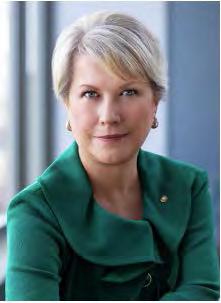
JENNIFER JONES Foundation Trustee Chair, 2026-27
NEWS & INFORMATION IMPORTANT TO ROTARIANS
In District 6330, Rotary leadership – past, present, future
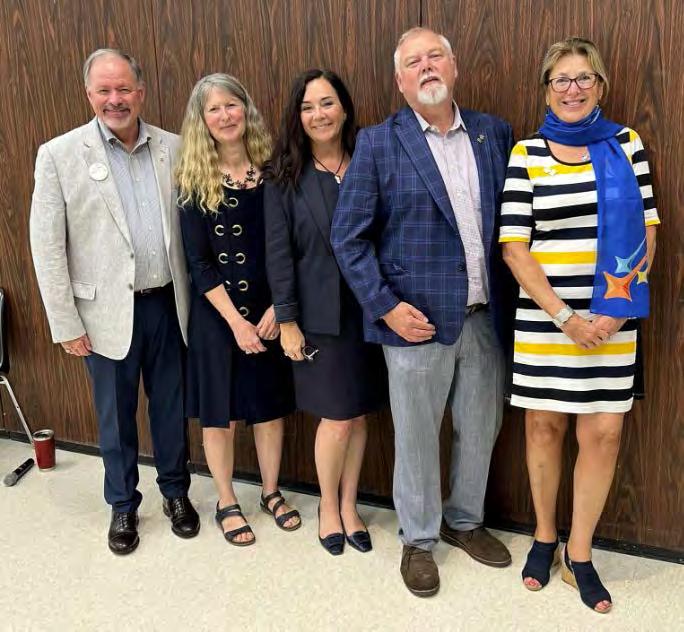
Above (left to right) PDG Mike Chaffee (2022-2023) - PDG Sonja Glass (2023-2024) –PDG Katherine Hahn (2024-2025) – PDG Jeff Ferweda (2025-2026) – DG Lorna Gunning Fratschko (2026-2027)
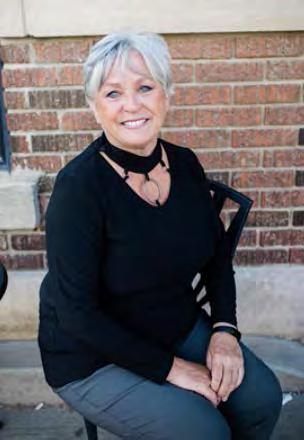
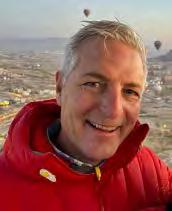
Above left - DGE Dawn Kennedy (2027-2028) Above right – DGN Peter Maranger (2028-2029)
Remembering Rotary’s July theme – Dignity with Care
Each year, thousands of women and children around the world continue to face preventable health challenges simply because they lack access to basic medical care. Through its July focus on Maternal and Child Health, Rotary works to change that reality. Rotary members support projects that provide prenatal care, safe childbirth, vaccinations, nutrition, clean water, and education for families—giving mothers the opportunity to thrive and children the chance to grow into healthy, productive adults.
Rotary believes that every child deserves the best possible start in life and that every mother should have access to quality healthcare before, during, and after childbirth. By partnering with local communities, healthcare professionals, and international organizations, Rotary helps strengthen healthcare systems and create lasting improvements that continue long after a project is complete. When we invest in the health of mothers and children, we are investing in stronger families, healthier communities, and a brighter future for generations to come.
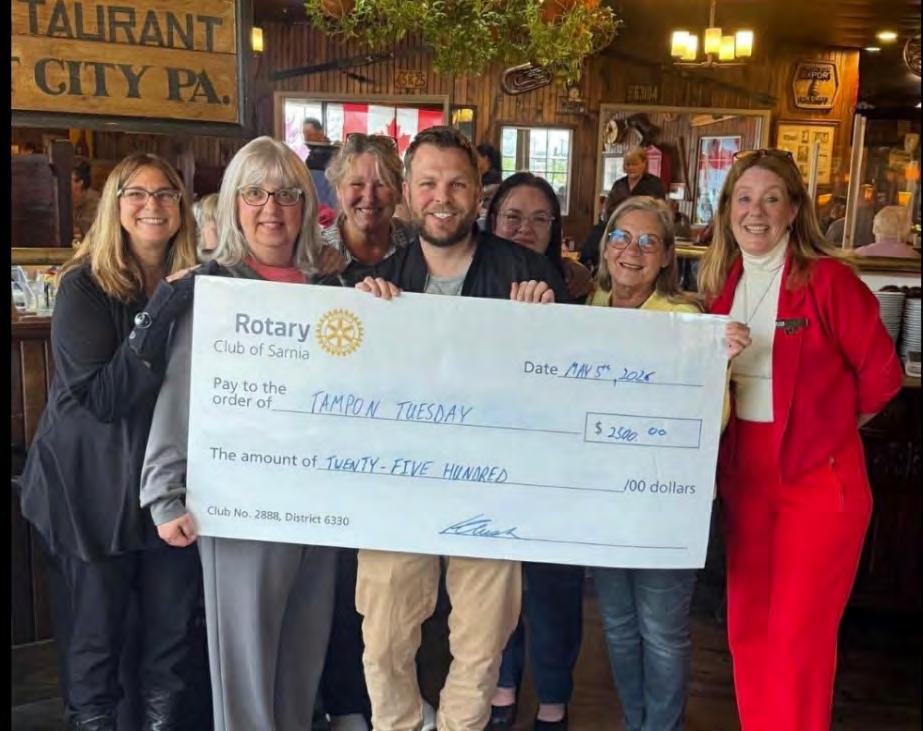
Here in Sarnia, the Tampon Tuesday * initiative—part of a movement that began in London, Ontario and has spread to communities across Canada—demonstrates how local action can support the health and dignity of women and girls.
By providing menstrual hygiene products to those who need them, volunteers help remove barriers to education, employment, and daily life, reminding us that maternal and child health begins with meeting essential human needs.
The movement was founded in 2009 by Bell Media in London after learning that menstrual hygiene products were among the most requested—but least donated—items at food banks. Since then, it has grown into a grassroots initiative with chapters and annual campaigns in several communities.
According to the official Tampon Tuesday website, current participating locations include:
• London (the original chapter)
• Sarnia
• Calgary
• New York City
In addition, other communities have adopted the concept through organizations such as local United Ways. For example:
• Kingston has held annual Tampon Tuesday drives since 2020 through the local United Way, collecting well over 100,000 menstrual hygiene products each year for community agencies.
• The Stormont, Dundas and Glengarry region has also organized Tampon Tuesday campaigns through its United Way.
And the Rotary Club of Sarnia supports the Tampon Tuesday initiative! Kudos to all involved!
* tampontuesday.com
Rotarians Adelle and Kurtis at the forefront – Photo from Facebook
ROTARY’S AUGUST FOCUS – MEMBERSHIP & NEW CLUB DEVELOPMENT
Finding Your Place in Rotary
"I came to one meeting because a friend invited me. I stayed because I found my people."
If you ask ten Rotarians why they joined, you'll probably hear ten different answers.
• One came for business networking.
• Another was invited by a neighbour.
• Someone else simply wanted to give back after retirement.
Yet, years later, very few would say that's why they stayed. They stayed because Rotary became something much bigger than they ever expected.
The Teacher Who Found a New Classroom
"I thought my teaching career was over," she said. "Rotary simply gave me a different classroom."
The Young Professional Looking for Purpose
"I realized," he said, "that what I do for a living could also become a way of serving humanity."
The Quiet Member Who Became a Leader
"The person I became through Rotary wasn't the person who first walked through the door."
Rotary has a remarkable way of helping people discover strengths they never knew they possessed.
Friendship That Lasts a Lifetime
Perhaps the greatest surprise for many members is the friendships. Rotarians celebrate birthdays together, comfort one another during difficult times, mentor each other's children, travel together, and support one another through life's joys and challenges.
Projects bring people together—but friendships keep them together. Many members will tell you they joined a club. Instead, they found a family.
There Is No Single "Rotarian"
One of Rotary's greatest strengths is that no two members are alike.
Every person brings different experiences, talents and passions.
• Some enjoy fundraising.
• Others love organizing events.
• Some mentor youth.
• Some build playgrounds.
• Some travel internationally.
• Others quietly volunteer behind the scenes.
There isn't one way to serve. There are hundreds.
Finding Your Niche
Paul Harris, Rotary's founder, believed that friendship and service could make the world a better place. More than a century later, his vision continues to inspire over a million members around the globe.
The beautiful thing about Rotary is that you don't have to know exactly where you fit when you first join.
Your niche often finds you.
One project leads to another. One conversation becomes a friendship. One small act of service becomes a lifelong passion.
And before long, you realize you haven't simply joined an organization.
You've become part of a worldwide family working together to create hope, strengthen communities, and make life better for people they may never even meet.
Perhaps that's the real reason people join Rotary. Not because they were looking for another meeting.
But because they were looking for a place where they could truly make a difference—and discovered that, together, they could accomplish far more than they ever imagined.
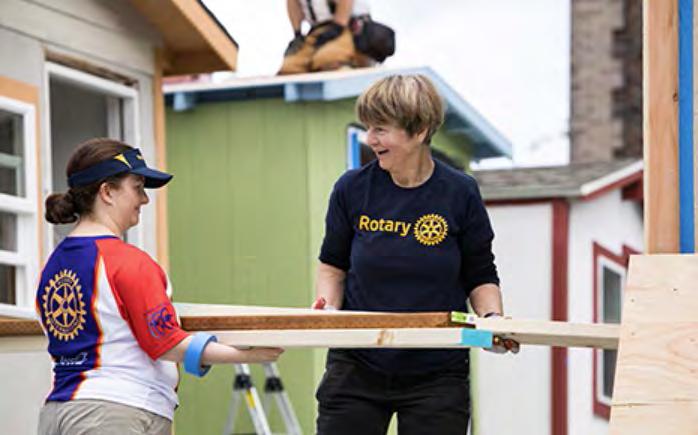
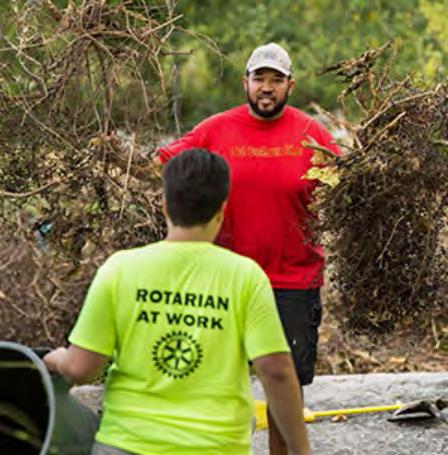
THE EIGHT KEY FACTORS, OR PILLARS, THAT COMPRISE POSITIVE PEACE ARE:
Well-functioning Government
Source
A well-functioning government delivers high-quality public and civil services, engenders trust and participation, demonstrates political stability and upholds the rule of law. This pillar is measured using the following indicators: Government Openness and Transparency, Government Effectiveness: Estimate and Rule of Law: Estimate.
Sound Business Environment
The strength of economic conditions as well as the formal institutions that support the operation of the private sector. Business competitiveness and economic productivity are both associated with the most peaceful countries and are key to a robust business environment. This pillar is measured using the following indicators: Regulatory Quality, Financial Institutions Index and GDP per capita.
Equitable Distribution of Resources
Peaceful countries tend to ensure equity in access to resources such as education, health and, to a lesser extent, equity in income distribution. This pillar is measured using the following indicators: Inequality-adjusted life expectancy index, Education and income inequality and Equality of Opportunity.
Acceptance of the Rights of Others
Peaceful nations enforce formal laws that guarantee basic human rights and freedoms and the informal social and cultural norms that relate to behaviours of citizens. This pillar is measured using the following indicators: Gender Inequality, Group Grievance and Exclusion by Socio-Economic Group.
Good Relations with Neighbours
Harmonious relations with other countries or between ethnic, religious and cultural groups within a country are vital for peace. Countries with positive internal and external relations are more peaceful and tend to be more politically stable, have better functioning governments, are regionally integrated and have lower levels of organised internal conflict. This pillar is measured using the following indicators: Law to Support Equal Treatment of Population Segments, International Tourism and Freedom to trade internationally.
Free Flow of Information
Free and independent media disseminates information in a way that leads to greater knowledge and helps individuals, business and civil society make better decisions. This leads to better outcomes and more rational responses in times of crisis.This pillar is measured using the following indicators: Freedom of the Press, Quality of Information and Telecom Infrastructure Index.
High Levels of Human Capital
A skilled human capital base reflects the extent to which societies educate citizens and promote the development of knowledge, thereby improving economic productivity, care for the young, political participation and social capital. This pillar is measured using the following indicators: Share of youth not in employment, education of training (NEET), Researchers in R&D and Healthy life expectancy (HALE).
Low Levels of Corruption
In societies with high levels of corruption, resources are inefficiently allocated, often leading to a lack of funding for essential services, which in turn can lead to dissatisfaction and civil unrest. Low corruption can enhance confidence and trust in institutions as well as improve the efficiency of business and the
competitiveness of the country. This pillar is measured using the following indicators: Control of corruption, Factionalised Elites and Public Sector Theft.
AND SOME QUIZZES – WHAT DO YOU KNOW ABOUT CANADIANA?
Have some fun and learn about some Canadian history. Click the links below to view – and test yourself with – some wonderful Quizzes!
Acadian History
Asian Communities in Canada
Black History in Canada
Canada in the 1970s
Canada in the 1980s
Canada in the 1990s
Canada quiz – general
Canadian Art
MORE ROTARY FOUNDATION INFORMATION
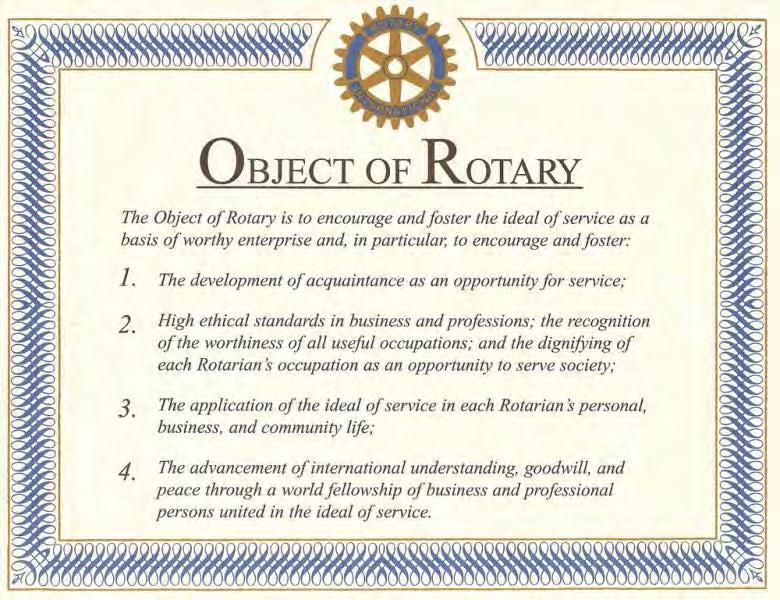
THE OBJECT OF ROTARY
The Object of Rotary is to encourage and foster the ideal of service as a basis of worthy enterprise and, in particular, to encourage and foster:
FIRST – The development of acquaintance as an opportunity for service;
SECOND – High ethical standards in business and professions; the recognition of the worthiness of all useful occupations; and the dignifying of each Rotarian’s occupation as an opportunity to serve society;
THIRD – The application of the ideal of service in each Rotarian’s personal, business, and community life;
FOURTH – The advancement of international understanding, goodwill, and peace through a world fellowship of business and professional persons united in the ideal of service.
Right-click this image (and open link) to listen to The Object of Rotary

5 AVENUES OF SERVICE
We channel our commitment to service at home and abroad through five Avenues of Service, which are the foundation of club activity.
CLUB SERVICE – focuses on making clubs strong. A thriving club is anchored by strong relationships and an active membership development plan.
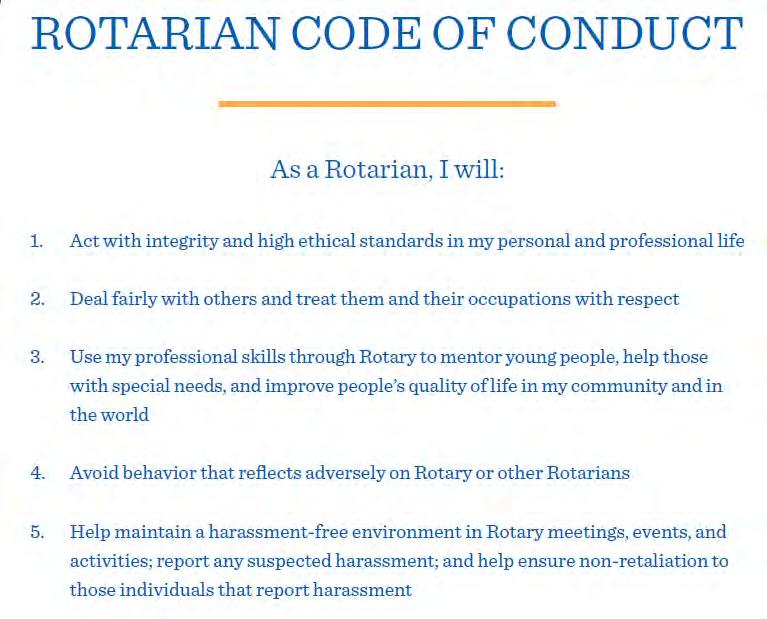
VOCATIONAL SERVICE – calls on every Rotarian to work with integrity and contribute their expertise to the problems and needs of society. Learn more in An Introduction to Vocational Service and the Code of Conduct.
COMMUNITY SERVICE – encourages every Rotarian to find ways to improve the quality of life for people in their communities and to serve the public interest. Learn more in Communities in Action: A Guide to Effective Projects.
INTERNATIONAL SERVICE – exemplifies our global reach in promoting peace and understanding. We support this service avenue by sponsoring or volunteering on international projects, seeking partners abroad, and more.
YOUTH SERVICE – recognizes the importance of empowering youth and young professionals through leadership development programs such as Interact, Rotary Youth Leadership Awards, and Rotary Youth Exchange.
PAUL HARRIS SOCIETY
By now, you must know - What's the Paul Harris Society?
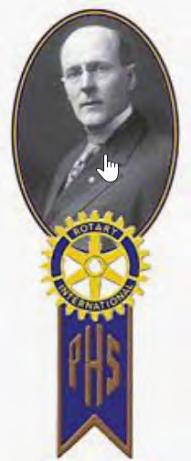
The Paul Harris Society is the name given to those Rotarians who pledge a $1,000 gift annually – every year You may know these committed individuals they wear a flag below their Rotary pin that reads PHS.
One easy way to give at the $1,000 level is through Rotary Direct -- sign up and an amount of money you designate is automatically deducted from your account each month. Learn more at www.rotary.org
Members of the Paul Harris Society know that the need never ends and neither should the giving.
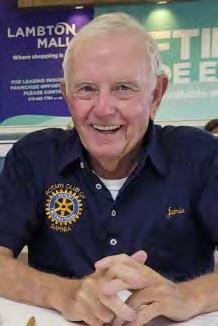
D6330 long-time Paul Harris Society Chair is Rotarian Jamie Pole.
What your giving supports
• Vocational training for teachers establishing an early childhood education center in South Africa
• Water filters, toilets, and hygiene training to prevent fluorosis, diarrhea, and other diseases in India
• A scholarship for a medical professional in Italy to research treatments that minimize mortality rates among premature babies
• Peace-building seminars for 200 teachers and 1,300 students in Uganda
• Treated mosquito nets and medical services that prevent malaria in Mali
• Clean water and sanitation which assists in preventing disease
• Life-saving health care to mothers and children
• Peace and peace building
• Education and literacy
• Economic and community development


In District 6330 we are proud of the generous members in our Paul Harris Society.
We have over 32 of our clubs that now have members in the Paul Harris Society.

If you have any questions or need further information, please do not hesitate to reach out to your Paul Harris Society Coordinator, District 6330 – Jamie Pole!
Rotarian Jamie Pole RC of Sarnia
THE POWER OF THE ROTARY FOUNDATION

Supporting The Rotary Foundation: Turning Good Intentions into Lasting Change And why the Paul Harris Society is important in Multiplying the Good We Do
This is the power of The Rotary Foundation!
Welcome back Nell!
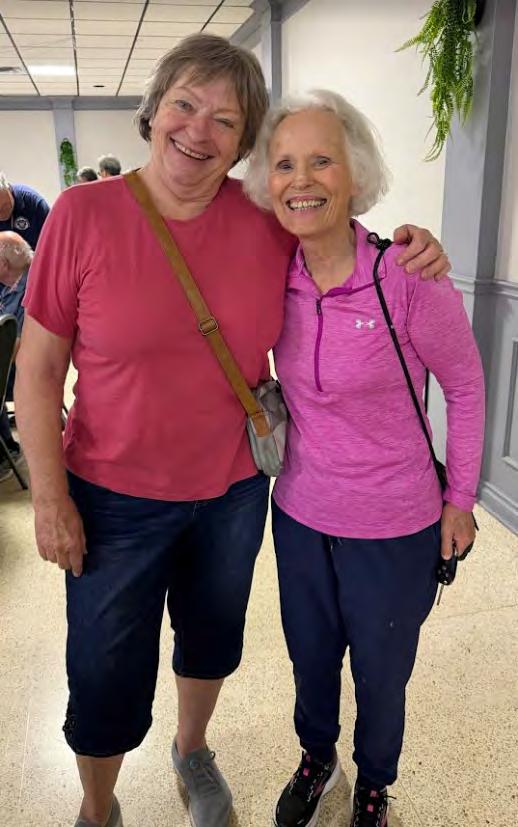
Nell & Pat
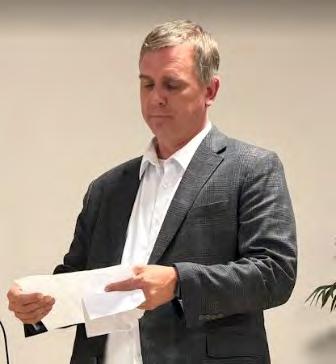
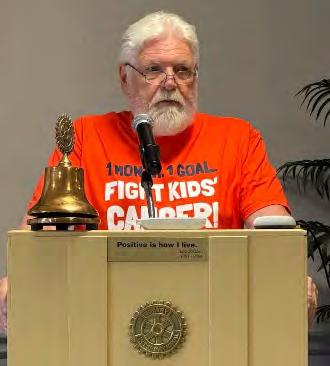
President Joe (top) and Mike Hurry
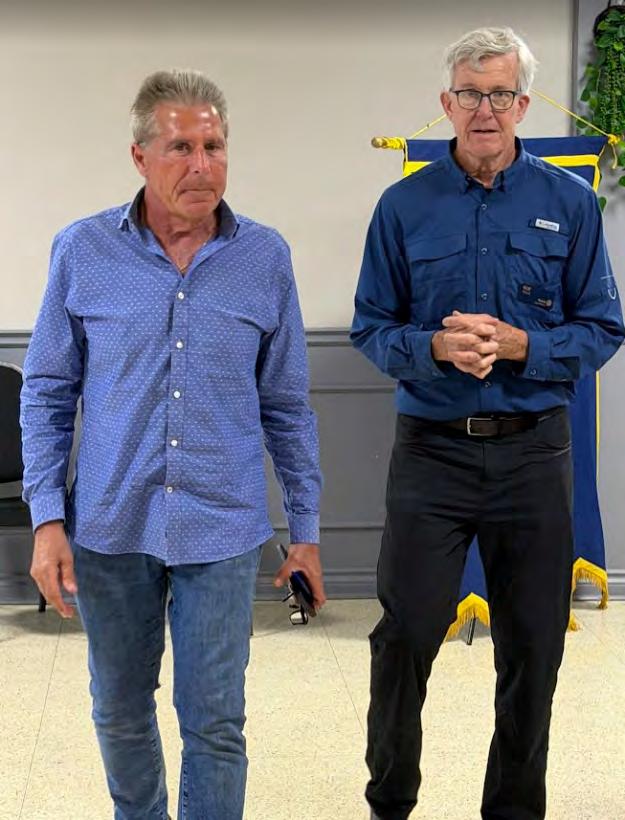
Mario and Rob
Summary of new polioviruses this week:

• Afghanistan : four WPV1 cases and 7 WPV1-positive environmental samples
• Central African Republic (CAR): one cVDPV2 case
• Nigeria: two cVDPV2 cases and one cVDPV2-positive environmental sample
• South Sudan: one cVDPV1-positive environmental sample

We’re at the brink of eradicating polio. Click here to view the short video.

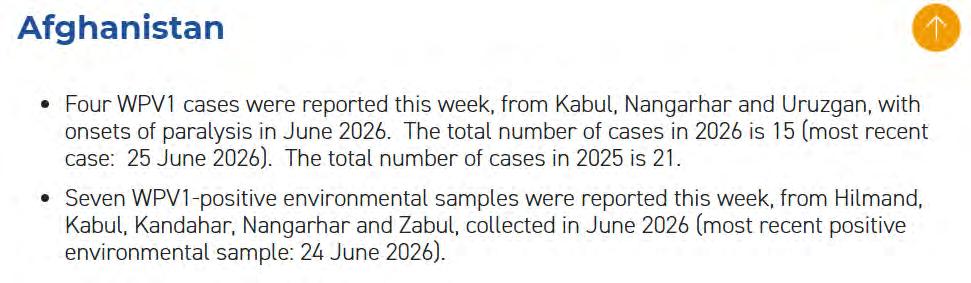
“…with continued political commitment, sufficient resources and support for frontline health workers, a polio-free world remains fully achievable.” †
†https://polioeradication.org/about-polio/polio-this-week/
Administering the Polio Vaccine Improving vaccination methods
While the familiar “two drops” remain the cornerstone of many PolioPlus campaigns, researchers continue to improve vaccination methods.
In some situations, health workers now use a needle-free device to deliver a tiny fraction of the injectable vaccine through the skin.
This approach stretches limited vaccine supplies, avoids the use of traditional needles, and can make vaccination less intimidating for children.
It is one more example of the innovation helping to bring the world closer to ending polio.
The main driver was dose-sparing: if you can protect five children with the amount of IPV that would normally vaccinate one, that's a tremendous advantage when global supplies are limited.
The fact that the device is needle-free and less intimidating is an important secondary benefit rather than the primary reason it was developed.
Click here to view a video of the device.
And from this site below –
Innovation Series: How a New Method of Delivering the Inactivated Polio Vaccine Could Help Overcome Global Supply Challenges
With SAGE ‡ recommending the use of fractional doses of the inactivated polio vaccine, a solution has been found to address global supply constraints
As the GPEI moves closer to eradication, the original vaccine against polio – the inactivated polio vaccine (IPV) – is playing a central role in immunizing children against polioviruses. By finding innovative methods of delivering the vaccine in a fractional dose, the GPEI is exploring new ways to overcome global supply constraints and could help to bring the benefits of IPV to children everywhere.
The role of IPV in the Polio Endgame
Thanks to major steps forward including the declaration of wild poliovirus type 2 as eradicated in September 2015, the phased removal of oral polio vaccines began in April 2016 with the withdrawal of the type 2 component.
As an essential part of this, all countries agreed to introduce one dose of IPV into their routine immunization systems to boost immunity against poliovirus types 1 and 3 and provide a baseline of immunity against type 2 in case of an outbreak of type 2 vaccine derived polioviruses.
‡ SAGE stands for the Strategic Advisory Group of Experts on Immunization. It is the World Health Organization's highest advisory body on vaccines and immunization policy.
Despite the importance of this step towards the Endgame, there are challenges facing IPV introduction.
• Shortfalls in IPV supply globally have left more than 40 countries without sufficient IPV supply to vaccinate all children through their routine immunization systems.
• Fractional dose IPV is an innovation that could help address this challenge.
Fractional dose IPV
Full dose IPV is delivered through an intramuscular injection. But IPV can also be given intradermally, into the skin.
When delivered in this way, only 1/5 of a dose is needed to generate almost as much immunity as one full dose delivered into the muscle; and two fractional doses generates higher immunity than one full dose.
This innovation is making financial savings by reducing the cost of IPV and enabling the limited supply to go much further.

DISTRICT 6330 END-POLIO-NOW COMMITTEE
We are proud to introduce the members of our District End Polio Now Committee — Rotarians from across District 6330 who are committed to making a difference:
Rotarian Rotary Club
Katherine Hahn of Stratford
Sonja Glass Meaford
Mike Hurry Sarnia
Hala Jawad Global Passport
Kirk Riehl Stratford
Tom Robitaille Sarnia Bluewaterland
Tony Sheard Southampton
Bob Thomas Lapeer
Al Tucker Genesee Valley
Bert Vorstenbosch Mitchell
Sue Wakelin Stratford
What in the past was a one-person effort has grown into a full team, with dedicated members working across four key areas:
• Fundraising & Donor Relations — supporting clubs with fundraising plans and connecting with donors
• Communications & Public Image — keeping End Polio Now visible and top of mind across the district
• Member Education & Stewardship — building a speaker roster and presentation resources for clubs, while making sure our supporters know how much they matter
• Club Engagement — reaching out to clubs, especially those new to End Polio Now fundraising.

Expand your Rotary horizons! Consider joining some of the easy online meetings available –
All Rotarians are encouraged to join local (and other) clubs to learn more about Rotary, get to know other Rotarians, gain a new perspective and appreciation for Rotary and Rotarians. Here is a list of online clubs where you can earn a make-up along with learning a whole lot more about Rotary! Why not visit them all?
• Rotary E-Club of Canada One – Interactive Rotary On Demand 24/7, Where you want, When you want!
• Rotary Club of One World
• Rotary E-Club of World Peace
Click here to attend this week’s posted meeting of E-Club of Canada One.
These meetings are posted online and available 24/7!
There’s also a Thursday morning Coffee Chat at 10:00 a.m. Eastern Time. Please join our Coffee Chat from your computer, tablet or smartphone. https://us02web.zoom.us/j/709771987



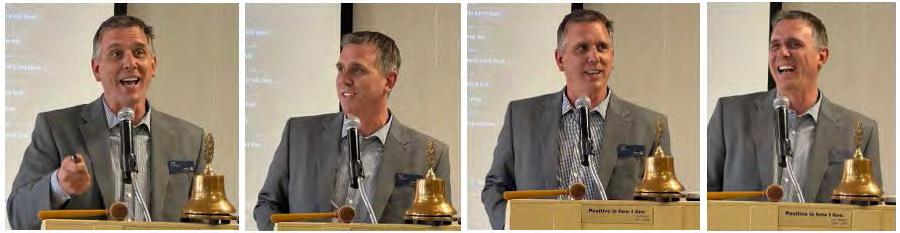
Club President for 2026-27 – Joe Cebulski
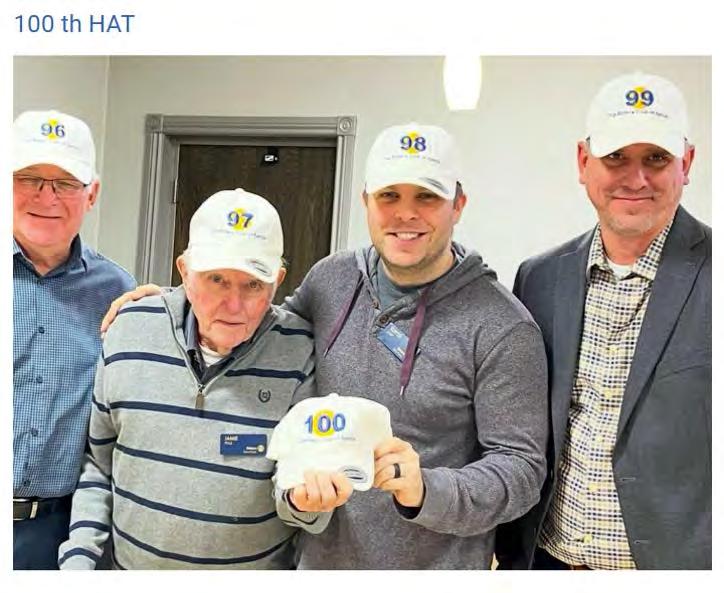
The hat is ready for our 100th President. The Rotary Club of Sarnia will celebrate 100 years in 2028. The club already has a hat ready for that special President who will lead the club during the celebrations of our 100th year of service to the community of Sarnia. Shown displaying the 100th Presidential Hat are past president, Mark Taylor (#96), immediate past president, Jamie Pole (#97), current president Kurtis Lush (#98) and current vice-president Joe Cebulski (#99), who also is the designated caretaker of the prized (#100) hat until that person is chosen later by the members. Special celebrations and projects will take place during 2028.
AUGUST PLANS
Date Presentation
August 15 Deadline for applications for Action Grants
August 18 Rob Kardas, President/CEO – Lambton College
Again, thank you to Rotarian Alison Mahon who makes these speaker meetings genuinely worthwhile and educational! And a special thank you to the Rotarians who set up the room every week! Mike Elliott and Rick Marsh!
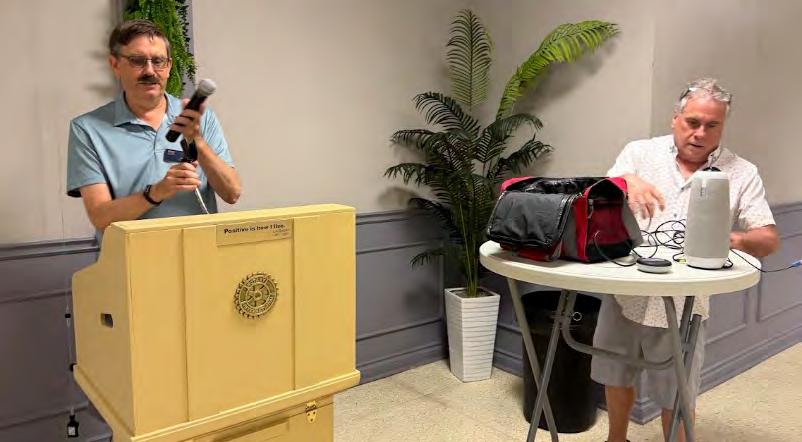
Year in Review: Changeover Night at Rotary Club of Sarnia
This year's presidential changeover was a night of gratitude, reflection, and a clear vision for the road ahead as outgoing President Kurtis handed the gavel to incoming President Joe.
Kurtis's Year in Review (2025-26)
Kurtis opened by thanking his seven board mentors — Jamie, Brian, Johnna, Rajni, Miles, Carolyn, and Joe — each for a specific lesson they taught him, from leadership and club history to kindness, positivity, and patience. He also spoke candidly about the mistakes he made this year and thanked the club for the grace he was shown in response.
It turned out to be a year with a lot to be proud of:
• $40,000 raised for the club's foundation through the pancake breakfast and online auction
• Over $10,000 raised for Rotary International initiatives, including more than $1,200 toward polio eradication
• 5 new members welcomed: Michelle, Grace, Dave, Rona, and Kevin
• $210,000 in action grants funded across two cycles, supporting 17 organizations — including the elevator Restoration Project at the Good Shepherd and the Lifeguard Initiative at the YMCA
• Work begun on an affordable housing initiative for the community
• Hosted exchange student Gong alongside three partner Rotary clubs
• Stepped in to host the district conference for neighbouring clubs on short notice
• Voted to fund a $500,000 major project: redevelopment of the Dow Youth Center (likely to be renamed the Rotary Youth Center for Children), benefiting organizations like Big Brothers Big Sisters and Rebound as the club heads toward its 100th anniversary in 2028
Kurtis closed with heartfelt thanks to his wife, Allie, for her support through a difficult year, and issued a challenge to the club: to get creative about welcoming working professionals and younger members, not just retirees, so Rotary's next 100 years are as strong as its first.
Welcoming President Joe
Joe accepted the gavel — officially effective July 1 — and thanked the club for its support through a tough stretch for him and his wife.
He introduced his new board with personal stories of how each member shaped his own path in the community over the years:
• Alison Mahon – 100th Anniversary Liaison / Action Grants
• Mike Hurry – Community Action
• Carolyn – Fundraising
• Miles – Treasurer
• Alison Morrison – Project SEARCH
• Johnna – Secretary
• Kurtis – Past President
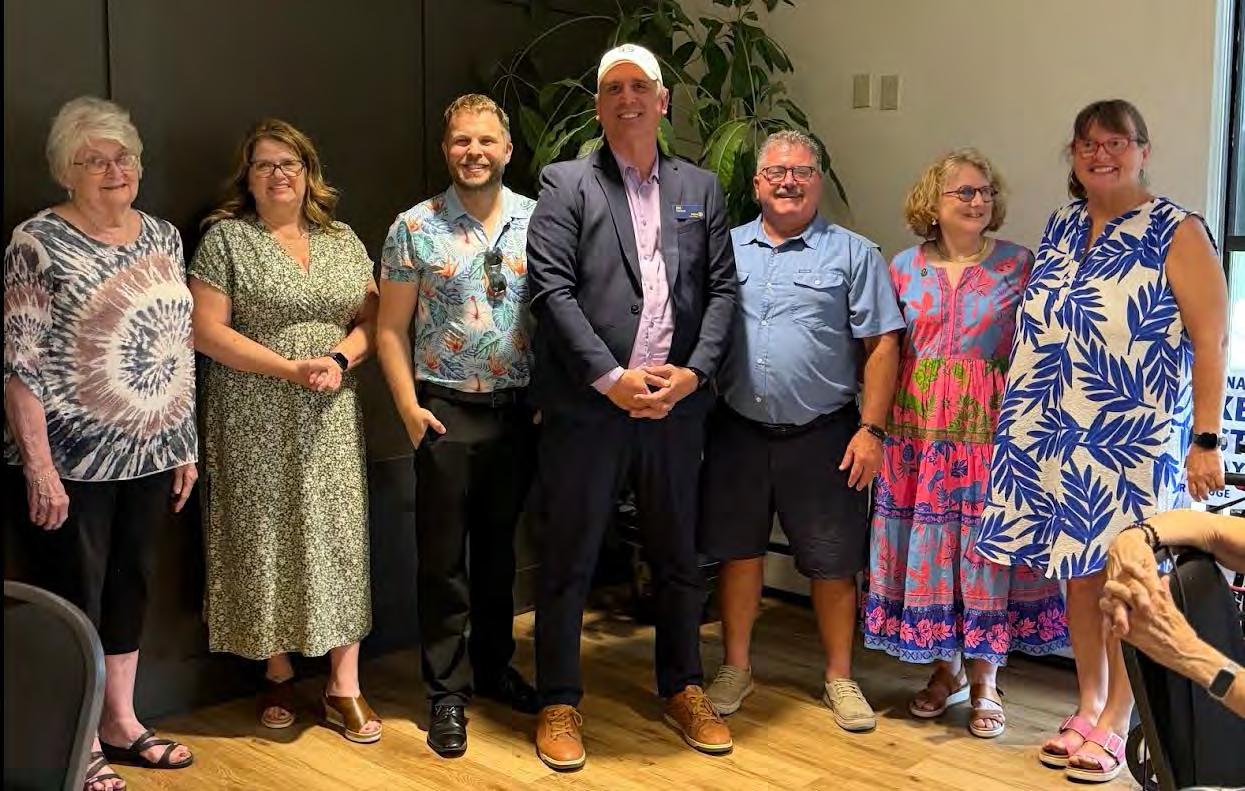
President Joe's focus for the coming year: build on this momentum, strengthen connections within the club, and lead into the milestone 100th anniversary with meaningful, community-focused impact.
Congratulations to Immediate Past President Kurtis on a year of real impact, and best wishes to President Joe and the incoming board as they begin the road to Rotary's 100th anniversary.
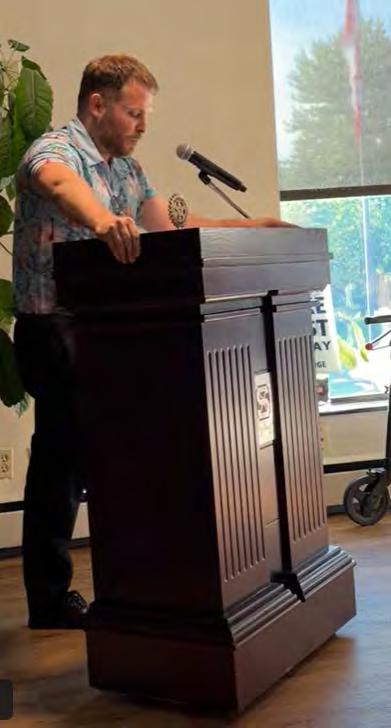
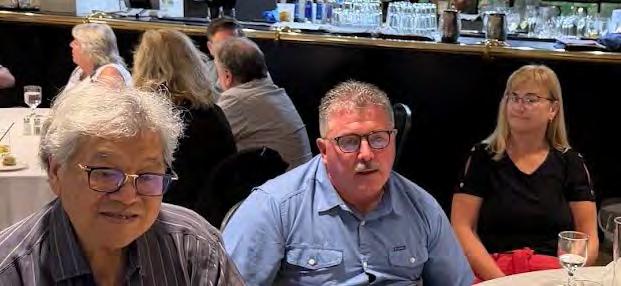
The Board 2026-27 - Johnna, Alison Morrison, Kurtis, Joe, Myles, Alison Mahon, Carolyn
Past President Kurtis
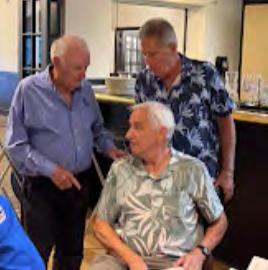
(Above) Allen , Myles, Cathy
(Below) Bill B, Alison Mahon, Bill’s wife Lynn / Jamie, John, Mario
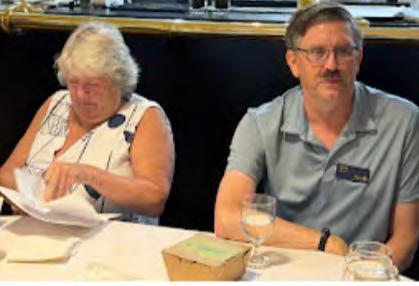
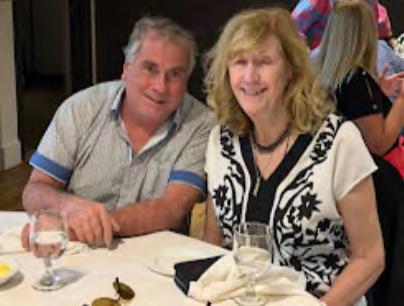
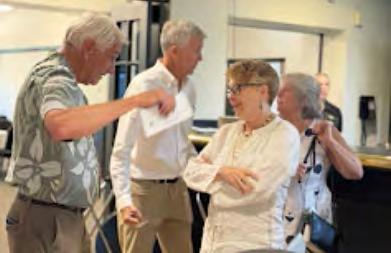
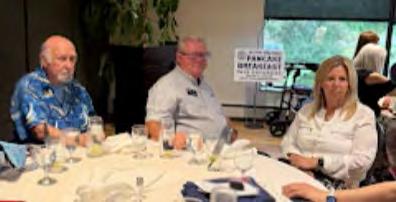
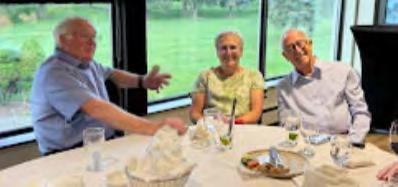
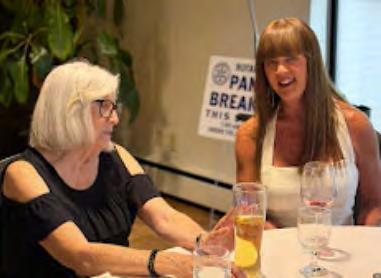
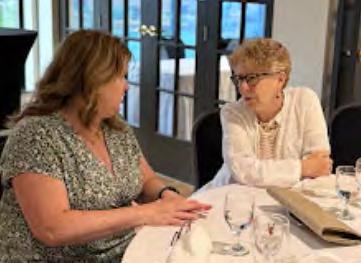
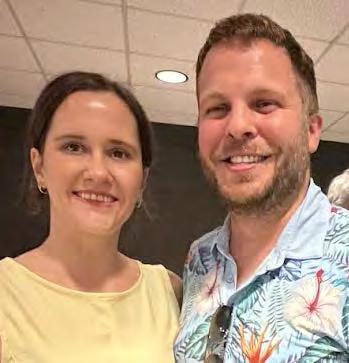
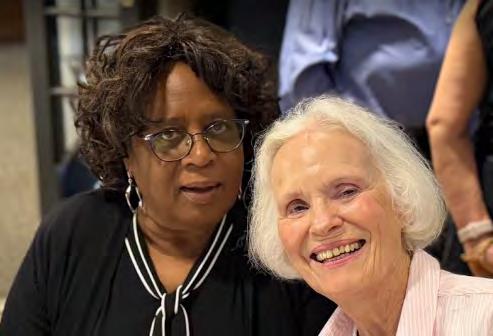
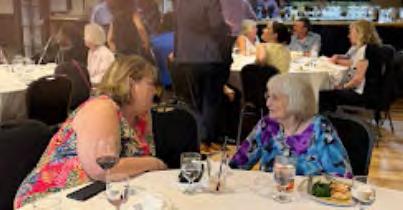
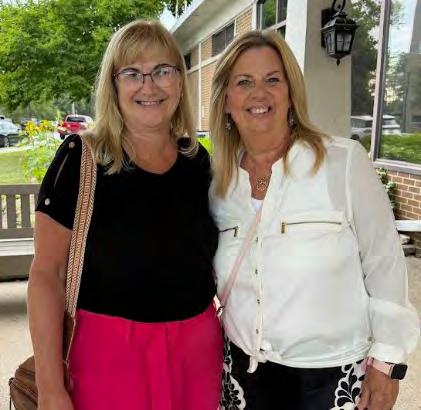
Heather, Mike E. - Rick and Robyn - John, Rob, Gail, Heather
Ralph, Dave and Debbie – Mark and Cindy, Brian
Mary Pole, Wendy Fazio / Alison Morrison, Gail Mitton (Rob’s wife) / Ali and Kurtis
Yvonne, Pat / Murray, Johnna / Heather, Mike E.
s Teresa Bourque, Alison Mahon’s mother (Natalie) / Cathy and Debbie (Dave Rushton’s wife)
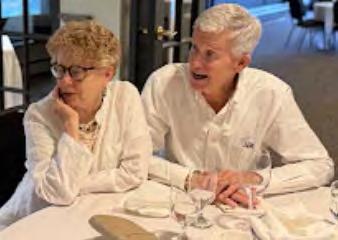
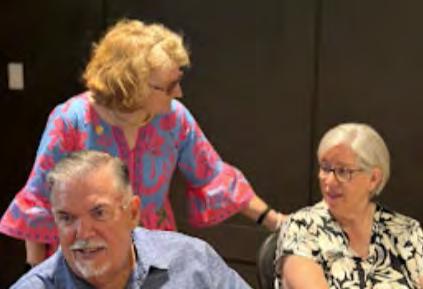

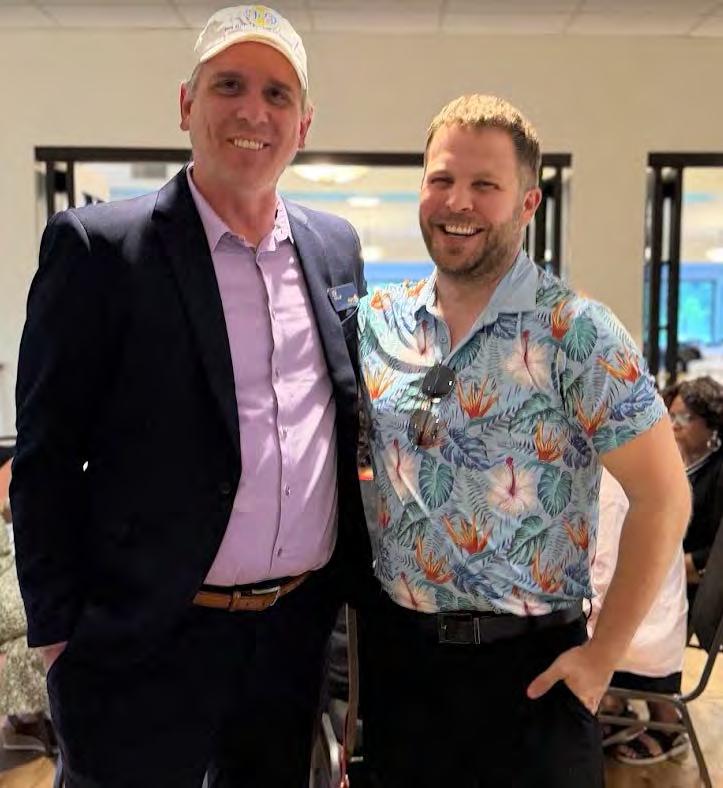
A Rotary Changeover
One year closes, one begins, With grateful hearts for where we've been.
New hands now guide, new dreams take flight, Built on service, hope, and light. Though leaders change, one truth stays true— Rotary's spirit shines in all we do.


Gail and Rob / Bill, Alison, Lynn / Exchange student Gong (Apologies for missing a few…)
Presentation – Tuesday, June 23
Jack Christine, Executive Director, The Inn of the Good Shepherd The Inn Continues to Respond to Growing Community Needs
Members recently heard an eye-opening presentation on the growing challenges of food insecurity and homelessness in Lambton County—and the many ways The Inn is working to meet those needs.
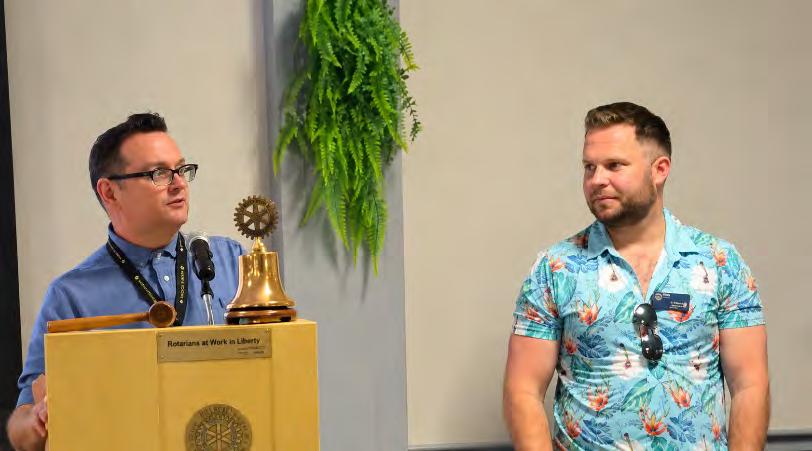
Speaker Jack Christine, thanked by President Kurtis
Mr. Christine began by explaining that these challenges are not unique to Sarnia. Communities across Ontario— and indeed around the world—are experiencing rising living costs, increasing housing expenses, and greater financial pressures on families. Unfortunately, those realities are reflected in the growing number of people turning to food banks and community support services.
Provincially, food bank use has reached record levels. Locally, more than one in four households in Lambton County now experiences food insecurity. One statistic that particularly stood out was that many food bank users are employed. Even with jobs, increasing housing costs and the rising cost of living are making it difficult for many families to make ends meet.
The Inn's response is both practical and compassionate. Its food bank operates five days a week using a grocerystyle model that allows families to choose the foods that best meet their needs. Through a partnership with the Canadian Red Cross, food is also delivered to individuals who are unable to travel to the food bank because of illness or disability.
The Inn also serves hot meals every day of the year through its soup kitchen, supported by more than sixty volunteer teams from local churches, businesses, families, and community groups. During the summer months, its Mobile Market brings fresh fruits and vegetables to communities throughout Lambton County, while children's snack packs help fill the gap left when school nutrition programmes pause for the summer holidays.
The presentation also addressed homelessness, another issue that continues to affect our community. Approximately 330 individuals are currently identified as experiencing homelessness in Lambton County. Mr. Christine noted that the vast majority are local residents—not people arriving from elsewhere—as is sometimes believed. Rising housing costs, increasing living expenses, and limited affordable housing continue to be the primary causes.
To help meet these needs, The Inn operates emergency shelters for adults and youth, along with transitional housing that provides residents with practical life skills, budgeting assistance, employment preparation, and ongoing support as they work toward permanent housing. The emphasis is not simply on providing shelter, but on helping individuals regain stability and independence.
Looking ahead, plans are underway to expand The Inn’s Lodge, increasing its capacity while improving services for those experiencing homelessness. The proposal has already received initial approval and, if all proceeds as planned, construction could be completed by the fall of 2027.
While the statistics presented were sobering, the message was ultimately one of hope. Through dedicated staff, committed volunteers, generous donors, and strong community partnerships, The Inn continues to provide practical assistance and compassionate care to some of our community's most vulnerable neighbours. It was a timely reminder that, when people work together, lives can truly be changed.
For Rotarians, the presentation was a reminder that Service Above Self begins by understanding the needs within our own community and supporting the organizations and volunteers who work tirelessly to meet them.
Presentation Tuesday, July 14
A
Gentler Goodbye: Cam McCormack Introduces Aquamation to Sarnia-Lambton Aquamation
– An Alternative to Traditional Cremation
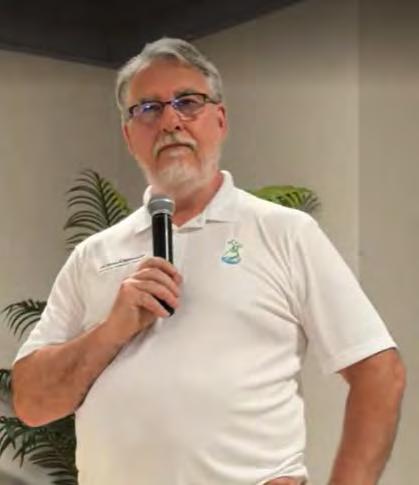
Members enjoyed a very interesting presentation at our July 14 meeting from Cam McCormack, owner of McCormack Aquamation Burial and Cremation Services on George Street in Sarnia.
Cam has spent more than 40 years in the funeral profession. After 21 years working in Toronto, he moved to Sarnia in 2009 and purchased what was then Stewart Funeral Home. During his career he has cared for more than 45,000 families, and several years ago he introduced Canada's first "Resomation" machine, imported from the United Kingdom and installed at his George Street facility.
Cam explained the process of aquamation, also known as alkaline hydrolysis, as a gentle alternative to traditional flame cremation. Rather than using fire, aquamation uses warm water, heat, and a small amount of potassium hydroxide to accelerate the natural process of decomposition. The process takes only a few hours and operates at approximately 300°F, compared with temperatures of 1,600 to 2,000°F used in conventional cremation.
The remaining bone minerals are then processed into a fine white powder and returned to the family. Because less material is lost during the process, families generally receive 20 to 30 percent more remains than they would after traditional cremation.
Although many people have only recently heard about aquamation, the technology itself is far from new. It was first patented in 1888 and has been used for many years in medical and research facilities. Ontario is now one of several Canadian provinces that permit aquamation for human remains.
Cam outlined a number of reasons why families are choosing this option. It requires significantly less energy than flame cremation, produces a much smaller carbon footprint, releases no mercury or other metal emissions, and does not require a casket. Many families also appreciate what they see as a gentler, more natural process. Some Indigenous families, for whom water has special cultural significance, have also expressed interest in this alternative.
Another advantage is that the service is available locally. McCormack Aquamation now provides services not only for families in Lambton County but also for several funeral homes as far away as Chatham-Kent, allowing loved ones to remain close to home throughout the process.
The presentation concluded with an excellent question-and-answer session. Members asked about everything from pacemakers and titanium implants— which can be safely removed and recycled—to human composting, sometimes called "terramation," which is not yet legal in Ontario. Cam also spoke briefly about aquamation for pets, a service that has become increasingly popular.
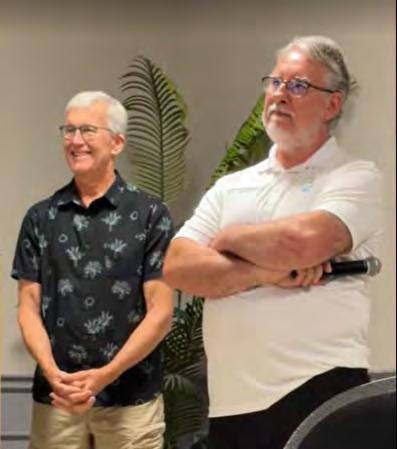
Perhaps the most memorable comment of the afternoon came as Cam reflected on the process itself: "We're born from water—we're about 60 percent water today. Now, with this technology, we can return you to water."
It was an informative presentation on an option that many people may not yet know exists, but one that is now available here in Lambton County.
Thanked by Rotarian Rob
Meeting Recap - Tuesday, July 21
Remembering the Fallen with a Lasting Gift
Club member Murray shared the moving story behind the dedication of two community defibrillators honouring members of the armed forces and first responders.
The project held special meaning for Murray, whose own service in the Royal Canadian Navy connected him personally to the tragic 1969 HMCS Kootenay engine-room fire that claimed nine sailors' lives. He reflected on the lasting impact of that tragedy and the sacrifices made every day by those who serve.
Earlier that day, representatives from the Navy, Point Edward OPP, Sarnia Police, and community partners gathered for the dedication ceremony, where the defibrillators were presented as practical, lifesaving tributes. They will be installed in accessible public locations in honour of those who have served and those who continue to protect our communities.
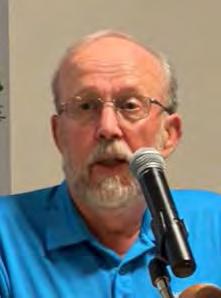
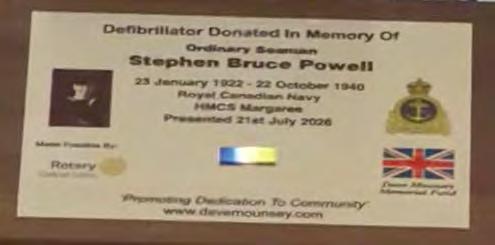
Murray thanked the club for supporting the project, reminding everyone that "Lest We Forget" is more than a phrase—it is a commitment to honour those who put their lives on the line for others.
The club also received a welcome addition to its Rotary office: a nearly new defibrillator generously donated by United Rentals after the closure of its local operation.
Big Brothers Big Sisters Seeks Volunteer Mentors
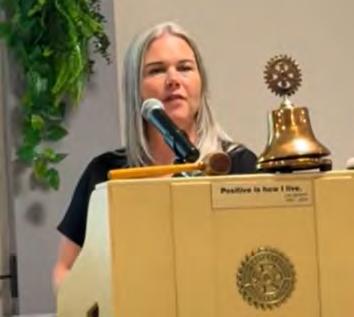
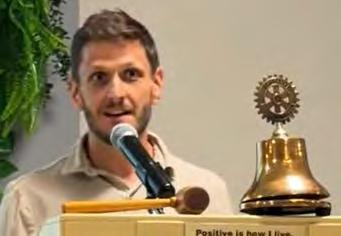
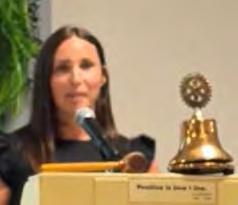
The club welcomed Executive Director Kalen Burgess and staff members Aleah Piggott and Phil Hazzard from Big Brothers Big Sisters of Sarnia-Lambton, who shared the growing need for volunteer mentors in our community.
More than 100 local children are currently waiting to be matched with a mentor. Volunteers can become involved through three flexible programs:
• In-School Mentoring (one hour a week during the school year),
• Big Bunch Group Mentoring (twice-monthly group activities), or
• Community-Based One-to-One Mentoring (regular outings and friendship over the course of a year).
The presenters emphasized that mentoring is about building relationships, confidence and life skills. One inspiring example described a mentor and youth who turned grocery shopping and cooking together into valuable lessons in budgeting and meal preparation.
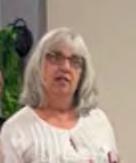
Club member Adelle shared her own experience as a Big Sister, reflecting on a friendship that began more than 30 years ago and continues today. She encouraged fellow Rotarians to consider mentoring, describing it as both rewarding and life-changing.
Members interested in learning more or volunteering can visit sarnia.bigbrothersbigsisters.ca.
Further Updates
Foundation Property Sale Progress
Jamie reported that the Foundation has accepted an offer of $340,000 from Canadian Commercial Development for the property at Michigan and Murphy. The proposed sale, subject to a 100-day closing period, would see the corner redeveloped.
Science Fair Thank You
President Joe shared a thank-you note from a Grade 9 student at St. Patrick's High School whose awardwinning science fair project on natural floating wetlands was supported by the club. He plans to include similar notes of appreciation in future monthly member emails.
Action Grant Reminder
Members were reminded that Rotary Action Grant applications are due August 15. Everyone is encouraged to help spread the word by sharing the club's Facebook posts.
Pancake Breakfast 2026 Cancelled
Committee Chair Miles reviewed the difficult decision to cancel this year's Pancake Breakfast because of poor air quality caused by wildfire smoke.
Thanks to the generosity of suppliers, donors and members, the club expects to recover its costs without affecting this year's Community Action Grants. Miles thanked everyone who helped with refunds, communications and reorganizing supplies for next year.
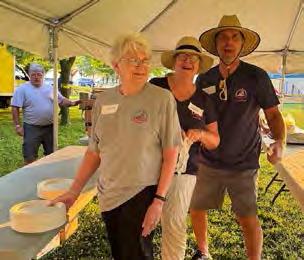
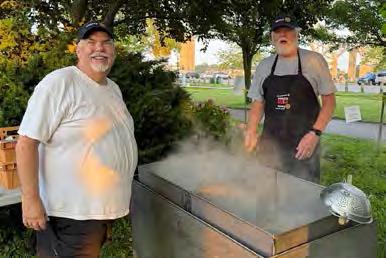
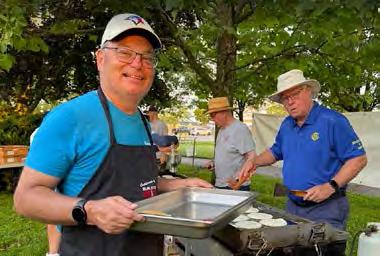
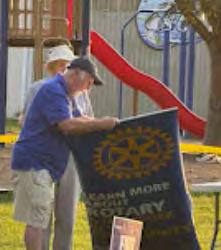
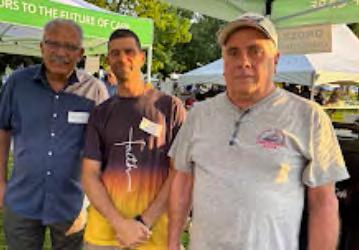
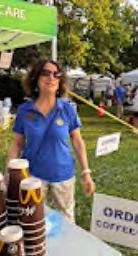
A few photos from 2025 Pancake Breakfast -
Our Community Comes Together
An update on Sarnia’s Race to Erase … from Rich Bouchard (Rotary Club of D6330 Passport)
There were smiles. There was laughter. There was friendly competition. Most importantly, there was a community coming together to help others.
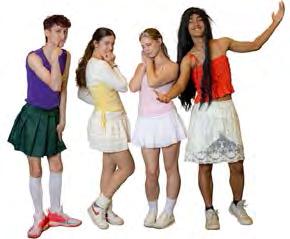
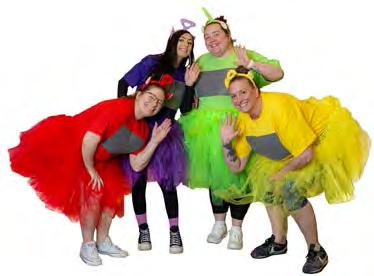
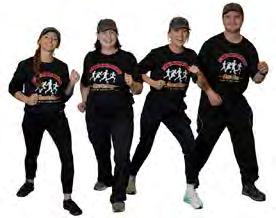
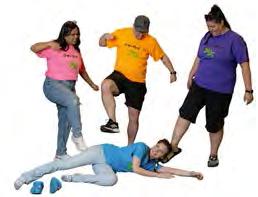
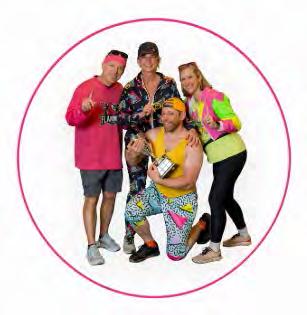
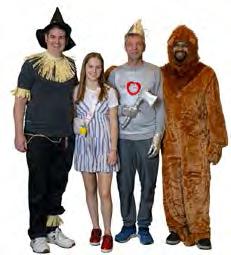
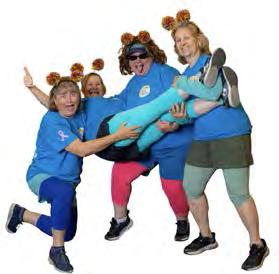
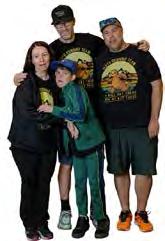
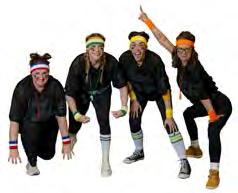
Costumes. Challenges. Community. Making a Difference One Team at a Time.
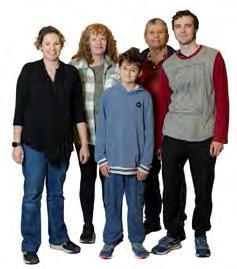
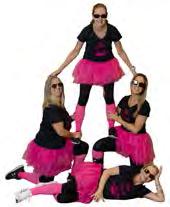
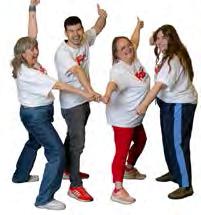
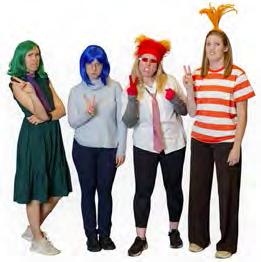
Creativity was on full display as teams arrived in colourful costumes for this year's Race to Erase. The outfits brought plenty of smiles, but they also reflected the fun, teamwork and community spirit that have made this event a Sarnia-Lambton favourite for 20 years.
20 Years!!!
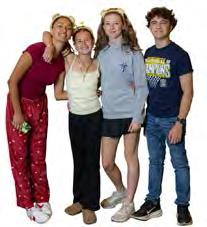
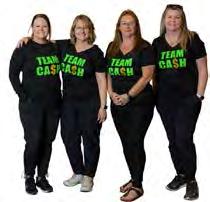
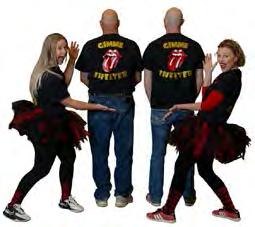
These photographs capture the spirit of this year's Race to Erase, which celebrated its 20th anniversary in Sarnia-Lambton. While teams raced from one challenge to another in pursuit of the fastest time, the real winners were the nine local charities that benefited from the event.
Every Team Makes a Difference. Laugh Together. Compete Together. Give Together.
Thirty-seven teams, representing approximately 150 participants, accepted the challenge, supported by more than 50 volunteers and 10 community organizations that hosted activity stations throughout the day. Together, they raised an outstanding $39,791, with every dollar going directly to the charities chosen by the participating teams.
Rotary Club of Sarnia was proud to be part of the action, hosting the popular "Time Flies" challenge. Kiwanis volunteers also lent a hand by serving lunch at the finish line, demonstrating how service clubs can work side by side in support of their community.
What began in 2006 has now raised nearly $1 million for charitable organizations in Sarnia, London and Cambridge. Even more exciting, the Race to Erase model is now poised to grow.
Changing Lives One Challenge at a Time. When Fun Becomes Fundraising.
With Club Past President Kurtis Lush recently becoming involved with Race to Erase, plans are underway to introduce this proven fundraising event to additional communities.
Congratulations to Rotarian Rich Bouchard and the many volunteers, sponsors, businesses and participants who have built Race to Erase into one of Sarnia-Lambton's most successful community fundraising events.
Twenty years is an achievement worth celebrating—and judging by the photographs, the next chapter is already off to a wonderful start.




Membership Begins with Service August is Rotary Membership Month
Ask a Rotarian why they joined Rotary and you'll hear many different answers. Some were invited by a friend. Others wanted to give back to their community. Many simply wanted to make a difference.
But almost every Rotarian will tell you the same thing—they stayed because of the friendships, the fellowship, and the opportunity to serve.
Community events such as Race to Erase, our own Pancake Breakfast, and other Rotary events in the community remind us that service is contagious. When people work together, laugh together, and accomplish something meaningful together, they begin to experience the very values that Rotary has embraced for more than 120 years.
The Rotary Club of Sarnia has already become part of the Race to Erase story through its involvement as one of the event's challenge stops. As this partnership continues to grow, there is tremendous potential for even broader participation from Rotarians across the city. Every volunteer, every challenge host, and every team member creates another opportunity for people to experience Rotary in action—and perhaps discover a place where they, too, can make a difference. Our friends may discover that Rotary isn't just about weekly meetings. It's about neighbours working together to improve their community.
Membership doesn't always begin with an application form.
Sometimes it begins with a conversation. Sometimes with a shared challenge.
And sometimes, it begins by volunteering alongside people who care about their community. Race to Erase is just another one of those opportunities.


August is Rotary's Membership Retaining members begins
by helping them feel they belong
When we hear the word membership, it's easy to think only about recruiting new members.
Of course, welcoming new people into Rotary is important, but membership is about much more than numbers.
The Family of Rotary. Rotary has often been described as a family—and that sense of belonging is one of the greatest reasons people remain active. When members are engaged and enthusiastic, they naturally become Rotary's best ambassadors.
The real challenge is making sure every person who joins Rotary discovers why so many of us have remained involved for years—even decades.
New members should quickly learn that Rotary is much more than a weekly meeting. It is an opportunity to join an outstanding group of community individuals -
• to serve
• to build friendships
• to learn
• to grow as leaders, and
• to become part of a worldwide network of people who are making a difference in their own communities and around the globe.
Membership growth is not simply measured by how many people join. It is measured by how many people continue to find purpose, satisfaction and friendship in Rotary year after year.
They share their experiences with friends, neighbours and colleagues, and that's how Rotary continues to grow.
The strongest clubs are not necessarily the largest. They are the clubs where people are proud to belong, eager to serve, and excited to invite others to experience Rotary for themselves.

are already part of it.
Growing Rotary begins by taking care of the people who
Hand Up Project Committee – District 6330

The Rotary Project That Never Walked Away Rotary Hand Up – District 6330
Most Rotary clubs launch an international project, celebrate its success, and move on to the next challenge. Rotary Hand Up, a volunteer committee in District 6330, chose a different path – a very different path. Nearly thirty years later, it is still there.
Most Rotary projects end when the grant closes. This one became a 30-year partnership.
What would it take for a Rotary Project to Last 30 Years?
Thirty years of commitment. Hand Up has quietly sustained a long-term commitment to international humanitarian service, first in Cameroon, and then—after civil war forced a difficult transition to Guatemala and the Indigenous communities surrounding Lake Atitlán and HueHuetenango as well, on the outskirts of Guatemala City, Guatemala. Hand Up earned something even more valuable than grant funding—the trust of local communities, built through consistency, partnership, and a commitment to stay.
This approach offers a practical model that other Rotary clubs and districts could adapt to their own international partnerships.
Rotary’s 2026-27 theme – Create Lasting Impact – describes exactly what Hand Up has been doing for 30 years!
Three decades of trusted partnership have produced measurable results:
• In communities where as many as 76% of residents experience chronic malnutrition, an agro-ecological program is providing families an opportunity to grow nutrient-rich food, receive both technical and business training, and create marketing opportunities to develop sustainable businesses.
• Children make measurable reading gains in after-school literacy programs.
• Indigenous women are building businesses through Rotary-supported entrepreneurship training.
• Thousands of trees have been planted to help protect Lake Atitlán.
• Household water filters improve access to safe drinking water.
• Rainwater harvesting systems provide dependable water for schools.
The model. With the mentorship, encouragement, ongoing support, and practical experience of the Hand Up Committee, even modest-sized Rotary clubs can confidently take on ambitious international projects. Currently, four global grants (one just closed) are operating simultaneously in Guatemala—something that has become the norm—with two or three more already being planned for 2027.
This is more than the story of successful projects. It is the story of how Rotary Hand Up has been Creating Lasting Impact.
Behind the projects and the long-term successes are remarkable people:
• Two Canadian Rotarians whose vision began the journey.
• A succession of dedicated volunteers who quietly carried it forward for nearly three decades.
• Rotary club partners - Lake Atitlan, Guatemala La Reforma, plus local Guatemalan partners who have shaped each initiative from within their own communities.
• Mayan women whose lives continue to change because Rotary never walked away
Each generation of Rotarians has inspired the next to carry the work forward.
As Rotary embraces its 2026–27 presidential message, Create Lasting Impact, Hand Up poses a compelling question for every Rotary club:
What would it take for your project to still be changing lives 30 years from now?
View a recent Hand Up video - https://www.youtube.com/watch?v=0h931xO5Sd4
View a longer version of the Hand Up History – Click here.
Rotary Global Grants
Rotary Global Grants fund large-scale international activities with a minimum budget of $30,000 USD, supporting humanitarian projects, graduate scholarships, and vocational training teams.
Key Requirements
• Areas of Focus: Must target peace promotion, disease fighting, clean water/sanitation, maternal/child health, education, local economies, or the environment.
• Partnership: Requires a host sponsor club/district where the project occurs and an international sponsor club/district from another country.
• Sustainability: Must produce measurable, long-term results led by the local community.
Funding and Matching
• Minimum Budget: $30,000 USD total project cost.
• World Fund Match: Matches 80% of District Designated Funds (DDF) contributed.
• Cash Contributions: Club cash is permitted but does not receive a match from the Foundation.
THE ROTARY FOUNDATION
EREY – Every Rotarian Every Year
With EREY, we encourage you to contribute an amount you can afford every year.


Click here for a short video
Our Every Rotarian, Every Year (EREY) initiative encourages all Rotary club members to contribute something each year to The Rotary Foundation.
We hope that you can consider at least $100 USD every year to help us reach our goal to support the Rotary Foundation financially each year.
Sustaining member. One who contributes $100 USD every year is a Sustaining Member. With EREY, we encourage you to contribute an amount you can afford every year.

Click here to listen to We are the World.
A LOOK BACK IN TIME
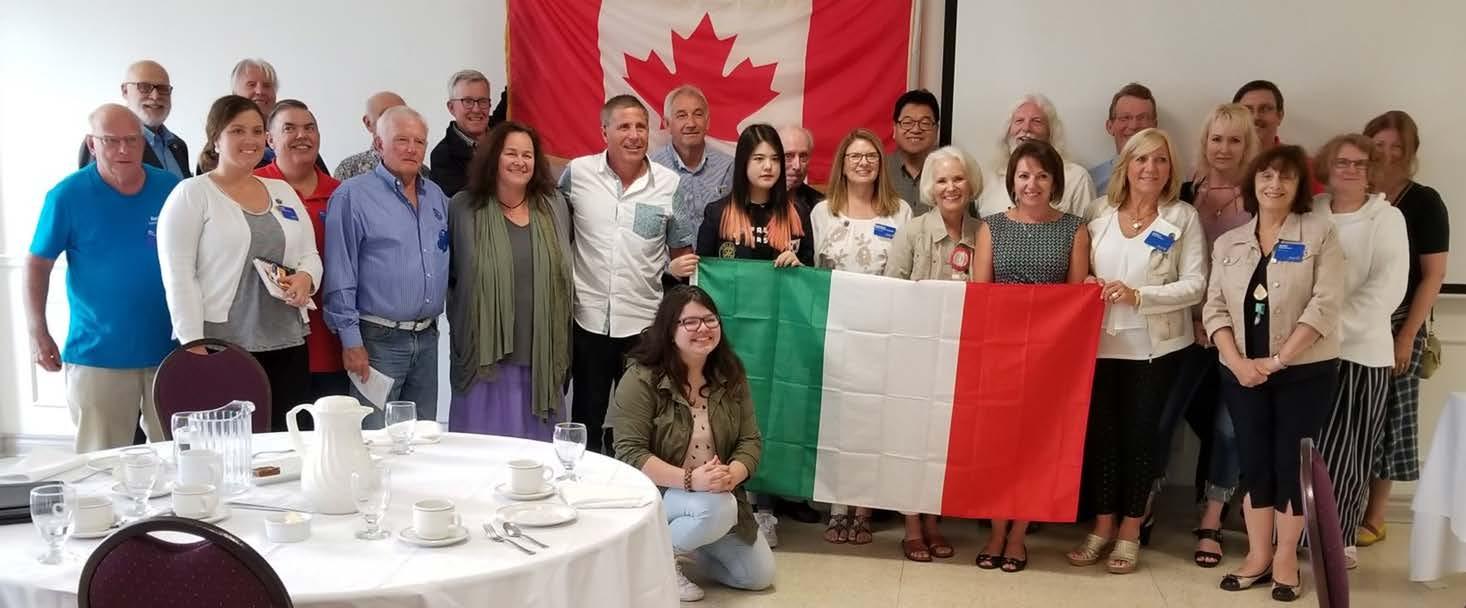
Does anyone know what year this may have been?
Discover how the Rotary-Toastmasters Alliance can strengthen your leadership, communication, and ability to inspire others through service.
Incoming Rotary International President, Olayinka H. Babalola, urges Rotarians to Create Lasting Impact in 2026-27.
We are people of action, creating lasting change through service
• Are we effective in sharing our message?
• Do we have communication skills to promote and enhance our business and volunteer actions?
In 2019, Rotary International and Toastmasters International formed an alliance to encourage members of each organization to interact.
• Rotarians could visit Toastmasters clubs to gain speaking and leadership skills.
• Toastmasters could visit Rotary clubs to learn about community events and ways to enrich their lives through service.
As we enter the new Rotary year, how will you and your club create lasting impact?
Many Rotarians in D6330 have already benefited from Toastmasters training and exhibit the proficiency and confidence that the Toastmasters program promotes.
Stay tuned for upcoming information about how to use the Rotary/Toastmasters Alliance to help you Create Lasting Impact.
Toastmasters International is a nonprofit organization that helps people build confidence through public speaking and leadership. Members learn through a supportive club environment, developing communication and leadership skills that benefit their careers, communities, and organization like Rotary.
For more information – Contact Sue Storie, Rotary Club of D6330 Passport

About Toastmasters International
Board Meeting Highlights
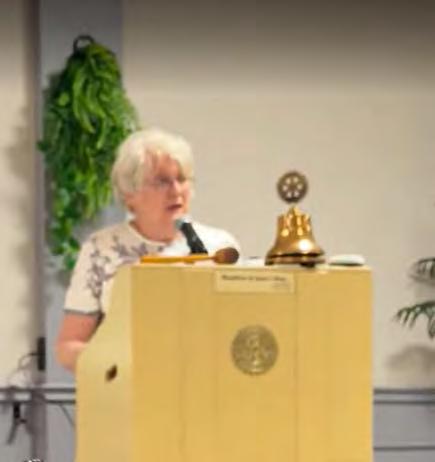
The Board met twice recently and here are a few highlights as reported by Secretary Johnna at the July 14 meeting –
• The 2026–27 club budget was approved.
• Annual club dues will increase by $10, reflecting increases from Rotary International and District 6330.
• Funding was approved for the YMCA Free Swim Sundays program this summer.
• The club confirmed its major community donations to the Inn of the Good Shepherd and the YMCA Lifeguard Pilot Project.
• Members selected the Youth Centre as the club's preferred 100th Anniversary Project.
• Planning has begun for the club's 100th Anniversary celebrations, with funds reserved for future projects.
• Applications for the next round of Community Grants open August 15. Members are encouraged to spread the word to local organizations.
• Final preparations were completed for the annual Mackinac Races Pancake Breakfast, one of the club's largest fundraising events.
• The Board is reviewing ways to improve club communications and enhance the experience for members attending meetings online.
• Plans are underway to present Rotary-funded defibrillators to both DeGroot's Nurseries and the Dante Club.
• The Board accepted, with regret, the resignation of Sue Auty, who is relocating to be closer to family. We thank Sue for her contributions to the club and wish her every success in the future.
A LITTLE HUMOUR
The road by my house was in bad condition after a rough inter. Every day I dodged potholes on the way to work. So I was relieved to see a construction crew working on the road one morning.
Later, on my way home, I noticed no improvement. But where the construction crew had been working stood a new, bright-yellow sign with the words “Rough Road.”
Over the years, my husband and I have usually managed to decode the cute but confusing gender signs they sometimes put on restroom doors in restaurants (Buoys & Gulls, Laddies & Lassies, etc.), but every so often we get stumped. Recently my husband wandered off in search of the men’s room and found himself confronted by two marked doors. One was labelled “Bronco” and the other was designated “Cactus.”
Completely baffled, he stopped a restaurant employee passing by. “Excuse me, I need to use the restroom,” he said. Gesturing toward the doors, he asked, “Which one should I use?”
“Actually, we would prefer you to go there,” the employee said, pointing to a door down the hall marked “Men.” “Bronco and Cactus are private dining rooms.”
An author was coming to my local bookstore to discuss her novel set in the Prairies. The main character was “a strongwilled heroine fighting to survive the hardships of the times.”
When I went to the reading, I was disappointed to learn the writer had cancelled her appearance. The reason? She didn’t want to drive in the rain.
After a recent move, I made up a list of companies, agencies, and services that needed to know my new address and phoned each to ask them to make the change. Everything went smoothly until I made a call to one of my freuqnet-flyer accounts. After I explained to her what I wanted to do, the woman I reached in customer service told me, “I’m sorry we can’t do that over the phone. You will have to fill out our change-of-address form.”
“How do I get one of those?” I asked.
“We’d be happy to provide you with one,” she said pleasantly. “Can I have your new address so that I can mail it to you?”
I played for a semipro baseball team. At every game, we sold raffle tickets. Half the money paid the team’s expenses ad the other half went ot the winning ticket holder. One day they held the drawing just as I was stepping up to bat.
The home plate umpire pulled the winning ticket, and then turned to me. “Could you read the number?” he asked. “My vision’s not too good.”


TO VIEW PREVIOUS NEWSLETTERS (2026-27) online in magazine format, click the links below -

July
CARING FOR OUR COMMUNITY
One of the greatest strengths of the Rotary Club of Sarnia is its long-standing commitment to improving the lives of people who need support most. Over many decades, the club has helped build and strengthen organizations that continue to make an extraordinary difference throughout Sarnia-Lambton.
• Pathways Health Centre for Children – specialized health, therapy, and family support services for children and youth

• Community Concerns for the Medically Fragile (CCMF) – support, advocacy and a residential home for children and young adults with complex medical needs.
• March of Dimes Canada – rehabilitation, employment and independent-living support for Canadians living with disabilities

Honouring 99 Years of Service – And Counting!
Next year, the Rotary Club of Sarnia will celebrate a remarkable milestone: 100 years of service.
As we enter Year 99, it is worth pausing for a moment to appreciate the countless acts of generosity, leadership, and community spirit that have brought us to this point.
A century is built one year at a time, one project at a time, and one member at a time. Behind every scholarship awarded, every youth program supported, every community project completed, and every helping hand extended are Rotarians who chose to turn concern into action.
While much has changed since the club was founded, the values that define Rotary remain unchanged. Friendship, service, integrity, and a commitment to improving lives continue to inspire members today just as they did nearly a century ago.
The pages that follow highlight only a portion of what has been accomplished over these past 99 years.
Together, they tell a story of service that continues to grow – and of a club preparing to begin its second century of making a difference and Creating Lasting Impact!
COMMUNITY SERVICE THROUGH THE YEARS
Pathways Health Centre for Children (Founder)
Bluewater Health – Maternal & Child Health Wing
YMCA – Swimming Pool
Inn of the Good Shepherd
Lambton College
St. Joseph’s Hospice
Huron House Boys’ Home
Community Living, Sarnia Lambton

Community Concerns for the Medically Fragile (Standing Oaks Home)
Rotary Youth Leadership Awards (RLYA)
DOW Centre for Children and Youth

Big Brothers – Big Sisters
Canada Food Grains
Scouts Canada – Camp Attawandaron
Goodwill Industries
Rayjon Haiti Project
YMCA Youth Scholarship
Lambton County Music Festival Awards
Family Counselling Centre
Access Open Minds
Habitat for Humanity
Point Edward Minor Hockey Association
Junior Achievement
Numerous Schools – LKDSB and SCCDSB
…and much, much more

But no -

When tomorrow comes, this day will be gone forever. In its place is something that you have left behind. Let it be something good. §